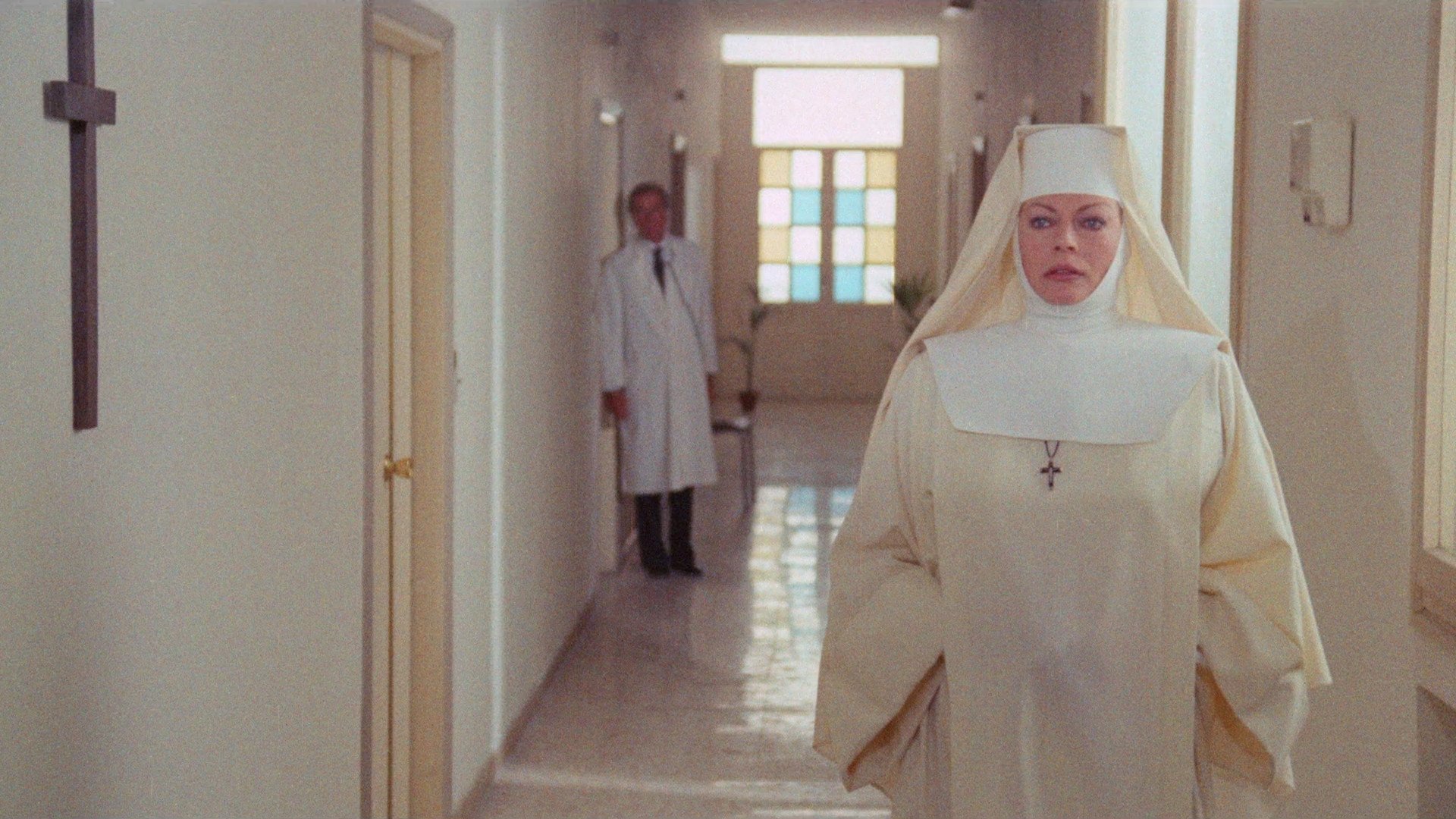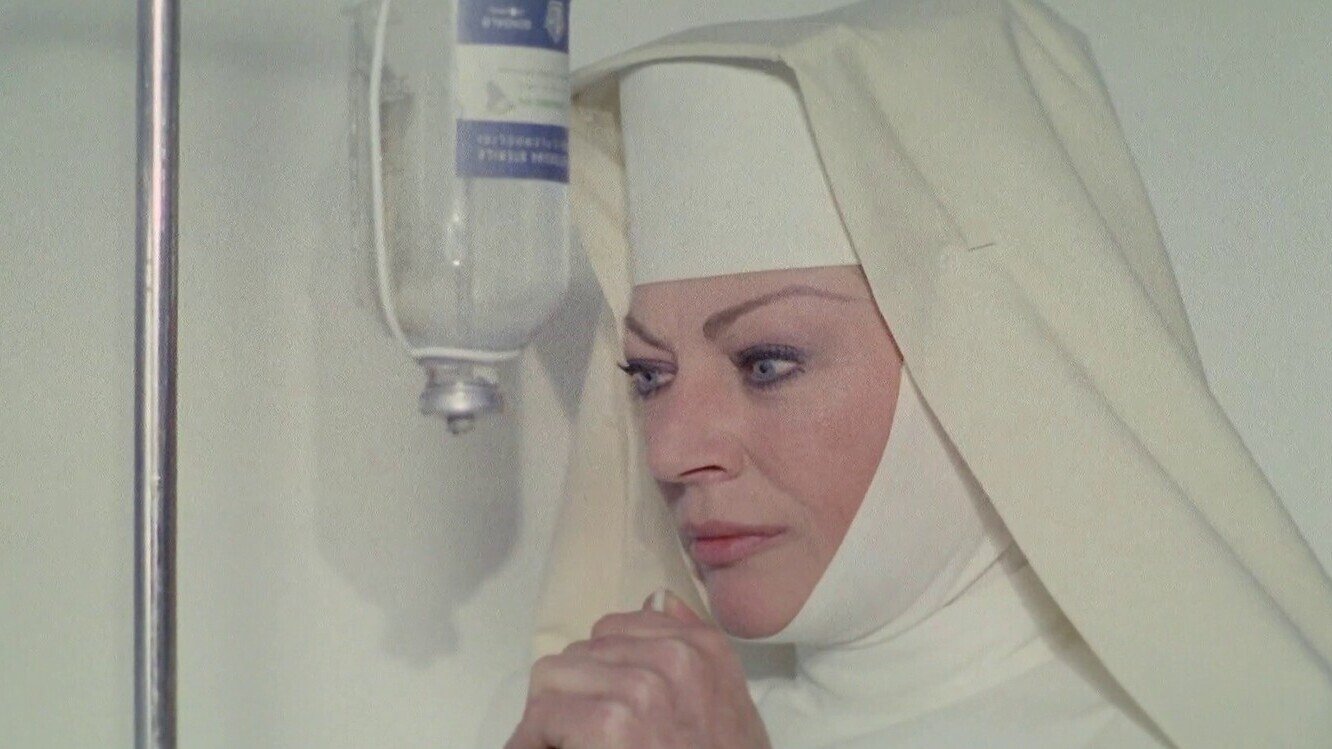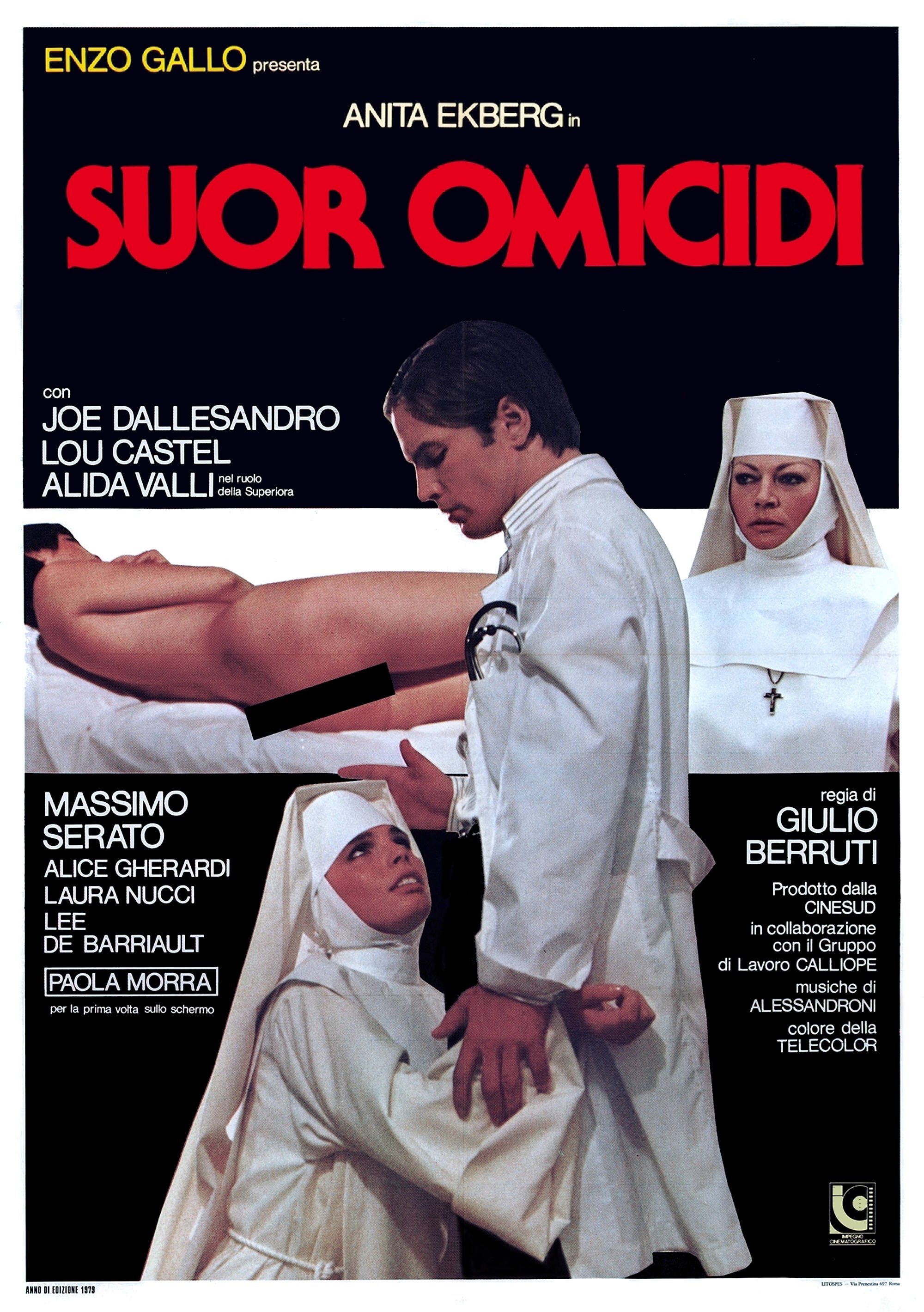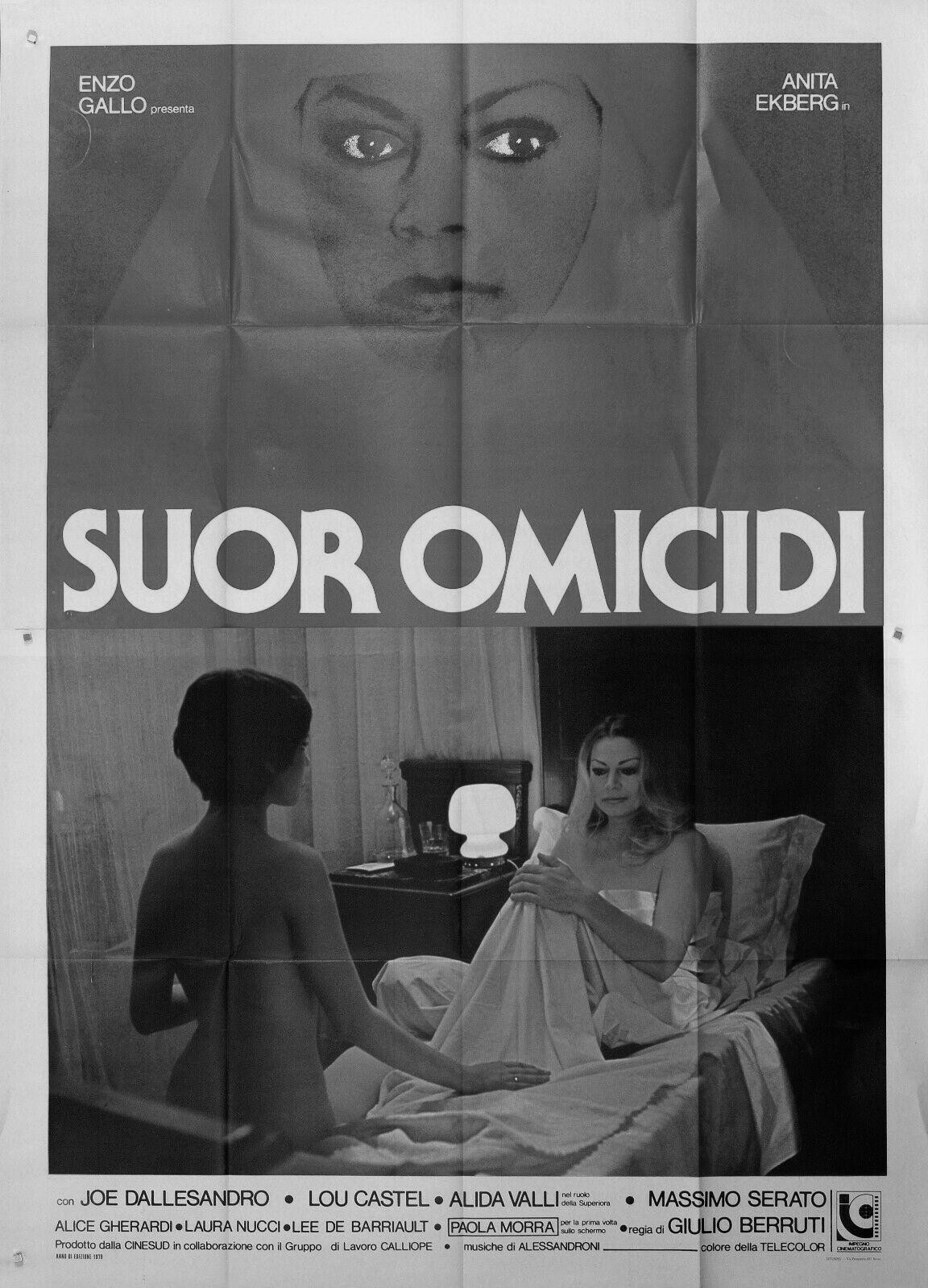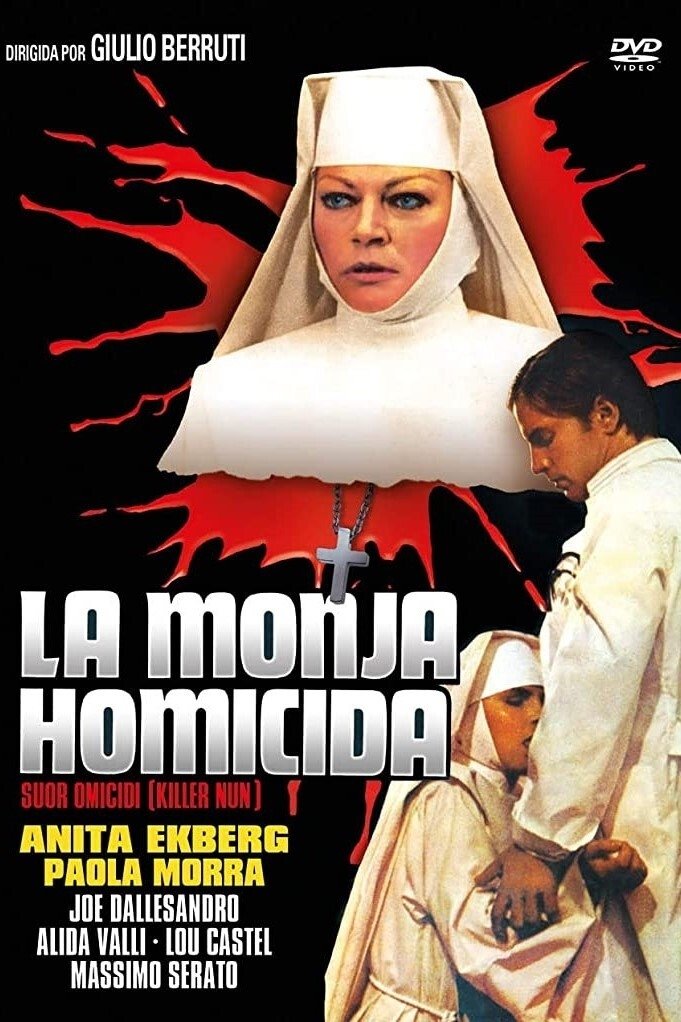
From a Belgian Case to the Screen
In February 1978 Italian newspapers reported the arrest of a nun working at a hospital in Wetteren, Belgium. Cécile Bombeke, known in religious life as Sister Godfrida, was accused of obtaining morphine through false prescriptions and taking money from patients. Roberto Curti's historical research identifies reports that she confessed to three murders and was suspected of many additional deaths involving insulin overdoses. These were contemporary accusations, not a judicially established death toll. Curti records that she was later considered unfit to stand trial and placed in psychiatric care. The film's claims of factual inspiration refer to that case, not to an authenticated account of everything shown onscreen.
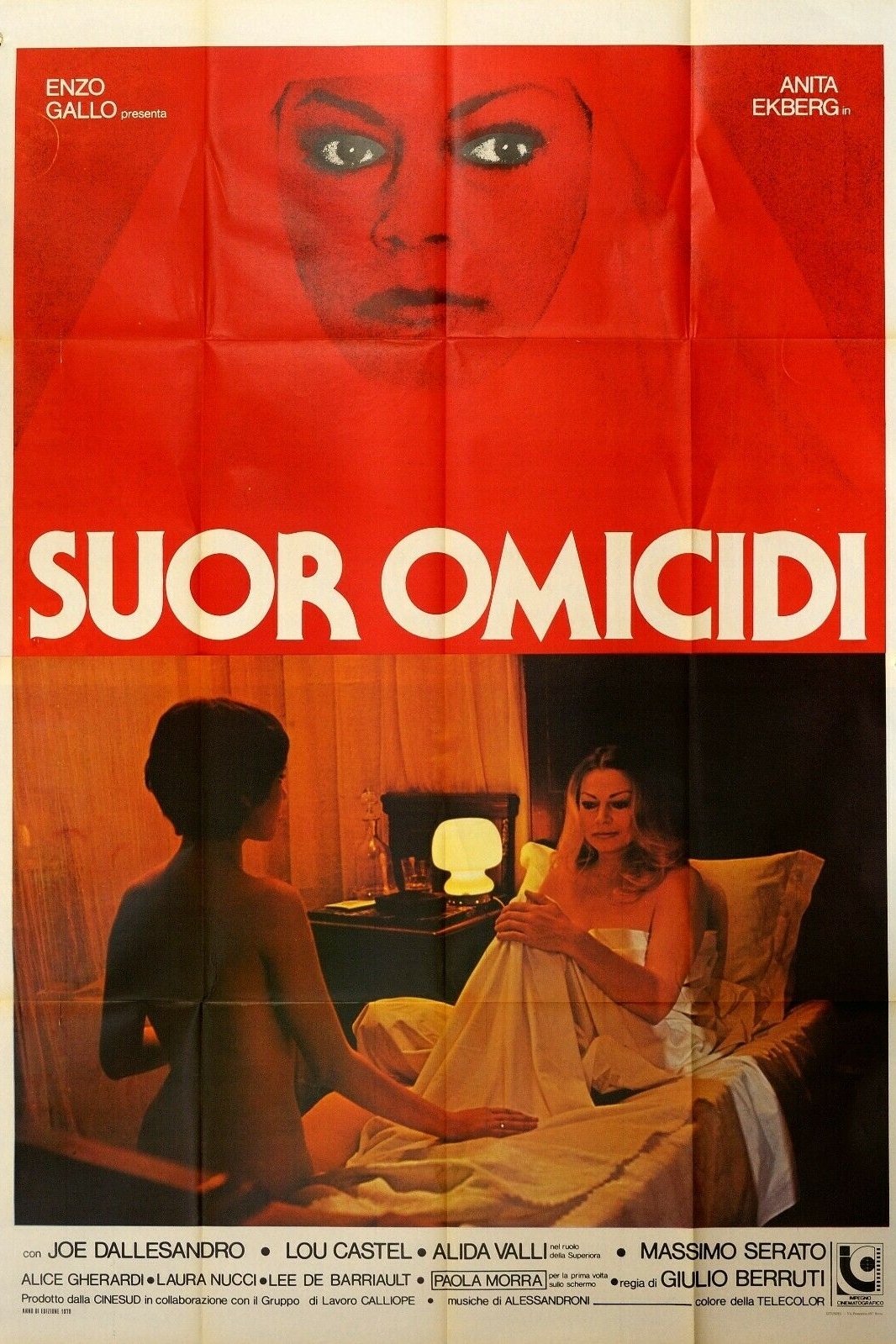
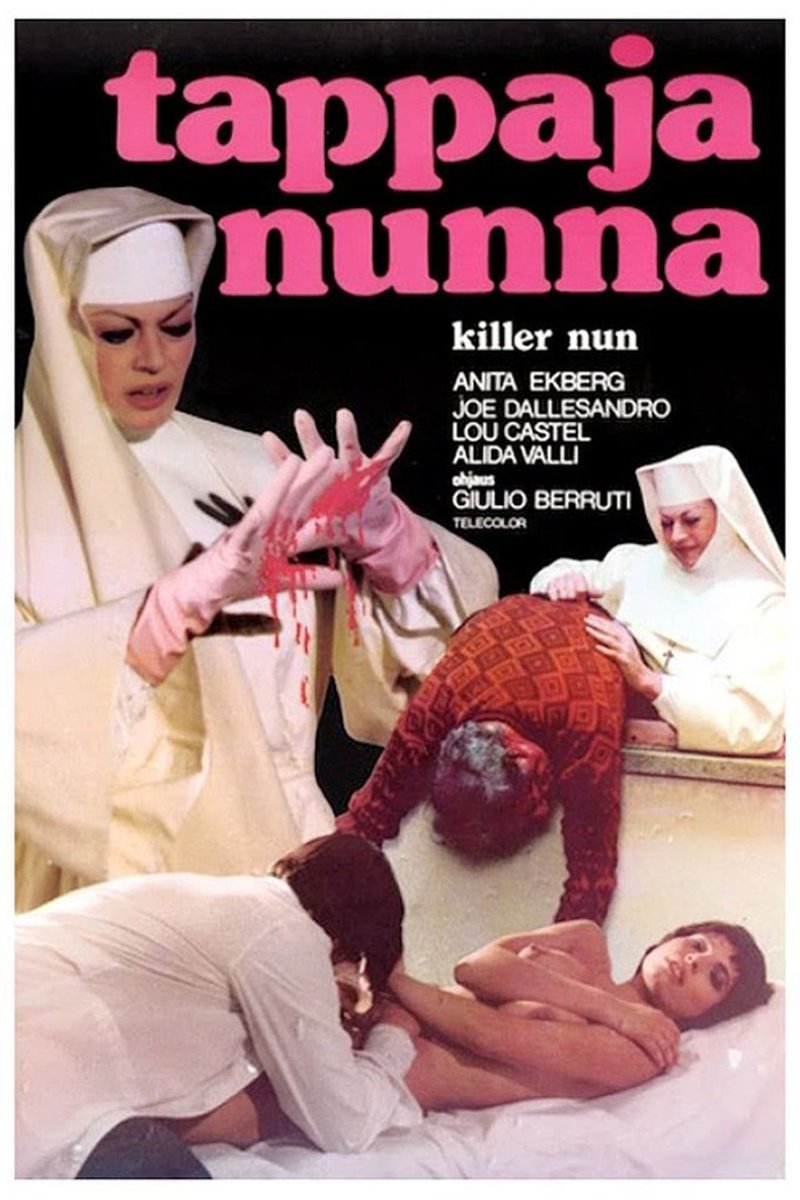
Producer Enzo Gallo moved quickly after the press coverage. Curti found that the story for Suor omicidi was deposited on 10 April 1978. Gallo combined the recent scandal with an established market for films about convents, erotic transgression and institutional repression. He commissioned Giulio Berruti to write with Alberto Tarallo and direct the feature. Their adaptation created a hospital murder mystery suited to the contemporary giallo: uncertainty about the killer could sustain suspense alongside scenes of threatened bodies and forbidden sexual behavior. The Belgian scandal supplied the premise, while the finished film established separate characters, crimes and motives.
Berruti later described an abandoned variation in which the patients would have been elderly film performers whose identities could be inferred from their dialogue. The production considered Paola Borboni and Clara Calamai, but the cost prevented this concept from going forward. That change matters to the horror setting. The completed hospital contains vulnerable patients without the protective familiarity of recognizable screen personalities, concentrating the viewer's attention on their dependence and isolation. The institution becomes a place where its residents have little power to contest an accusation or defend themselves against a caregiver.