Development and Autobiographical Origins
Cronenberg conceived The Brood during a difficult period following the breakdown of his first marriage and a dispute over custody of his daughter. He drew on the emotional intensity of those circumstances when writing a story about parents whose conflict places a child in danger. The screenplay developed after his early commercial horror films Shivers (1975) and Rabid (1977), and the racing drama Fast Company (1979). Cronenberg had been preparing a project called The Sensitives, elements of which later informed Scanners (1981), but the new screenplay became his immediate priority. Its concentrated family conflict represented a departure from the more expansive scenarios of biological contagion explored in his earlier horror productions.
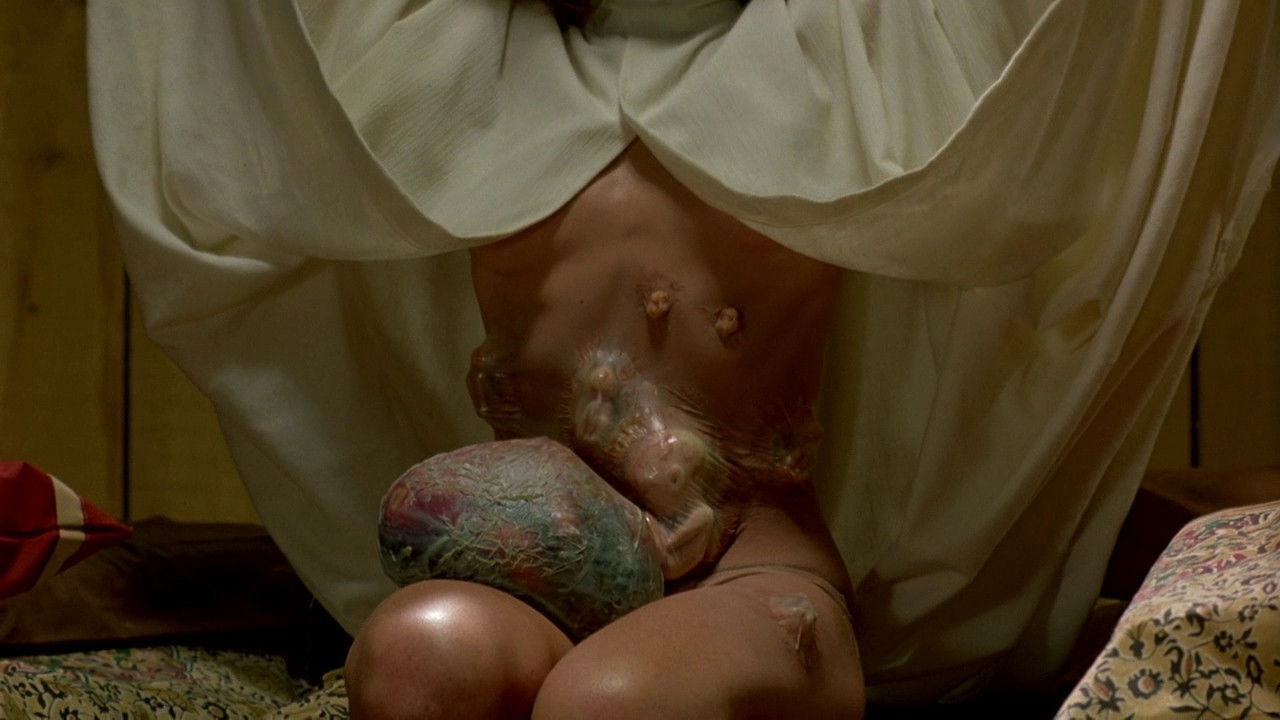
Cronenberg subsequently compared The Brood with Robert Benton’s divorce drama Kramer vs. Kramer (1979), describing his own film as a more realistic portrayal of marital hostility. That comparison became an important part of his retrospective explanation of the project. It should not be interpreted as evidence that he wrote The Brood in direct response to seeing the completed Benton film, which entered American cinemas later in 1979. The autobiographical connection instead concerns the custody dispute and the experiences that informed Cronenberg’s screenplay. He also described the resulting production as among his most personally satisfying because it transformed distressing circumstances into a fictional narrative whose consequences were physically visible.
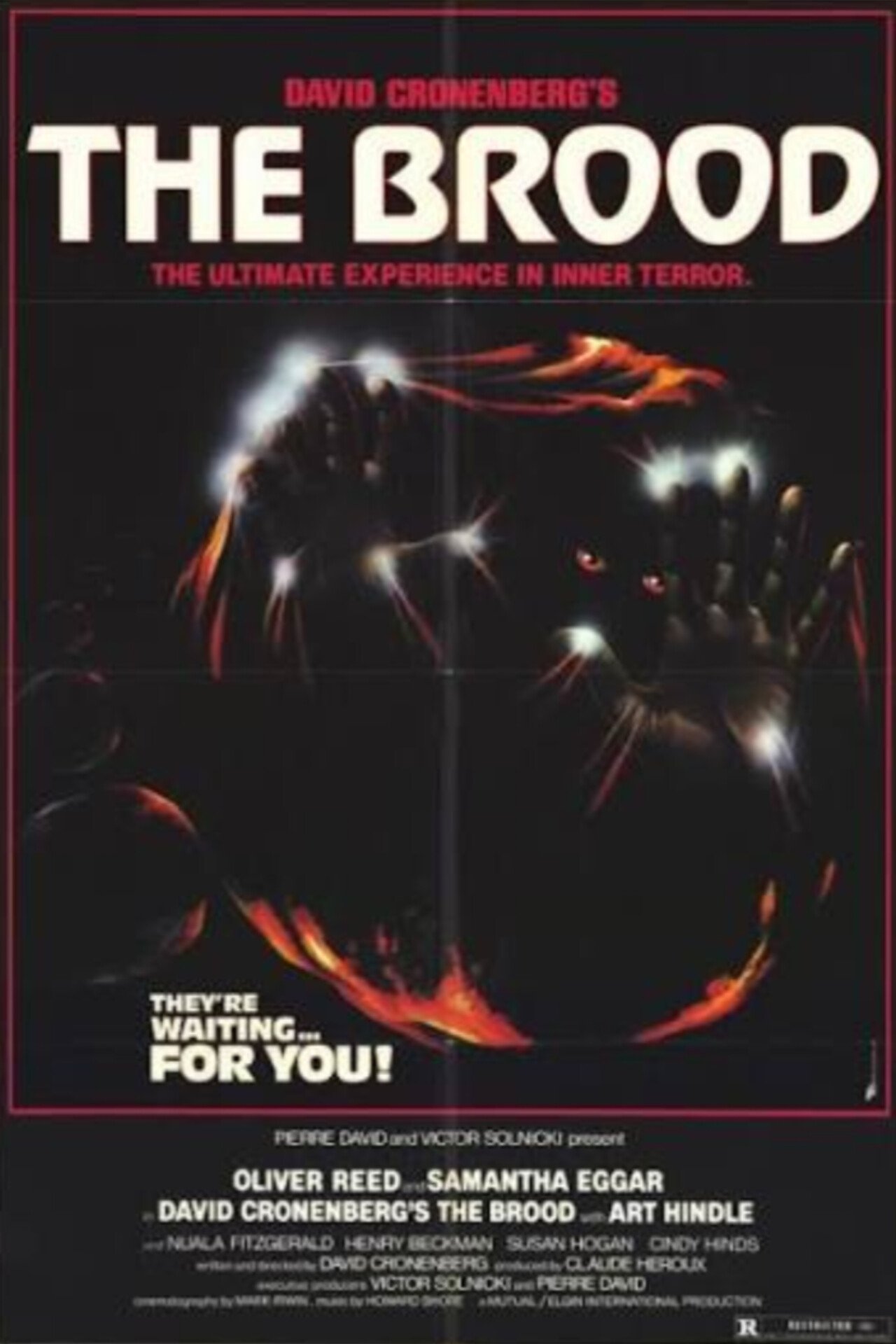
The financing reflected the expansion of Canadian feature production during the late 1970s. Tax incentives encouraged private investment, allowing filmmakers with commercial experience to develop projects that would otherwise have struggled to attract substantial budgets. The Brood was produced by Claude Héroux through companies including Elgin International Productions and Les Productions Mutuelles, with Pierre David and Victor Solnicki serving as executive producers. Published budget estimates generally fall between approximately 1.35 and 1.5 million Canadian dollars, reflecting differences in reporting. The resources permitted an experienced international cast and more elaborate production facilities than Cronenberg had previously enjoyed. The film nevertheless retained the comparatively concentrated locations and practical methods characteristic of his early independent work.