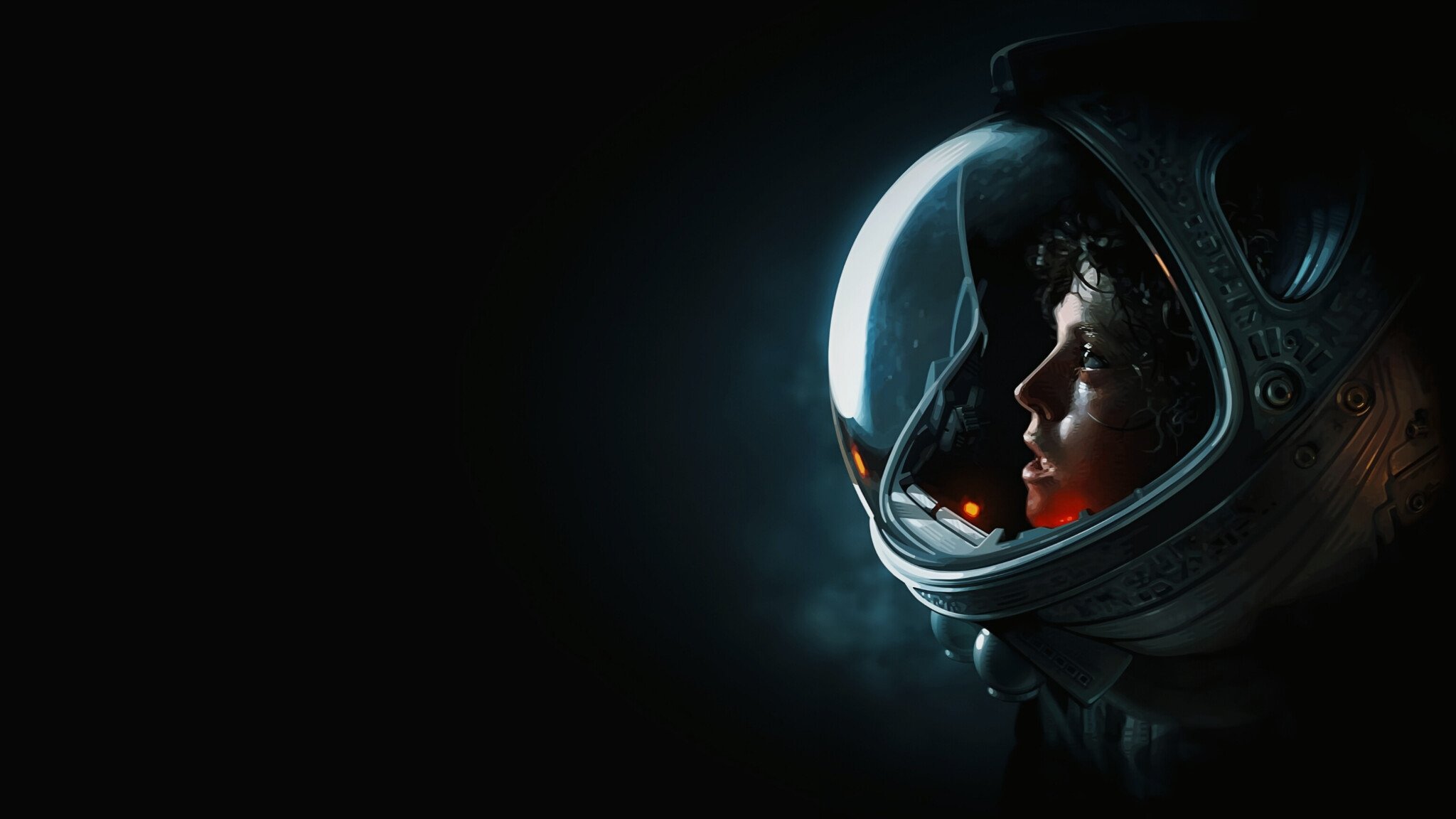
Alien (1979)

US
HORROR FILM Science Fiction
SUBGENRES BODY HORROR MONSTER
9.0/10 7 votes
Runtime
117 min
Release
May 25, 1979
Budget
$11,000,000
Revenue
$104,931,801
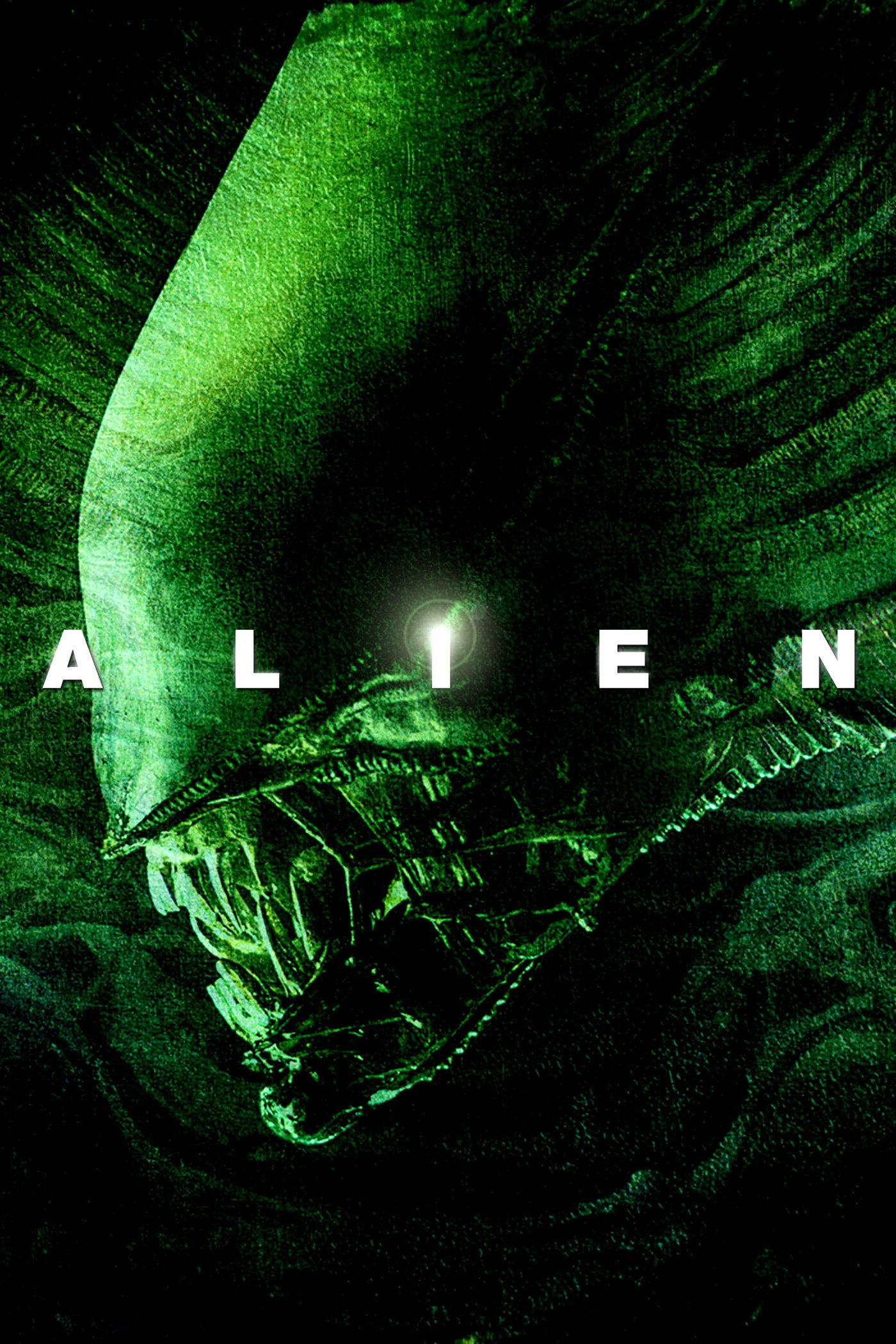
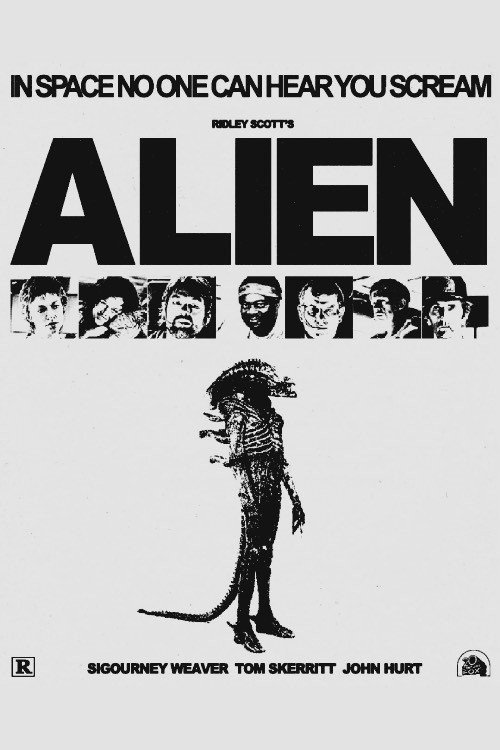
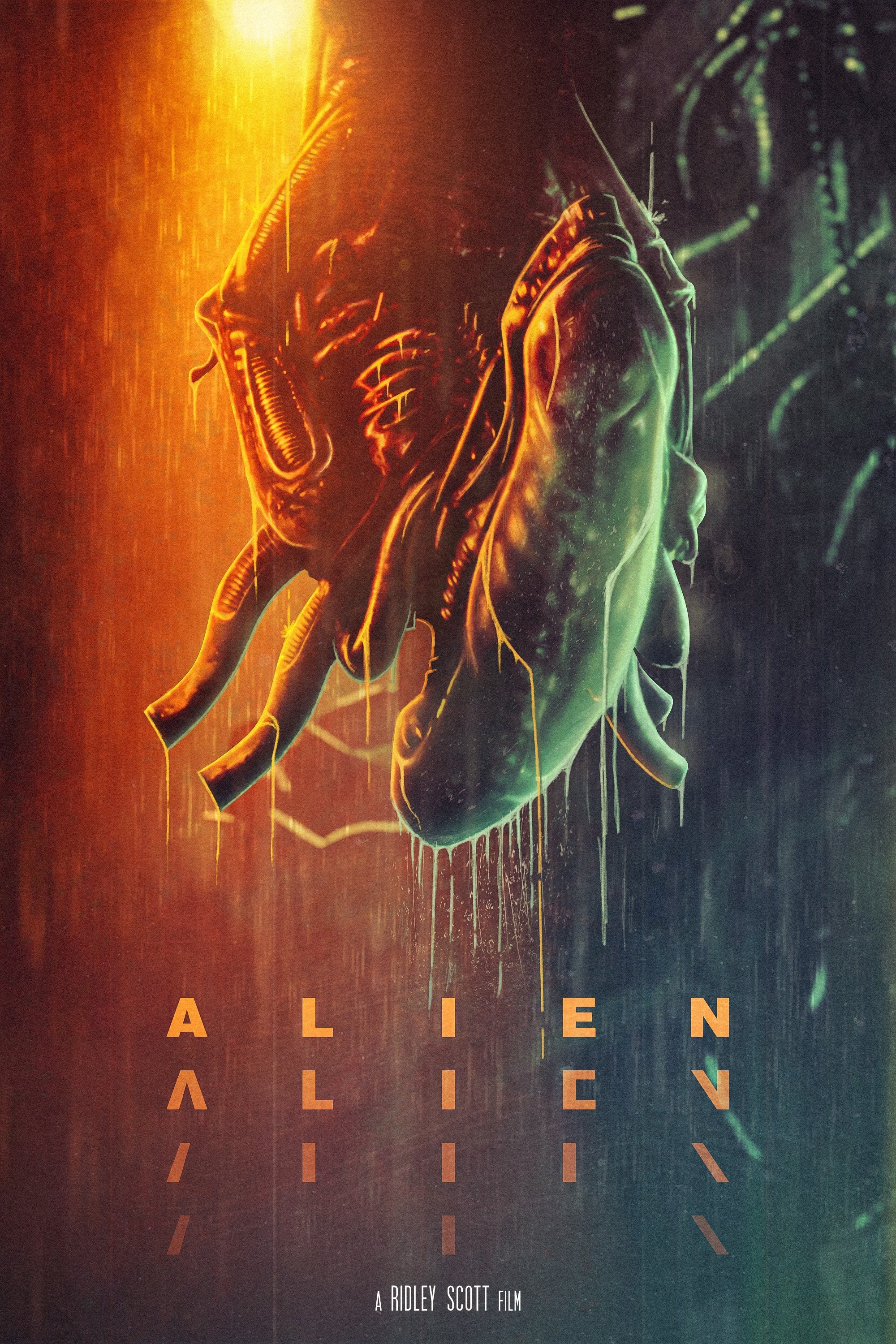
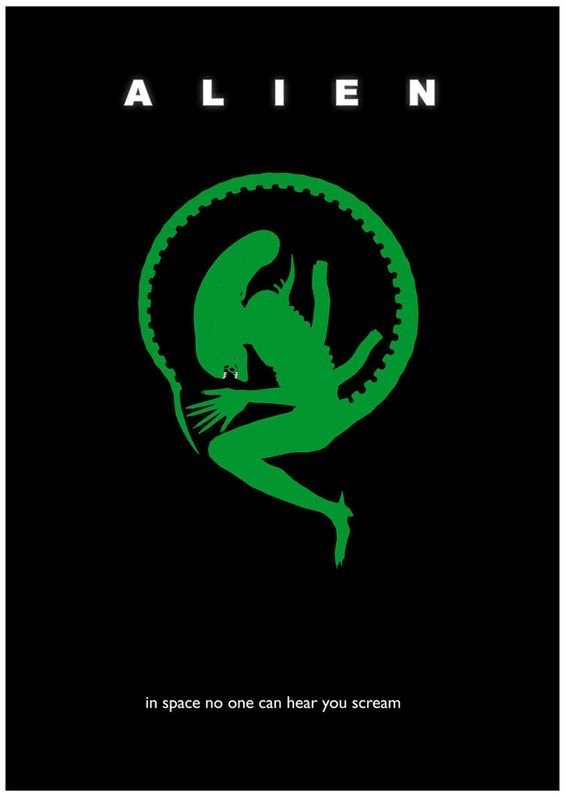
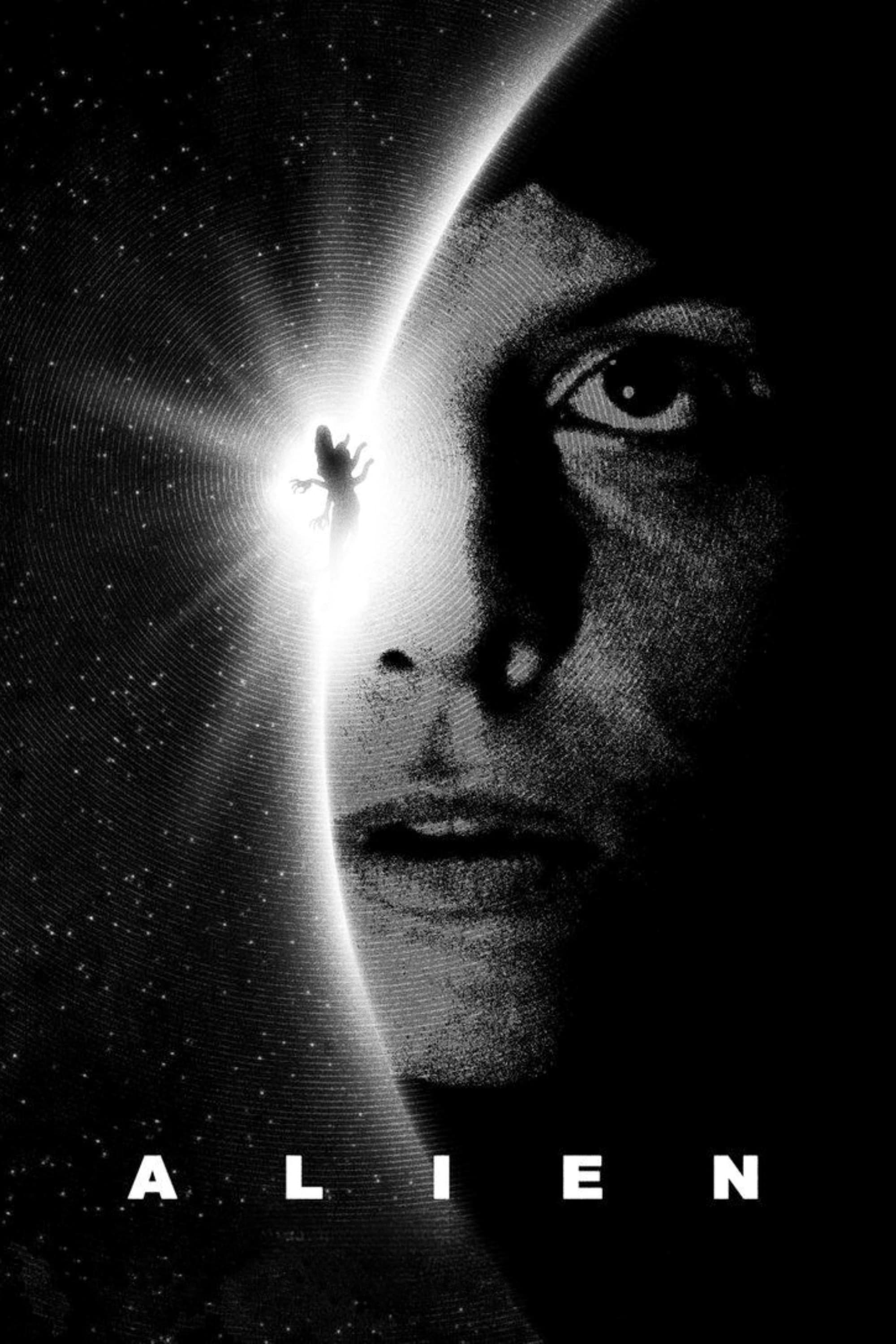
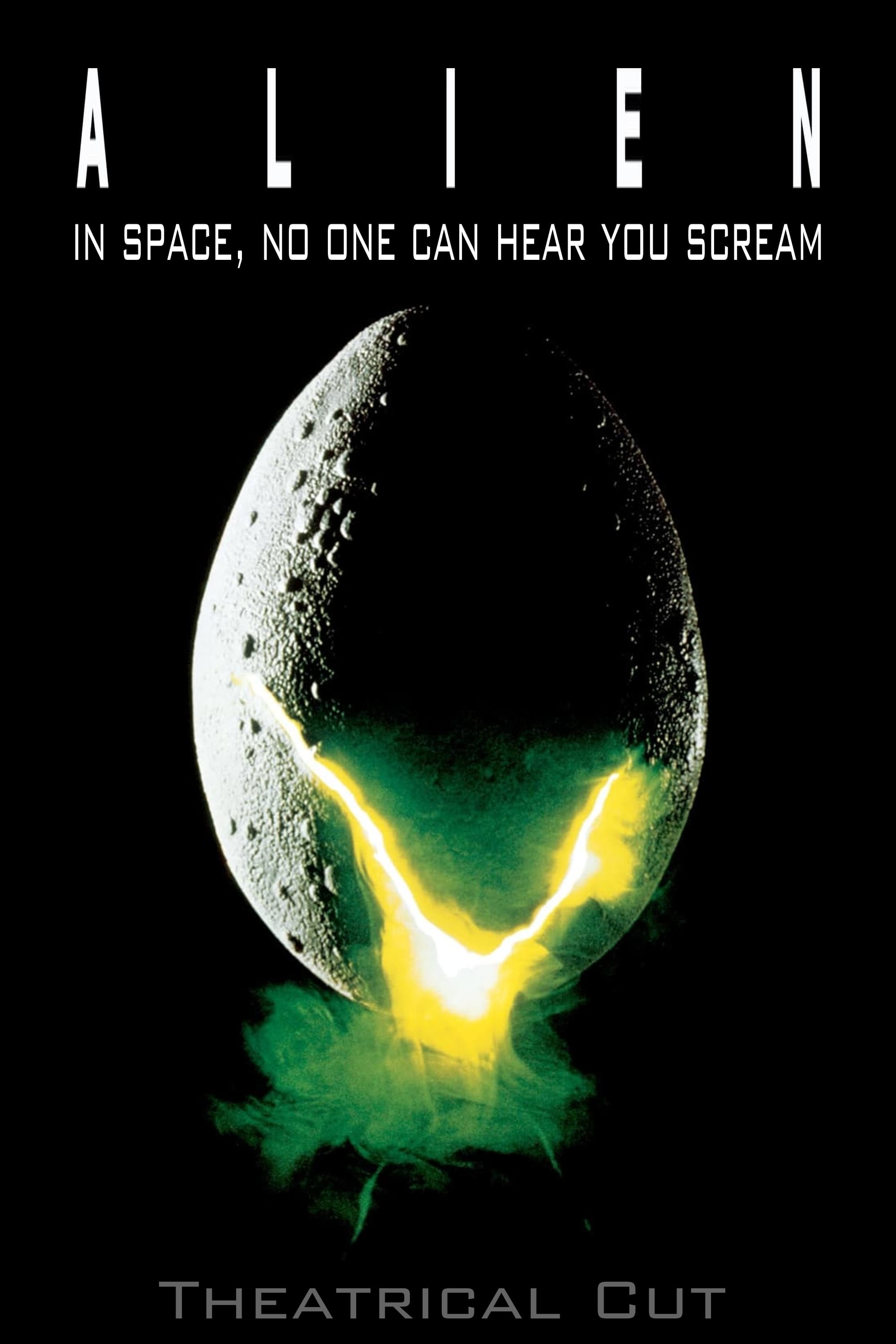
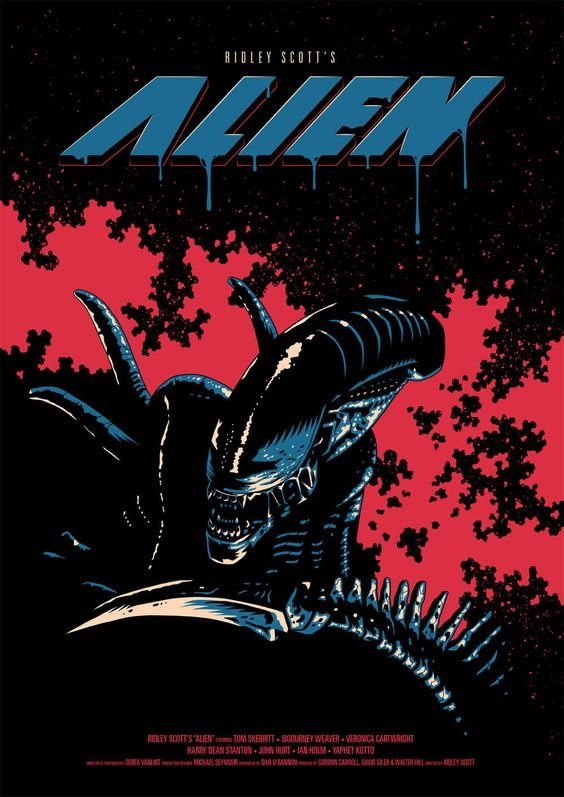
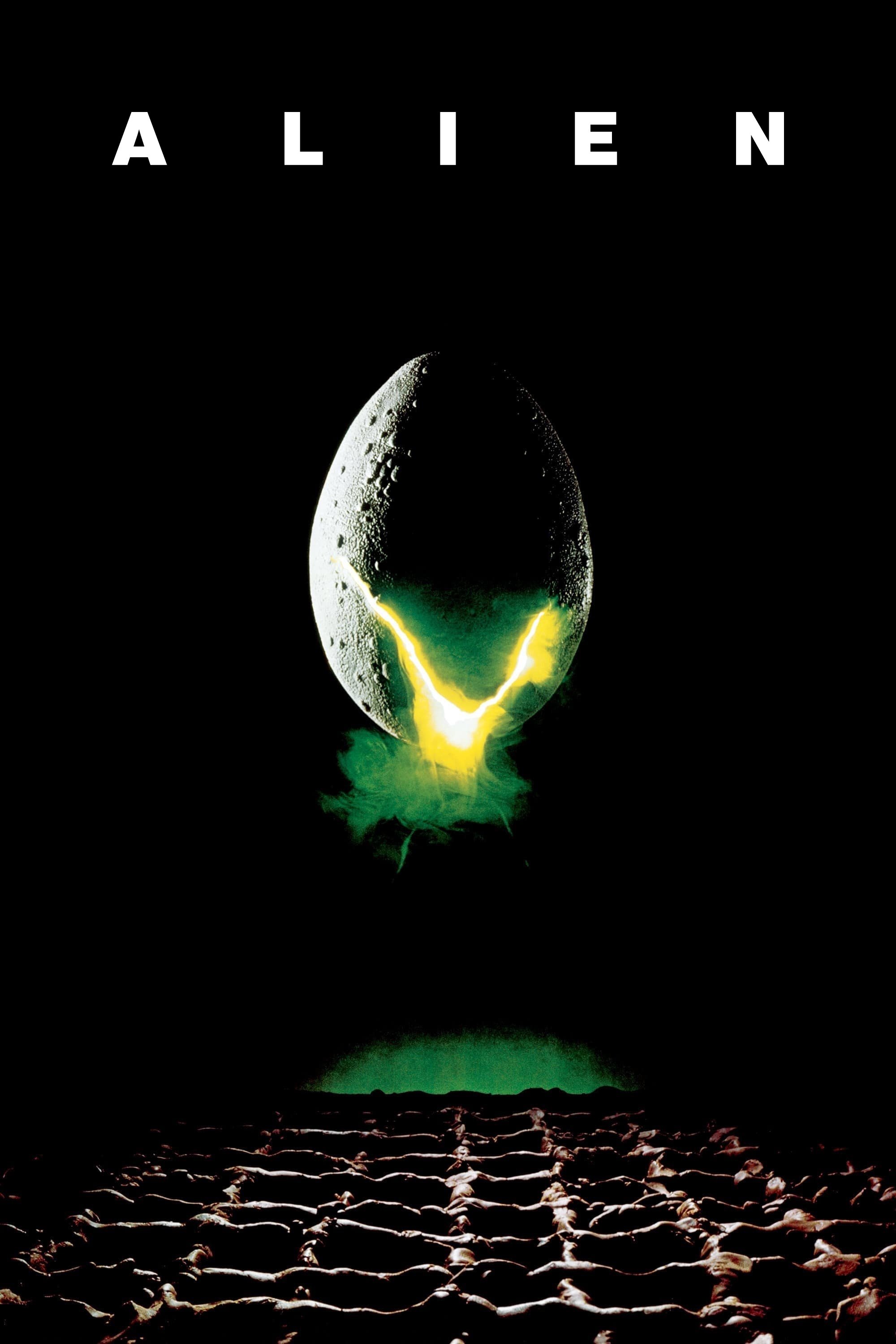
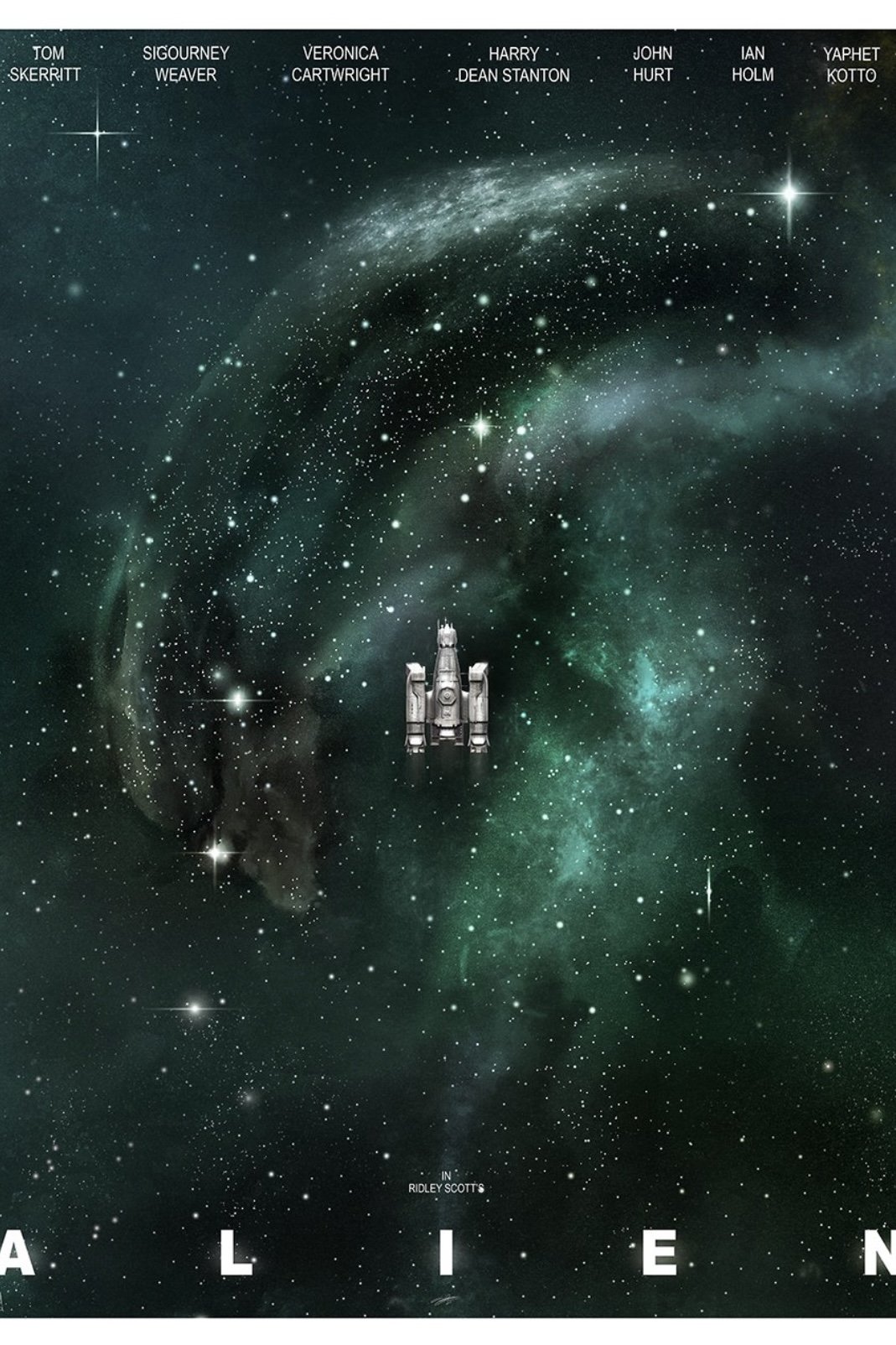
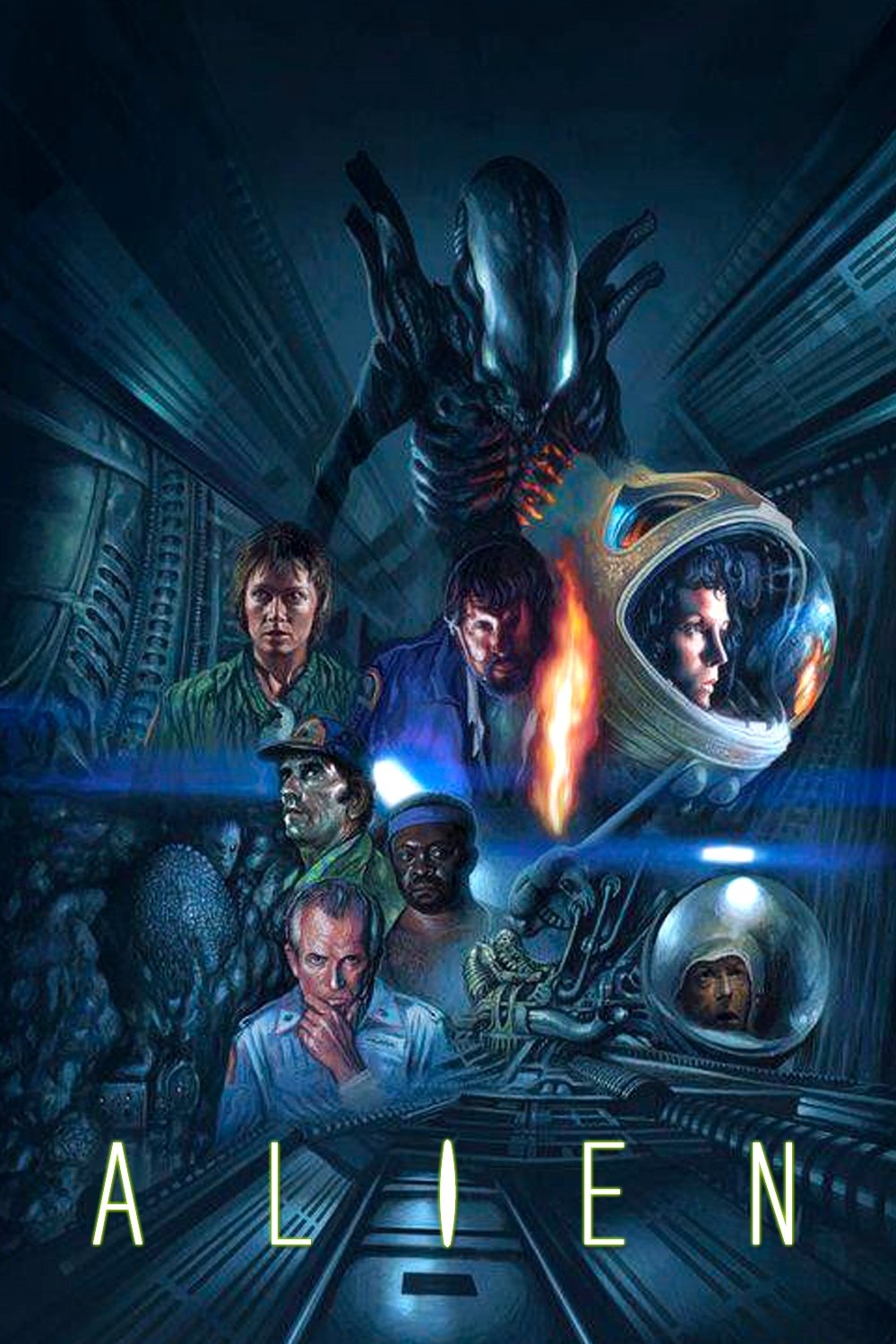
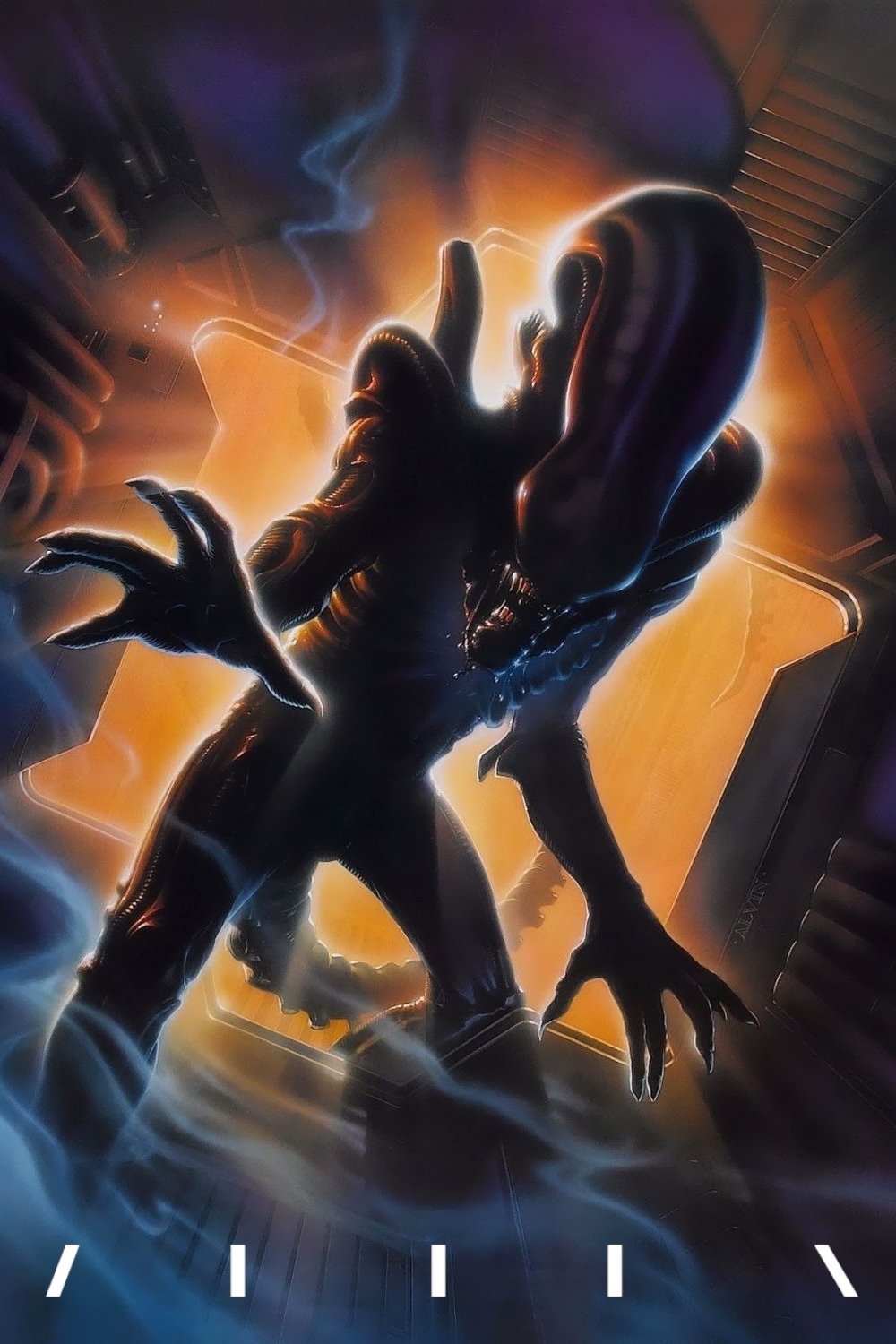
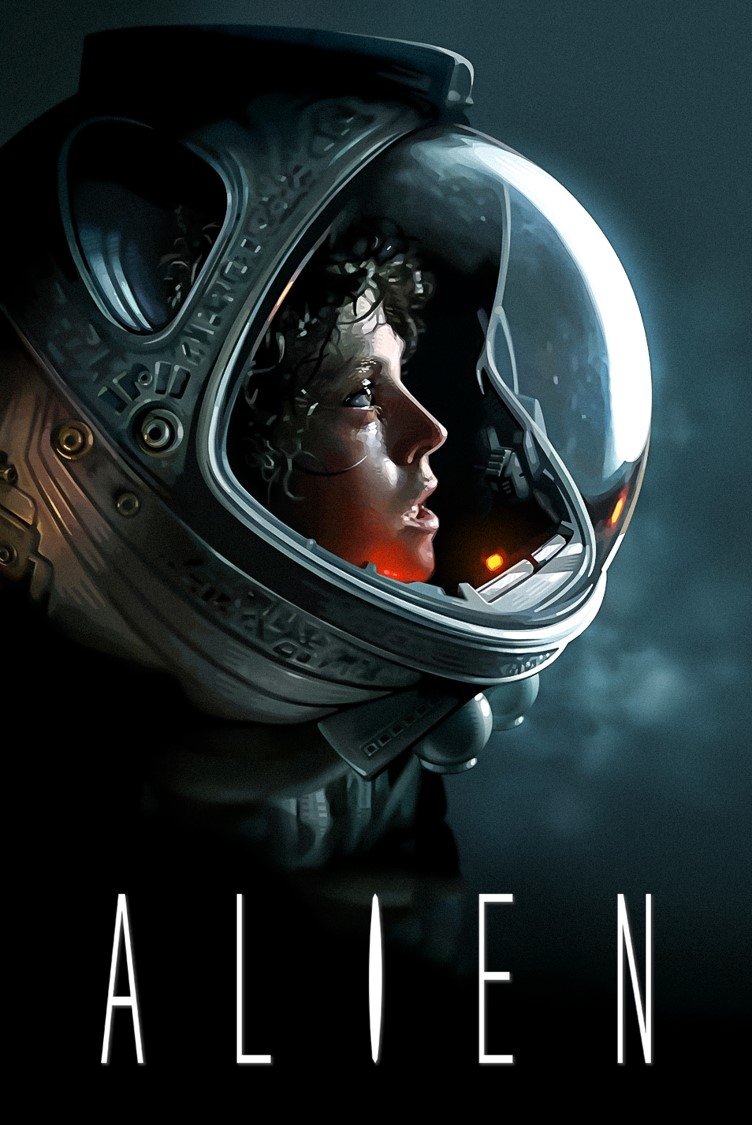
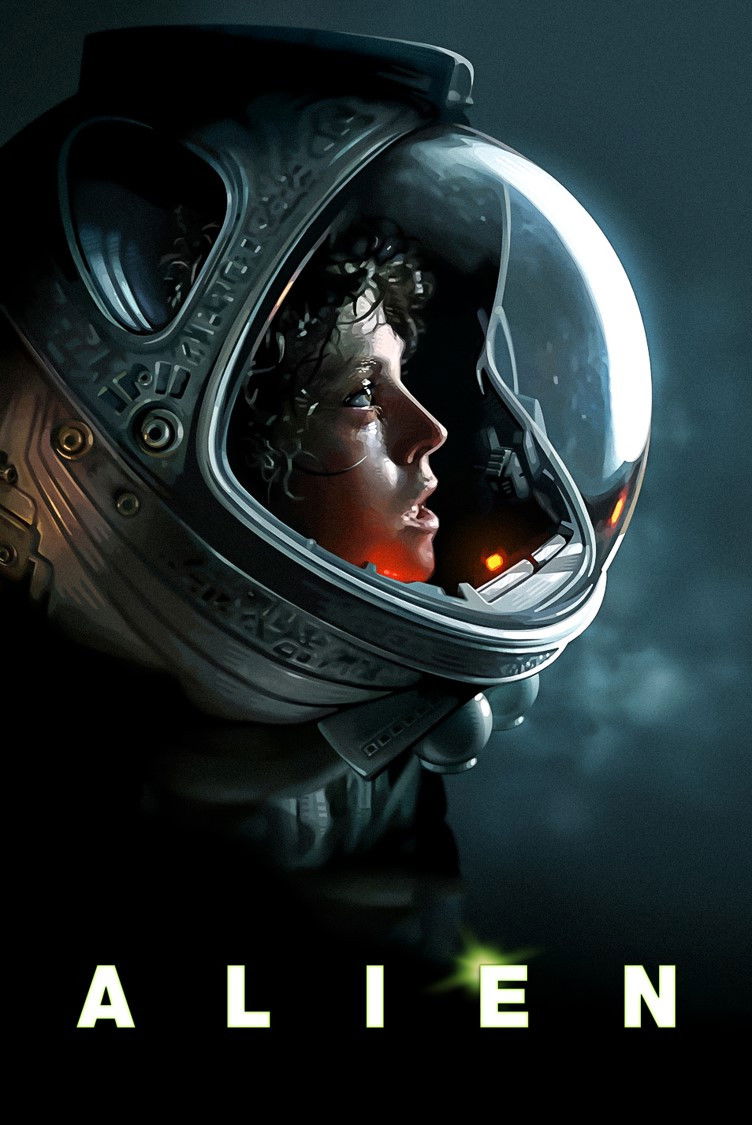
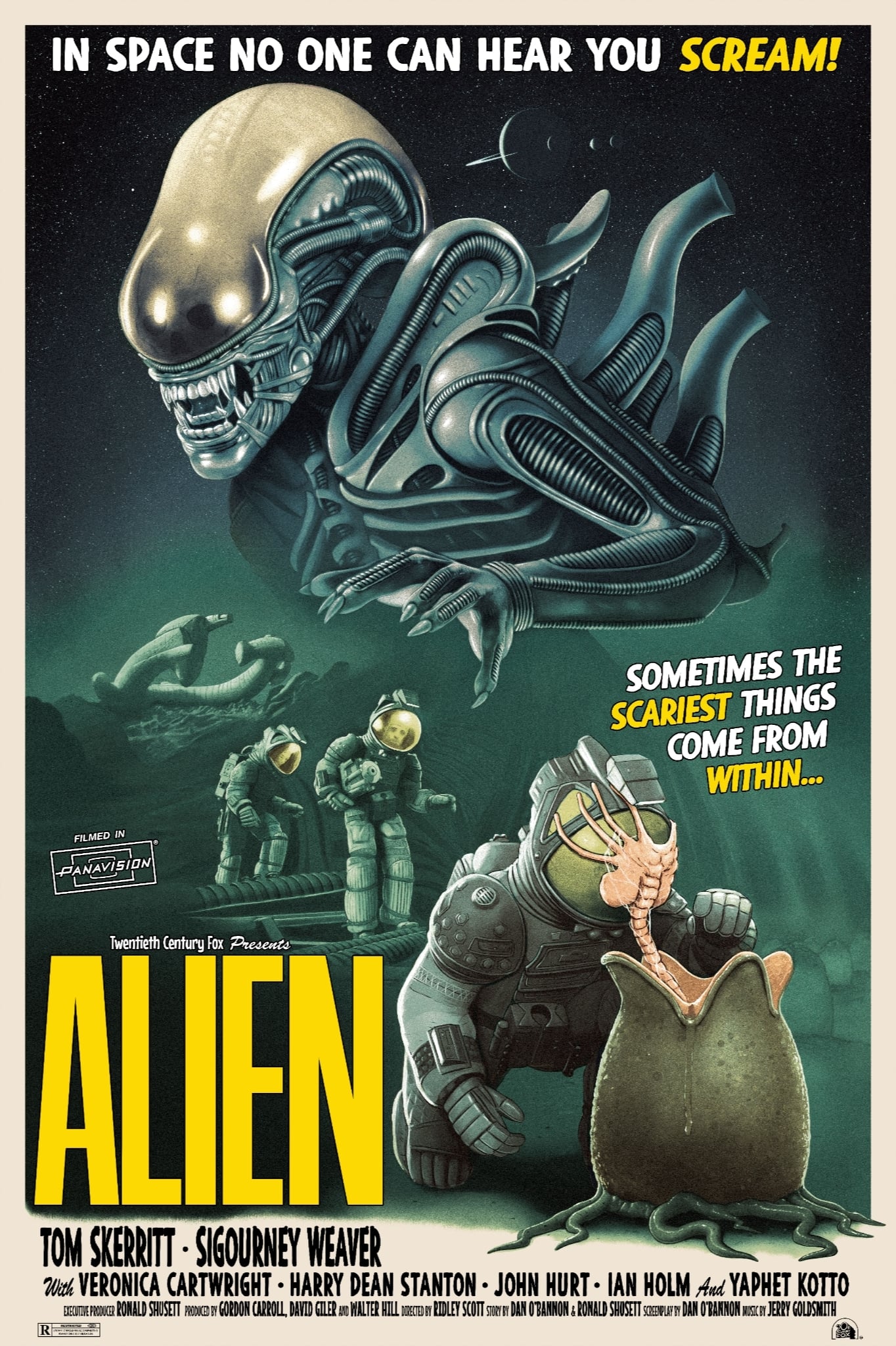
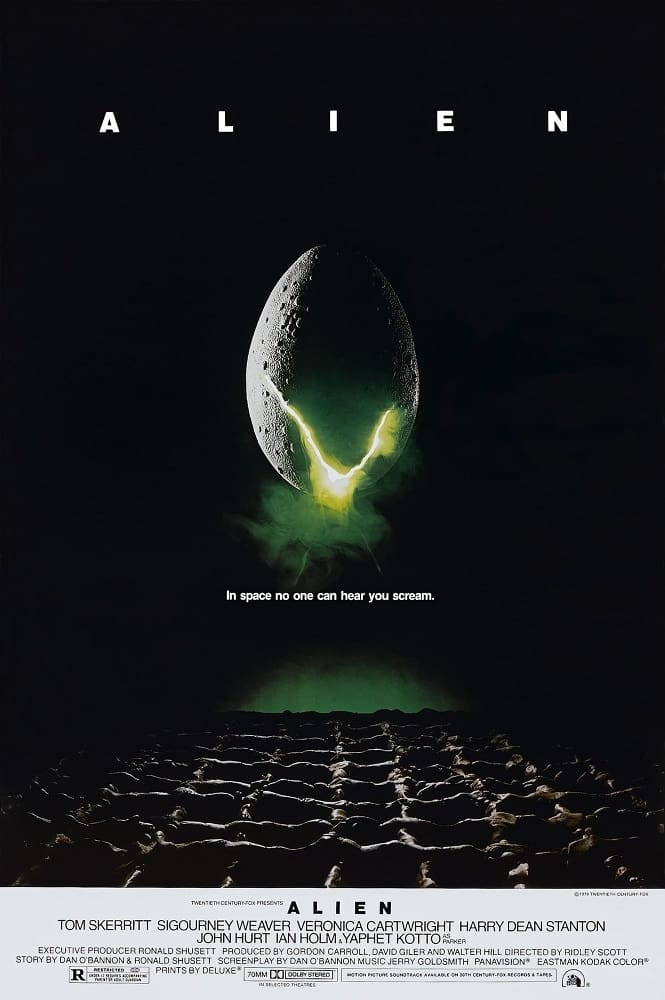
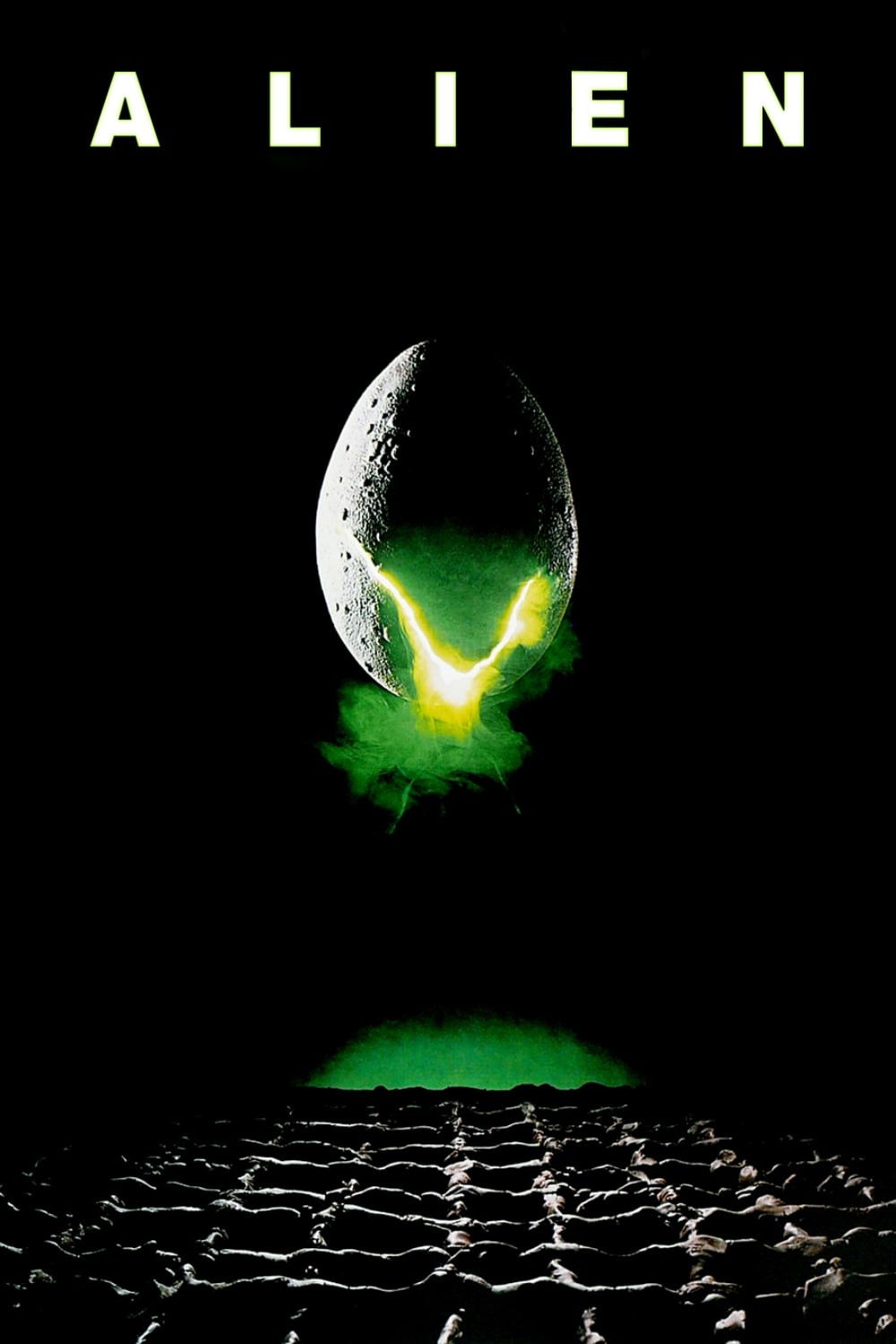
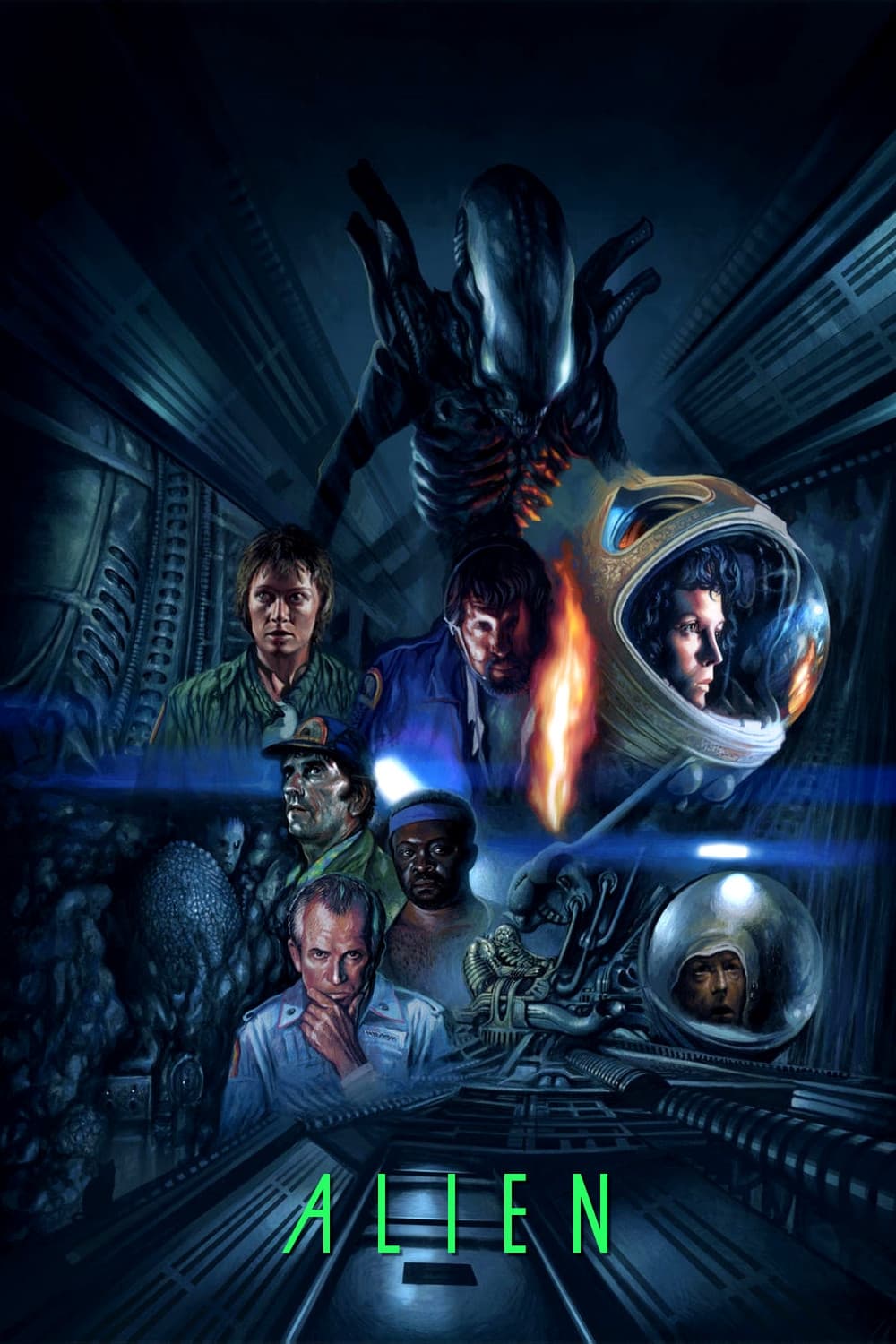
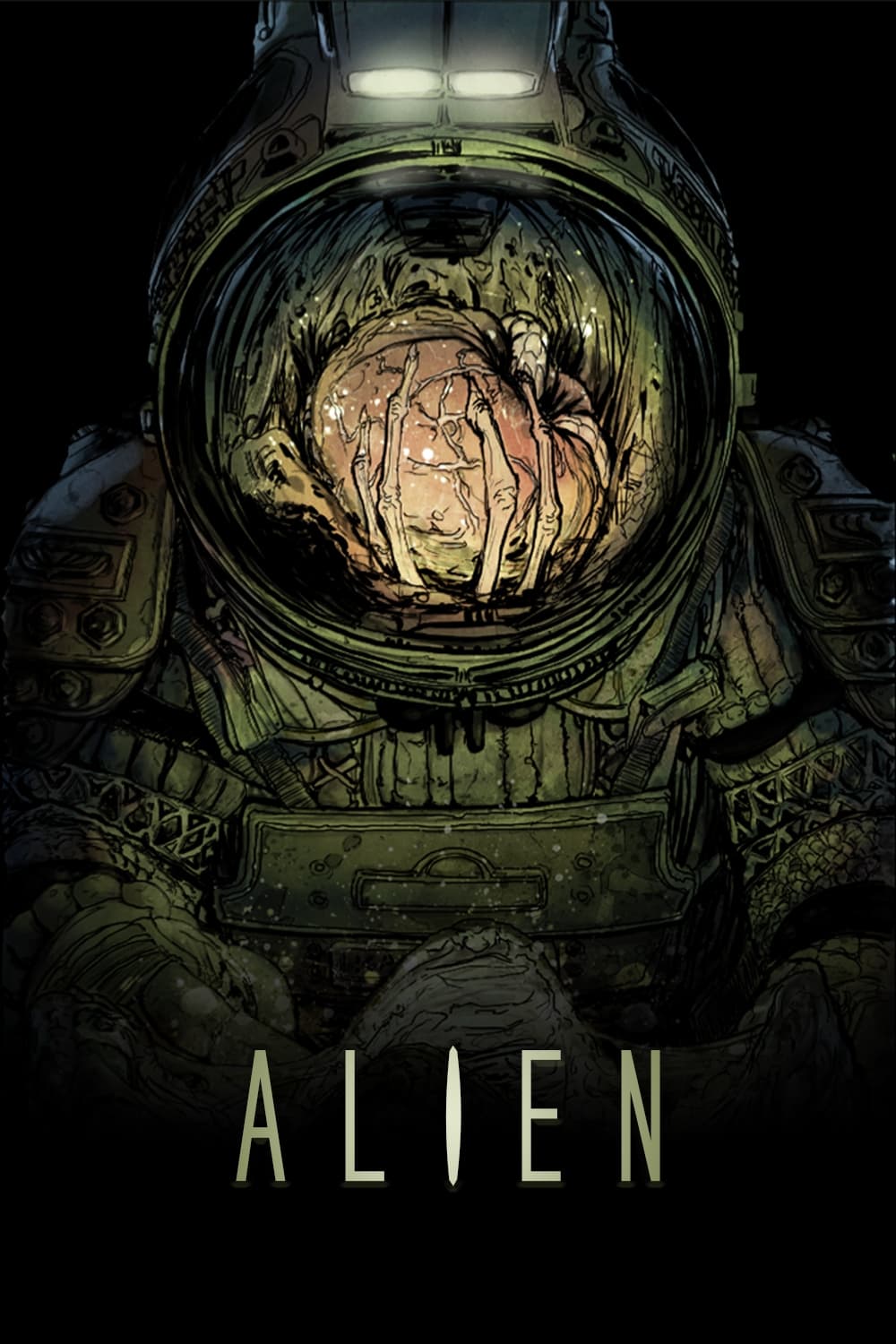
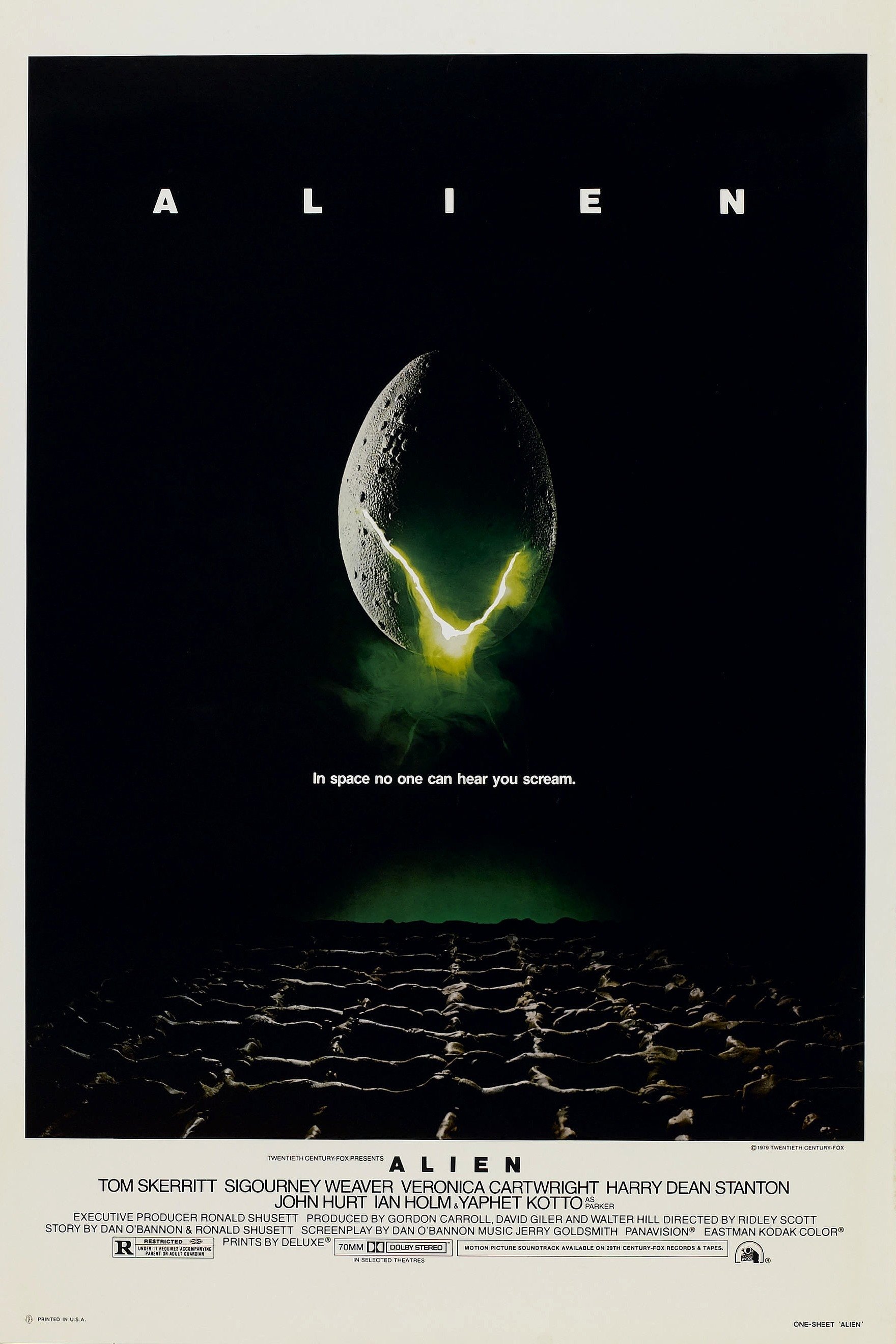
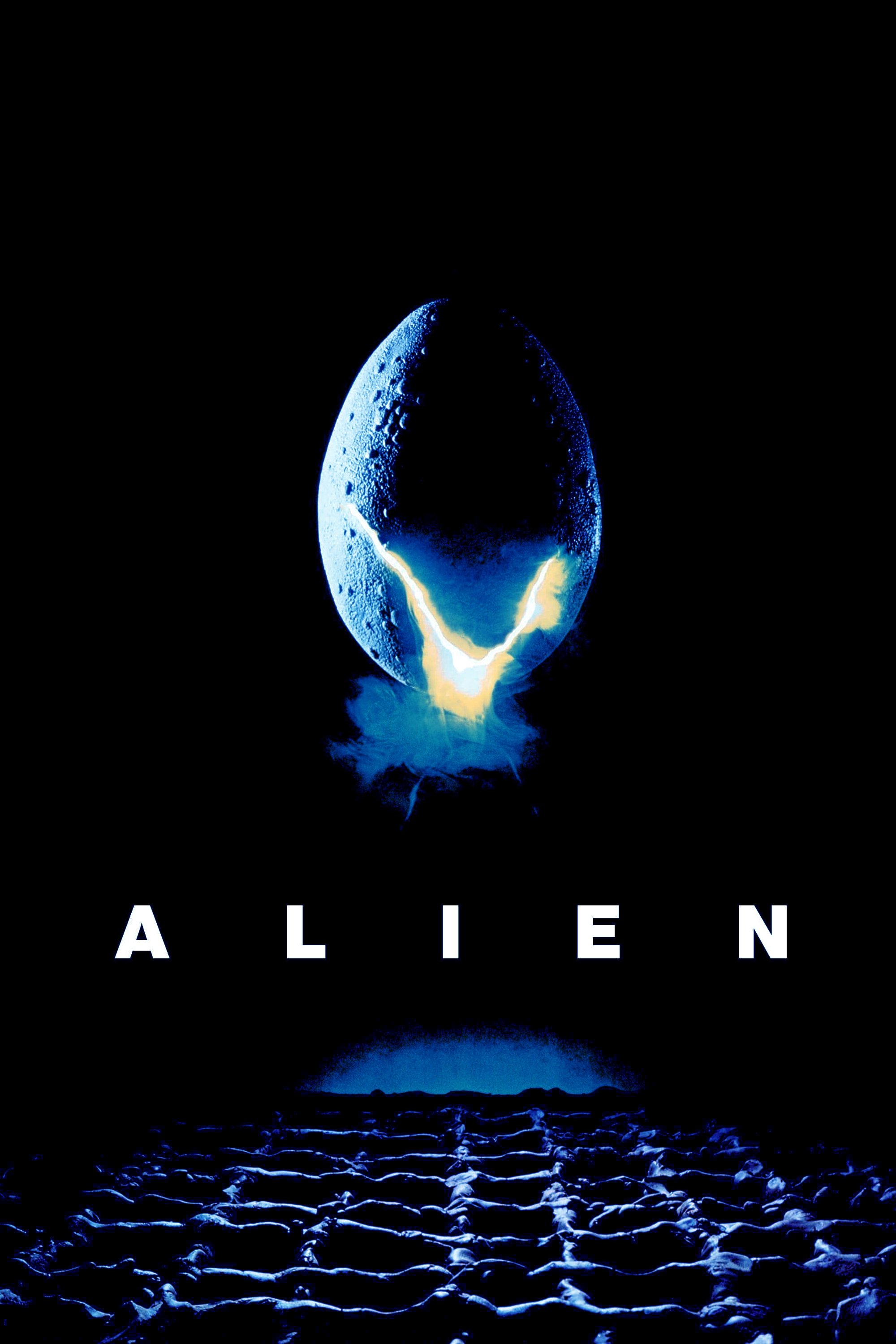
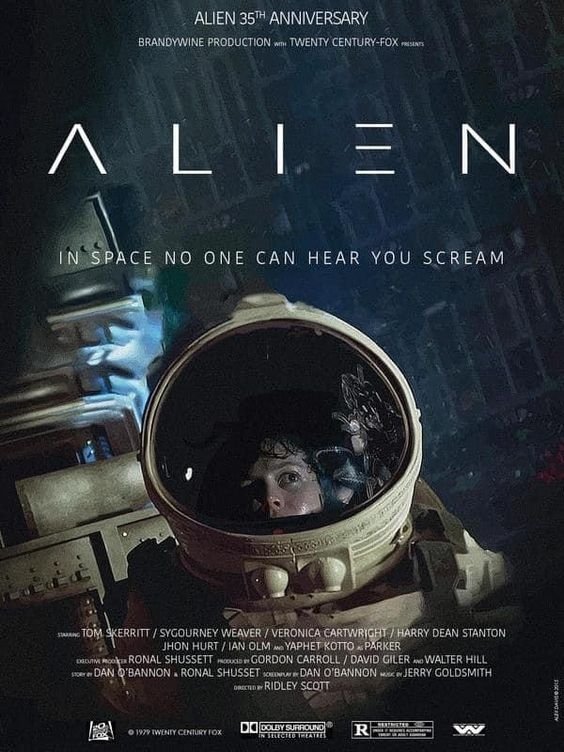
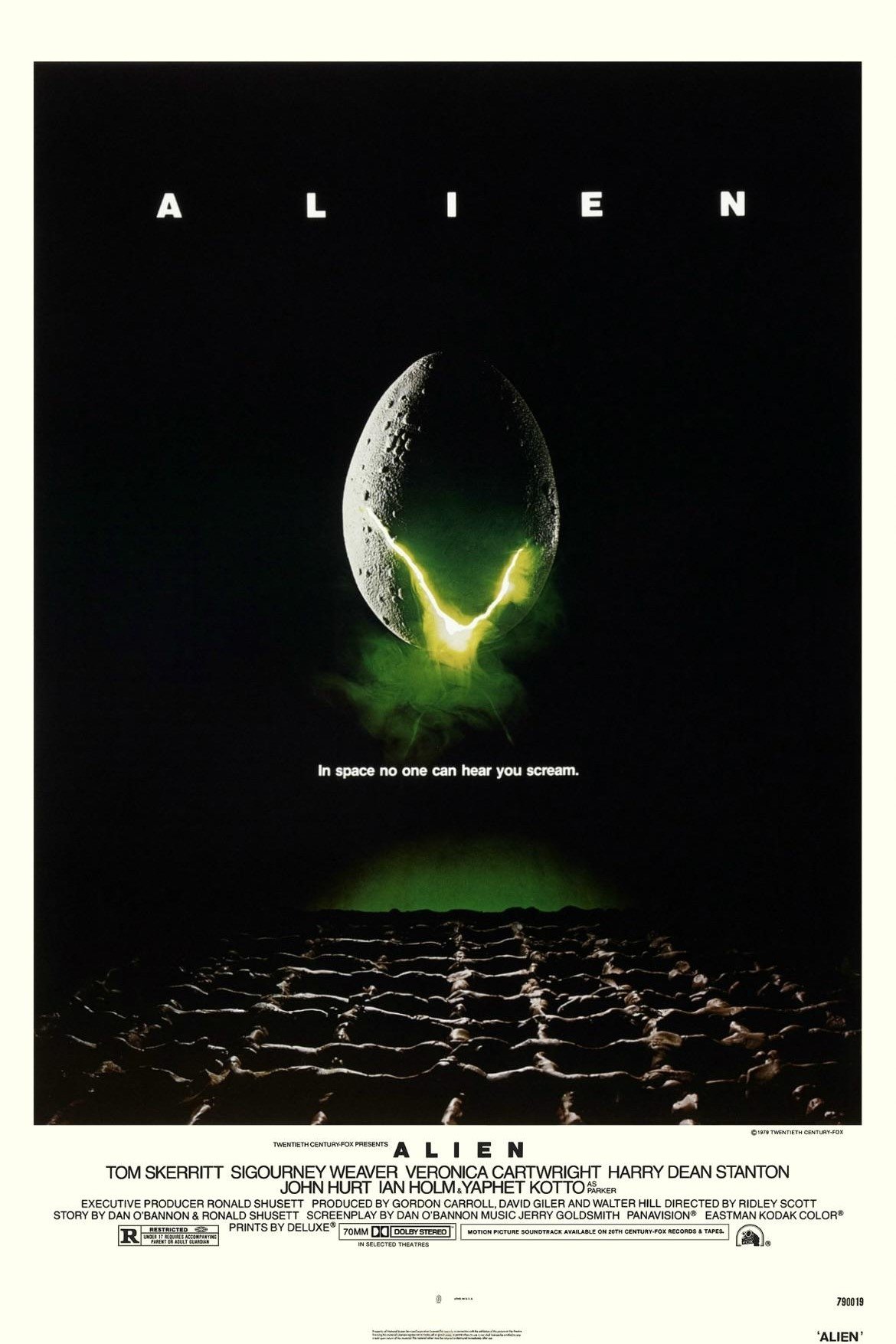
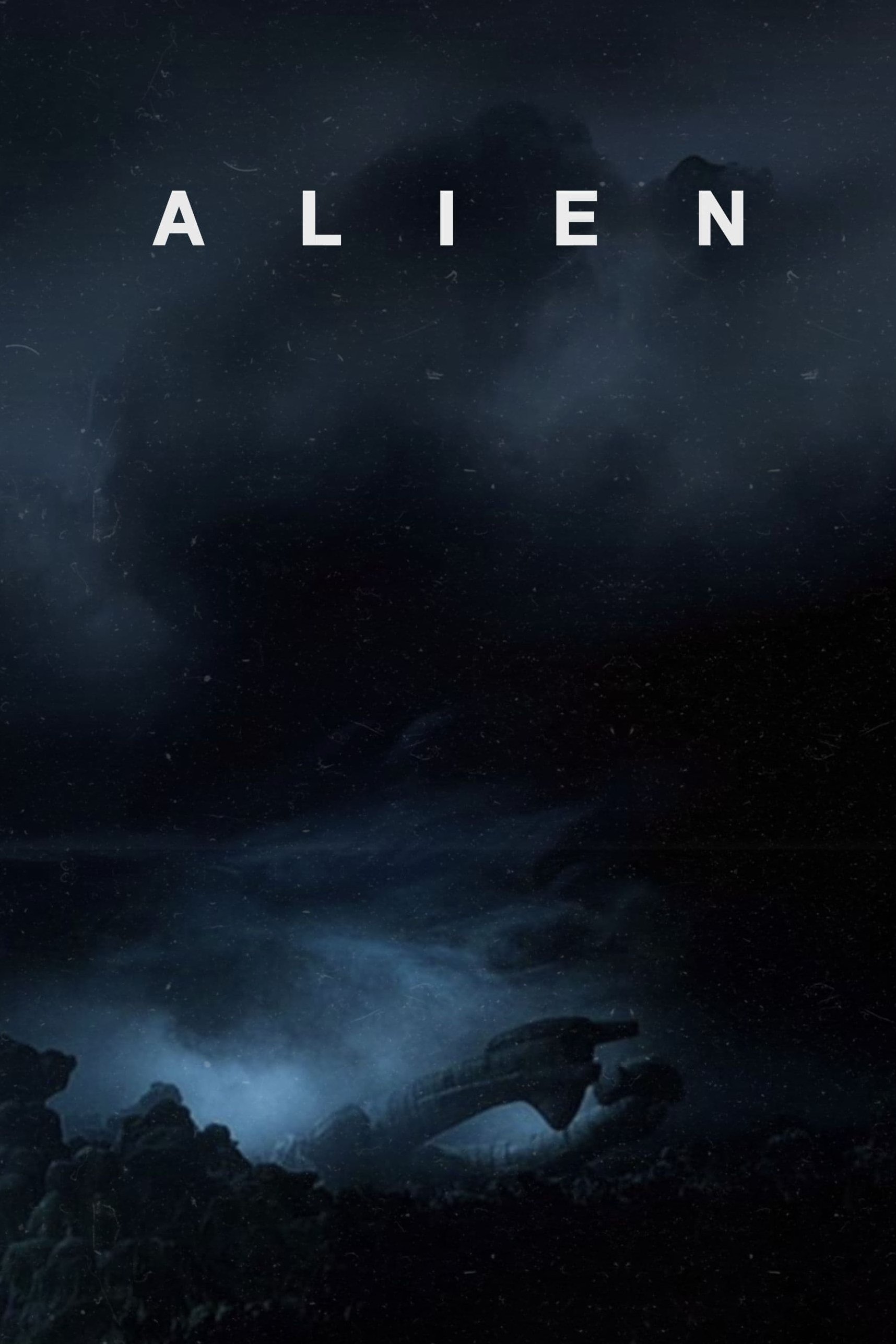
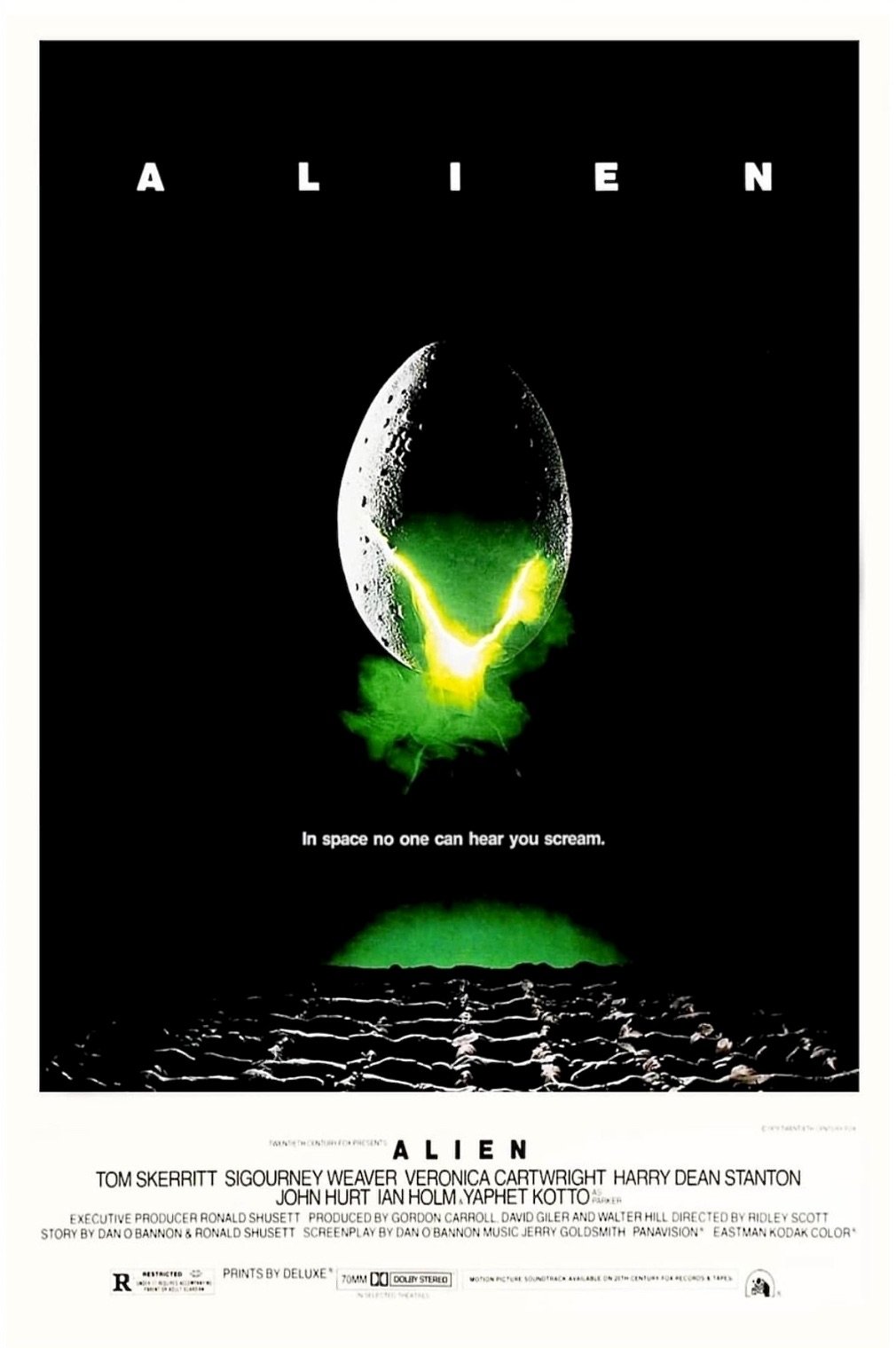
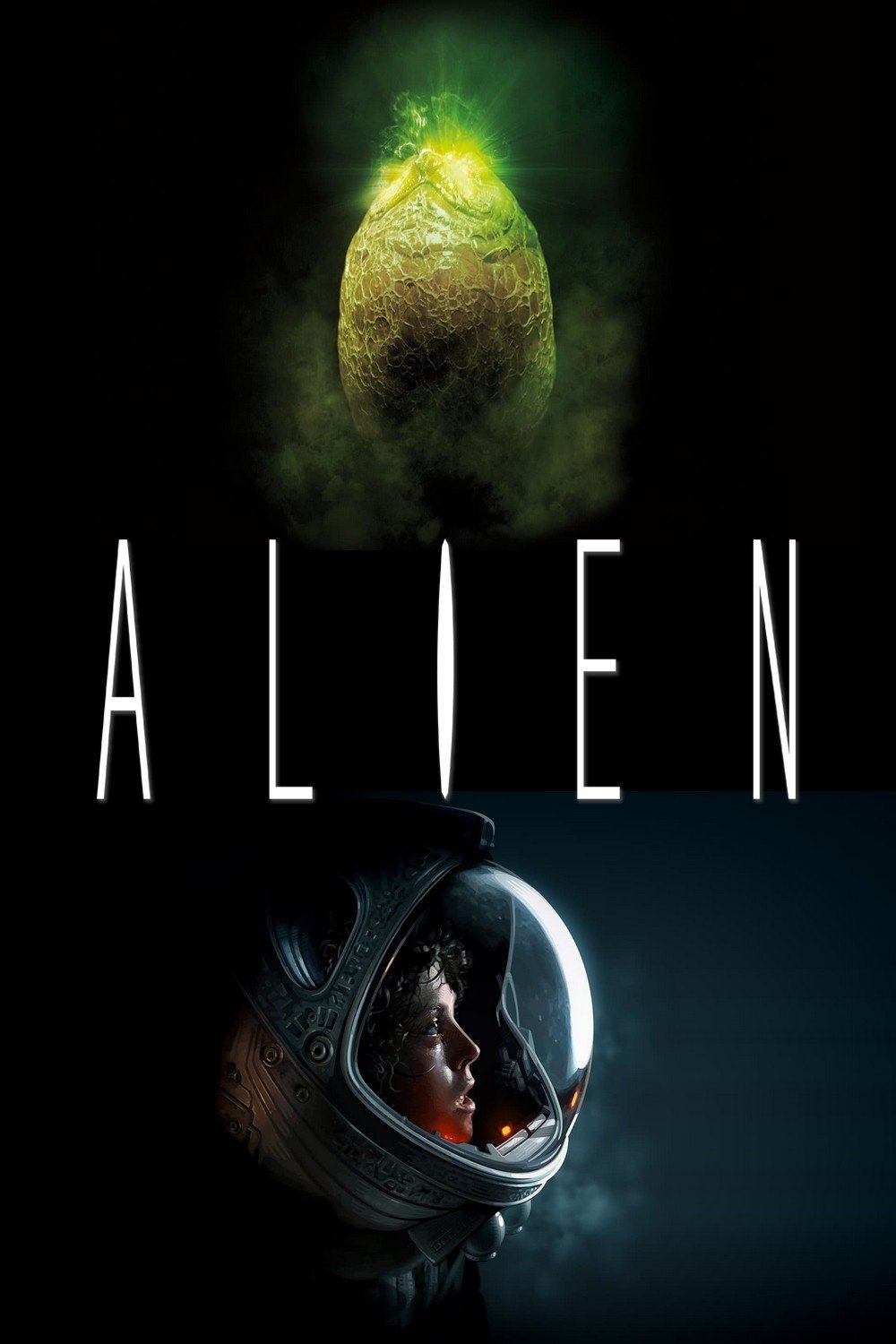
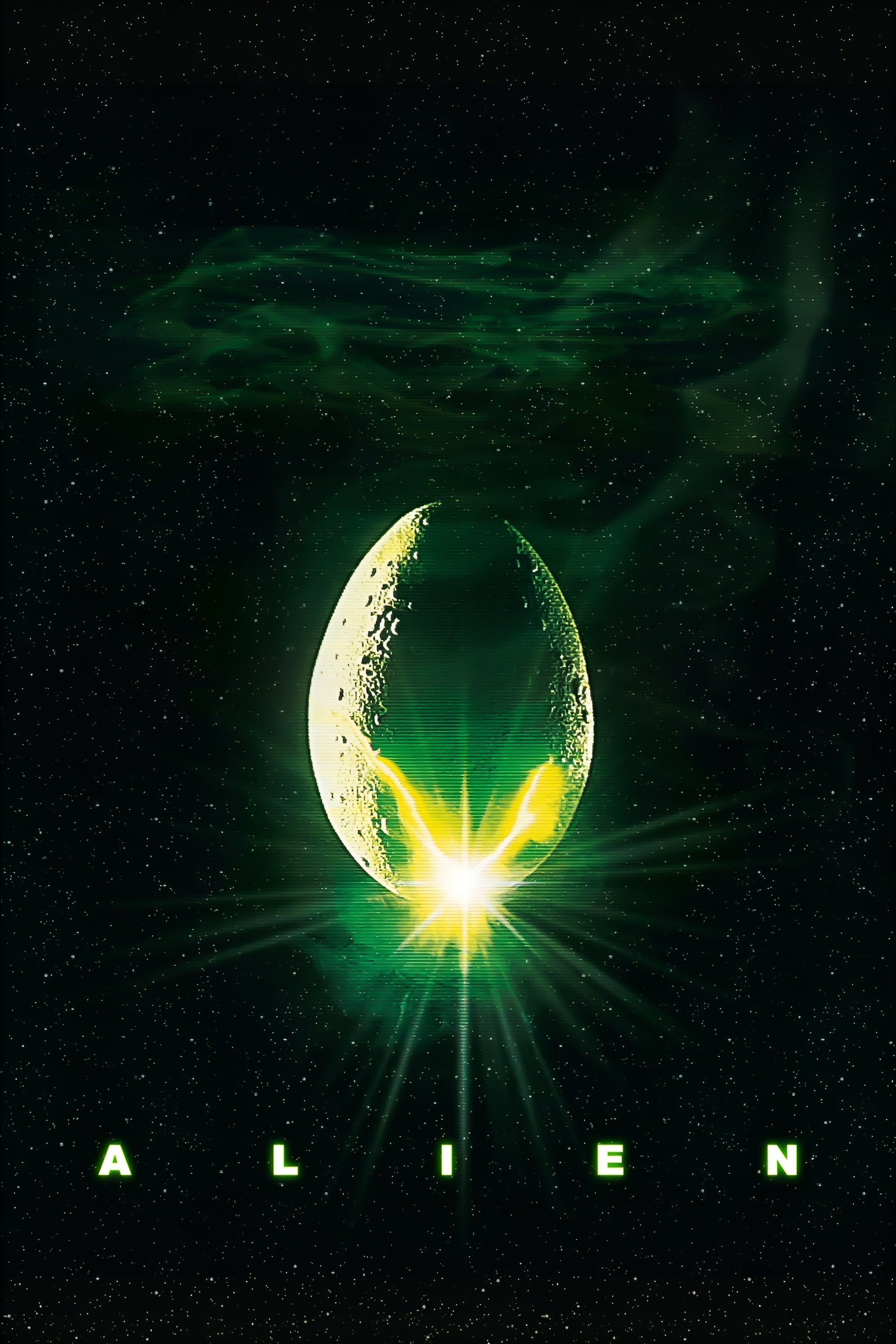
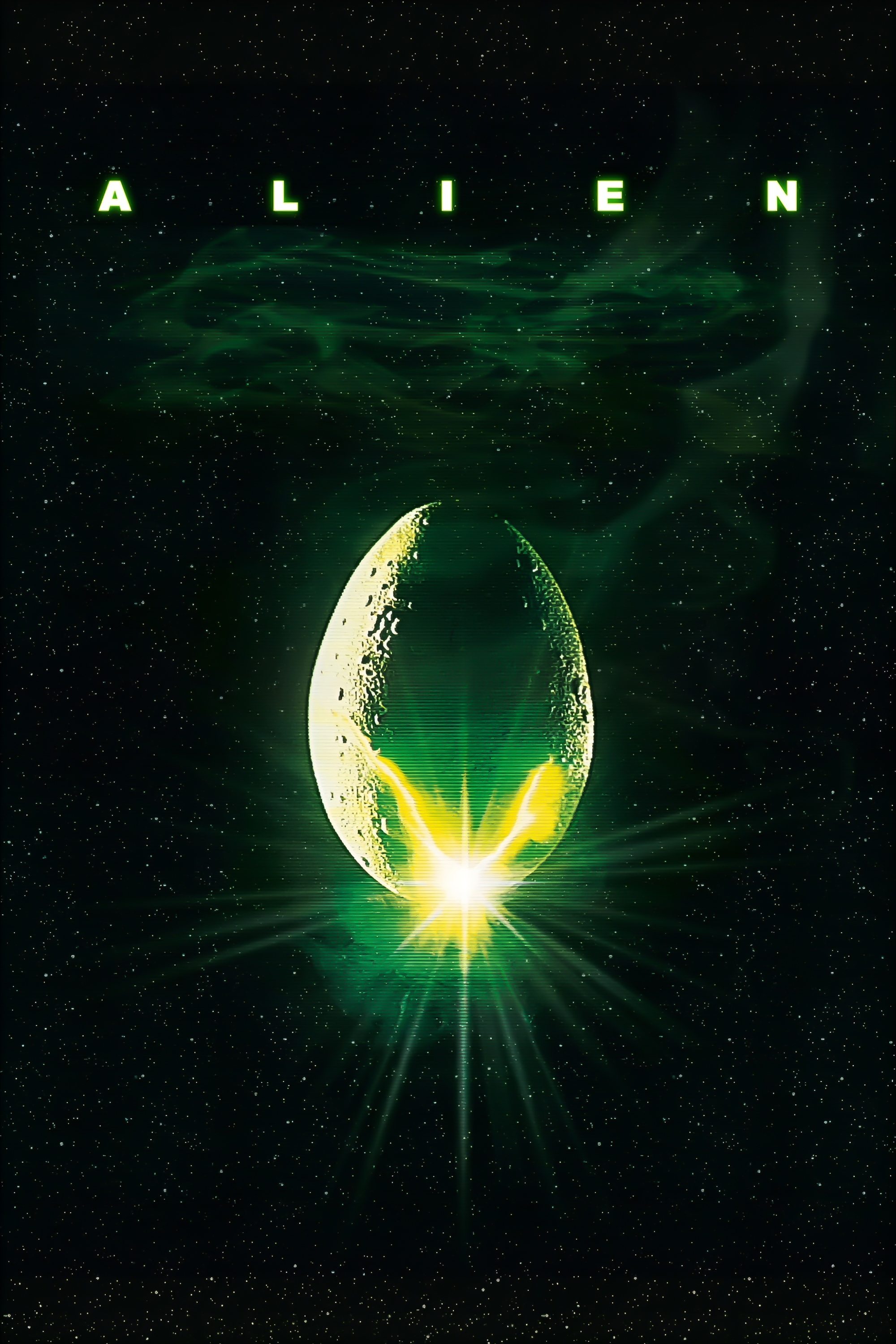
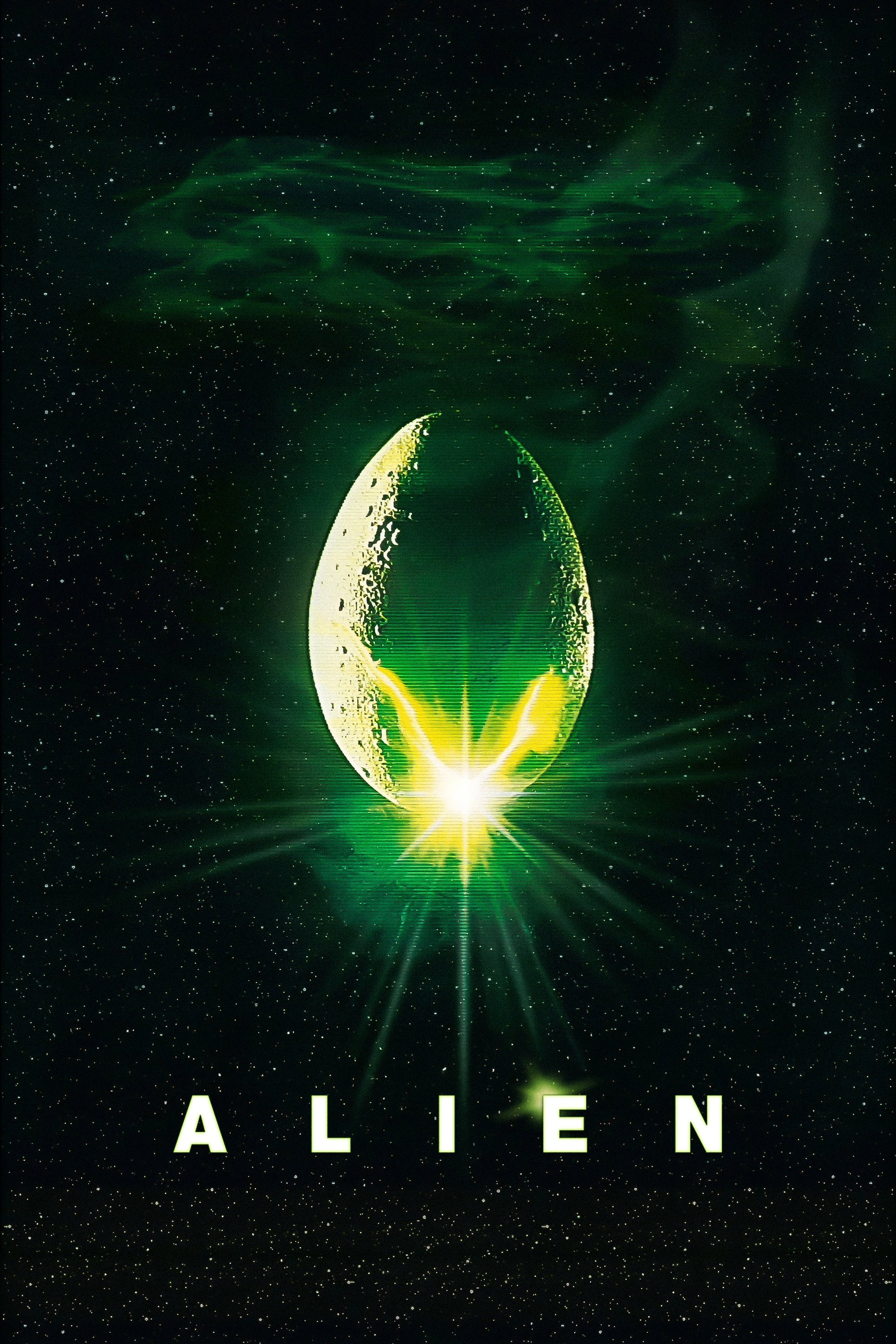
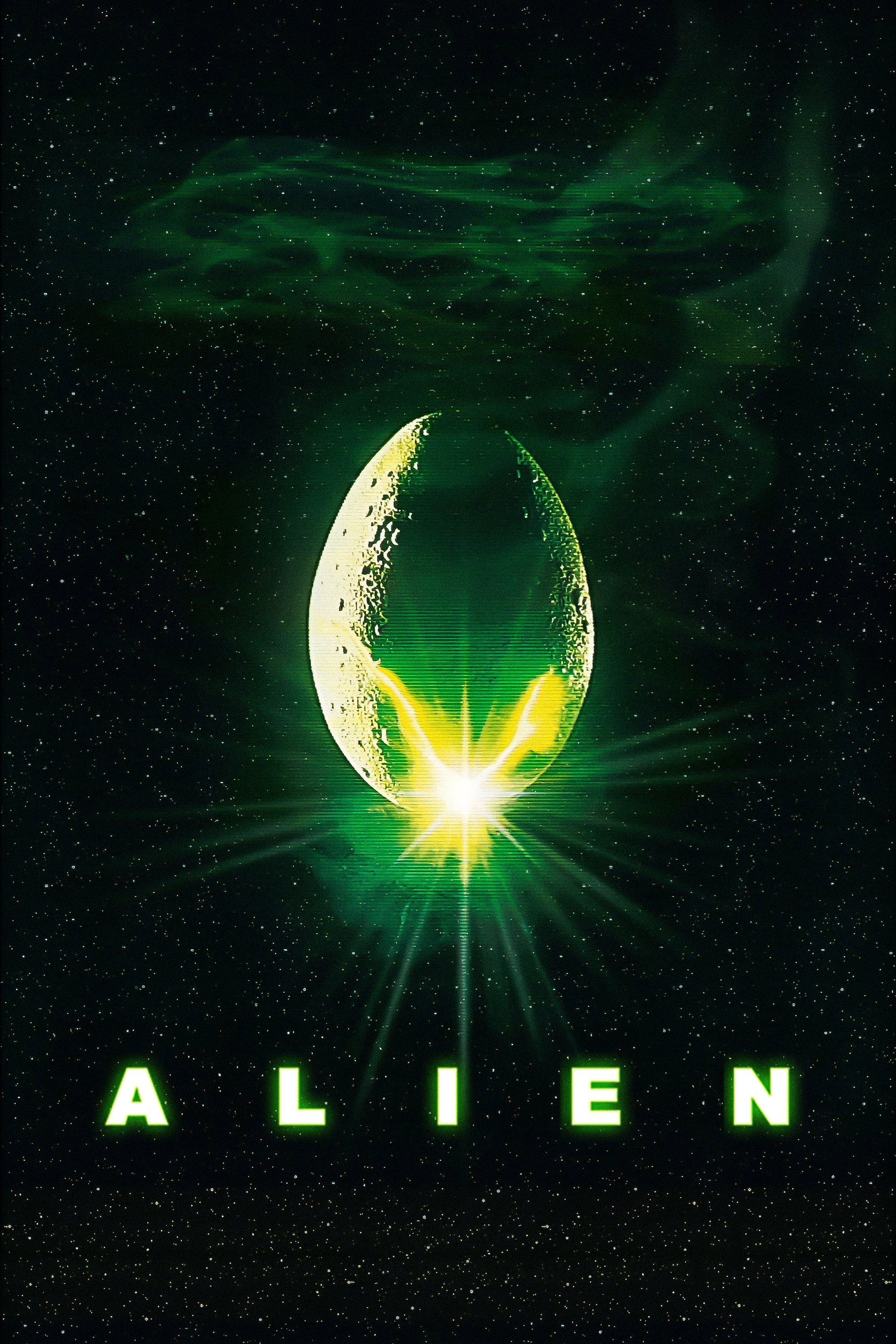
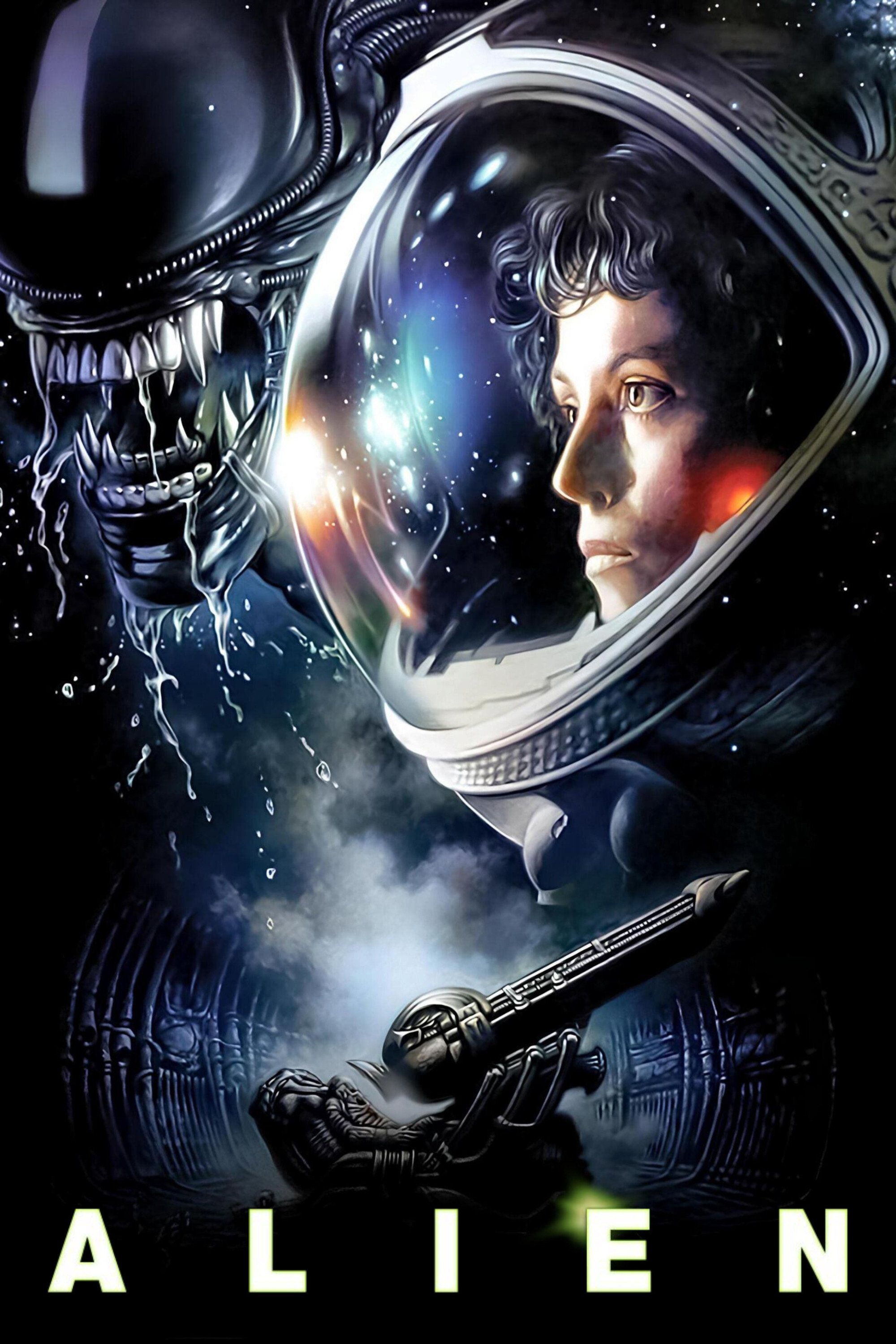
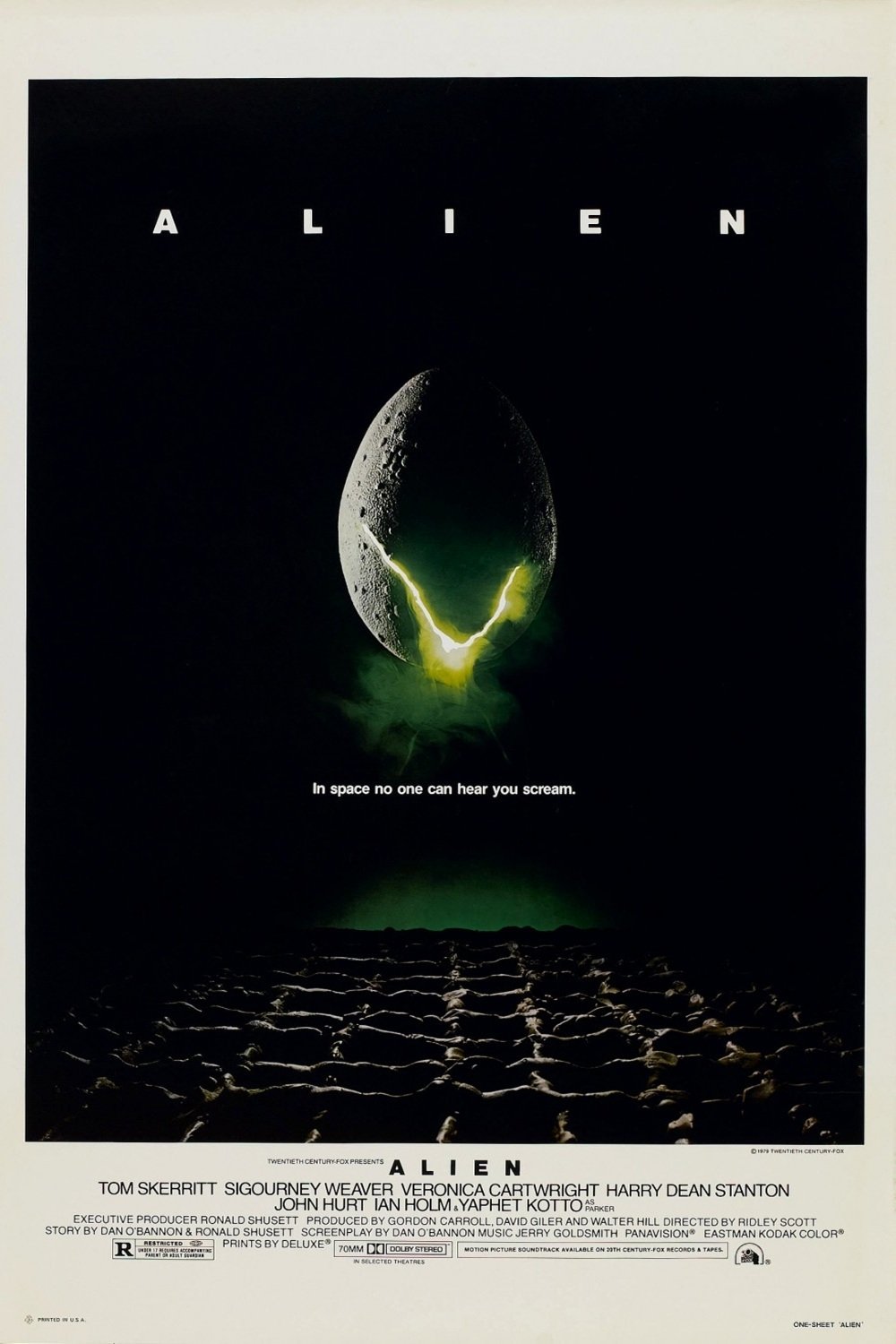
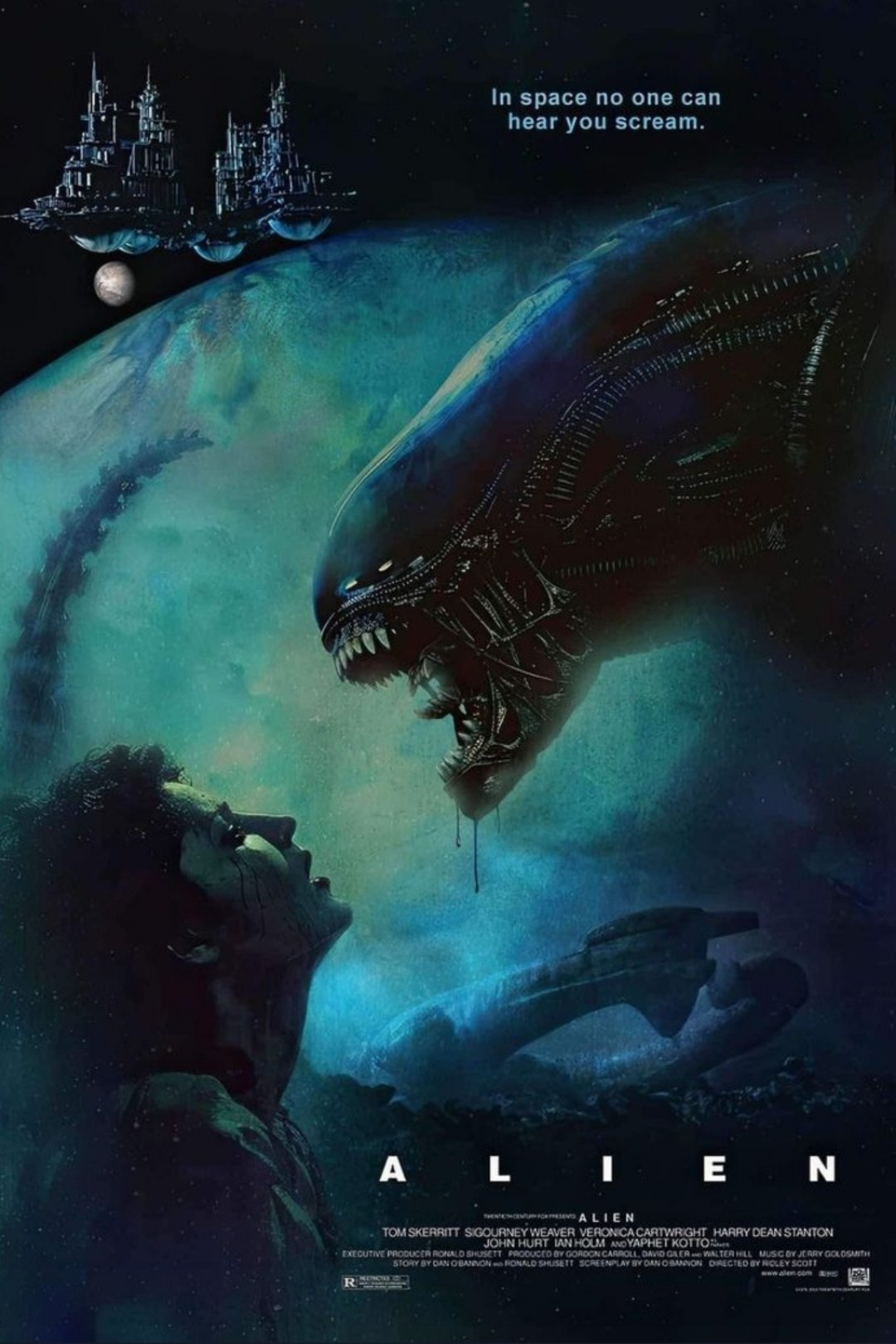
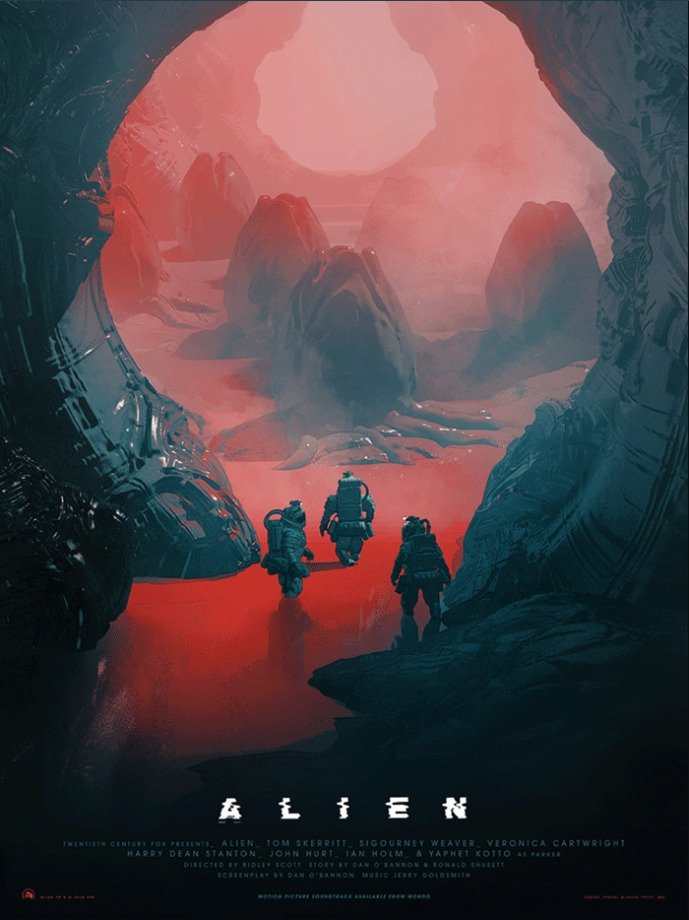
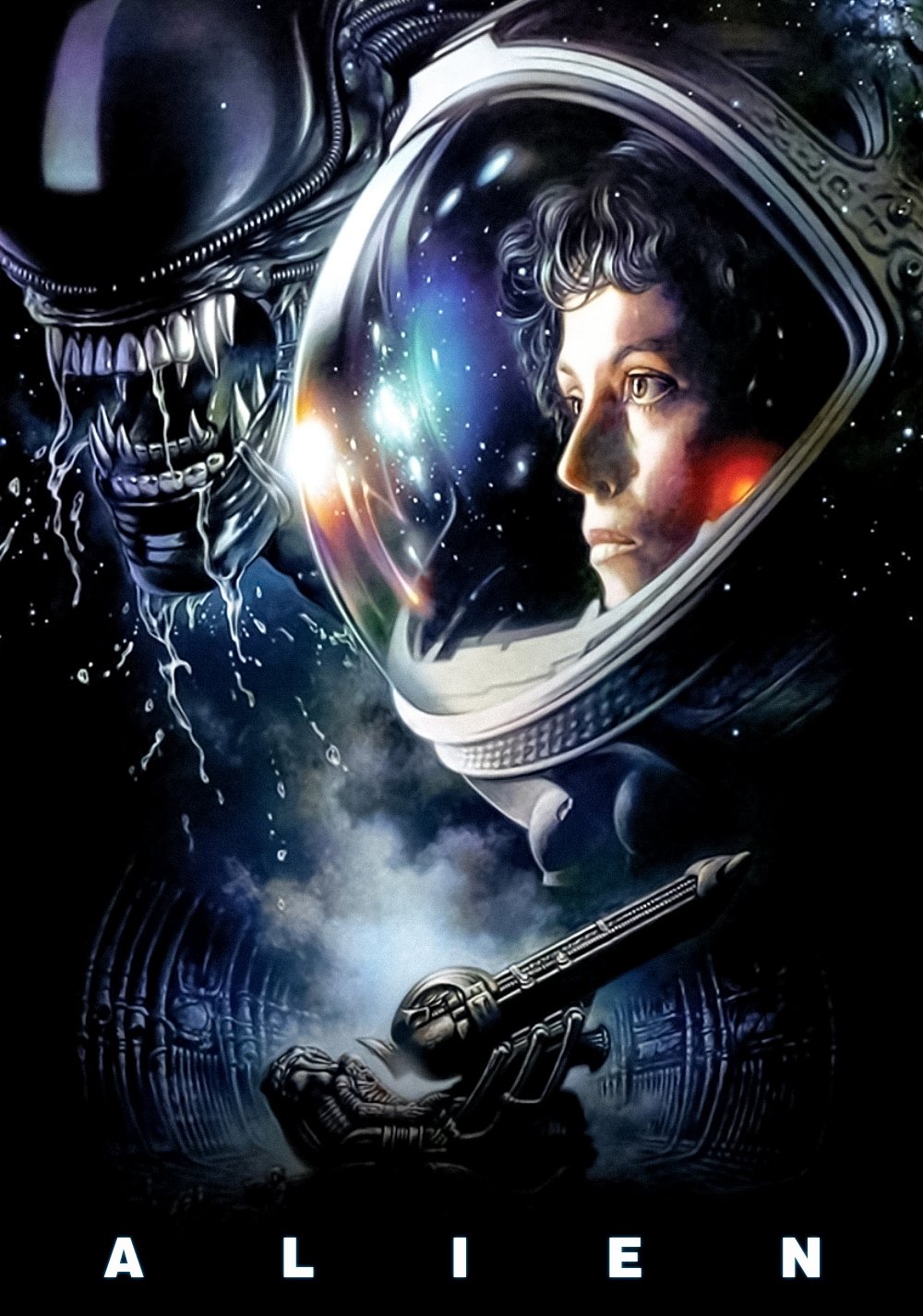
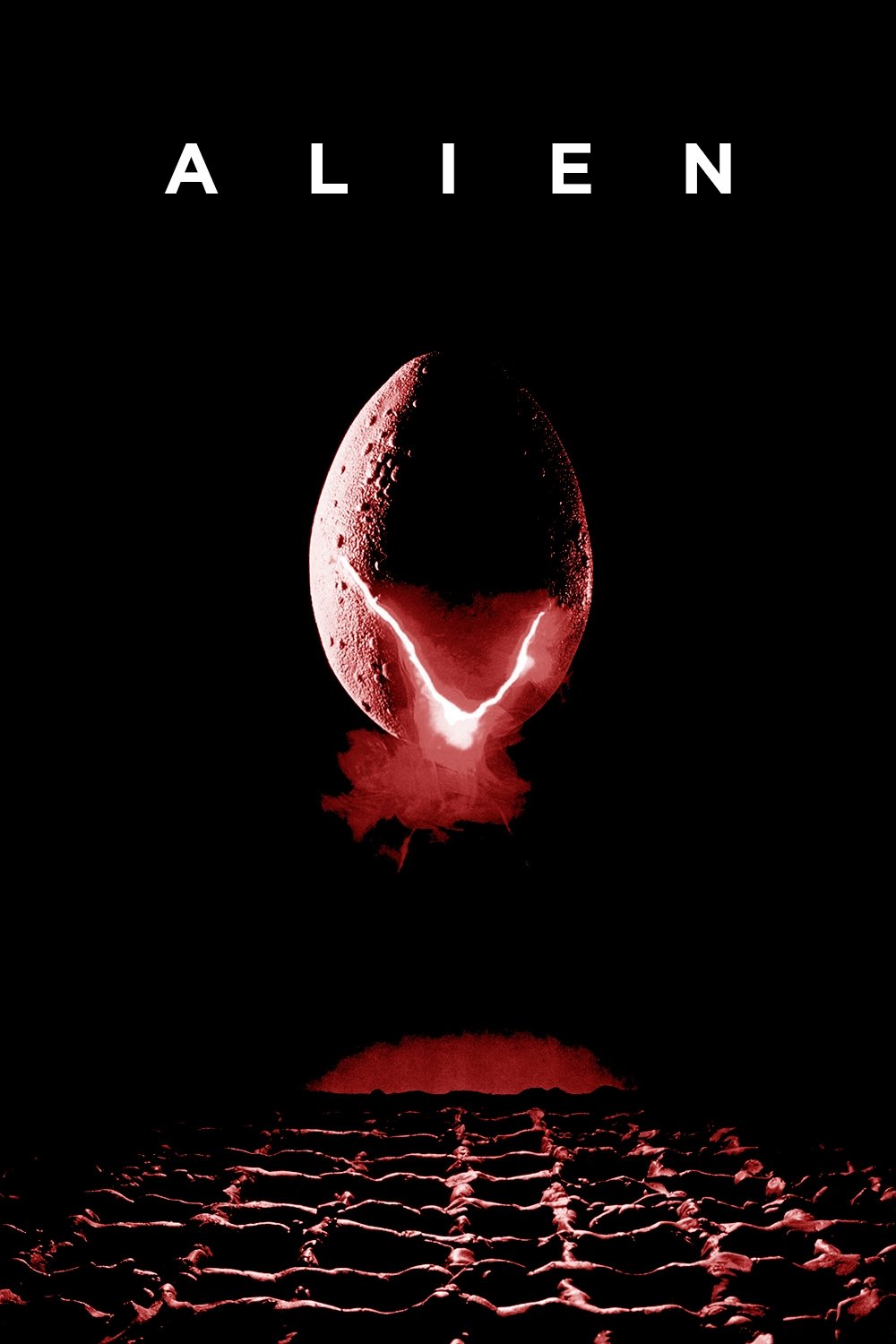
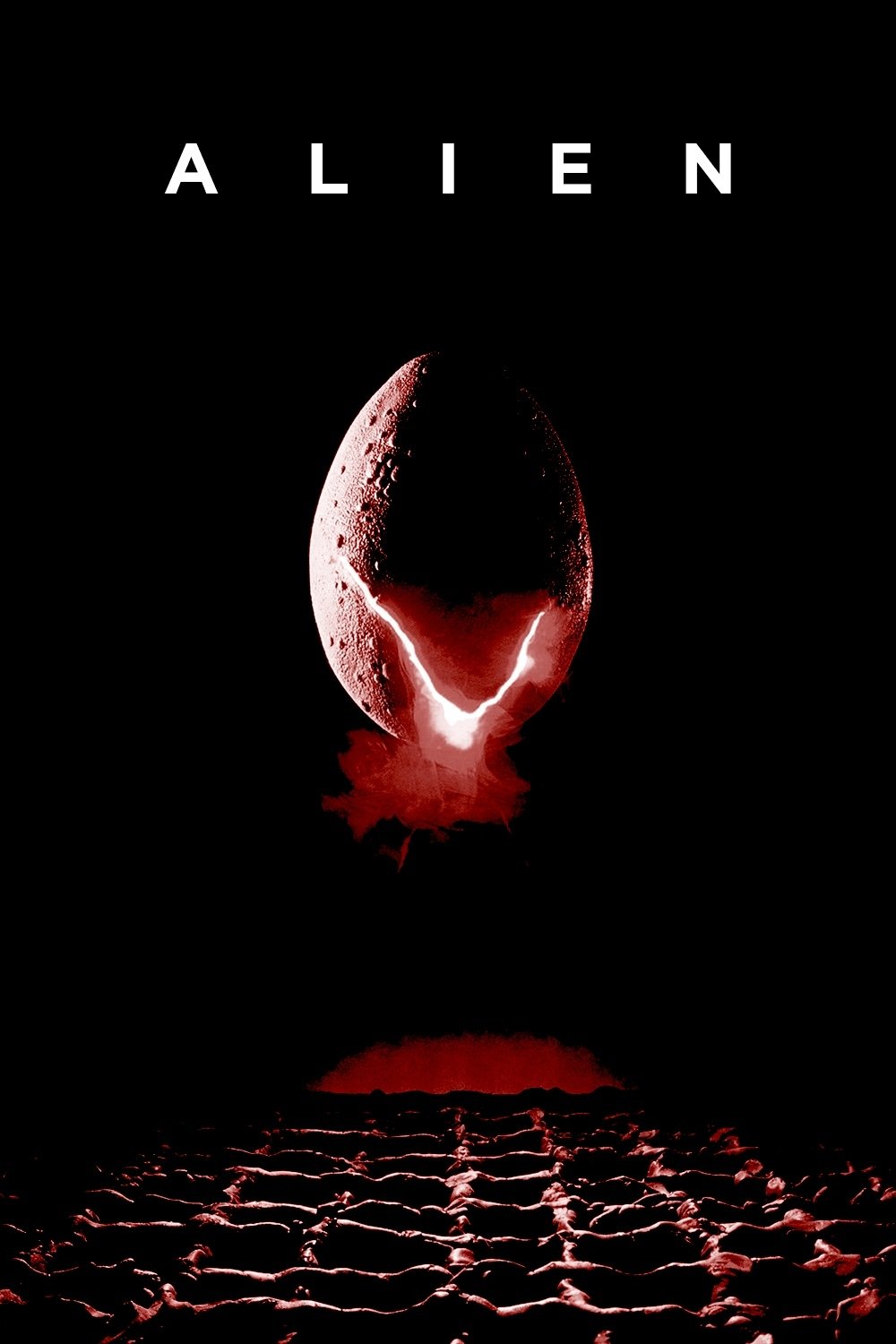
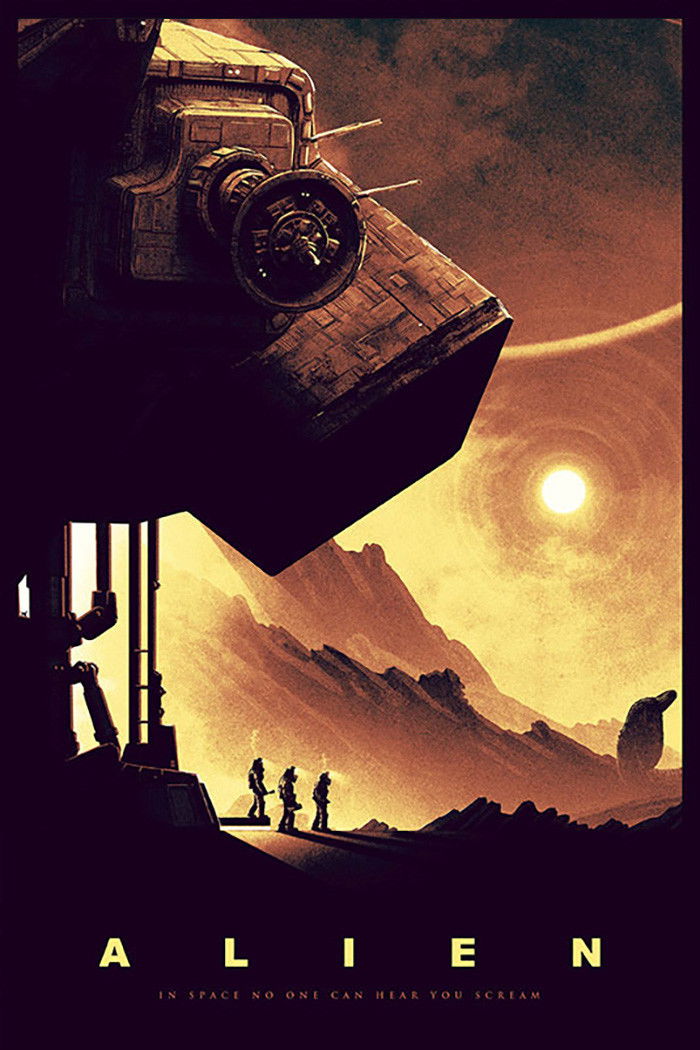
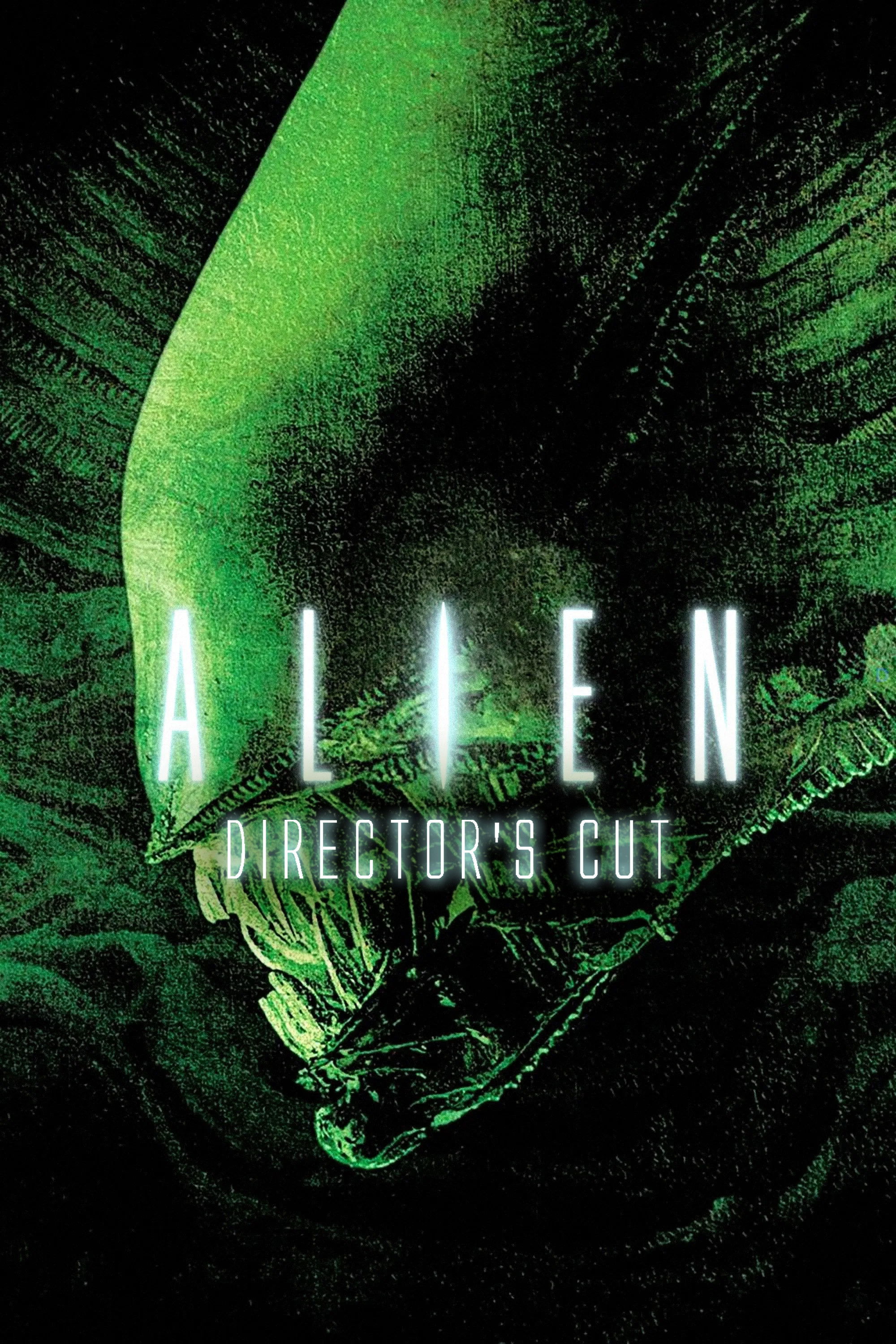
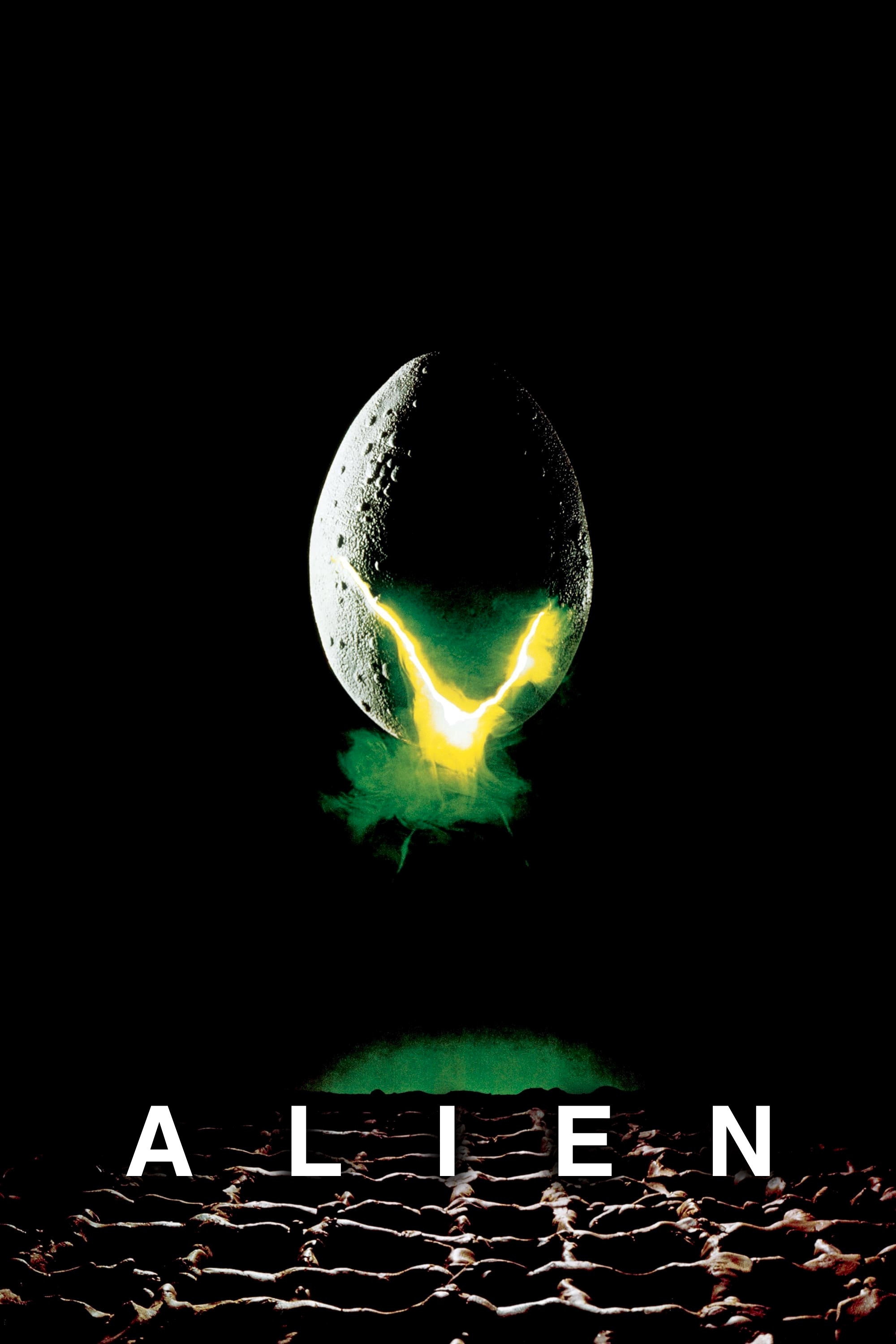
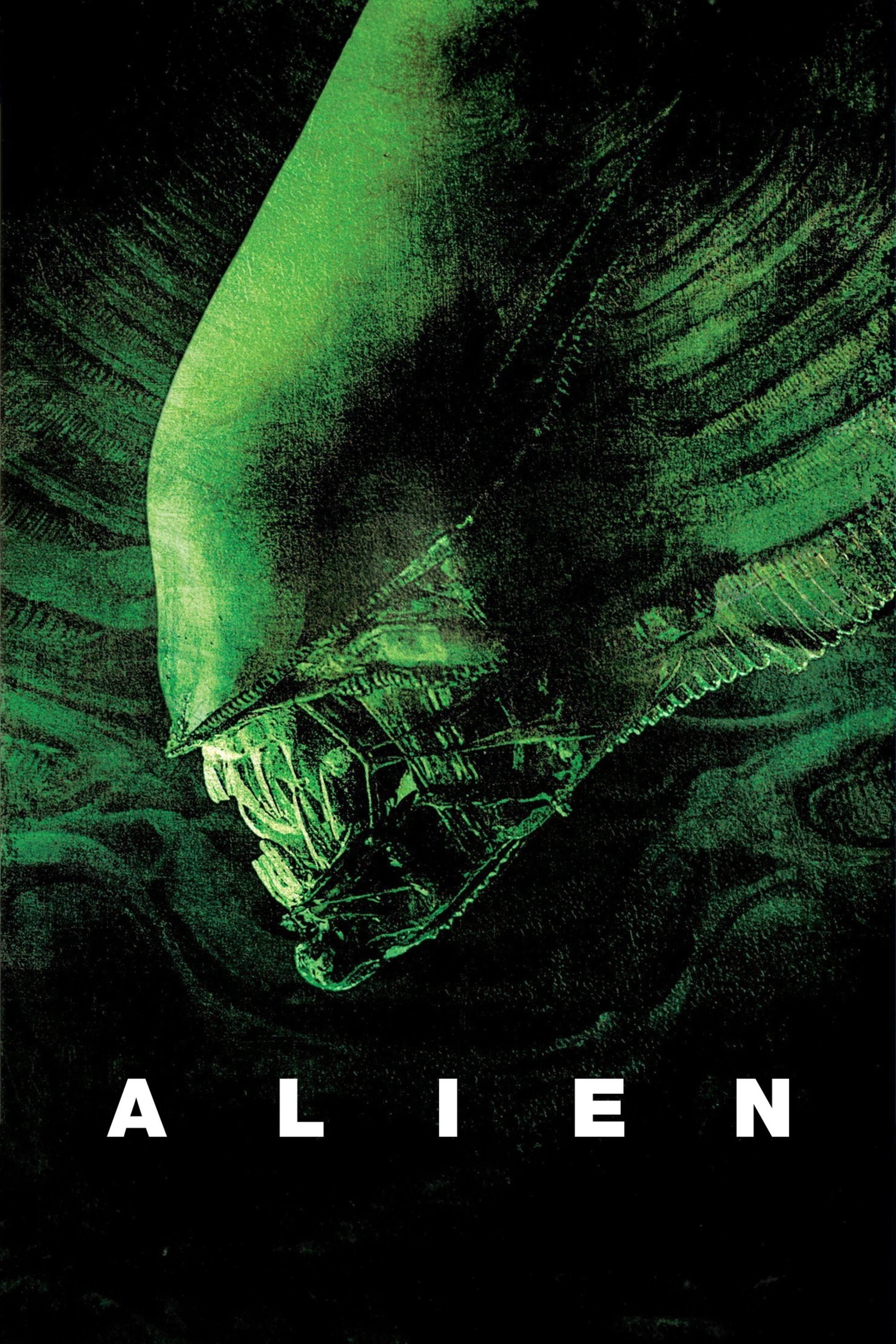
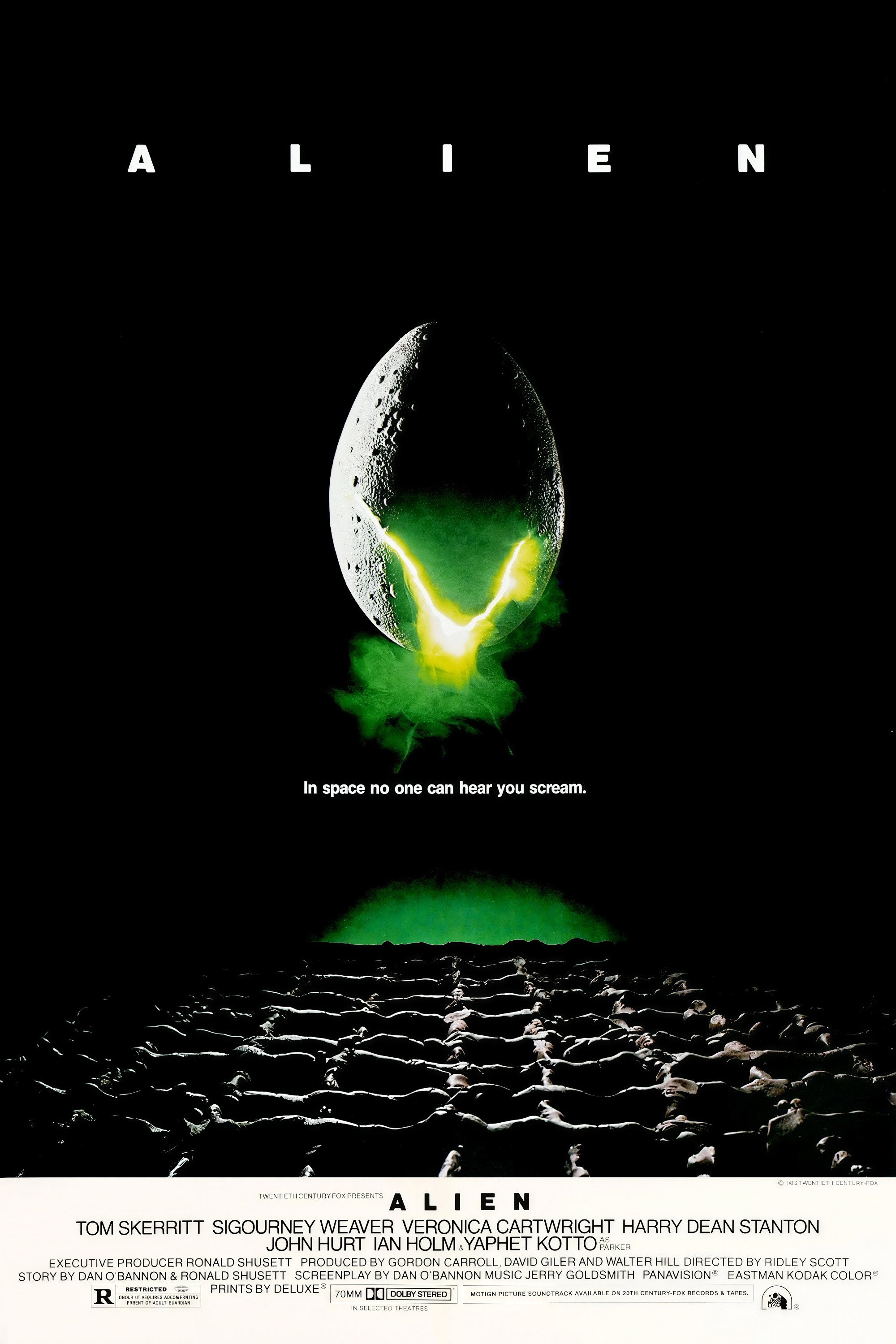
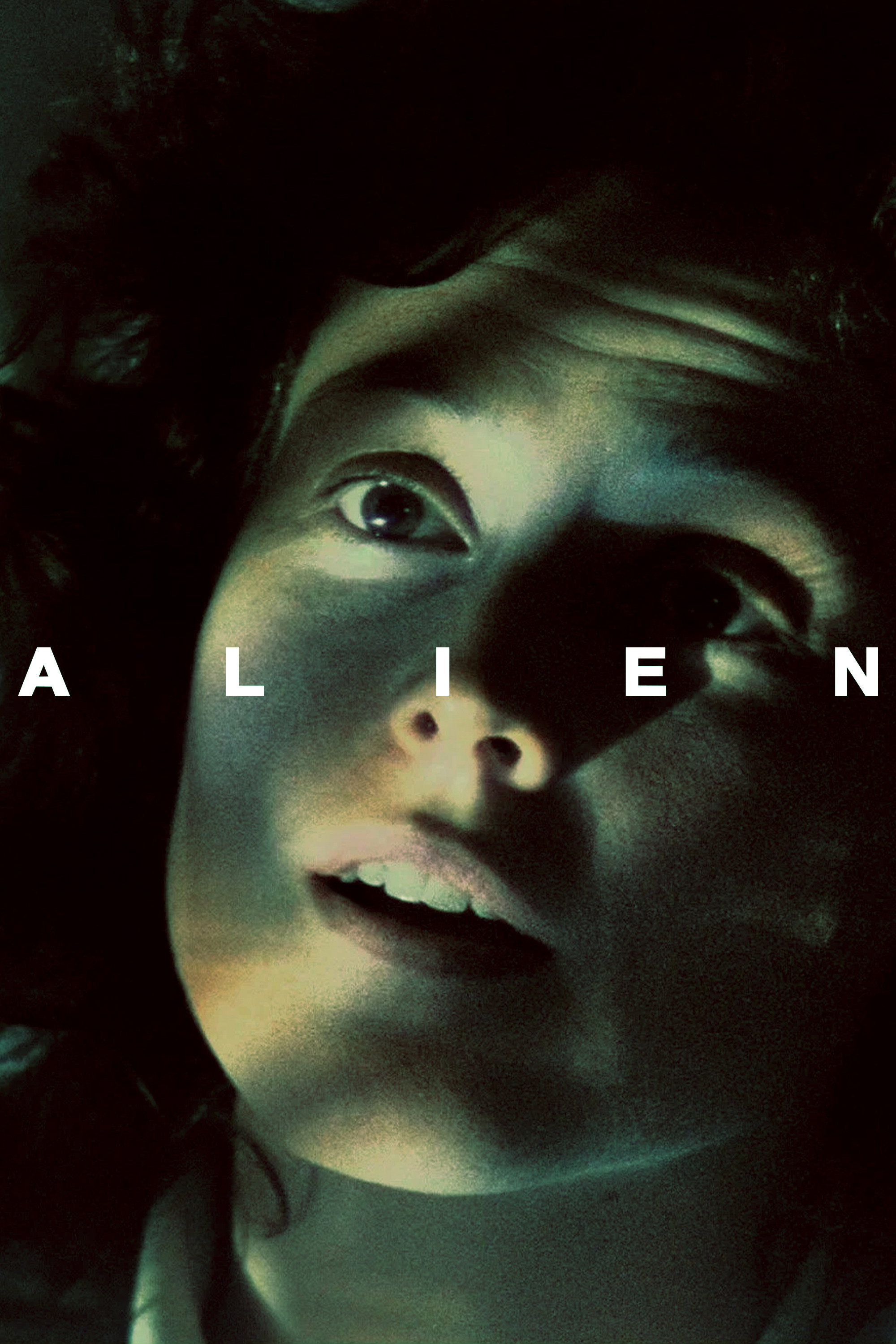
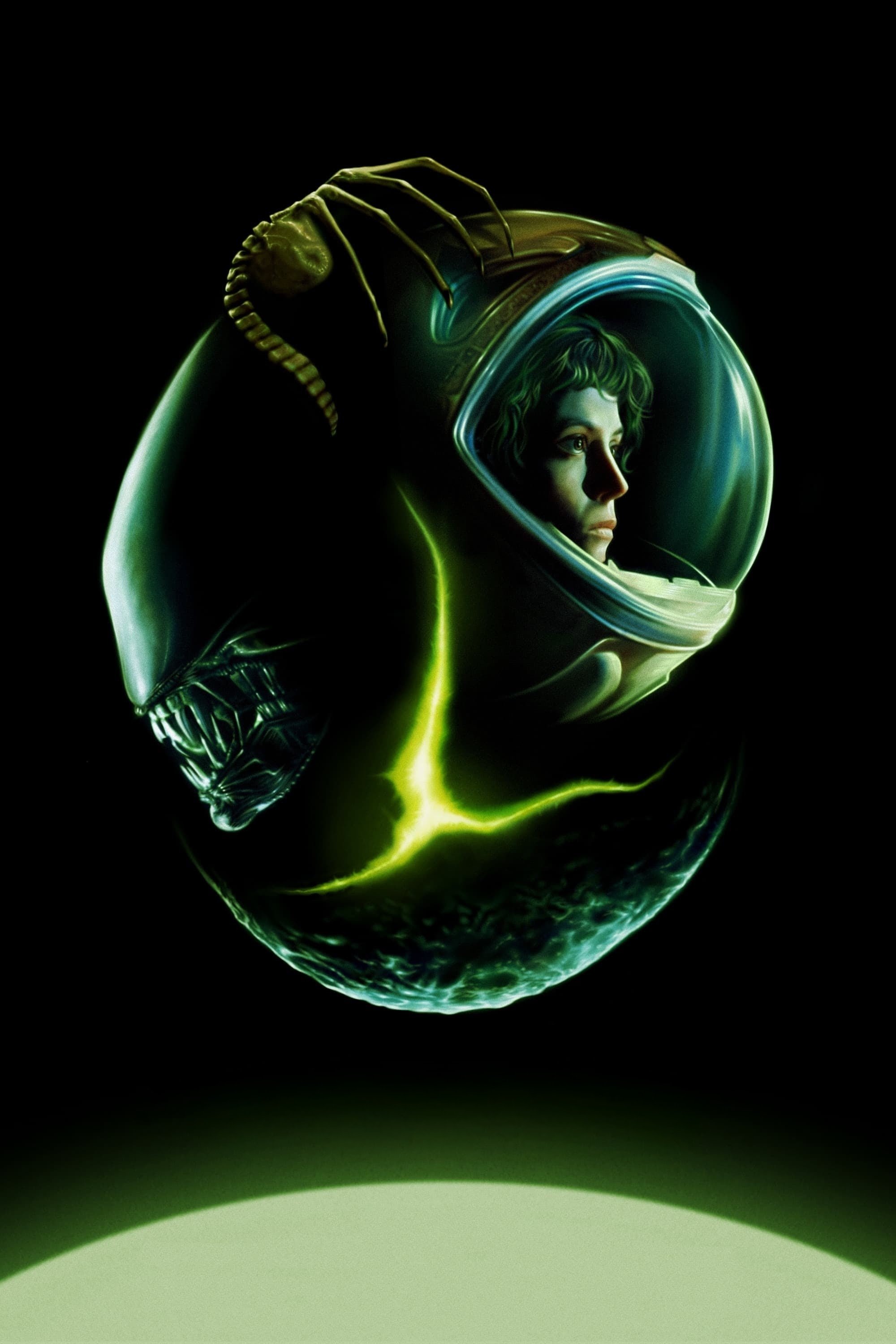
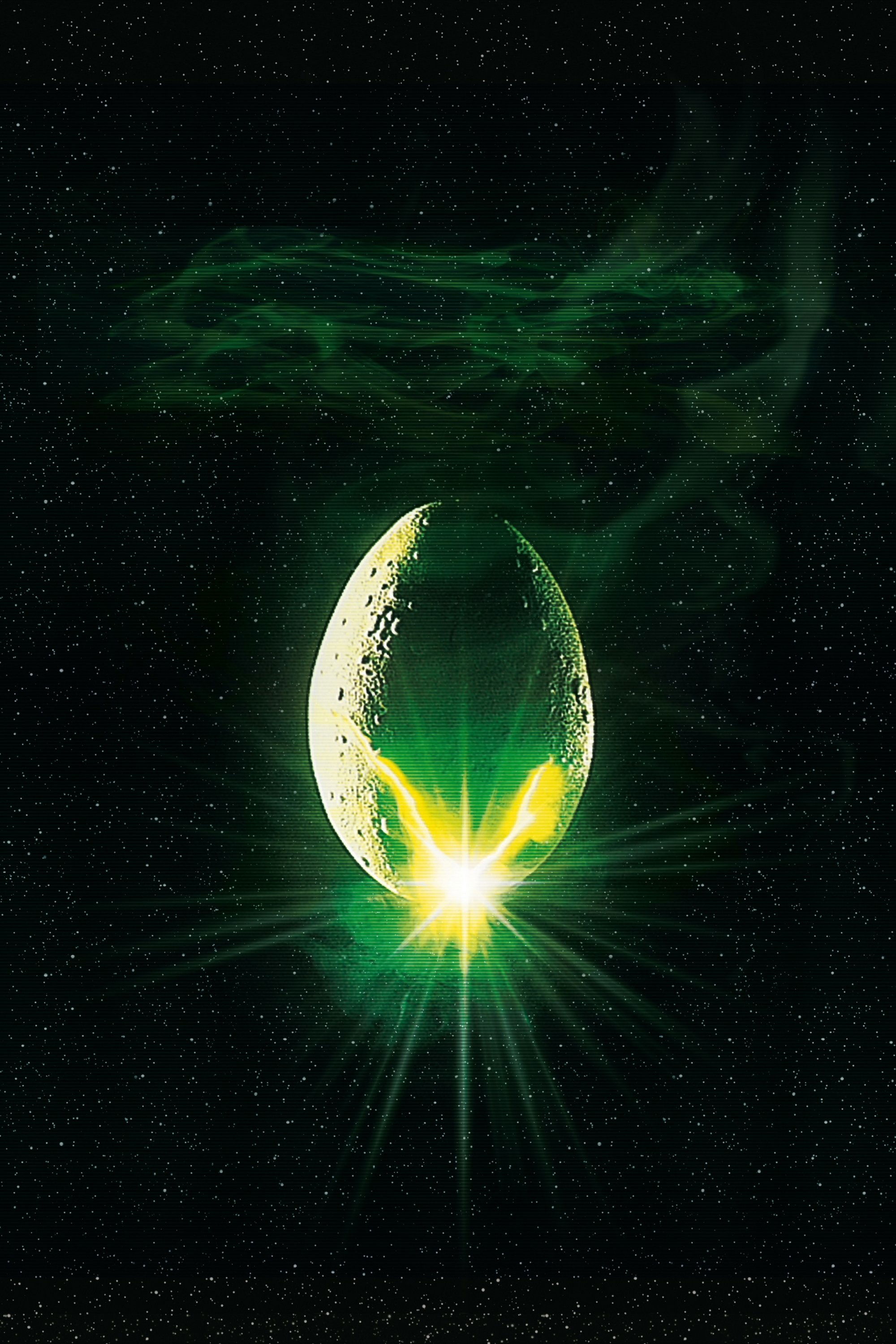
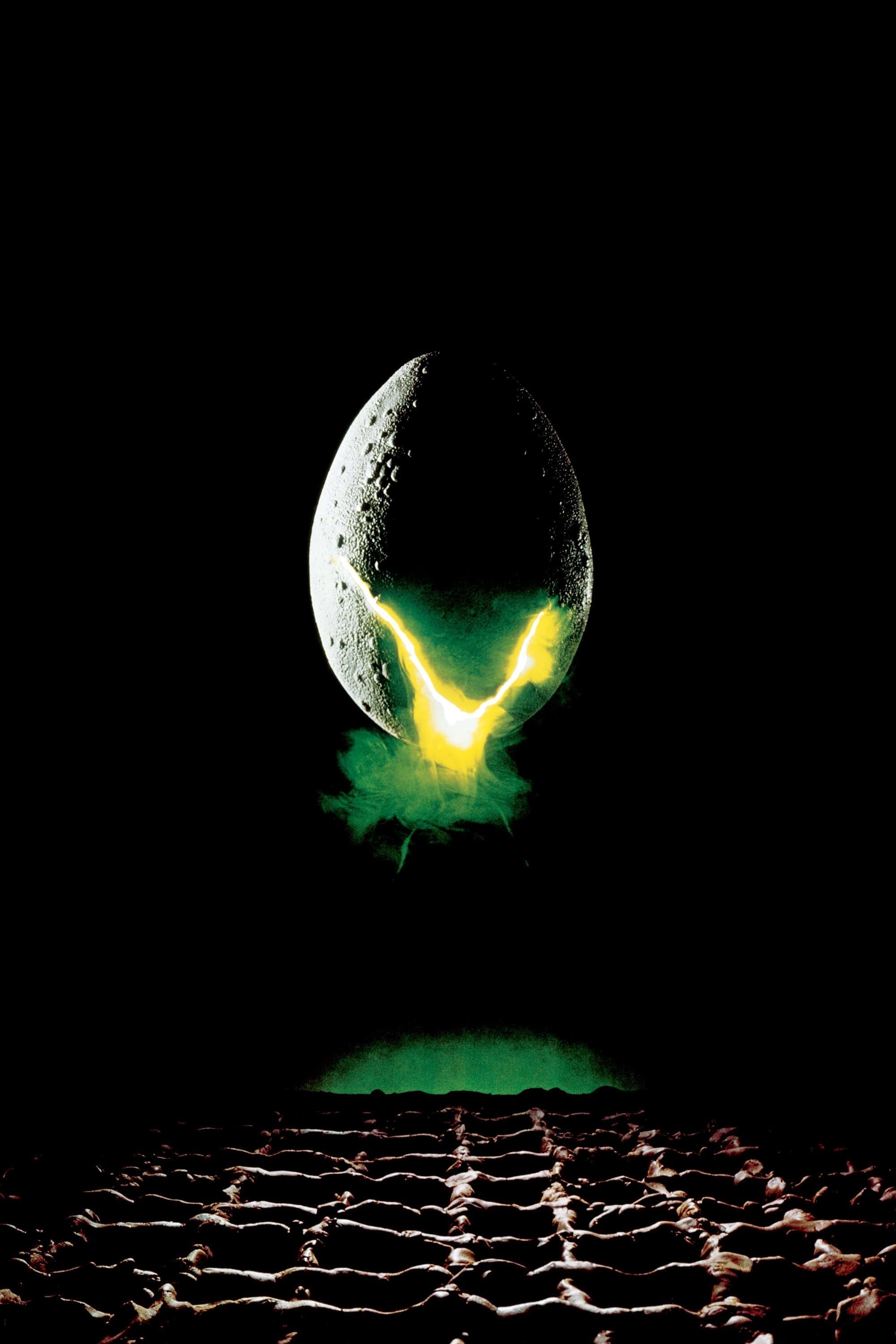
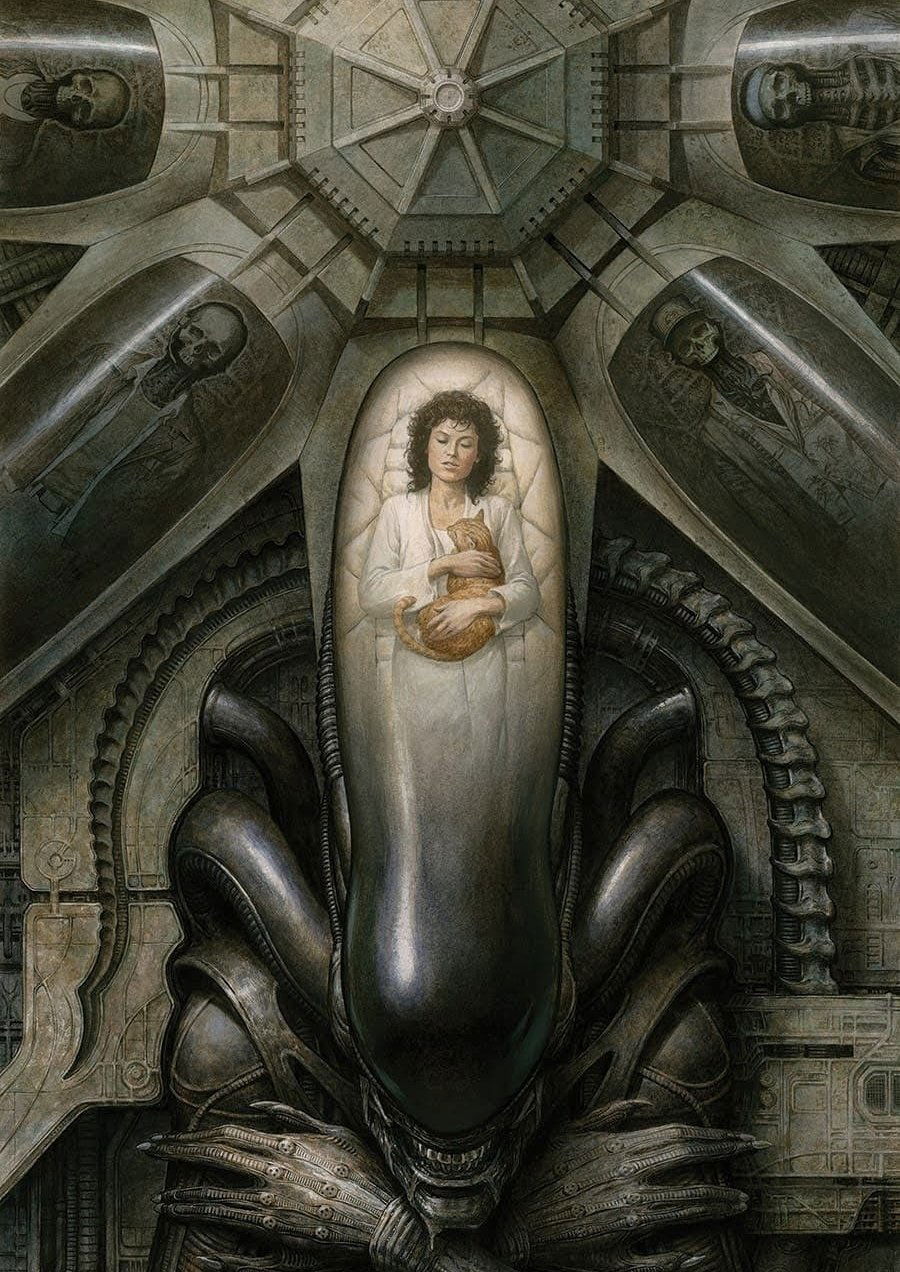
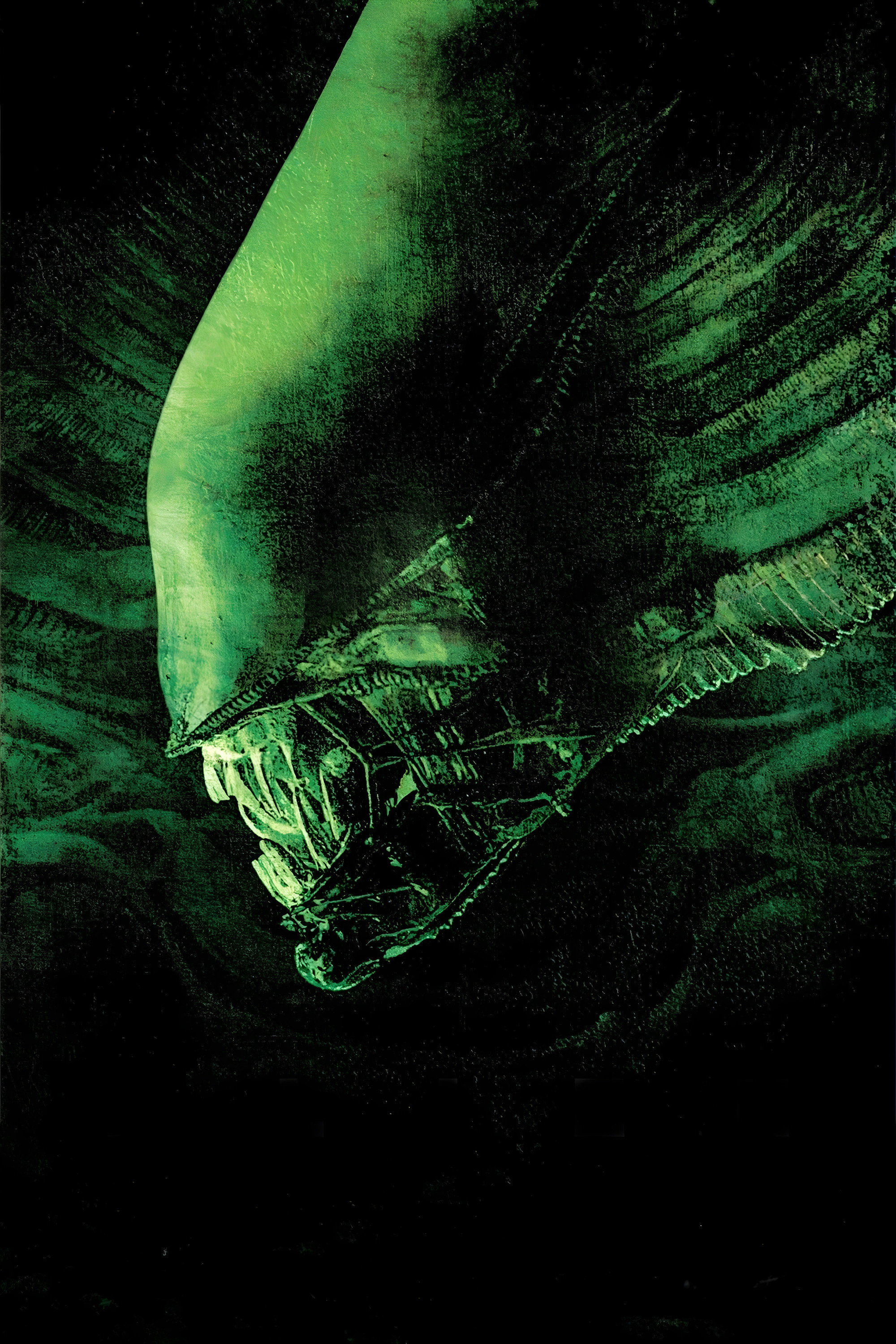
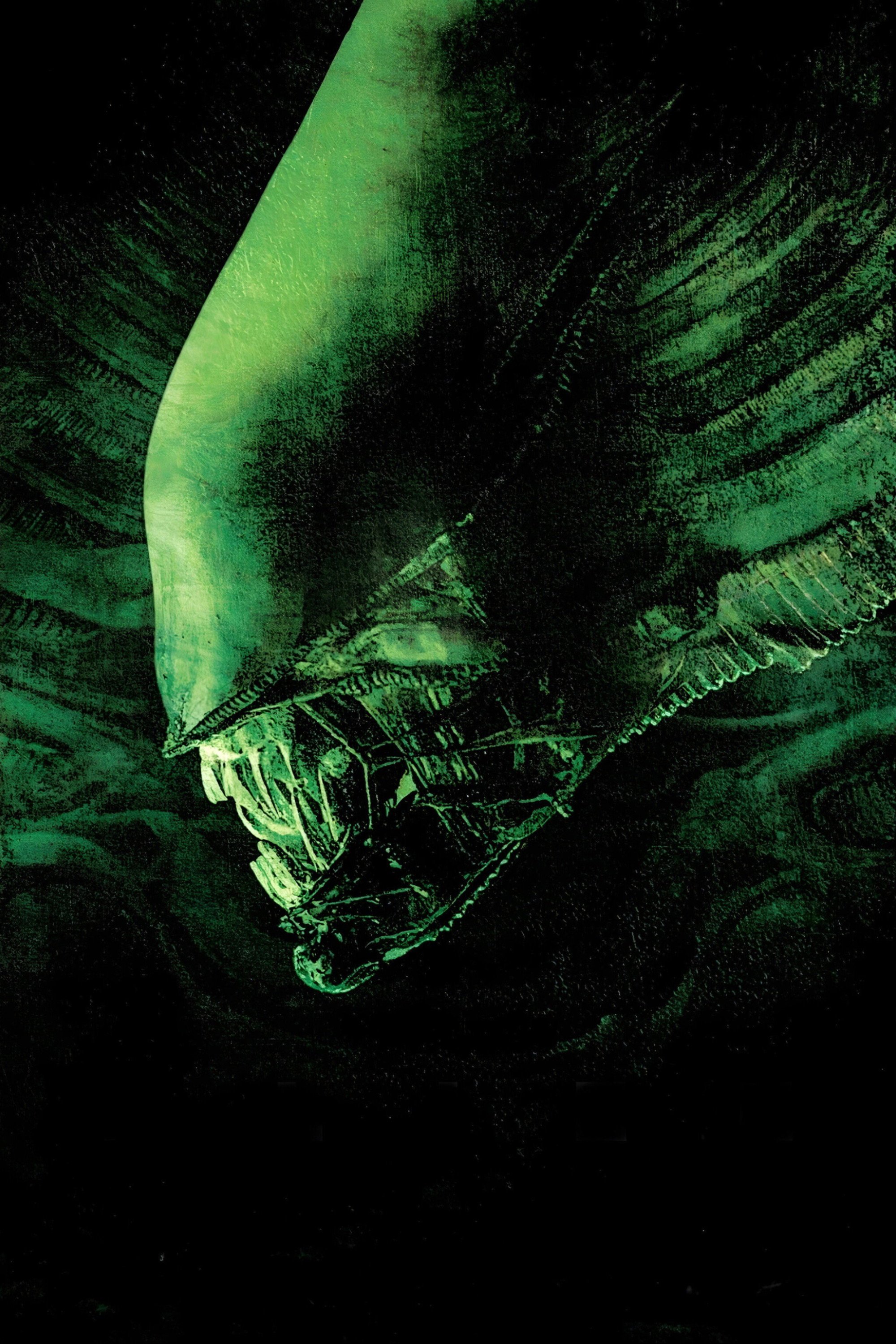
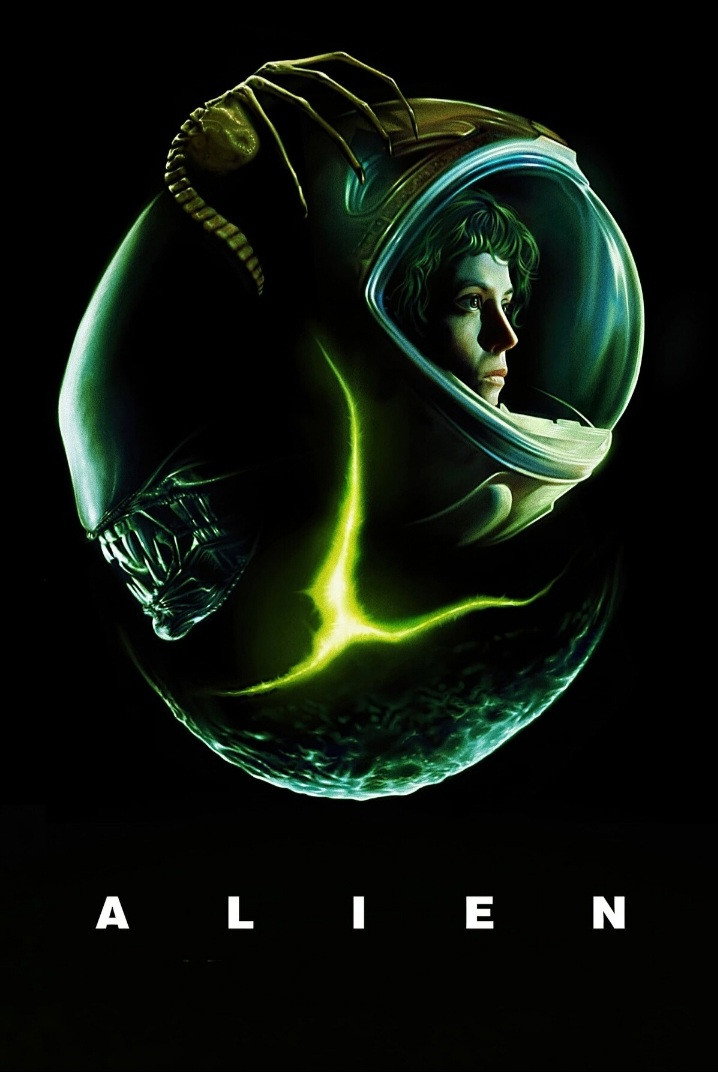
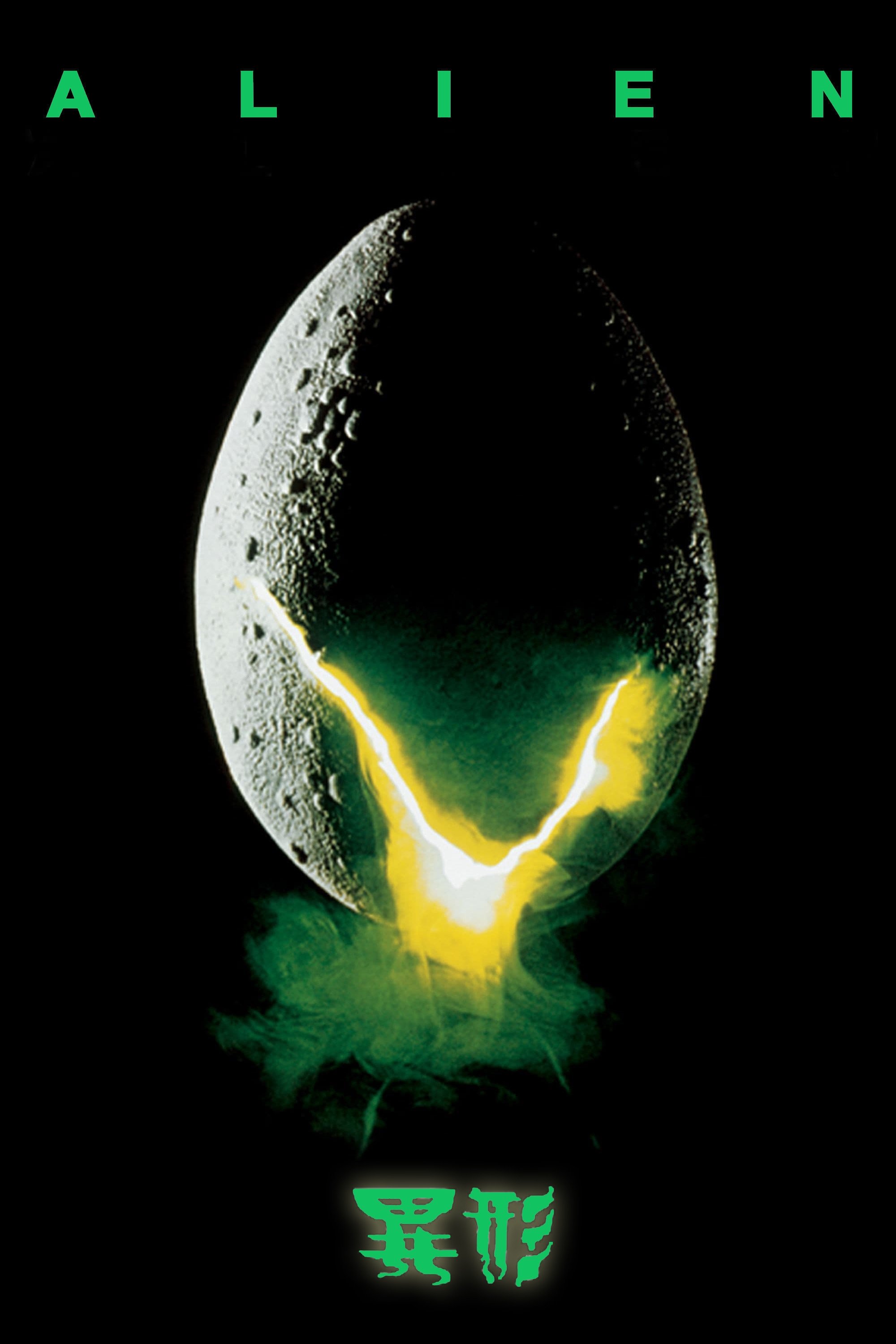
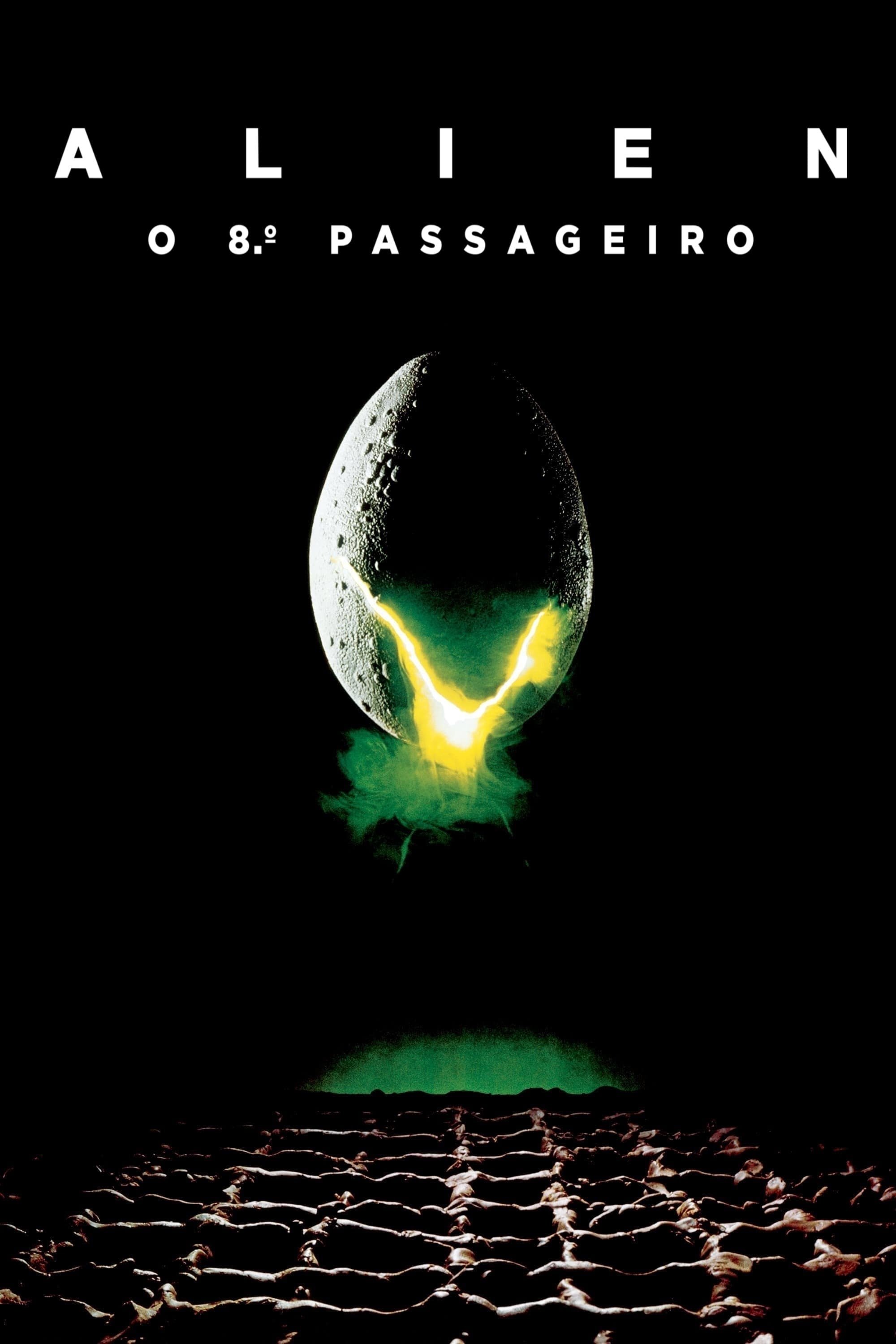
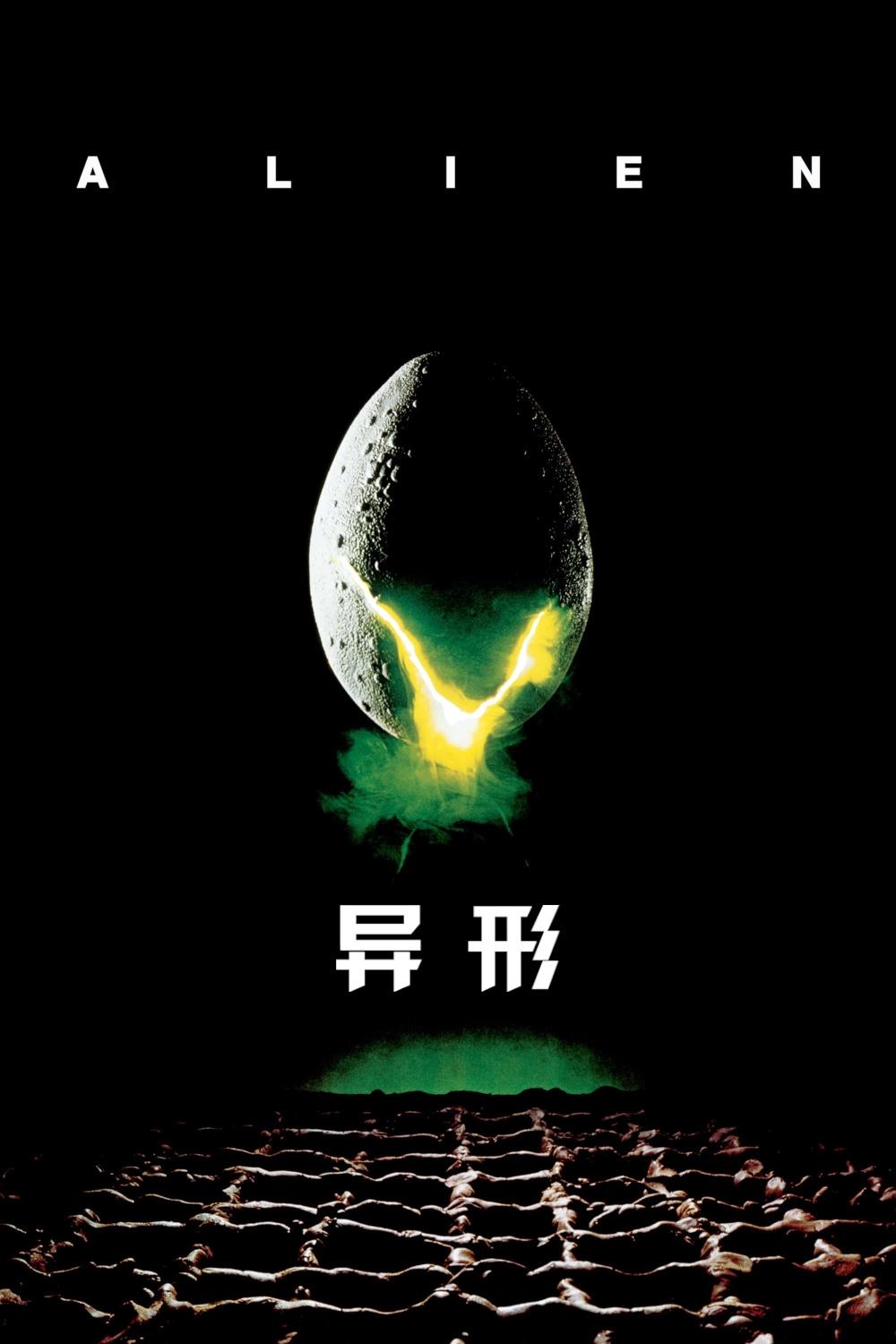
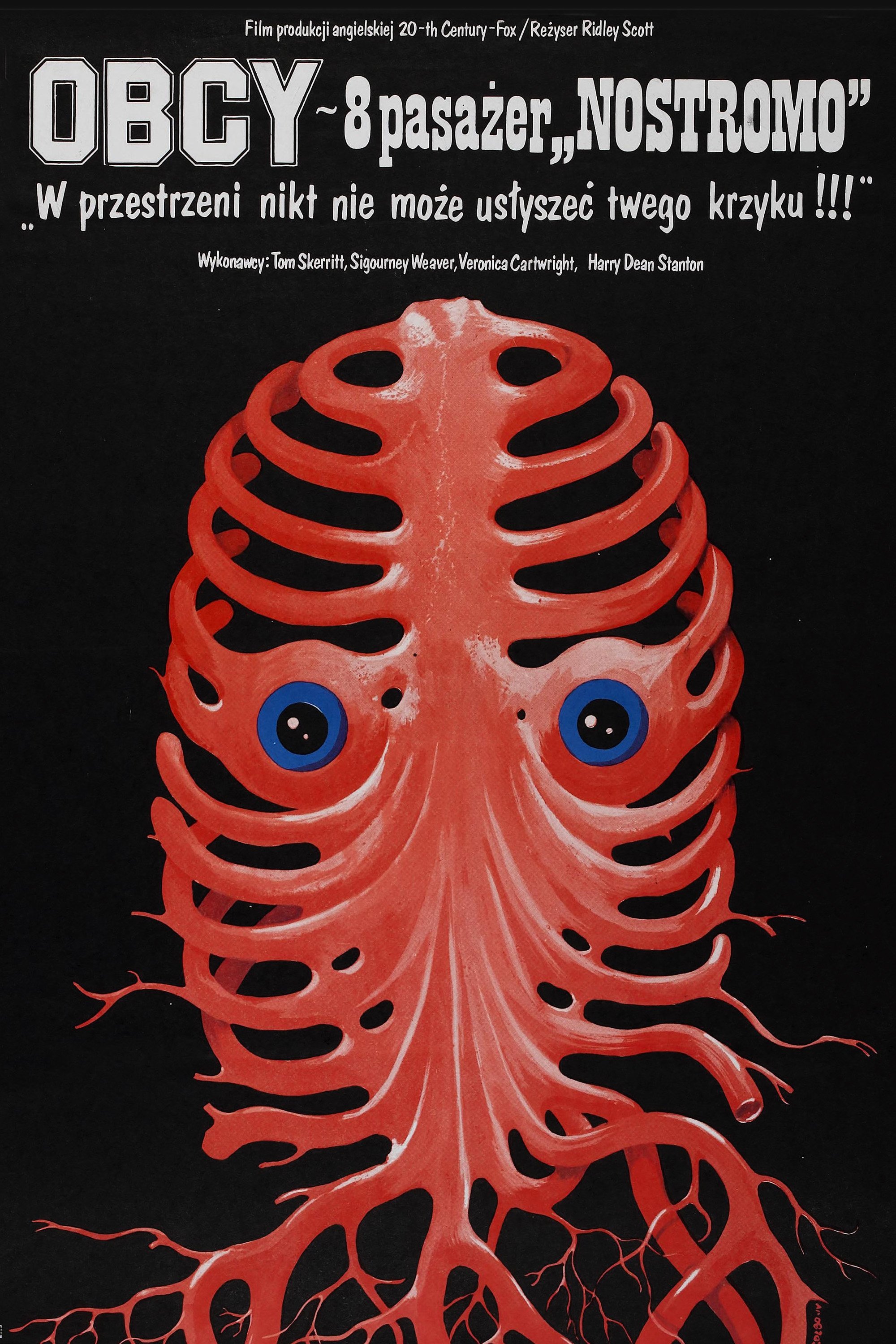
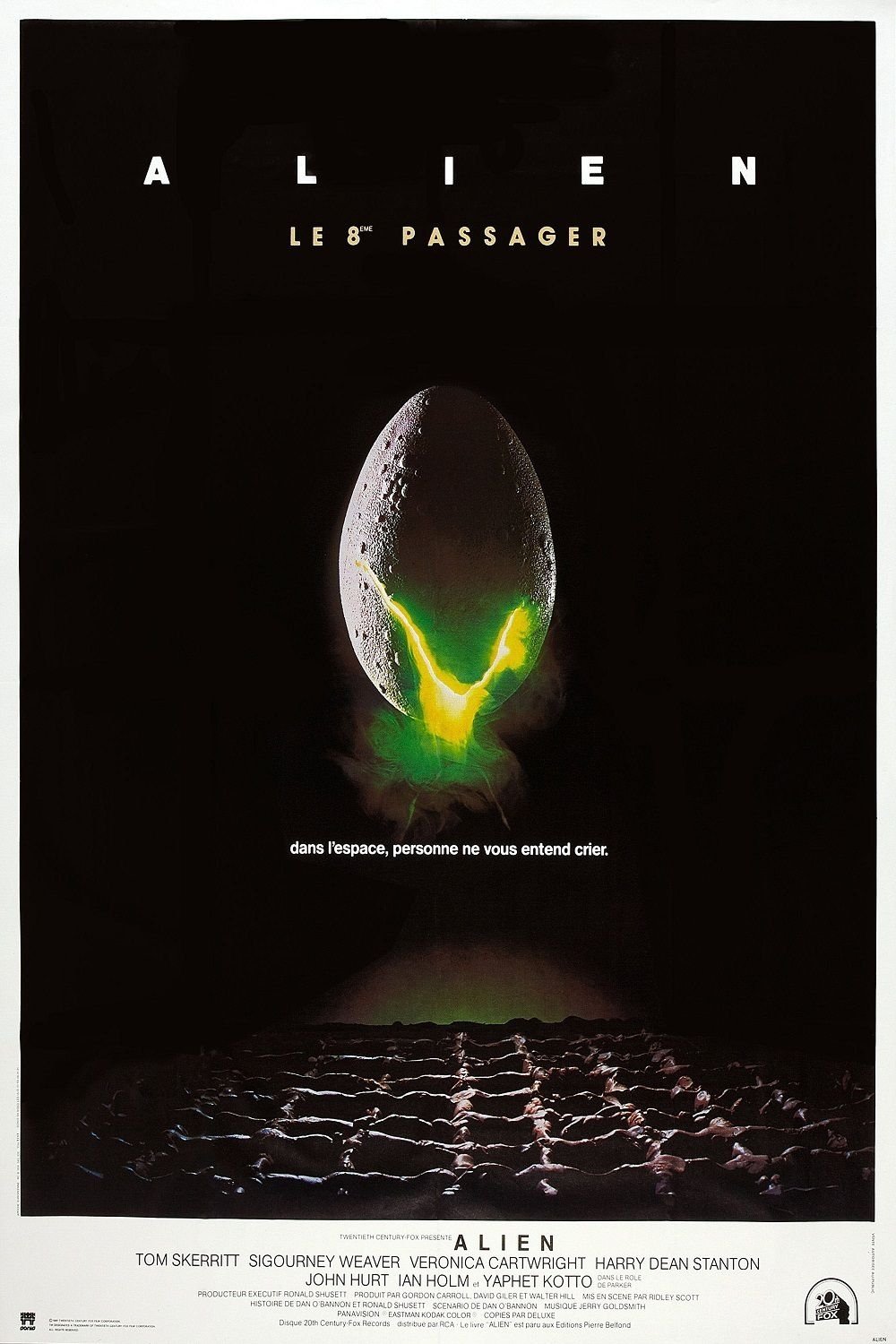
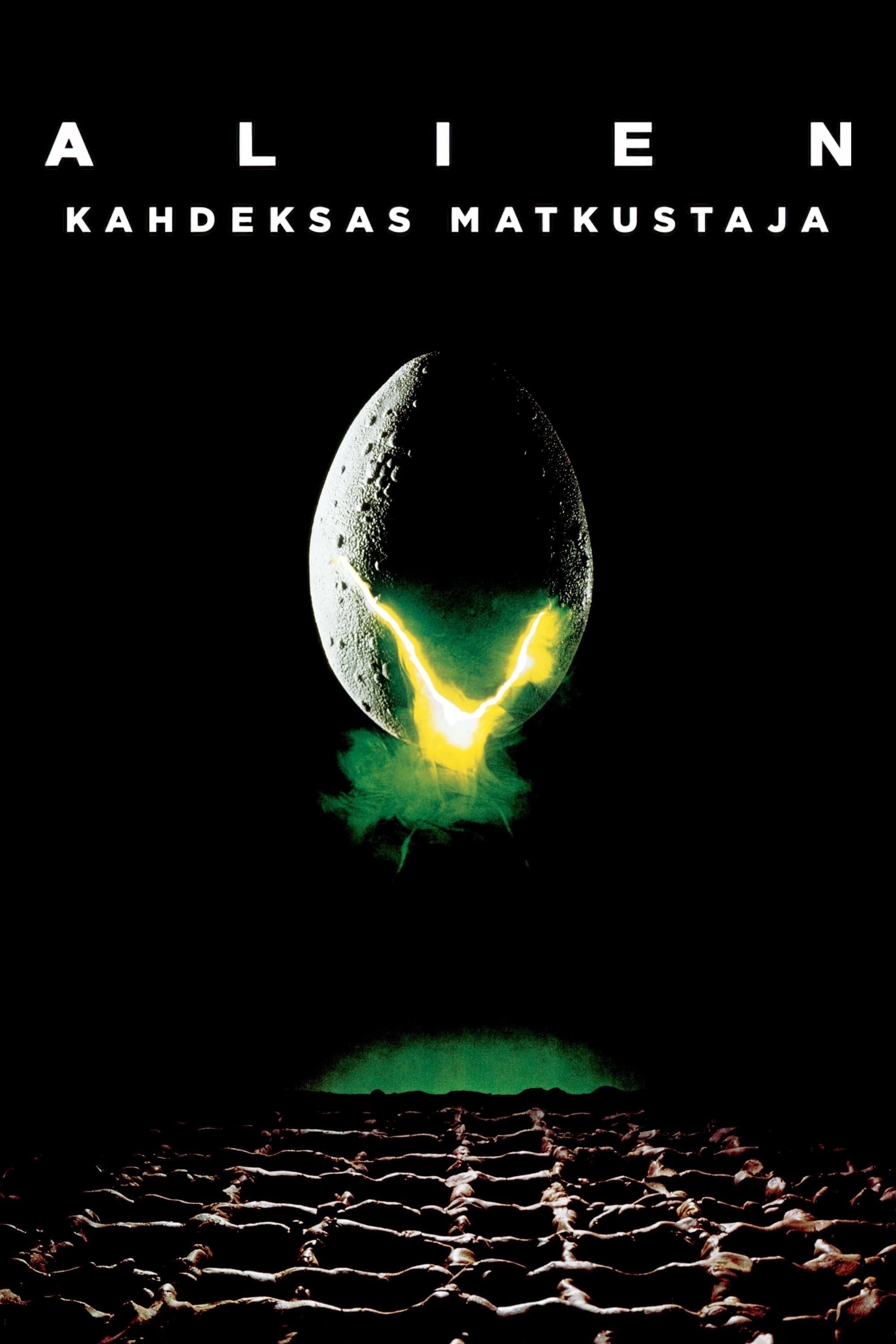
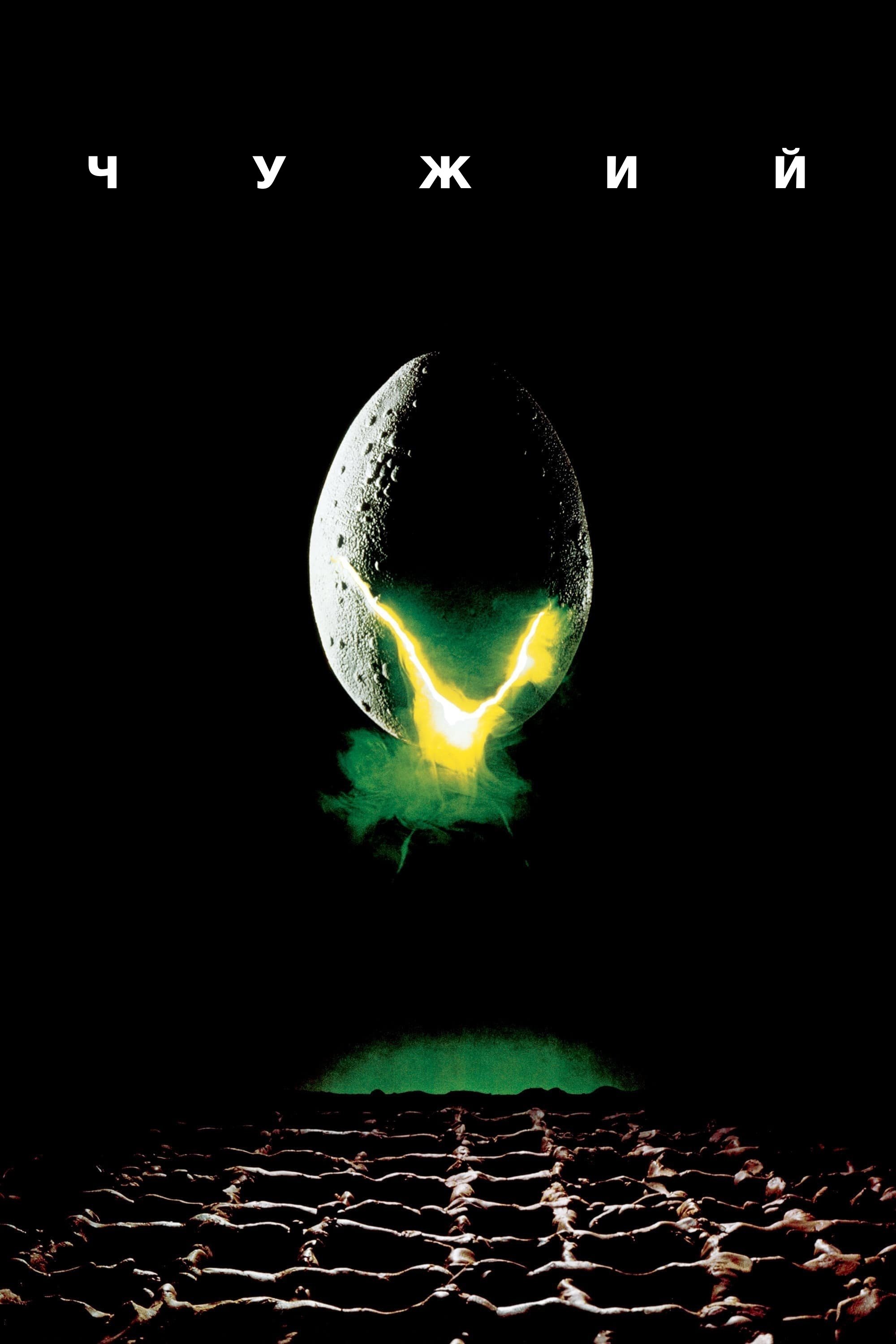
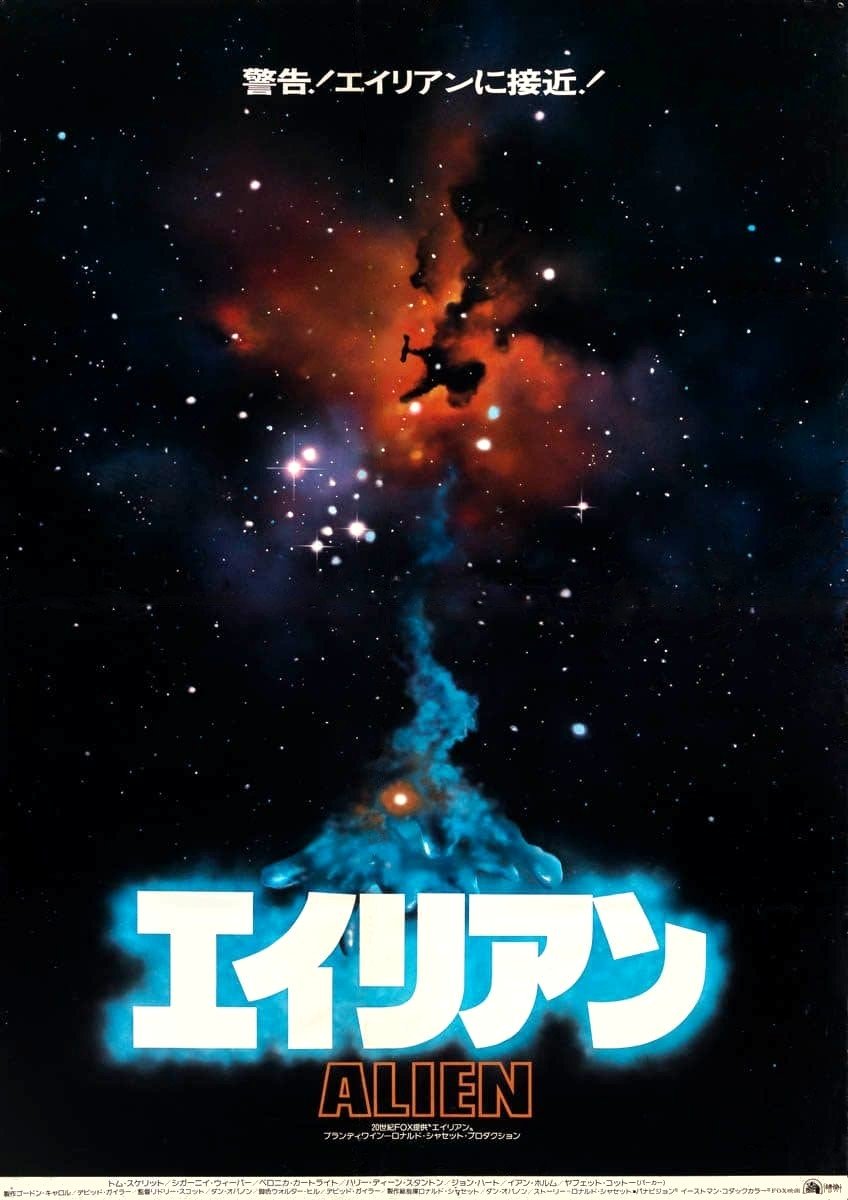
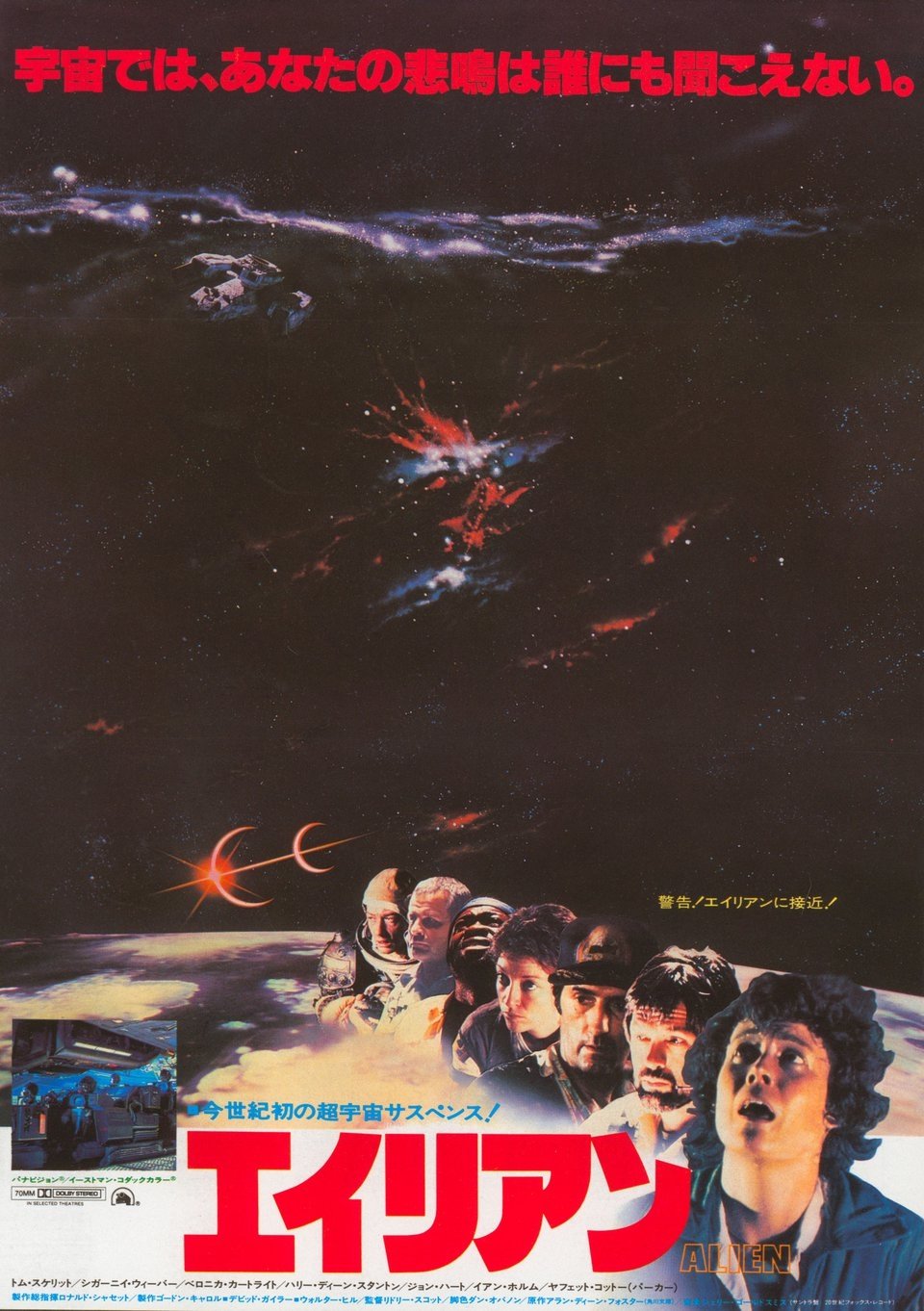
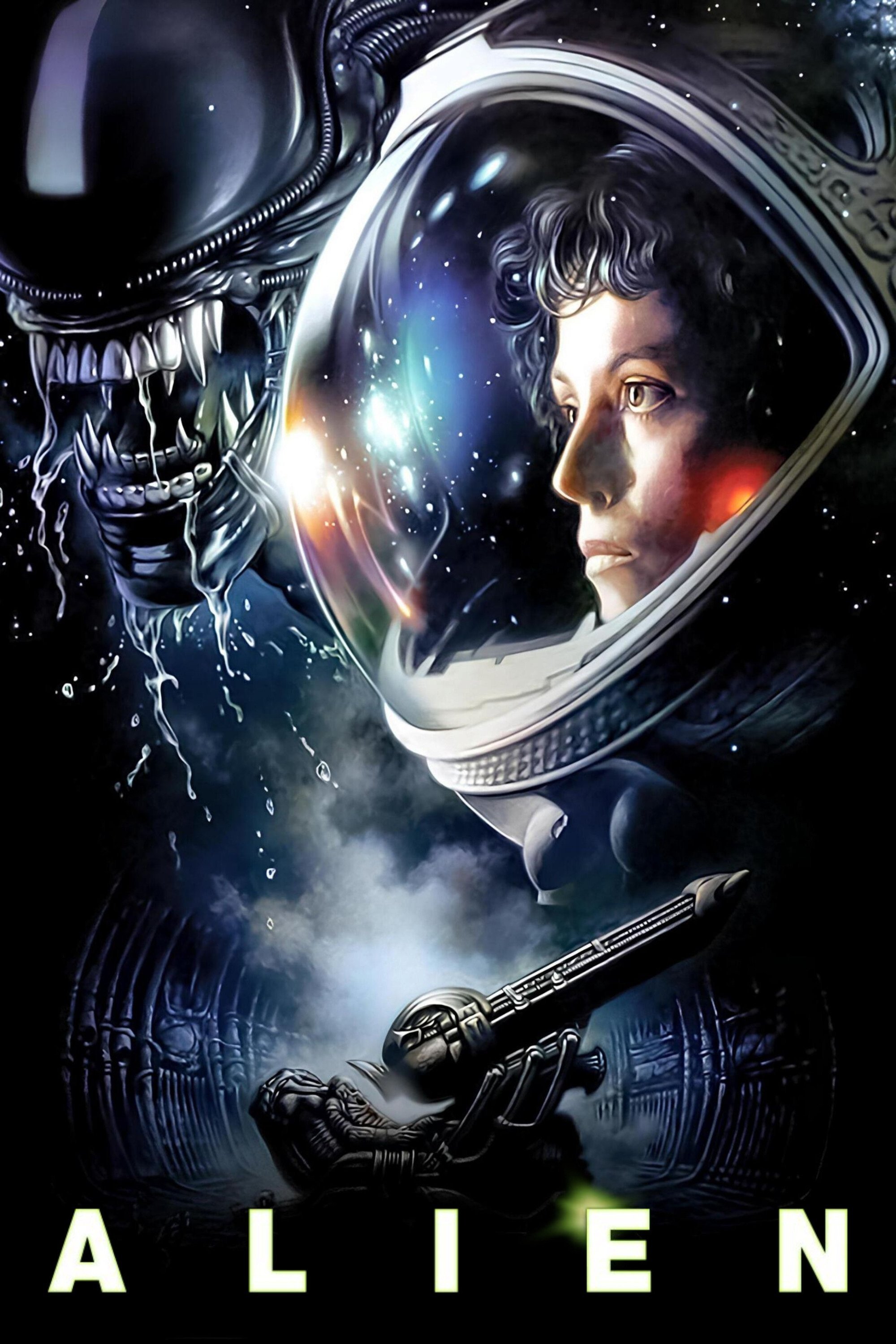
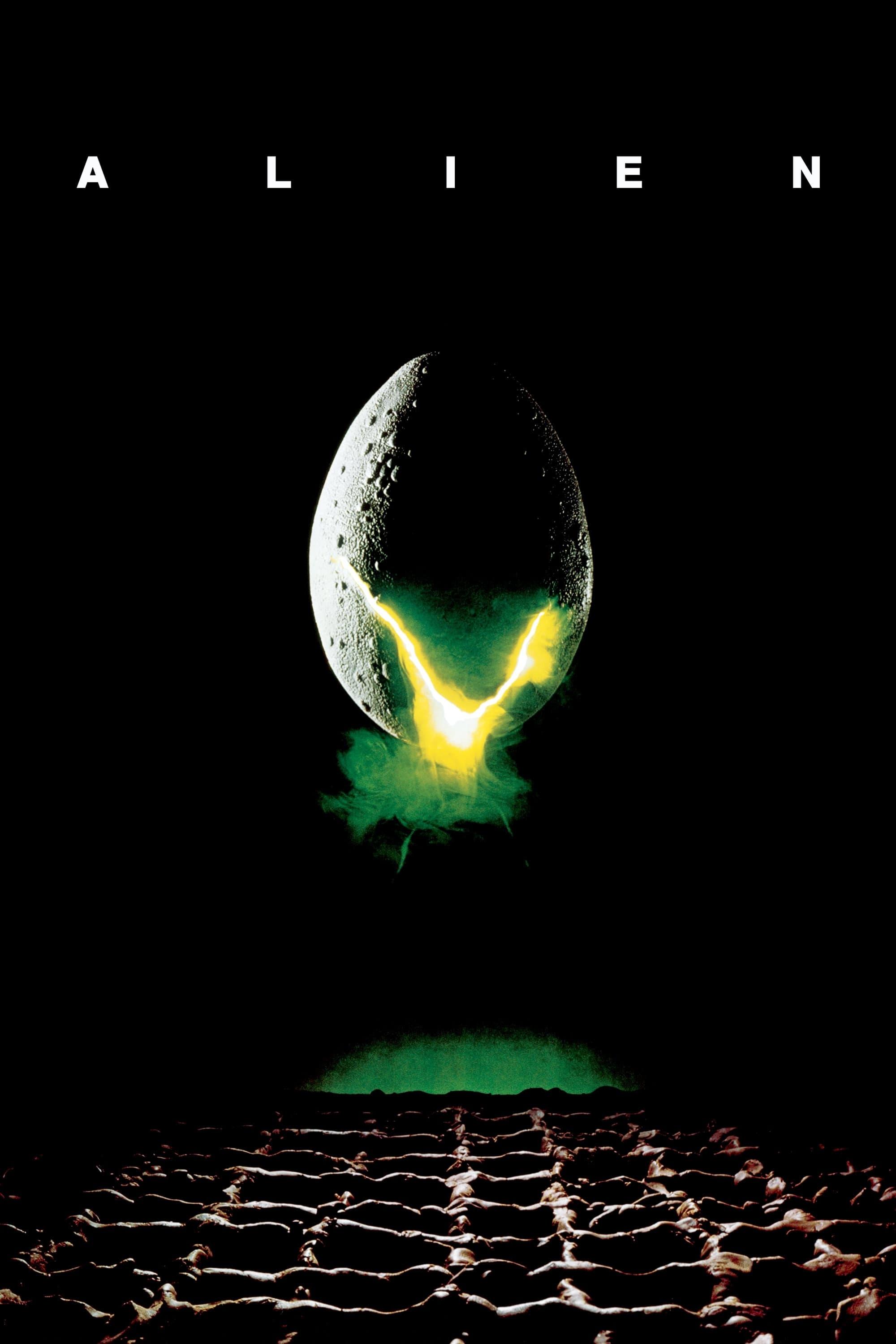
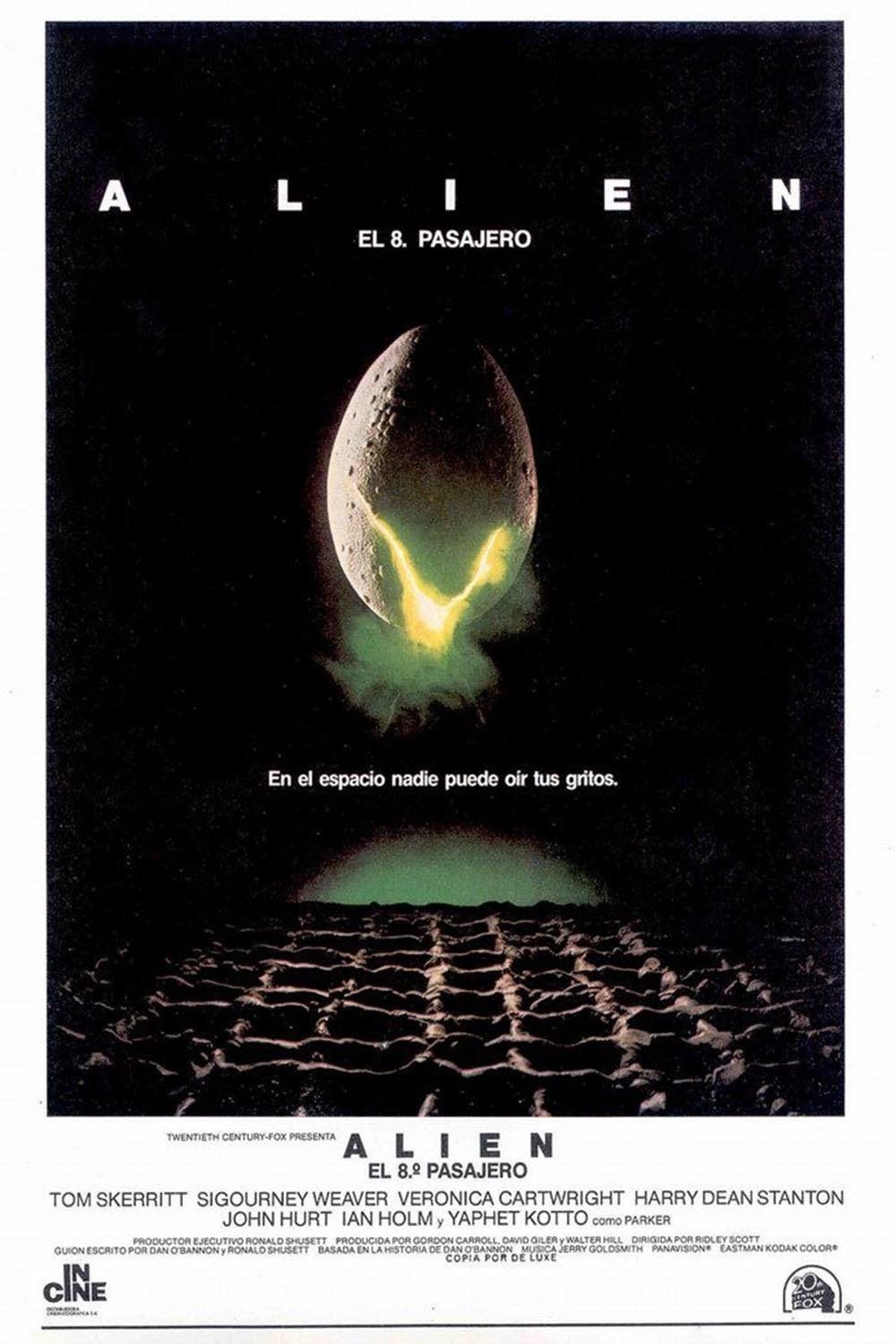
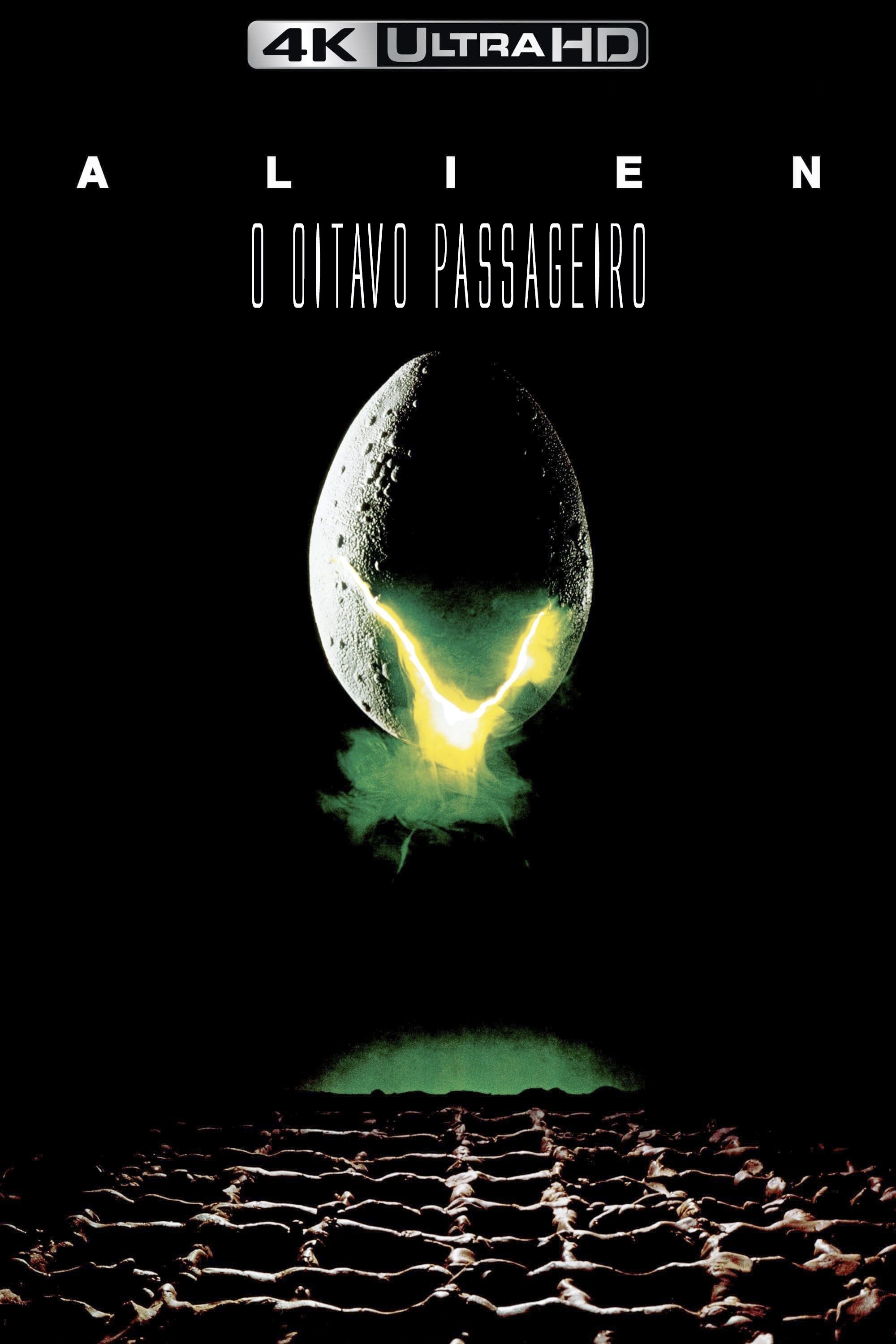
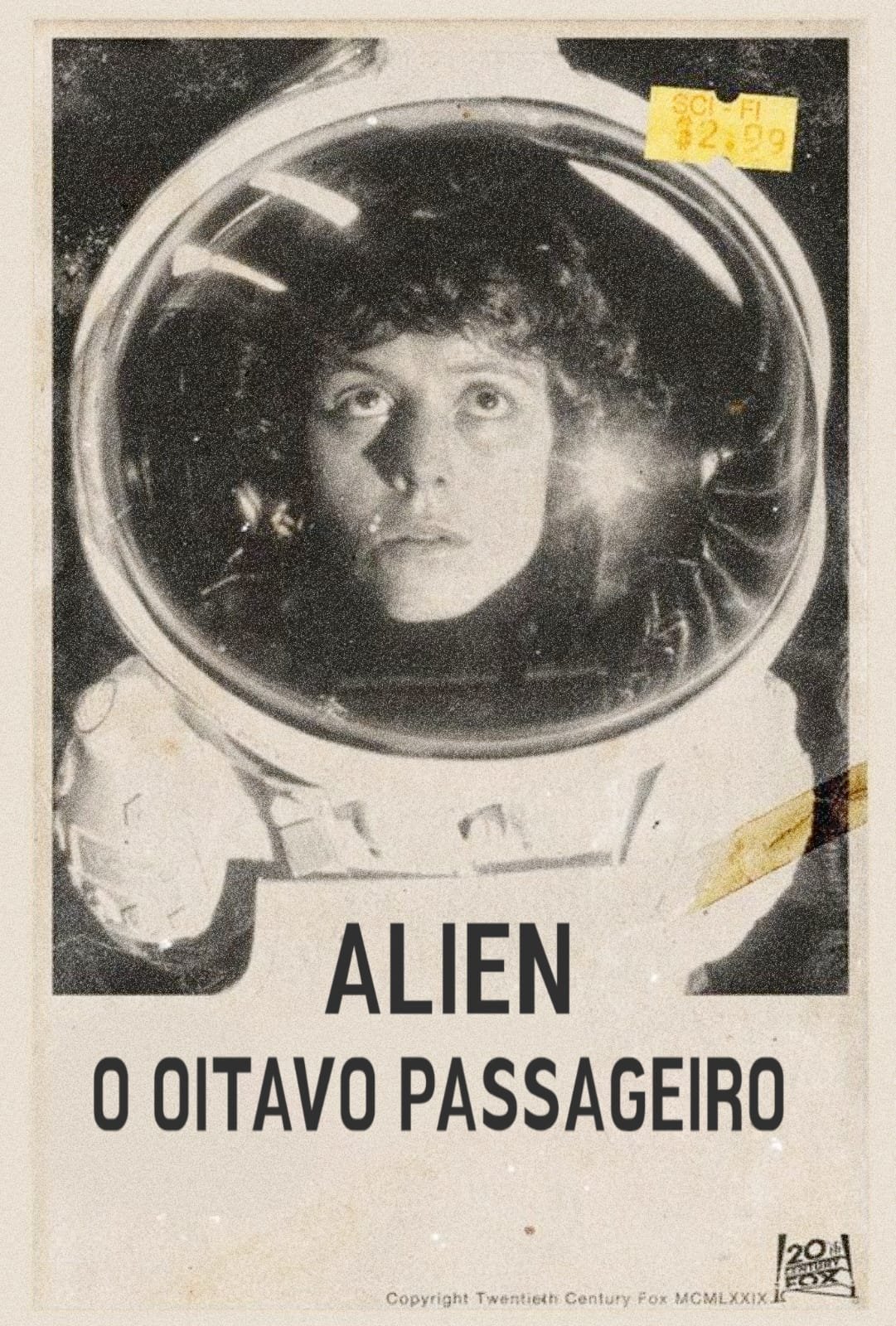
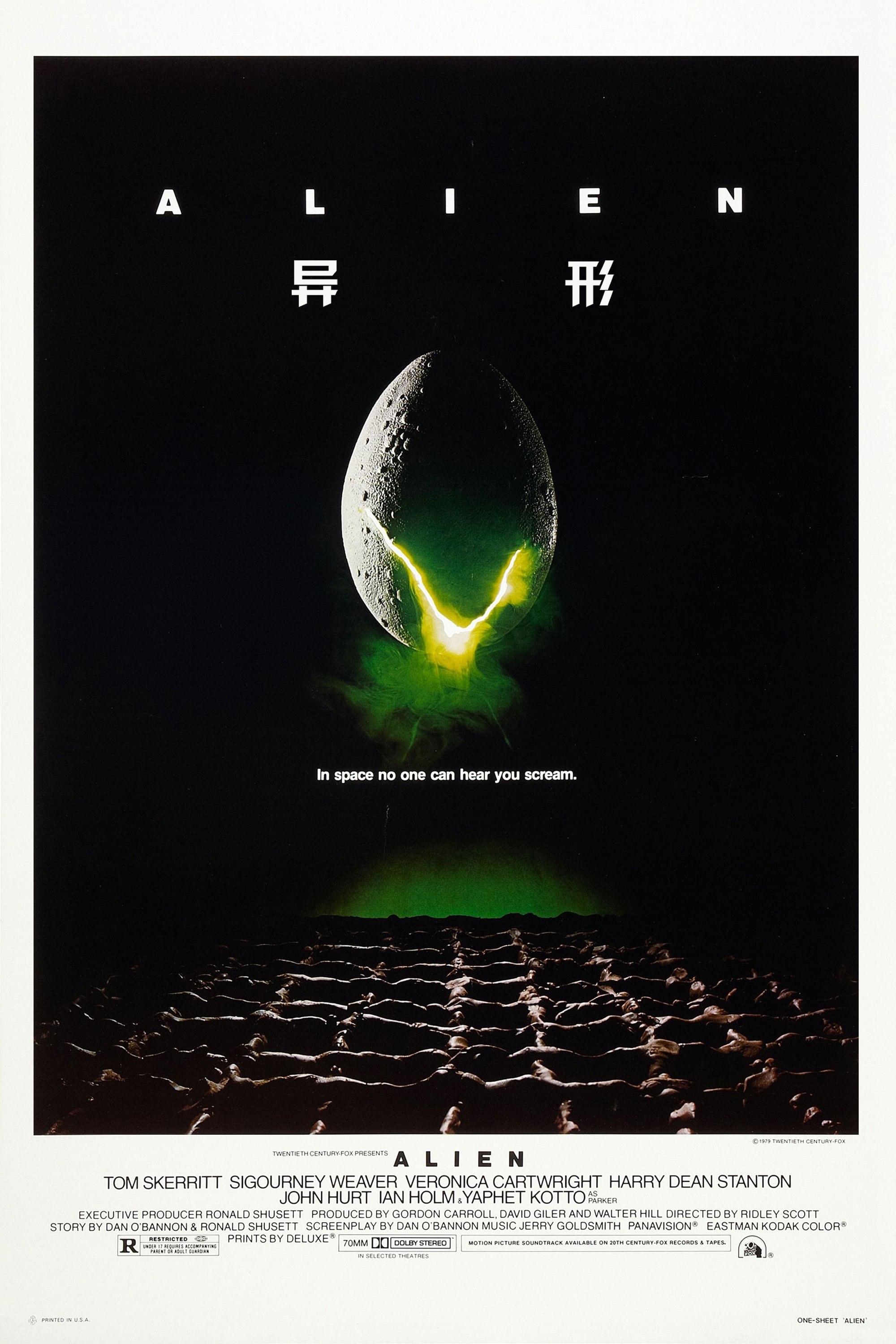
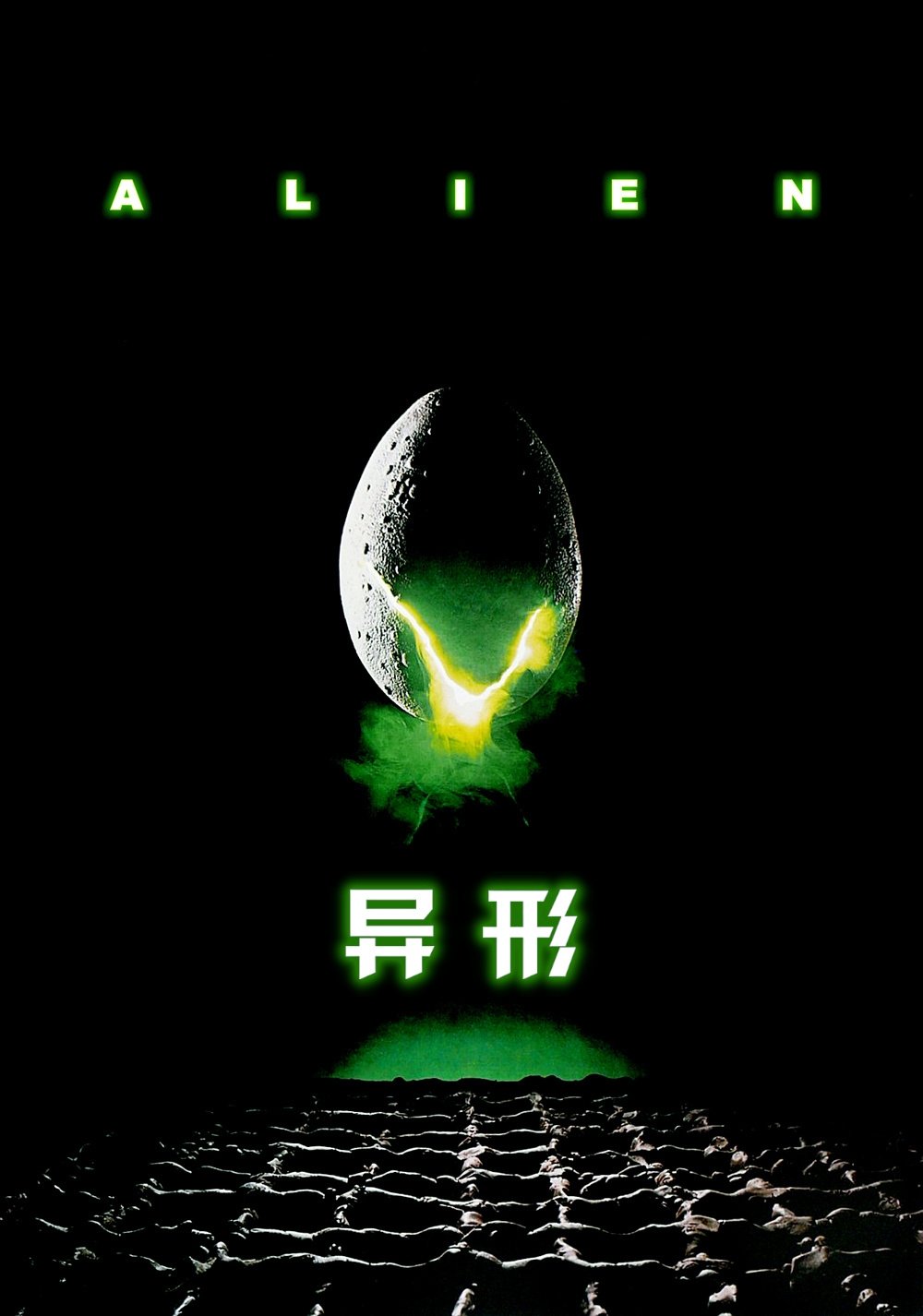
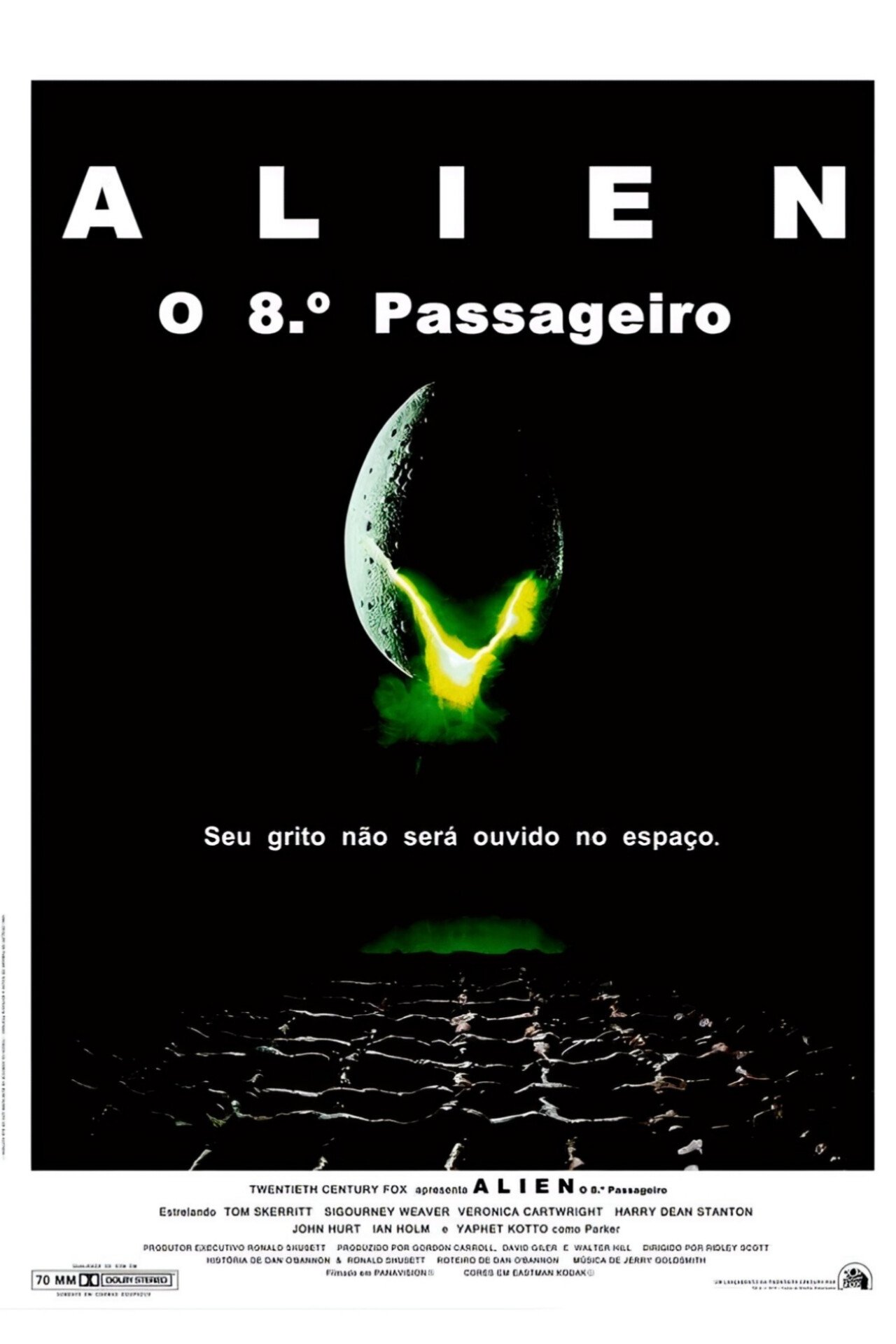
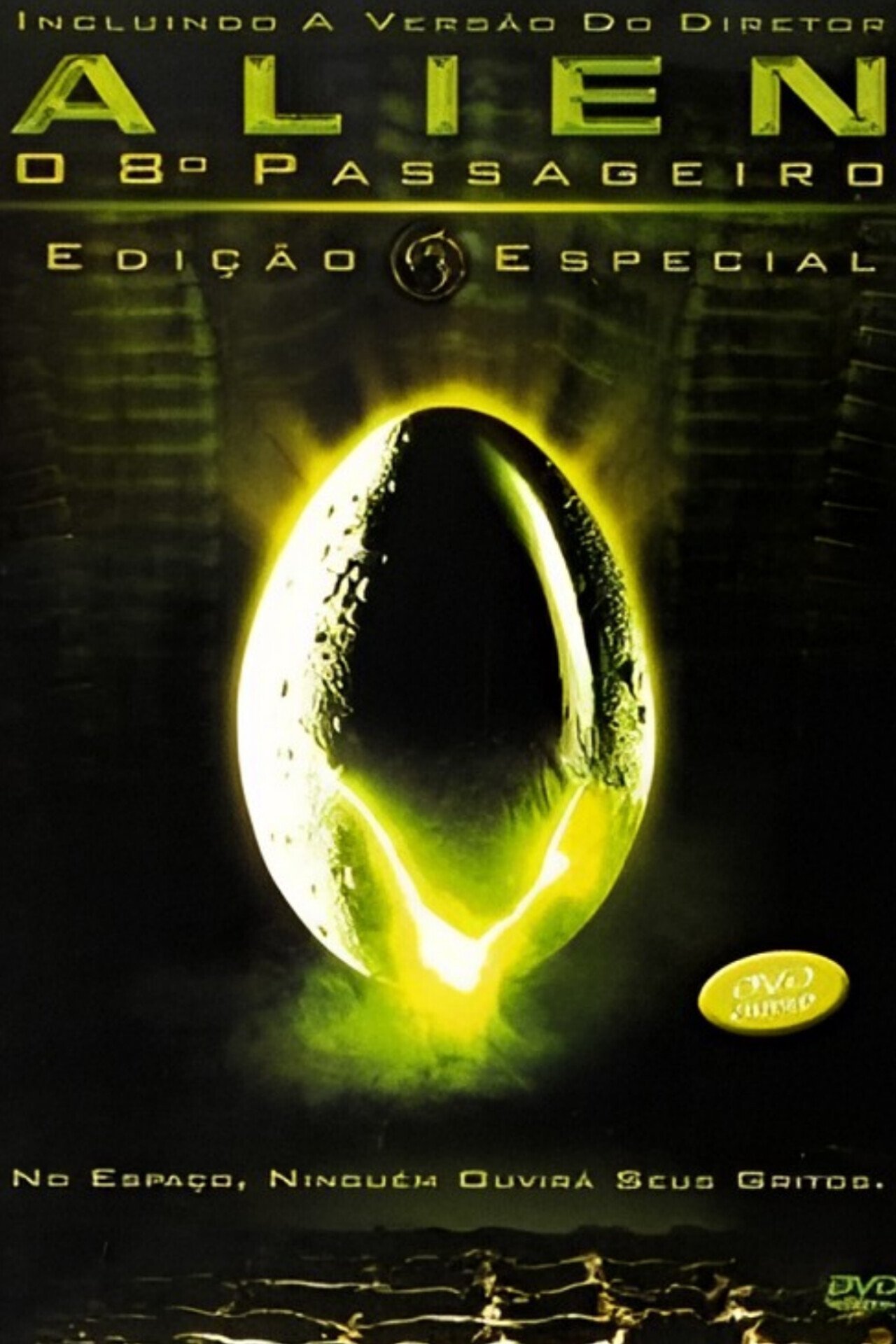
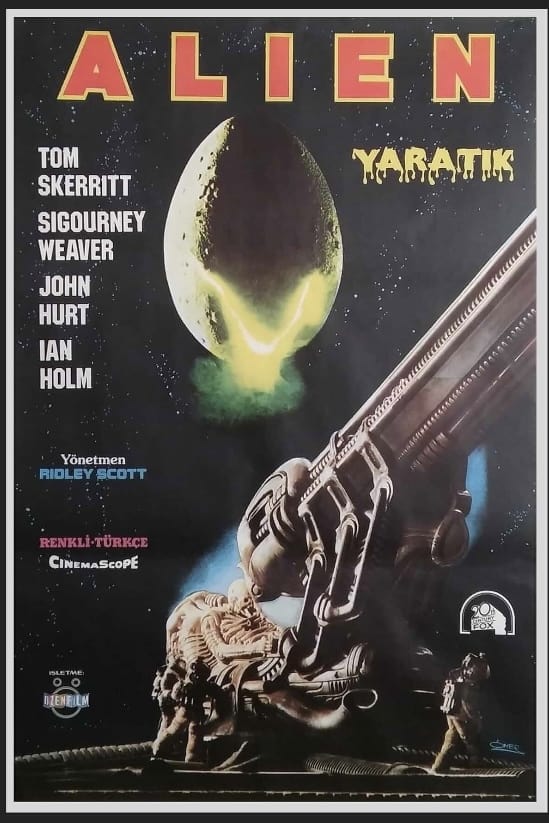
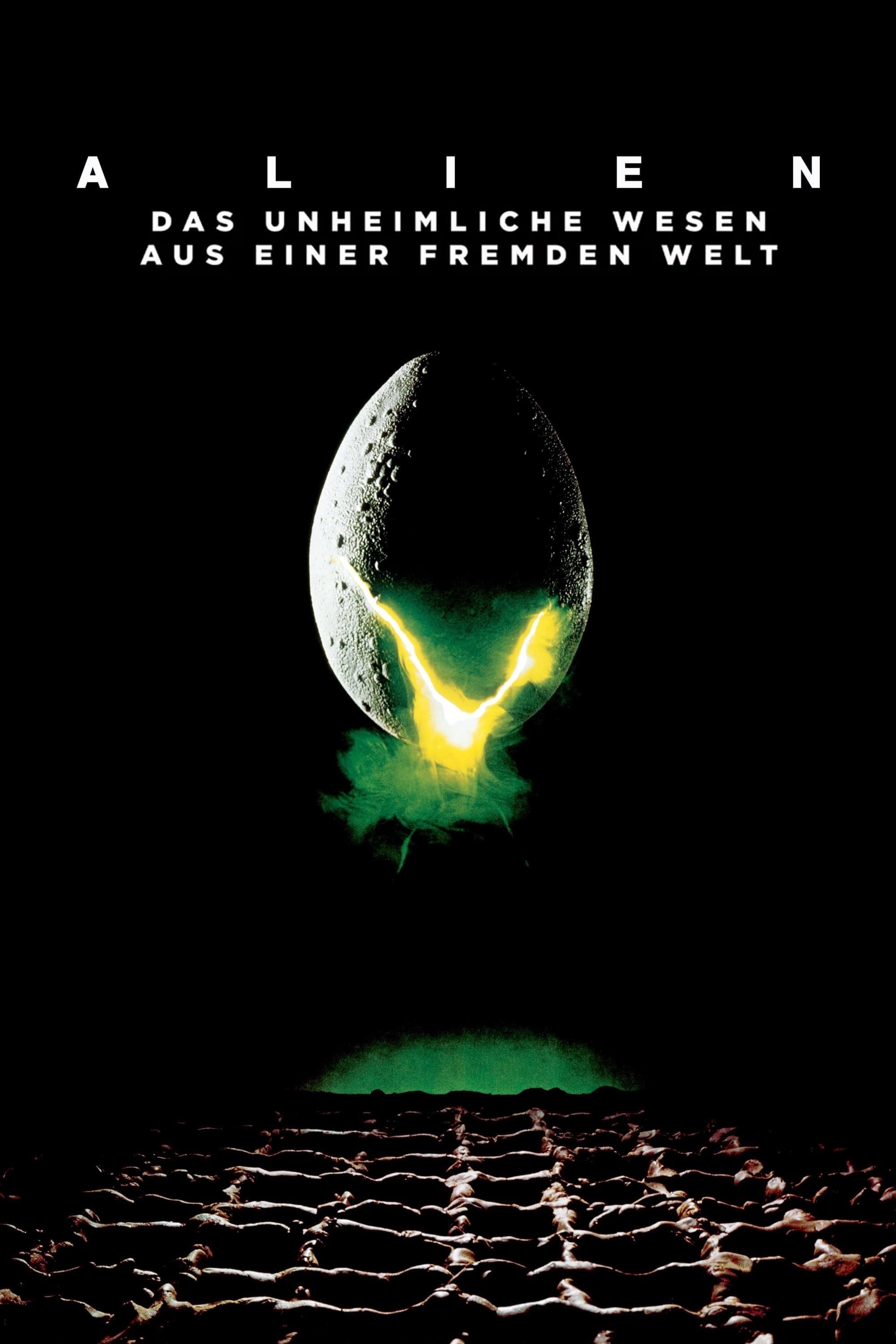
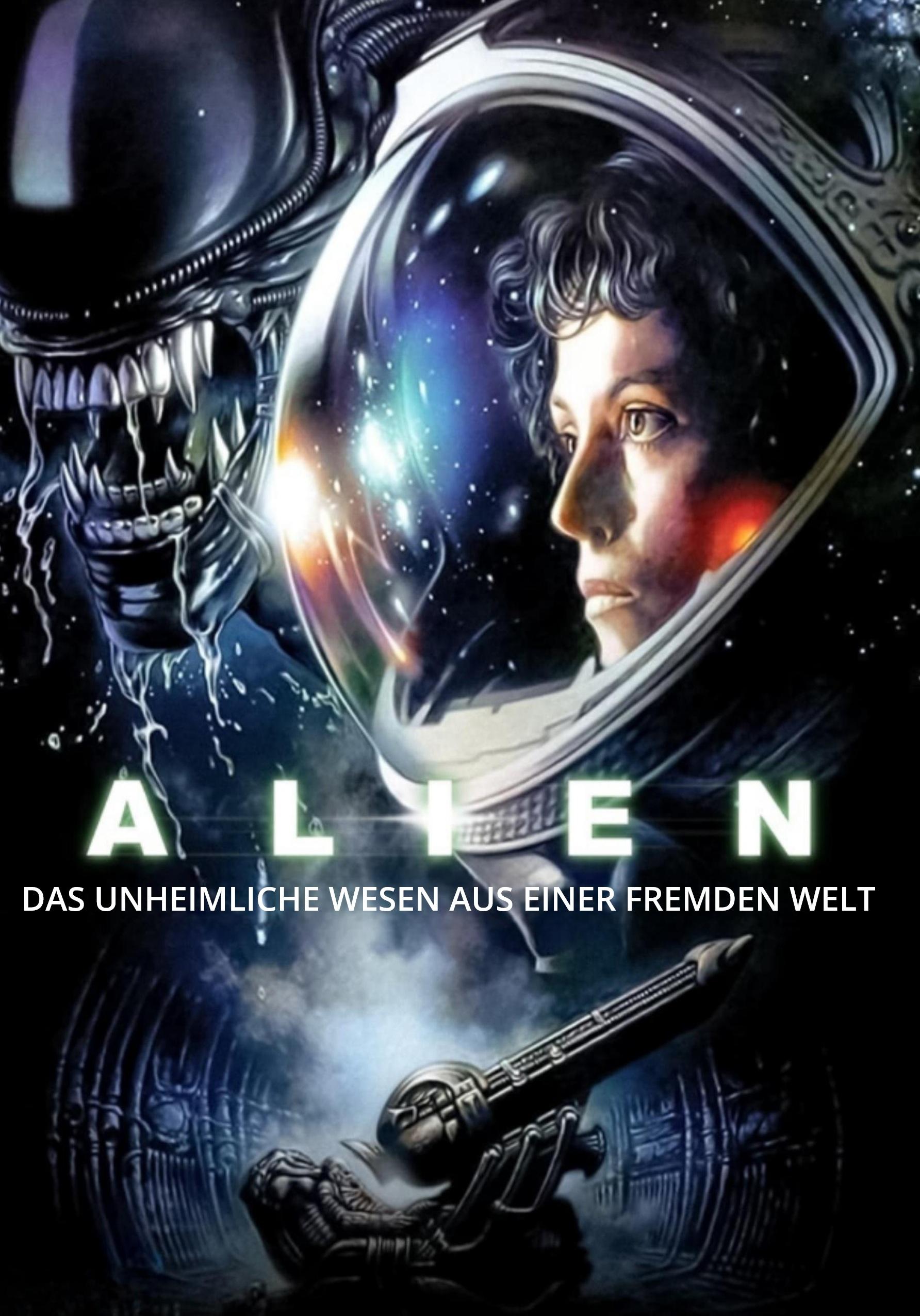
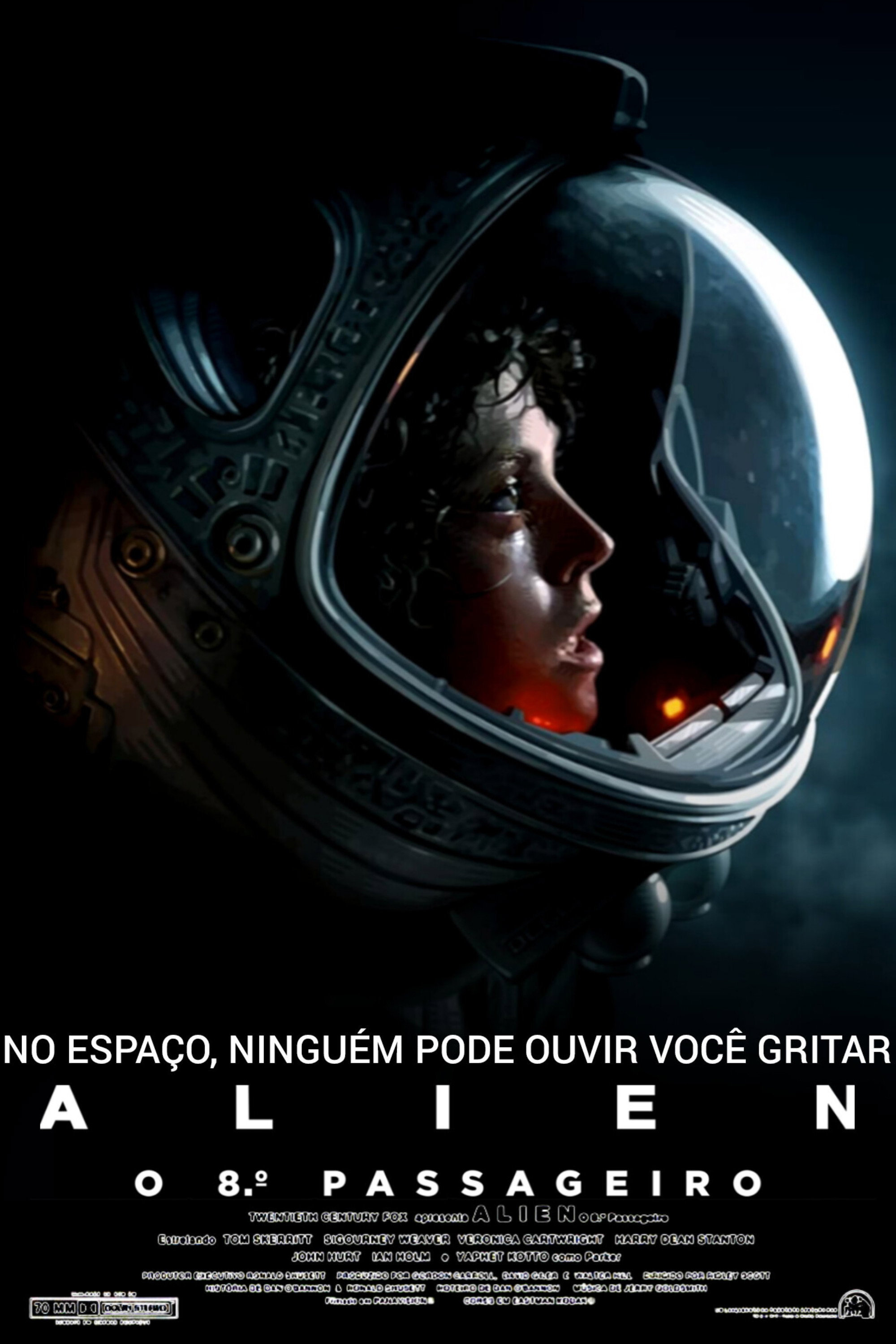
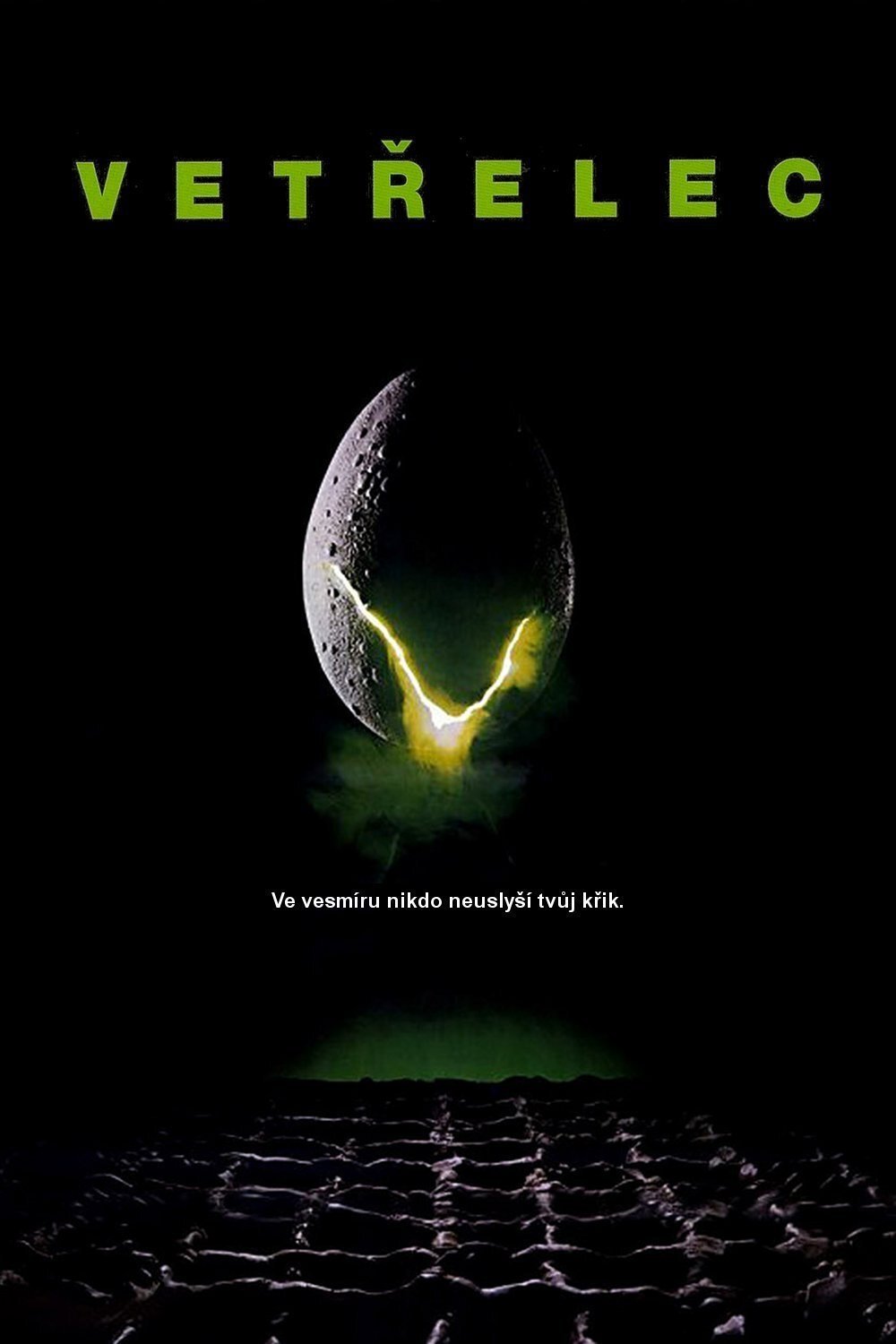
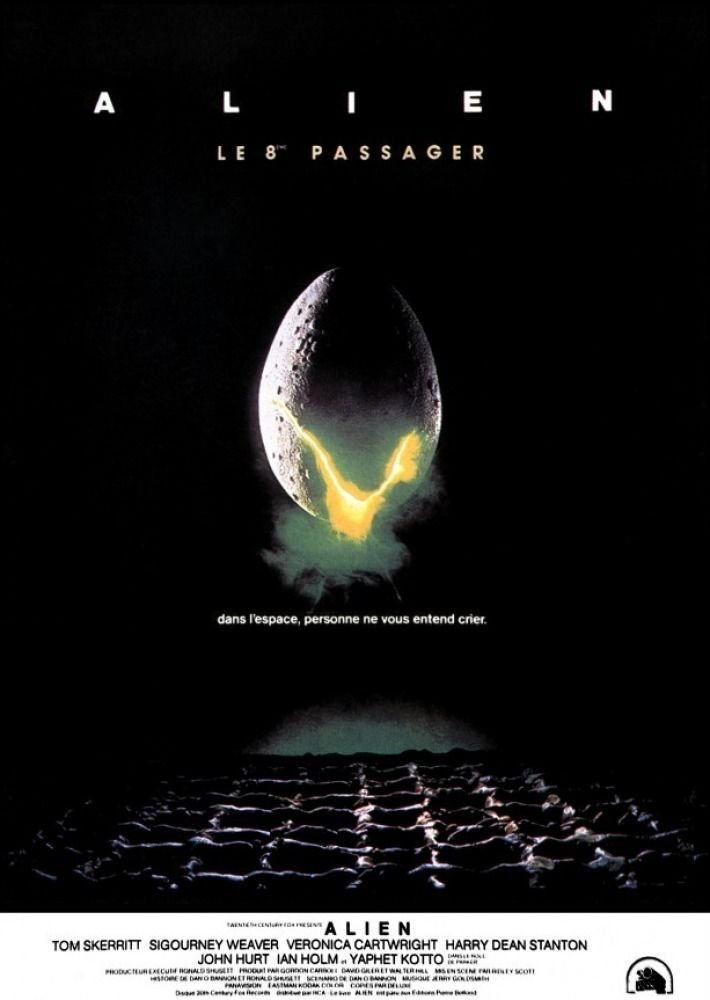
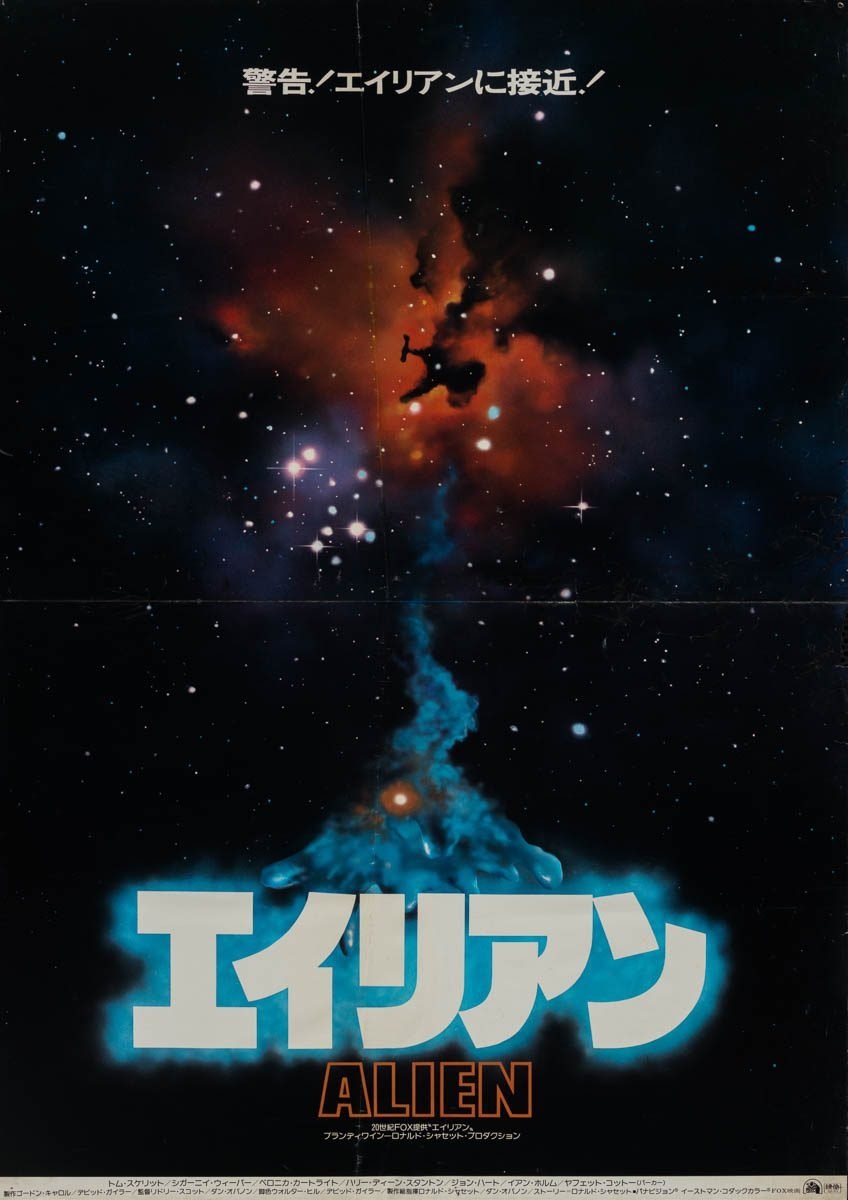
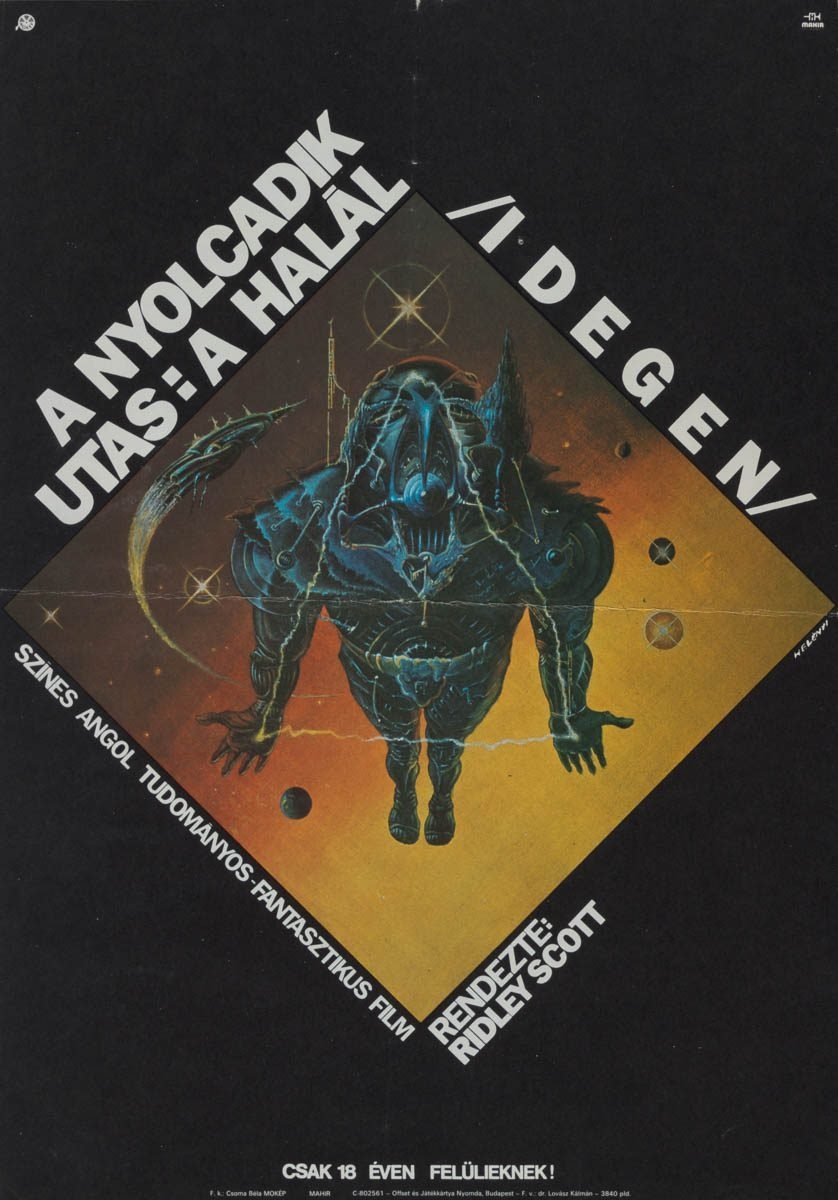
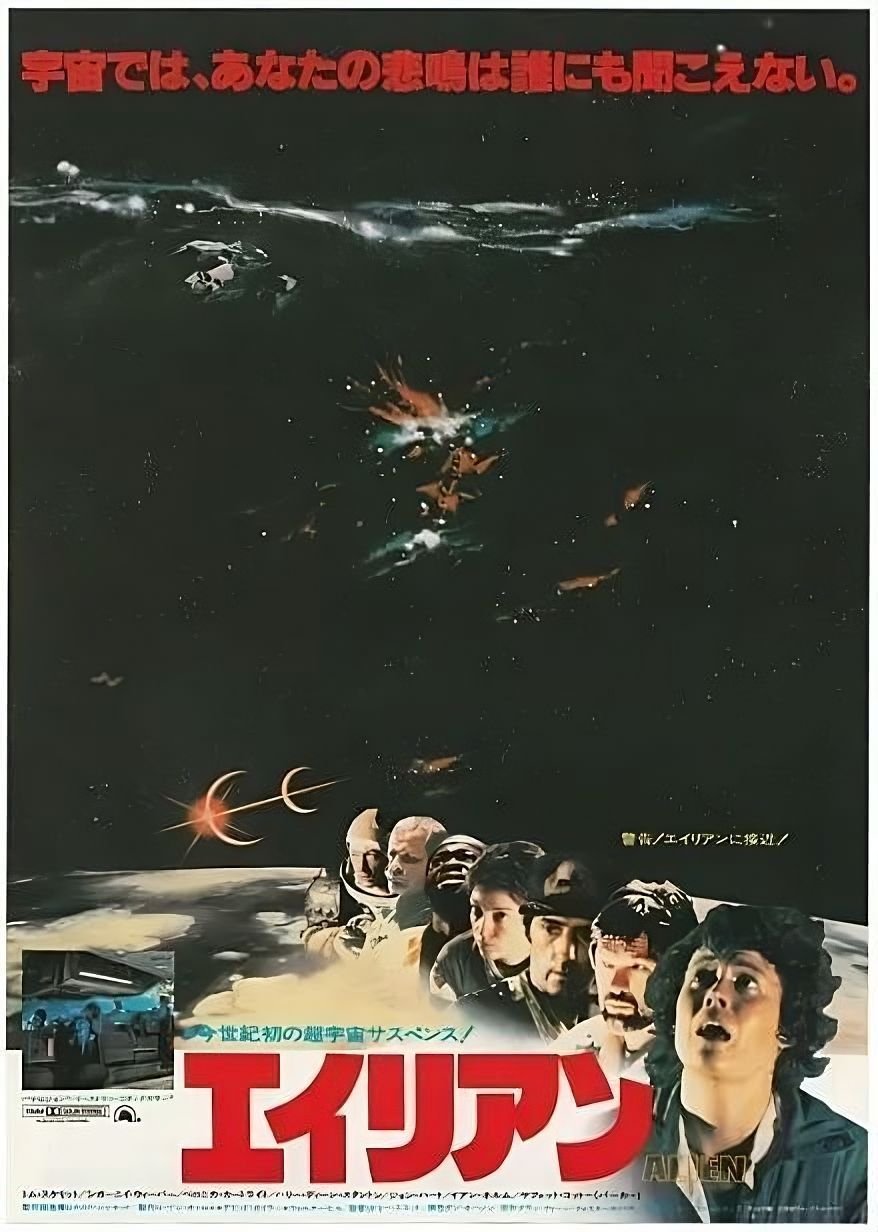
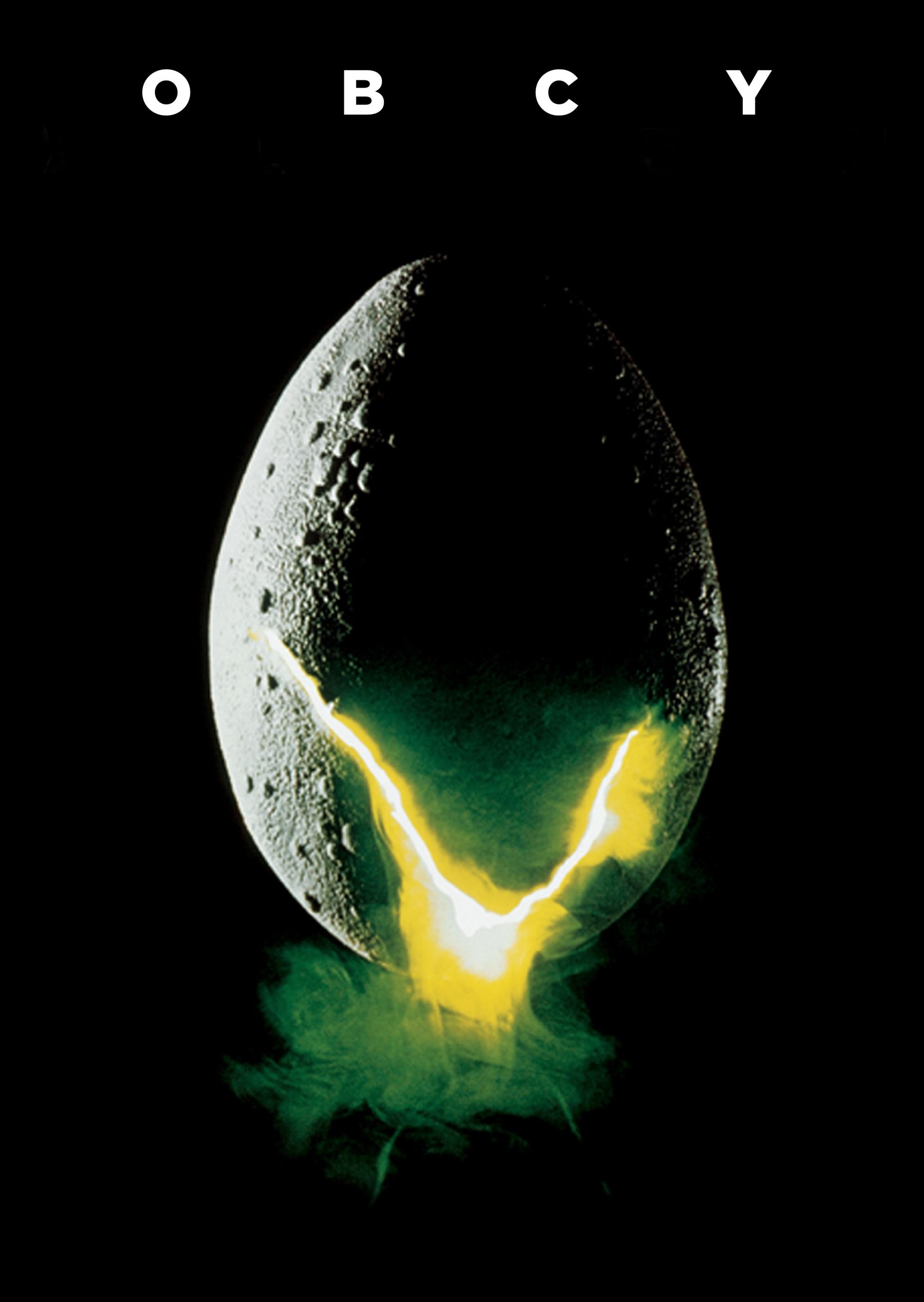
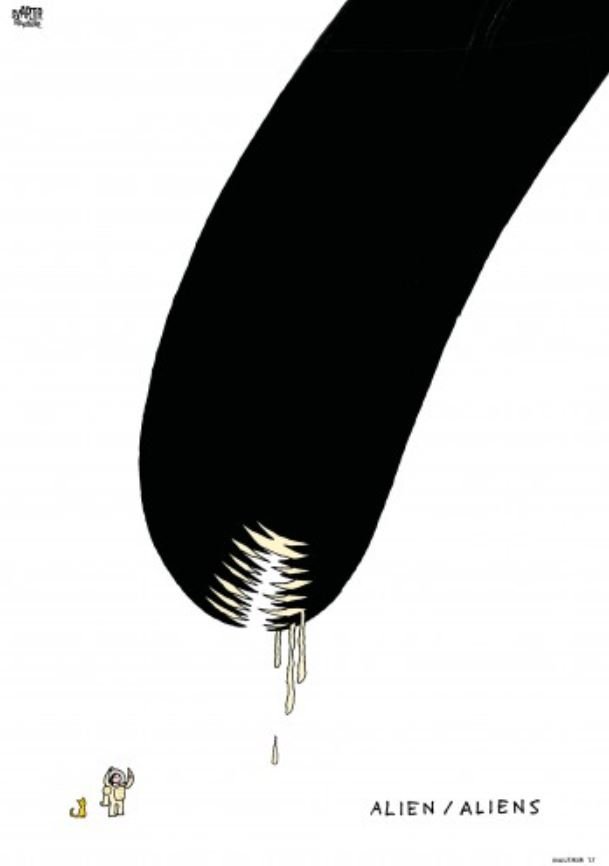
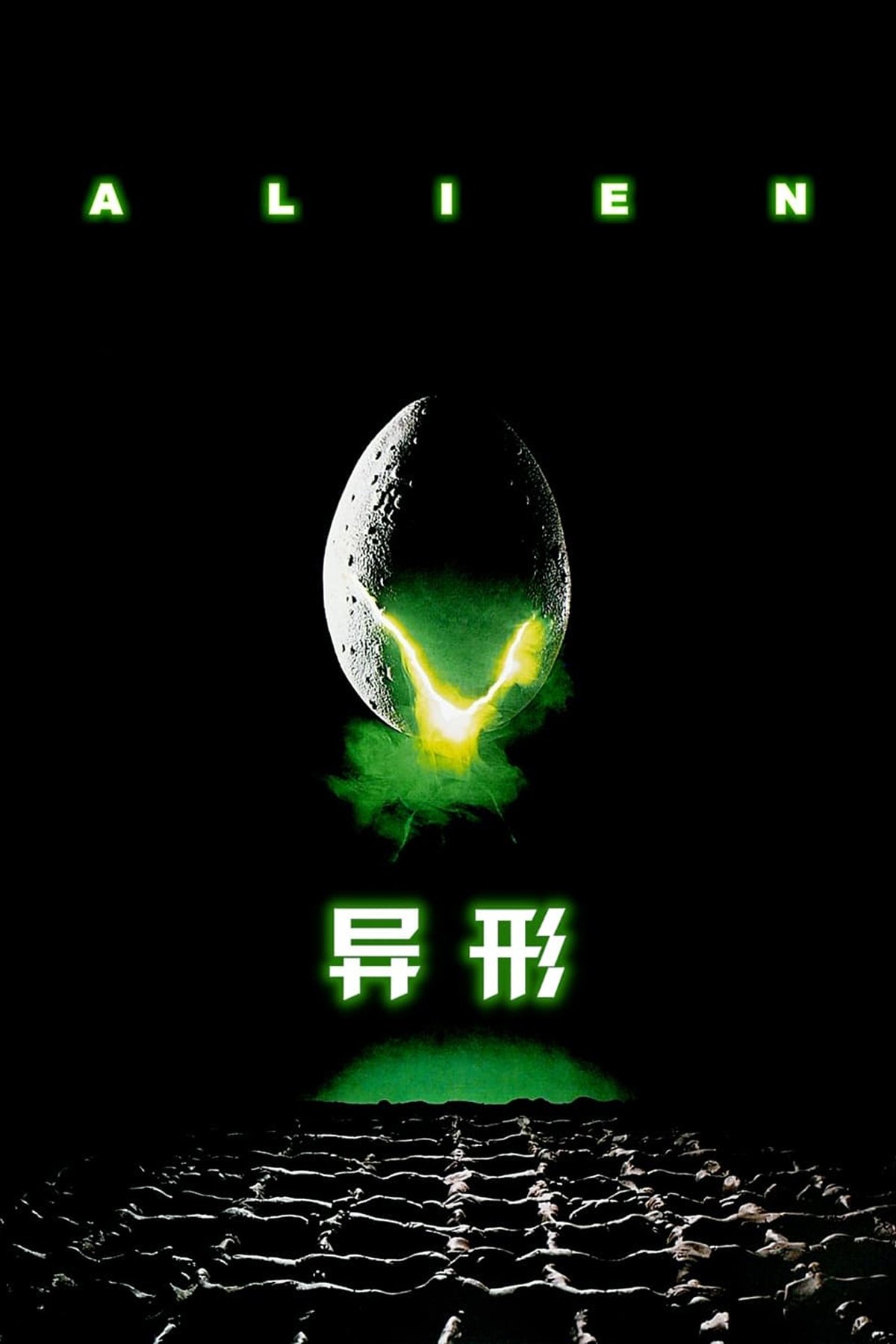
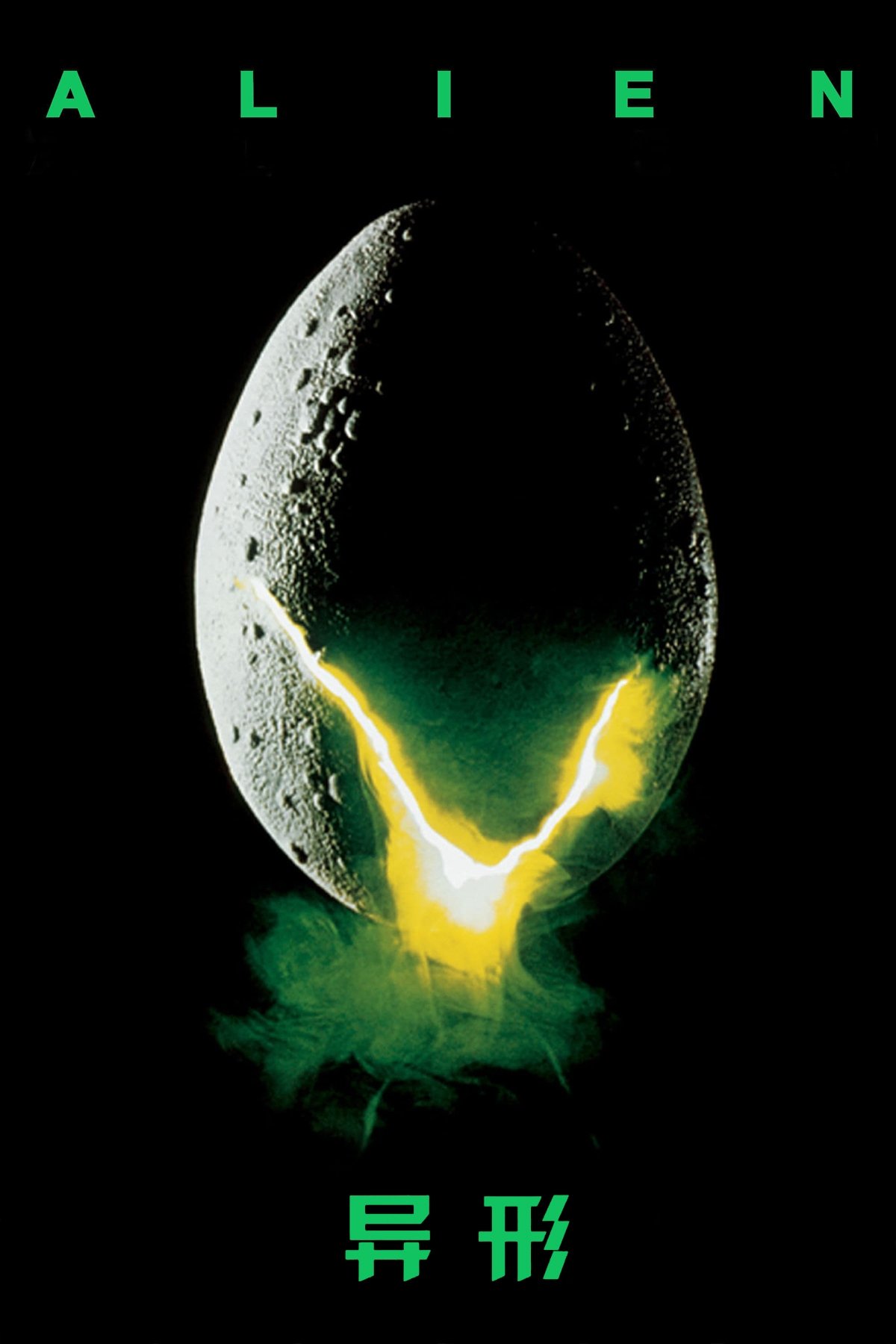
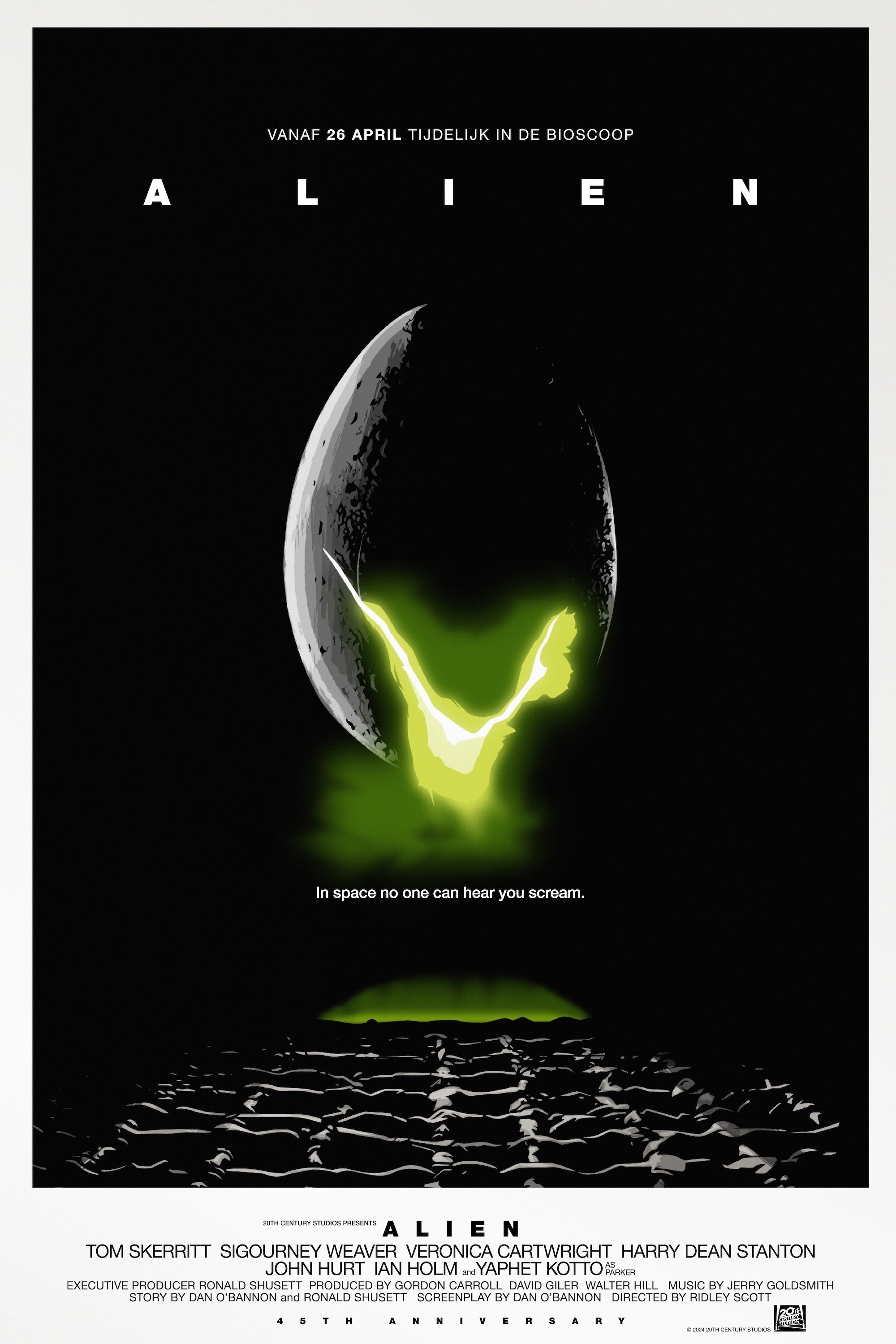
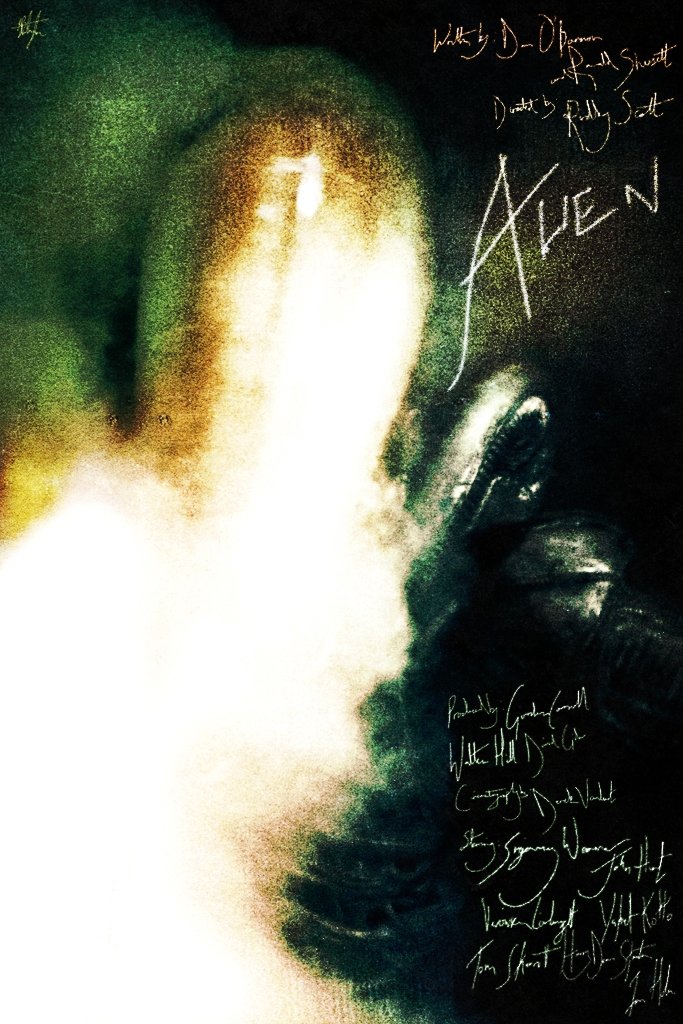
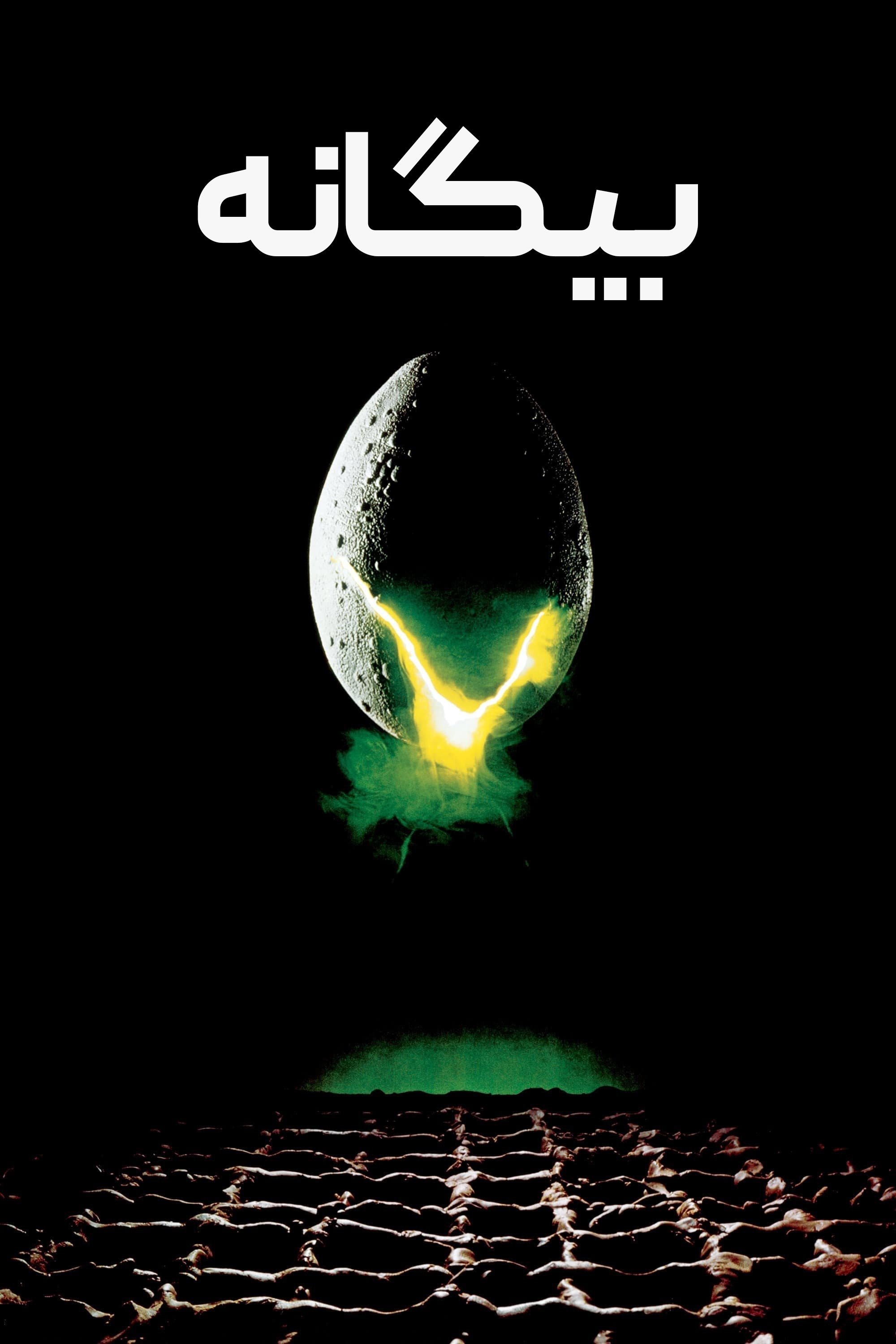
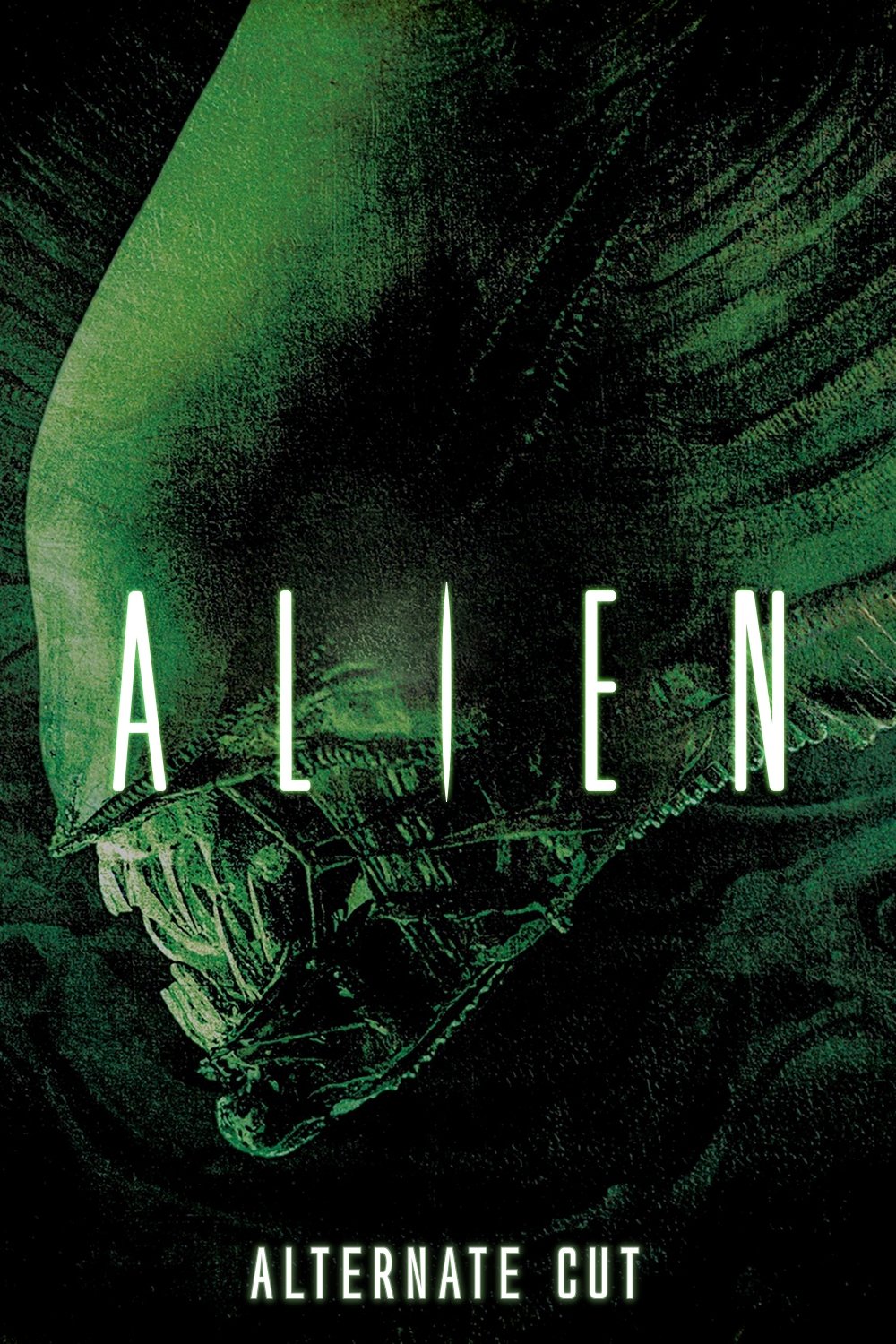
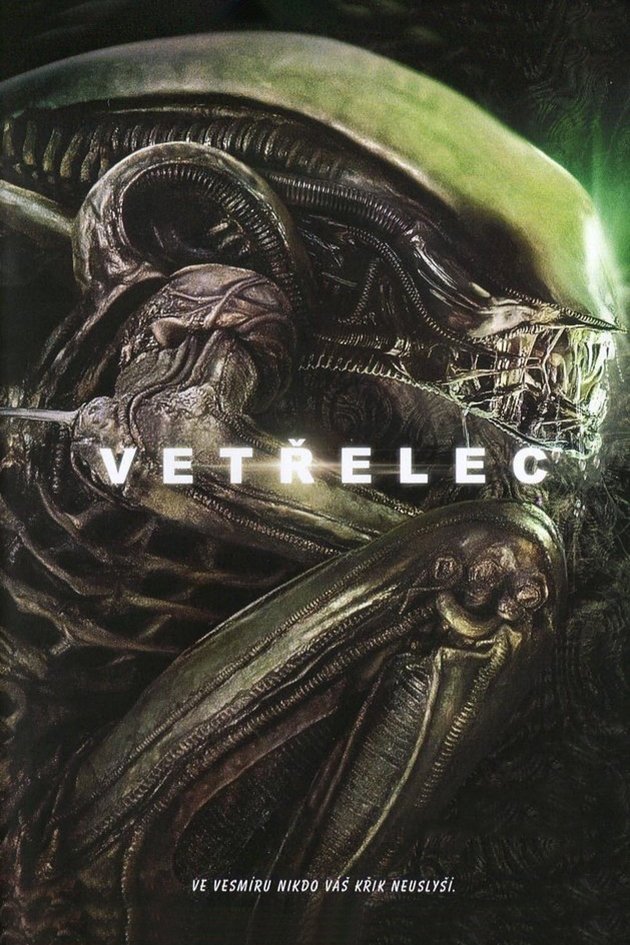
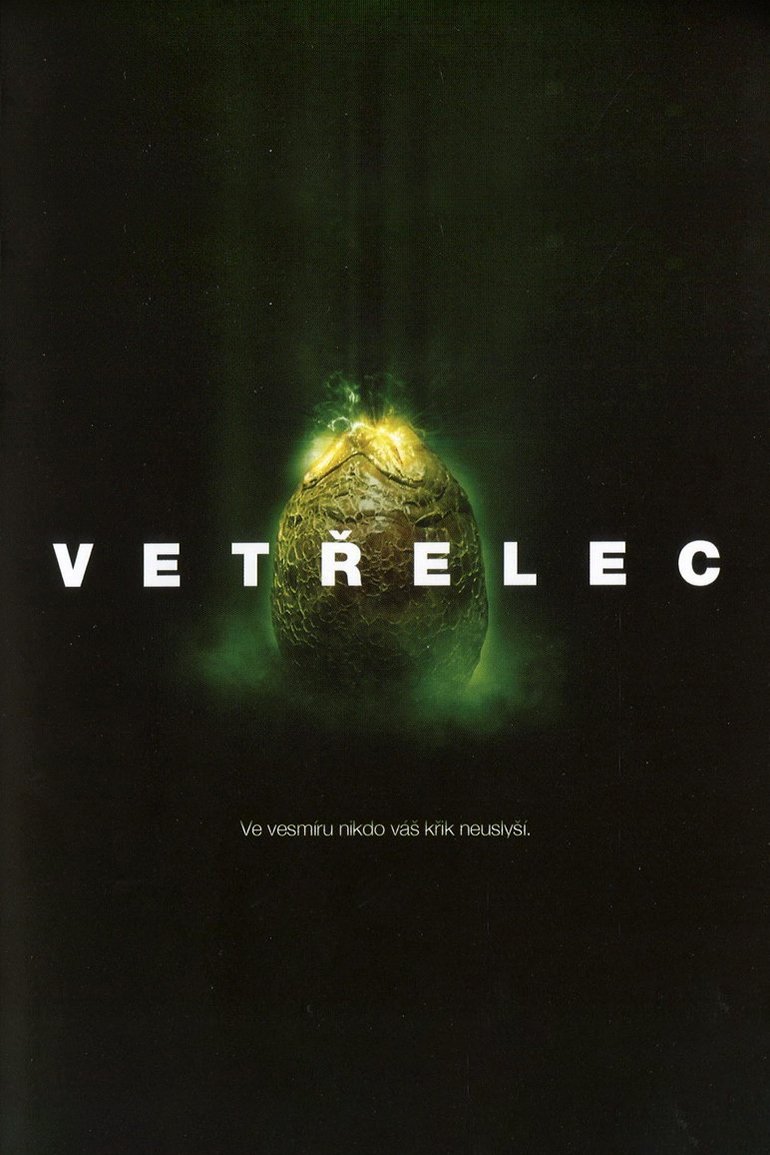
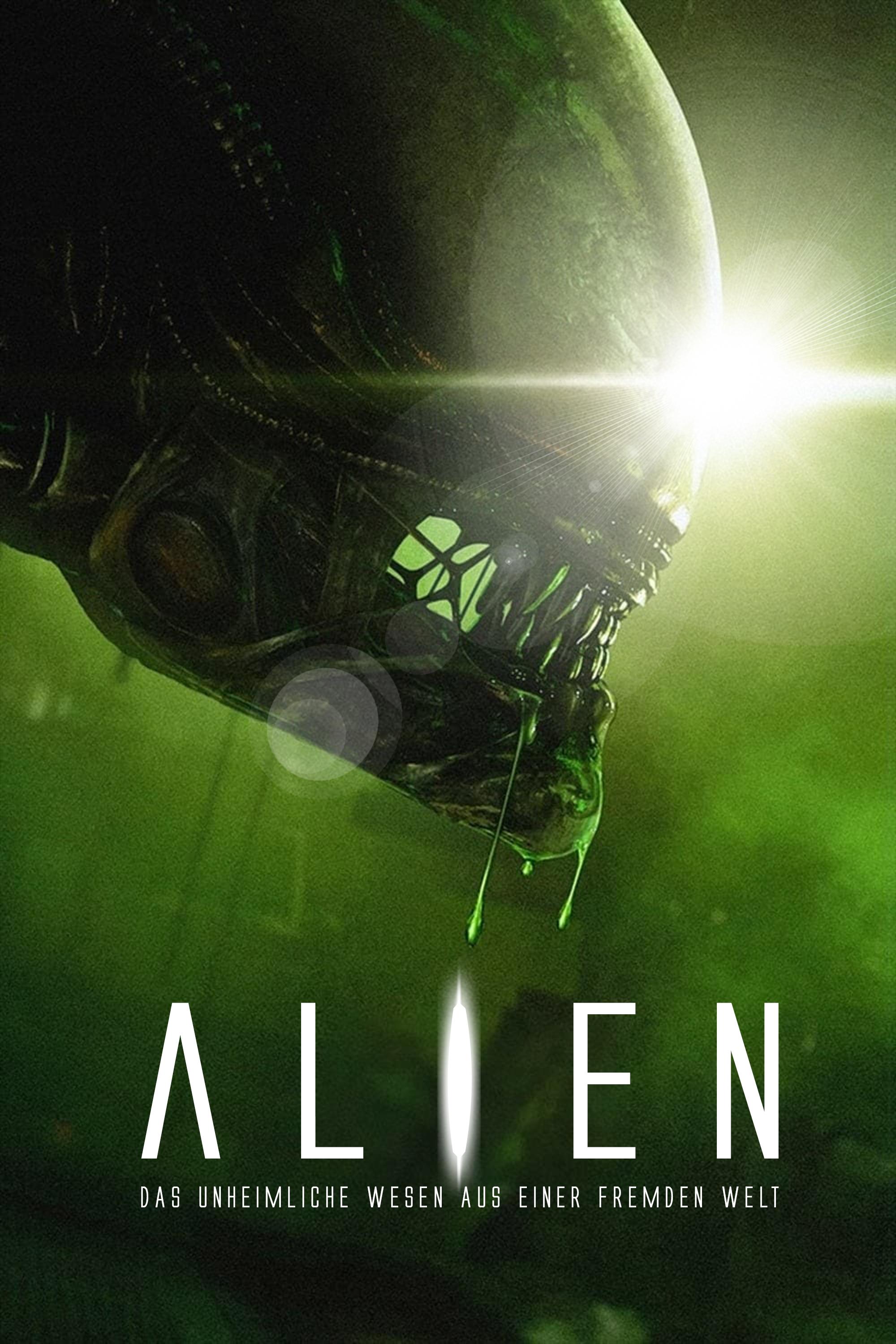
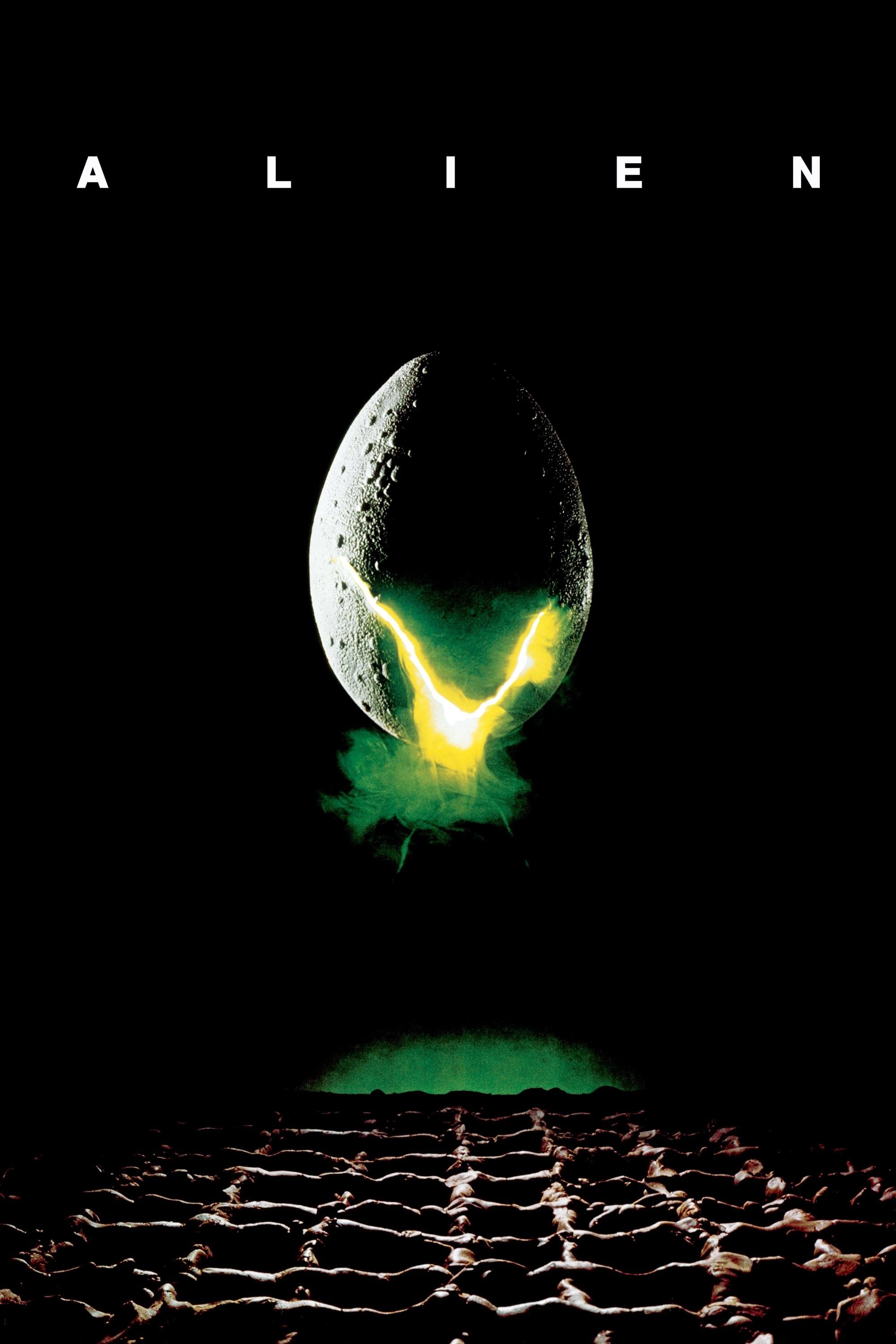
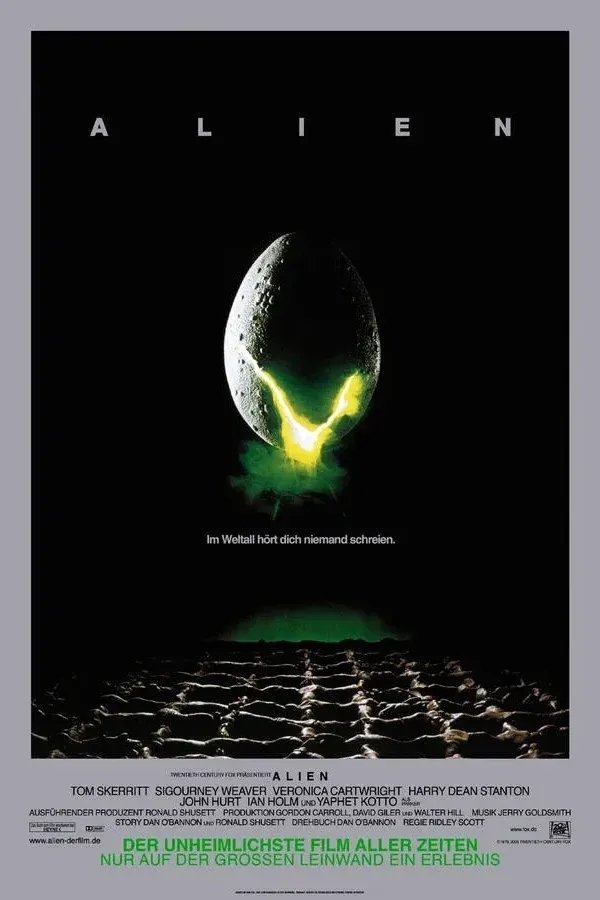
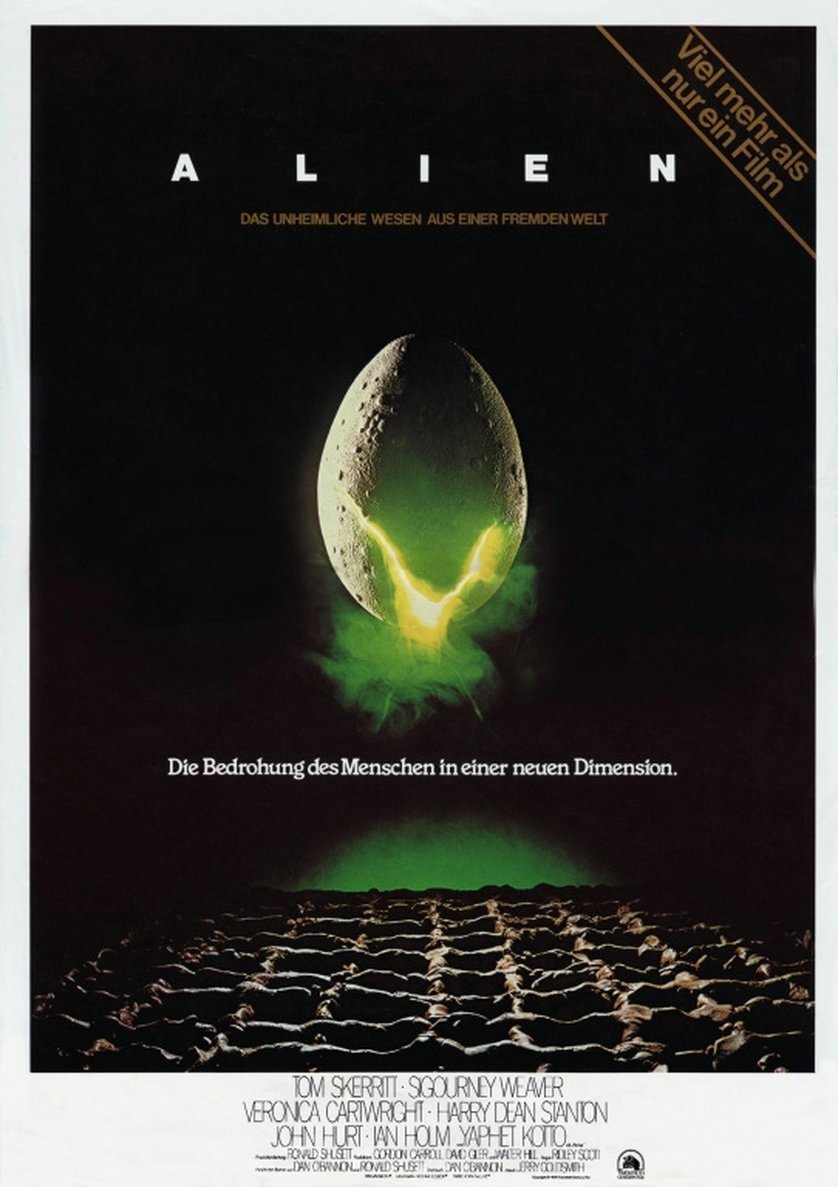
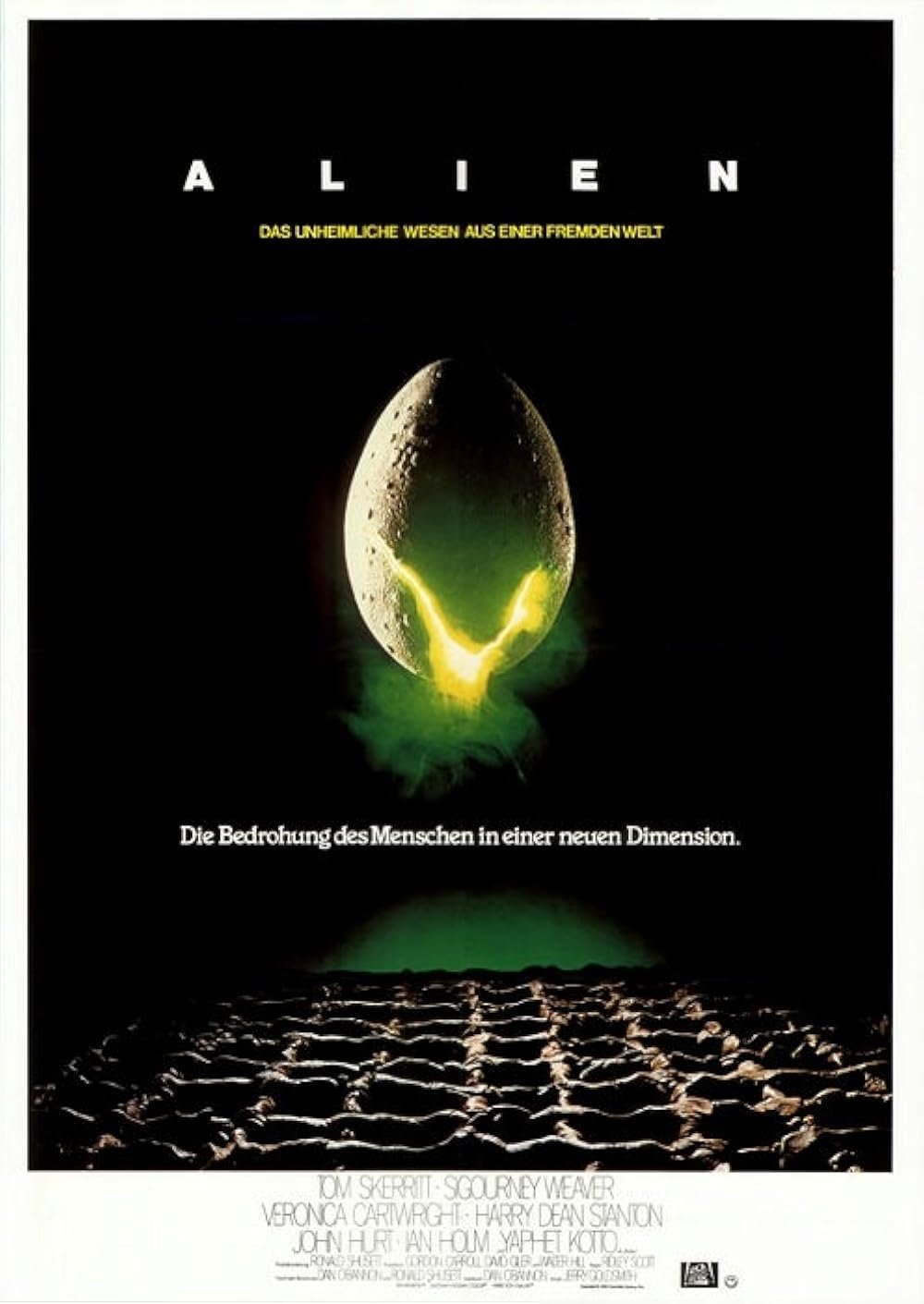
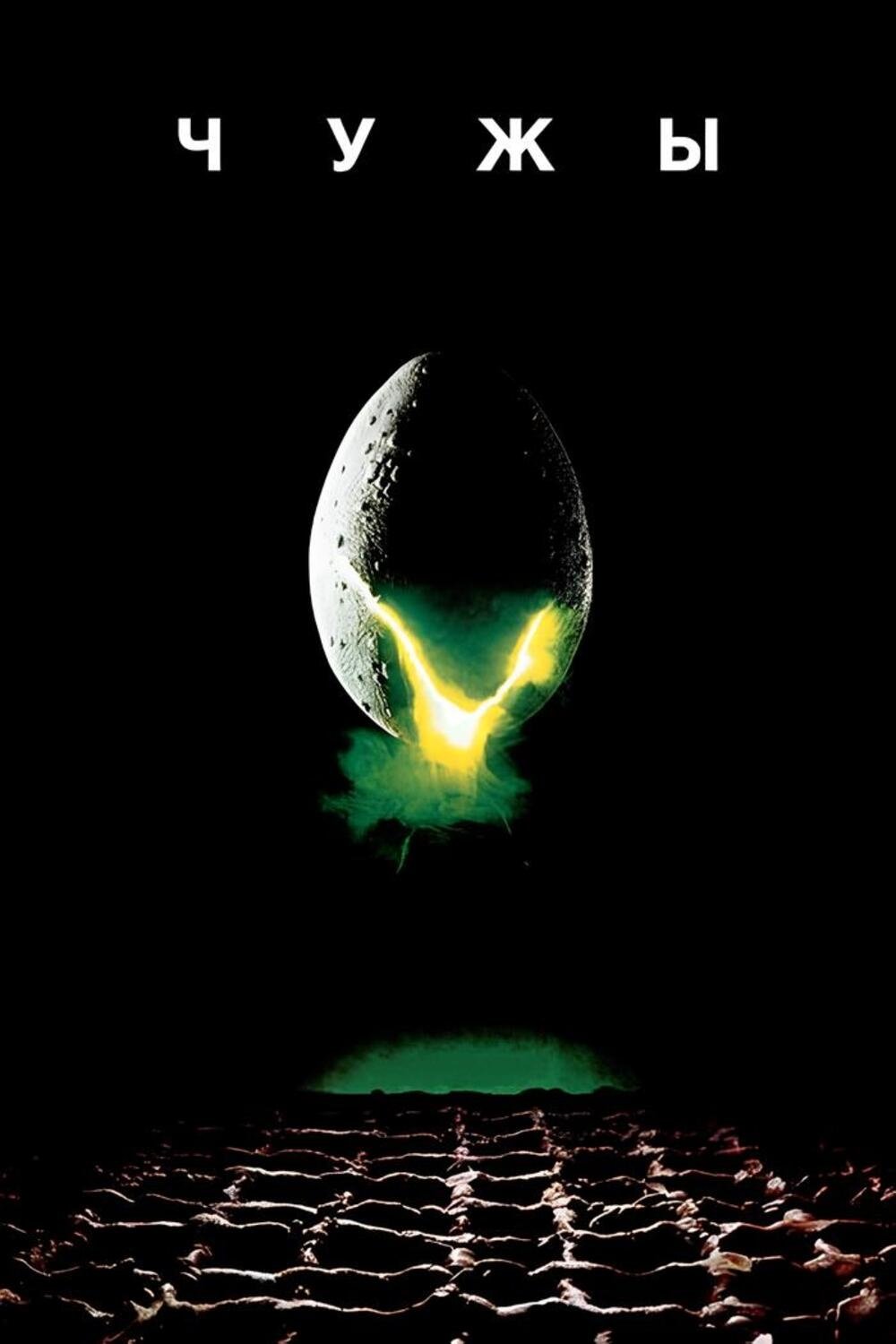
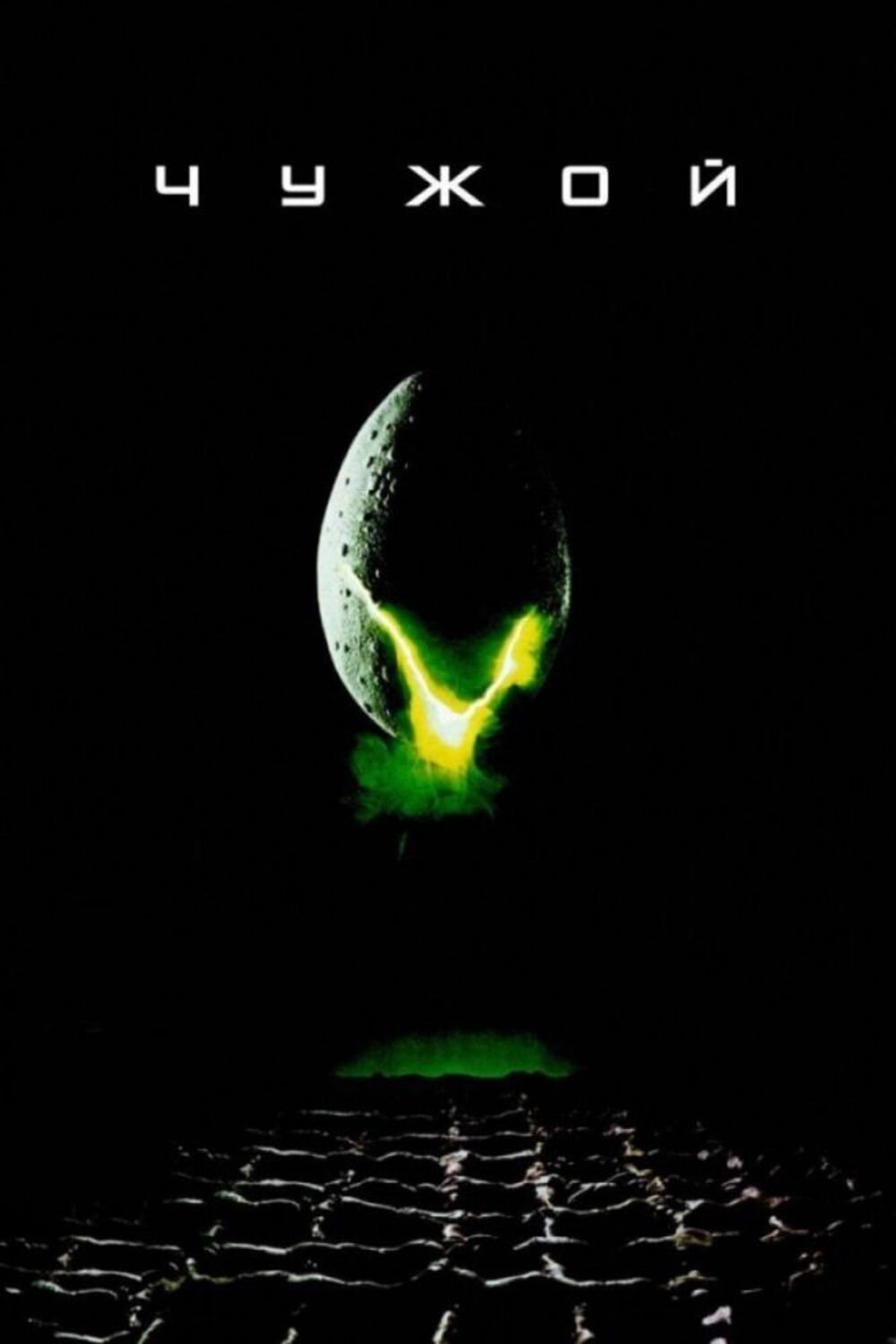
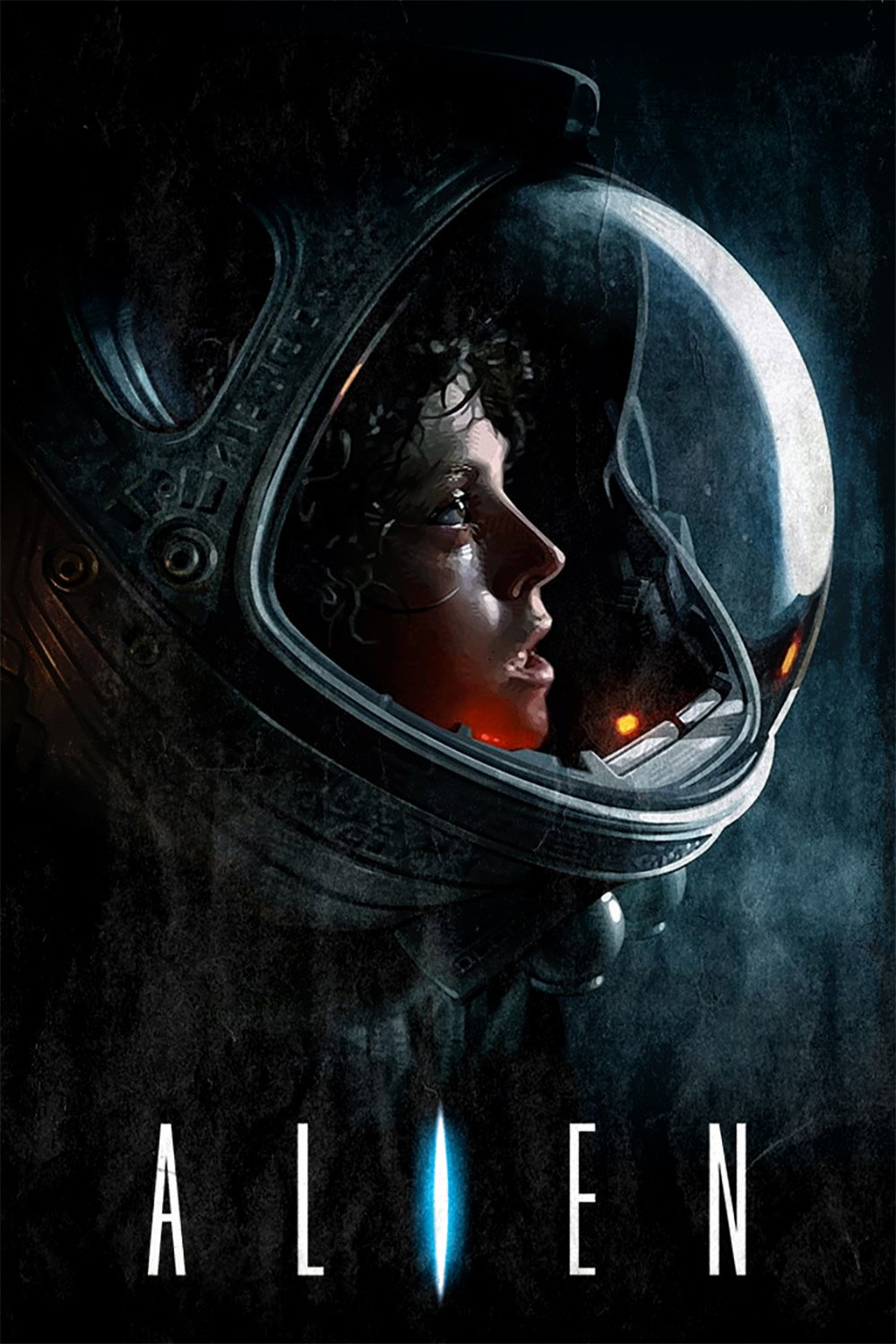
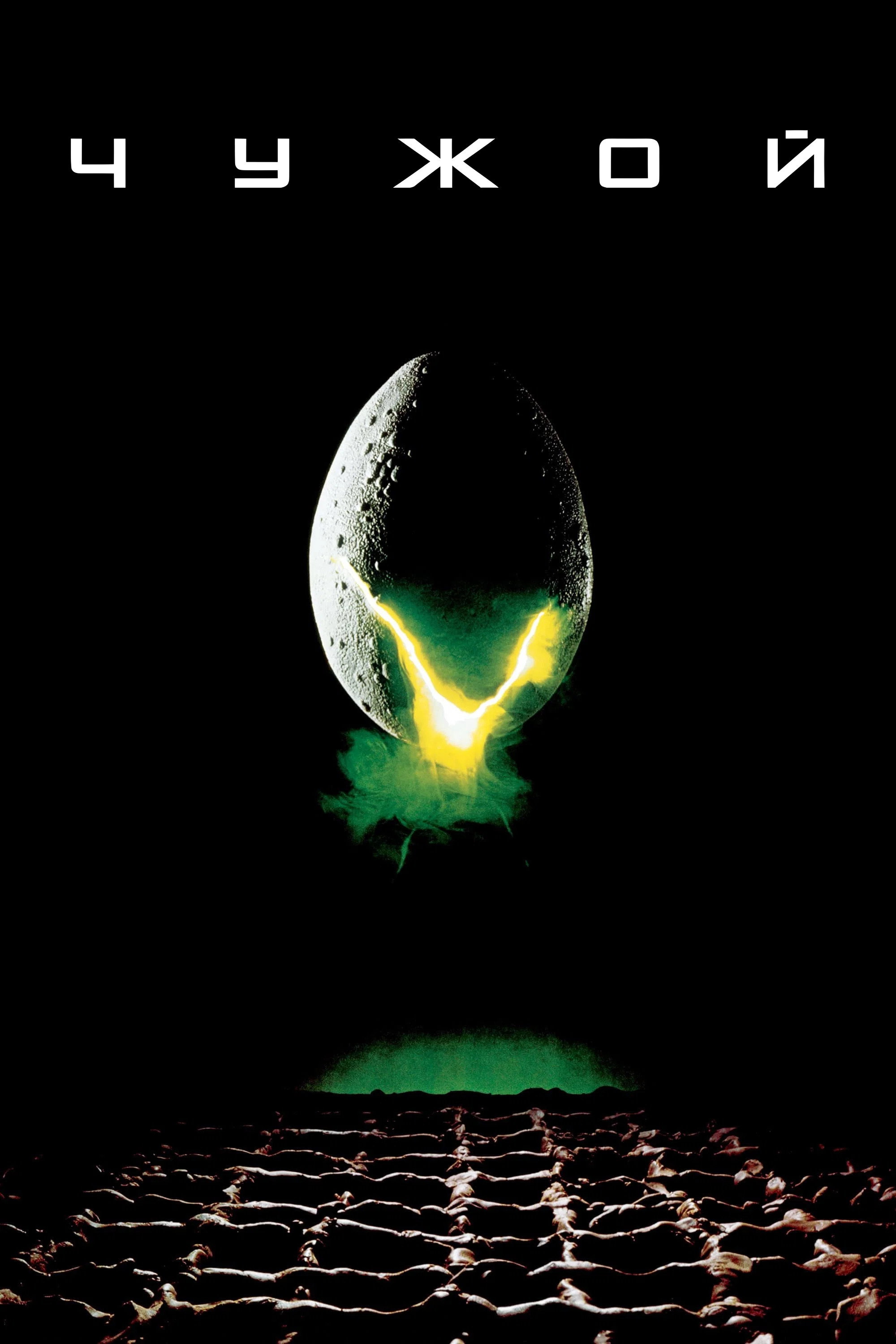
Alien (1979) poster
Director
Production Companies
Brandywine Productions , Twentieth Century-Fox Productions , Ronald Shusett Productions
Plot

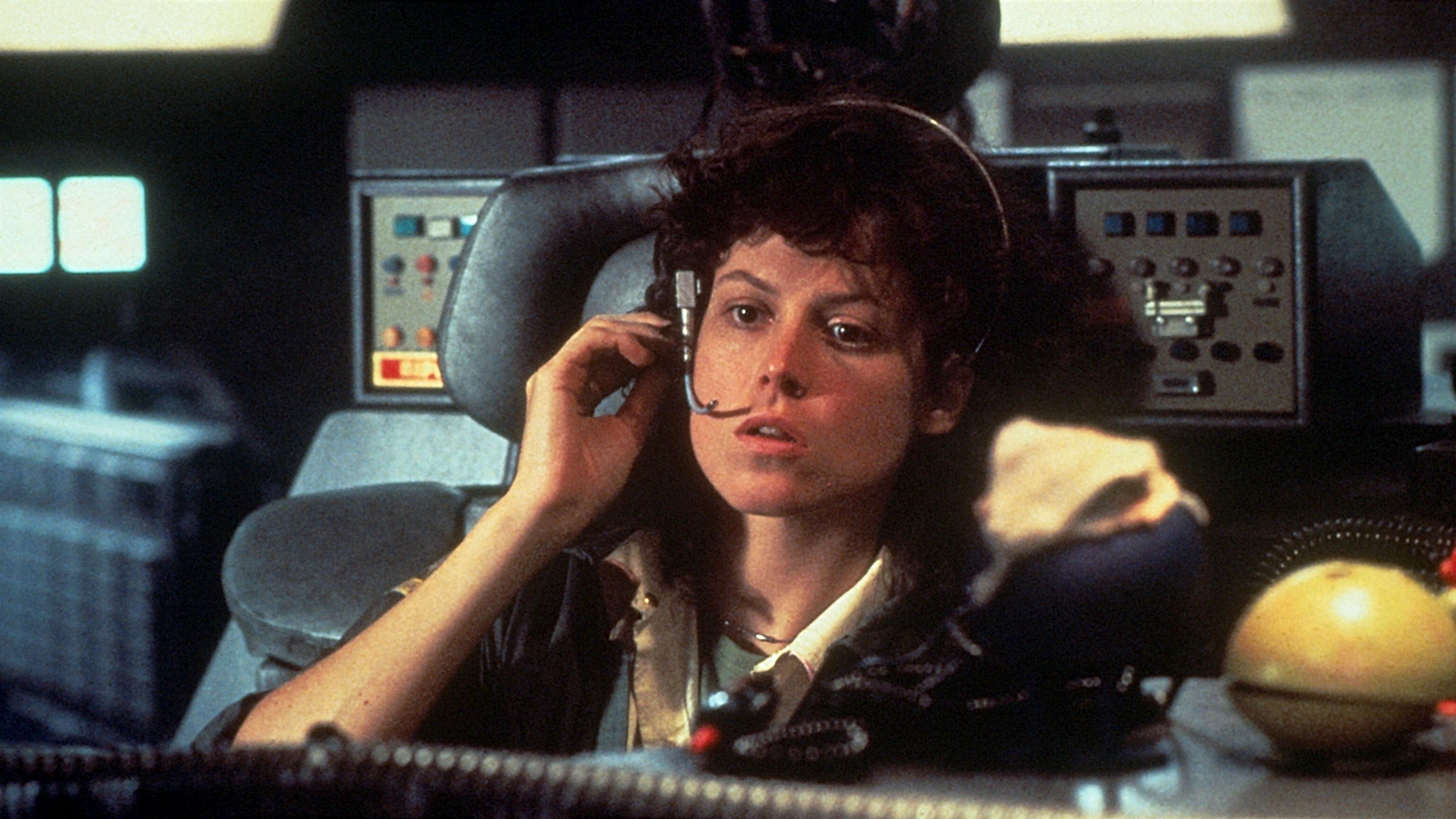
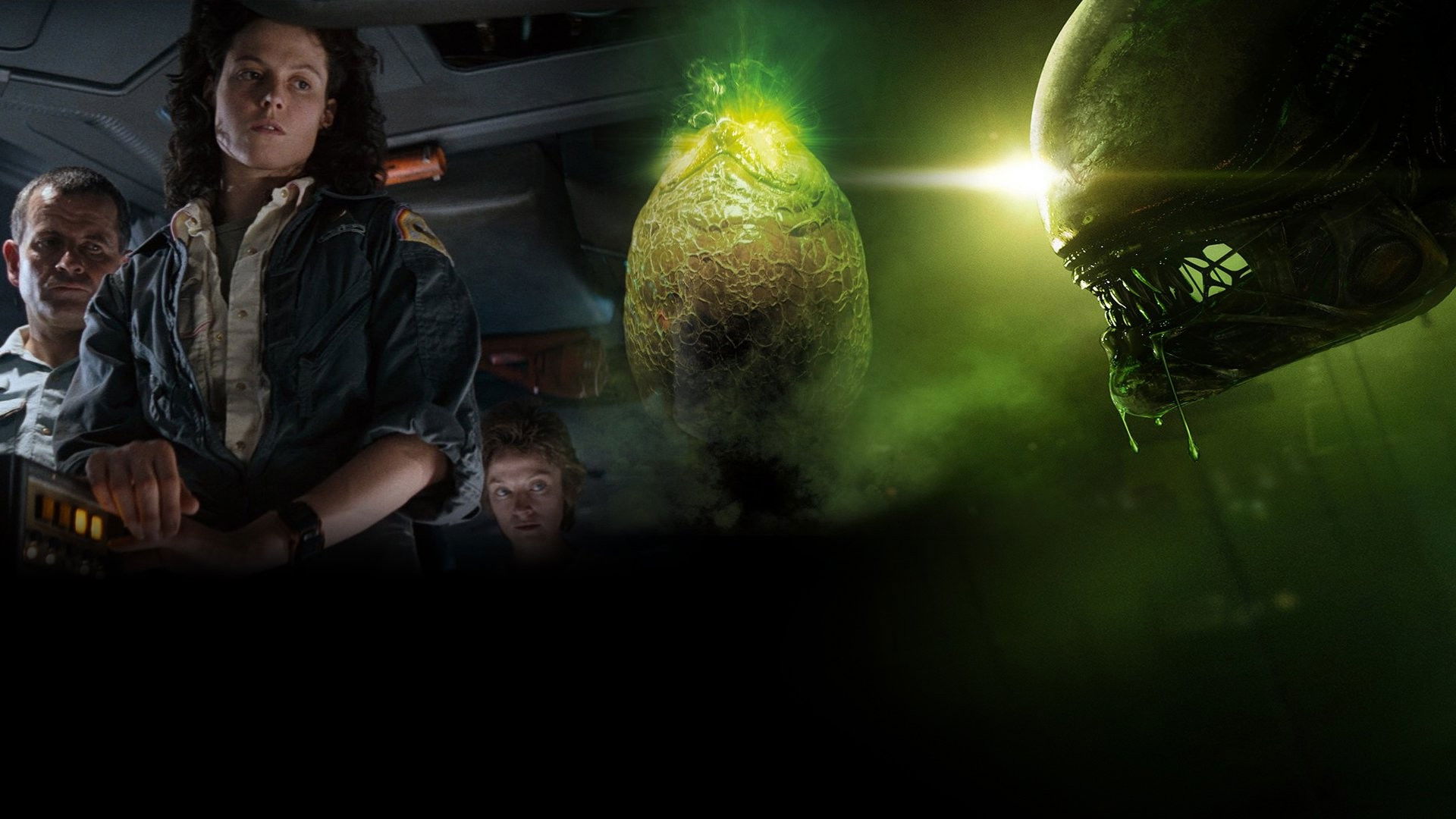
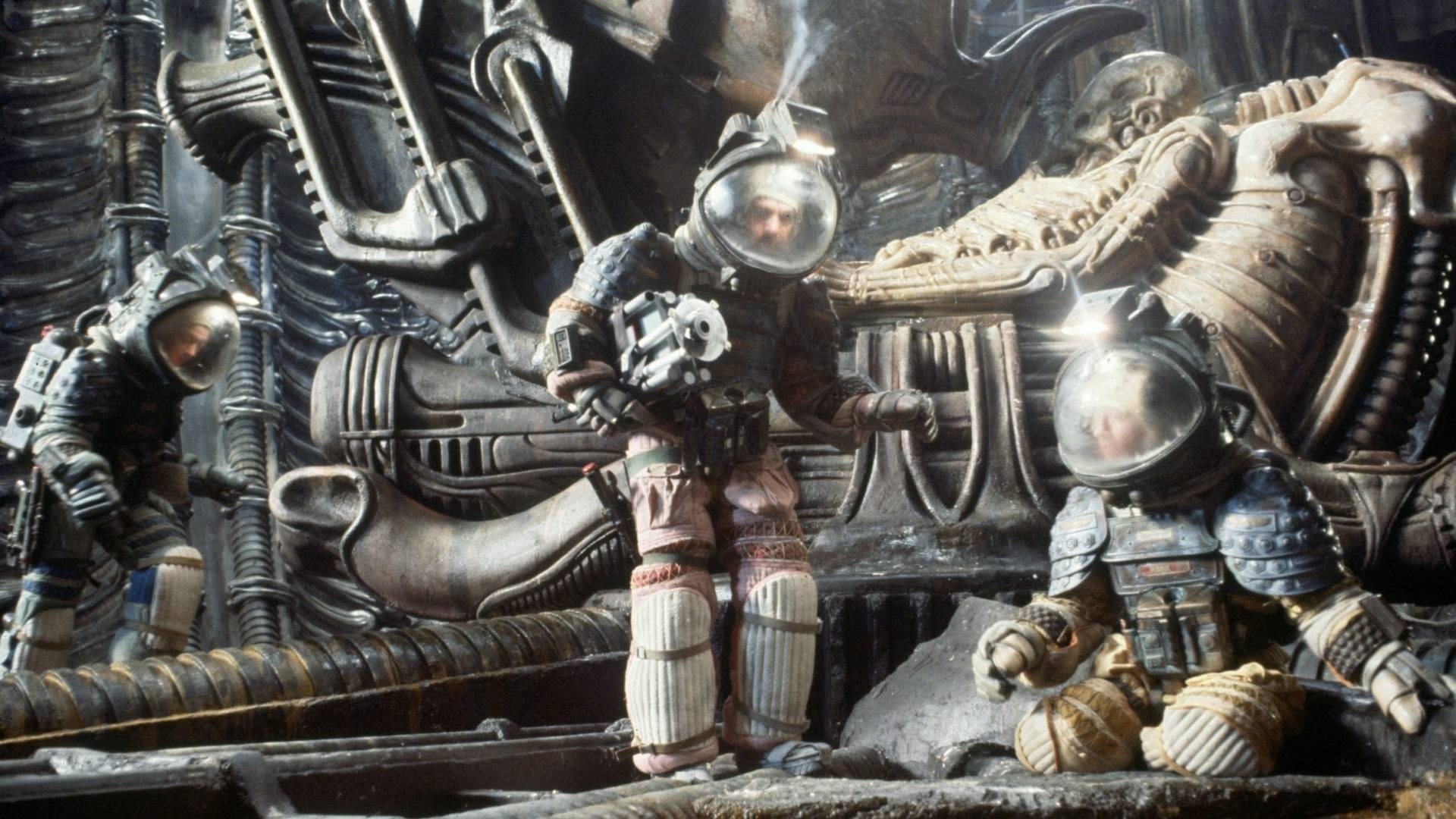
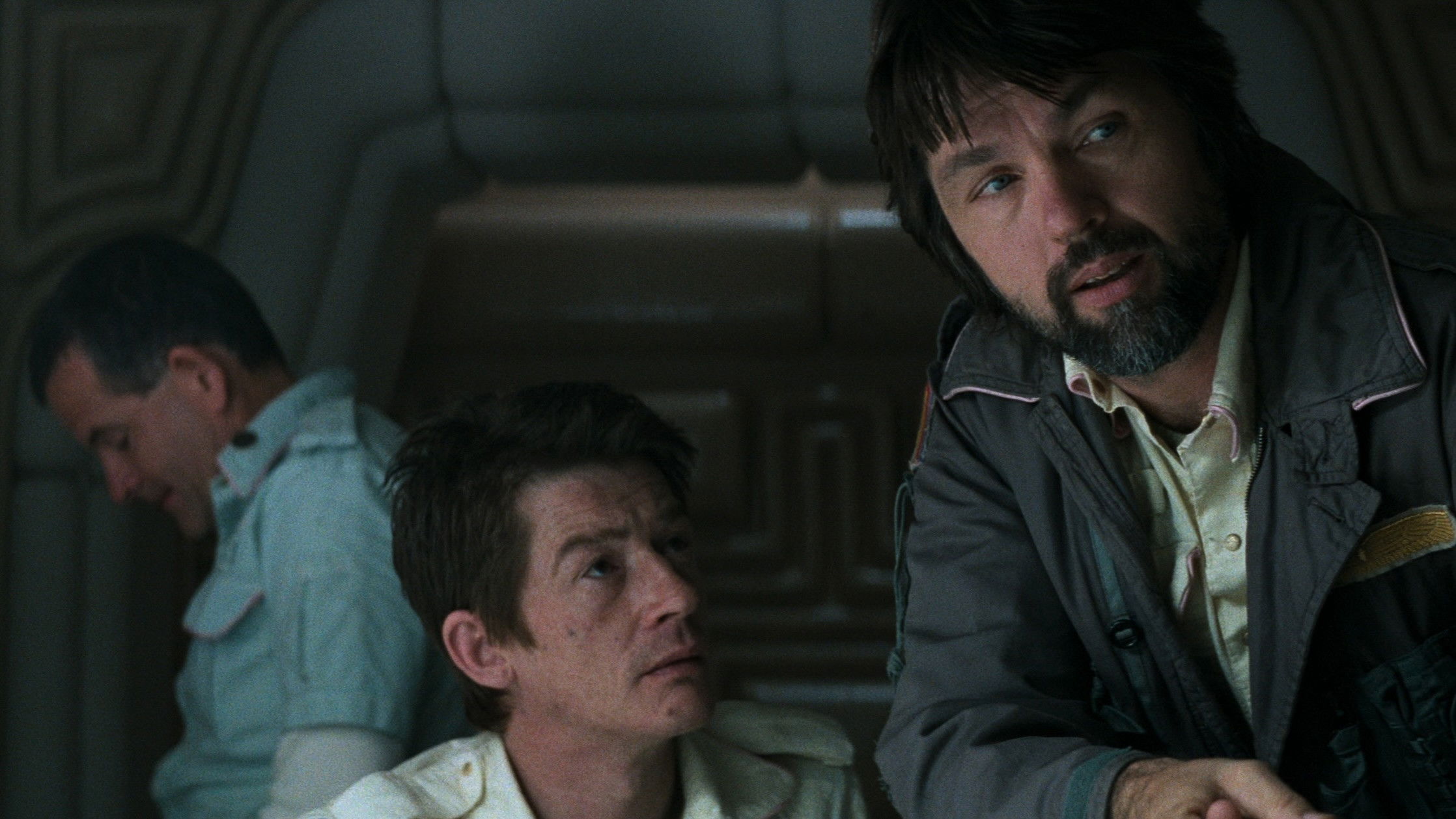
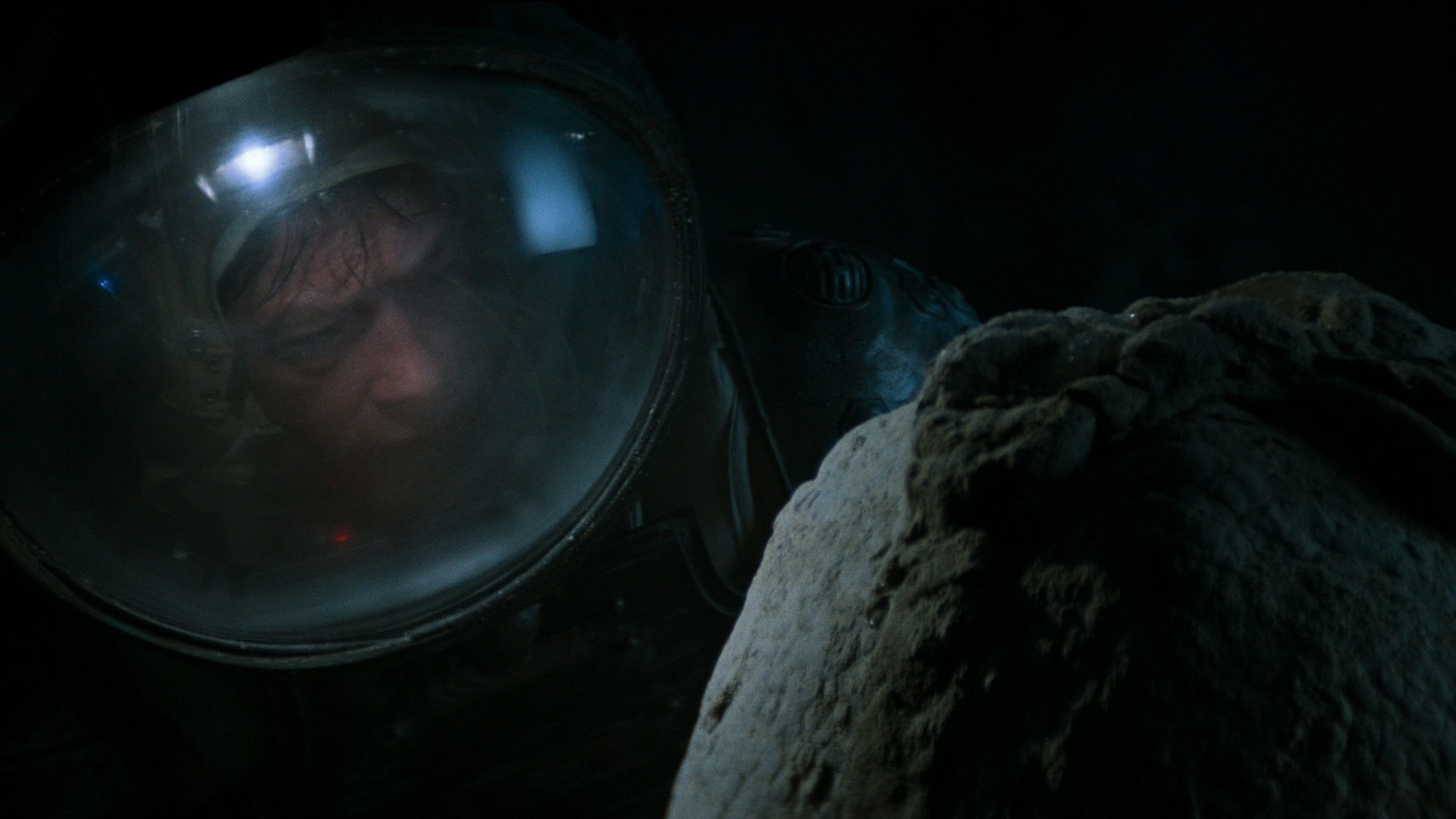
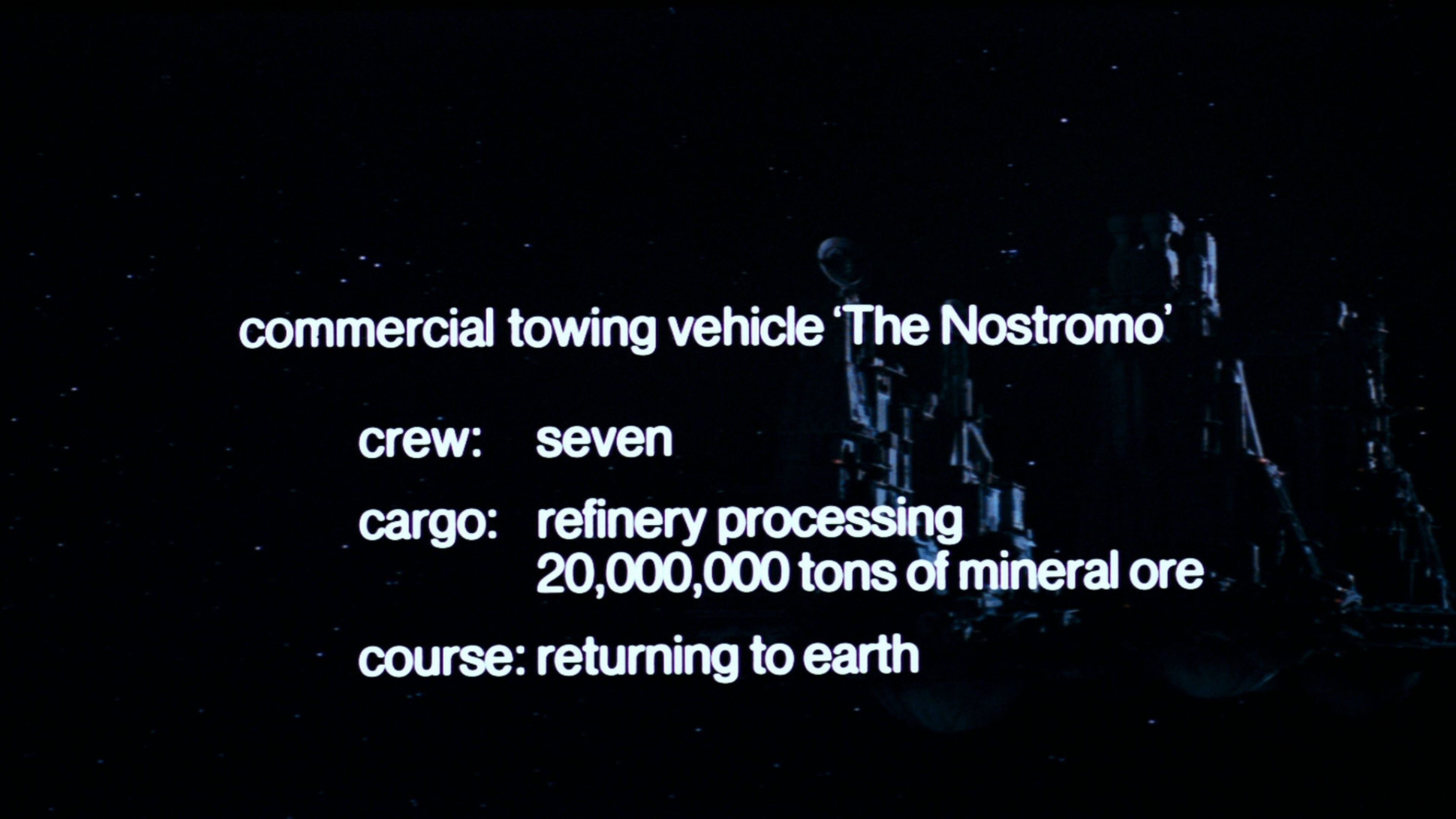
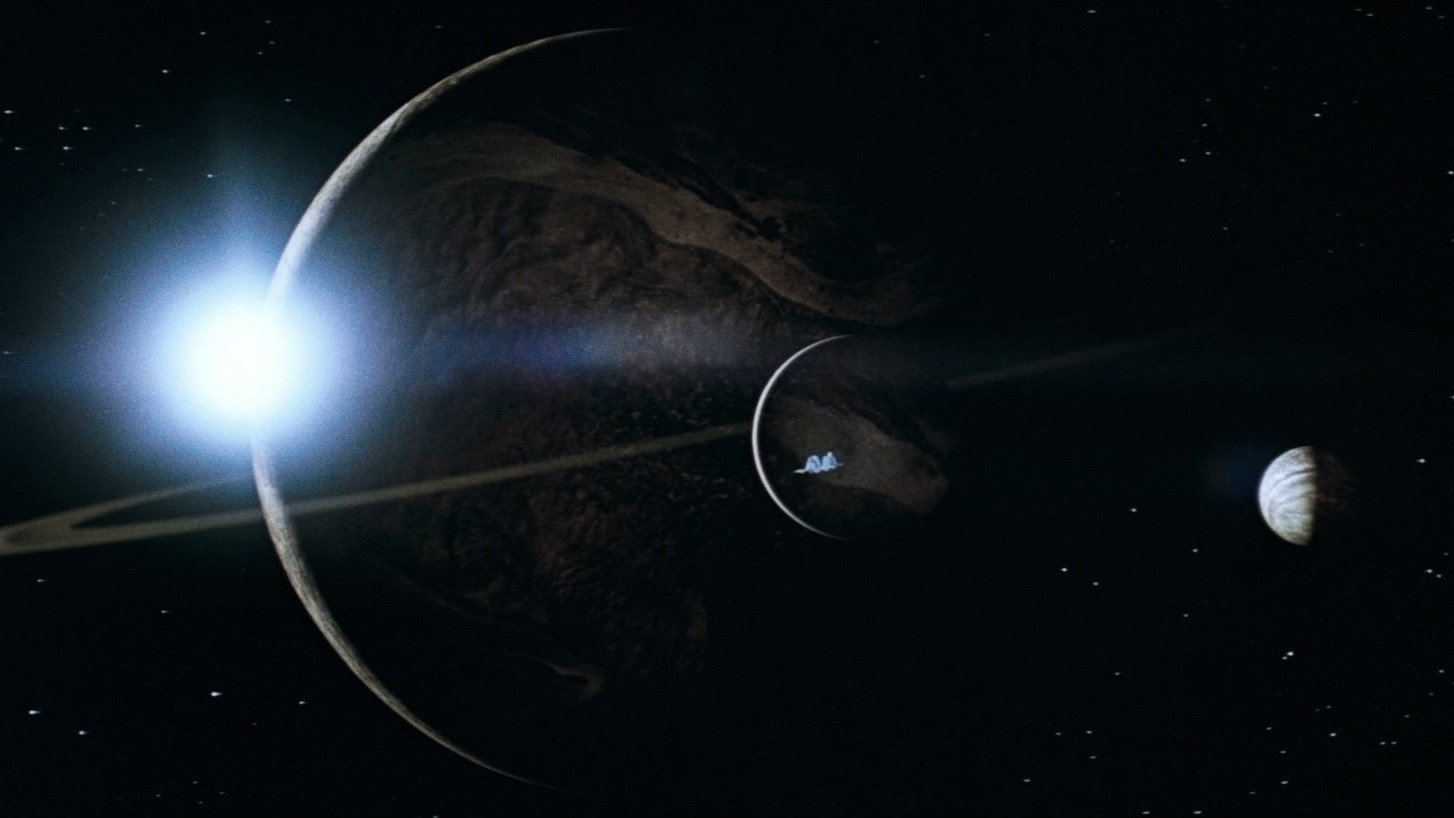
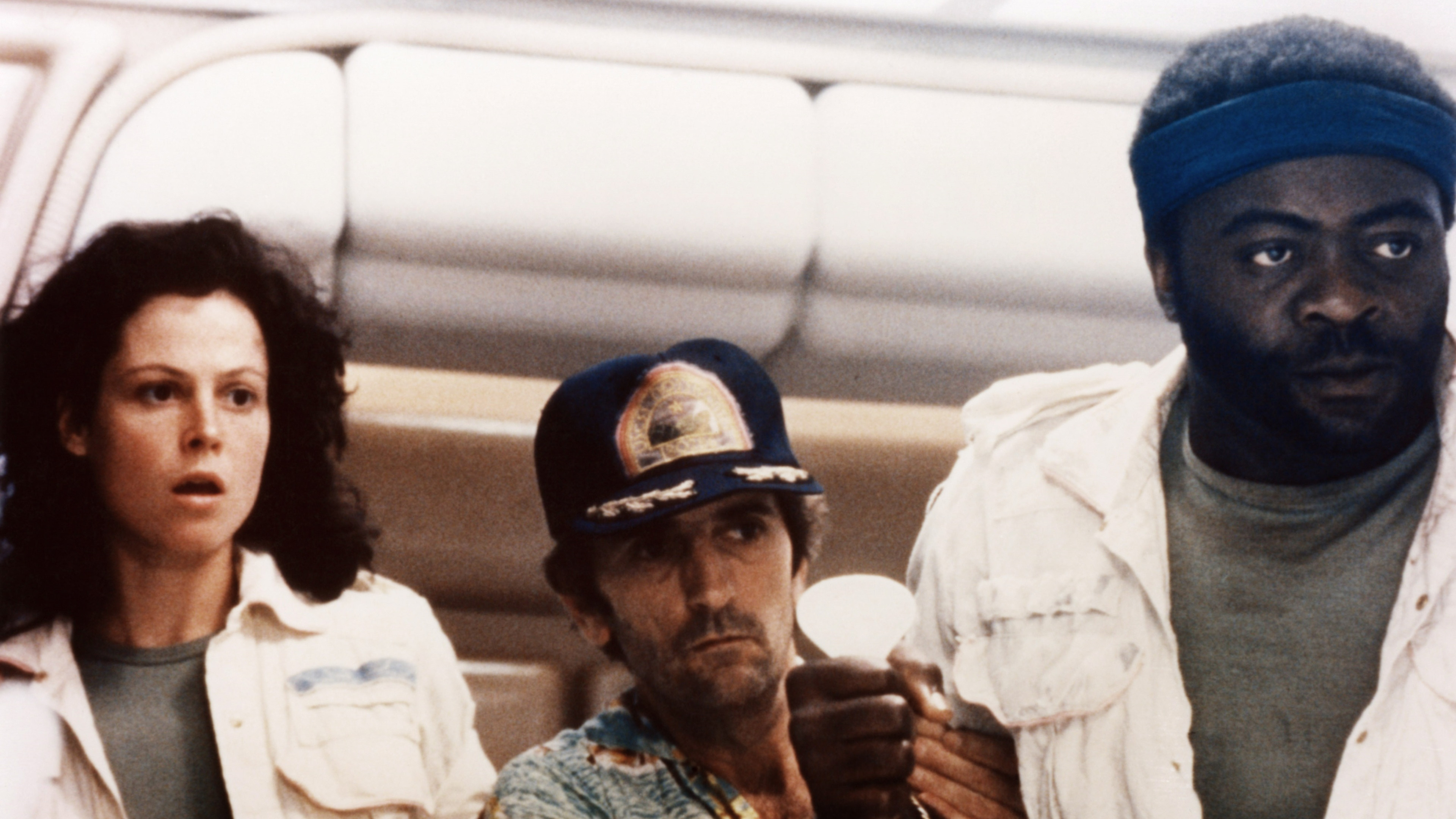
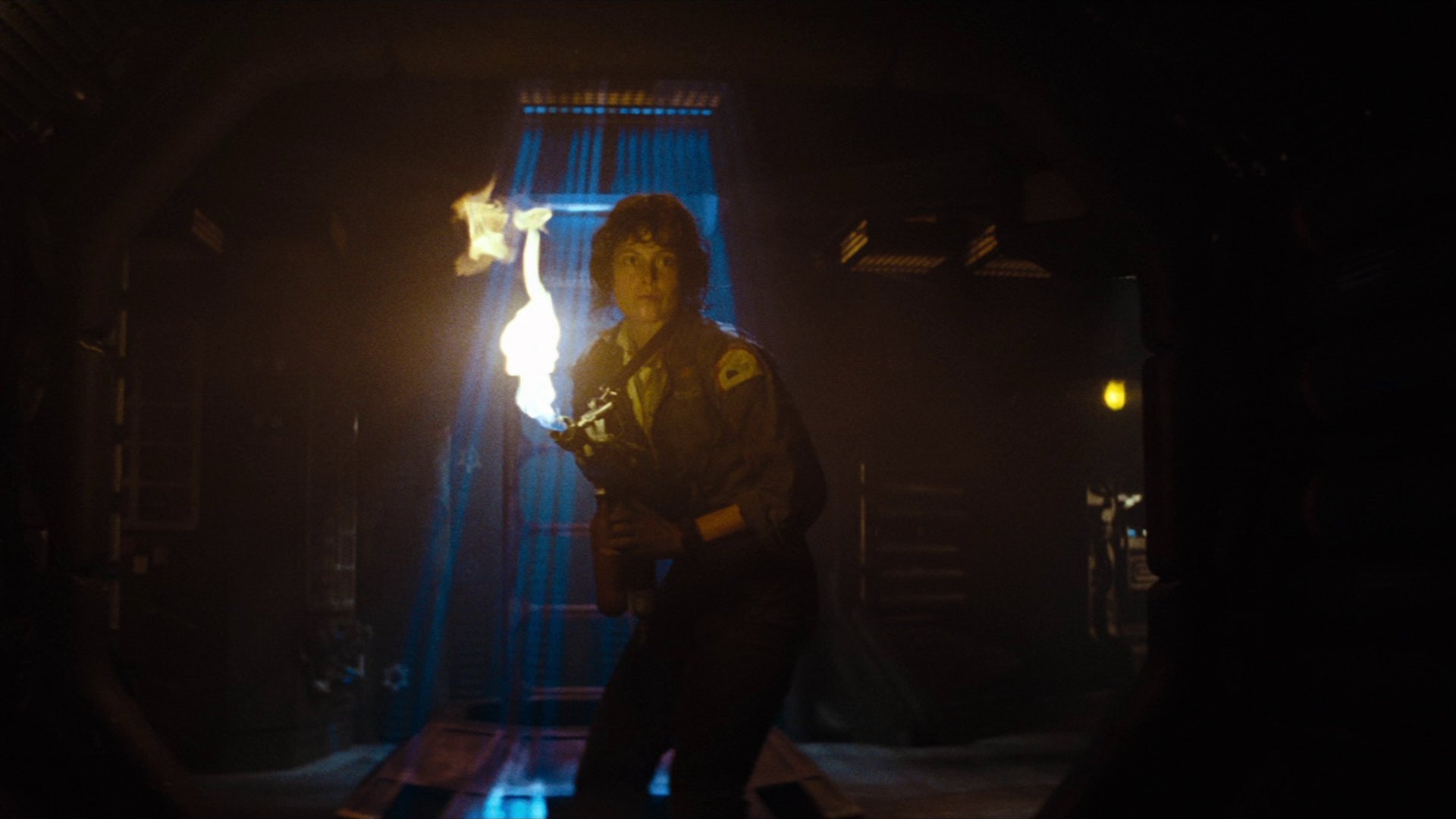
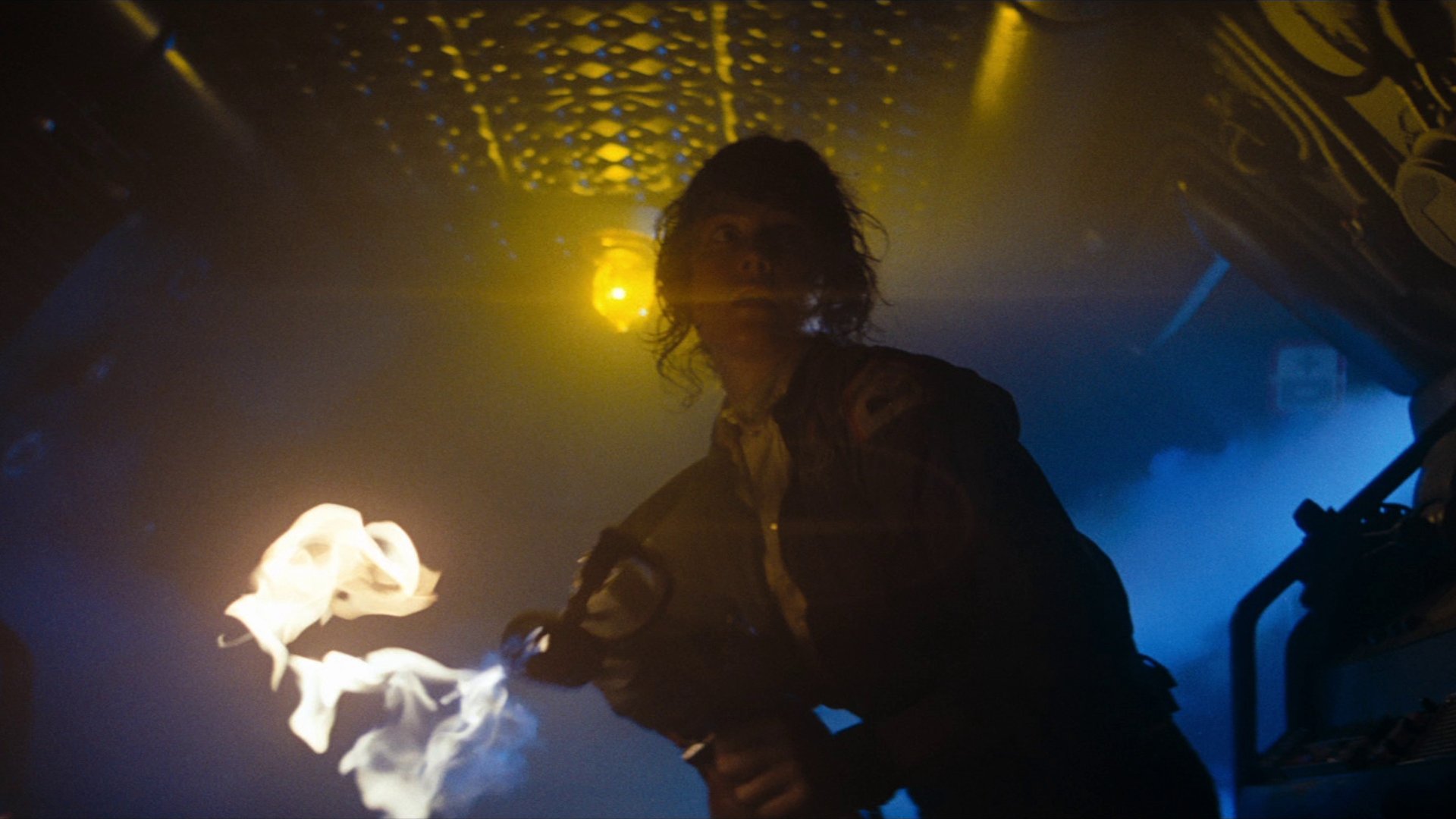
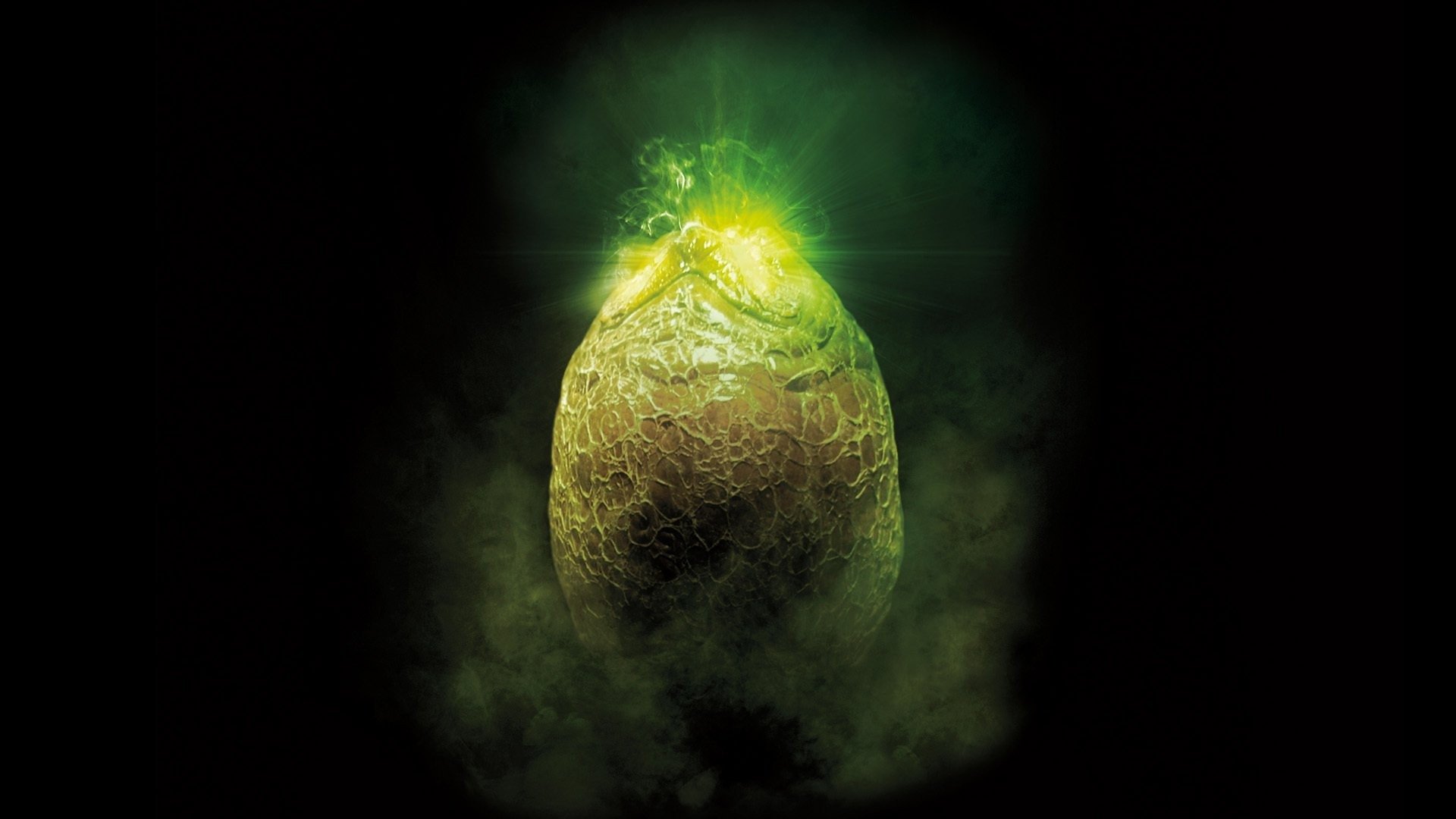
The crew of the commercial towing vessel Nostromo is awakened from hypersleep when its computer intercepts a transmission from an unexplored moon. Captain Dallas, Kane and Lambert investigate a derelict spacecraft, where Kane is attacked by an organism emerging from an egg. Although he survives the initial encounter, the crew brings an unknown biological threat aboard. Ripley questions the decision to break quarantine as the ship resumes its journey to Earth. When the organism develops into something far more dangerous, the crew must search their industrial vessel for a creature that can hide inside its machinery and corridors.

Alternative Titles
Օտարը (Armenia) — Armenian Yadplanetli (Azerbaijan) এলিয়েন (Bangladesh) — Bangla Пришълецът (Bulgaria) — Bulgarian Alien: O 8º Passageiro (Brazil) Alien: O Oitavo Passageiro (Brazil) — Portuguese Osmi putnik (Bahamas) — Bosnian Чужы (Belarus) — Belarusian
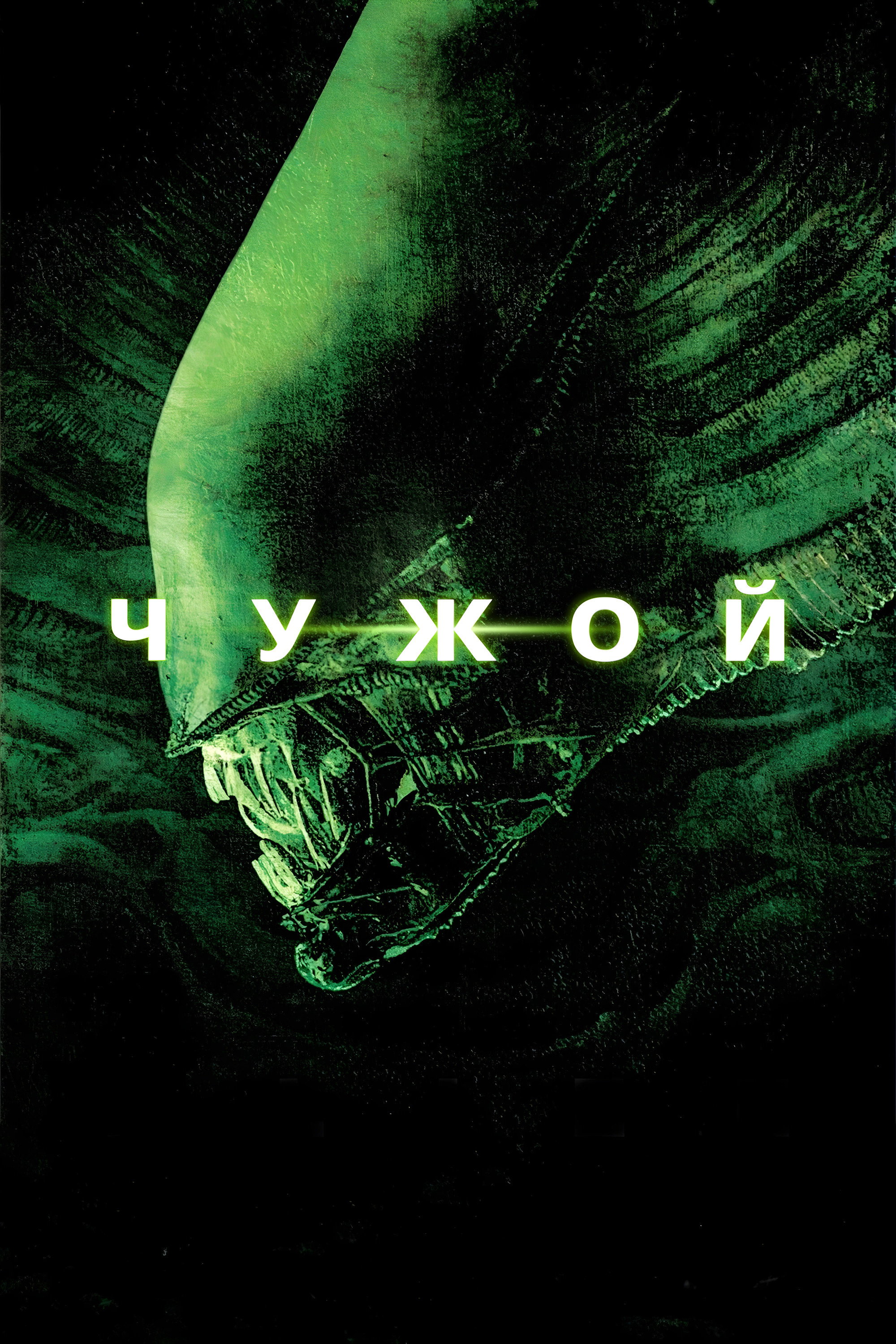
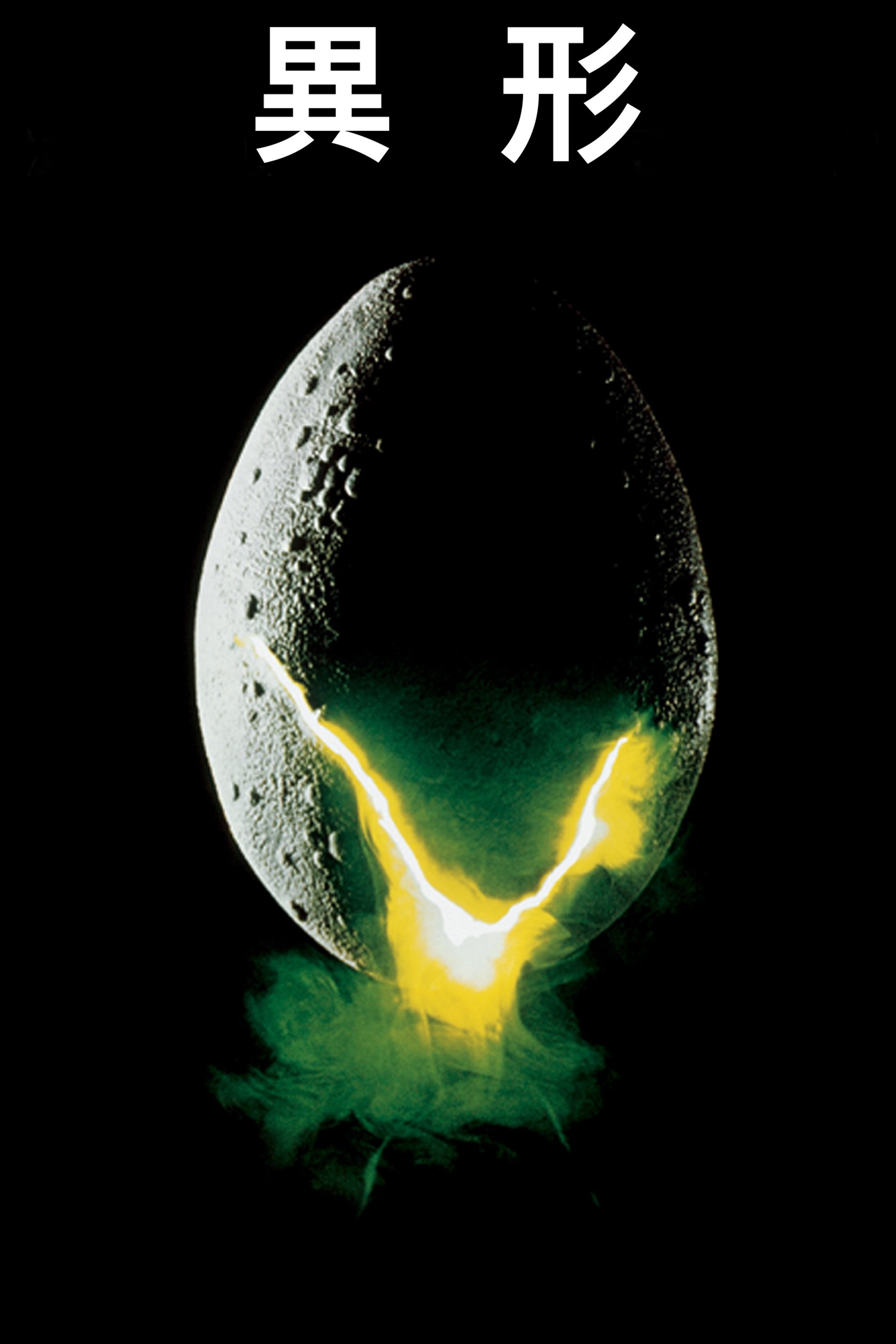
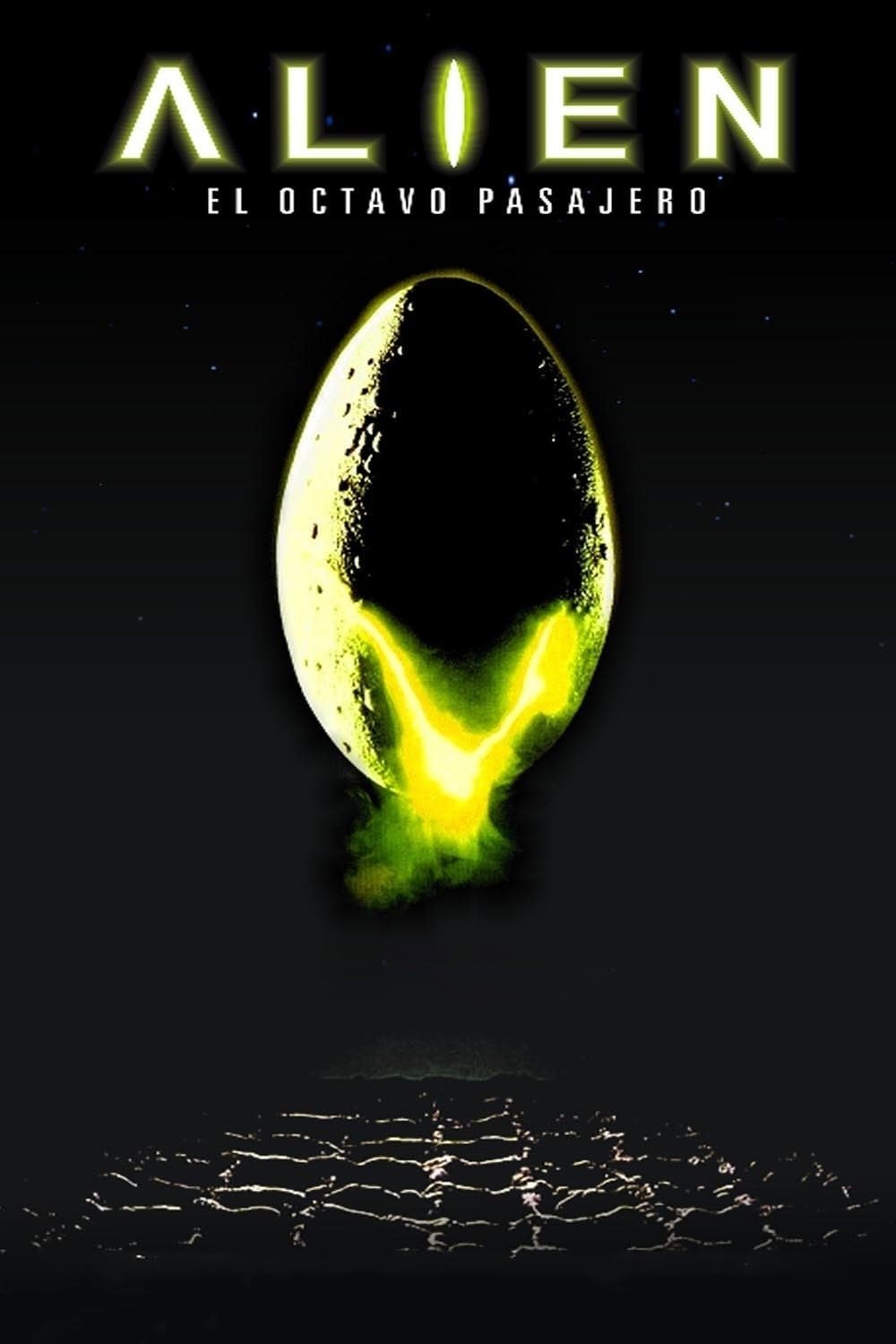
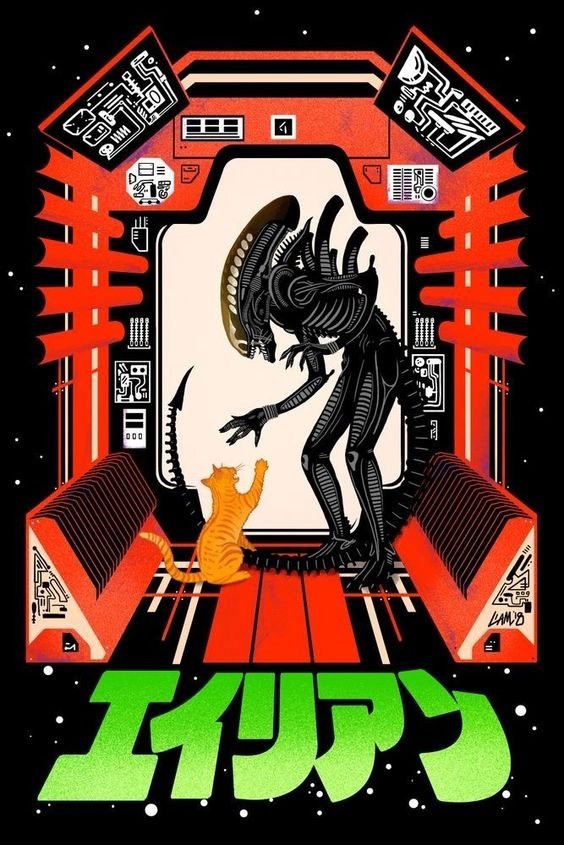
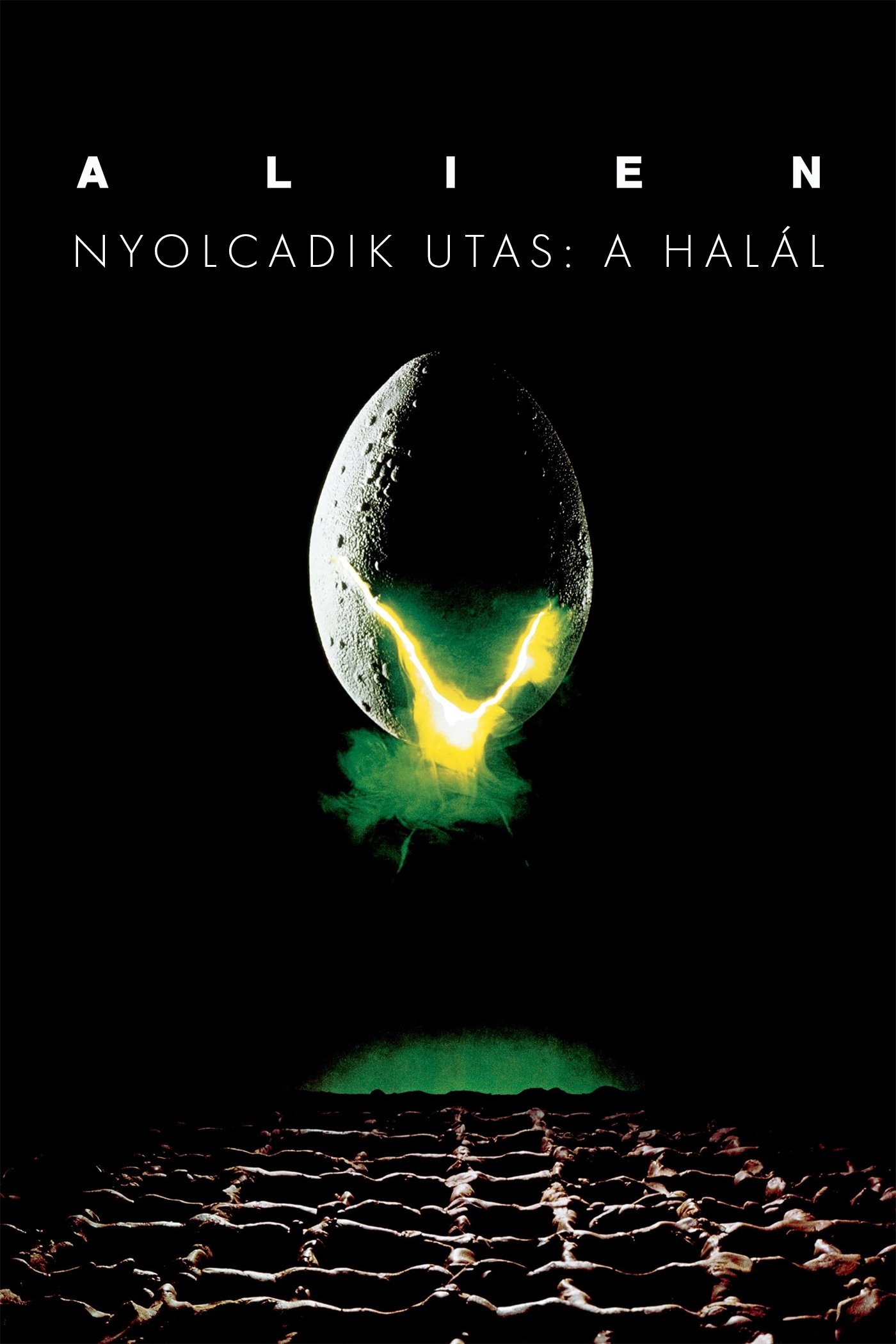
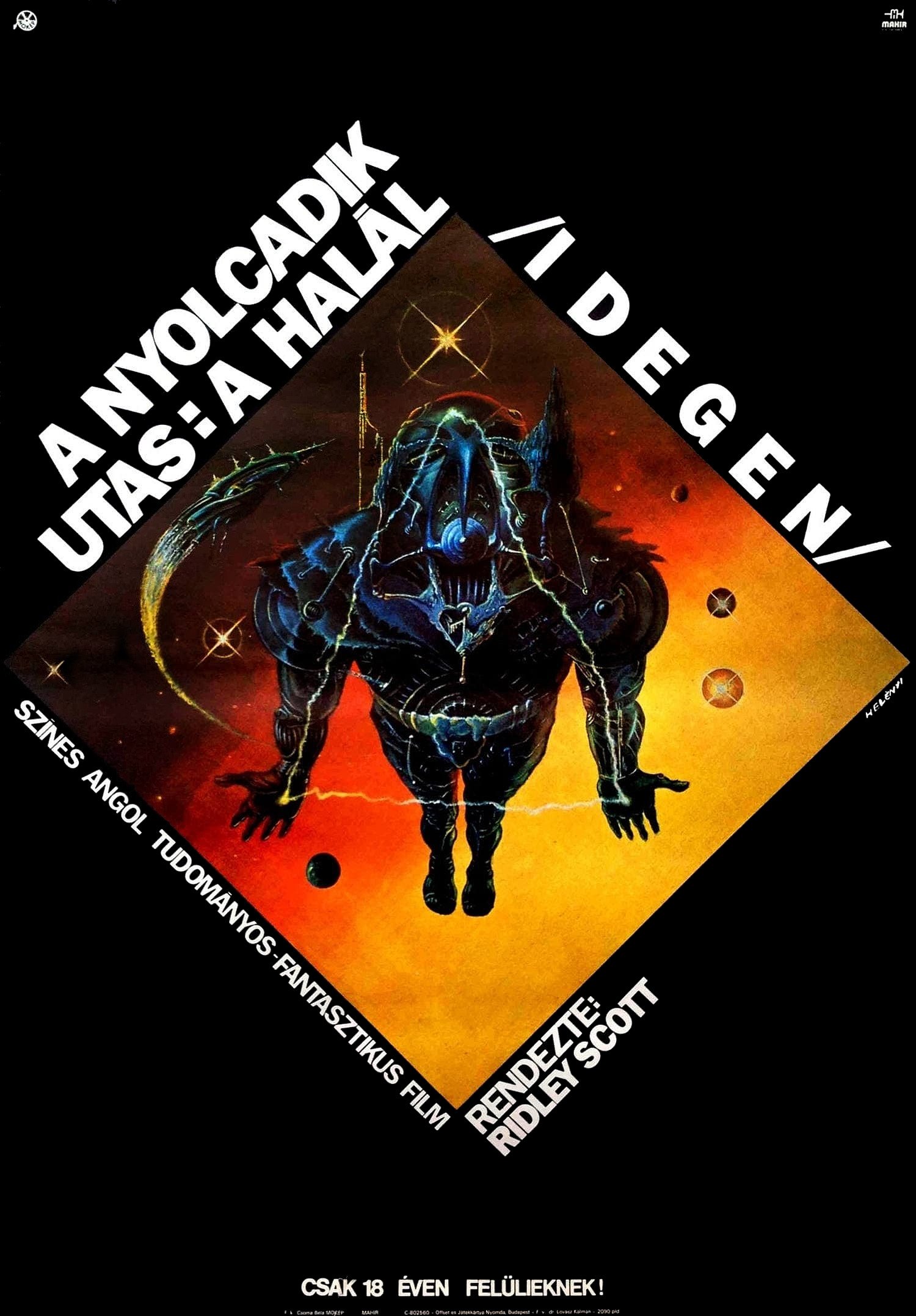
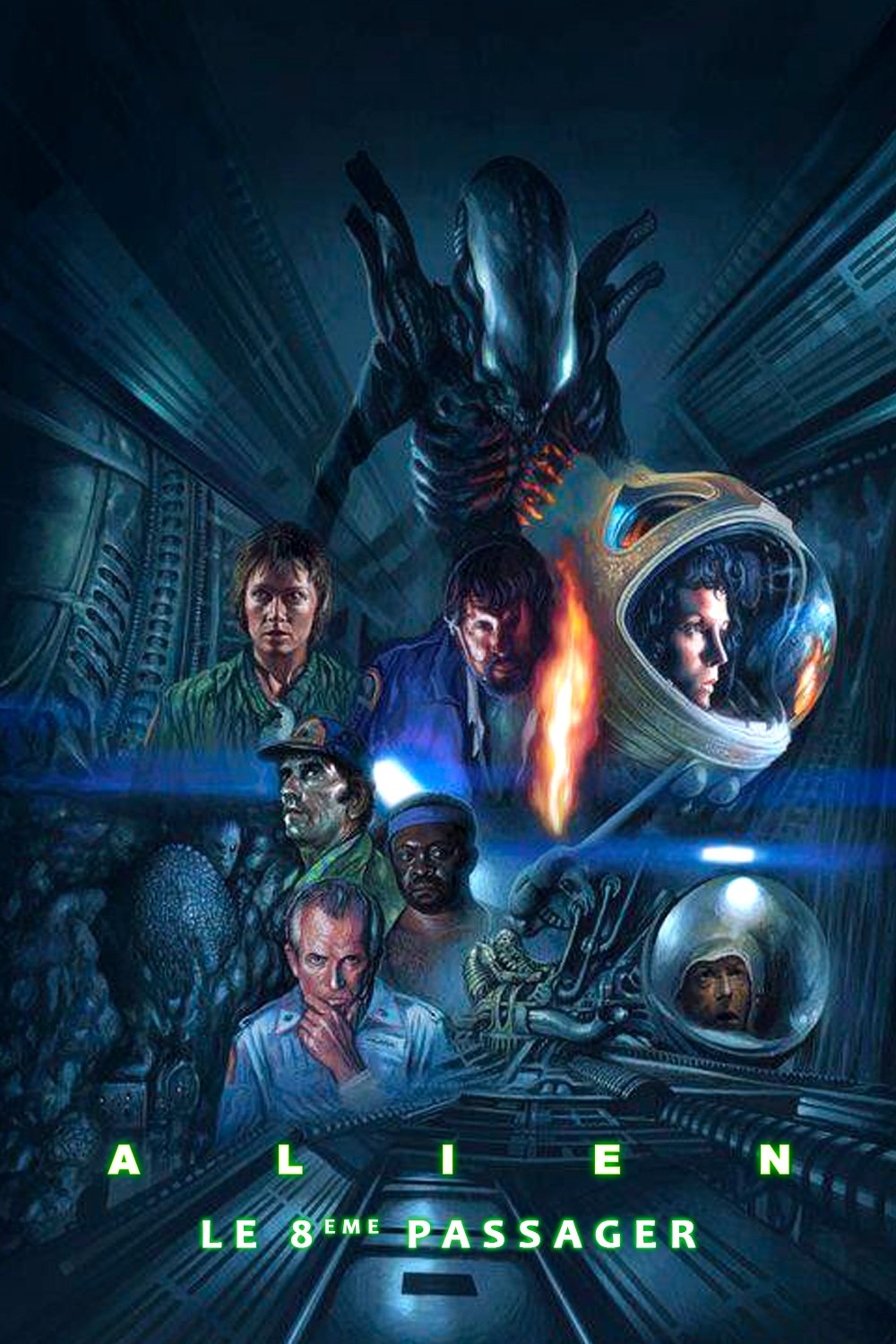
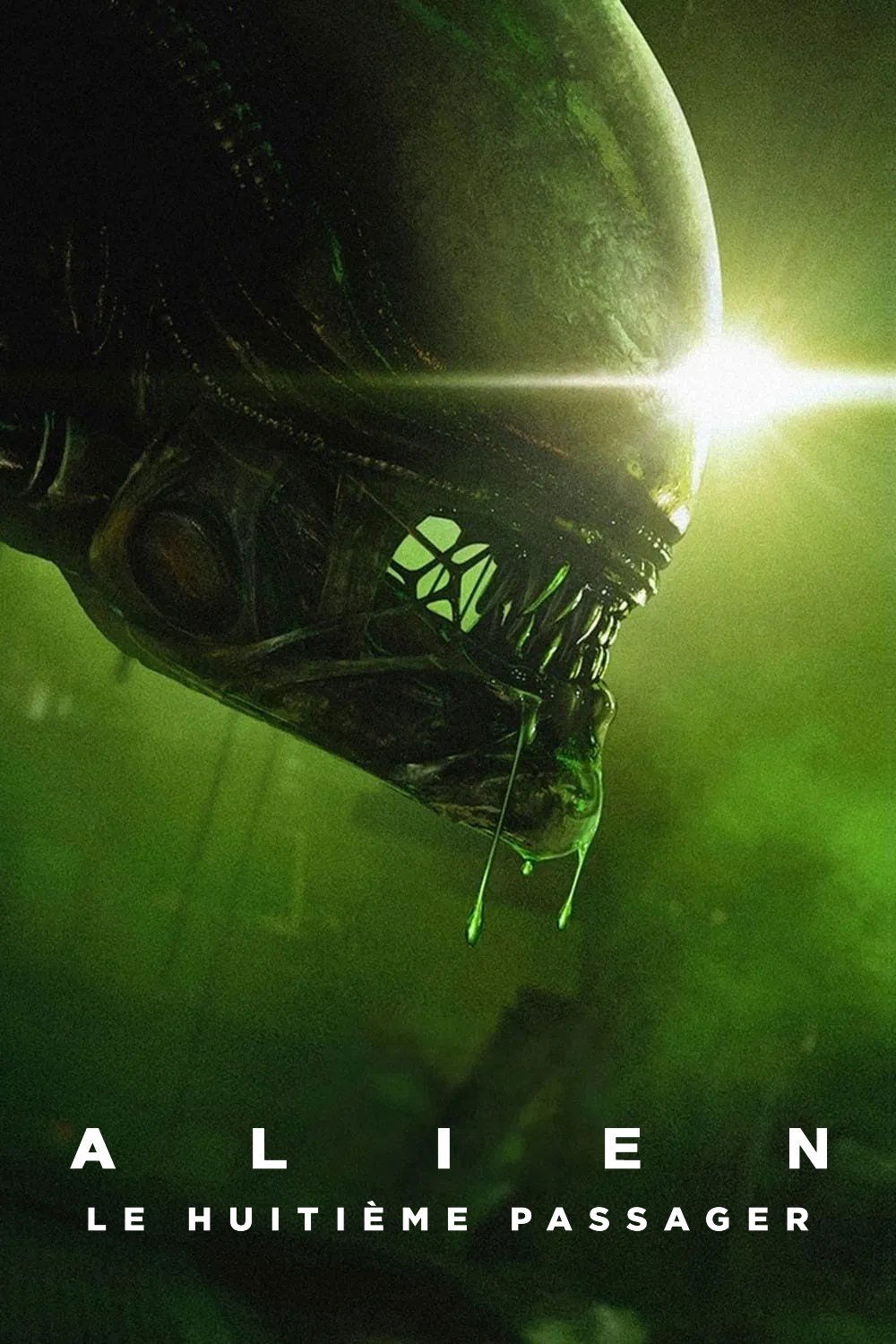
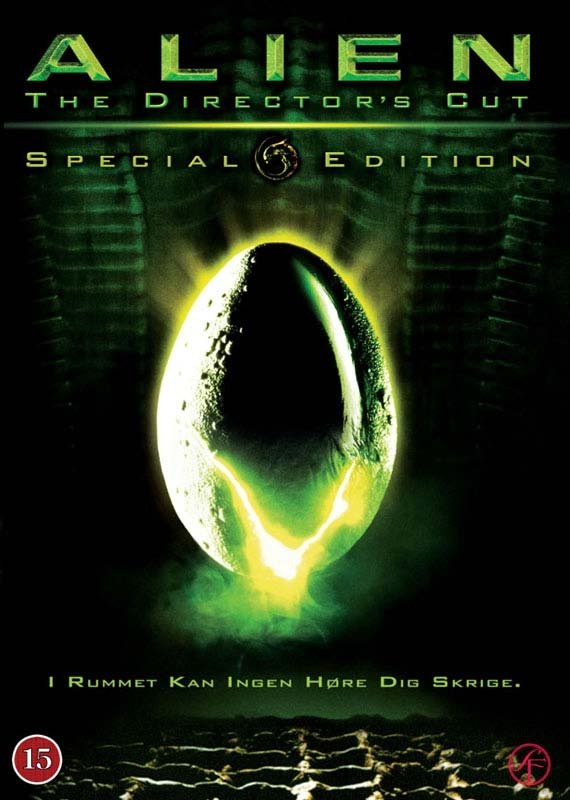
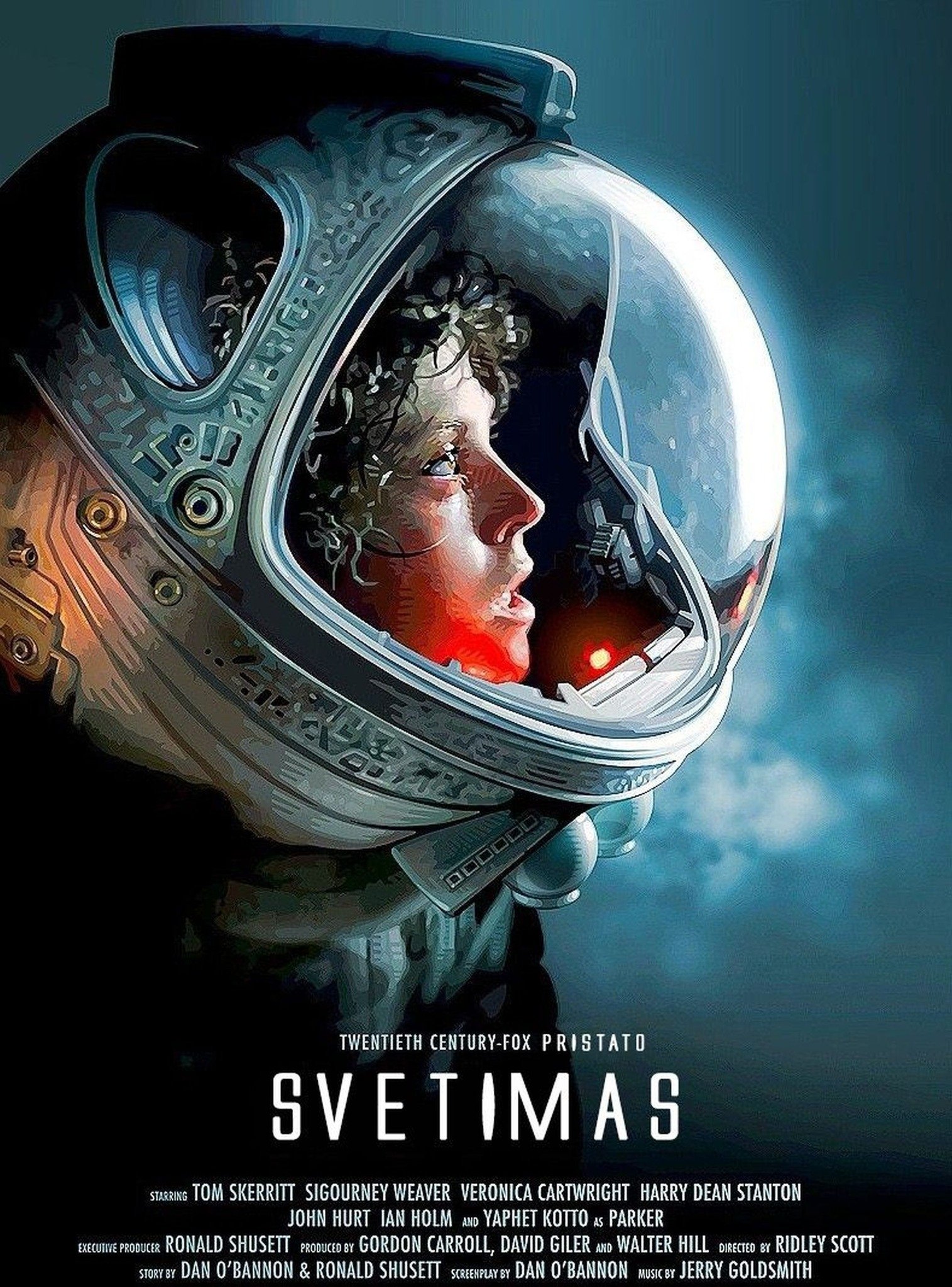
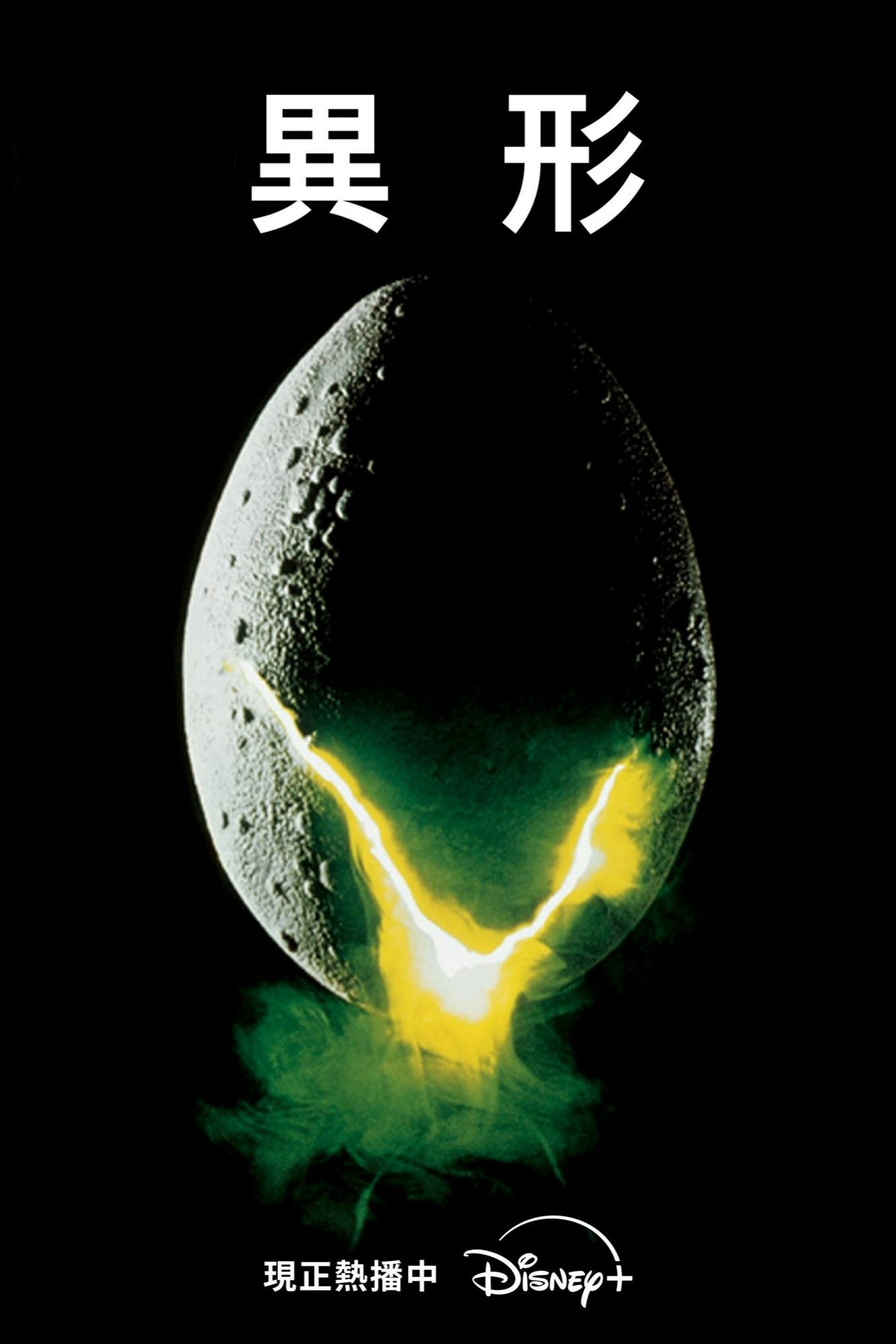
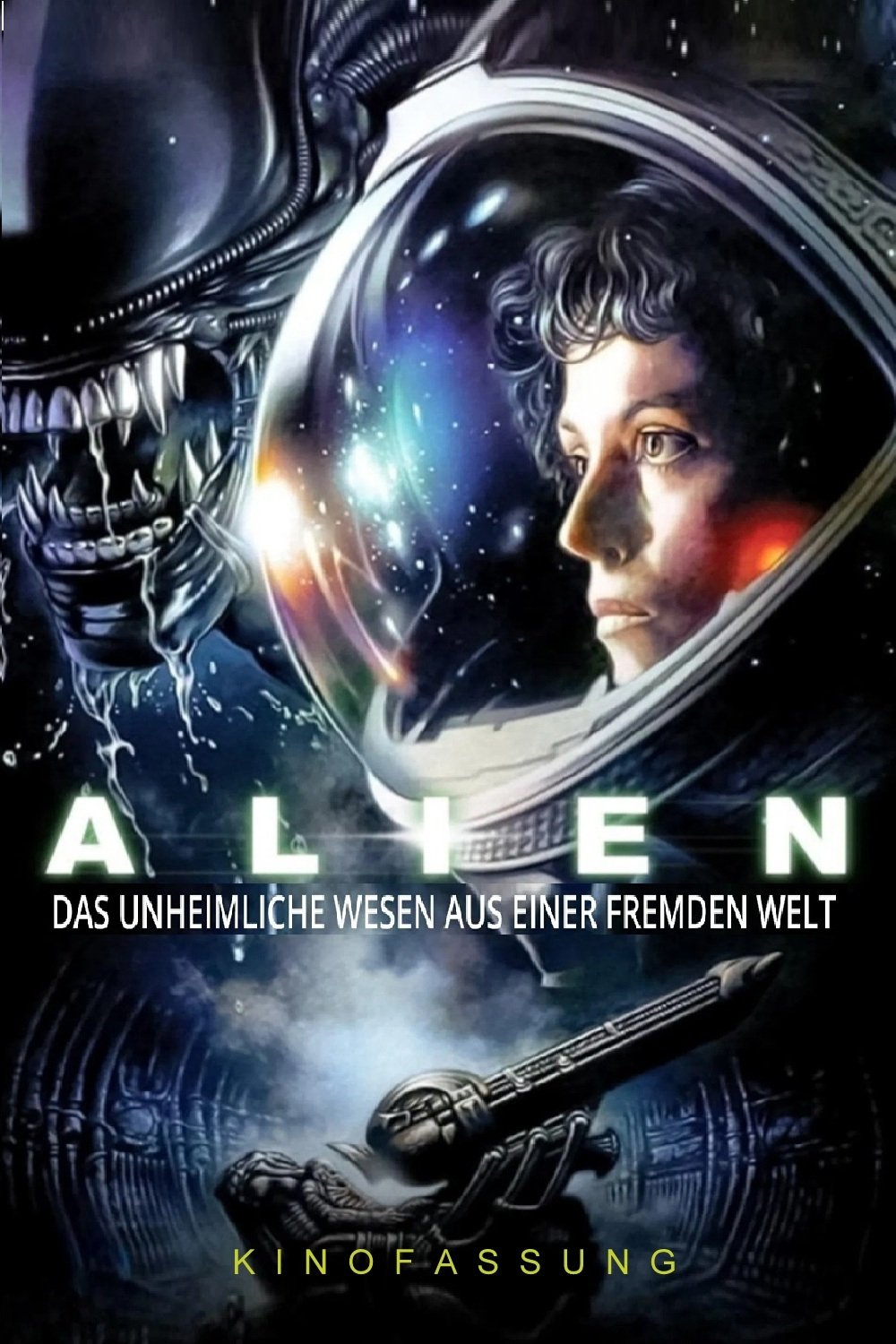
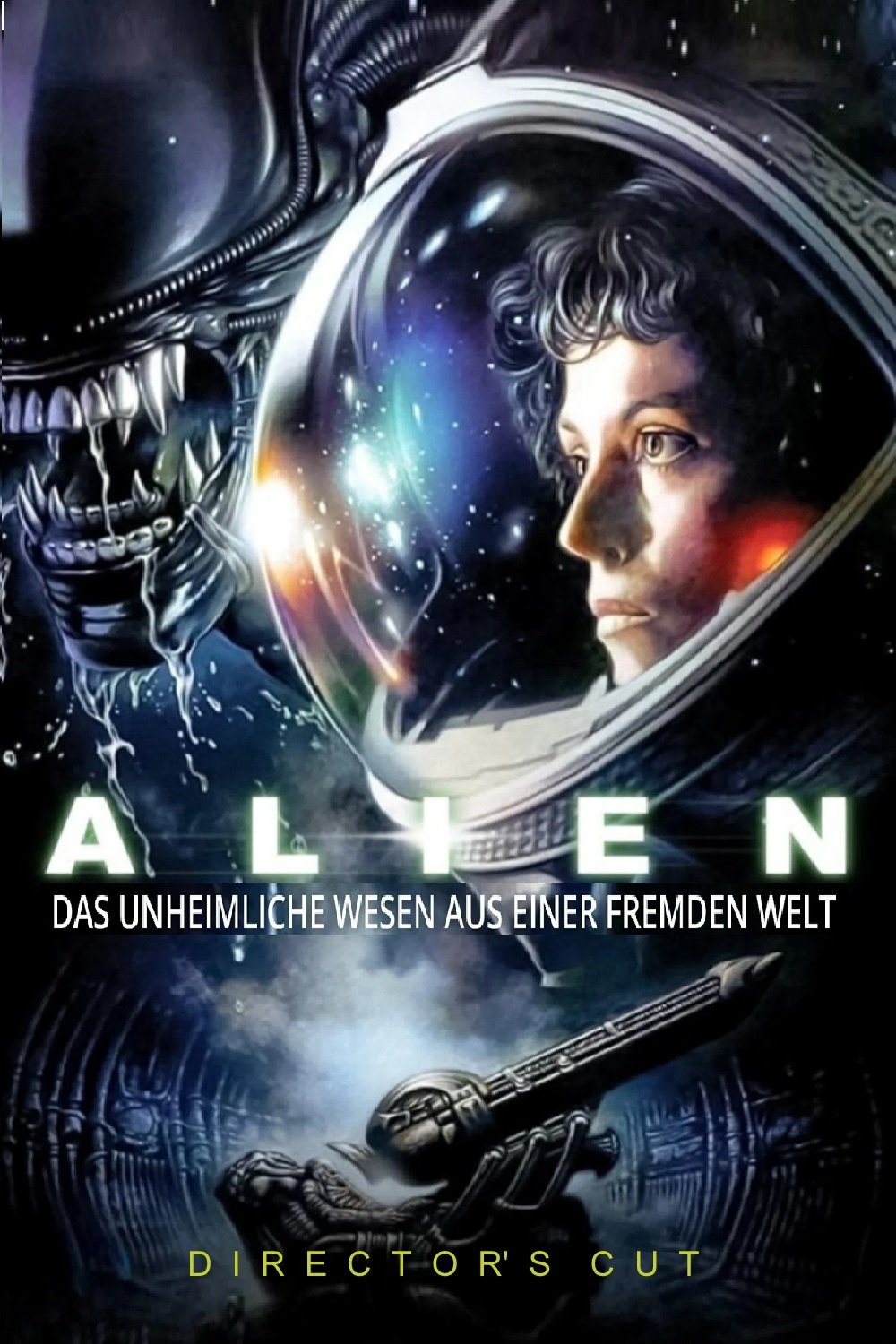
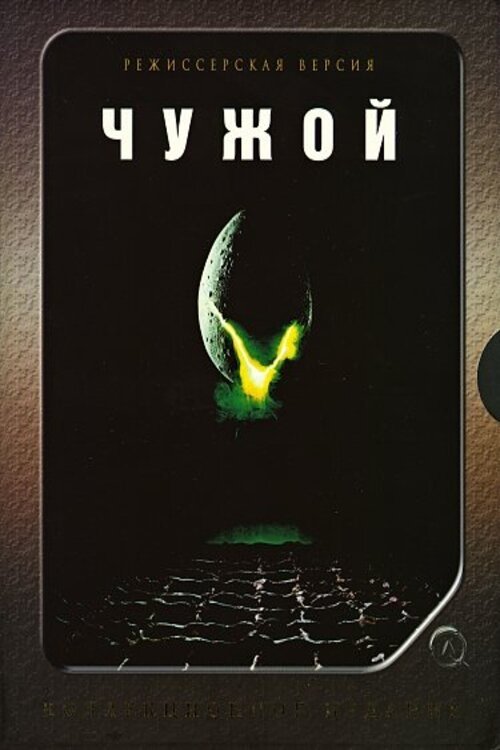
Show all 75 alternative titles Alien : Le 8e Passager (Canada) Alien - Das unheimliche Wesen aus einer fremden Welt - Director's Cut (Switzerland) — Version Alien – Das unheimliche Wesen aus einer fremden Welt (Switzerland) — German 异形 (China) — Chinese 异形1 (China) Vetřelec (Czechia) — Czech Alien - Das unheimliche Wesen aus einer fremden Welt (Germany) — German Alien 1 (Germany) Alien: Das unheimliche Wesen aus einer fremden Welt (Germany) Alien - den 8. passager (Denmark) — Danish Tulnukas (Estonia) Alien, el 8º pasajero (Spain) Alien: El octavo pasajero (Spain) — Spanish Alien: El vuitè passatger (Spain) — No és el nom oficial, però per influència del castellà hi ha qui s'ho pensa. Alien - kahdeksas matkustaja (Finland) Alien, le 8ème passager (France) — poster Alien, le huitième passager (France) — French უცხო (Georgia) — Georgian Άλιεν: Ο Επιβάτης του Διαστήματος (Greece) — Greek 異形 (Hong Kong SAR China) Alien: Osmi putnik (Croatia) — Croatian Alien - A nyolcadik utas: a Halál (Hungary) — Hungarian Nyolcadik utas: a Halál (Hungary) — Original title in 1981 הנוסע השמיני (Israel) — Hebrew एलियन (India) — Hindi ਏਲੀਅਨ (India) — Punjabi ஏலியன் (India) — Tamil بیگانه (Iran) — Persian بیگانه ۱ (Iran) エイリアン (Japan) エイリアン:1979 (Japan) Бөтөн (Kyrgyzstan) — Kyrgyz អេលៀន (Comoros) — Khmer 에이리언 (South Korea) — Korean آسمأنؠ بلأے (KS) — Kashmiri Svetimas (Lithuania) Svešais (Latvia) — Latvian Осмиот патник (North Macedonia) — Macedonian Alien: El Octavo Pasajero (Mexico) — Spanish Alien – den 8. passasjeren (NN) — Norwegian Nynorsk Alien - den 8. passasjer (Norway) Alien - den 8. passasjeren (Norway) — Norwegian Bokmål ایلین (Pakistan) — Urdu Obcy (Poland) Obcy – ósmy pasażer Nostromo (Poland) Obcy 8. pasażer "Nostromo" (Poland) Obcy: 8 Pasażer Nostromo (Poland) Alien - O 8.º Passageiro (Portugal) — Portuguese Alien, o Oitavo Passageiro (Portugal) Осми путник (Serbia) — Serbian Чужой (Russia) — Russian فضائي (Saudi Arabia) — Arabic Alien - den åttonde passageraren (Sweden) — Television Title 异形 (Singapore) — Chinese Osmi potnik (Slovenia) — Slovenian Votrelec (Slovakia) — Slovak มฤตยูนอกโลก (Thailand) เอเลี่ยน (Thailand) — Thai Yaratık (Türkiye) — Turkish 異形 (Taiwan) — Chinese Чужий (Ukraine) — Ukrainian Alien 1 (United States) Alien I Directors Cut (United States) Alien: The Director's Cut (United States) — The spe director's cut Star Beast (United States) — Original Title Begona (Uzbekistan) — Uzbek Quái Vật Không Gian (Vietnam)

Trailers & Videos

10 videos

Film Guide & Analysis

Ridley Scott combines industrial space travel, H.R. Giger's biomechanical nightmare, practical effects and relentless suspense into a defining fusion of science fiction and horror.

Alien is a 1979 science-fiction horror film directed by Ridley Scott from a screenplay by Dan O'Bannon, based on a story by O'Bannon and Ronald Shusett. The seven-person crew of the commercial towing vessel Nostromo is awakened from hypersleep after the ship's computer intercepts a transmission from an unexplored world. When Kane is attacked by an organism inside a derelict spacecraft, the crew unknowingly brings aboard a life form whose rapid development turns their industrial vessel into a closed hunting ground.

The film combines the structural simplicity of an isolated-monster story with an unusually complete visual and sonic world. H.R. Giger's biomechanical organism and extraterrestrial architecture exist beside Ron Cobb's functional spacecraft technology, Michael Seymour's industrial production design, Derek Vanlint's low-light anamorphic photography and Jerry Goldsmith's experimental orchestral score. Rather than presenting space travel as heroic exploration, Alien makes it look like employment: the Nostromo crew argues about pay, follows company regulations and works inside a battered machine. Against that ordinary background, biological invasion becomes both more credible and more disturbing.

Dan O'Bannon, Ronald Shusett & the Road from Star Beast

The project grew from ideas Dan O'Bannon had been developing after Dark Star, the low-budget science-fiction film he made with John Carpenter. O'Bannon had become dissatisfied with the comic treatment of the creature aboard that film and wanted to approach a similar basic situation as genuine horror. Working with Ronald Shusett, he developed a screenplay initially associated with the title Star Beast. The eventual title Alien had the advantage of describing both the unknown organism and the crew's encounter with something radically foreign.

The script combined a relatively simple survival structure with the idea of a creature whose life cycle would allow different physical forms to appear throughout the story. One of the decisive concepts was the means by which the organism enters the ship. Instead of having the crew simply discover a monster, Kane becomes an involuntary host. The facehugger and subsequent birth establish that the threat operates biologically before anyone understands its purpose. The screenplay initially struggled to find backing.

Twentieth Century-Fox rejected an early version, and O'Bannon and Shusett considered alternatives that included a possible low-budget production with Roger Corman. The breakthrough came through Brandywine Productions, the company associated with Walter Hill, David Giler and Gordon Carroll. Brandywine optioned the screenplay, and Hill and Giler subsequently contributed revisions. Their changes included reshaping the crew, introducing the revelation concerning Ash and giving the material a harder corporate edge. Credit became contentious: the Writers Guild ultimately awarded O'Bannon sole screenplay credit, with O'Bannon and Shusett sharing story credit. Fox president Alan Ladd Jr. approved the project in 1977.

The recent success of Star Wars made ambitious science fiction commercially attractive, but Alien would use its resources in almost the opposite direction. Instead of adventure, the project emphasised confinement, suspense and physical terror. Walter Hill was at one point associated with directing, but the film ultimately went to Ridley Scott after Fox saw The Duellists. Scott had made only one feature but had extensive experience directing commercials. He immediately approached Alien less as speculative science fiction than as a suspense film whose fantastic elements had to appear physically credible.
H.R. Giger, Ron Cobb & Two Different Futures

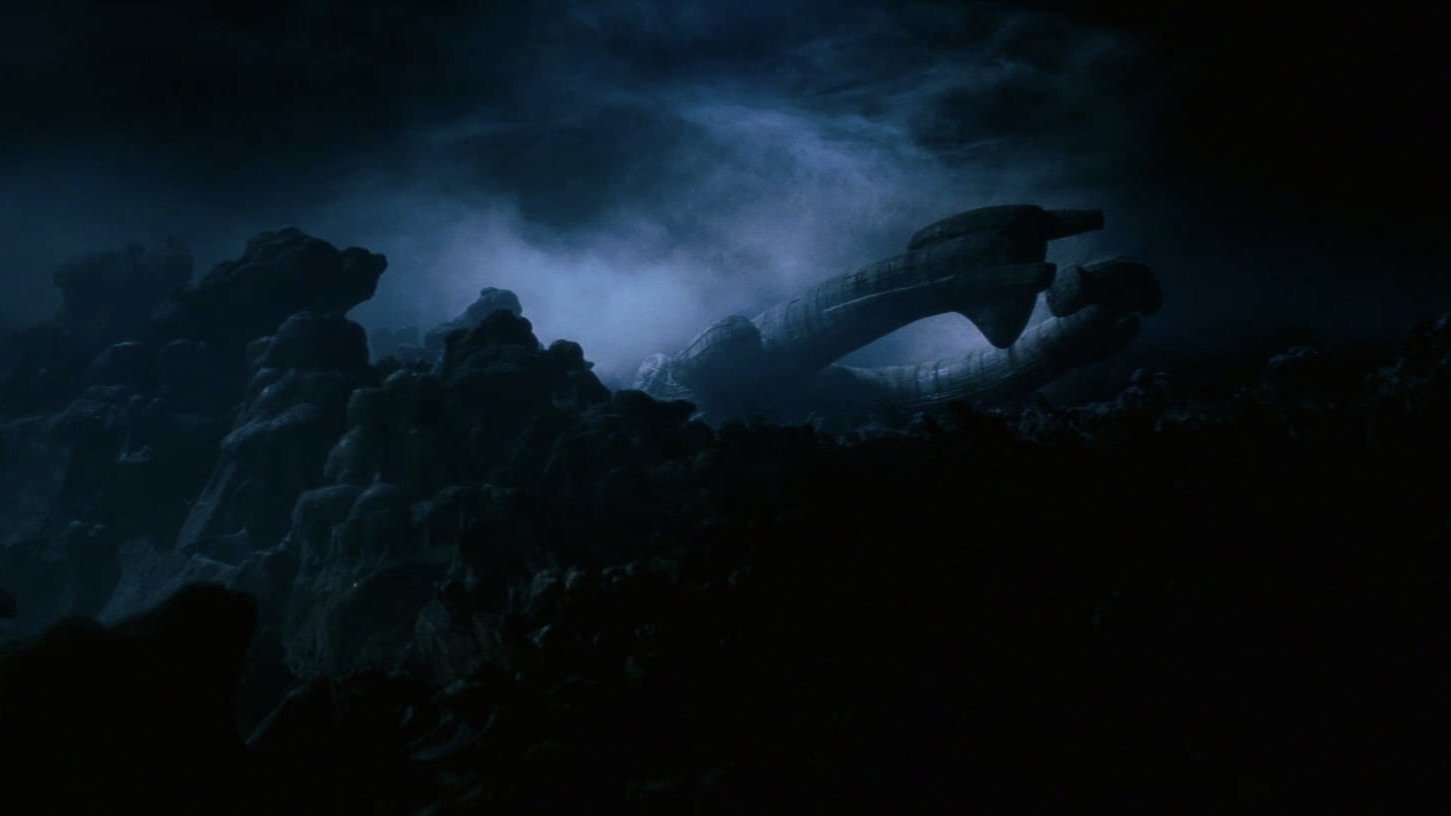
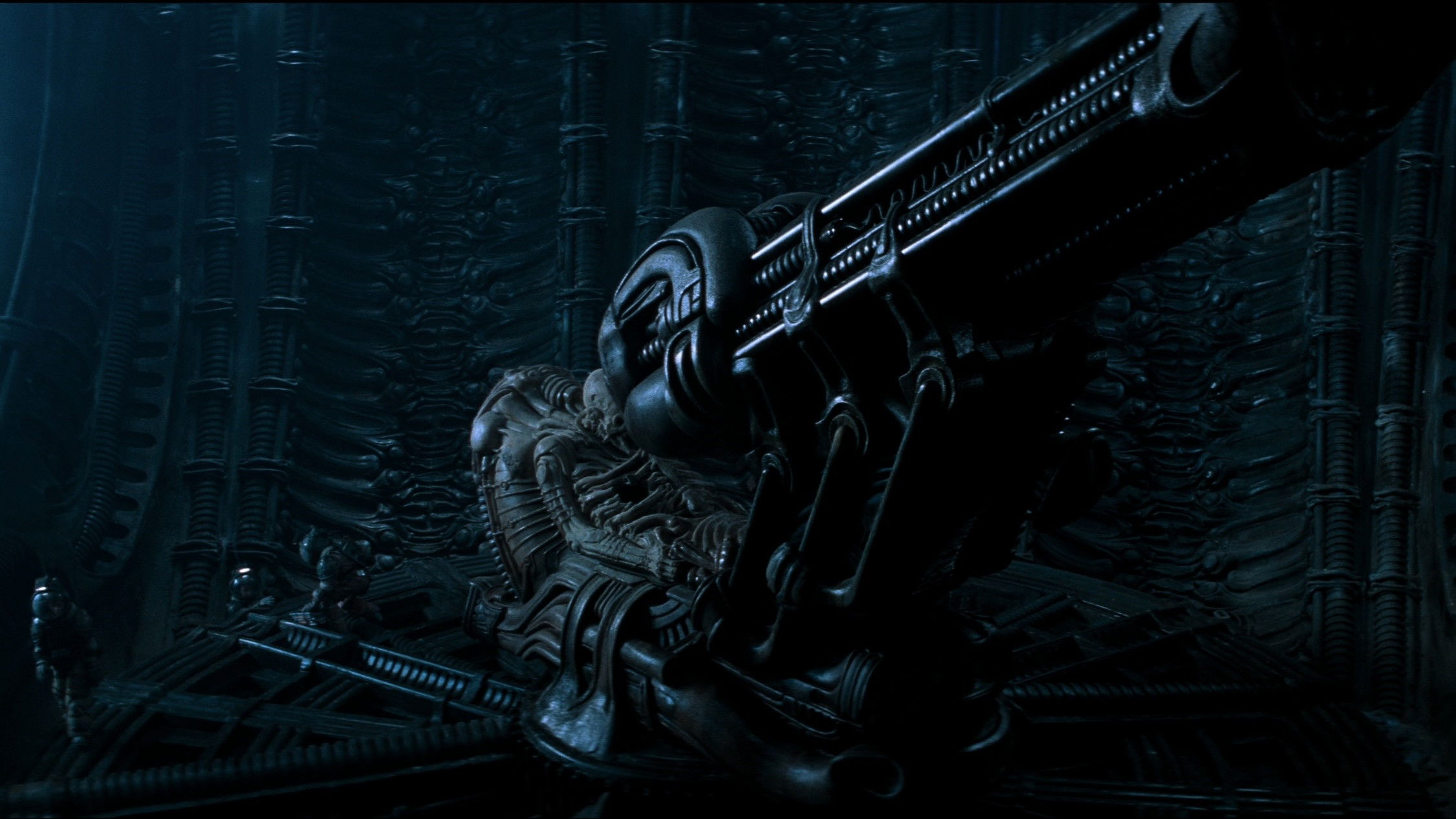
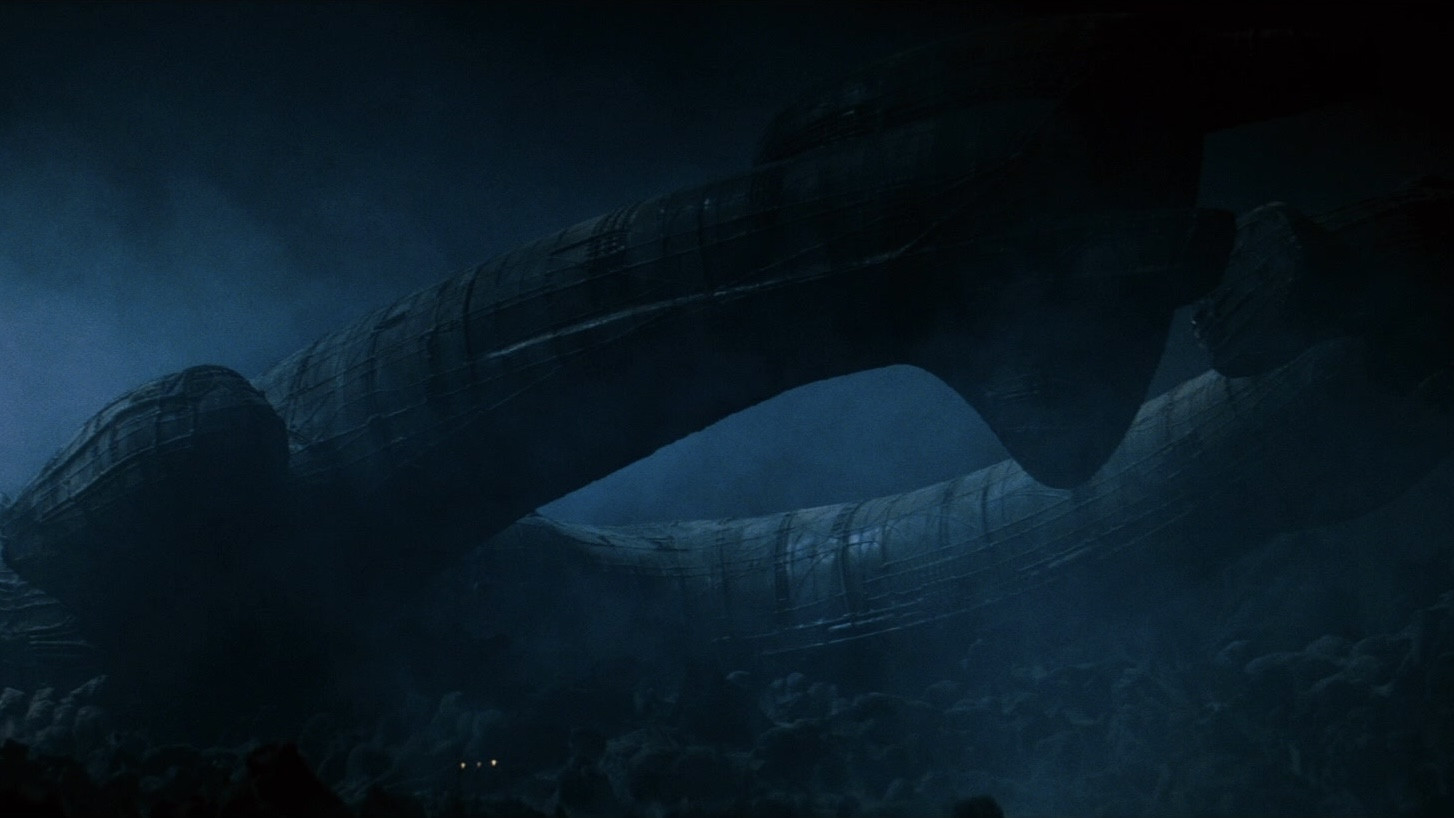
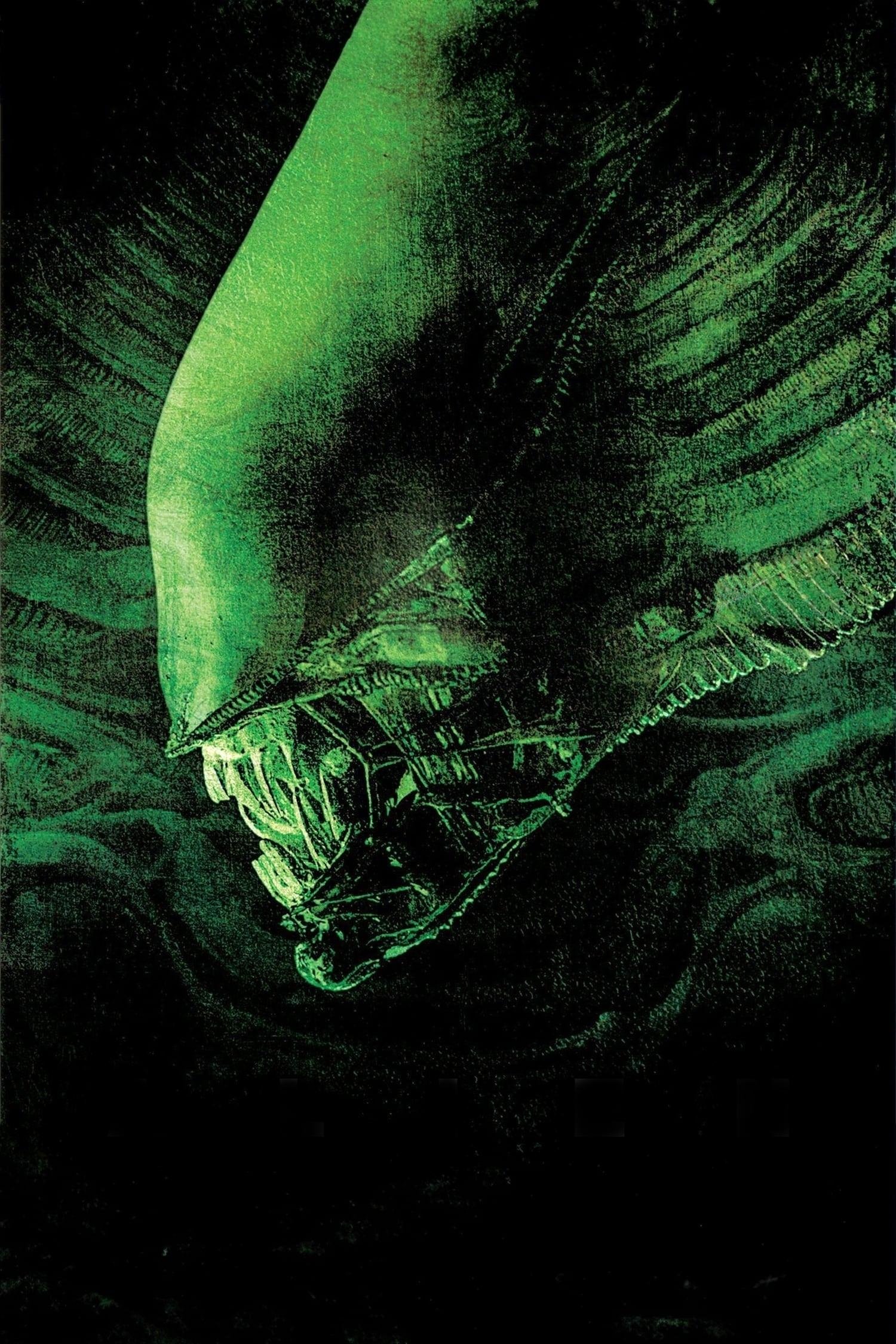
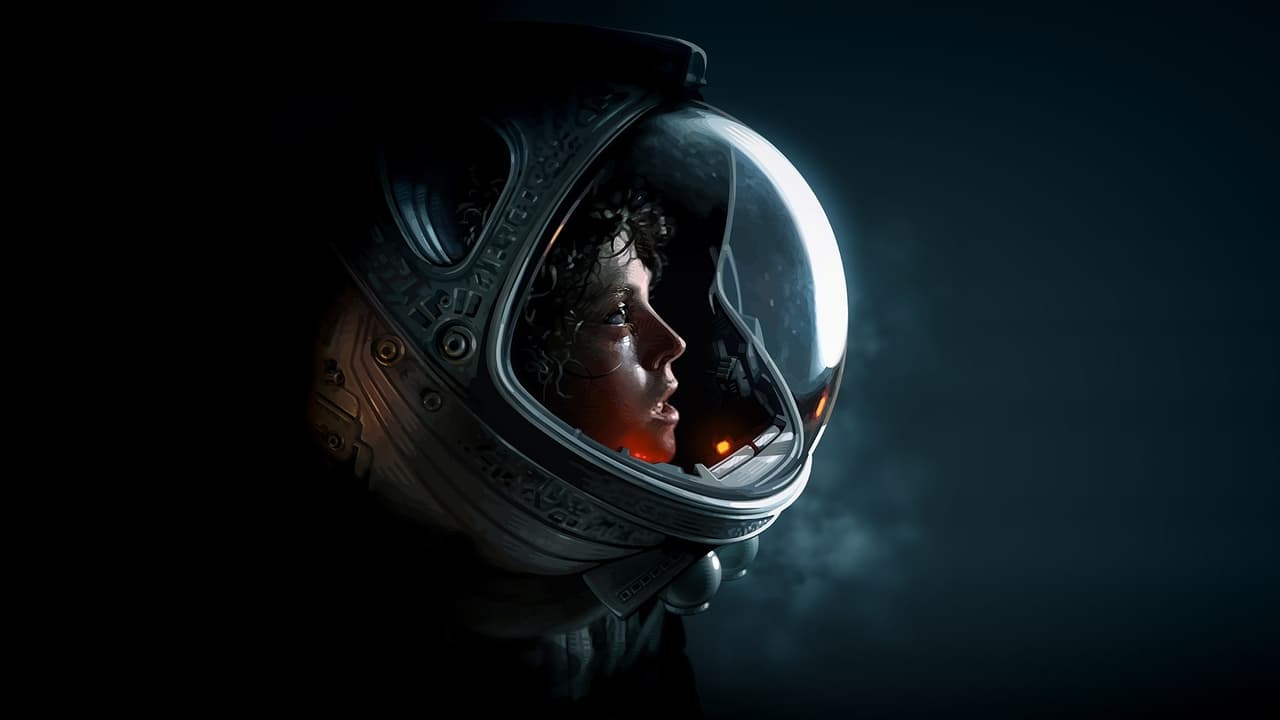
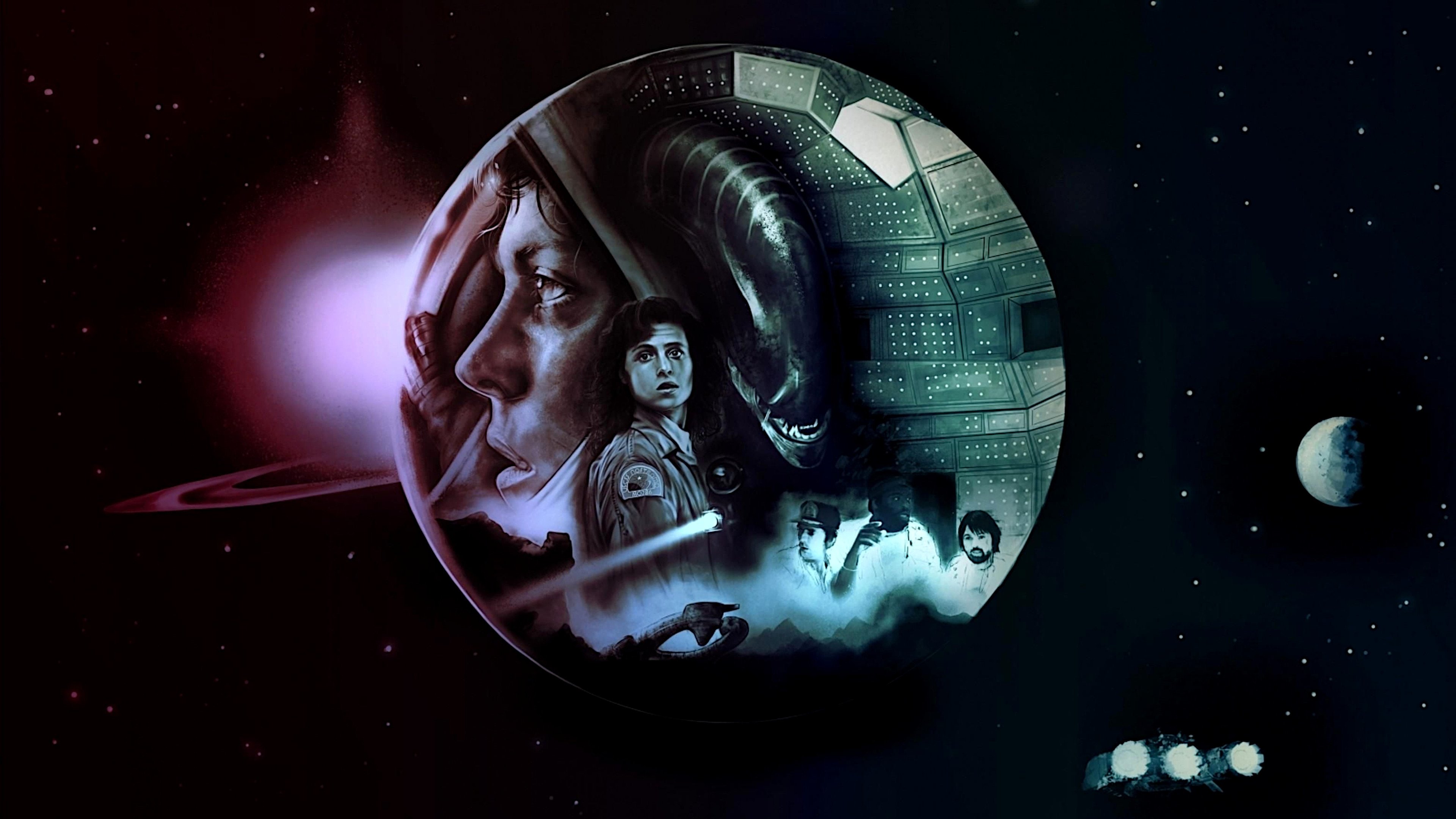
The design of Alien depends on a collision between two visual languages. Human technology is mechanical, industrial and recognisably manufactured. The extraterrestrial world appears simultaneously biological and technological, as though machinery has grown rather than been assembled. O'Bannon had encountered Swiss artist H.R. Giger while both were connected with Alejandro Jodorowsky's unrealised adaptation of Dune. When Scott later saw Giger's work, particularly the 1976 painting Necronom IV, he recognised an image close to what he wanted for the adult creature. Giger's role extended far beyond designing a monster.

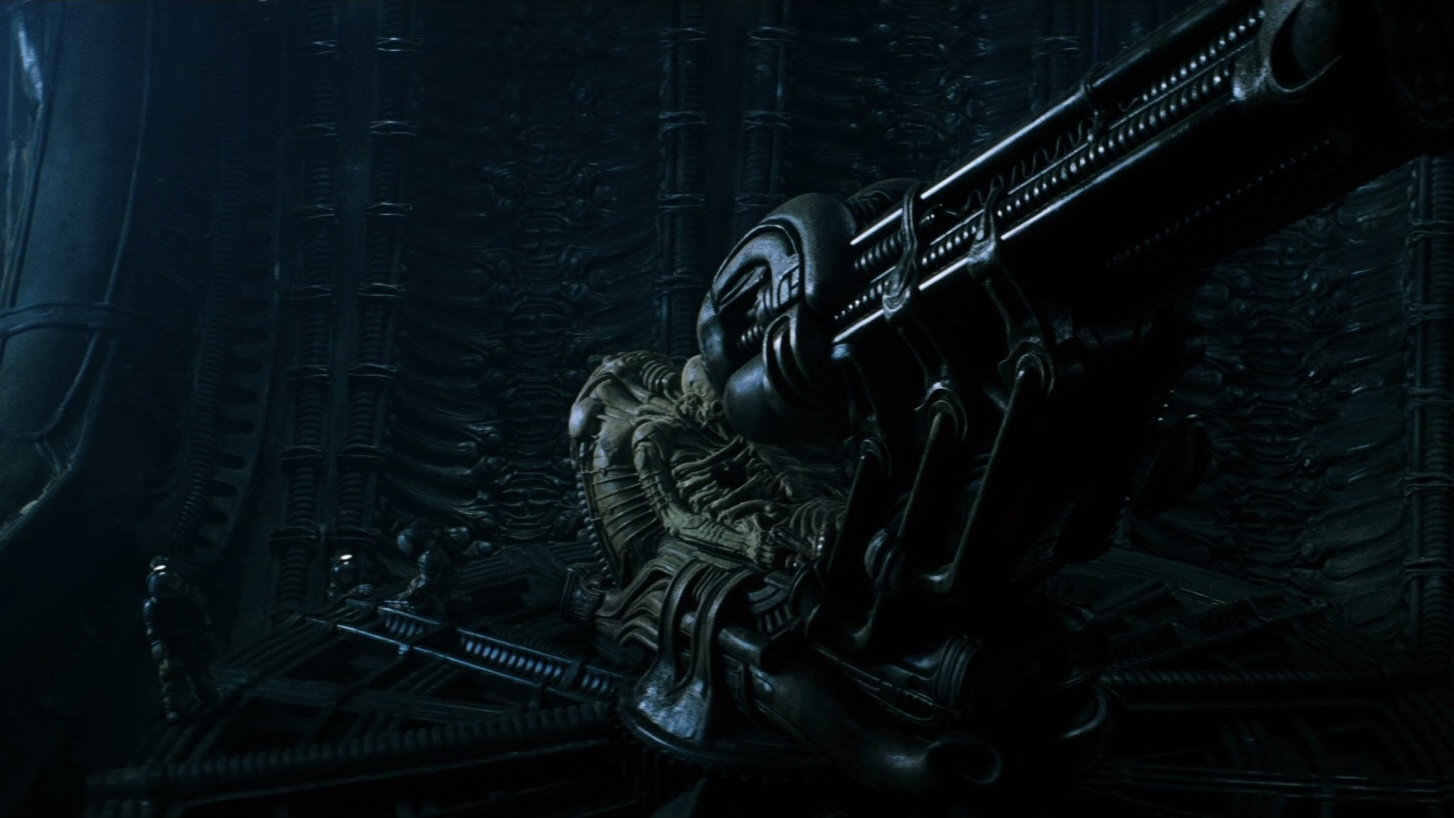
He worked on multiple stages of the organism's life cycle, the derelict spacecraft, the dead pilot later known as the Space Jockey and aspects of the alien landscape. His characteristic fusion of bones, tubing, anatomy and machinery gave the extraterrestrial material a visual logic independent from the Nostromo. Fox initially regarded aspects of Giger's work cautiously, but the designs ultimately increased confidence in the project. Producer David Giler later recalled that Giger's imagery helped persuade the studio to increase the budget substantially during pre-production. Other artists defined the human side of the film.

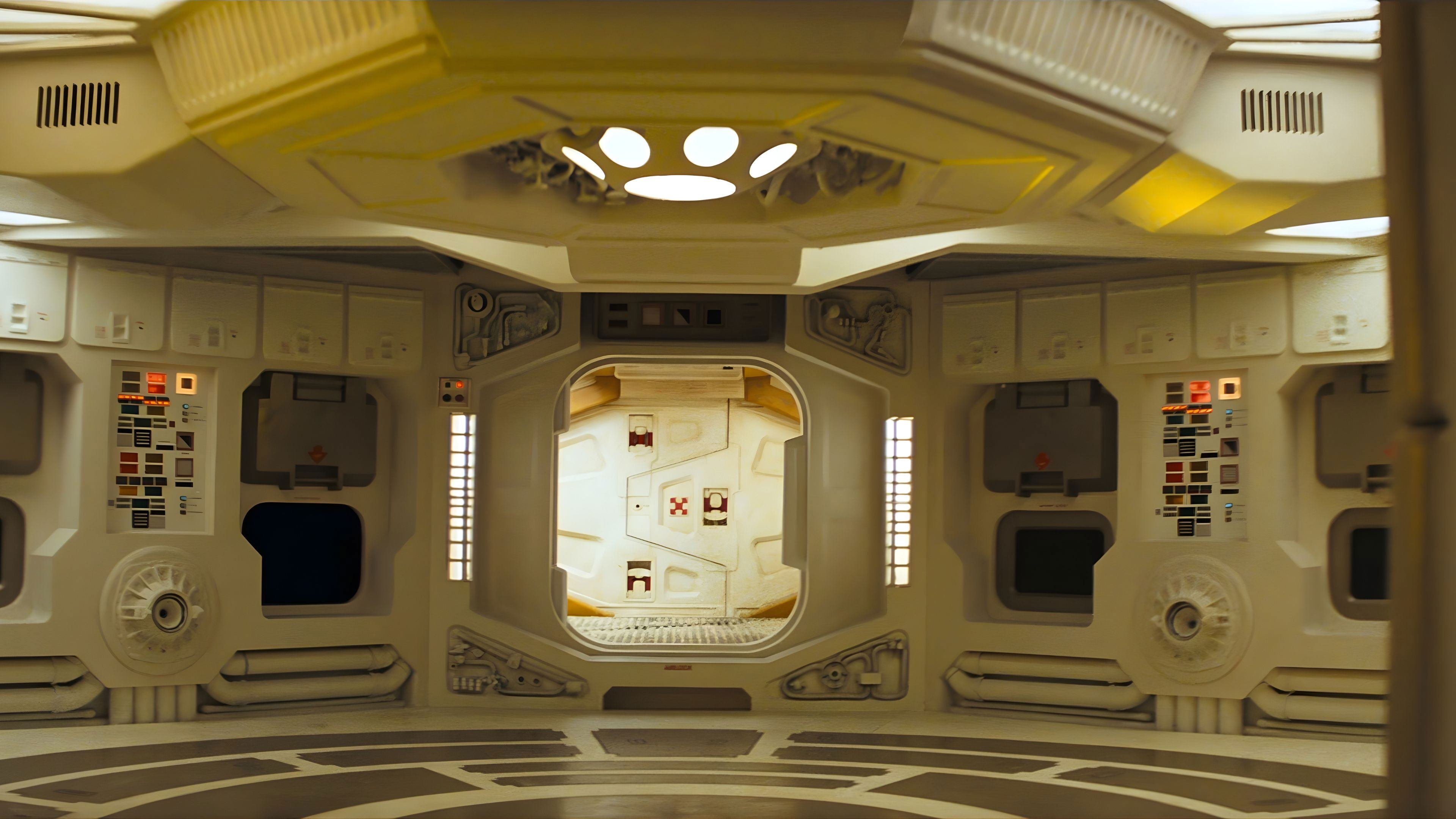
Ron Cobb concentrated heavily on spacecraft technology and the Nostromo's practical equipment. Jean “Moebius” Giraud contributed concepts including spacesuit ideas, while Chris Foss also produced early spacecraft work. Costume designer John Mollo translated parts of the visual development into functional clothing and suits. Production designer Michael Seymour and art directors Les Dilley and Roger Christian then turned those drawings into environments. The difference between Giger's alien architecture and the Nostromo is fundamental: one seems unknowable, while the other seems used. The Nostromo is therefore not a pristine vision of the future.

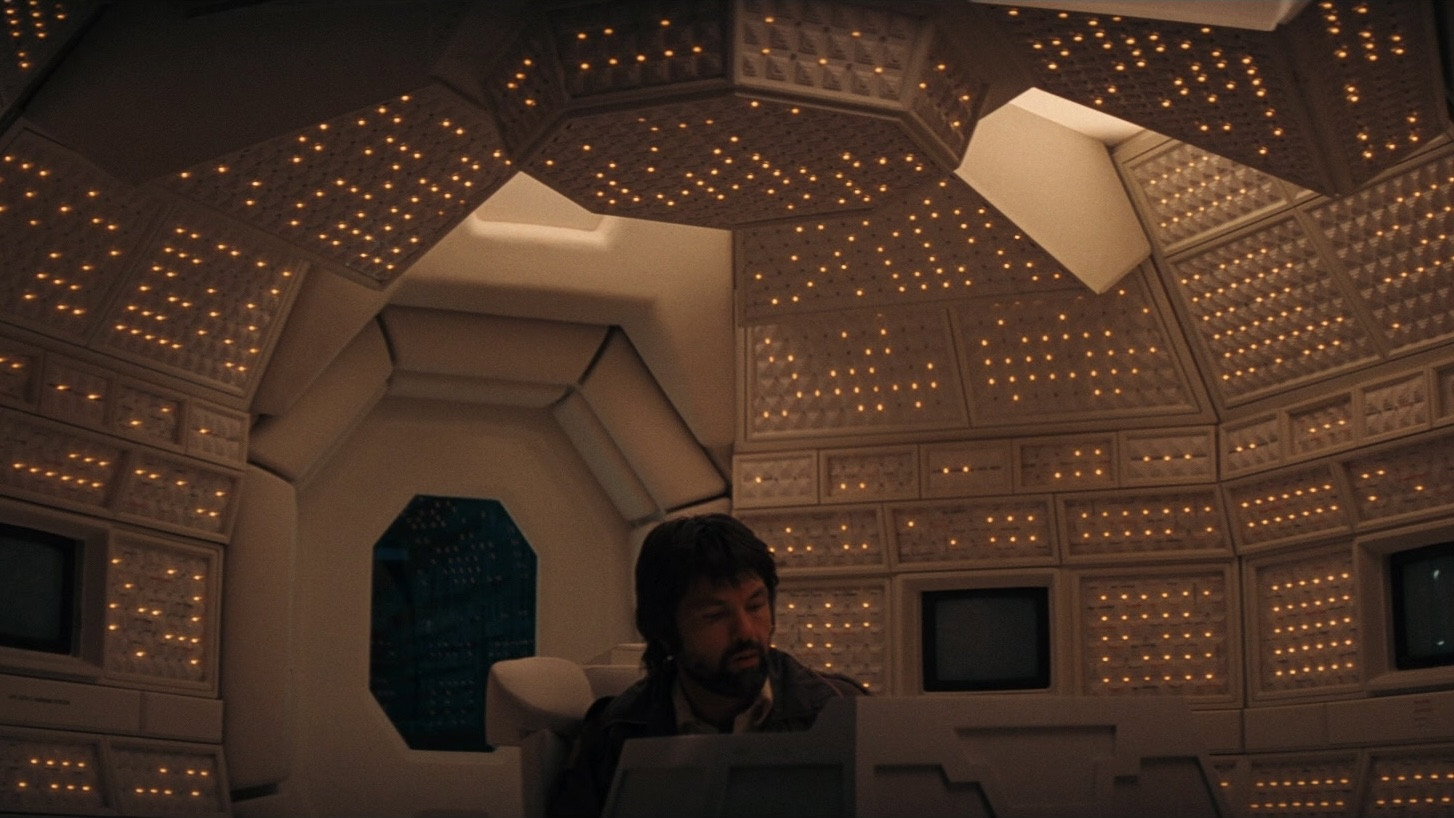
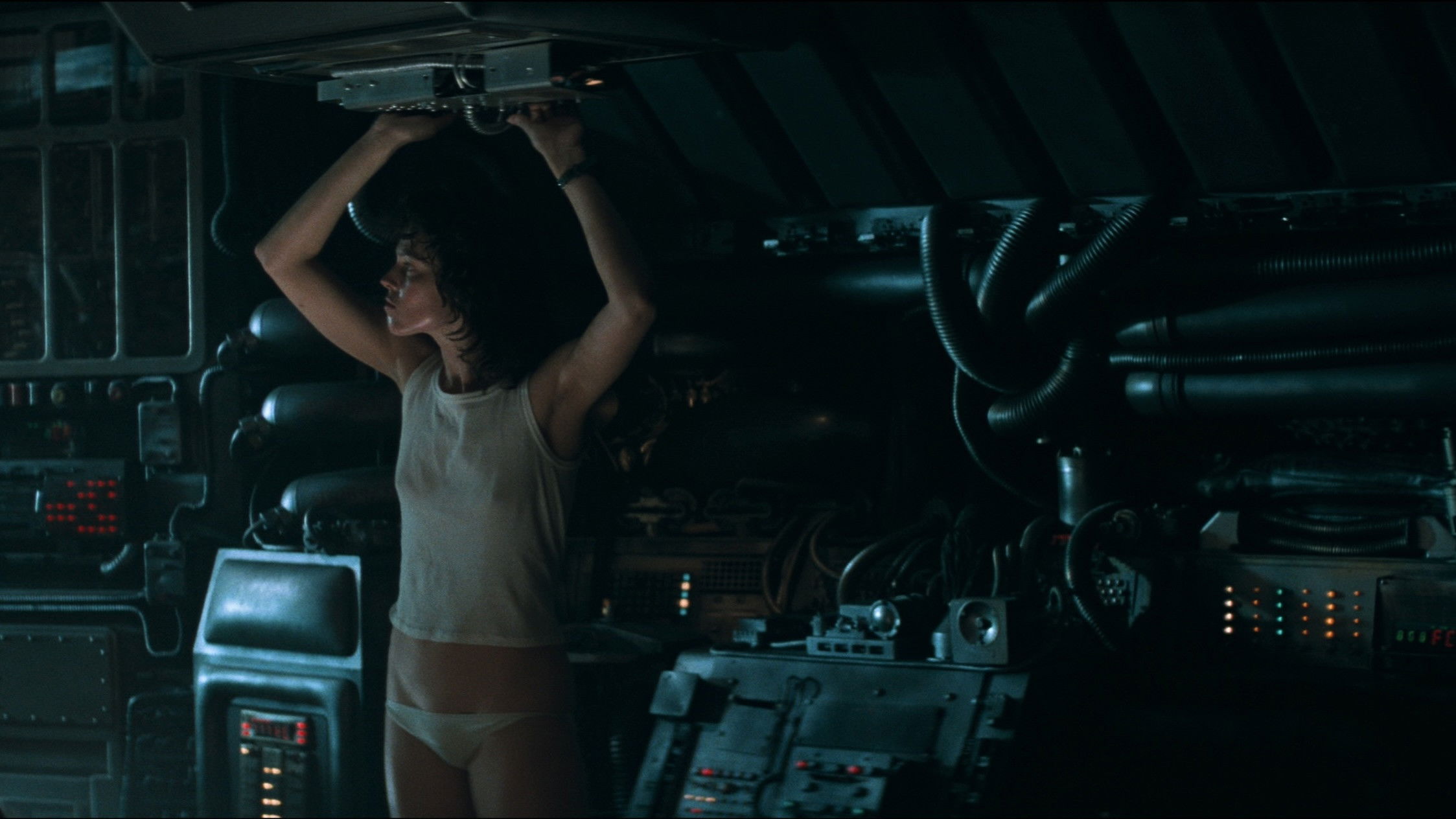
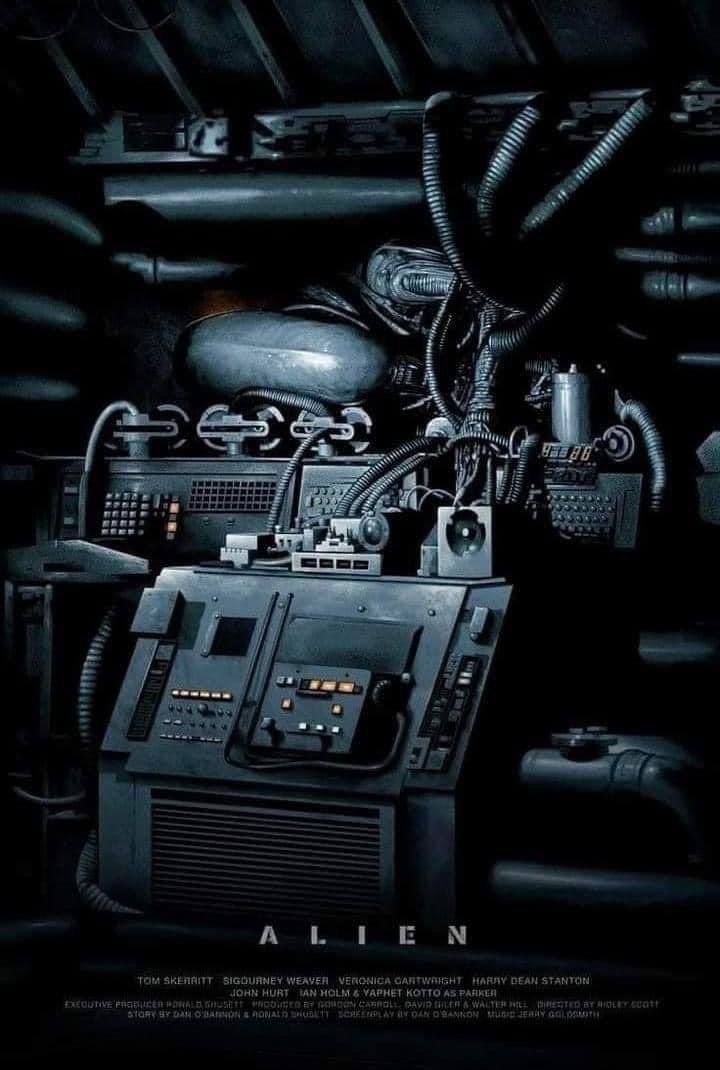
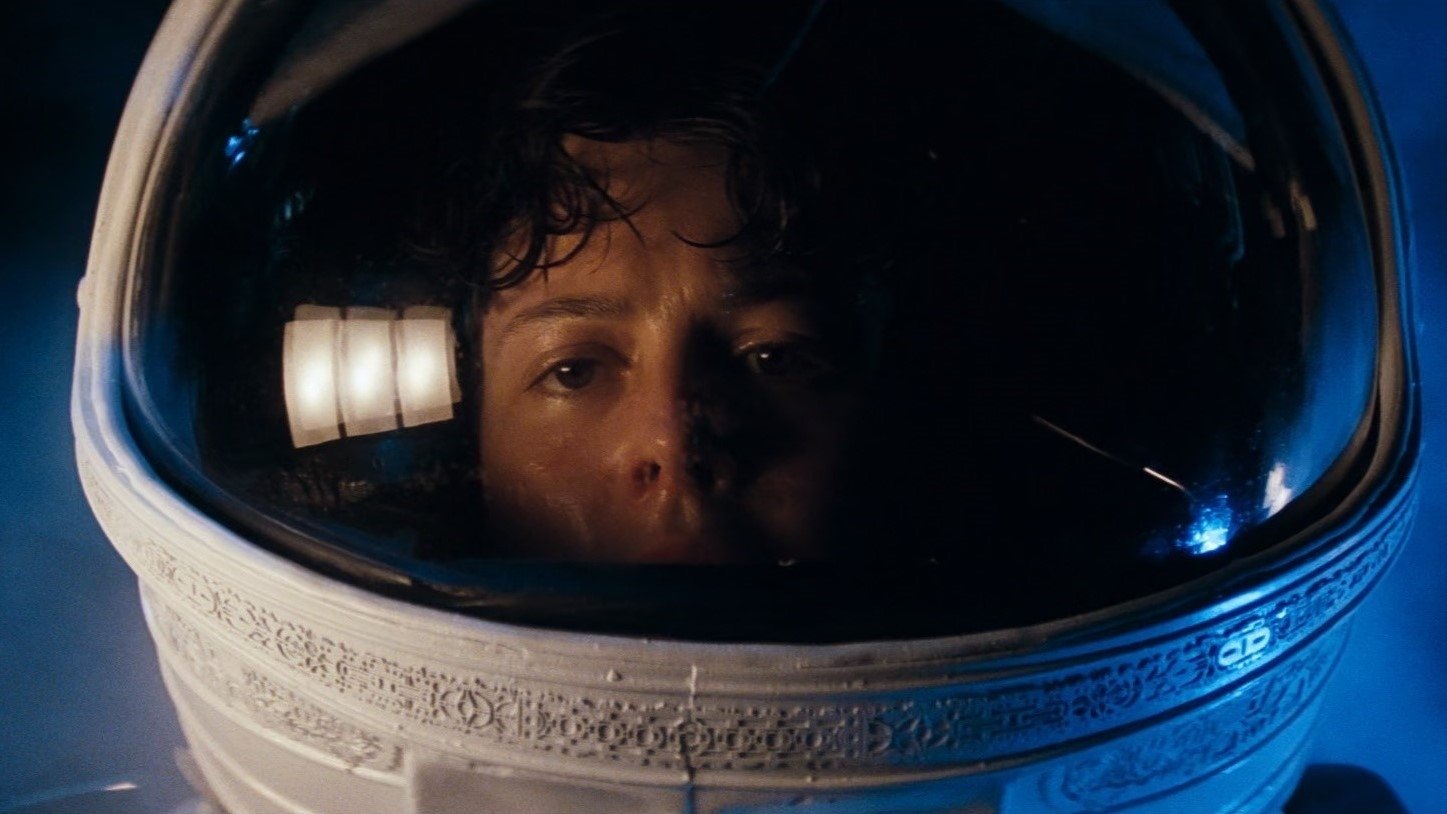
Its surfaces are worn, corridors are crowded with pipes and equipment, and components appear to have been repaired repeatedly. The ship's aesthetic suggests that advanced technology can become as ordinary and dirty as a contemporary commercial vehicle. This approach supports one of the film's most influential ideas: its characters are effectively workers in space. The environment existed before the story began and appears capable of continuing without them. Their encounter with the alien occurs not during a heroic mission of discovery but during a commercial journey home.

Shepperton, the Nostromo & Derek Vanlint's Photography

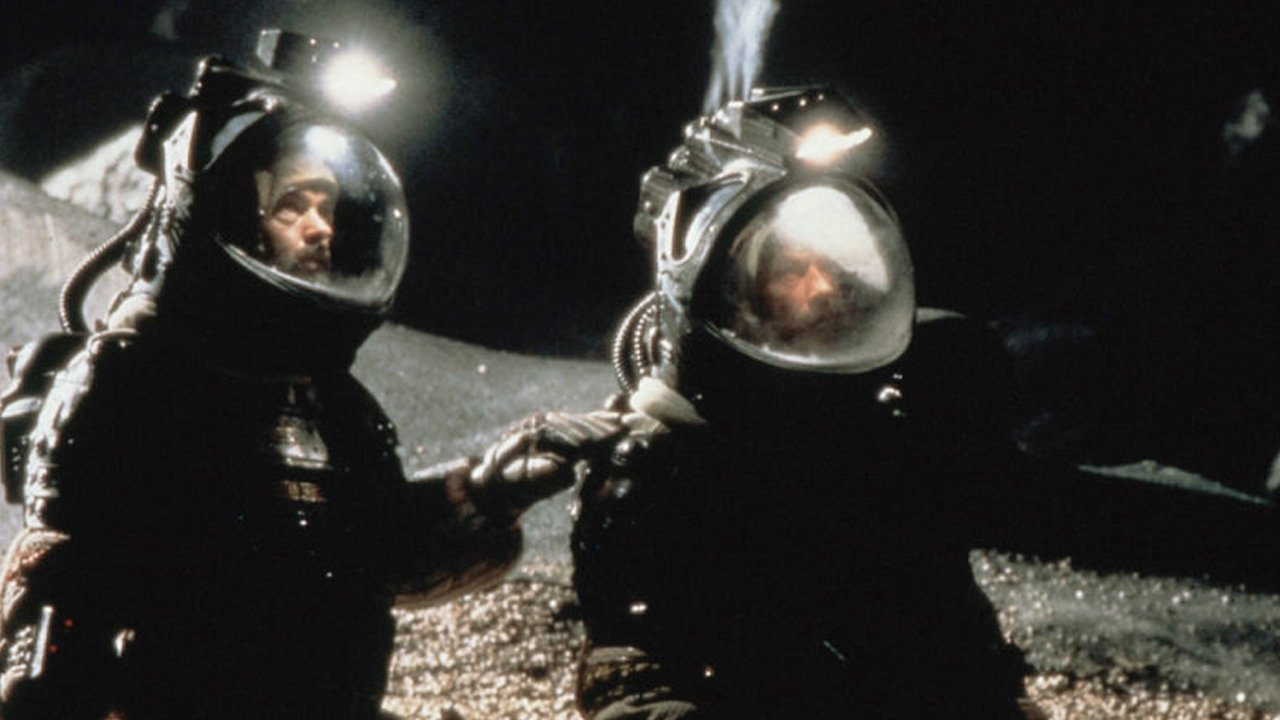
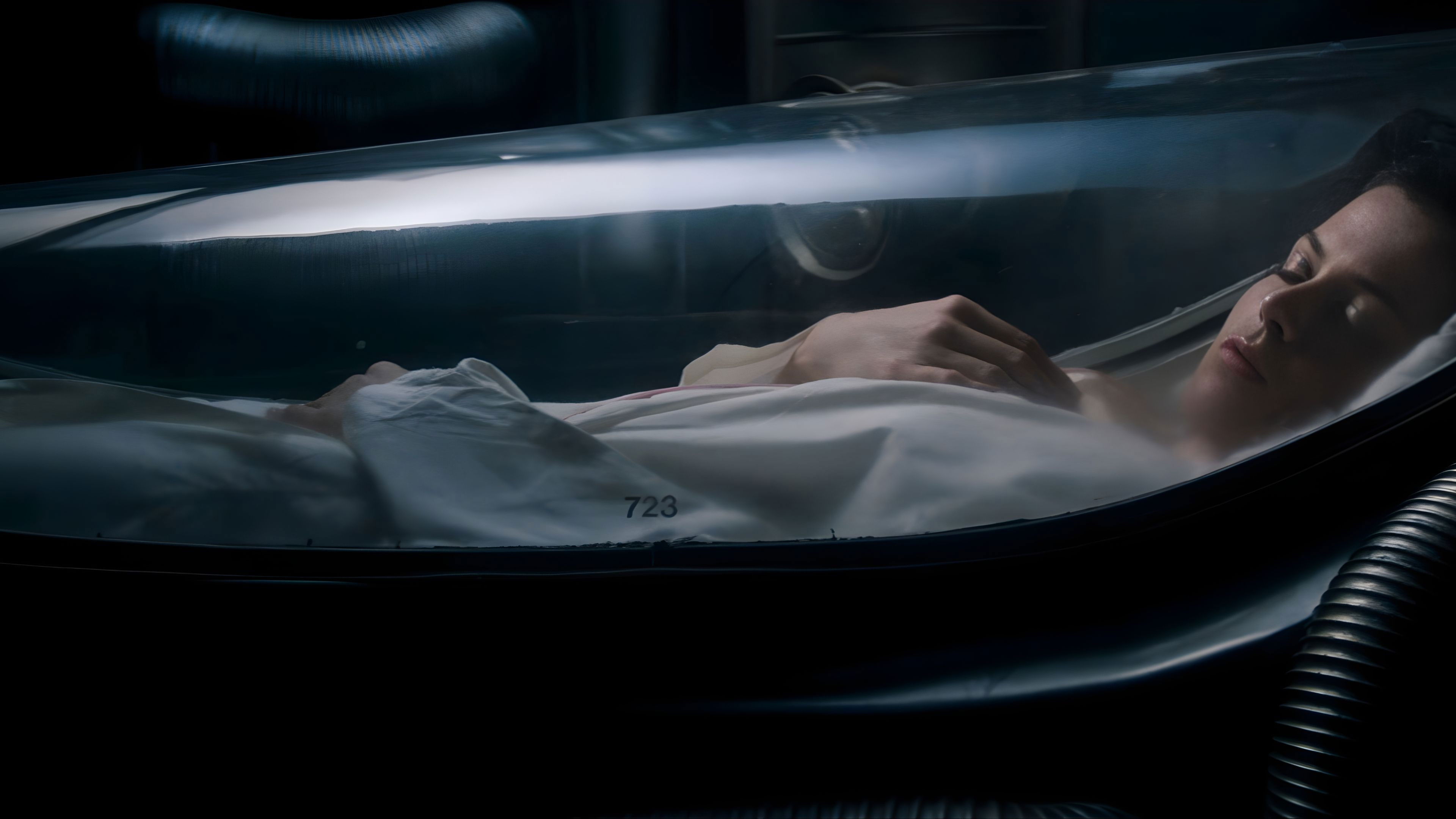
Live-action production began at Shepperton Studios in England in July 1978, while model and miniature work was also carried out at Bray Studios. Large interconnected sets were constructed for the Nostromo and the alien planet. The ship was divided into three principal levels. The upper deck included living spaces, bridge and medical areas; lower sections contained maintenance spaces, machinery and engineering environments. Connecting the sets allowed actors to move through corridors for extended stretches and helped preserve the feeling that the Nostromo was a coherent physical structure rather than a succession of unrelated rooms.

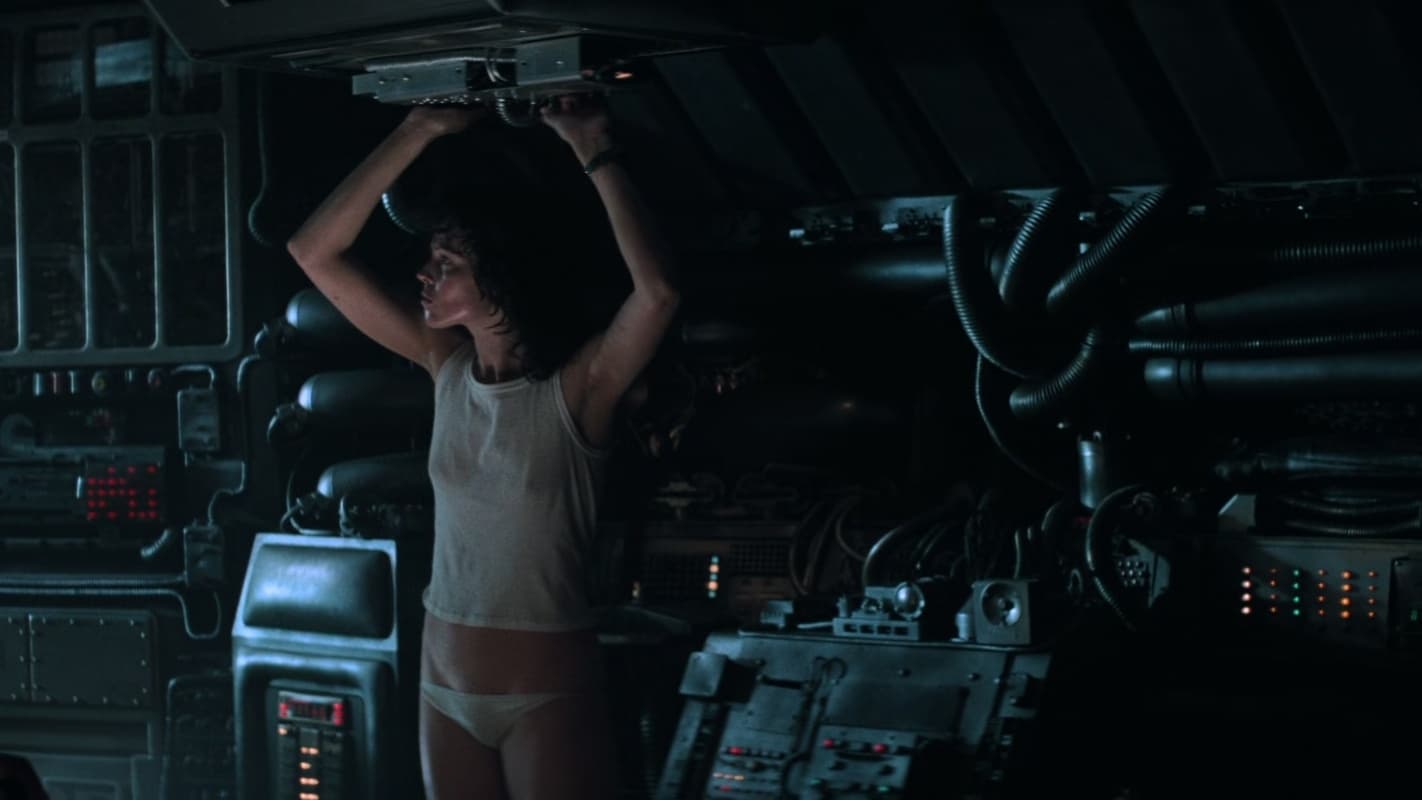
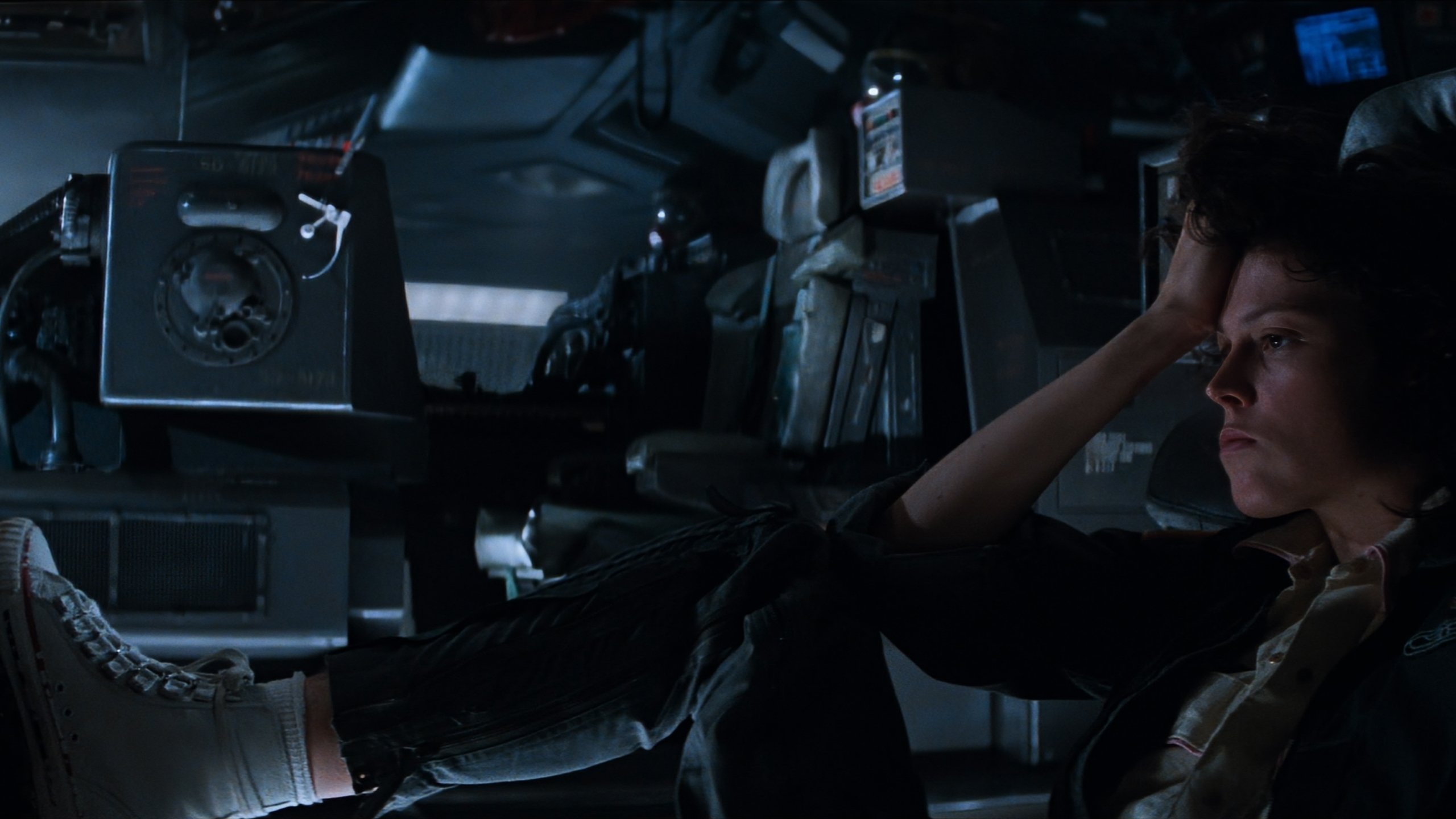
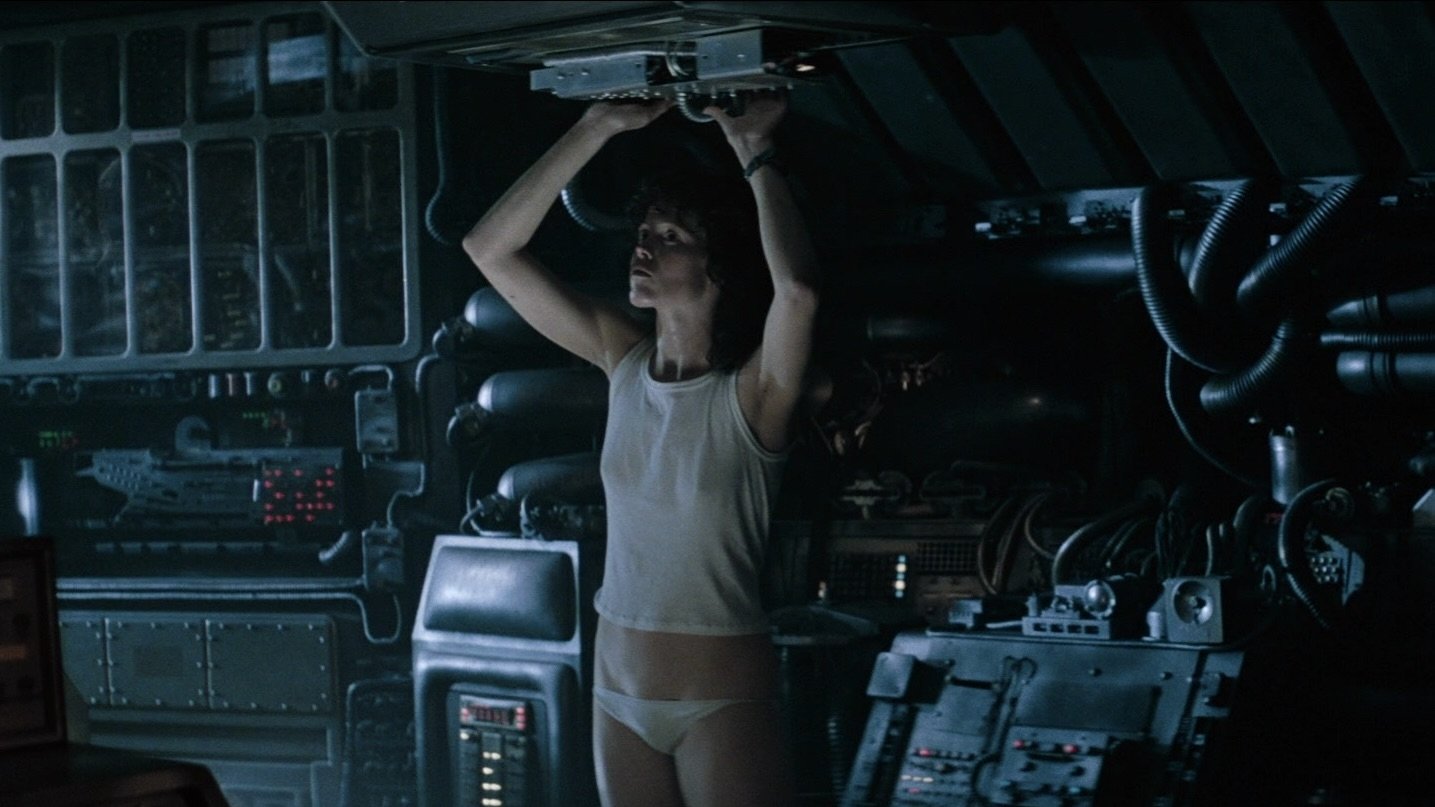
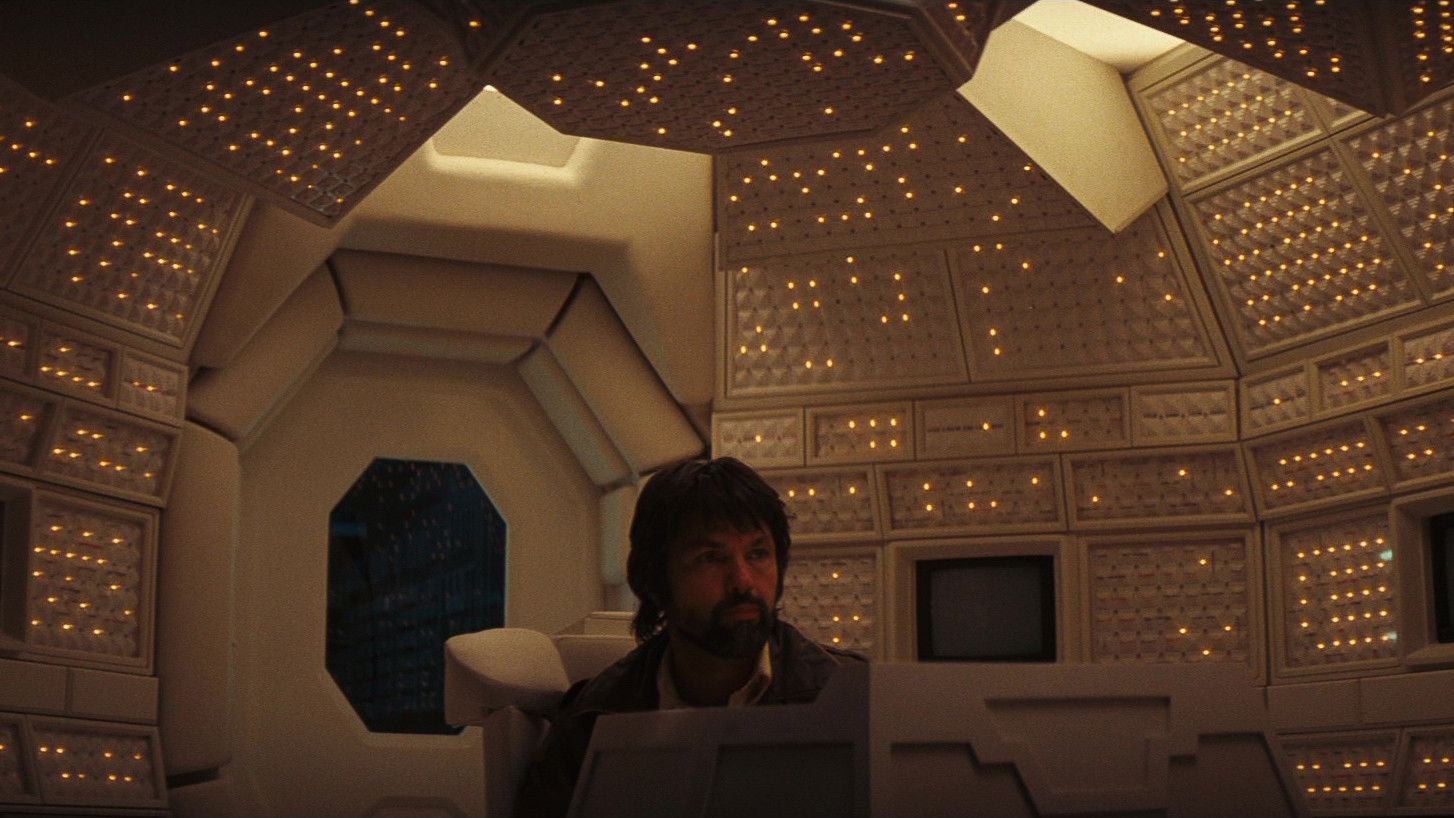
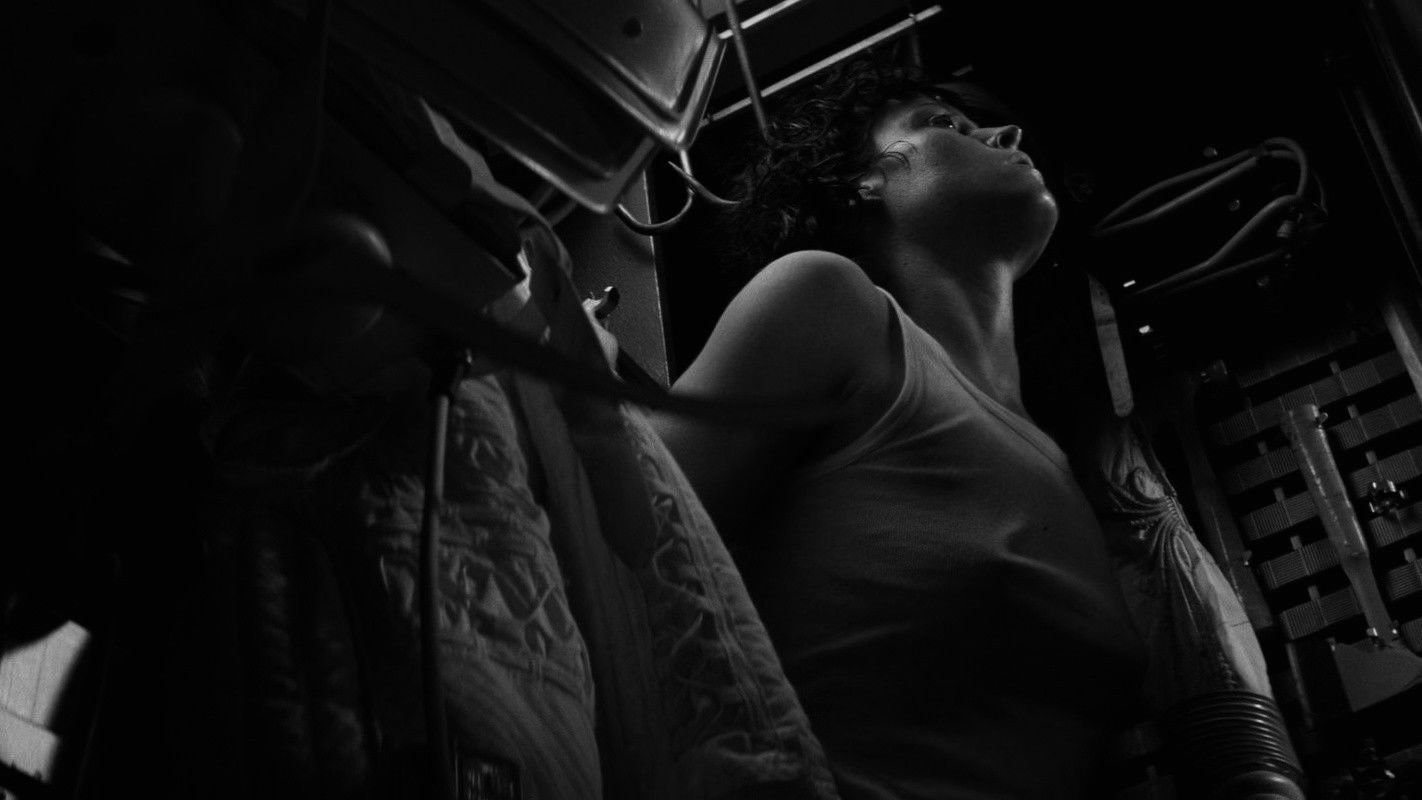
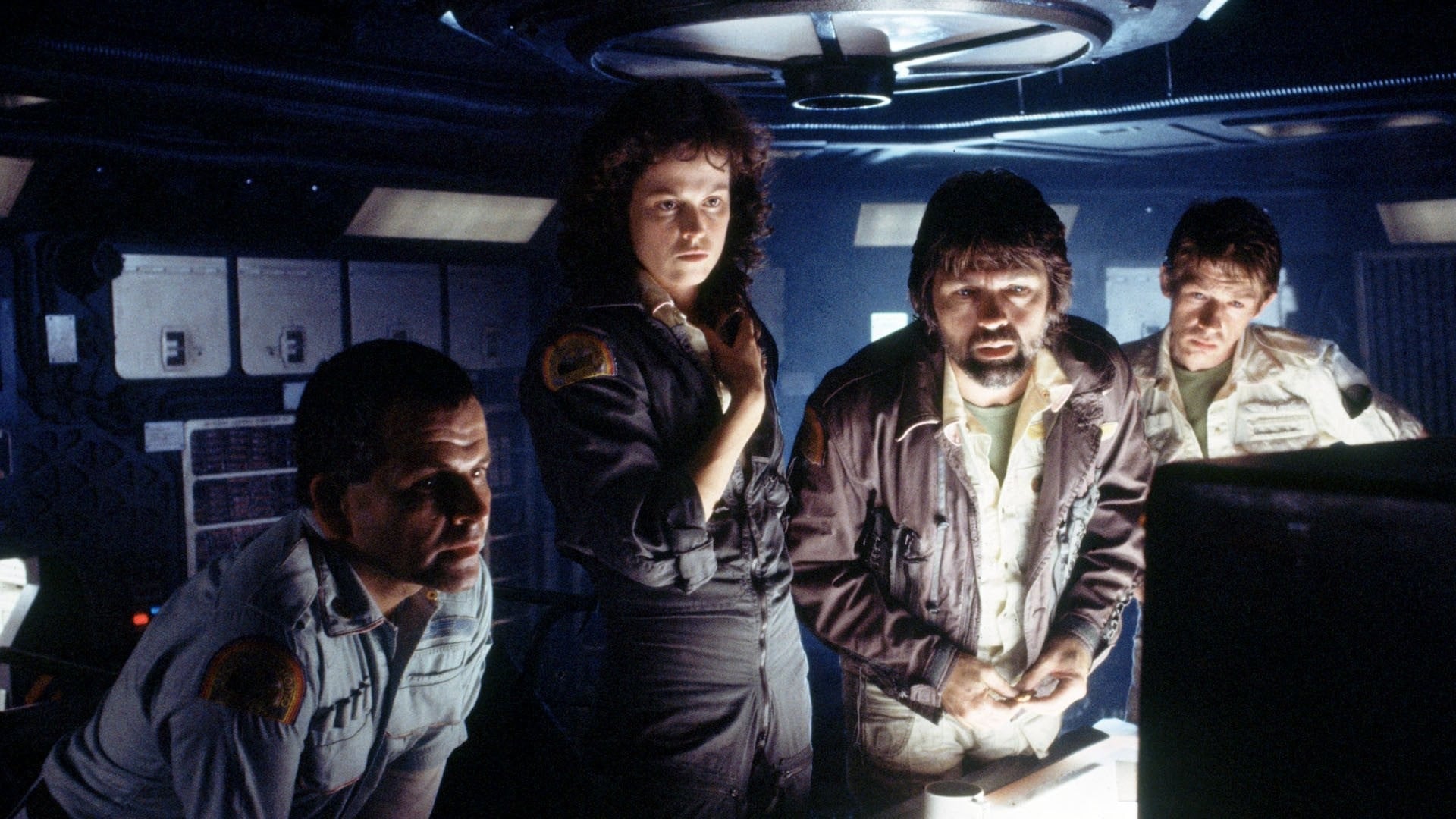
That realism created photographic difficulties. Cinematographer Derek Vanlint was working on his first major feature and had previously collaborated extensively with Scott in commercials. He had to light enclosed four-walled environments with low ceilings, practical computer displays and relatively little space outside the frame for conventional movie lighting. Vanlint and Scott shot anamorphically. Practical fluorescent units, overhead panels, small lamps and light apparently generated by the ship itself became part of the visual strategy. Vanlint designed different lighting states for the Nostromo: its normal working environment and the increasingly unstable condition created as systems fail.

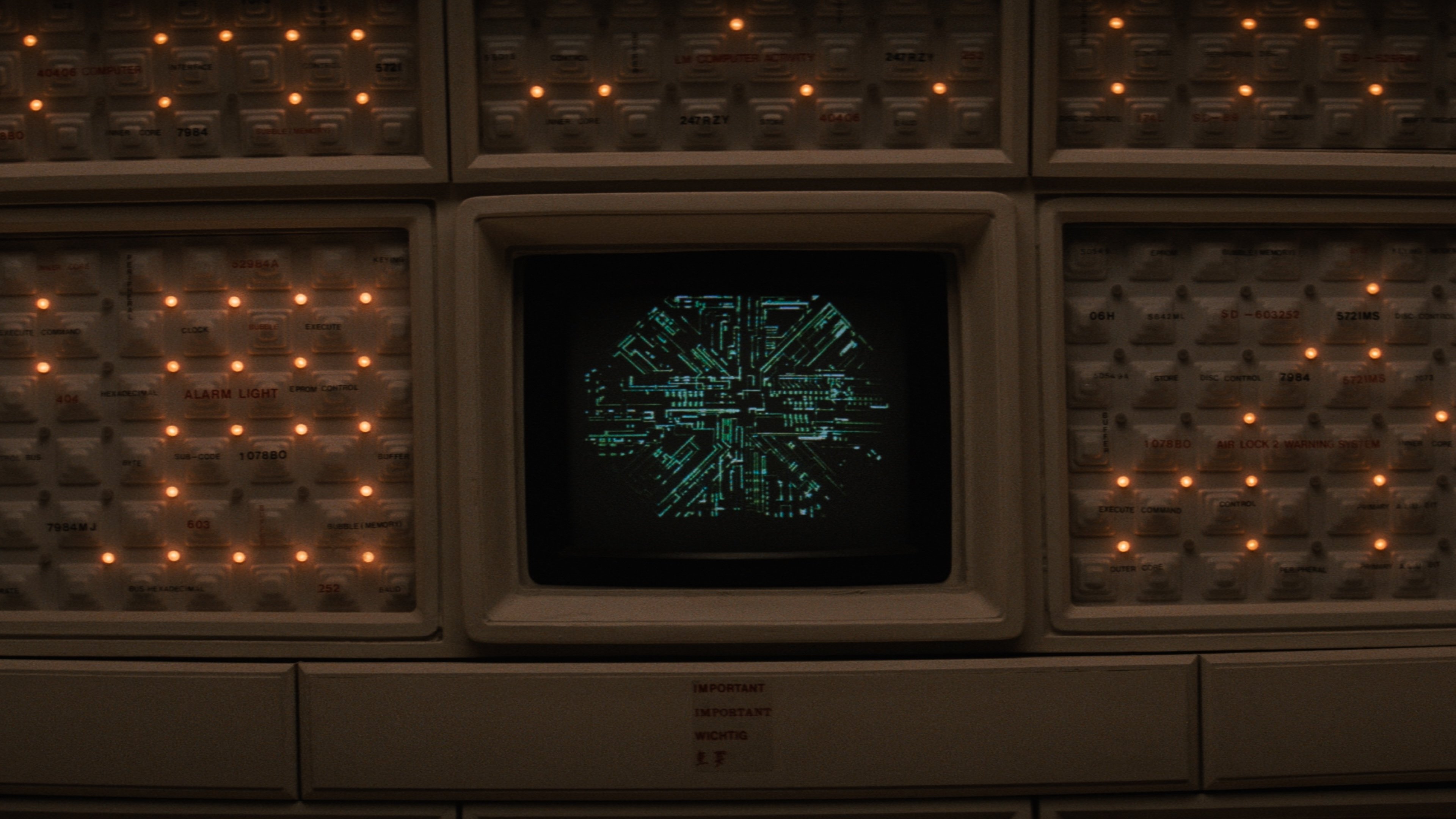
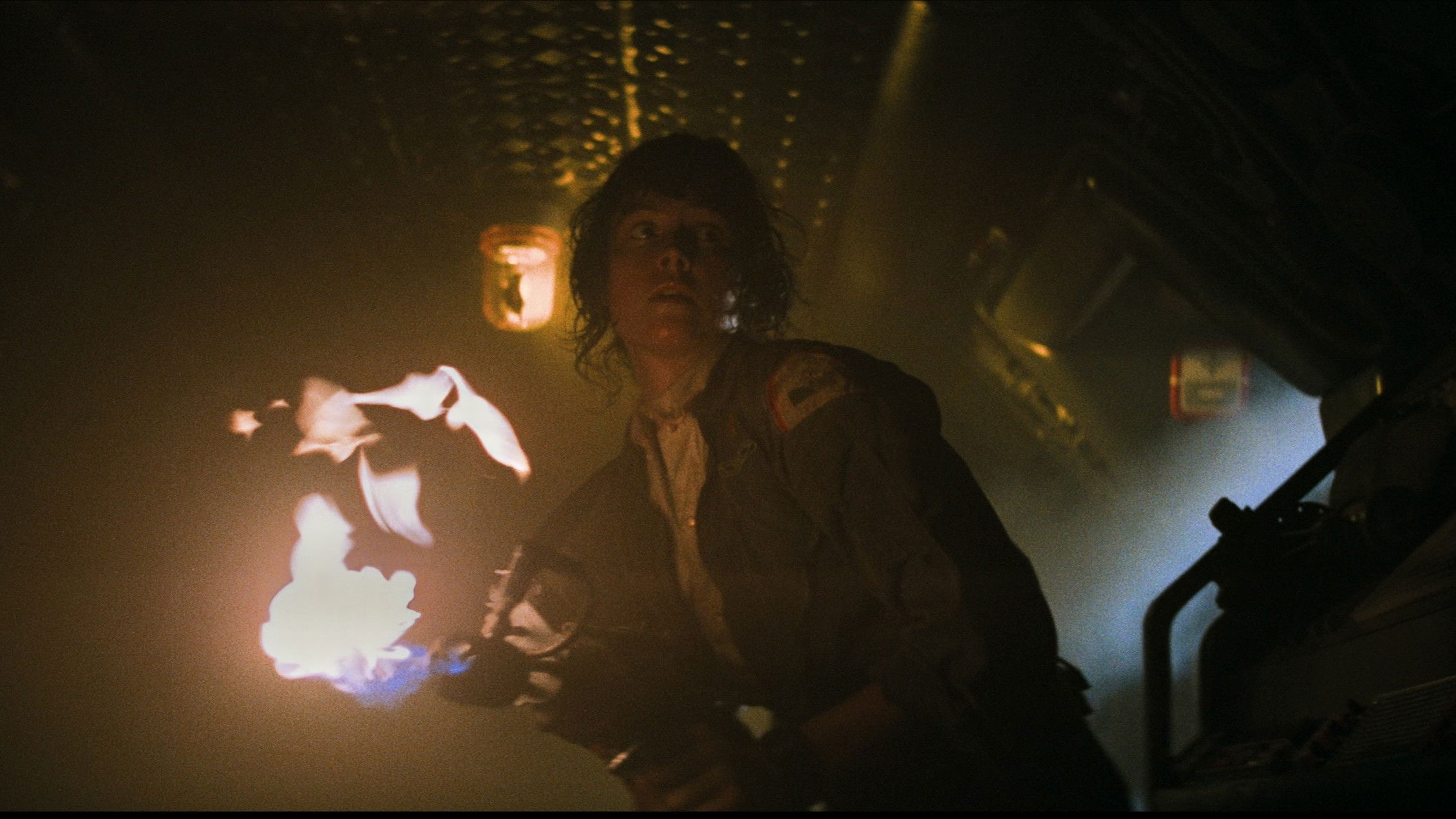
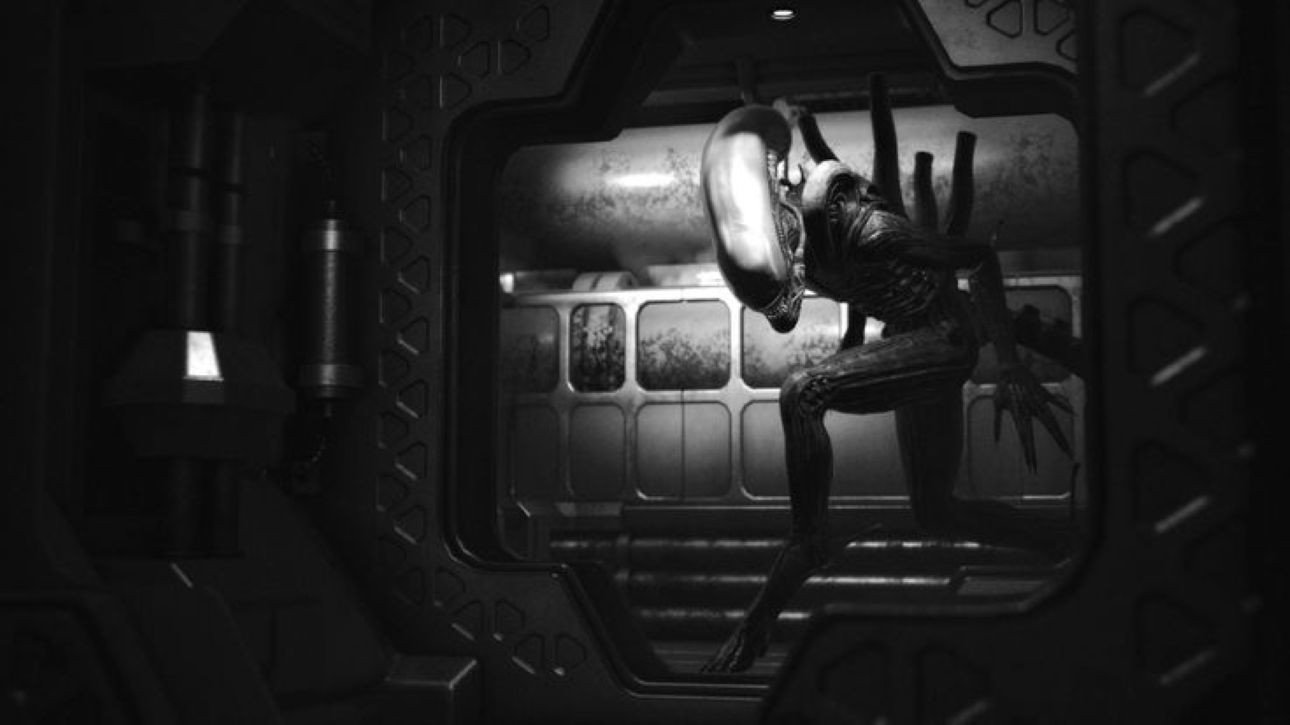
The movie frequently operates at extremely low light levels. Darkness hides portions of the sets and allows the alien to occupy the same visual territory as pipes and machinery. The creature can therefore appear to be part of the ship before movement distinguishes it from the background. The production used two cameras extensively, with Scott himself often operating one while Vanlint operated another. Restricted corridors made elaborate movement difficult, and handheld photography became particularly useful as the crew's situation deteriorates. Vanlint also proposed filming at twenty-five frames per second to simplify synchronisation with the numerous video monitors visible throughout the Nostromo.

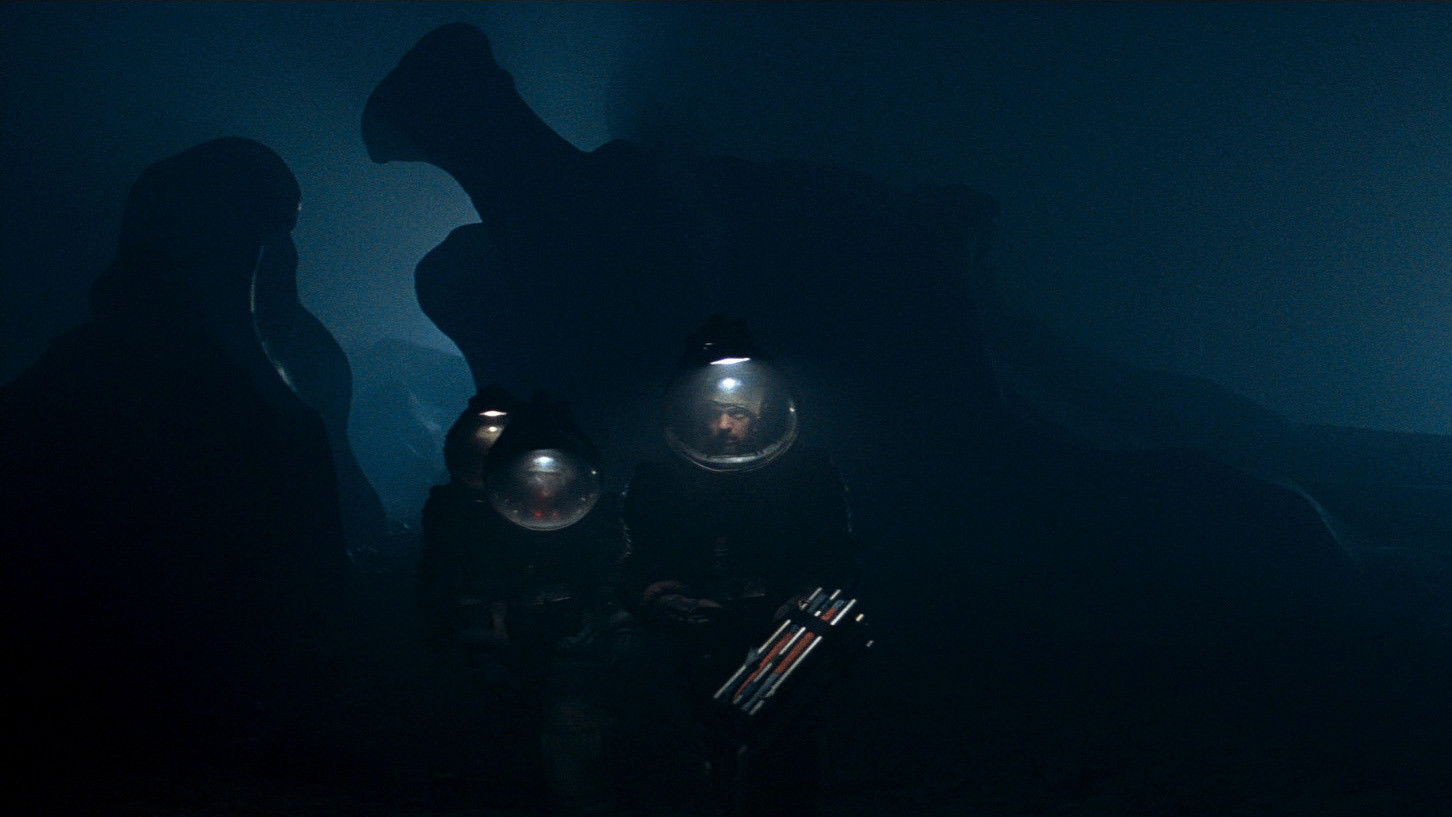
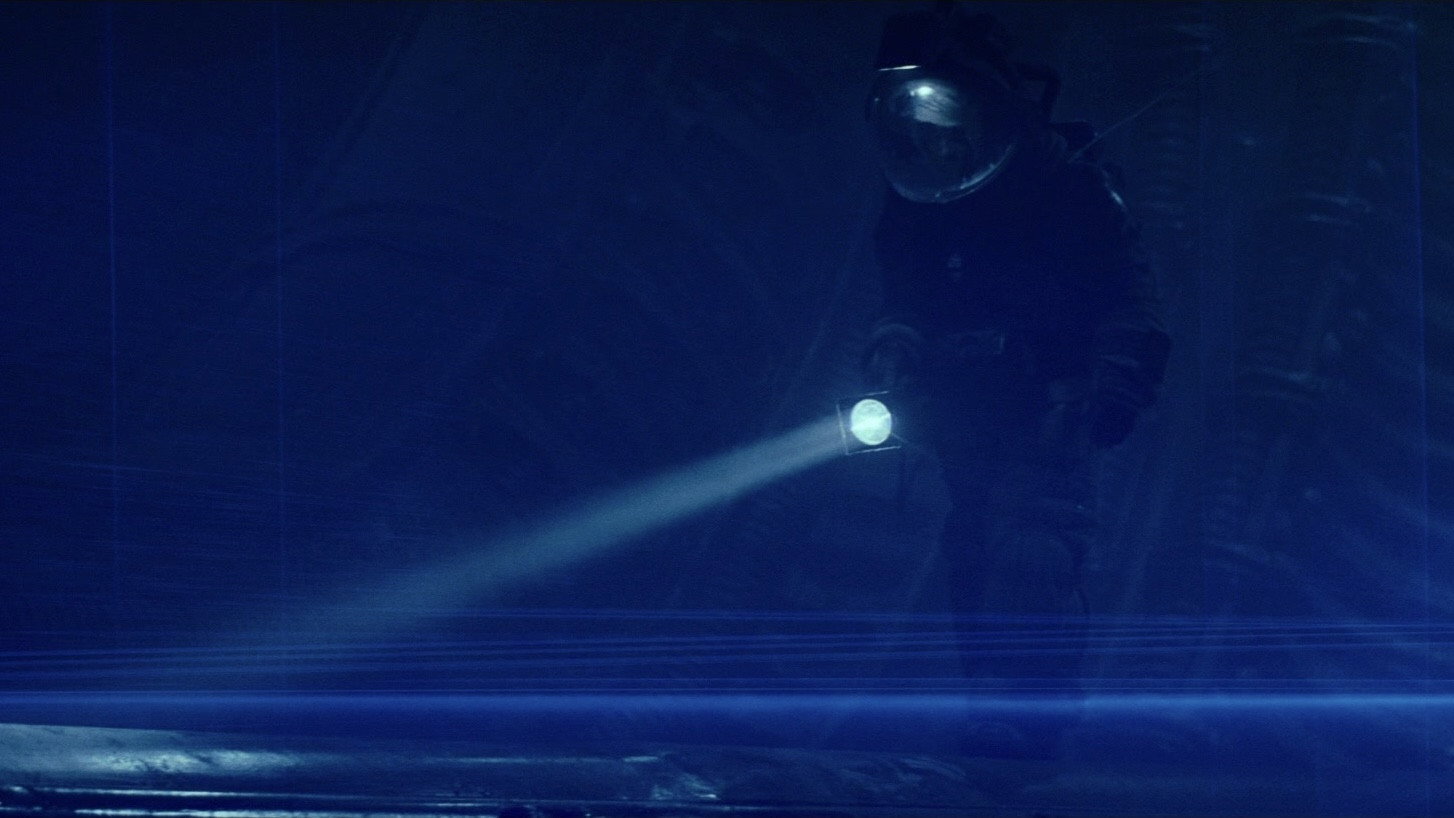
On occasions when monitor scan lines became visible during the ship's breakdown, the filmmakers sometimes accepted the distortion because it increased the impression that systems were failing. For the alien planet, Vanlint faced the opposite problem: enormous sets rather than cramped corridors. Powerful searchlights and a large multi-lamp unit provided broad illumination, while smoke, water and backlight gave artificial rock and spacecraft surfaces additional depth. The visual result is crucial to the film's horror. Alien is dark, but its darkness does not disguise an underdeveloped world. There is enough physical detail behind the shadows to suggest that the camera could turn in any direction and discover another functioning part of the environment.

The Xenomorph, Bolaji Badejo & Practical Creature Effects

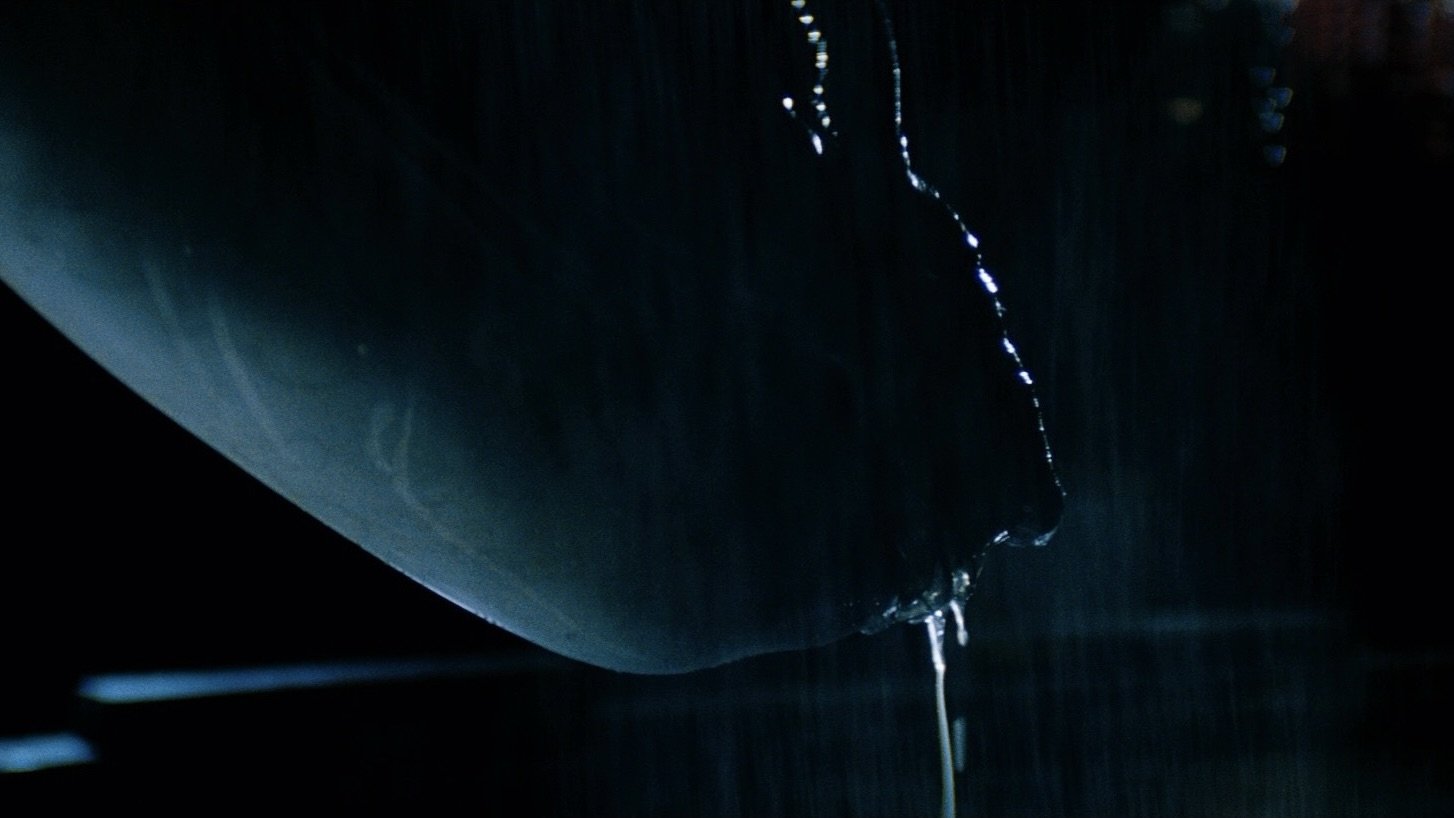
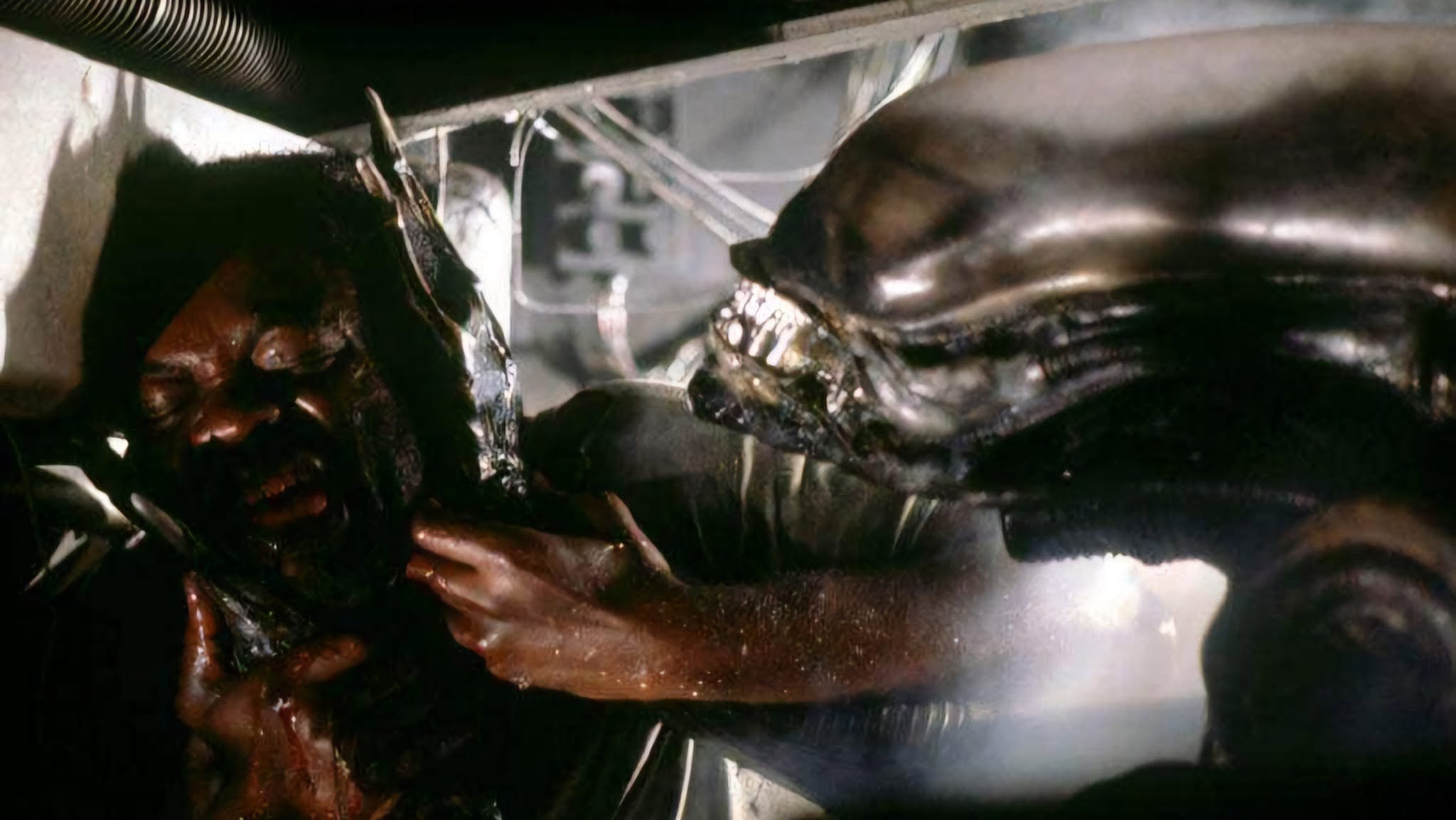
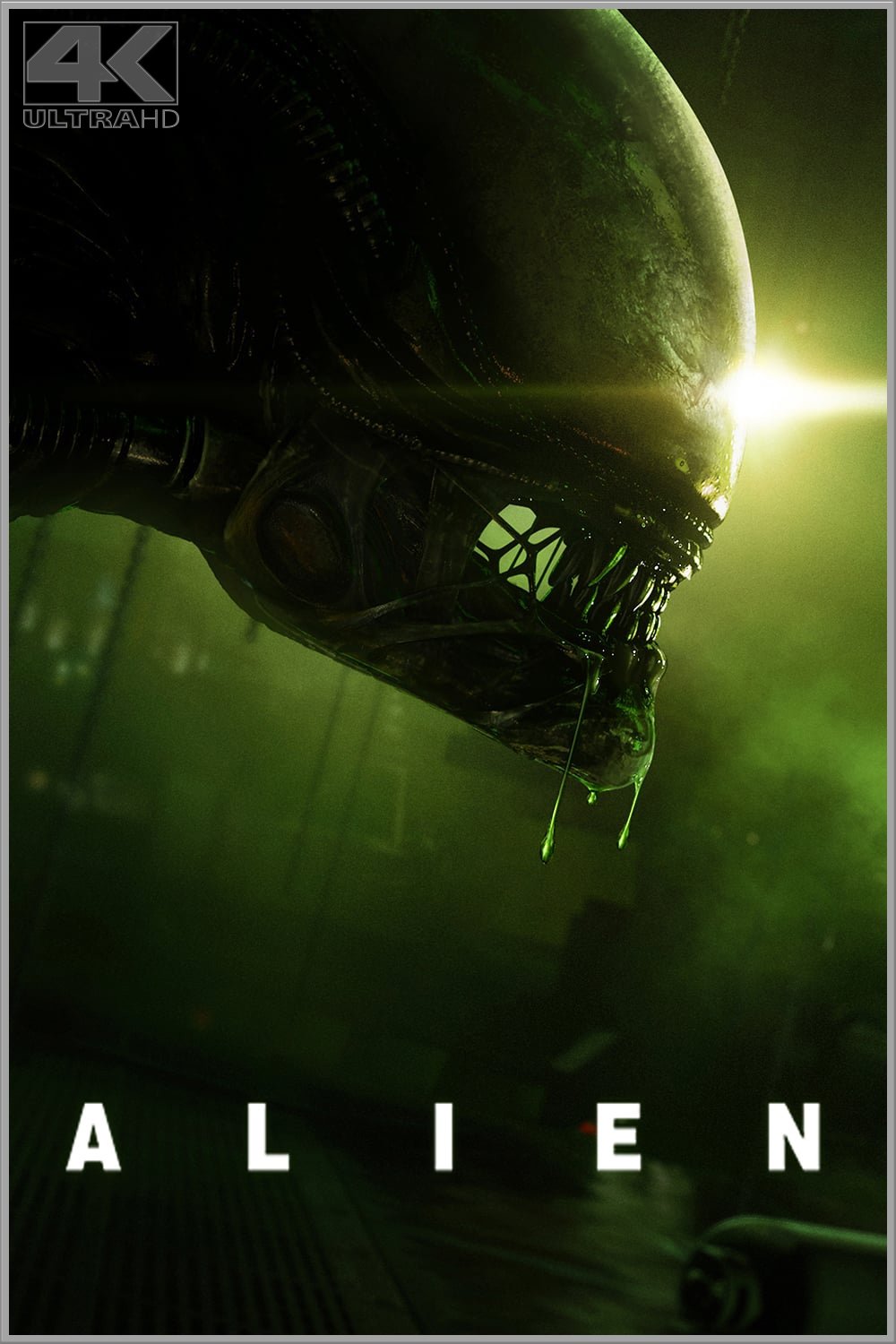
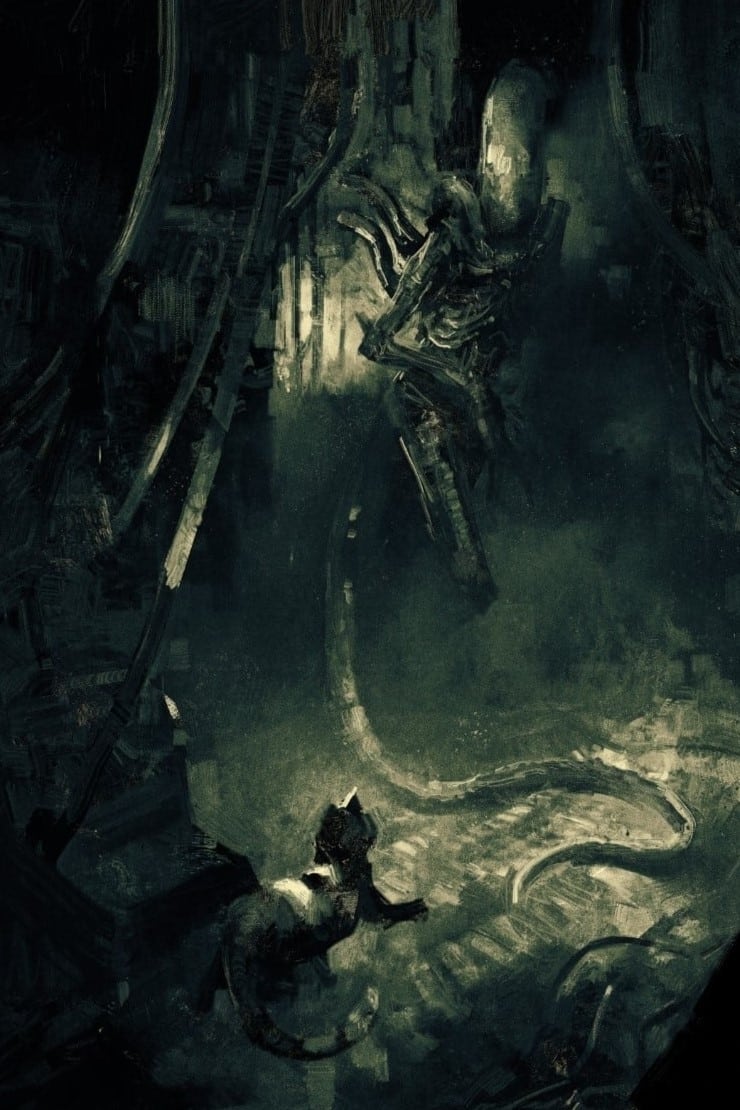
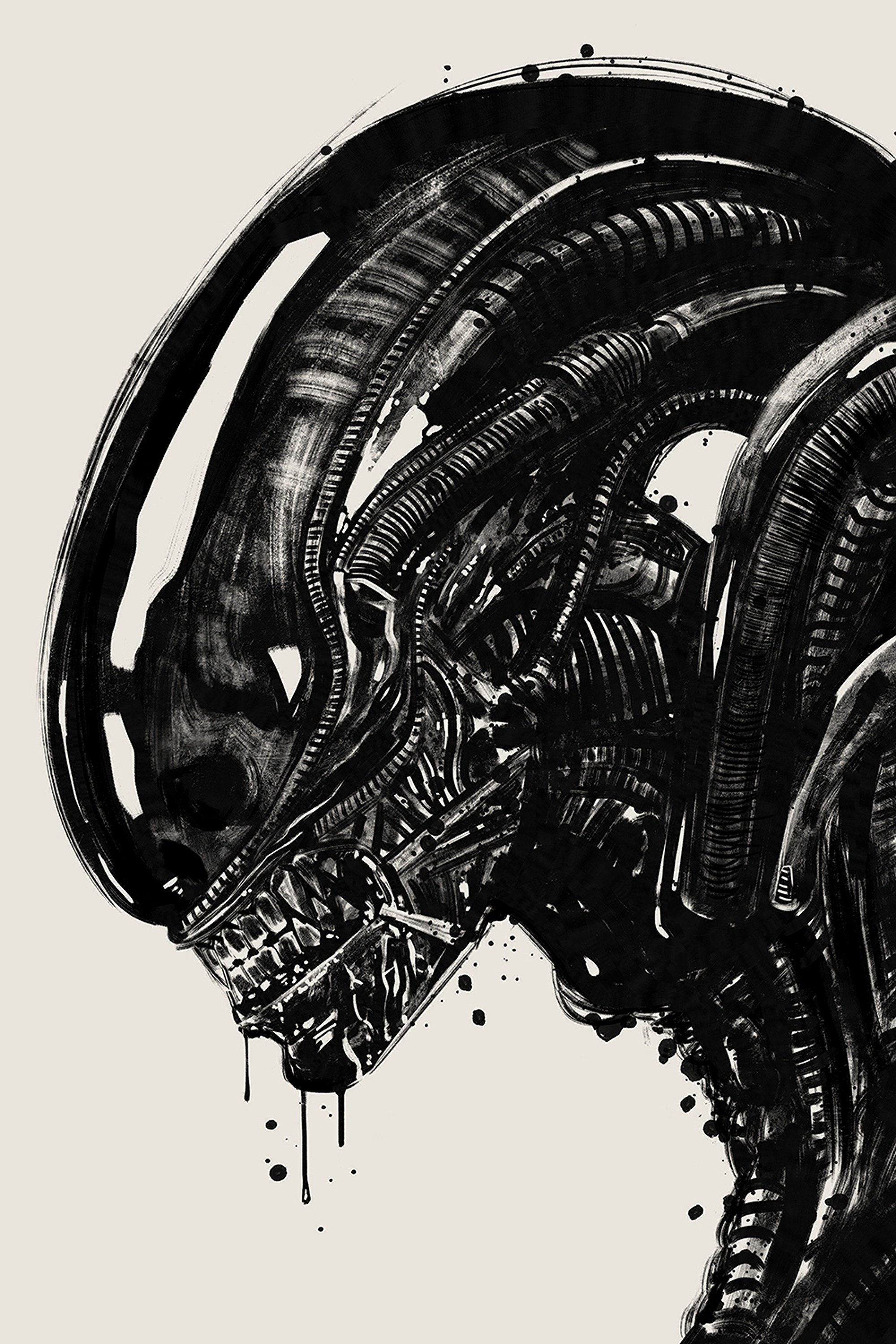
The adult creature began from Giger's biomechanical art but required collaboration between designers, sculptors, performers and mechanical-effects specialists before it could exist on screen. Its body deliberately avoids the proportions of an ordinary performer in costume. Nigerian graphic-design student Bolaji Badejo was selected largely because of his exceptional height, long limbs and narrow frame. Those proportions allowed Giger's design to preserve an elongated silhouette that did not immediately read as a conventionally built human being. Badejo received movement training to help combine grace with sudden violence. Scott also avoids giving the audience prolonged, evenly illuminated views of the creature.

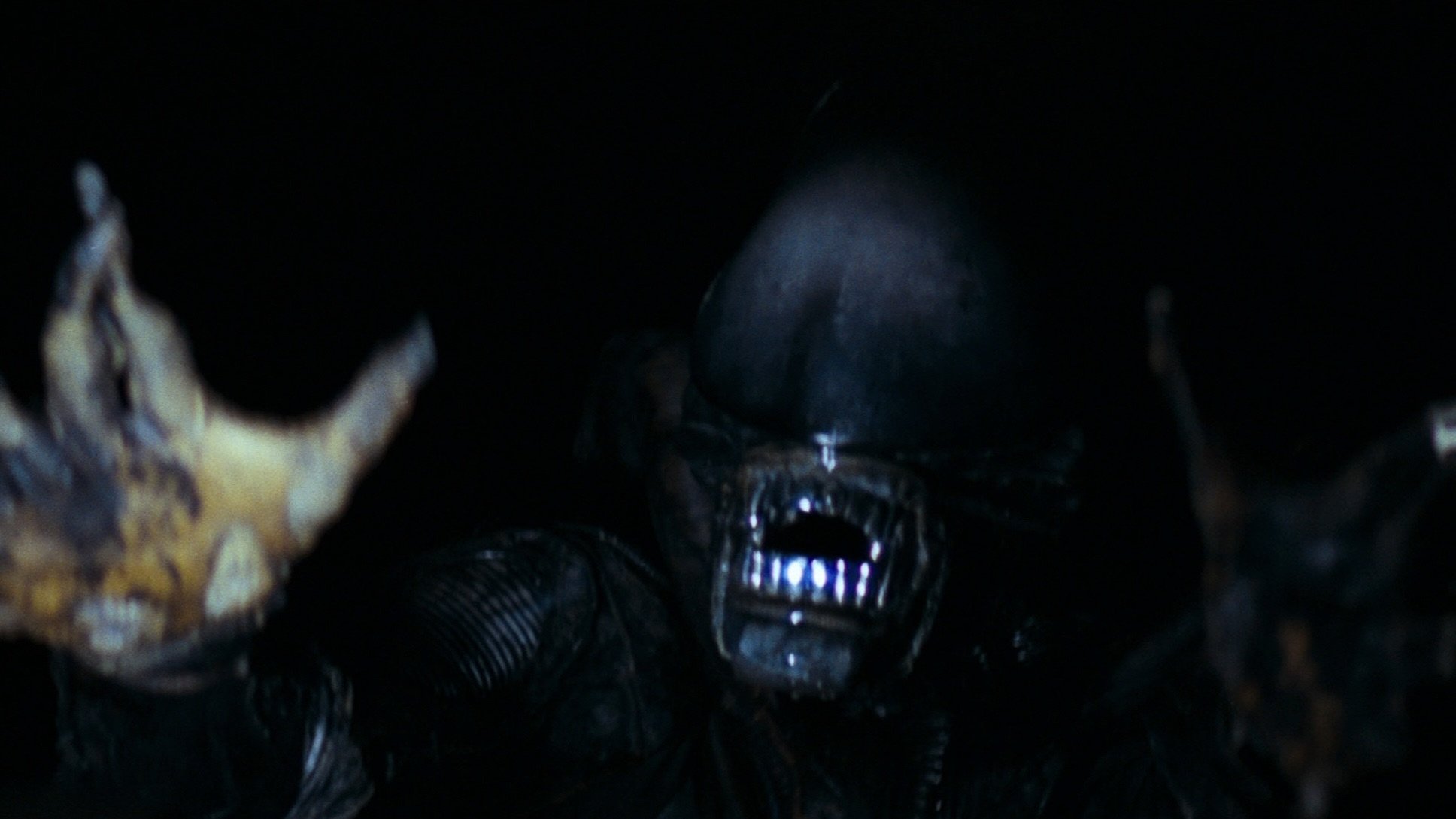
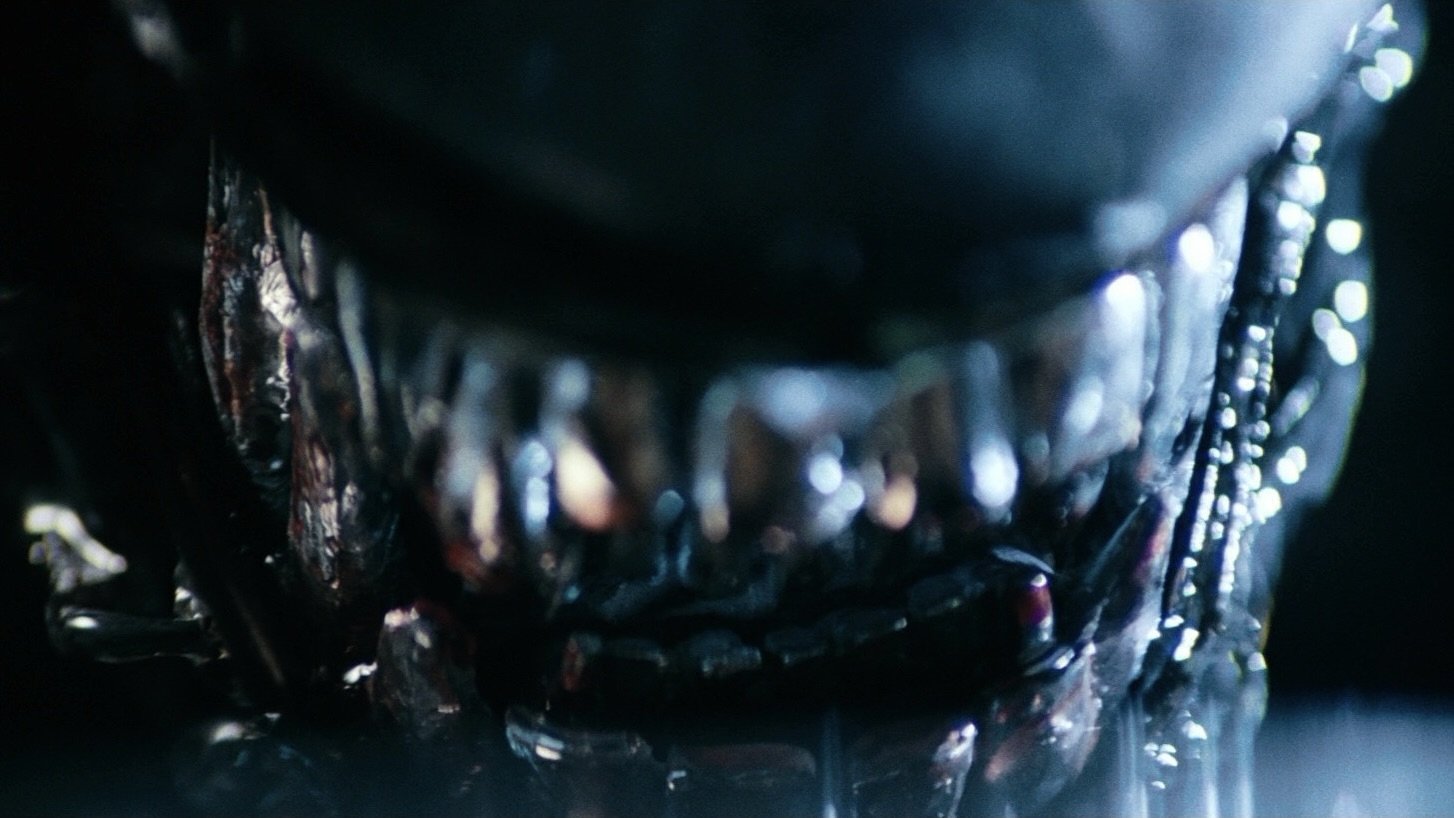
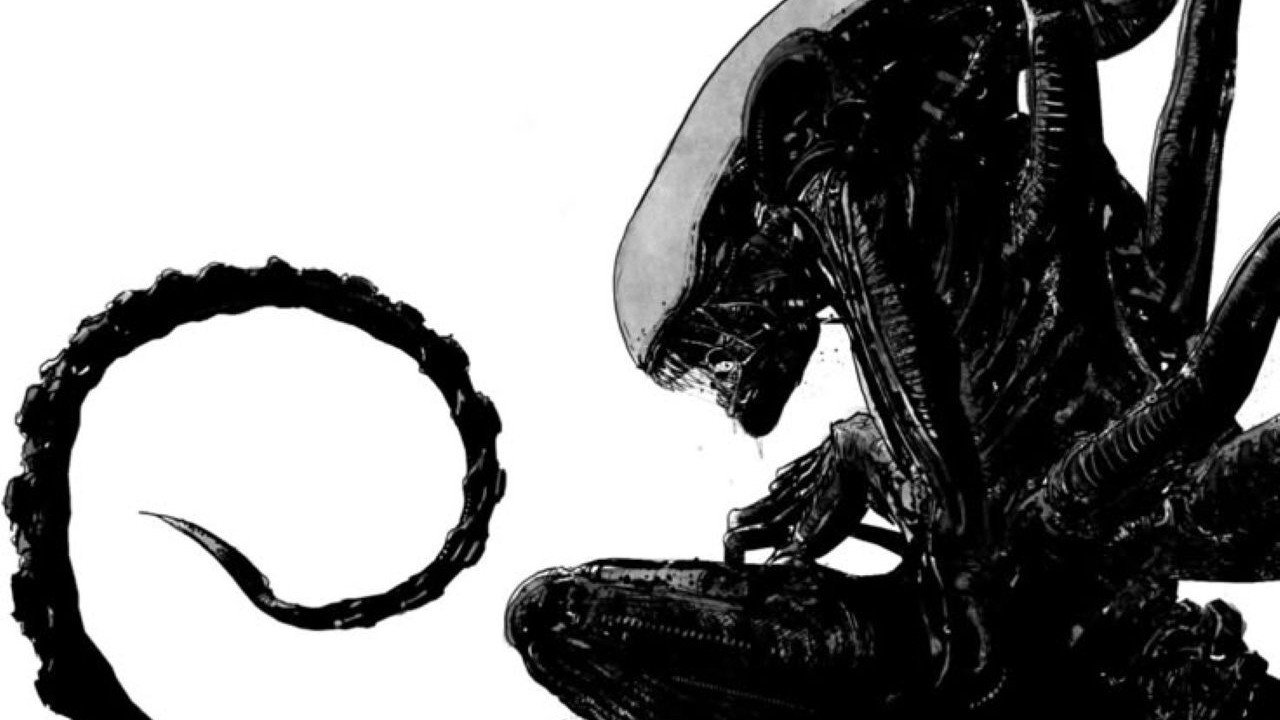
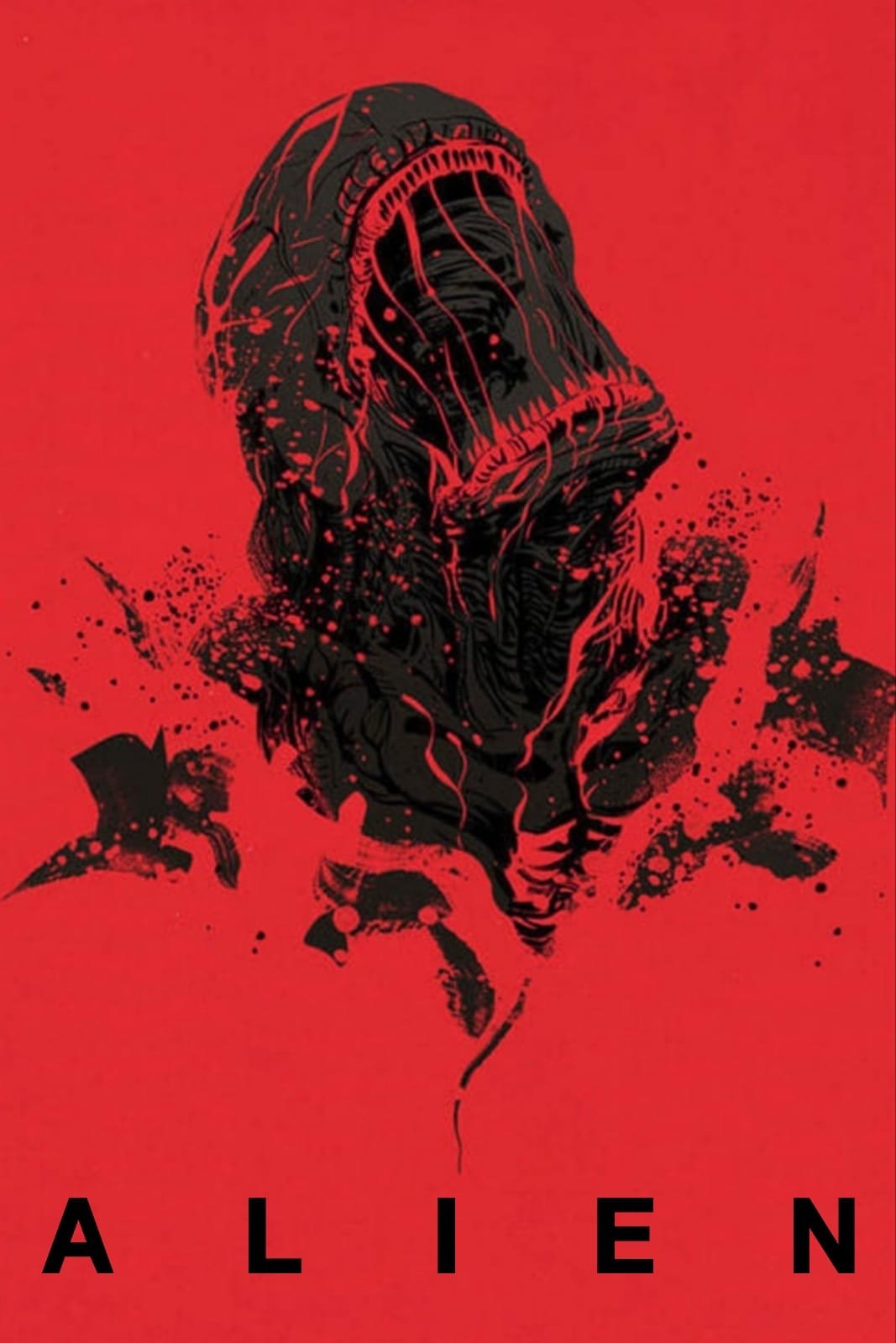
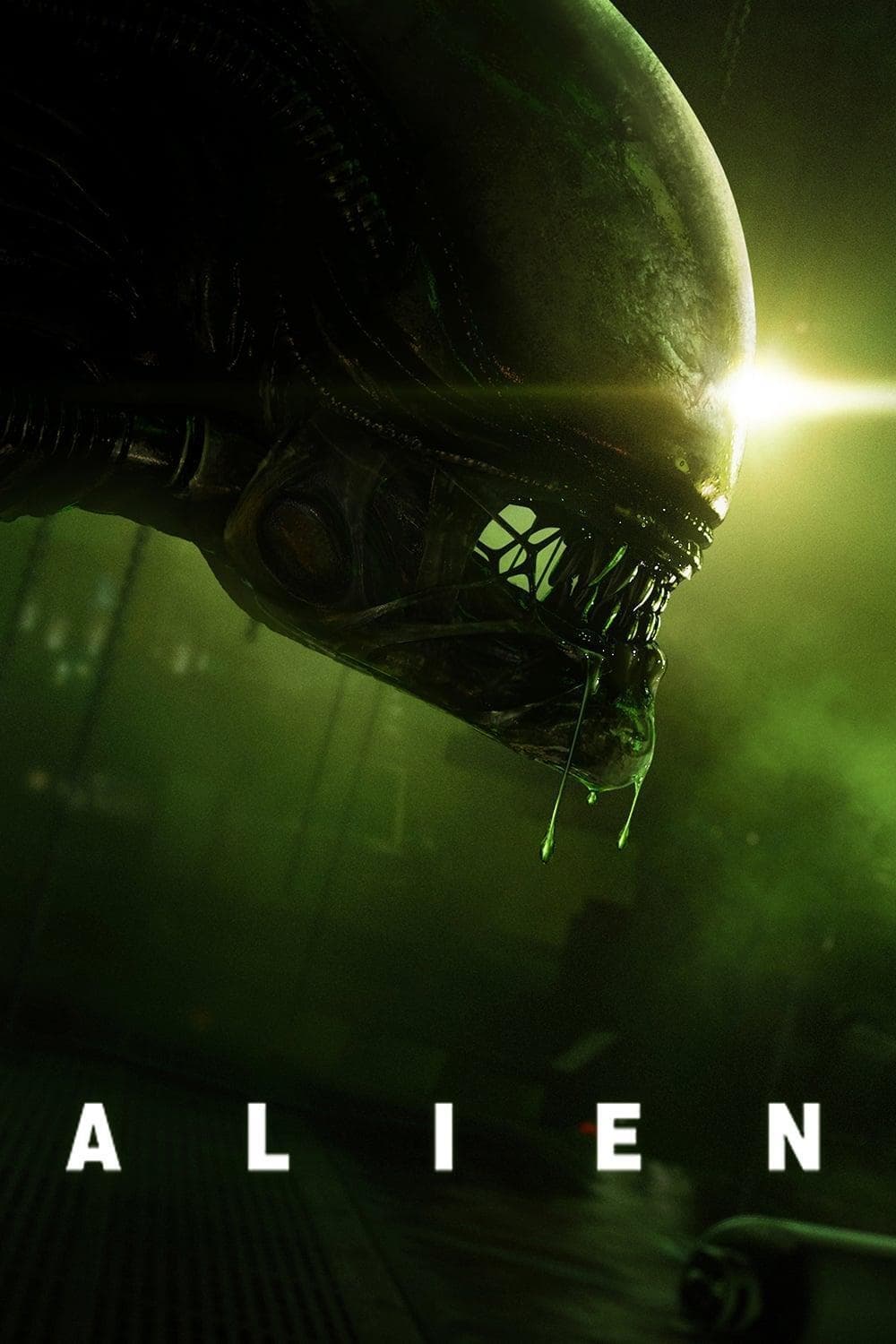
Individual details become more familiar than its complete anatomy: the elongated head, metallic teeth, skeletal body and secondary jaw. Giger personally incorporated real bones and manufactured components into aspects of the suit and sets. The intention was explicitly biomechanical: anatomy and technology should appear fused. The head required additional mechanical work. Carlo Rambaldi developed mechanisms for the articulated jaw and projecting inner mouth, giving the creature a movement that could not be produced solely by the performer inside the suit.

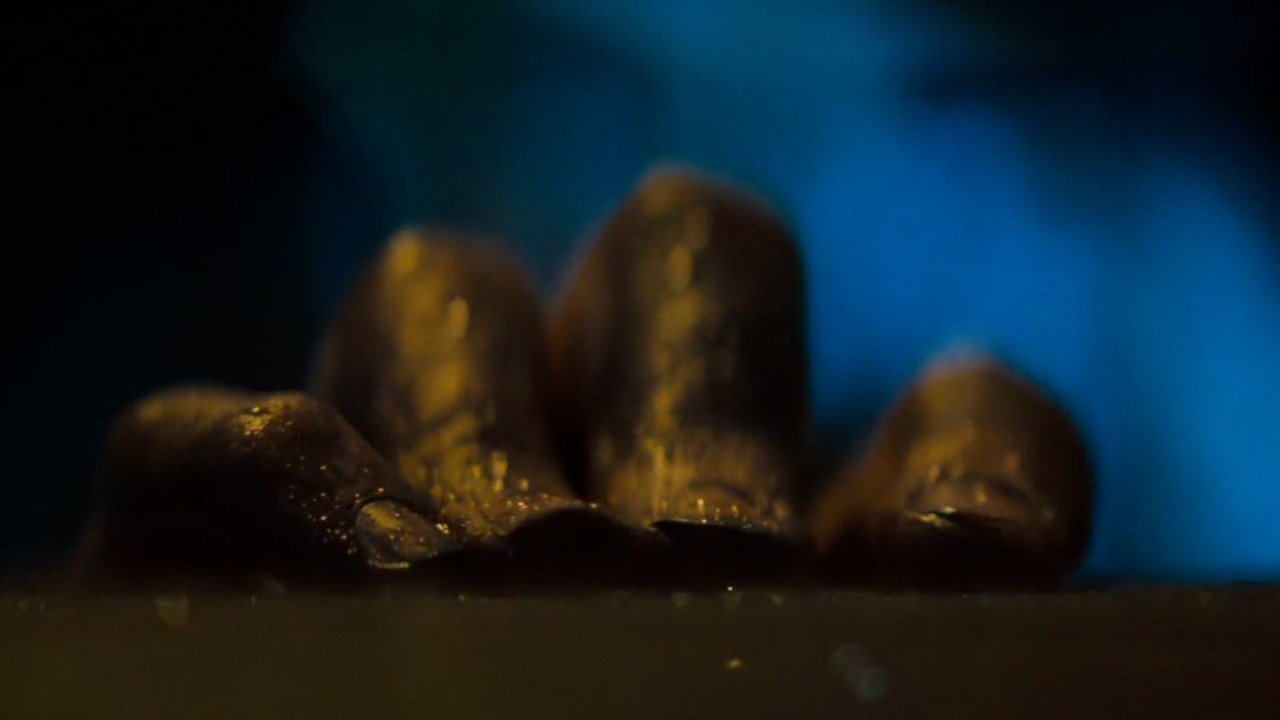
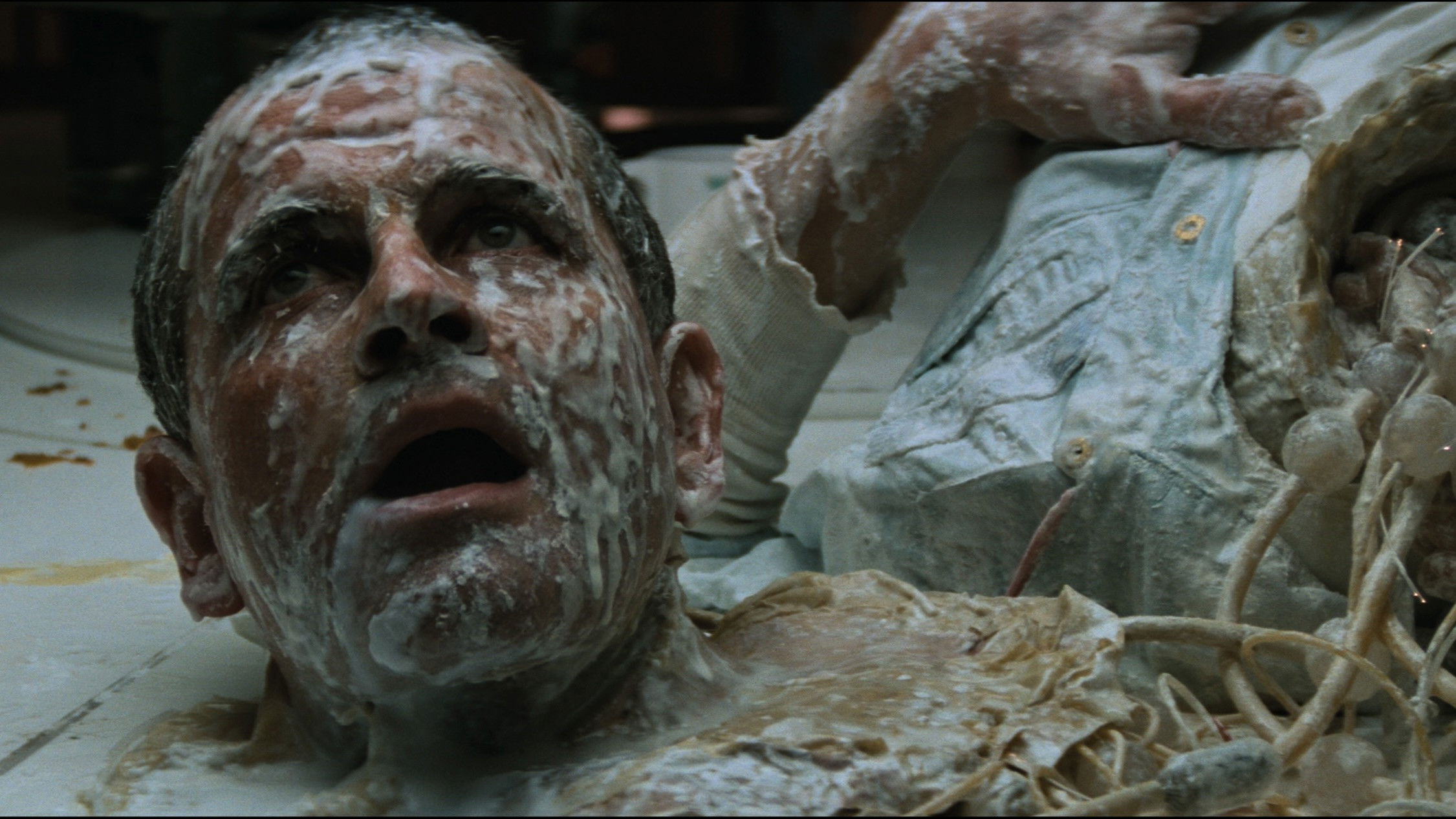
The earlier stages of the life cycle required entirely different techniques. The facehugger was constructed as a physical organism able to grip Kane's head and react when the crew attempts to remove it. Its pale, hand-like form makes the method of attack recognisable while remaining biologically unfamiliar. The egg chamber similarly depended on tactile material. Practical components, smoke and laser light gave the environment density. For individual egg shots, animal organs and other organic materials were used to create movement and wet anatomical surfaces. The chestburster completed the lifecycle with the film's most famous practical effect.

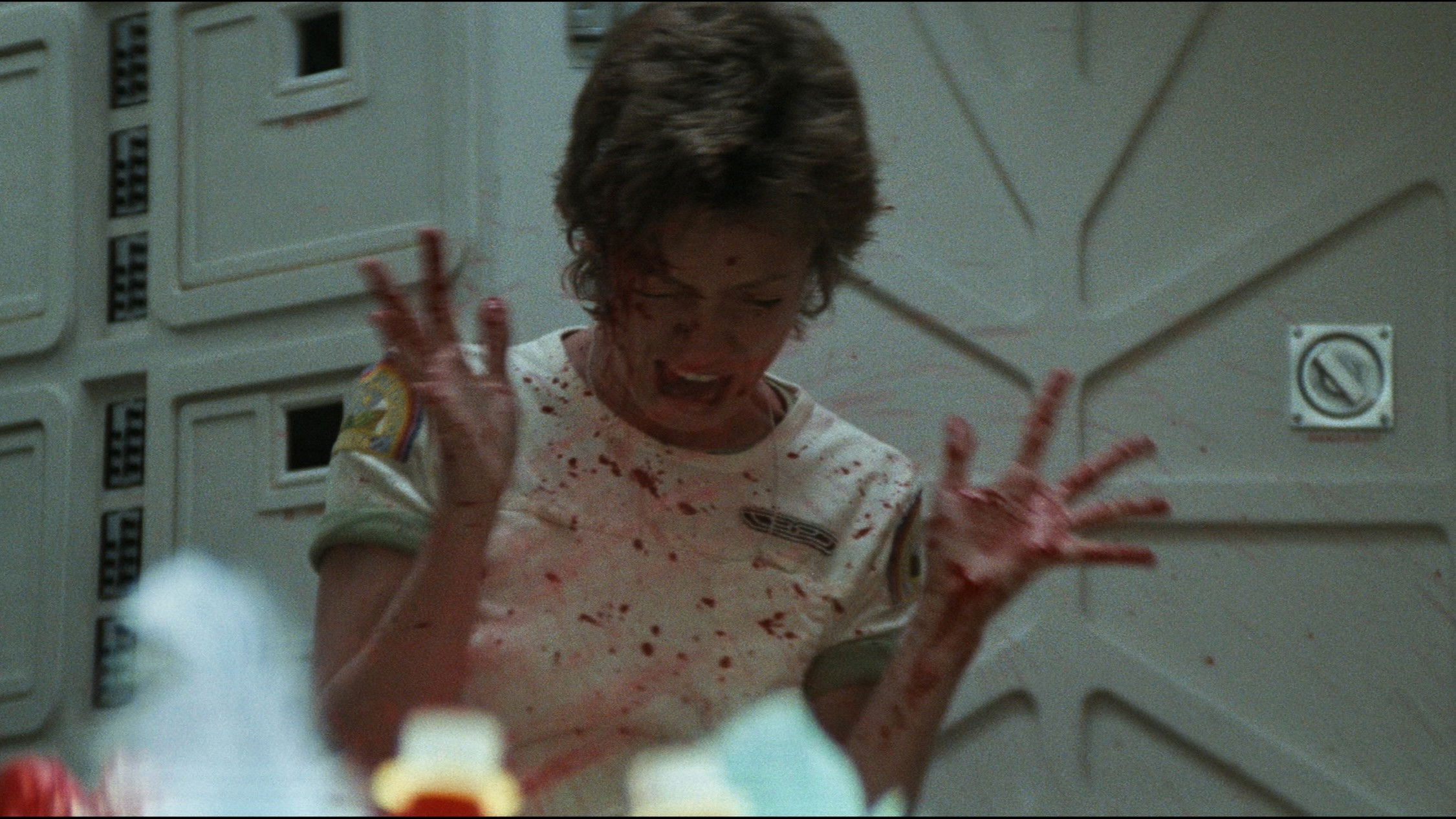
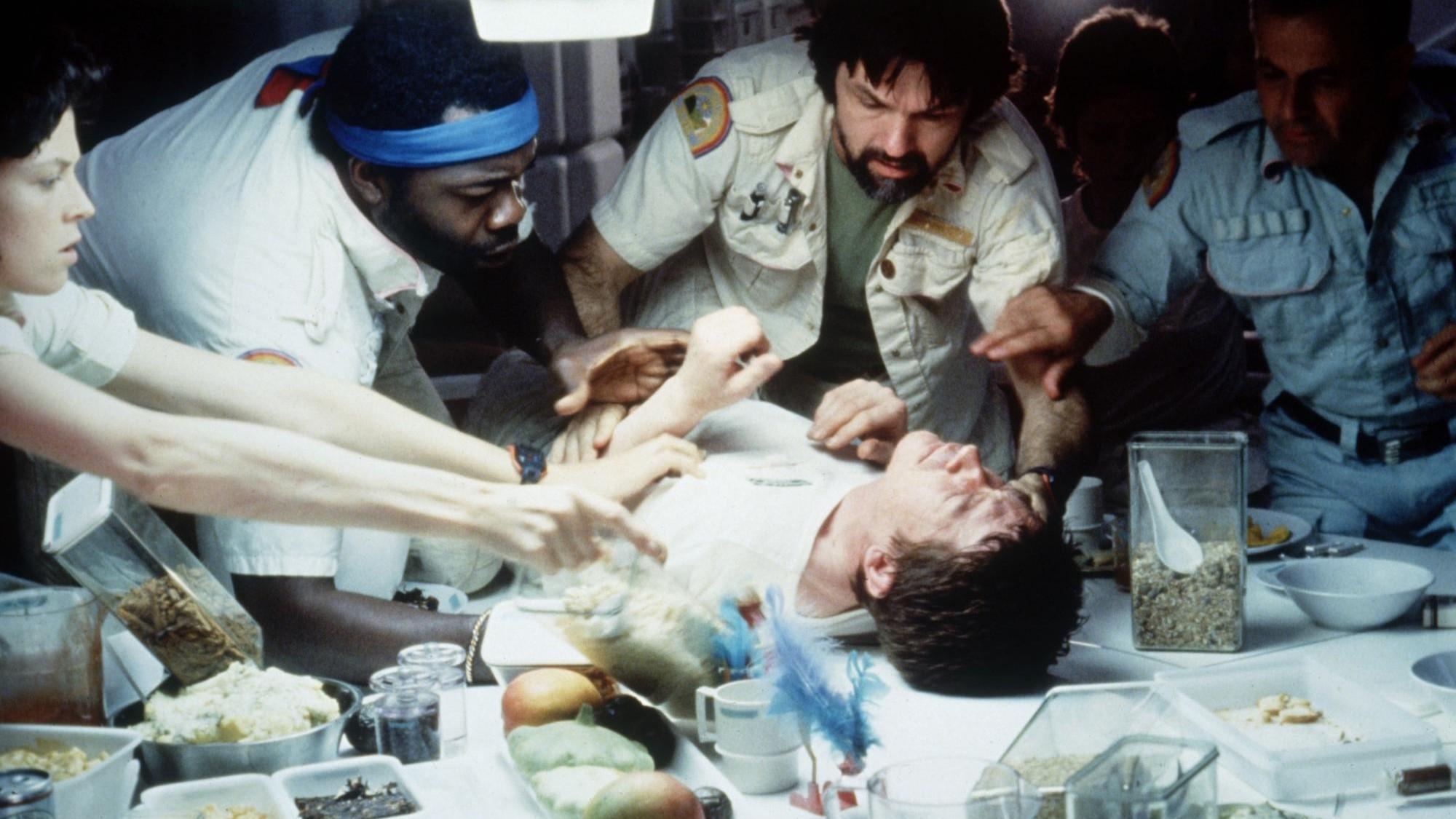
Giger's designs and the effects department's mechanical construction transformed an idea that could easily have looked absurd into an event whose physical messiness makes it convincing. A persistent myth claims that the cast had no idea what was going to happen during the scene. They had read the screenplay and knew that a creature would emerge from Kane. What they did not fully know was how the effect would be executed or the extent to which blood and organic material would be thrown across the set.

Veronica Cartwright was told she might receive some blood but did not expect the jet that struck her directly. The difference between knowing the narrative event and experiencing its physical execution gave Scott reactions that feel less controlled than conventional performance. The effects achievement extended beyond that single scene. Brian Johnson, Nick Allder and Denys Ayling supervised major model, mechanical and photographic work alongside Giger and Rambaldi. Their combined contribution would later receive the Academy Award for Visual Effects.

Ripley, Ash & a Crew Designed as Workers

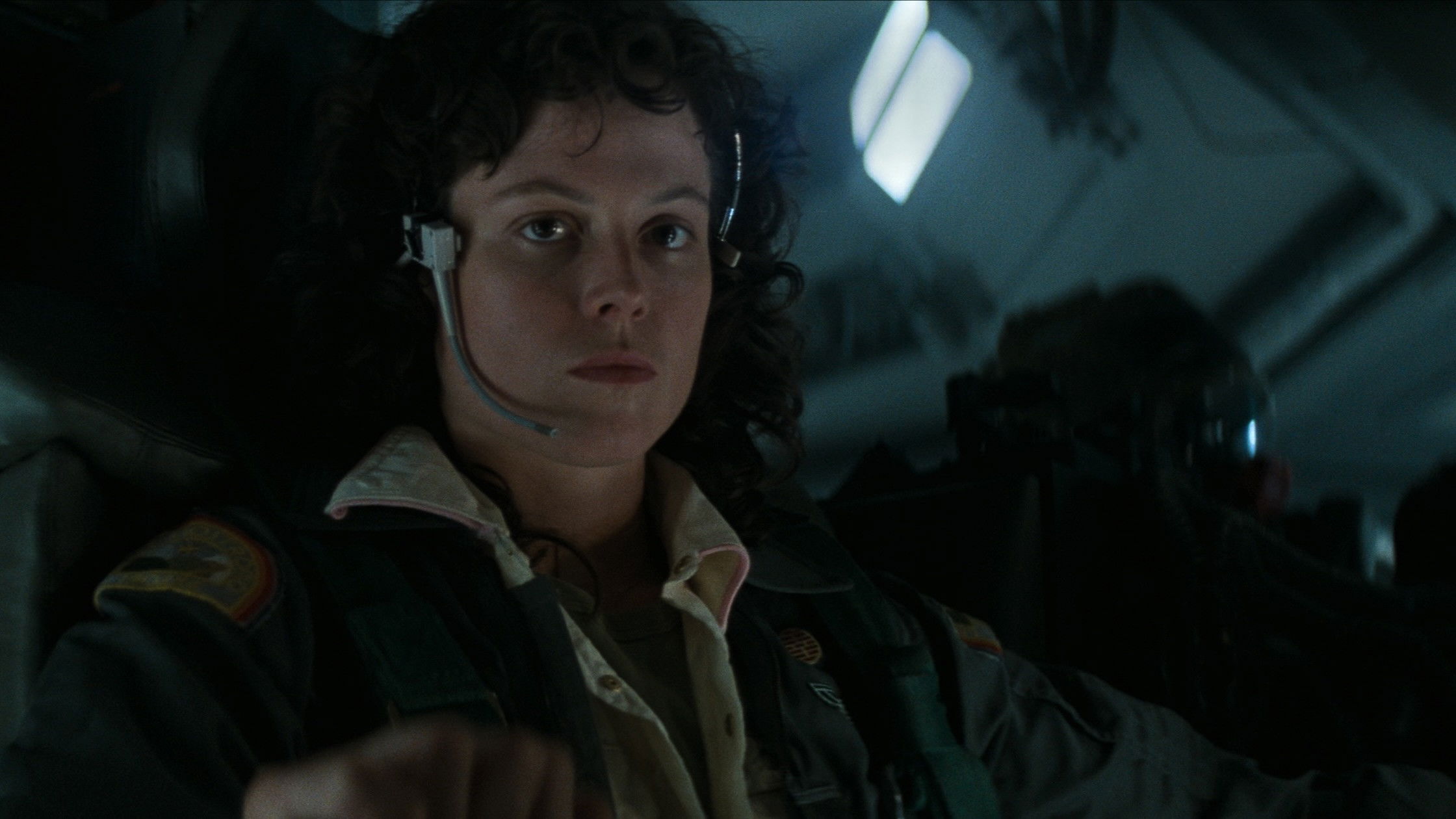
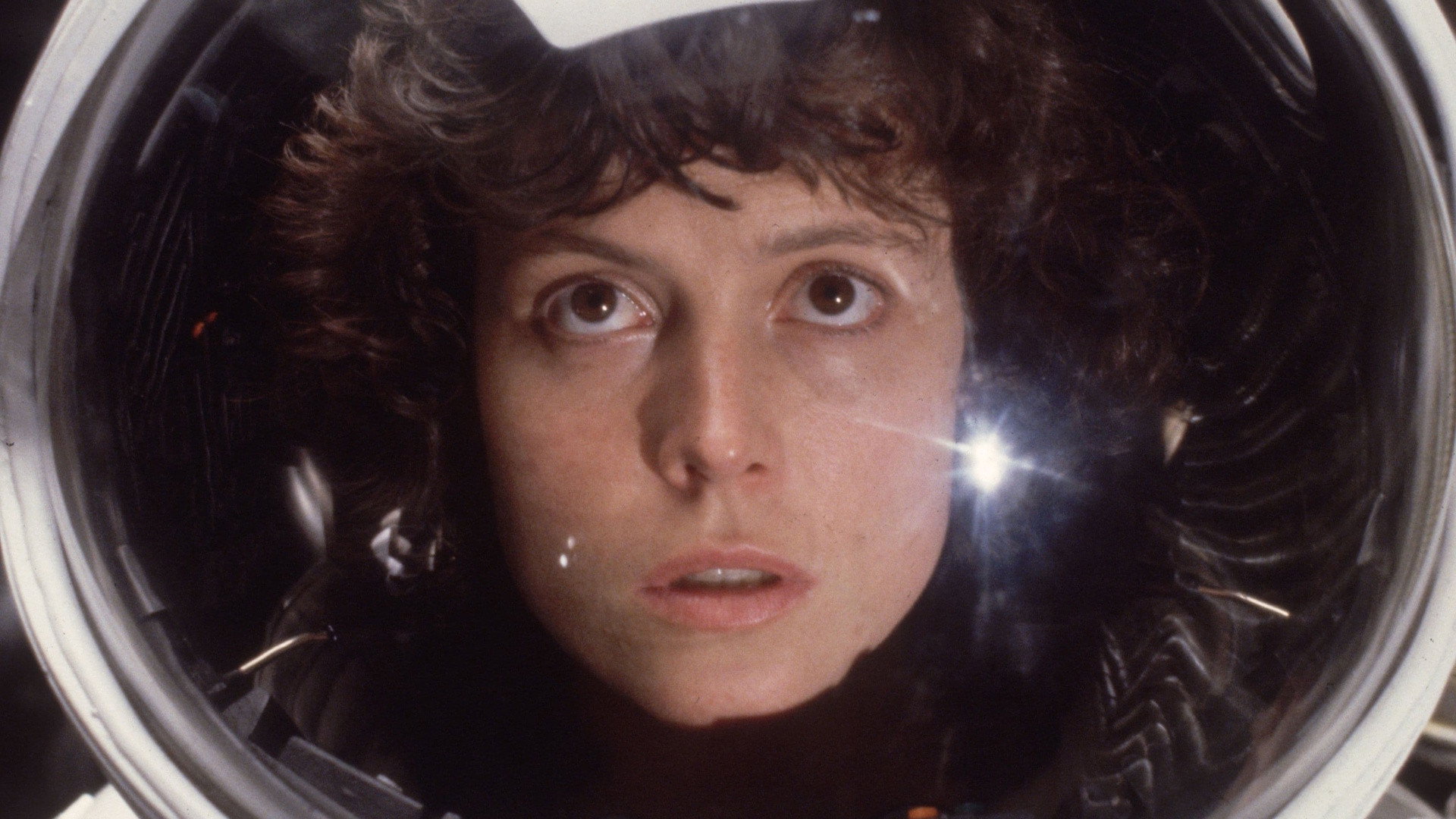
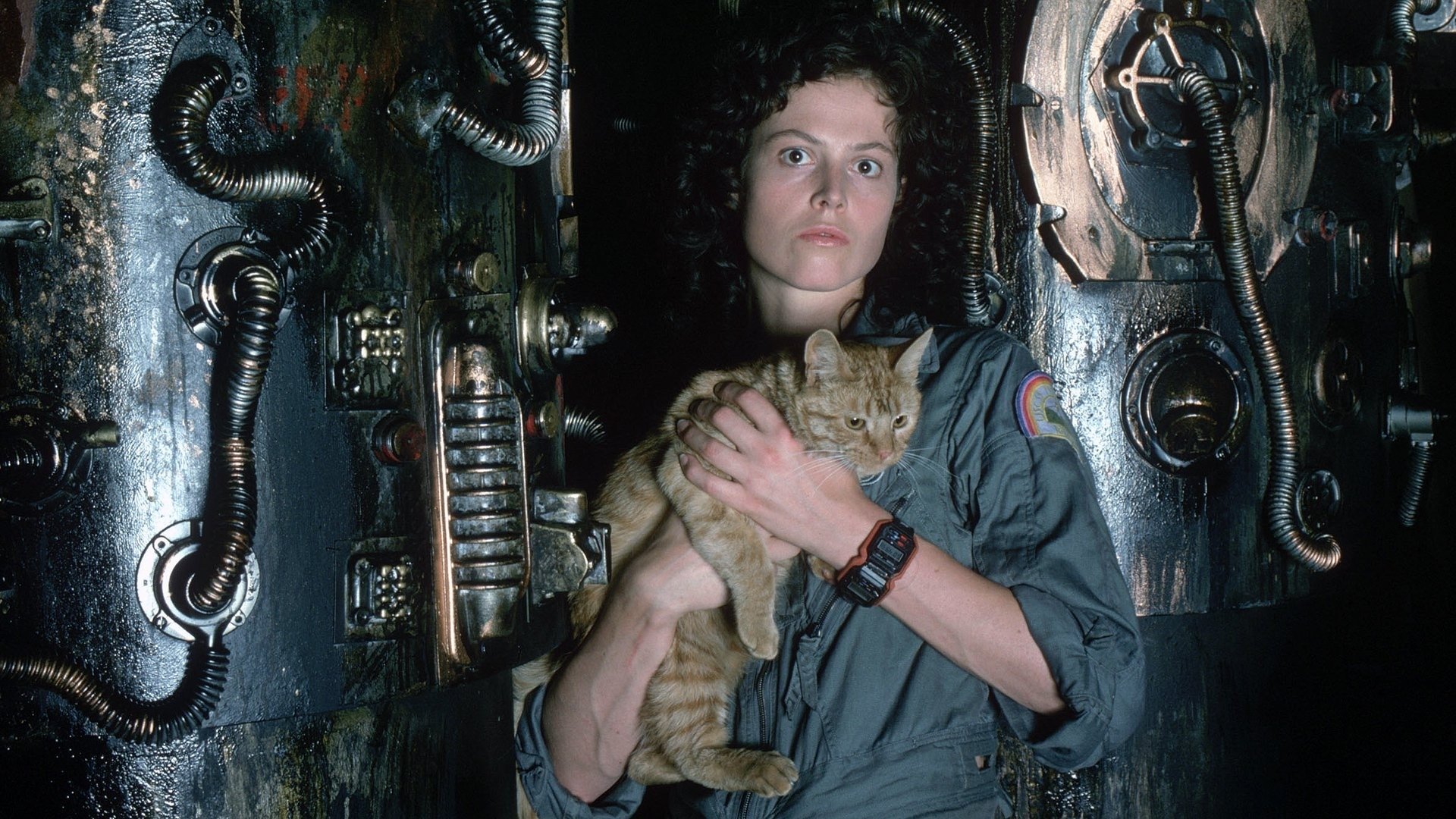
One of Alien's most consequential decisions involved casting rather than special effects. The original characters were conceived so that gender did not have to determine who played them. During development, two roles became female, including Ripley. Sigourney Weaver had primarily worked on stage and had almost no feature-film profile when she was cast. Alien became her first major film role. That lack of star status benefited the structure because the film initially does little to announce that Ripley will become its central survivor.

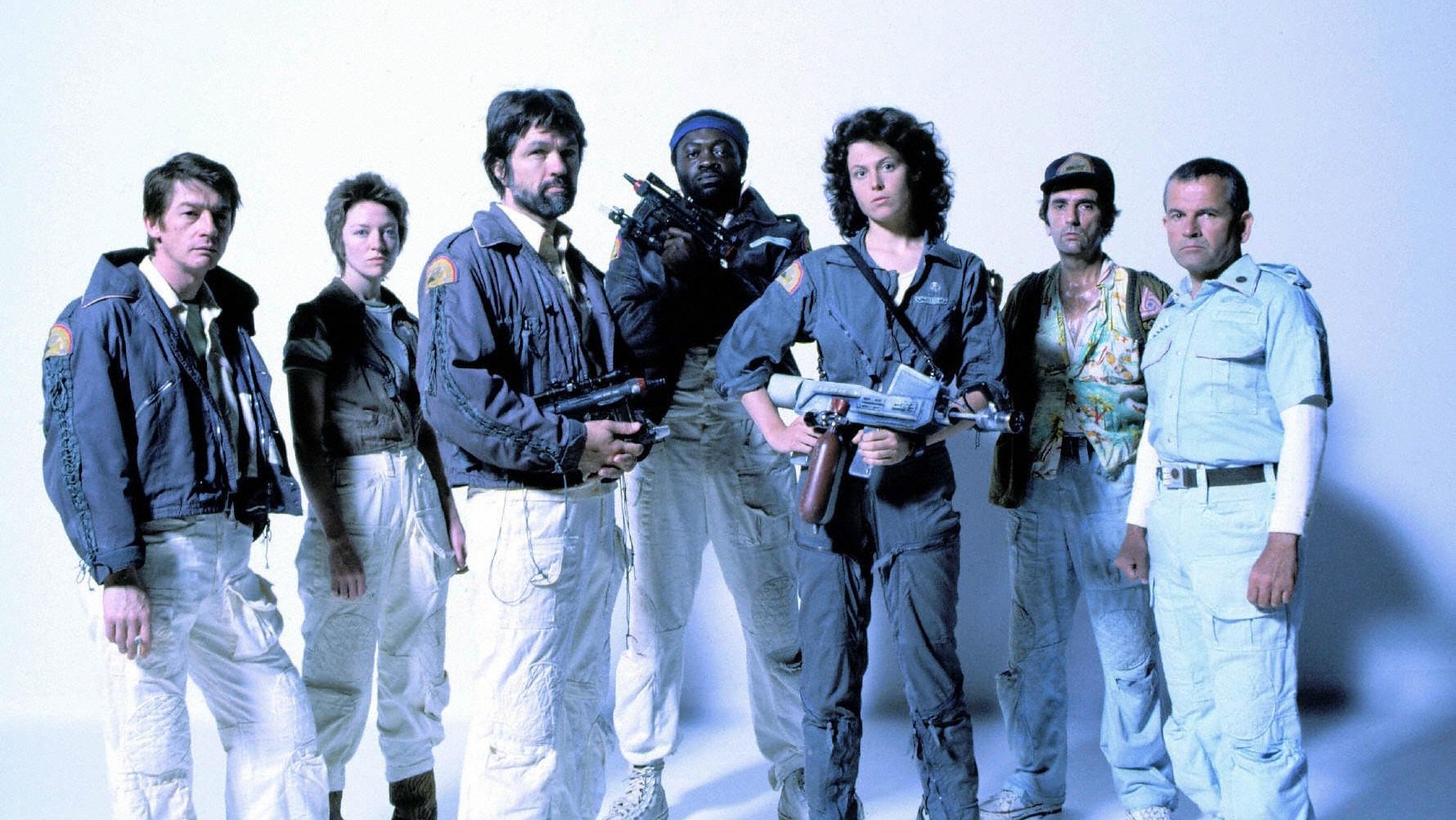
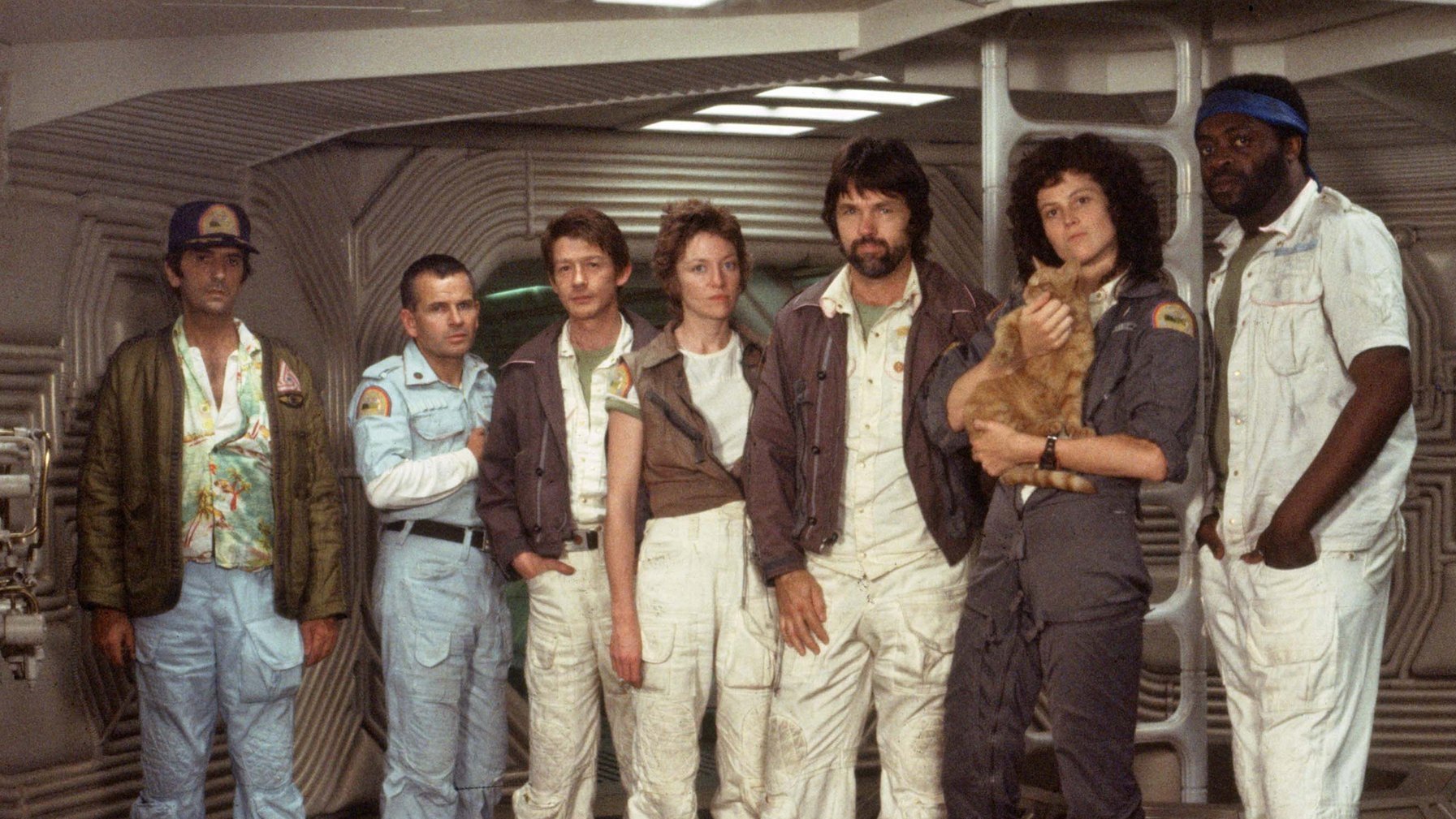
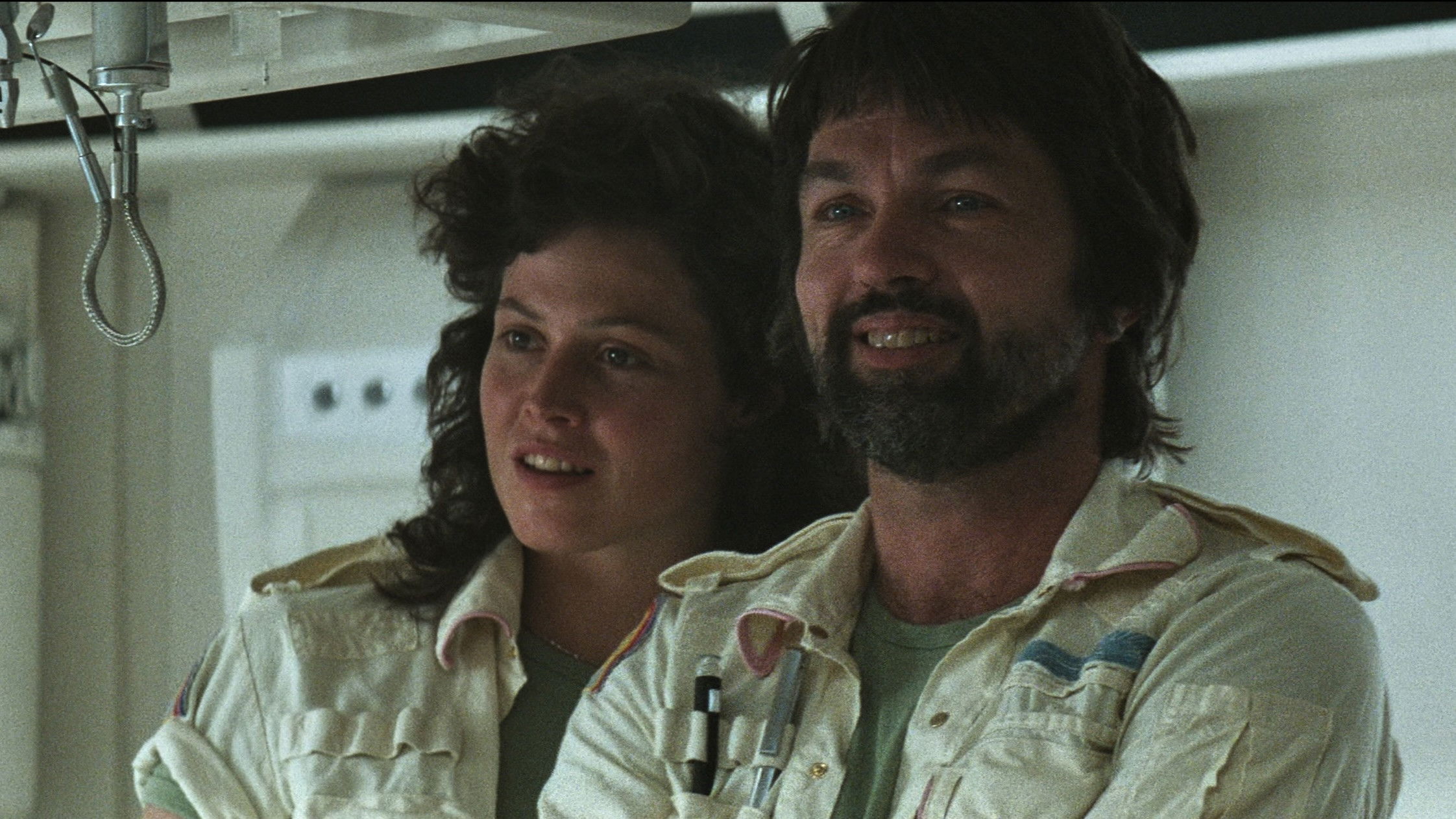
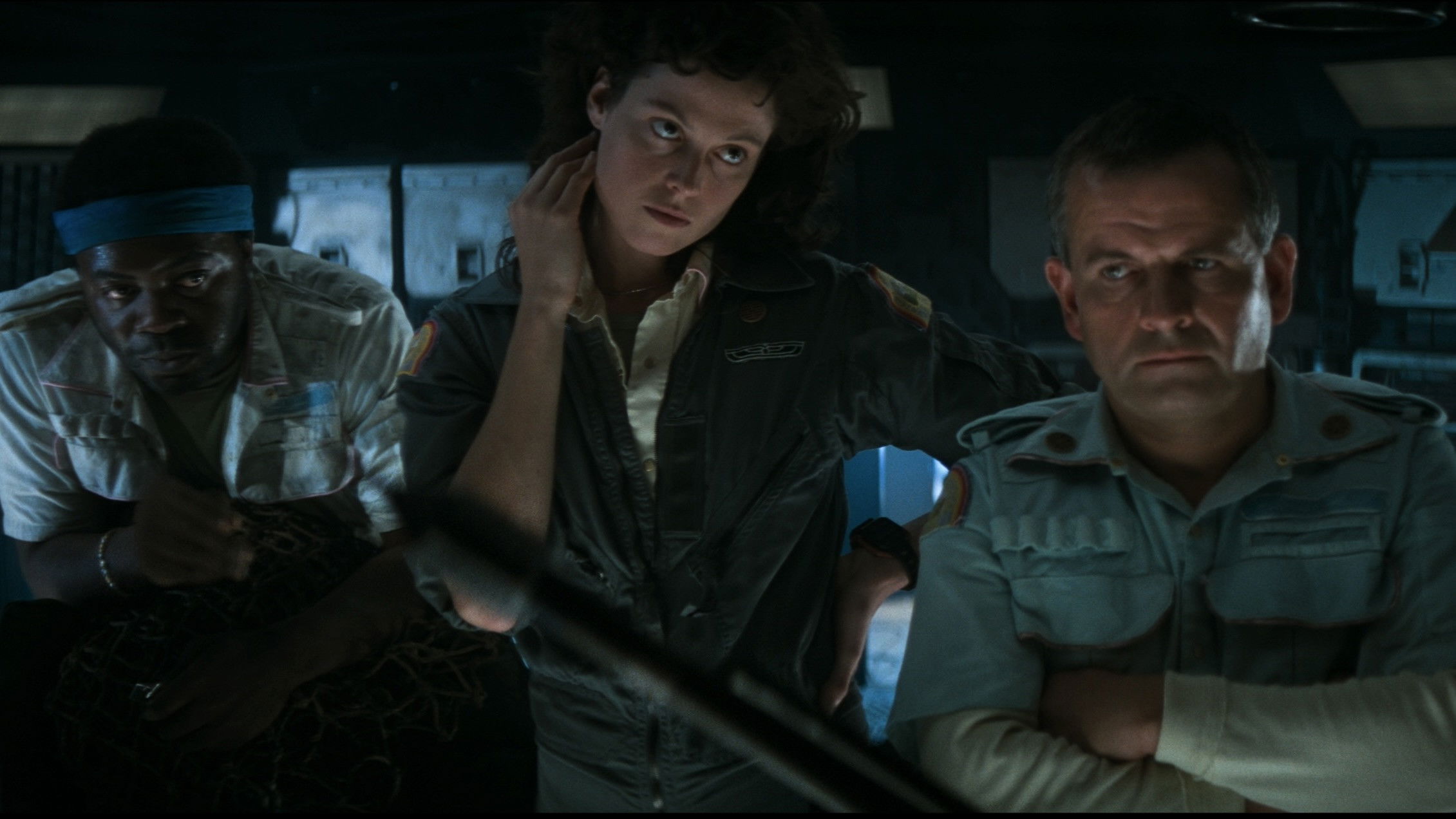
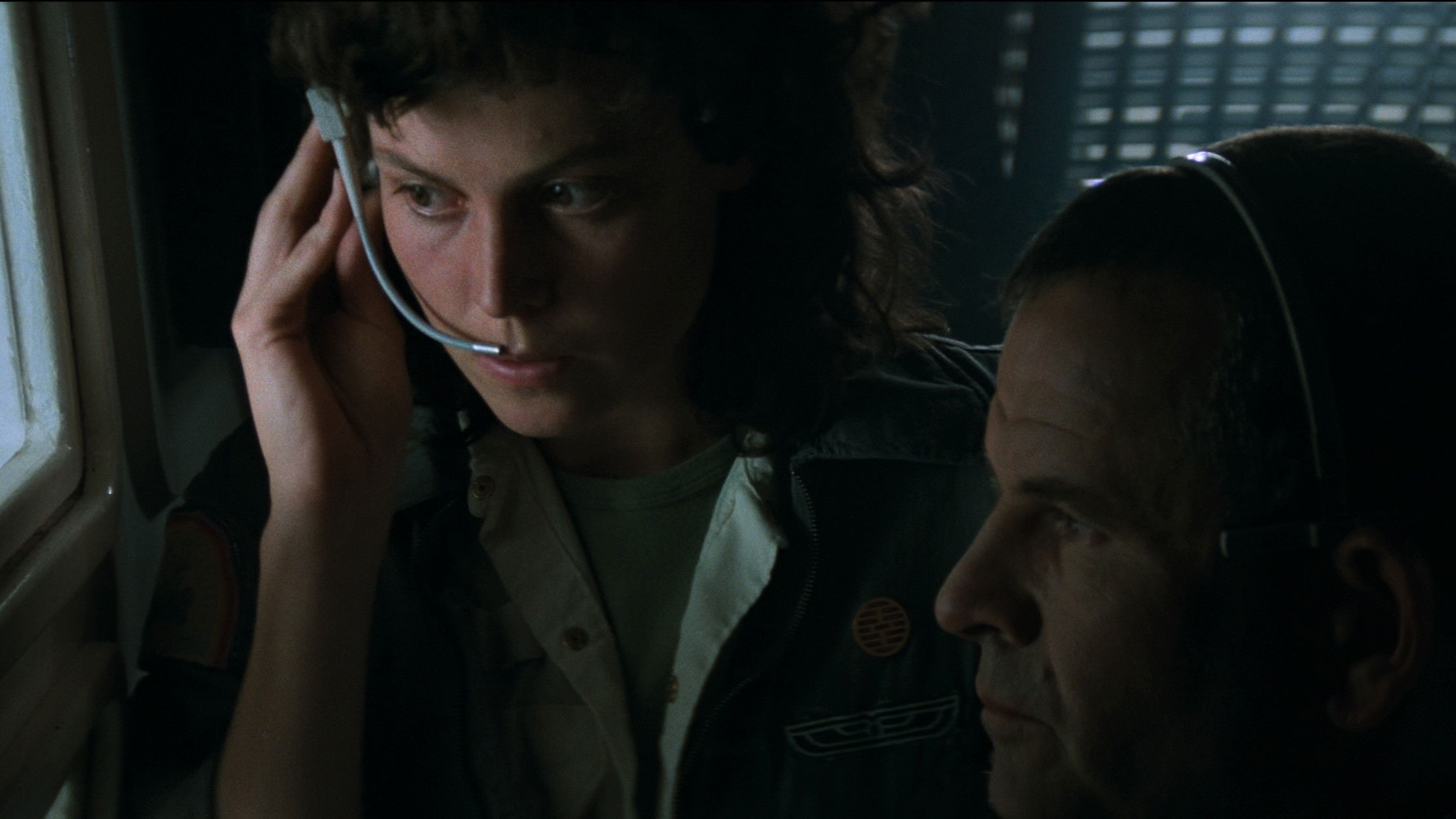
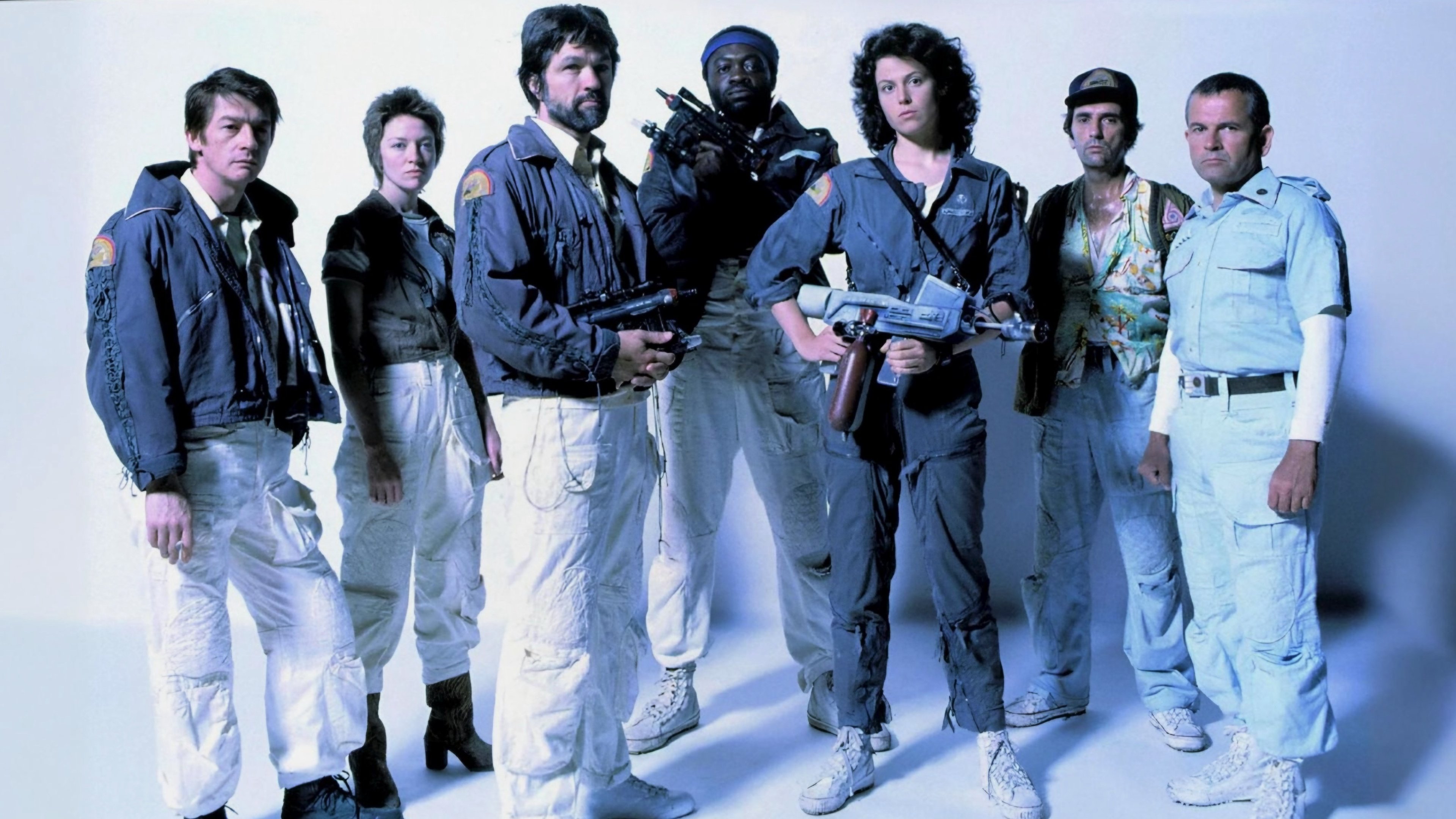
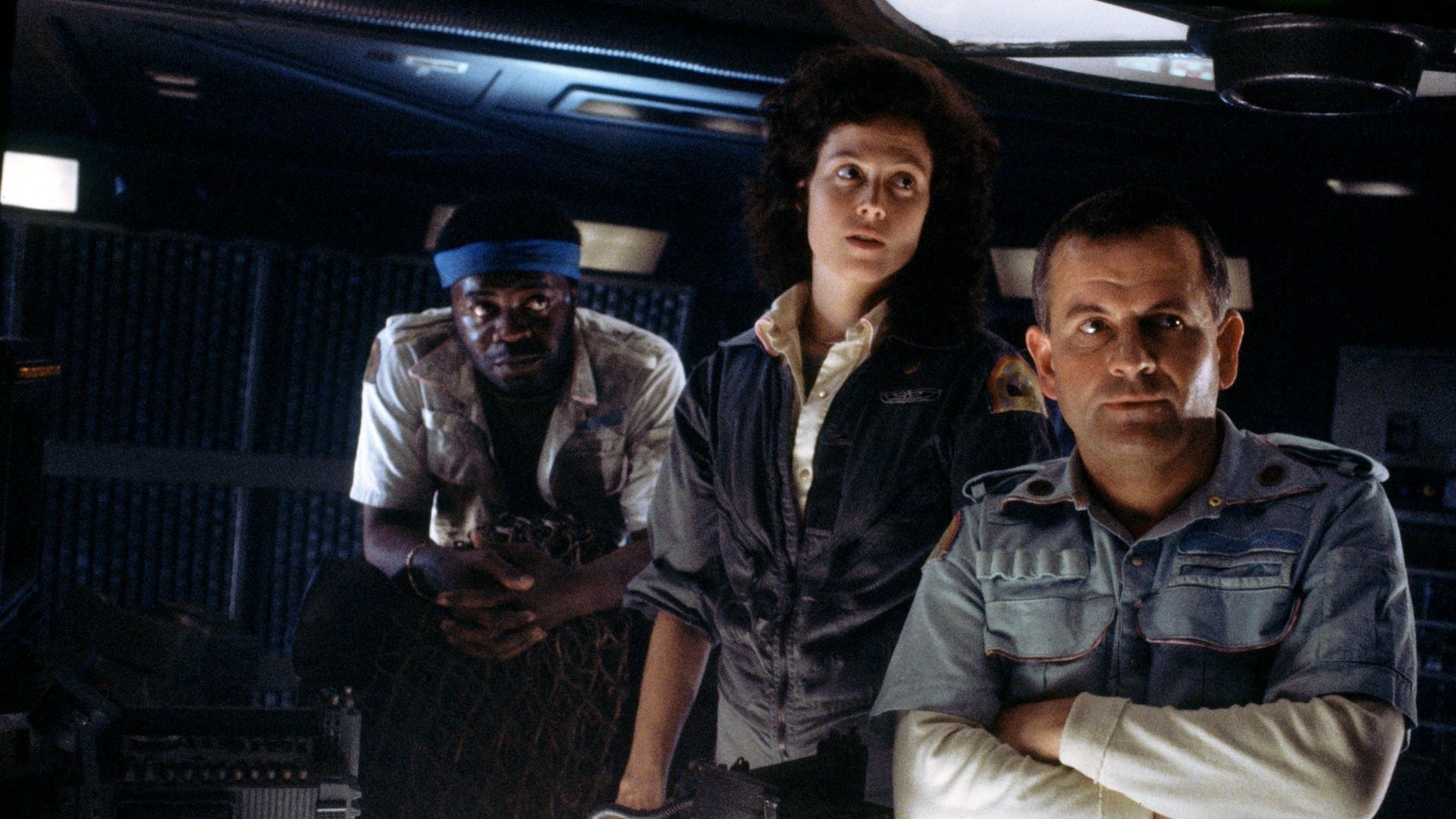
The ensemble is deliberately democratic. Tom Skerritt's Dallas appears at first to possess the narrative authority expected of a conventional leading man, while John Hurt, Ian Holm, Yaphet Kotto, Harry Dean Stanton and Veronica Cartwright all receive enough presence to prevent the audience from confidently predicting the order of survival. Their interactions are also shaped by labour. Parker and Brett complain about shares and bonuses. Orders pass through a corporate hierarchy. Ripley's refusal to allow the contaminated Kane back aboard is based on quarantine protocol rather than fear.

The crisis repeatedly exposes tension between sensible procedure and commercial priorities. That corporate dimension becomes explicit through Ash. His status as an artificial person is itself a major disruption of what the crew believes about its social environment, but the more consequential revelation concerns his instructions: preserving the organism takes priority over the lives of the employees transporting it. The Company therefore becomes another source of horror without needing a representative physically present on the Nostromo. The alien behaves according to biological survival; the corporation makes a calculated decision that human beings are expendable.
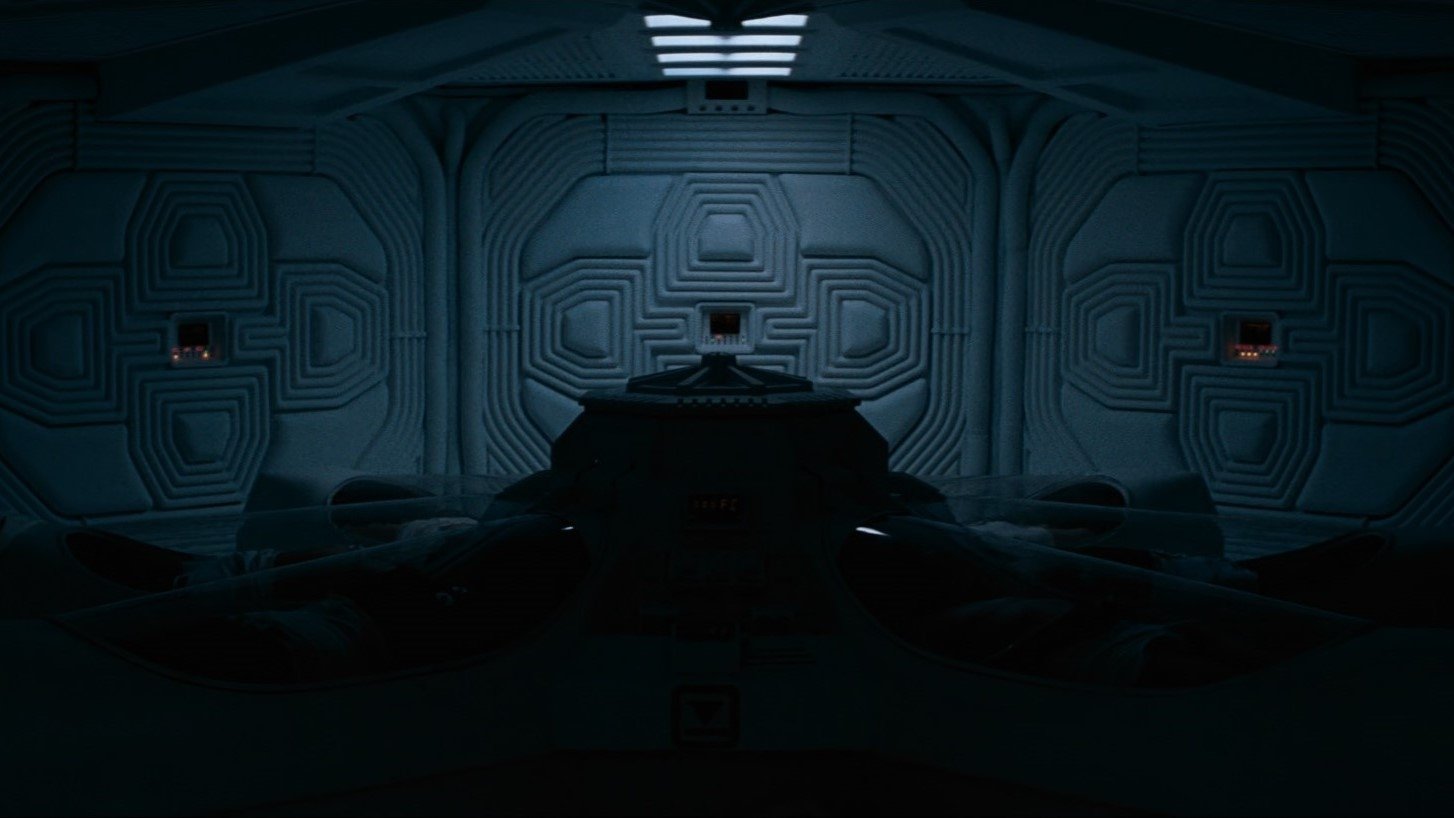
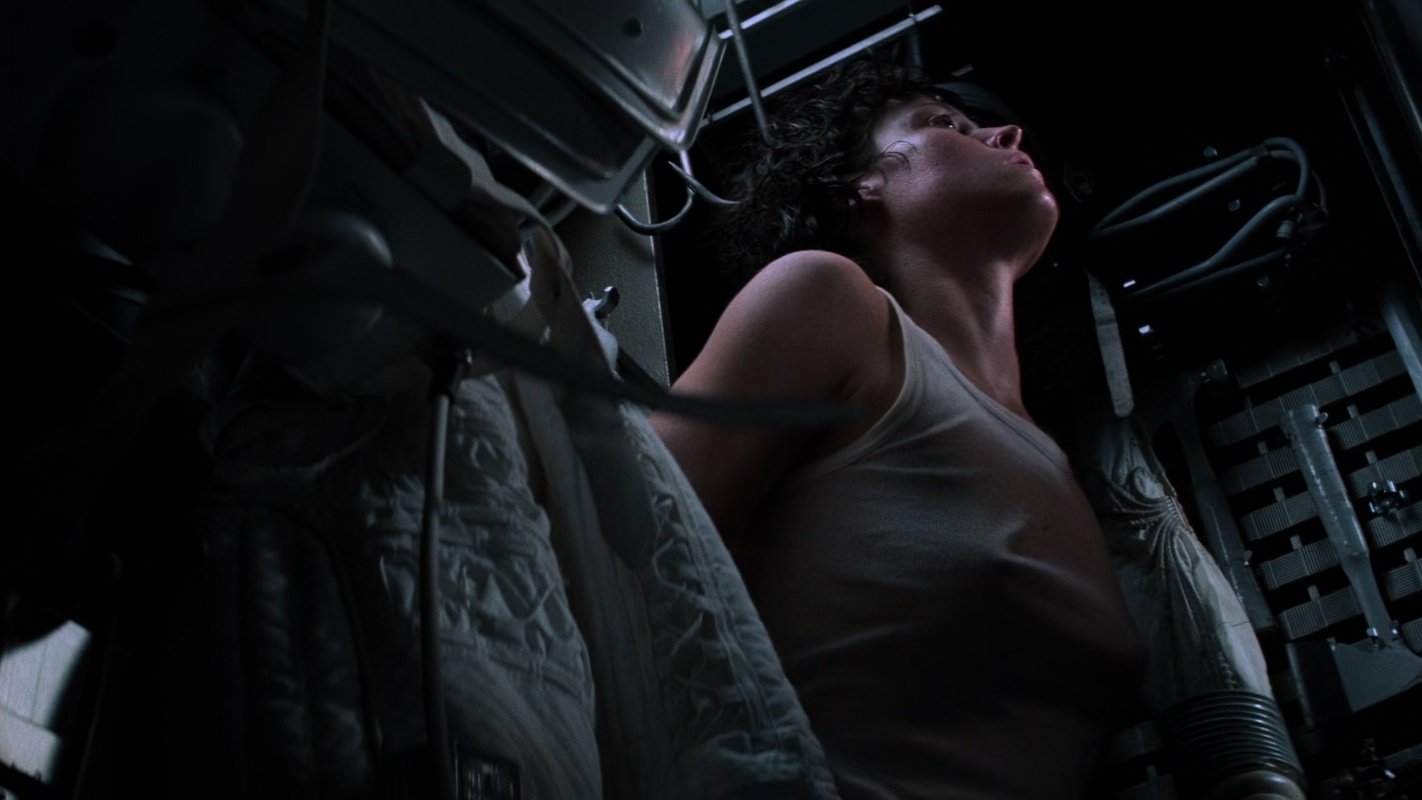
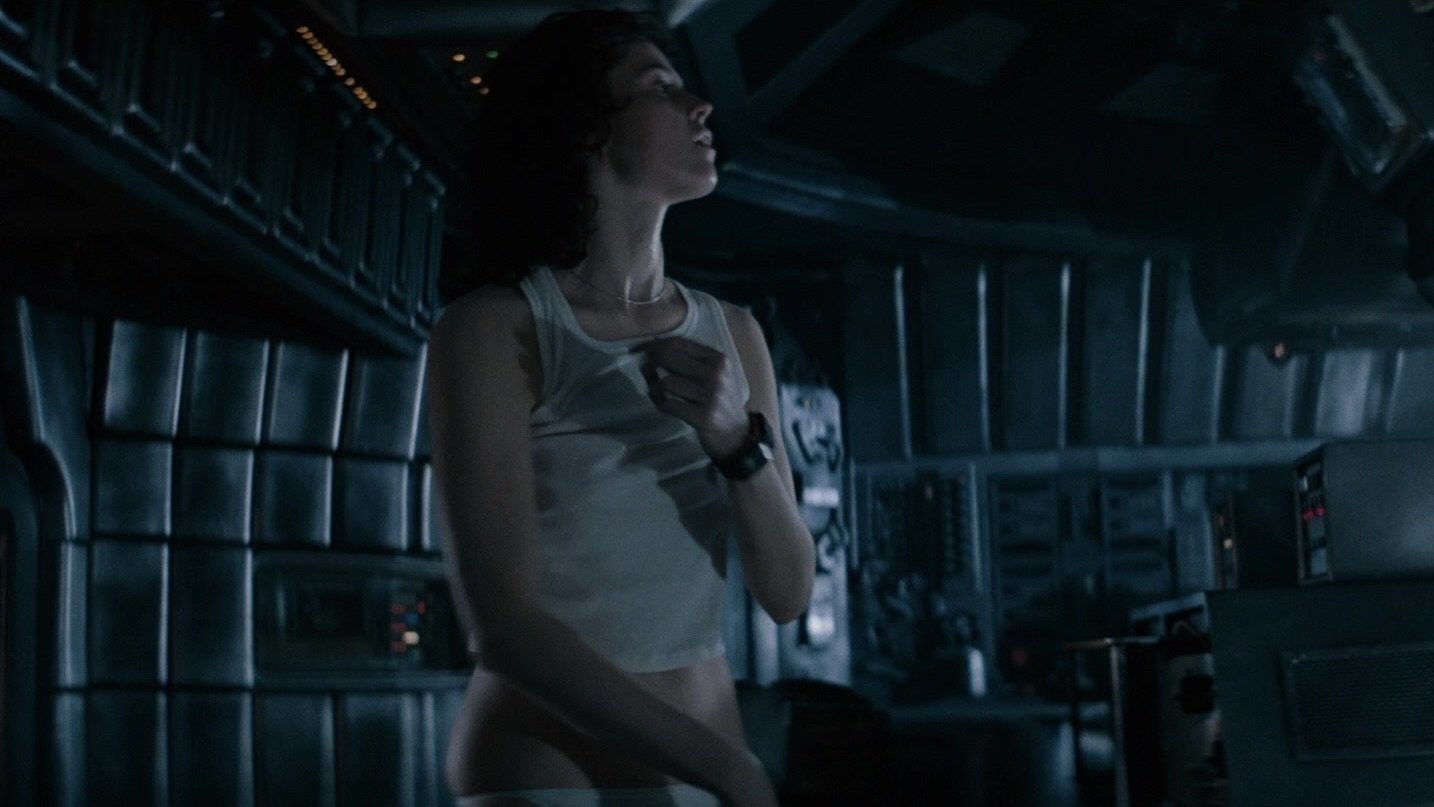
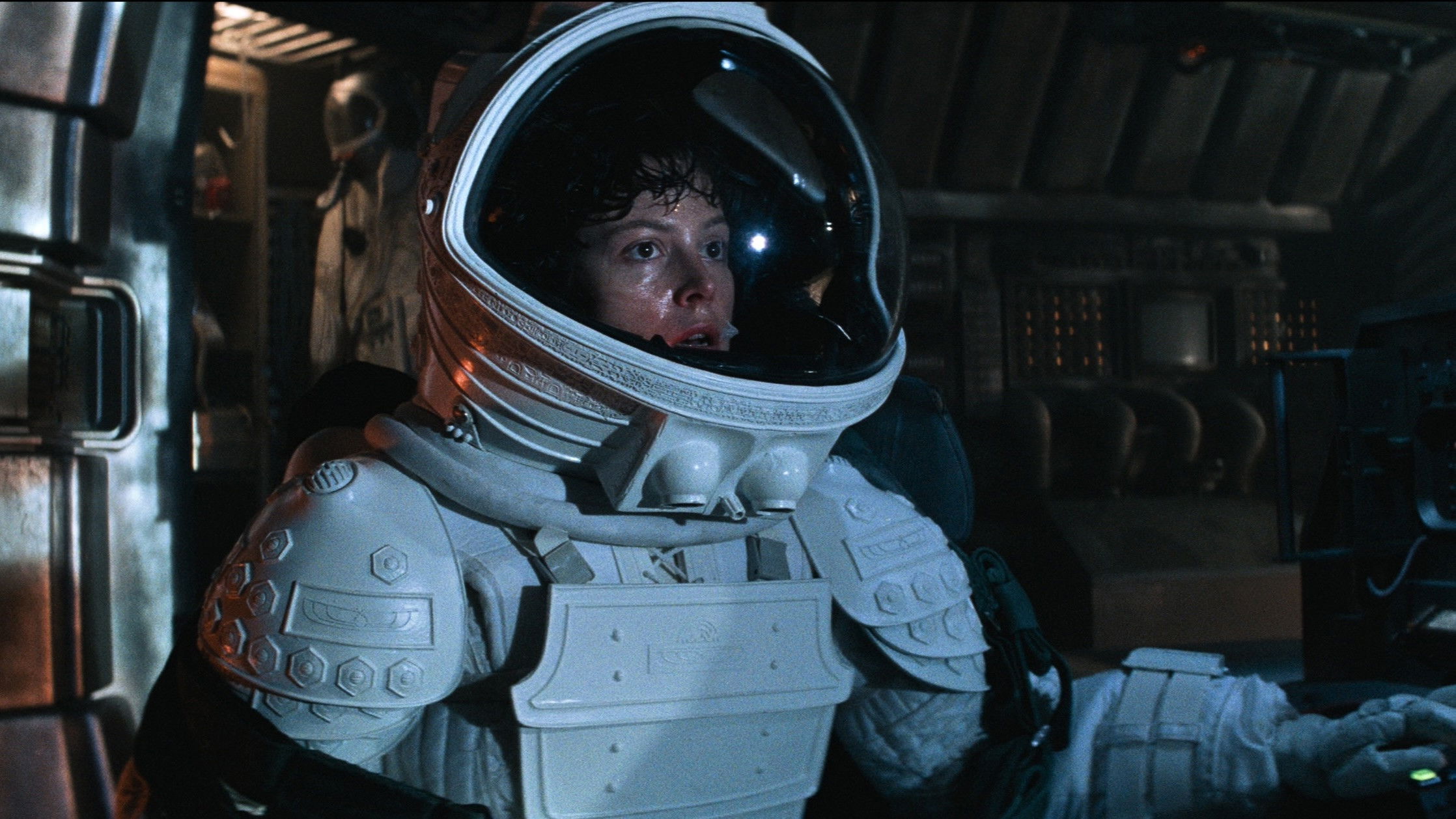
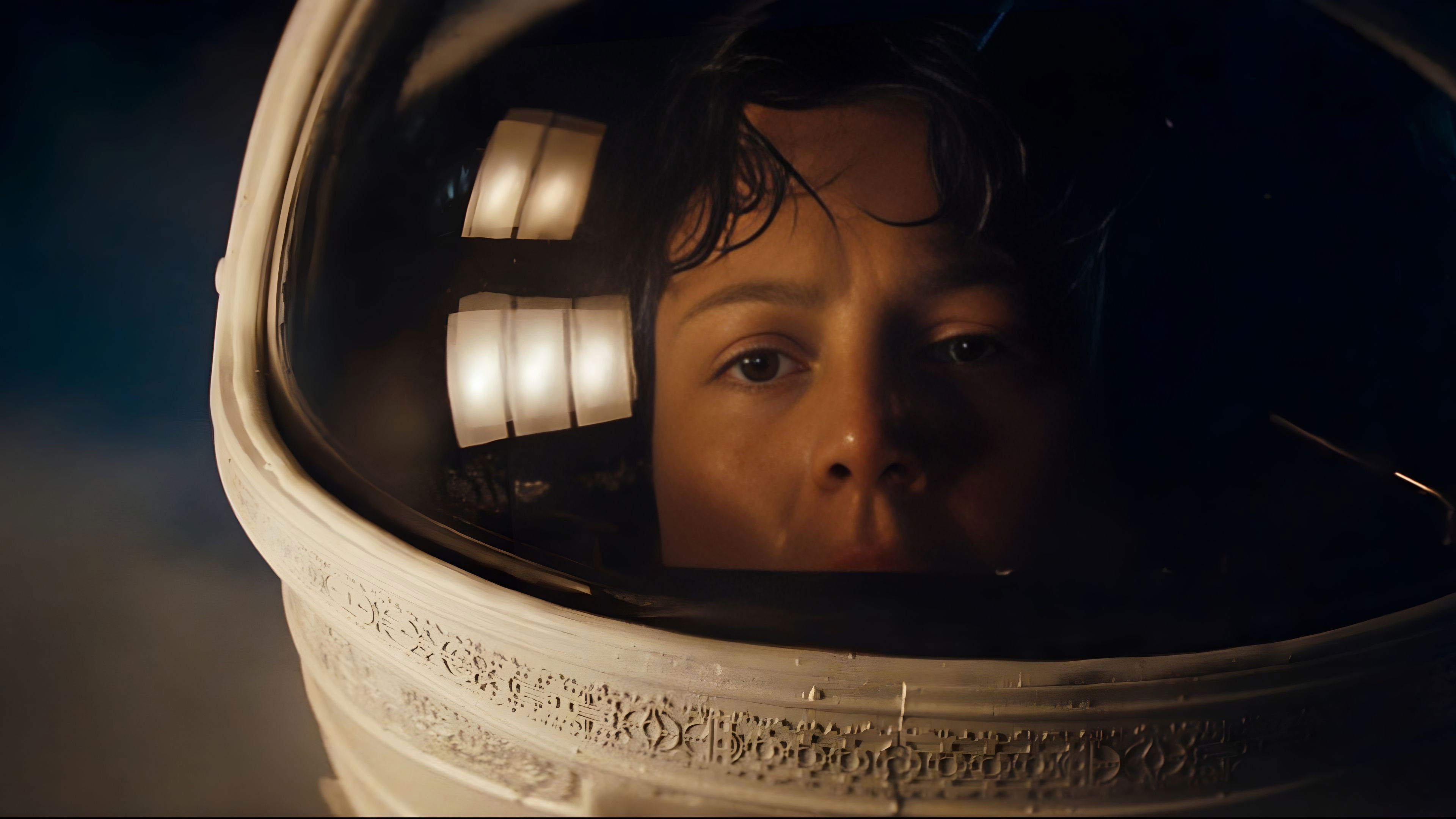
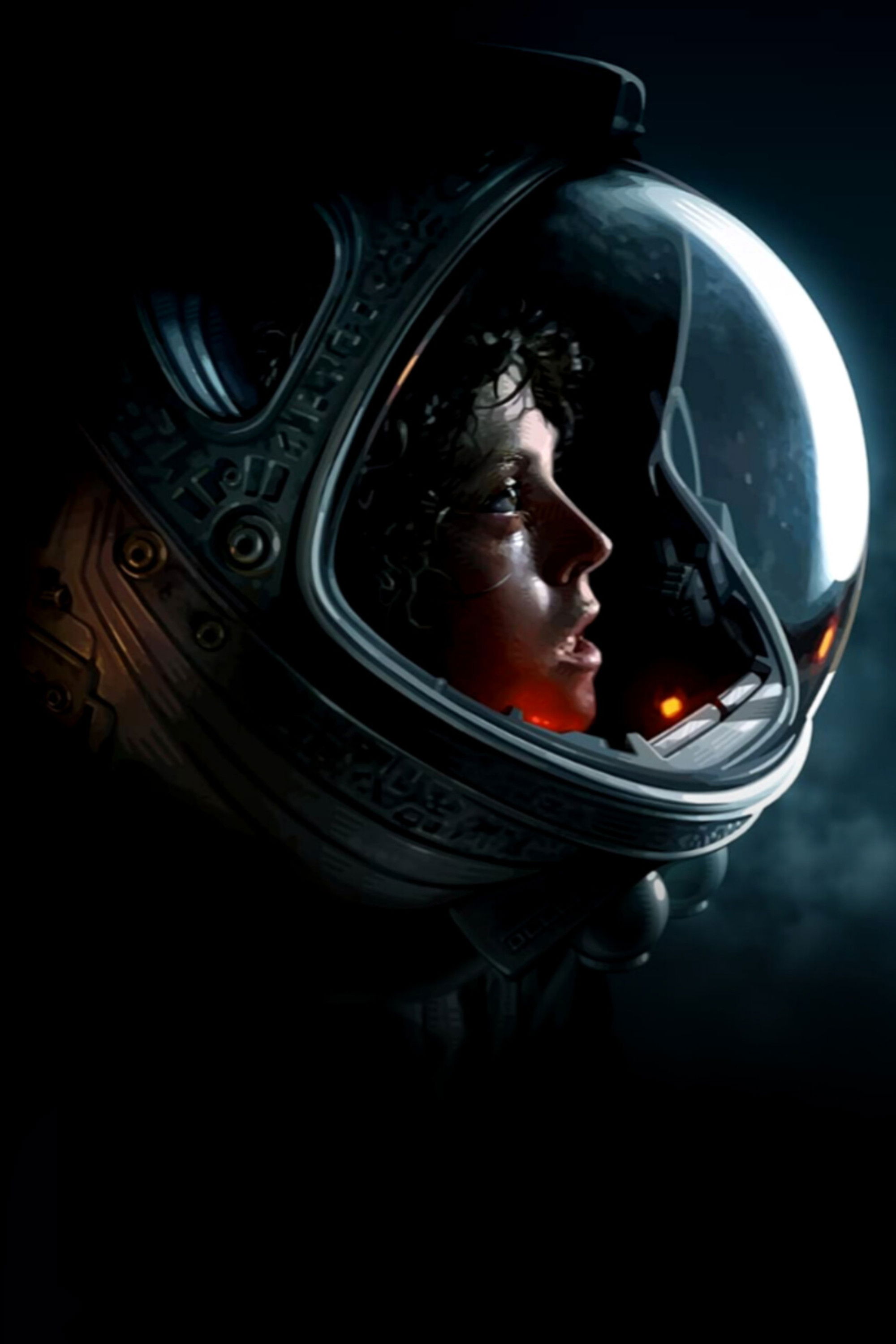
Ripley survives partly because she continues to treat procedure seriously after others abandon it. Yet the film does not construct her as an invulnerable action hero. Weaver plays her as a professional forced to keep making decisions while structures of authority collapse around her. The character's importance expanded enormously through later films, but much of what made Ripley distinctive is already present here. She is not introduced as “the female hero.” She is one worker among seven until circumstance progressively demonstrates that she is the person most capable of responding to the disaster.

Jerry Goldsmith, Sound & an Uneasy Musical Collaboration

Jerry Goldsmith composed a score that treats space very differently from the triumphant orchestral language associated with much late-1970s science fiction. His initial concept contained an element of mystery and romantic grandeur that could gradually be destabilised as the film became more threatening. Goldsmith recorded the music in England with the National Philharmonic Orchestra under conductor Lionel Newman. He combined conventional orchestral writing with unusual acoustic and electronic sounds, including a conch shell processed through delay, a didgeridoo and the serpent, an old low-register wind instrument. These sounds help distinguish the alien planet from the Nostromo. Instead of simply supplying musical themes for characters, the score can make spaces themselves appear ancient or unknowable.
The collaboration between Goldsmith, Scott and editor Terry Rawlings was nevertheless difficult. Scott wanted the opening to feel stranger and less overtly romantic, and Goldsmith was asked to produce an alternate main title. Rawlings and Scott had also become attached to temporary music during editing. As a result, the finished soundtrack does not represent Goldsmith's complete intended score. Sections of music from his earlier score for Freud were retained in the film, while the conclusion uses Howard Hanson's Symphony No. 2 rather than Goldsmith's original end-title treatment. The disagreement did not prevent the score from becoming one of the film's defining components.
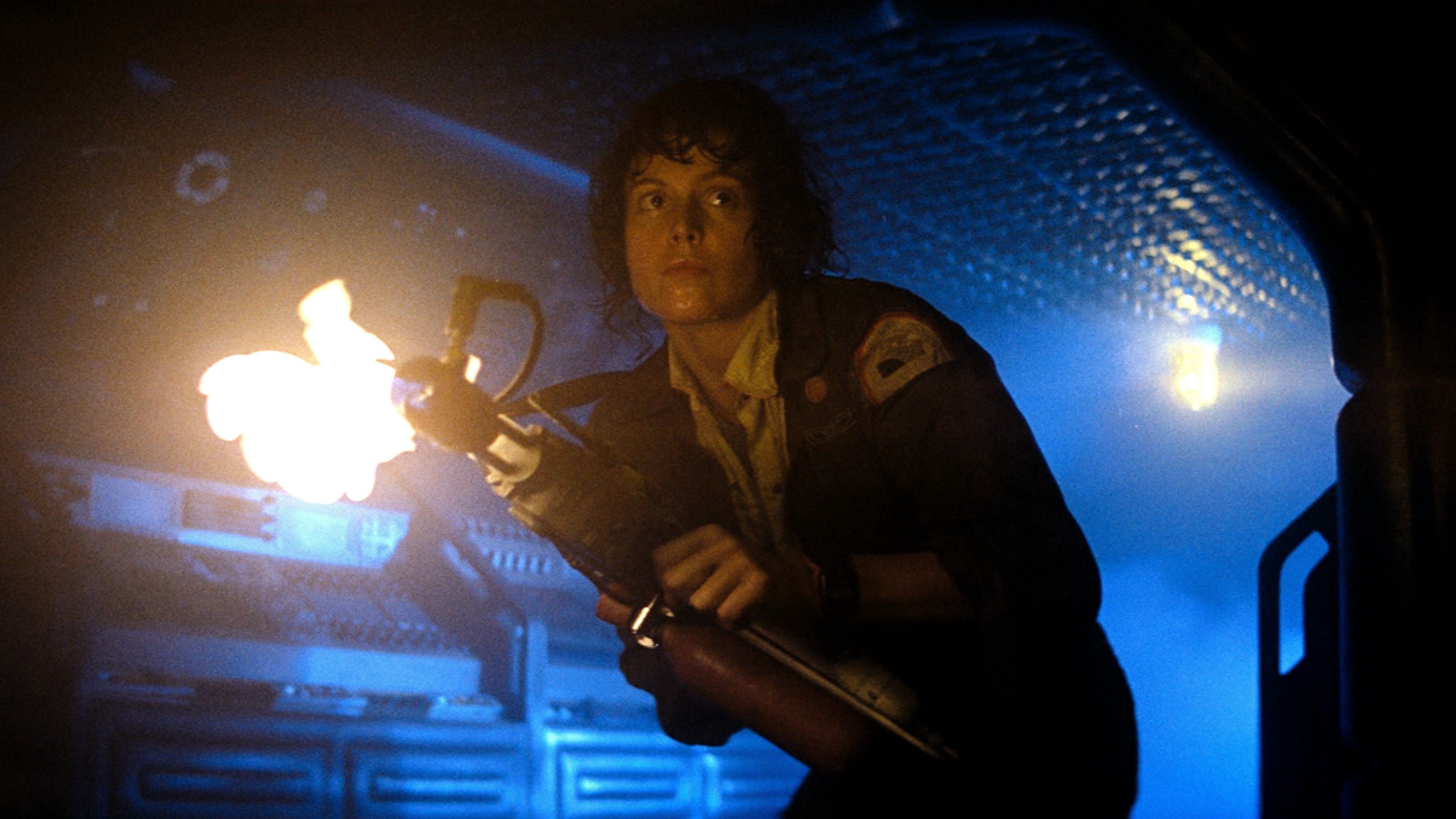
Its combination of orchestral tension, unfamiliar timbres and long passages without conventional melodic reassurance contributes to the sense that the Nostromo has entered a place operating by rules the crew cannot understand. Sound more broadly performs the same function. The ship is never truly silent. Air systems, alarms, engines, computers, doors and communications establish a continuous mechanical environment before the creature appears. When the crew begins hunting the alien, familiar machinery becomes ambiguous. A hiss, movement or metallic sound may belong to the ship or to the organism concealed within it. The production design teaches the audience how the Nostromo sounds, then uses that familiarity against them.

Release, Box Office & Contemporary Reception

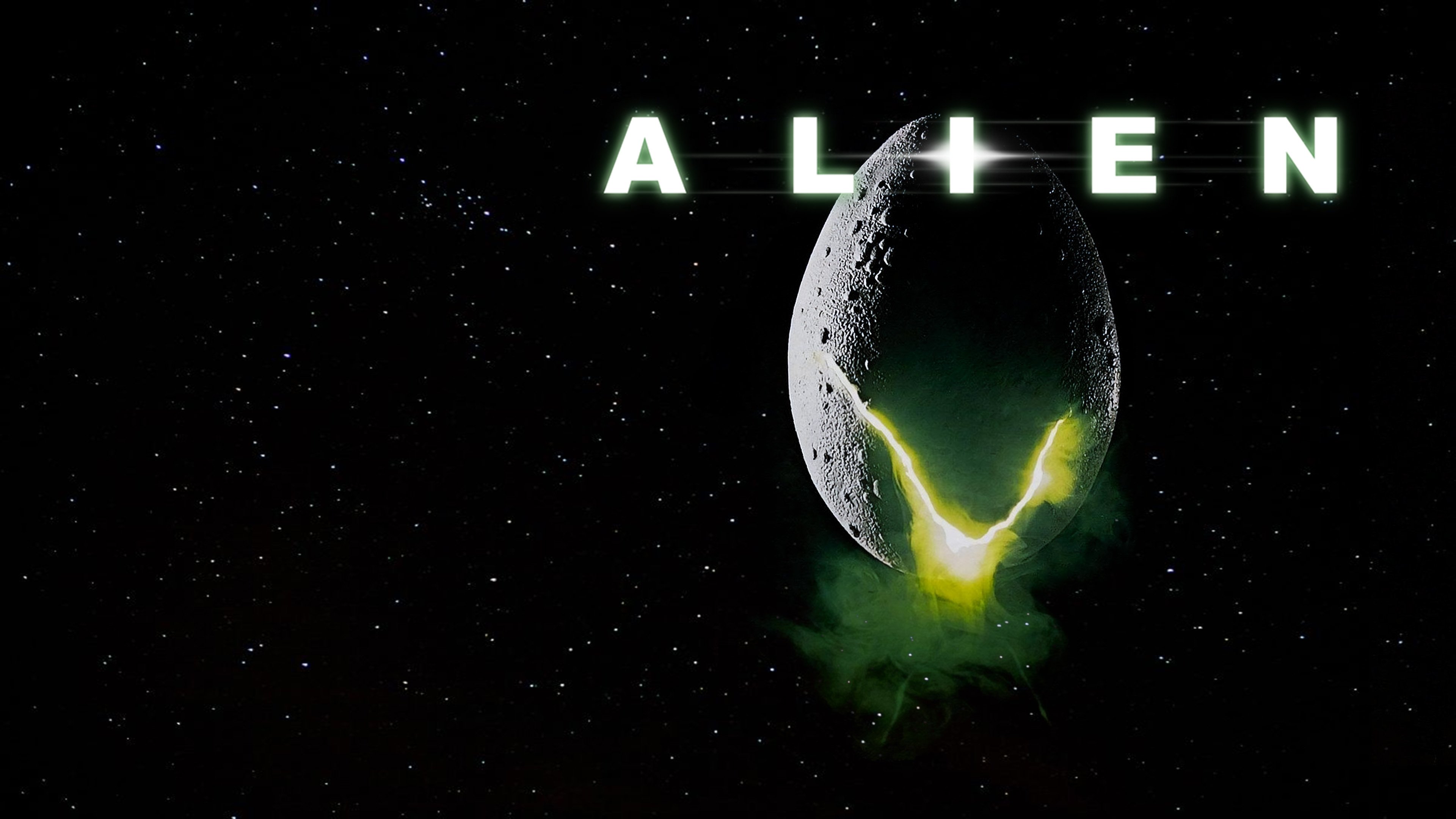
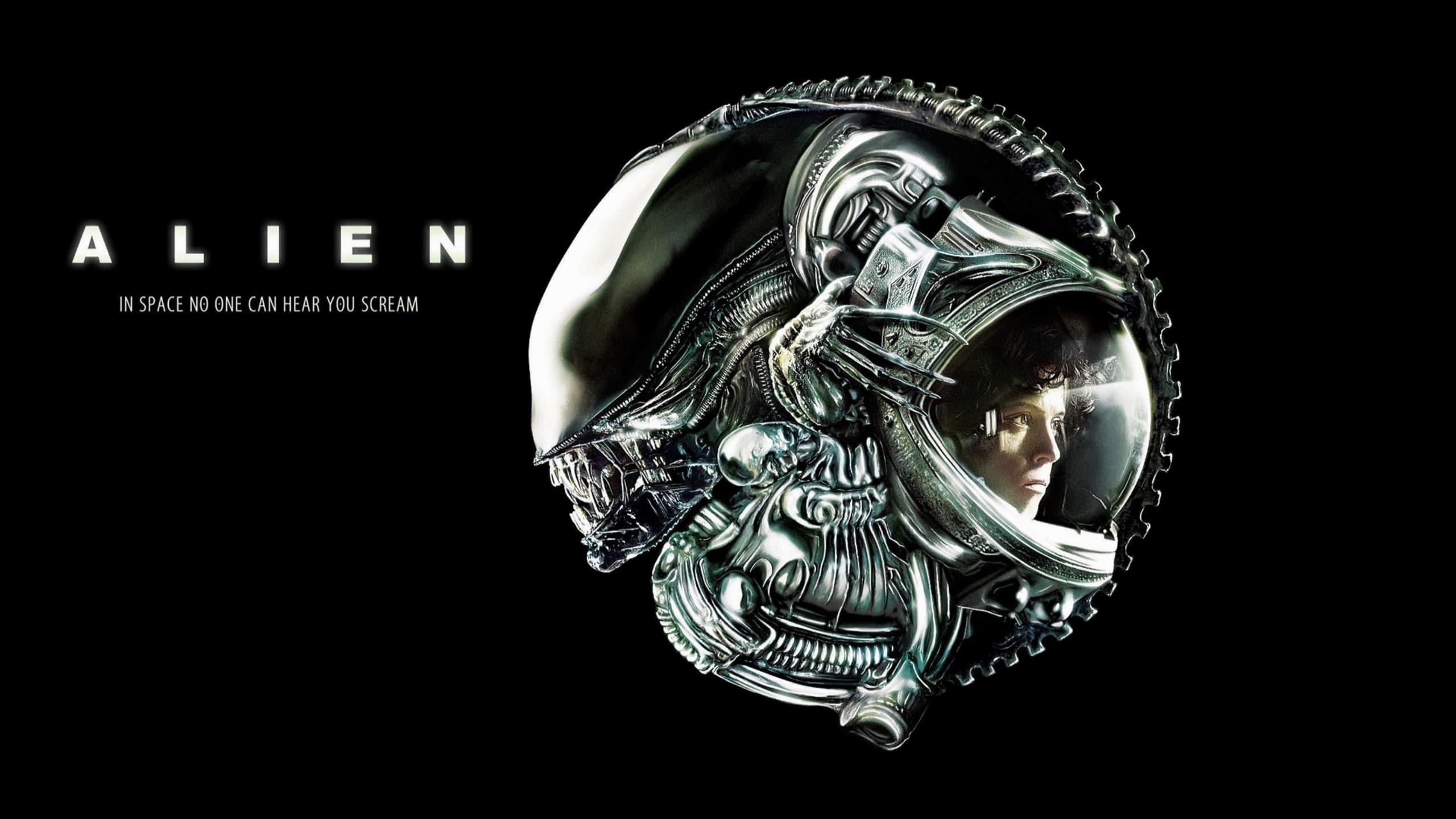
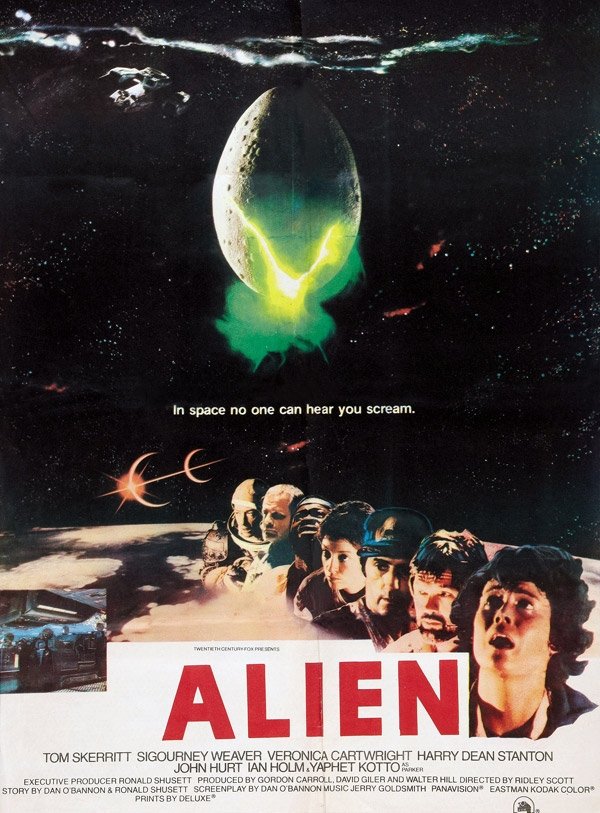
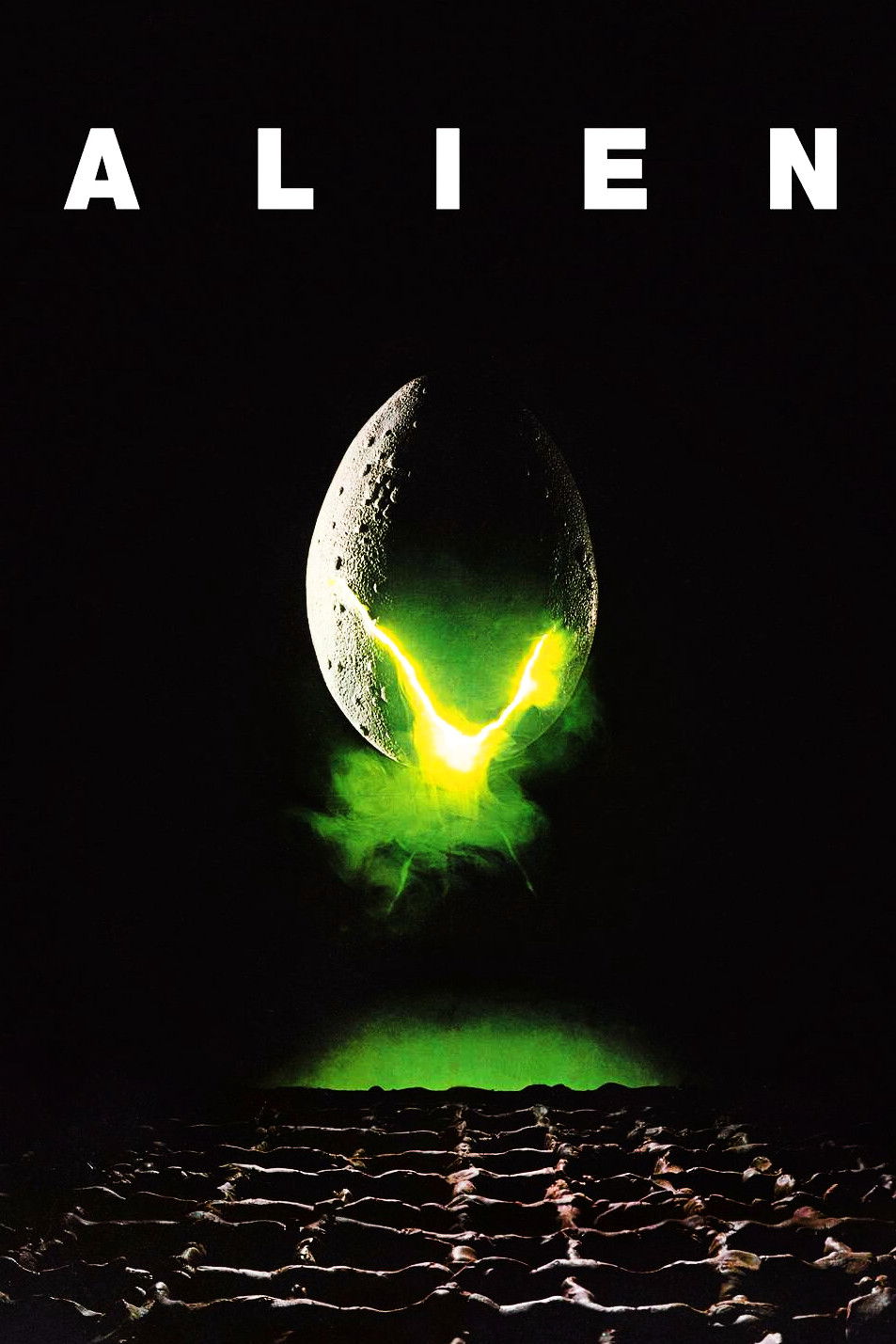
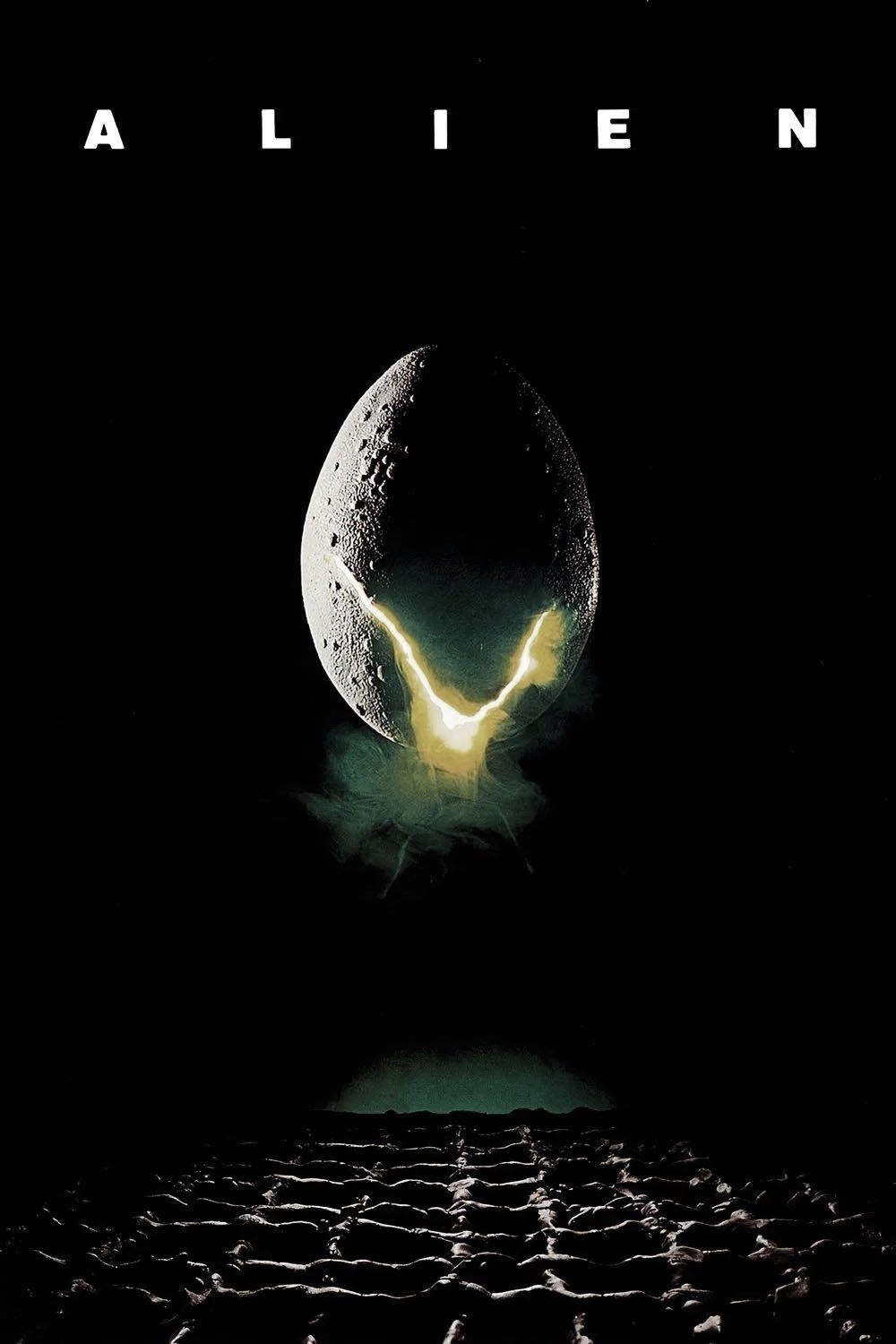
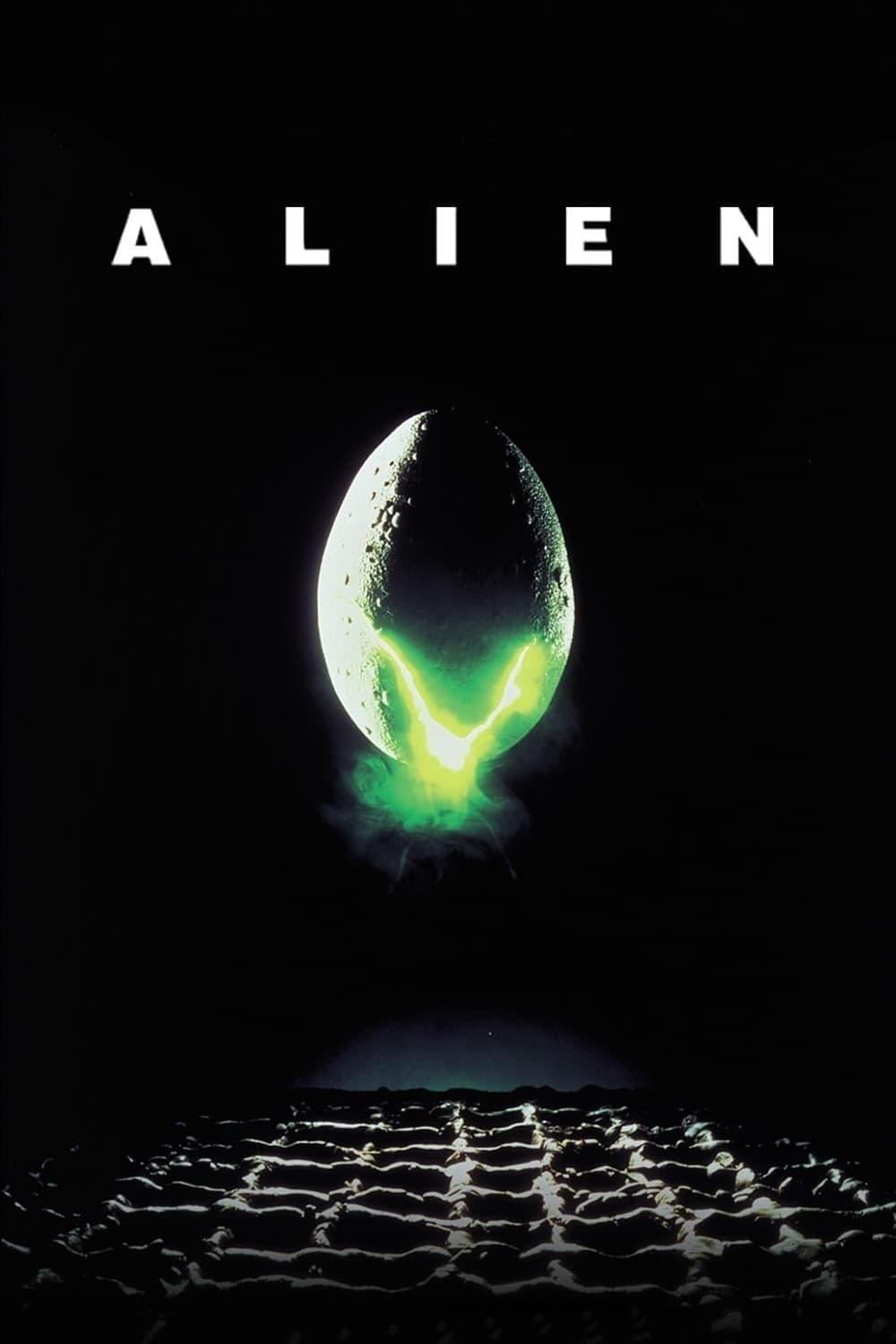
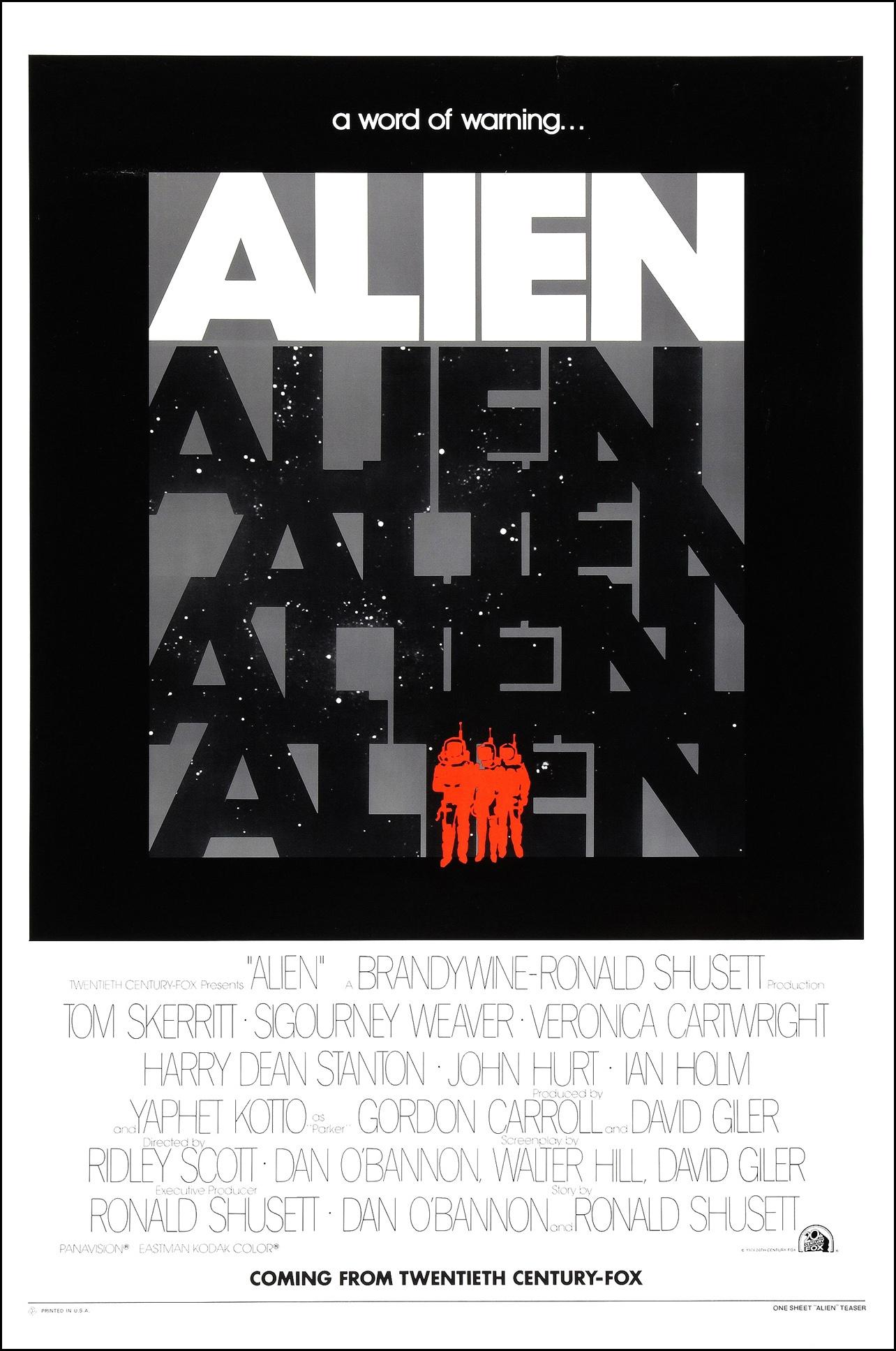
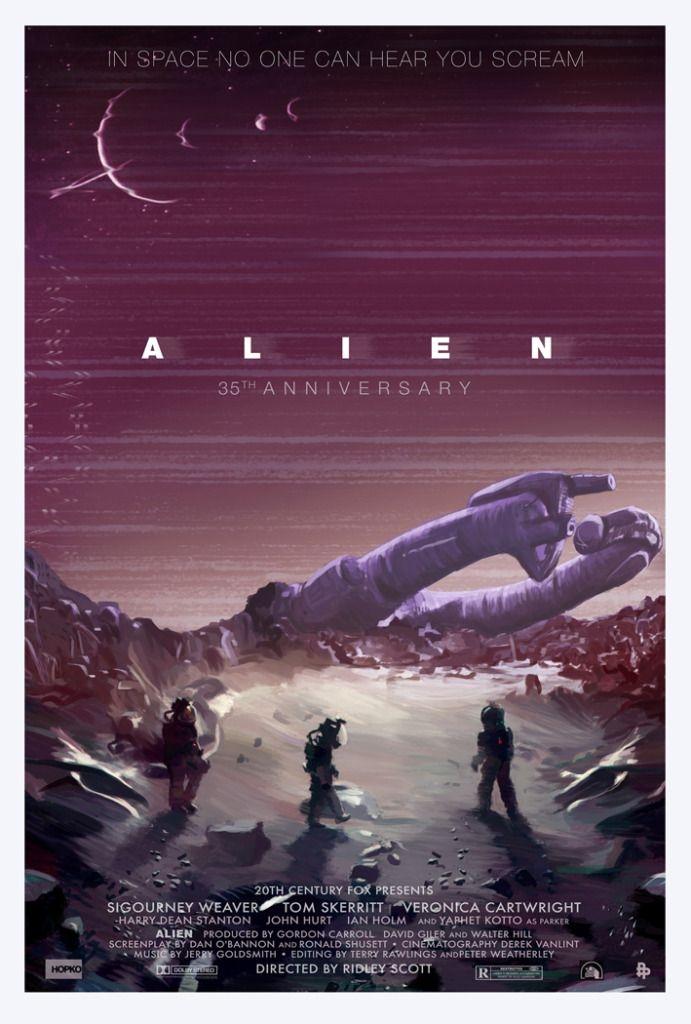
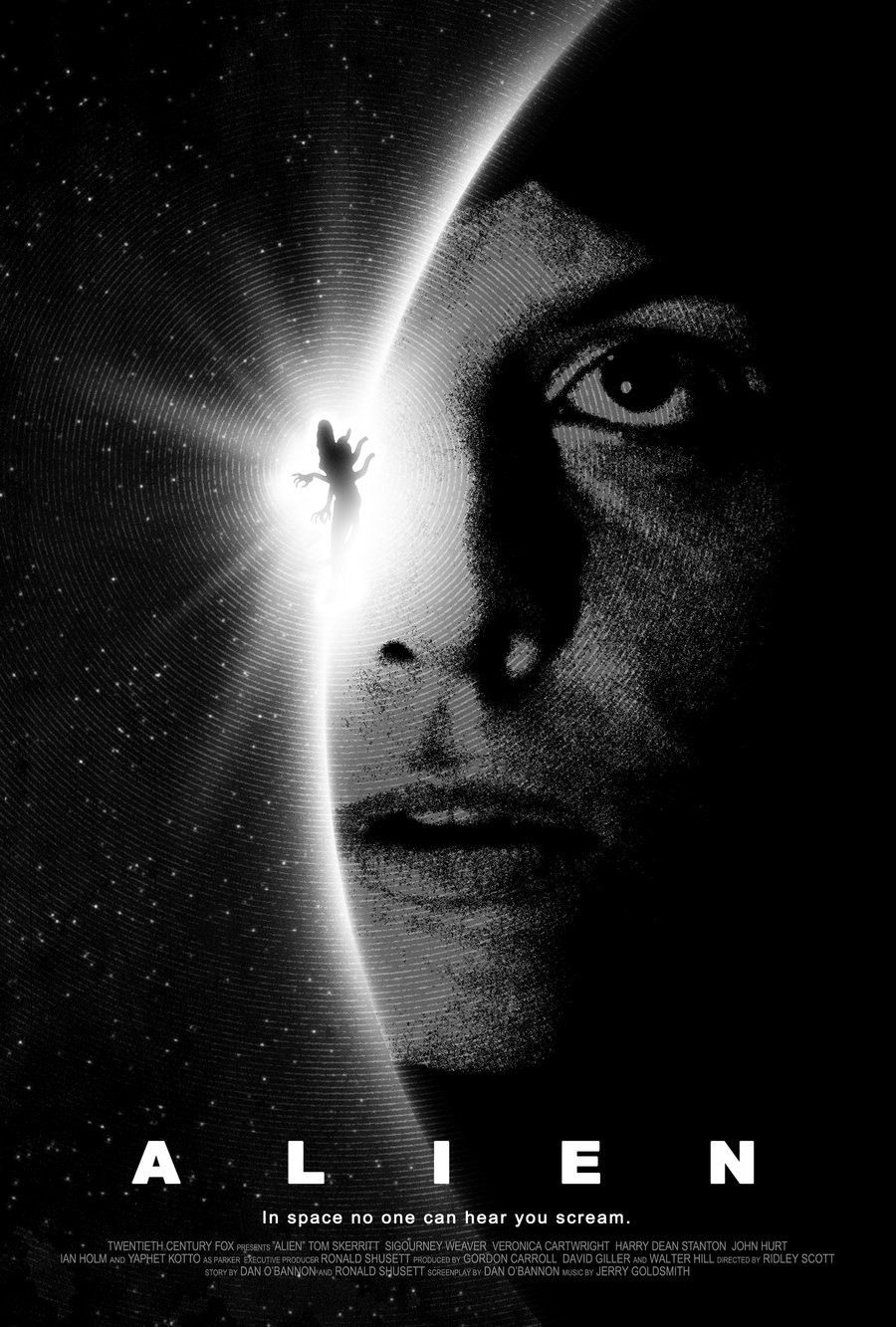
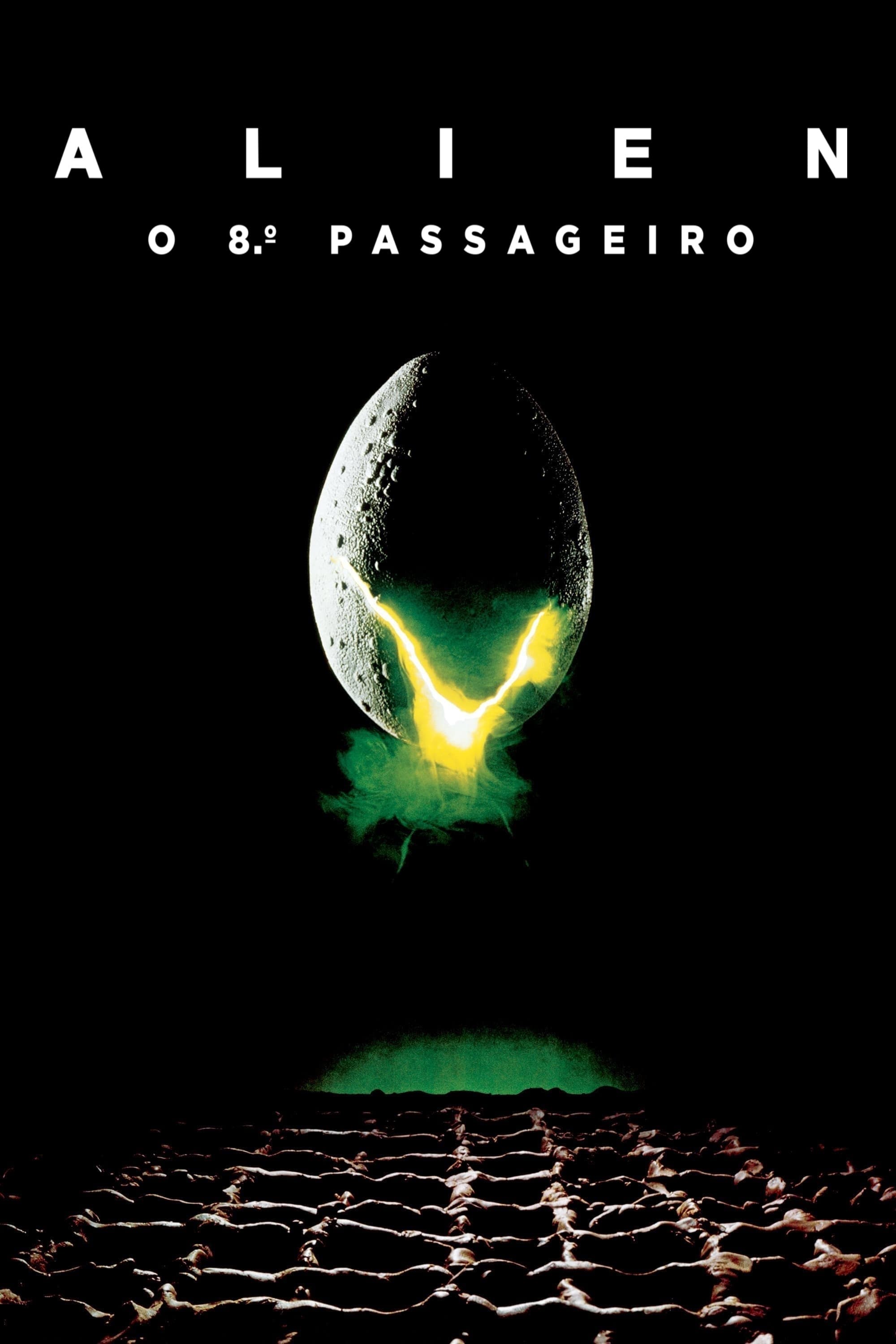
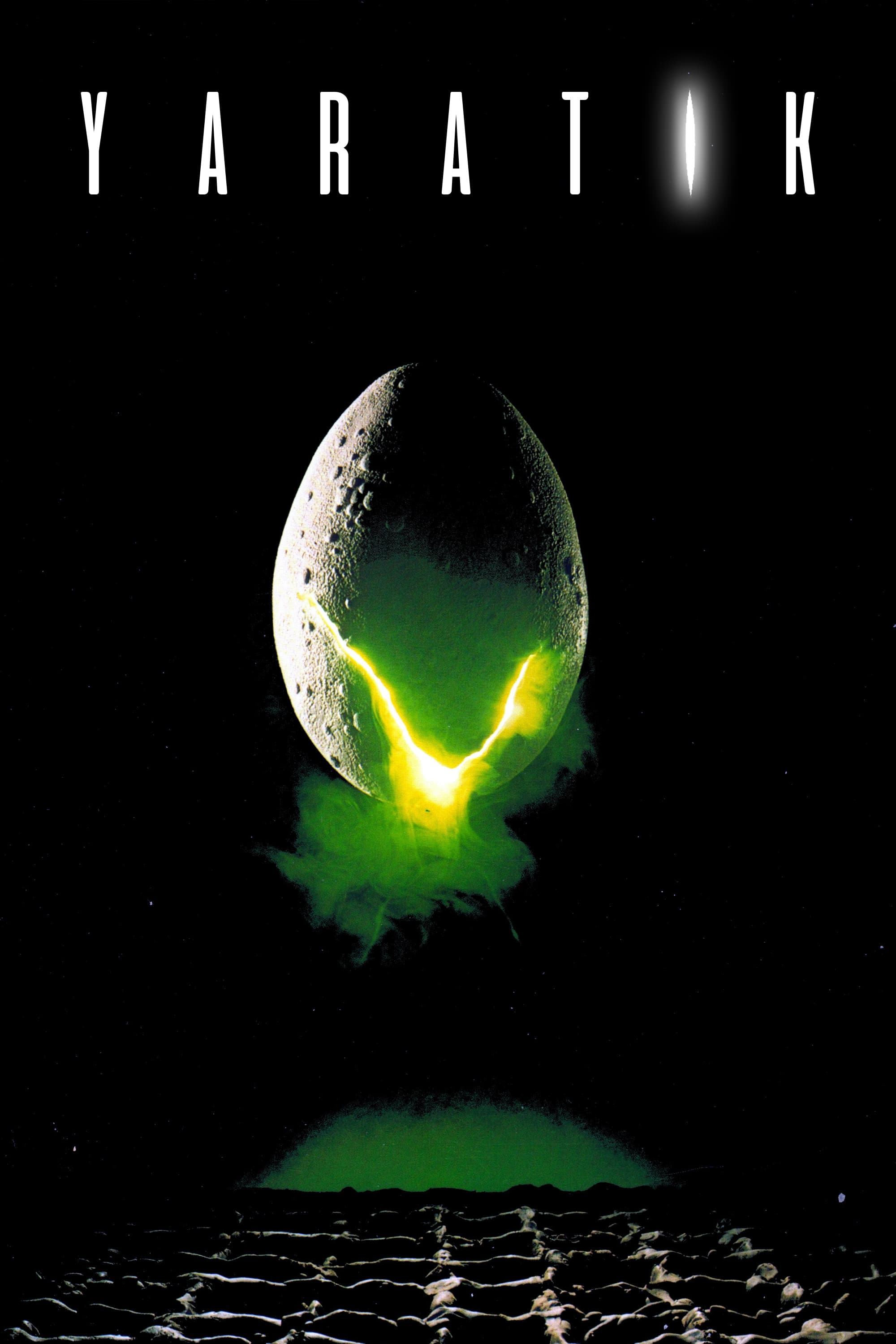
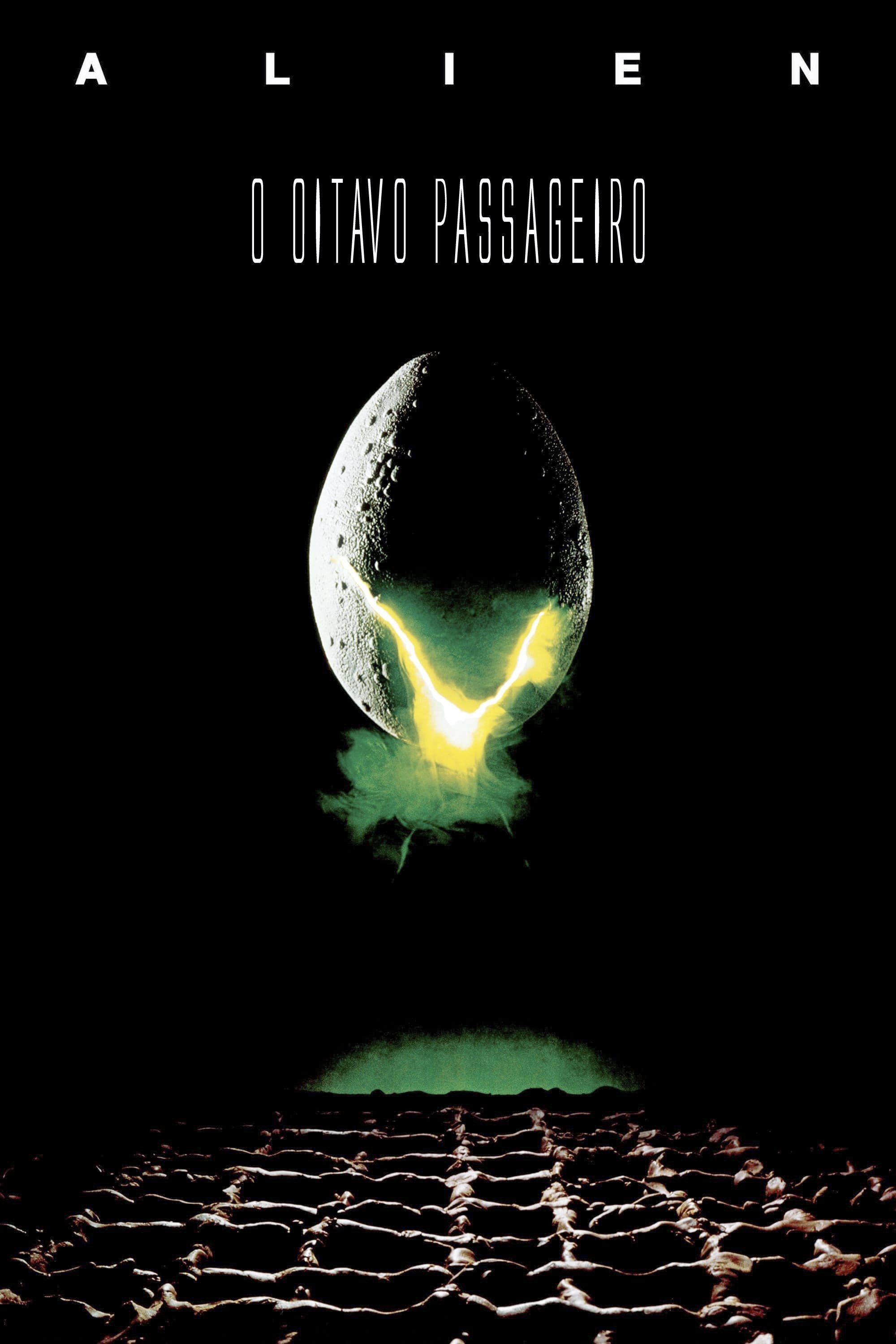
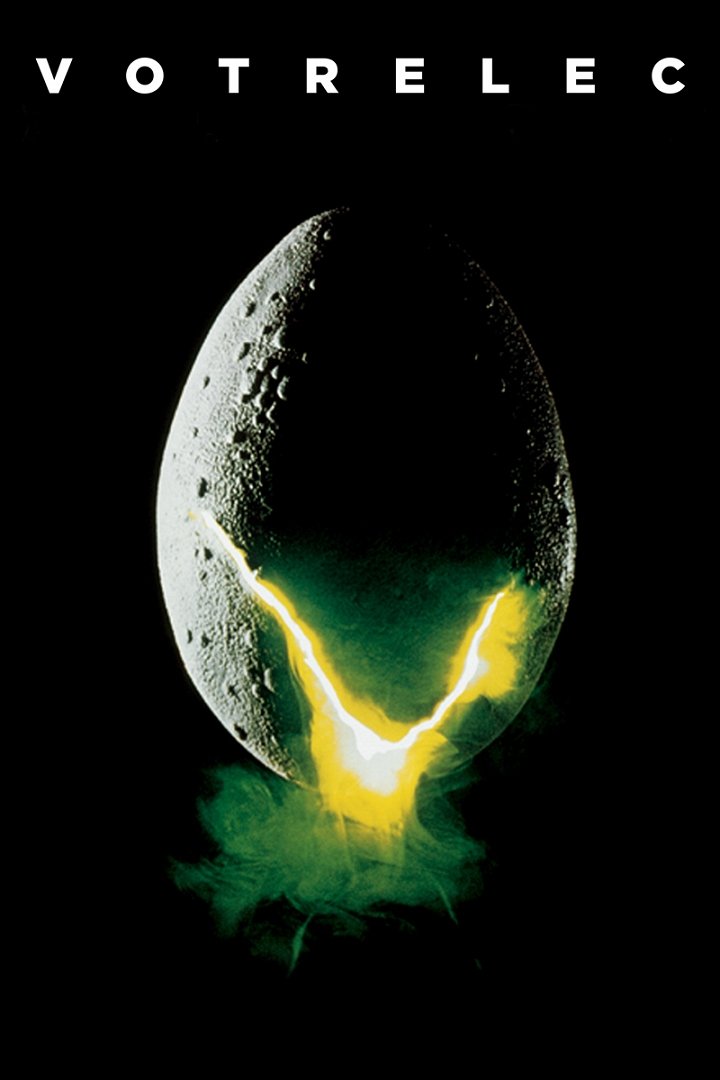
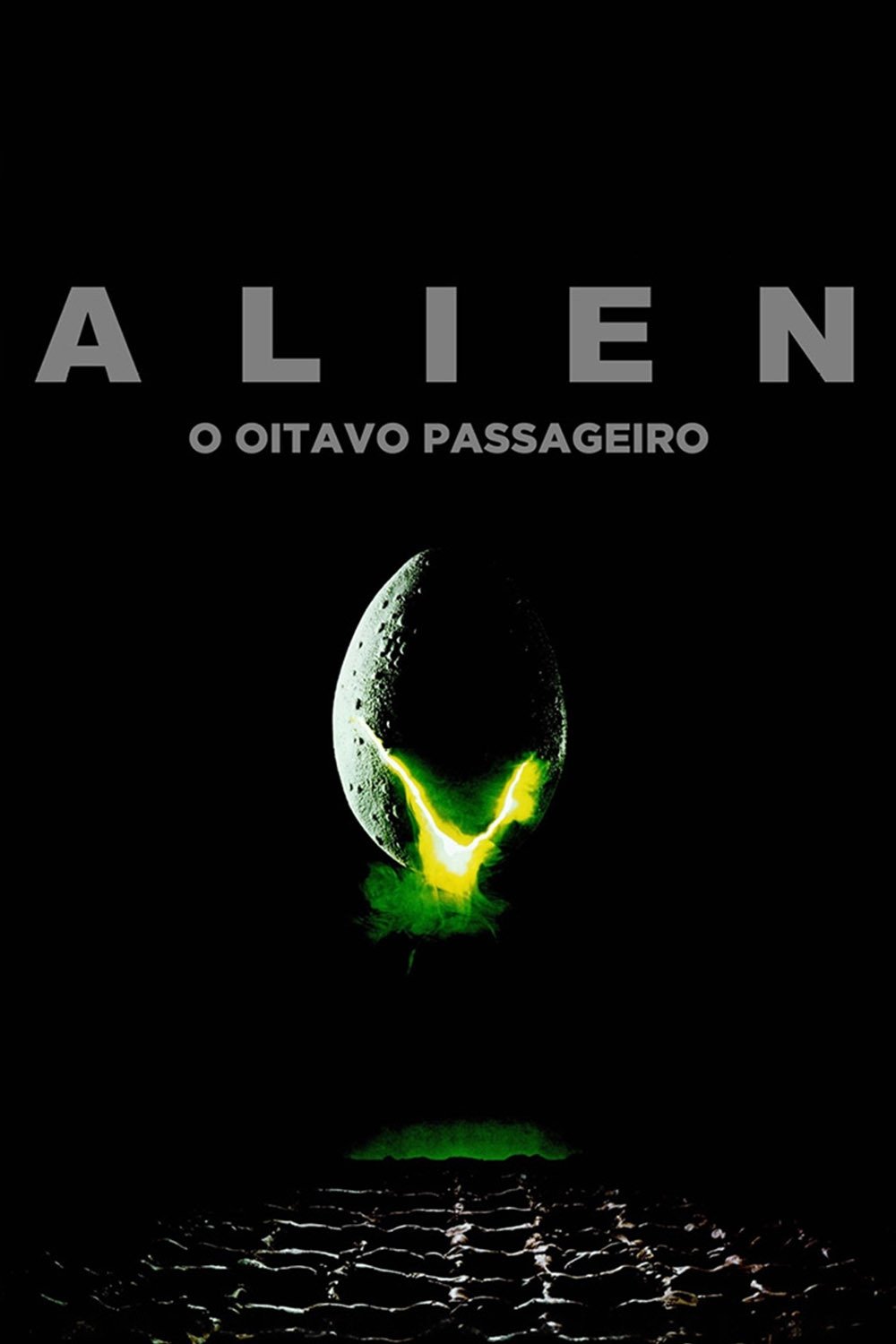
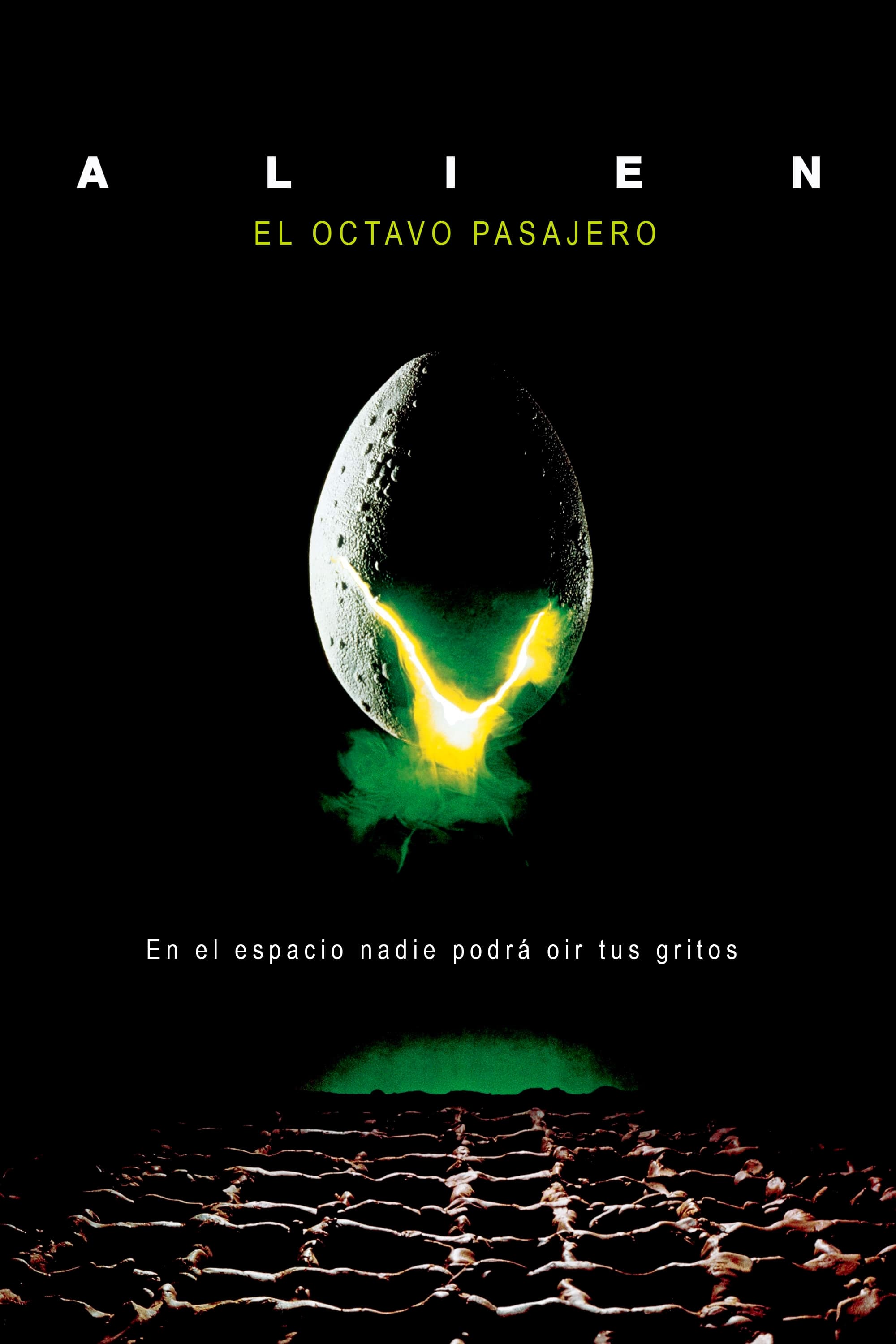
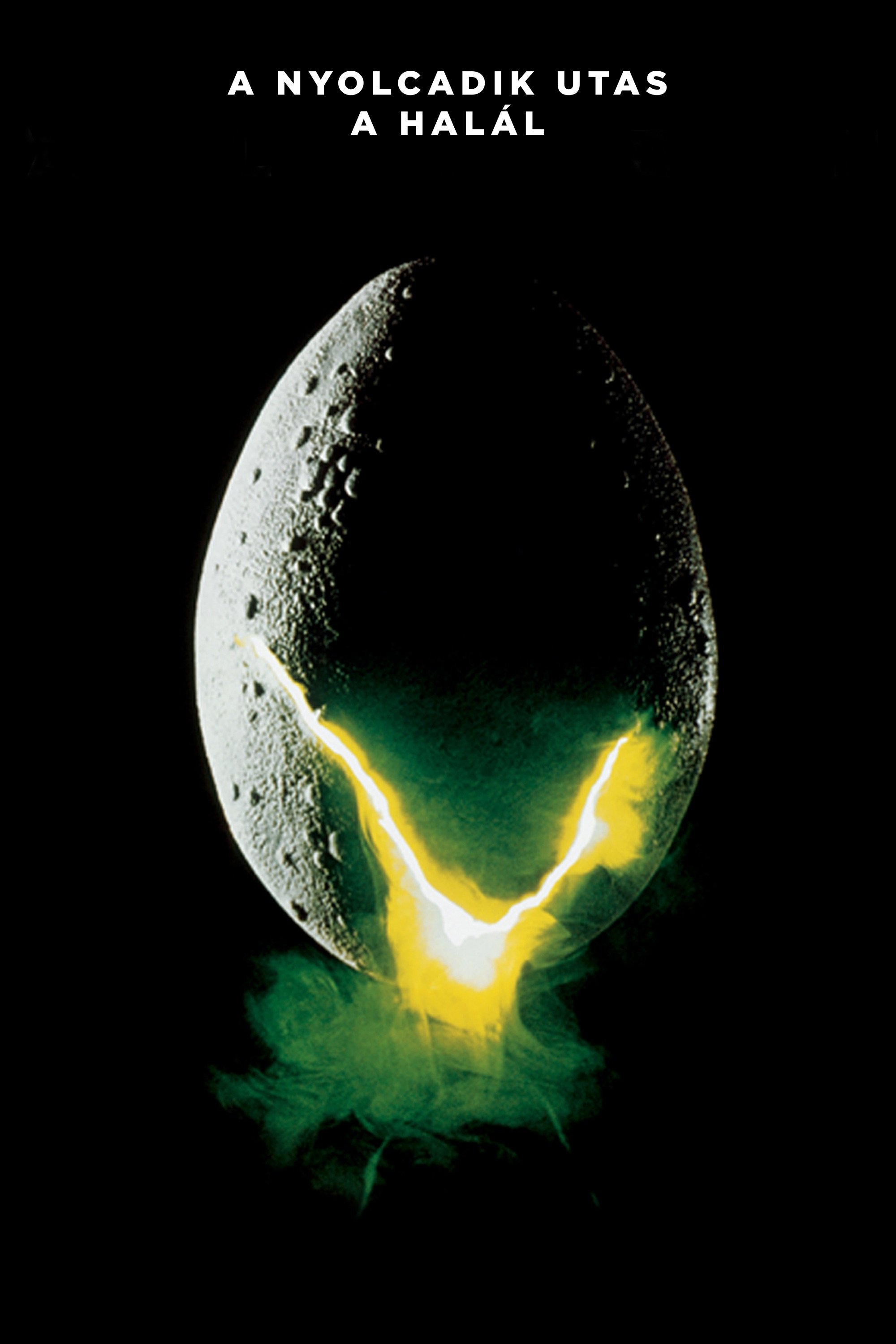
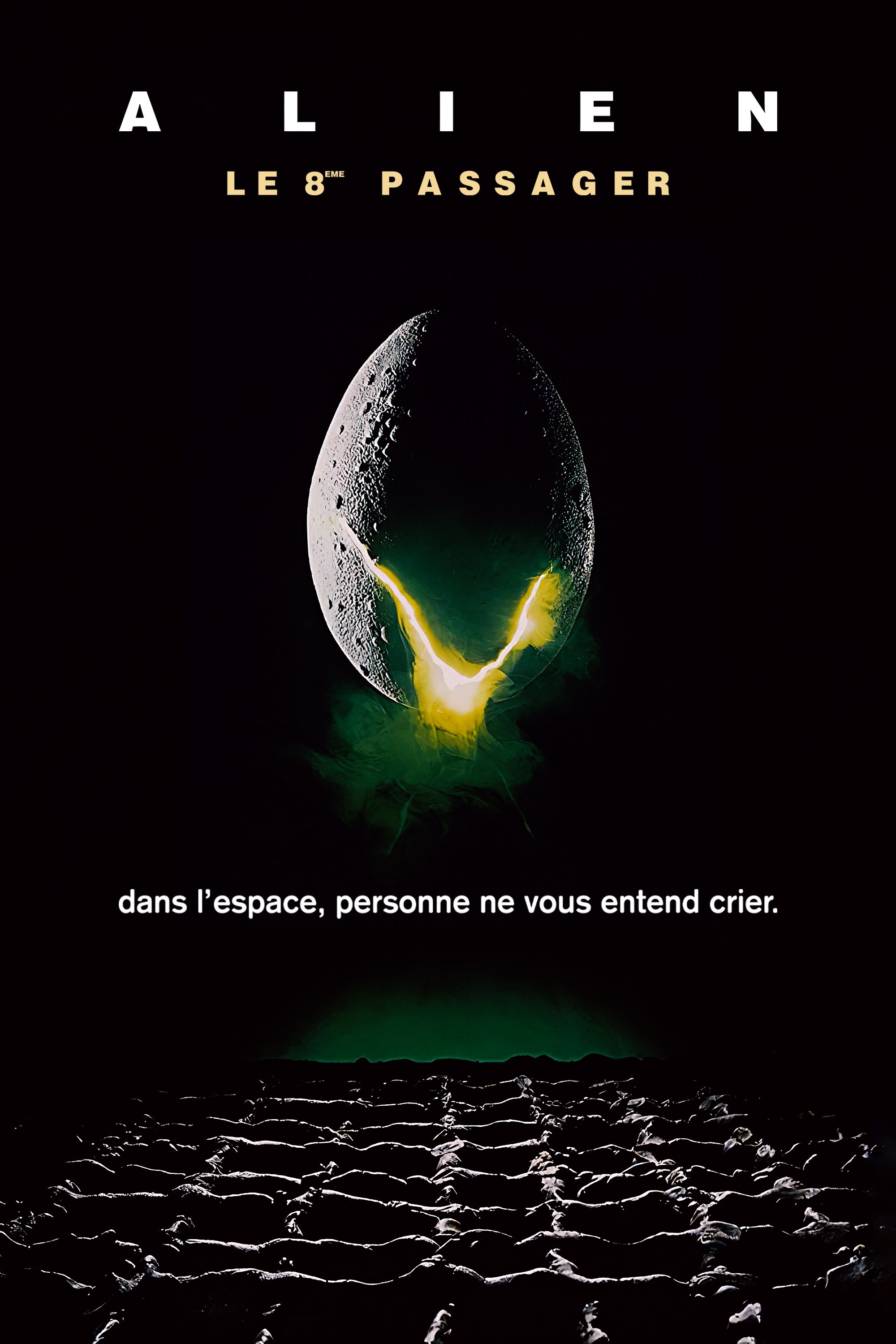
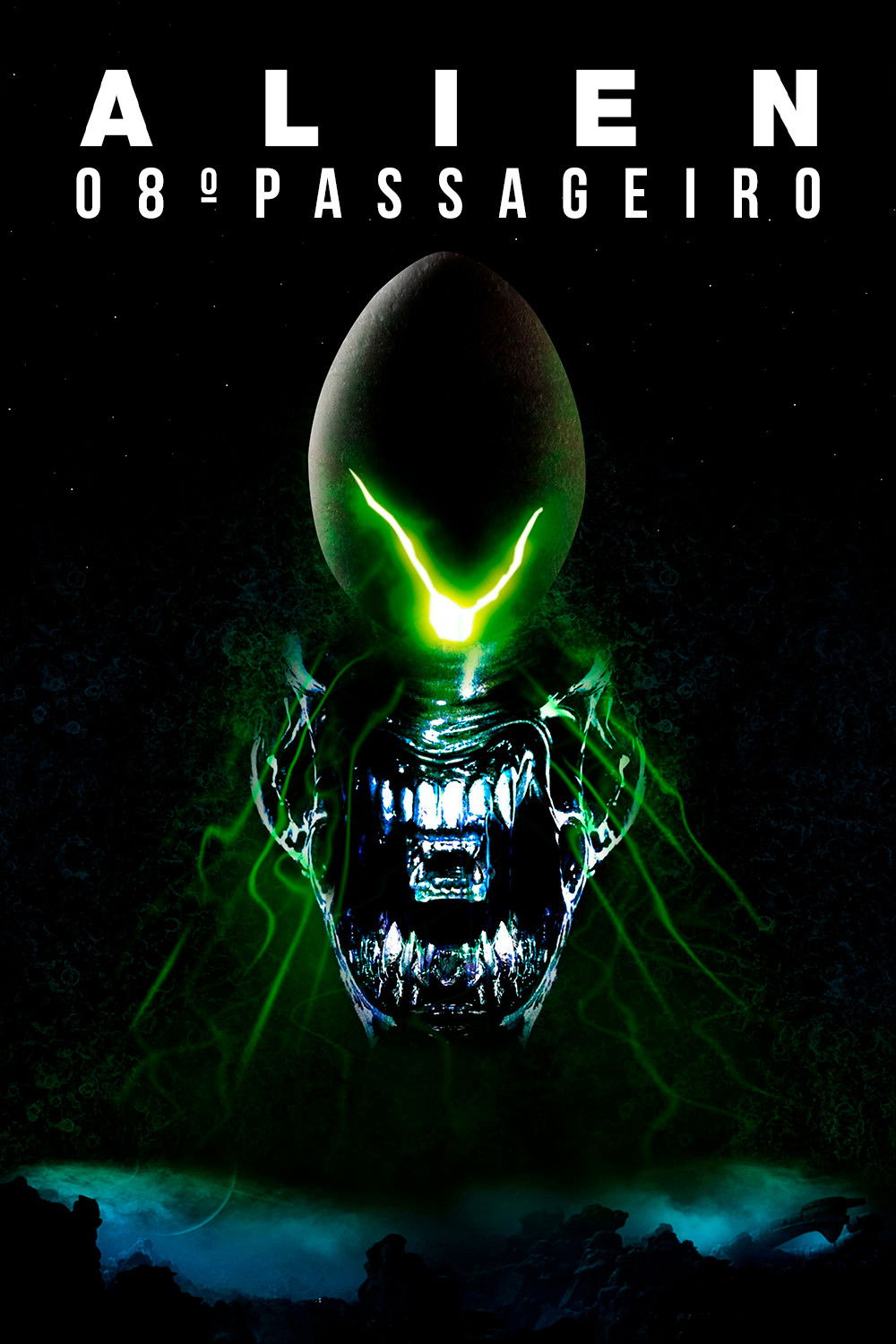
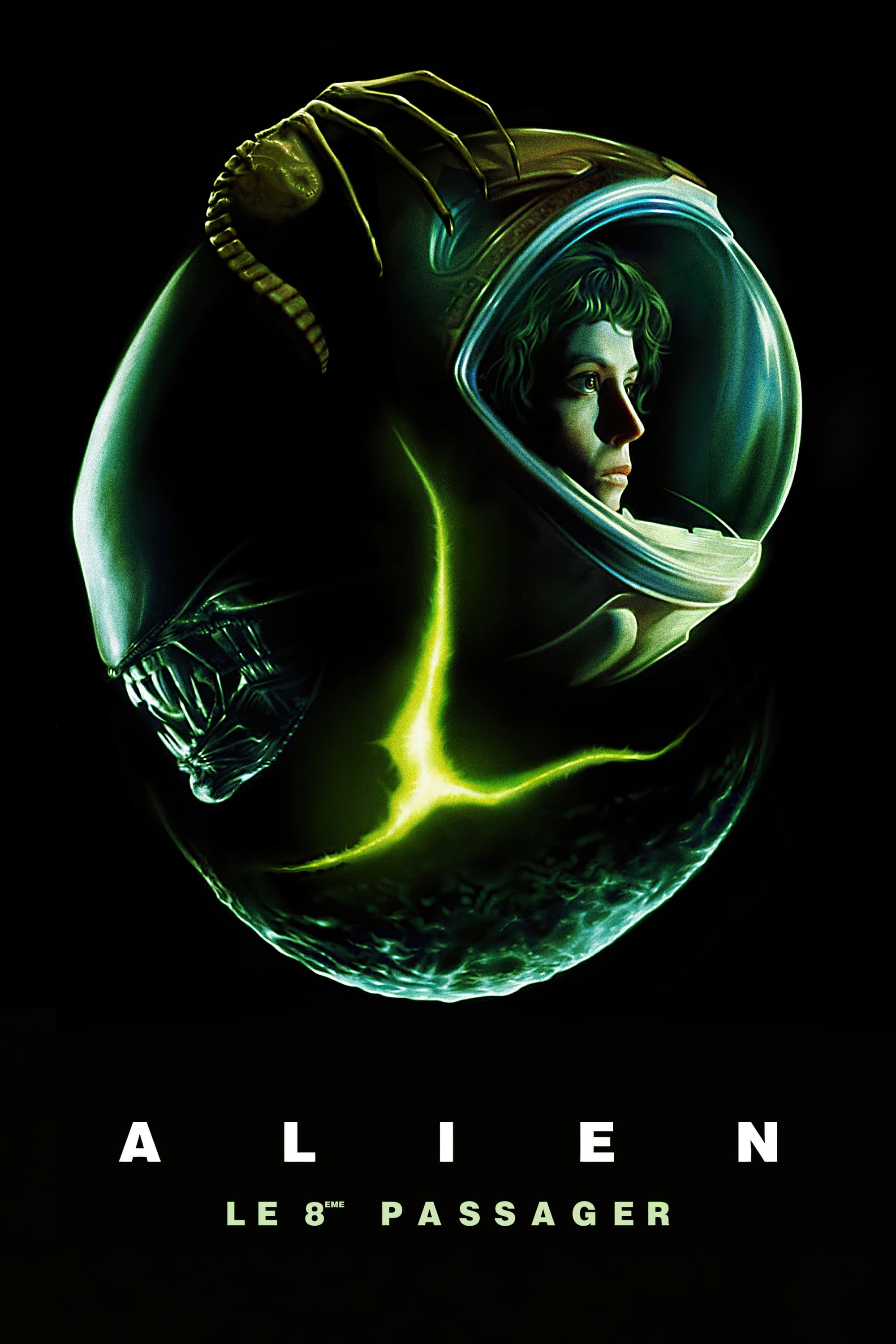
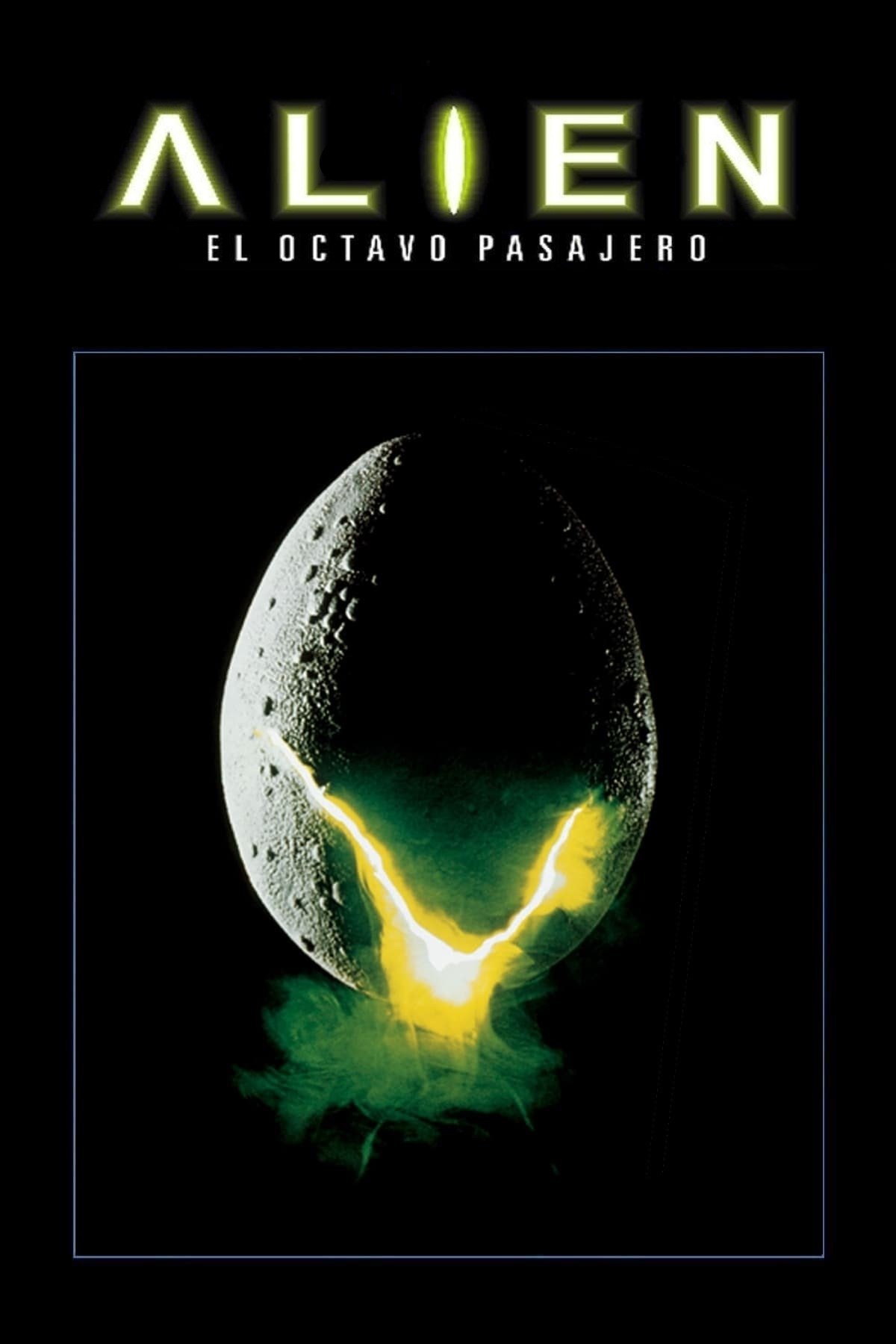
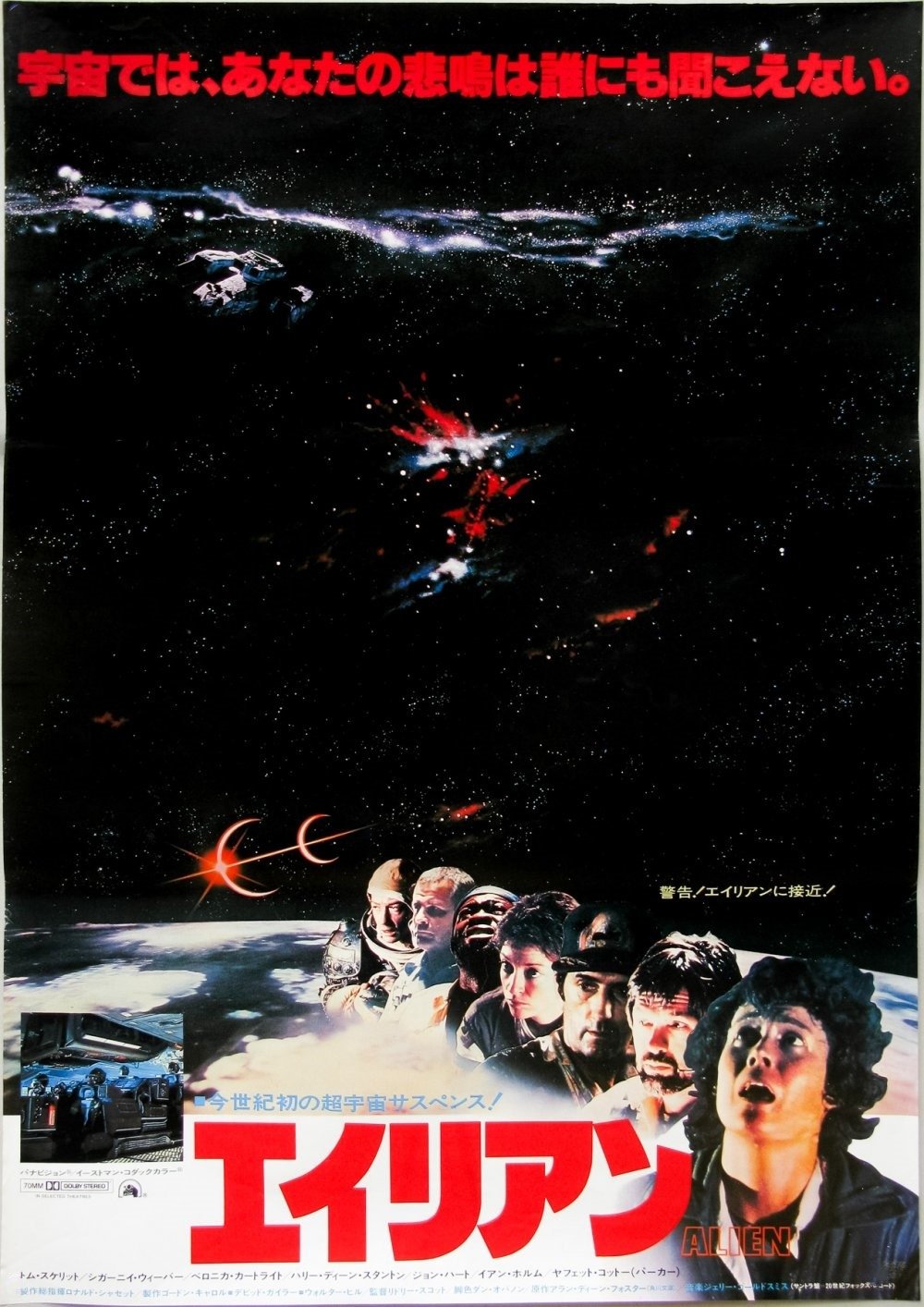
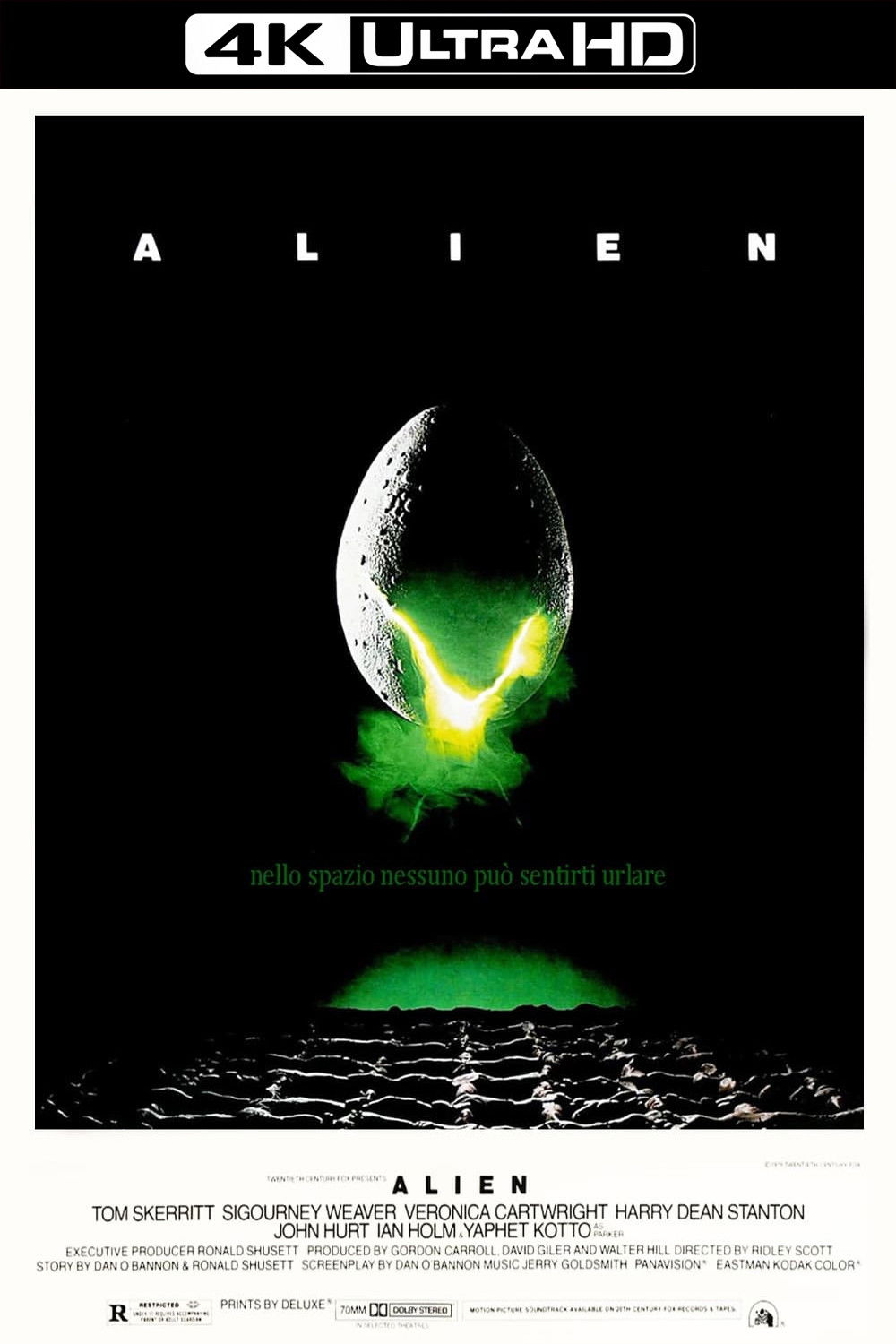
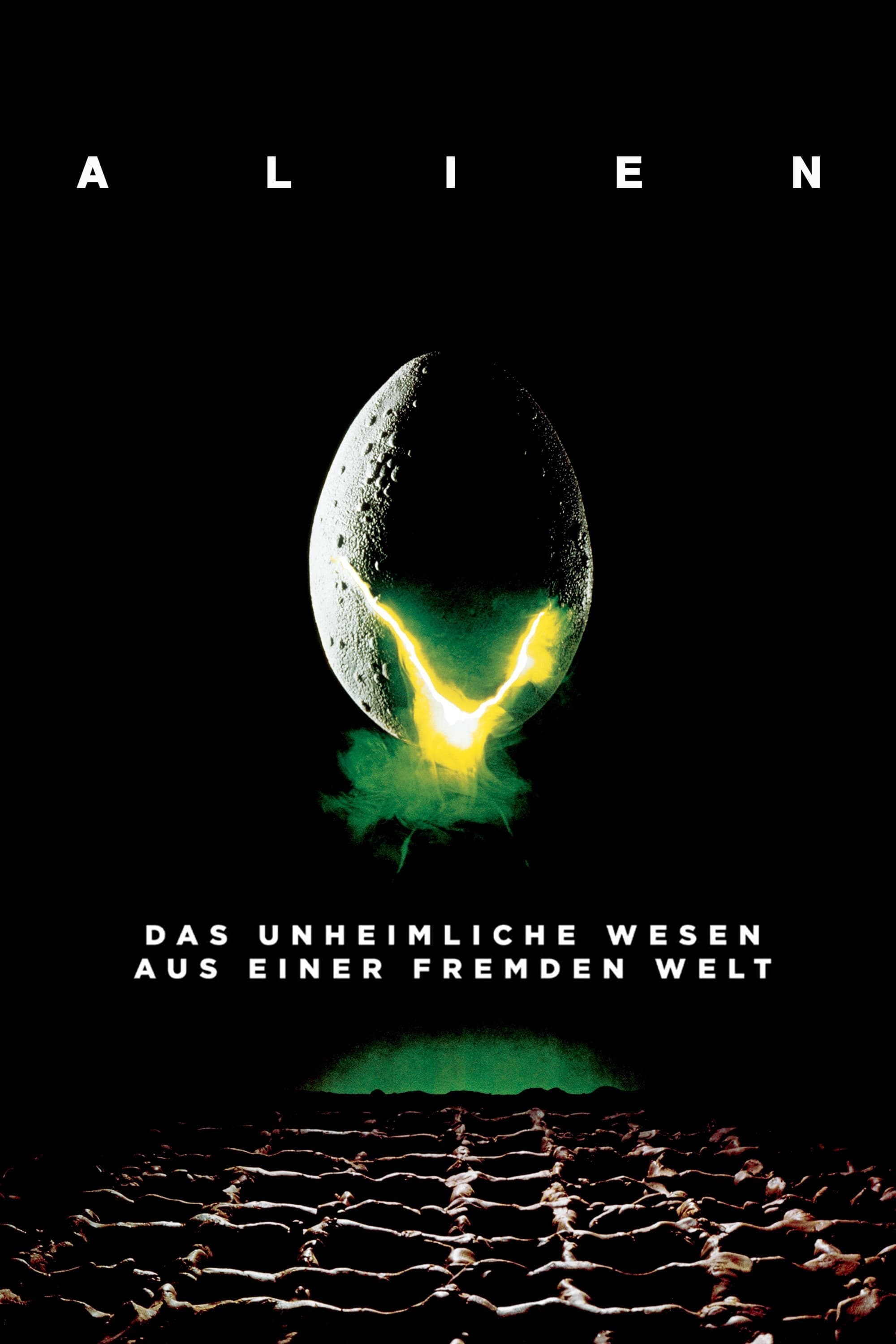
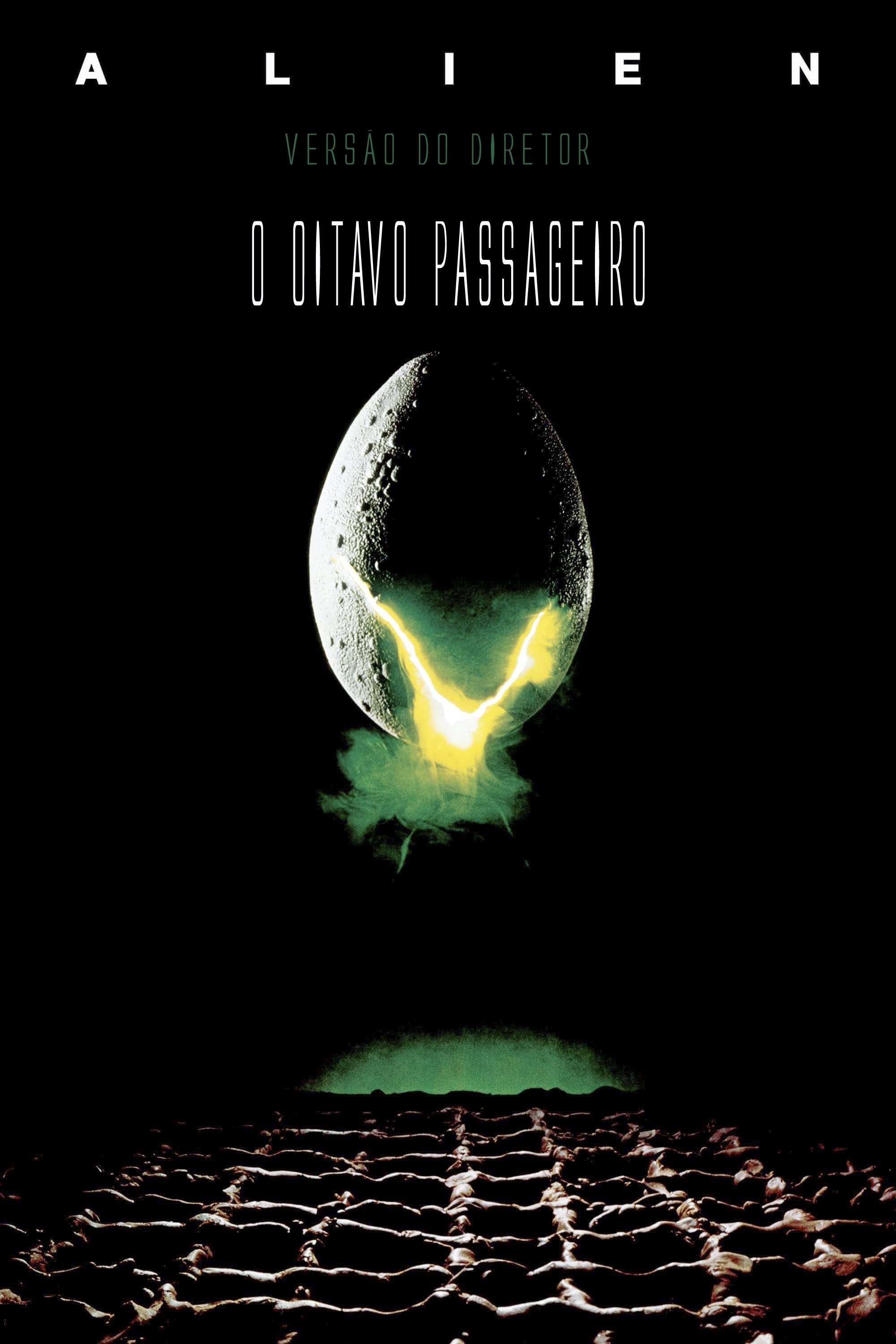
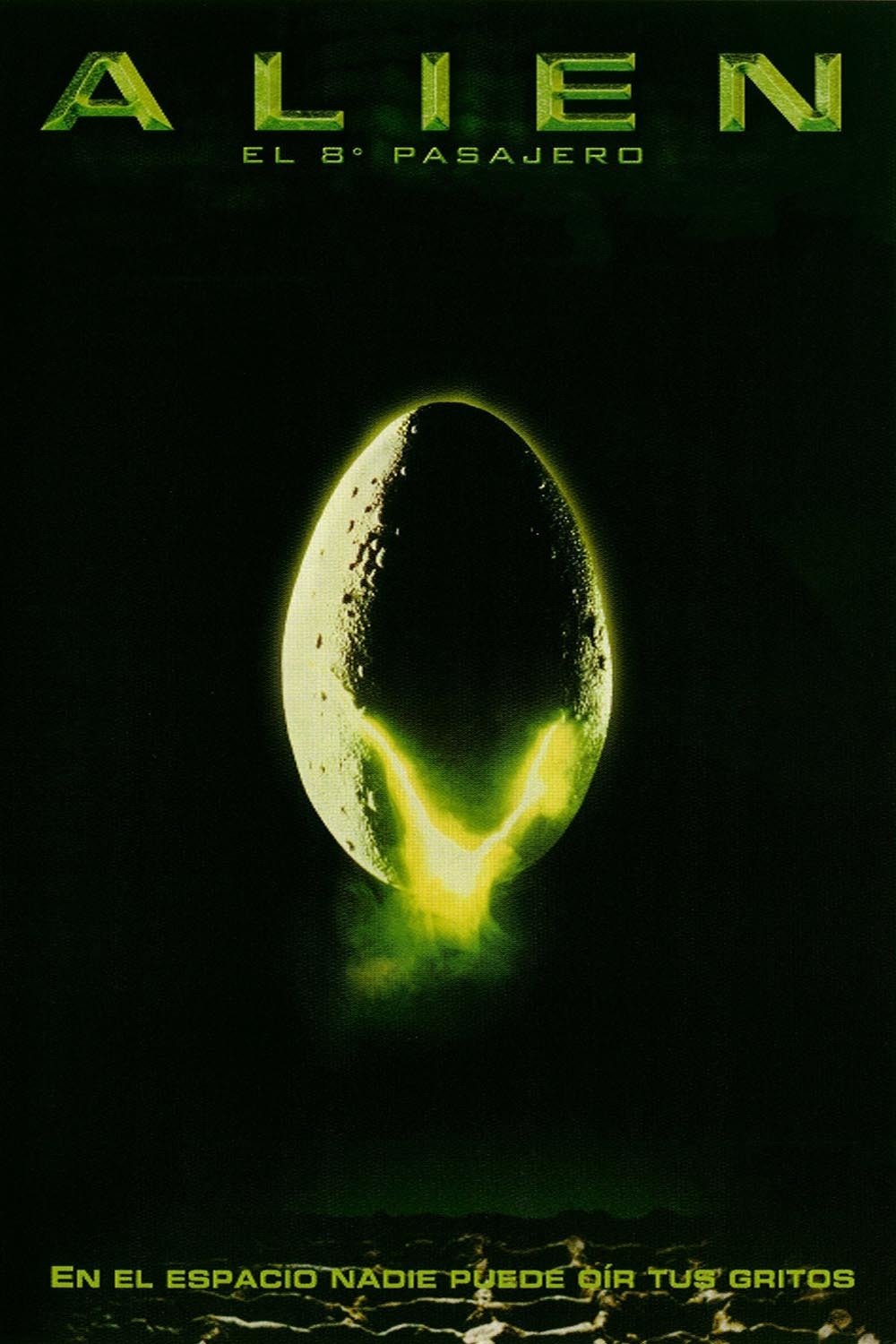
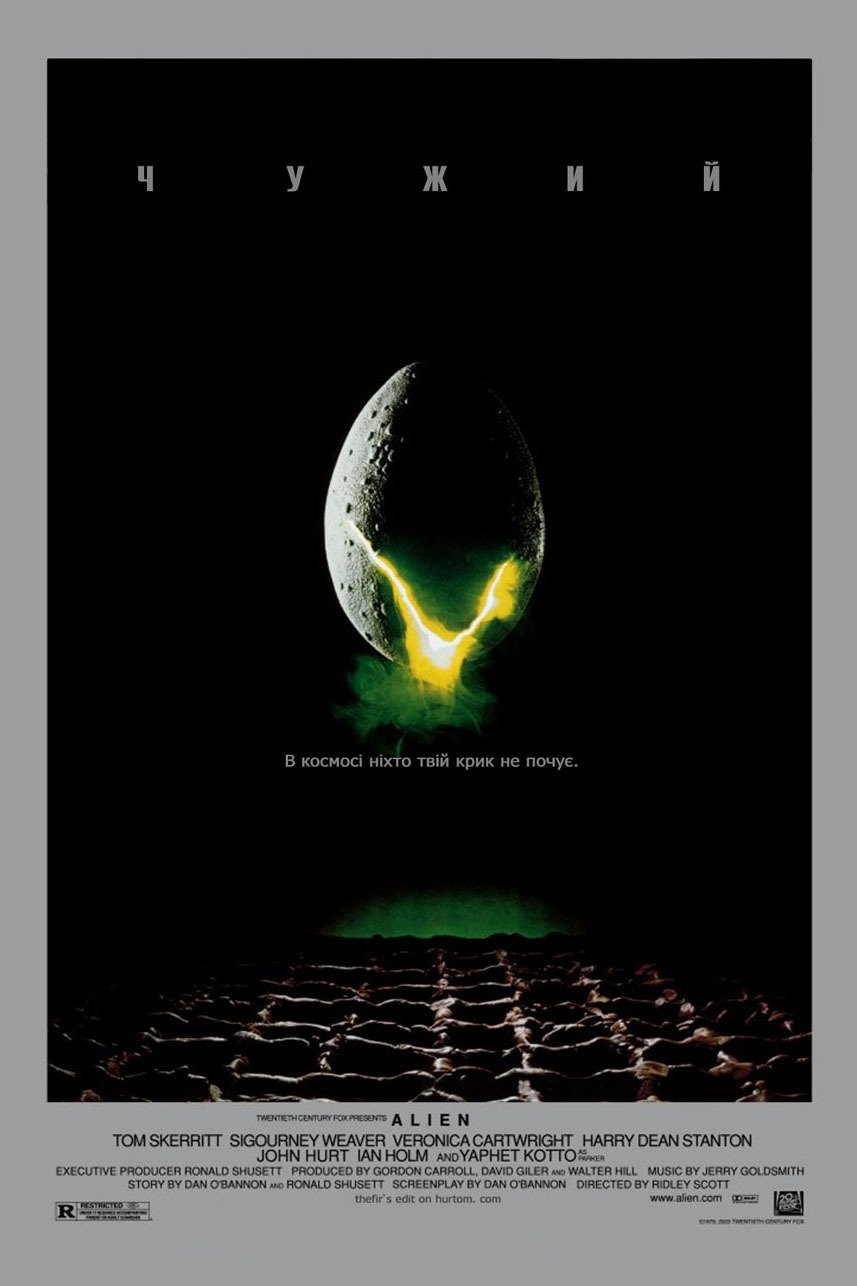
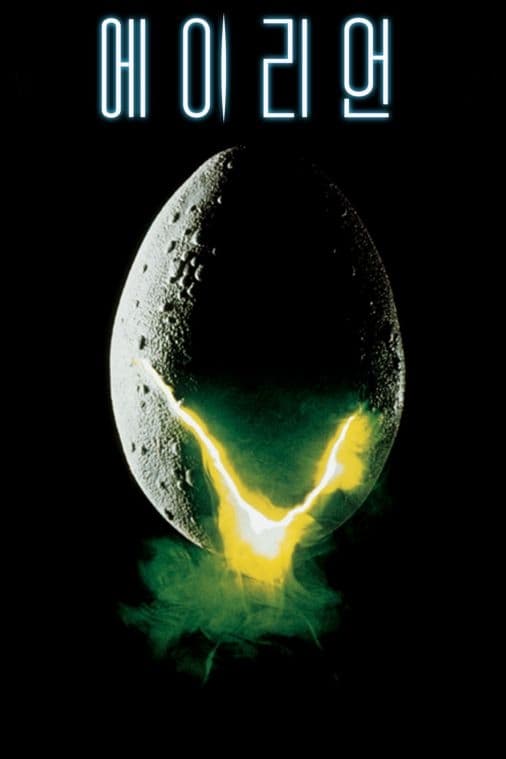
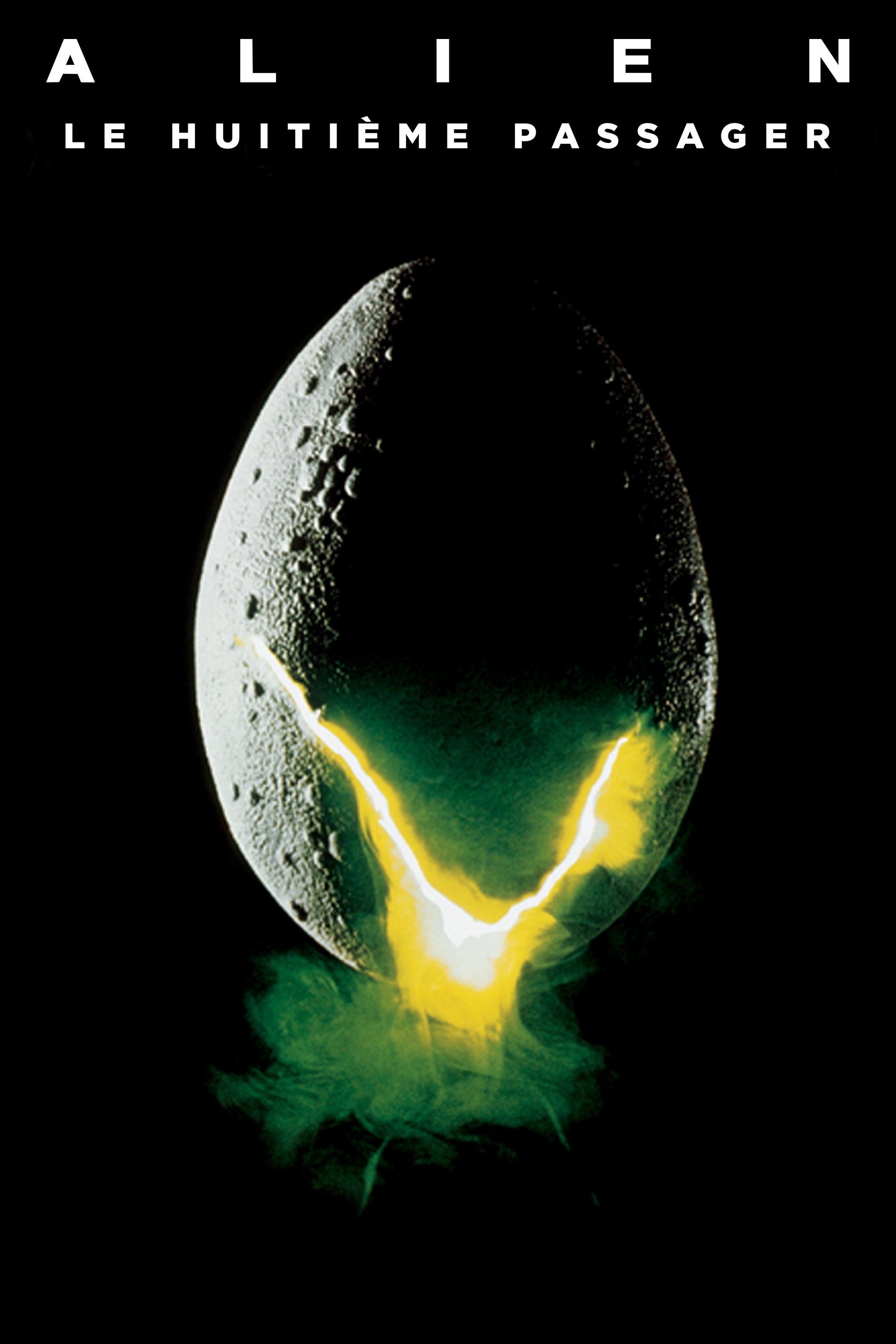
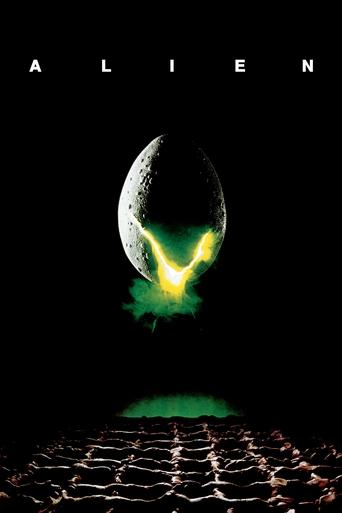
Twentieth Century-Fox released Alien in the United States on May 25, 1979, exactly two years after the opening of Star Wars. The timing inevitably encouraged comparisons, but Fox marketed the film as a very different kind of science-fiction event. The famous campaign reduced the premise to an egg against darkness and the line “In space no one can hear you scream.” Rather than explaining the creature or presenting the cast, the advertising sold uncertainty. Initial bookings included large-format 70mm presentations with Dolby Stereo.

Fox staged marathon screenings at major theatres during the Memorial Day opening, including the Egyptian Theatre in Hollywood and the Criterion in New York. The film earned approximately $3.5 million during its first four days, a major opening for the period. By the end of August contemporary reports placed its gross around $53 million, and modern tracking records roughly $79 million from the original domestic release before later reissues increased the total. Its commercial reception was stronger than the initial critical consensus. Contemporary reviews were generally mixed to positive rather than universally ecstatic.

Critics frequently praised Scott's direction, suspense, design and effects while some regarded the characters as thin or the narrative as a sophisticated variation on familiar monster-movie material. That apparent simplicity ultimately became one of the film's strengths. Alien does not rely on complicated mythology to sustain suspense. The basic problem is immediate: a small number of people are trapped somewhere with an organism they cannot control. The sophistication lies in execution. Every major department contributes to convincing the audience that the situation occupies a coherent physical world before the horror begins.

Oscar, Restoration & Legacy

At the 52nd Academy Awards, Alien won the Oscar for Visual Effects for H.R. Giger, Carlo Rambaldi, Brian Johnson, Nick Allder and Denys Ayling. It was also nominated for Art Direction, recognising the production environment that had made the creature believable. The film's influence quickly extended beyond effects. Giger's Xenomorph became one of cinema's most recognisable creature designs, while the Nostromo helped establish an industrial alternative to sleek science-fiction architecture. Spacecraft could look used, commercial and socially stratified rather than futuristic in an abstract sense. Ripley became equally important.
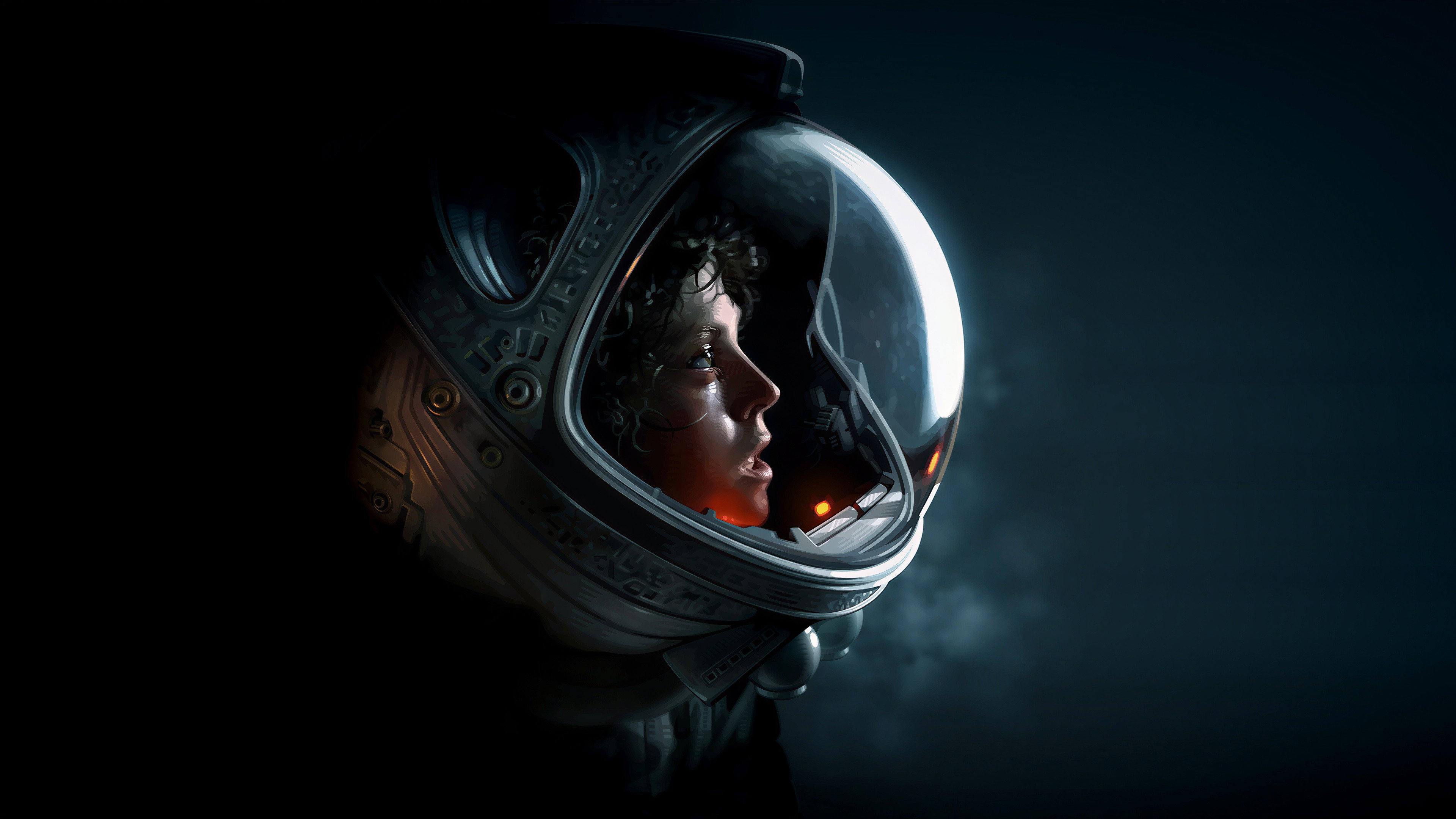

Subsequent entries would expand her into the central figure of the franchise, but the first film established the foundation by allowing a woman to occupy a role whose competence, authority and survival were not dependent on a conventional romantic storyline. The property developed into a major franchise through theatrical sequels, prequels, crossover films, novels, comics, games and other media. Yet many later works returned repeatedly to the specific visual language established in 1979: dim corridors, analogue displays, industrial machinery and Giger's combination of anatomy with technology. Institutional recognition followed. The Library of Congress selected Alien for the National Film Registry in 2002 as a work considered culturally, historically or aesthetically significant.

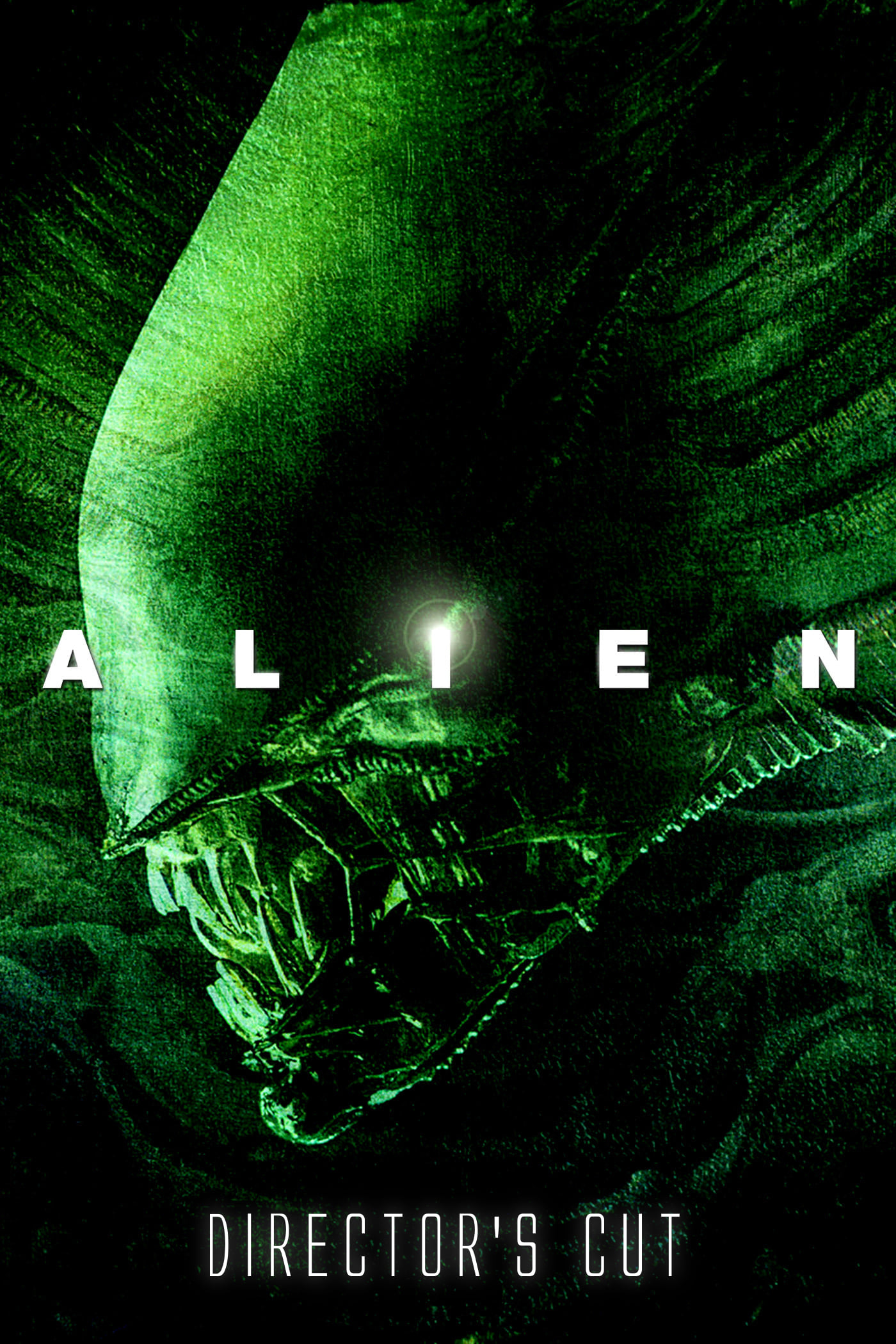
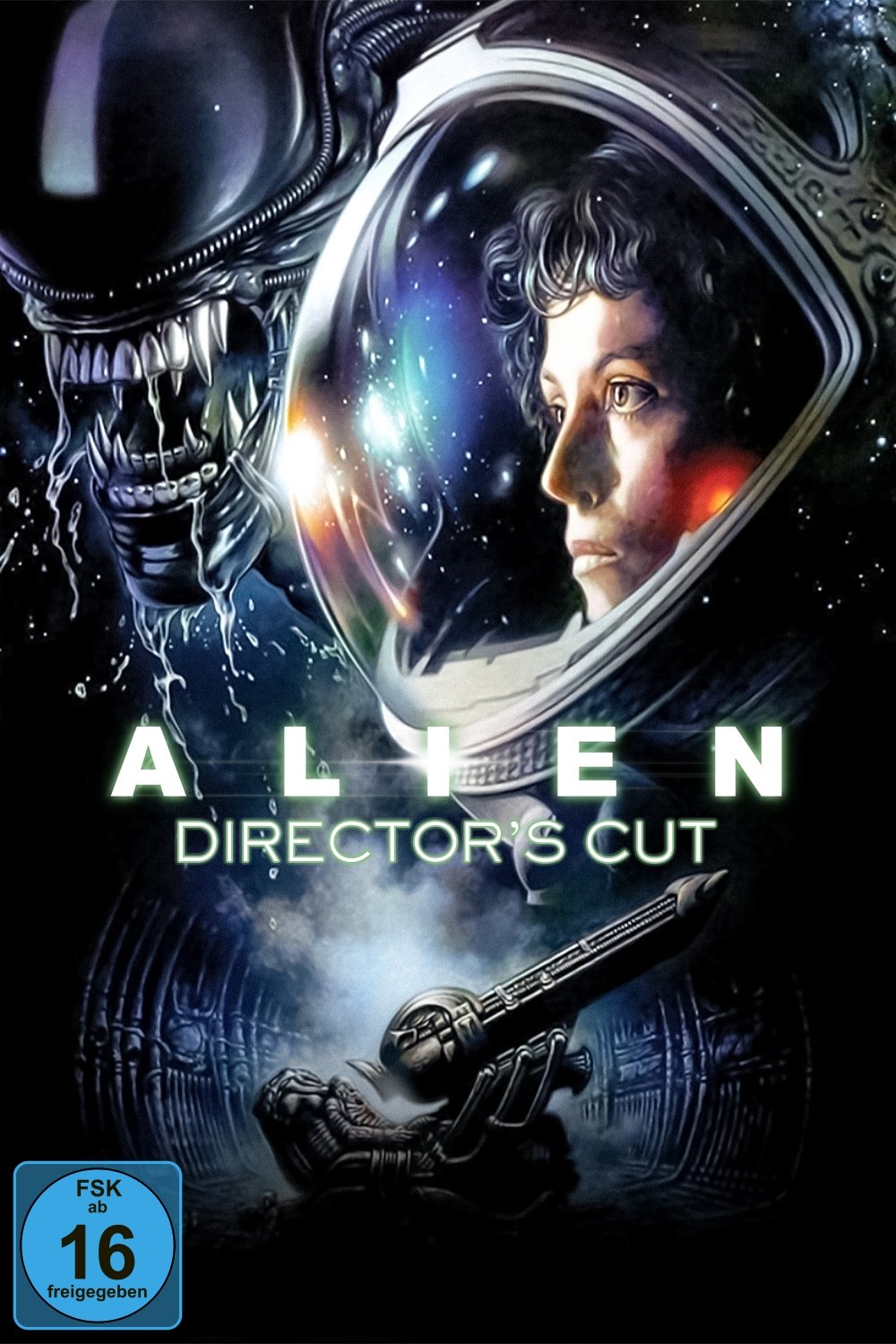
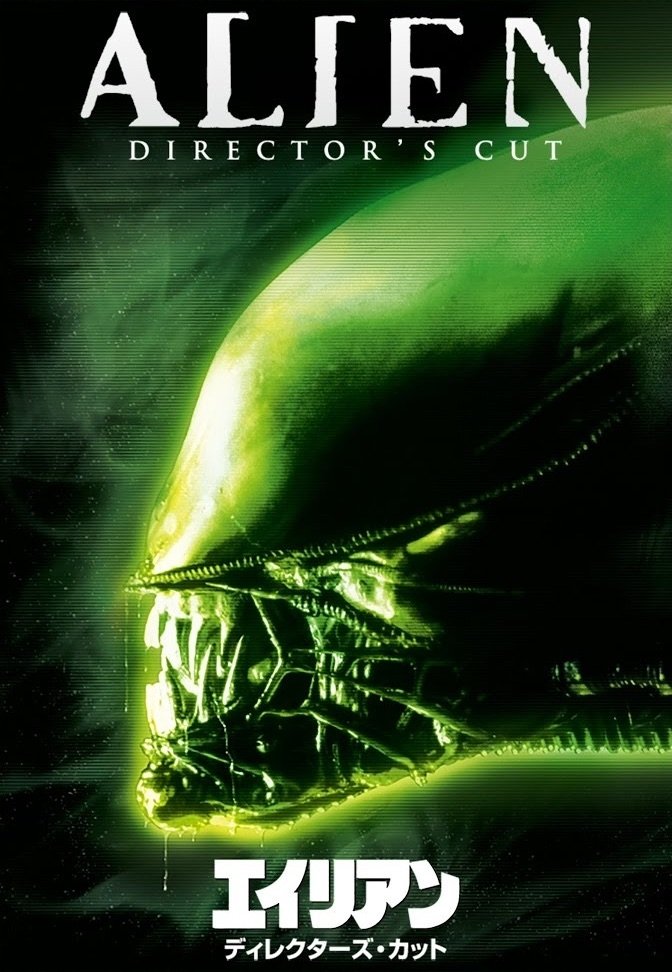
In the 2022 Sight and Sound critics' poll it ranked joint 146th among the greatest films ever made. Scott revisited the original in 2003 for an alternate version marketed as a Director's Cut, incorporating previously deleted material while also tightening other passages. The theatrical version nevertheless remained his original completed film rather than a version imposed against his wishes. For the fortieth anniversary, the original theatrical cut underwent a new 4K restoration completed in 2018 by 20th Century Fox, with scanning by EFilm and supervision by Scott and Pam Dery. It returned to cinemas internationally in 2019. The restoration reinforces what has allowed the film to survive successive changes in effects technology.

Alien is not convincing simply because its creature still looks effective. Its entire environment has been constructed to support the creature: actors behave like workers, the ship appears functional, darkness has physical depth, sound implies machinery beyond the frame and Giger's organism seems to belong to a biology the human characters have interrupted accidentally. That integration is the film's enduring achievement. Many productions have borrowed its monster, its isolated setting or its mixture of science fiction and horror. Far fewer reproduce the confidence with which Alien spends so much of its running time convincing the audience that the Nostromo is an ordinary workplace before allowing something extraordinary to enter it.

Connections

Cast

View Full Cast & Crew →

Release & Distribution

Production Companies (3)

  • Brandywine Productions US
  • Ronald Shusett Productions US
  • Twentieth Century-Fox Productions GB

Distributors (1)

  • InterCom HU

Release History (107)

Release DateTerritoryRelease TypeFormatDistributorCertificationNotes
1979-05-25 Romania Limited Theatrical — — 18
1979-05-25 United States Limited Theatrical — — R
1979-05-28 Russia Theatrical — — 16+
1979-06-21 Canada Theatrical — — —
1979-06-21 United States Theatrical — — R
1979-07-21 Japan Theatrical — — PG-12
1979-08-20 Brazil Theatrical — — 14
1979-08-30 Puerto Rico Theatrical — — —
1979-09-01 United Kingdom Premiere — — — Edinburgh International Film Festival
1979-09-06 United Kingdom Theatrical — — 18
1979-09-12 France Theatrical — — 12
1979-09-12 Netherlands Theatrical — — 16
1979-09-13 Belgium Theatrical — — 16
1979-09-13 Colombia Theatrical — — —
1979-09-14 Ireland Theatrical — — 15
1979-09-16 Spain Premiere — — — San Sebastián Film Festival
1979-09-24 Spain Theatrical — — 16
1979-10-03 South Africa Theatrical — — —
1979-10-12 Denmark Theatrical — — 15
1979-10-21 Portugal Theatrical — — M/16
1979-10-24 Germany Theatrical — — 16 West Germany
1979-10-25 Italy Theatrical — — T
1979-10-26 Austria Theatrical — — —
1979-10-26 Finland Theatrical — — K-16
1979-10-31 Philippines Theatrical — — R-18
1979-11-02 Israel Theatrical — — —
1979-11-02 Sweden Theatrical — — 15
1979-11-05 Cyprus Theatrical — — —
1979-11-05 Greece Theatrical — — K-16
1979-11-13 Norway Theatrical — — 18
1979-11-14 Hong Kong SAR China Theatrical — — —
1979-11-15 Malaysia Theatrical — — —
1979-11-15 Singapore Theatrical — — PG
1979-11-21 Mexico Theatrical — — B
1979-12-02 Mexico Limited Theatrical — — —
1979-12-06 Australia Theatrical — — M
1979-12-06 India Theatrical — — A
1979-12-25 Argentina Theatrical — — 18
1979-12-25 Chile Theatrical — — —
1980-01-01 Bolivia Theatrical — — —
1980-01-02 Poland Theatrical — — —
1980-01-24 New Zealand Theatrical — — 16
1980-01-24 Peru Theatrical — — 14
1980-02-06 Jamaica Theatrical — — —
1980-02-16 Taiwan Theatrical — — —
1980-03-10 Egypt Theatrical — — —
1980-03-28 Uruguay Theatrical — — —
1980-03-28 Venezuela Theatrical — — —
1980-12-18 Iceland Theatrical — — 16
1981-01-15 Hungary Theatrical — — 18
1981-11-01 Türkiye Theatrical — — 18+
1982-07-01 Czechia Theatrical — — 15+
1982-08-28 Thailand Theatrical — — 18 +
1987-10-01 South Korea Theatrical — — 15
1991-02-01 Russia Theatrical — — 18+
1995-10-27 Hungary TV — — — First dubbed for only TV
1999-06-01 United States Physical DVD — R DVD
2002-08-09 Philippines TV — — — Studio 23
2003-08-24 Puerto Rico Theatrical — — — Director's Cut
2003-09-06 Canada Theatrical — — 18A Director's Cut
2003-10-22 Belgium Theatrical — — 16 Director's Cut
2003-10-23 Germany Theatrical — — 16 Director's Cut
2003-10-23 Netherlands Theatrical — — 16 Director's Cut
2003-10-24 Spain Theatrical — — — Director's Cut
2003-10-24 Mexico Theatrical — — — Director's Cut
2003-10-29 Norway Theatrical — — 15 Director's Cut
2003-10-29 United States Theatrical — — R Director's Cut
2003-10-31 United Kingdom Theatrical — — 15 Director's Cut
2003-10-31 Ireland Theatrical — — 18 Director's Cut
2003-11-11 Poland Theatrical — — 16 Director's Cut
2003-11-12 France Theatrical — — 12 Director's Cut
2003-11-14 Italy Limited Theatrical — — — Director's Cut
2003-11-14 Sweden Theatrical — — 15 Director's Cut
2003-12-13 Australia Theatrical — — — Director's Cut
2003-12-19 Brazil Theatrical — — — Director's Cut
2004-01-06 United States Physical DVD — R DVD (Director's Cut)
2004-01-31 Japan Theatrical — — — Director's Cut
2004-02-04 Sweden Physical DVD — 15 DVD
2004-02-05 Argentina Theatrical — — 13 Director's cut
2004-05-08 Netherlands TV — — 12 Yorin
2007-01-30 Russia Physical DVD — 16+ DVD
2008-07-09 Netherlands Physical DVD — 12 DVD
2010-10-27 Sweden Physical Blu-ray — 15 Blu-ray
2010-11-11 Russia Physical Blu-ray — 16+ Blu-ray
2011-05-10 United States Physical Blu-ray — R Blu-ray (Theatrical and Director's Cuts)
2011-10-05 Netherlands Physical Blu-ray — 12 Blu-ray
2014-08-12 Hungary TV — — 16 Re-rating of movie version
2014-09-04 Hungary Theatrical — — 18 Director's Cut
2014-10-07 United States Physical Blu-ray — R 35th Anniversary Edition Blu-ray (Theatrical and Director's Cuts)
2016-04-16 China Premiere — — — Beijing International Film Festival
2017-05-09 Lithuania Theatrical — — — Director's Cut
2017-06-16 China Premiere — — — Shanghai International Film Festival
2017-07-19 Ukraine Theatrical — — — Director's Cut
2019-01-30 China Digital — — — iqiyi
2019-03-07 Russia Theatrical — — 16+ Re-release
2019-04-01 United States Physical 4K UHD — R 40th Anniversary Edition 4K UHD (Theatrical and Director's Cuts)
2019-04-08 Sweden Physical 4K UHD — 15 4K Ultra HD
2021-02-23 France Digital — — — Disney+
2023-03-23 Hungary Theatrical — — 18 4K Assembly Director's Cut
2023-06-20 Italy Limited Theatrical — — — Park Circus Re-release
2023-12-23 China Digital — — — bilibili
2024-04-26 Singapore Limited Theatrical — — PG13 Re-release
2024-04-26 United States Theatrical — — R 45th Anniversary Edition
2026-06-09 France Theatrical — — 12 Mondes possibles : la science-fiction sur grand écran, Institut Lumière, Lyon
2026-06-20 France Theatrical — — 12 Mondes possibles : la science-fiction sur grand écran, Institut Lumière, Lyon
2026-07-05 France Theatrical — — 12 Mondes possibles : la science-fiction sur grand écran, Institut Lumière, Lyon
2026-07-13 France Theatrical — — 12 Mondes possibles : la science-fiction sur grand écran, Institut Lumière, Lyon

Awards & Festivals

17 entries
YearFestival / AwardEntrySectionCategoryResultPremiere
1980Academy Award for Best Production Designawardnominated
1980Academy Award for Best Visual Effectsawardwon
1980Academy Award for Best Visual Effectsawardnominated
1980BAFTA Award for Best Editingawardnominated
1980BAFTA Award for Best Original Musicawardnominated
1980BAFTA Award for Best Soundawardwon
1980BAFTA Award for Best Soundawardnominated
1980BAFTA Award for Most Promising Newcomer to Leading Film Rolesawardnominated
1980British Academy Film AwardsawardBAFTA Award for Best Actor in a Supporting Rolenominated
1980Hugo AwardawardHugo Award for Best Dramatic Presentationwon
1980Hugo AwardawardHugo Award for Best Dramatic Presentationnominated
1980Saturn AwardsawardSaturn Award for Best Science Fiction Filmwon
1980Saturn AwardsawardSaturn Award for Best Directorwon
1979Golden Globe Award for Best Original Scoreawardnominated
1979Saturn AwardsawardSaturn Award for Best Supporting Actresswon
1979Saturn AwardsawardSaturn Award for Best Science Fiction Filmnominated
1979Saturn AwardsawardSaturn Award for Best Supporting Actressnominated
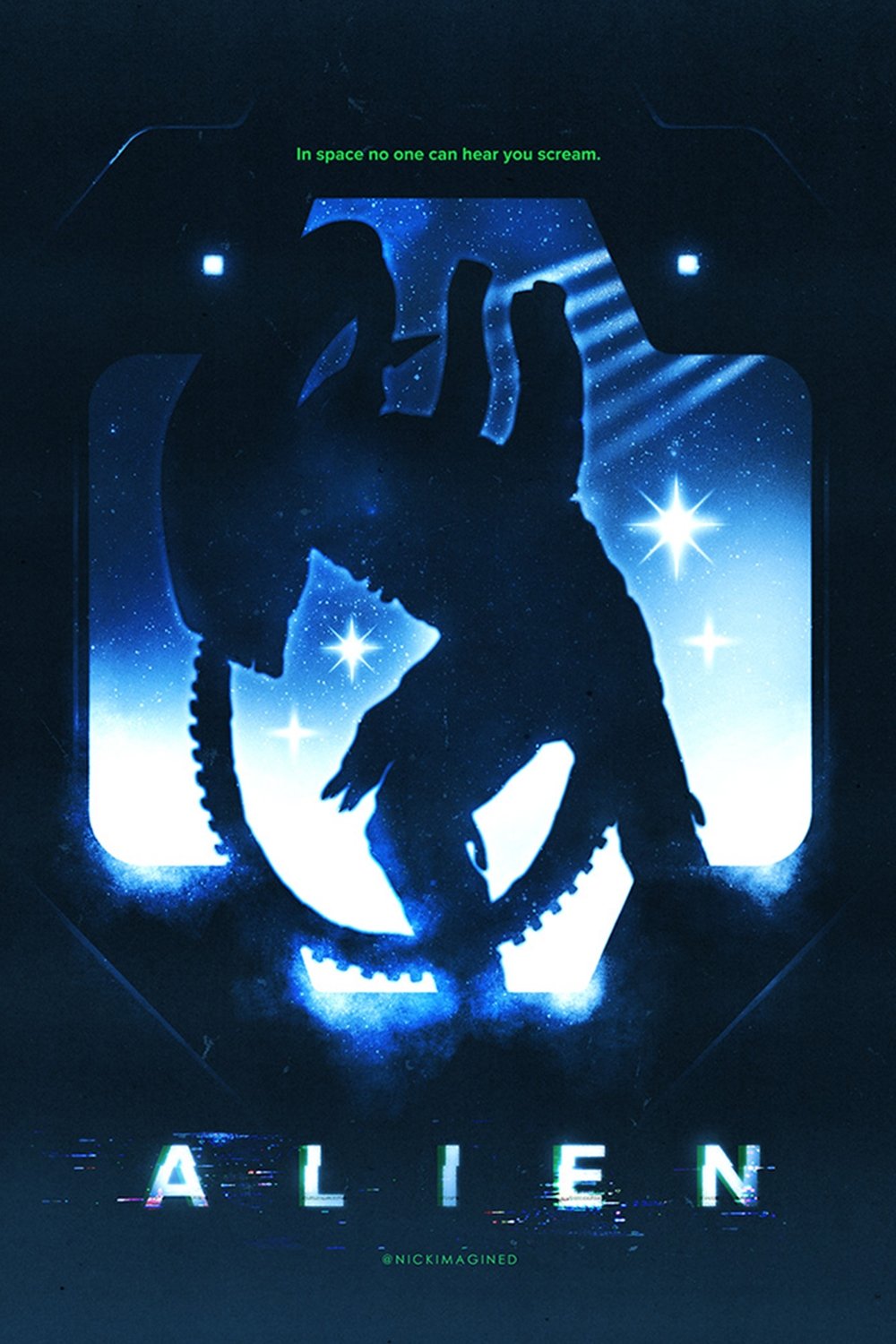
In space no one can hear you scream.