The Driller Killer (1979)

US
HORROR FILM Drama
SUBGENRES SLASHER
UK censorship history DPP · Successful prosecutions
Runtime
96 min
Release
June 15, 1979
Budget
$20,000
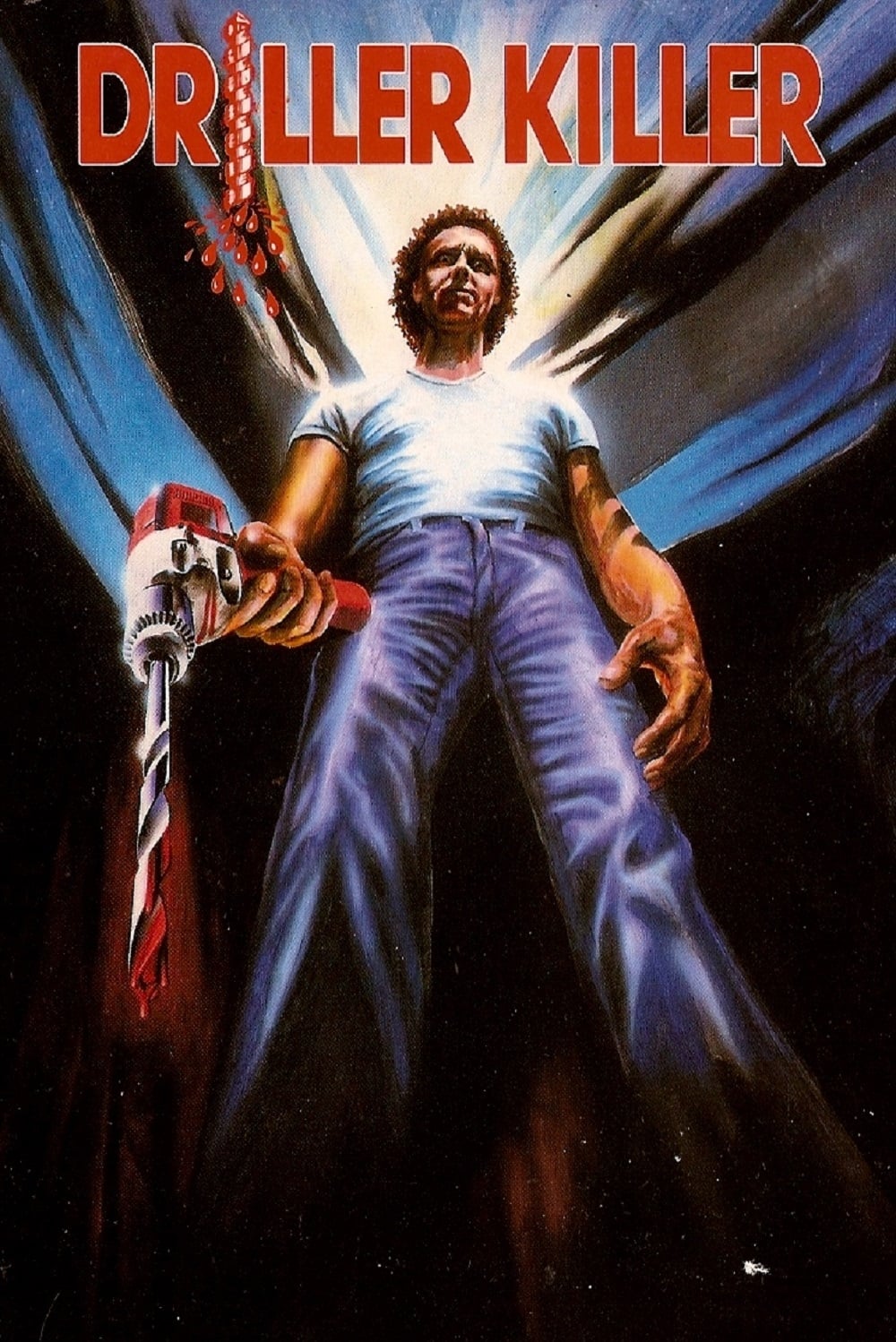
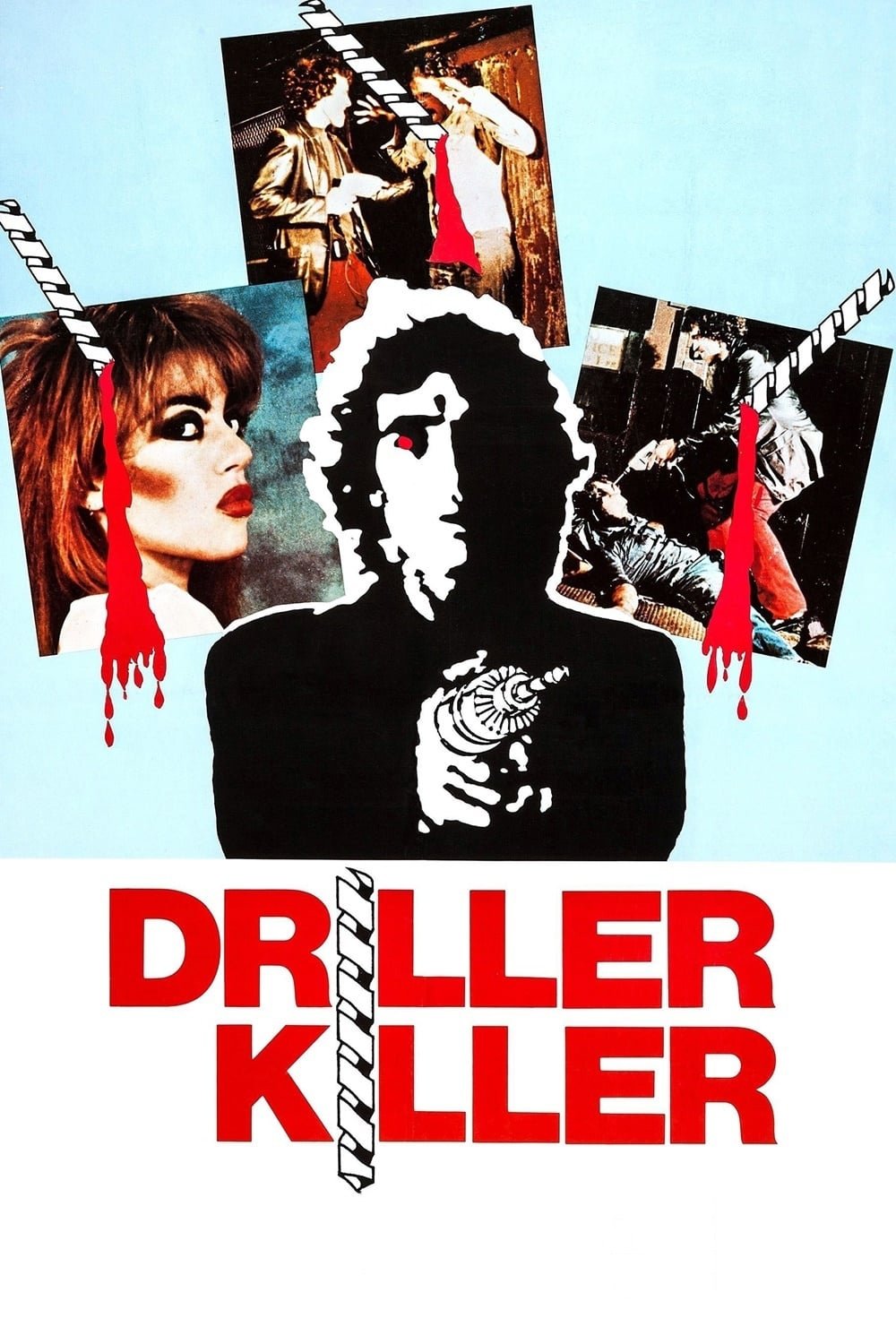
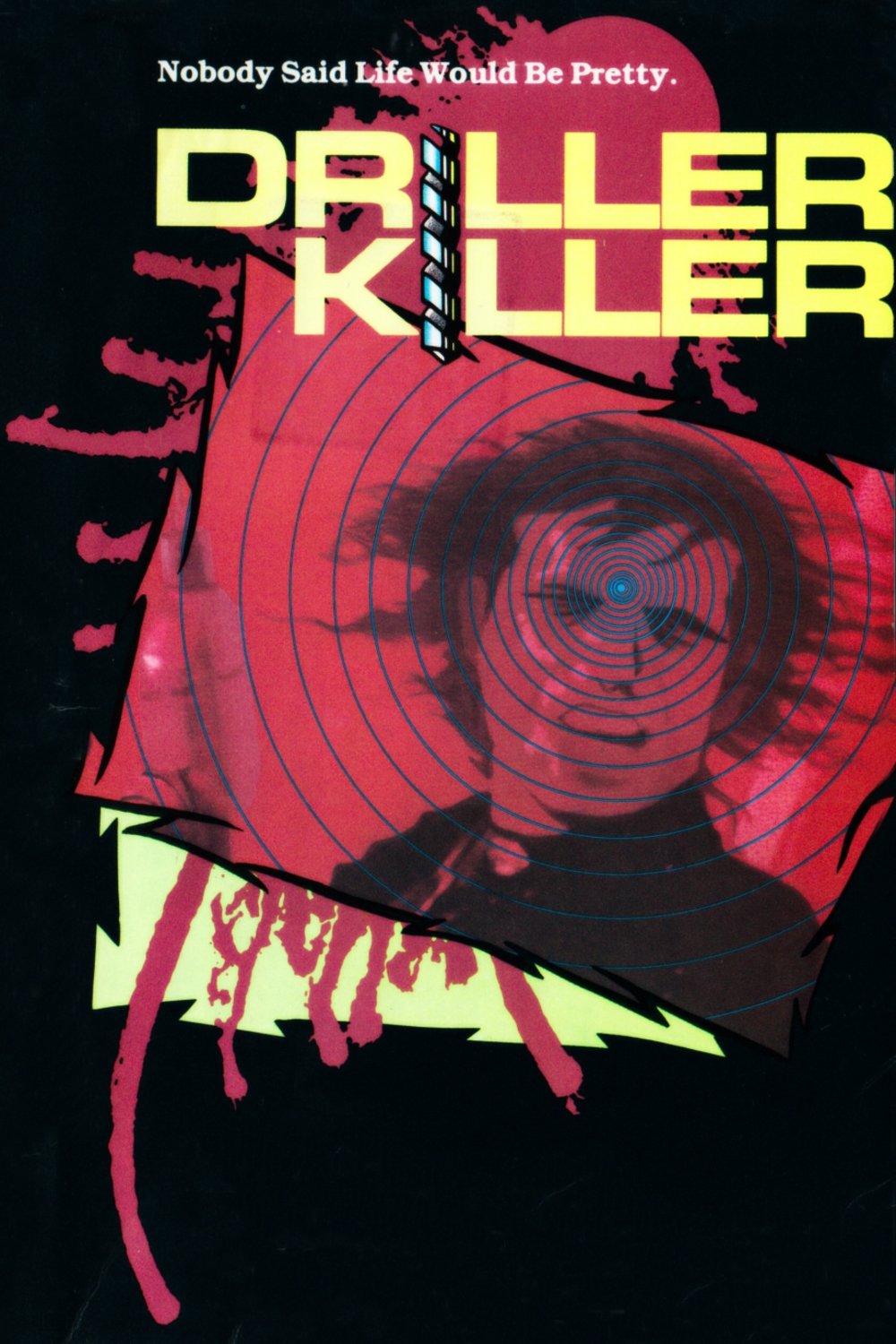
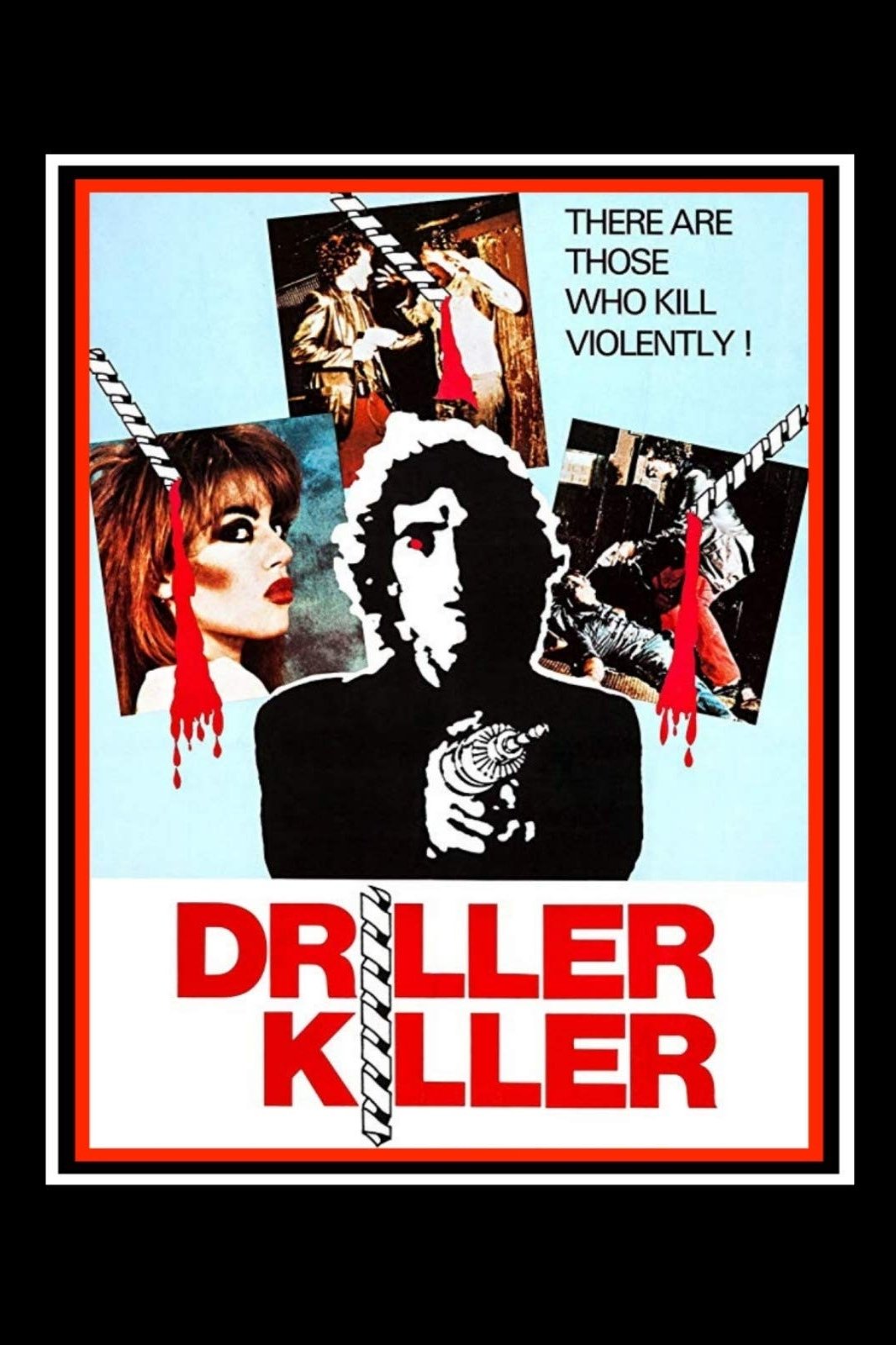
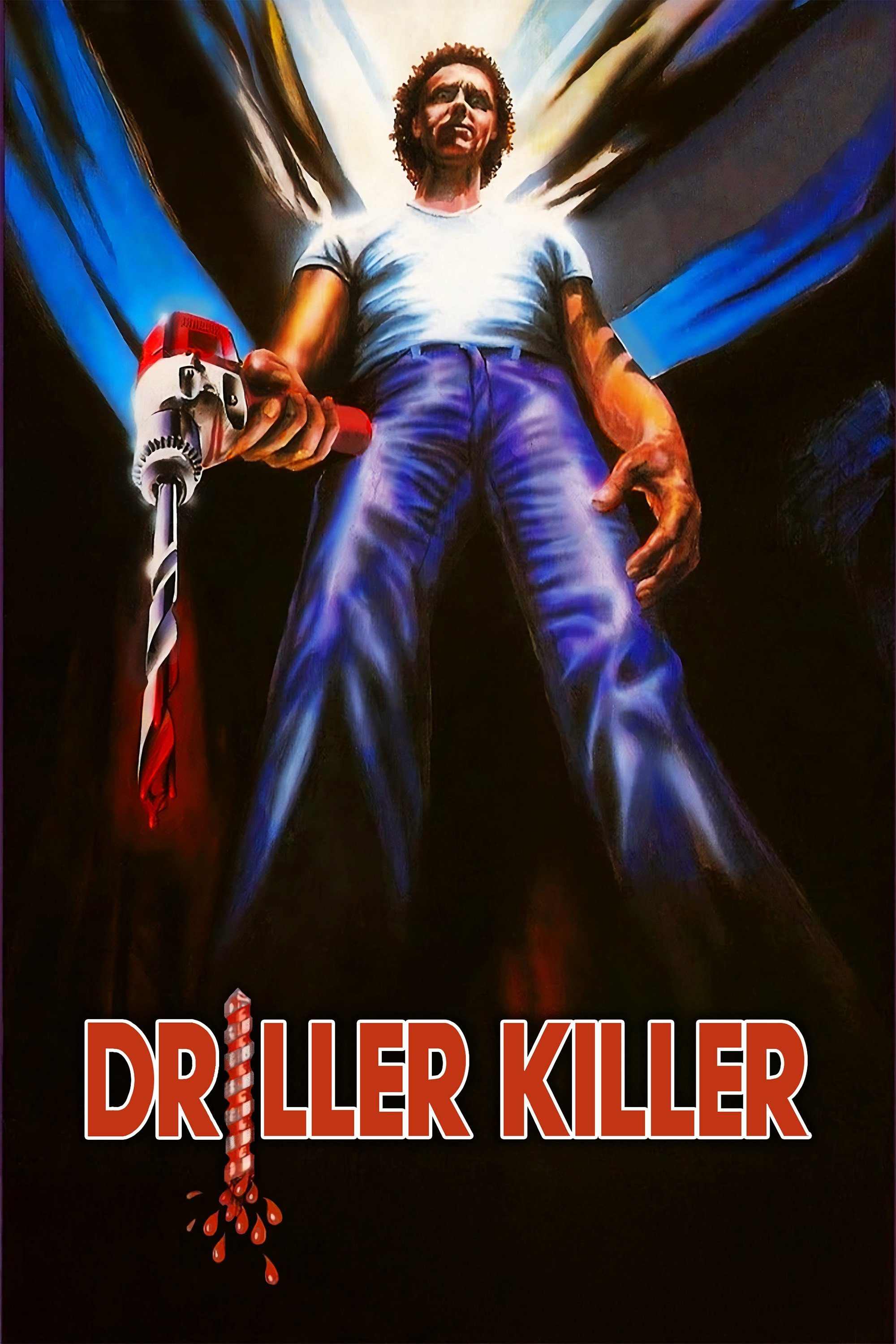
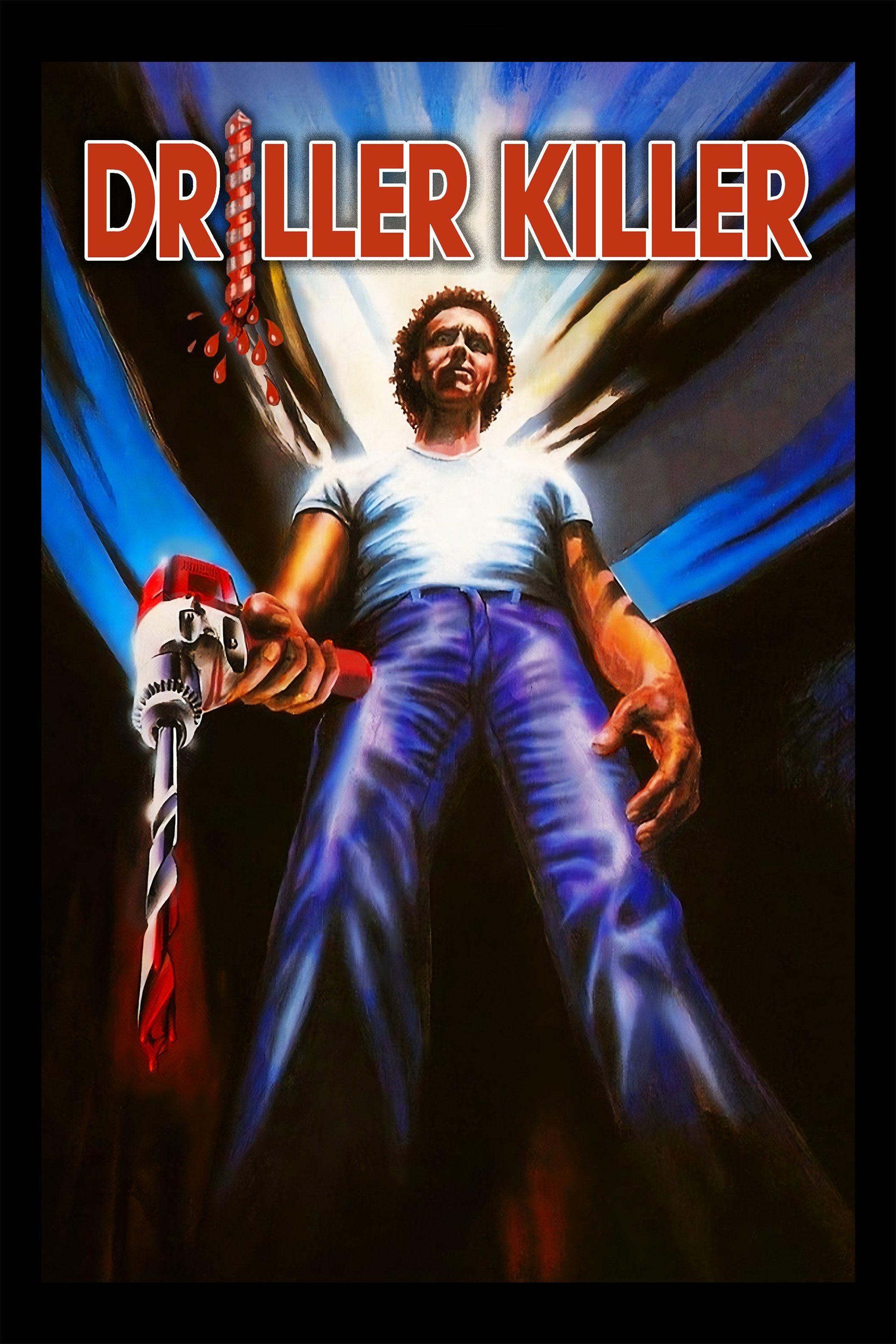
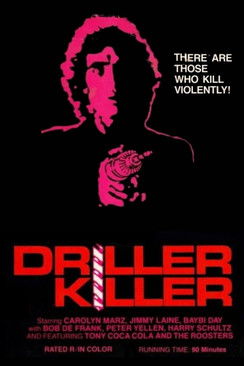
The Driller Killer (1979) poster
Director
Production Company
Navaron Films
Plot

An artist slowly goes insane while struggling to pay his bills, work on his paintings, and care for his two female roommates, which leads him taking to the streets of New York after dark and randomly killing derelicts with a power drill.

Alternative Titles
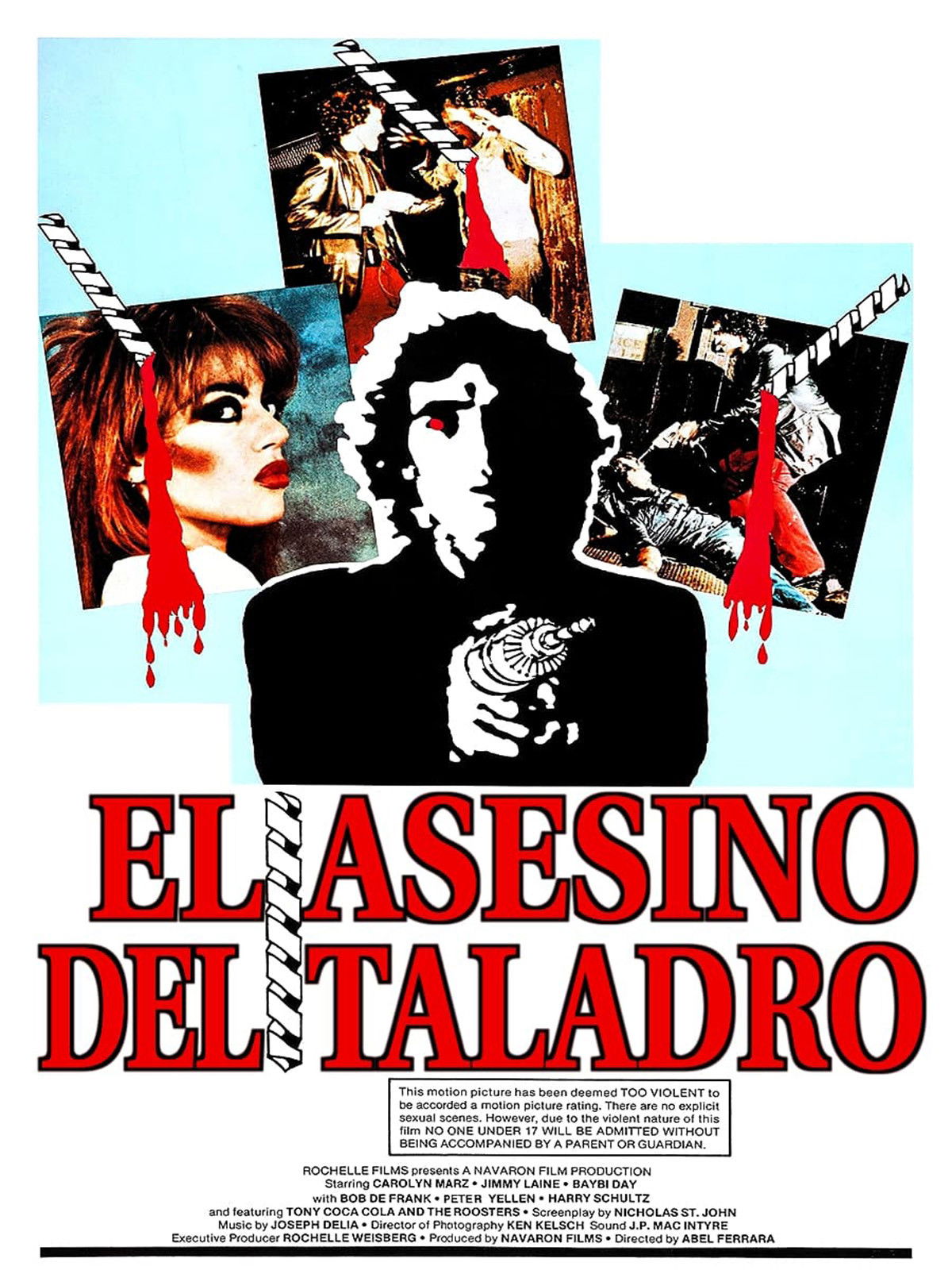
O Assassino da Furadeira (Brazil) — Portuguese El asesino del taladro (Chile) 电钻杀手 (China) — Chinese Der Bohrmaschinenkiller (Germany) The Driller Killer - Der Bohrmaschinenkiller (Germany) — German Killer (El asesino del taladro) (Spain) — Spanish Driller Killer (France) — French Ο Σχιζοφρενής Δολοφόνος με το Τρυπάνι (Greece) — Greek
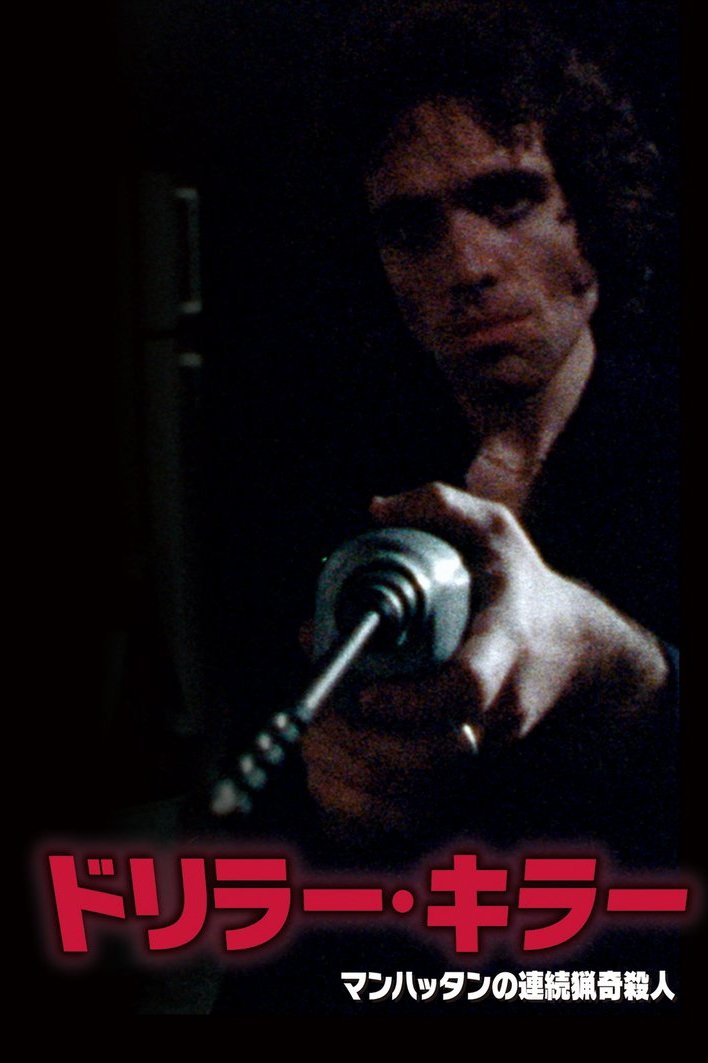
Show all 14 alternative titles 電鑽殺手 (Hong Kong SAR China) — Chinese A fúrógépes gyilkos (Hungary) — Hungarian ドリラー・キラー マンハッタンの連続猟奇殺人 (Japan) — Japanese 드릴러 킬러 (South Korea) — Korean Zabójca z wiertarką (Poland) — Polish Убивця з електродрилем (Ukraine) — Ukrainian

Trailers & Videos

1 video

Film Guide & Analysis

Abel Ferrara's 1979 New York horror: independent financing, Union Square filming, punk music, Joe Delia's soundtrack, the power-drill murders, British video nasties censorship and restored versions.

The Driller Killer (1979) is an American independent psychological horror film directed by Abel Ferrara from a screenplay by Nicholas St. John. Ferrara also plays the central character, Reno Miller, under the pseudonym Jimmy Laine. Shot in New York during the late 1970s, the film follows an impoverished painter whose increasingly unstable relationship with his surroundings culminates in a series of murders committed with a portable electric drill. Its mixture of street photography, experimental filmmaking, punk music and graphic violence places it at the intersection of American underground cinema and the theatrical exploitation market. The film became particularly notorious in Britain after its videocassette artwork helped provoke the political controversy surrounding the so-called video nasties.

The Driller Killer is an important early expression of themes that would recur throughout Ferrara's career, including spiritual anxiety, personal failure, urban alienation and the destructive relationship between individuals and their environment. The director drew directly upon his experiences as a struggling filmmaker in New York, while the character of Reno was partly modeled on artist and musician Douglas Anthony Metrov. The production developed over an extended period using limited resources and locations familiar to its participants. Its subsequent history includes British censorship, critical reassessment and a 2016 restoration that recovered a longer pre-release version. More recently, the original soundtrack recordings were retrieved from archival tapes, providing new evidence of the musical methods used during production.

Development, Nicholas St. John and Independent Financing

Abel Ferrara had spent much of his early career making experimental shorts with Nicholas St. John, a longtime collaborator who would continue writing for the director on films including Ms. 45, King of New York and The Addiction. After directing the adult feature 9 Lives of a Wet Pussy, Ferrara sought to move into a form of independent filmmaking that could reach the exploitation-theatre market without abandoning his interest in experimental cinema. He later described the commercial success of The Texas Chain Saw Massacre as an important example of what filmmakers outside the Hollywood system might accomplish. The Driller Killer developed from this combination of artistic experimentation and the practical need to finance a feature.

Ferrara originally considered casting David Johansen of the New York Dolls as Reno Miller. The plan failed, and the director eventually assumed the role himself, appearing under the name Jimmy Laine. In a 2016 interview with Elena Lazic, he explained that the film was photographed largely on weekends and that the production had no fixed, conventional shooting schedule. Although St. John supplied a screenplay, the working process allowed new scenes to emerge during filming. Ferrara emphasized that this flexibility should not be confused with a completely improvised production: the filmmakers continued working from written material even as practical circumstances changed their plans.

Financing remained uncertain after filming had begun. In a detailed 2021 conversation with cinematographer Sean Price Williams, Ferrara recalled reaching a point when he had approximately thirty minutes of footage and a short promotional trailer but lacked the money needed to finish the project. Producer Arthur Weisberg subsequently became involved, providing additional financing that Ferrara remembered as approximately 30000 dollars. The arrangement also involved prints of the earlier adult film. Ferrara associated this stage with meeting cinematographer Ken Kelsch, who would become one of his important collaborators. The account establishes the importance of emergency financing but does not provide a complete independently audited production budget.
Union Square, 16mm Photography and the New York Underground

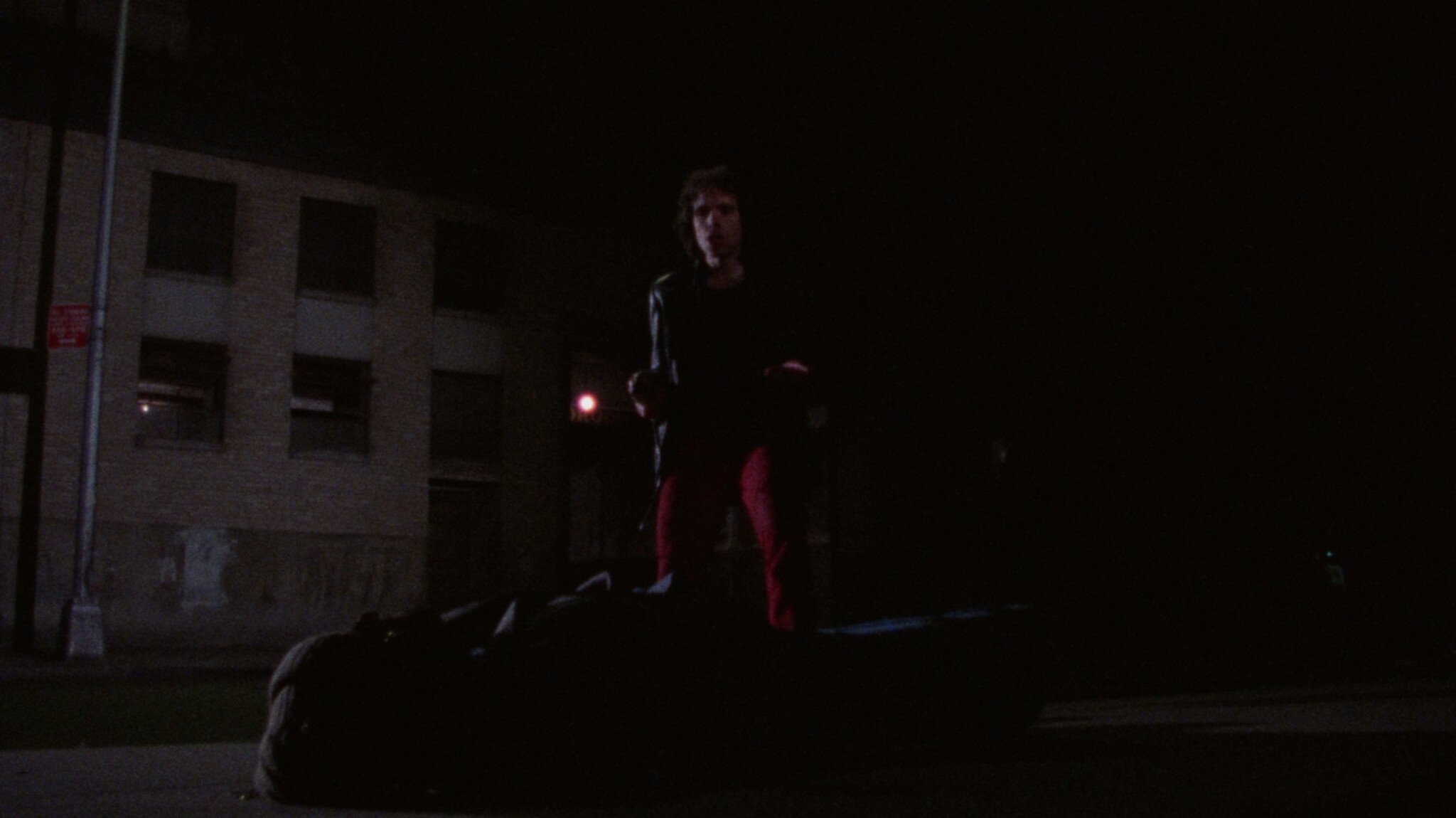
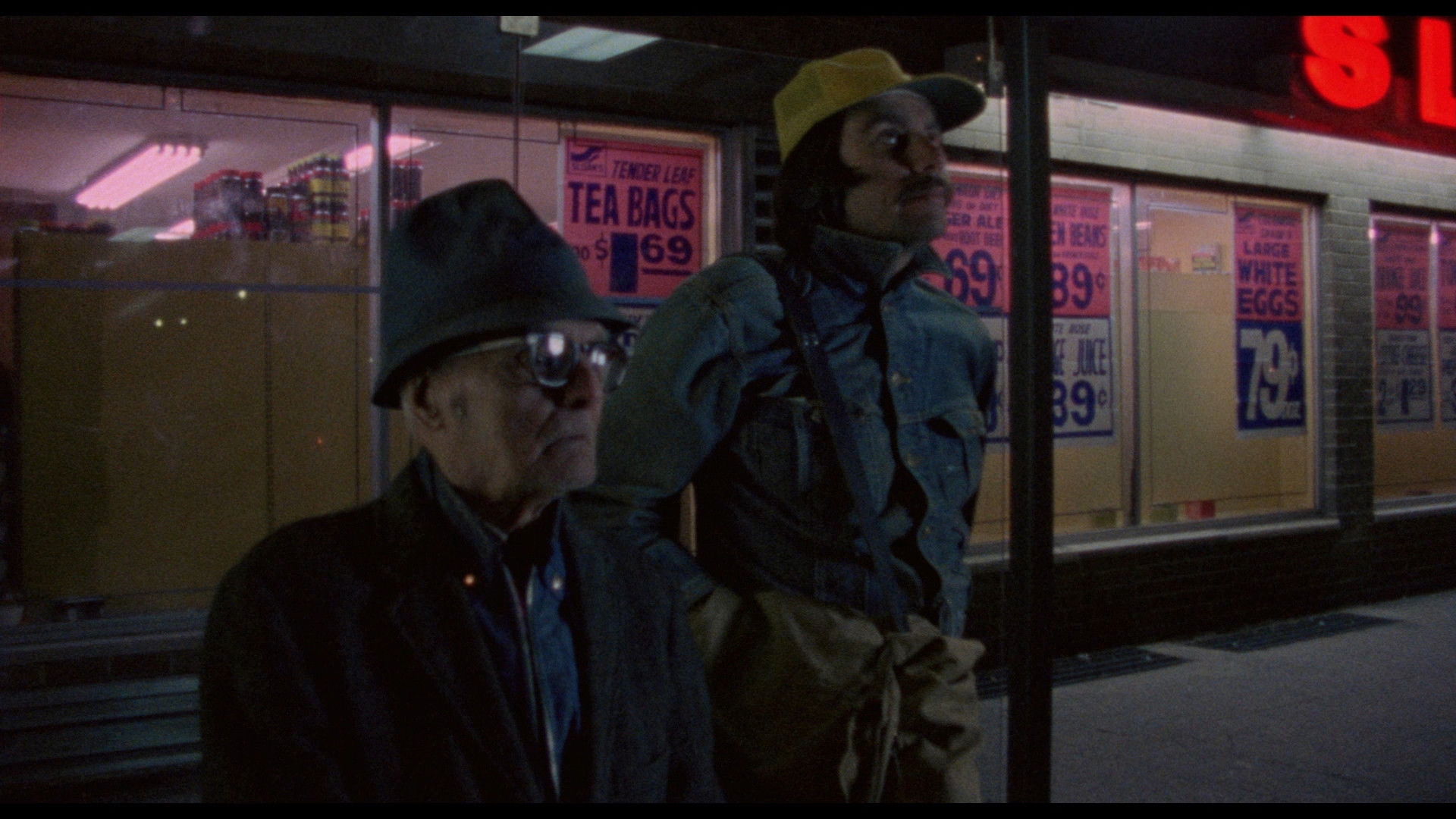
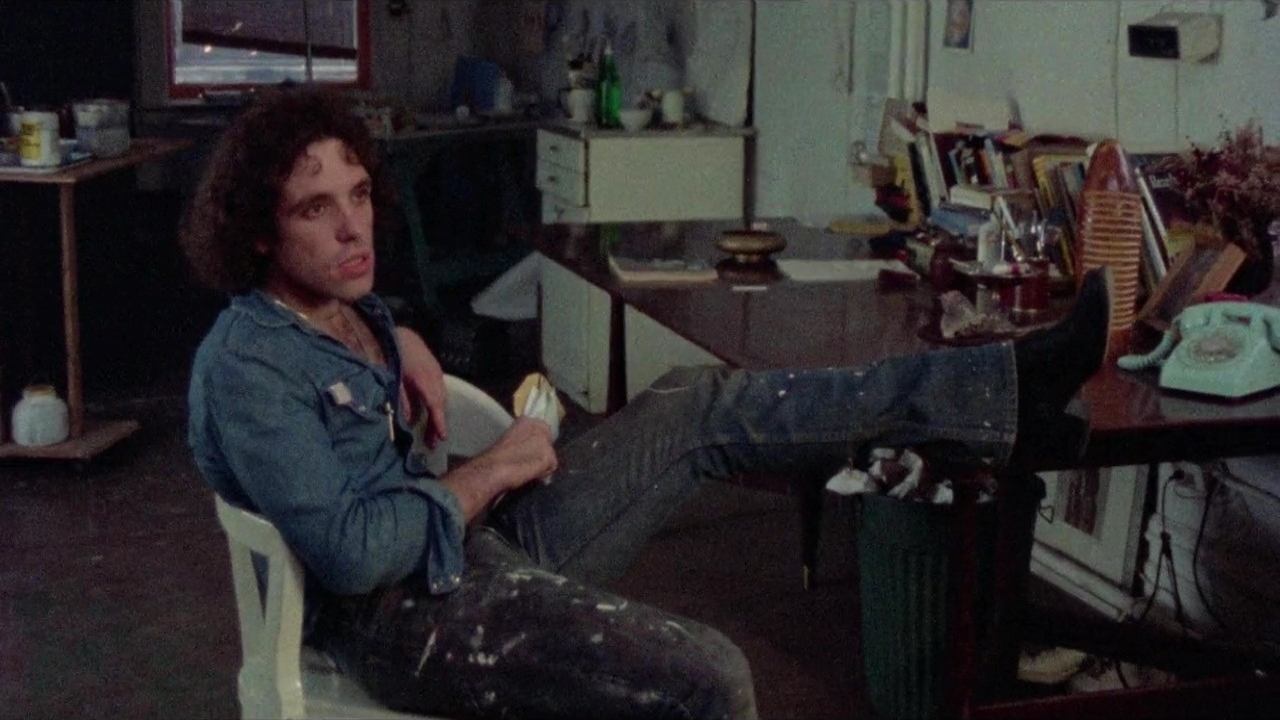
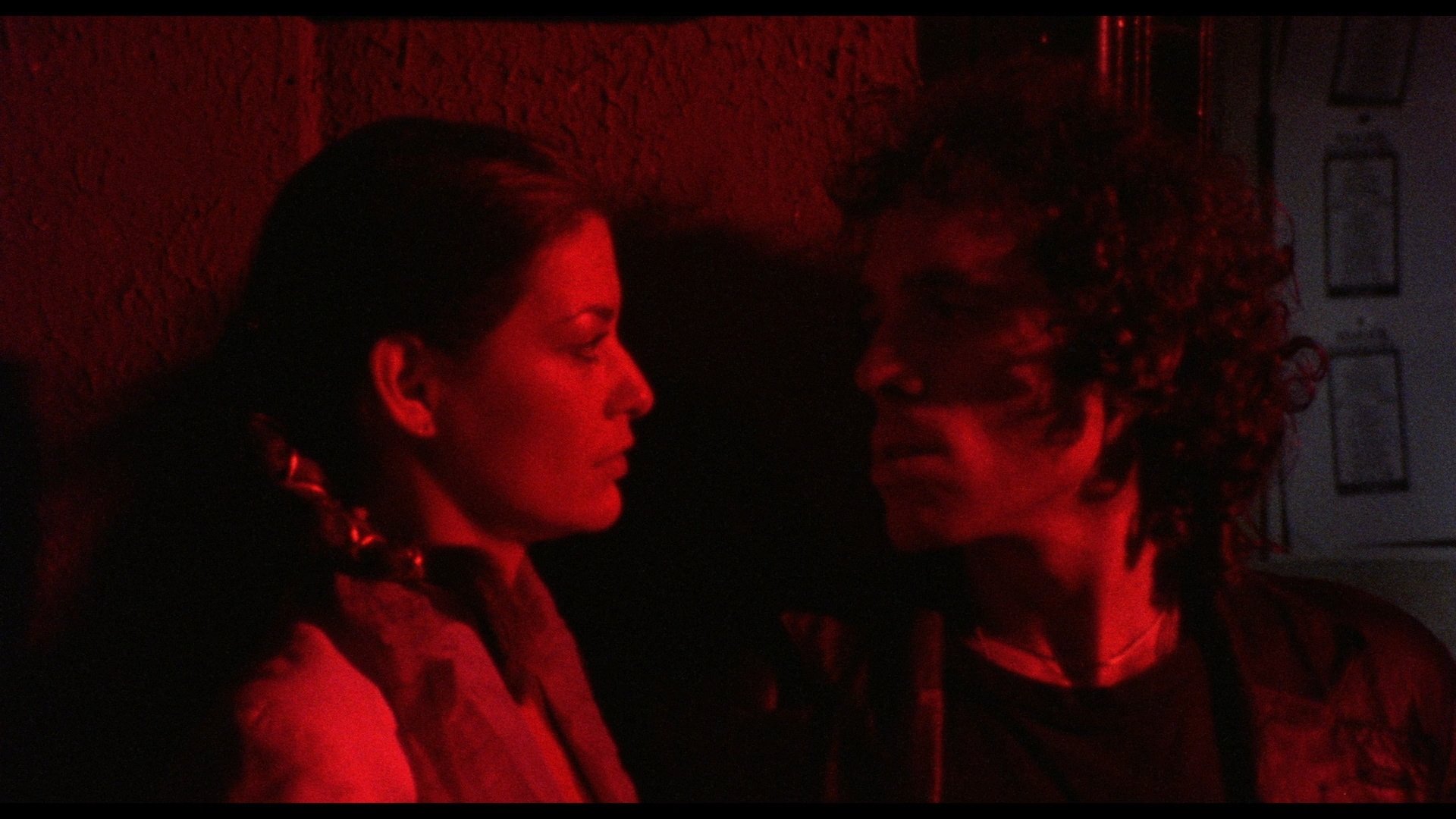
The Driller Killer was photographed in New York during 1977 and 1978, principally around Union Square and nearby Manhattan streets. Ferrara used apartments, lofts and locations familiar to the people involved in the production. The setting captures a city characterized by economic uncertainty, visible homelessness and a thriving independent arts community. In his interview with Lazic, Ferrara recalled that he had lived in the same neighborhood and considered the conditions visible in the film representative of everyday New York at the time. The environments were therefore drawn from direct experience rather than constructed as an artificially distressed background for a horror story.

The film was shot on 16mm, allowing a small production to work with relatively portable equipment and limited personnel. Ken Kelsch is credited as cinematographer, although the production developed in stages and Ferrara described meeting him only after additional financing had become available. The surviving images combine handheld movement, available-light photography, close observation of faces and extended views of the street. Ferrara also incorporates disruptive edits, subjective images and deliberately unstable visual passages. These devices connect the film with experimental cinema, particularly the work of filmmakers such as Michael Snow, whom Ferrara discussed in his later account of the project's development.
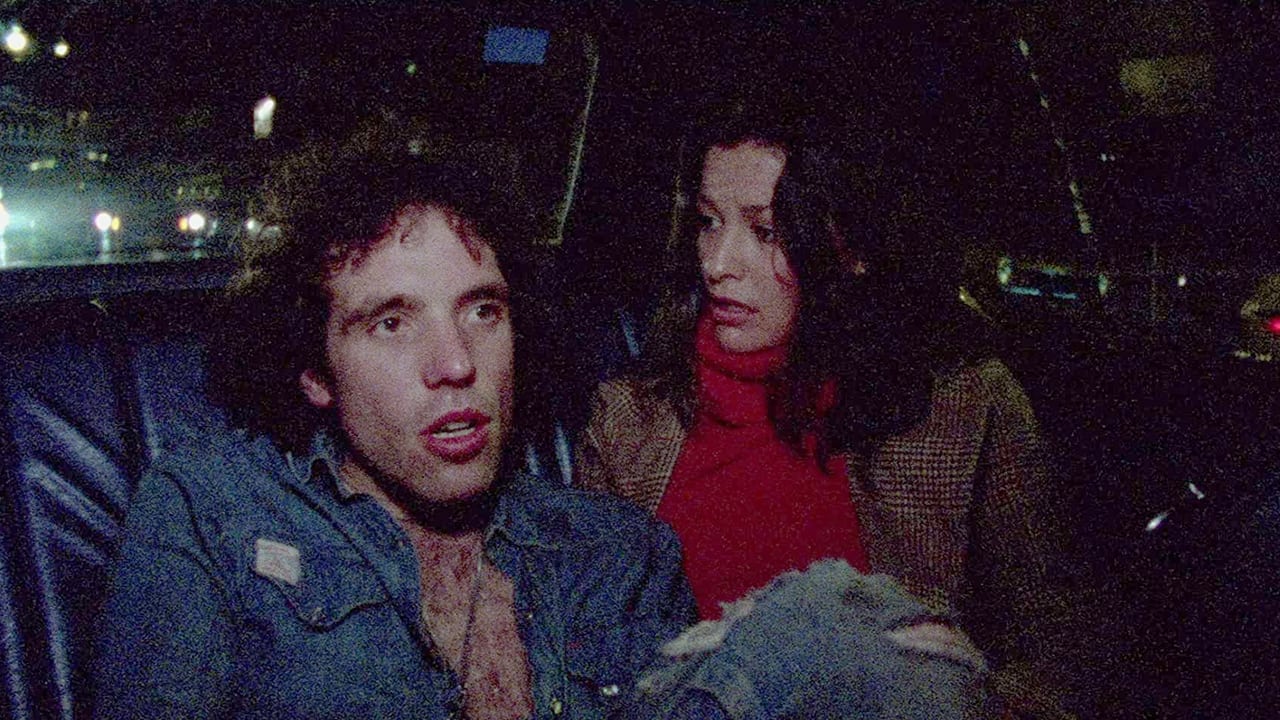
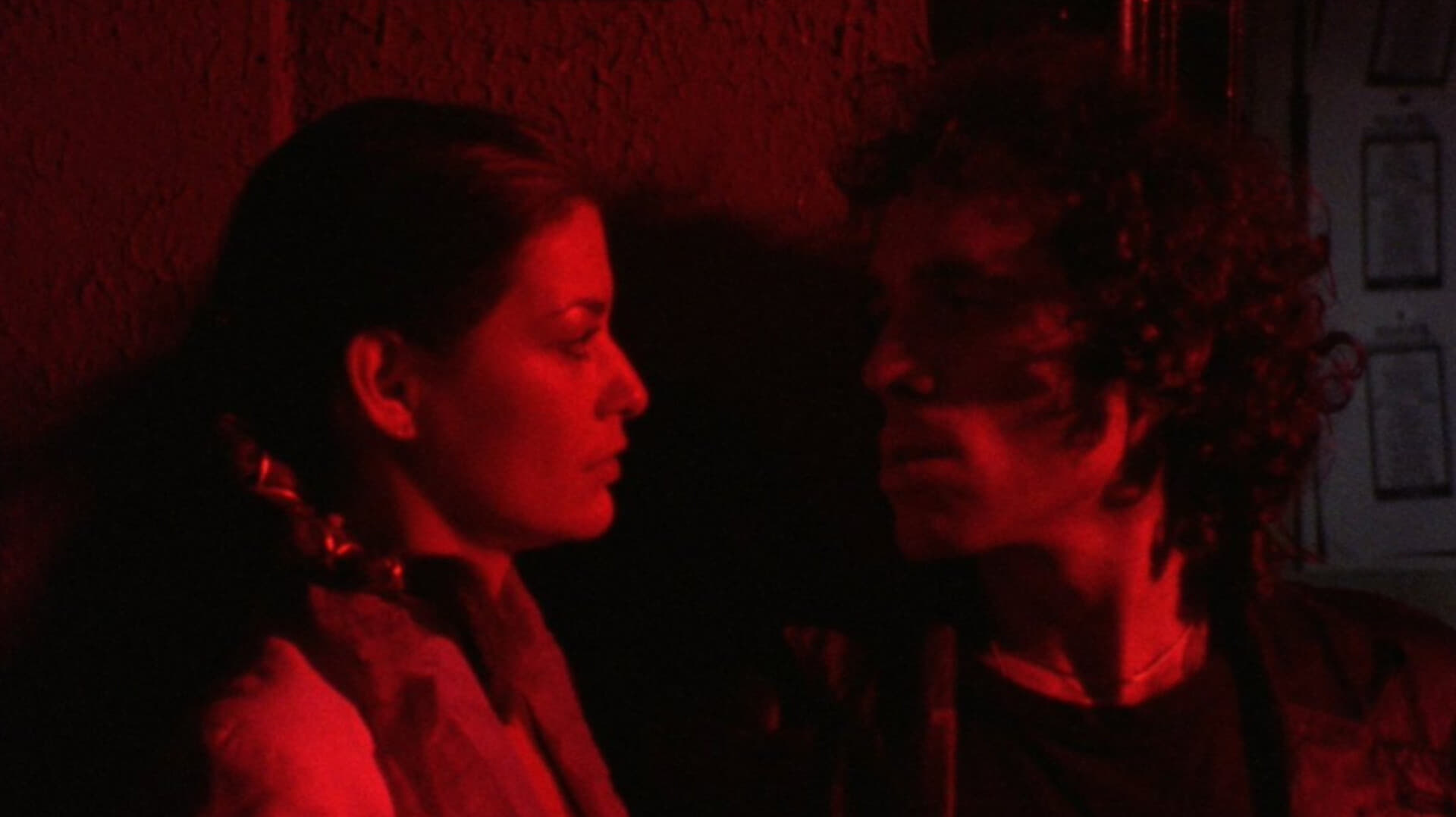
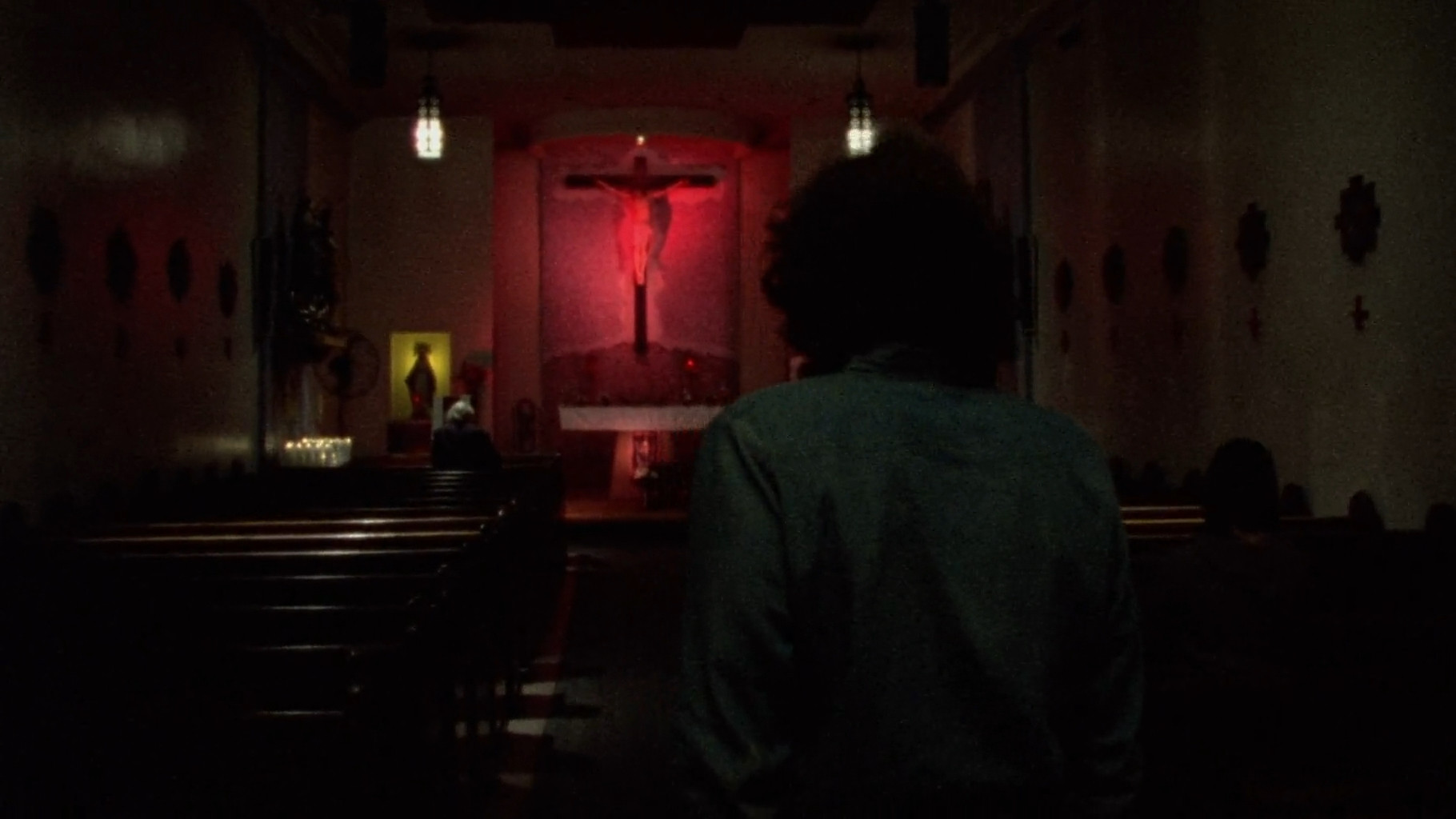
The opening encounter in a church establishes several of these concerns. Religious imagery appears alongside the threatening figure of a homeless man, introducing Reno's fear of poverty through a scene that also suggests unresolved personal history. Elsewhere, the camera records ordinary street activity with an immediacy that resembles documentary footage. Ferrara acknowledged the influence of Martin Scorsese, particularly Mean Streets and Taxi Driver, while emphasizing that his own film was photographed in the neighborhoods where he and his collaborators actually lived. The visual relationship with those earlier films is supported by the director's testimony, but The Driller Killer develops its own more fragmented mixture of realism, hallucination and physical violence.
Reno Miller, Artistic Failure and Psychological Horror

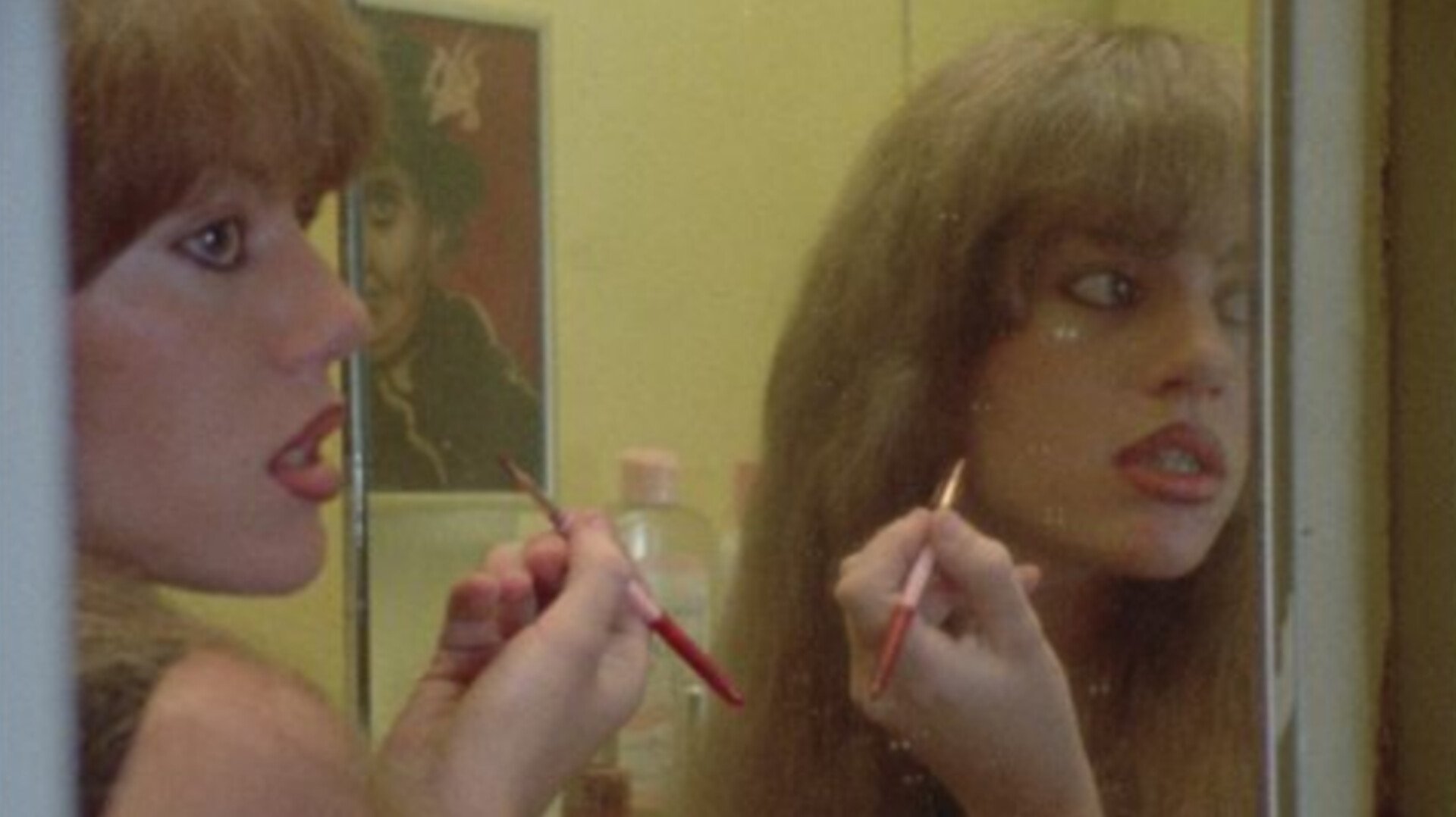
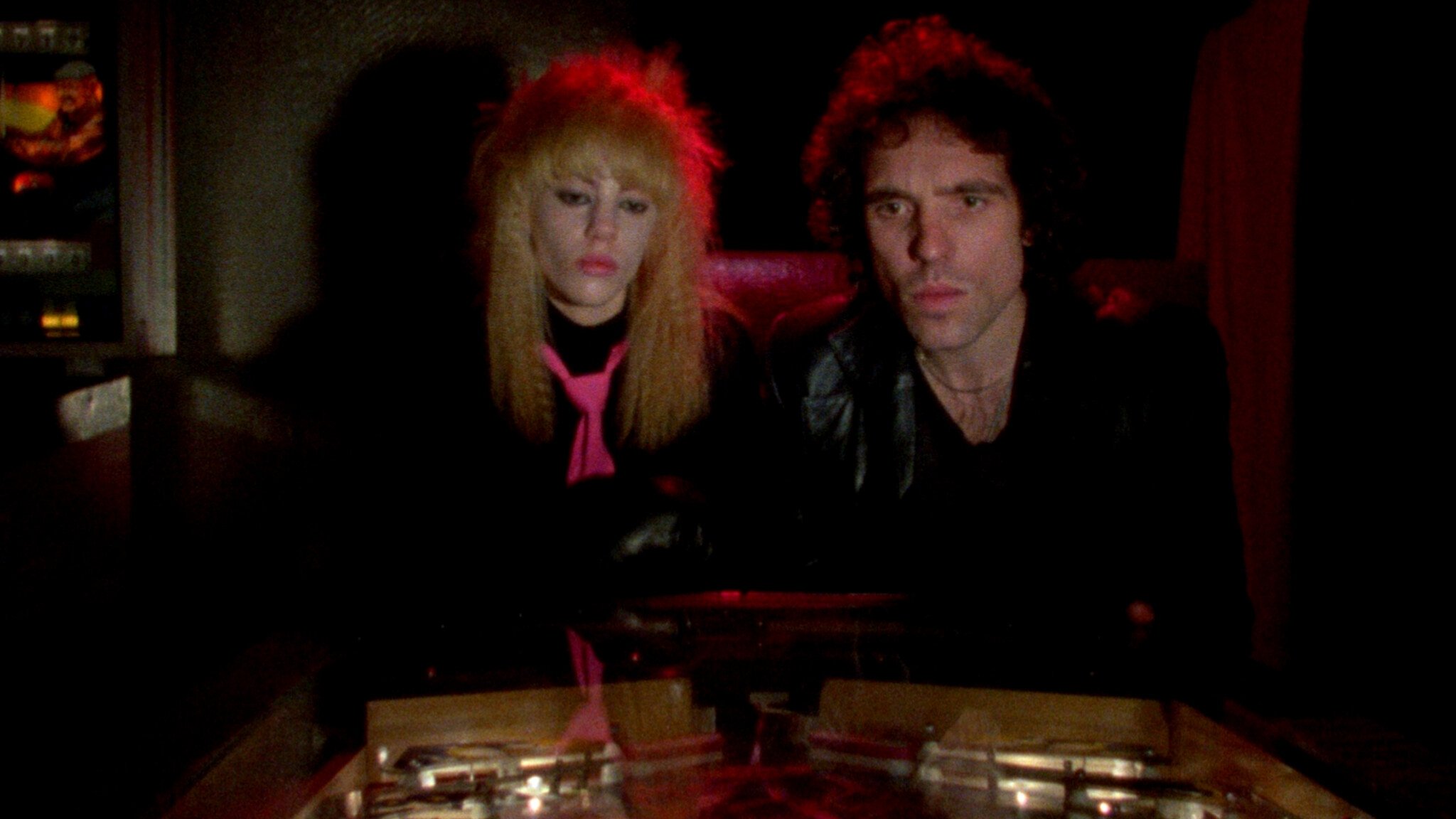
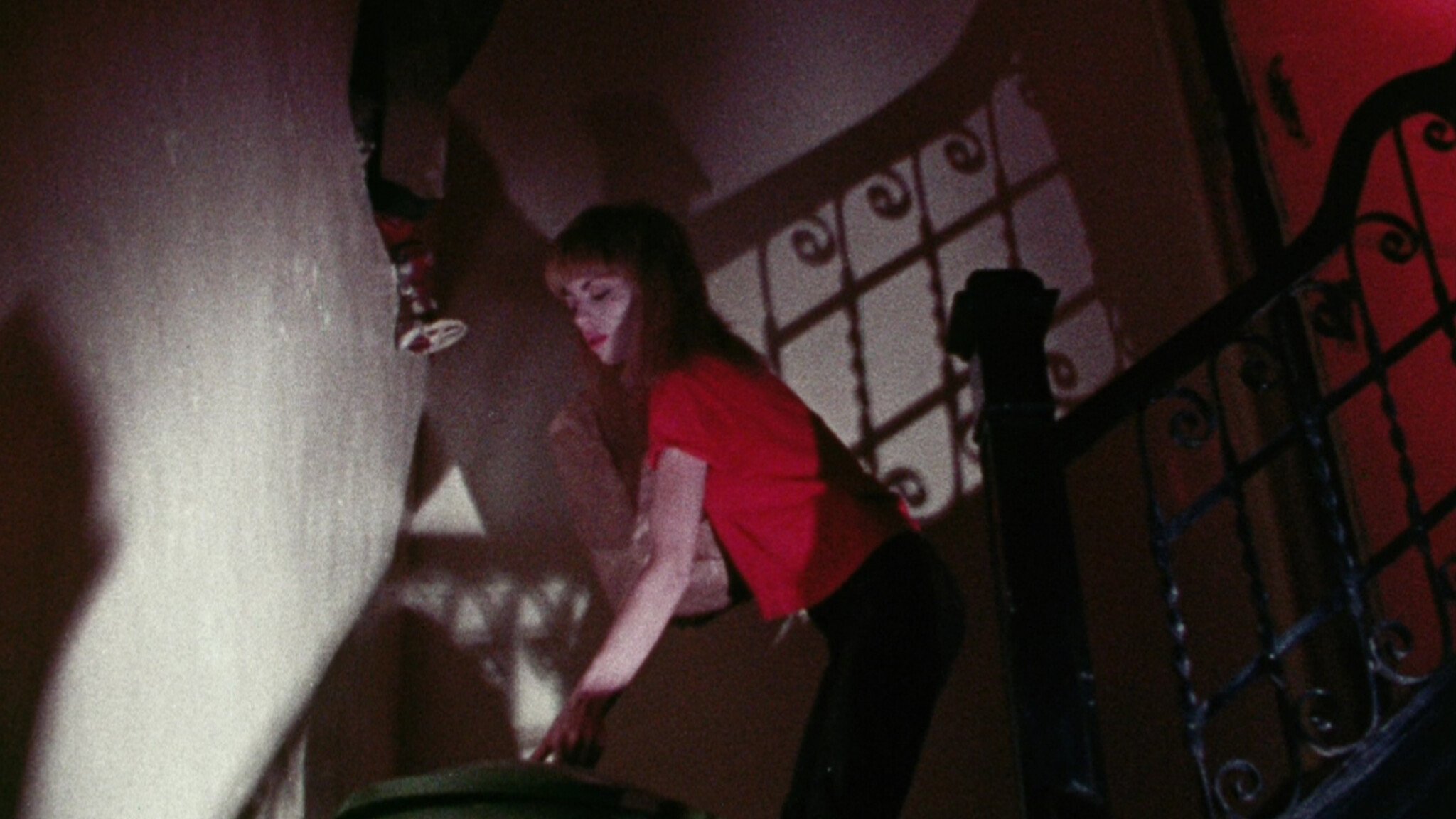
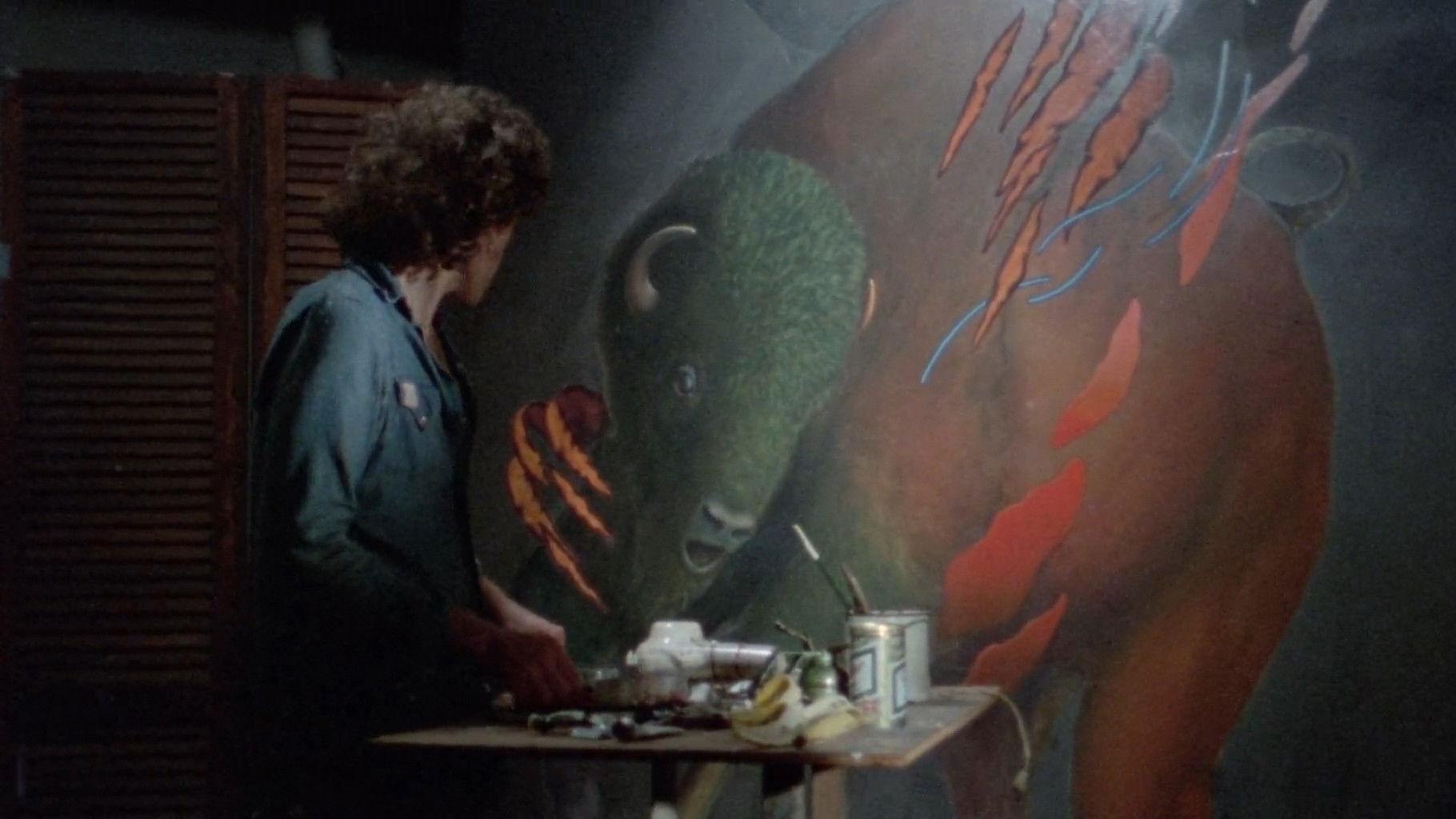
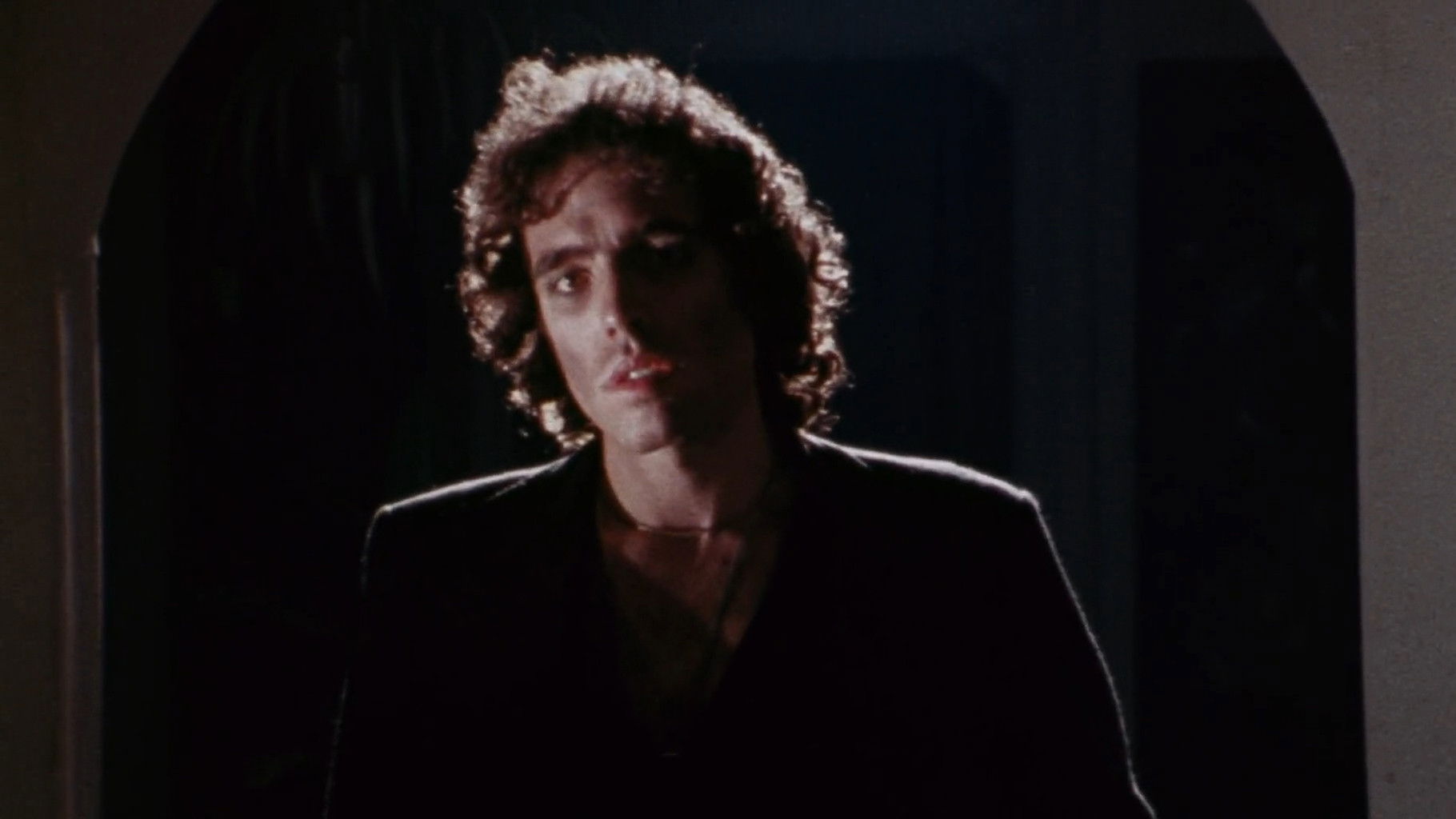
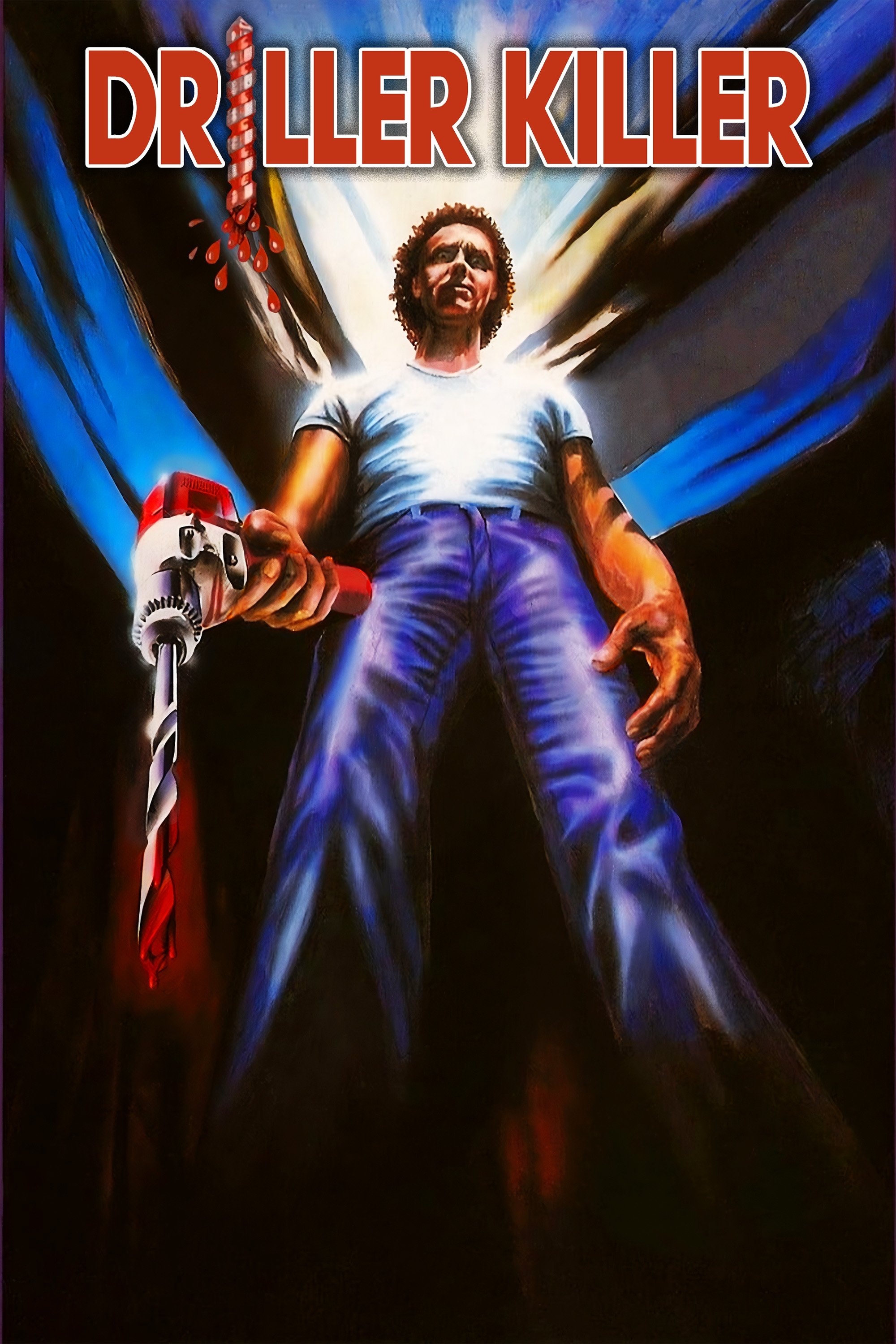
Reno Miller is a painter whose professional ambitions are threatened by unpaid bills, an increasingly difficult domestic environment and his inability to complete a large painting of a buffalo. He shares a loft with Carol and Pamela, while a neighboring band rehearses loudly enough to interfere with his work. An art dealer, Dalton Briggs, represents the possibility of financial support but also the authority to dismiss the painting on which Reno has concentrated his hopes. The character's deterioration develops through these ordinary pressures before the murders become the dominant element of the film. The opening emphasis on work, money and housing gives the violence a recognizable social environment.

Ferrara later explained that Reno was partly based on Douglas Anthony Metrov, the musician and painter who appears in the film as Tony Coca-Cola. Metrov created the artwork seen on screen and lived in the loft used for filming. Ferrara described the character's relationship with homelessness as particularly important. Reno fears the people living on the streets because their situation represents a possible future for himself. The murders can therefore be interpreted as an expression of terror at personal failure, although this interpretation does not provide a psychological diagnosis of the fictional character. Ferrara specifically emphasized fear as an important motive in his 2016 interview with Lazic.

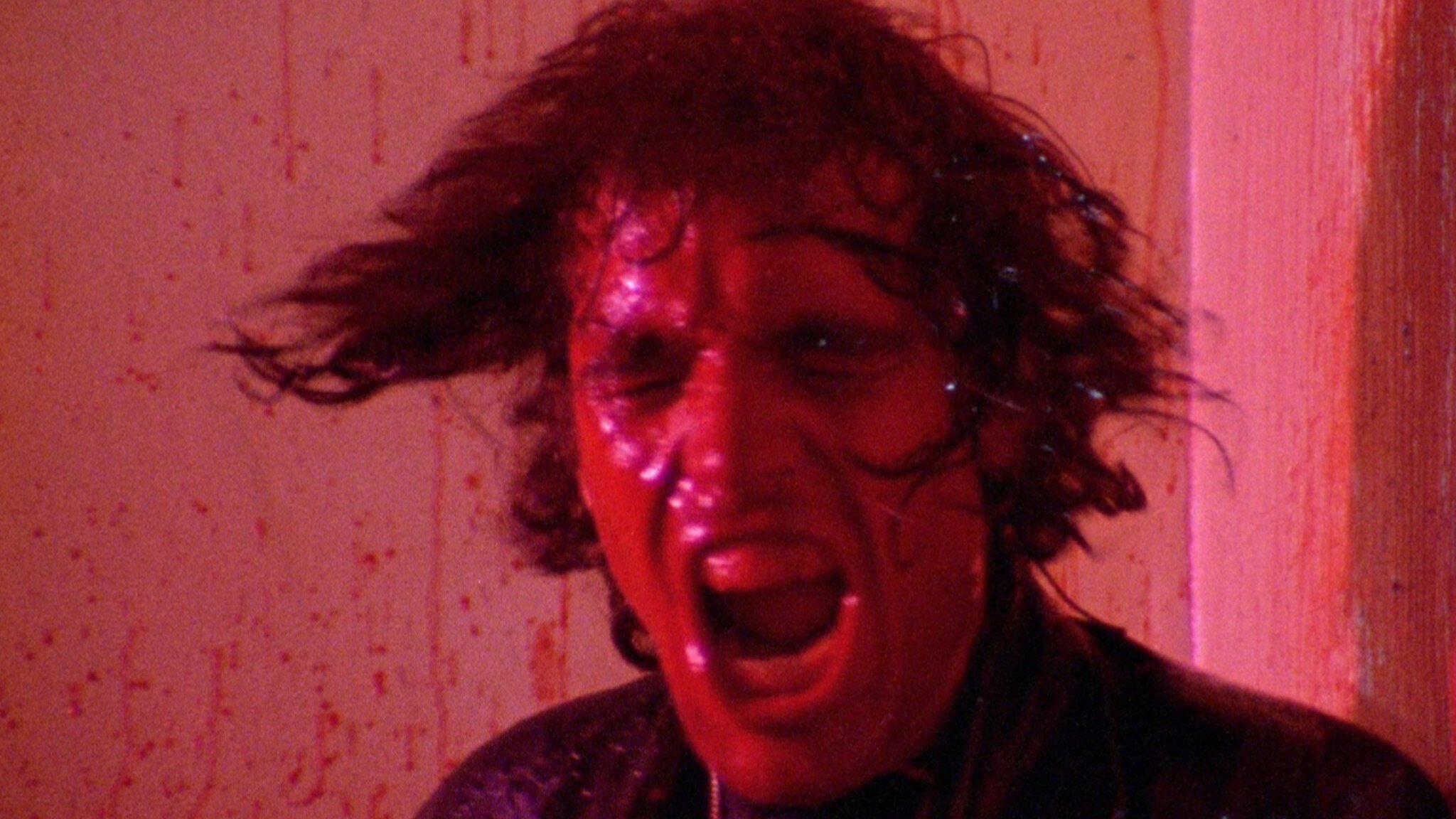
The presentation of Reno also connects the film with psychological horror traditions associated with Repulsion and Peeping Tom. The audience experiences much of the story through the perceptions of a protagonist whose behavior becomes increasingly difficult to separate from his own fantasies. Religious imagery, hallucinations and repeated confrontations with poverty reinforce his instability. Writing in Slant Magazine, Jake Cole examined Ferrara's decision to play the role himself as a form of personal exposure, linking the character's creative frustration with the filmmaker's own position outside established production structures. That reading belongs to later criticism, but it is strengthened by Ferrara's repeated statements that the project drew upon his experiences as a young artist.

Tony Coca-Cola, Punk Music and Joe Delia

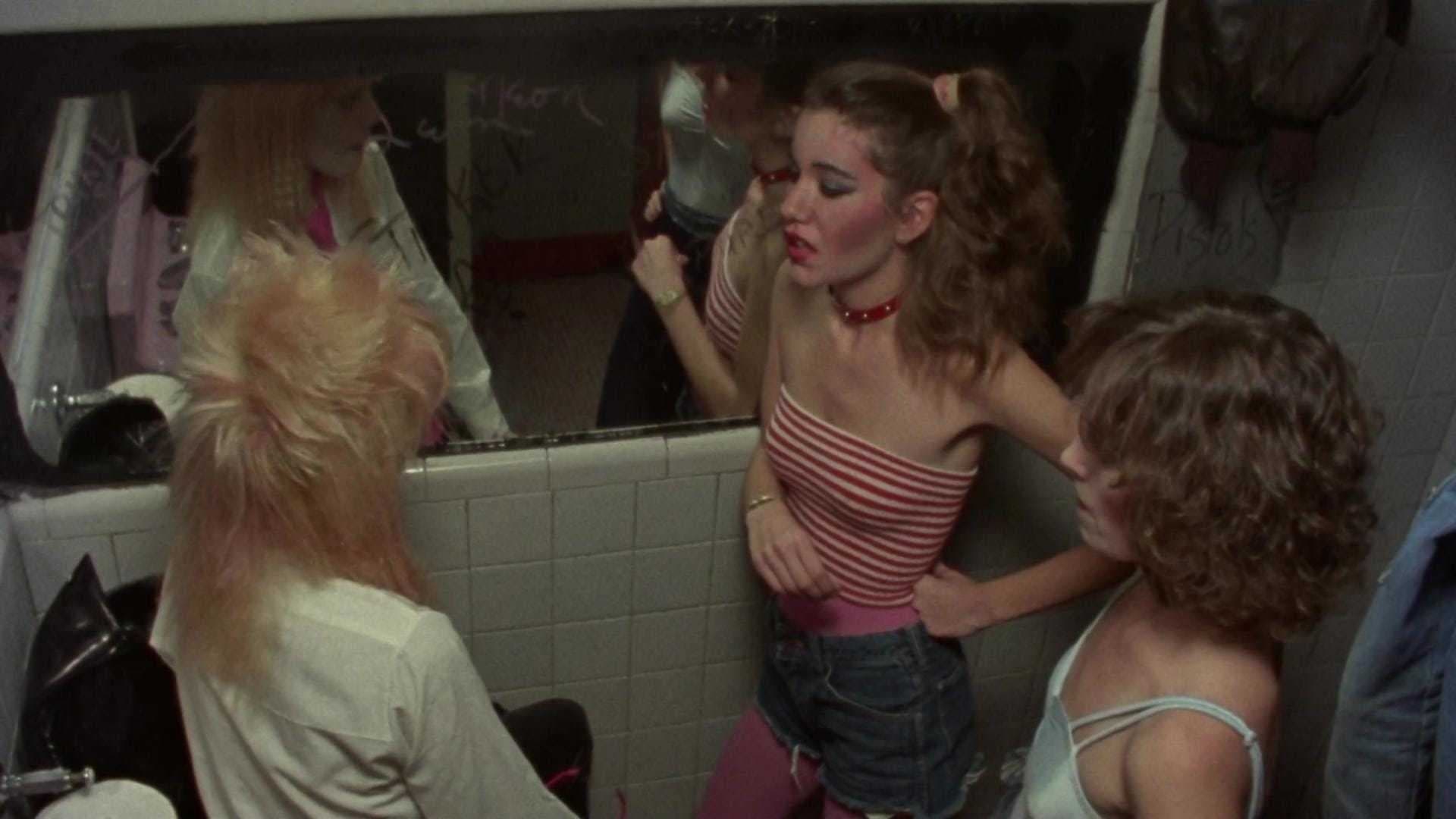
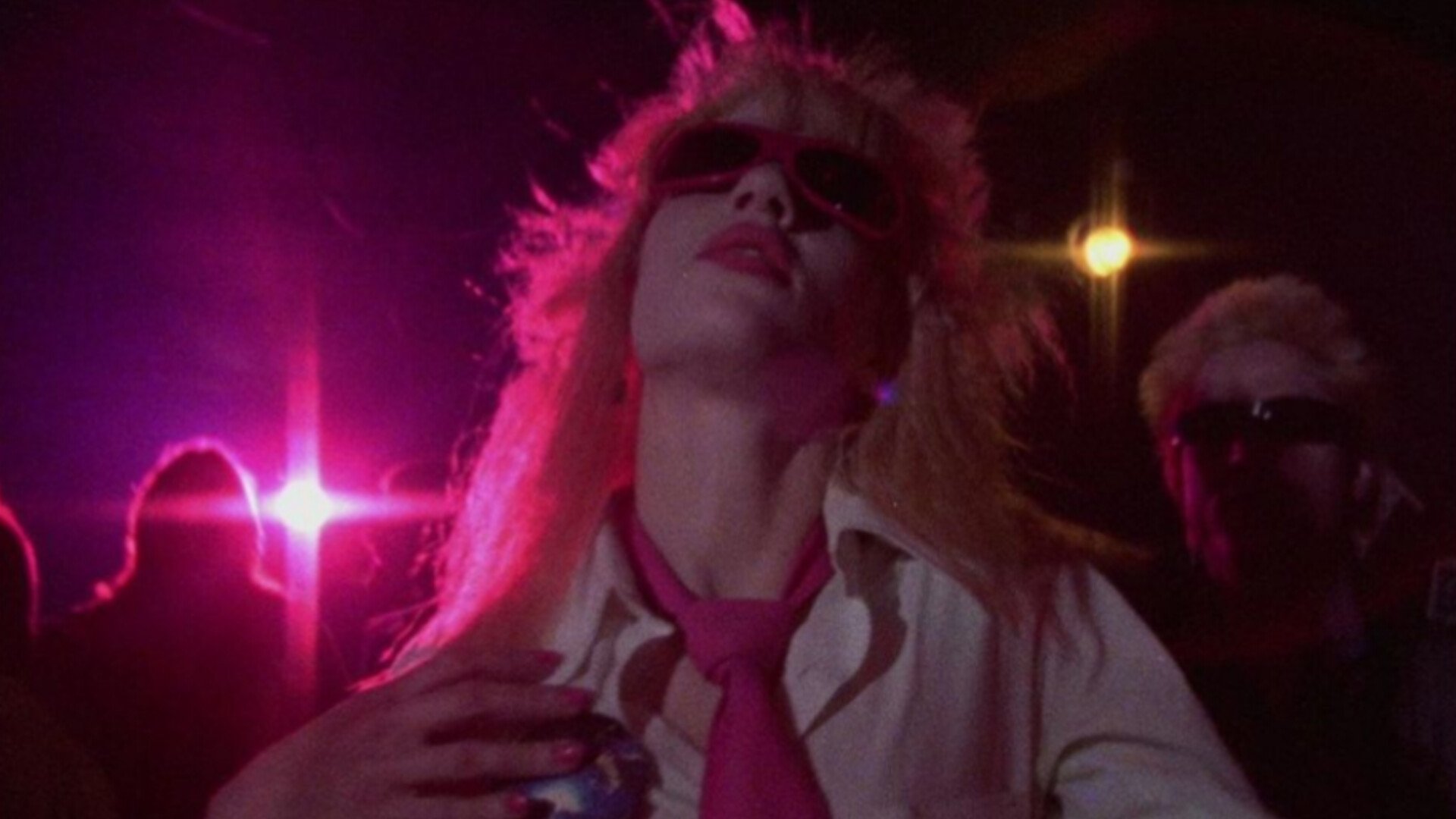
Music occupies an unusually prominent position in The Driller Killer. The fictional band Tony Coca-Cola and the Roosters rehearses inside Reno's building, producing an aggressive sound that repeatedly interrupts his painting. Douglas Anthony Metrov plays the singer, while the band's appearances connect the film directly with New York's late-1970s punk and underground music culture. These sequences occupy substantial screen time, functioning as performances rather than brief background details. Their importance is also psychological: the repetitive music becomes one of the environmental pressures surrounding Reno, combining with the threat of eviction and his dissatisfaction with his work. Ferrara later characterized the film itself as a product of punk anger.

Joe Delia composed the original score, which incorporates synthesizer material alongside music by the Roosters and pieces by Johann Sebastian Bach. The different musical sources create abrupt contrasts between urban noise, formal musical patterns and passages of psychological tension. In first-hand notes prepared for the archival soundtrack release, Delia recalled synchronizing music to the picture while working with a Steenbeck editing table and recording onto a two-track Tandberg machine. He specifically identified an ARP Odyssey and an ARP String Ensemble among the instruments used. The testimony provides rare technical evidence about the construction of an extremely inexpensive independent-film soundtrack.

The original score and soundtrack recordings were eventually recovered from surviving film master tapes. In May 2026, the music received its first official LP release through Recently Deceased, with the project approved by Delia and Ferrara. The archival release preserves the score alongside performances by Tony Coca-Cola and the Roosters, as well as the Bach material. Ferrara contributed recollections identifying the music with the surroundings of Broadway and 18th Street during 1977 and 1978. This recovery is important because it makes the original musical materials available independently of the film, allowing the relationship between the composed score, the band performances and the editing process to be examined more closely.

The Power Drill, Urban Violence and Exploitation Horror

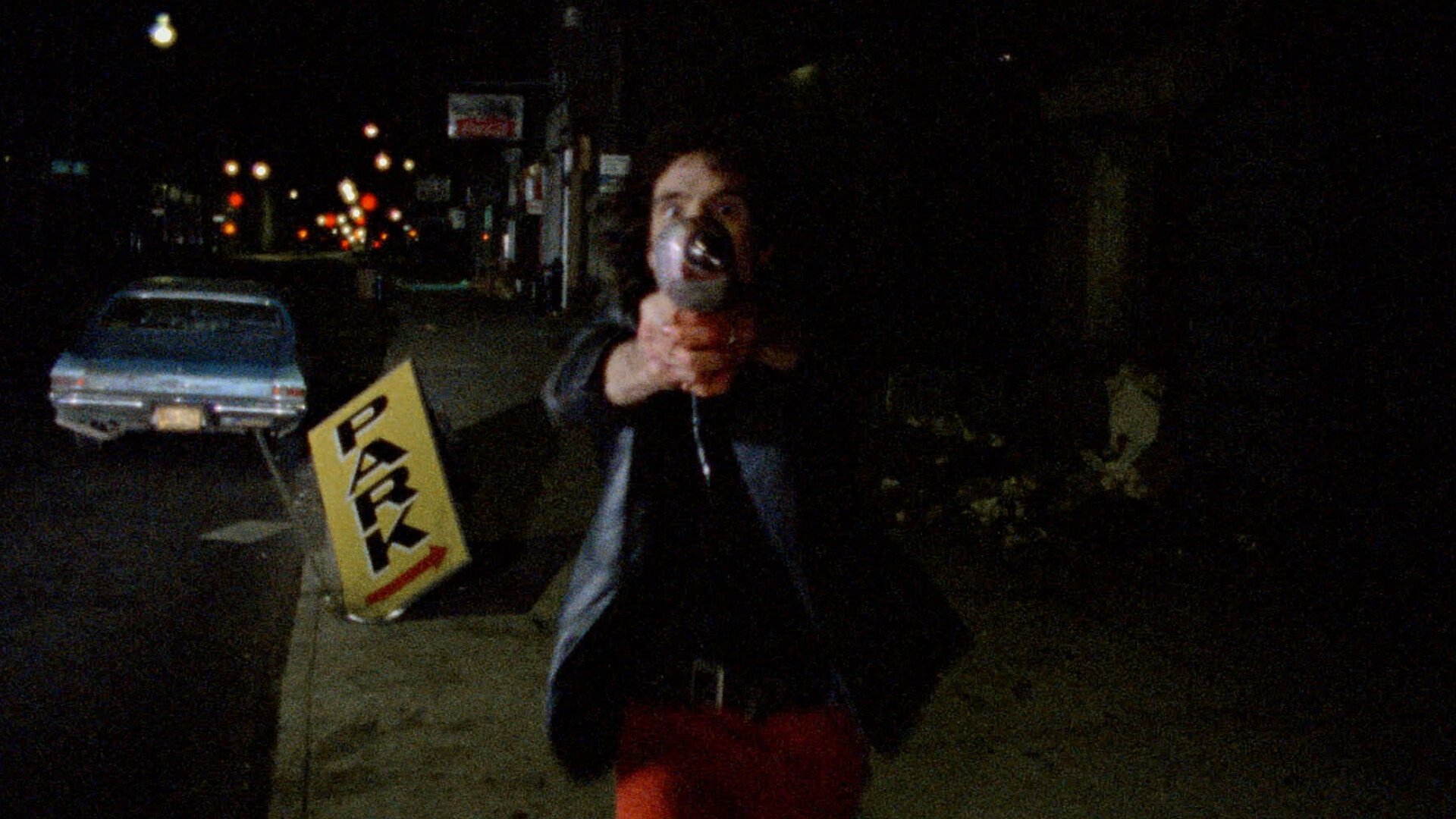
The film's most recognizable horror device is the portable electric drill carried by Reno during his nighttime attacks. The weapon connects the violence with an ordinary mechanical tool rather than with a supernatural power or the elaborate costume of a masked murderer. Several killings involve homeless men encountered on the street, while the later violence reaches characters associated with Reno's artistic and domestic life. Ferrara often stages these incidents through abrupt physical action and disturbing sound rather than consistently prolonged displays of special-effects work. The buzzing motor gives the attacks a distinctive acoustic identity, allowing the threat to be recognized even when the surrounding photography is dark or unstable.

The film was promoted through the expectations established by earlier exploitation successes, especially The Texas Chain Saw Massacre. Ferrara openly acknowledged that connection in interviews, explaining that a violent commercial premise offered a possible means of financing an independent production. The completed picture nevertheless devotes considerable attention to Reno's working environment and psychological deterioration. Kim Newman, writing in The Guardian in 1999, compared the film with psychological horror while emphasizing its interest in the economic insecurity of the city. The contrast between the advertising and the finished work became especially important once the film was transformed into a symbol of extreme screen violence in Britain.

Ferrara's depiction of homeless people also requires critical distinction. The film presents them largely through Reno's fear and hostility, and the murders expose the destructive consequences of that perception. The street scenes nevertheless provide an unusually direct record of the visibility of poverty in late-1970s Manhattan. Critics have interpreted the killings as an expression of Reno's anxiety about becoming economically disposable, rather than as attacks motivated by a conventional slasher backstory. The film does not provide a sustained independent perspective on the lives of its victims. Its horror instead develops from the confrontation between Reno's unstable viewpoint and an environment in which he sees the possibility of his own failure.

British Video Nasties, VHS Artwork and Censorship

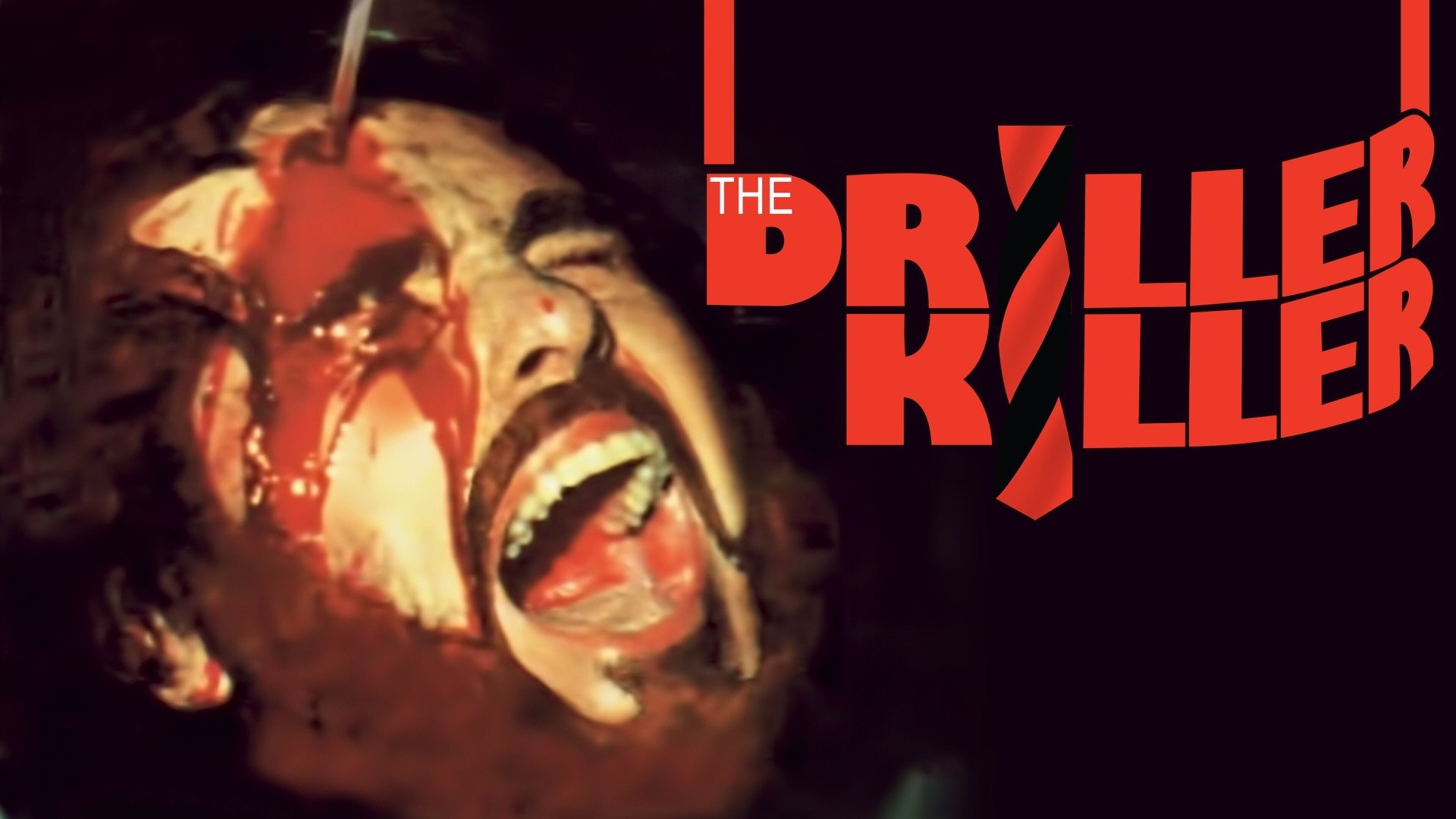
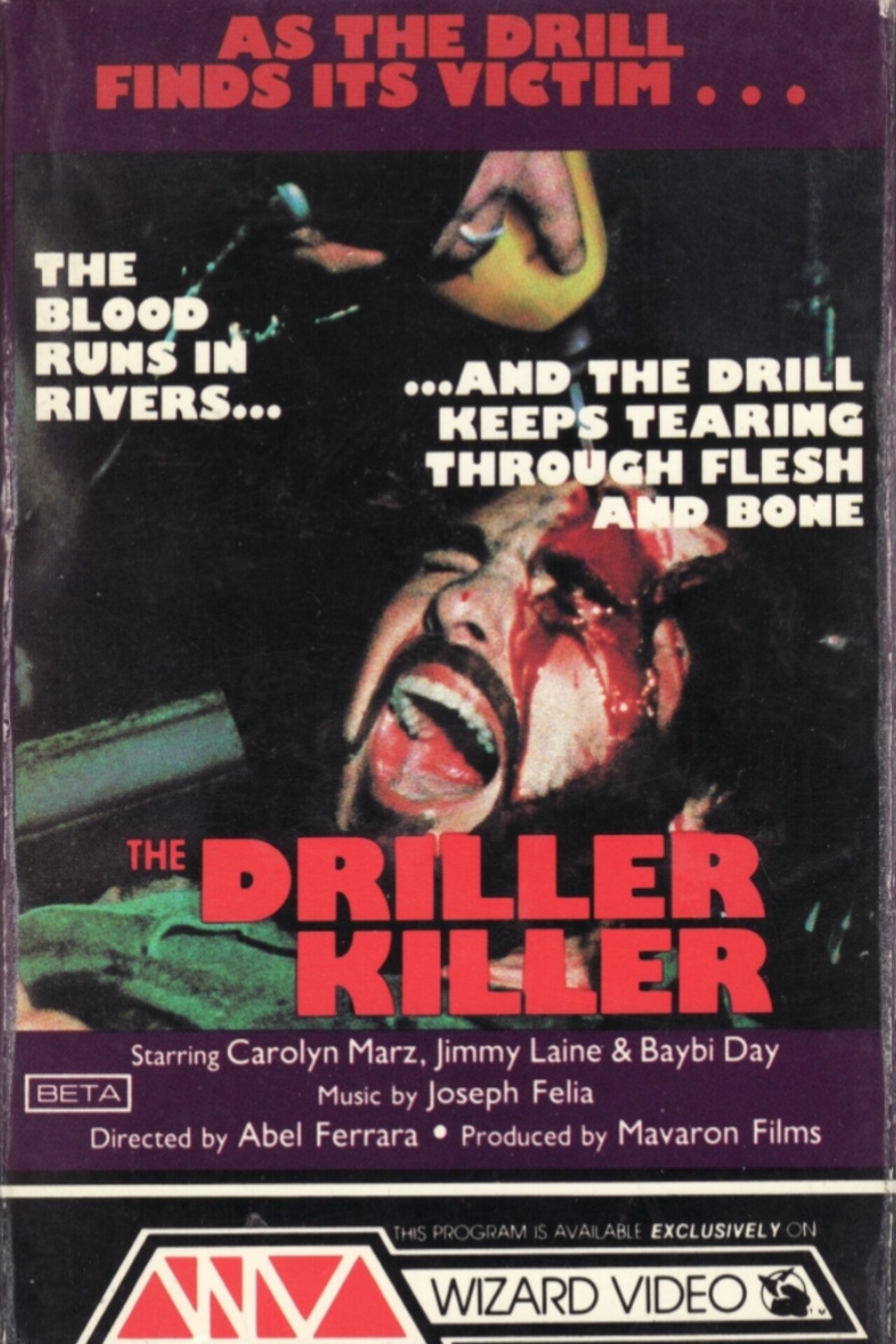
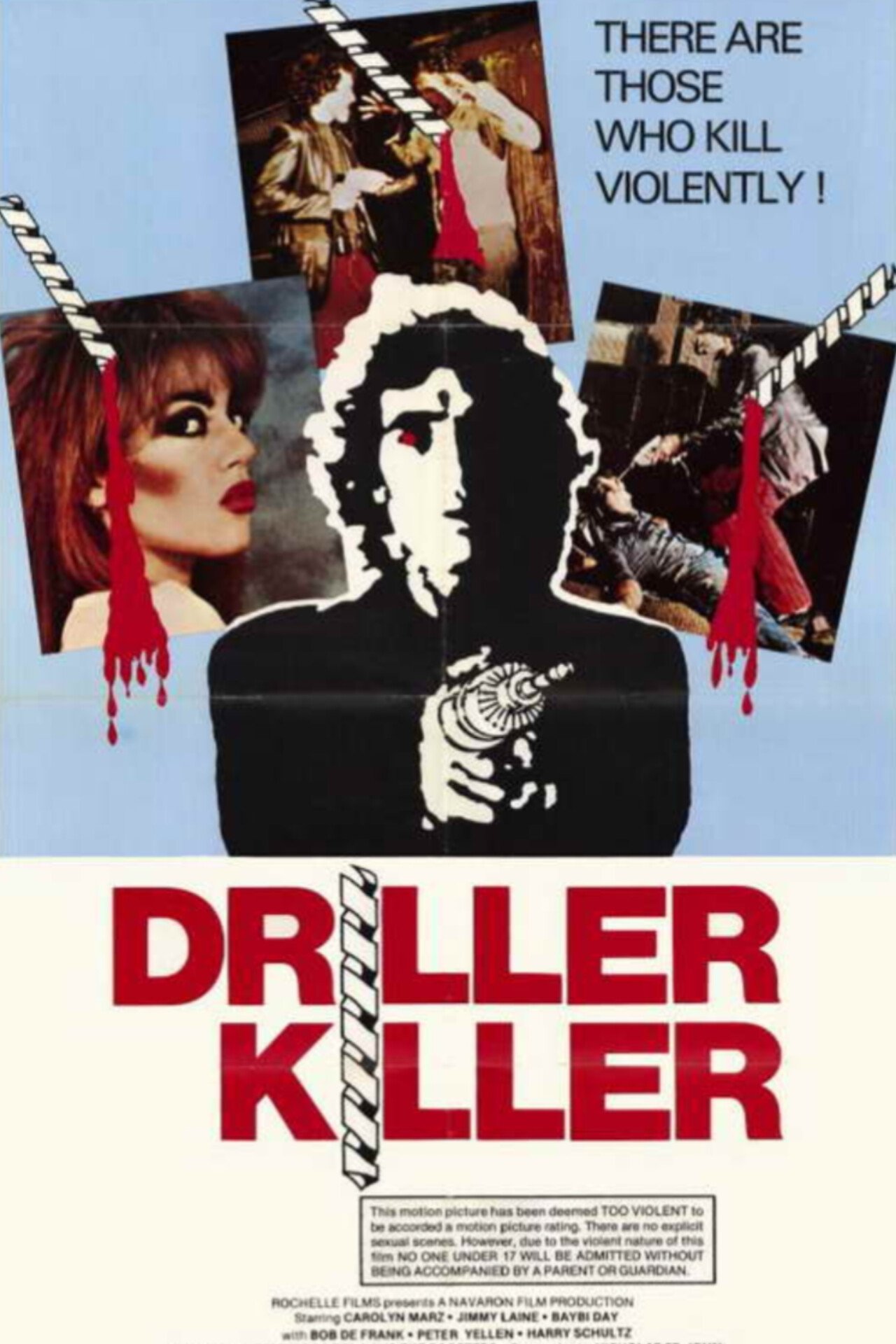
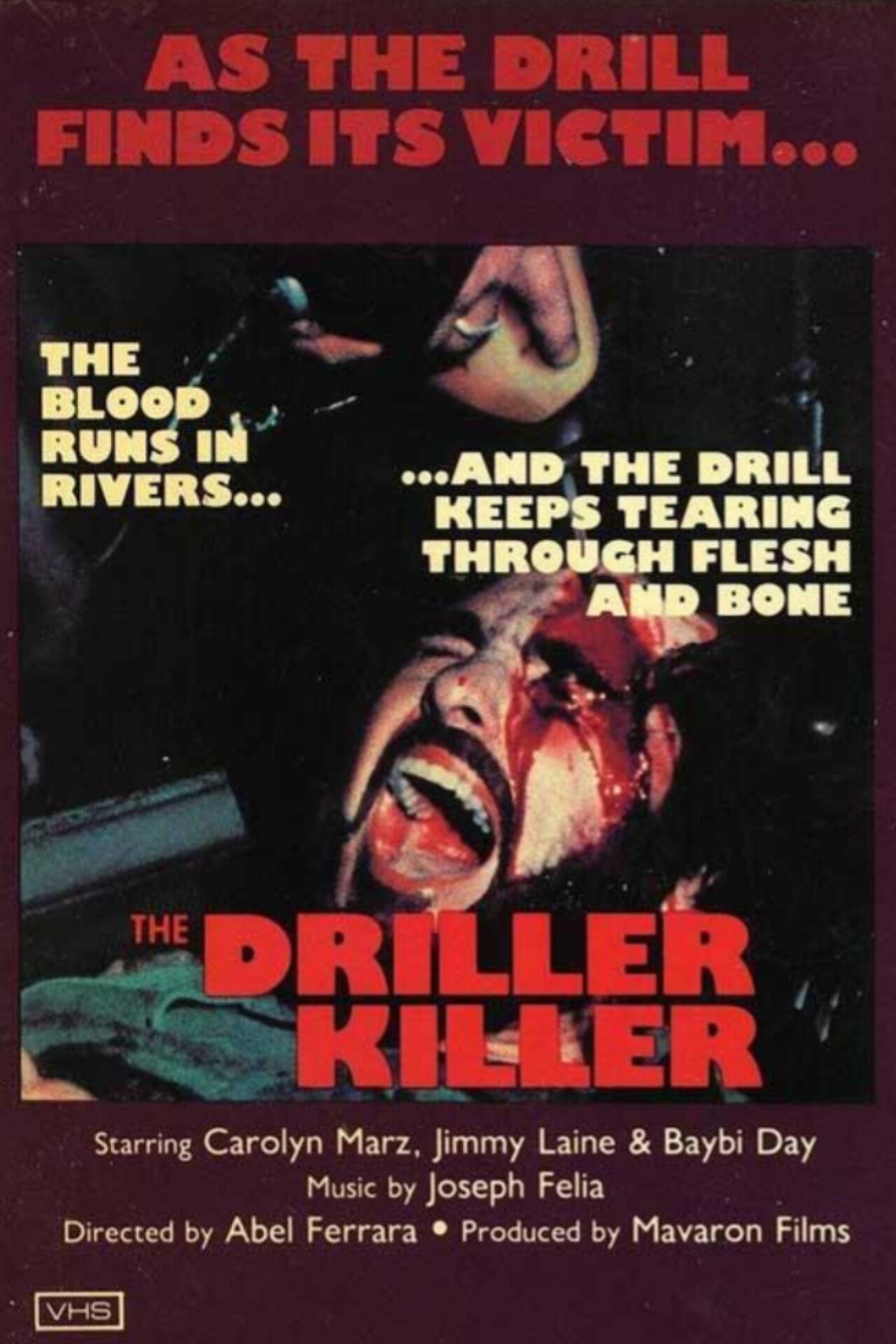
The Driller Killer became one of the most recognizable titles associated with the British video nasties controversy. Its importance in that history was connected especially with the advertising for the 1982 videocassette distributed by Vipco. The sleeve and magazine advertisements prominently featured the image of a victim being drilled through the forehead, creating a graphic association between the title and an immediately recognizable act of violence. The campaign attracted complaints and was repeatedly cited during public arguments over the unrestricted availability of horror films on cassette. In his 1999 historical assessment, Kim Newman emphasized that the packaging had become more notorious than the film itself.

The controversy took place before compulsory classification of commercial videocassettes under the Video Recordings Act 1984. The film appeared on the changing list maintained by the Director of Public Prosecutions under the Obscene Publications Act, and its association with successful prosecutions made it part of the group later remembered as the thirty-nine prosecuted video nasties. That status must be distinguished from a formal BBFC decision permanently banning every edition of the film. The British Film Institute has documented the broader confusion among prosecution, seizure, publicity and later video classification during the period. The Driller Killer became an especially visible example because its artwork was repeatedly reproduced during the campaign.

The film did not return to officially classified British home video until 1999. The BBFC records a submission from Visual Entertainment classified on March 26 of that year, with a running time of 94 minutes and 17 seconds. The edition had been shortened before classification, including alterations to graphic drilling attacks. A later submission from ILC Prime received an 18 classification on November 19, 2002, running 95 minutes and 54 seconds. A 2005 Anchor Bay edition was explicitly identified by the BBFC as uncut. These entries demonstrate a change in the regulatory treatment of the film, but they also document specific submitted versions rather than a universal statement about every international release.

Theatrical History, Restored Versions and Critical Reassessment

The Driller Killer entered American theatrical circulation in 1979 through the independent exploitation market. Ferrara recalled that its first major engagement in Kansas City was commercially encouraging, although his account does not provide sufficient documentation for a complete box-office calculation. The Deuce Film Series subsequently located contemporary newspaper advertising establishing a two-day engagement at the Times Square Theatre in New York on December 12 and 13, 1979. The venue was part of the city's commercial exhibition environment where exploitation films, martial-arts pictures and other inexpensive productions circulated in rapidly changing programs. This distribution history connects the film's violent marketing directly with the theatres Ferrara had regarded as a possible route into professional filmmaking.

The most important modern restoration was prepared by Arrow Video in 2016 using the original camera-negative materials. During the work, the company discovered approximately five minutes of additional footage that had been removed before the theatrical release. Ferrara confirmed that he had intentionally shortened the earlier assembly but permitted Arrow to make it available. The release therefore presents both the approximately 96-minute theatrical version and a longer pre-release version of approximately 101 minutes. The latter is an earlier edit, not evidence of a previously suppressed final director's cut. The differences principally involve character material and additional passages distributed through the first part of the film rather than an extensive new collection of murder sequences.

Arrow also presented the film in both 1.37:1 and 1.85:1 image formats, preserving alternative ways of viewing material originally photographed on 16mm. The restoration substantially improved the visibility of the locations, the painting, the performers and the nighttime photography. Its supplementary material included a new commentary by Ferrara moderated by Brad Stevens, an extended interview, a video essay by Alexandra Heller-Nicholas and Ferrara's documentary Mulberry Street. Critical reassessments have increasingly examined the film as part of the director's larger body of work. Jake Cole's 2016 review for Slant emphasized the connection between violent exploitation and the emerging personal style visible in the film. Its historical significance now rests on both the British censorship controversy and the unusually direct record it preserves of Ferrara's early independent filmmaking.

References

  1. Elena Lazic Abel Ferrara on The Driller Killer

    Original 2016 interview conducted for Picturehouse and republished by the interviewer, examining the origin of the production, Nicholas St. John, David Johansen, Union Square filming, the influence of Taxi Driver, artistic failure, poverty and the relationship between experimental cinema and exploitation.

  2. MUBI Notebook The Deuce Notebook: Abel Ferrara Talks Moviemaking in Fear City

    Extensive 2021 first-hand conversation with Ferrara conducted by cinematographer Sean Price Williams, combined with original Times Square exhibition research. Documents the financing through Arthur Weisberg, the arrival of Ken Kelsch, the influence of experimental cinema, David Johansen and the film's 1979 theatrical circulation.

  3. The Guardian You Know the Drill - Kim Newman

    Detailed historical reassessment published in April 1999, examining the original Vipco advertising, the British video nasties controversy, censorship and distribution history, punk culture, homelessness, psychological horror and the relationship between Ferrara's early film and his later work.

  4. Slant Magazine Blu-ray Review: Abel Ferrara's The Driller Killer on Arrow Video - Jake Cole

    Substantial critical study of the film's psychological violence, depiction of New York, experimental photographic style and No Wave soundscape, with examination of Arrow's 4K restoration, two edits, alternative framing and documentary supplements.

Cast

View Full Cast & Crew →

Release & Distribution

Production Companies (1)

  • Navaron Films US

Release History (6)

Release DateTerritoryRelease TypeFormatDistributorCertificationNotes
1979-06-15 United States Theatrical — — —
1982-09-01 Australia Theatrical — — RC
1985-03-10 Japan Theatrical — — R18+
1985-09-02 Australia Physical — — R 18+
2004-10-11 Australia Physical — — MA 15+
2025-07-28 New Zealand Physical Blu-ray — R18 Blu-ray
The Blood Runs In Rivers... And The Drill Keeps Tearing Through Flesh And Bone.