From Murder Case to Haunted-House Story
The historical foundation of the Amityville story is the murder of the DeFeo family. In the early hours of November 13, 1974, Ronald DeFeo Jr. shot and killed his parents and four younger siblings inside their home on Ocean Avenue in Amityville, Long Island. DeFeo was subsequently convicted of six counts of second-degree murder. The supernatural narrative associated with the property developed later, after George and Kathy Lutz moved into the house with their children in December 1975. The family remained there for only twenty-eight days before leaving and later described a series of disturbing experiences that they attributed to paranormal forces.
Author Jay Anson constructed The Amityville Horror from the Lutzes' account, including recorded recollections supplied by the family. Published in 1977 with the subtitle A True Story, the book became a bestseller and transformed what had been a notorious murder house into a supernatural phenomenon. The distinction between the two parts of the narrative is essential. The DeFeo murders are documented criminal history; the alleged haunting is a set of claims that became commercially and legally contested. Owners who lived in the house after the Lutz family rejected reports that it contained paranormal activity, while disputes involving the Lutzes, DeFeo attorney William Weber, the publisher and subsequent homeowners complicated the public story further.
The movie does not provide a neutral reconstruction of those controversies. It dramatizes material from Anson's book and reshapes it as supernatural horror. The filmmakers themselves acknowledged this boundary: the finished picture states after its credits that it is based on The Amityville Horror and that characters and events were altered for dramatic effect. That disclaimer is particularly important in a film whose publicity value depended heavily on the possibility that audiences were watching a version of events that might have happened. The uncertainty between documented crime and disputed supernatural testimony was therefore not merely background to the production. It became one of the principal mechanisms through which the film generated fear.
Development and Adaptation
The commercial potential of Anson's book was recognized quickly. Producers Ronald Saland and Elliot Geisinger initially became involved with the property through Professional Films after the book had been optioned in connection with CBS. American International Pictures co-founder Samuel Z. Arkoff subsequently pursued the rights after encountering the book and recognizing its potential as a theatrical horror film. AFI records that AIP acquired the motion-picture rights in 1978 for more than $200,000, an unusually high literary-rights expenditure for the company. A television version had been contemplated, but the project ultimately expanded into a theatrical feature under AIP.
Stuart Rosenberg was signed to direct, while Sandor Stern received sole screenplay credit after earlier development work on the adaptation. The producers did not simply reproduce the book incident by incident. Contemporary accounts cited by AFI indicate that they wanted to place greater emphasis on the family and the surrounding community, while retaining uncertainty about whether the phenomena should be interpreted literally. That ambiguity allowed the film to exploit the book's factual claims without requiring the supernatural events to be established as historical truth.
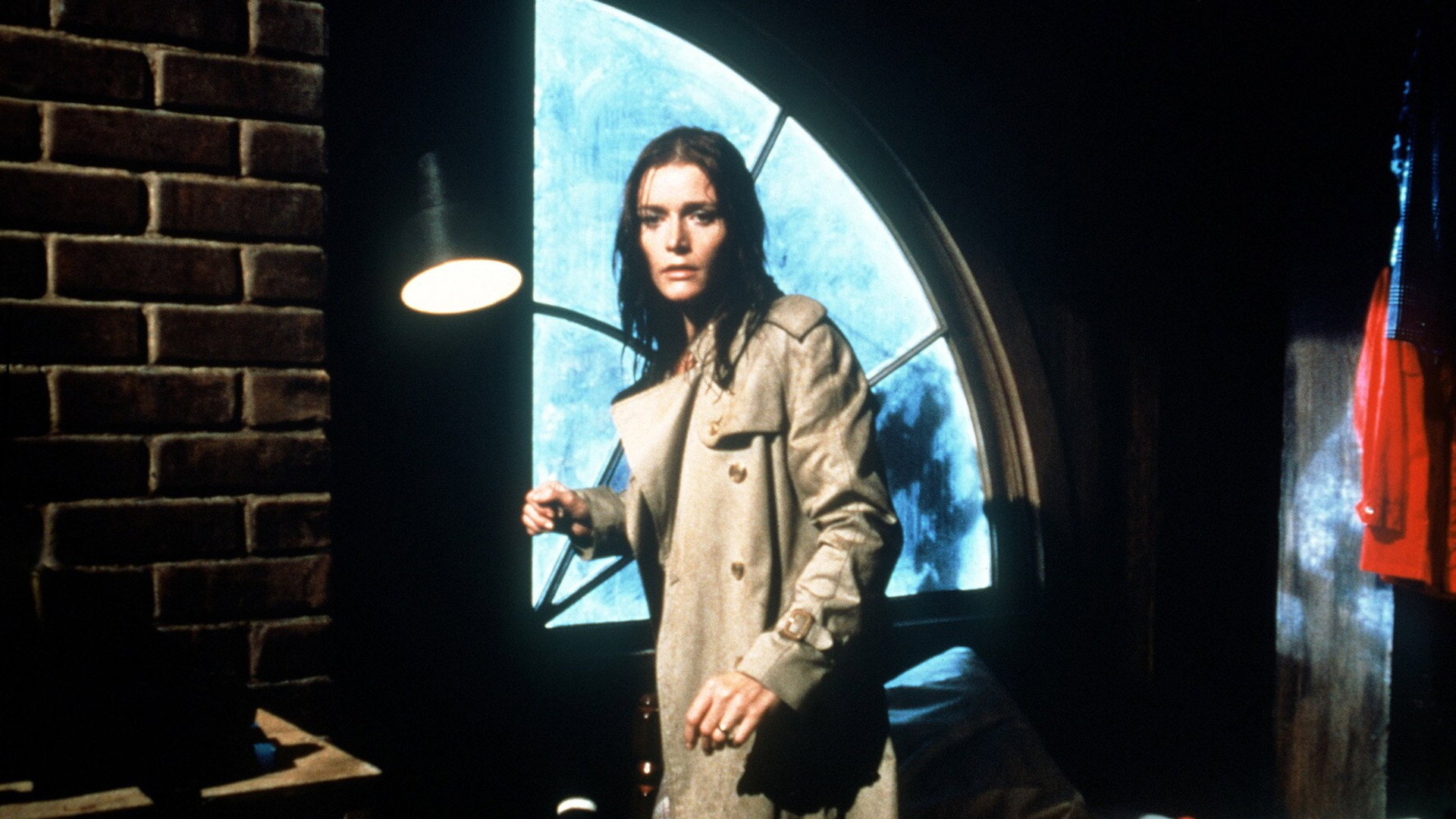
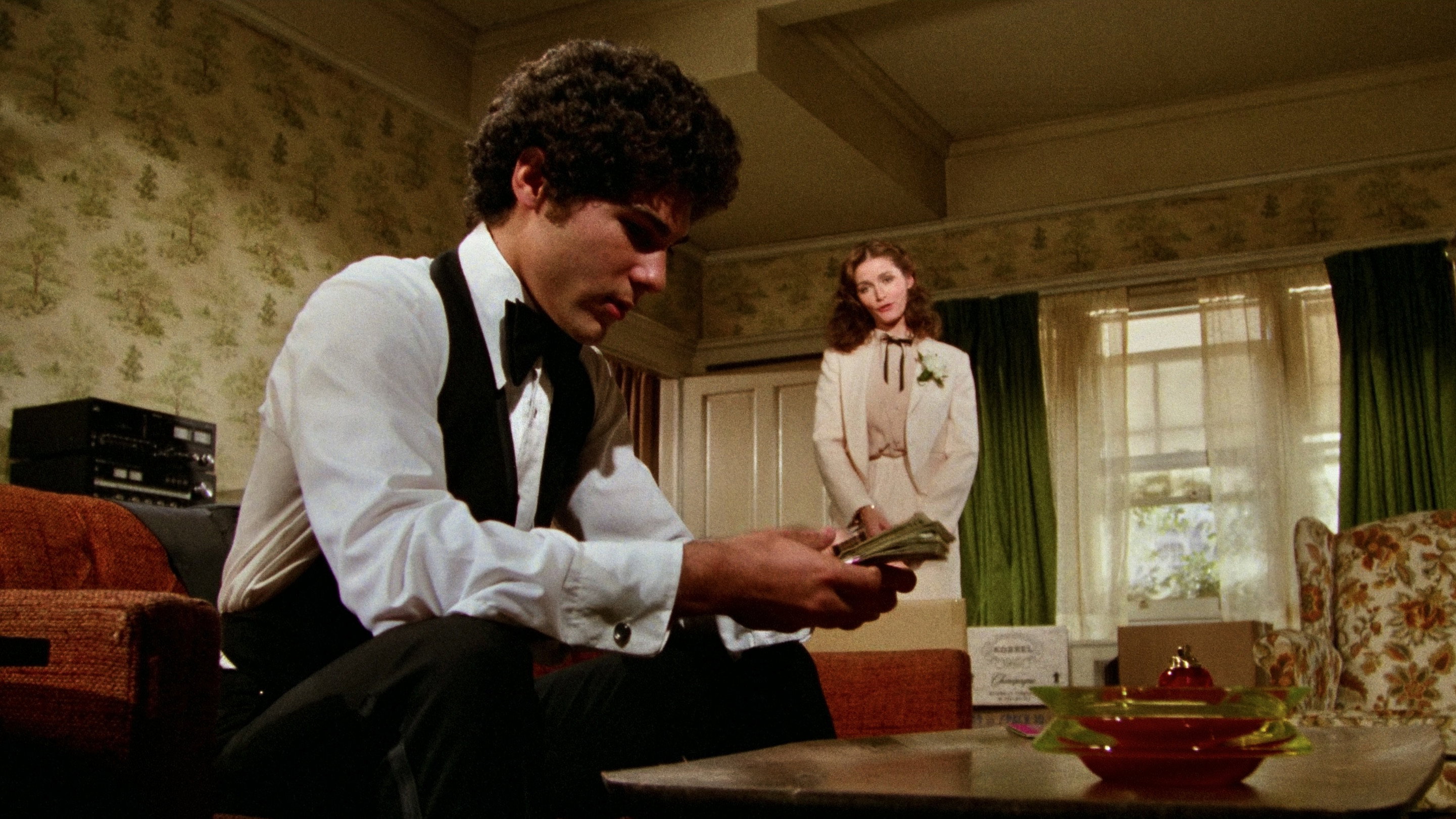
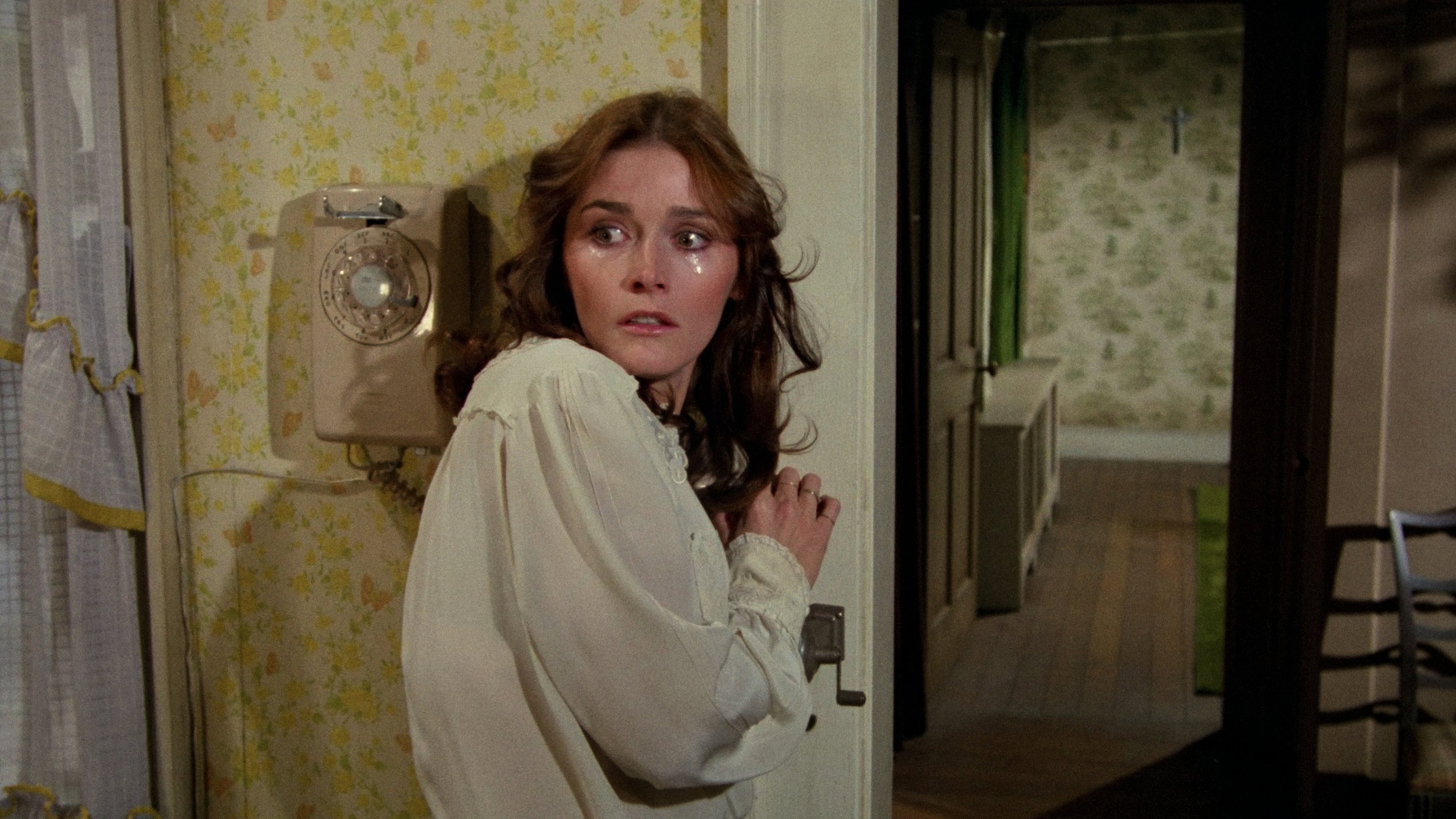
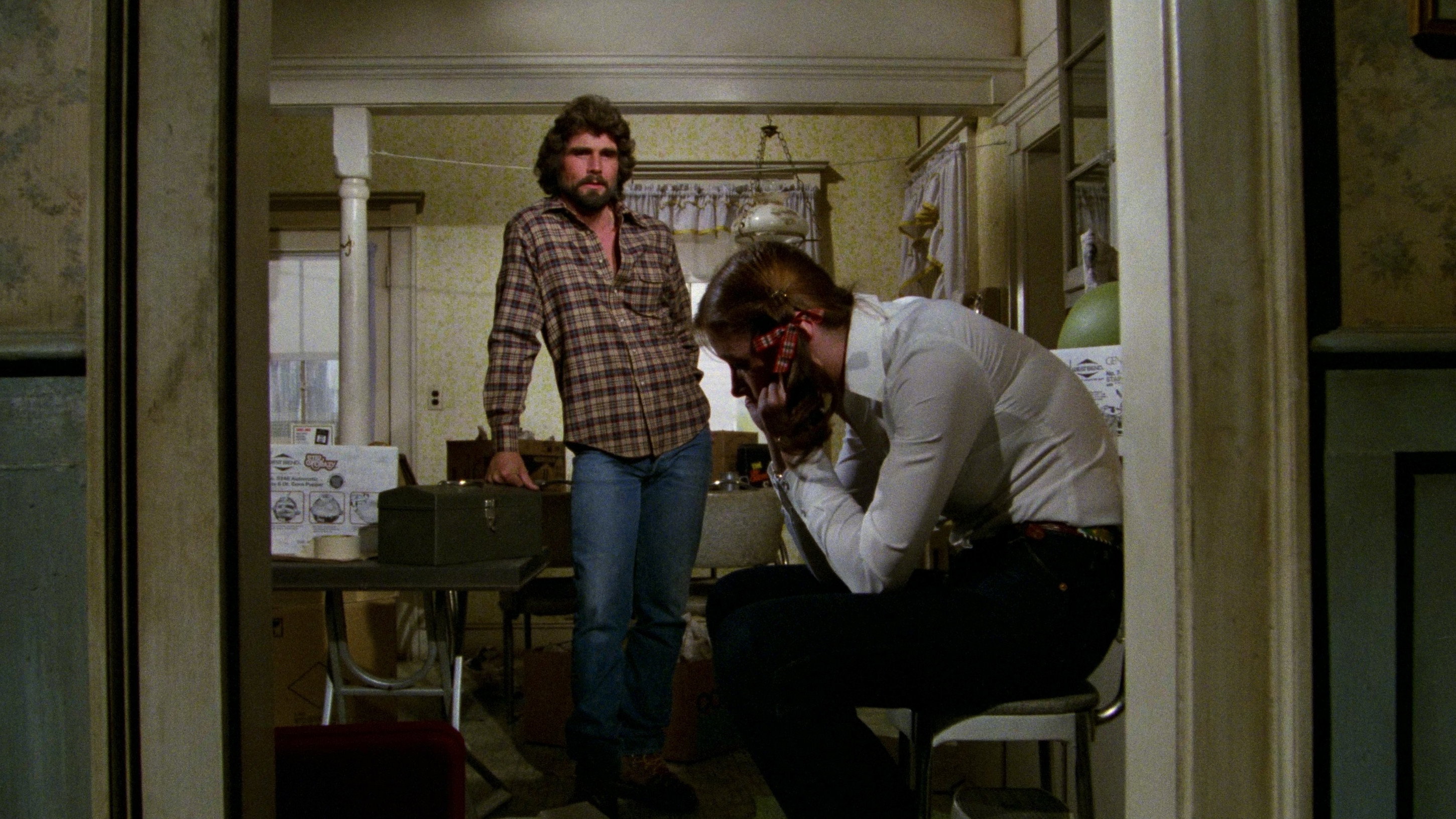
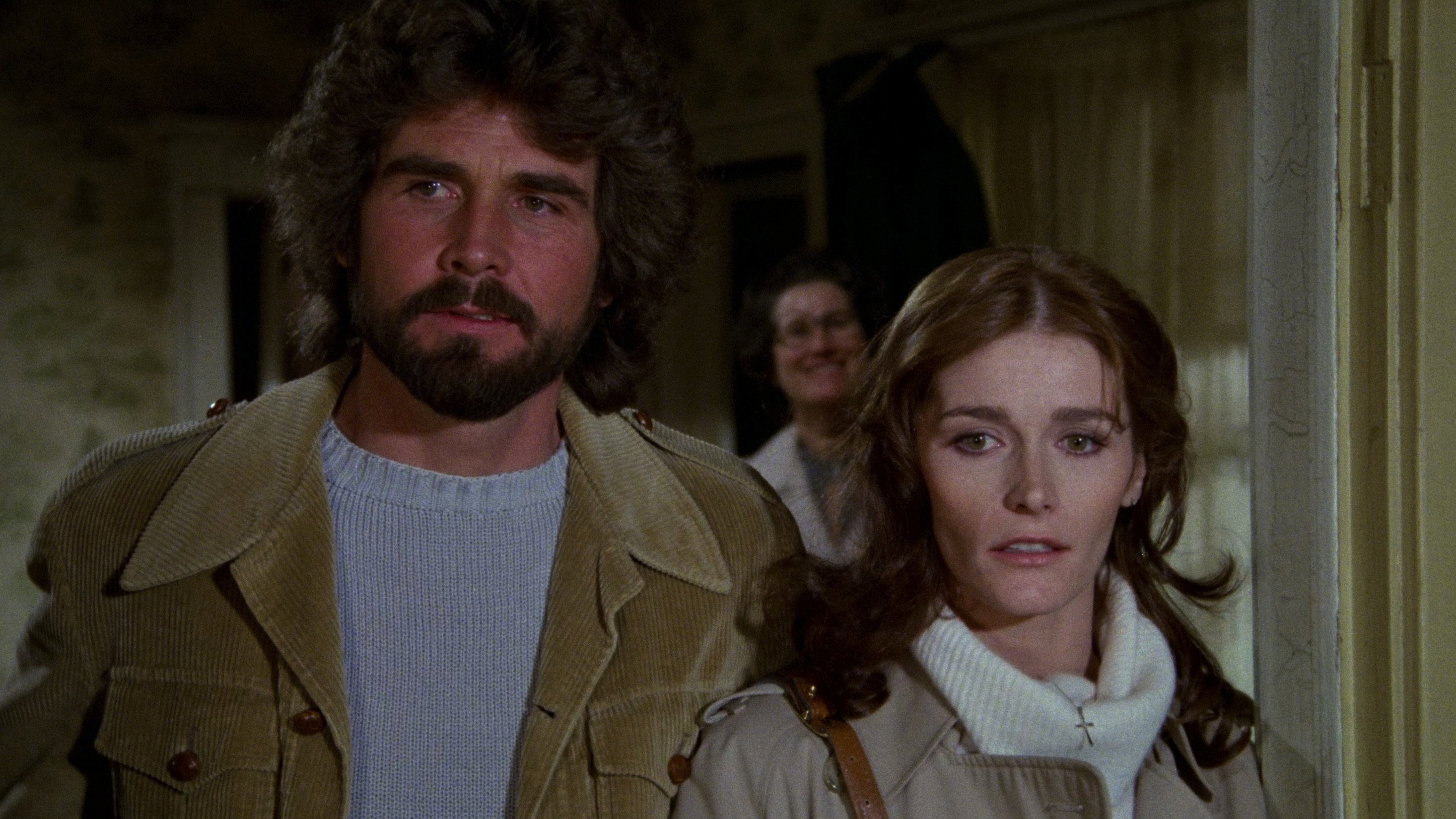
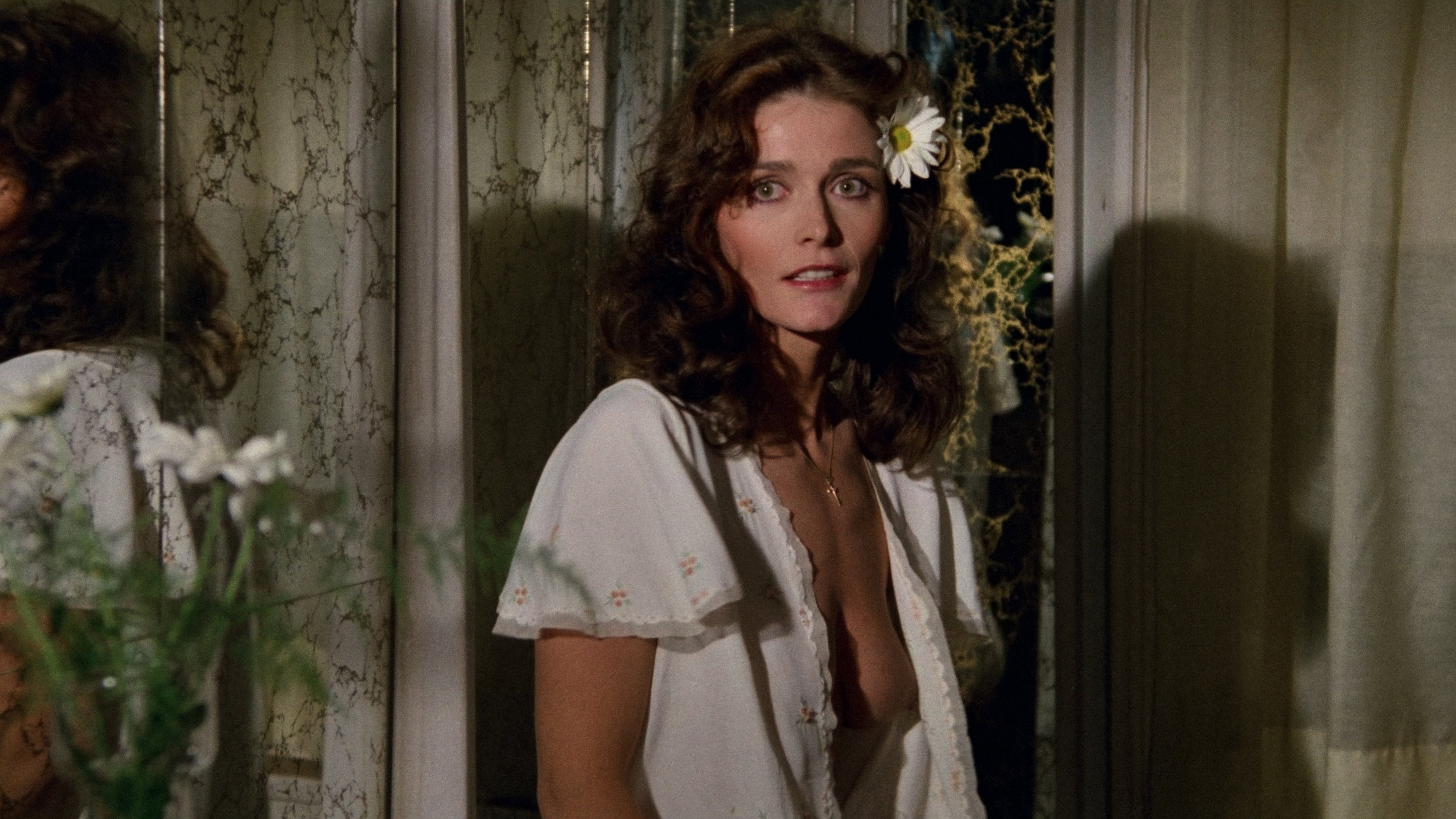
James Brolin initially regarded the project as a relatively minor horror assignment, but his reaction changed after reading Anson's book. He later recalled becoming genuinely frightened while reading it late at night and concluding that the material could work on screen. Margot Kidder joined the production shortly after the enormous success of Superman. Their approaches to performance differed considerably: Kidder favored spontaneity and responding to accidents within a scene, while Brolin preferred a more planned method. Both actors later remembered friction arising from that difference, although Brolin also felt that the contrast contributed to the tension between George and Kathy as the household deteriorates.
The House as Horror Architecture
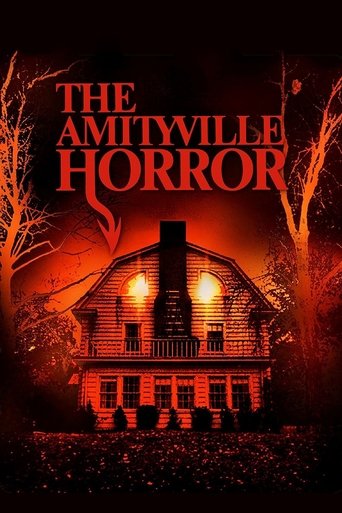
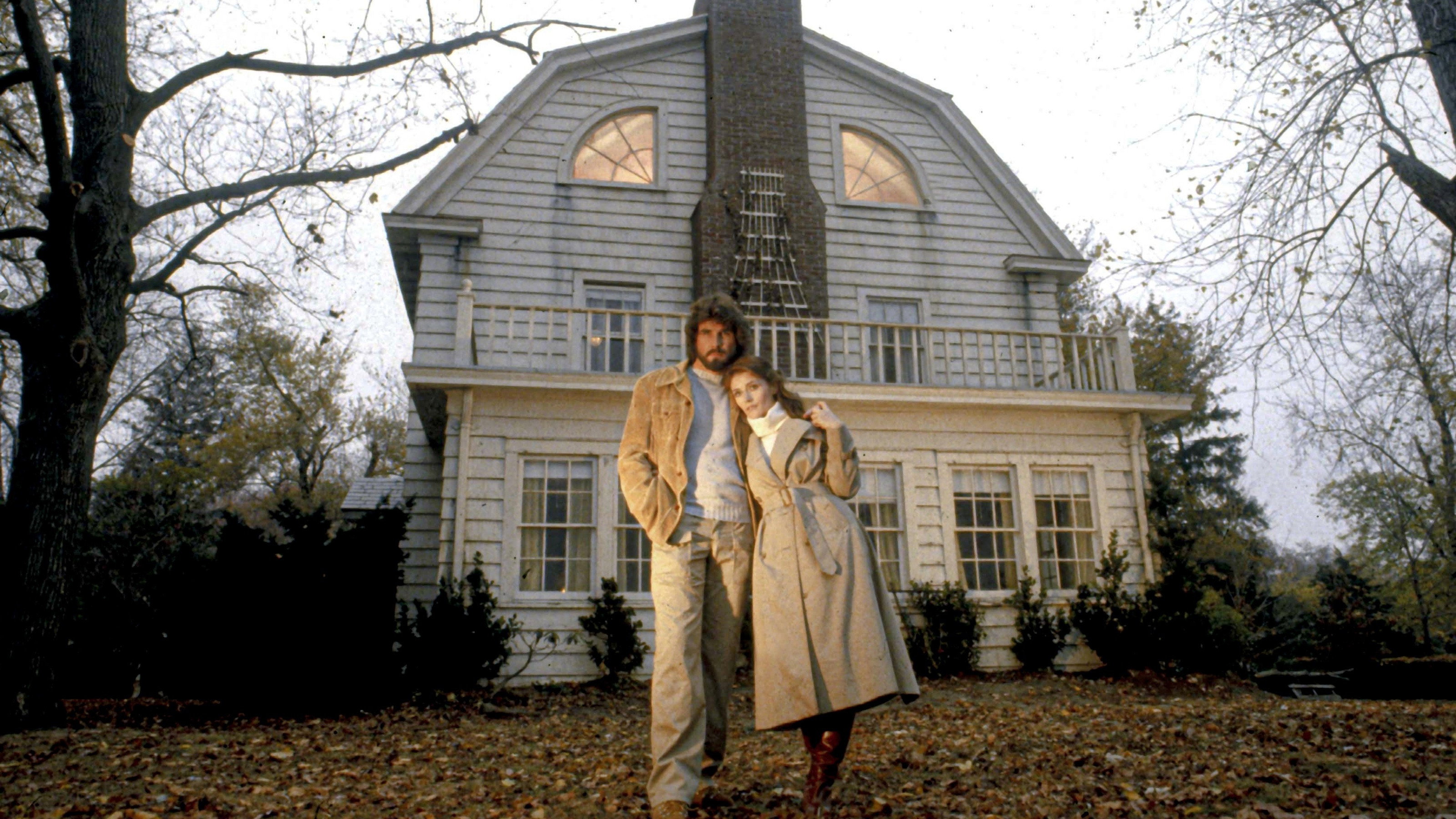
The central visual achievement of The Amityville Horror is the transformation of a recognizable domestic building into an emblem of threat. Production did not take place at the actual Long Island house. AFI records that residents of Amityville were reluctant to encourage further publicity and that the real building was poorly suited to the practical requirements of filming. A Dutch Colonial property in Toms River, New Jersey, was therefore rented and used for exterior work before production moved to MGM stages in California. The substitute retained the architectural characteristics needed to evoke the original residence, most importantly the upper windows that visually resemble a pair of eyes.
That anthropomorphic quality became inseparable from the film's identity. The house is repeatedly presented as though it were observing the people entering it rather than serving merely as a container for supernatural activity. Rosenberg does not need to reveal a single definitive creature because the architecture itself gradually assumes the role normally occupied by a monster. Doors, windows, stairs, walls and basement spaces cease to behave as neutral parts of the family home. Domestic security is inverted: every structural feature that should separate the inhabitants from outside danger instead appears capable of trapping them inside it.
The visual strategy also depends on accumulation rather than constant spectacle. The film moves between ordinary family spaces and increasingly disruptive manifestations, allowing familiar rooms to acquire threatening associations through repetition. George's fixation on the basement and the house, the recurrent views of windows in darkness and the appearance of red or viscous substances give the location a bodily quality without fully defining what controls it. This lack of a stable physical antagonist frustrated some contemporary critics, but it also helped create the film's most durable image: evil not as an intruder entering the home, but as something already embedded within the property itself.
Domestic Possession and Family Horror
Although the film is usually categorized as a haunted-house story, much of its horror operates through the gradual disintegration of the Lutz household. George does not simply witness supernatural incidents. His behavior changes as his relationship with the house deepens. He becomes withdrawn, irritable and increasingly threatening, while Kathy is forced to interpret whether the transformation belongs to psychological collapse, supernatural possession or some combination the film refuses to clarify completely. Brolin's performance therefore provides a human focus for an otherwise diffuse supernatural threat.
This structure links The Amityville Horror to the cycle of religious and domestic supernatural films that followed the success of The Exorcist and The Omen, yet it relocates the threat into the economic ideal of home ownership. The Lutzes purchase the property because its violent history has made an unusually impressive house financially attainable. What appears to be a bargain gradually becomes a trap. Heating problems, repairs, missing money and George's inability to work are placed alongside overt supernatural events, connecting paranormal fear with the practical anxiety of maintaining a household that the family can barely afford.
Religious intervention provides no reliable counterweight. Father Delaney encounters the house as a hostile environment and becomes progressively unable to help the family. The film weakens the institutions that might normally explain or contain supernatural evil. The result is a form of domestic horror built on isolation. Police, clergy, relatives and neighbors exist around the family, yet none can meaningfully restore order inside the house. The Lutzes ultimately survive not by defeating the force associated with the property, but by abandoning the home entirely.
Music and Sound
Lalo Schifrin's score is one of the film's most important contributions to horror aesthetics. After seeing the picture, Schifrin developed the idea that the house should feel alive and conceived a theme resembling a nursery rhyme sung by children. The apparent innocence of the voices is deliberately destabilized by dissonance and orchestral tension. Schifrin later explained that he was attracted to the opposition between childhood innocence and horror, using small musical cells as the foundation from which the larger score could develop.
The instrumentation expands that contrast. Schifrin used strings, brass, woodwinds, piano, celesta, percussion, harp and three voices in the original score. Rather than beginning at maximum intensity, he preferred to build progressively, allowing quieter and more fragile material to provide room for increasingly threatening textures. The method parallels the film's narrative movement from the optimistic purchase of a family home toward total domestic collapse. The recurring child voices also connect the house to memories of the murdered family without requiring the film to explain precisely whose presence is being heard or represented.
The music received unusually strong recognition for a horror production that was otherwise met with substantial critical hostility. Schifrin was nominated for the Academy Award for Best Original Score at the 52nd Academy Awards. The theme subsequently became one of the most recognizable elements associated with the Amityville name, demonstrating how strongly the film's atmosphere depends on sound rather than visible supernatural spectacle. Its combination of lullaby simplicity and orchestral unease gives musical form to the film's central contradiction: the outward appearance of a safe family home concealing something destructive.
Release, Box Office and Reception
The Amityville Horror premiered in New York in July 1979 and opened commercially in the United States and Canada on July 27. Its launch was backed by an exceptionally aggressive campaign for American International Pictures. AFI records that AIP spent approximately $3.3 million on publicity and advertising, a substantial amount relative to the production itself. The strategy worked immediately. The film earned $7,843,467 during its first three days, which AFI identified as the largest opening in AIP history at that time. Modern box-office records place its eventual domestic gross at approximately $86.4 million.
The scale of that success contrasted sharply with its production economics. Samuel Z. Arkoff later recalled a budget of roughly $4.7 million and a shooting schedule of only seven weeks, at a time when major-studio pictures could cost several times as much. TCM records that the film became the highest-grossing independent production of its period and retained that distinction until Teenage Mutant Ninja Turtles surpassed it in 1990. Whatever disagreements exist among historical sources over the exact contemporary accounting of rentals, grosses and profits, the essential point is unambiguous: The Amityville Horror was an extraordinary commercial success for AIP.
Critical reaction was considerably less enthusiastic. Janet Maslin in The New York Times criticized the film's reliance on familiar horror devices and its inability to accumulate convincing suspense. Roger Ebert similarly objected to the absence of a clearly defined supernatural antagonist and found the succession of unexplained phenomena dramatically unsatisfying. Richard Schickel was also dismissive. Yet the film later received more nuanced consideration from writers including Stephen King, who argued in Danse Macabre that its apparent simplicity could be understood as part of the elemental effectiveness of a campfire story. That division between critical skepticism and audience response became part of the film's history almost immediately.
Legacy and the Amityville Myth
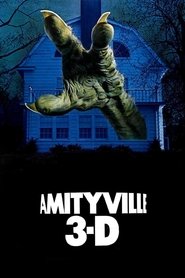
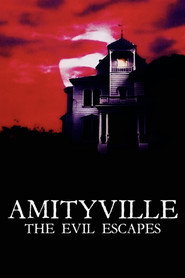
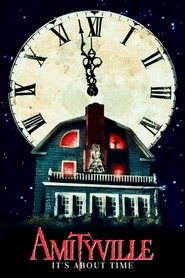
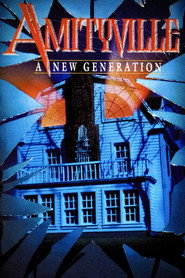
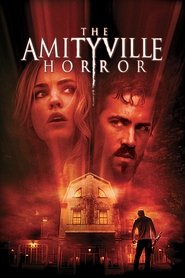
The commercial response ensured that Amityville would not remain a single film. American International Pictures moved quickly to acquire rights connected with additional Amityville material, leading eventually to Amityville II: The Possession in 1982 and Amityville 3-D in 1983. A theatrical remake followed in 2005. The sequels did not maintain one simple continuity, and rights disputes involving the Lutz family further complicated the series, but the original film had already demonstrated that the Amityville name possessed commercial value independent of any single set of characters.
Its larger influence lies in the way it converted a specific address into a portable horror concept. The facade, the eye-like windows, the phrase associated with being ordered to leave the house and the supposed factual basis became more culturally durable than many individual scenes. Later haunted-house films would repeatedly use the same combination of domestic aspiration, historical violence and claims of authenticity. The Amityville Horror did not invent those ingredients, but its extraordinary visibility helped establish how effectively they could be packaged for a mass audience in the era following The Exorcist.
The controversy surrounding the Lutz account has never been separable from that legacy. Skepticism did not destroy the Amityville story; in many respects it extended its cultural life by keeping debates about evidence, fabrication, memory and exploitation attached to the property. For horror history, the important distinction is therefore not whether the film proves that the house was haunted. It does not. Its significance lies in demonstrating how documented violence, disputed testimony, publishing, cinema and publicity could combine to create a supernatural mythology more persistent than the evidence supporting it. The 1979 film remains the central visual expression of that mythology and the work that turned Amityville from the name of a Long Island community into a globally recognizable signifier of haunted-house horror.