Reimagining a Franchise Without the Cannibals
The original Wrong Turn became a continuing series after its 2003 release, but McElroy did not write the five sequels that followed. In Clark Collis's 2023 Entertainment Weekly oral history, the writer recalled remaining in contact with producer Robert Kulzer before returning to develop a new film. Instead of extending the Hillicker family story, his screenplay introduced a separate mountain community whose conflicts with outsiders could sustain a different narrative. McElroy said he had imagined two further installments exploring the Foundation, an intention rather than a production commitment. No future trilogy should be treated as completed merely because its creator described the possibility.
Nelson approached the script as an opportunity to upset audience expectations associated with the title. This decision changes the meaning of the initial detour. The protagonists do not encounter Three Finger or the other cannibals, and the violence they face is not presented as a consequence of inherited deformity. The Foundation's frightening appearance conceals an elaborate social organization. That shift does not automatically free the new film from assumptions about rural people; it gives the screenplay an opportunity to make those assumptions part of the conflict. The connection to its predecessor is therefore structural and commercial, with an important creative continuity supplied by its returning writer.
Jen, the Hikers and a Father's Search
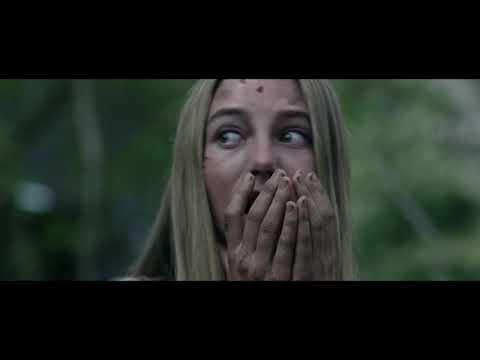
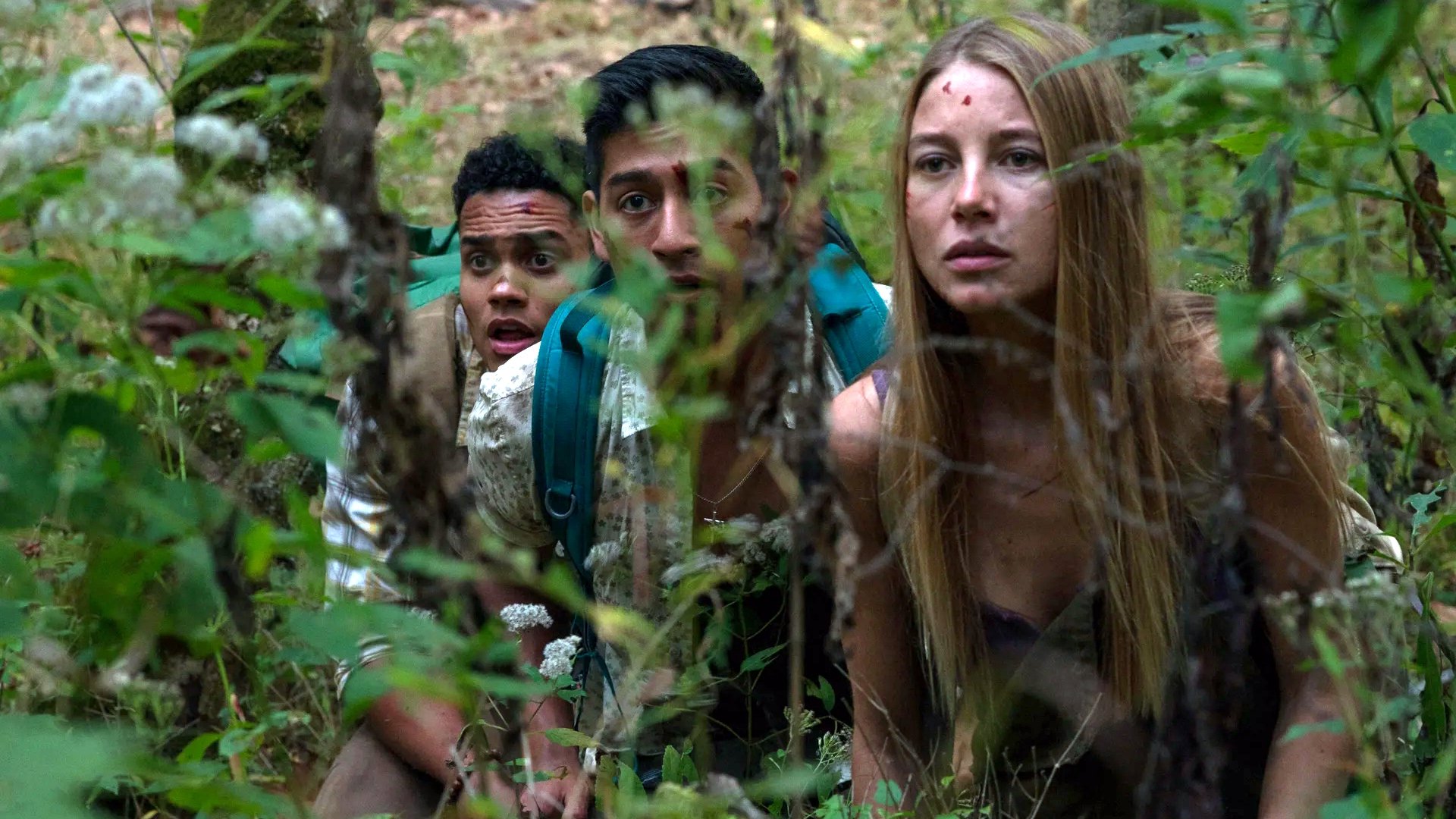
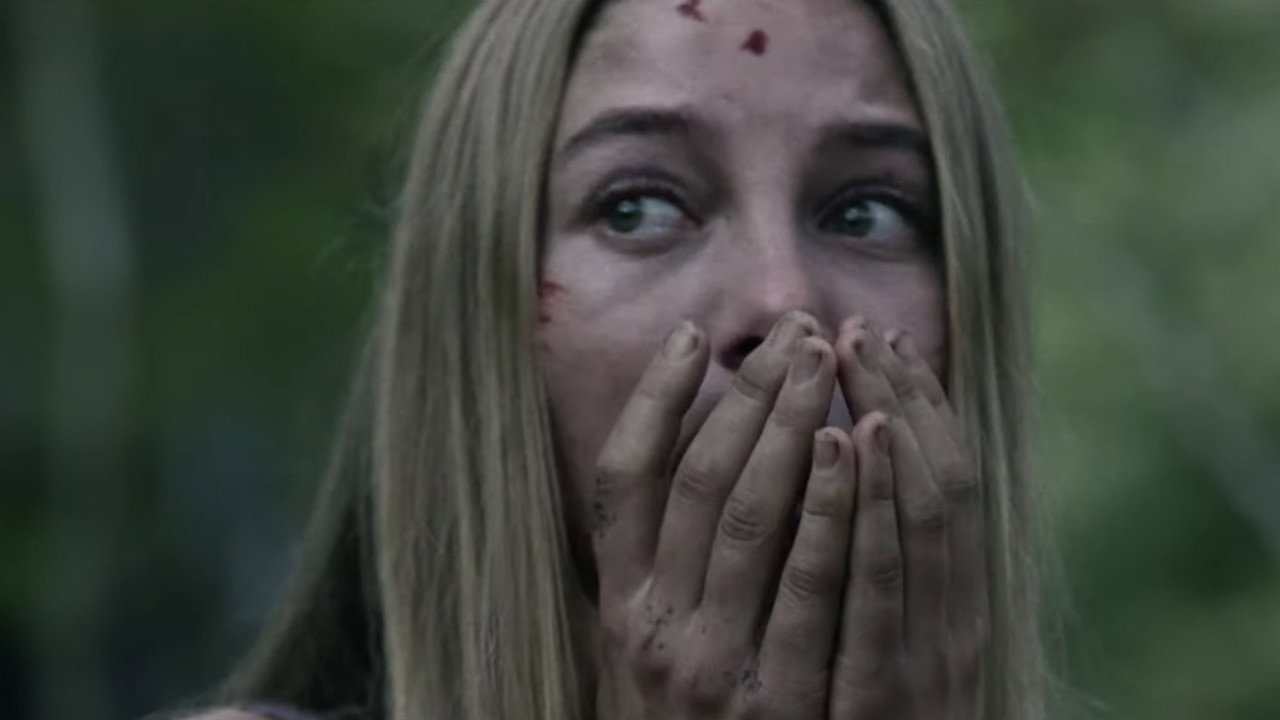
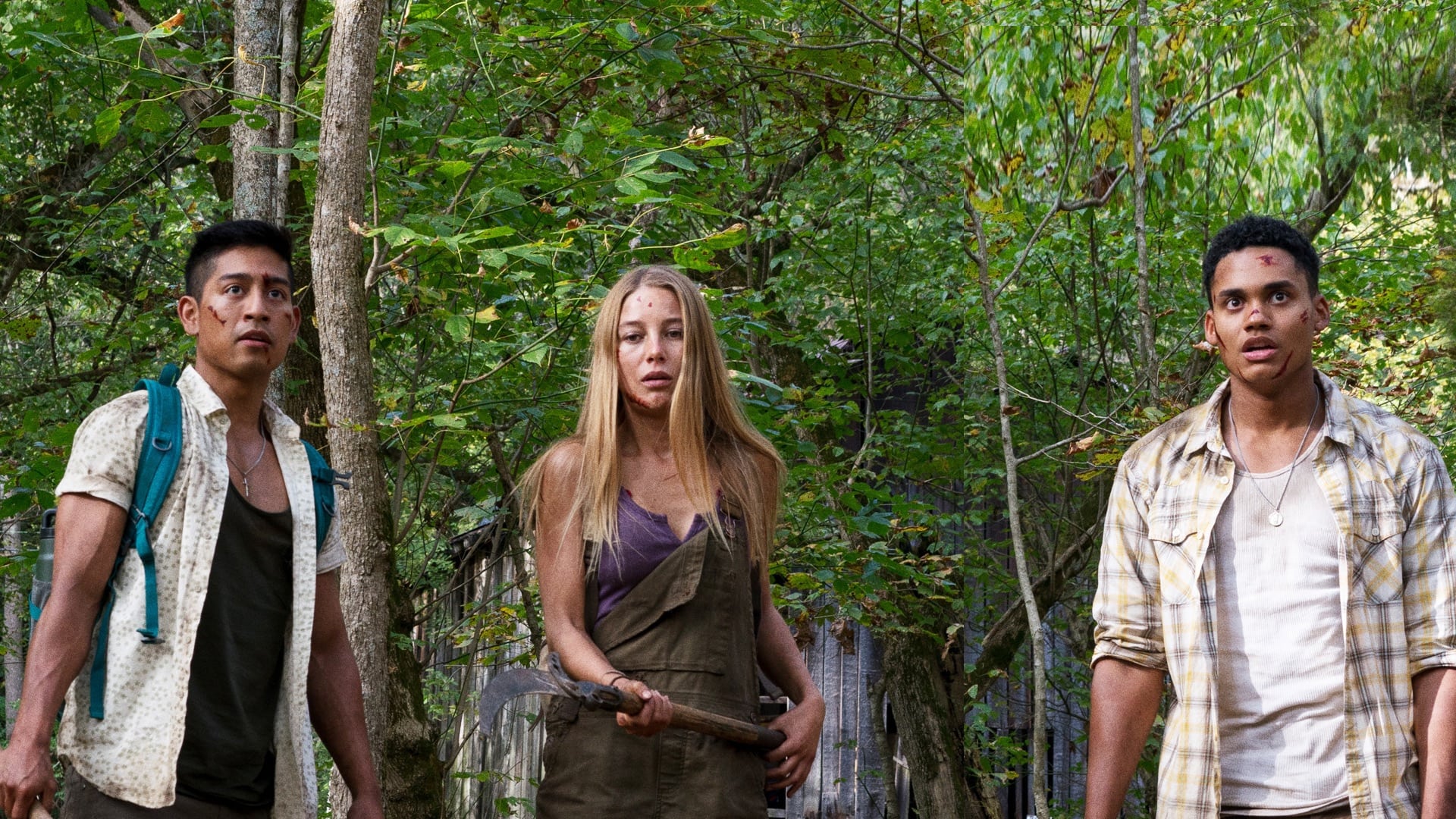
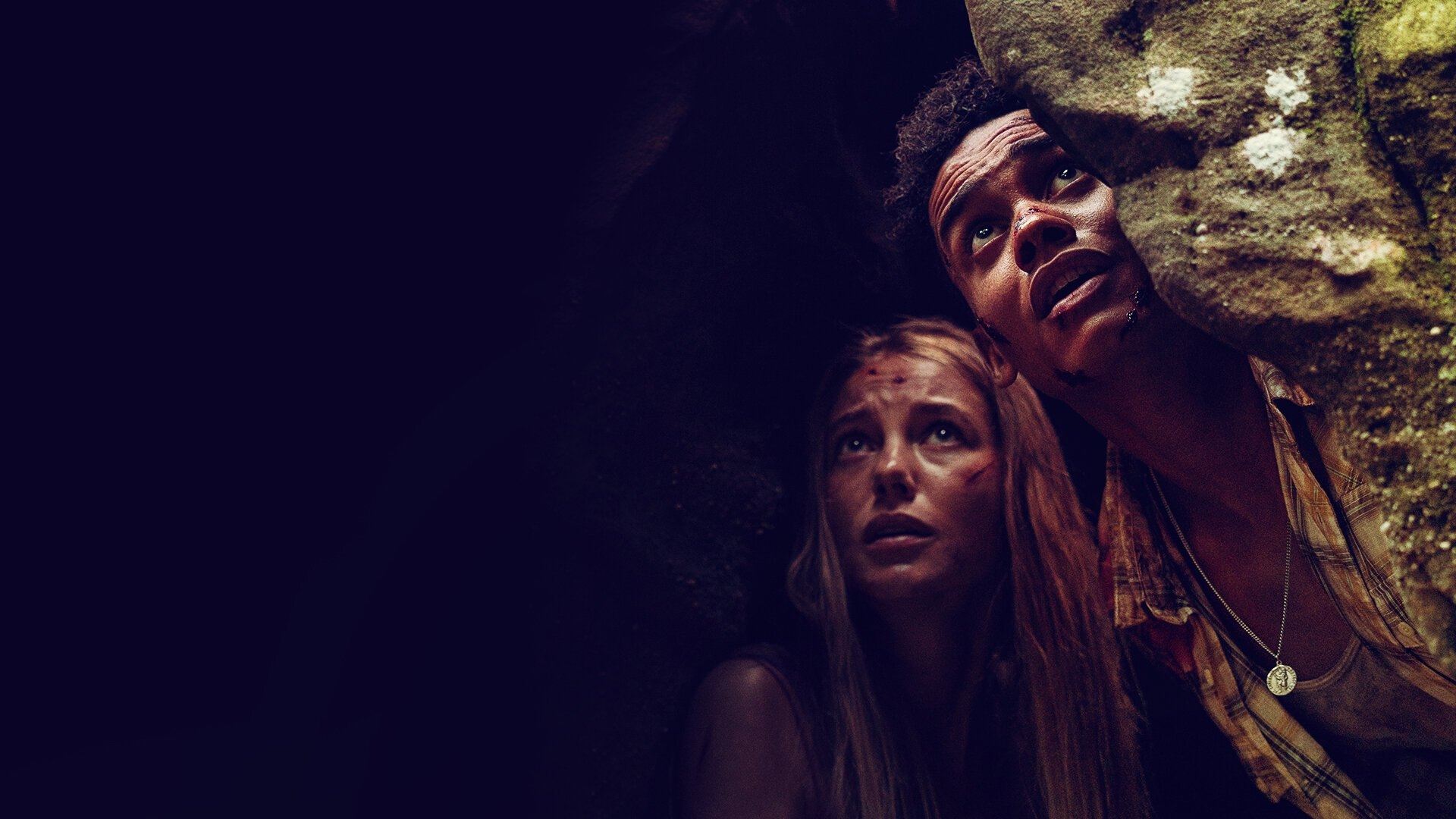
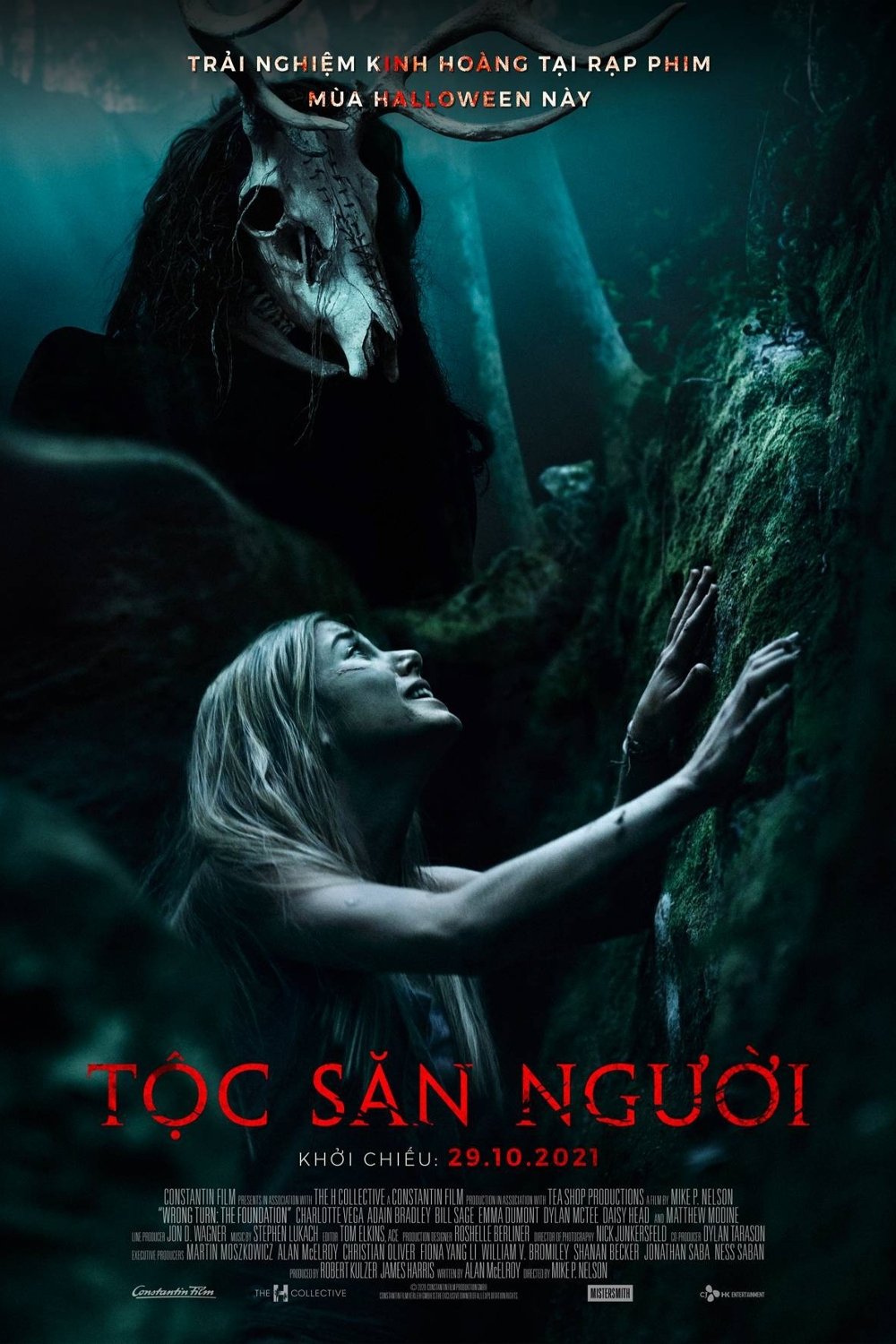
Jen, played by Charlotte Vega, travels with friends whose education, jobs and politics make them confident that unfamiliar problems can be understood and negotiated. Her boyfriend Darius imagines a fairer society, while other members of the group react to danger more impulsively. Local warnings about leaving the marked trail are dismissed once the hikers decide to investigate a supposed Civil War site. Their confidence collapses after a lethal obstacle interrupts the excursion. Nelson develops the early ordeal through uncertainty about what is accidental, what is deliberately constructed and whether the shadowy figures watching them have already decided to attack.
The film also follows Jen's father Scott, played by Matthew Modine, as he searches for his missing daughter. His investigation begins outside the forest, where people who know the region offer incomplete or contradictory information. The two lines of action establish different kinds of vulnerability: the hikers are lost within dangerous territory, while Scott has to decide whom he can trust before reaching it. This structure gives the disappearance an emotional consequence beyond the number of deaths in the woods. Jen's eventual choices emerge from the problem of surviving among people with the power to imprison her, and Scott's determination keeps open the possibility that the crisis has consequences far from the trail.
The Foundation: History, Isolation and Competing Rules
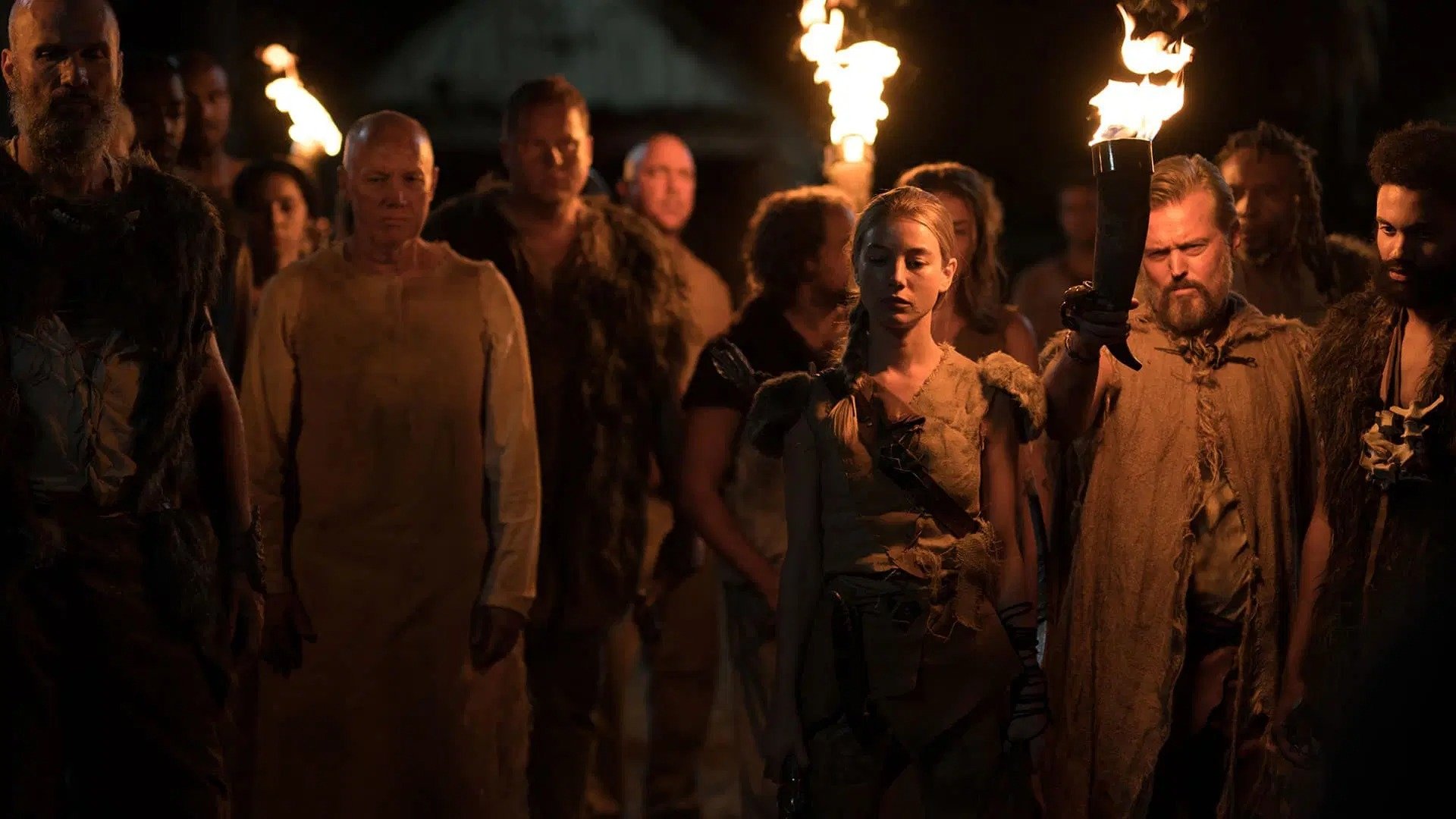
Within the fiction, the Foundation traces its separation from wider American society to 1859, before the Civil War. Its members possess a court, an internal hierarchy and punishments for those accused of endangering their community. Bill Sage's Venable presides over a system in which claims of self-defense can be answered with formal accusations and sentences. The organization presents itself as independent of the outside country's political divisions, but independence does not make its decisions impartial. The tribunal's authority is sustained by the same armed and masked inhabitants who captured the defendants. Its version of justice makes blindness, imprisonment and execution instruments of social control.
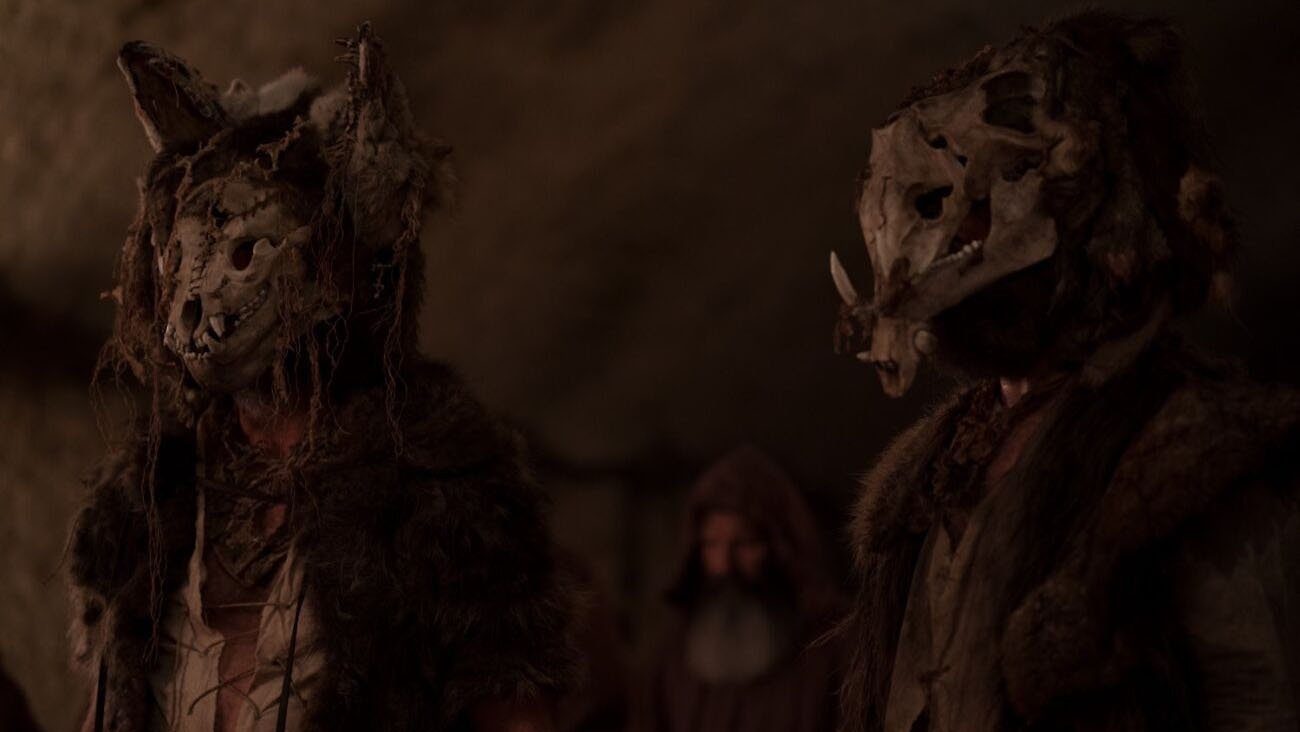
The conflict is designed to complicate the assumptions of both groups. The visitors interpret skull masks and traps as signs of mindless savagery, while the Foundation interprets trespass and resistance according to its own absolutist code. A death during an encounter in the woods becomes evidence for a trial whose rules none of the travelers understood before the incident. This does not create a morally equal dispute in every respect: the society's punishments and compulsory confinement are extreme acts of violence. The film's more interesting question concerns how quickly fear and preconceived judgments lead people to authorize harm, even while claiming to defend themselves.
Animal-Skull Masks and the Visual World of the Foundation
Nelson gave costume designer Gina Ruiz and production designer Roshelle Berliner a coherent historical problem. In his February 2021 interview with Horrornews.net, he recalled assembling reference photographs and discussing materials linked to mountain residents, the Civil War period and other historical traditions. The idea was that a community isolating itself in 1859 would not have passed through the same subsequent changes in fashion as its neighbors. That premise guided the clothing and architecture without making the finished images an academically verified reconstruction of any actual nineteenth-century settlement. The Foundation is a fictional society developed from multiple visual references.
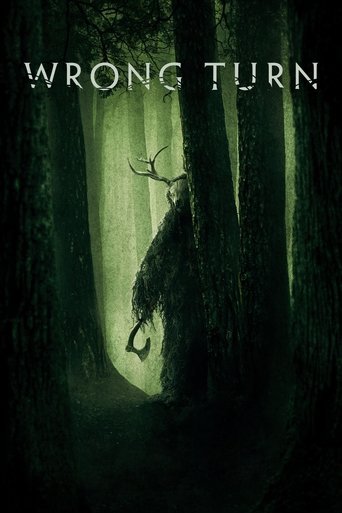
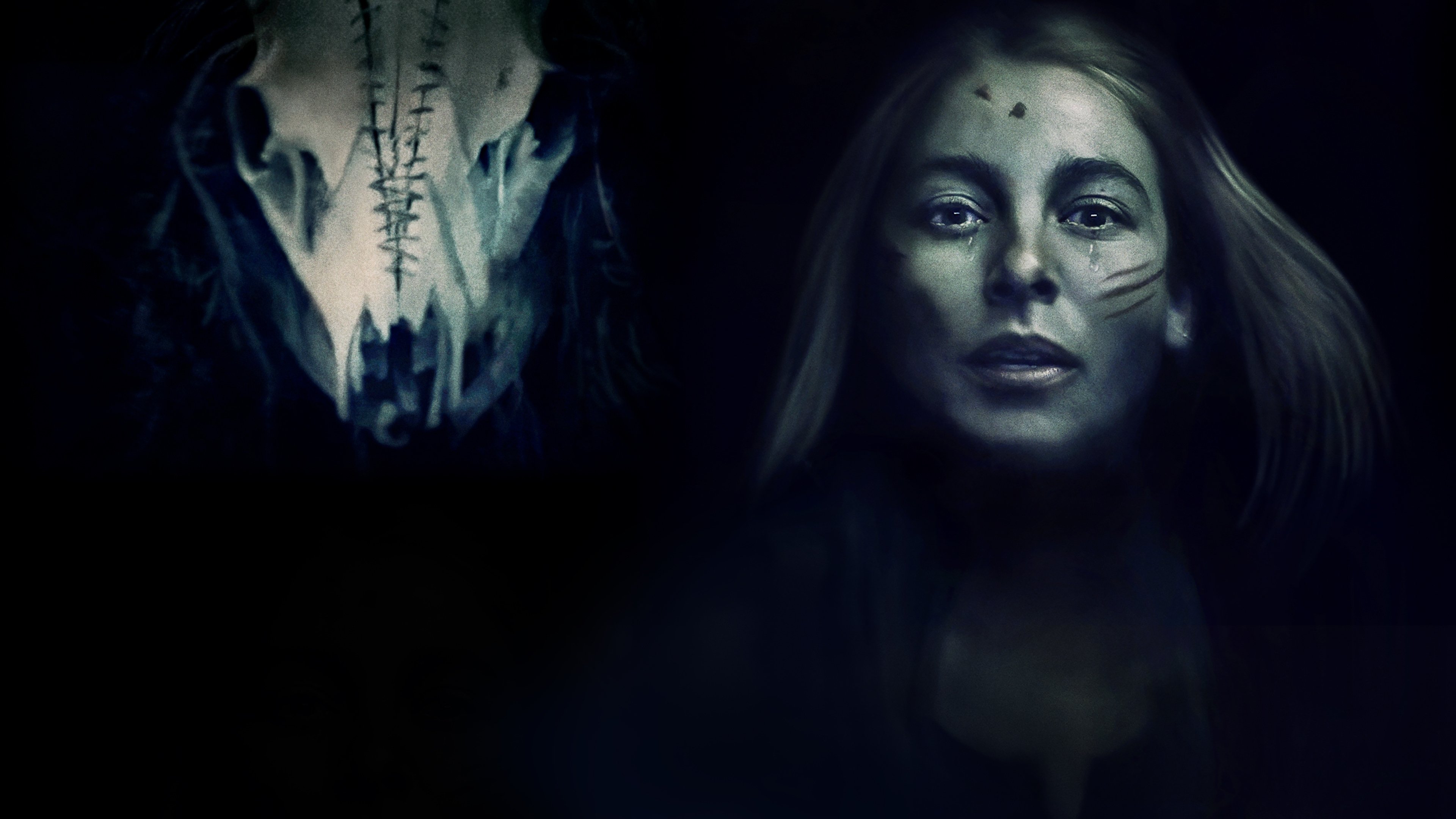
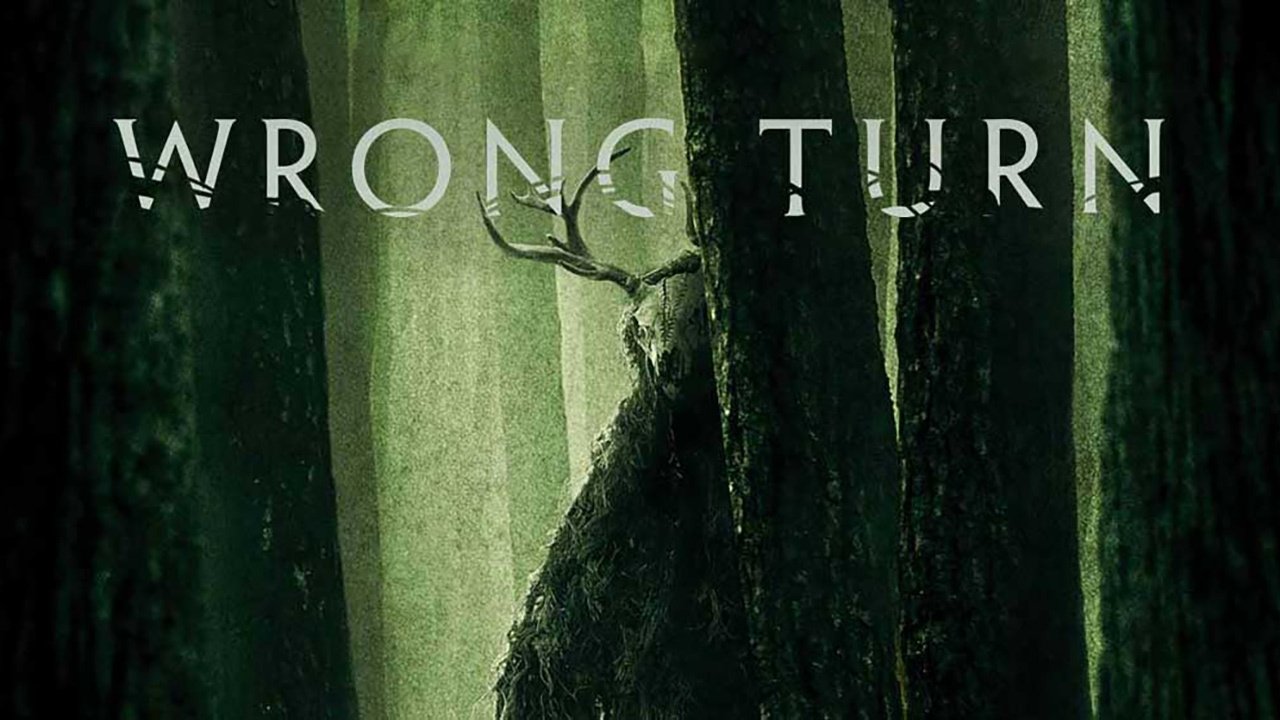
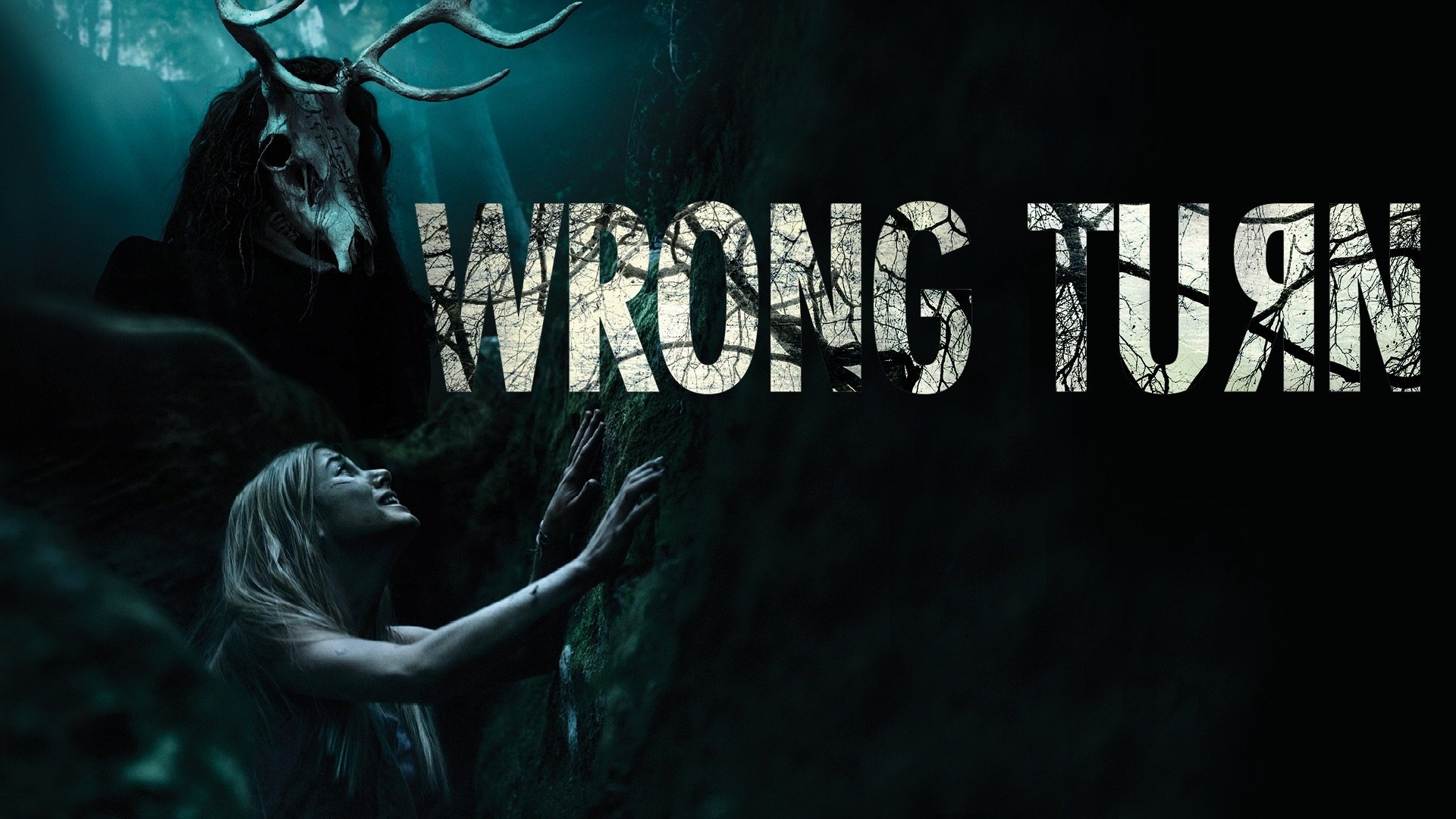
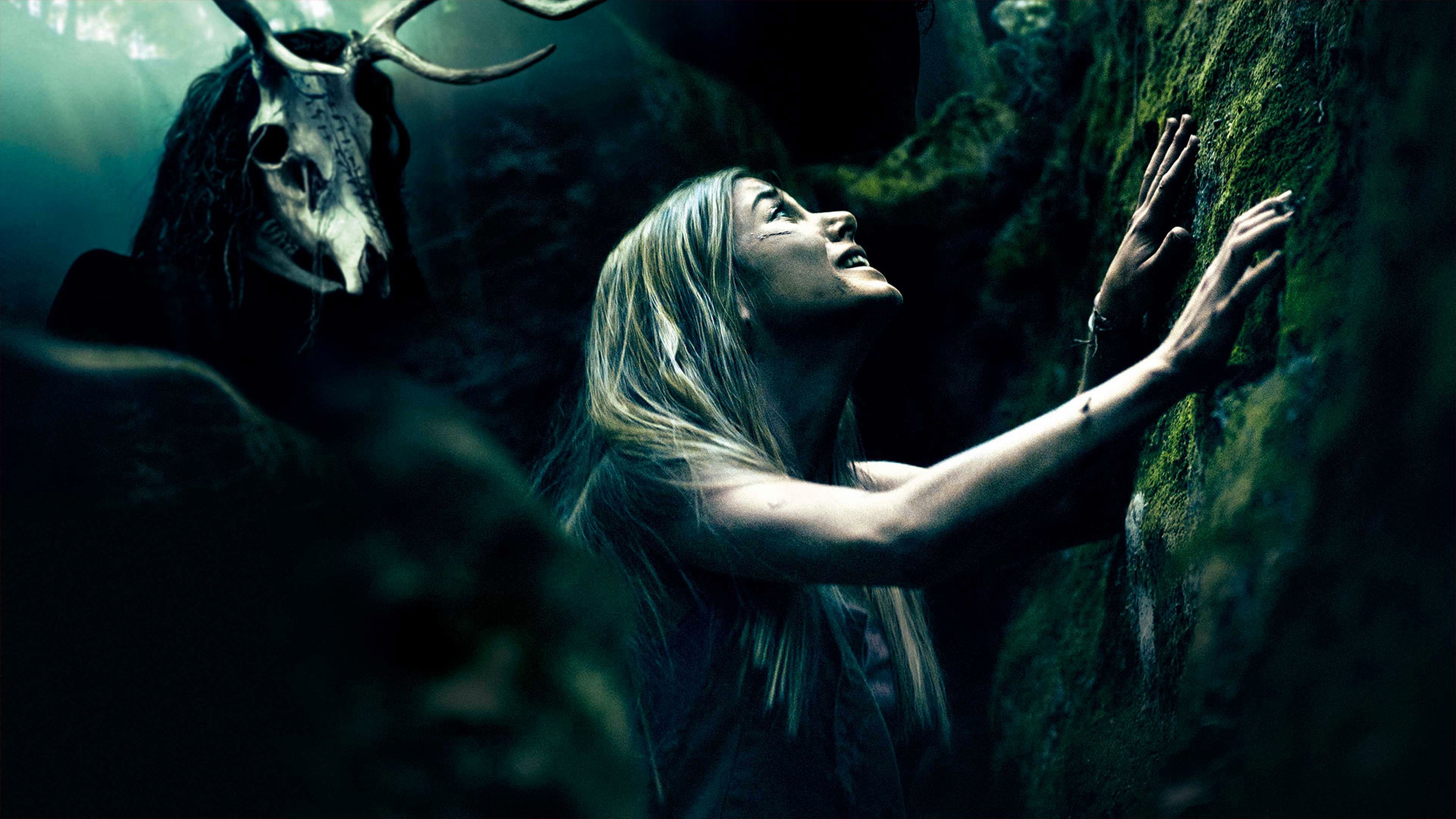
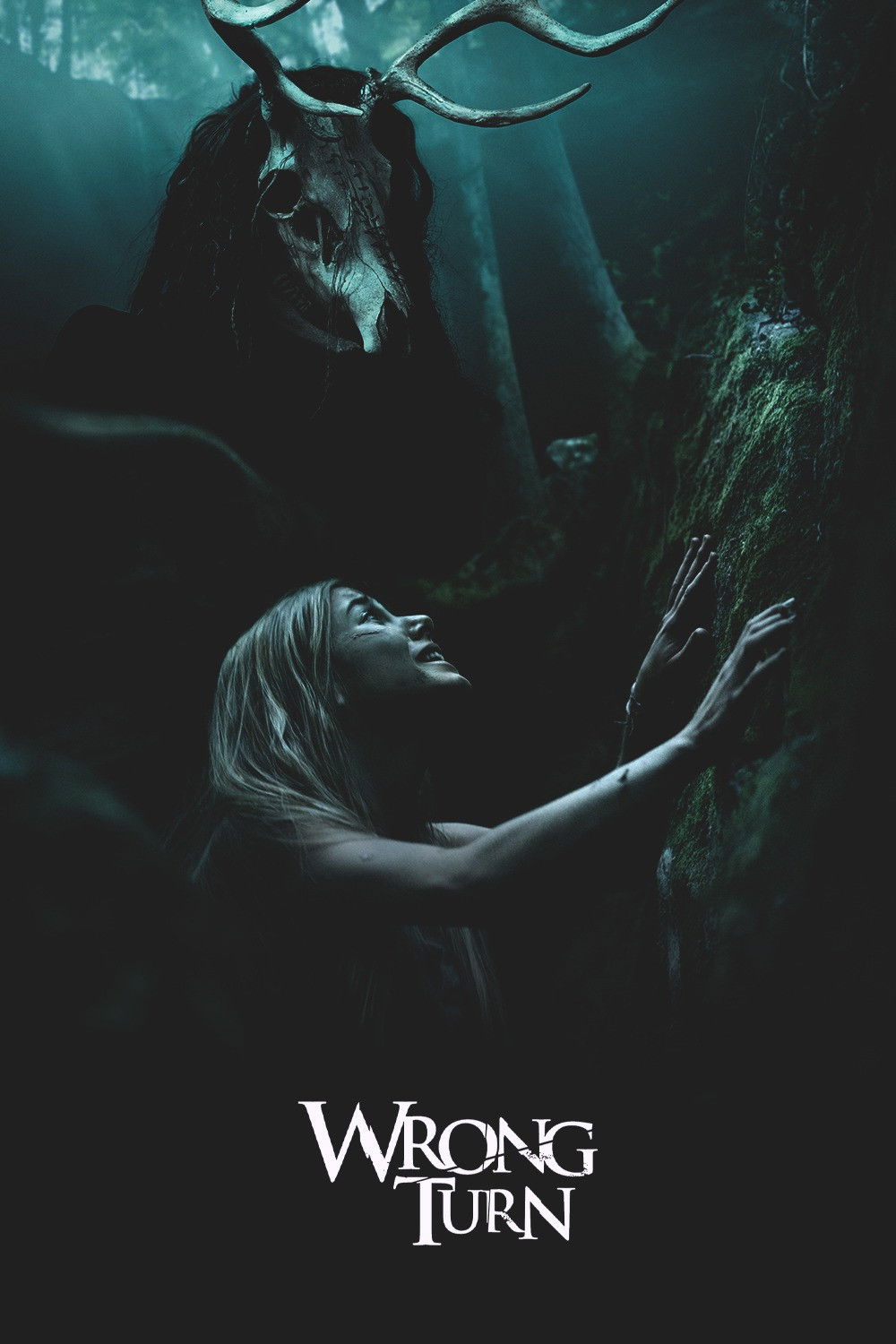
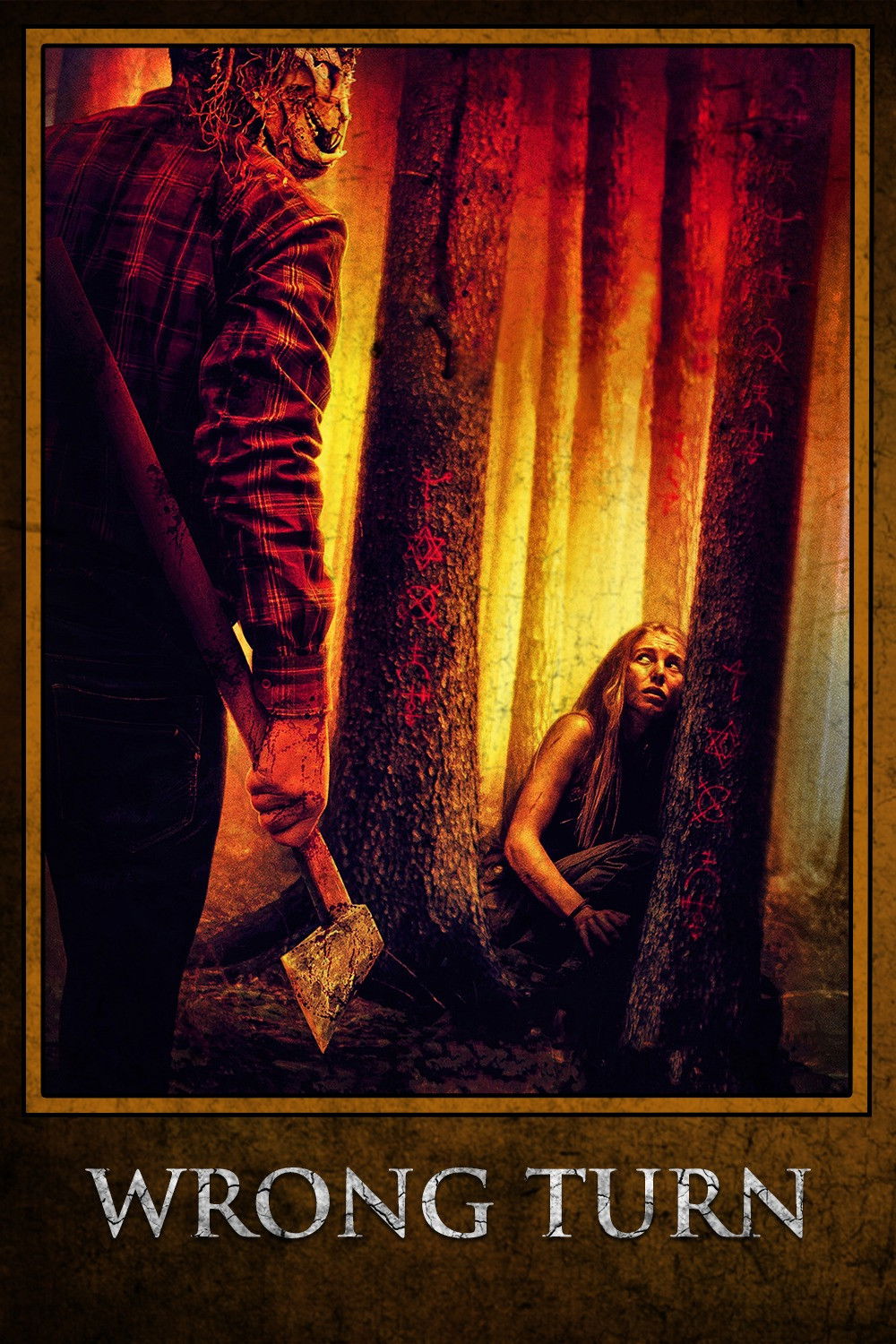
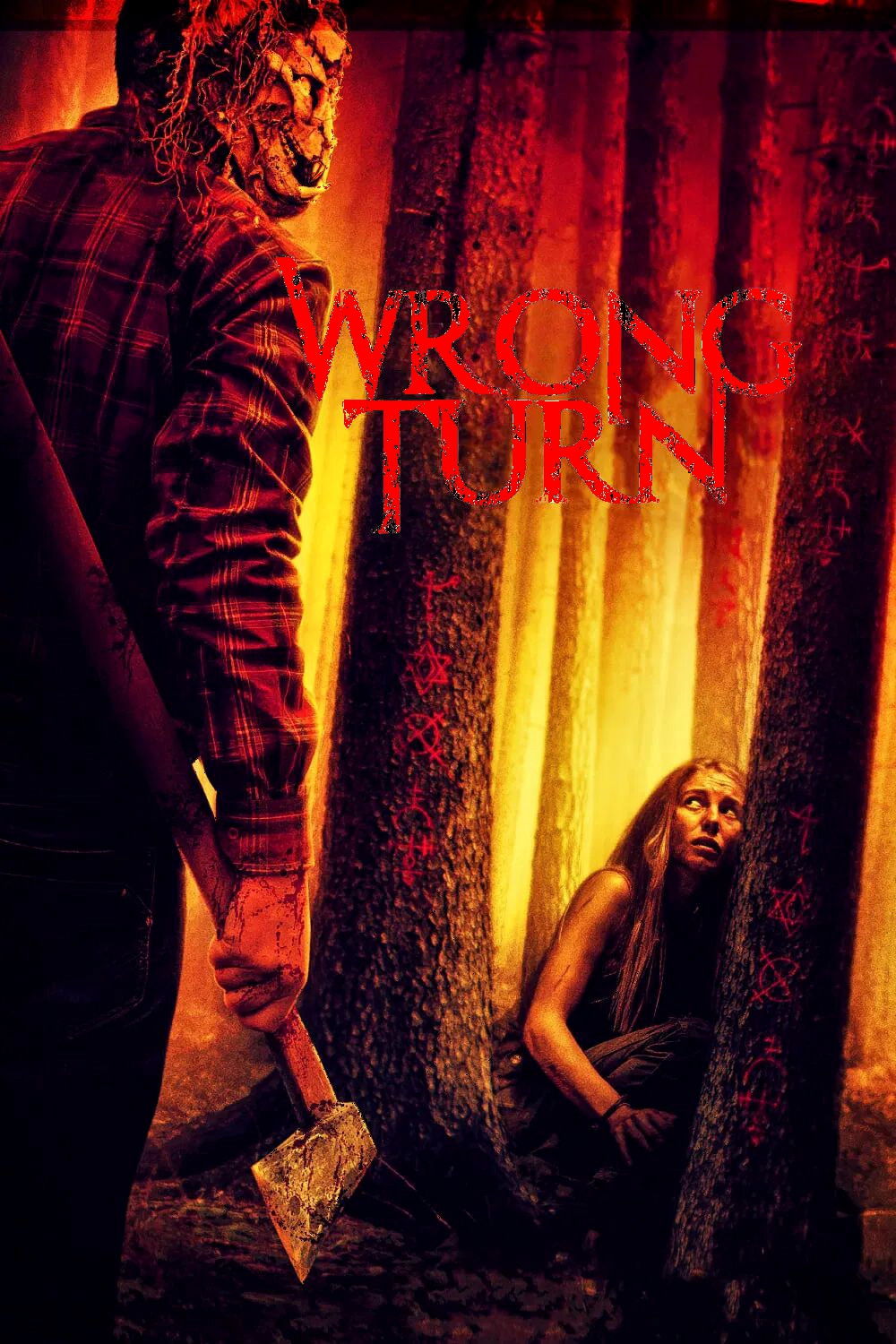
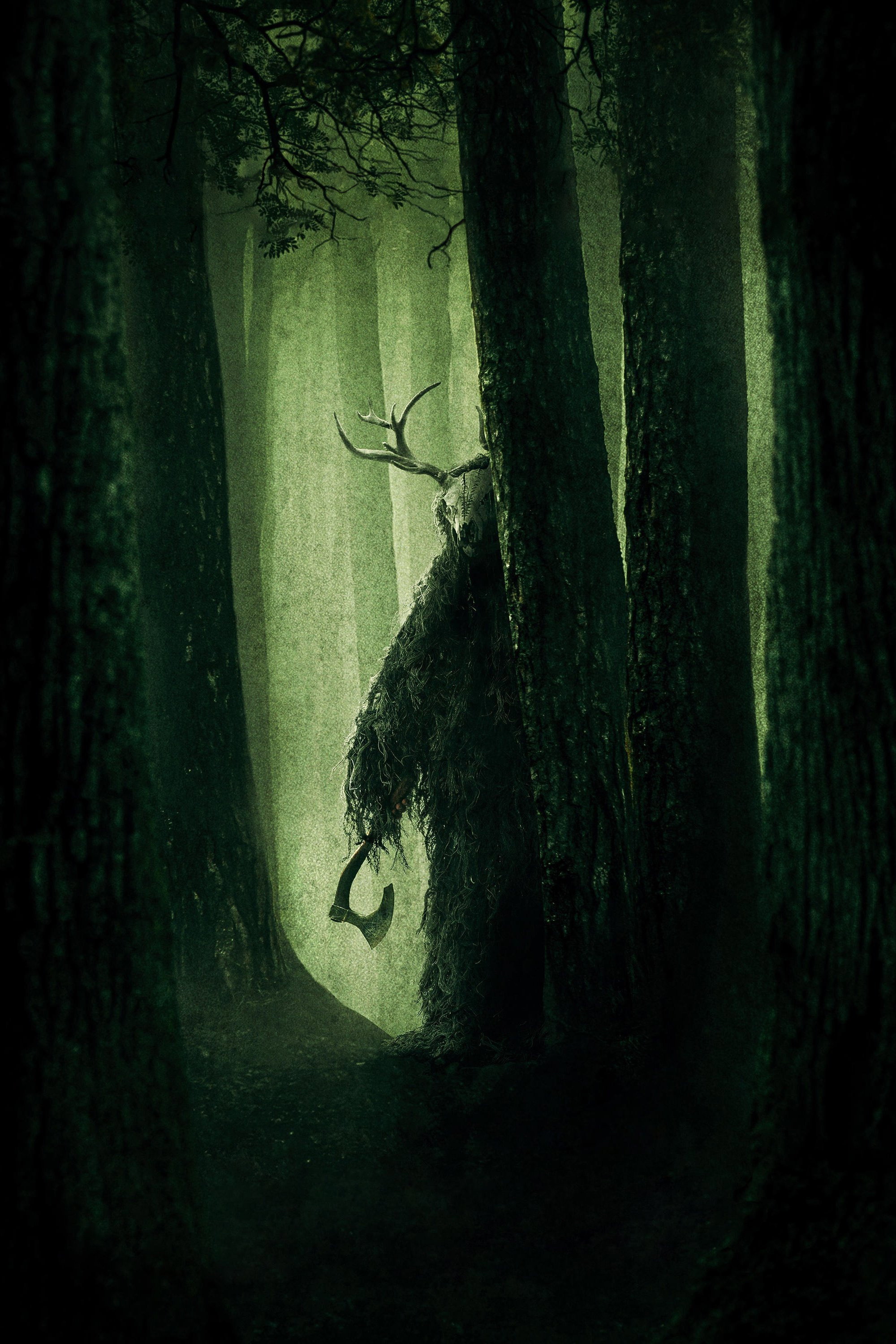
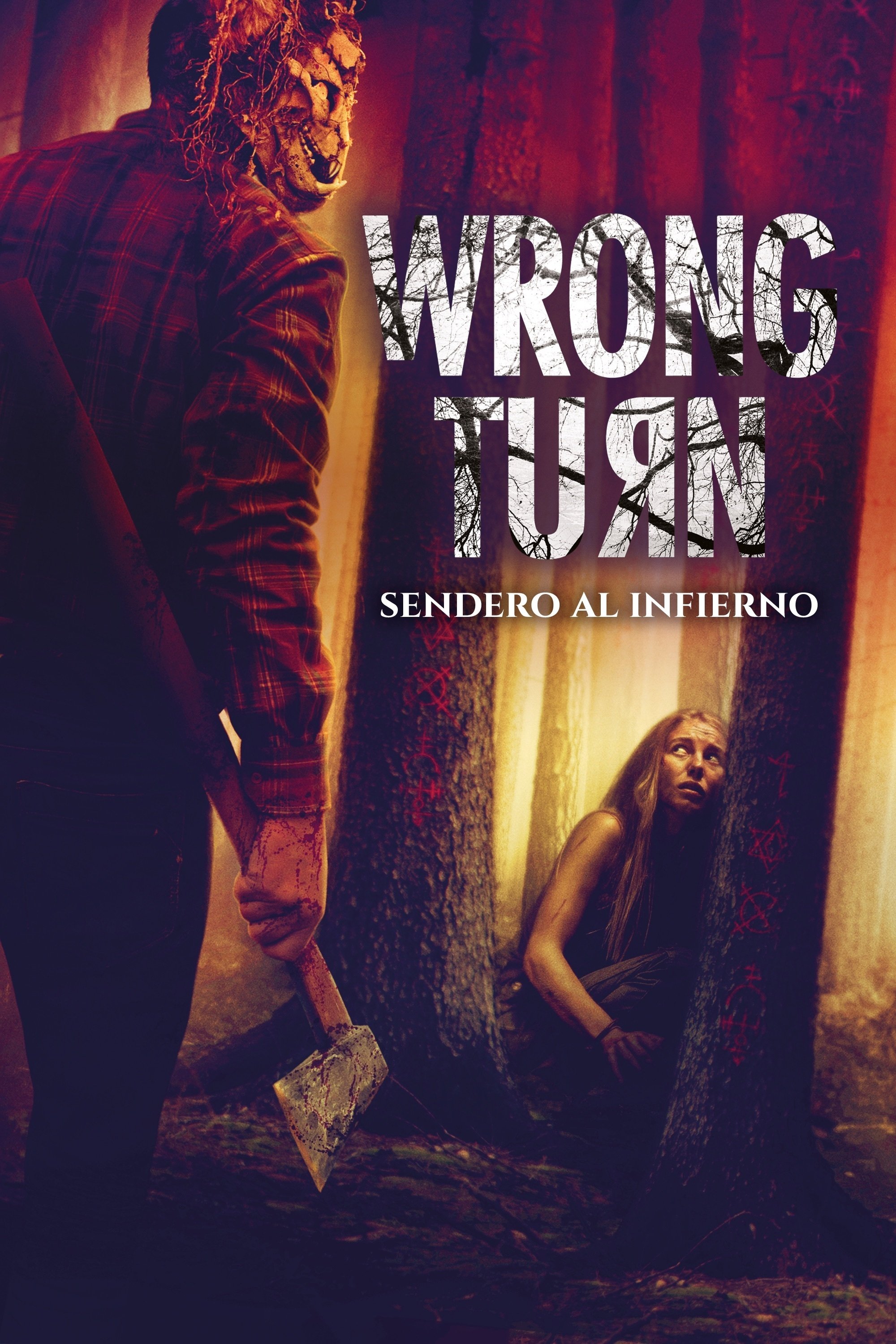
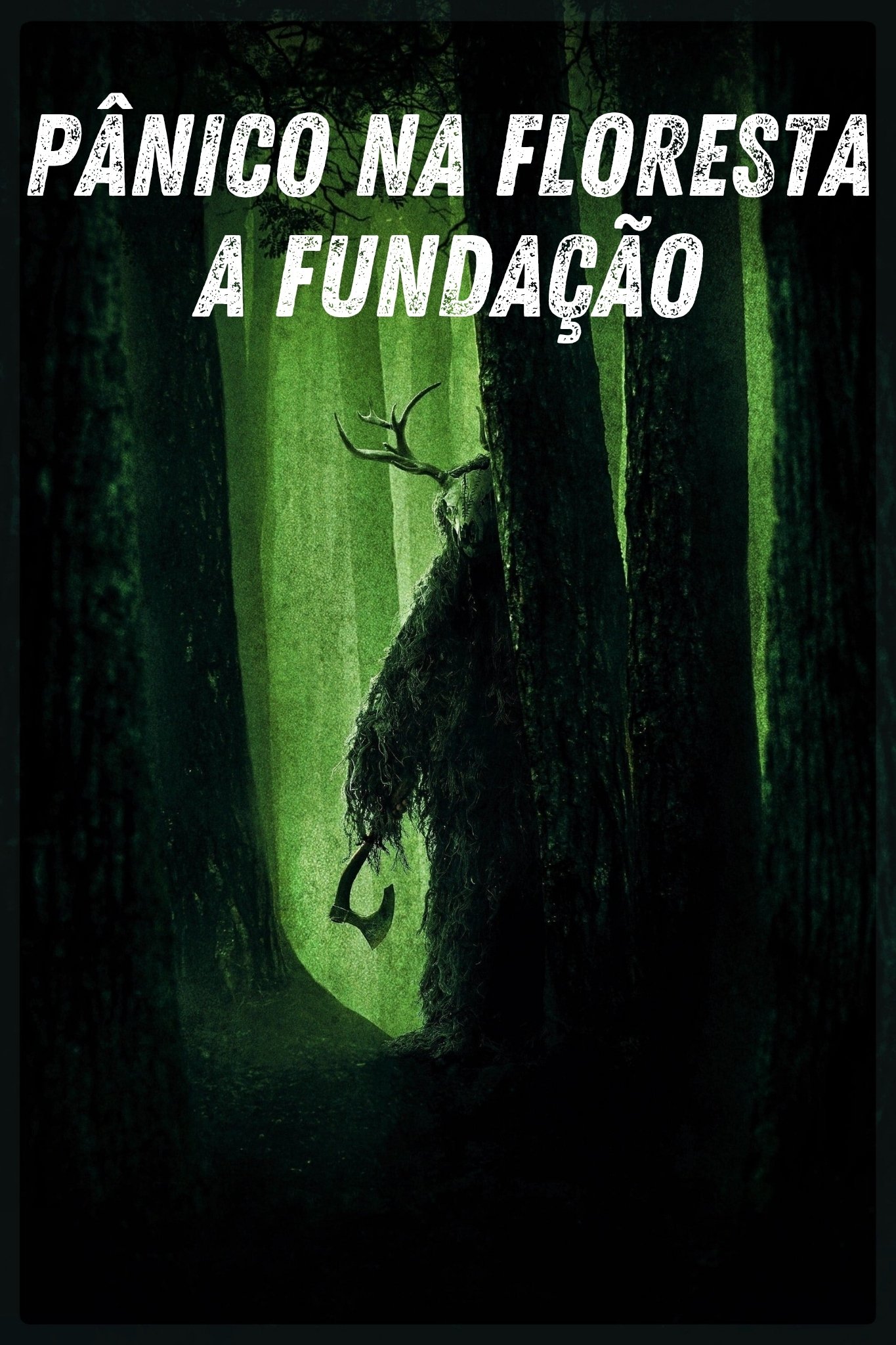
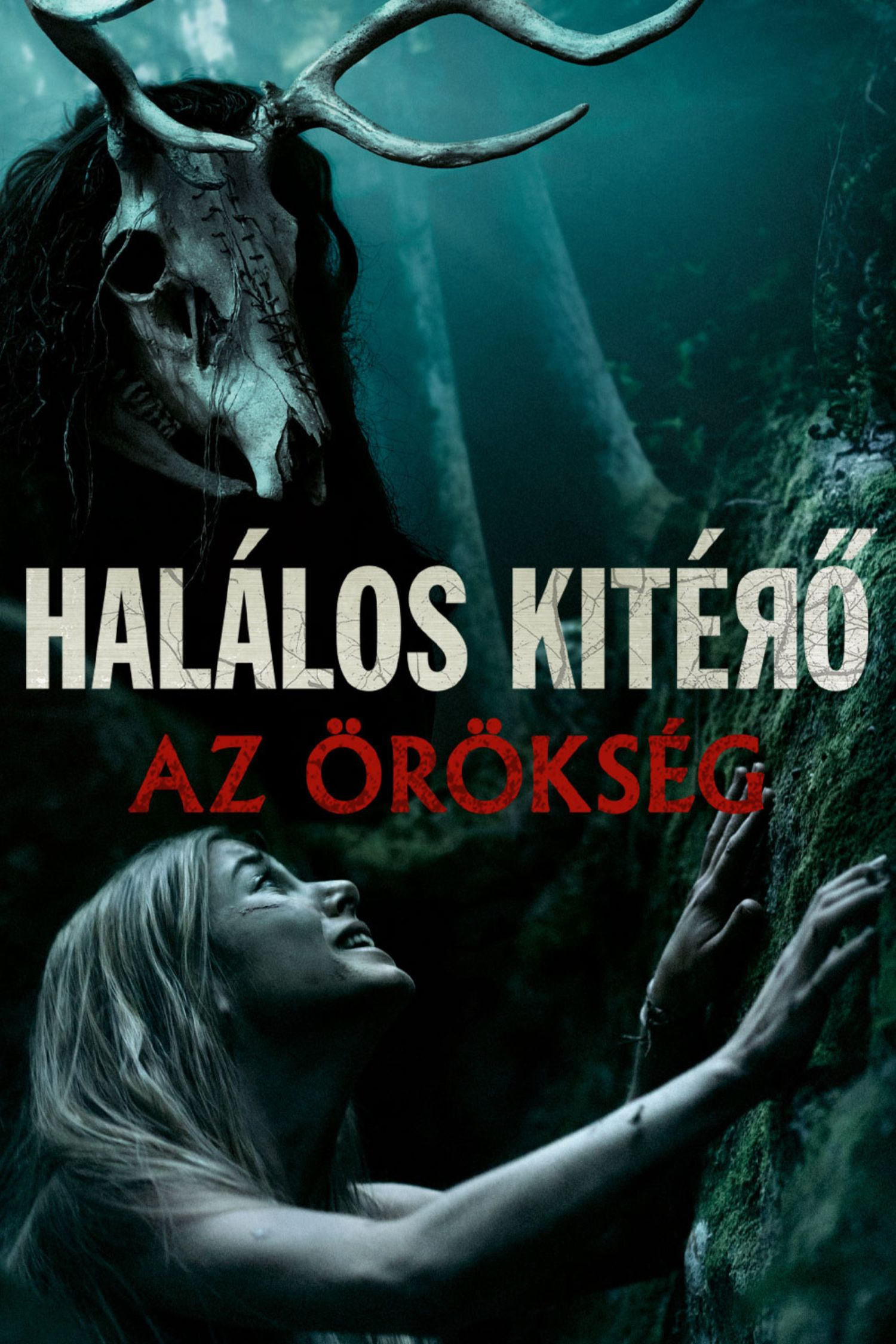
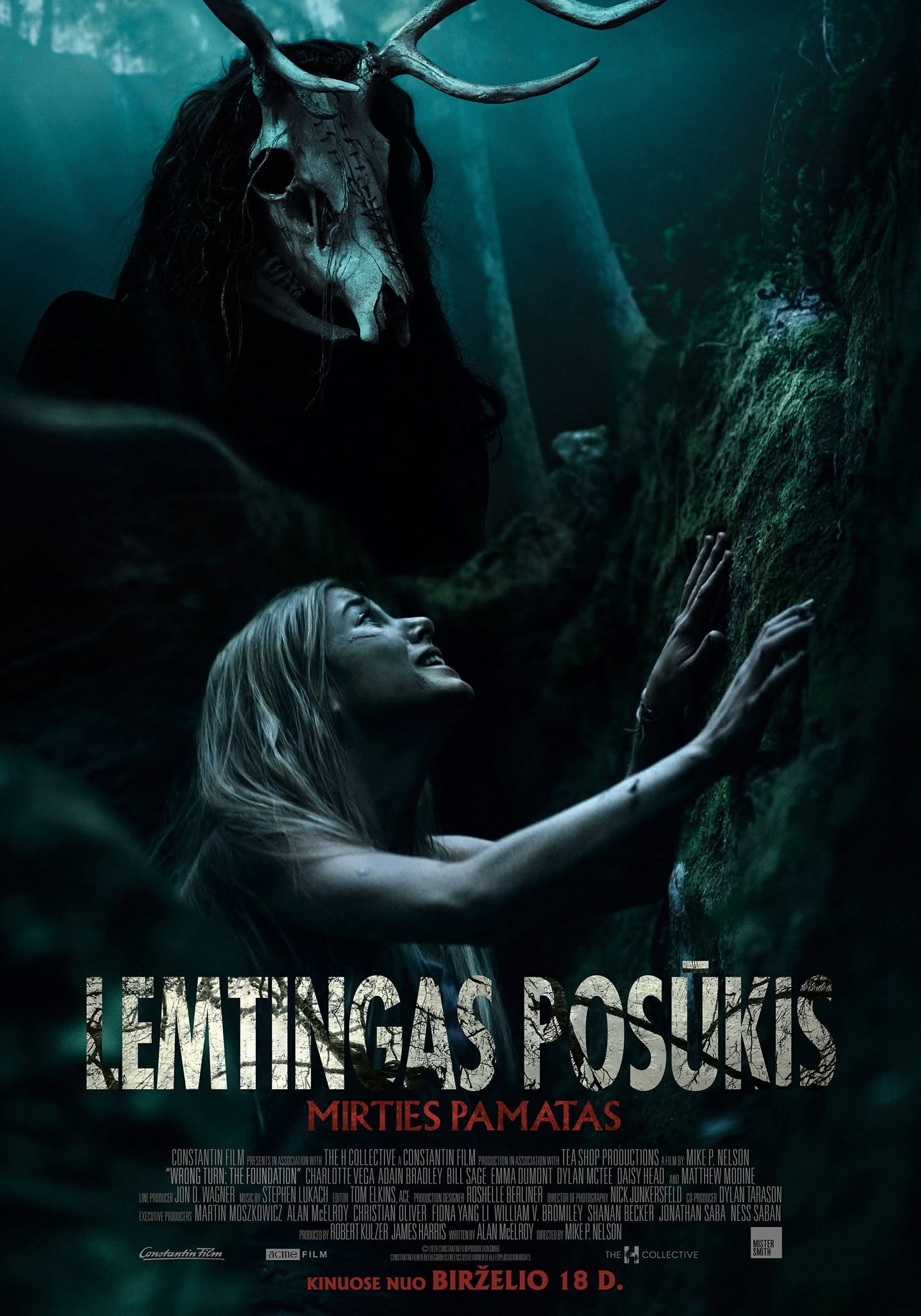
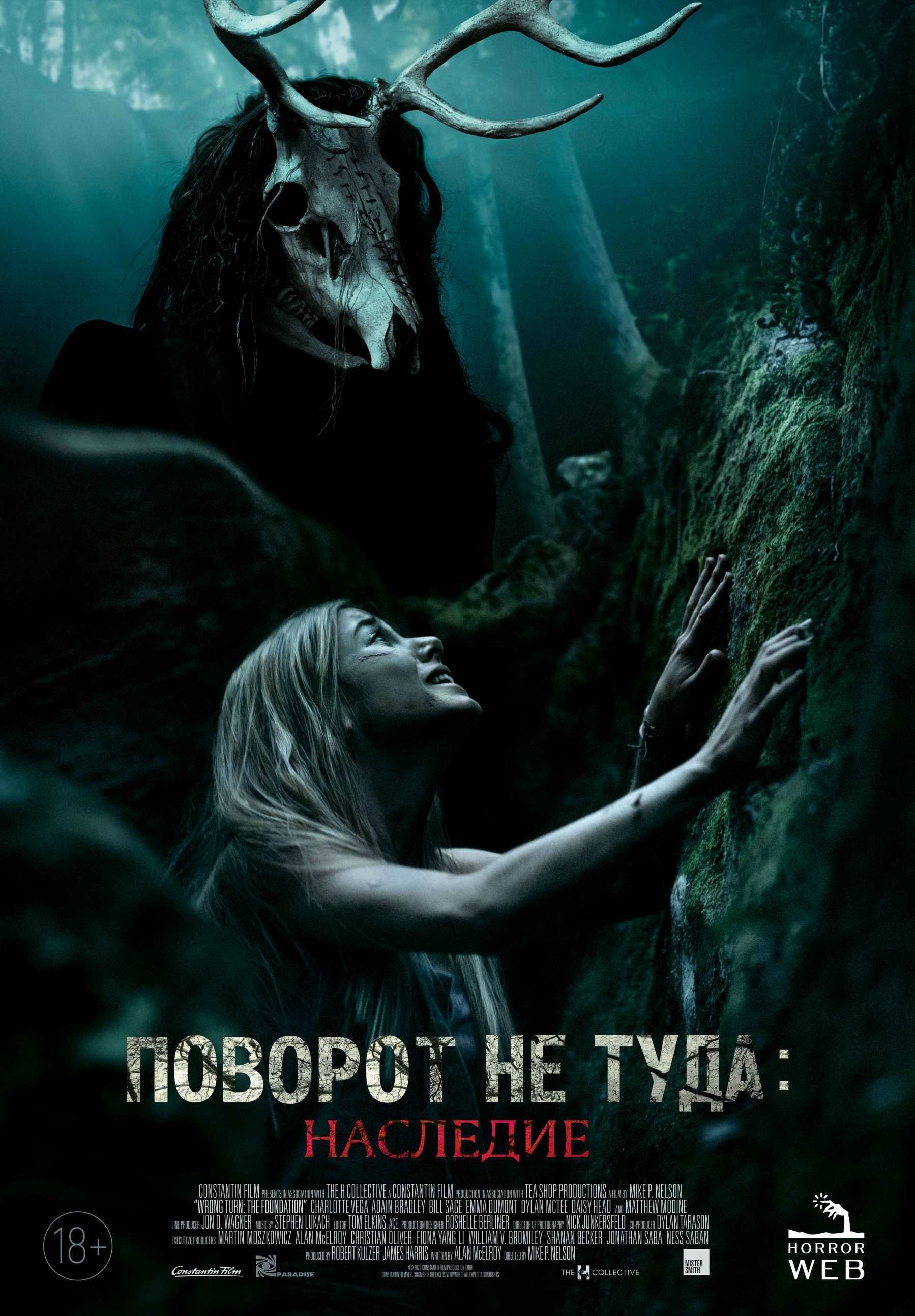
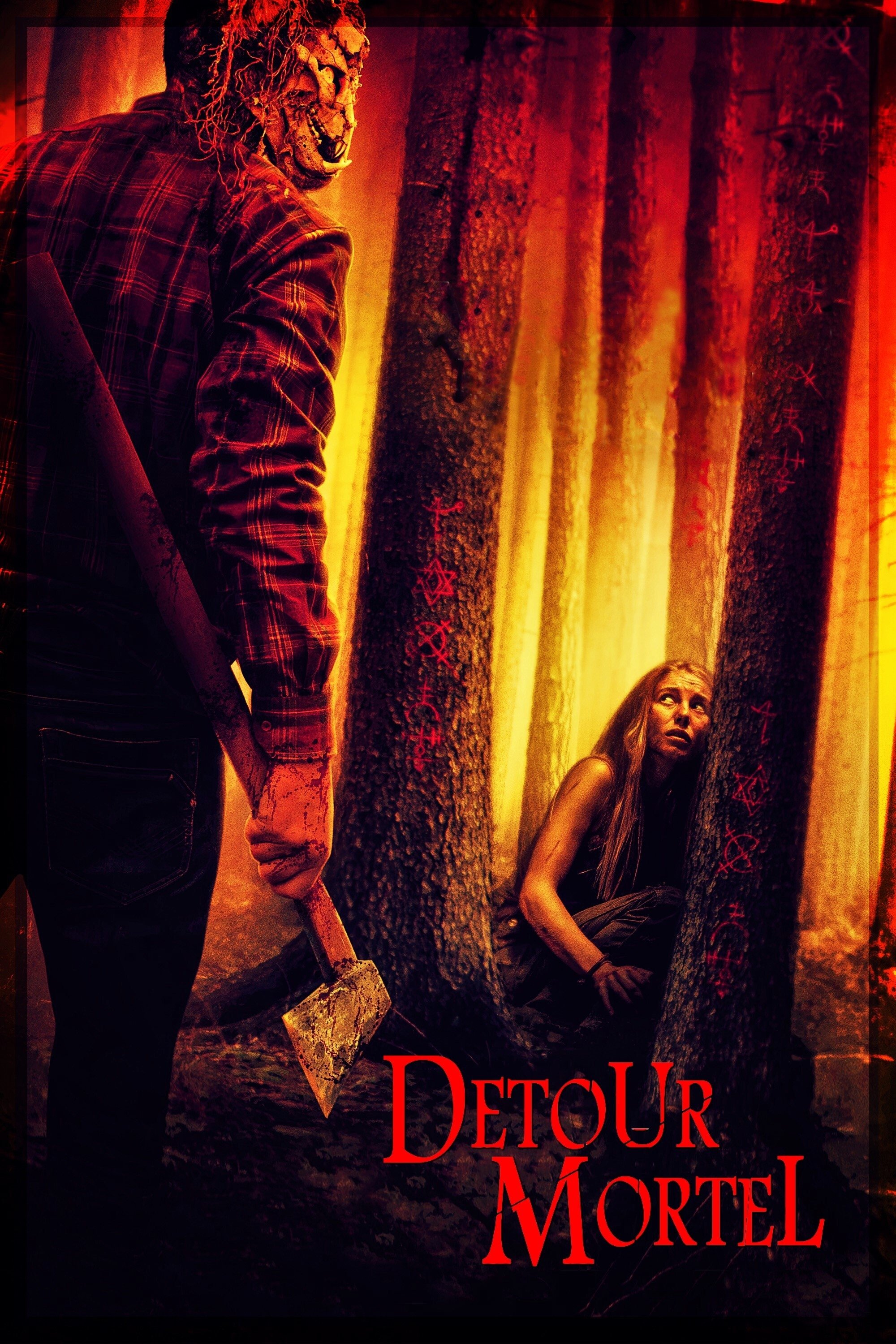
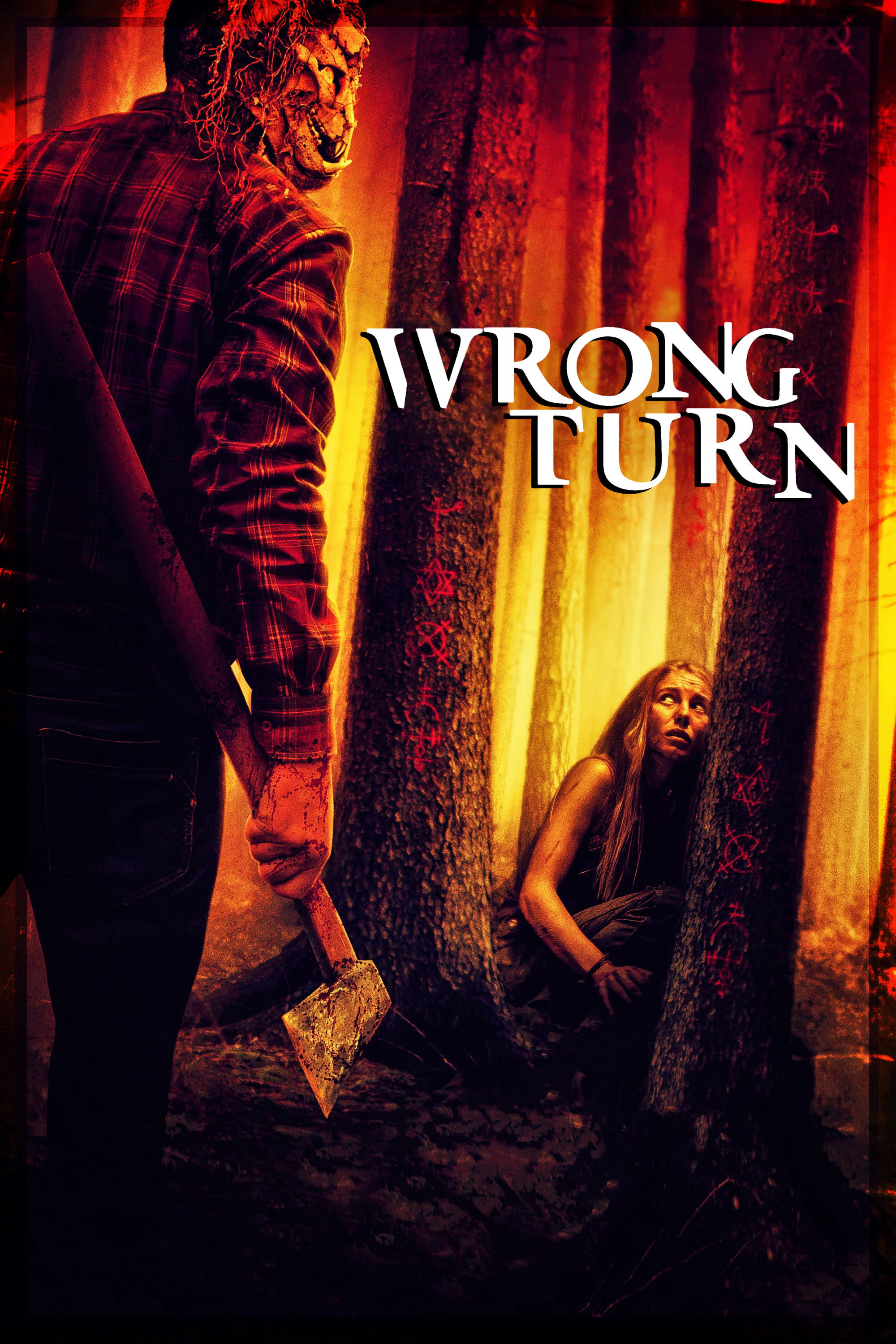
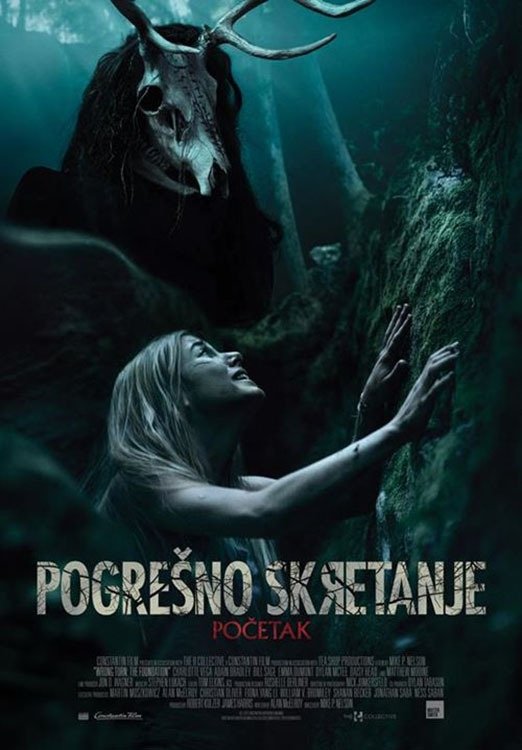
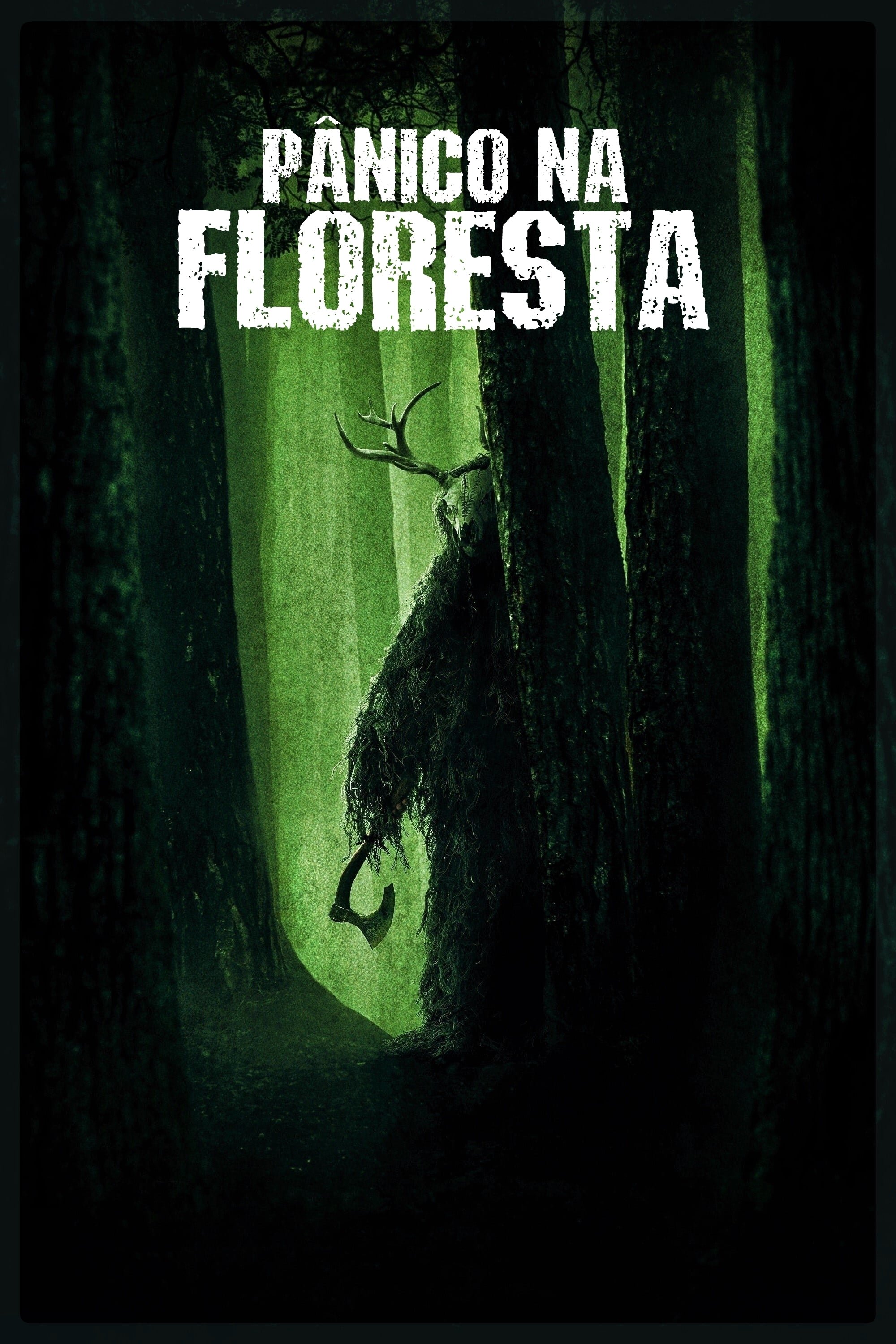
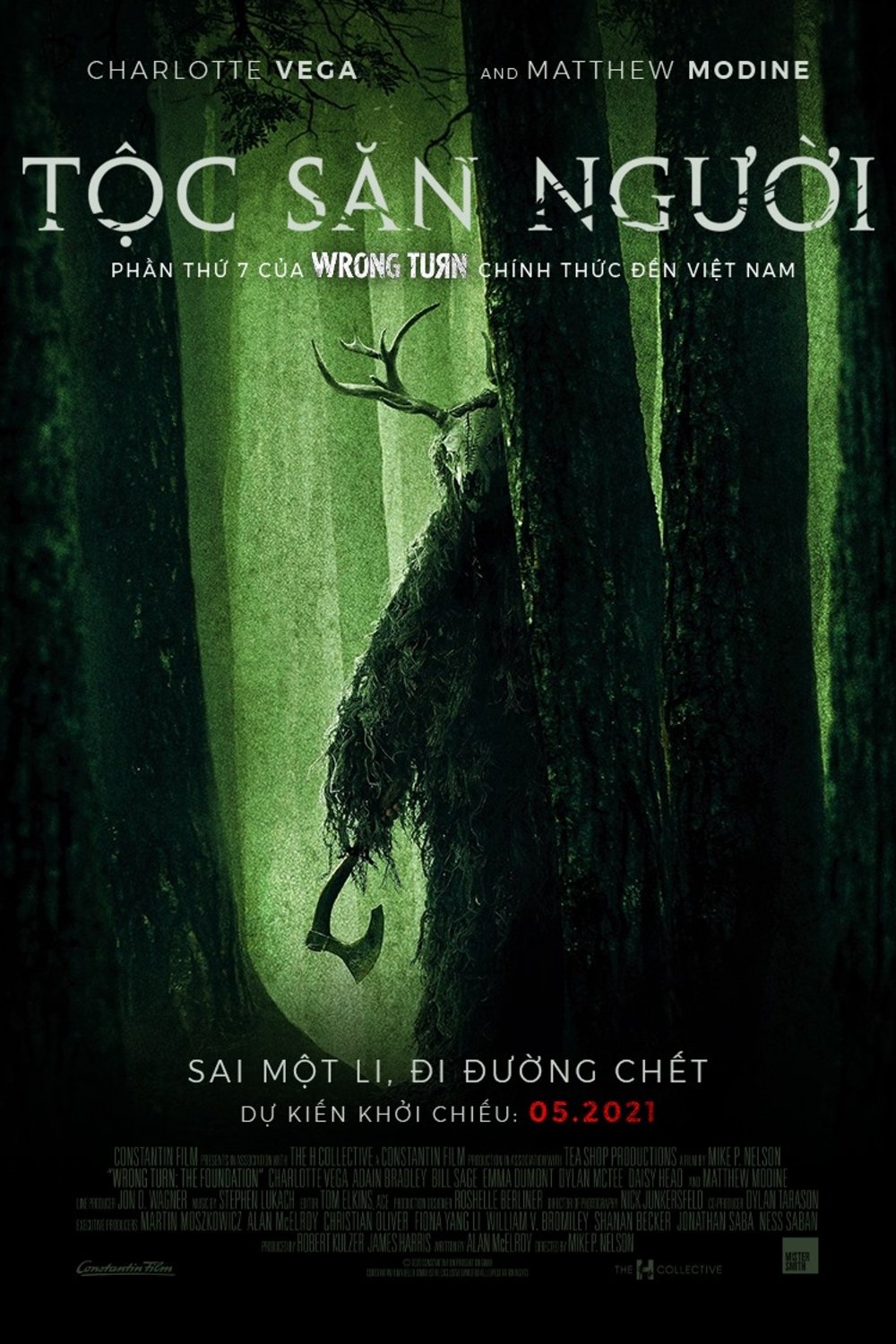
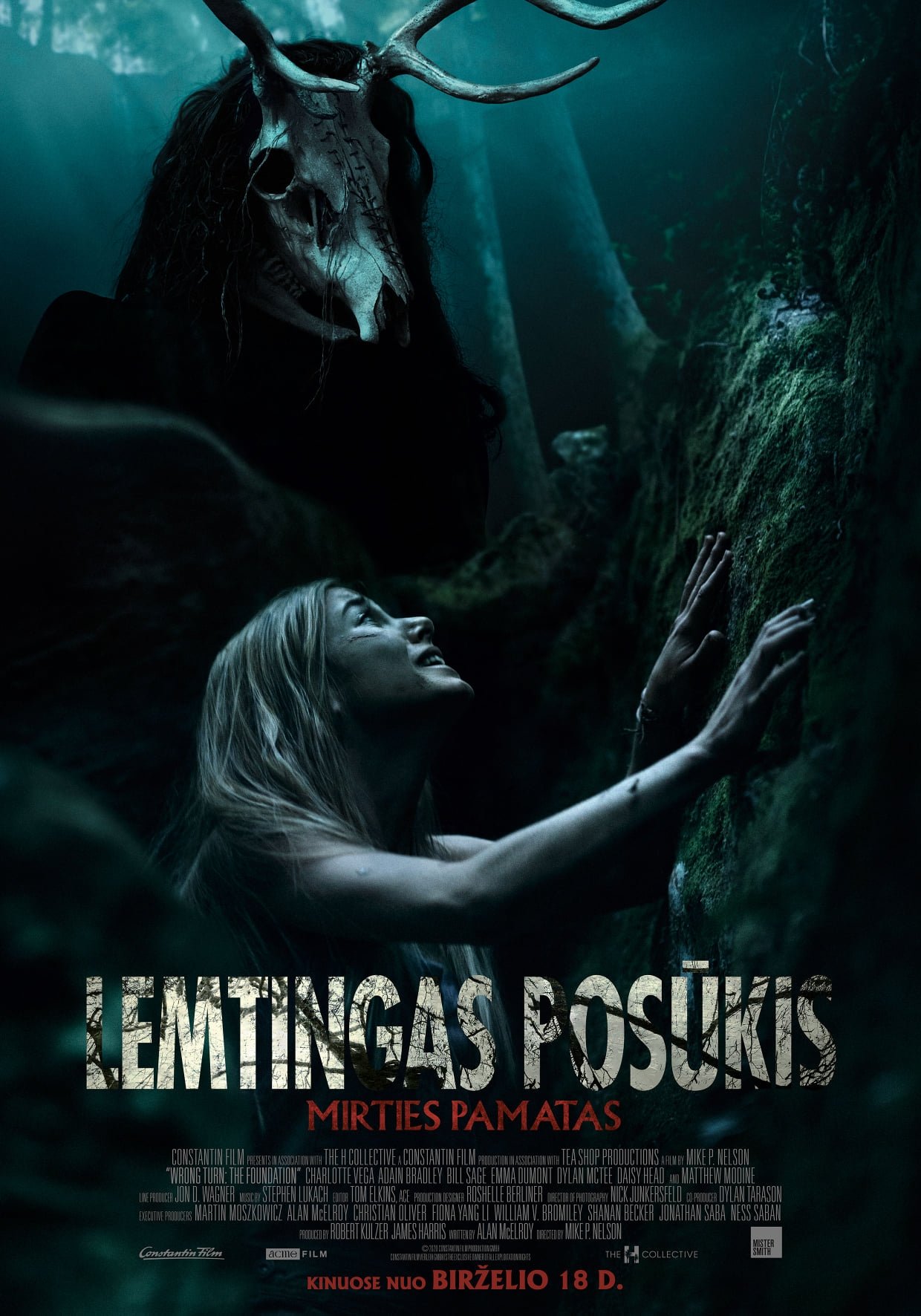
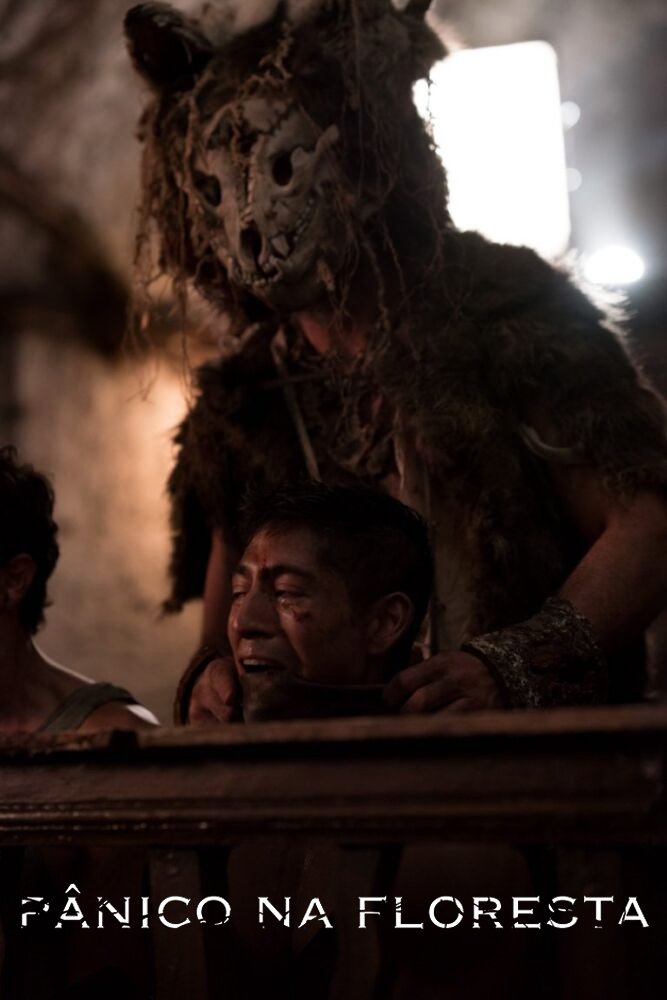
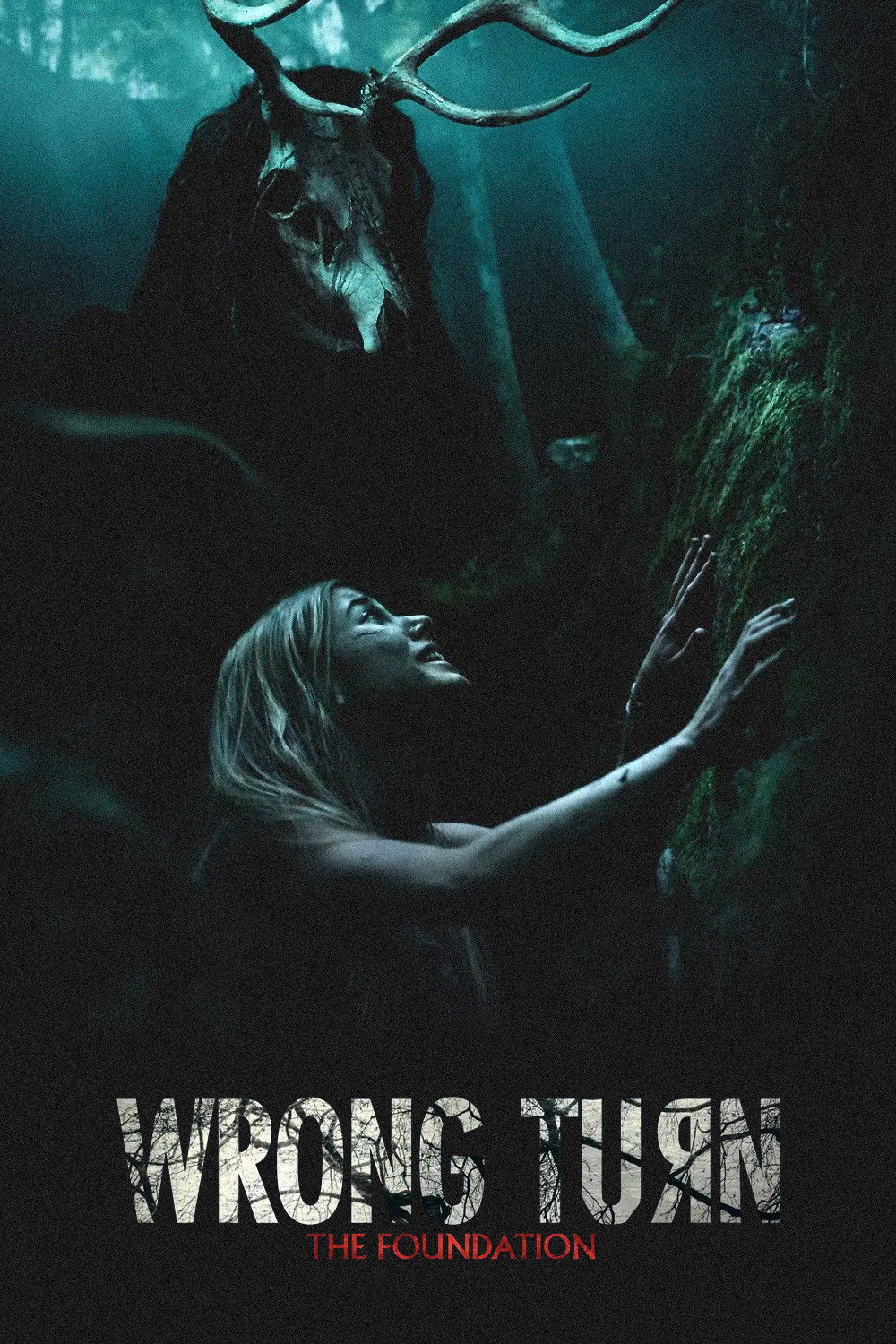
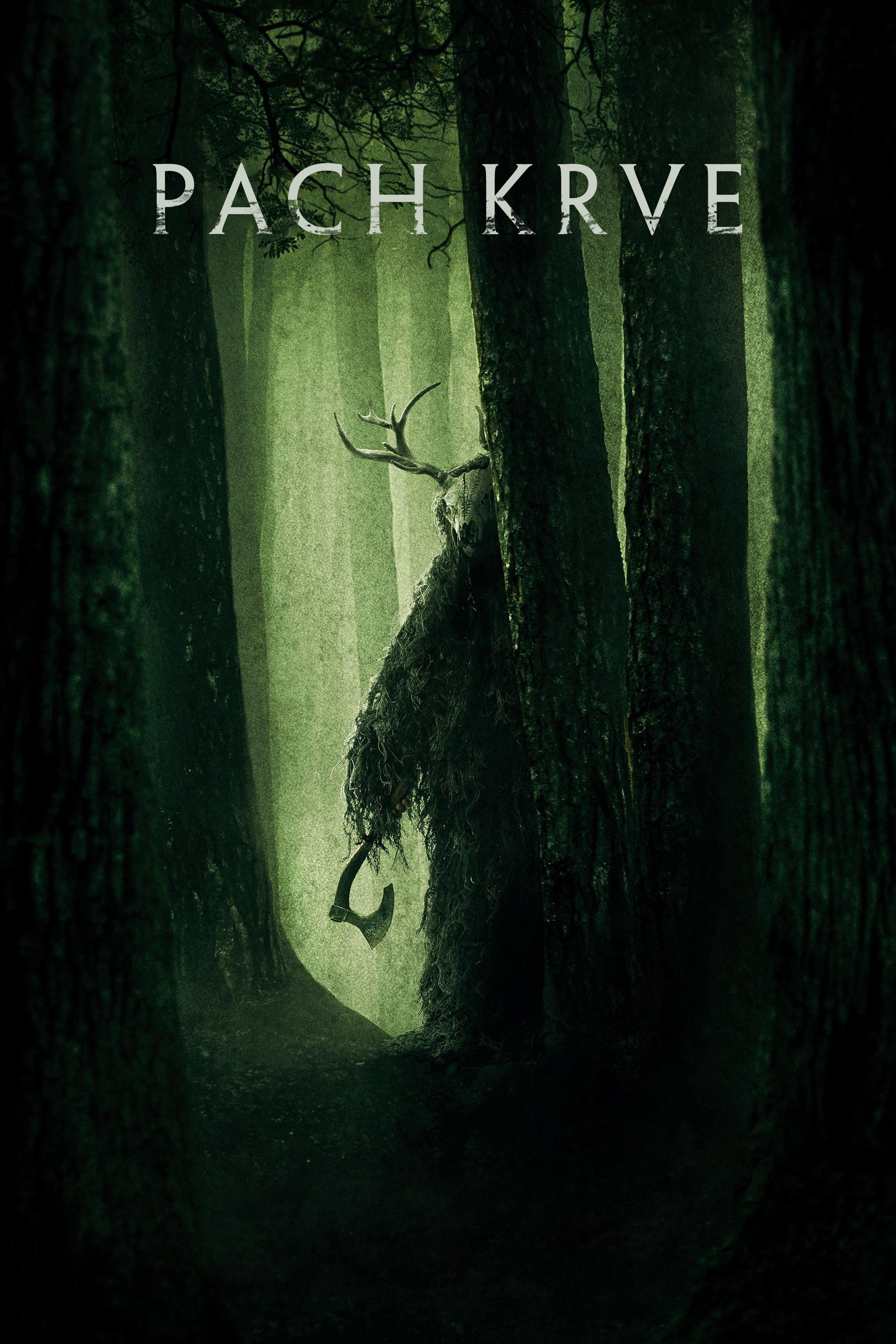
Animal skulls, heavy garments and weathered coverings serve a double purpose. They must function as objects the inhabitants could wear while working in the forest, and they are intended to frighten trespassers before a direct confrontation begins. Nelson explained that this threatening appearance was part of the community's defensive strategy. The masks thereby create a useful visual reversal: what initially looks like the costume of a slasher monster eventually identifies a person participating in a social order. The woods conceal those wearers among trees and undergrowth, while the village's enclosed spaces give their behavior a different, more ceremonial context.
Mechanical Traps, Practical Gore and Limited Sight
The early attacks were developed as physical obstacles occupying recognizable forest terrain. In a HorrorFuel interview, Nelson described working with Steve Tolin of Tolin Special Effects to turn traps suggested by the screenplay into constructed devices. Sketches and material choices were revised until the equipment could be used safely during photography. One falling mechanism involved a pulley system and a selected tree, while another sequence combined an initial trap with a danger facing a person attempting a rescue. These details come from the director's firsthand account of staging, not from an assumption that the entire finished film was photographed without visual-effects assistance.
Nelson also discussed how much of a violent action the spectator needs to see. For the hot-iron punishment, he preferred a reaction and the suggestion of injury to a fully exposed penetration of the eye. In other sequences, visible blood and crushing force give the audience a more immediate sense of bodies colliding with the traps. That variation matters to the film's rhythm: an unseen act can remain disturbing precisely because it is not displayed, while a conspicuous death establishes that the Foundation's defenses are capable of irreversible harm. The wooded location limits information about distance and escape, even before the story reveals that the community's most frightening power may be its authority over prisoners.
Survival Beyond the Trail
Once Jen encounters the Foundation's internal life, survival requires more than escaping another pursuing attacker. She has to understand what the community wants, what conduct it considers forbidden and which apparent opportunities might lead to worse confinement. Darius's earlier ideas about shared responsibility acquire an uncomfortable echo in the collective discipline imposed by the mountain settlement. The script thus changes the familiar final-girl pattern by making adaptation and calculated agreement possible survival strategies. Those decisions do not imply that Jen accepts the community's violence as morally justified; they show a person responding to a profound inequality of power.
The father-daughter connection also prevents the narrative from closing entirely inside the forest. Scott's search provides a second viewpoint on the Foundation and returns the question of responsibility to the outside world. The final movement extends Jen's ordeal into a setting where her earlier life should once again feel secure, and the sequence running through the closing credits is part of the film's narrative conclusion. This arrangement rejects the simple image of an isolated group destroyed when the survivors finally reach a road. Its horror follows Jen's experience of coercion after the apparent boundaries between ordinary life and the mountain community have become unstable.
The 2021 Release and a Divided Critical Response
Saban Films arranged a limited United States theatrical presentation beginning January 26, 2021, with home-entertainment availability following in February. In Entertainment Weekly's later history, McElroy described the pandemic as an obstacle to an intended wider theatrical return for the franchise. This was therefore a different release model from the first film's conventional 2003 opening and from the intervening direct-to-video entries. The name Wrong Turn remained commercially recognizable, but the new feature asked that audience to accept a separate setting and antagonists rather than another episode in the existing cannibal mythology.
Contemporary criticism illustrates the risks of that approach. Katie Rife, writing for The A.V. Club in February 2021, appreciated the willingness to depart from the old series while arguing that its crowded political ideas did not finally cohere. Adam Nayman, assessing the year's horror releases for The Ringer, judged the reimagining more satisfying than its predecessor, particularly in its mixture of social conflict and gruesome set pieces. Those are contrasting judgments from named critics, not evidence of universal acclaim or rejection. The film's documented contribution is a deliberate transformation of an established backwoods-slasher property into a story about separatism, coercion and survival. Claims that planned further films will develop that experiment remain speculative until those projects exist.