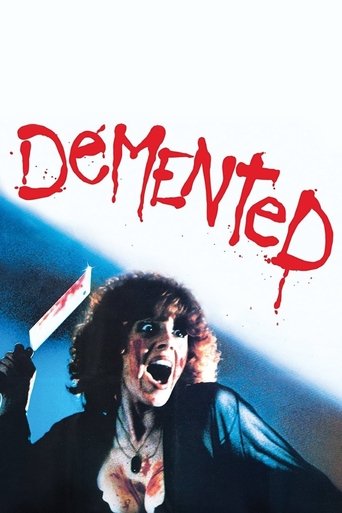
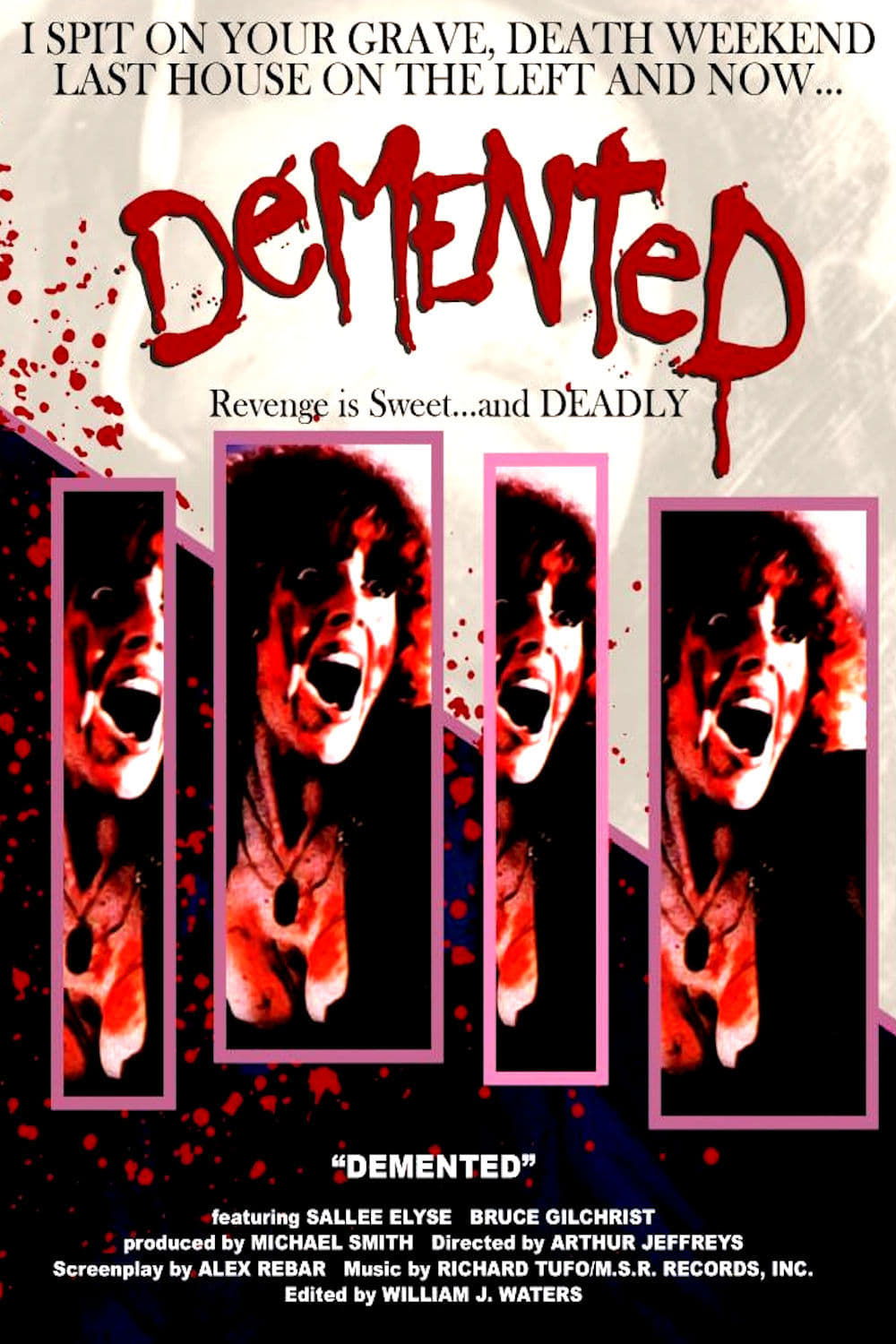
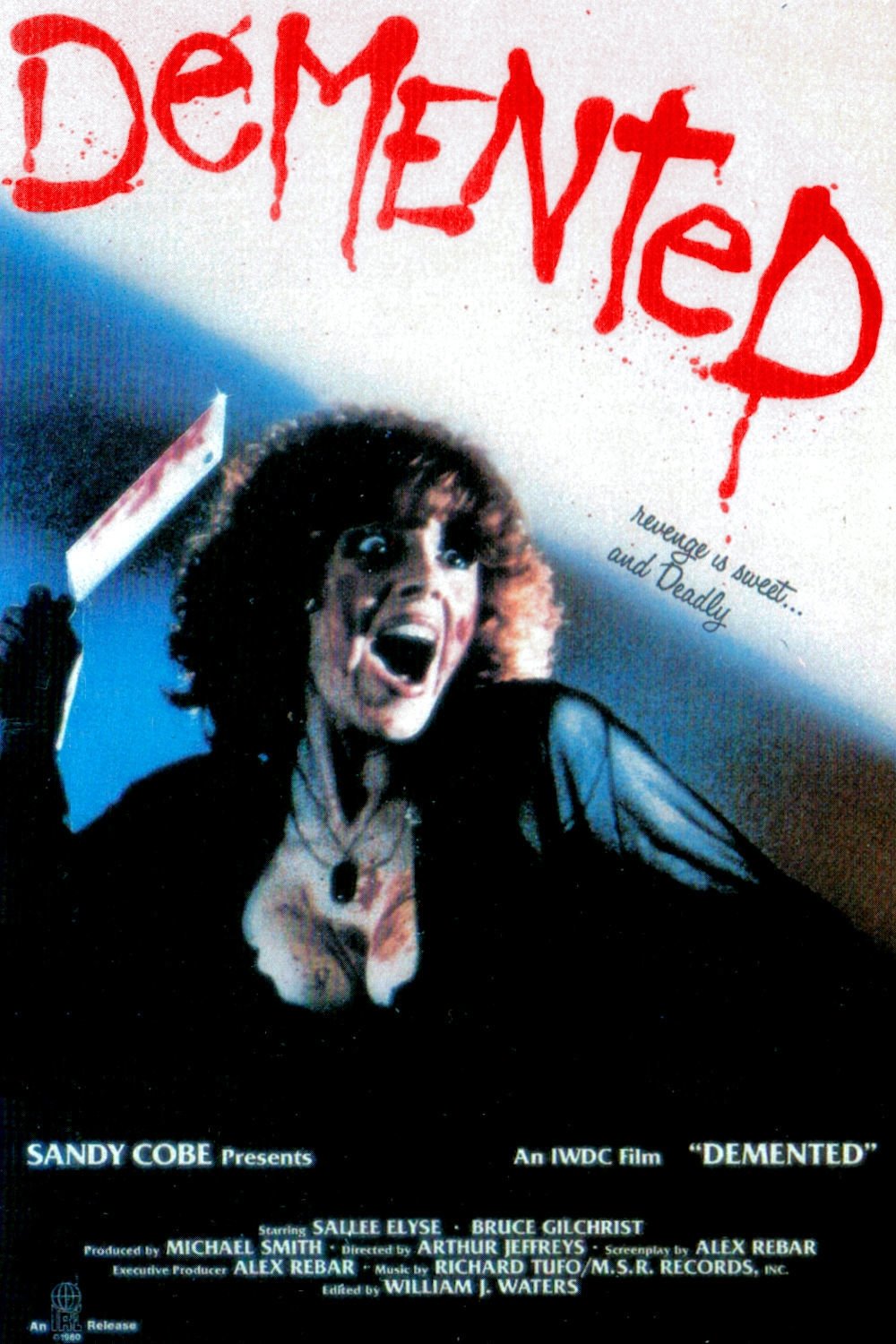
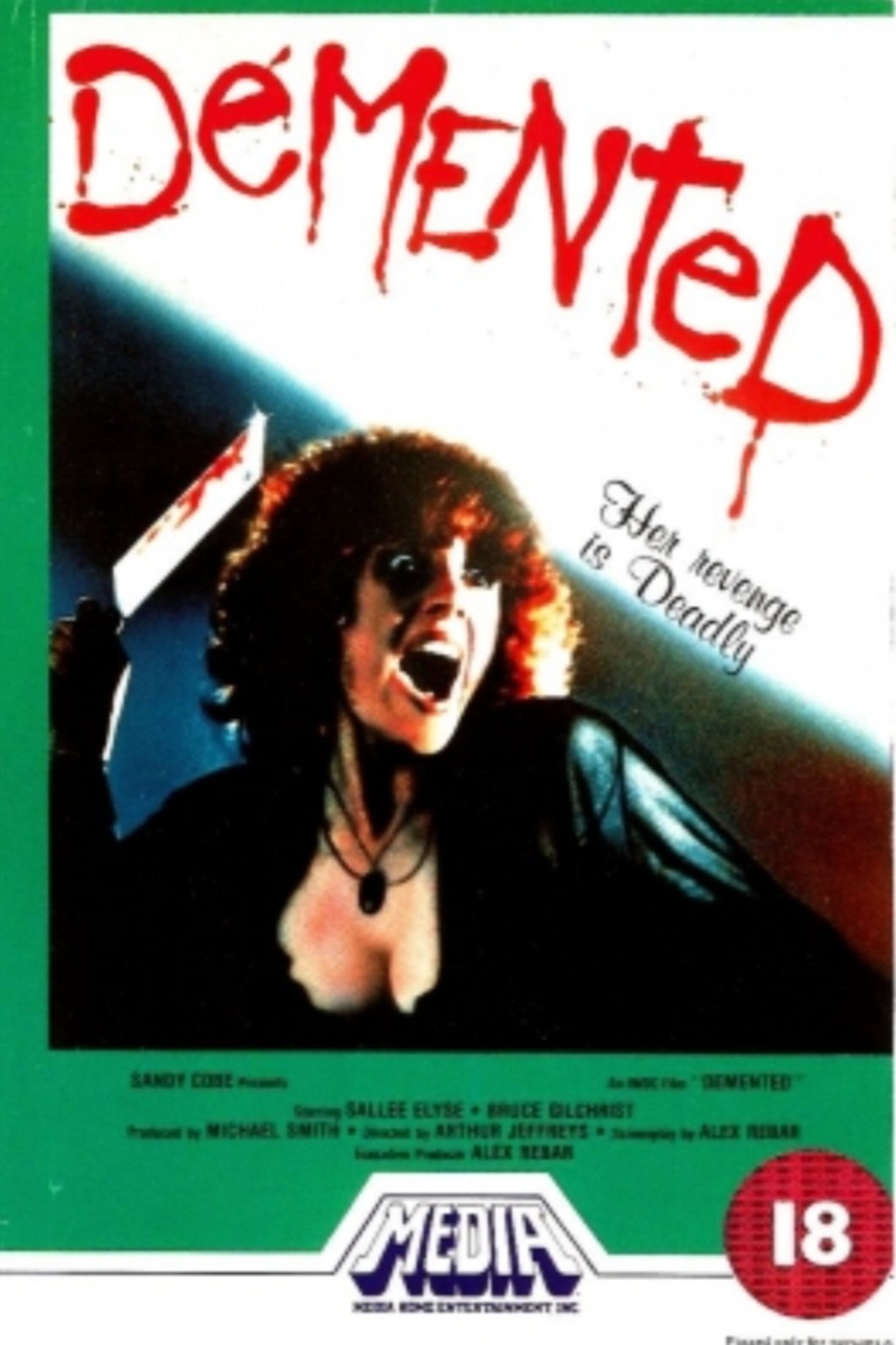
Intercontinental Releasing Corporation
, Four Features Partners
Plot
A woman is gang-raped in a horse's stable, and even though the rapists are caught and imprisoned, she is harassed many moons later by ghastly visions of her tormentors, while her husband philanders and every little thing frightens her out of her wits.
Alternative Titles
O Prazer da Vingança (Brazil) — Portuguese疯狂 (China) — ChineseRache um jeden Preis (Germany) — GermanLa pesadilla despierta (Spain) — SpanishПомешанная (Russia) — RussianSlay the Joker (United States) — Working Title
A rape-revenge exploitation thriller whose masked intruders, domestic neglect and British video-nasty history complicate its promise of retribution.
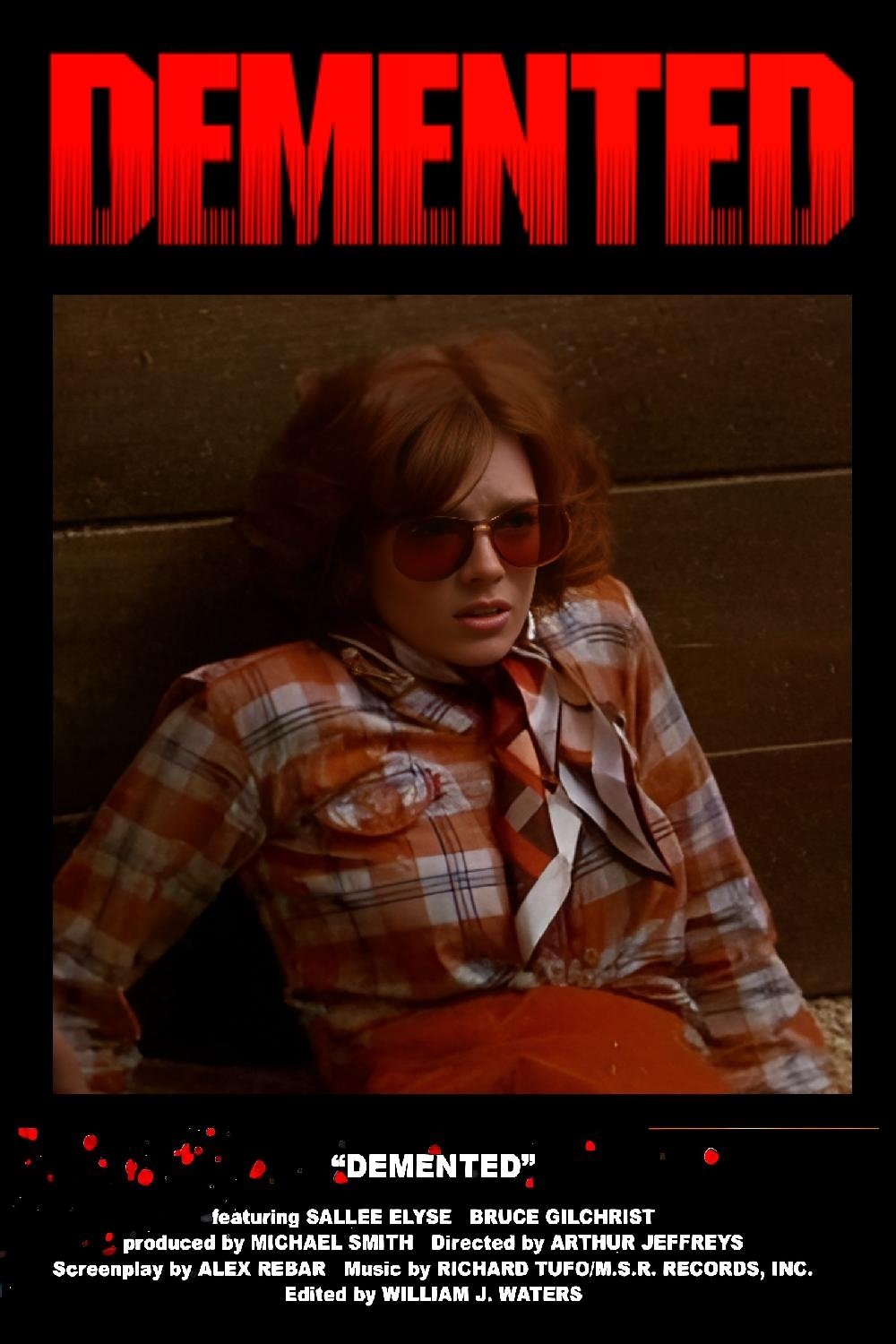
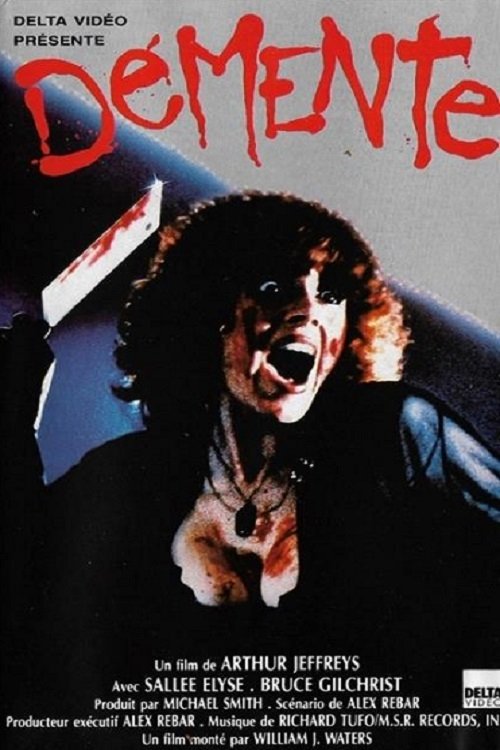
Demented (1980) belongs to the early wave of American rape-revenge horror, but its central act of retaliation is unusually unstable. Linda Rodgers survives a sexual assault, returns from psychiatric care and finds that the house where she was attacked cannot offer the security she needs. Her husband treats recovery as an inconvenience, while renewed threats make it difficult for her to distinguish memory from immediate danger. The film turns the aftermath of violence into its principal setting. Its later bloodshed arises from a cruel encounter with young intruders, creating a disturbing distance between the original assailants and Linda's eventual targets.
Directed by Arthur Jeffreys from a screenplay by Alex Rebar, the film sits between domestic psychological thriller and exploitation horror. Sallee Elyse, also credited as Sallee Young, plays Linda; Harry Reems appears as her husband under the name Bruce Gilchrist. Much of the running time concerns the failure of family and professional reassurance before the narrative shifts into home-invasion violence. That uneven structure is central to its identity. Demented also entered British video-nasty history through the supplementary Section 3 seizure list, a circulation history that should be distinguished from a successful obscenity prosecution.
The Aftermath as Domestic Horror
The assault takes place early, in a stable, with little time spent establishing Linda's ordinary life beforehand. The subsequent return to her house is consequently more important to the film's sustained atmosphere than the initial attack. Familiar rooms become places where she expects her assailants to reappear. Her repeated fears are difficult for the other characters to assess, particularly when the police do not find evidence of an intruder. The story repeatedly asks the audience to consider what Linda has actually seen, although this uncertainty grows out of a sensationalized portrayal of psychological distress rather than a clinically reliable account of trauma.
Matt's infidelity makes the household especially hostile to recovery. He pursues another relationship while presenting his absences as professional obligations, and his conversations about his wife's condition reveal an impatience that weakens his claim to be caring for her. Visits from Linda's sister and psychiatrist do not restore any durable sense of safety. These domestic episodes slow the movement toward the killings, yet they also establish the film's underlying pattern: people around Linda assume that normal life should resume on their timetable. The horror derives partly from the gap between that expectation and the persistent fear shaping her conduct.
Masked Intruders and Displaced Revenge
The masked youths who enter Linda's home are essential to the film's uneasy relation to the rape-revenge formula. They stage their intrusion as a cruel prank, exploiting what they know or suspect about her earlier assault. Their identities matter because they are separate from the attackers already imprisoned for the original crime. When Linda strikes back, the violence cannot be understood as a straightforward settling of accounts with those responsible. Jeffreys turns a familiar revenge trajectory into a story of mistaken identification and indiscriminate punishment, complicating any interpretation of the ending as uncomplicated empowerment.
The tone changes sharply once Linda begins controlling the encounter. The final section contains a prolonged dinner scene in which forced politeness and menace become inseparable. Seduction is used as a trap, while ordinary domestic rituals acquire a grotesque new purpose. A meat cleaver and a length of wire provide the physical threat, with the awkward interaction between victim and captive prolonging the suspense. Critic Vern, reviewing the film in 2014, found its perspective on the pranksters troubling and questioned whether its revenge offered meaningful release. This critical reading does not establish the filmmakers' intentions.
Release, British Seizures and Later Reassessment
Intercontinental Releasing Corporation distributed Demented in the United States in 1980. The film subsequently circulated on videotape, including in Britain before the Video Recordings Act introduced a new framework for home-video classification. It appeared on the supplementary list associated with Section 3 of the Obscene Publications Act during the video-nasty controversy. Such inclusion concerns the seizure and possible forfeiture of specific material; it does not establish that the film was successfully prosecuted under the main obscenity proceedings. Later accounts describe a cut British video edition, but its status should not be confused with the original American theatrical release.
An Australian government record offers a separate, precise home-video datum: a 91-minute videotape was classified M on February 1, 1984. That duration does not by itself establish the relationship between international versions, since recorded running times can reflect differing transfers and methods of measurement. In 2017 the film received a high-definition American home-video edition, bringing this comparatively obscure production back into critical discussion. Vern's retrospective emphasized its lengthy marital material and the unsettling treatment of the youths who become victims. Its historical interest lies in that uneasy combination of revenge conventions and domestic cruelty, without any need to claim a major influence on later horror.
An extended retrospective examining the assault aftermath, the husband's behavior, the masked intruders, the dinner sequence and the film's ambiguous revenge politics.