Don't Go Near the Park (1981)

US
HORROR FILM
SUBGENRES CANNIBAL
UK censorship history DPP · Withdrawn / unsuccessful
Runtime
83 min
Release
September 1, 1981
Budget
$110,000
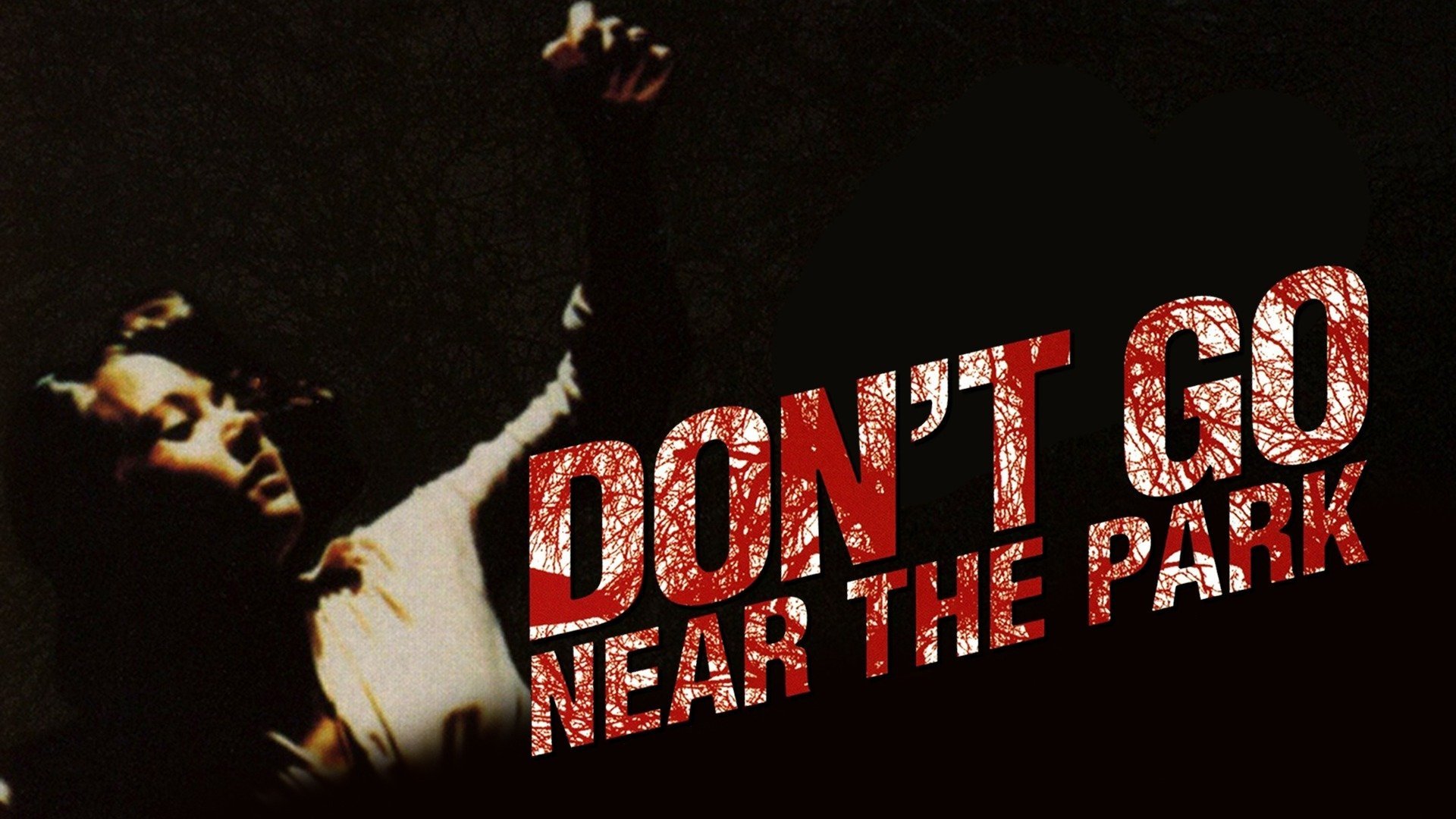
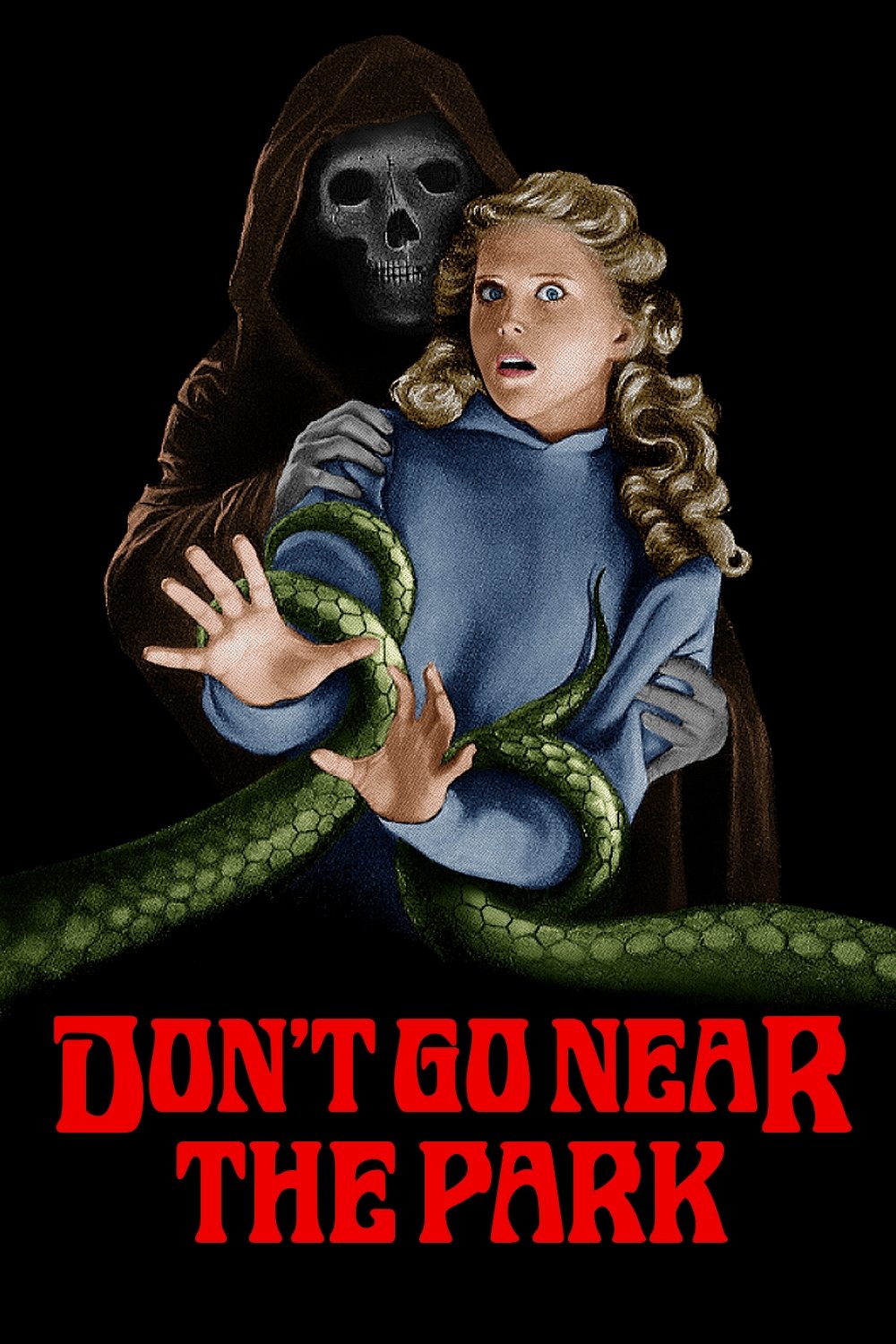
Don't Go Near the Park (1981) poster
Production Companies
Star Cinema , The Cannon Group
Plot

In the prehistory of man, 12,000 years ago, two members of a superhuman tribe abuse the treasured secret of eternal youth. They use the methods of ritual cannibalism on the children of their own tribe and when discovered by the 'Queen' of the tribe, they are cursed to an eternity of old age with no chance to ever die. Now, in present day Los Angeles, their only hope to recapture eternal youth is the ritualistic sacrifice of a 16-year-old female virgin. Their existence is discovered by an investigative reporter and a young runaway child and this leads to an unexplained and terrifying confrontation

Alternative Titles
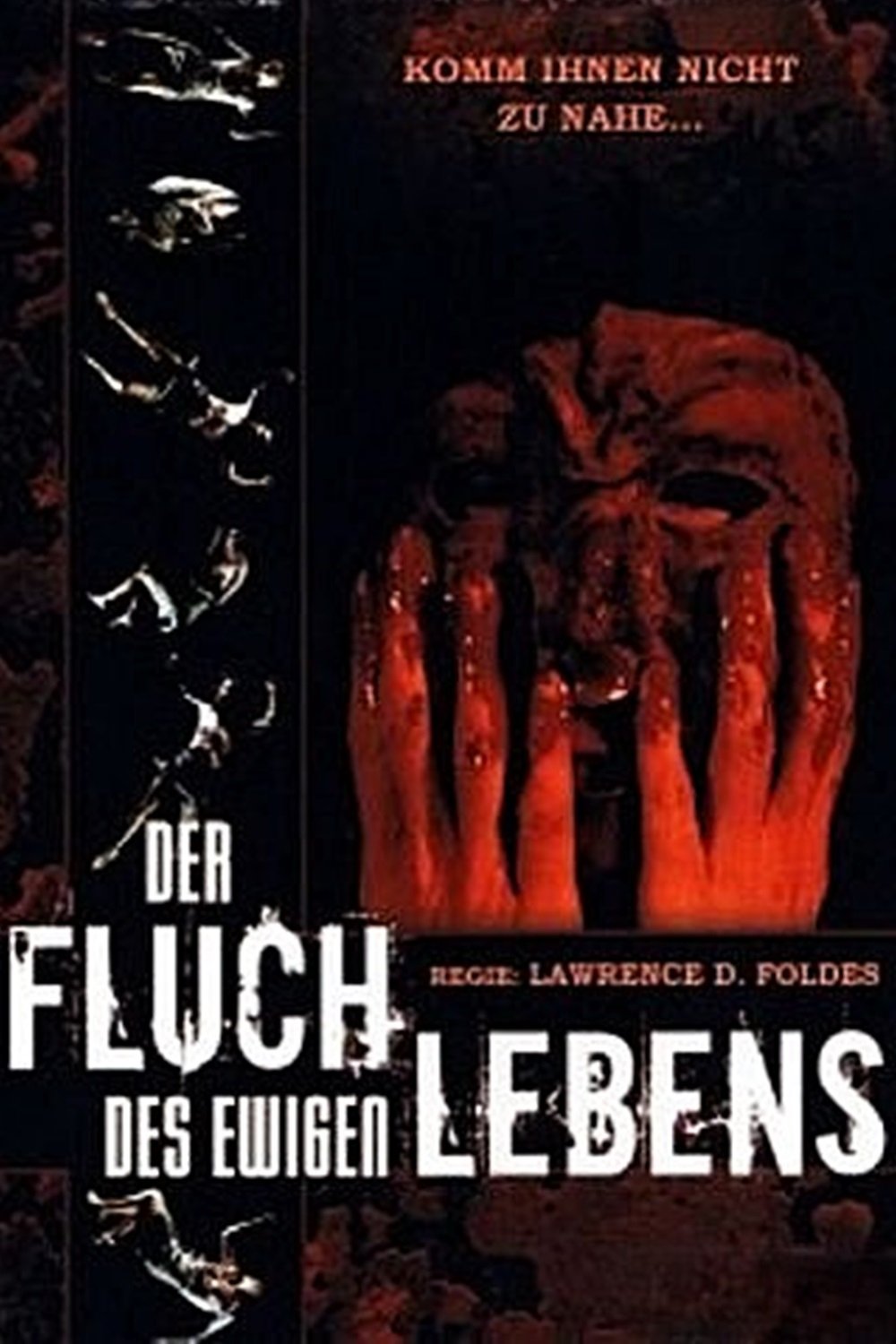
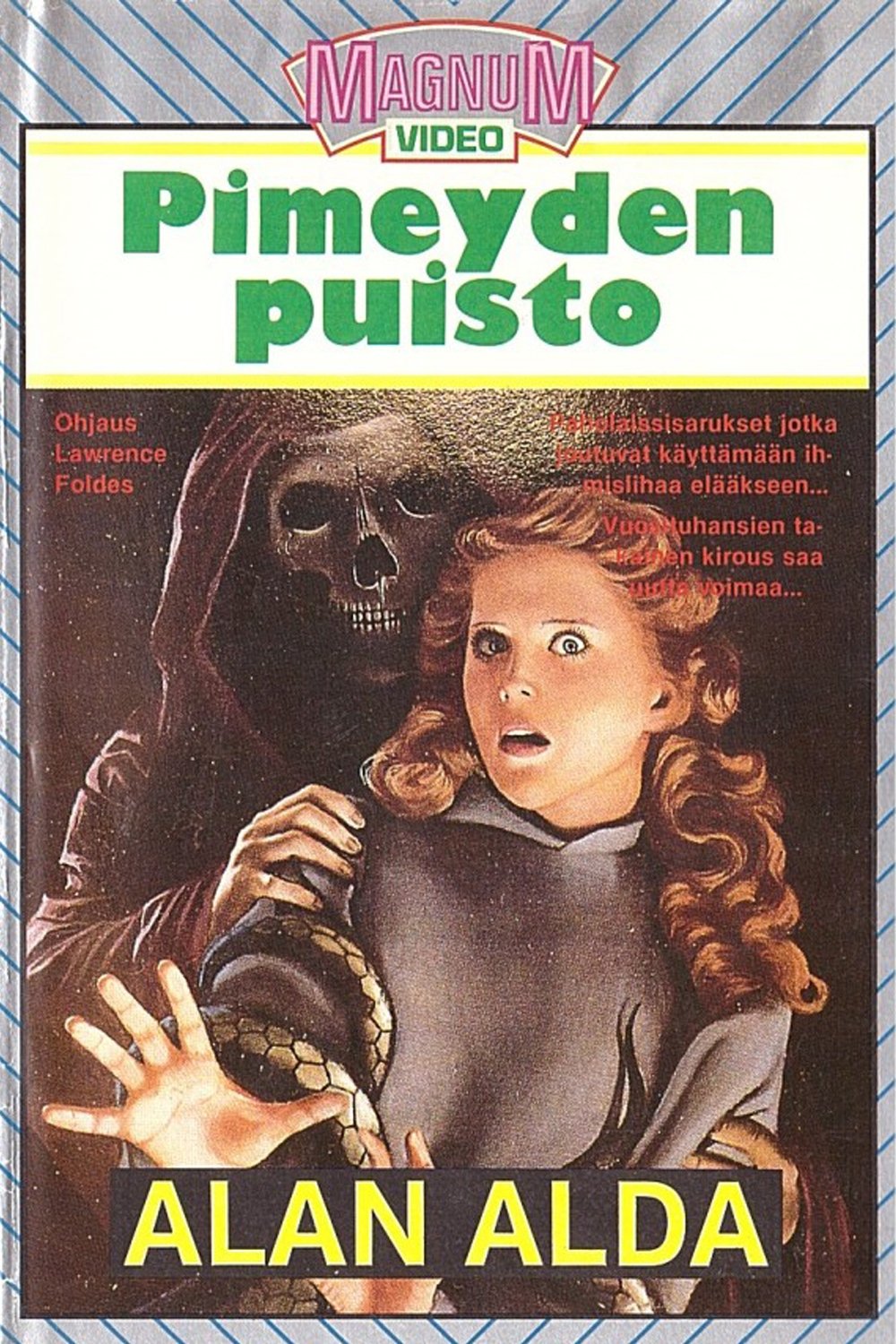
公园惊魂 (China) — Chinese Der Fluch des ewigen Lebens (Germany) No vayas cerca del parque (Spain) Pimeyden puisto (Finland) La malédiction du fond des temps (France) — Home Video Title 公園驚魂 (Hong Kong SAR China) — Chinese La collina dei morti viventi (Italy) Refugio de la maldad (Mexico)
Show all 14 alternative titles Não Te Aproximes do Parque (Portugal) Не приближайся к парку (Russia) — Russian Curse of the Living Dead (United States) Nightstalker (United States) Sanctuary for Evil (United States) — alternative title El santuario del mal (Venezuela)

Trailers & Videos

2 videos

Film Guide & Analysis

Ancient cannibal immortals stalk Los Angeles runaways in Lawrence D. Foldes' low-budget supernatural horror, later targeted in Britain as a video nasty.

Don't Go Near the Park (1981) is a supernatural cannibal film built around a grotesque bargain: two survivors of a prehistoric tribe must consume human entrails to recover their youth, even as a curse keeps them from dying. Lawrence D. Foldes relocates the legend to Los Angeles, where an urban park shelters both the predators and teenagers seeking refuge from troubled homes. The film's horror arises from the contrast between a public recreation area and the bodily destruction occurring out of sight. Its unusually elaborate mythology sits beside rough practical gore and the anxious atmosphere of late-1970s American exploitation.

Produced before its documented American theatrical circulation in 1981, the picture combines several forms of menace: predatory relatives, ritual sacrifice, stalking and the vulnerability of young runaways. Much of its later notoriety came from Britain's video-nasty controversy, which gave a relatively obscure regional horror production an international afterlife. Director and actor recollections illuminate the low-budget shoot, while surviving home-video editions reveal the importance of distinguishing the film itself from the censored or altered copies through which audiences encountered it.

Production & Los Angeles Locations

Foldes developed the picture while still a teenager, after gaining experience in independent exploitation filmmaking. In a later audio commentary, he recalled asking distributors which kind of picture they thought would sell; their answer was horror. The premise devised with Linwood Chase brings an ancient curse into contemporary California, avoiding the expense of constructing an entire prehistoric world. Reports about the production place filming in the Los Angeles area, including Griffith Park and the rocky cave settings associated with it. Such locations establish an apparently remote pocket of danger inside a recognizable modern city.

The small-scale operation also affected casting and makeup. Foldes has recalled that the non-union production encouraged pseudonyms among performers, an explanation for unusual names in the credits. Linnea Quigley subsequently described her early audition and the elderly makeup applied to her youthful face, recalling the results with little affection. Her testimony illustrates the difficulties of representing unnatural aging without expensive transformation effects. Contemporary-looking streets, wild parkland and scenes set thousands of years earlier are therefore joined through costumes, prosthetics and editing.

The Curse & Cannibal Mythology

The prologue establishes a supernatural system with strict conditions. Tra and Gar violate their tribe's prohibition against consuming the young and receive a sentence of endless life accompanied by relentless physical aging. Eating human organs temporarily reverses that deterioration. After twelve thousand years, an exceptional ritual offers release from the curse, provided that Gar sacrifices a daughter conceived with an ordinary human woman. The story converts family relationships into a mechanism for continued predation. Parenthood, which ordinarily entails protection, becomes a long preparation for an intended killing.

This mythology distinguishes the pair from the familiar walking dead of contemporary zombie pictures. Their victims are attacked for a biological purpose within the film's invented rules, and the bodily transformations supply both the reward and the punishment. Foldes ties immortality to an appetite that destroys other lives, allowing youth itself to become a threatening appearance. The screenplay explains these conditions early, then disperses attention across scenes of pursuit and the lives of the young people involved. The eventual confrontation returns to the original curse after an extended interruption devoted to survival in the park.

Runaways & the Haunted Park

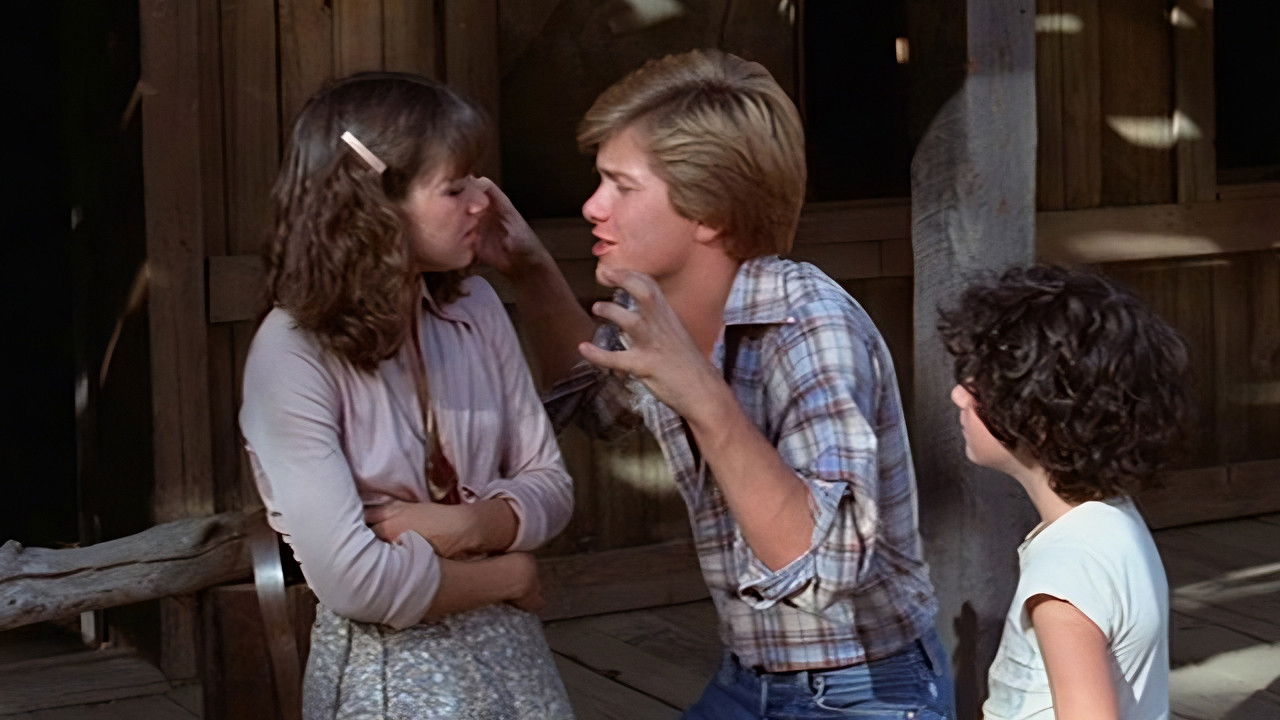
Bondi flees from the man who raised her as the approaching ritual places her life in danger. In the park she joins Cowboy and the younger Nick, other outsiders who begin to form an improvised household. Their encounters redirect the film from the ancient predators toward a story about children living beyond effective adult protection. The contrast is unsettling because one threatening figure is a parent while another older resident, Taft, offers companionship and shelter whose implications remain ambiguous. The film repeatedly makes the difference between refuge and exposure difficult to establish.

Griffith Park serves as a landscape of both concealment and rumor. Paths, caves and secluded ground allow apparently ordinary visitors to disappear into places where strangers cannot see what occurs. Tra's disguise helps circulate the idea that the park is haunted, giving the predators a protective mythology inside the story itself. Scenes involving the runaways move at a different pace from the attacks, allowing everyday conversation to interrupt the ritual plot. That discontinuity is a major structural weakness noted by critics, but it also explains the picture's peculiar fusion of urban youth drama and prehistoric monster tale.

Gore, Makeup & Staged Metamorphosis

The principal horror effects emphasize the exposure of internal organs. The cannibals tear at human bodies and feed on their viscera, turning an otherwise abstract demand for youth into explicit physical violence. Reviewers examining the 2006 home-video edition observed that some victim bodies are clearly fabricated while others appear more convincing. Editing, close framing and abrupt movement attempt to carry these assaults across the differences in available materials. The gore is intermittent, concentrated in eruptions that punctuate longer passages of dialogue and movement through the park.

Age makeup is equally important to the supernatural premise. Facial appliances and costumes identify centuries of deterioration, while dissolves and changes of appearance represent the temporary reversal brought by feeding. Quigley's later recollection of her own makeup provides direct evidence that the transformations could be technically unpersuasive even to the actors. Those limitations affect how the horror is experienced: the film asks viewers to accept a grand myth through conspicuously handmade visual devices. Its strongest bodily images arise when the camera concentrates on the physical consequence of a killing, leaving little room for the mechanics of rejuvenation to be scrutinized.

Release, Video Nasties & Reassessment

The film was made in the late 1970s, but documented American theatrical engagements occurred in 1981. The distinction helps explain the competing 1979 and 1981 dates attached to it in later filmographies. Its circulation eventually extended to videotape under titles including Nightstalker and Curse of the Living Dead, complicating the identification of older editions. Public budget figures differ across secondary sources and should not be treated as an audited production cost. Likewise, a reported release date is not necessarily evidence of a nationwide opening: the film reached audiences through separate local engagements.

In Britain, Home Video Productions issued a pre-certification VHS in 1983. Specialist censorship research dates its addition to the changing Director of Public Prosecutions list to November of that year and its removal to July 1985. Those dates establish an episode of official scrutiny, without proving a final conviction for obscenity. A British DVD in 2006 received an uncut 18 classification, a different event from the earlier VHS controversy.

Dark Sky Films' American DVD of 2006 included a commentary with Foldes and Quigley, deleted or extended sequences and workprint gore material. These supplements are useful evidence of the film's construction, but alternate shots and outtakes should not automatically be described as material removed by a censor. Contemporary restoration reviews also noted limitations in picture and sound quality that remained visible in the digital transfer. The film's continuing horror interest depends on its unusual combination of cannibal mythology, unsafe family relationships and a public park made into a hunting ground, as well as the British censorship history that preserved its reputation.

References

  1. Moria Don't Go Near the Park (1979)

    Extensive critical examination of the supernatural plot, Los Angeles settings and cast, drawing on the director commentary issued with the 2006 DVD.

  2. CHUD DVD Review: Don't Go Near the Park

    Substantial film-specific assessment of gore techniques, narrative structure, the 2006 transfer, deleted scenes and recorded participant commentary.

  3. Melon Farmers BBFC Cuts D: Dn-Dz

    Version-specific British video-censorship chronology covering the 1983 pre-certification cassette, DPP-list removal and the uncut 2006 classification.

Cast

View Full Cast & Crew →

Release & Distribution

Production Companies (2)

  • Star Cinema PH
  • The Cannon Group US

Release History (4)

Release DateTerritoryRelease TypeFormatDistributorCertificationNotes
1979-03-01 France Limited Theatrical — — — Paris Festival of Fantastic Films
1981-09-01 United States Theatrical — — R
1982-01-21 Mexico Theatrical — — —
1998-06-11 Germany TV — — —
They were cursed to eternal life at the cost of their souls!