Jim L. Ball, James C. Wasson and the Independent Production
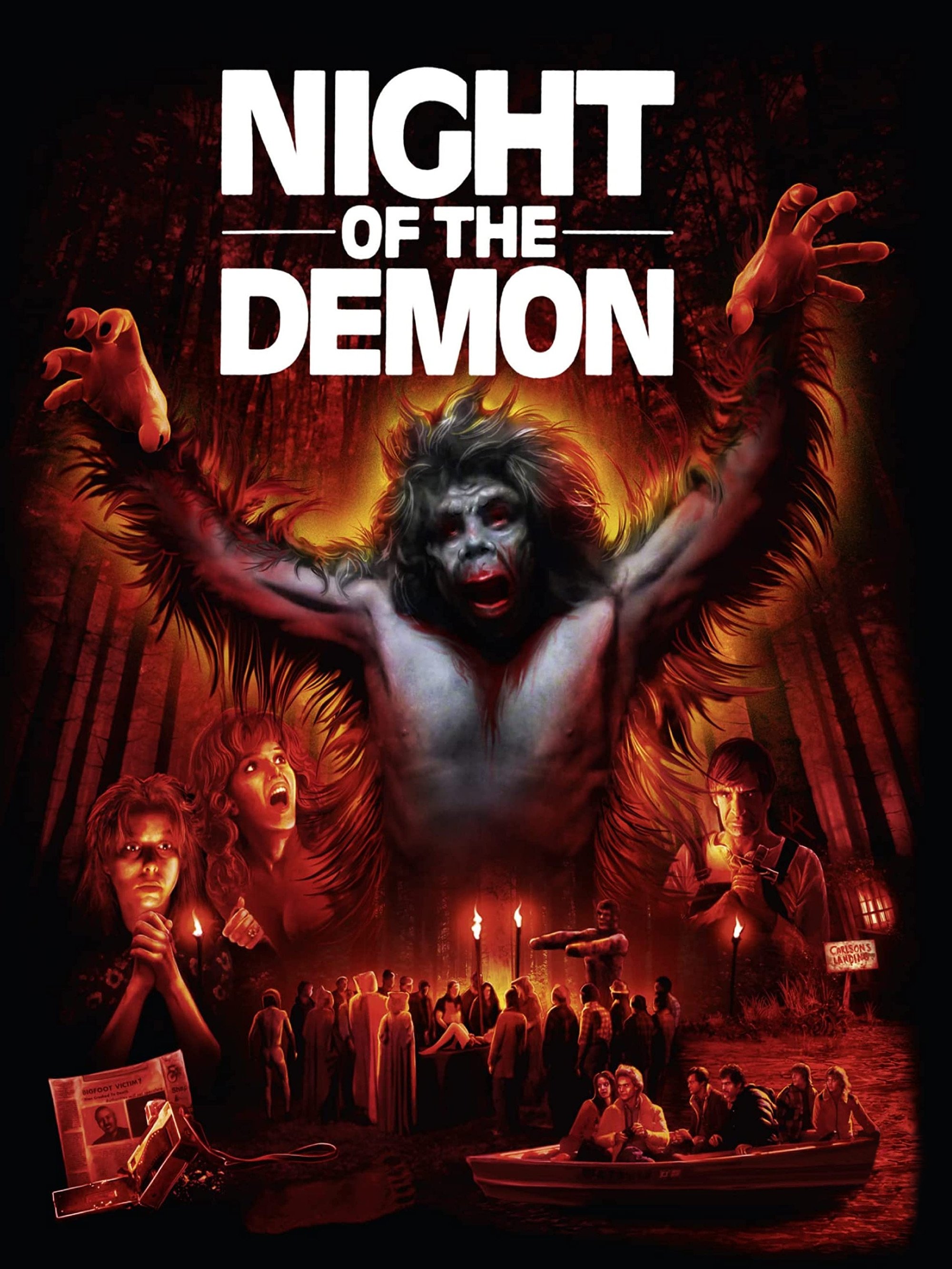
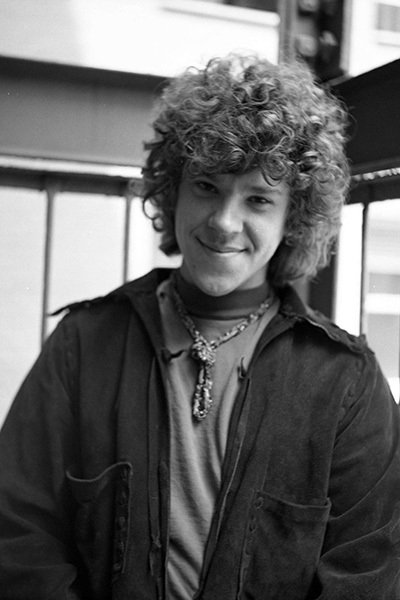
Night of the Demon developed through the independent production activities of Jim L. Ball, who had previous experience in low-budget filmmaking. Ball had worked with cinematographer John Quick on Fraternity of Horror, a 1964 feature produced during their association with the University of Southern California. The project established a professional relationship that continued into the later Bigfoot production. Ball developed the story that Mike Williams adapted into a screenplay and approached James C. Wasson to direct. Wasson had worked in music and the entertainment industry before moving into filmmaking, including independent productions made under professional names such as J. Clinton West.
John Quick subsequently recalled that Night of the Demon was made with approximately $70,000. His figure provides a useful indication of the production scale, although it remains a retrospective estimate rather than a surviving financial statement. The cinematographer operated his own camera and worked with restricted equipment. Principal photography took place in Southern California, using wooded areas outside Los Angeles to represent the remote environment associated with the creature. Accounts of the production identify locations around Valencia and additional interiors photographed under controlled conditions. The combination of available outdoor environments and inexpensive interior arrangements enabled the filmmakers to construct the necessary settings without the resources of a larger studio production.
In an interview recorded for the 2021 restoration, Wasson recalled that Ball insisted upon a highly economical shooting method, generally permitting only one take of each setup. This approach placed considerable responsibility upon the performers and technical personnel, since opportunities to revise material during filming were limited. Wasson remembered the location work as comparatively enjoyable and expressed satisfaction with the actors under the circumstances. These recollections are important because his assessment of the original shoot differs substantially from his reaction to the completed film. They also establish that the difficulties most closely associated with the production arose during the subsequent restructuring of the material, rather than entirely during principal photography.
The Unsuccessful Screening and Jim L. Ball's Additional Gore
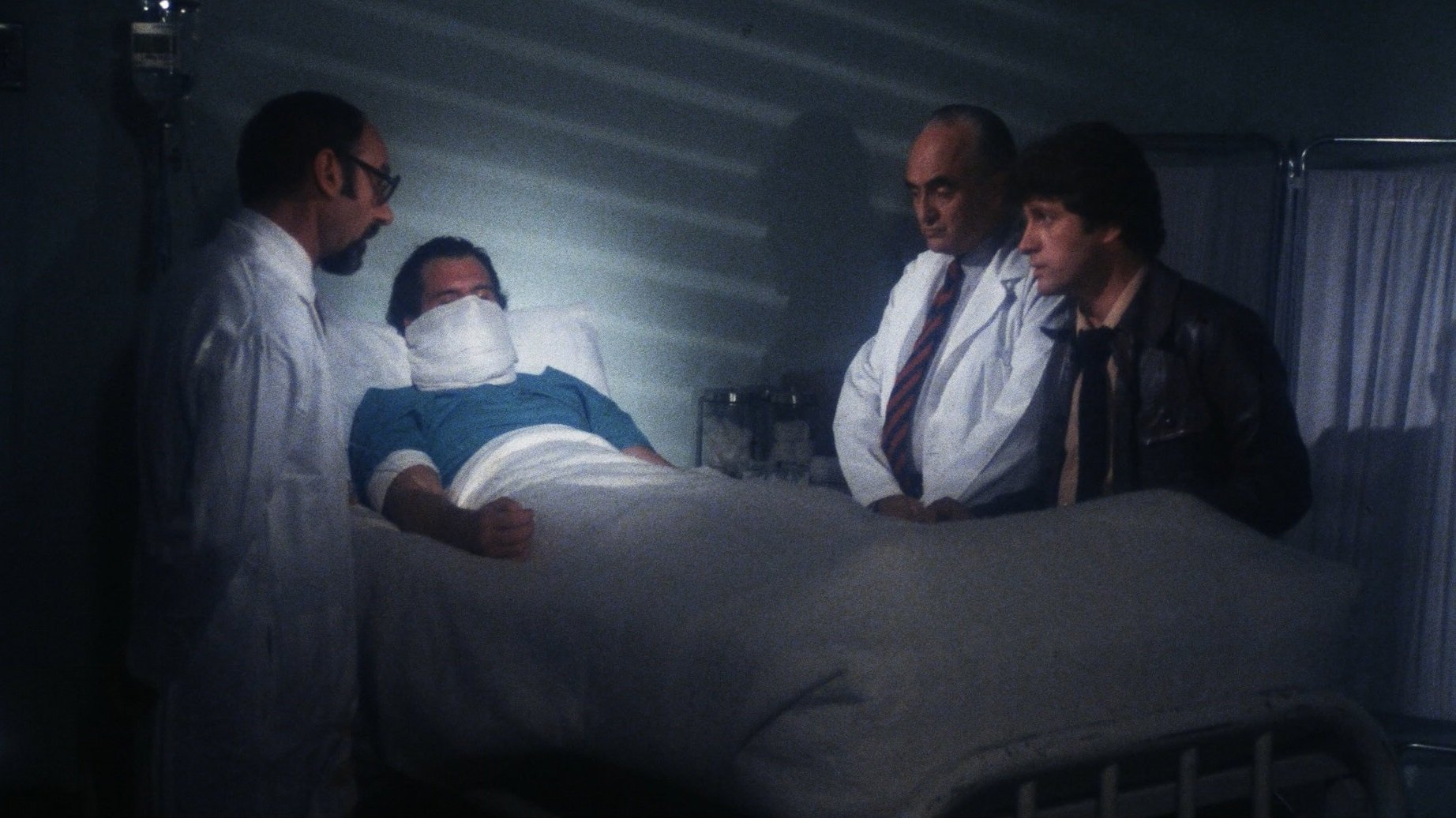
The most significant event in the film's production history occurred after the original material had been assembled. Wasson recalled attending a screening at which audience reactions were disappointing, with laughter undermining the intended horror. He subsequently believed that the production might never receive meaningful distribution. Ball reached a different conclusion and arranged additional photography intended to intensify the violent material. The new sequences transformed the emphasis of the film by introducing particularly graphic attacks that had not formed part of the director's original conception. Their insertion also changed the relationship between the investigation framework and the individual episodes of violence presented to the audience.
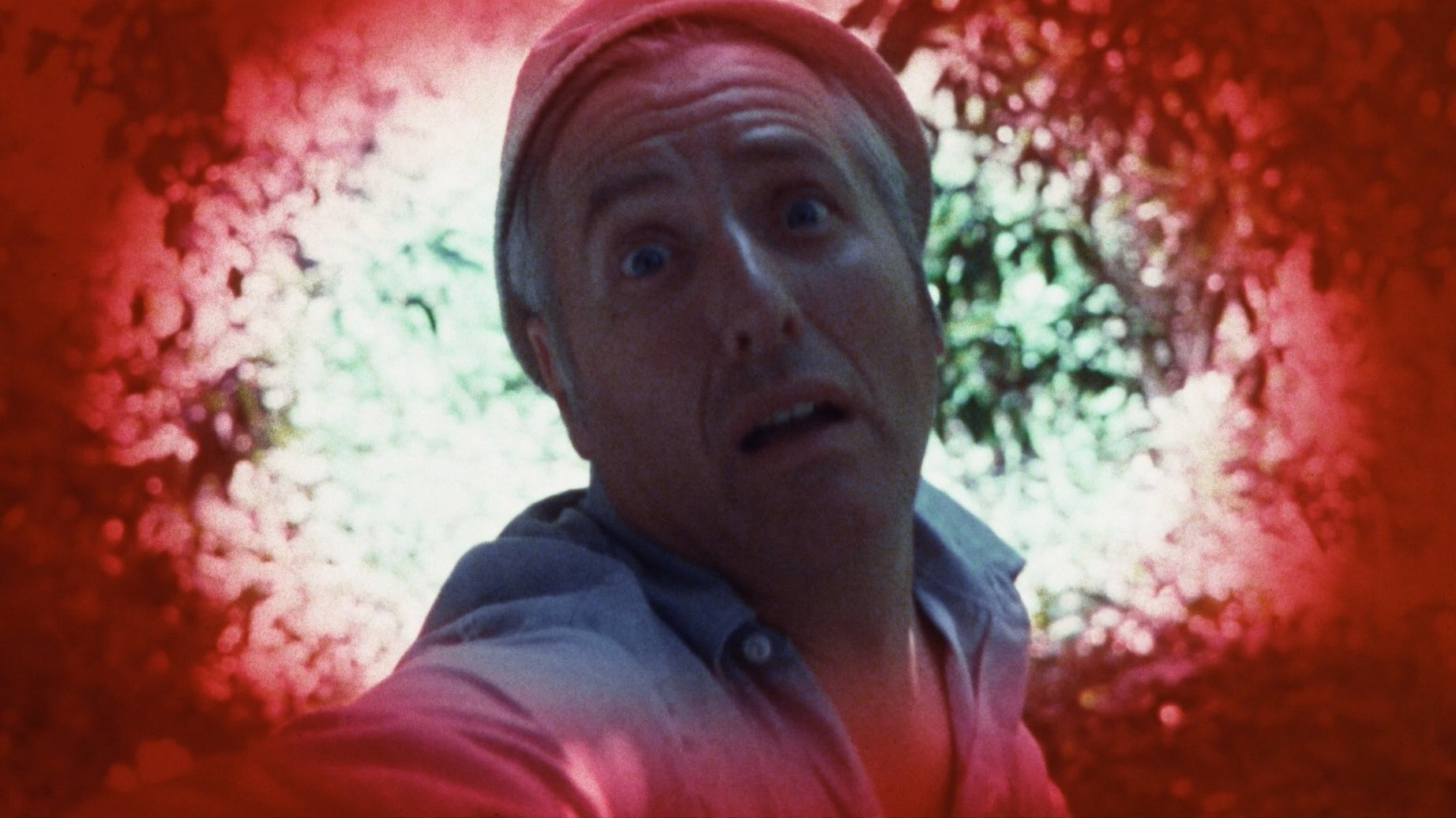
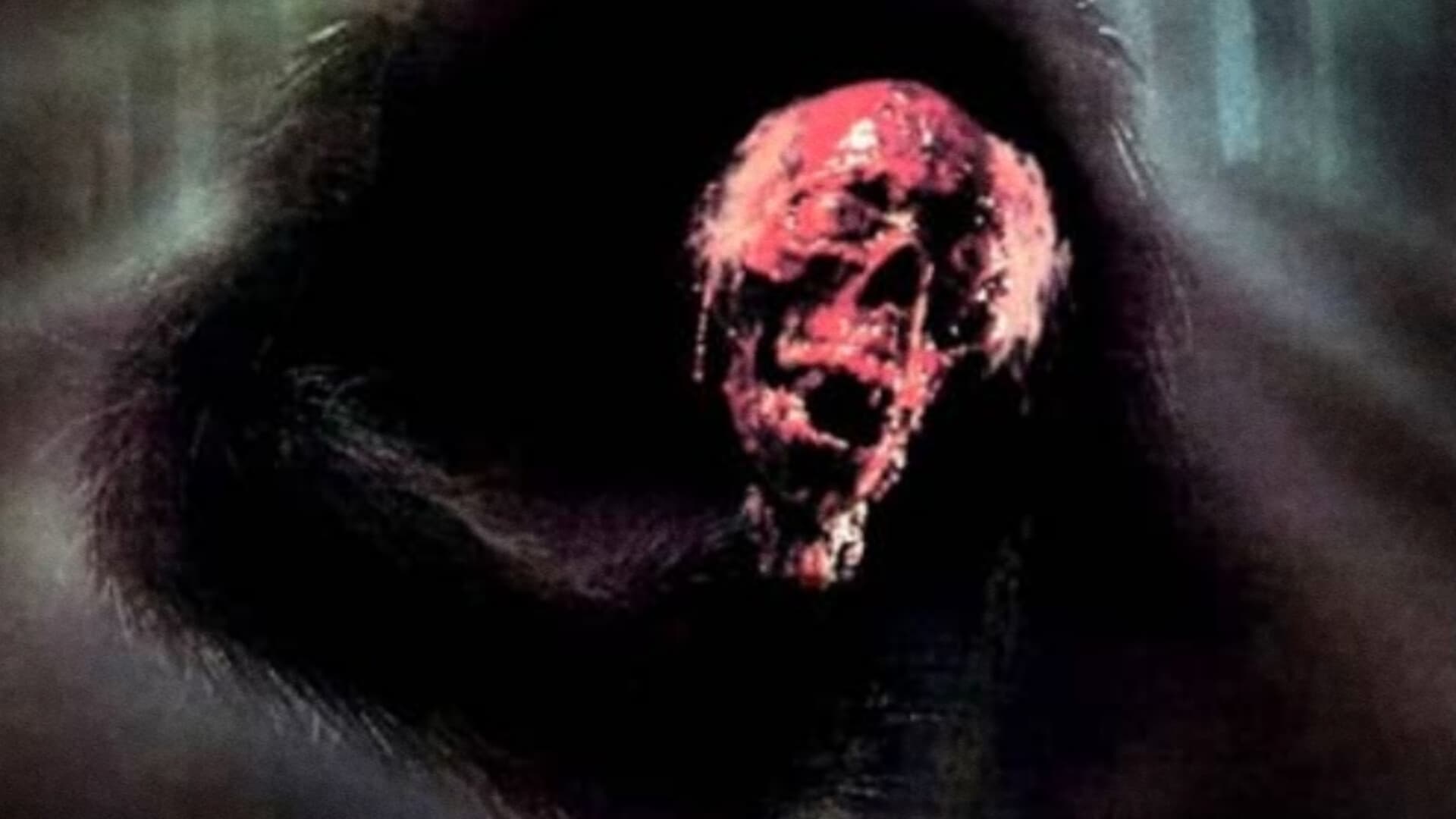
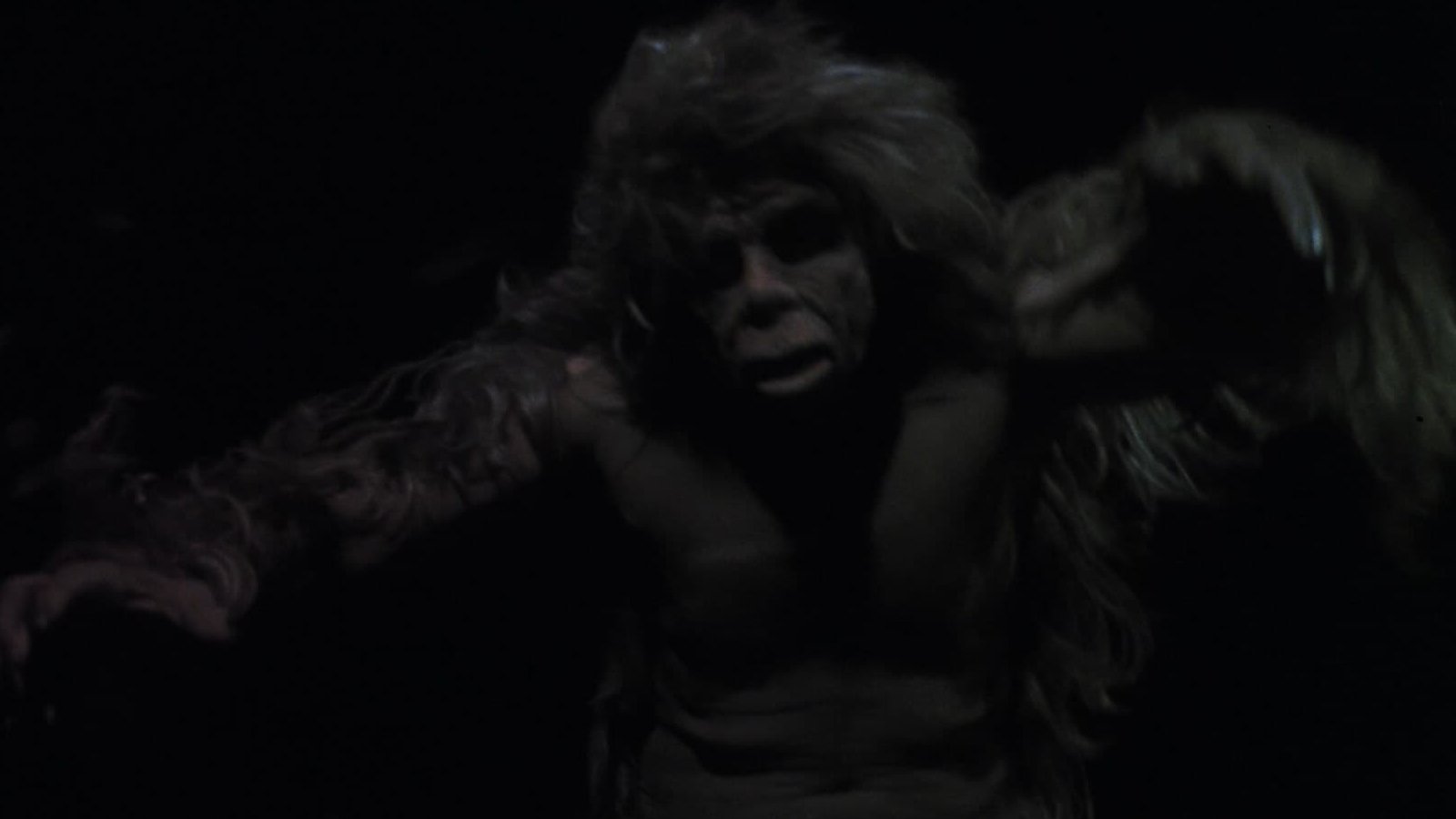
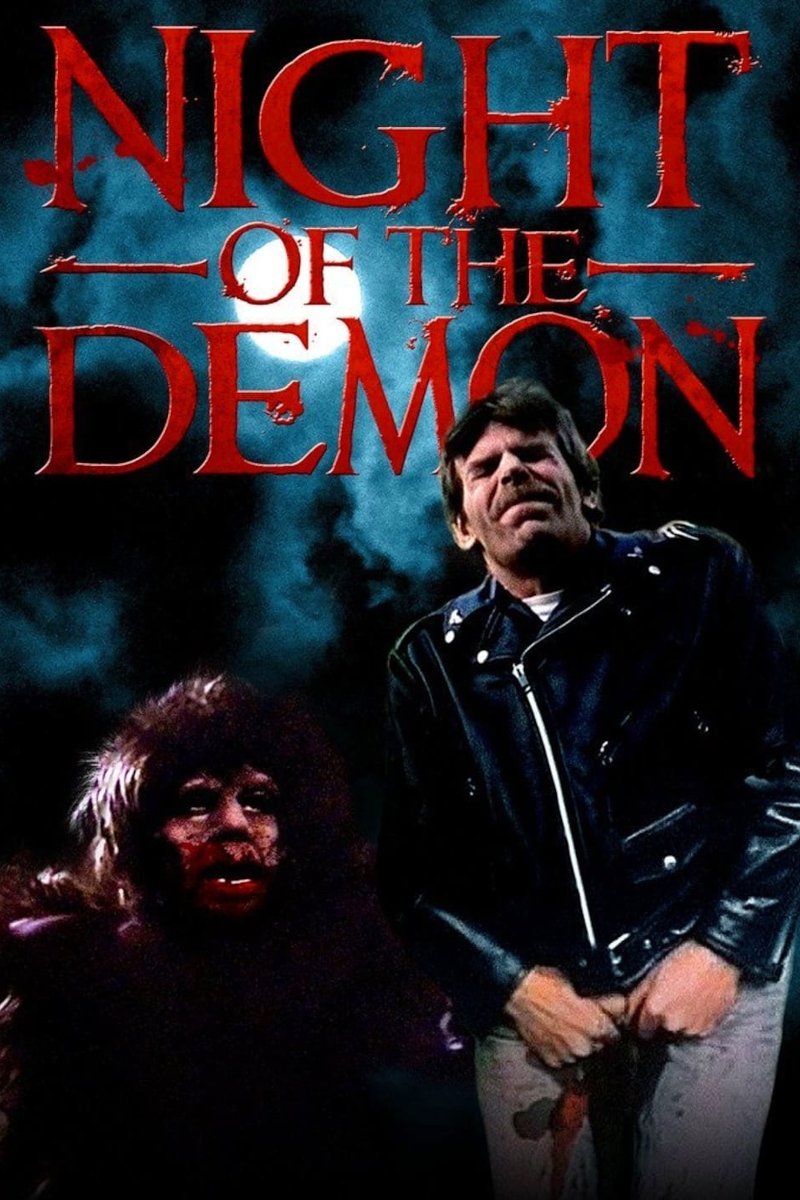
According to the retrospective production accounts, Ball organized several of these additions using extremely limited facilities and improvised practical materials. Some of the later material was photographed in makeshift interiors associated with his Los Angeles working space. He described using inexpensive costume components and mechanical solutions to construct the effects. John Quick also recalled participating in additional photography. The surviving testimony indicates that these scenes were produced separately from the original principal shoot, but does not establish a complete technical record assigning every individual effect to a specific crew member. The distinction is essential because the most frequently reproduced images from the film were not necessarily created under Wasson's direction.
Wasson explicitly disputed responsibility for the added gore. In his retrospective interview, he stated that the original version contained comparatively little graphic violence and recalled seeing the new material only after Ball had arranged the changes. He also described a serious deterioration in their professional relationship. The director later expressed surprise at the film's notoriety in Britain, where its violent content helped secure its place in the video nasties controversy. His recollections provide direct evidence of disagreement over the finished work, although Ball's own account must also be considered when reconstructing the production. The available evidence establishes substantial post-production intervention without supplying a surviving, independently authenticated copy of Wasson's original assembly.
British Video Nasties, Surviving Versions and the 2021 Restoration
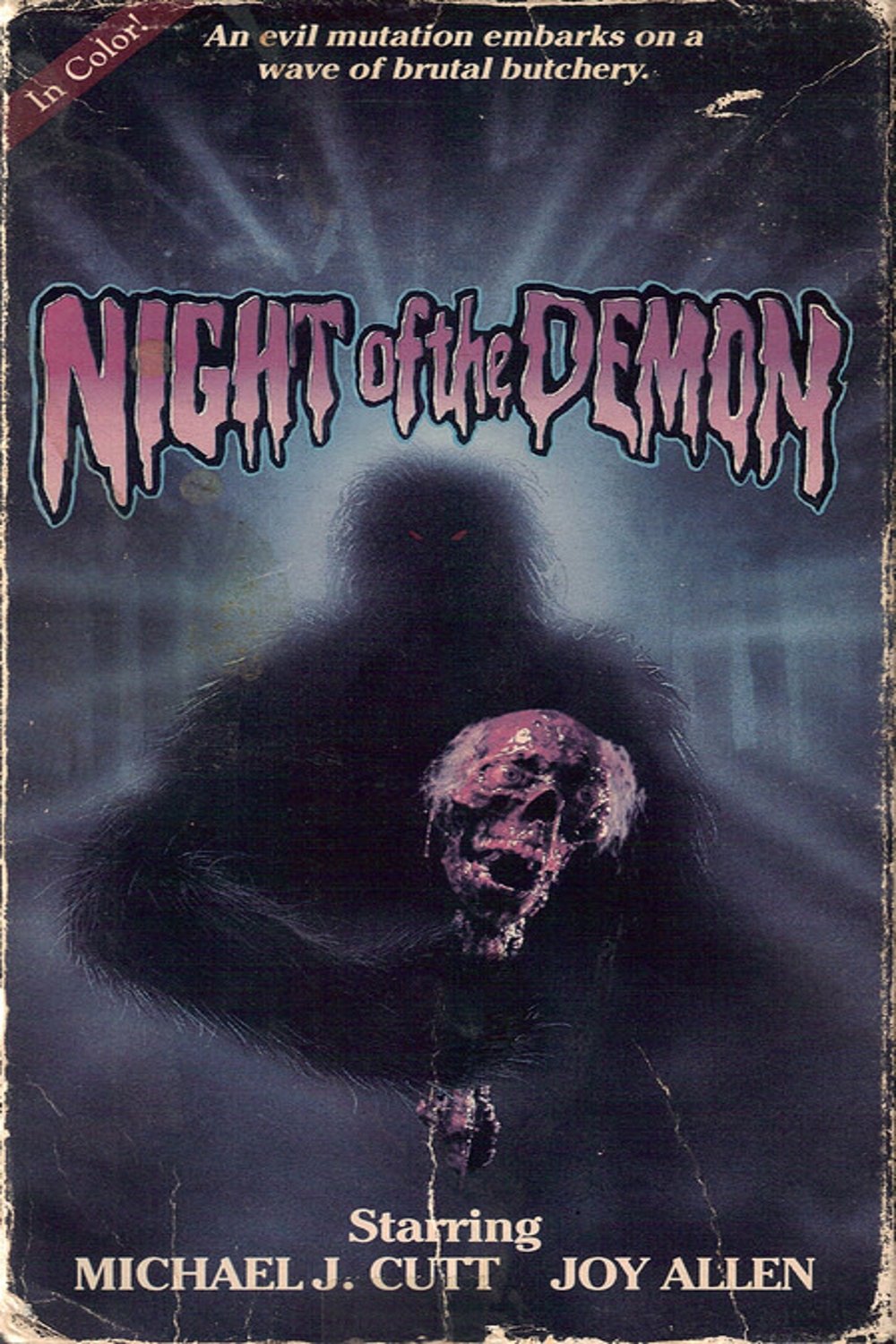
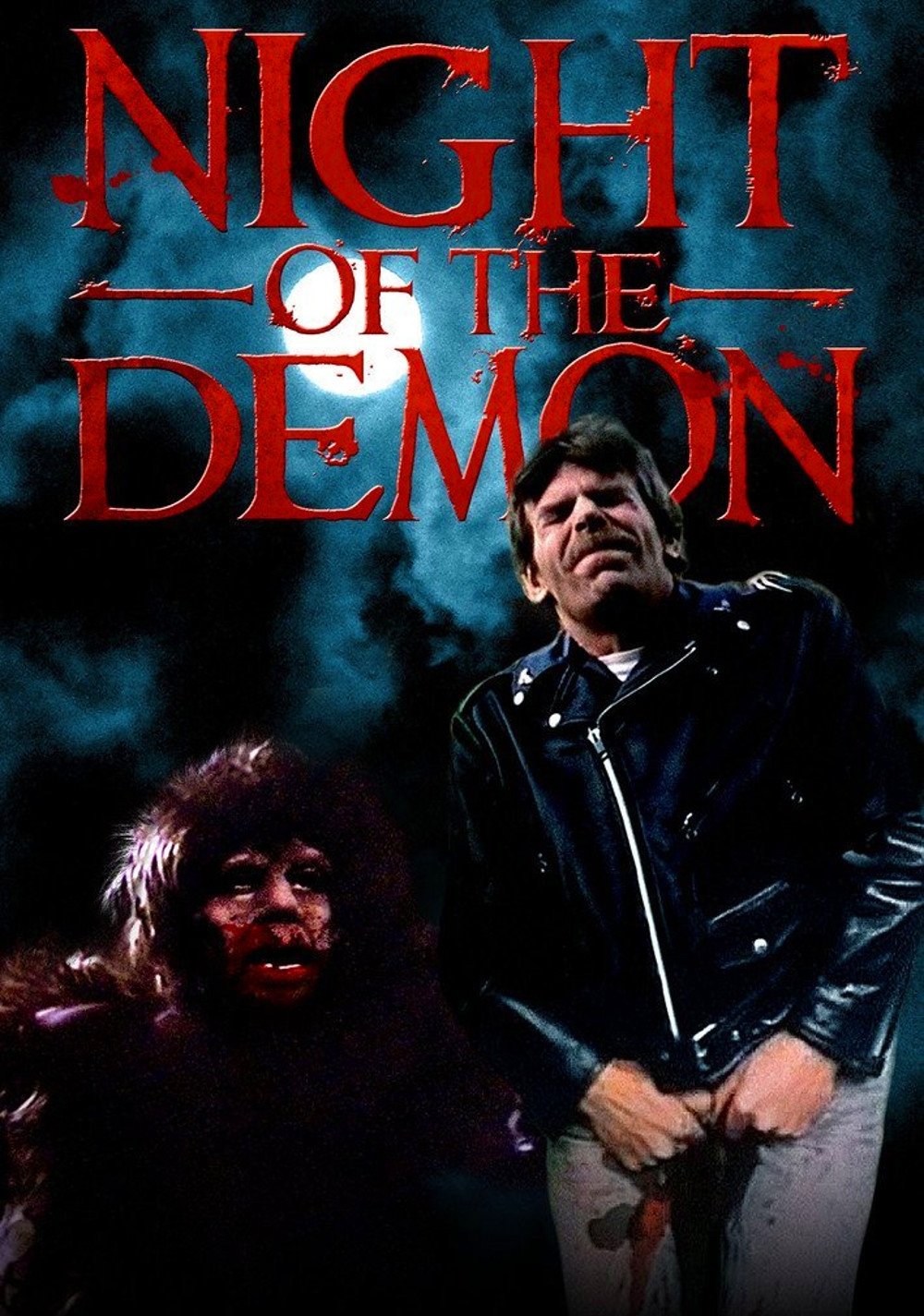
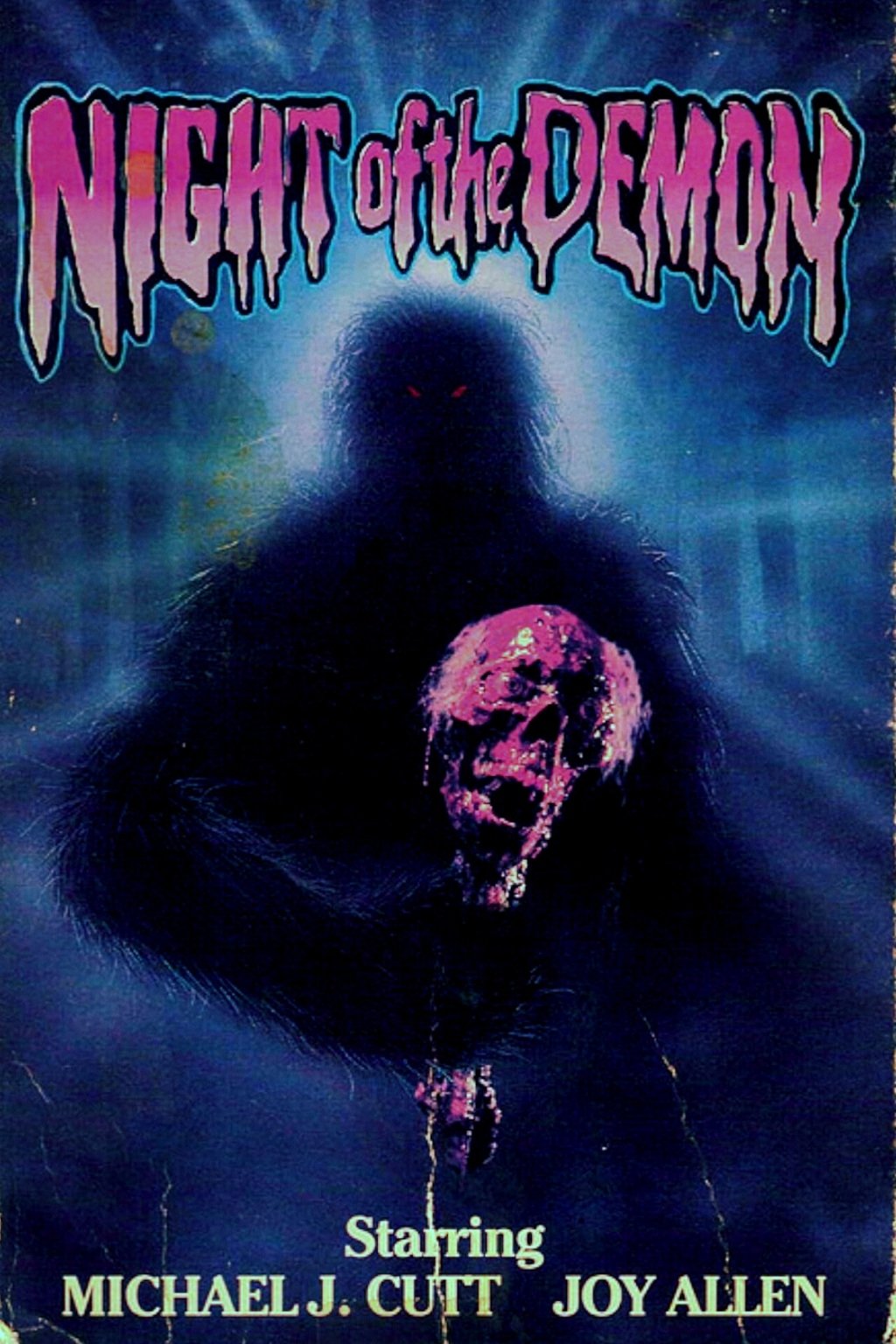
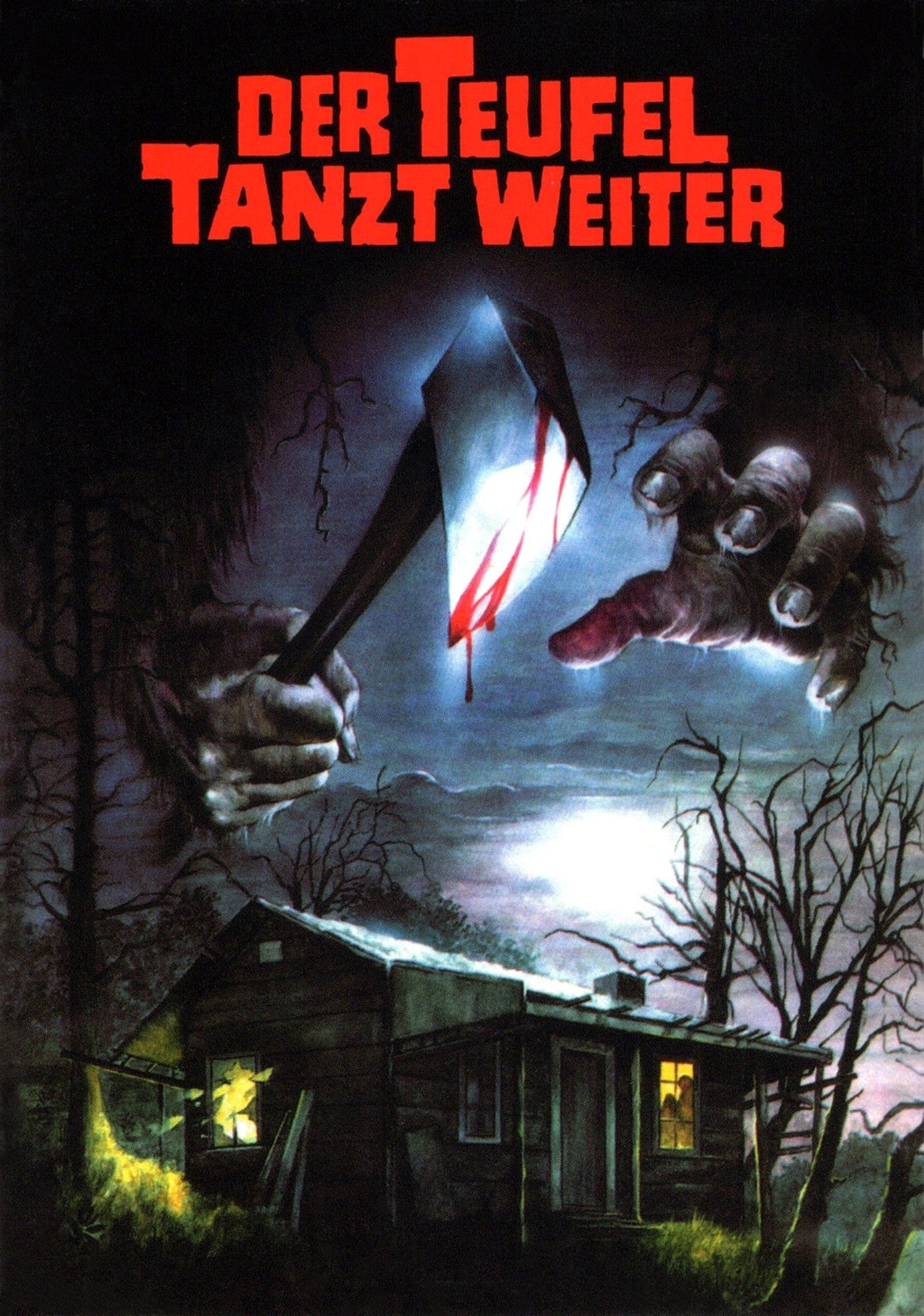
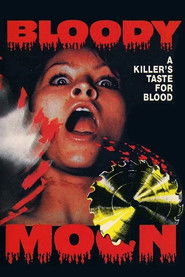
Night of the Demon acquired much of its international reputation through videocassette circulation during the early 1980s. Its British release became associated with the Director of Public Prosecutions video nasties campaign, when films containing graphic violence were investigated under the Obscene Publications Act. The title was included among the productions associated with successful obscenity prosecutions. This history belongs to the regulation of videocassette distribution and should not be confused with an original theatrical classification decision. The film's combination of mutilation effects, sexual violence and sensational promotional material made it particularly vulnerable to the controversy surrounding the availability of extreme horror on home video.
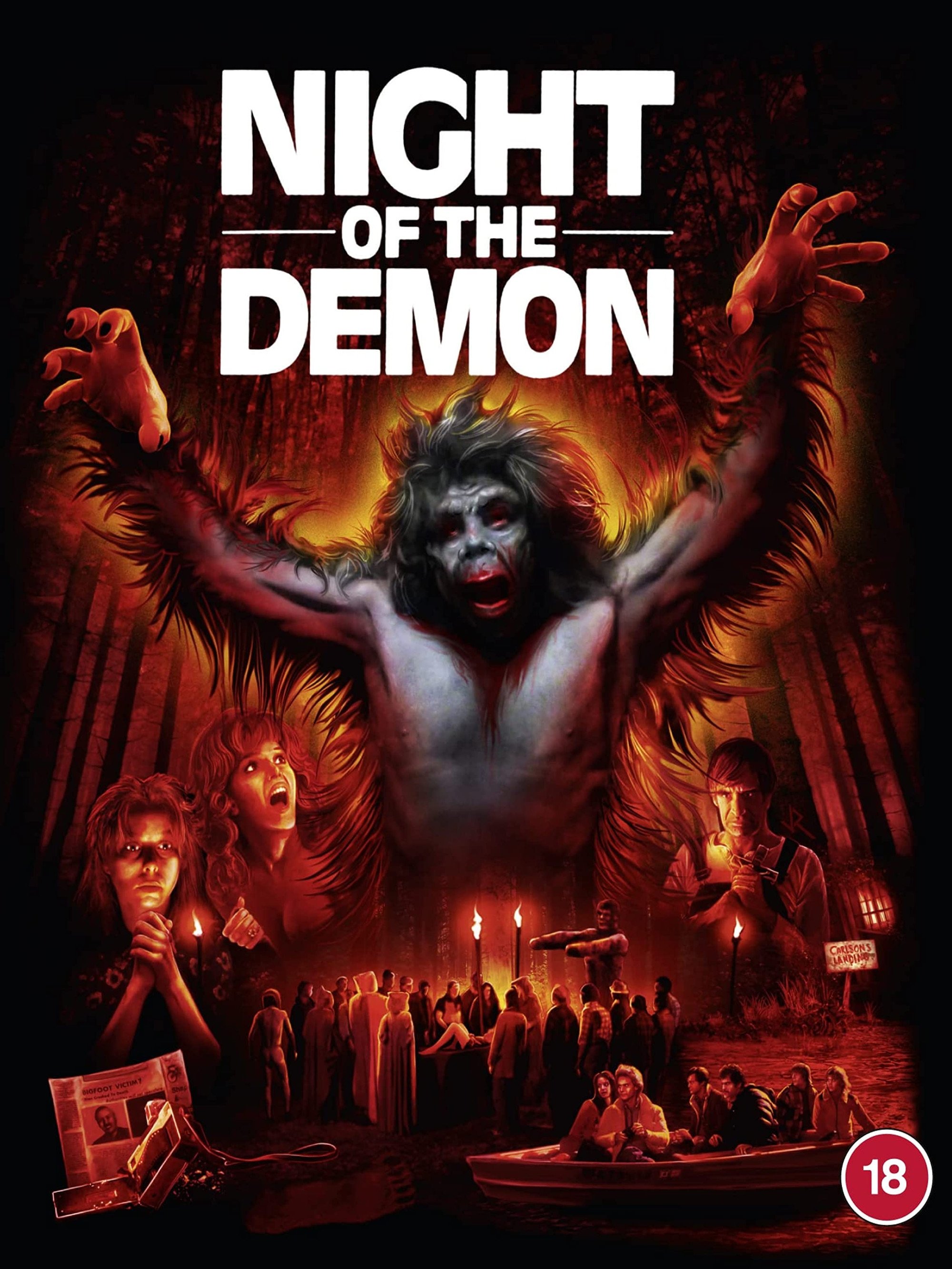
The British Board of Film Classification examined a home-video version submitted by Vipco and classified it on January 20, 1994, after requiring cuts. The submitted presentation ran 90 minutes and 14 seconds. Historical accounts identify the removal of particularly graphic material, including attacks involving bodily mutilation. Later changes in the availability of uncut editions did not erase the original obscenity controversy. On December 3, 2021, the BBFC classified a 96-minute edition submitted by 88 Films for physical media and digital distribution, with no compulsory cuts recorded. The difference between the two running times must be considered alongside the actual editing and technical standards of the submitted masters rather than used as an automatic measurement of deleted footage.
The film also experienced substantial preservation difficulties. Earlier American home-video editions circulated through companies including VCII, while later inexpensive releases frequently relied upon deteriorated or incomplete video material. A 2011 Code Red DVD used an existing one-inch video master because suitable film elements could not then be located. The situation changed when a surviving 35mm answer print associated with Ball became available for restoration. Severin Films prepared a new 2K scan, presented in the original widescreen framing of approximately 1.85:1. The improved image made photographic details and previously obscured portions of the production more visible, although the restoration was necessarily limited by the characteristics of the surviving print.
In a 2026 interview concerning archival preservation, Severin co-founder David Gregory confirmed that the answer print had been retained in the producer's garage and suffered significant color fading. A specialist colorist attempted to recover the original photographic balance from the degraded element. This account establishes that the 2021 restoration was derived from a surviving positive film element rather than the original camera negative. The renewed edition also preserved interviews with Wasson, Ball and Quick, providing a documentary record of their differing memories of the production. Those testimonies are essential to understanding why the film known today differs from the version its credited director recalled completing.