Production & Development
Deodato had already entered the Italian cannibal cycle with Last Cannibal World before Cannibal Holocaust, but the later film was conceived around a different structural idea. He repeatedly connected its origin to the violent television news he was watching in Italy during the period of political terrorism associated with the Red Brigades. Watching those images with his young son, he became interested not only in violence itself but in the way television could intensify, arrange and sensationalize violent events for an audience. That concern eventually became the organizing principle of the fictional documentary crew inside the film.
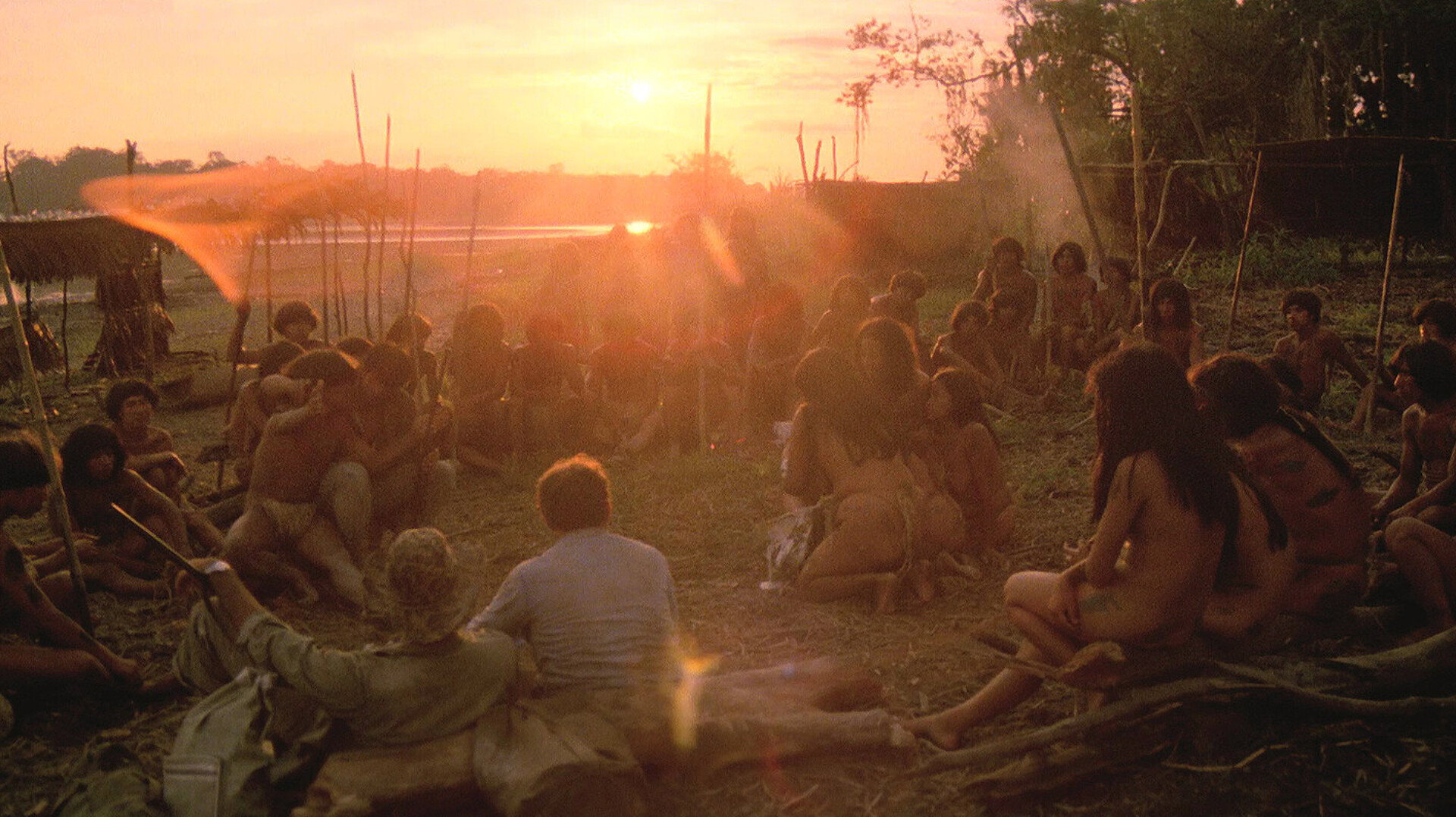
Gianfranco Clerici provided the screenplay, though Deodato later characterized the production as flexible enough for new ideas to be developed during filming. At one stage the project carried the working concept I figli della luna, or Sons of the Moon, before the more confrontational title Cannibal Holocaust was adopted. Deodato travelled with a comparatively small production unit to the Amazon region around Leticia, Colombia. The difficult location work helped provide the environmental realism on which the film depends: rivers, forest, heat and physical isolation are not studio approximations but integral elements of the images.
The director also recalled sending material back to Italy while production was underway so that it could be shown at the MIFED film market. According to Deodato, strong commercial interest in the footage encouraged the producer to ask for increasingly extreme material. His recollection is revealing because it mirrors the film's own subject. Cannibal Holocaust condemns fictional filmmakers who escalate atrocities because shocking footage has commercial value, yet its real production was itself being encouraged by the marketability of increasingly sensational images.
Cinematography, Editing & the Construction of Realism
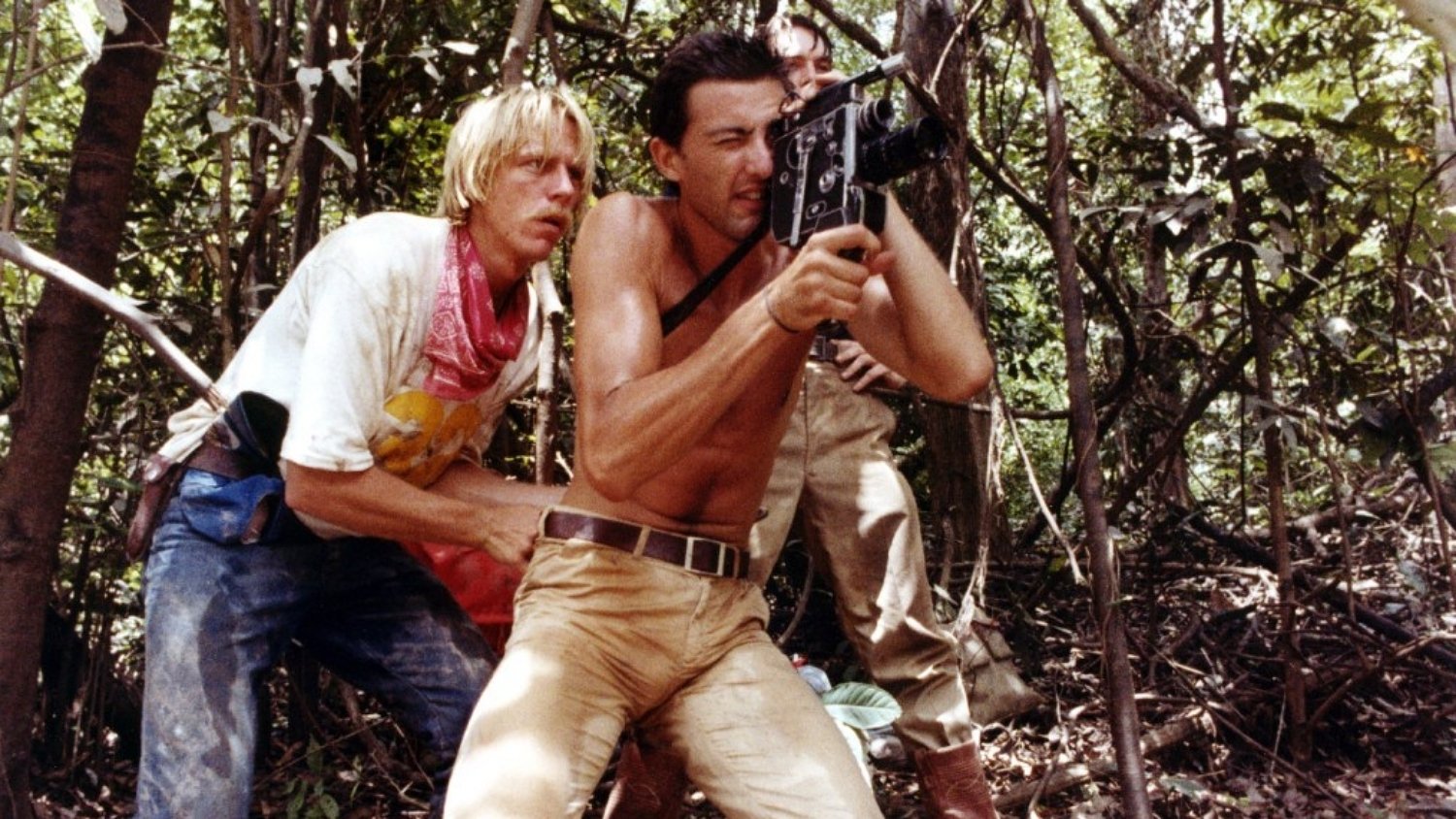
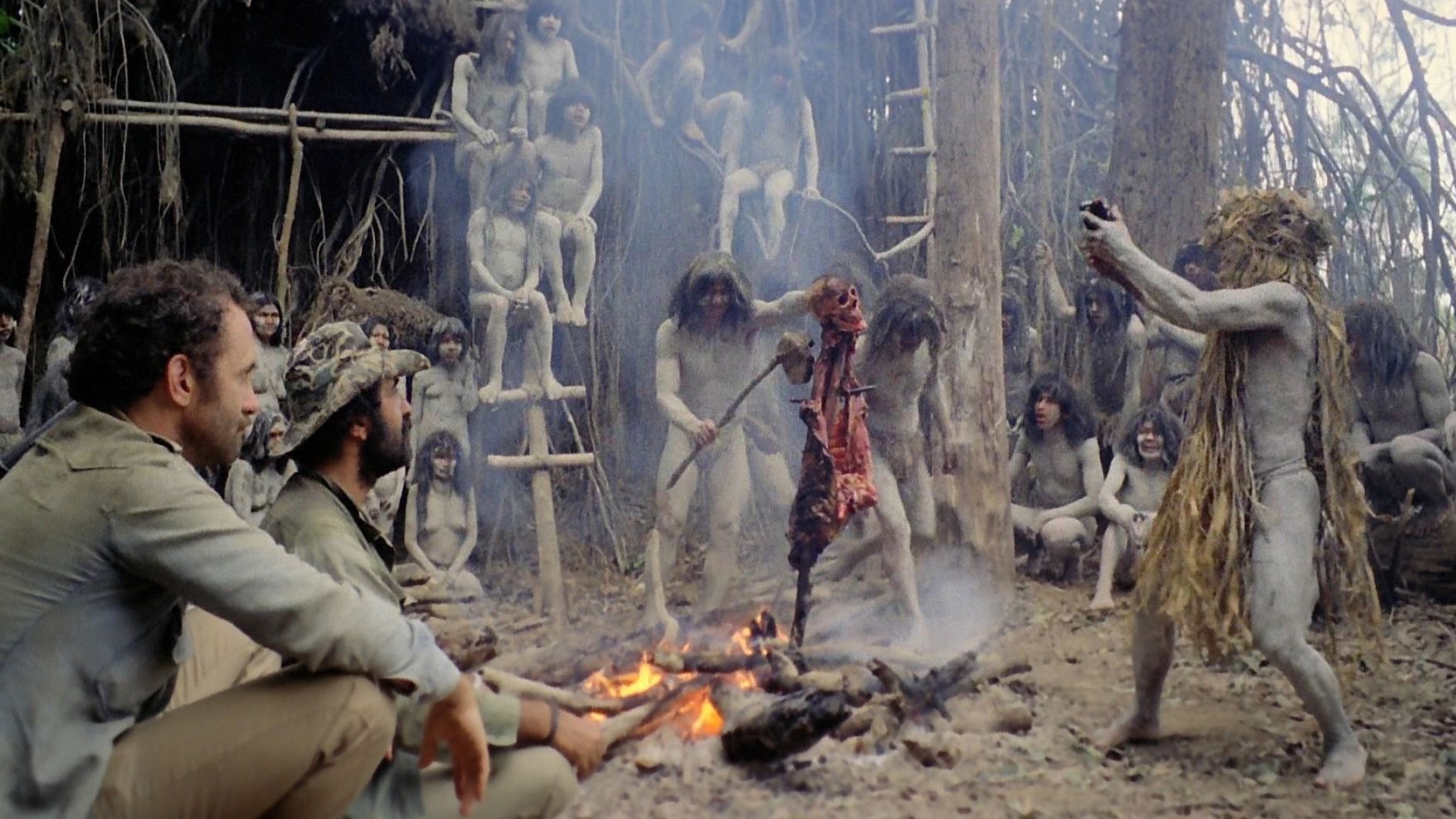
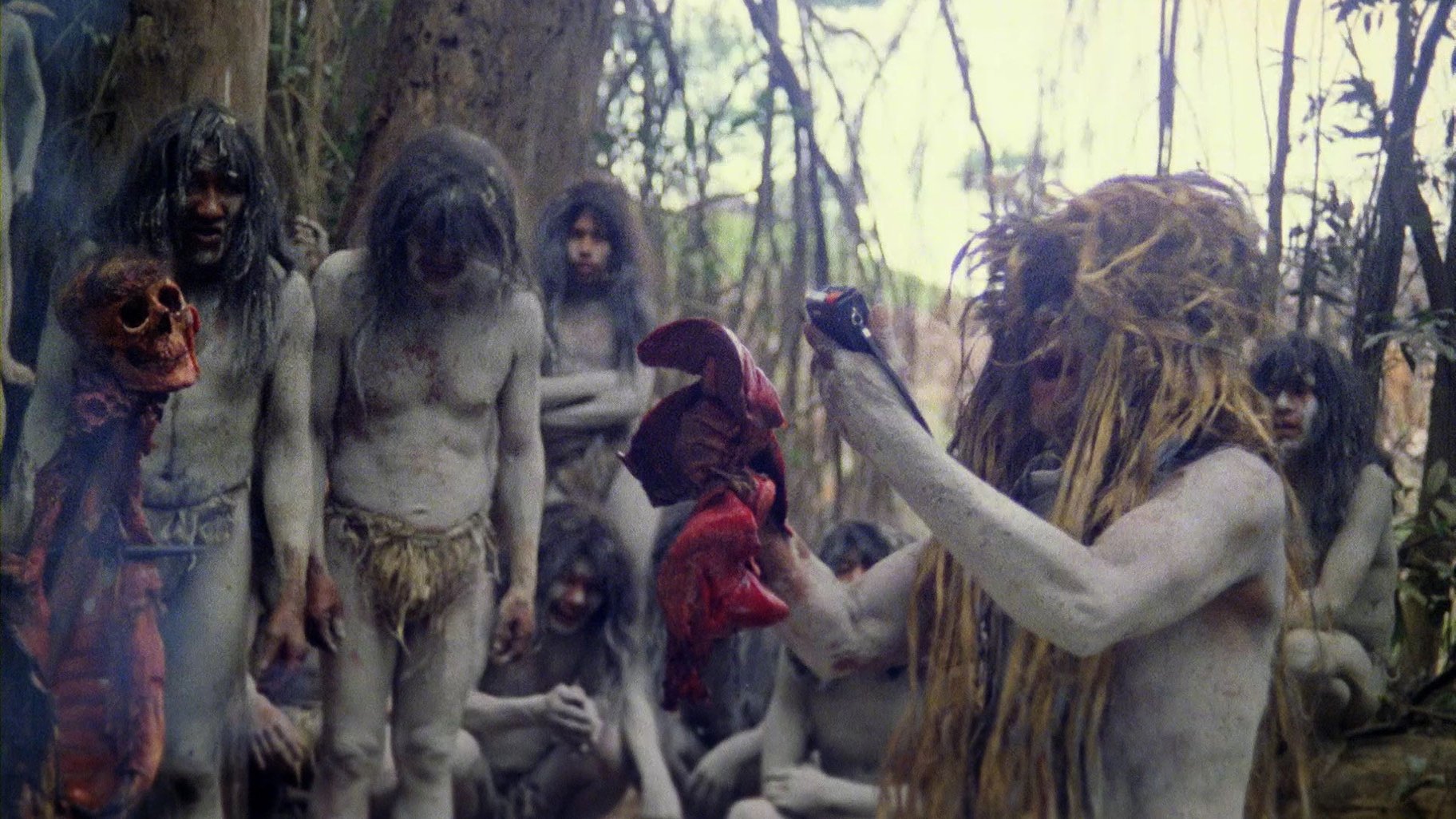
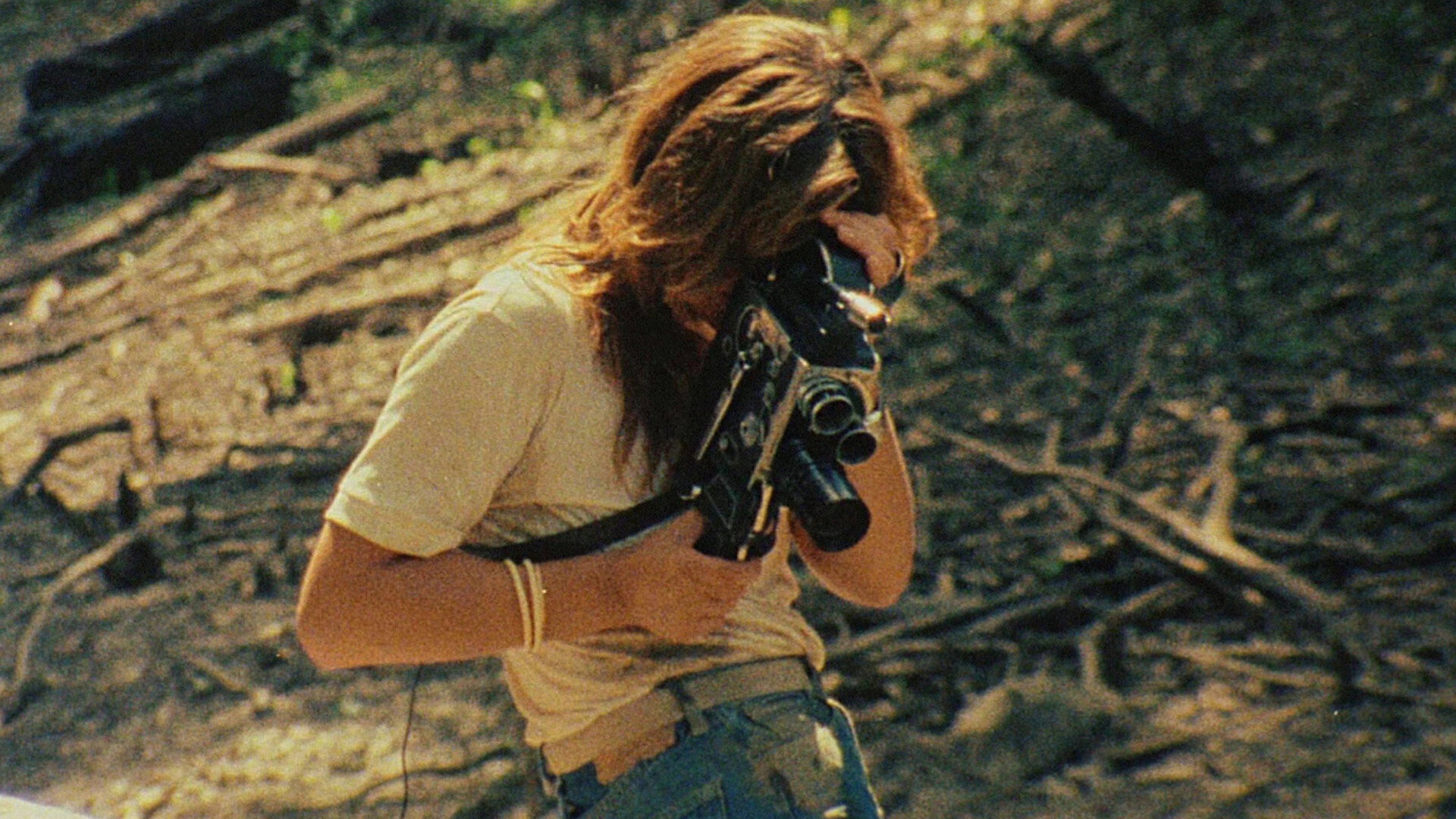
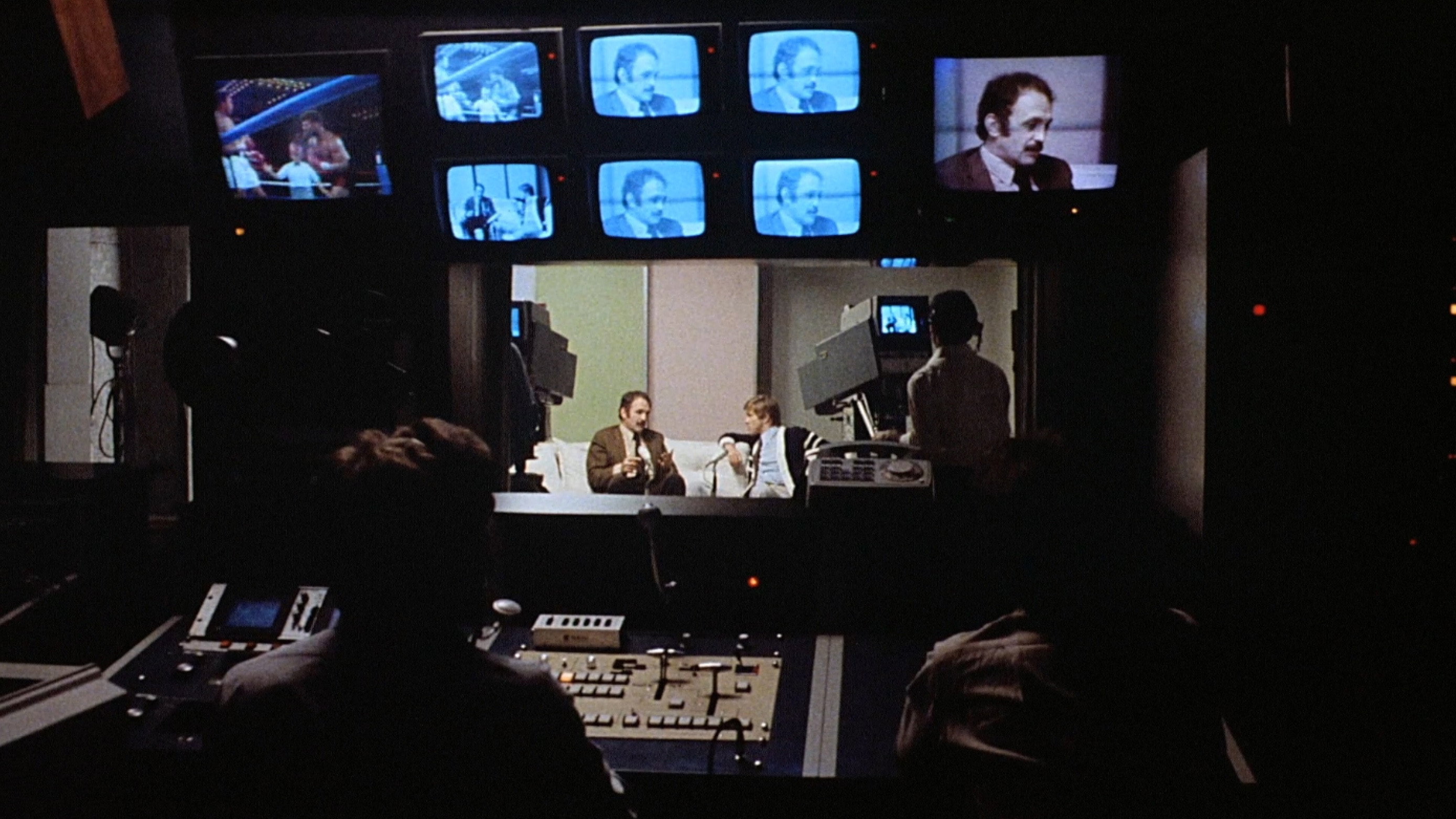
Cinematographer Sergio D'Offizi and editor Vincenzo Tomassi help create two different cinematic realities. The Monroe expedition and the scenes surrounding the television executives provide a comparatively stable frame from which the recovered reels can later be judged. The footage attributed to the missing crew behaves differently. Composition becomes unstable, the camera struggles to follow action and the image often appears to record events with insufficient preparation. The technique gives the impression of physical immediacy even when what is being shown has been carefully staged.
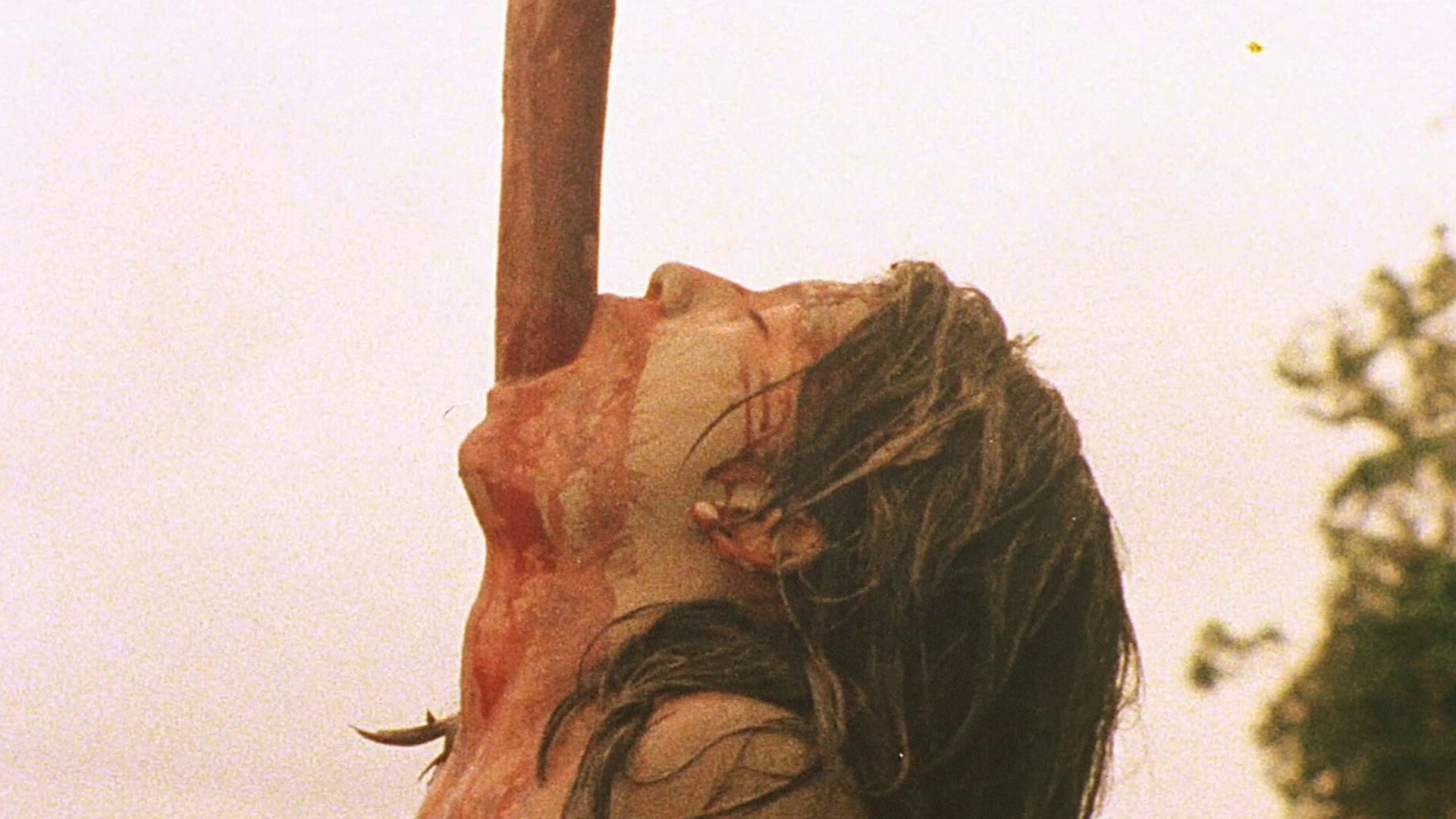
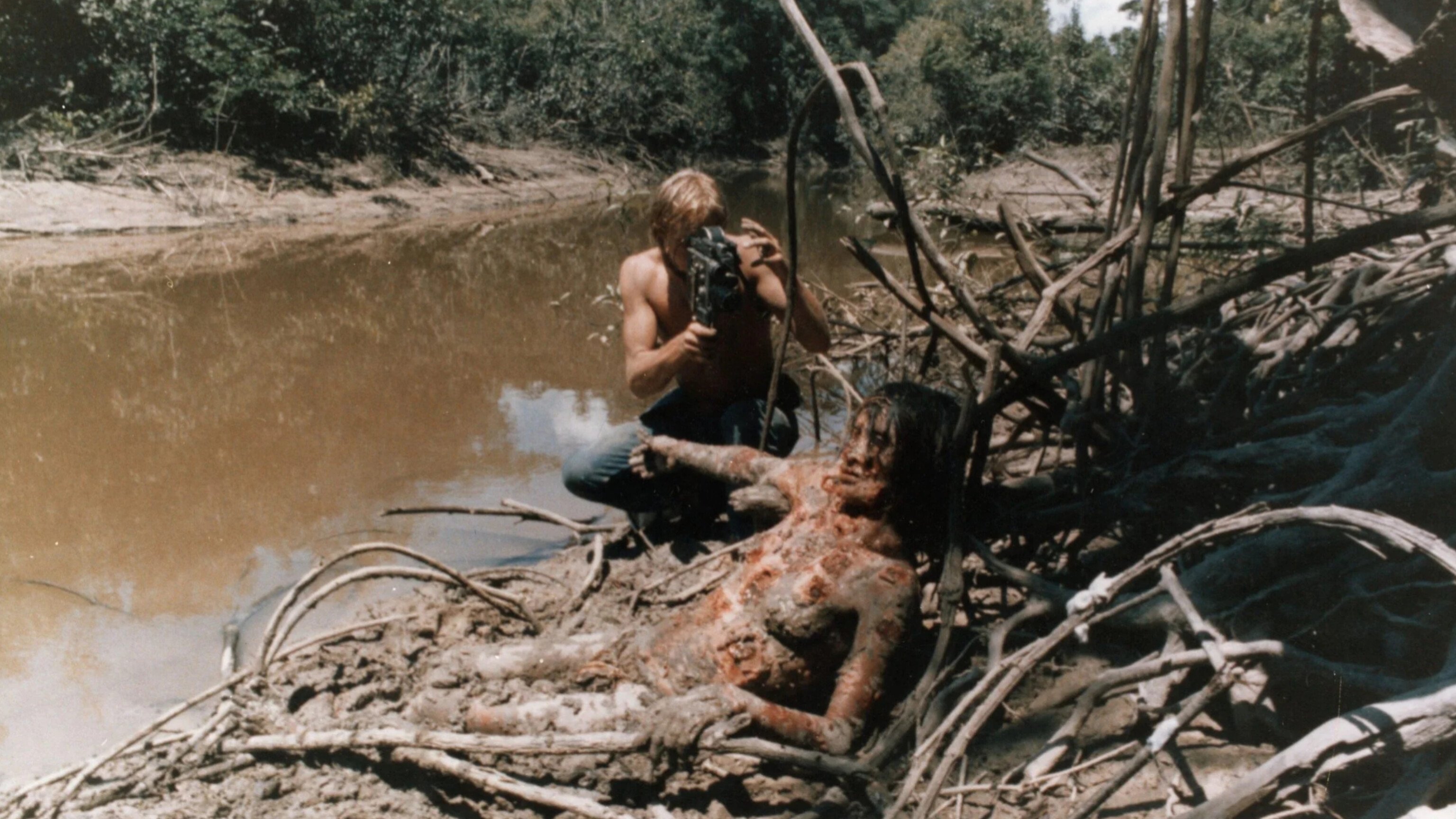
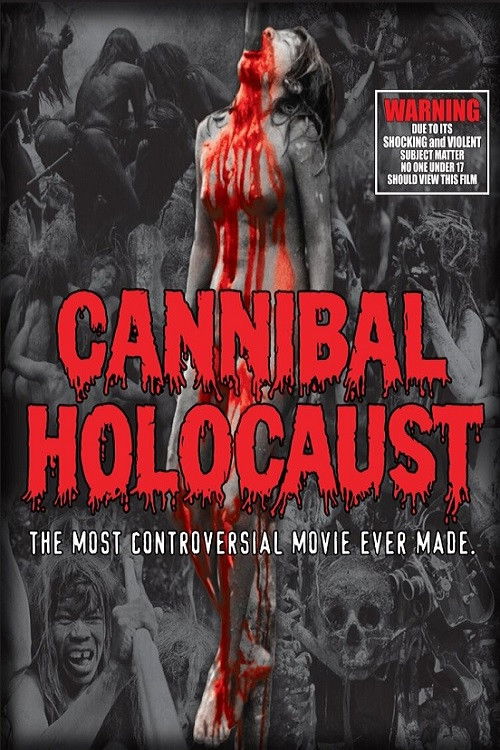
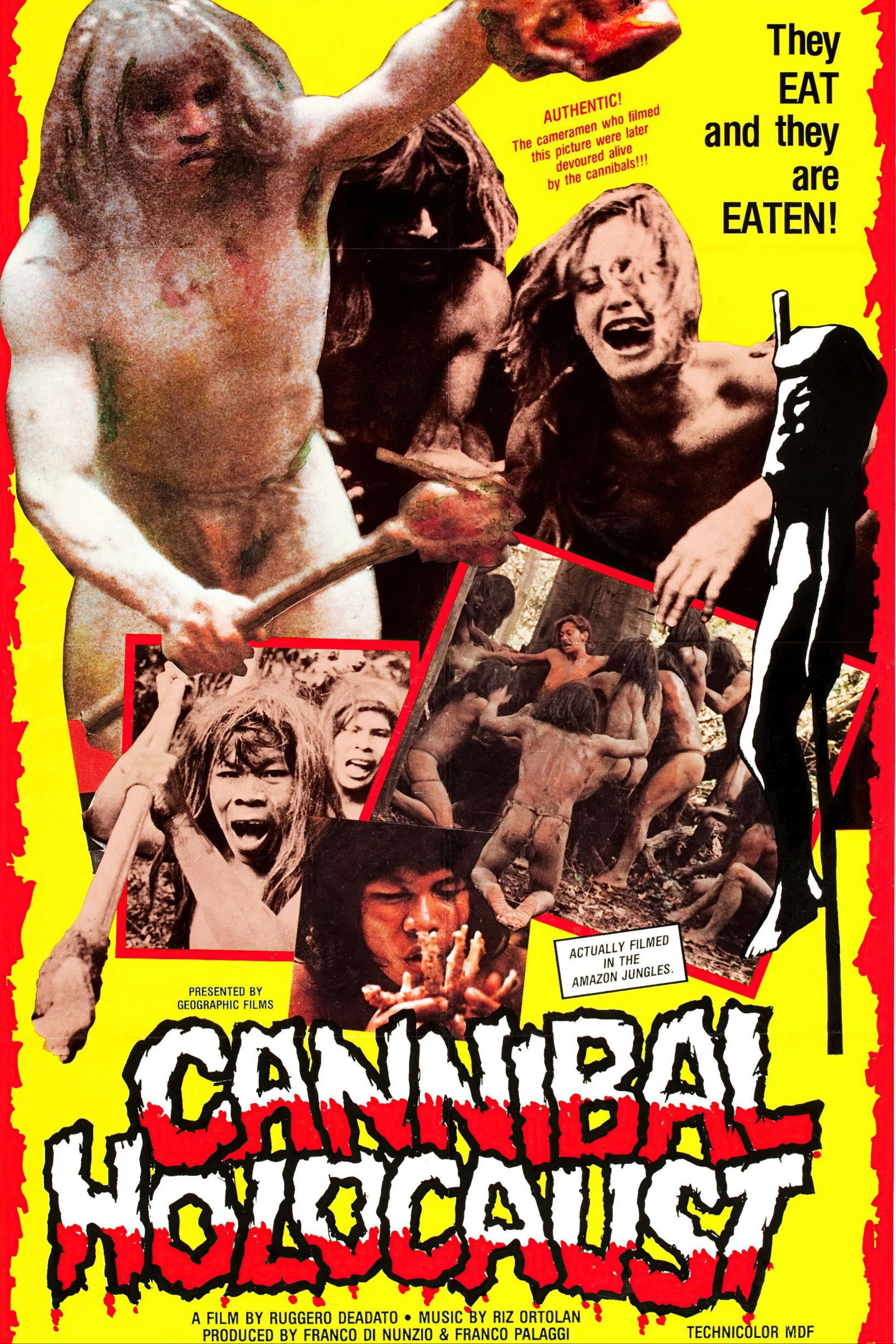
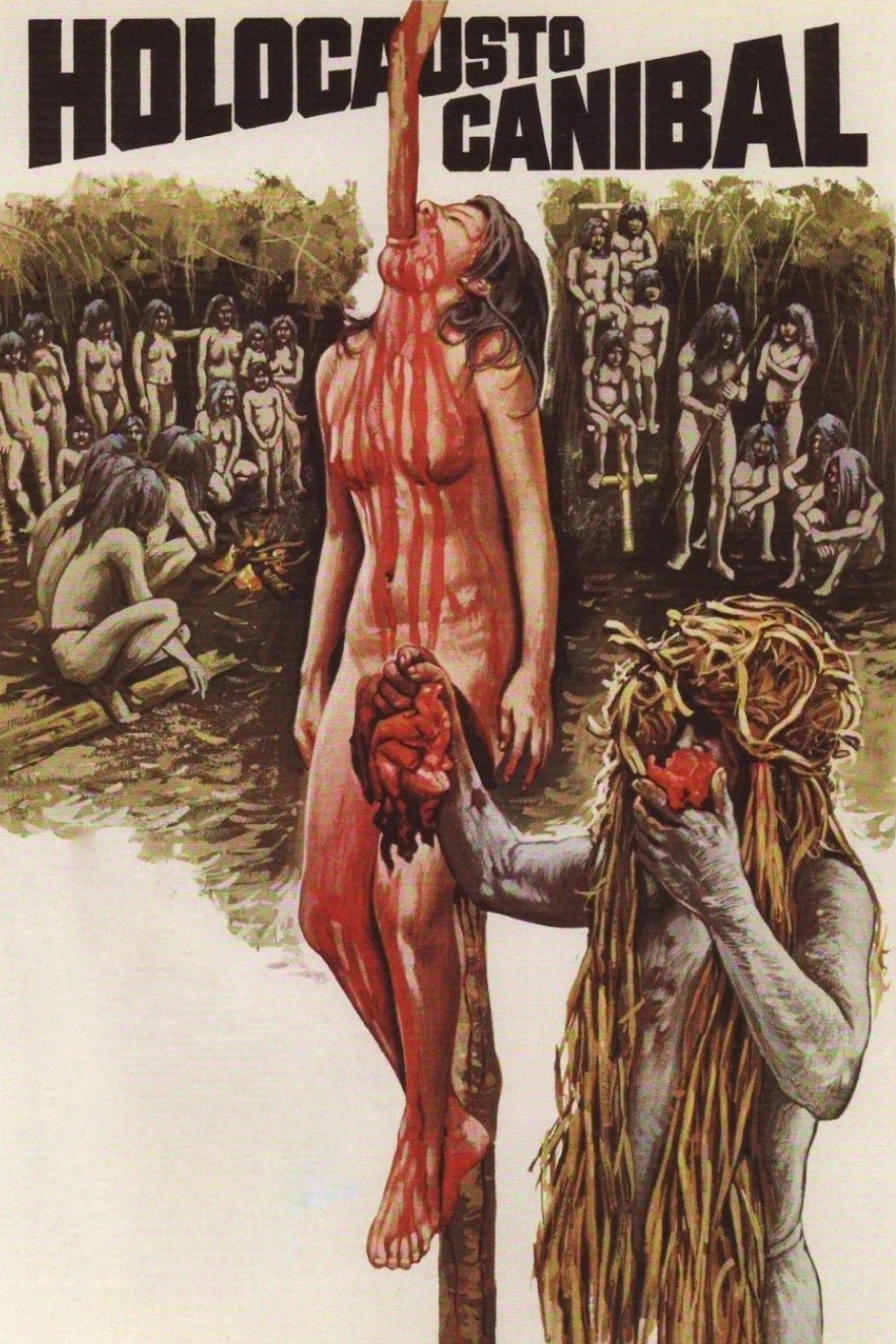
Deodato also deliberately degraded aspects of the supposed documentary material to increase that impression. The resulting texture is crucial because the staged human violence is often presented without the polished visual signals that would normally reassure the viewer that a sequence belongs to conventional fiction. One of the film's most notorious images, the apparently impaled woman, derives much of its force from this simplicity. The shot appears almost evidentiary: the camera observes a body in a landscape rather than announcing an elaborate special effect.
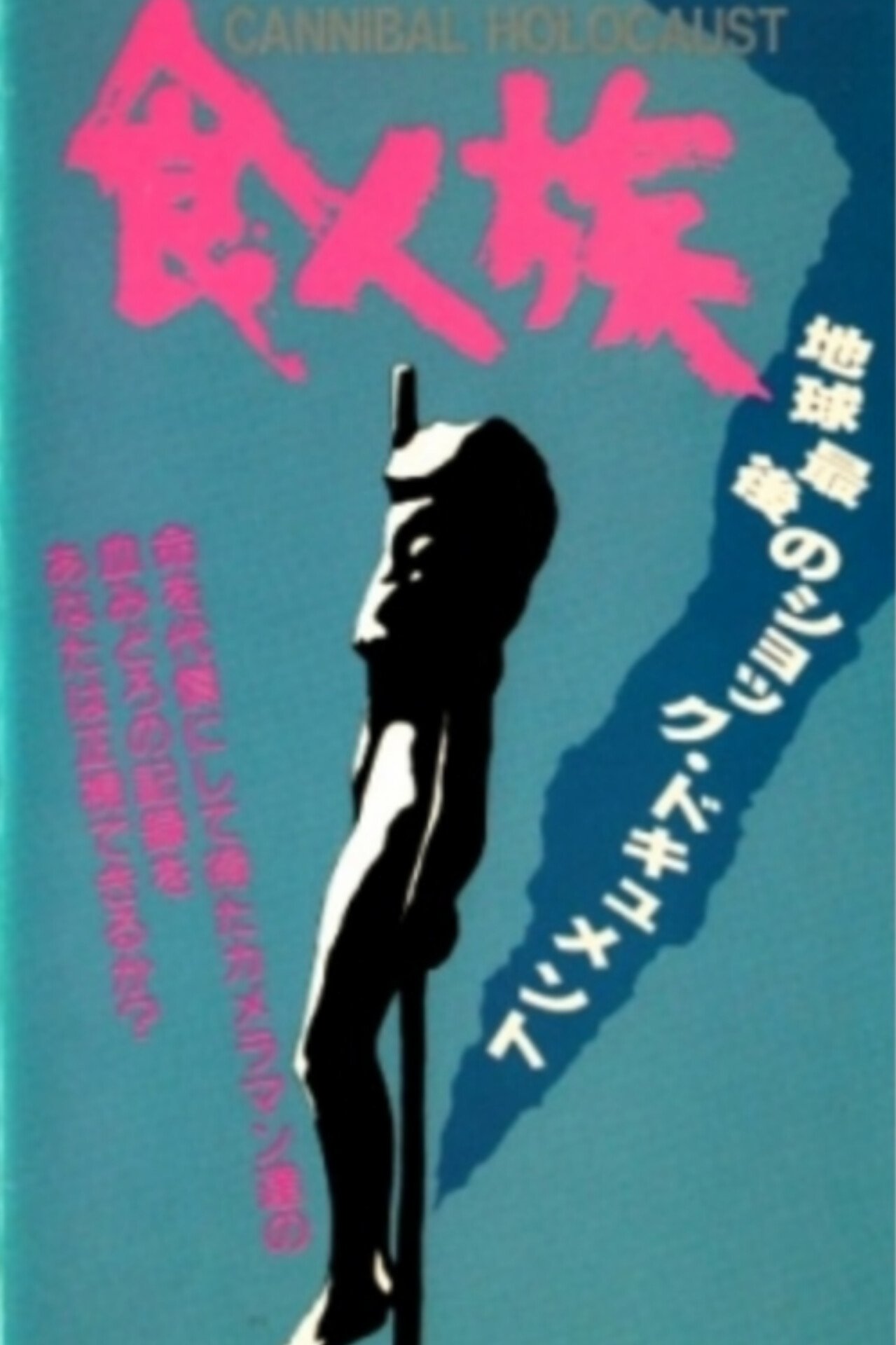
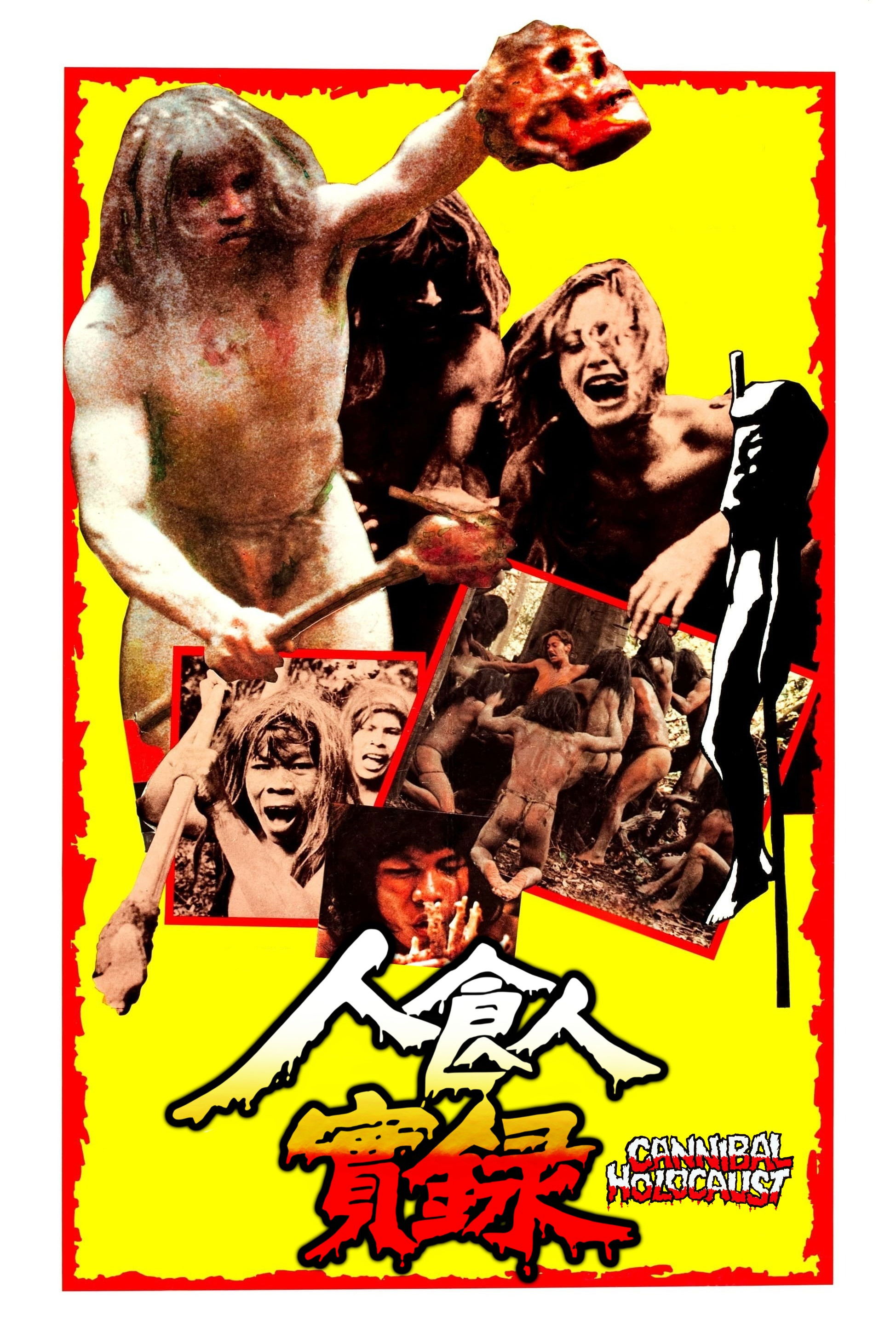
The effect itself was strikingly economical. Deodato later explained that production designer Massimo Antonello Geleng devised an arrangement in which the performer sat on a concealed bicycle seat attached to the lower stake while holding a lightweight piece of balsa wood in her mouth to create the illusion that a single pole had passed through her body. Perspective, stillness and the performer's control completed the image. The technique demonstrates one of Cannibal Holocaust's essential strategies: crude materials can become extraordinarily convincing when photographed within an aesthetic that encourages the audience to interpret the image as documentation rather than special-effects spectacle.
Simulated Deaths & Real Animal Killing
The human mutilations and deaths in Cannibal Holocaust were simulated. That distinction became legally crucial after release, when the realism of images such as the impalement contributed to suspicions that performers might actually have died. The filmmakers ultimately had to demonstrate that the actors were alive and explain how some effects had been created. The apparent authenticity of the human violence is therefore an example of successful illusion, however troubling its subject matter may be.
The animal violence belongs to a different category. Several animals were genuinely killed during production, and the fact has remained the film's most serious ethical controversy. The killings include the extensively discussed turtle sequence as well as other animals killed on camera. Deodato later expressed regret about this aspect of the production, while also defending some of the incidents by saying that animals were subsequently eaten by local people or crew members. That explanation is part of the director's retrospective account; it does not alter the fact that actual animal deaths were incorporated into an exploitation film for dramatic effect.
The distinction also matters because censorship authorities have treated individual scenes differently. When the British Board of Film Classification reassessed the film in 2011, it concluded that several killings previously removed did not violate its legal test because the deaths appeared rapid, even though viewers might still find them deeply upsetting. One sequence involving a small mammal was judged to show prolonged suffering and remained subject to a compulsory cut. This legal distinction between killing and cruelty should not be mistaken for an ethical endorsement of the production practices.
Cannibal Holocaust consequently creates an uncomfortable rupture in its own system of illusion. A viewer can learn how the impalement was fabricated and admire the effectiveness of the trick; the animal deaths cannot be explained away as prosthetics. Real death sits inside a film whose central subject is the moral corruption produced when shocking reality becomes material for a camera.
Riz Ortolani: Beauty Against Violence
Riz Ortolani's score is one of the film's most important structural counterpoints. Deodato wanted music that would resist the obvious approach of intensifying violent images with equally aggressive accompaniment. His model was partly the contrast he admired in Mondo Cane, for which Ortolani had composed music of remarkable melodic beauty despite the documentary's often disturbing imagery. Deodato therefore sought out Ortolani specifically for Cannibal Holocaust.
The main theme is gentle and almost sentimental, creating a disorienting contrast with the reputation and imagery of the film it introduces. Ortolani later discussed using contemporary electronic tools alongside orchestral writing, including a vocoder, distorted double bass, unusual percussion and increasingly dissonant strings. The soundtrack is therefore more varied than the famous principal melody alone suggests, moving between lyrical orchestration and abrasive sonic textures.
The contrast becomes especially powerful when melodic music accompanies disturbing images. Deodato argued that doubling violent action with violent music would merely compete with what was happening on screen; softer material could instead make the sequence more disturbing by refusing the emotional response normally expected from horror scoring. Ortolani's music also complicates the film's claim to documentary realism. The recovered footage may imitate raw evidence, but the score continually reminds the viewer that these images have been selected, organized and emotionally framed.
This tension became one of the soundtrack's defining characteristics. Cannibal Holocaust does not sound like an unmediated document even when it tries to look like one. The beautiful music exposes another level of construction, making the audience simultaneously experience brutality and the aesthetic transformation of that brutality into cinema.
Censorship, Court Cases & the Snuff-Film Myth
Cannibal Holocaust received its Italian censorship certificate on February 6, 1980 and opened in Milan on February 7. Legal trouble followed rapidly. The film was seized and Deodato faced proceedings involving obscenity and the treatment of animals. The extraordinary realism of the human deaths also produced allegations that some performers had actually been killed. The production's decision to keep key actors away from publicity made that suspicion harder to dispel.
The human deaths were ultimately demonstrated to be fictional. Deodato produced evidence that the performers were alive and explained effects including the impalement. Accounts of the Italian proceedings have often been compressed into the legend that a director was simply "put on trial for making a snuff film," but the actual legal history involved several overlapping issues, particularly obscenity and animal killing. Initial convictions connected with the film were eventually overturned, allowing it to return legally to circulation in Italy.
The British history was equally complicated. Cannibal Holocaust became one of the most notorious titles associated with the early-1980s "video nasty" controversy but was not formally submitted to the BBFC for classification until 2001. That submission received an 18 certificate only after five minutes and forty-four seconds of cuts involving sexual violence and animal material.
A decade later the BBFC reconsidered the film under changed guidelines. In 2011 the sexual-violence cuts were waived and most of the animal material was restored, but approximately fifteen seconds involving prolonged cruelty to a small mammal still had to be removed under British law. The same compulsory intervention remained when the film was classified again in 2022. Its censorship history therefore cannot be reduced to a simple transition from banned to completely uncut: different jurisdictions and different releases have treated individual sequences according to changing legal and classification standards.