Development: The Hollywood Strangler Project
The American Film Institute's catalog preserves an unusually useful account of the project's origins. Reporting on a Hollywood Reporter article dated August 3, 1979, it records that Hammer examined public records about a series of strangler murders in Los Angeles during 1978. Police provided little further information, and he devised fictional material to fill the gaps. Hammer's interest in what contemporary accounts described as a divided personality also informed his imagined murderer. The resulting screenplay was therefore inspired by public reporting, but the narrative cannot be treated as a reconstruction of particular crimes or as reliable evidence about the real offenders.
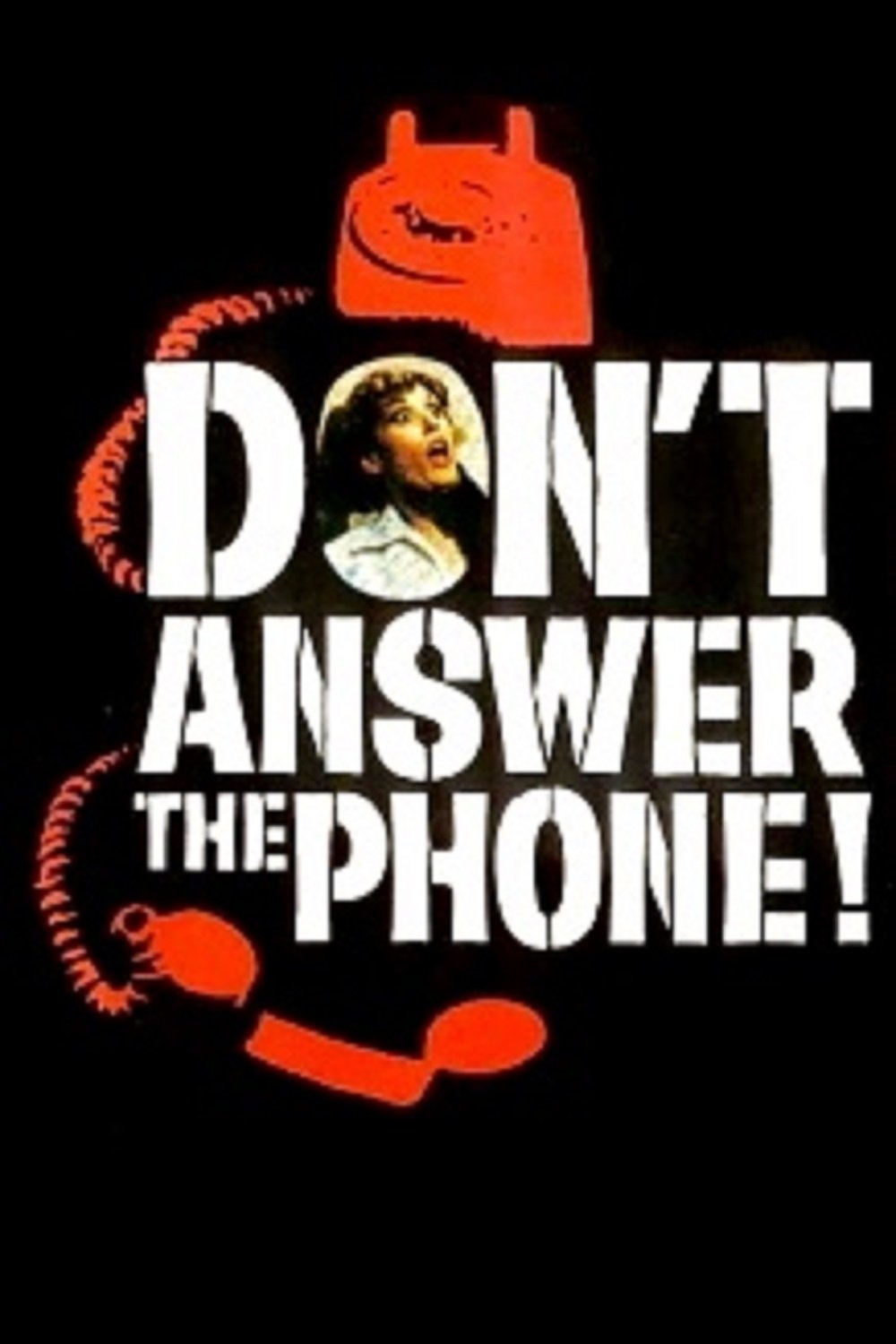
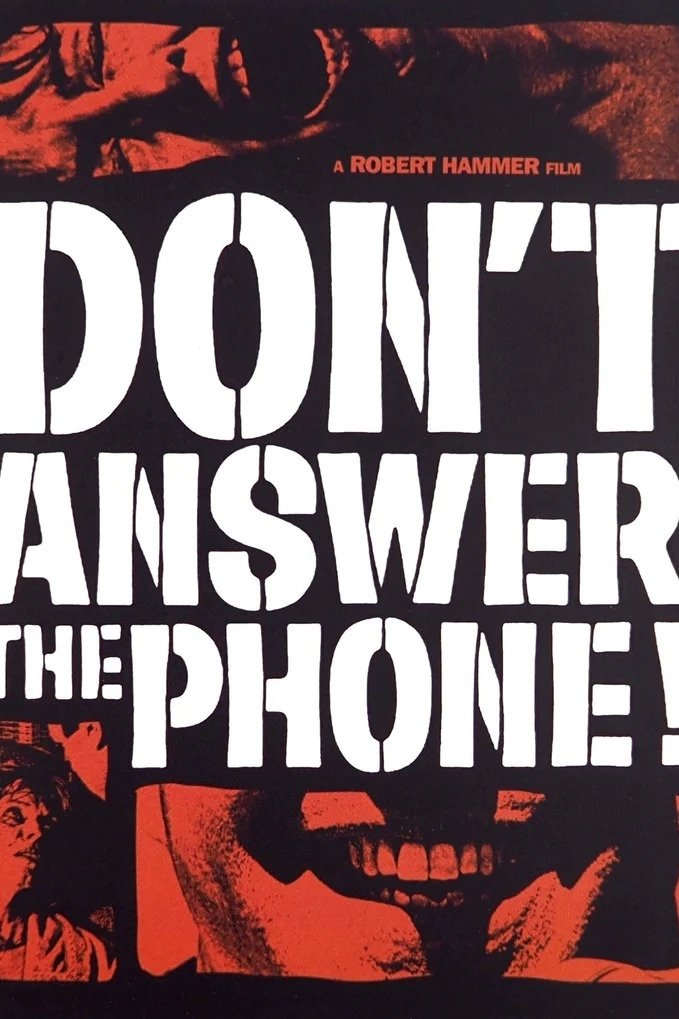
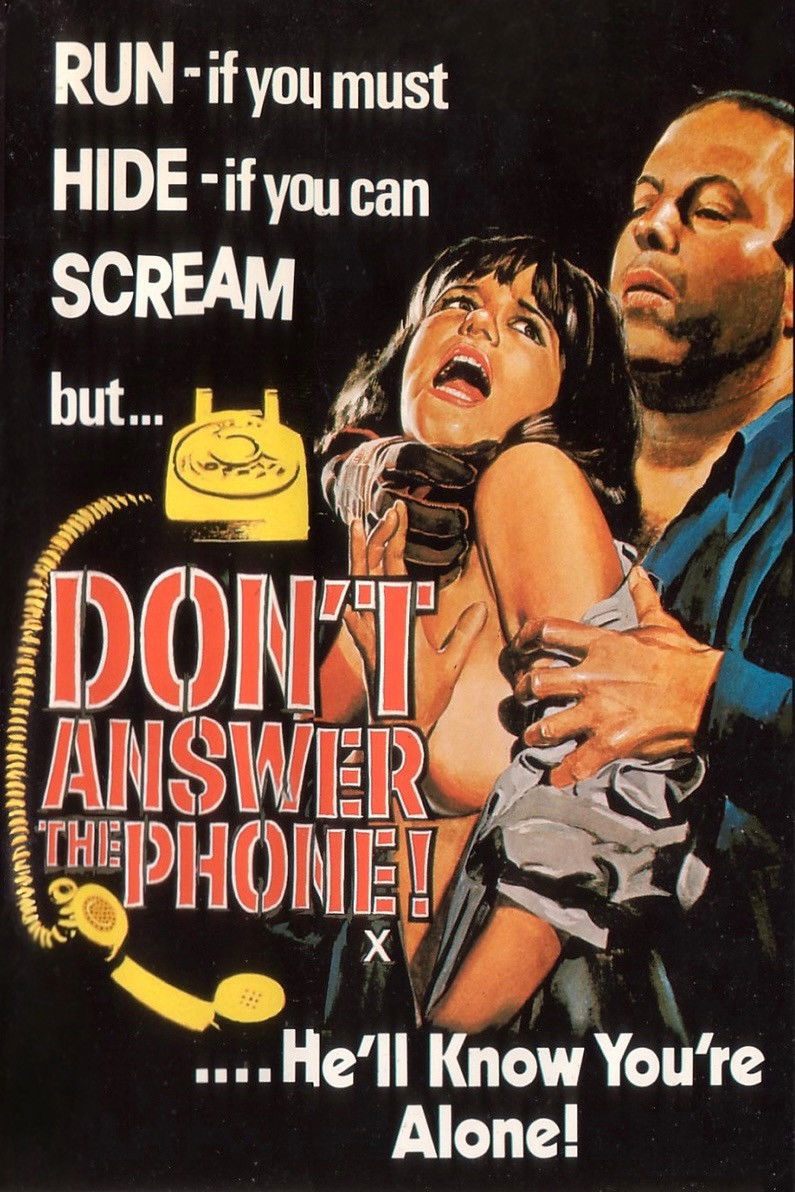
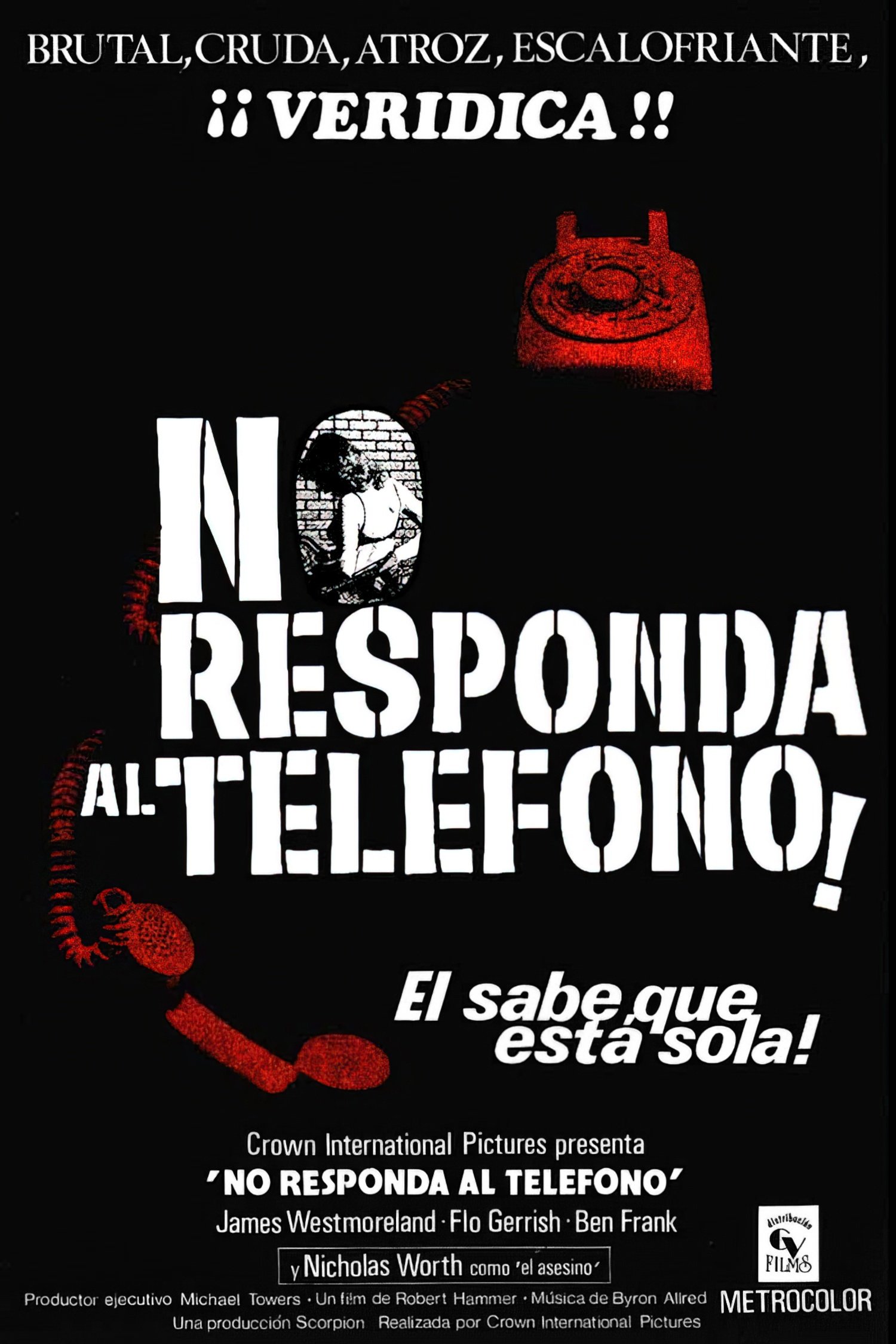
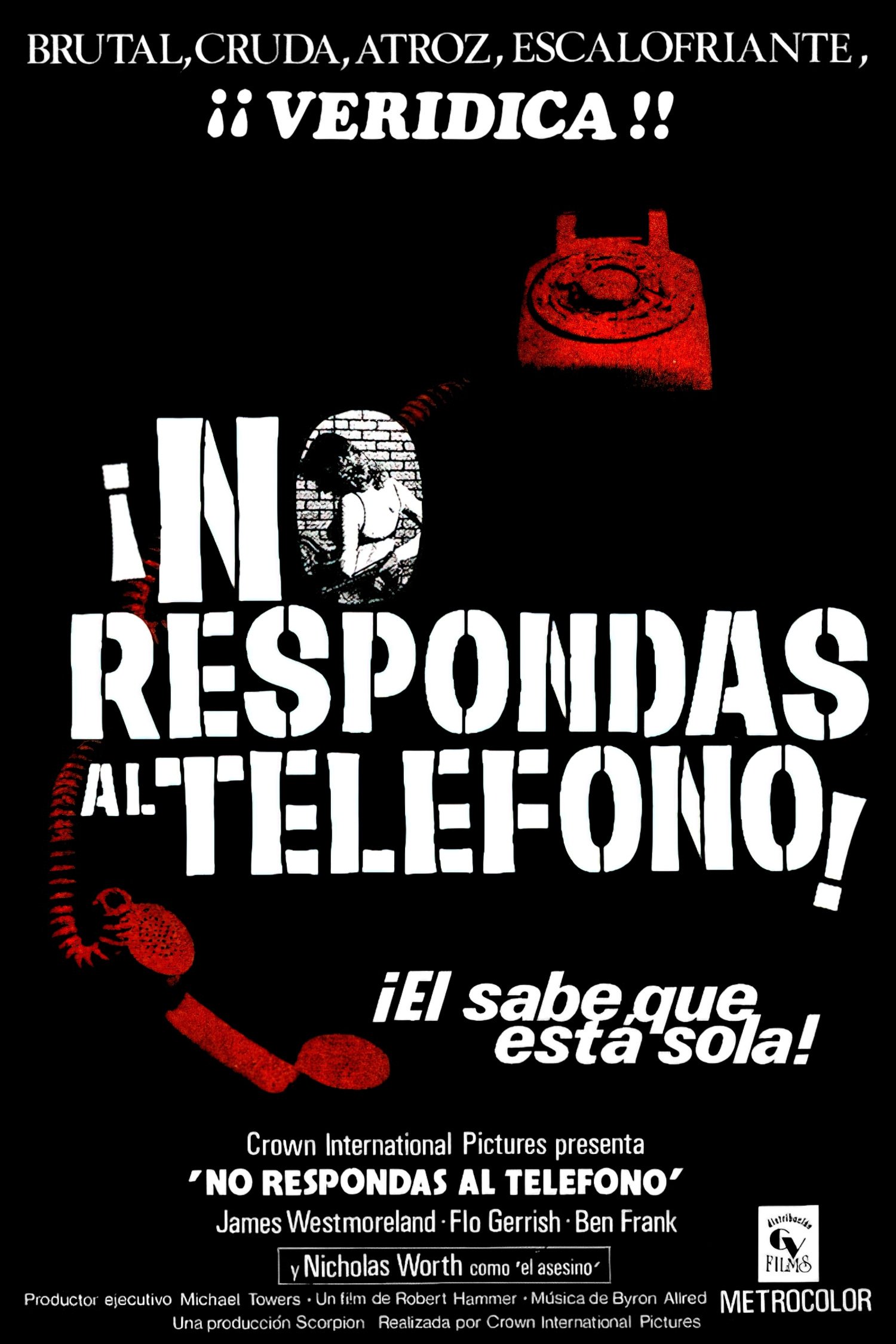
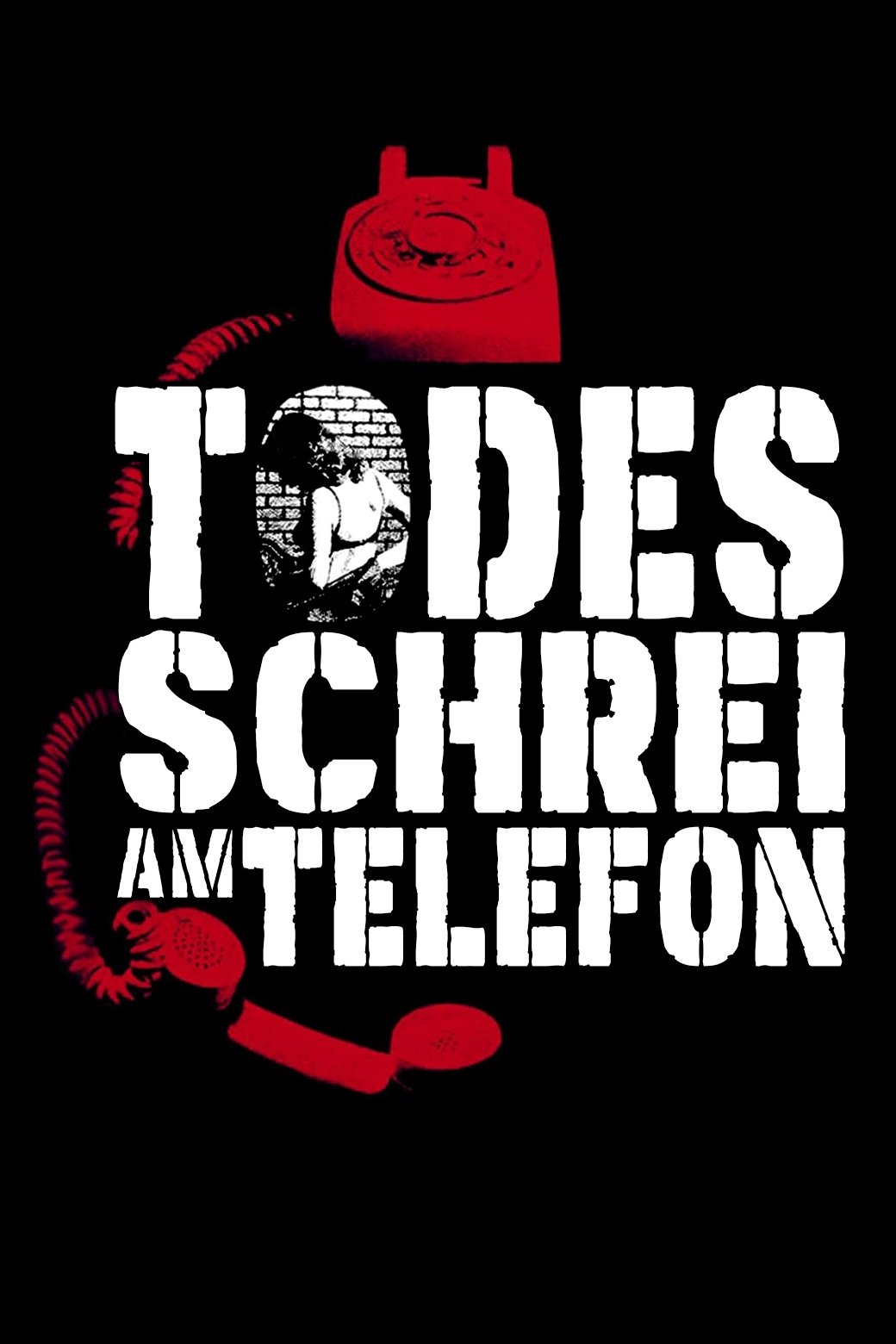
Early coverage called the production Hollywood Strangler, a title that foregrounded the urban murders directly. The eventual release title pointed elsewhere, toward the telephone-related suspense that had become commercially recognizable in contemporary thrillers. Specialist slasher historian J. A. Kerswell connects that change to the success of When a Stranger Calls and to distributor Crown International Pictures' efforts to position the film within a more saleable cycle. That account offers an explanation of the marketing decision; it should be understood as a later historical assessment rather than a documented transcript of a studio meeting. The finished film retains relatively little of the implied telephone-centered premise.
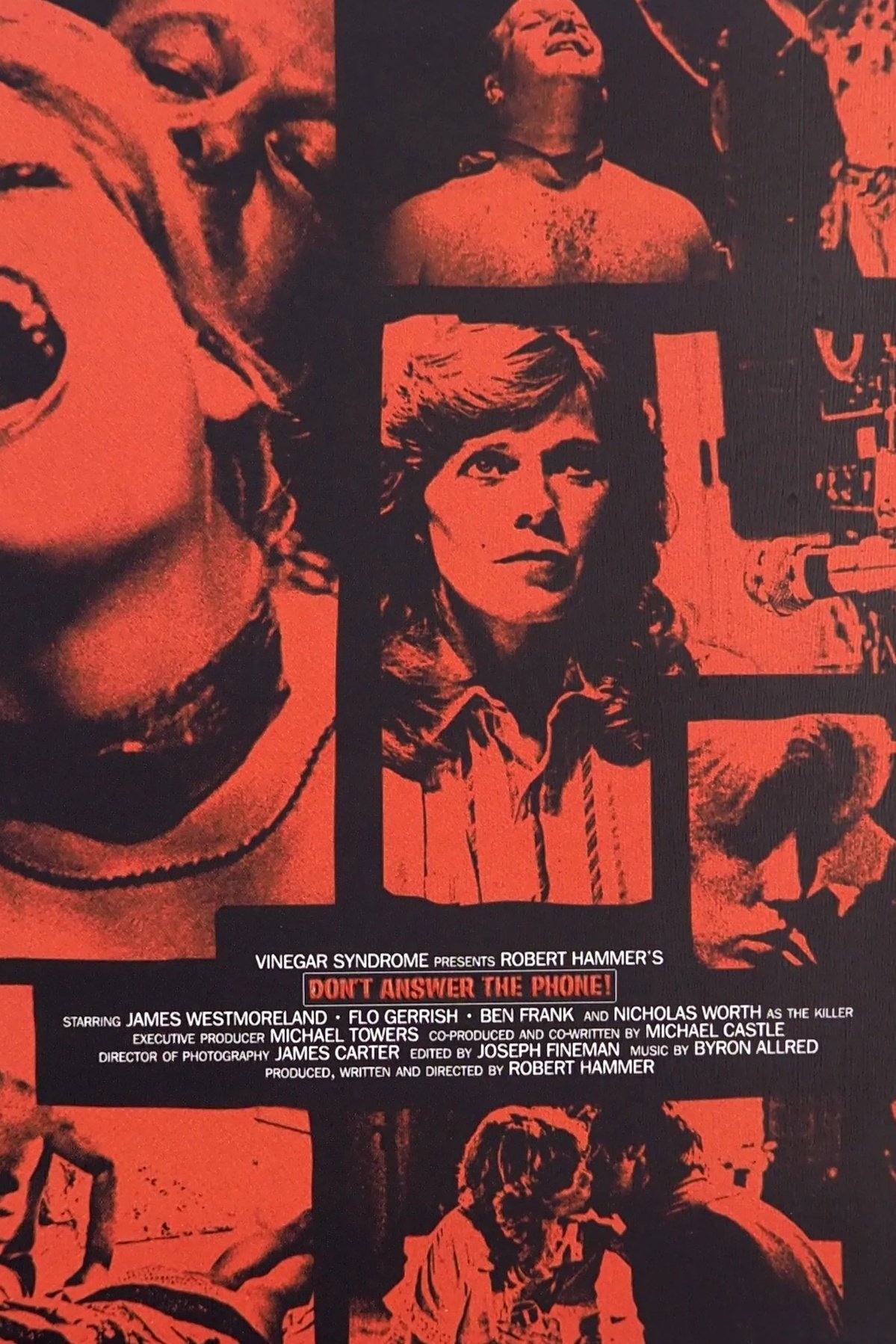
Hammer collaborated on the screenplay with producer Michael D. Castle, and the AFI identifies Michael Curtis's Nightline as a literary source. Those credits establish the project's documented writing framework without revealing precisely which situations came from the source material. Scorpion Productions made the film for distribution by Crown International Pictures, an arrangement characteristic of an independent release aimed at audiences for inexpensive genre attractions. Rather than attributing individual sensational scenes to undocumented producer interventions, the production is best understood through the few decisions that survive in contemporaneous reporting: the true-crime starting point, the fictionalization of the killer and the change in commercial presentation.