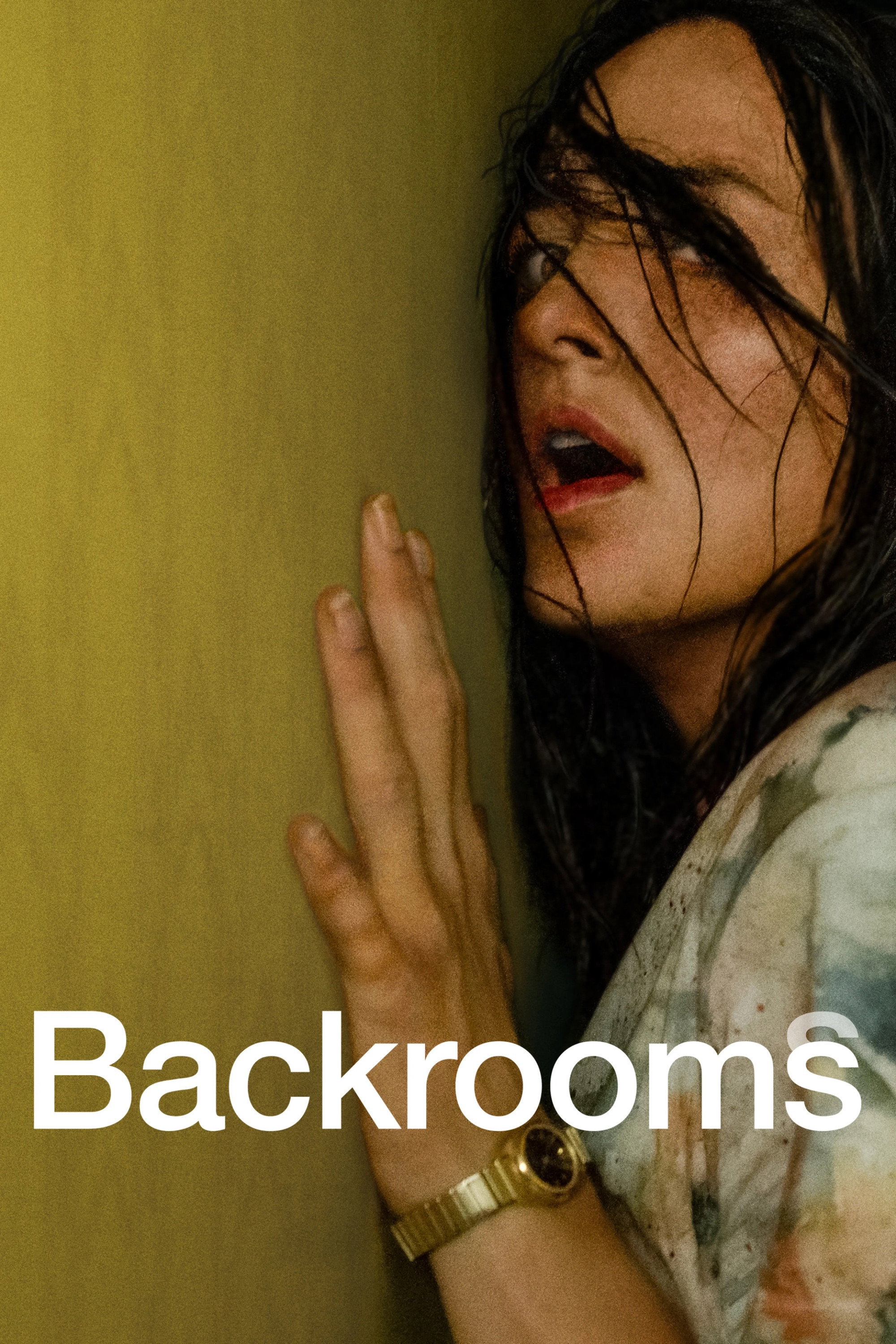
An Internet Myth and the Kane Pixels Series
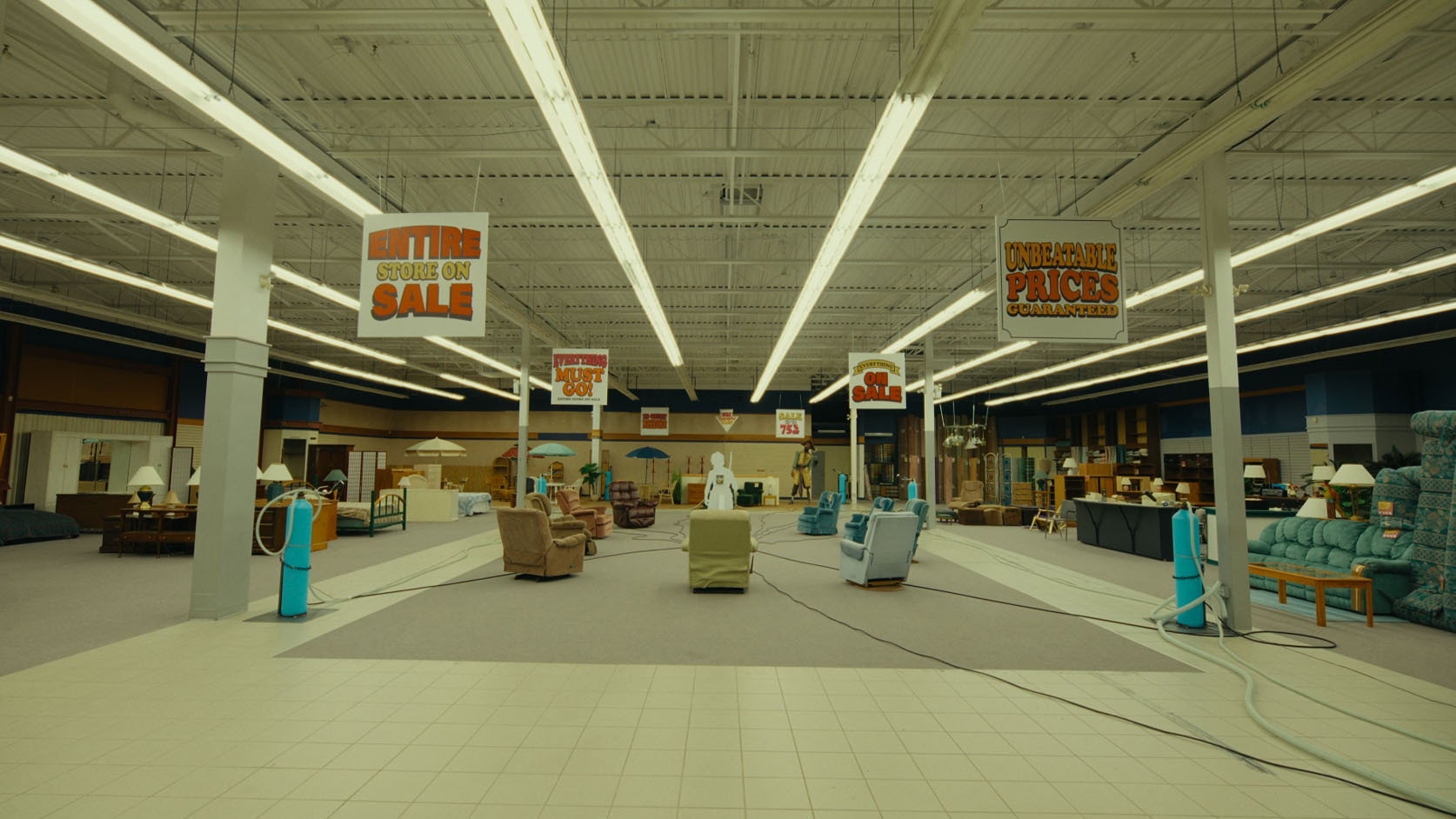
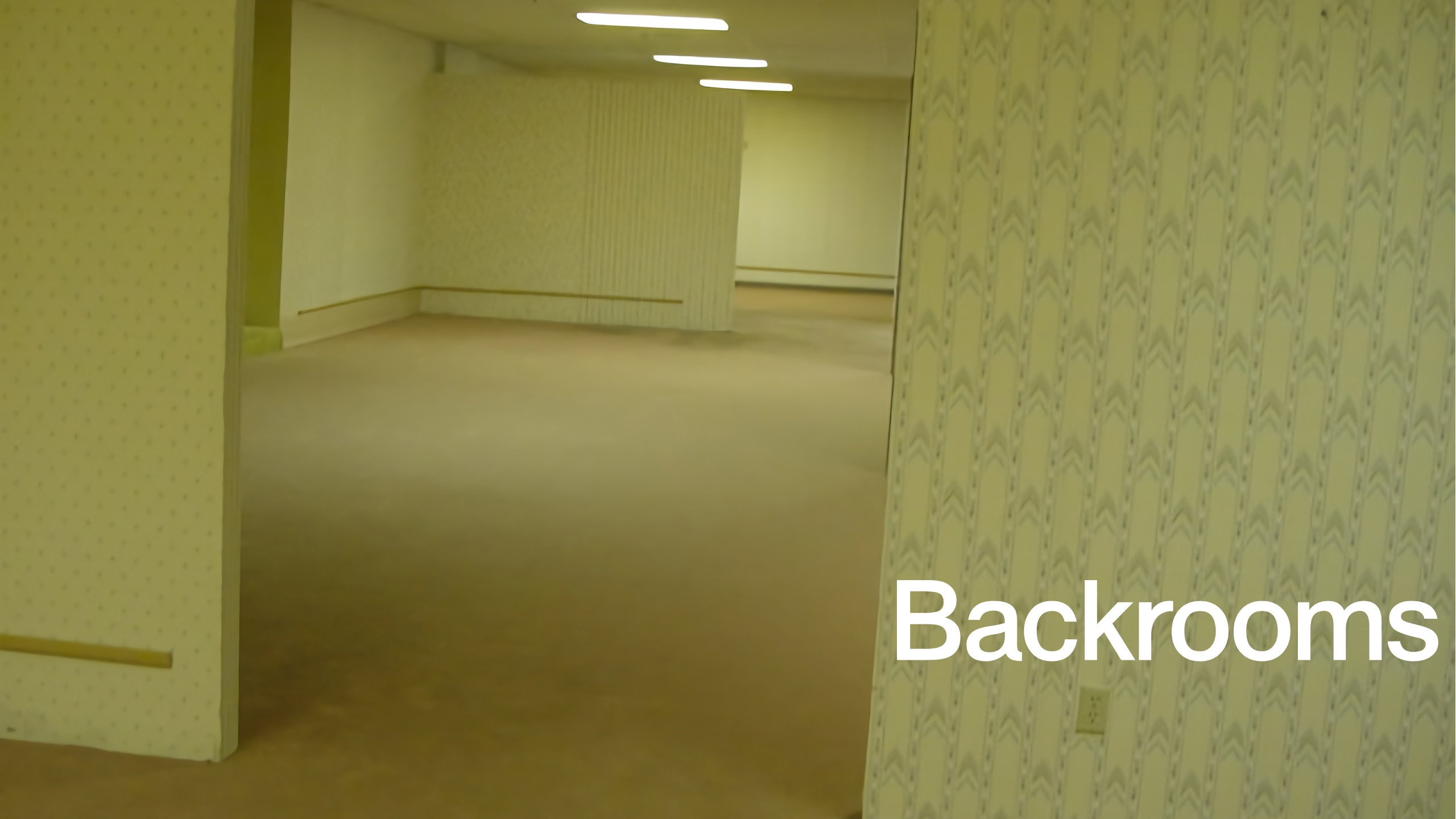
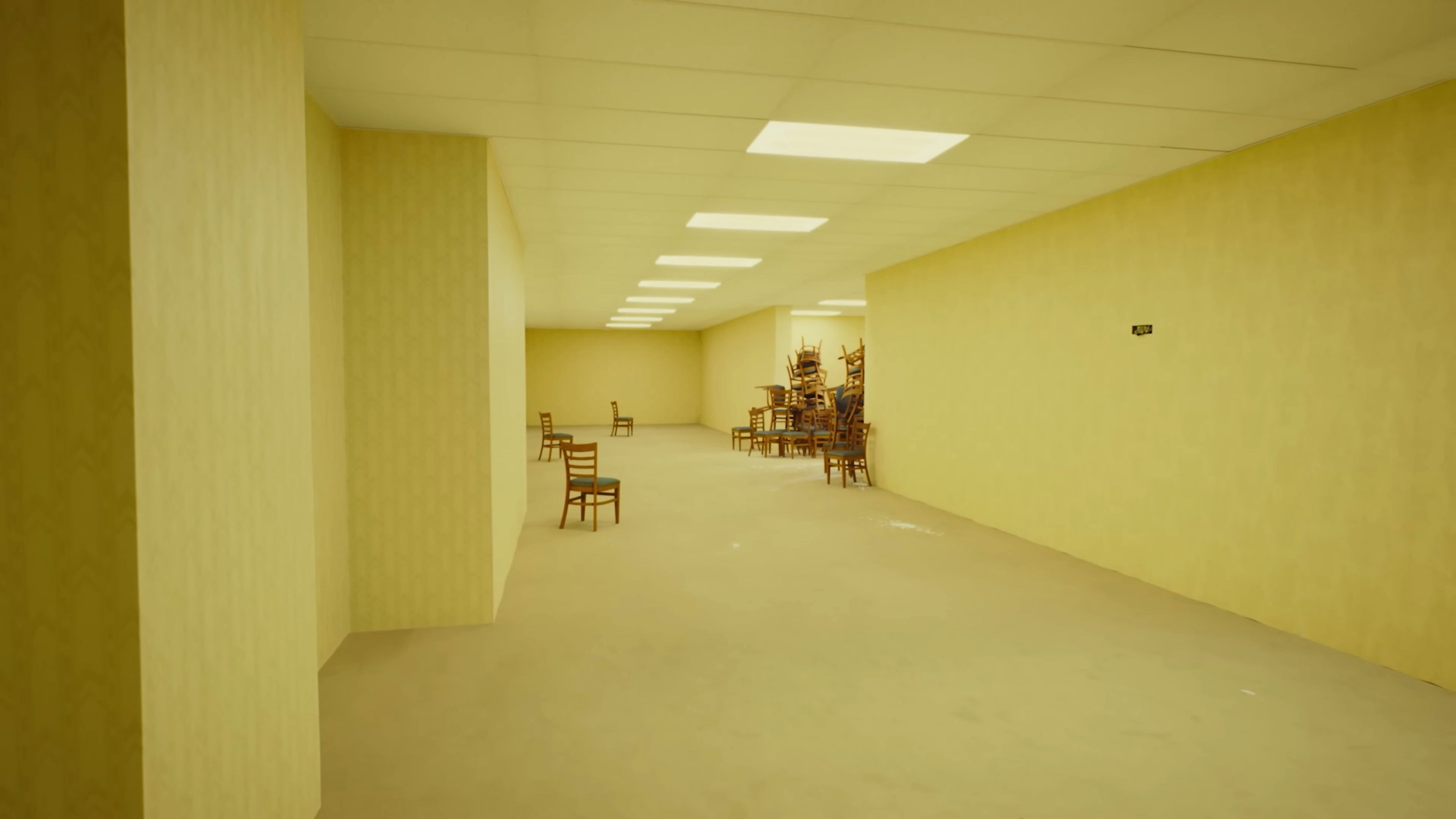
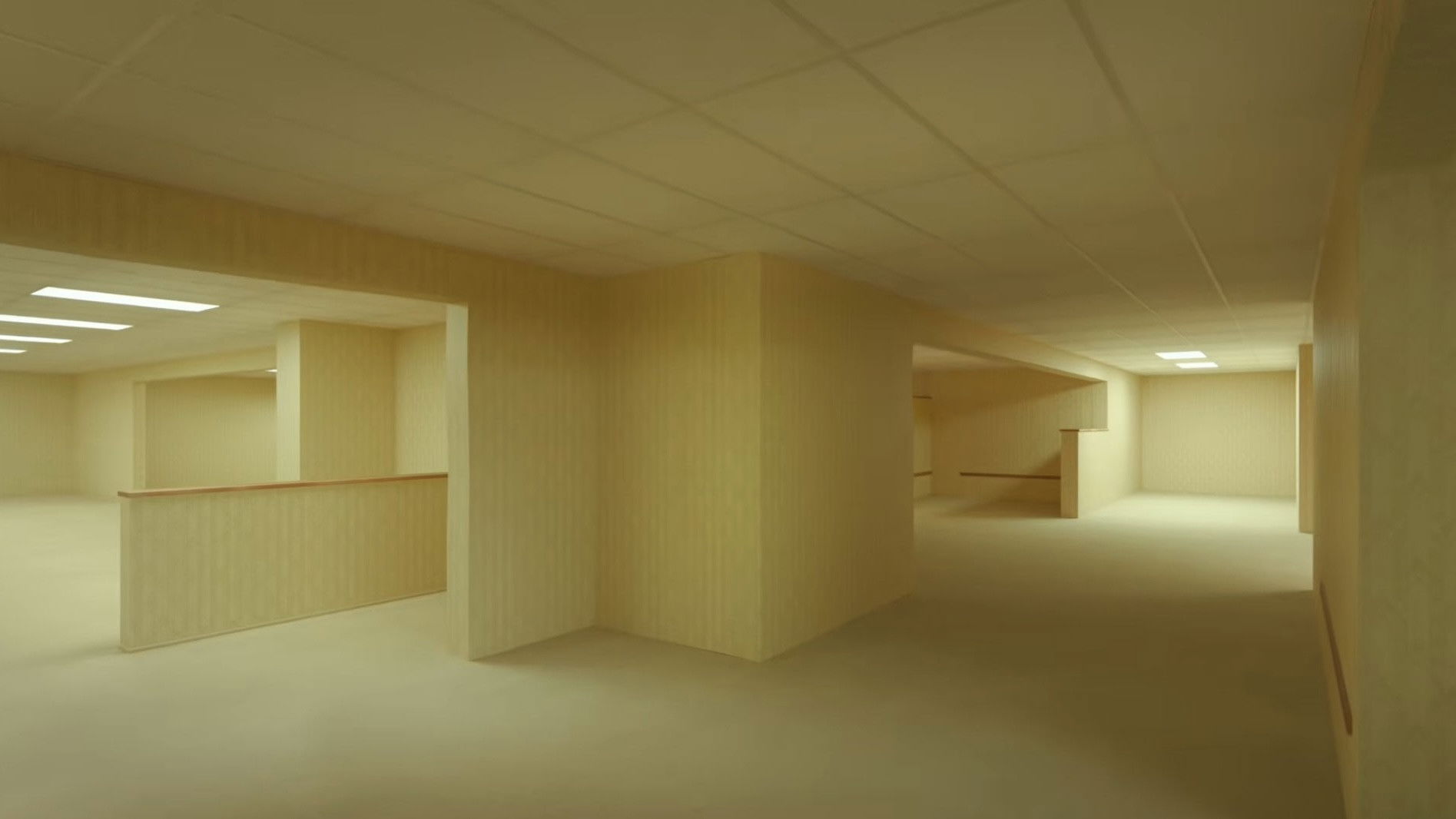
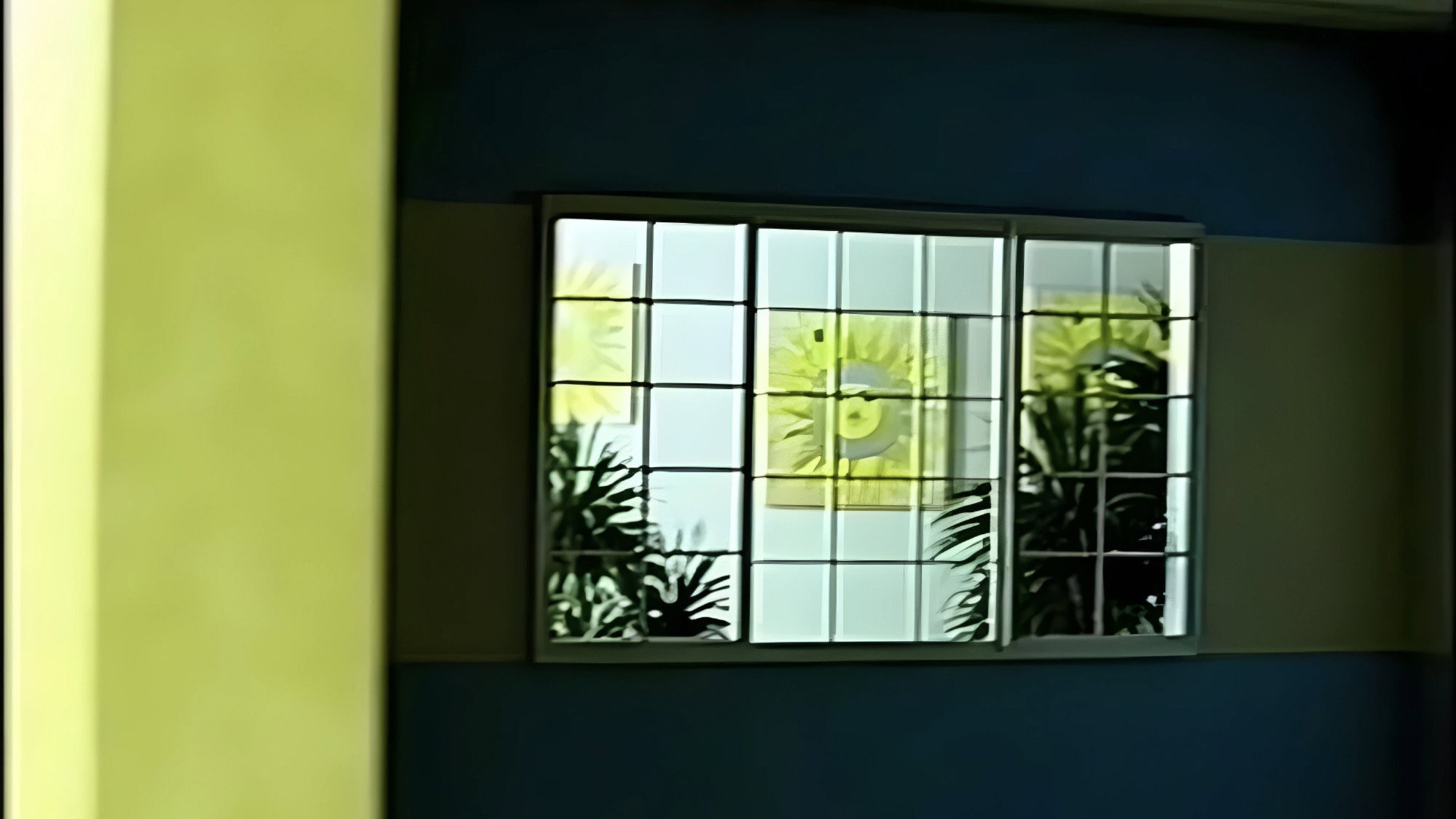
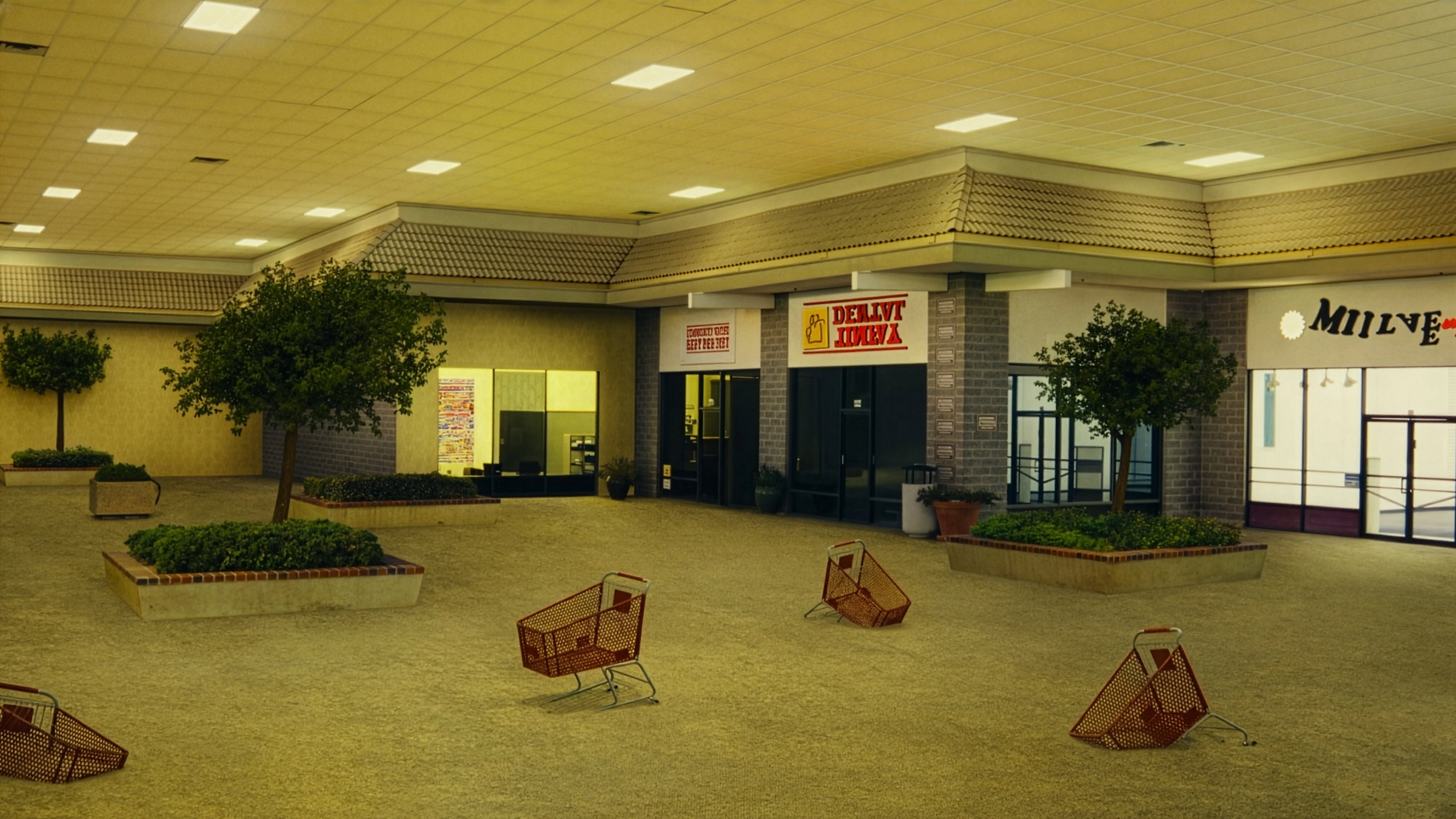
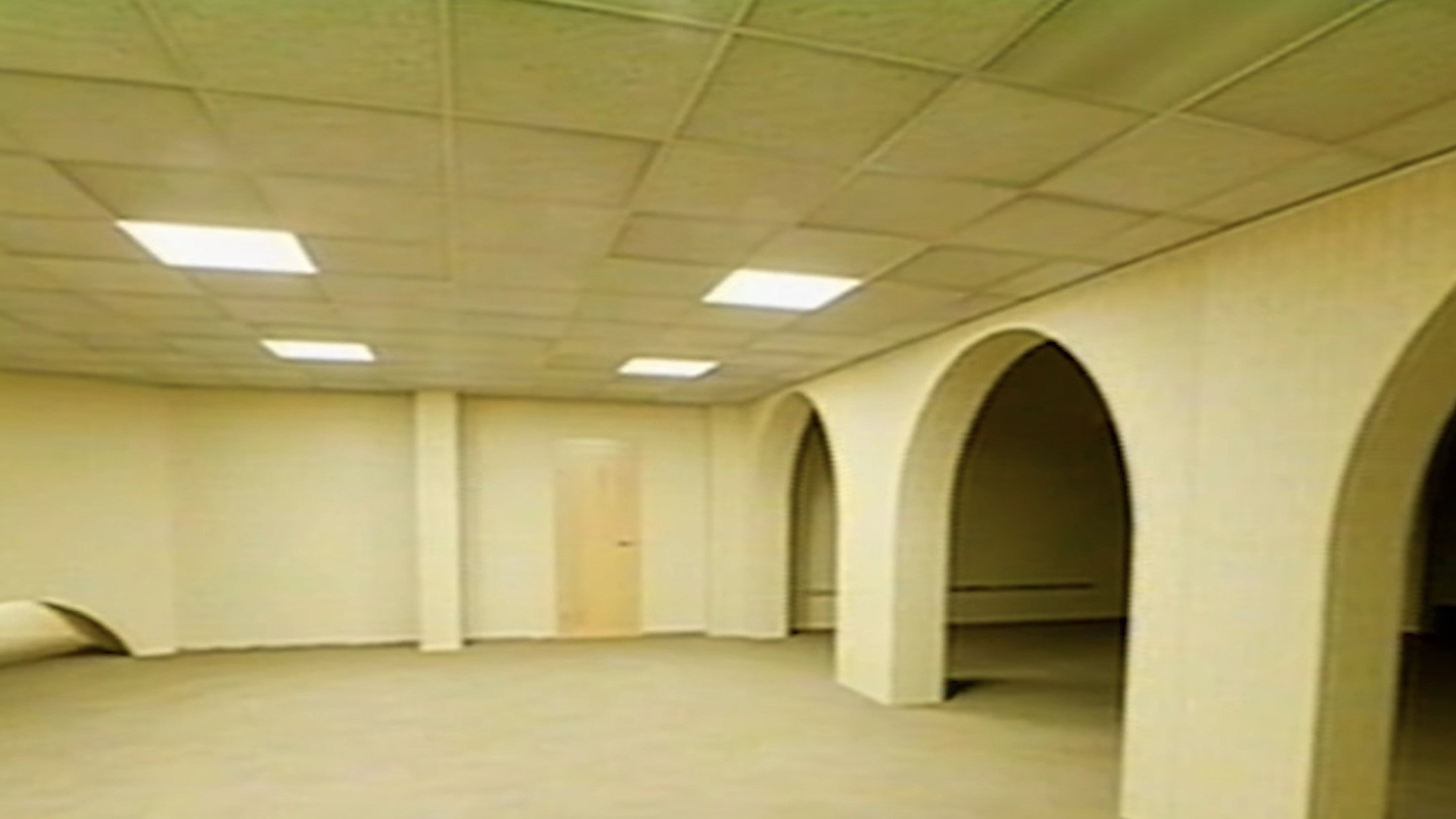
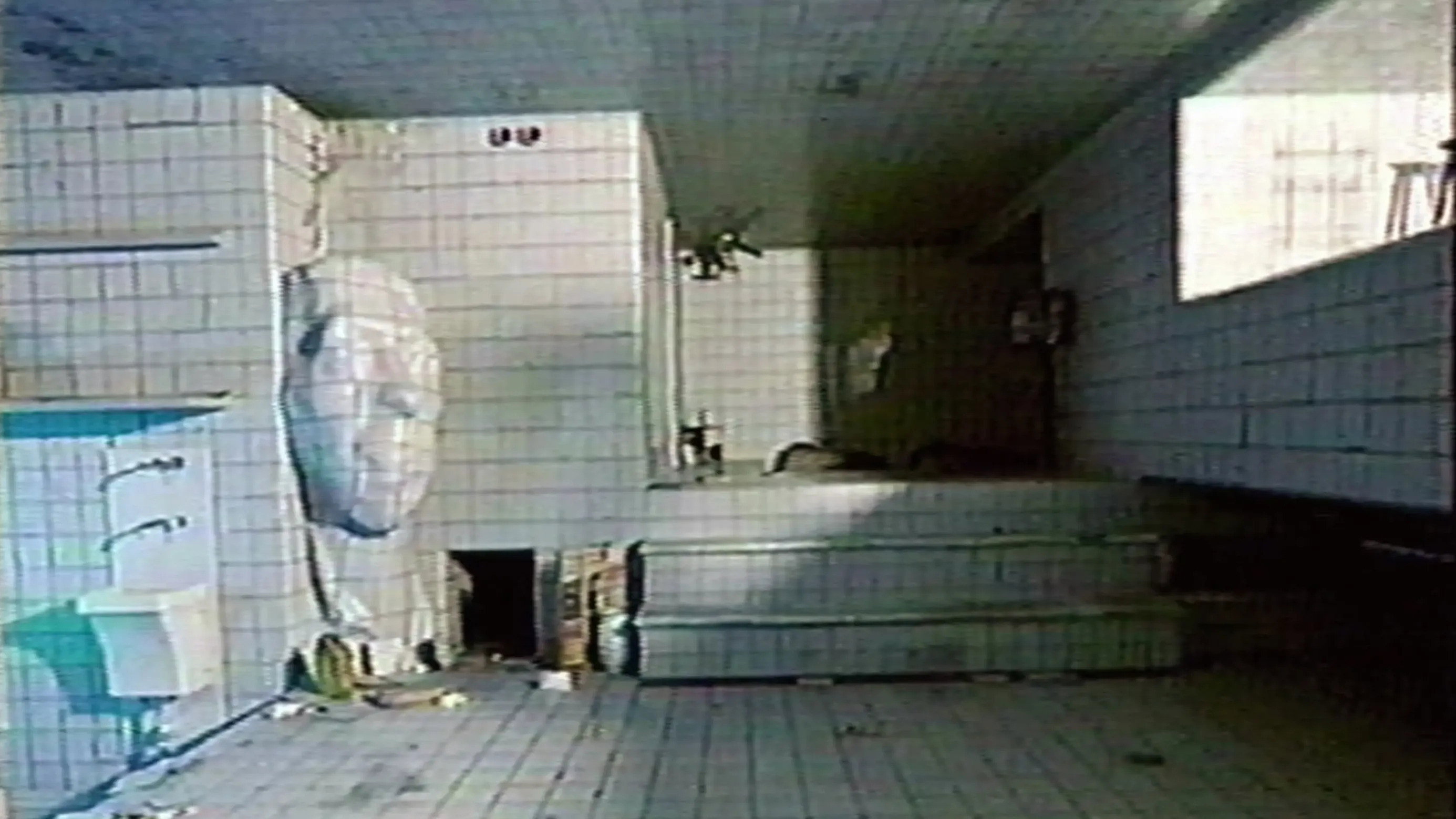
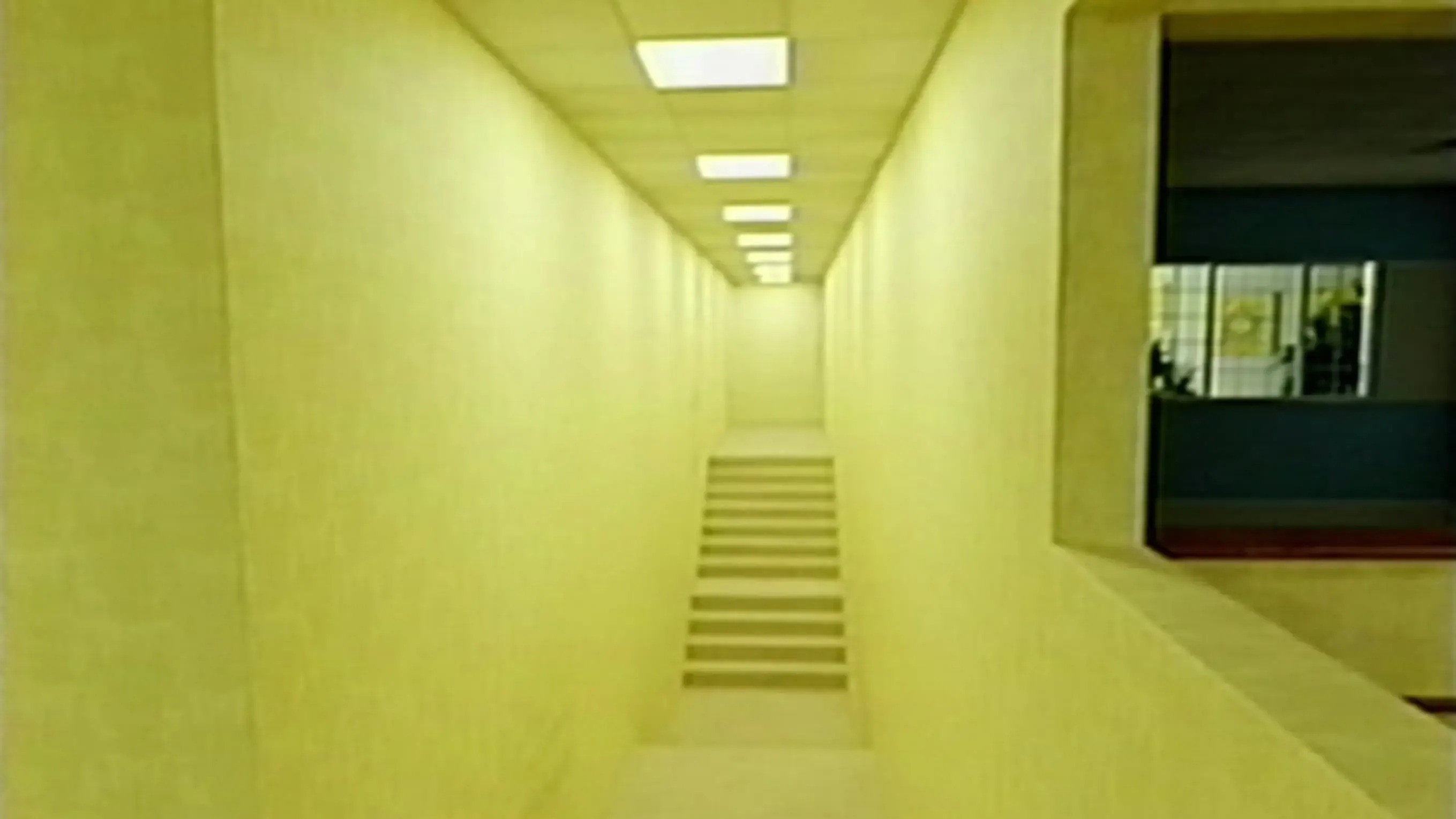
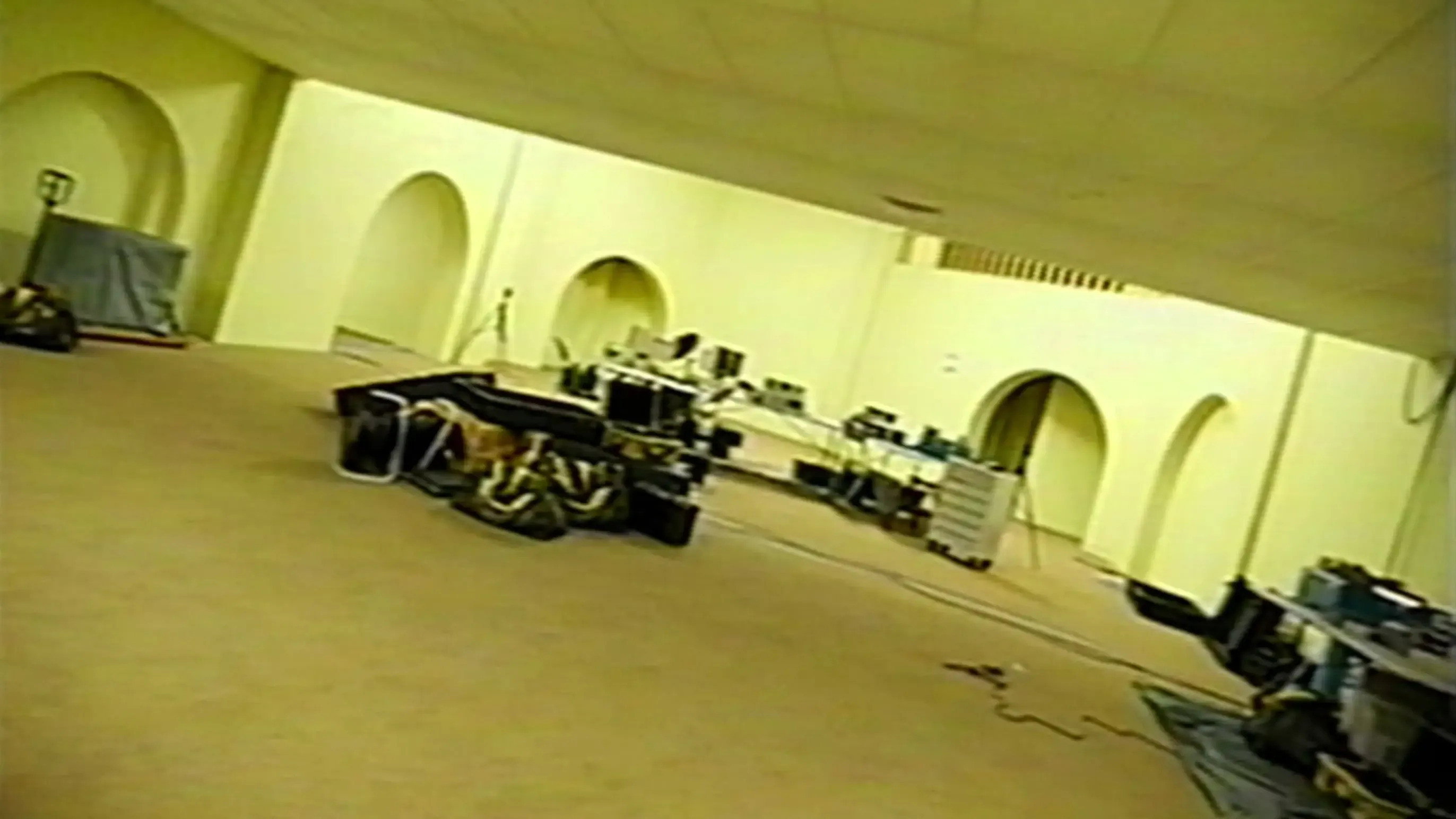
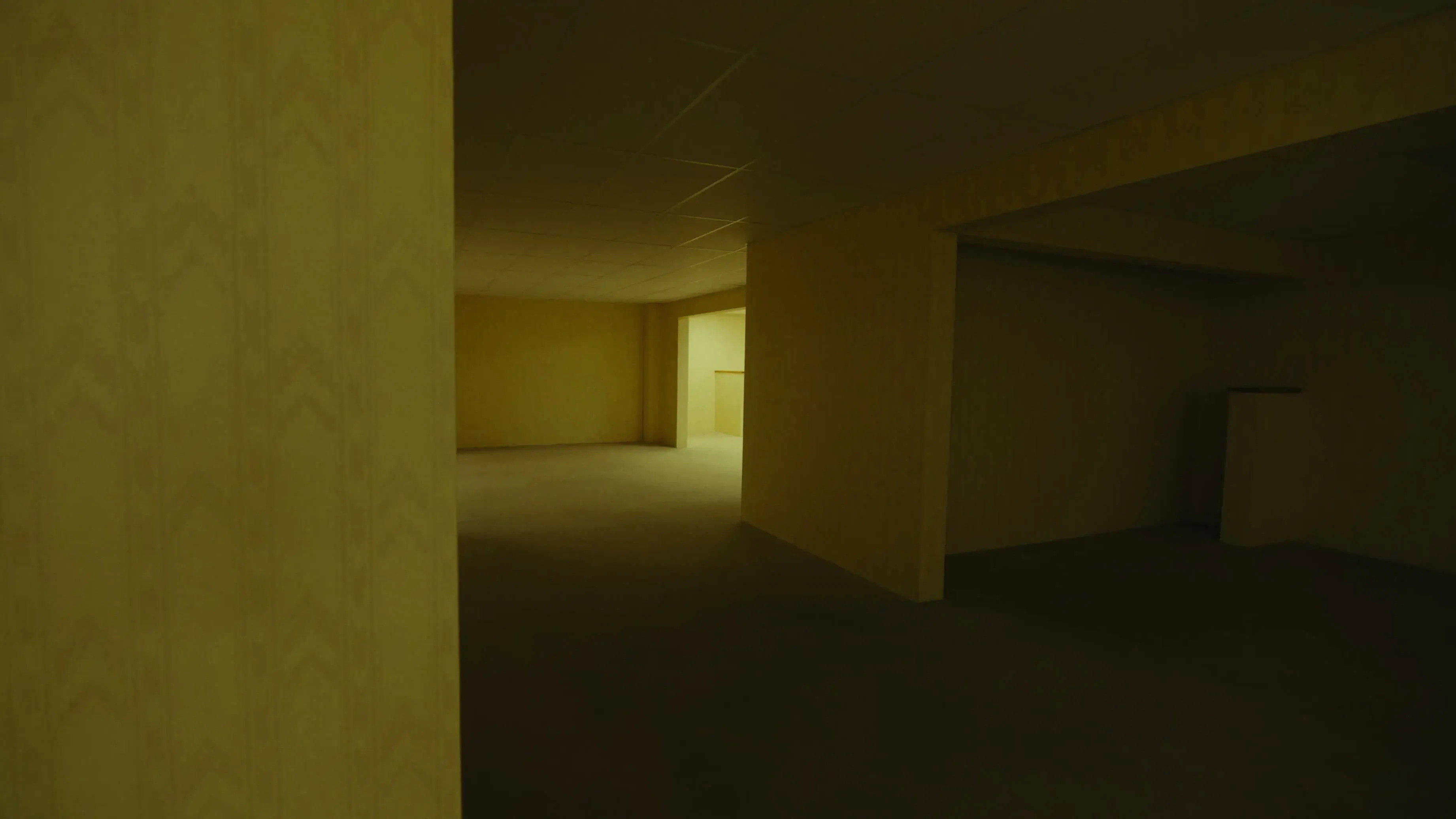
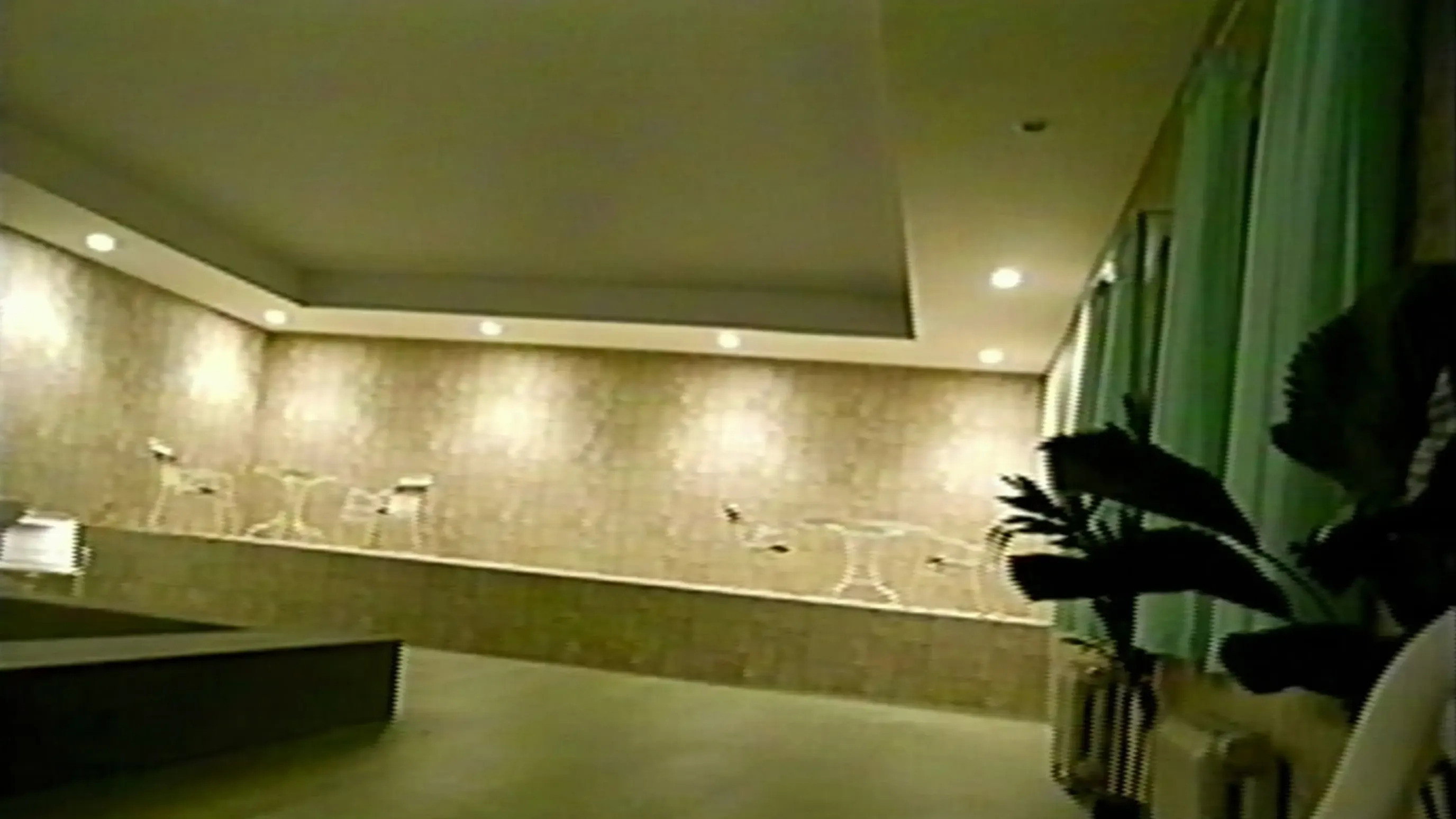
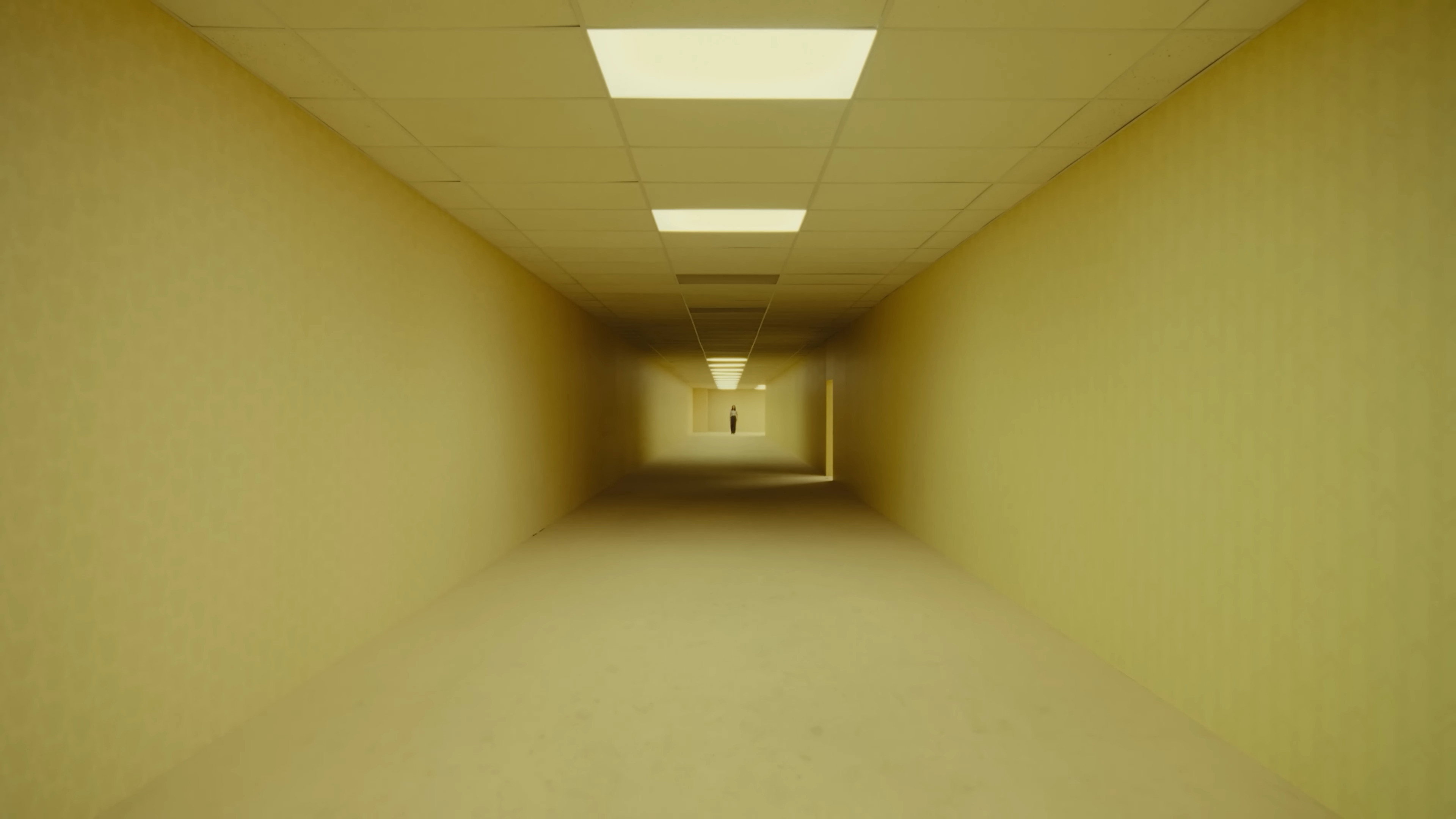
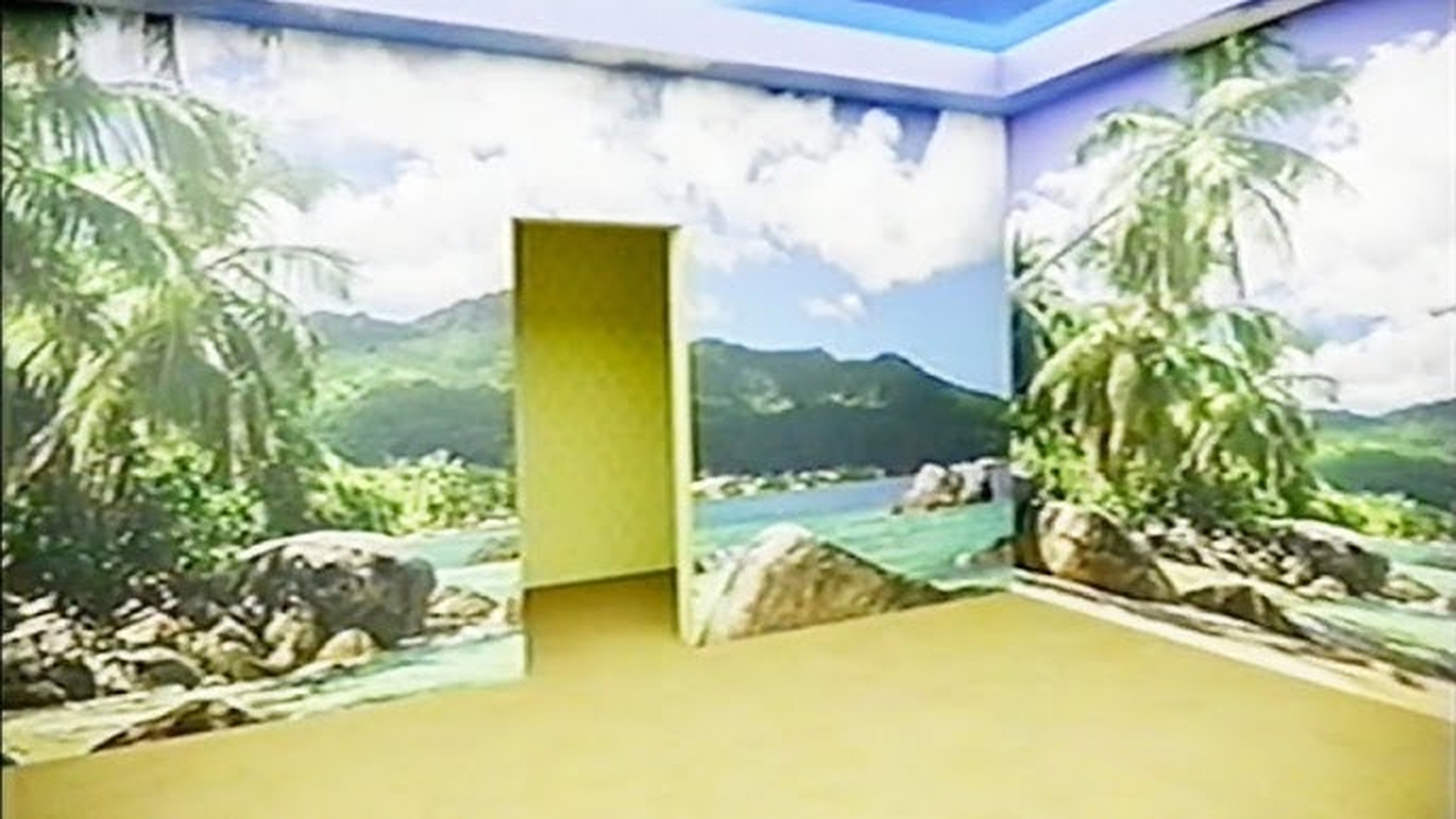
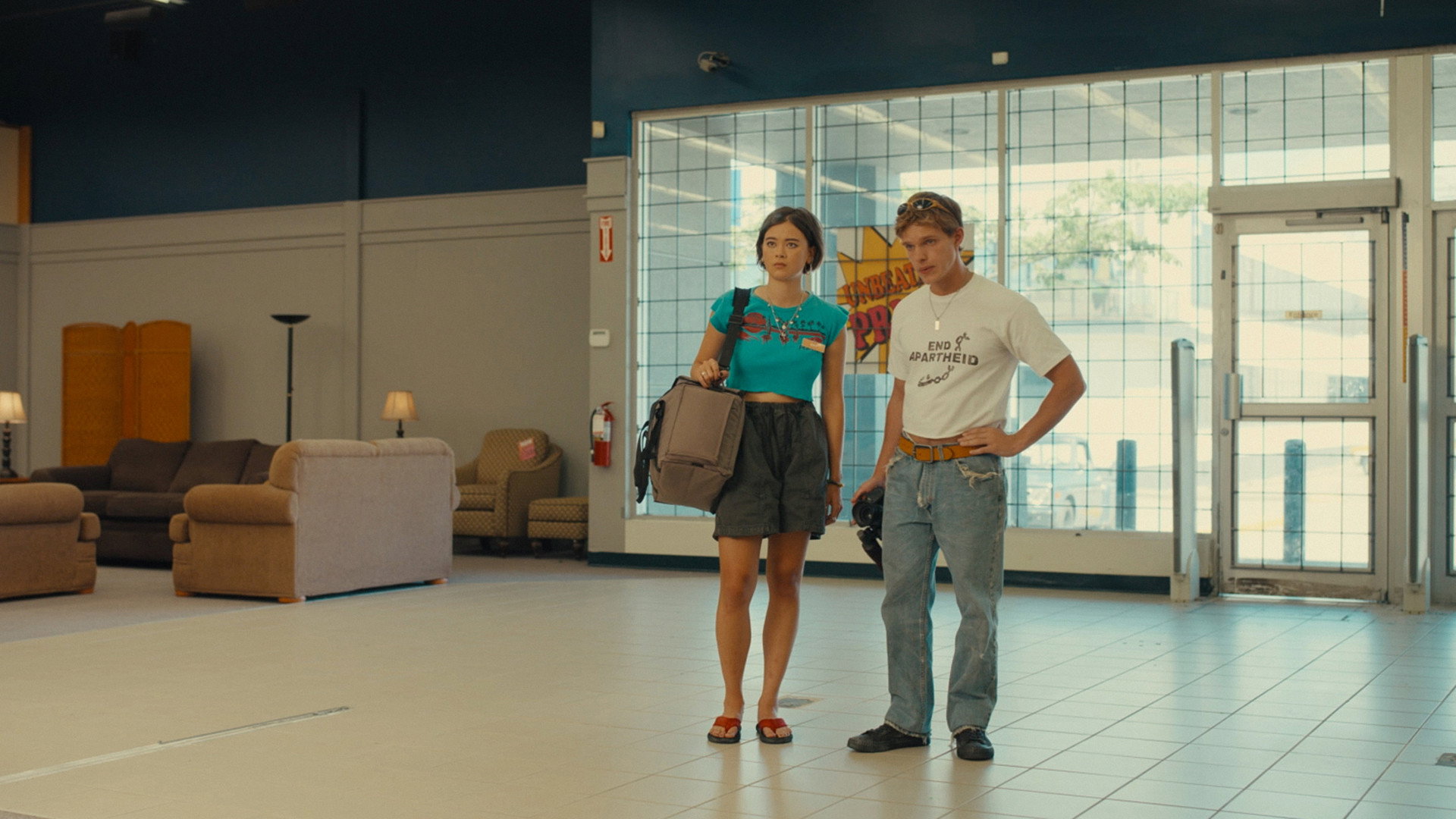
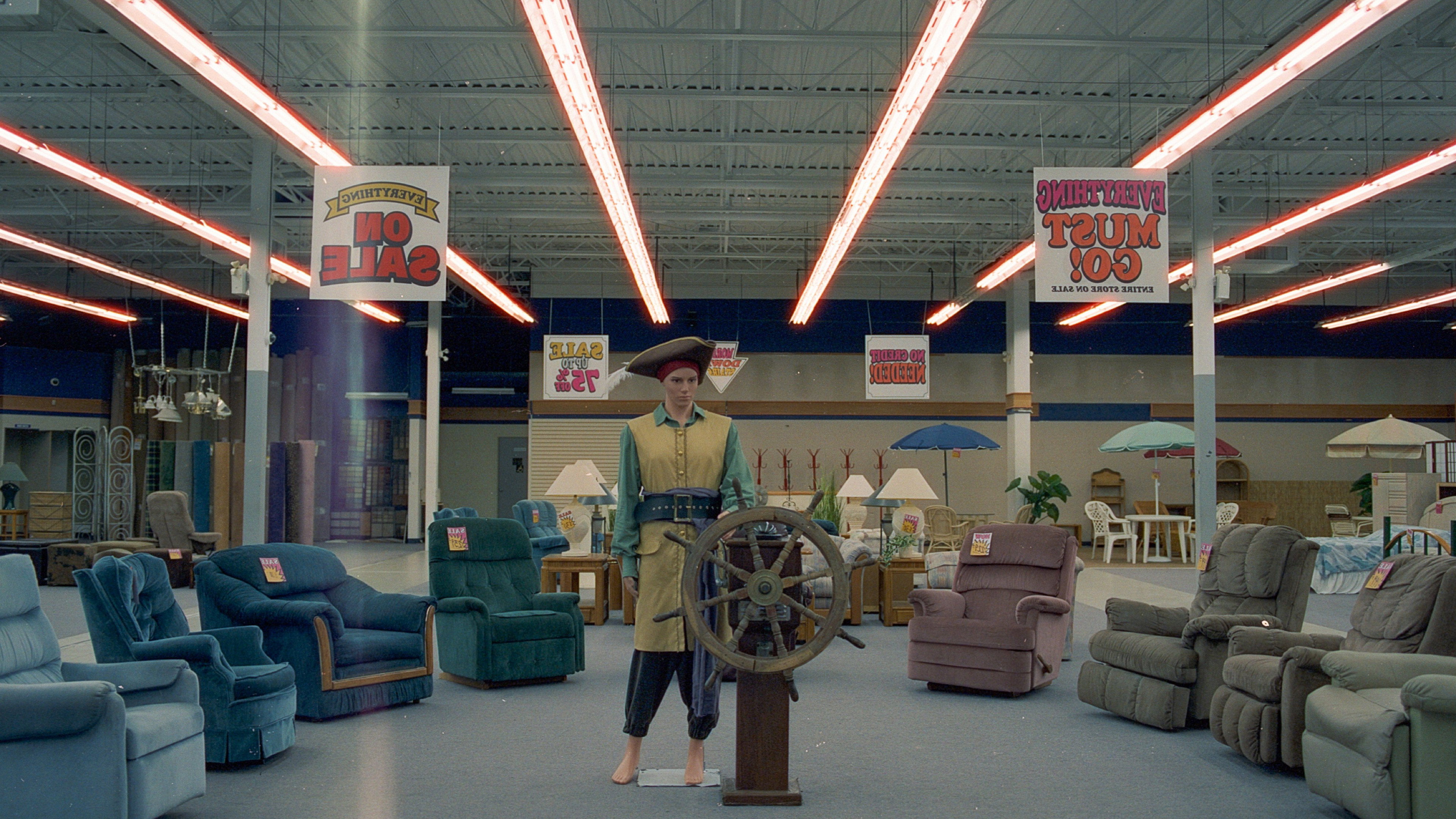
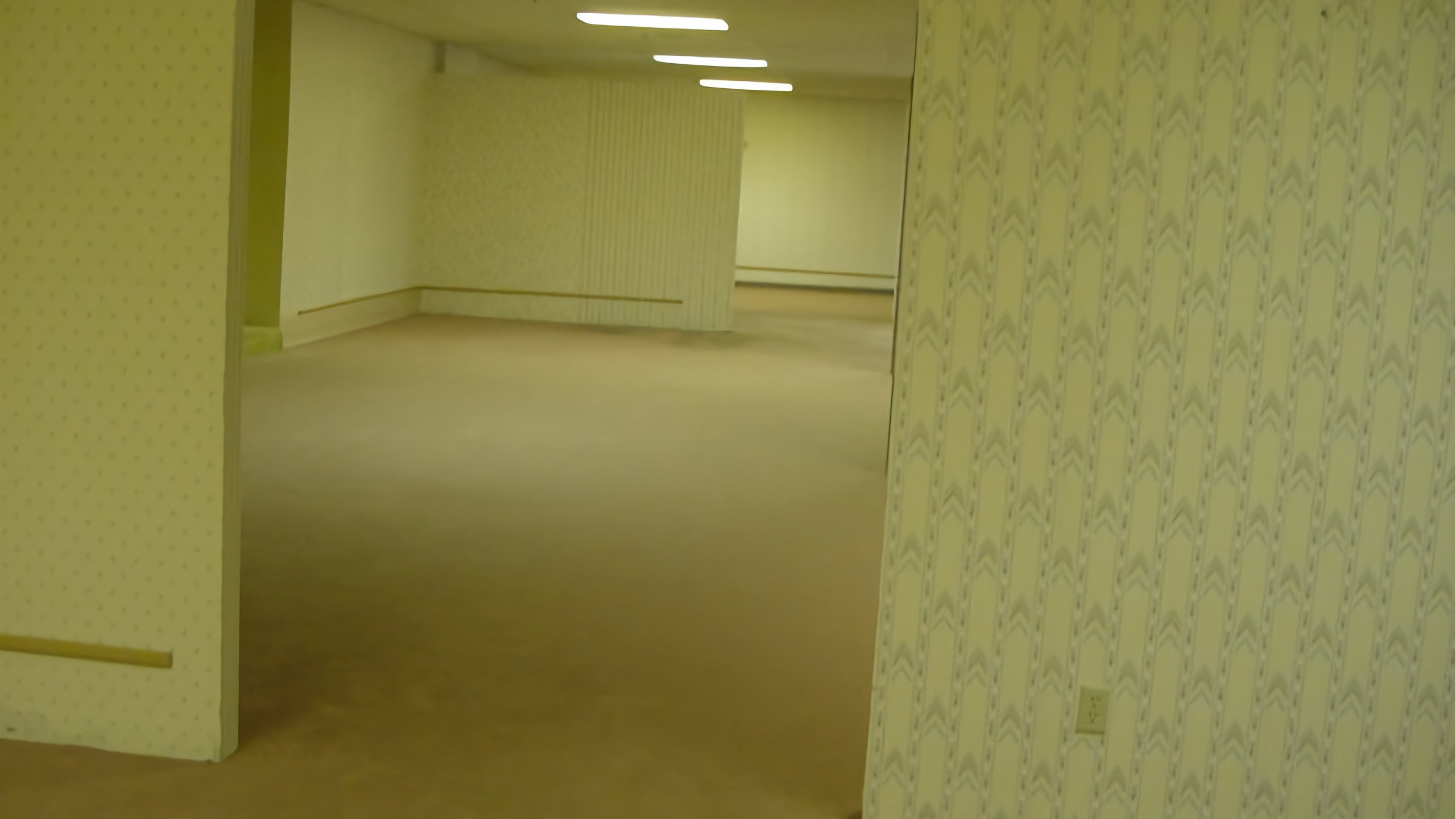
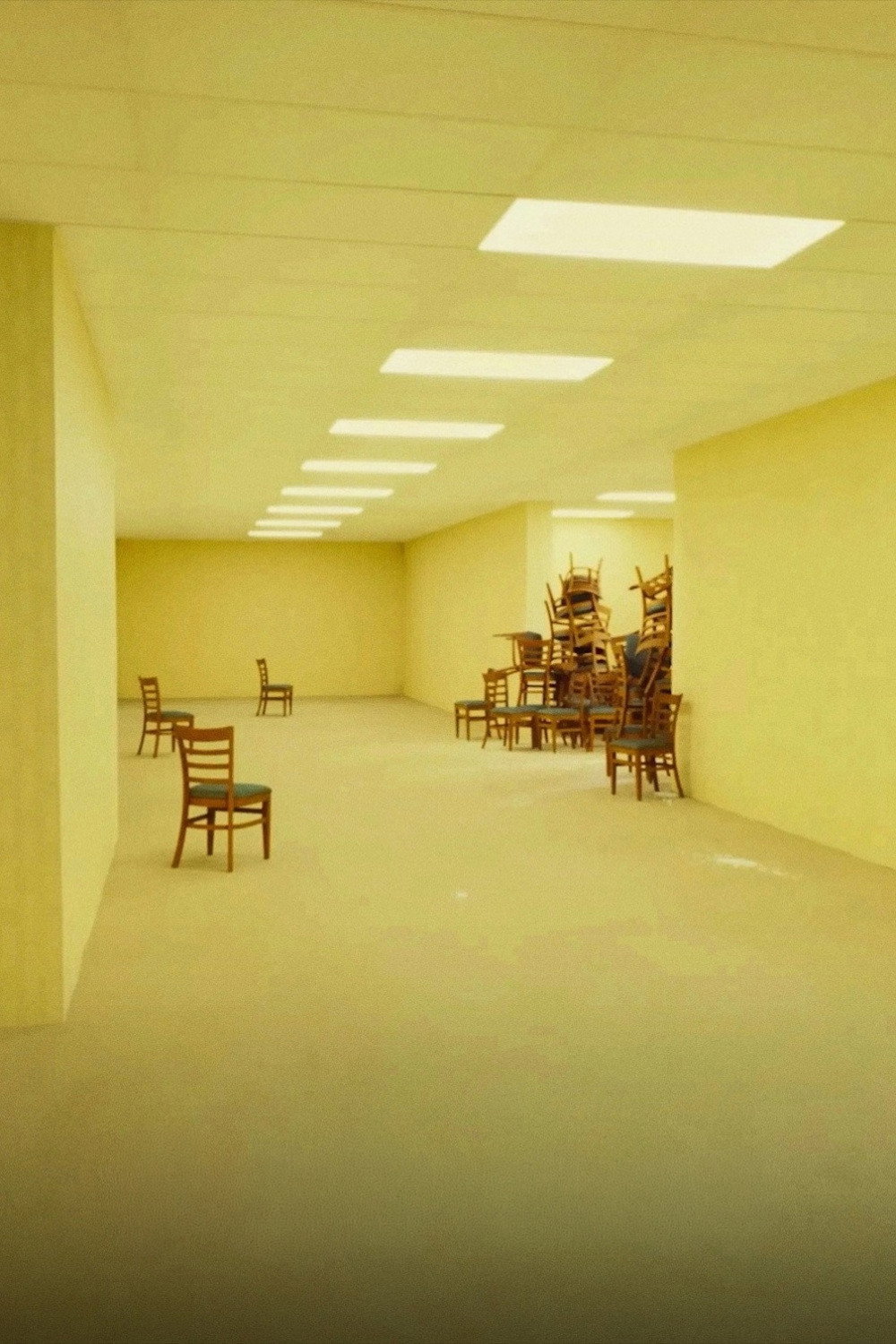
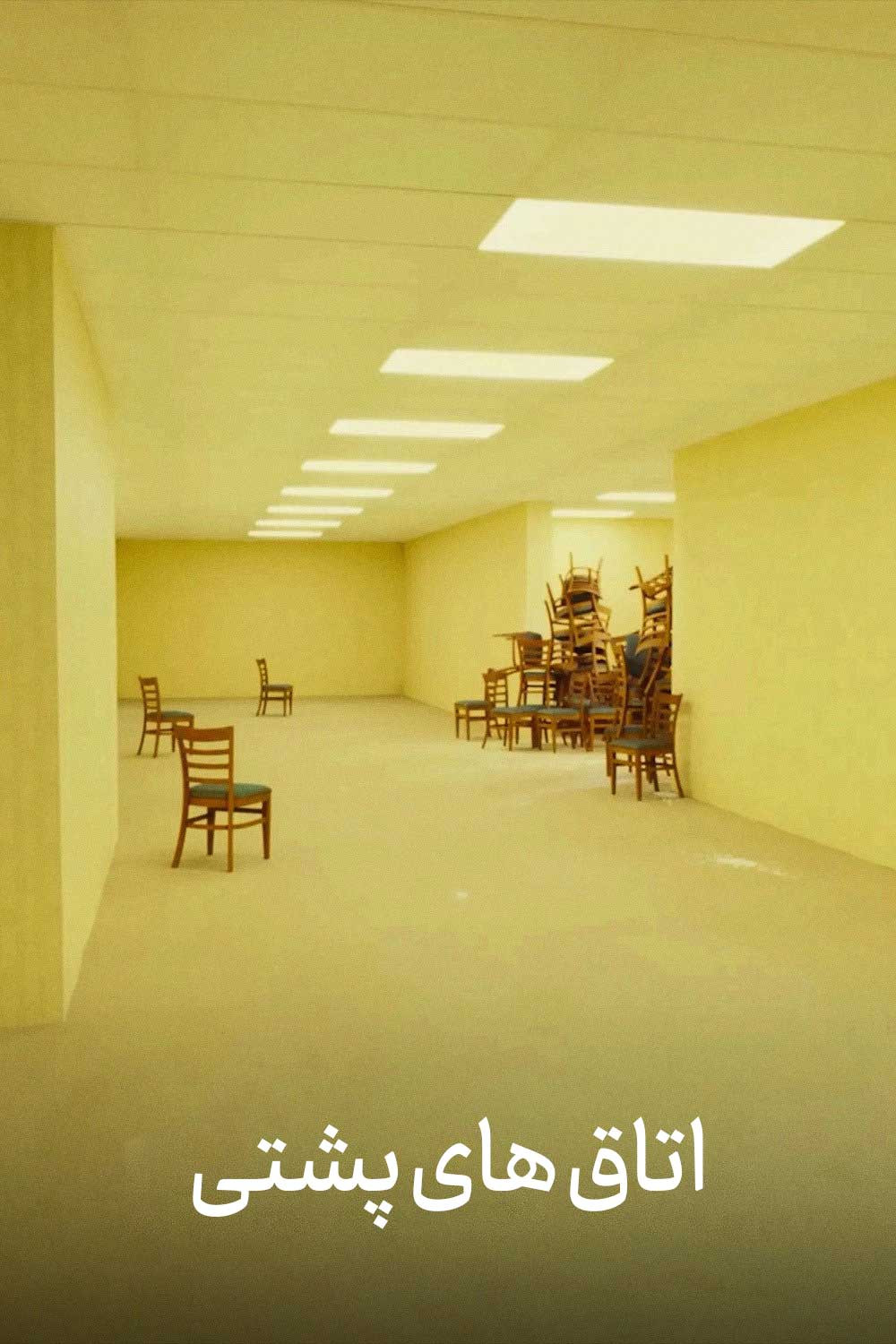
The Backrooms concept grew out of a photograph of a yellowish, apparently empty interior taken during the renovation of a former furniture store in Oshkosh, Wisconsin, in 2002. In May 2019 the image appeared in an anonymous 4chan discussion about unsettling photographs. Another anonymous contribution supplied the premise that a person could accidentally pass out of normal reality, or "no-clip" through it, into an enormous sequence of carpeted rooms beneath humming fluorescent lights. The language came partly from video games, but the horror rested on the possibility of becoming permanently trapped inside surroundings too ordinary to explain or escape.
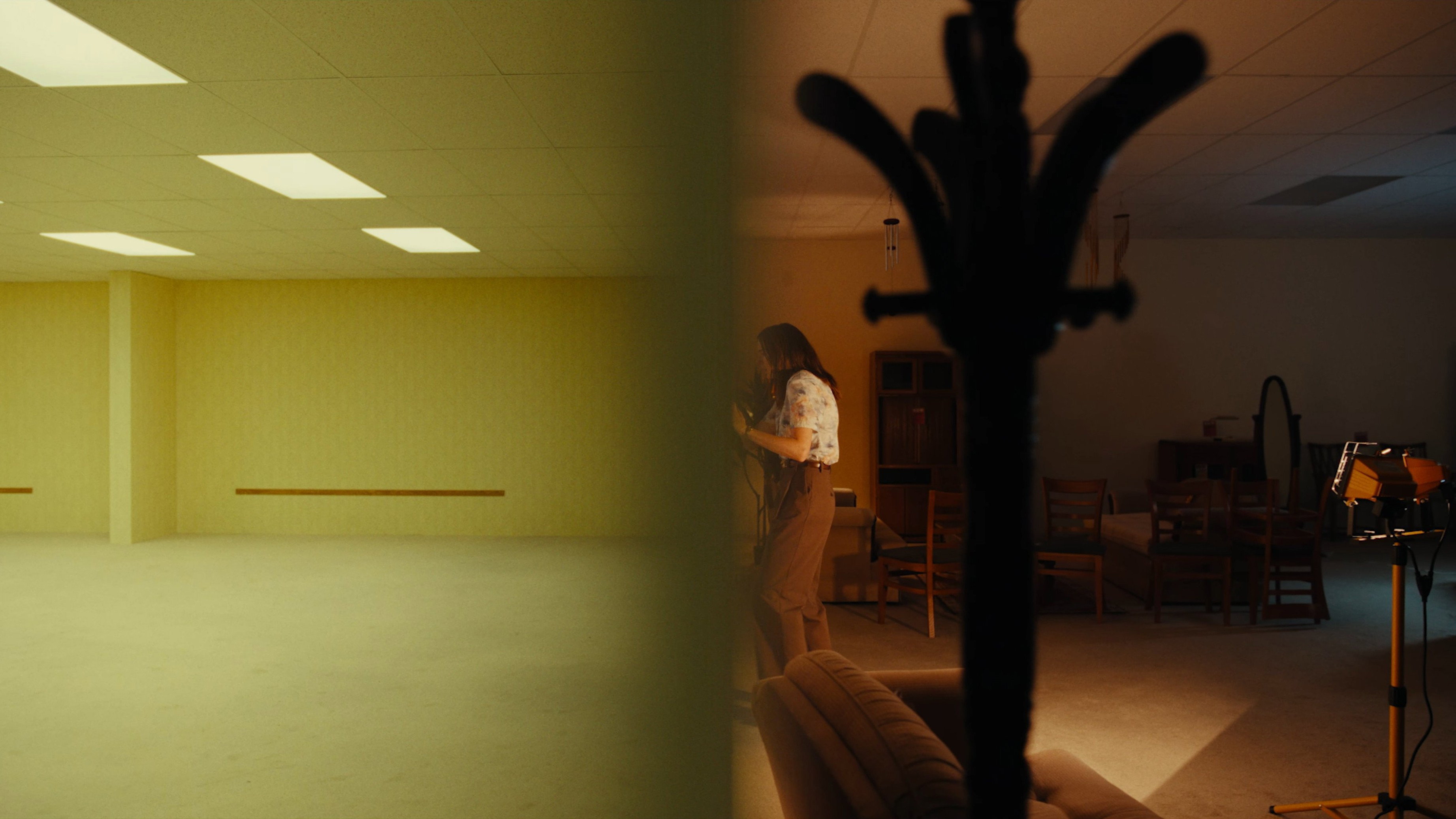
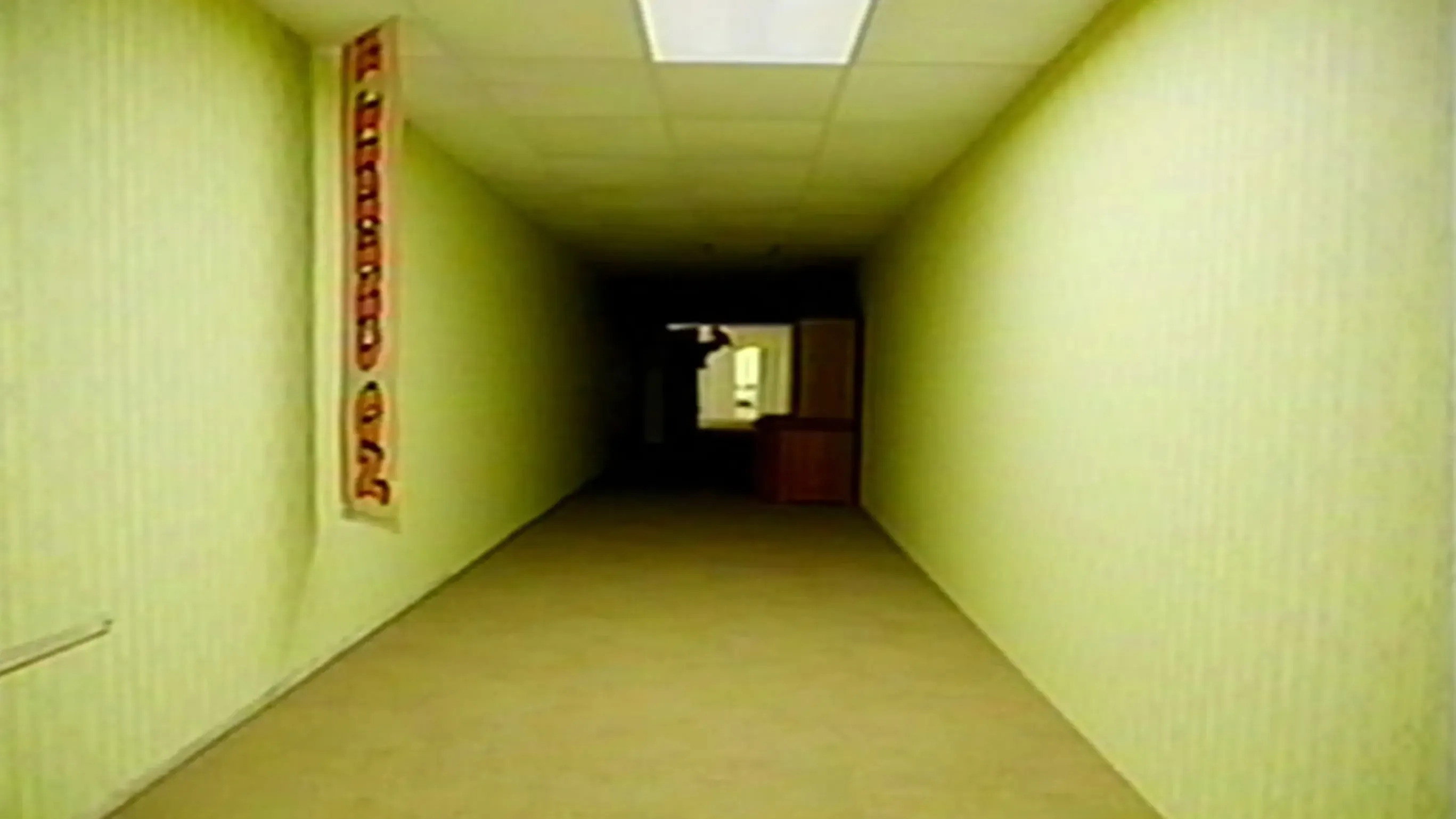
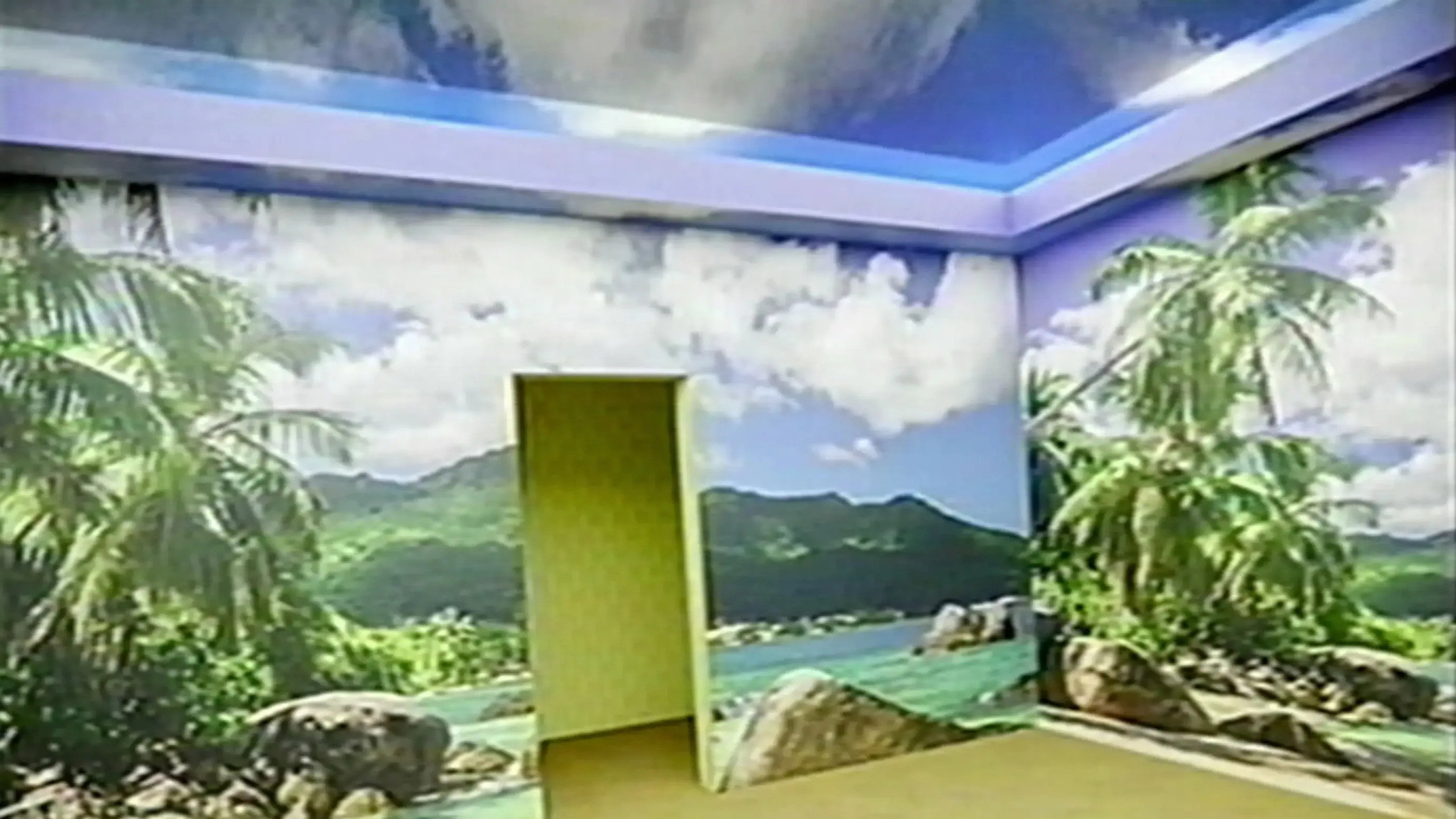
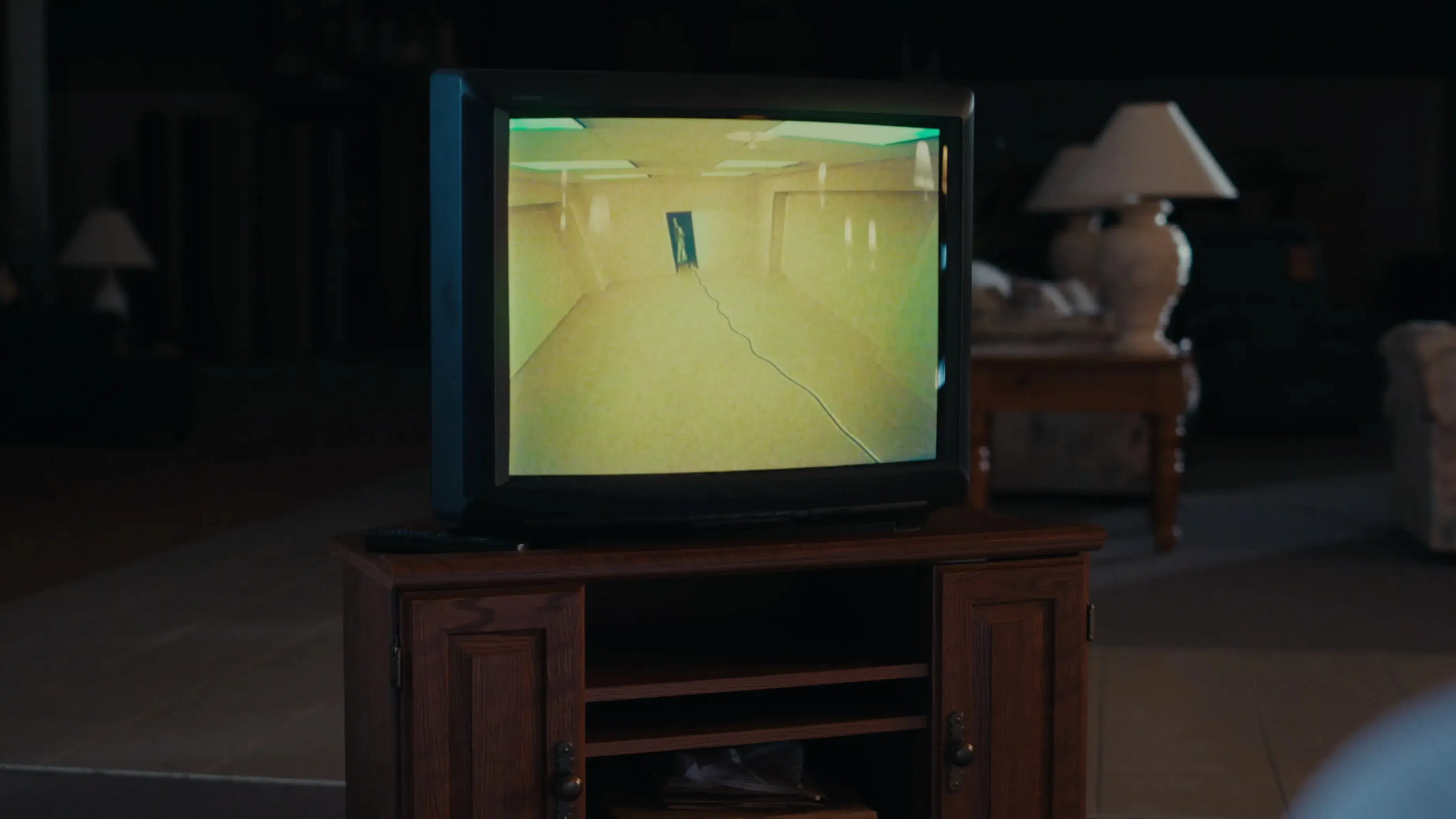
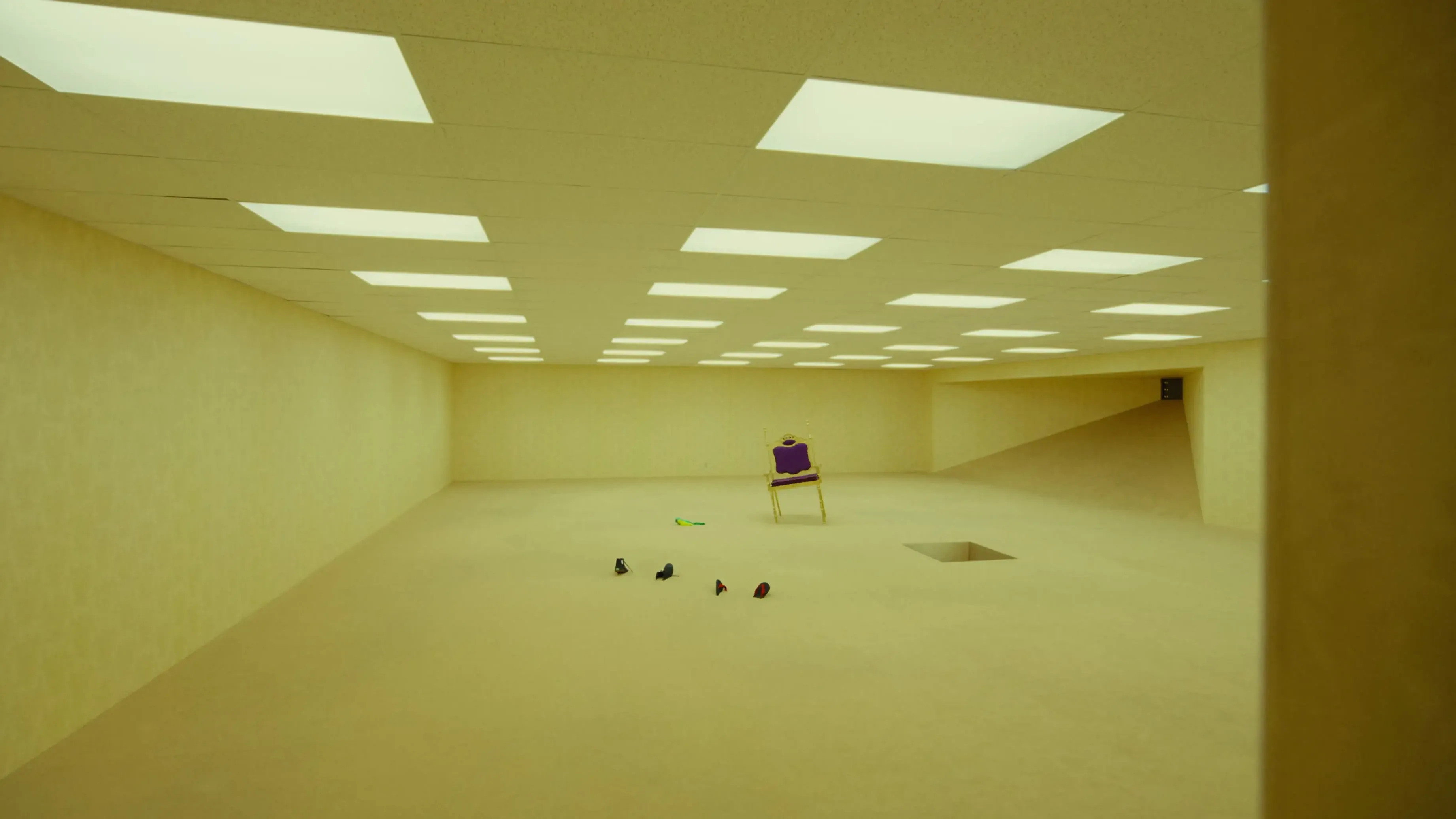
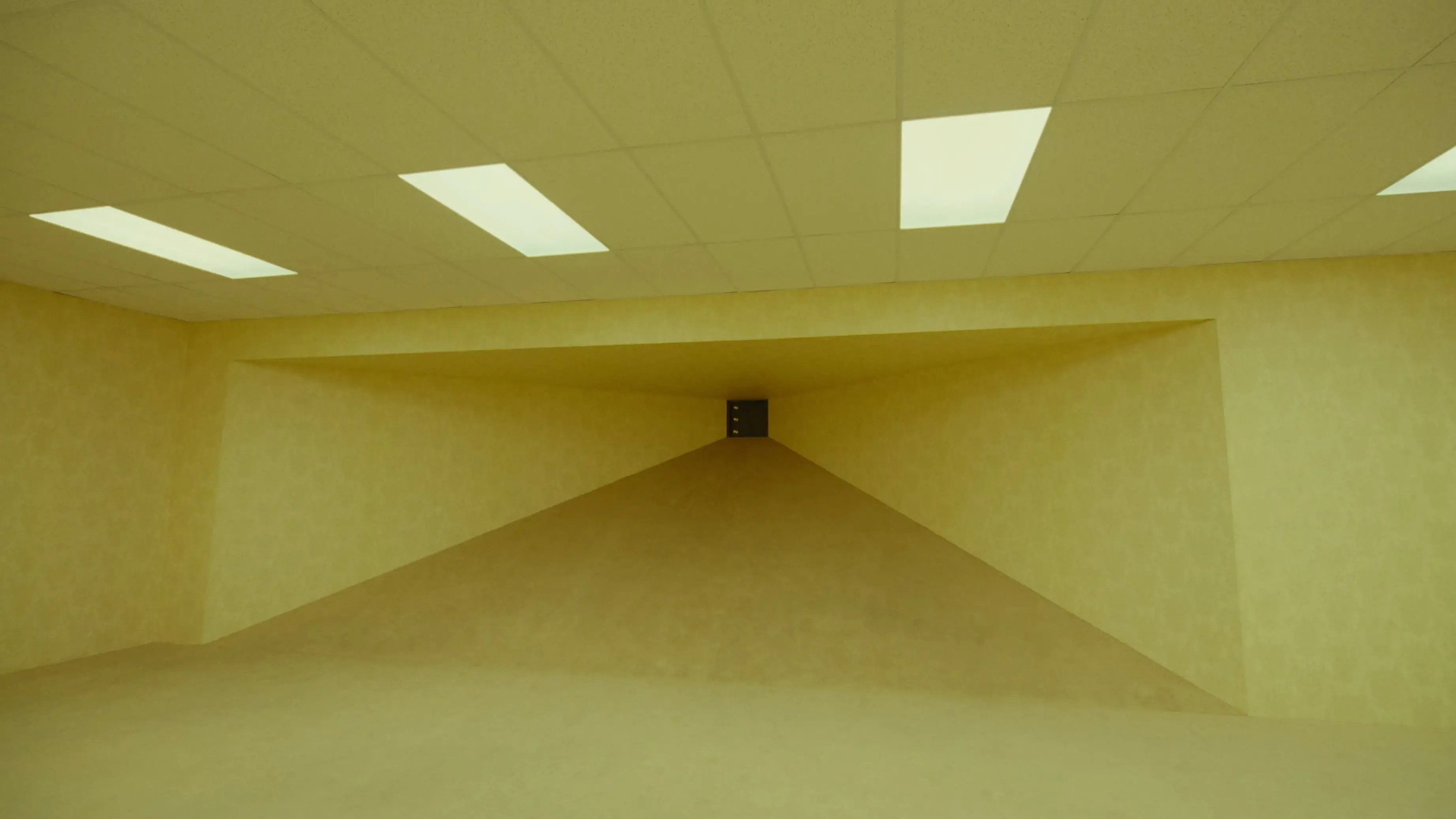
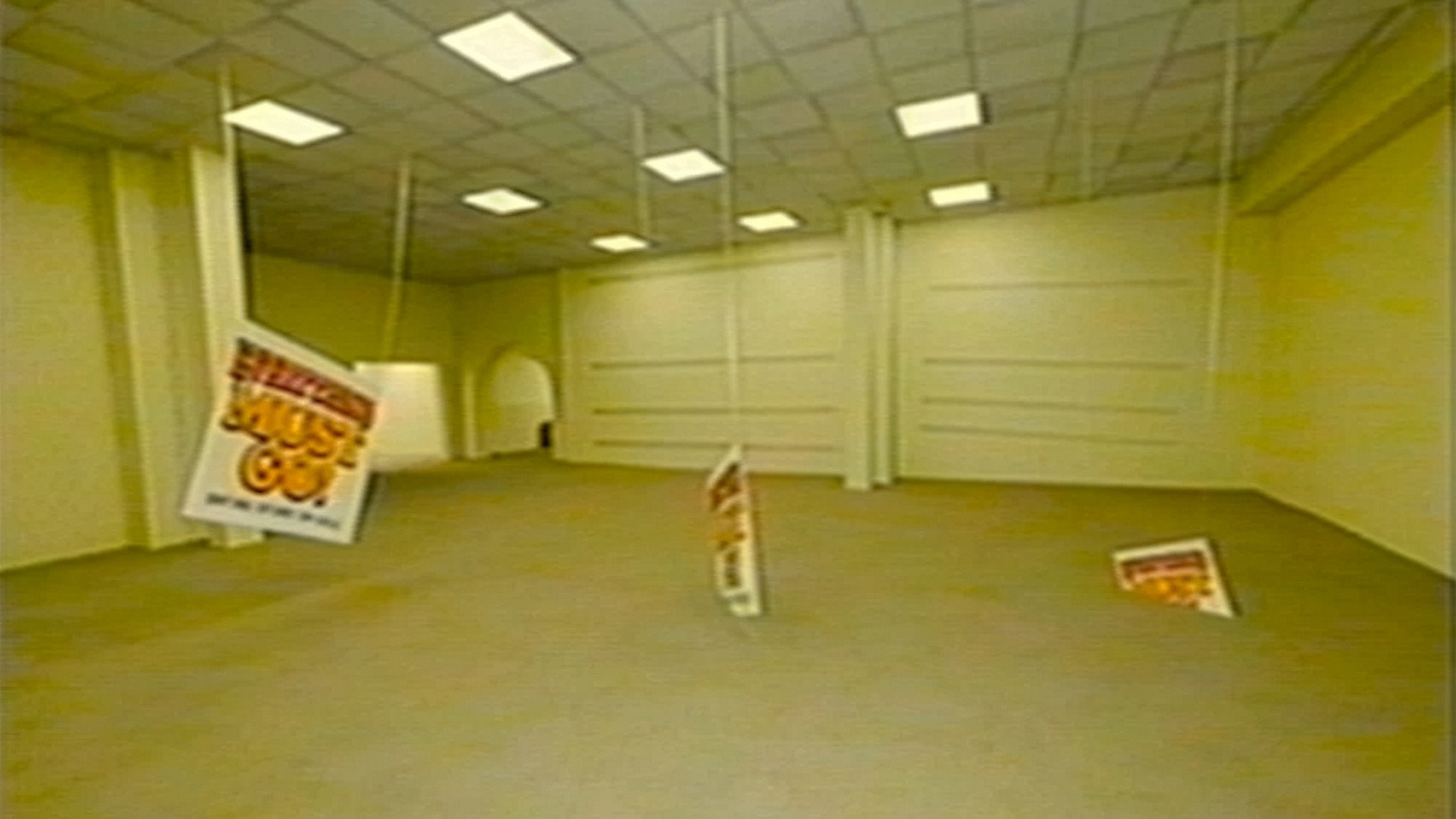
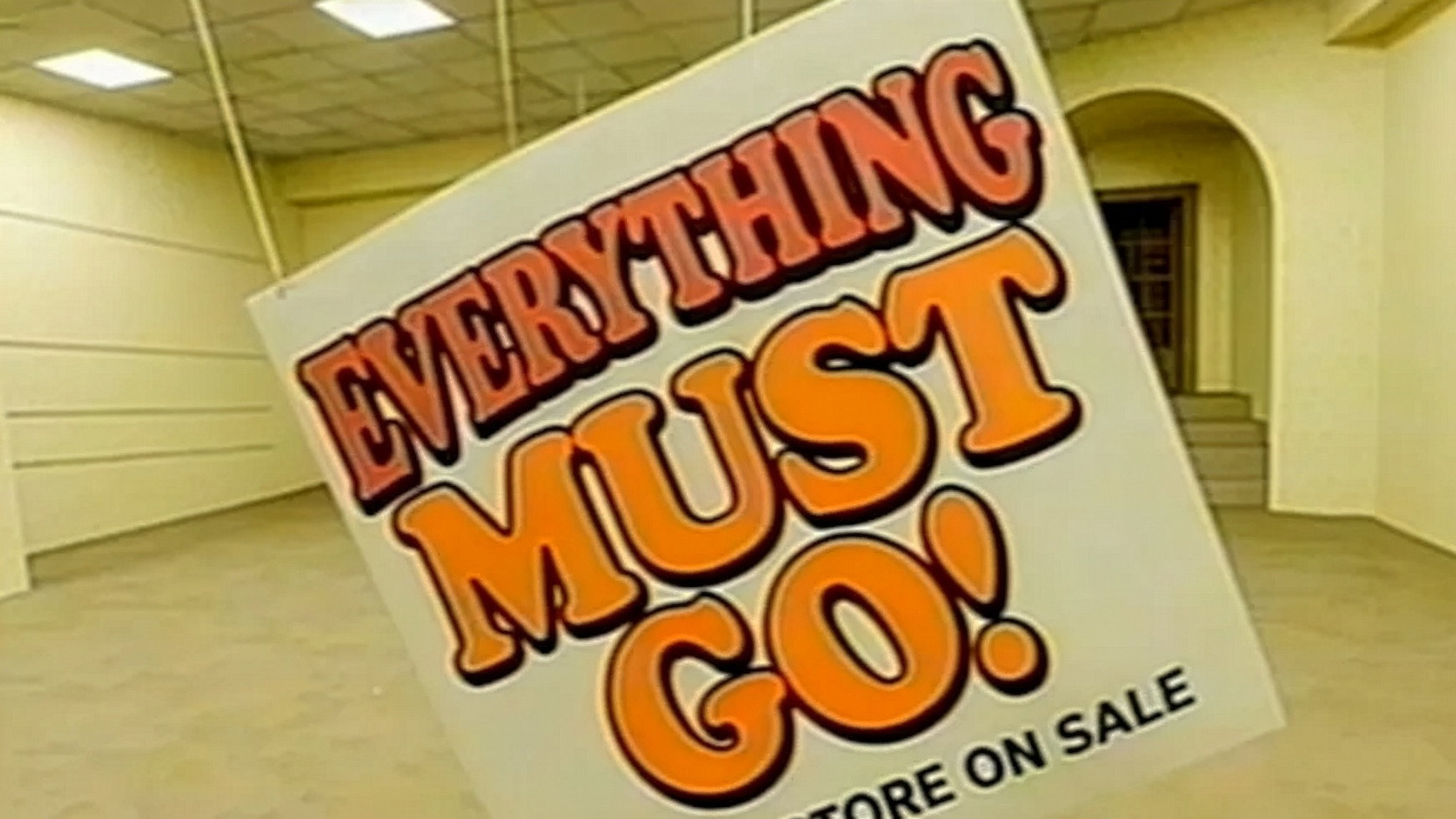
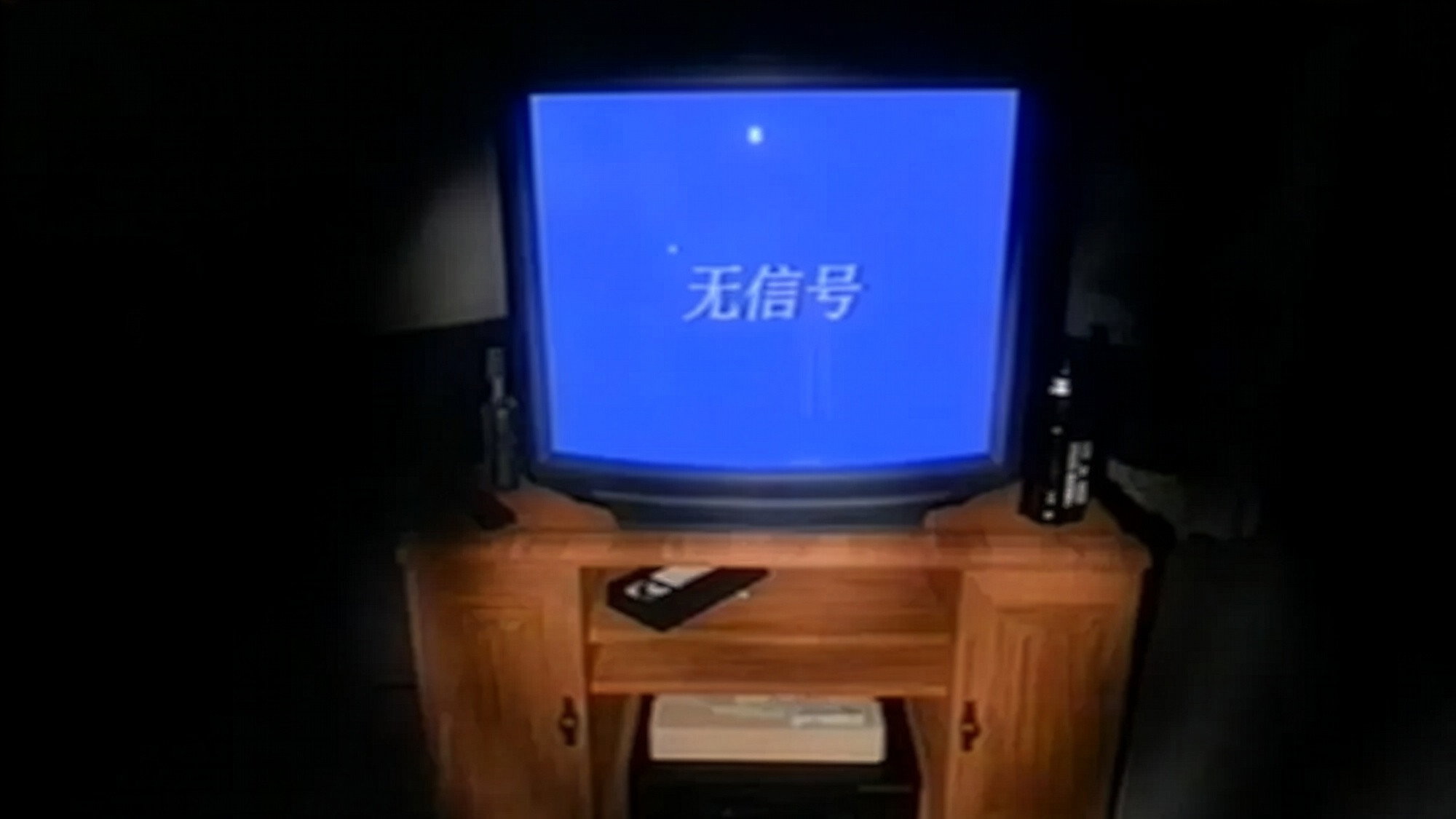
Because the image and its original description had no identifiable controlling author, the idea developed through many overlapping internet communities. Wikis, stories, games and fan-made videos elaborated it in different directions, and those additions should not be confused with a single official mythology. Parsons encountered the concept while still at school. Having taught himself Blender and visual-effects compositing, he produced The Backrooms (Found Footage), released on YouTube in 2022 under the Kane Pixels name. The short presented apparently recovered camera footage of an accidental descent into the labyrinth, combining a brief live-action opening with digitally constructed environments.
The video's popularity led Parsons to expand his interpretation into an interconnected series involving disappearances and the fictional Async Research Institute. This research-oriented material gave his version a science-fiction framework without removing the mystery of the space itself. Viewers could scrutinize background details, dates and spatial changes for clues. The theatrical film emerges from that specific branch of Backrooms fiction, although the underlying setting remains a much broader, collectively developed internet phenomenon.
Development and the Feature Adaptation
Interest from film companies followed the initial success of Parsons's videos while he was still a teenager. The project eventually came together at A24 with producers associated with James Wan and Shawn Levy, placing the filmmaker inside a much larger production infrastructure than the one he had used for his shorts. The screenplay, developed by Parsons and Will Soodik, was revised during preparation as the practical demands of building the world became clearer. Parsons has described having to protect the internal consistency of his online creation while finding a story that could be followed by viewers without prior familiarity with its accumulated clues.
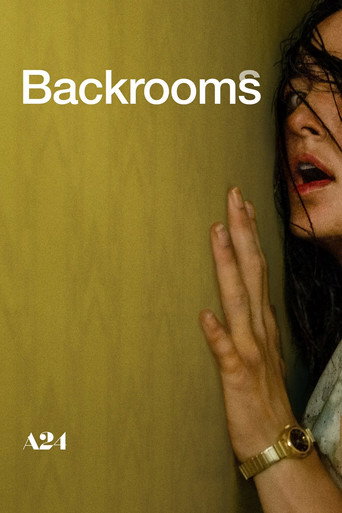
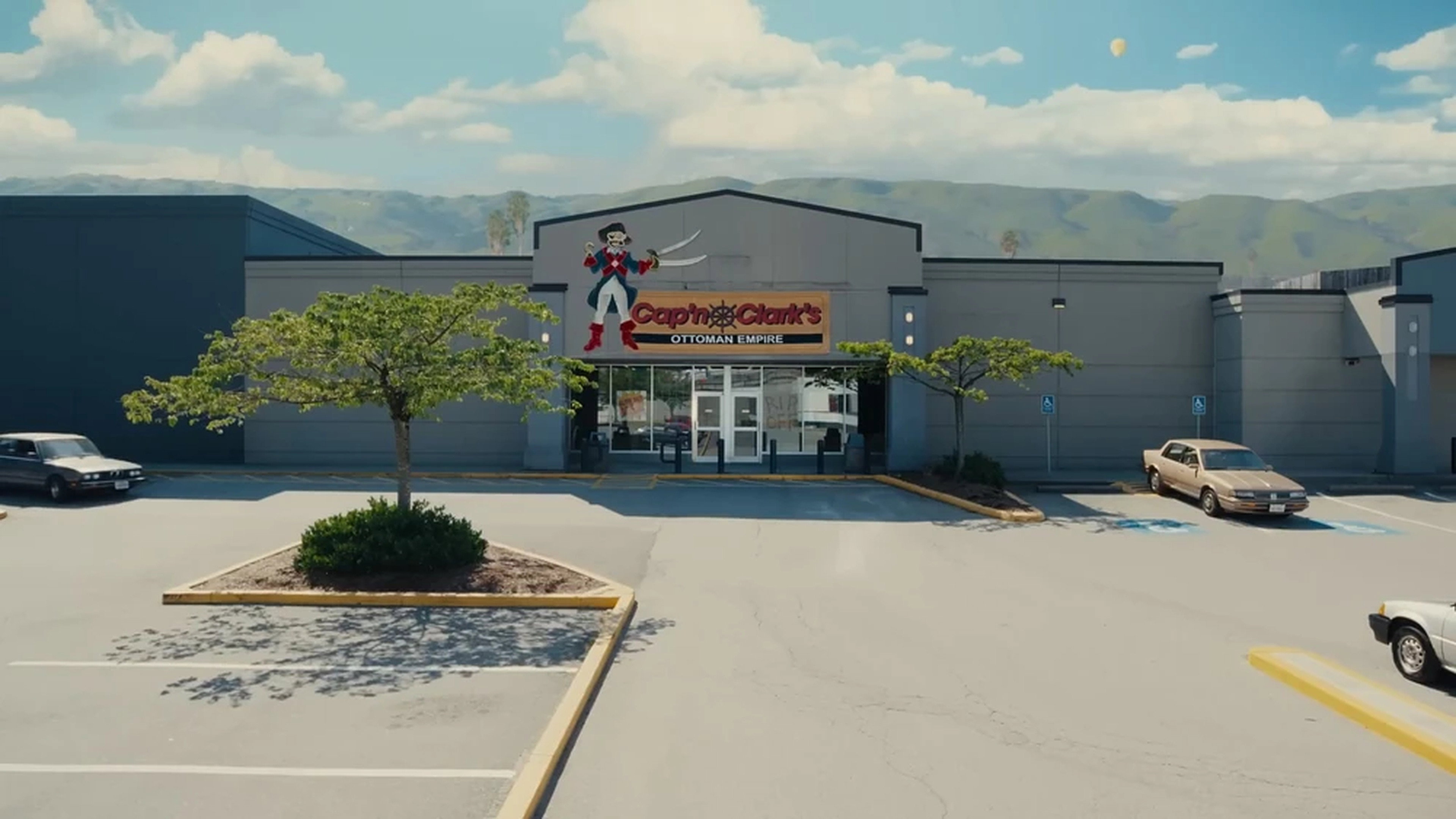
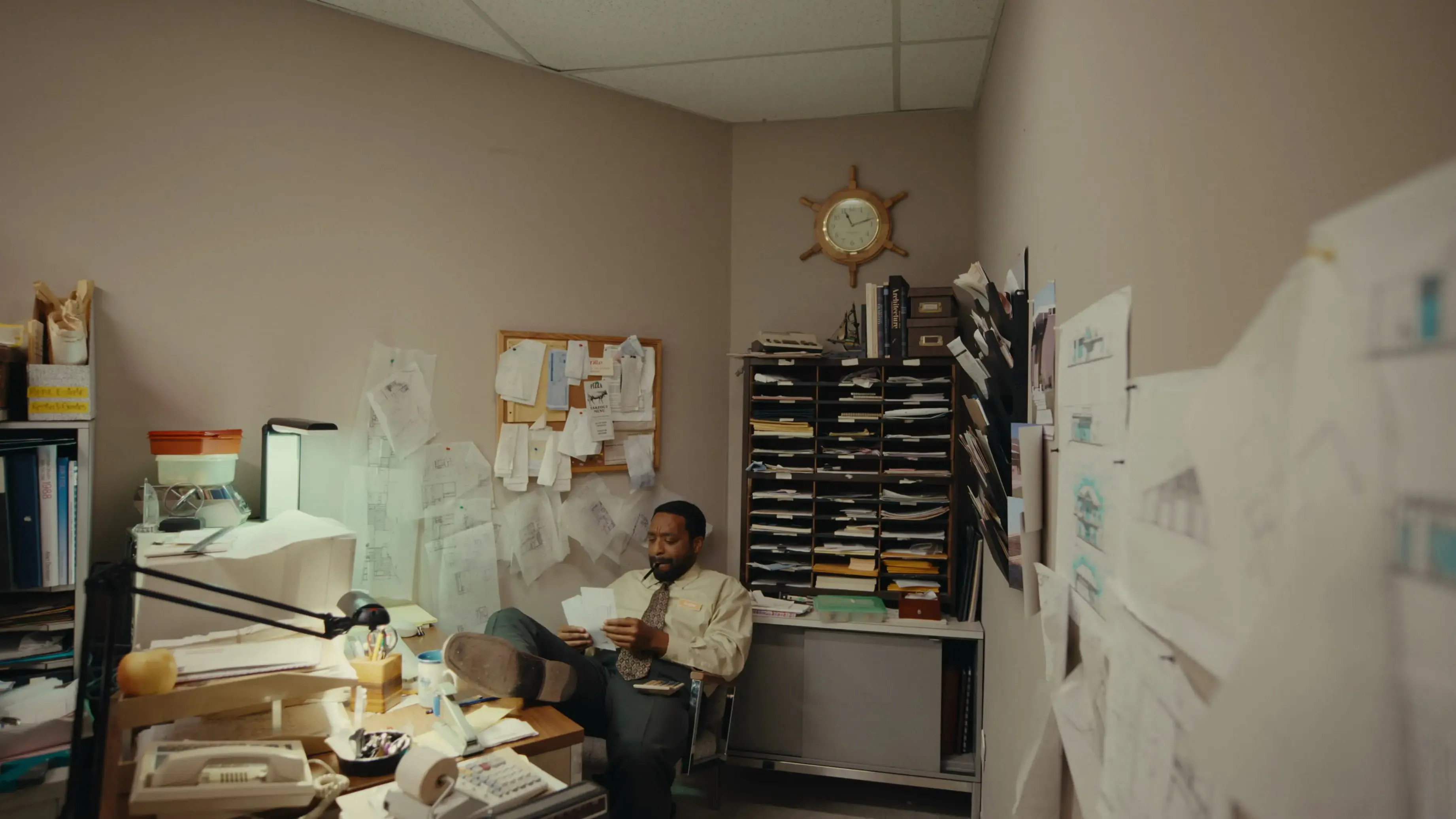
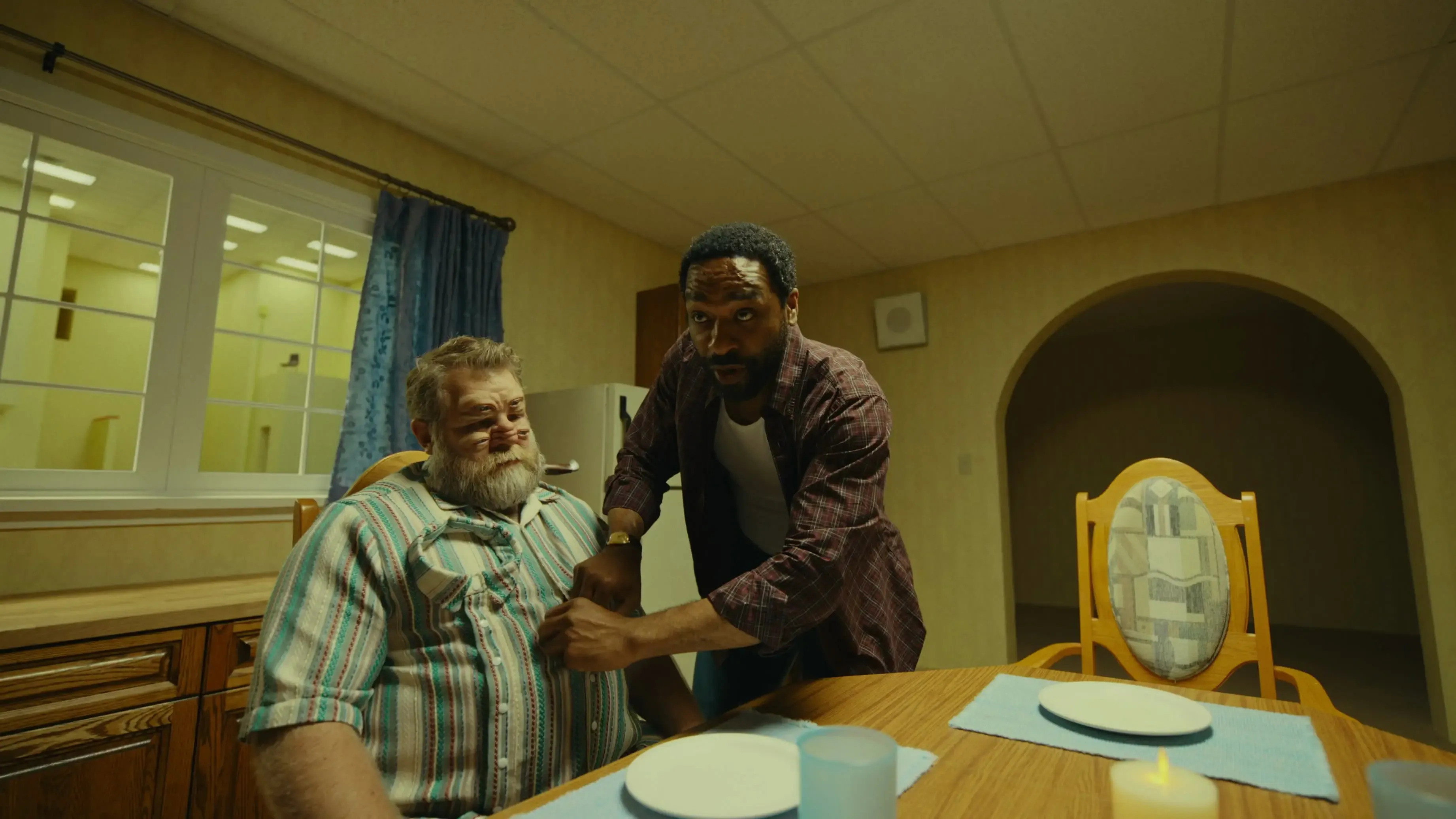
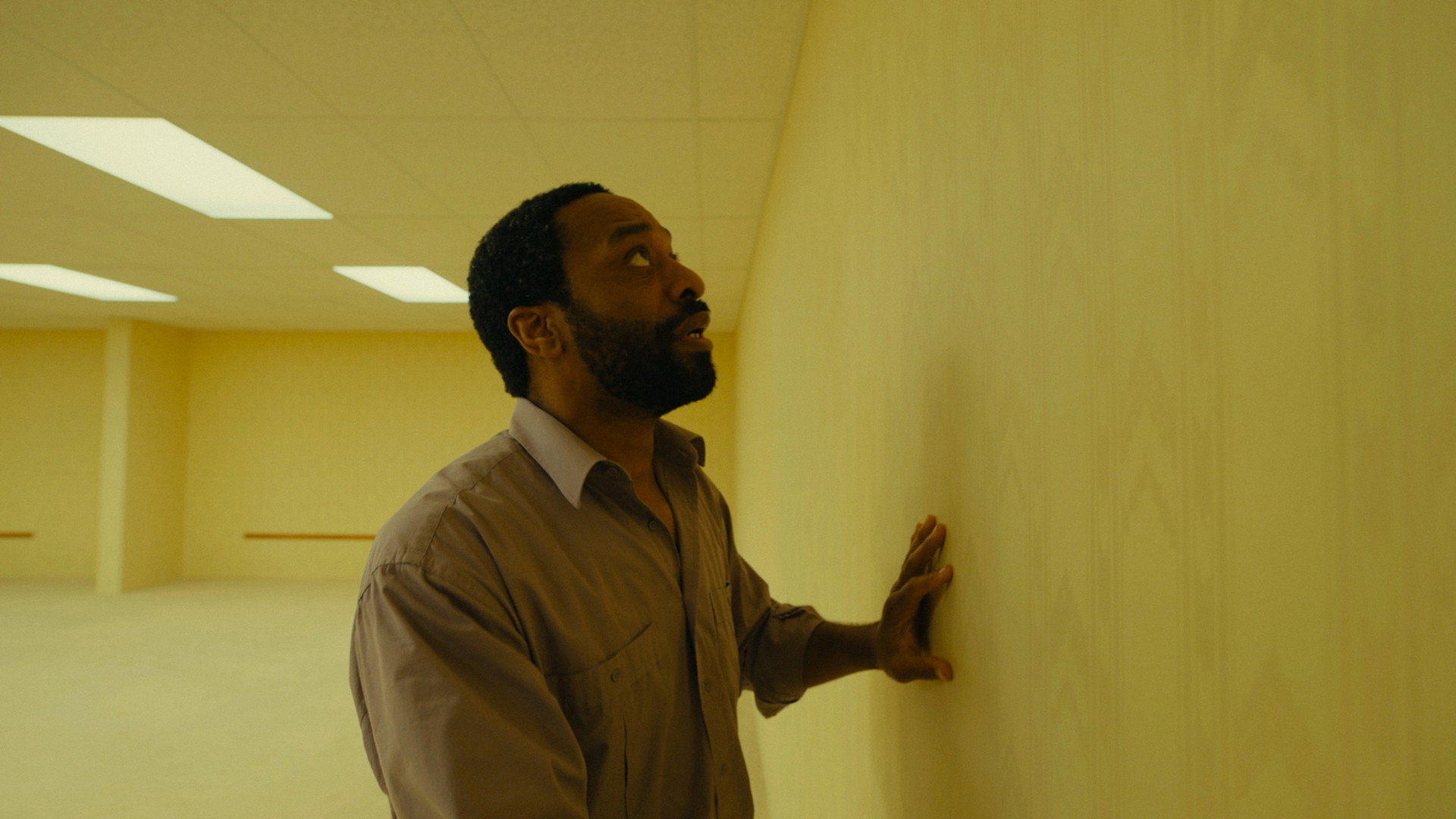
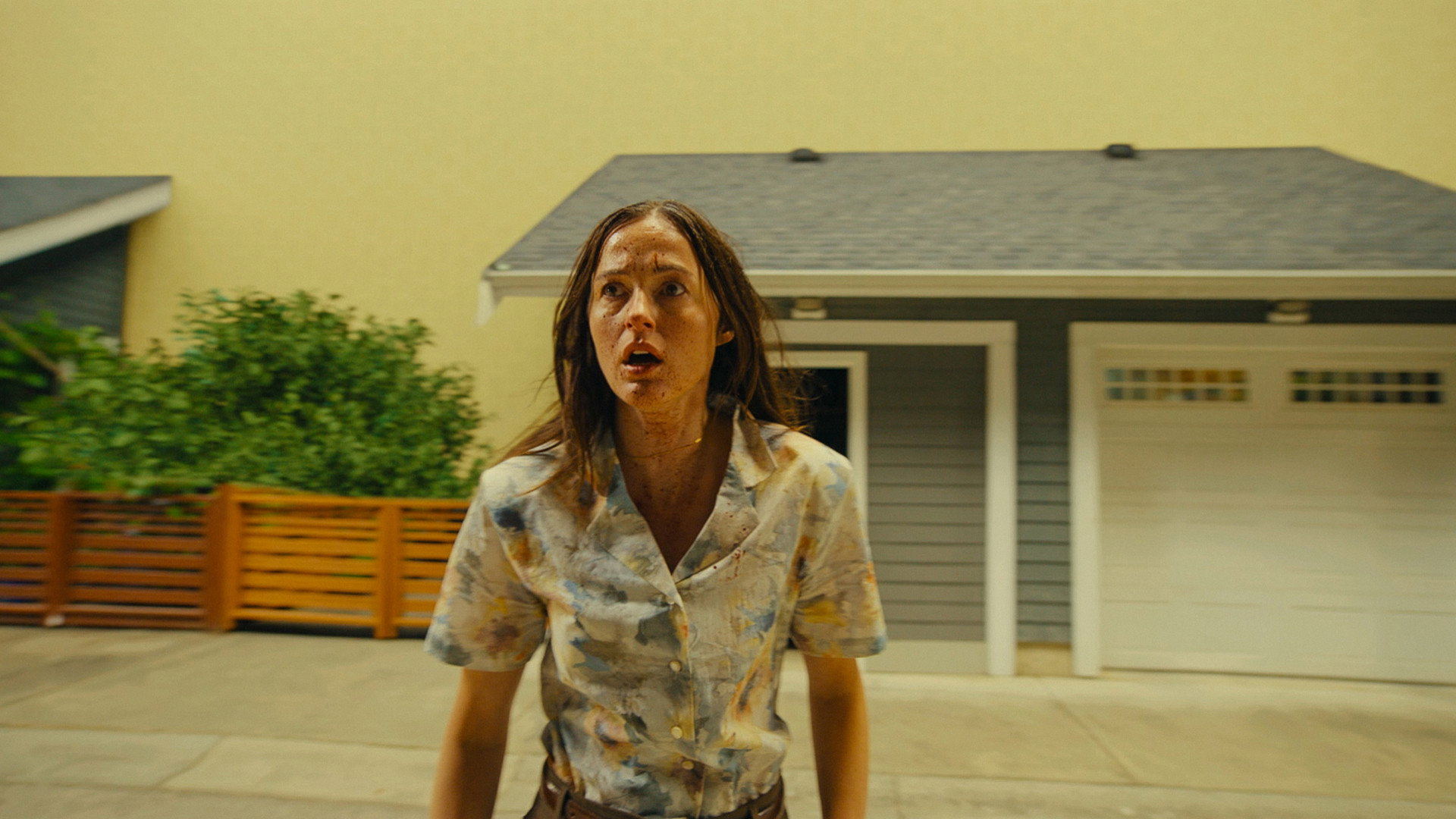
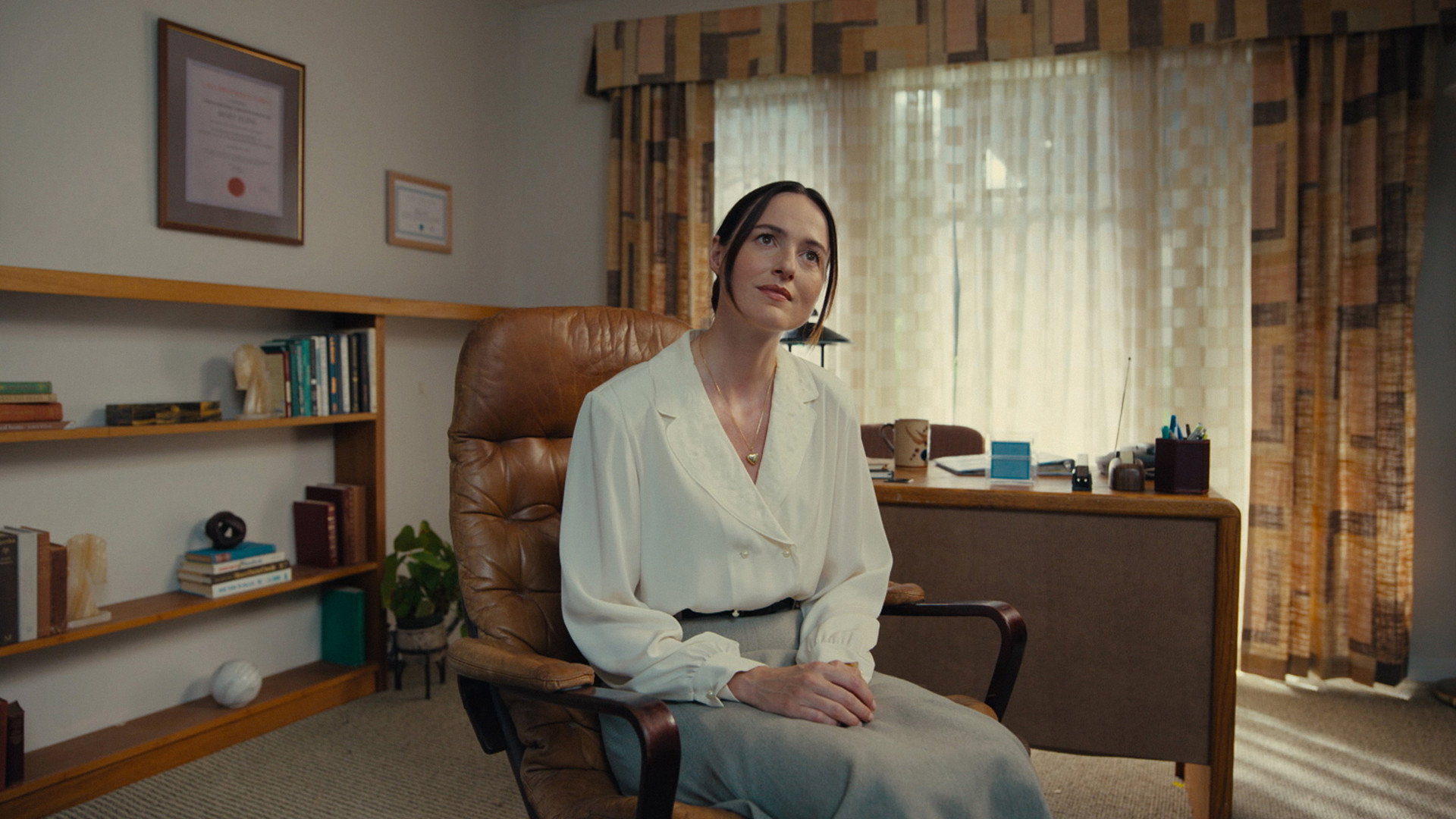
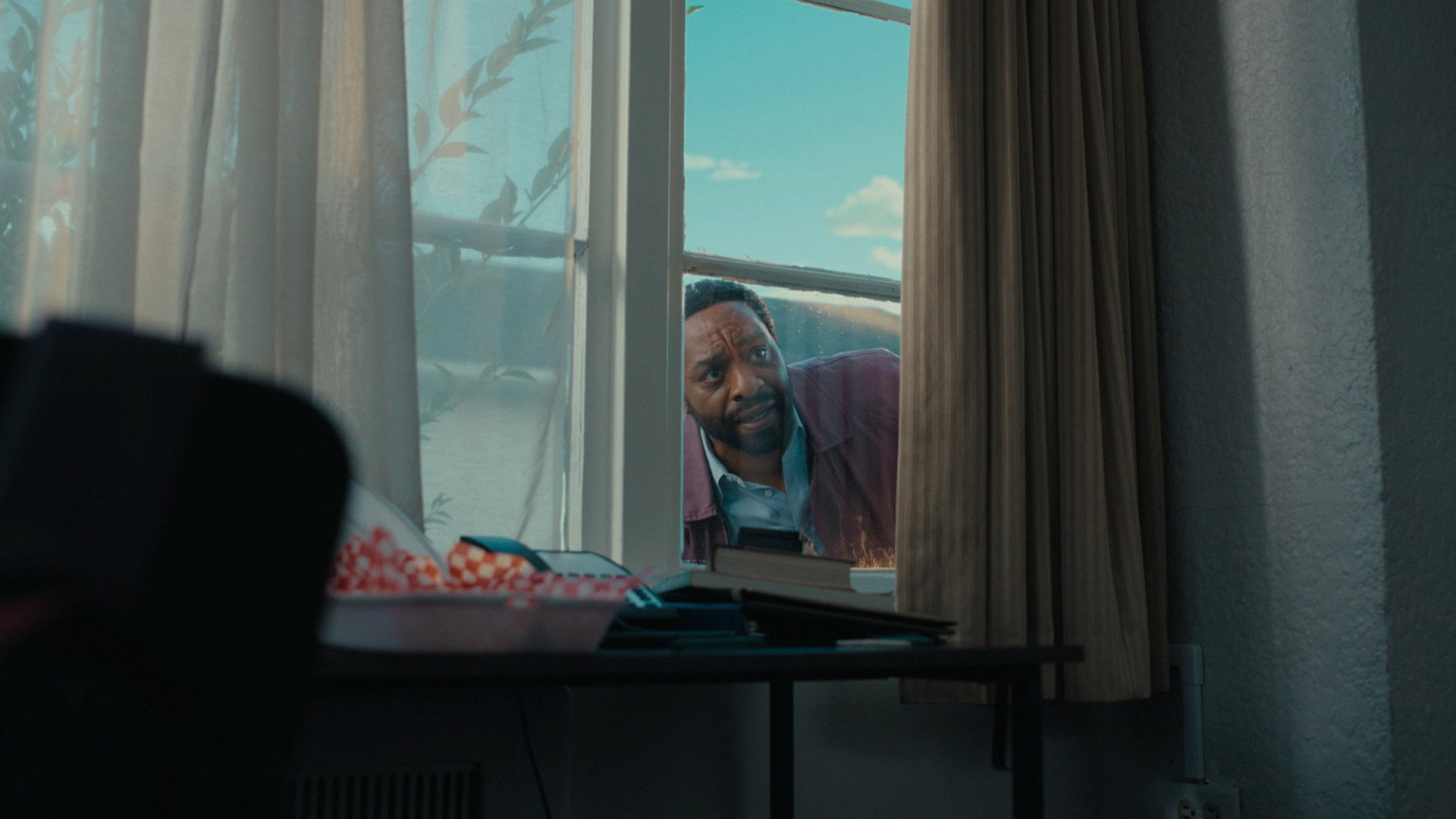
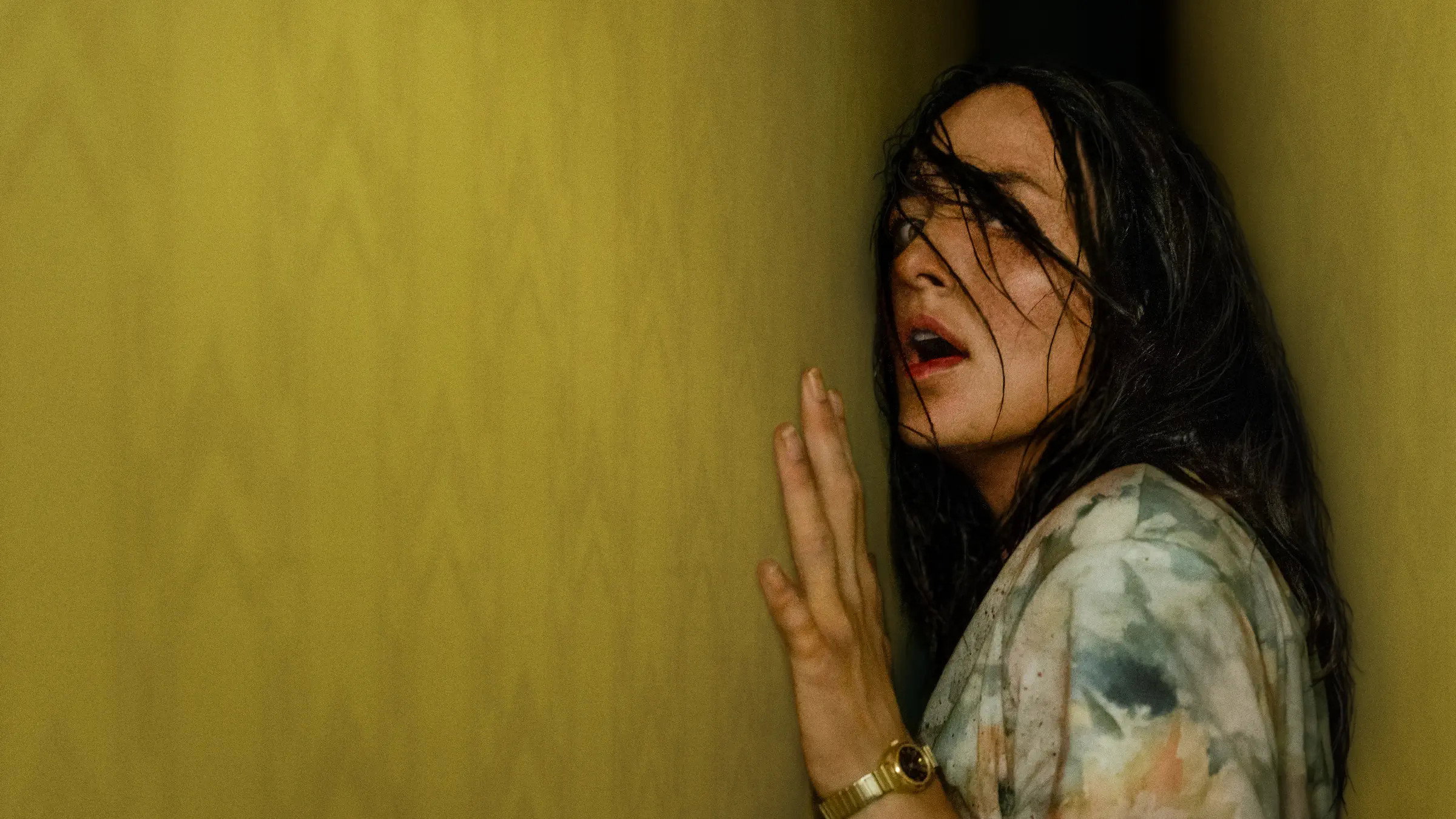
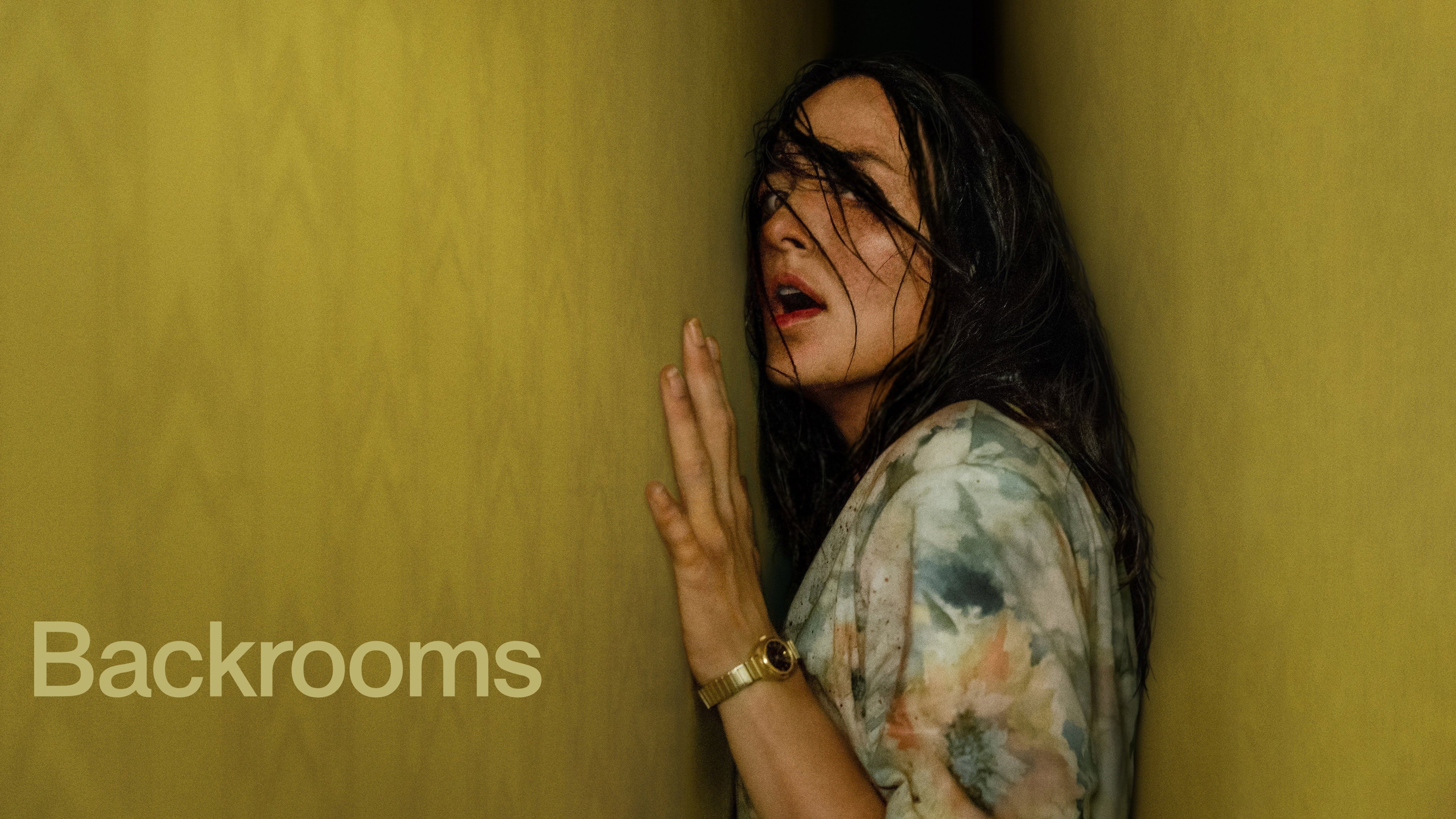
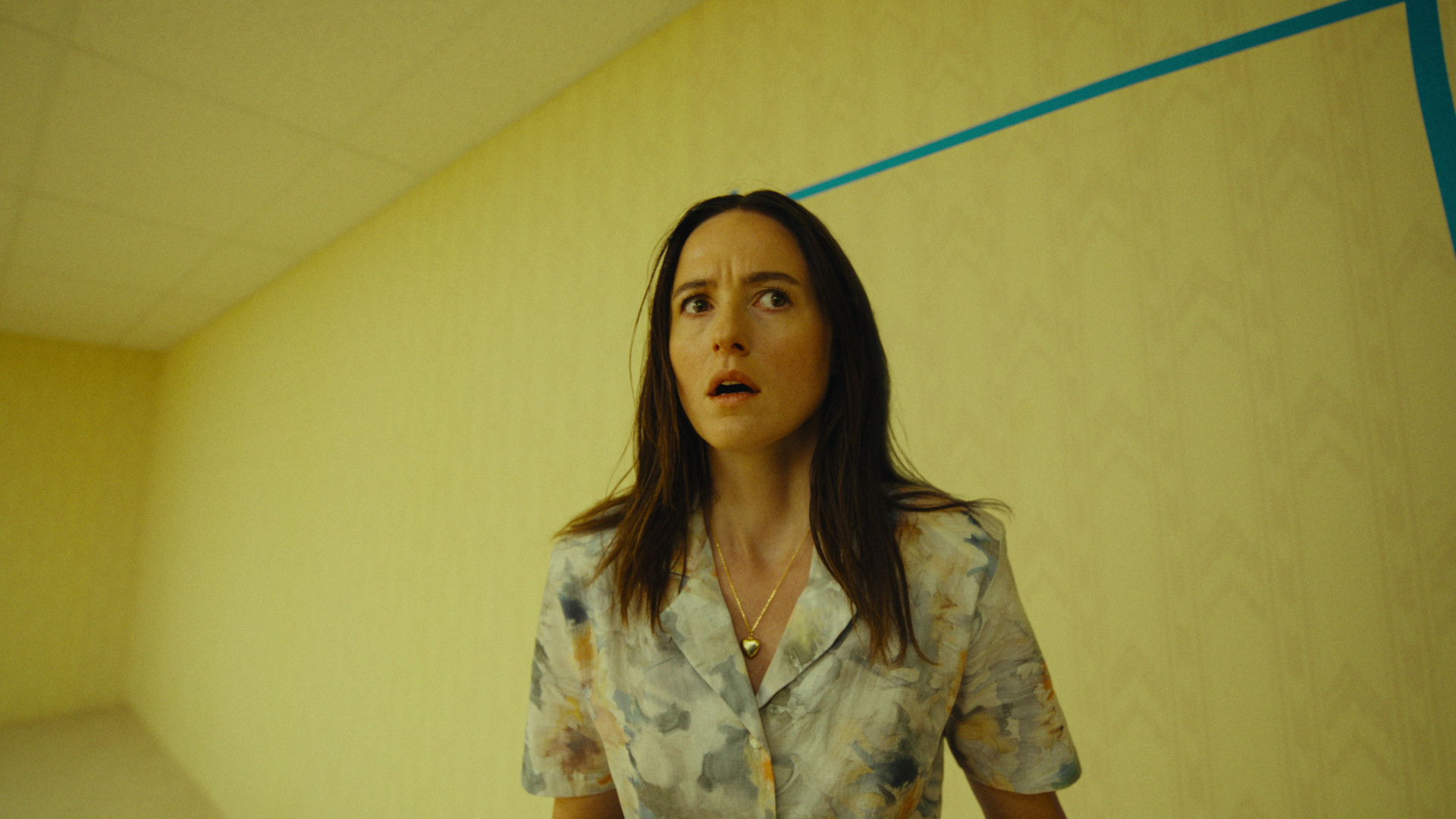
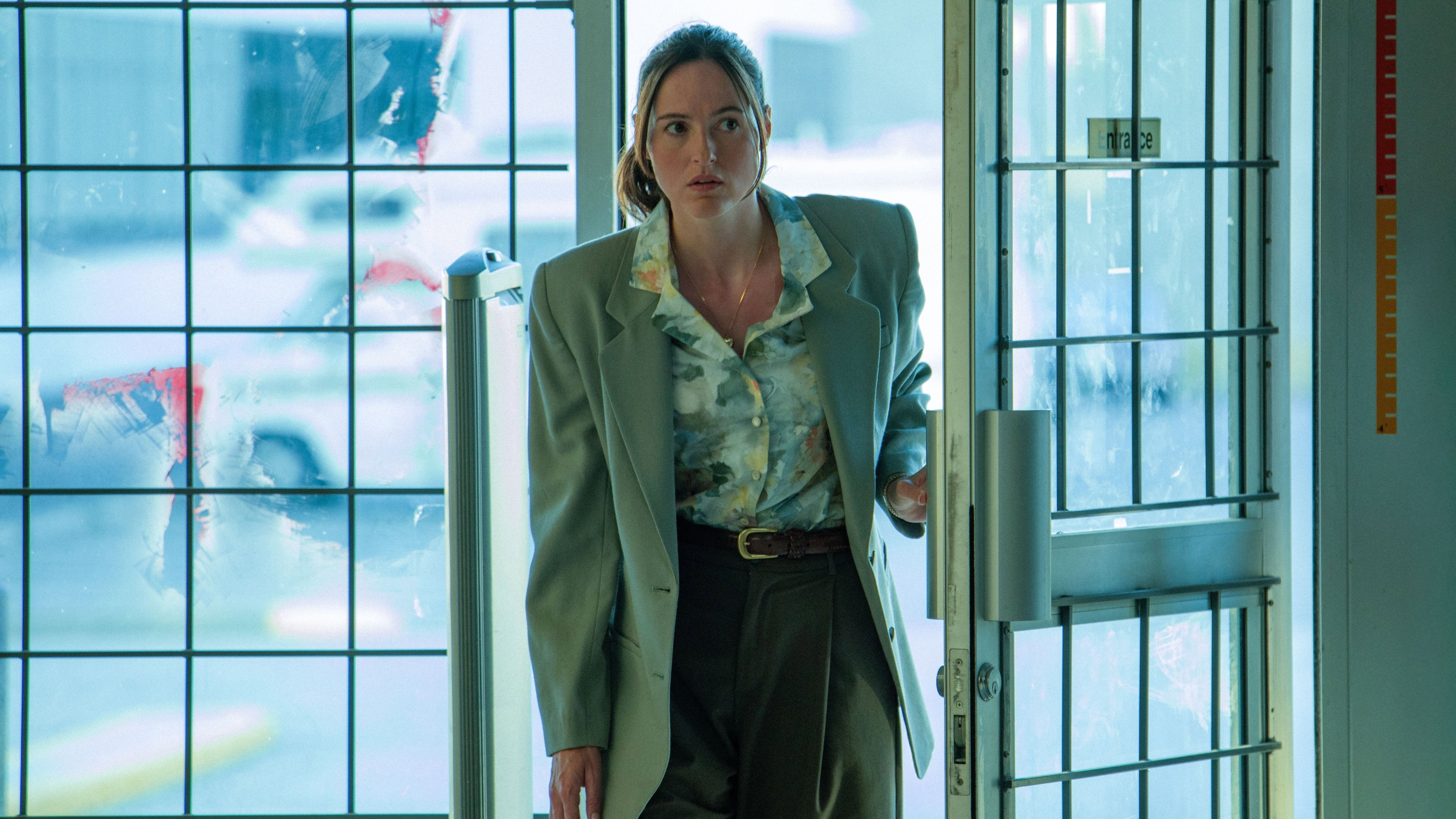
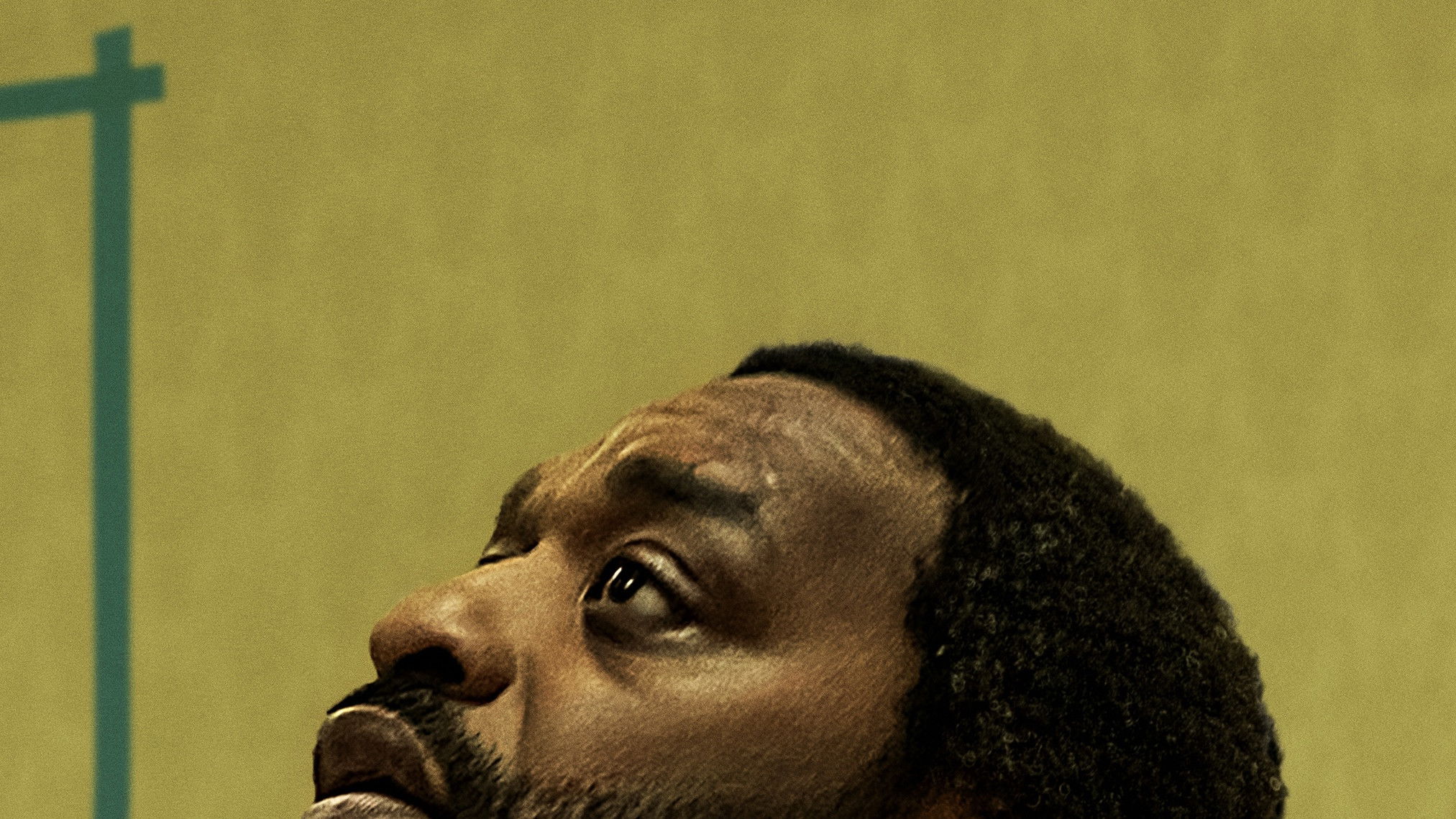
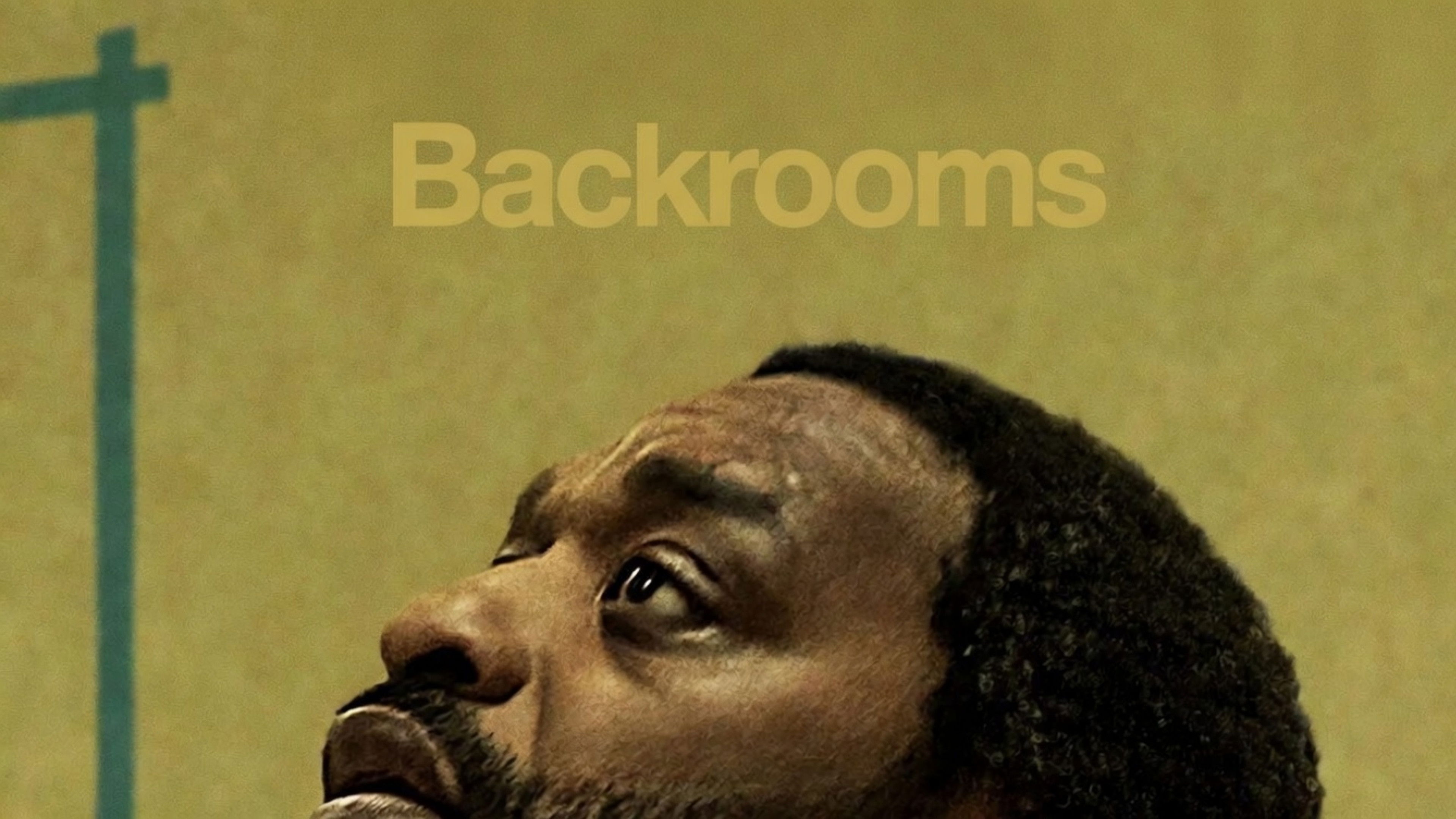
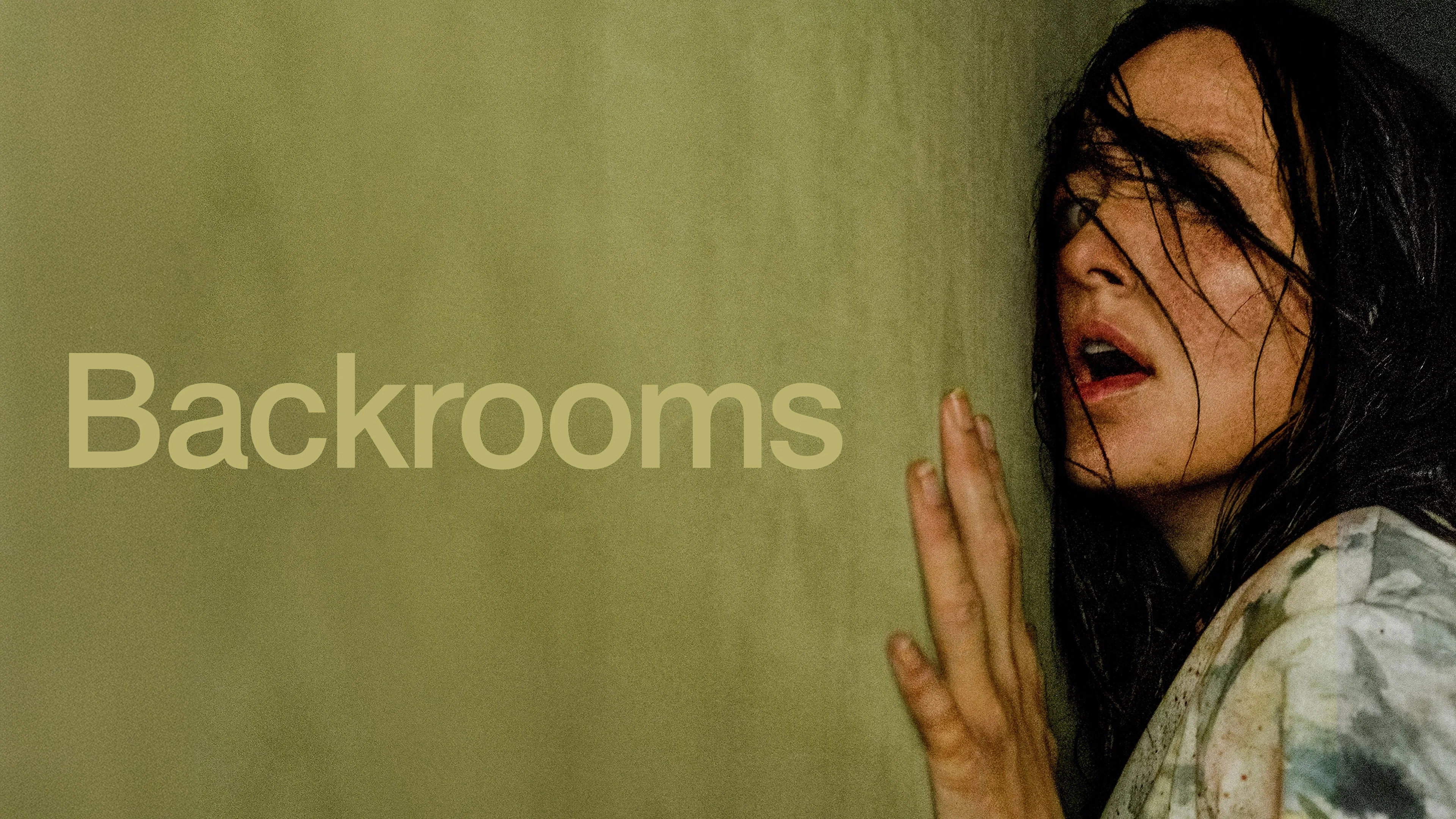
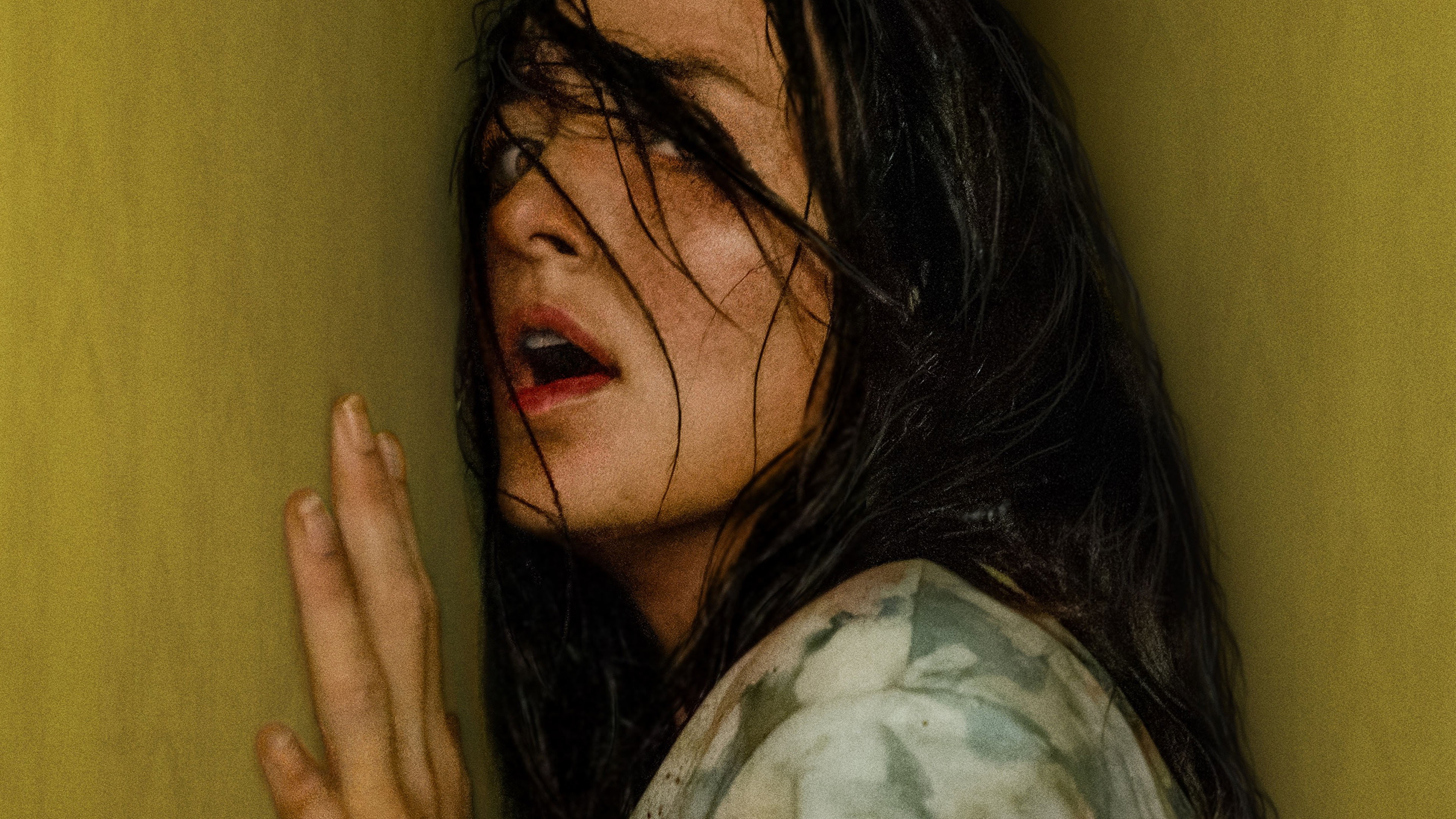
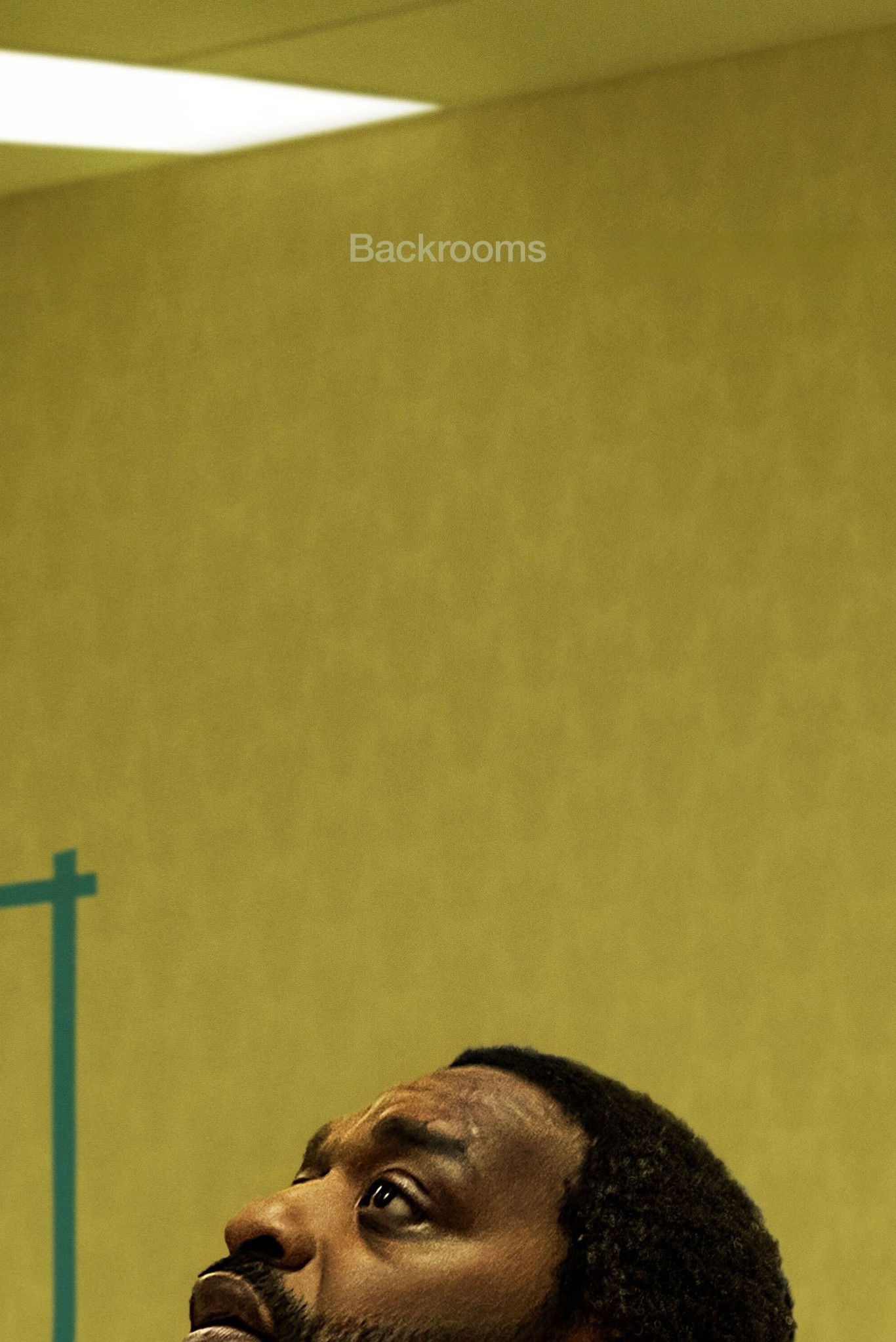
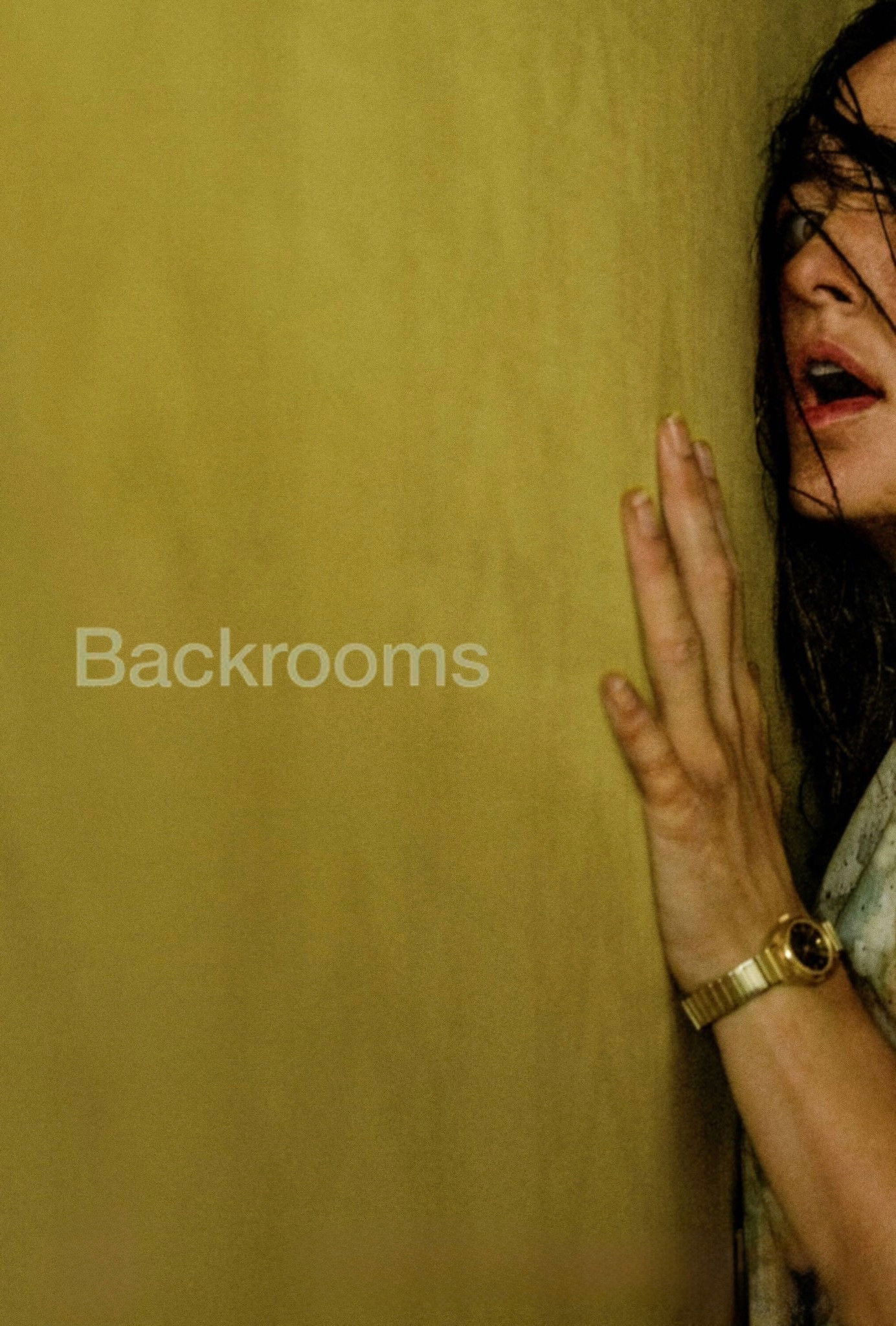
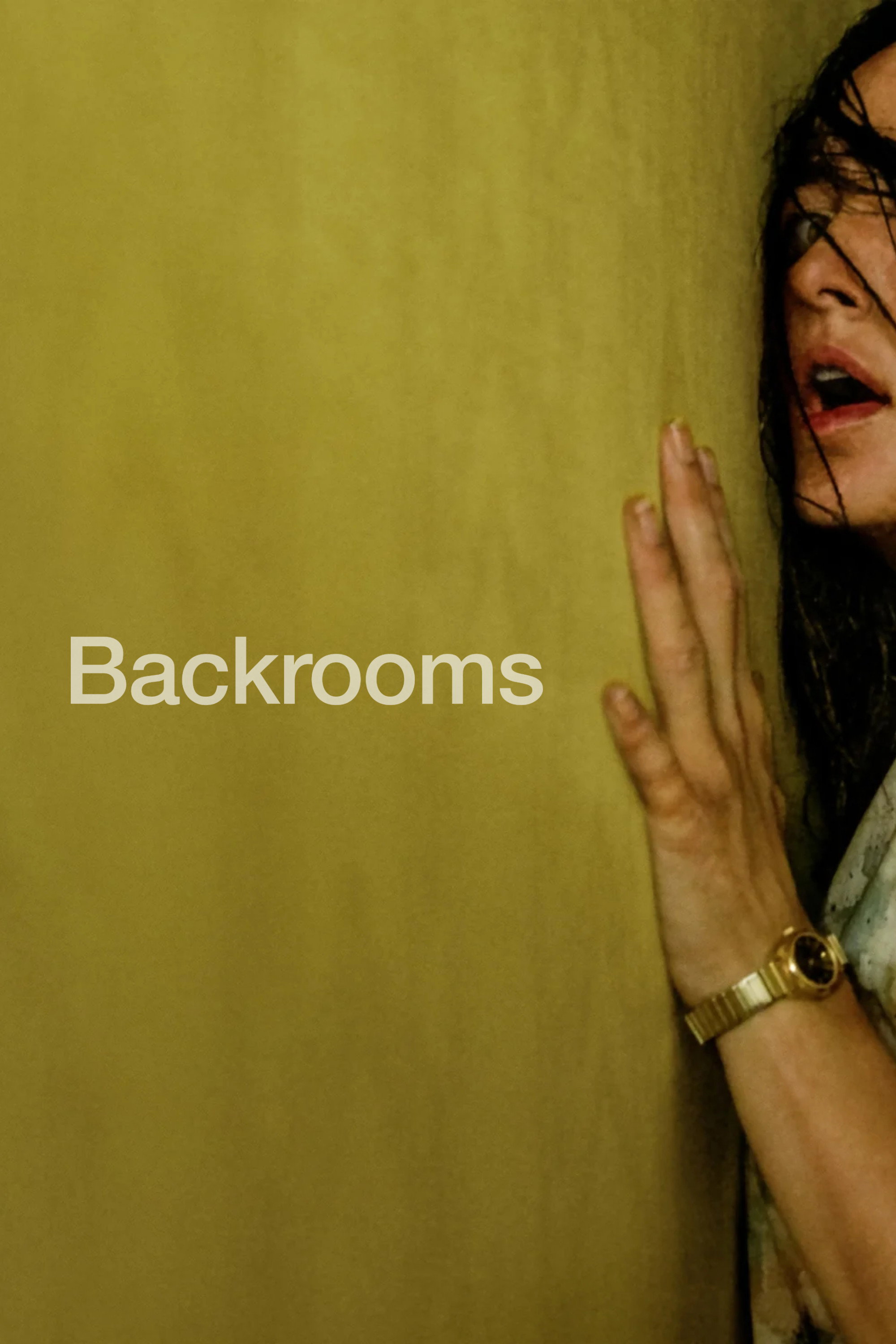
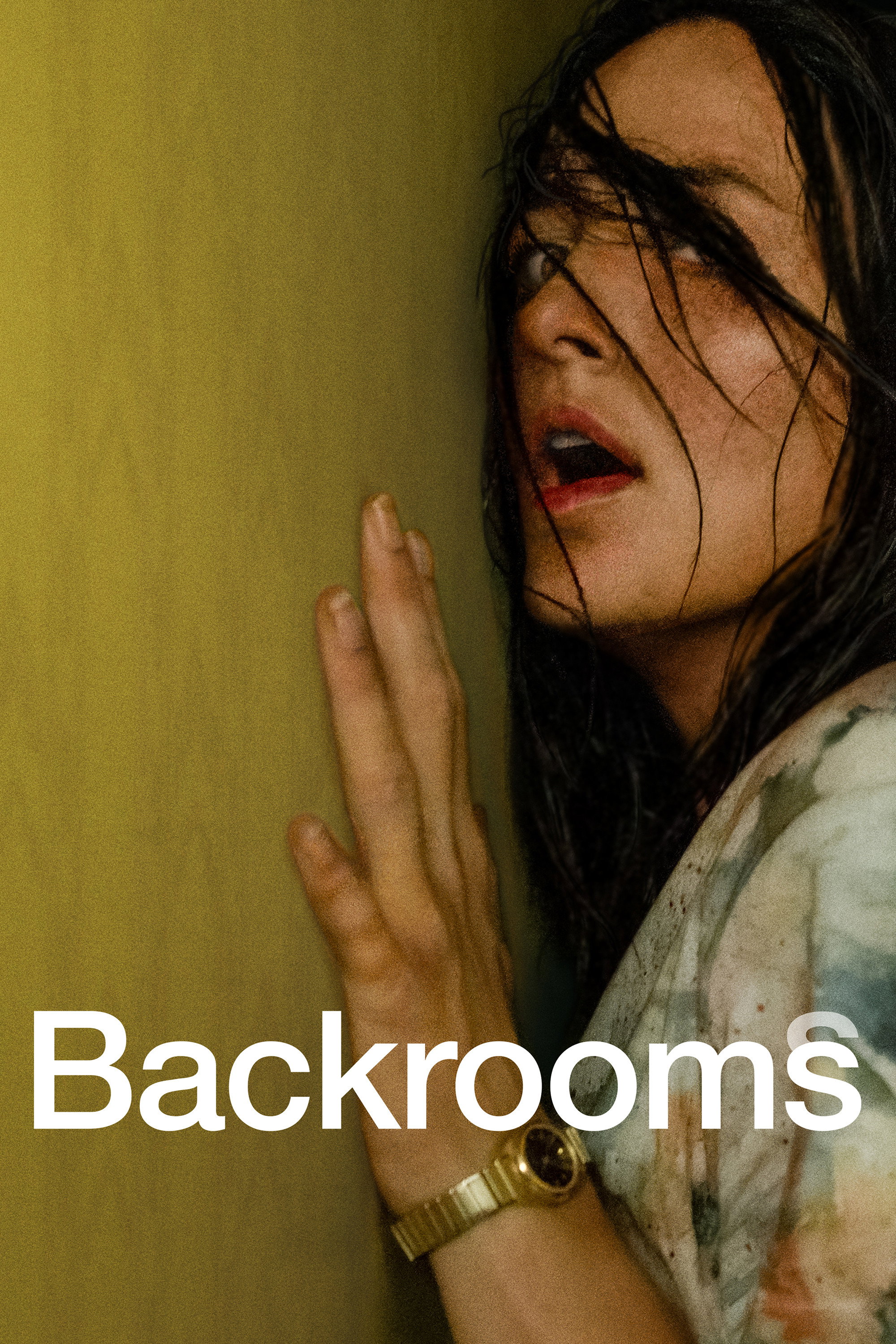
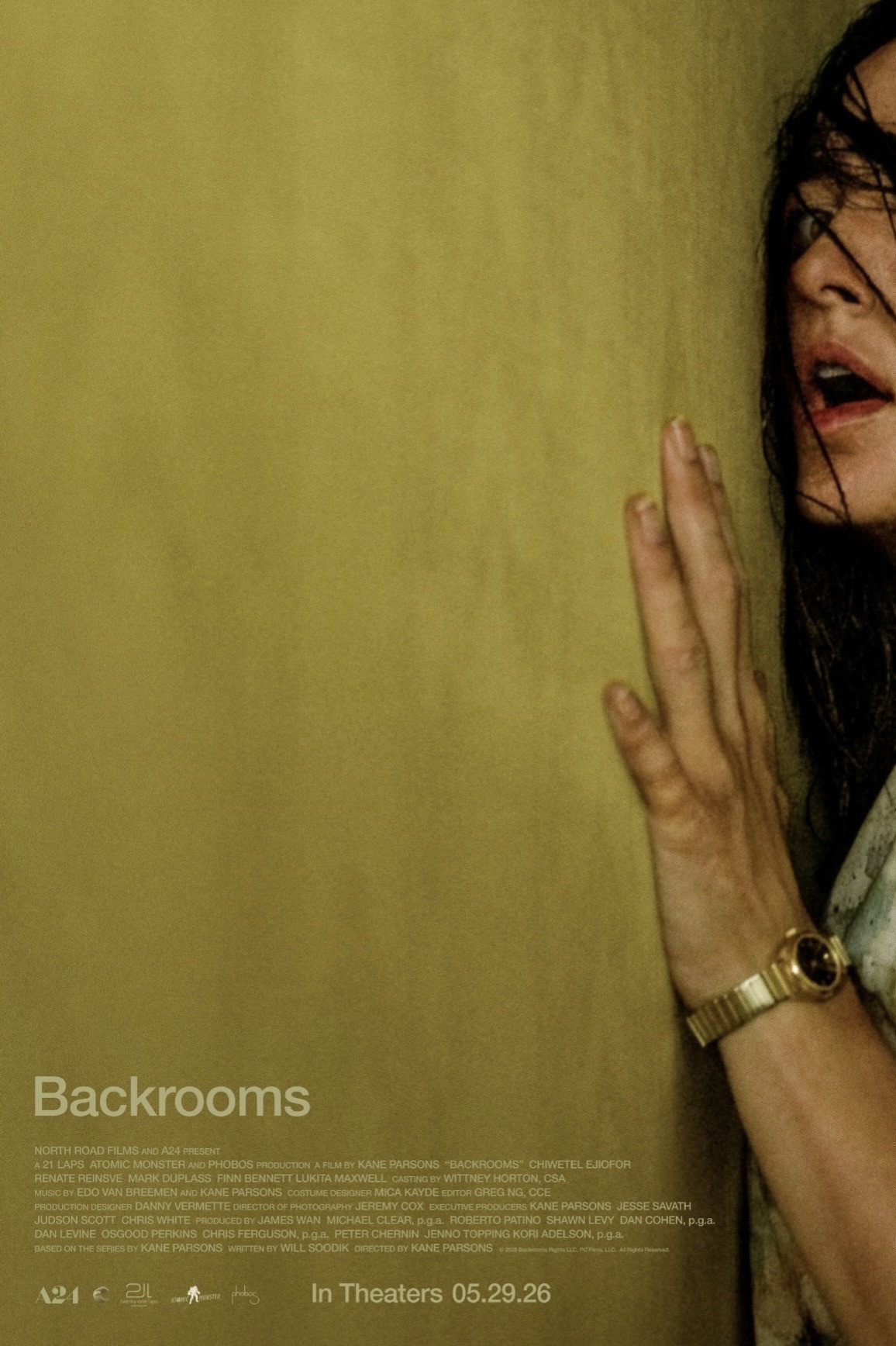
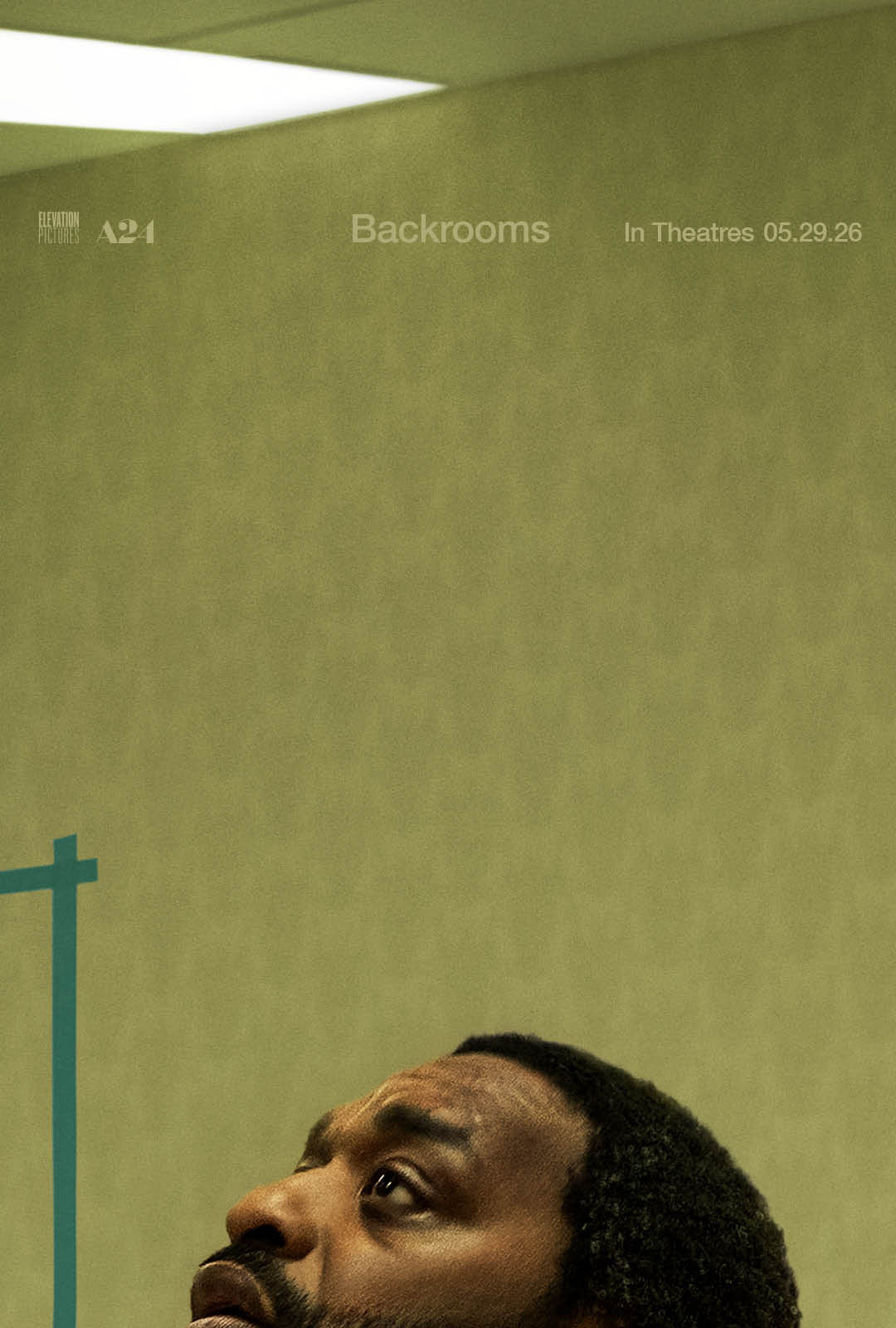
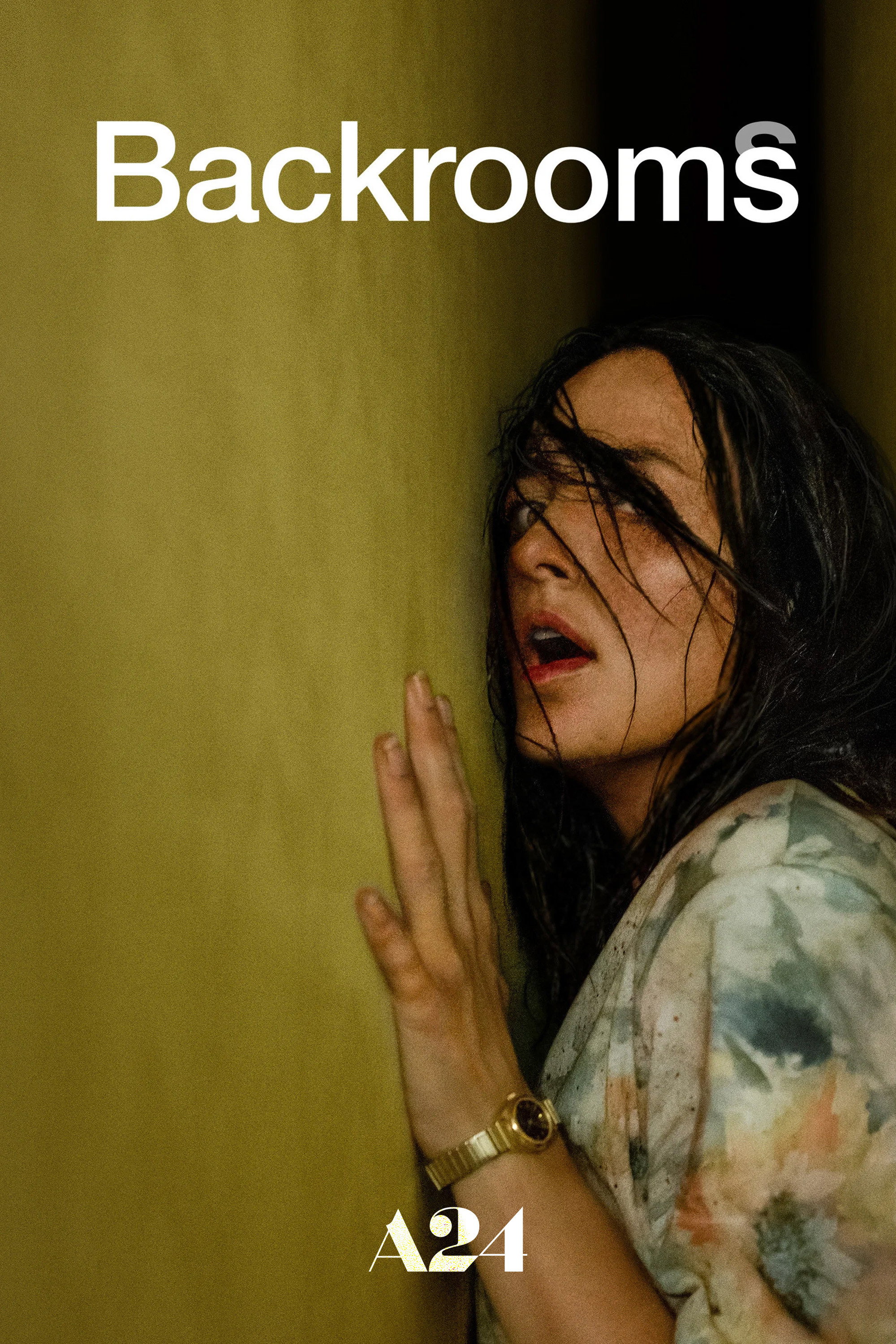
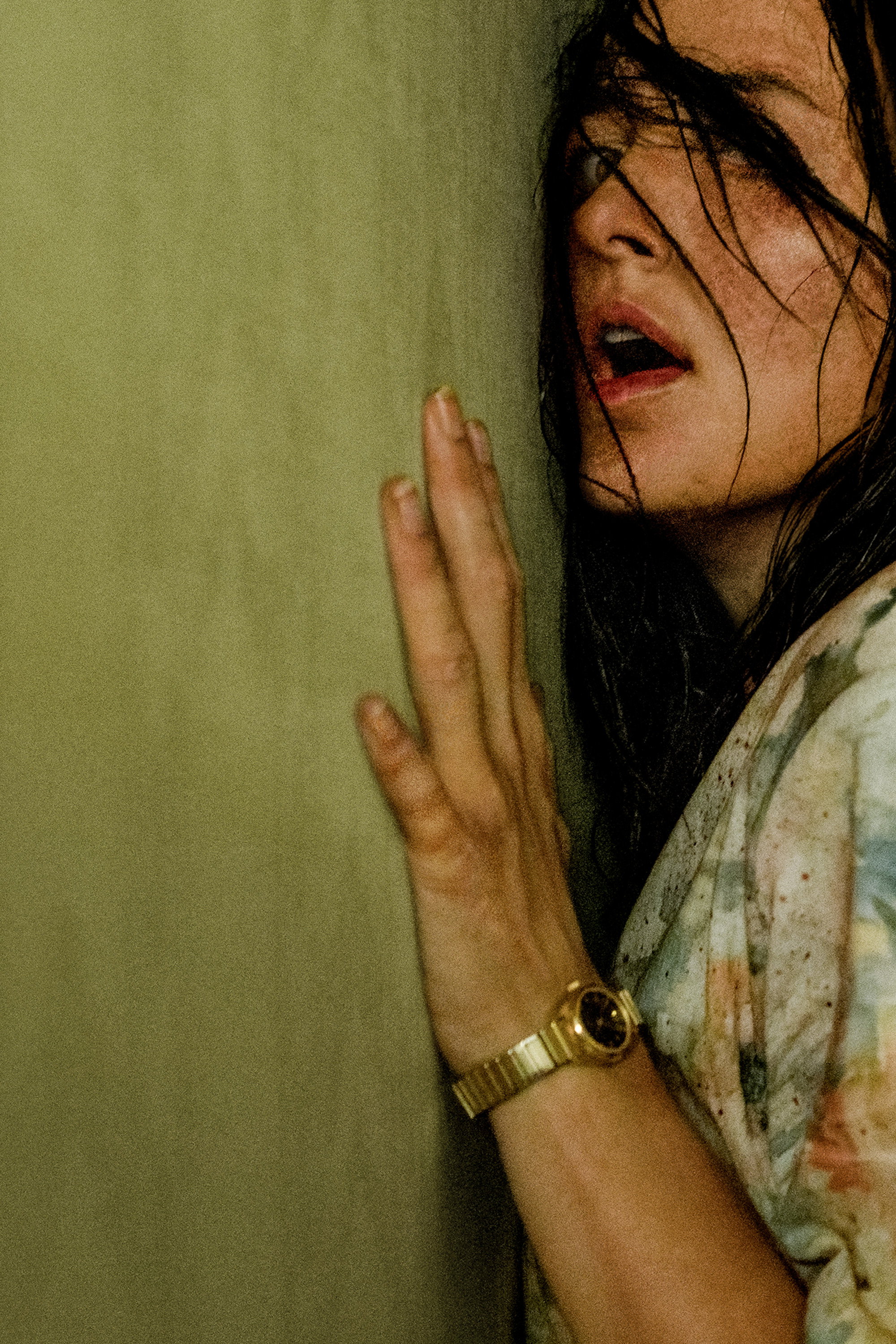
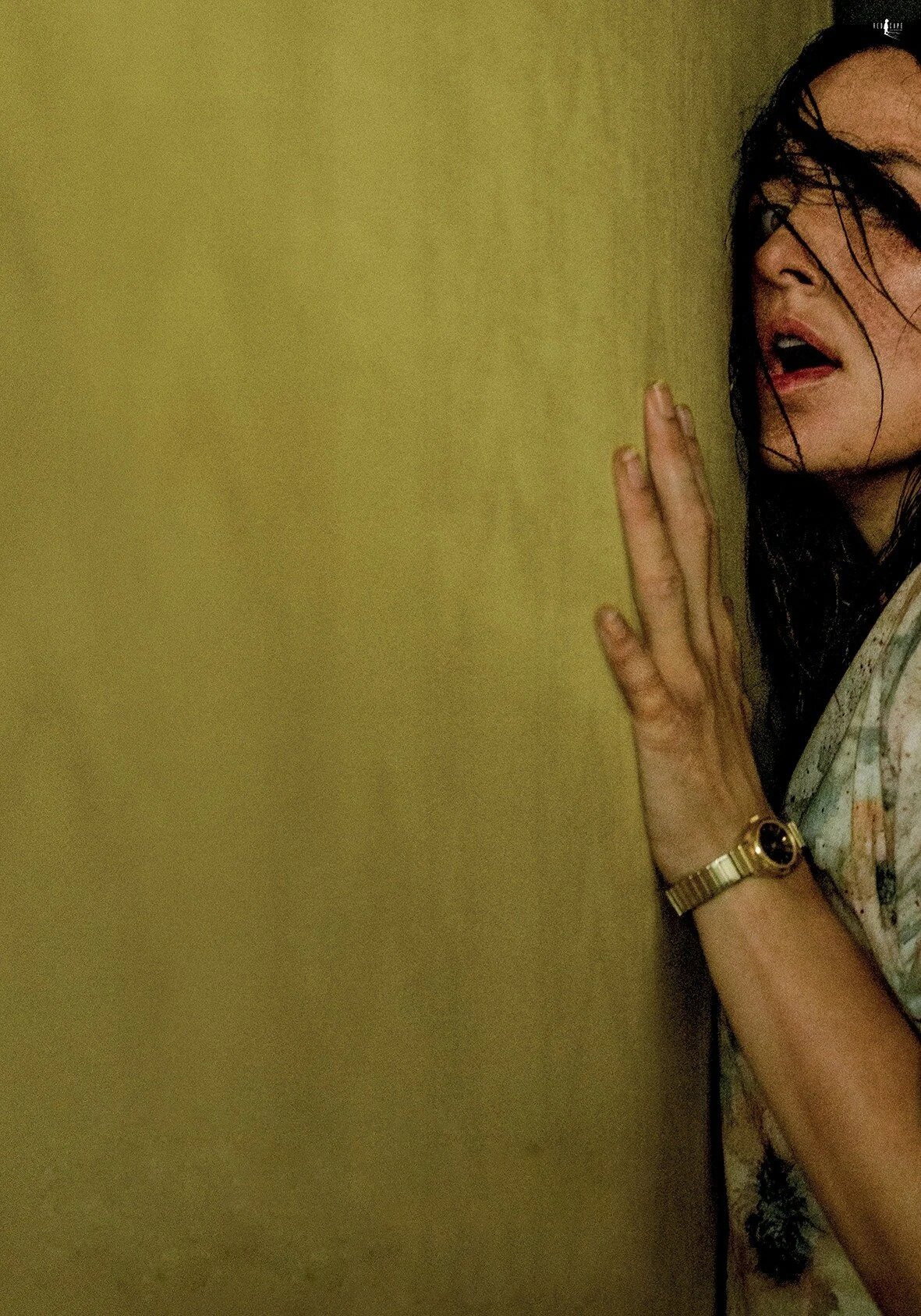
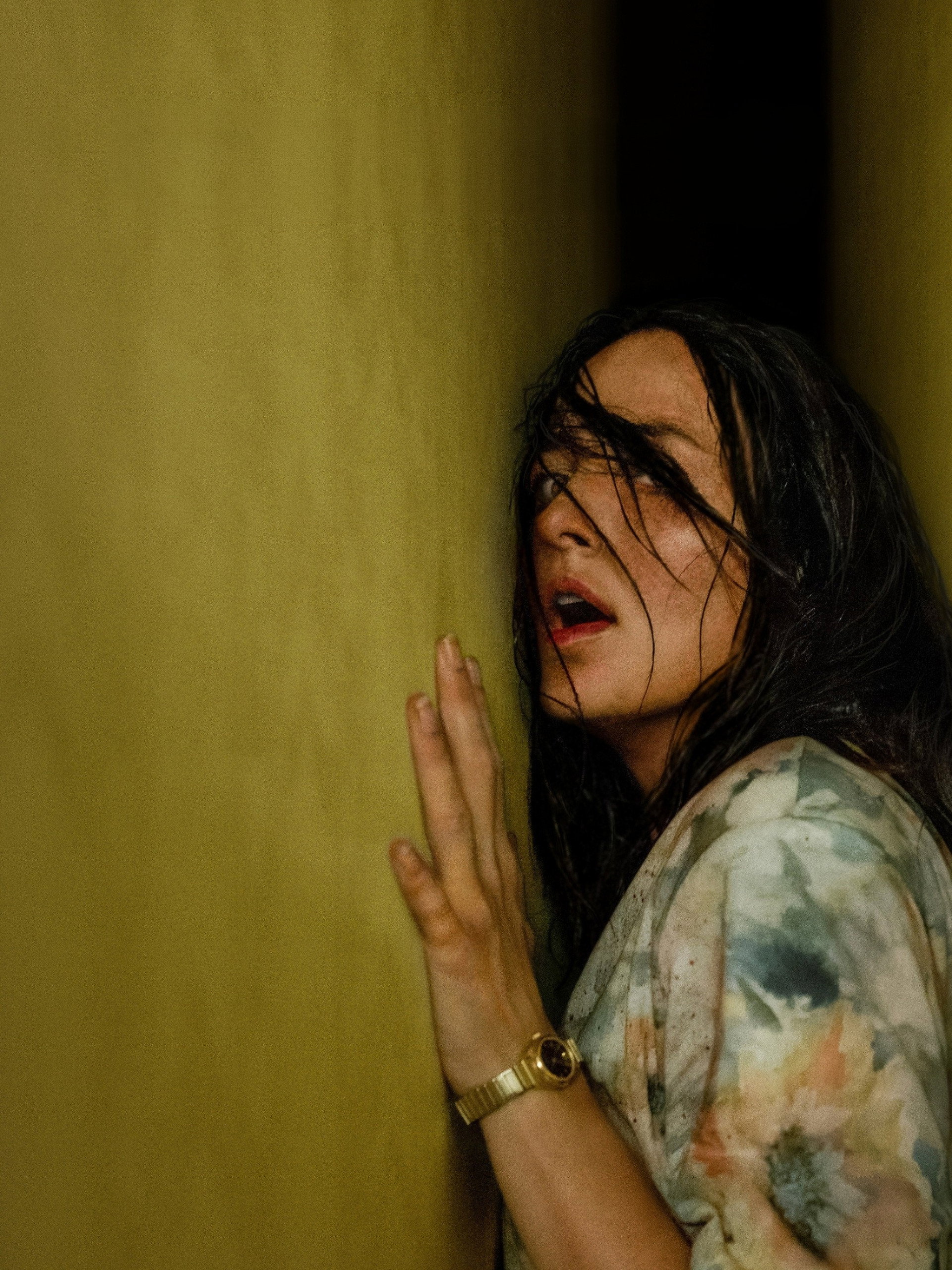
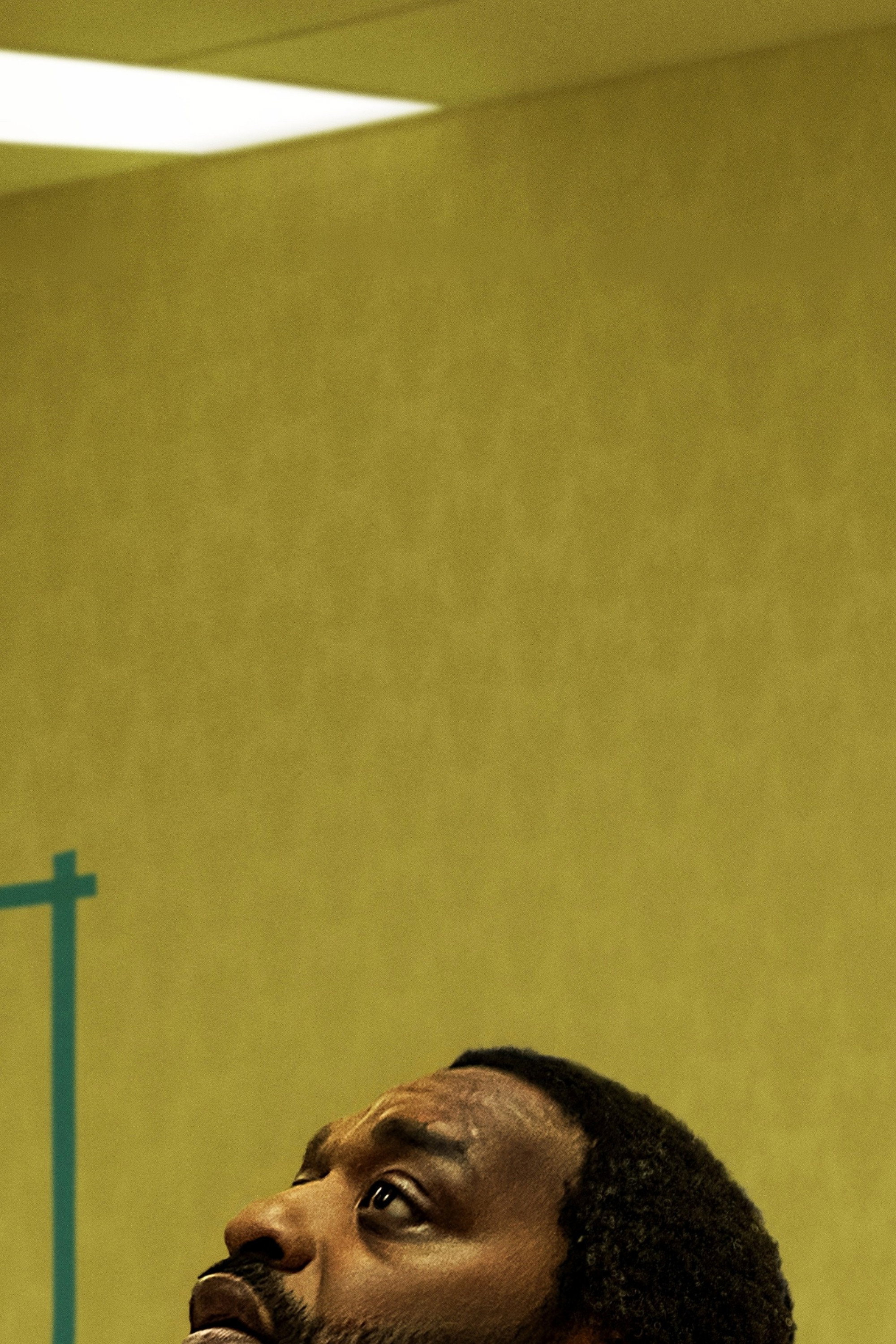
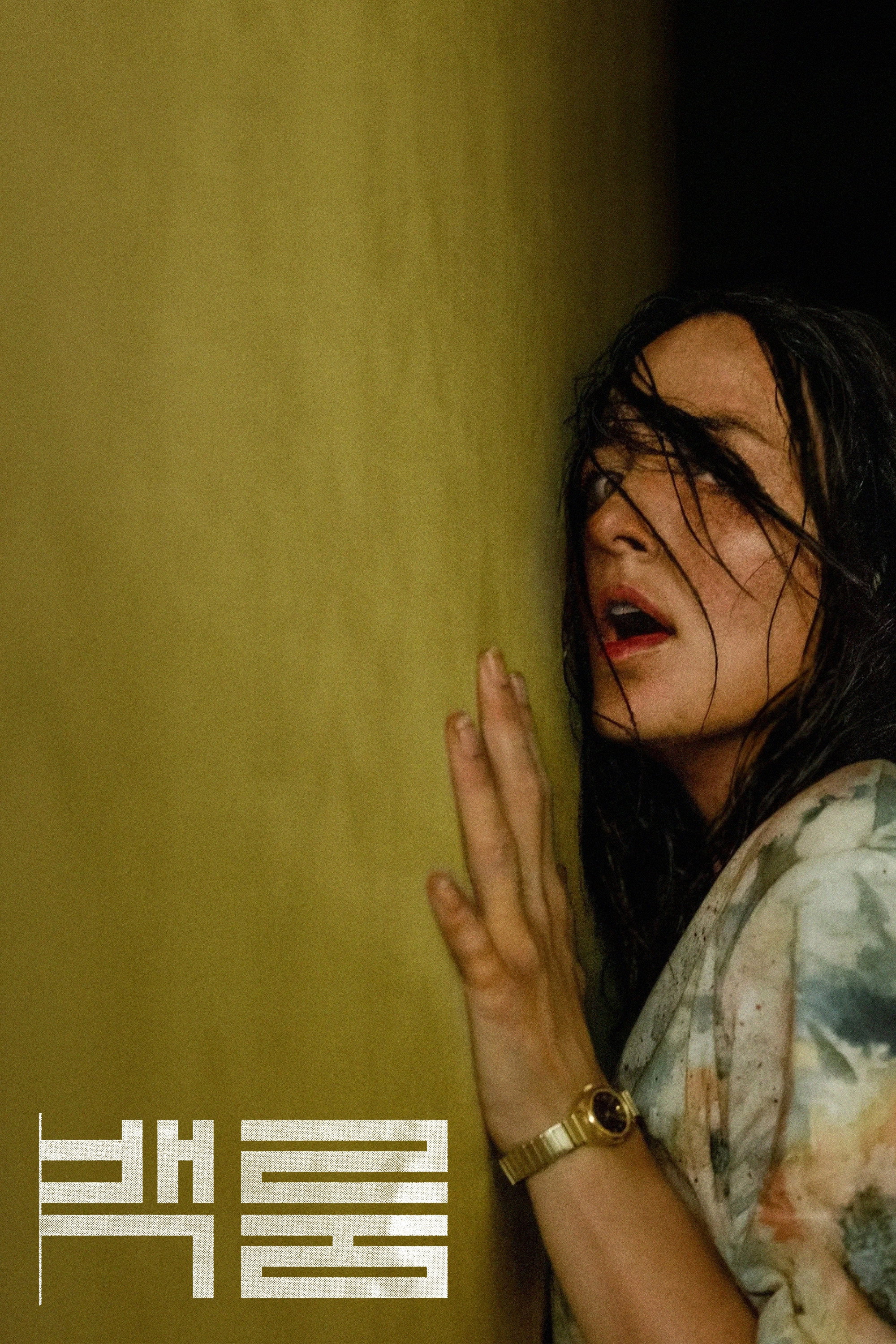
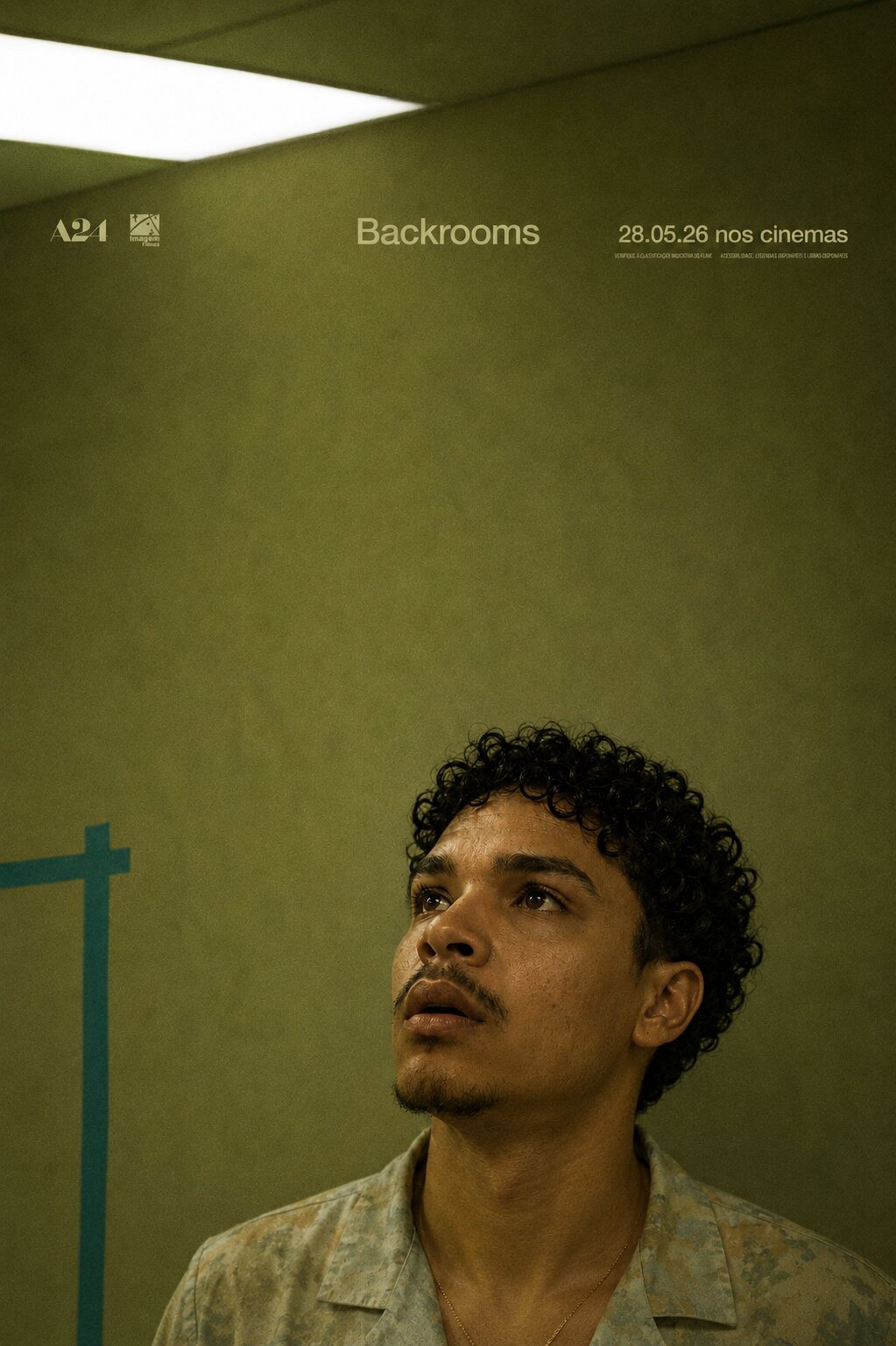
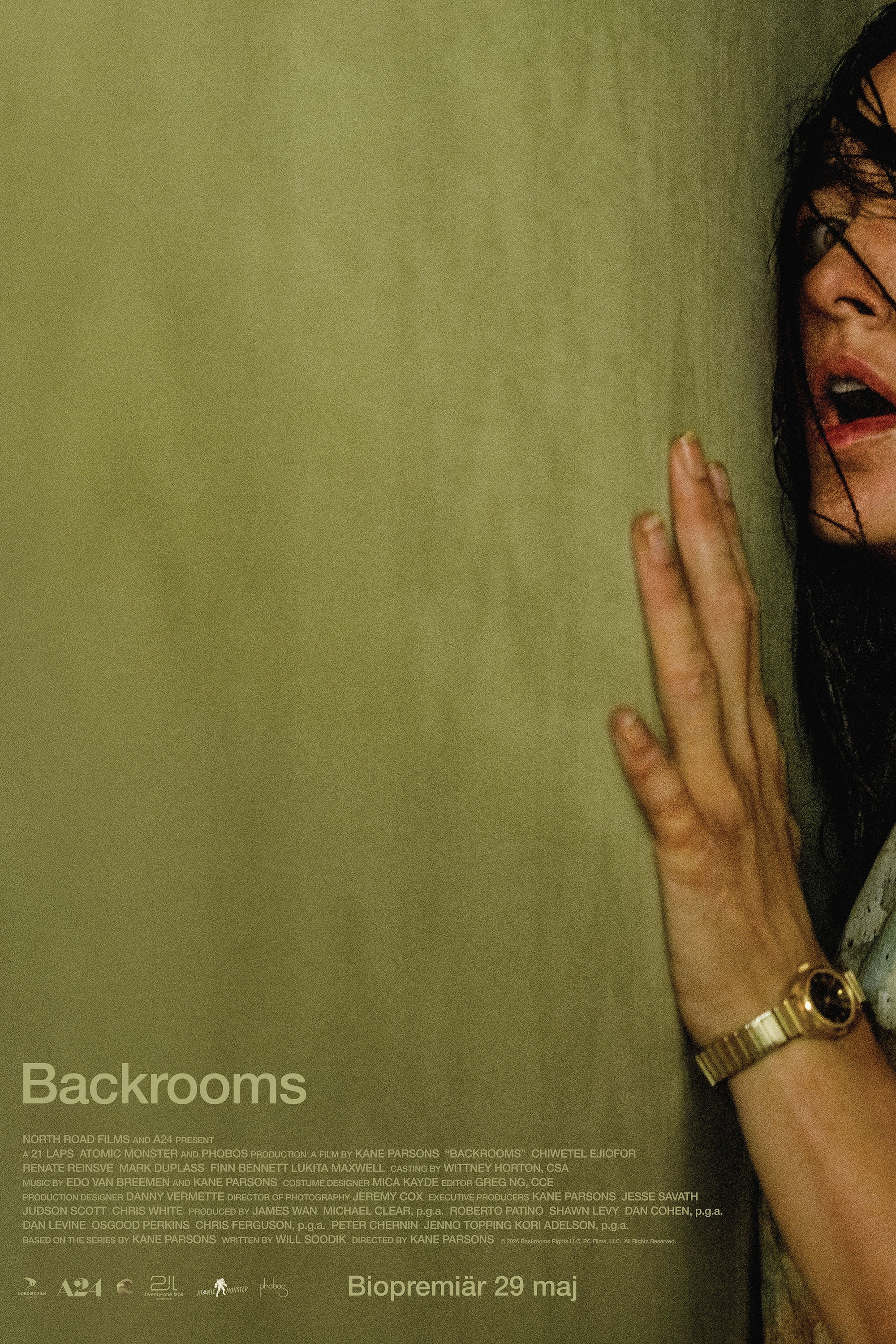
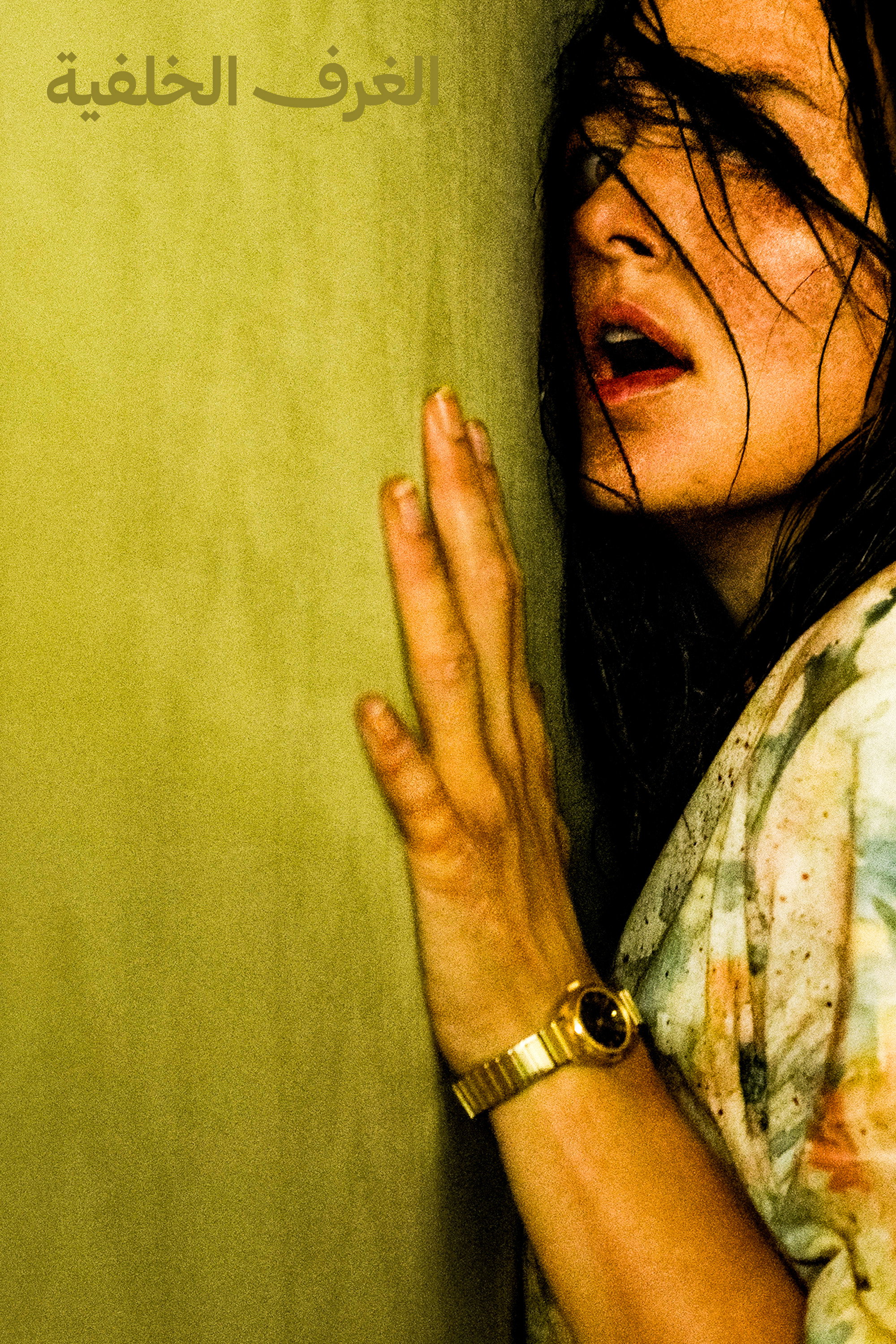
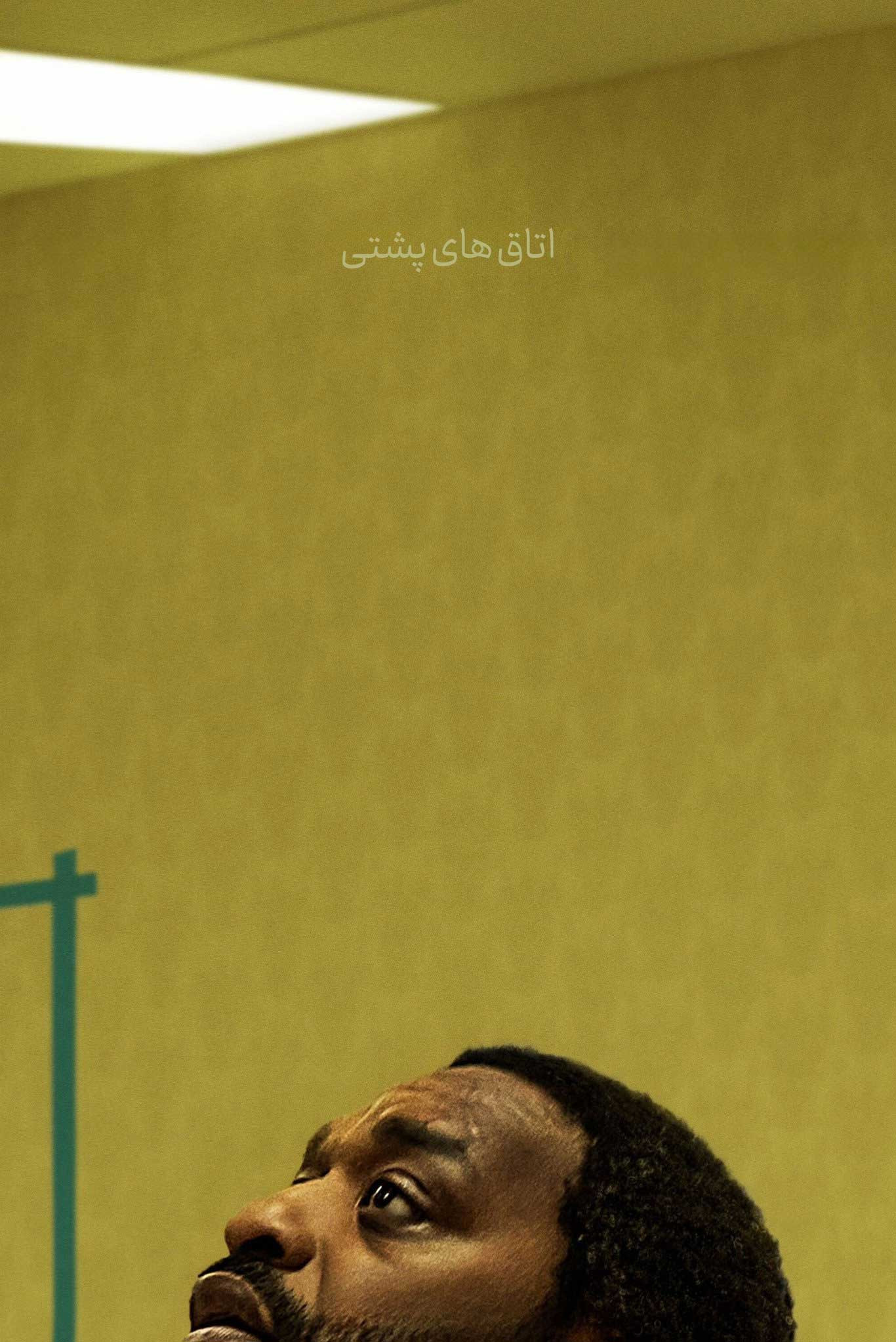
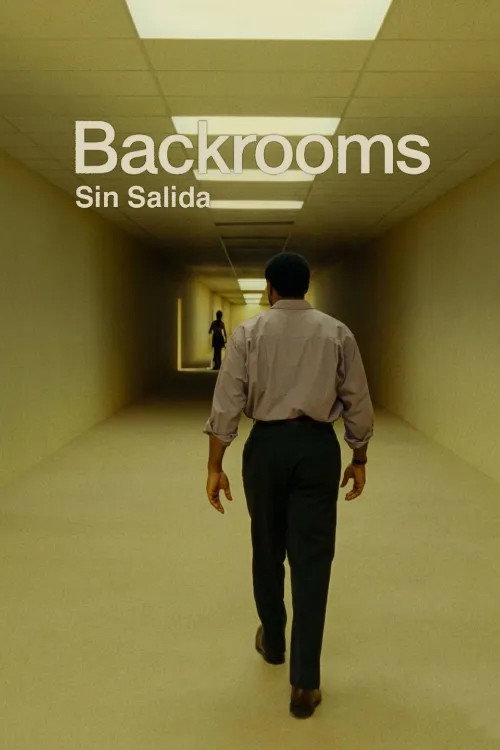
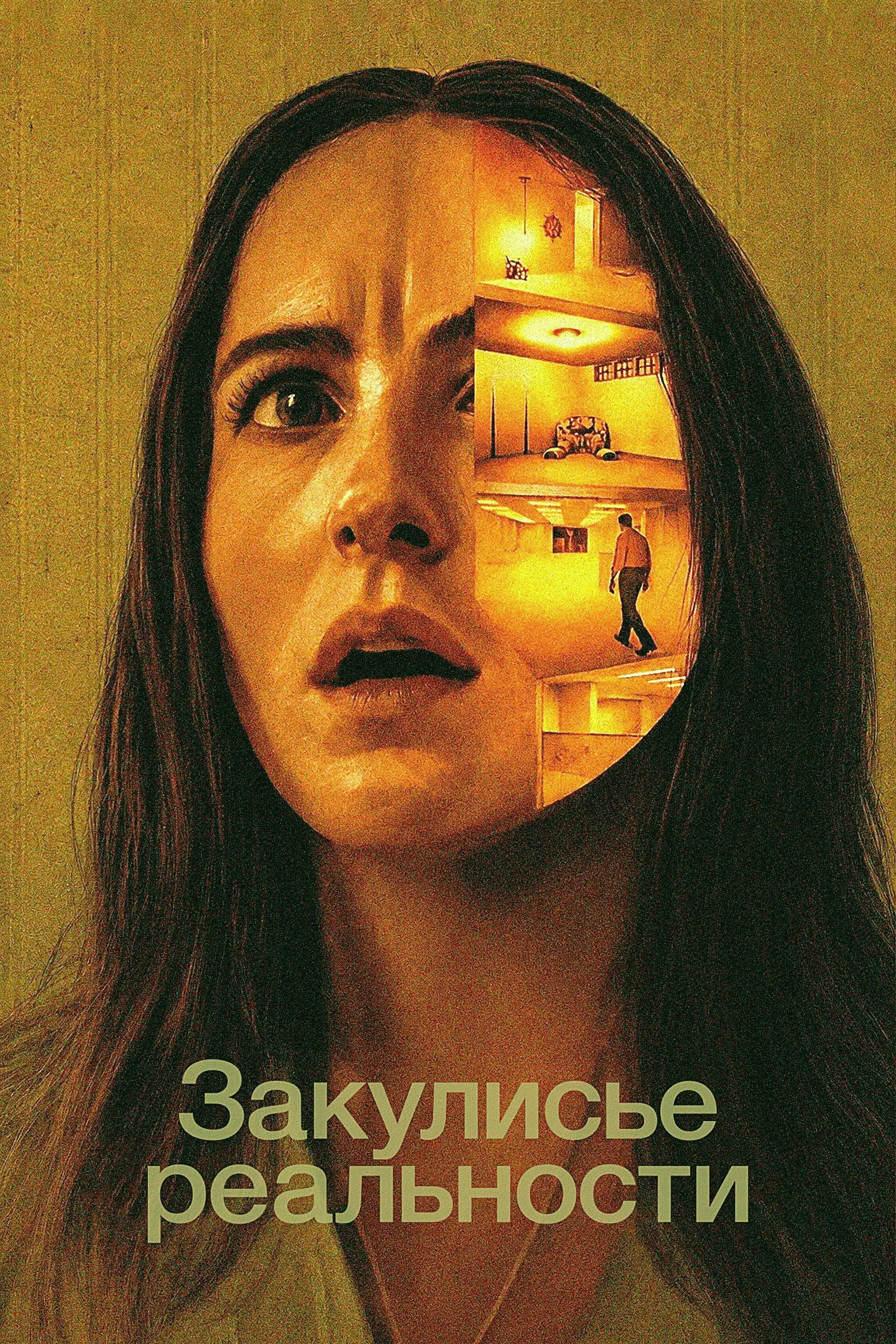
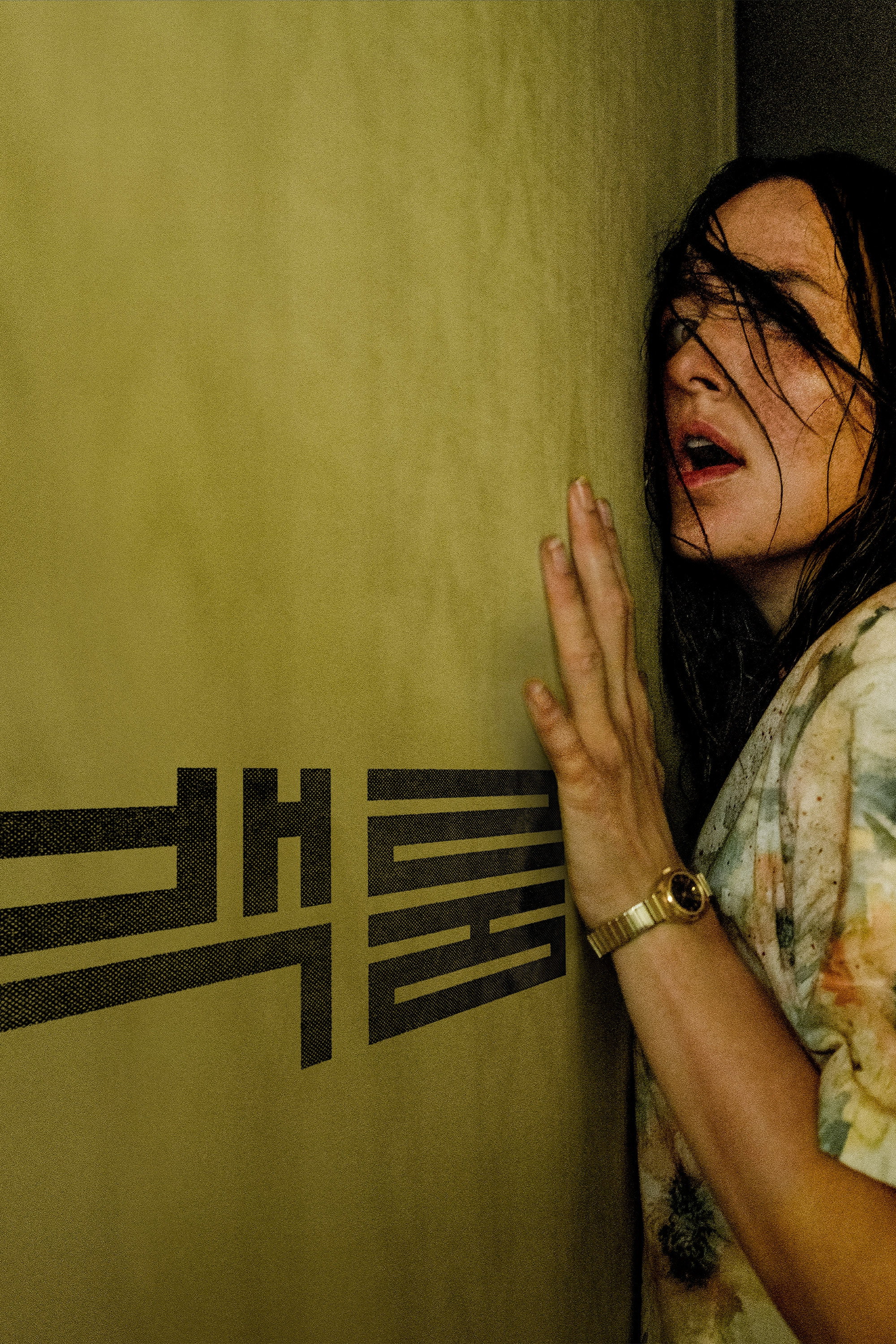
The resulting narrative introduces Clark, a dissatisfied furniture-store owner who encounters an impossible opening beneath his premises, and Mary, the therapist drawn into his investigation and subsequent disappearance. Their personal histories give the labyrinth a different dramatic function for each character. Clark approaches the unknown with a mixture of anger, fascination and possessiveness, whereas Mary's experience is shaped by memories of domestic confinement. Chiwetel Ejiofor and Renate Reinsve provide identifiable human perspectives on a setting whose earlier screen appearances had generally made the person holding the camera anonymous or secondary.
Parsons discussed this change in detail with James Wan for A24's podcast. He wanted the feature to explore relationships between individuals and the space rather than rely entirely on the spectator imagining themselves behind a recovered camera. The film consequently combines recognizable first-person passages with more conventional dramatic scenes. Its story does not require the audience to decipher the Async Institute chronology before entering the cinema, even though the director continued to regard consistency with his earlier work as important.
Production Design: Constructing the Labyrinth
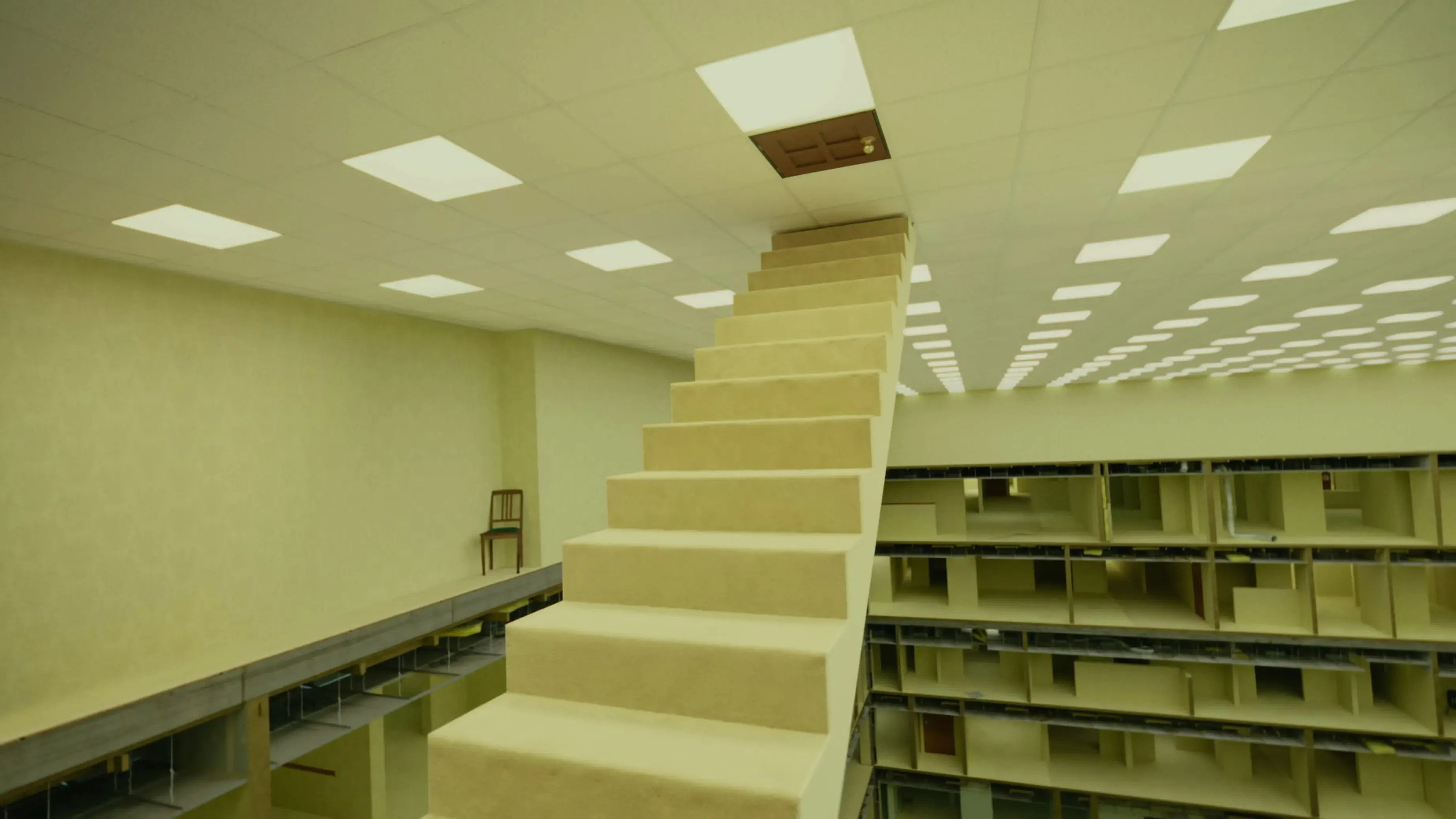
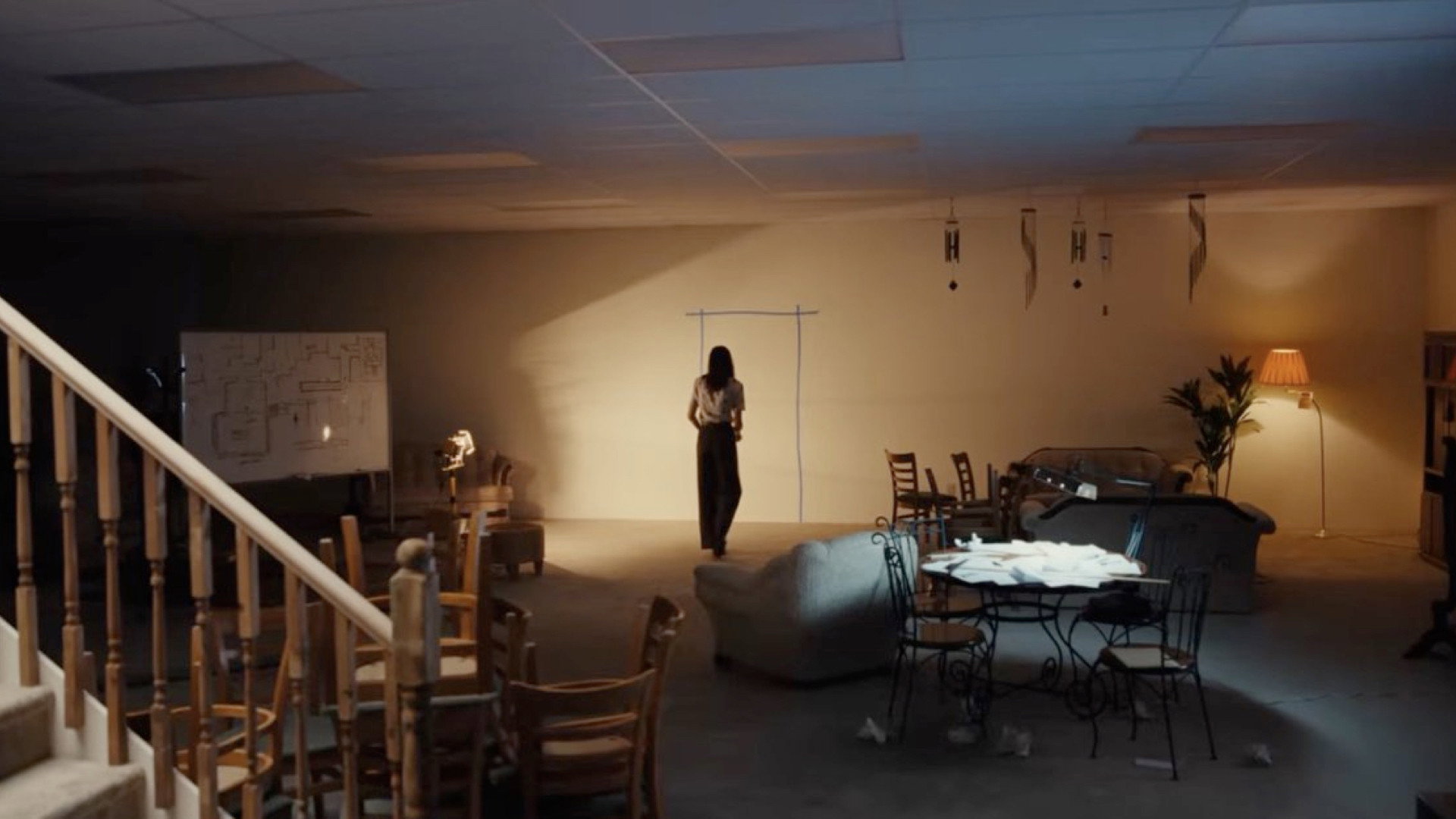
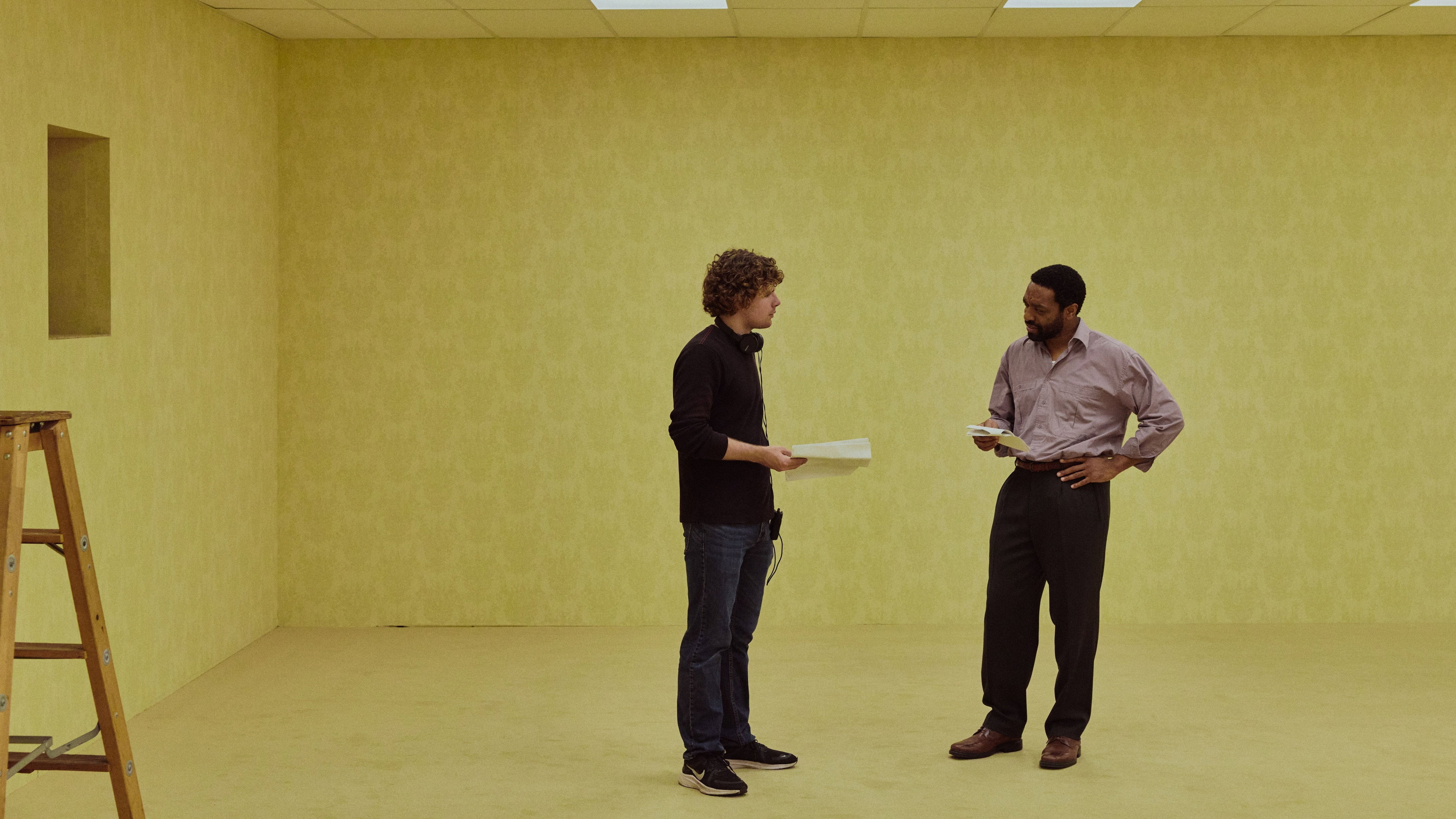
The production process began with virtual environments that allowed the team to plan space and camera movement. Parsons modeled proposed rooms in Blender and used those spaces to plan camera positions and shots before the structures existed physically. He told Wan that the finished sets closely followed his digital designs, with changes negotiated during preparation alongside the cinematography team. Production designer Danny Vermette later explained that an early virtual scheme amounted to approximately 100,000 square feet, far beyond the available construction area. The challenge was to decide which surfaces performers needed to occupy and which extensions could be supplied through visual effects.
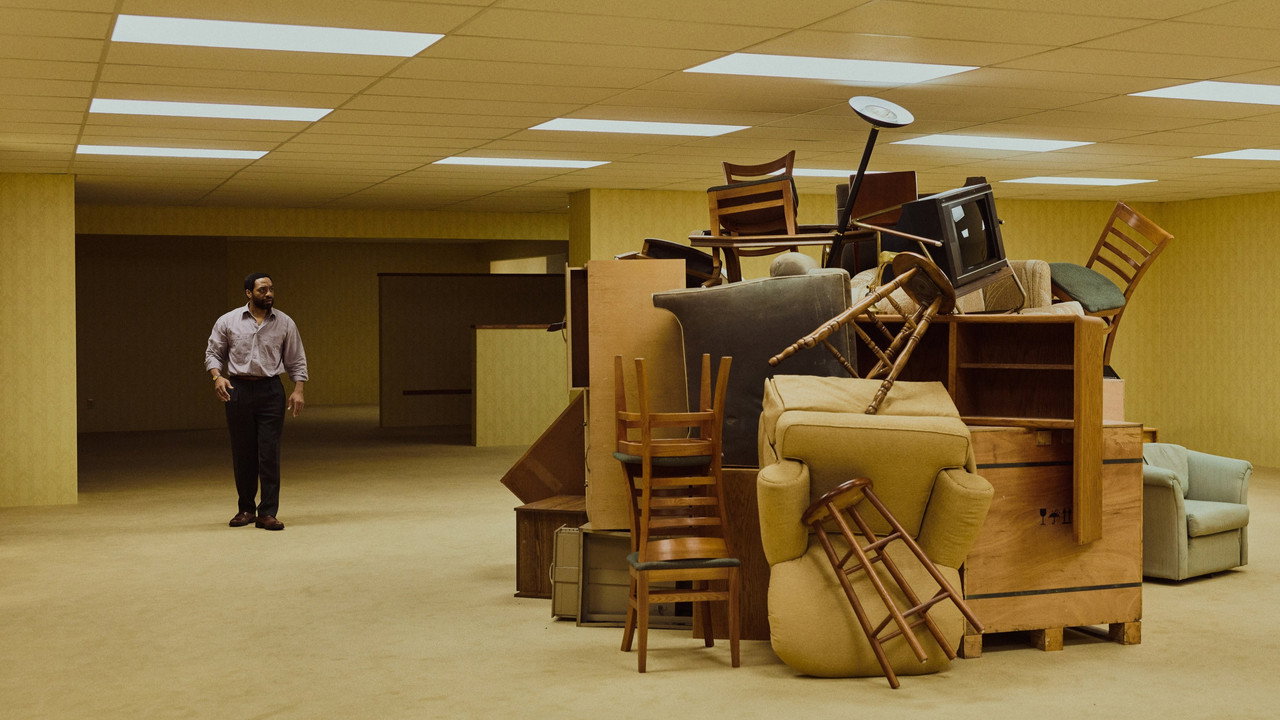
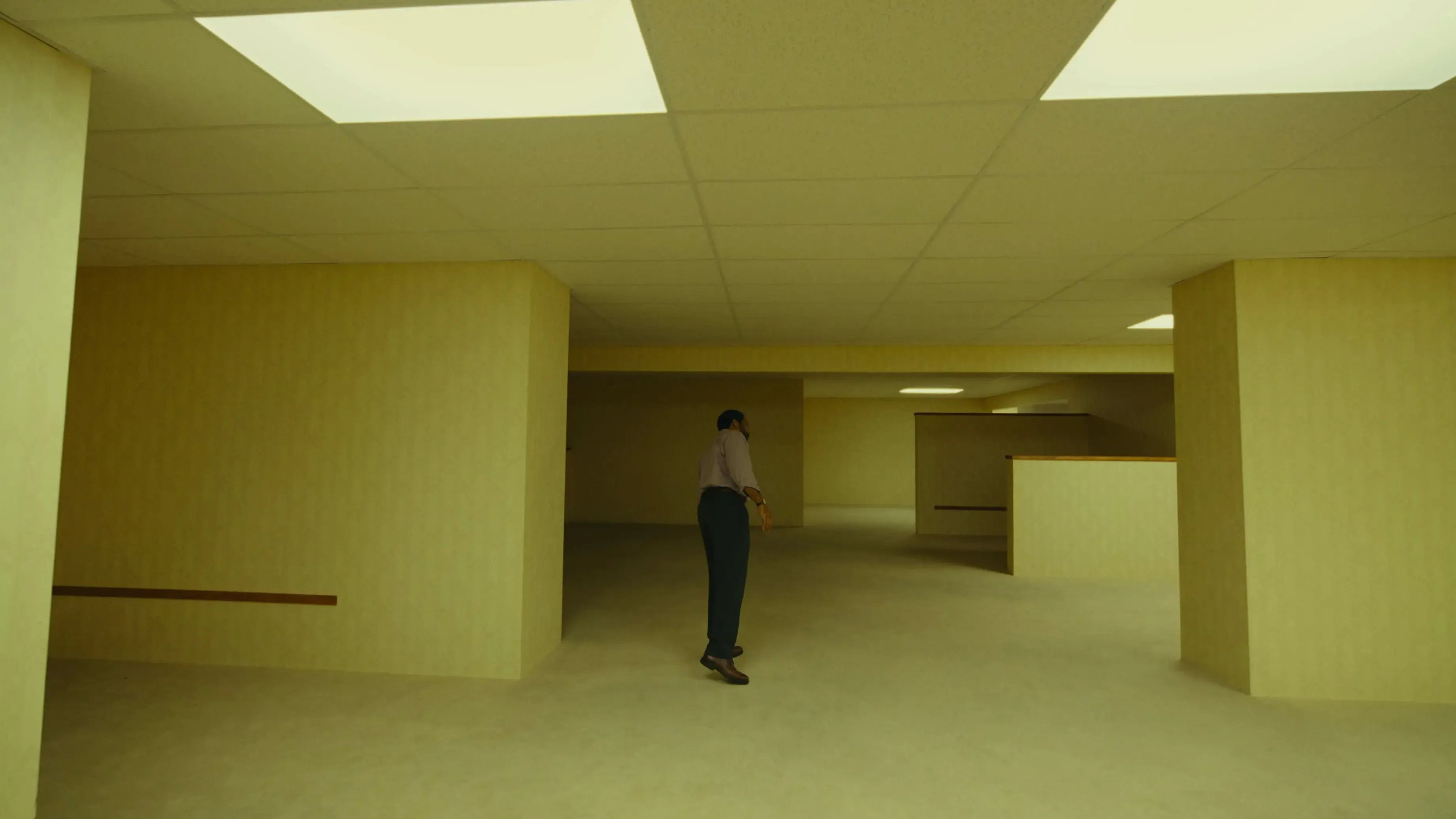
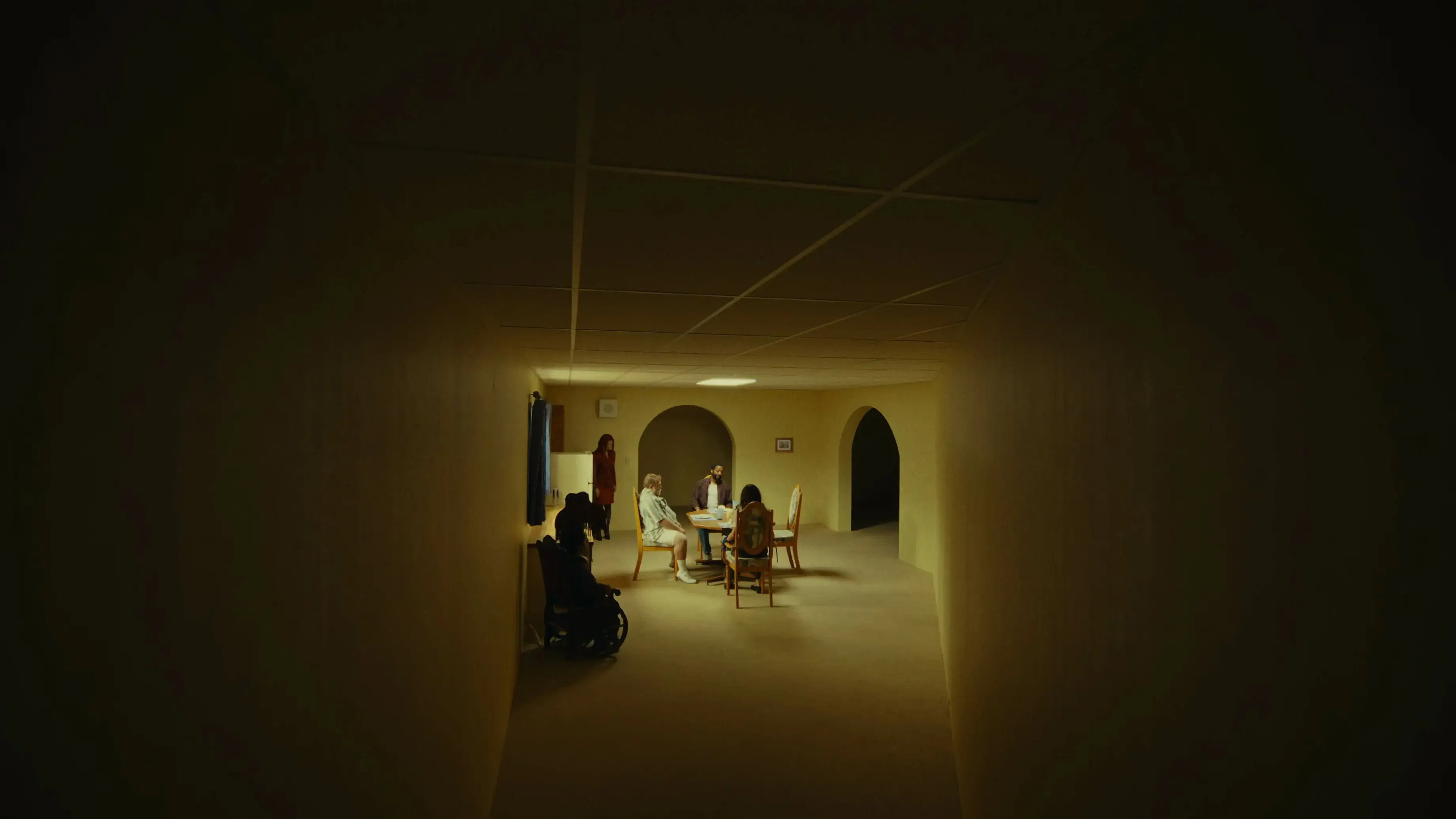
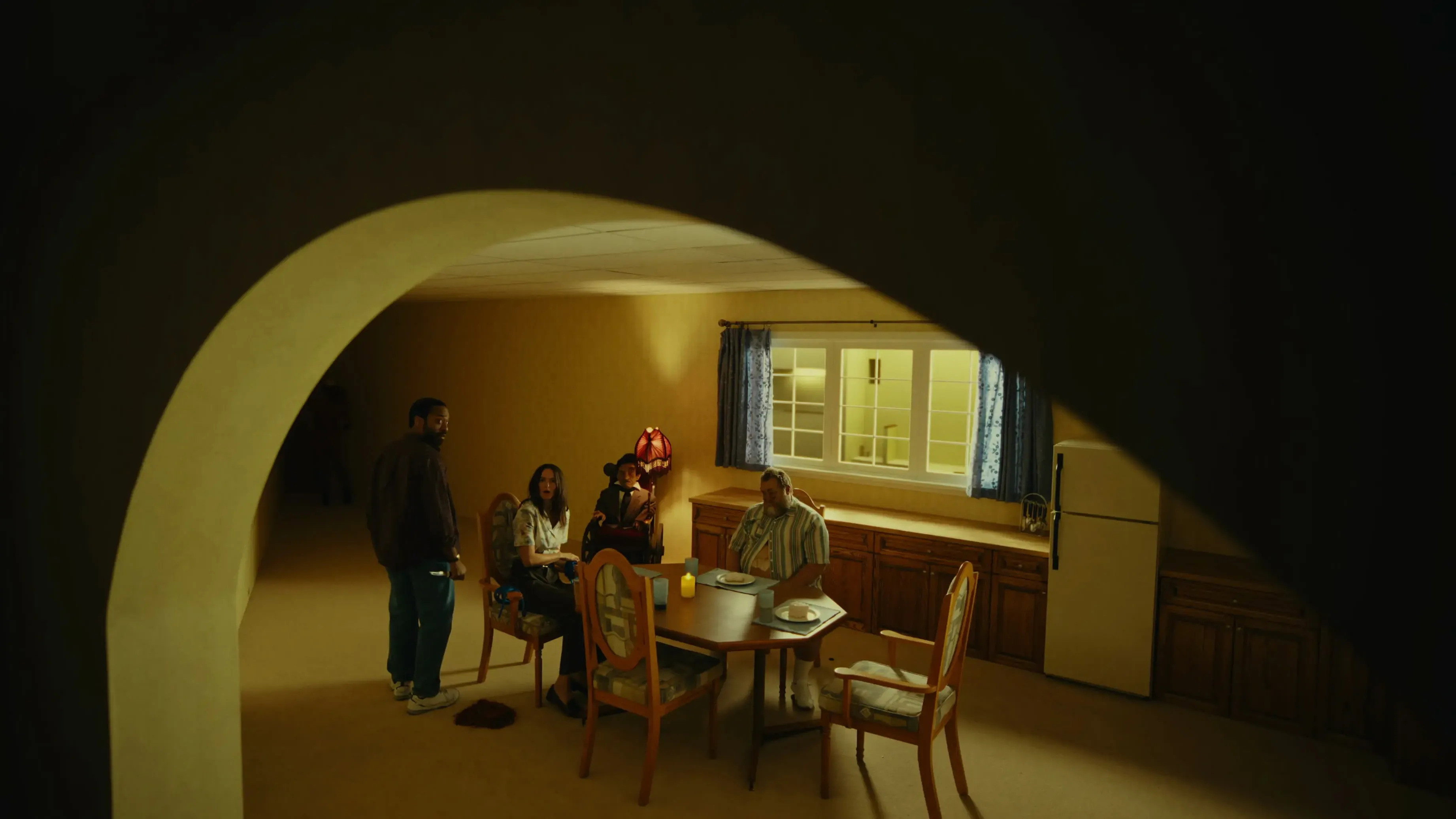
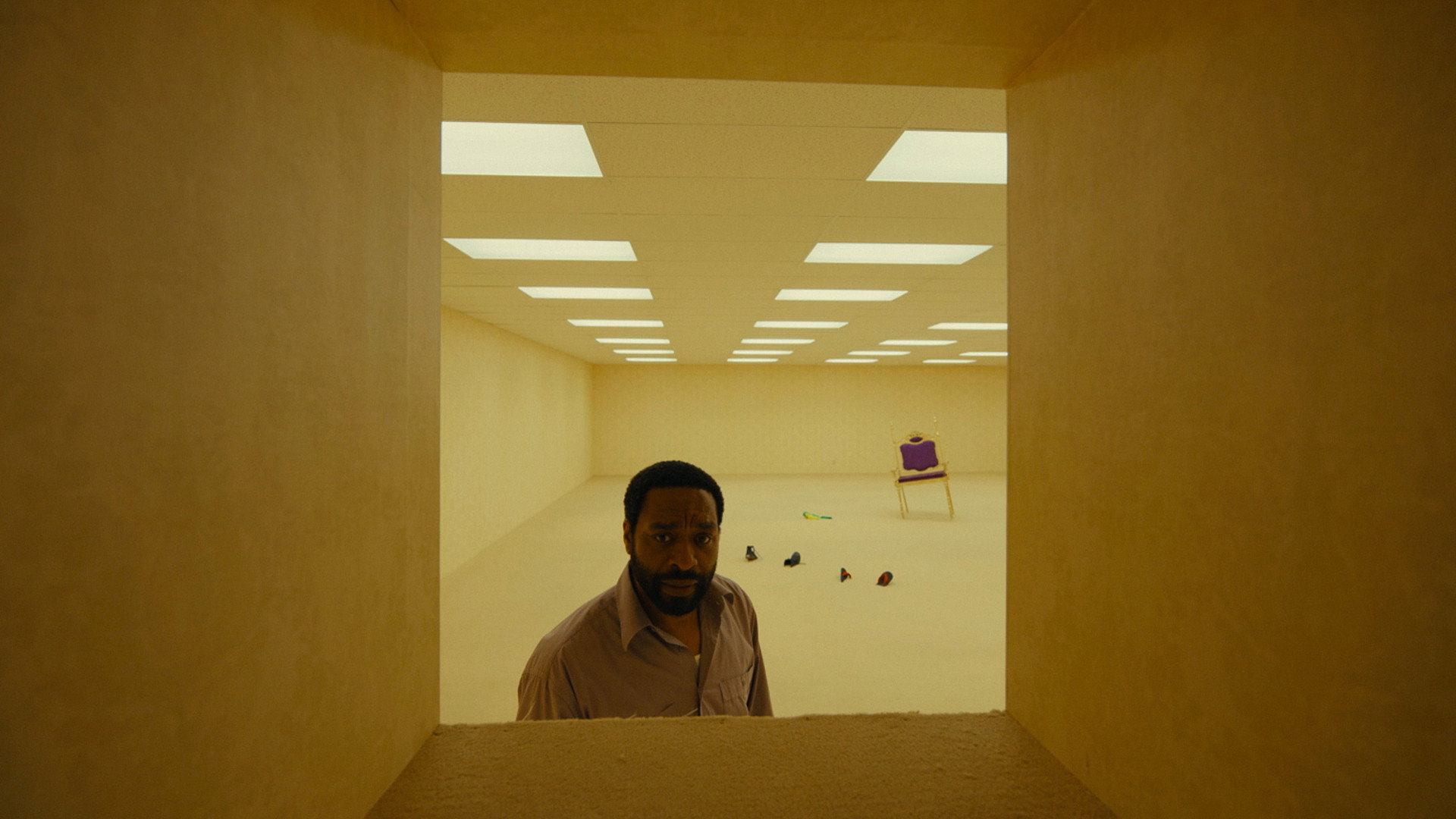
On Vancouver soundstages the crew eventually constructed slightly less than 30,000 square feet of physical environments, using approximately 29,000 square feet of carpeting and 37,000 square feet of wallpaper. The design department tested roughly thirty to forty wallpaper variations to establish the appropriate yellow, print density and contrast. Vermette also described sourcing the material locally and repeatedly checking it against carpeting and lighting, because colors familiar from computer-generated images could change substantially when photographed alongside real actors and furniture.
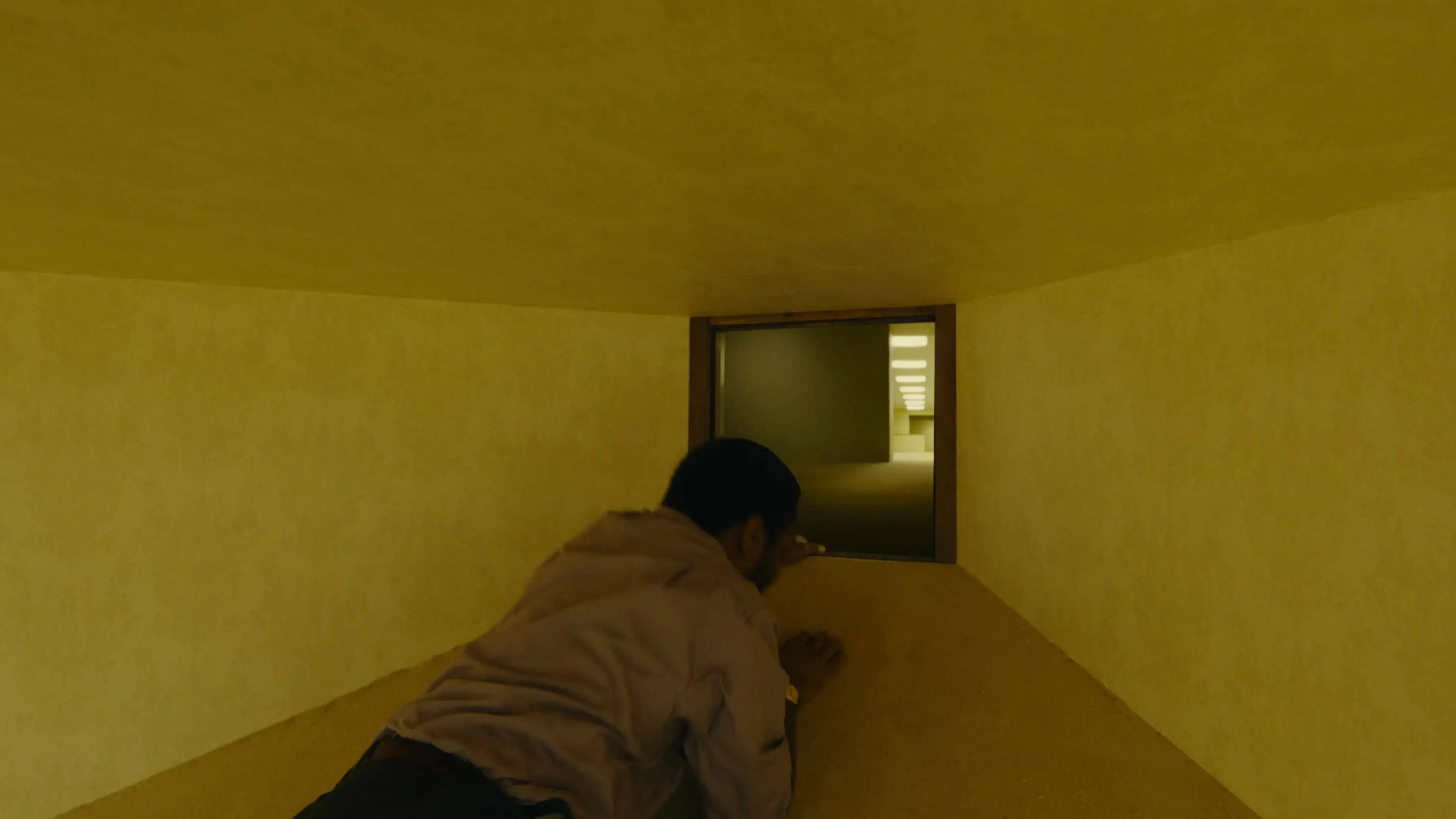
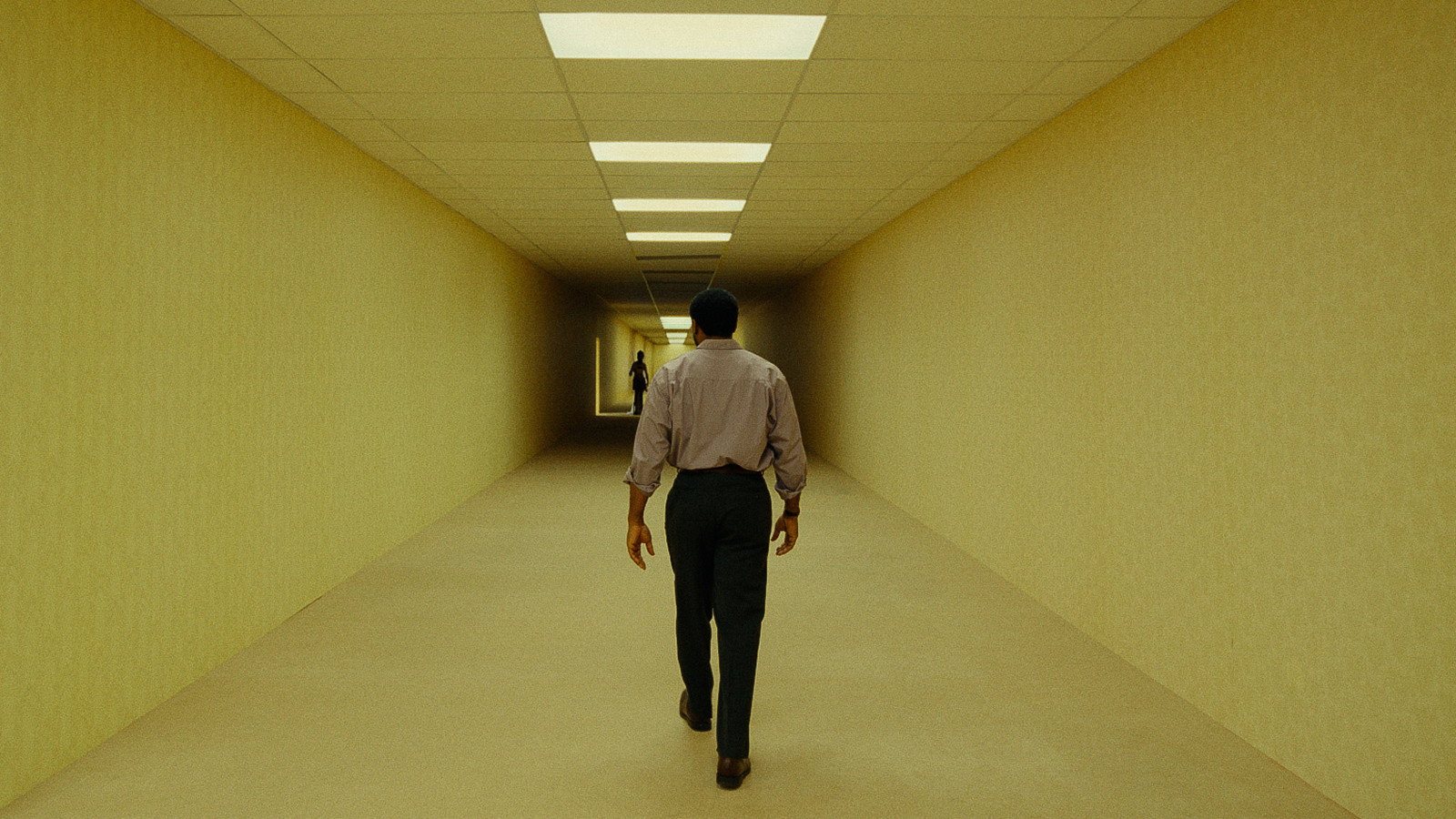
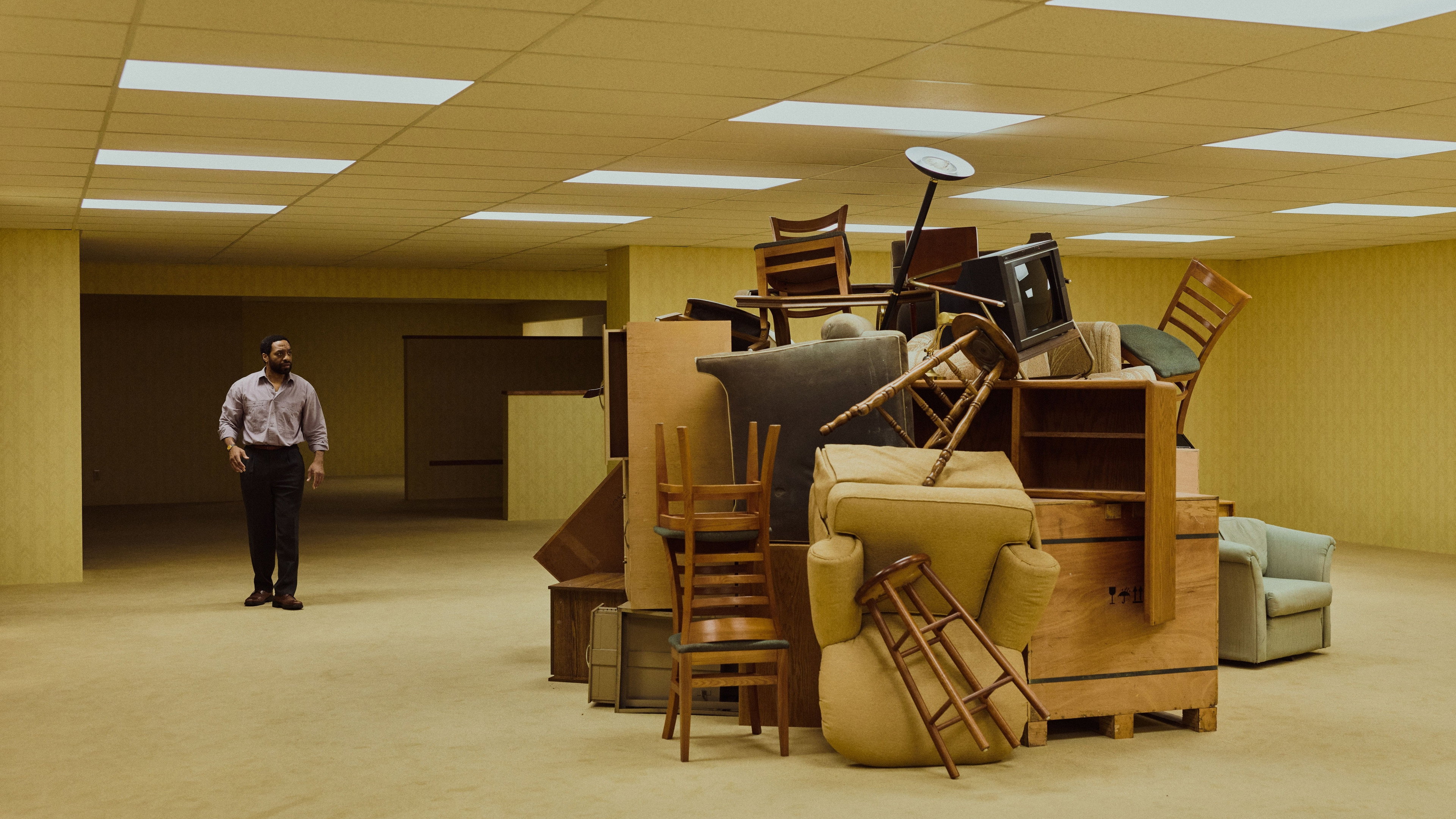
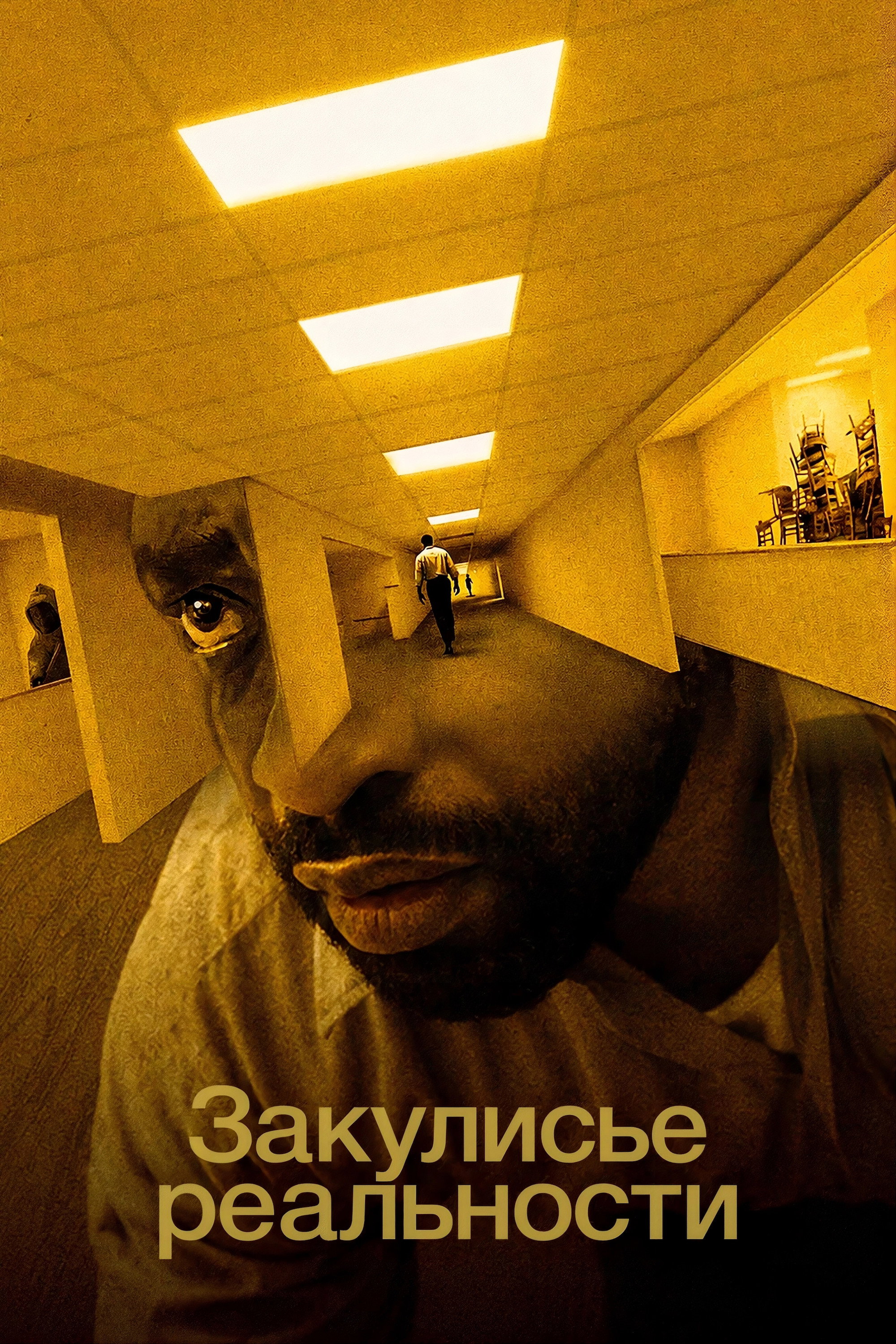
The architecture included practical tunnels and elevated structures built on risers as high as twenty feet, giving performers actual depths and height changes to negotiate. The apparent fluorescent ceiling required more intervention than its everyday appearance suggests. Conventional overhead fixtures did not produce the desired photographic quality, so the team placed film lighting above the suspended ceiling and controlled it through masking. Physical construction and computer imagery remained complementary throughout: the former supplied contact, scale and movement for the cast, while the latter extended the impossible geography beyond what the soundstages could contain.
Visual Language and Spatial Horror
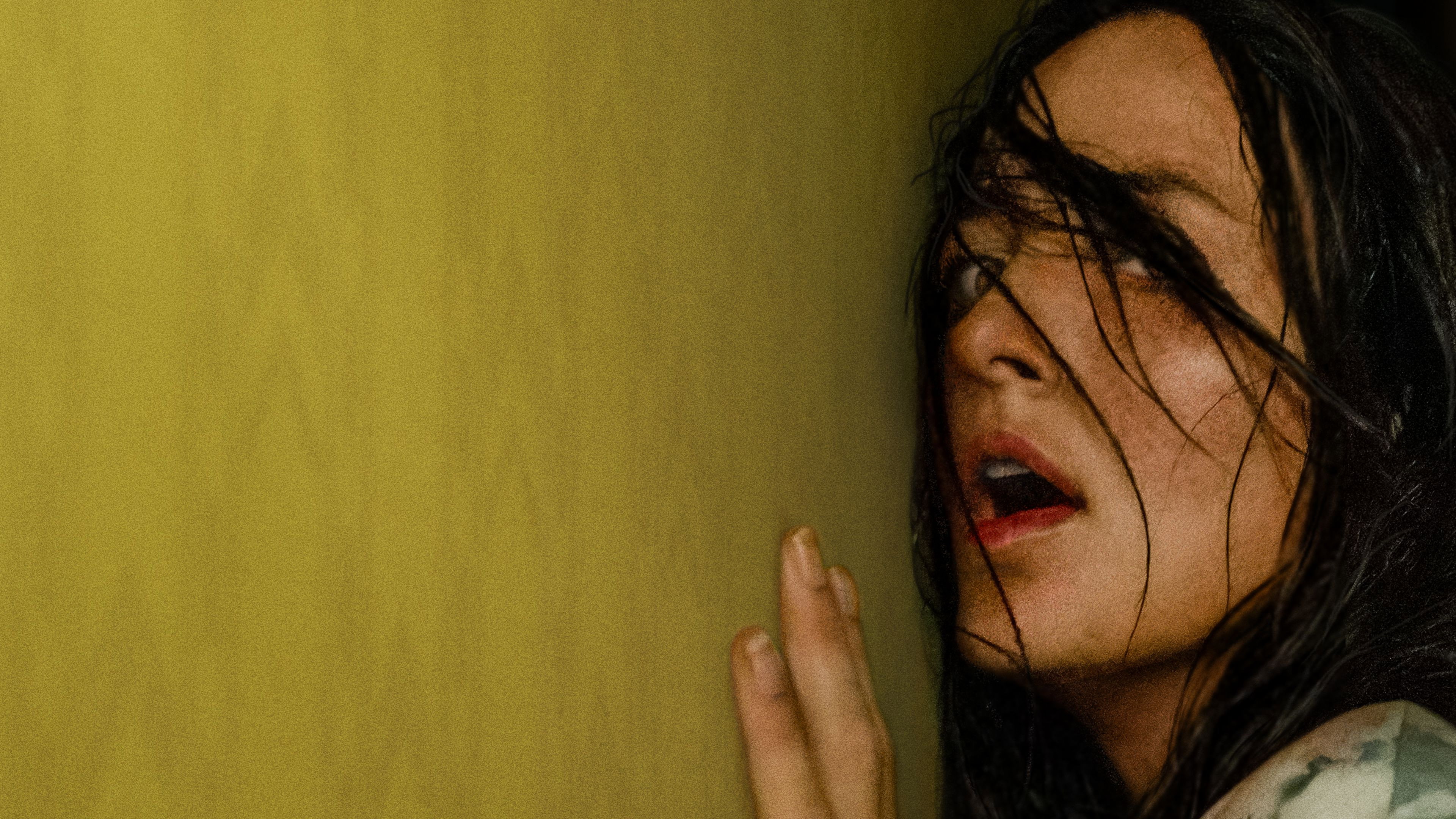
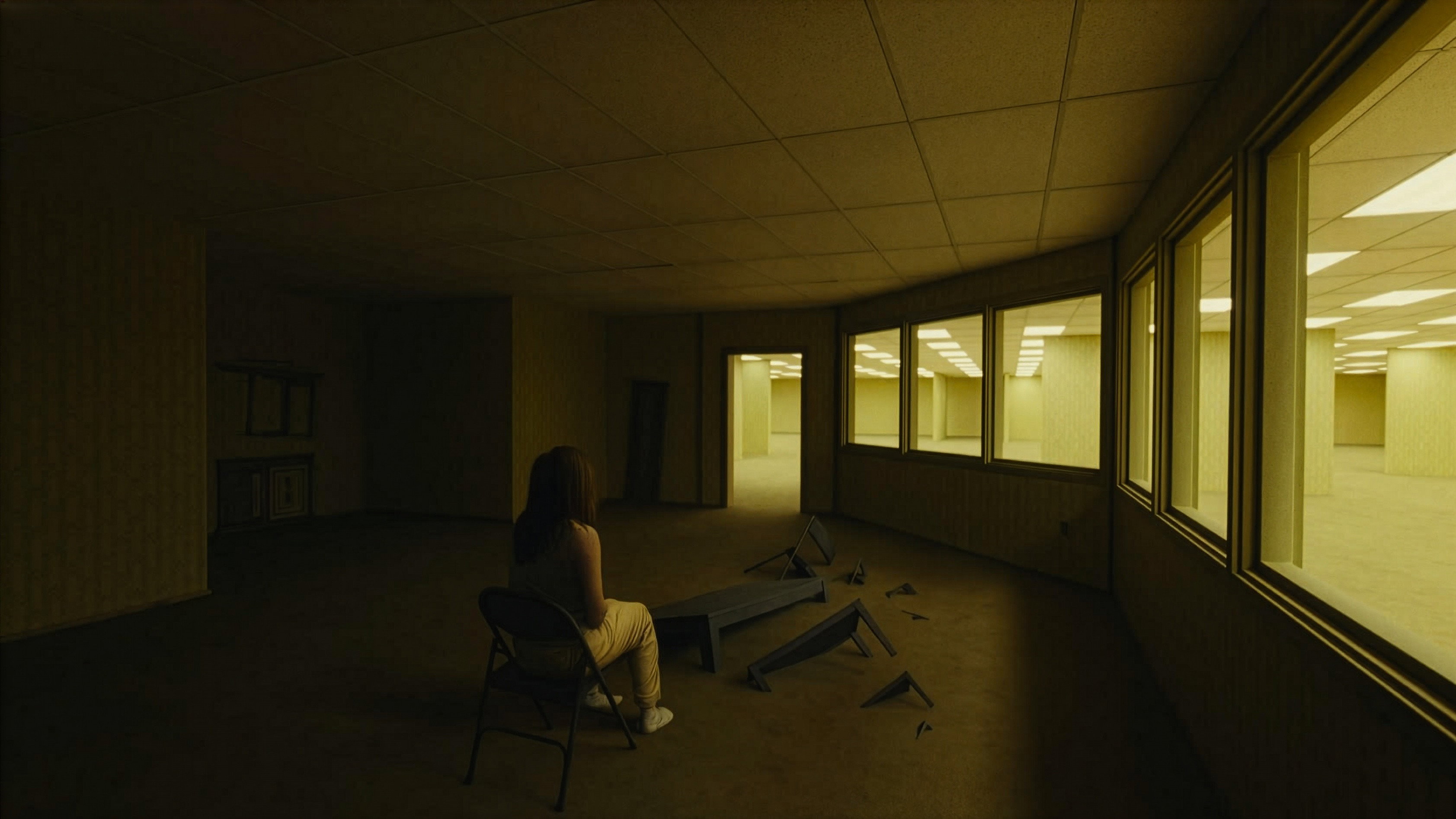
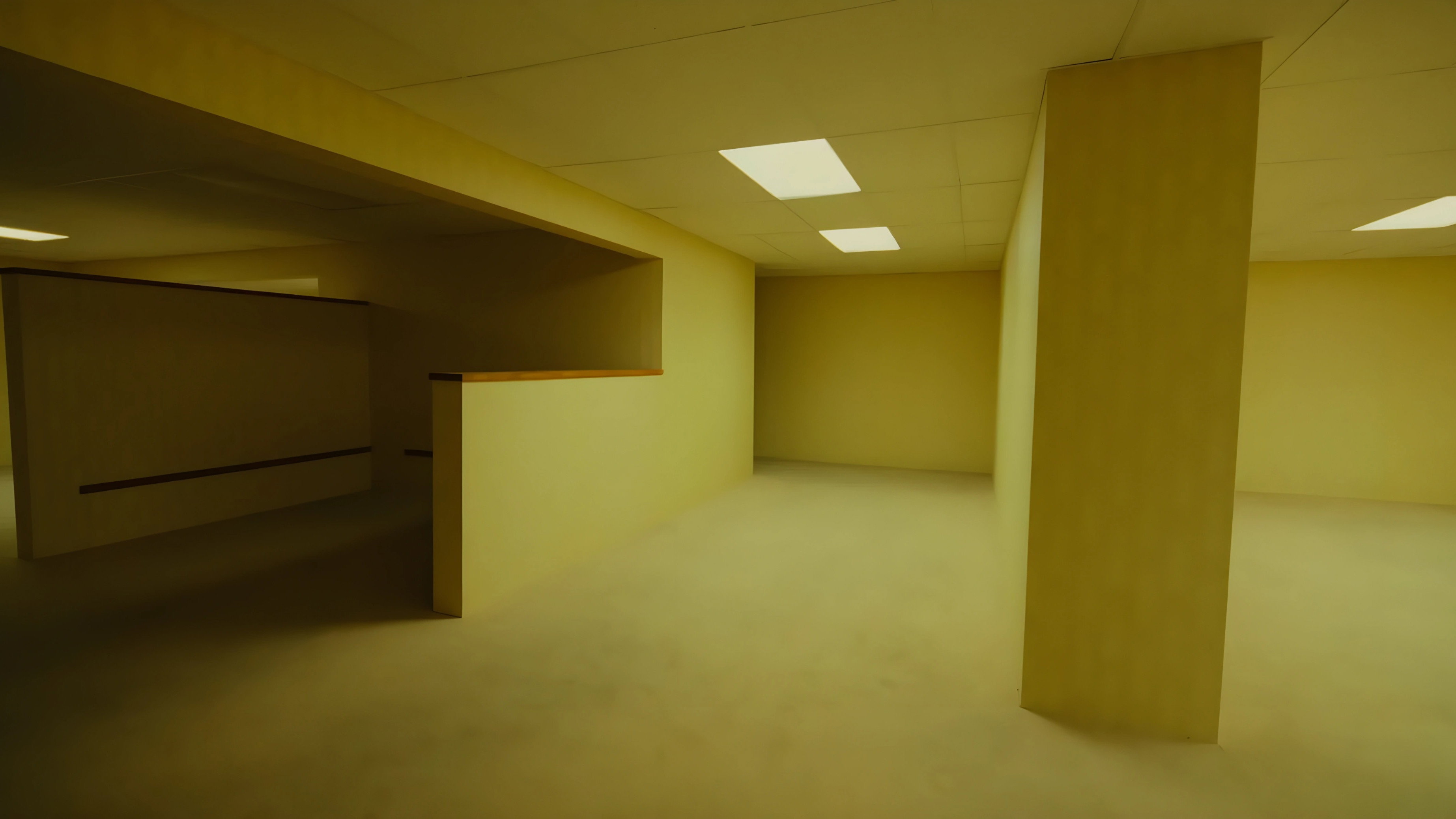
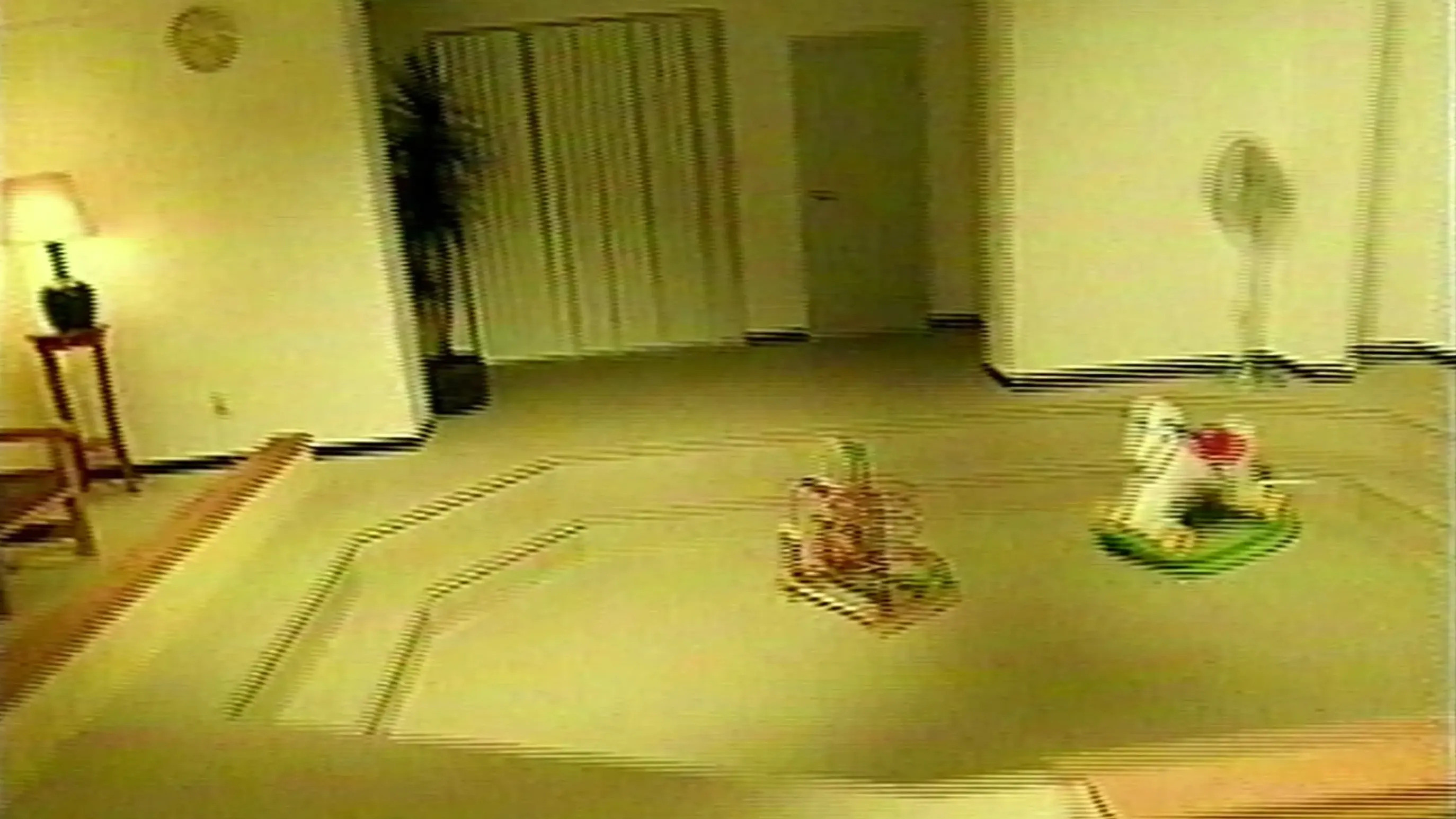
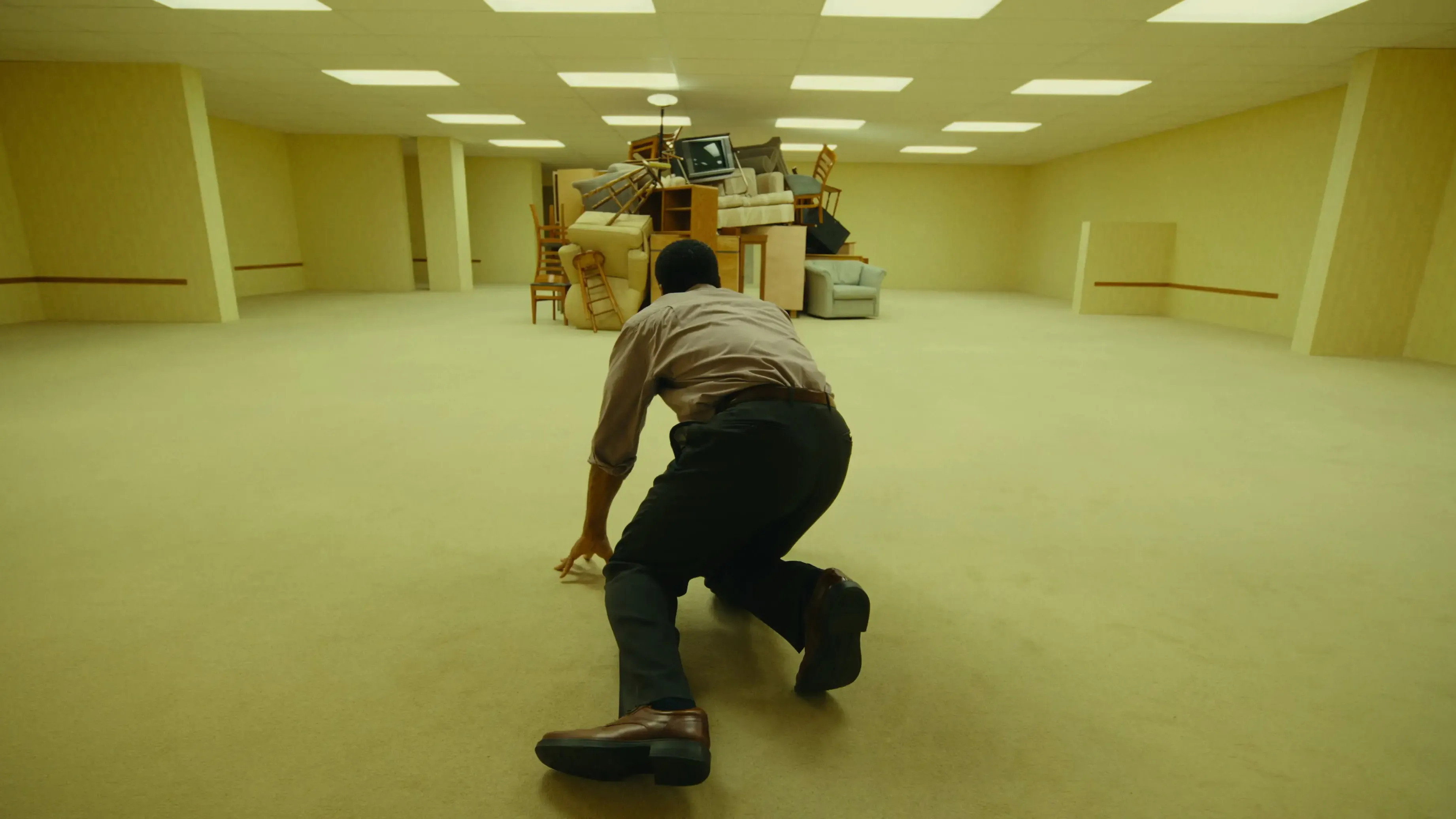
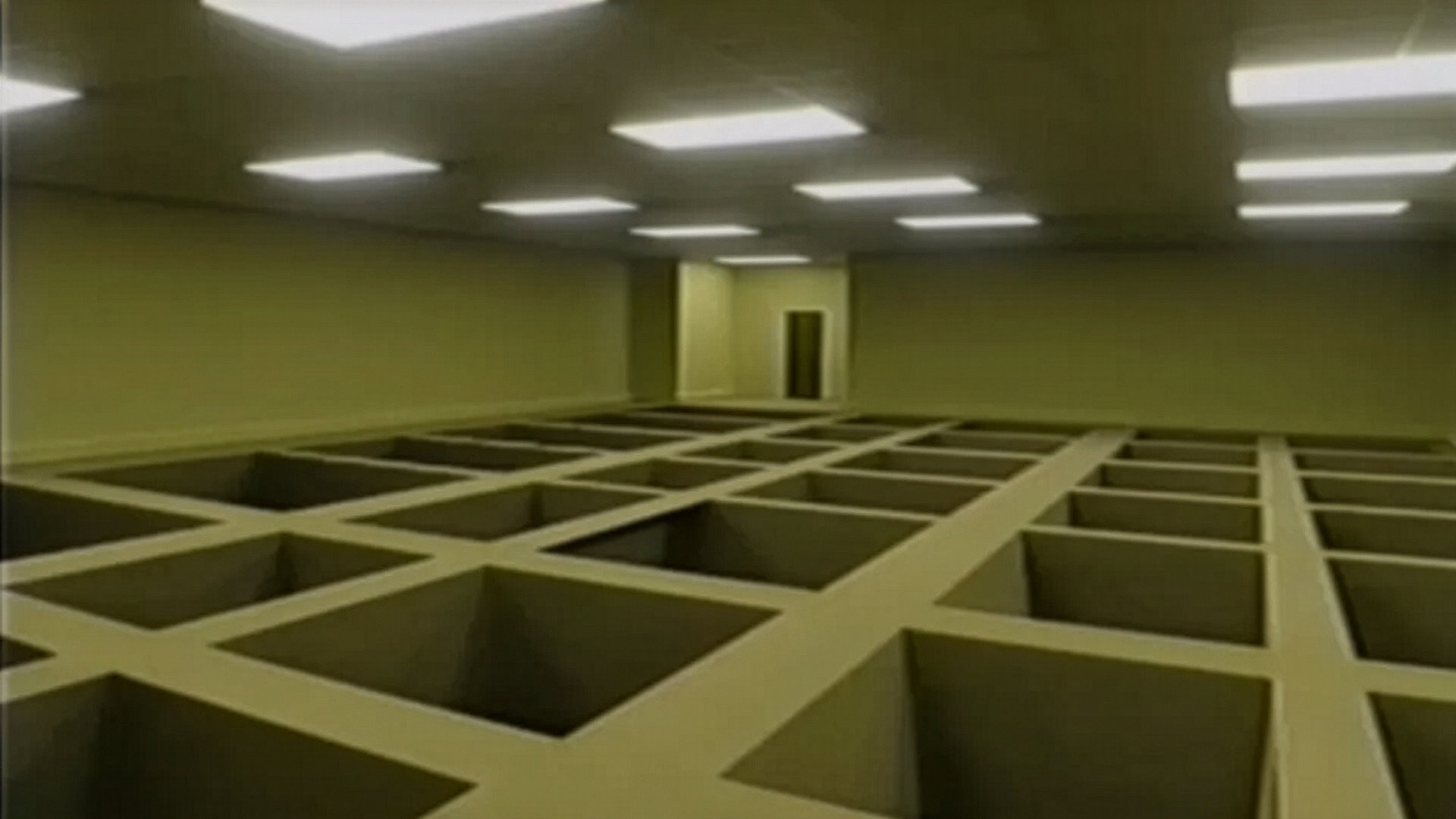
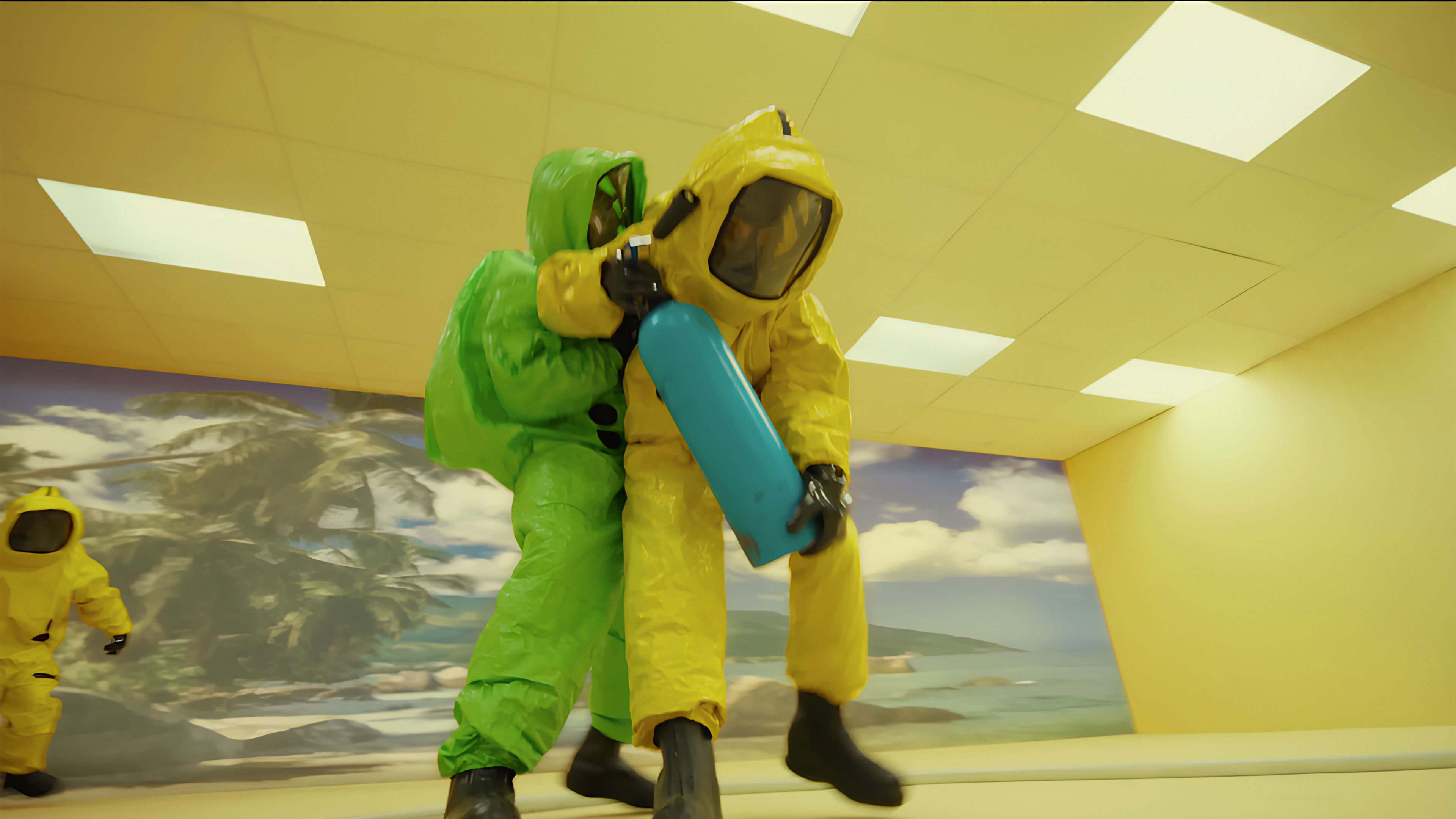
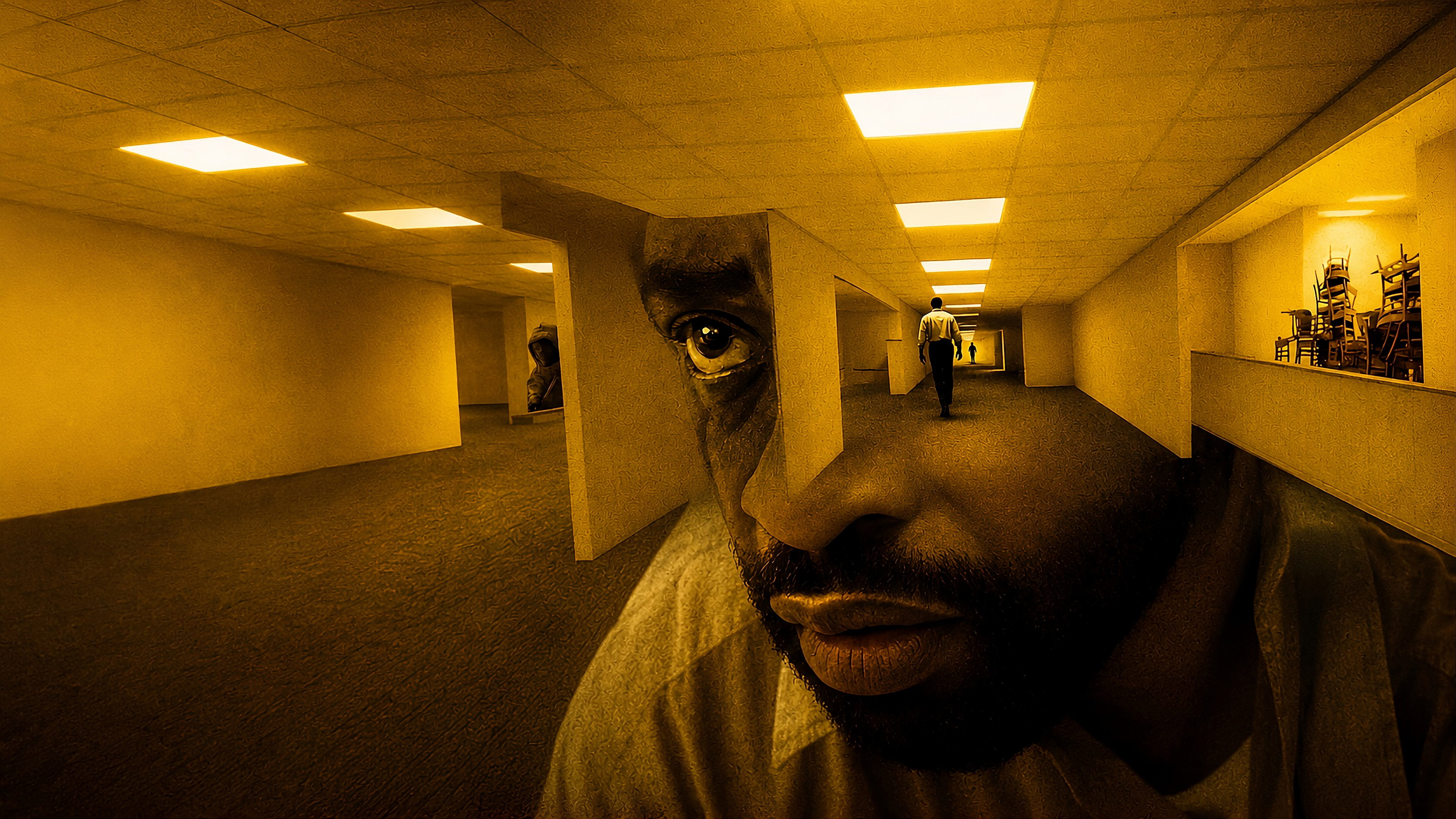
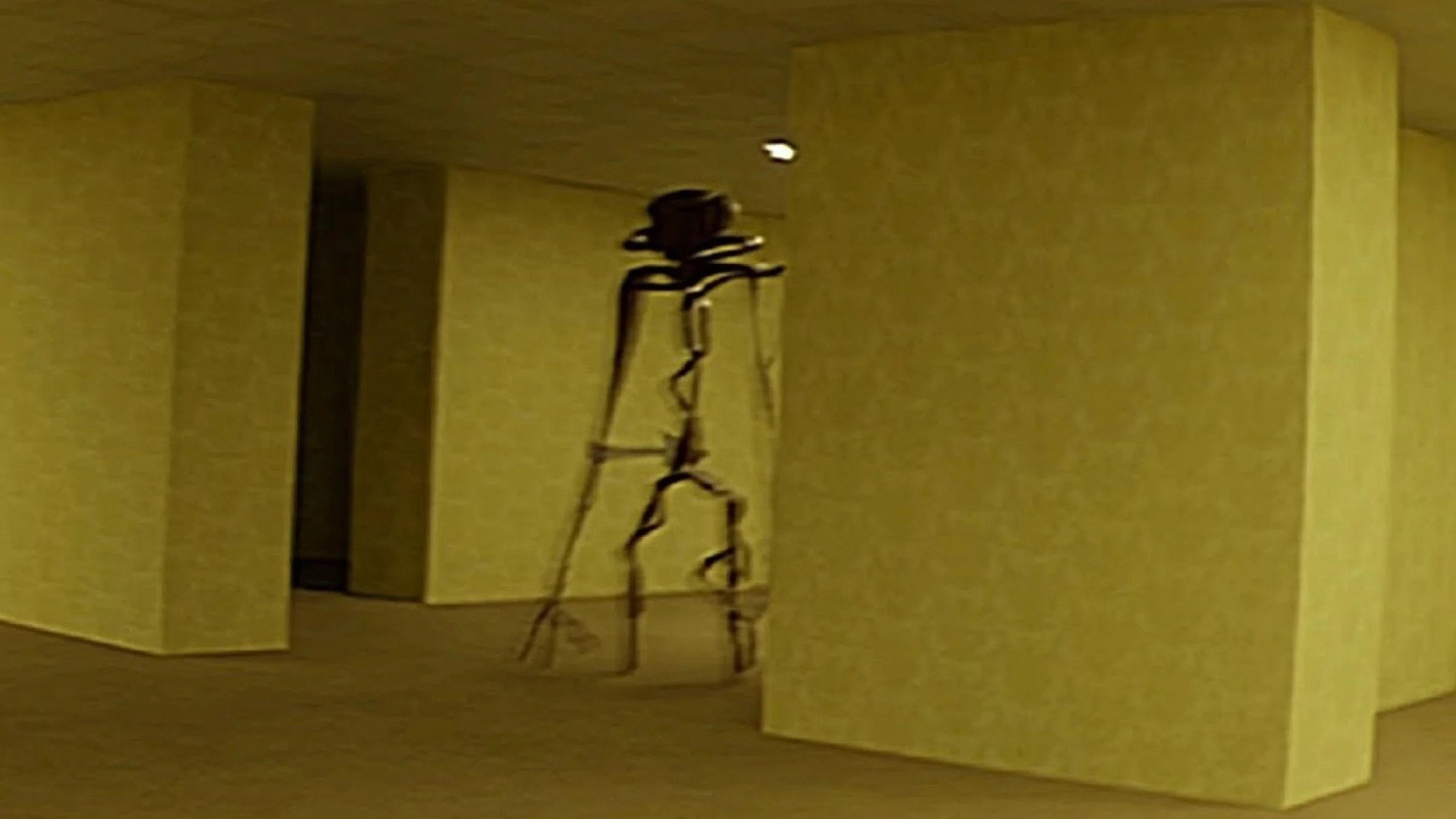
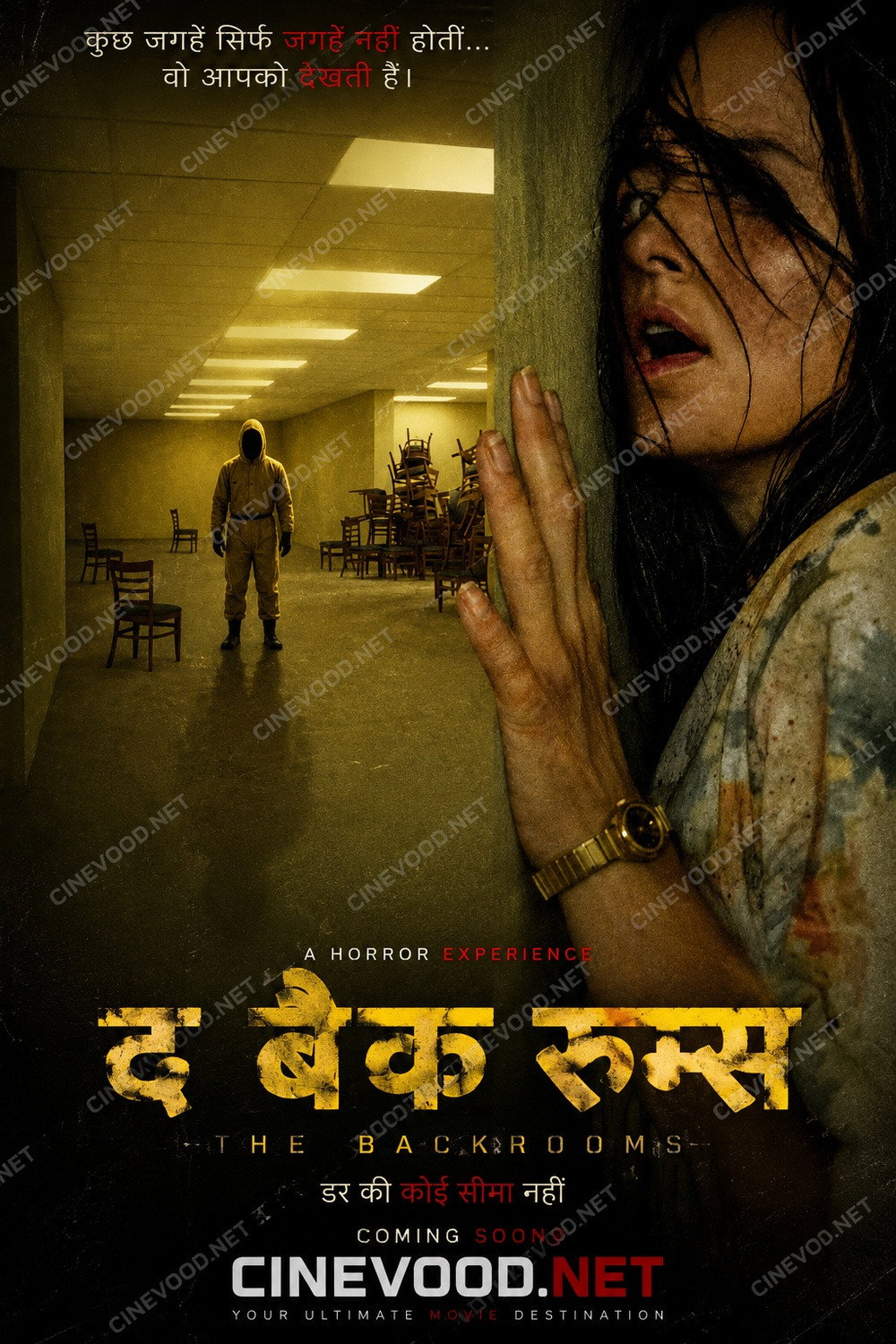
The film's most recognizable horror image depends on brightness and repetition. Its original internet reference was already visible, illuminated and largely devoid of the shadows traditionally used to conceal a threat. Parsons has explained that the idea loses something essential when the rooms are transformed into a conventional dark haunted house. In Backrooms, similar walls, thresholds and ceiling panels provide too few reliable landmarks, so a well-lit corridor can become more disorienting than a dark passage. The danger emerges from the scale and apparent indifference of the environment, whose hostility remains unexplained.
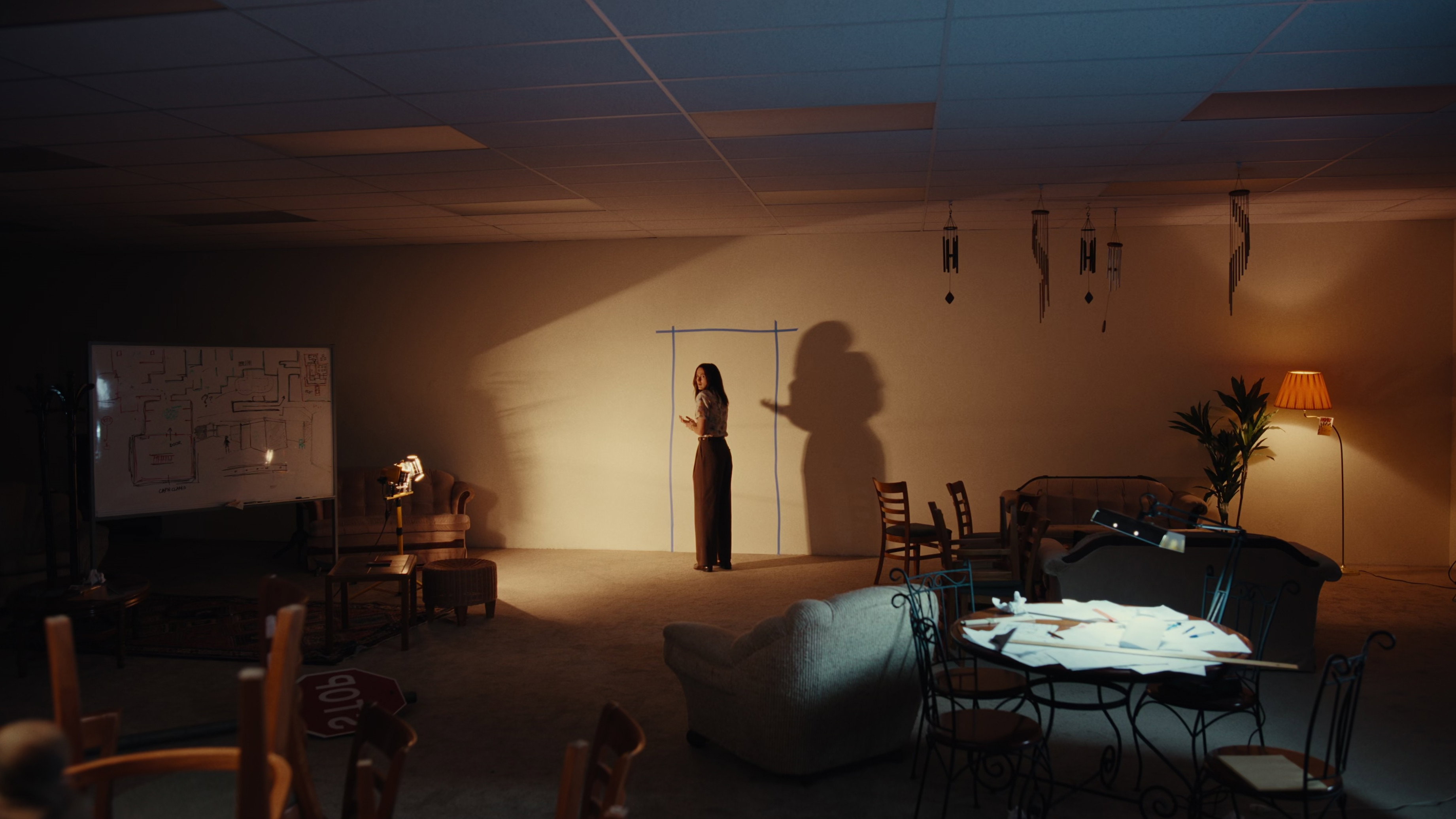
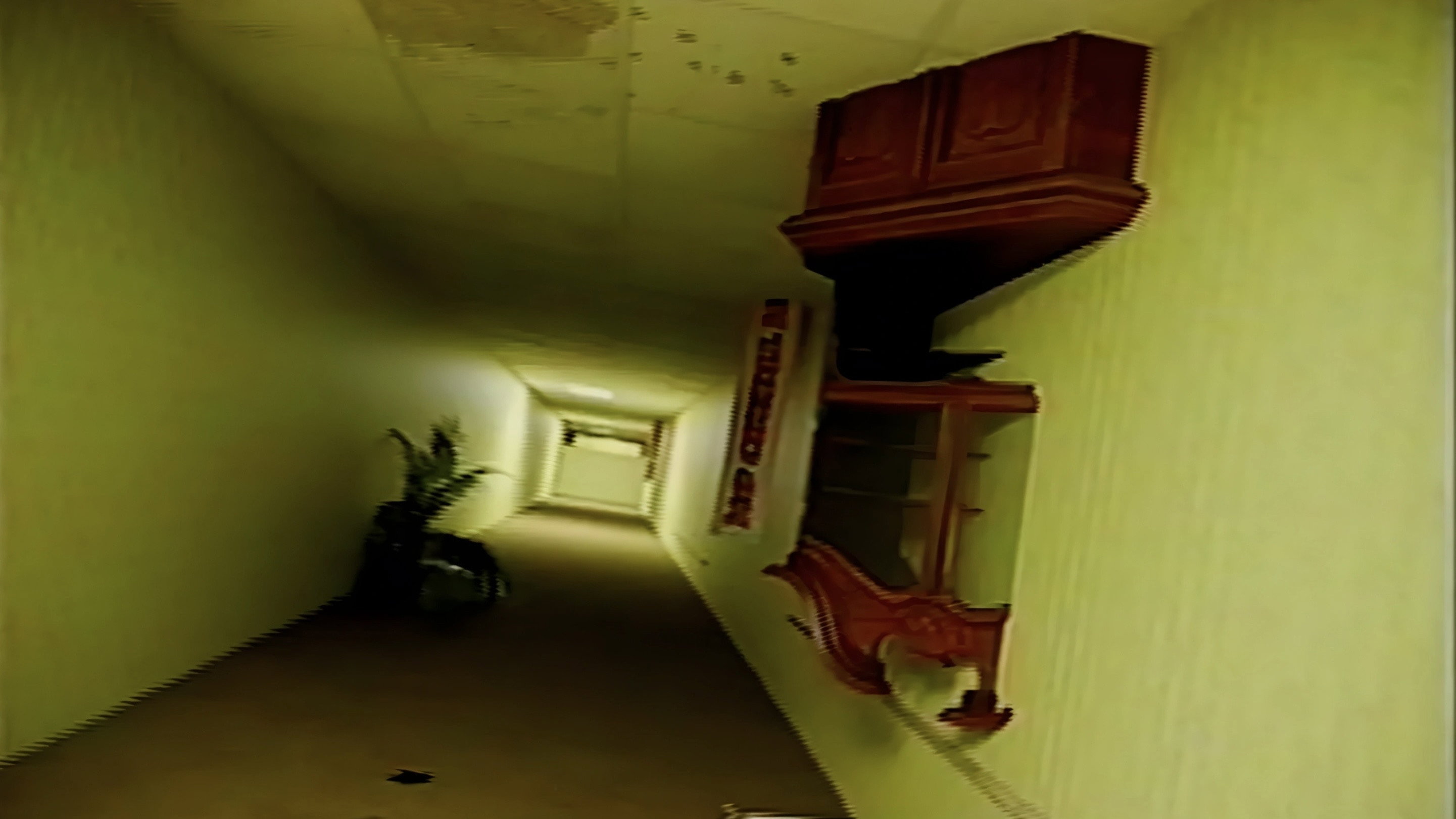
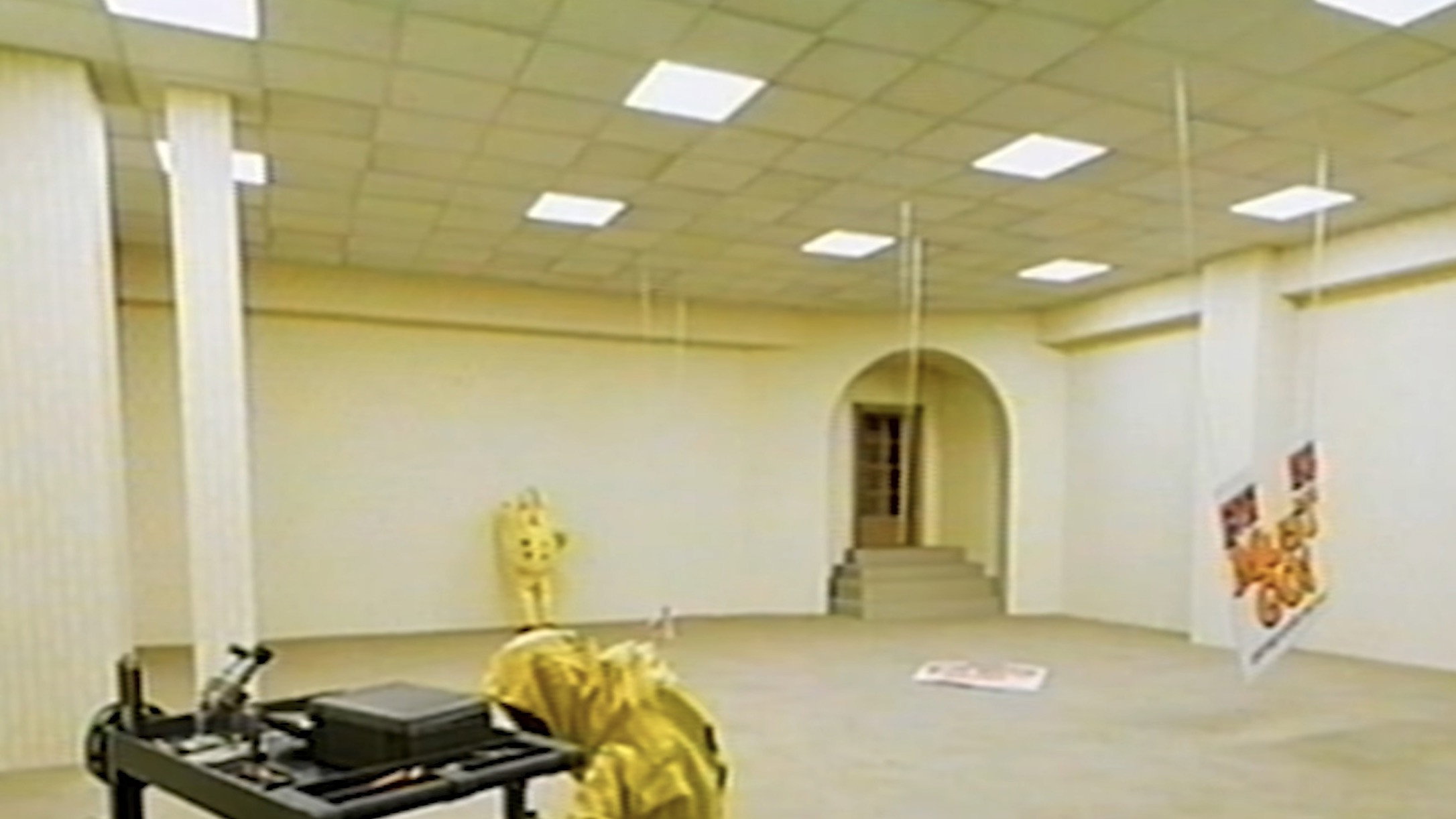
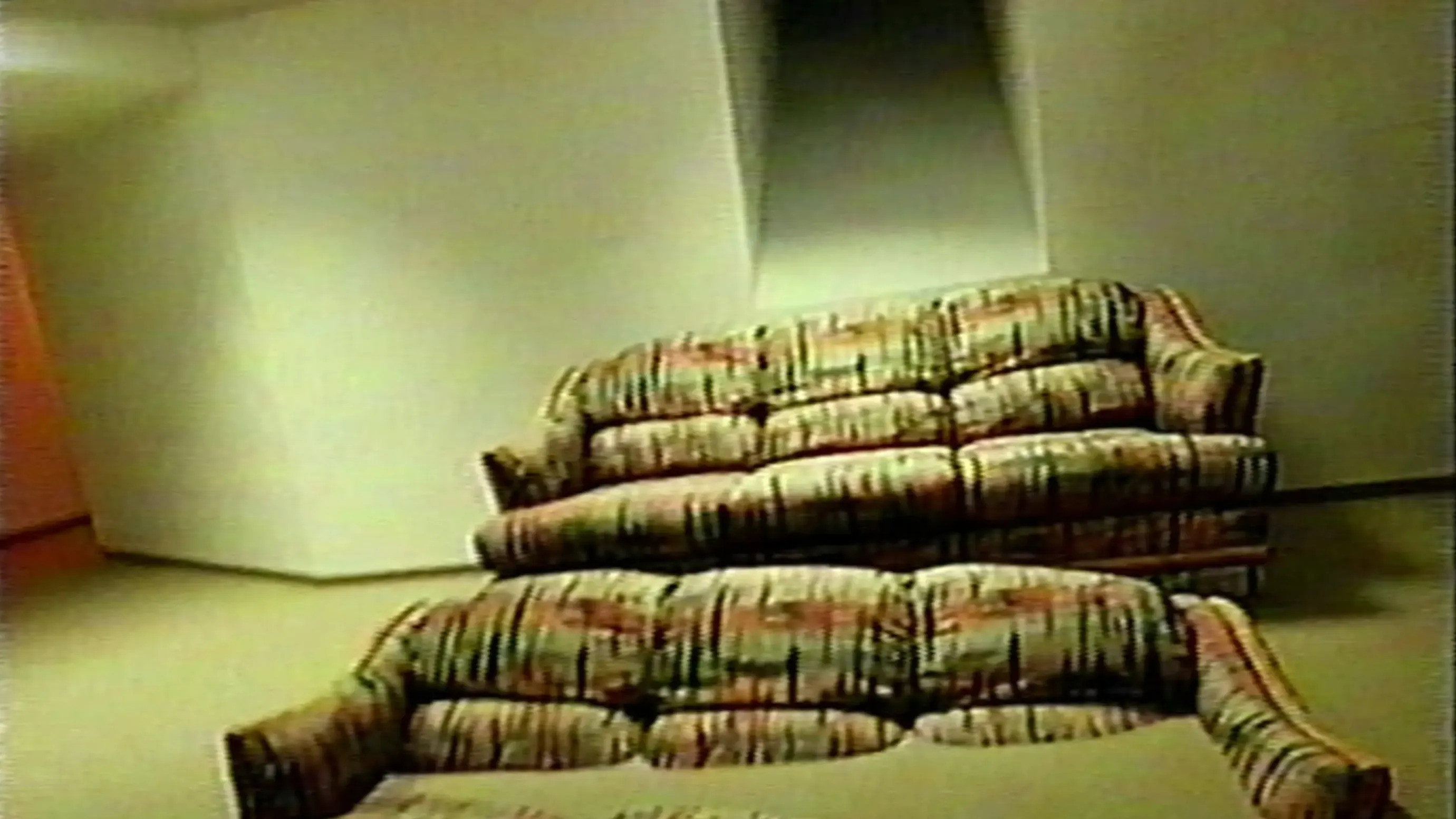
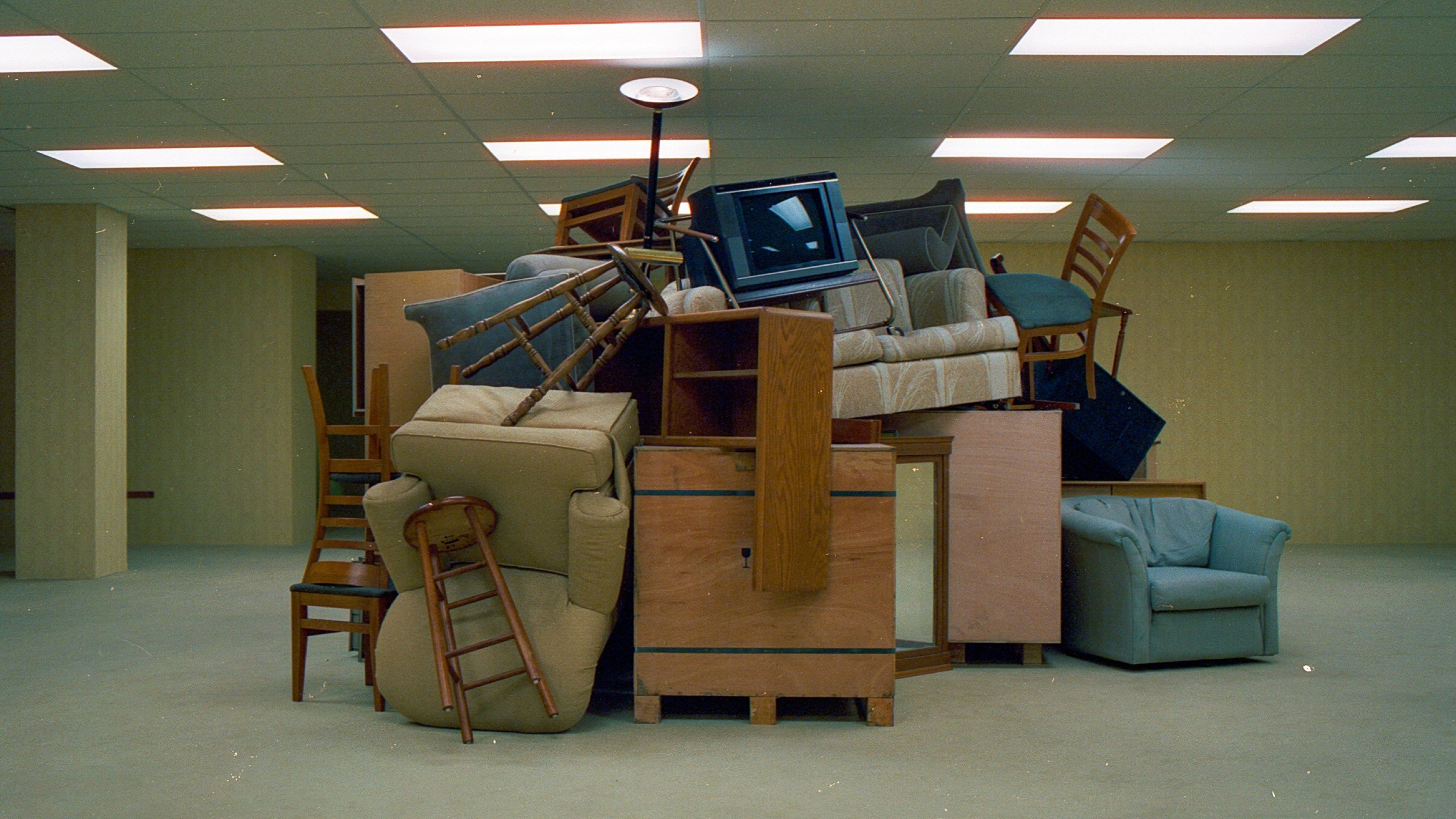
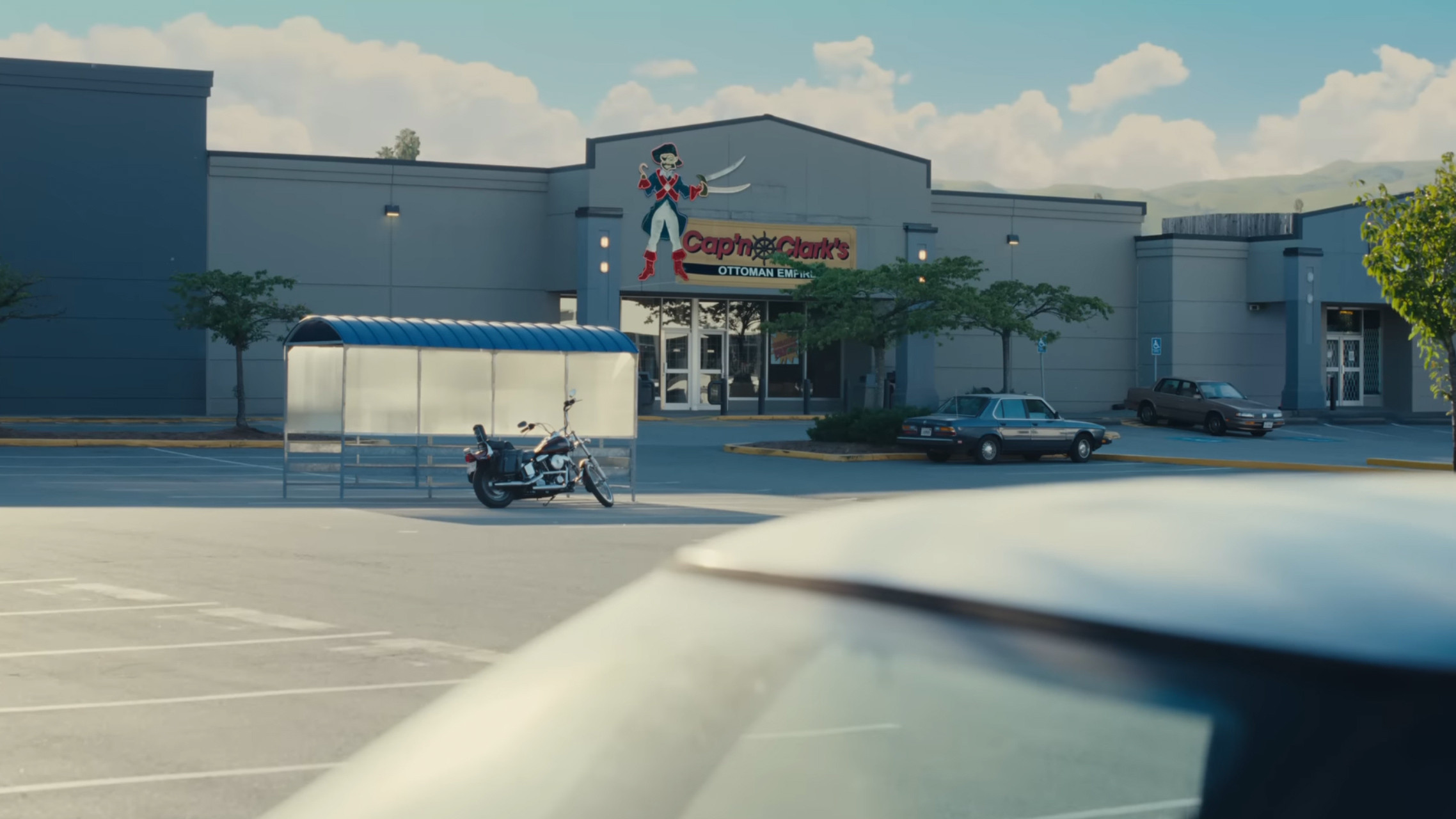
The feature also changes the relationship between architectural space and performance. Its large practical rooms allow the camera to register the distance between human figures and their surroundings, while first-person sequences retain the uncertain field of vision associated with the online videos. Objects that seem to belong in ordinary commercial interiors appear displaced, fused with surrounding surfaces or accumulated into obstructive formations. Older technologies and everyday furnishings anchor its impossible geography in recognizable material culture.
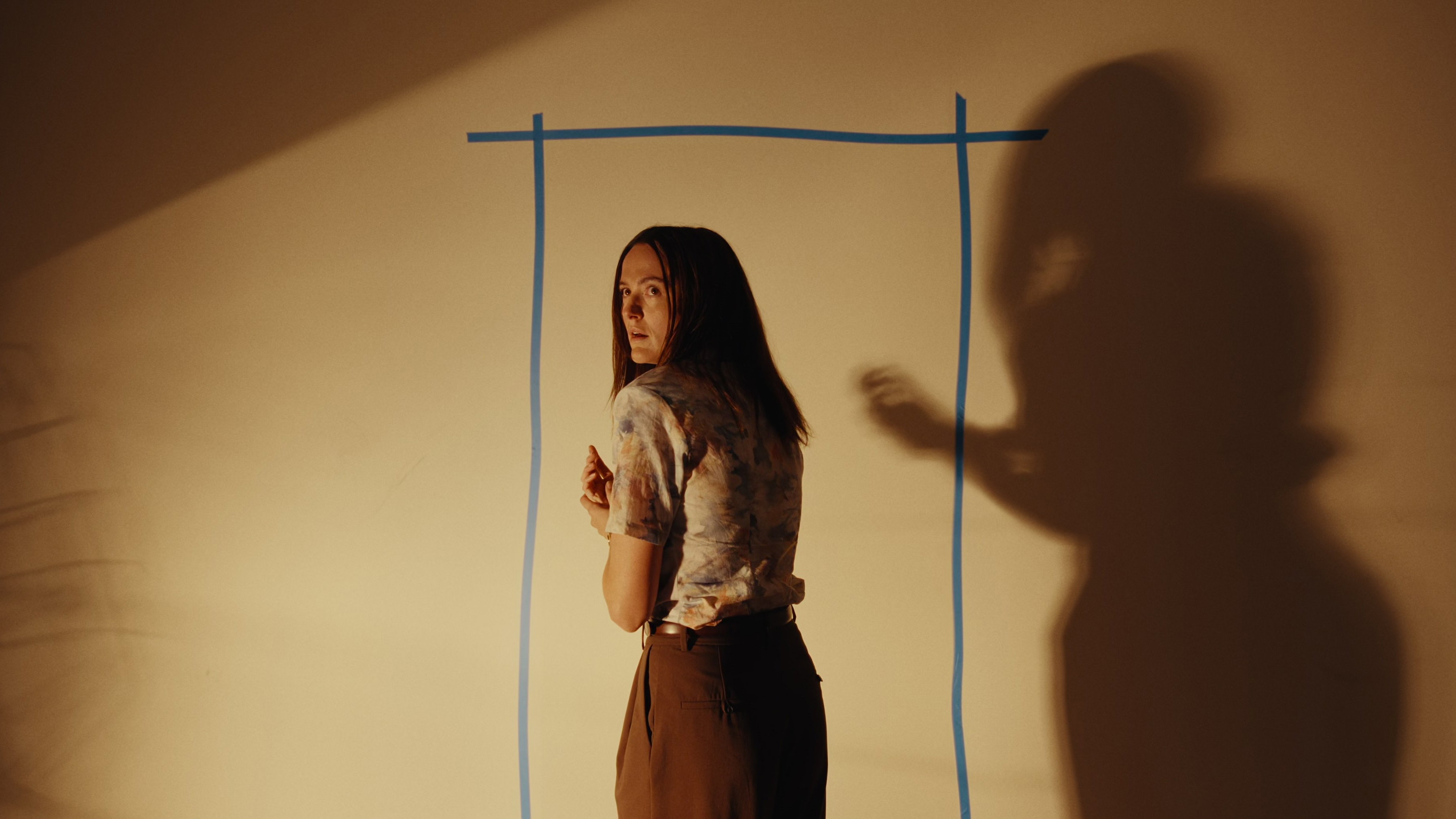
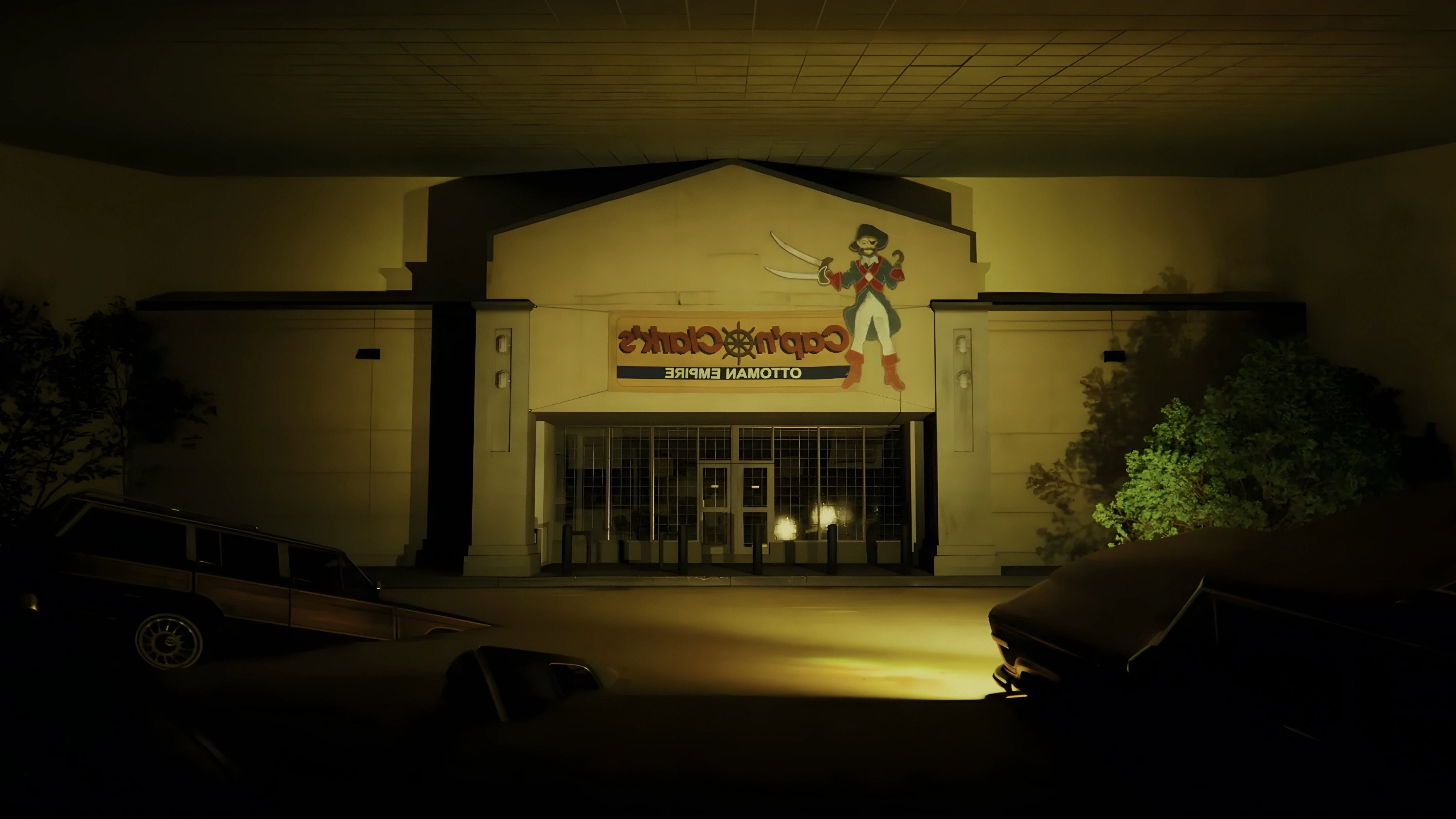
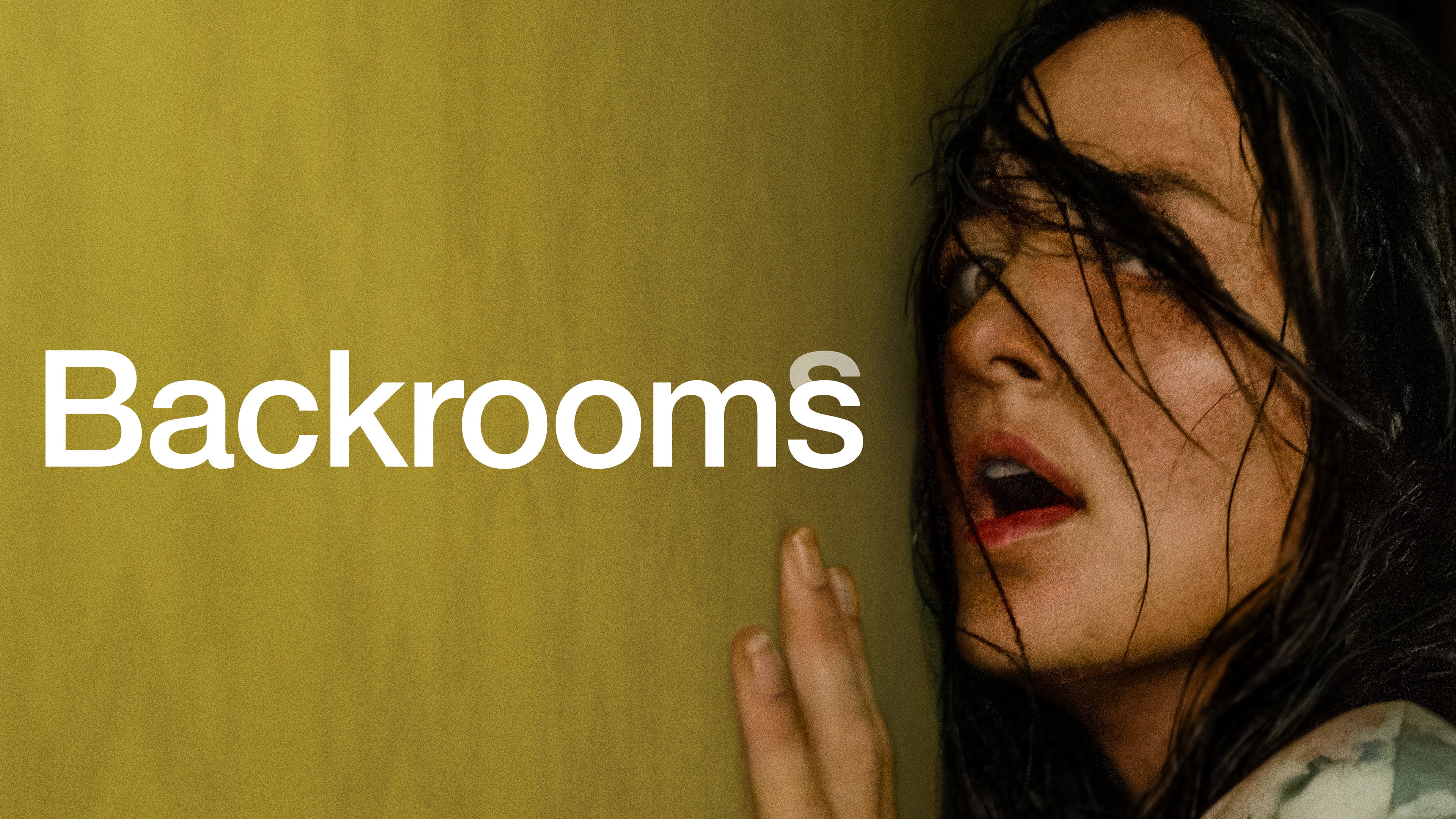
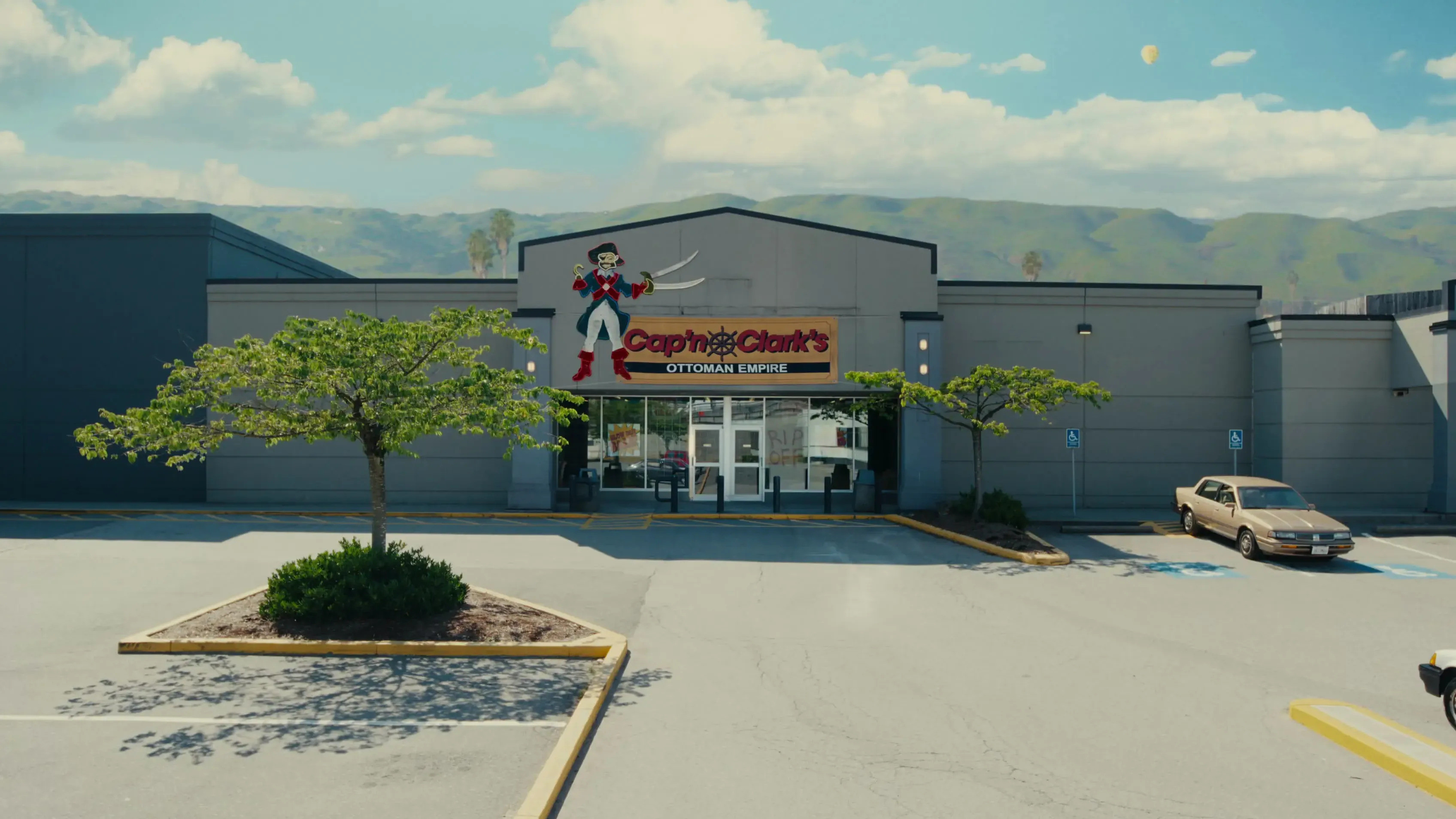
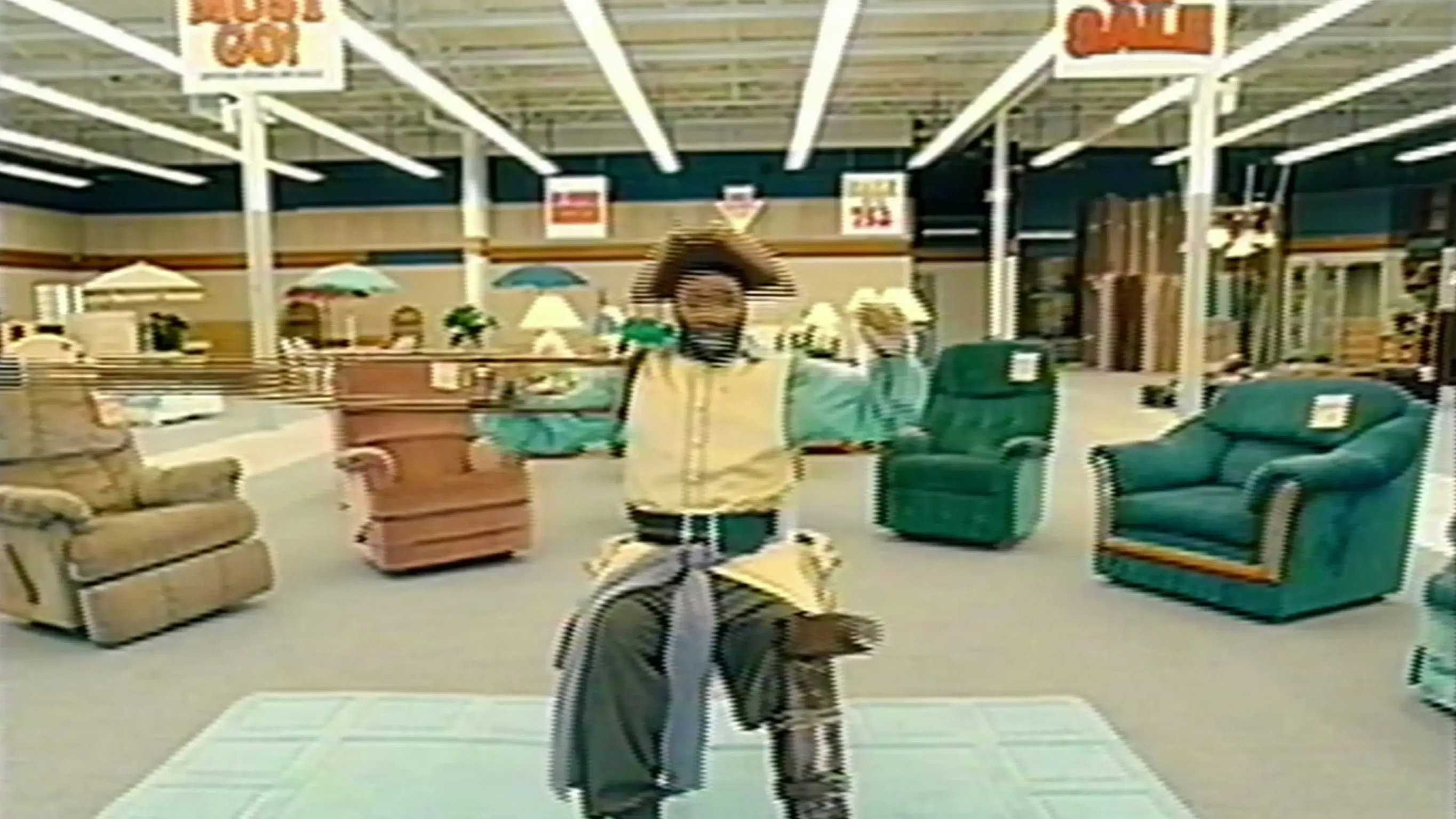
Psychological horror enters through the film's distorted doubles and the personal associations carried by its principal characters. Clark's exaggerated pirate persona, associated with advertisements for his furniture business, becomes especially disturbing when separated from the ordinary commercial context in which it originated. Kim Newman, writing for Sight and Sound, drew attention to the film's use of point-of-view imagery and to the viewer's active role in noticing details at the edges of the frame.
Sound Recording and the Construction of Fear
Sound was a major practical problem because the film repeatedly places actors in conspicuously empty rooms and uses camera movements that can reveal equipment. Production sound mixer Jan Hetmer described positioning a miniature DPA shotgun microphone directly beneath the lens, attached with tape, ties or Velcro, so that a mobile camera could tilt or swing without revealing a conventional boom. Wireless lavalier microphones supplemented this arrangement, and Hetmer kept performers miked even during passages without dialogue to capture breathing and physical exertion.
Sound designer and re-recording mixer Eugenio Battaglia treated the first-person material as a distinct sonic environment. Rather than distributing every frightening event freely around a cinema's surround channels, he attempted to preserve the limitations of sound supposedly captured by a single on-camera microphone. Clipped peaks, irregular levels and abrupt changes in audio quality could then become expressive features rather than technical faults. The familiar drone of institutional lighting sits beside material that suggests movement beyond the frame, reinforcing the contradiction between visible emptiness and the sense that the space is occupied.
The threatening pirate figure required a different kind of acoustic identity. Battaglia described using a dry, brittle texture for its voice and making the rhythm of its peg leg a recognizable signal of approach. Material derived from Ejiofor's replacement dialogue and vocal performances was manipulated and combined with altered camel sounds, following experiments late in the final mix. Battaglia also described recording Foley elements himself, including body impacts and movements through the constructed environment. This combination of deliberately limited camera audio and highly fabricated creature sound preserves the film's movement between apparent documentary evidence and overtly supernatural horror.
Release, Reception and Contemporary Significance
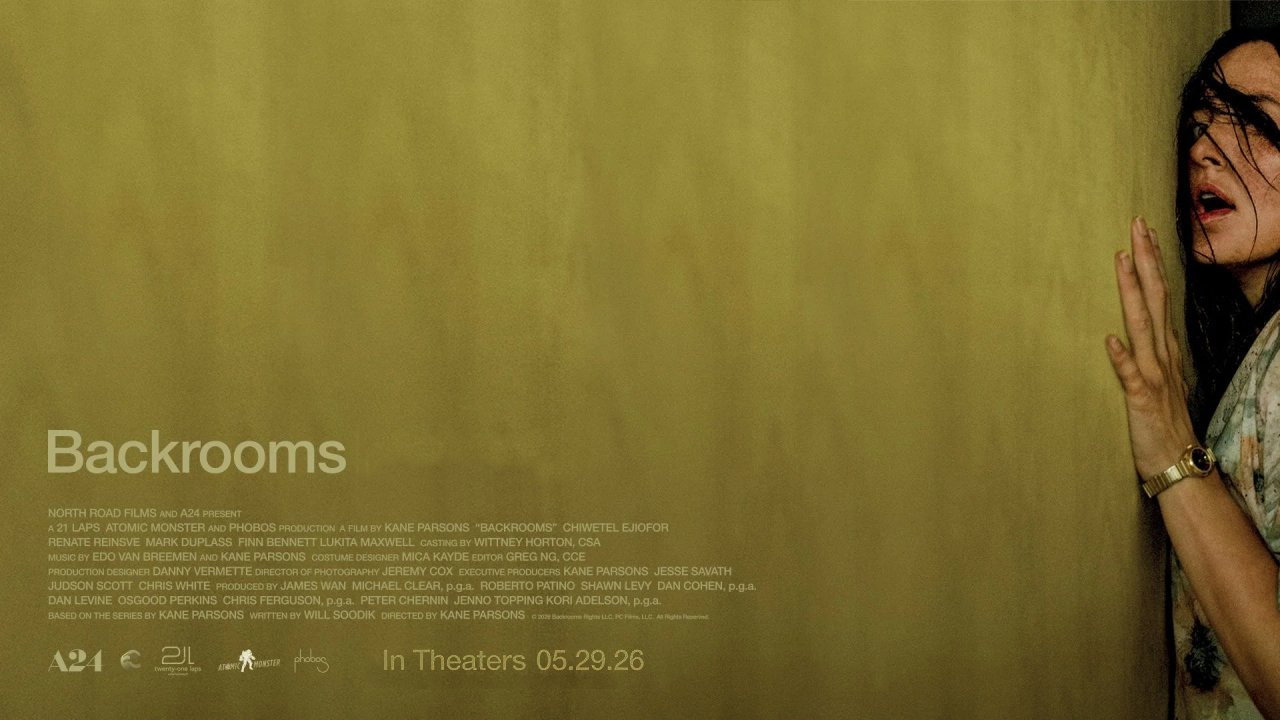
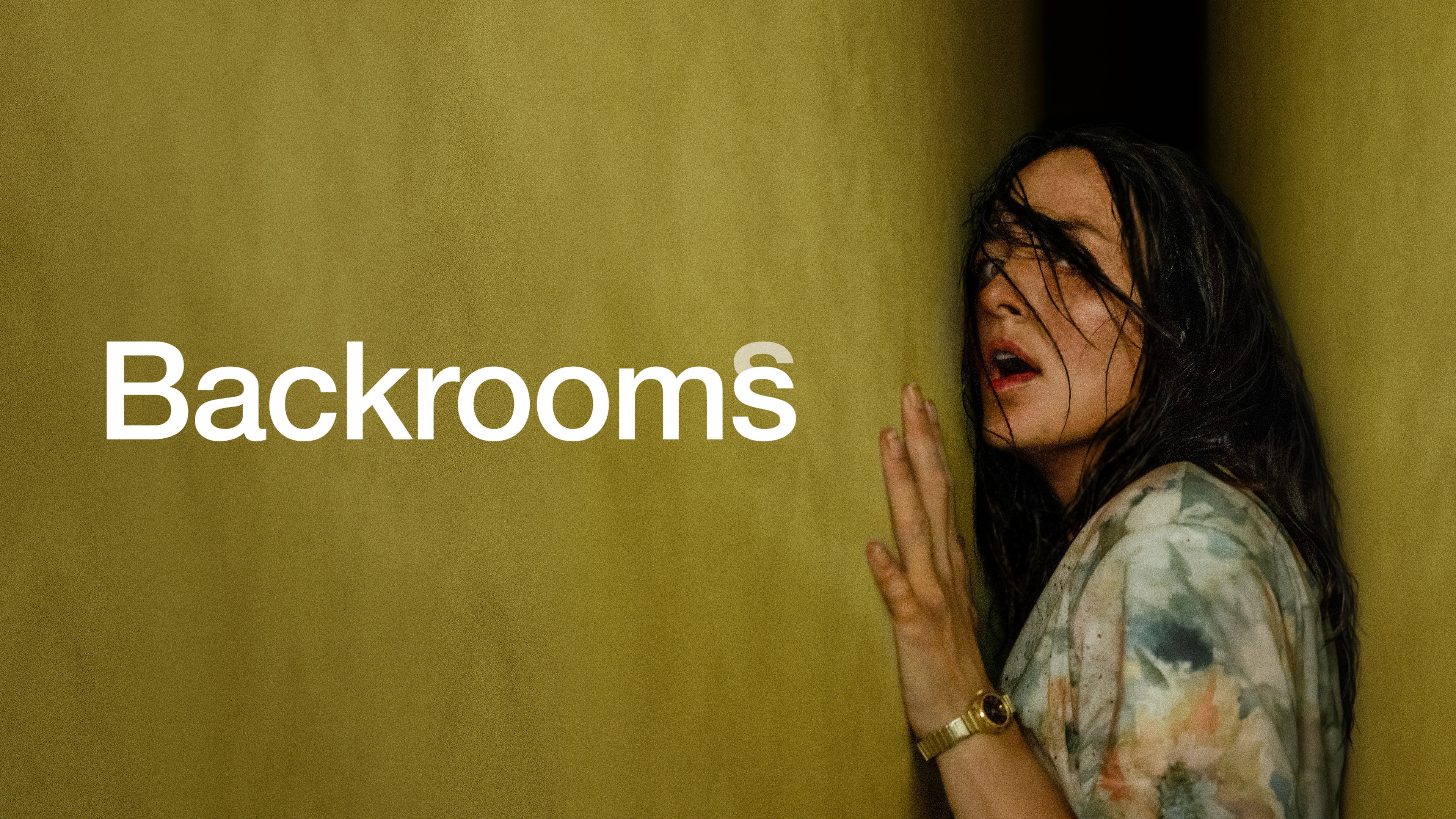
A24 released Backrooms theatrically in the United States on 29 May 2026, following an international rollout that had begun in several territories earlier that week. Its box-office performance was exceptional relative to its reported production budget: theatrical tracking services placed worldwide receipts at approximately $400 million, although the precise running total varies slightly between databases. Such figures demonstrate significant commercial reach, but commercial success alone cannot establish lasting artistic influence.
Contemporary criticism provides a more specific account of the film's achievements. In Sight and Sound, Kim Newman connected Parsons's adaptation to the 2019 image and its online afterlife, and regarded the film's unsettling architectural inventions as stronger than any demand for conventional narrative closure. He also emphasized that the two leads carry different psychological reasons for entering the space, giving the feature more dramatic definition than a succession of disconnected explorations.
The film is historically interesting as a documented transfer of creative methods between independent digital production and the professional horror industry. Parsons brought experience in Blender, internet serial narrative and audience scrutiny of minute visual details into a project requiring large sets, union-scale crews, complex audio post-production and widely recognizable performers. As a 2026 release, its eventual influence on subsequent filmmakers remains an open historical question; its production, distribution and critical discussion already provide substantial evidence of how online horror mythology can be developed into a theatrical feature.