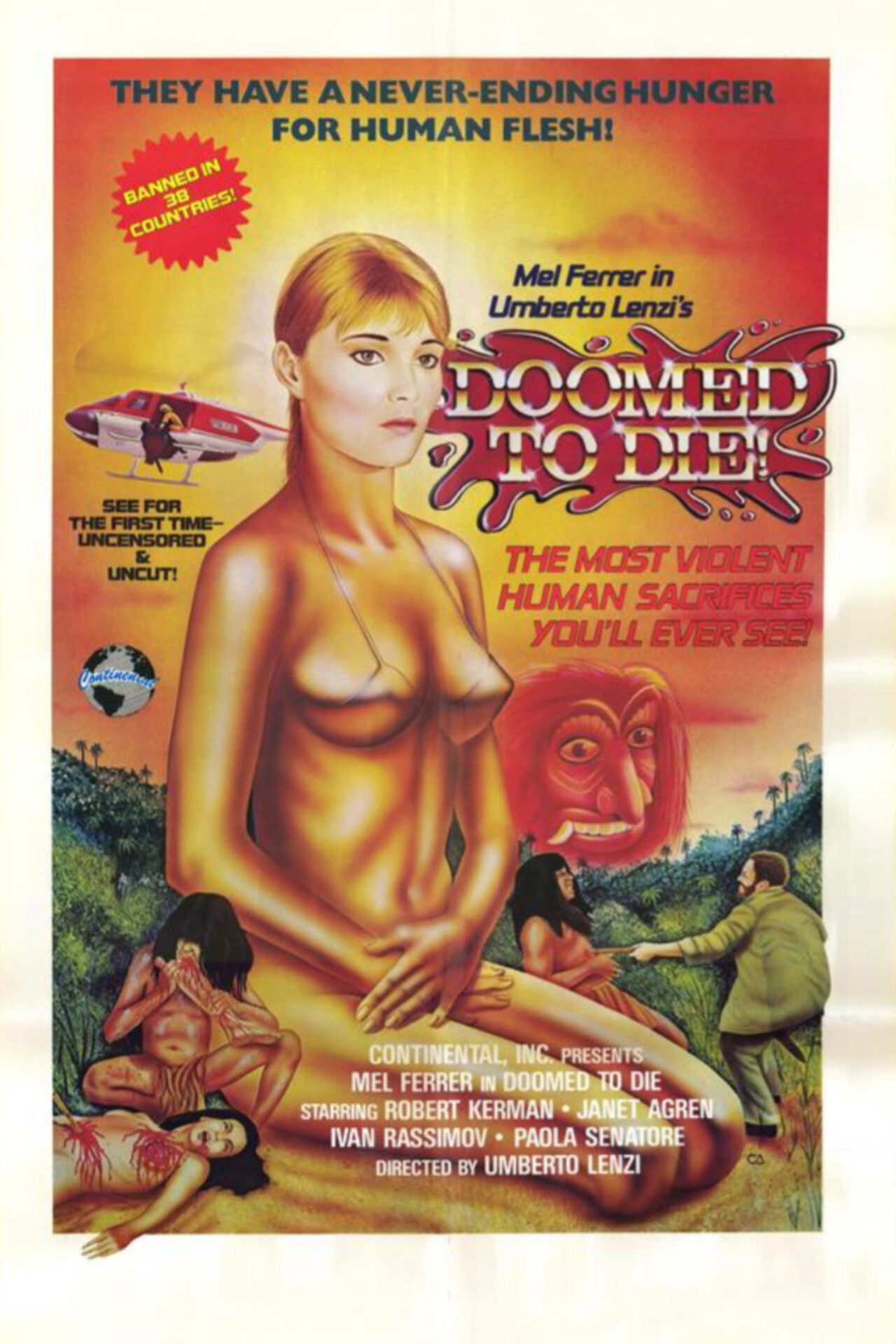
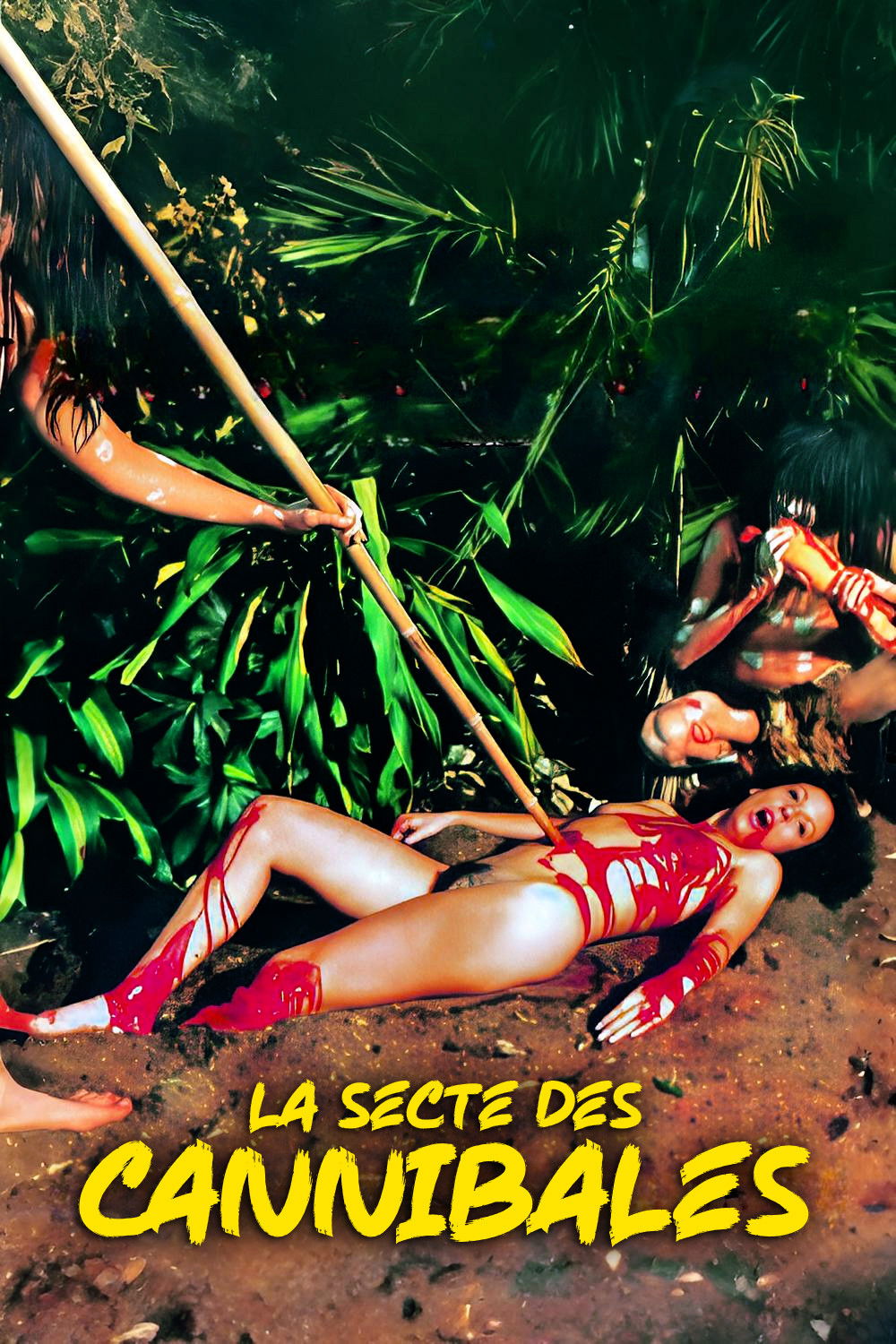
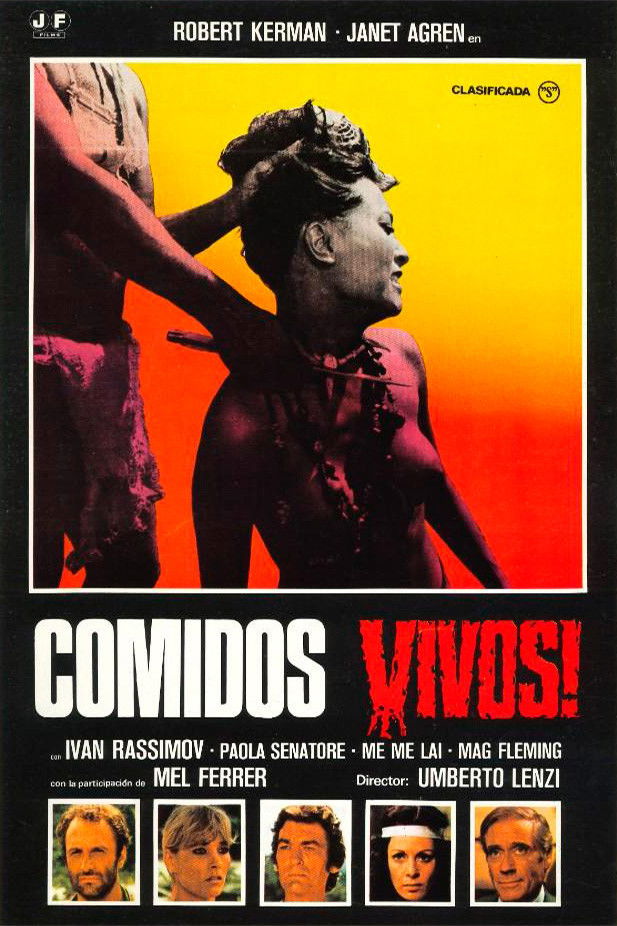
Eaten Alive! (1980)

IT
HORROR FILM Adventure
SUBGENRES CANNIBAL
UK censorship history Section 3 · Supplementary list
2.5/10 4 votes
Runtime
92 min
Release
March 19, 1980
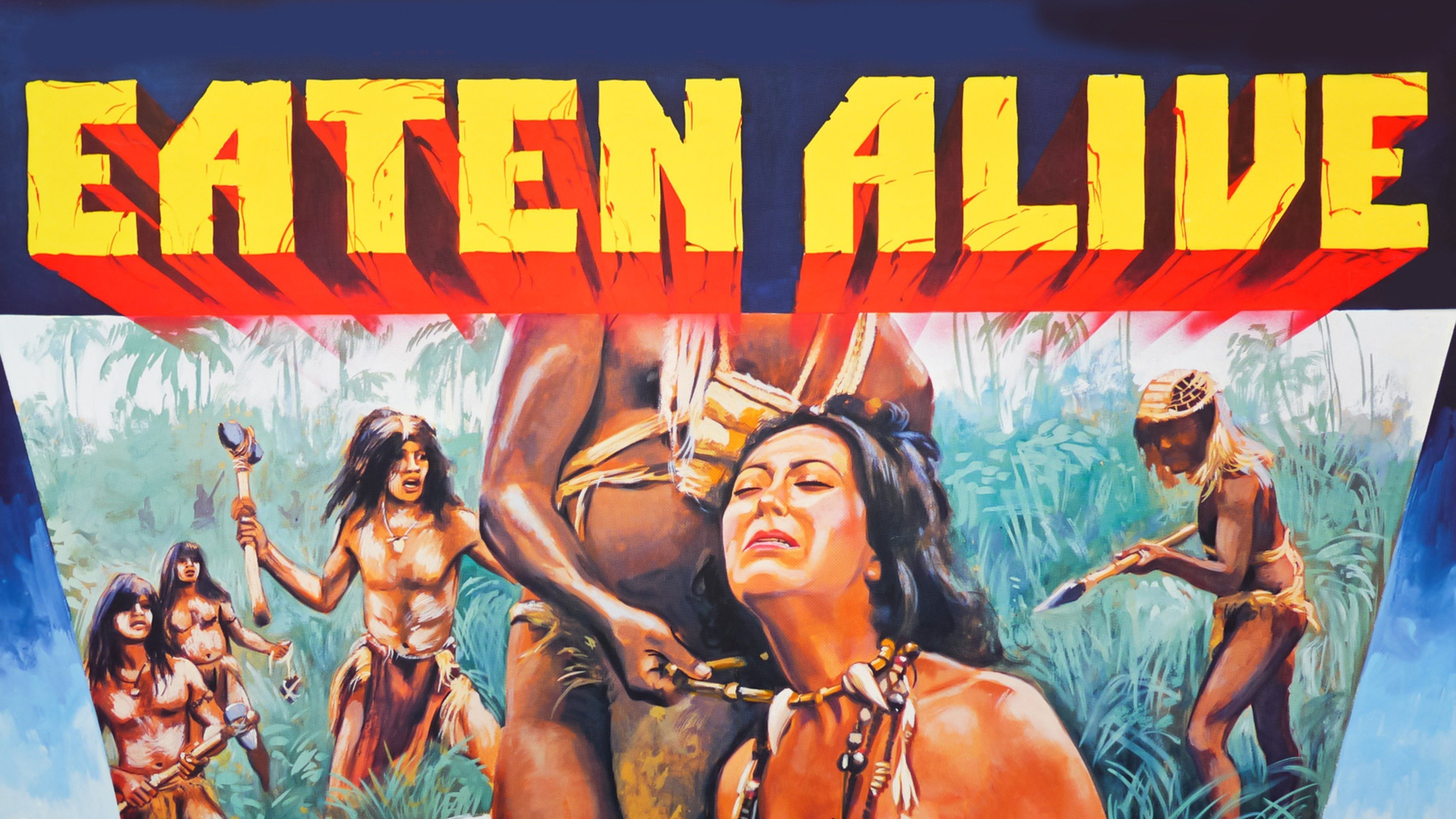
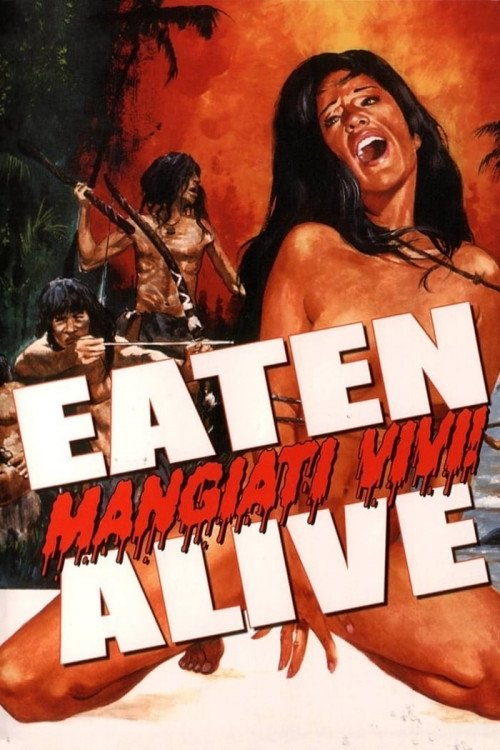
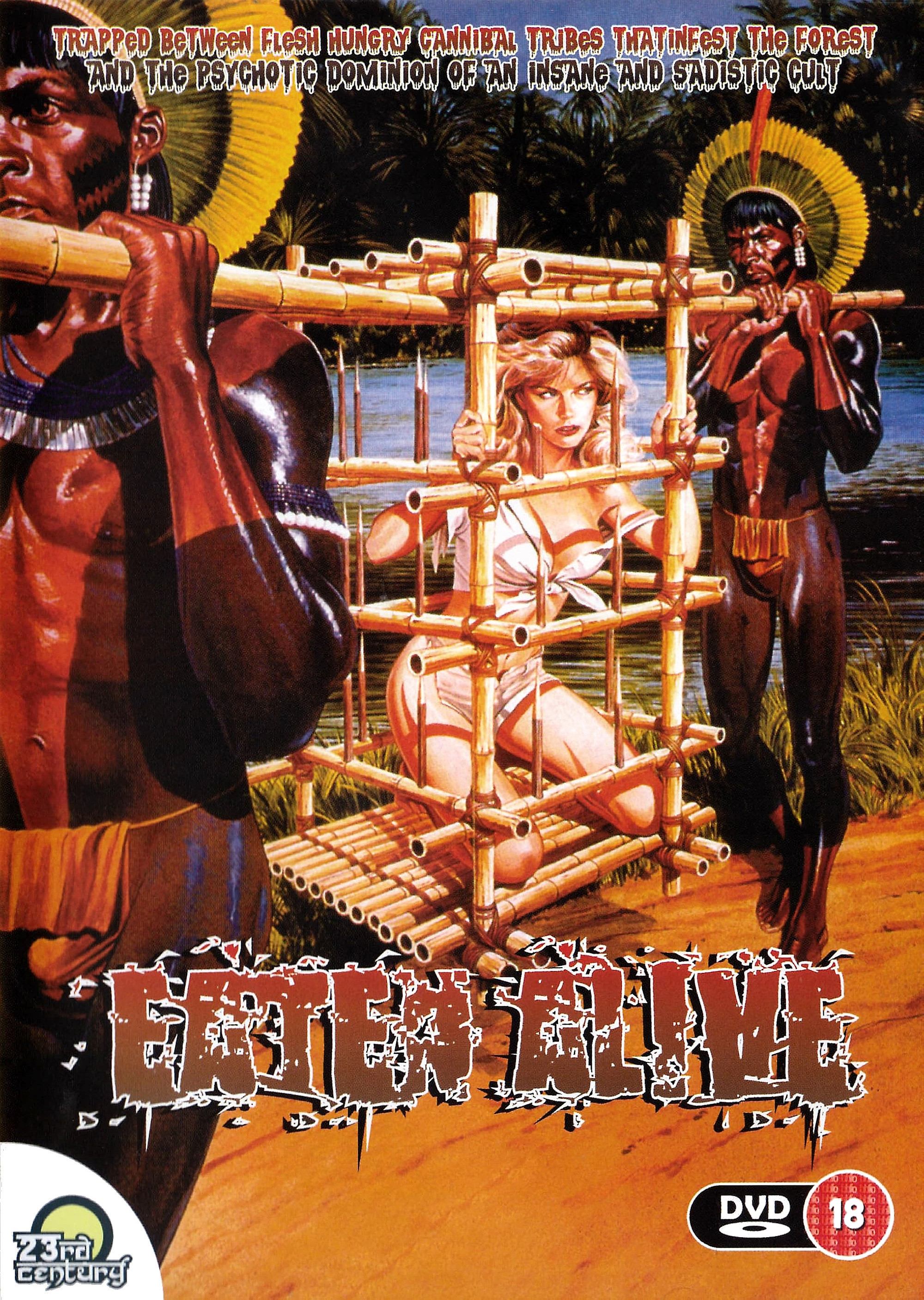
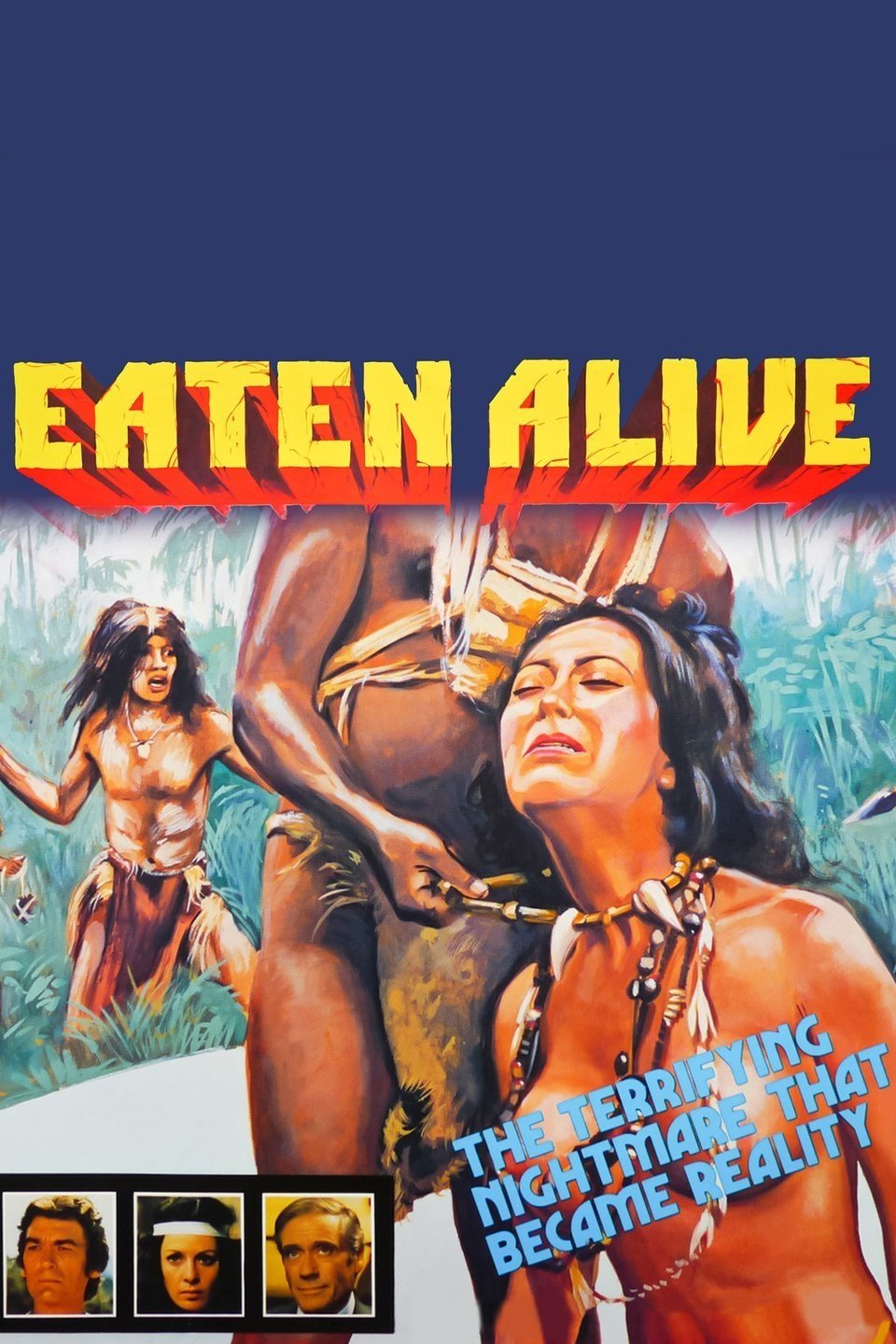
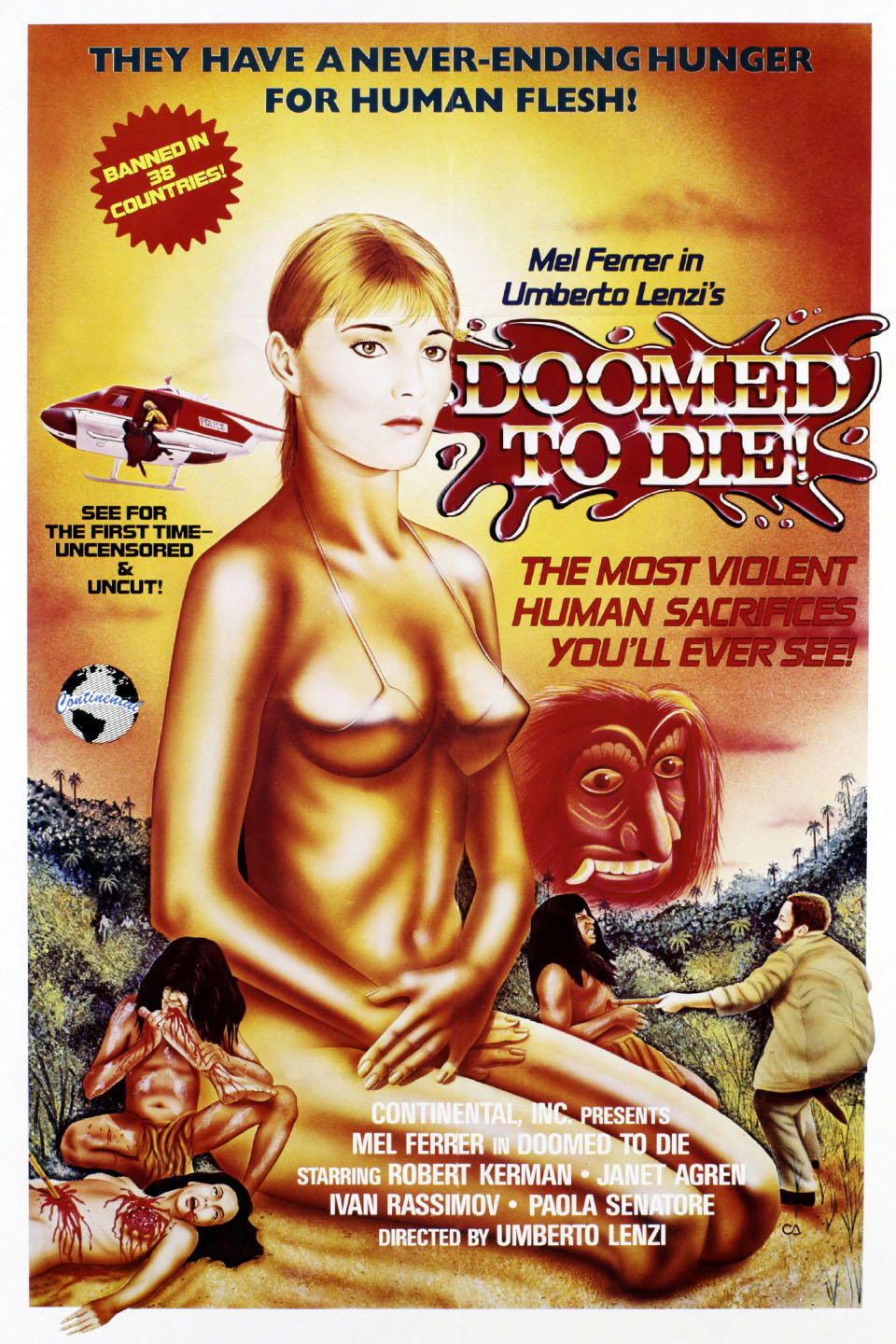
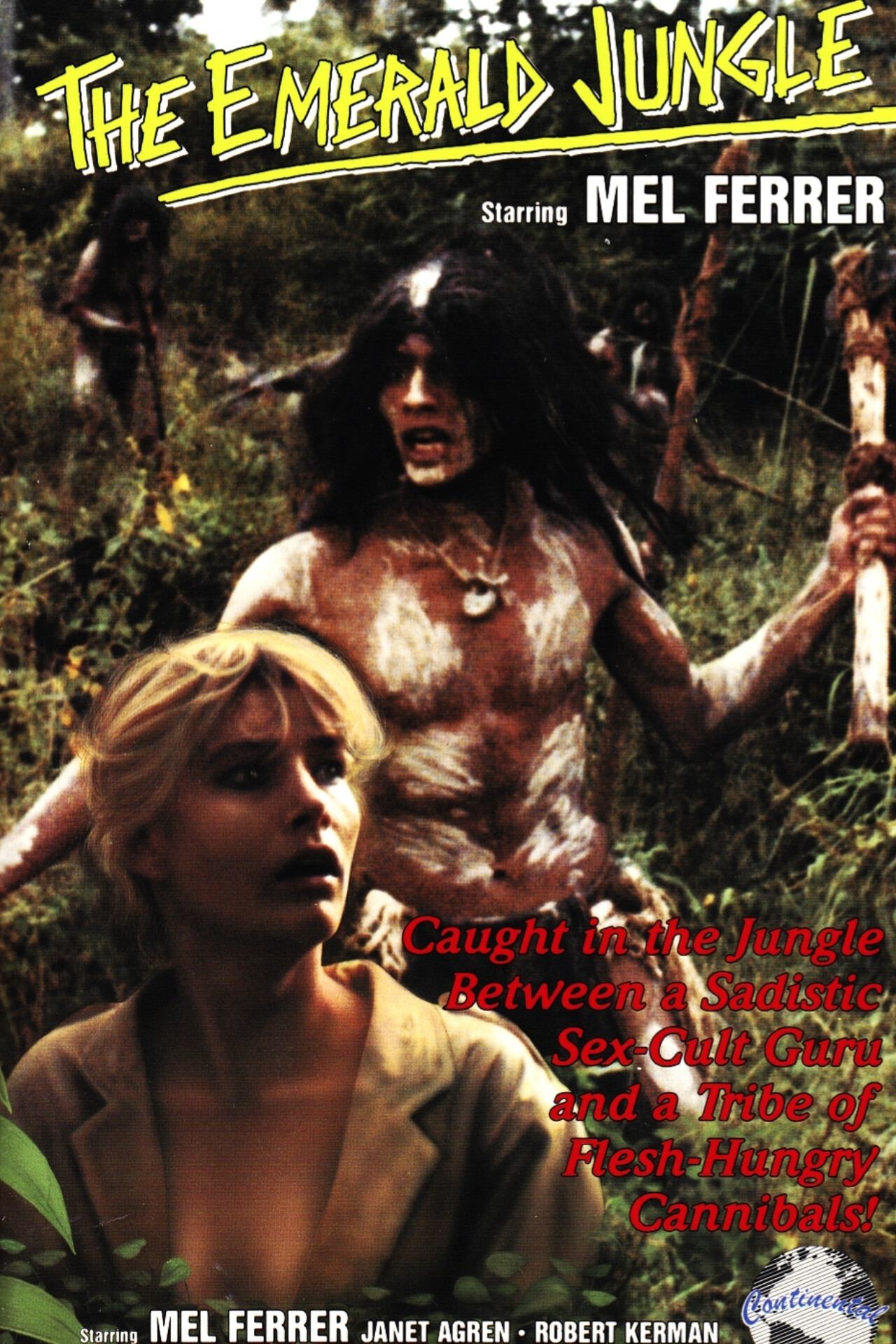
Eaten Alive! (1980) poster
Director
Production Companies
Dania Film , Medusa Distribuzione , National Cinematografica
Plot

A woman's search for her missing sister leads her to the jungles of New Guinea, where she and an expatriate guide encounter a cult leader and flesh-hungry natives.

Alternative Titles
Vivos Serão Devorados (Brazil) — Portuguese 食人帝国 (China) — Chinese Sežrána zaživa (Czechia) — Czech Lebendig Gefressen (Germany) Massakren i junglens dyb (Denmark) ¡Comidos vivos! (Spain) — Spanish La Secte des cannibales (France) — French 食人帝國 (Hong Kong SAR China) — Chinese
Show all 18 alternative titles Élve megzabálva (Hungary) — Hungarian Cannibal holocausto 2 (Italy) 홀로코스트 2 (South Korea) — Korean Comidos Vivos (Mexico) — Spanish Comidos Vivos! (Portugal) — Portuguese Ад каннибалов 2 (Russia) — Russian Doomed to Die (United States) Eaten Alive by Cannibals (United States) Holocaust 2 (Eaten Alive) (United States) — Working Title The Emerald Jungle (United States)

Trailers & Videos

2 videos

Film Guide & Analysis

Umberto Lenzi combines a Jonestown-inspired jungle cult with cannibal horror, recycled footage and disputed censorship versions.

Eaten Alive! (1980), released in Italy as Mangiati vivi!, brings Umberto Lenzi back to the cannibal cycle eight years after Man from Deep River. A woman searching for her missing sister discovers a jungle settlement dominated by a coercive spiritual leader, while the surrounding territory contains the human predators promised by the title. It combines a cult thriller inspired by the Jonestown tragedy with the ritual violence, animal footage and threatened outsiders characteristic of Italian exploitation cinema. Its distinctive construction comes partly from material taken from earlier cannibal productions, making the boundary between newly staged action and recycled spectacle central to its history.

The work belongs to a period when the genre was moving toward increasingly explicit bodily harm. Lenzi wrote and directed an adventure that begins with mysterious killings in New York, passes through a rescue expedition and ends in a compound whose inhabitants are subject to intimidation and manipulation. Italian censorship files document substantial interventions before the original public release and another altered version prepared for television years later. Production testimony and video editions further document its afterlife.

Lenzi & the Cannibal Cycle

Lenzi established an early commercial template with a 1972 jungle film about captivity and initiation that included simulated cannibal violence and genuine animal killing. Later entries by Ruggero Deodato and Sergio Martino developed the jungle setting into a more aggressive form of exploitation. In a filmed interview subsequently described by reviewers of the Severin edition, Lenzi recalled that the international success of his earlier production, particularly in Germany, encouraged his return to the subject. He also associated Eaten Alive! with the headlines surrounding Jim Jones. That account identifies the film's two commercial models.

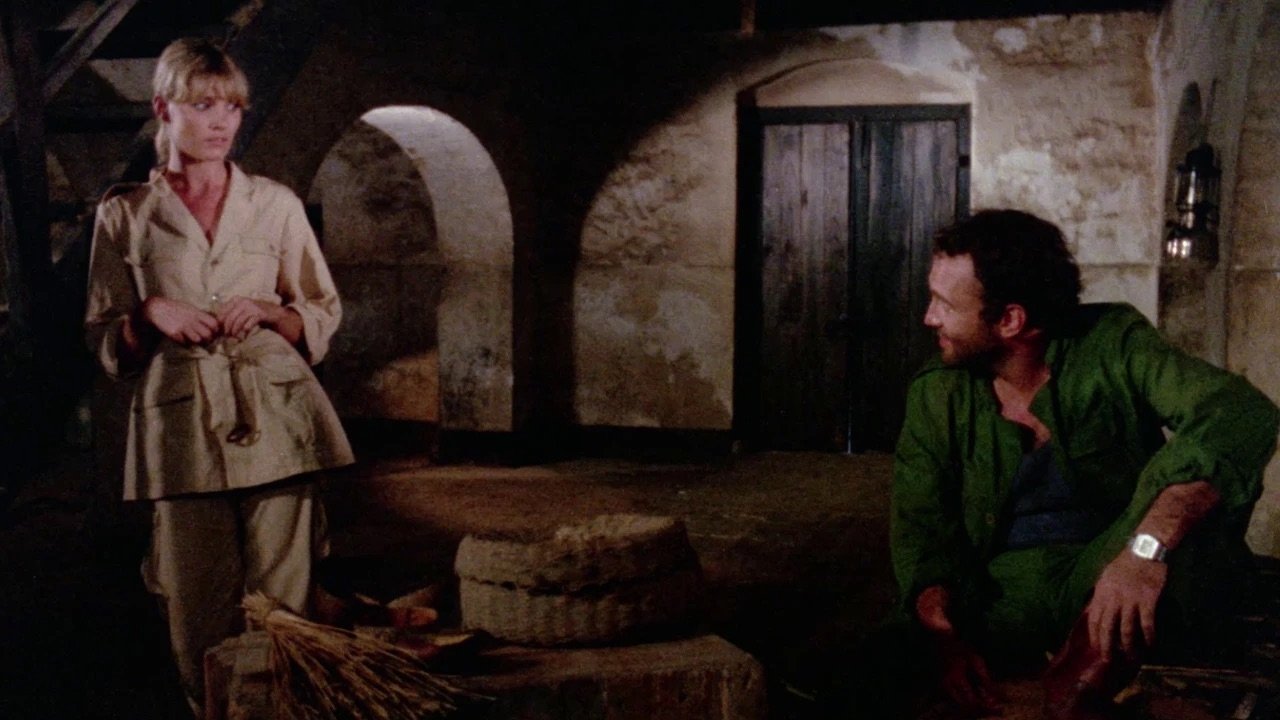
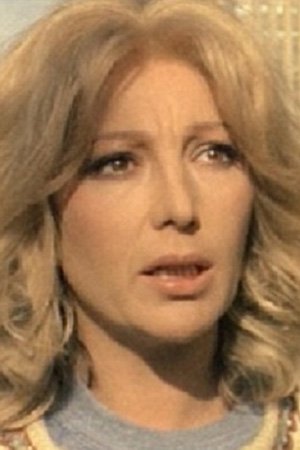
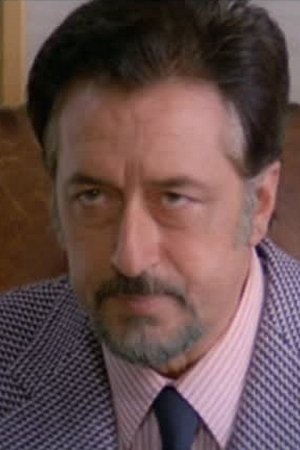
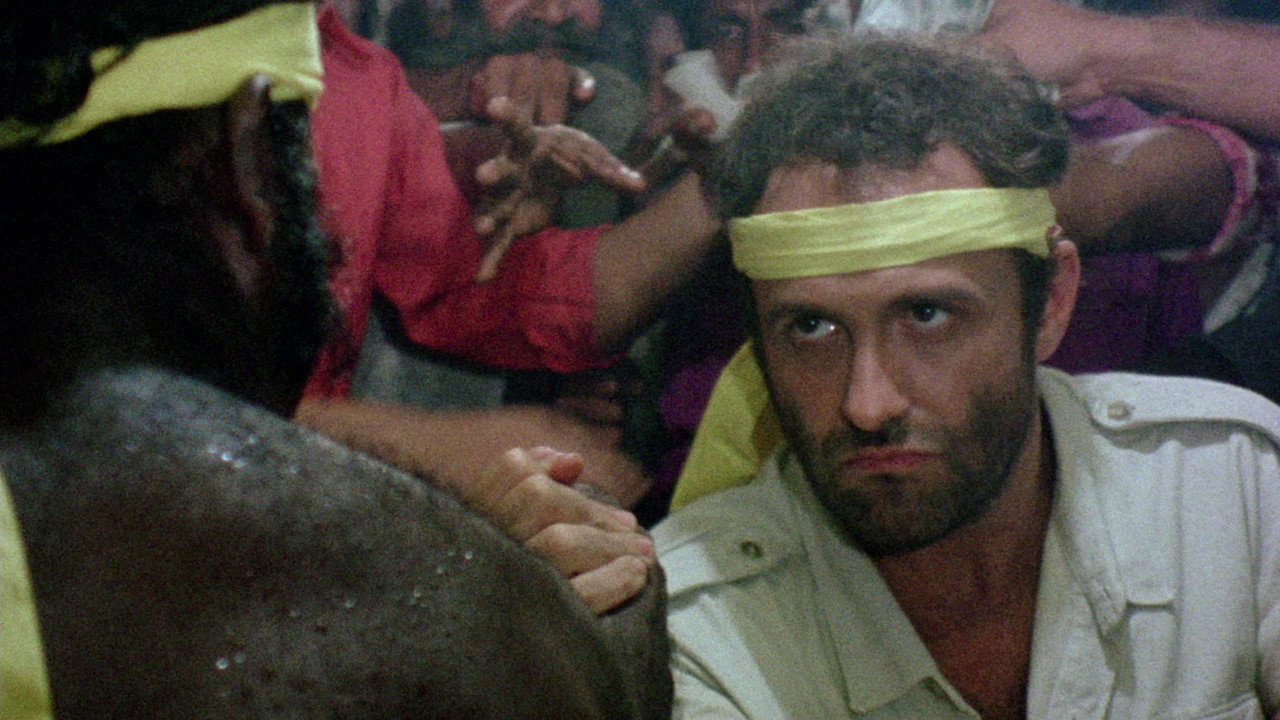
The Italian industry archive credits Lenzi with both story and screenplay, while identifying Dania Film, National Cinematografica and Medusa among the production and distribution companies. The assembled cast crossed several strands of European genre filmmaking. Janet Agren plays Sheila, Robert Kerman her guide Mark, and Ivan Rassimov the cult leader Jonas; Paola Senatore appears as Diana, the missing sister. Their importance lies in the relationships established among the three central figures: Sheila's determination to recover Diana, Mark's knowledge of the terrain and Jonas's increasingly evident authority over people who believe themselves to be living outside ordinary society. The structure supports a continuous rescue story beneath the imported shock sequences.
Jonestown & the Fictional Cult

On 18 November 1978, the Peoples Temple catastrophe unfolded in Guyana after the killing of United States congressman Leo Ryan and others at an airstrip. At Jonestown, hundreds died from poisoned drink under Jim Jones's direction; historical accounts document coercion and the killing of children, making a simple description of the event as voluntary mass suicide inadequate. Eaten Alive! transplants the recognizable outline of an American-led settlement, a charismatic controller and a deadly collective ending to a fictional jungle community near New Guinea. Jonas is an invented character, and the film's ceremonies and threats are dramatic fabrications. The resemblance establishes a contemporary point of reference, not a faithful reconstruction of the people or events of 1978.

Sheila's search begins after murders involving poisoned darts draw attention to a film record connected with her absent sister. Once Mark takes her toward the settlement, the immediate obstacles are animals, hostile groups and the difficulty of crossing isolated territory. At the compound, Diana's apparent commitment to Jonas conceals a system of psychological and physical control. The leader uses his followers' separation from the outside world to regulate their conduct, and attempts to prevent departure make the supposedly protective community another place of captivity. The danger beyond the compound reinforces that captivity.

The plot ultimately links Jonas's methods to a collective death that deliberately recalls the reports from Guyana. The experiences of Peoples Temple survivors and victims are absent from this exoticized reconstruction. Lenzi draws on the public image of the disaster to construct an antagonist suited to a pulp thriller. In this respect the horror comes from two different sources: an organized leader who manipulates followers and an invented outside population described primarily through its capacity for violence. Their convergence creates the film's final peril while exposing the sensational assumptions of its source material.

Staging the Fictional Jungle

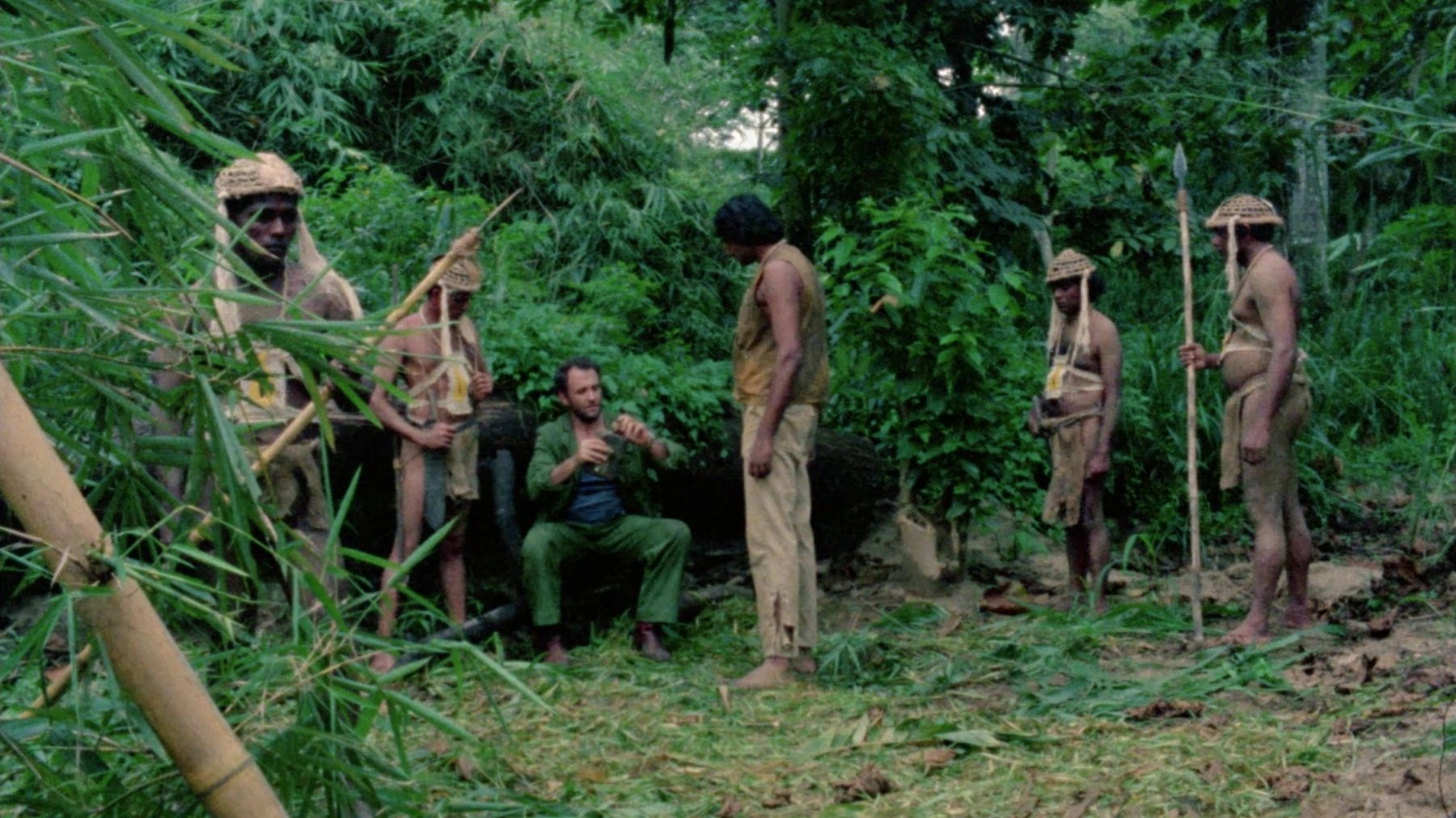
The story presents New Guinea as a remote landscape of rivers, forest routes and dangerous settlements, while production accounts place substantial filming in Sri Lanka. Contemporary discussion of the later home-video supplements describes an interview with production designer Antonello Geleng, who explained how the crew assembled the cult compound using materials available at the location. The buildings had to communicate an organized community without the scale of a major production. Their improvised appearance supports the image of a group trying to reproduce its own social order far from the cities that its followers have abandoned.

The film's visual geography is assembled from several kinds of material. New York streets establish the urban mystery, freshly photographed jungle action follows Sheila and Mark, and borrowed shots introduce animals and assaults from other productions. Differences in grain, lighting and camera position sometimes make the transitions conspicuous. In scenes of movement through the forest, sudden encounters are frequently communicated by editing to violent footage whose original circumstances lay elsewhere. This practice makes the environment feel continuously threatening, but it also disrupts physical continuity. The screen territory is a product of montage as much as location photography, which is crucial to understanding the peculiar rhythm of the finished horror.

Recycled Violence & Animal Footage

Lenzi incorporated scenes from several earlier cannibal films. The Man from Deep River supplies material including a crocodile killing and an attack on a woman; other footage is identified with Last Cannibal World (1977) and The Mountain of the Cannibal God (1978). A death involving Me Me Lai, for example, originates in Deodato's earlier film, even though the actress also appears in Lenzi's newly filmed story. The repeated use of recognizable performers and incidents can make apparently separate characters and events seem to overlap. For viewers familiar with the genre, these fragments reveal that the feature has been assembled from images with different narrative origins.

Animal suffering is especially important to that process. A specialist Australian censorship history identifies the mongoose-and-cobra confrontation and further reptile footage among material carried across from earlier productions. The film also contains other images of actual harm or predation that differ fundamentally from staged makeup effects applied to human actors. The surviving documentation does not establish the filming circumstances of every animal incident. The appropriate distinction is between demonstrably recycled incidents and acts whose precise filming circumstances remain unclear.

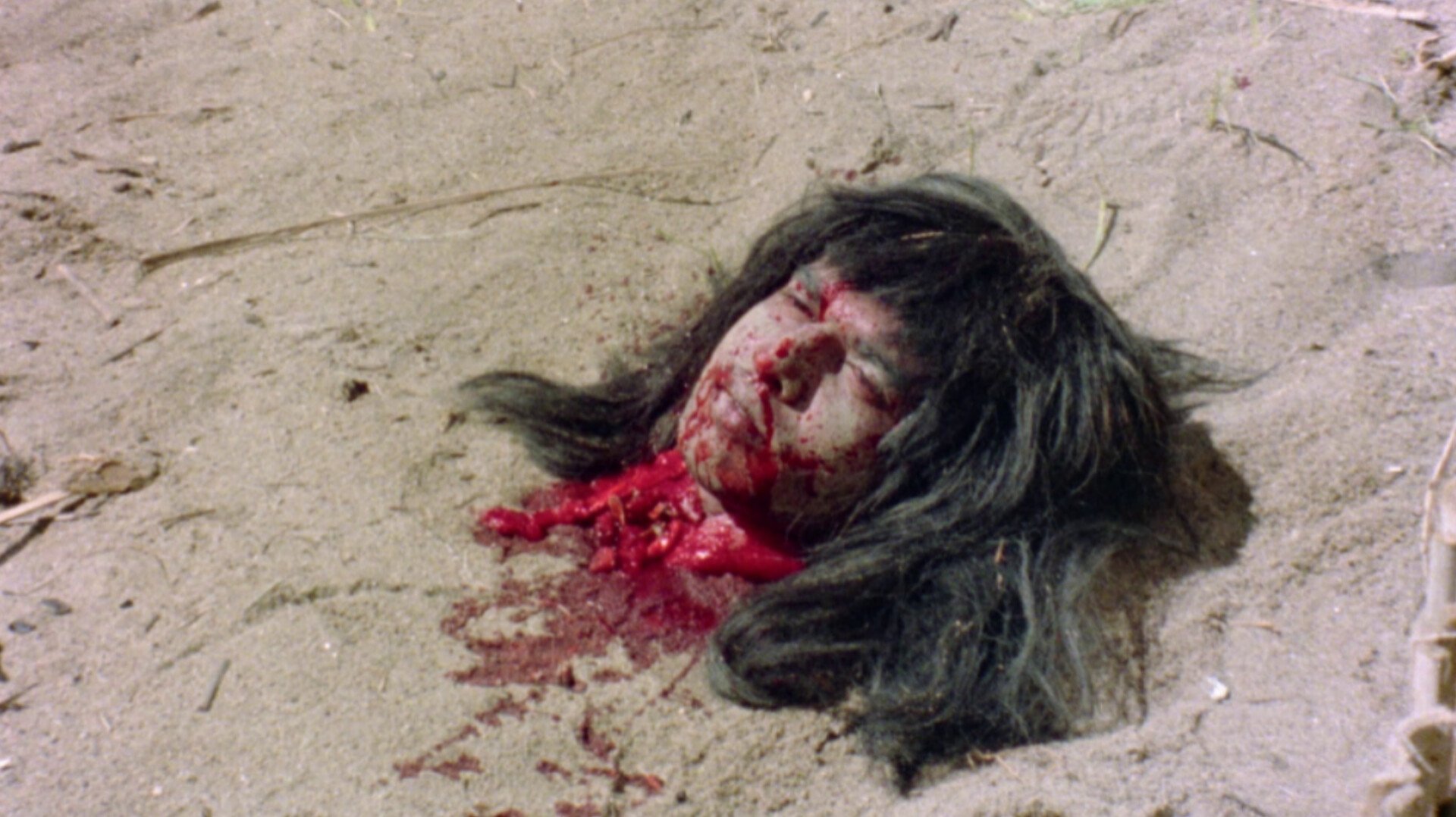
The editing transforms earlier images of slaughter into recurring hazards along the protagonists' route. In a conventional effects sequence, blocking and photography can establish a continuous relationship between a threatened performer and the manufactured wound. Here the borrowed material often arrives as an abrupt insert, providing visceral spectacle without comparable spatial preparation. Some human mutilation scenes use practical illusion, while the animal footage records real events. Their juxtaposition exposes an ethical problem: the claim to authenticity depends on animal suffering inside a fictional human story.

Sexual Violence & Cult Control

Lenzi's script treats the body as the point where several kinds of domination become visible. Jonas presides over ritualized sexual conduct and uses intimidation to discipline members of the compound, particularly women. Diana's position as a follower complicates Sheila's original assumption that she can simply be rescued and taken home. The supposed community of renewal has become a site where private choice is suppressed, and its leader exploits promises of belonging to justify humiliation. This pattern connects the cult narrative to the film's harsher exploitation scenes without requiring the cannibal threat to drive every episode.

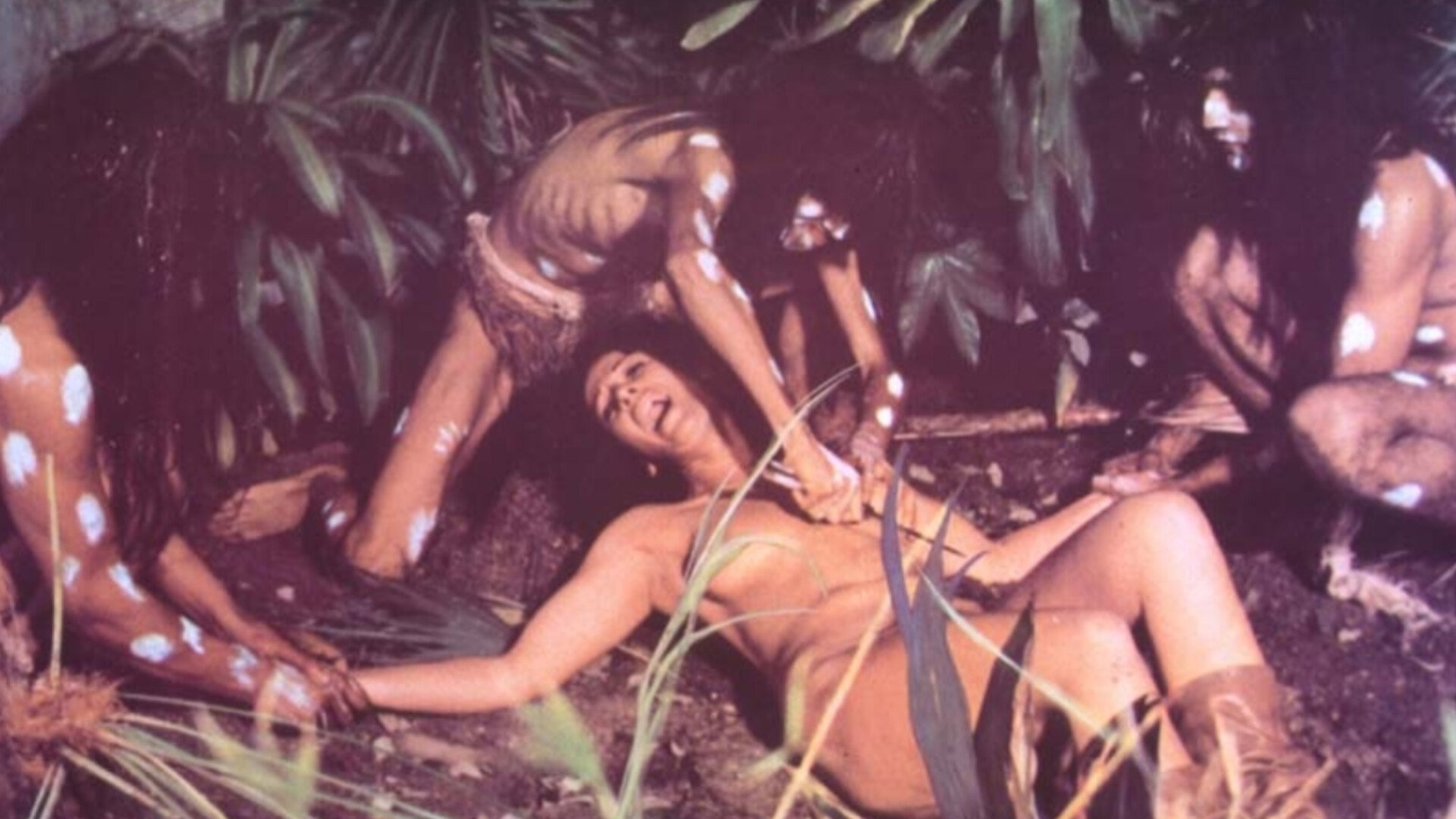
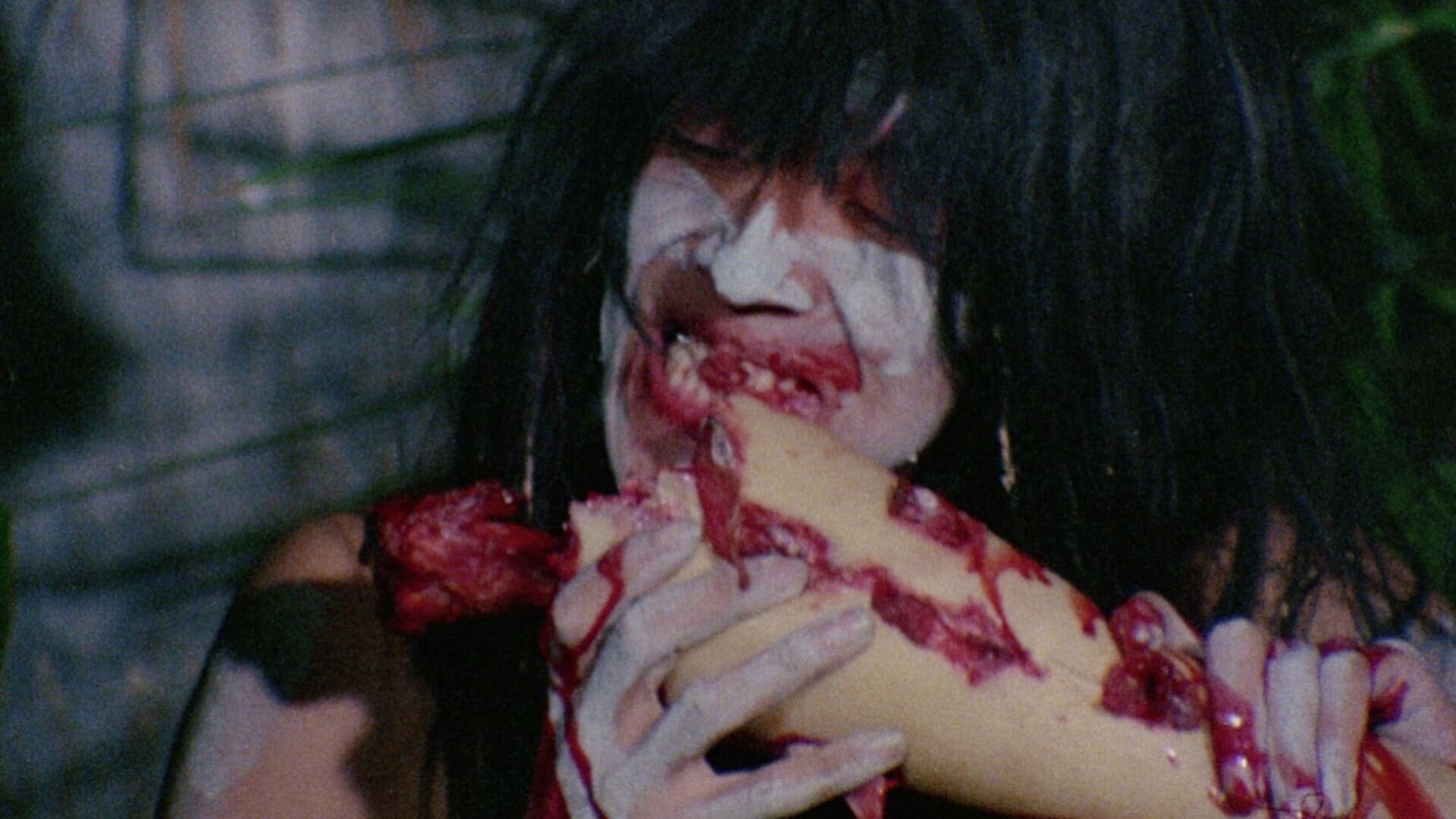
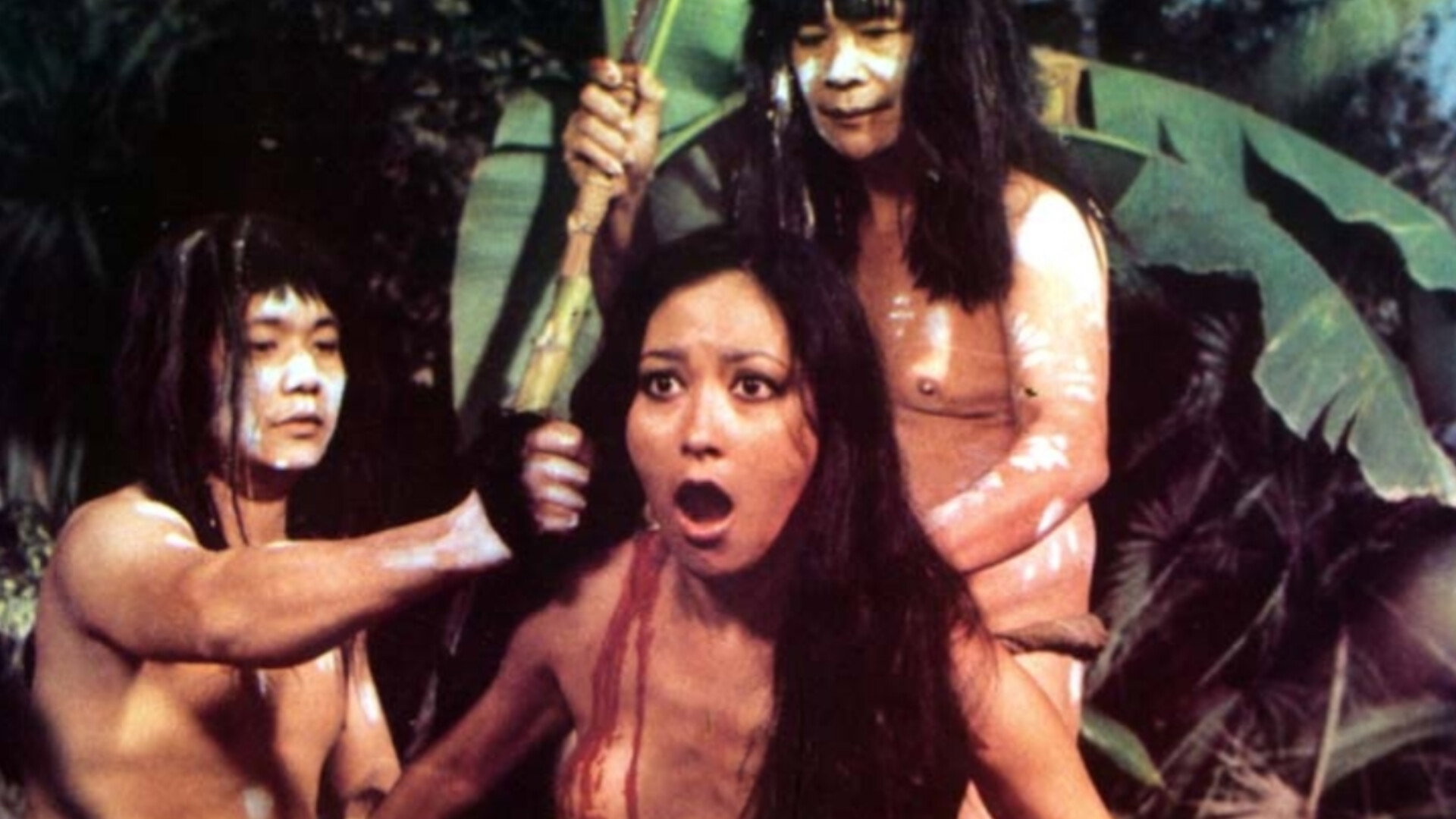
Physical danger escalates when attempts to escape bring the characters into contact with hostile inhabitants outside the settlement. The attacks use dismemberment, sexual aggression and threatened consumption to present the jungle as a zone in which captives can be treated as disposable bodies. These images reproduce familiar racist and colonial stereotypes about unnamed indigenous communities, and the film offers no credible ethnographic foundation for its imagined customs. Its perspective is shaped by the fears and sensational expectations of the visiting outsiders. The contrast between Jonas's organized brutality and the supposed savagery of his surroundings suggests a broader horror of domination, although the representation rarely develops that idea beyond the exploitation format.
Italian Censorship & International Versions

The Italian censorship history is documented with unusual precision. The original file, numbered 74827, records an application dated 21 February 1980 and a decision on 20 March. Examiners requested that six scenes be reduced, including castration, a killing by impalement, the dismemberment of an escaping local person, sexual assault accompanied by cannibalism and two incidents involving Diana. The commission subsequently inspected the changes, recording the removal of 9.80 meters of film. It then authorized exhibition with a restriction for viewers under eighteen. That measurement concerns the length of excised film, not minutes of screen time, and cannot be equated with the total differences among later international editions.

A second Italian file, numbered 82443, concerns a modified edition submitted in March 1987 for television-related reclassification. On 27 April the commission approved a reduction of the age restriction to fourteen, observing that violence remained and giving particular attention to the final collective death. The document expressly treats the submission as a different edition from the earlier print. These records show how the material was adjusted for changing exhibition circumstances; they do not establish which footage survived in every foreign release. The clearance date does not independently establish the first screening.

Australian documentation supplies another distinct history. A shortened cinema print measuring 2,342.59 meters received an R rating in August 1980, apparently after alterations made before submission. A video edition was classified in February 1984; surviving VHS copies and later DVDs have different running times. Transfer speeds also affect comparisons of running times. In Britain a substantially shortened Vipco edition circulated, while American and later specialist releases restored footage that had been absent from some older tapes. These histories should not be confused with the official British video-nasty list, on which the film's inclusion is not established by the available evidence.

The film's patchwork construction remains visible in modern presentations. A 2018 high-definition edition offered a wider image area than some earlier cropped discs, while a 2025 4K transfer from a color-reversal intermediate produced a further revision of framing and color. Material from other films retains different textures, and the rediscovery of alternate footage underscores the complexity of presenting a definitive version. Preservation allows closer examination of Lenzi's original photography and the inserted sequences without erasing the difference between them. The most securely documented afterlife of Eaten Alive! is therefore one of changing cuts, transfers and access to footage, alongside continuing reassessment of its exploitation methods.

References

  1. CHANGES - University of Milan Mangiati vivi! - Fascicolo 74827

    Original Italian censorship record: six requested reductions, the length of removed footage, and the March 1980 clearance restricted to adults.

  2. CHANGES - University of Milan Mangiati vivi! - Fascicolo 82443

    Primary file for the revised 1987 edition and the reduction of the Italian age restriction for a separately edited version.

  3. Refused-Classification.com Censored Films of Umberto Lenzi

    Detailed Australian cinema and video classification history, with identified footage recycled from earlier Italian cannibal films.

  4. Genre Grinder Eaten Alive (1980) Blu-ray Review

    Lengthy film-specific analysis of the Jonestown inspiration, shared cannibal footage, animal violence and international home-video circulation.

  5. Mondo Digital Eaten Alive!

    Detailed examination of the film, production interviews, Sri Lankan sets, variations in presentation and the 2018 and 2025 restorations.

Cast

View Full Cast & Crew →

Release & Distribution

Production Companies (3)

  • Dania Film IT
  • Medusa Distribuzione IT
  • National Cinematografica IT

Release History (3)

Release DateTerritoryRelease TypeFormatDistributorCertificationNotes
1980-03-19 Italy Theatrical — — VM14
1980-04-10 Germany Theatrical — — 18
1985-10-25 United States Theatrical — — —
Trapped in a jungle of crazy flesh eaters! The terrifying nightmare that became reality!