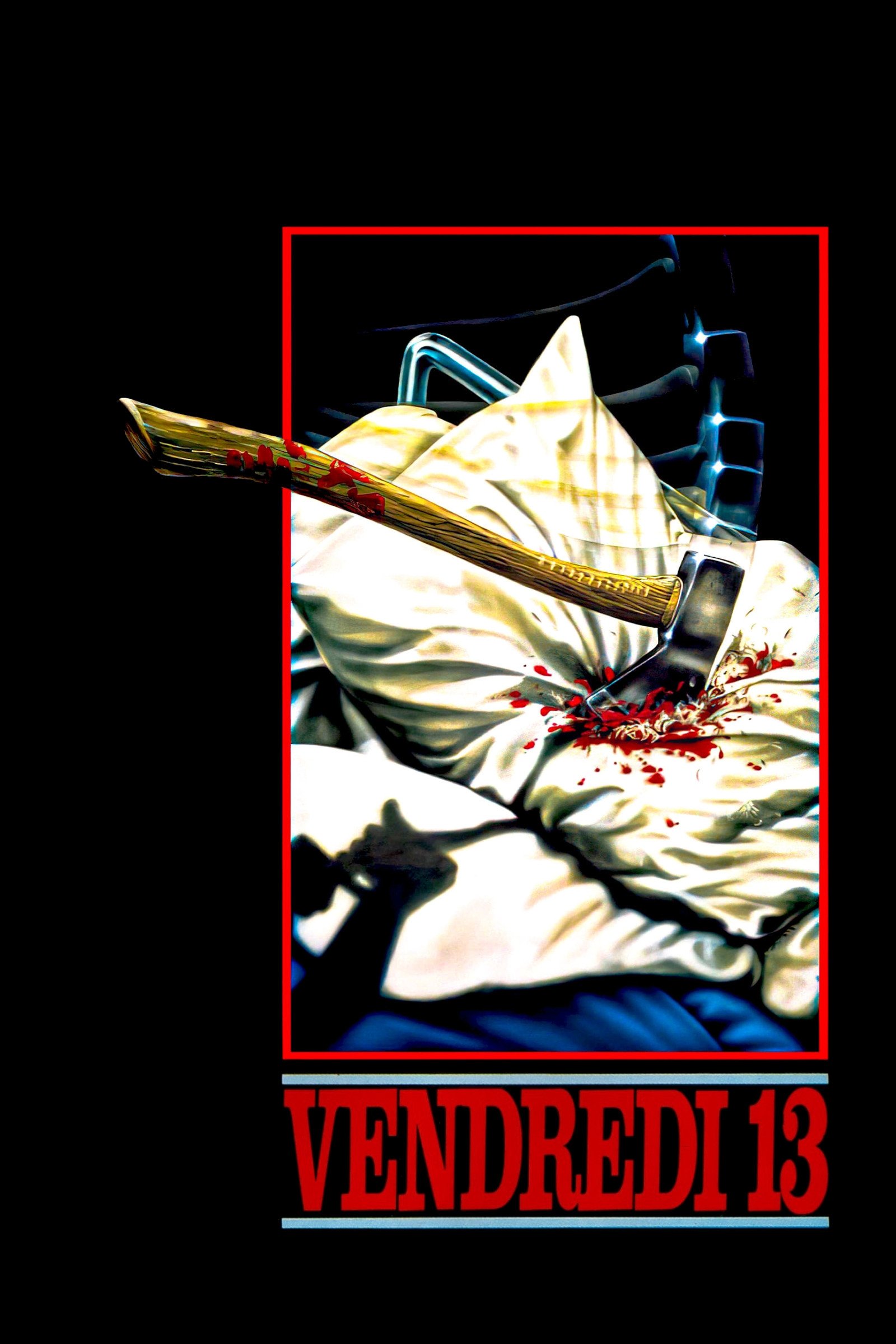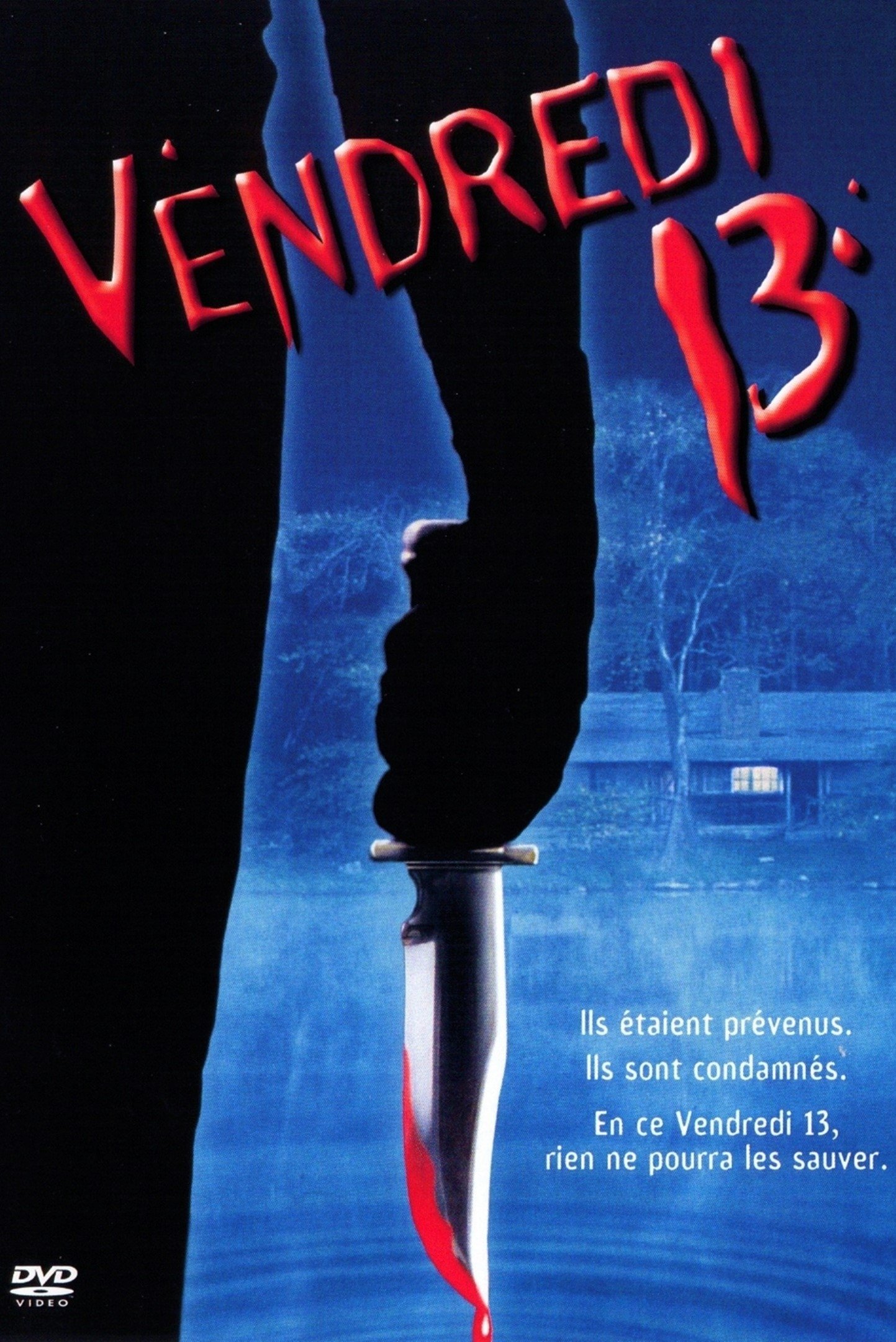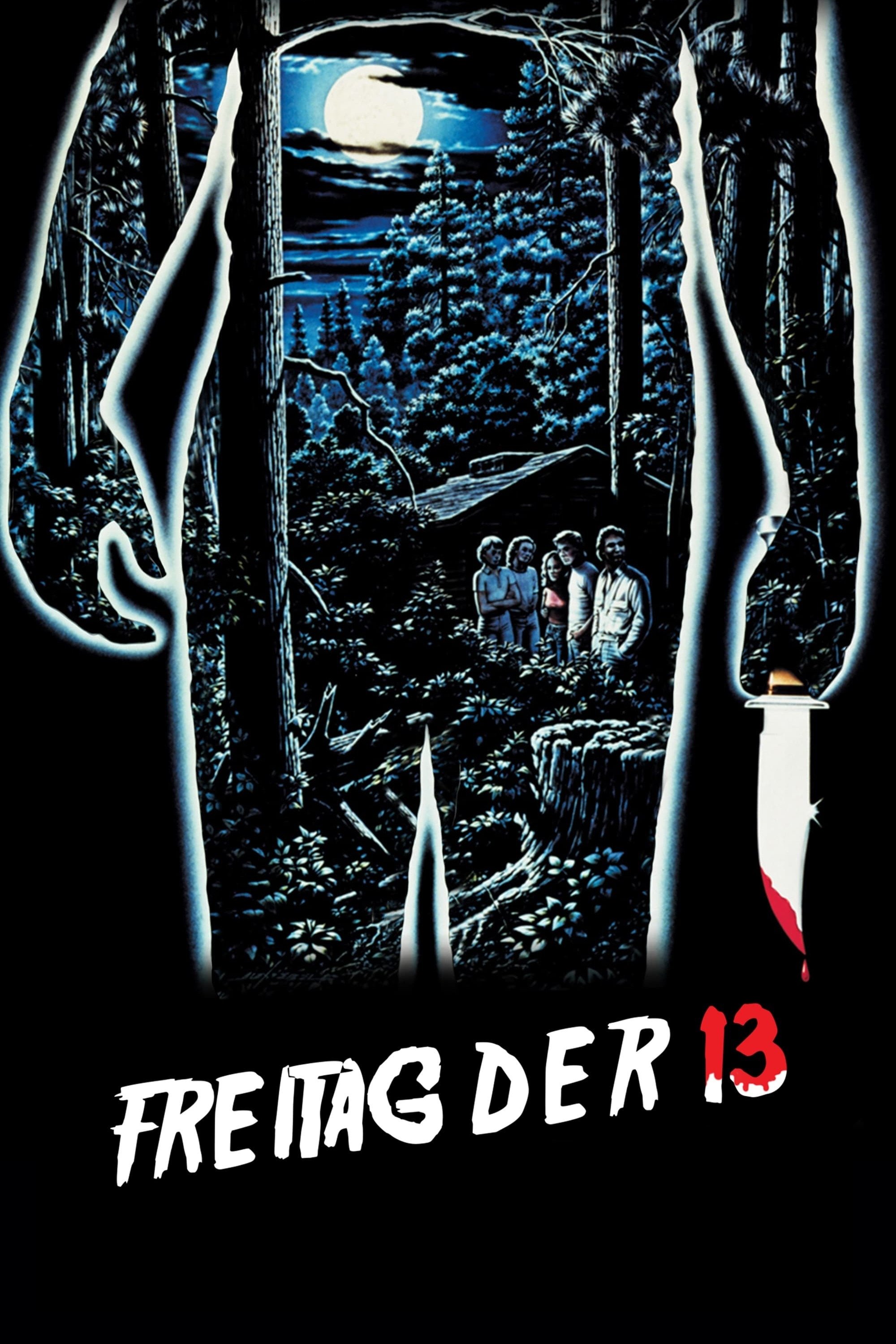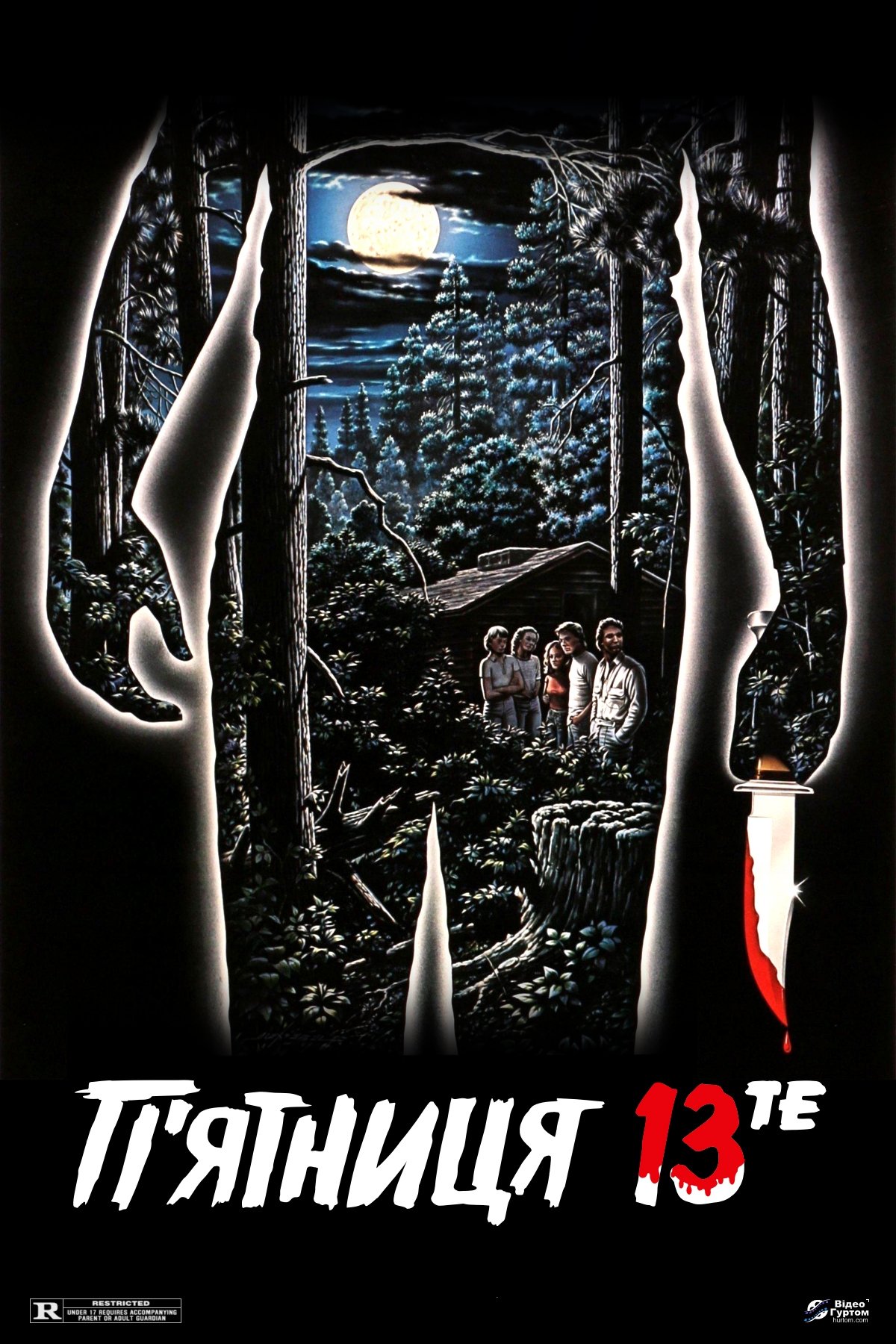
Friday the 13th (1980)

US
HORROR FILM
SUBGENRES SLASHER
UK censorship history Section 3 · Supplementary list
7.0/10 8 votes
Runtime
95 min
Release
May 9, 1980
Budget
$550,000
Revenue
$39,925,100
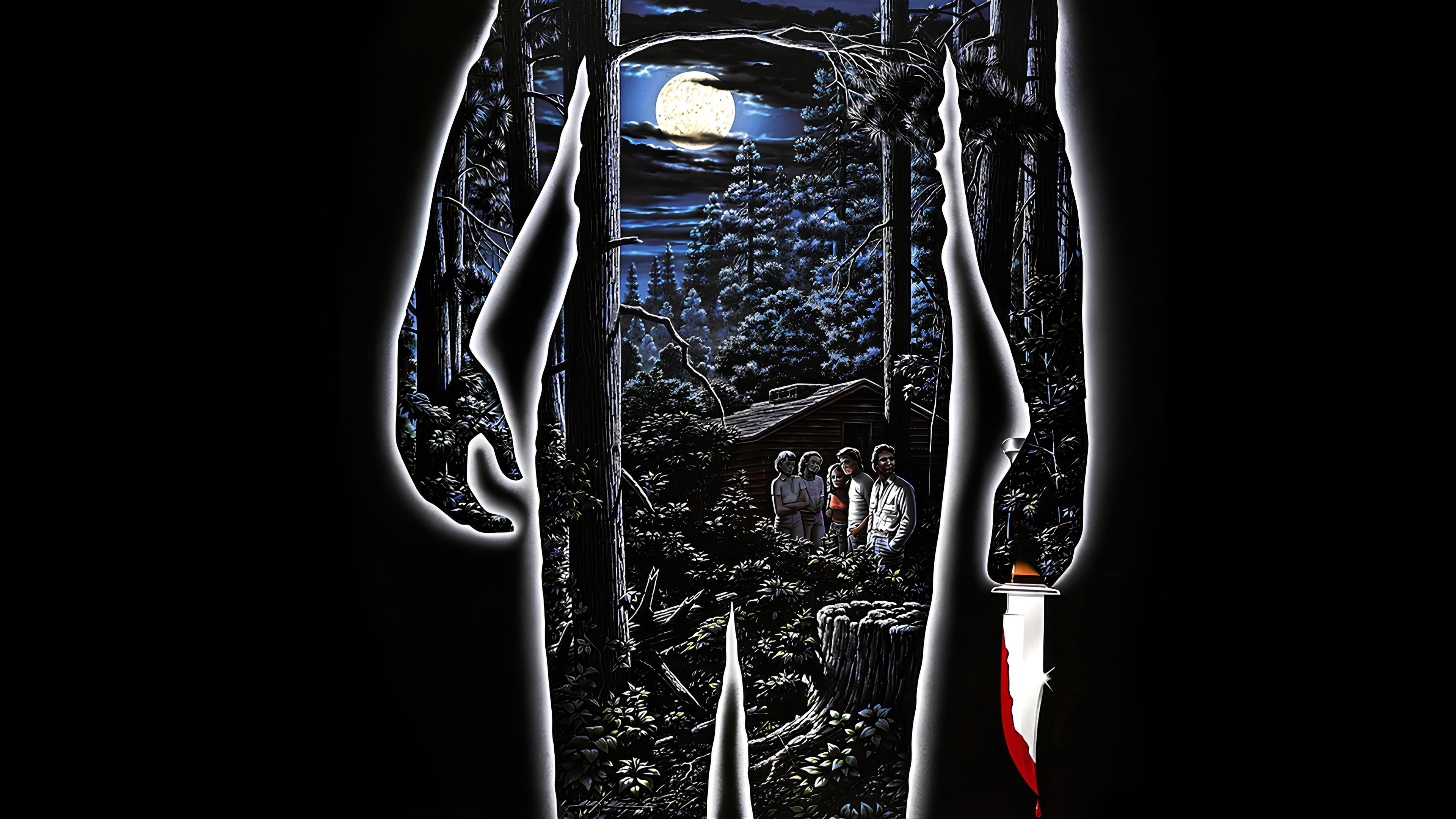
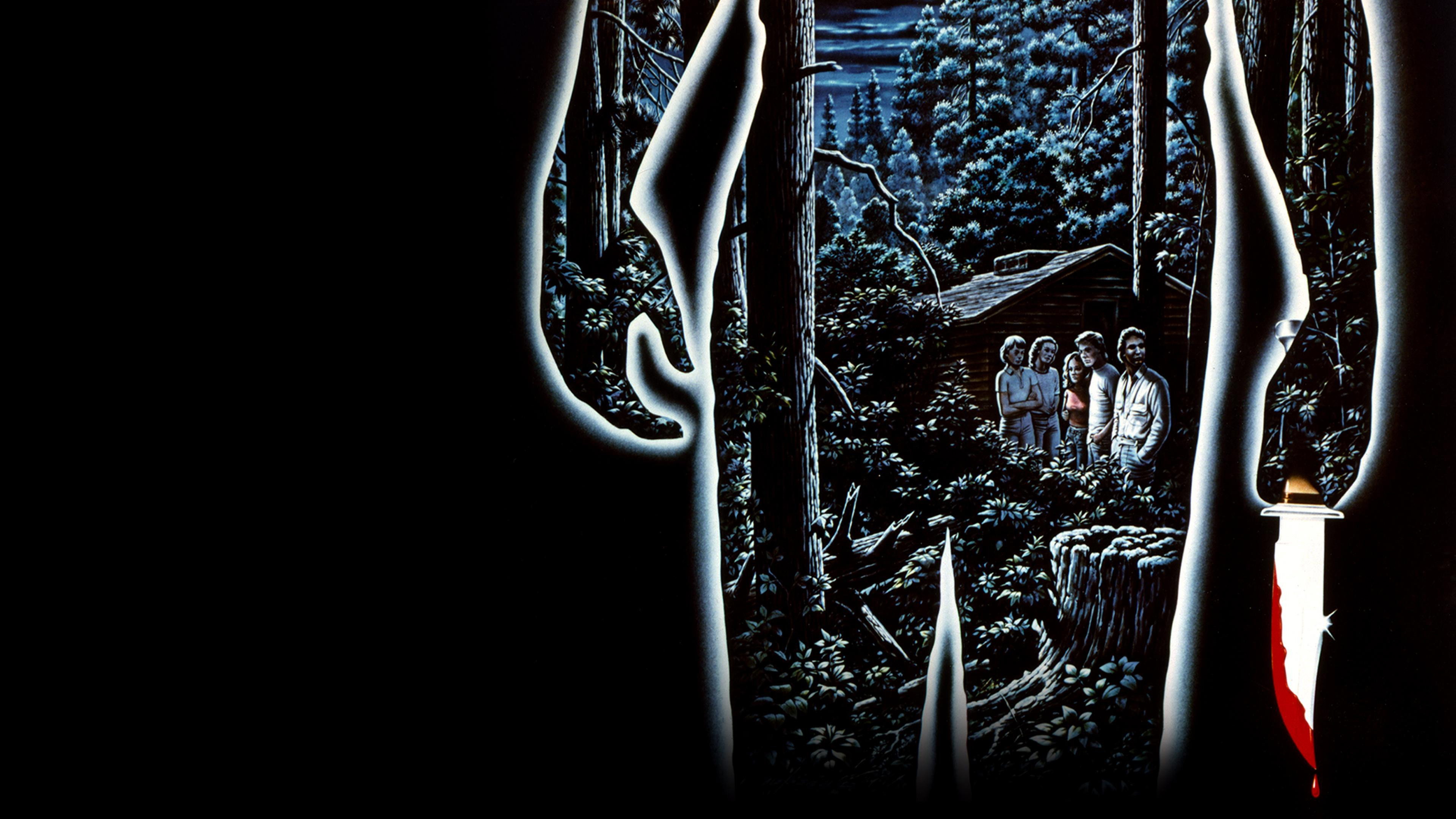
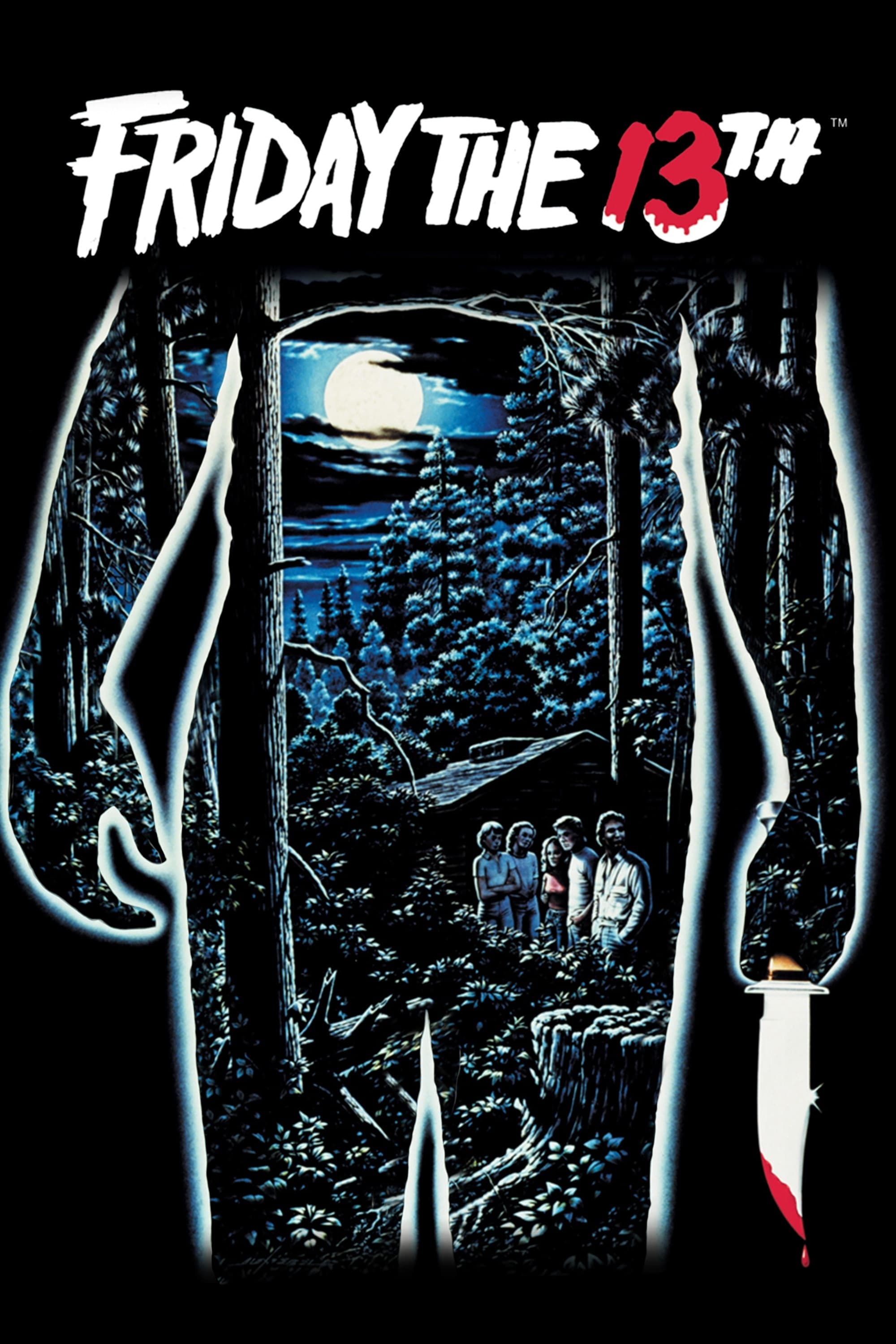
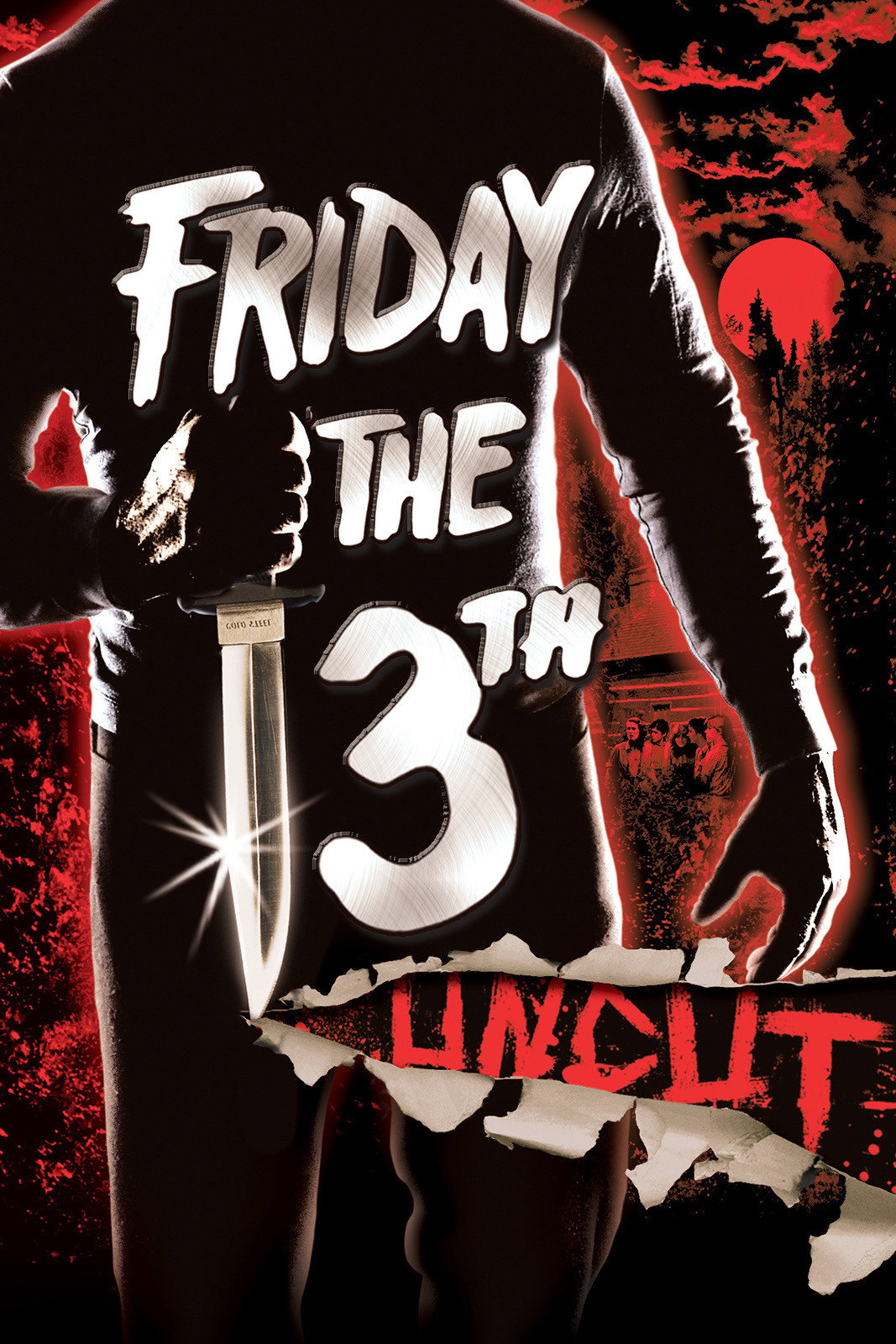
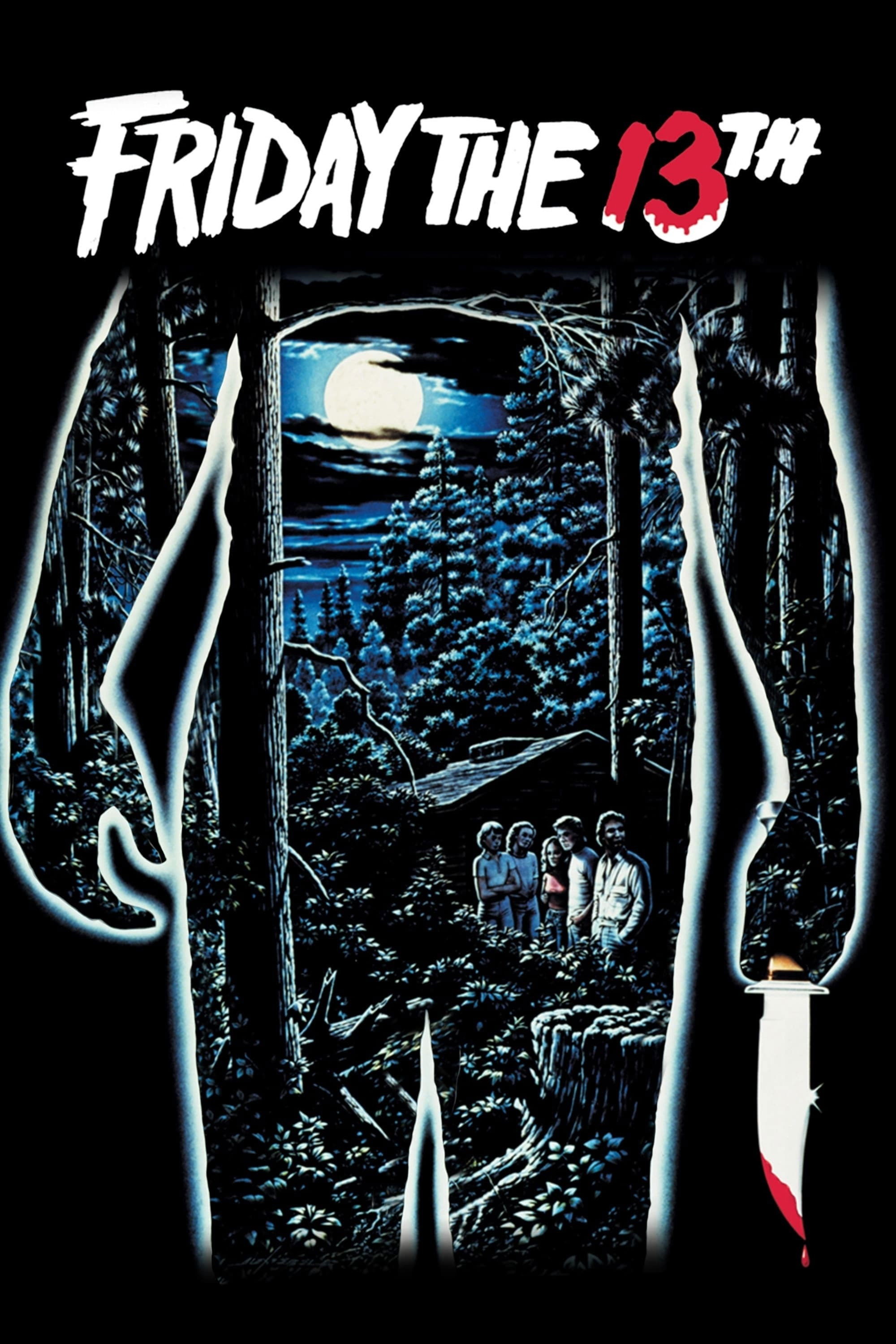
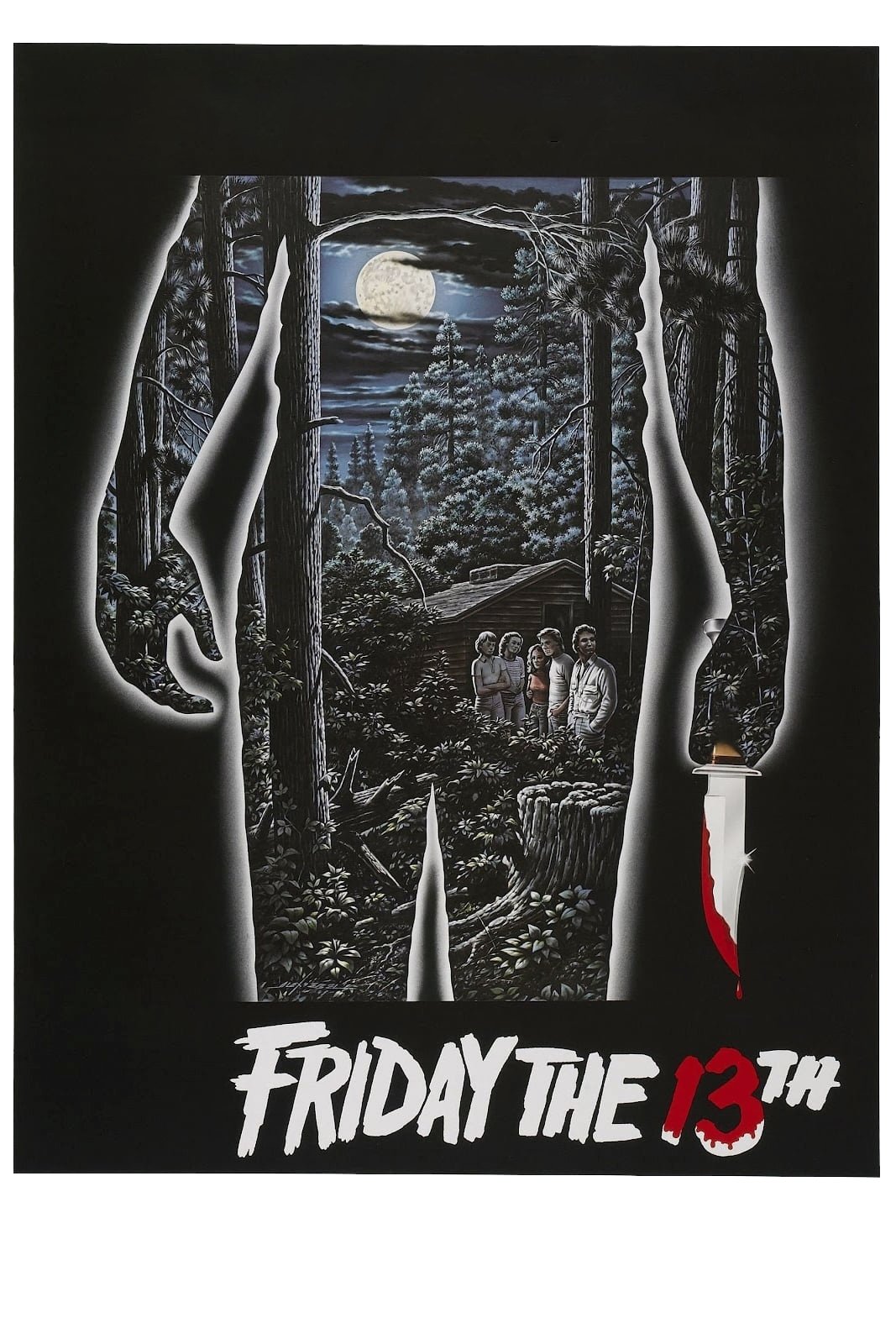
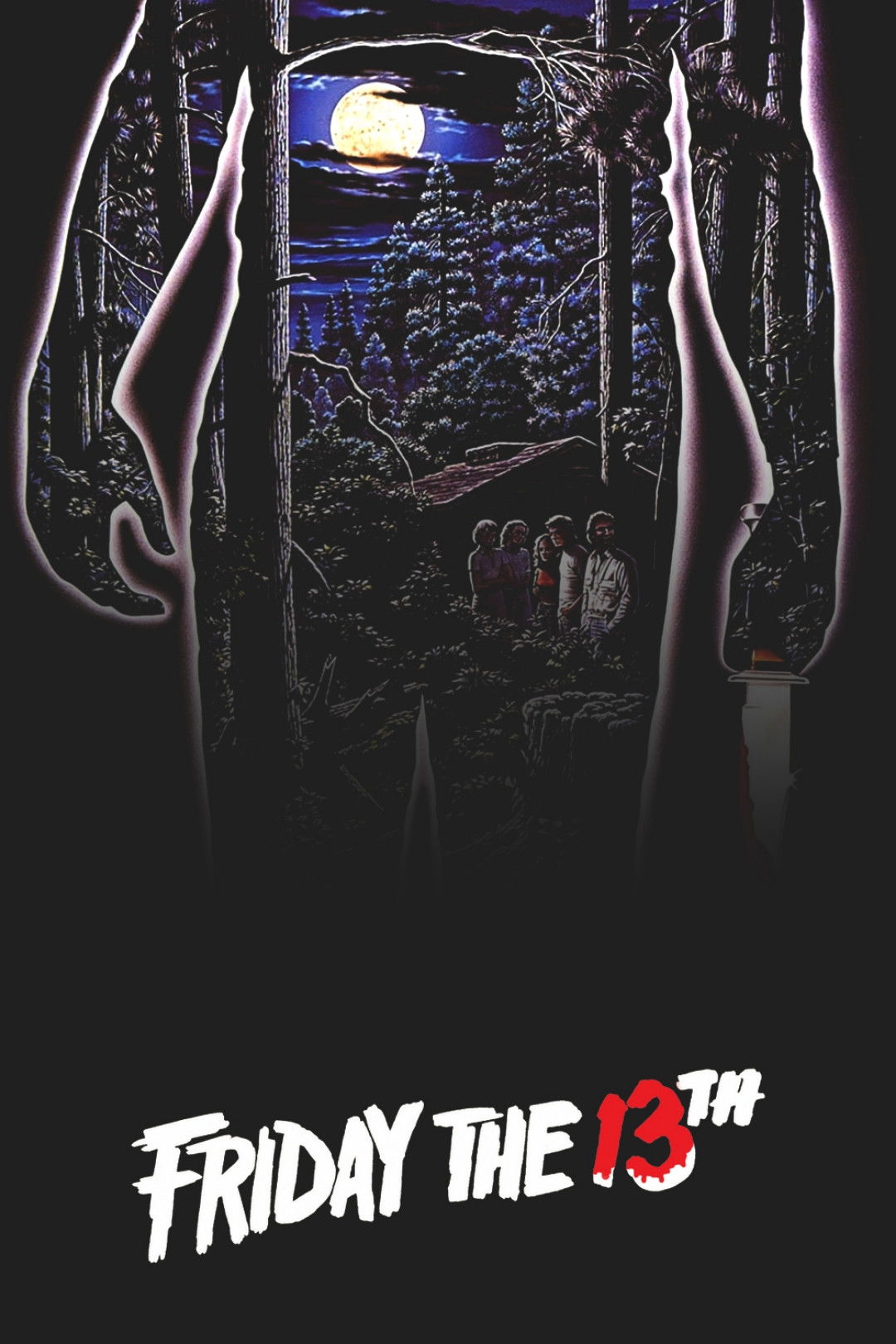
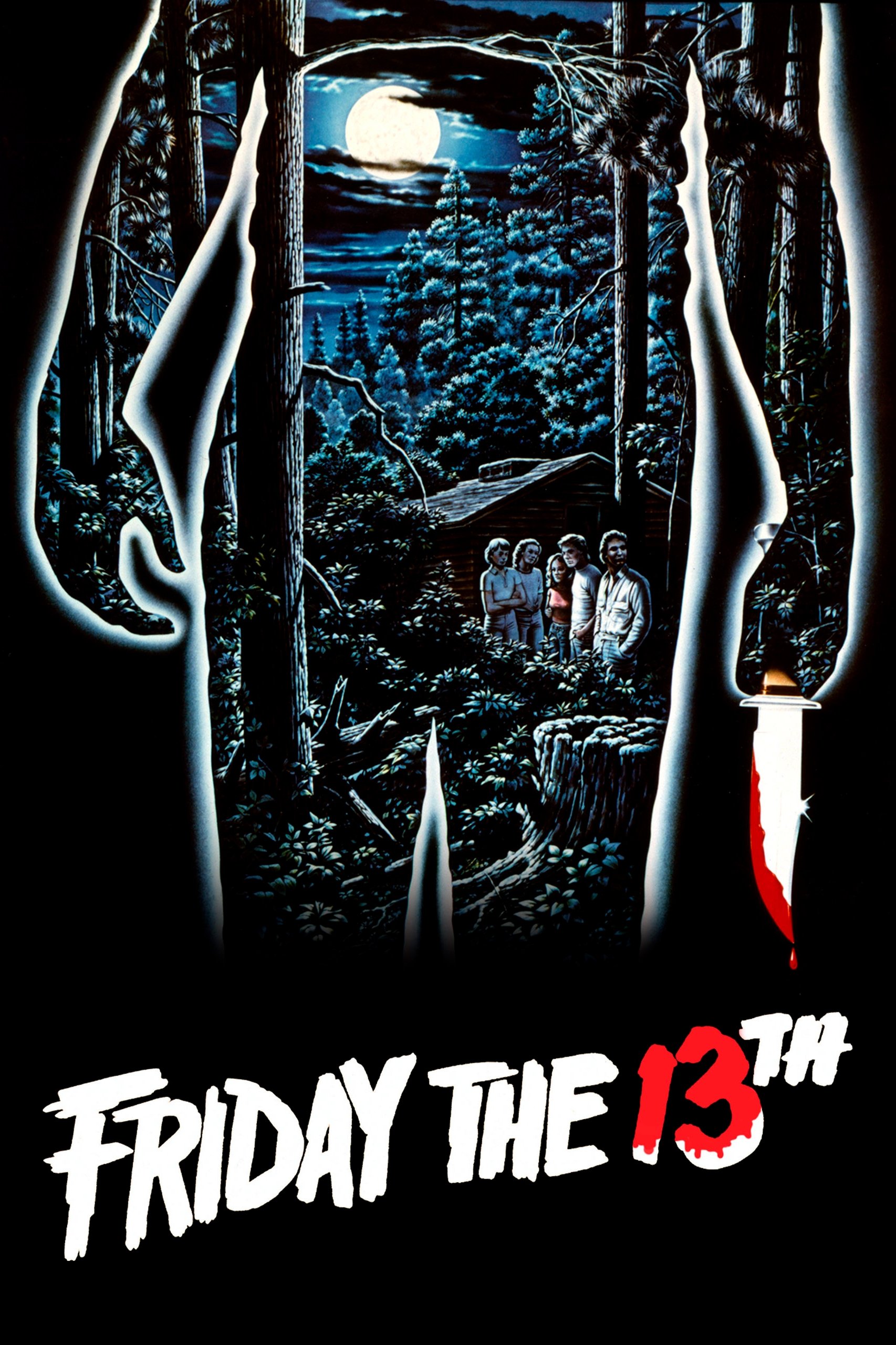
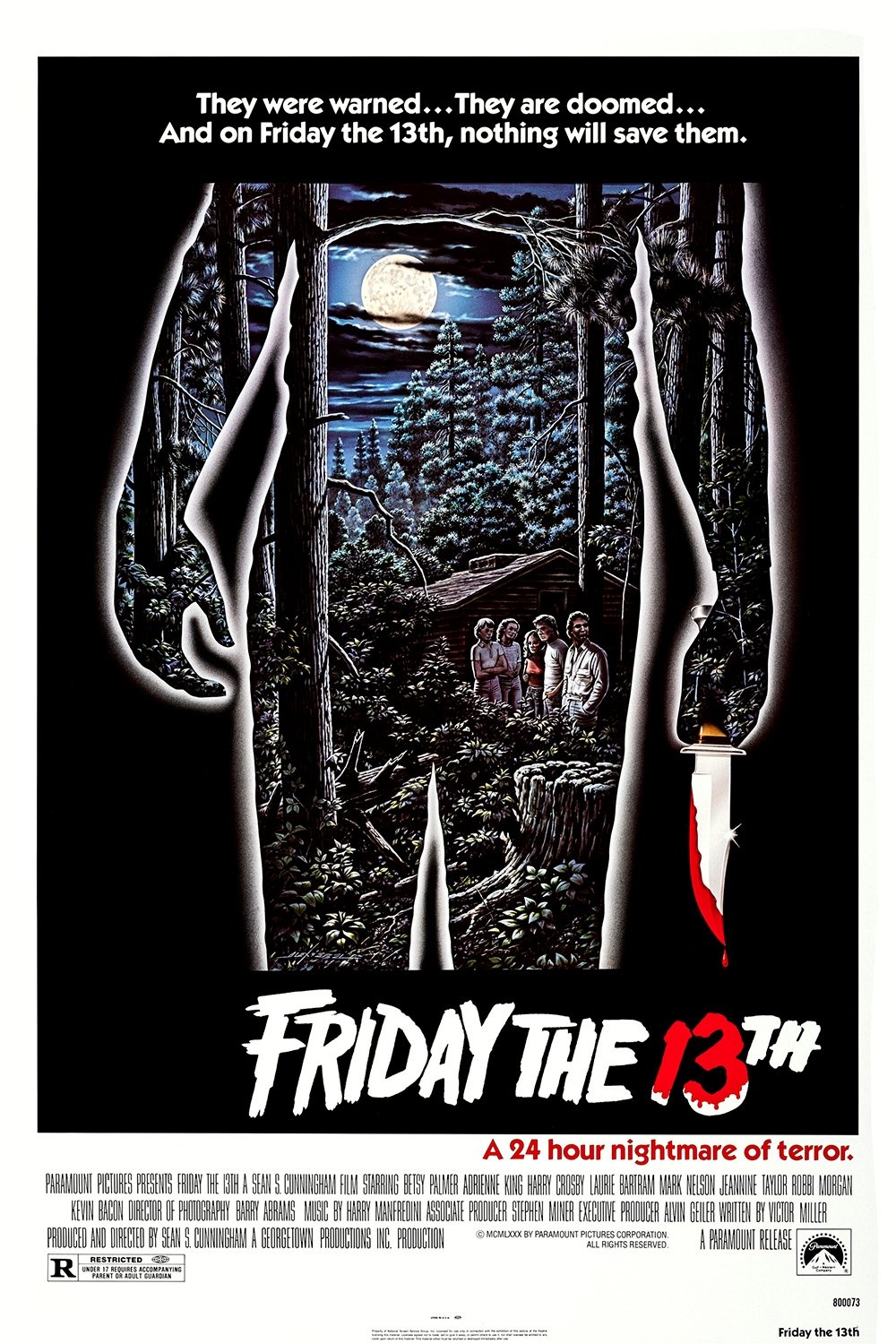
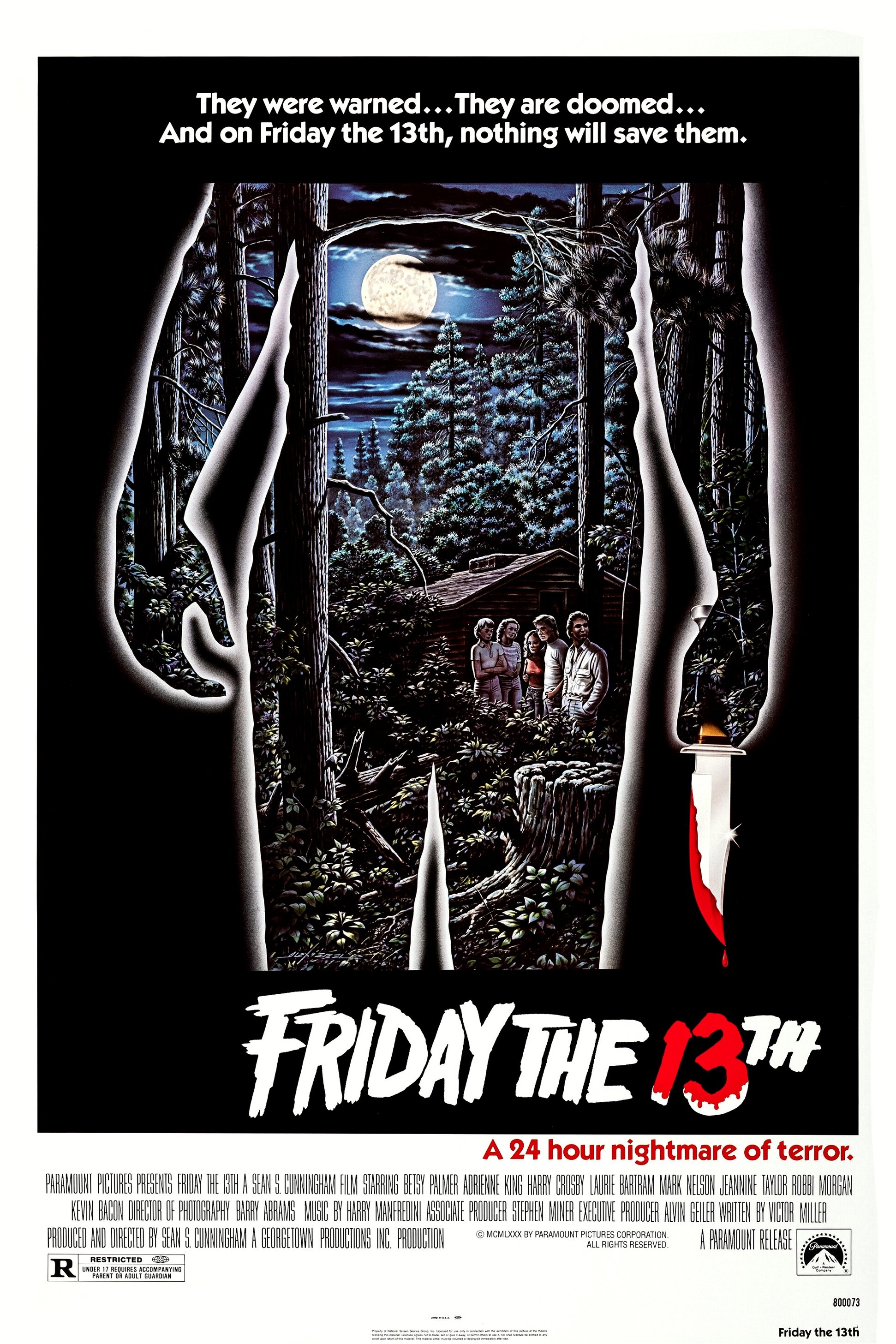
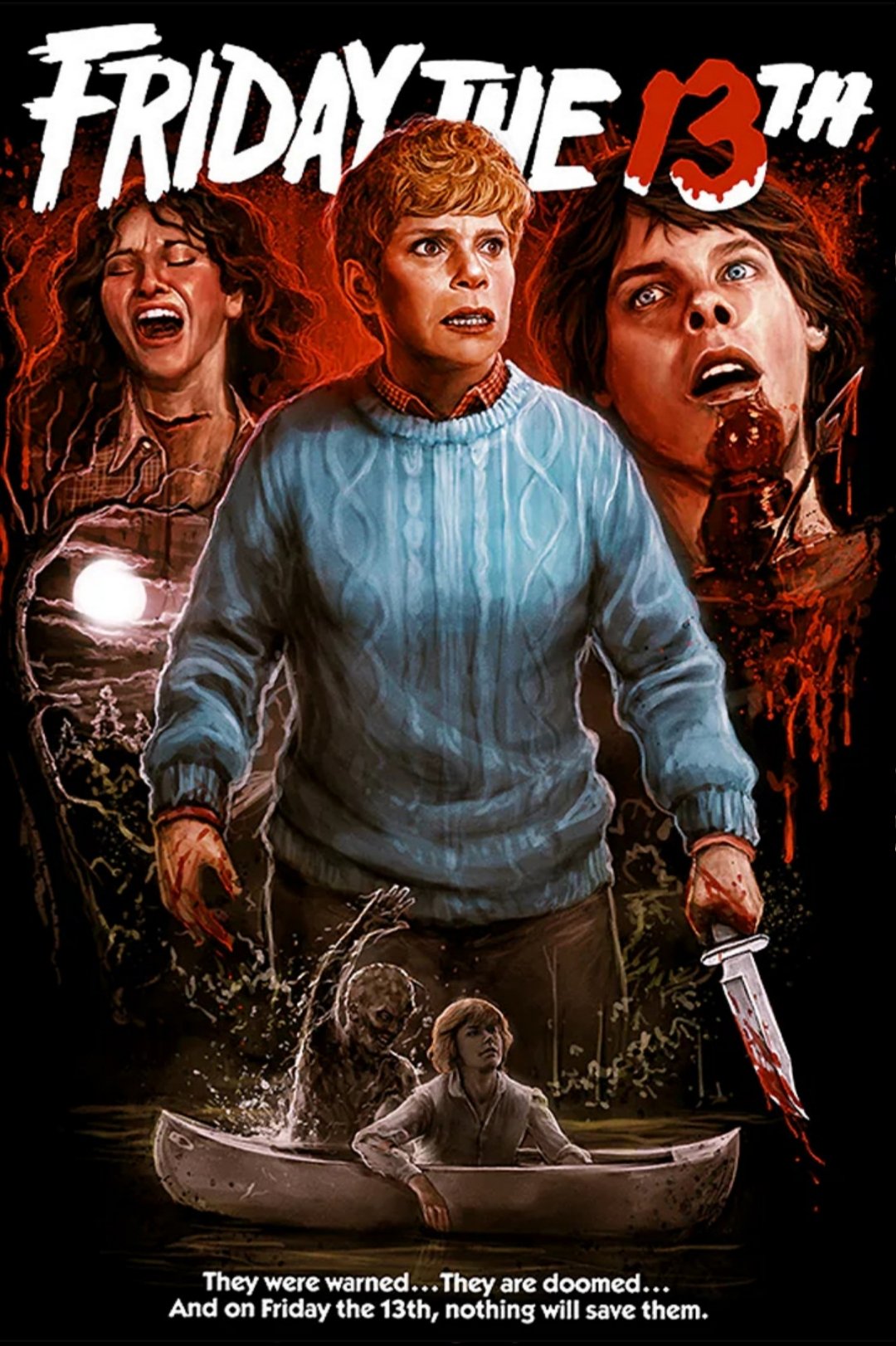
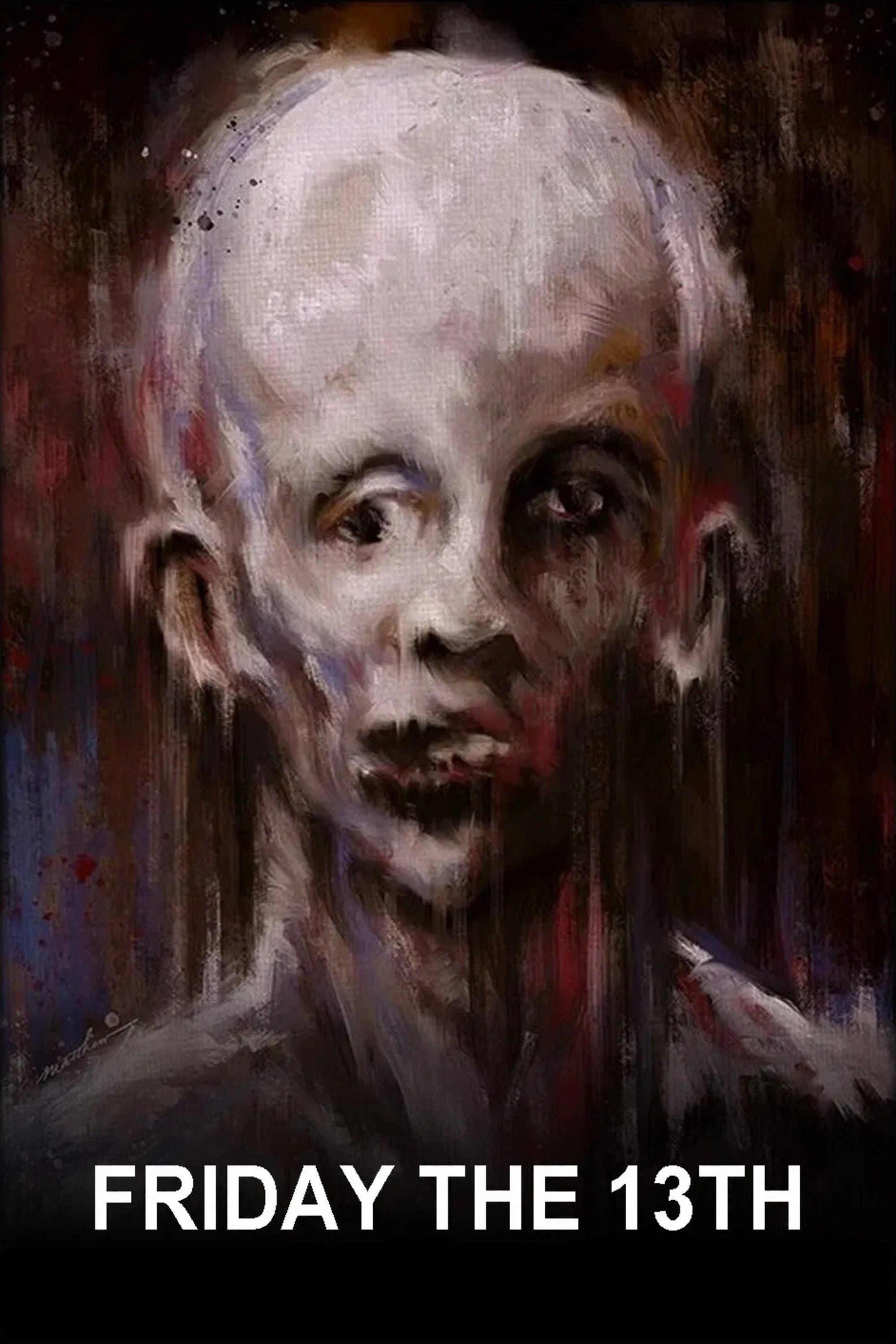
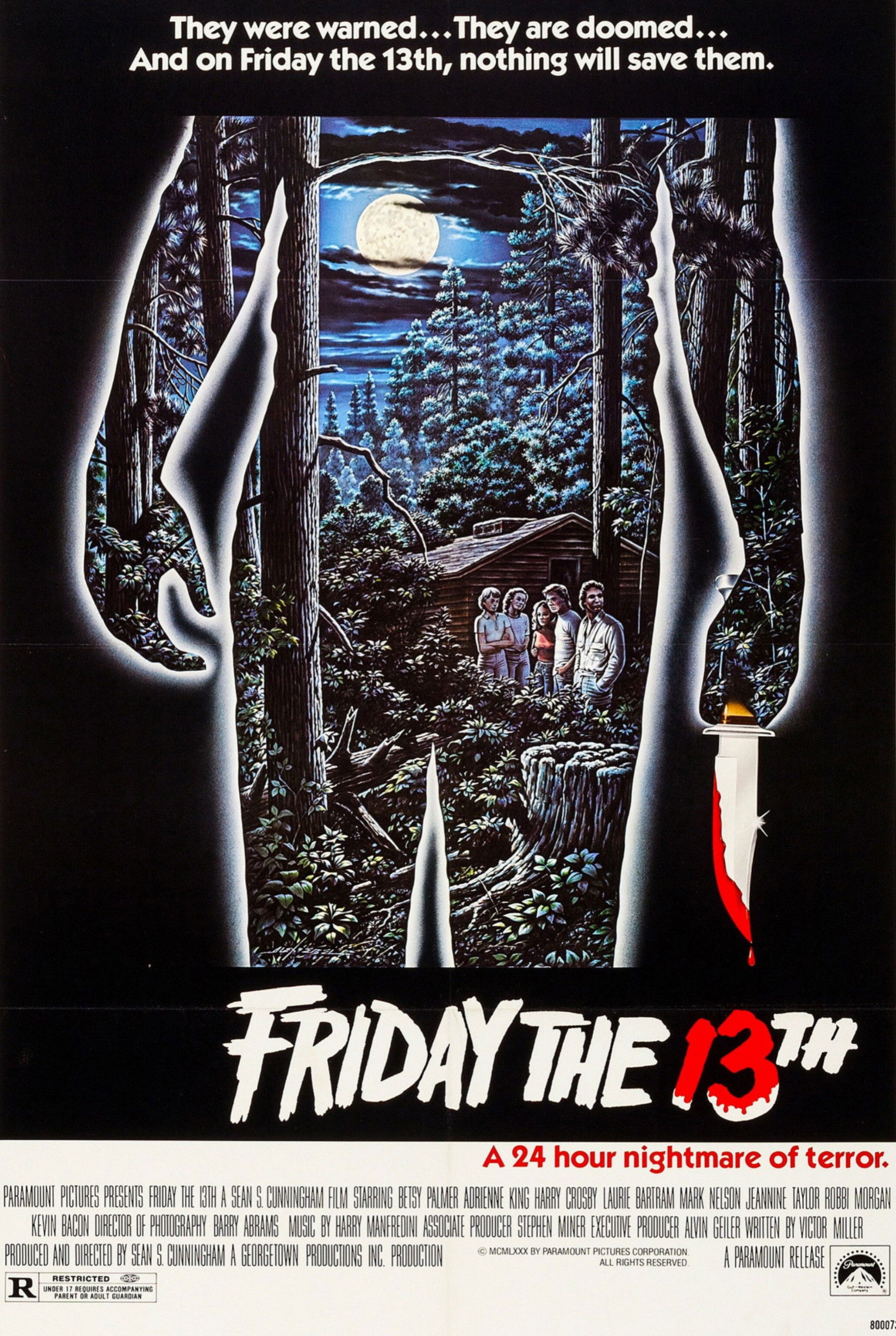
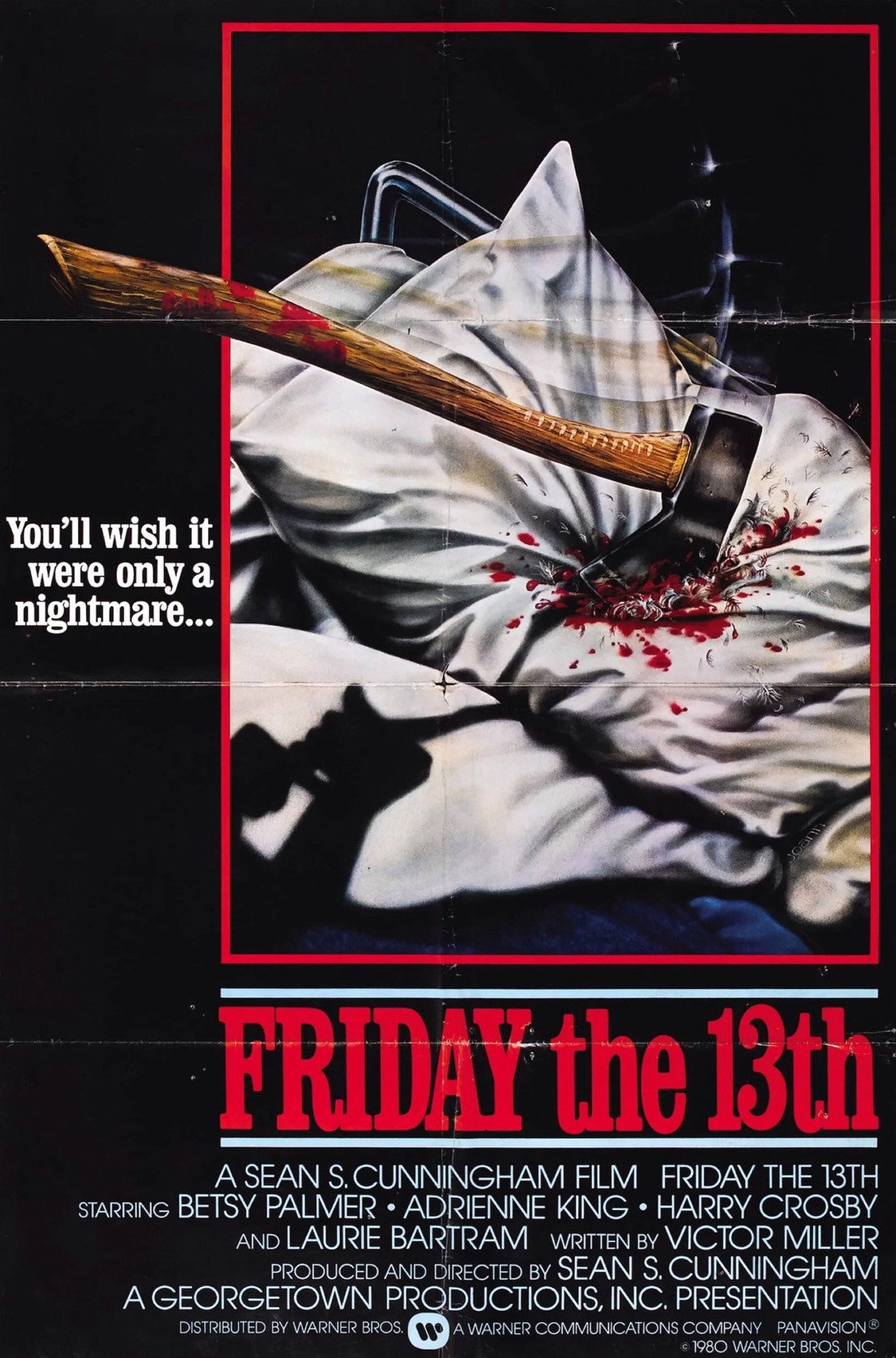
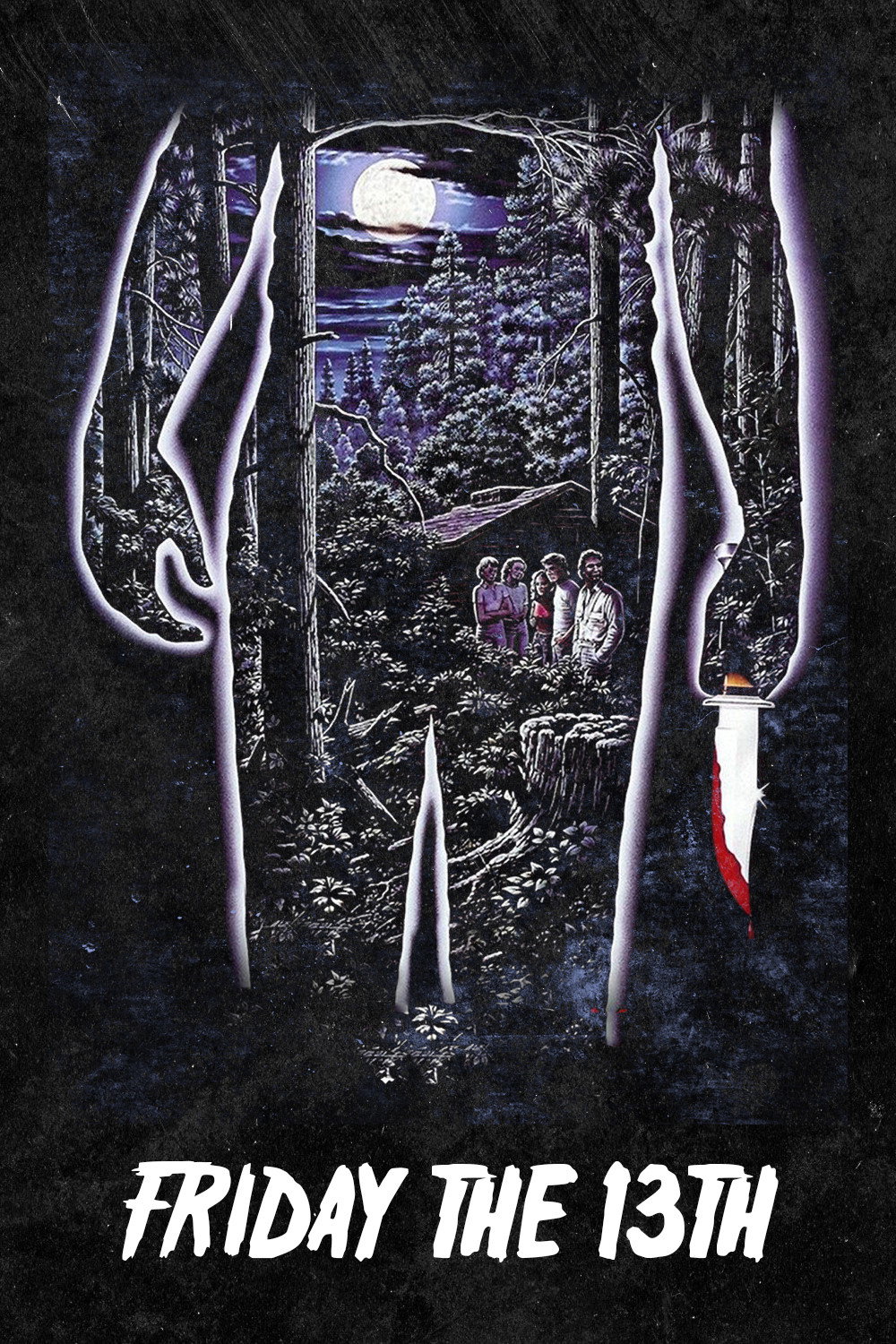
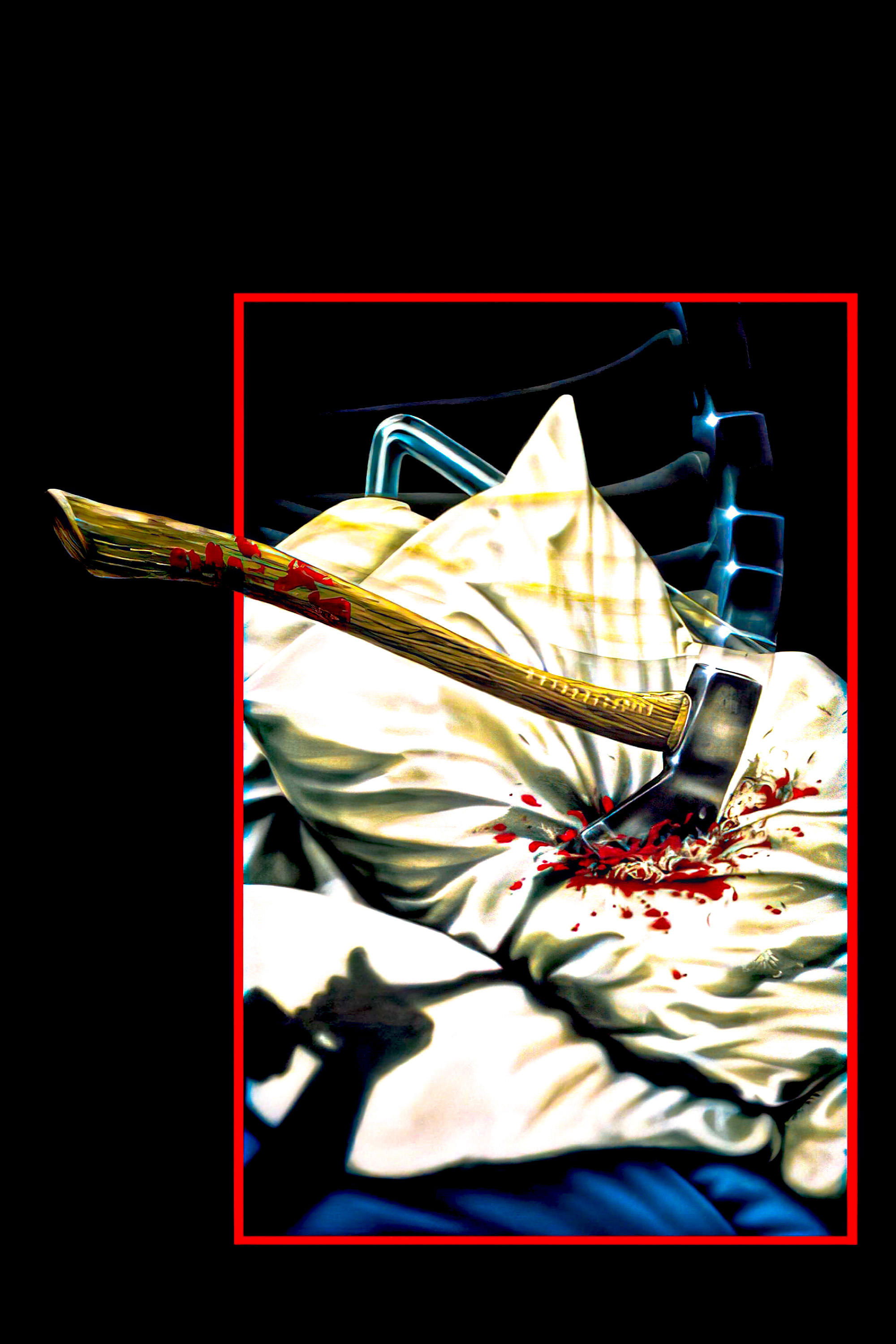
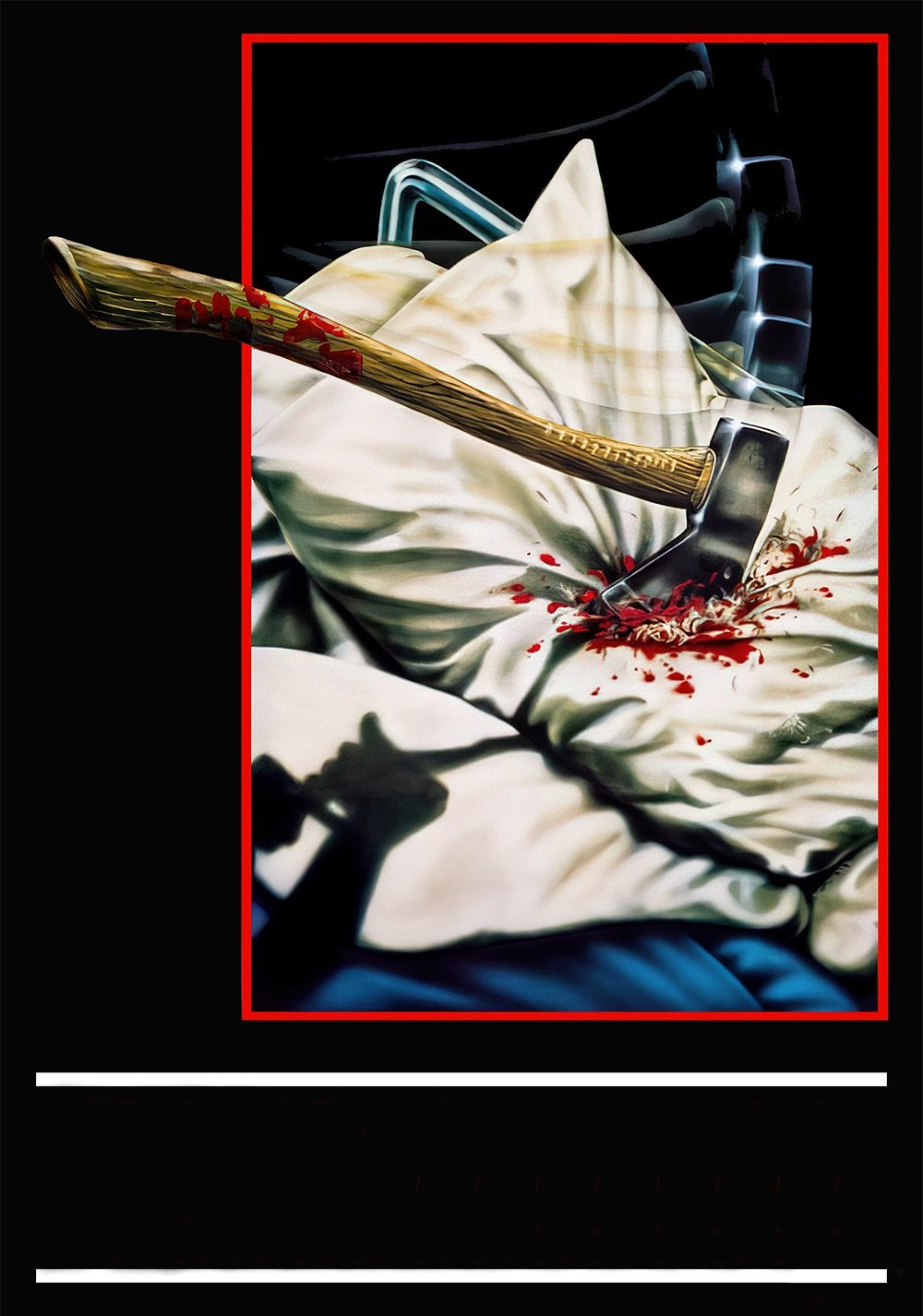
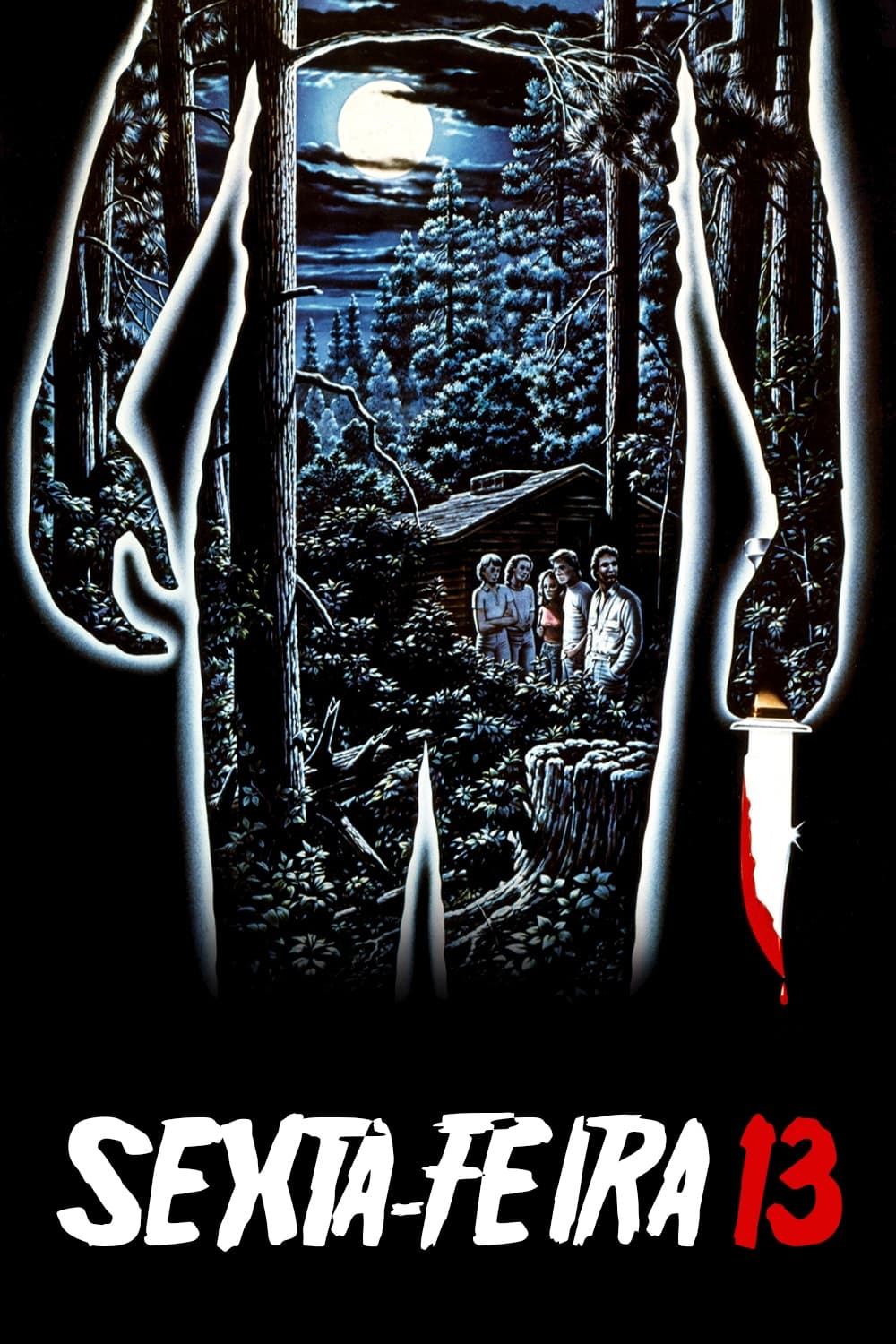
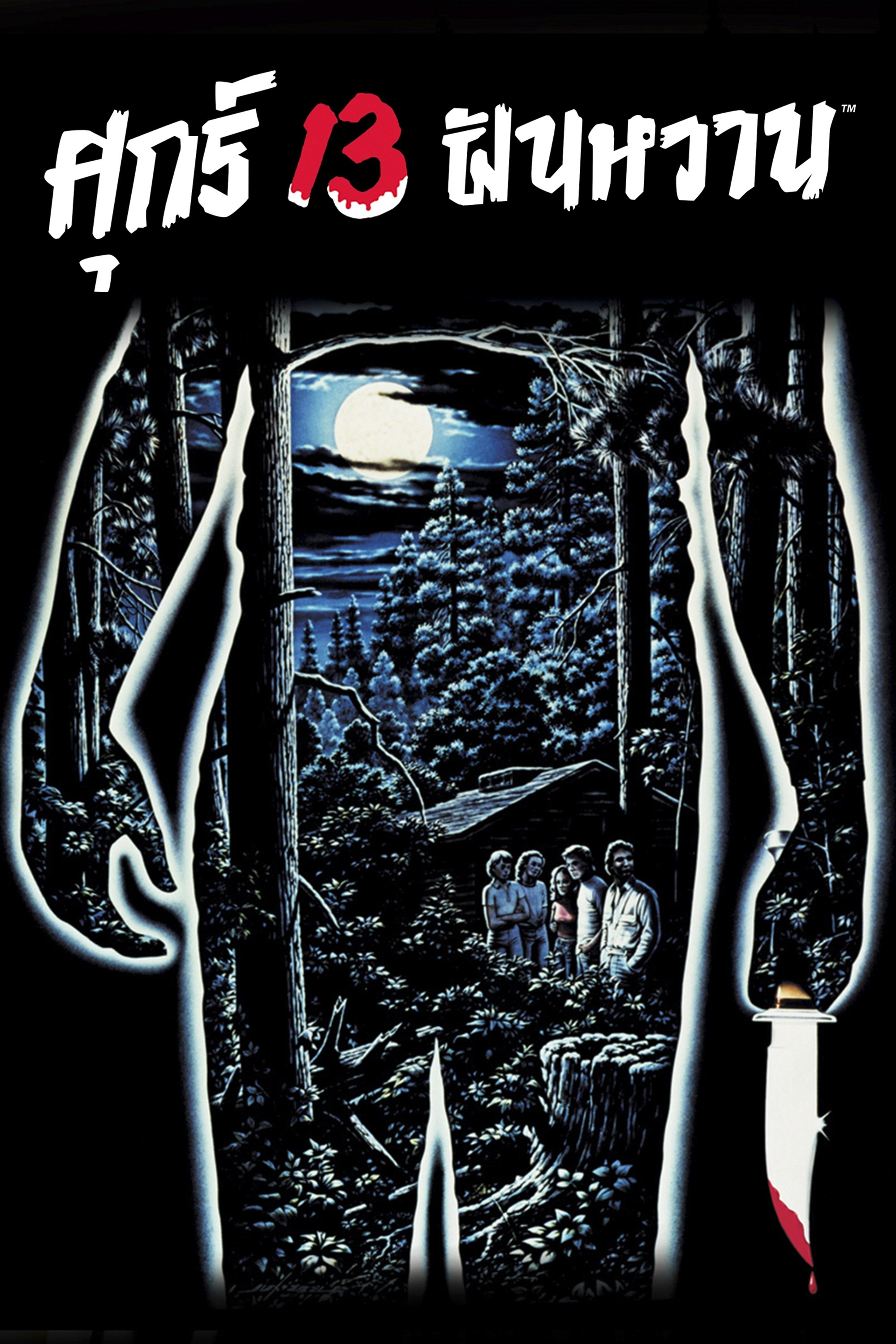
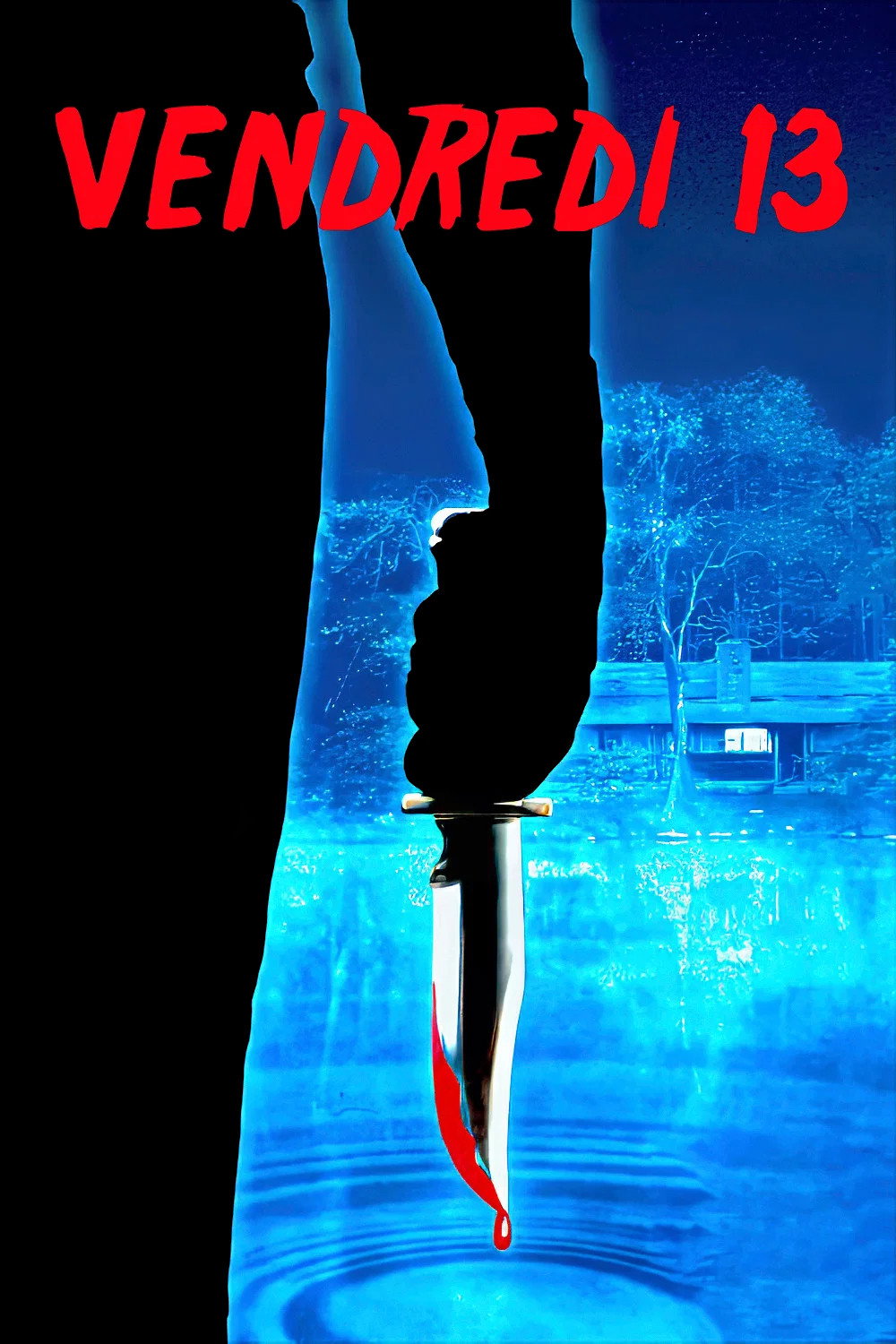
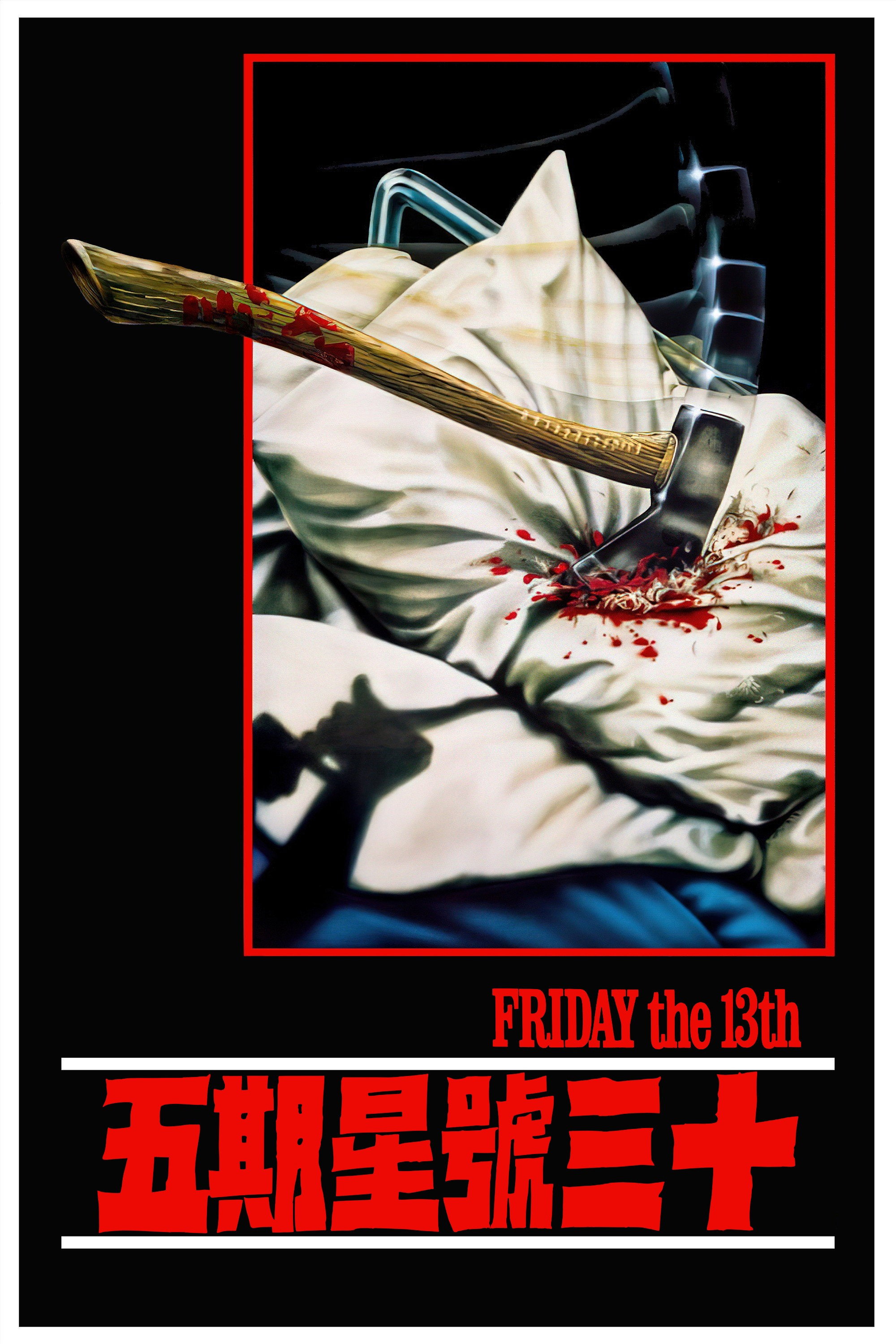
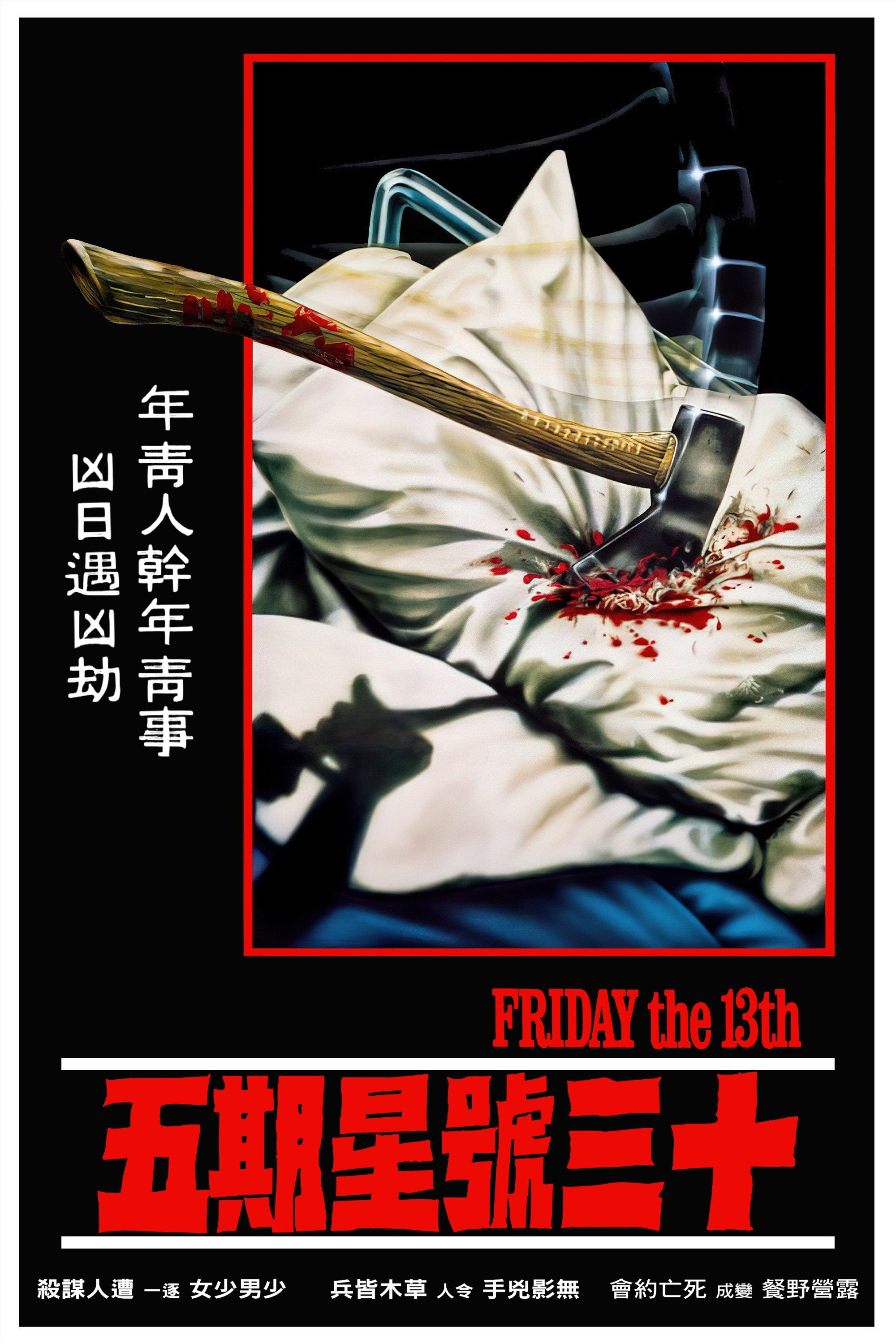
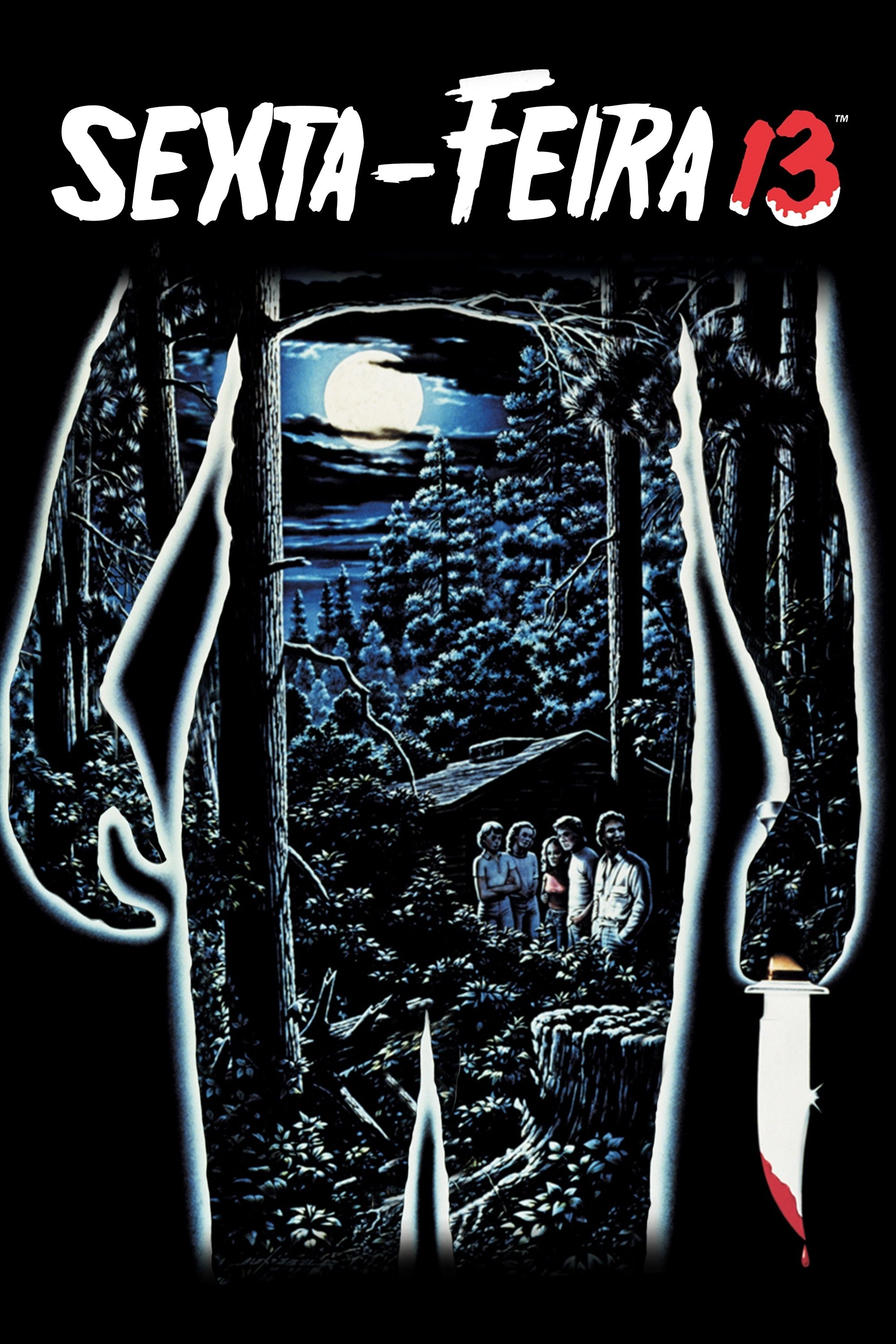
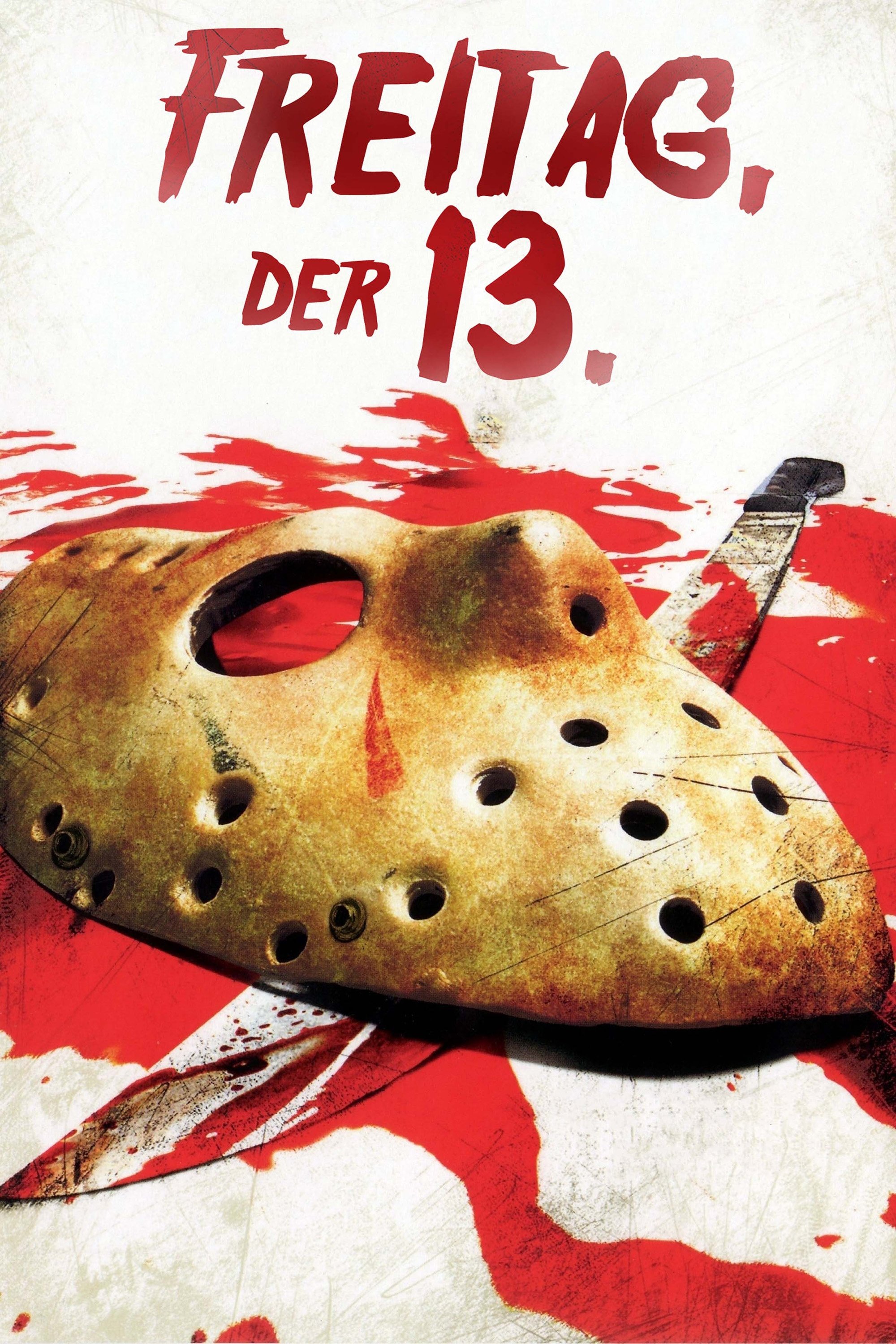
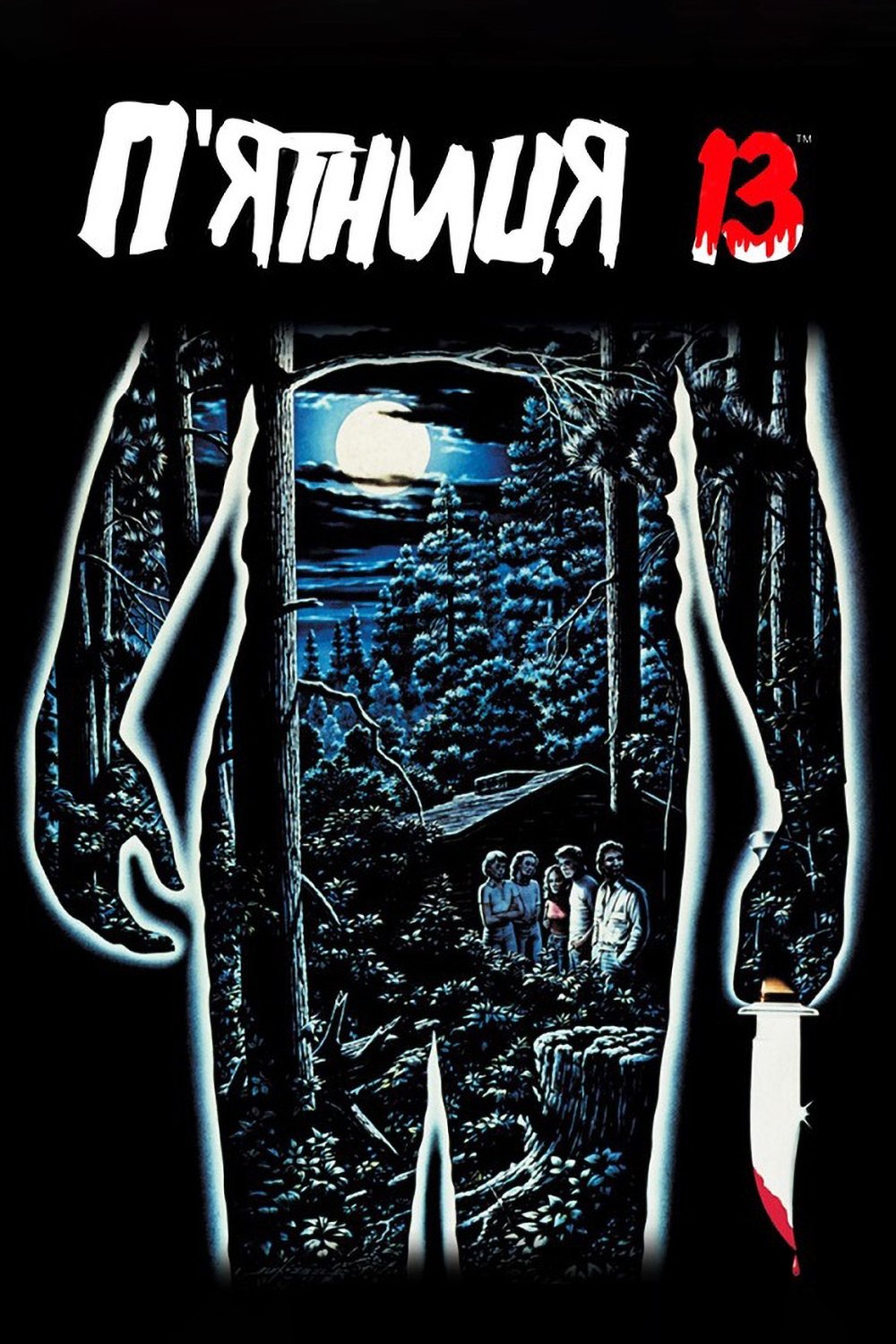
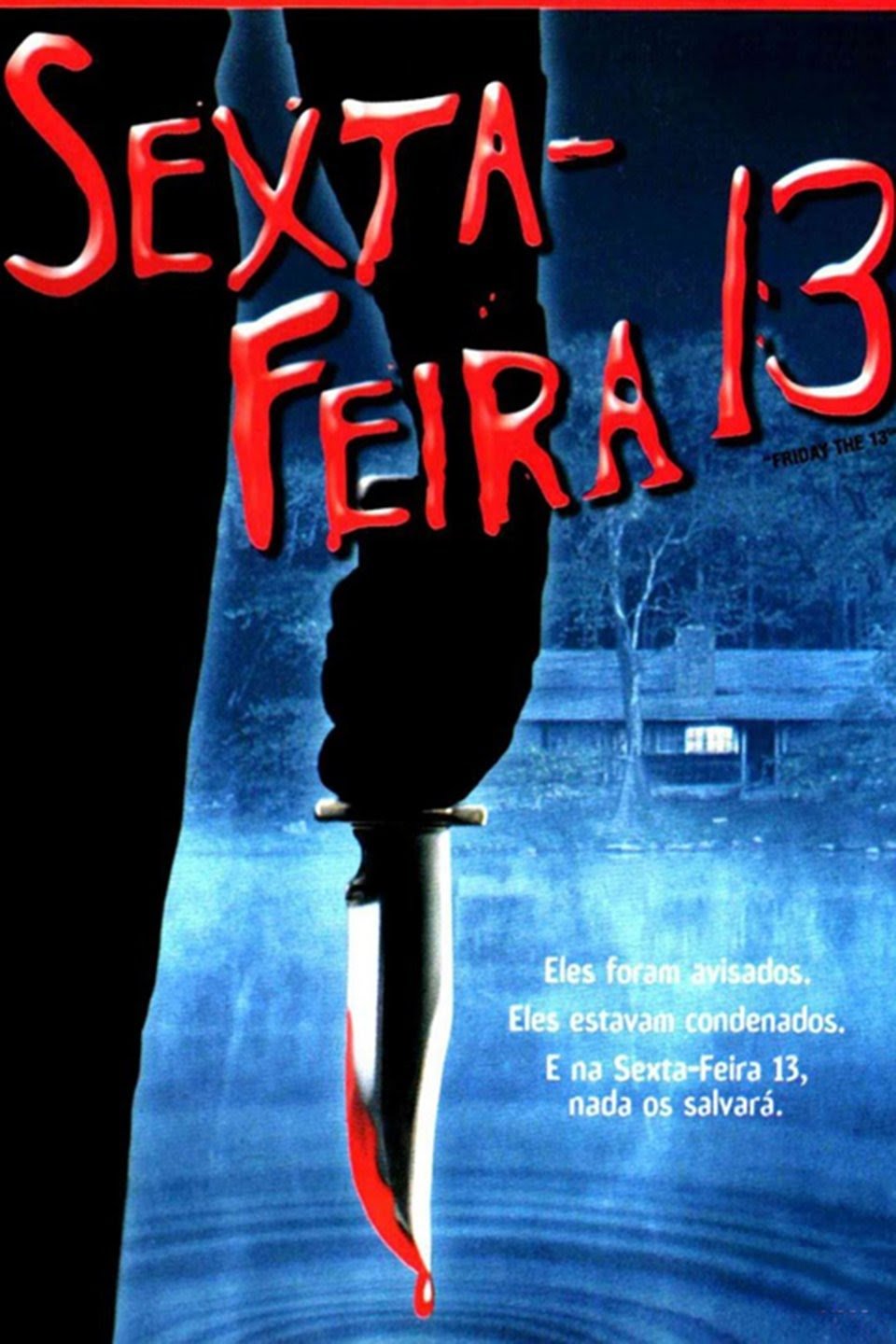
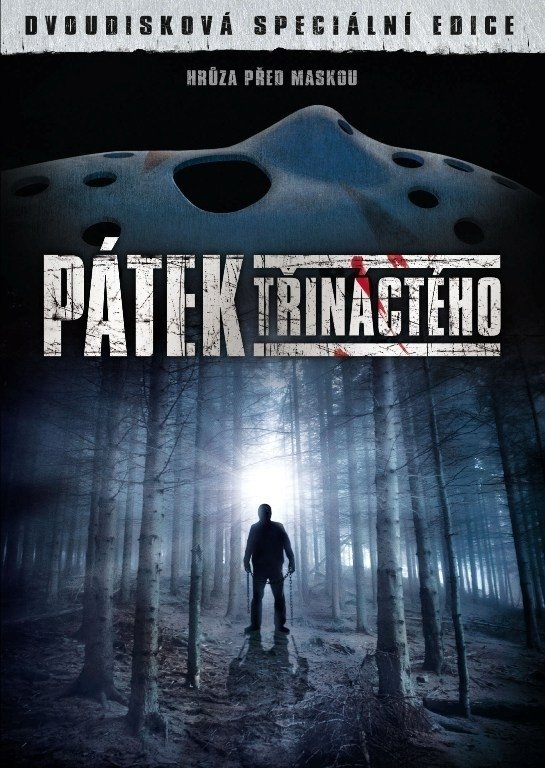
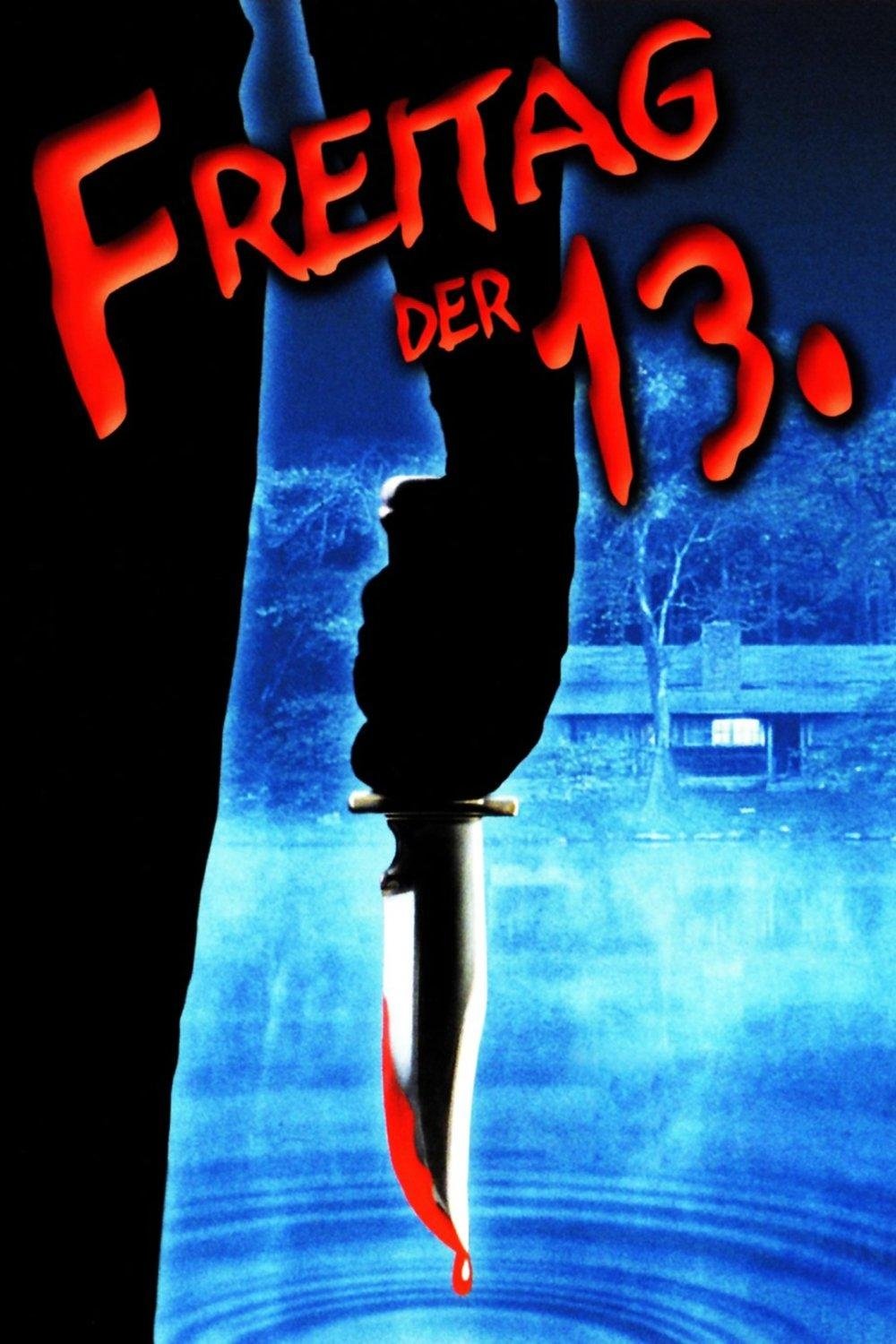
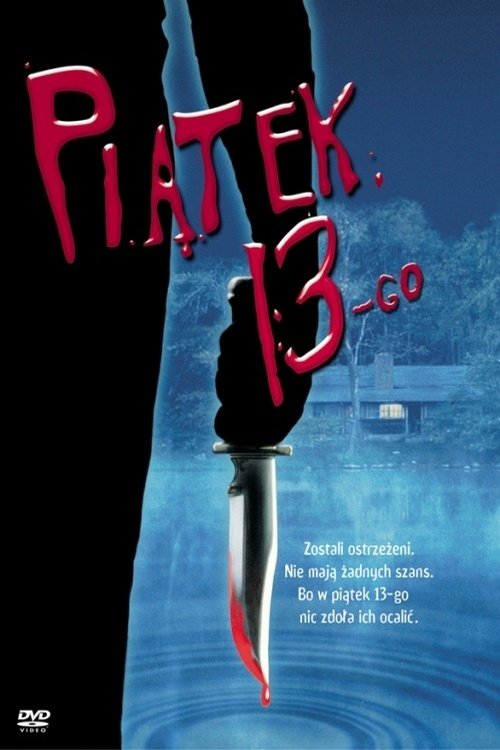
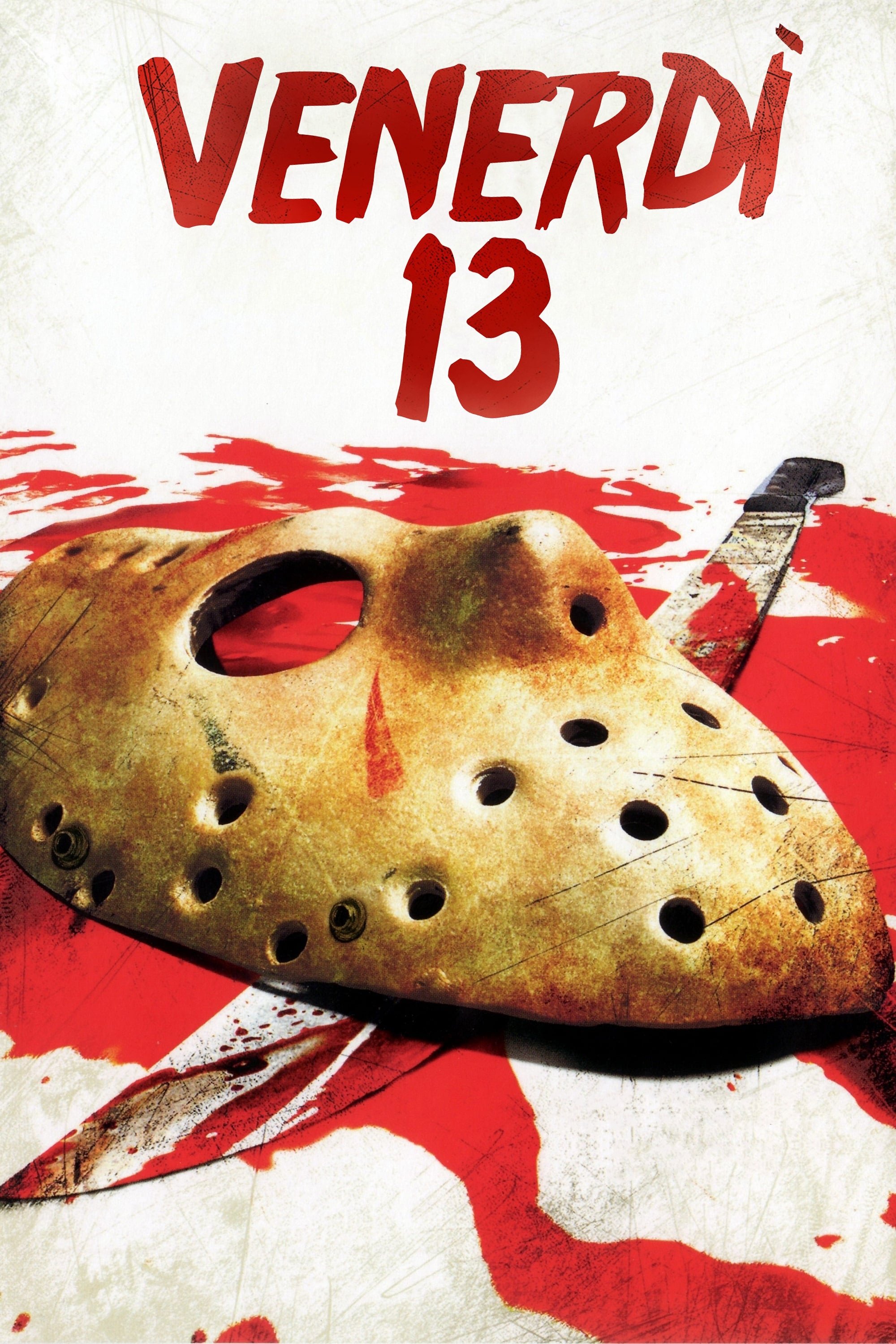
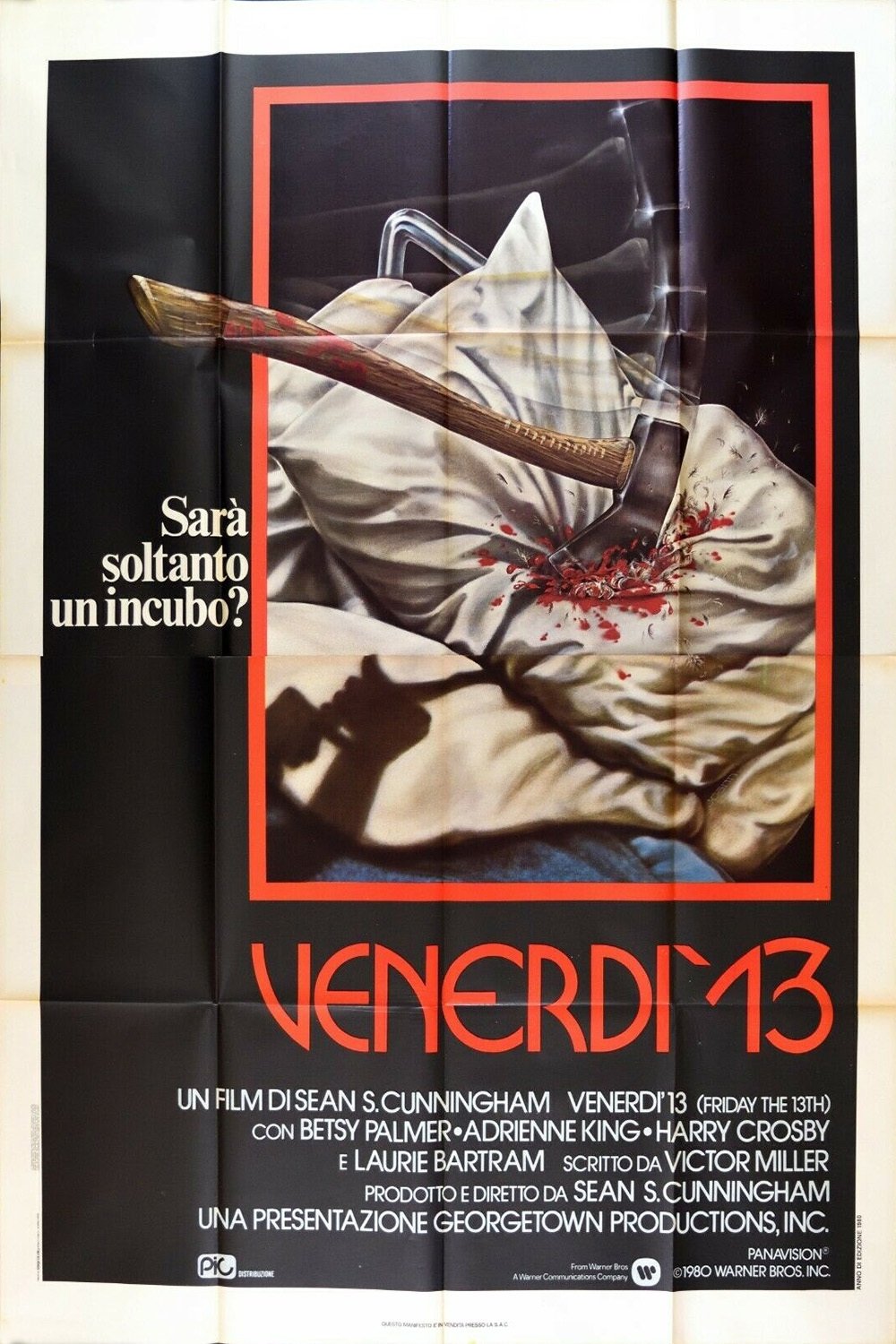
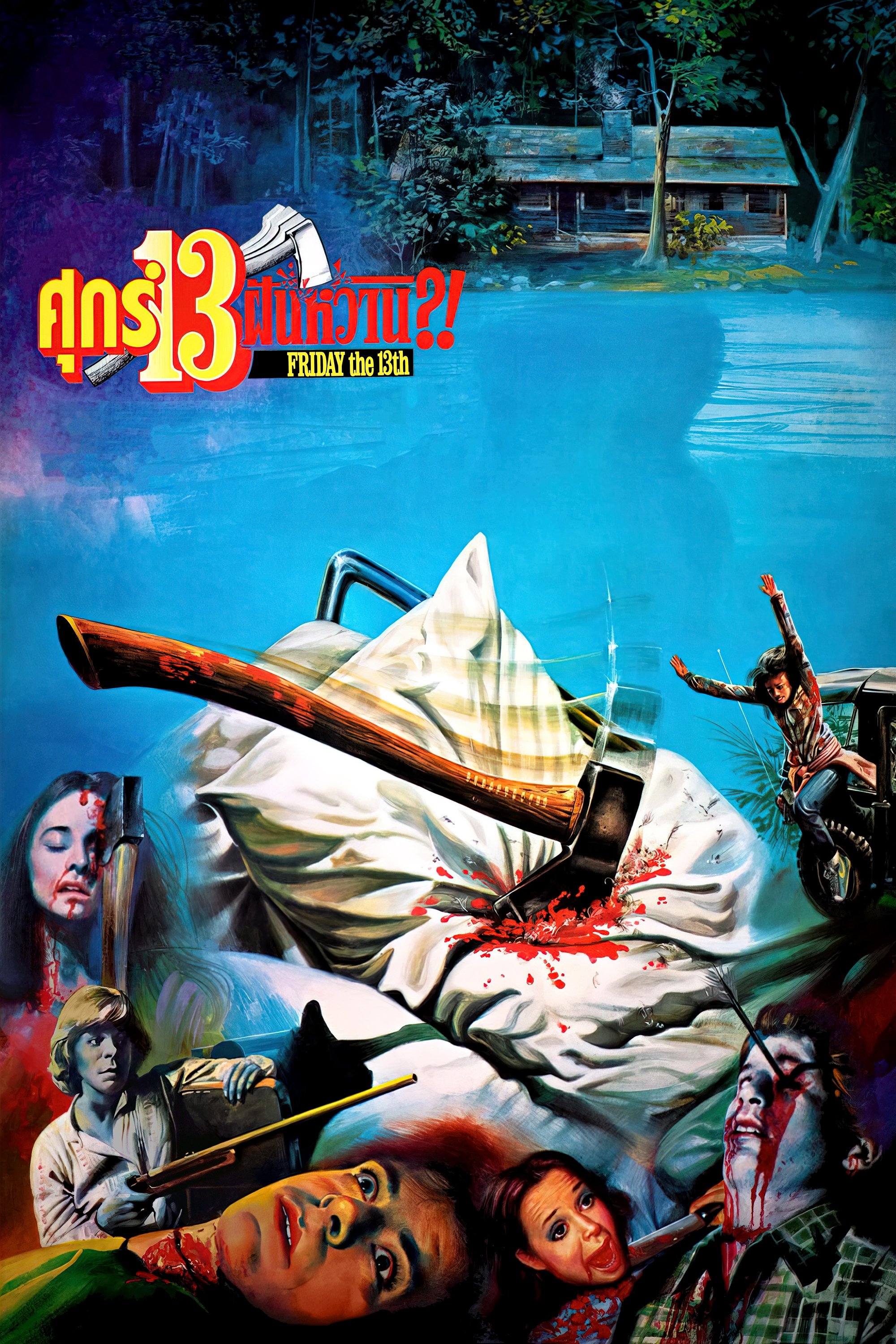
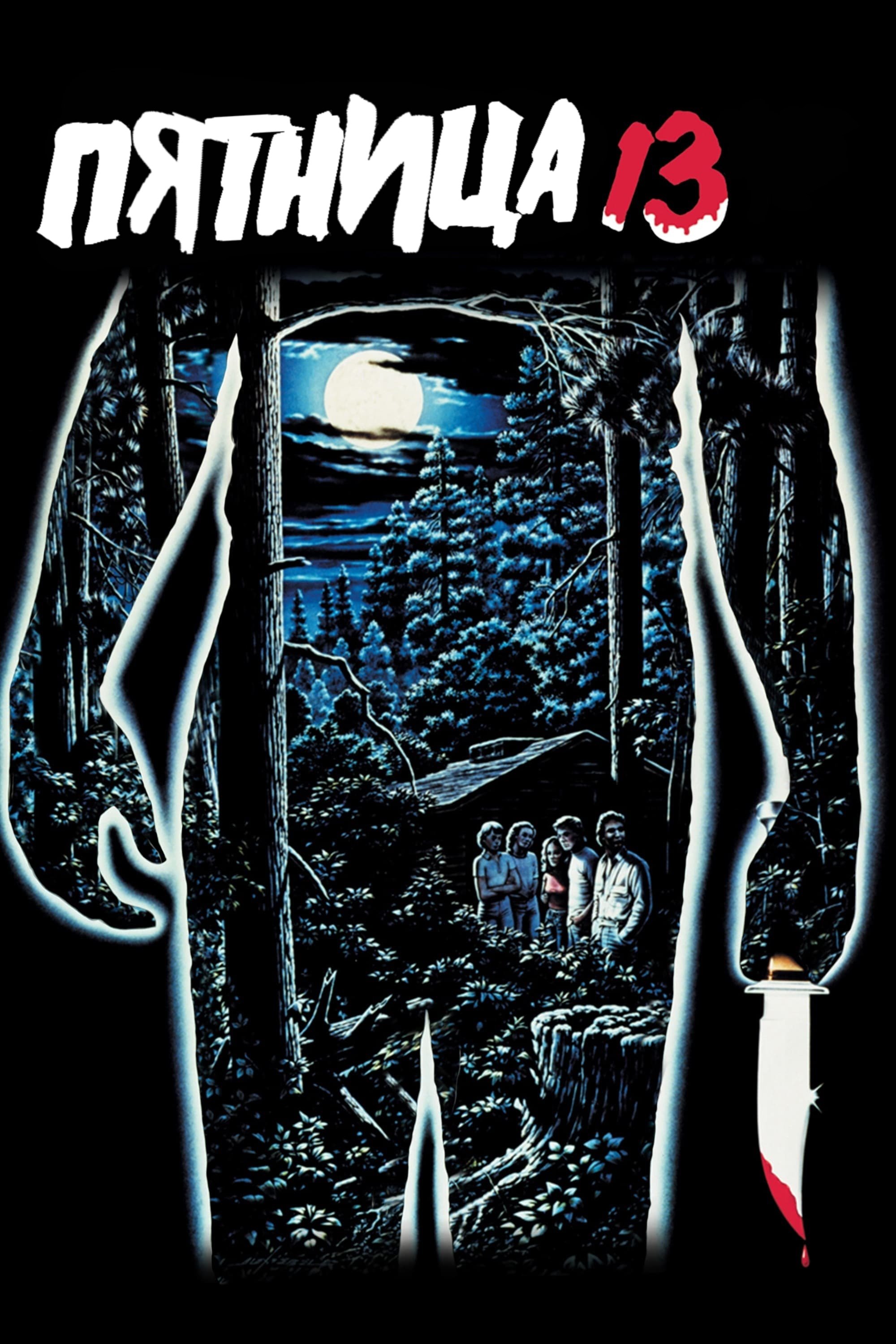
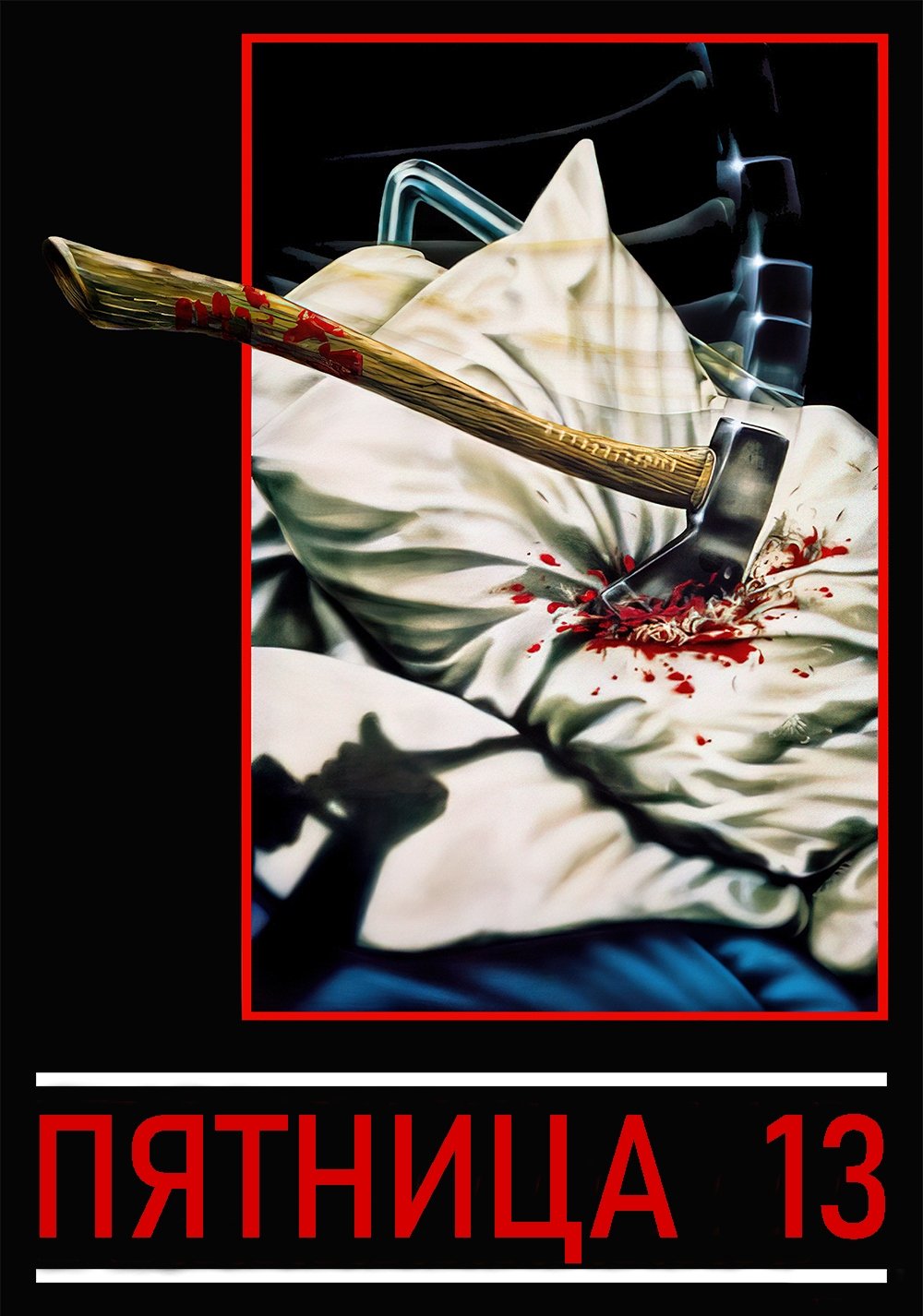
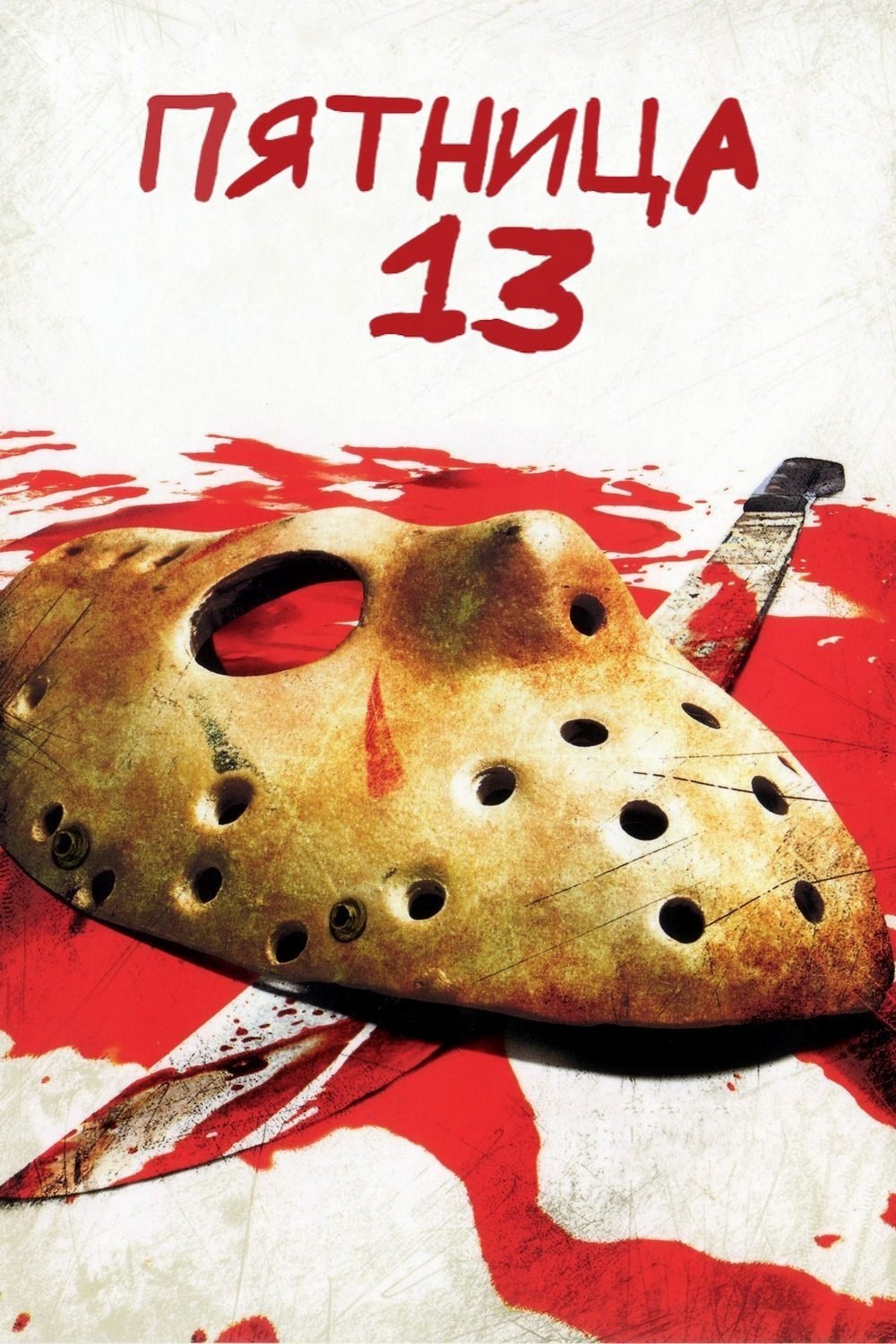
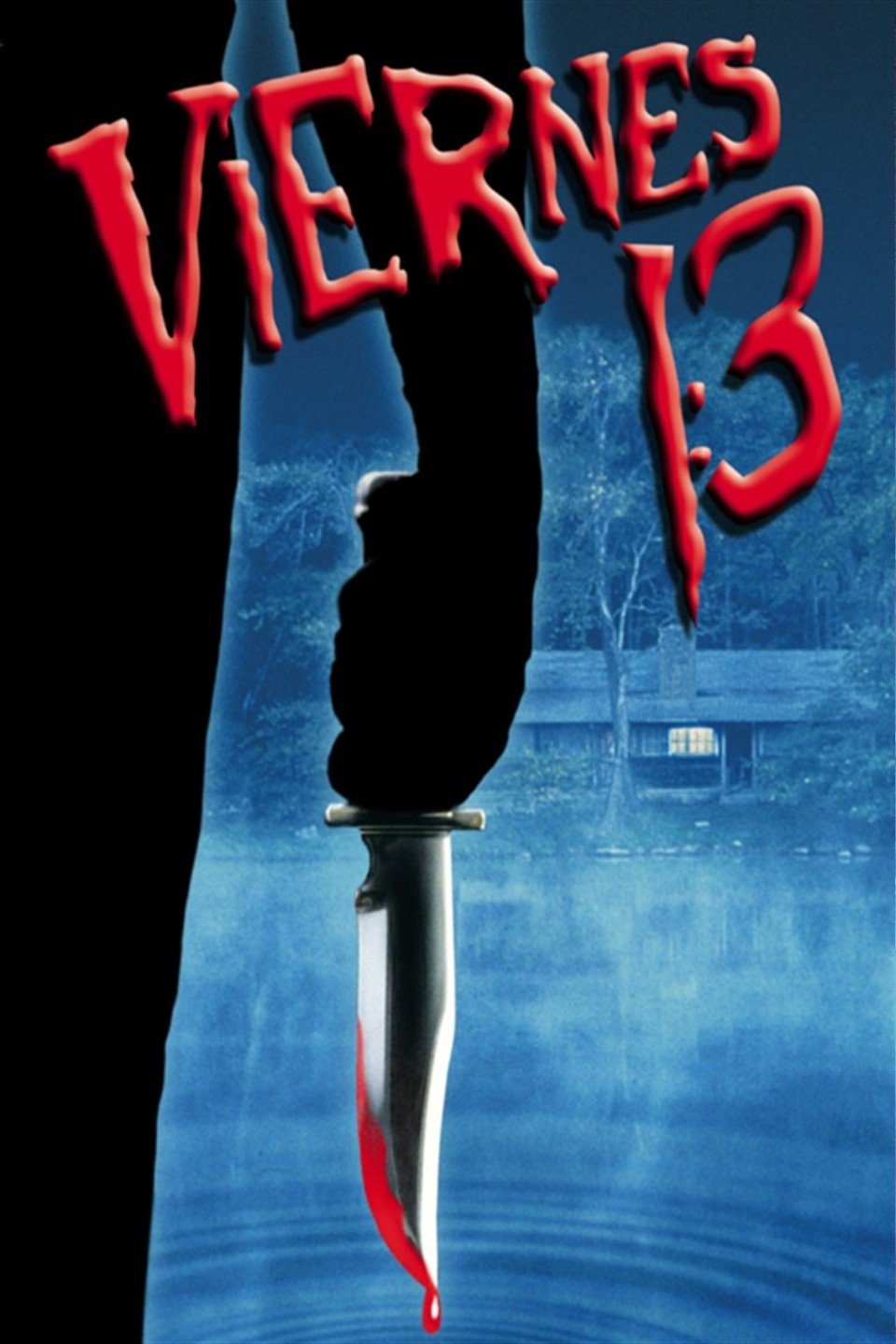
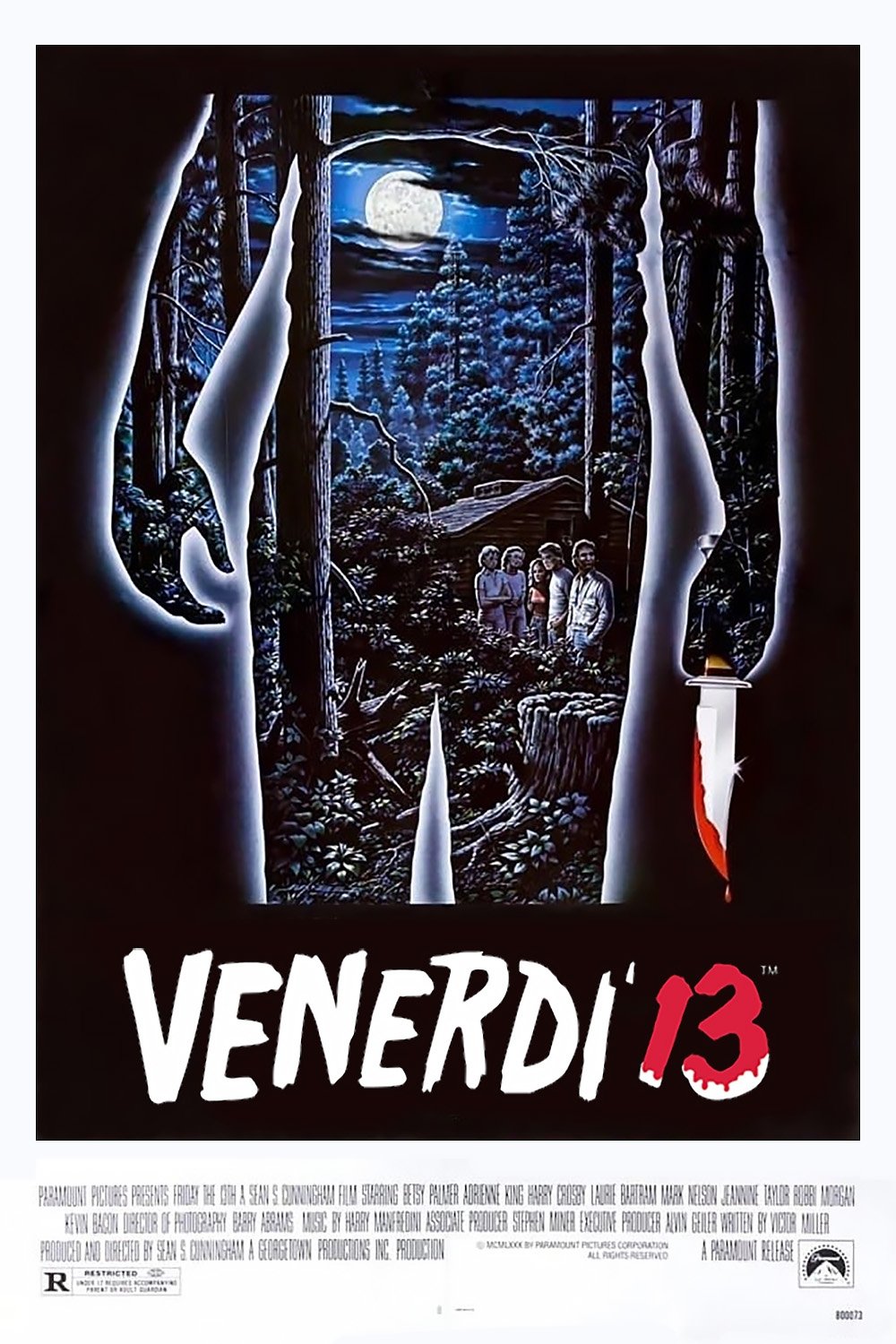
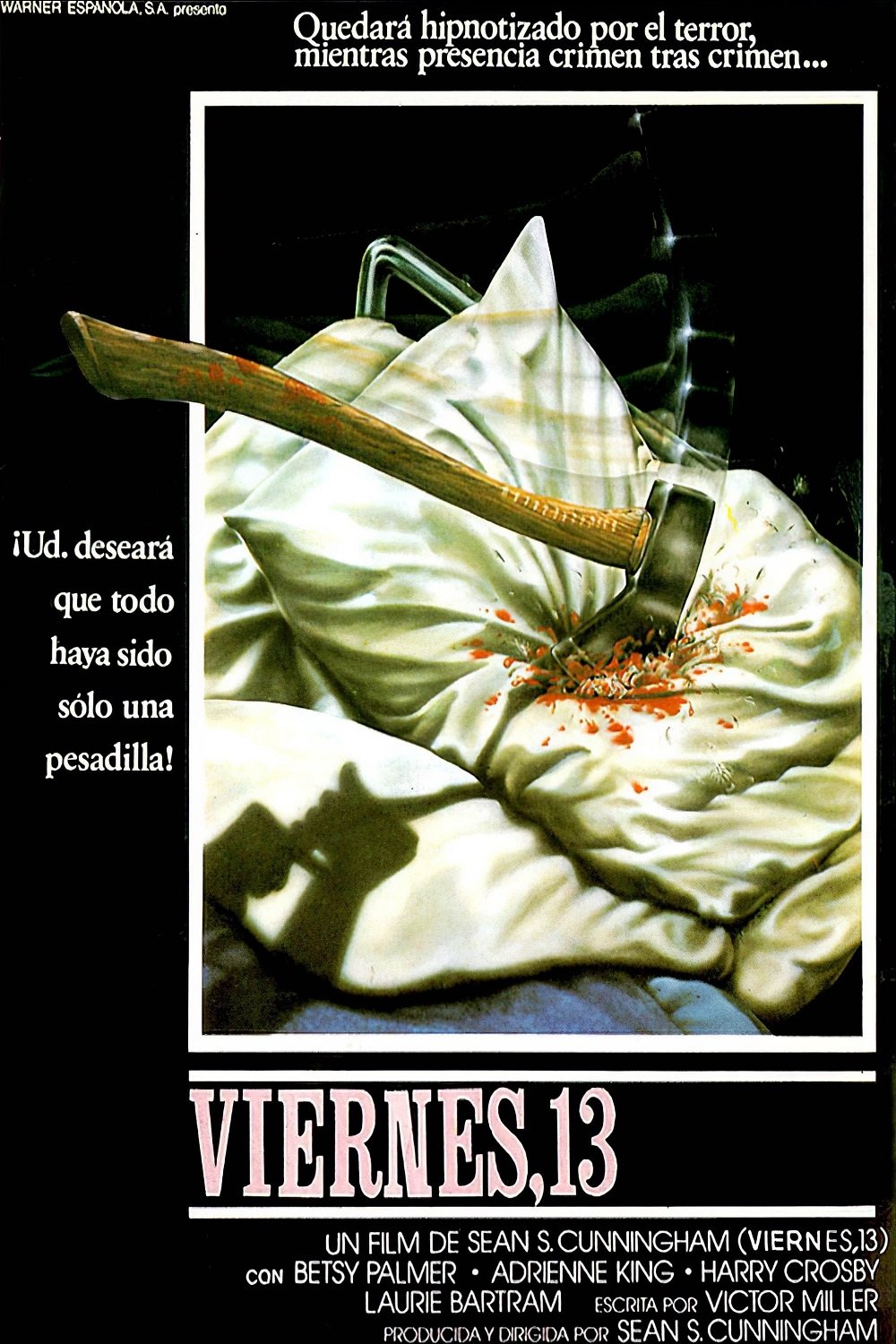
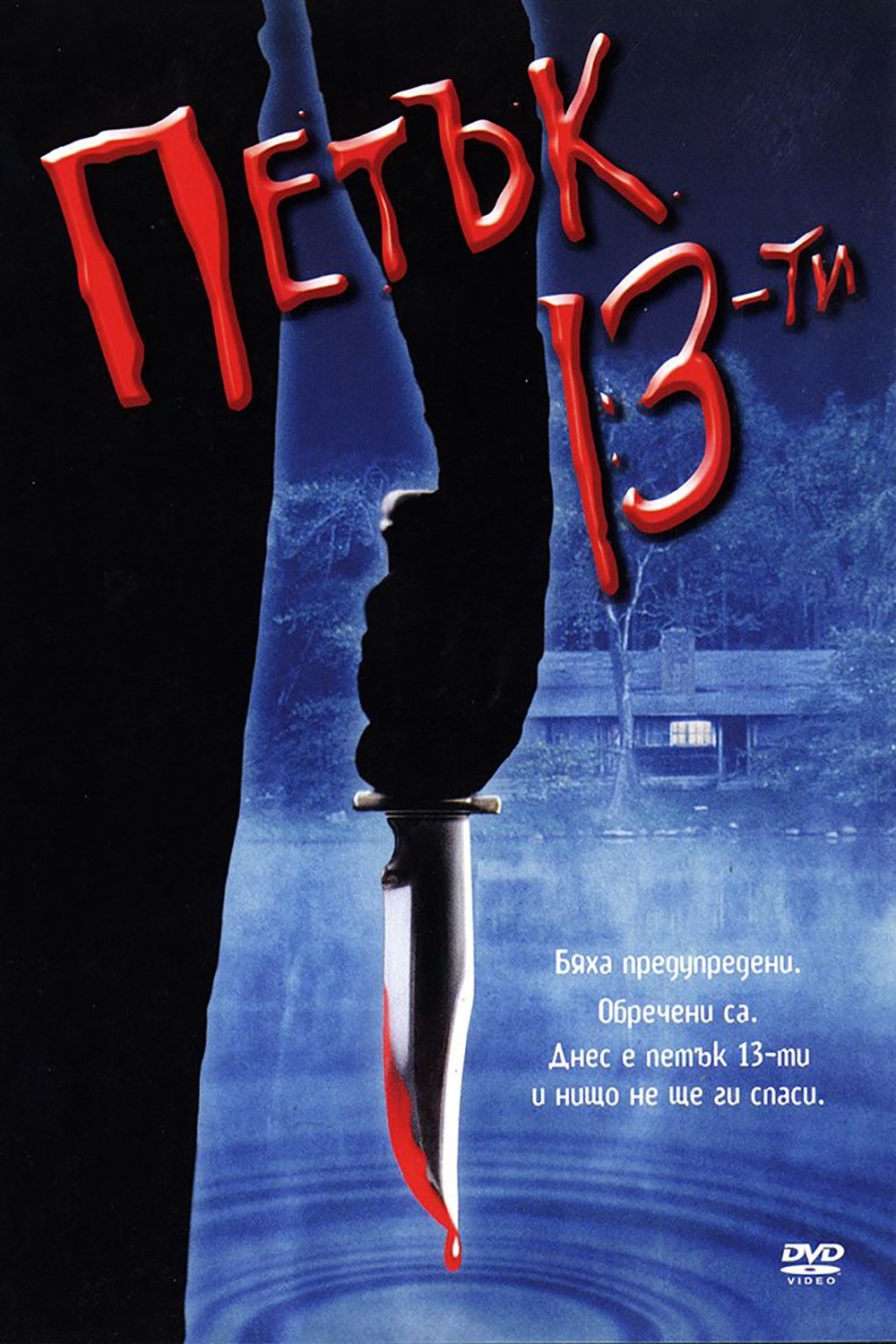
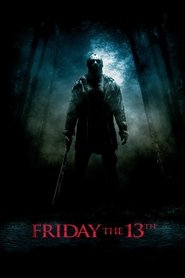
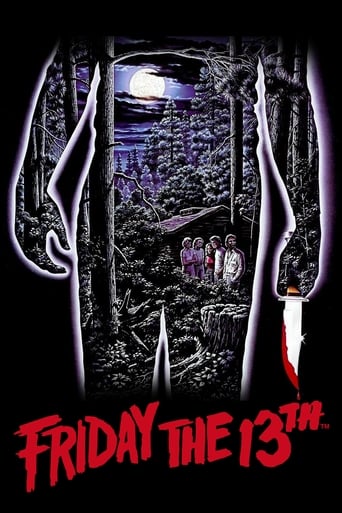
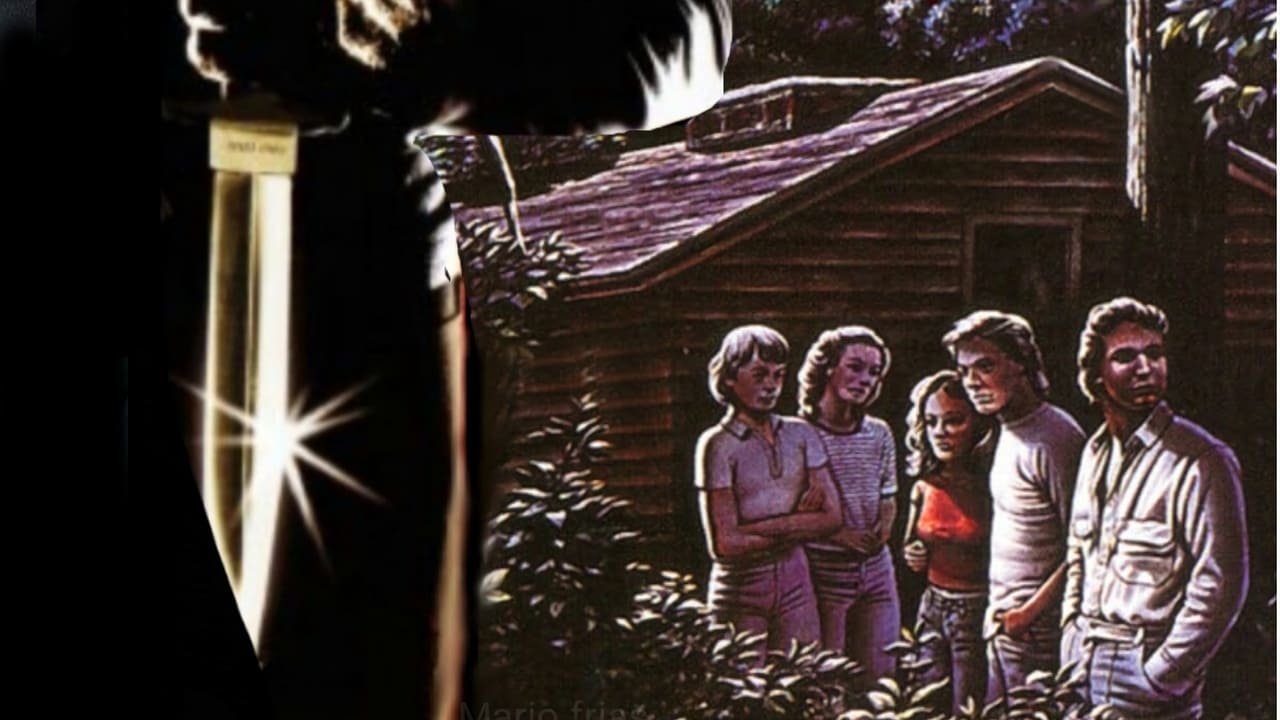
Friday the 13th (1980) poster
Production Companies
Sean S. Cunningham Films , Georgetown Productions
Plot

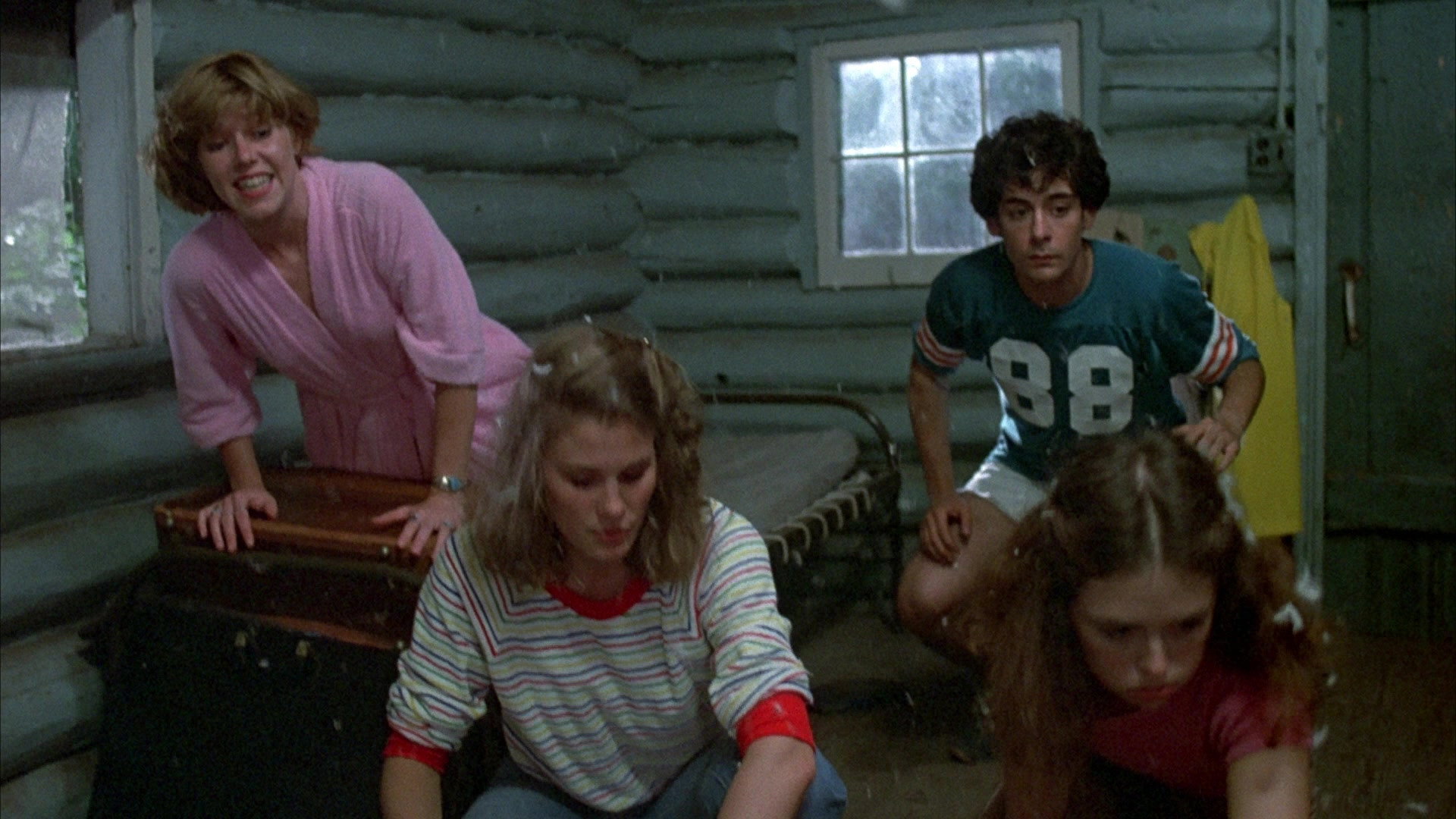
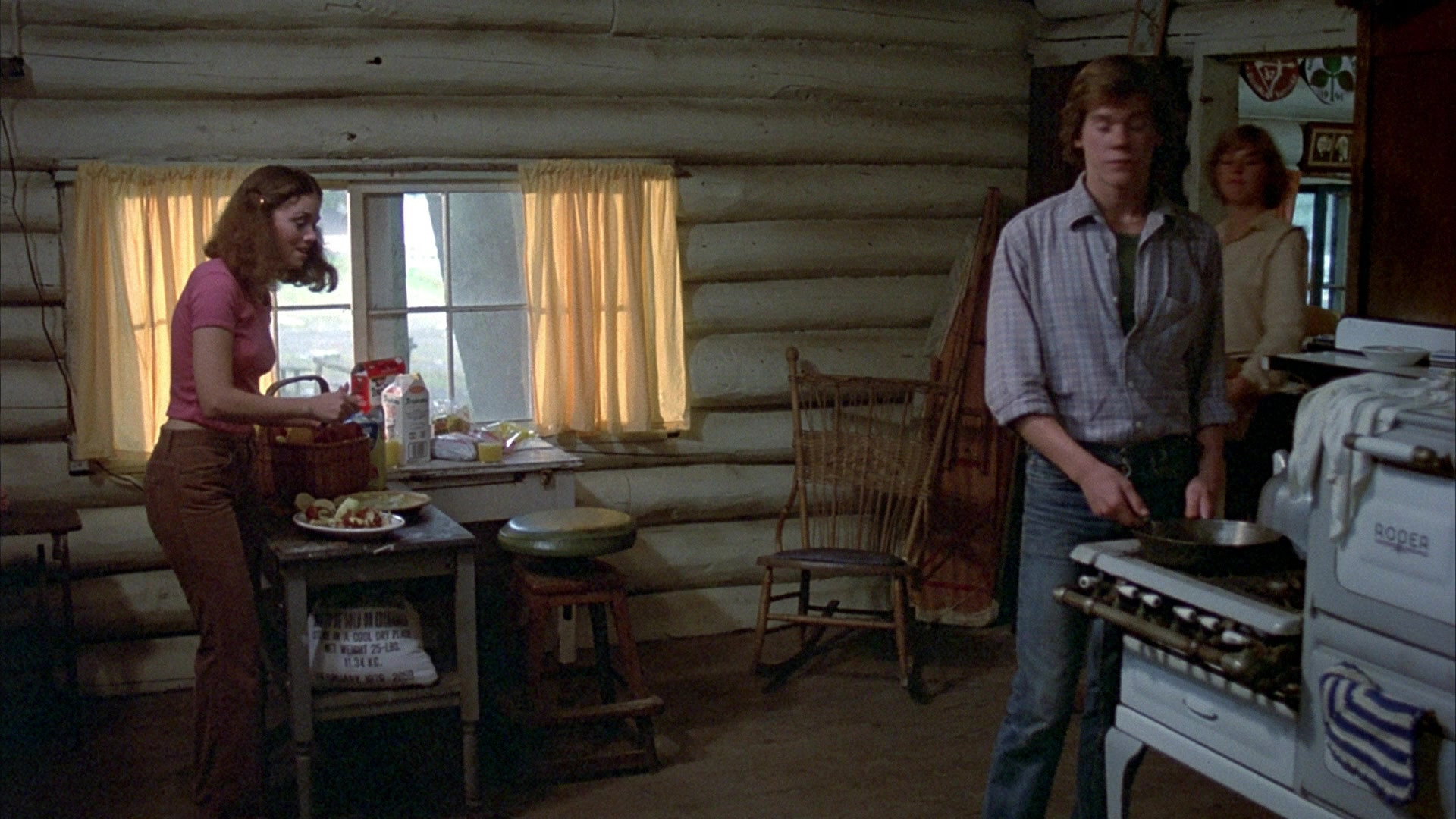
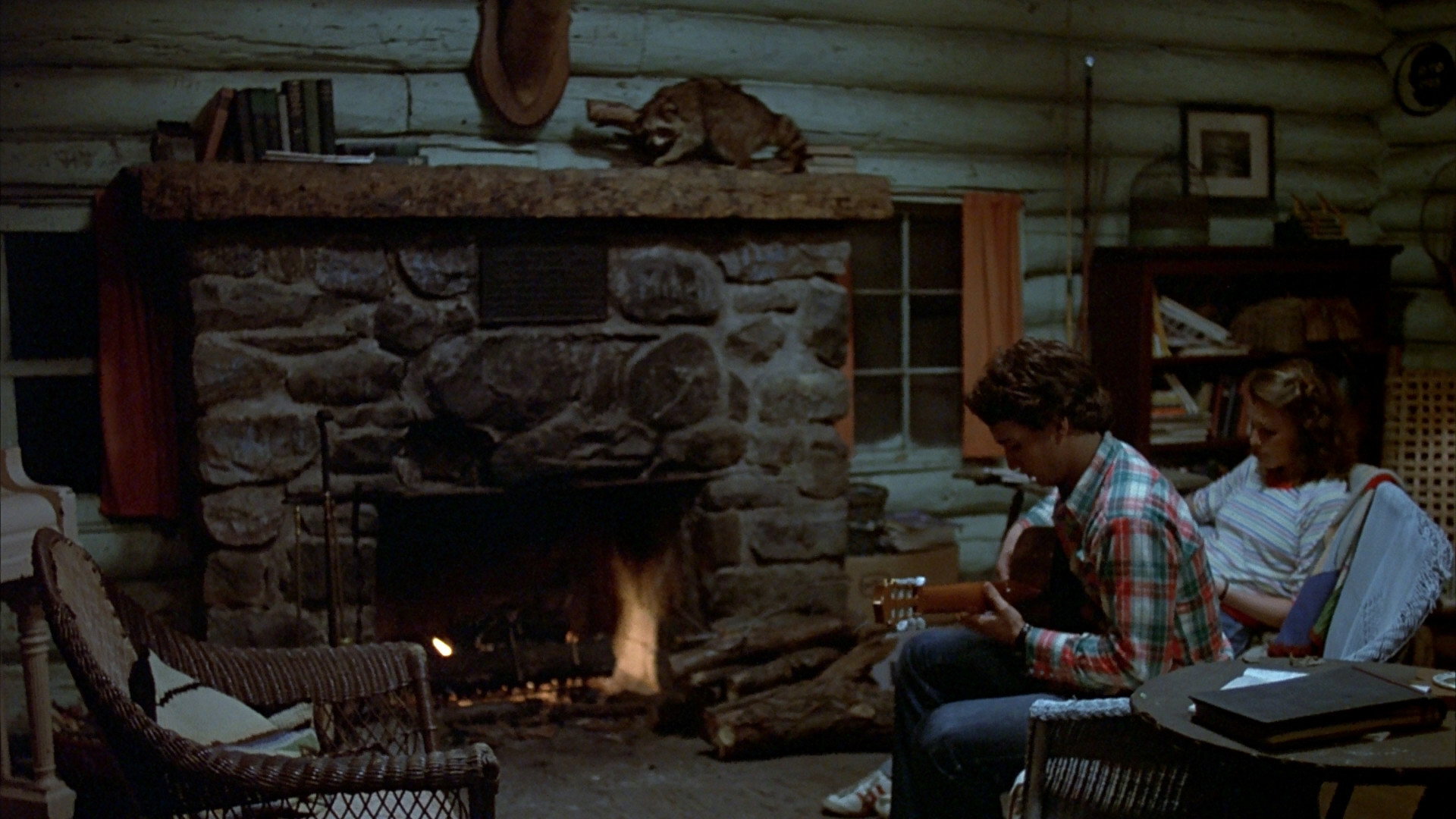
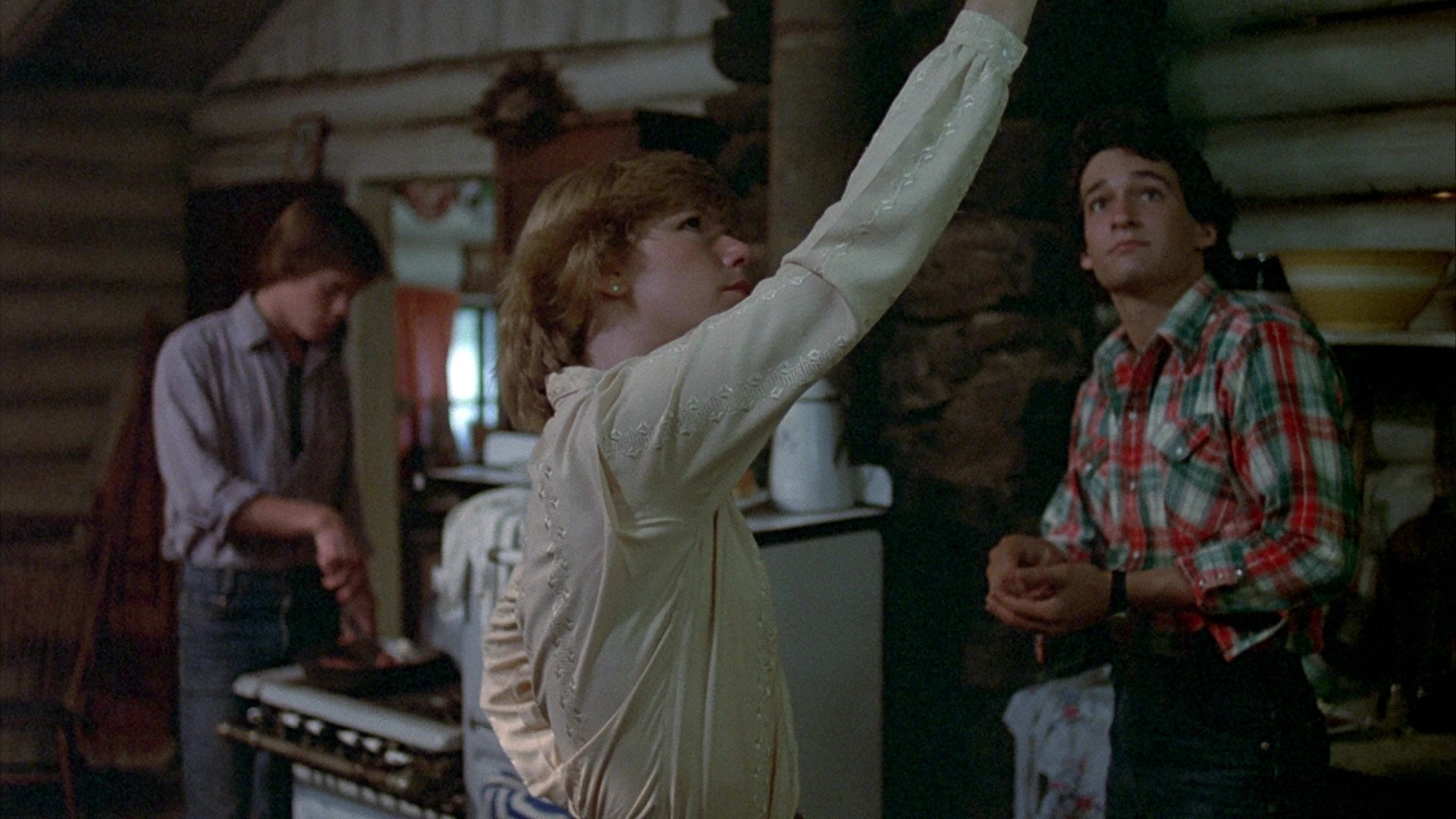
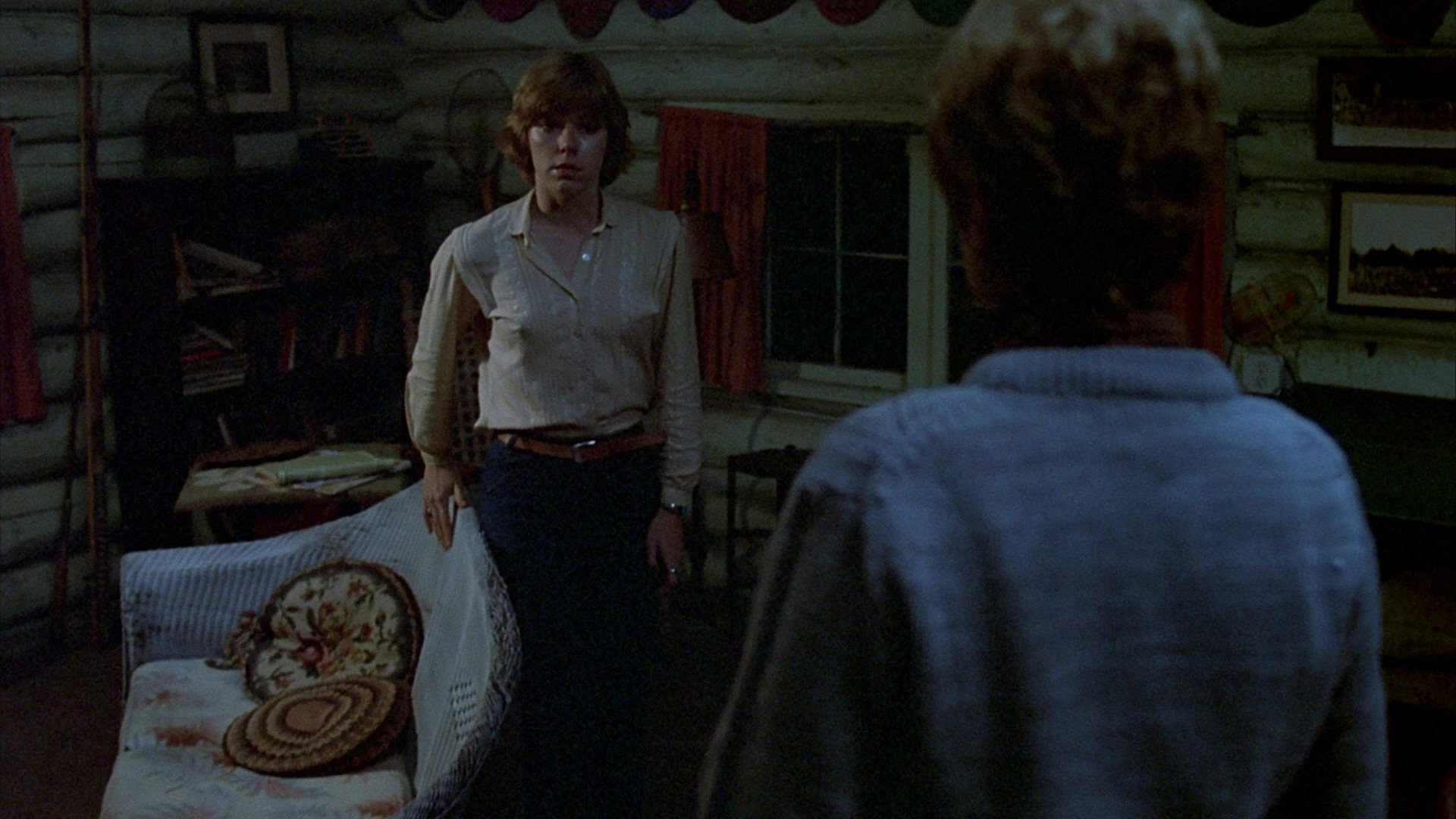
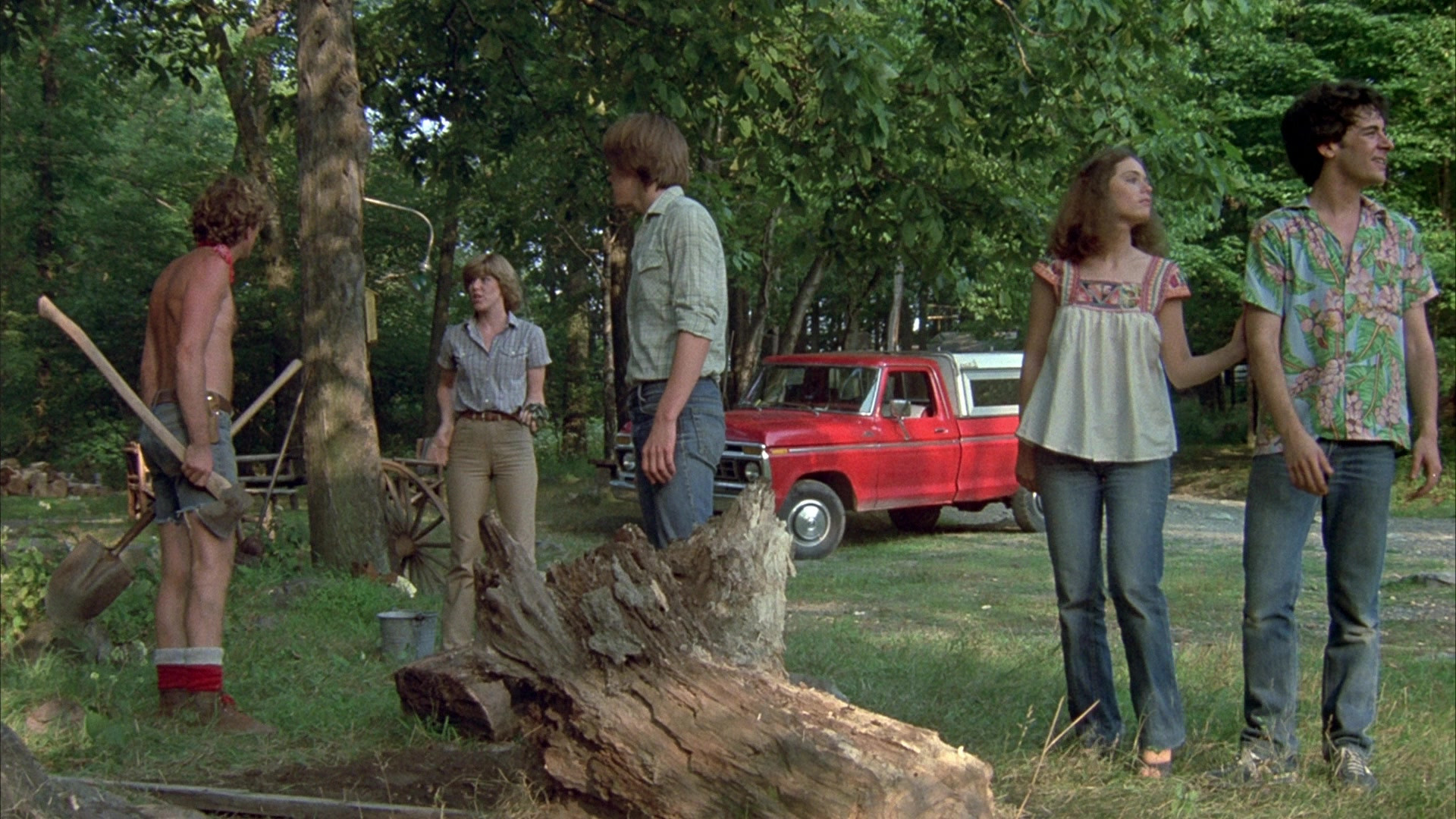
Steve Christy prepares to reopen Camp Crystal Lake, a New Jersey summer camp with a troubled history that includes a child's drowning and two unsolved murders. His young staff arrives to repair the cabins and grounds before the first campers return. As a storm approaches, the counselors become isolated and someone begins killing them without revealing a motive or identity. Their efforts to understand the threat lead back to the tragedy that closed the camp, while the surviving staff members face increasing danger around the lake.

Alternative Titles
يوم الجمعة الـ13 (United Arab Emirates) Martes 13 (Argentina) Cümə, ayın 13-ü (Azerbaijan) — Azerbaijani Petak 13. (Bosnia & Herzegovina) — Croatian Vendredi 13 (Belgium) — French title Vrijdag de 13de (Belgium) — Flemish title Петък 13-и (Bulgaria) — Bulgarian Петък 13-ти (Bulgaria)
Show all 66 alternative titles Sexta-Feira 13 (Brazil) Vendredi 13 (Canada) — French Viernes 13 (Chile) 十三号星期五 (China) — Chinese 黑色星期五 (China) Pátek třináctého (Czechia) Freitag der 13. (Germany) — German Fredag den 13. (Denmark) Divendres 13 (Spain) — Catalan Viernes 13 (Spain) Viernes, 13 (Spain) — alternative spelling Perjantai 13. (Finland) Perjantai 13. päivä (Finland) — TV Vendredi 13 (France) Paraskevi kai 13 (Greece) — transliteration Παρασκευή και 13 (Greece) 十三號星期五 (Hong Kong SAR China) — Chinese Petak 13. (Croatia) Péntek 13 (Hungary) Péntek 13. (Hungary) — Hungarian Yom Shisi Ha-Shlosh-Esre (Israel) — Hebrew יום שישי ה-13 (Israel) — Hebrew फ़्राइडे द थर्टीन्थ (India) — Hindi शुक्रवार १३ (India) — Hindi, complete title Venerdì 13 (Italy) 13日の金曜日 (Japan) — Japanese Jûsan-nichi no kin'yôbi (Japan) — romanization 13일의 금요일 (South Korea) Penktadienis 13 (Lithuania) — alternative title Penktadienis 13-oji (Lithuania) — Lithuanian Penktadienis, 13-oji diena (Lithuania) Piektdiena, trīspadsmitais (Latvia) — Latvian Viernes 13 (Mexico) Vrijdag de 13e (Netherlands) — informal literal title Fredag den 13. (Norway) Fredag den 13de (Norway) — alternative spelling Piątek trzynastego 1 (Poland) — Polish Piątek trzynastego (Poland) Sexta-Feira 13 (Portugal) Vineri 13 (Romania) Petak 13-ti (Serbia) Петак тринаести (Serbia) — Serbian Пятница 13 (Russia) Пятница 13-е (Russia) Пятница тринадцатое (Russia) Fredagen den 13:e (Sweden) — video box title Petek trinajsti (Slovenia) Piatok trinásteho (Slovakia) ศุกร์ 13 ฝันหวาน (Thailand) — Thai 13. Cuma (Türkiye) 13號星期五 (Taiwan) 十三號星期五 (Taiwan) — Chinese П’ятниця 13-е (Ukraine) П’ятниця 13-те (Ukraine) — Ukrainian A Long Night at Camp Blood (United States) — Working Title Friday the Thirteen (United States) — Android TV Thứ 6 Ngày 13 (Vietnam) — Vietnamese Petak trinaesti (Serbia) — Croatian

Trailers & Videos

5 videos

Film Guide & Analysis

Sean S. Cunningham turns an isolated summer camp, Tom Savini's practical gore and an unseen killer into the commercial shocker that accelerated the American slasher boom.

Friday the 13th is a 1980 American horror film directed and produced by Sean S. Cunningham from a screenplay by Victor Miller. At Camp Crystal Lake, a summer camp with a history of death and unexplained disasters, owner Steve Christy assembles a group of young counsellors to prepare the property for reopening. As darkness and heavy rain isolate the camp, an unseen killer begins murdering them one by one, while the death of a child named Jason Voorhees decades earlier gradually emerges as the event around which the violence has been organised.

The film followed directly in the commercial wake of Halloween (1978), but its historical importance lies partly in how differently it develops the formula. Suspense remains dependent on isolation, point-of-view shots and an unseen stalker, yet Tom Savini's practical effects transform individual murders into explicit attractions in their own right. Harry Manfredini's score gives the invisible killer an instantly recognisable sonic presence, while the revelation of Pamela Voorhees and the final appearance of the drowned Jason create a mythology far larger than anyone involved originally planned. Its enormous profitability helped accelerate the American slasher cycle and created one of horror cinema's longest-running franchises.

Halloween, Long Night at Camp Blood & the Search for a Hit

Sean S. Cunningham had worked with Wes Craven on The Last House on the Left (1972) before moving through several comparatively unsuccessful family-oriented projects. Victor Miller had written for Cunningham on films including Here Come the Tigers and Manny's Orphans. Miller later remembered the beginning of Friday the 13th with unusual frankness: Cunningham had seen the financial success of Halloween (1978) and wanted to construct a horror film around the same basic commercial opportunity. Miller studied Carpenter's film to understand the mechanism that allowed young characters to be placed beyond effective adult protection.

The summer camp emerged from that problem. Miller wanted an environment where a group of young adults could remain physically cut off from meaningful outside assistance, and an isolated camp offered cabins, woods, a lake and a plausible absence of parents. The screenplay initially carried the title Long Night at Camp Blood. Cunningham proposed Friday the 13th only after at least one draft already existed, and Miller subsequently incorporated references that integrated the calendar title into the story while retaining its advertising appeal.

The relationship with Halloween is therefore not something that needs to be reconstructed through later critical comparison; Miller openly acknowledged using it as a template. What changed was the balance between suspense and spectacle. Carpenter had demonstrated that an independently produced horror film could reach a vast audience through a simple stalking structure. Cunningham and Miller retained the isolated young victims, prior tragedy and hidden killer but built a movie increasingly organised around the anticipation of distinct deaths. That shift would become enormously influential once Friday the 13th itself proved that a major distributor could turn such material into a mainstream commercial event.
Camp No-Be-Bo-Sco, Blairstown & a $650,000 Production

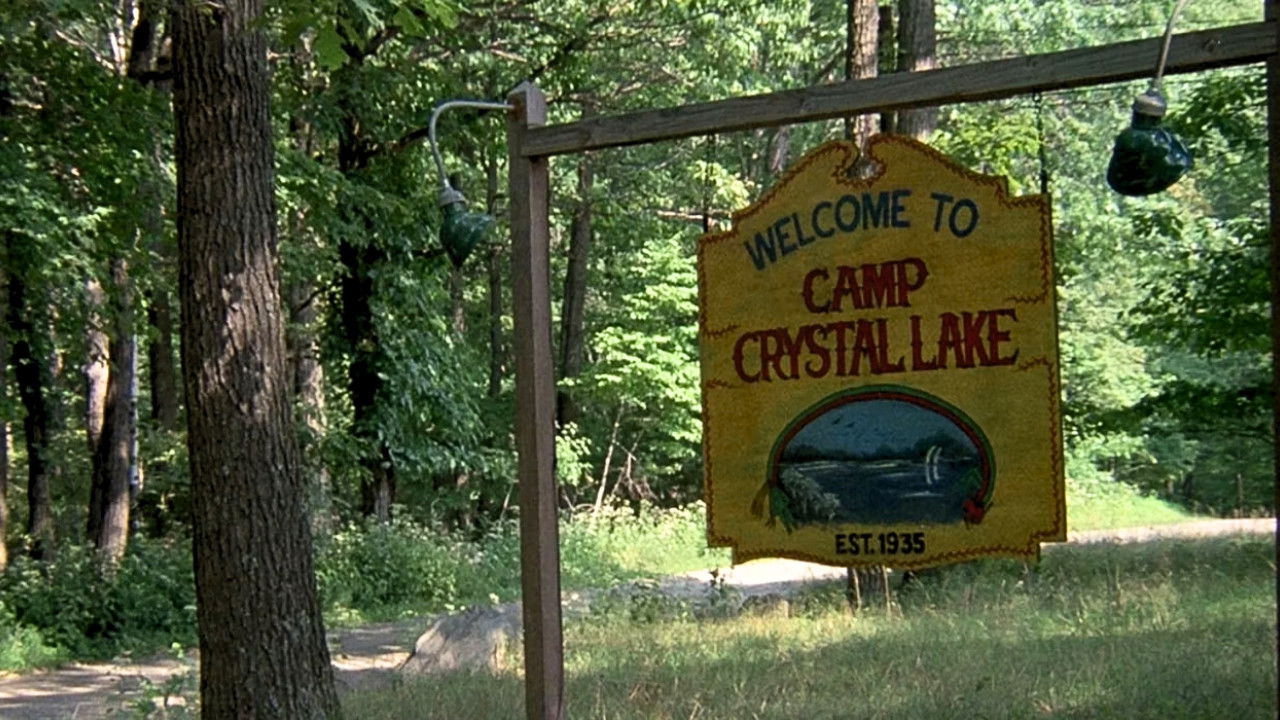
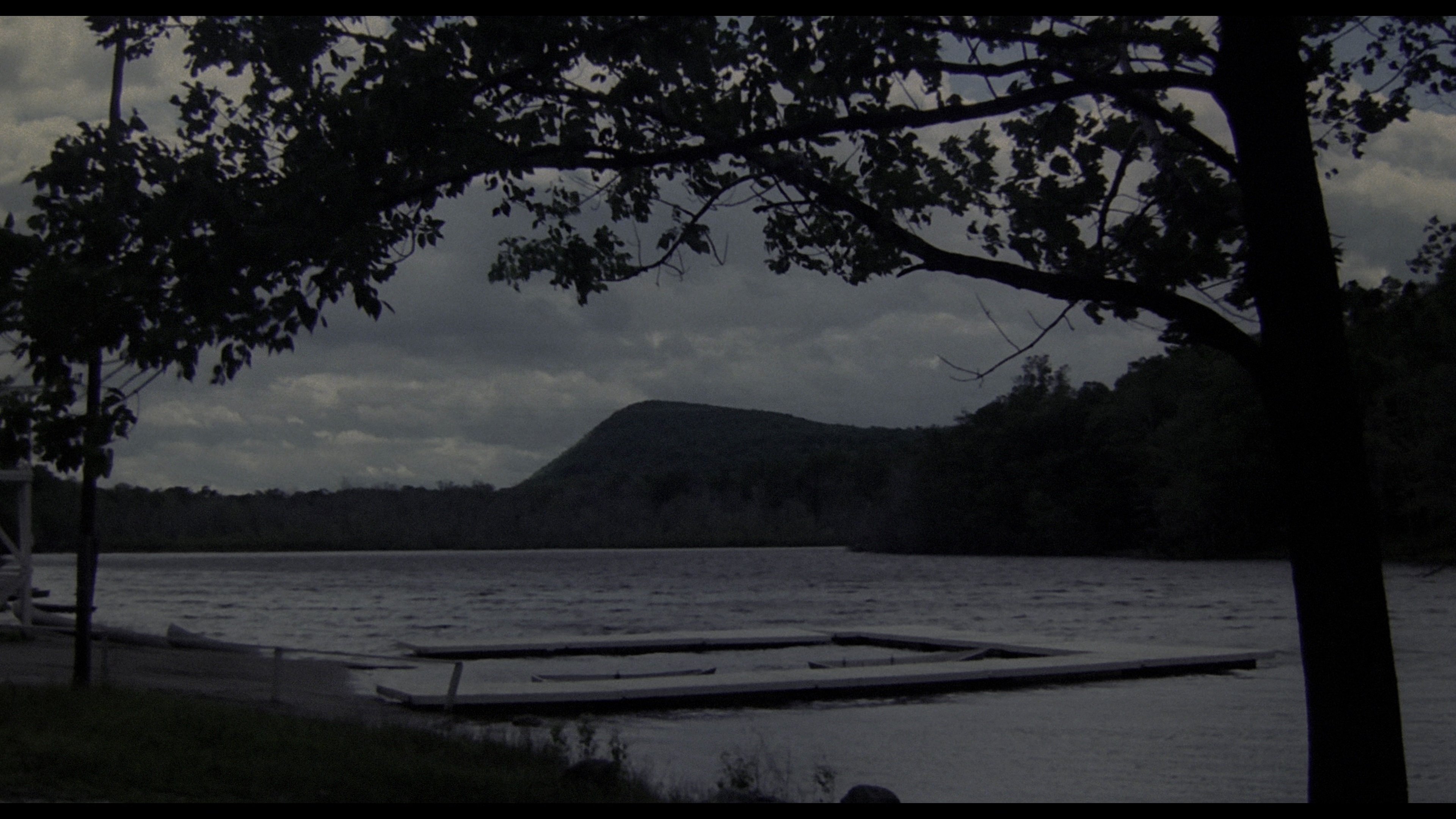
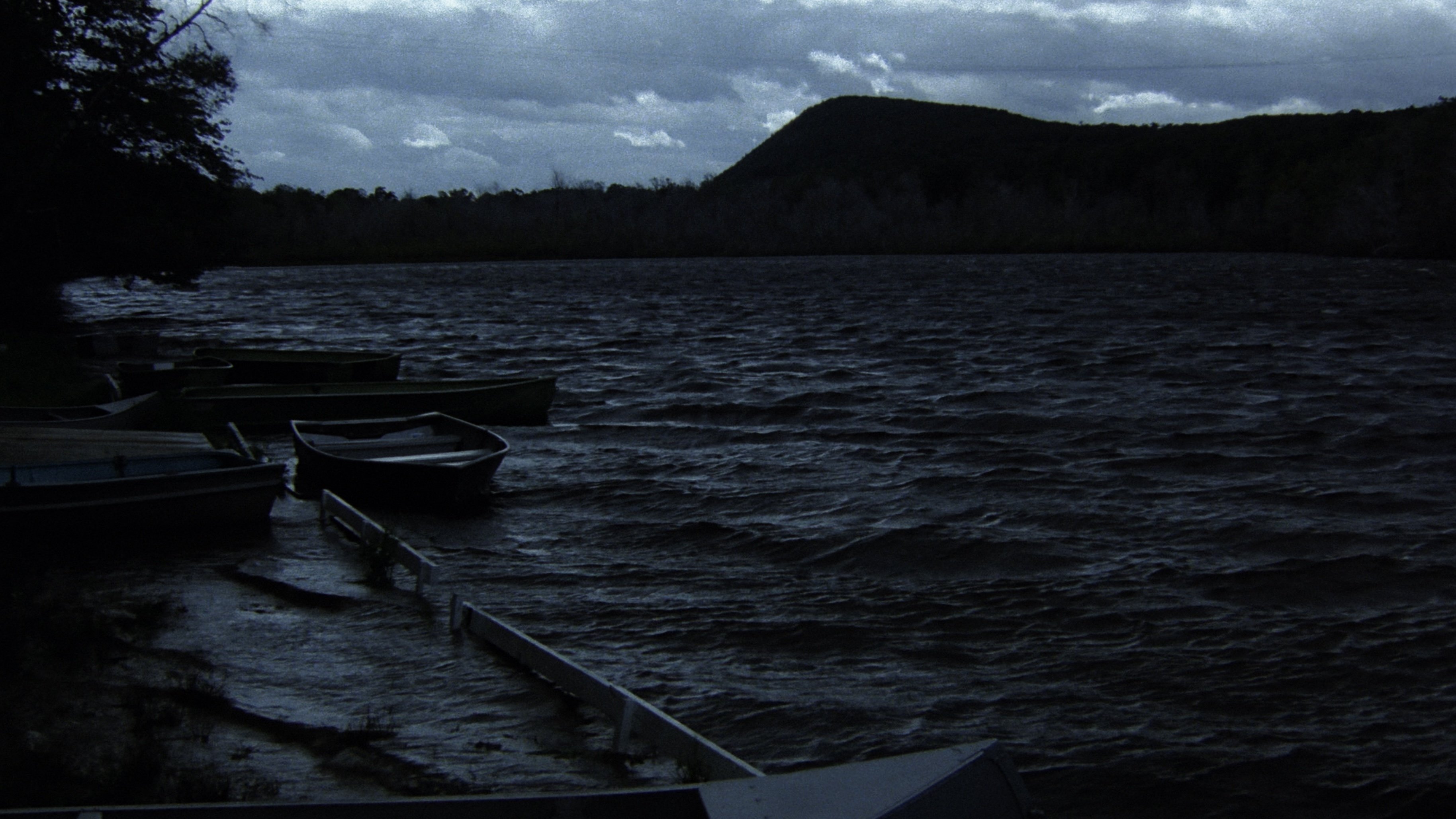
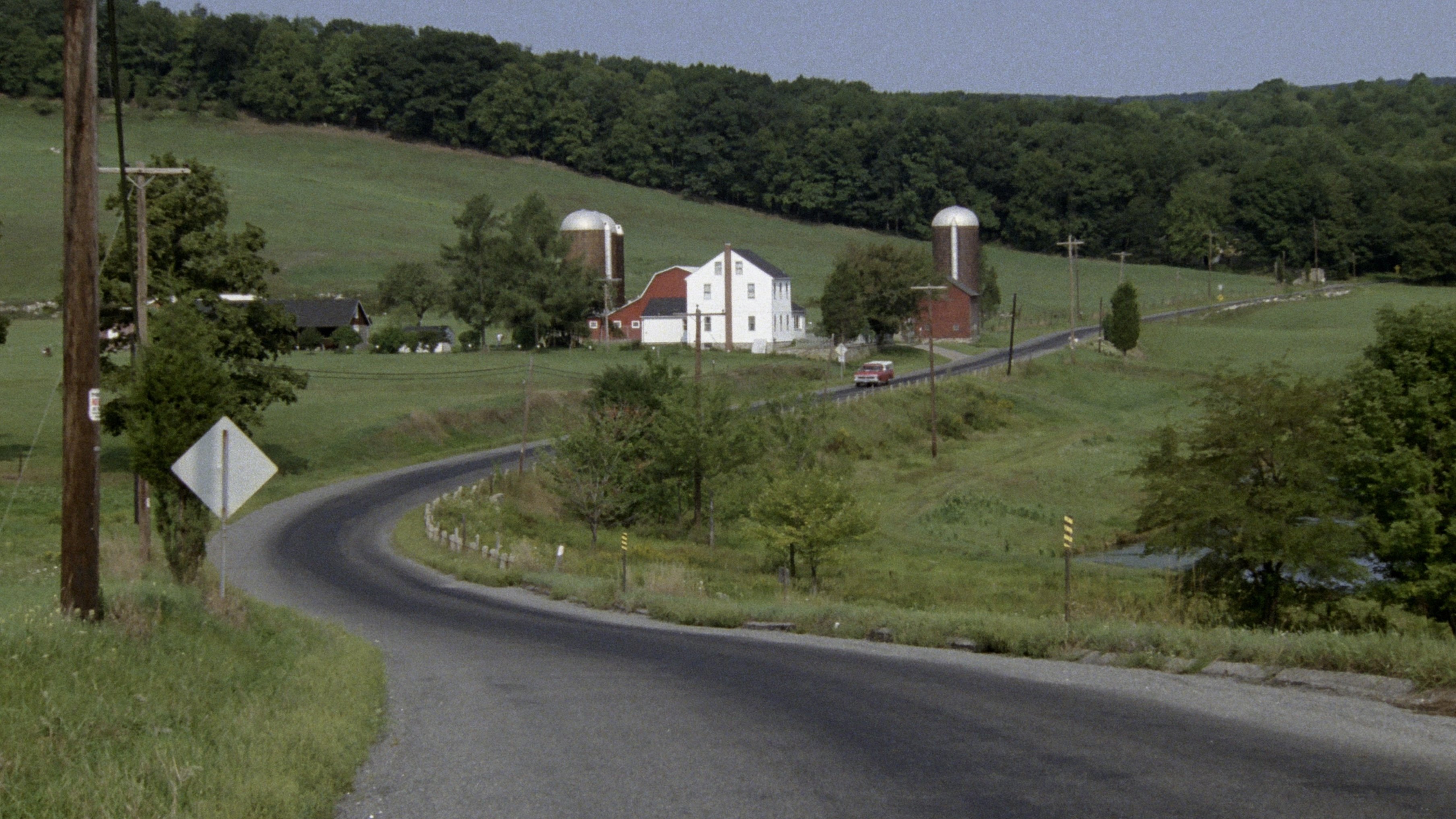
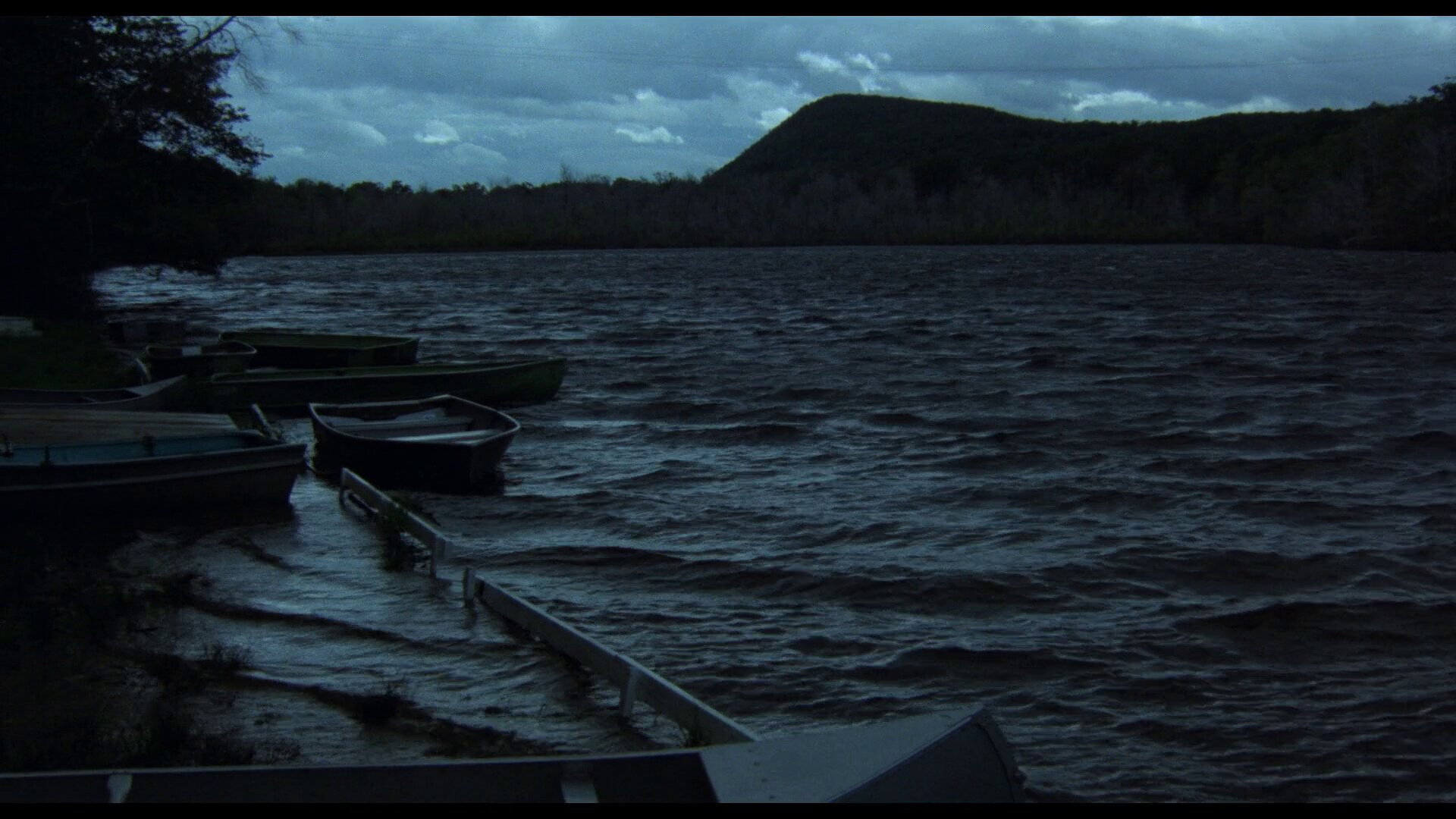
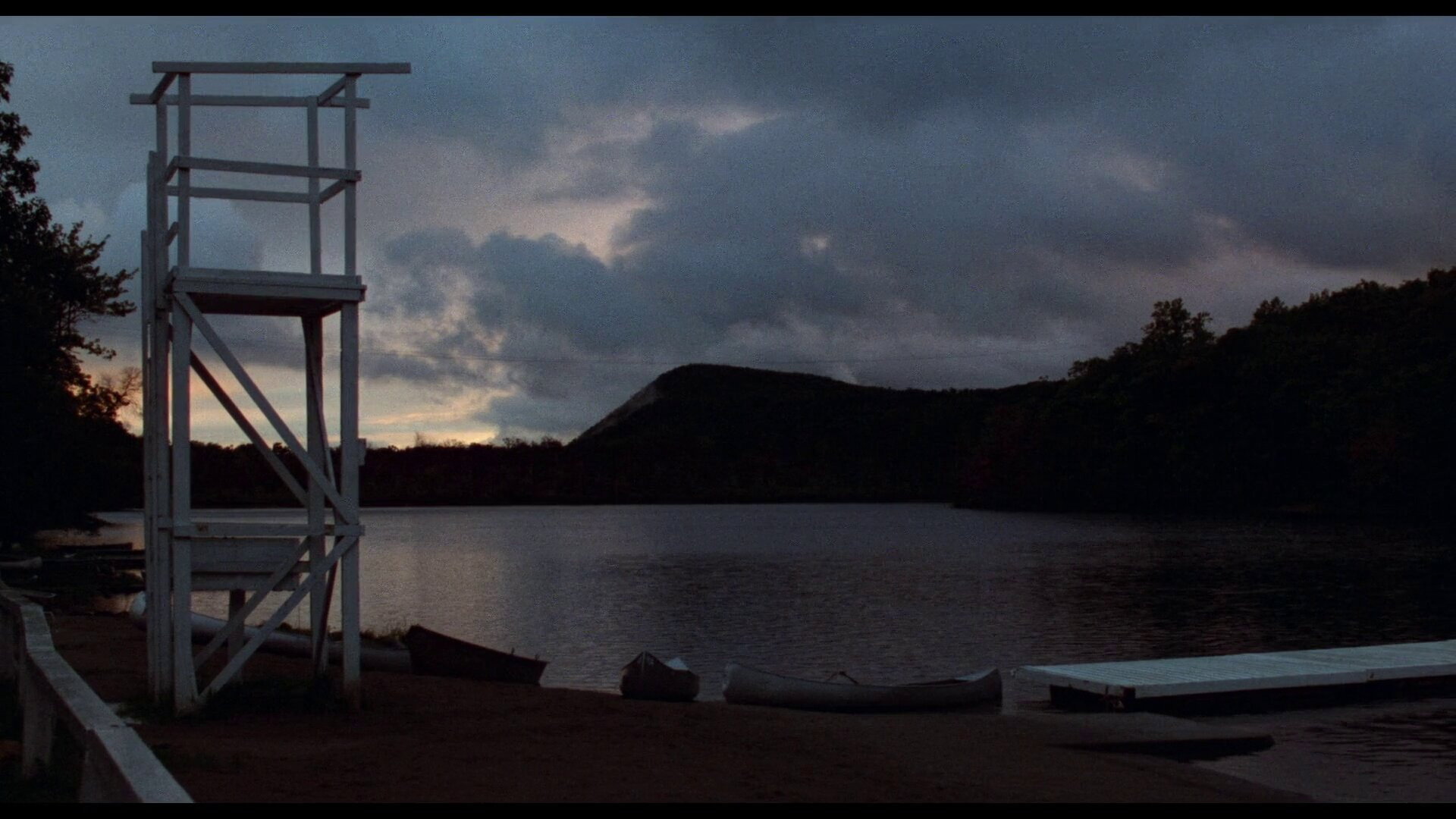
Principal photography took place in western New Jersey during September and October 1979. Camp Crystal Lake was created primarily at Camp No-Be-Bo-Sco, a working Boy Scout camp in Hardwick Township, with additional material photographed around Blairstown and nearby communities. The location provided almost everything the production required: cabins, woodland, paths, waterfront structures and a lake sufficiently isolated to make the counsellors' vulnerability credible without extensive set construction. Smithsonian later estimated that more than eighty percent of the finished picture was shot at the camp.

The production worked with comparatively limited resources. Contemporary trade reporting preserved by the American Film Institute placed the budget at approximately $650,000. Cunningham and associate producer Steve Miner also developed relationships with the surrounding community, obtaining cooperation from local police and firefighters and incorporating Blairstown directly into the picture. The end credits specifically thank the Blairstown Fire Department and Police Department, evidence of how much an independent production depended on resources that a larger studio project might simply have rented or constructed.

The real camp gave the film something harder to manufacture than production value: geographical coherence. Cabins genuinely occupy the same wooded environment, characters can cross open ground and disappear into forest, and the lake remains a recurring, physically connected part of the property. Camp No-Be-Bo-Sco has subsequently become inseparable from the film's history. Long after the fictional Crystal Lake expanded into numerous sequels shot elsewhere, the New Jersey camp retained surviving locations and became a destination for organised fan visits, turning a practical 1979 production choice into a real-world extension of the franchise.

The Killer's Point of View, Isolation & the Mystery Structure

Barry Abrams's photography gives the killer a presence long before the audience knows who that person is. The opening murders establish a mobile subjective viewpoint that approaches victims without revealing the body attached to it. Similar shots recur around the camp, transforming trees, windows and cabin interiors into places from which somebody may already be observing. Because the film withholds the killer's face until its final movement, the camera itself becomes one of the primary ways the murderer exists onscreen.

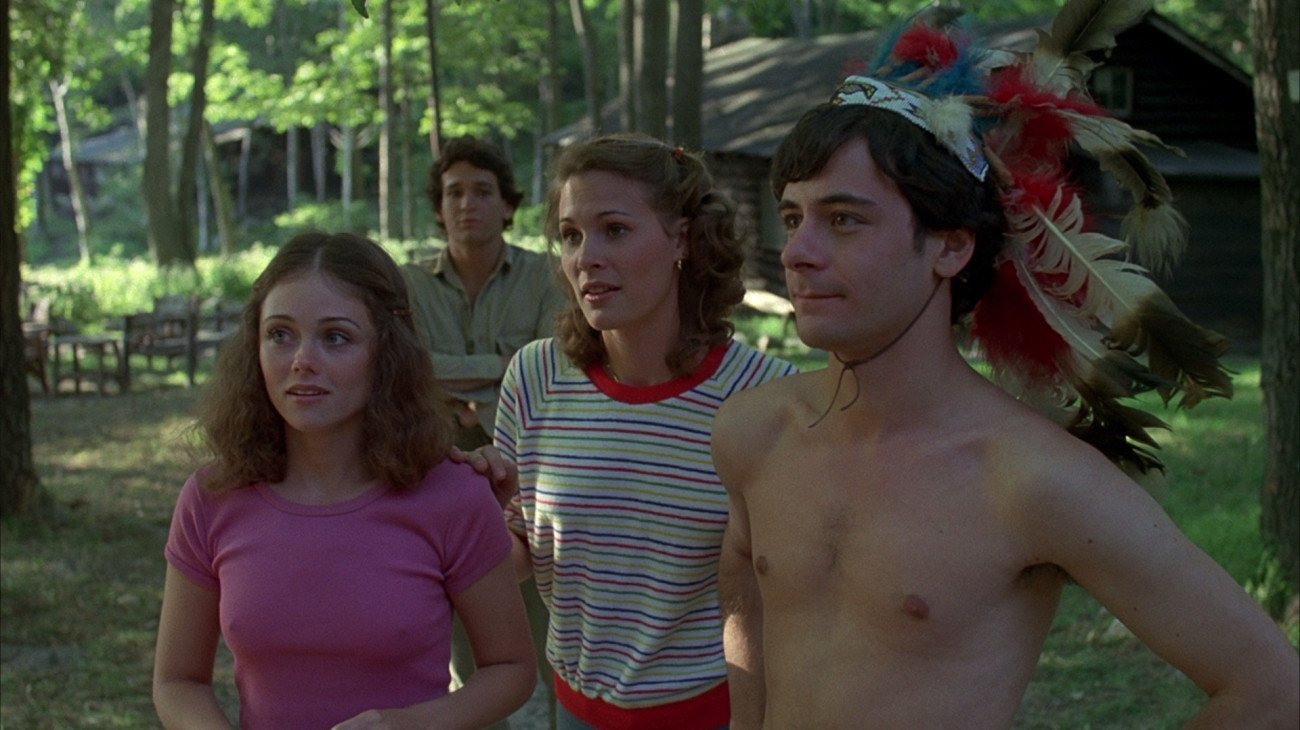
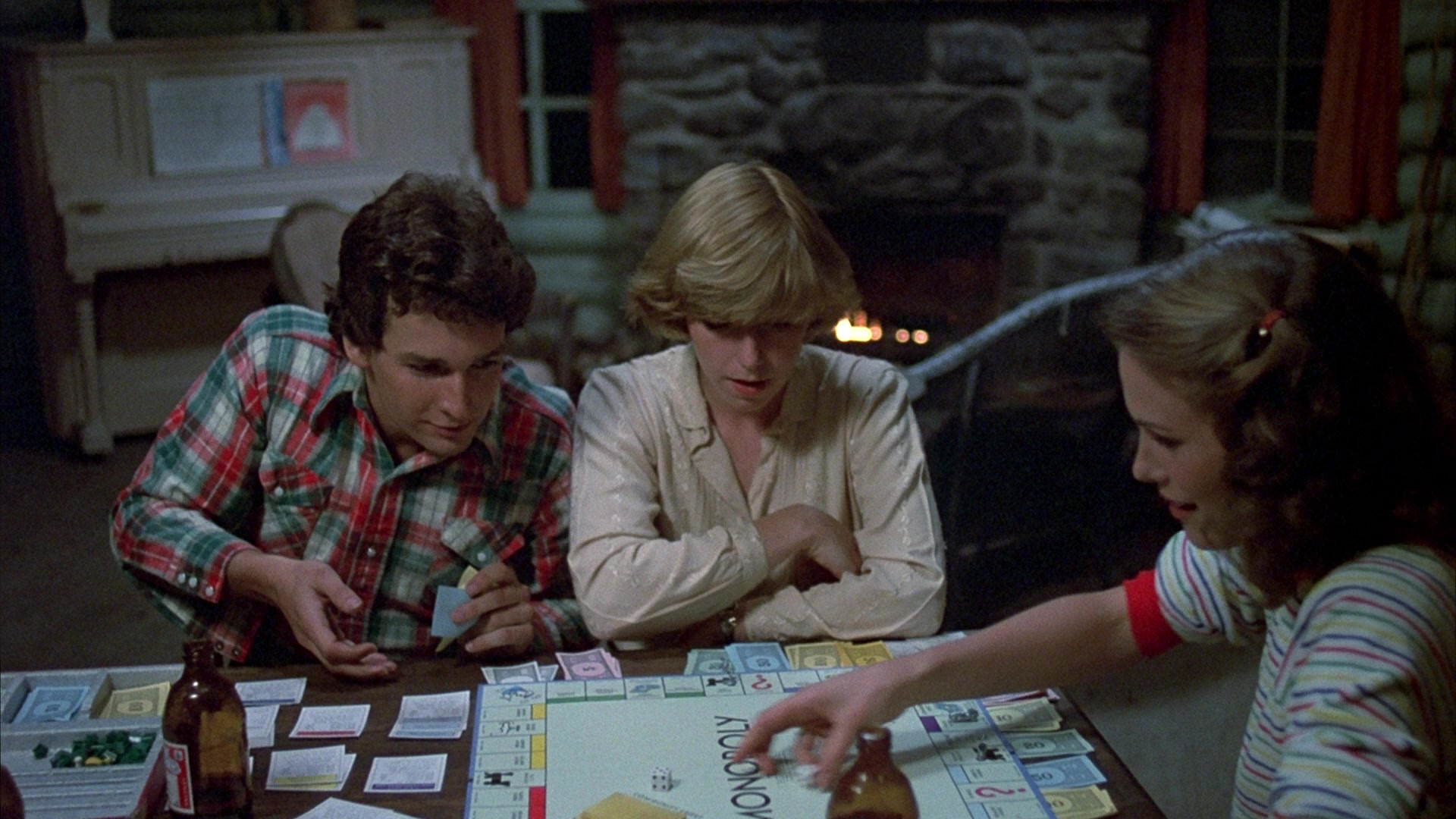
That concealment also allows ordinary activity to become suspense material. The counsellors swim, cook, repair buildings, play games and pursue sexual relationships while the film repeatedly interrupts their social space with suggestions that another perspective is watching them. Once the storm begins, the camp contracts further. Darkness, rain and failing communication remove the possibility that characters can easily understand how many people remain alive or where anybody else has gone, allowing bodies to disappear without immediately creating a collective response.

The structure is less interested in solving a conventional mystery than in controlling when information is released. Jason's drowning, the earlier counsellor murders and the camp's reputation as Camp Blood establish a violent history without identifying the present killer. Pamela Voorhees can therefore arrive late and initially present herself as a potential source of rescue. The revelation works because the film has encouraged the audience to imagine an unseen physical stalker without giving that stalker a stable identity. When Pamela finally explains her relationship to Jason, the previous murders are reorganised around grief, blame and revenge.

Tom Savini & Murders Designed as Practical Events

Tom Savini came to Friday the 13th after his effects work on George A. Romero's Dawn of the Dead (1978), and his contribution fundamentally changed what the film could offer audiences. Cunningham frequently gives practical effects the climactic moment in suspense sequences, showing the violence directly. Throats open, an axe remains embedded in a face, a body is displayed pierced by arrows and Pamela Voorhees is decapitated in a shot designed to preserve the physical illusion long enough for the audience to register it.

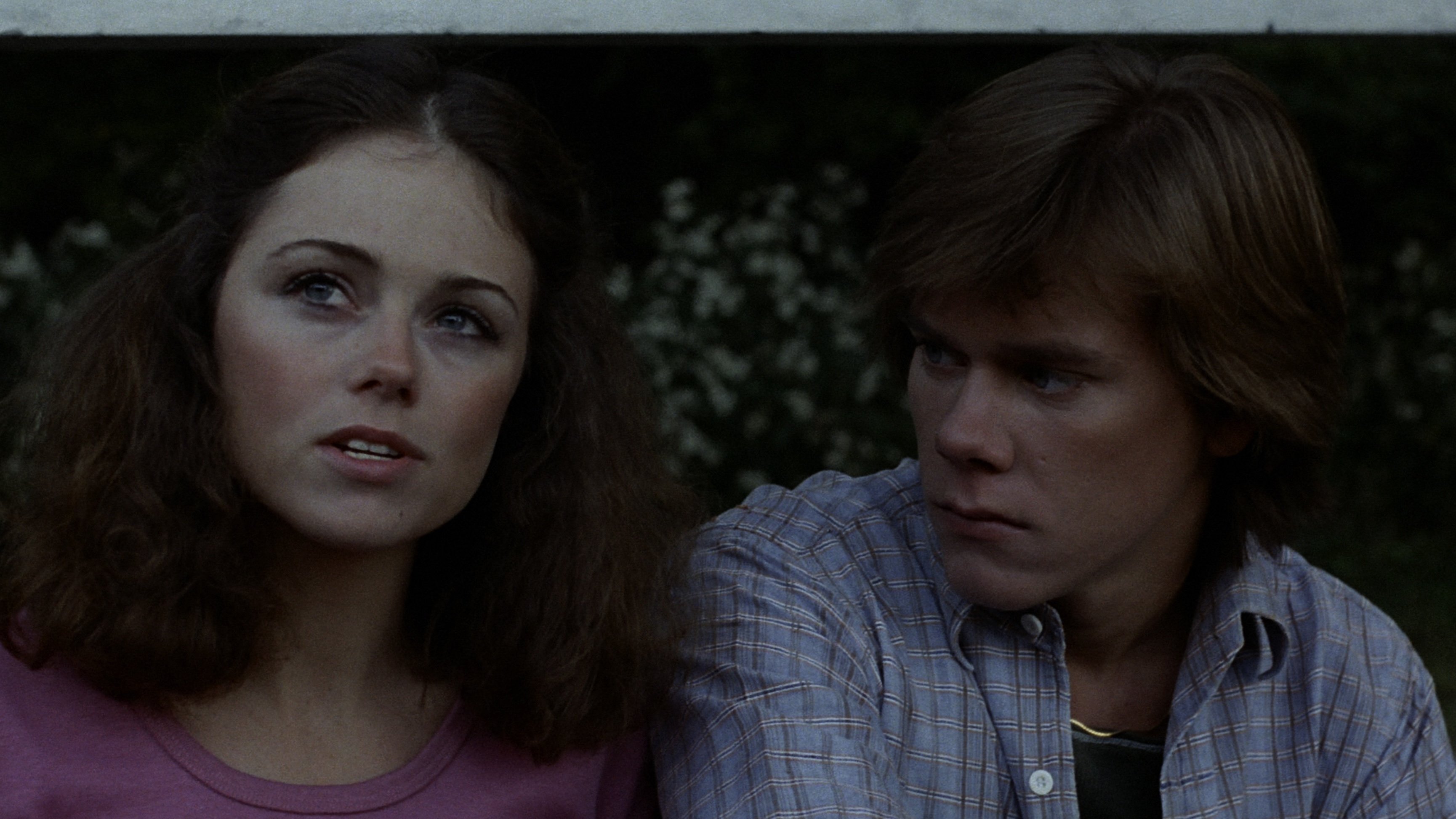
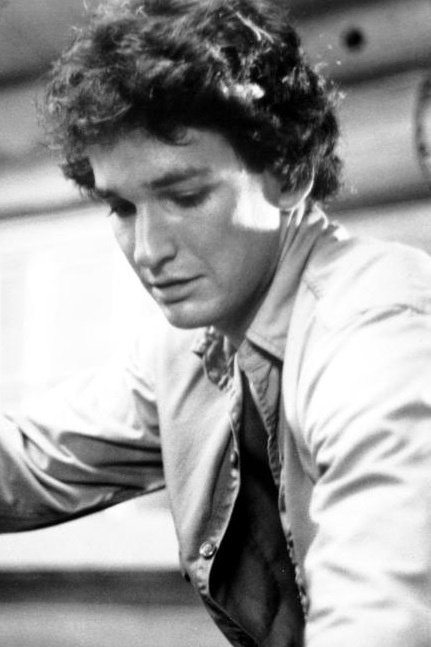
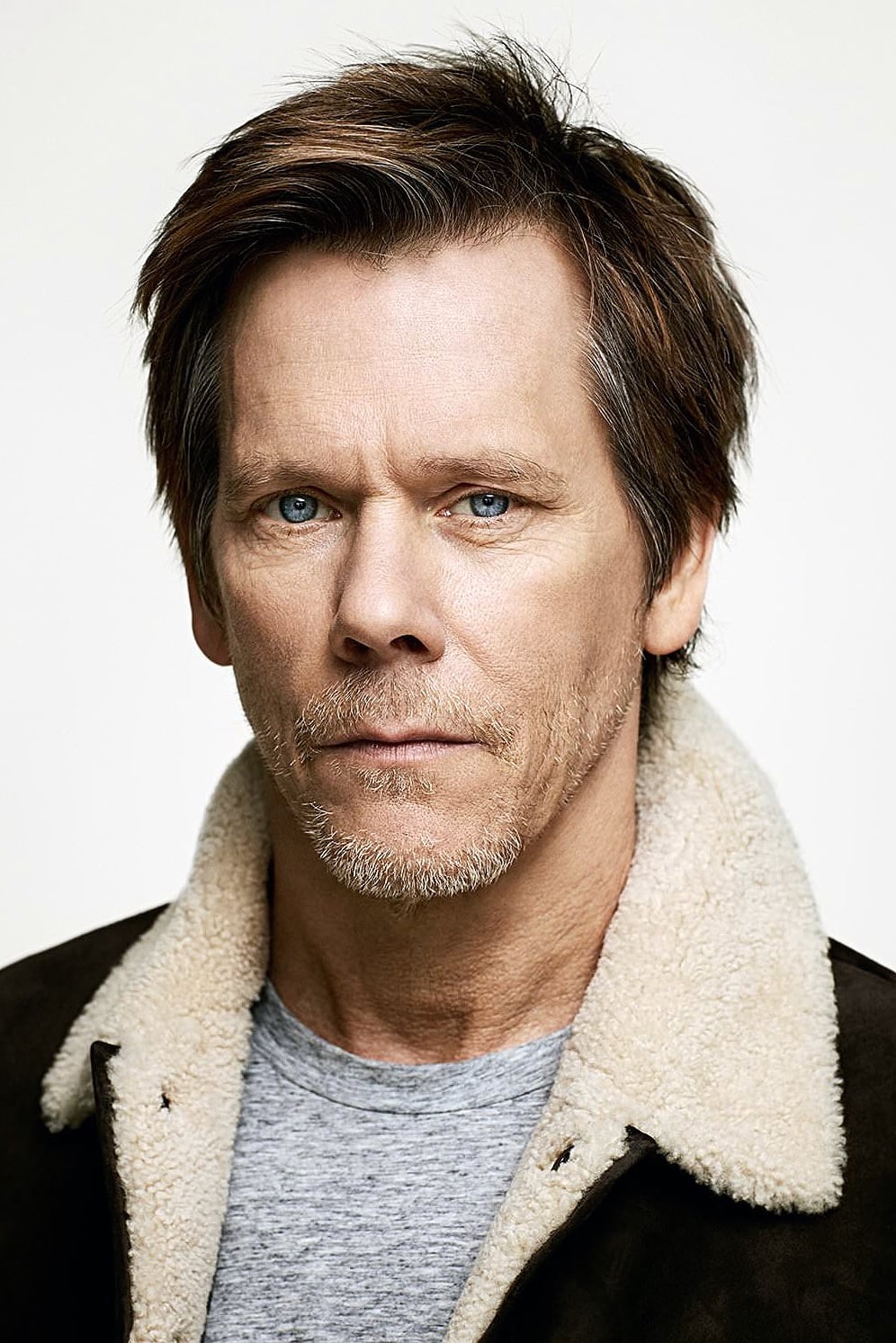
Kevin Bacon's death as Jack became the best-known example of the production's mechanical ingenuity. Bacon's real head was positioned through the mattress while the rest of the visible body was constructed to continue the illusion of him lying on the bed. A prosthetic neck concealed the effect as an arrow emerged upward through the throat. Problems with the blood mechanism required improvisation during filming, but the finished shot converts a simple stabbing into an image whose impossibility seems to occur continuously in front of the camera, with minimal cutting.

Savini has described the film as a particularly satisfying demonstration of what practical makeup effects could achieve because the gags physically occurred in front of the lens. The on-screen visibility of these effects became essential to the movie's reputation. The murders are not interchangeable narrative removals of supporting characters; each is designed around a different visual mechanism. Friday the 13th consequently helped establish an expectation that later slashers would compete through the novelty and explicitness of their kills, making the effects artist increasingly important to the commercial identity of the subgenre.

Pamela Voorhees, Alice & a Killer Hidden in Plain Sight

Betsy Palmer enters the film only after most of the counsellors are dead, which allows Pamela Voorhees to appear initially as an adult capable of restoring order. That impression lasts only briefly. Pamela identifies herself as Jason's mother and explains that her son drowned in 1957 because the counsellors responsible for watching him were distracted. Her killings transform an old institutional failure into an endless act of retaliation: every attempt to reopen the camp becomes, in her mind, another opportunity for the same negligence to occur.

The character complicates the iconography that the franchise would later create. The killer in the original Friday the 13th is not the adult Jason Voorhees and there is no hockey mask. Jason exists principally as Pamela's dead child, appearing in memory and finally as the deformed boy who erupts from the lake. Victor Miller has remained explicit that, in his conception, Jason was dead and Pamela was the murderer. The later transformation of Jason into the franchise's central killer emerged in the sequels, changing the narrative logic Miller originally constructed.

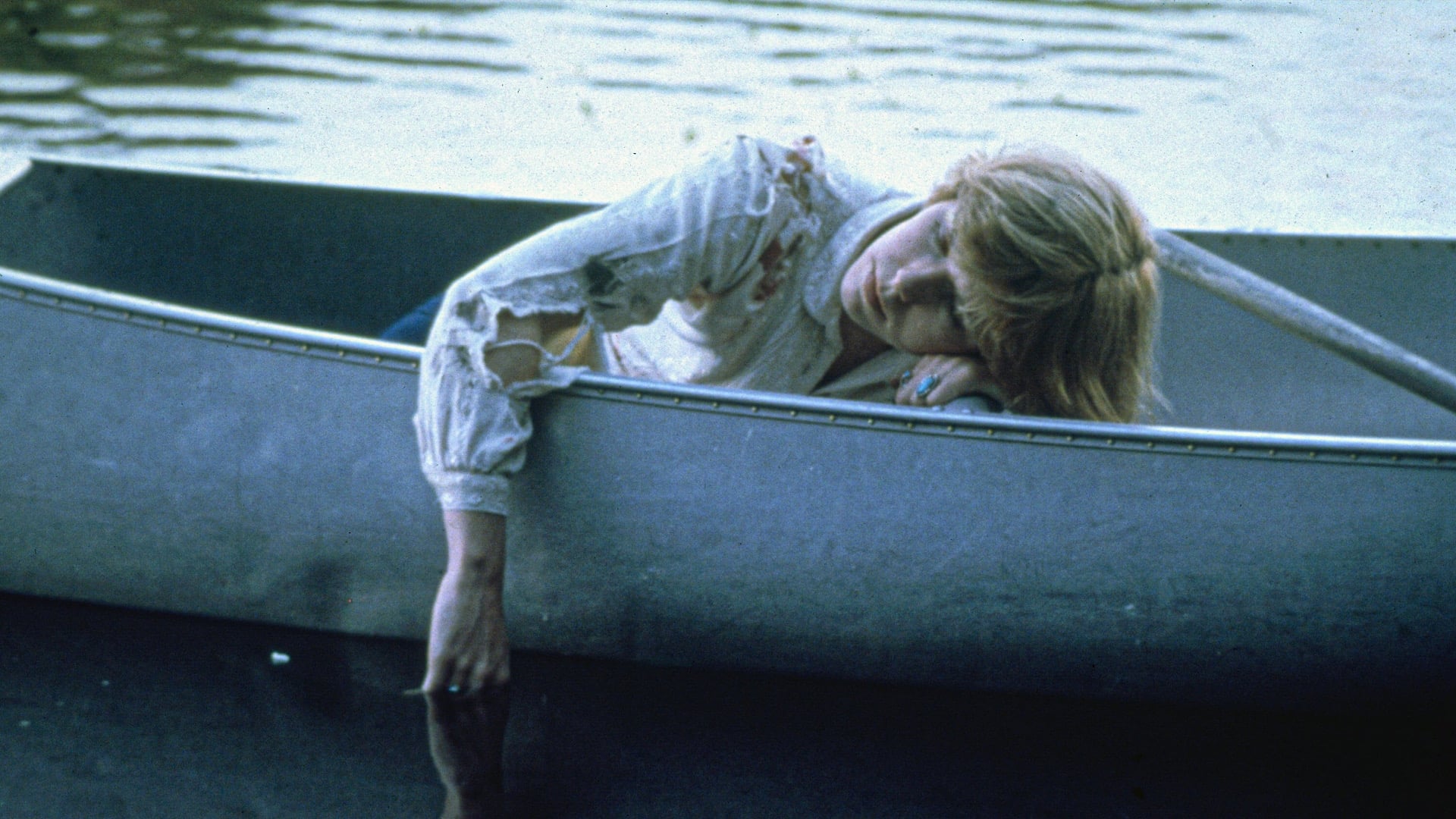
Adrienne King's Alice becomes the final surviving counsellor and confronts Pamela directly, culminating in the machete decapitation created by Savini's effects team. Her survival helped strengthen a pattern that would become closely associated with the slasher cycle: a young woman gradually separated from the group and forced into prolonged direct confrontation with the killer. Yet the film refuses to end with simple survival. Alice's apparent safety on the lake is broken by Jason's sudden emergence, allowing the repressed event at the centre of Pamela's violence to appear physically after Pamela herself has been destroyed.

Harry Manfredini, Ki-Ma & Giving the Invisible Killer a Voice

Harry Manfredini faced a structural problem: for most of the film the murderer remains unseen, so ordinary cinematography cannot always tell the audience whether a shot represents neutral observation or the killer's point of view. His solution was to turn the score into an identifying presence. Manfredini deliberately avoided scoring every potential scare, reserving music in important passages for moments when the killer was actually nearby. The absence of music could therefore be as functional as its presence, preventing every false alarm from receiving the same musical warning.

The famous vocal sound originated directly from Pamela's dialogue. During the climax she repeats Jason's command to kill her, mommy, shifting between her own voice and the imagined voice of her son. Manfredini extracted the opening sounds of kill and mommy, vocalising them as ki and ma and processing his voice through an Echoplex. He has repeatedly corrected the popular transcription cha-cha-cha: the sound was conceived specifically from those two words and as an acoustic representation of the voice inside Pamela's head.

The score was created with similarly limited means. Manfredini later recalled an ensemble of thirteen players: nine strings, three brass musicians and himself covering percussion, piano, synthesiser and vocal material. He has identified Krzysztof Penderecki and Jerry Goldsmith's Coma (1978), alongside the unavoidable influence of Bernard Herrmann, among the musical references surrounding his work. The resulting score does more than accompany the film. Its whispered rhythmic signature gives an invisible killer an identity and became one of the few elements that could pass almost unchanged from Pamela's film into the Jason-centred franchise that followed.

The Lake Ending, Carrie & the Accidental Birth of Jason

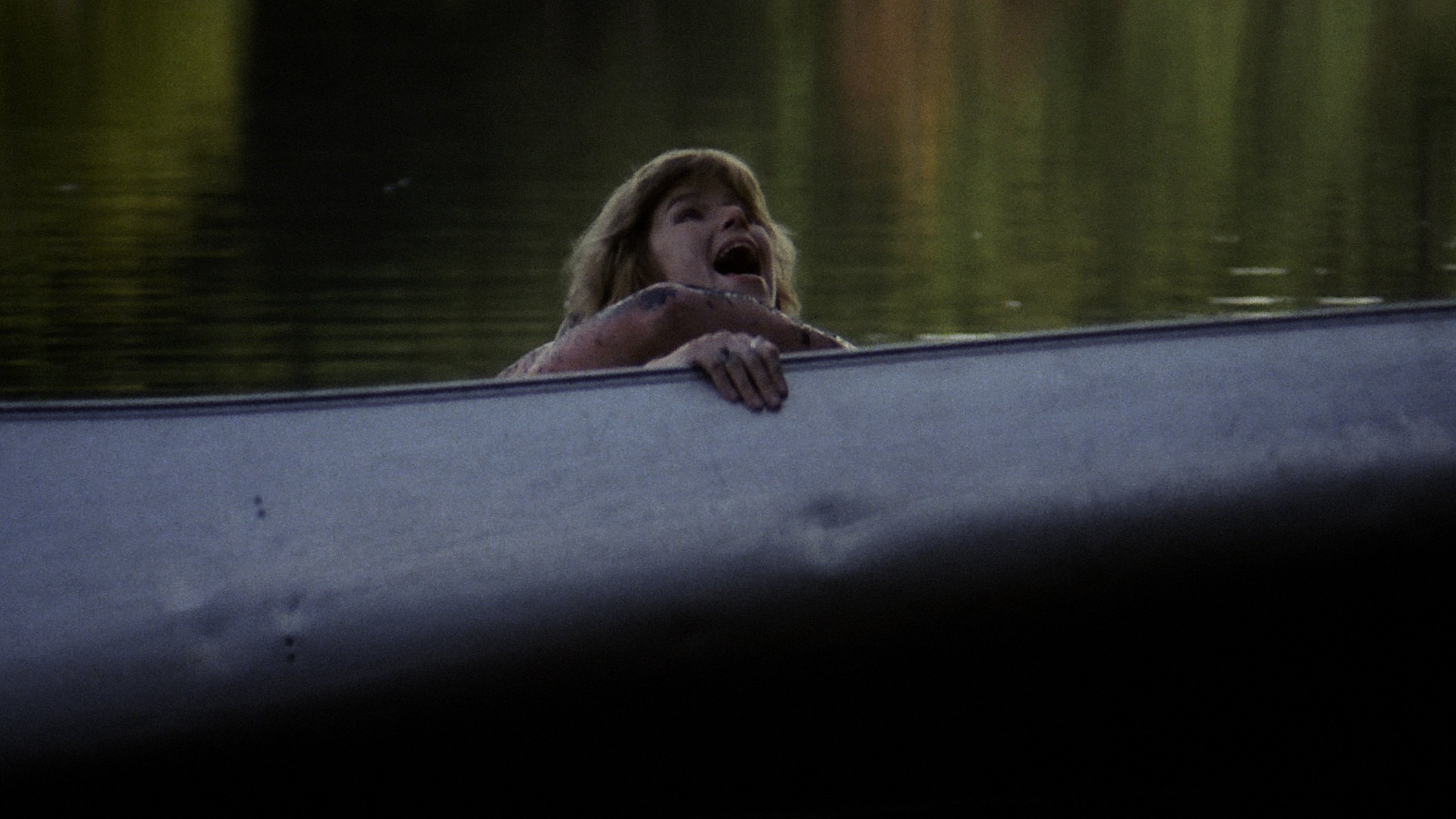
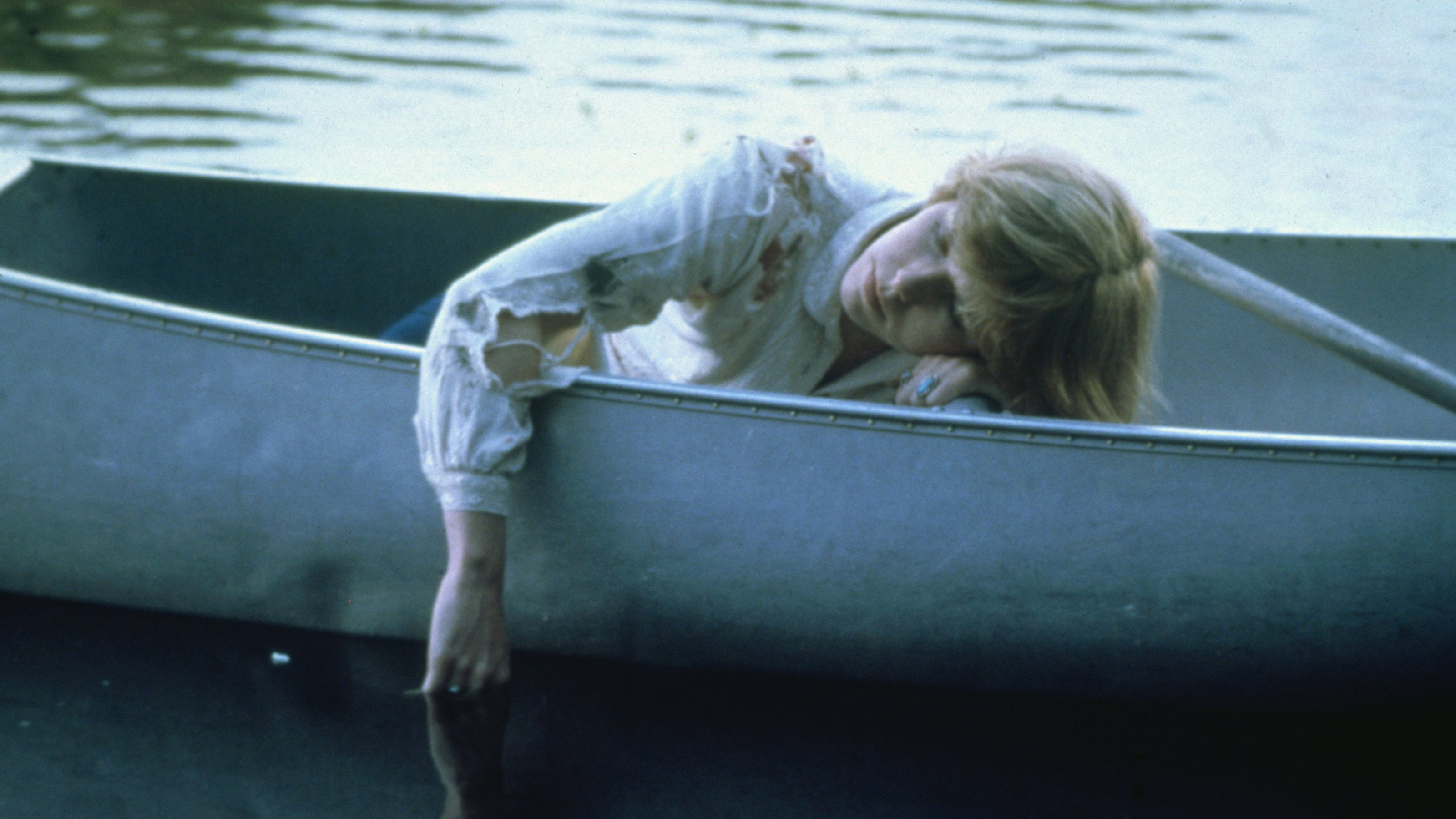
Jason's final appearance was not originally intended to establish him as the murderer of future sequels. Victor Miller recalled that after the main screenplay had been completed, Cunningham asked for a final chair jumper, explicitly comparing the idea to the hand emerging from the grave at the end of Carrie (1976). Miller then wrote the sequence in which Alice, apparently safe in a canoe, is suddenly attacked by the drowned child before awakening in the hospital. Tom Savini also became closely associated with developing the grotesque physical appearance required for Jason's brief emergence.

The sequence works because it reverses the apparent completion of the film. Pamela has been killed, daylight has returned and Alice has moved away from the camp into the apparently calm surface of the lake. Jason's eruption reconnects safety with the original drowning that motivated every murder. The following hospital scene immediately destabilises what the audience has seen when police tell Alice that no boy was found. The film therefore closes without confirming whether Jason physically survived, whether the attack was a nightmare or whether Crystal Lake contains something that cannot be explained by Pamela's crimes alone.

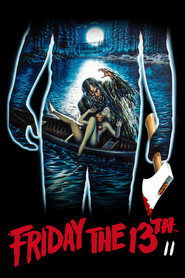
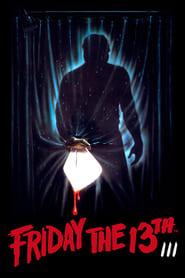
Commercial success changed the meaning of that ambiguity. Miller considered Jason genuinely dead and found the idea of transforming him into the next killer illogical. Friday the 13th Part 2 (1981) nevertheless made an adult Jason the murderer, and Friday the 13th Part III (1982) eventually supplied the hockey mask that would become his defining image. The original film thus created horror's future icon almost accidentally: Jason is central to Pamela's motive and memorable because of the final shock, but the version of Jason recognised throughout popular culture does not actually exist in Cunningham's 1980 film.

Paramount, the Slasher Boom & a $40 Million Hit

Paramount released Friday the 13th in the United States on 9 May 1980. The launch was unusually large for material originating as an inexpensive independent horror production: the film opened in more than 1,100 theatres and earned approximately $5.82 million during its first weekend. Its original domestic theatrical gross reached $39.75 million. Against the approximately $650,000 production budget recorded in contemporary trade reporting, the result represented an extraordinary return and demonstrated the commercial potential of aggressively marketed low-budget horror within major-studio distribution.

Violence complicated the film's release history. The American theatrical version received an R rating after brief reductions to some effects footage. Cunningham has described the removed material as amounting to only a few seconds. The longer unrated version restores additional gore to several killings, and in the United States it did not receive an official Paramount DVD and Blu-ray release until 2009. Modern restorations have since allowed the R-rated and unrated versions to coexist, including new 4K scans of the original camera negative prepared for the 2020 franchise Blu-ray collection.

Friday the 13th did not invent the slasher film. Psycho (1960), Black Christmas (1974), The Texas Chain Saw Massacre (1974) and especially Halloween (1978) had already established many of the techniques and situations the cycle would use. Its historical importance is more specifically industrial. Its success demonstrated that a major studio could take a comparatively inexpensive stalk-and-kill film, market its title and explicit practical effects nationally and produce an exceptional return. The resulting rush of slashers, together with the rapidly expanding Friday the 13th franchise itself, turned Crystal Lake, Jason's name, Manfredini's musical signature and the expectation of elaborate kills into permanent elements of horror culture.

Connections

Cast

View Full Cast & Crew →

Release & Distribution

Production Companies (2)

  • Georgetown Productions US
  • Sean S. Cunningham Films US

Distributors (1)

  • Paramount Pictures US

Release History (62)

Release DateTerritoryRelease TypeFormatDistributorCertificationNotes
1980-05-09 Canada Theatrical — — R
1980-05-09 United Kingdom Theatrical — — 18
1980-05-09 United States Theatrical — — R
1980-06-12 Australia Theatrical — — R 18+
1980-06-13 Spain Theatrical — — 18
1980-06-13 Ireland Theatrical — — 18
1980-07-25 Denmark Theatrical — — 15
1980-08-13 Spain Theatrical — — 18
1980-08-15 Japan Theatrical — — R15+
1980-09-09 Italy Limited Theatrical — — 18+ Mystfest
1980-09-12 Italy Theatrical — — 18+ Milan
1980-10-21 Norway Theatrical — — 18
1980-10-23 Colombia Theatrical — — —
1980-10-23 Germany Theatrical — — 18
1980-10-30 Argentina Theatrical — — +18
1980-10-30 Mexico Theatrical — — C
1980-11-10 Sweden Theatrical — — 15
1980-12-01 Brazil Theatrical — — 18
1981-02-11 France Theatrical — — 16
1981-03-13 Portugal Theatrical — — M/18
1981-03-19 Netherlands Theatrical — — 16
1981-07-25 South Korea Theatrical — — 19
1982-01-28 Uruguay Theatrical — — —
1984-11-08 Sweden Physical VHS — 15 VHS
1985-08-09 Japan Premiere — — — Splatter Movie Festival
1986-07-15 Norway Theatrical — — 18 Re-Release
1987-02-23 United Kingdom Physical VHS — 18 VHS
1989-09-14 Hungary Theatrical — — 18
1990-03-24 Netherlands Premiere — — 16 The Weekend of Terror
1996-09-14 Slovakia TV — — 18 Markíza
2003-06-13 Finland TV — — K-18
2003-09-29 United Kingdom Physical DVD — 18 DVD
2003-10-06 Czechia Physical DVD — 15+ DVD
2003-10-09 Greece Physical DVD — K18 DVD
2003-10-29 Sweden Physical DVD — 15 DVD
2003-10-31 Ireland Premiere — — 18 Dublin Horrorthon Film Festival
2009-10-19 United Kingdom Physical Blu-ray — 18 Blu-ray
2009-10-21 Sweden Physical Blu-ray — 15 Blu-ray
2012-04-13 United States Premiere — — — RiverRun International Film Festival
2015-10-29 Peru Limited Theatrical — — — Re-Release
2015-10-31 Chile Theatrical — — — Re-Release
2015-11-13 United States Premiere — — — Denver International Film Festival
2016-11-06 Spain Limited Theatrical — — 18 Barcelona - Phenomena
2017-08-01 Singapore Physical DVD — M18 DVD
2017-08-01 Thailand Physical DVD — 15 DVD
2017-10-27 Argentina Theatrical — — +16 Re-estreno
2018-10-31 Poland Premiere — — 16 Splat!Nights
2019-04-12 Netherlands Premiere — — — Imagine Film Festival
2019-08-01 Philippines Digital — — R-18
2019-09-13 Slovakia Premiere — — — International Film Festival Cinematik
2019-10-14 United Kingdom Physical Blu-ray — 18 8-Movie Collection Blu-ray
2020-06-12 Portugal TV — — M/18
2020-08-21 United Arab Emirates Physical Blu-ray — — Blu-ray
2020-10-13 India Physical Blu-ray — A Blu-ray
2020-11-13 Spain Limited Theatrical — — 18 Re-Release
2021-06-15 Türkiye Theatrical — — 16+
2021-07-20 Ecuador Physical DVD — — DVD
2022-09-13 Israel Physical Blu-ray — — Blu-ray
2023-10-29 United Kingdom Theatrical — — 15 Re-Release
2025-10-08 United States Limited Theatrical — — R Re-Release
2026-10-09 United States Theatrical — — R Welcome to Horrorwood Series
2026-10-12 United Kingdom Physical 4K UHD — 18 4K Ultra HD

Awards & Festivals

2 entries
YearFestival / AwardEntrySectionCategoryResultPremiere
1981Golden Raspberry Award for Worst Pictureawardnominated
1981Golden Raspberry AwardsawardGolden Raspberry Award for Worst Supporting Actressnominated
They were warned...They are doomed...And on Friday the 13th, nothing will save them.