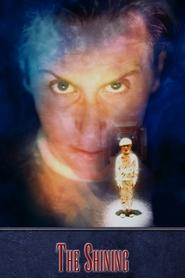
Development and the Adaptation of Stephen King
Warner Bros. executive John Calley brought King's novel to Kubrick's attention after the director had completed Barry Lyndon. Producer Jan Harlan later recalled that Kubrick initially hesitated over a horror project but became interested in the material's possibilities for unresolved supernatural events. Kubrick wrote the screenplay with novelist Diane Johnson, whose academic work included Gothic literature. Their task involved more than reducing a long book to feature length: the story's family tensions had to be conveyed through behavior and visual detail, while the Overlook's history could remain fragmentary. Harlan's account is a participant's retrospective explanation of those priorities rather than an independent record of every screenplay decision.
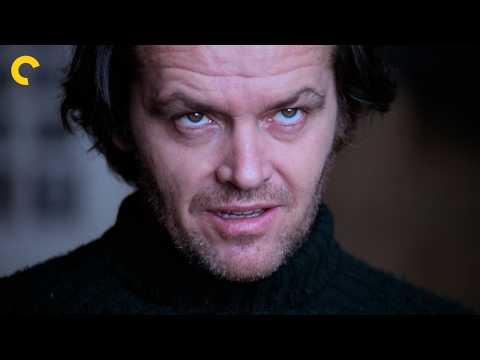
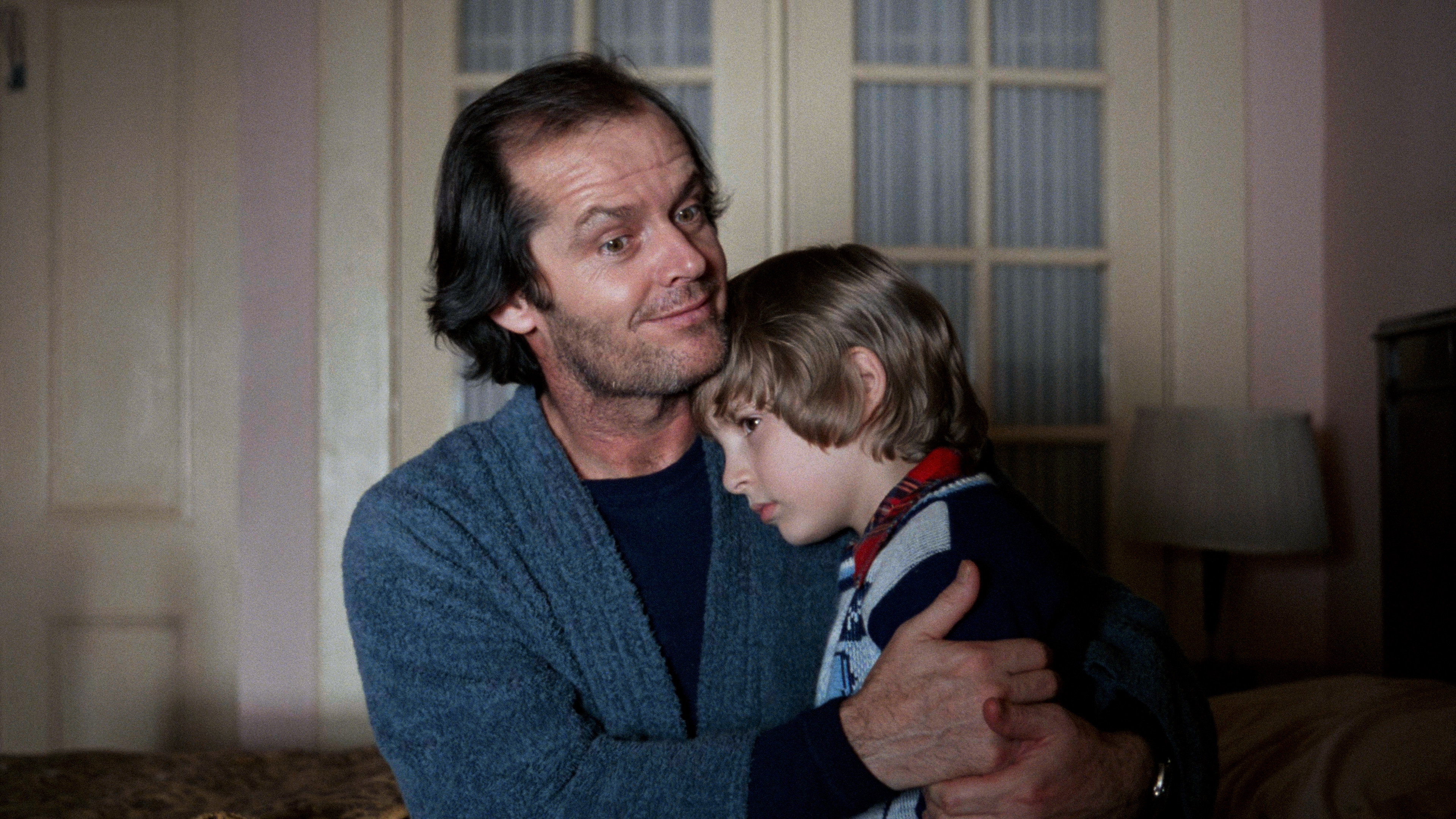
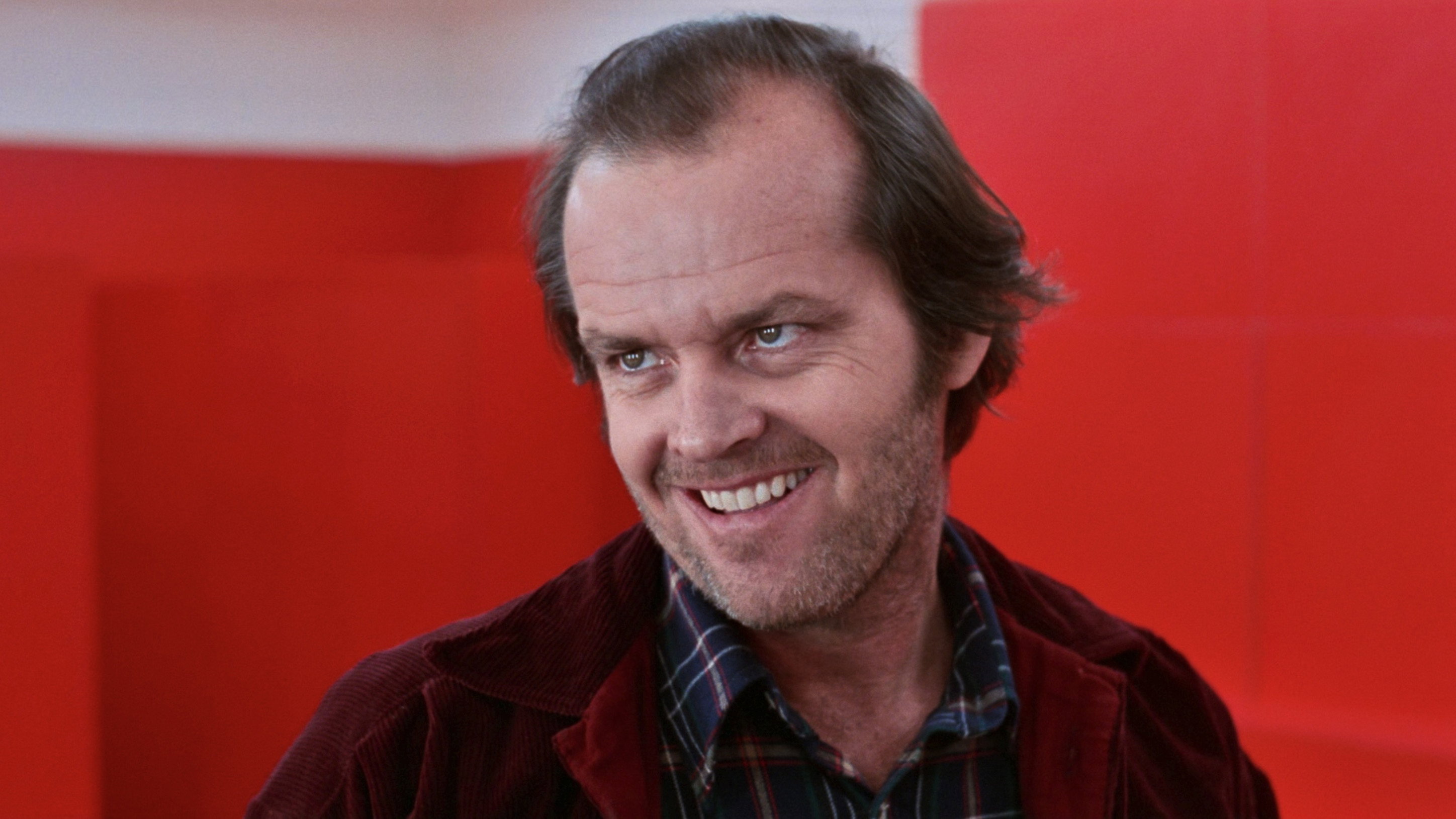
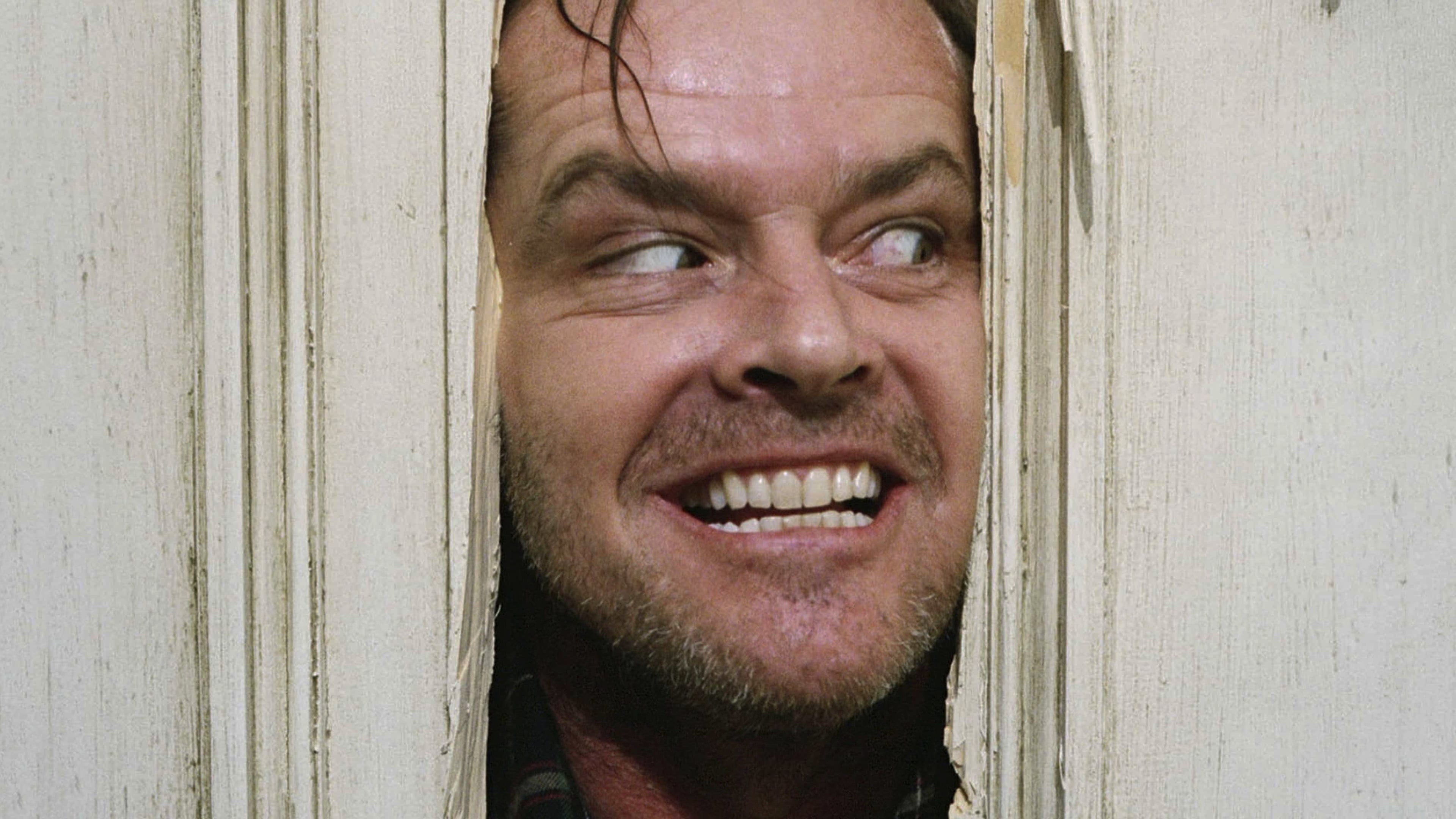
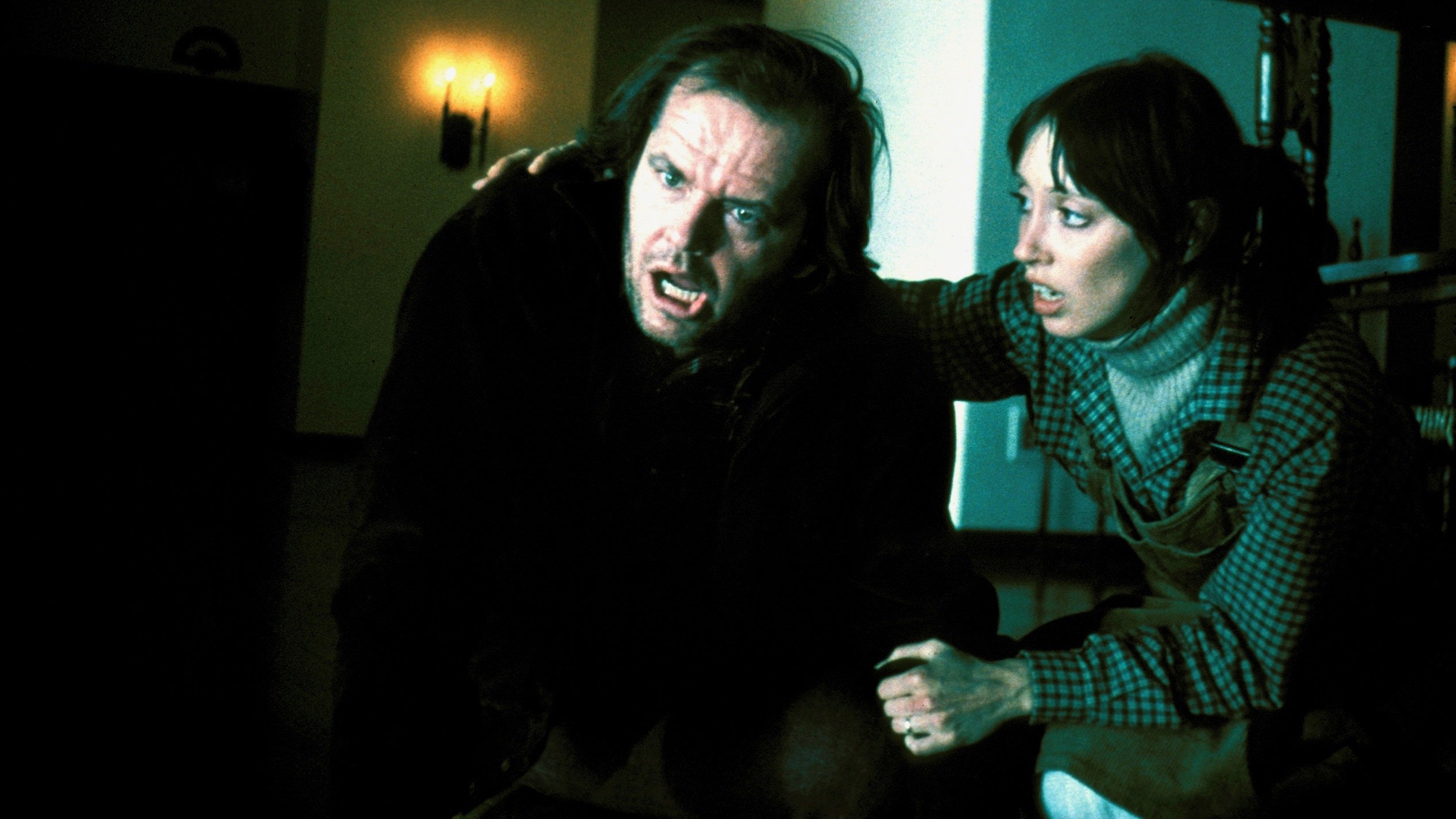
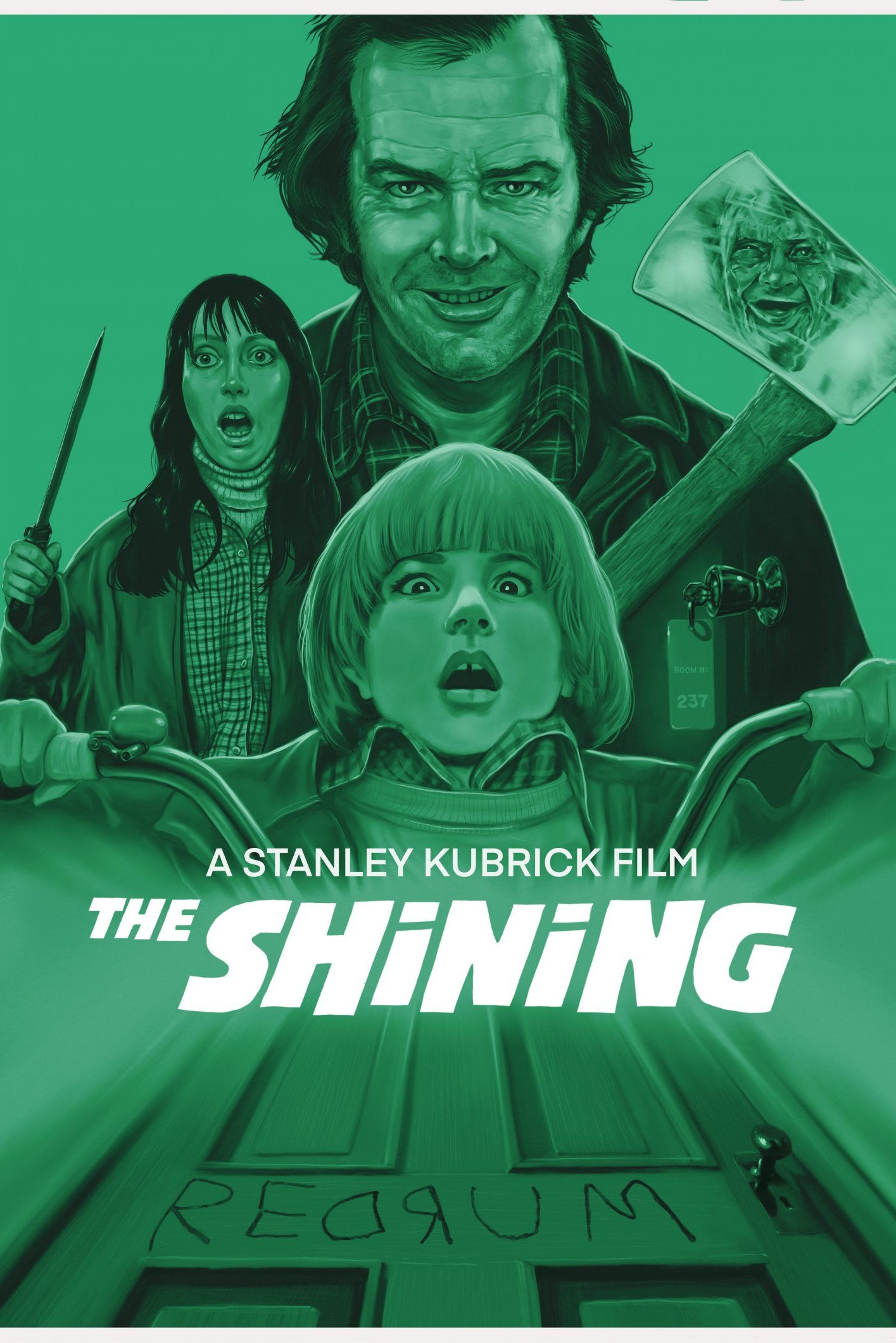
Several changes are substantial enough to define the adaptation. The book's animated topiary animals become a hedge maze, making pursuit and disorientation physical properties of a place the camera can traverse. The explosive destruction of the hotel in the novel gives way to a freezing death outdoors, and Dick Hallorann meets a different fate. Jack's alcoholism and violence remain, but Nicholson's manner can suggest menace well before the supernatural plot reaches its height. Those differences explain why the film should be examined as Kubrick and Johnson's version of King's material, not described simply as an illustrated retelling. The later disagreement over this interpretation belongs to its reception history.
The Overlook as a Designed Space
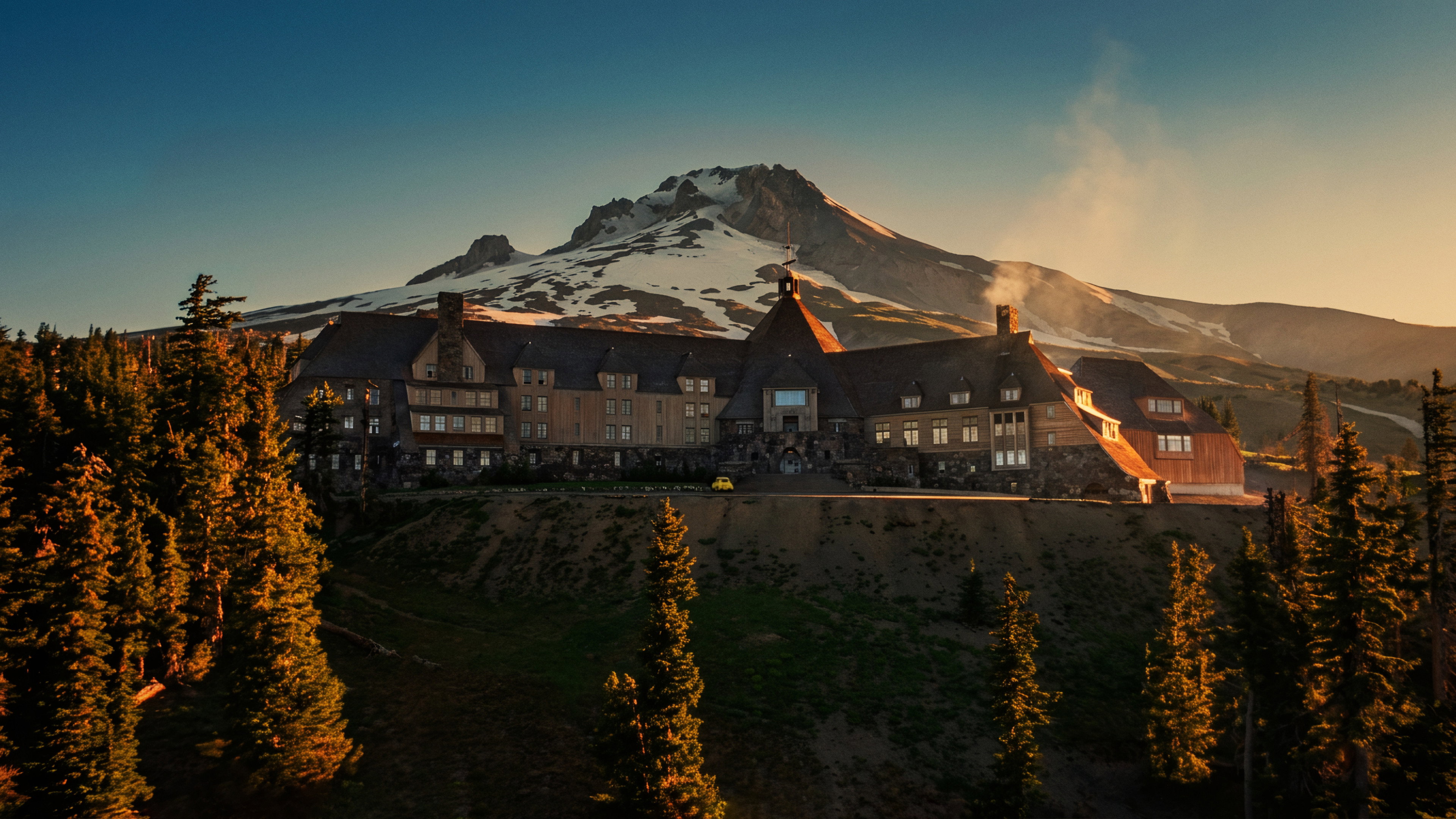
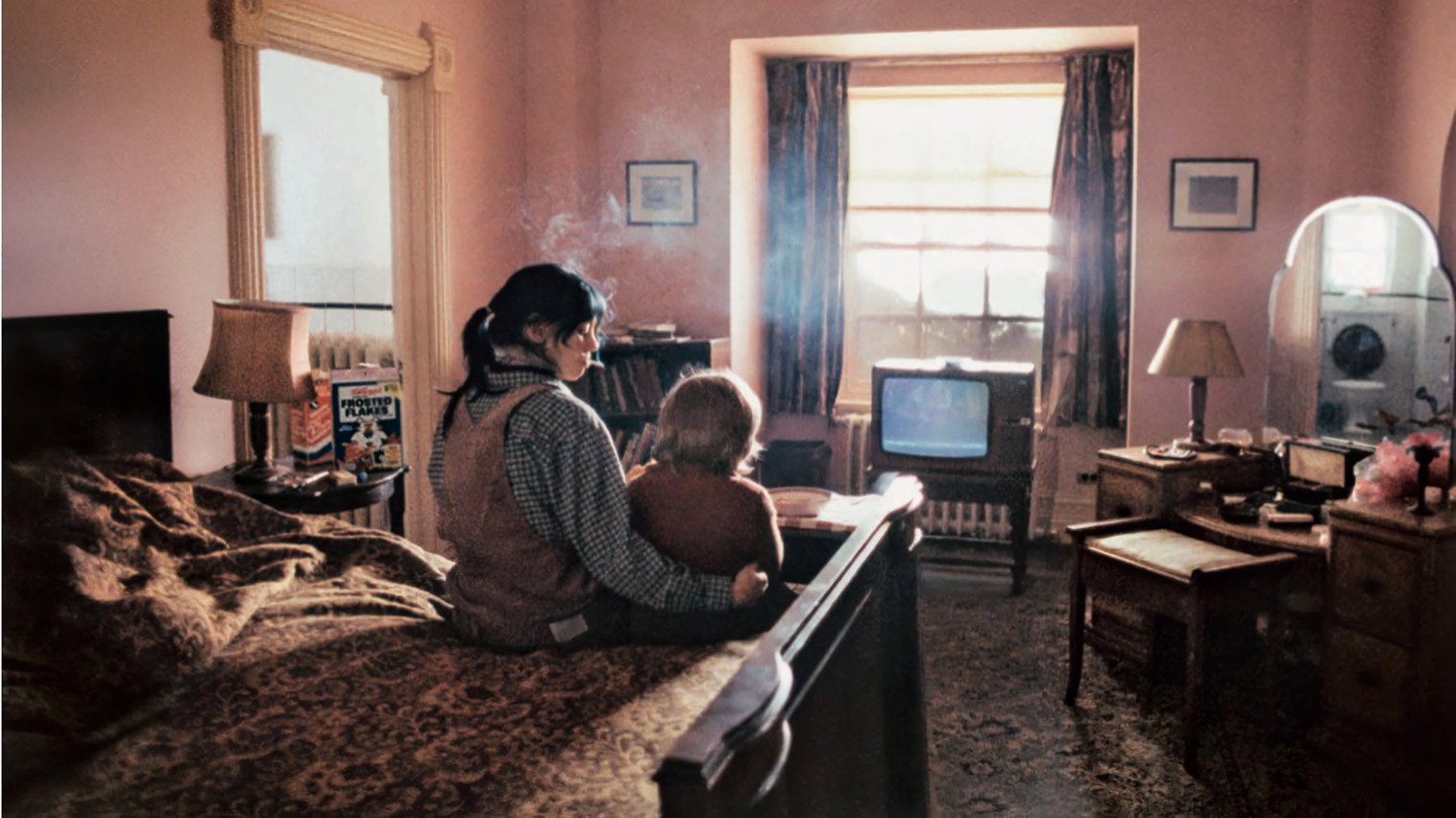
Production designer Roy Walker's hotel environments were built largely on sound stages at EMI Elstree in England. The exterior design drew upon Oregon's Timberline Lodge, whereas the interior rooms and corridors formed constructed sets. Alcott recalled that major environments, including the ballroom, lounge, family apartment and maze, were first assembled as painted cardboard models. He could place lights around these small replicas, photograph them and alter arrangements before full-size construction. This unusual preparation connected the future camera positions to the architecture from an early stage. It also allowed extensive wiring to be installed as a property of the setting rather than improvised for individual shots.
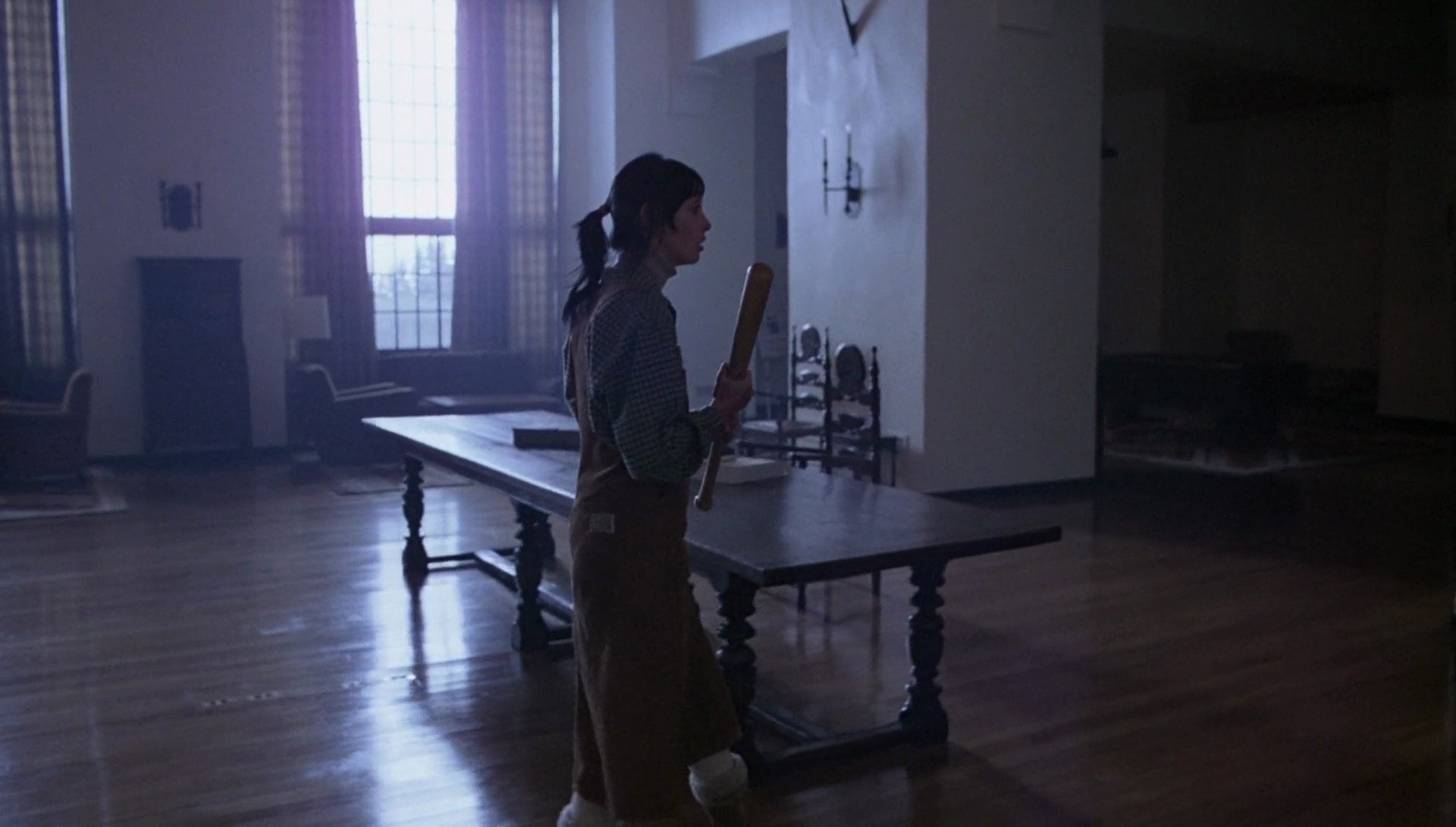
The ballroom's warm glow came from banks of lamps and controllable practical fixtures, while the halls and kitchens demanded other solutions. Alcott described placing fluorescent ballasts outside the studio spaces to prevent electrical hum from interfering with recorded sound. These techniques gave the bright public areas a usable realism even when their scale was overwhelming. A visitor can follow a sequence of rooms without mastering the building as a whole; the film repeatedly turns that mismatch into apprehension. Its maze patterns, disconnected-feeling routes and imposing empty rooms make the hotel's design an active source of horror, although theories about deliberately impossible floor plans remain interpretations rather than established statements of intention.
Steadicam and the Predatory Camera
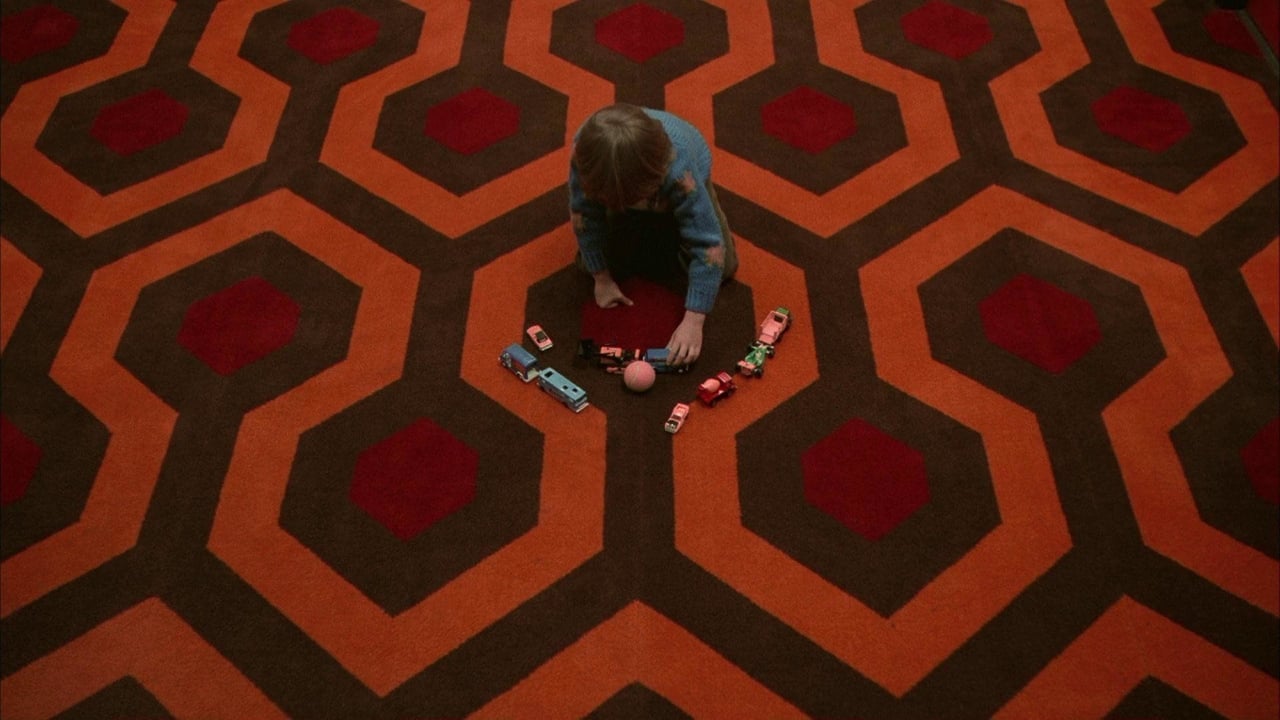
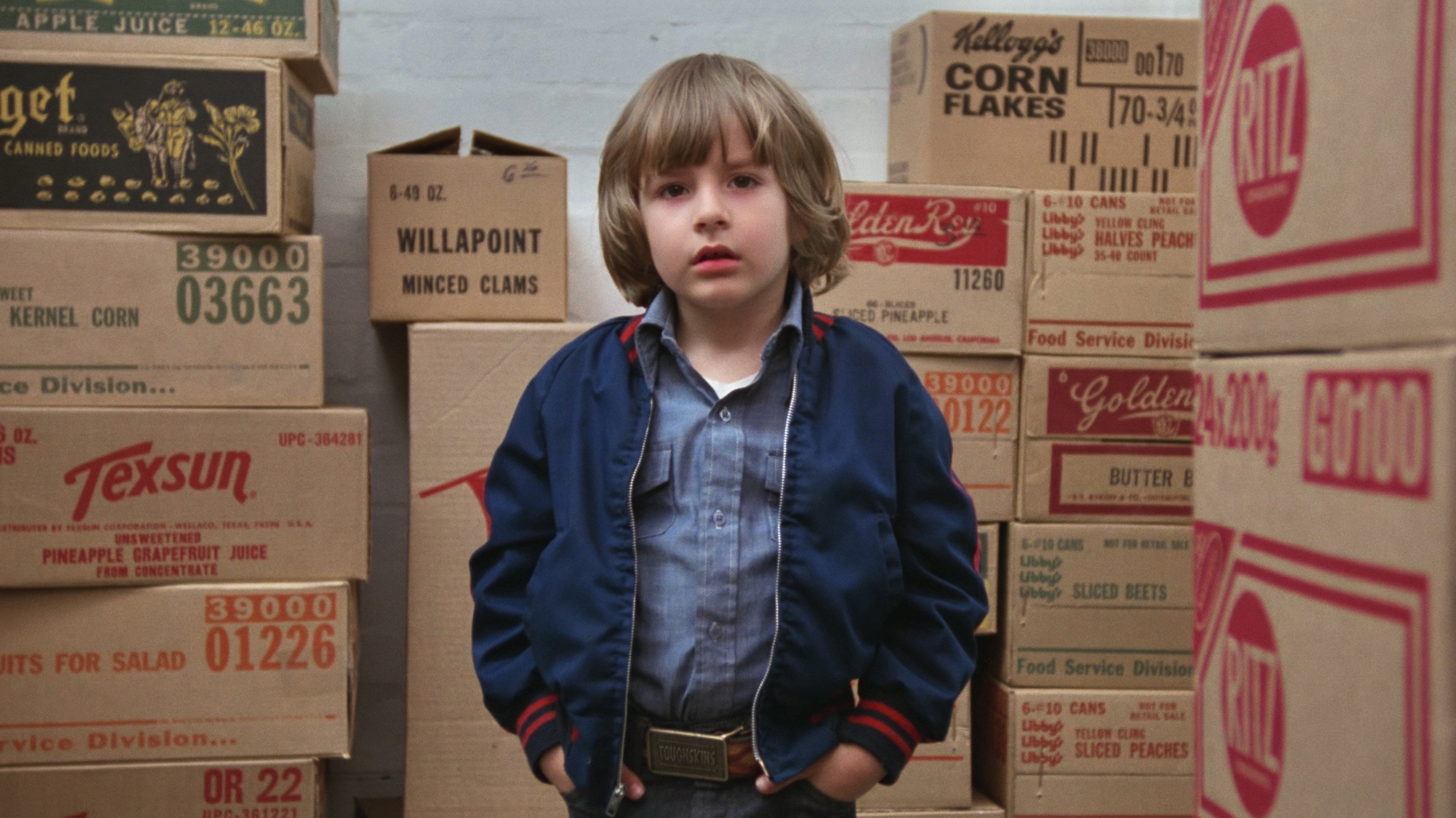
Its mobile photography became a major showcase for the Steadicam operated by its inventor, Garrett Brown. Writing about the production in American Cinematographer, Brown explained that Kubrick had studied the equipment's possibilities before the sets were finalized. New camera mounts and a modified wheelchair helped bring the lens to a child's height without the jolt and restrictions of conventional tracking equipment. Brown moved ahead of Danny's Big Wheel as it passed from carpet to hard floor, allowing the audience to inhabit the boy's forward motion. The recurring low viewpoint makes the apparently harmless act of traveling down a corridor feel like an approach toward an unseen encounter.
Brown also described practical difficulties involved in following performers through kitchens, narrow passages and the artificial snow of the outdoor maze. A lightweight Arriflex body was used for some difficult running shots, while a heavier 35BL served much of the other moving photography. Rather than a general claim that the camera technology was invented for this film, the record shows an existing stabilizing system refined and adapted to Kubrick's specific demands. The resulting shots are exceptionally smooth yet rarely reassuring. Their ability to continue around corners separates the audience's movement from the knowledge of where danger lies; apparently empty space can be inspected at length without becoming safe.
Music, Sound and Interrupted Normality
The opening titles place a beautiful mountain landscape under ominous music derived from the Dies Irae, arranged electronically by Wendy Carlos and Rachel Elkind. The contrast establishes menace before the Overlook is fully introduced. The soundtrack also incorporates twentieth-century concert works by Béla Bartók, György Ligeti and Krzysztof Penderecki, identified in the American Film Institute's production record. Rather than supplying conventional musical punctuation for every shock, these pieces create sustained unease through dissonance, clustered tones and altered rhythmic expectation. They belong to the finished film's assembled musical design, which should not be mistaken for a wholly original score written by one composer.
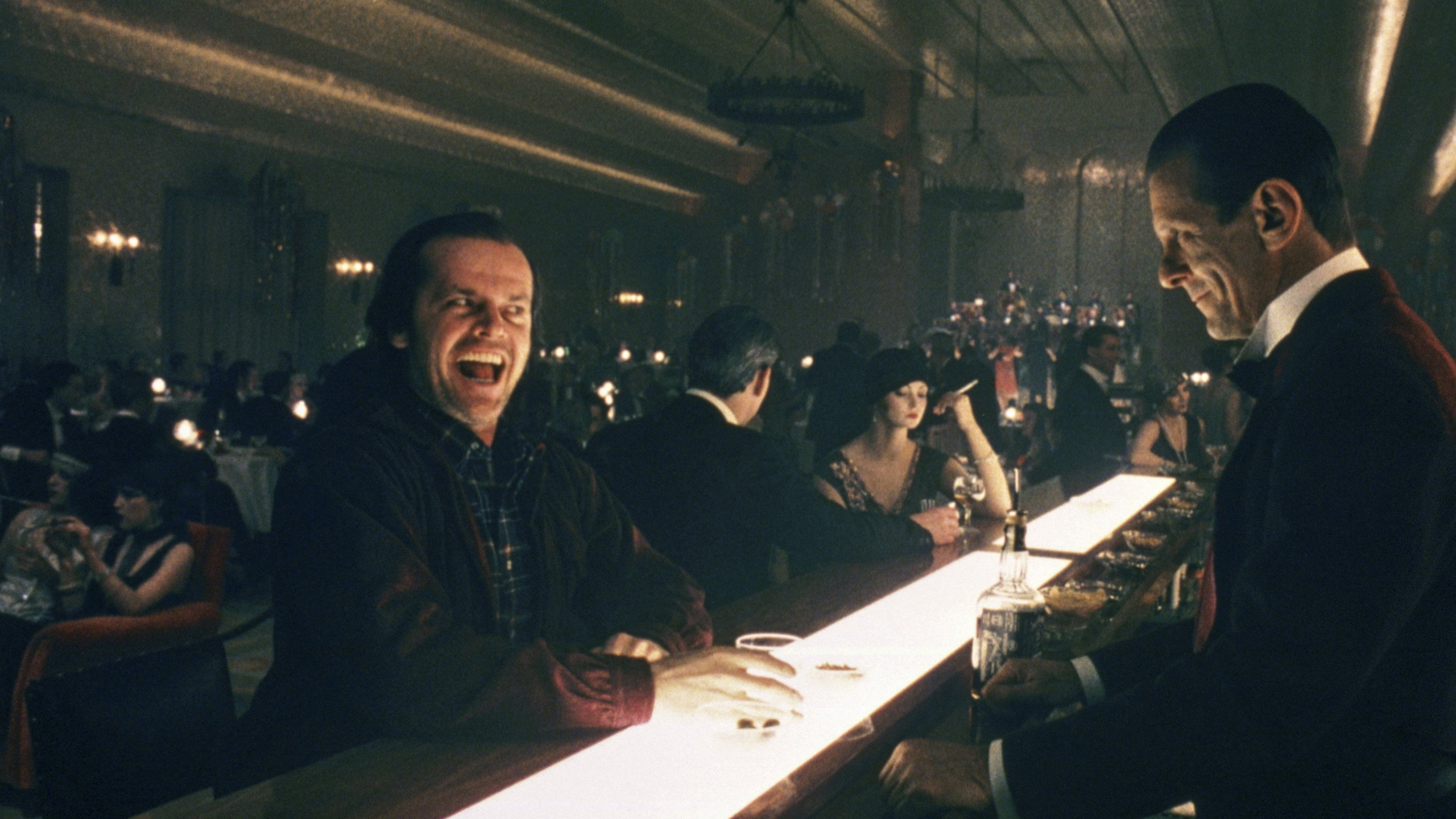
Ordinary sounds carry a comparable weight. Danny's plastic wheels change texture when they cross from carpet to bare flooring; a typewriter can become an emblem of destructive repetition; a sudden silence in a hallway asks viewers to scrutinize a space they have already seen. Harlan singled out the Big Wheel's contrasting surfaces as an example of how sound helped articulate the building. In the Gold Room, period dance music belongs to a setting that appears to restore an earlier social world, making the supernatural intrusion superficially hospitable. The film's sonic threats therefore extend beyond loud effects to the collision of familiar activities with places that no longer obey ordinary expectations.
Visions, History and the Unresolved Ending
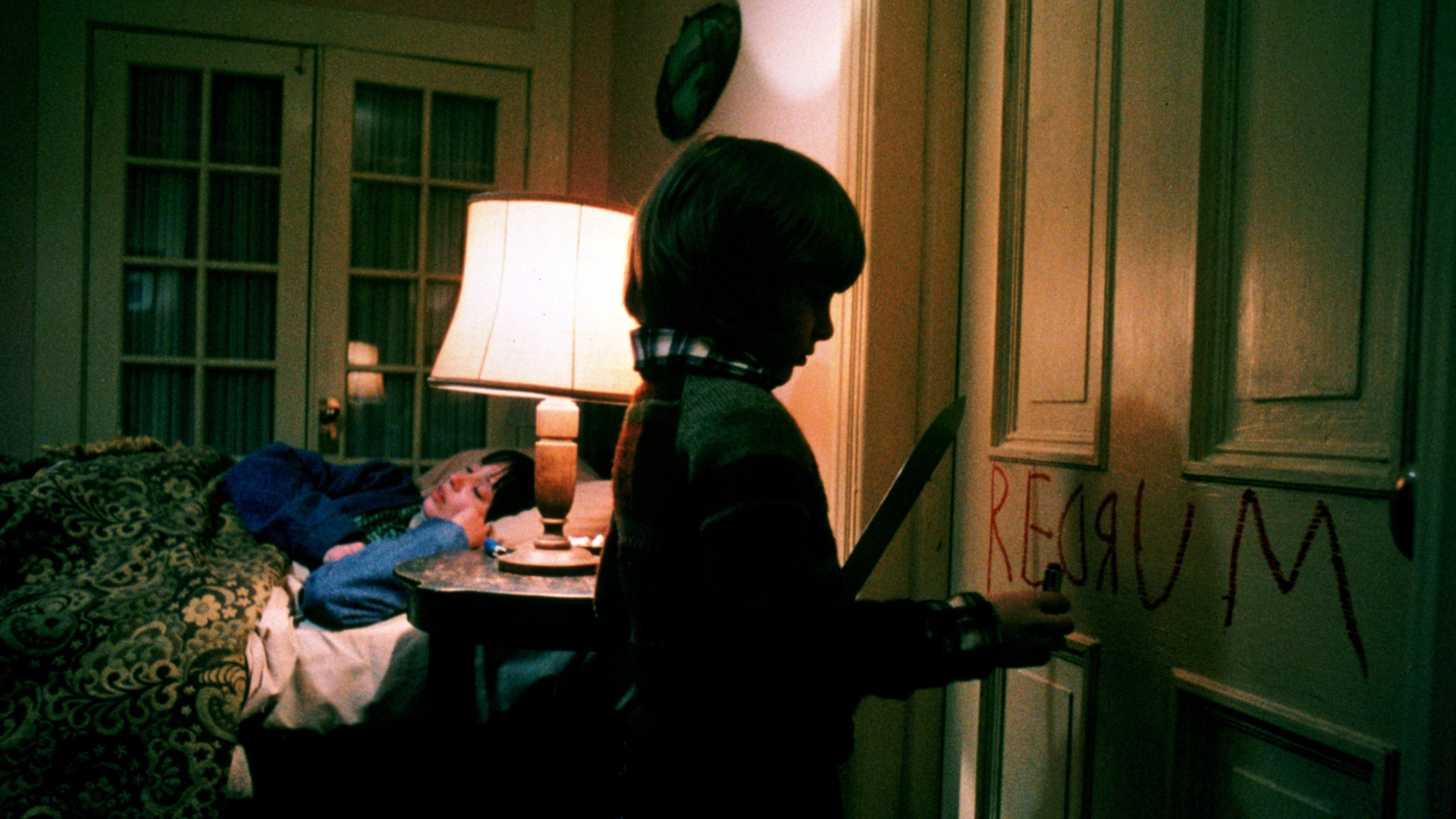
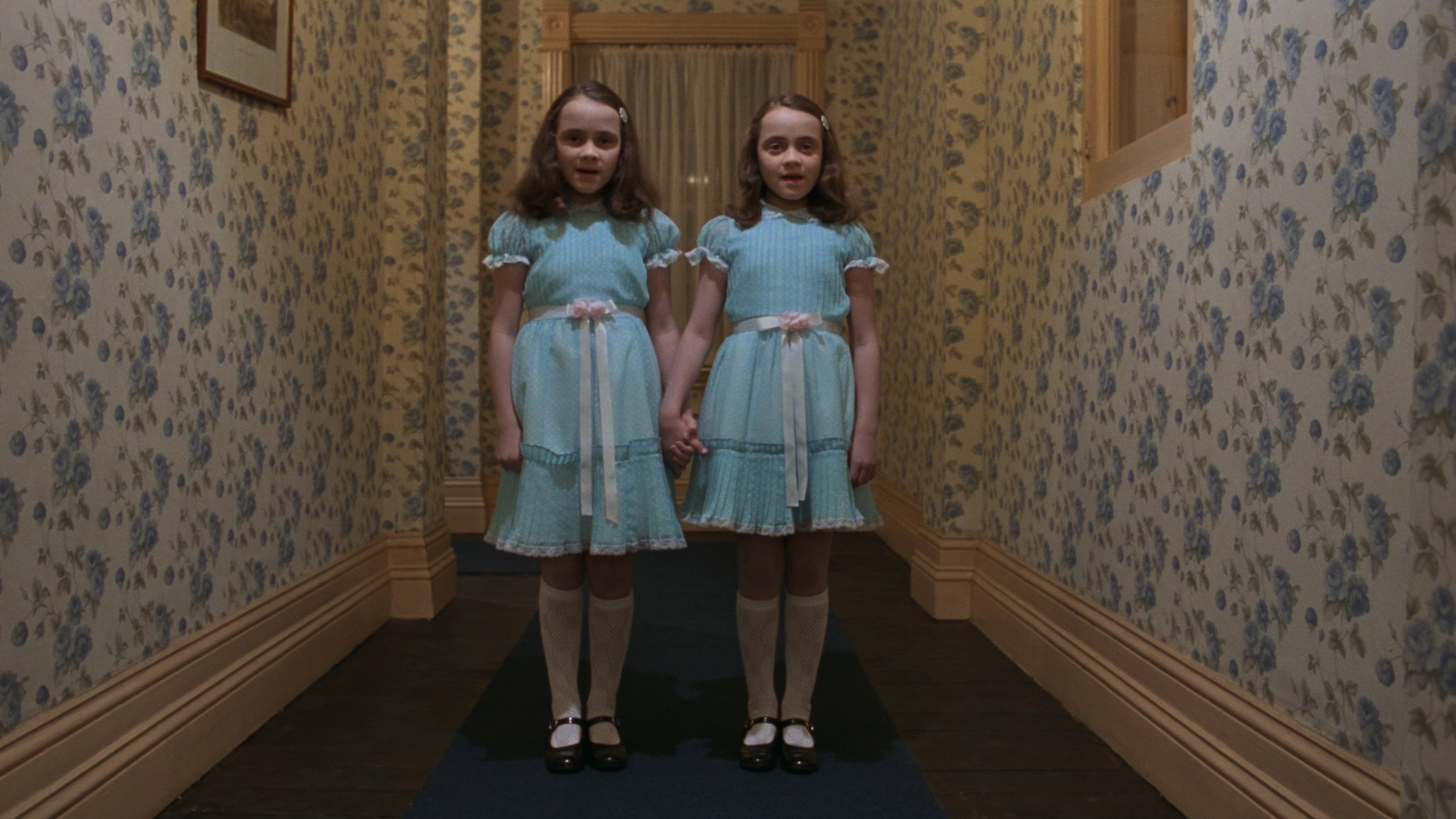
Danny's ability to see things that others cannot makes the hotel's past available without converting the film into a straightforward investigation. The two girls at the end of a corridor, the woman in Room 237 and the blood-filled elevator are images presented with different relationships to the characters' experience. Their recurrence gives the Overlook a history of violence, but the film never supplies a complete rule book for interpreting every apparition. Harlan later said that Kubrick actively wanted this uncertainty, an account consistent with the finished work but still a retrospective statement of creative intent. No explanation based on a single hidden code has documentary priority over the images on screen.
The closing photograph offers one final disruption to chronological certainty. Jack appears among guests at a 1921 celebration, although the story has shown him arriving decades later. The image can support several readings about repetition, absorption and identity, but it does not confirm them as factual solutions. The immediate dramatic resolution is less obscure: Wendy and Danny escape, while Jack dies in the maze. This distinction between what the narrative establishes and what its imagery invites viewers to infer helps preserve the film's power without misrepresenting speculation as production history. The ending is open in meaning while remaining precise about the fate of the family.
Theatrical Versions and Original Reception
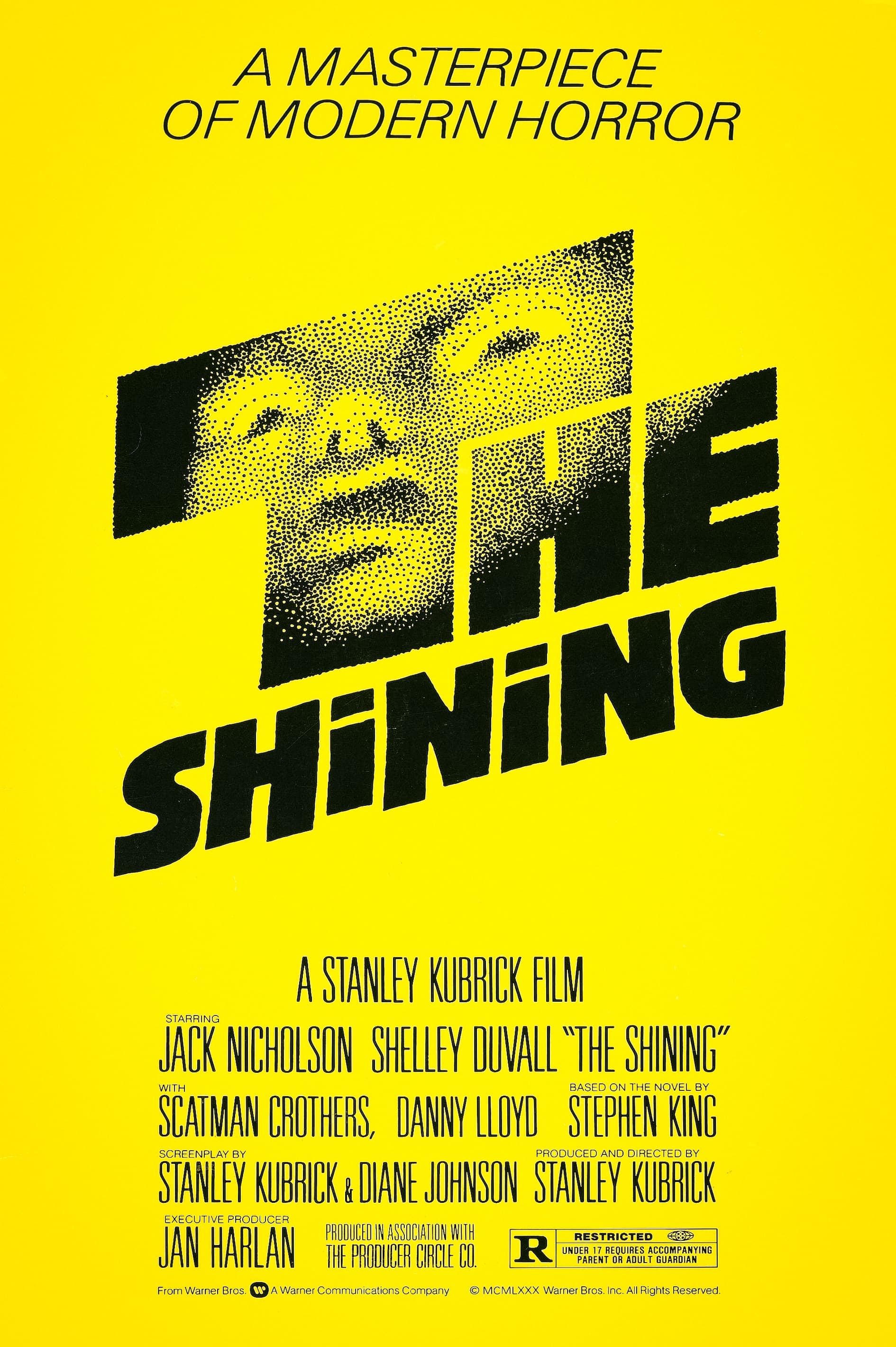
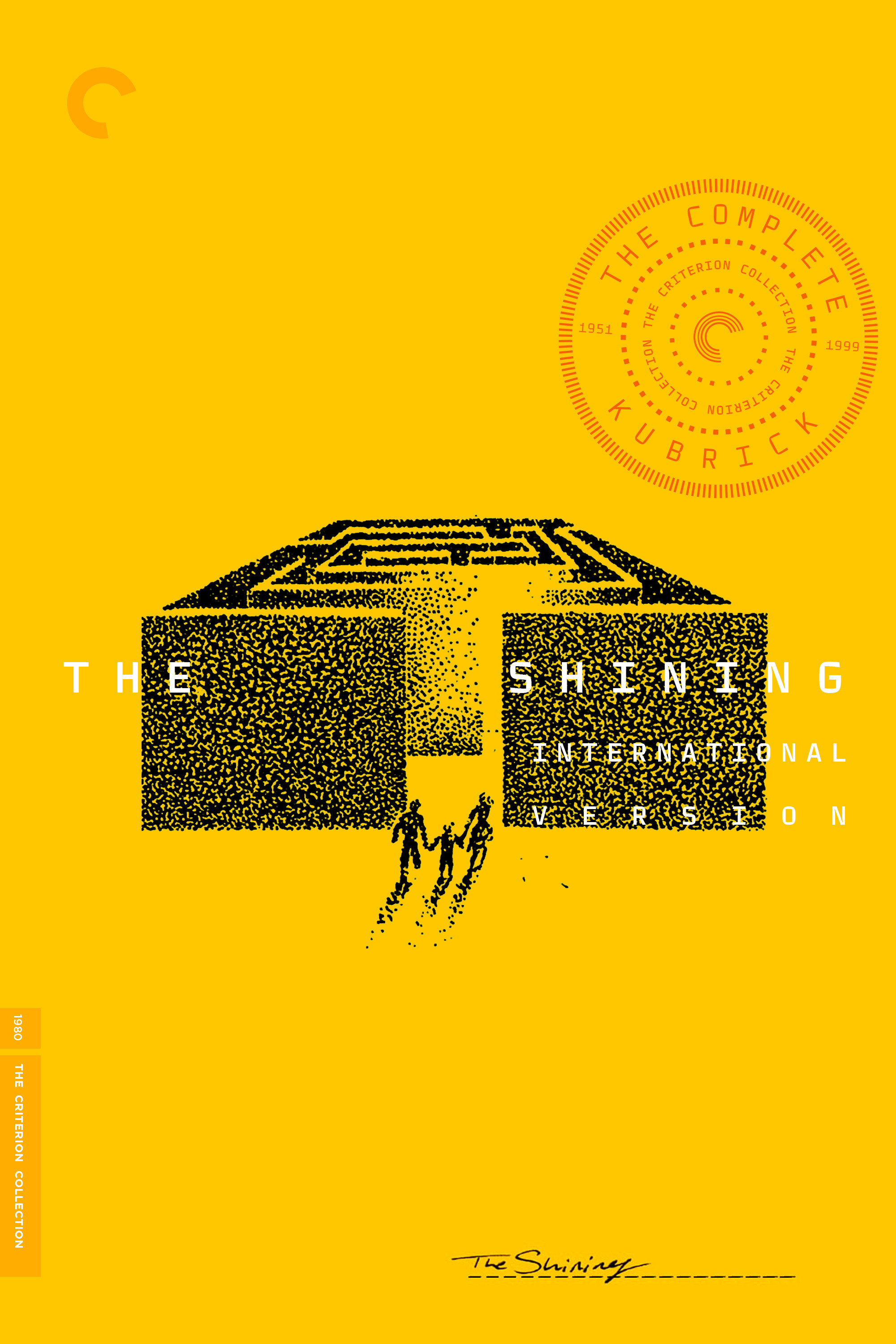
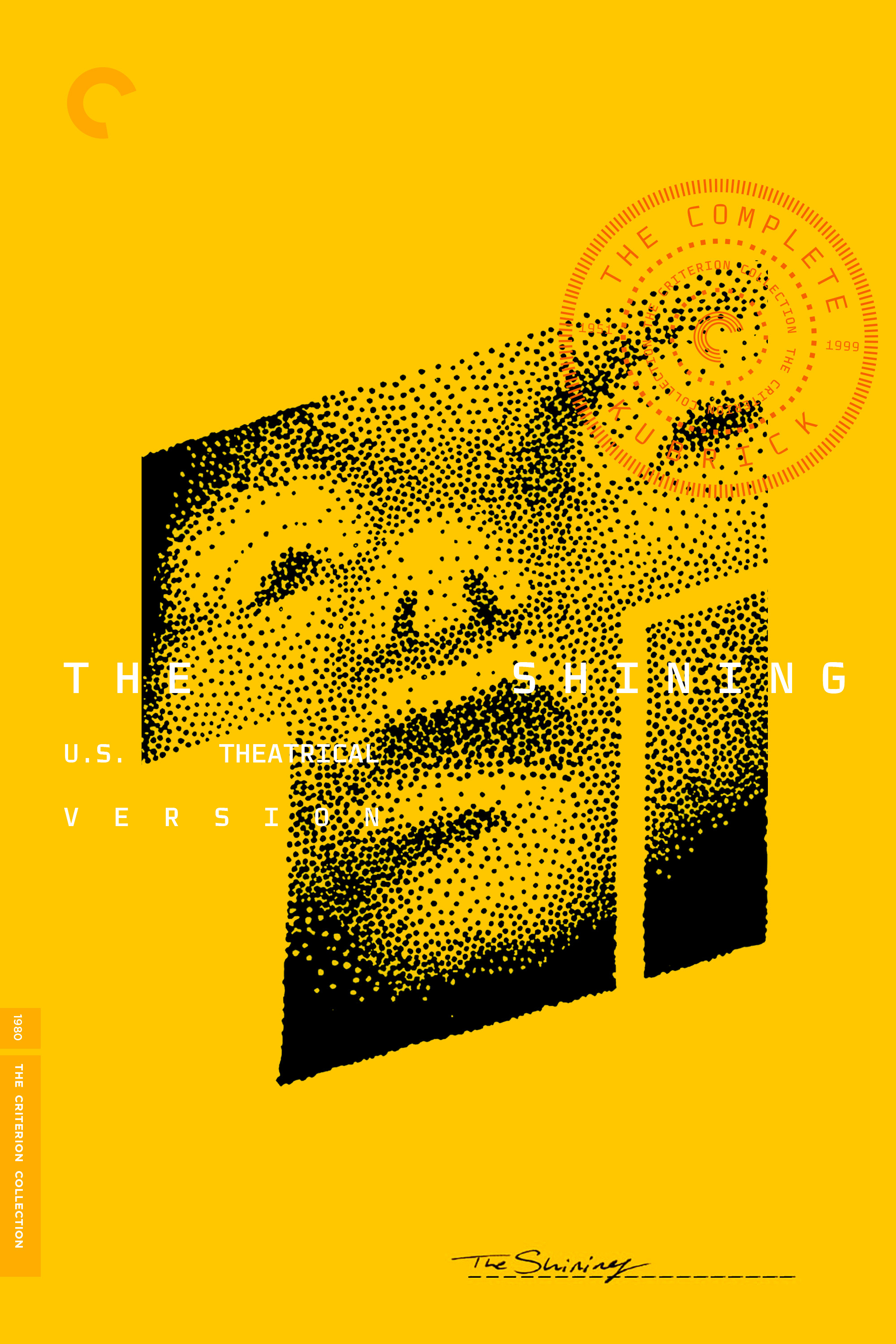
The Shining opened in New York and Los Angeles on May 23, 1980, before wider American engagements. The AFI catalog documents the immediate commercial attention and reviews that questioned Kubrick's command of horror, while also recording praise for the photography and design. Following early screenings, Kubrick removed a short hospital epilogue involving Wendy and the hotel manager. The film later circulated in a roughly 144-minute North American cut and a substantially shorter international edition of around 119 minutes. Harlan recalled that the latter resulted from Kubrick's decision to tighten the material, rather than from a straightforward act of outside censorship.
The existence of two authorized versions matters when comparing critical judgments and individual scenes. Richard Combs, writing in Sight and Sound at the time, found the film both visually commanding and troublingly remote, questioning how its vast spaces related to its psychological terror. His analysis shows that early criticism was more specific than a simple division between people who liked and disliked horror. Other contemporary reviewers objected to the obscurity of the supernatural explanation while admiring the craft. Later restorations and theatrical reissues have made the longer version more available internationally, but altered running times should always be identified by market and presentation rather than combined into a single supposed original.
Place in Horror History
The film's position in horror history can be documented through the sustained discussion of its visual approach and its later standing in film culture. Brown's published production account established how closely its camera movements were integrated with set construction, and Alcott described lighting decisions intended to survive motion through entire rooms. These technical testimonies allow a specific account of influence: the film became a widely studied demonstration of how camera movement could organize dread in an interior environment. The assertion is narrower and more useful than attributing every later corridor pursuit or haunted hotel to Kubrick without evidence from the filmmakers concerned.
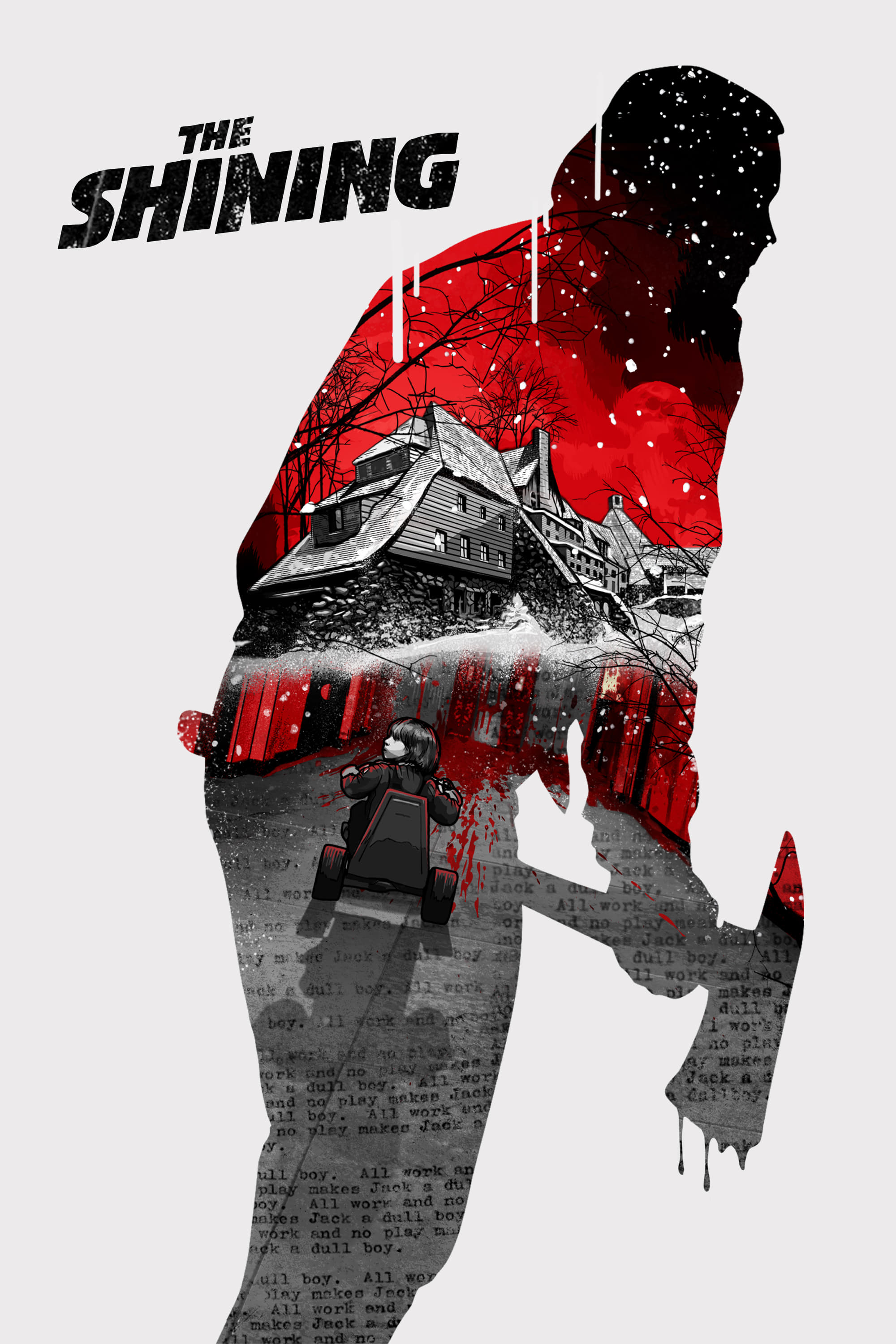
Critical reevaluation is also visible in institutional records. The British Film Institute lists The Shining among the leading films in the 2022 Sight and Sound critics' poll, a striking contrast with the reservations expressed in the magazine's original review. Its recurring images - the corridor twins, the blood-red elevator and the snowbound maze - have become part of the shared iconography of screen horror. Their wide recognition should still be separated from individually documented artistic influence. What the film demonstrably achieved is an enduring conjunction of family threat, disorienting hotel architecture and mobile cinematography, making uncertainty itself a durable subject for horror analysis.