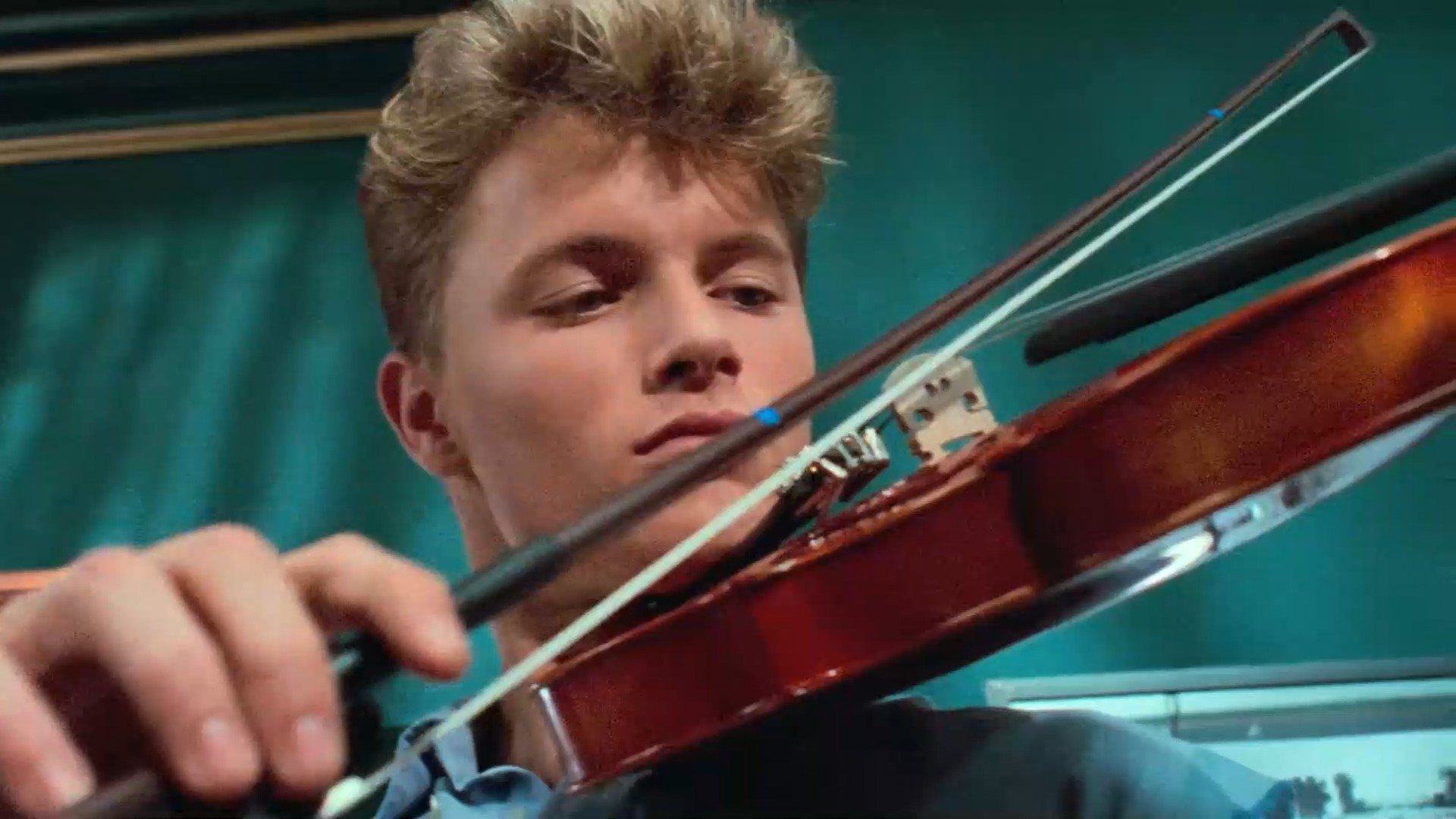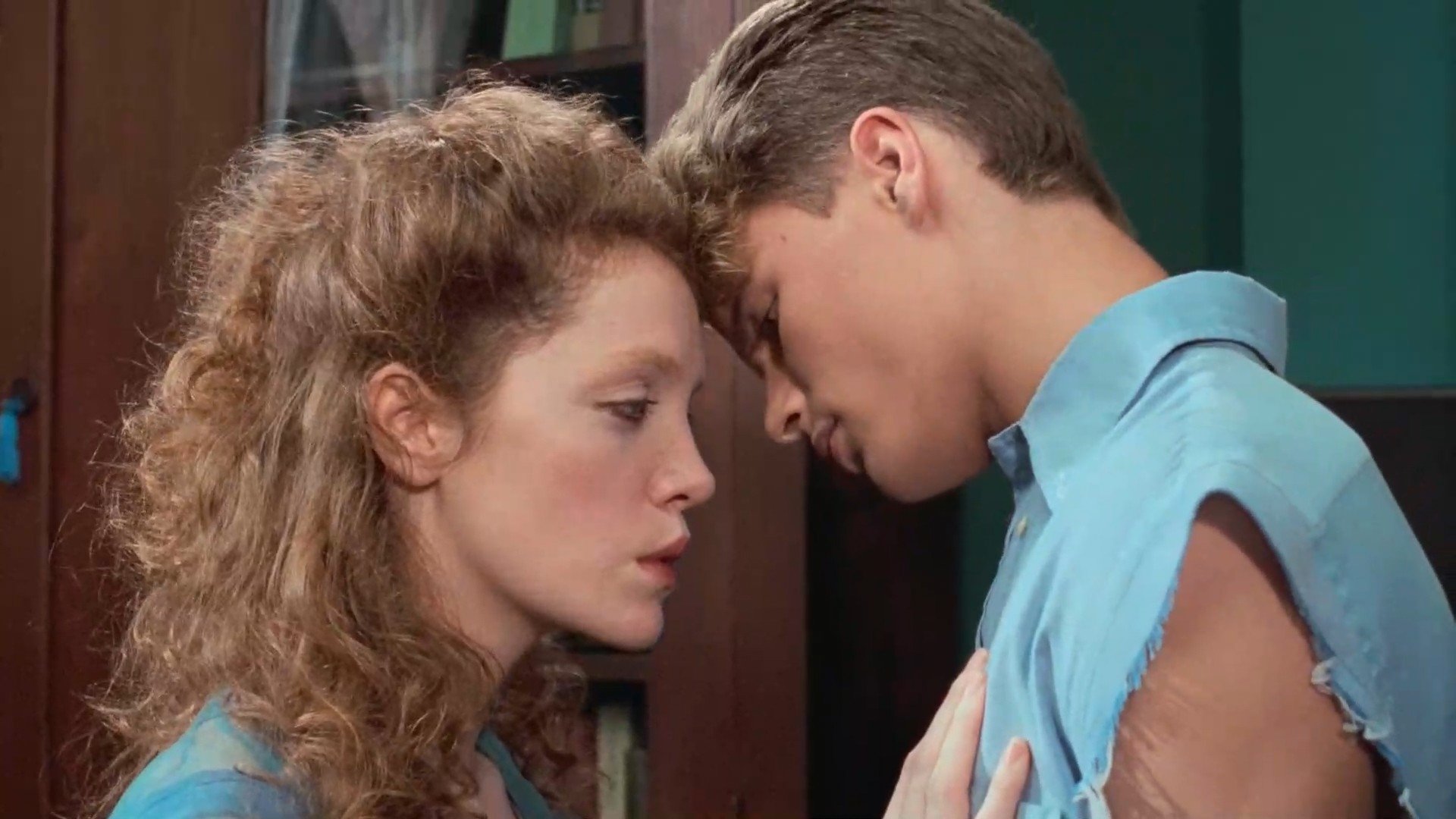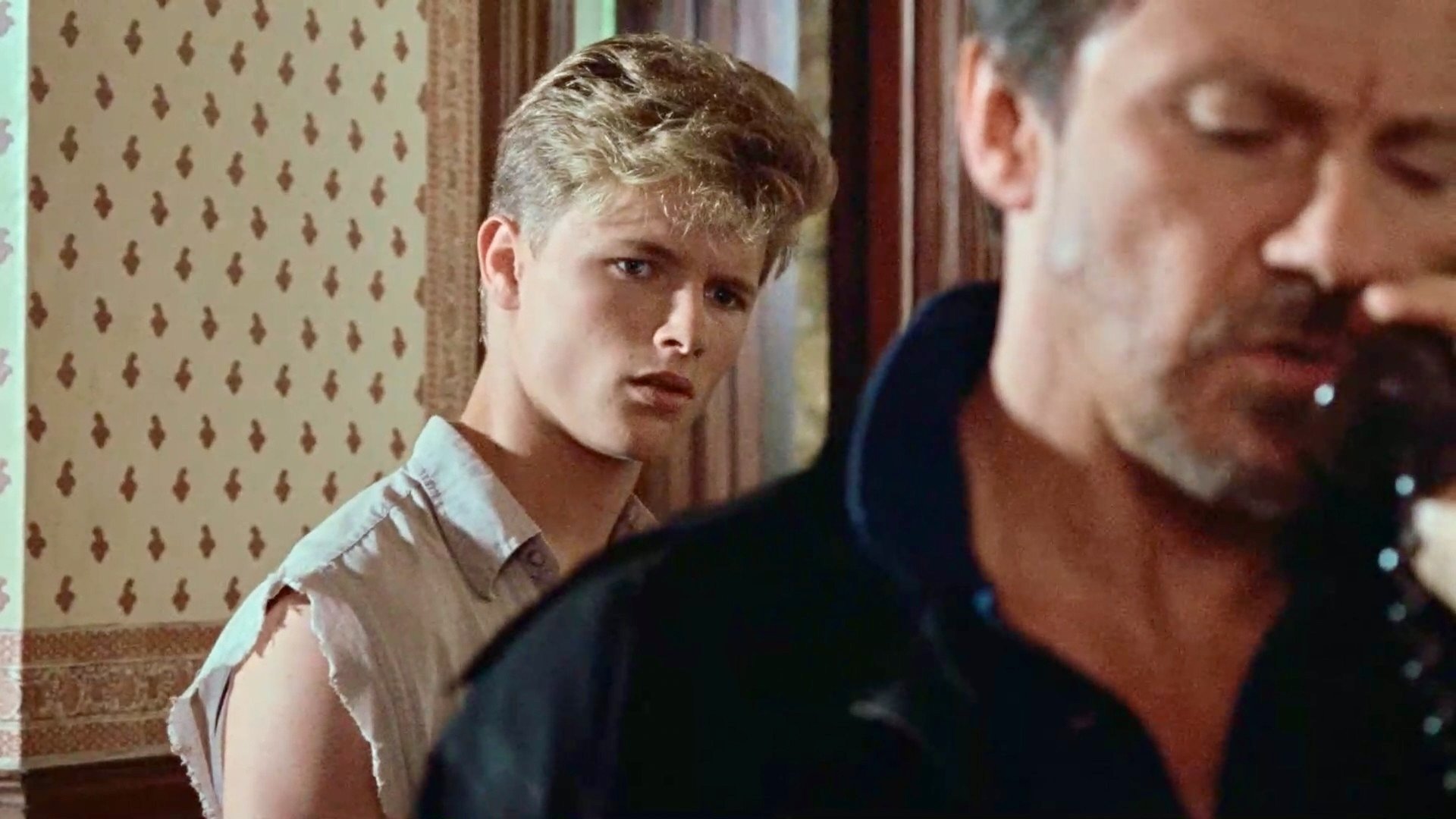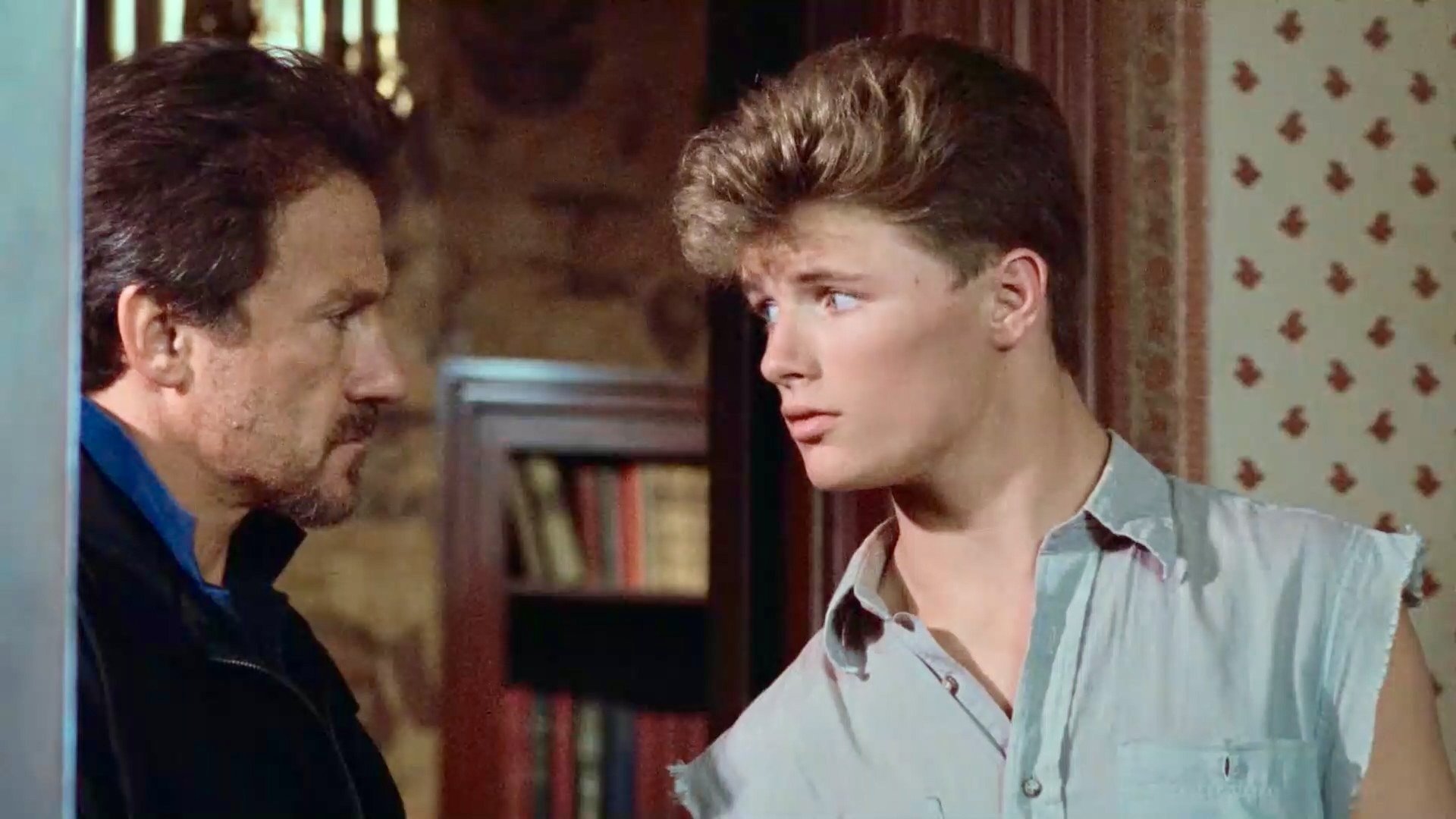
Two Evil Eyes (1990)

US
5.7/10 6 votes
Runtime
120 min
Release
January 25, 1990
Budget
$9,000,000
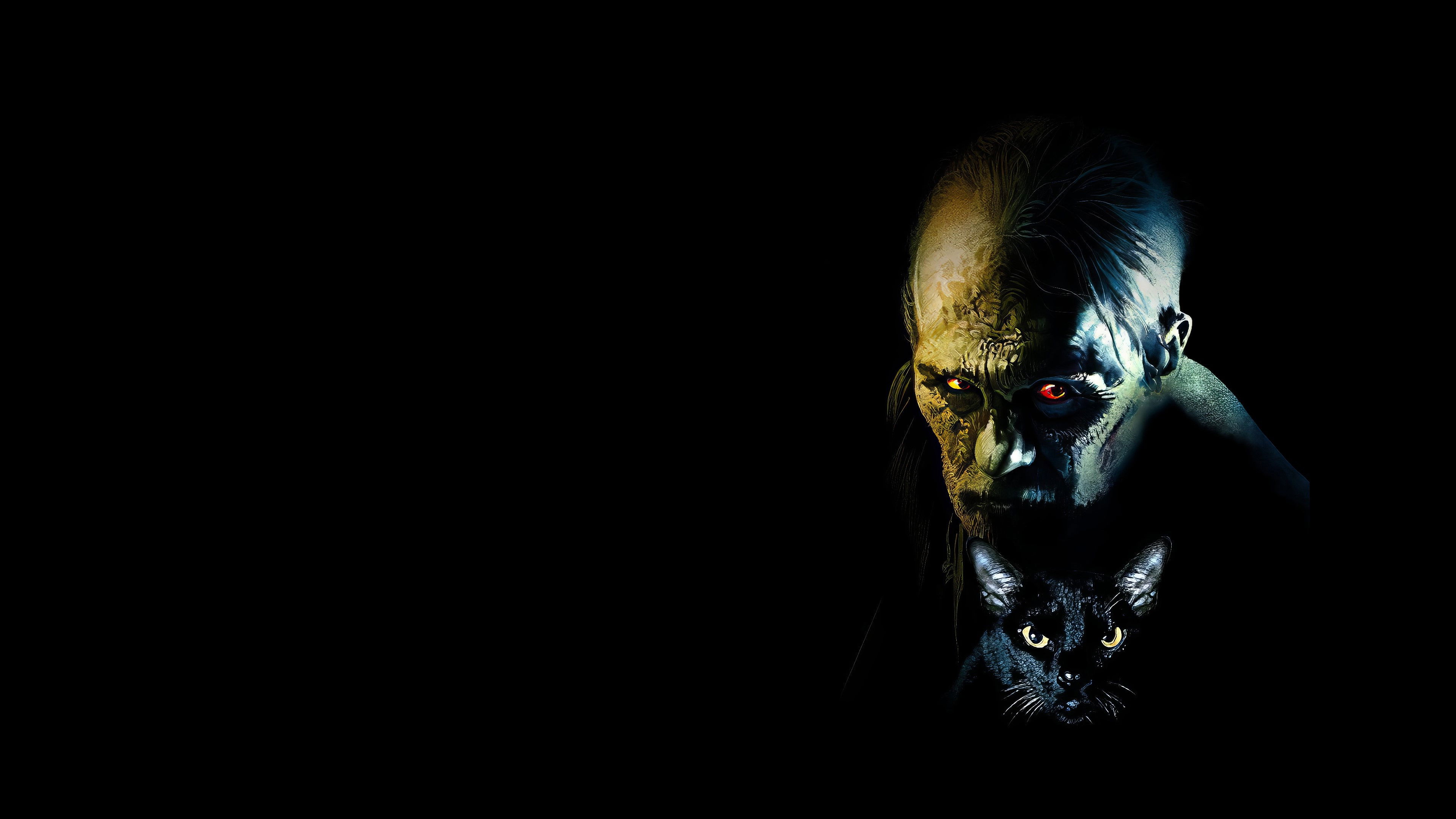
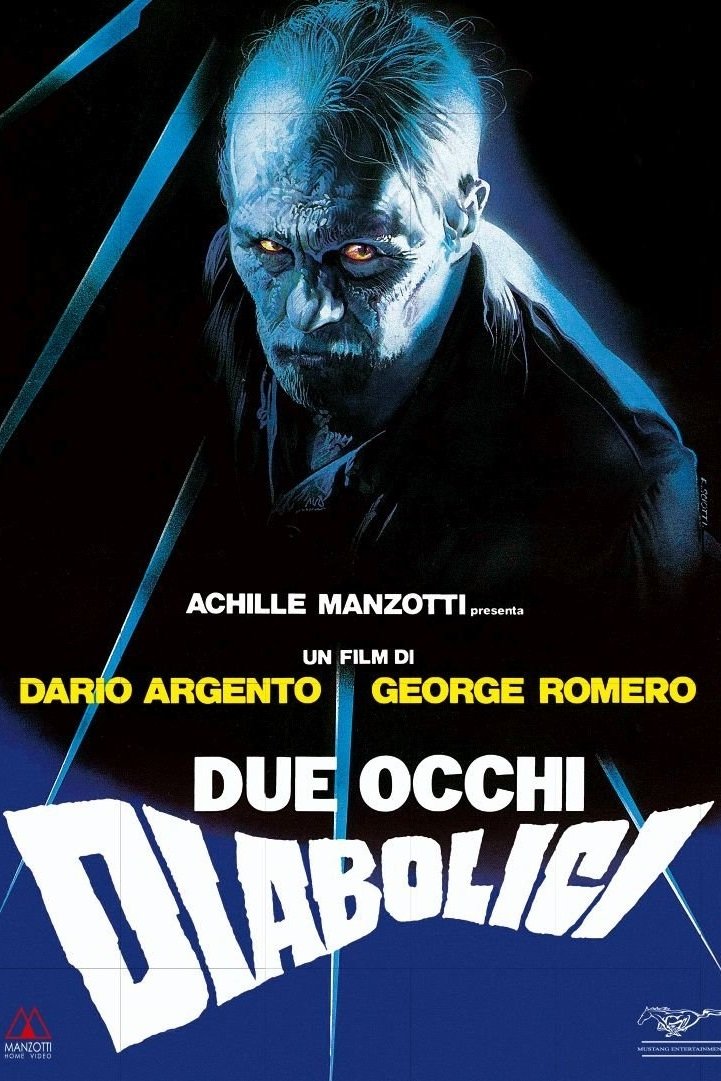
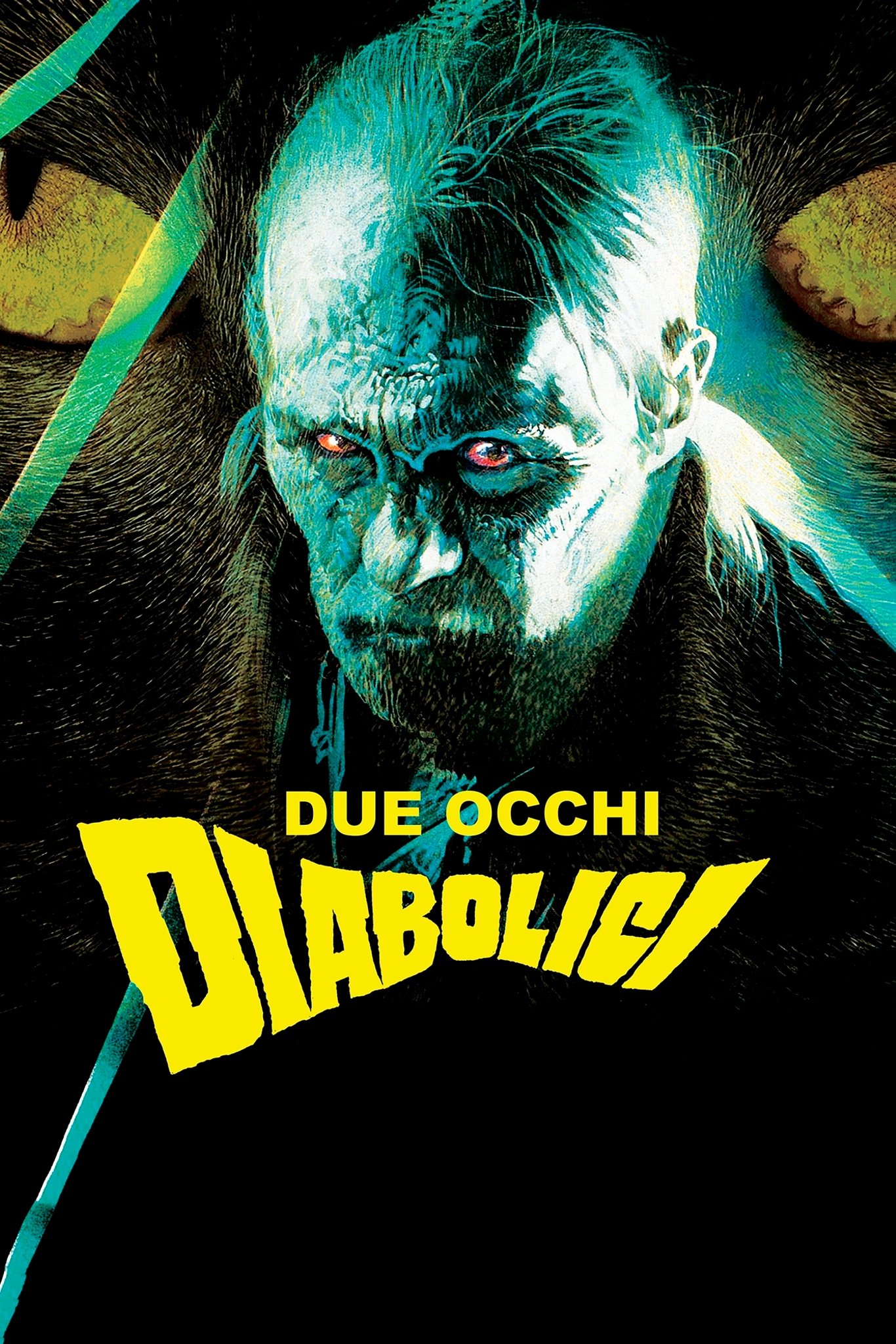
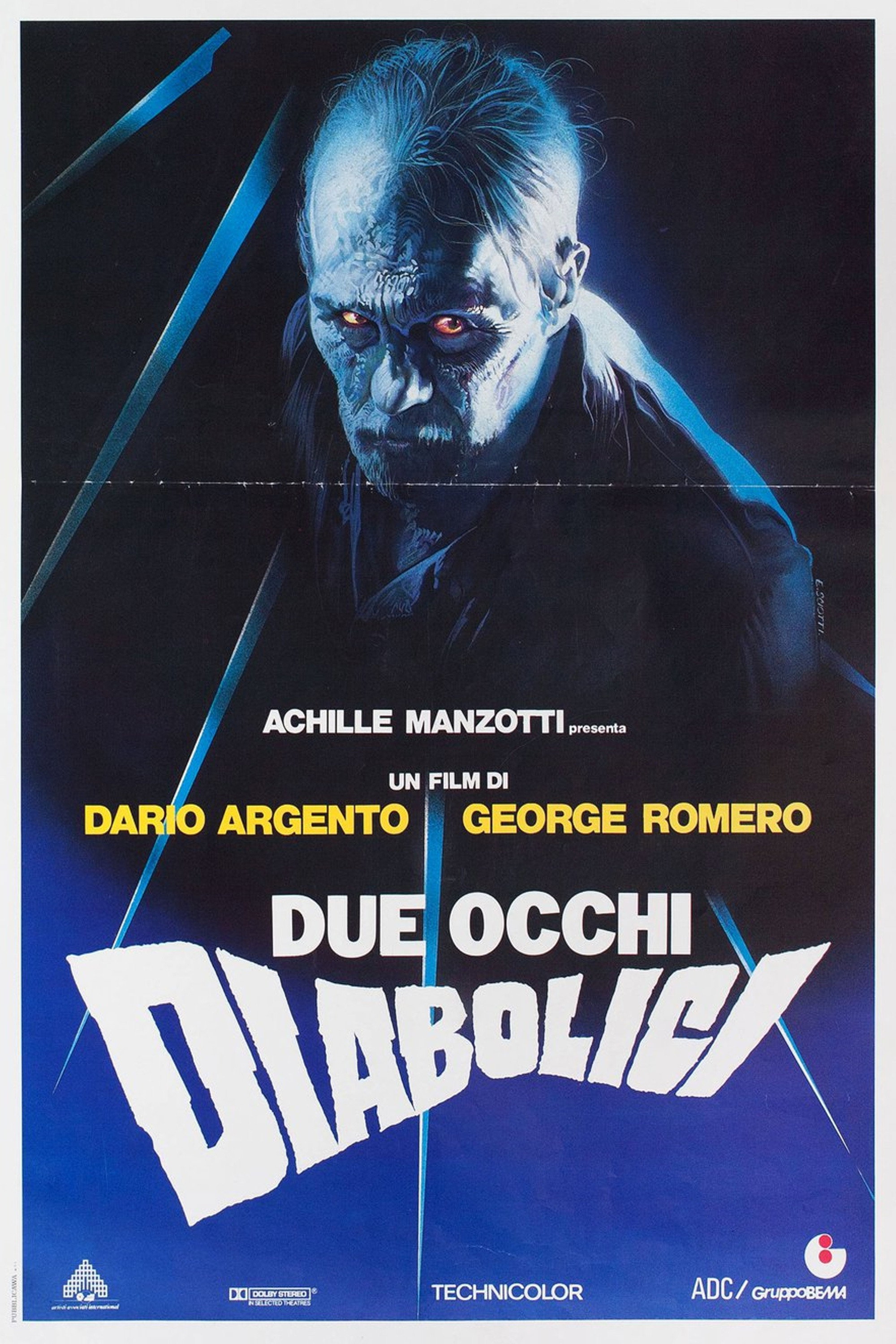
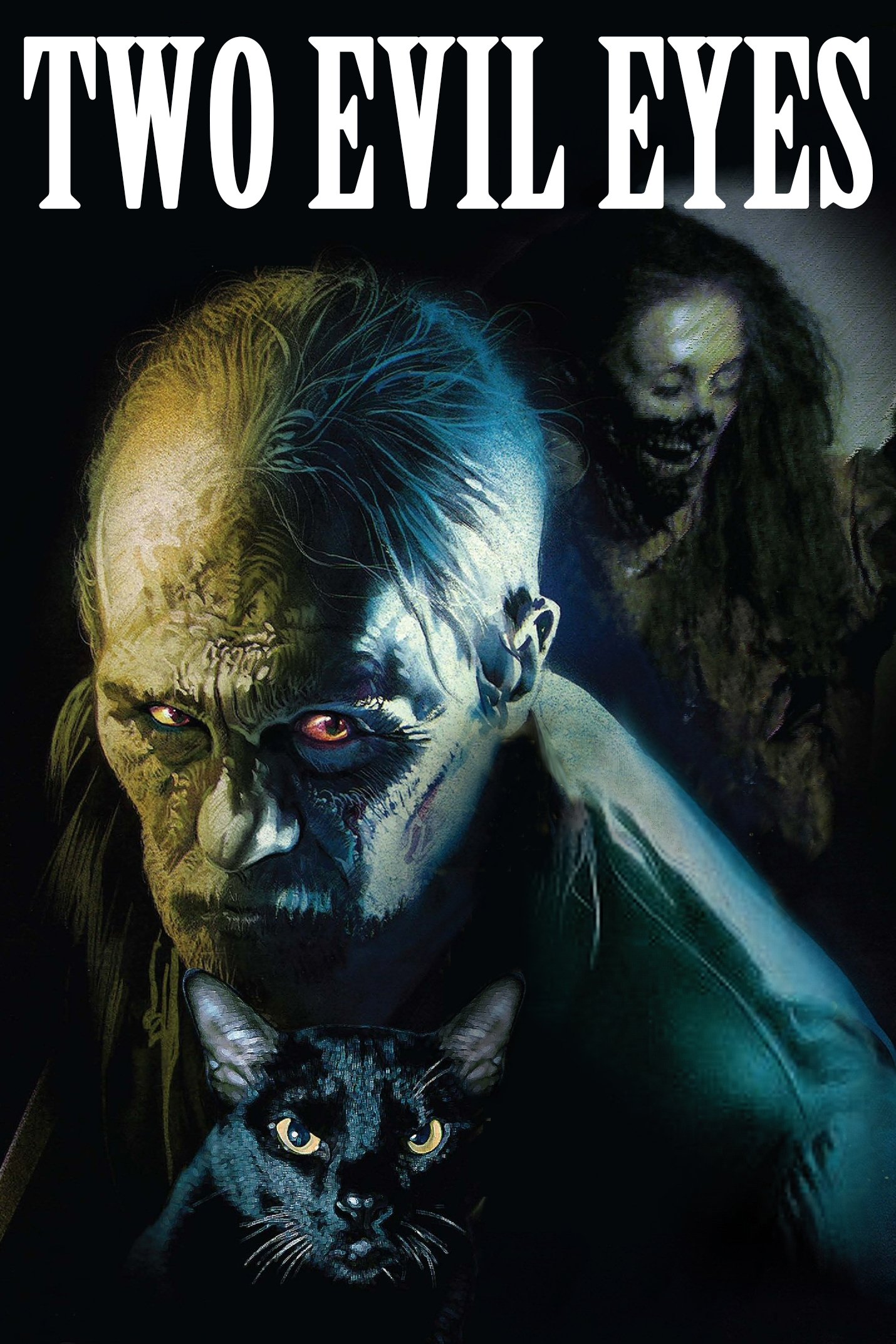
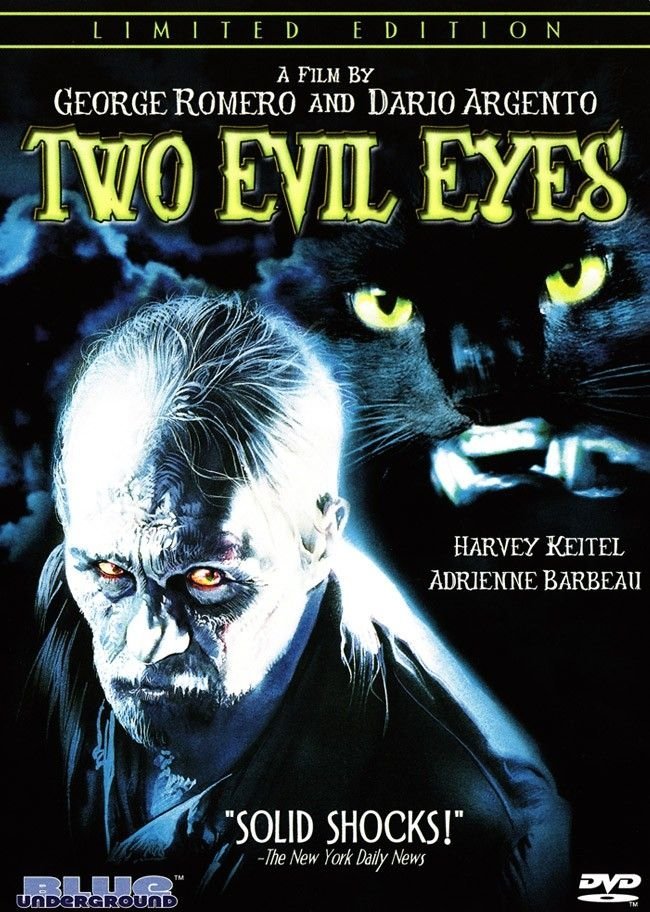
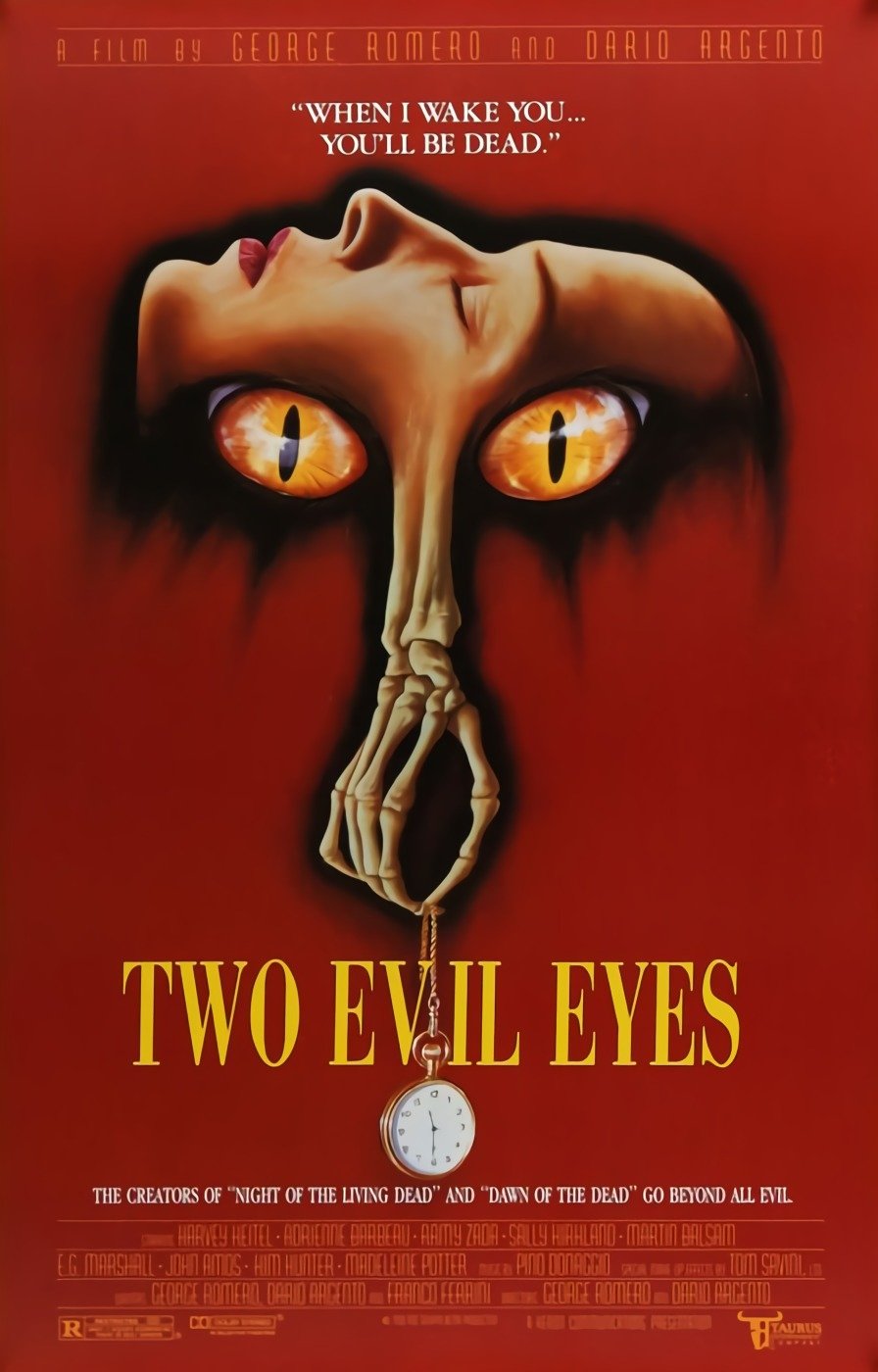
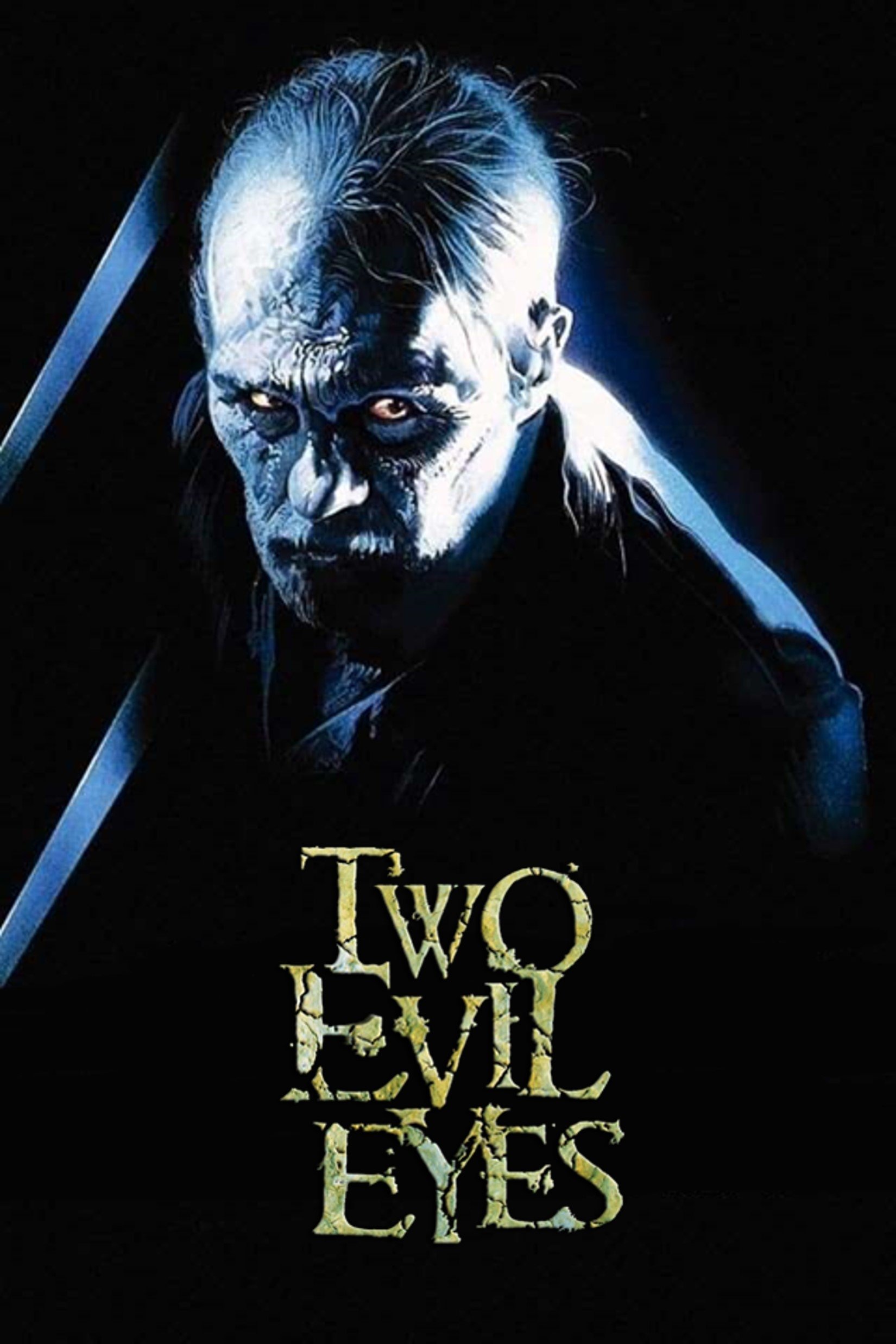
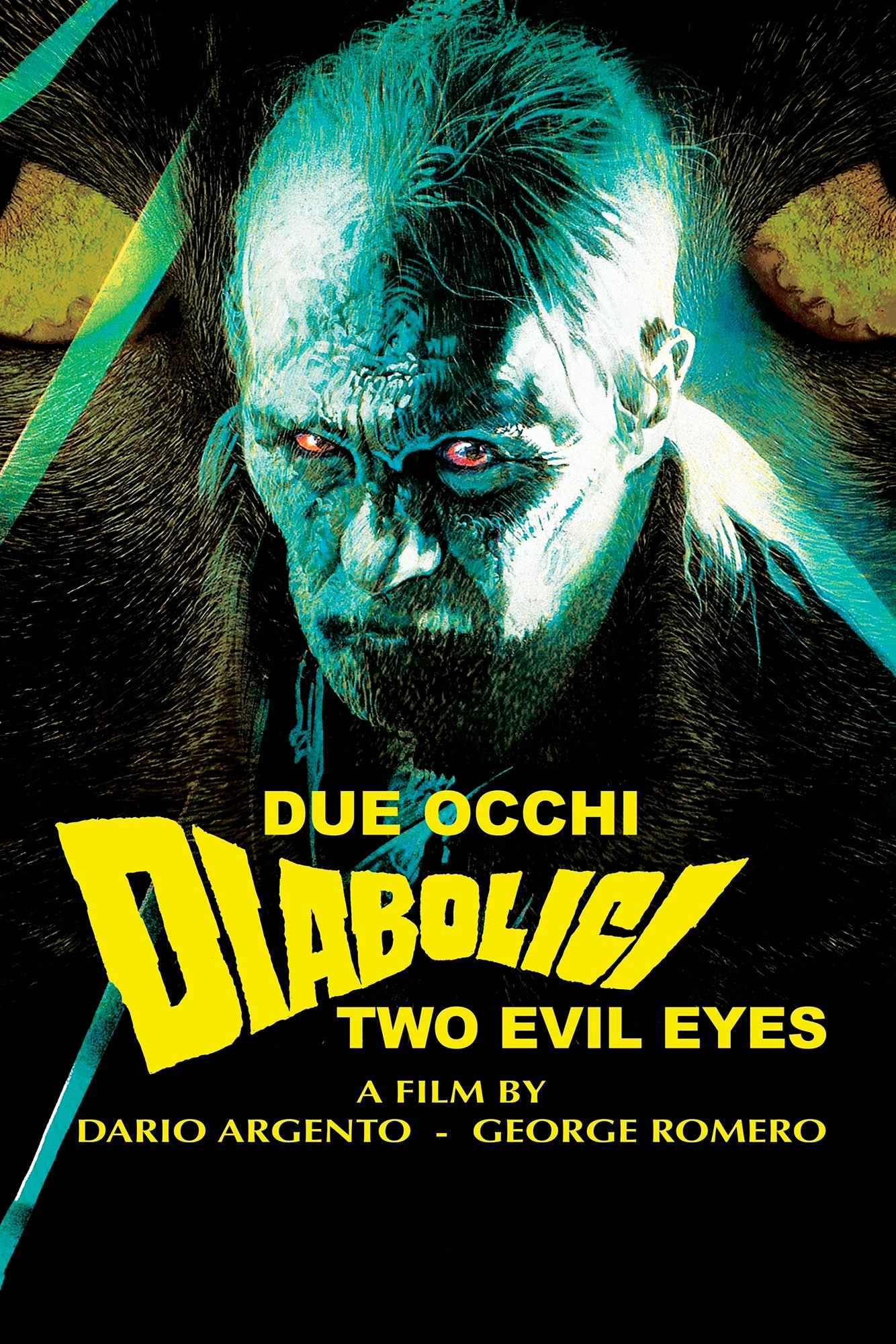
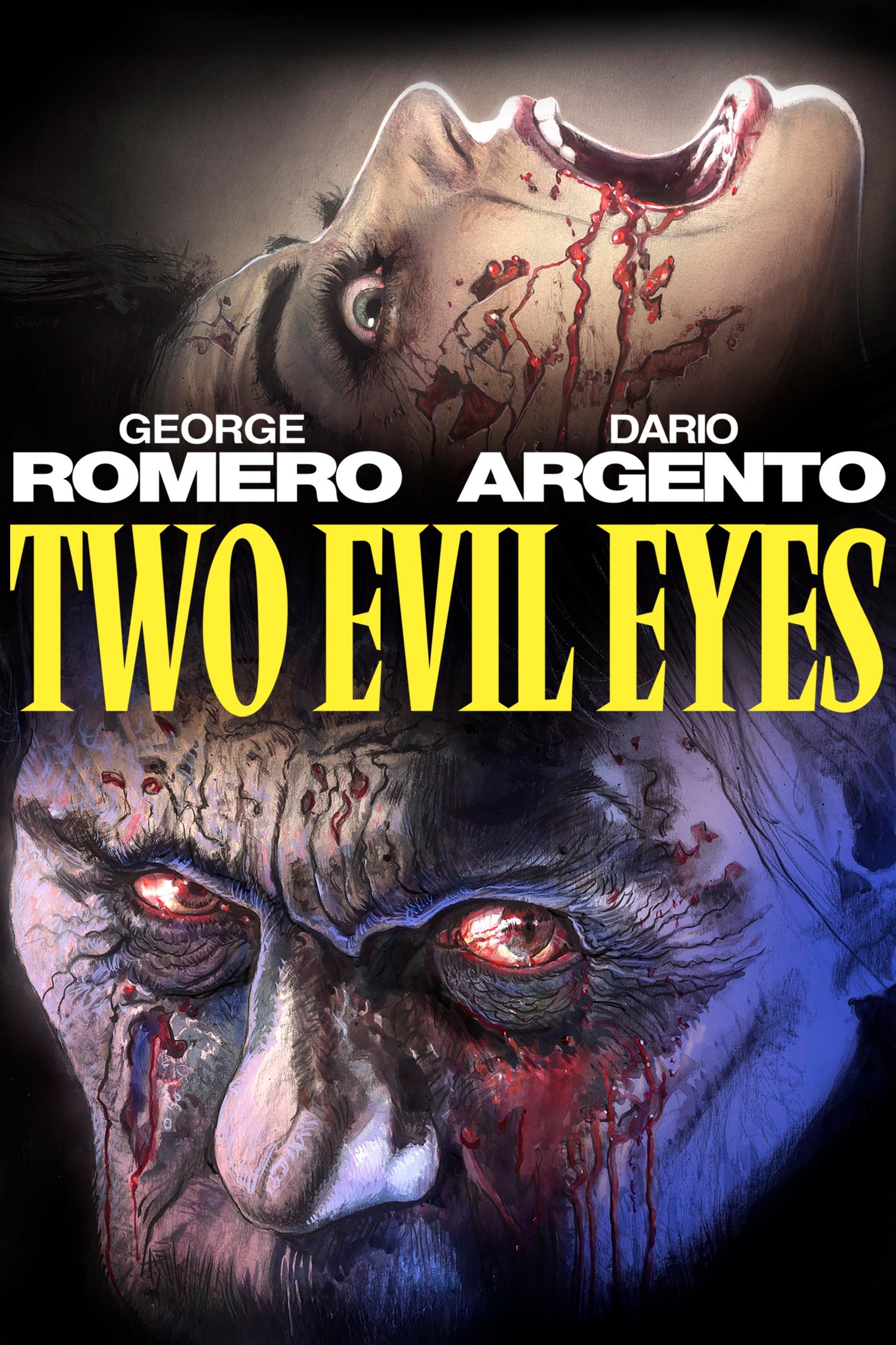
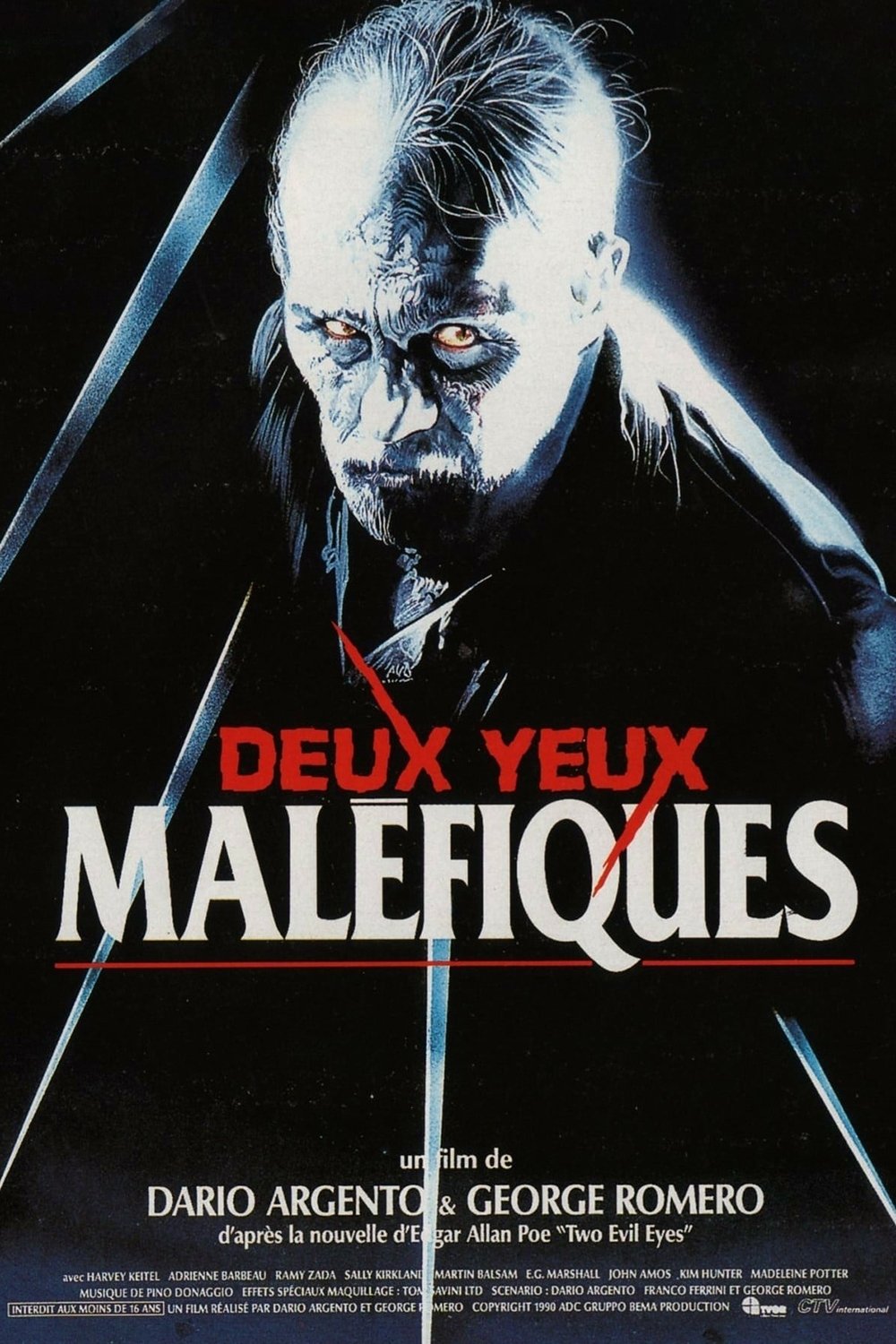
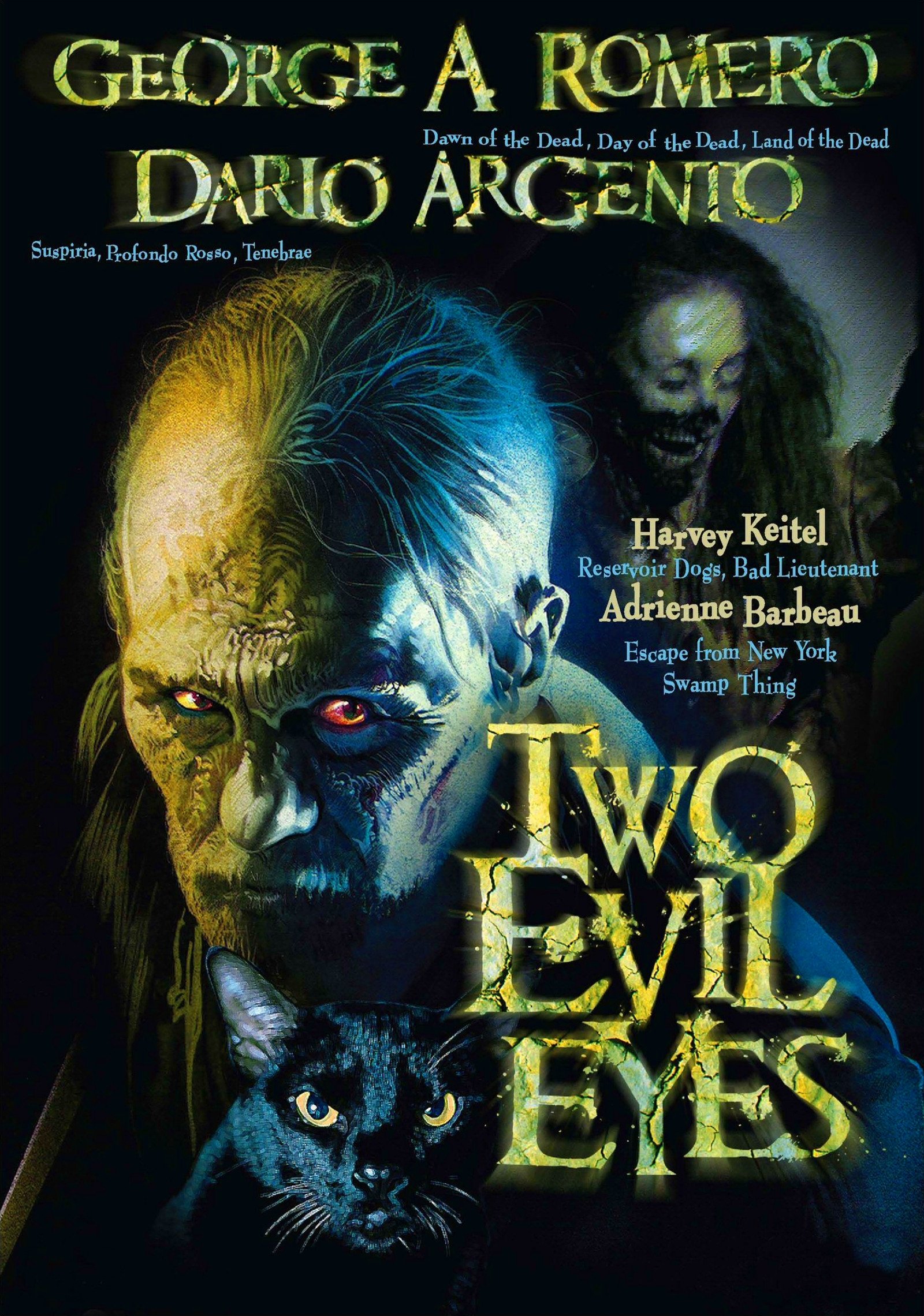
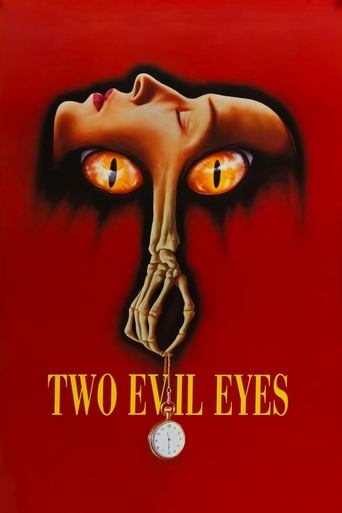
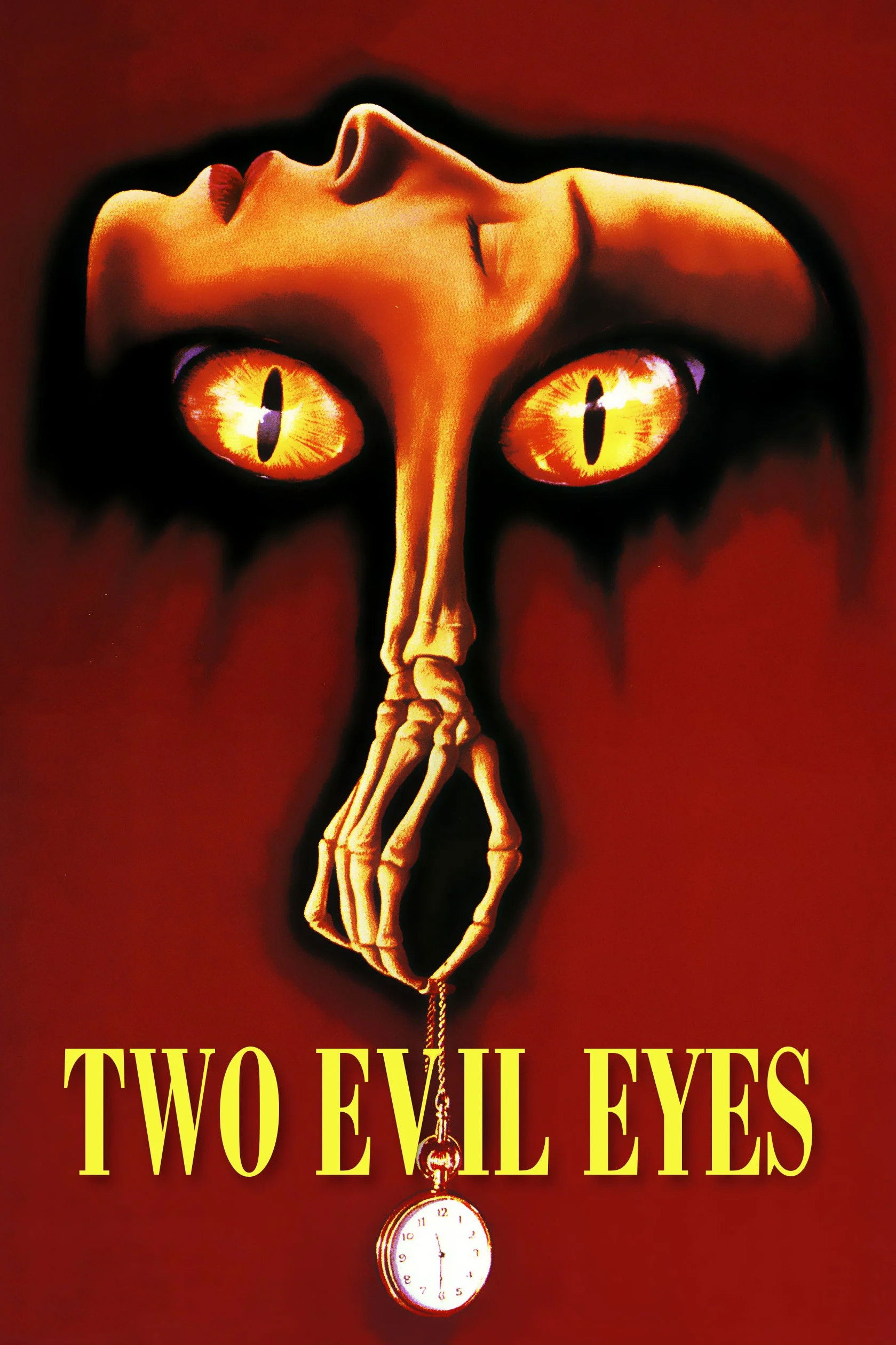
Two Evil Eyes (1990) poster
Production Companies
ADC Films , Gruppo Bema
Plot

A duo of Edgar Allan Poe adaptations about a greedy wife's attempt to embezzle her dying husband's fortune, and a sleazy reporter's adoption of a strange black cat.

Alternative Titles
Две зли очи (Bulgaria) — Bulgarian Dois Olhos Satânicos (Brazil) — Portuguese 双凶眼 (China) 魔鬼双瞳 (China) — Chinese Dvě ďábelské oči (Czechia) — Czech Los ojos del diablo (Spain) — Spanish Deux yeux maléfiques (France) — French 魔鬼雙瞳 (Hong Kong SAR China) — Chinese
Show all 18 alternative titles Két gonosz szem (Hungary) — Hungarian זוג עינים מרושעות (Israel) — Hebrew マスターズ・オブ・ホラー/悪夢の狂宴 (Japan) — Japanese 에드가 알란 포우의 검은 고양이 (South Korea) — Korean Los Ojos del Diablo (Mexico) — Spanish Oczy szatana (Poland) — Polish Doi ochi diabolici (Romania) — Romanian Два злобных глаза (Russia) — Russian Ölümün Gözleri (Türkiye) — Turkish 魔鬼雙瞳 (Taiwan) — Chinese

Trailers & Videos

2 videos

Film Guide

George A. Romero and Dario Argento approached Edgar Allan Poe from opposite directions, using a shared Pittsburgh production, Tom Savini's practical effects and two radically different visual styles to create an unusual transatlantic horror anthology.

Two Evil Eyes brings together two filmmakers already linked by one of the most important collaborations in modern horror. Dario Argento had been closely involved in the European version and production history of George A. Romero's Dawn of the Dead, and more than a decade later the two reunited around Edgar Allan Poe. The project was originally conceived on a broader anthology scale, but the finished film contains two stories of roughly featurette length: Romero's The Facts in the Case of M. Valdemar and Argento's The Black Cat. Both relocate Poe into contemporary America, both were made around Pittsburgh and both use the same overall production infrastructure, yet the result feels deliberately divided rather than stylistically unified.

That division is one of the film's principal technical interests. Romero approaches Valdemar through controlled compositions, domestic interiors and a slowly escalating supernatural premise built around hypnosis and suspended death. Argento responds to The Black Cat with aggressive movement, crime-scene imagery, dream logic and a dense accumulation of references to other Poe stories. Separate cinematographers reinforce the distinction, while editor Pasquale Buba, production designer Cletus Anderson, composer Pino Donaggio and special makeup effects supervisor Tom Savini provide continuity across the production. Two Evil Eyes is consequently less a conventional anthology than two substantial horror films sharing resources while allowing their directors to expose how differently they understand the same literary source.

From Poe Anthology to Two Directors

The project began under the working concept of Poe and was initially imagined as a larger collection of adaptations by multiple horror filmmakers. Various directors were discussed during development before the structure contracted to Romero and Argento. Argento later recalled that Stephen King had been considered for an adaptation of The Tell-Tale Heart, while other accounts surrounding the production identify additional major horror filmmakers approached during the project's earlier stages. What survived was therefore not the original anthology architecture but a simpler arrangement in which Romero and Argento could each occupy almost an hour.

The reduction substantially changed the formal possibilities of the film. A four-story anthology would have required shorter, more compressed adaptations. Two Evil Eyes instead allows each director enough running time to build supporting characters, locations and extended effects sequences. The disadvantage is that neither episode benefits from the rapid turnover traditionally associated with anthology horror. The advantage is technical and authorial: each half can develop almost as a compact standalone feature.

The connection with Poe is equally flexible. Romero uses The Facts in the Case of M. Valdemar as the structural foundation for a modern supernatural crime story involving hypnosis, inheritance and a body trapped between life and death. Argento and Franco Ferrini use The Black Cat as the spine of a much broader Poe collage. Both filmmakers translate Poe through their existing cinematic interests.
Pittsburgh Production and Two Visual Systems

Both stories were shot in and around Pittsburgh, a city inseparable from Romero's filmmaking history. Production records identify locations including Fox Chapel for the Valdemar residence, Pittsburgh's Market Square and residential locations used in The Black Cat. Principal photography ran during the summer of 1989. Although the financing and principal producing entities were Italian, the physical production relied heavily on American cast, crew and locations, creating a genuinely hybrid Italian-American horror film rather than one country merely supplying distribution for the other.

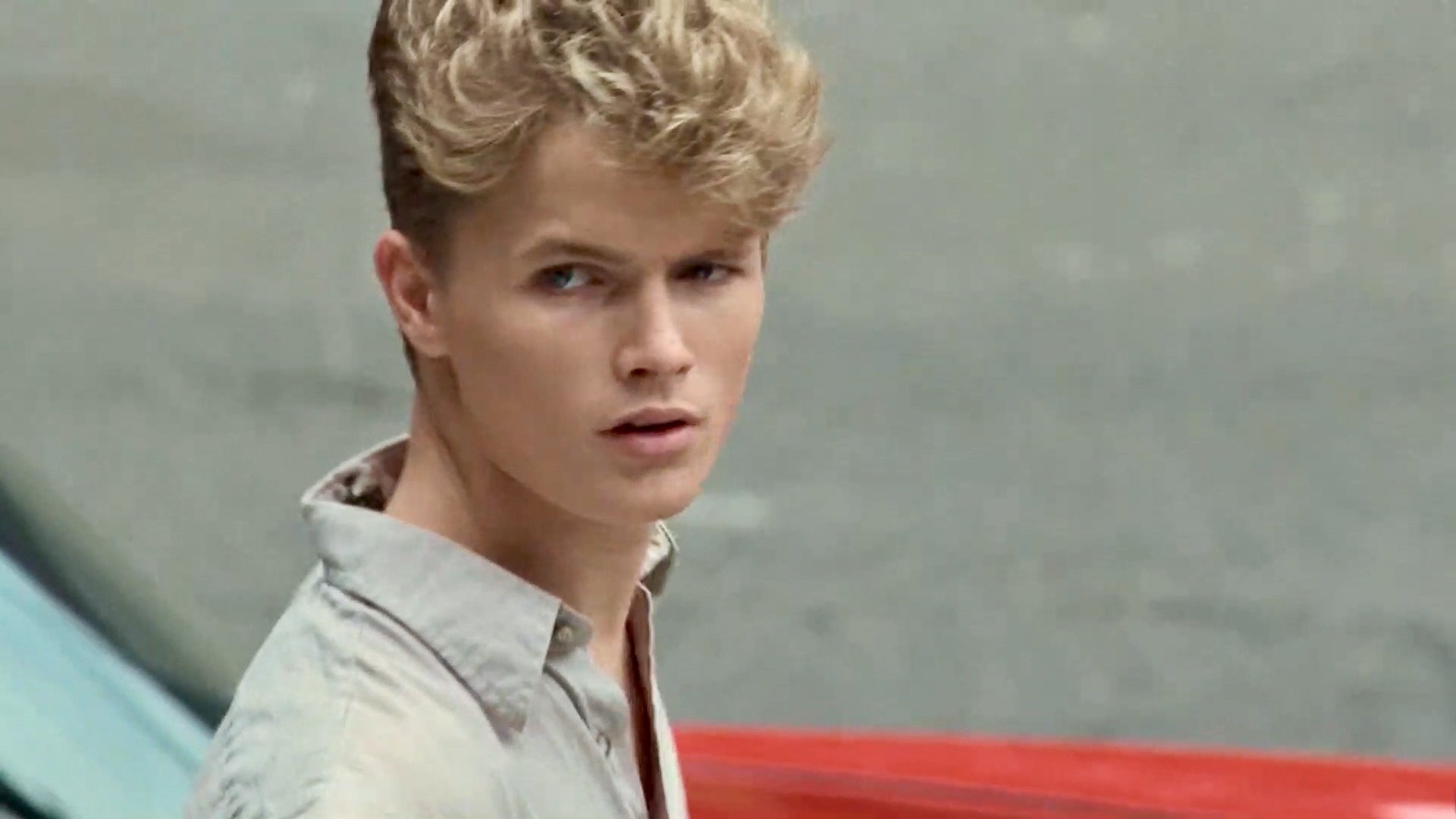
The film was photographed in 35 mm for a 1.85:1 presentation, but the two halves use different cinematographers. Peter Reniers photographed Romero's segment, while Giuseppe Maccari handled Argento's. The distinction matters because the episodes rarely attempt to look like parts of the same visual continuum. Valdemar generally favors a comparatively restrained domestic realism that becomes increasingly disturbed as the dead body refuses to remain psychologically or physically contained. The Black Cat is more visibly designed around composition, color, camera movement and graphic horror imagery.
Cletus Anderson's production design provides the physical spaces through which those approaches operate. Romero needs wealthy interiors, medical environments and a basement capable of concealing Valdemar's body. Argento uses Roderick Usher's house almost as a psychological mechanism, progressively turning ordinary rooms, walls and staircases into spaces of concealment and guilt. The common Pittsburgh production therefore does not force stylistic uniformity. It supplies infrastructure that each director reorganizes according to his own visual grammar.

Romero, Valdemar and Suspended Death

Romero modernizes Poe's fascination with mesmerism into a story about Dr. Robert Hoffman and Jessica Valdemar manipulating the dying Ernest Valdemar in order to control his estate. Hypnosis initially functions as a criminal tool: Hoffman can influence a weakened man while Jessica waits for the legal transfer of property. The supernatural problem begins when Valdemar dies while still hypnotized, leaving consciousness and death in an unstable relationship that the conspirators do not understand.

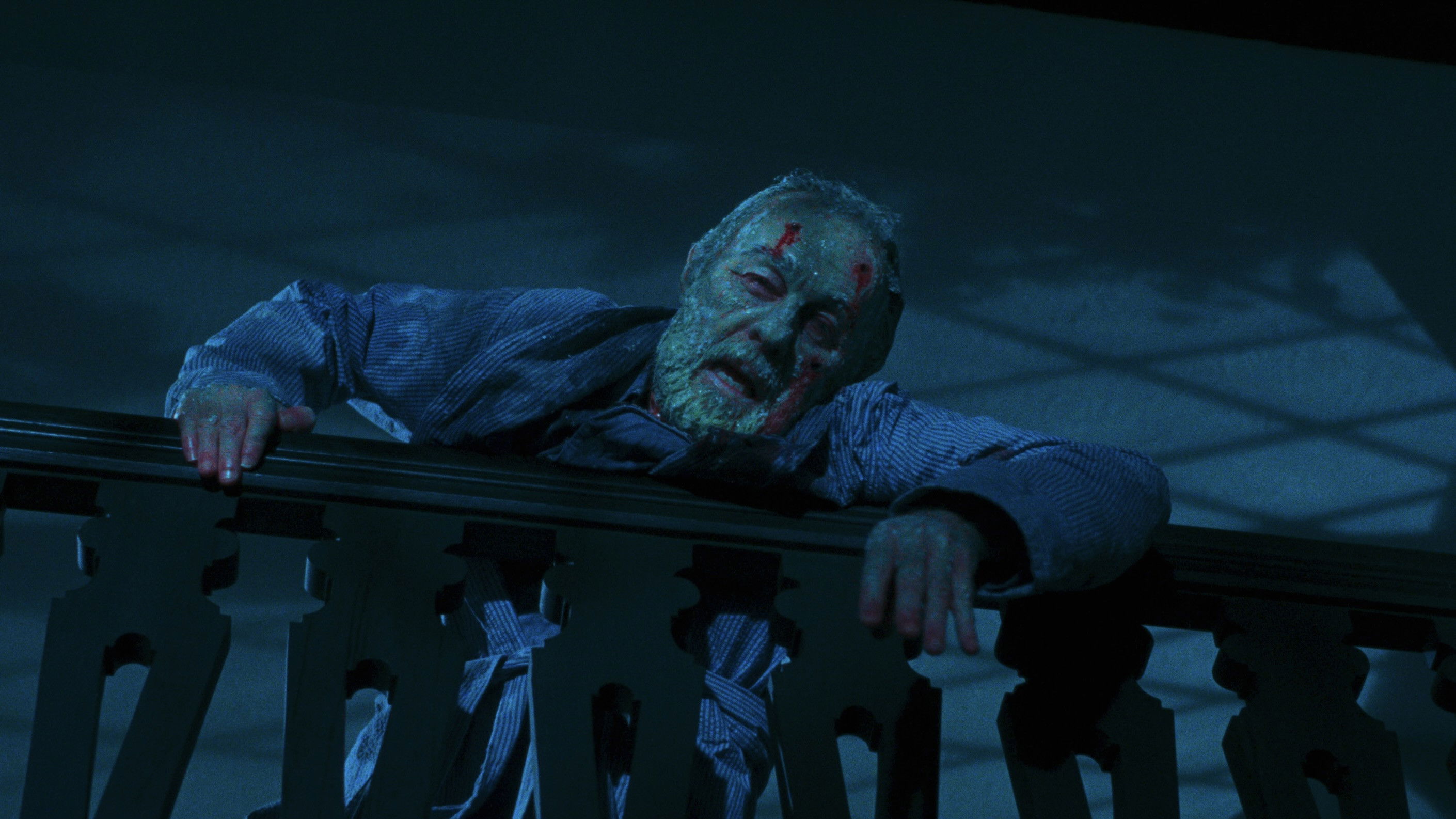
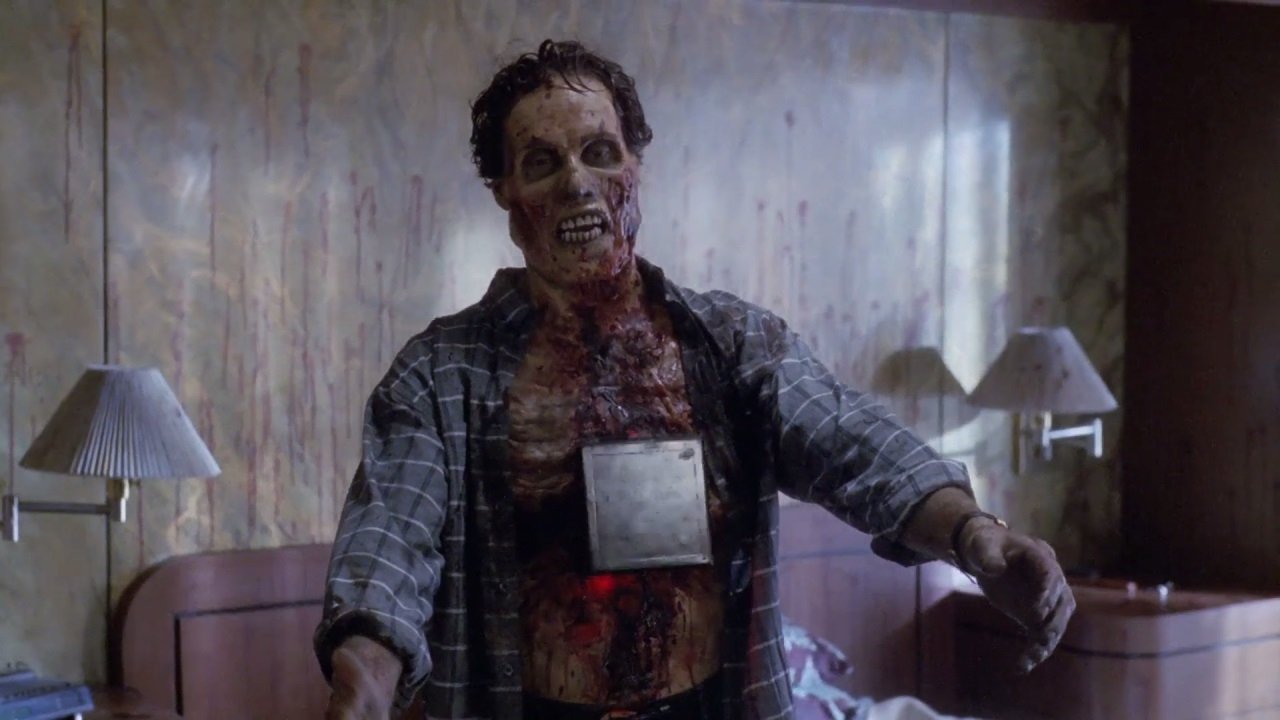
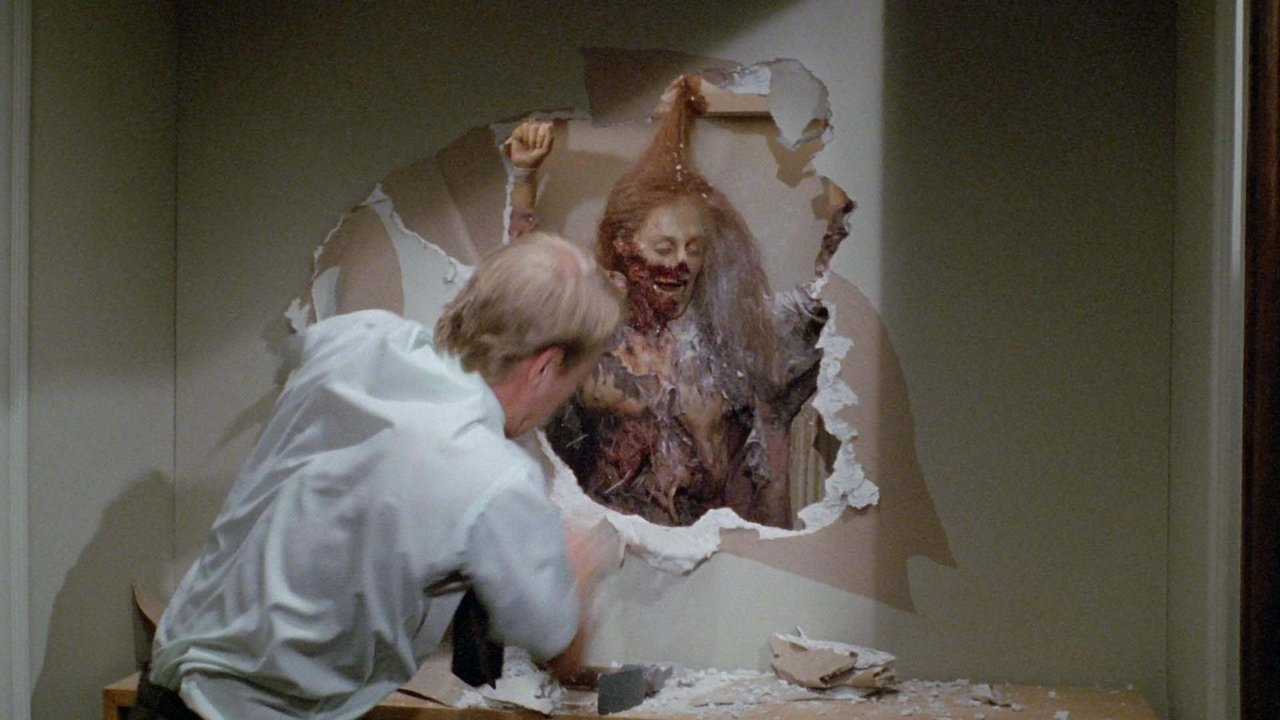
The episode is technically built around gradual bodily deterioration rather than constant attack. Valdemar first becomes an object that must be hidden and preserved, which gives refrigeration, decomposition makeup and the physical handling of a corpse unusual narrative importance. Romero delays overt supernatural movement until the characters have already treated the body as evidence to be managed. When Valdemar begins communicating from beyond ordinary death, the film shifts from crime mechanics into increasingly physical horror.

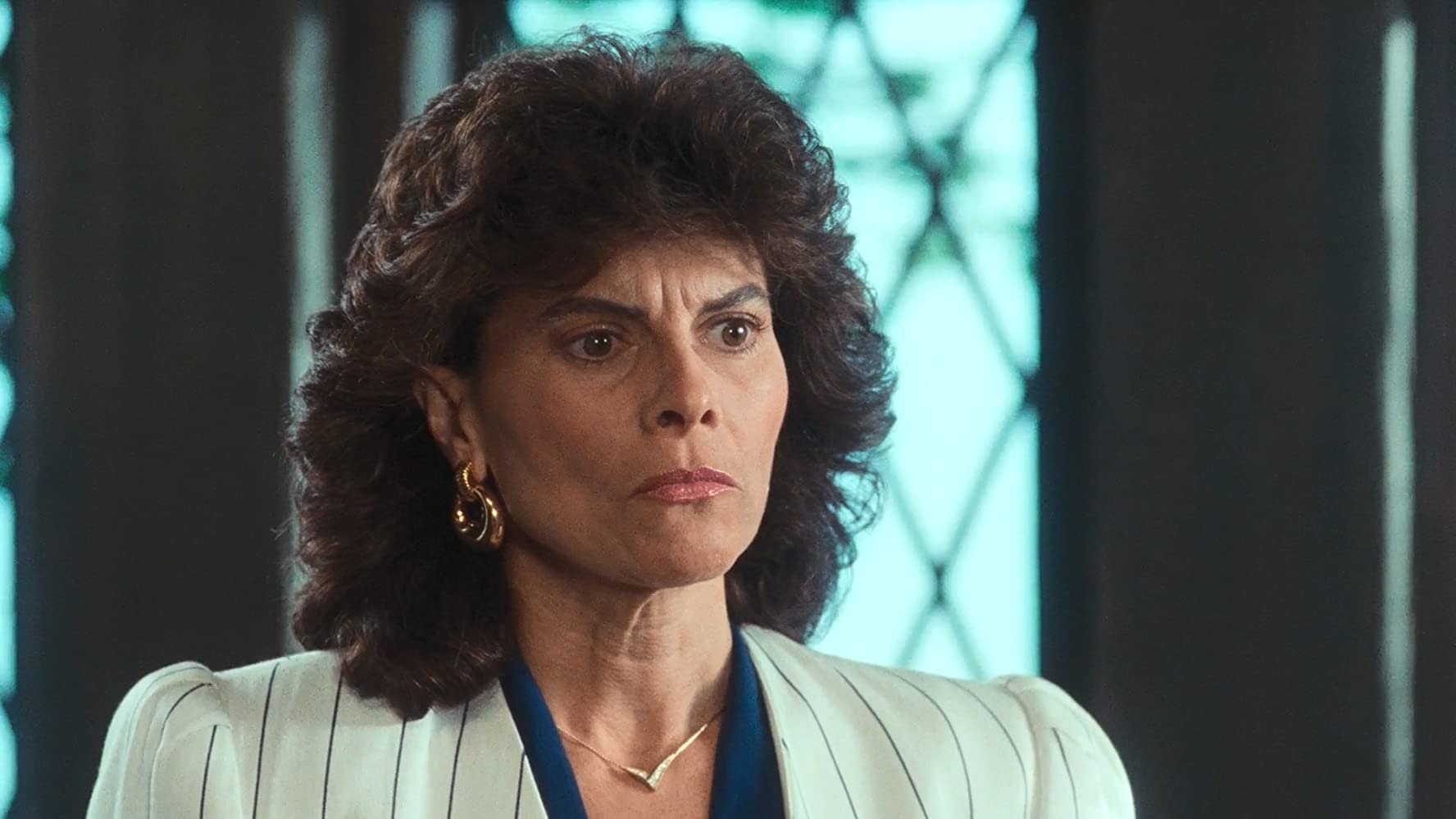
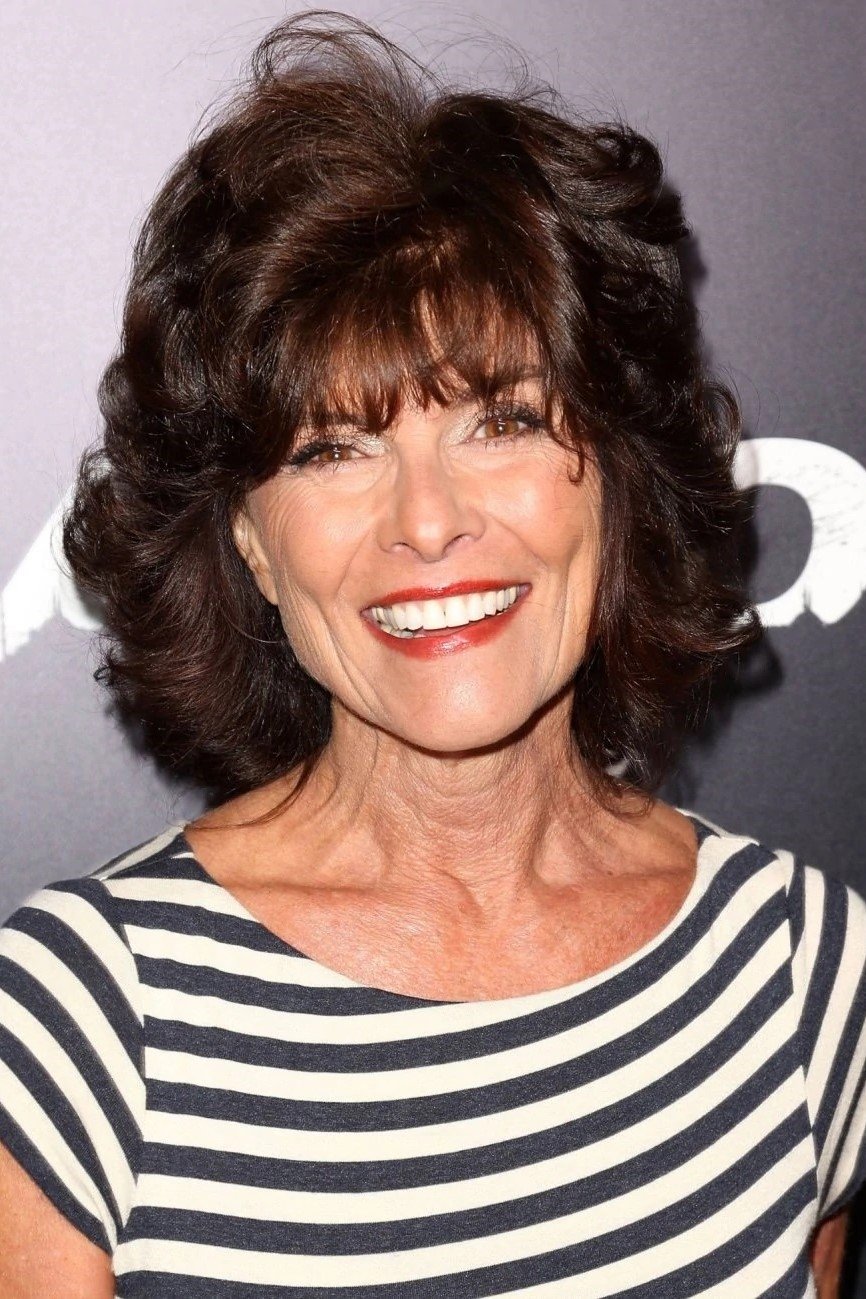
Romero also surrounds the central trio with performers connected to his wider body of work and American genre cinema, including Adrienne Barbeau, E. G. Marshall and Tom Atkins. The presence of Barbeau and Marshall inevitably recalls Creepshow, another Romero anthology built around macabre moral reversals, although Valdemar is played with far less comic-book stylization. Greed creates the situation, but the punishment arrives through a specifically Poe-like disturbance of the boundary between body, consciousness and death.

Argento's Black Cat as a Poe Collage

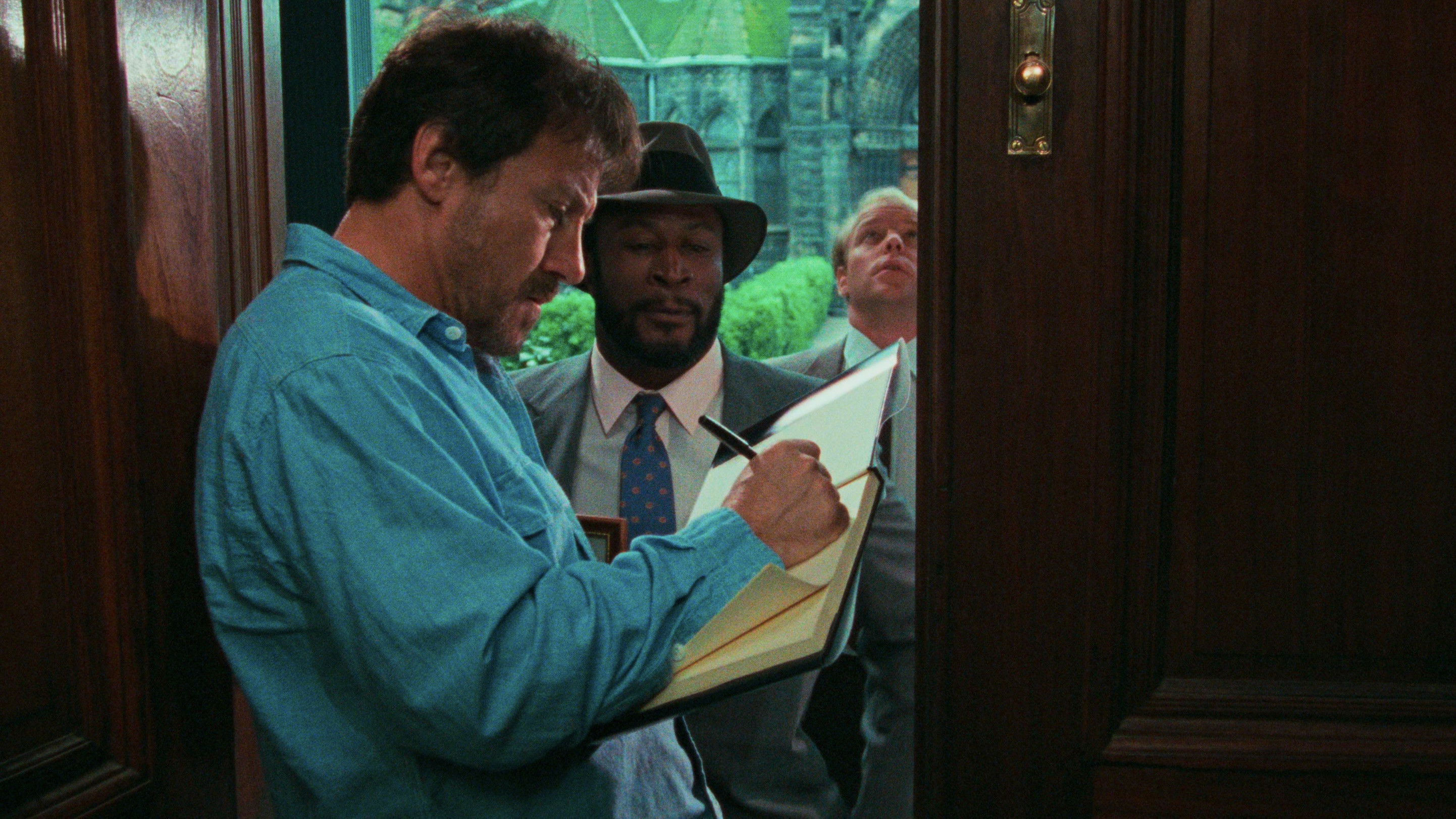
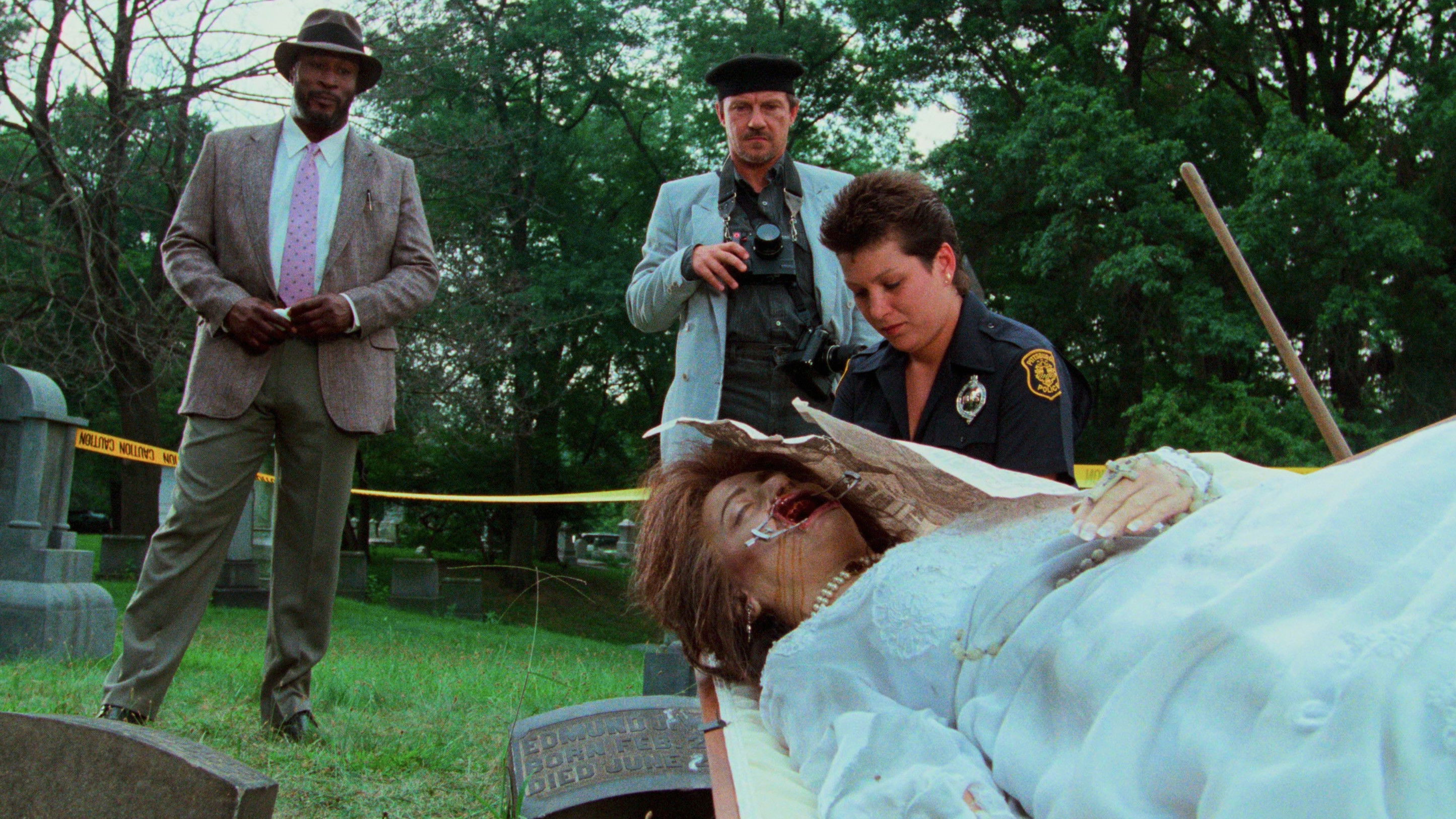
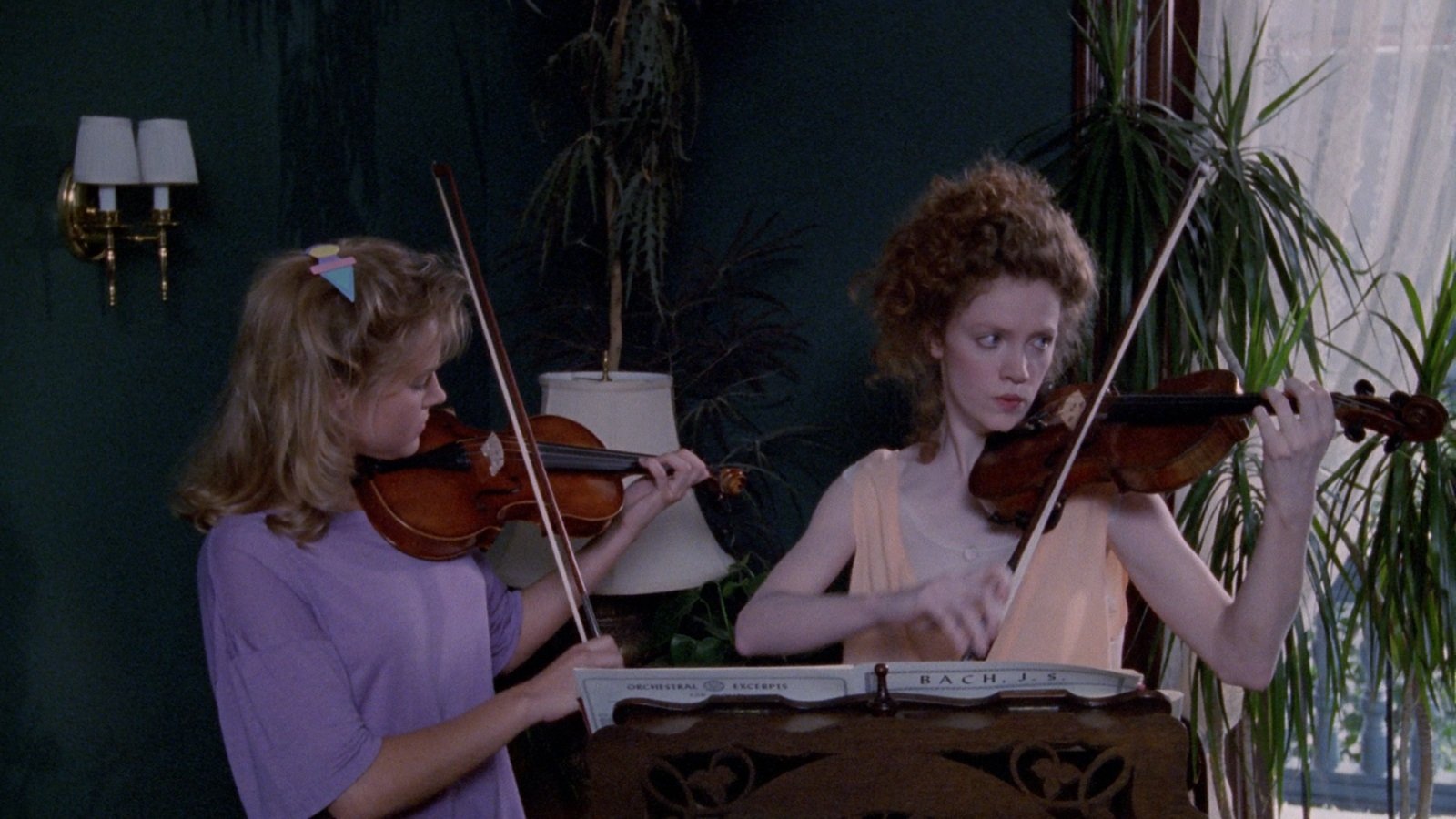
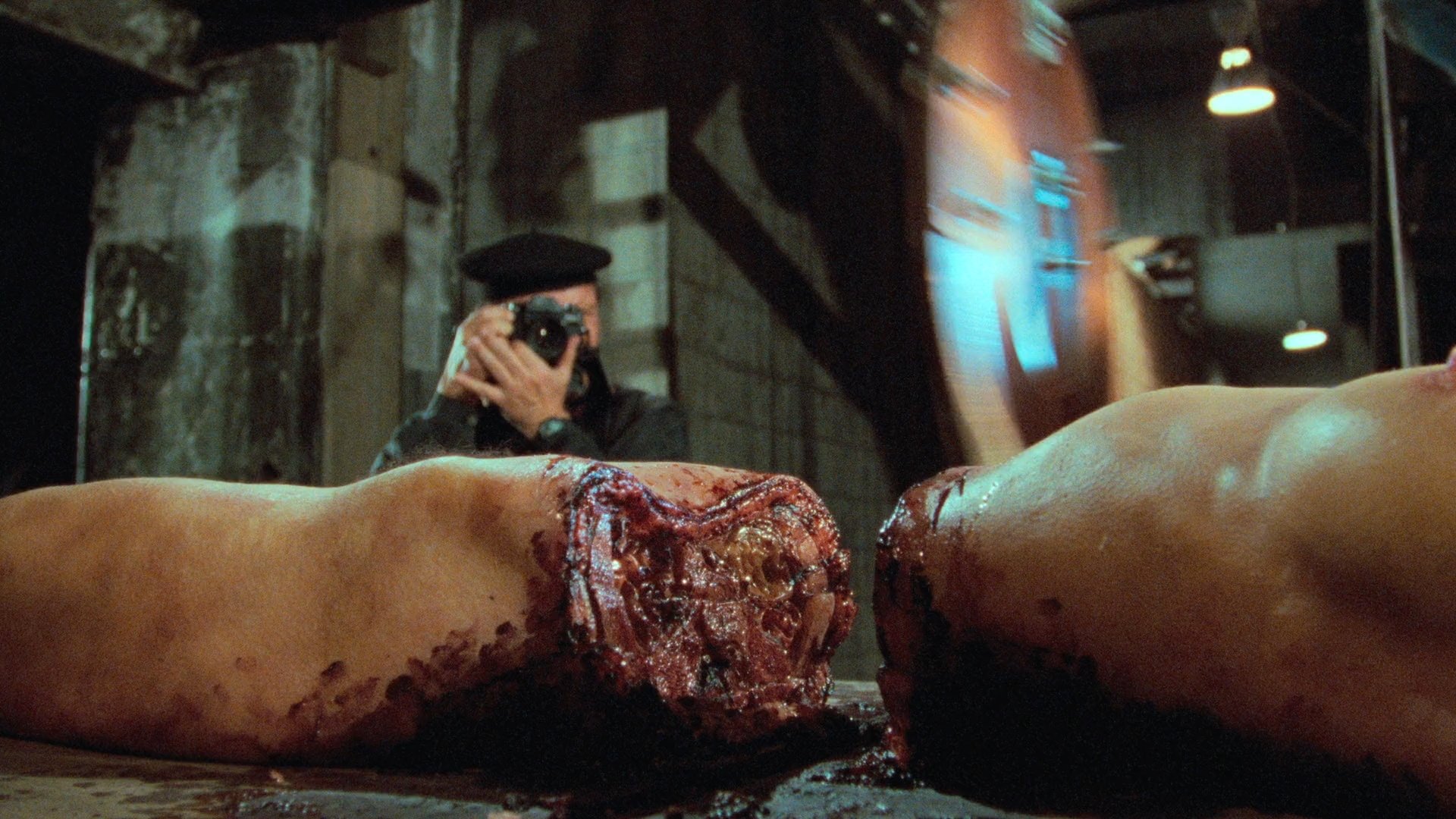
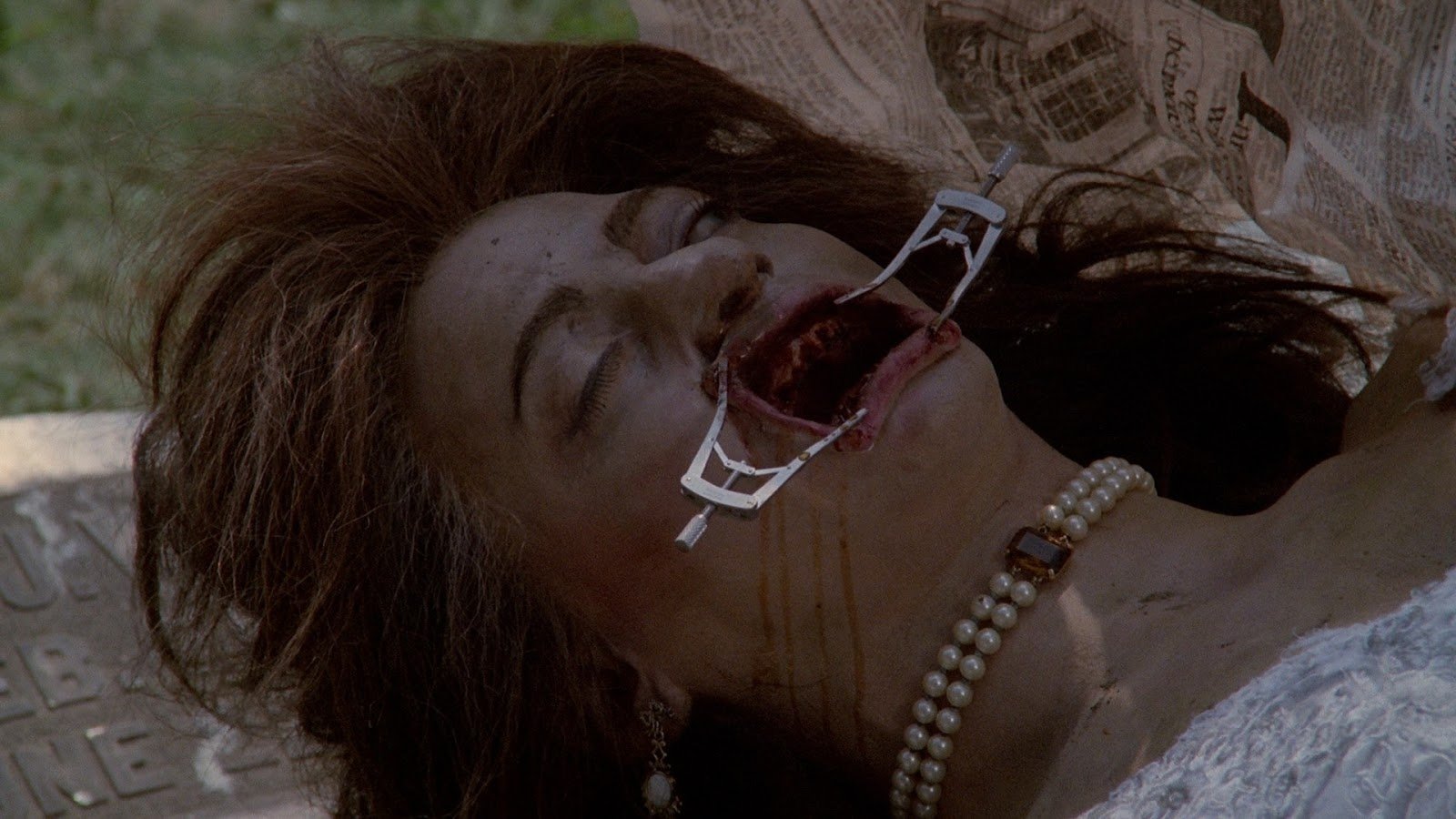
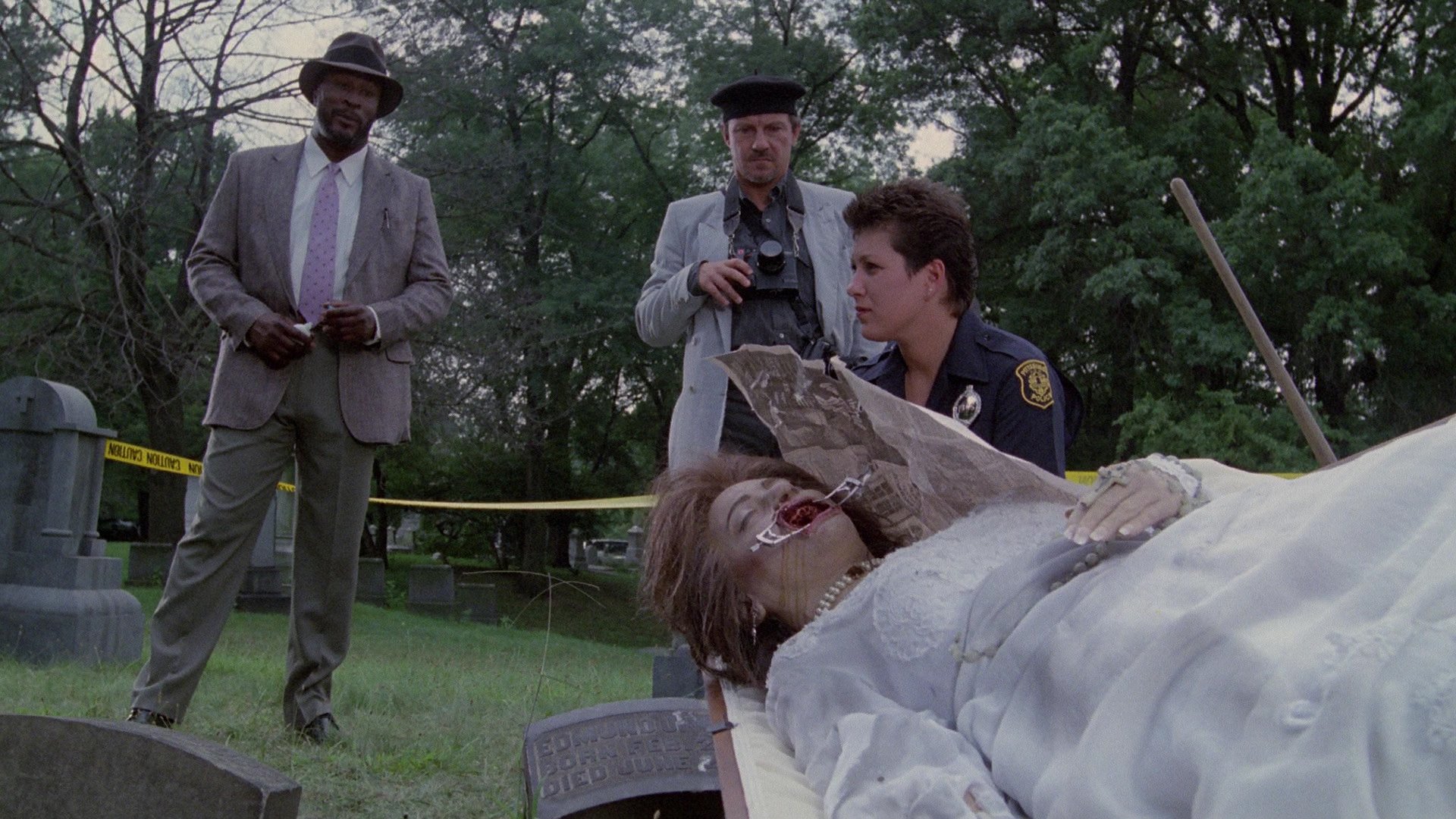
Argento and Franco Ferrini make The Black Cat much less restrictive as an adaptation. Harvey Keitel plays crime-scene photographer Roderick Usher, already transforming the protagonist into a reference to The Fall of the House of Usher. His partner is named Annabel, the neighbors are the Pyms and other names and images extend the network of references. The opening crime scene presents a woman bisected by a descending blade, immediately invoking The Pit and the Pendulum, while another photographed victim has had her teeth removed in an image associated with Berenice.

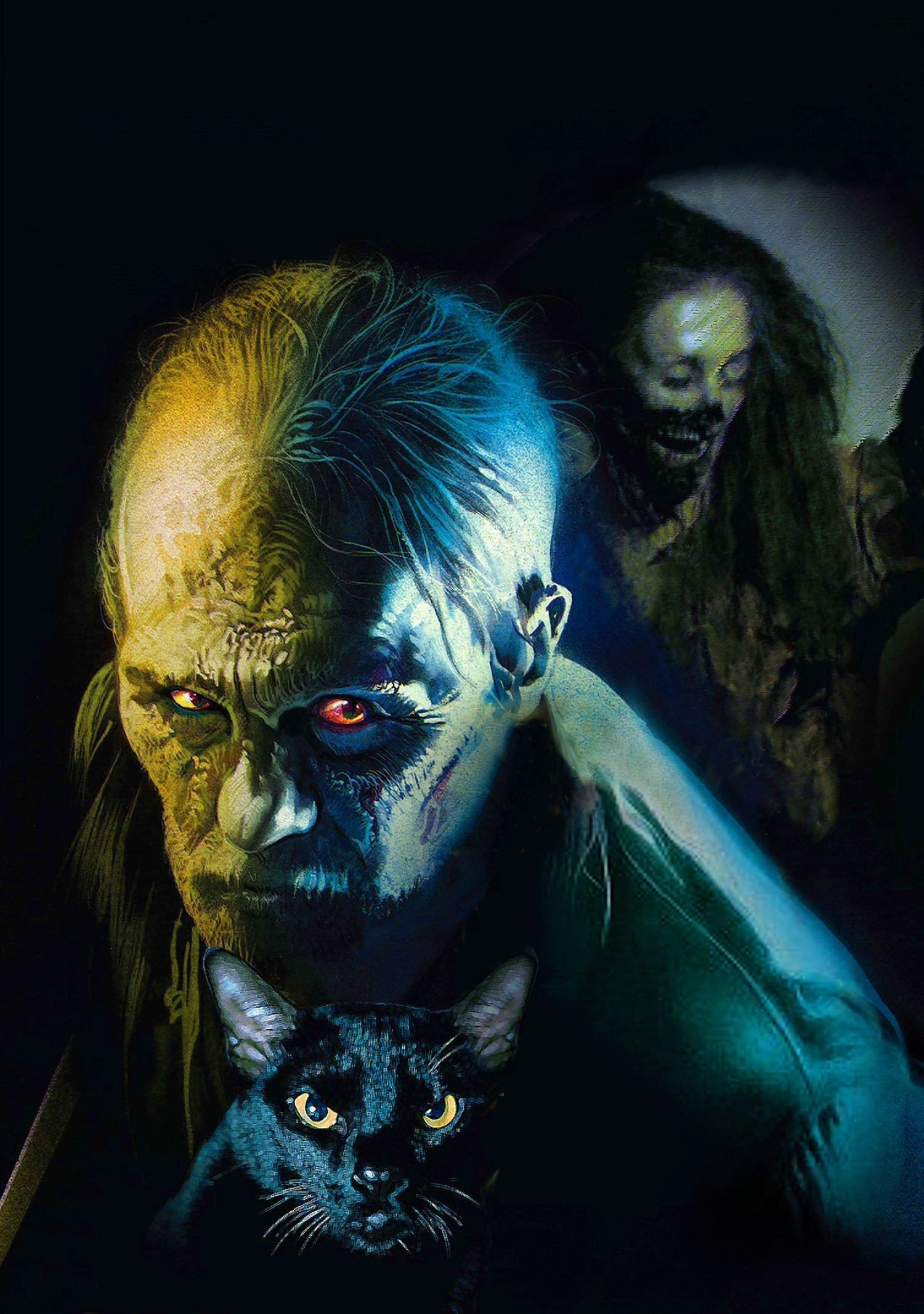
The central mechanism nevertheless remains recognizably derived from The Black Cat. Usher develops an increasingly violent hatred of the animal brought home by Annabel, destroys it and becomes trapped by guilt, repetition and the return of another cat. Argento turns the protagonist's profession into an additional device: Usher converts real violence into photographic imagery for consumption, so the boundary between observing horror and producing it becomes progressively unstable.

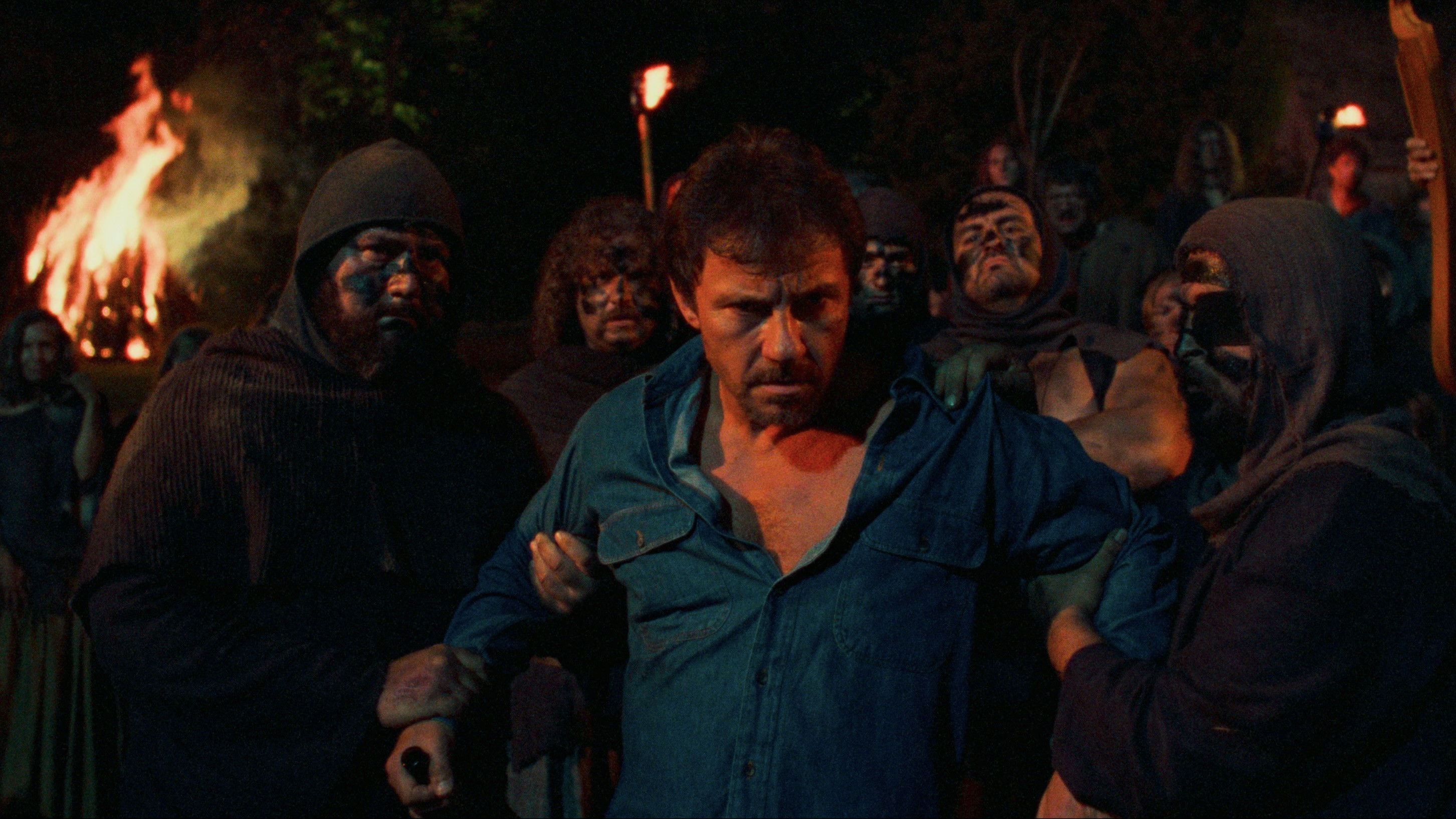
The episode also allows Argento to combine American urban locations with his established interest in subjective perception. Dreams, superstition, animal imagery and violent fantasy interrupt conventional realism. A medieval nightmare transforms Annabel into a persecuted woman and anticipates Usher's own punishment, while the recurring white marking on the cat develops from visual curiosity into an image of the gallows. Instead of illustrating a single Poe story respectfully, Argento treats Poe as a library of motifs that can be recombined into contemporary psychological and physical horror.

Tom Savini and Practical Effects

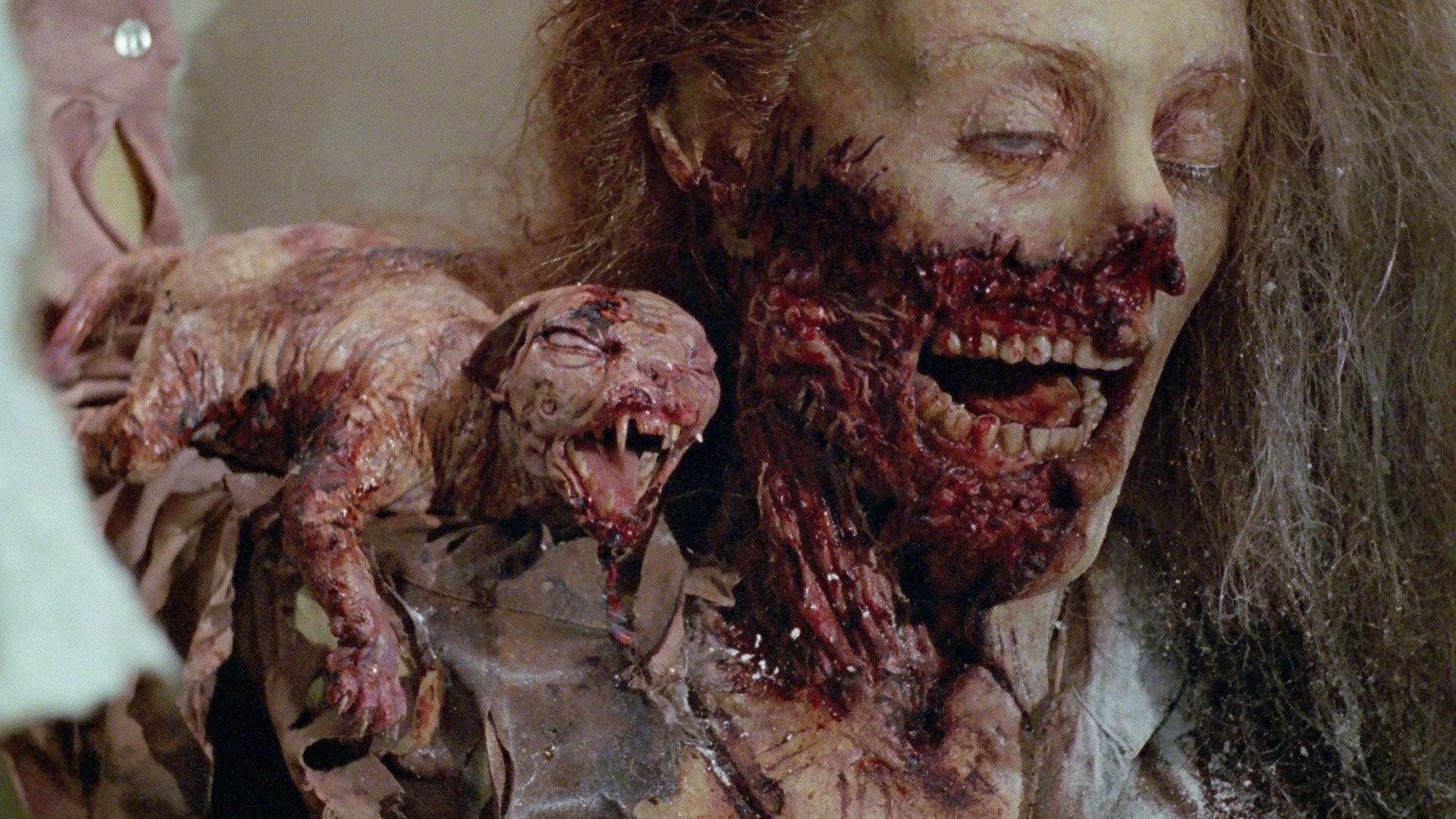
Tom Savini supervised the special makeup and gore effects across both episodes, providing the clearest technical bridge between Romero and Argento. The assignment involved very different categories of illusion: aging and decomposition, artificial corpses, traumatic wounds, dismemberment and several highly specific mechanical gags. Behind-the-scenes material preserved with later home-video editions shows Savini approaching many of these effects through the same practical philosophy that had defined his earlier work with Romero: determine exactly what the camera needs to see, construct only the necessary physical information and use framing, editing and performer interaction to sell the illusion.

The bisected woman photographed at the beginning of The Black Cat demonstrates that workflow particularly well. The effects unit created a body cast using alginate and fabricated the separated corpse around reference taken directly from a performer. The sequence does not require an articulated full human duplicate capable of independent movement because the body is presented as evidence at an already completed murder scene. Detail, surface texture and the convincing relationship between the two halves matter more than complex mechanics.

Other effects required movement and timing. Valdemar's deteriorating body needed successive physical states, while impact and impalement gags depended on artificial body sections, mechanical action and careful camera placement. Savini also appears briefly in Argento's segment as a murderer visually associated with Poe, connecting performer and effects artist within the same scene. The production came near the end of an era in which major gore sequences were still expected to originate primarily as photographed physical objects rather than digital simulations.

Editing, Music and Shared Technical Identity

Pasquale Buba edited the complete film, giving one technician responsibility for shaping material generated by two directors with markedly different rhythms. Romero's segment requires sustained passages of explanation and concealment before the supernatural climax. Argento works more aggressively through crime photographs, domestic confrontation, nightmare material and elaborate visual digressions. The anthology therefore gains continuity from a common editorial department without suppressing the difference between those structures.

Pino Donaggio likewise composed music for both halves but did not force them into a single obvious thematic identity. The Valdemar material supports Romero's comparatively classical supernatural progression, while The Black Cat permits a broader combination of orchestral and more contemporary textures. The ability of one composer to approach the two films differently reinforces the unusual production model: shared personnel are used to support two directorial identities rather than to standardize them.

Sound and editing become particularly important whenever practical effects cannot provide the entire illusion alone. Impacts, bodily damage, off-screen movement and the sounds associated with the cat extend effects beyond what prosthetic material physically shows. In both episodes the technical departments frequently complete an effect through combination. Makeup creates the body, photography determines what can be safely revealed, editing controls duration and sound supplies force that does not need to exist physically on set.

Release, Restoration and Cult Afterlife

Two Evil Eyes began its theatrical life outside the United States, with the Italian release arriving in 1990. American distribution followed much later. Taurus Entertainment Company opened the film domestically on October 25, 1991 in only 150 theaters. Box Office Mojo records a $260,410 opening and a final United States gross of $349,618. Those numbers make clear that the collaboration between two internationally famous horror directors did not translate into a significant American theatrical event.

Its subsequent reputation developed largely through home video and the continuing audiences for Romero, Argento, Poe and Savini. Later releases became unusually valuable because they preserved not only the film but substantial documentation of its production. Interviews with Romero, Argento, Claudio Argento, Savini, Franco Ferrini, Pino Donaggio and other participants, together with behind-the-scenes effects footage, turned the title into a useful technical record of the collaboration long after its limited theatrical circulation had ended.

Blue Underground eventually returned to the original camera negative for a modern restoration, scanning the uncensored material in 4K 16-bit and later presenting it with Dolby Vision HDR and a new Dolby Atmos mix. That preservation history suits a film whose long-term importance is less commercial than archival and authorial. Two Evil Eyes is not generally regarded as a peak work for either Romero or Argento, and its two halves remain deliberately uneven in tone. Its value lies in something rarer: two major horror filmmakers working side by side on Poe, sharing technical resources while leaving enough freedom for the resulting films to remain unmistakably their own.

Cast

View Full Cast & Crew →

Release & Distribution

Production Companies (2)

  • ADC Films IT
  • Gruppo Bema IT

Release History (8)

Release DateTerritoryRelease TypeFormatDistributorCertificationNotes
1990-01-25 Italy Theatrical — — VM14
1990-11-09 Germany Theatrical — — 16
1990-11-09 Spain Theatrical — — 18
1991-10-25 United States Theatrical — — R
1992-07-08 France Theatrical — — —
2001-11-07 France Physical DVD — — DVD
2020-12-30 France Digital — — — Prime Video
2021-04-07 France Physical Blu-ray — — Blu-Ray
When I Wake You... You'll Be Dead.