Development and the Revised Mystery
Lynch had been seeking a marketable horror project after his earlier Canadian features. Screenwriter William Gray recalled that the director attracted producer Peter Simpson's attention with a fabricated newspaper front page announcing a massacre at a school dance. According to Gray, the mock report was initially convincing enough that the producer believed it described a real event. Robert Guza Jr. supplied the underlying story of a youthful accident followed by delayed retaliation, and Gray developed it into the screenplay. The resulting premise connected a familiar annual celebration to a specific crime, giving the killings a motive that the audience could investigate alongside the characters.
The mystery underwent further scrutiny as the filmmakers prepared the picture for distribution. Gray remembered Avco Embassy's concern that an audience could identify the murderer too easily, and said he tried to introduce as many credible alternative suspects as the story permitted. The difficulty arose partly from the premise itself: the childhood prologue supplies an unusually specific motive, narrowing the range of plausible explanations. Suspicion consequently falls on an escaped patient, on disagreements among the students and on information withheld by those who were present at Robin's death. Gray's retrospective account reveals how a thriller's promise of mystery could become a practical commercial problem before its theatrical release.
Toronto Locations and the School Setting
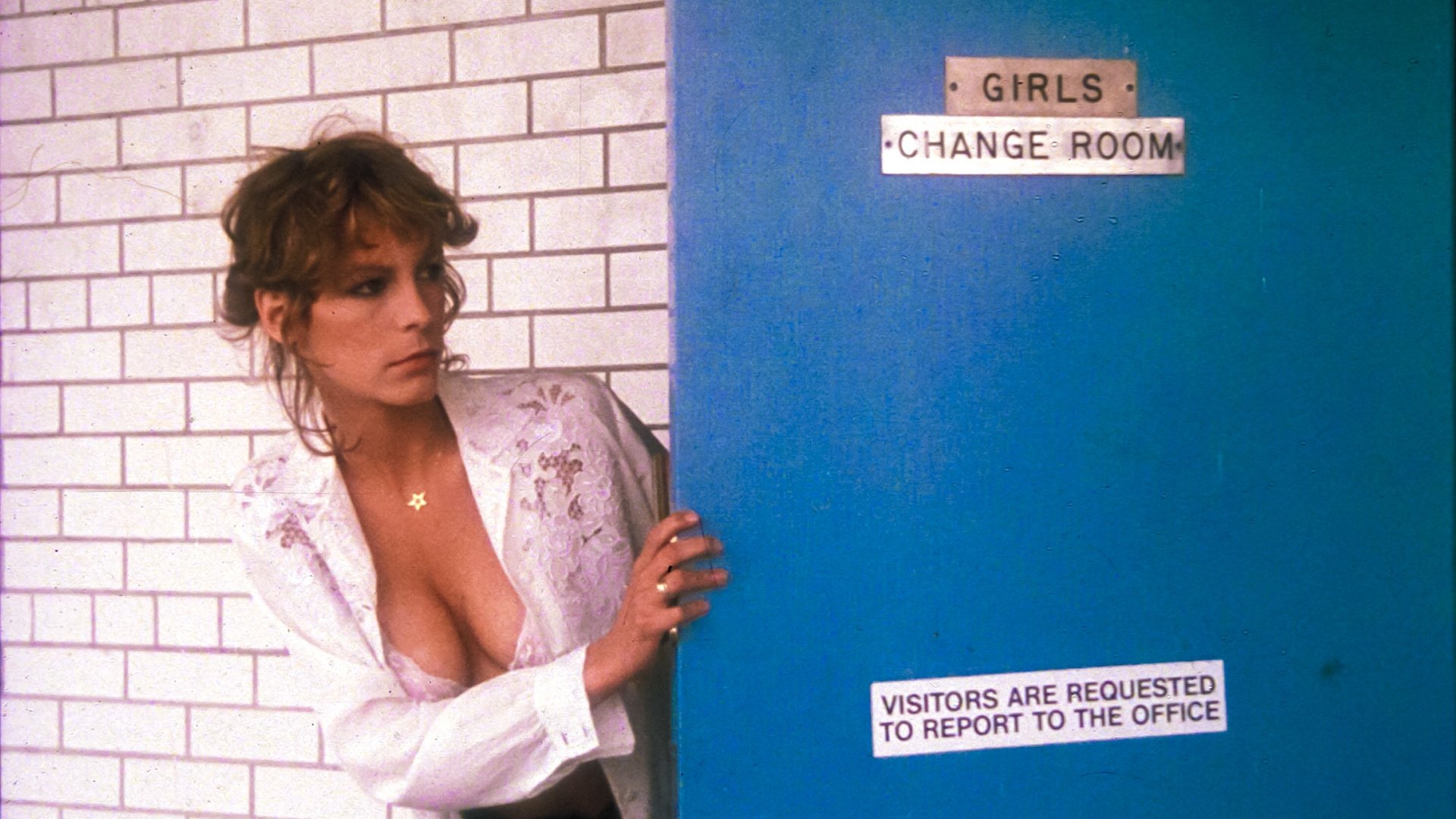
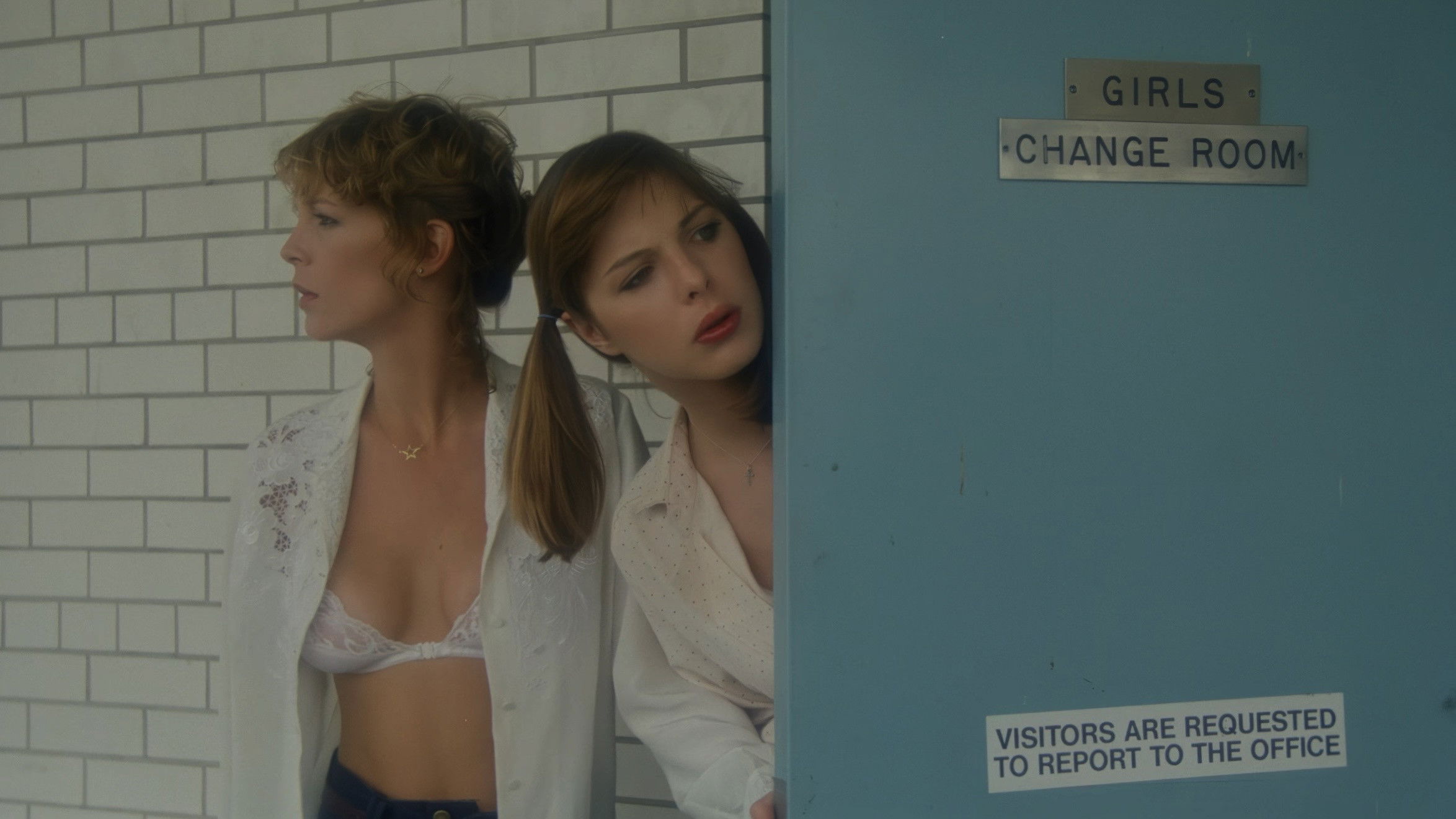
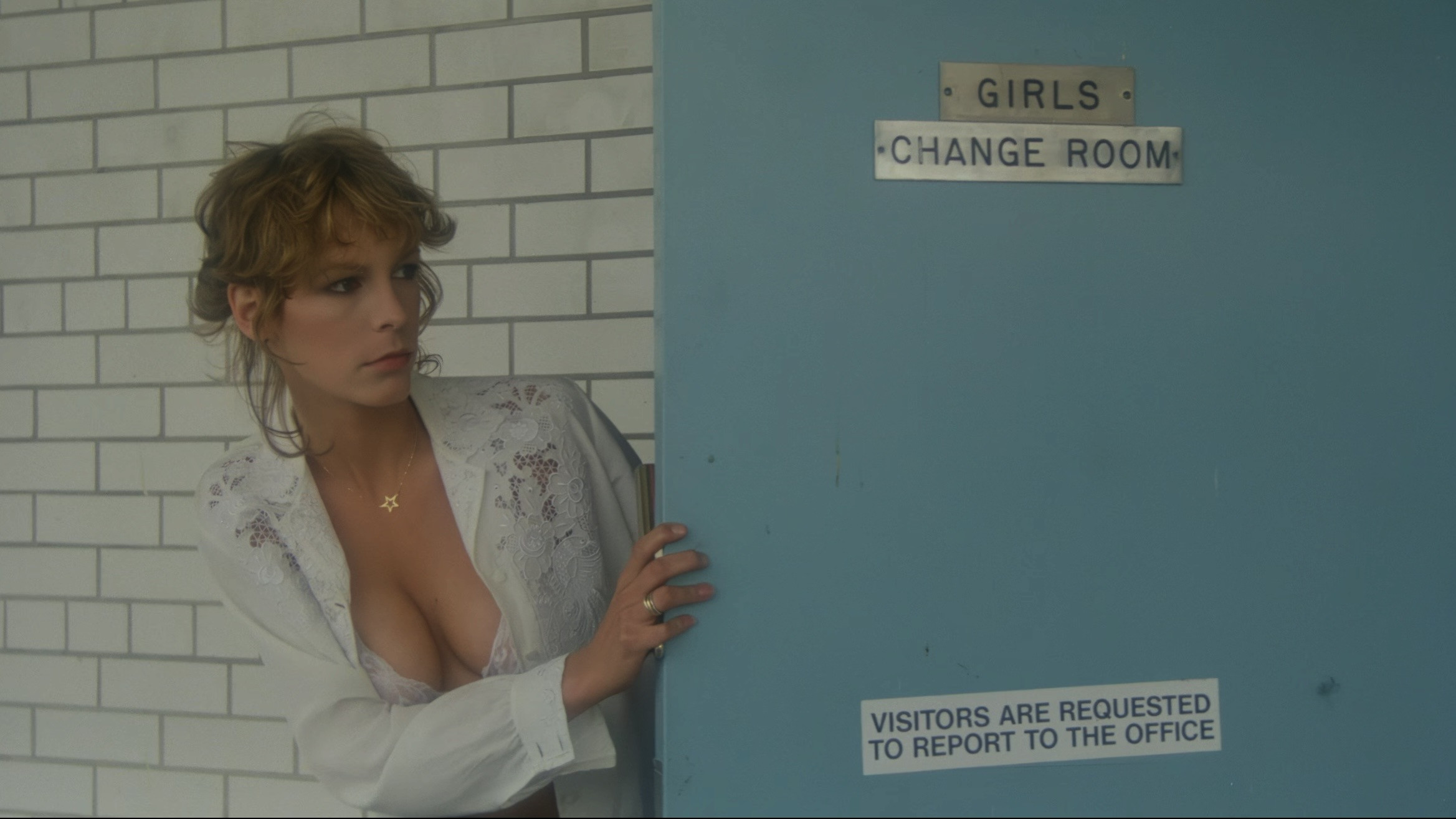
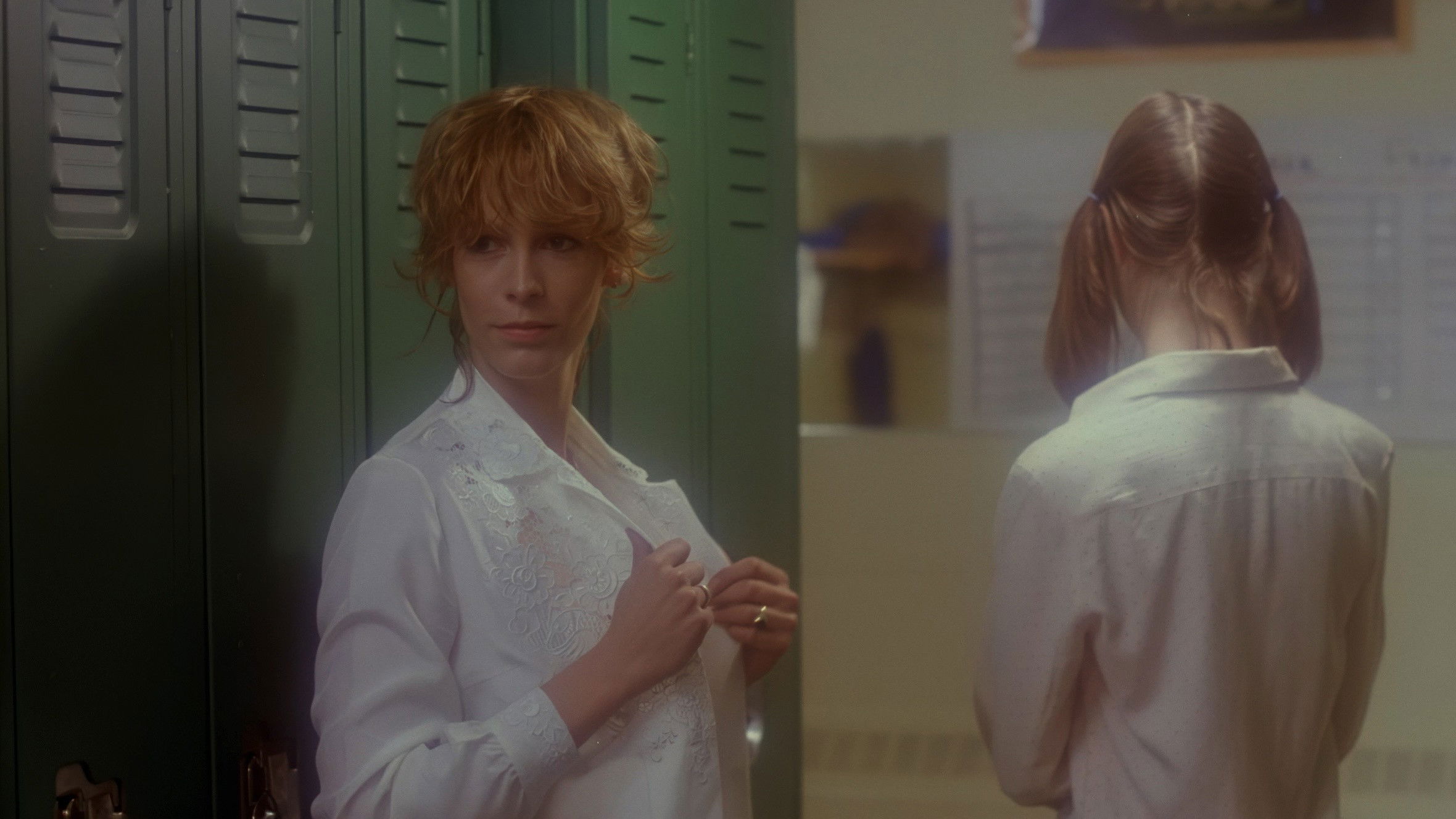
Principal photography began in August 1979, with Toronto standing in for an otherwise broadly North American community. The American Film Institute identifies Don Mills Collegiate as the location of the fictional Alexander Hamilton High School. The local education authority permitted the production to use school facilities for offices and workshop space, allowing the crew to construct the dance environment within a functioning institutional building. Production notes also identify the Scarborough Bluffs as the site of a vehicle explosion filmed near the end of the schedule. Combining real interiors with recognizable exterior terrain allowed the film to enlarge its fictional geography beyond a single campus.
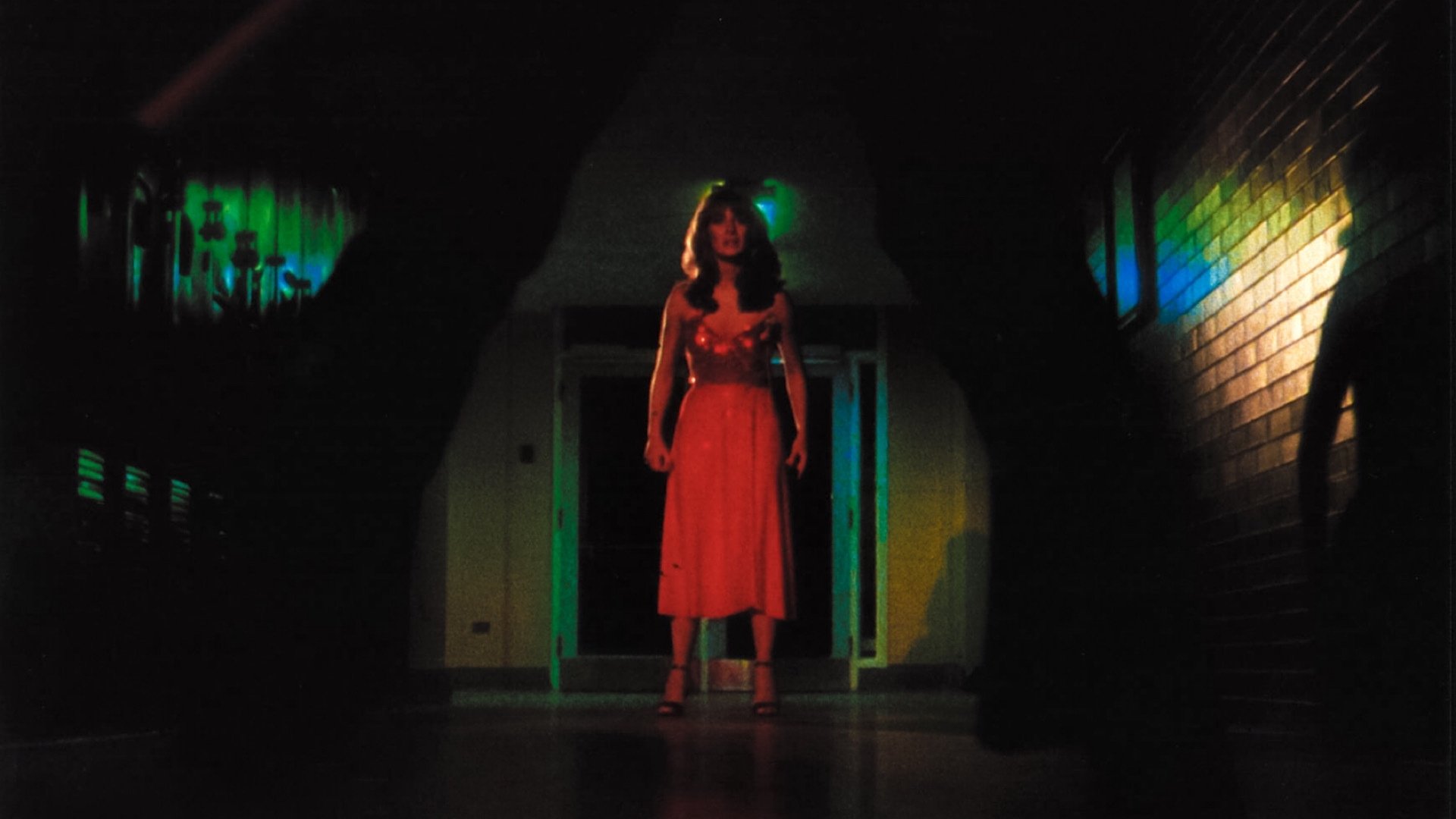
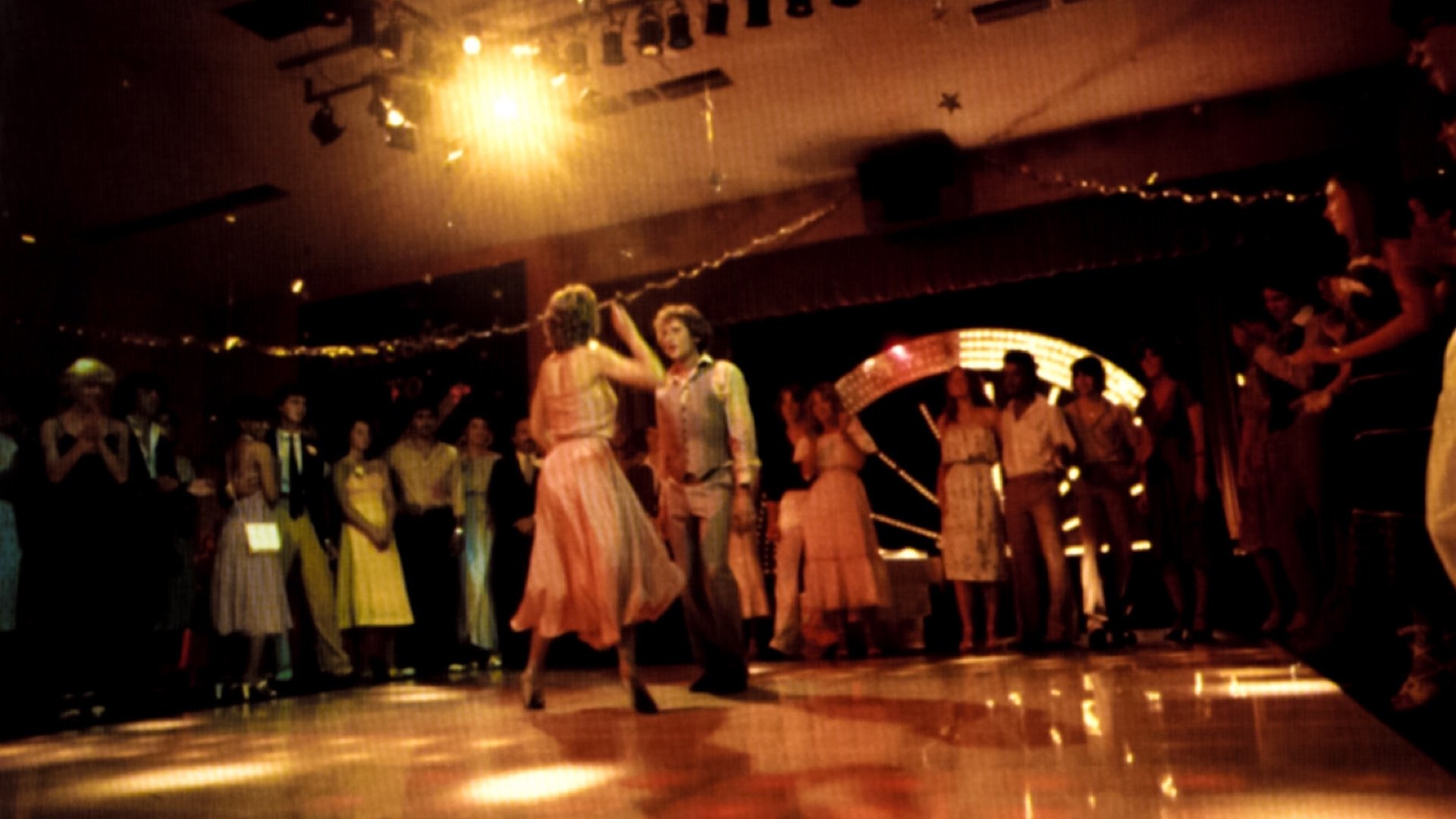
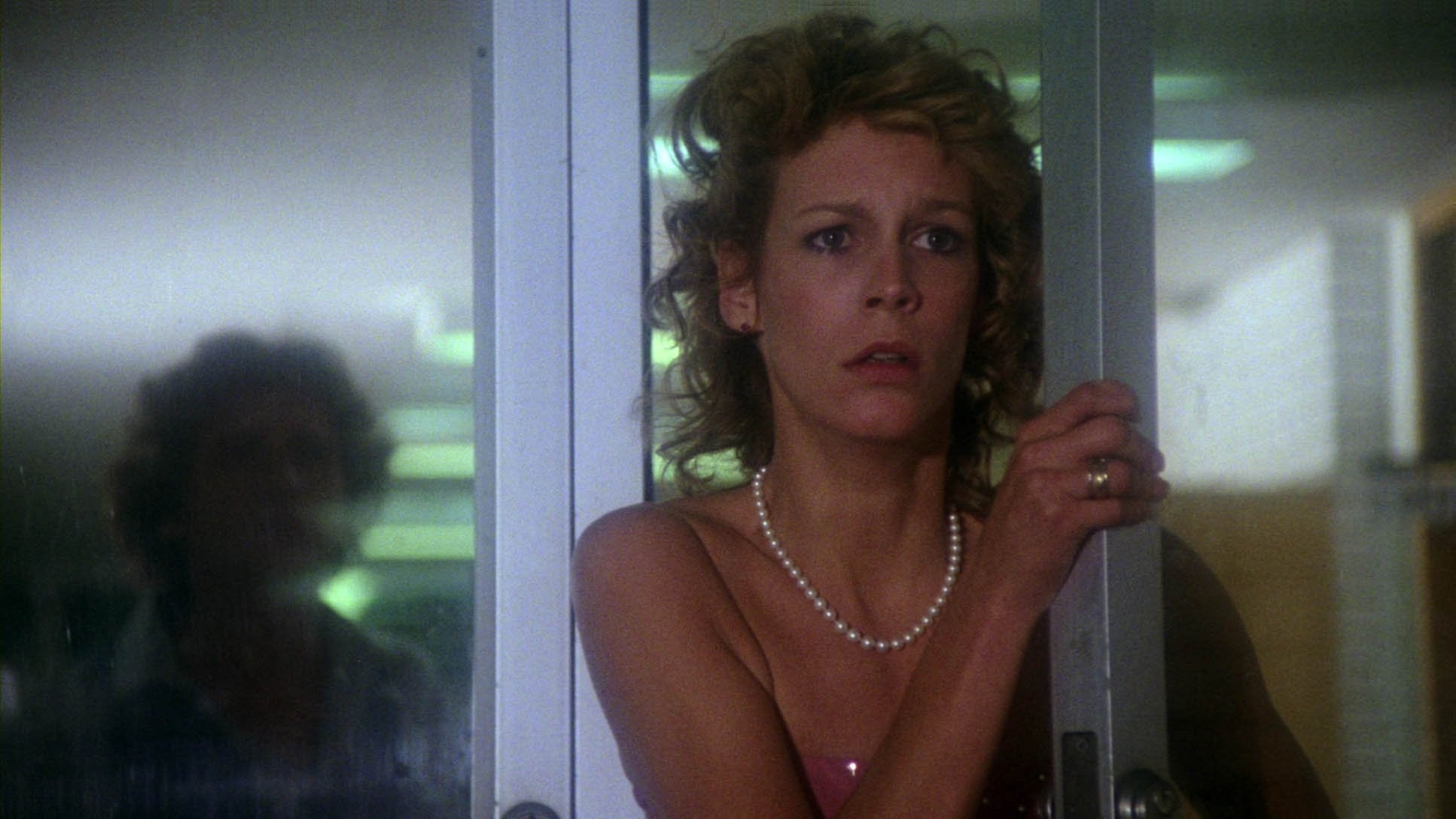
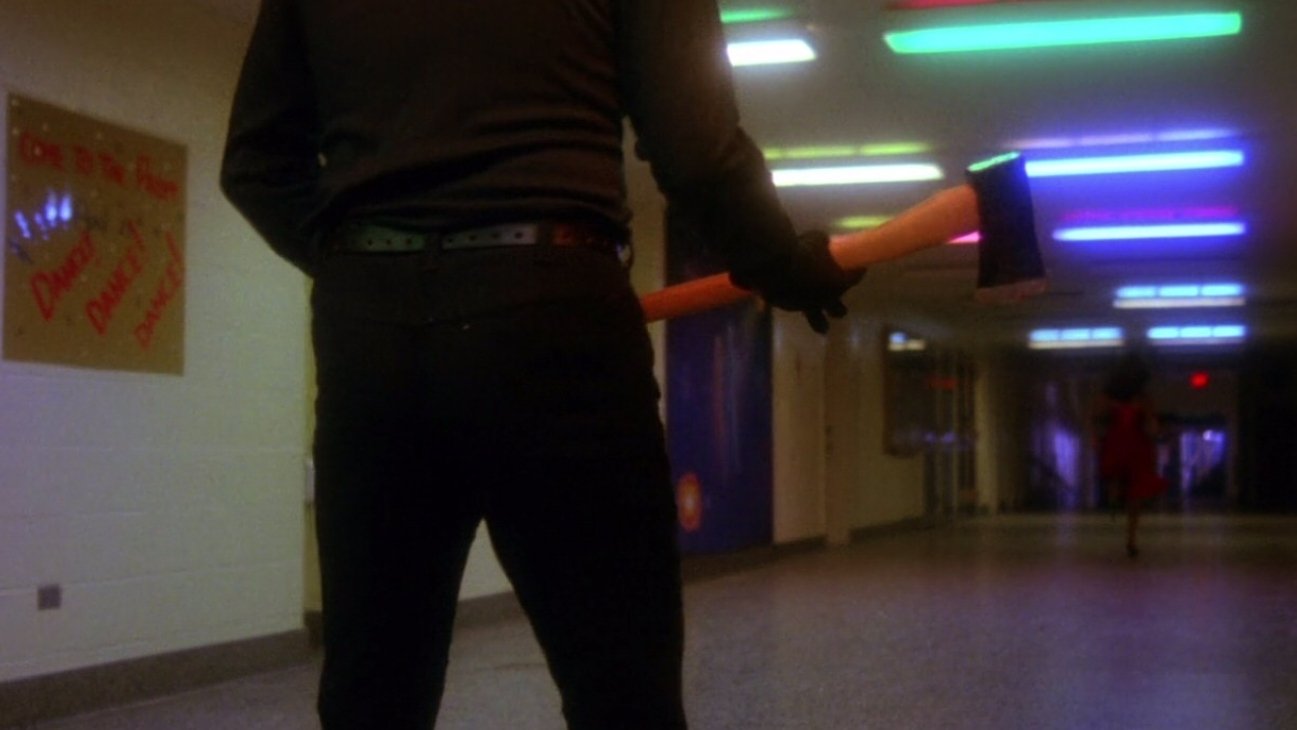
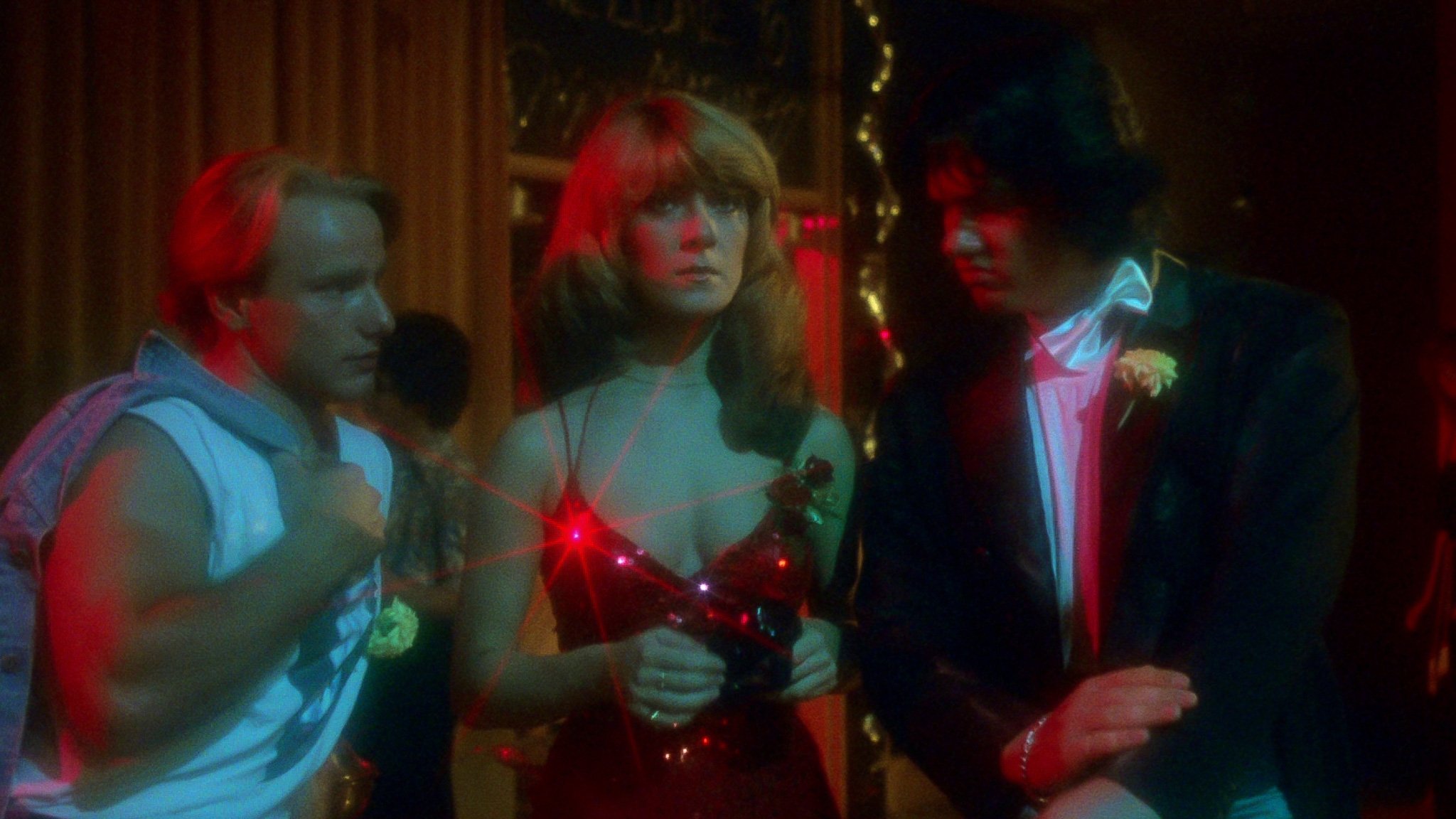
The prom required unusually conspicuous alterations. AFI production research describes a plexiglass dance floor, lighting effects and approximately 250 student extras recruited through a Toronto summer school. Within the story, these details make the celebration appear substantial enough to conceal an attacker among crowds, music and constantly moving bodies. As the students gradually disperse, the same corridors and service rooms become places where privacy turns dangerous. The contrast is a practical consequence of the location plan: the school must support both the busy dance and the isolated pursuits. The resulting setting is more spatially varied than an anonymous backdrop assembled exclusively for isolated murder scenes.
Childhood Guilt and the Rules of Suspicion
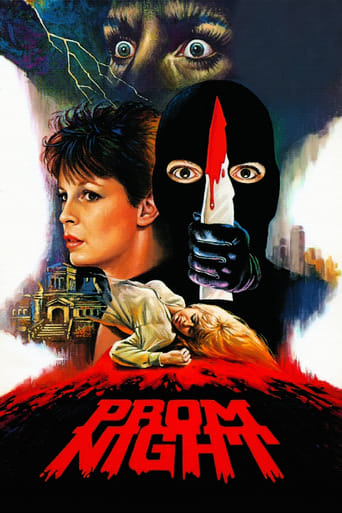
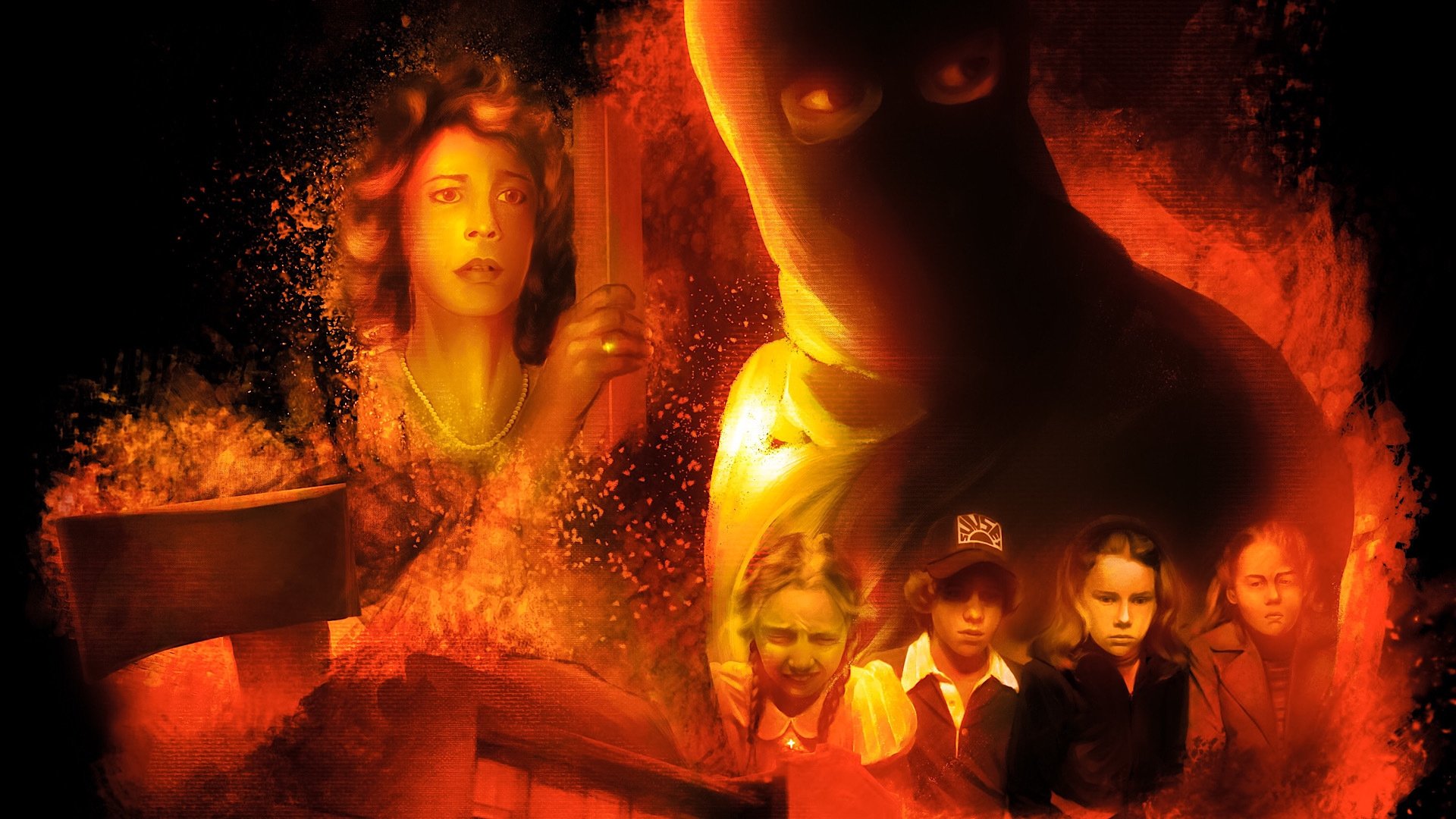
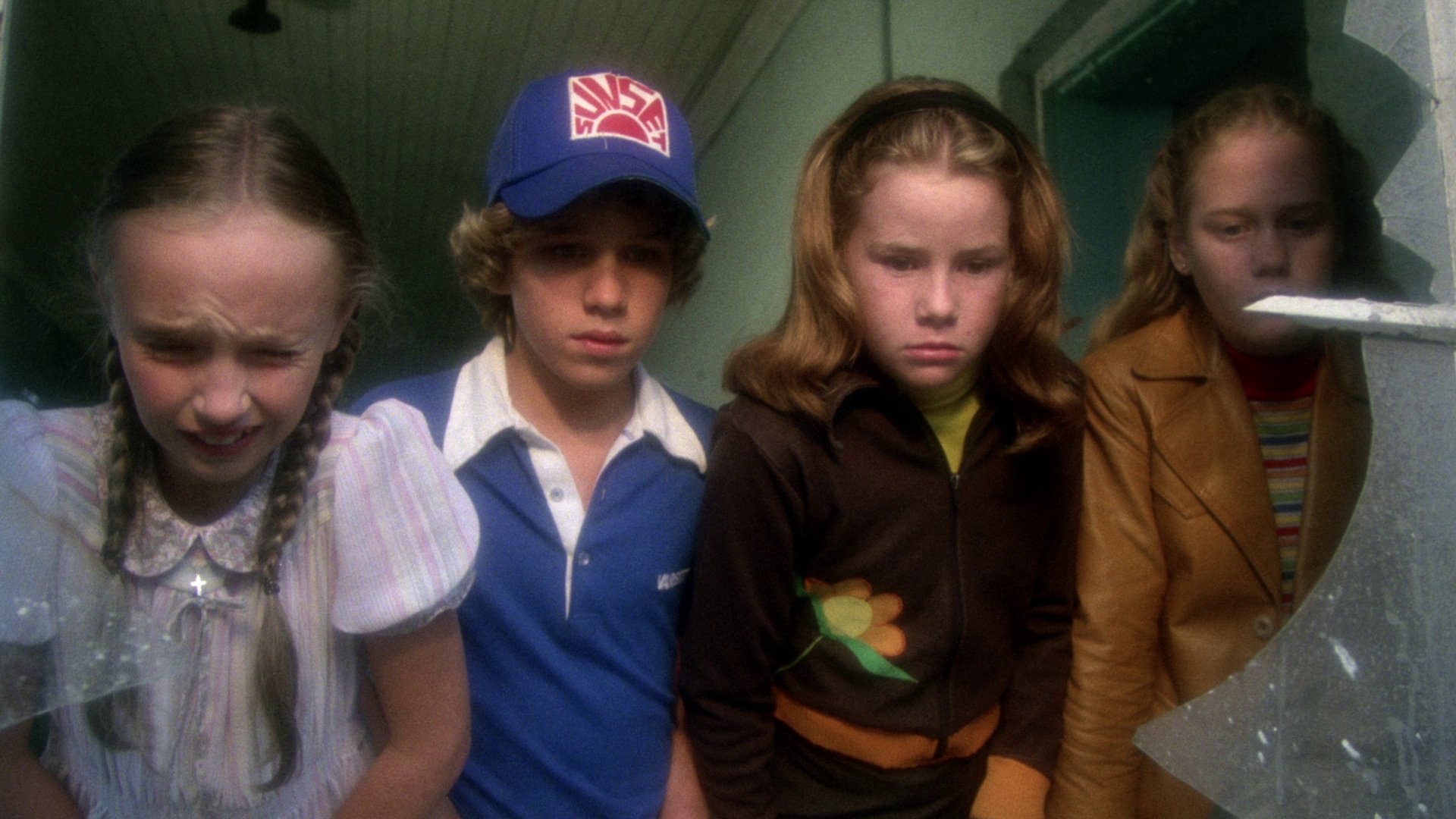
An opening game played by children ends with Robin Hammond falling to her death. The participants agree to conceal what happened, turning a shared act of cruelty into a secret that survives as they approach graduation. Years later, threatening telephone calls reach those connected to the incident. The viewers know why several students might be targeted, yet the film withholds who has chosen to punish them. That arrangement makes the prologue a source of dramatic information rather than a complete explanation. Every apparent clue must be judged against the possibility that someone else has learned about the original event.
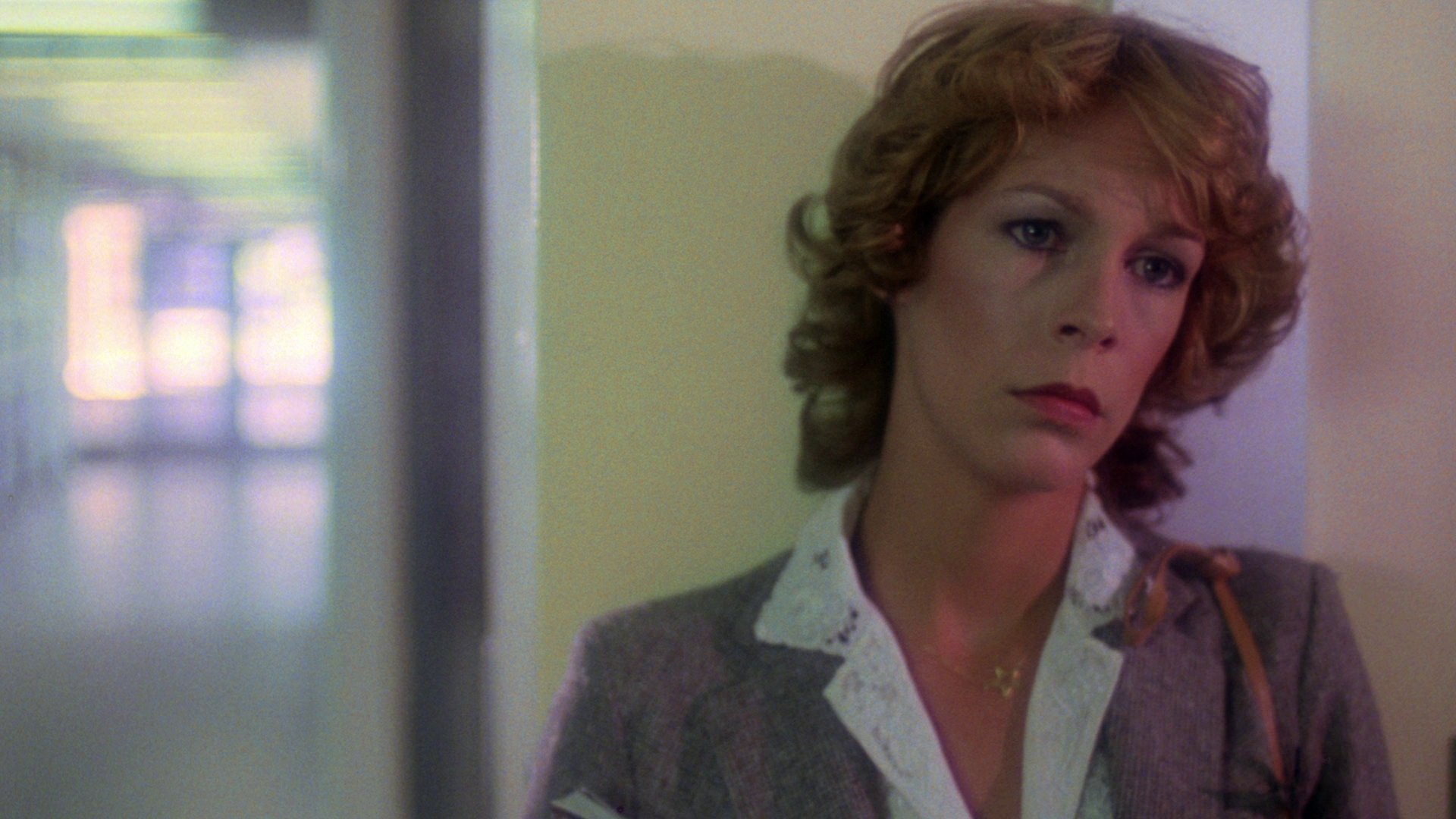
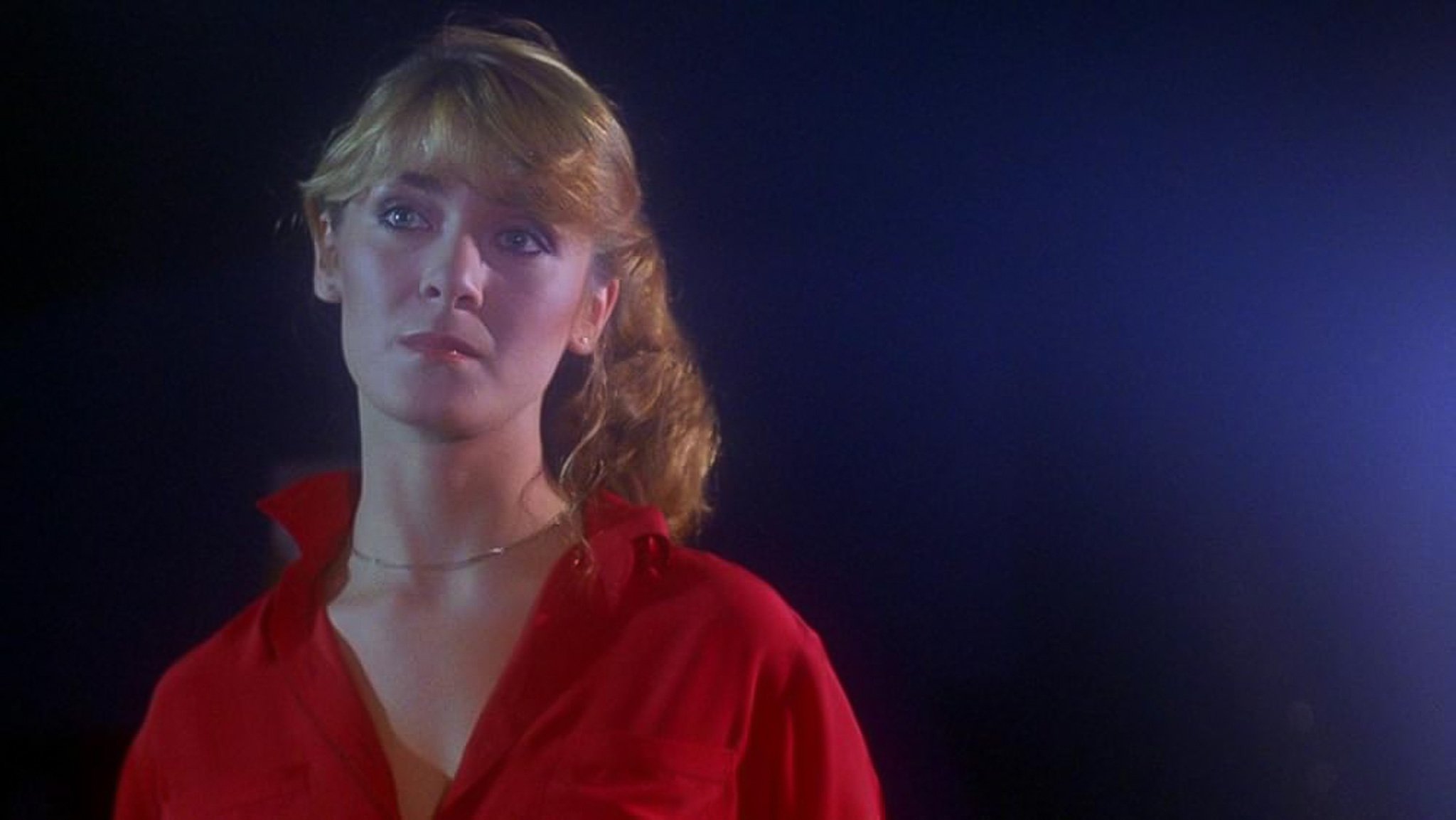
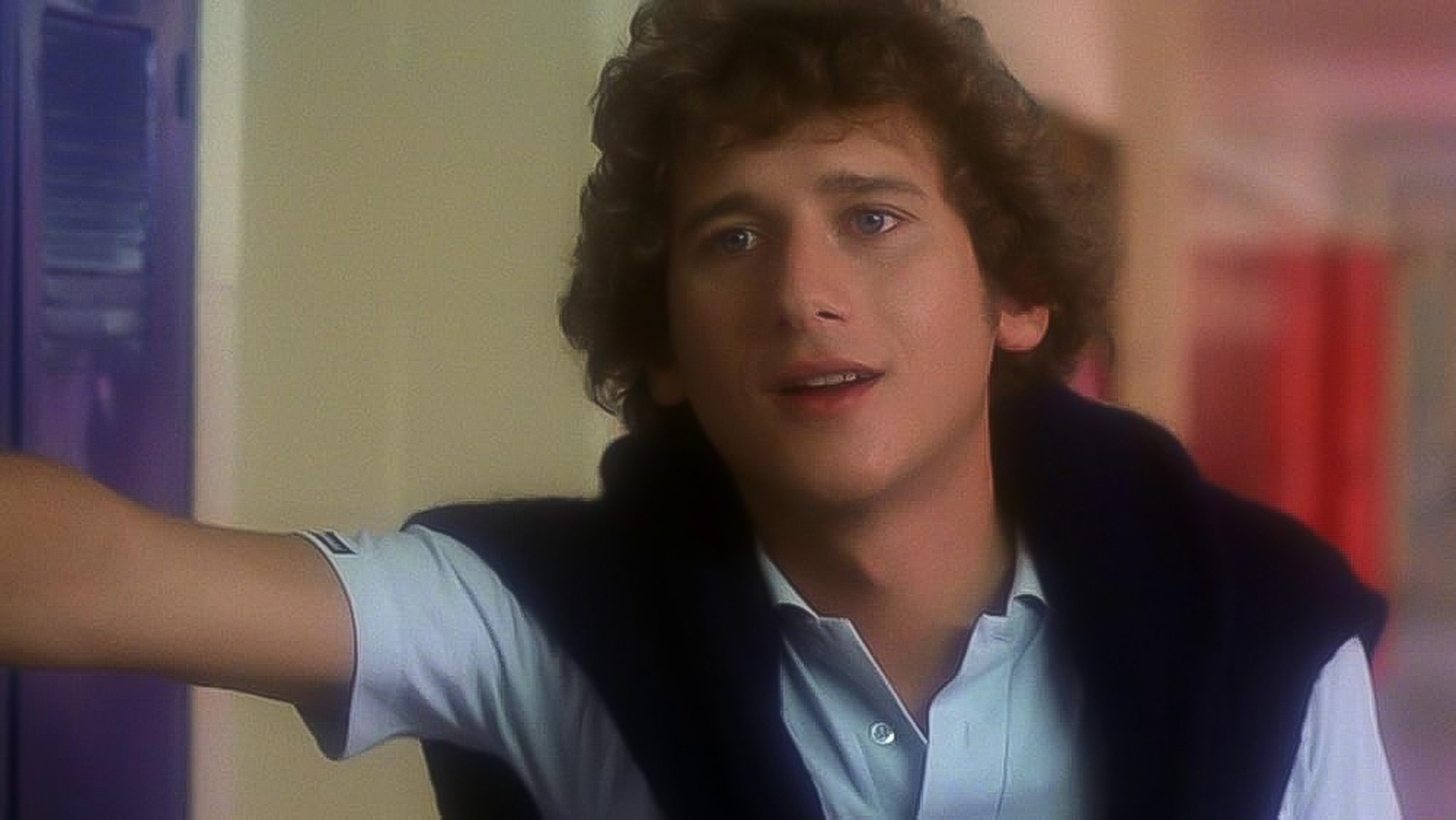
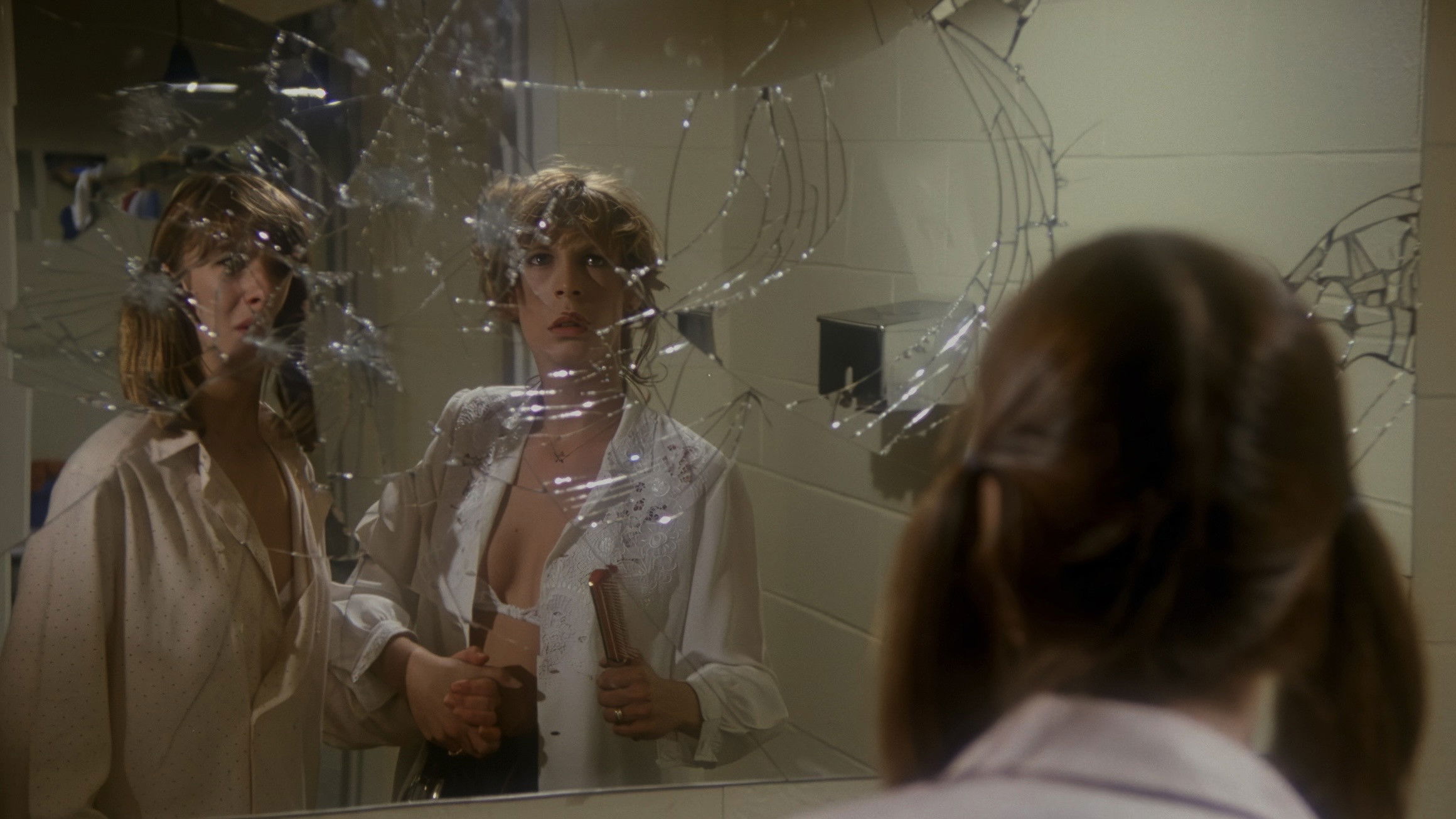
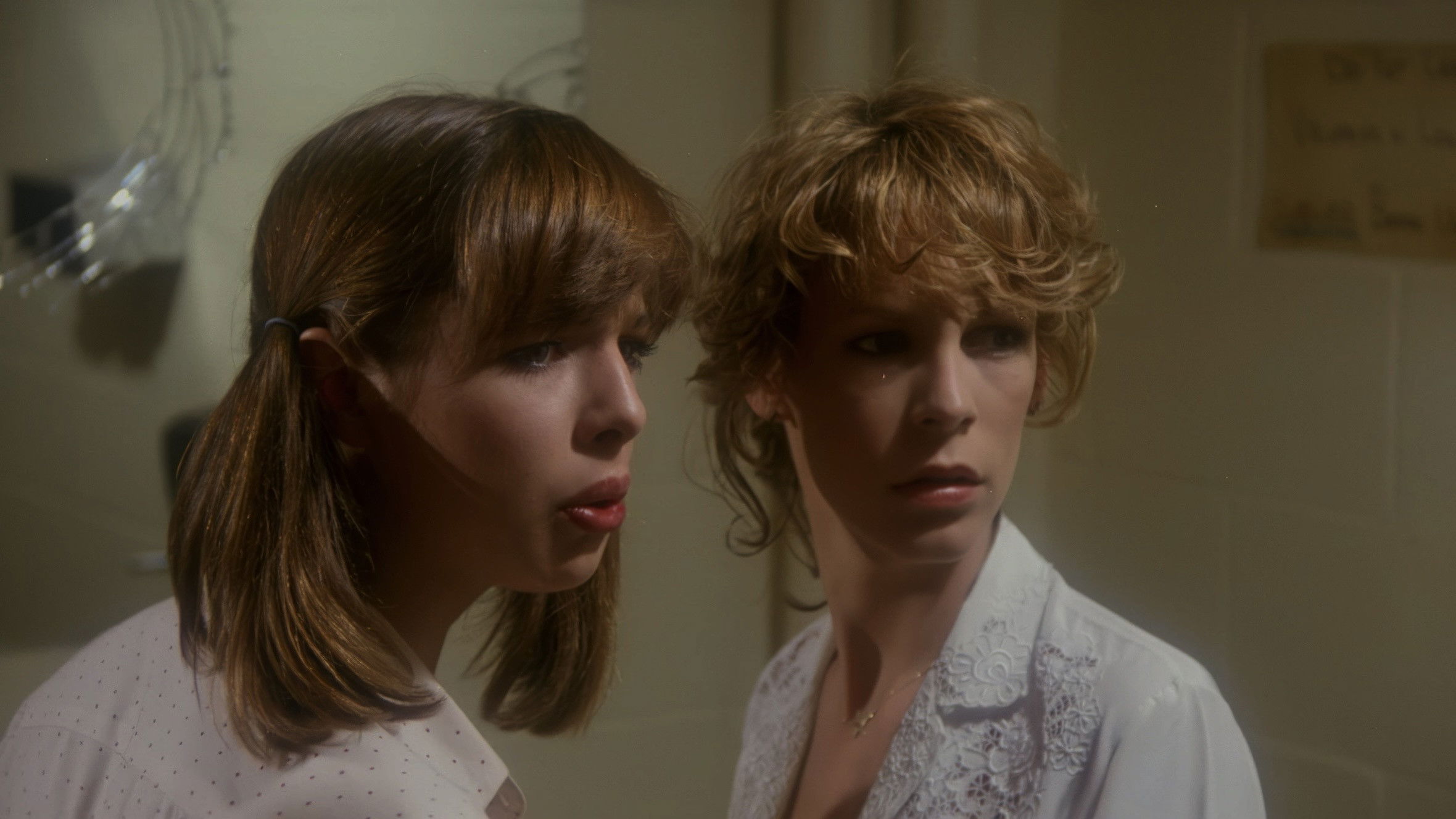
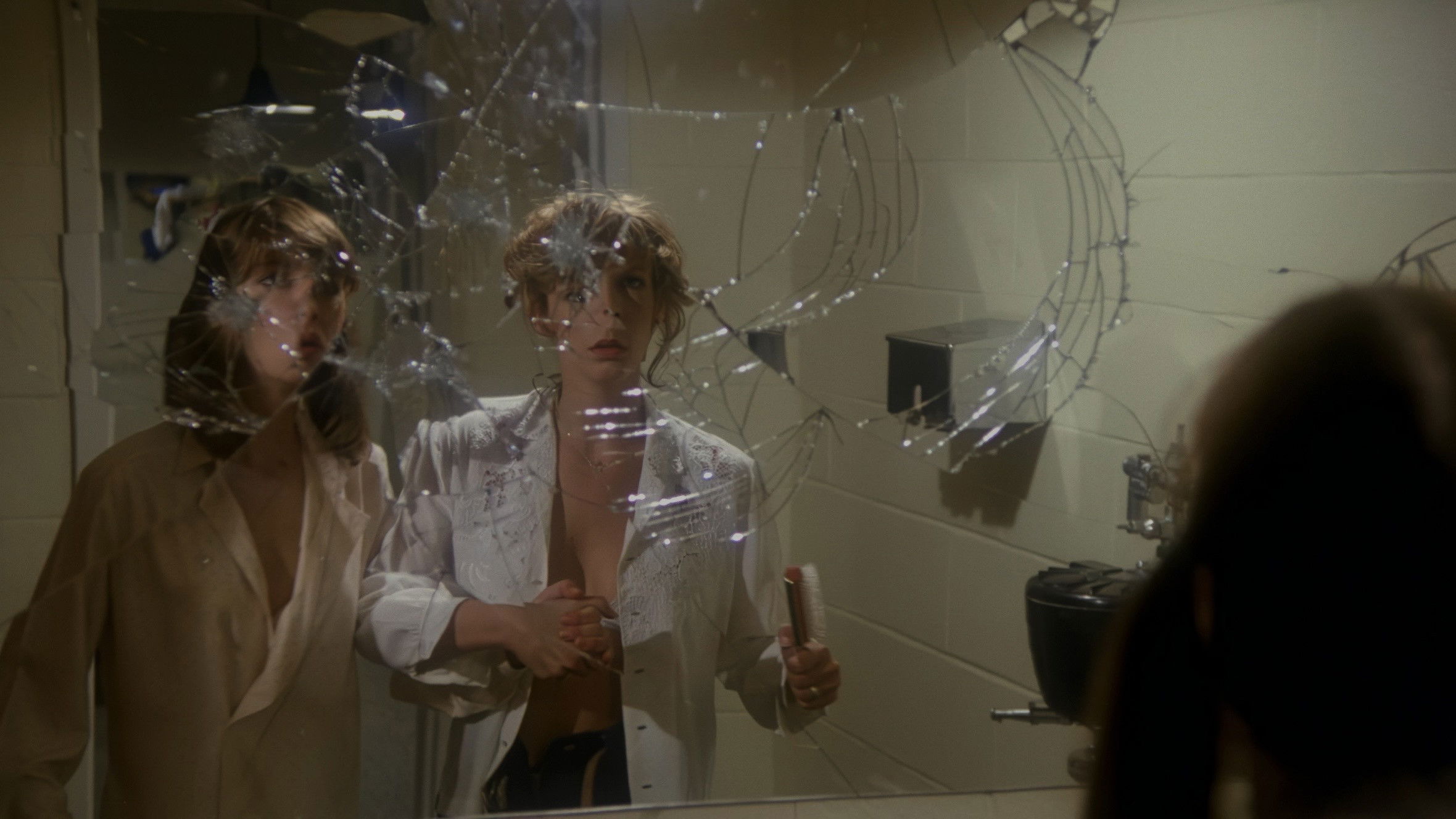
Kim occupies an unusual position within this structure. Her connection to the dead girl gives the evening a private emotional significance that the wider dance community cannot fully share. At the same time, she has ordinary romantic and social concerns, including a public relationship with Nick. Gray explicitly identified Carrie (1976) as an influence on his approach, although Prom Night replaces that film's supernatural retaliation with a masked human assailant and a puzzle about identity. The resemblance is most productive at the level of ritual: a teenage celebration promises recognition and belonging while becoming the setting for humiliation and irreversible violence.
Concealment, Camera Work and Physical Violence
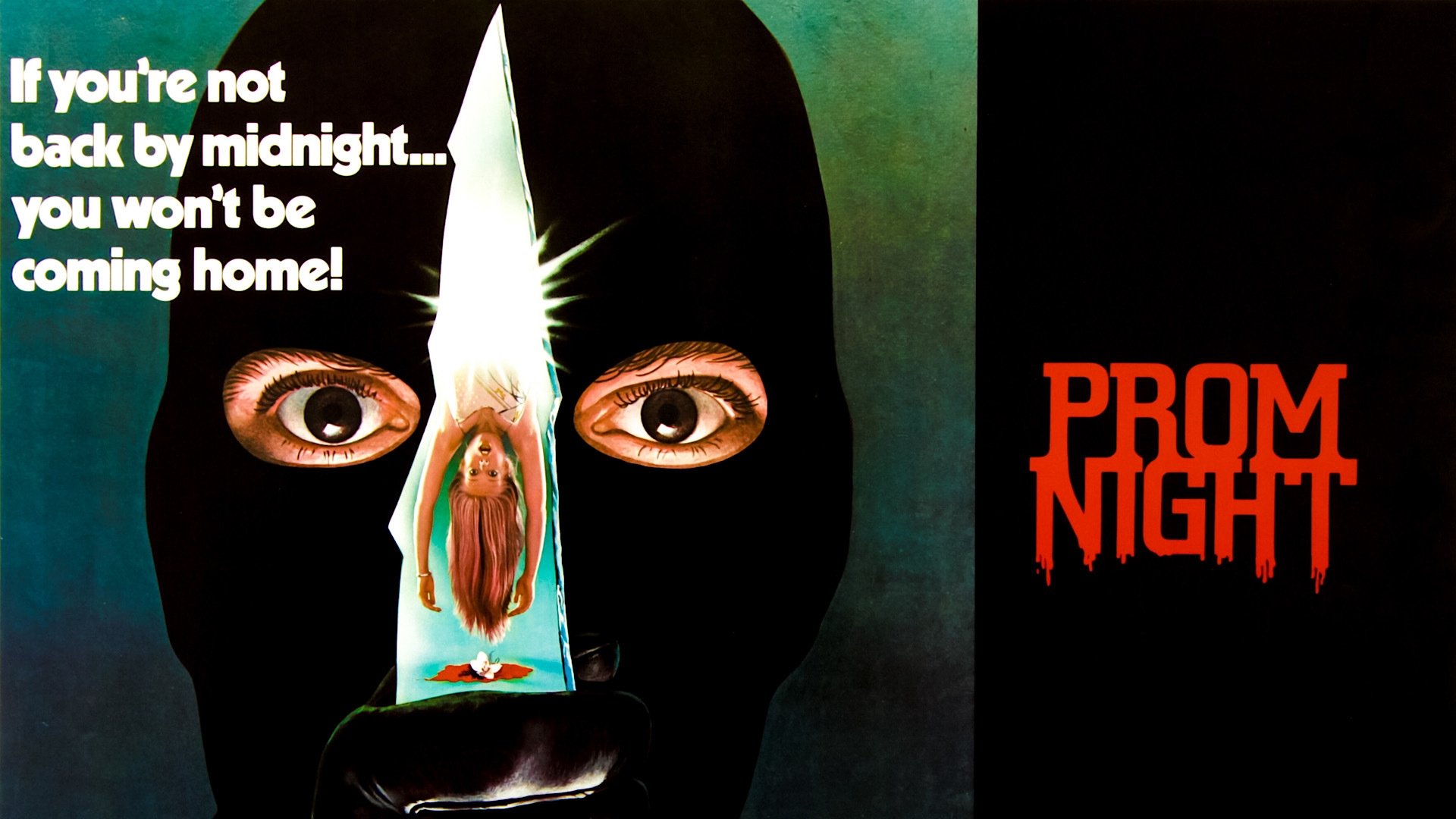
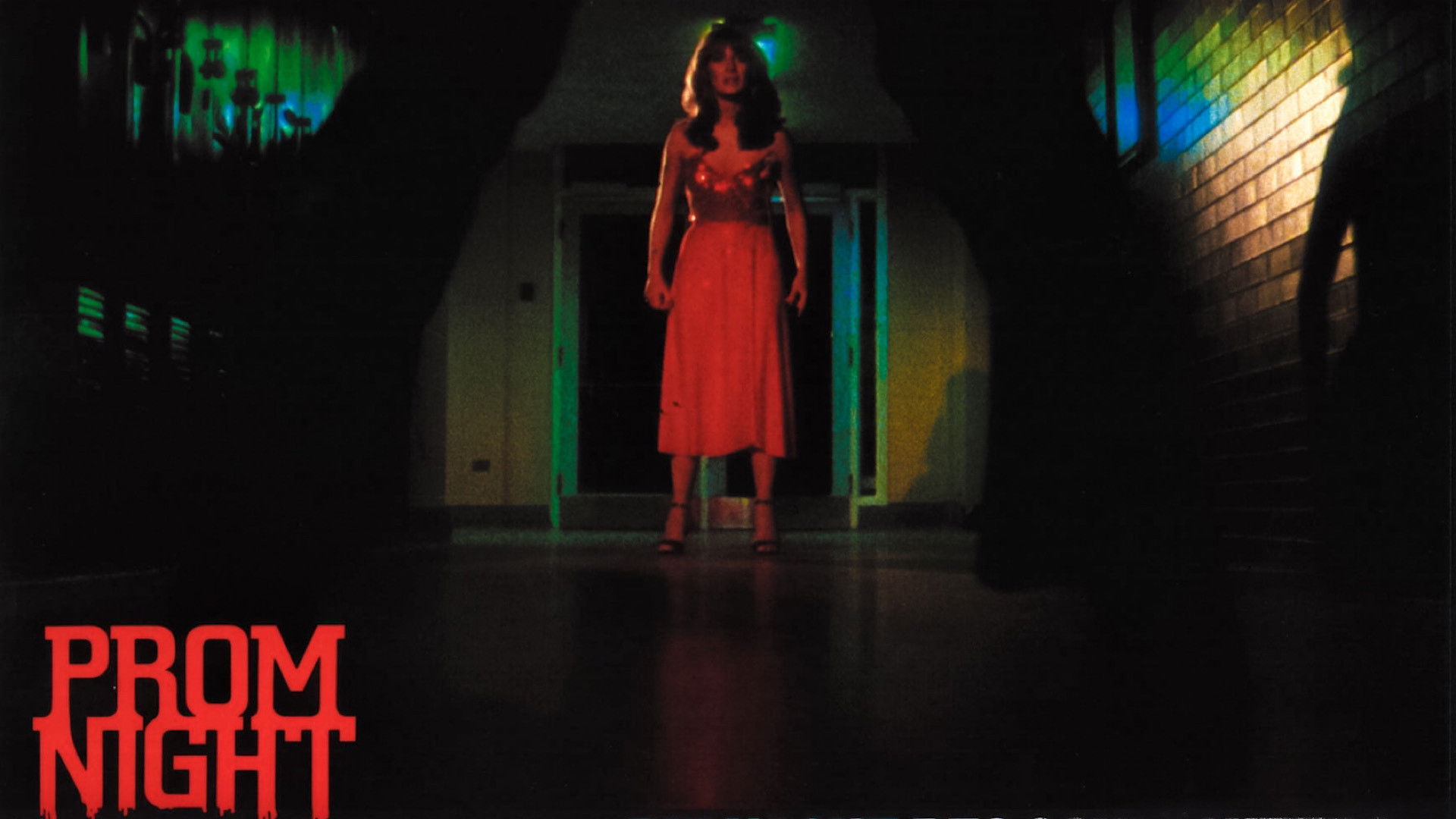
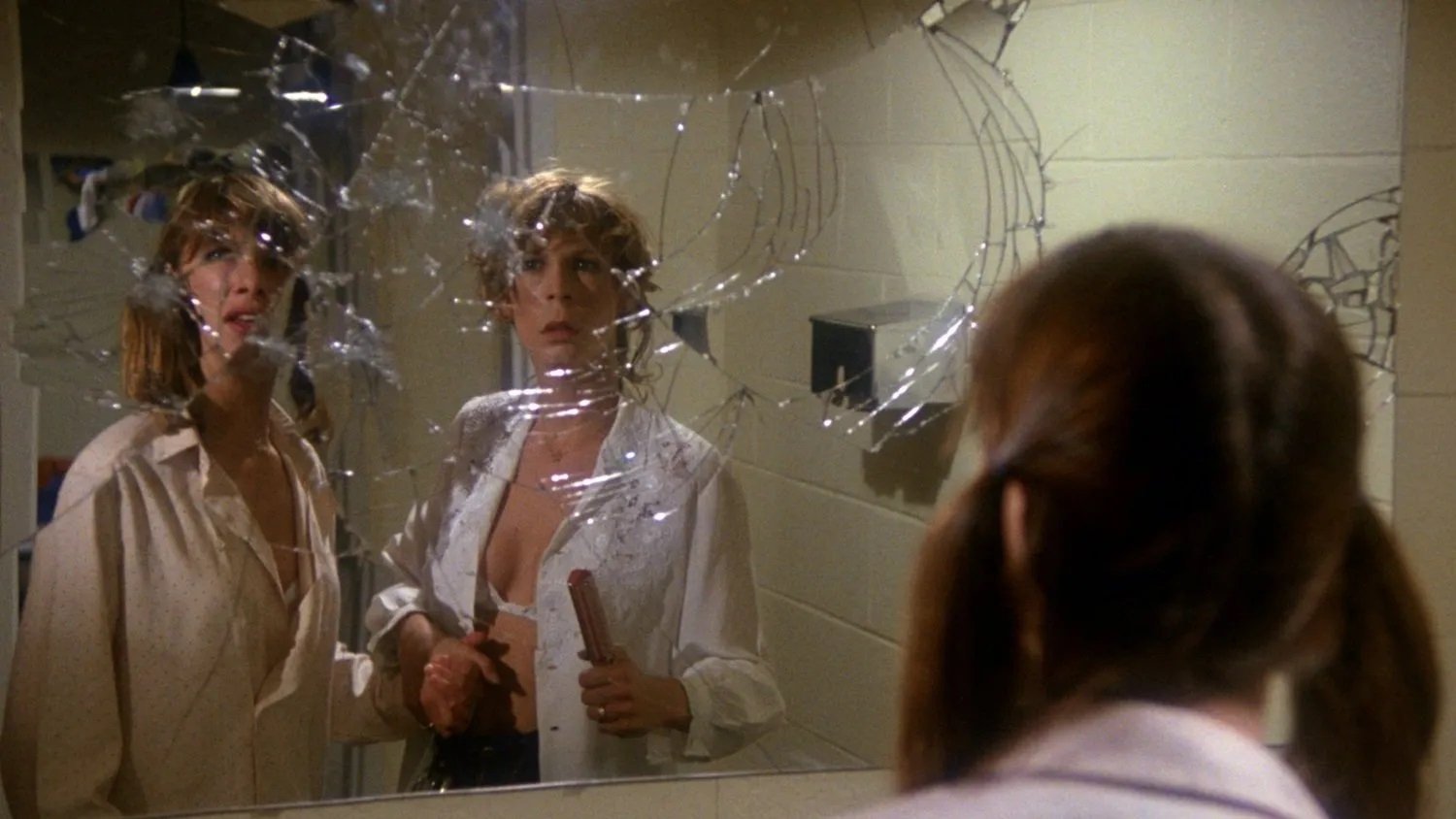
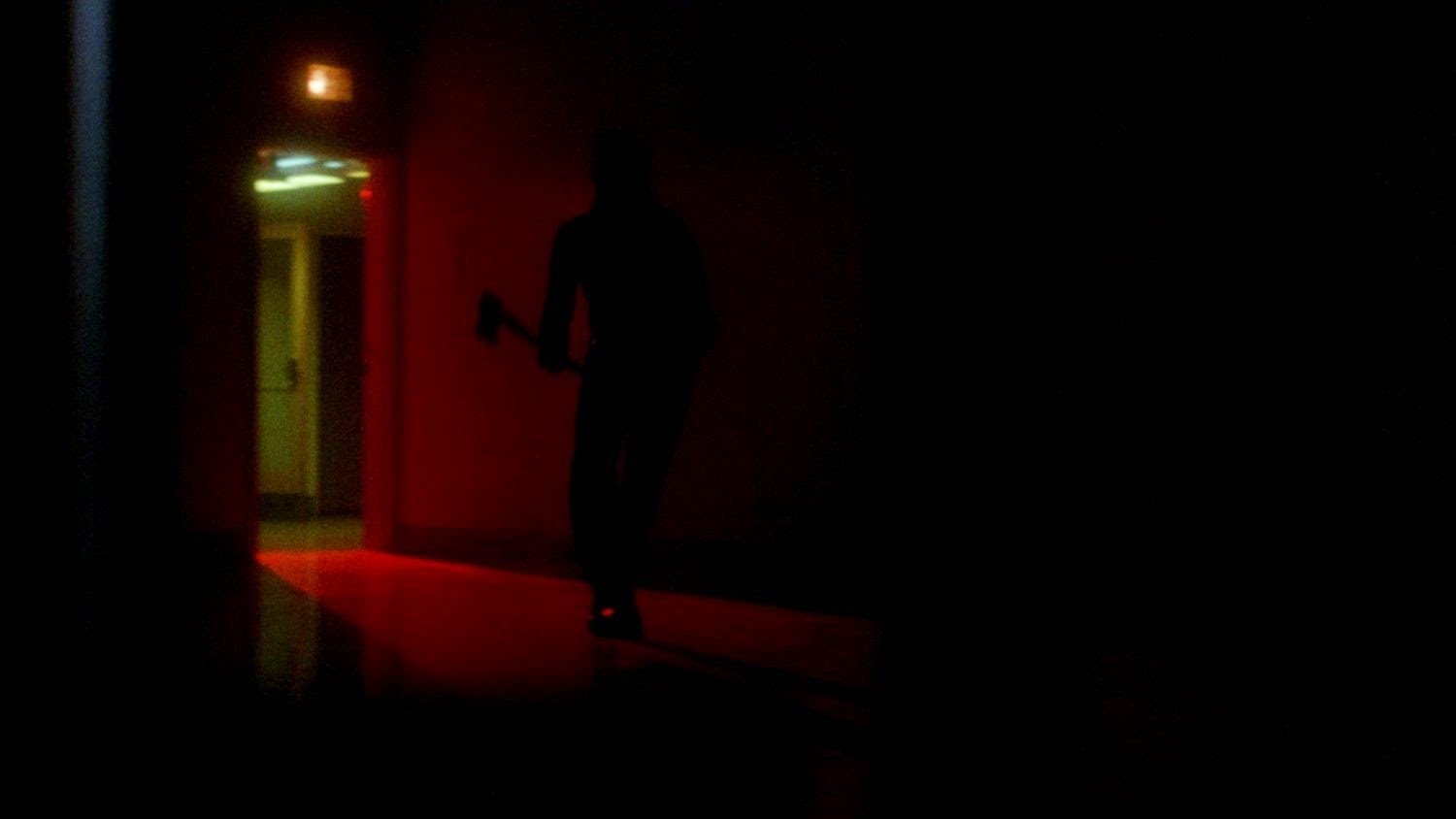
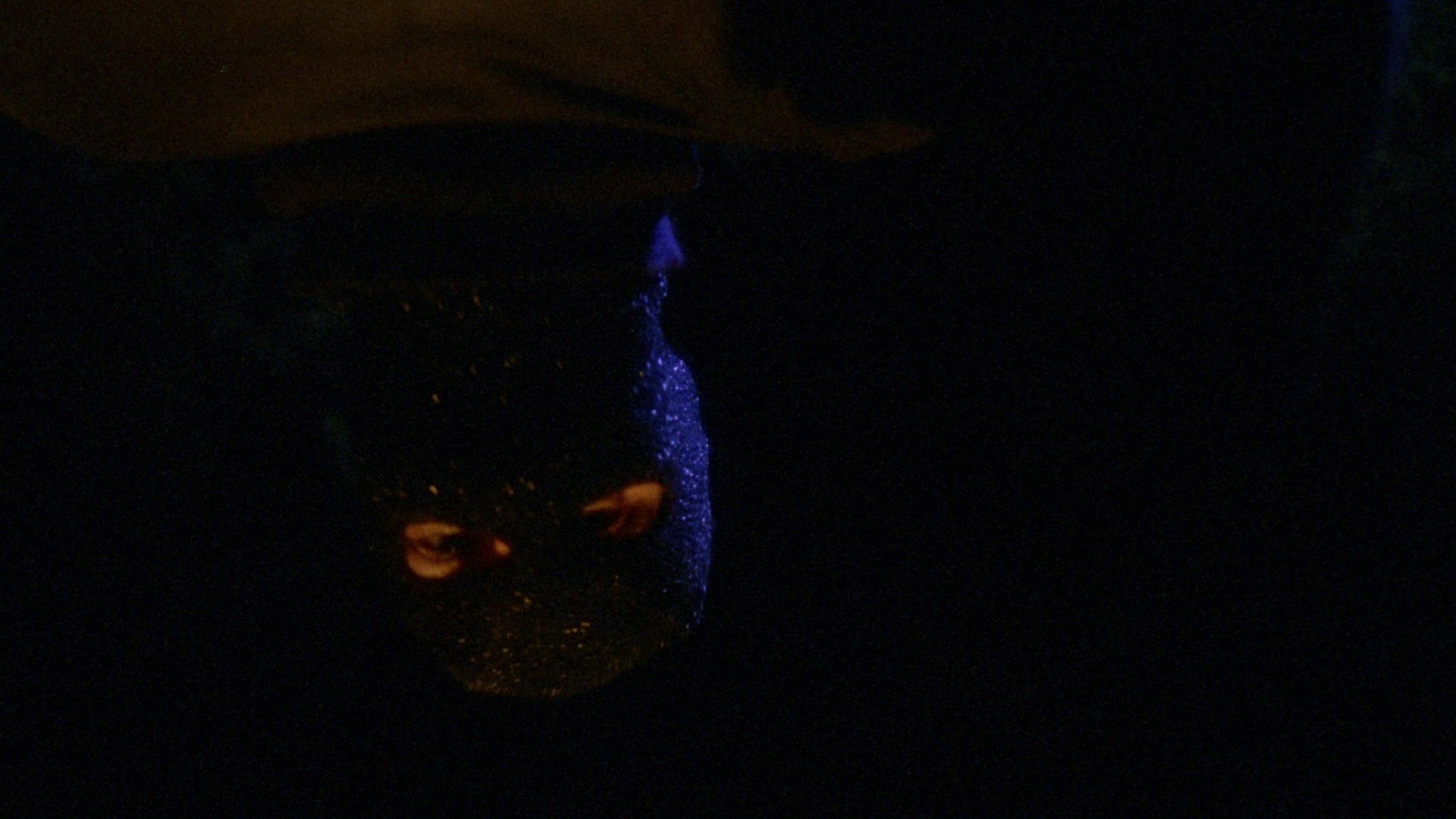
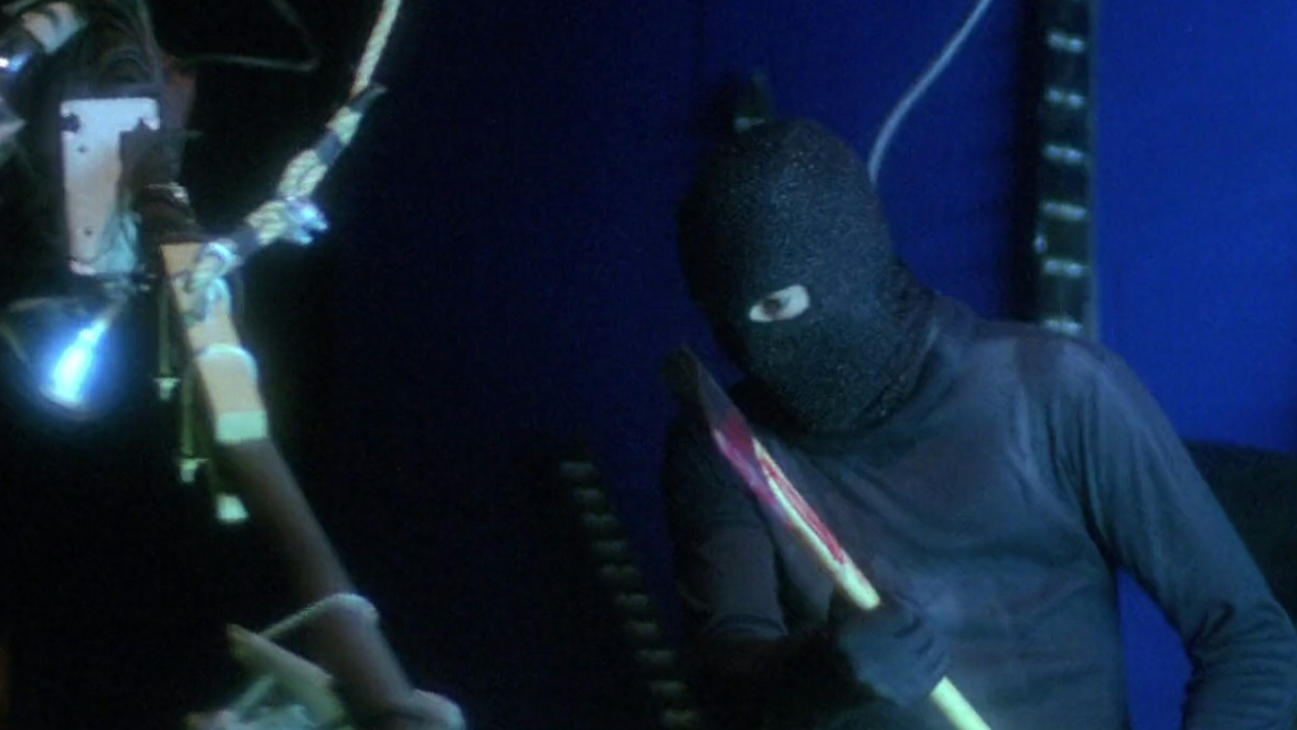
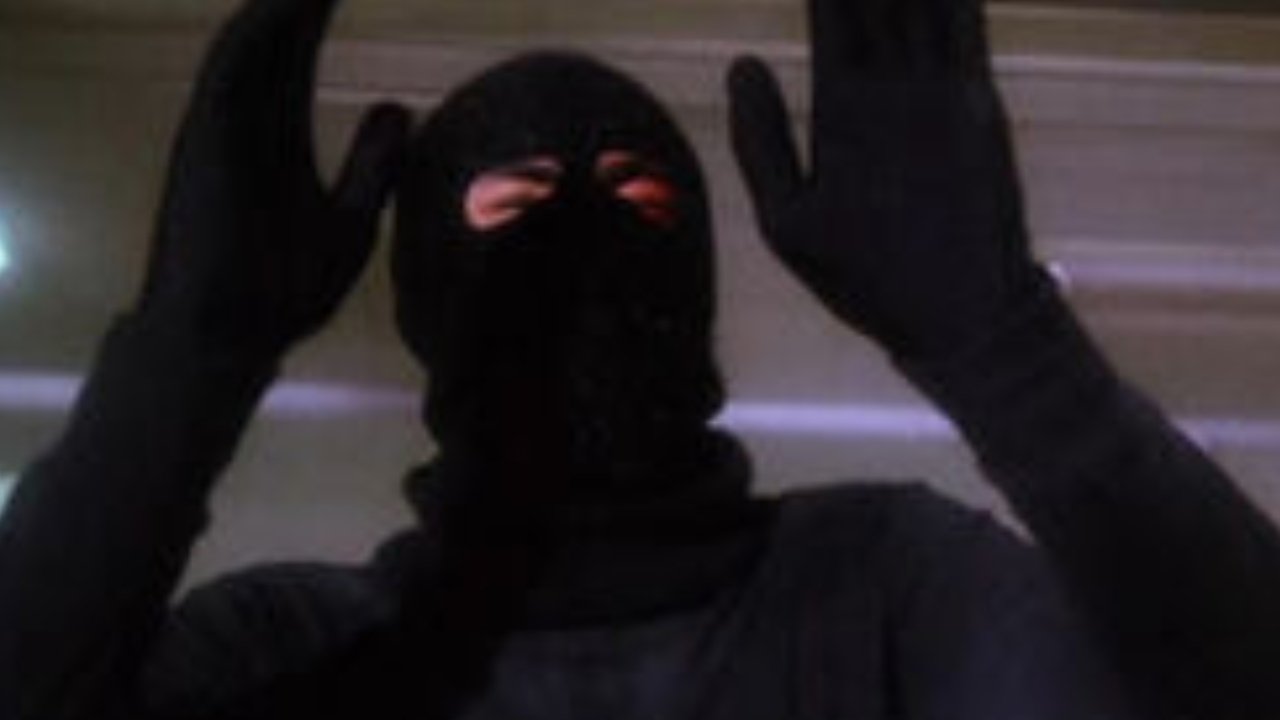
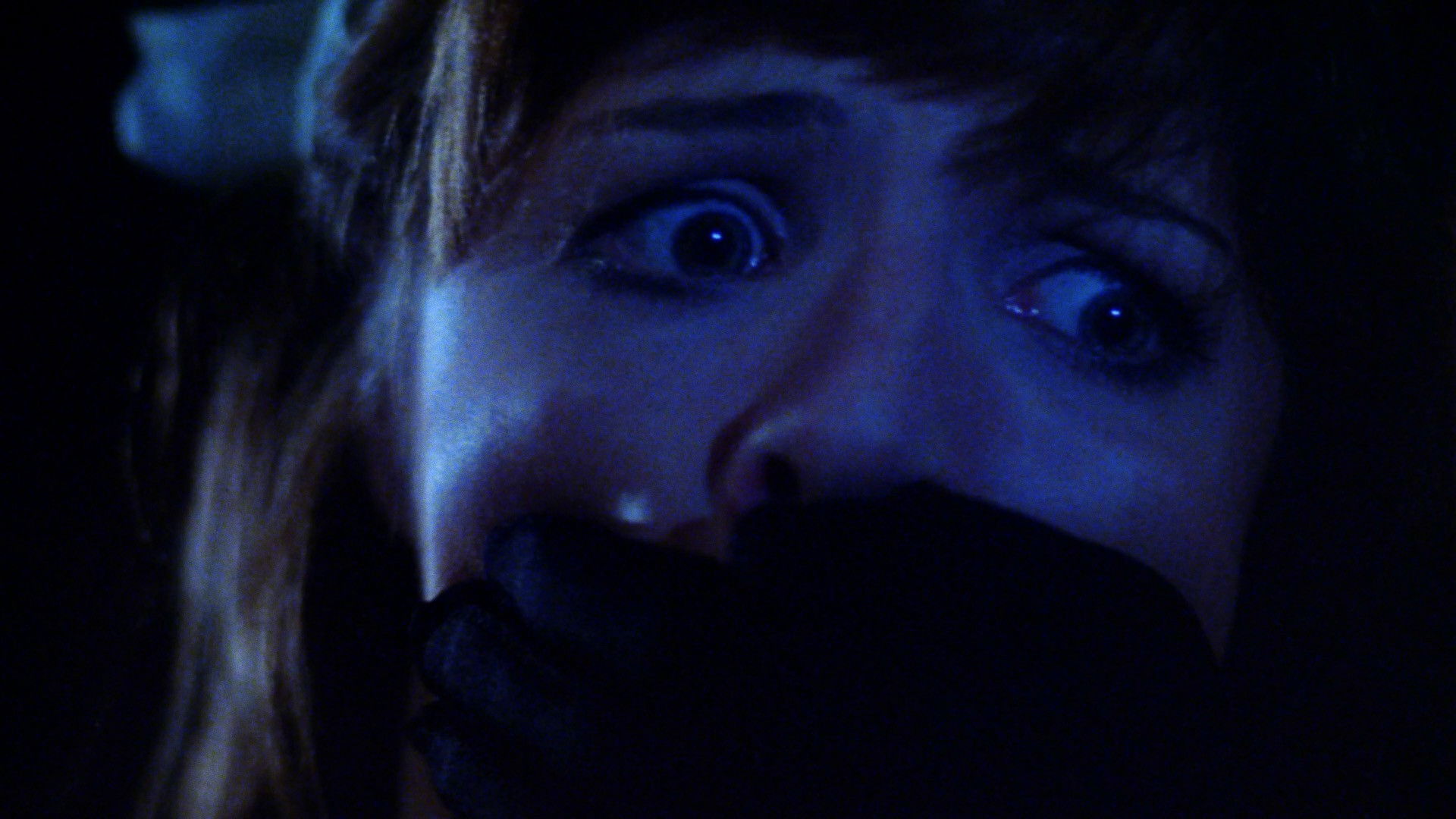
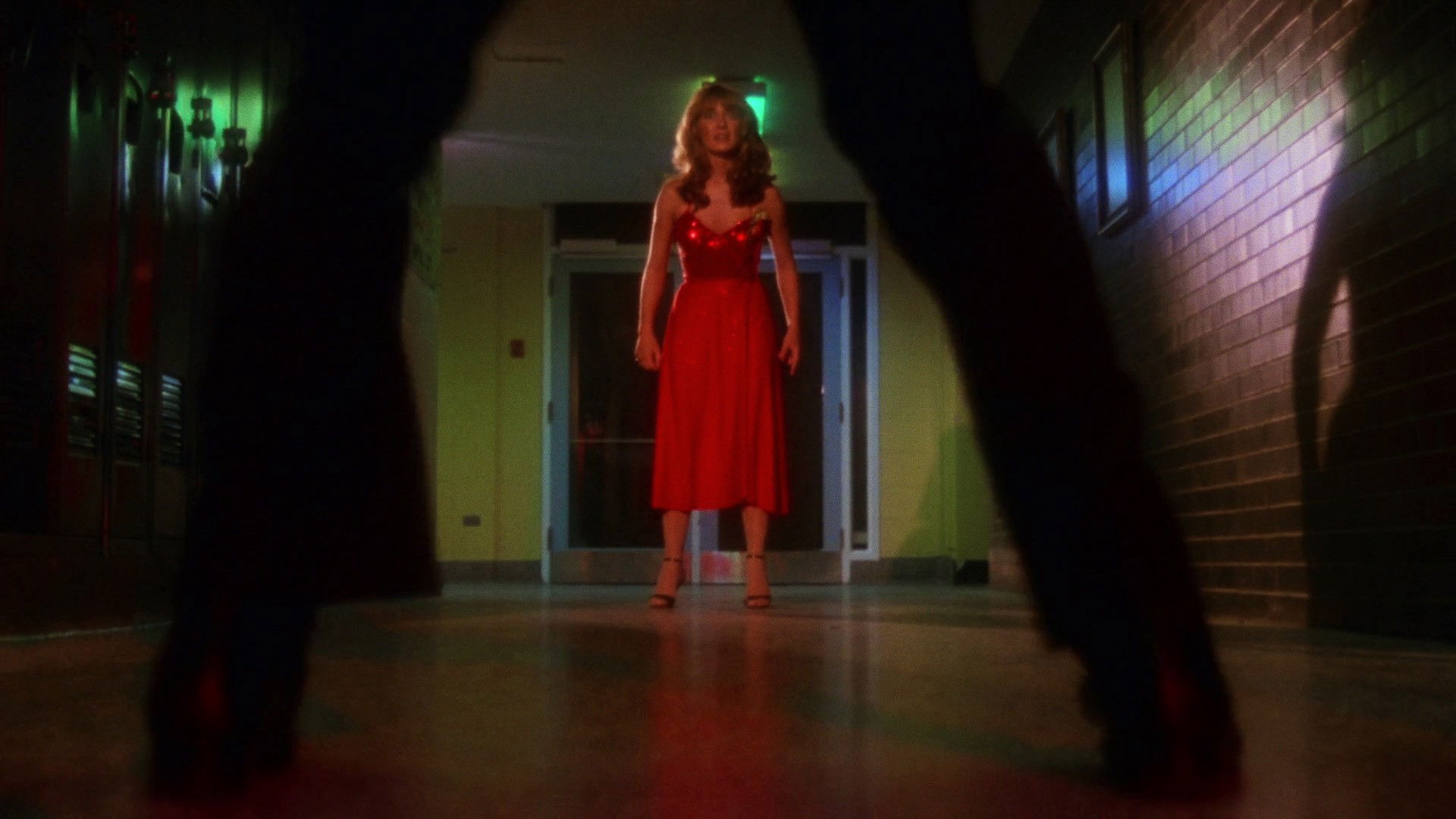
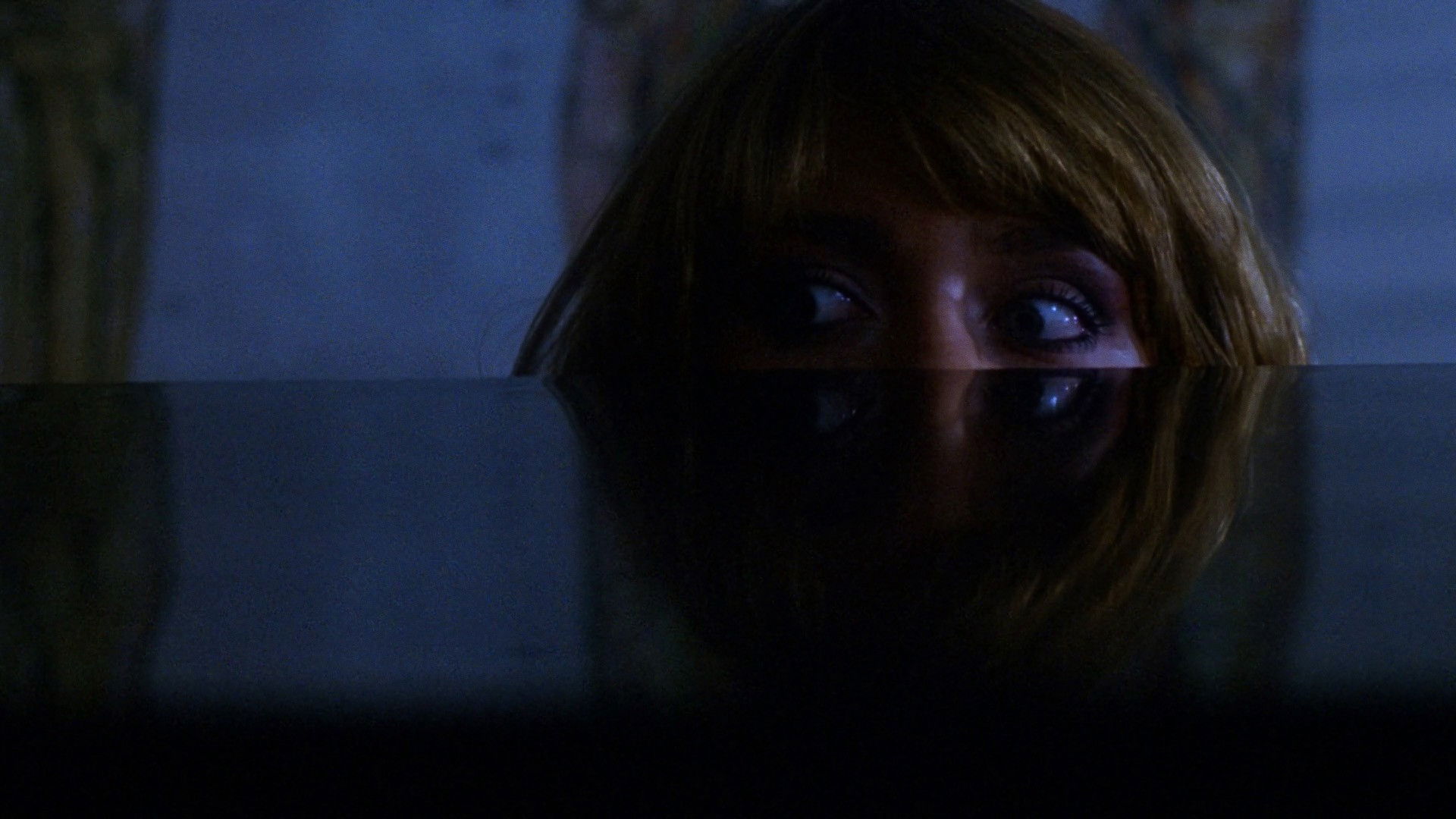
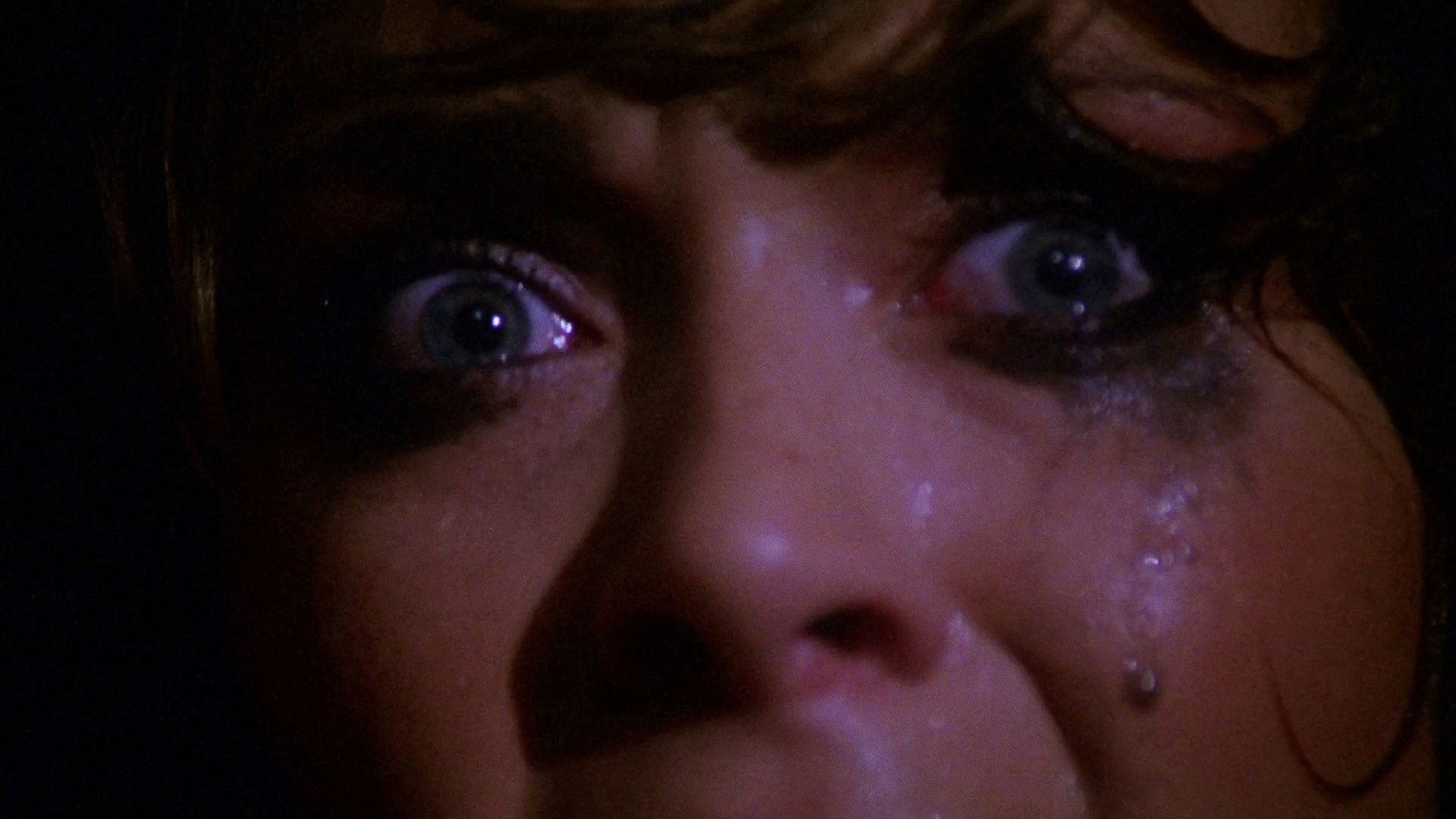
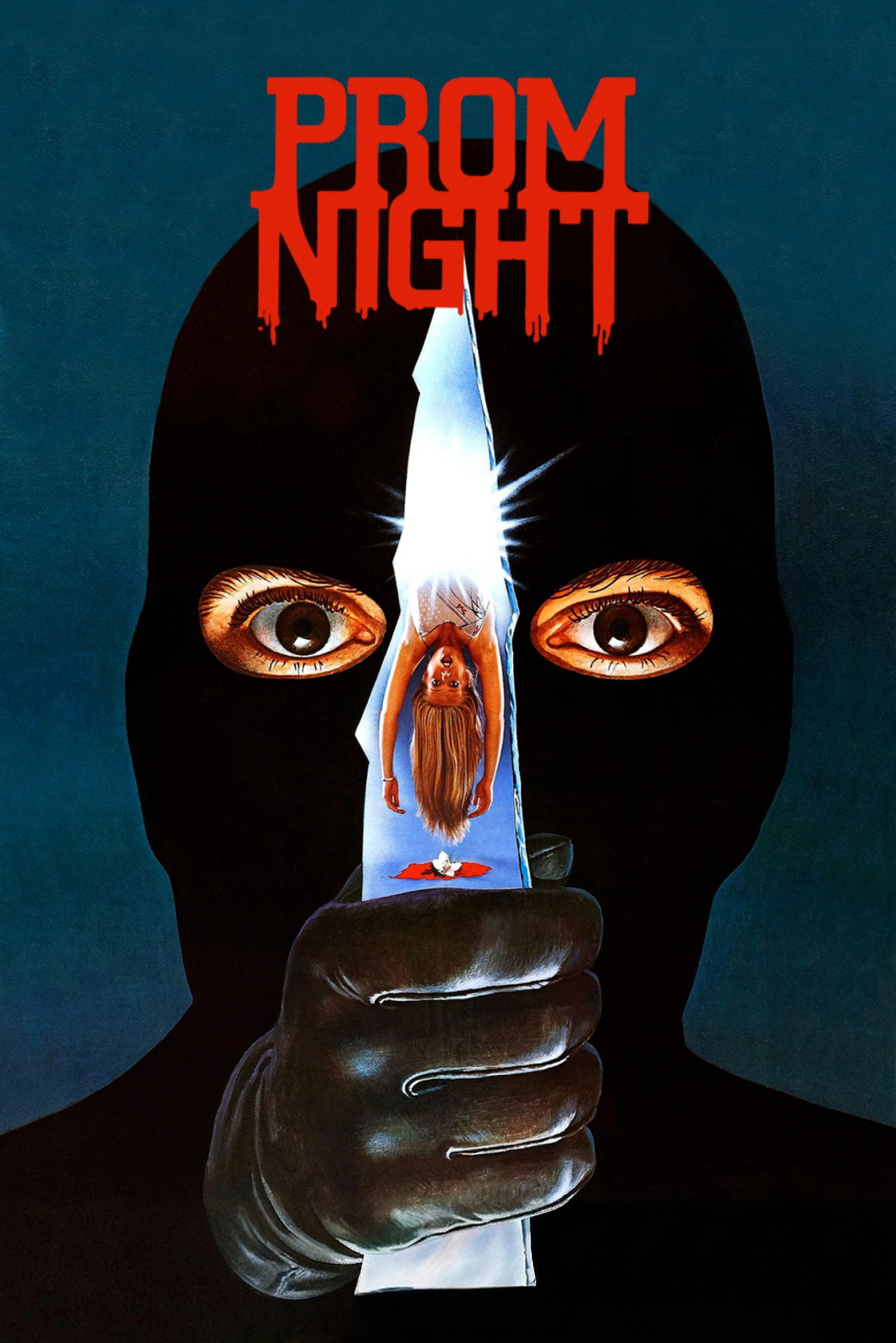
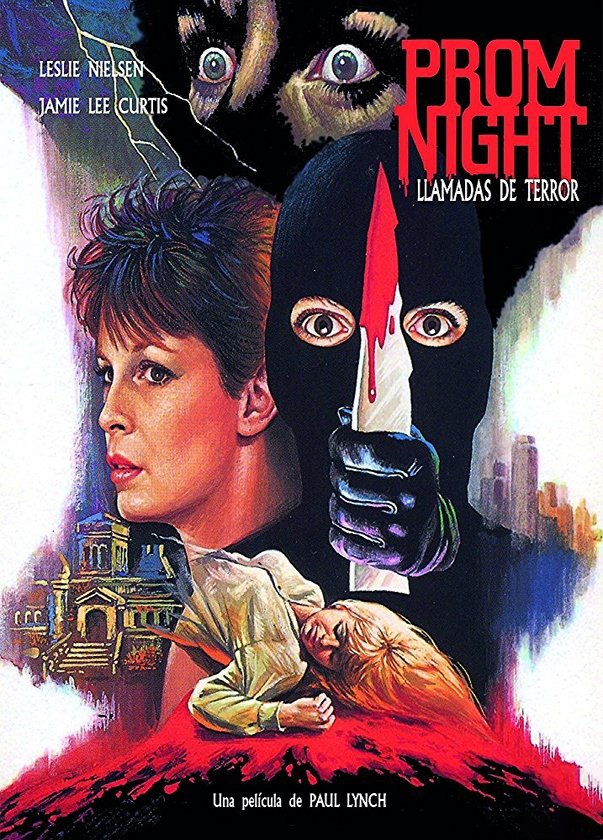
The assailant's dark clothing and face covering limit the information available to both victims and audience. Scenes of pursuit depend on corners, stairways and doors within a building otherwise filled with classmates. Robert New's photography makes practical use of recesses and low illumination, especially when a corridor or locker area loses the protection offered by the dance's communal space. The camera can briefly share a victim's limited knowledge, then reveal an attacker at a distance that makes escape appear possible. These arrangements sustain tension without requiring each attack to become an elaborate gore display. The suspense often lies in how long a threatened student can remain unseen.
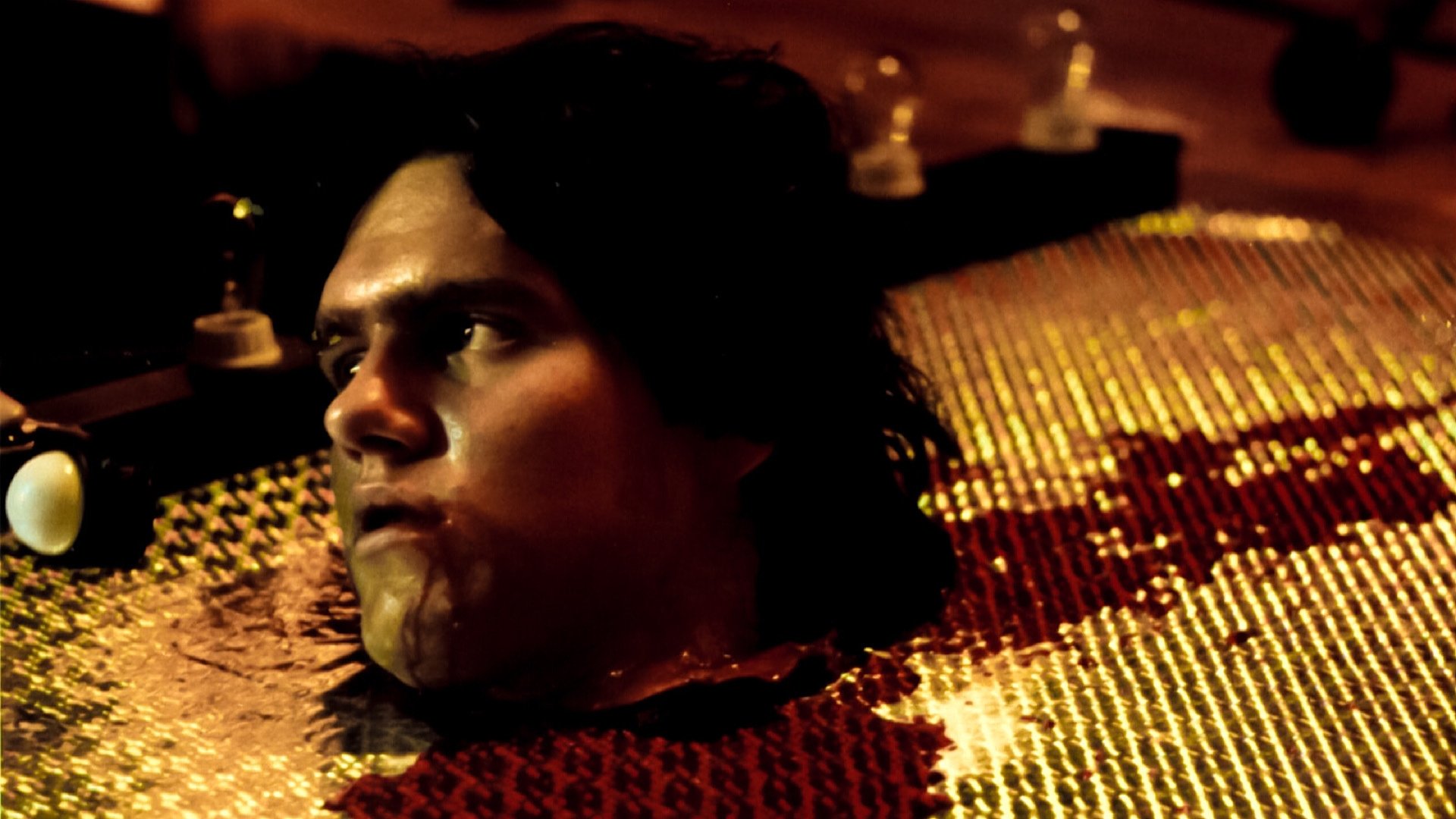
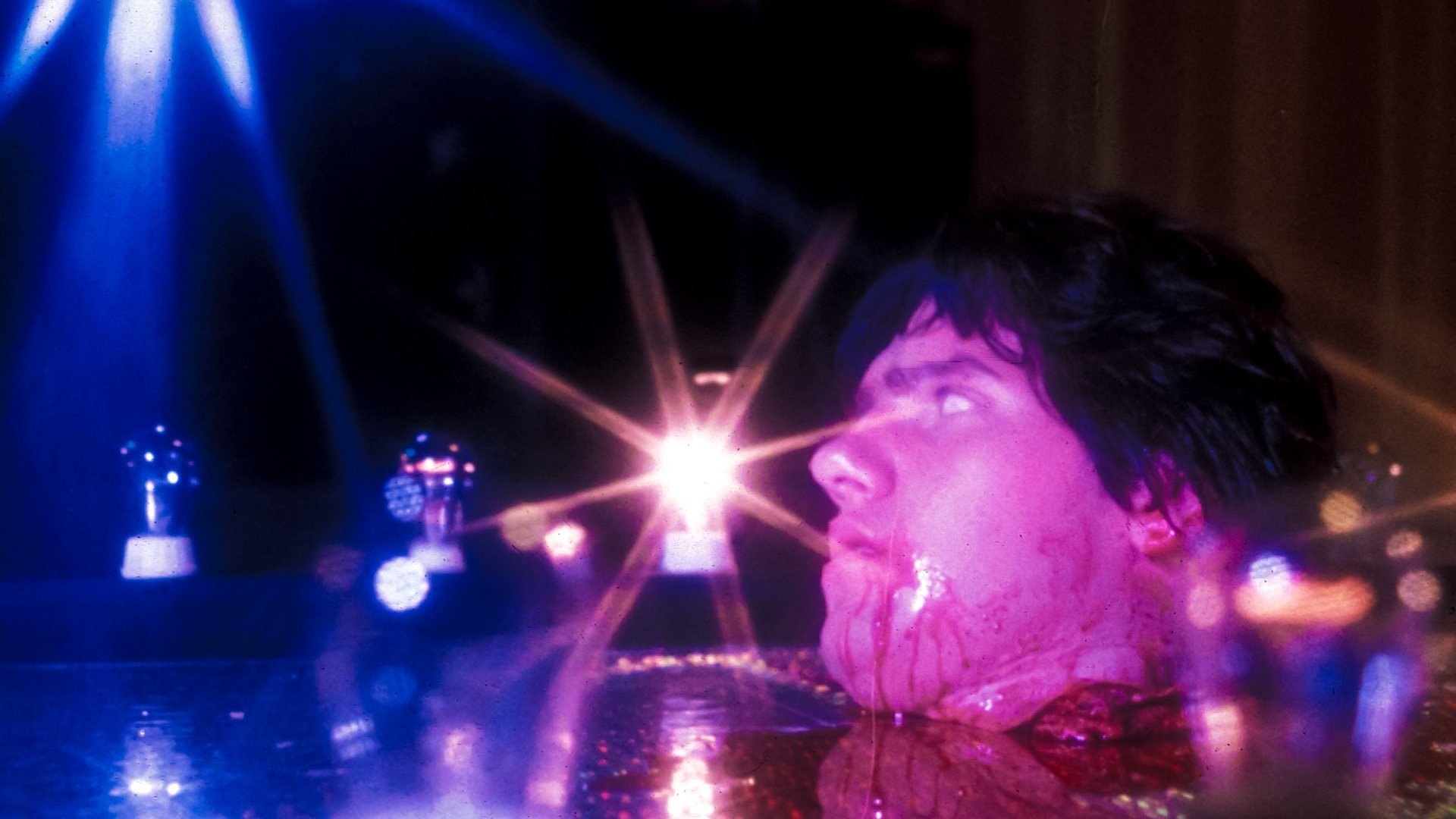
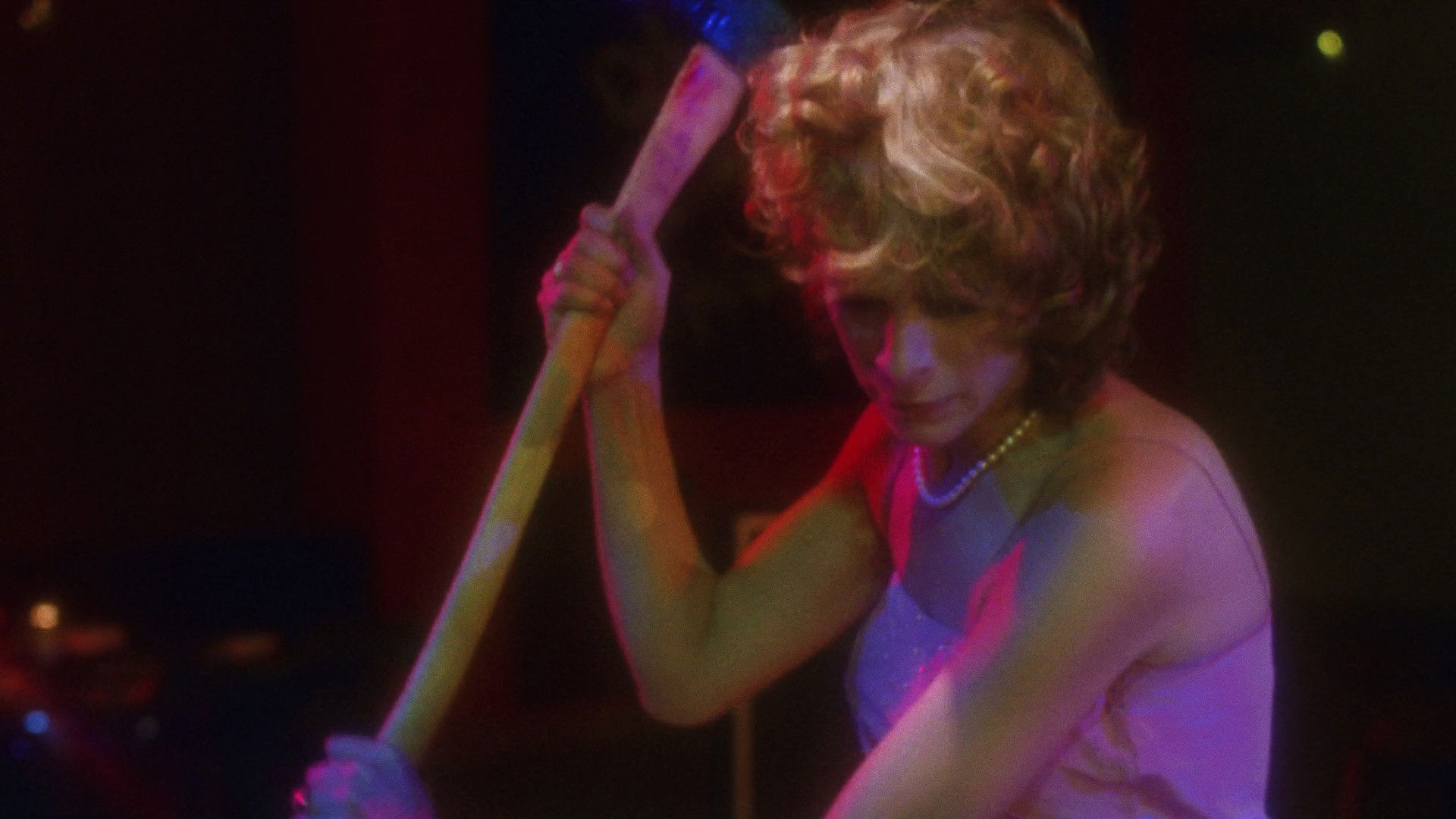
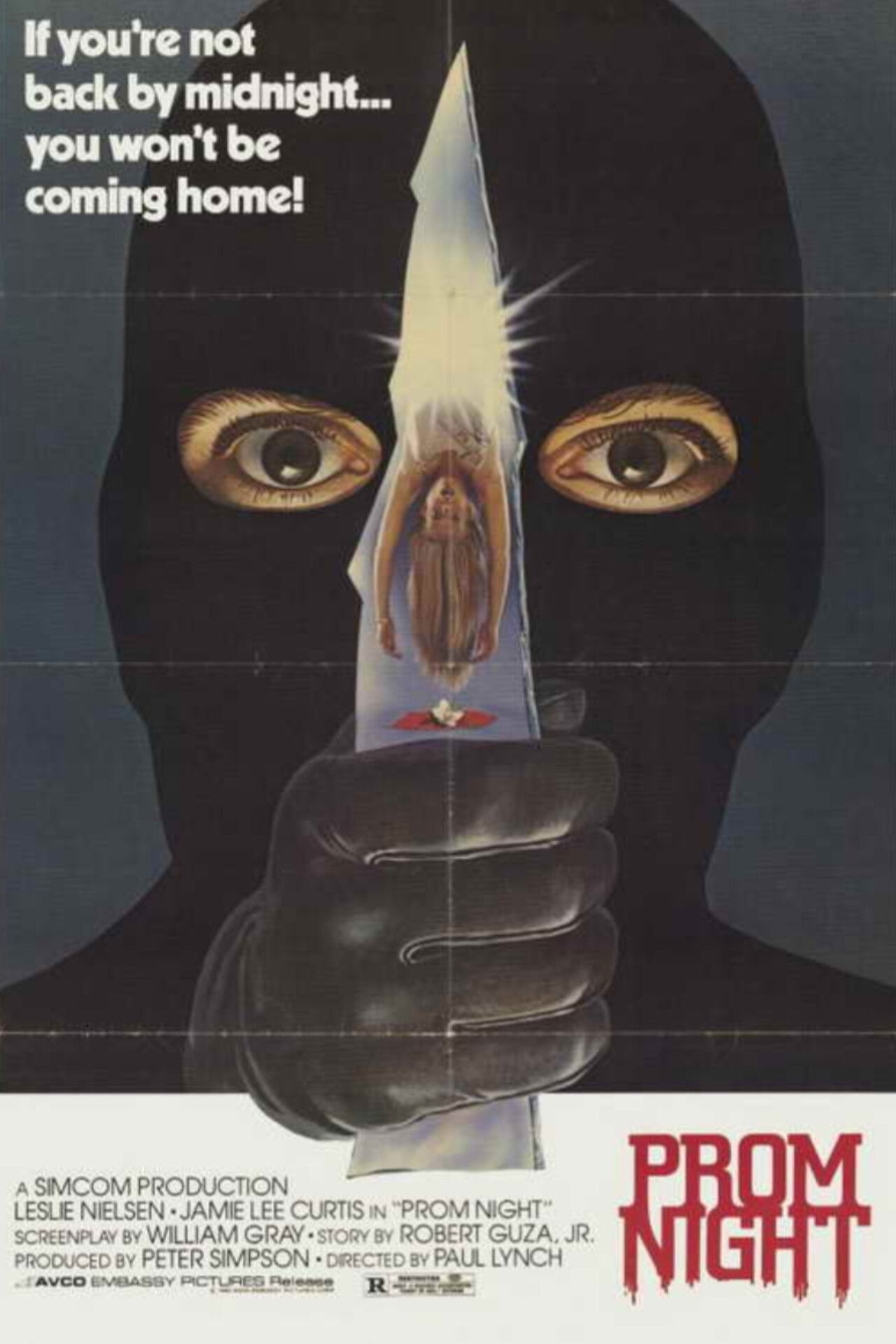
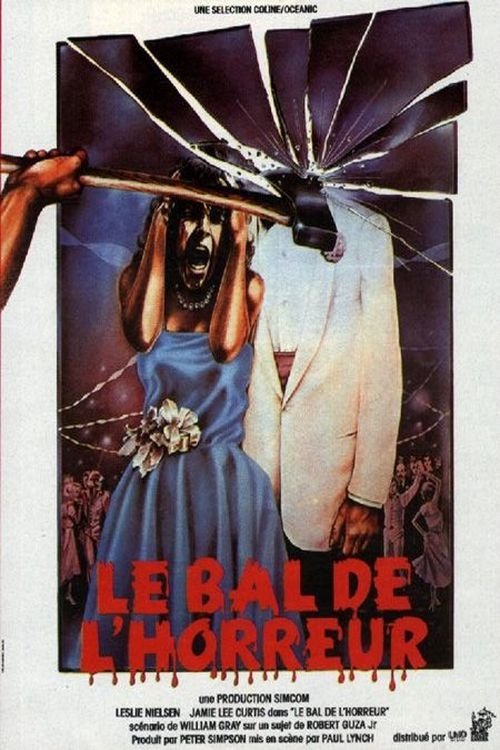
The climax makes a more explicit demand on the effects team. The severed head of Lou interrupts the prom itself, placing a violent physical object in the middle of the event that had previously disguised the threat. Gray later recalled a difficult practical setup involving the performer positioned beneath the floor for the aftermath of the decapitation; his account also describes a medical emergency during the work. The production credits identify Warren Keillor with prosthetics and Al Cotter with special effects, but provide no reason to assign an undocumented construction technique to either artist. The visible result matters because the film turns its withheld brutality into a sudden public revelation.
Disco, Choreography and the Soundtrack
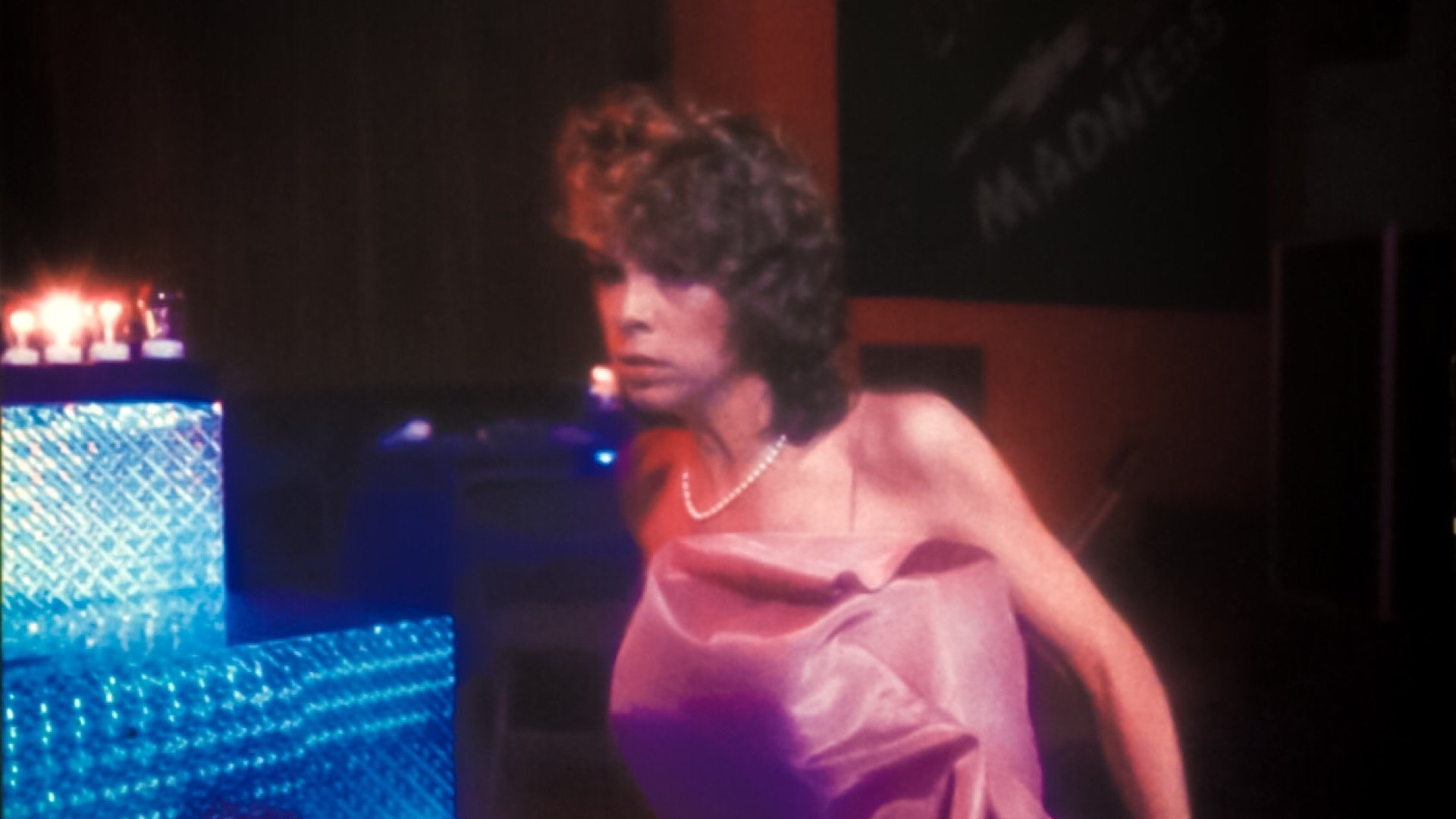
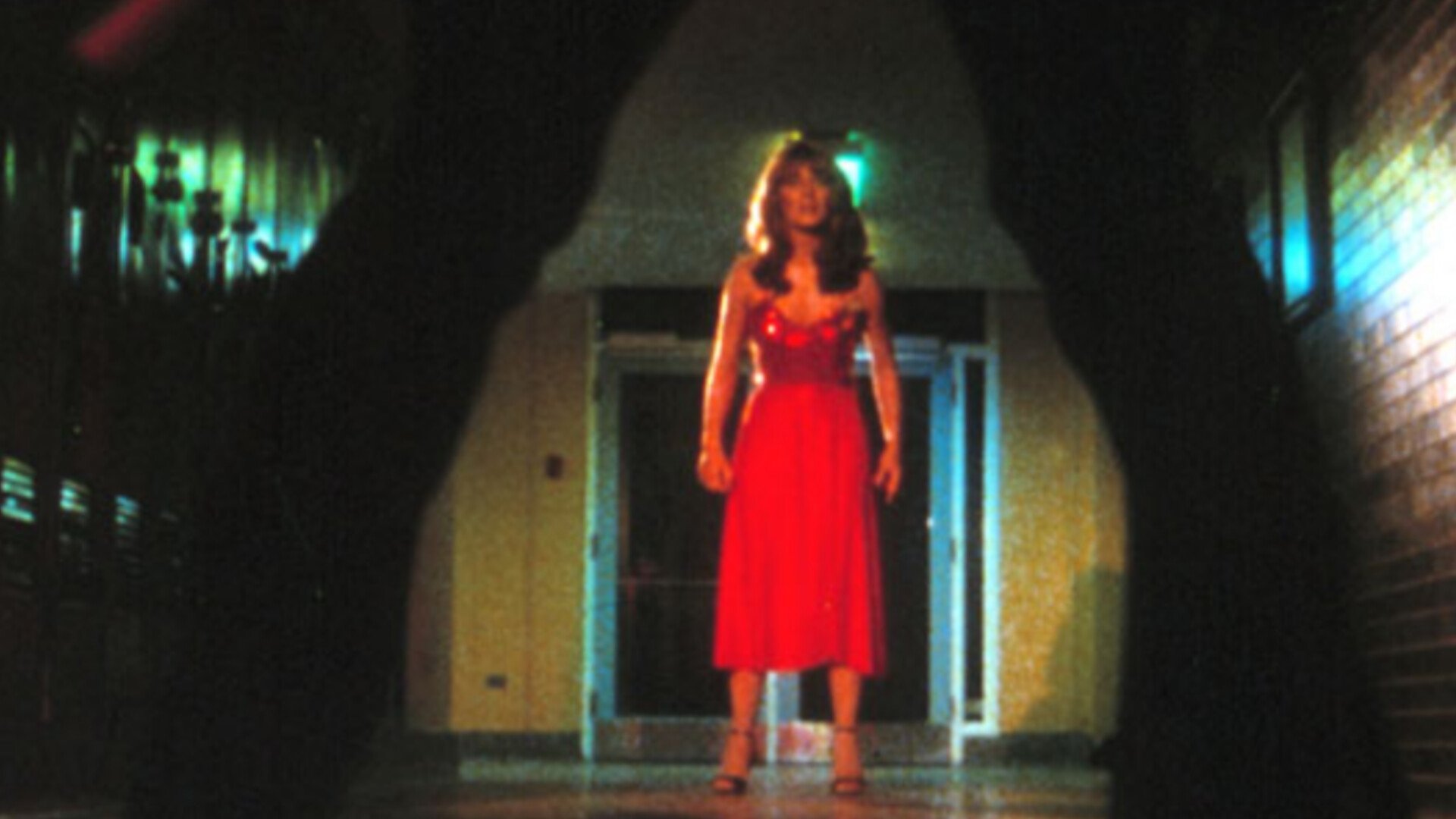
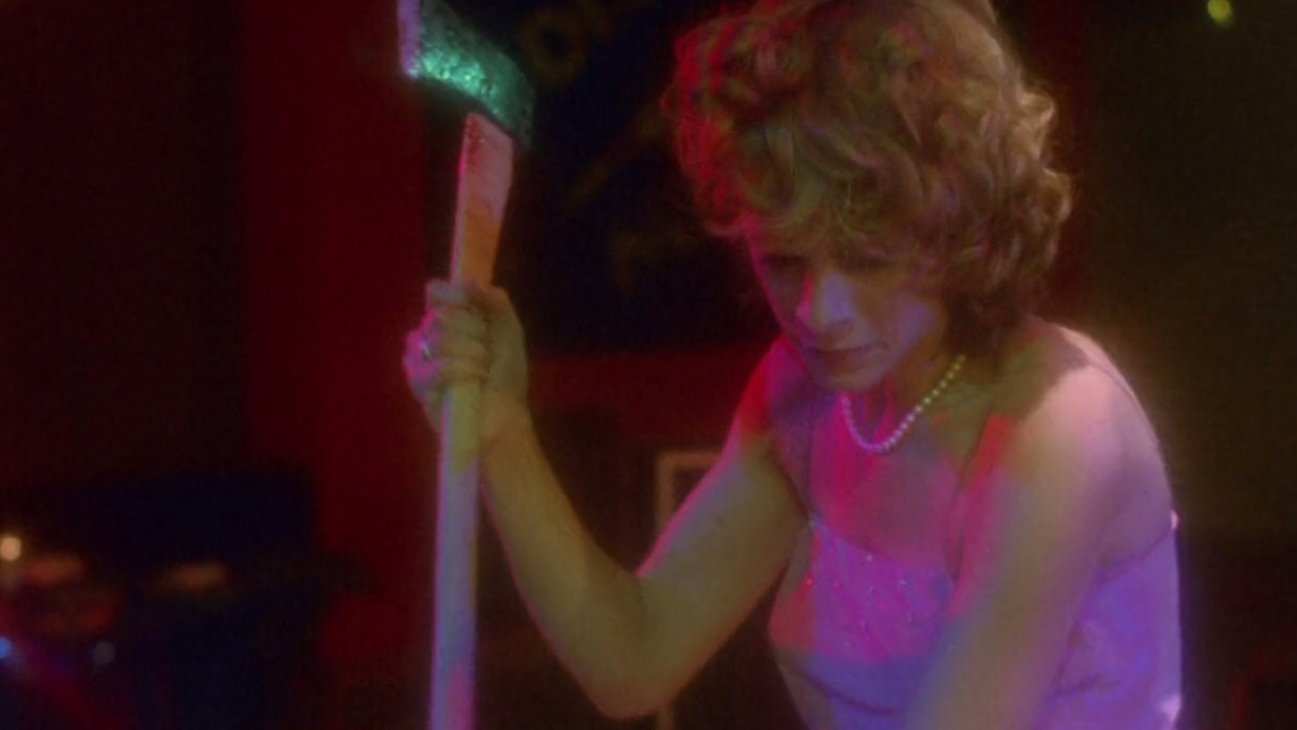
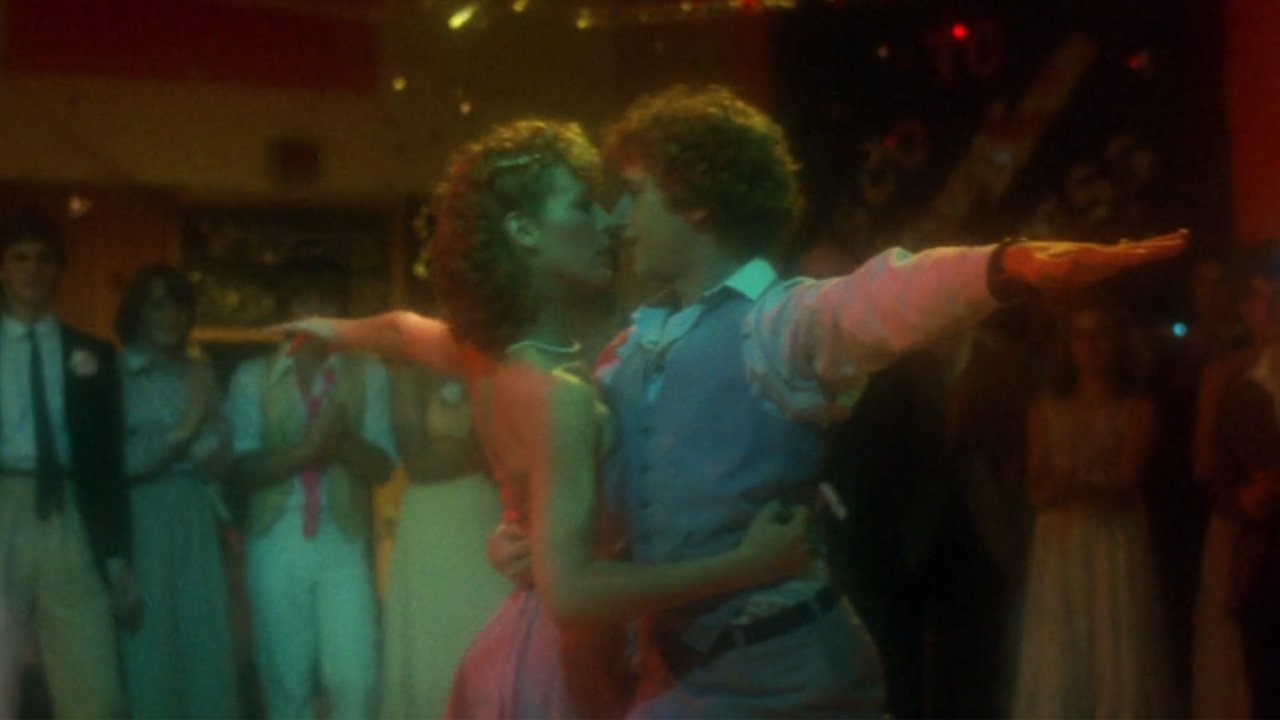
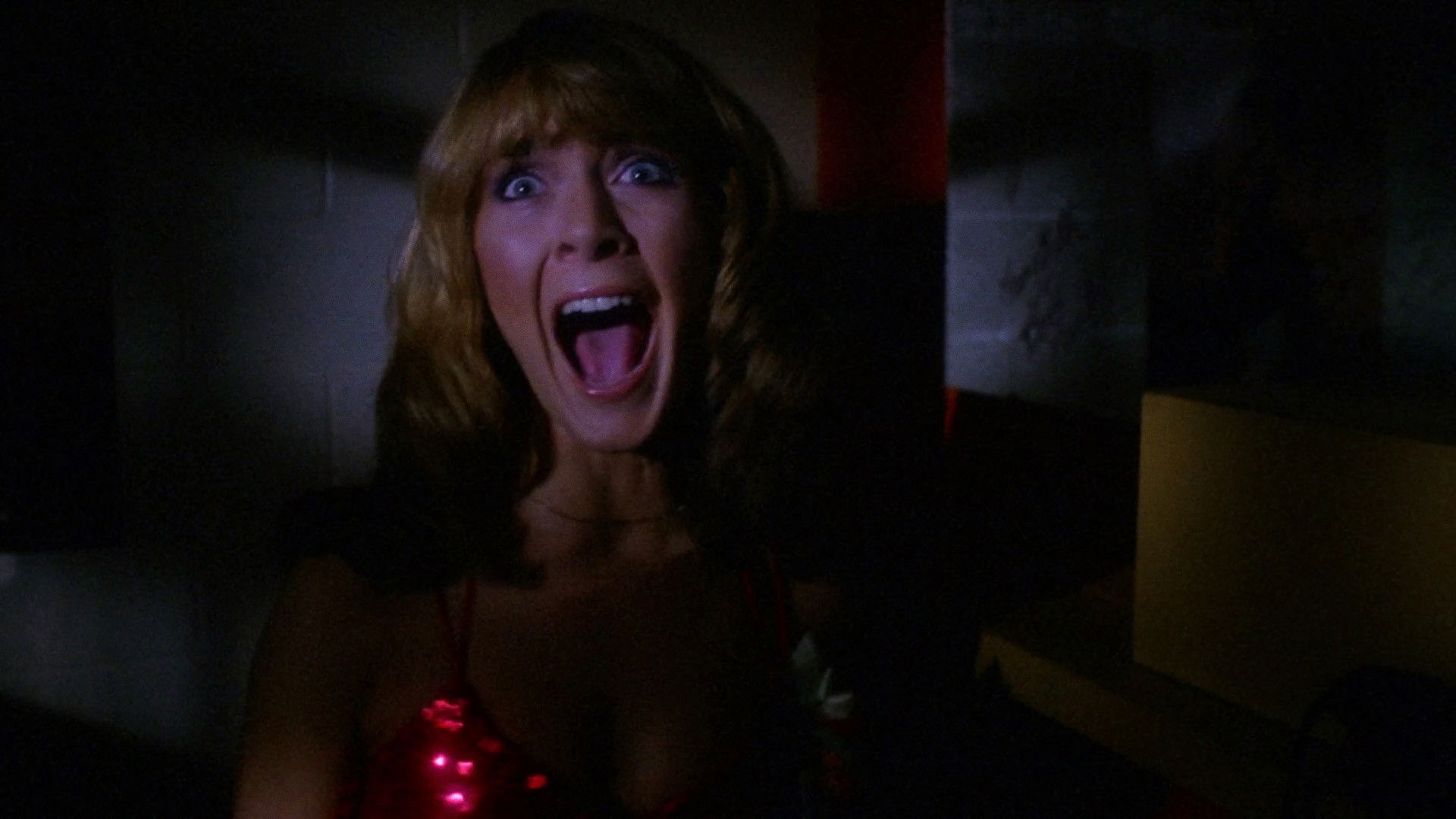
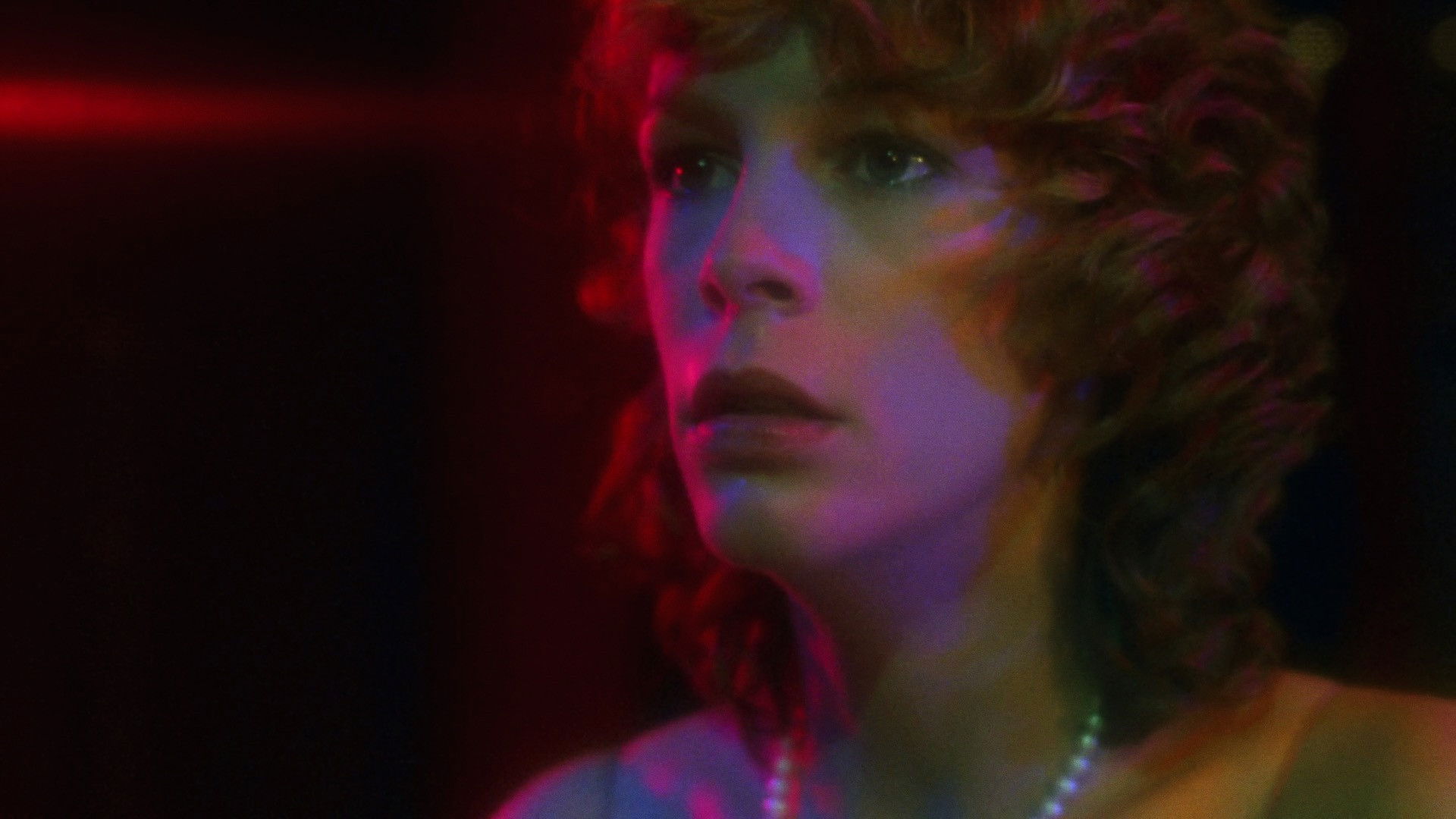
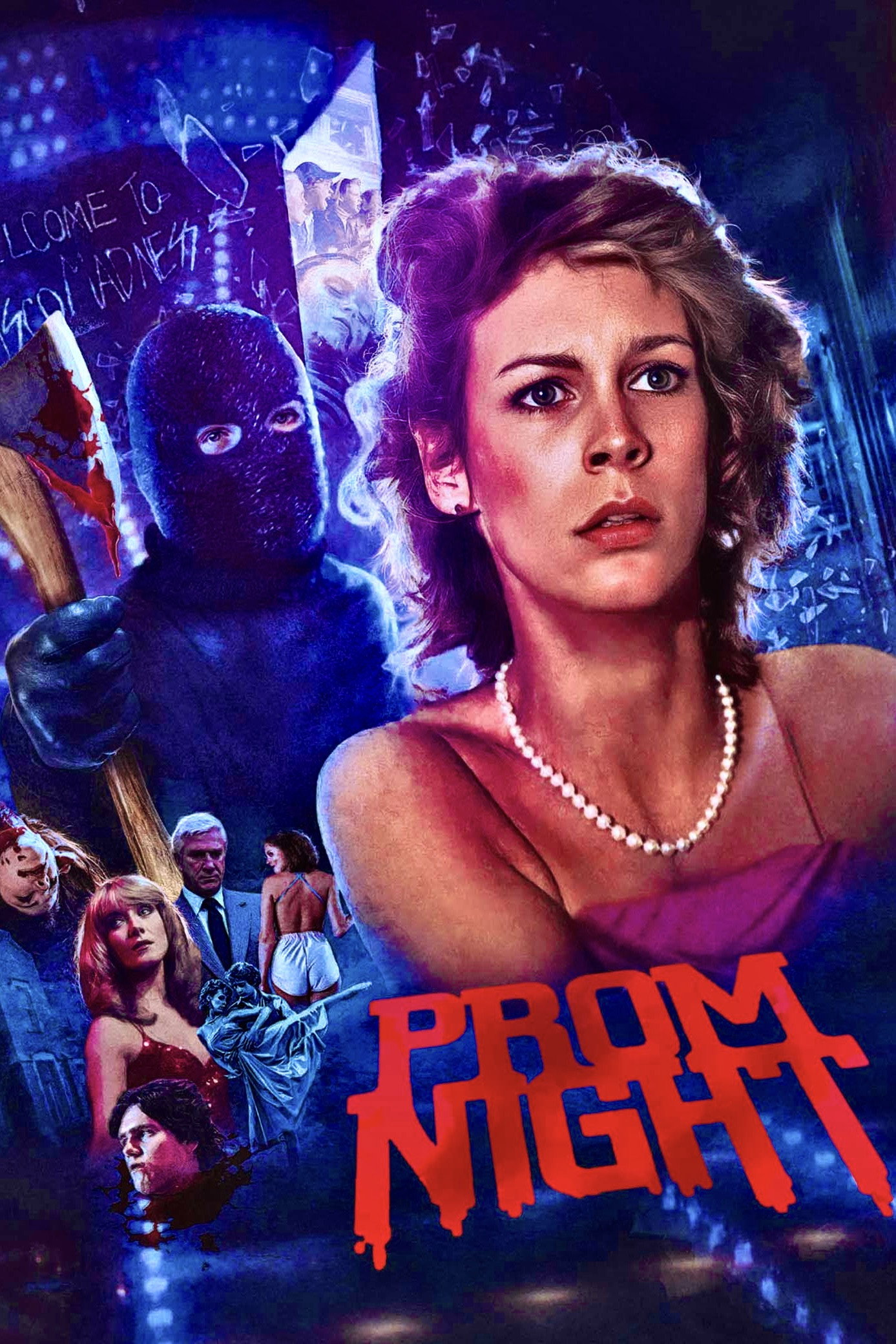
The dance sequences are integral to the production's design rather than decorative interruptions. Gray remembered that Curtis took the choreography seriously and challenged Lynch when she felt the staging received insufficient attention. This concern helps explain the extended passages devoted to her dancing with Nick while the audience anticipates an attack. Their apparent freedom of movement contrasts with the killer's restricted, watchful movements elsewhere in the building. The film uses the prom's rhythmic continuity to delay the violent encounter, placing a substantial interval of communal pleasure between the earlier threats and the final confrontation. That delay is a defining feature of its pacing.
The original score and disco material are credited to Carl Zittrer and Paul Zaza, with Zaza specifically credited for original dance music. Rather than maintaining a single threatening musical register, the soundtrack allows popular dance idioms to dominate the main event, reserving more ominous material for calls, pursuits and discoveries. The alternating sound environments underline a distinction between what the students perceive and what the audience expects. Gray remembered that the production pursued a disco atmosphere when filming in 1979, although its commercial moment was already changing by the 1980 release. Contemporary trade criticism registered that shift, with a Daily Variety reviewer judging the dance music dated on arrival.
Release, Critical Response and Later Circulation
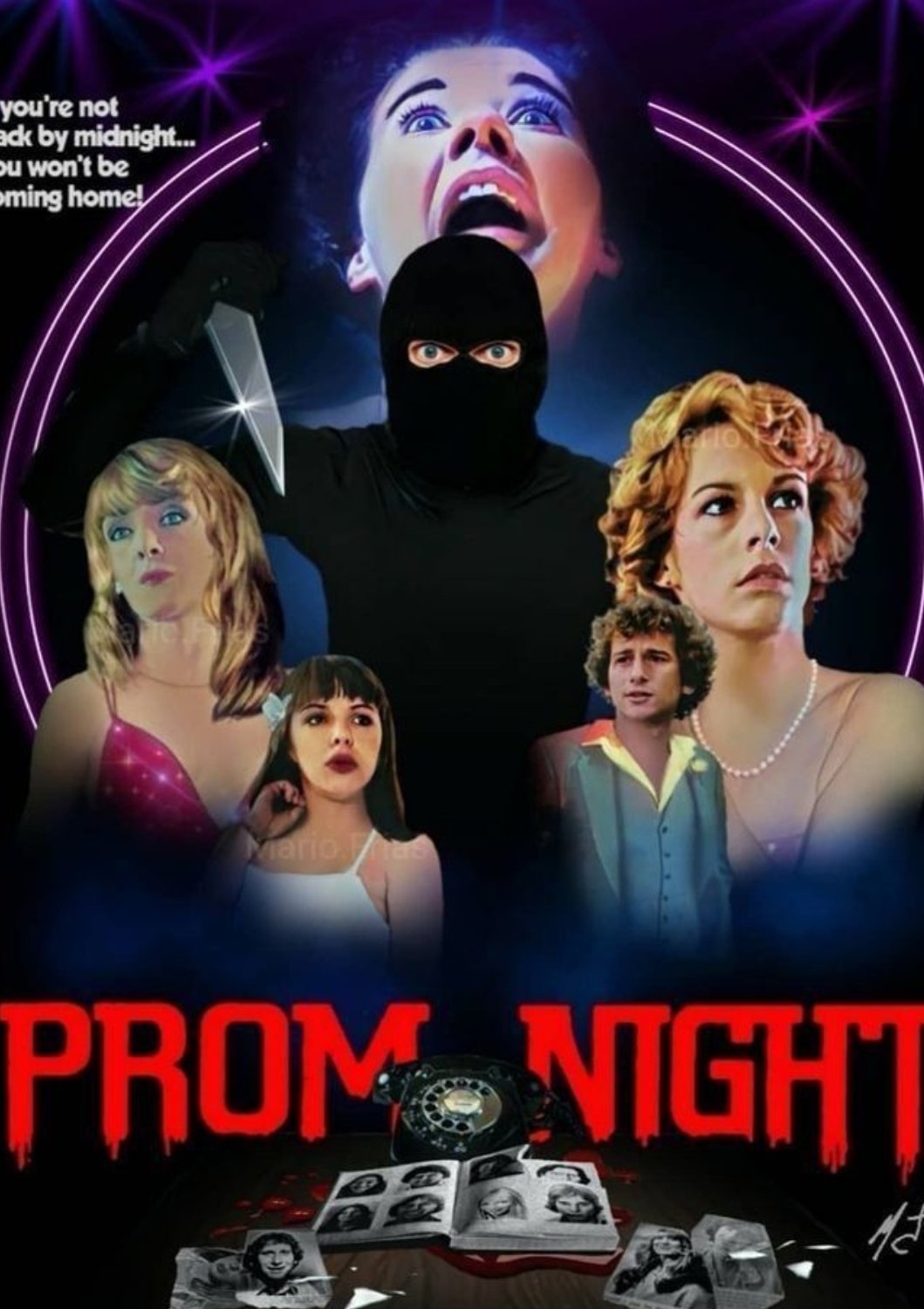
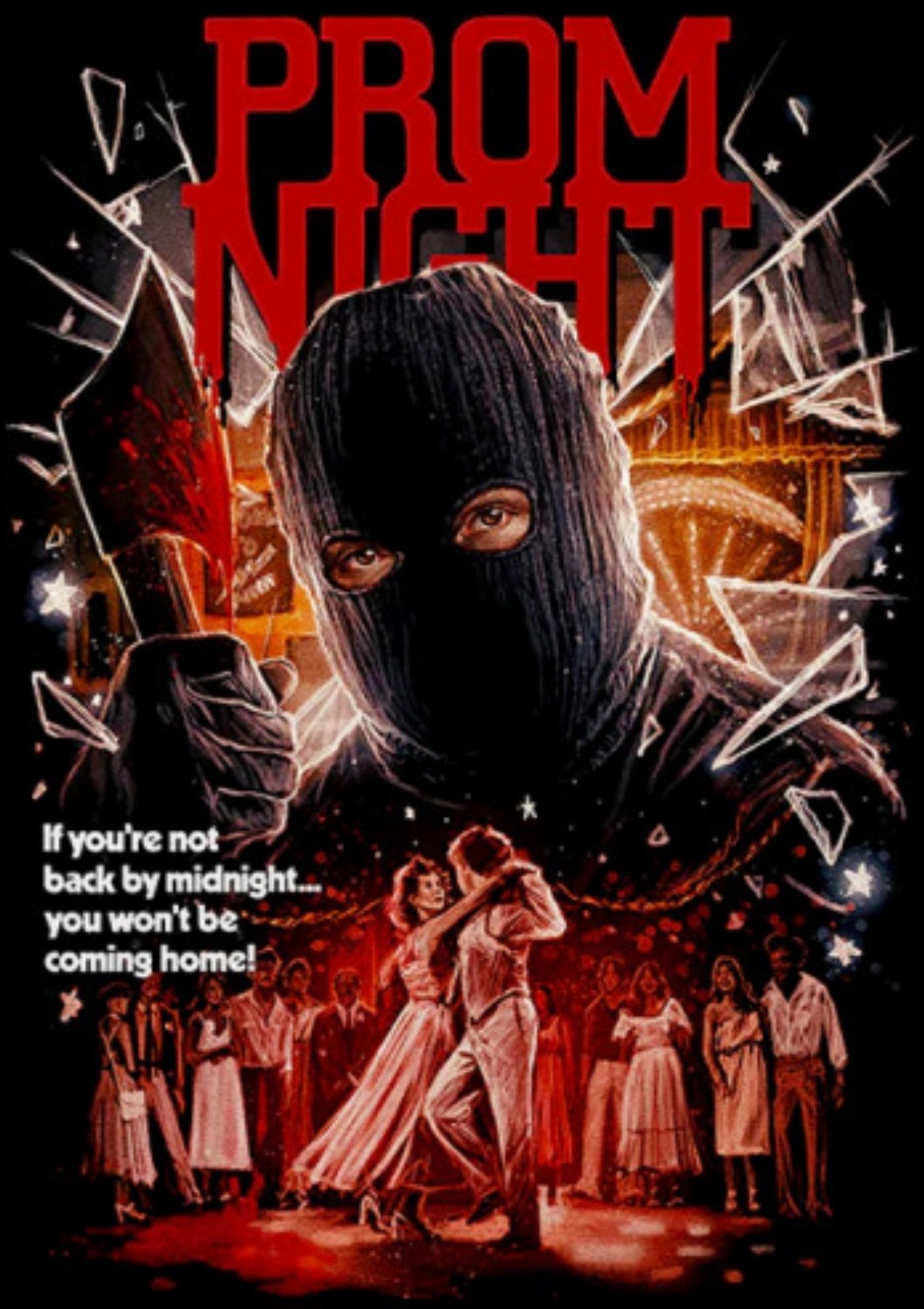
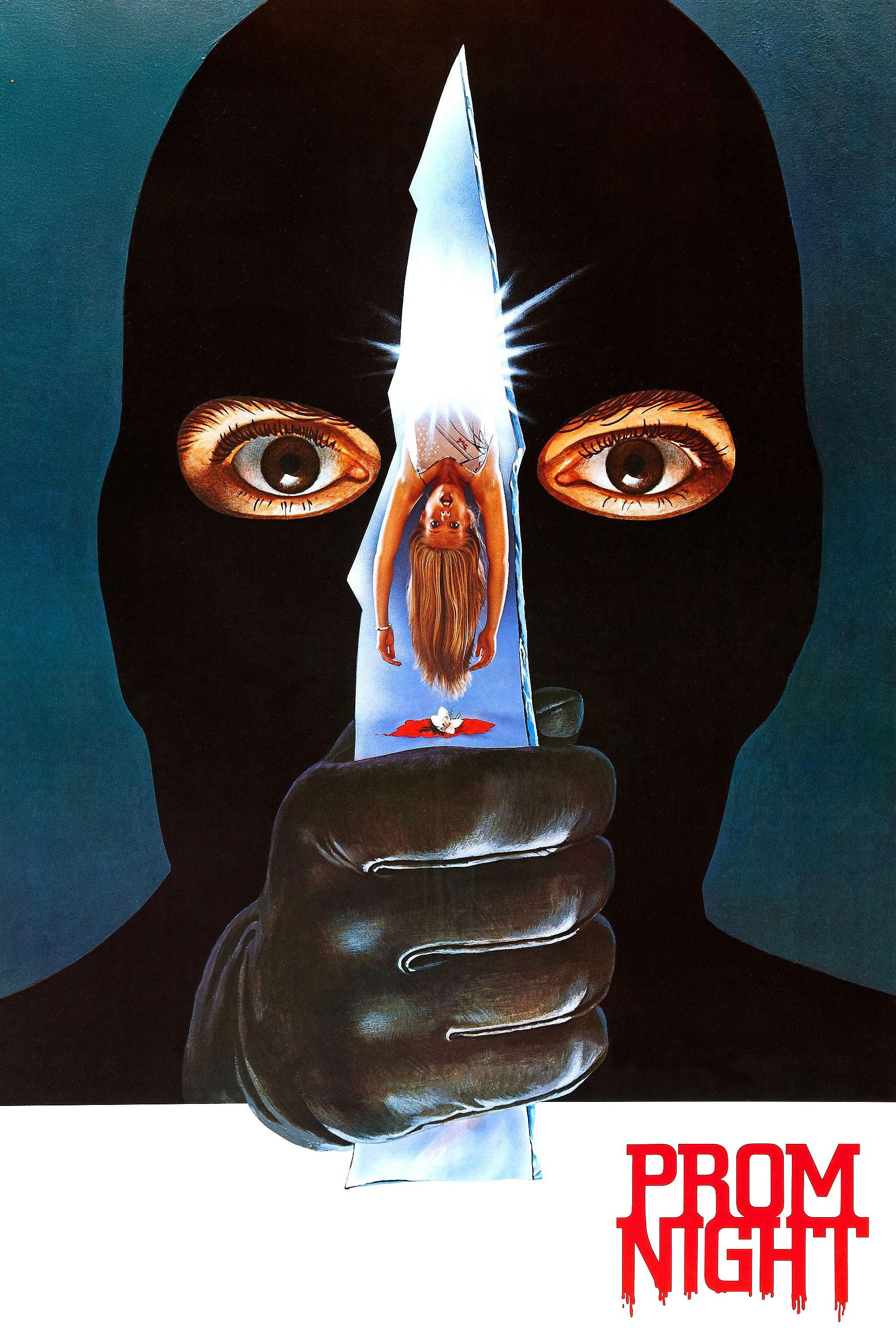
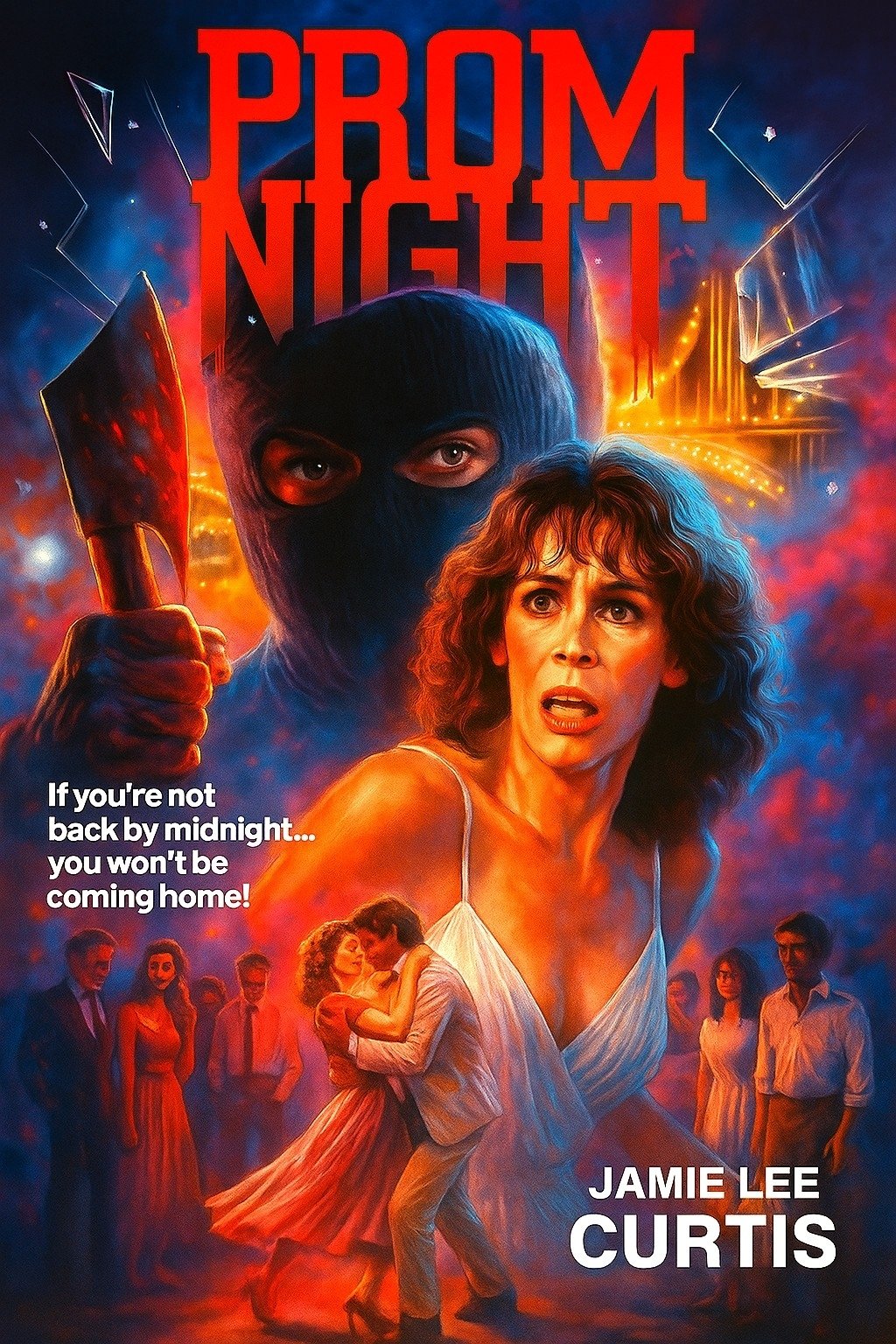
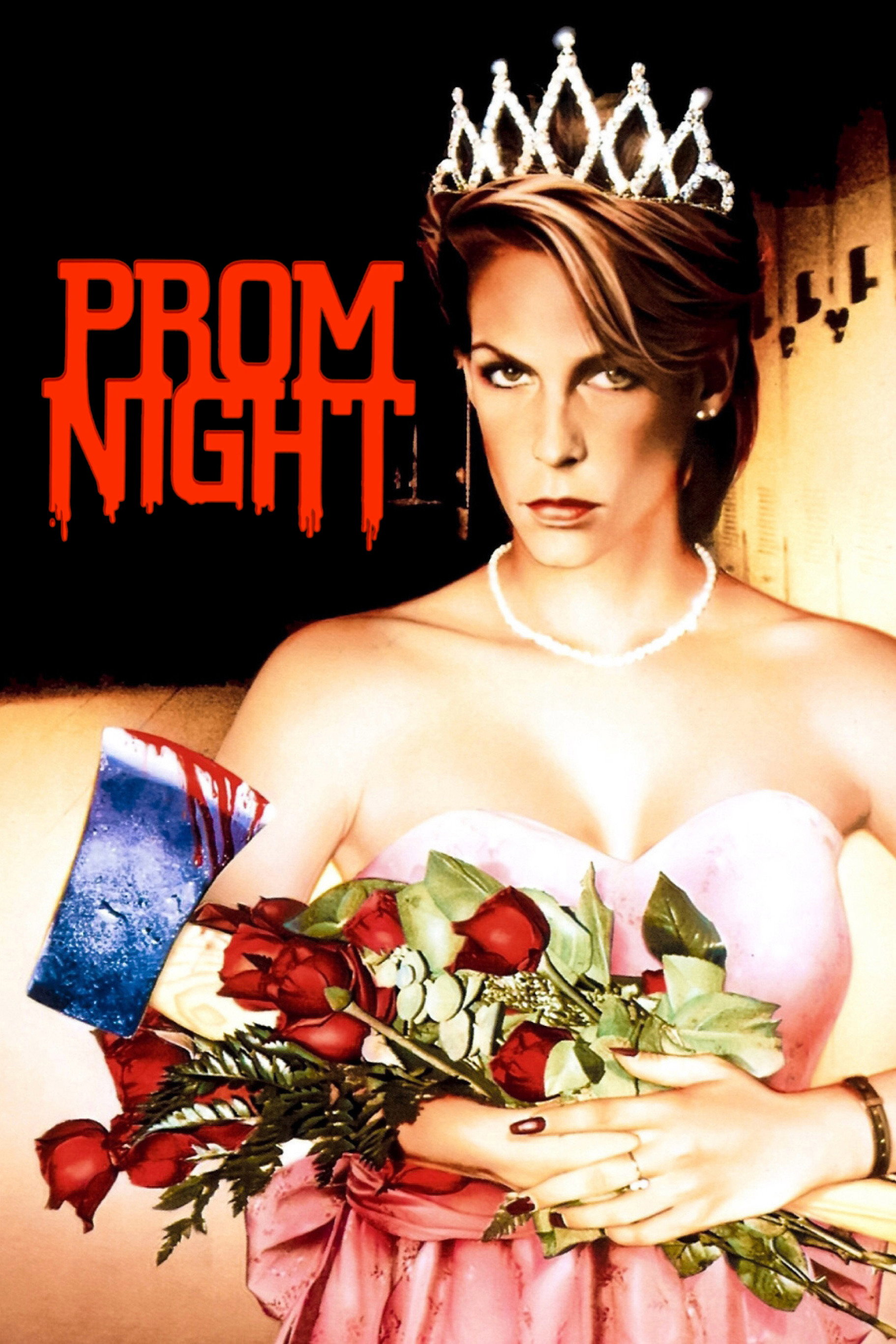
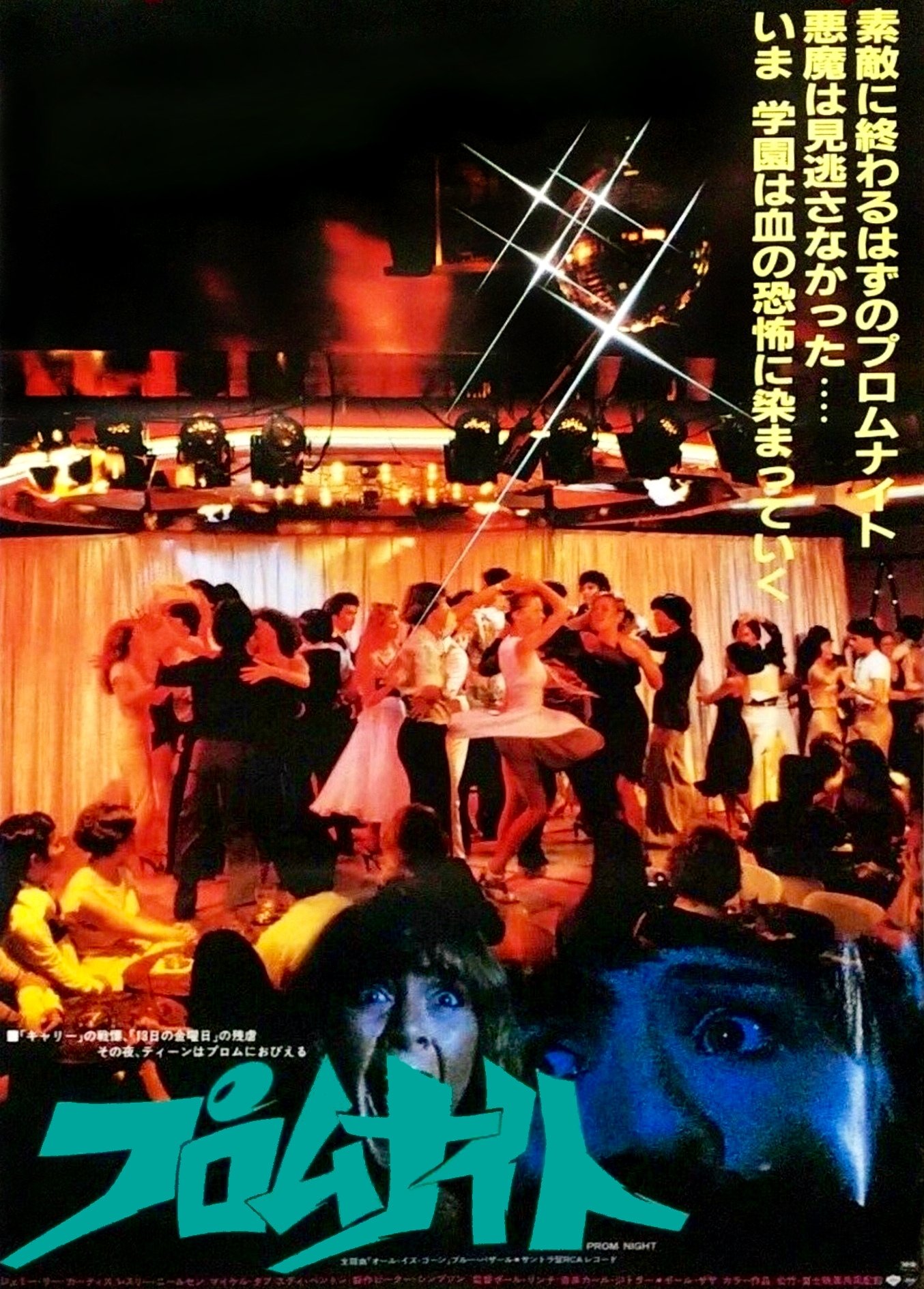
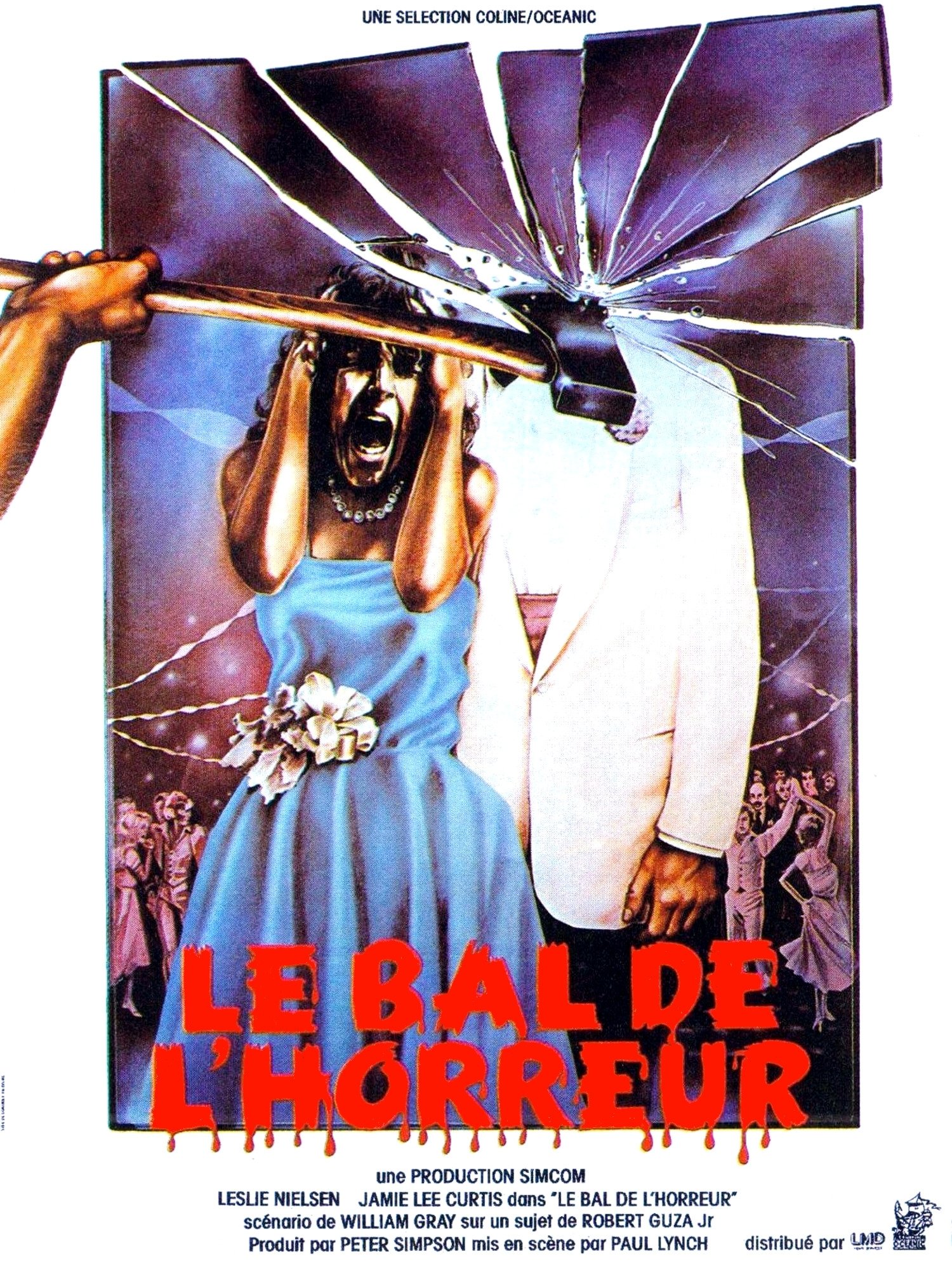
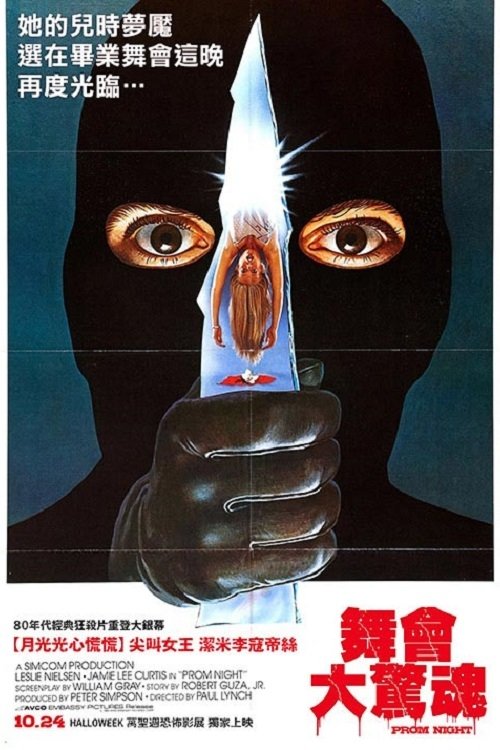
Avco Embassy opened Prom Night on July 18, 1980, in several American markets before extending its release to New York and Los Angeles in August. AFI's compilation of contemporary trade coverage records an opening weekend of about $1.19 million in the initial territories and reports that cumulative grosses had reached $12 million by October. These were period figures rather than a definitive worldwide total. The distributor promoted Jamie Lee Curtis through a planned city tour and staggered openings, evidence of a coordinated campaign for an independently produced picture. Early responses were frequently dismissive: film trade commentary compared its ingredients to Halloween, Carrie and Saturday Night Fever, while some reviewers found the mix of violence and dancing awkward.
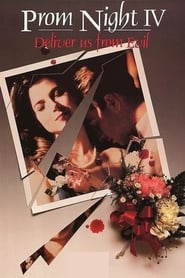
British classification records offer a separate history of circulation. The BBFC lists a cinema classification in August 1980 and subsequent home-entertainment submissions, including VHS-era decisions and a classification dated October 2019. Differences between recorded durations do not by themselves establish censorship cuts, particularly when playback formats vary. The film later generated three similarly titled follow-ups and a 2008 remake, although Lynch said that the subsequent productions did not continue the story he considered his own. Gray's retrospective comments likewise distinguish the commercial success he experienced in 1980 from the later cult reputation. Its place in slasher history follows from that documented circulation, not from a claim that it invented the genre's central devices.