Alien Eggs & Production Origins
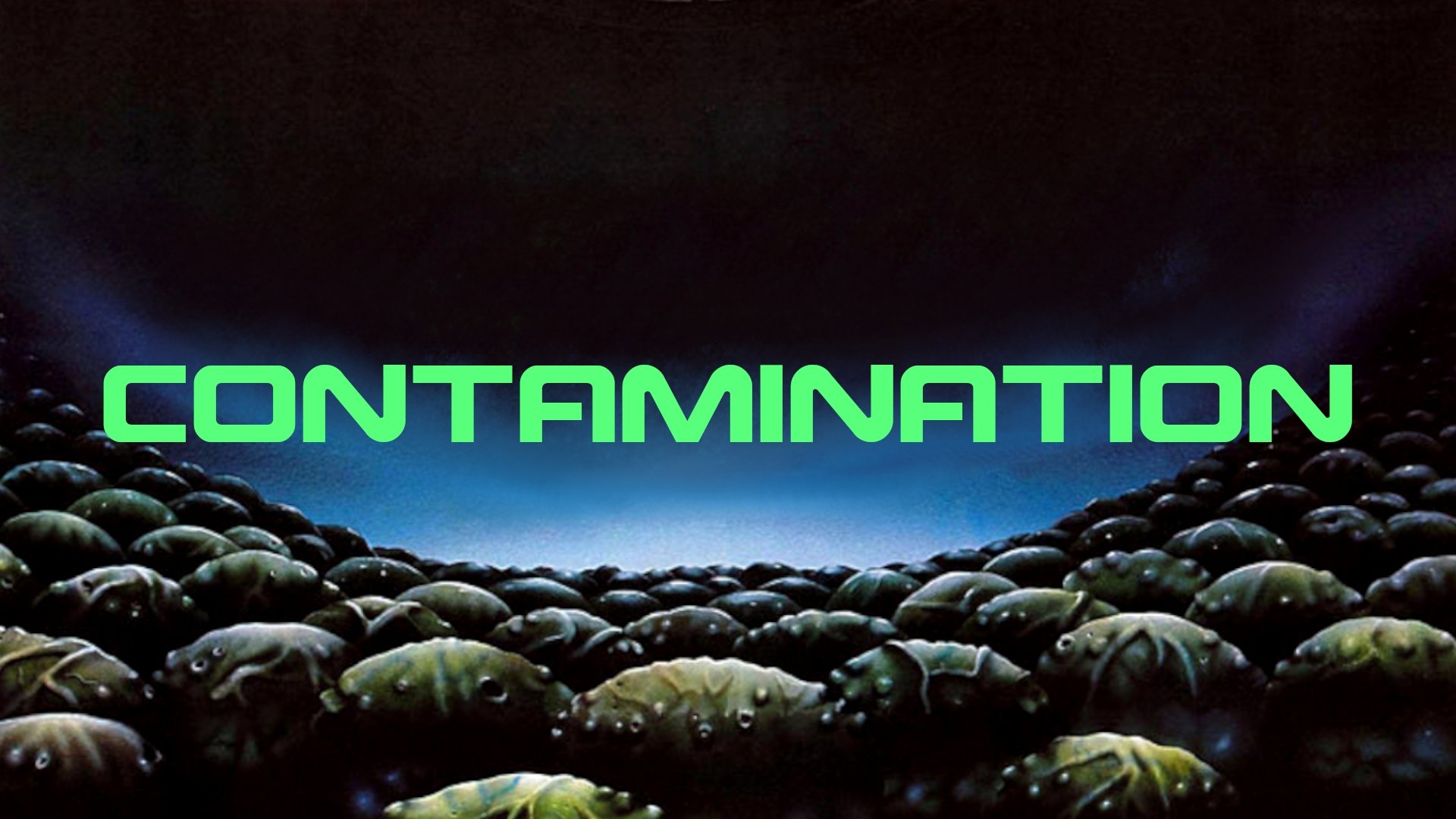
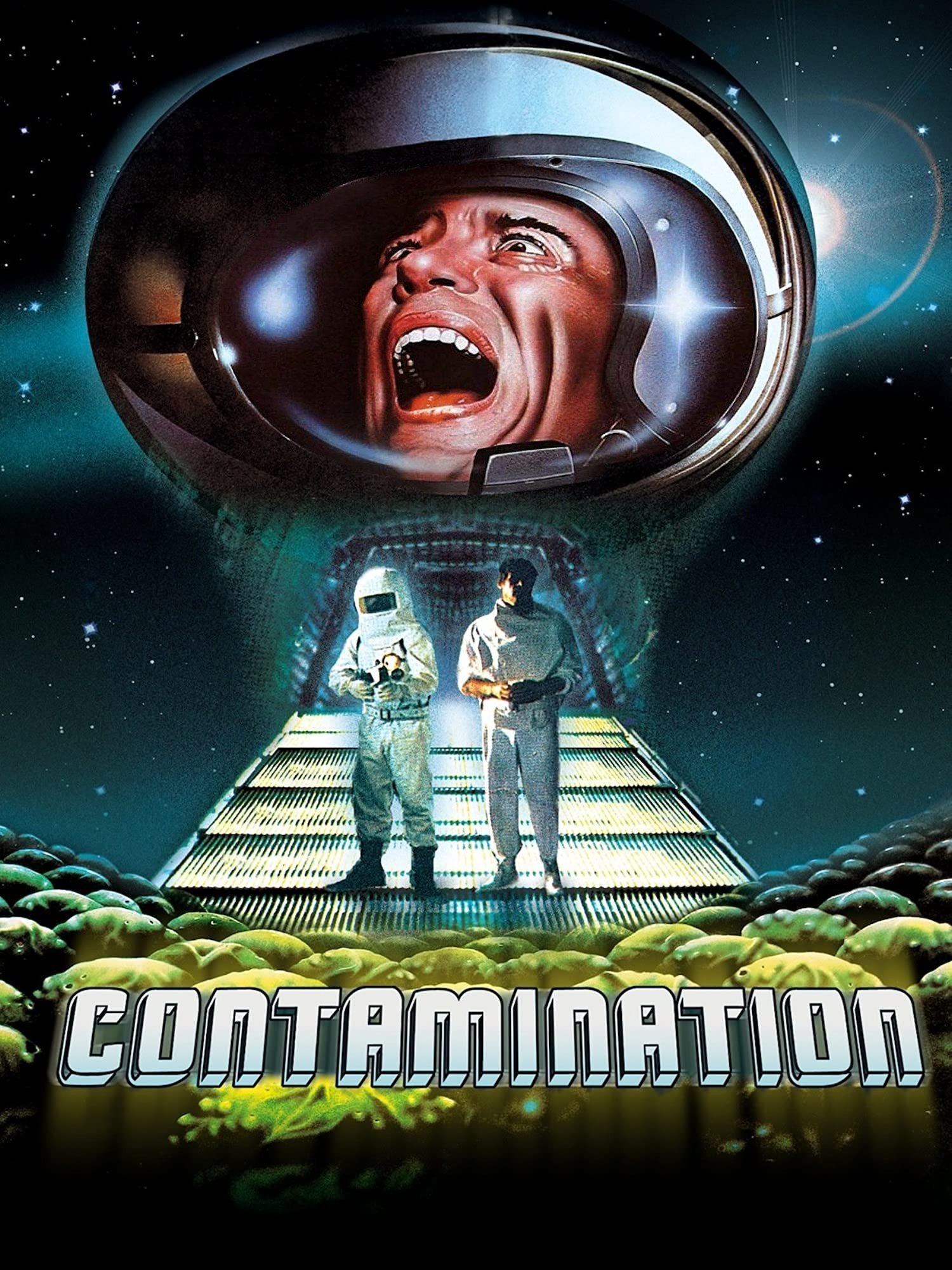
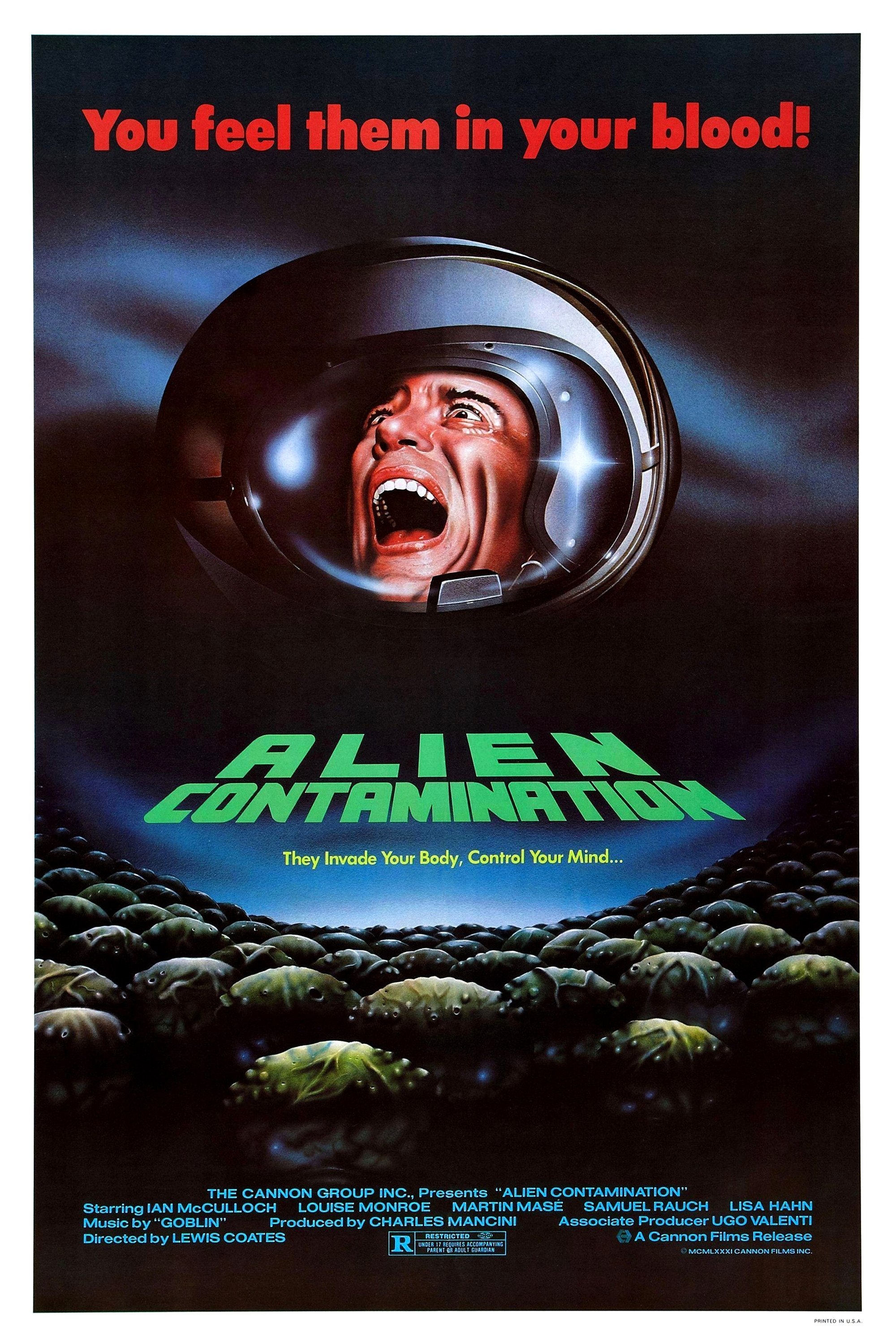
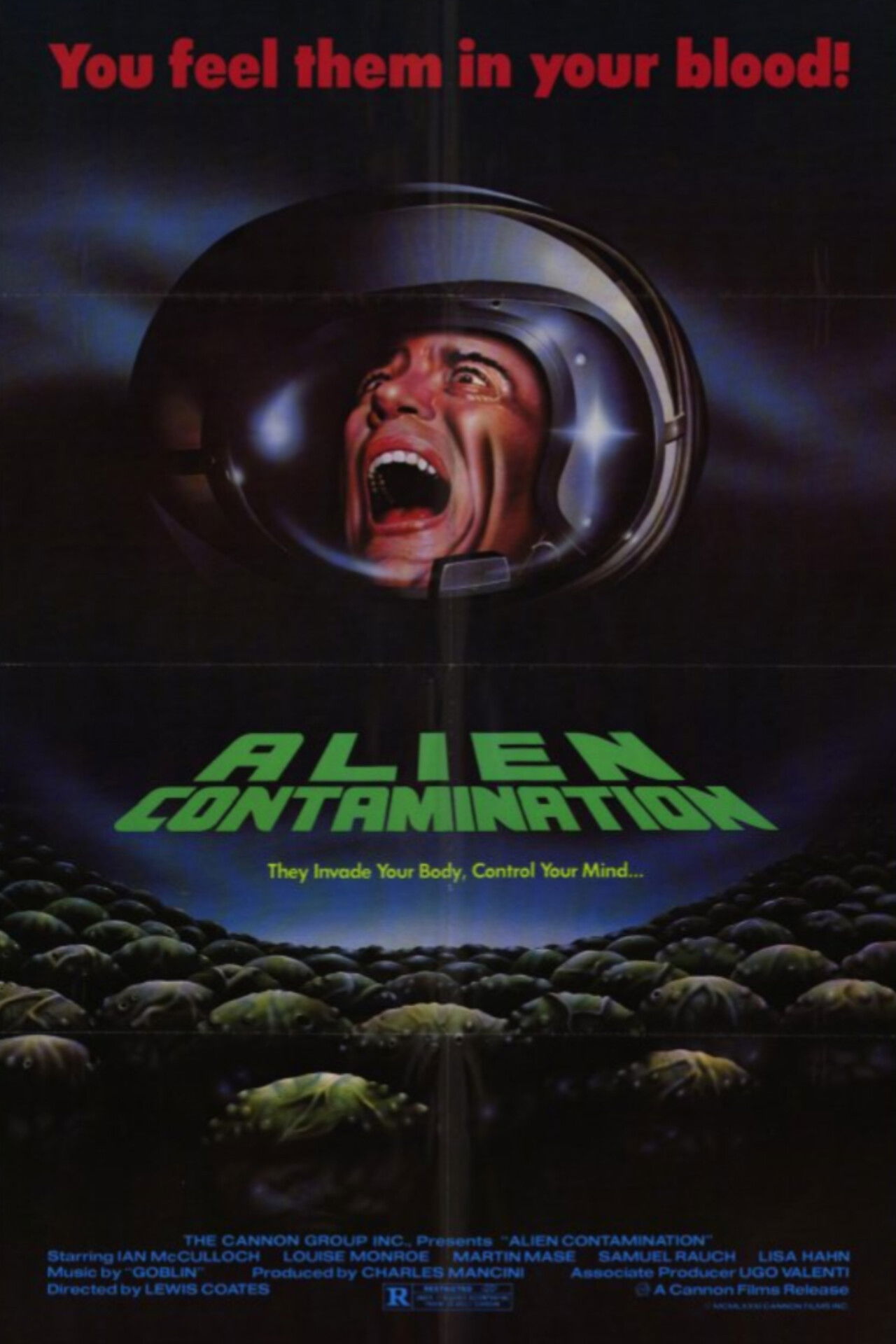
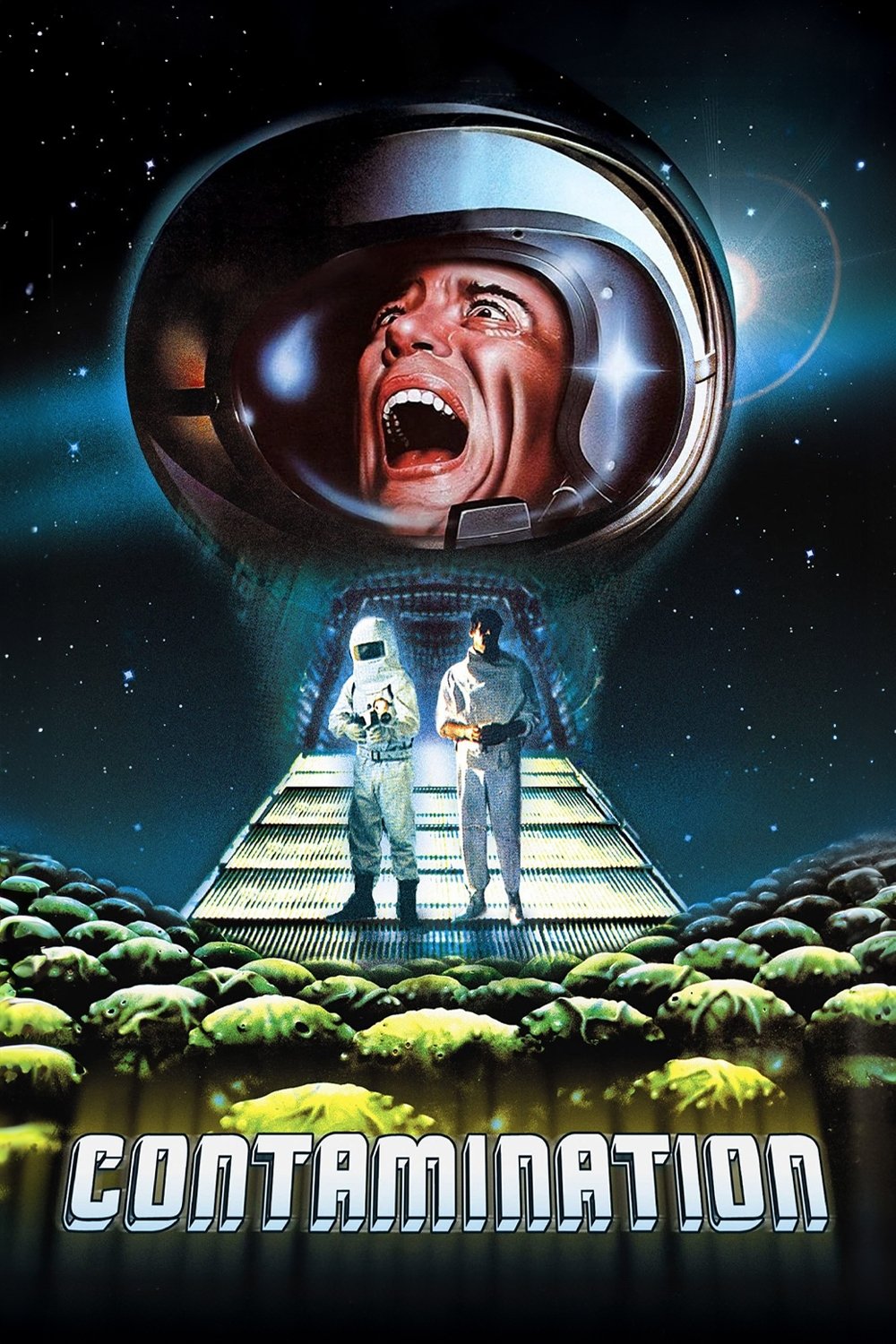
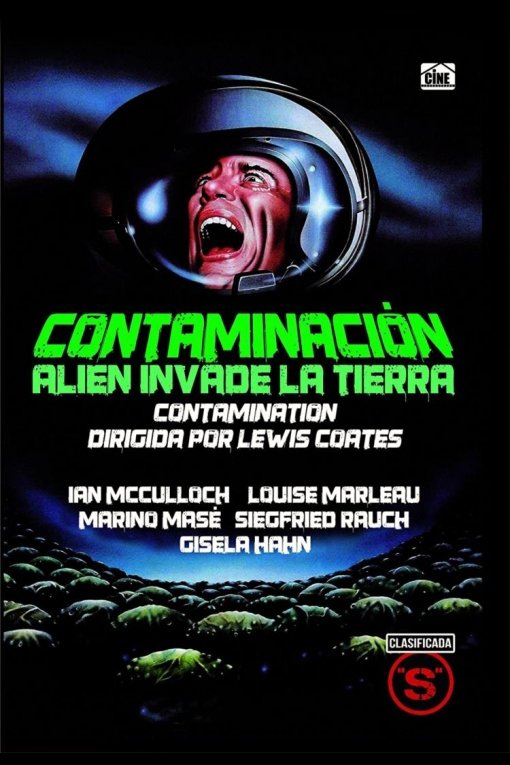
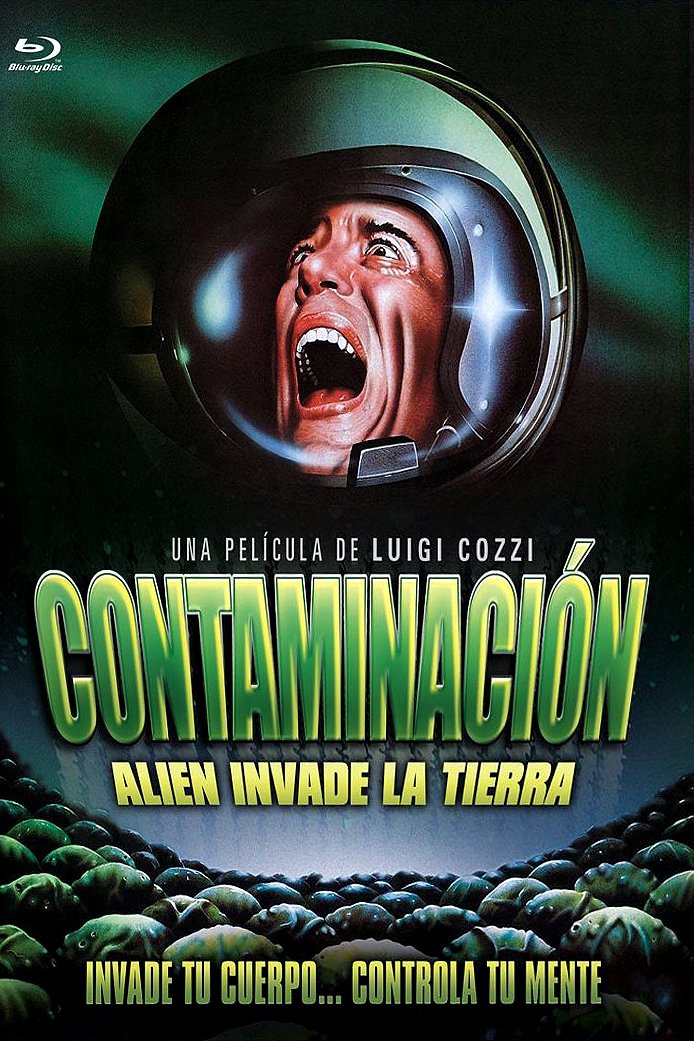
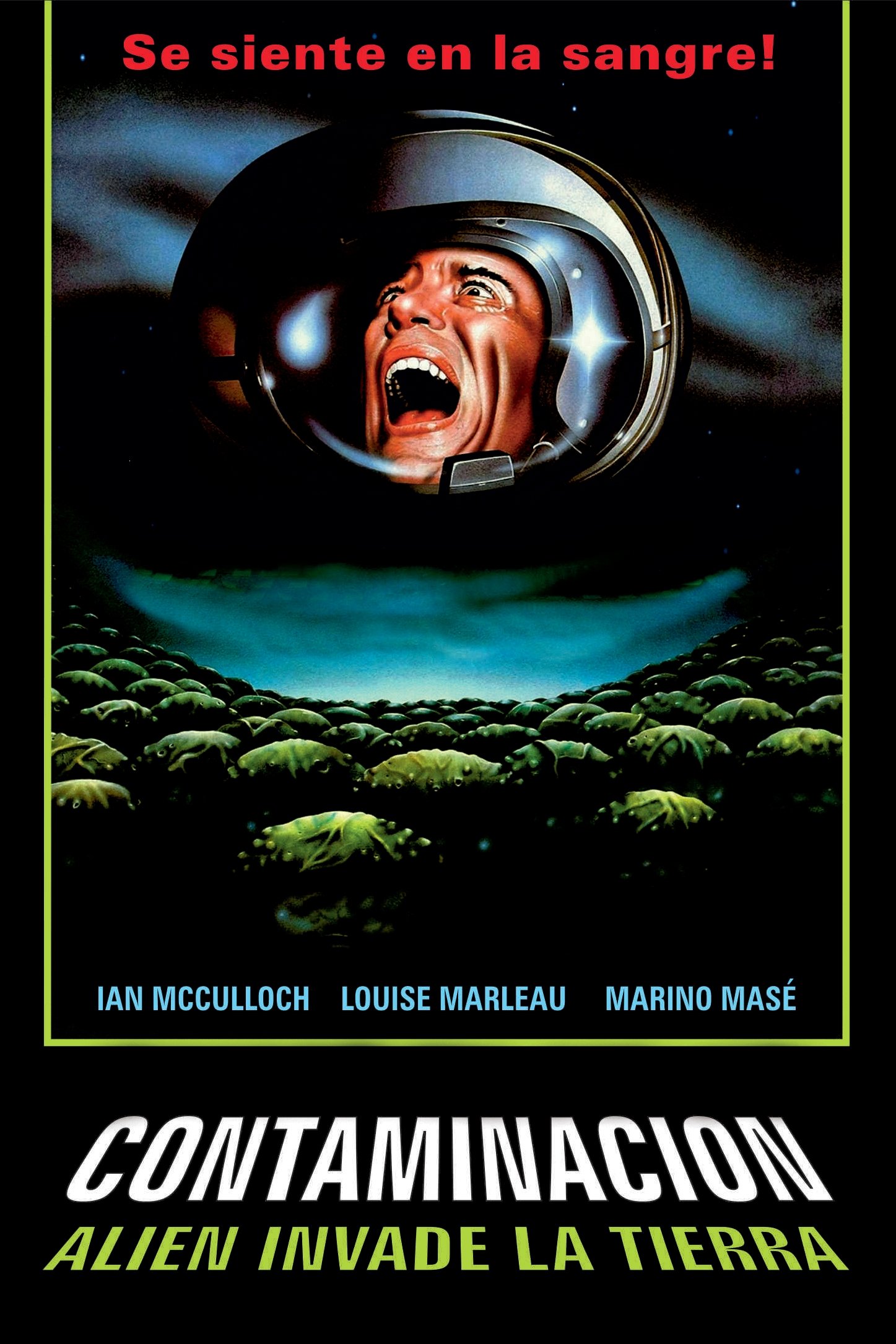
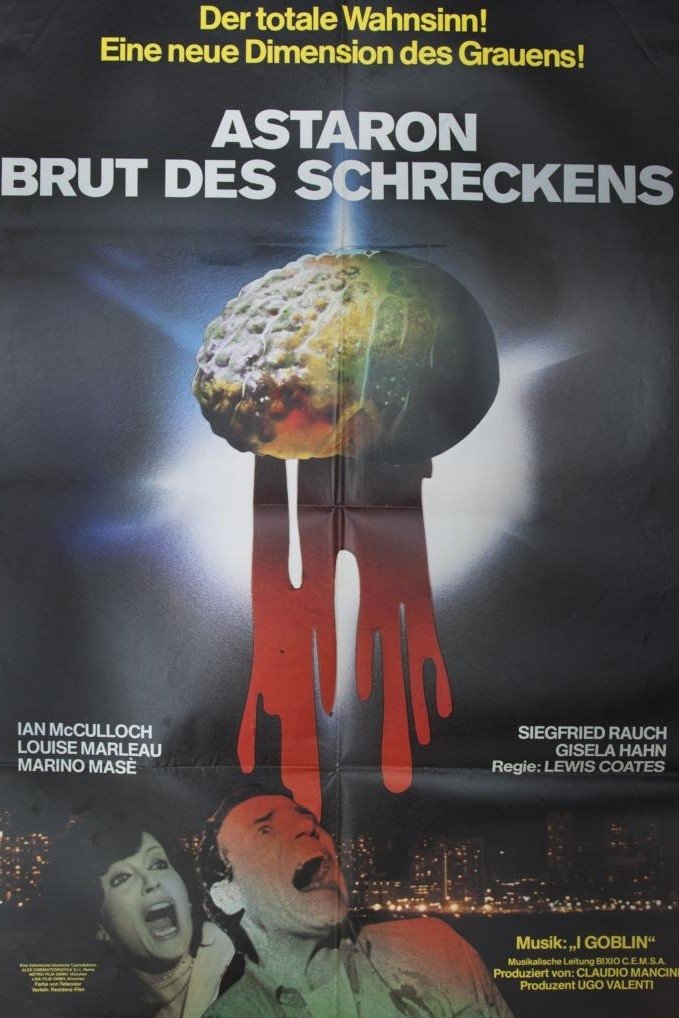
Cozzi recalled the commercial pressure facing Italian genre directors after a major American hit. His proposal emphasized the eggs that had figured so prominently in advertising for Alien: the new film could display them in large numbers while operating on the scale of an inexpensive production. At a 2013 public discussion in Mexico City, he remembered approaching a producer with a poster before supplying a full narrative treatment. According to that account, a storyline secured the distributor's interest and left him approximately five weeks to complete the screenplay. The recollection describes a project sold through an immediately recognizable horror image before its plot was fully developed.
The final story spread that initial idea across a police investigation, military intervention and an extraterrestrial conspiracy. Cozzi has repeatedly connected the result to the science-fiction cinema of the 1950s, especially Quatermass 2. He specifically identified Them! as an influence on the opening encounter with an unexplained threat and Ishiro Honda's The H-Man as a model for the search of a mysteriously abandoned vessel. Those references are valuable because they identify concrete narrative devices: authorities discovering an extraordinary danger, bodies showing signs of an unfamiliar force and a gradual explanation involving organized infiltration. They account for the film's structure beyond its most conspicuous debt to Alien.
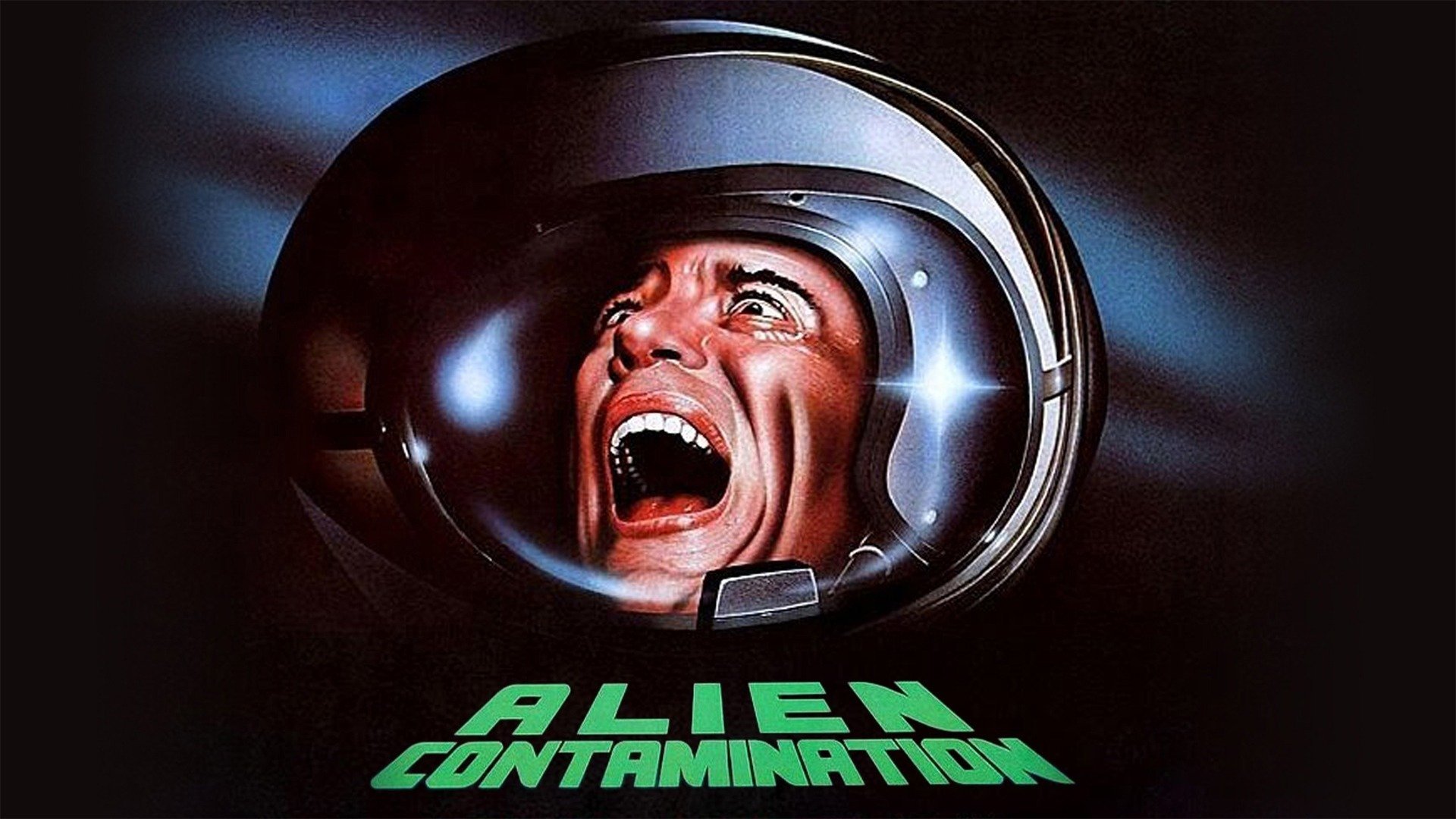
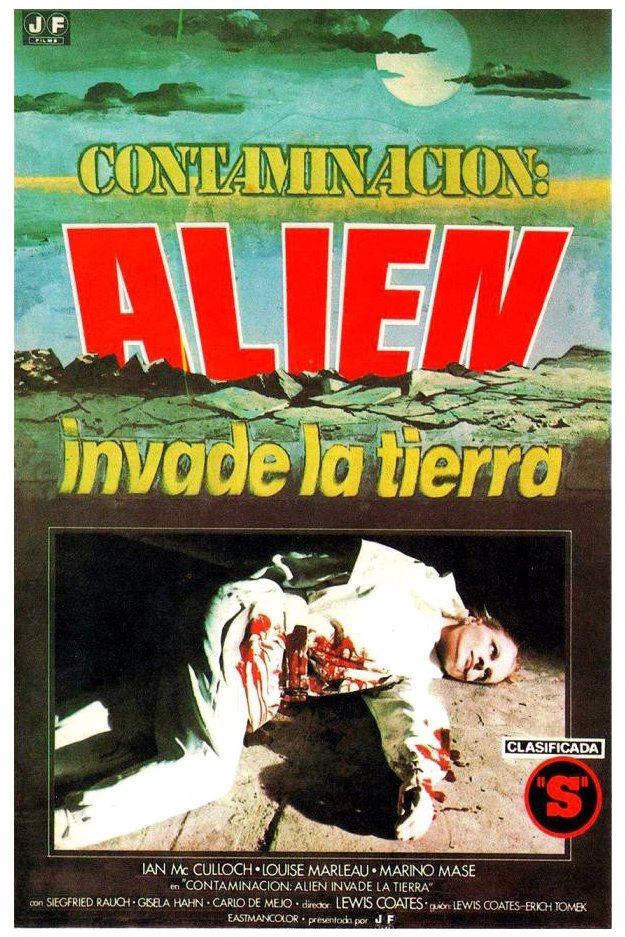
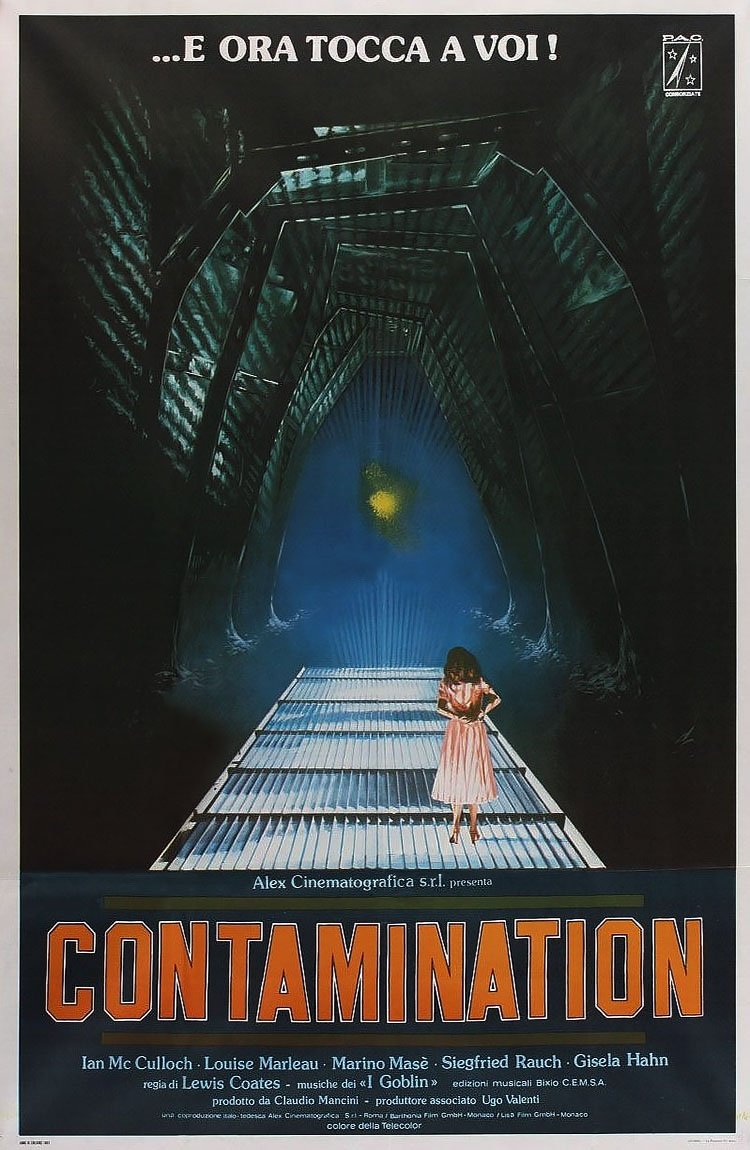
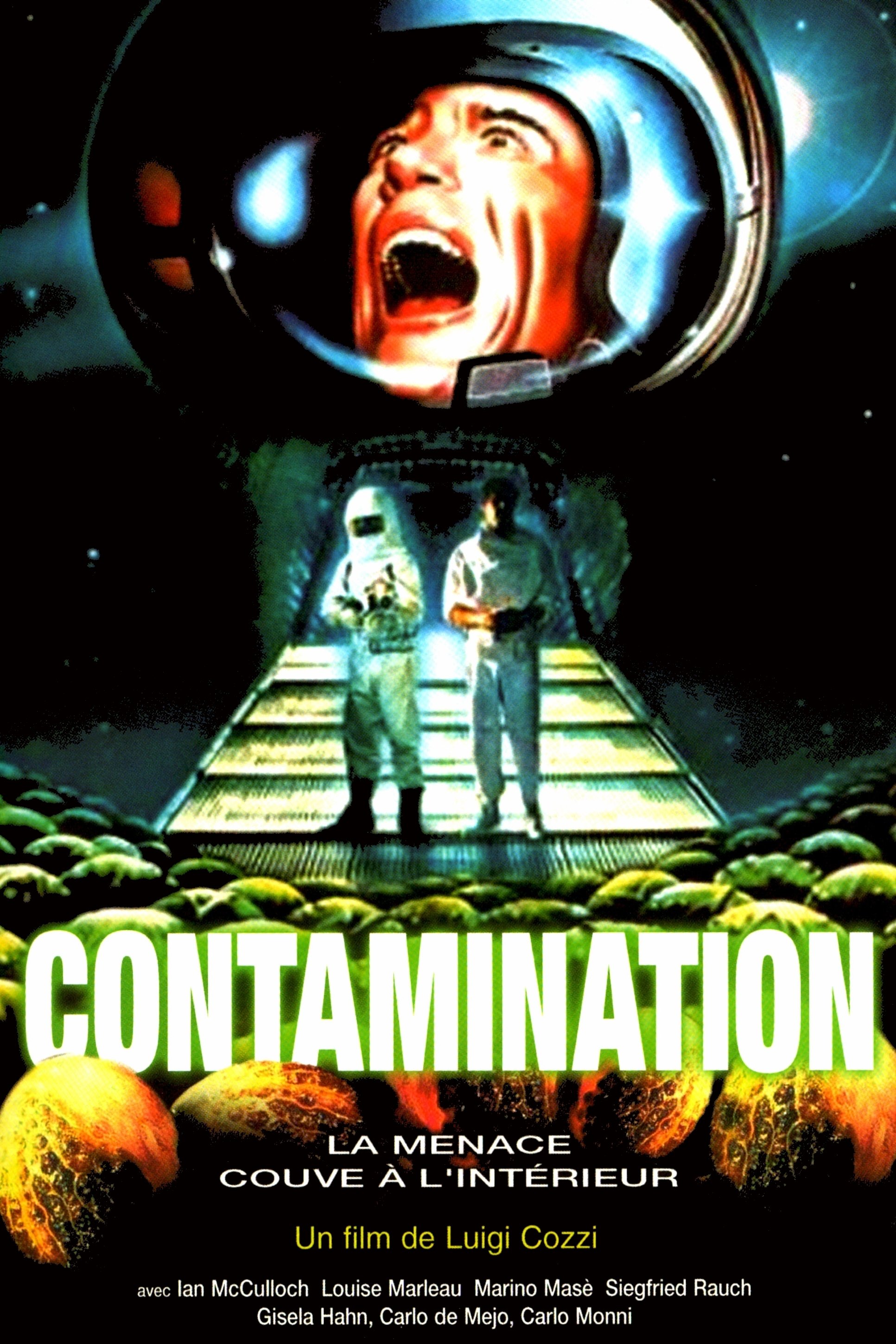
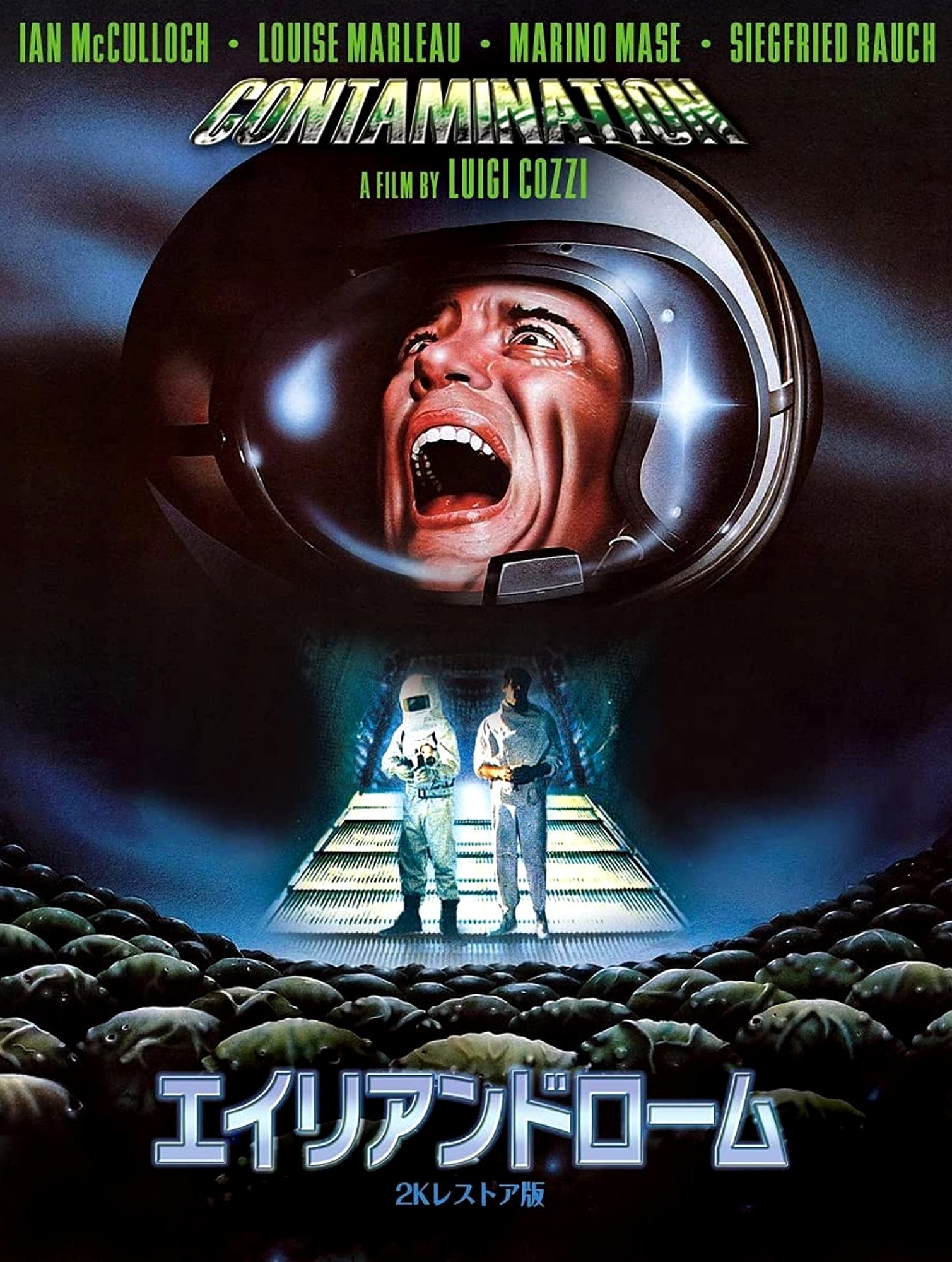
The Italian-West German production circulated under several titles, including Contamination - Alien Arriva sulla Terra. Archival Italian records identify Cozzi under the screen credit Lewis Coates and register the participation of companies based in Rome and Munich. The international packaging suited a production designed for export, while the original Italian theatrical history predates several of its better-known English-language video editions. This marketing context helps explain the prominence of exploding bodies and alien eggs in publicity, even though extended portions of the film are devoted to investigation and travel.
Locations & Low-Budget Scale
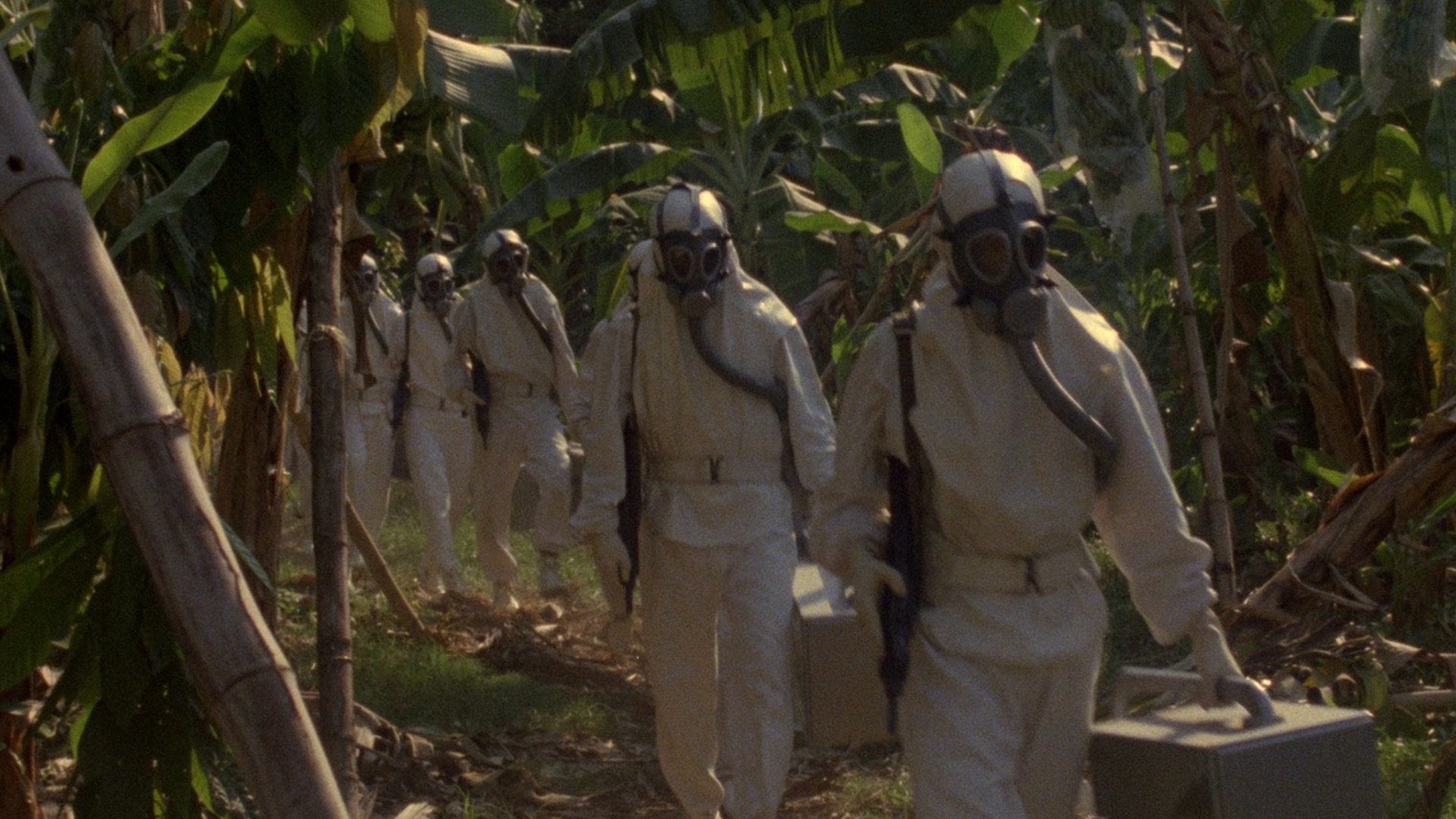
Cozzi described a planned visit to a sugar plantation in Santo Domingo that was replaced with work at a coffee plantation in Barranquilla, Colombia. The change had a direct consequence for the script: the vessel transporting the eggs became a coffee ship. In a later interview he estimated that the production spent one week in Colombia and three days obtaining New York material. The American footage was reportedly captured by a very small crew using a handheld camera, without formal street-filming permits. These memories illustrate how the film assembled an apparently transnational emergency from short, economical bursts of location photography.
The limited exterior footage provides recognizable geographic markers, while much of the story's threat unfolds in controlled interiors. The deserted ship, the warehouse and the plantation structures divide the action into locations where characters can discover an egg and immediately become vulnerable to its contents. Movement between these spaces gives the conspiracy a wide reach without requiring sustained large-scale action. As the investigators follow the supply chain, the film repeatedly uses ordinary commercial infrastructure to conceal the extraterrestrial cargo. That connection between freight, storage and infection creates a recognizable form of urban invasion horror.
Eggs, Body Horror & the Cyclops
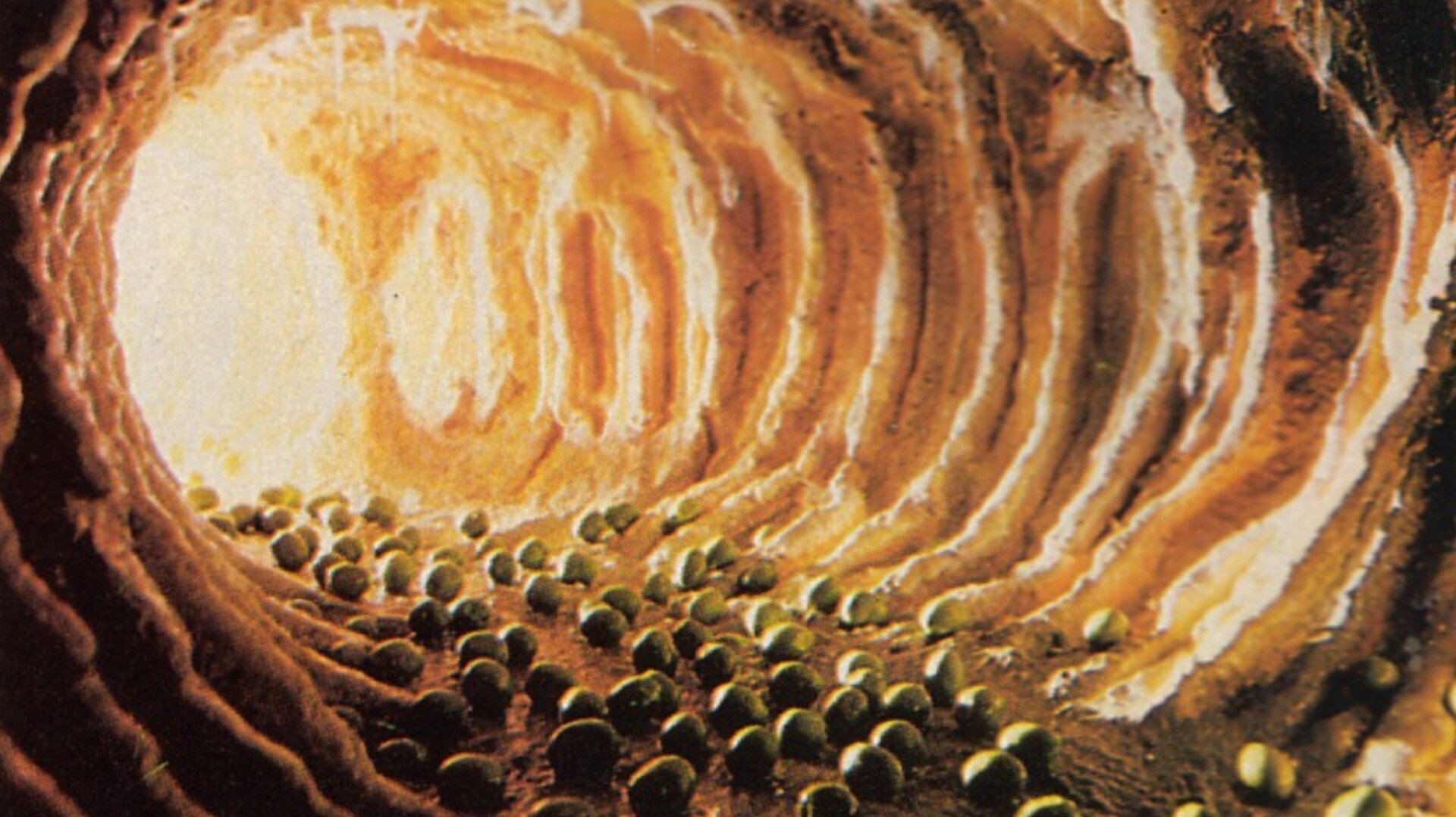
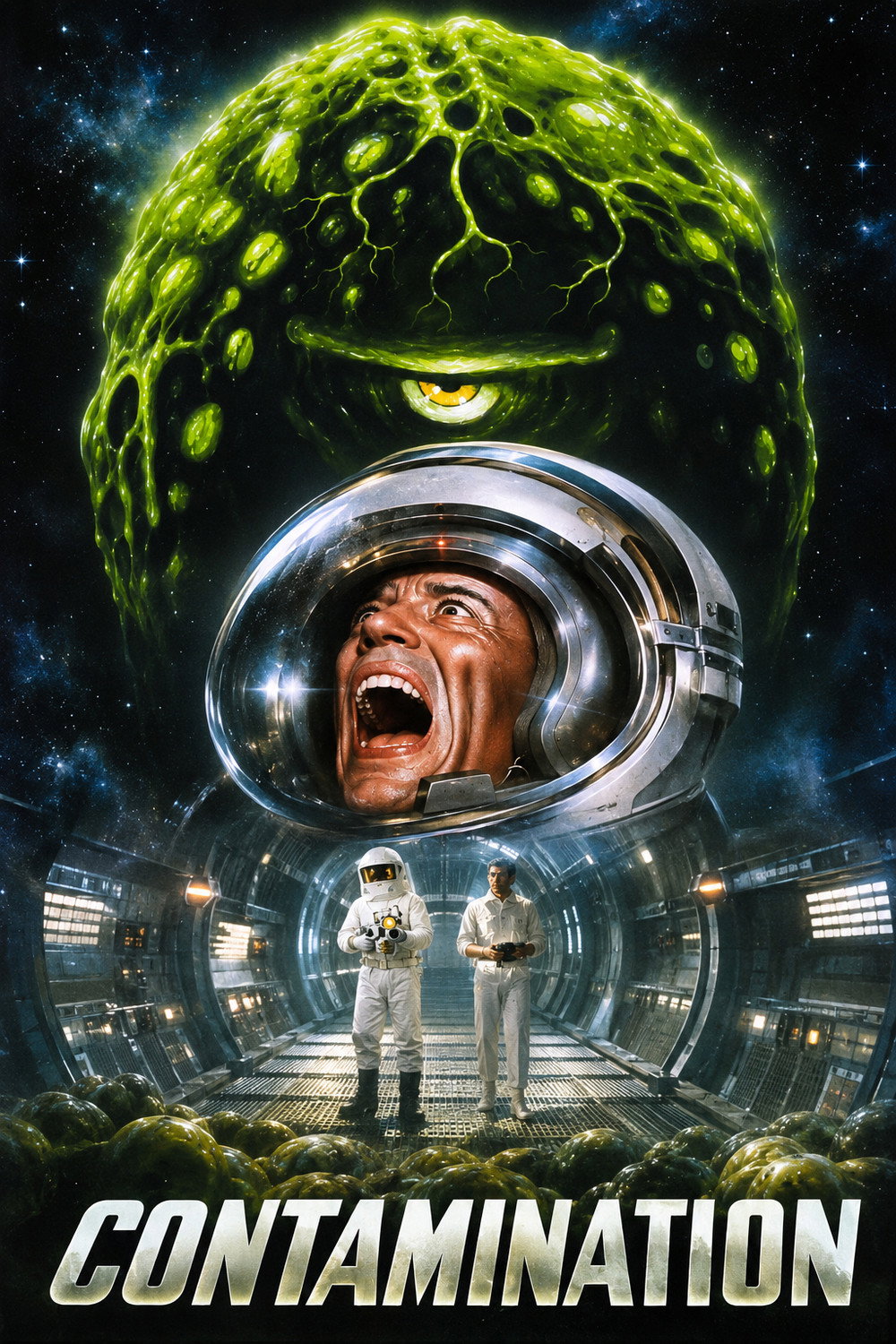
Cozzi's account of the egg effects distinguishes different objects made for different camera distances. Large groups of eggs were represented by small balloons painted green. For the pulsating specimen in the ship's hold and the bathroom sequence, the filmmakers used silicone, an internal light and a mechanism to suggest movement beneath the surface. The Martian cavern was a miniature measuring roughly a meter across; Cozzi recalled that the many tiny eggs within it were actually green olives. The objects were designed around what individual shots needed to convey, from a vast alien breeding ground to the disturbing close-up of a seemingly living shell.
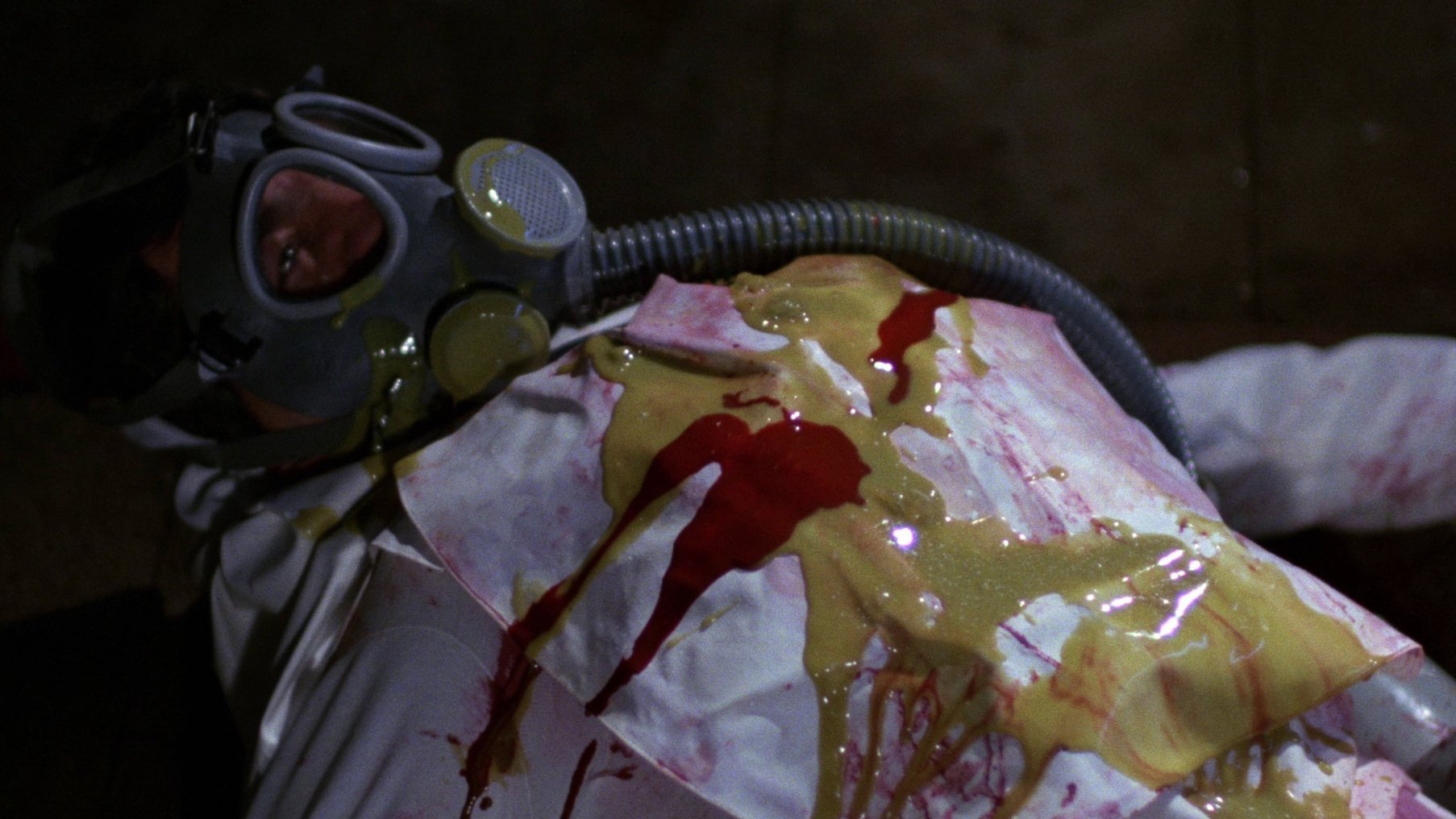
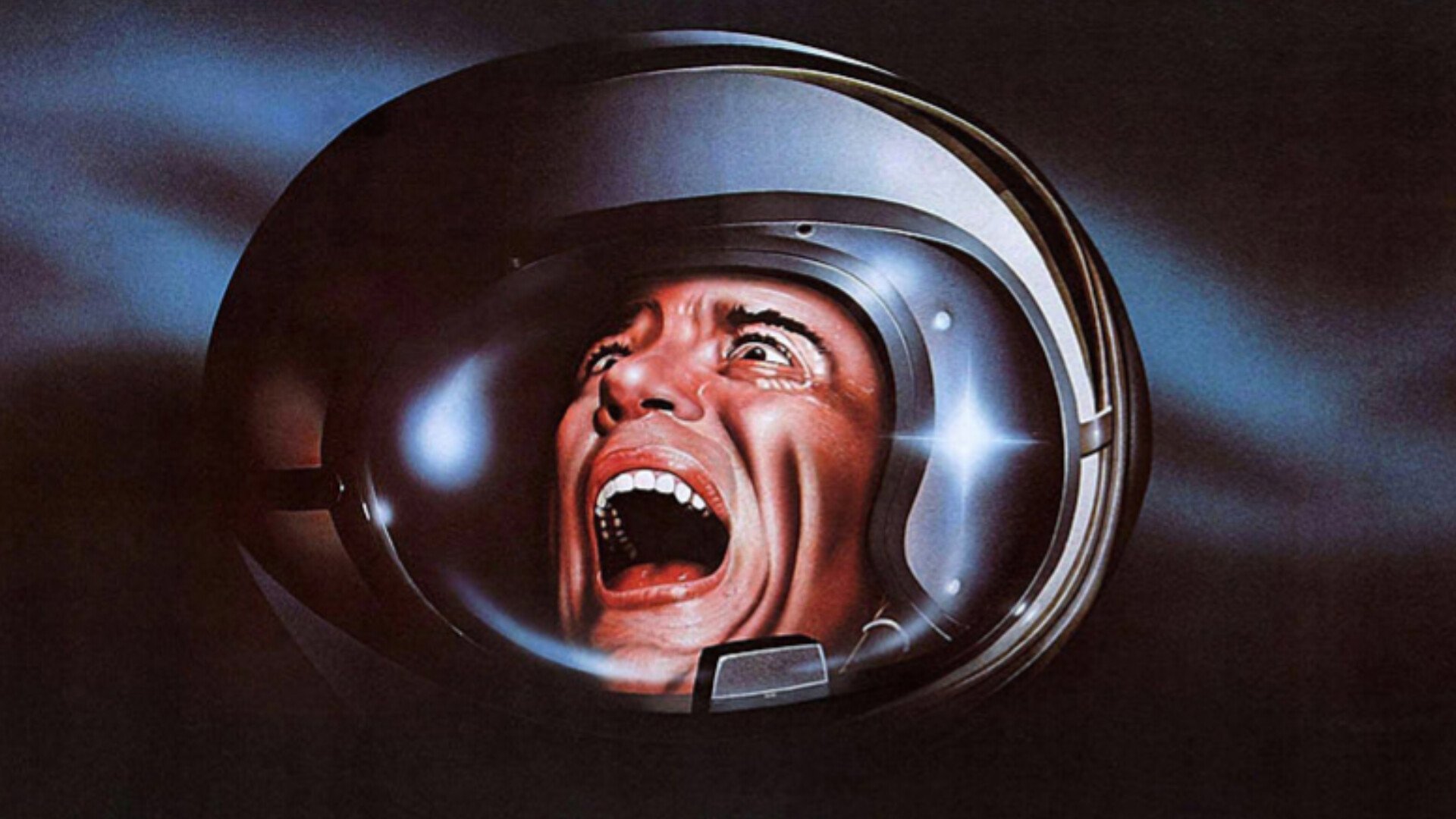
The eggs release a substance that triggers the film's signature deaths: victims swell and burst in showers of blood and tissue. These attacks often unfold in slow motion, extending the interval between exposure and the destruction of the body. The effect reverses the pattern of Alien's chest-burster sequence by making an external contact the immediate cause of a full-body rupture. Contamination returns to the spectacle frequently enough that the outbursts form a visual rhythm of their own. Bodies are transformed into temporary containers of pressure, and the threat becomes visible through the physical disintegration of people who cross its path.
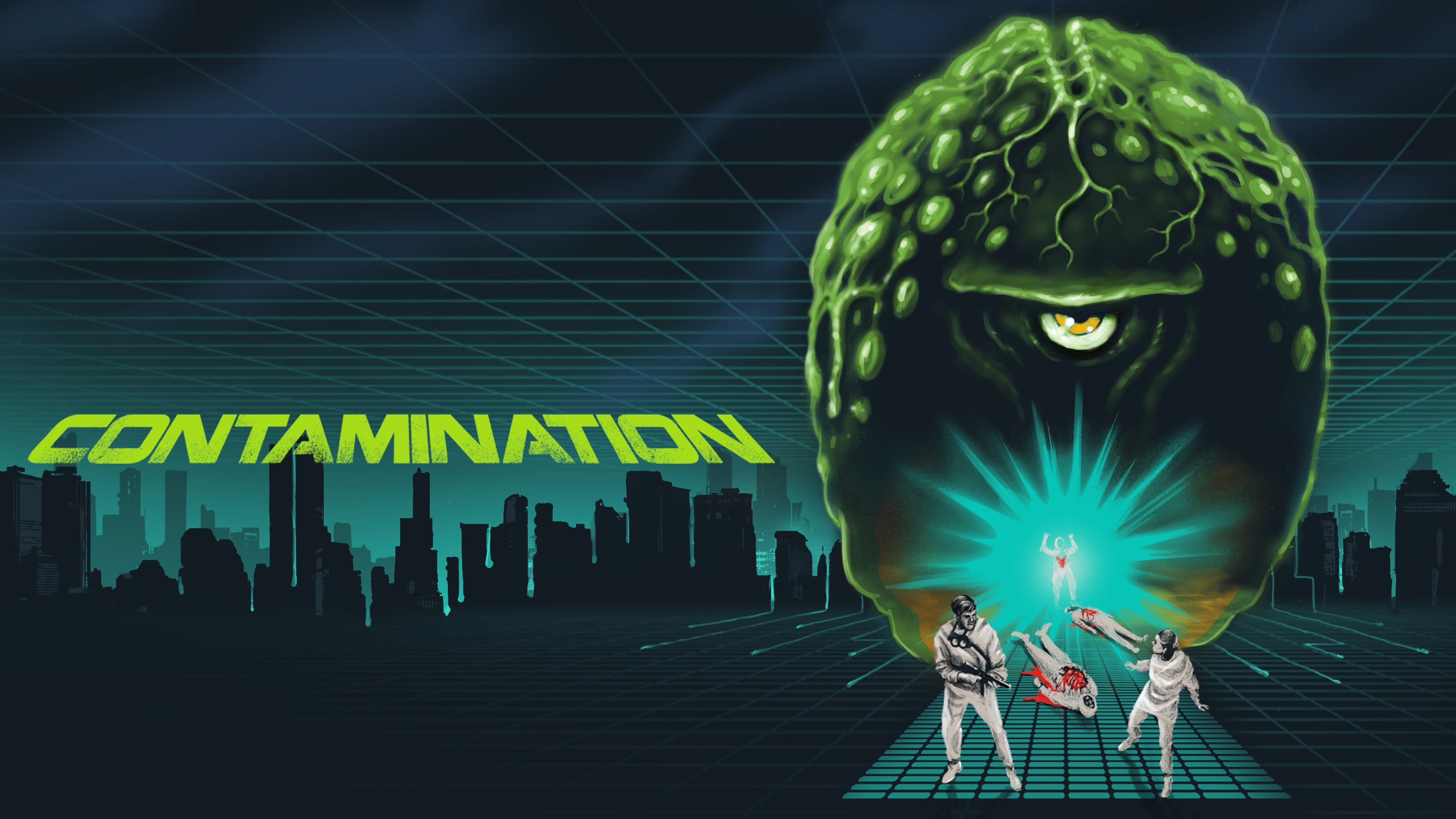
The final creature, generally described as the Cyclops, shifts the emphasis from the portable eggs to a single large organism associated with their spread. Its bulky construction and restricted movement make it less convincing as an active predator than the smaller objects that precede it. The monster nevertheless establishes a controlling intelligence behind the shipments and the human collaborators. Its single eye provides a clear anatomical target in the climax, allowing the story to end with a familiar monster-movie confrontation after an opening dominated by unidentified biological danger. The differing scales of these effects reveal both Cozzi's practical ingenuity and the limits of the production's resources.
Invasion Horror & Narrative Design
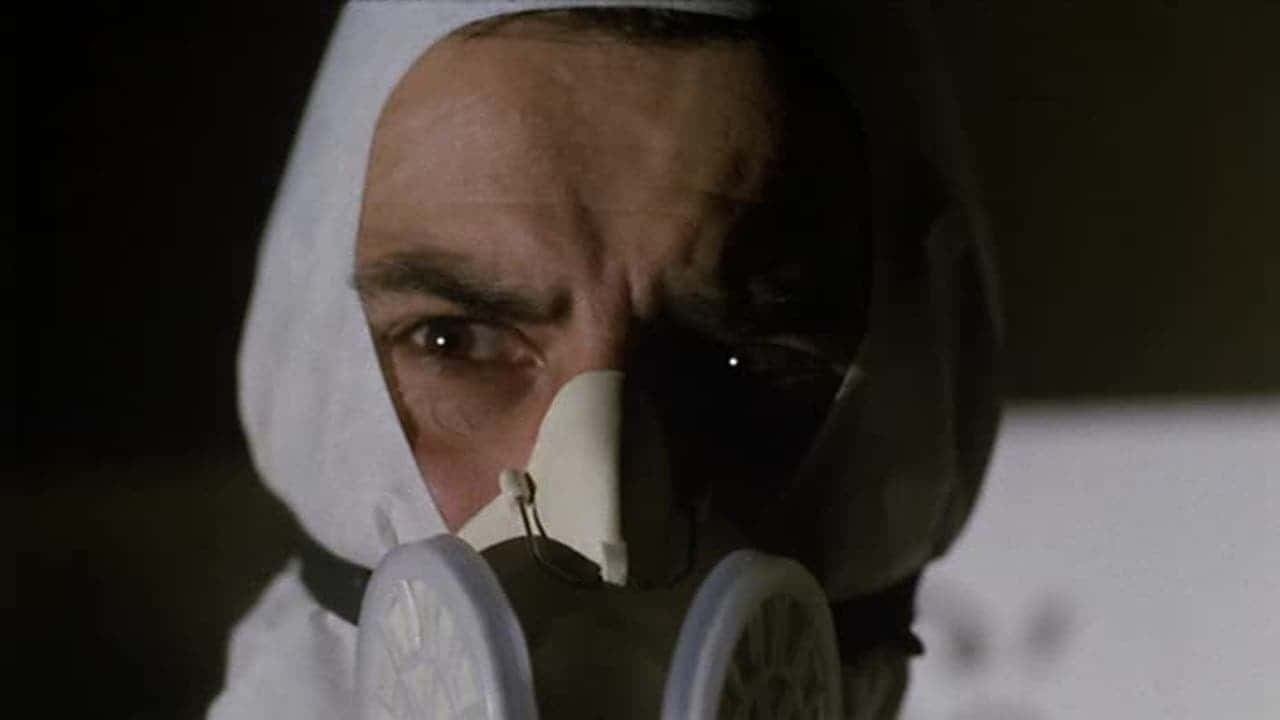
The abandoned ship establishes a procedural framework: a police search encounters unexplained deaths and dangerous cargo, and government personnel subsequently take control. Colonel Stella Holmes recruits the former astronaut Ian Hubbard, whose disputed memories of a mission to Mars connect the eggs to a wider threat. Alongside detective Tony Aris, the investigators move from New York to South America. These transitions borrow the pace of an espionage investigation while retaining a science-fiction premise in which contamination can be transported through normal economic channels. The storyline treats the alien organisms as a danger to population centers, with the agents struggling to interrupt their circulation.
A central tension arises from the gap between what authorities can identify and what the audience has already witnessed. The camera reveals the lethal effects before the characters understand the organisms' origin. Later, the discovery of human participants in the distribution network changes the problem from accidental exposure to deliberate biological attack. Cozzi's acknowledged interest in older invasion films is evident in this escalation, particularly in the idea of an alien power using terrestrial intermediaries. The film's horror depends on an ordinary object becoming fatally unstable on contact, with institutions arriving only after the damage has become visible.
Goblin: Music & Sound
The score came from Goblin during a period when the band's personnel and musical approach were changing. According to Cozzi, distributors approached the group because of its established association with Italian thriller cinema. He welcomed their involvement but noted that Claudio Simonetti had already departed and did not participate in this soundtrack. Keyboardist Maurizio Guarini has described his return to the band after earlier departures and a move toward fusion, experimental harmony and new synthesizer textures. He identified the Yamaha CS-80 and Prophet-5 among the instruments he was exploring during these productions, placing Contamination within a distinct stage of the group's development.
The music moves between driving rhythmic passages and electronic textures that intensify the film's outbreaks of violence. Bass patterns, keyboards and percussion support an uneasy mixture of investigative suspense and grotesque spectacle. Cozzi also described a precise editorial decision involving the piece Connexion: he chose not to place it under the opening titles because a significant dialogue passage needed to remain intelligible. That detail shows the score being fitted to narrative requirements, carefully placed around competing dialogue and action. Guarini's testimony further situates the work within the band's movement away from the instrumentation associated with its earlier, more celebrated horror scores.
Reception, Censorship & Afterlife
Italian documentation records a censorship certificate dated 5 June 1980, followed by theatrical circulation that summer. Research reproducing period newspaper coverage identifies a presentation at the Trieste science-fiction festival in July and a review by Piero Perona in La Stampa on 4 August. That response questioned the originality of the Alien connection and drew particular attention to the bursts of gore. A later notice in l'Unità, published during the film's Roman engagement in 1981, also emphasized the repeated bodily explosions while criticizing the thin characterization and dialogue. These contemporary reactions provide a firmer picture of initial reception than later cult labels alone.
In Britain, Contamination joined the Director of Public Prosecutions' changing video-nasty list. Julian Petley's appendix describes an earlier X cinema certificate with cuts, but that claim is not independently supported by the accessible public BBFC record. Accounts of the 1982 VIP videocassette instead describe about two minutes and forty seconds of unofficial edits, chiefly affecting the graphic deaths. These video alterations were not a documented BBFC order to cut a cinema print. The film later received an uncut UK 15 video classification in 2004; these distinct stages should not be conflated.
Subsequent editions have made the original feature accessible outside the shortened versions circulated in some territories. In 2015 Arrow Video issued a restoration prepared from the original camera negative and accompanied it with interviews and historical material on the production and soundtrack. That recovery brought unusual attention to a film whose effects had previously circulated through worn or incomplete video copies. Its continuing interest rests on identifiable features: Cozzi's combination of 1950s invasion patterns with post-Alien imagery, conspicuously physical gore and a Goblin score from an overlooked phase of the ensemble's history.