Cannibal Apocalypse (1980)

IT
HORROR FILM Thriller Crime
SUBGENRES CANNIBAL
UK censorship history DPP · Successful prosecutions
Runtime
96 min
Release
August 4, 1980
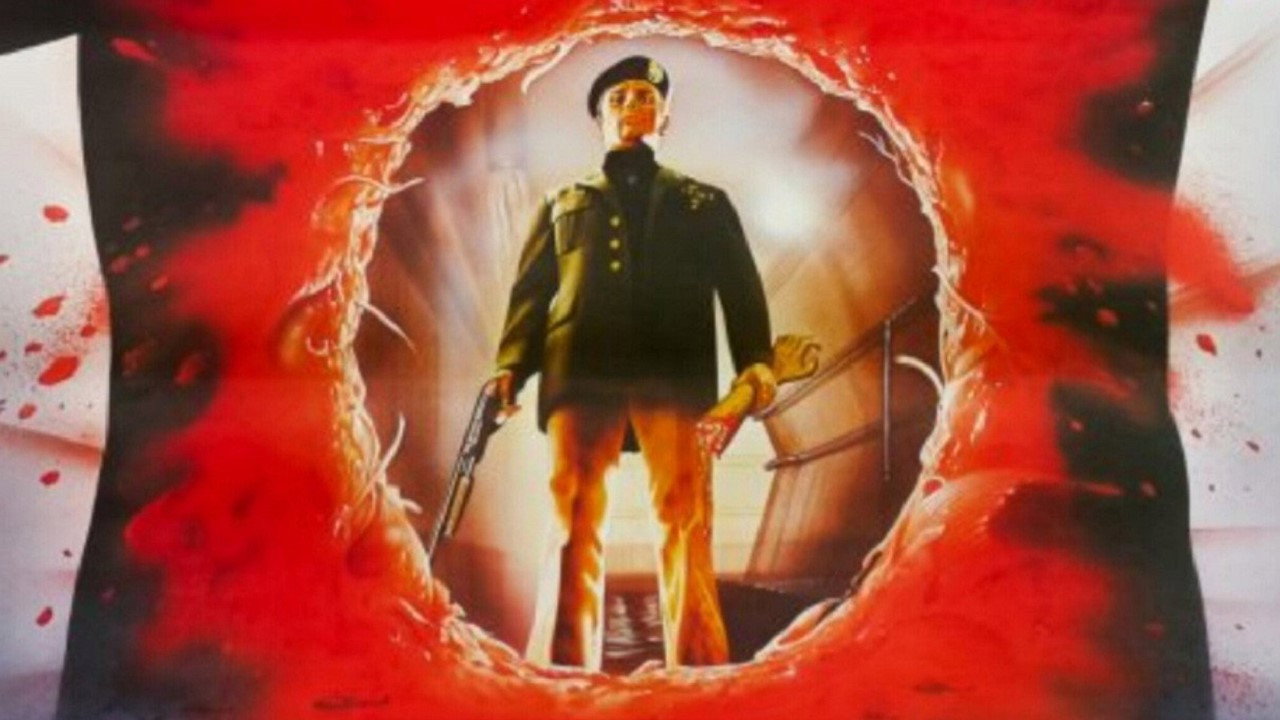
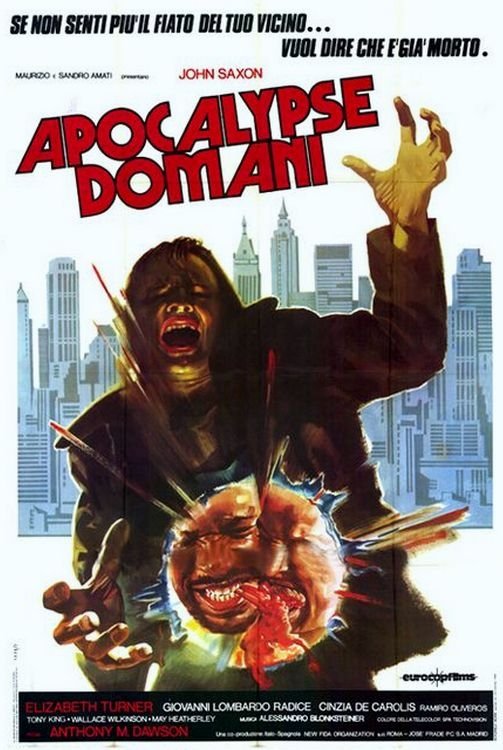
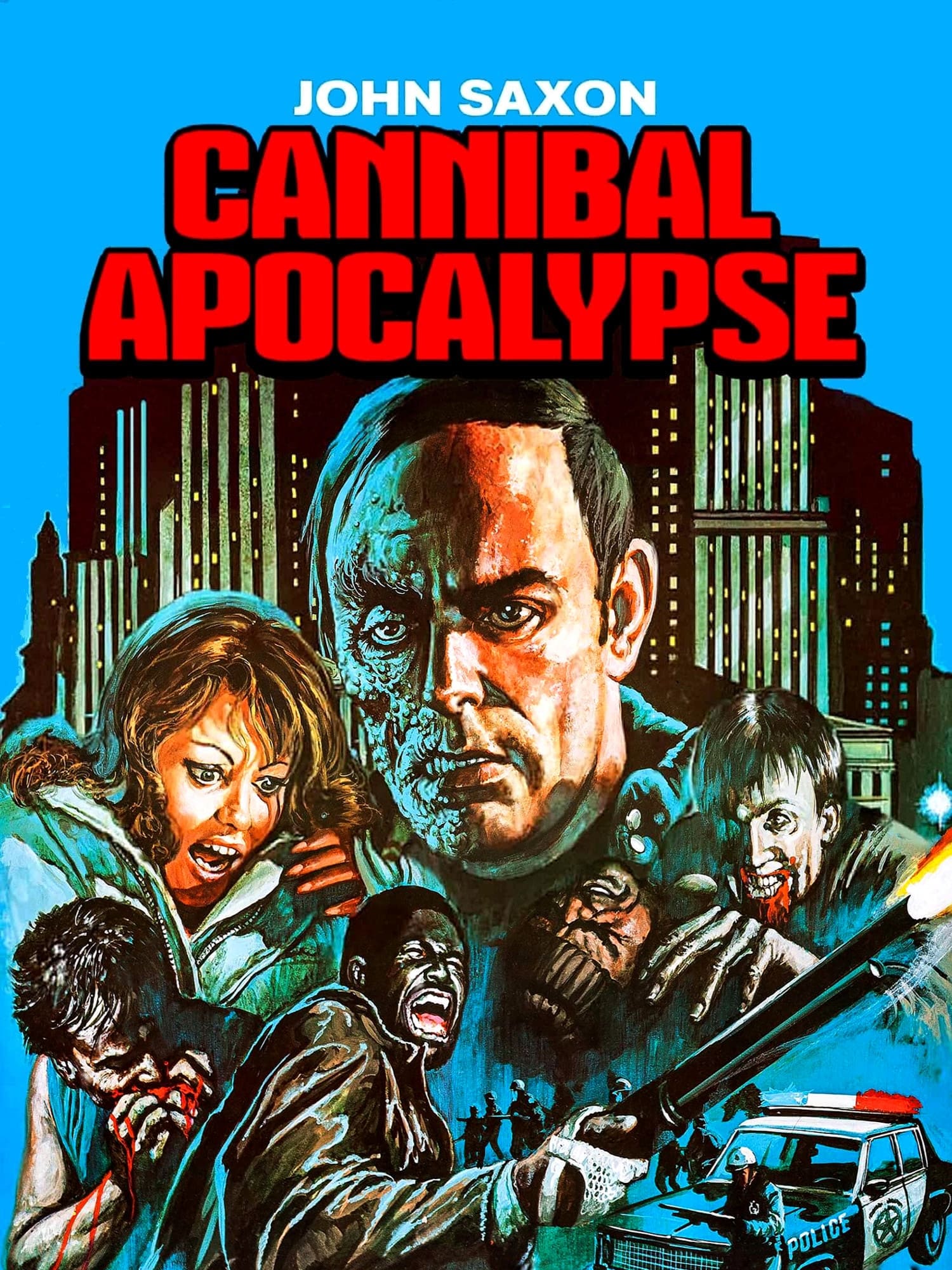
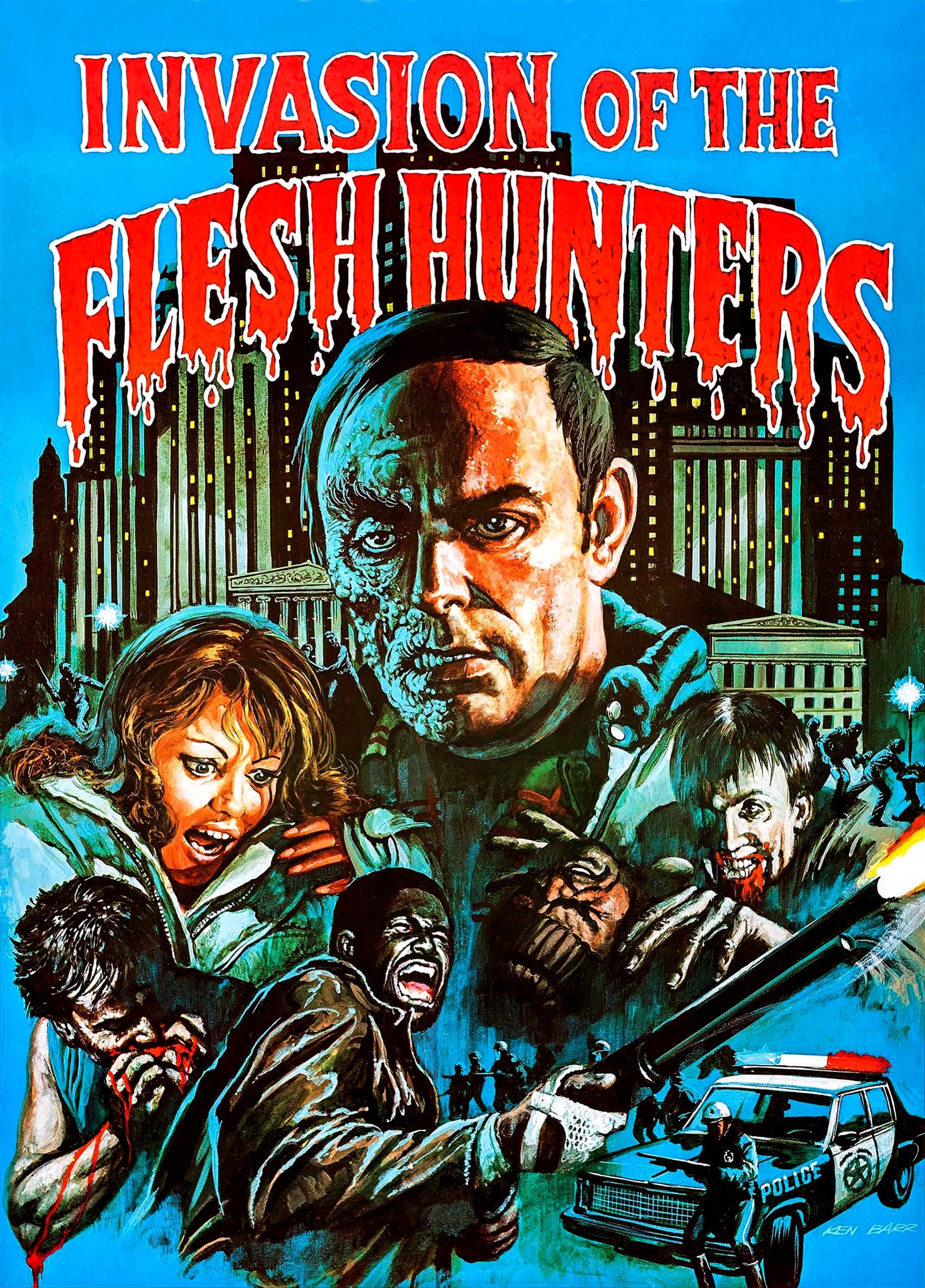
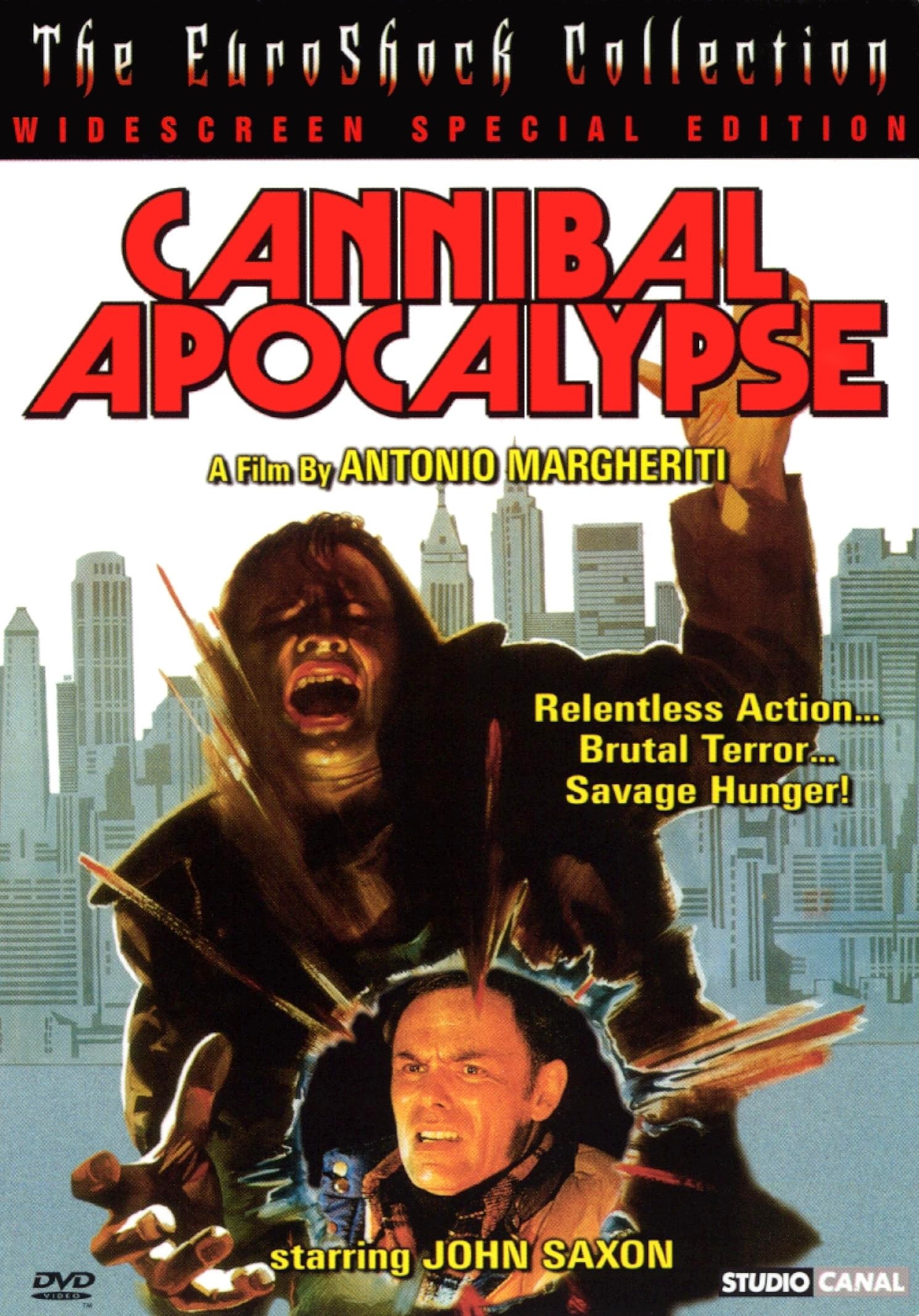
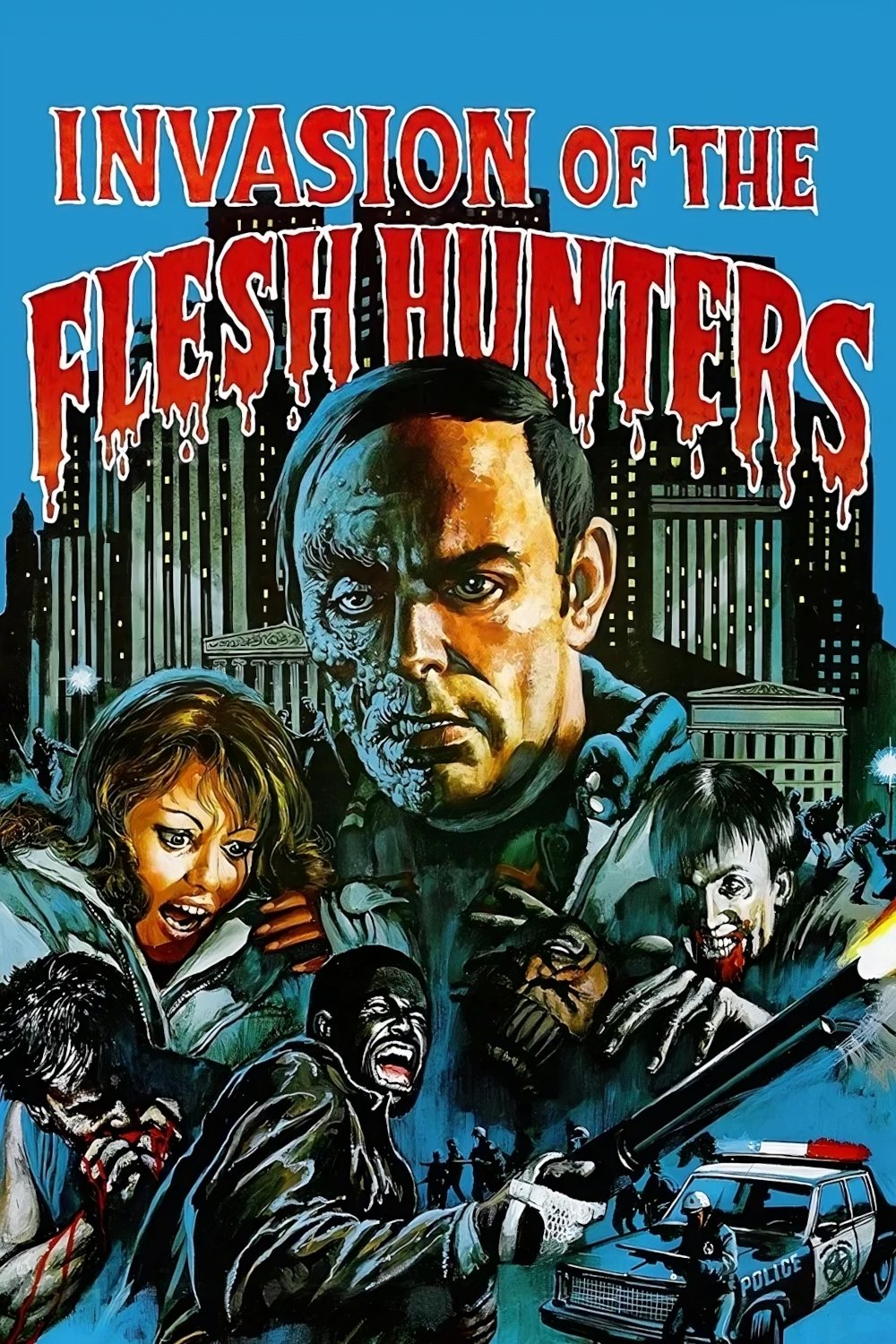
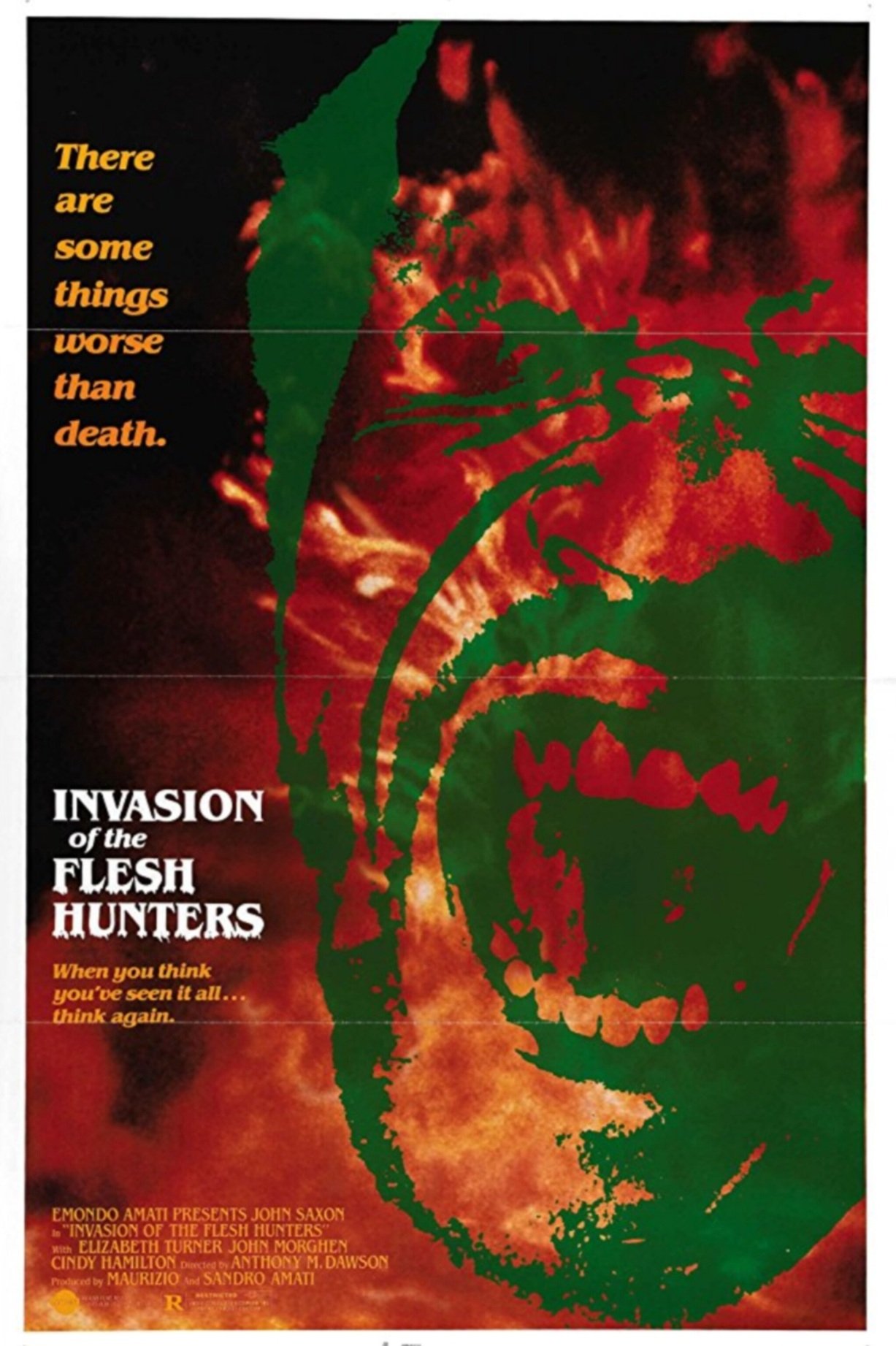
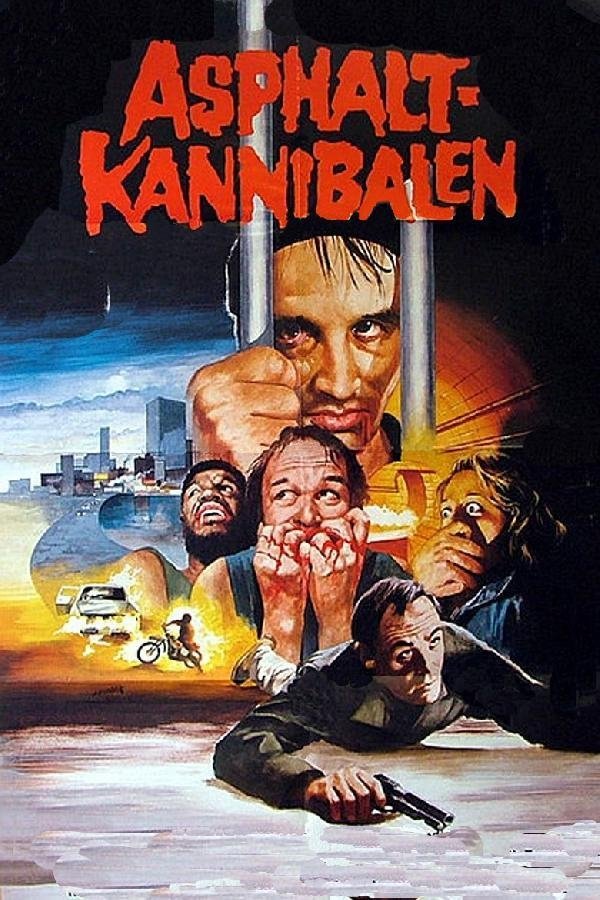
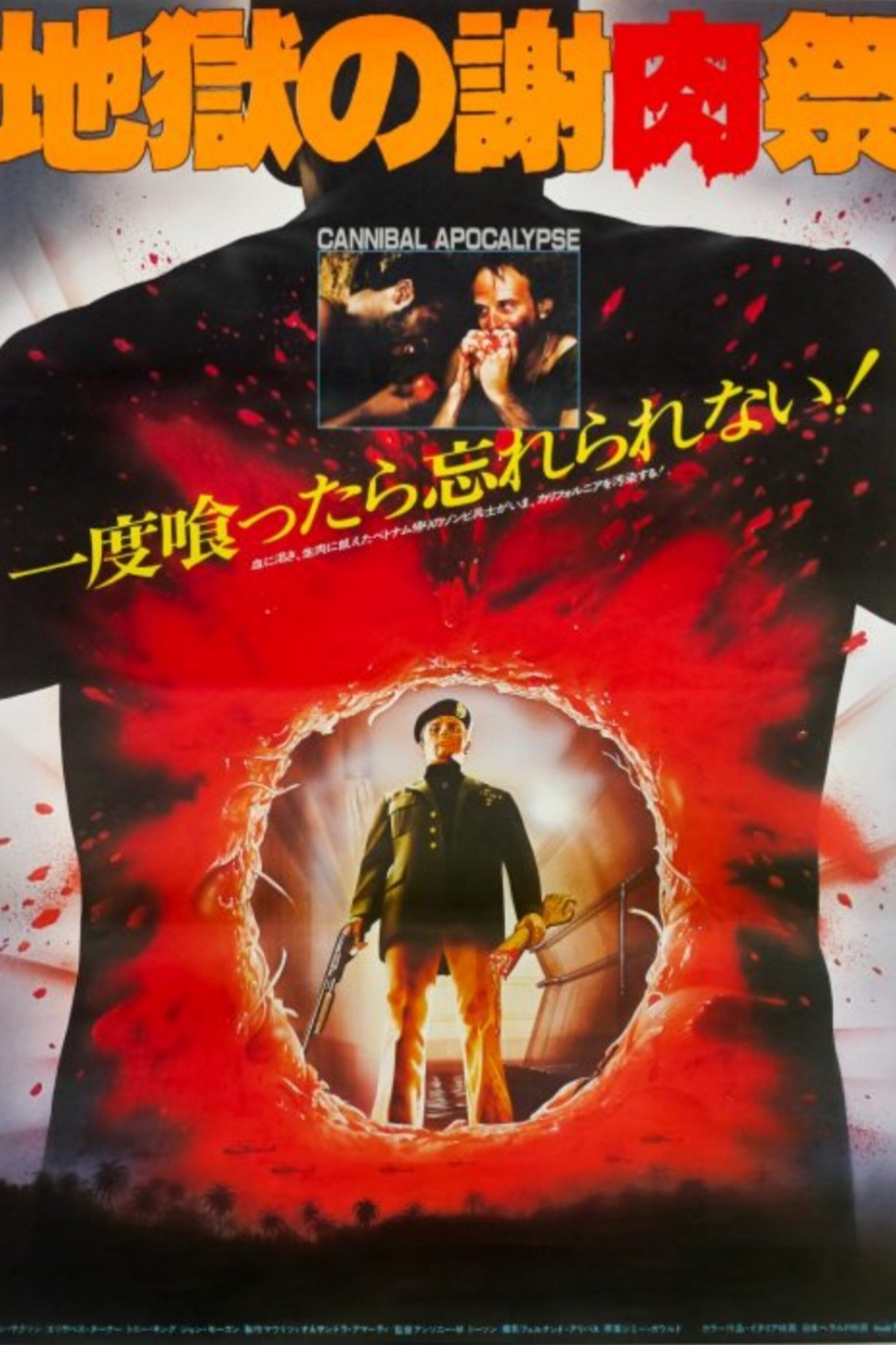
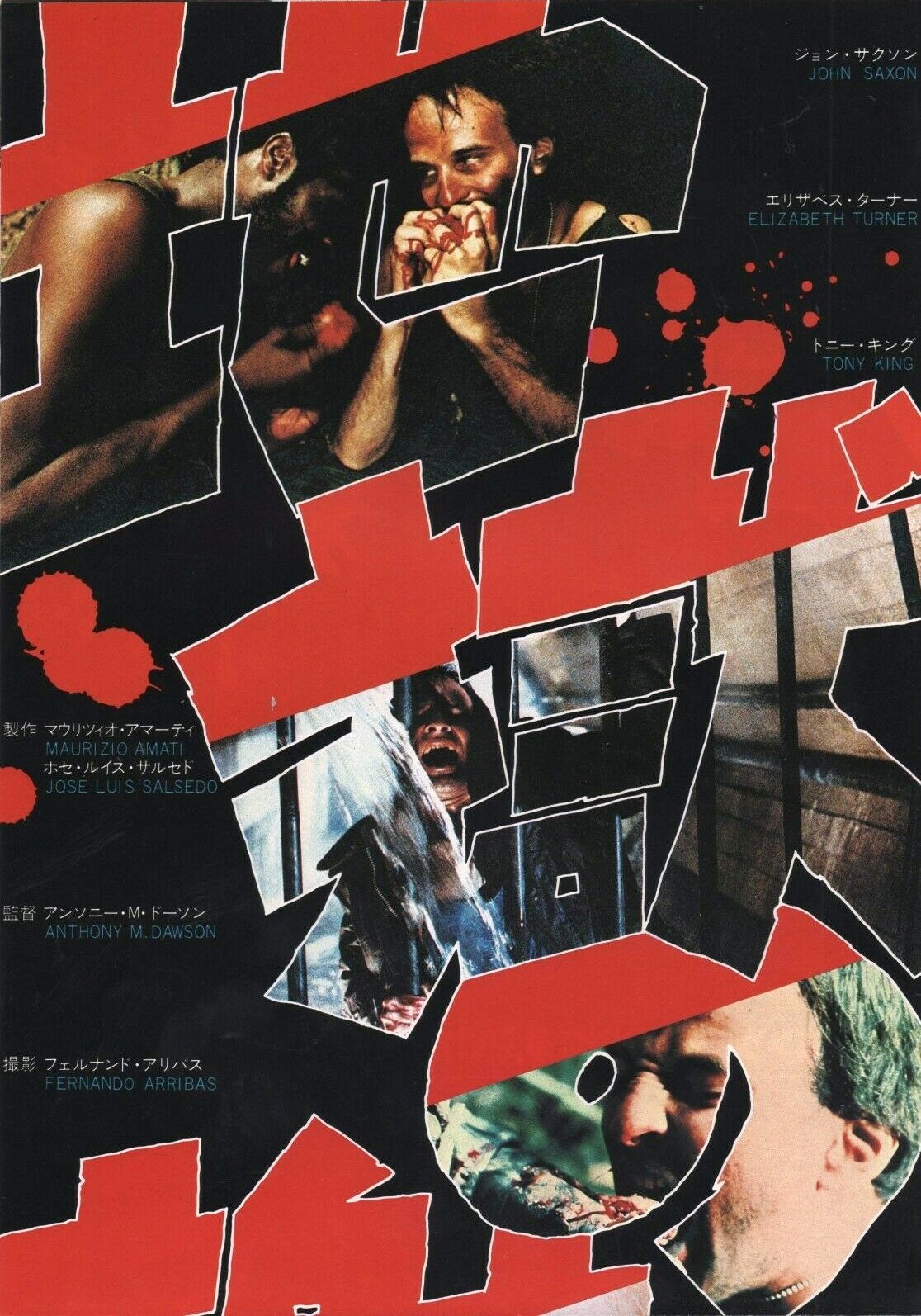
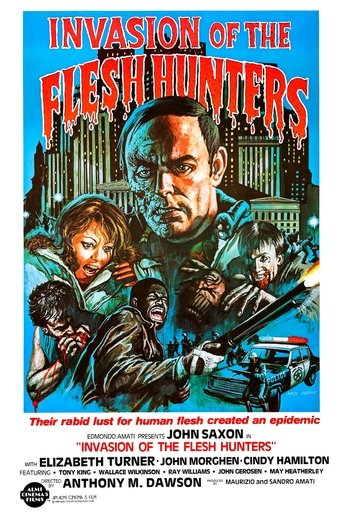
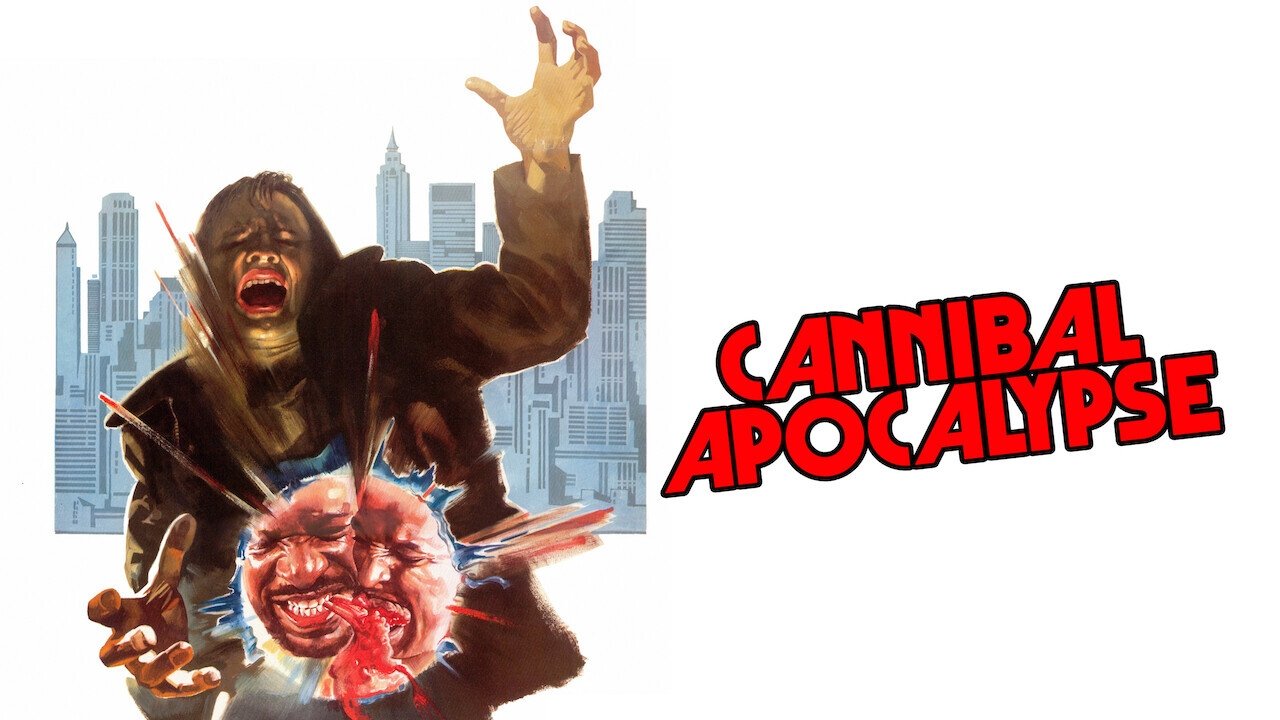
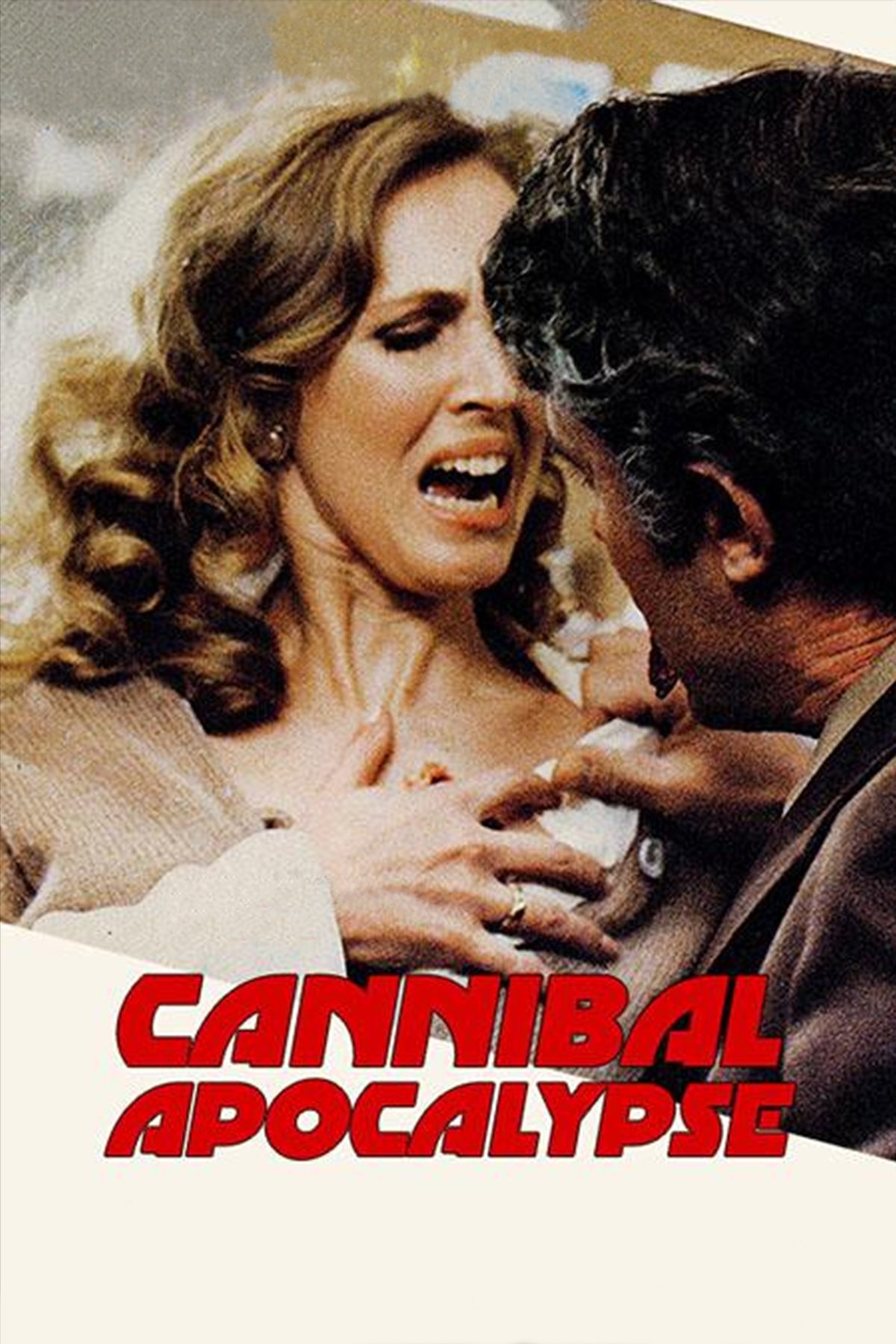
Cannibal Apocalypse (1980) poster
Production Companies
New Fida , Edmondo Amati presents , José Frade Producciones Cinematográficas , Image Entertainment
Plot

Released from captivity in Vietnam, two American Army officers return to civilian life and discover they have acquired an insatiable taste for human flesh. A city is terrorised... as they stalk the inhabitants to satisfy their primitive appetites.

Alternative Titles
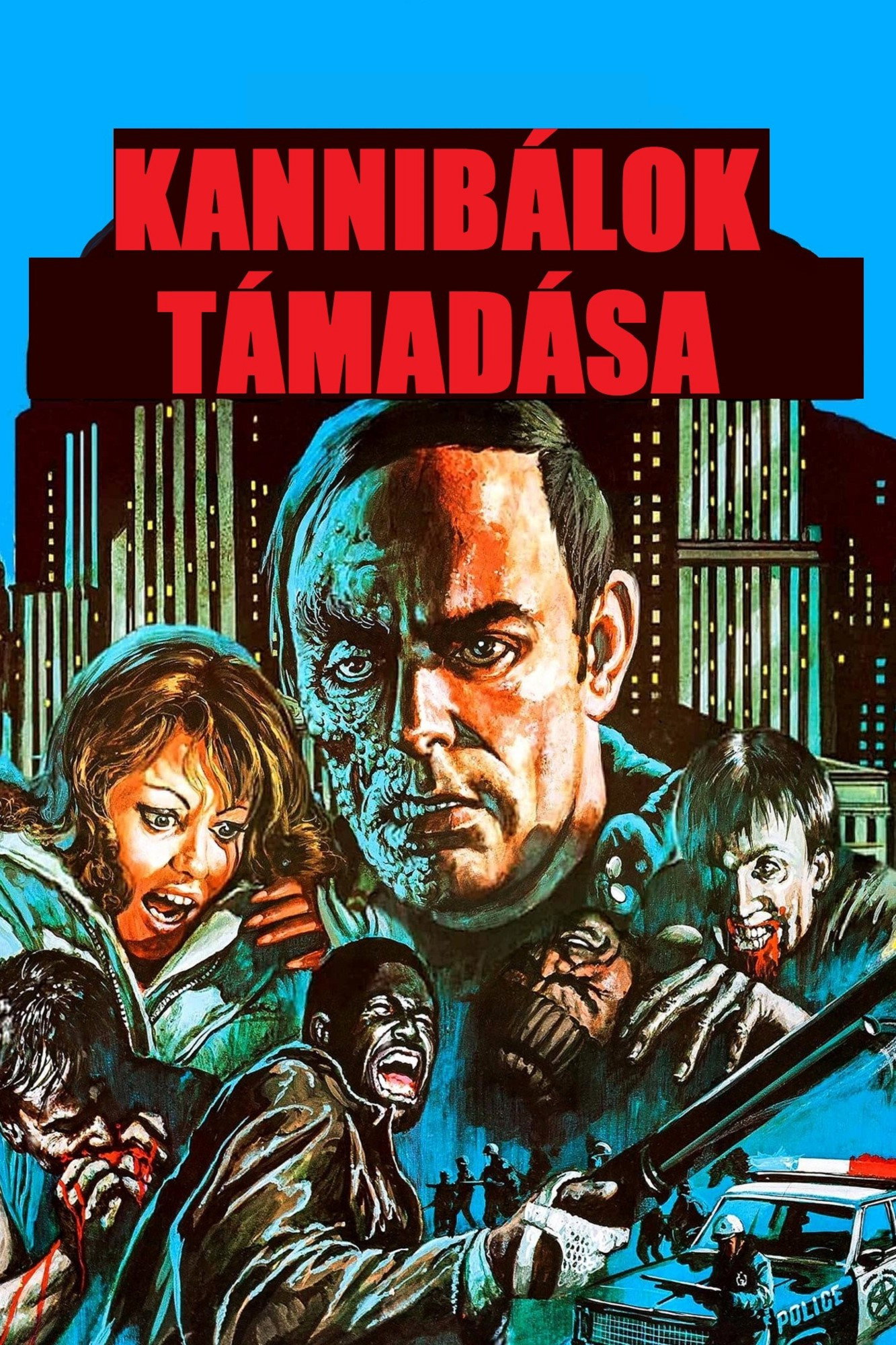
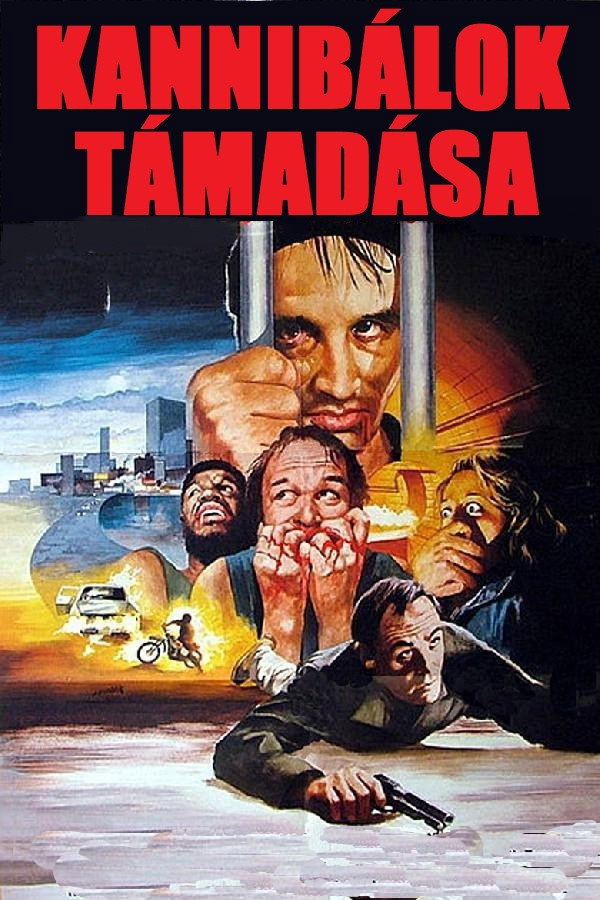
Canibais do Apocalipse (Brazil) — Theatrical, 1981 食人狂 (China) — Chinese Apokalypsa kanibalů (Czechia) Asphalt-Kannibalen (Germany) — German Apocalípsis canibal (Spain) Virus (Spain) — Spanish Demain l'apocalypse (France) — VOD/SVOD Pulsions cannibales (France) — French
Show all 22 alternative titles Αποκάλυψη αύριο - Έρχονται οι κανίβαλοι (Greece) — Greek 食人狂 (Hong Kong SAR China) — Chinese Kannibálok támadása (Hungary) — Hungarian 지옥의 카니발 (South Korea) — Korean Apokalipsa kanibali (Poland) Perseguição Selvagem (Portugal) Apocalipsa canibalilor (Romania) — Romanian Апокалипсис каннибалов (Russia) Cannibal Massacre (United States) Cannibal Virus (United States) Cannibals in the City (United States) Cannibals in the Streets (United States) — Theatrical title Invasion of the Flesh Hunters (United States) — Theatrical title The Slaughterers (United States)

Trailers & Videos

2 videos

Film Guide & Analysis

Antonio Margheriti's 1980 cannibal-horror hybrid: Vietnam War trauma, John Saxon's troubled production experience, Atlanta filming, contagious violence, disputed makeup credits, censorship and 4K restoration.

Invasion of the Flesh Hunters (1980), originally released in Italy as Apocalypse domani and widely known as Cannibal Apocalypse, is an Italian-Spanish horror film directed by Antonio Margheriti under his established pseudonym Anthony M. Dawson. Starring John Saxon, Giovanni Lombardo Radice and Tony King, it combines the cannibal-film cycle with the Vietnam War drama, urban action cinema and the epidemic narrative. Its central premise transforms cannibalism into a contagious condition carried home by American soldiers, relocating a form of horror strongly associated with remote jungles into the streets, hospitals and sewers of Atlanta. The film consequently occupies a distinctive position in Italian horror at the beginning of the 1980s, when graphic physical violence was becoming increasingly important to the international exploitation market.

The production was shaped by Margheriti's experience across Gothic horror, science fiction, war films and action cinema. Its screenplay, associated principally with Dardano Sacchetti and Margheriti, treats the trauma of returning veterans through the conventions of a fictional biological infection. The unusual premise appealed to Saxon, although he later recalled discovering that the screenplay he had received omitted much of the graphic cannibalism. The film also became part of the British video nasties controversy and circulated in different American versions, including an edited presentation titled Invasion of the Flesh Hunters. Later restorations and first-hand interviews have clarified several aspects of its production while revealing uncertainty surrounding the attribution of its practical makeup effects.

Production and the Vietnam War Horror Concept

Cannibal Apocalypse developed during a period in which Italian filmmakers were combining established exploitation genres in response to international commercial trends. The success of zombie and cannibal films created opportunities for increasingly graphic productions, while the continuing influence of American Vietnam War cinema offered another recognizable subject. Antonio Margheriti had recently directed The Last Hunter (1980), a Vietnam combat film written by Dardano Sacchetti. Their subsequent collaboration retained a connection with warfare but transferred its consequences into an American urban environment. The new film was an Italian-Spanish co-production involving New Fida Organization and the Spanish company José Frade P.C., with Edmondo Amati and his production circle associated with its development.

The story begins with American prisoners held during the Vietnam War, where cannibalistic behavior first becomes associated with the returning soldiers. Its central figure, Norman Hopper, is a veteran who has apparently resumed an ordinary civilian existence. Contact with Charlie Bukowski and Tom Thompson gradually reveals that the wartime experience has left consequences beyond psychological memories. The infection spreads through bites, turning familiar relationships into possible channels of transmission. The premise draws upon the recognized cultural image of the damaged Vietnam veteran, but expresses alienation through bodily compulsion rather than a conventional psychological diagnosis. It therefore belongs to the broader tradition of American and European horror films that transformed the aftermath of war into a source of monstrosity.

The screenplay's credit history reflects the multinational production. Italian industry documentation identifies Dardano Sacchetti and José Luis Martínez Molla as screenwriters and credits Maurizio Amati with the original subject, while international screen credits identify Sacchetti and Margheriti. These different records should be distinguished rather than treated as interchangeable accounts of the writing process. What survives clearly in the completed film is the combination of a military backstory with an urban pursuit narrative. The veterans gradually become fugitives in the country to which they have returned, while police and medical authorities attempt to identify a condition they cannot contain. This mixture of war imagery, biological horror and action became central to the film's international identity.
Atlanta Filming and the Transformation of Cannibal Horror

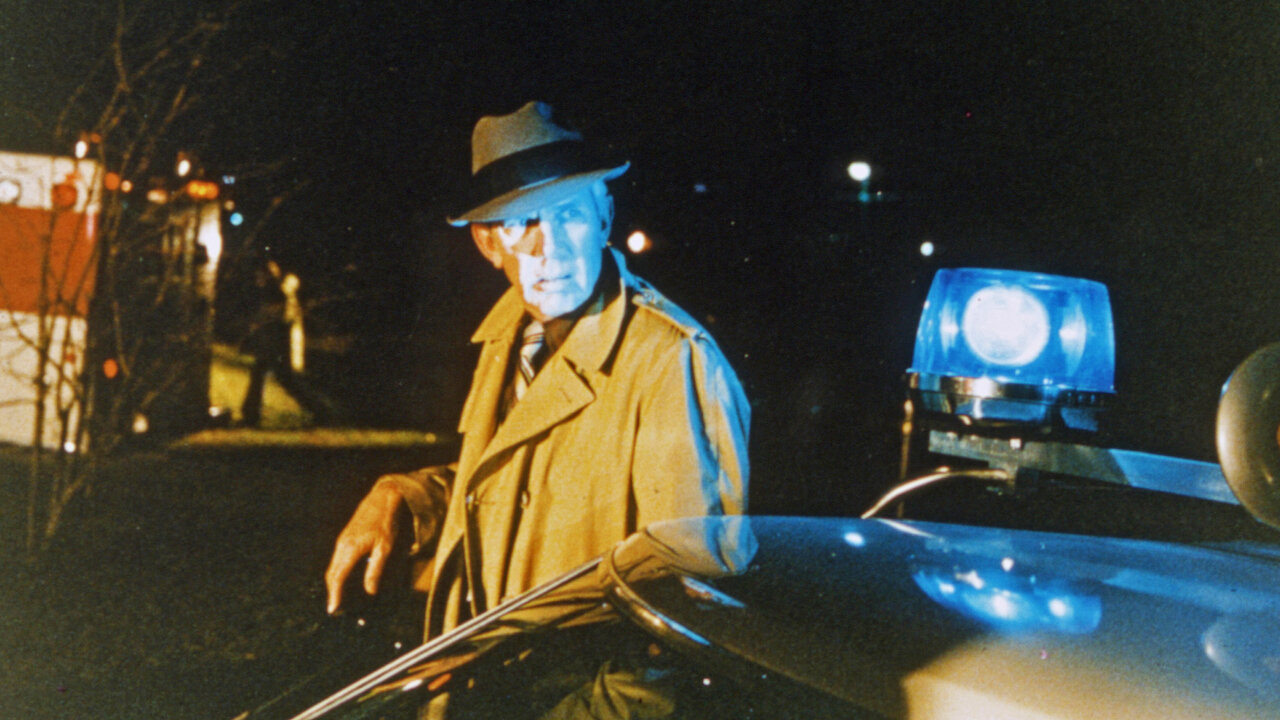
The production filmed exterior material in Atlanta and the surrounding Georgia area, while studio work was completed at De Paolis Studios in Rome. Shooting in an identifiable American city was important to the film's commercial presentation and to its departure from earlier Italian cannibal productions. Films such as Last Cannibal World (1977) and Cannibal Holocaust (1980) associated the subject with remote environments and encounters between outsiders and isolated populations. Margheriti instead places cannibalism inside a recognizable modern society. Streets, shopping areas, hospitals and transport routes become locations where ordinary social activity can suddenly be interrupted by attacks. The setting also permits the film to incorporate gun battles, vehicle movement and large-scale police pursuit.

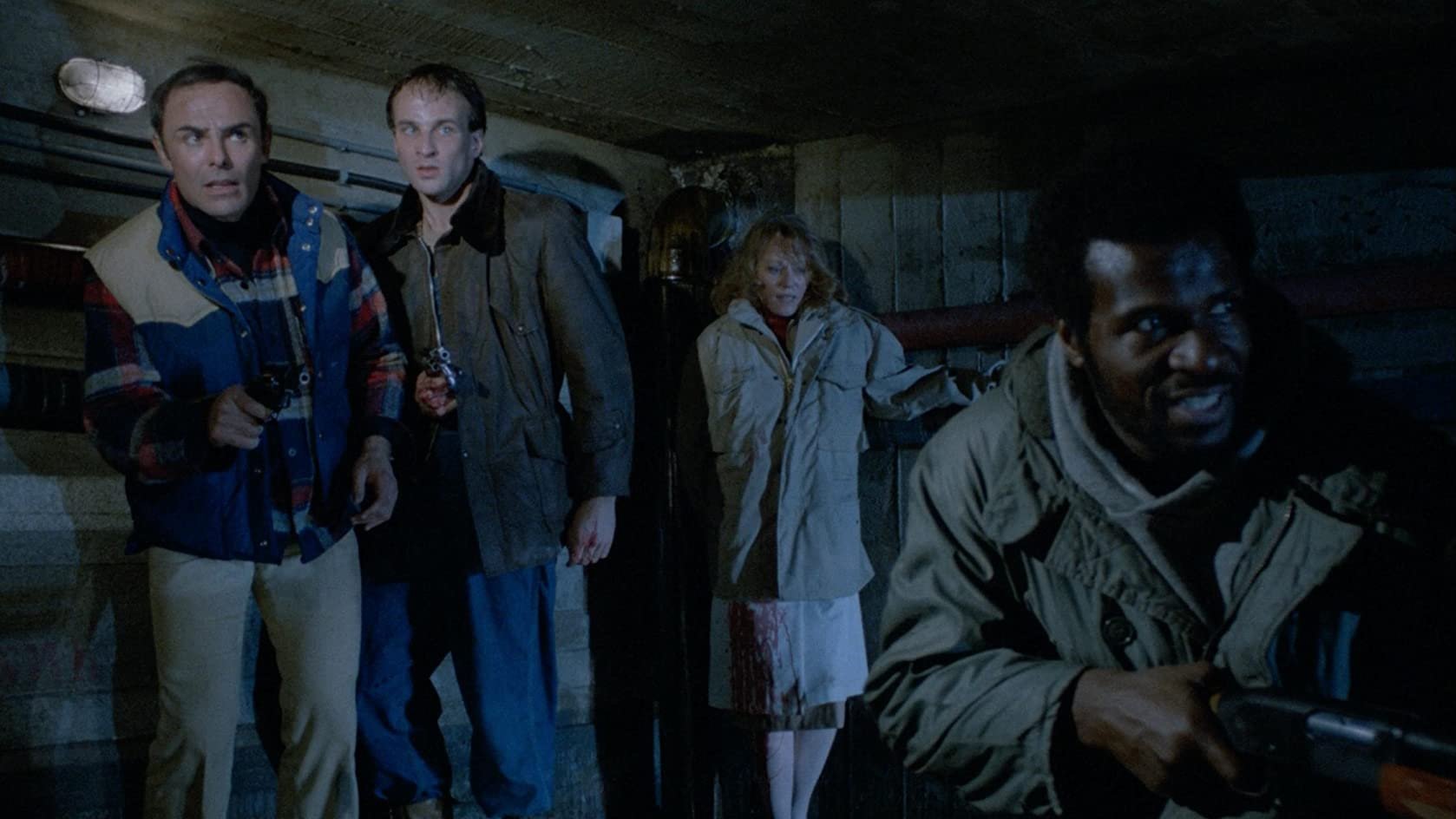
Cinematographer Fernando Arribas photographed the film in color, working with a director already experienced in creating action sequences and practical visual illusions. The Atlanta material gives the production an identity that differs from horror films constructed entirely on Italian sets standing in for American locations. Margheriti uses the city as a succession of increasingly restricted spaces. The action moves through commercial interiors and institutional buildings before descending into a sewer system, where the infected veterans attempt to evade the authorities. The progression changes the spatial character of the film: open streets and public environments give way to tunnels where encounters become more immediate and escape routes are limited.

The filming locations were subsequently documented in Apocalypse in the Streets, a short featurette included with home-video editions. The production also incorporated material associated with the wartime environment, reflecting Margheriti's parallel activity in action and war filmmaking. His experience in those genres is visible in the staging of armed confrontations and pursuit sequences. The film alternates these passages with horror scenes built around biting, bodily injury and infection. This combination explains why Cannibal Apocalypse differs from both the isolated-location cannibal film and the conventional zombie narrative. Its threat is carried by identifiable living people whose actions create public disorder, and the city provides a framework through which that disorder can continue spreading.

John Saxon, Giovanni Lombardo Radice and the Cast

John Saxon plays Norman Hopper, the former officer whose apparently stable domestic life conceals the consequences of his wartime experience. Saxon had already worked extensively in Italian cinema, including Mario Bava's The Girl Who Knew Too Much (1963), and brought considerable international recognition to the production. In a 2002 interview conducted by Roel Haanen and Mike Lebbing, he explained that the screenplay attracted him because its infection seemed to represent a psychological condition brought back from Vietnam. He had interpreted the material principally through its relationship to war trauma. According to Saxon, the English translation supplied to him was incomplete and left out important aspects of the film's violence.

Saxon recalled discovering the extent of the cannibalistic material during shooting, when he was asked to participate in a scene involving simulated human remains. The experience disturbed him sufficiently that he requested not to appear in that sequence and temporarily left the production during a break in his schedule. He later said that he had avoided watching the finished film. This testimony offers an unusually direct account of the gap between an actor's understanding of the screenplay and the production being made. It also clarifies why Saxon could regard the central idea as a serious allegory while being uncomfortable with the graphic methods used to present it.

Giovanni Lombardo Radice, credited internationally as John Morghen, plays Charlie Bukowski, one of the infected veterans. His performance combines agitation, vulnerability and sudden violence, making the character central to the film's treatment of the returning soldier. In interviews conducted years after the production, Radice repeatedly identified Antonio Margheriti as one of the directors he most enjoyed working with. Speaking to Cryptic Rock in 2016, he described their relationship as personally affectionate and praised the director's technical ability and humor. Their association continued beyond Cannibal Apocalypse, including the television production Treasure Island in Outer Space. Tony King, playing fellow veteran Tom Thompson, supplies a more physically aggressive presence within the infected group. The contrasting performances allow the film to present its cannibals as individual characters rather than interchangeable monsters.

Cannibalism, Contagion and the Horror of Reintegration

The central horror mechanism is the transformation of cannibalism into a contagious condition. Unlike the isolated murderers of some contemporary exploitation films, the infected characters retain recognizable personalities, memories and social relationships. Their hunger produces increasingly destructive behavior without completely eliminating their ability to reason or communicate. The film uses medical explanations to suggest that psychological disturbance and biological mutation have become connected through the experience of war. Its fictional diagnosis should not be confused with a medically accurate account of trauma or infection. The premise belongs to horror cinema, where the transformation of familiar human behavior into an involuntary physical compulsion provides the basis for suspense.

The infection also changes how violence is organized. A bite is simultaneously an attack and a possible method of transmission, creating a threat that can expand beyond the original veterans. The film therefore shares a structural principle with vampire and zombie narratives, although its characters are living humans rather than resurrected bodies. The resemblance is especially clear when a medical professional becomes infected while working with the patients. Hospitals and other institutions intended to restore order can consequently become additional sources of danger. The development makes the spread of cannibalism more important than the actions of any single villain, even though the dramatic focus remains on Hopper, Bukowski and Thompson.

Patricia MacCormack examined this dimension of the film in her 2004 essay on Margheriti for Senses of Cinema. Her interpretation emphasizes the relationship between desire, bodily transformation and contagion, placing Cannibal Apocalypse within themes that recur throughout the director's work. In this reading, the cannibals are important because their abnormal impulses unsettle established social identities and relationships. The argument is a critical interpretation rather than an account of Margheriti's declared intentions. More broadly, the film draws attention to the contradiction between soldiers who were expected to return to ordinary civilian life and a society that now treats them as dangerous outsiders. The pursuit through Atlanta converts that anxiety into action-horror imagery.

Practical Gore and the Disputed Giannetto De Rossi Credit

The film's physical horror depends on elaborate simulated wounds and scenes of human flesh consumption. Its most recognizable effects include a severe gunshot injury, biting attacks and the handling of artificial human remains. These images contributed substantially to its international reputation for graphic violence. The effects operate within a film that also contains large amounts of military and police action, so the moments of bodily destruction are often presented as abrupt interruptions rather than as isolated ceremonial set pieces. Their impact depends on physical props, performer reactions, editing and camera placement. The available documentation does not establish a reliable technical inventory of the materials or mechanisms used for each effect.

Giannetto De Rossi is frequently credited with the makeup work on Cannibal Apocalypse, and his name appears in surviving crew records. That attribution is complicated by an important first-hand statement. In an interview conducted by Eugenio Ercolani and published by Daily Dead in 2021, De Rossi explicitly denied having worked on the film. He recalled that Margheriti contacted him about an effect, but that a disagreement followed and he left without carrying out the assignment. He acknowledged some uncertainty in his memory because of the years that had passed, yet remained convinced that he had not worked with the director. His testimony directly conflicts with the credit commonly reproduced in filmographies.

The discrepancy should remain visible in any historical account of the production. The presence of a screen or catalogue credit establishes that De Rossi was publicly associated with the film, while his retrospective testimony questions whether he personally created the finished effects. Neither source, considered alone, resolves the complete division of labor among the makeup and special-effects personnel. The film's surviving technical credits also identify other effects contributors, including Bob Shelley, but they do not provide a shot-by-shot account of responsibility. The case illustrates the difficulty of reconstructing practical-effects work in European co-productions, particularly when original paperwork, international credits and later interviews do not agree.

International Versions, Video Nasties and 4K Restoration

Apocalypse domani received Italian censorship authorization on July 21, 1980, under certificate number 75349. The film entered theatrical circulation that year and was subsequently distributed internationally under several titles, including Cannibal Apocalypse, Cannibals in the Streets, Cannibals in the City and Invasion of the Flesh Hunters. These different names were used to market the same underlying production in different territories and editions. The American release history is particularly complicated. Contemporary and retrospective documentation distinguishes an exploitation presentation associated with Cannibals in the Streets from a more heavily edited R-rated version marketed as Invasion of the Flesh Hunters. These versions should not be treated as identical merely because they derive from the same film.

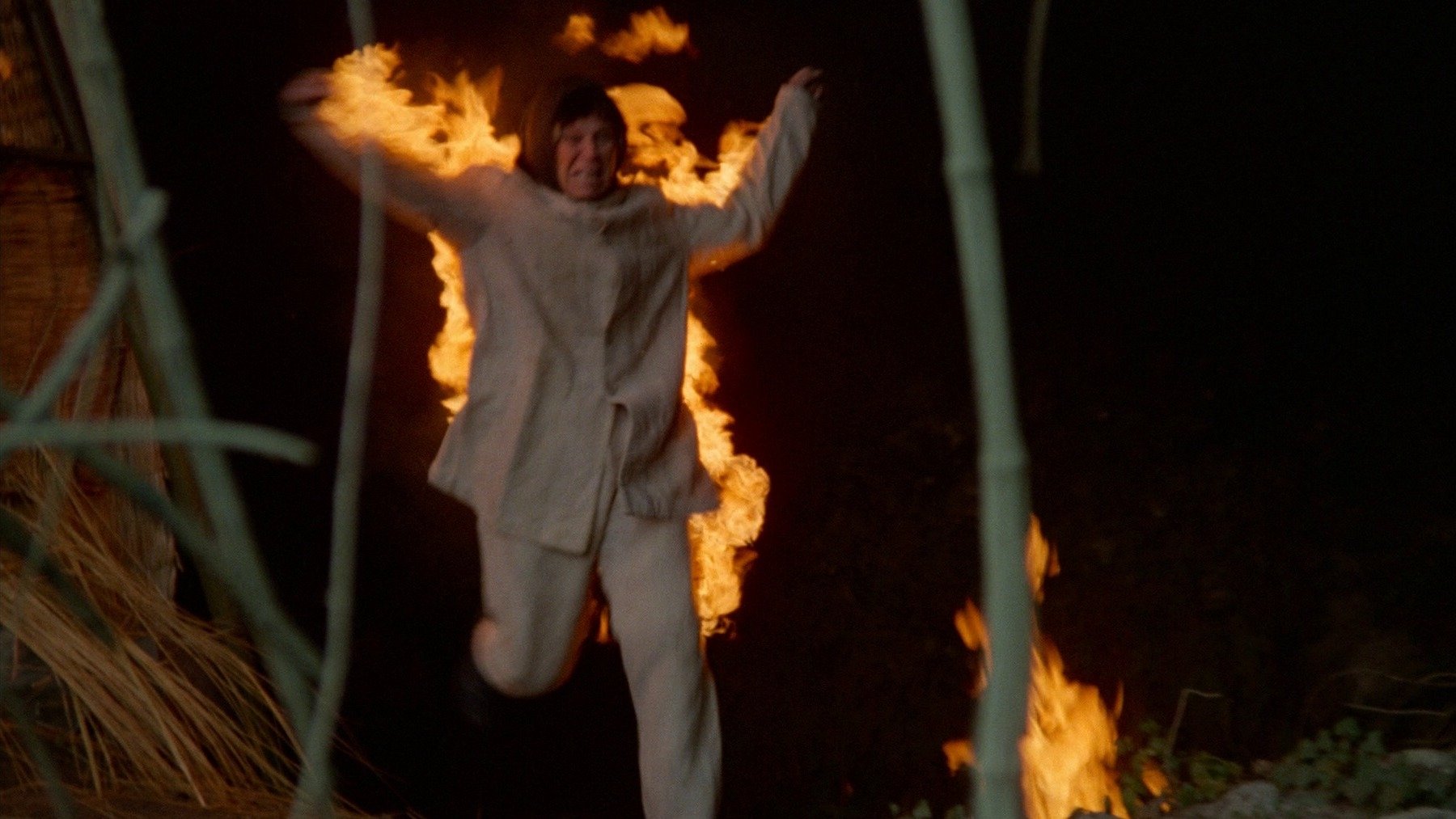
The British release became associated with the video nasties controversy of the early 1980s. The film appeared on the Director of Public Prosecutions' list during the period when potentially obscene videocassettes were being investigated and prosecuted under the Obscene Publications Act. Its later return to the British home-video market was subject to formal classification. The British Board of Film Classification records a May 11, 2005 submission and a March 15, 2010 submission, both running 92 minutes and 32 seconds and both classified with compulsory cuts. In each case, the board specifically required removal of a shot depicting a rat being set on fire with a flamethrower. This documented requirement should not be confused with the broader removal of gore from earlier American versions.

Preservation and home-video releases have made the film's different presentations easier to identify. Image Entertainment released an American DVD in 2002 with Cannibal Apocalypse Redux, an extensive featurette containing interviews with Antonio Margheriti, John Saxon and Giovanni Lombardo Radice. The disc also included Apocalypse in the Streets, documenting the Atlanta locations, and alternate promotional material. A later restoration was prepared from a 4K scan of the original 35mm camera negative, with the restored master used for Kino Lorber's Blu-ray and subsequent 4K Ultra HD editions. The 2024 4K release included the archival interviews, a commentary by Tim Lucas, a new interview with Tony King and an alternate American title sequence preserved from videotape. The inclusion of that sequence does not establish that the complete edited American version has been reconstructed.

The film has remained a significant example of the overlap between Italian cannibal cinema, zombie-influenced contagion horror and post-Vietnam exploitation narratives. Its original reception included criticism of the episodic action and graphic violence, while later assessments have focused on the urban setting, Saxon's performance and the unusual sympathy extended to the infected characters. MacCormack's study of Margheriti places Cannibal Apocalypse within a sustained interest in bodies that violate normal categories and expectations. The film's subsequent visibility through restored editions and specialist criticism reflects its distinctive combination of genres, even though its international titles and censorship history have sometimes obscured its original identity as Apocalypse domani.

References

  1. Senses of Cinema Margheriti, Antonio: Antonio Margheriti - Pastor of Perversion

    Substantial 2004 scholarly essay by Patricia MacCormack analyzing Margheriti's career and devoting a specific section to Cannibal Apocalypse, its cannibal-virus premise, the Vietnam veterans and the relationship between contagion, desire and social identity.
  2. The Flashback Files John Saxon Interview: It's a Really Funny Story

    Original interview conducted in 2002 by Roel Haanen and Mike Lebbing, containing Saxon's detailed first-hand account of the incomplete translated screenplay, the Vietnam War allegory, his reaction to the cannibalism scenes and his experience filming in Atlanta.

  3. Daily Dead The Drive of Passion: The Life and Films of Giannetto De Rossi

    Extensive 2021 career interview by Eugenio Ercolani containing De Rossi's explicit denial of having worked on Cannibal Apocalypse, his recollection of a disagreement with Margheriti and detailed explanations of his broader practical-effects methods.

  4. Cryptic Rock Interview - Giovanni Lombardo Radice

    Original 2016 interview with the actor discussing his relationship with Antonio Margheriti, their collaboration on Cannibal Apocalypse, the director's working methods and their subsequent professional association.

Cast

View Full Cast & Crew →

Release & Distribution

Production Companies (4)

  • Edmondo Amati presents
  • Image Entertainment US
  • José Frade Producciones Cinematográficas ES
  • New Fida

Release History (8)

Release DateTerritoryRelease TypeFormatDistributorCertificationNotes
1980-08-04 Italy Theatrical — — —
1980-09-21 Australia Theatrical — — —
1980-11-14 Germany Theatrical — — 18
1980-11-14 Spain Theatrical — — 18
1981-01-10 Japan Theatrical — — —
1981-09-18 United States Theatrical — — R
1982-08-09 United States Theatrical — — R
1983-07-08 United States Theatrical — — R
POW's in Vietnam... starved in captivity... released with a taste for human flesh.