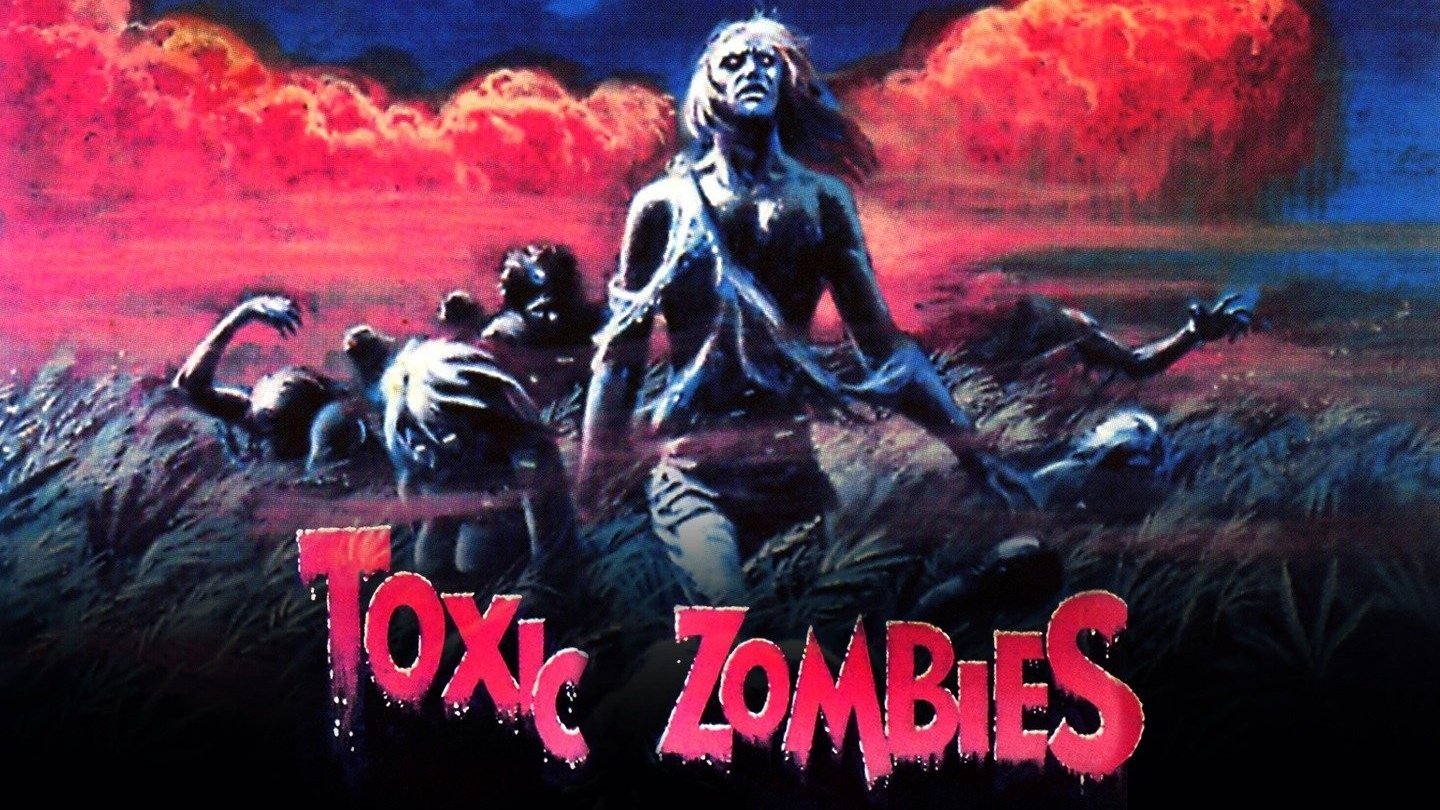
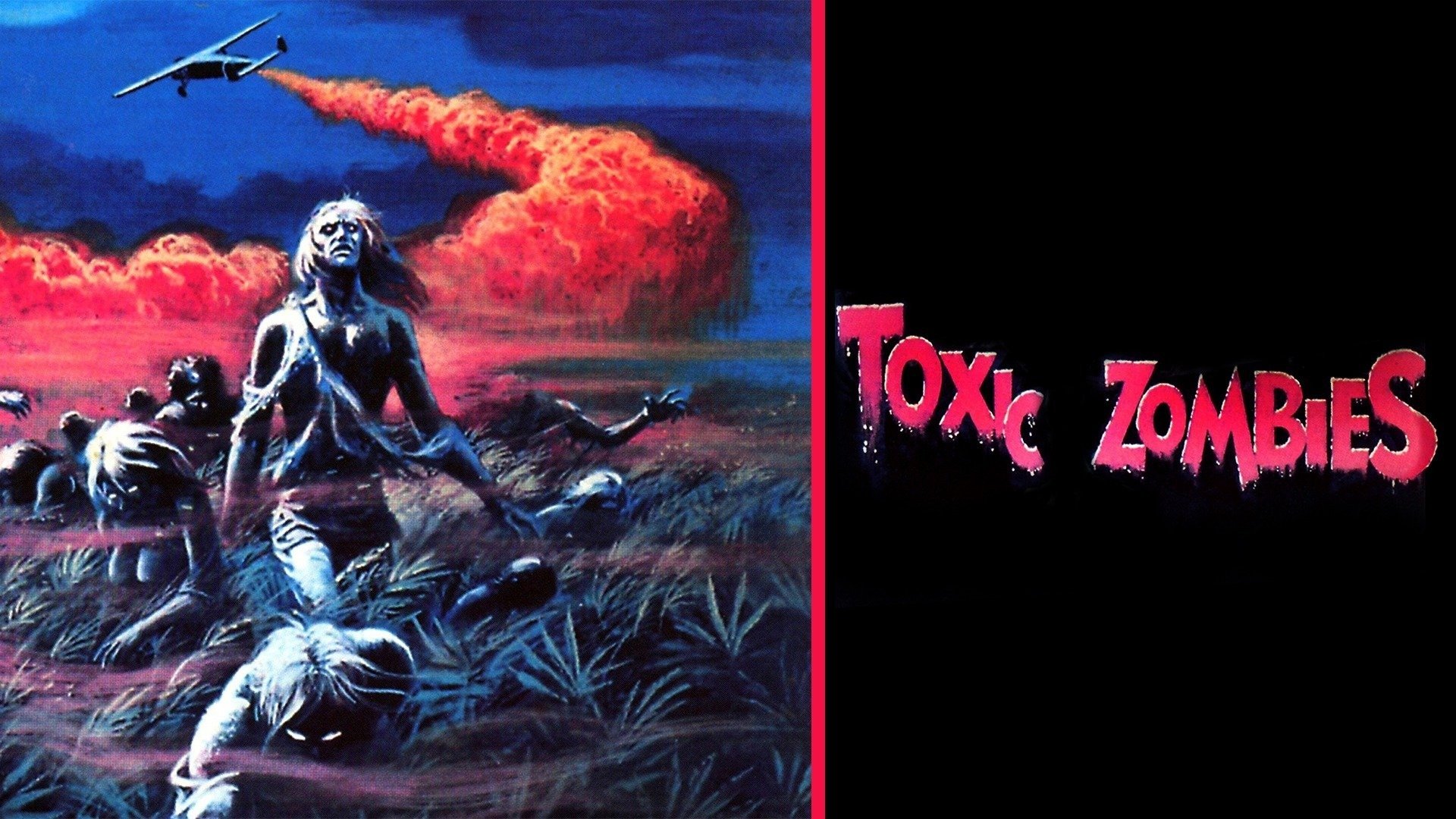
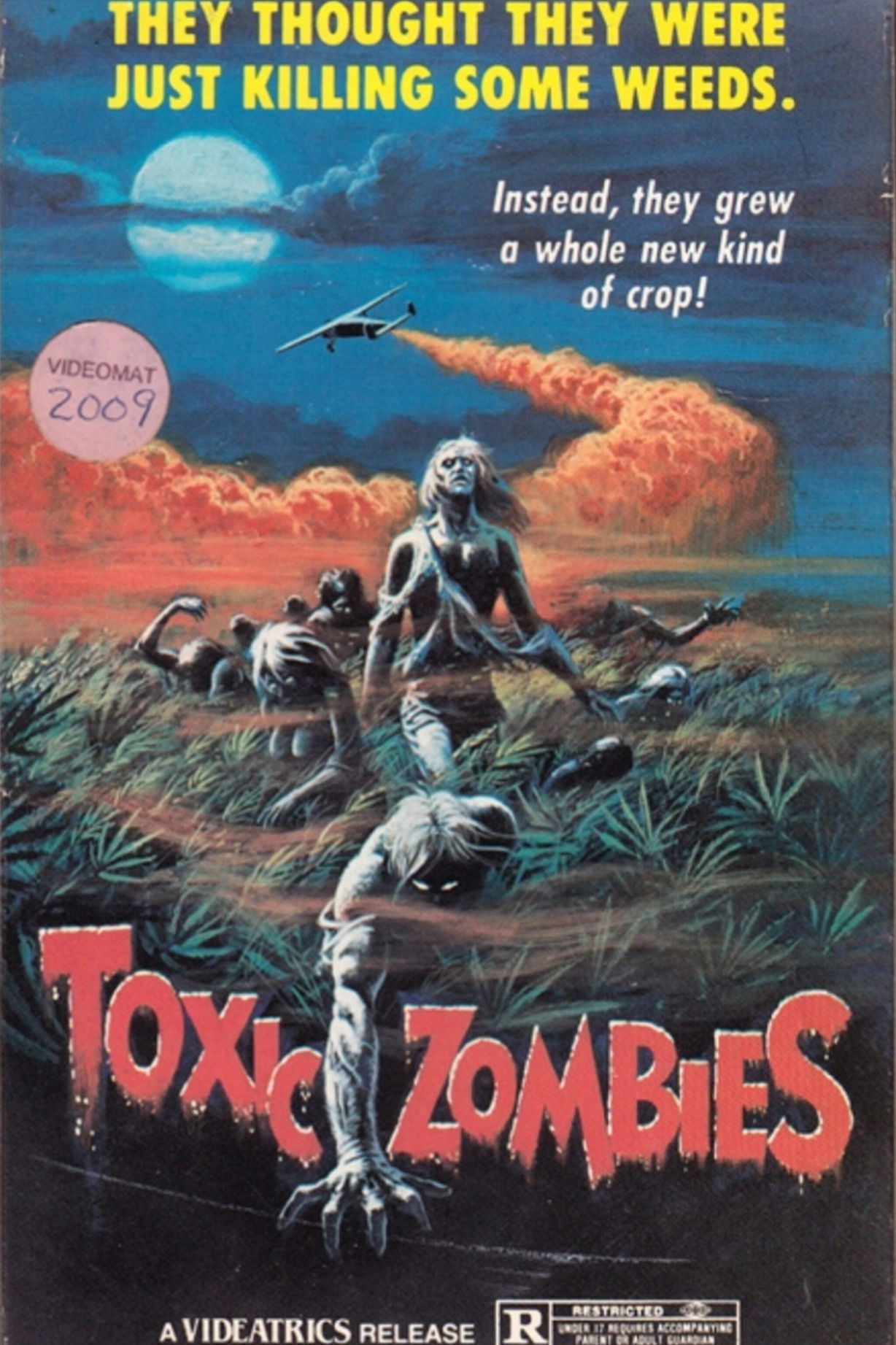
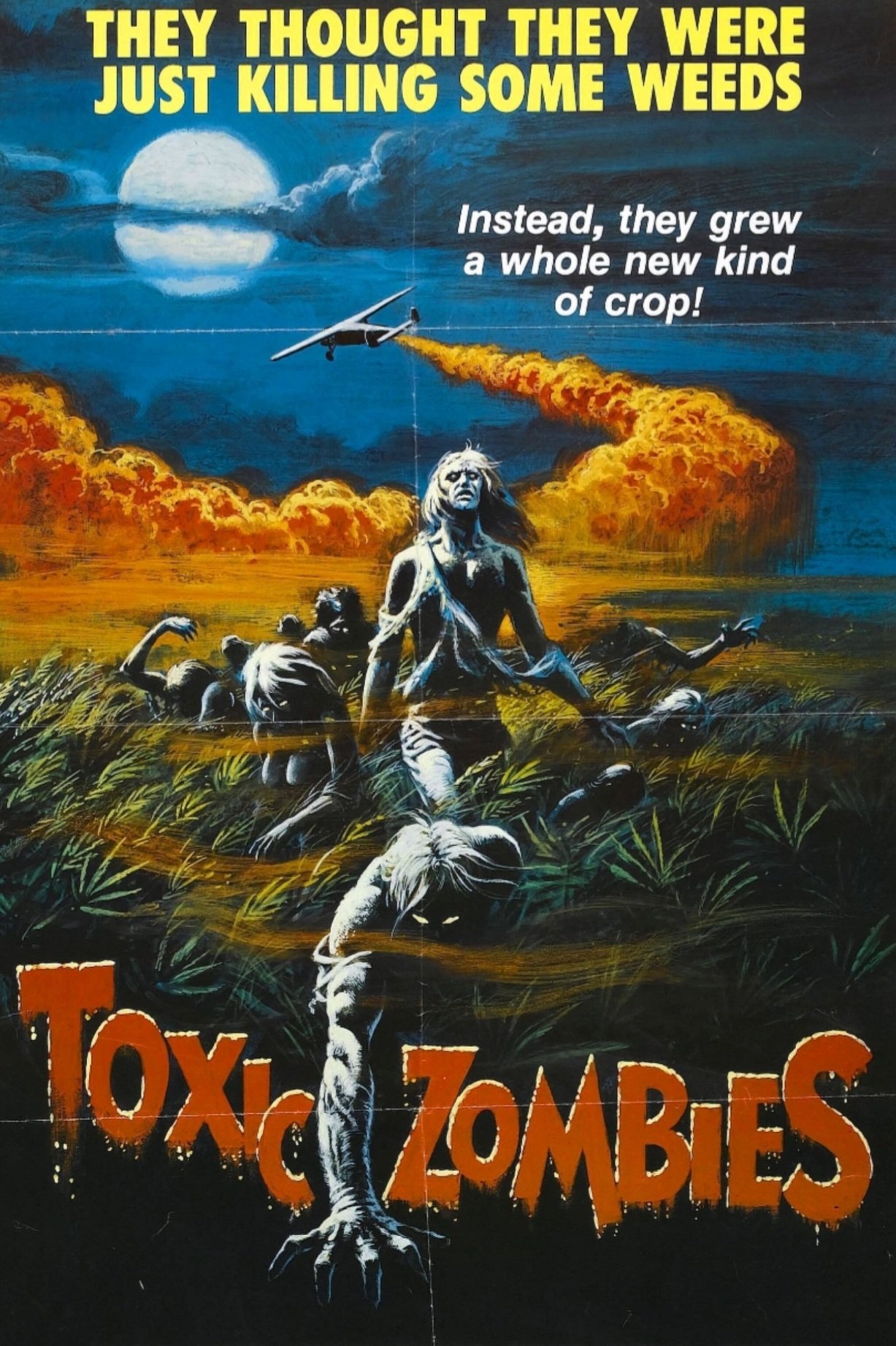
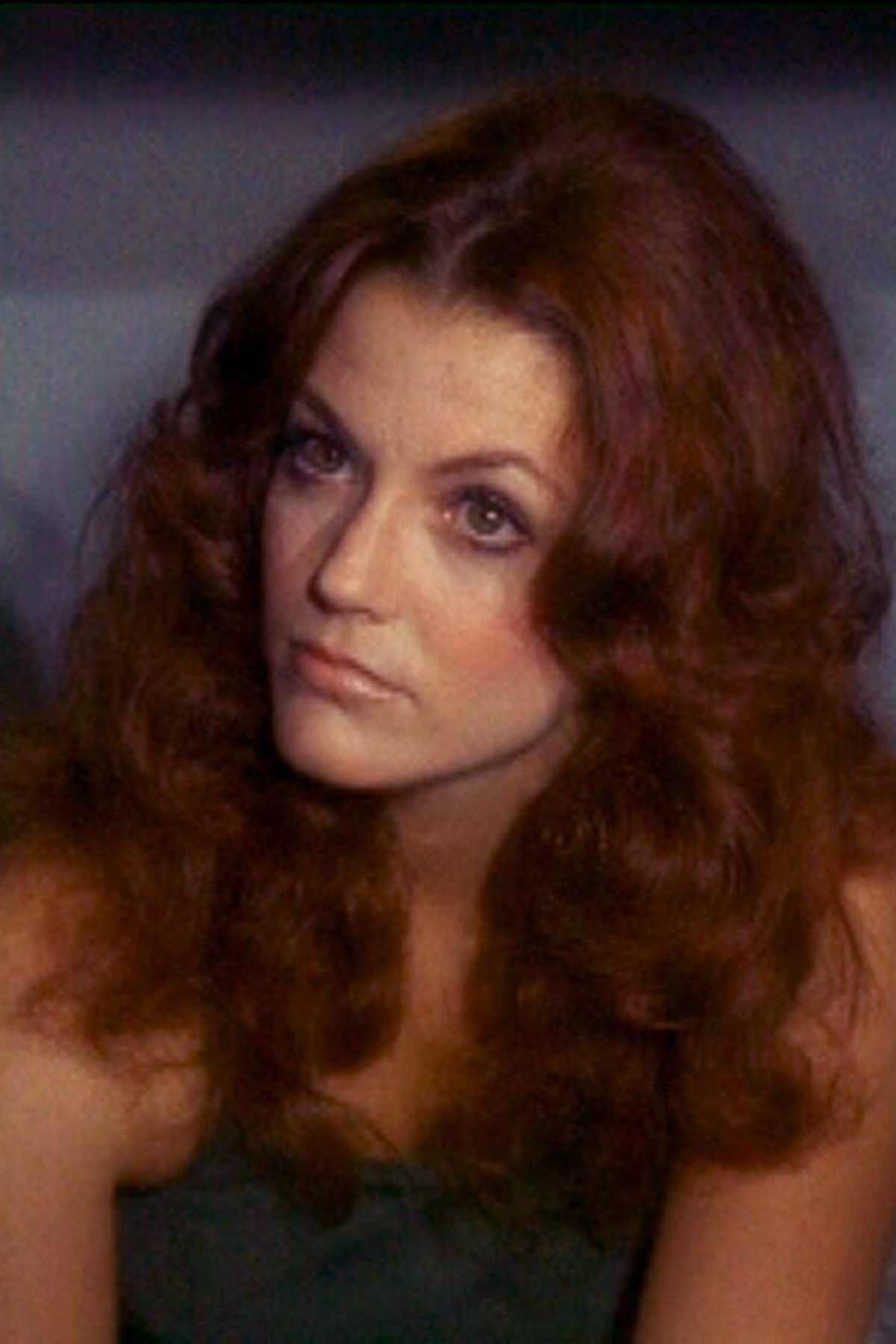
After drug crops are sprayed with a chemical by a passing airplane, the growers of the crop are poisoned by the chemical and turn into zombie-like mutants.
Alternative Titles
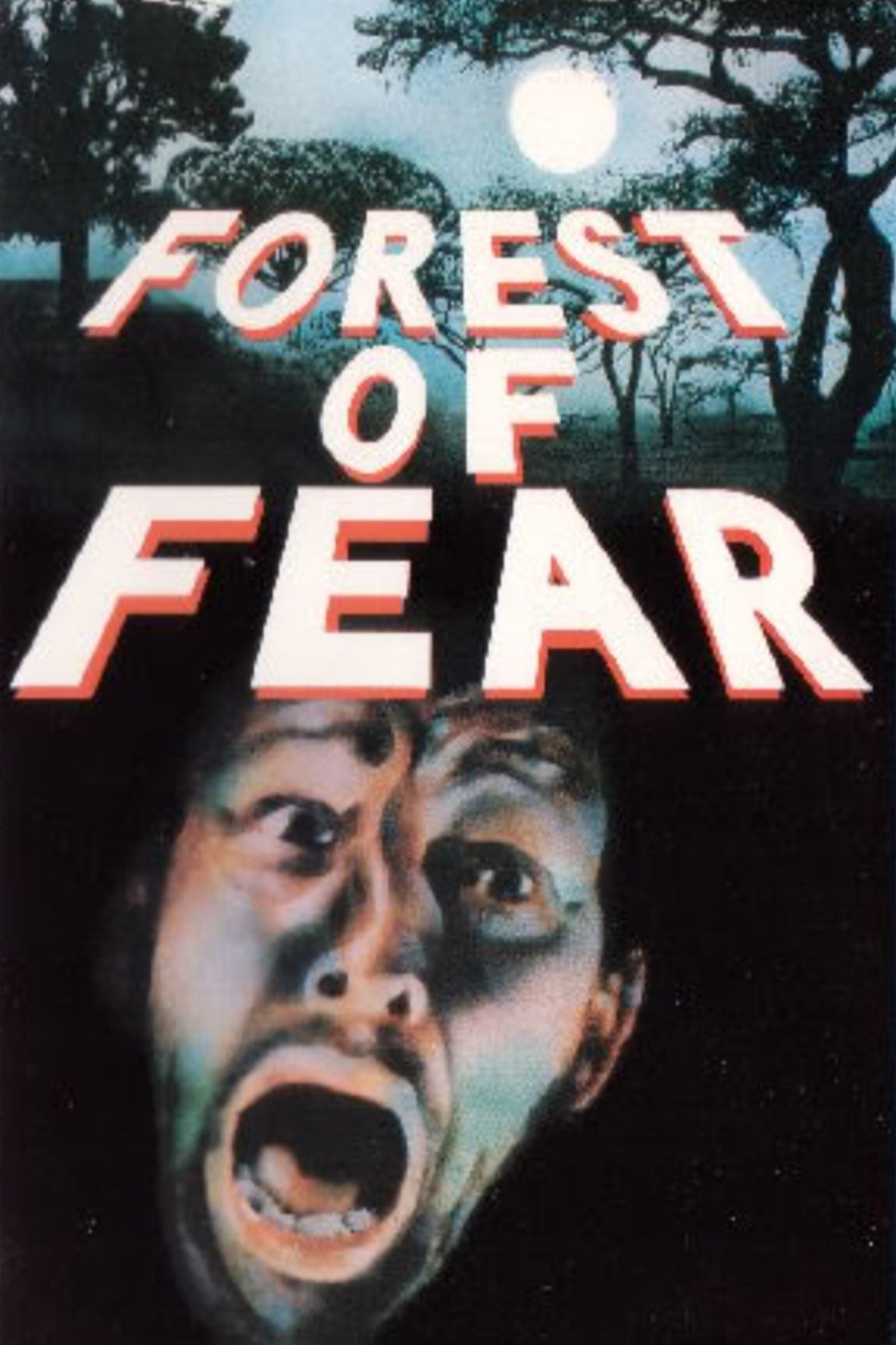
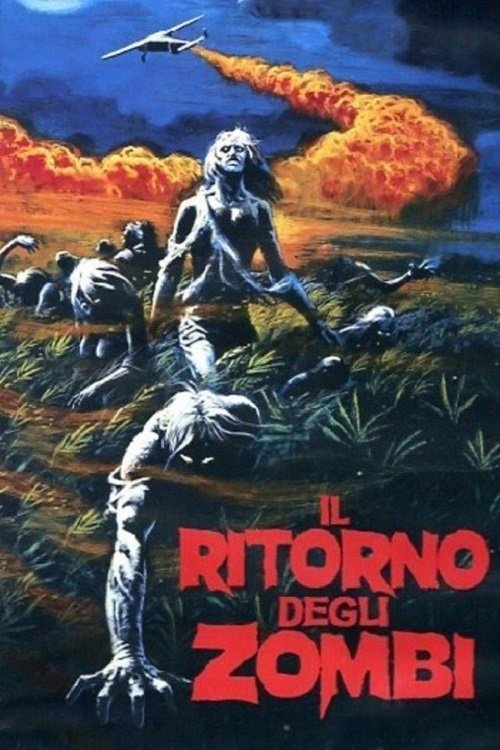
抗体 (China) — ChineseCrying Fields (Germany) — GermanMutiert (Germany) — VideoZombies tóxicos (Spain) — SpanishToxic zombies (France) — FrenchForest of Fear (United Kingdom) — UK Video TitleIl ritorno degli zombi (Italy) — ItalianBlood Butchers (United States) Show all 10 alternative titlesForest of Fear (United States) Toxic Zombies (United States) — US Video Title
Charles McCrann's independent zombie horror: the paraquat controversy, Pennsylvania production, 16mm photography, handmade gore, alternative release titles and British video nasties history.
Bloodeaters (1980), circulated under the alternative titles Toxic Zombies and Forest of Fear, is an American independent horror film created by Charles McCrann during an unusual interruption in his legal career. Developed from a screenplay written while he attended evening film classes at New York University, the production drew upon contemporary anxieties about chemical contamination and federal drug enforcement. Its particular historical interest lies in the circumstances of its creation: a small regional shoot in Pennsylvania, an original 16mm production enlarged for theatrical exhibition, and a distribution history that eventually brought the film into the British video nasties controversy.
The film belongs to the period in which independent American filmmakers were adapting the zombie figure to contemporary environmental and political fears. McCrann used the effects of a fictional herbicide to transform living people into cannibalistic attackers, drawing on a genuine controversy involving the spraying of marijuana crops with paraquat. Surviving production documentation from the American Film Institute and the recollections of cast member Claude Scales provide unusually specific evidence about the project. Together, they make it possible to reconstruct aspects of a little-documented exploitation production without relying primarily on retrospective publicity or plot descriptions.
From an NYU Screenplay to an Independent Horror Production
Charles McCrann developed the screenplay while taking filmmaking classes at New York University during the 1970s. His friend and eventual cast member Claude Scales recalled that McCrann had previously presided over the Yale Law School Film Society and maintained a strong interest in cinema while practicing law in New York. After leaving his law firm in late 1977, McCrann worked as legislative counsel to the chairman of the New York State Assembly Insurance Committee. According to Scales, the legislative calendar provided extended periods away from work during which McCrann could pursue filmmaking. The screenplay, originally written as a class project, became the basis of his first and only feature.
The production drew substantially upon McCrann's personal and professional connections. Scales recalled that many characters received the names of lawyers from their former firm, while actors and technicians were recruited through advertisements in The Village Voice and contacts at the Greenwich Village bar Bells of Hell. McCrann also secured the participation of John Amplas, already associated with George A. Romero through Martin (1977). Scales reported that a New York State arts grant helped support the production, whose application emphasized the dangers of herbicides. The resulting project combined independent financing and professional technical assistance within a small filmmaking operation organized around its writer-director.
The Paraquat Controversy and Environmental Horror
The screenplay had a specific contemporary reference point. Scales identified the paraquat controversy of the 1970s as the inspiration for its chemical-contamination premise. During that decade, the United States supported programs intended to destroy illicit drug crops in Mexico, including the application of paraquat to marijuana plantations. Historian Daniel Weimer documents how public concern intensified in 1977 when reports emerged about marijuana contaminated by the herbicide and possible risks to people who smoked it. The controversy generated scientific investigations, political opposition and legal challenges concerning the environmental consequences of American drug-control policy. These disputes were current when McCrann developed the film.
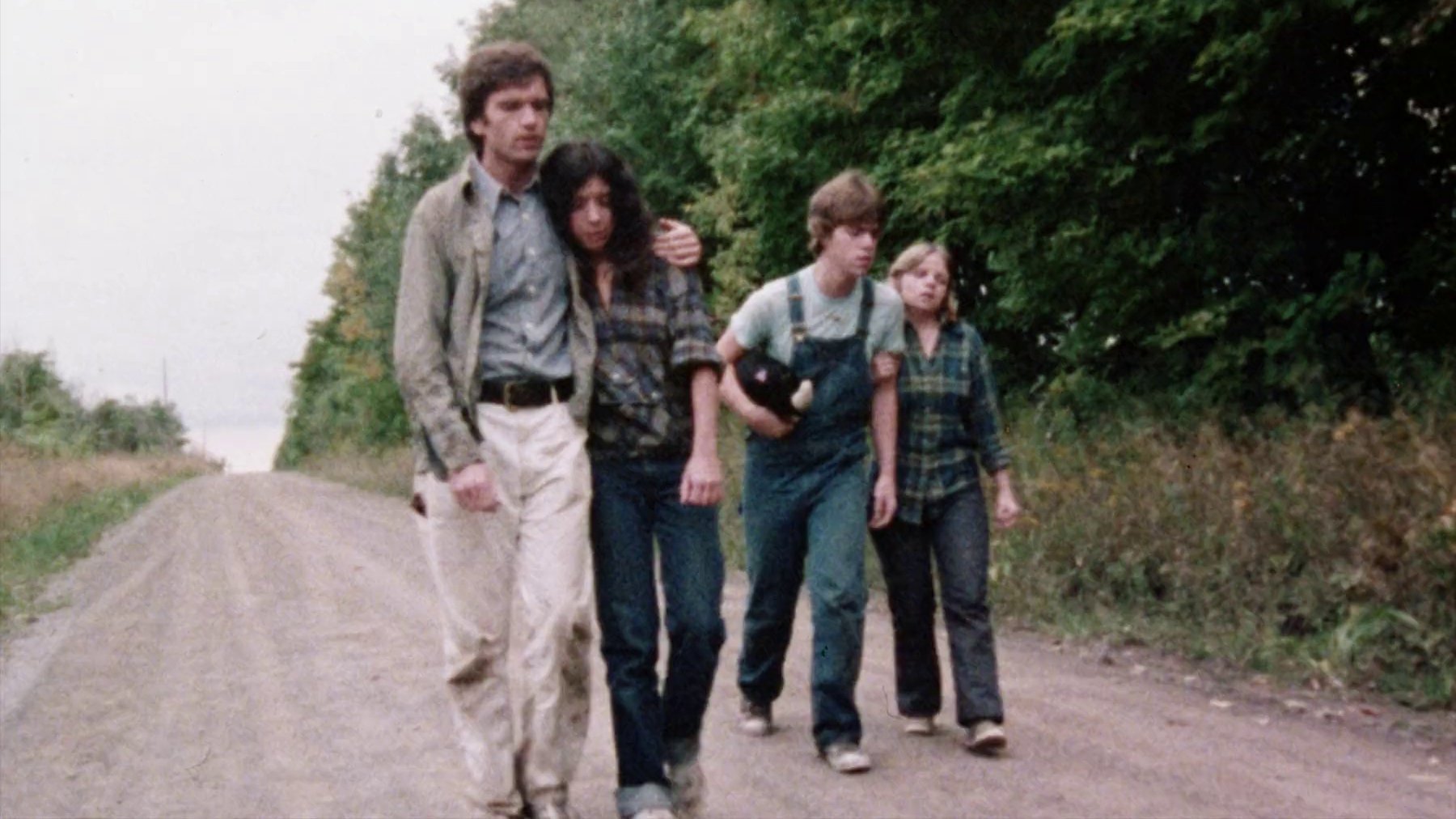
Bloodeaters converts that controversy into horror through Dromax, its fictional experimental chemical. The distinction matters: the film's transformation of exposed people into cannibalistic creatures is a fantasy constructed around a genuine public-health debate. Its antagonists are living victims of contamination rather than corpses returned to life, despite the zombie terminology used in later distribution titles. The threatening agent originates in an official eradication operation, connecting the monstrous outbreak to the actions of the authorities responsible for containing it. The film consequently occupies a specific intersection of rural exploitation cinema, chemical-disaster fiction and the post-Romero transformation of the American zombie.
Potter County, 16mm Photography and Handmade Gore
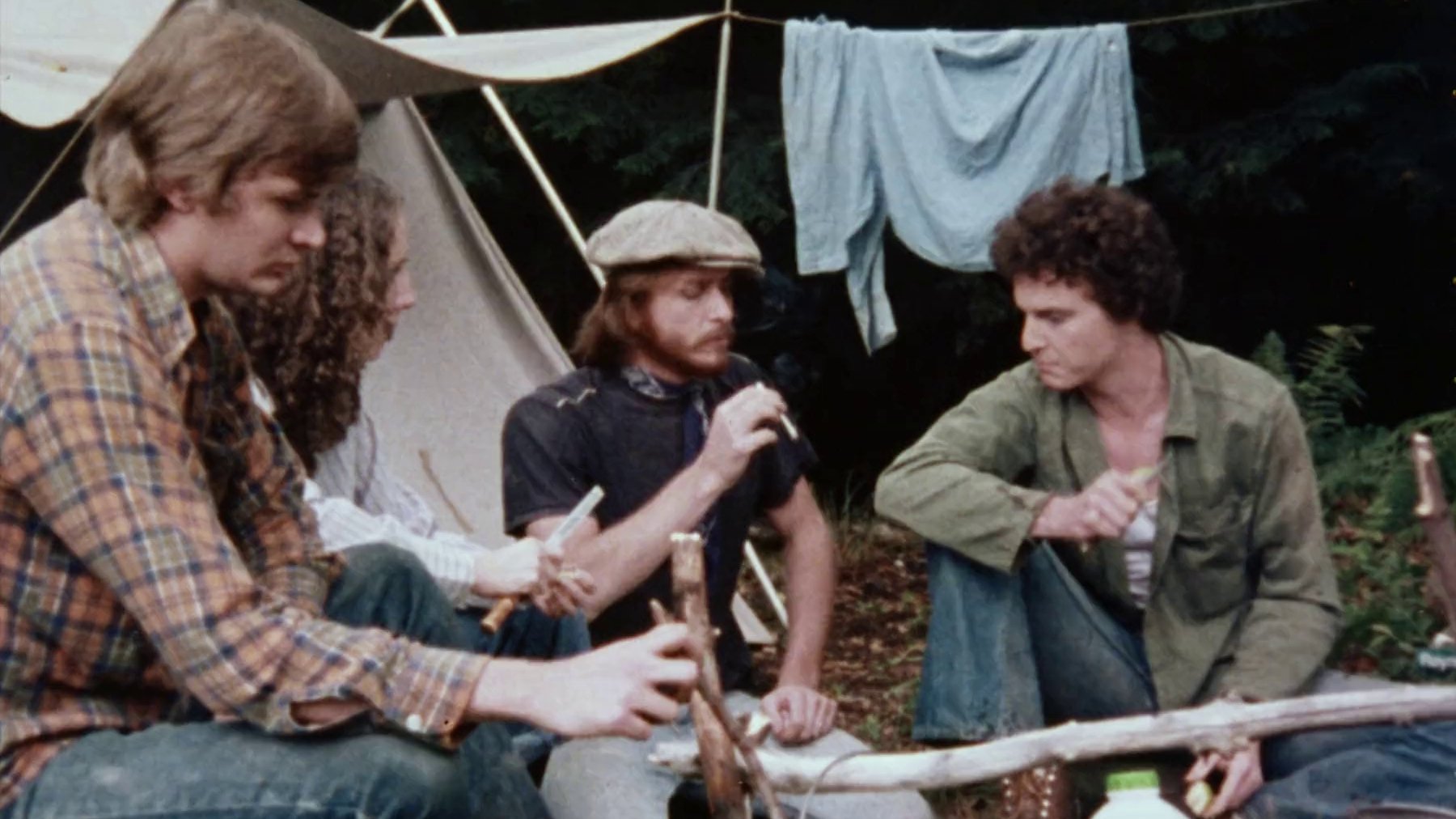
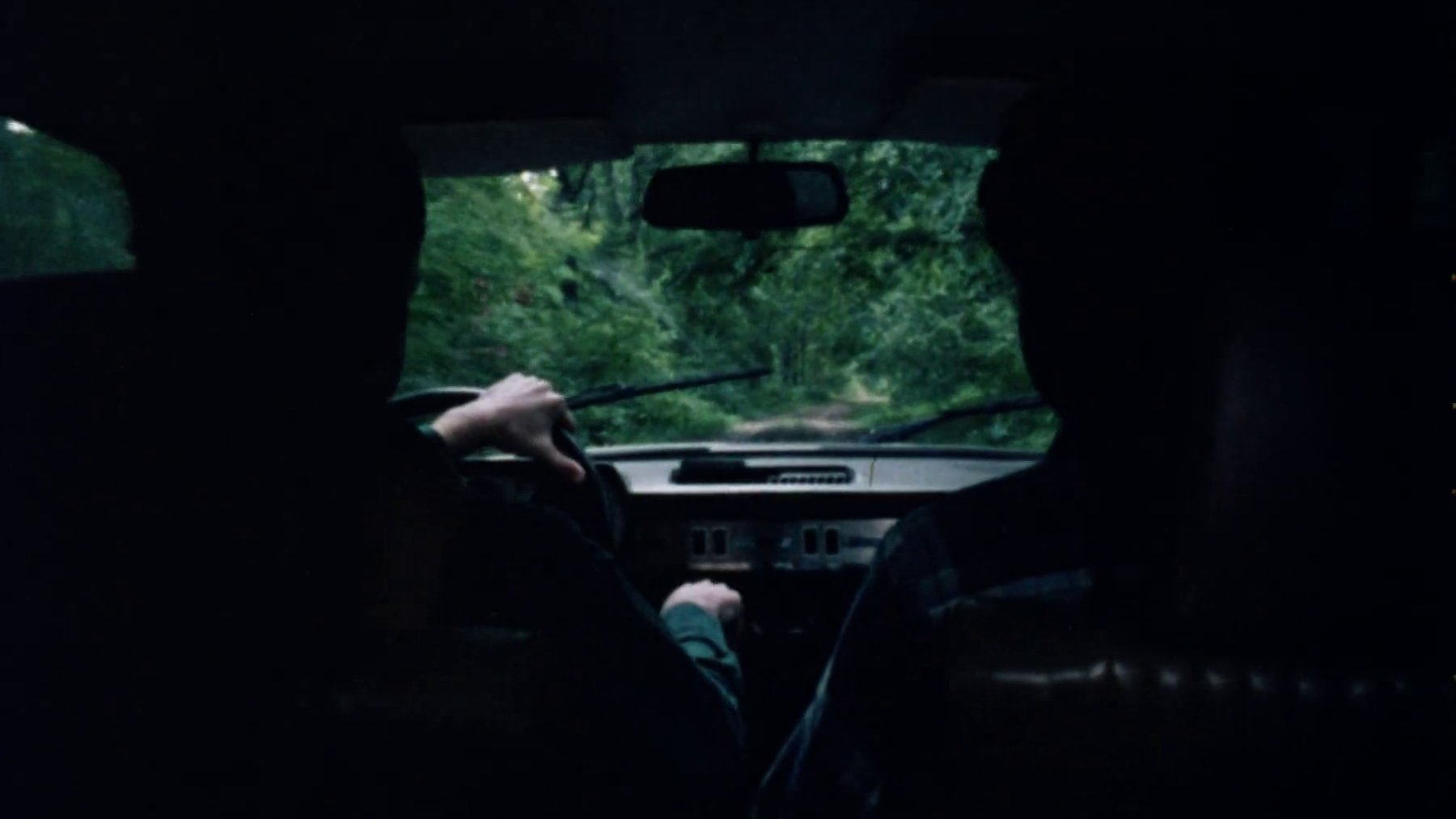
Principal photography took place in Pennsylvania during 1979, according to the contemporary Variety reporting preserved by the American Film Institute. Scales located much of the filming near the country house of acquaintances in Potter County, in the north-central part of the state. The landscape supplied the extensive woodland setting around which the production was organized. Cinematographer David Sperling worked on an original 16mm shoot that was subsequently enlarged to 35mm for theatrical circulation. The contemporary Variety review described the resulting blow-up as visibly grainy, an important technical qualification when examining the appearance of surviving theatrical materials.
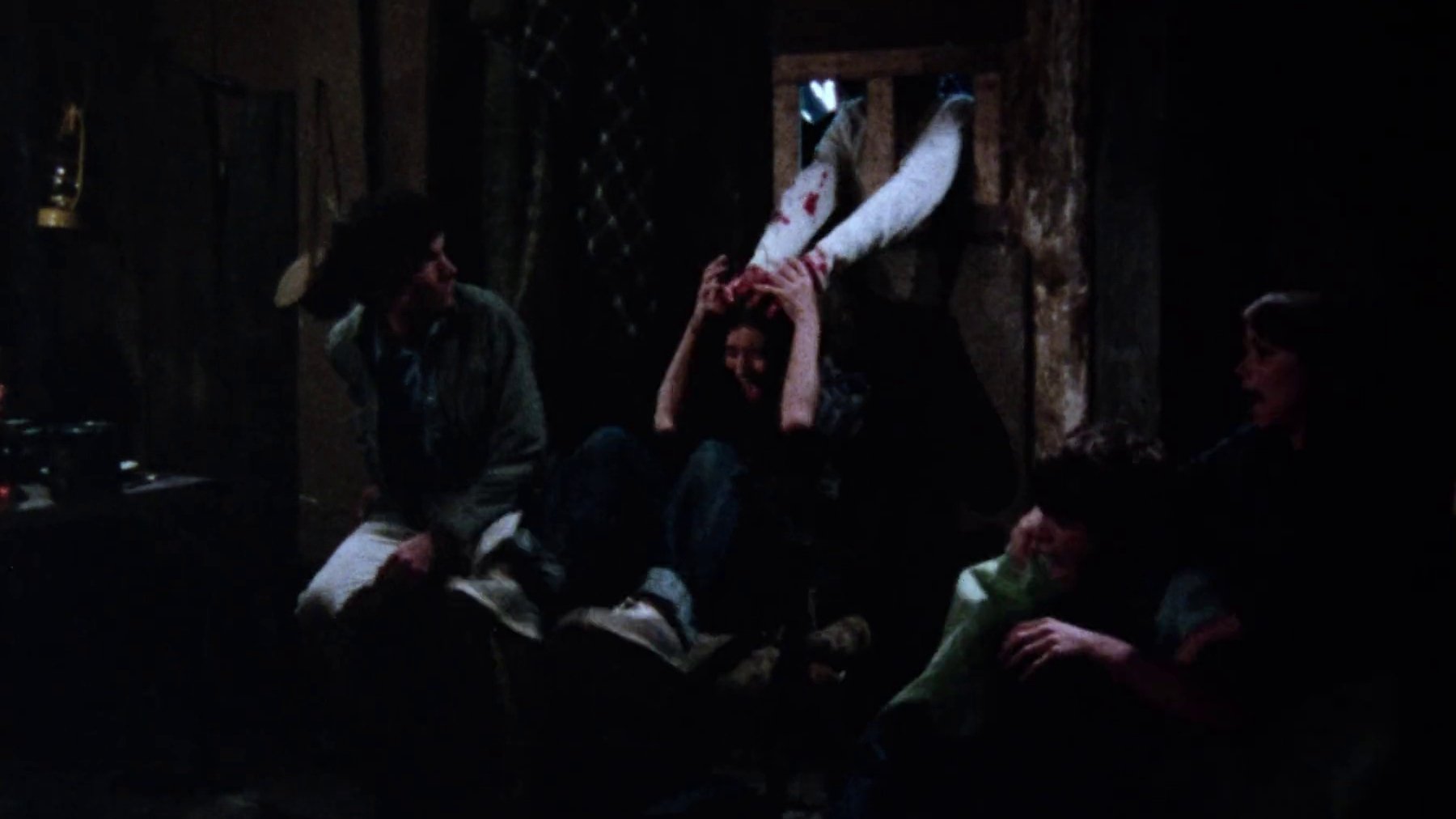
The film's physical violence also depended on practical fabrication under limited production conditions. The credited effects personnel included Craig Harris, while Scales preserved a particularly revealing account of an individual gore effect. He described the use of a barbecue glove, a pig's foot, a wristwatch and a turkey baster, together with simulated blood made from corn syrup and red food coloring. This recollection provides specific evidence of the materials used for one effect rather than a comprehensive technical account of the entire production. It also illustrates the hands-on methods available to small independent horror crews before digital compositing became part of routine genre filmmaking.
Bloodeaters, Forest of Fear and the Changing Release Titles
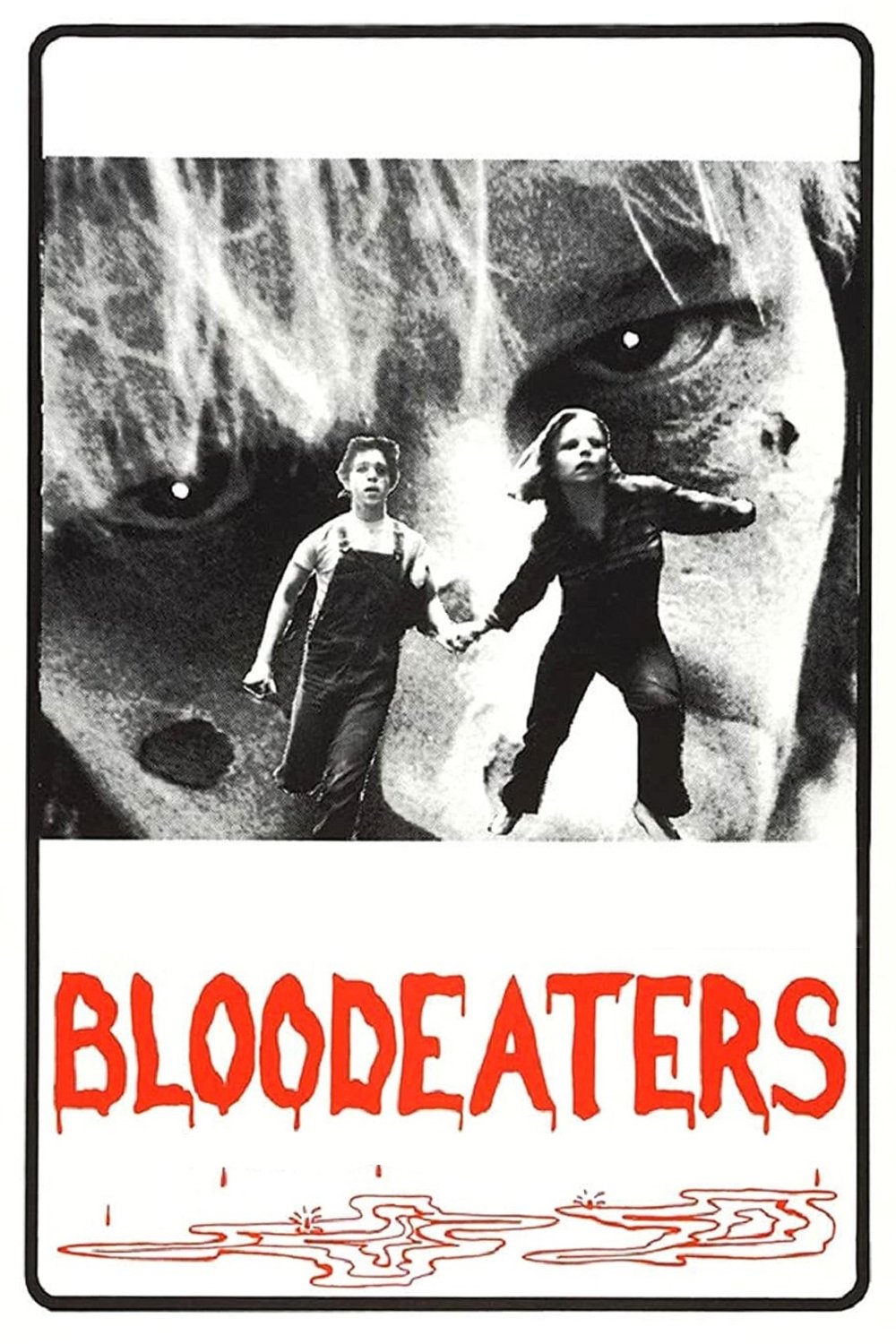
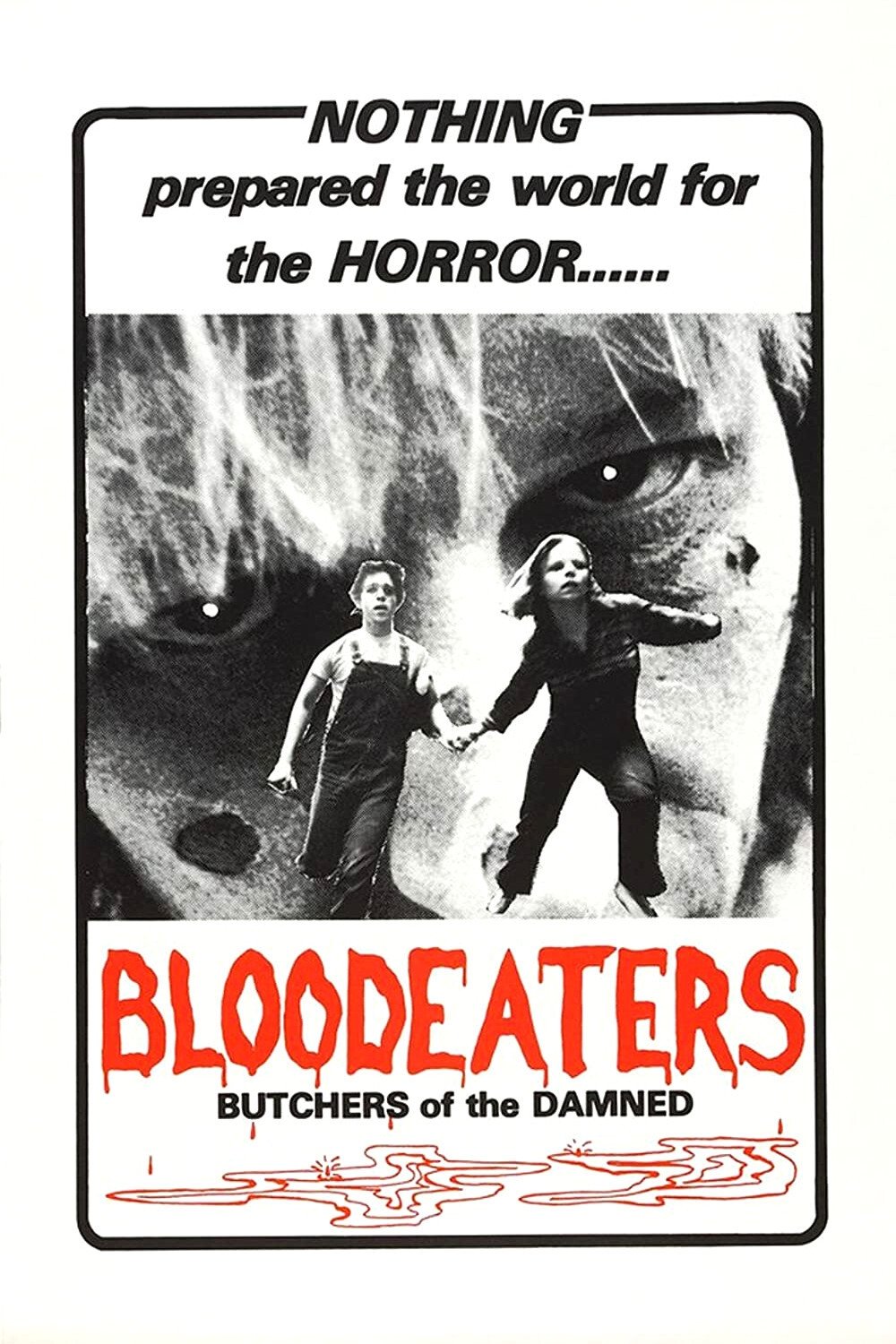
The film passed through several identities during its distribution history. Forest of Fear was McCrann's working title, and the American Film Institute records additional variants including Blood Eaters, Blood Butchers and Bloodeaters: Butchers of the Damned. Scales recalled that the domestic distributor considered Forest of Fear insufficiently suitable for commercial exploitation and adopted the more aggressive Bloodeaters branding. Parker National Distribution handled the American theatrical release. Scales attended an East Coast premiere at the Twin Pine Drive-In near Waterbury, Connecticut, recalling a public appearance involving members of the cast. His account also places the film in drive-ins and conventional cinemas during 1980 and 1981.
The American Film Institute documents an R rating reported by Daily Variety in March 1980 and a Los Angeles opening on January 9, 1981, supported by Academy Awards paperwork. These dates explain why a film commonly identified with 1980 also appears under 1981 in archival release records. Subsequent circulation brought further changes. Scales recalled that another distributor acquired home-video rights and used the title Toxic Zombies, under which the film also appeared on the USA cable network. The multiple titles reflect separate stages in the marketing of the same production. They should not, without direct evidence from surviving prints, be interpreted as proof of separate editorial cuts.
Forest of Fear and the British Video Nasties
In Britain, the film circulated as Forest of Fear and became one of the titles associated with successful prosecutions in the Director of Public Prosecutions video nasties campaign. Its inclusion placed a modest American regional production within a controversy that encompassed films of widely differing origins, budgets and approaches to violence. The legal framework concerned the distribution of material judged potentially obscene under the Obscene Publications Act 1959. As Kim Newman explains in Sight and Sound, the evolving DPP lists emerged from a combination of video-market expansion, police action and public controversy. A film's appearance on those lists must be distinguished from a BBFC classification decision.
The British episode became a significant element of the film's subsequent visibility, although the available evidence does not establish that Bloodeaters exercised a demonstrable influence on later zombie filmmakers. Its historical position rests more securely on its documented production methods, its engagement with the paraquat scare and its unusual distribution history. McCrann returned to his legal career and later became a senior vice president at Marsh & McLennan. He died in the September 11, 2001 attacks on the World Trade Center. Bloodeaters remained his only feature as director, leaving a self-contained example of late-1970s independent horror production shaped by contemporary political concerns and regional filmmaking resources.
Archival production history drawing on AMPAS documentation and contemporary Variety reporting, establishing the original 16mm photography, Pennsylvania shoot, theatrical release records and alternative production titles.
Self-Absorbed Boomer — Dewey & LeBoeuf: Why I'm Mourning the Death of a Law Firm, Part 2 — Claude Scales
First-hand testimony from actor Claude Scales about Charles McCrann, the NYU screenplay, production financing, casting, Potter County locations, practical effects and theatrical distribution.
Historical research examining the 1970s paraquat controversy, herbicide spraying of marijuana crops and the political and environmental disputes that provide the documented background to the screenplay.
BFI / Sight and Sound — Vile VHS: Unspooling the History of the Video Nasty Controversy — Kim Newman
Film-historical examination of the British video nasties controversy, the changing DPP lists and the distinction between obscenity proceedings and formal film classification.