Cannibal Terror (1980)

FR
HORROR FILM
SUBGENRES CANNIBAL
UK censorship history DPP · Withdrawn / unsuccessful
Runtime
93 min
Release
October 21, 1980
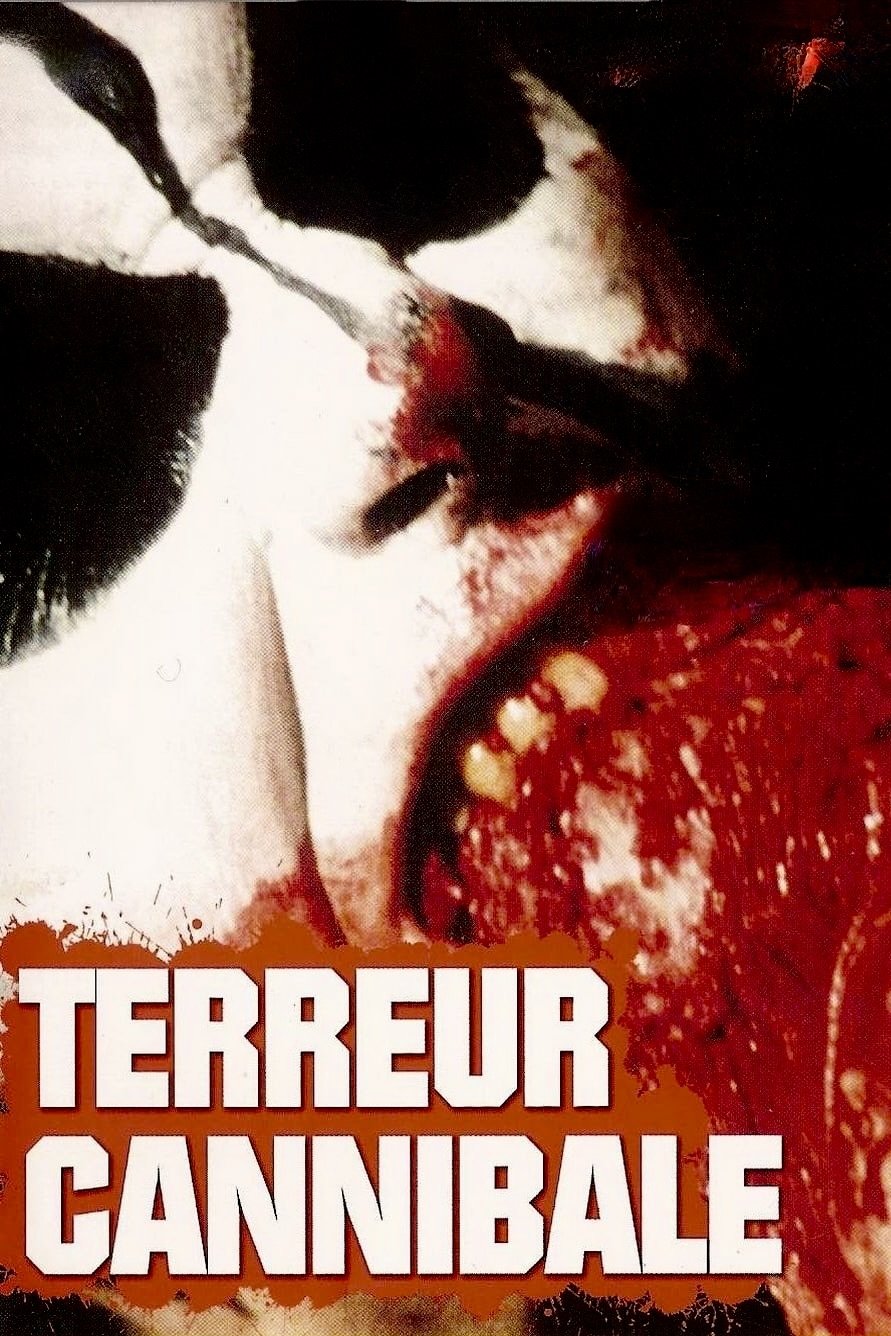
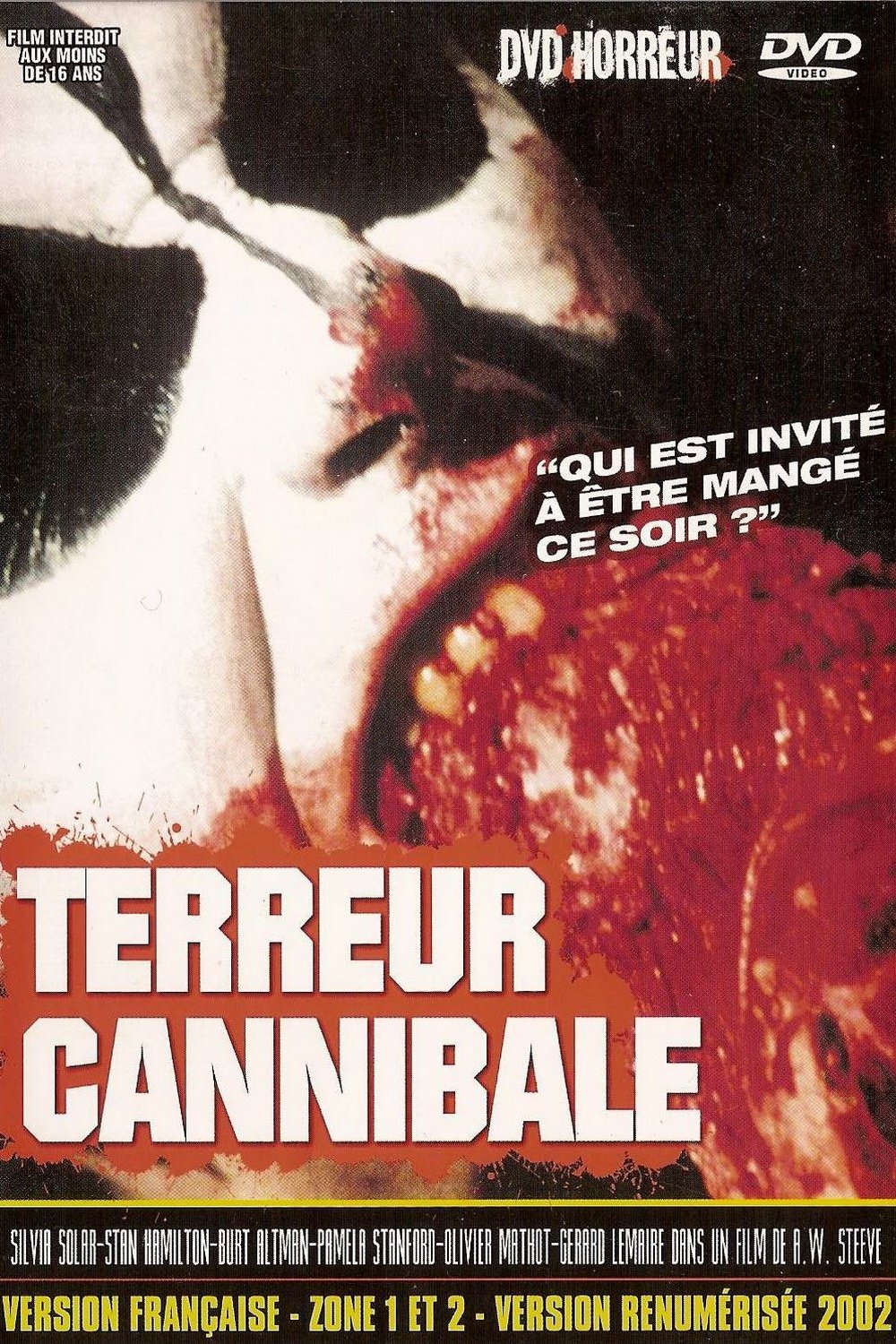
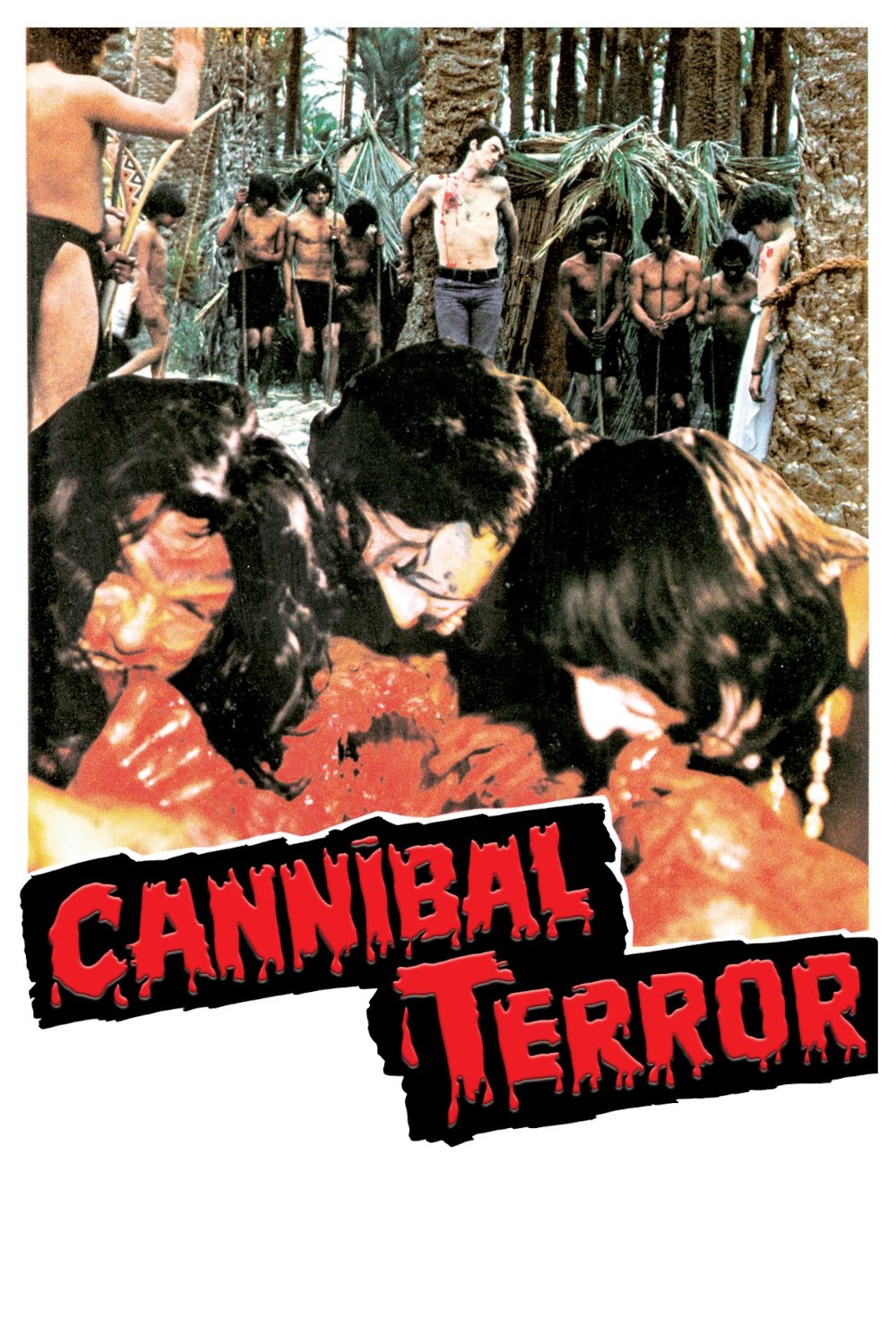
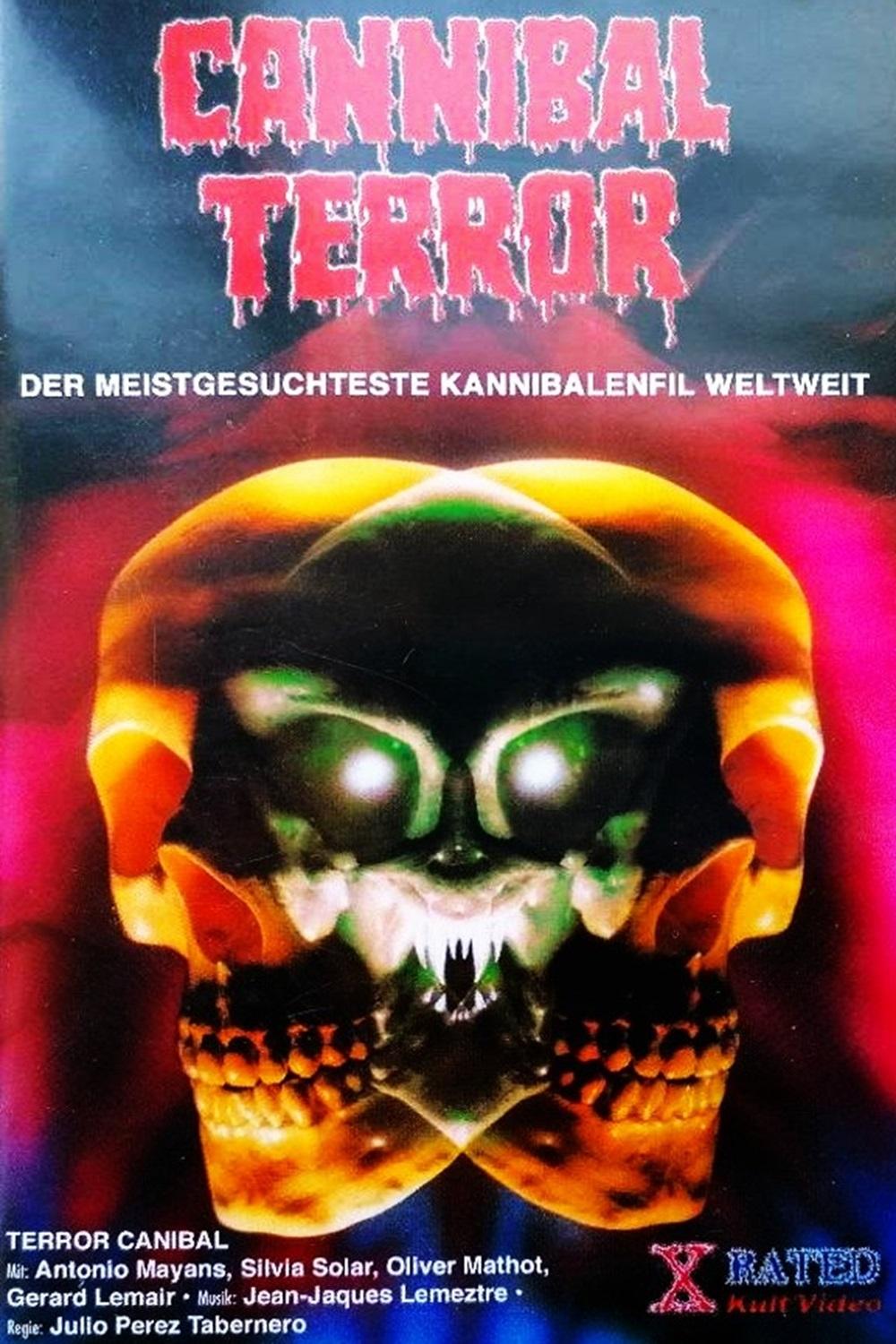
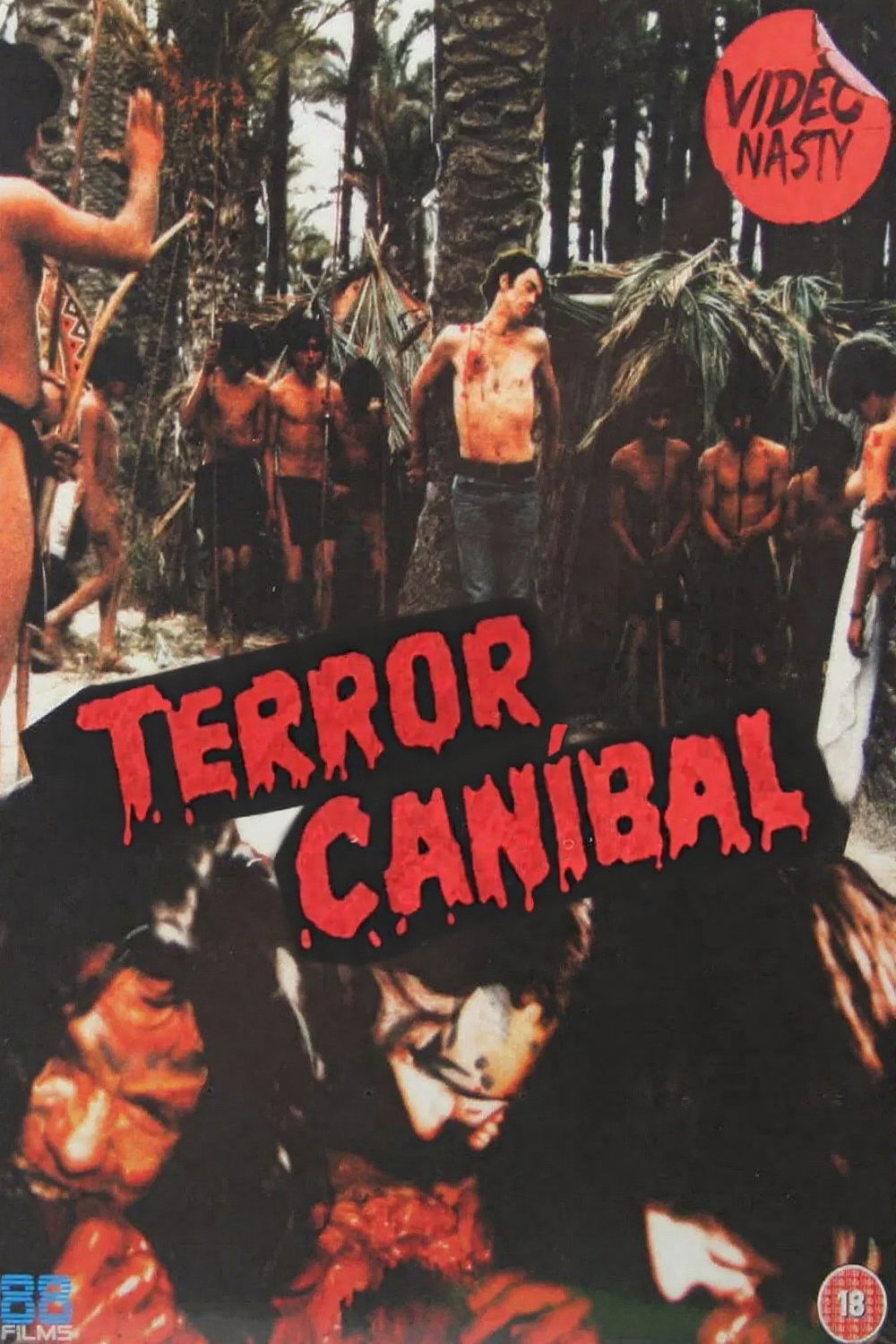
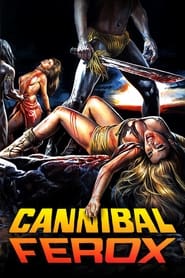
Cannibal Terror (1980) poster
Production Company
Eurociné
Plot

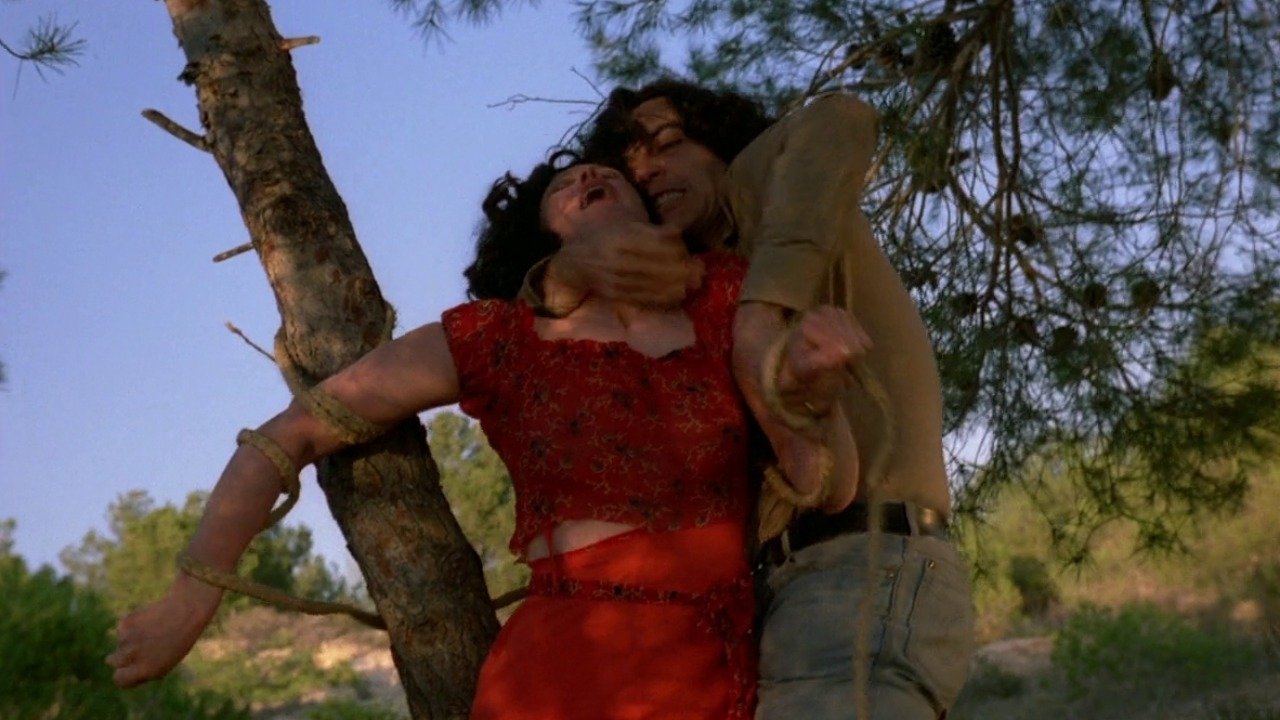
After botching a kidnapping, two criminals hide with their victim in a friends house in the jungle. After one of them rapes the friend's wife, they're left to be eaten by a nearby cannibal tribe.

Alternative Titles
恐怖食人族 (China) — Chinese Terror caníbal (Spain) O tromos ton kannivalon (Greece) 恐怖食人族 (Hong Kong SAR China) — Chinese Террор каннибалов (Russia) — Russian

Trailers & Videos

1 video

Film Guide & Analysis

Eurociné, Spanish-made jungle horror, disputed directing credits, physical gore and Britain’s video-nasty controversy.

Cannibal Terror (1980), originally released as Terreur cannibale, belongs to the short-lived European boom in jungle-set cannibal horror. Produced across the French and Spanish exploitation industries, the film combines a kidnapping story with scenes of ritualized human consumption. Its exotic setting was manufactured largely in Spain, where limited resources shaped both the appearance of the supposed wilderness and the practical effects used for its violent episodes. The gap between the promised spectacle and the modest production is central to the film's place within early-1980s genre cinema.

The picture is closely associated with Eurociné, the French company active in inexpensive international horror and adventure productions. Its production history can be traced unusually well through a retrospective interview with Spanish filmmaker Julio Pérez Tabernero, who described working with producer Marius Lesoeur, modifying an existing screenplay and staging the cannibal attacks. The film later acquired a separate identity in Britain through the video-nasty controversy. These documented circumstances provide a more substantial account of its historical interest than the notoriety of the title alone.

Eurociné & the Cannibal Boom

Tabernero recalled that Marius Lesoeur approached him about making a cannibal picture after the controversy and market attention surrounding earlier European examples. The producer had access to a budget, according to the interview, but the available money proved extremely limited once production began. Tabernero estimated the shoot at approximately four weeks, while acknowledging that he could no longer remember its exact duration. The project emerged from a partnership between the Spanish company Titanic Films and France's Eurociné, whose involvement gave a locally filmed feature access to an international exploitation-distribution network.

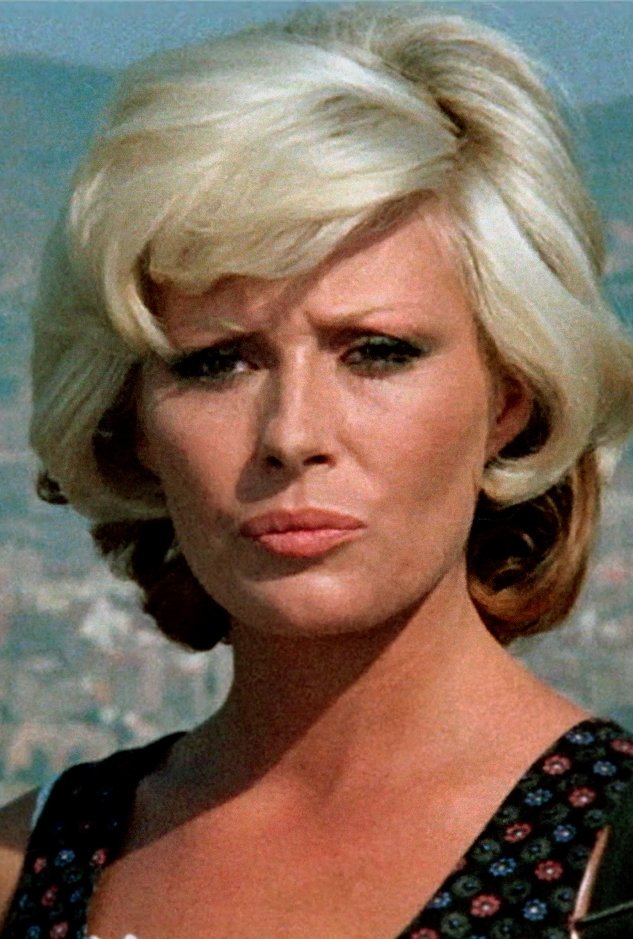
The production recruited actors already familiar with Lesoeur's circle, including Antonio Mayans and Silvia Solar. Tabernero credited Mayans with helping resolve difficulties on earlier projects. He also described receiving a largely finished screenplay and revising portions of it. The modest budget and existing relationships restricted development; international credits also complicate its directorial history.

Tabernero explained that his own name had to appear in Spain to obtain a nationality-related licence, whereas the overseas credit was changed. Eurociné names Allan W. Steeve as director; French accounts generally associate the pseudonym with Alain Deruelle. The BBFC and Spain's ICAA name Tabernero, and some secondary accounts also mention Olivier Mathot. Directorial responsibilities remain unclear. A retrospective places Deruelle at Cannes promoting the film in 1980, without confirming a festival screening.

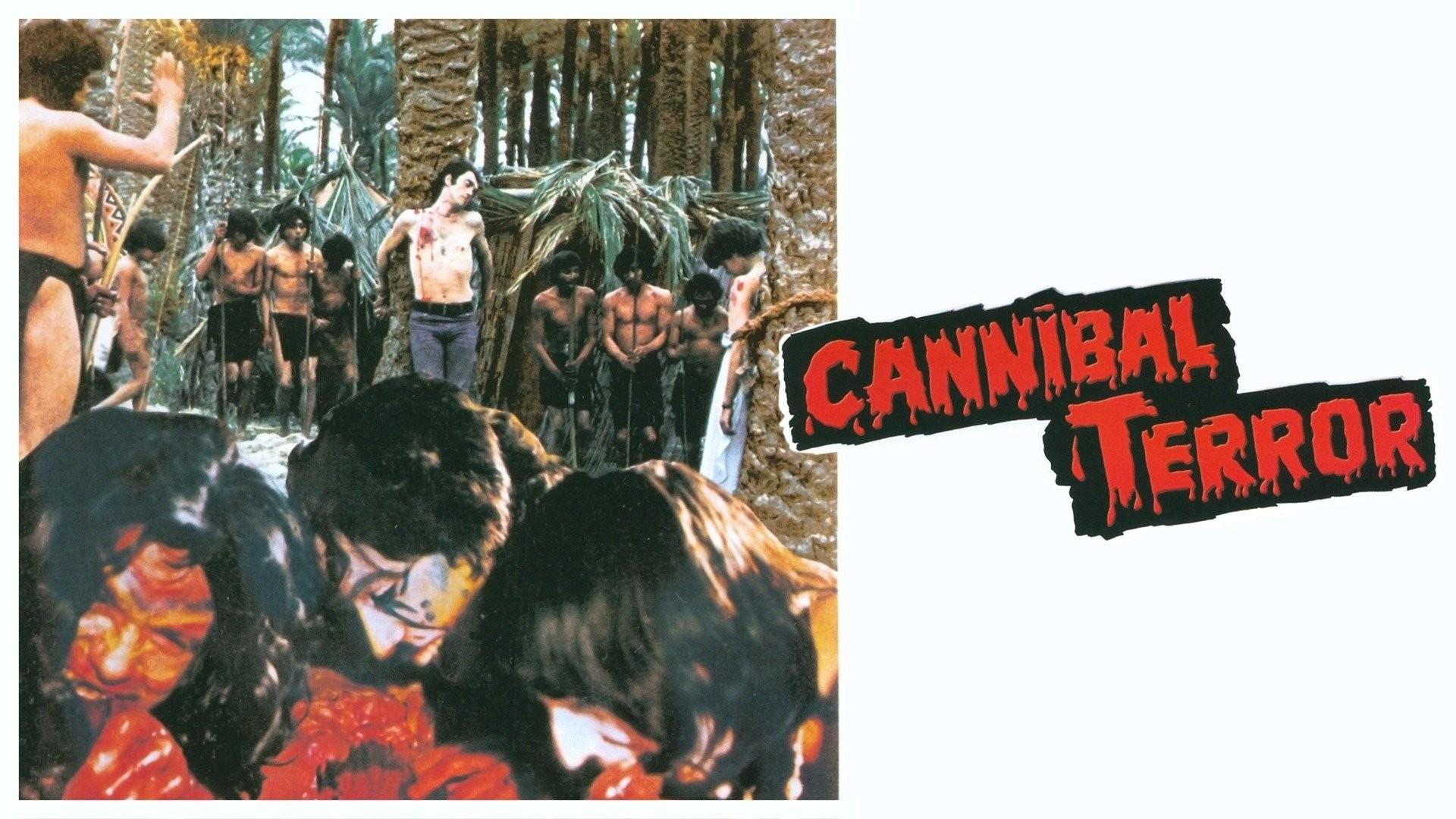
Spanish Landscapes as Jungle

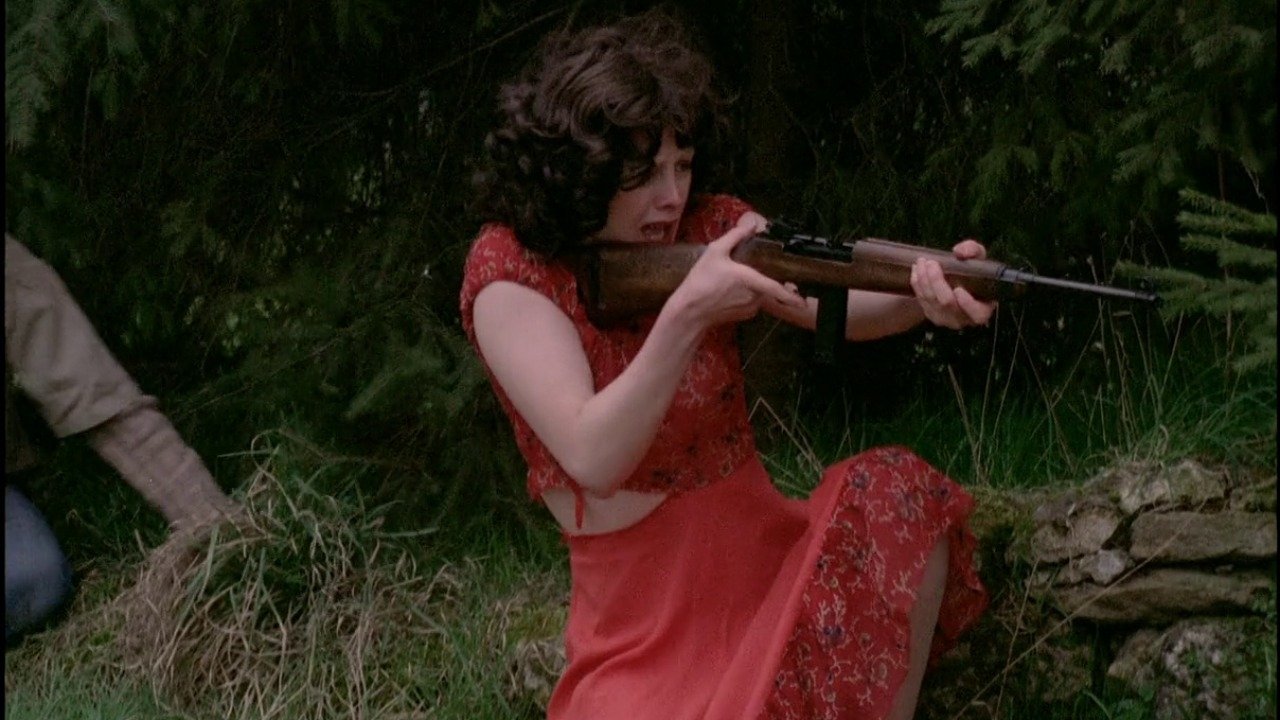
The tropical environment was constructed from locations near Benidorm and in the Madrid region. Tabernero specifically identified Benidorm's palm groves as the setting for jungle and encampment scenes, and recalled additional work around the San Juan reservoir, an area of pine woodland. He could not confirm whether a small amount of material had also been shot in France. His testimony makes clear that the geography of the screen world was created from accessible locations, selected to suggest a distant landscape without the cost of an overseas expedition.

Costume, decoration and editing helped complete the illusion. Tabernero recalled recruiting Romani residents of Benidorm as performers portraying the cannibal tribe, dressing them in loincloths and positioning masks around the camp. The result follows an exploitation convention in which a supposedly remote population is represented chiefly through its threat to visiting Europeans. Critics have noted the visible Mediterranean terrain, unconvincing costumes and reused footage. The jungle is a manufactured genre setting, and its presentation of an unnamed community offers no credible account of local culture or geography.

Kidnapping & Cannibal Horror

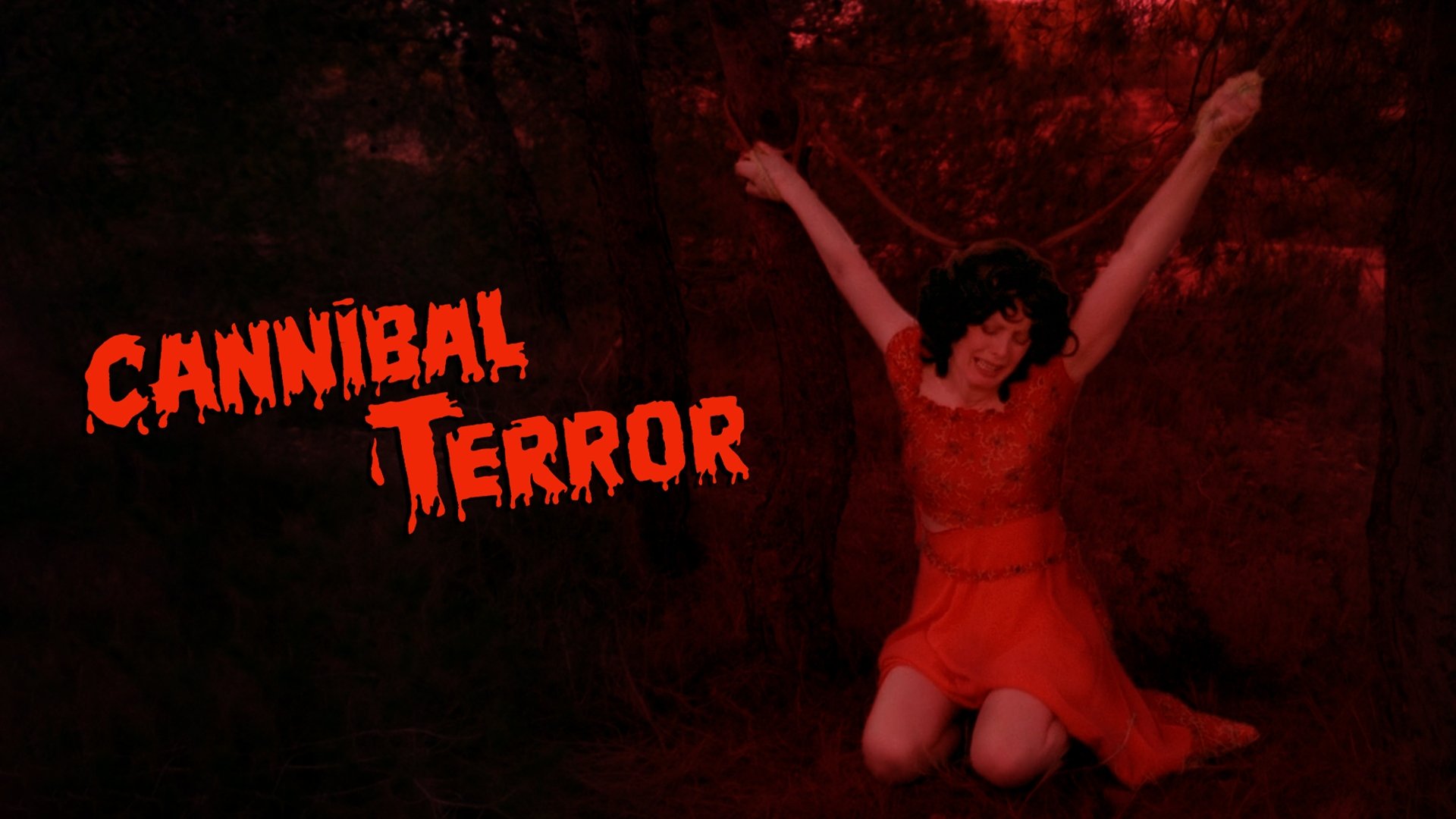
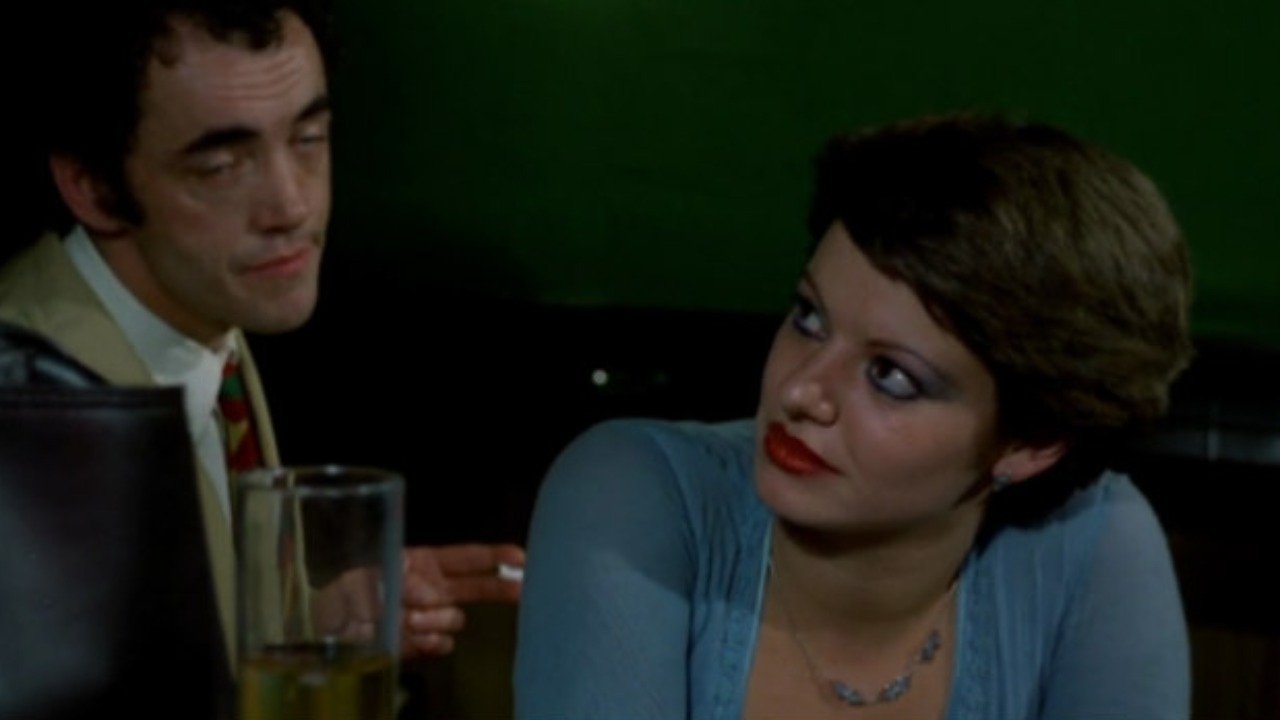
The narrative begins with a crime familiar from inexpensive thrillers: Mario, Roberto and Lina abduct the daughter of a wealthy family and escape toward a remote refuge. Their destination places them near a community described as cannibalistic, gradually shifting the plot from a ransom scheme to a threat of bodily destruction. The arrival of the tribe interrupts the criminals' apparent control over their captive and the surrounding territory. This structure allowed the production to combine stretches of crime melodrama with brief scenes of jungle peril, reserving much of the promised cannibal violence for its later passages.

A sexual assault by one of the kidnappers becomes a decisive element of the subsequent revenge. The scene uses violence against a woman as a plot mechanism, a recurrent and troubling device within exploitation cinema of the period. The tribe's depiction meanwhile relies on a sensational stereotype of an unnamed, supposedly primitive population; the film provides no credible ethnographic basis for that portrayal. Contemporary discussions of the cannibal cycle distinguish productions that attempted a critique of outsiders' violence from those that primarily used the threat of consumption as a marketable shock. Cannibal Terror belongs more convincingly to the latter tendency.

Gore & Material Effects

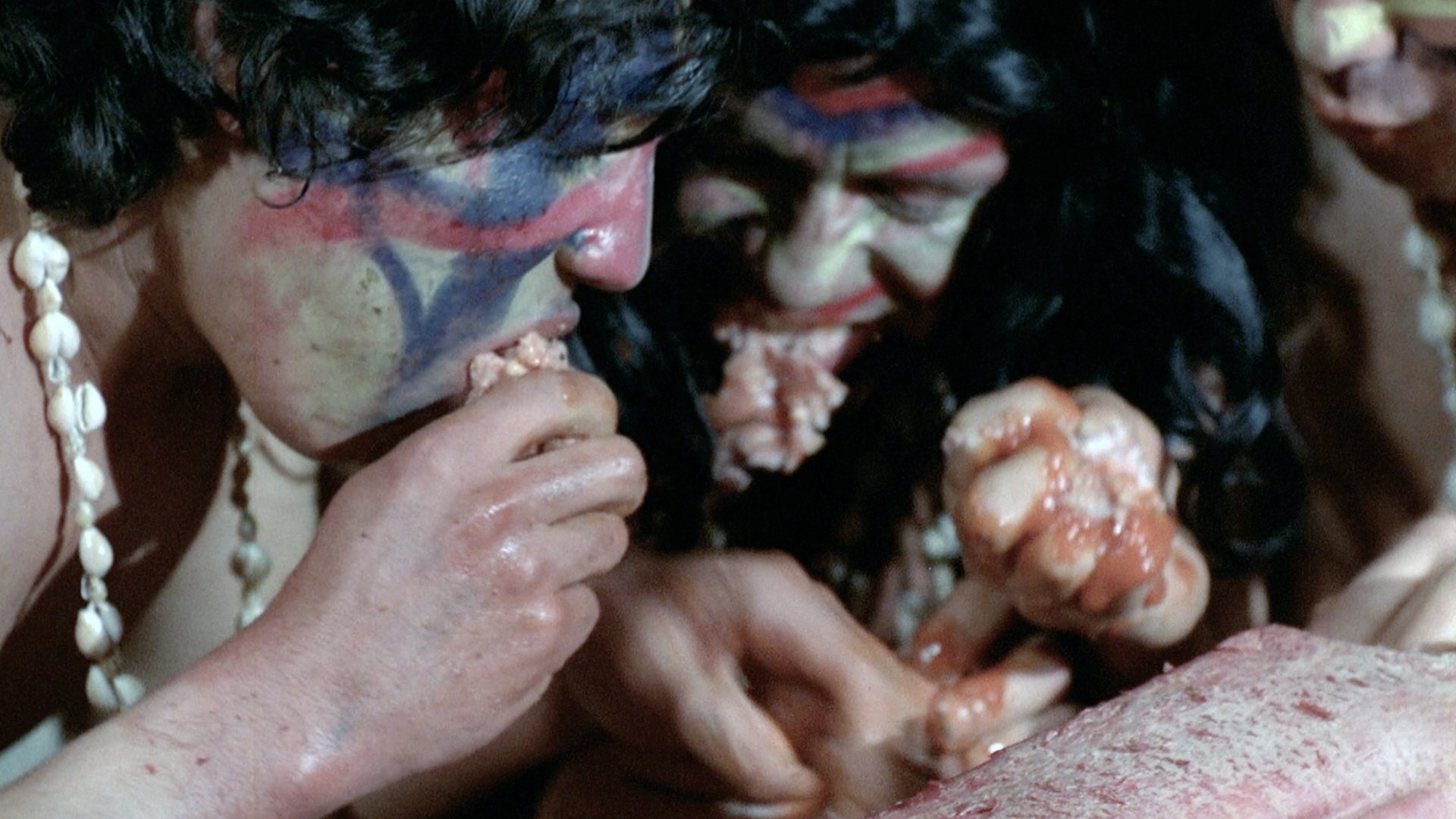
The most revealing technical evidence concerns the material placed before the camera. In his interview, Tabernero said the team initially considered using cardboard or another substitute for flesh and internal organs. He rejected the idea as unconvincing and arranged for real butchered meat to be used during cannibal scenes. His recollection describes performers having to bite the material, sometimes with visible discomfort. These details explain the unusually literal appearance of portions of the gore: the simulated human consumption relied on ordinary animal tissue and careful framing without elaborate prosthetic fabrication.

Tabernero further identified the opened body used for a disembowelment effect as a pig carcass. This is a specific recollection of how a staged image was achieved, and should be distinguished from unsupported claims about other on-camera animal deaths. The film uses these crude physical materials to supply moments of spectacle that its budget could not otherwise sustain. Reviewers have pointed to conspicuous staging, uneven cutting and the difference between the apparent tropical setting and the actual shooting locations. Such limitations are essential to assessing the practical effects as work produced under severe constraints, not as evidence of sophisticated makeup engineering.

Censorship, Video Nasties & Circulation

Tabernero recalled that censors demanded reductions to the sexual-assault material and some cannibal sequences, without identifying the territory or surviving cut for each alteration. The British film and video histories require separate treatment. Julian Petley's appendix describes an earlier X certificate with cinema cuts, but the currently available BBFC catalogue documents a 2003 home-video classification rather than a corresponding earlier British cinema decision. Petley's statement should therefore be identified as a retrospective claim, not an independently confirmed entry in the accessible BBFC record.

Eurociné dates the film to 1980, while Spain's official ICAA archive records its domestic theatrical release on 5 February 1981. The same archive lists 23,092 admissions, figures restricted to the Spanish market. In Britain, Modern Films Video distributed a VHS in October 1981. Specialist censorship histories place the title's addition to the DPP list in July 1983 and its removal in September 1985. Those dates trace the changing DPP list; they do not establish the details of a British theatrical cut.

The British Board of Film Classification records a home-video version lasting 89 minutes 35 seconds, classified on 11 March 2003. This later submission does not establish the exact changes made to every international cut. Tabernero remembered that Lesoeur handled overseas sales through film markets, including Cannes, although he could not recall the picture's performance in Spanish cinemas. Subsequent attention has concentrated on the movie's conspicuously improvised jungle setting, brief practical gore and place within the British video-nasty controversy.

References

  1. La abadía de Berzano Entrevista a Julio Pérez Tabernero, director de «Terror caníbal»

    First-person production history covering the Spanish shoot, international pseudonym, practical gore, censorship and sales; originally published in El Buque Maldito in 2008.

  2. Cambridge Core Appendix: The DPP List of ‘Video Nasties’

    Julian Petley's appendix includes Cannibal Terror and annotates it 'X with cuts on film'; the accessible BBFC record shows a 2003 video submission but does not independently confirm this earlier cinema claim.

  3. ICAA Terror Caníbal – Catálogo de Películas

    Official Spanish film-archive record confirming the national release date, directorial attribution and 23,092 theatrical admissions.

  4. Warped Perspective That’s Nasty! Cannibal Terror (1980)

    Film-specific retrospective examining Eurociné’s cannibal productions, disputed direction credits, reused footage and video-nasty afterlife.

  5. Tortillapolis Terreur cannibale – Alain Deruelle

    Substantial French-language examination of the makeshift jungle environment, exploitation formula and Eurociné production context.

  6. British Board of Film Classification Cannibal Terror - UK classification history

    Official register currently documenting a 2003 video classification, without a visible earlier cinema entry.

Cast

View Full Cast & Crew →

Release & Distribution

Production Companies (1)

  • Eurociné FR

Release History (4)

Release DateTerritoryRelease TypeFormatDistributorCertificationNotes
1980-10-21 France Theatrical — — —
1981-10-06 United Kingdom Theatrical — — —
2014-03-10 Germany Physical DVD — 18 '84 Entertainment DVD
2015-06-15 Germany Physical DVD — 18 Retrofilm DVD
Deep in the jungle the flesheaters are waiting.