01.01
FIRST PERIOD
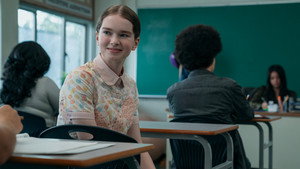
The start of a brand new day.
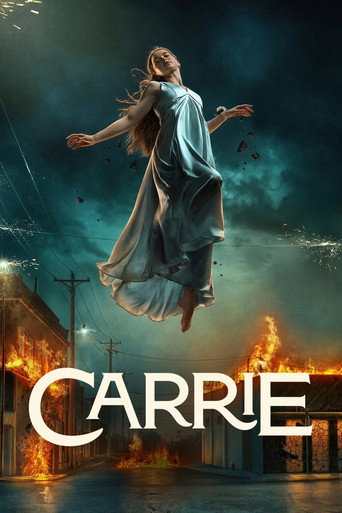
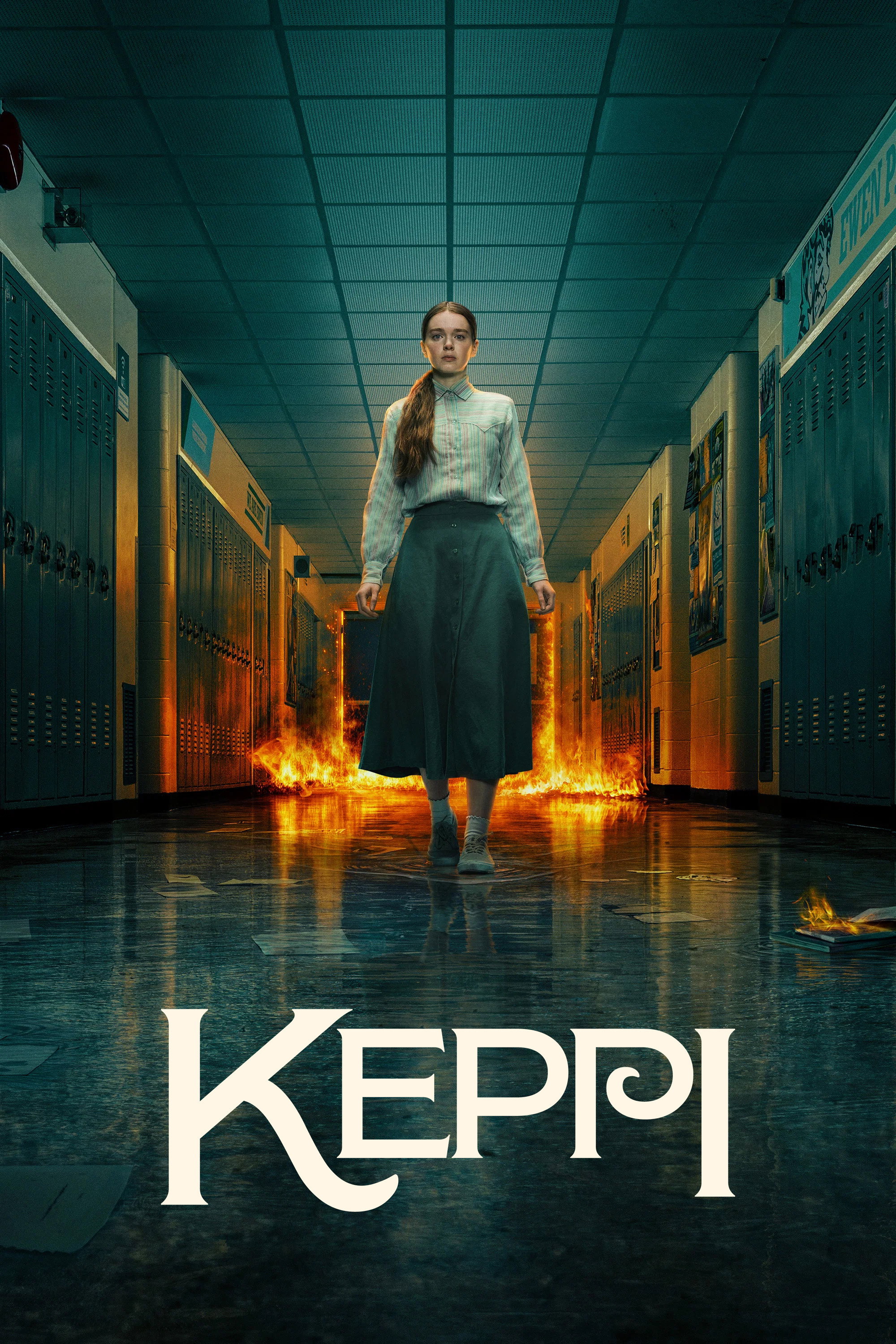
Carrie White has grown up largely isolated from other teenagers under the restrictive authority of her mother, Margaret. Following her father’s death, she enters public high school and encounters unfamiliar social hierarchies, bullying and the relentless circulation of personal humiliation through digital media. Her developing telekinetic abilities make the ordinary pressures of adolescence increasingly dangerous. While some classmates attempt to befriend her, others manipulate her vulnerability, and the adults around her disagree about how to protect or control her. As the school prepares for a major social event, Carrie must confront the consequences of her power and the way others have defined her. The first season develops King’s premise across eight episodes and leaves room for a continuing story.
Explore episode plots and credits without leaving this series page.

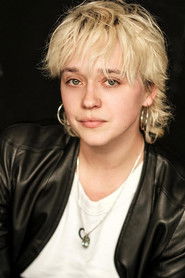


The start of a brand new day.
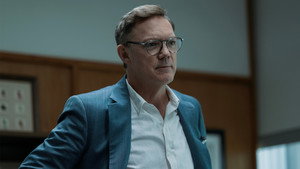
New communication skills from an unfamiliar culture.
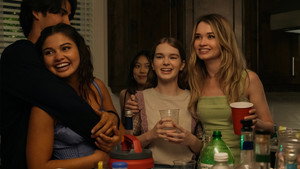
How people, communities, and societies interact.
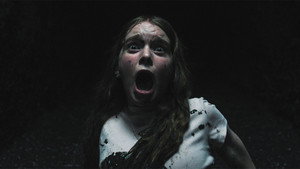
Voice, movement, and improvisation.
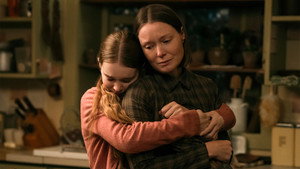
Health, fitness, and exercise.
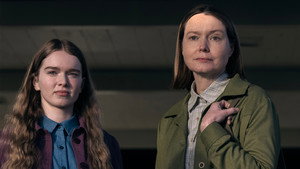
Practical life skills for independent living.
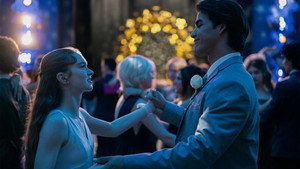
The power of emotion and individual experience.
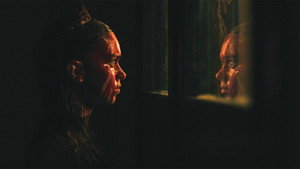
For every action, there is an equal and opposite reaction.
Mike Flanagan’s Prime Video adaptation: 2025 Vancouver production, Carrie and Margaret White, digital bullying, Emaline, telekinesis, prom violence and the changed ending.
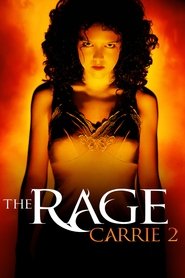
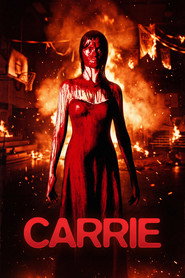
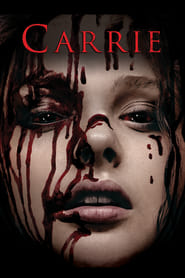
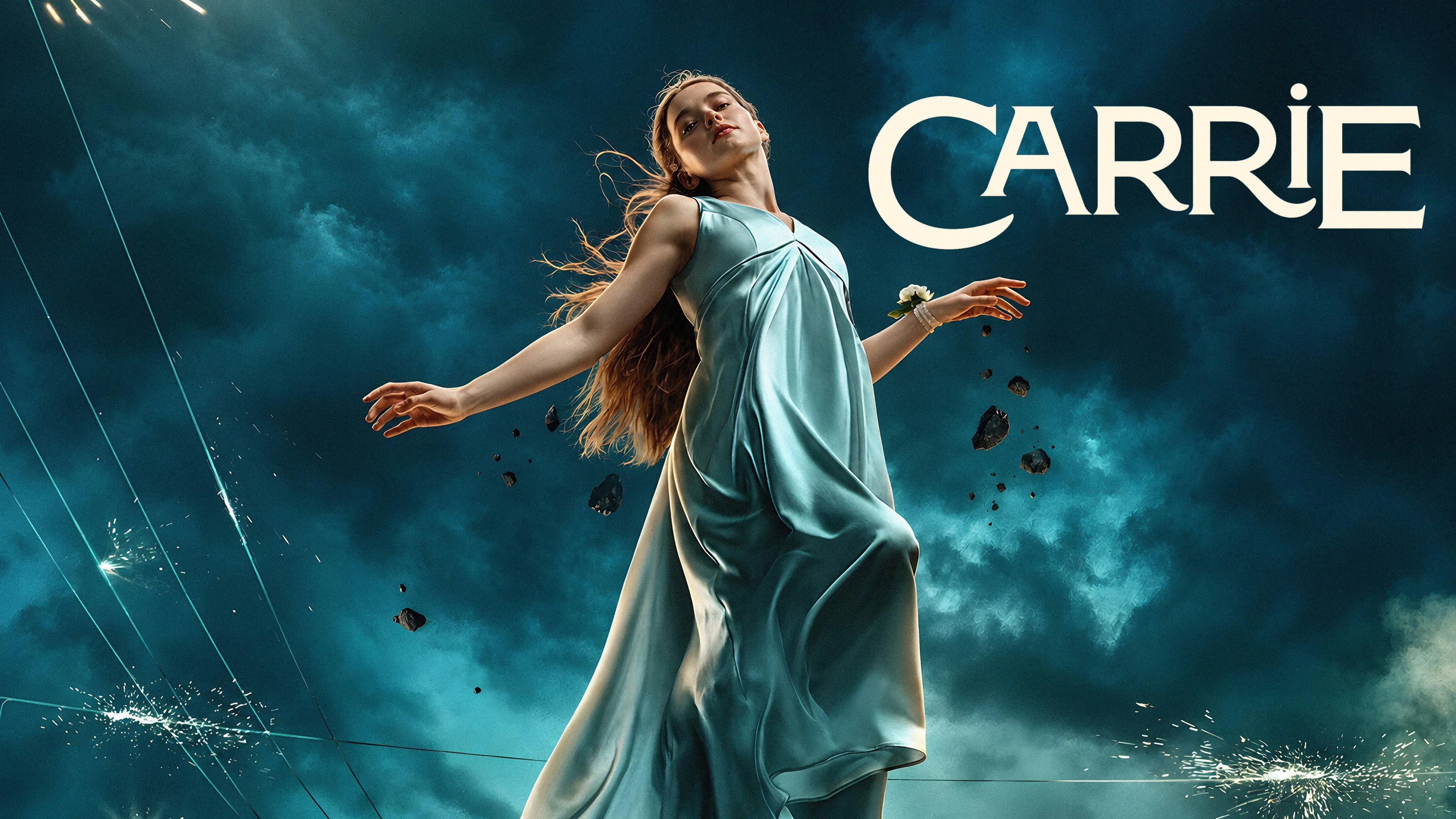
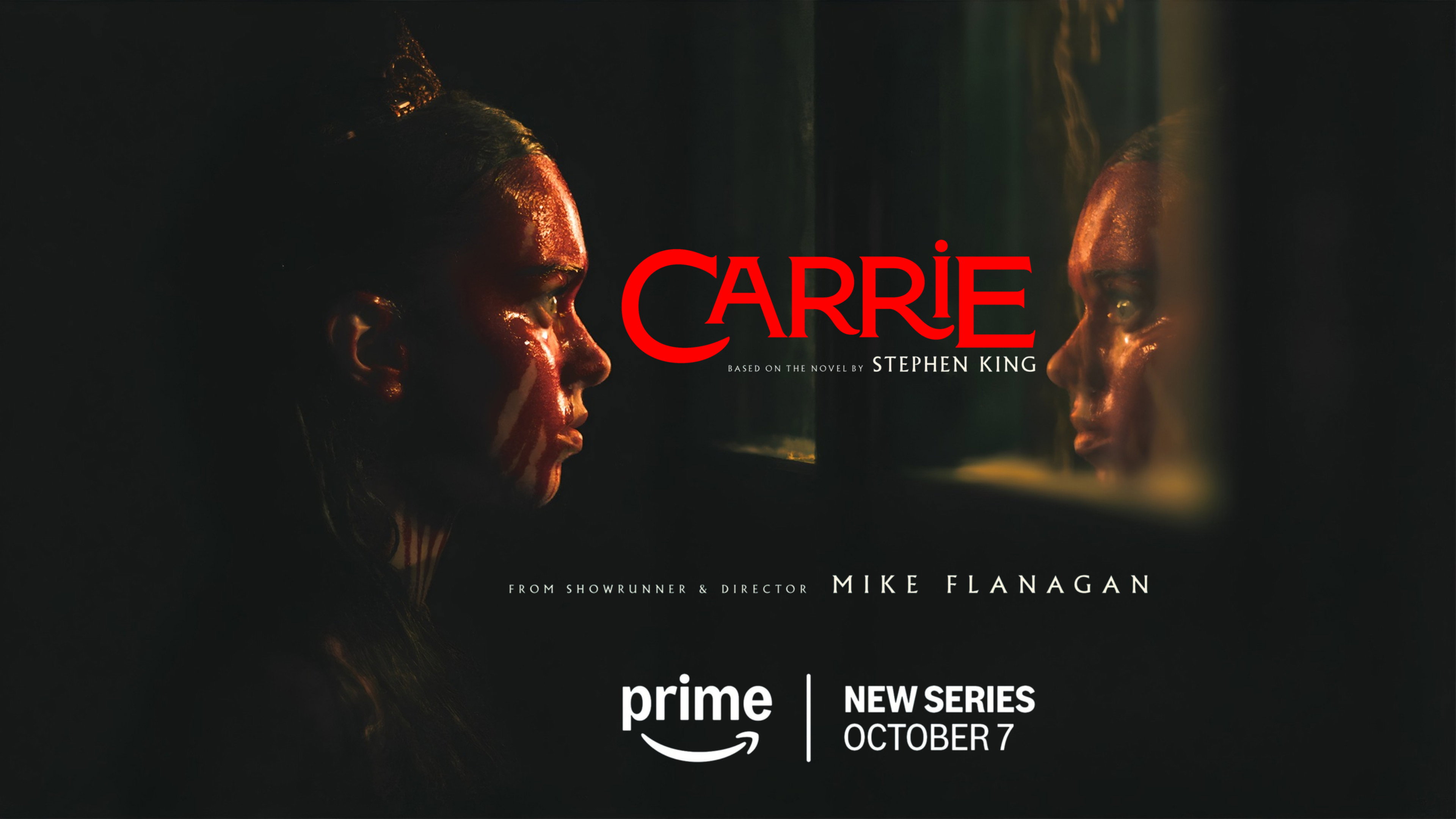
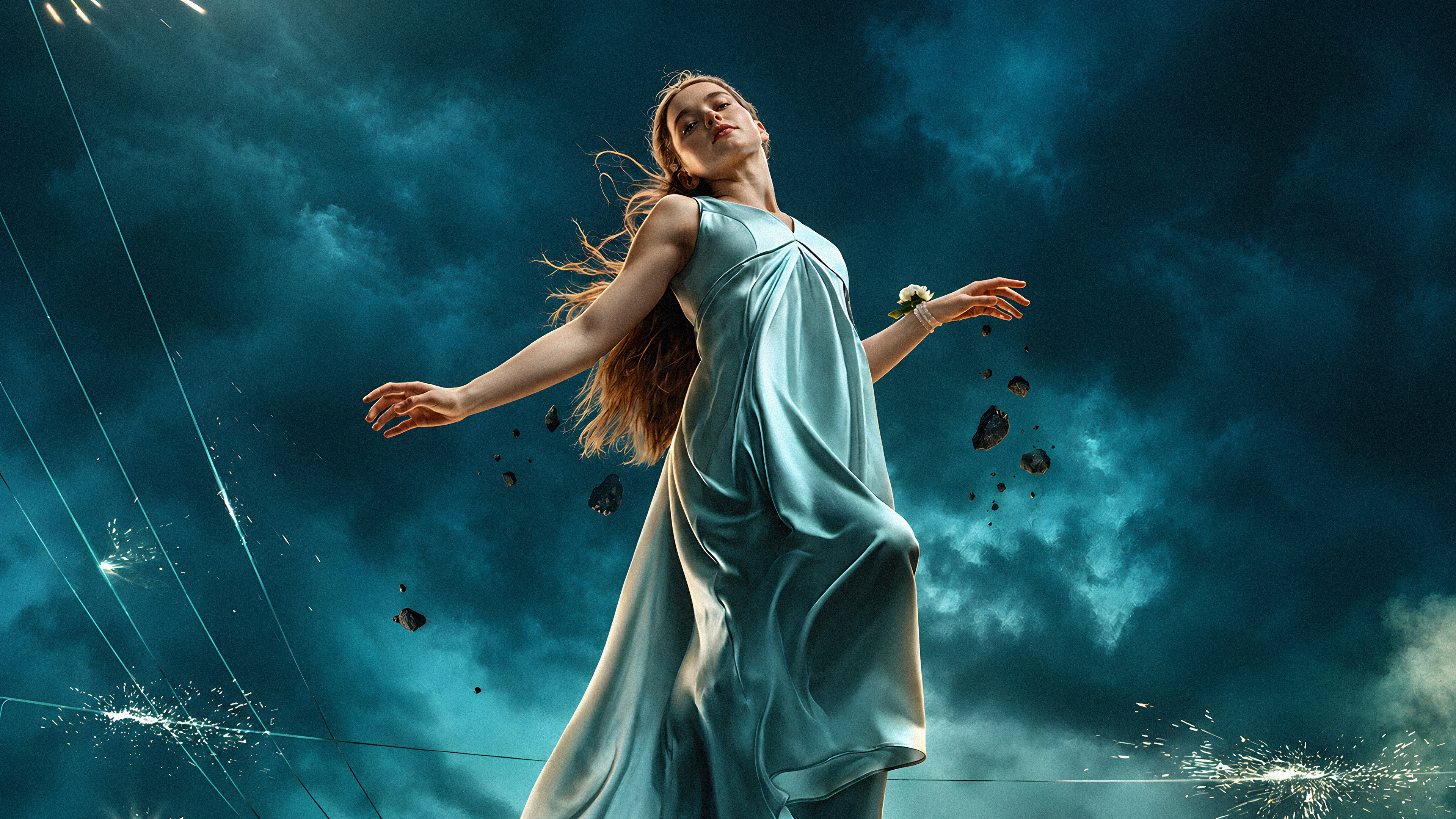
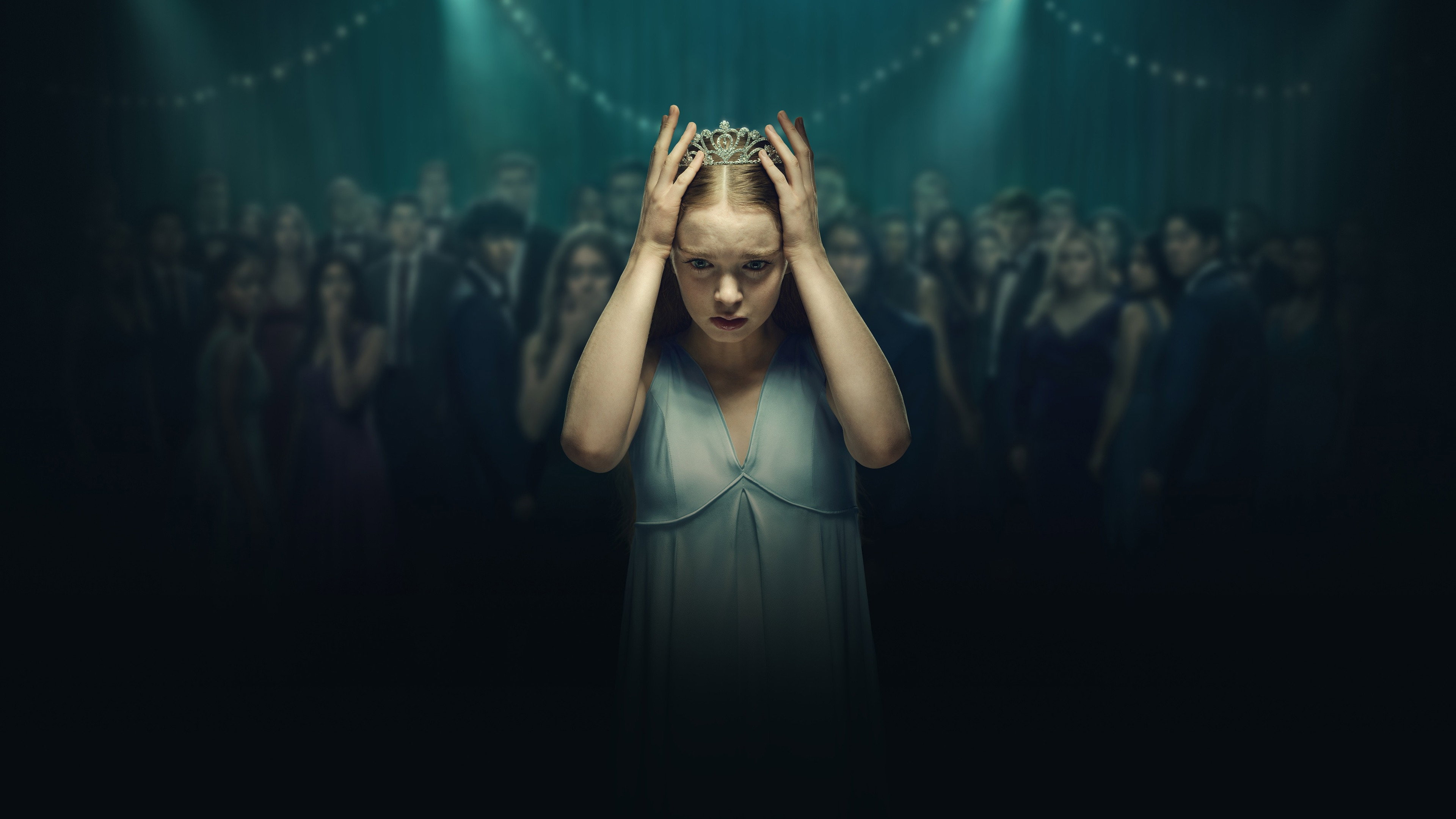
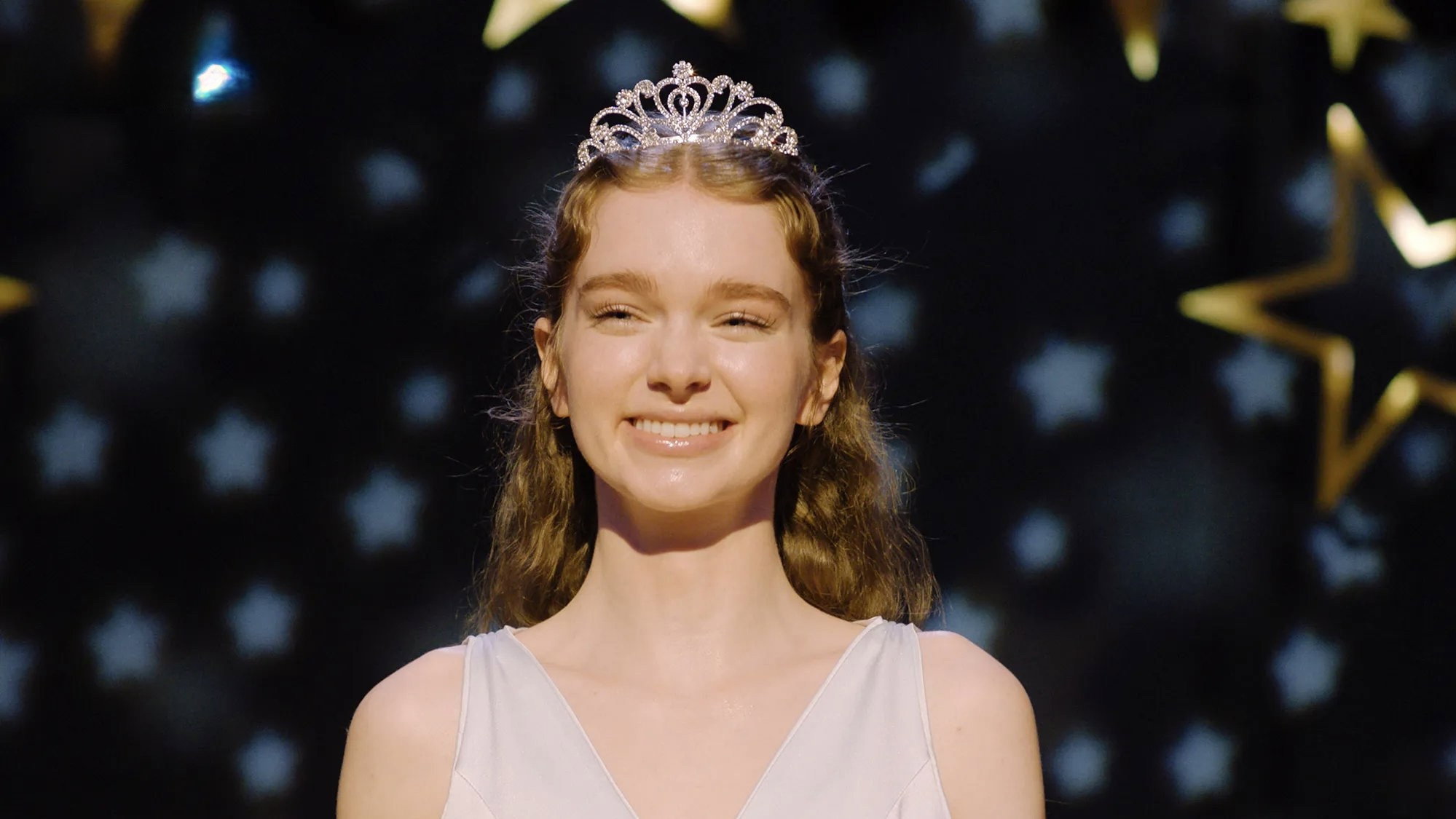
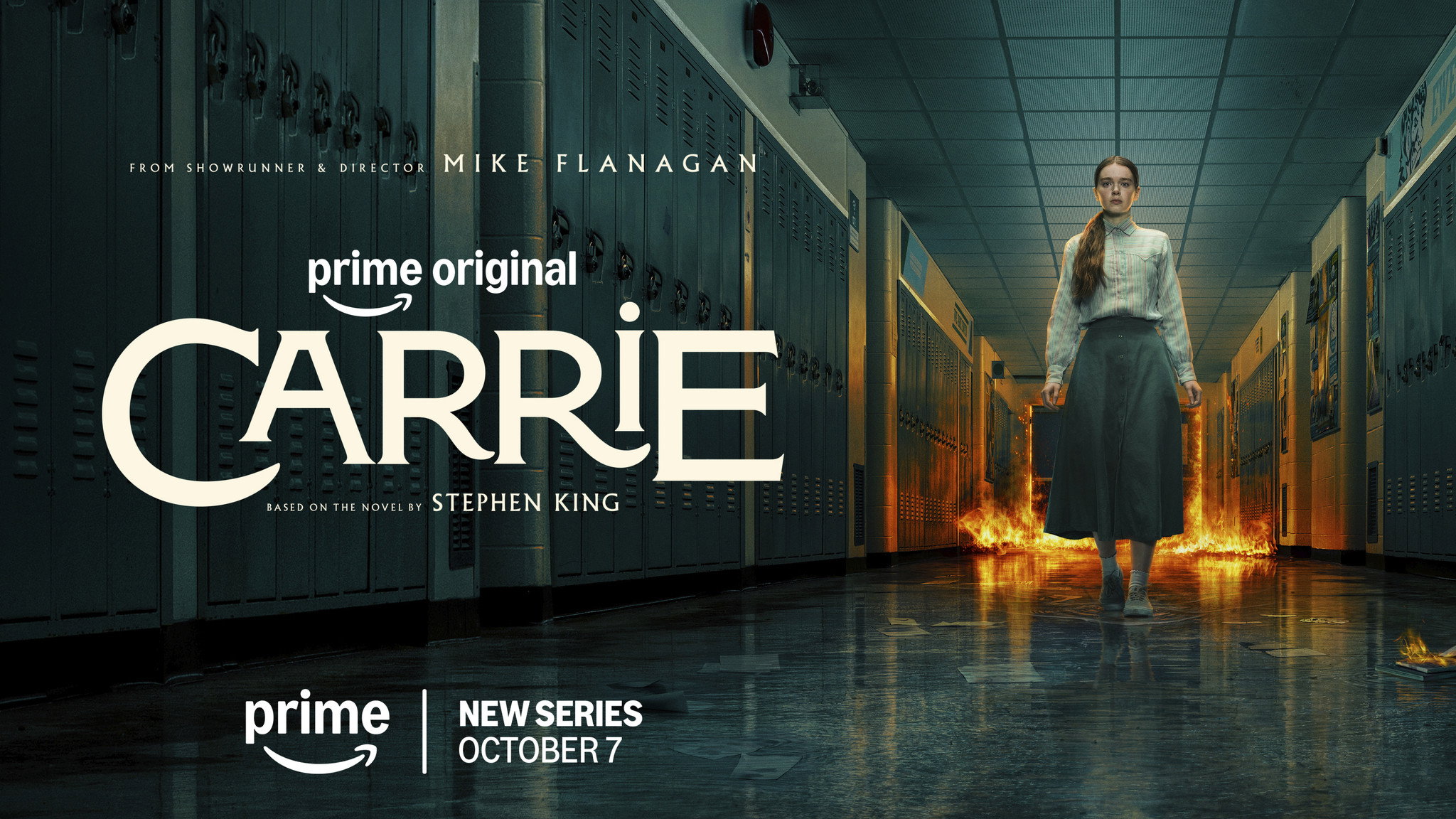
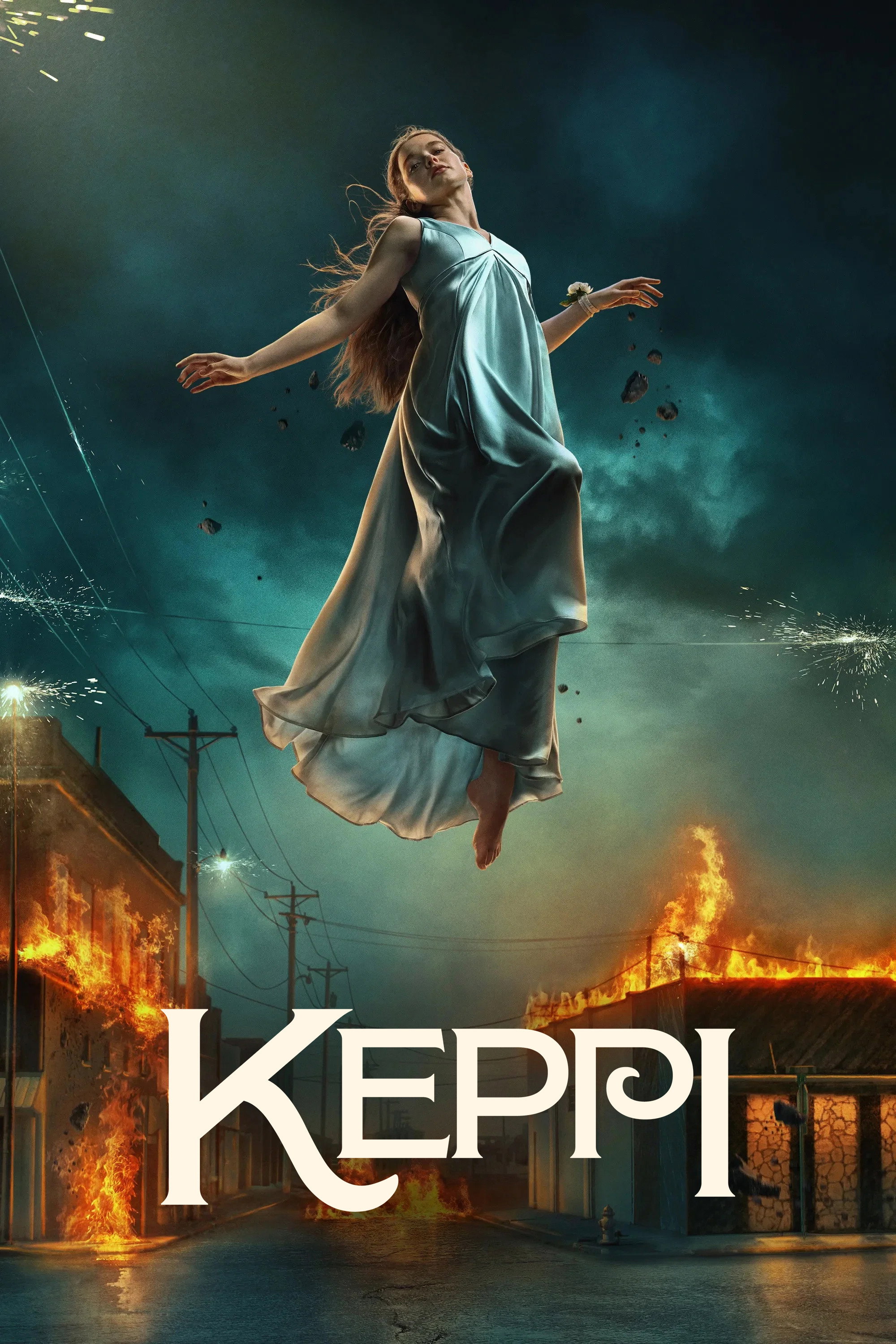
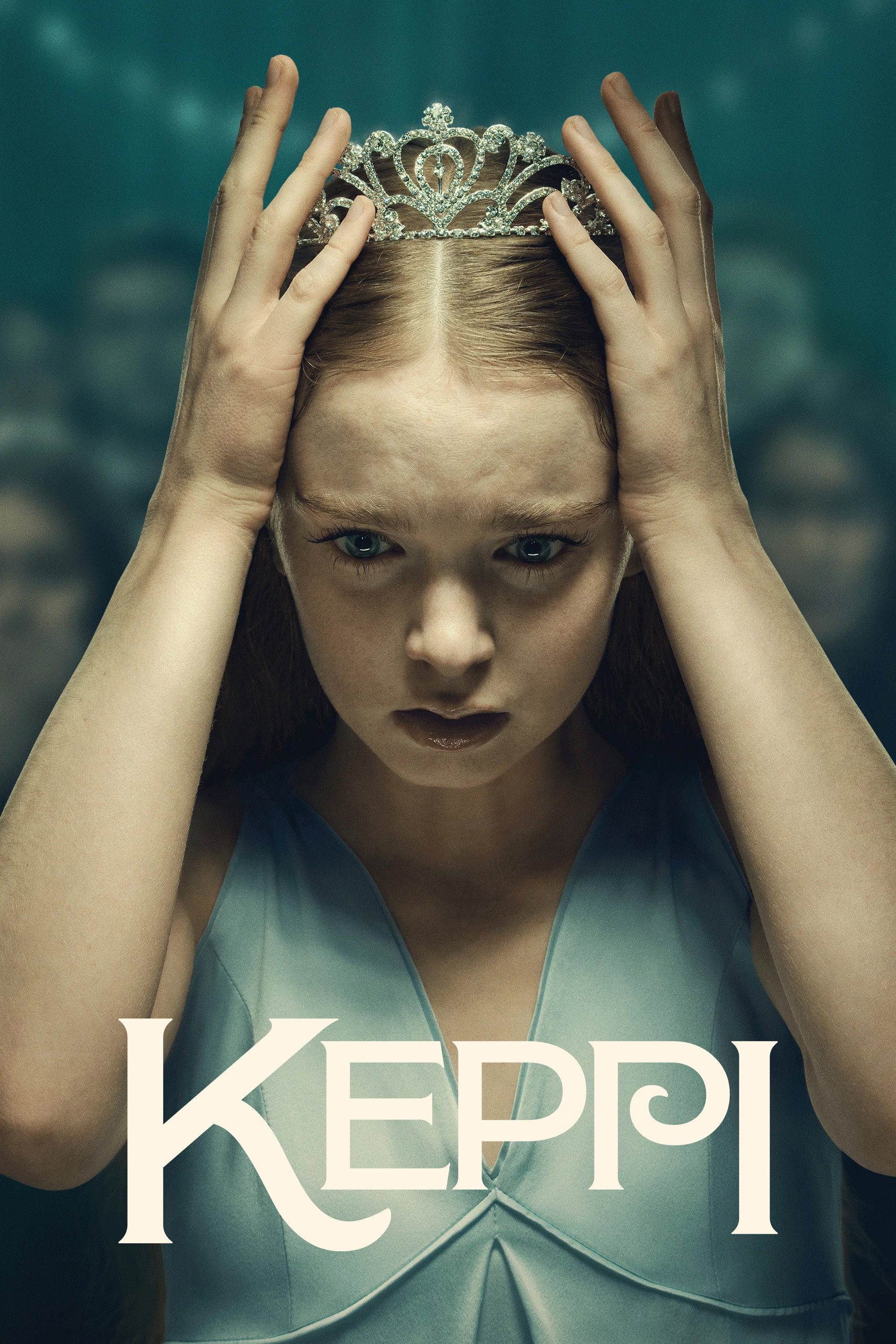
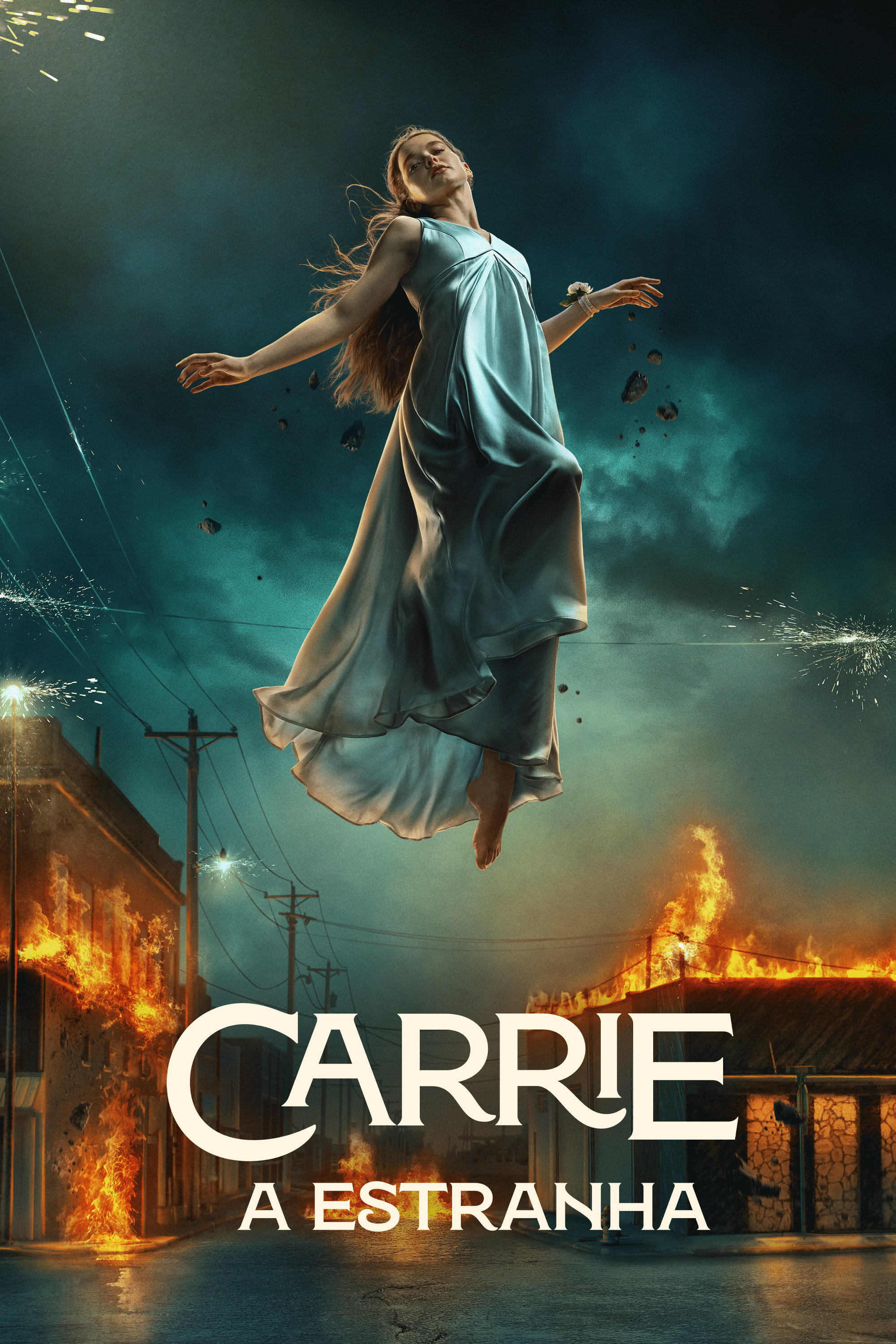
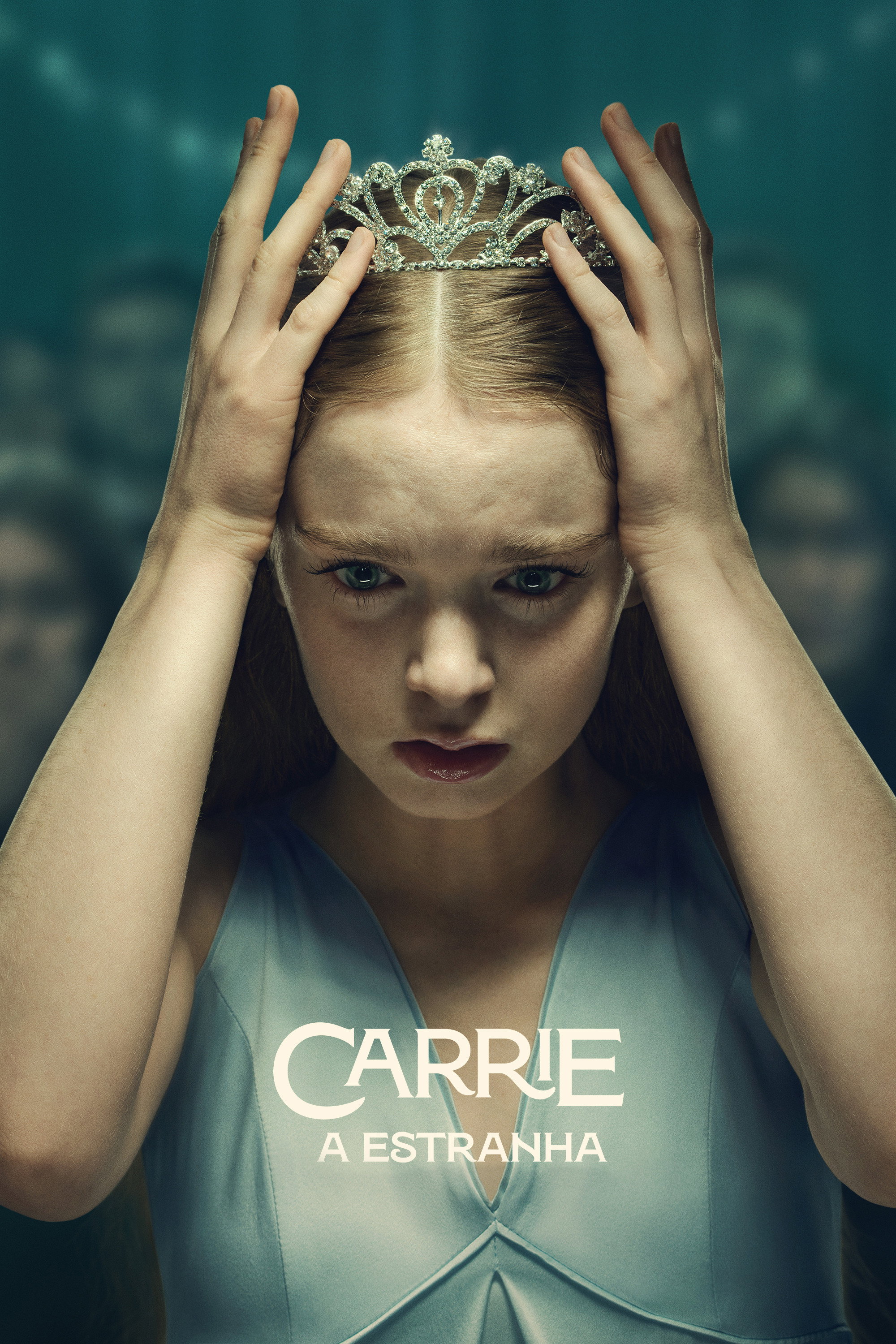
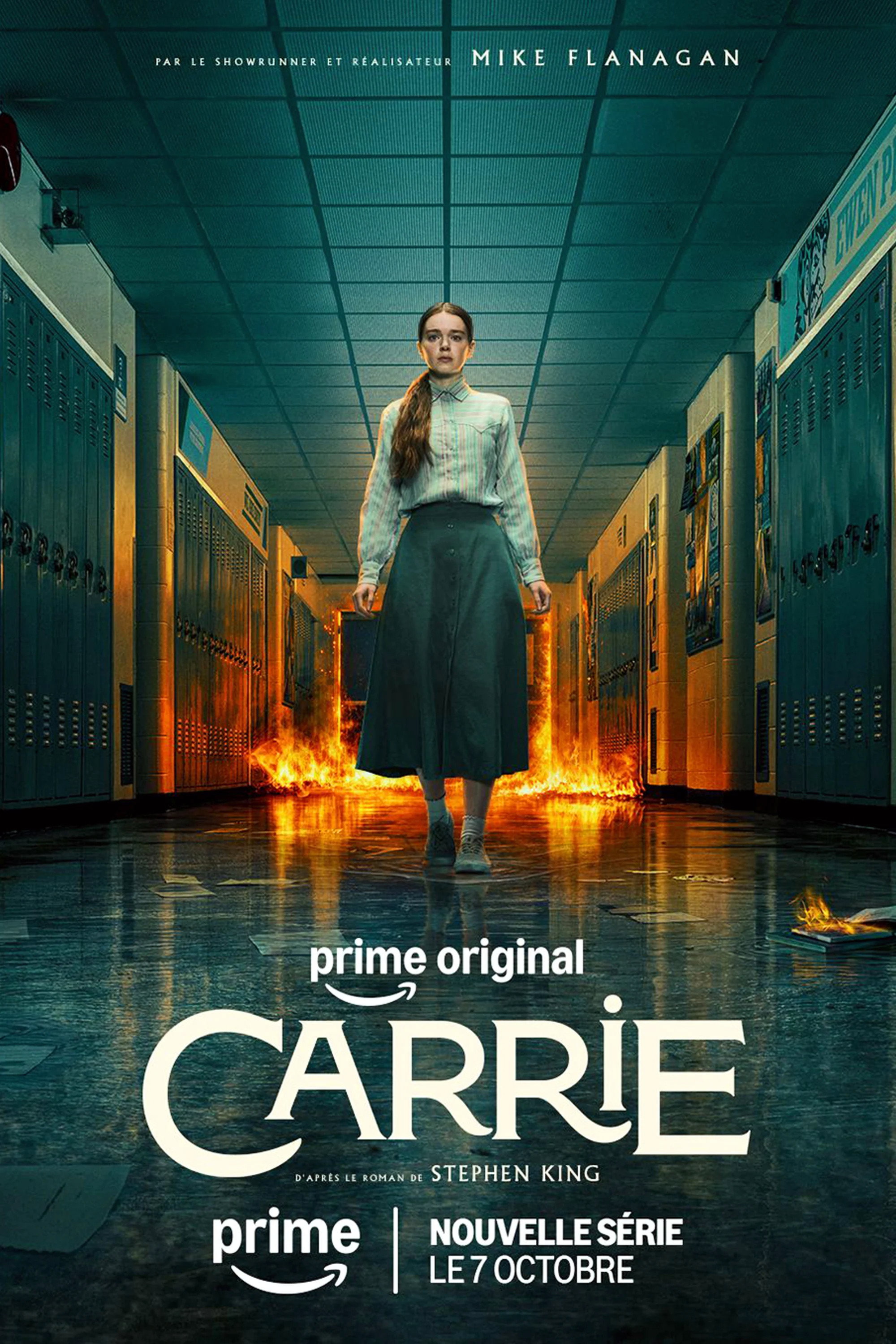
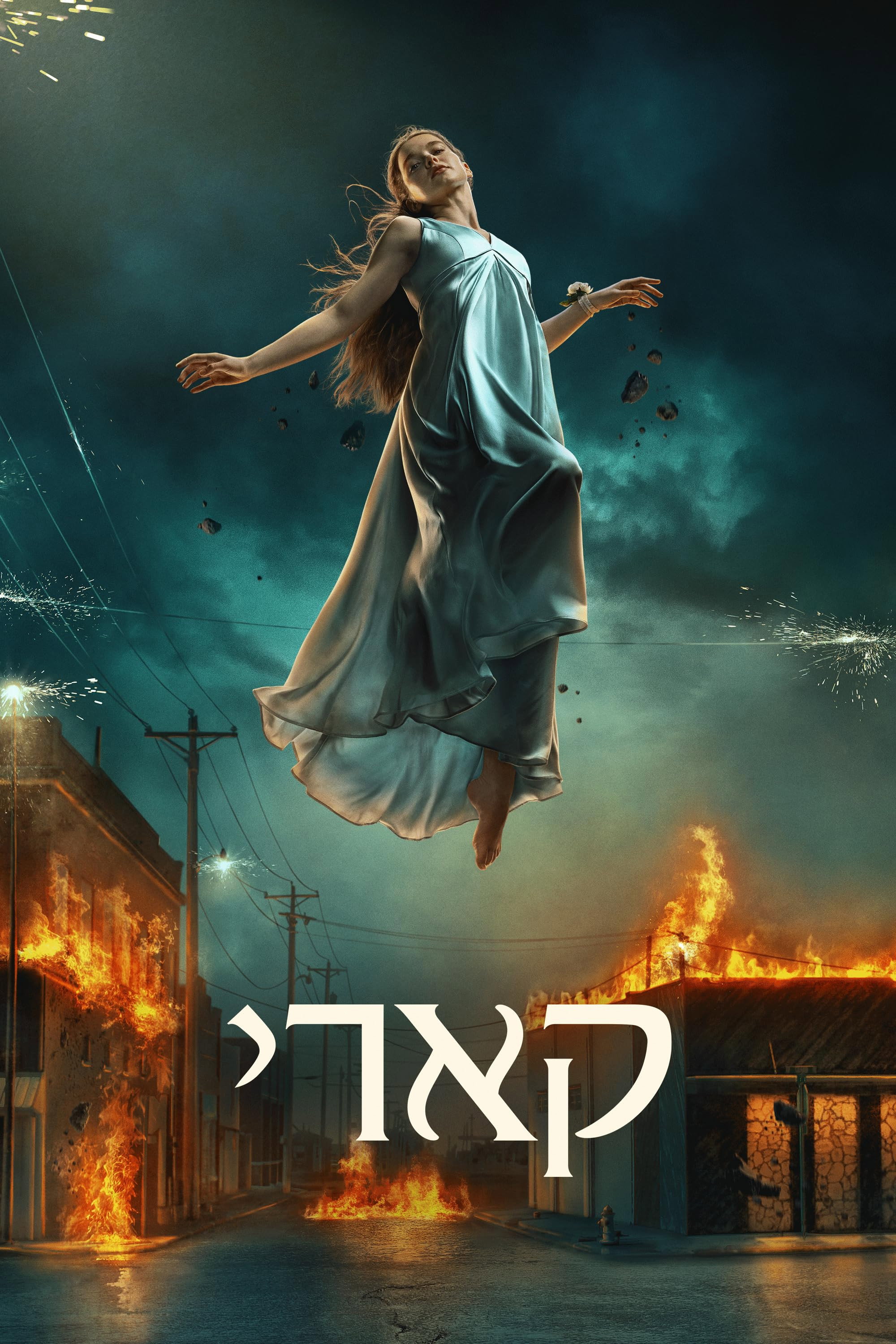
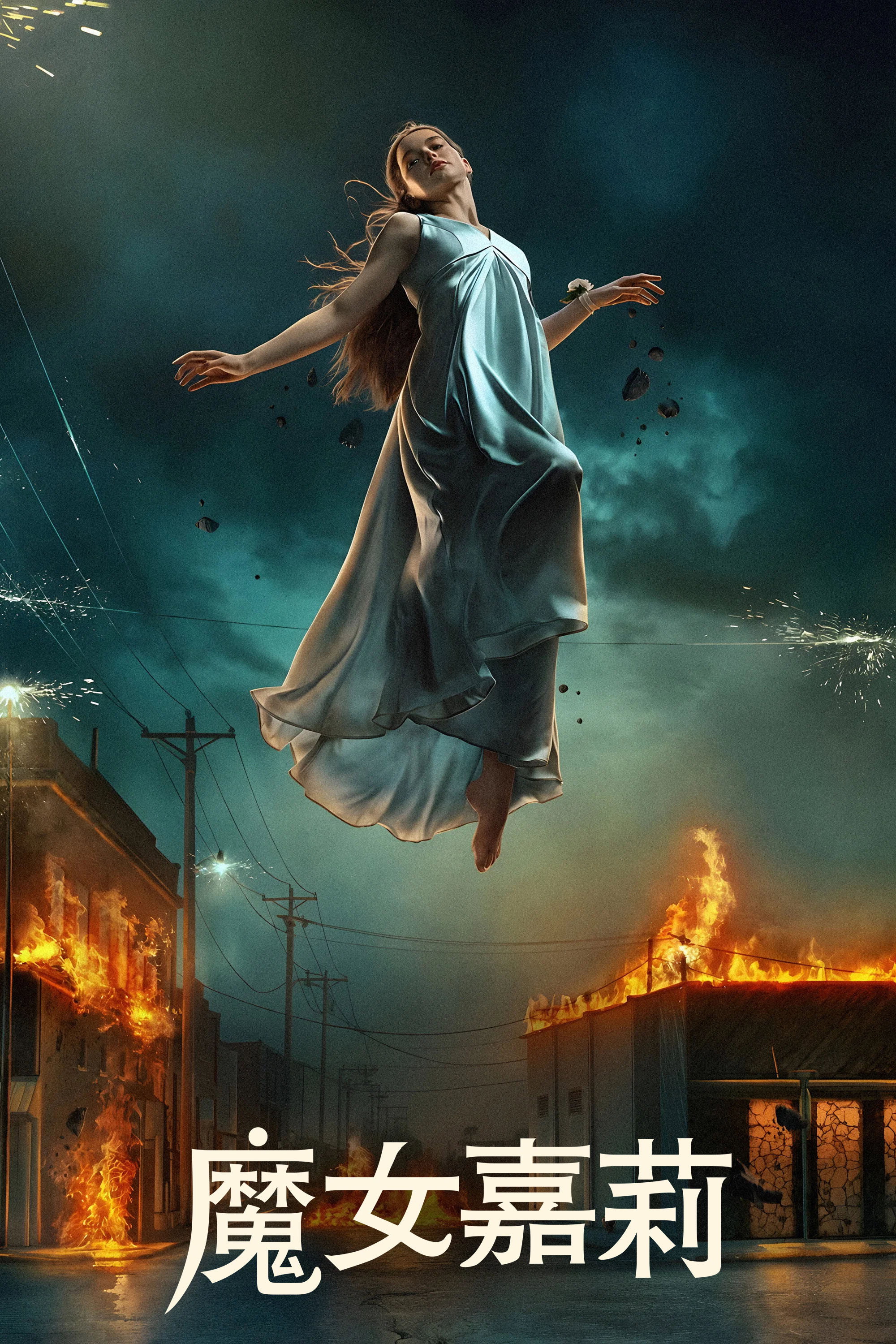
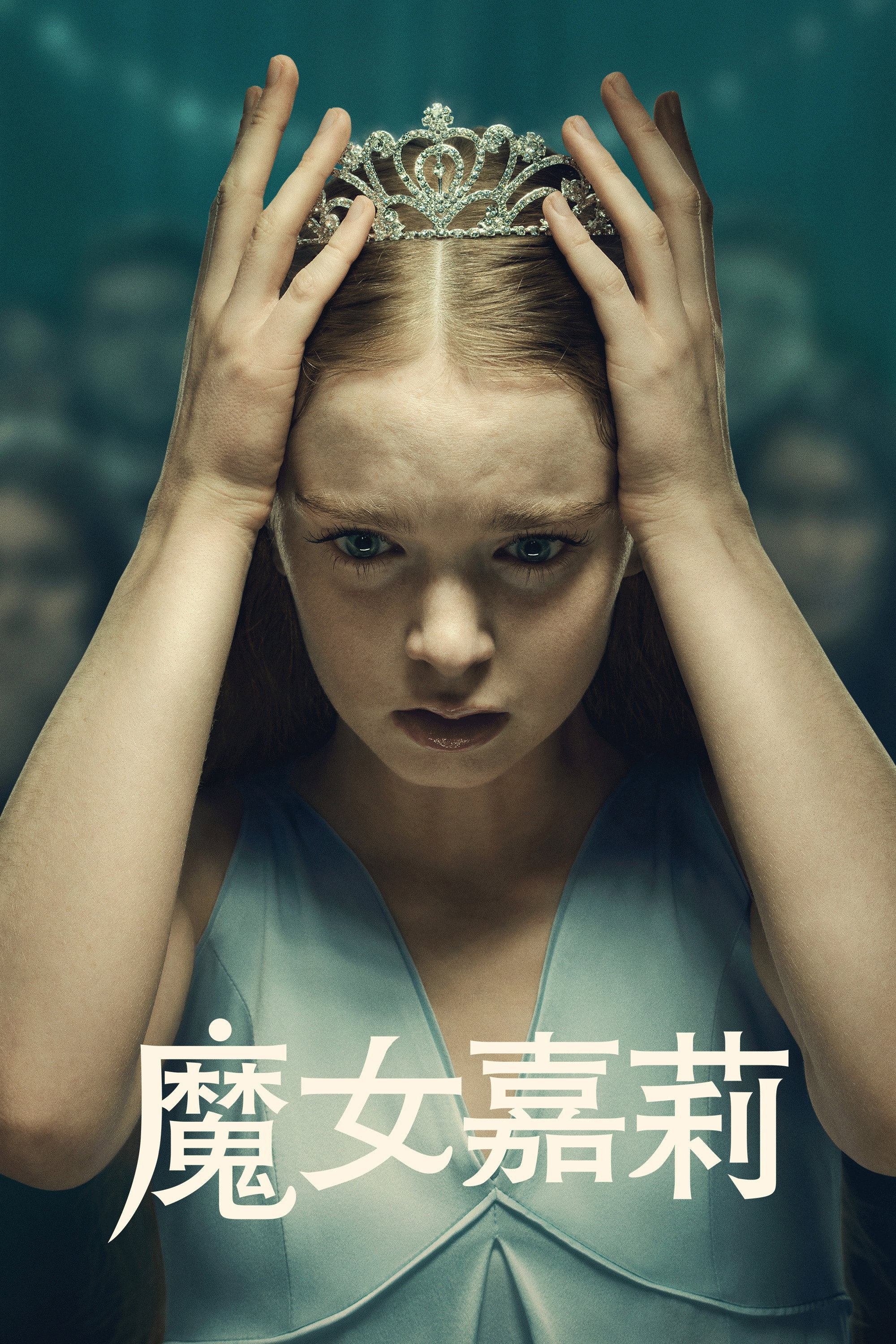
Mike Flanagan’s Carrie (2026) reimagines Stephen King’s first novel as an eight-episode television horror drama about the violence of social exclusion in a digitally connected town. Summer H. Howell plays Carrie White, a sheltered teenager whose father’s death sends her into public school after years of isolation under her mother Margaret. The ordinary humiliations of adolescence become a public spectacle as an anonymous social-media account circulates accusations and recordings, while Carrie discovers that she can move objects without touching them. The well-known prom-night catastrophe remains central, but the story now unfolds among classmates, educators and parents who participate in the same climate of scrutiny and fear.
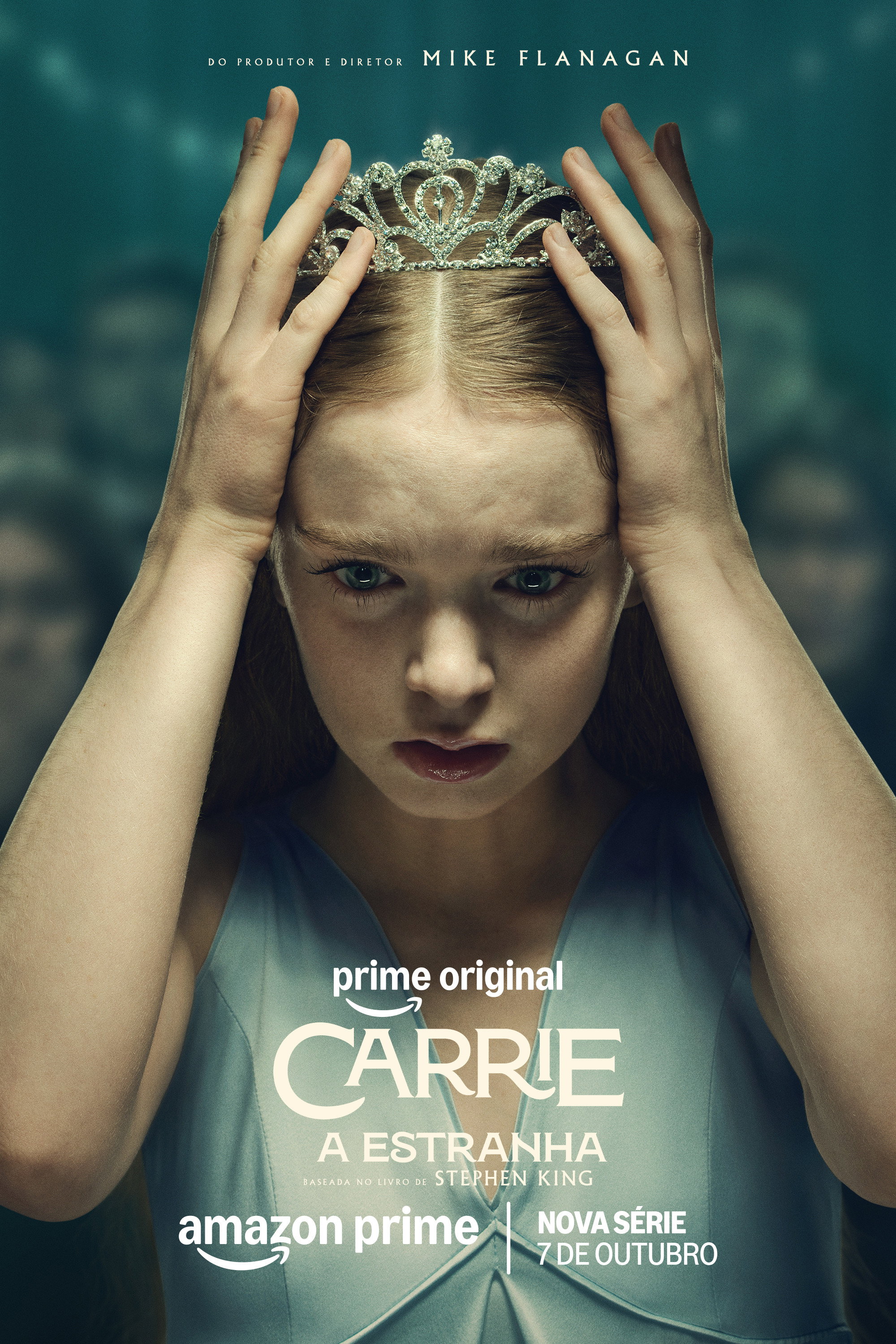
Written and executive-produced by Flanagan for Amazon MGM Studios, with Stephen King among the executive producers, the series premiered on Prime Video on 7 October 2026. Samantha Sloyan plays Margaret, Siena Agudong portrays Sue Snell and Alison Thornton plays Chris Hargensen. Its expanded length and altered ending distinguish it from Brian De Palma’s 1976 film, the 2002 television movie and Kimberly Peirce’s 2013 adaptation. The series’ horror is inseparable from the competing claims of care and control, and from a new supernatural mythology that gives Carrie contact with people who may understand her abilities better than she does.
Stephen King published Carrie in 1974, and its story of a bullied girl with telekinetic powers had already been adapted several times before Amazon approached Flanagan. The filmmaker initially questioned whether another version was necessary. In interviews conducted around the 2026 premiere, he described changing his mind while watching his eldest son prepare for high school. The pressures facing teenagers, including online harassment and the normalization of school-shooter drills, suggested a social environment different from both King’s 1970s setting and the filmmaker’s own adolescence. His eventual proposal was to expand the lives surrounding Carrie rather than reproduce De Palma’s familiar images on a larger budget.
Flanagan also cited reports about children kept isolated inside their homes and a harassment campaign involving an anonymous Instagram account in Albany, California. He presented these as inspirations for fictional situations, not as specific cases reconstructed by the series. The central change was to make Carrie’s entry into school occur after the death of her father. Her classmates have learned patterns of social behaviour that she has never encountered, making her exposure to online ridicule particularly abrupt. The premise allows the cruelty of individuals to become a shared public event as photographs, rumours and reactions circulate far beyond an initial group of students.
King participated as an executive producer and publicly supported the adaptation, though Flanagan recalled that the novelist had also questioned the need for another Carrie. Their discussions concerned the possibilities of developing a different narrative from the same characters. The resulting series retains the recognizable school setting, religious household and prom while introducing substantial new material. Its differences are artistic decisions within a new adaptation, not previously unknown chapters of the 1974 book or an authorized continuation of the earlier films.
The first season consists of eight episodes, all released together on Prime Video on 7 October 2026. Their titles form a fictional school timetable: First Period, Foreign Language, Social Studies, Dramatic Arts, Physical Education, Home Economics, Romantic Literature and AP Physics. The first title also carries a pointed association with the bodily event that begins Carrie’s public humiliation in King’s novel. The final title evokes the violent consequences of forces acting on other bodies, but should not be read as a literal technical description of telekinesis.
Production took place around Vancouver in 2025. Flanagan directed the first two and final two episodes; Kate Siegel, Axelle Carolyn, Kyra Sedgwick and Hiromi Kamata directed the intervening chapters. The series involved several credited writers and an ensemble that could sustain scenes beyond Carrie’s immediate point of view. By dividing the material among directors while retaining a single showrunner, the production could develop separate social settings without treating every episode as an independent anthology. A secondary narrative might begin with another student or adult, then reveal how that person’s decisions influence Carrie’s position in the town.
Viewers familiar with the novel already know about the humiliation at the prom, so delaying it cannot supply suspense by itself. The season instead examines how an event becomes possible through accumulated choices: public accusations, timid gestures of sympathy, institutional failures and calculated cruelty. It also introduces a broader history of extraordinary abilities. Those additions make the finale less a restatement of an inevitable ending than the culmination of a story whose characters could have made different decisions.
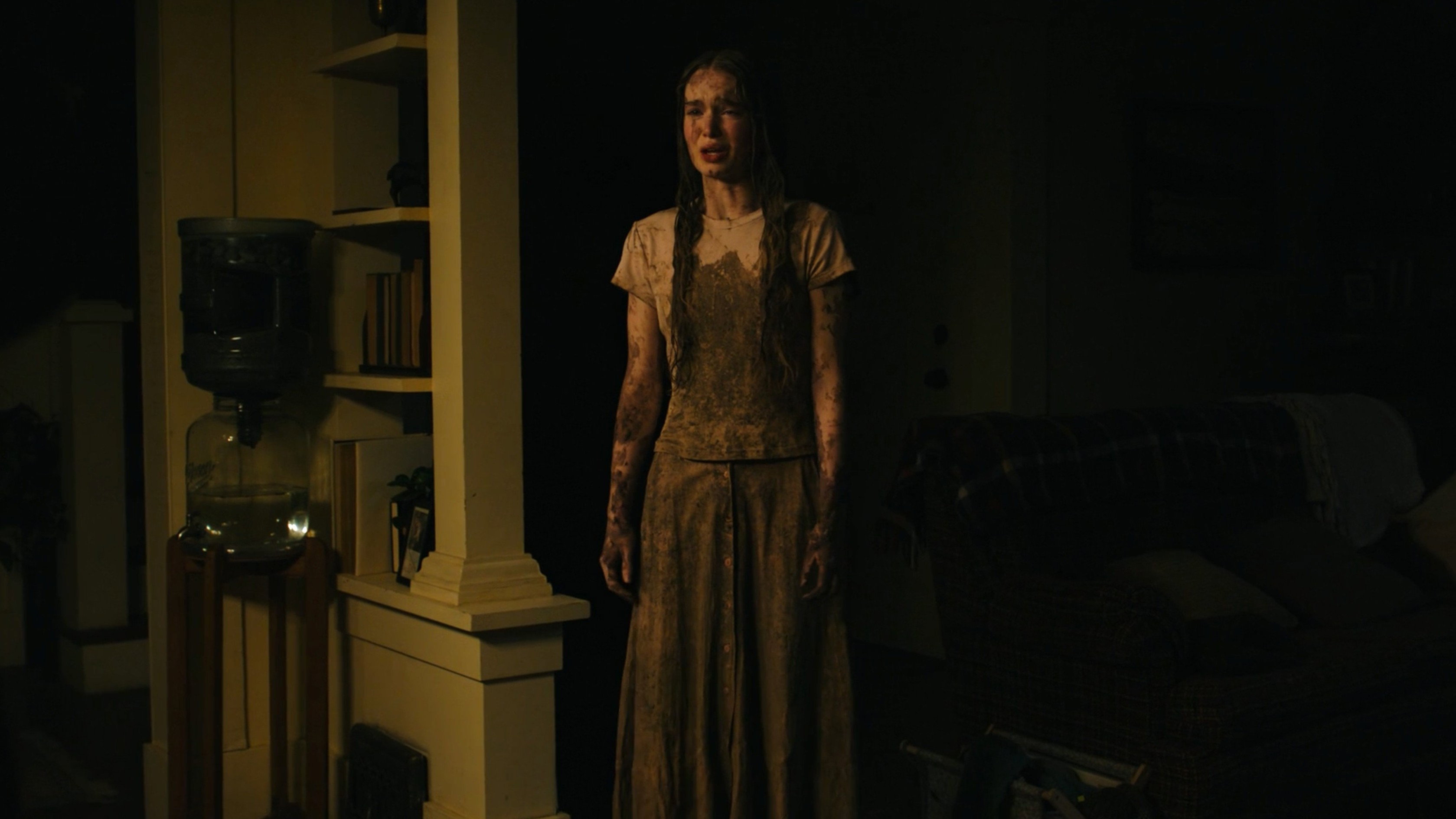
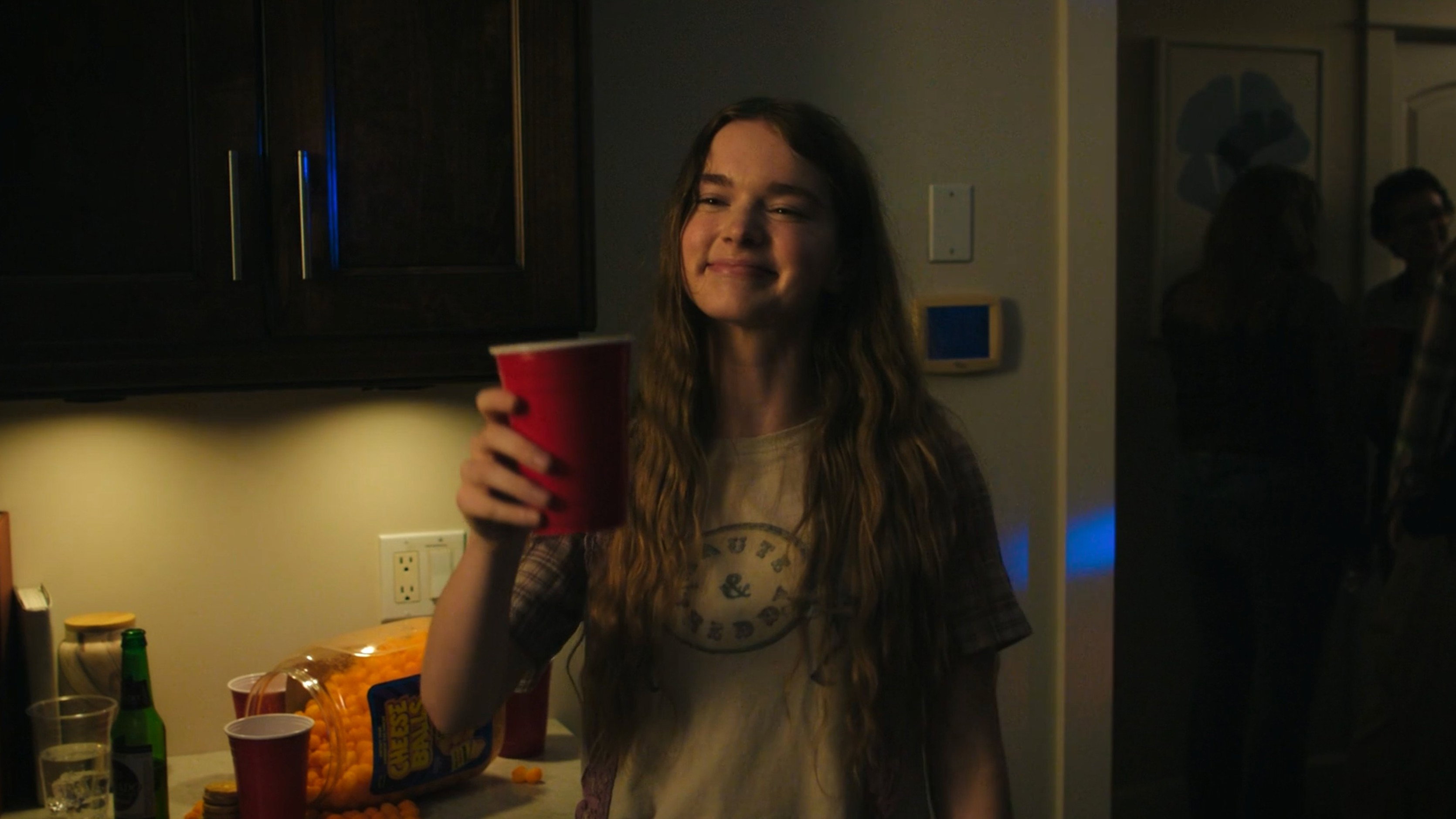
Howell’s Carrie enters high school with the vulnerability of someone who has spent most of her life within a restricted household. Her confusion is not merely social awkwardness: she lacks the habits and information that might help another student recognize manipulation or seek support. Howell plays the character with curiosity alongside fear, allowing her discovery of ordinary friendships to matter before supernatural danger becomes dominant. Flanagan reportedly asked the young actor to approach the role without first modelling her performance on earlier screen versions. The result provides a different emotional centre from performances shaped by the memory of Sissy Spacek or the visual conventions of the 1976 film.
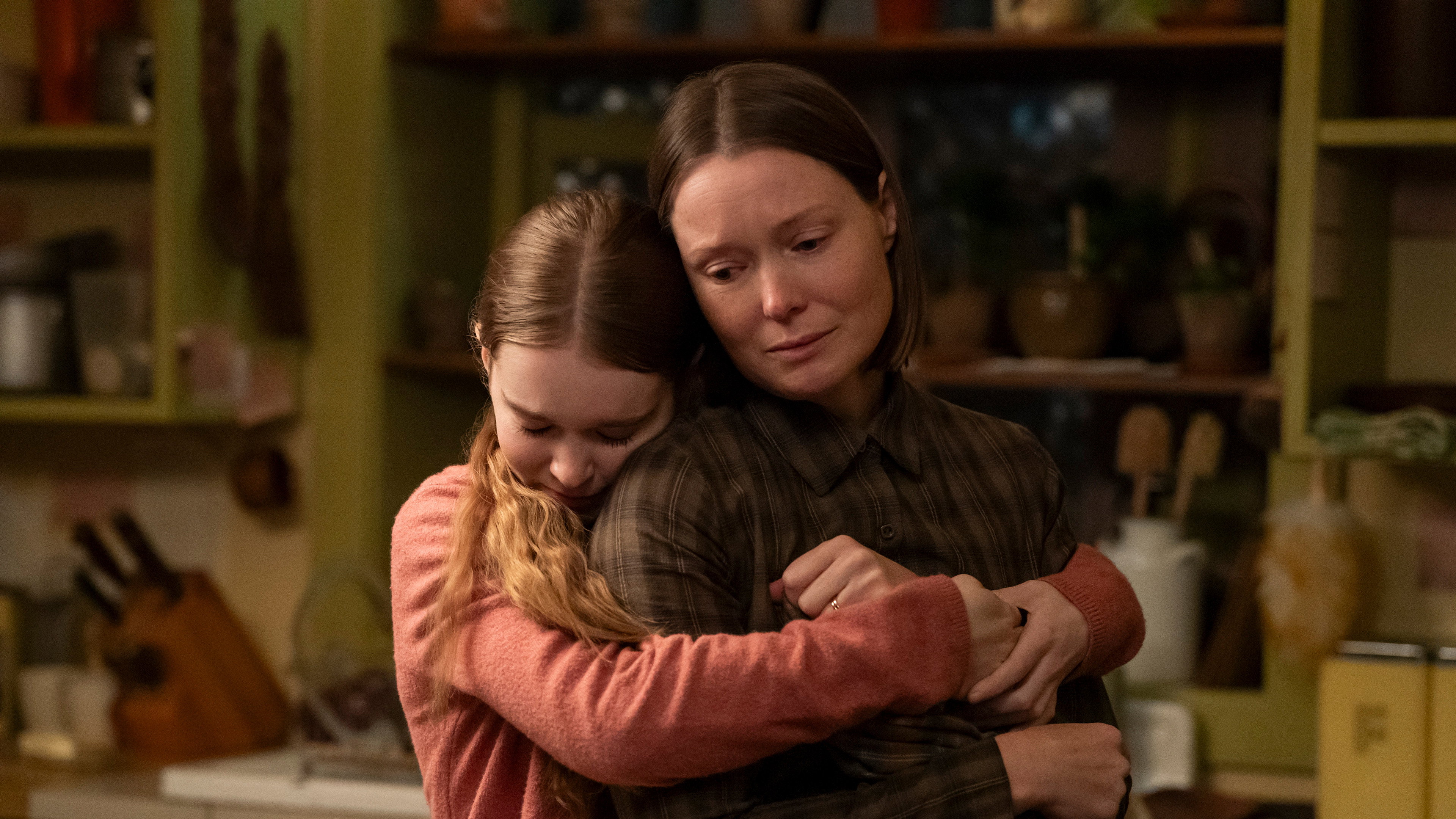
Sloyan’s Margaret White uses religious certainty and maternal authority to define the world outside the home as threatening. She is harsh and controlling, but the series also examines the fear through which she understands her actions. Howell and Sloyan described rehearsing their shared relationship extensively, concentrating on the contradictory presence of affection within coercive behaviour. Margaret’s entry into online discourse further complicates the household’s isolation: the same public networks she fears become a means of validating her beliefs. Her experience does not excuse the harm she inflicts, but it gives the family conflict more dimensions than a simple opposition between a frightened girl and an incomprehensible parent.
The relationship becomes the series’ most intimate source of horror. Carrie’s growing independence appears to Margaret as evidence of danger, while attempts to suppress that independence create further distress. Supernatural power makes the conflict tangible but does not originate its underlying violence. The story gives Carrie a frightening capacity to act, yet her central problem remains the difficulty of deciding whom to trust after living under one person’s absolute authority.
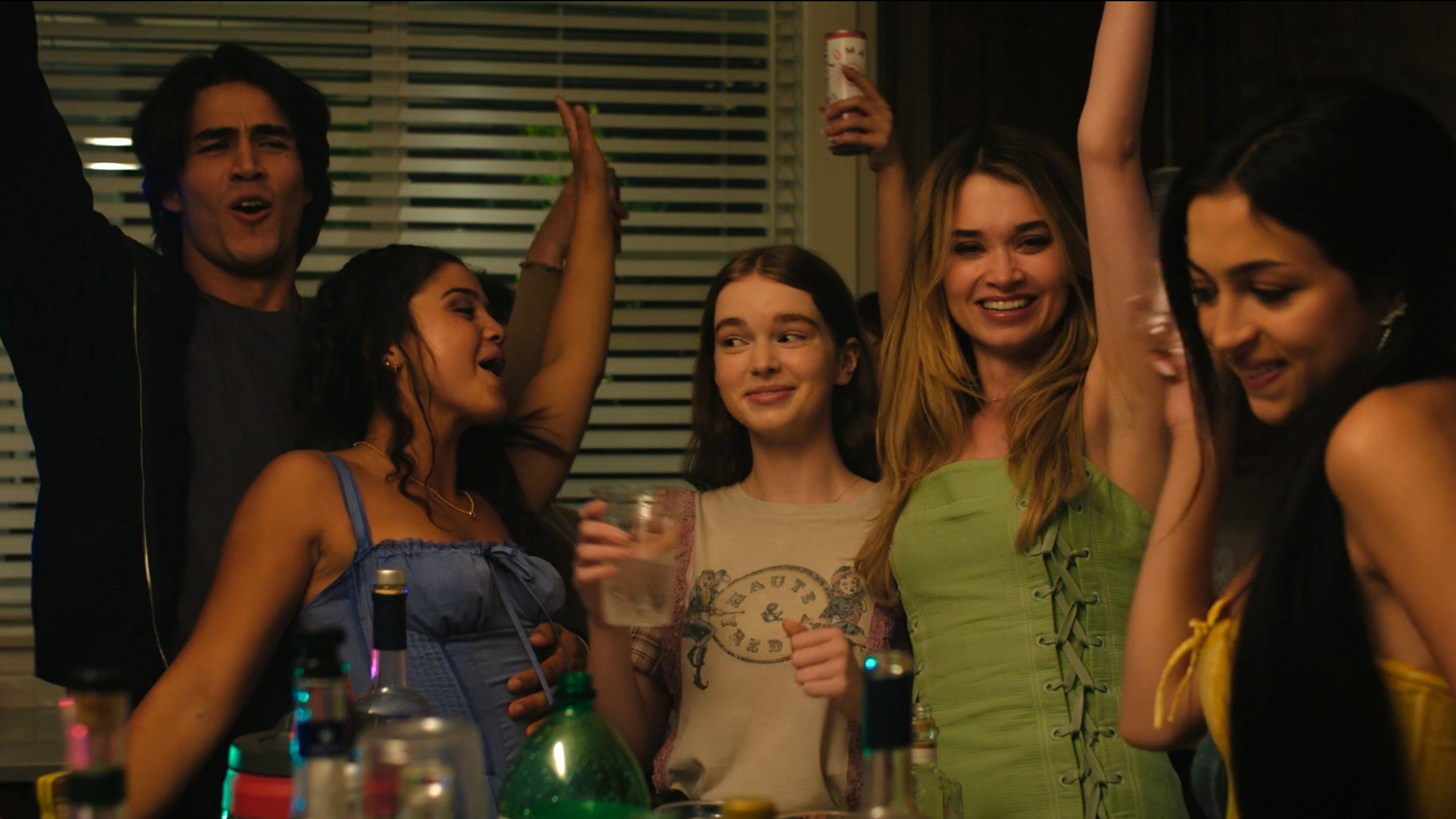
The school community includes Sue Snell, played by Siena Agudong, Chris Hargensen, played by Alison Thornton, Tommy Ross, played by Joel Oulette, and Billy Nolan, played by Arthur Conti. Their positions in the familiar Carrie narrative remain recognizable, but the eight-episode structure provides more time for relationships among the students and for the consequences of their actions. Sue’s efforts to repair an earlier wrong and Chris’s sustained aggression occupy different moral positions, even when neither girl can fully control how the school responds. Their choices are made in an environment where private humiliation can become entertainment for people who were not present at the original incident.
An anonymous account called CarrieRed_ turns gossip and footage into an expanding source of conflict. Its capacity to implicate students and adults means that social harm can continue after a face-to-face confrontation has ended. The account also makes spectatorship part of the story: students who claim not to be directly involved may still watch, forward and comment. Flanagan drew on a real controversy involving a school community damaged by an Instagram harassment account, but the events and characters in Carrie remain fictional. The distinction matters because the series uses a public technology to examine a broad pattern of behaviour, not to report a specific school scandal.
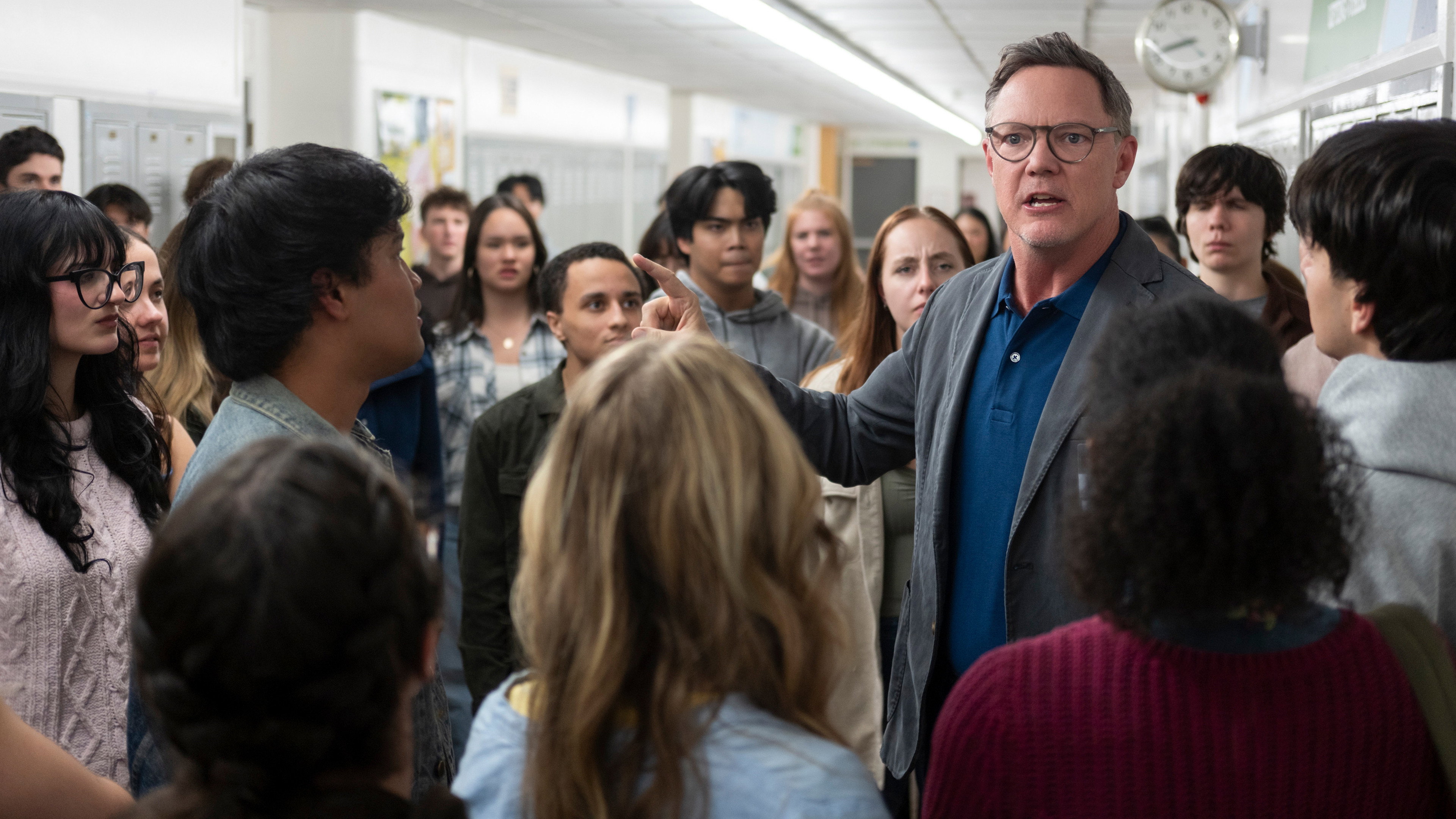
Amber Midthunder’s teacher Rita Desjardin, Matthew Lillard’s Principal Grayle and Tim Bagley’s school counsellor Morton represent different attempts to respond. Some adults recognize Carrie’s vulnerability, while others underestimate the spread of harassment or are drawn into its public arguments. Institutional authority does not guarantee effective protection. The premise extends King’s interest in collective cruelty into a setting in which teachers and parents can become participants in the same network of accusations as the students they are responsible for helping.
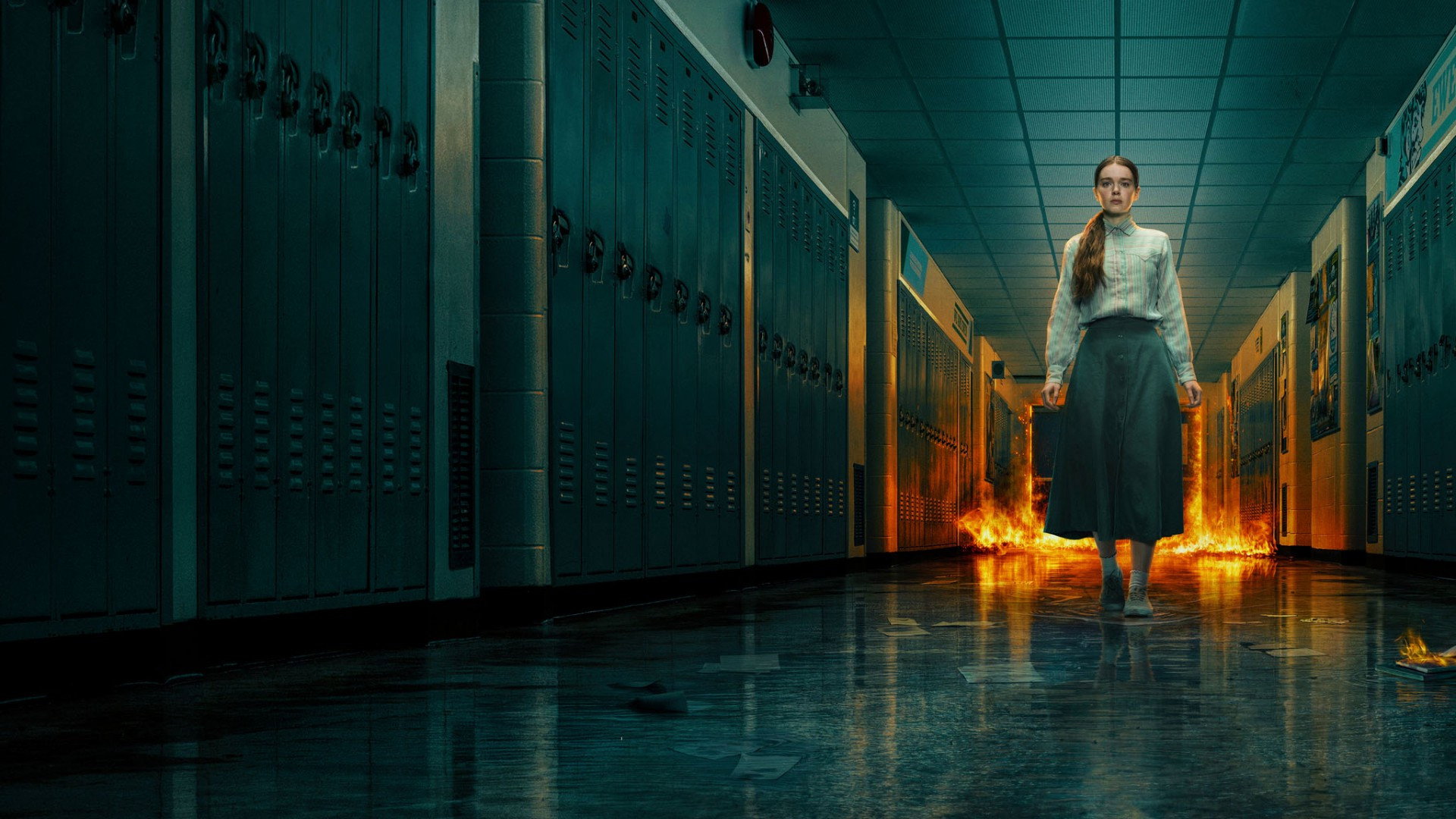
Carrie’s powers develop alongside her understanding of the world outside the family home. Objects respond to emotions she has little practice controlling, and the growing scale of those disturbances makes ordinary privacy harder to maintain. The series gives her opportunities to explore her abilities rather than reserving their full expression for one climactic outburst. This changes the meaning of telekinesis: it is both a risk that frightens others and a potential means of escaping conditions imposed on her. The balance between self-discovery and dangerous power remains unstable because the emotions driving her abilities are also shaped by bullying and isolation.
Thalia Dudek plays Emaline, who initially appears to offer the friendship Carrie needs. The character eventually proves to be connected to other women with extraordinary gifts, introducing the possibility that Carrie’s abilities belong to a history larger than her family. In an October 2026 interview with The Playlist, Flanagan explained that Emaline’s apparent physical presence was designed to conceal astral projection. Small details, including her limited interaction with objects and other people, function as clues before her role is disclosed. Her guidance can be comforting, but it also raises the possibility that Carrie is exchanging one source of control for another.
Flanagan connected this expanded mythology with suggestions of telekinetic inheritance in King’s fiction and with the larger fictional possibilities of exceptional human powers. The adaptation does not require viewers to assume that other King works share a literal on-screen continuity with this series. Its documented narrative choice is more specific: Carrie learns that she is not alone, and the people who can help her understand her abilities may have their own intentions. The idea creates horror through uncertainty about allegiance rather than through an entirely new class of visible monsters.
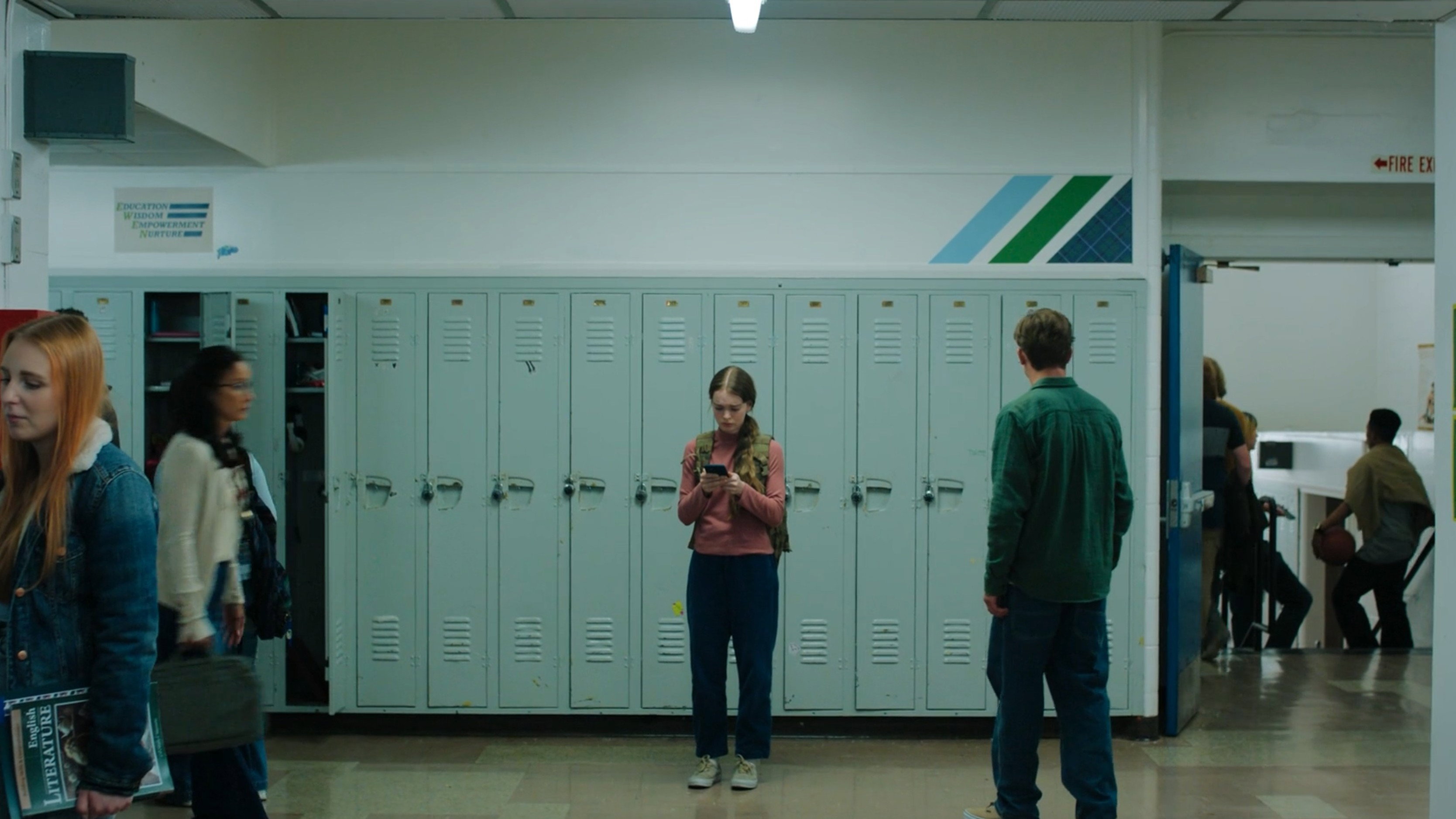
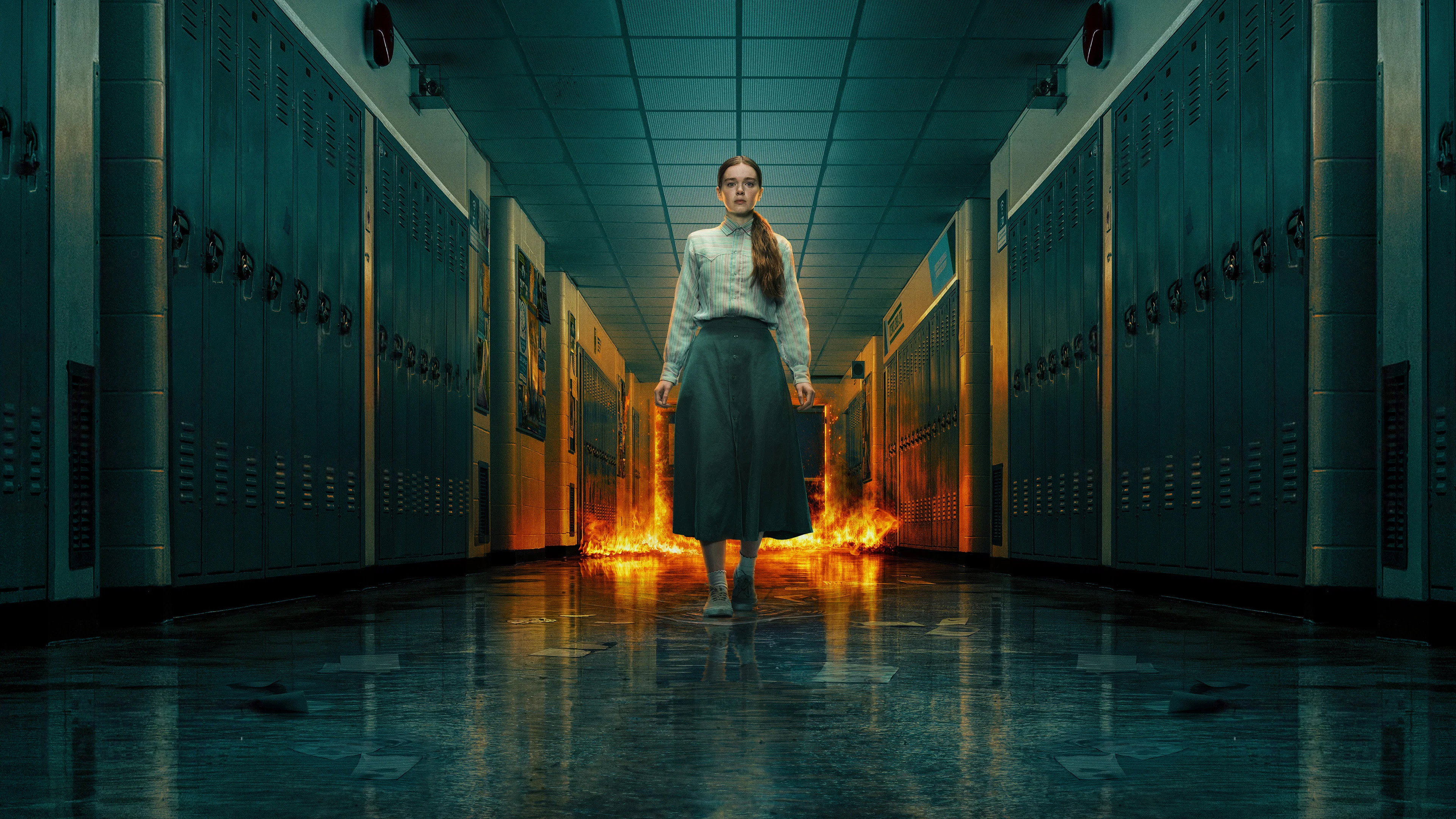
The production’s visual language has to accommodate a familiar Gothic household, a contemporary public school and scenes in which physical objects behave impossibly. Cinematographers credited on the series include Michael Fimognari and Michael Wale, while Tony Wohlgemuth is credited with production design. The White home remains a space of controlled movement and inherited religious imagery; the school is crowded with people and cameras whose attention Carrie cannot escape. Alternating between these environments gives the audience a sense of exposure that is both physical and social. A disturbing look or gesture can become a permanent digital record in a way that earlier versions of the story did not need to consider.
The score is credited to the Newton Brothers, Andrew Grush and Taylor Stewart, longtime collaborators with Flanagan. The series also incorporates contemporary songs, using music to connect Carrie with the emotions and cultural world of her peers. Richard Roeper’s review for RogerEbert.com singled out the use of tracks with female vocalists alongside the actors’ performances. Rather than attributing every musical moment to the composers, the series uses recorded music to shape adolescence and the unsettling contrast between ordinary pleasure and impending catastrophe.
Telekinetic events require visual effects, but the available published credits do not support a definitive division of every shot into practical and digital methods. What can be assessed from the completed series is the function of the disturbances: they interrupt otherwise recognizable rooms, corridors and social gatherings. Phones and shared recordings become another form of image-making whose consequences are often more difficult to reverse than a moving object. That contrast joins supernatural action to the more familiar horror of being observed without consent.
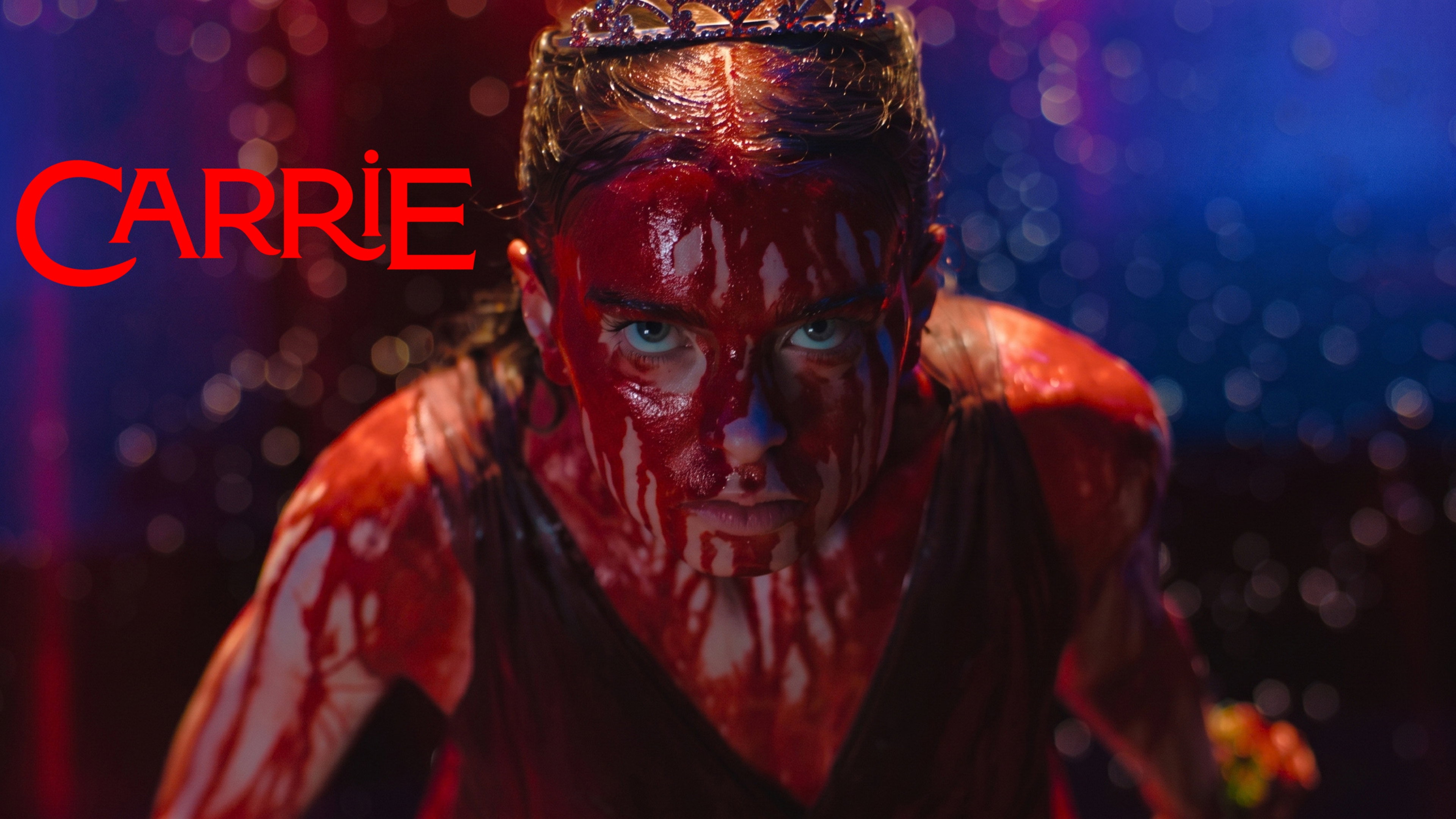
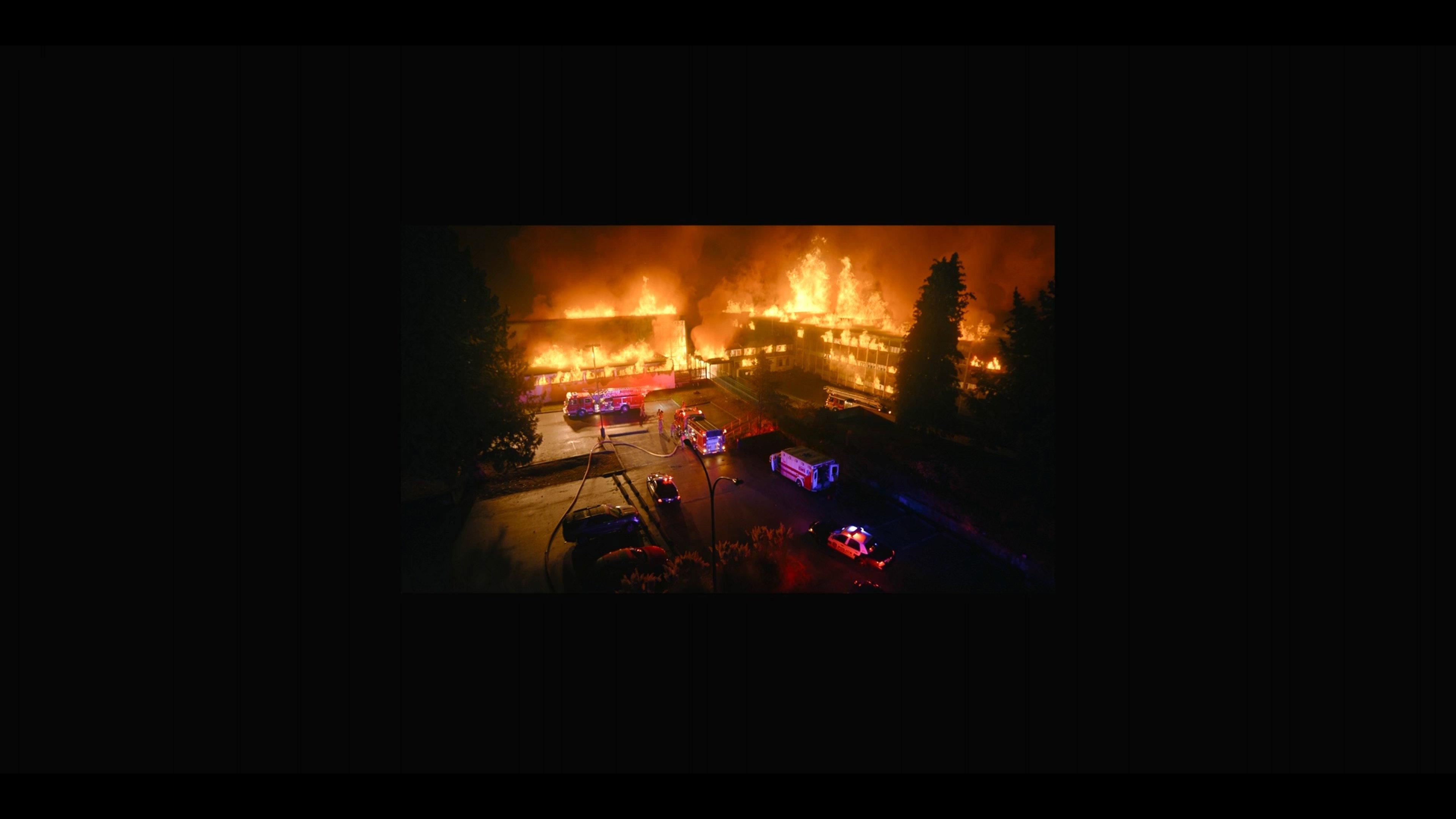
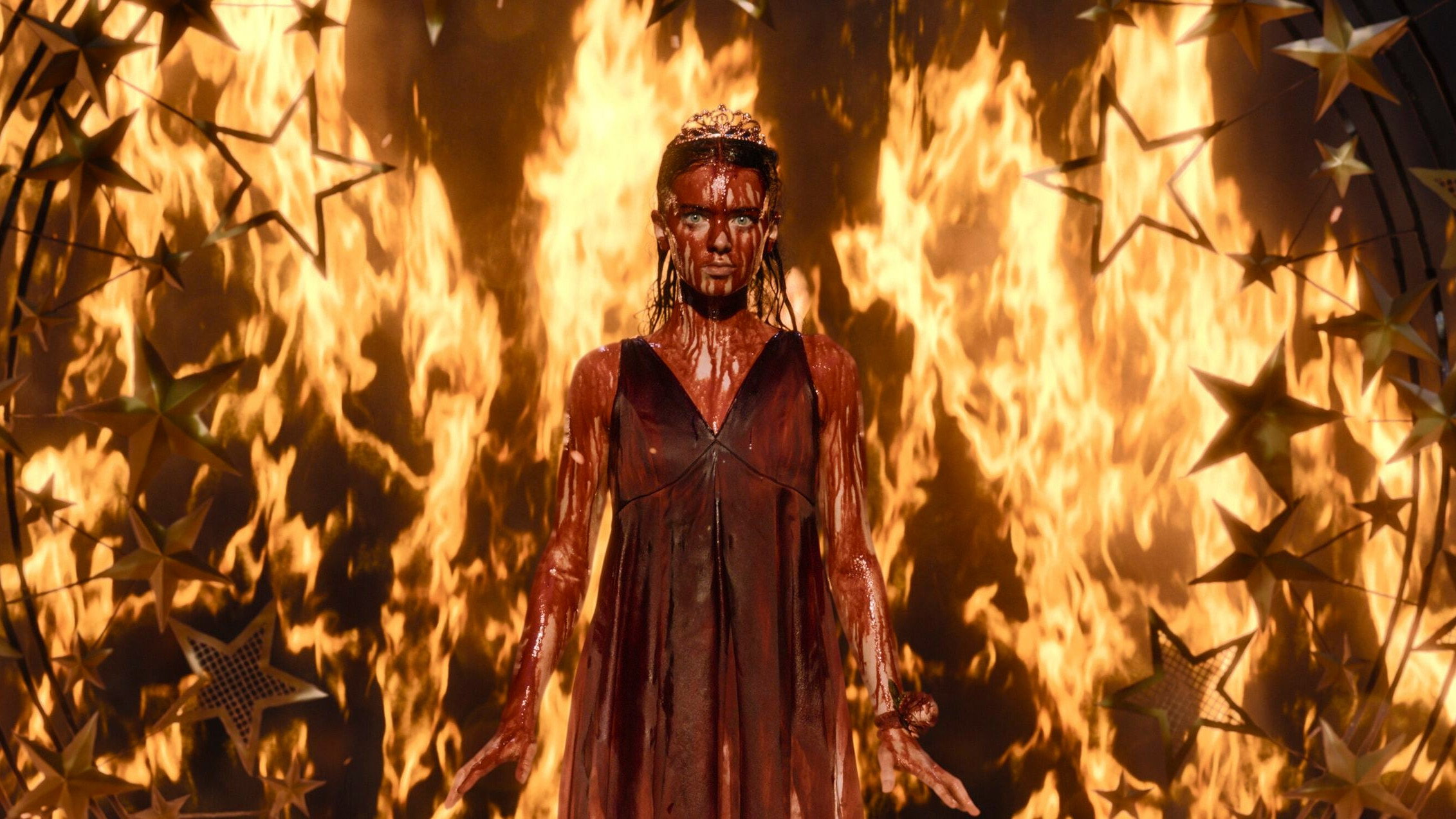
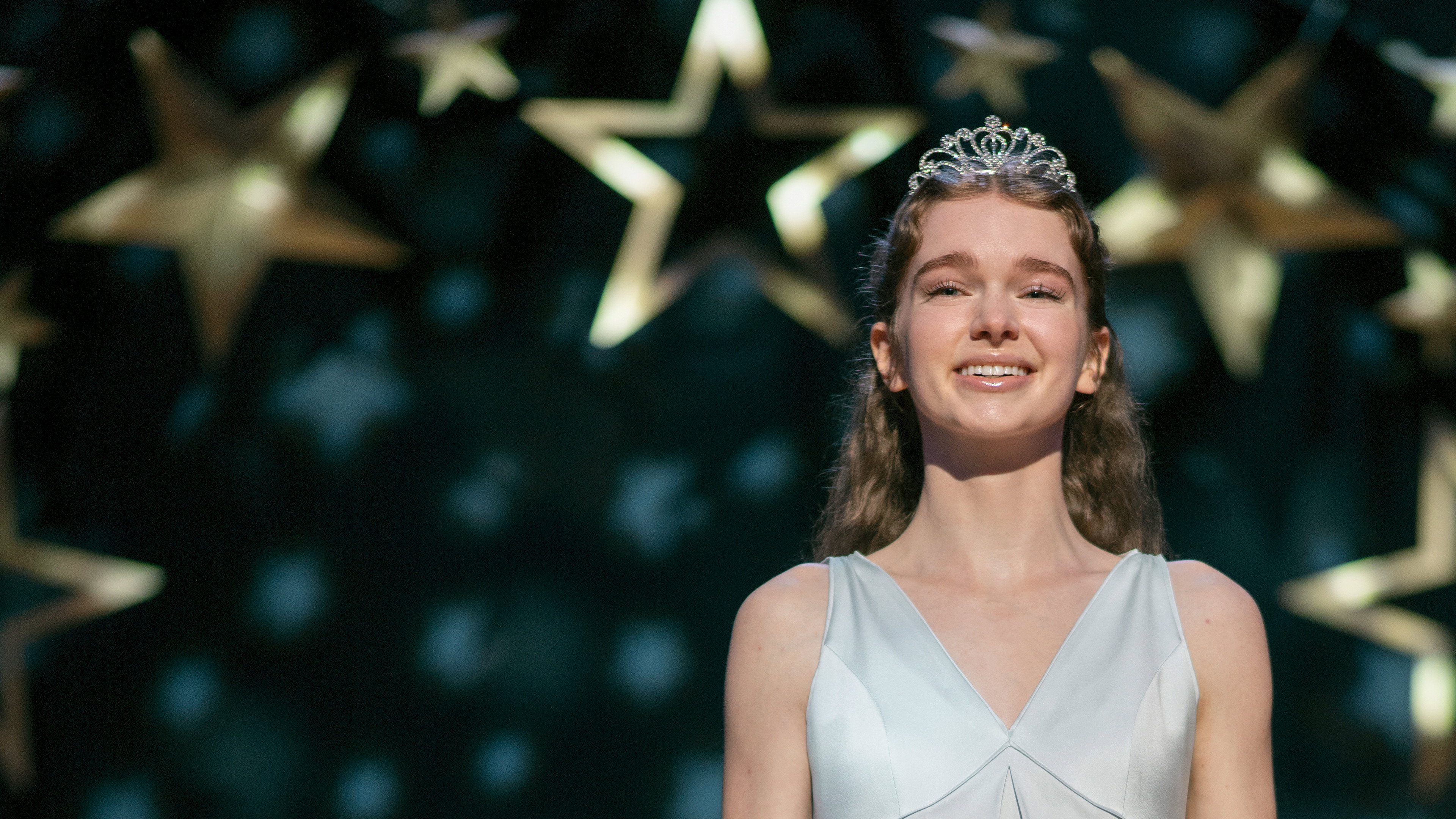
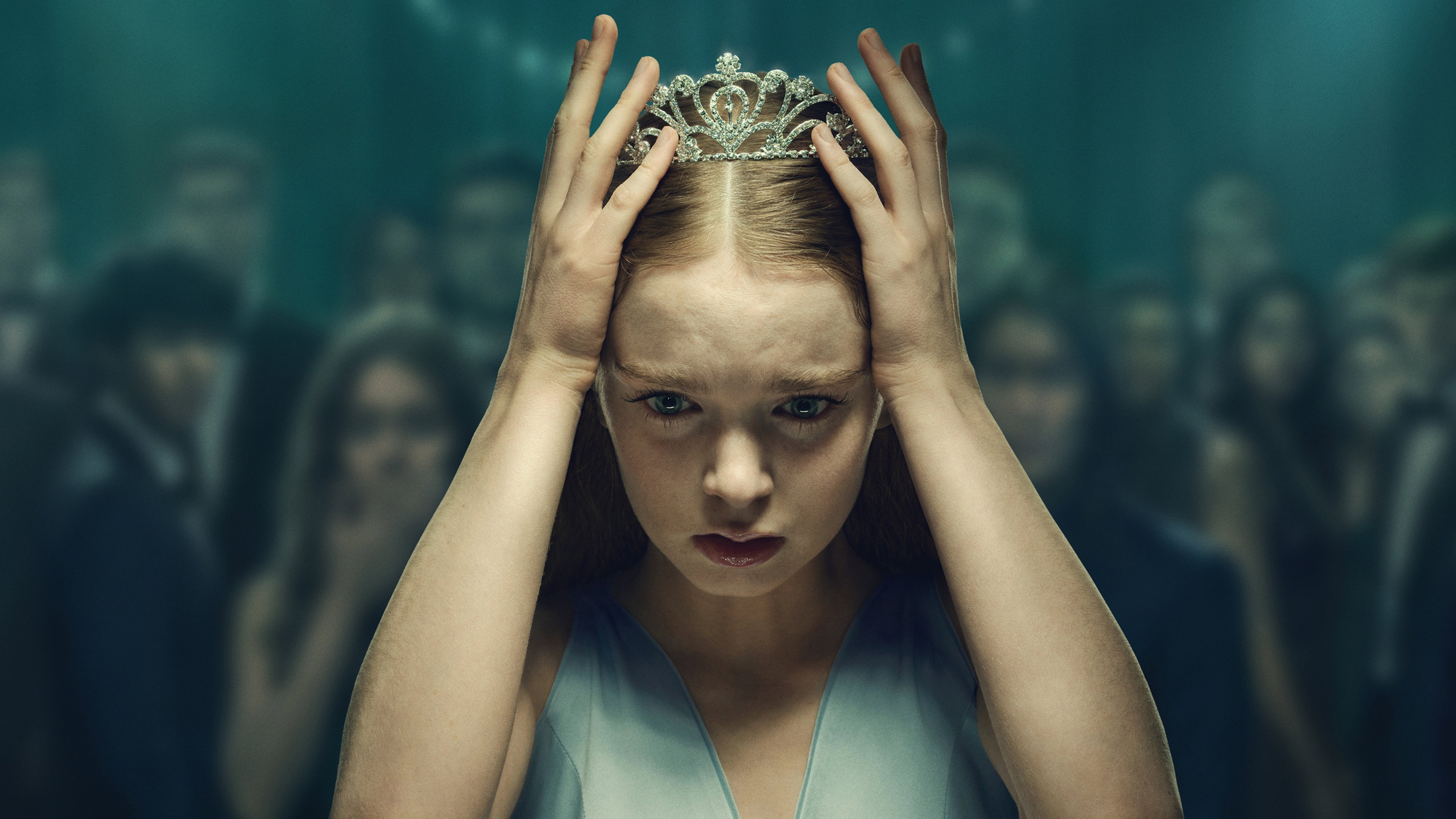
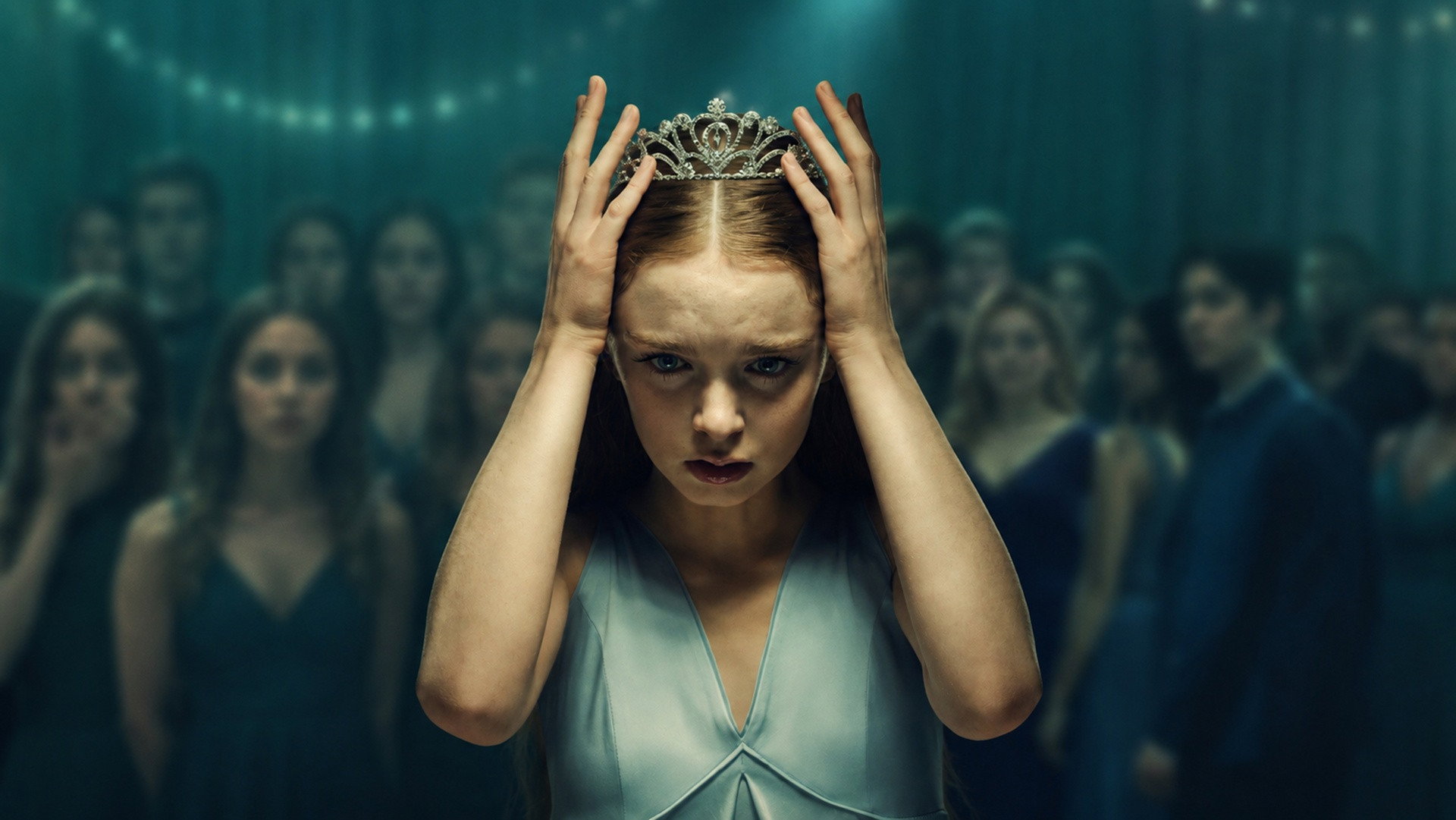
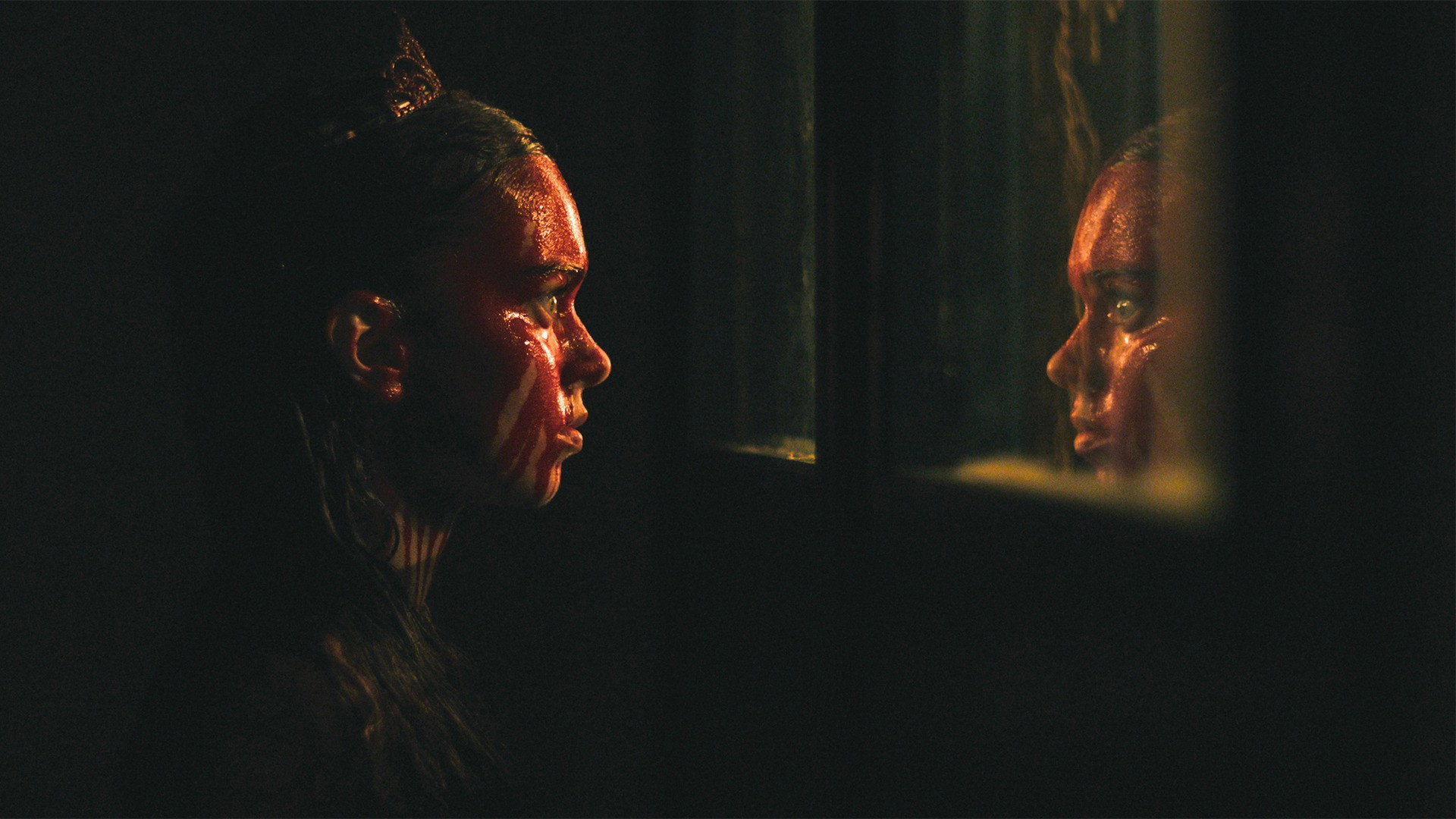
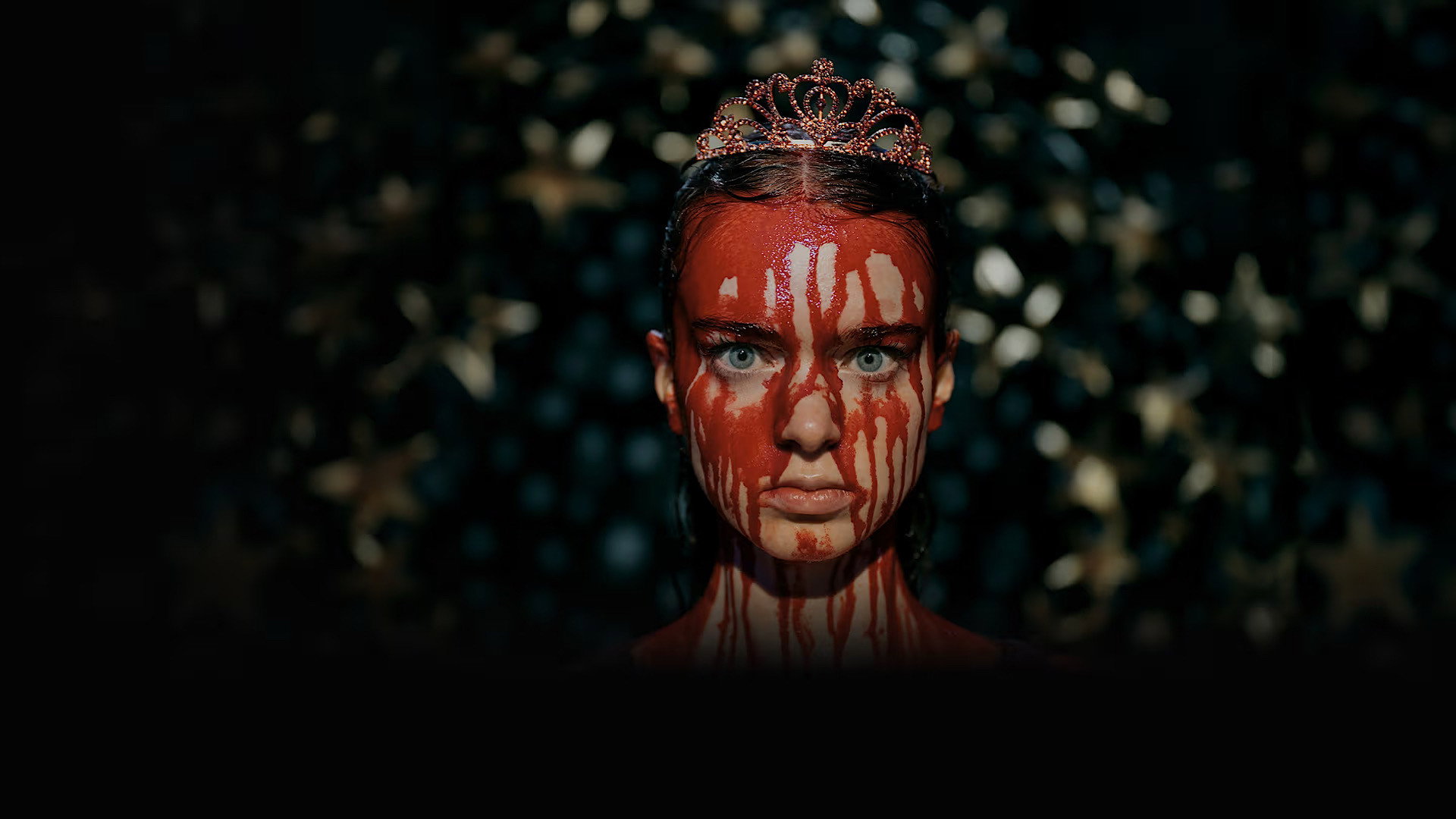
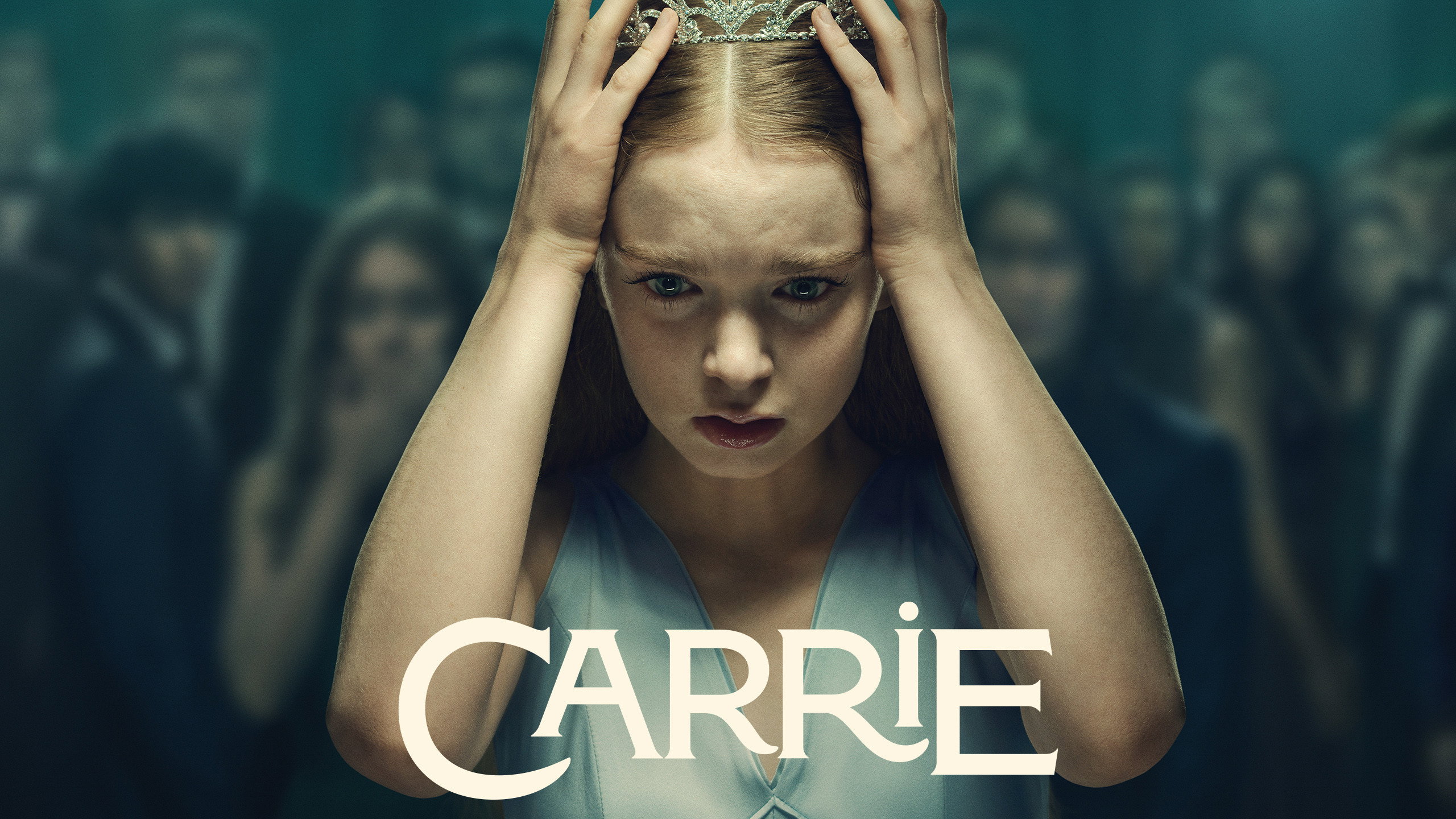
The prom returns as the central public ceremony in which Carrie briefly believes she might be accepted. The familiar humiliation involving blood survives, but the series makes the response of spectators especially important. Phones come out as the crisis begins, turning her suffering into material for another wave of recording and circulation. Howell later explained that Carrie’s recognition of this repeated betrayal was essential to the character’s loss of control. The catastrophe is therefore connected to a pattern already established in the school: moments that should remain intimate become objects of collective attention, and the crowd’s willingness to watch intensifies the original injury.
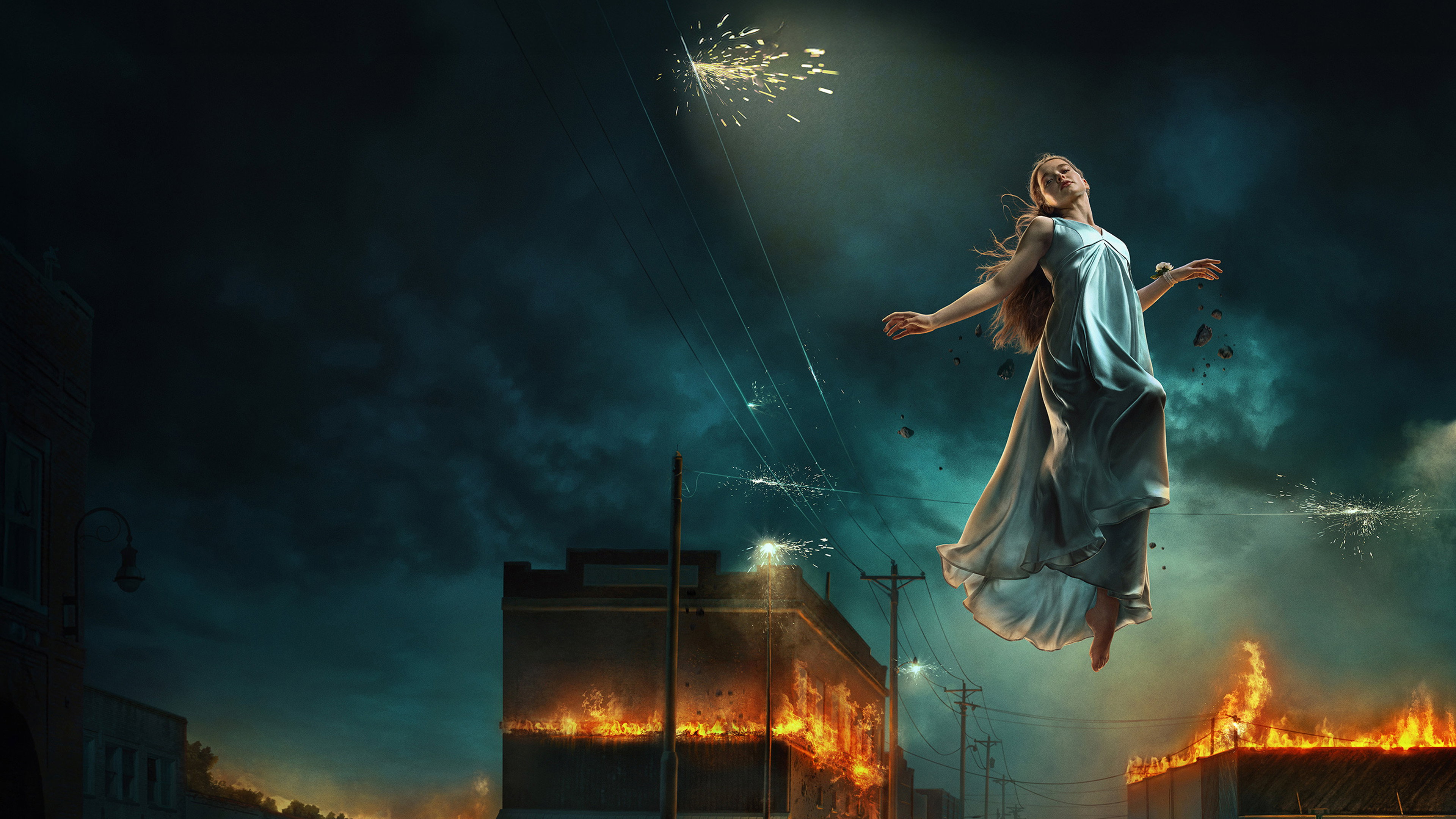
Emaline’s influence changes the nature of Carrie’s responsibility during the destruction. The finale gives another gifted character a role in the violence while leaving Carrie aware of what is happening. It avoids making the protagonist either a wholly passive instrument or a person who commits every act through a single uninterrupted decision. The series also reworks the confrontation at the White home. Margaret’s attempt to kill her daughter does not produce the ending familiar from the novel and earlier films; Carrie survives and moves toward an uncertain life beyond the town. This is a fundamental alteration of the narrative, not an alternate cut of an older adaptation.
Flanagan defended the decision in an interview published on 9 October 2026. He wanted Carrie to live long enough to discover whether she could become something other than the identity imposed on her by fear and persecution. The conclusion makes further storytelling possible, but it also changes the tragic closure of King’s novel. That trade-off became part of the critical discussion. The first season leaves open whether survival will lead toward independence or another form of manipulation, without establishing that any specific future season has already been completed.
All eight episodes premiered on Prime Video on 7 October 2026, following publicity and festival screenings earlier in the year. The platform’s programme listing confirms their titles and approximately fifty-minute durations, with local certification varying by territory. Flanagan directed four episodes and shared the season’s directorial work with Kate Siegel, Axelle Carolyn, Kyra Sedgwick and Hiromi Kamata. The project belongs to Amazon MGM Studios’ television output, not to a revival of the 2002 NBC movie. Its adaptation history is linked to King’s novel but its expanded characters and ending give it a separate continuity.
Contemporary critics praised the performances of Howell and Sloyan while differing about the length and the added mythology. In his 6 October review for RogerEbert.com, Richard Roeper responded favourably to the emotional development and the relevance of social media, describing a series in which the characters’ relationships were at least as compelling as the supernatural shocks. Other reviewers found that the season’s expanded subplots sometimes weakened the concentrated terror of the original premise, and that the new ending shifted attention toward possible continuation. These are assessments of the first released season rather than a settled judgment about its eventual place in television history.
De Palma built a compact theatrical tragedy around visual escalation, while the 2002 television movie also experimented with leaving Carrie alive. Flanagan’s series gives greater space to the daily workings of bullying, religious control and social observation, and builds a larger supernatural community around its protagonist. Its significance as of its first release lies in that reorganization of an established horror story for contemporary television; future seasons, if produced, would require separate historical assessment.
Author-controlled production listing confirming release date, casting, executive producers and directors for each of the eight episodes.
Official streaming listing confirming the eight named episodes, initial platform release and the main premise and cast.
October 2026 reporting and firsthand interviews with Mike Flanagan, Stephen King, Summer H. Howell and Samantha Sloyan about the adaptation’s development, cyberbullying and family dynamics.
Detailed October 2026 filmmaker interview documenting the new Emaline mythology, the changed ending, creative influences and the distinction between potential and commissioned continuation.
Contemporary 6 October 2026 assessment of performances, added characters, school violence, musical choices and the expanded television treatment.
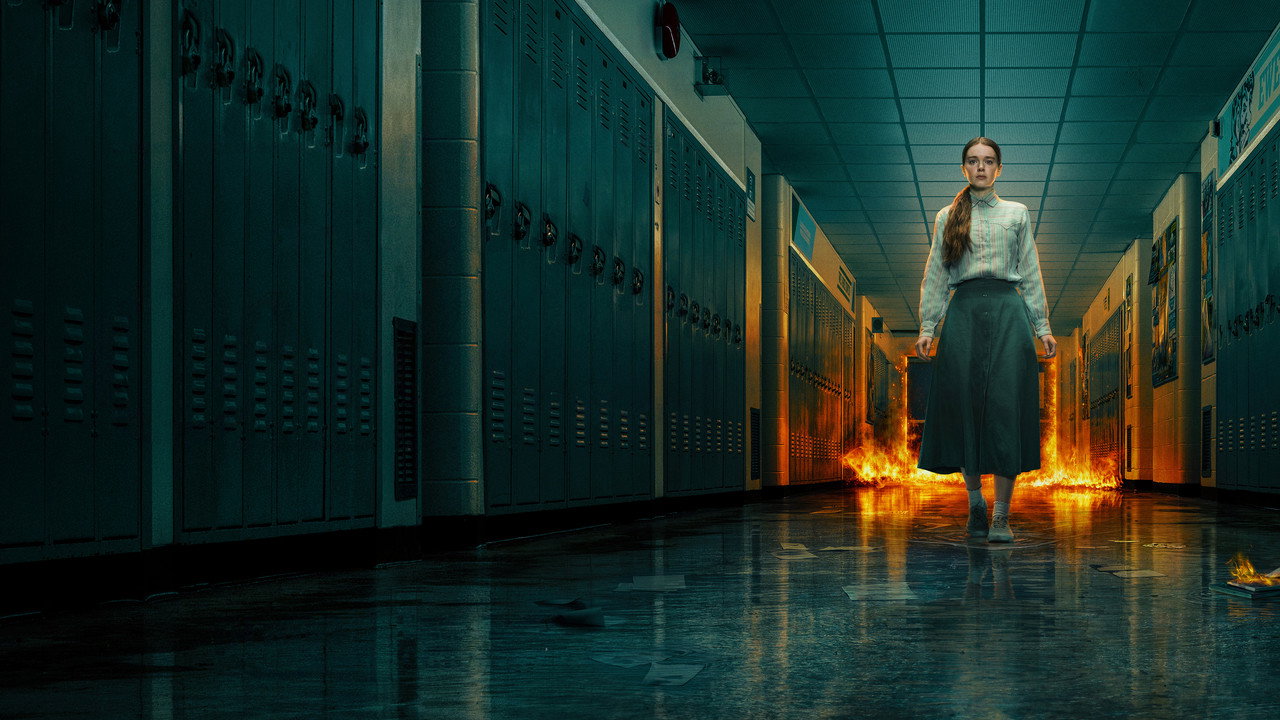
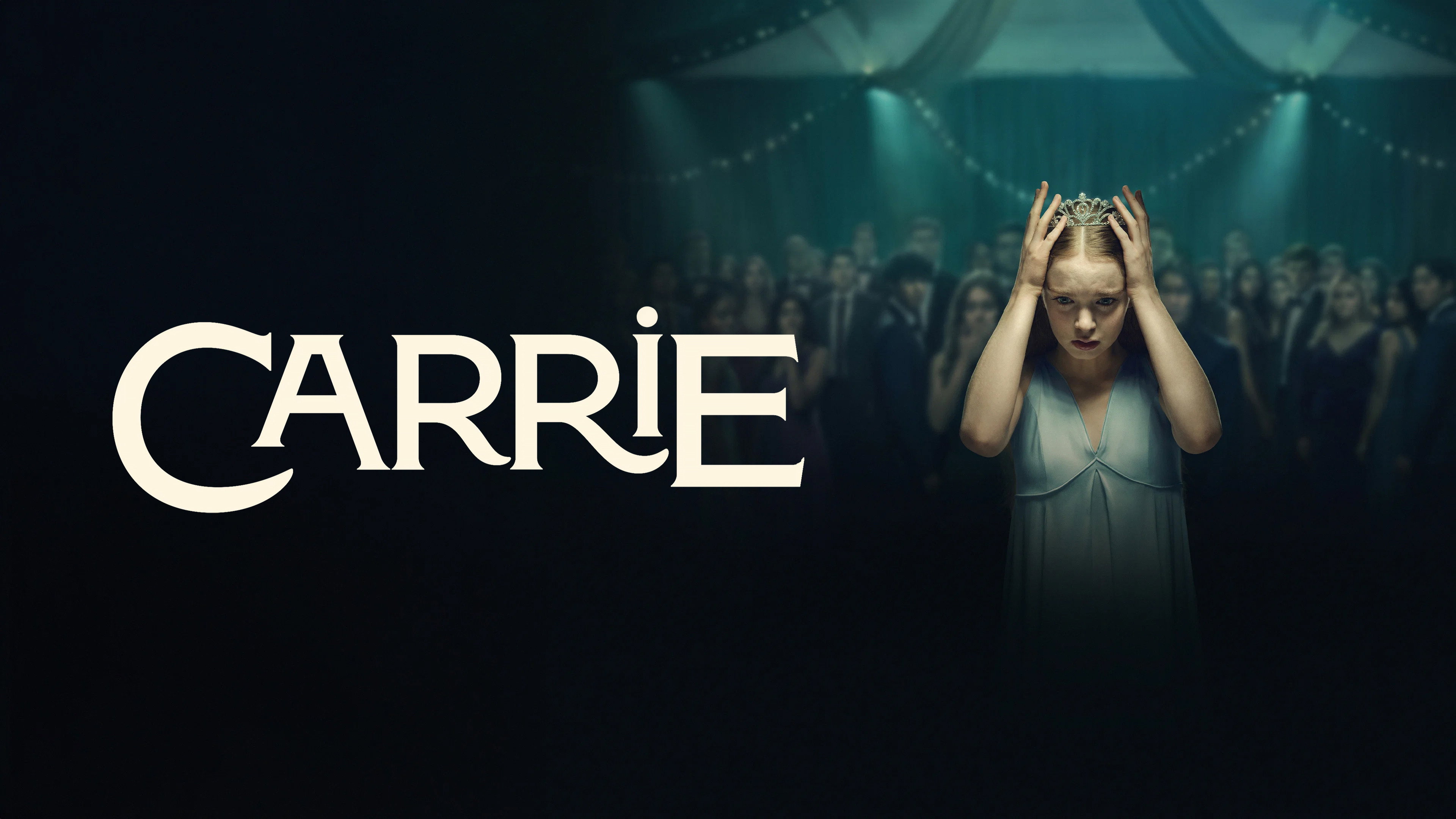
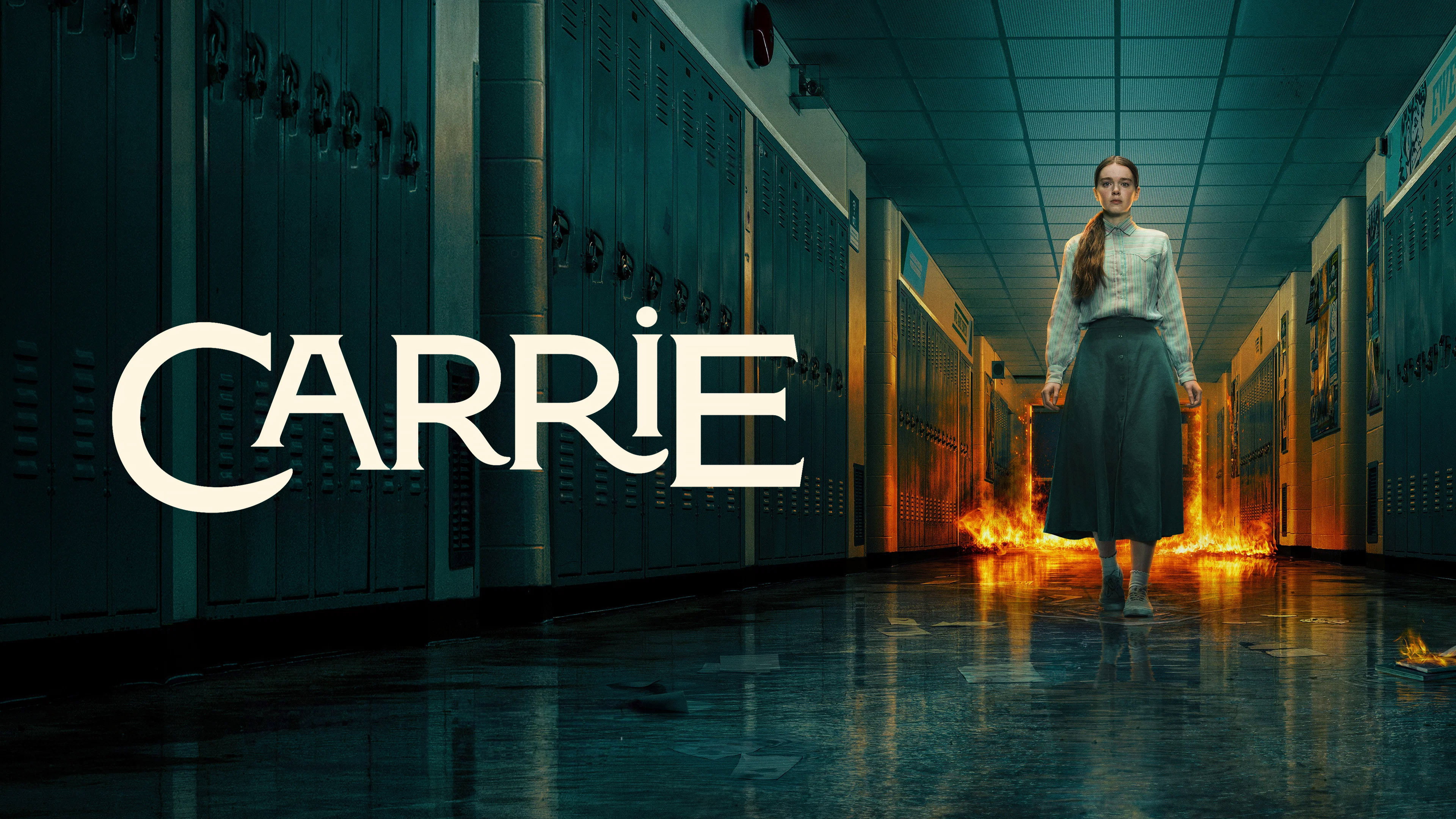
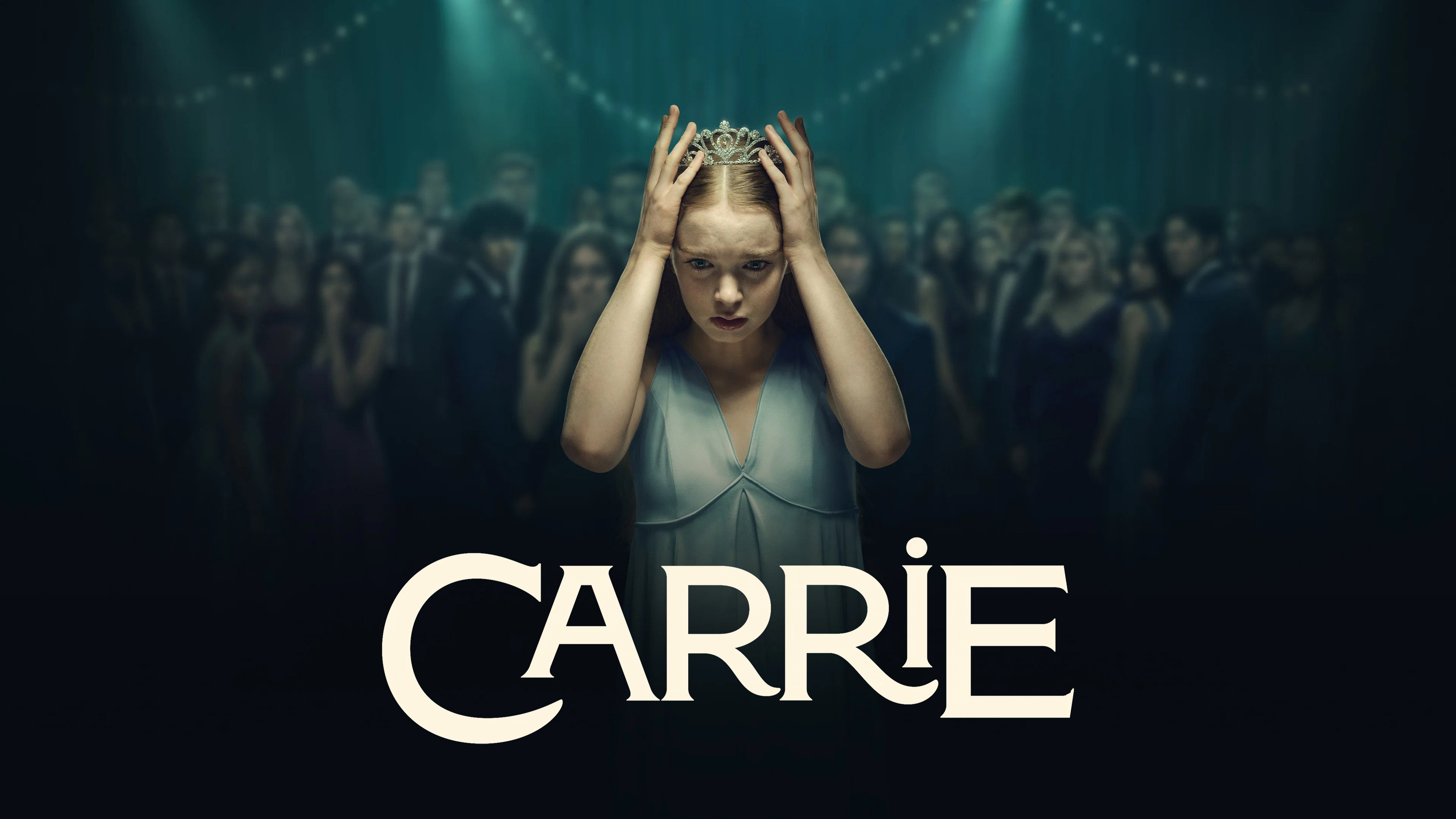
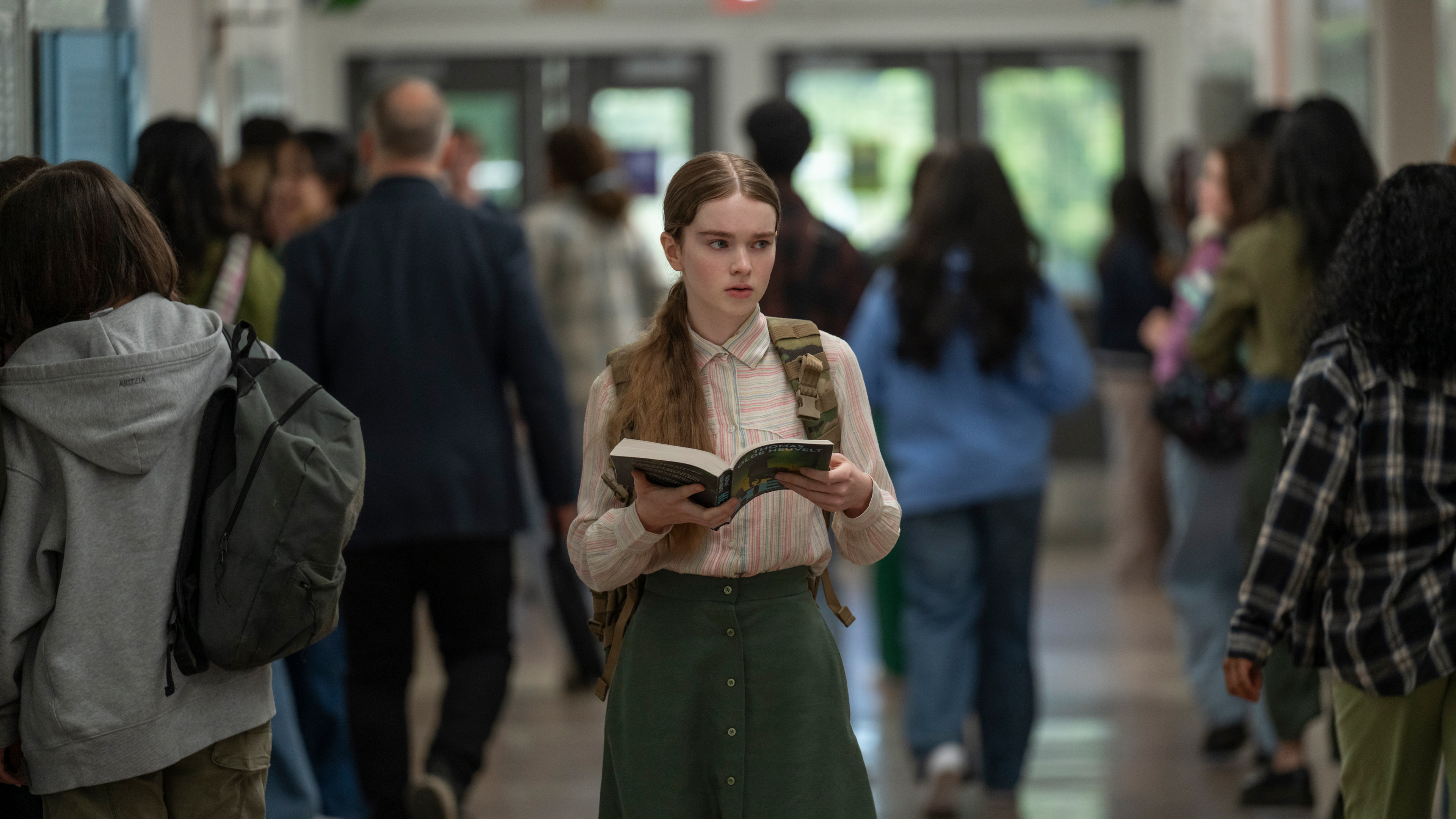
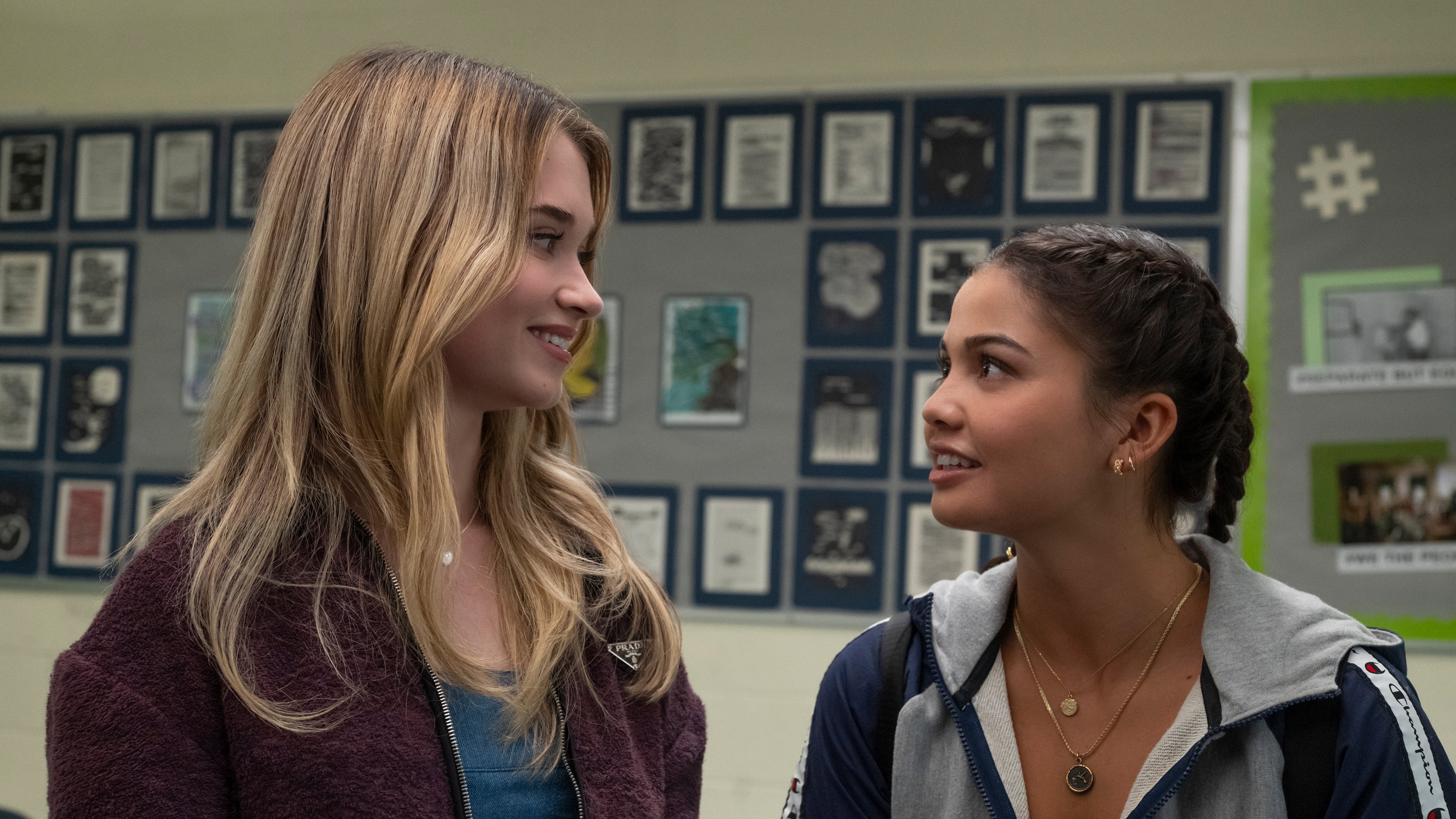
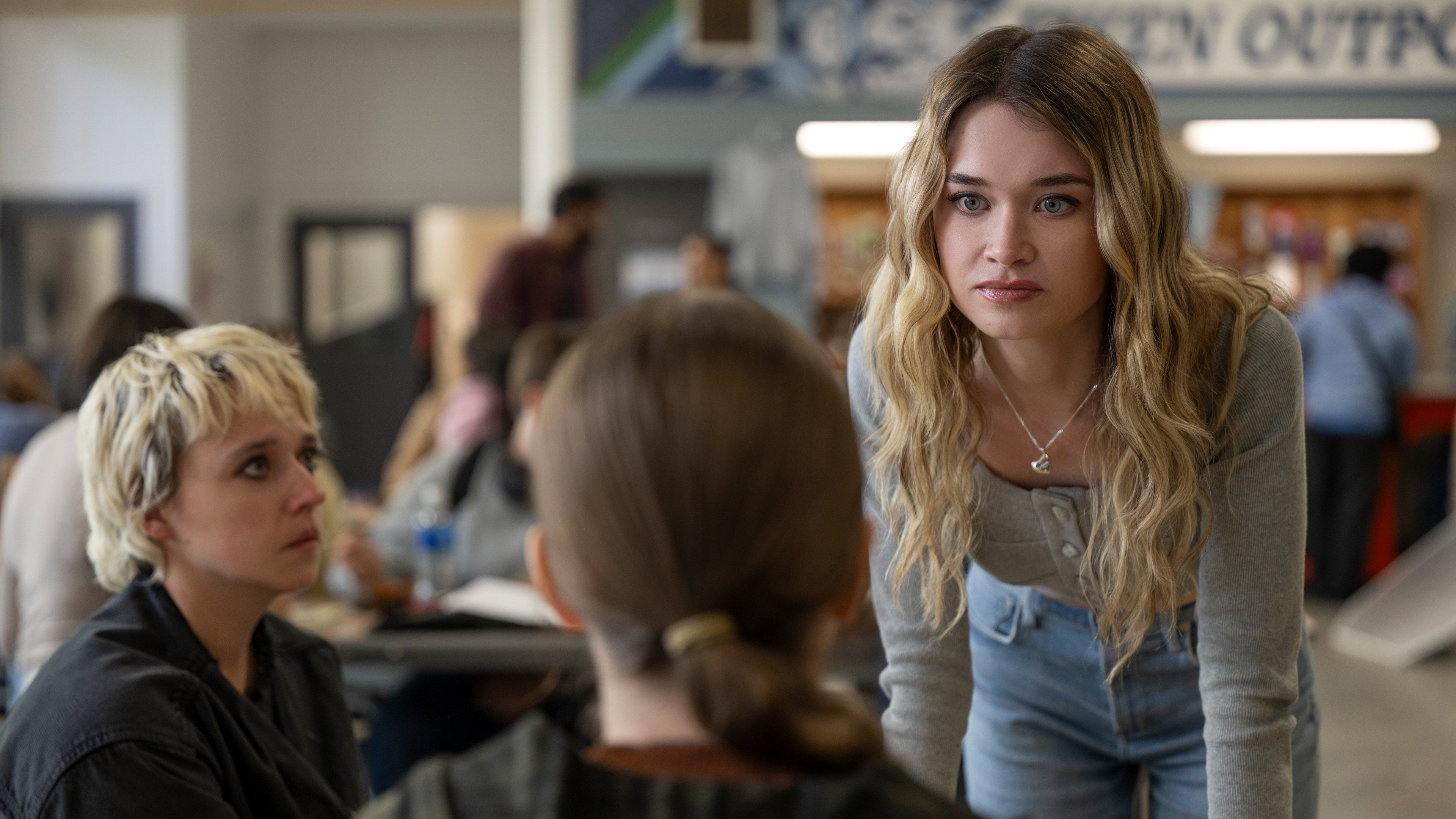
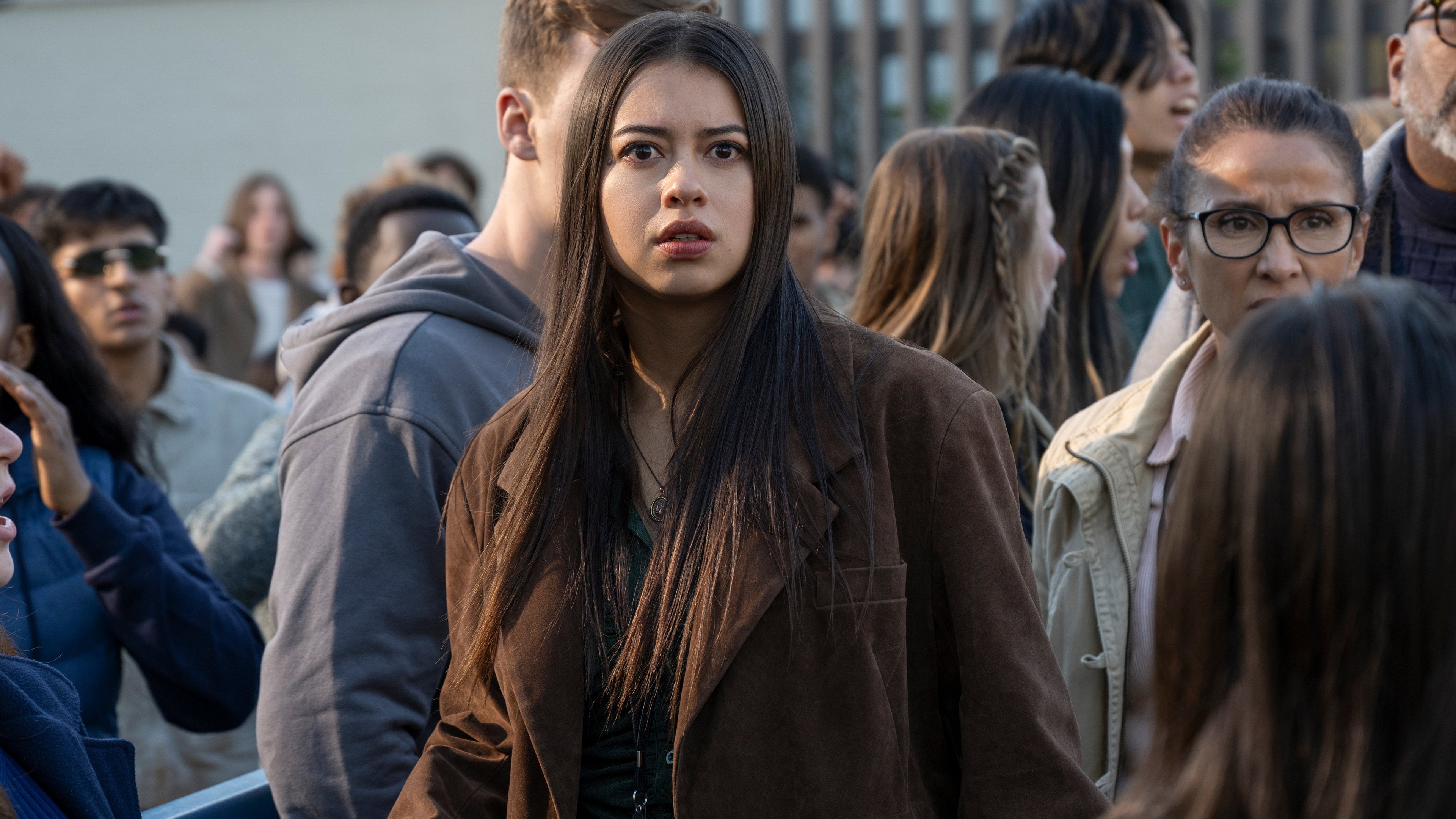
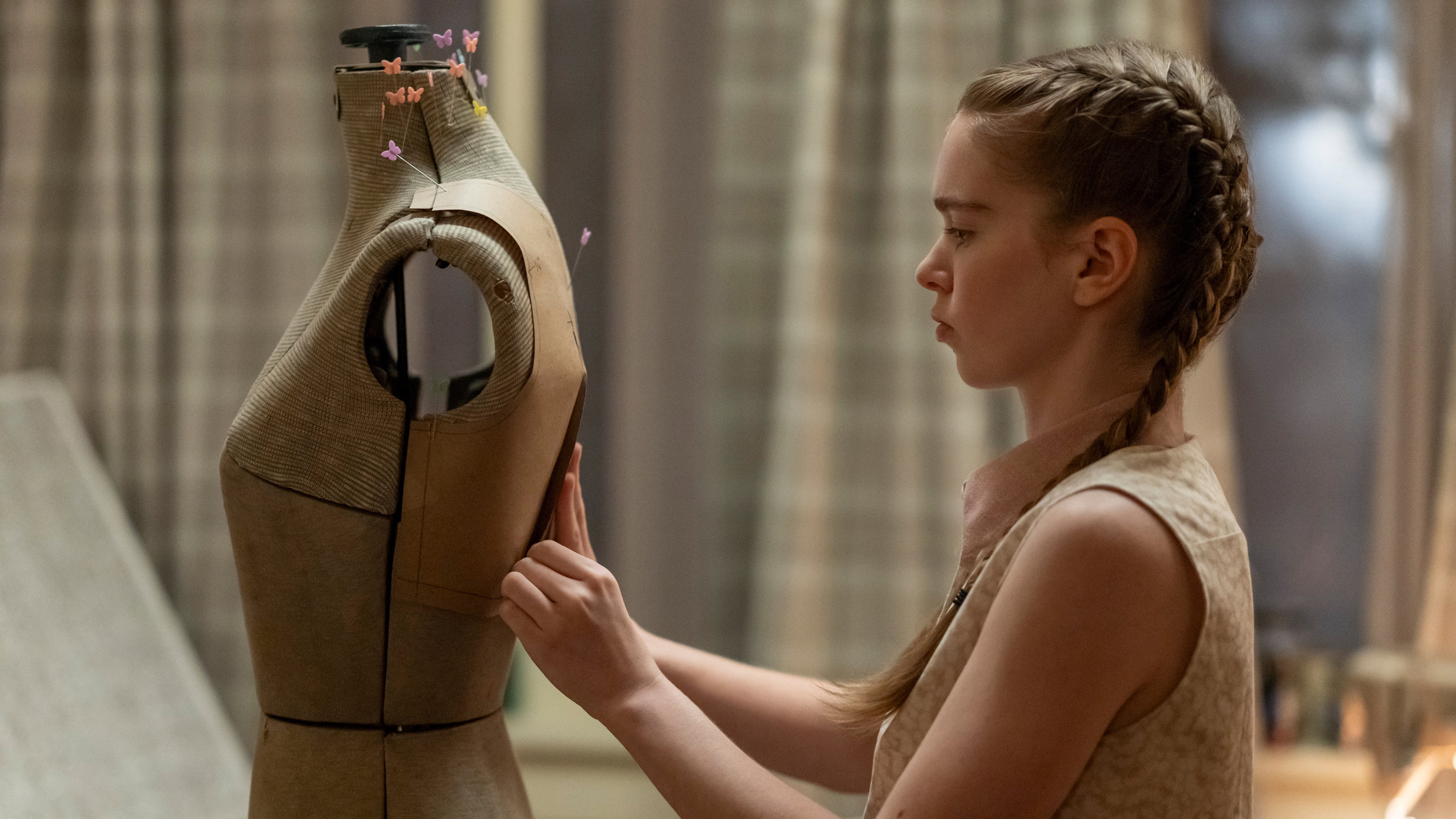
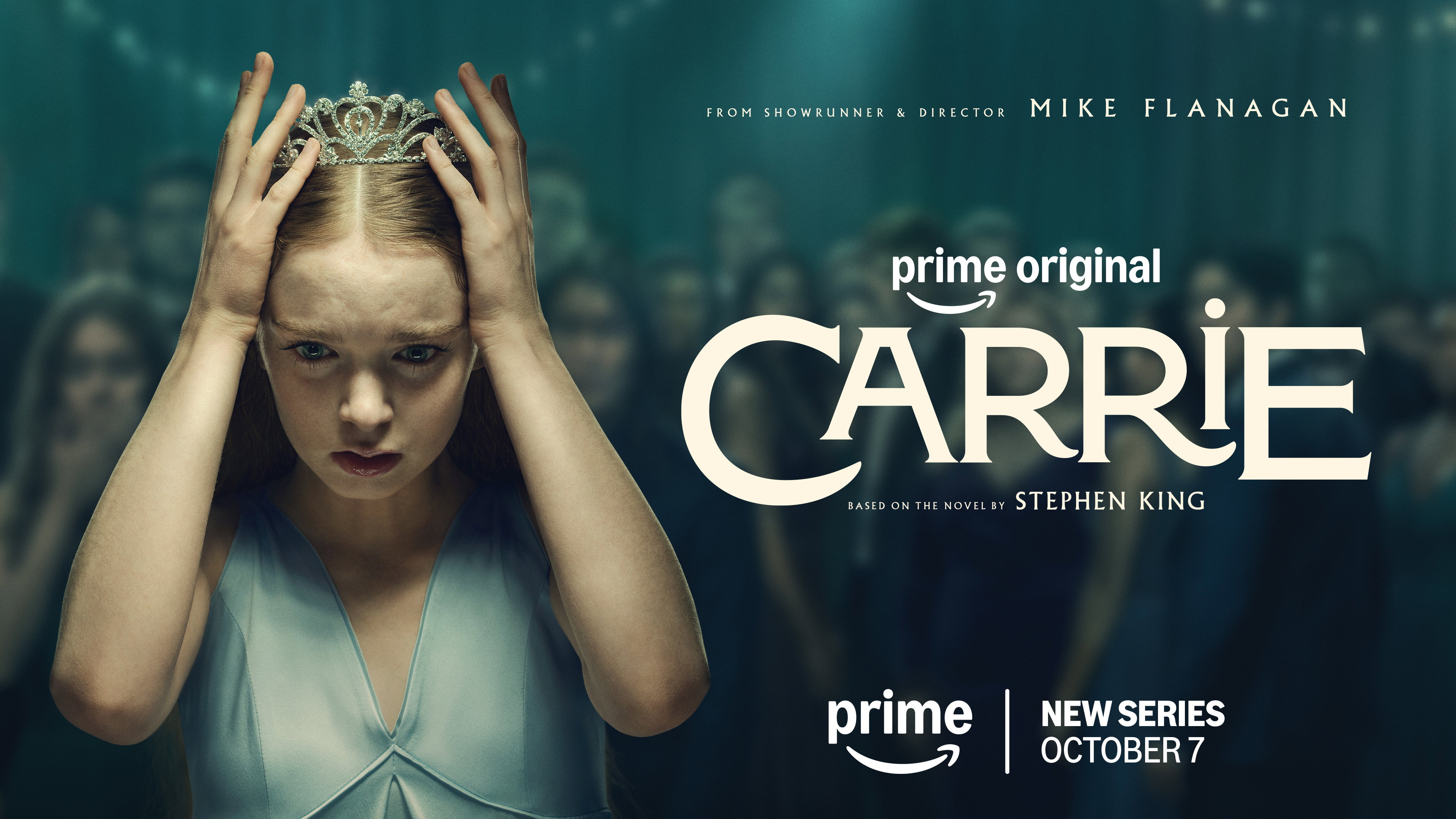
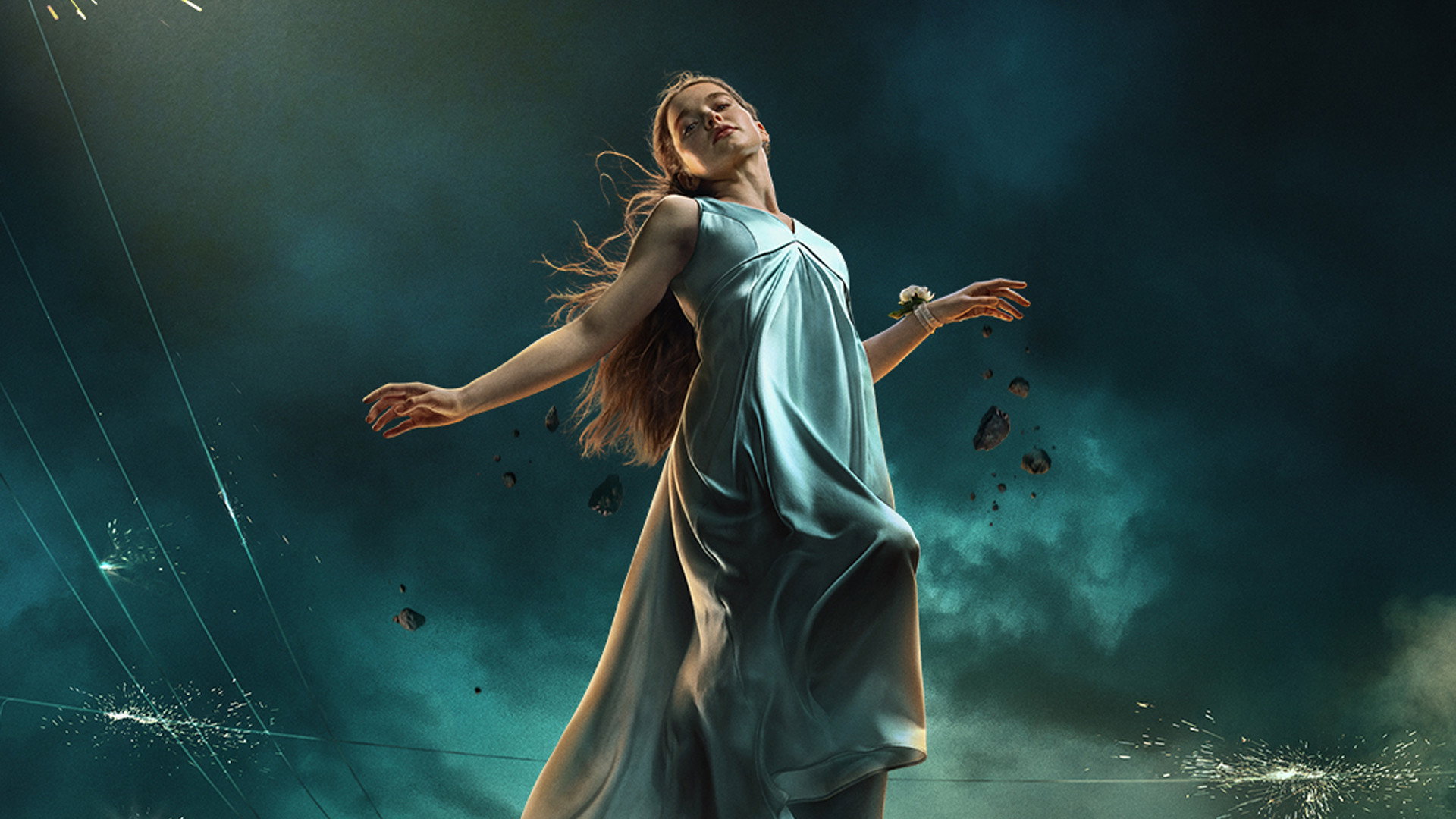
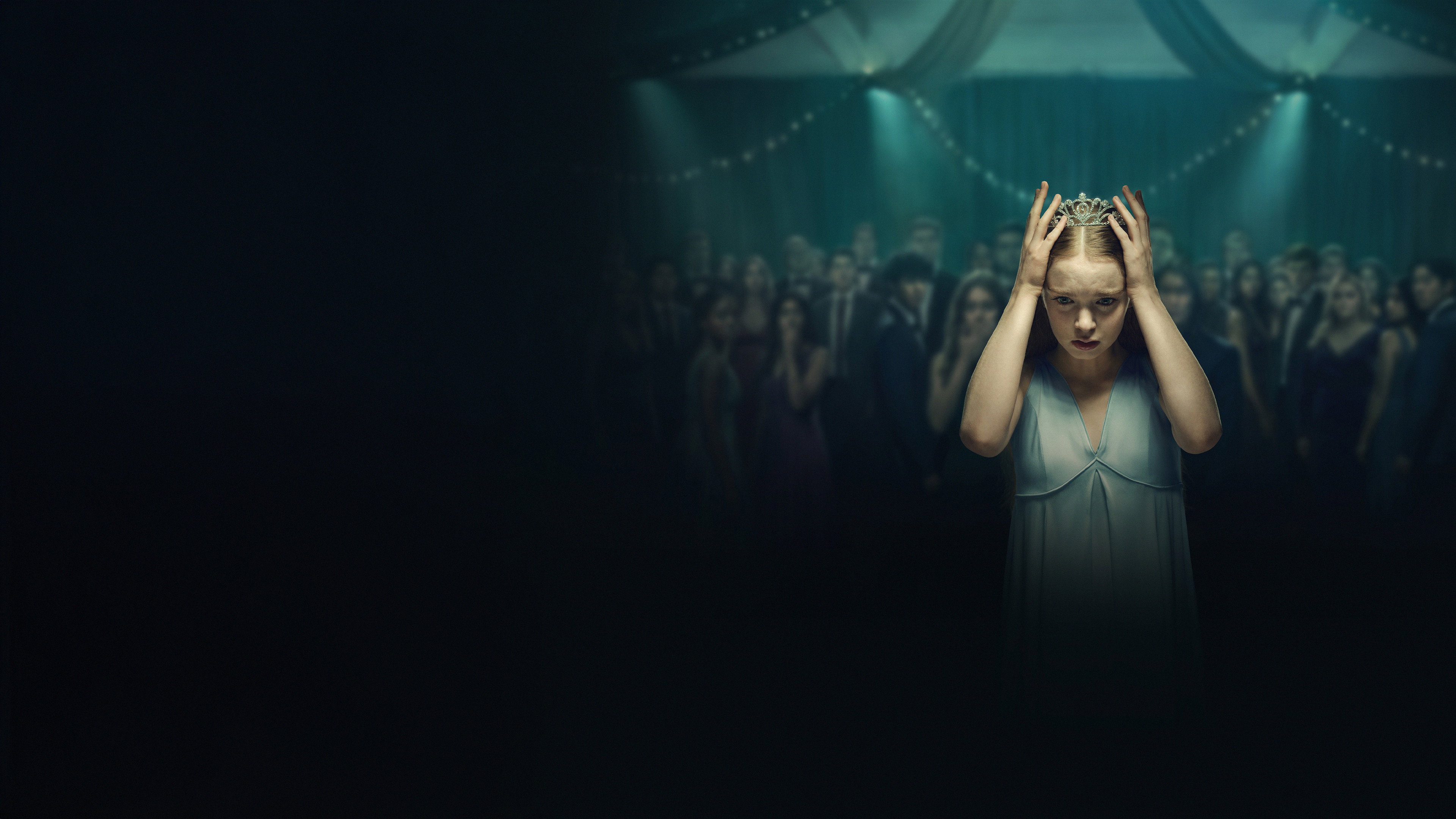
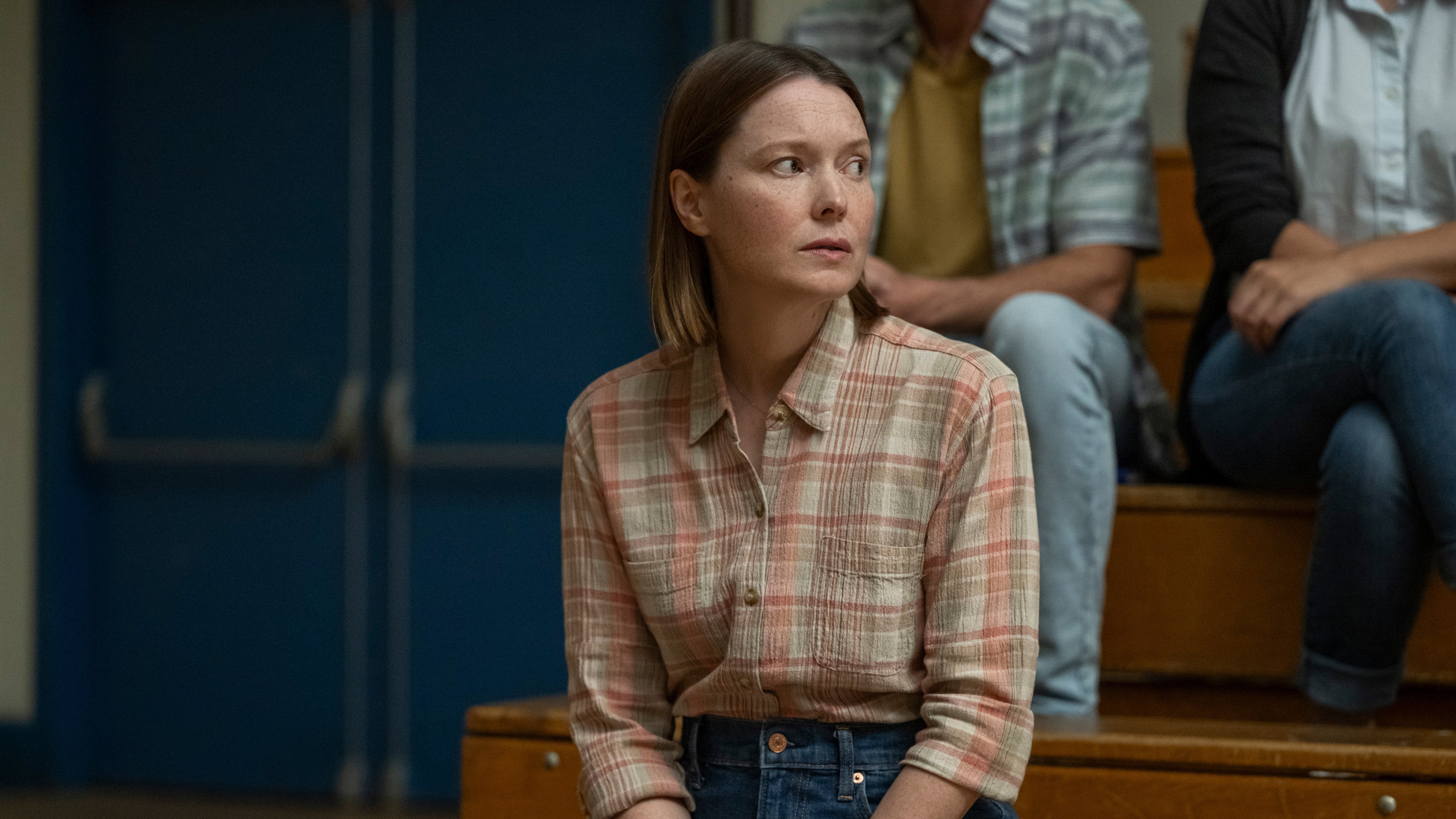
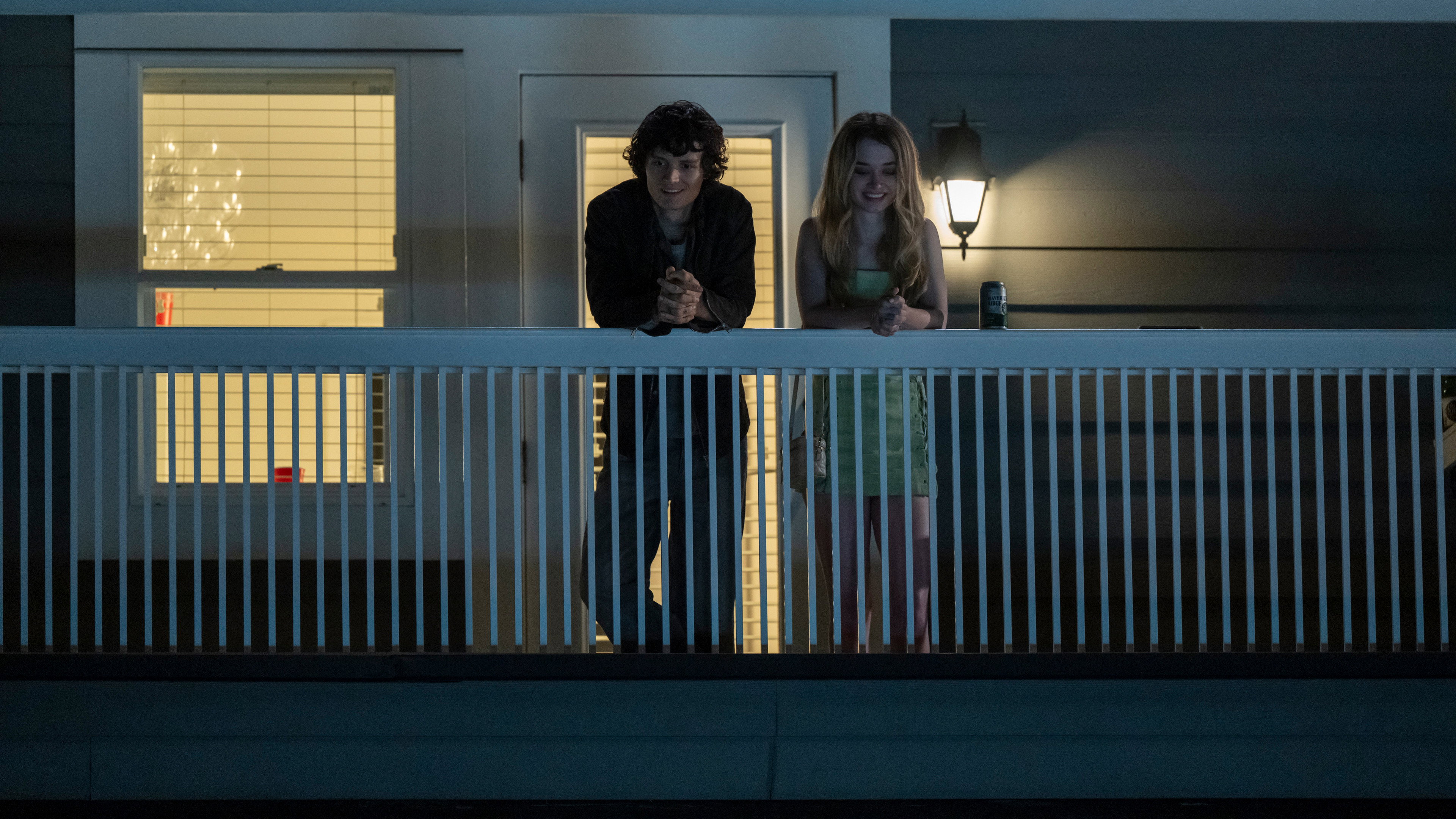
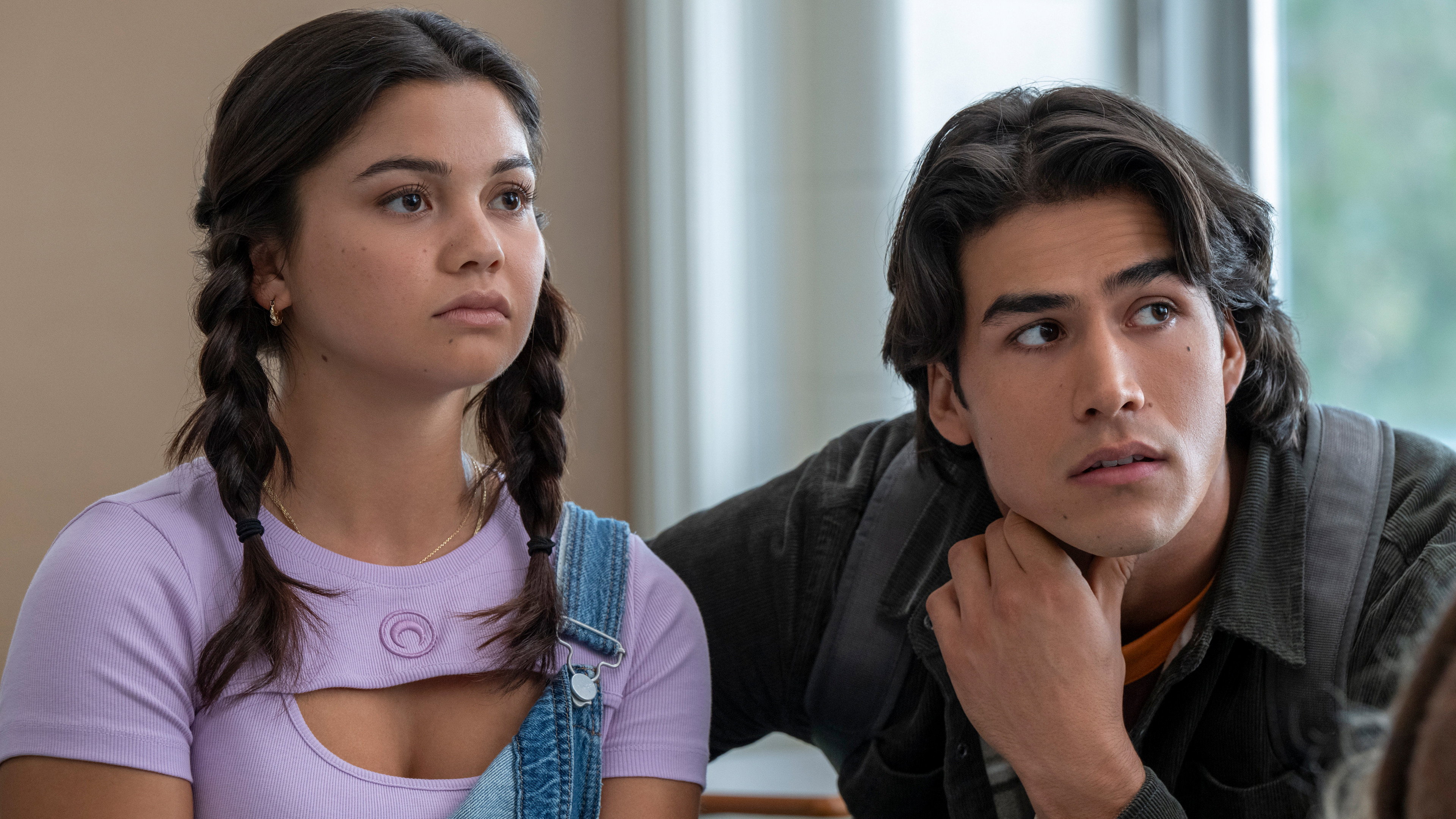
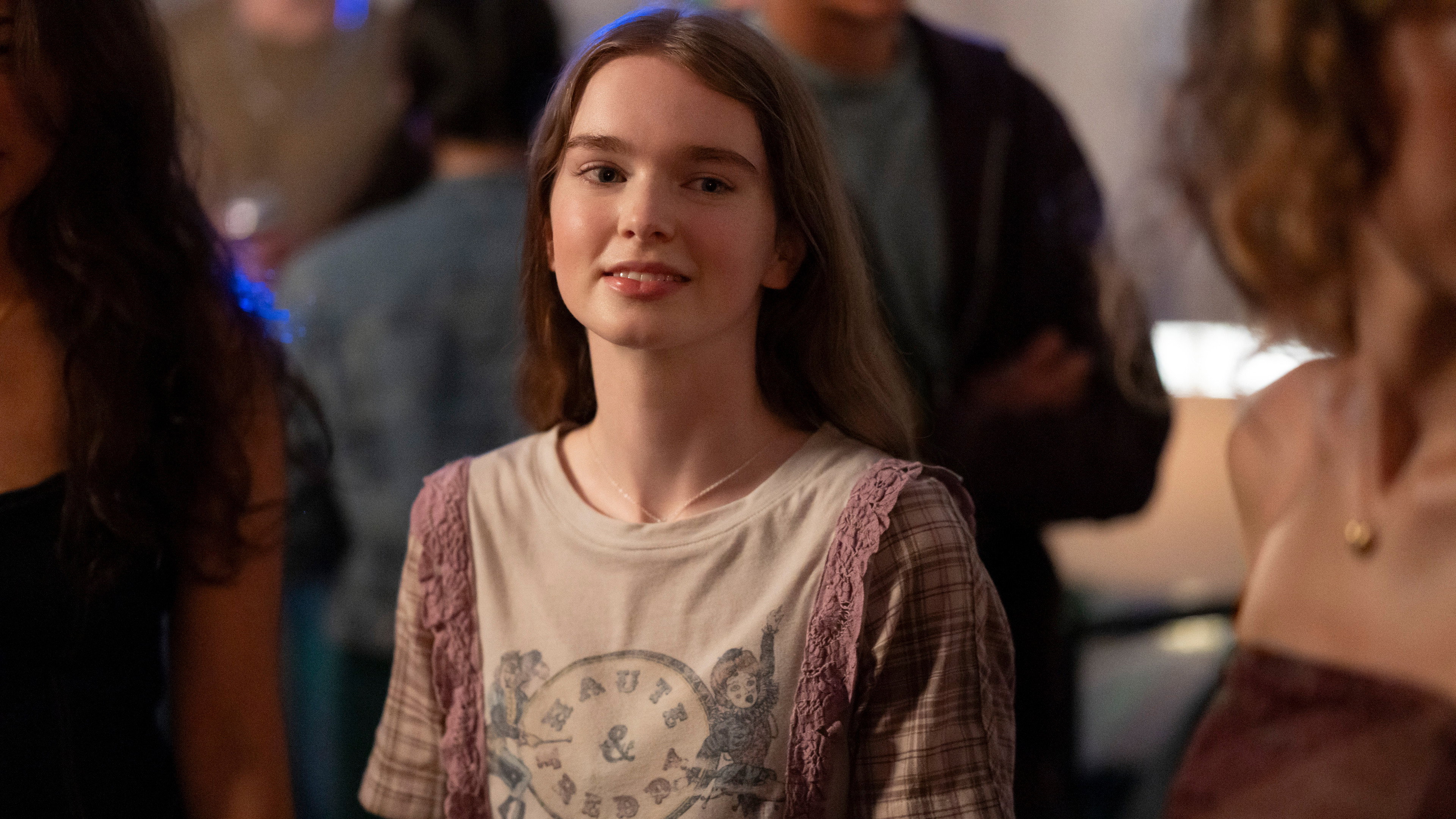
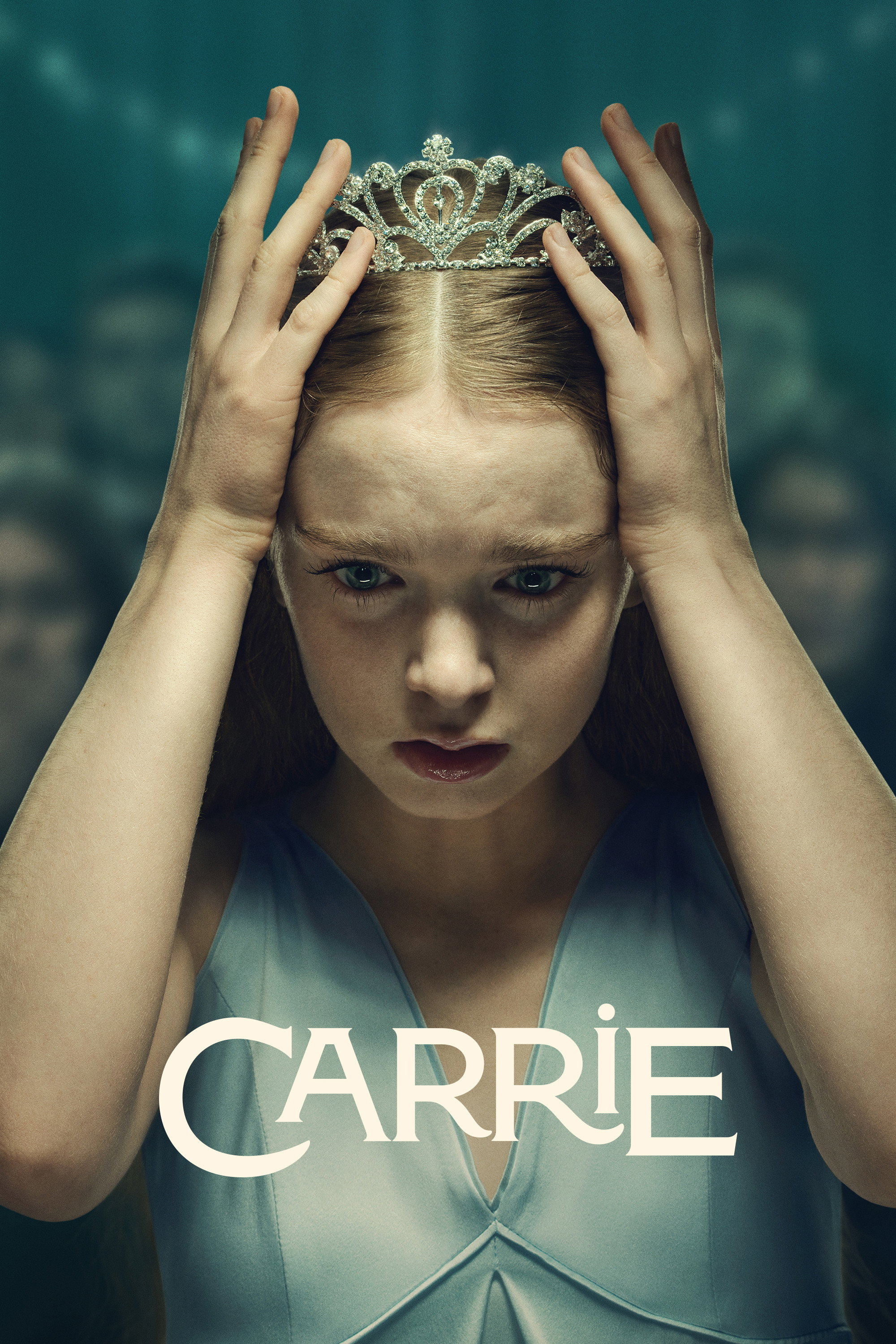
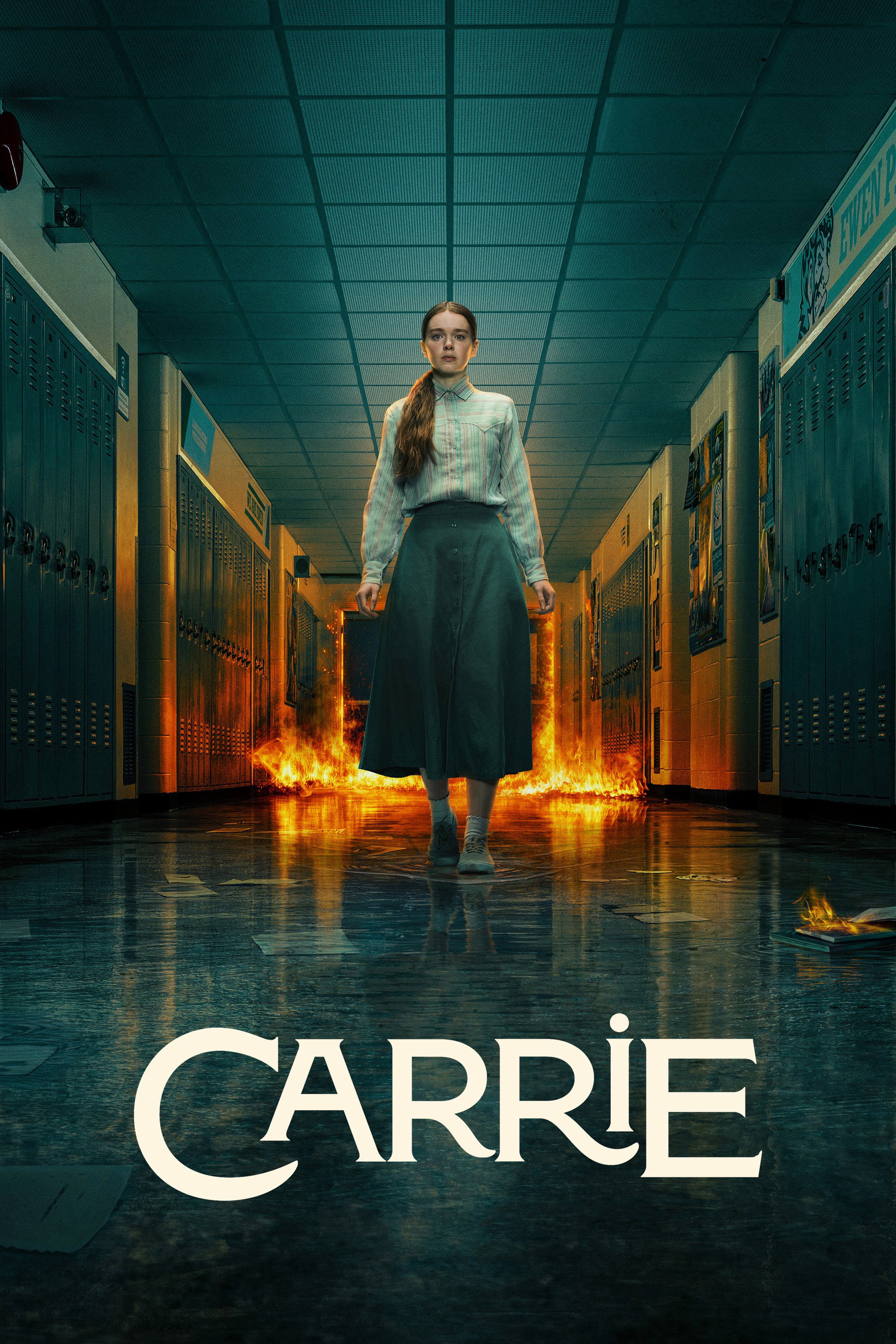
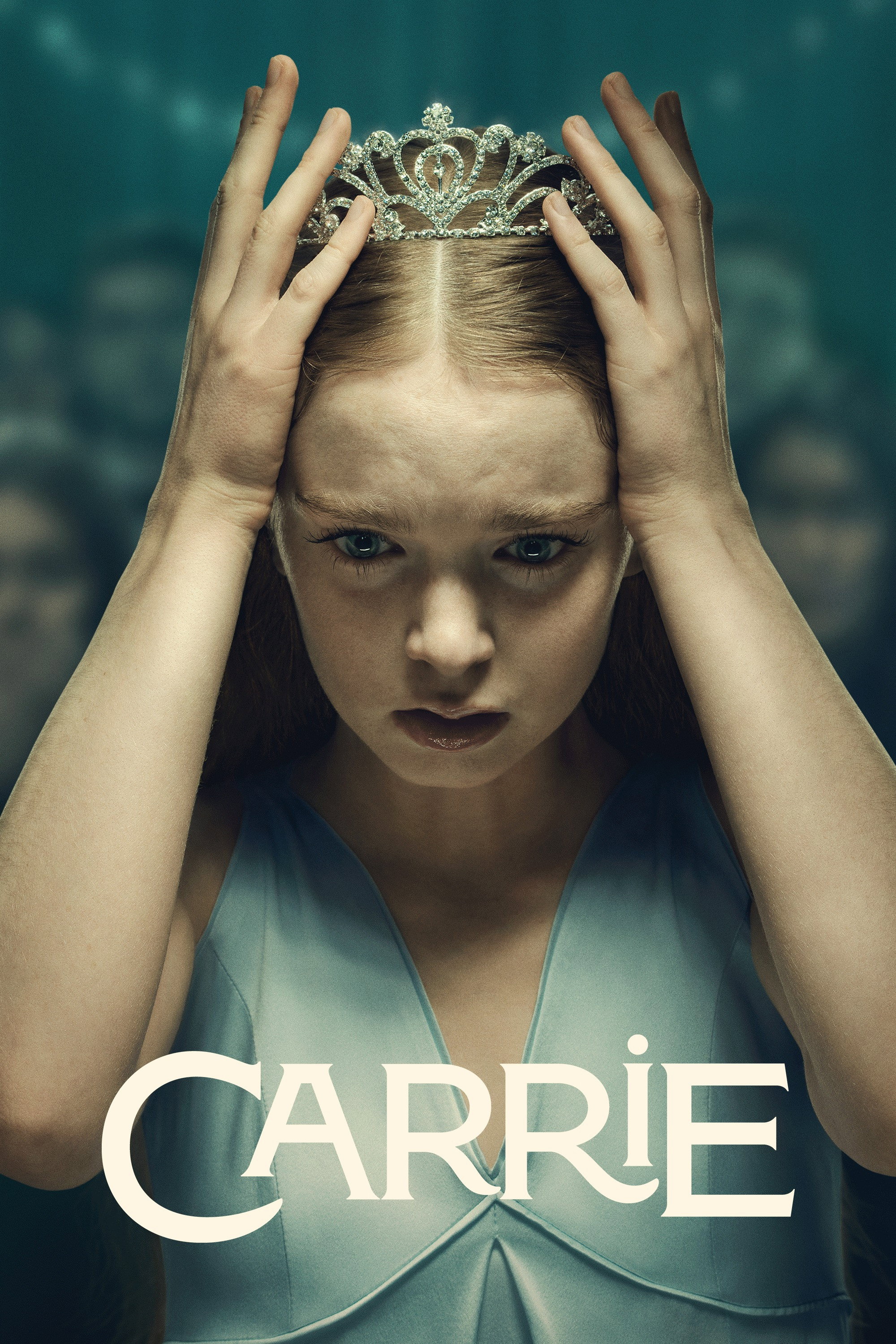
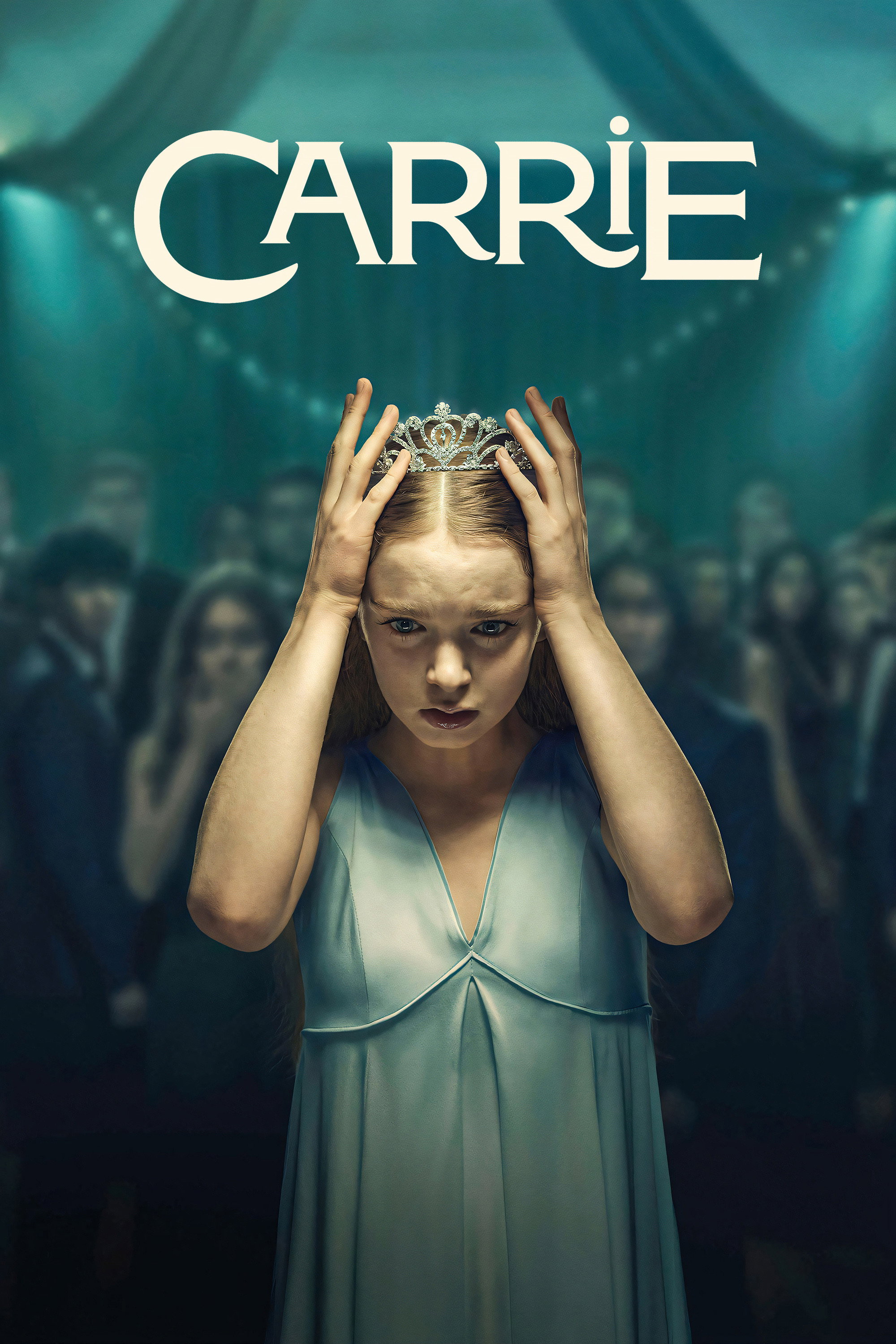
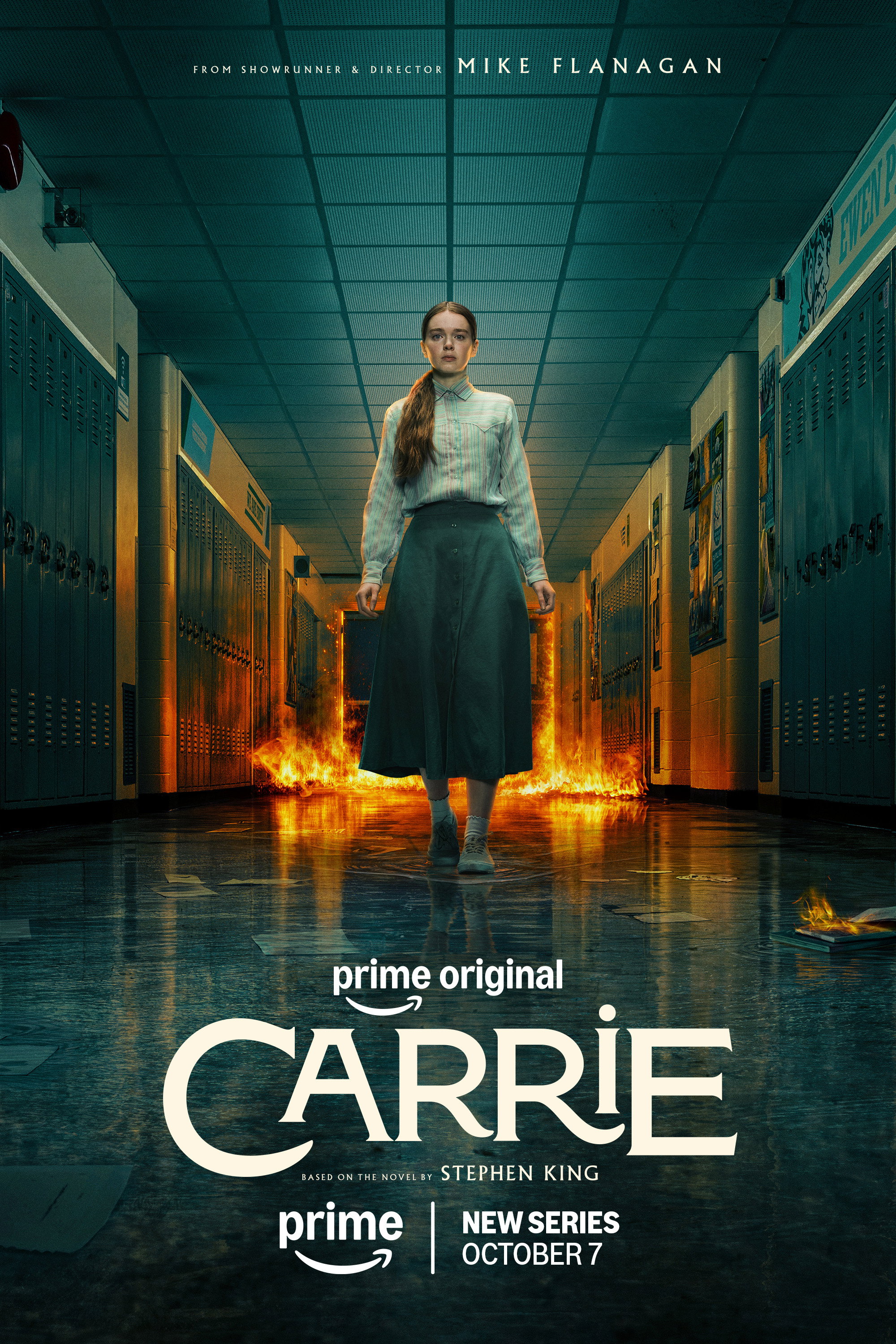
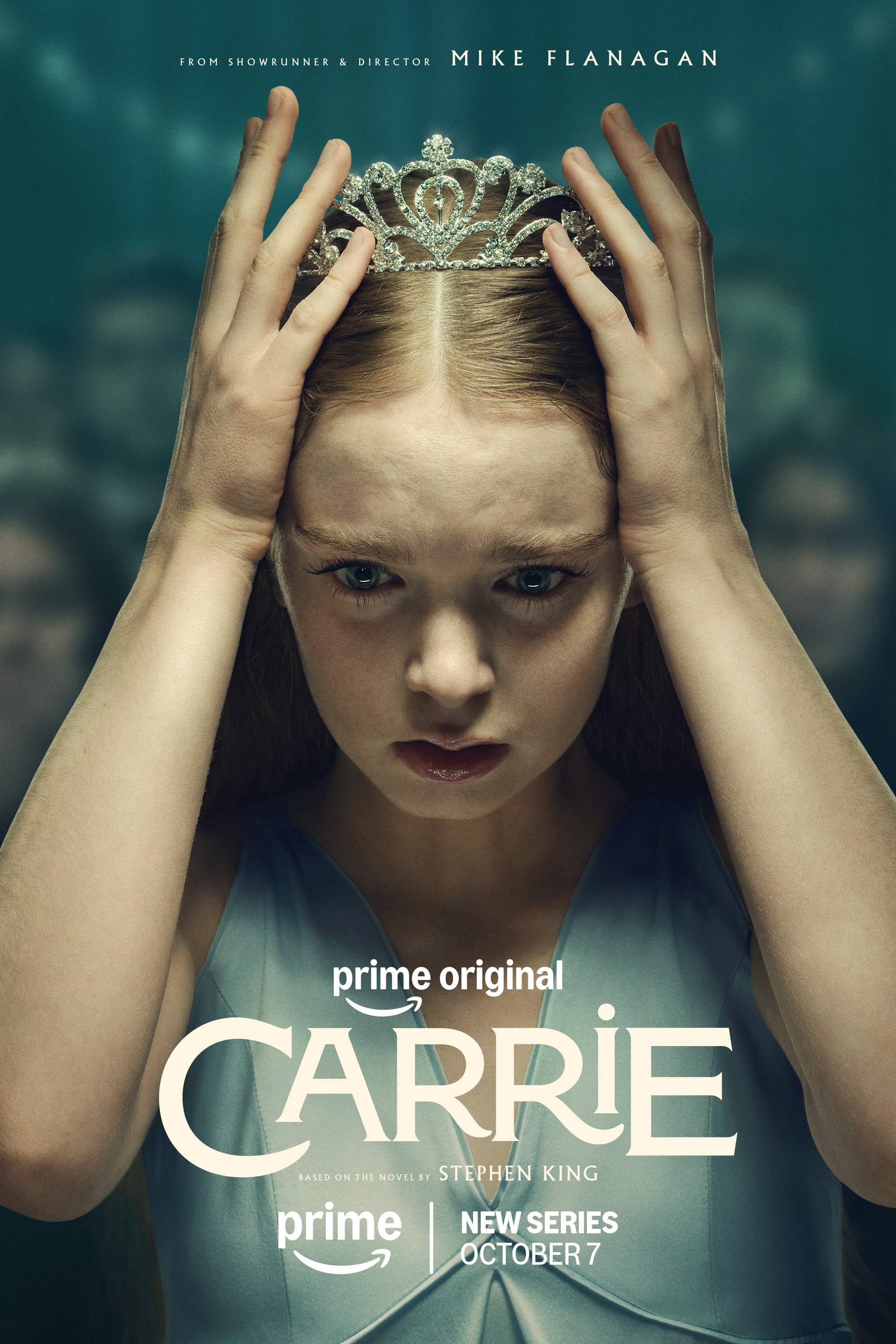
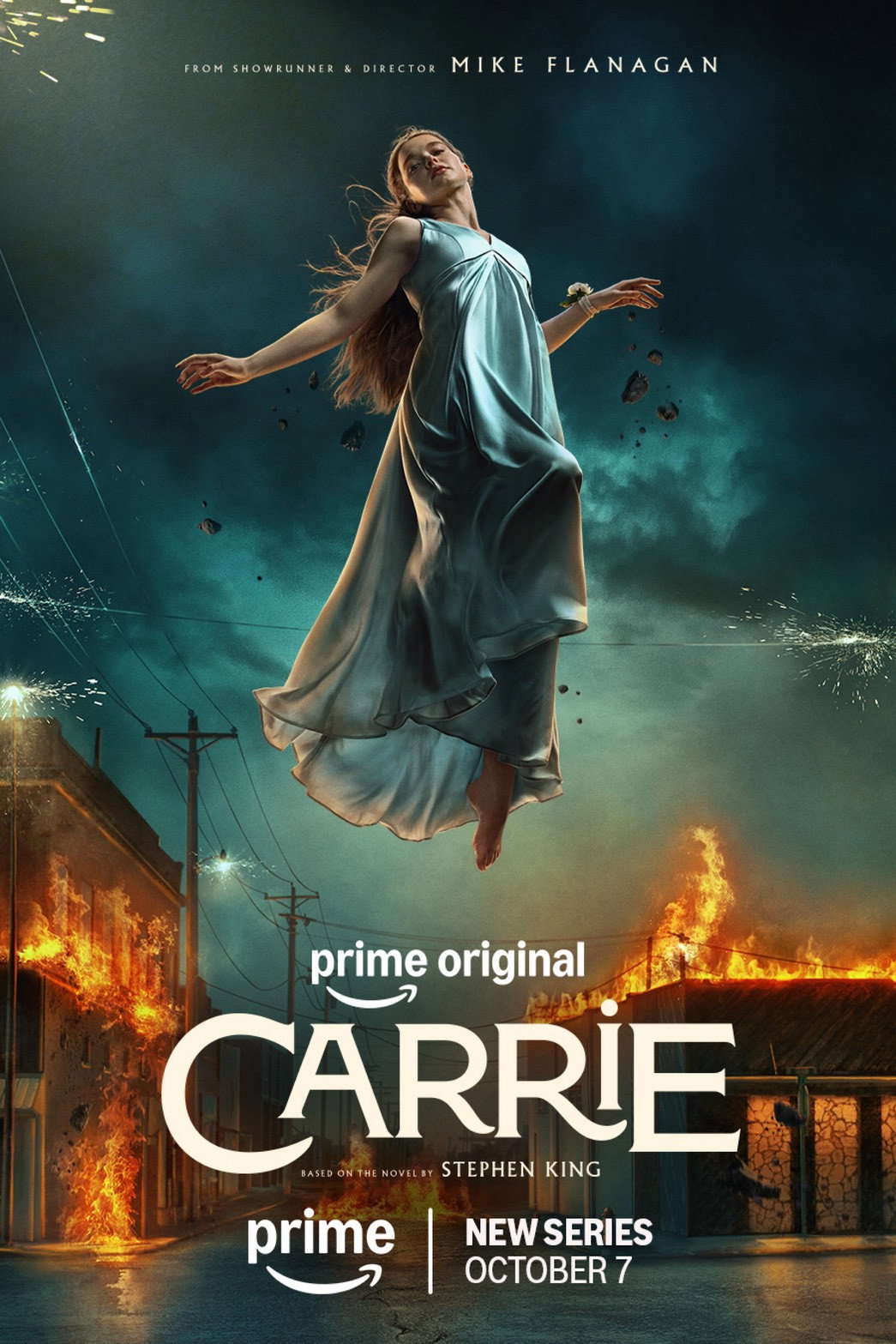
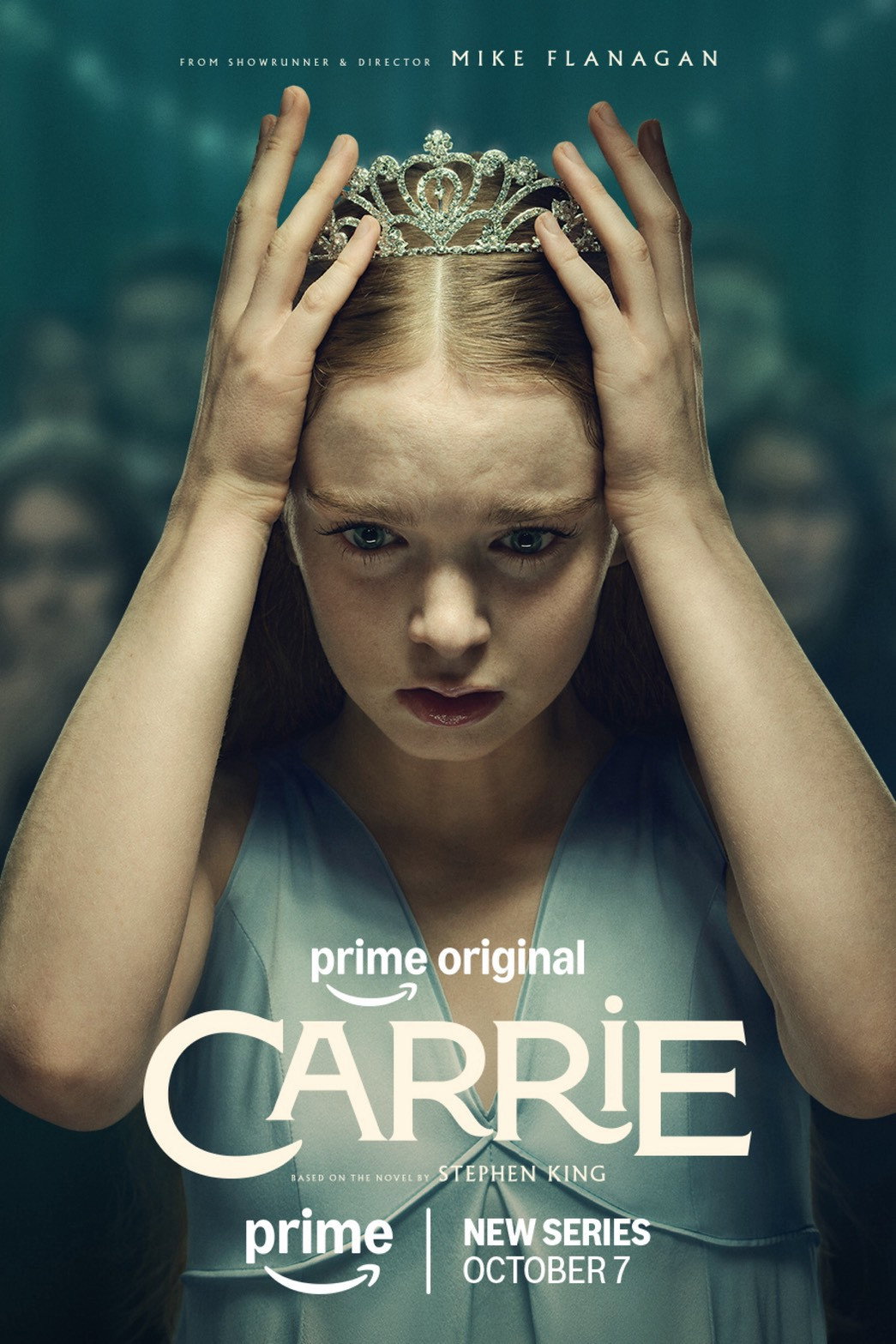

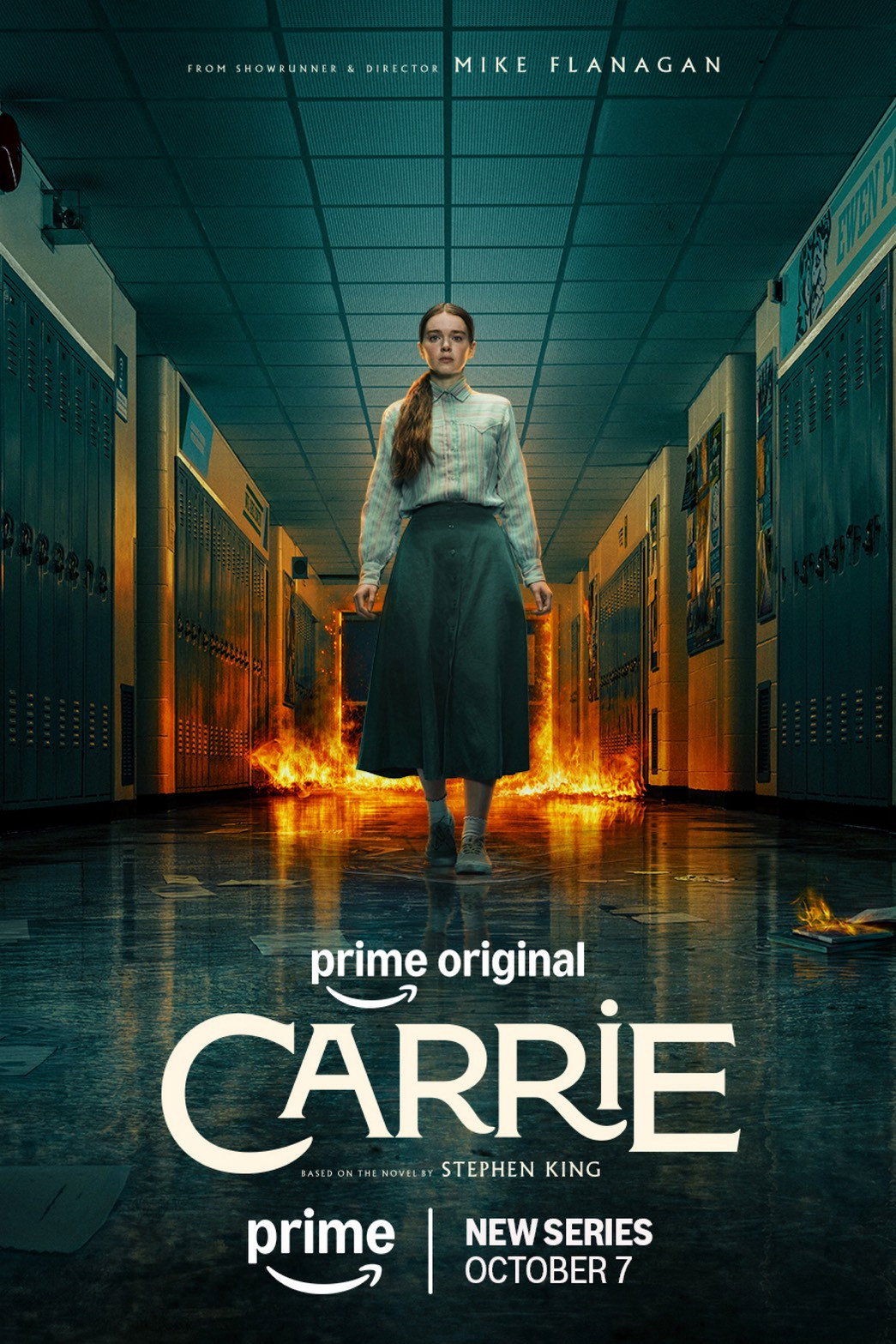
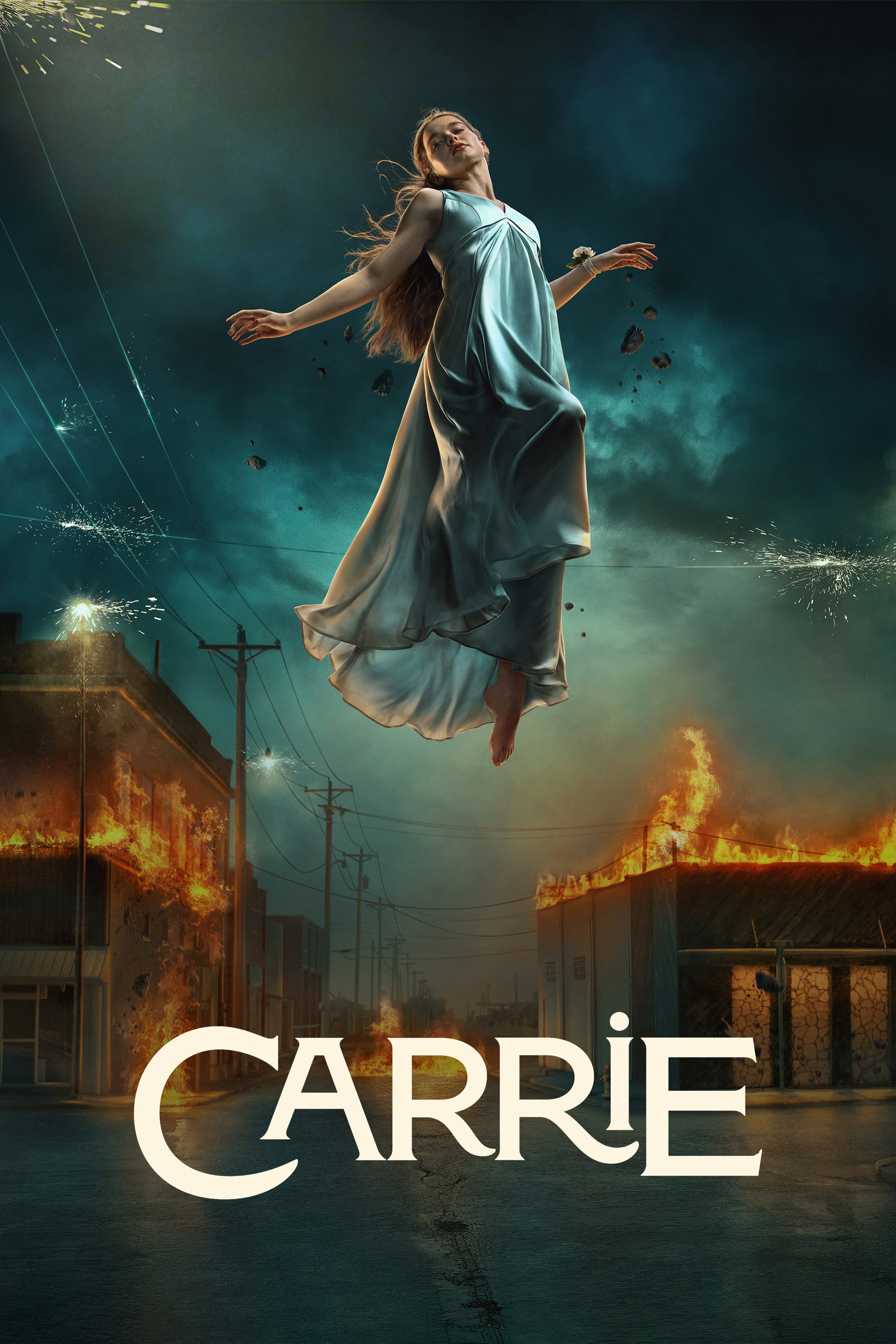
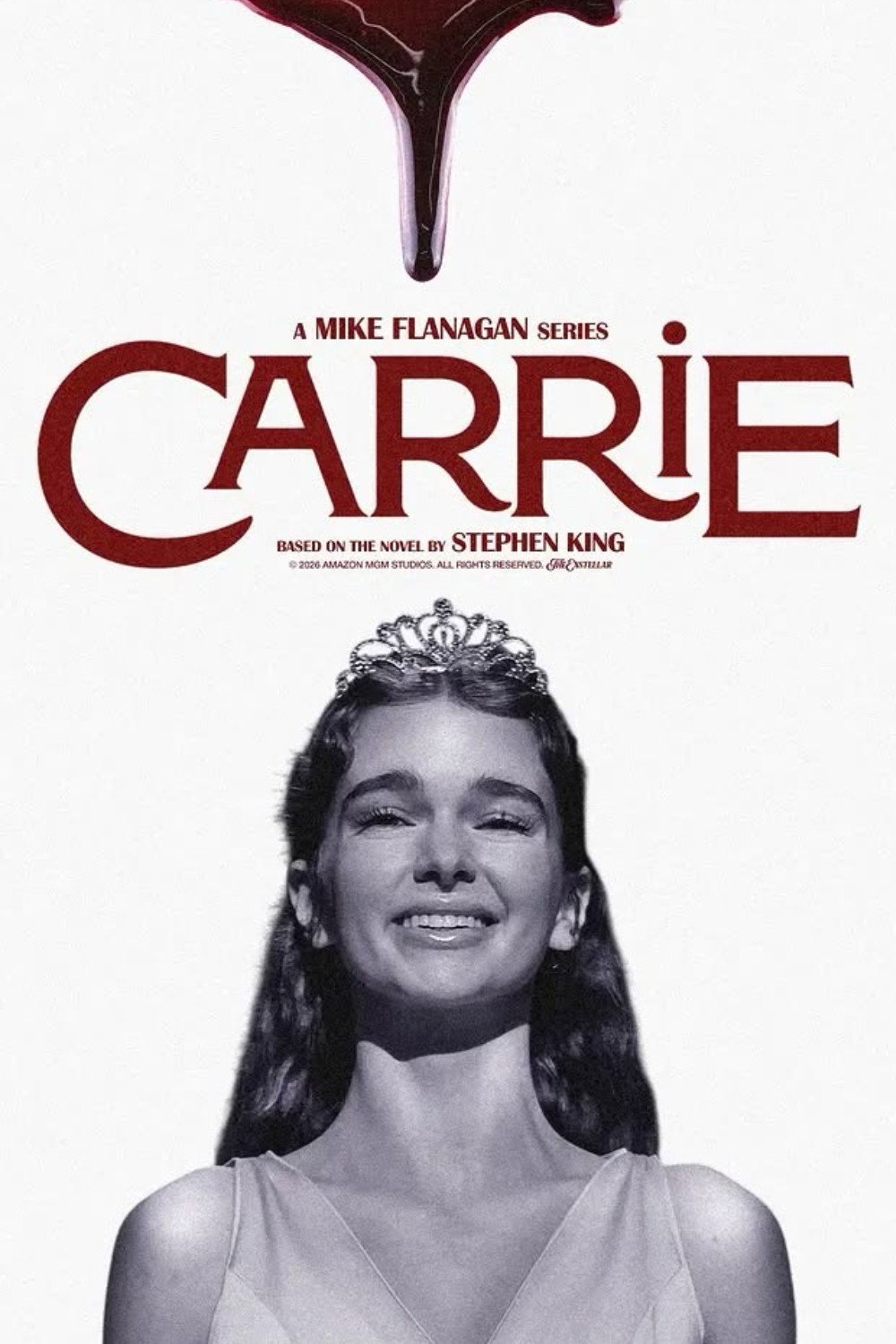
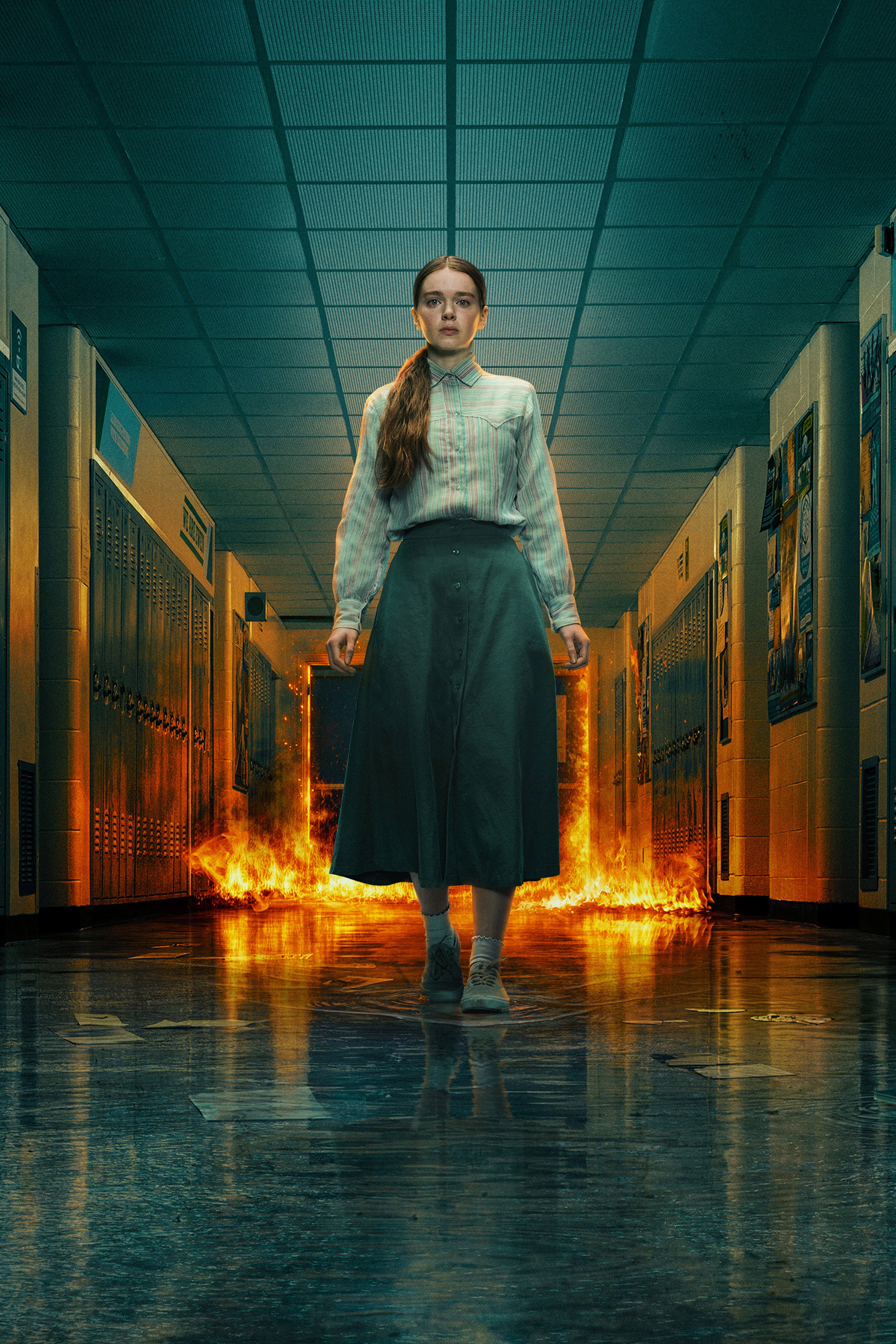
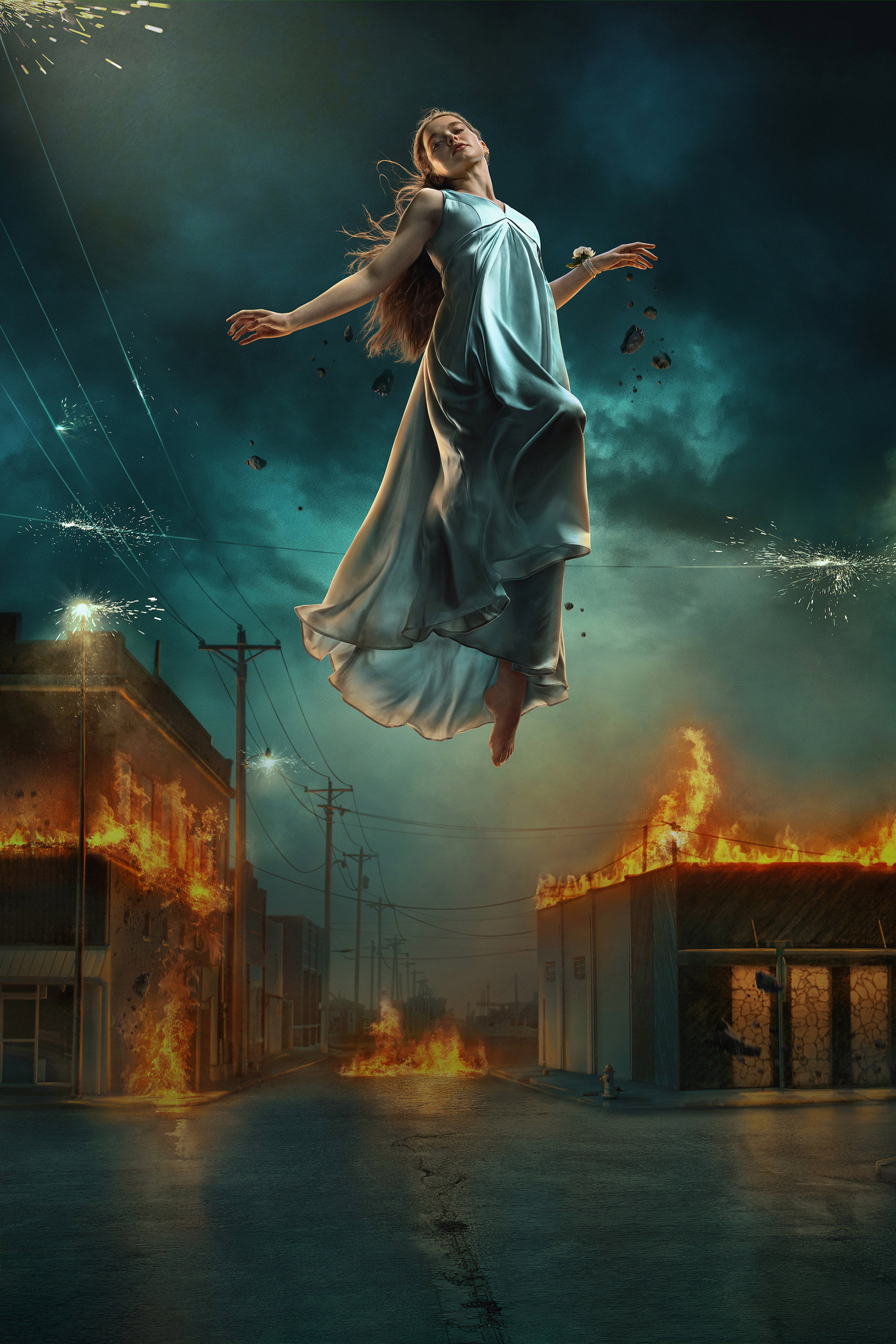
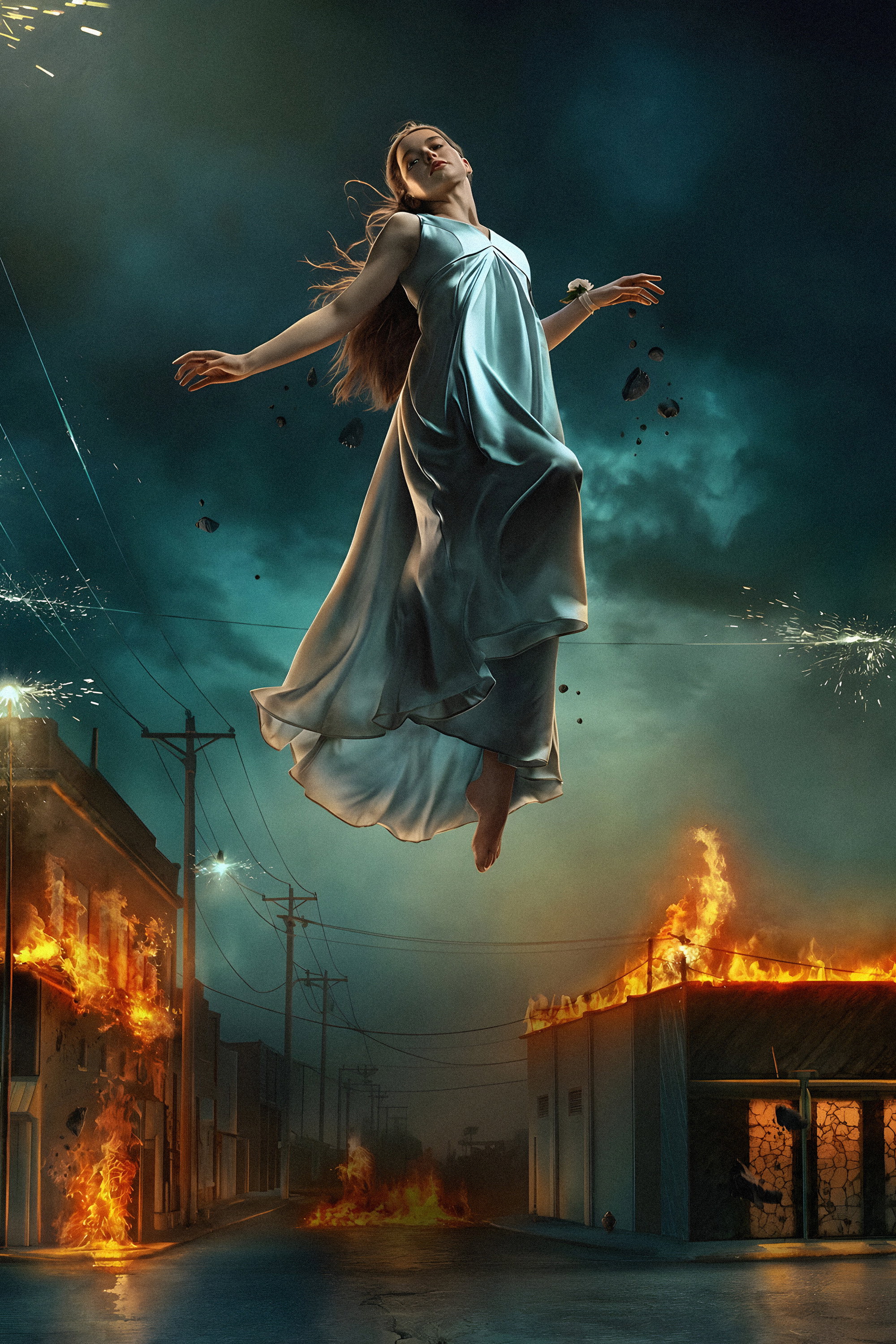
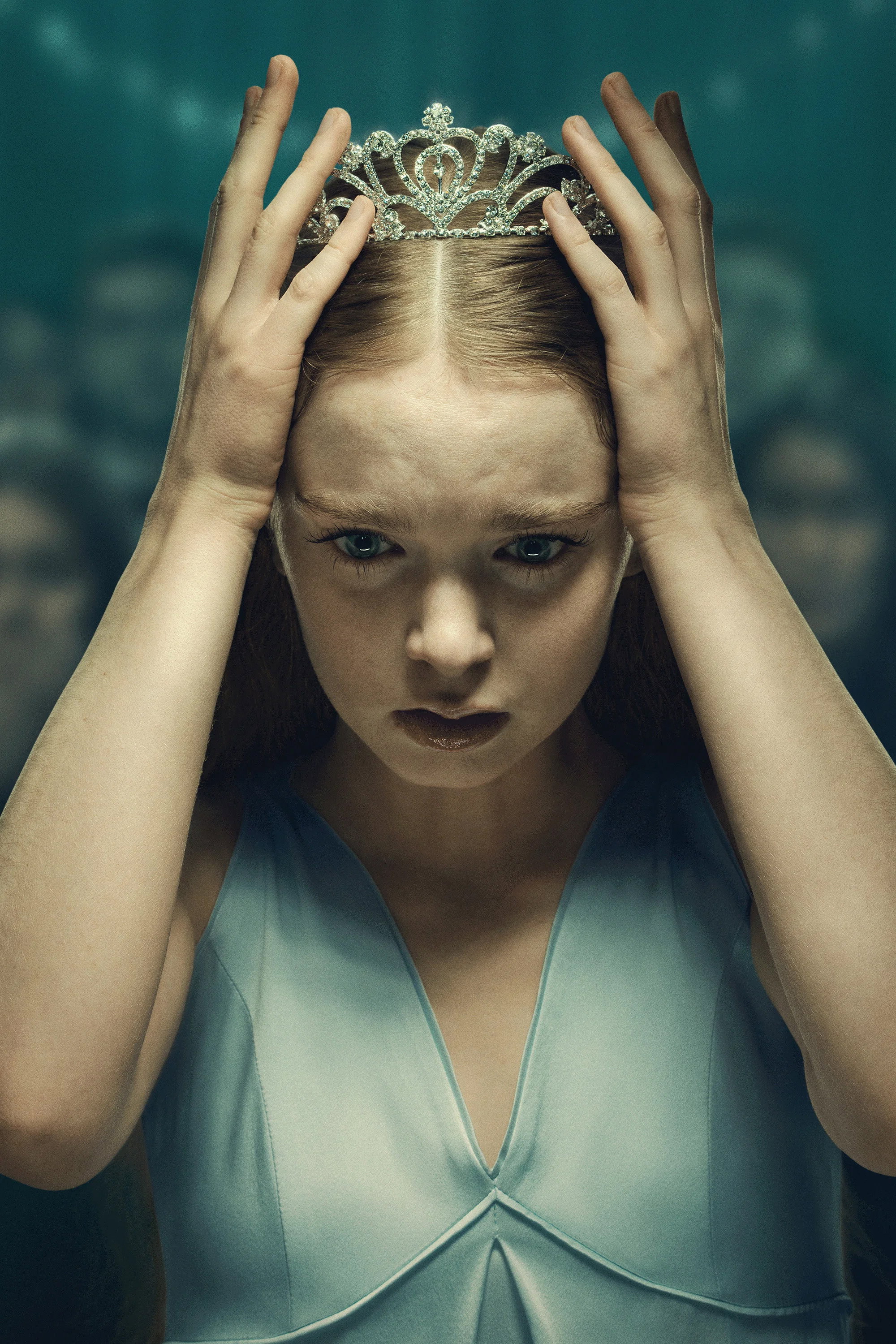
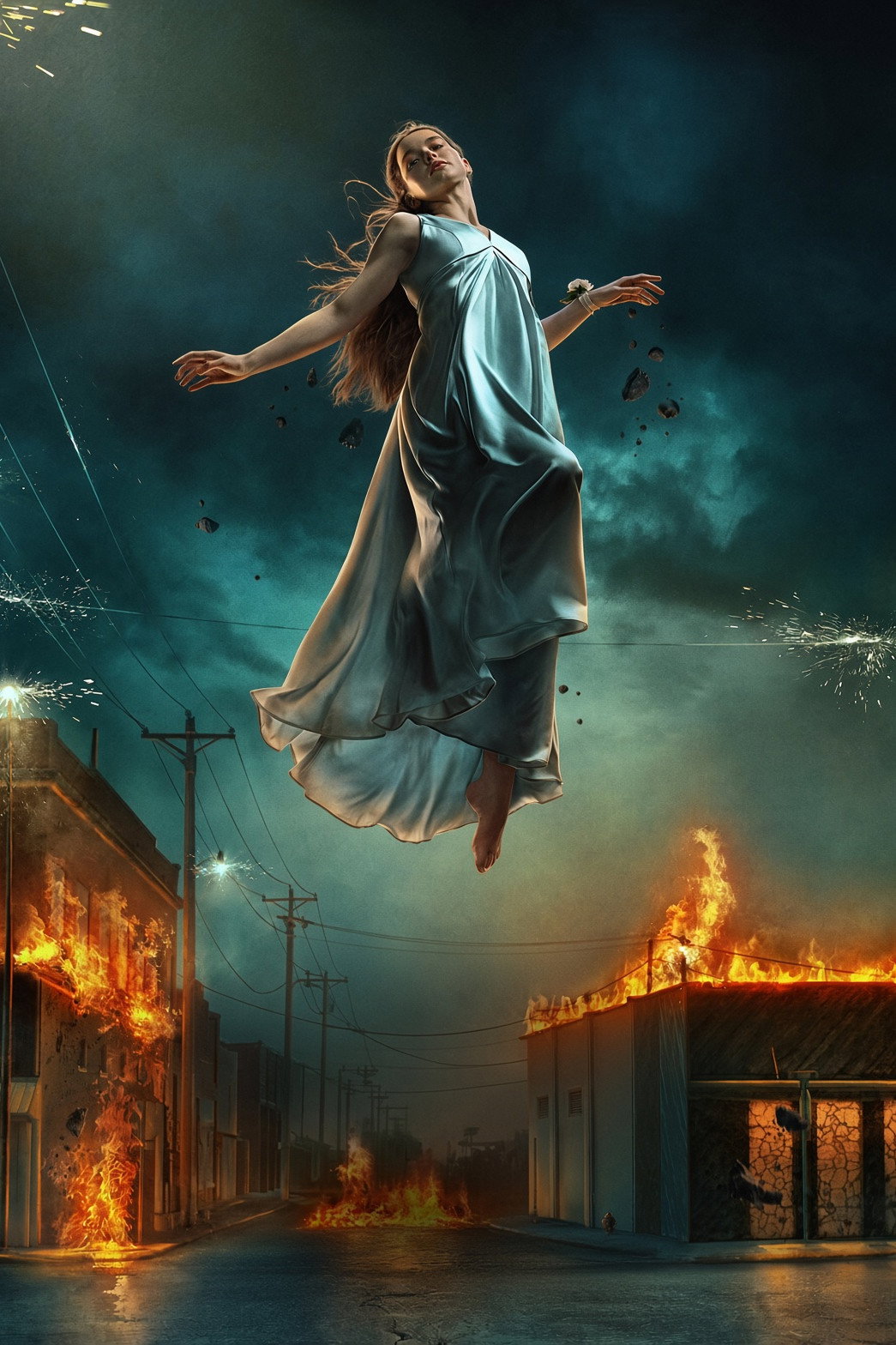
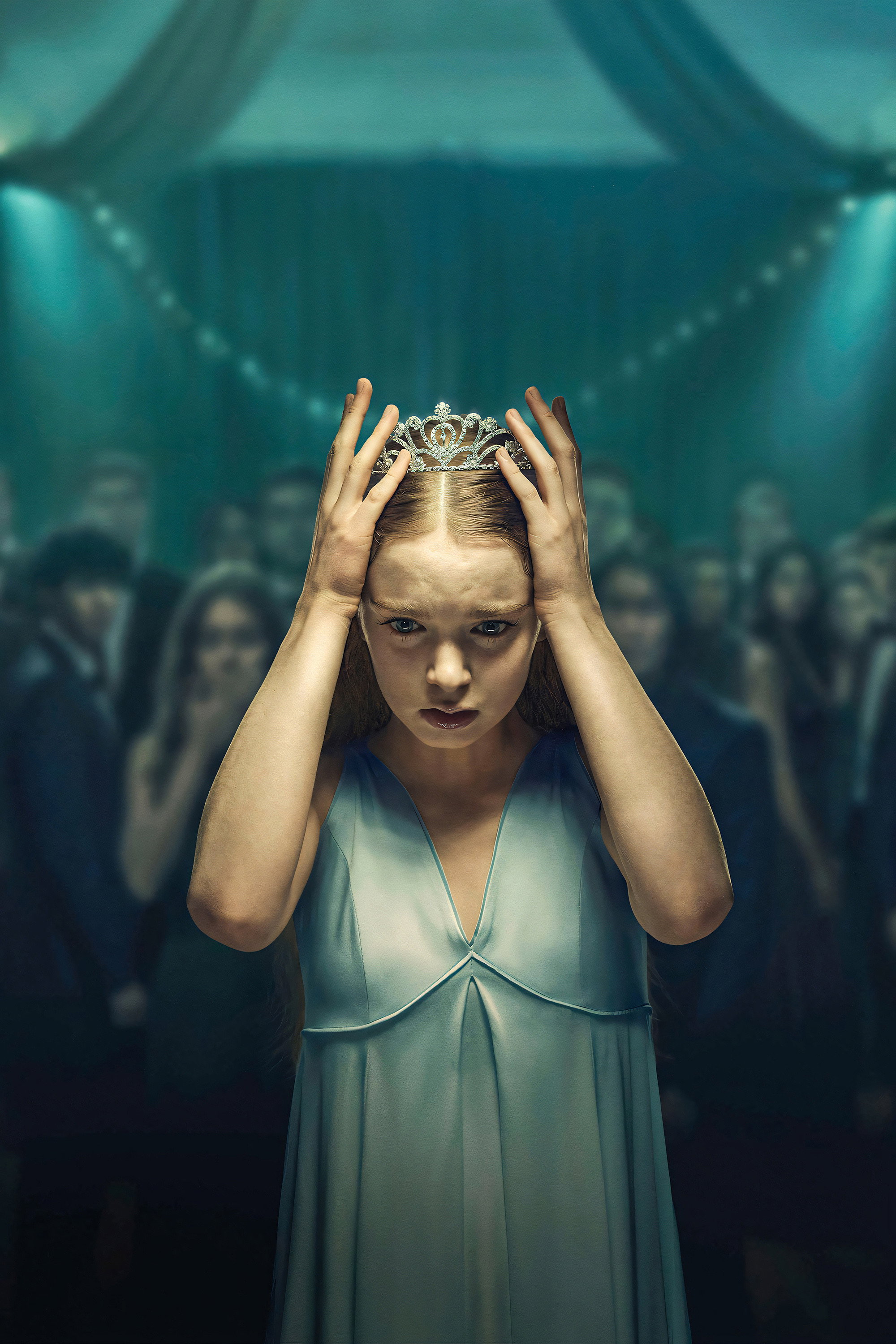

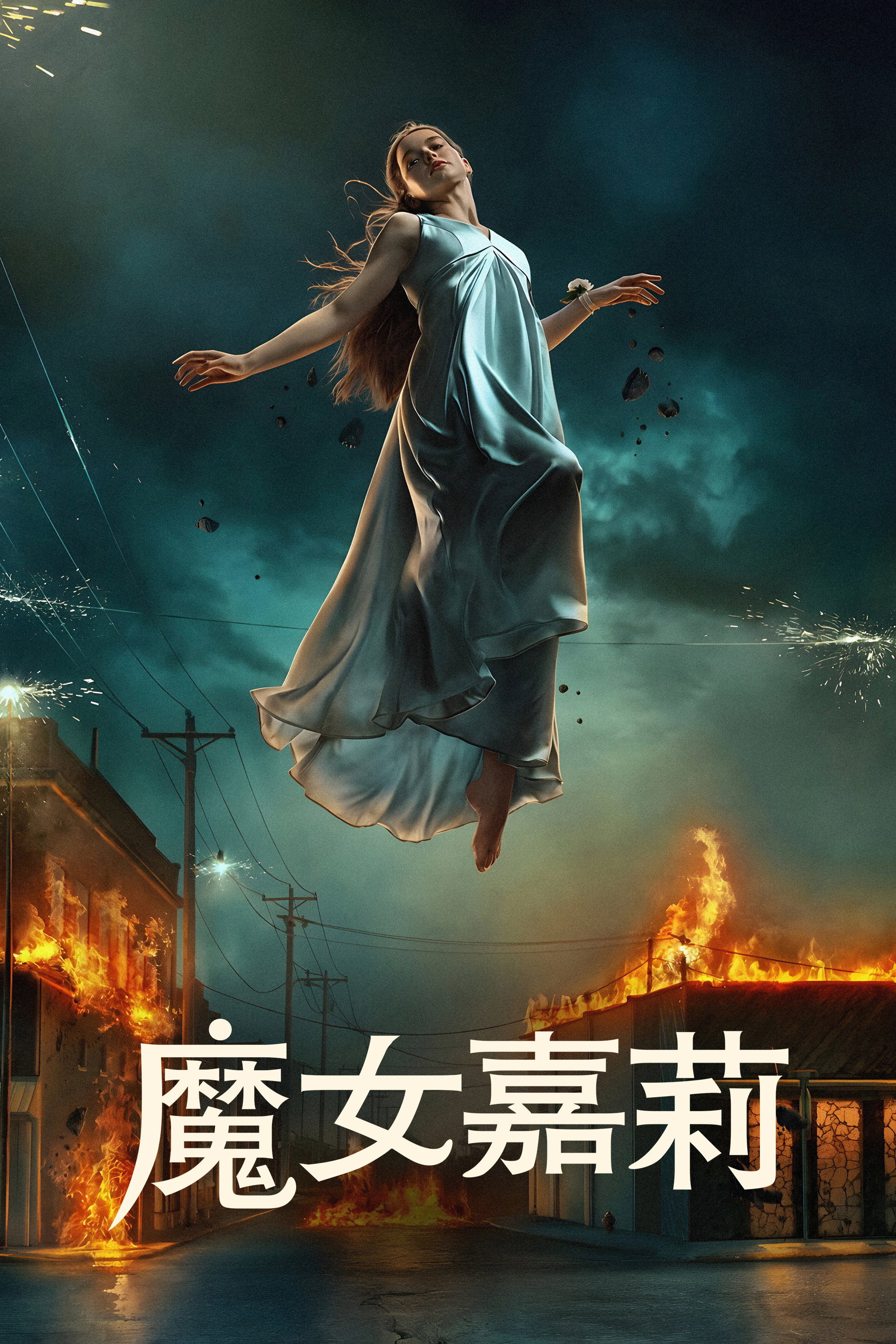
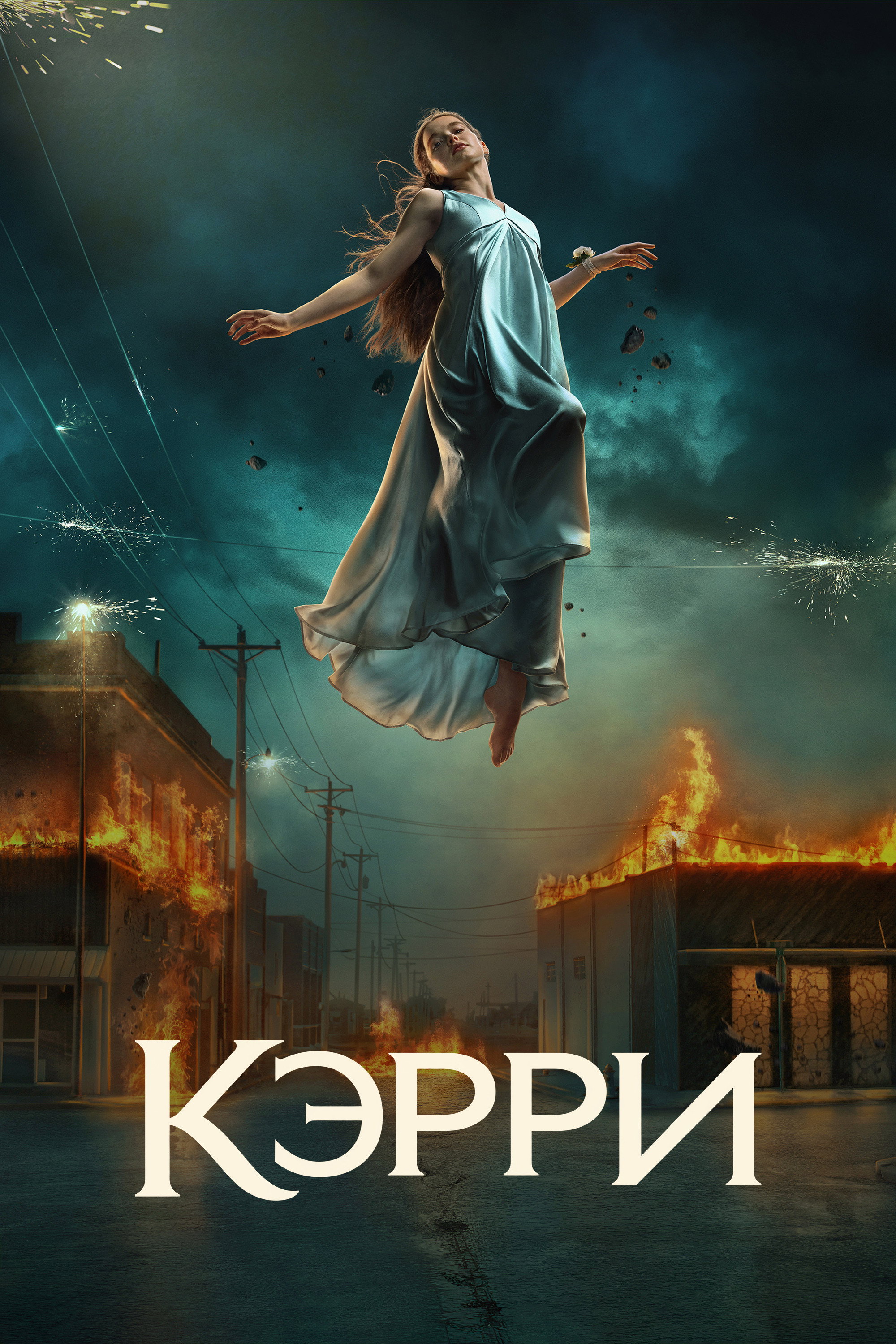
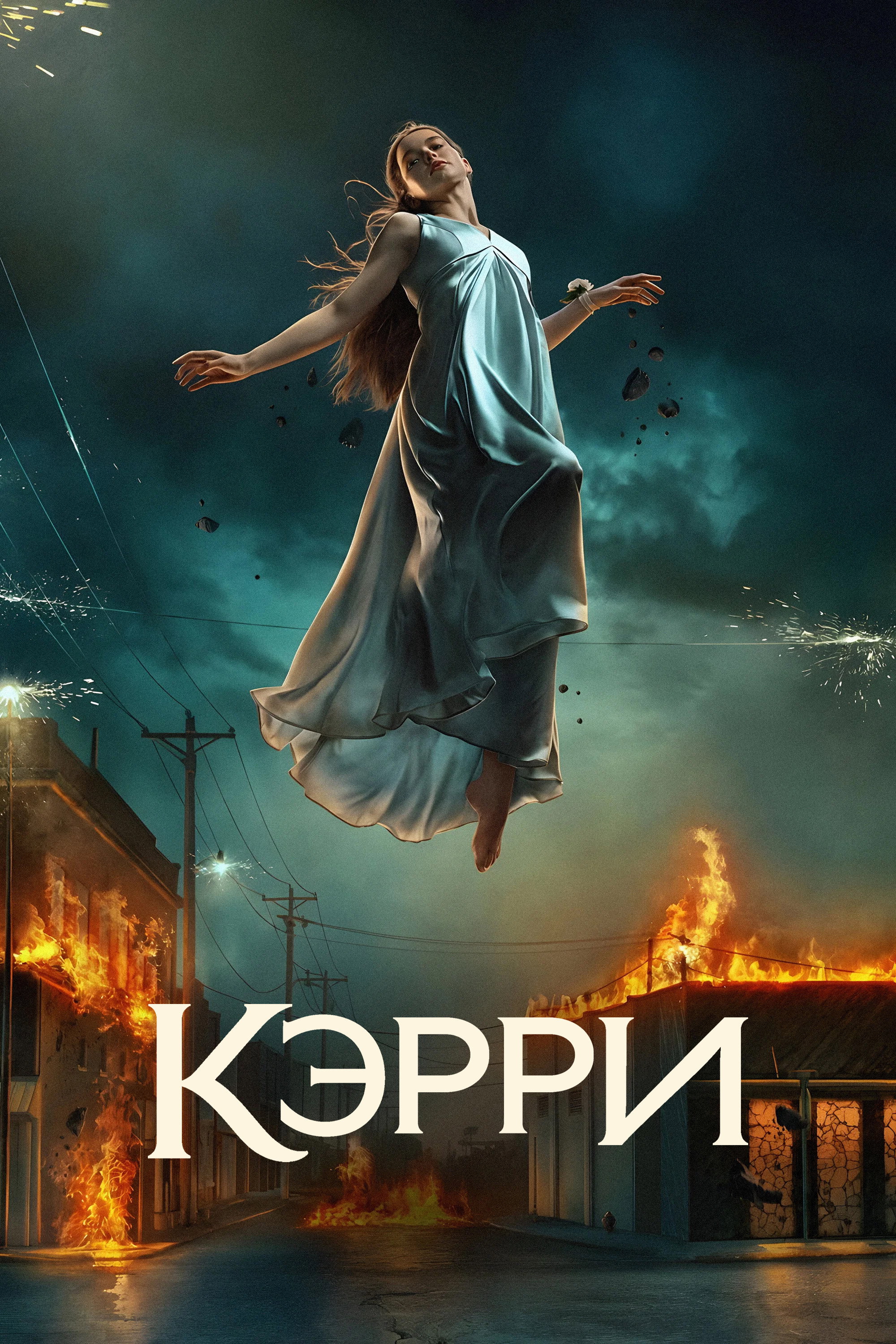
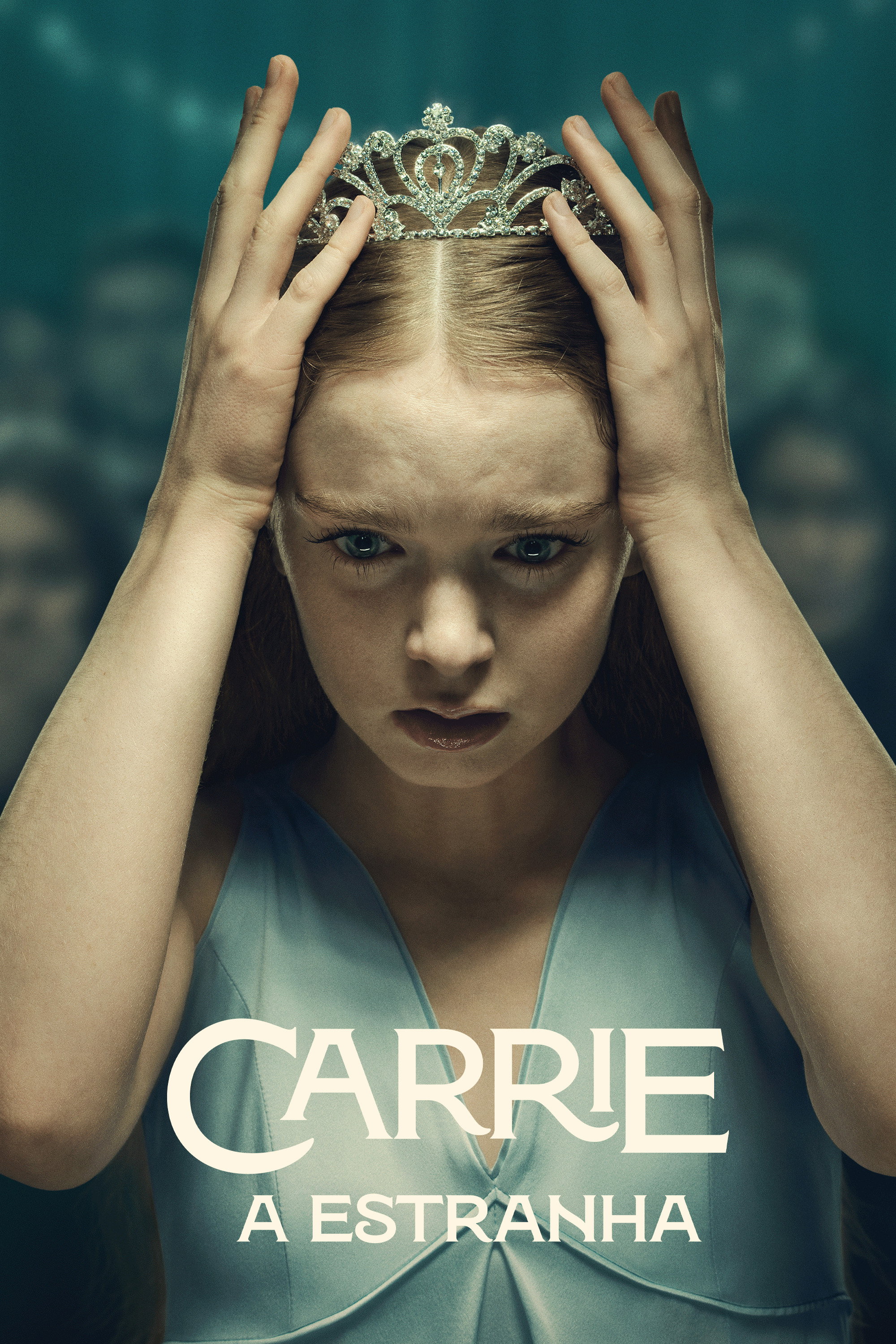
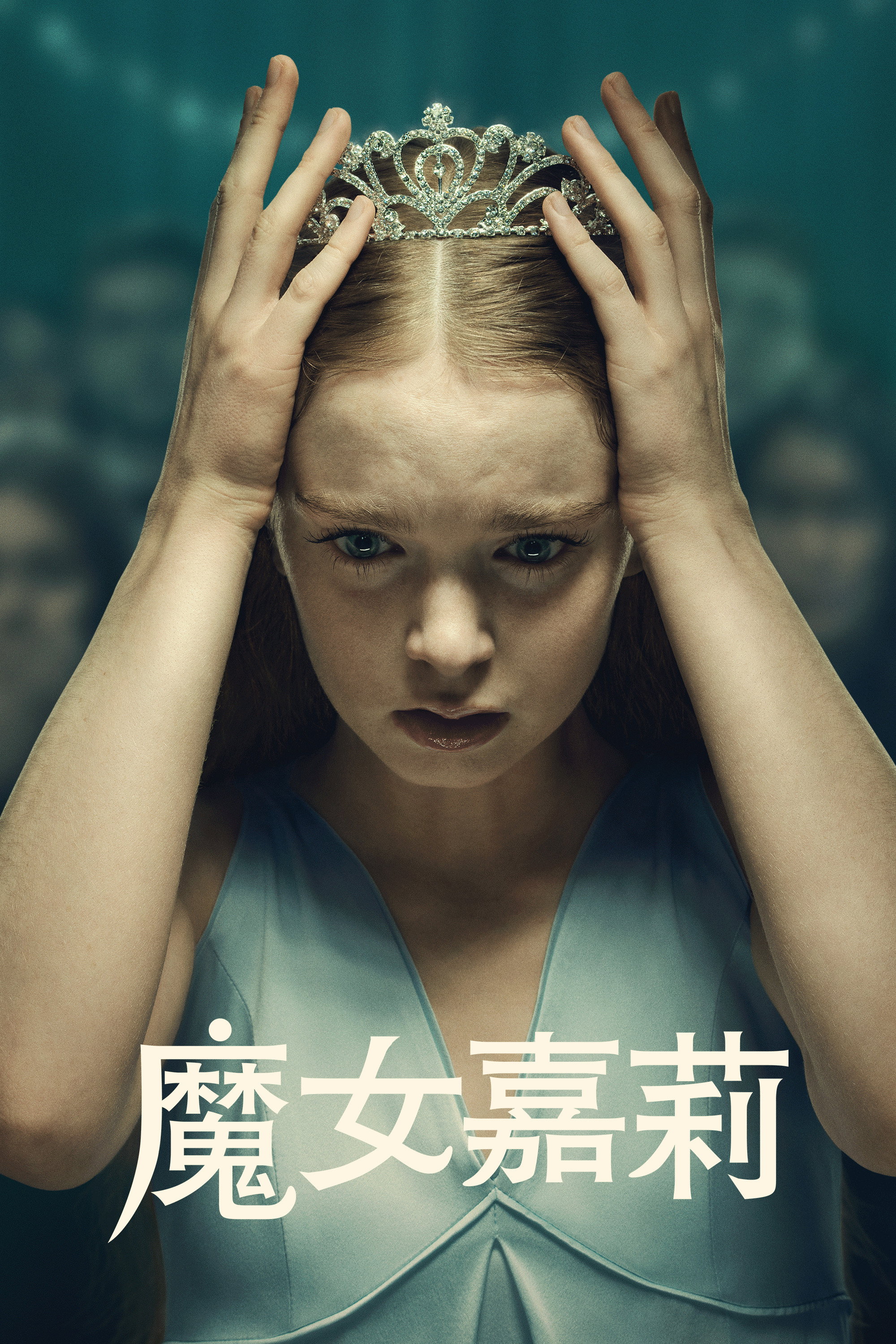
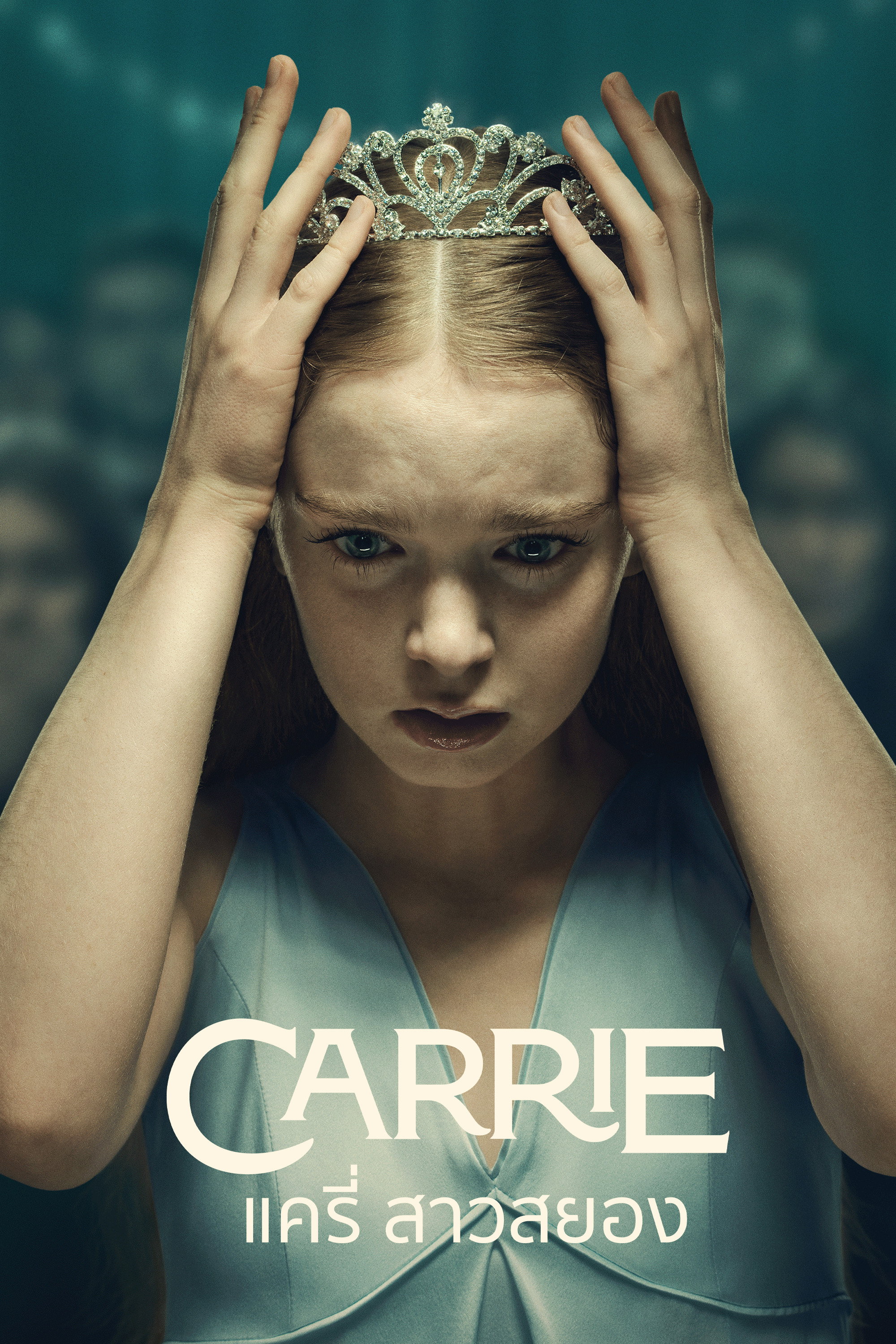
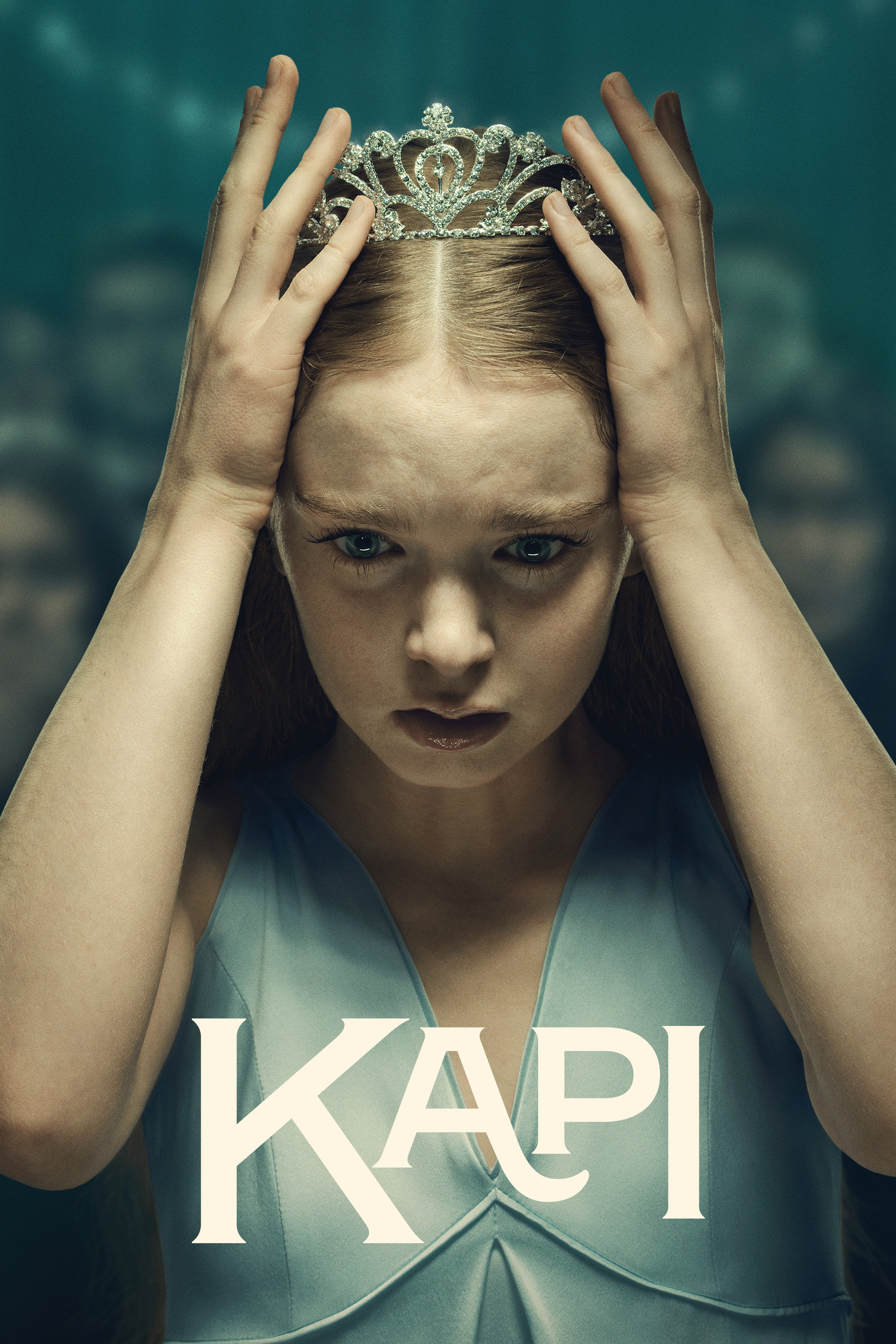
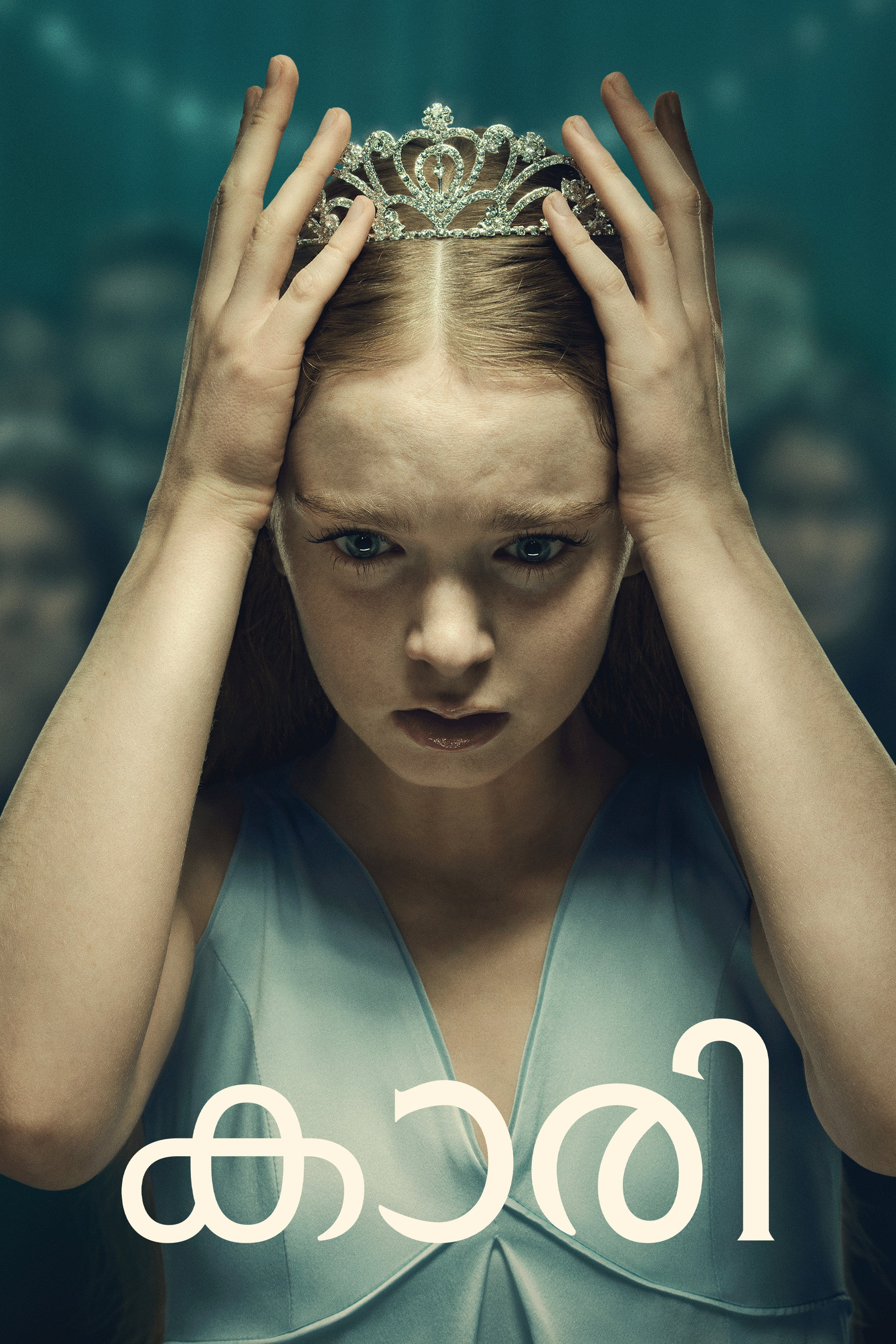
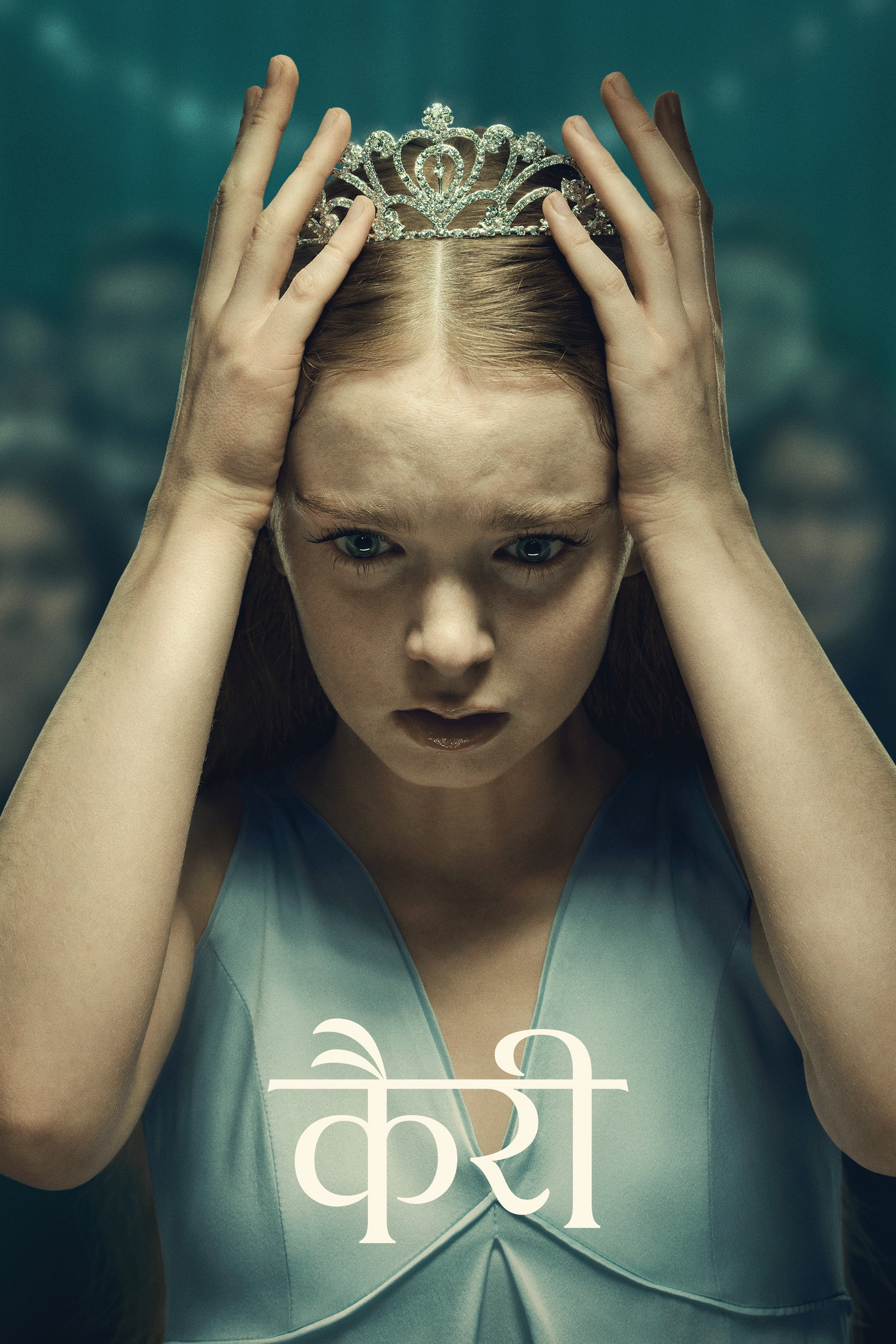
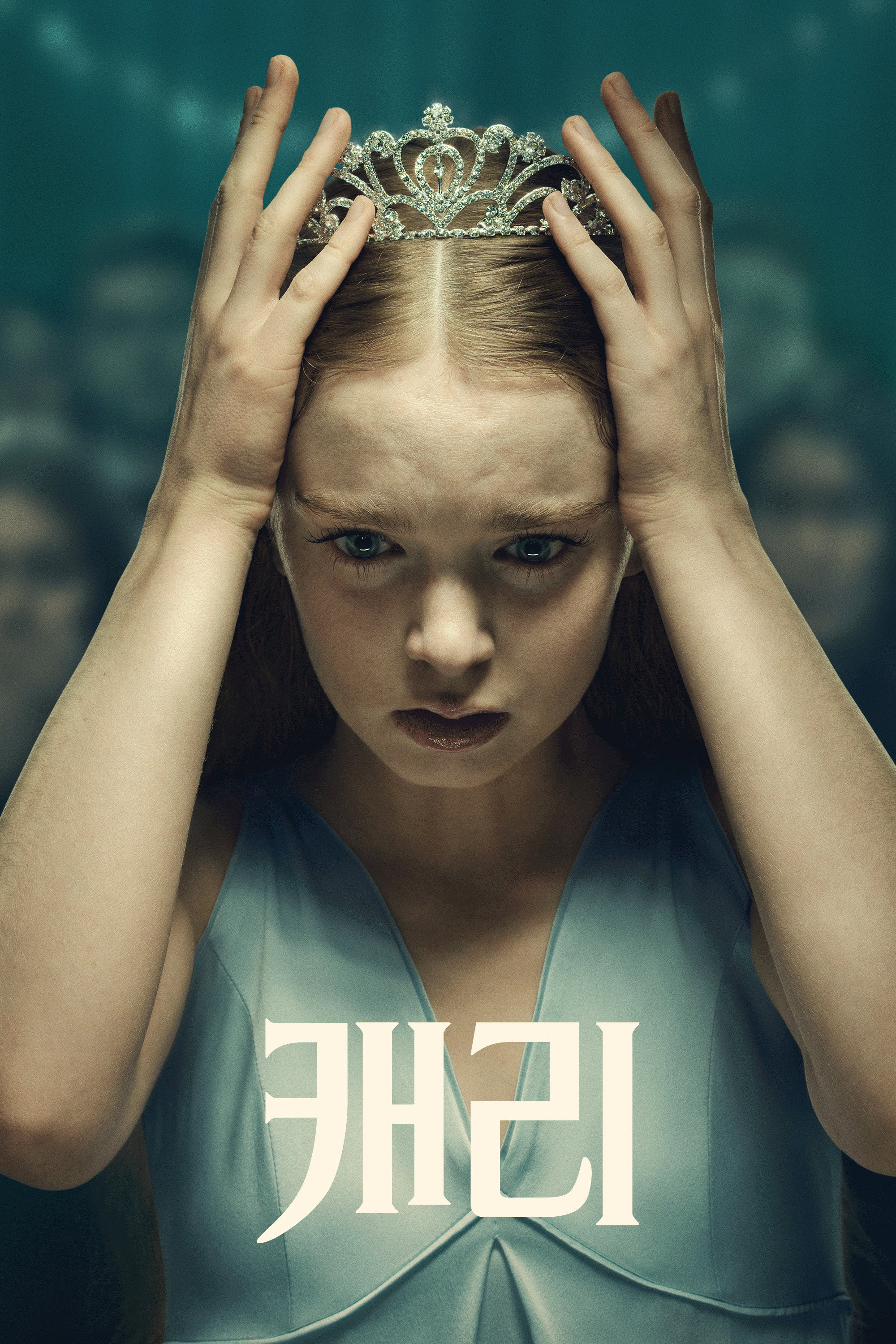
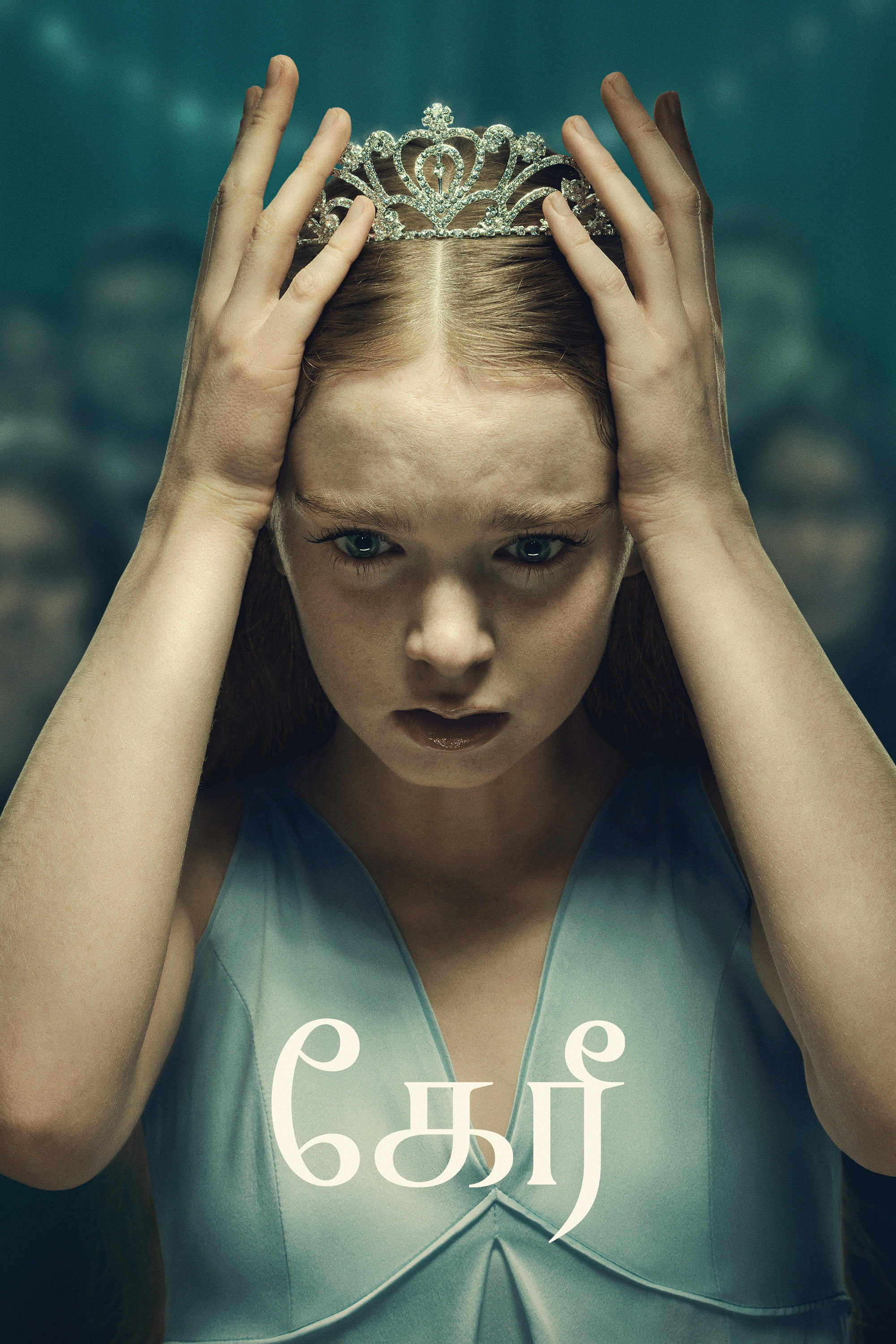
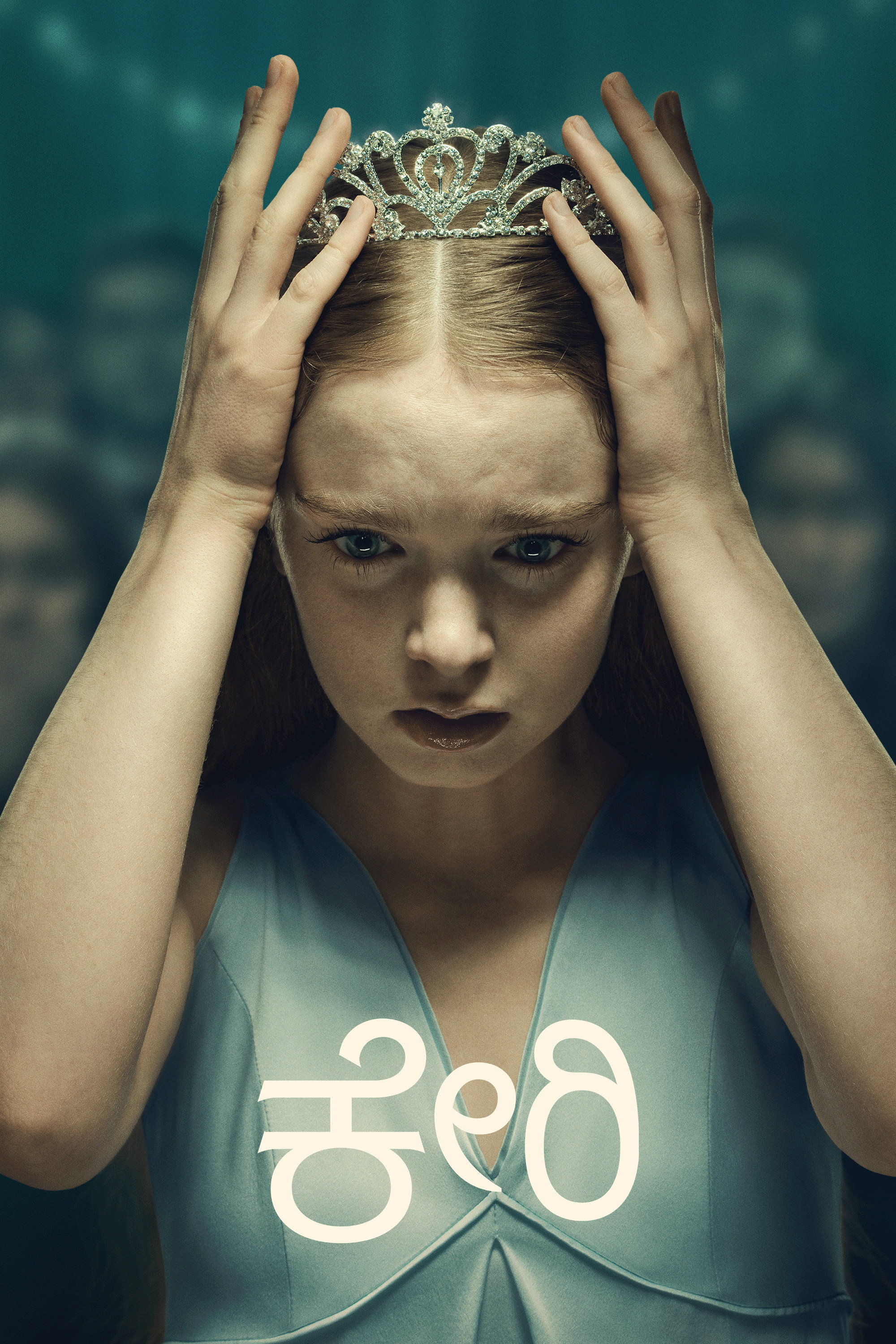
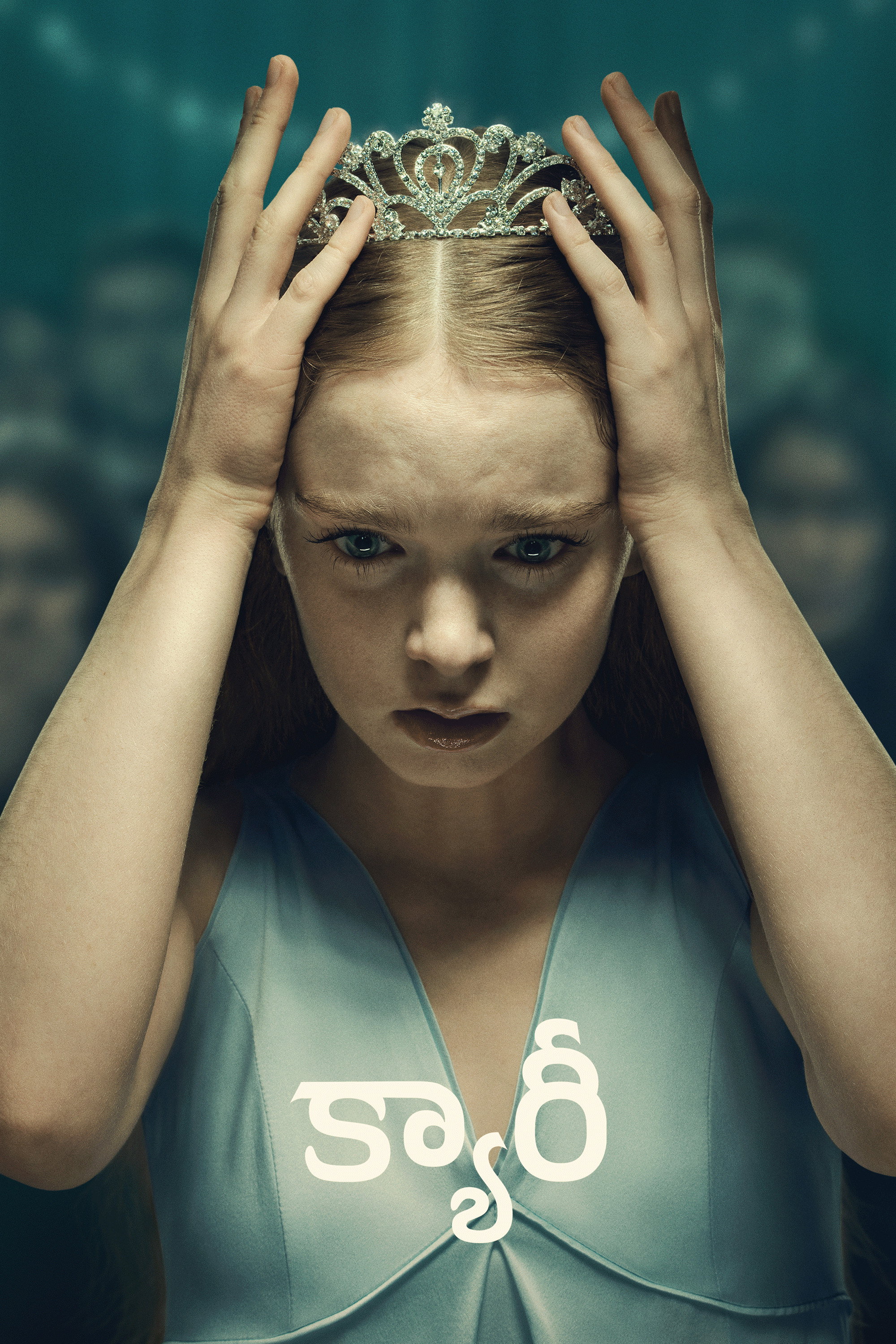
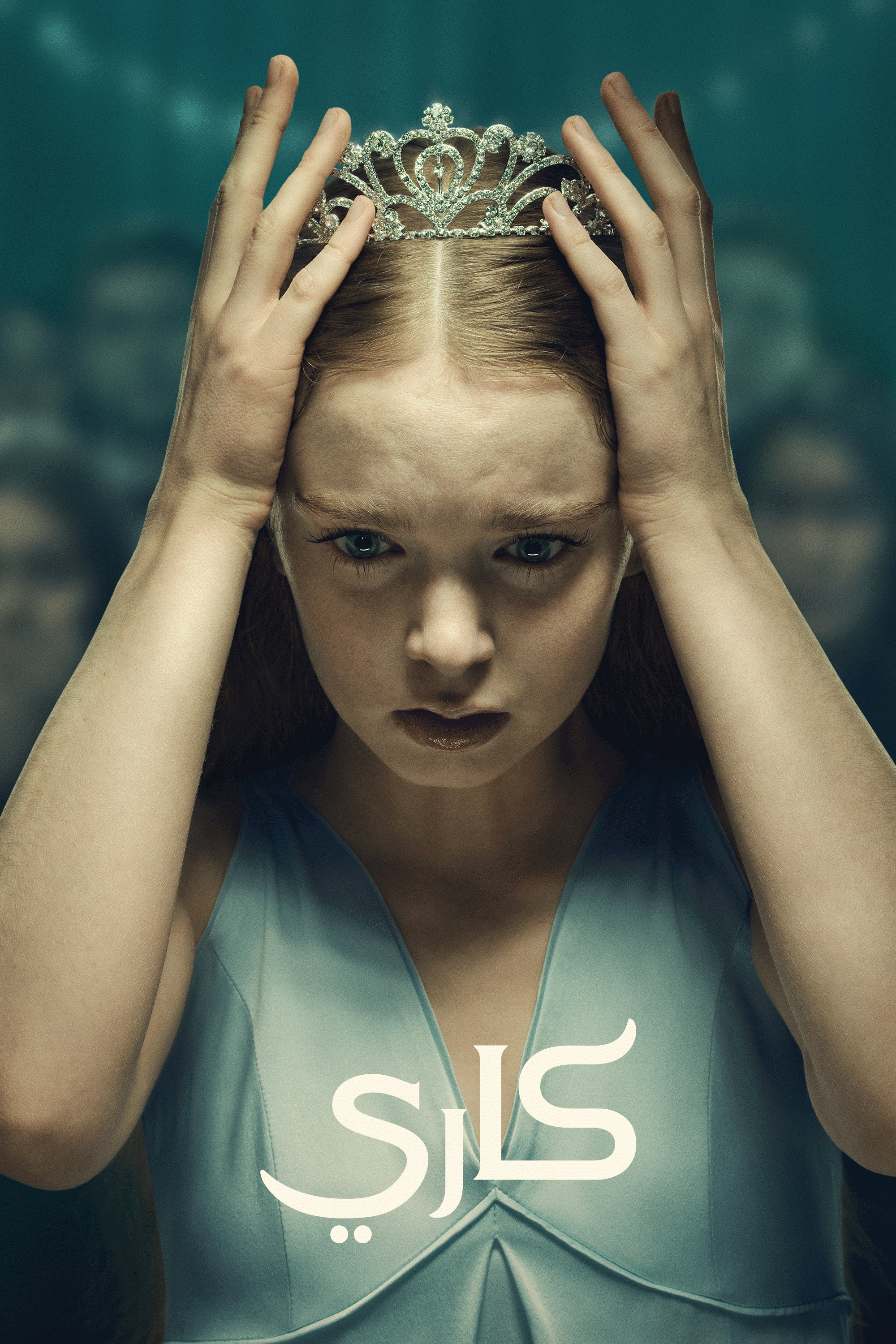
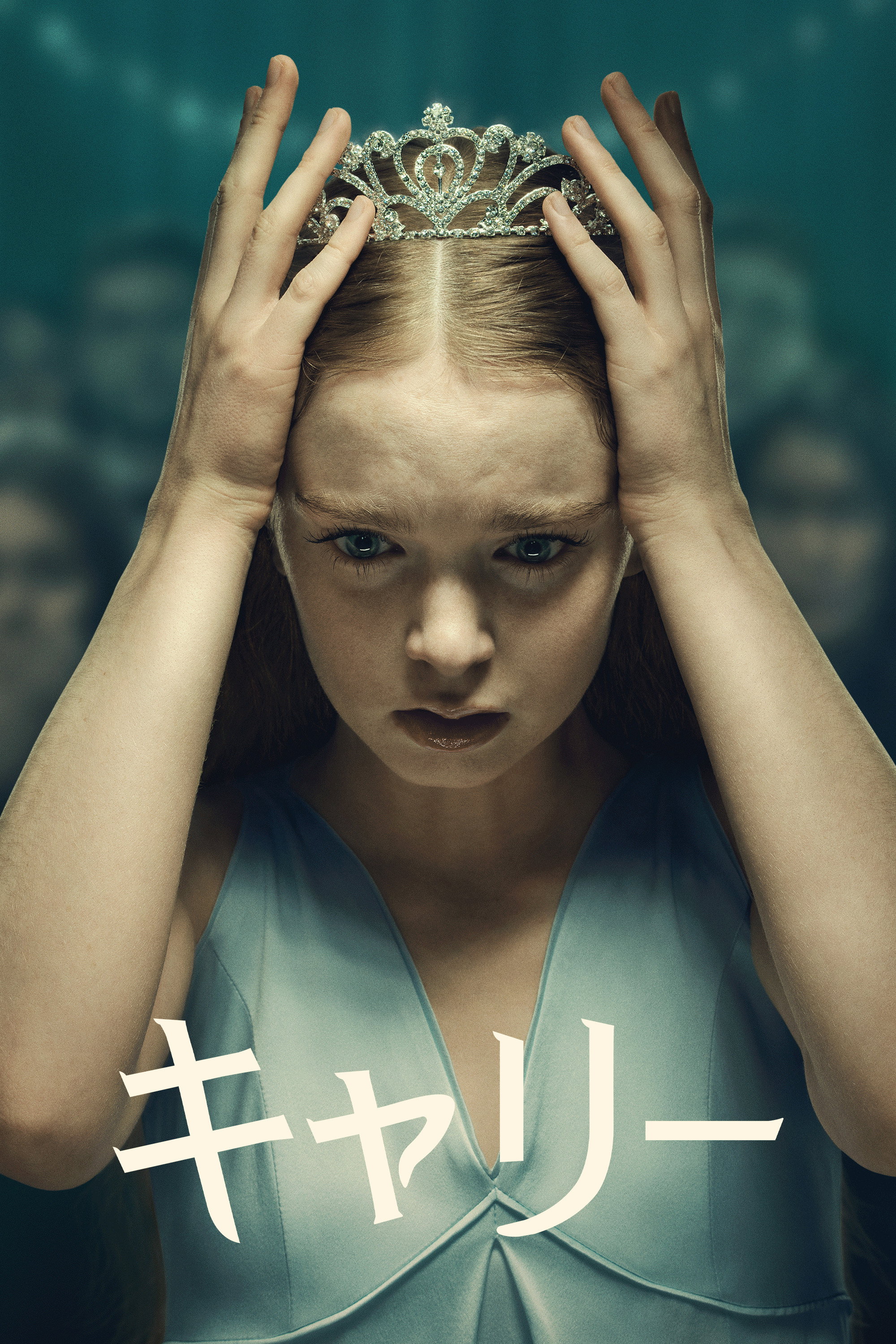
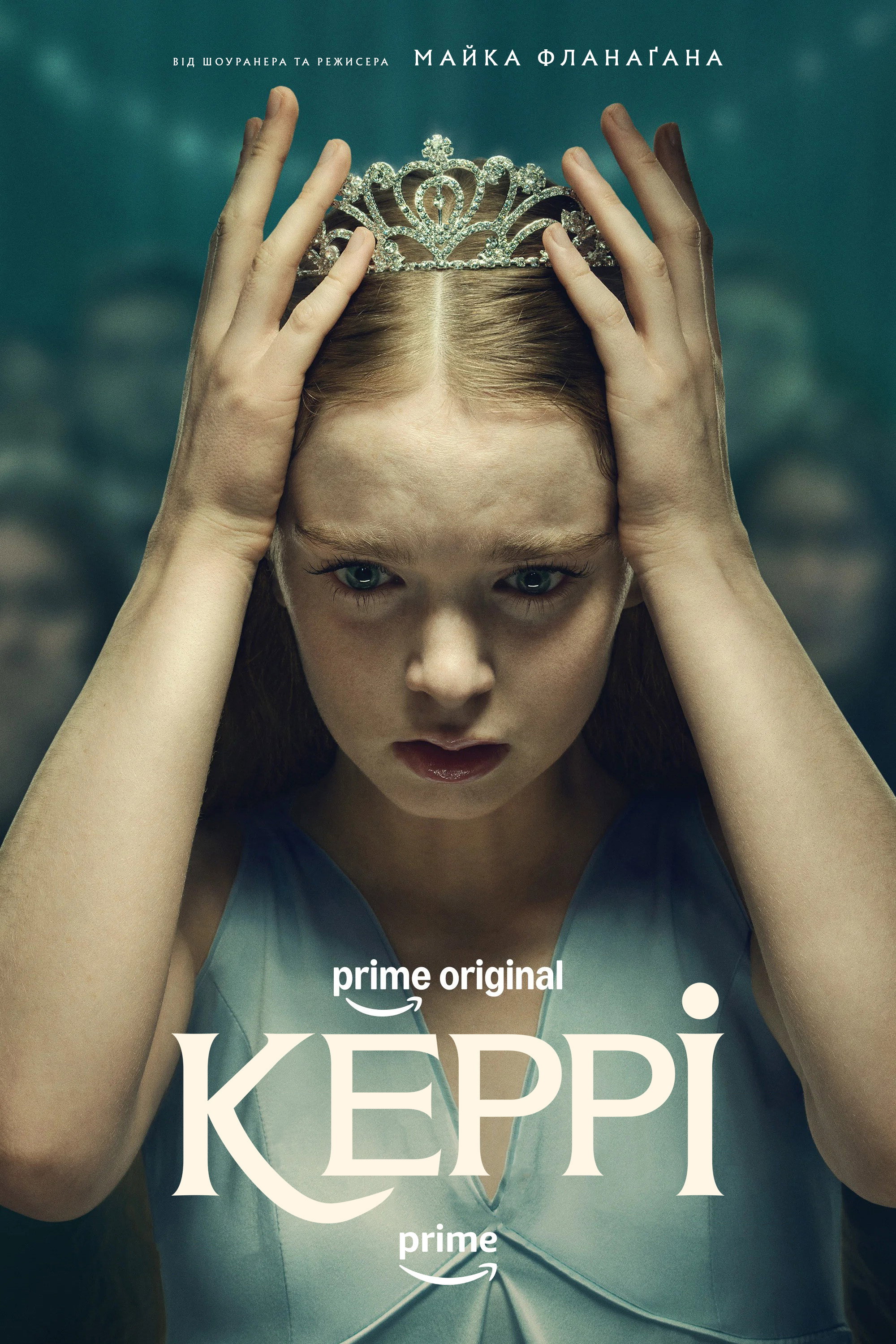
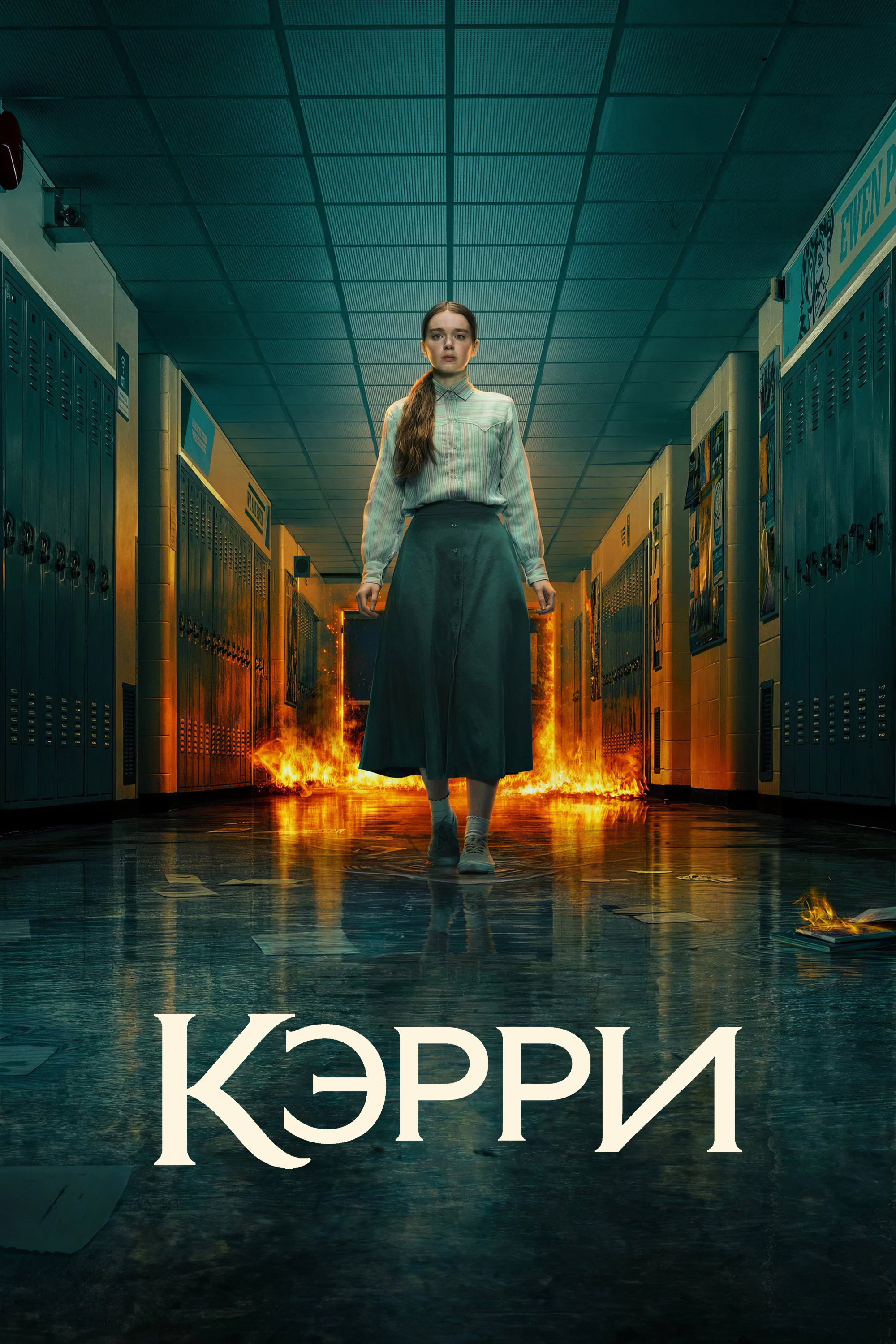
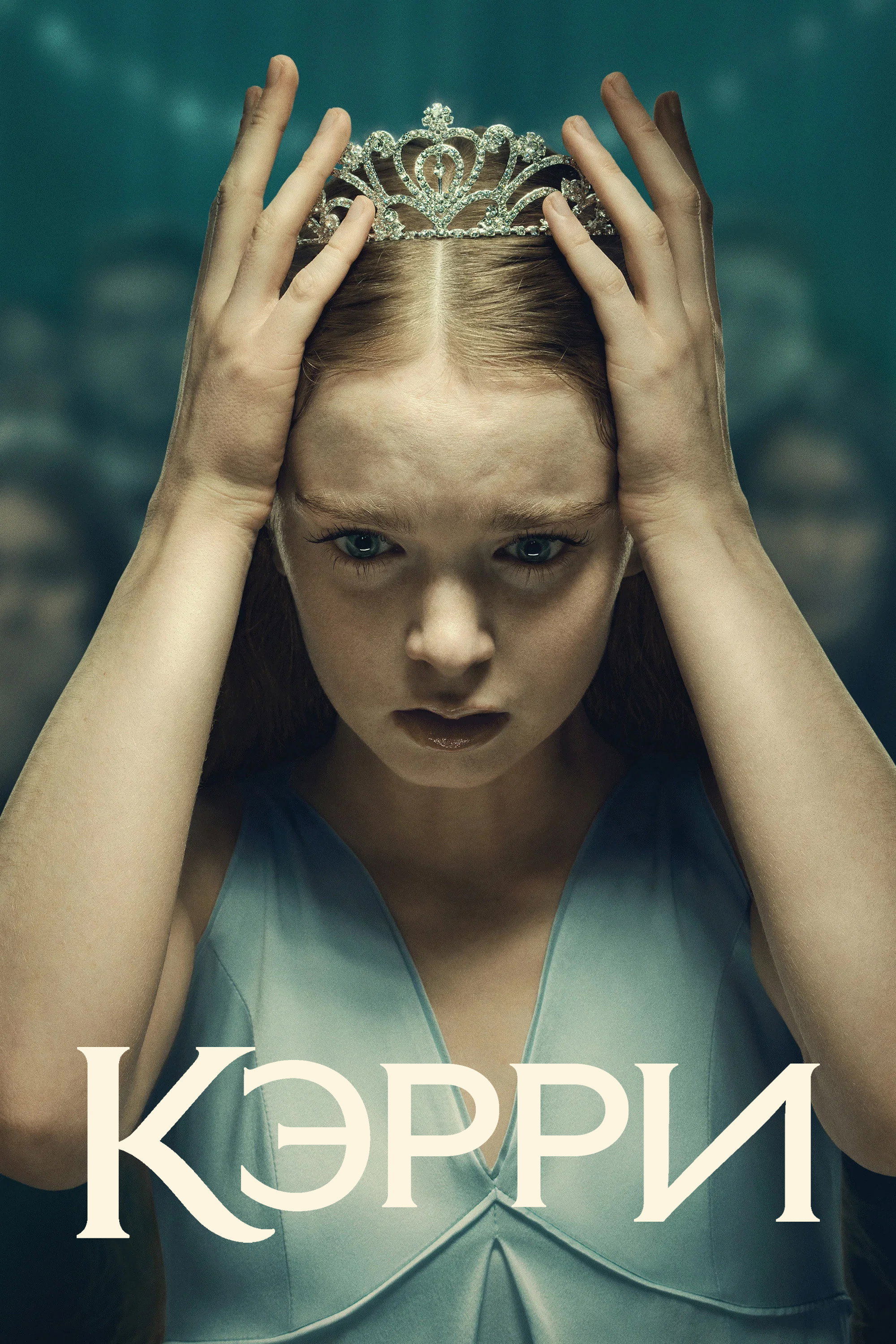
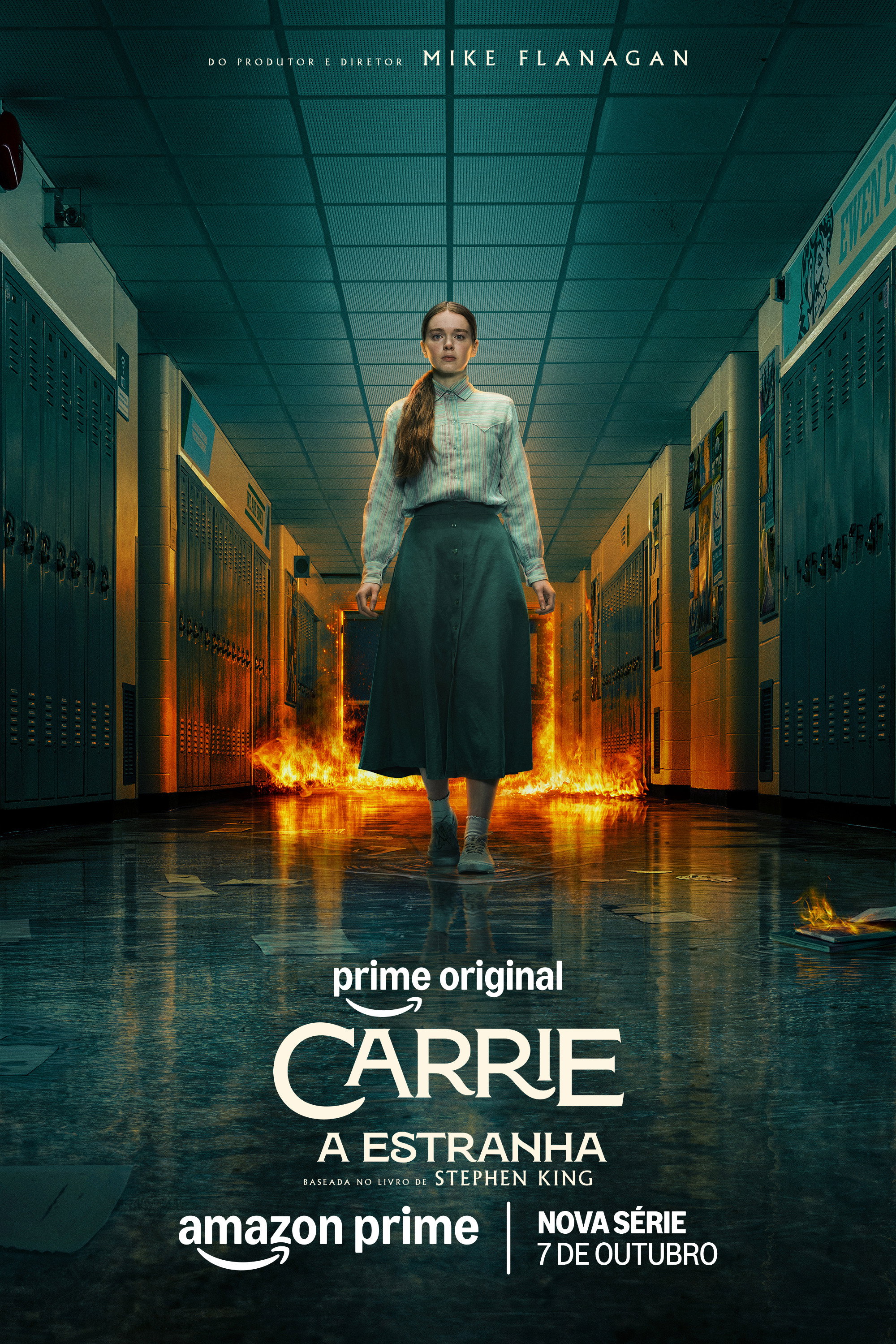
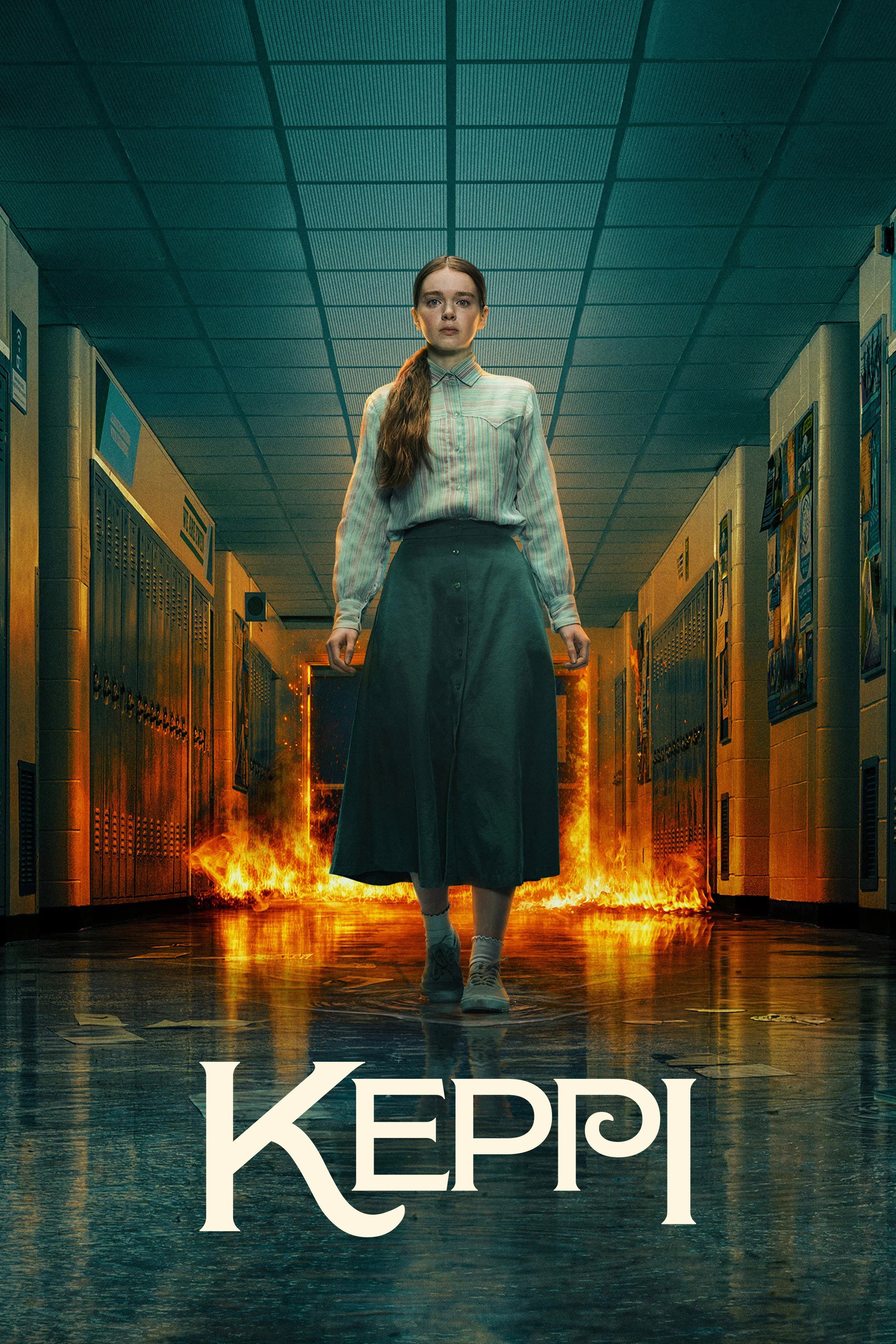
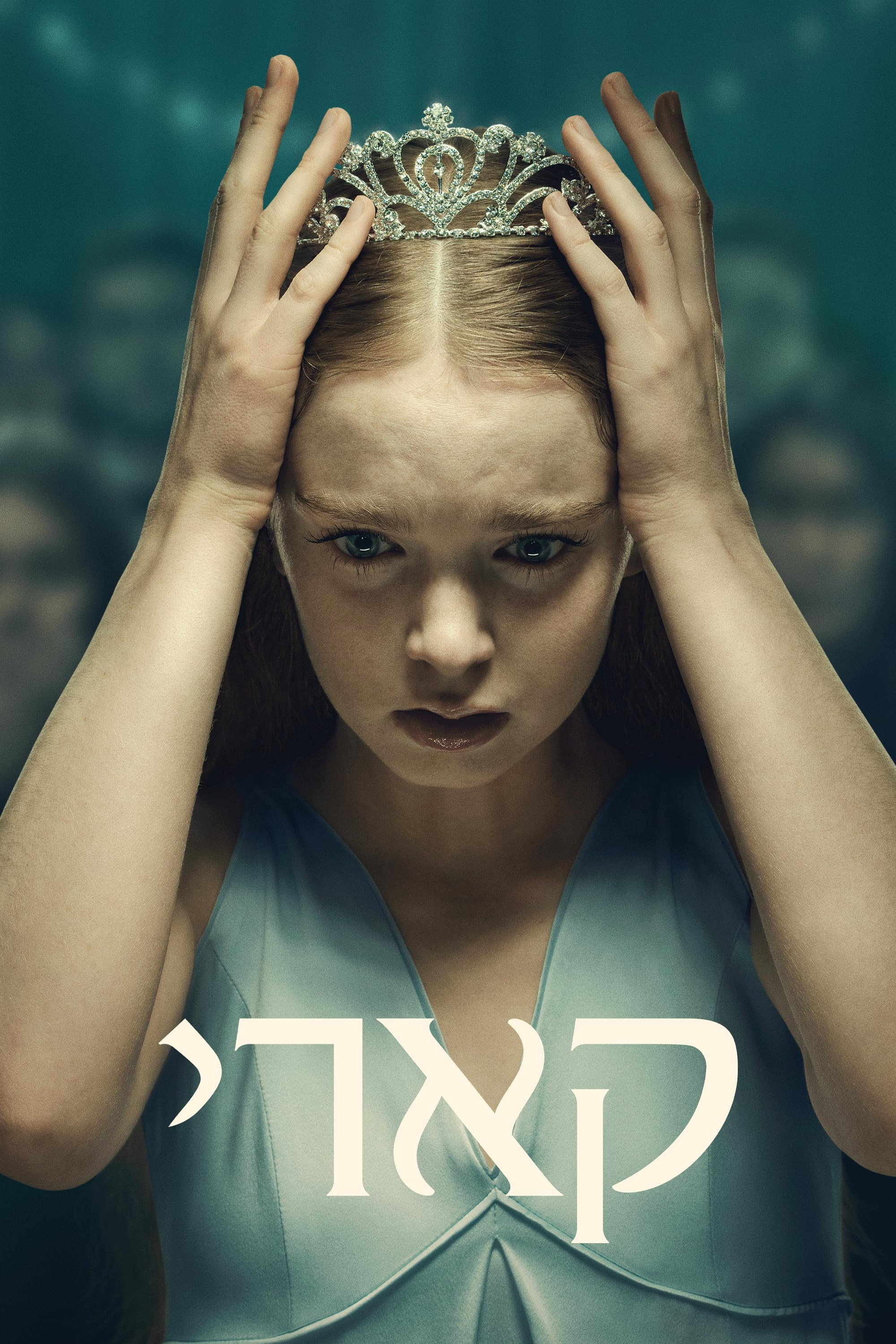
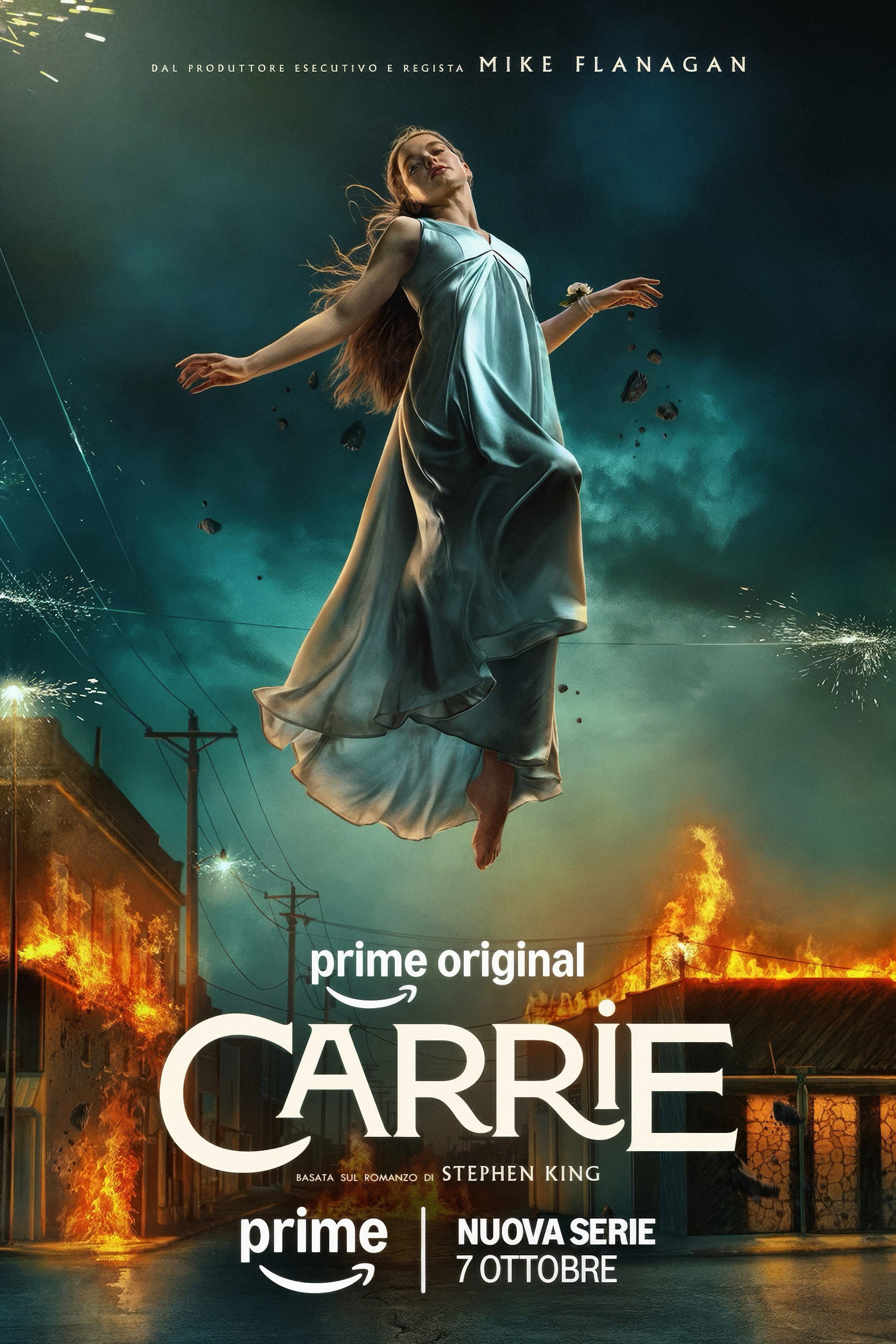
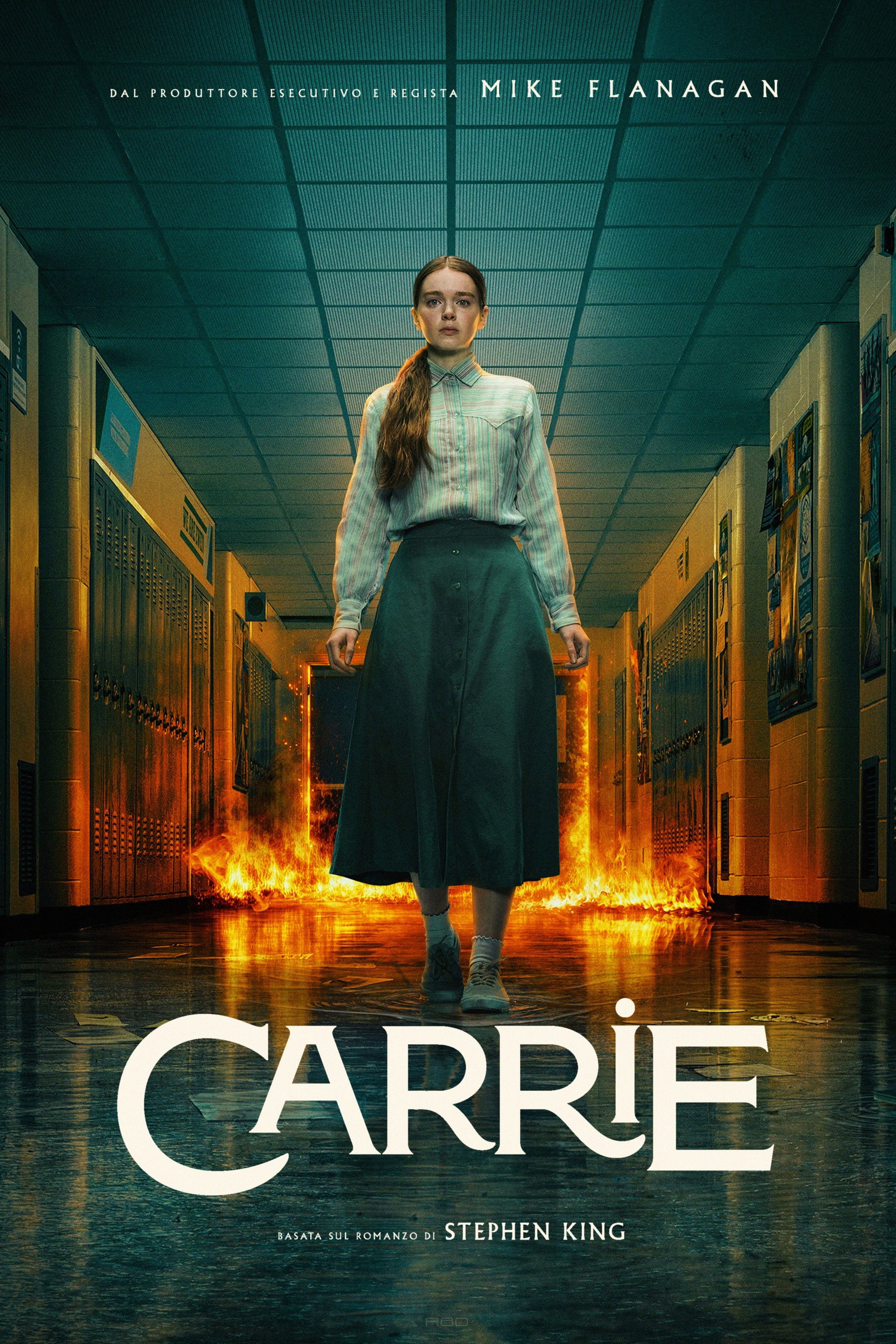
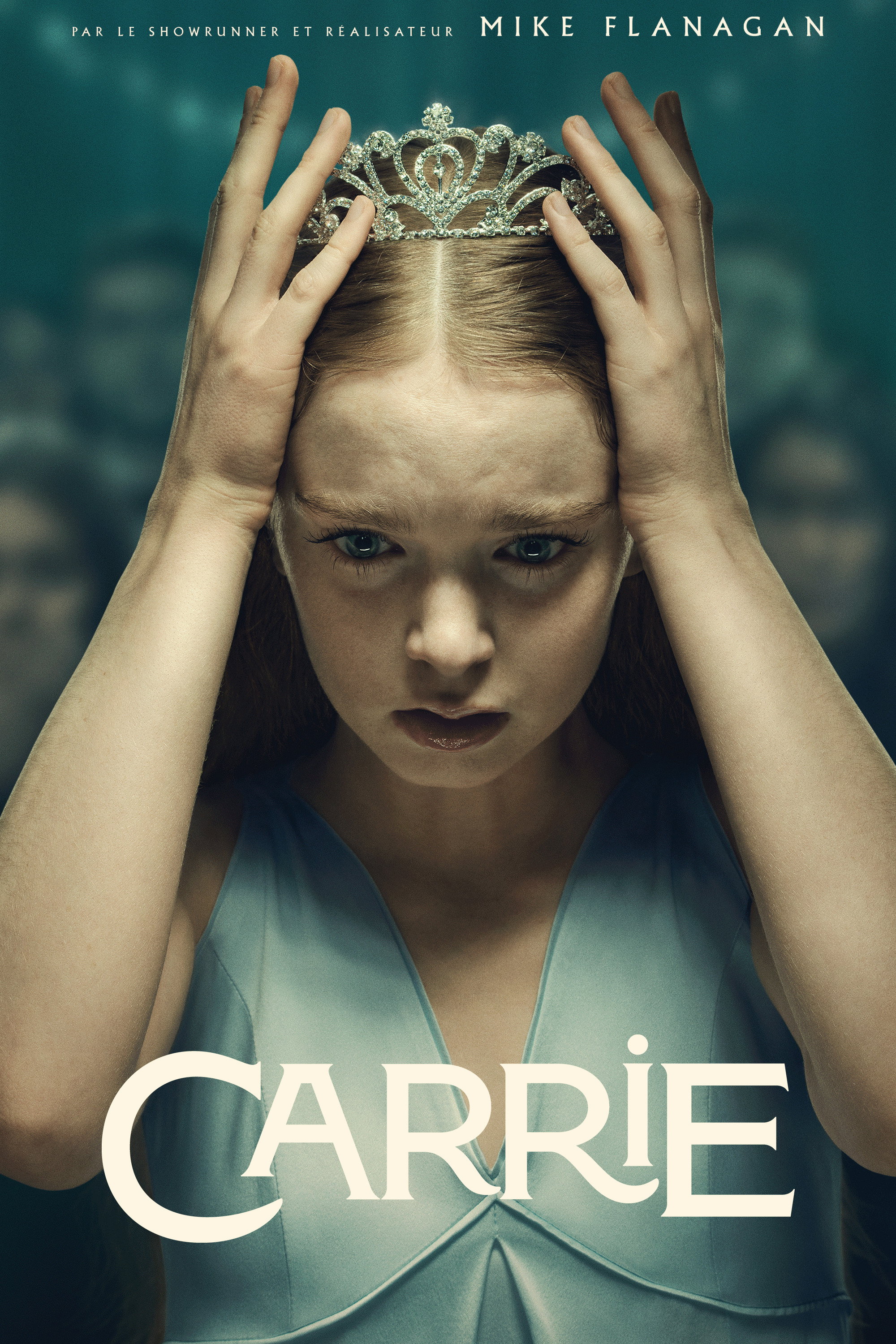
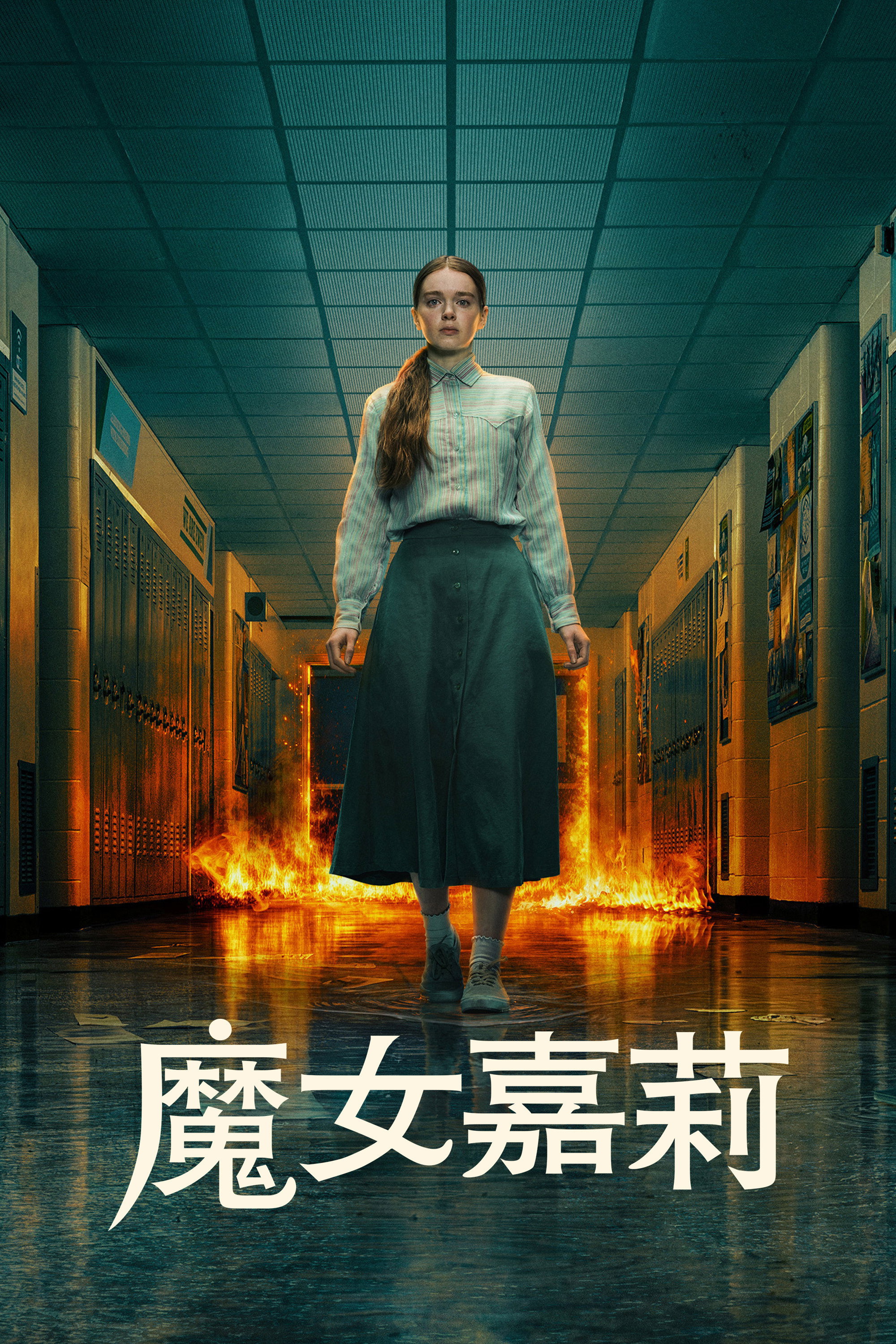
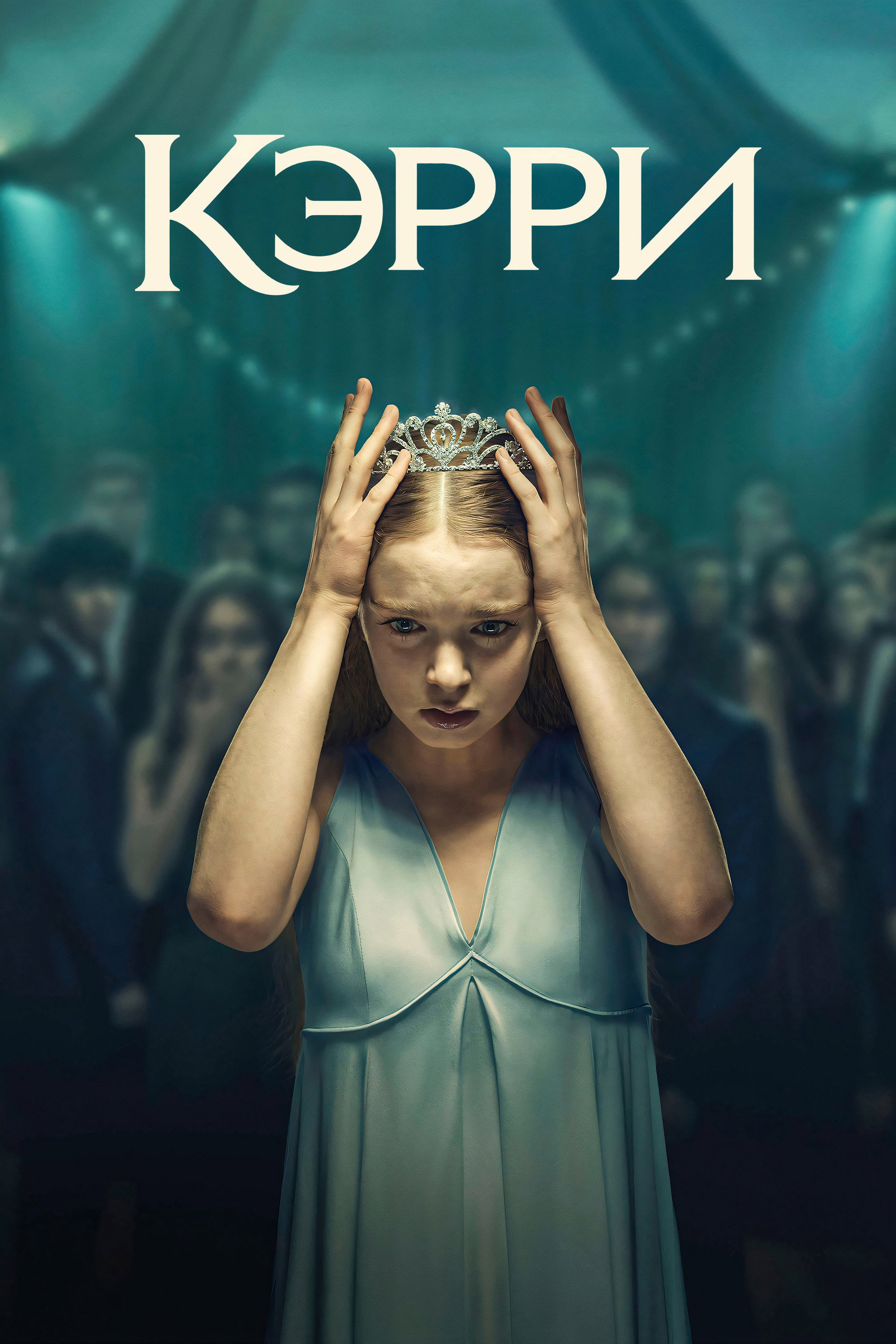
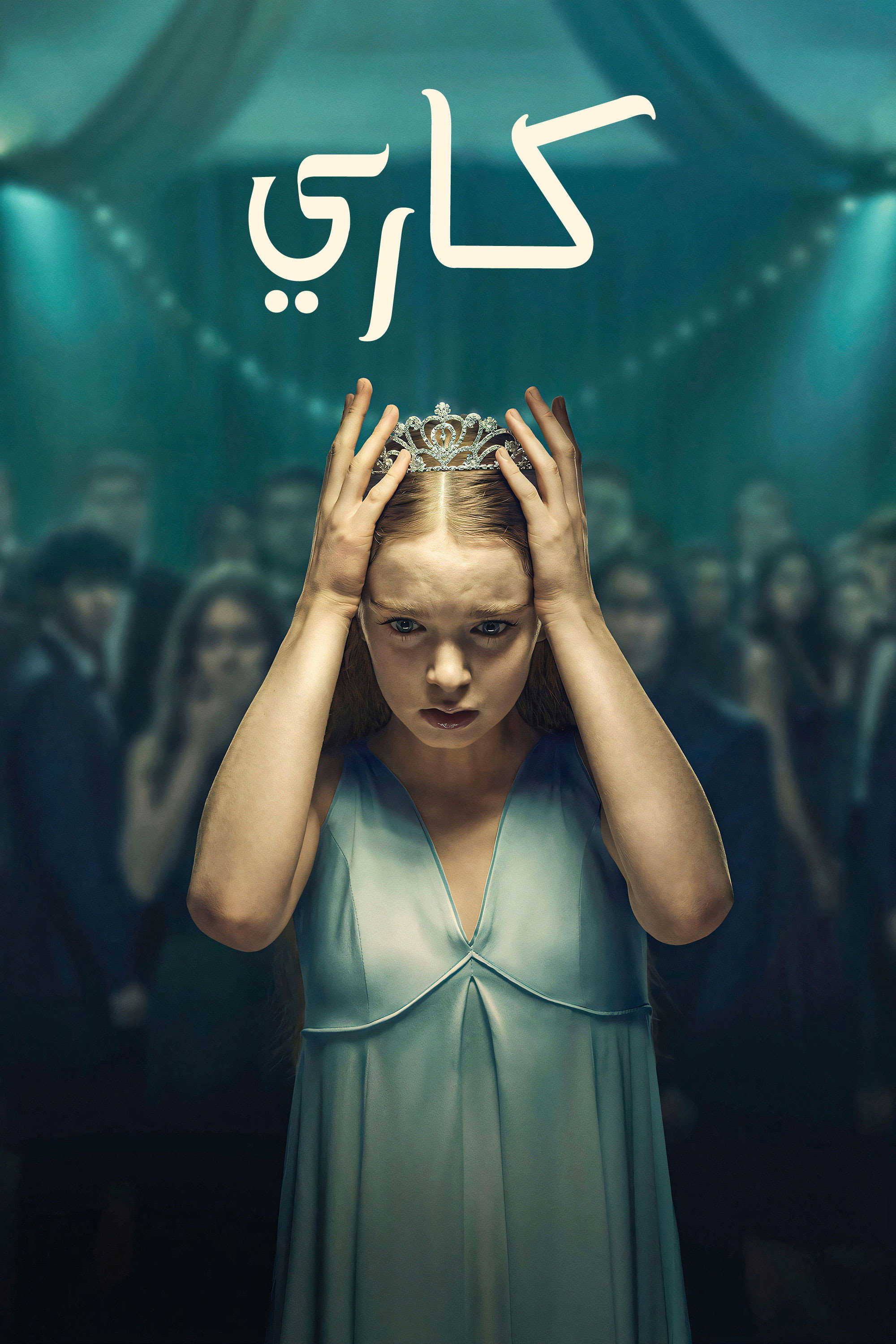
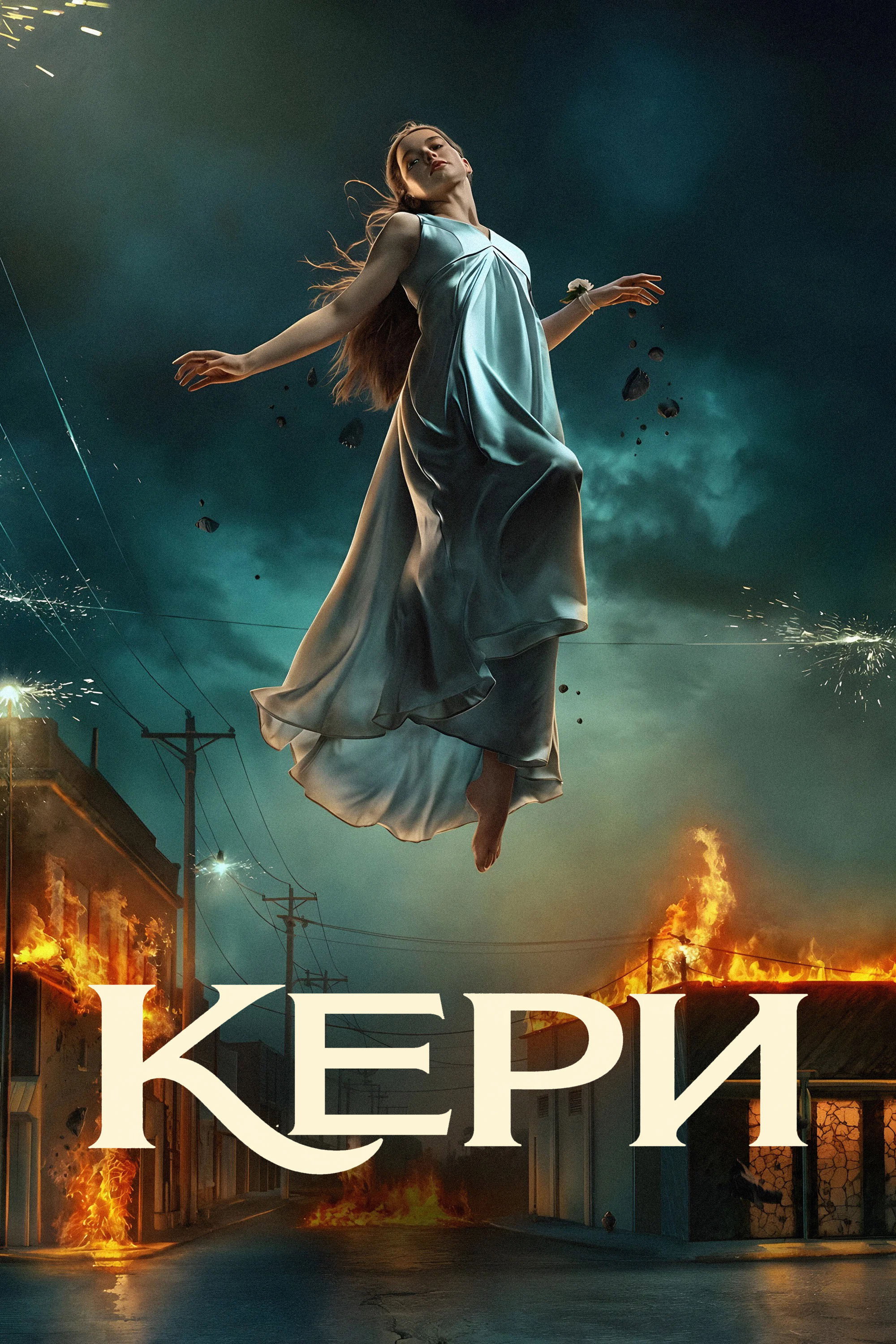
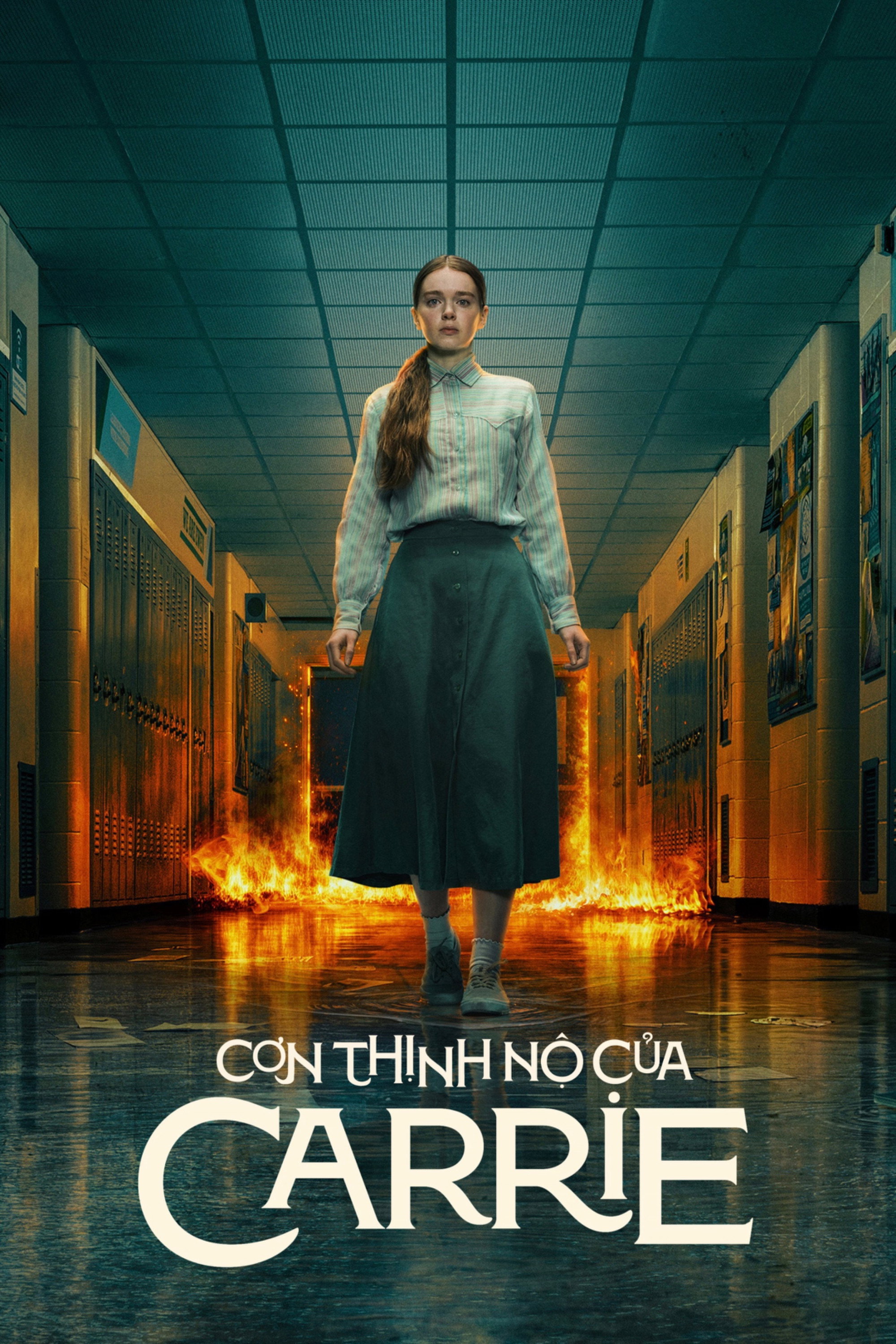
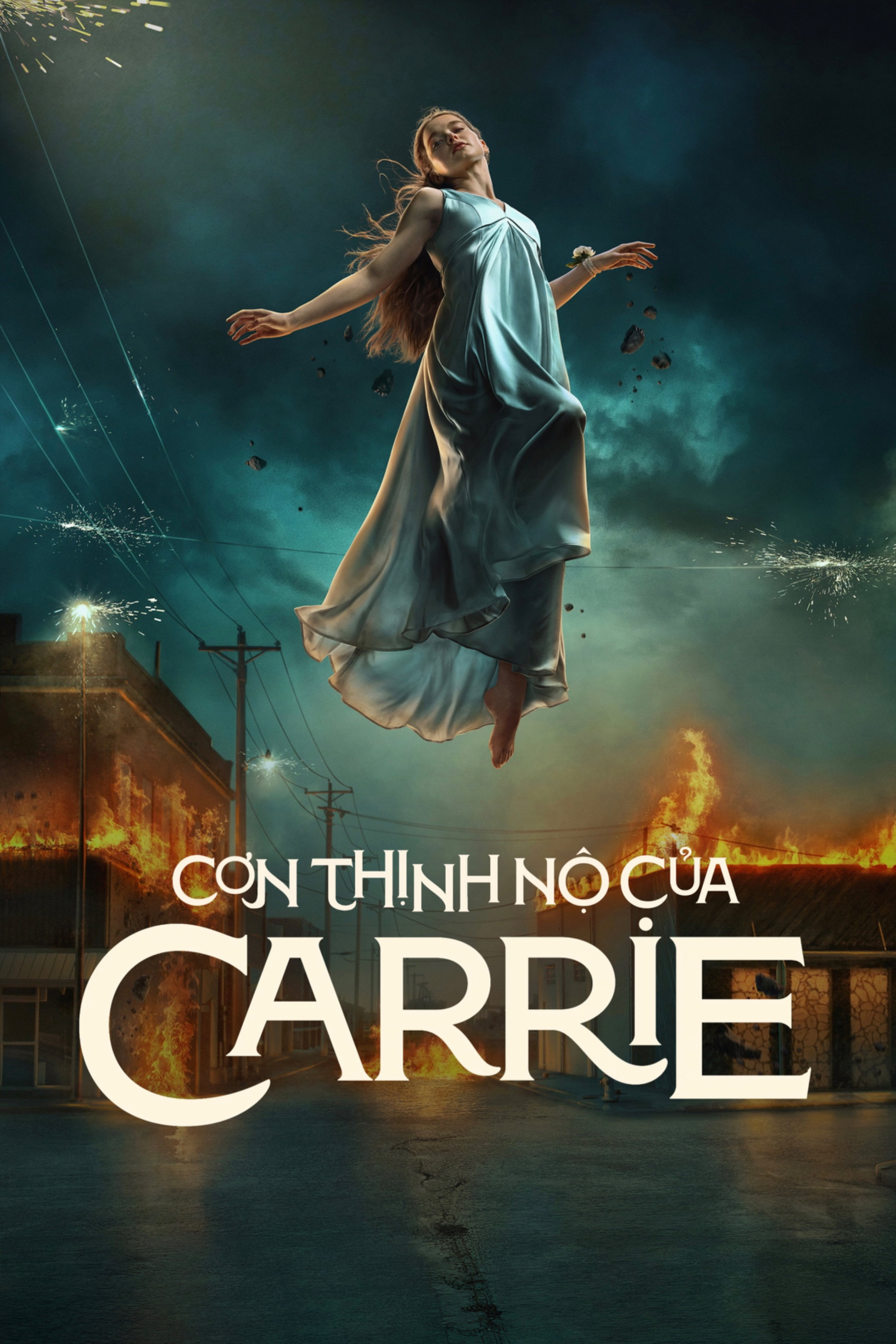
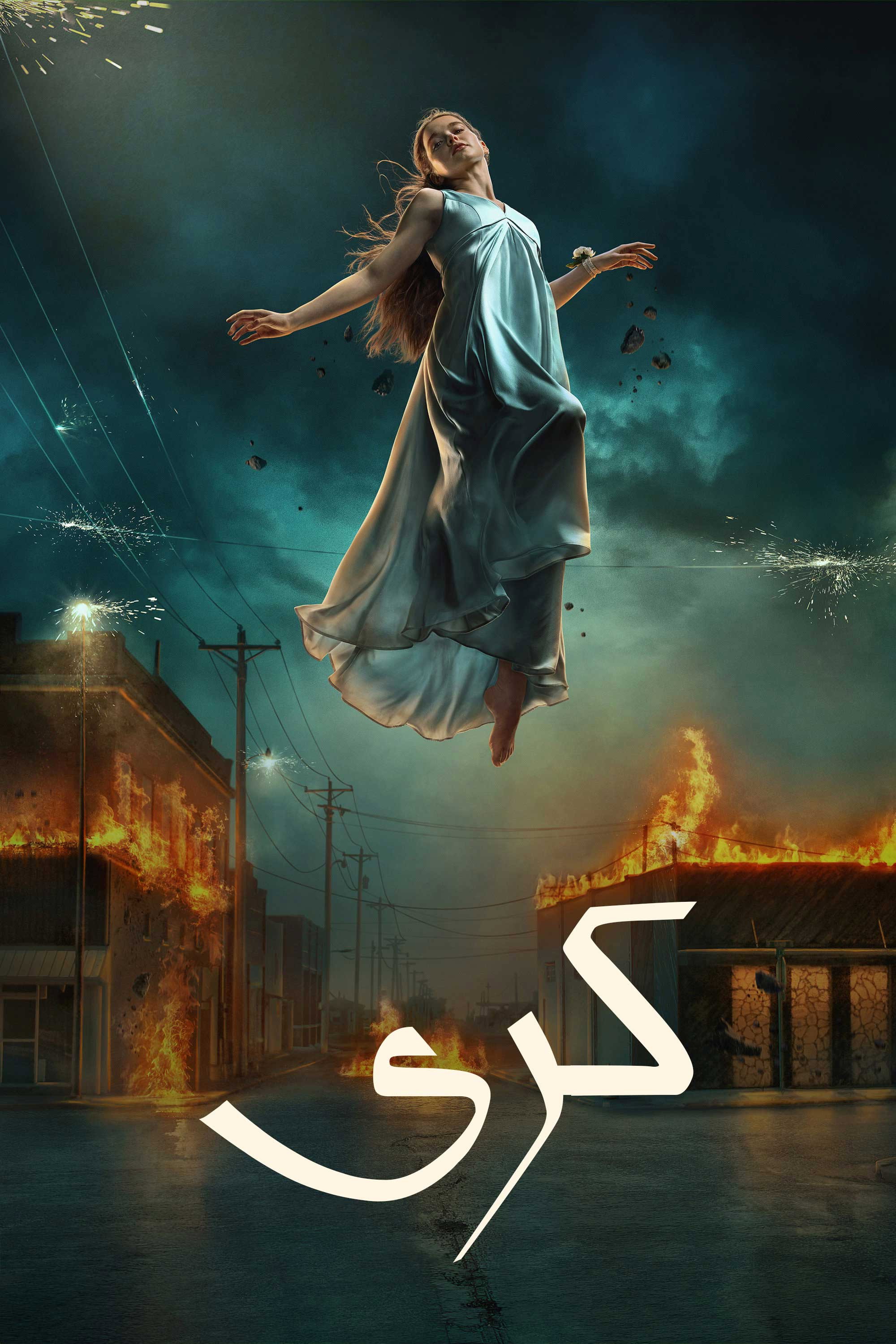
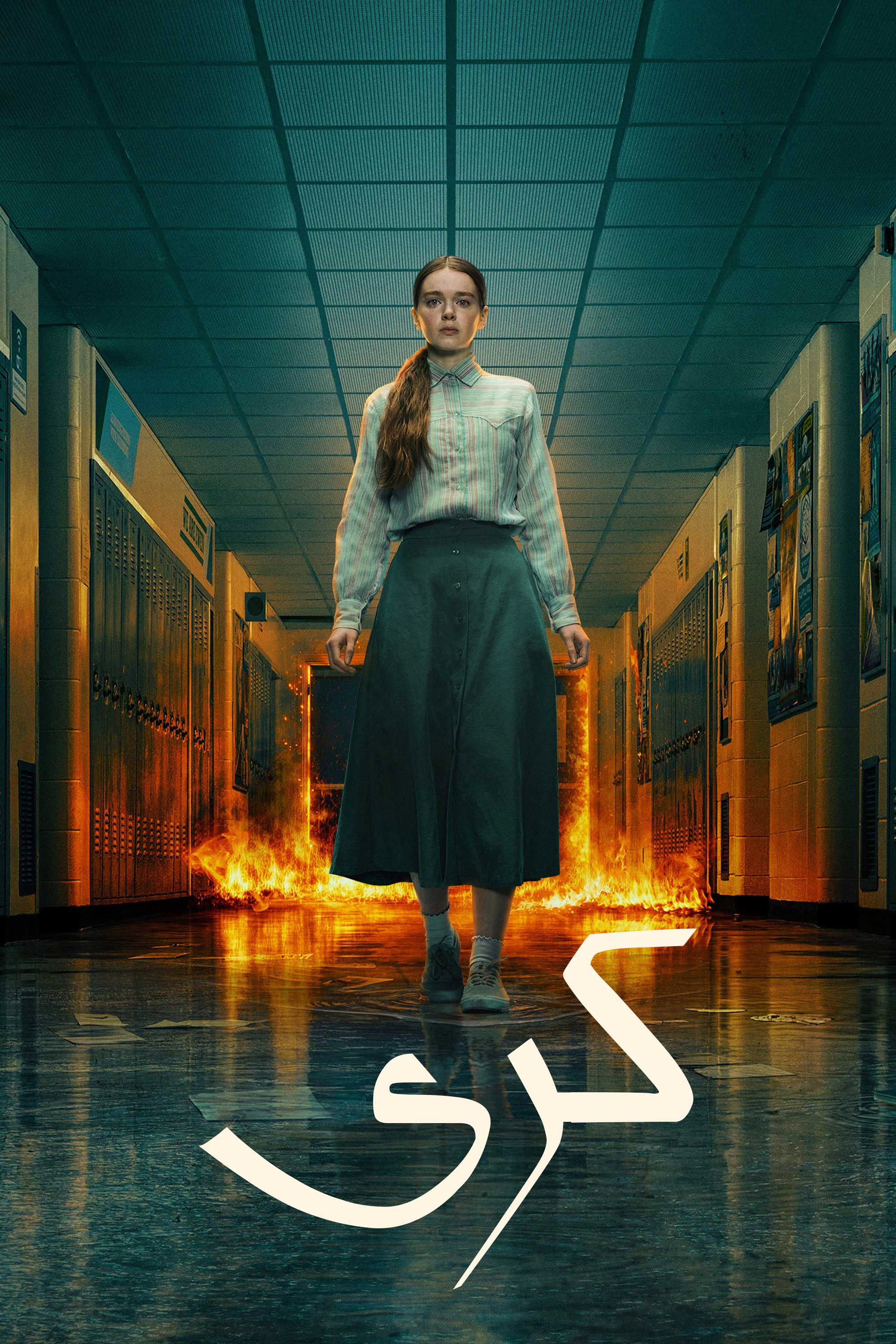
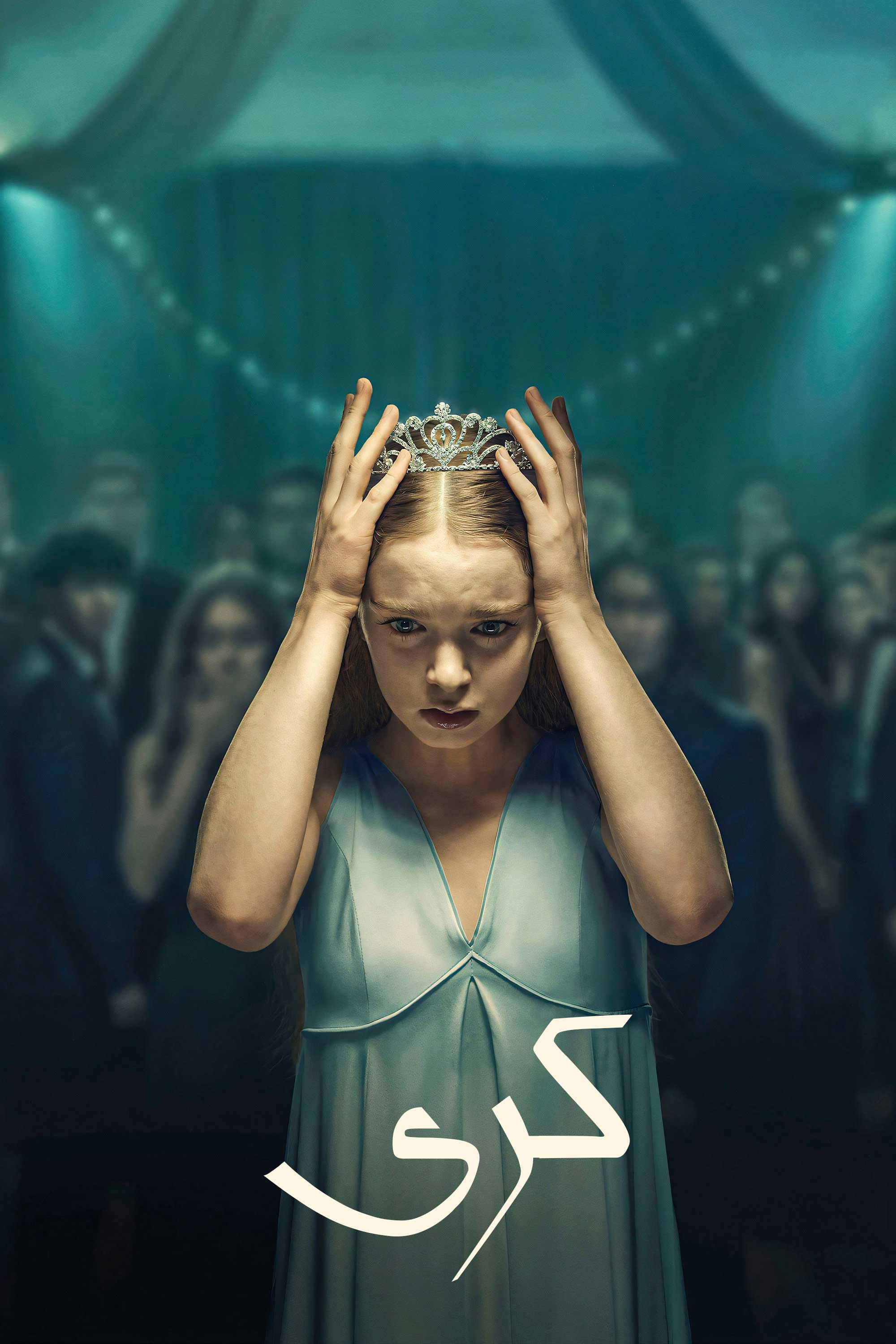
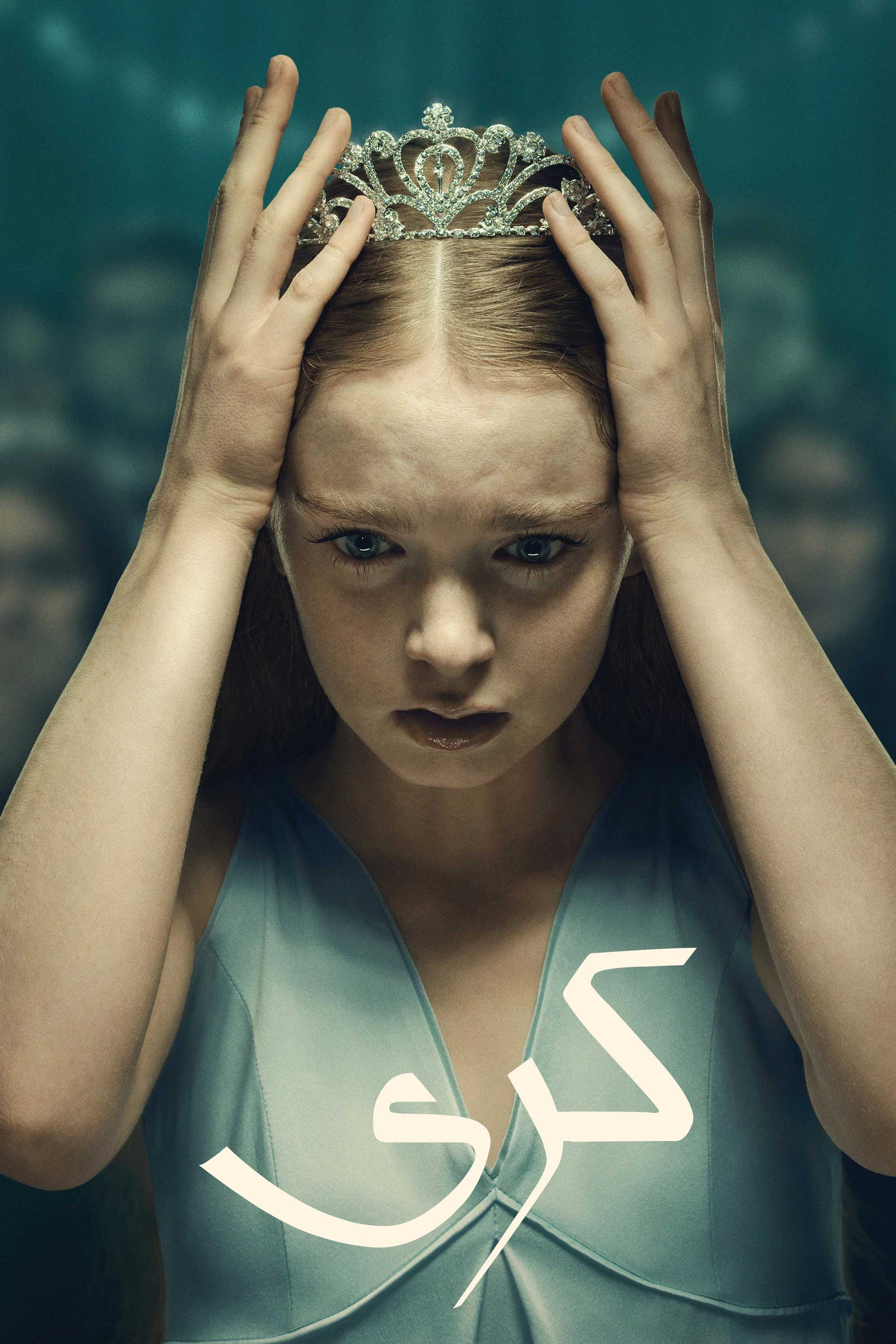
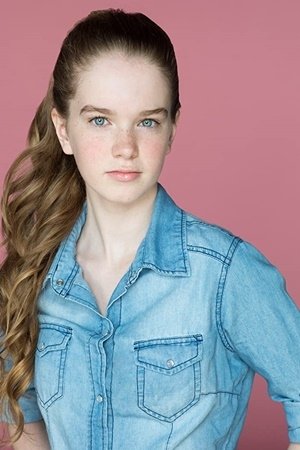 Summer H. HowellCarrie White
Samantha SloyanMargaret White
Siena AgudongSue Snell
Alison ThorntonChris Hargensen
Joel OuletteTommy Ross
Josie TotahTina Blake
Arthur ContiBilly Nolan
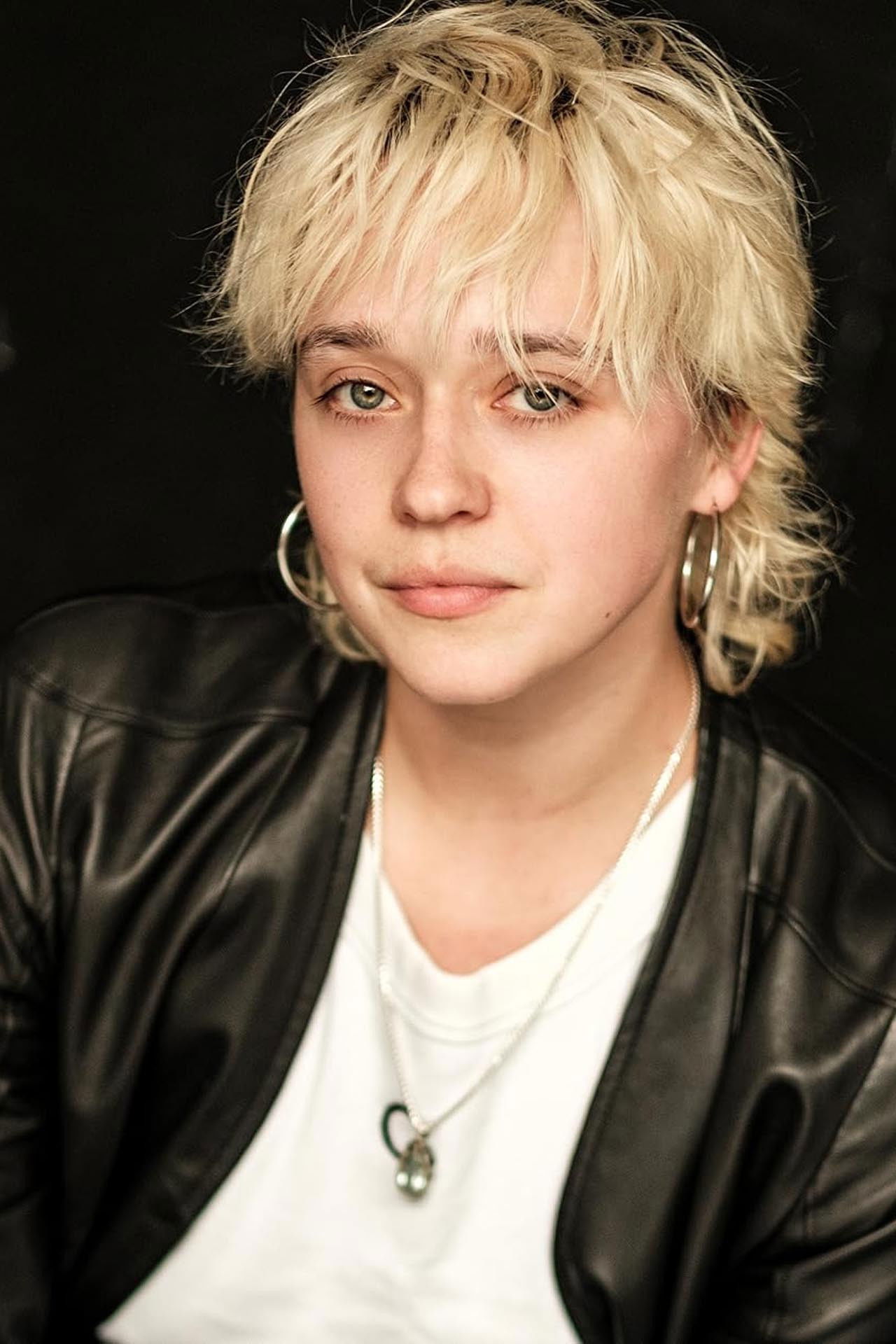 Thalia DudekEmaline West
 Amber MidthunderMiss Desjardin
 Matthew LillardPrincipal Grayle
Rowan DanielleBrooklyn Kirby
 Michael TruccoJohn Hargensen
She just wanted a friend. They gave her a fight.