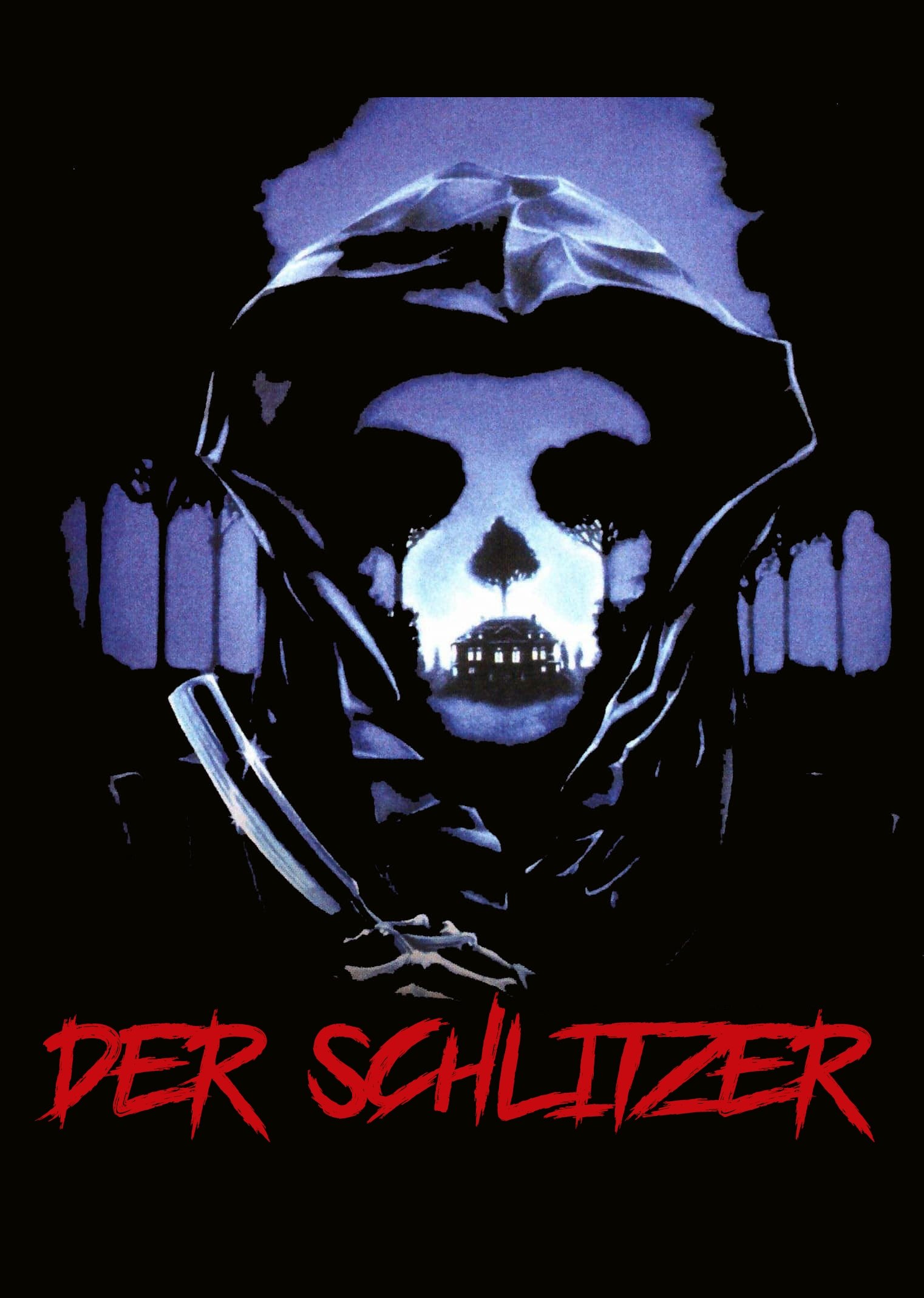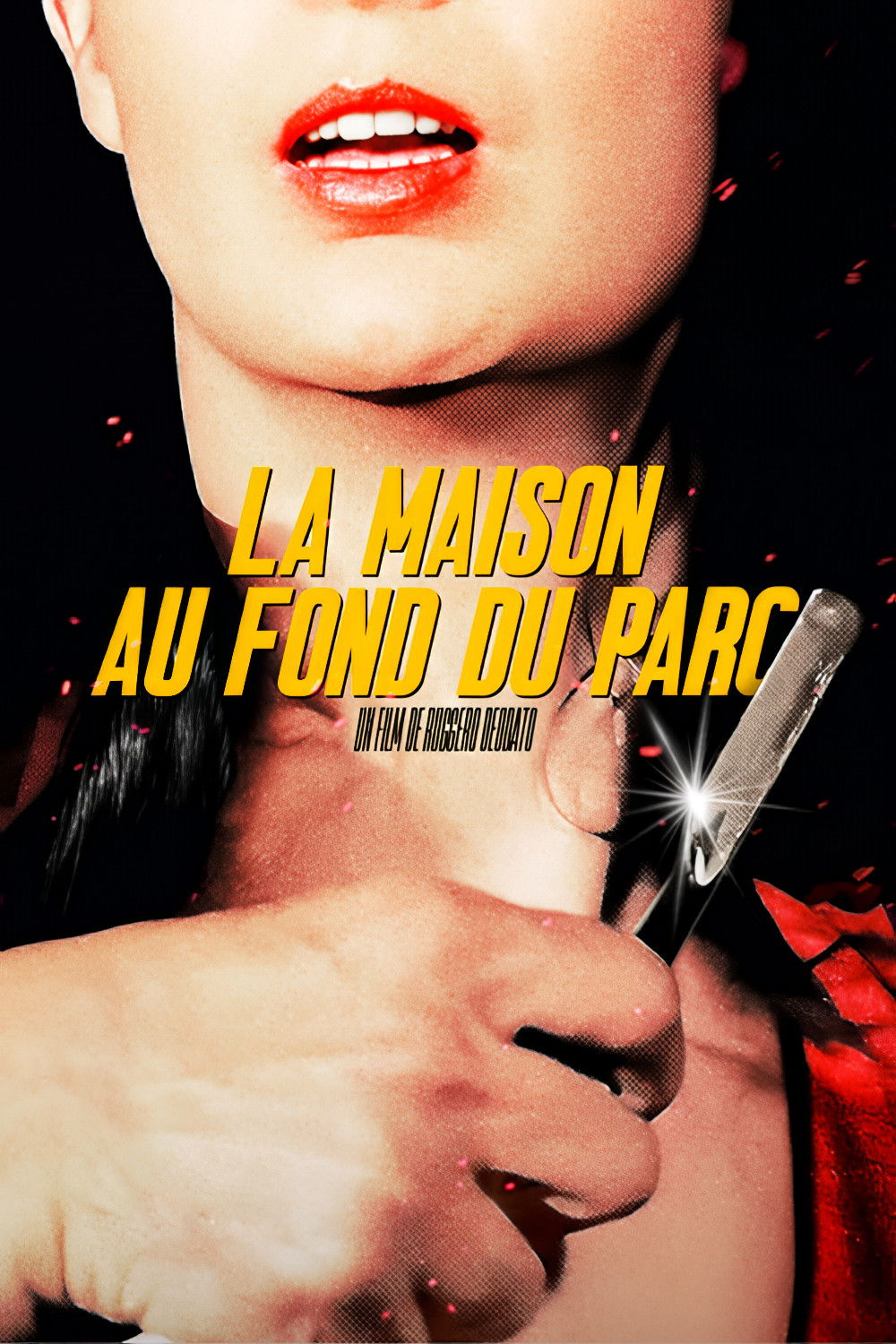


Development, The Last House on the Left and the Circeo Case
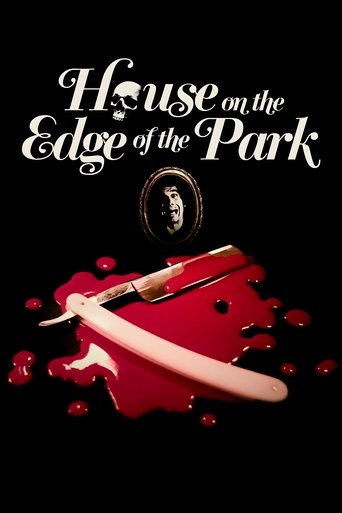
The project developed through Deodato's existing collaboration with Gianfranco Clerici, who had written Cannibal Holocaust. In an extensive interview published by Cine-Excess, Deodato recalled that Clerici became interested in making another film after watching Wes Craven's The Last House on the Left. According to the director, Clerici was particularly impressed by David Hess and proposed constructing a new story around the American actor. The initial concept involved violence, social degradation and nighttime criminal activity in New York. The opening sequence preserves part of that urban setting, while the completed production concentrates its principal confrontation within an isolated residence.
The relationship with Craven's film concerns more than the participation of the same actor. Both works place sexual violence within revenge narratives and make the audience confront the relationship between criminal brutality and retaliatory punishment. Deodato nevertheless supplied another explanation for the subject in a 2016 interview with Horror Magazine. He identified the notorious Circeo murder case in Italy as an inspiration and stated that the primary connection with Craven was Hess himself. The two accounts need not be treated as mutually exclusive: the earlier film may have influenced the project's cinematic conception while contemporary Italian crimes contributed to Deodato's understanding of the material. Neither statement establishes that the screenplay was intended as a factual reconstruction of the Circeo case.
This distinction also complicates the frequent description of The House on the Edge of the Park as a remake of The Last House on the Left. The shared performer, revenge structure and confrontational violence provide substantial grounds for comparison, but the two films possess different characters, environments and systems of social conflict. The testimony of Deodato specifically identifies Clerici's interest in Hess and the earlier film as a point of departure. It does not establish a formal remake arrangement. The House on the Edge of the Park is therefore more accurately situated within the development of post-1970s exploitation and rape-revenge horror, where established material could be adapted into new productions without reproducing the complete narrative.