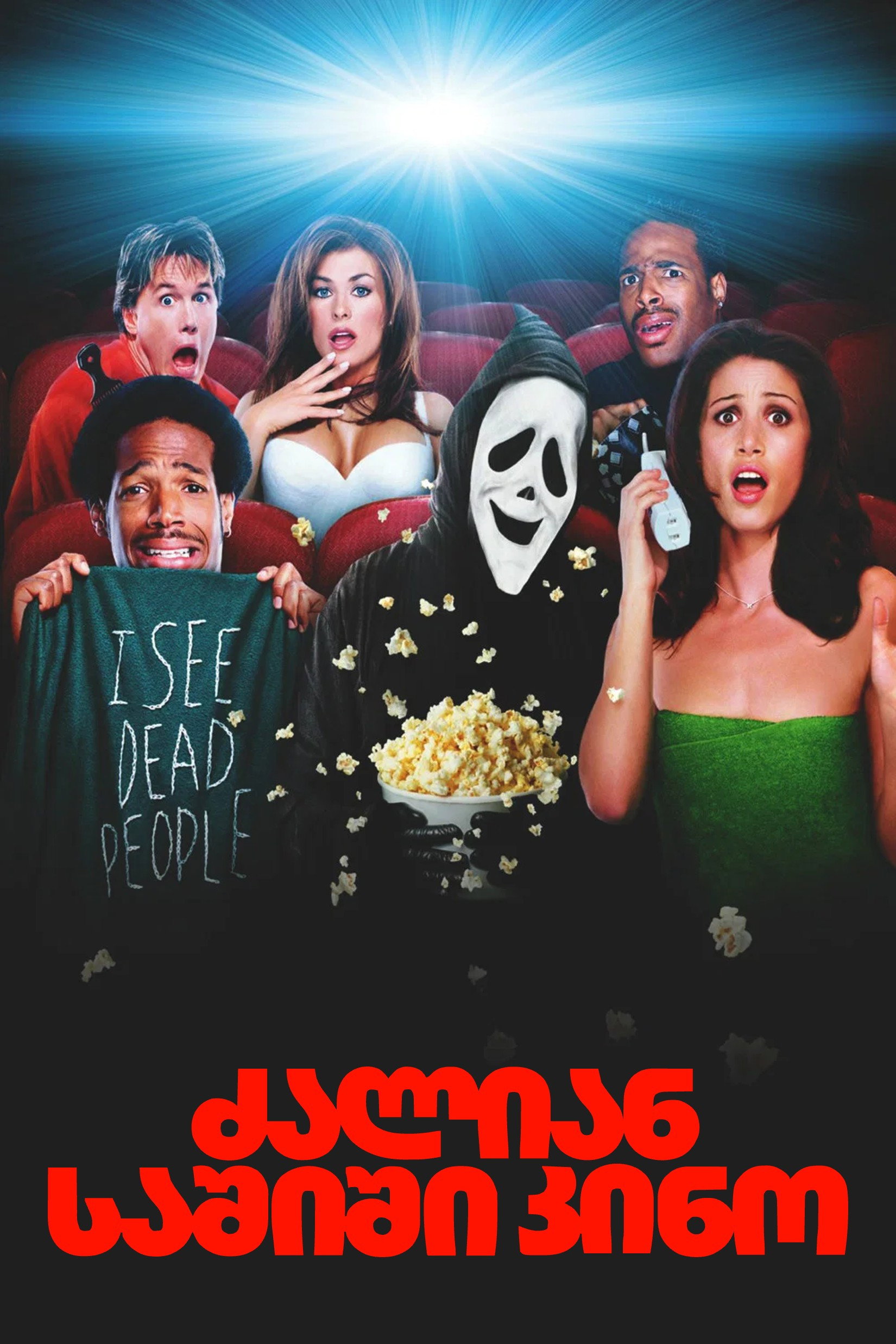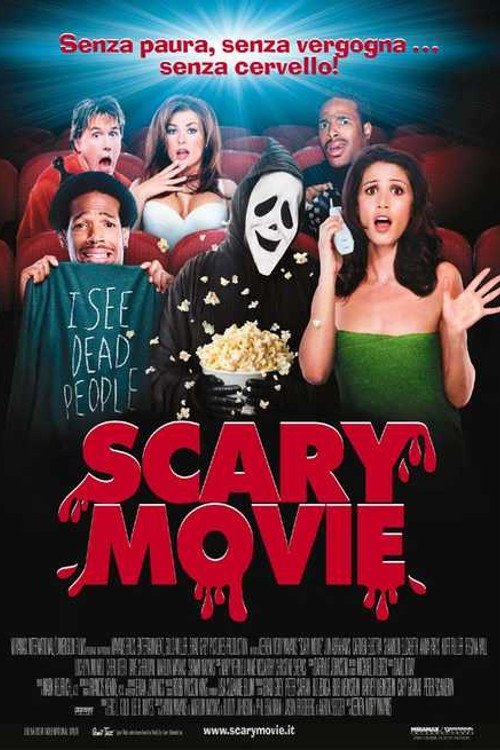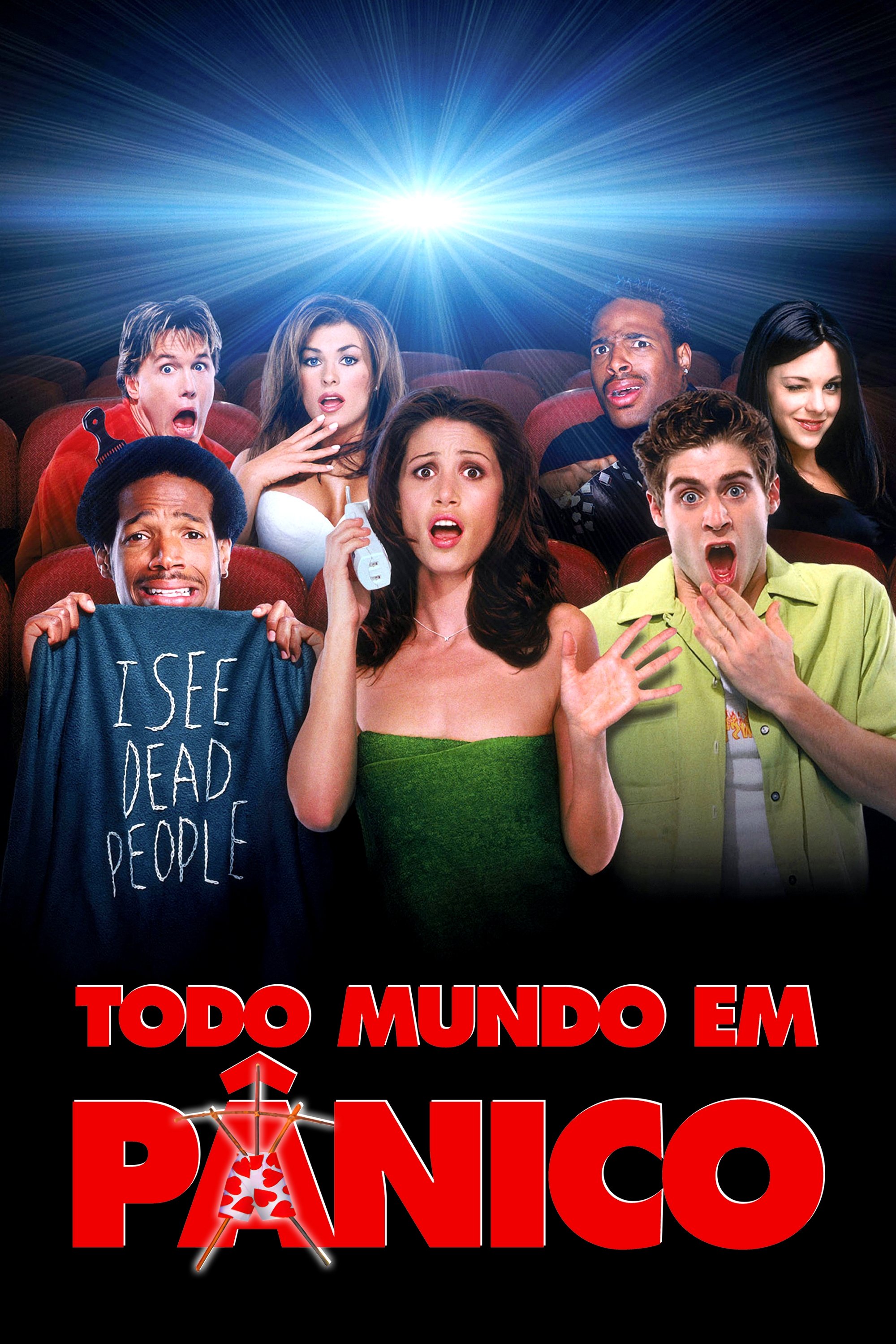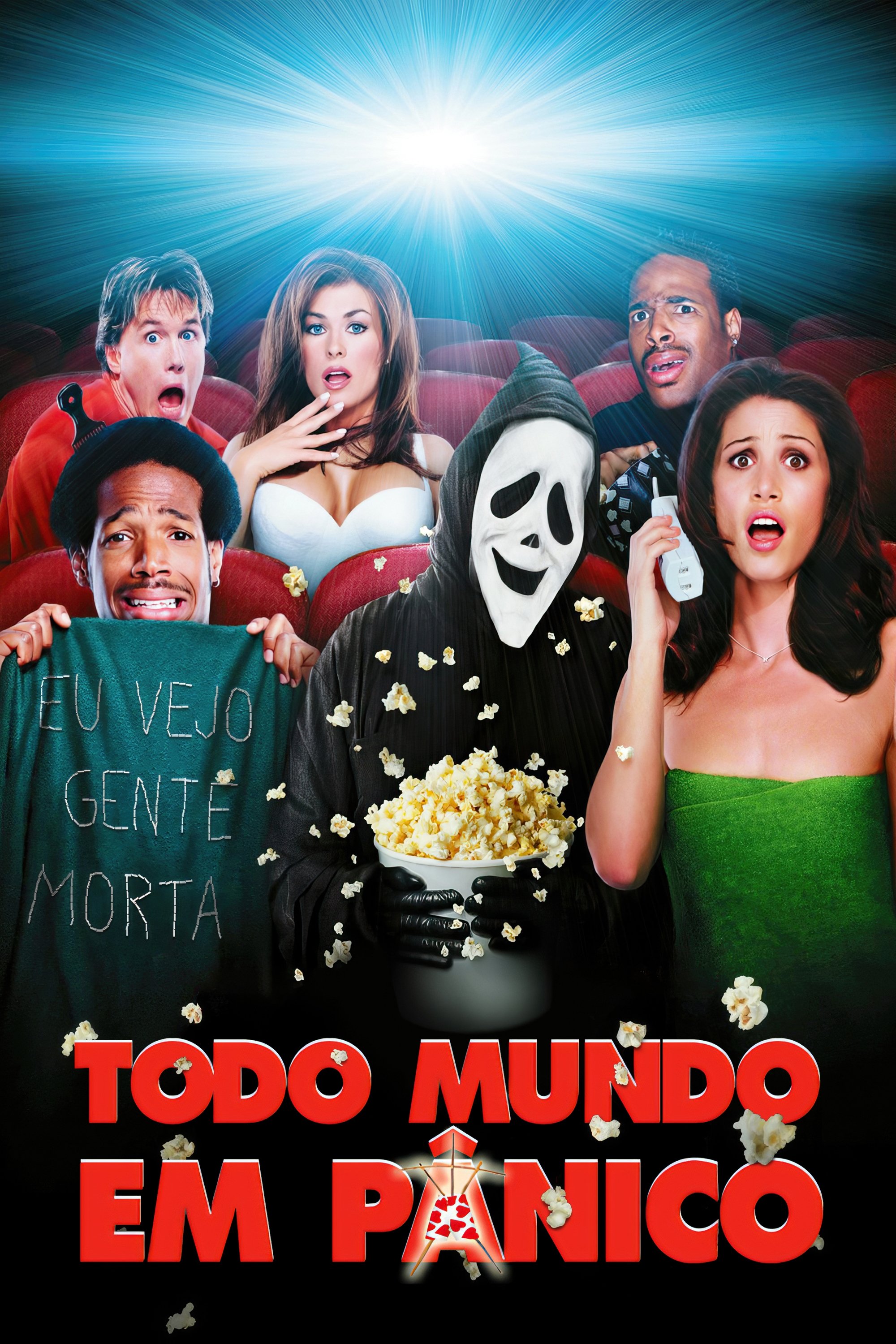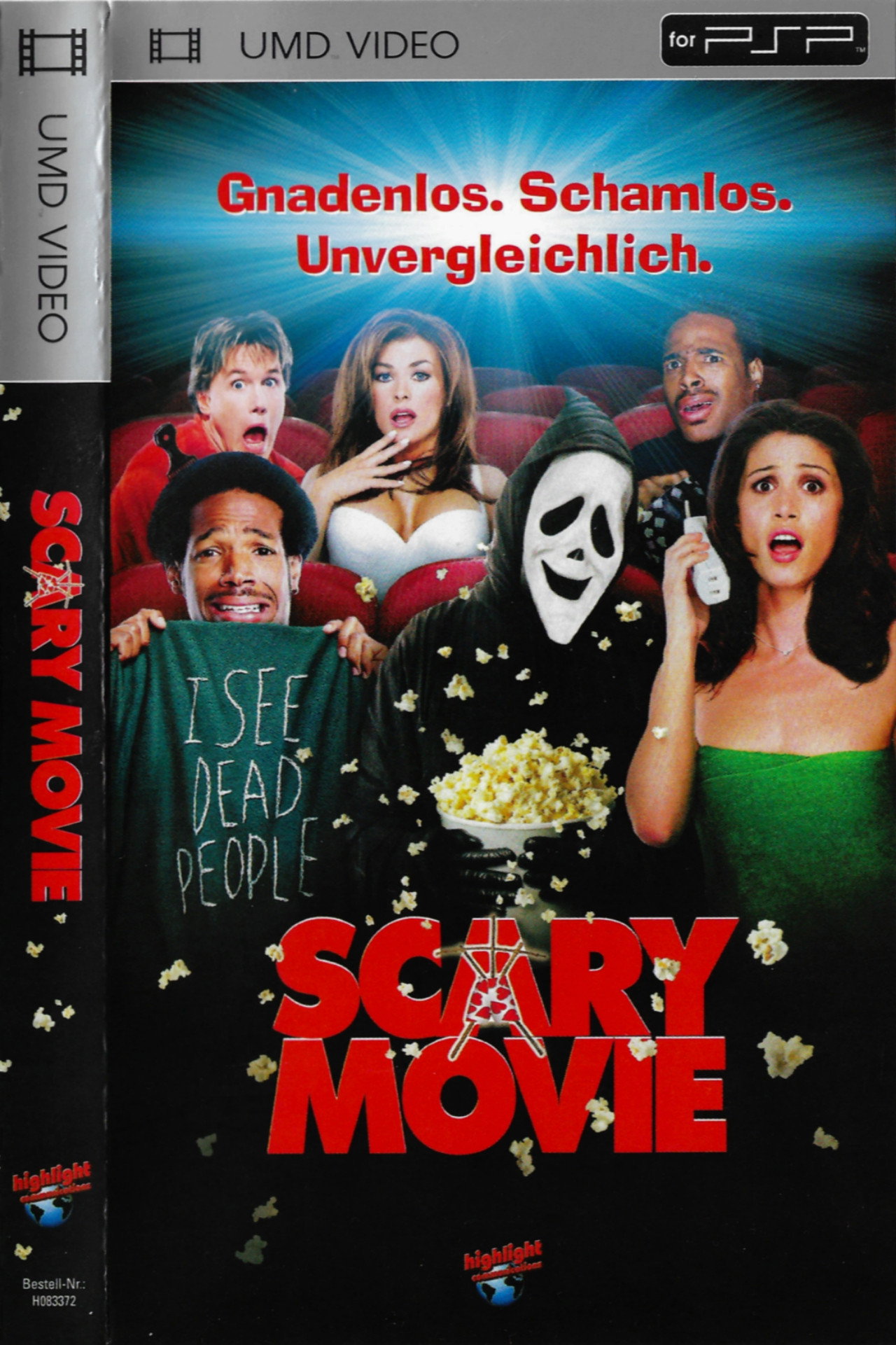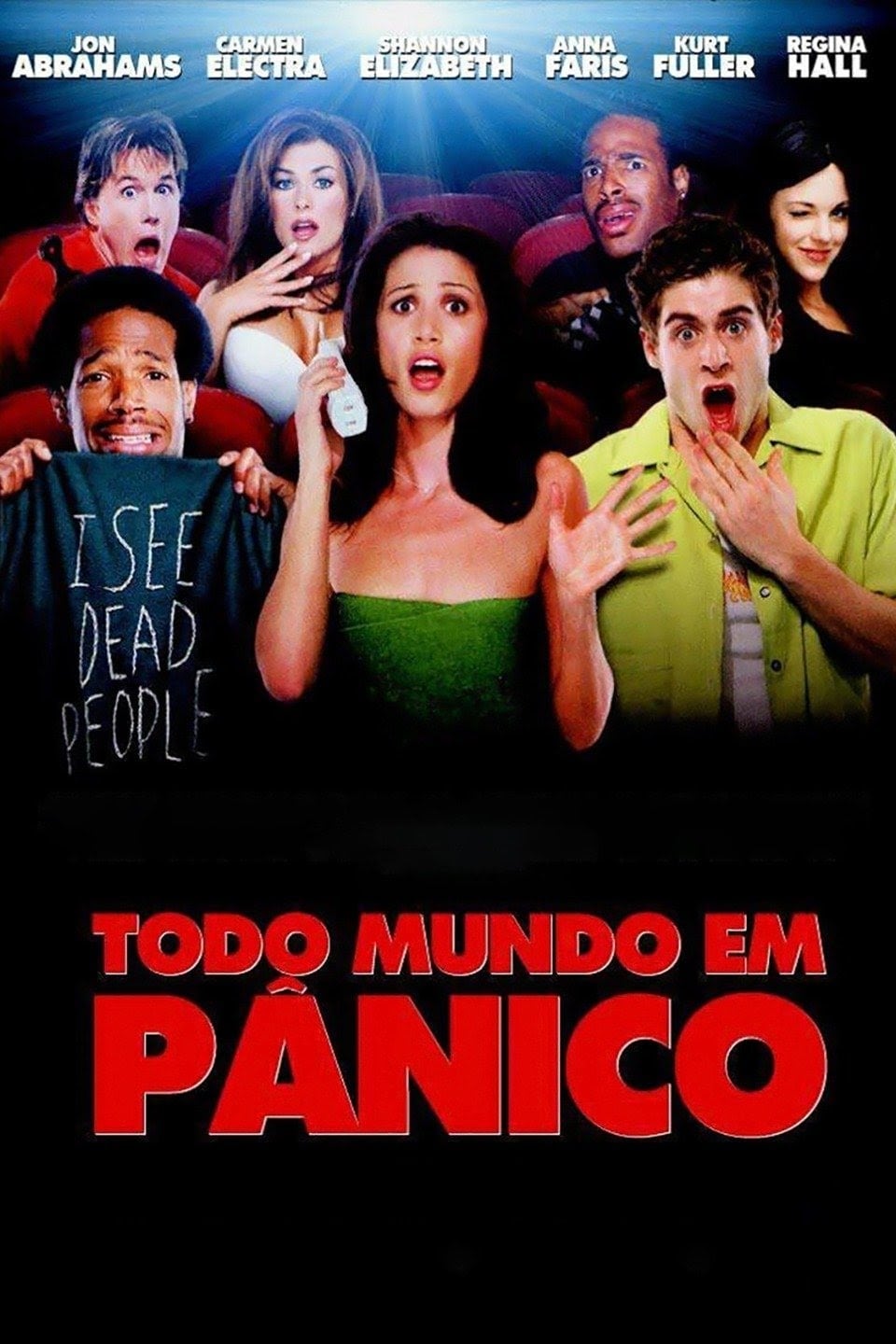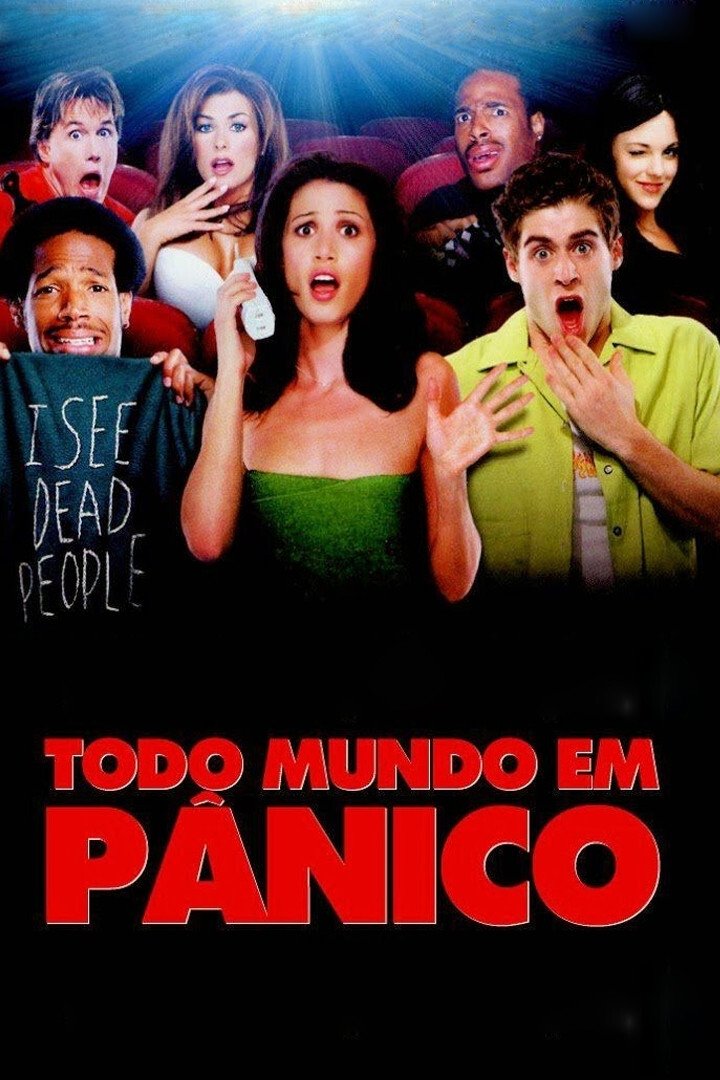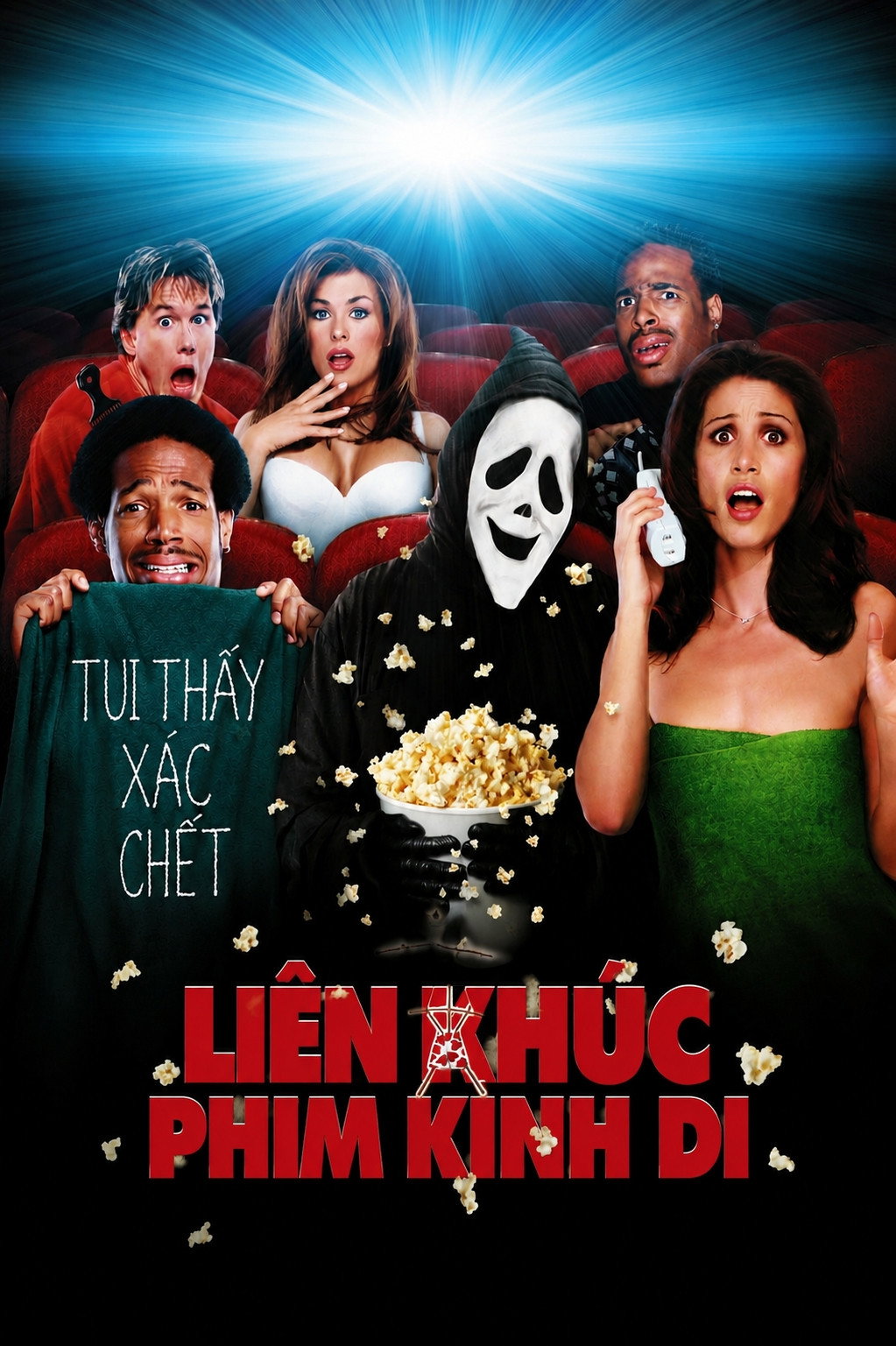
Scary Movie (2000)

US
Runtime
88 min
Release
July 7, 2000
Budget
$19,000,000
Revenue
$278,023,280
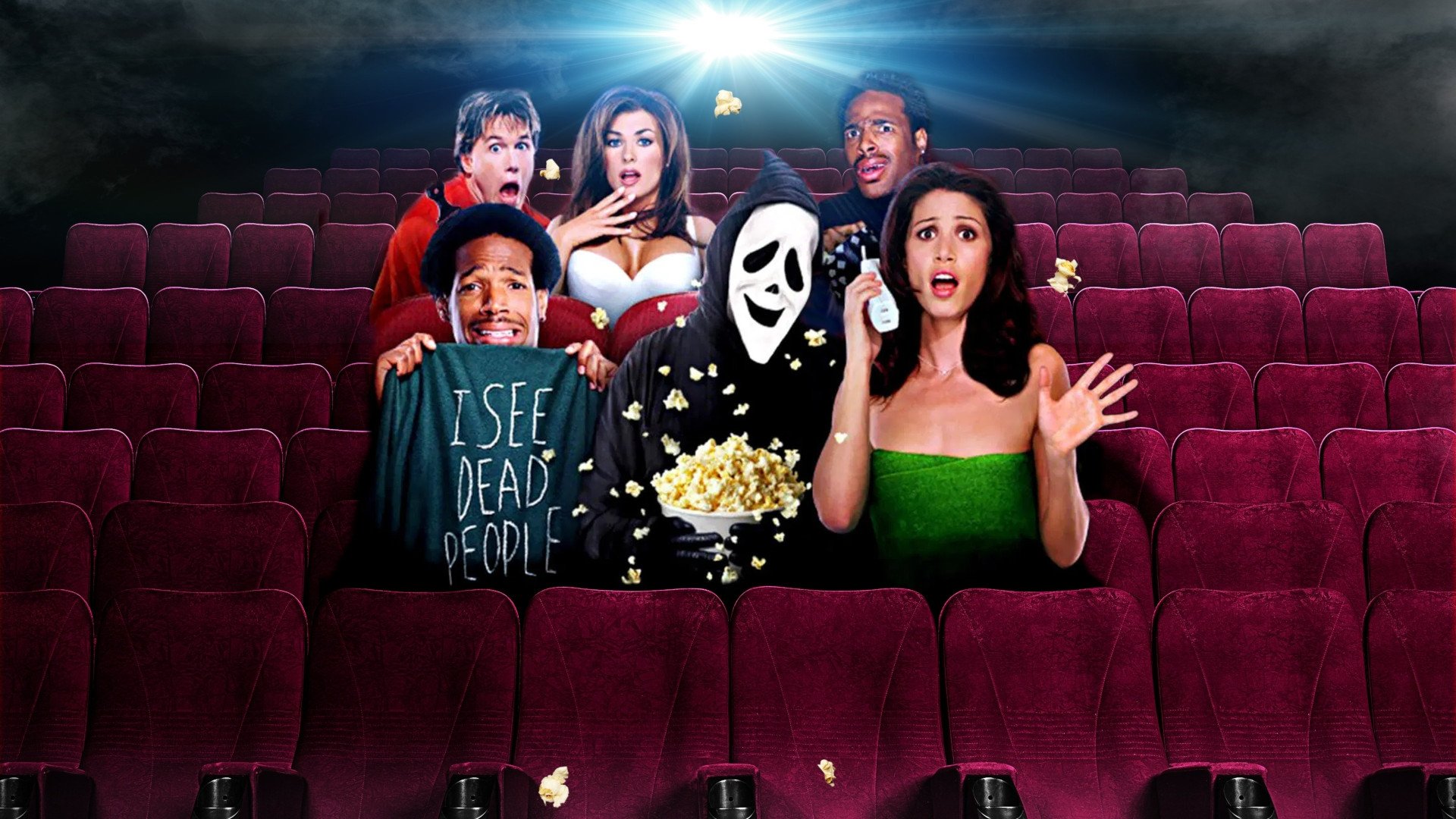
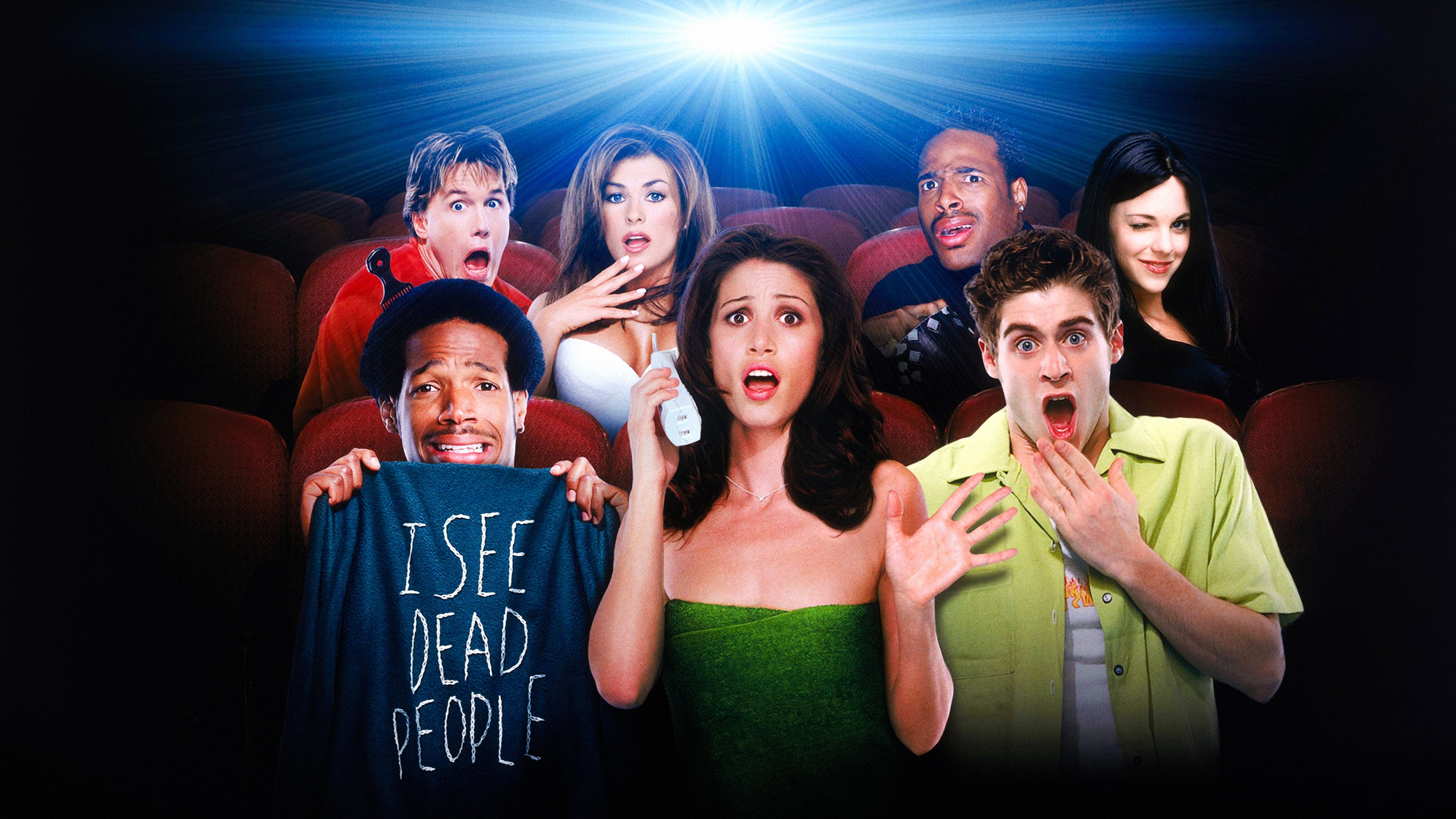
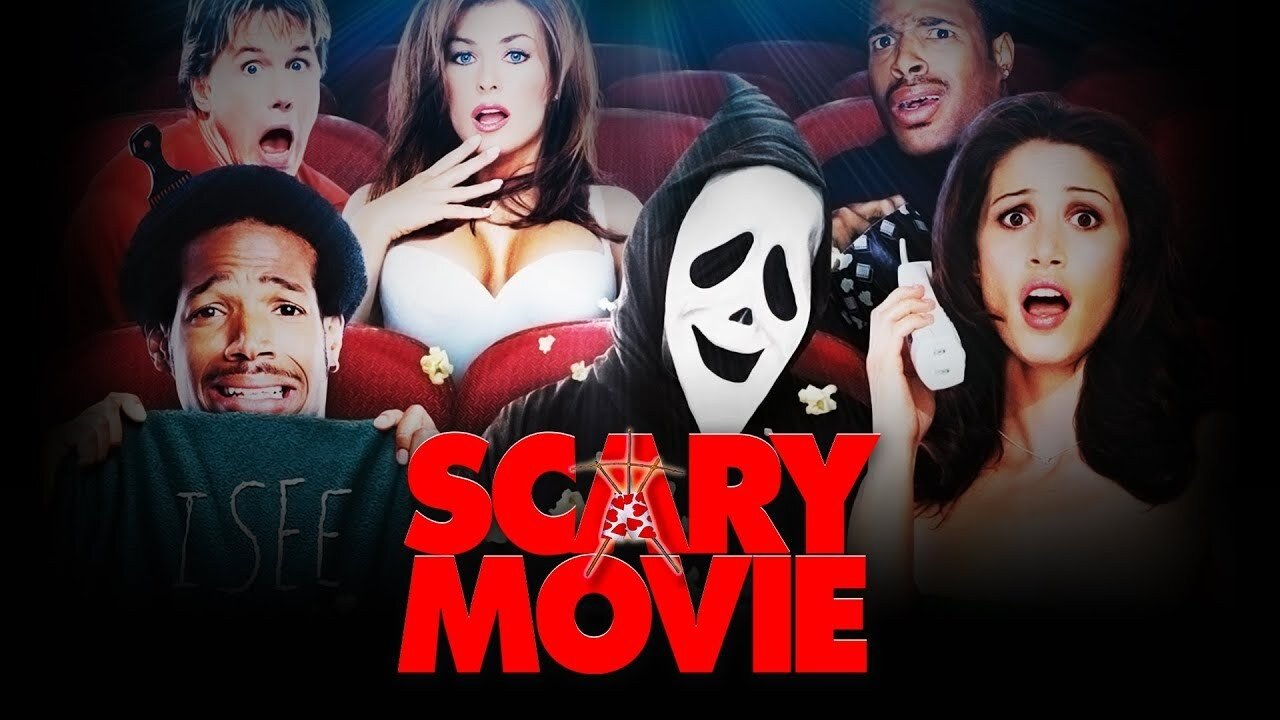
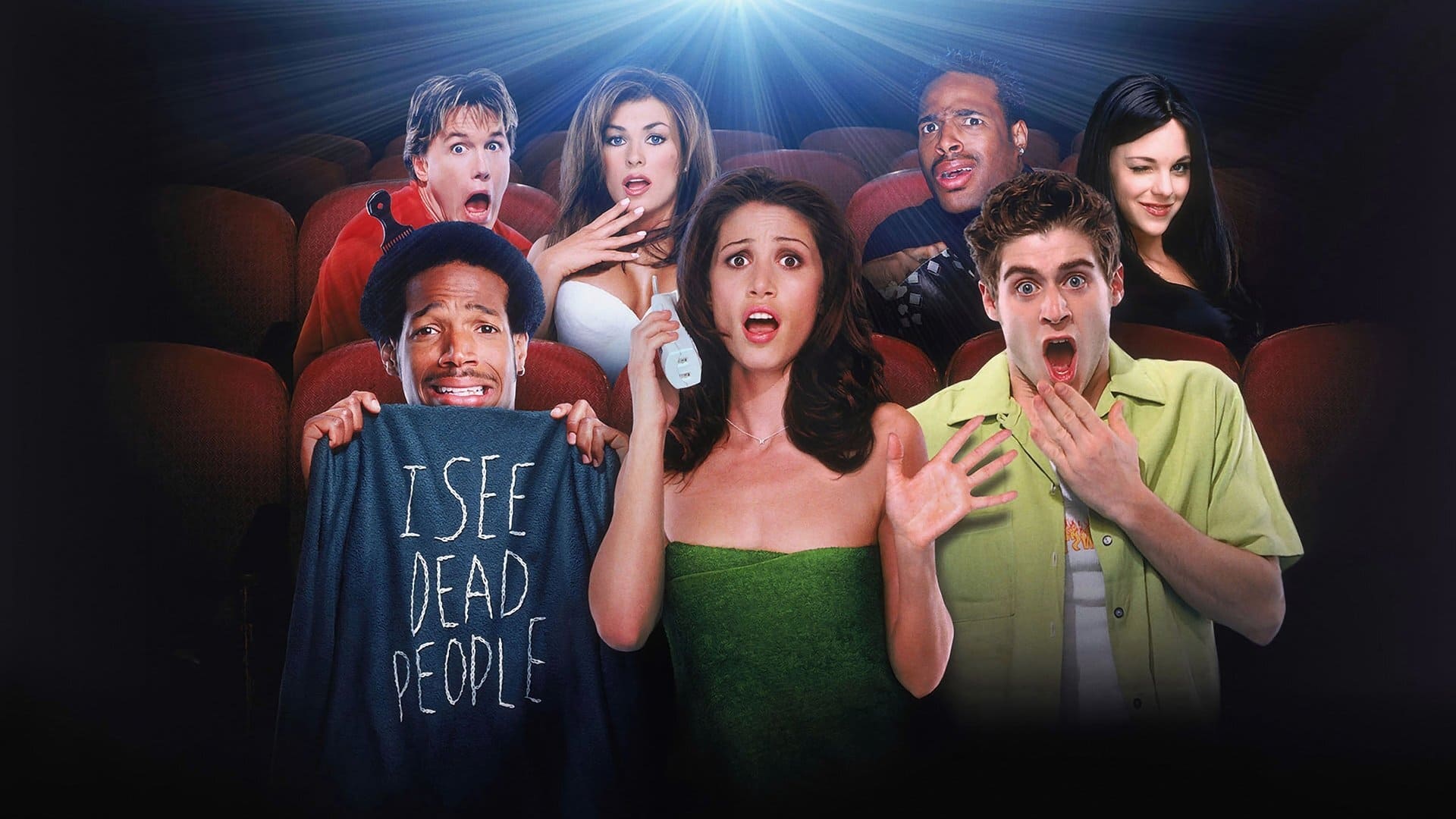
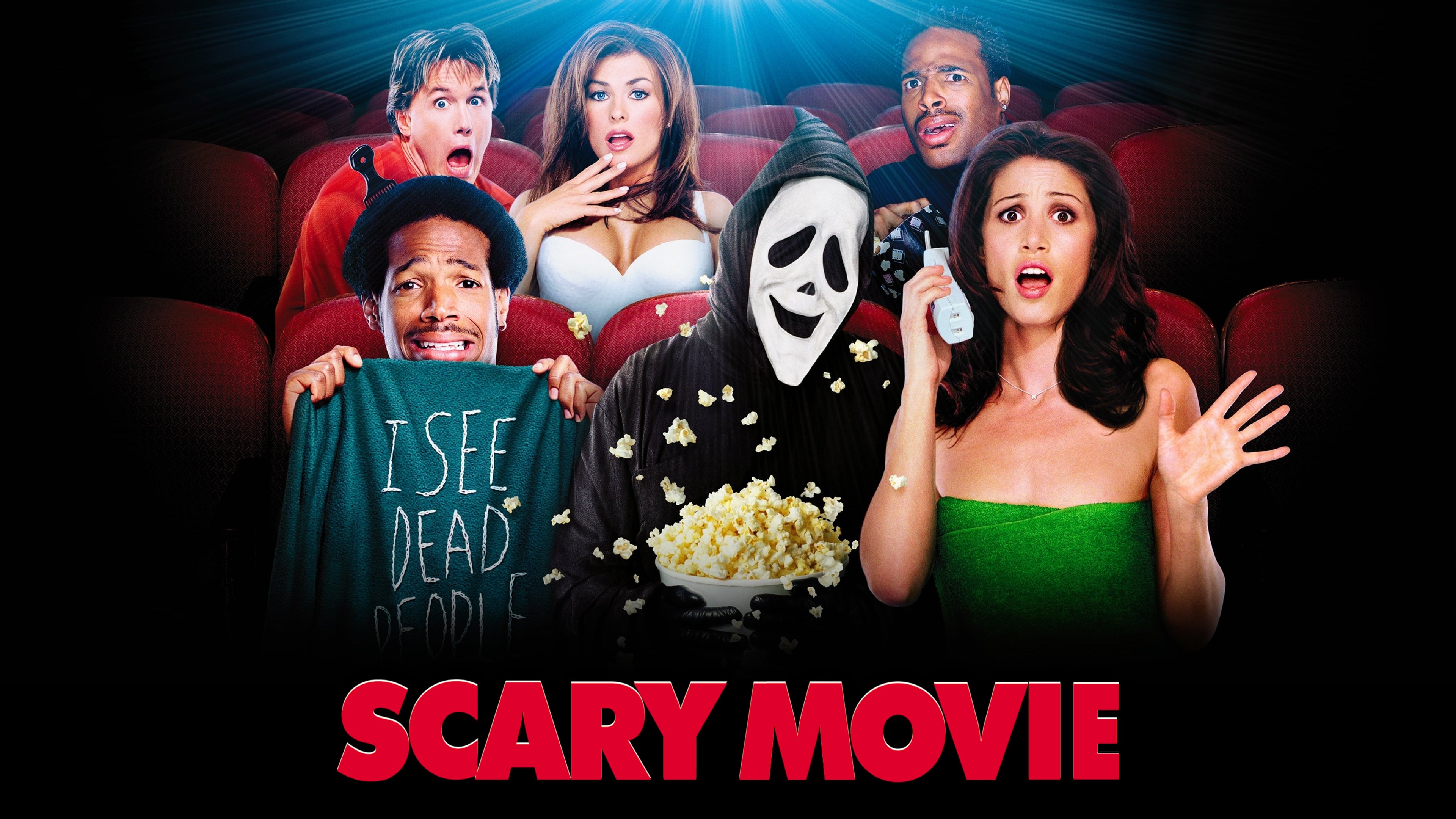
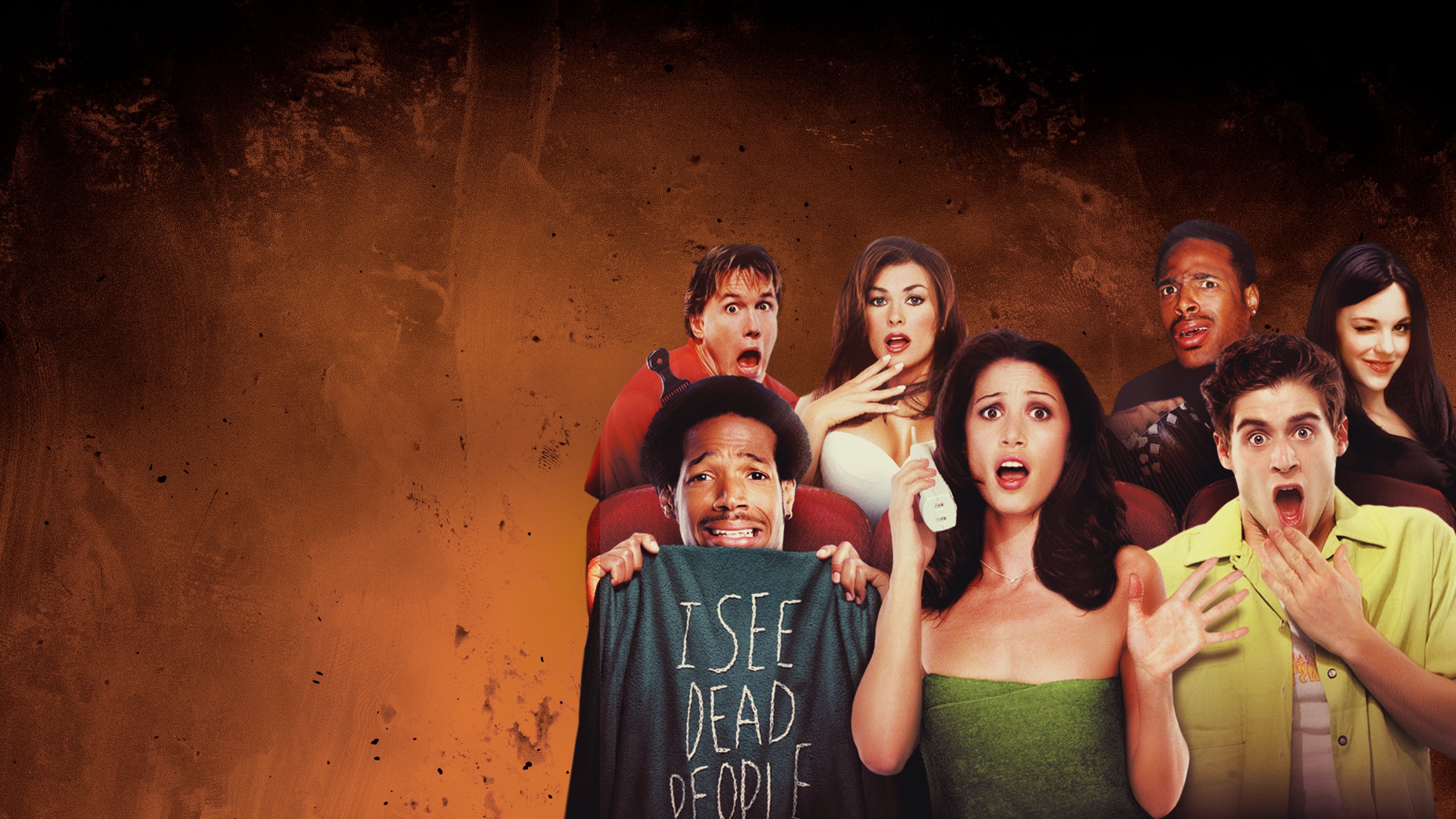
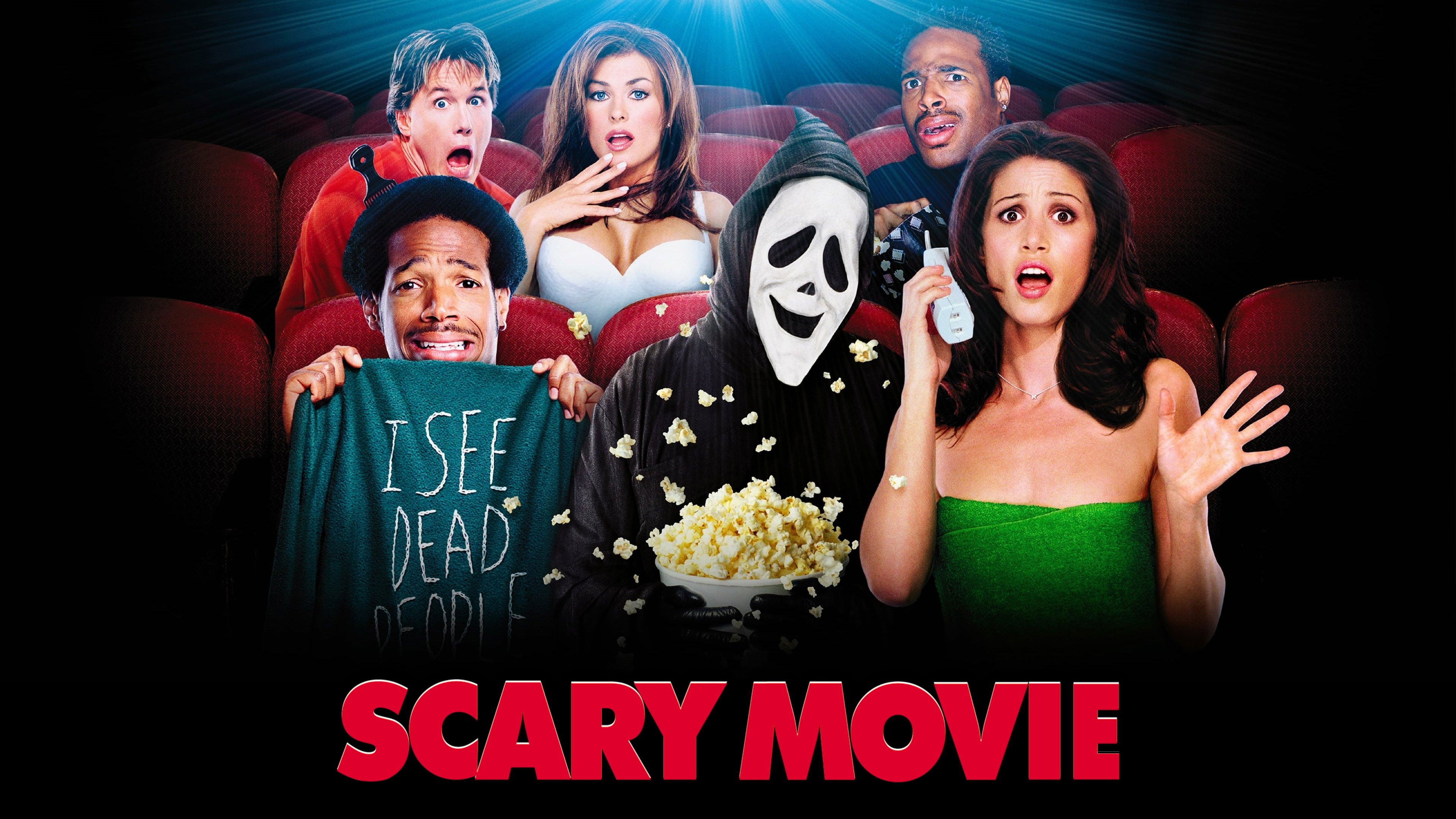
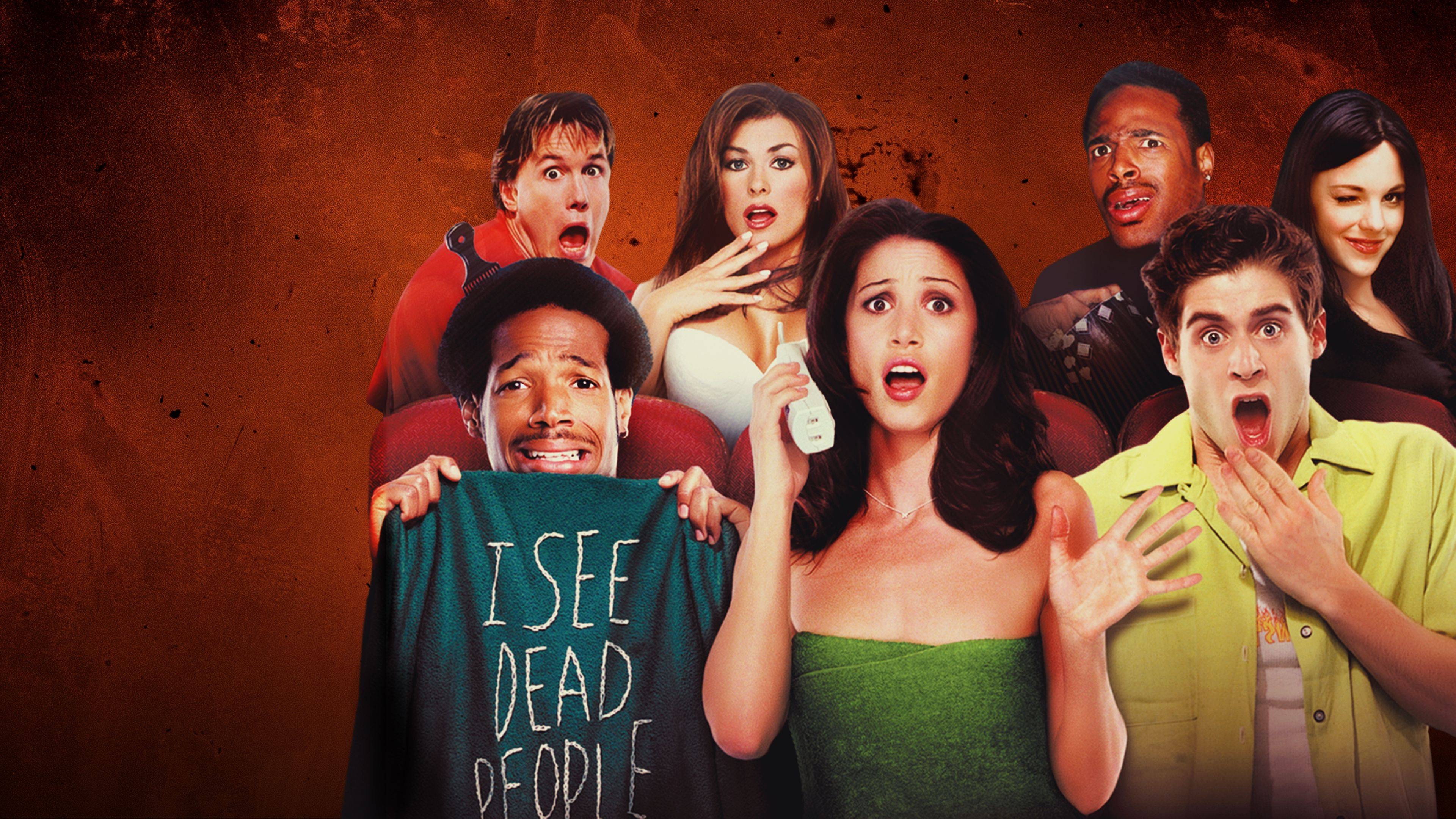
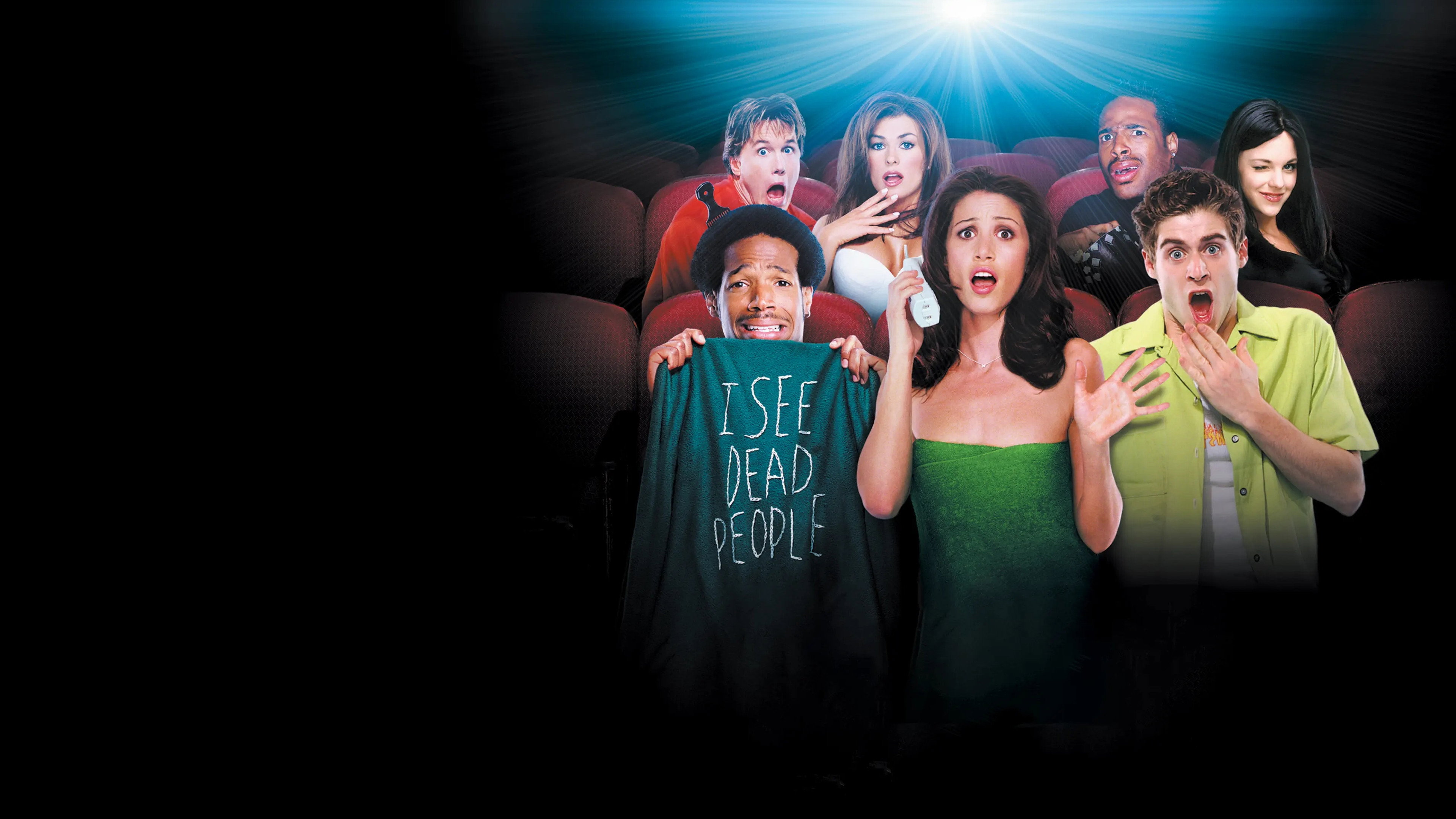
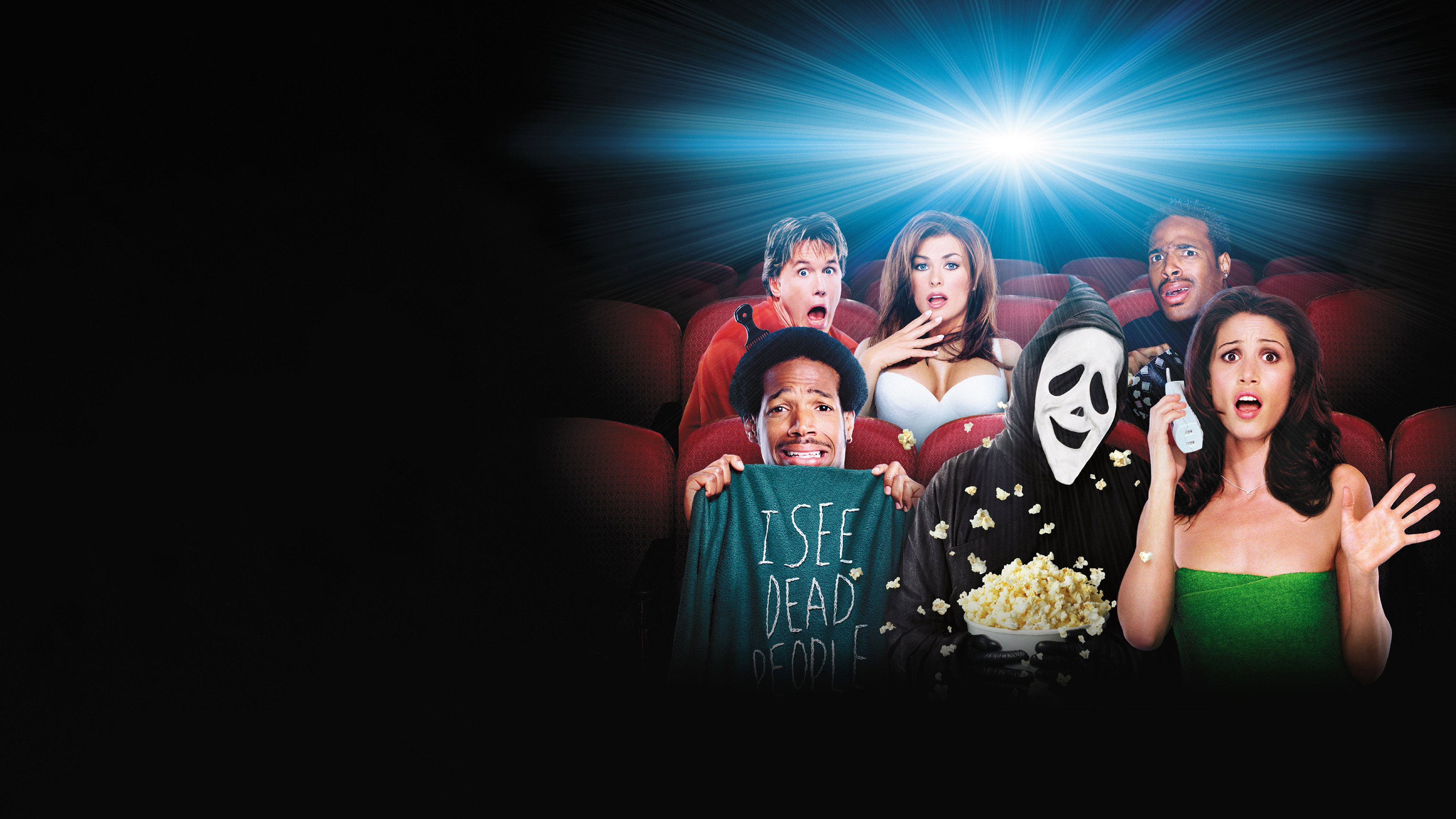
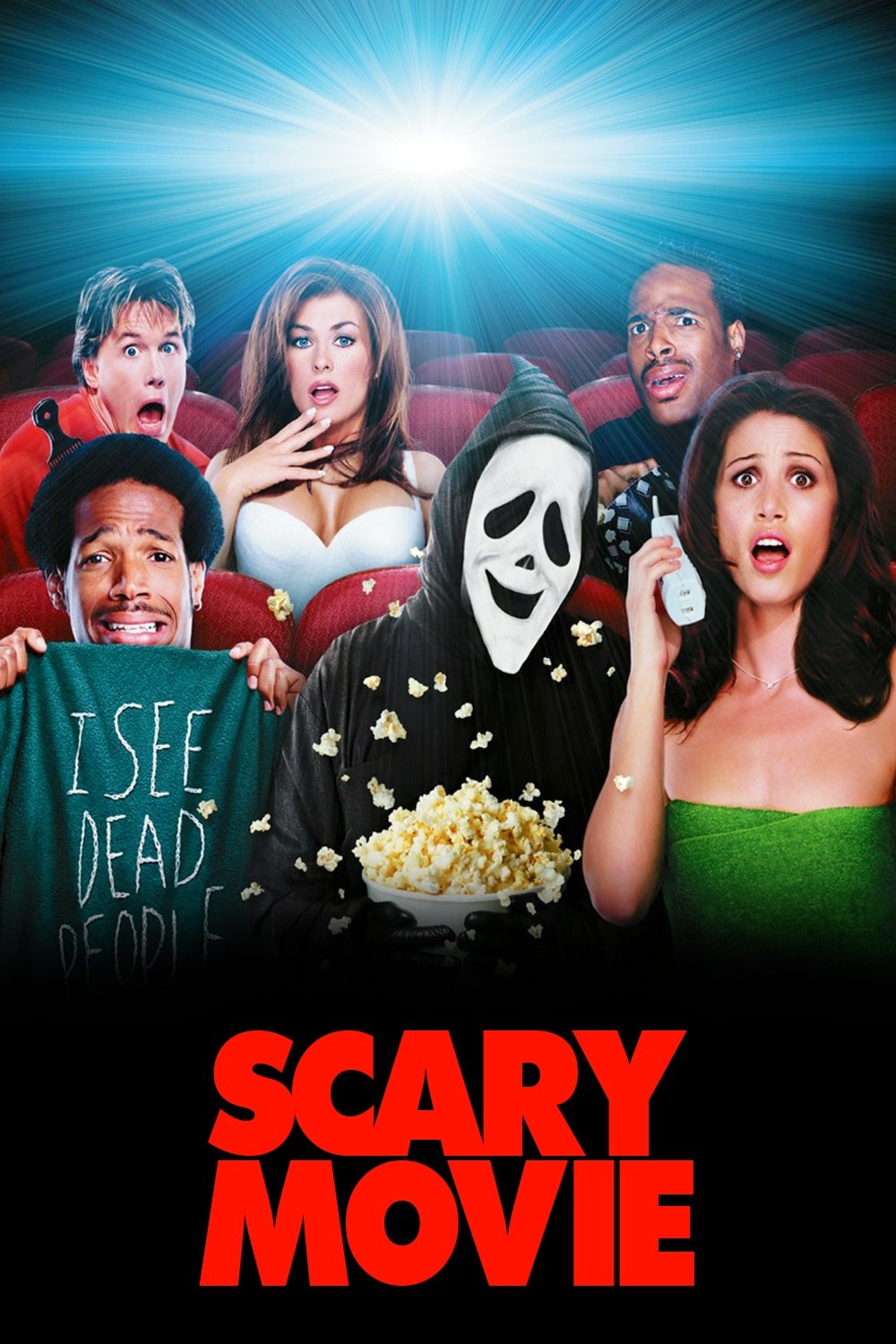
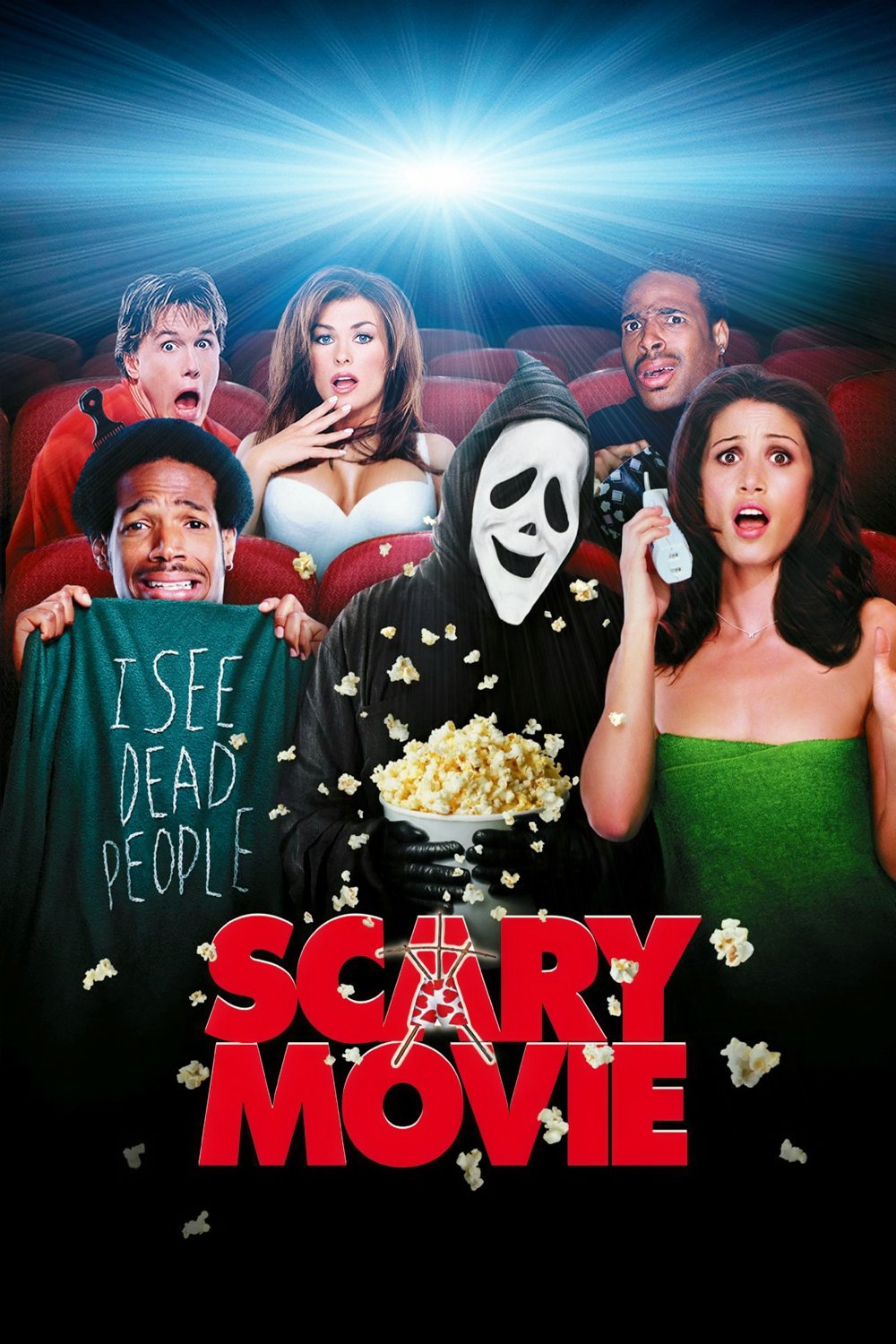
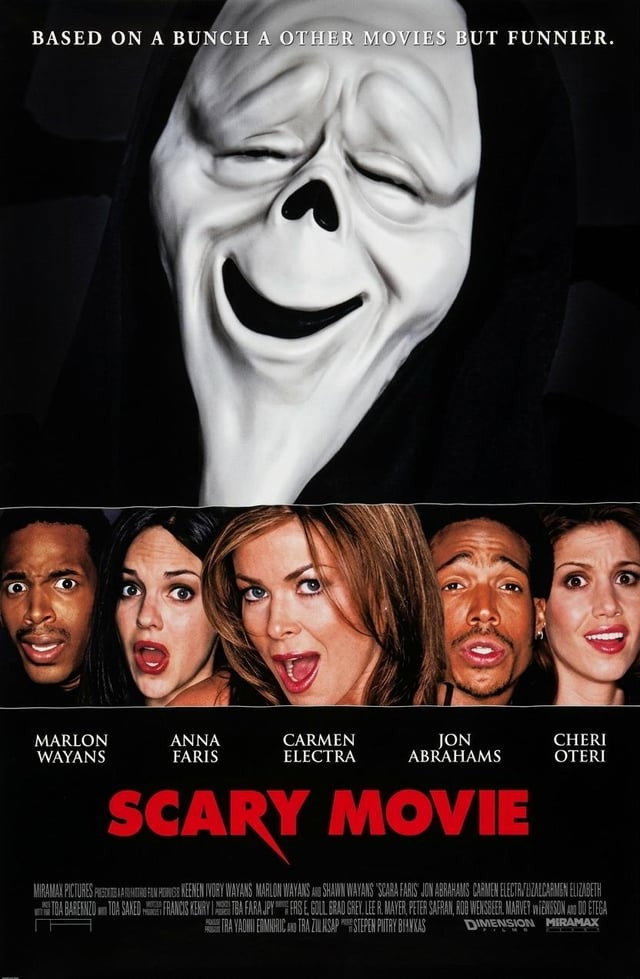
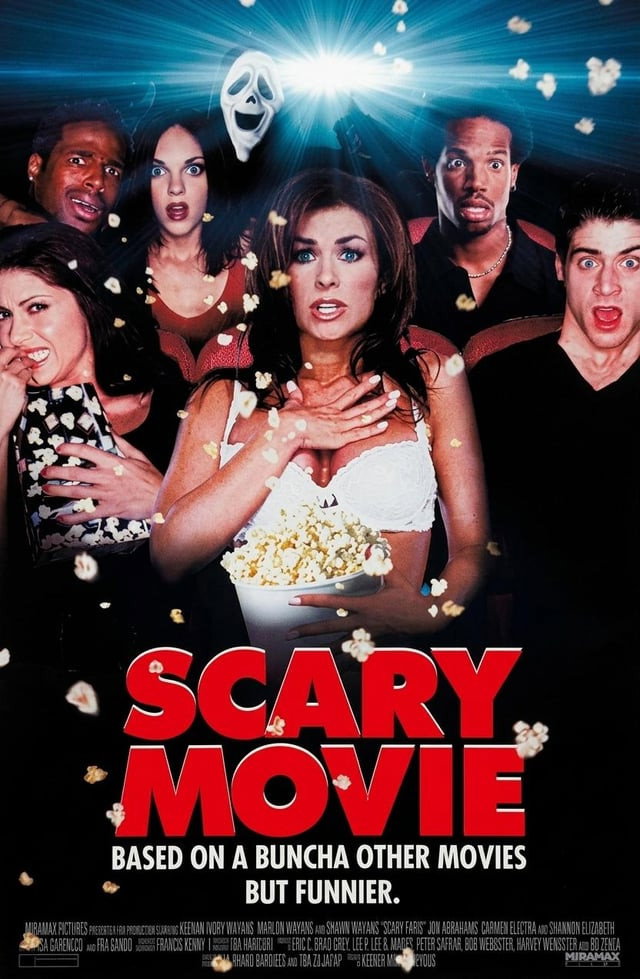
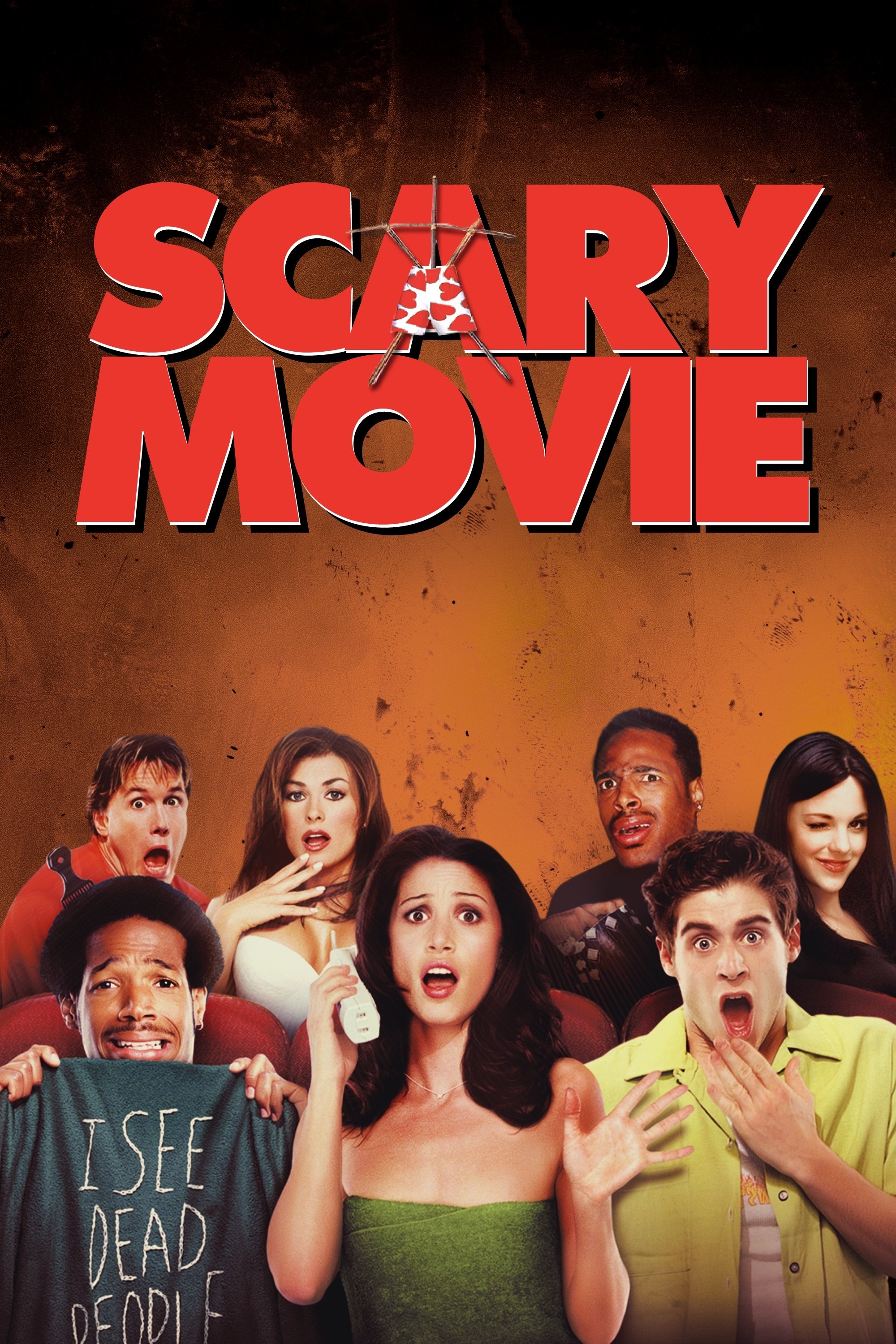
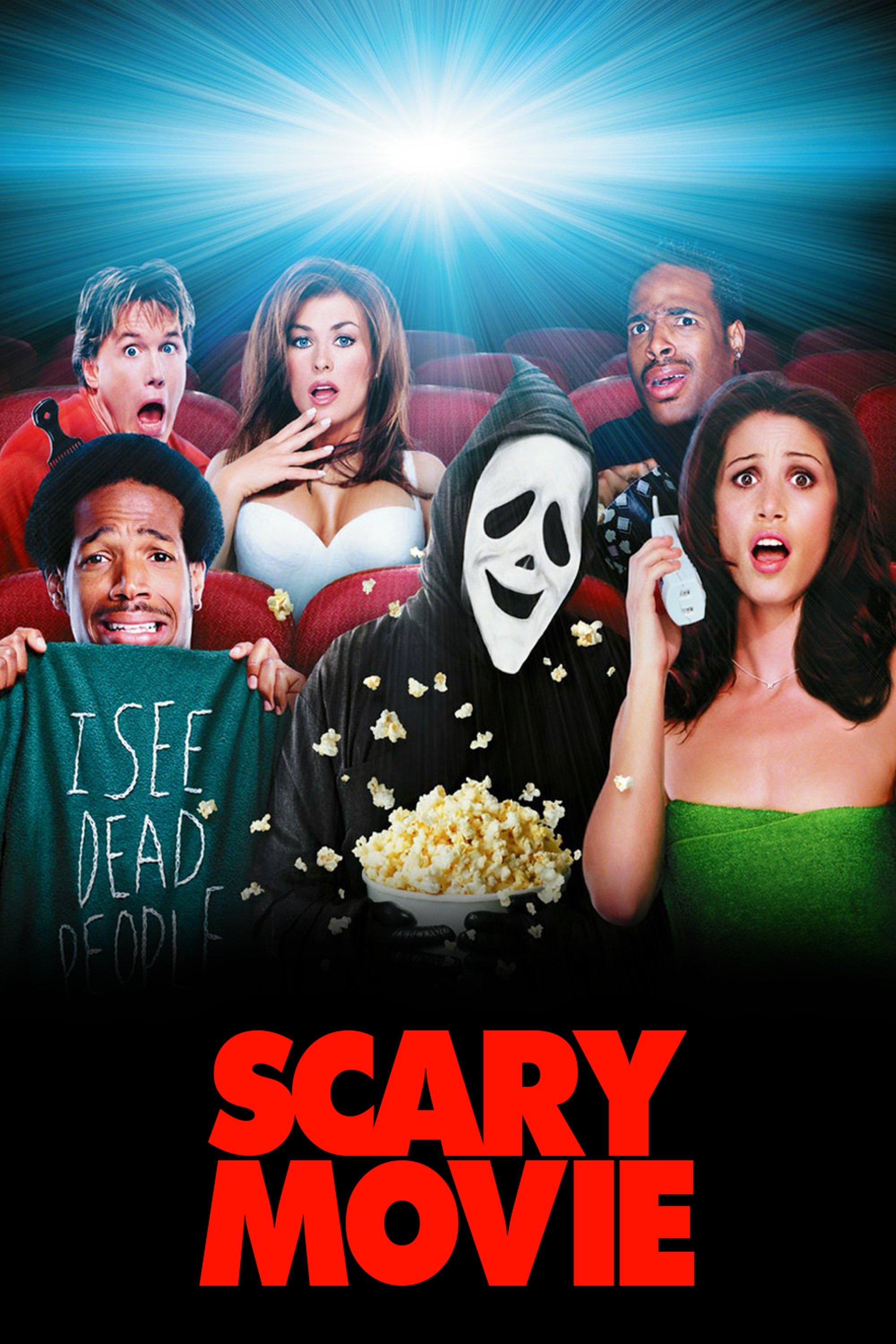
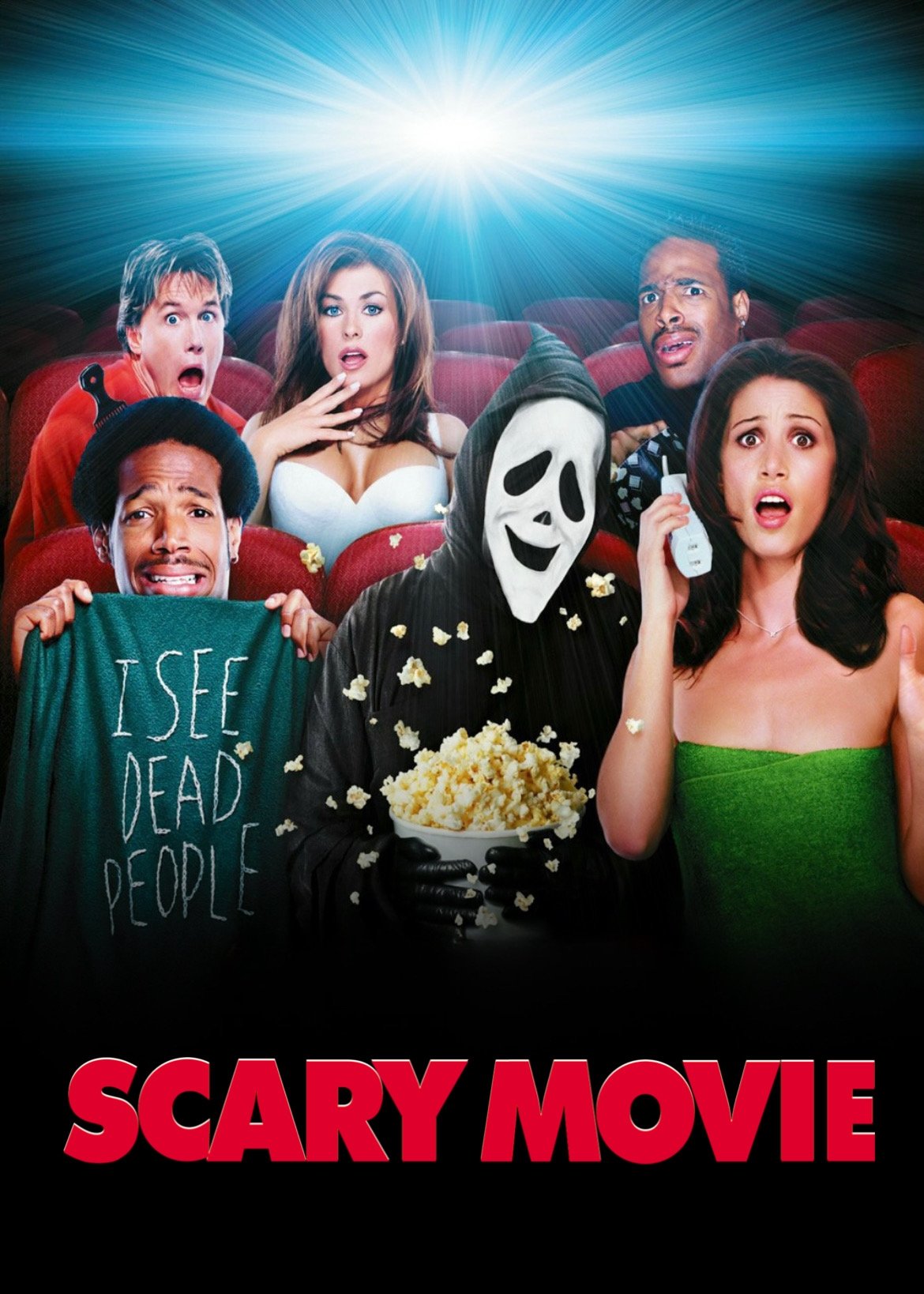
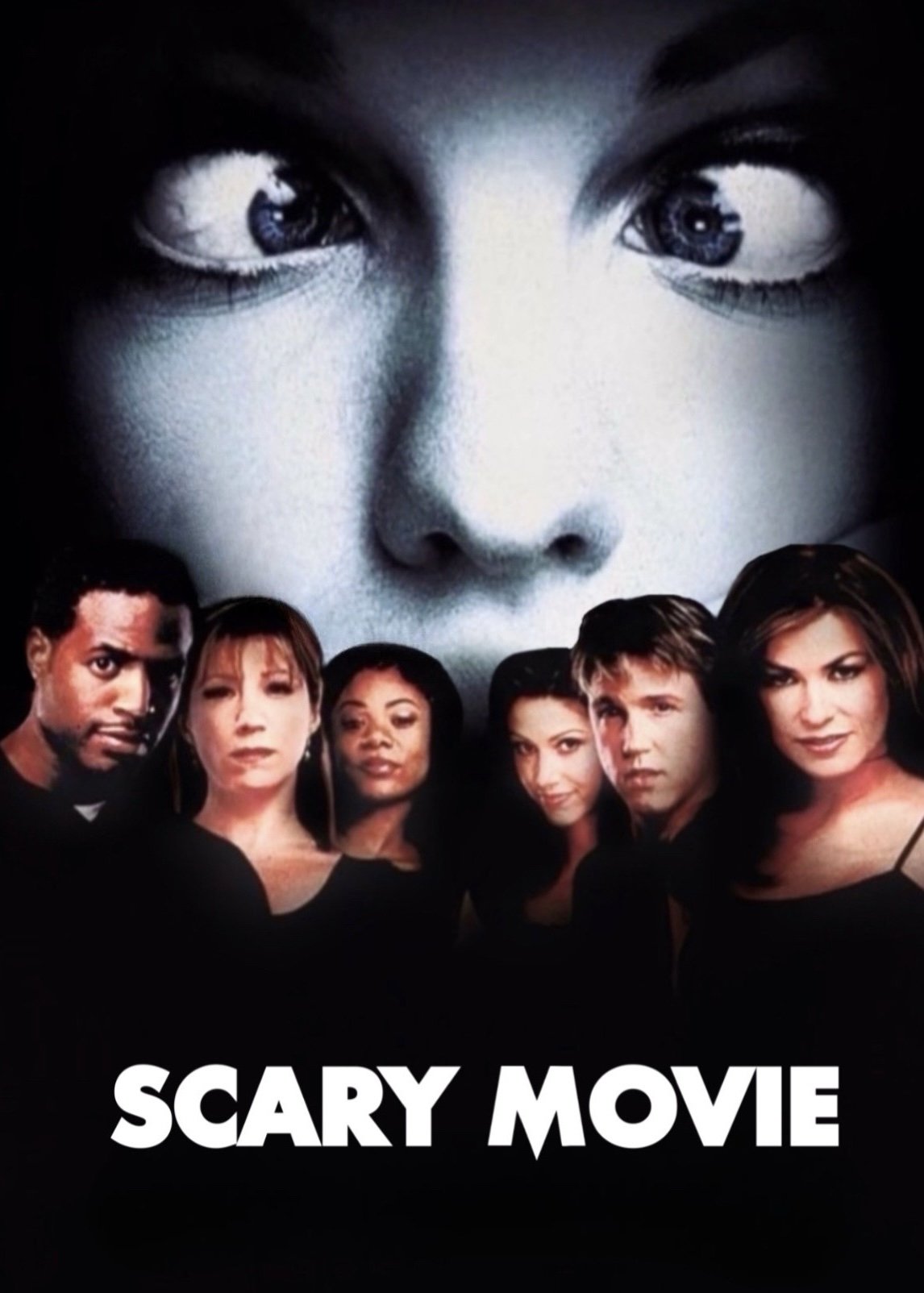
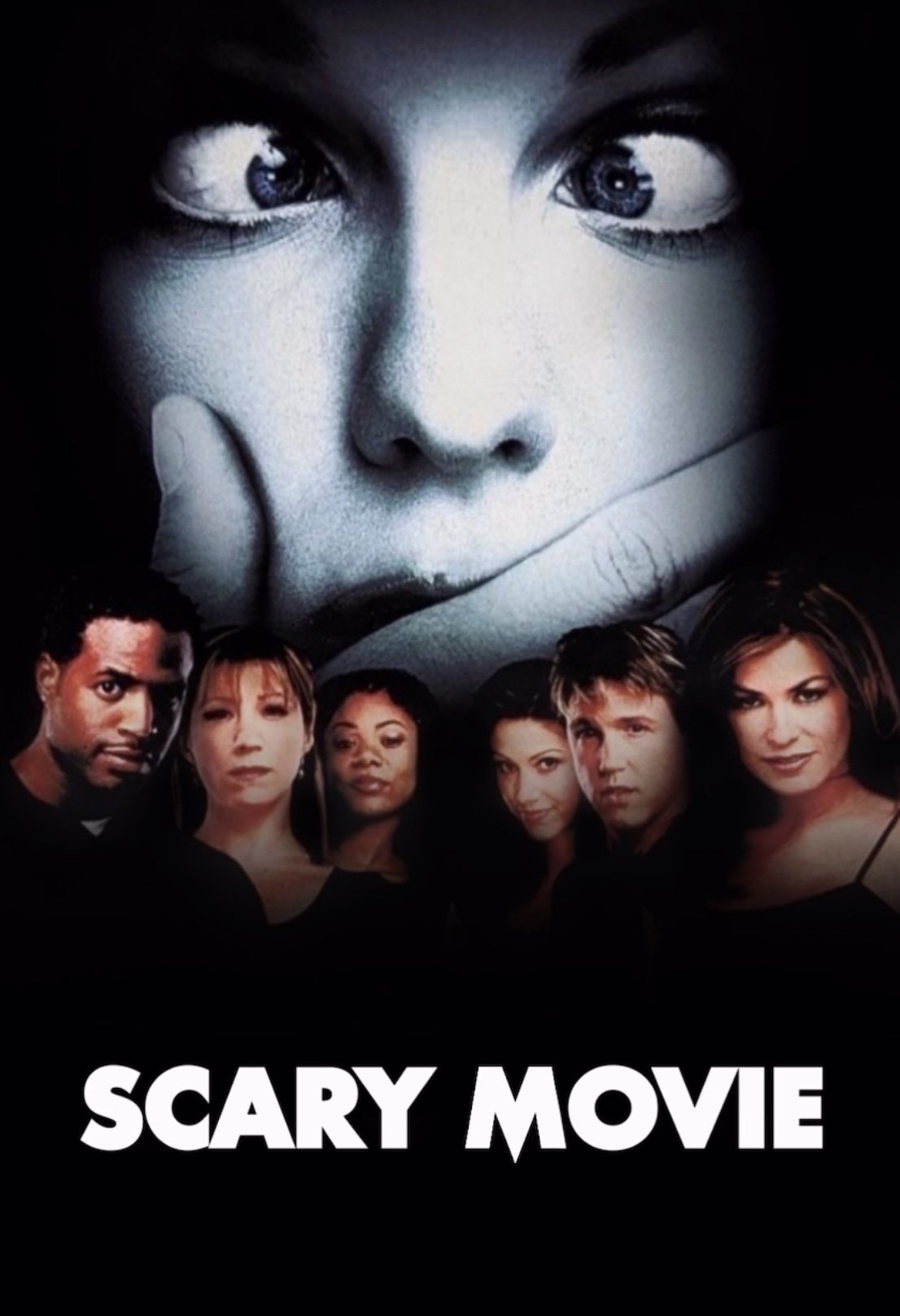
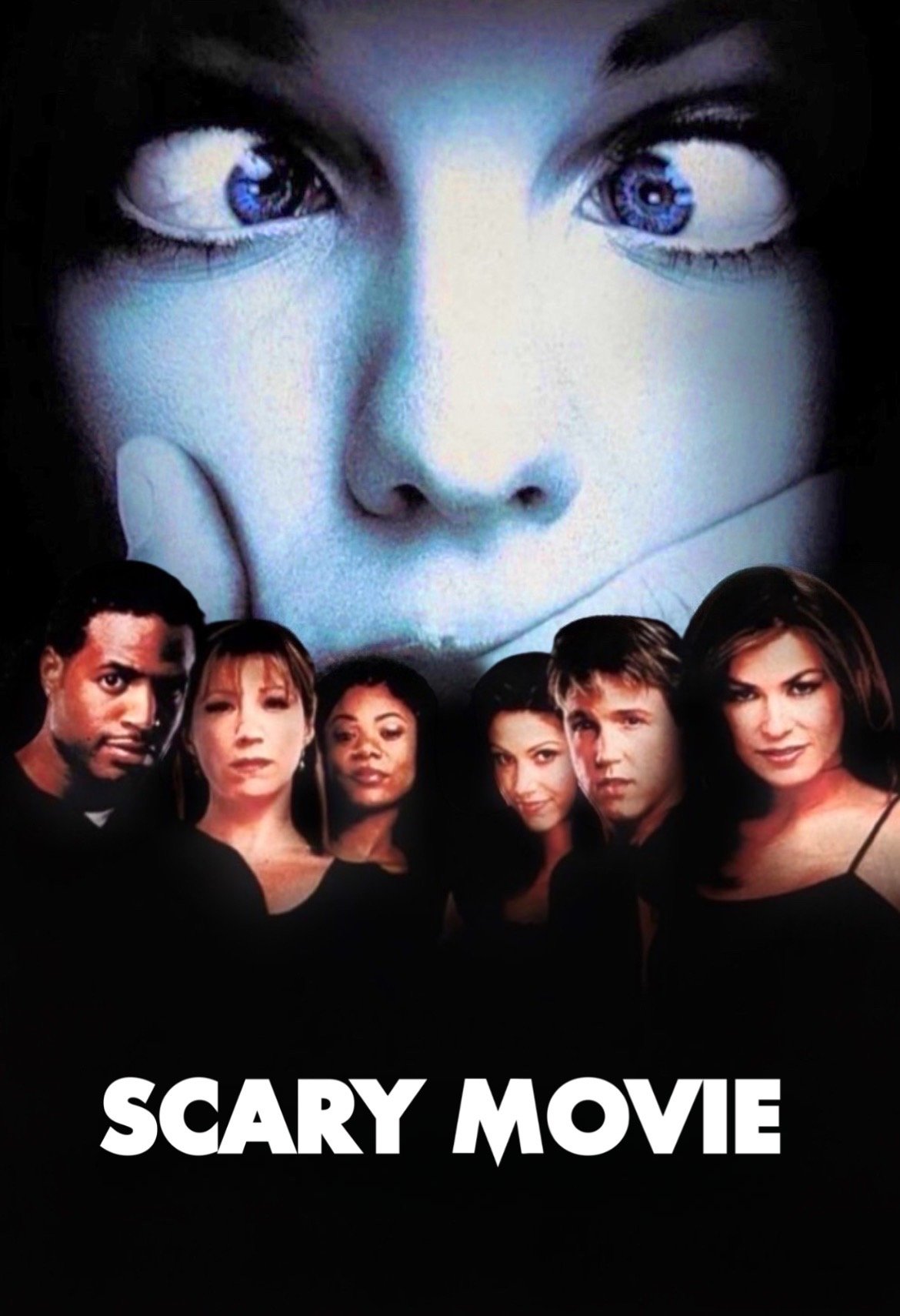
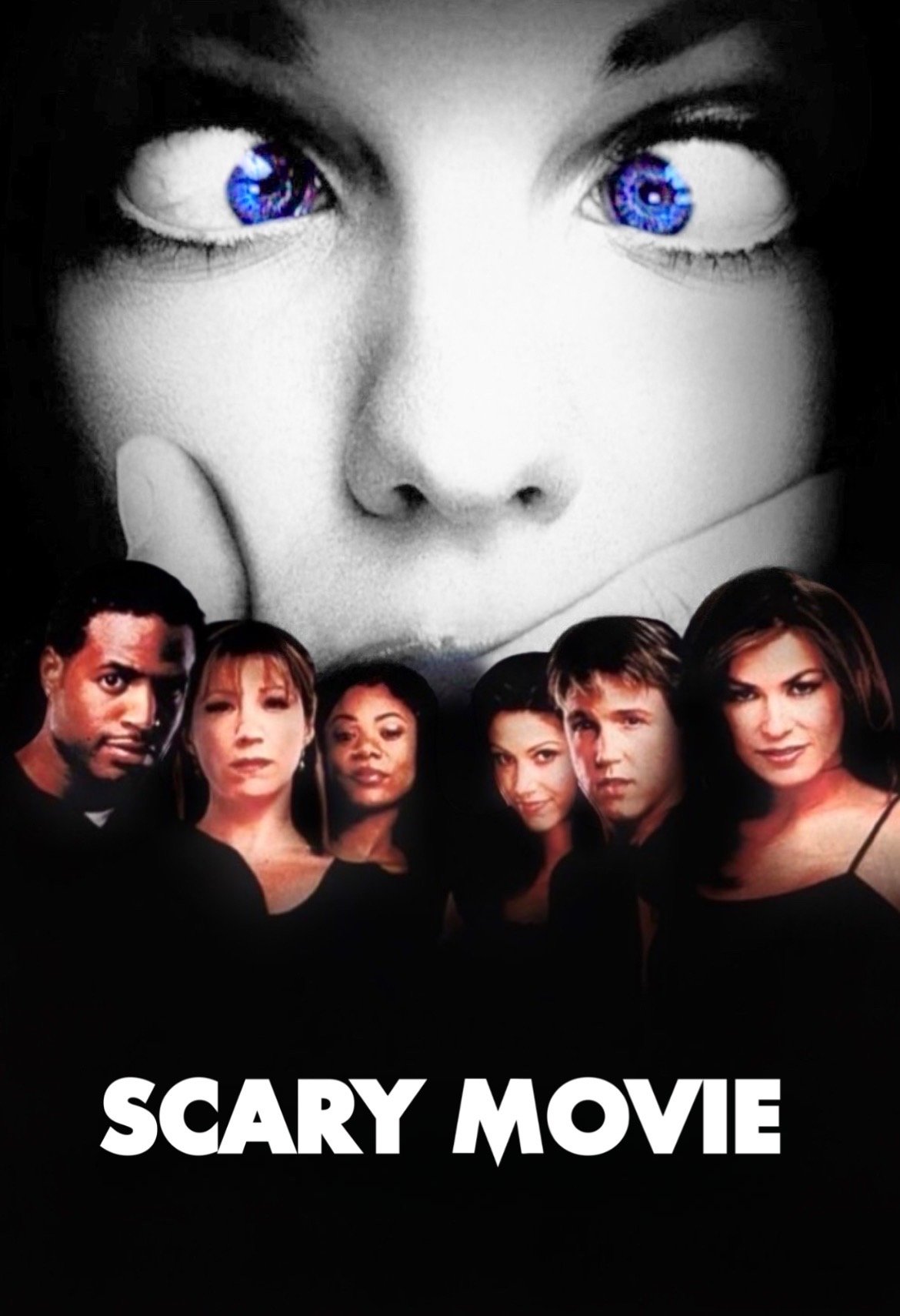
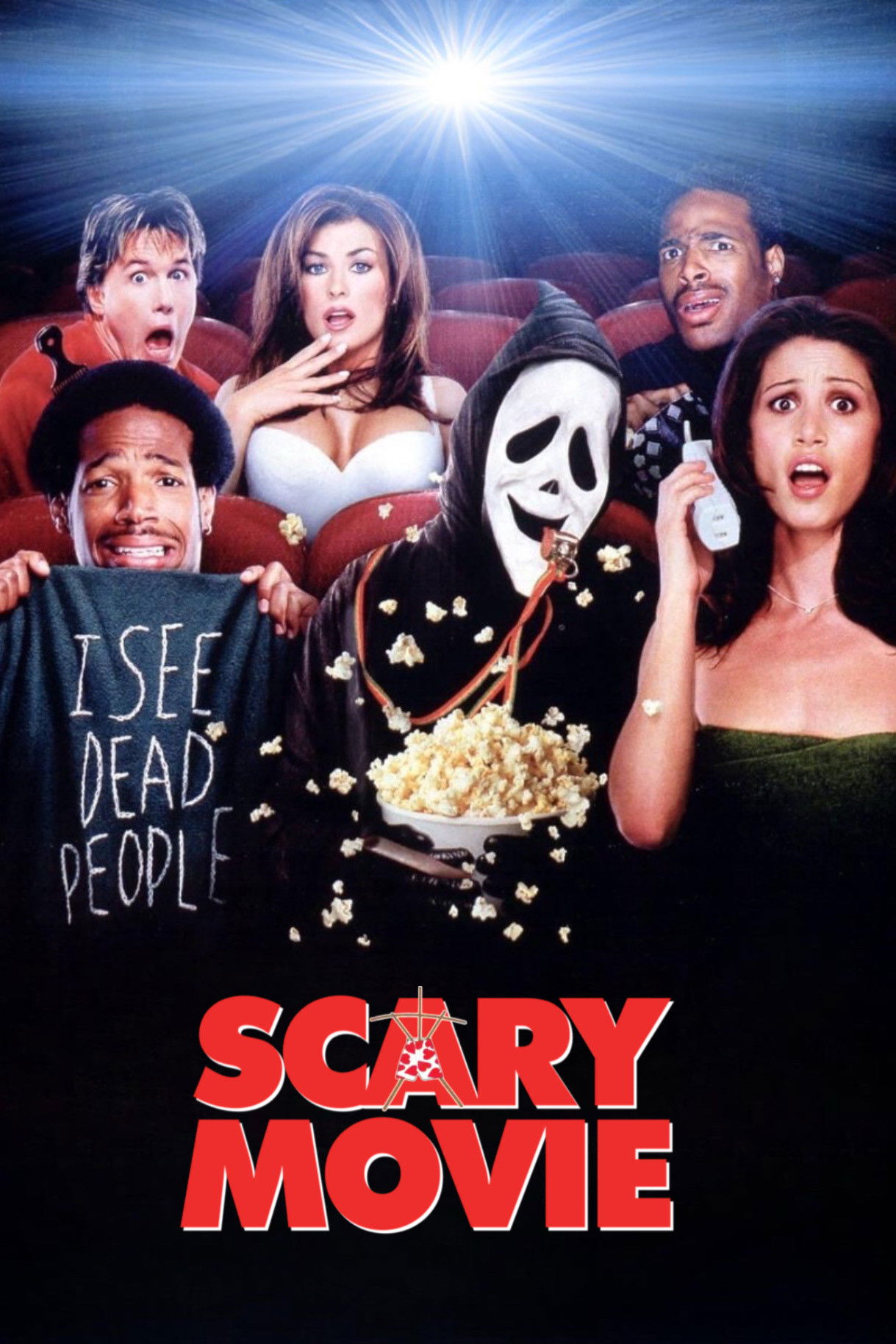
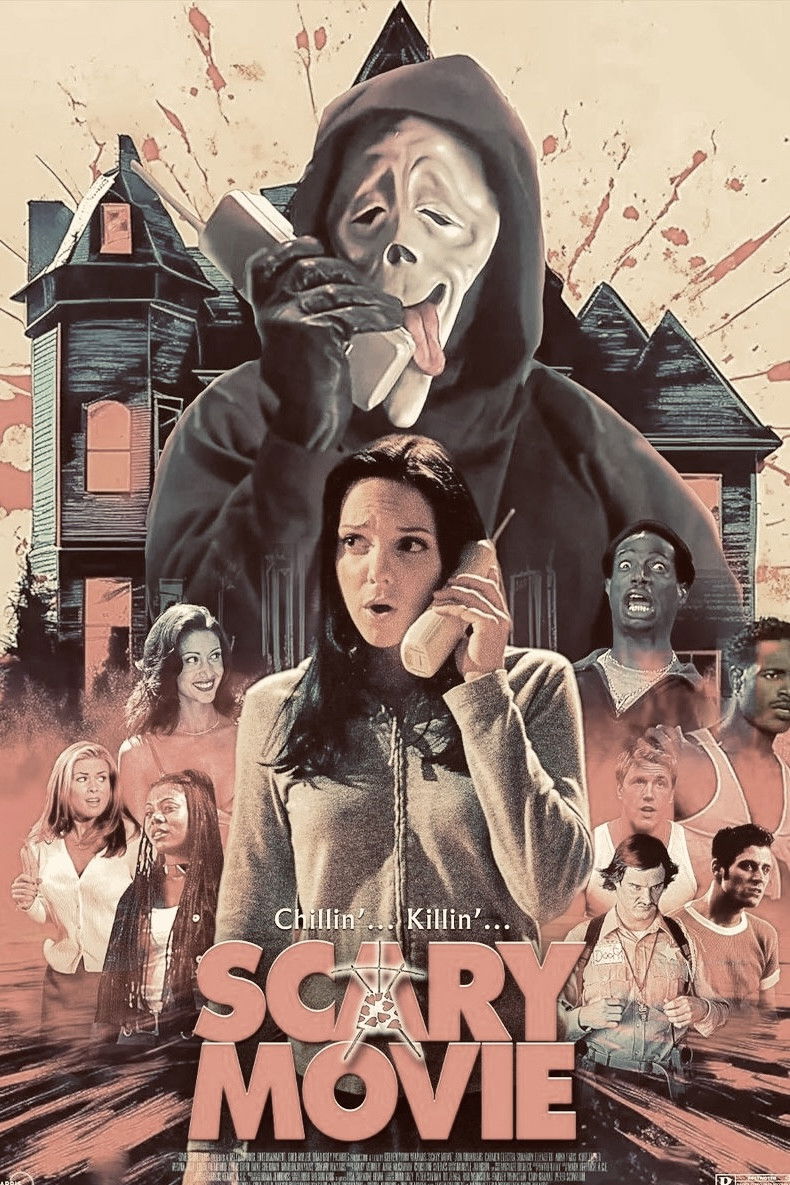
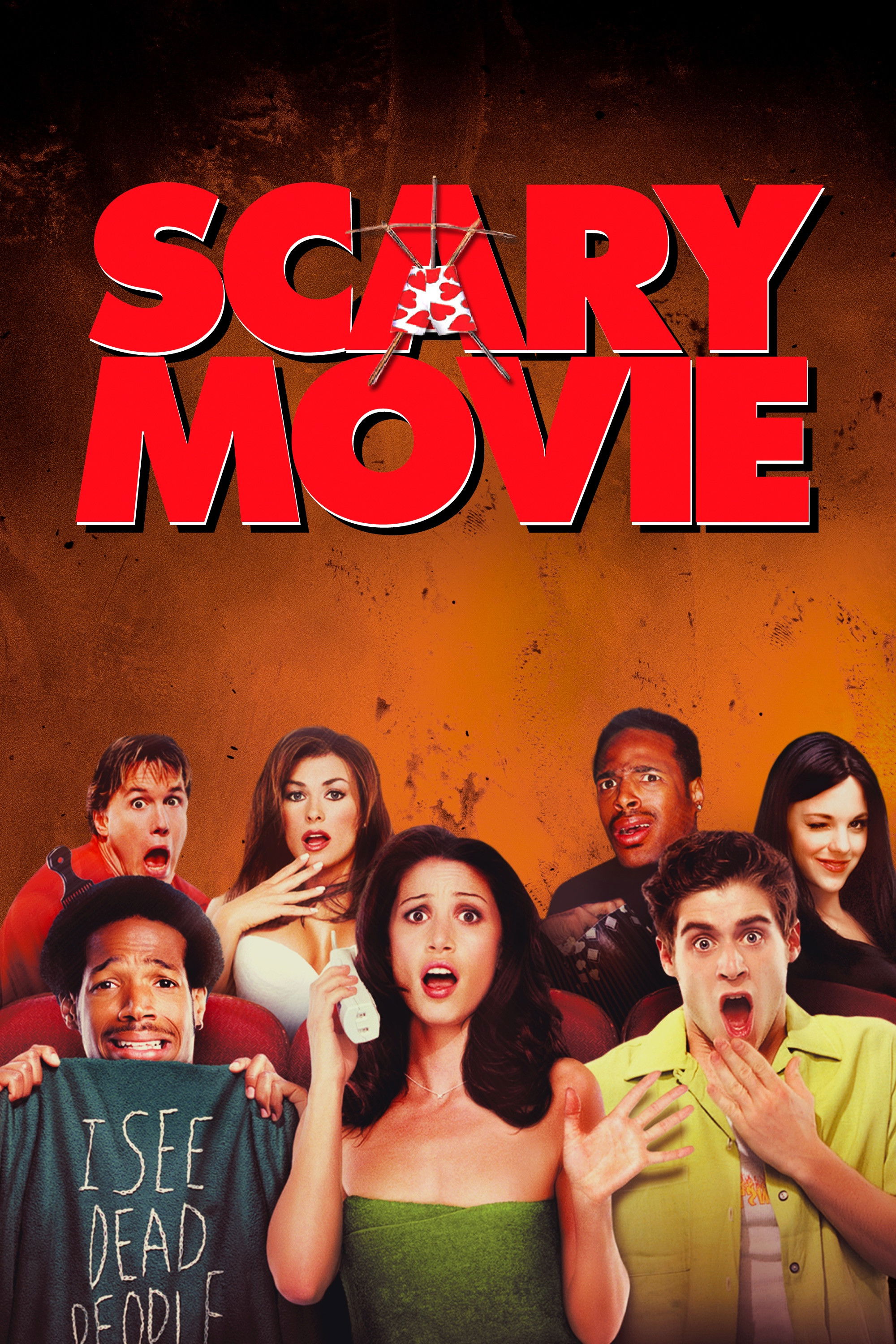
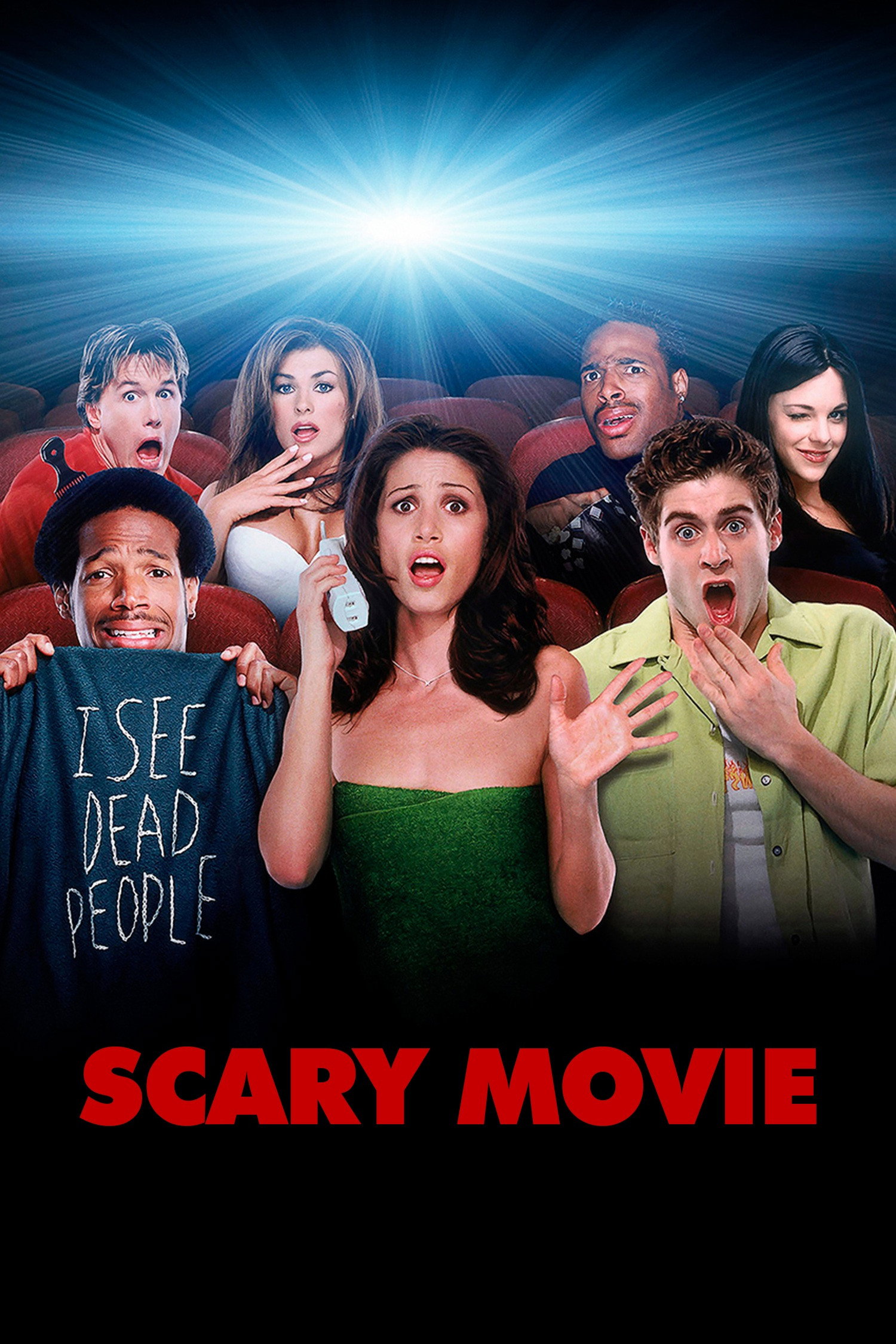
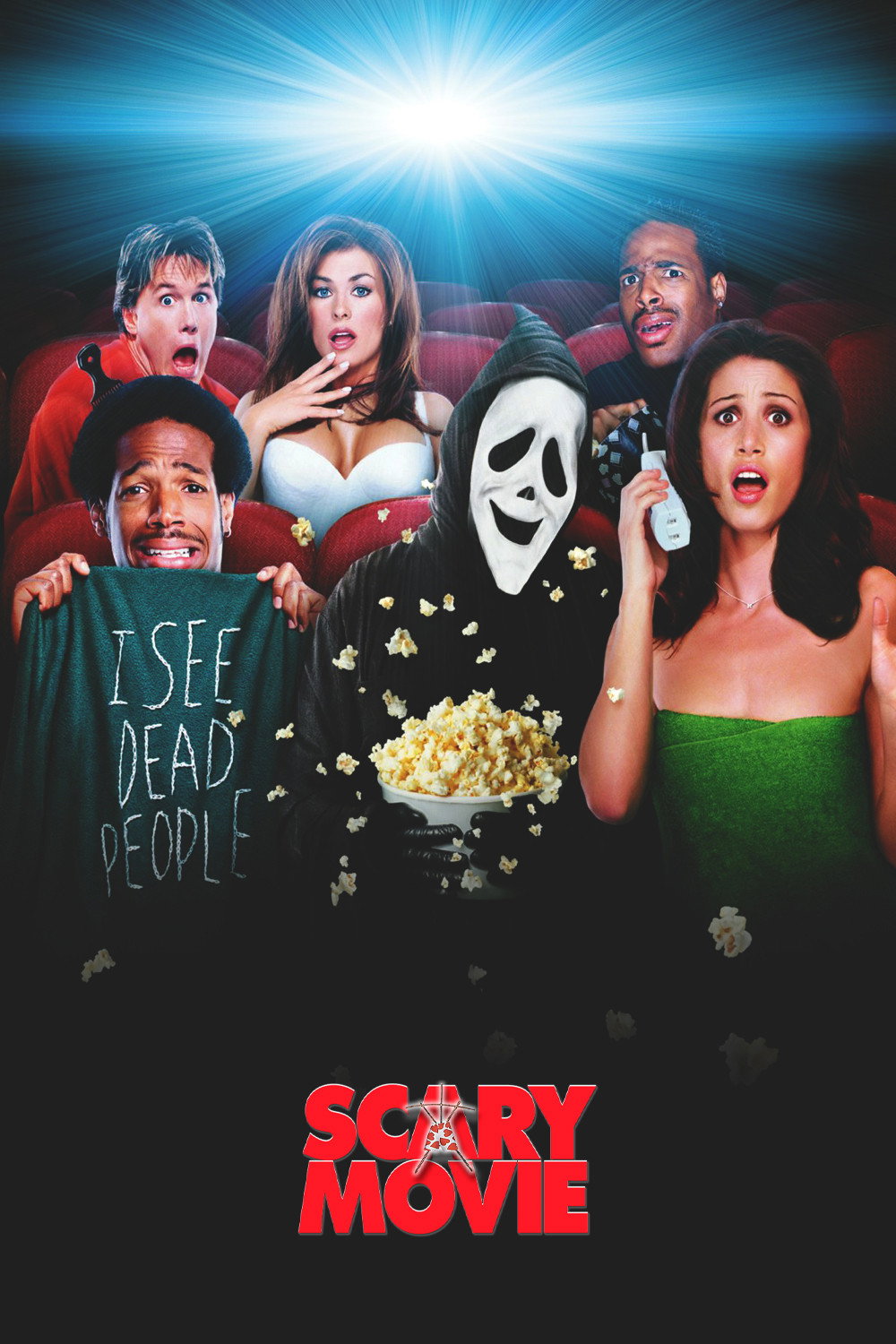
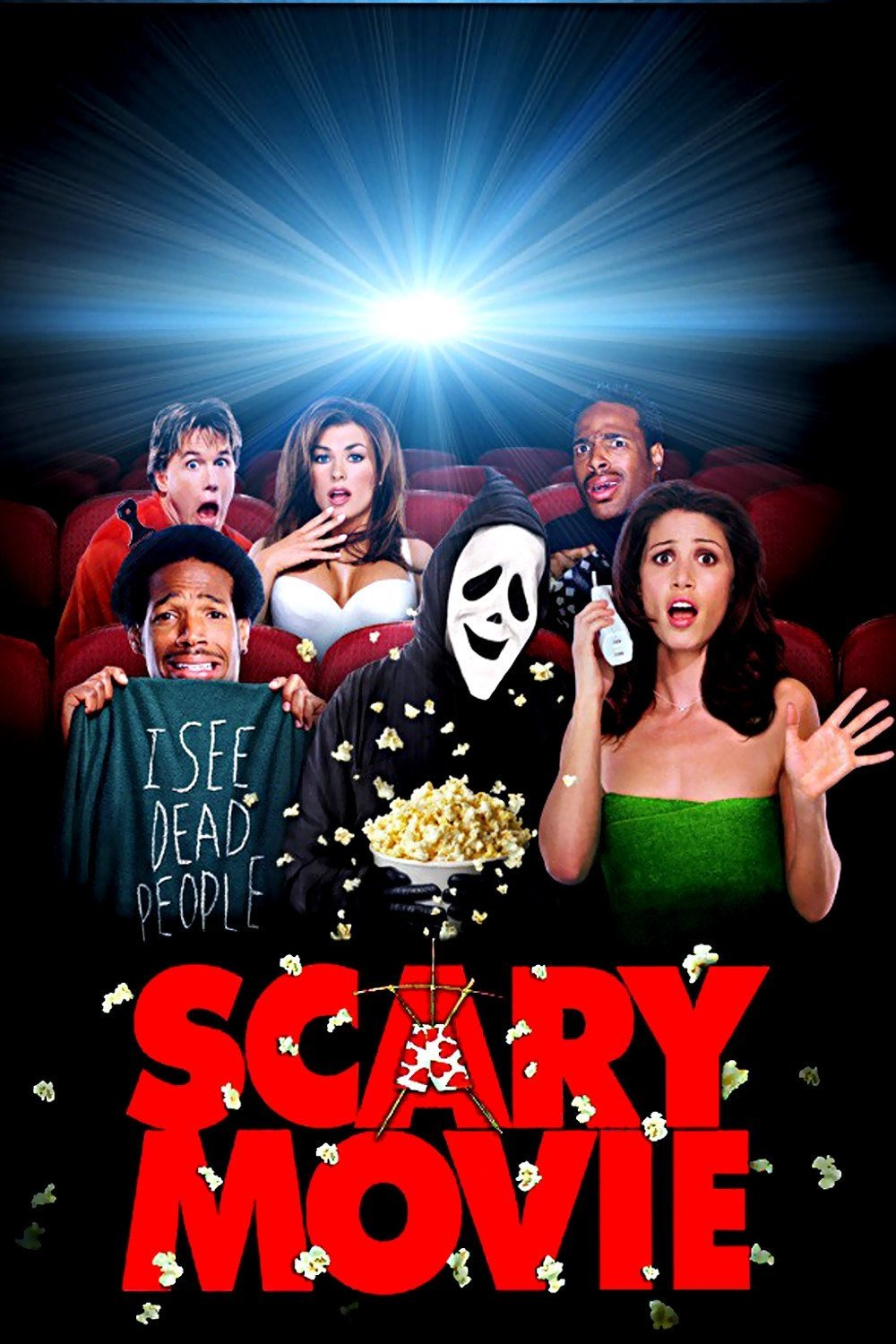
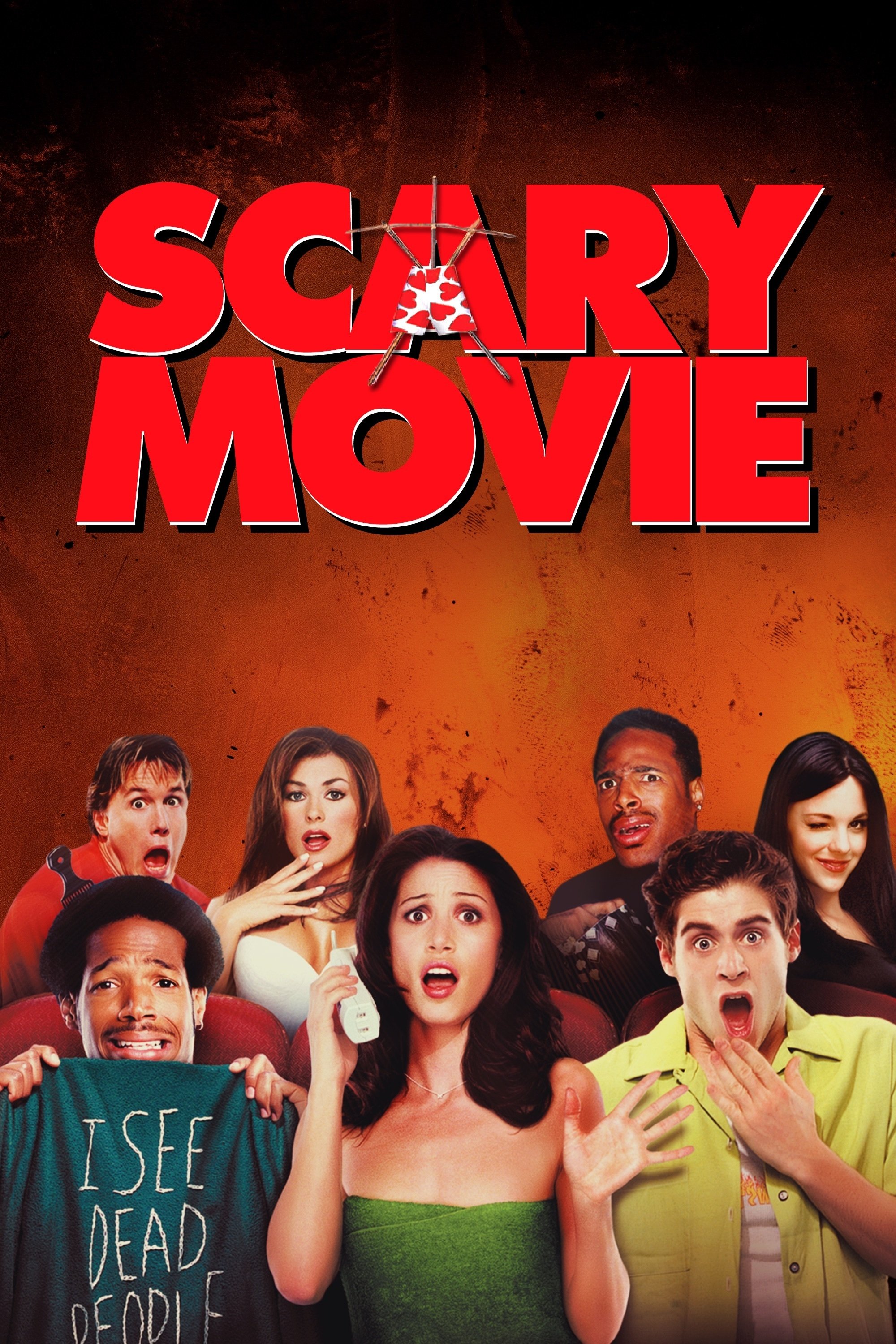
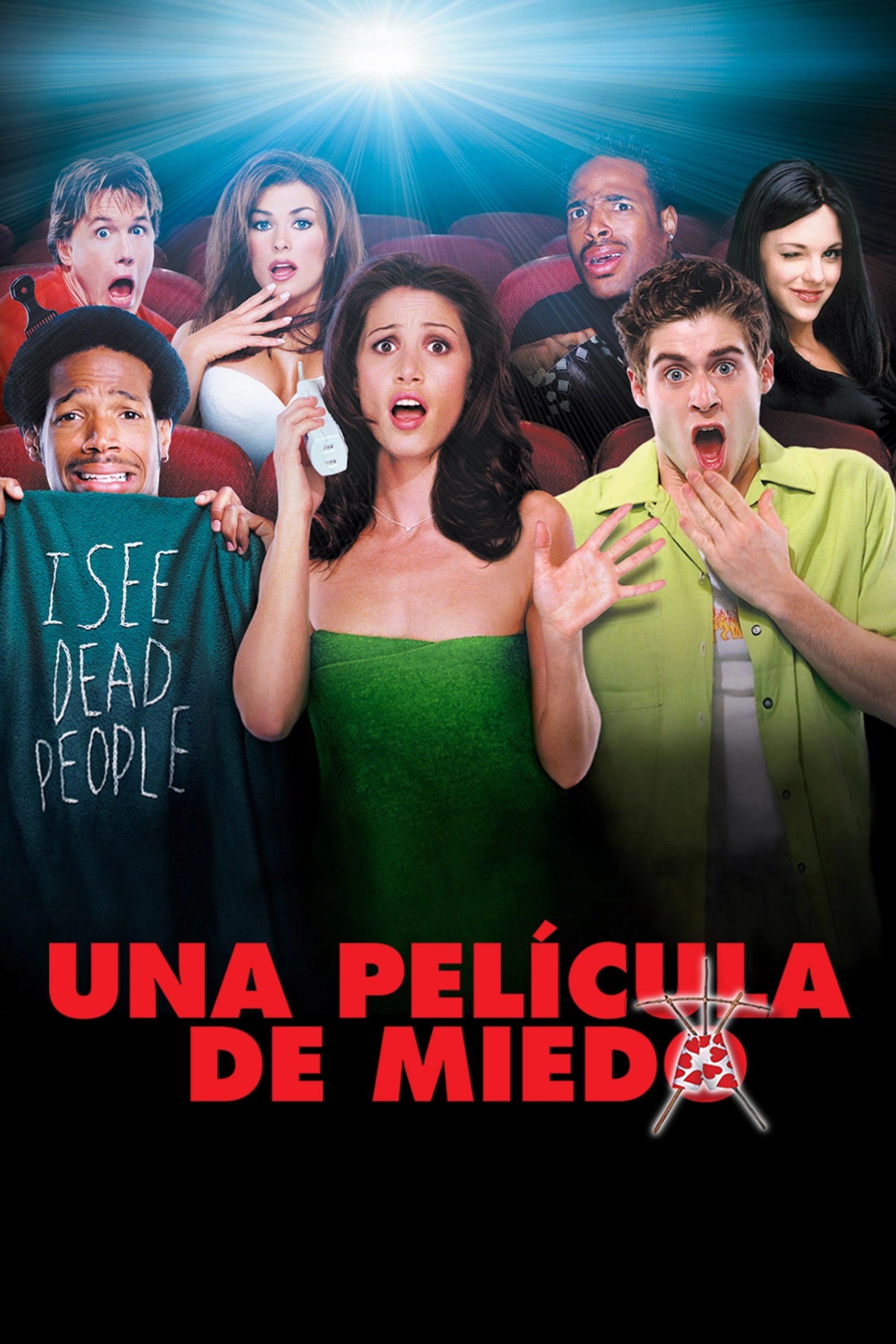
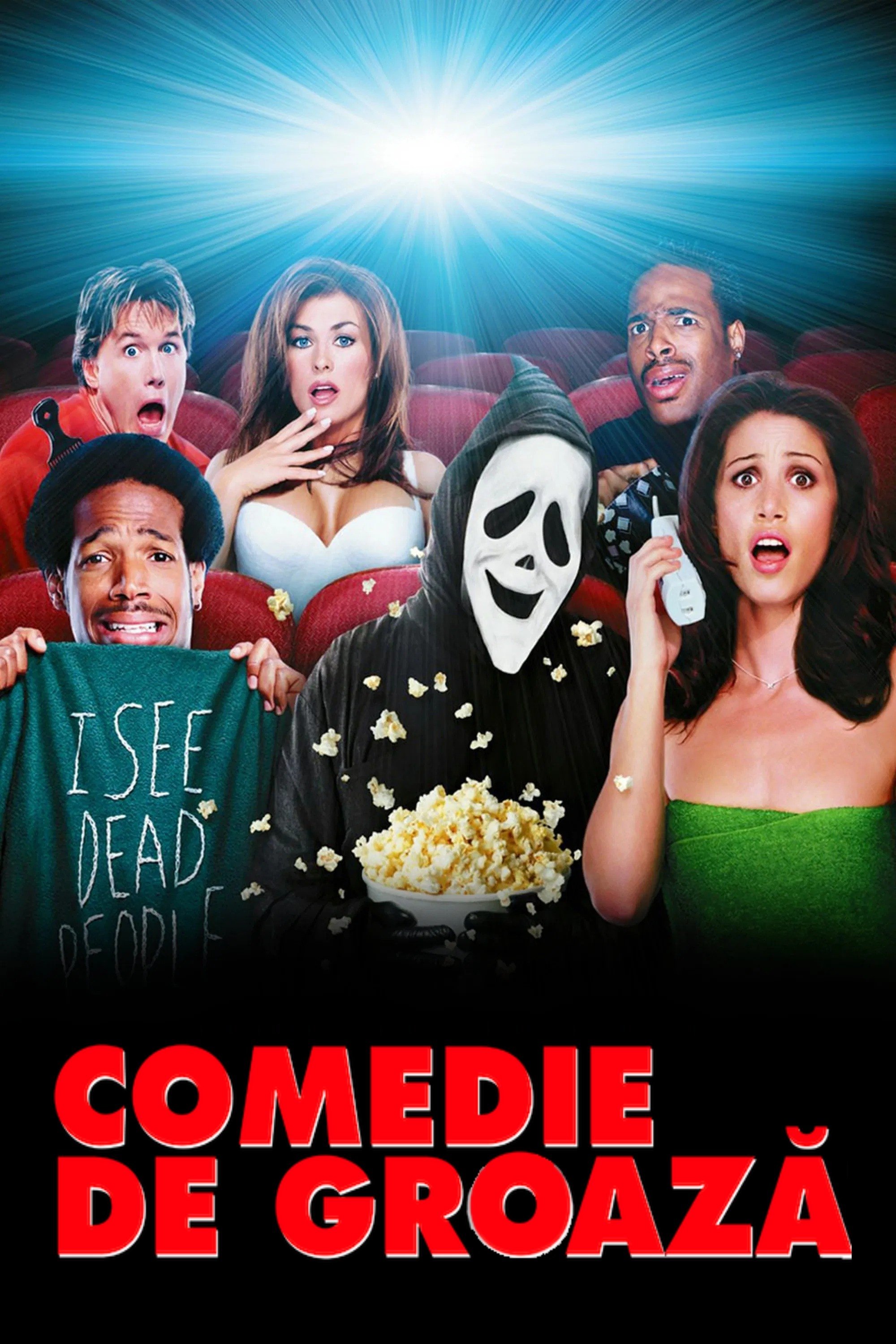
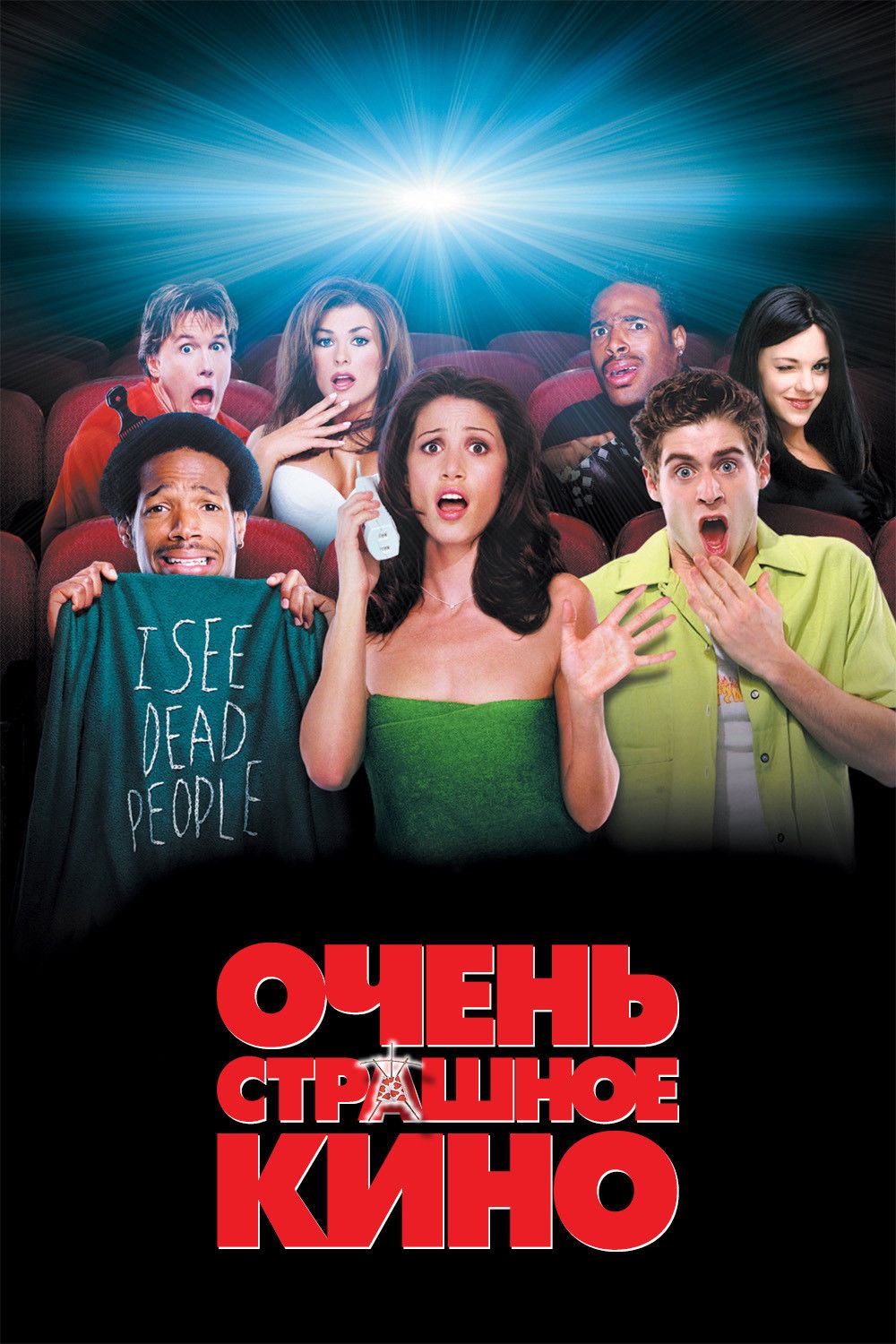
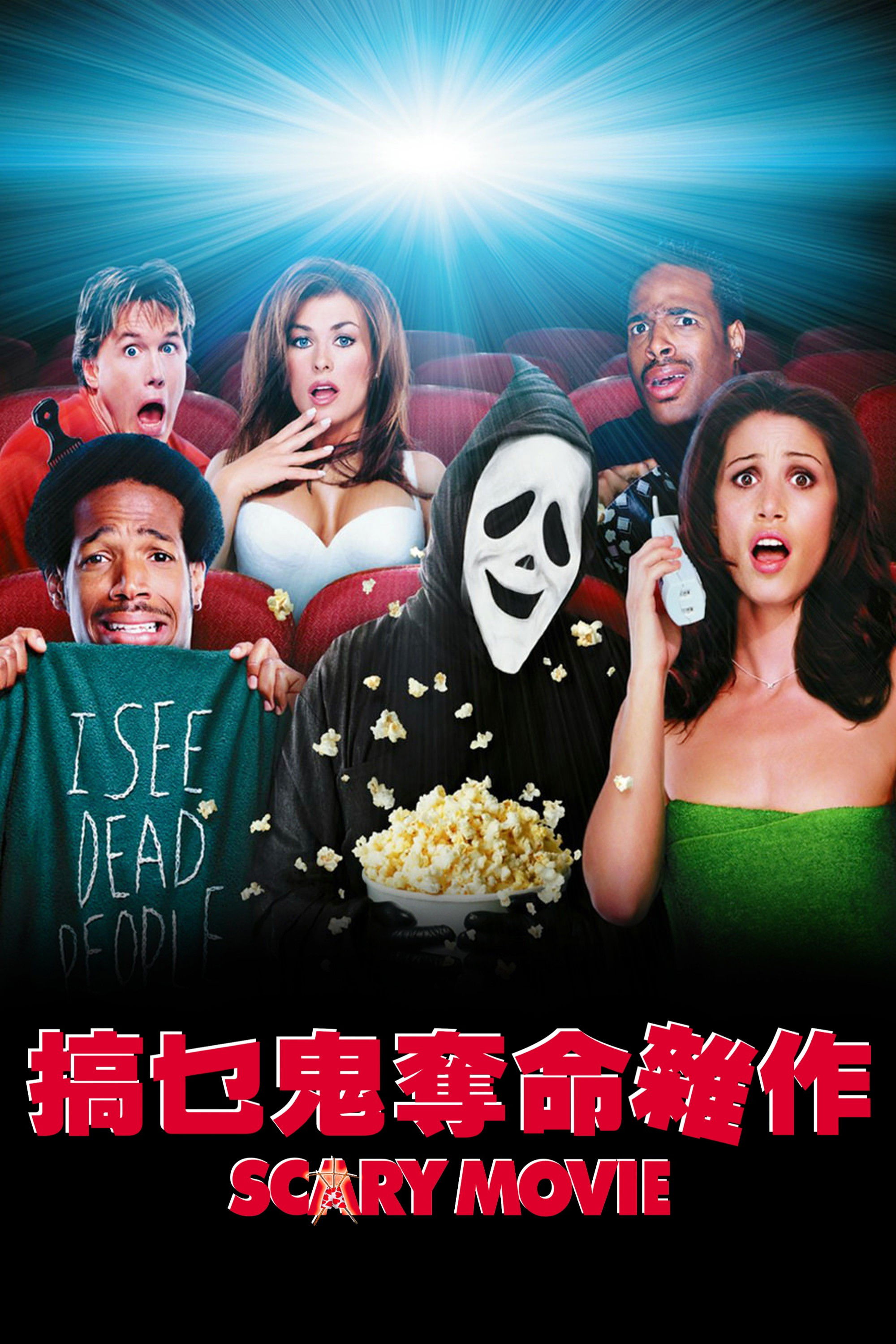
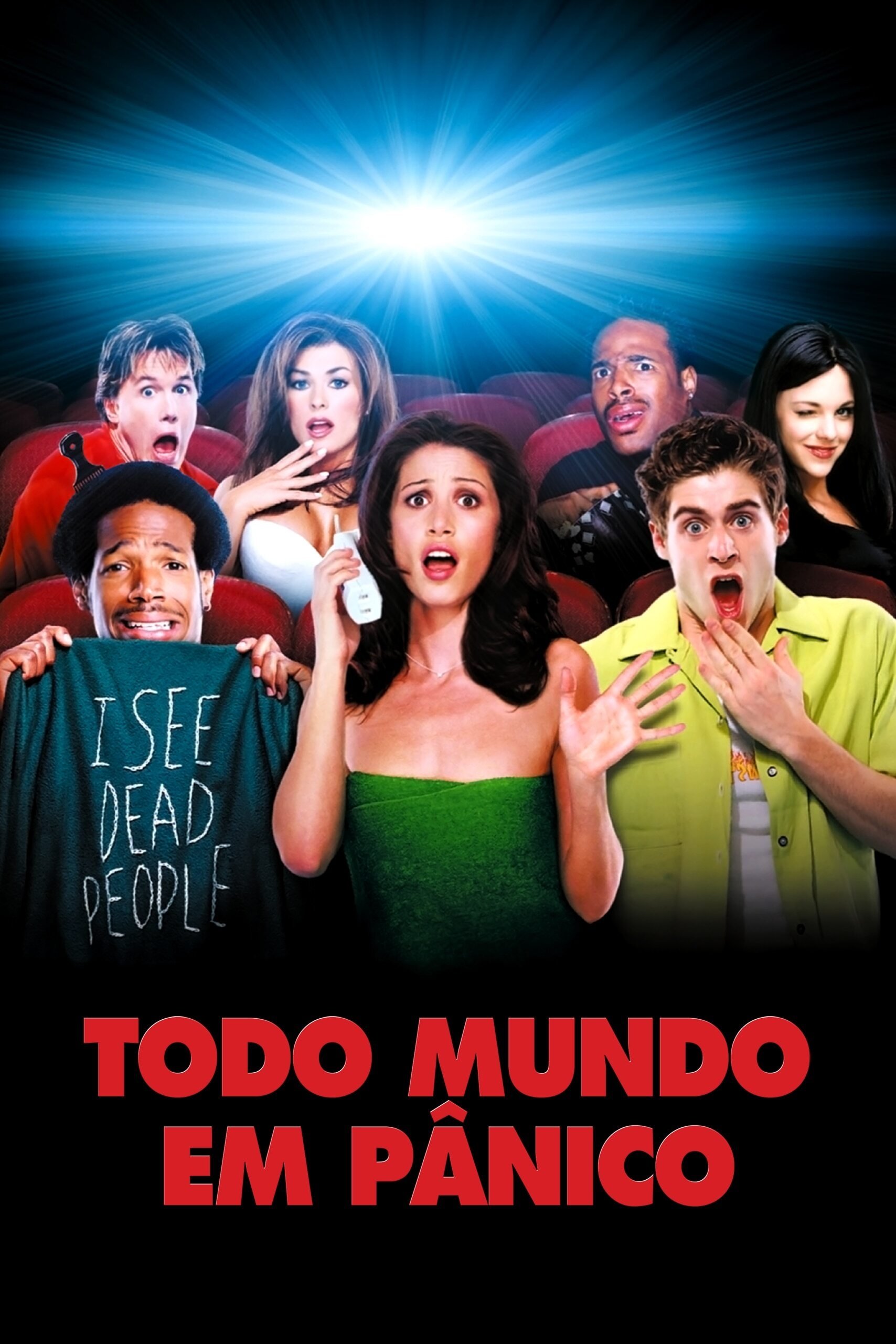
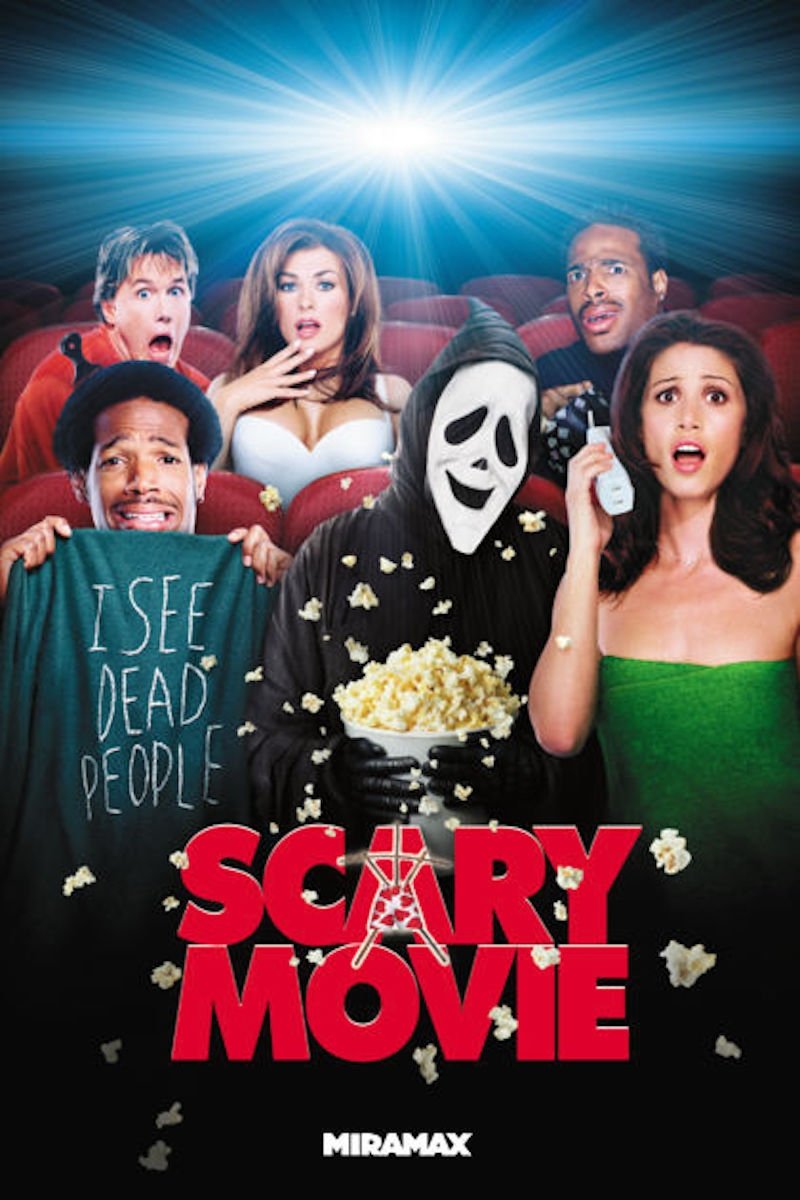
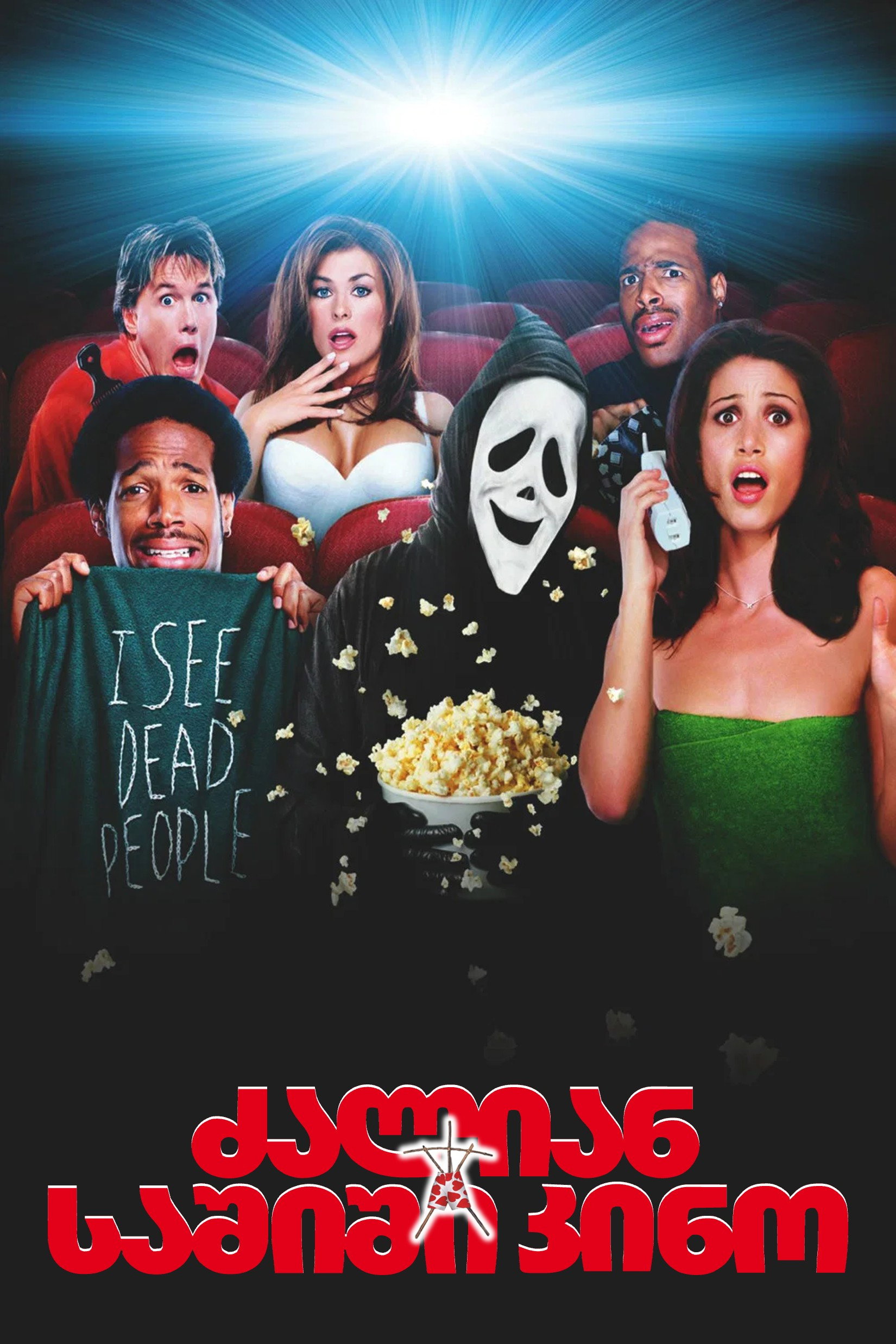
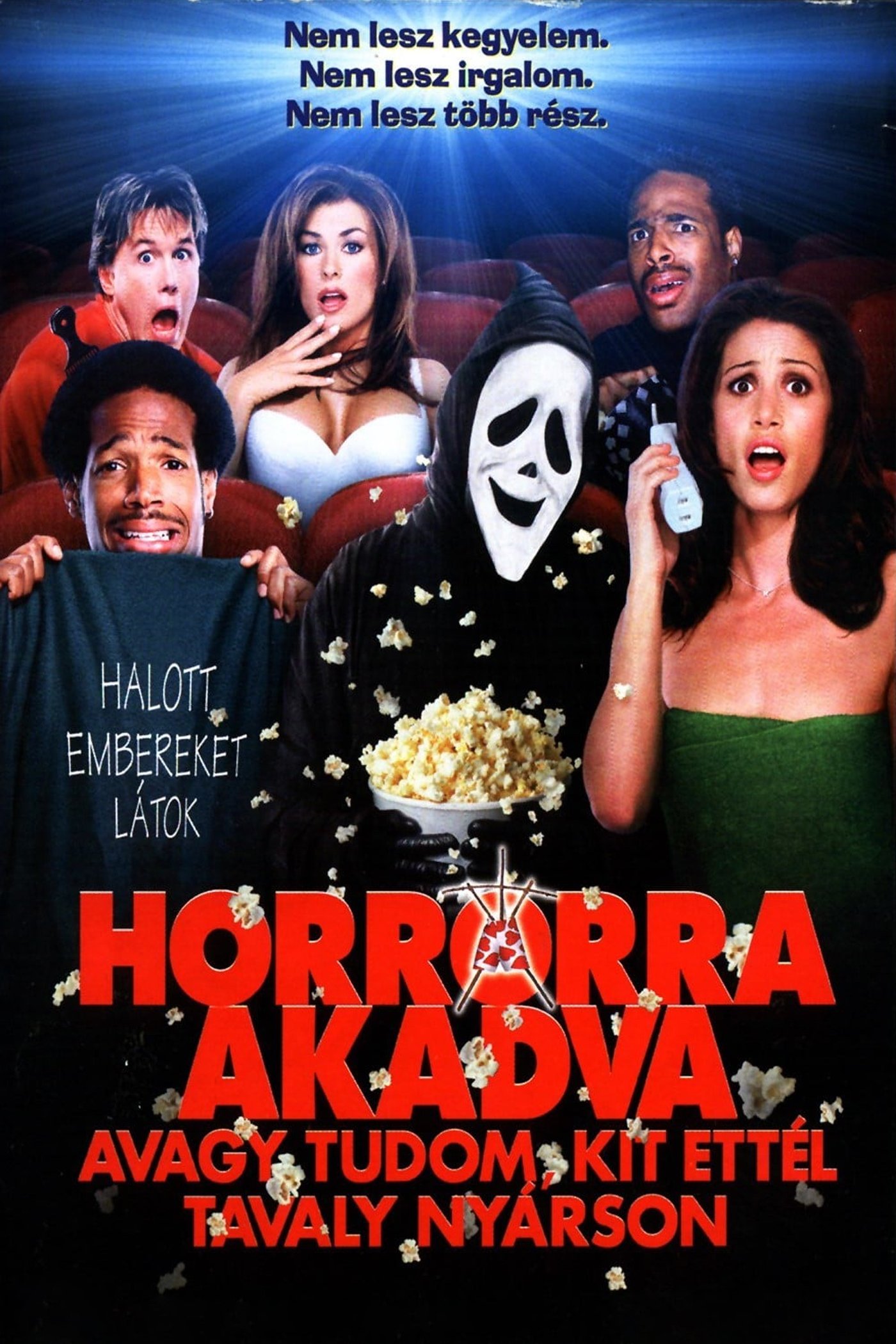
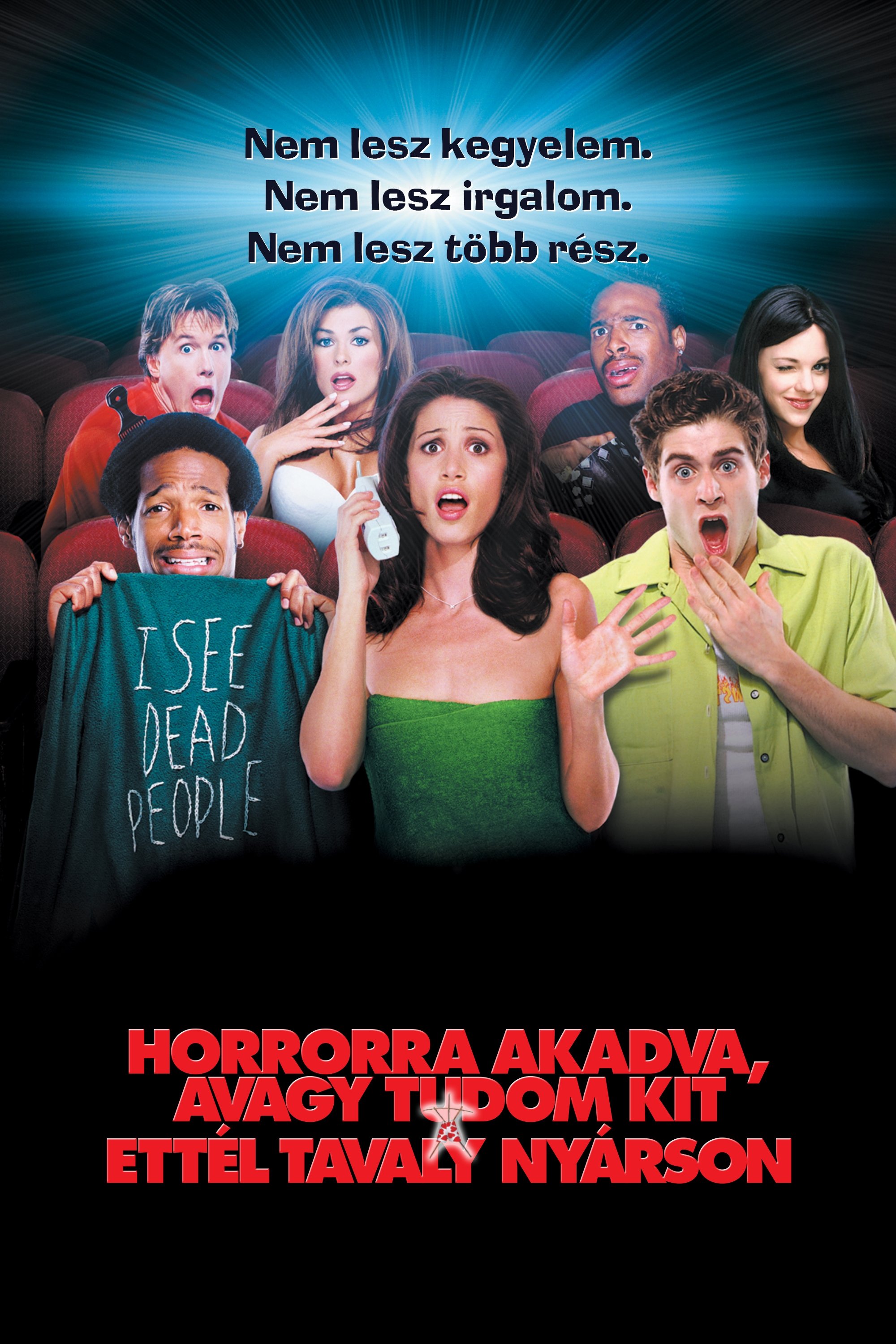
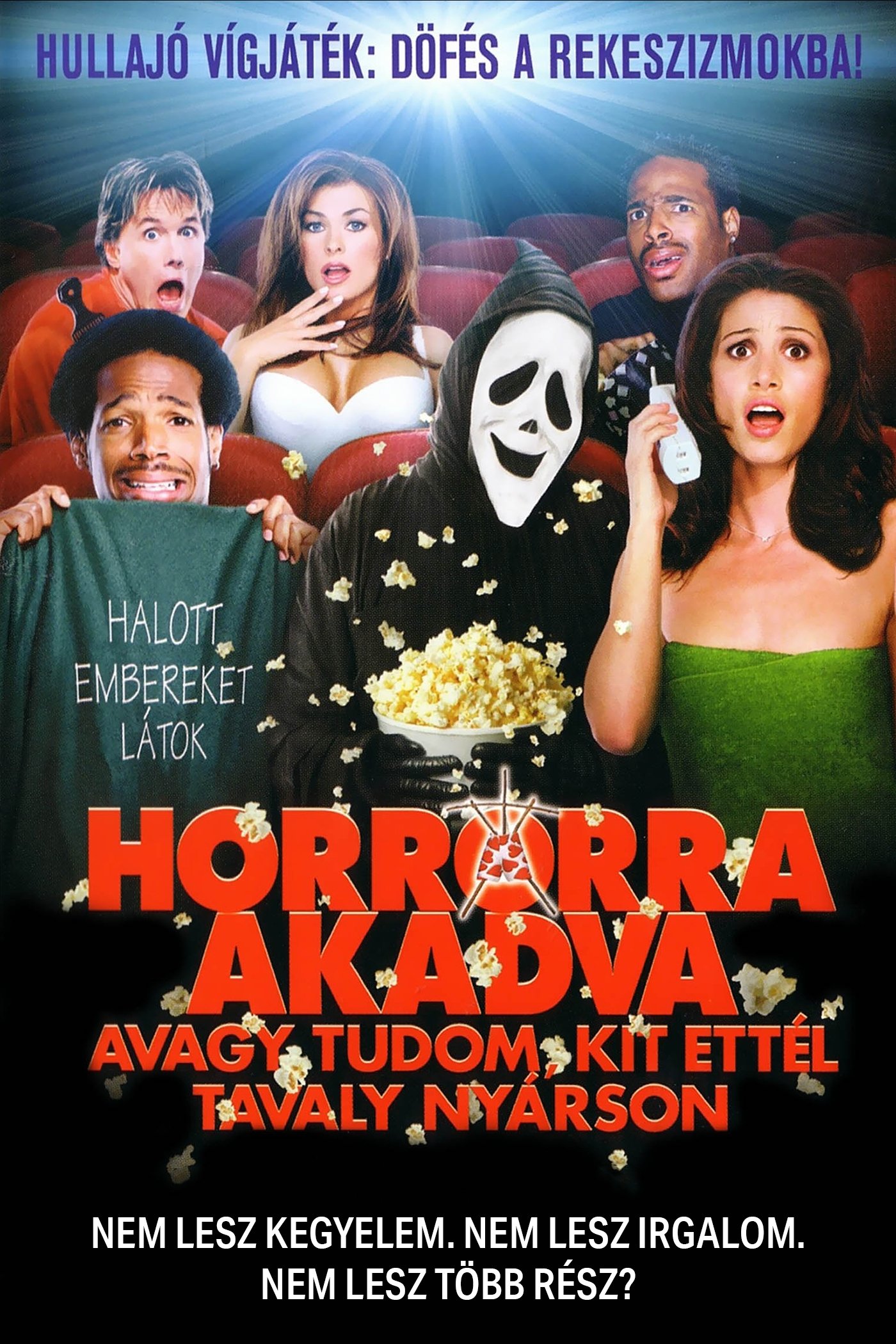
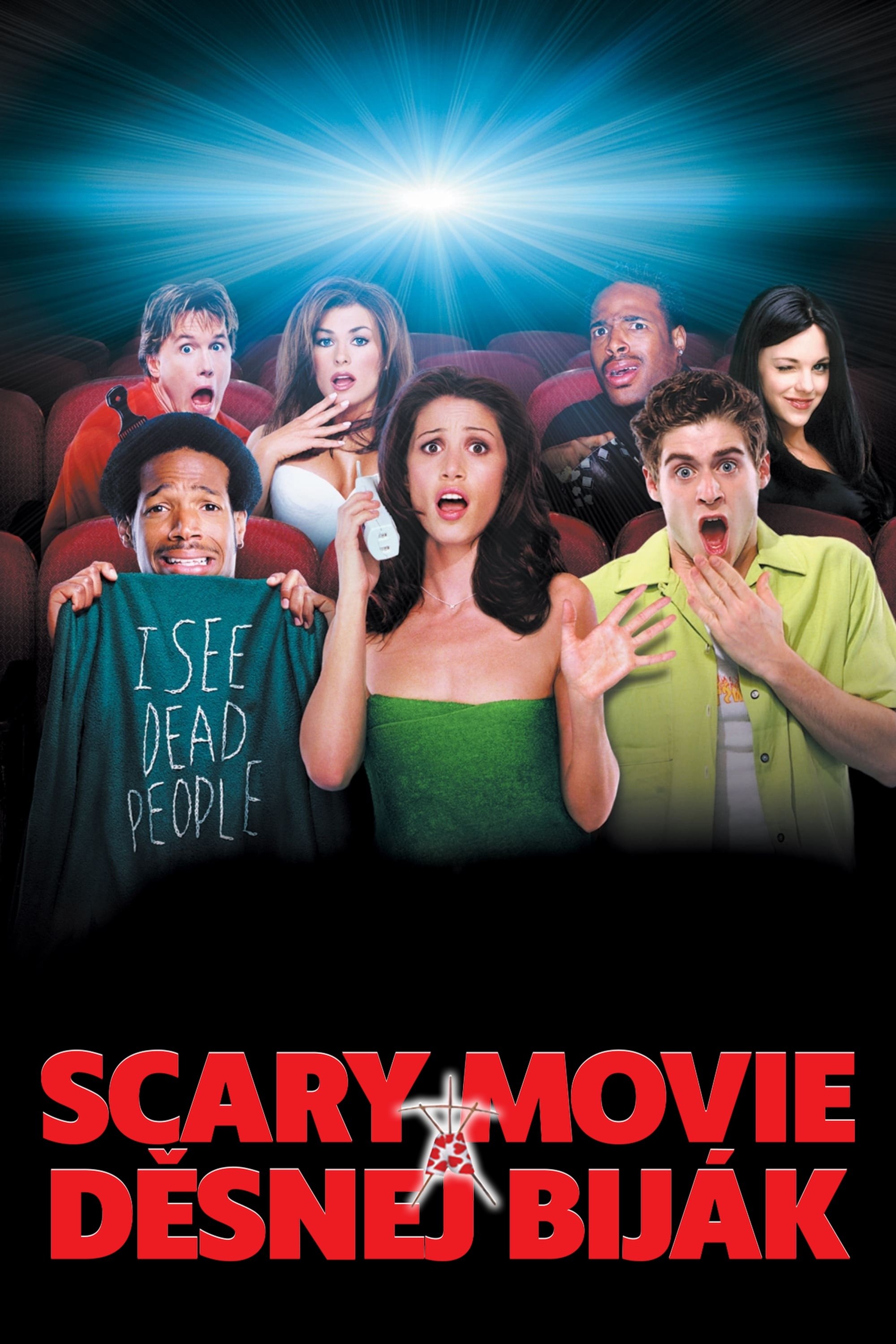
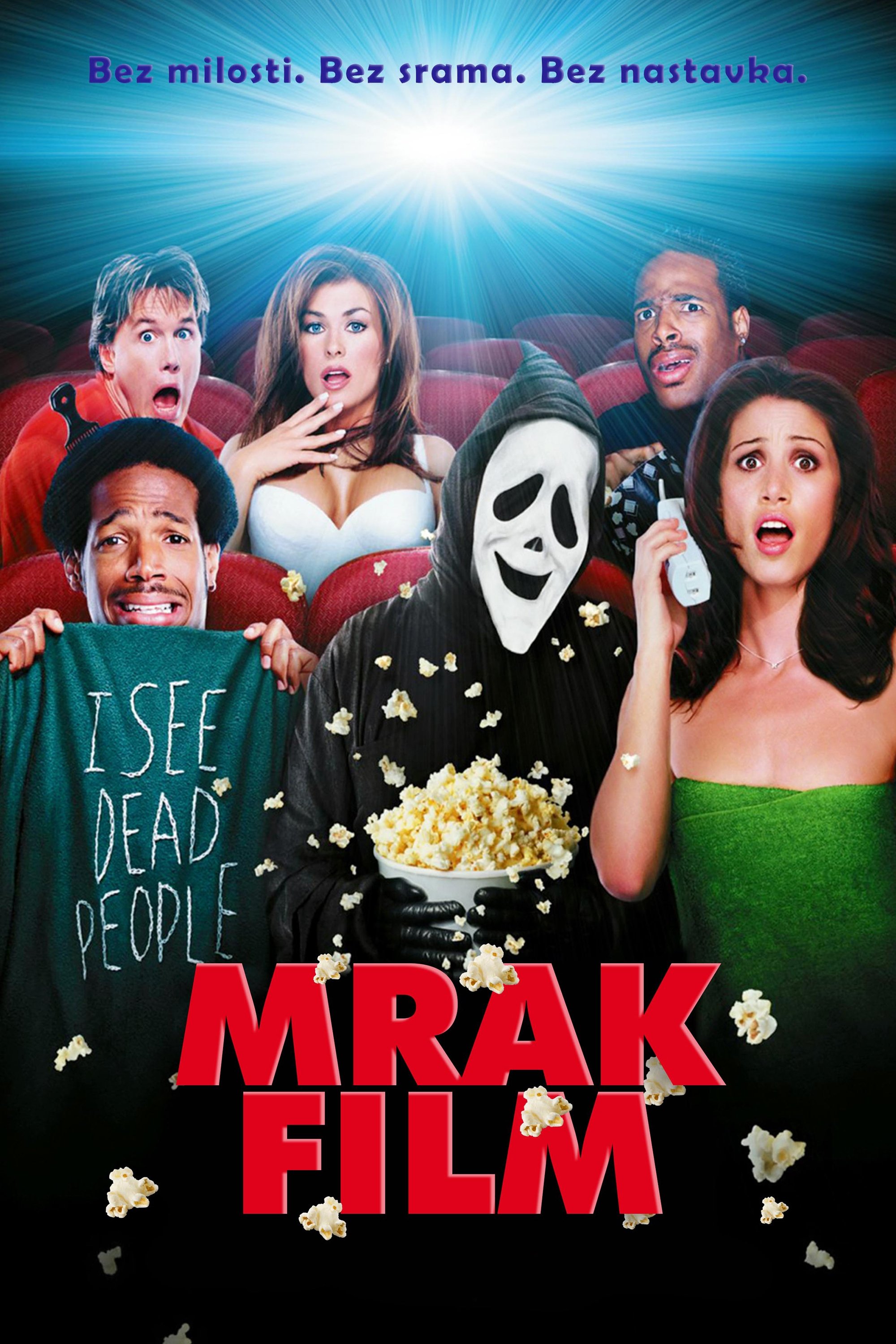
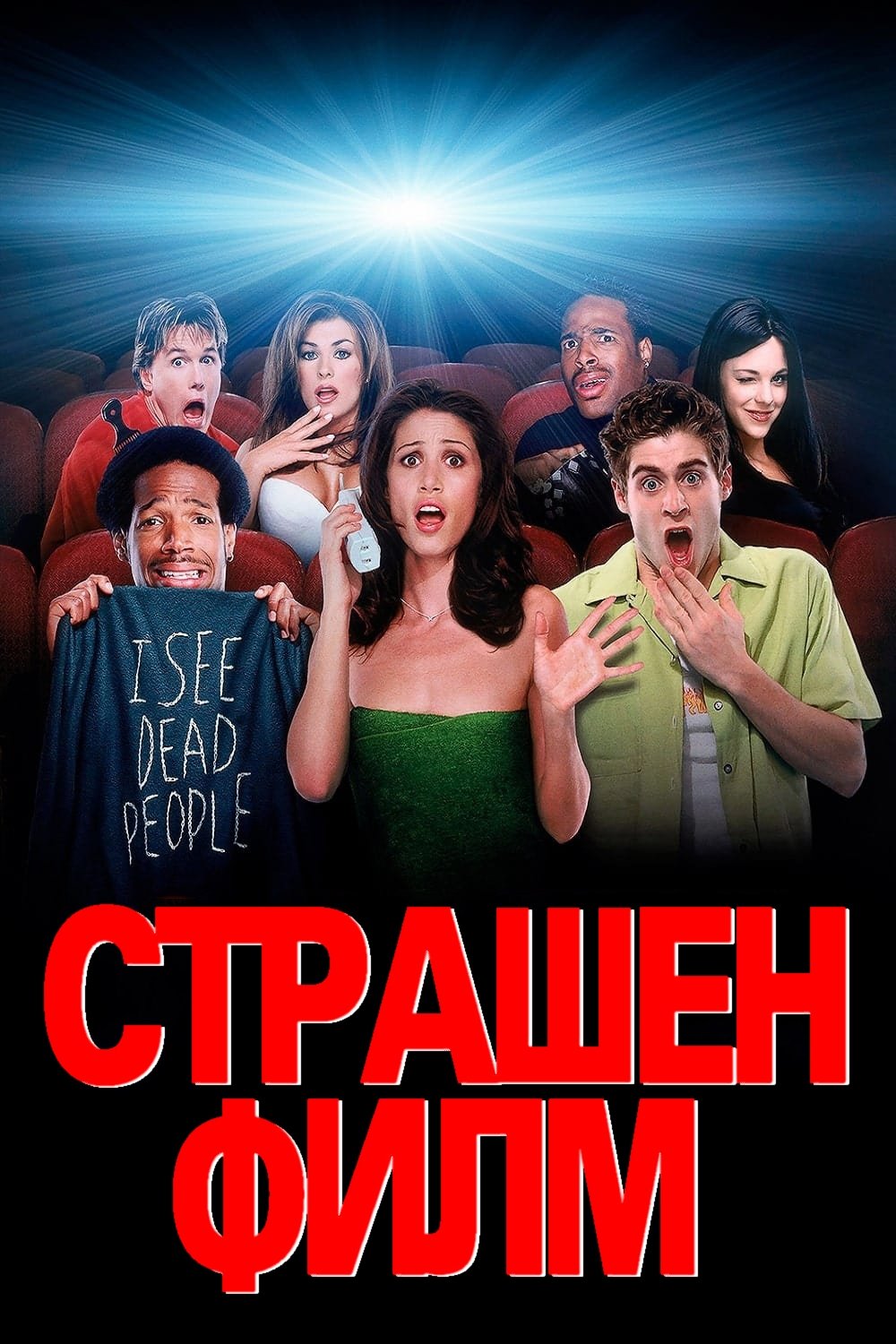
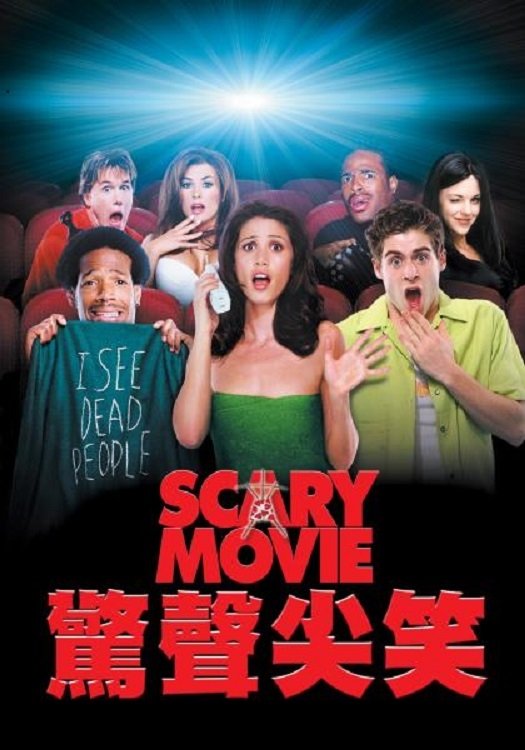
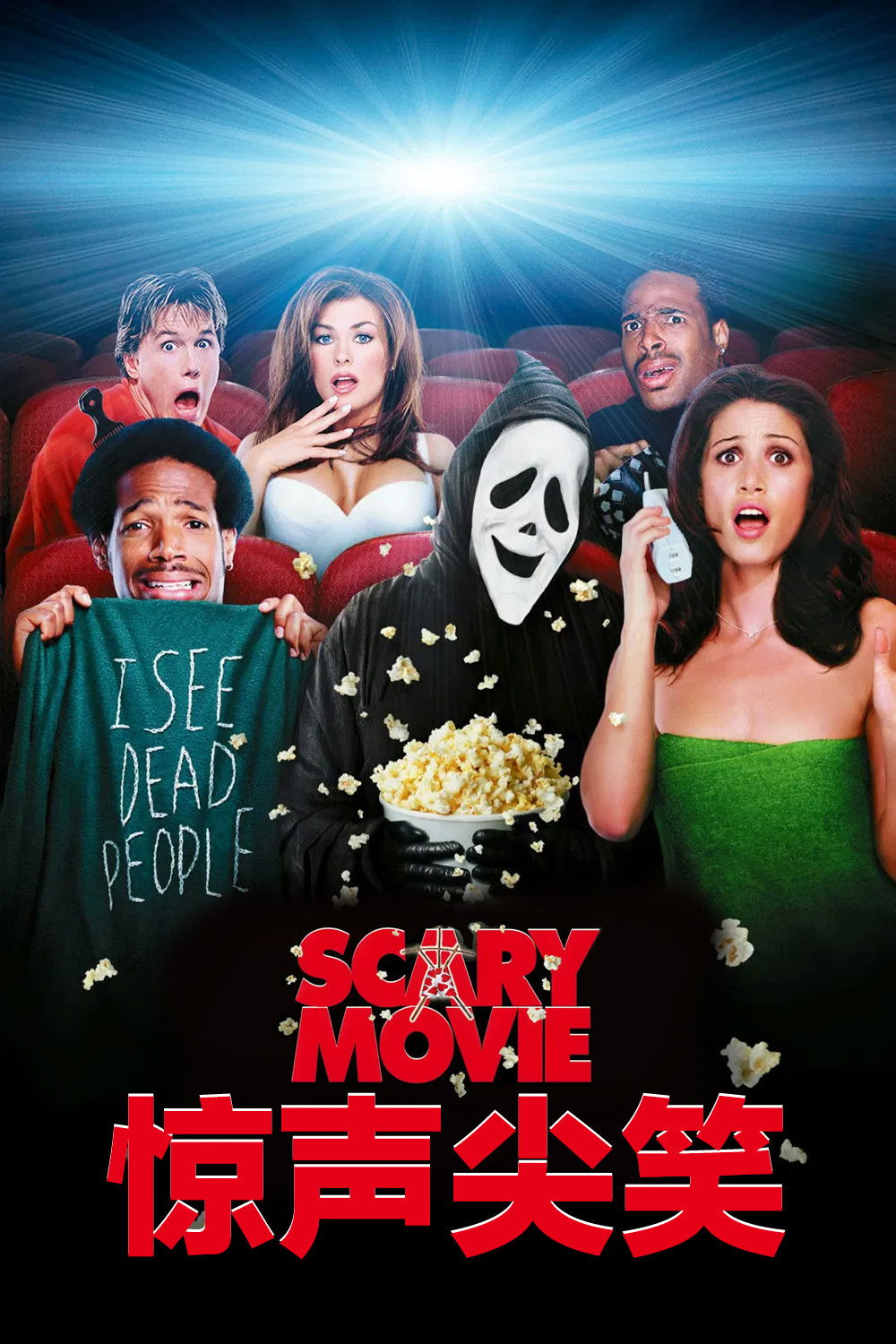
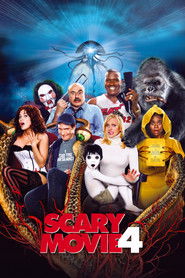
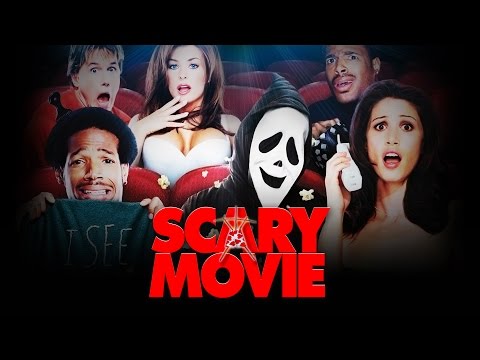
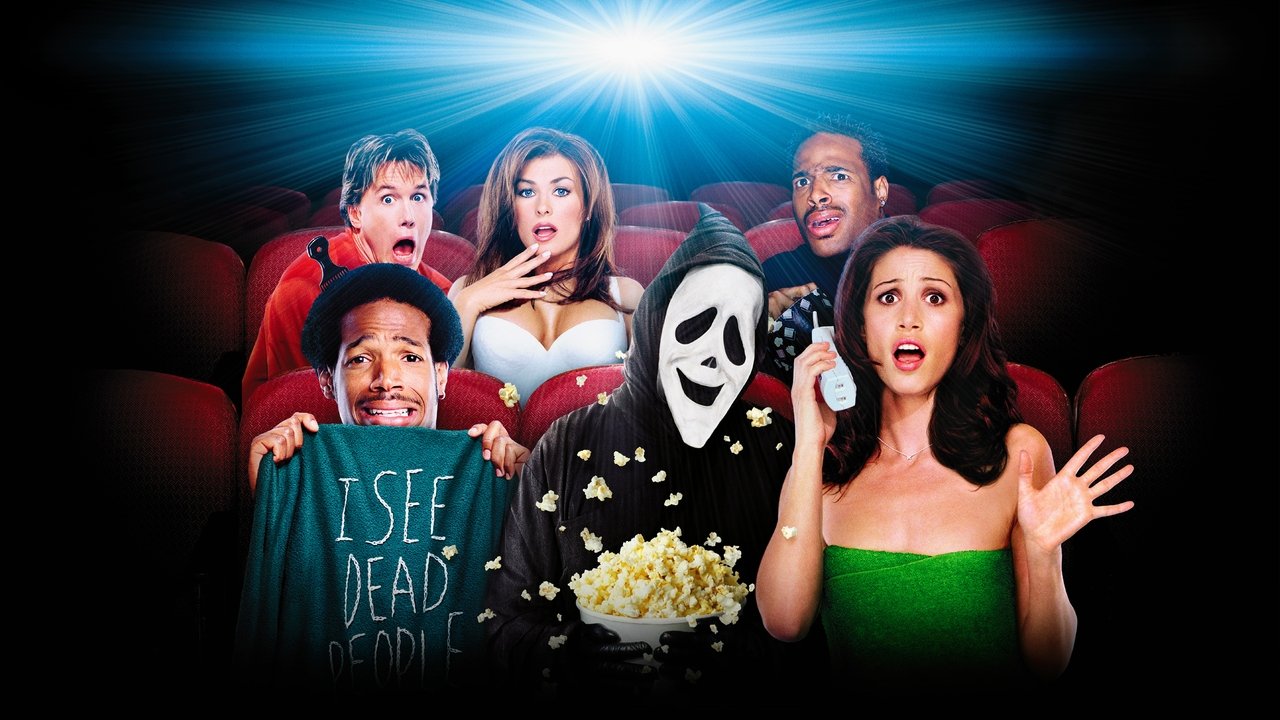
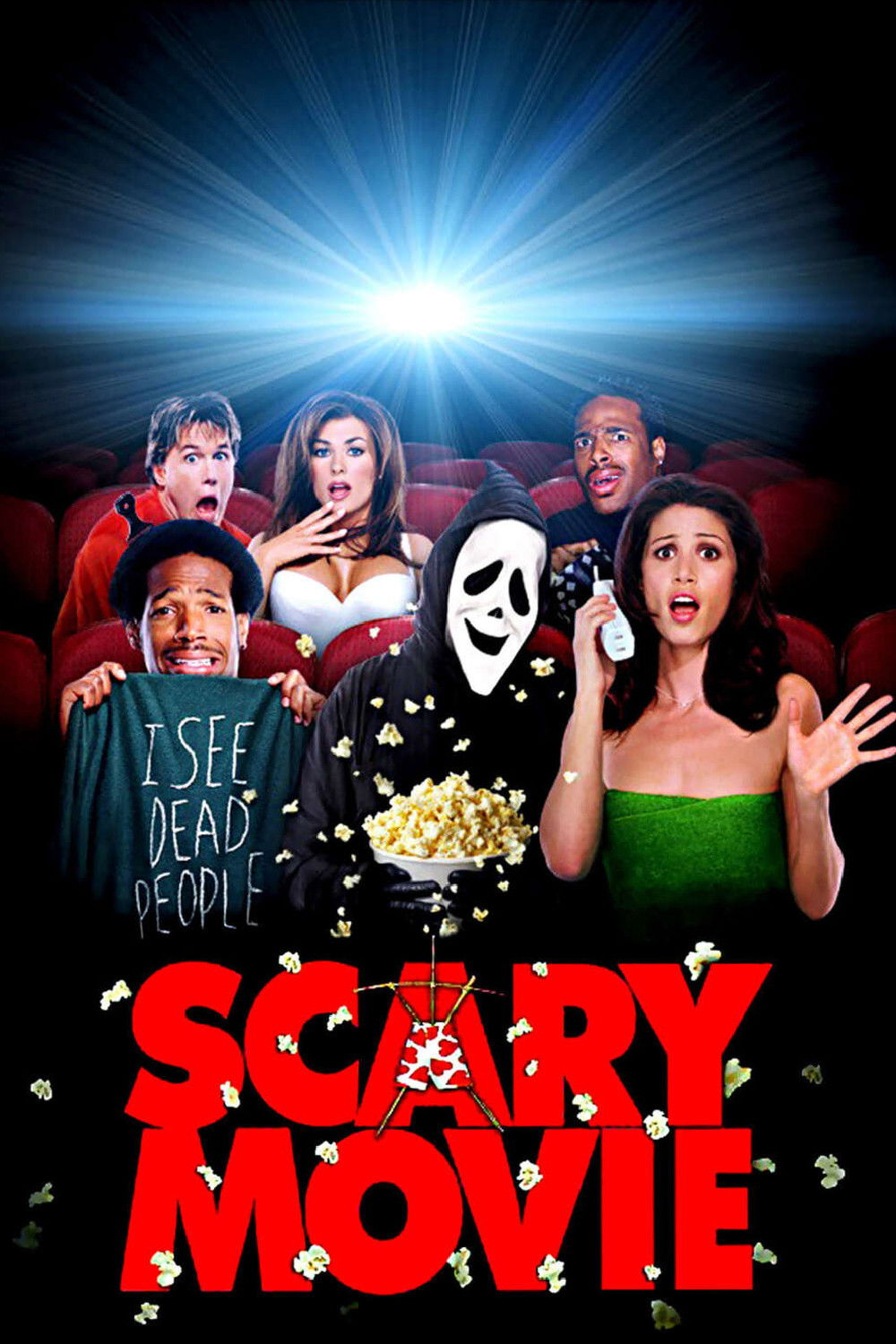
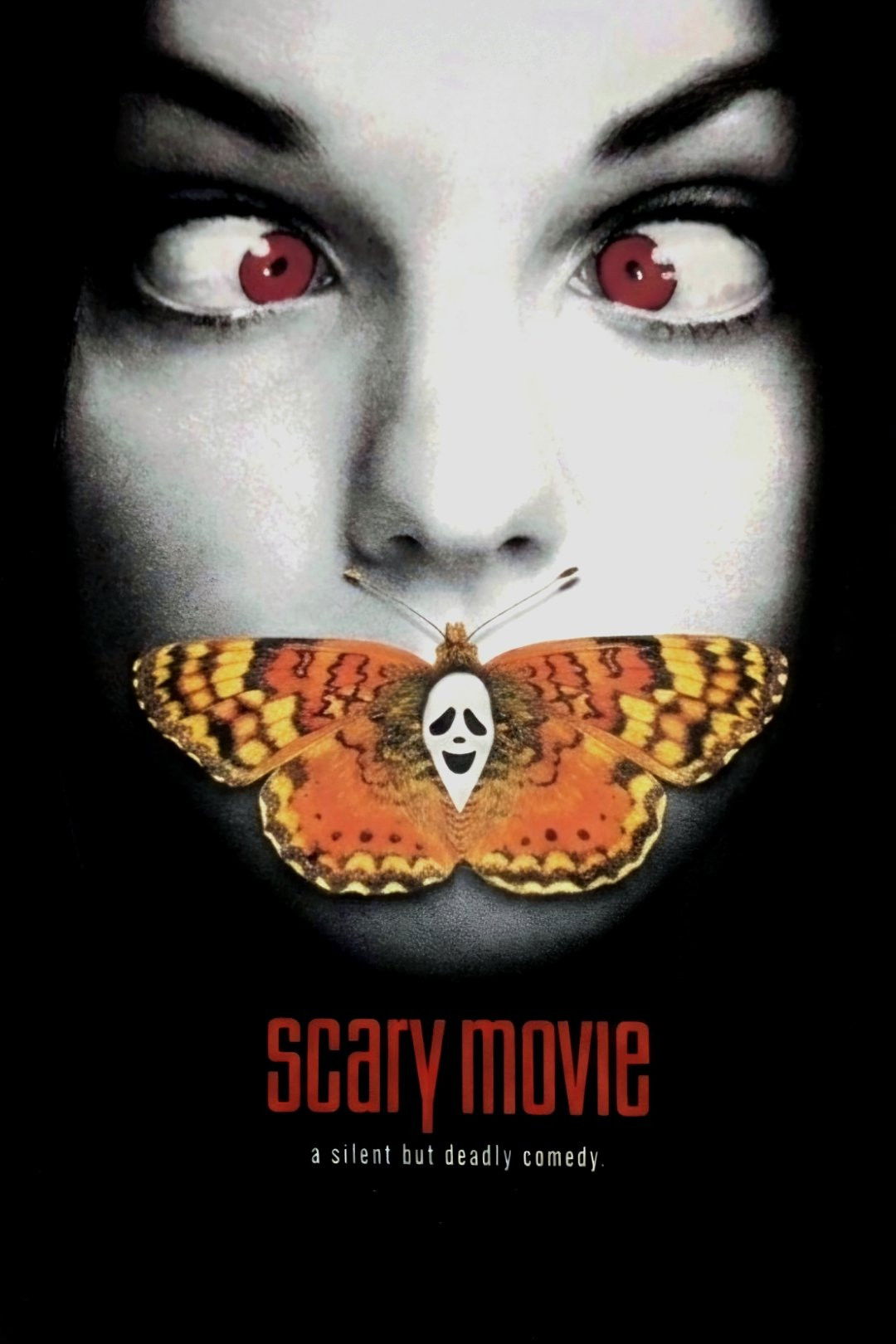
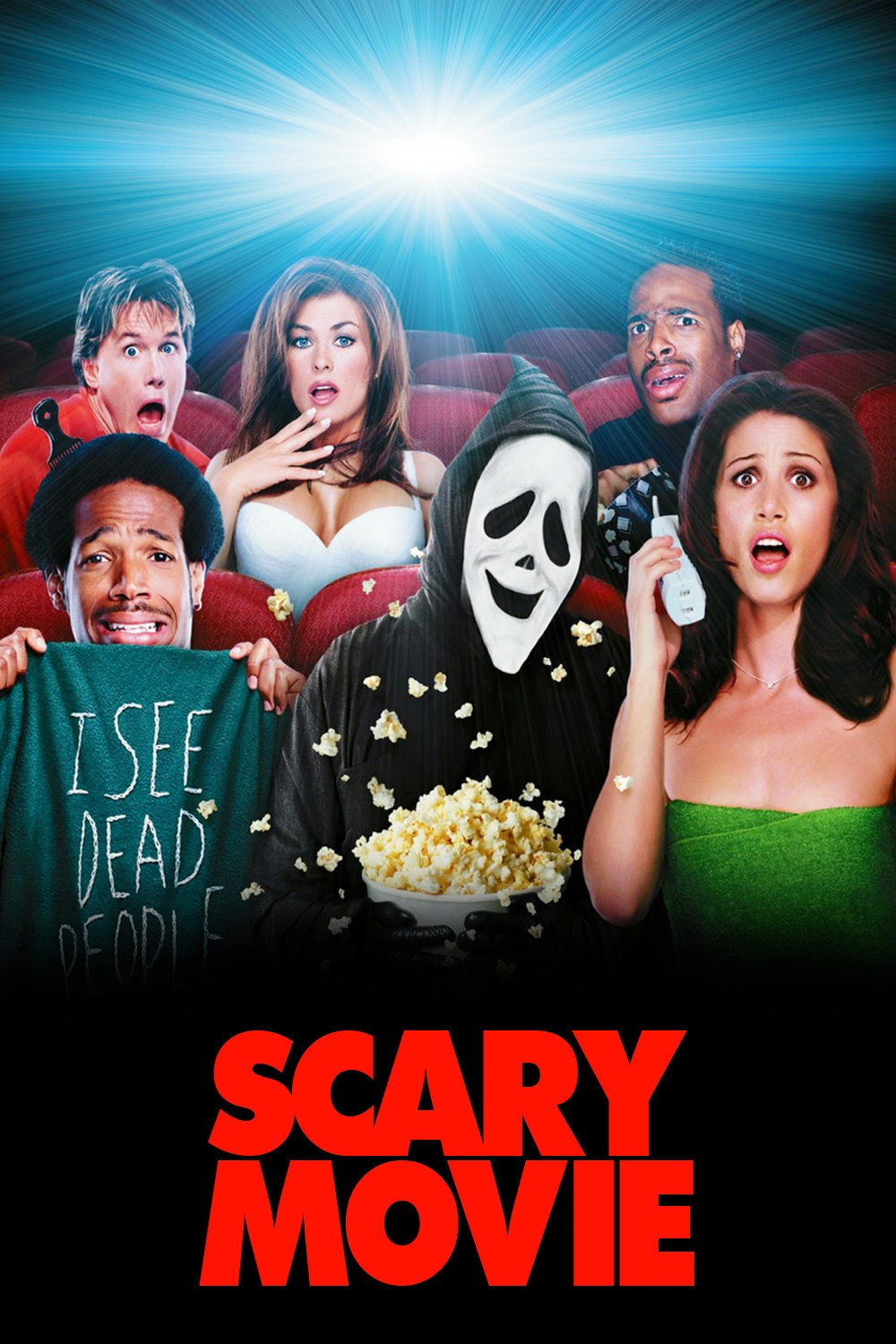
Scary Movie (2000) poster
Production Companies
Brad Grey Pictures , Gold/Miller Productions , Wayans Bros. Entertainment , Dimension Films
Plot

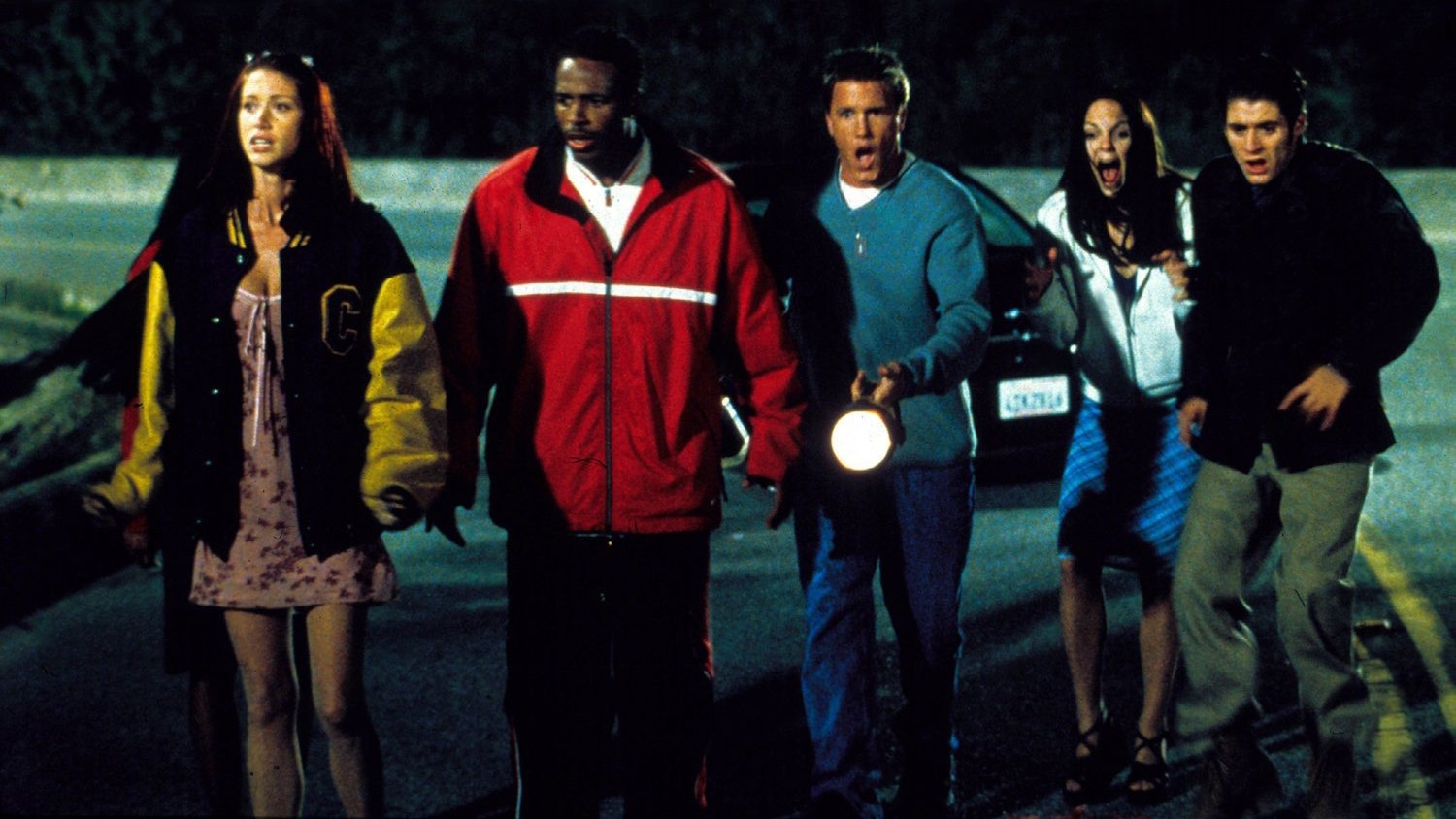
A year after Cindy Campbell and her friends cover up a fatal accident, a masked killer begins targeting the teenagers in their hometown. Cindy tries to understand the threatening phone calls and attacks while a television reporter pursues the story and the local police struggle to identify the assailant. As suspicion spreads through the group, the murders turn familiar slasher-film situations into increasingly absurd encounters. The comedy draws particularly on Scream and I Know What You Did Last Summer, with the characters repeatedly caught between recognizable horror conventions and their own reckless behavior.

Alternative Titles
Çox qorxulu film (AZ) — alternative translation Qorxulu kino (AZ) — translation:az Strashen film (BG) Страшен филм (BG) — translation:bg Todo Mundo em Pânico (BR) — translation:pt Film de peur (CA) — translation:fr 惊声尖笑 (CN) — translation:zh Scary Movie – Děsnej biják (CZ) — translation:cs
Show all 40 alternative titles Õudne film (EE) — translation:et ძალიან საშიში კინო (GE) — translation:ka 搞乜鬼奪命雜作 (HK) — translation:zh Mrak film (HR) — translation:hr Horrorra akadva, avagy tudom, kit ettél tavaly nyárson (HU) — translation:hu מת לצעוק (IL) — translation:he فیلم ترسناک (IR) — translation:fa Scary Movie - Senza paura, senza vergogna... senza cervello! (IT) 最終絶叫計画 (JP) — translation:ja 무서운 영화 (KR) — translation:ko Pats baisiausias filmas (LT) — translation:lt Šausmenīte (LV) — translation:lv Страшен филм (MK) — translation:mk Una película de miedo (MX) — translation:es Straszny Film (PL) — translation:pl Scary Movie - Um Susto de Filme (PT) — translation:pt Comedie de groază (RO) — translation:ro Mrak film (RS) Мрак филм (RS) — translation:sr Очень страшное кино (RU) — translation:ru Film, da te kap (SI) — translation:sl Strašné kino (SK) — Alternative title by CSFD ยำหนังจี้​ หวีดดีไหมหว่า? (TH) — translation:th Korkunç Bir Film (TR) — translation:tr 驚聲尖笑 (TW) — translation:zh Duzhe strashne kino (UA) Дуже страшне кіно (UA) — translation:uk Страшне кіно (UA) Scary Movie 1 (US) Qo‘rqinchli kino (UZ) — translation:uz Liên Khúc Phim Kinh Dị (VN) — translation:vi Phim Kinh Dị Hài Mỹ 1 (VN)

Trailers & Videos

9 videos

Film Guide

How the Wayans brothers turned the late-1990s slasher revival into a record-setting horror spoof, from its Scream roots to its disputed reception and franchise legacy.

Scary Movie (2000) emerged from the unusually self-conscious American horror cycle of the late 1990s. Wes Craven's Scream had revived the masked-killer film by letting its teenagers recognize the rules of the genre. Keenen Ivory Wayans and his collaborators pushed that recognition into broad physical comedy, using the structures of Scream and I Know What You Did Last Summer as the framework for a feature-length spoof. The result retained a stalking killer, concealed culpability and a circle of endangered friends, but treated suspense as an opportunity for interruptions, humiliations and sudden reversals of tone. Its humor depended upon an audience already fluent in recent horror cinema.

The film occupies a distinctive position in horror history because it arrived while the cycle it mocked was still commercially vigorous. Its July 2000 release through Dimension Films connected the satire to the studio behind Scream itself. The Wayans family's approach brought the rhythms of sketch comedy into a theatrical slasher narrative, opening room for jokes about screen violence, sexuality, celebrity and disruptive moviegoing habits. Strong initial attendance demonstrated the commercial reach of this approach. Contemporary critics were divided over its crudity, while subsequent sequels and a later reunion of the original performers made the first film a recurring reference point for horror parody.

The Slasher Boom and the Project's Origins

The 1990s revival of teenage horror supplied the film with unusually recognizable narrative machinery. Scream (1996) established a killer who makes threatening telephone calls, while its young characters discuss horror conventions as part of their own predicament. The following year's accident-and-revenge slasher connected its friends through a secret they hoped to conceal. Scary Movie joins these premises within a single story, expecting viewers to recognize the borrowed situations almost immediately. That familiarity permits quick comic escalation: a character's fear can become foolishness before a conventional suspense scene would have time to develop.

The Wayans brothers had an established background in sketch satire through In Living Color and the film Don't Be a Menace to South Central While Drinking Your Juice in the Hood (1996). The latter had already used a deliberately unwieldy title and an accumulation of references to examine an identifiable group of popular films. In production publicity for Scary Movie, Keenen described recent horror hits as variations on older slasher formulas, naming films including Halloween, Friday the 13th and A Nightmare on Elm Street as points of comparison. This was the director's stated rationale for parodying a genre whose elements had become repeatable and readily recognizable.

The early working title, Scream If You Know What I Did Last Halloween, made the collision of its principal influences explicit. The eventual title, Scary Movie, carried an additional historical irony: it had been a working title for Scream. Contemporary interviews with the cast locate the creative impulse in frustration with the repeated appearance of similar teenage horror scenarios. Marlon Wayans recalled watching the accident-and-revenge thriller and recognizing opportunities to exaggerate its behavior. His recollection clarifies the writers' motivation without identifying a single author for every joke; the finished screenplay credits six writers and emerged from a larger collaborative process.
Writing, Rehearsal and Comic Performance

Keenen Ivory Wayans approached the project as a combination of comedy styles rather than a narrow imitation of one film. The original production notes describe the picture as bringing together sexual humor, youth comedy and thriller conventions. He also reported two weeks of rehearsals before filming, with the actors assigned preparatory work on their characters. Improvisation was part of the process, and the director credited the ensemble with finding additional jokes during production. Such remarks are promotional recollections from the makers, but they provide a specific account of how scripted references and performer-driven comedy were intended to operate together.
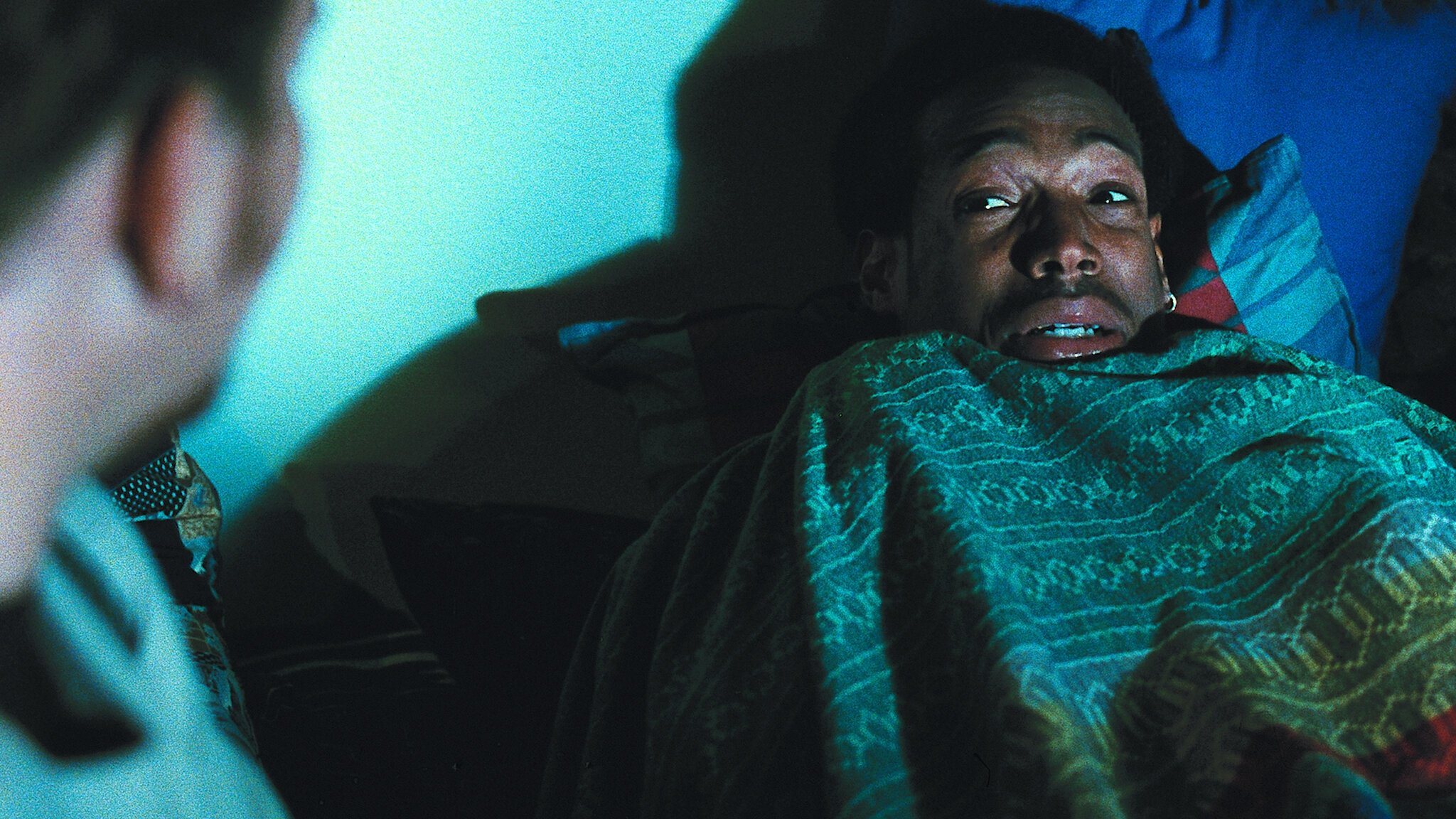
An interview with Shawn and Marlon Wayans from June 2000 emphasizes how the parody depends on recognizable genre types. Shawn's Ray takes the supposedly confident high-school athlete and introduces contradictions between his public behavior and private desires. Marlon's Shorty loosely occupies the position of the horror-savvy observer, although intoxication repeatedly disrupts his ability to provide useful guidance. These figures create a different rhythm from the earnest teens of late-1990s slashers: their responses tend to delay practical action, generating comic disasters from situations that normally require immediate decisions. The film treats those reactions as its central resource rather than as incidental decoration.
The Opening Kill and Slasher Visual Language

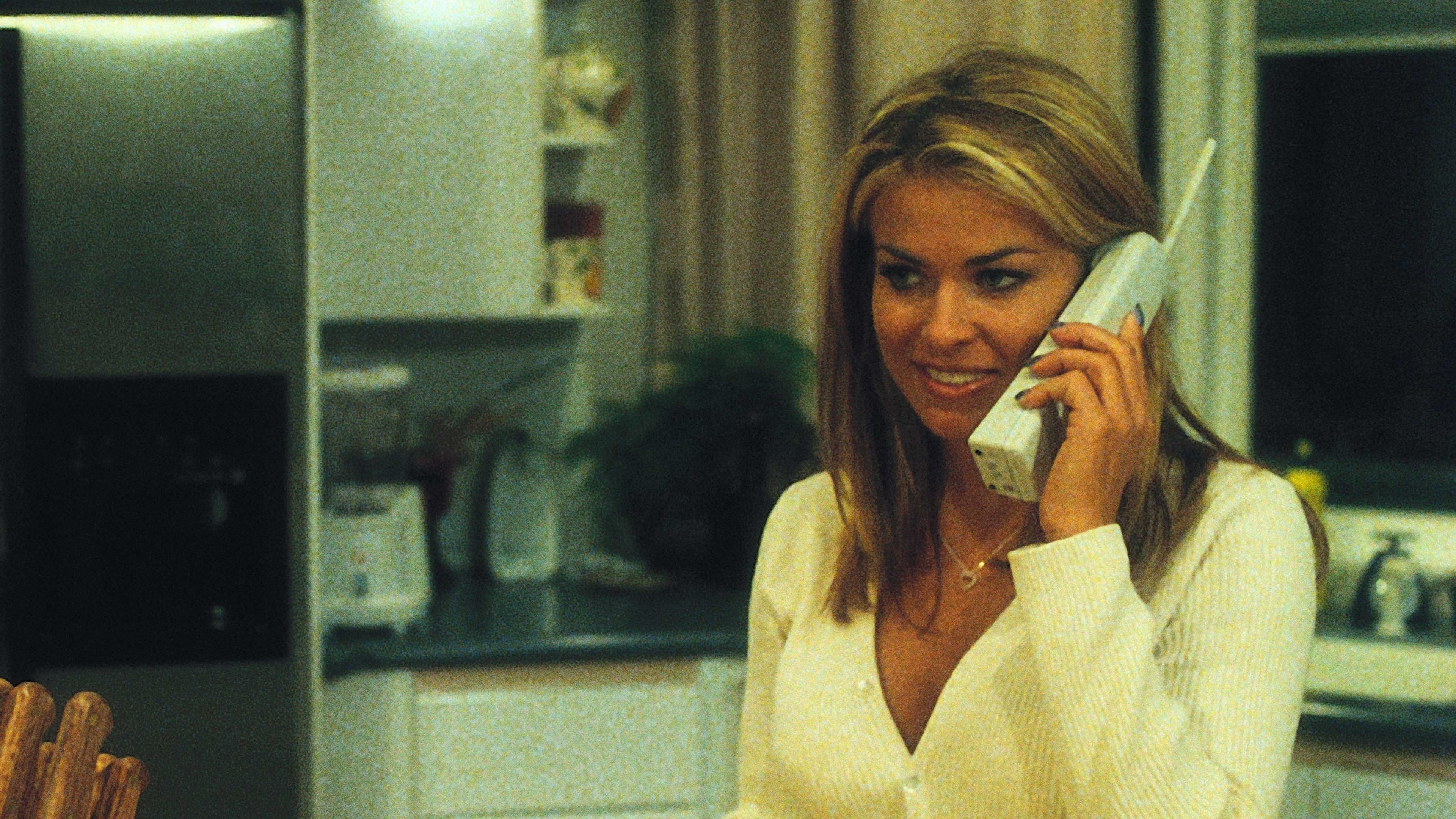
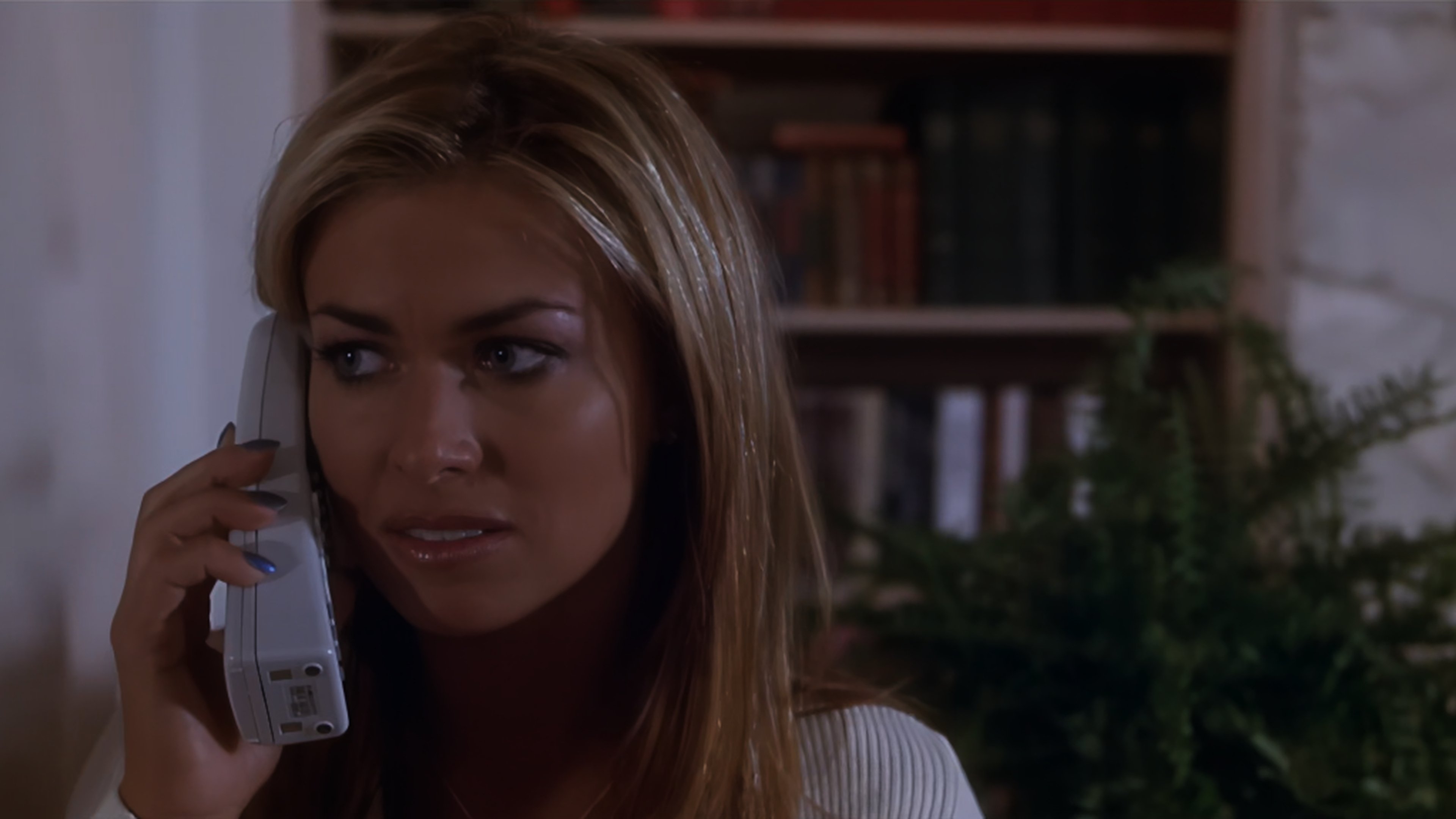
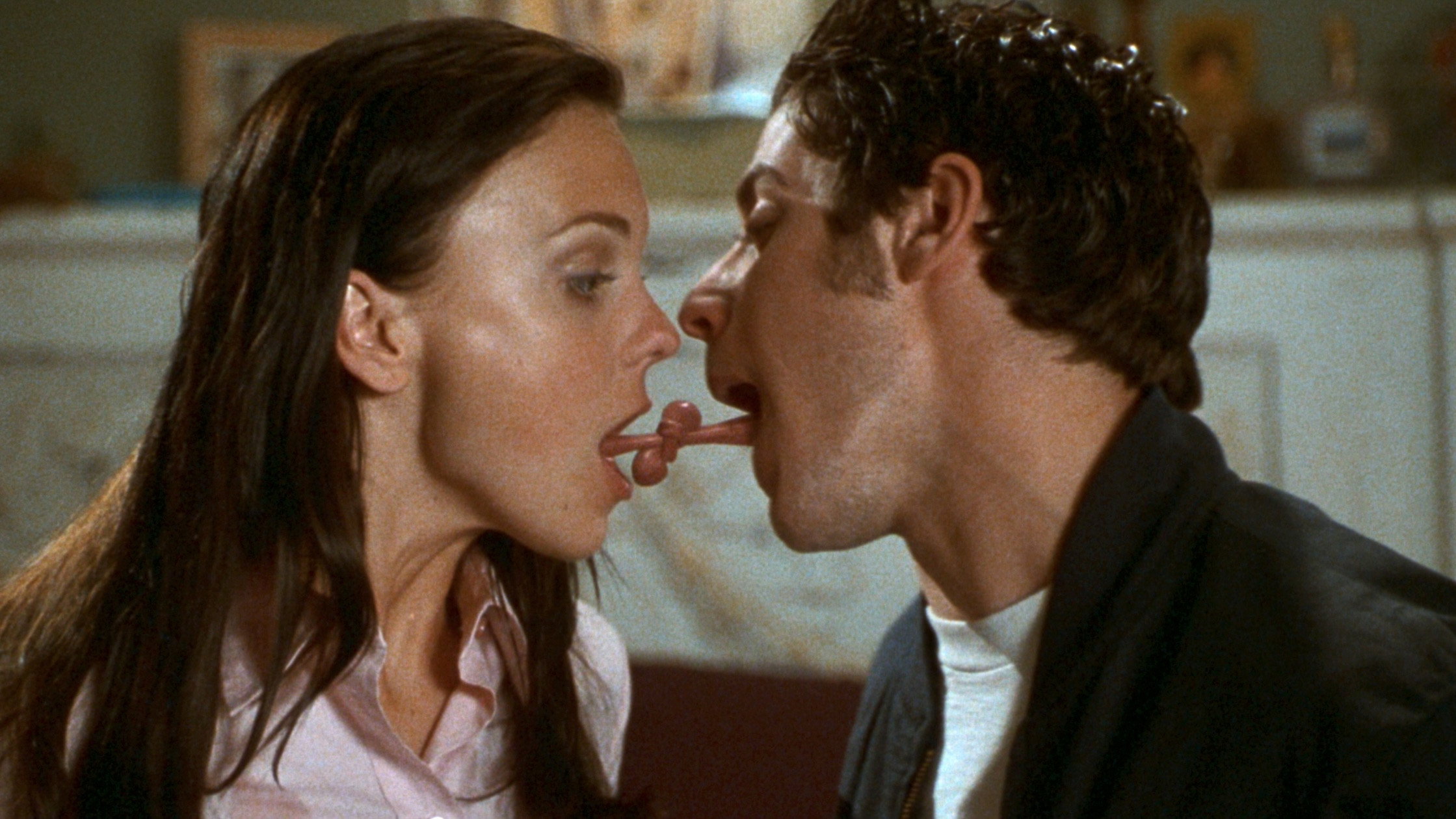
The introductory attack on Drew Decker is the clearest demonstration of the film's visual method. Carmen Electra enters an arrangement closely associated with Drew Barrymore's appearance in Scream: a young woman alone, an intrusive caller and an unseen knife-wielding pursuer. The sequence invites recognition through staging and the apparent danger of an isolated house. It then changes the meaning of recognizable thriller beats by introducing bodily embarrassments and improbable physical mishaps. The victim's attempts to escape become a series of comic interruptions, yet the scene continues to depend on the basic grammar of a home-invasion slasher.

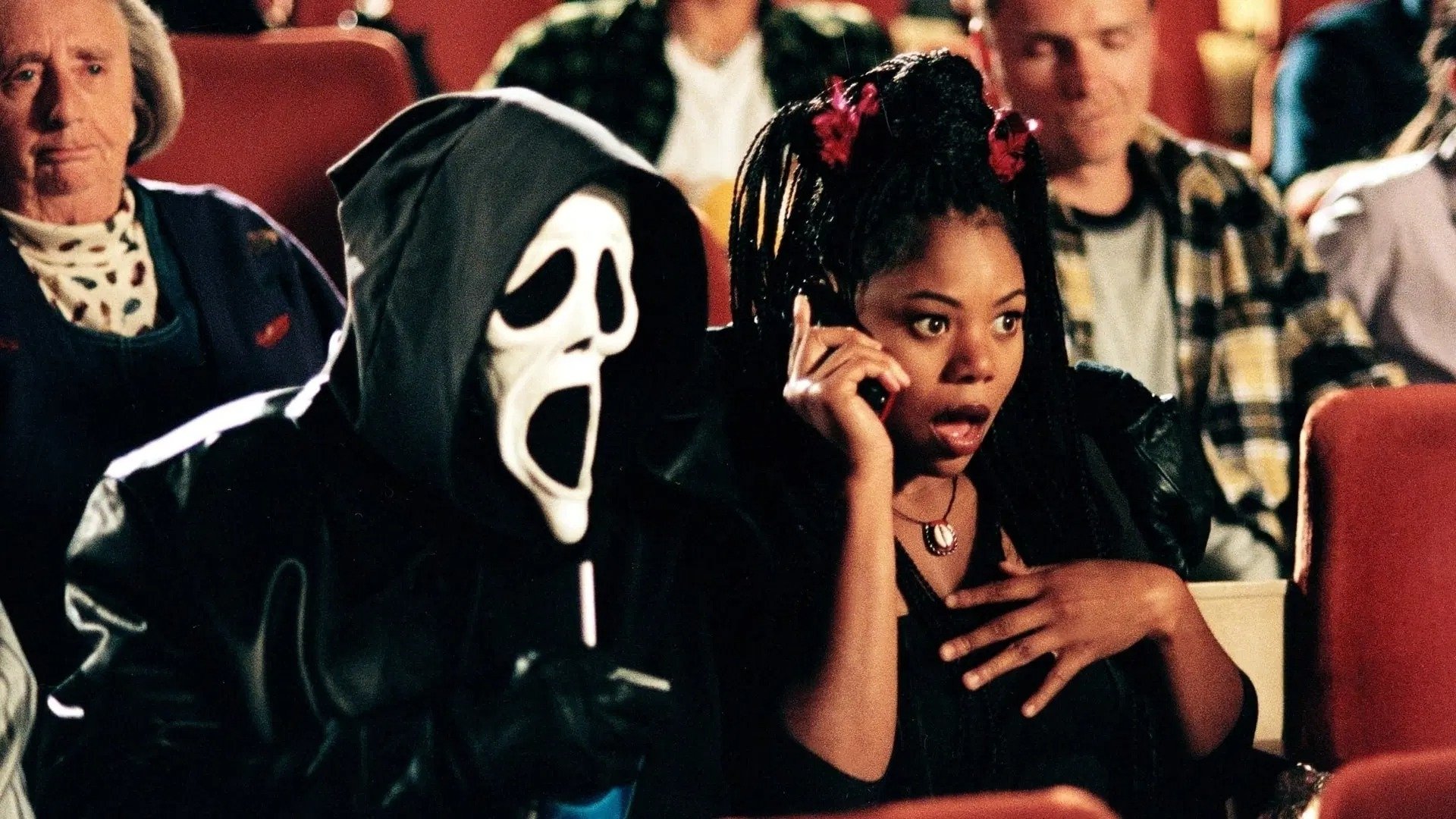
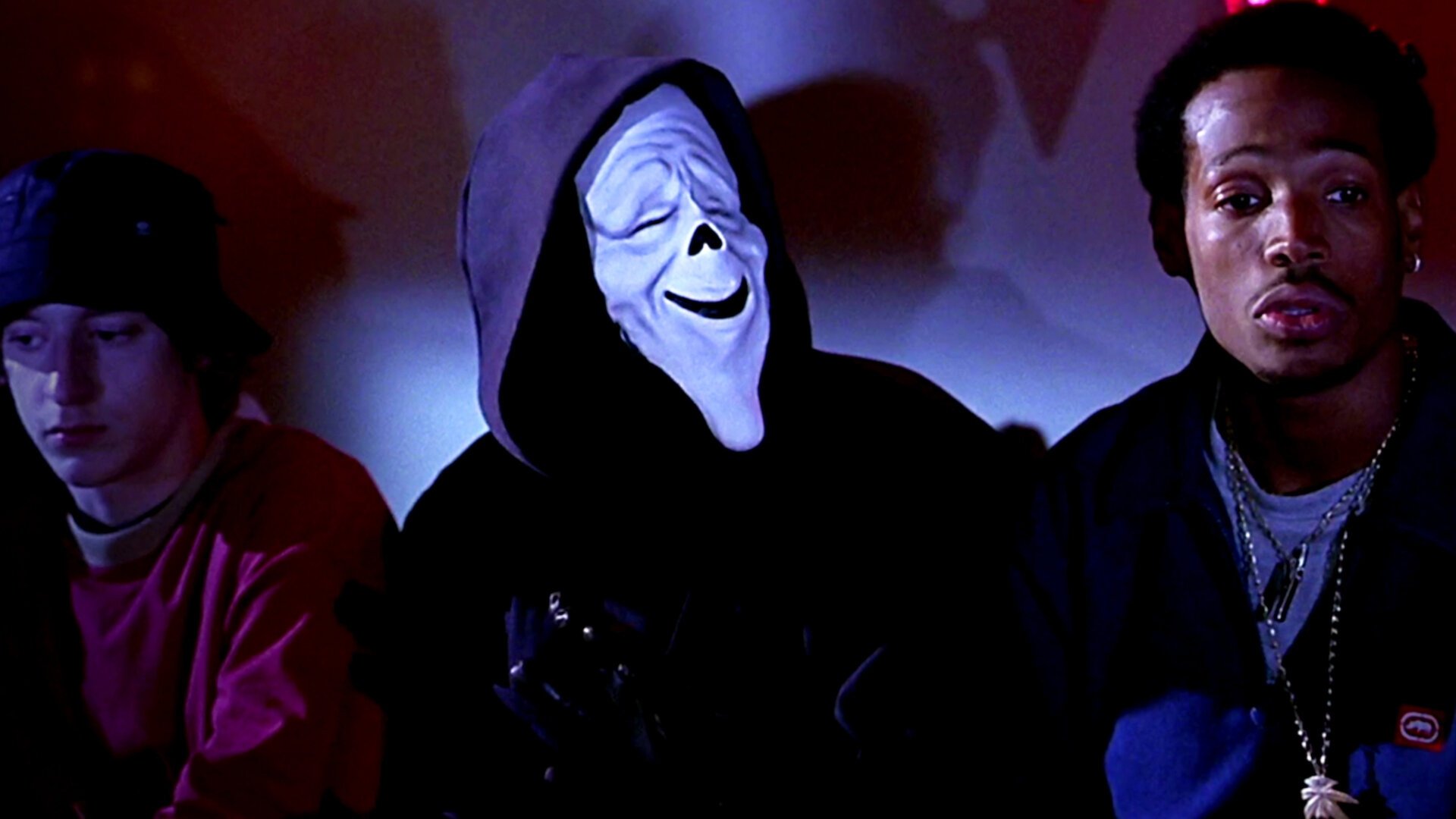
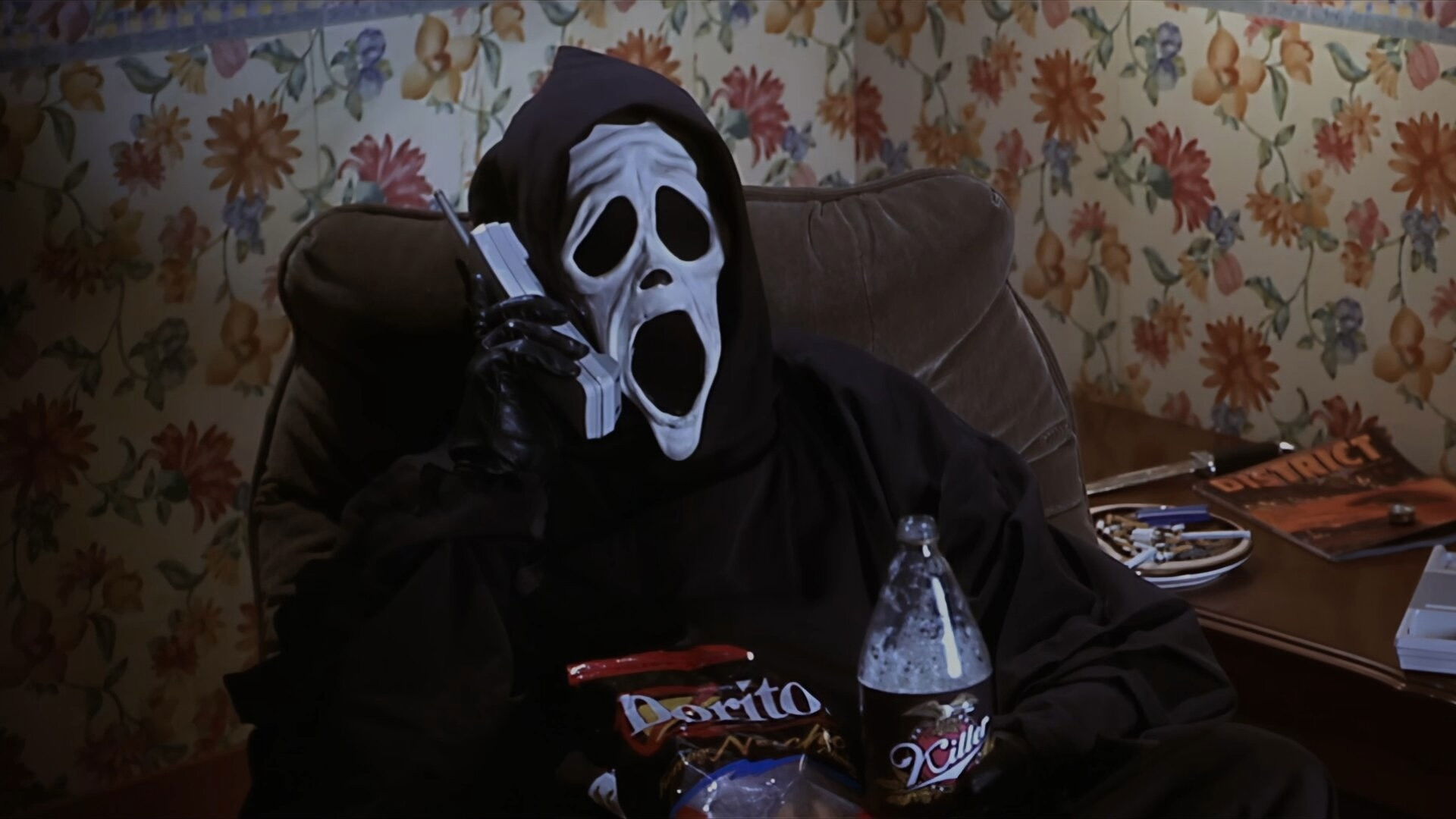
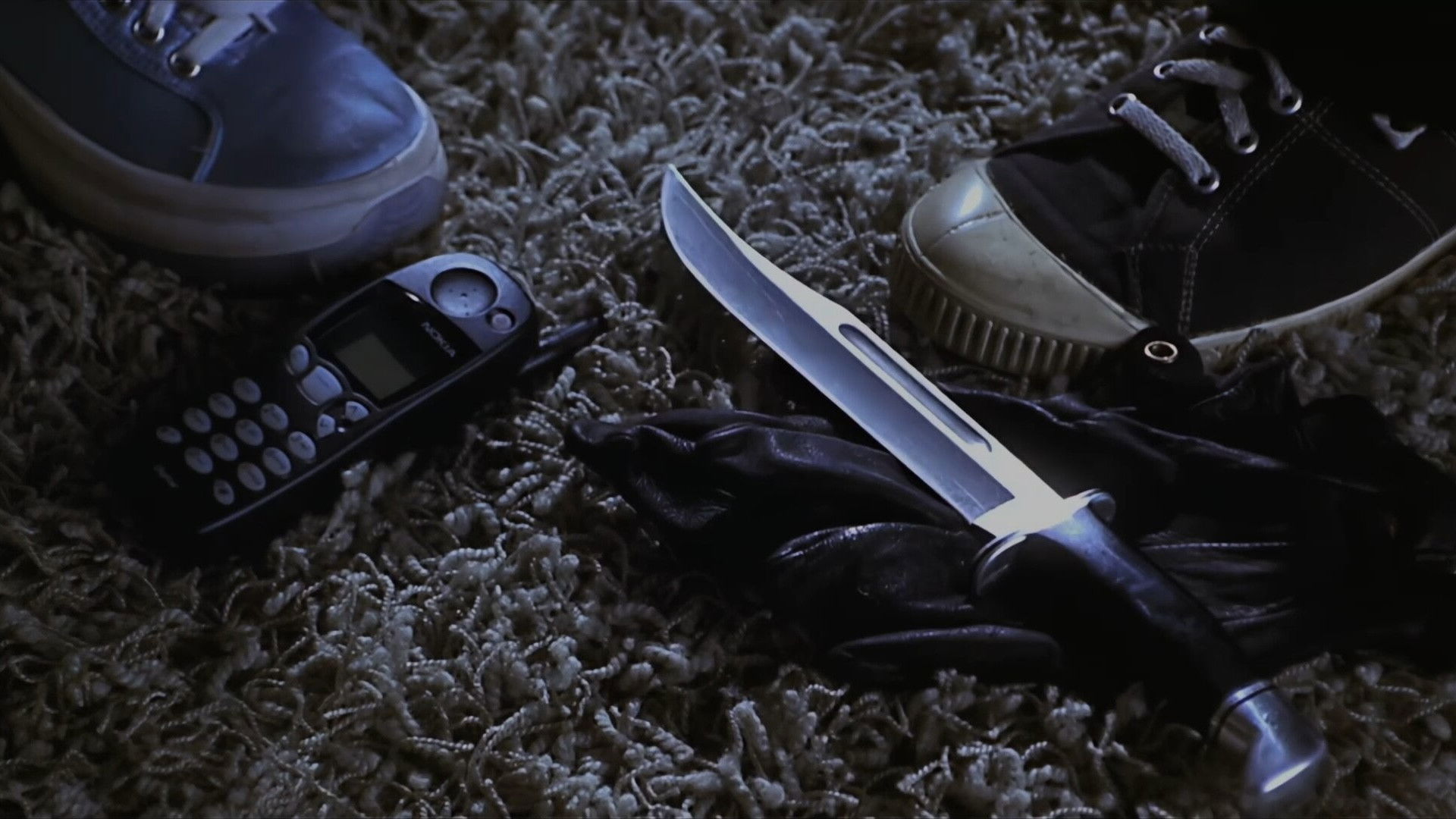
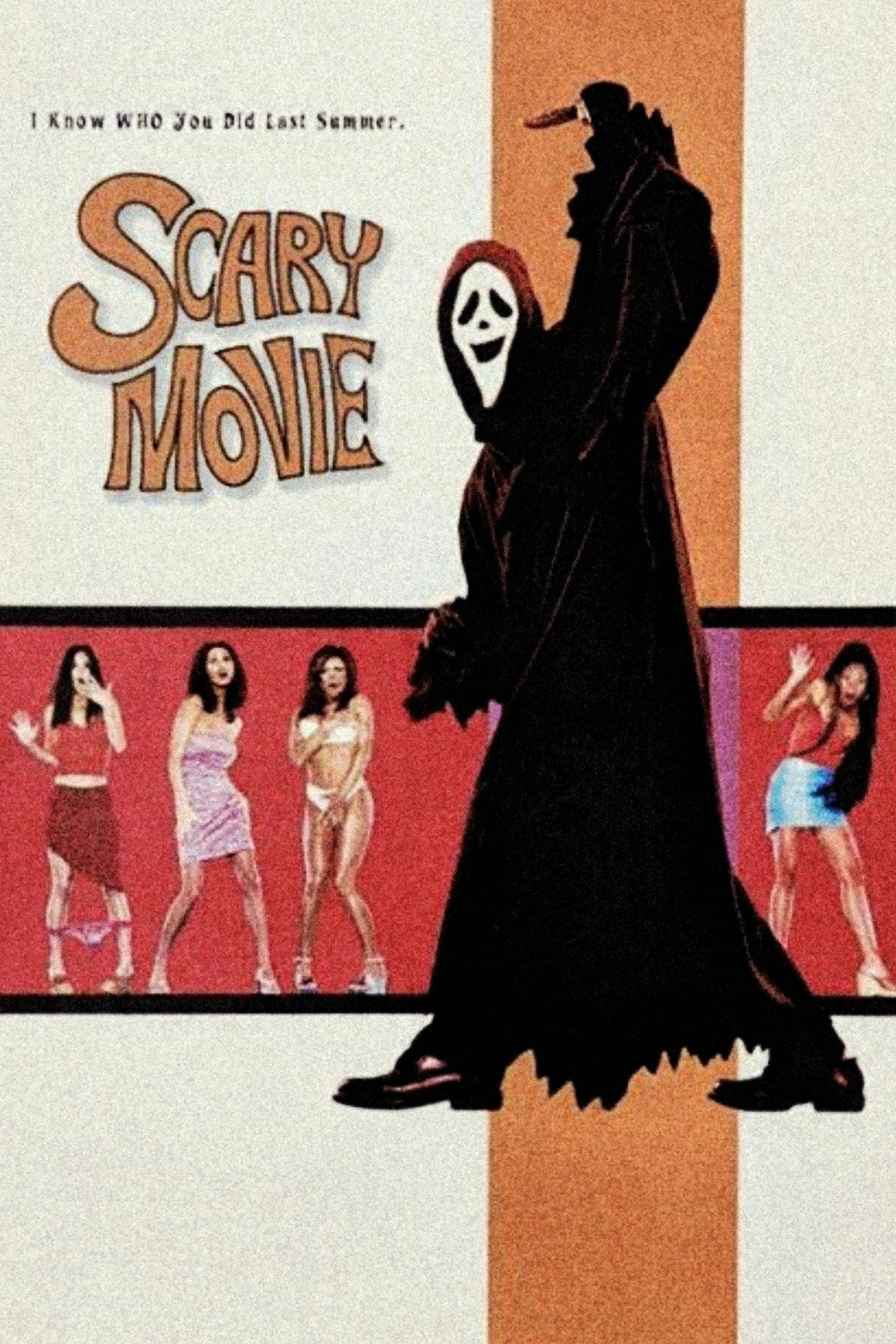
The masked killer is similarly important as a visual object. A Ghostface-like costume communicates the reference before the attacker speaks or acts. Where Scream asks viewers to fear the anonymity of the mask, the parody frequently turns that anonymous presence into a participant in contemporary youth culture. The costume permits a familiar silhouette to survive while the figure wearing it behaves in unexpected ways. Scary Movie repeatedly uses this mismatch between a threatening design and unserious conduct. Its jokes can therefore be understood through gestures and framing even when their verbal references belong specifically to turn-of-the-century American popular culture.

The makers also borrowed cinematic techniques associated with adjacent genres. Publicity material points to Matrix-style slow motion and a reworking of the rough, frightened imagery of The Blair Witch Project. These references matter because their recognizable techniques carry much of the joke: an effect originally used to heighten excitement or dread becomes exaggerated display. The parody's use of familiar shot arrangements and special-effects gestures gives the spectator a double task, following the new gag while recalling its source. No precise technical account is available for every effect, so particular shots should not be assigned to an individual effects workshop without further evidence.

Characters, Casting and Horror Archetypes

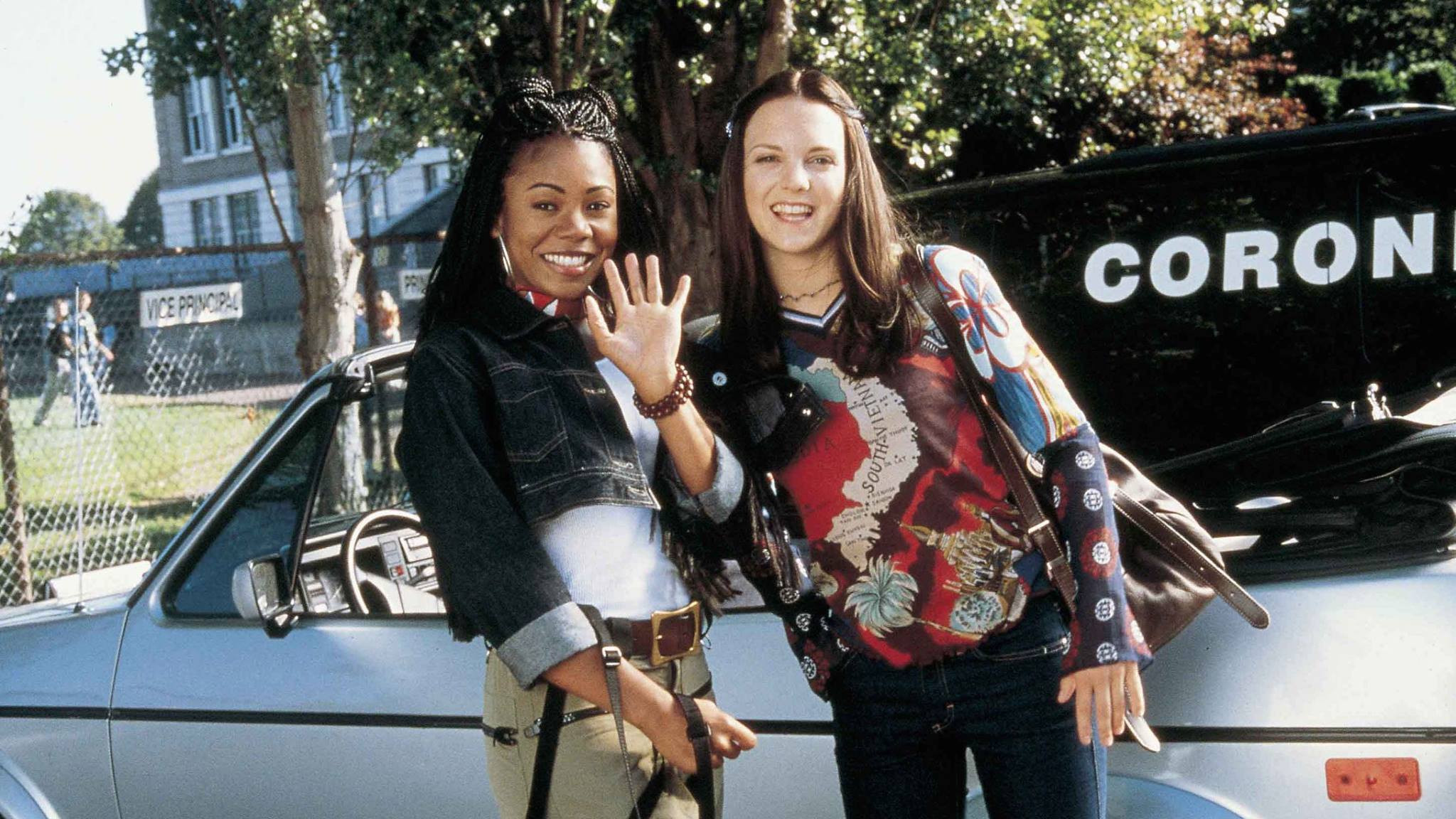
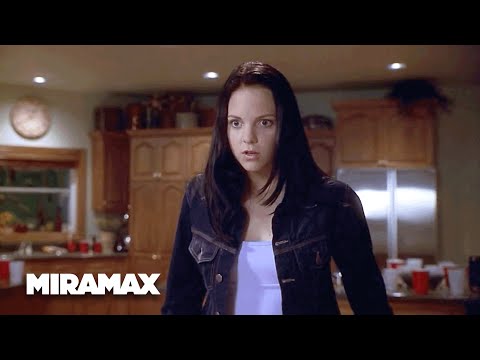
Anna Faris's Cindy Campbell reworks the vulnerable heroine associated with Neve Campbell's Sidney Prescott and related late-1990s protagonists. Her function extends beyond resemblance. Cindy maintains a degree of sincerity as increasingly absurd events unfold, allowing the surrounding performances to supply the larger comic distortions. Contemporaneous production notes presented Faris as a discovery who had never previously traveled to Los Angeles for a film audition. Her unfamiliarity with Hollywood filmmaking became part of the casting story. The contrast between her straight-faced reactions and the behavior of other characters became one of the film's strongest mechanisms for sustaining a story between disconnected jokes.

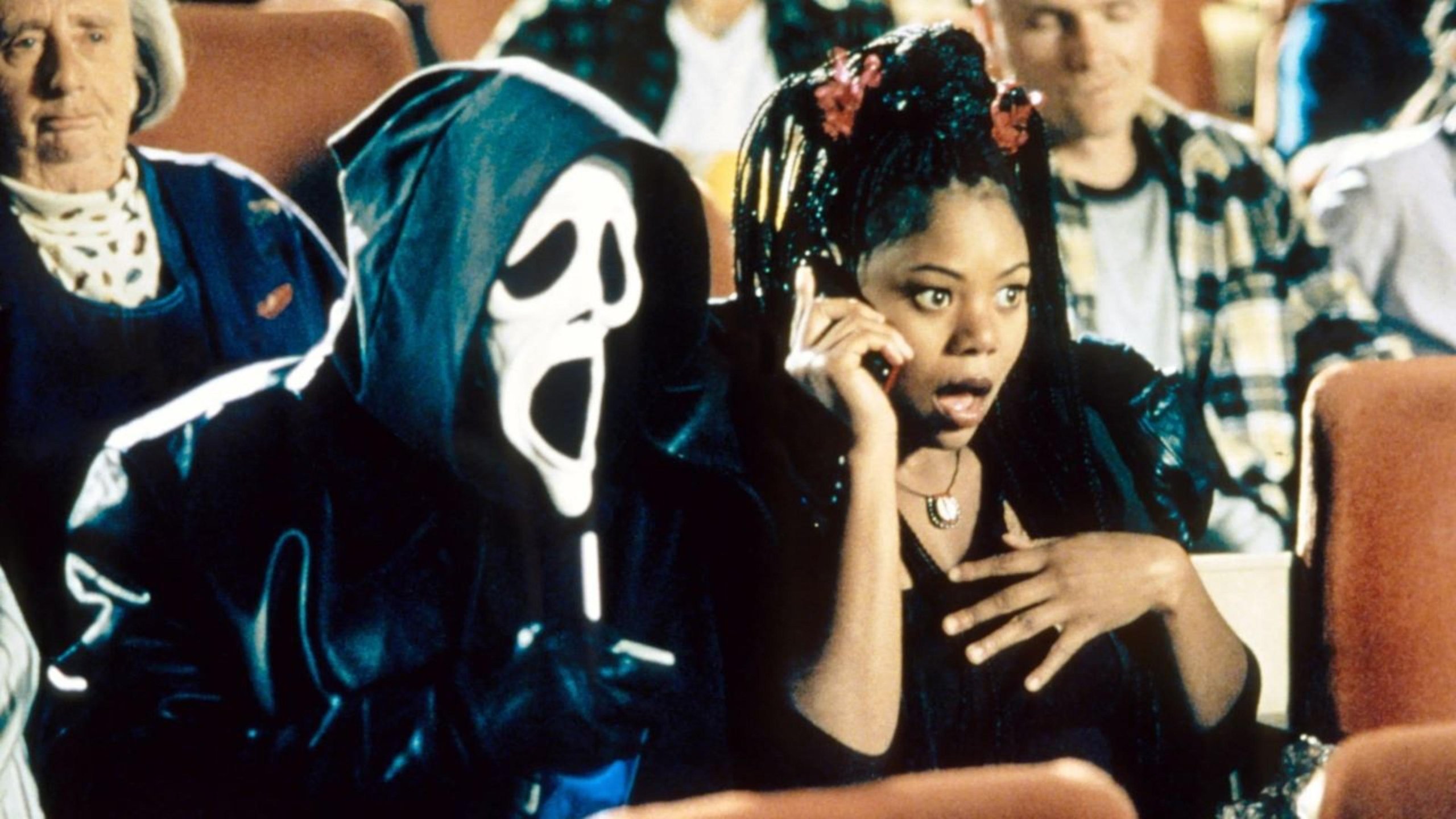
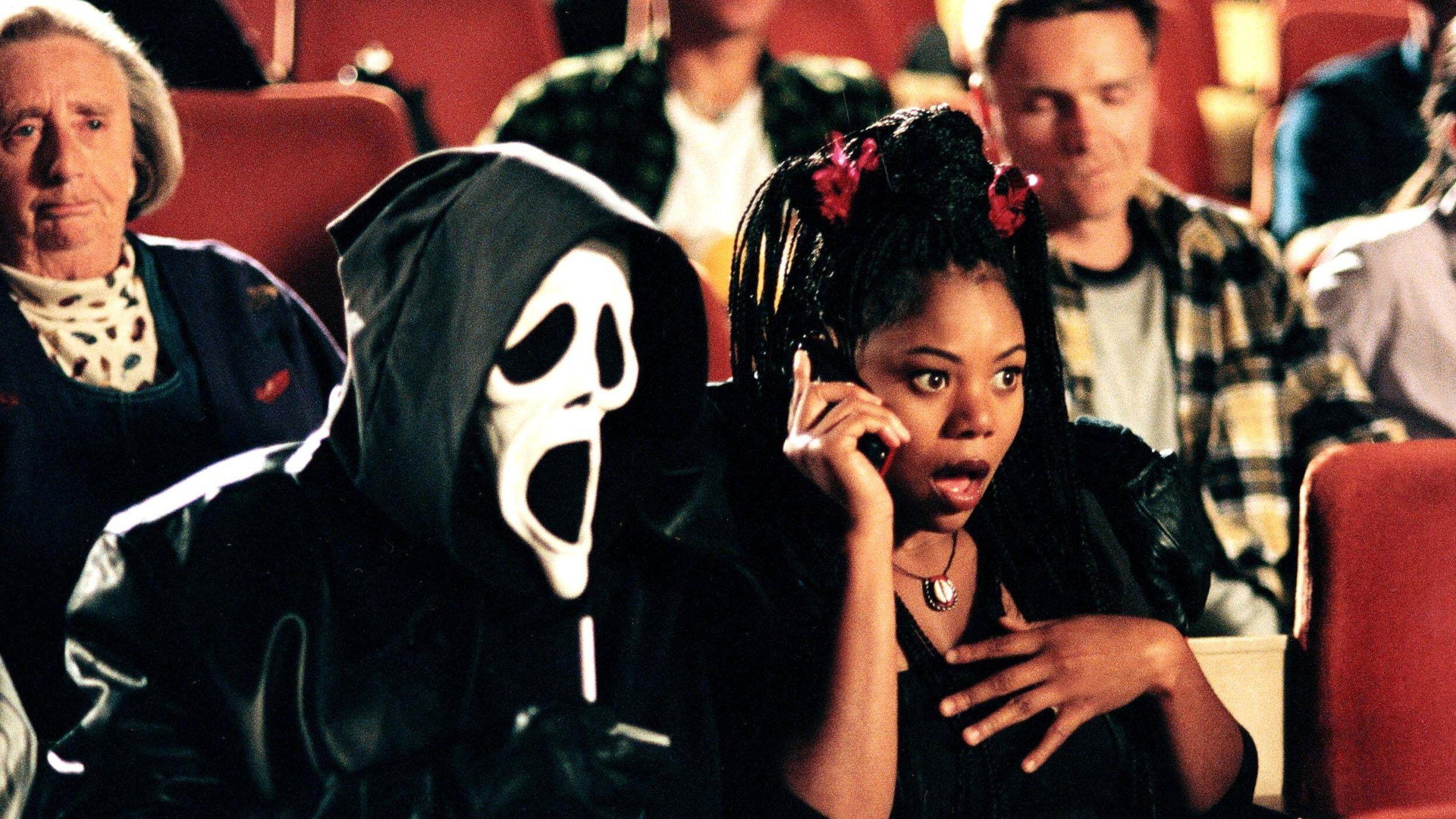
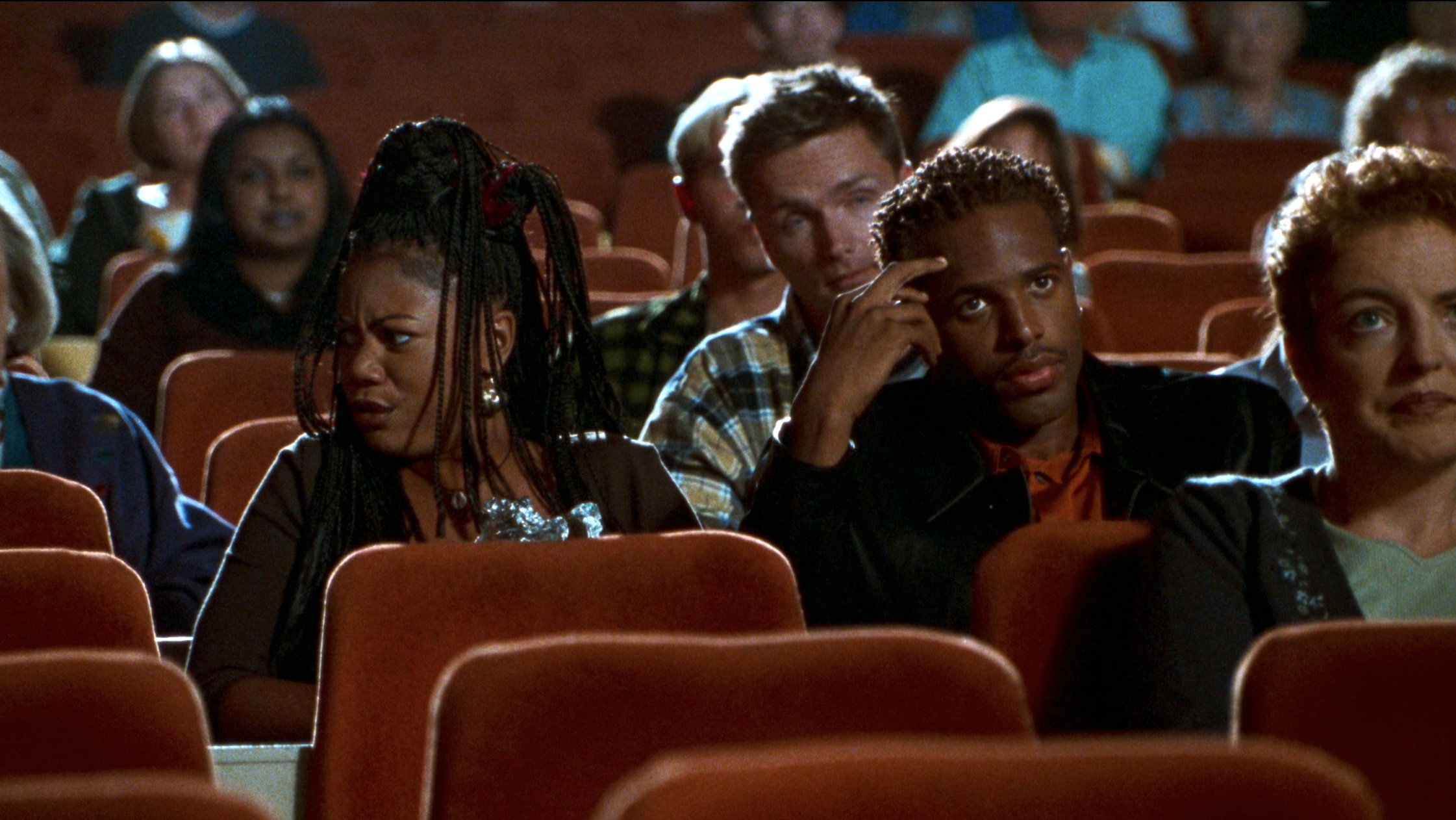
Regina Hall's Brenda provides a more confrontational comic temperament, particularly in scenes that relocate the action from the isolated house to social spaces such as a cinema. The film's theater sequence turns the conventional requirement of respectful viewing into a public disturbance. The joke targets behaviors that can spoil a screening, while also drawing on attitudes toward race, public performance and audience decorum. Its potential meaning is therefore less stable than a straightforward sight gag. Contemporary discussion of the film's racial and sexual humor demonstrates that viewers did not necessarily agree about whether a particular joke was directed at a stereotype or depended upon that stereotype for its effect.

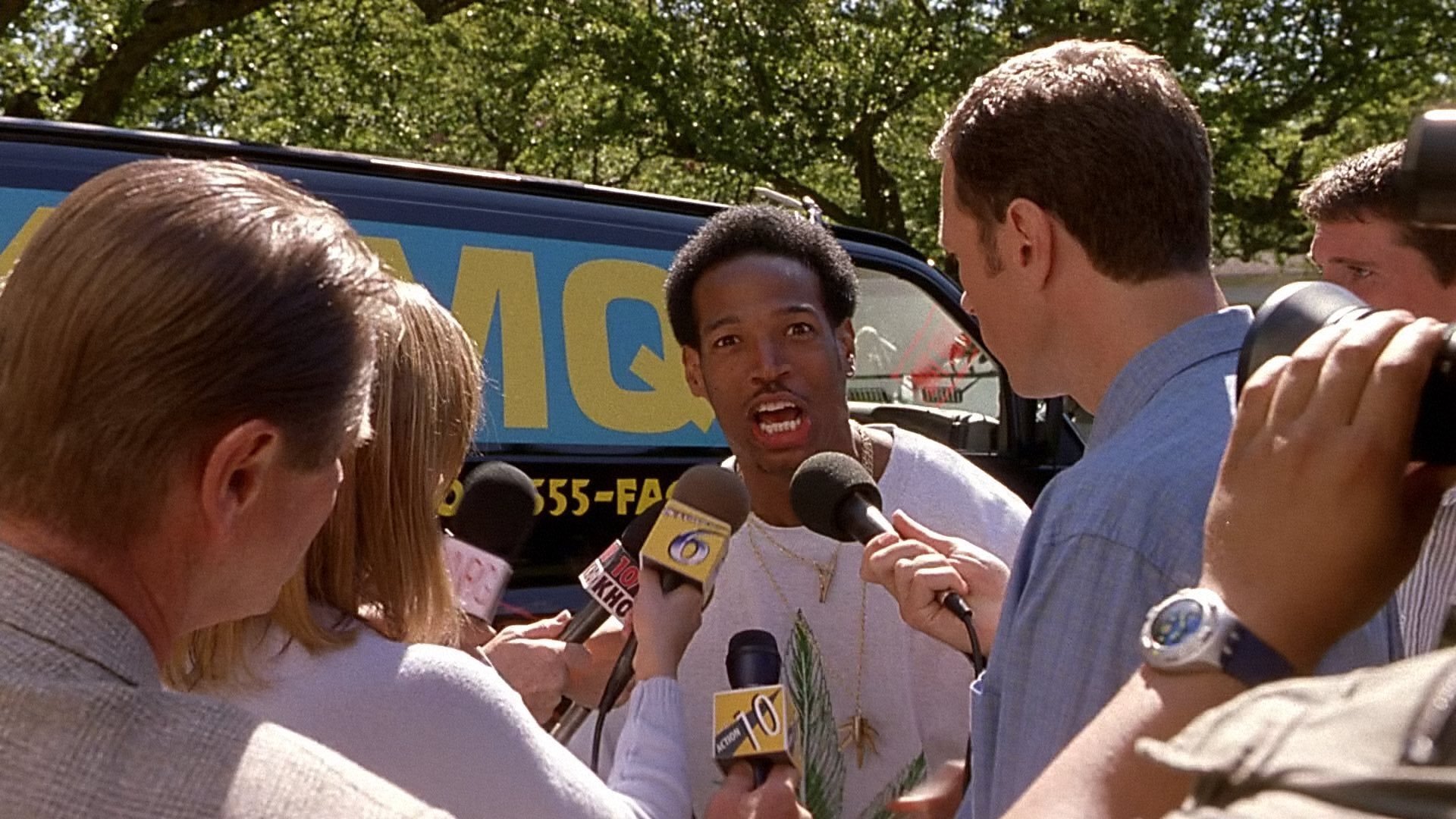
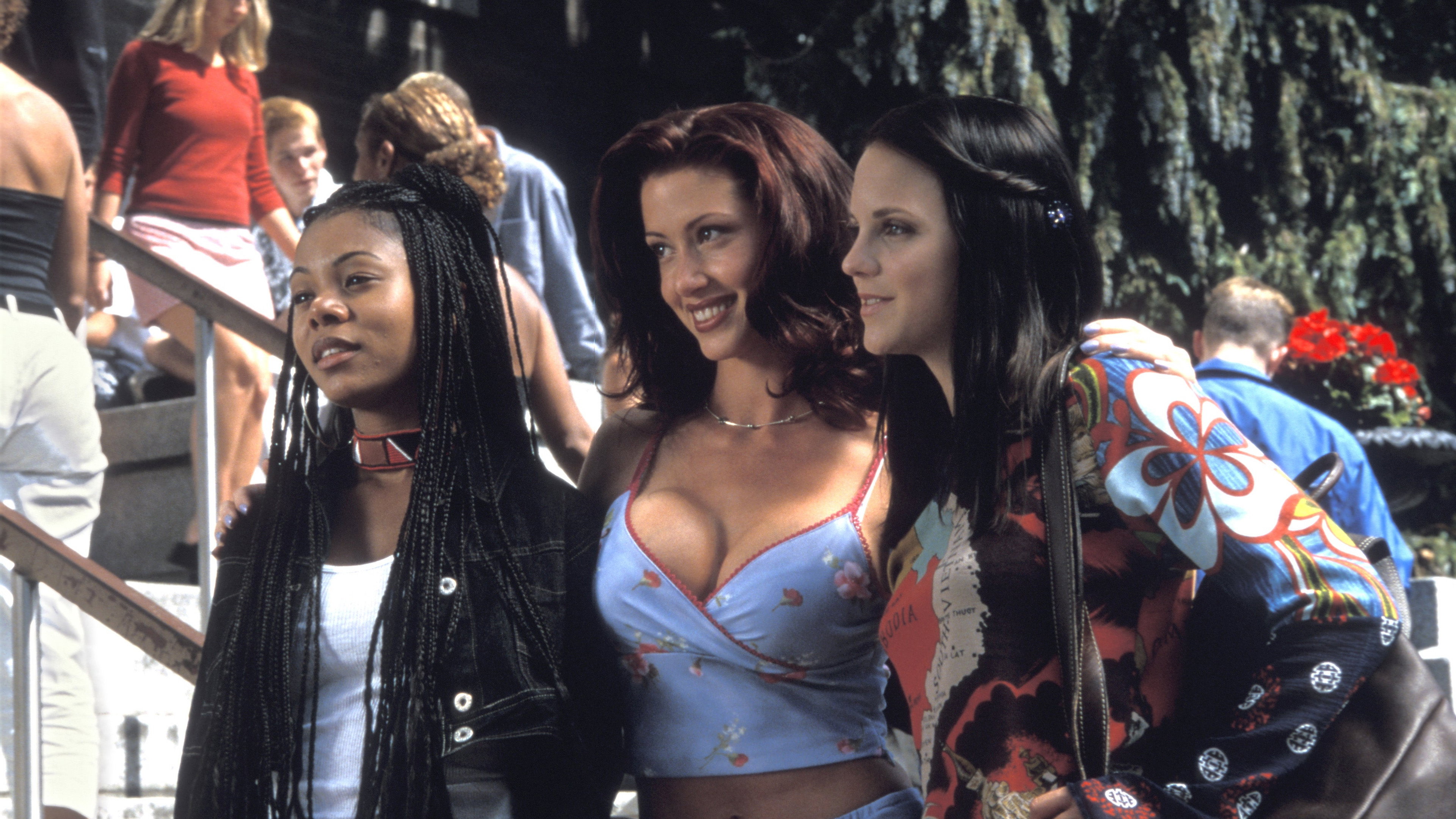
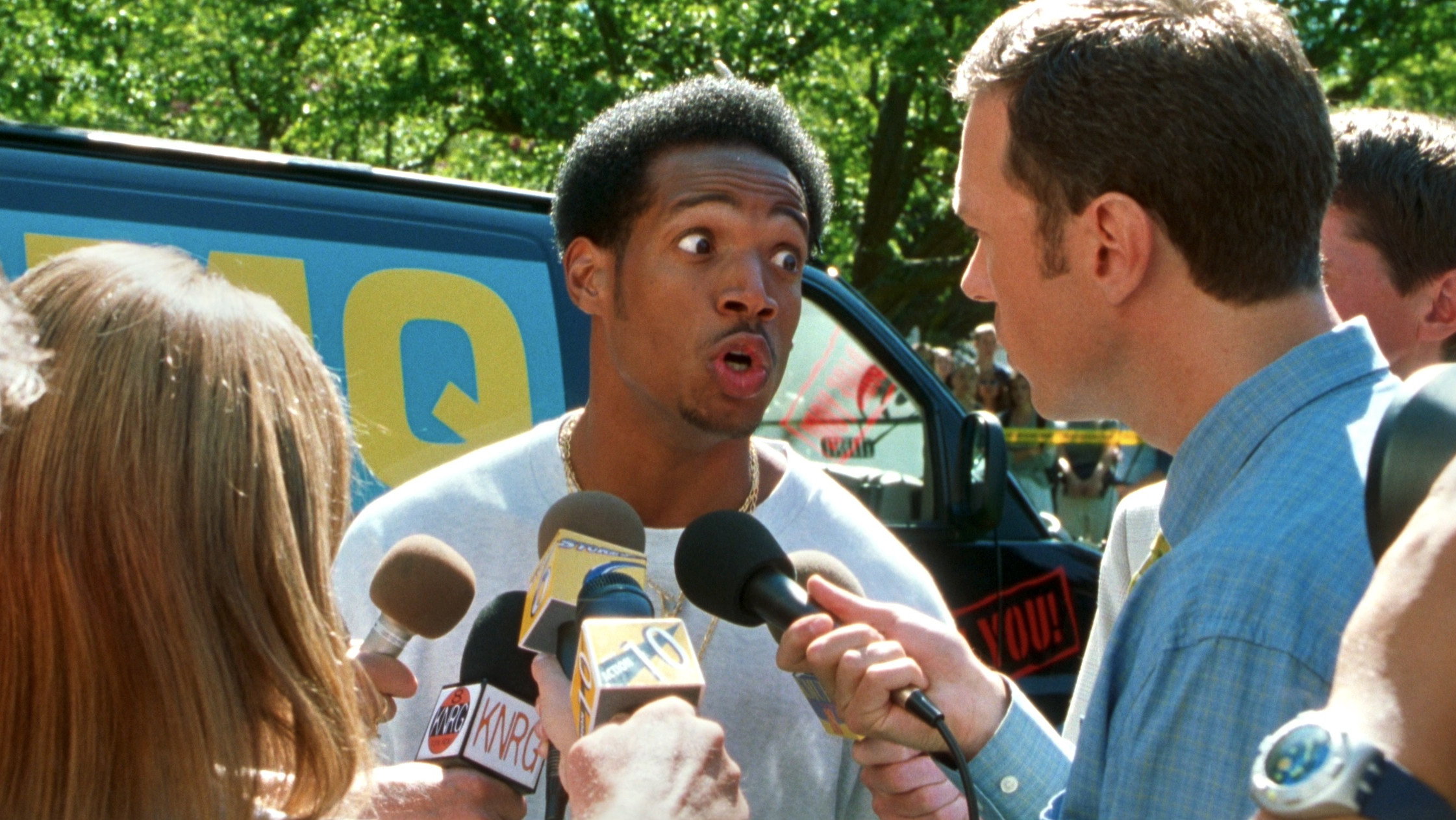
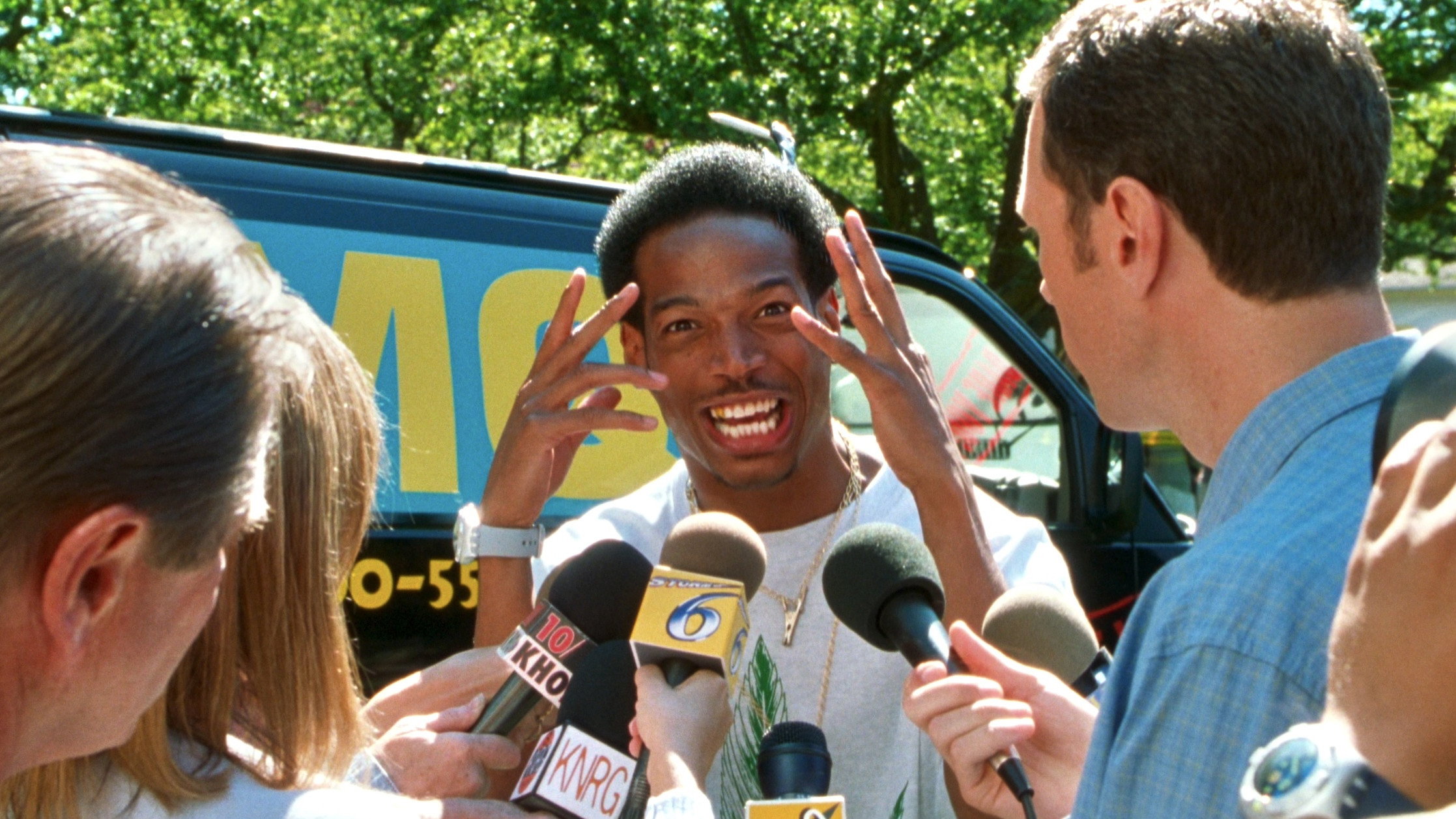
The supporting cast helps convert recognizable roles into reusable comic devices. Cheri Oteri's television reporter Gail Hailstorm magnifies the aggressive media personality familiar from Scream, while Dave Sheridan's Doofy transforms the apparently harmless police-station hanger-on into a figure involved in the story's final reversal. Carmen Electra's opening victim and Shannon Elizabeth's popular schoolgirl turn the expectations created by casting into part of the film's humor. Each recognizable role offers the audience a compressed reference to an earlier performance or horror convention. The ensemble's importance lies in those repeated exchanges between identification and surprise, rather than in the accumulation of character names.

Theatrical Release and Critical Response

Dimension Films opened Scary Movie in the United States on July 7, 2000. Reporting immediately after its first weekend, the Los Angeles Times placed the opening at roughly $42.5 million from 2,912 screens. The figures were striking for a mid-budget, R-rated comedy, particularly because the release arrived after the success of major summer spectacles. The same report states that the distributor had originally considered an April launch before favorable research screenings encouraged a summer date. That decision belongs to the distribution history, and illustrates how the company positioned the film among the teenage audiences already familiar with its horror targets.

Industry comments published at the time identified young adults as the core opening audience. A Miramax executive estimated that about seventy percent of ticket buyers were between eighteen and twenty-five. Such exit-poll claims are best read as contemporary distributor reporting, not as a permanent demographic profile of the film's viewers. The release also carried an American R rating, a central part of its public identity because the explicit sexual material and profanity were more abrasive than the horror spoofs usually marketed to children. Variety later reported approximately $278 million in worldwide ticket sales against a $19 million production budget; those grosses are theatrical receipts, not a calculation of studio profit. The result demonstrated a large summer audience for raunchy horror parody.

The initial response included sharply opposed critical judgments. Some commentators appreciated the mechanics of the opening sequence or the underlying concept of mocking a self-aware slasher franchise. Others argued that the comedy increasingly abandoned inventive parody for repetitive gross-out material. The Washington Post review illustrates this division even within one hostile assessment: it singled out the introductory scene as comparatively effective while rejecting much of what followed. These reactions should not be reduced to a single verdict about critical approval. They describe tensions between tightly structured film-reference humor and a deliberately confrontational comedic register.

Franchise Development and Horror-Comedy Legacy

The first film's success generated a sequel the following year, with Keenen Ivory Wayans returning to direct and the family continuing its involvement. That immediate continuation retained the broad parody form while shifting attention from the recent teenage slasher cycle toward haunted houses and supernatural horror. The franchise subsequently expanded under other creative leadership. Looking back in a 2026 Variety interview, Marlon Wayans described disputes with the Weinstein-led companies over control and compensation. His account is a participant's recollection of a business conflict; it should not be treated as independent documentation of every contractual claim made during the disagreement.

One enduring contribution of Scary Movie is the separation of the slasher spoof from the horror film's own self-aware humor. Scream had invited viewers to recognize conventions while continuing to make its threatening events matter. Wayans's film makes recognition itself a primary source of pleasure, repeatedly breaking dramatic momentum to reproduce and distort a remembered image. This method was readily adaptable to other popular genres and helped establish the commercial conditions for later feature-length spoofs built around clusters of recent hits. Influence here refers to a visible industrial model and the film's continued presence as a reference for parody, not proof that every subsequent spoof copied its individual jokes.

The film also marked a significant career development for several performers, particularly Faris and Hall, whose screen identities became closely associated with Cindy and Brenda. The continued return to those characters shows how the original cast offered a continuity beyond the specific references of 2000. In 2026, an installment again brought together the two younger Wayans brothers with Faris and Hall, renewing the family's connection to a series from which they had long been absent. For horror culture, the original remains especially revealing as a comedy that could depend on audiences knowing the images, rules and commercial habits of the modern slasher almost by heart.

References

  1. Cinema.com / Original Production Notes Scary Movie: Production Notes

    Contemporaneous production statements from Keenen Ivory Wayans and the cast on rehearsal, improvisation, slasher influences, performance and visual references.

  2. Hollywood.com Scary Movie Cast Interview

    Interview conducted June 25, 2000 with performers including Shawn and Marlon Wayans about the origins of the spoof and the construction of its characters.

  3. Los Angeles Times A Scary but Much Needed Jolt

    Richard Natale reports the initial theatrical grosses, screen count, young-adult audience figures and the decision to move the release from April to summer.

  4. The Washington Post Scary? Nah, Just an Annoying Gas Pain

    Rita Kempleys July 6, 2000 review records contemporary objections to the coarse material alongside specific praise for the opening sequence.

  5. Variety How Marlon Wayans Survived Hell, Hollywood and Harvey Weinstein

    Marlow Stern interviews the filmmaker in 2026 about the original films, the franchise business dispute and his later return.

Connections

Cast

View Full Cast & Crew →

Release & Distribution

Production Companies (4)

  • Brad Grey Pictures US
  • Dimension Films US
  • Gold/Miller Productions US
  • Wayans Bros. Entertainment US

Release History (67)

Release DateTerritoryRelease TypeFormatDistributorCertificationNotes
2000-07-07 CA theatrical — — R
2000-07-07 US theatrical — — R
2000-07-13 SG theatrical — — —
2000-07-28 IL premiere — — —
2000-08-03 IL theatrical — — —
2000-08-03 NL theatrical — — 12
2000-08-11 DK theatrical — — 15
2000-08-17 HK theatrical — — —
2000-08-25 TH theatrical — — —
2000-08-31 AU theatrical — — MA15+
2000-09-02 JP theatrical — — —
2000-09-07 NZ theatrical — — —
2000-09-08 GB theatrical — — 18
2000-09-08 GR theatrical — — —
2000-09-08 IE theatrical — — 18
2000-09-14 MY theatrical — — —
2000-09-22 BR premiere — — 16
2000-09-23 KR theatrical — — 19
2000-09-29 IS theatrical — — —
2000-10-05 DE theatrical — — 16
2000-10-06 AT theatrical — — —
2000-10-06 BR theatrical — — 16
2000-10-06 TR theatrical — — —
2000-10-12 HU theatrical — — 18
2000-10-13 MX theatrical — — C
2000-10-13 PT theatrical — — M/12
2000-10-13 SE theatrical — — 11
2000-10-25 FR theatrical — — 12
2000-10-26 AR theatrical — — —
2000-10-27 CO theatrical — — —
2000-10-27 FI theatrical — — K-18
2000-10-31 ES theatrical — — 16
2000-11-01 BE theatrical — — —
2000-11-01 PH theatrical — — R-18
2000-11-02 CH theatrical — — 16
2000-11-09 PL theatrical — — 12
2000-11-10 IT theatrical — — T
2000-11-10 PA theatrical — — —
2000-11-10 UY theatrical — — —
2000-11-15 VE theatrical — — —
2000-11-16 CL theatrical — — —
2000-11-30 PE theatrical — — —
2000-12-01 EC theatrical — — —
2000-12-22 EE theatrical — — —
2000-12-29 LT theatrical — — —
2000-12-29 RO digital — — 18
2001-01-04 CZ theatrical — — 15+
2001-01-20 ID theatrical — — — Jakarta
2001-01-26 SV theatrical — — —
2001-03-01 BO theatrical — — —
2001-03-15 SI theatrical — — —
2001-03-28 EG theatrical — — —
2001-04-03 US physical VHS — R VHS
2001-07-02 GB physical DVD — 18 DVD
2001-07-03 FR physical DVD — 12 DVD
2001-08-07 GB physical VHS — 18 VHS
2002-11-09 HU tv — — 16
2003-11-08 NL tv — — 12 Yorin
2005-12-07 NL physical DVD — 12 DVD
2008-02-06 HU physical — — 18 Director's Cut
2009-11-04 NL physical Blu-ray — 12 Blu-ray
2011-04-18 GB physical Blu-ray — 18 Blu-ray
2012-10-23 FR digital — — 12
2012-10-23 FR physical Blu-ray — 12 Blu-ray
2021-10-01 FR digital — — — Netflix
2025-11-18 FR tv — — — Paramount Network
2026-10-19 GB physical 4K UHD — 18 4k Ultra HD Blu-ray
No mercy. No shame. No sequel.