

Adaptation, Development & Production
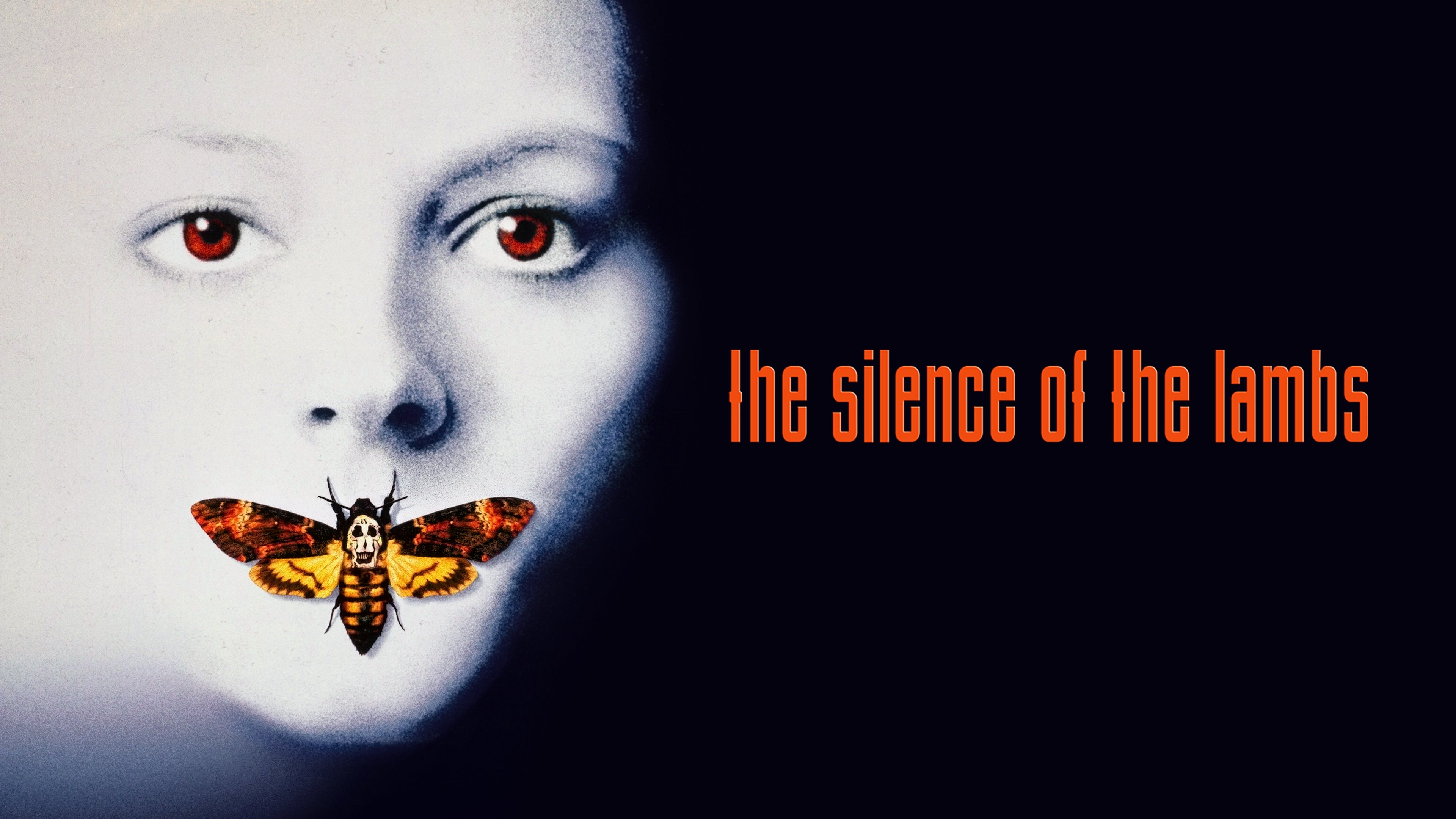
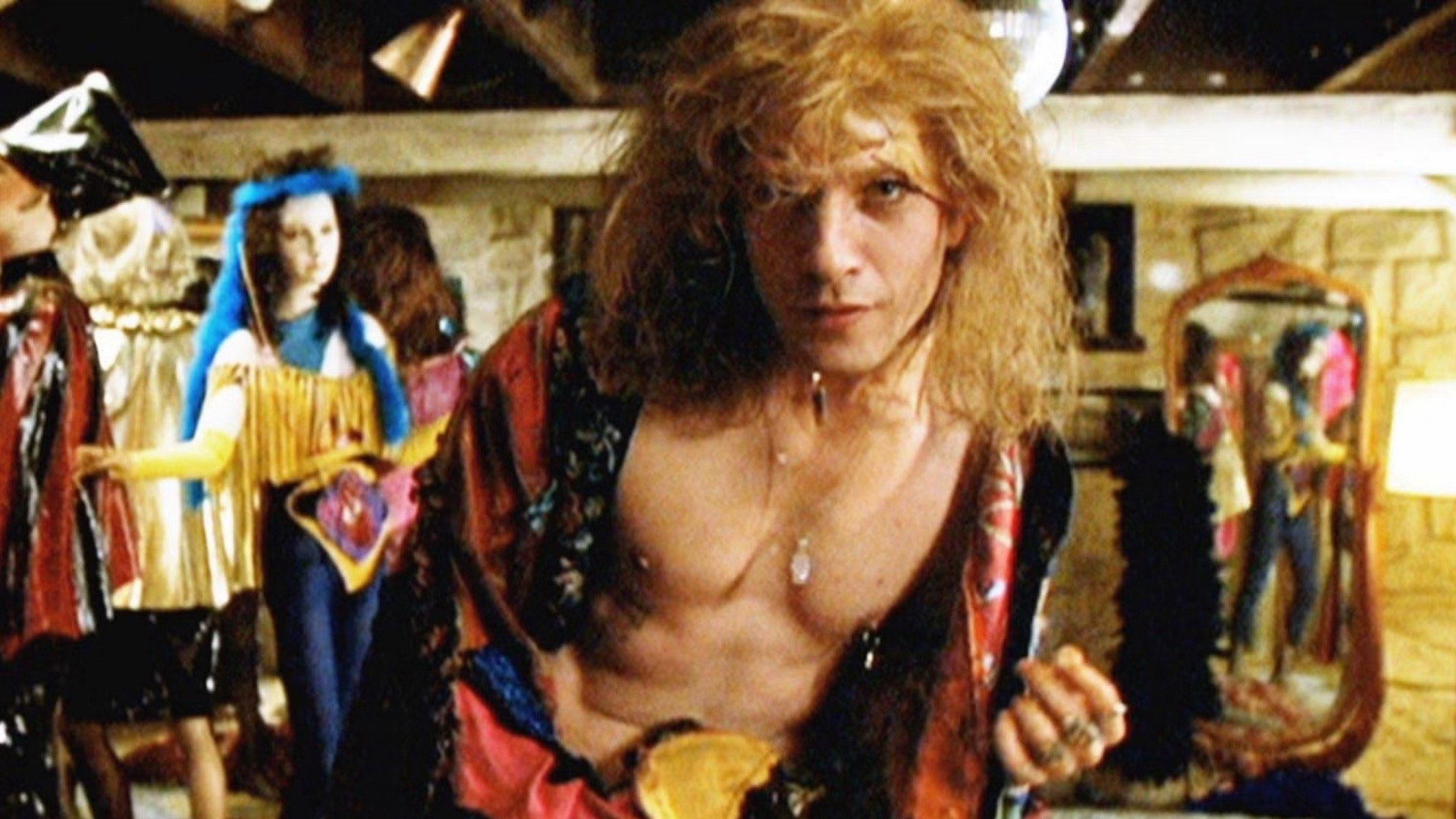
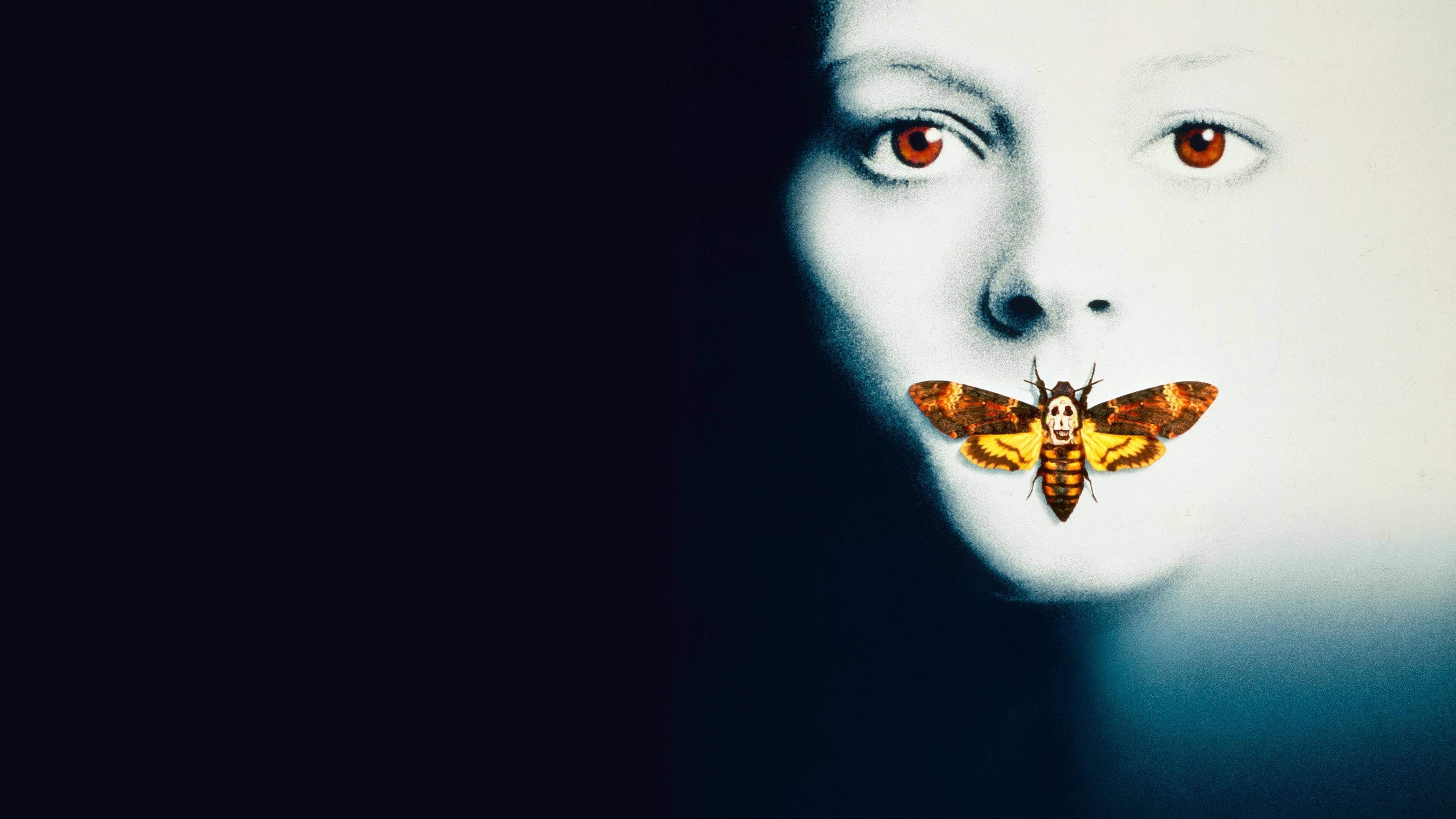
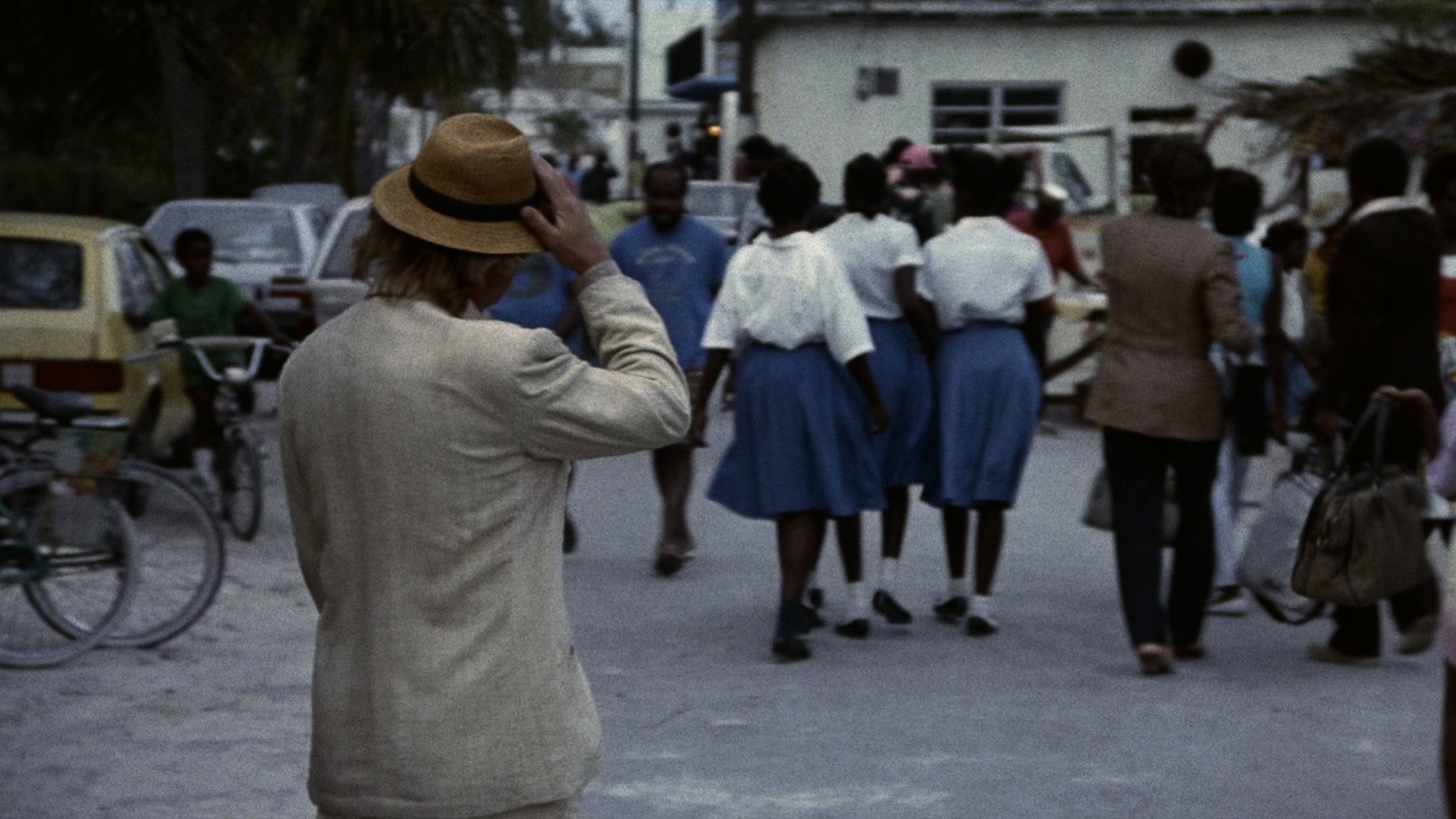
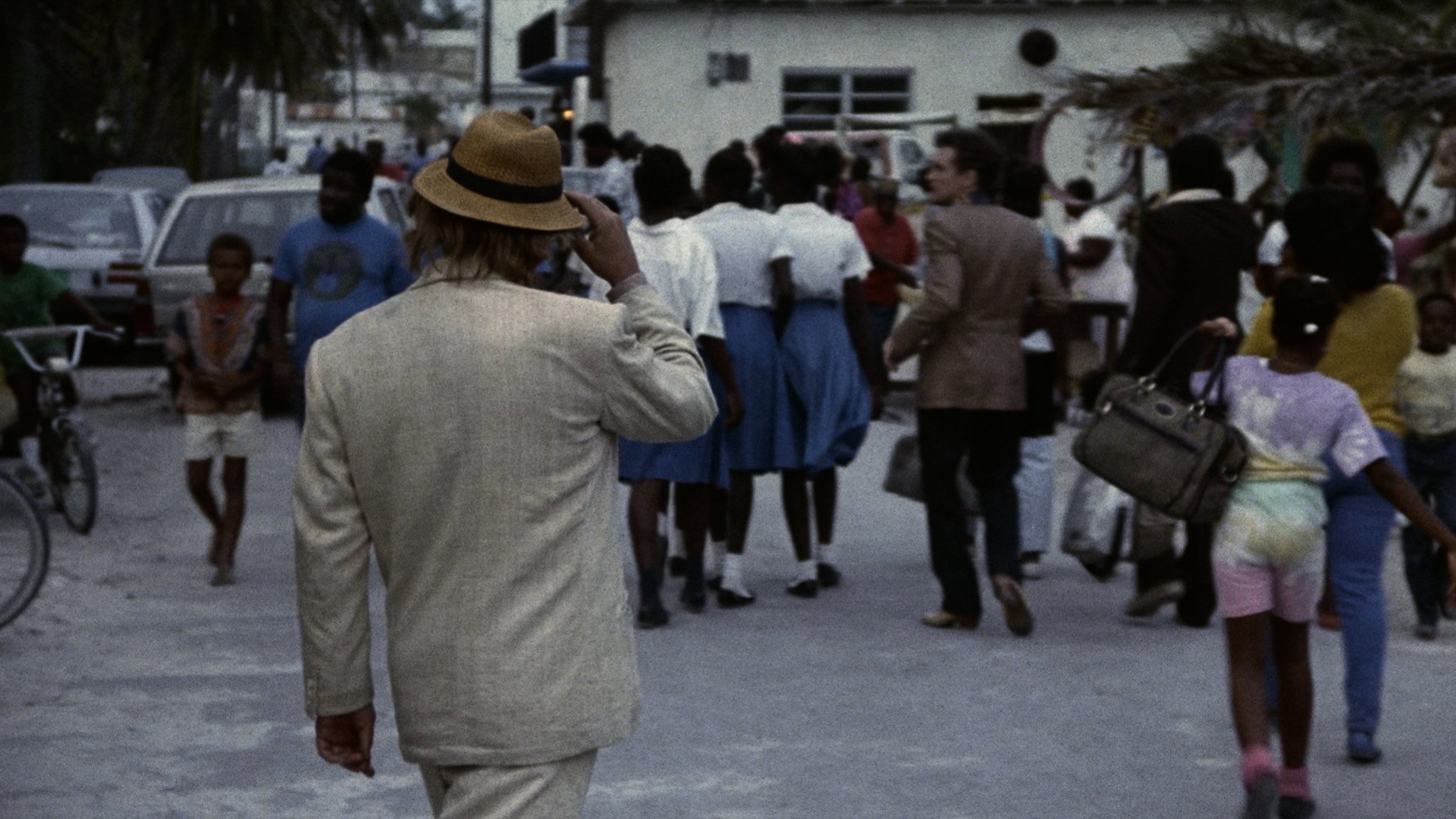
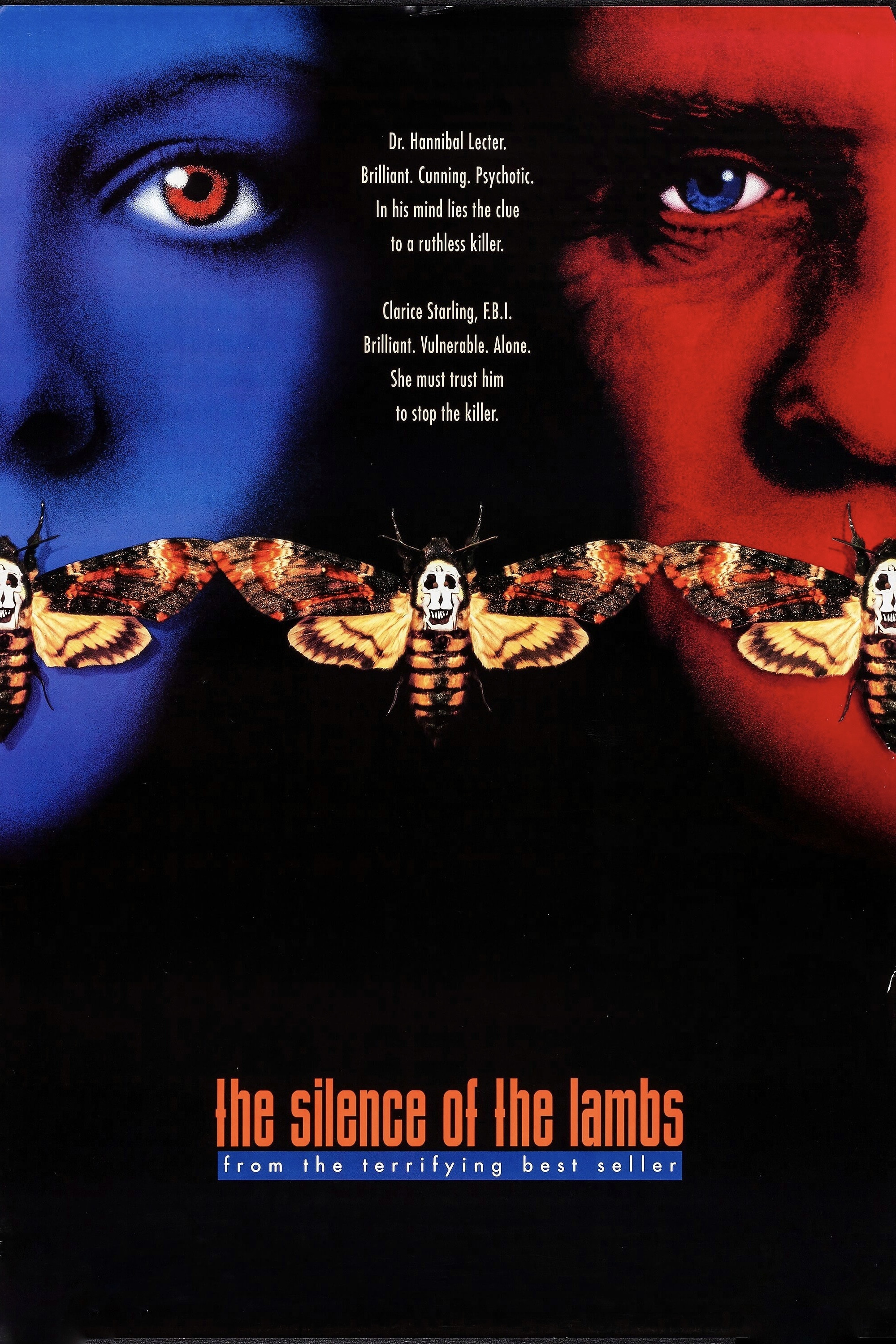
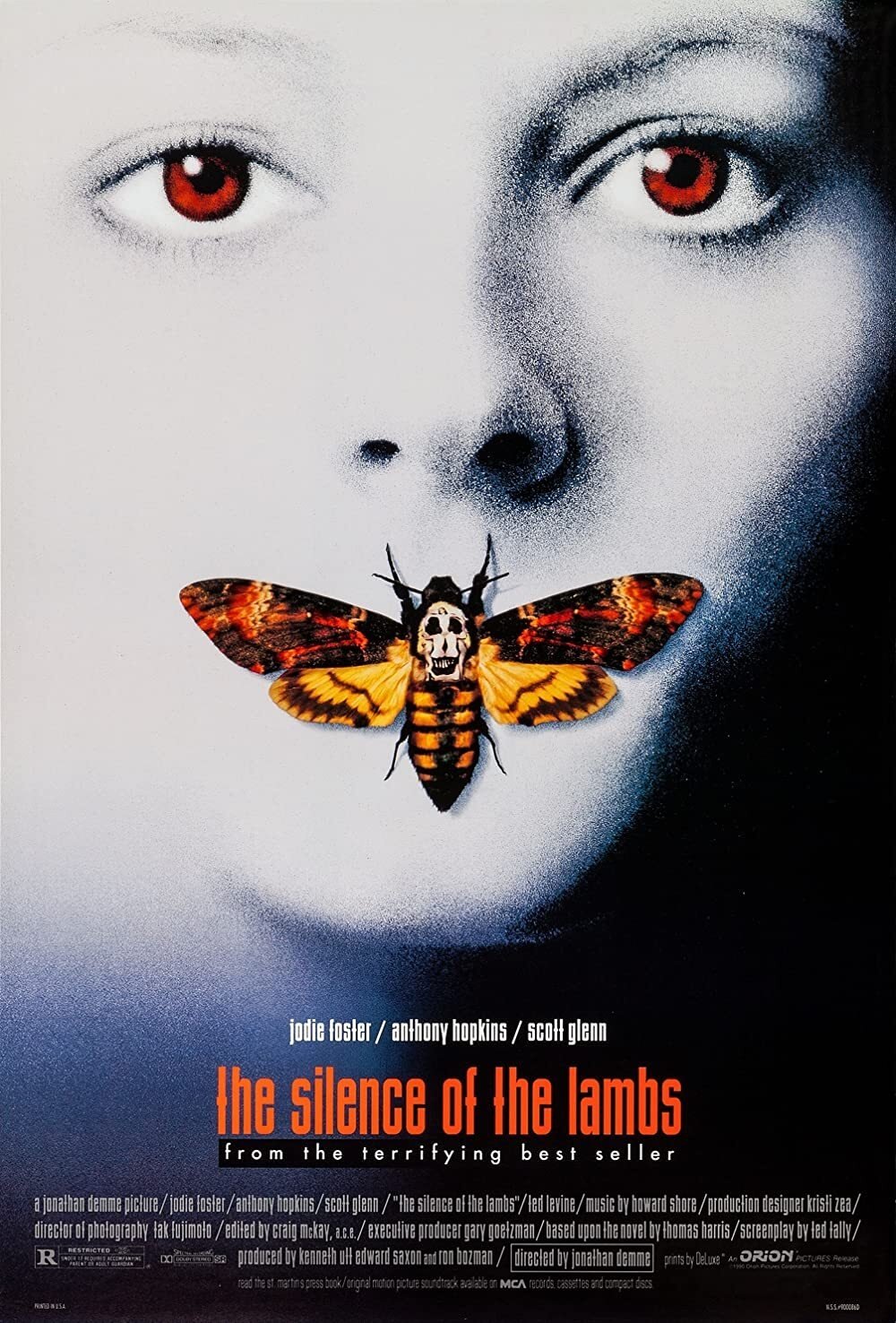
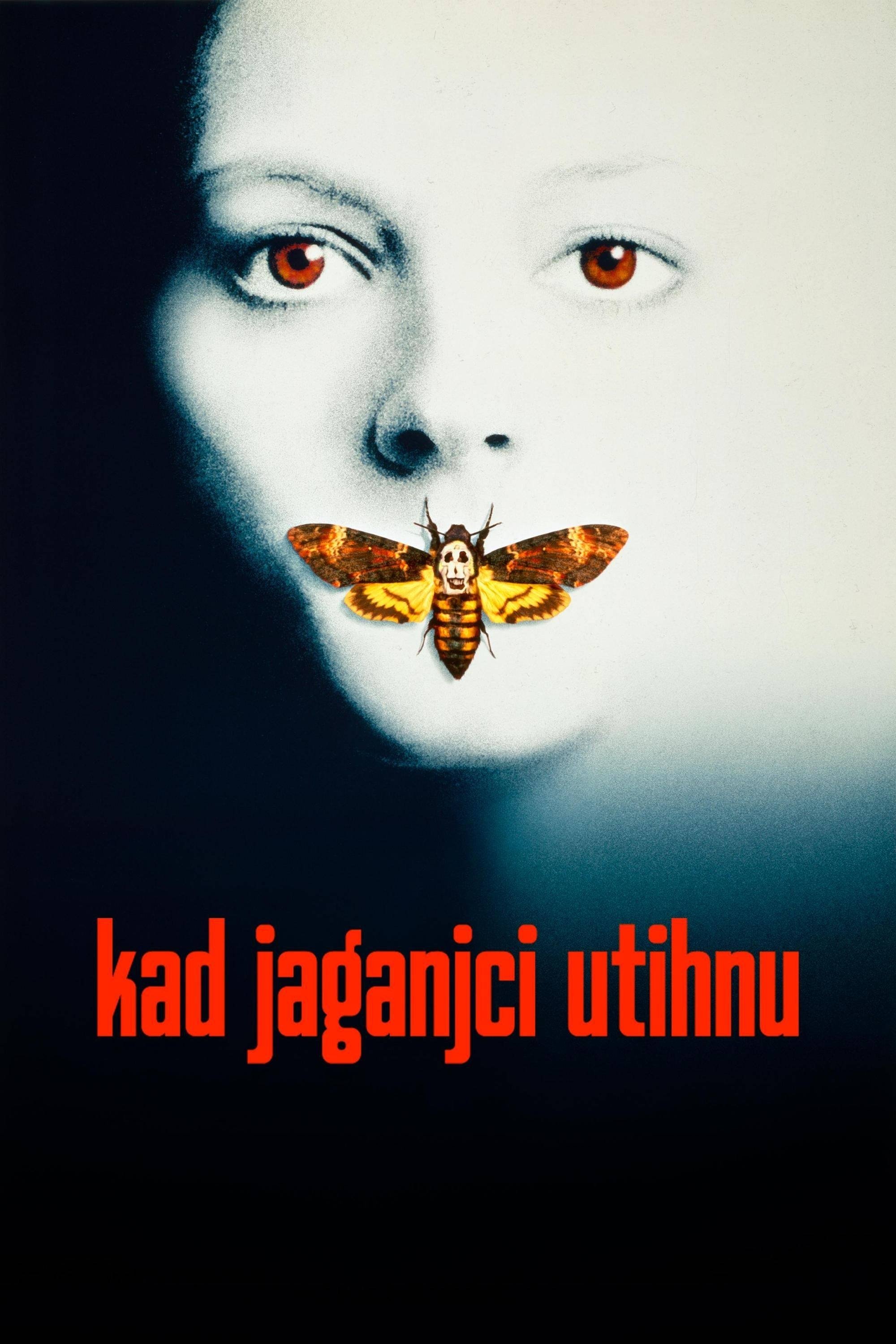
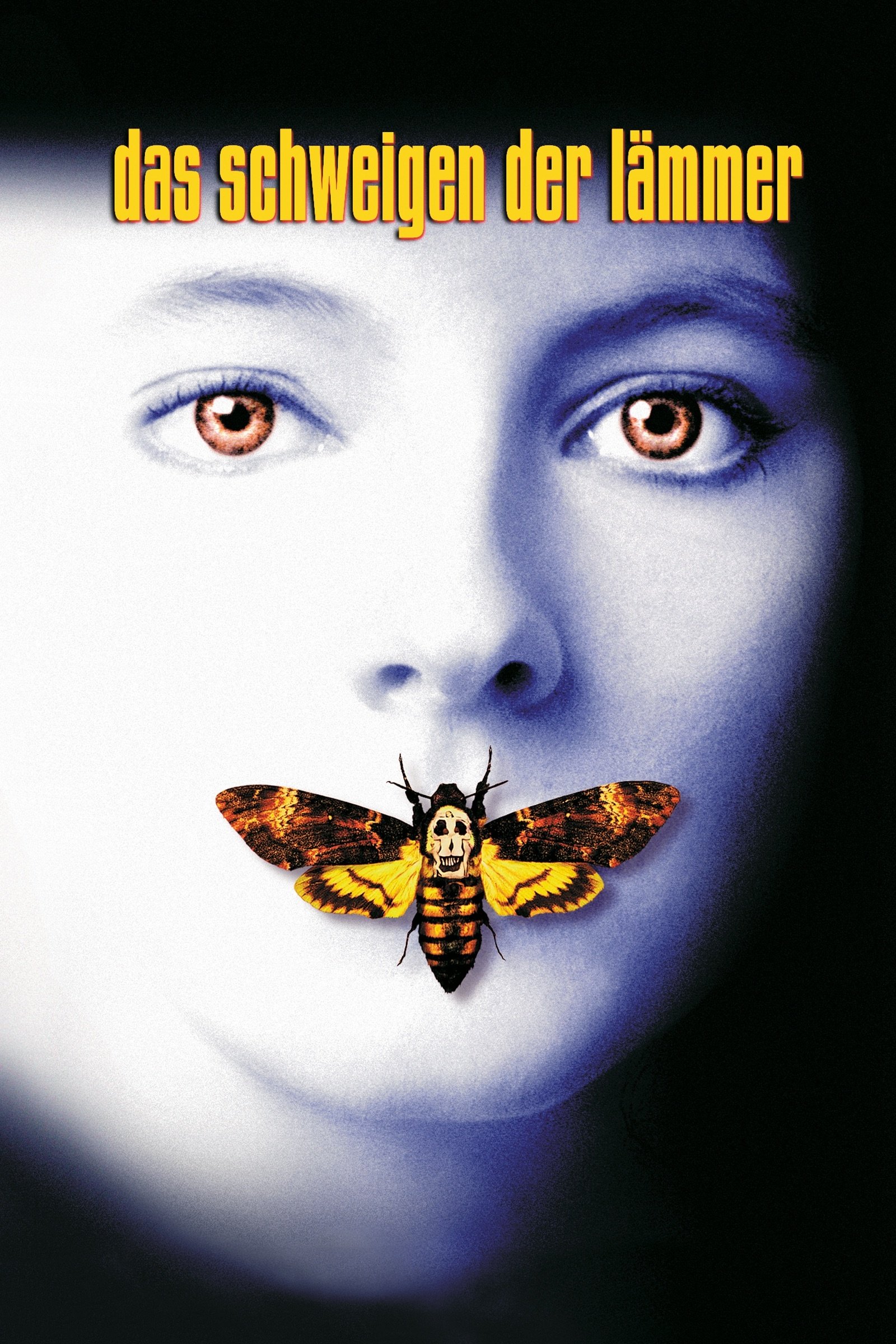
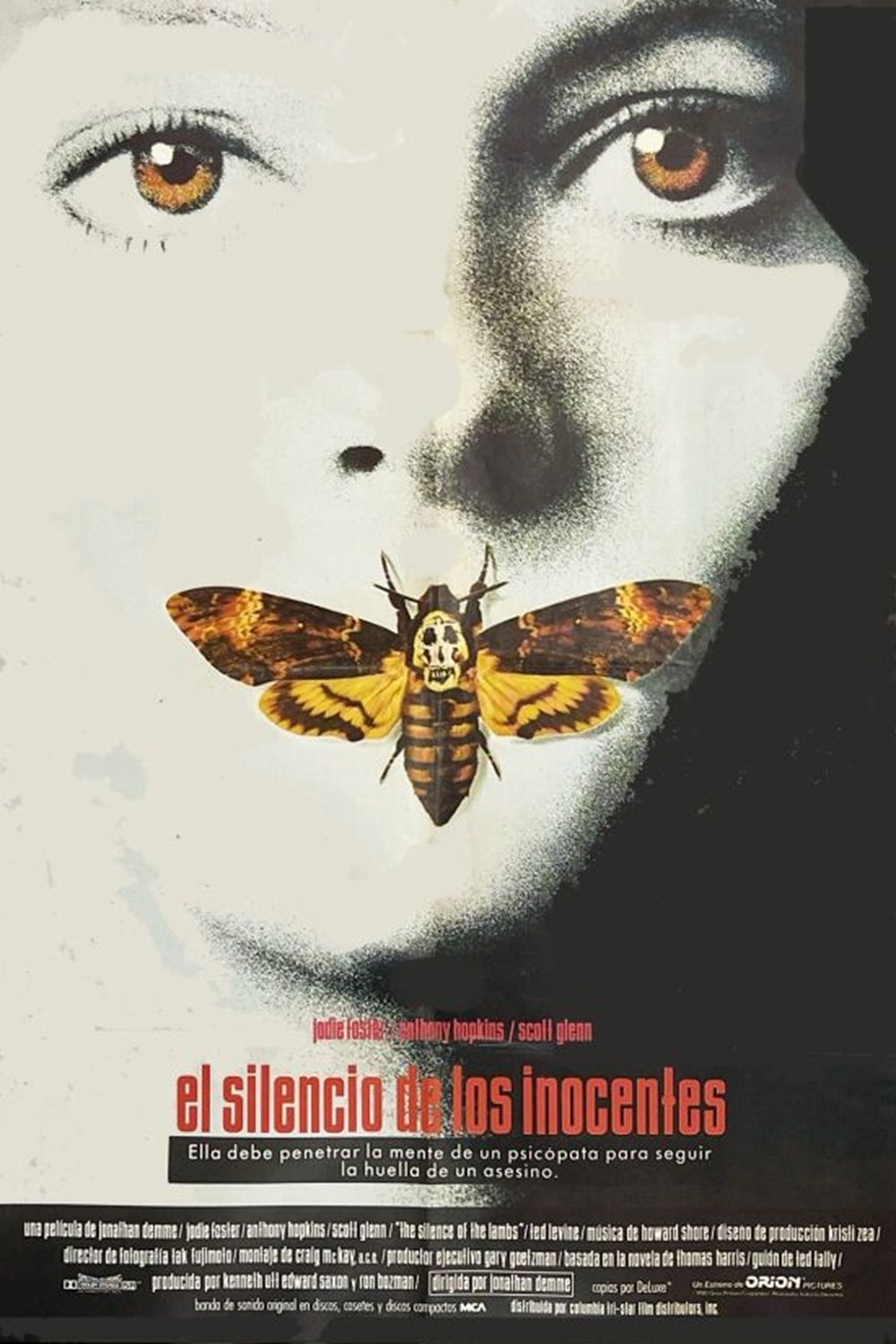
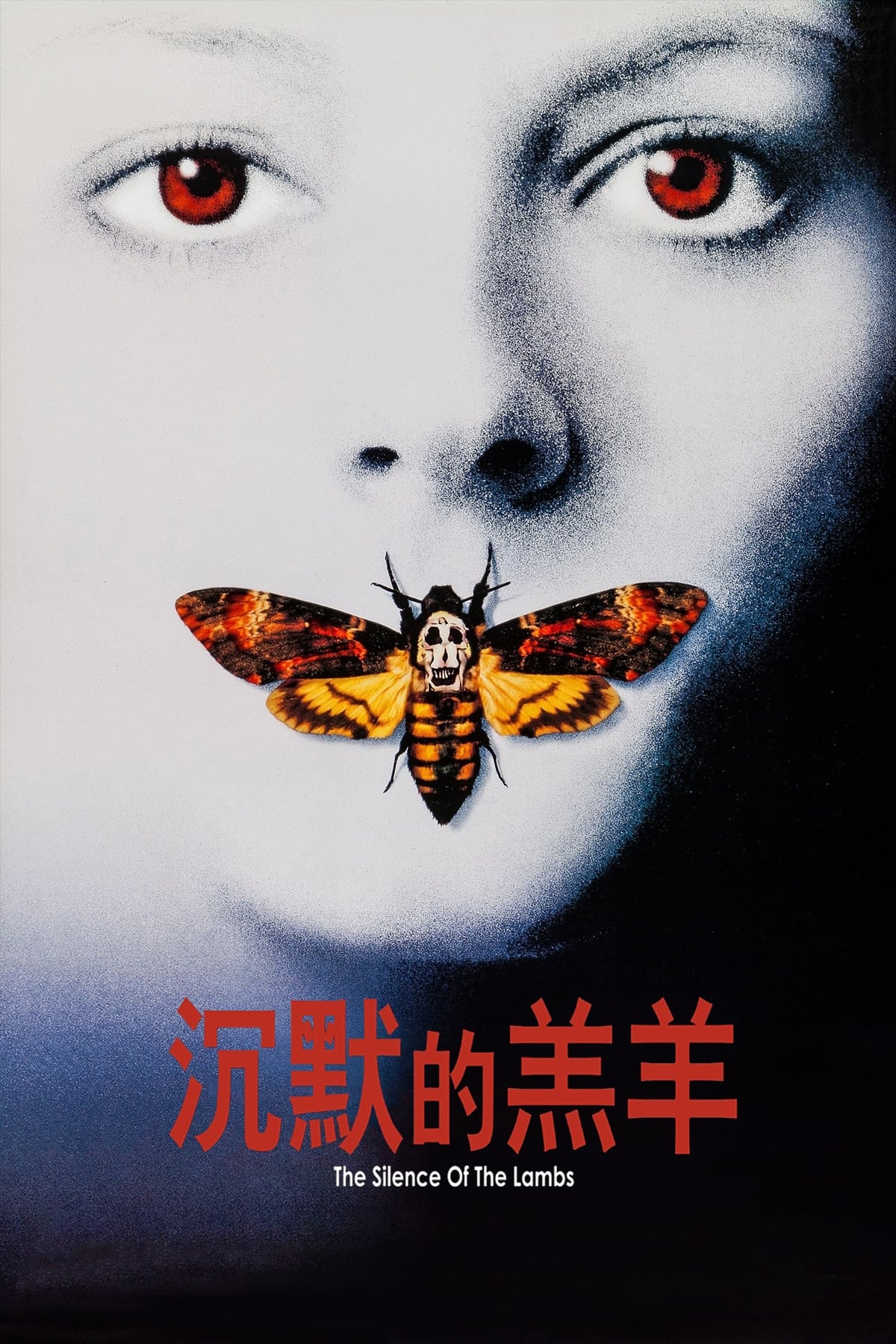
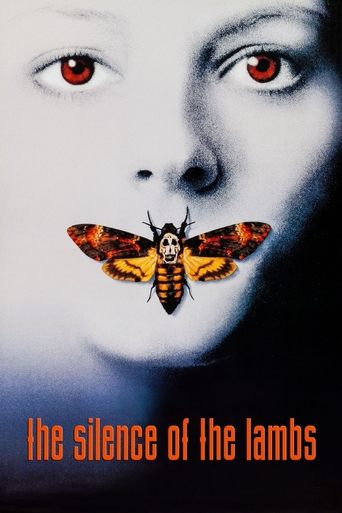
Orion Pictures acquired the screen rights to Thomas Harris’s novel in 1988, initially developing the adaptation as a project for Gene Hackman. Contemporary reporting documented plans for Hackman to write, direct and portray Hannibal Lecter. Ted Tally, who had received an advance copy of the novel before publication, subsequently became involved in the screenplay. Hackman withdrew from directing in 1989, after which the project was offered to Jonathan Demme. The director had previously established a reputation through films including Something Wild (1986) and Married to the Mob (1988). Demme responded particularly strongly to Clarice Starling, recognizing the possibility of constructing a suspense film around a young woman navigating an intimidating professional environment.
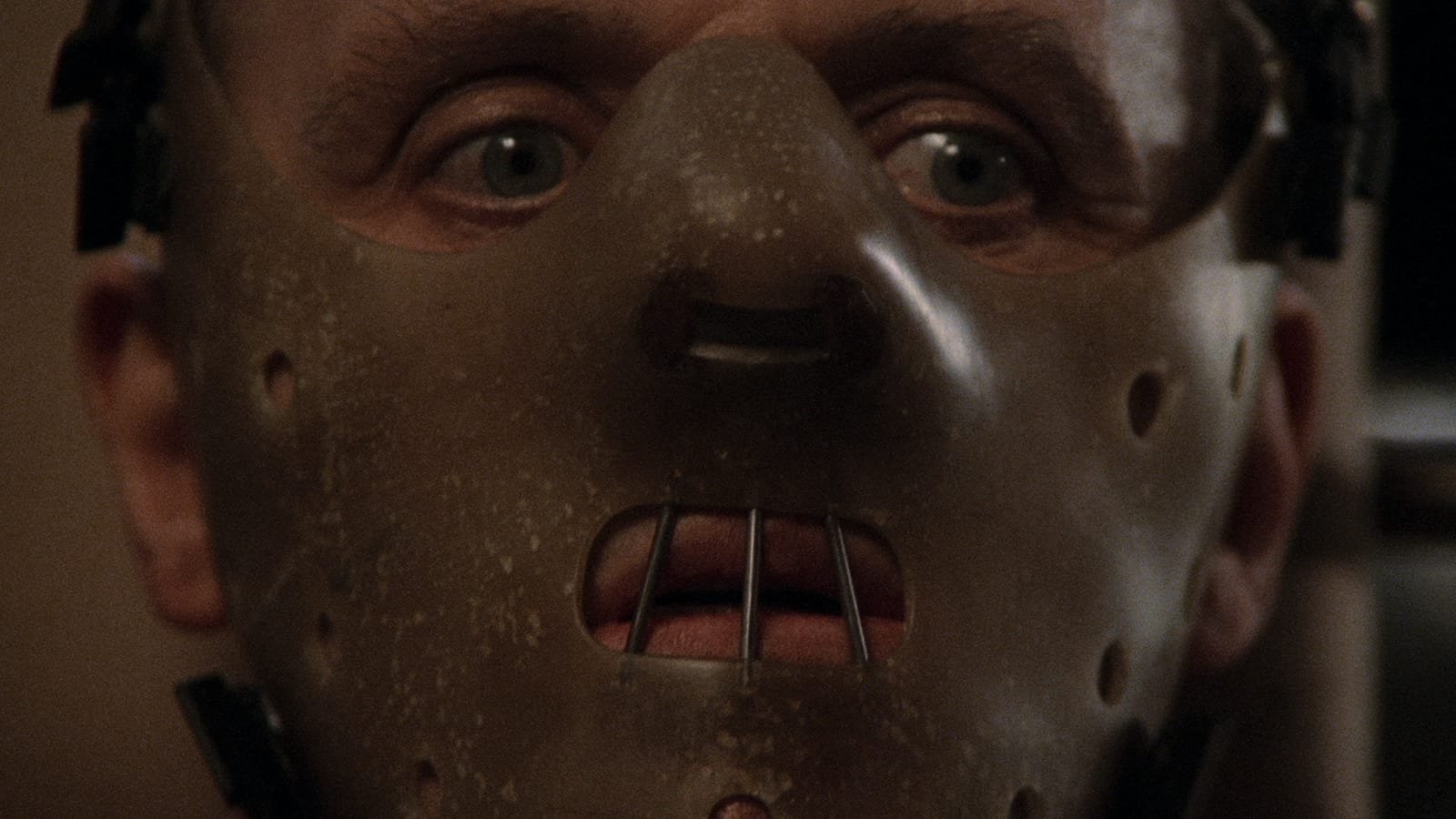
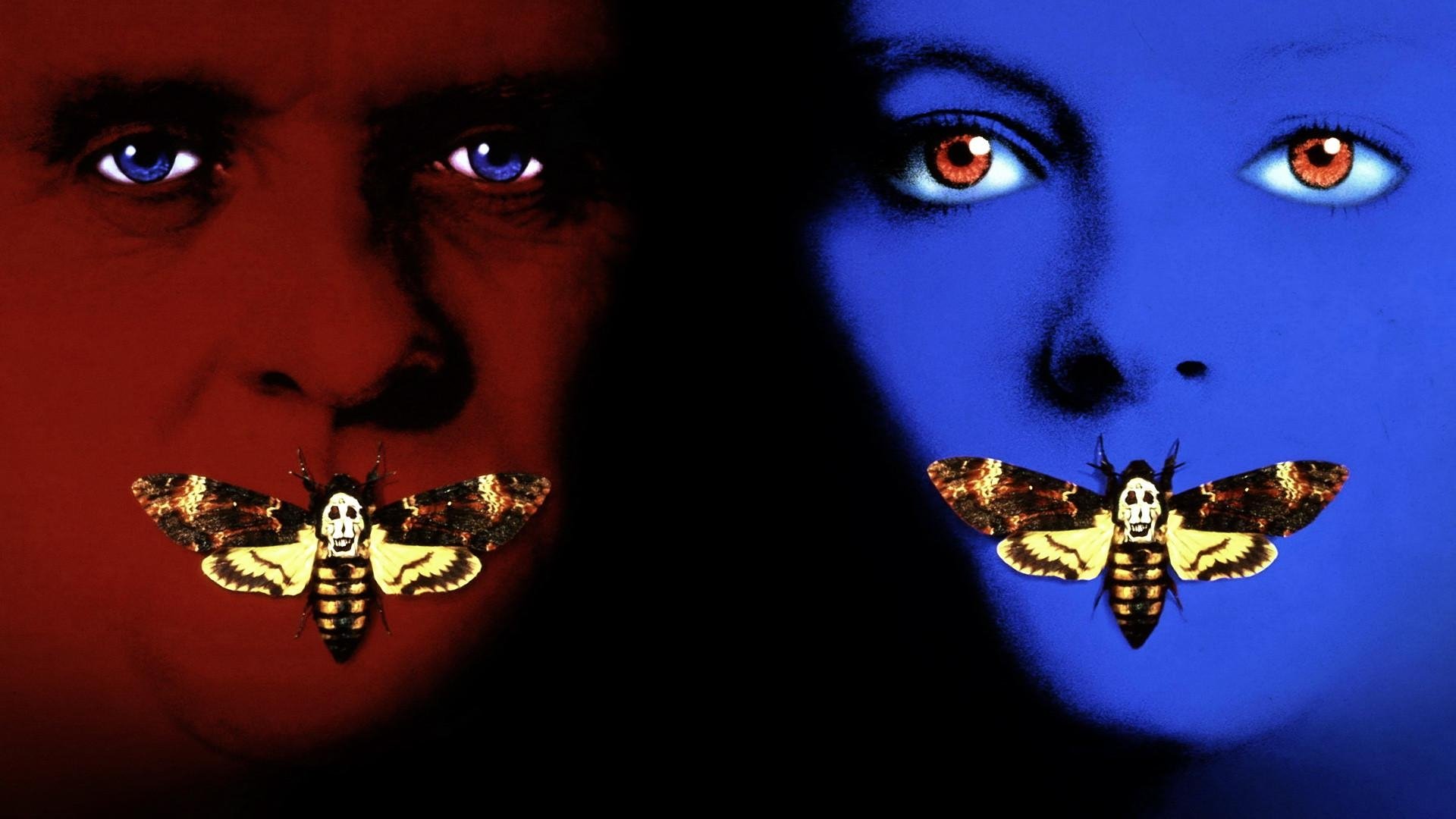
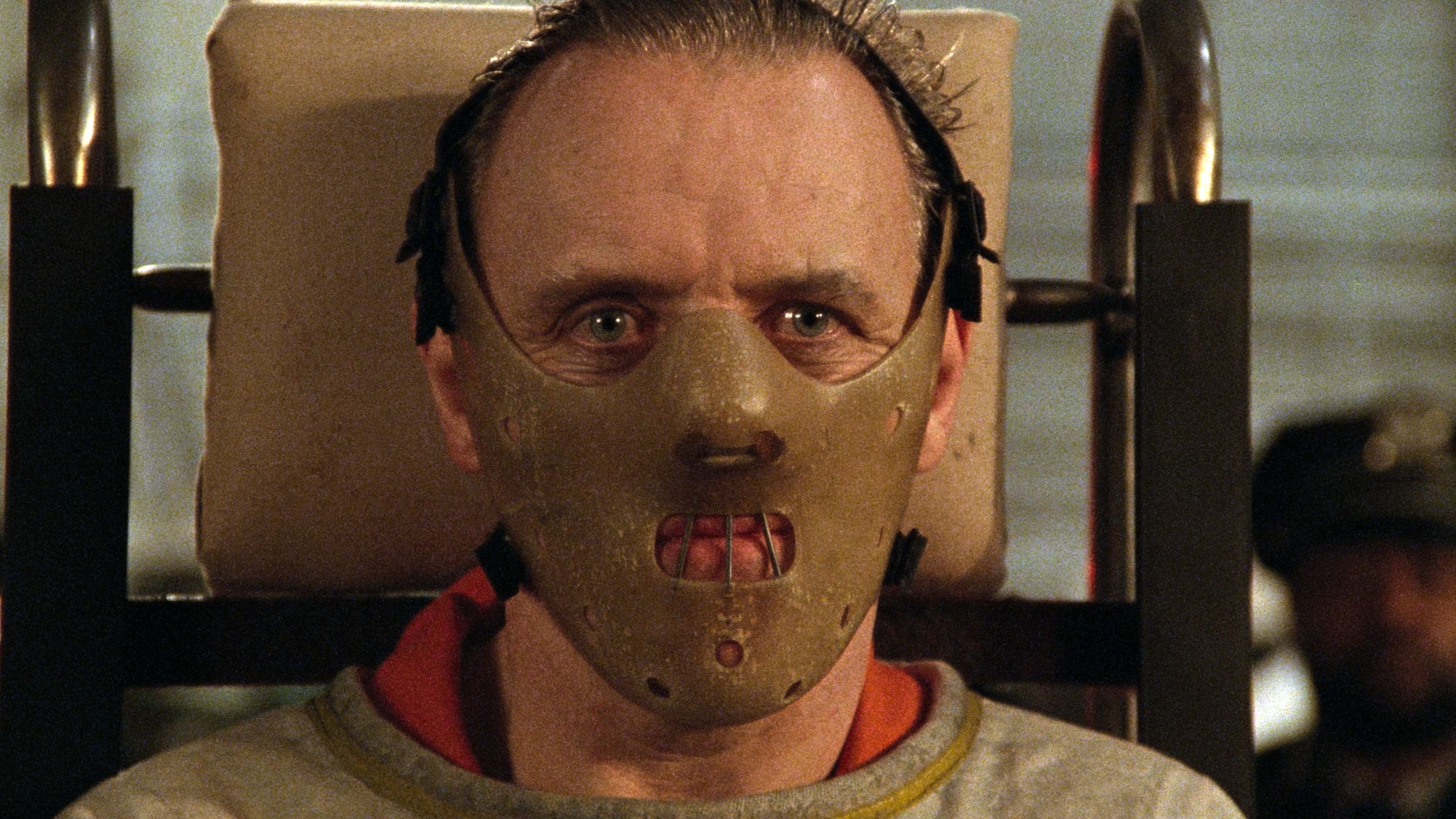
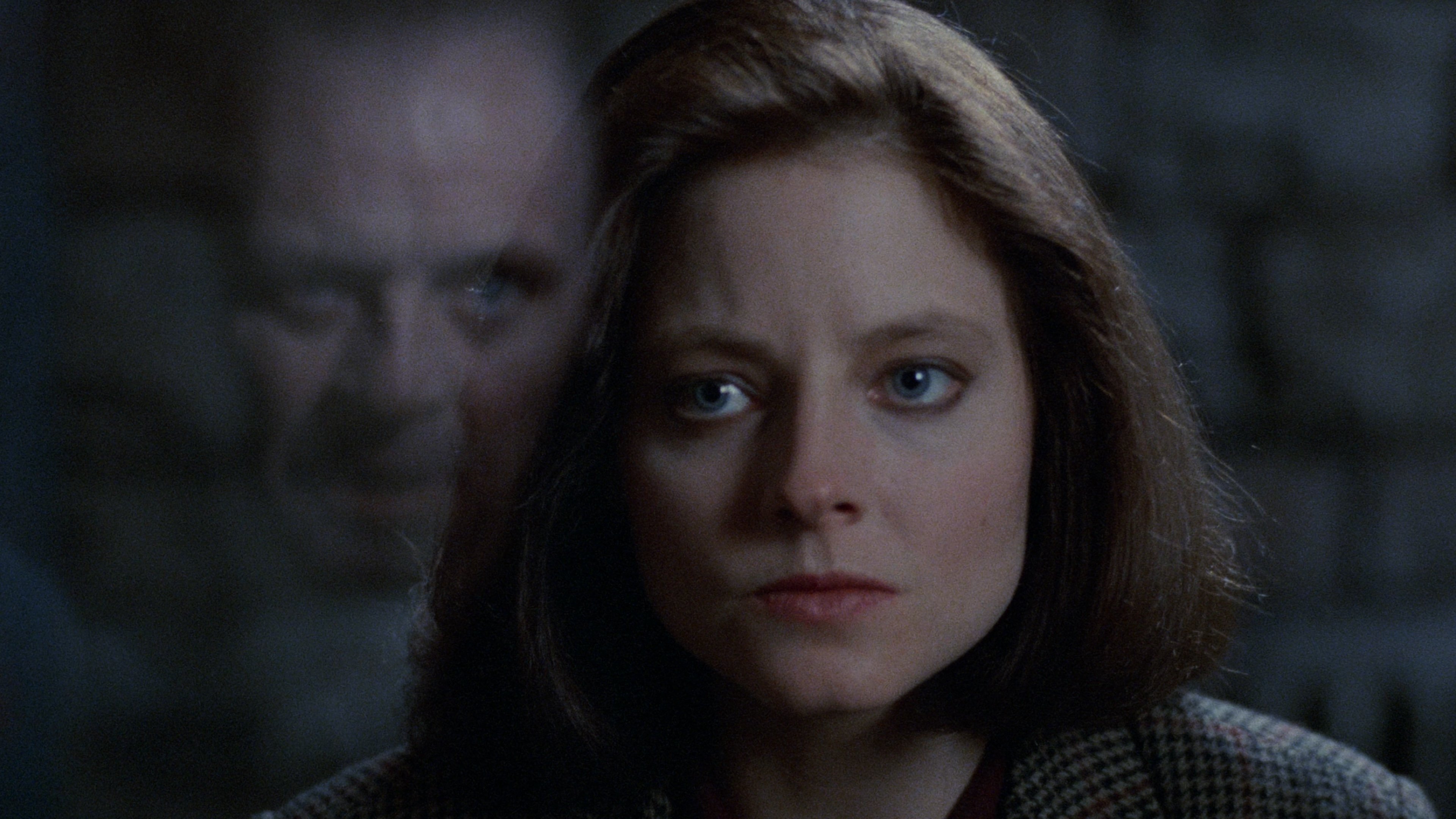
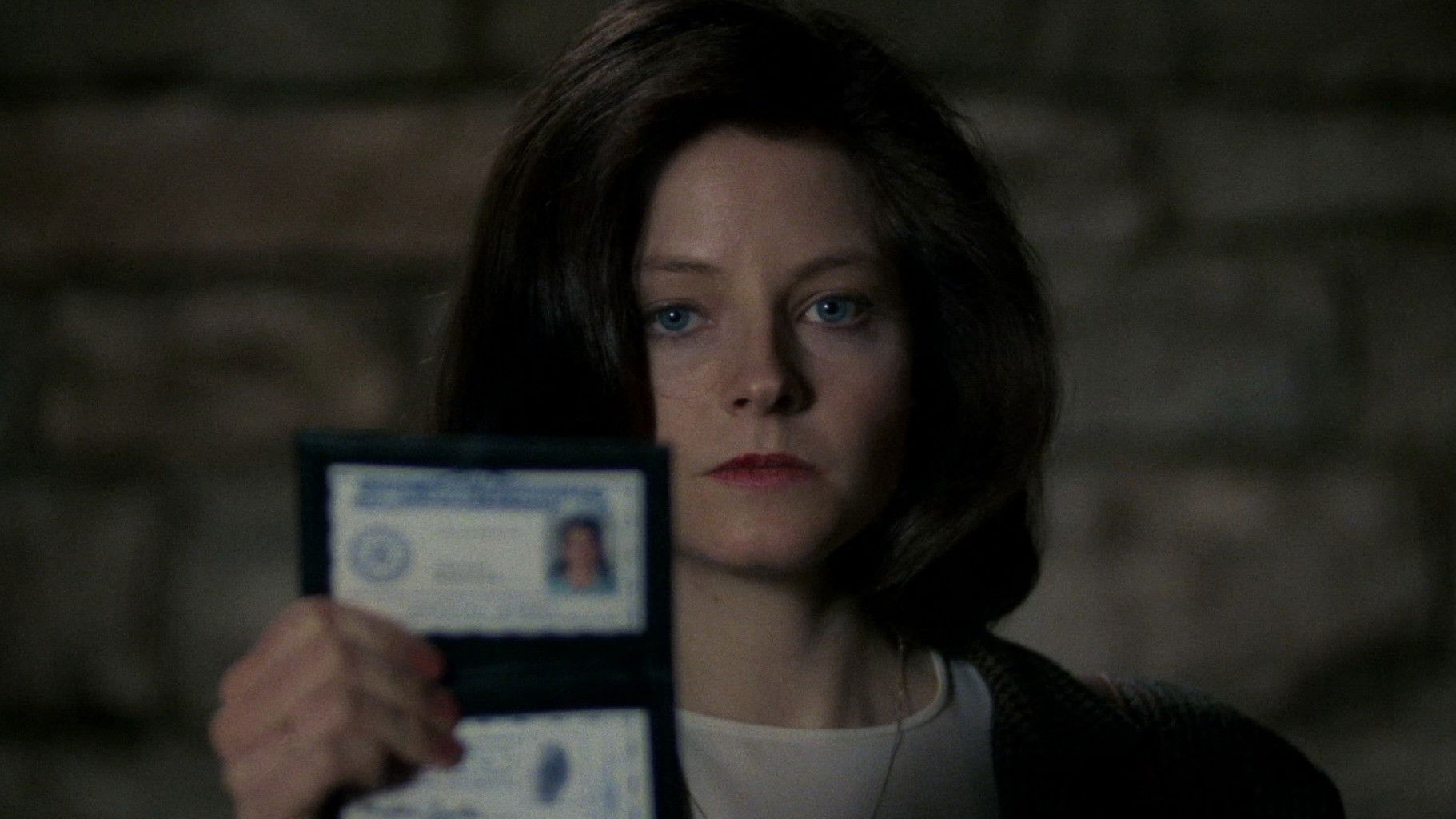
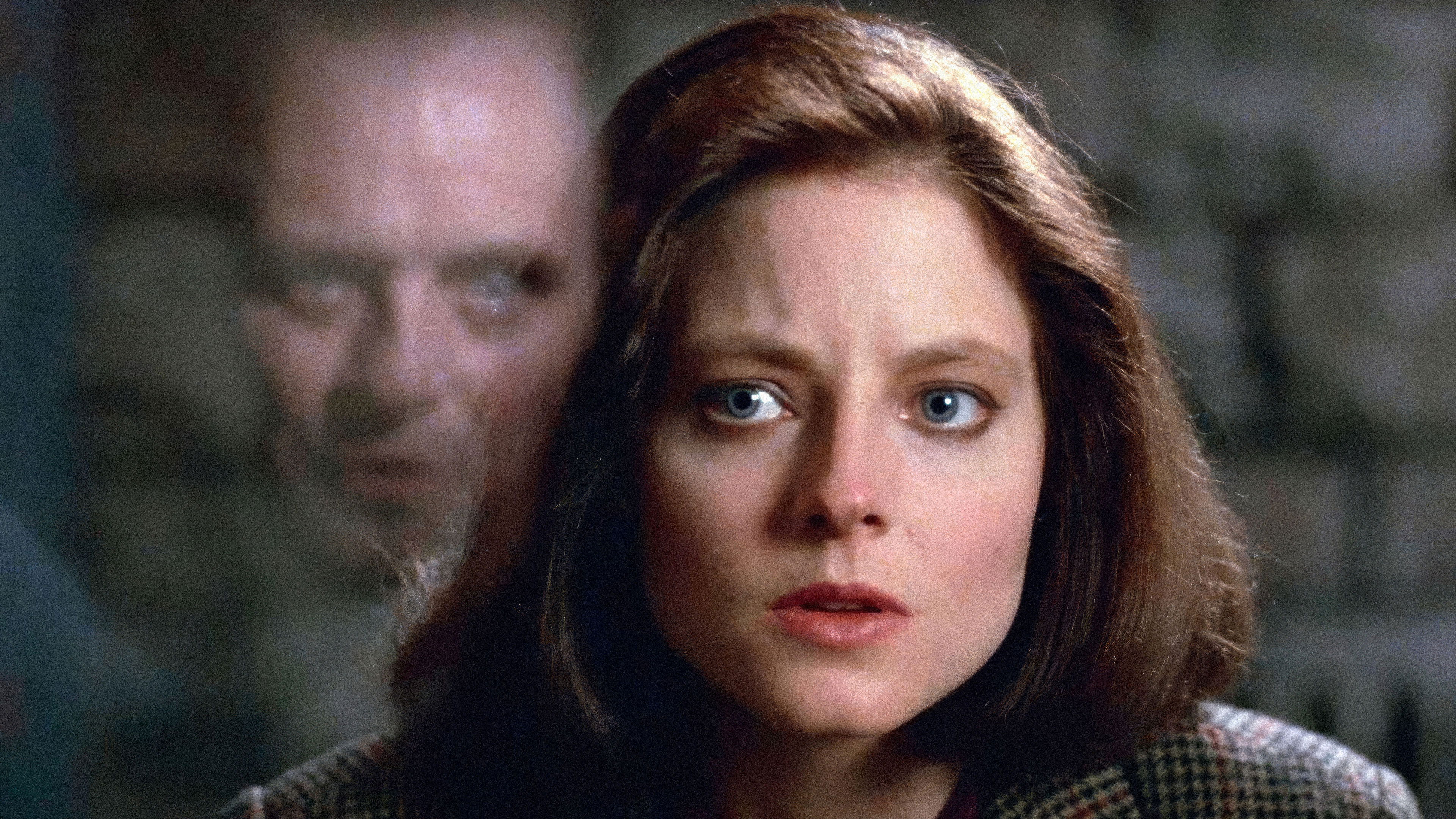
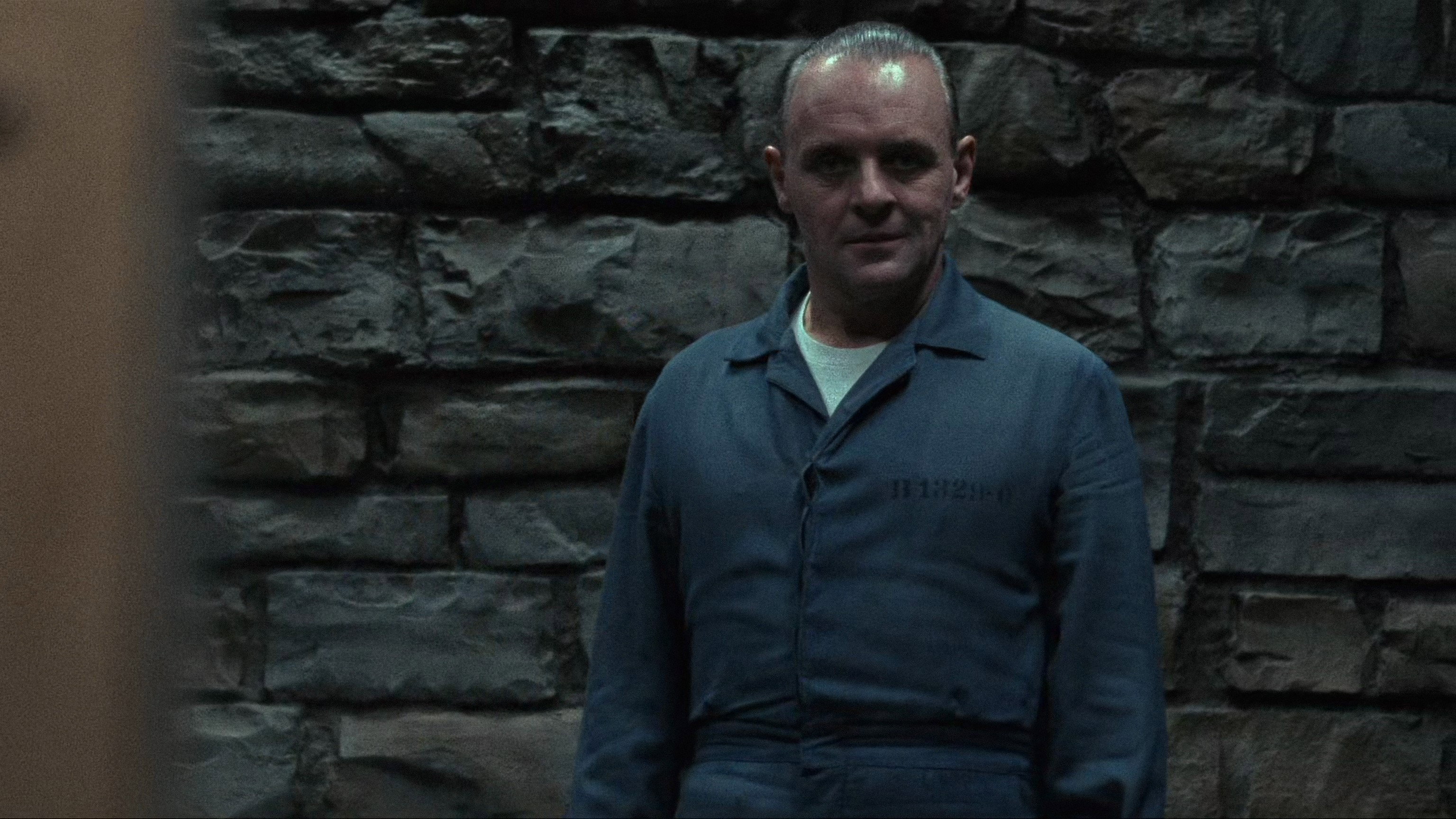
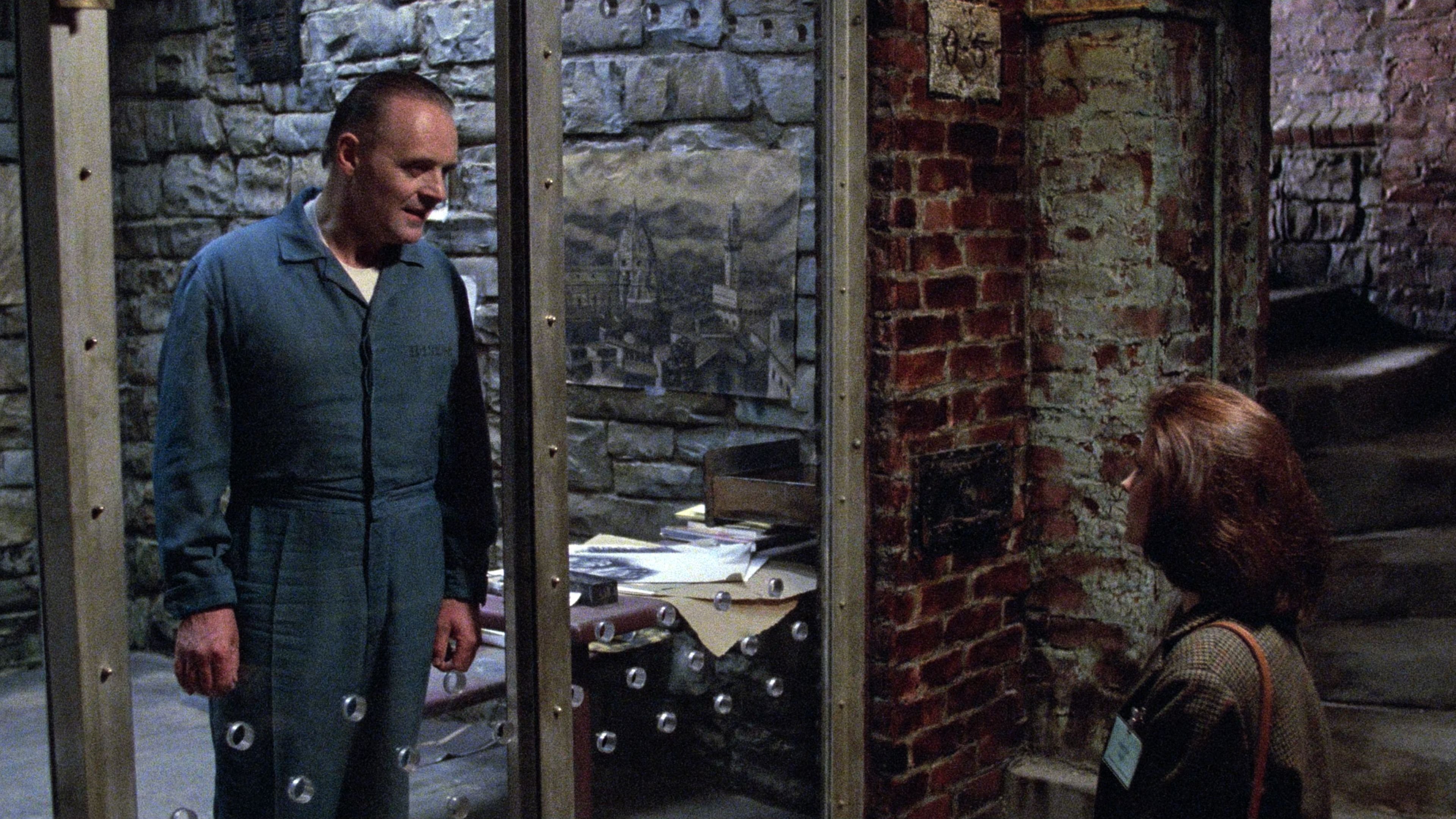
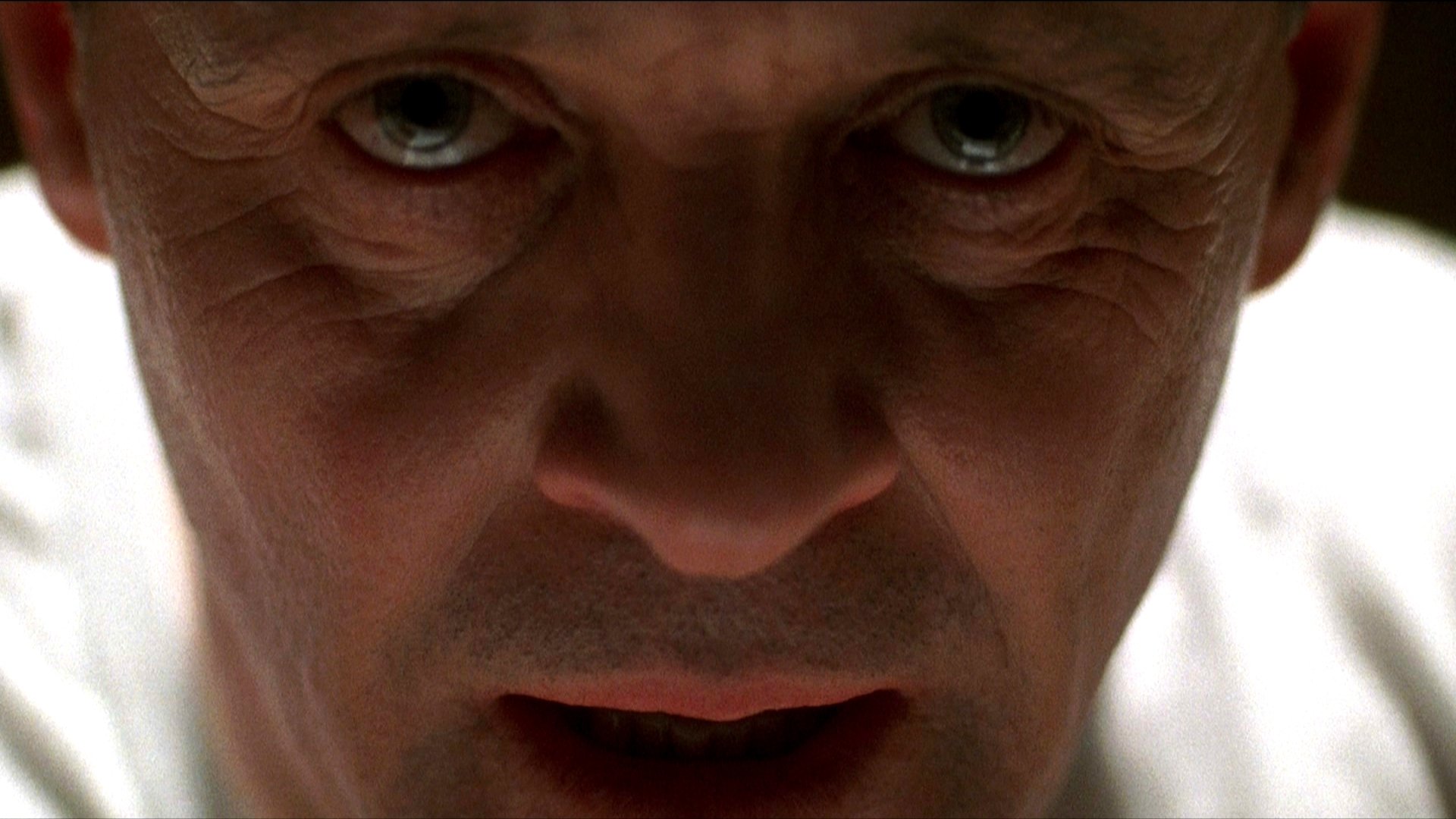
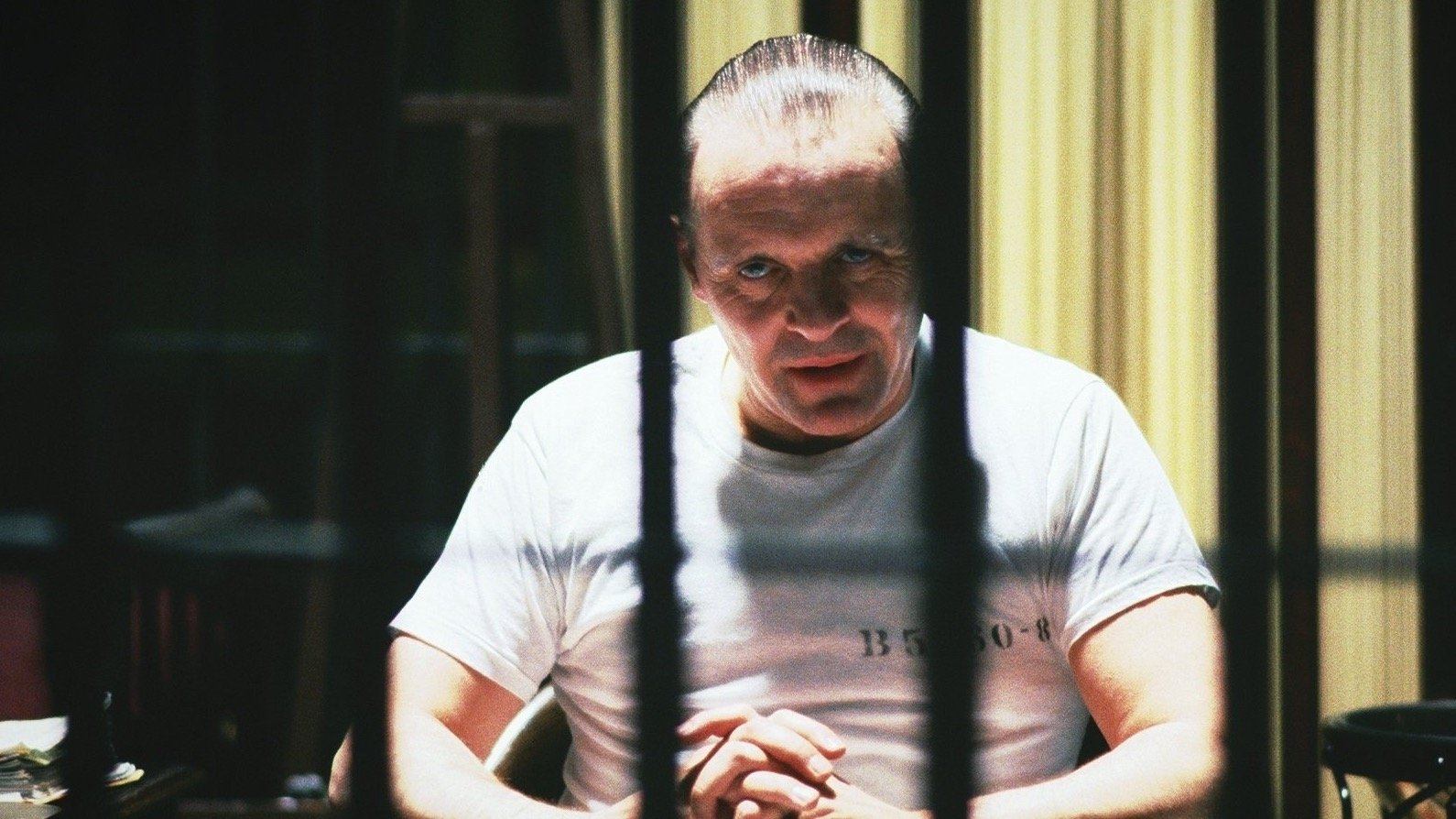
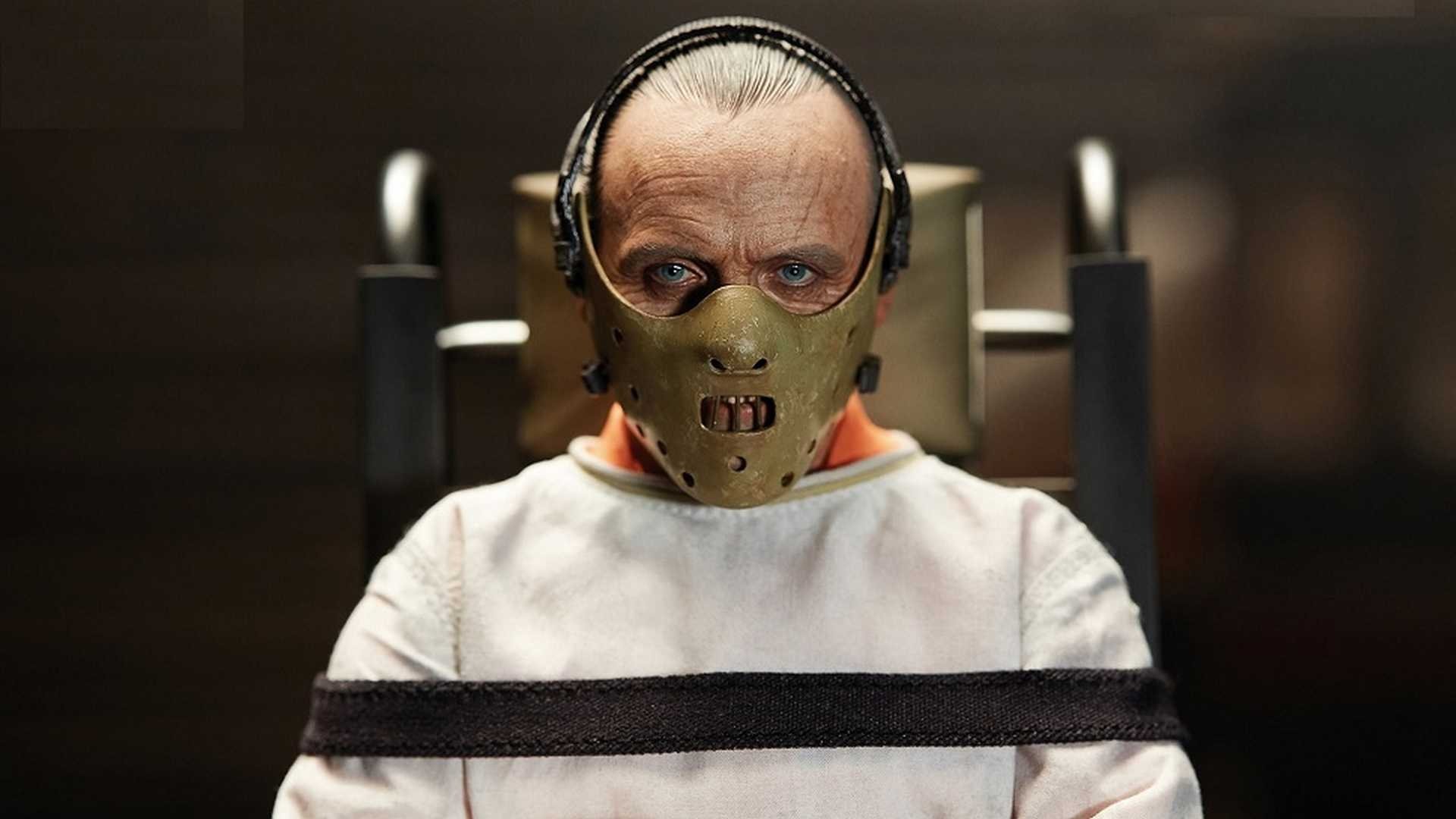
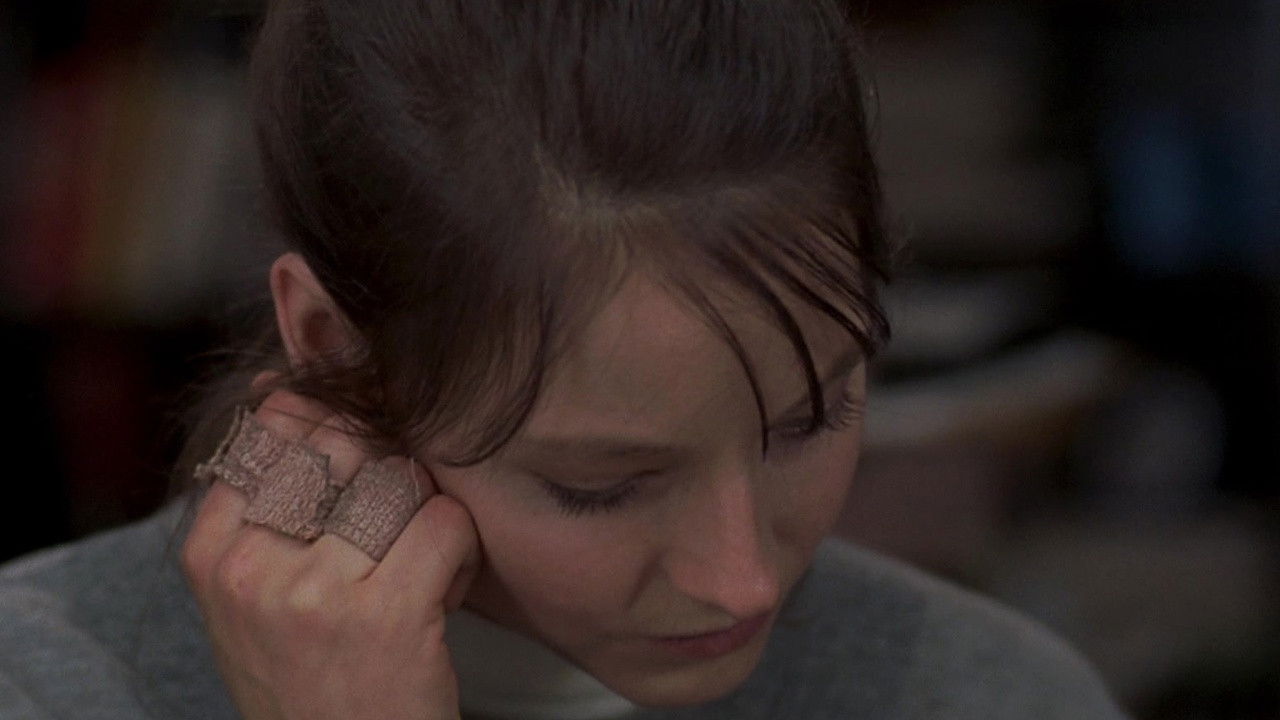
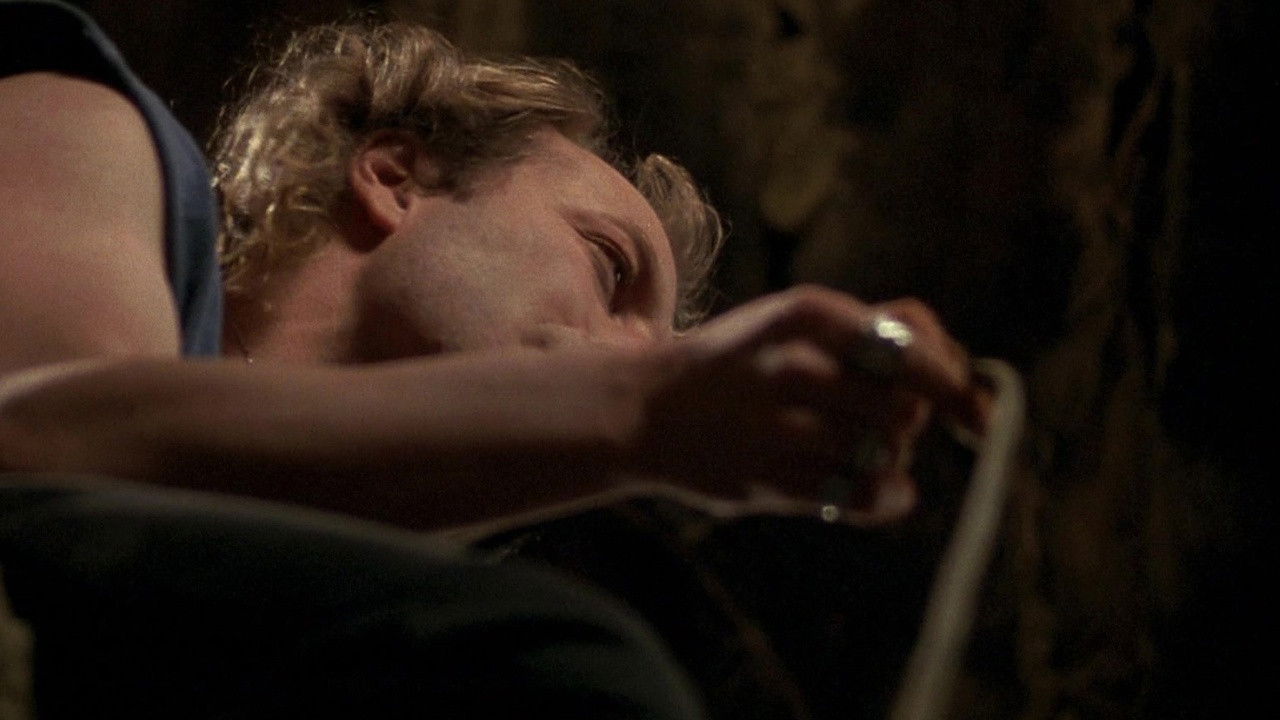
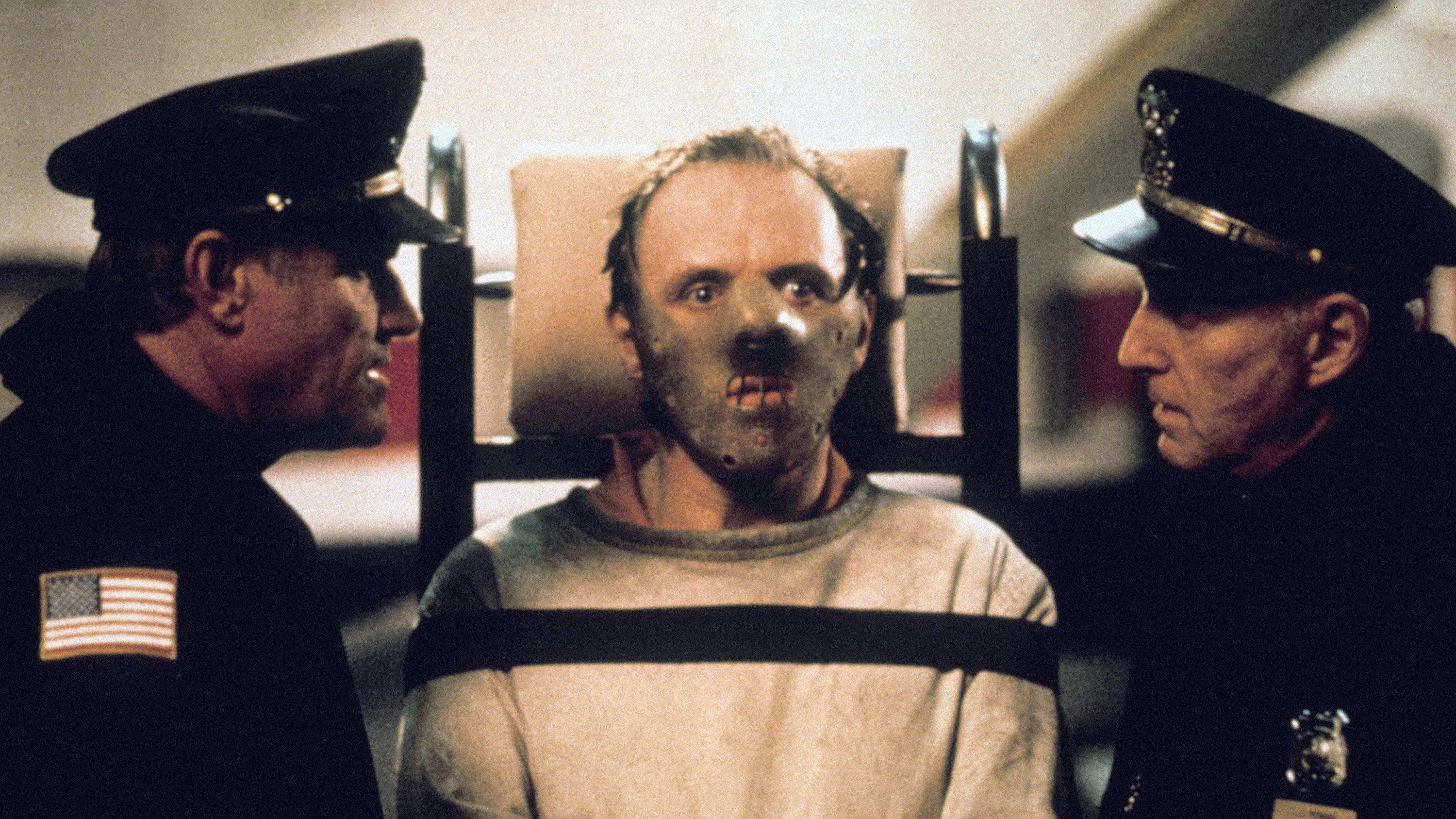
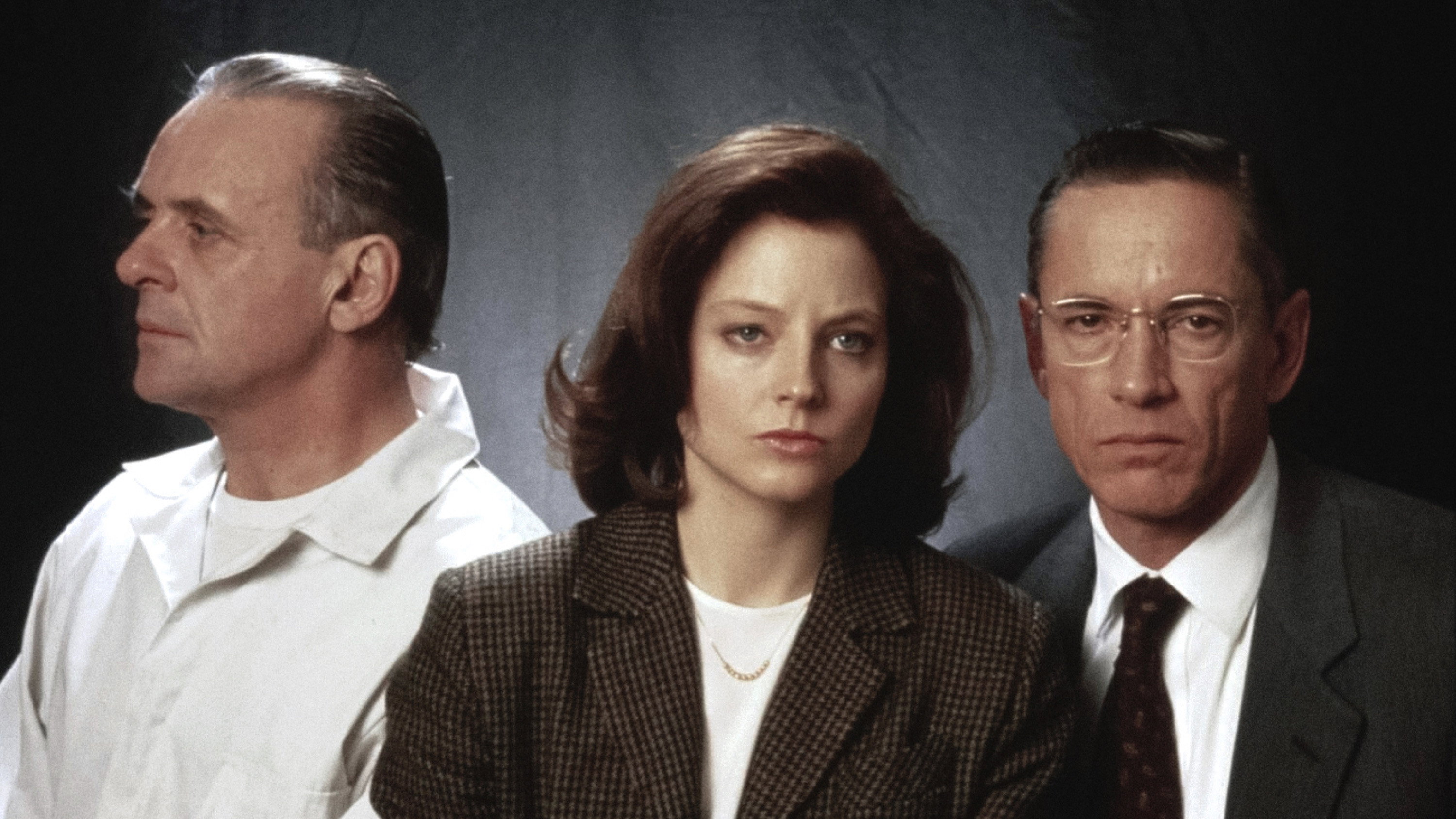
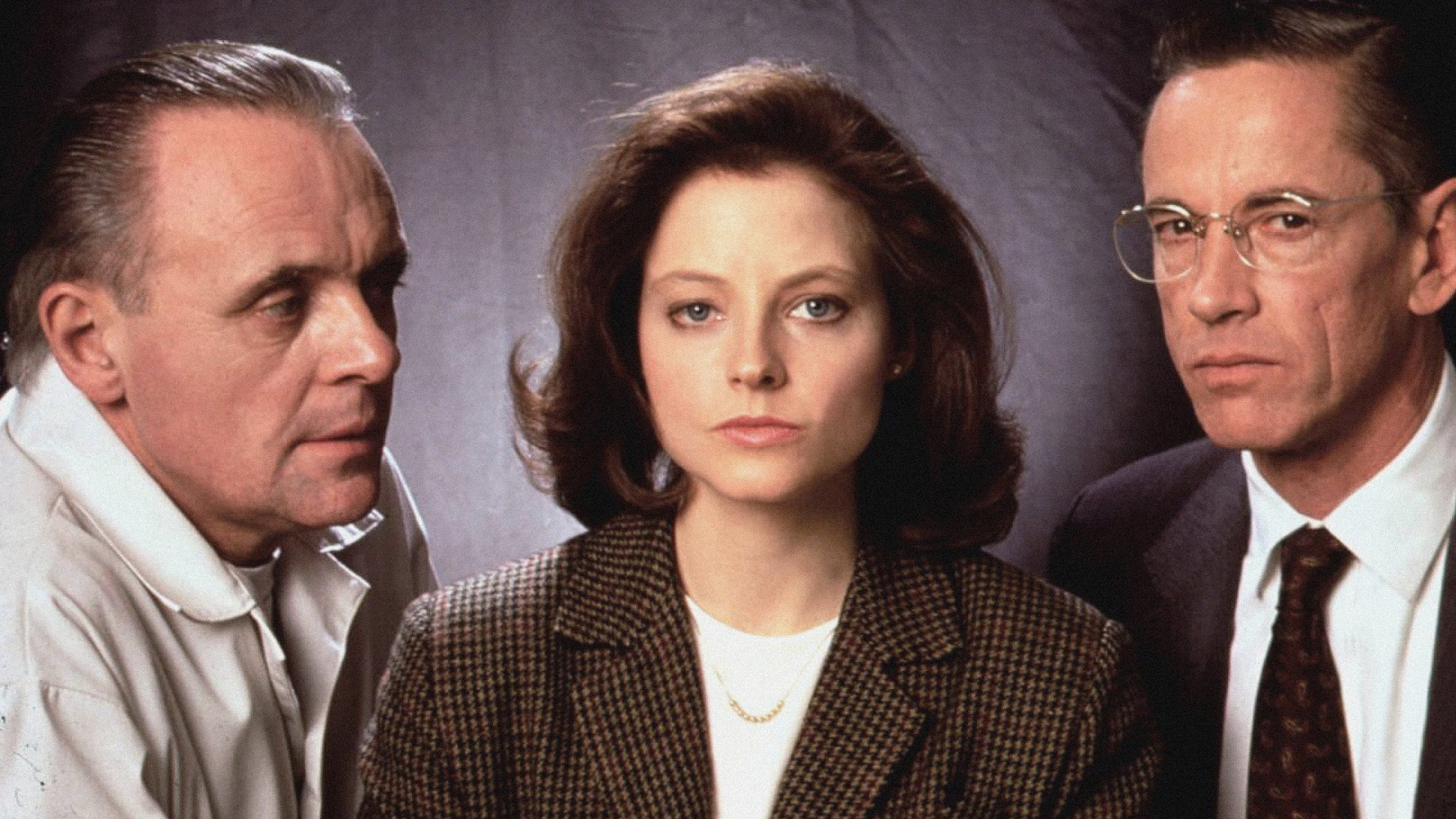
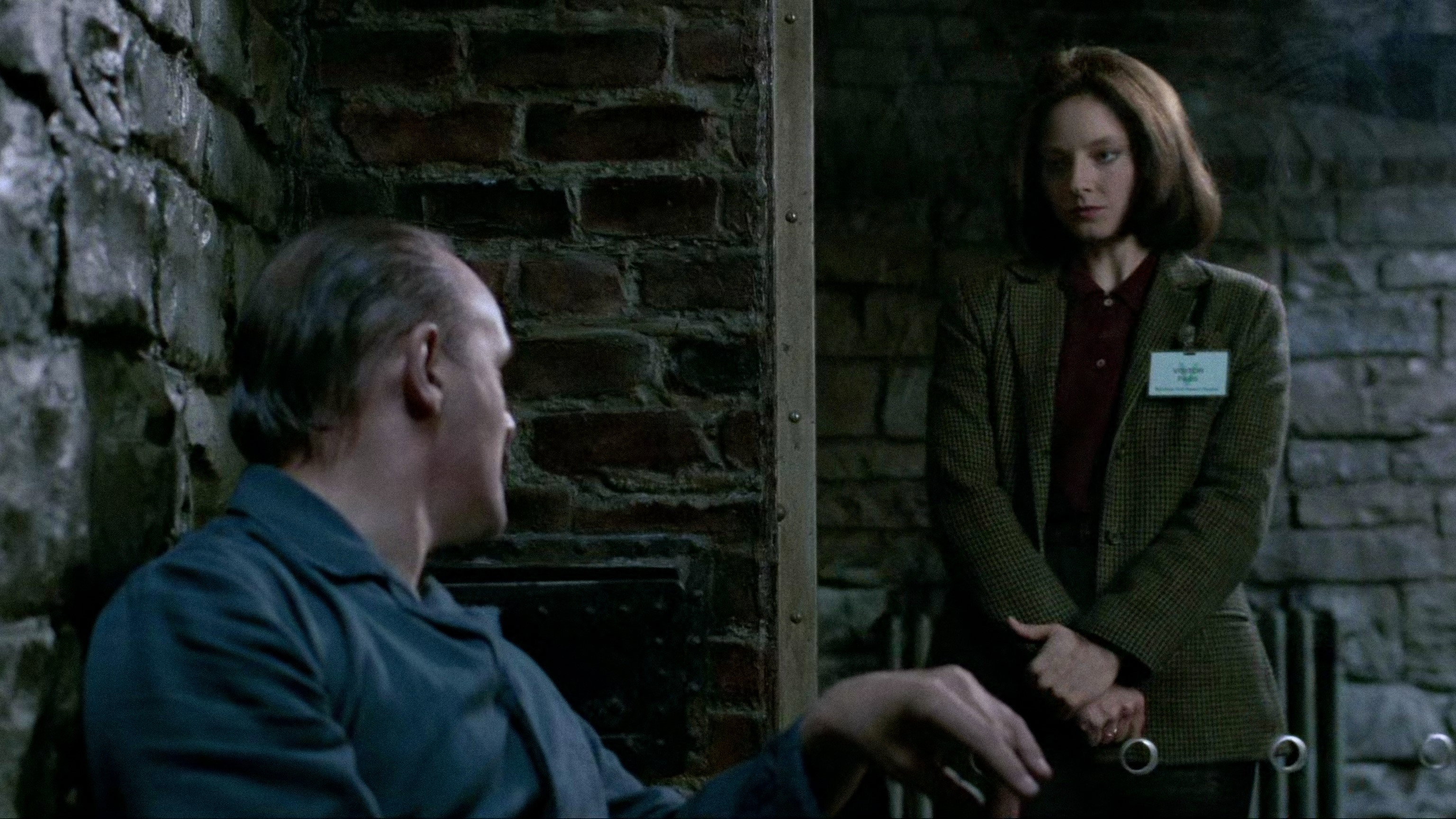
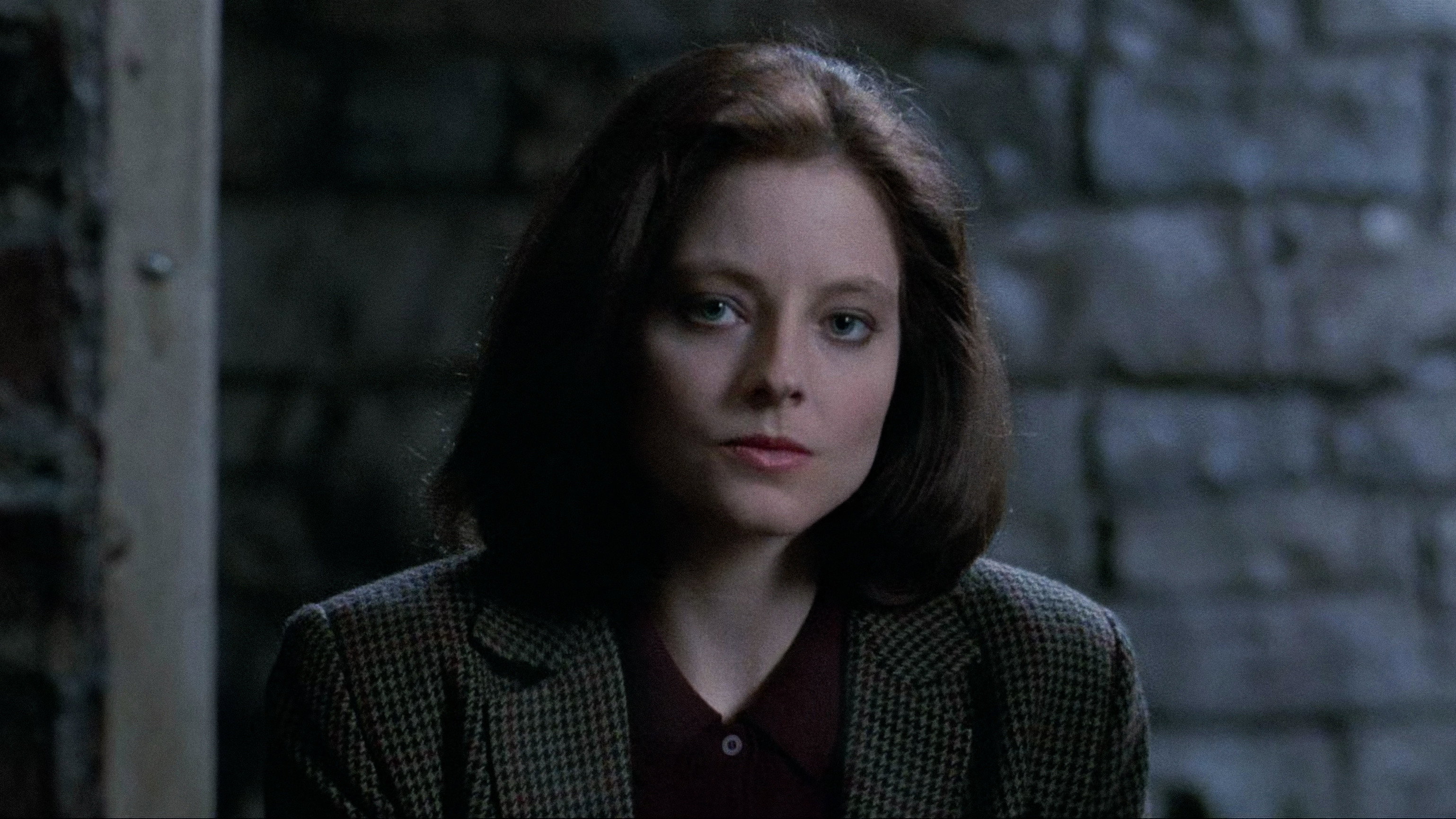
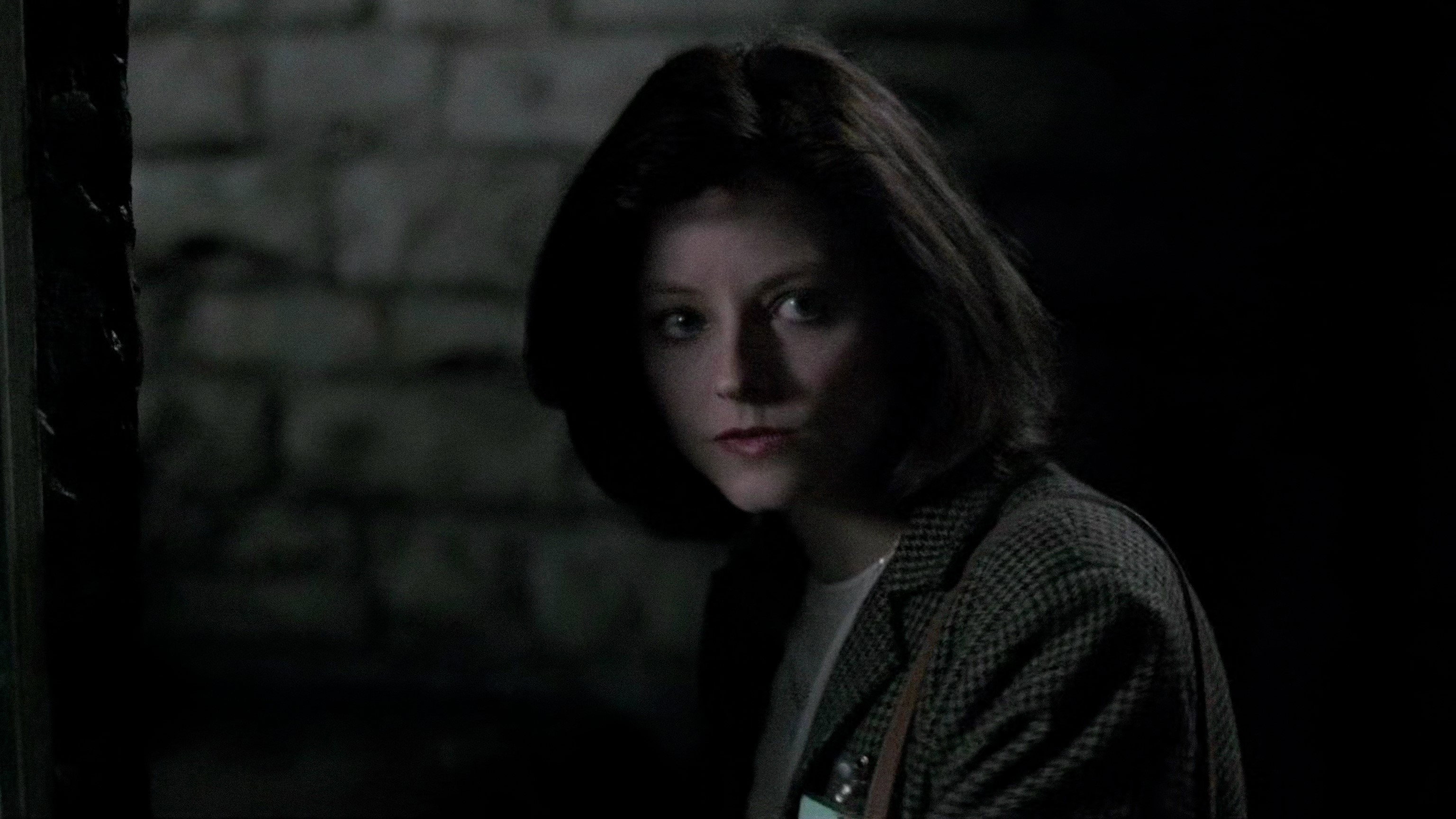
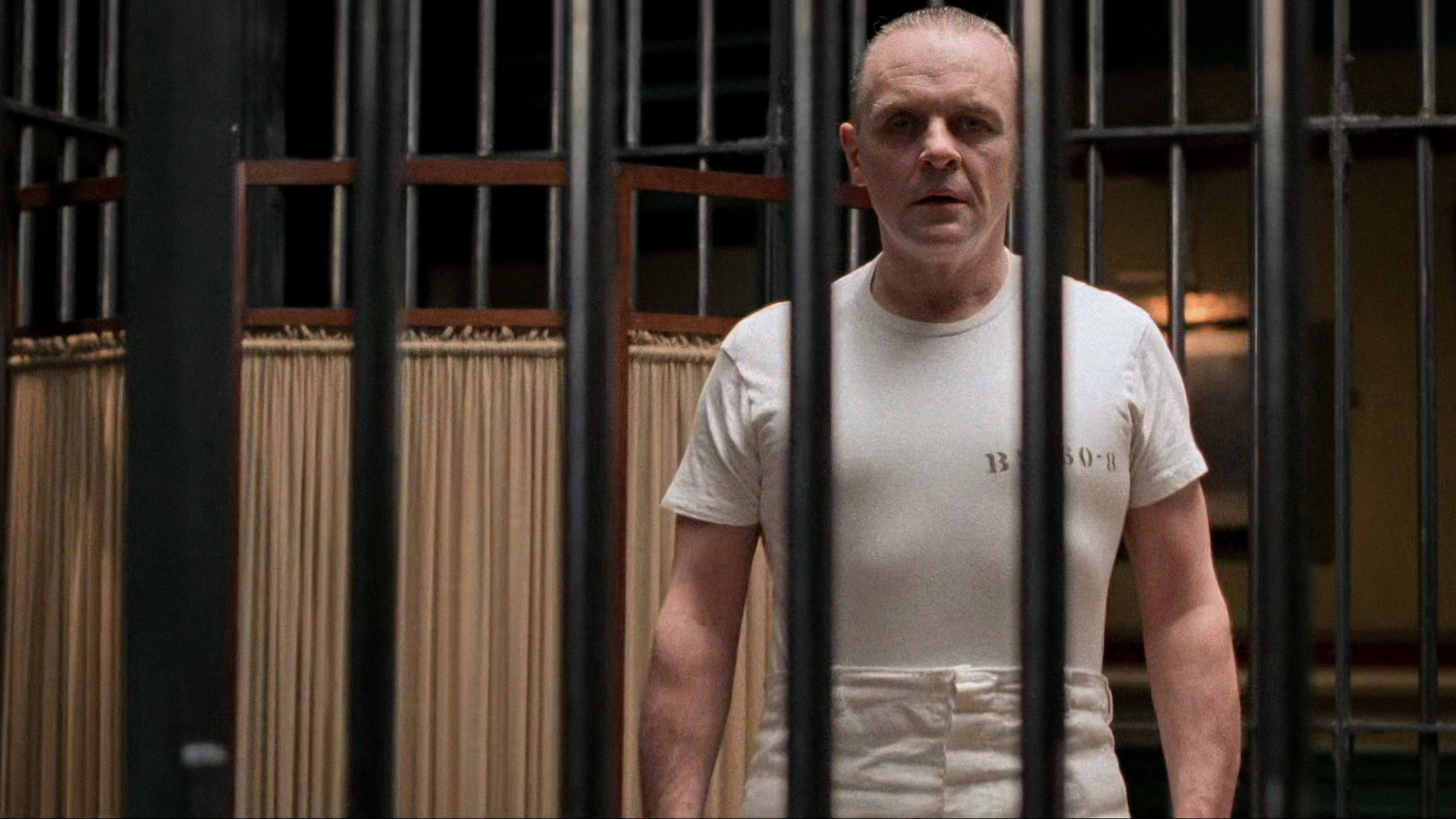
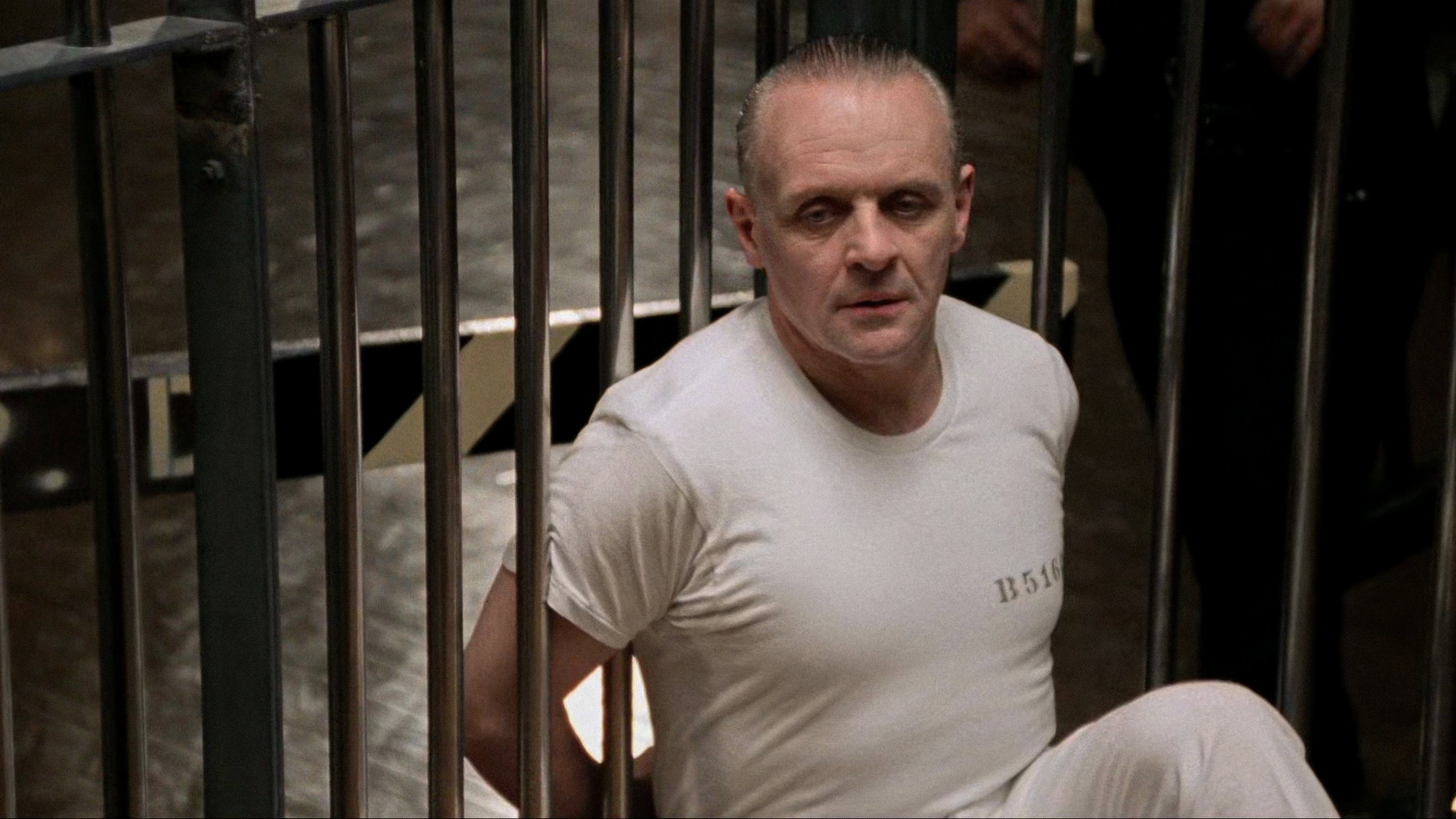
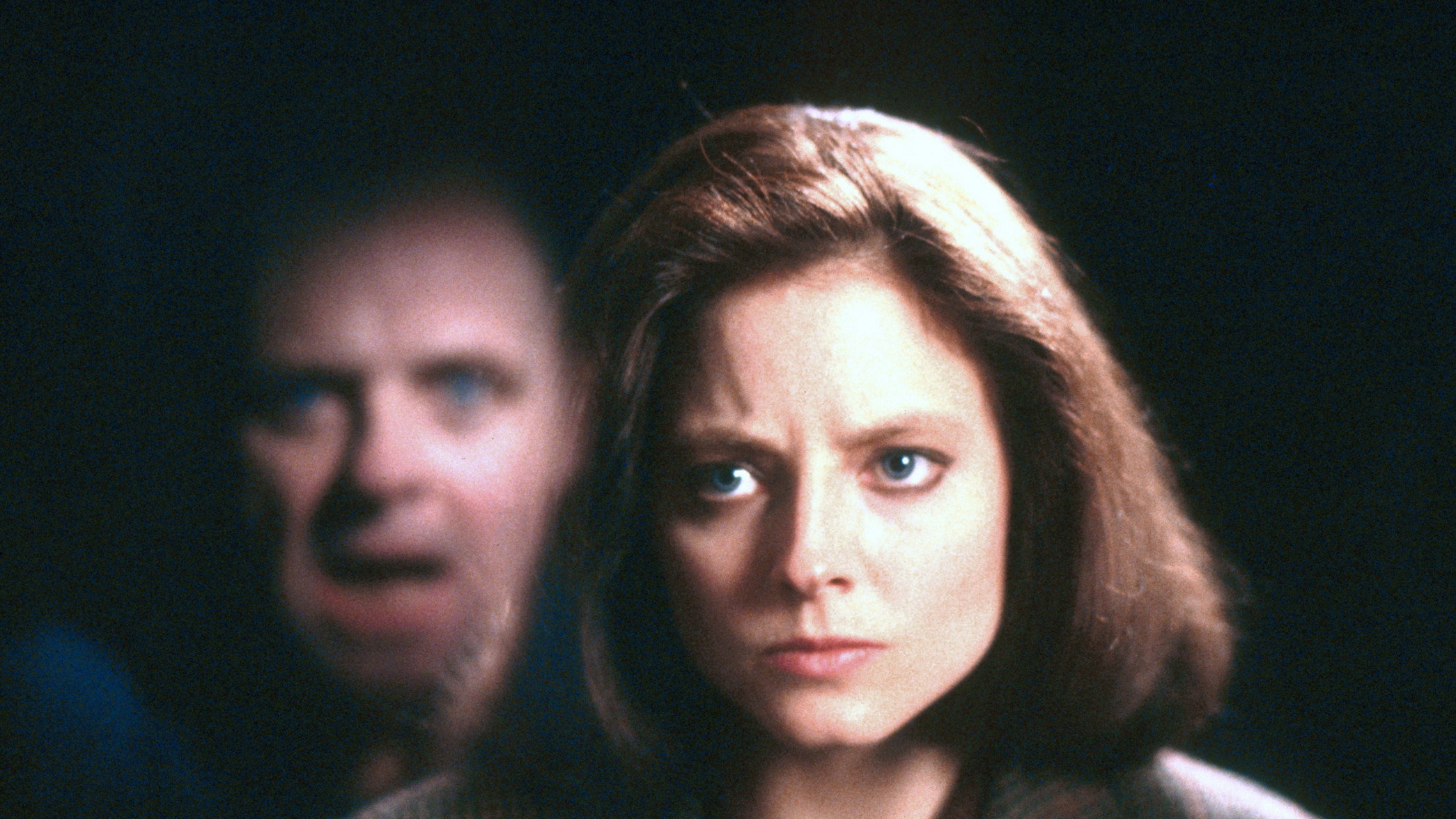
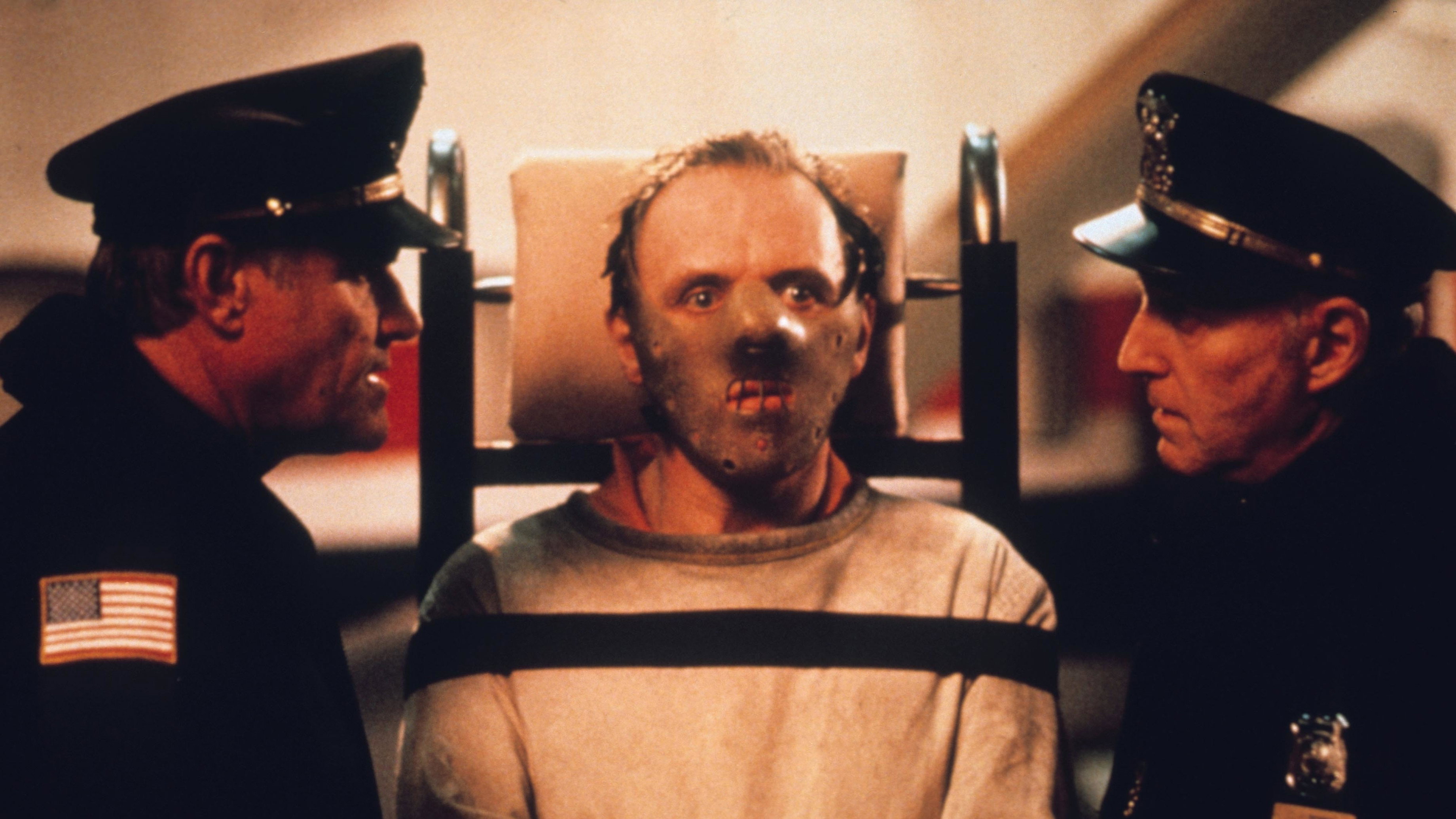
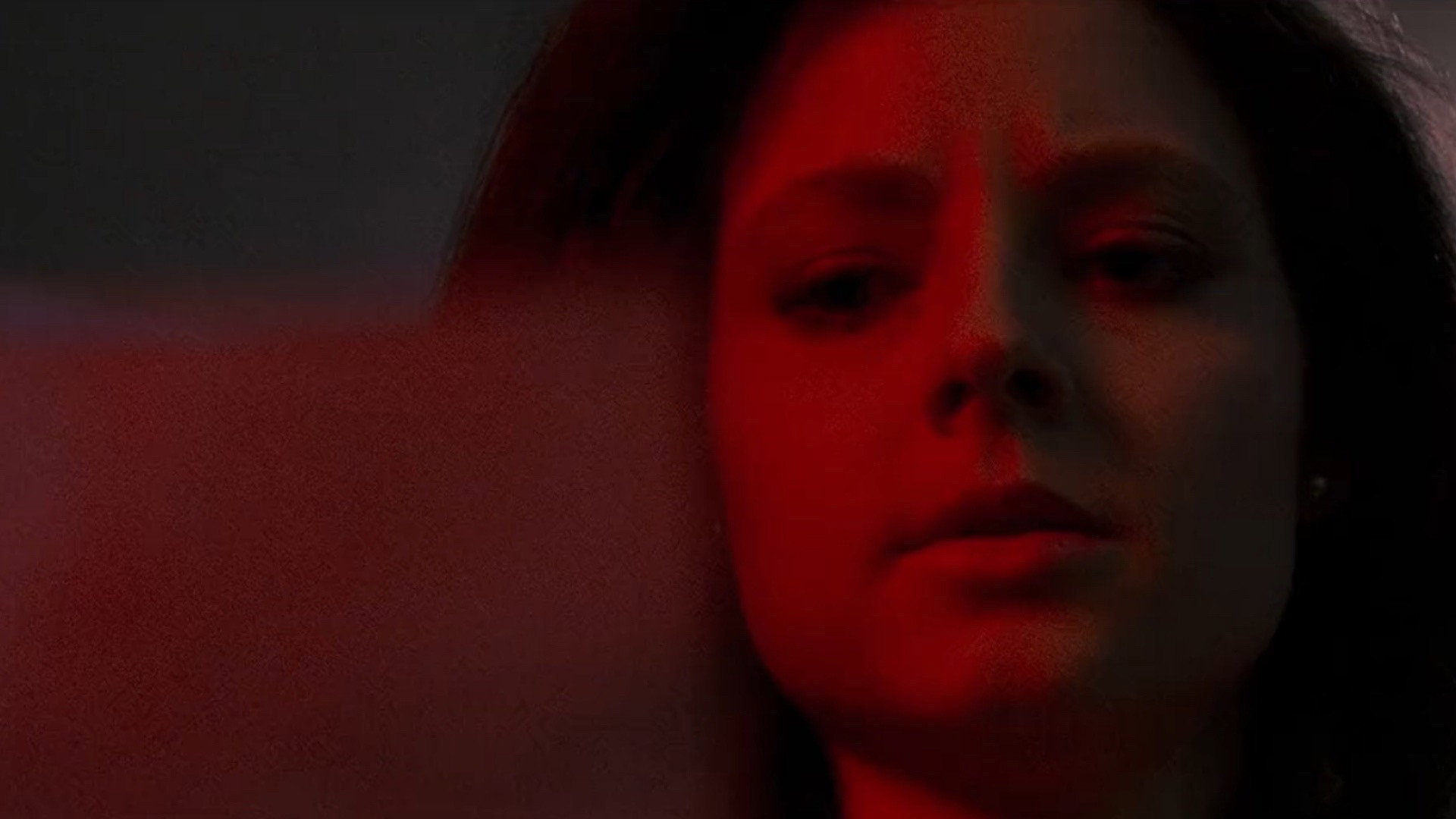
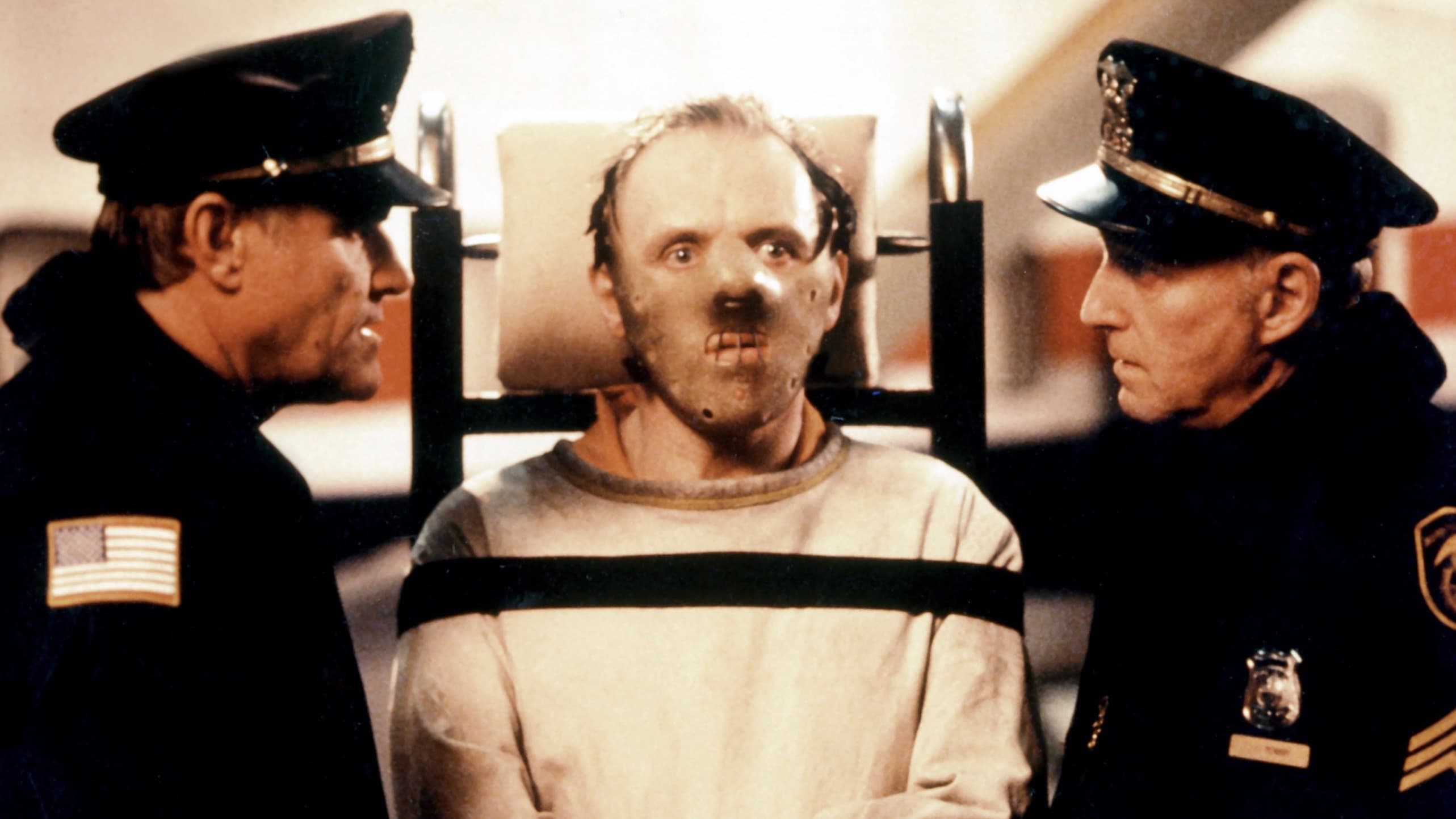
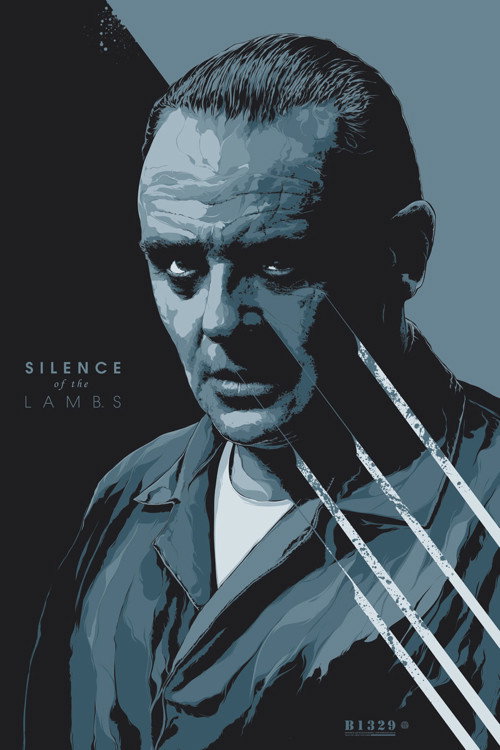
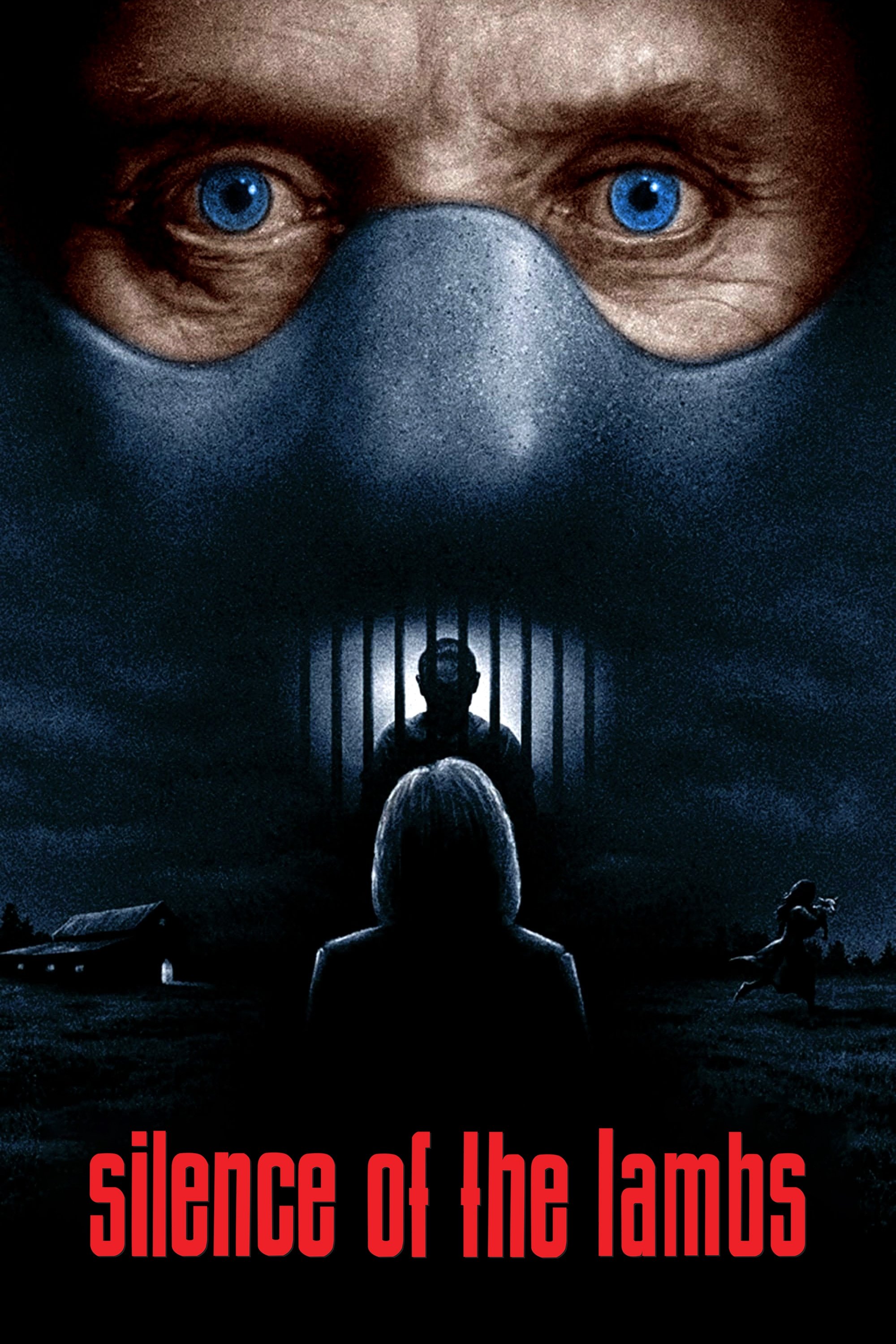
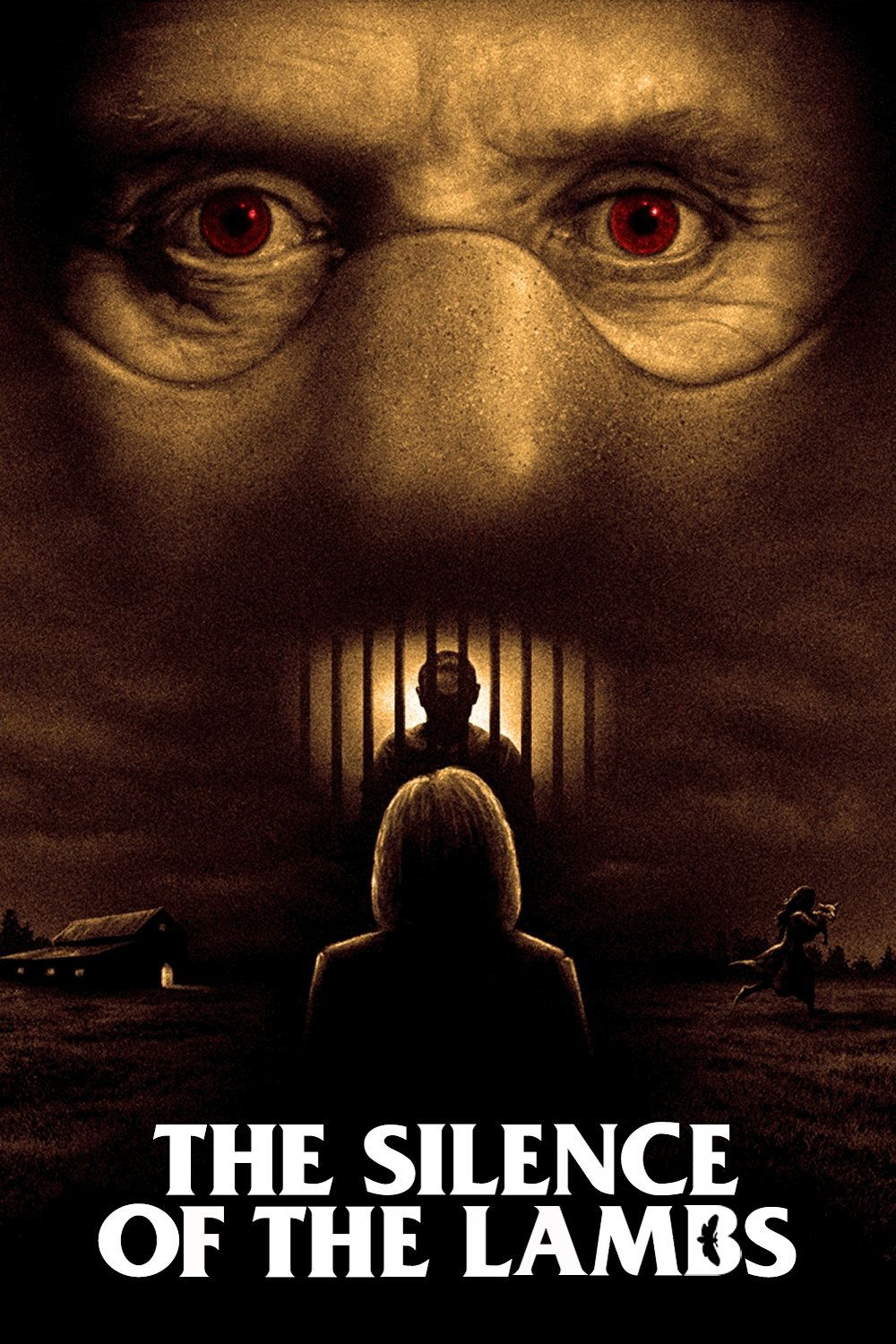
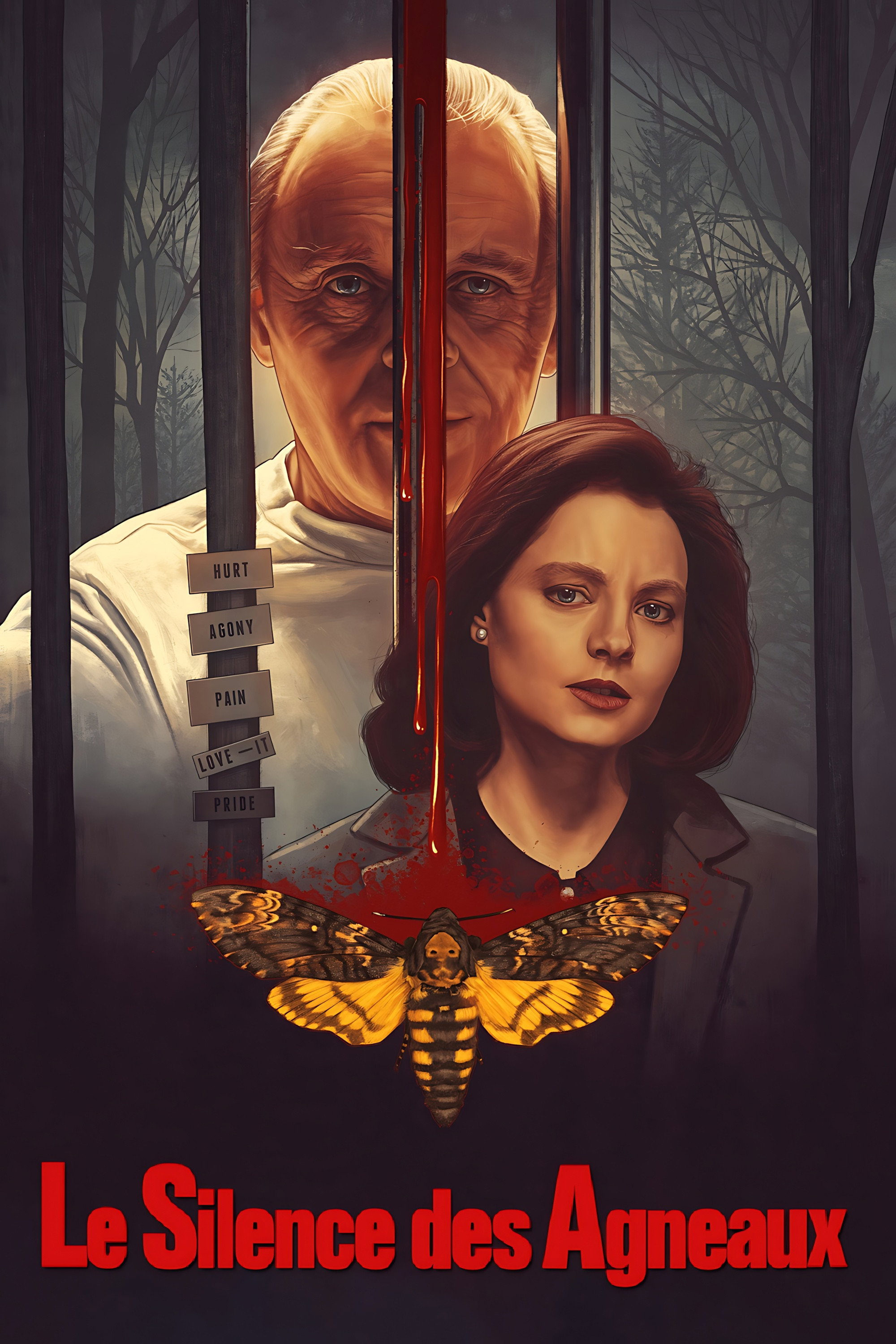
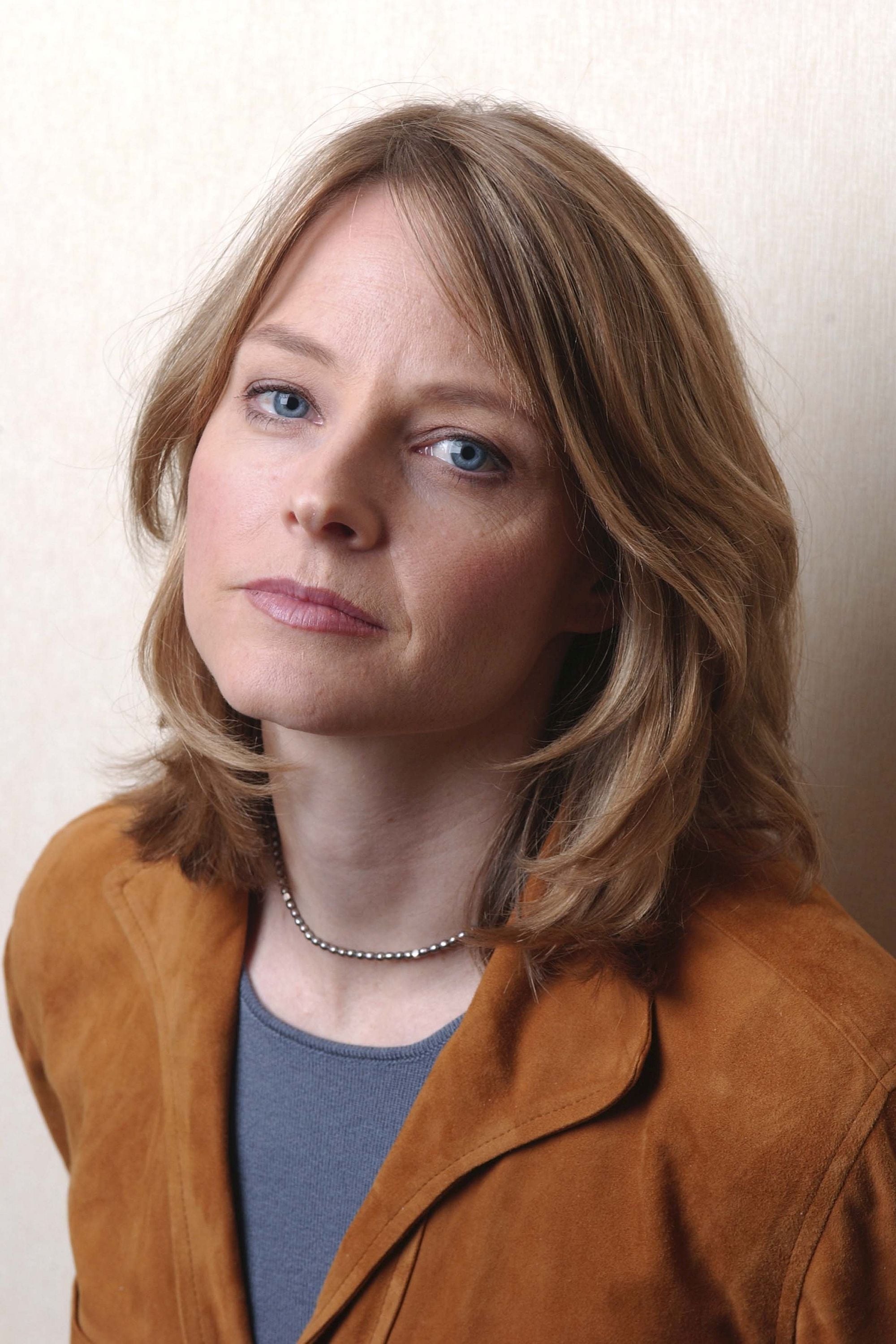
Casting the principal roles was important to the development of that approach. Michelle Pfeiffer was considered for Clarice, while Jodie Foster and Meg Ryan were also associated with the project during its early stages. Foster ultimately received the role. Demme strongly supported Anthony Hopkins for Hannibal Lecter, despite reported studio interest in Robert Duvall. Hopkins’s casting was announced in September 1989. The combination placed a comparatively inexperienced fictional investigator opposite a character whose intellectual confidence and apparent composure could dominate their encounters. Rather than treat Lecter simply as a monster awaiting escape, the screenplay required him to become an active participant in the investigation through conversation.
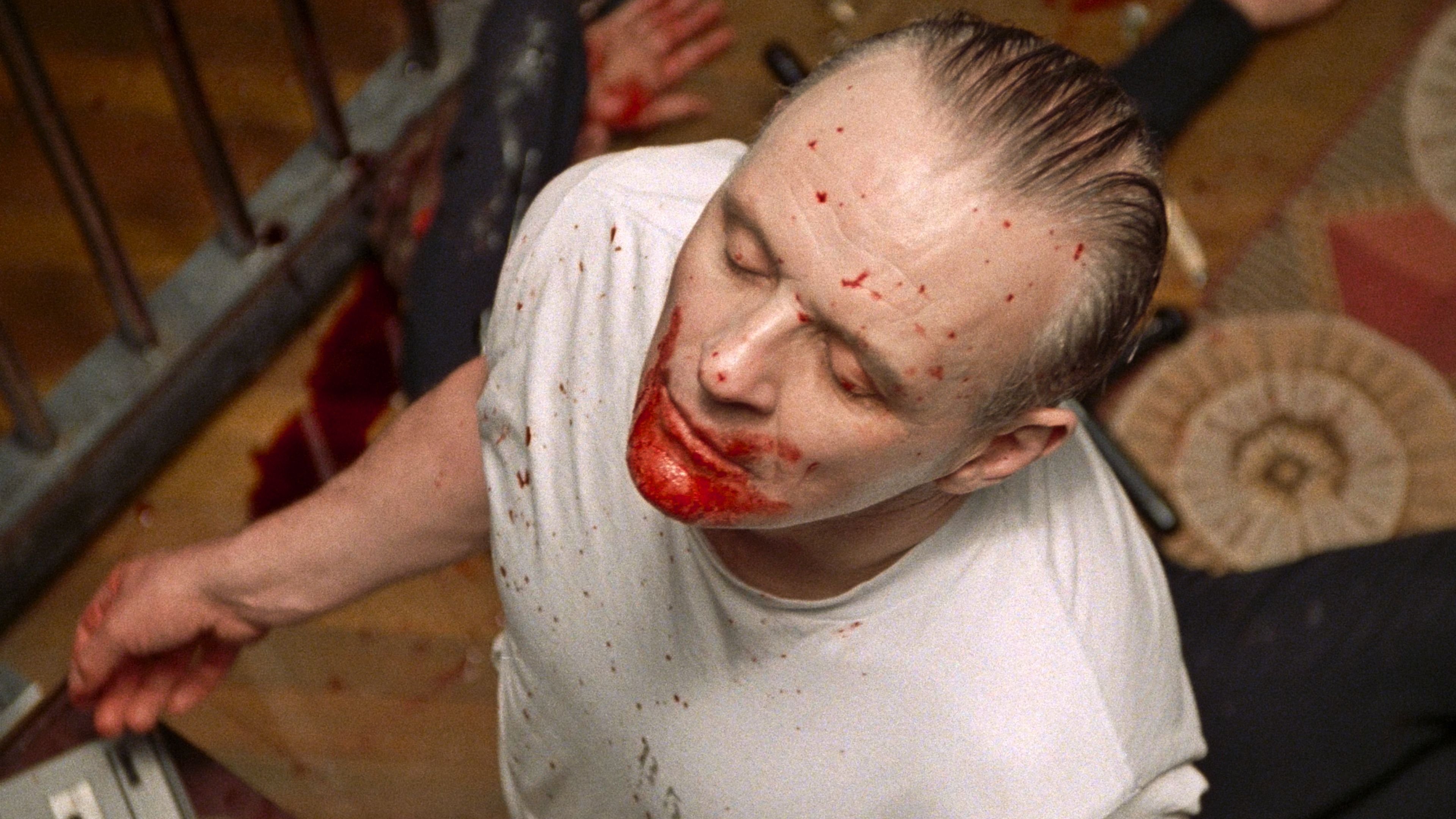
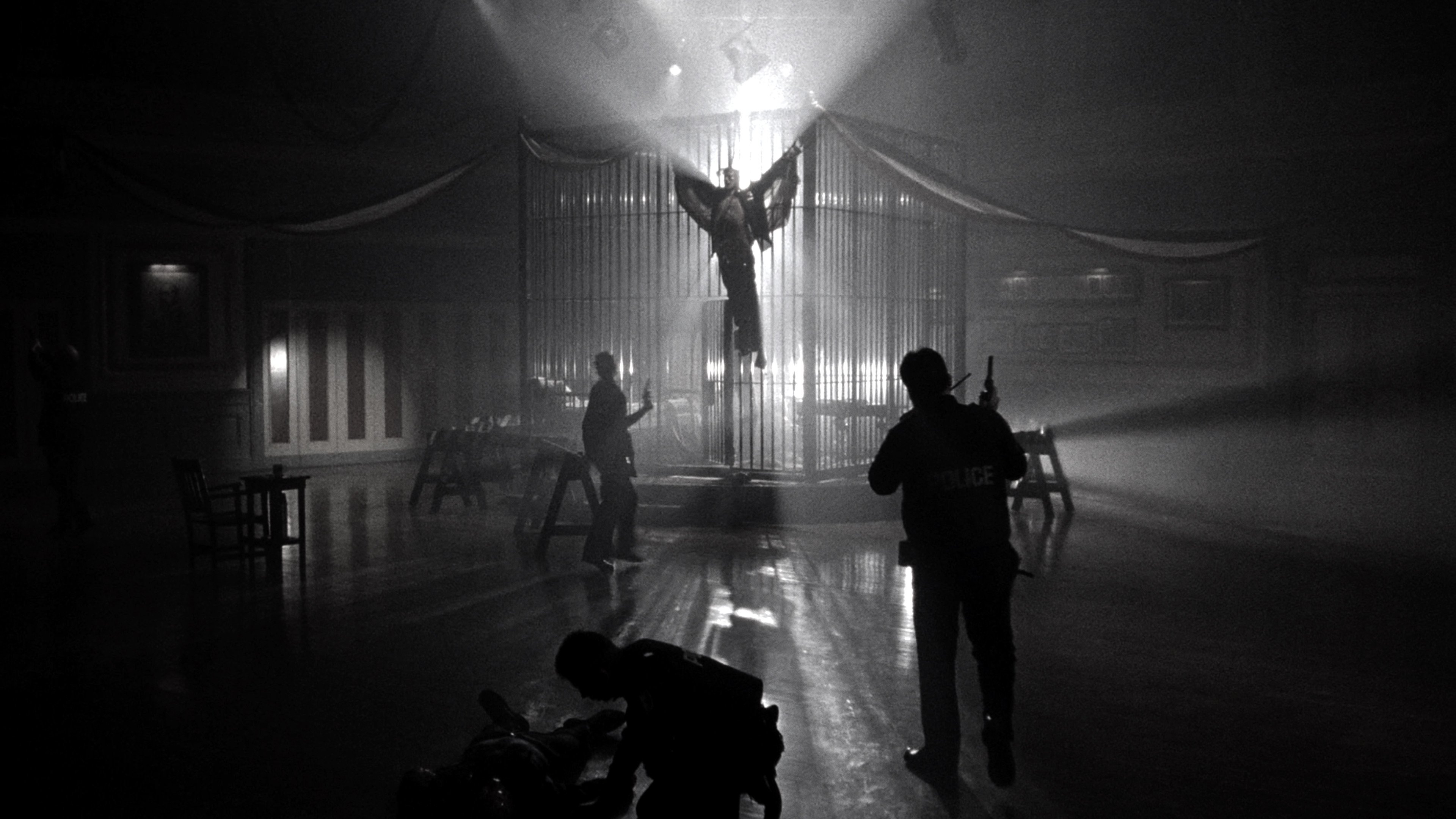
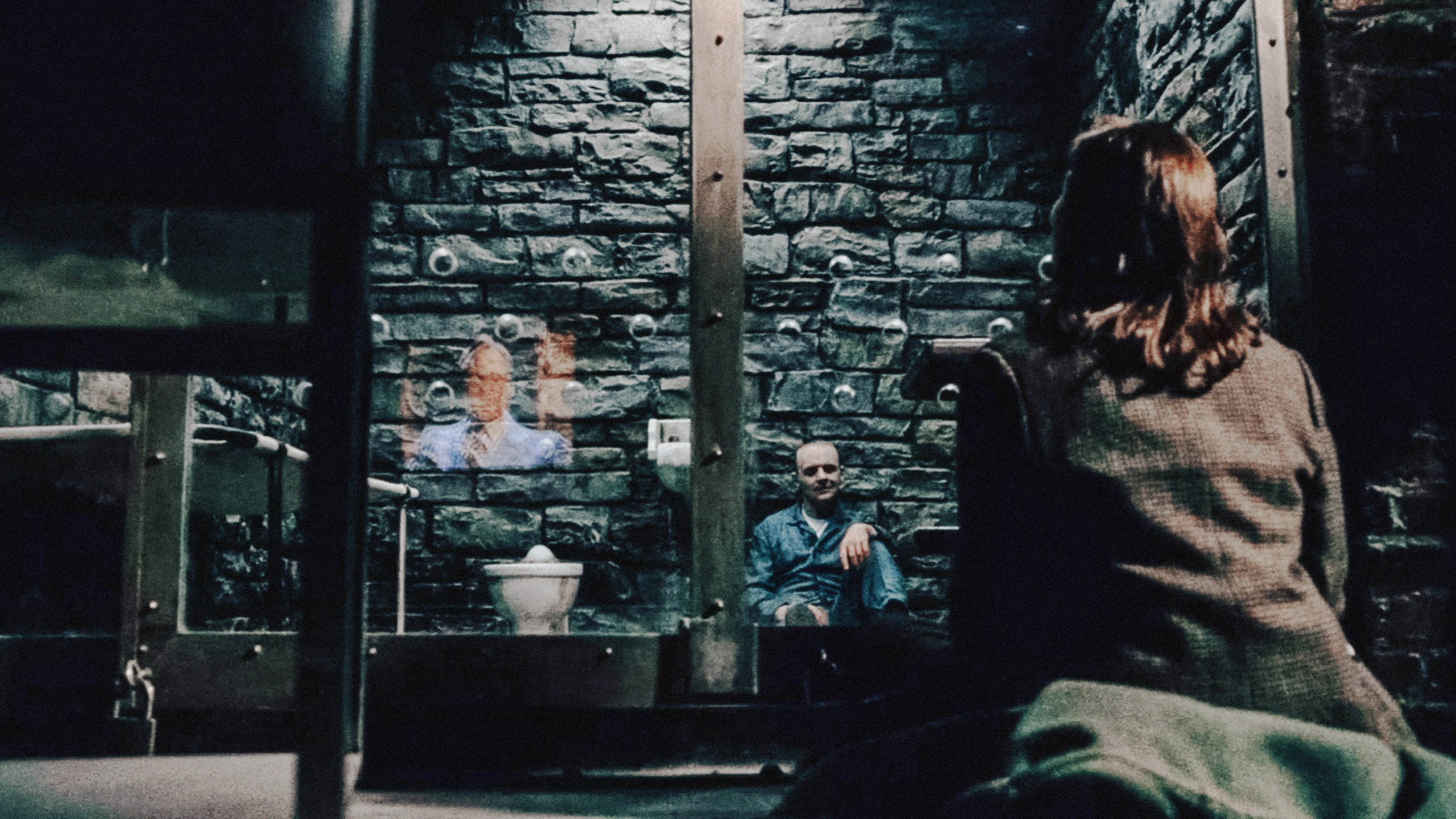
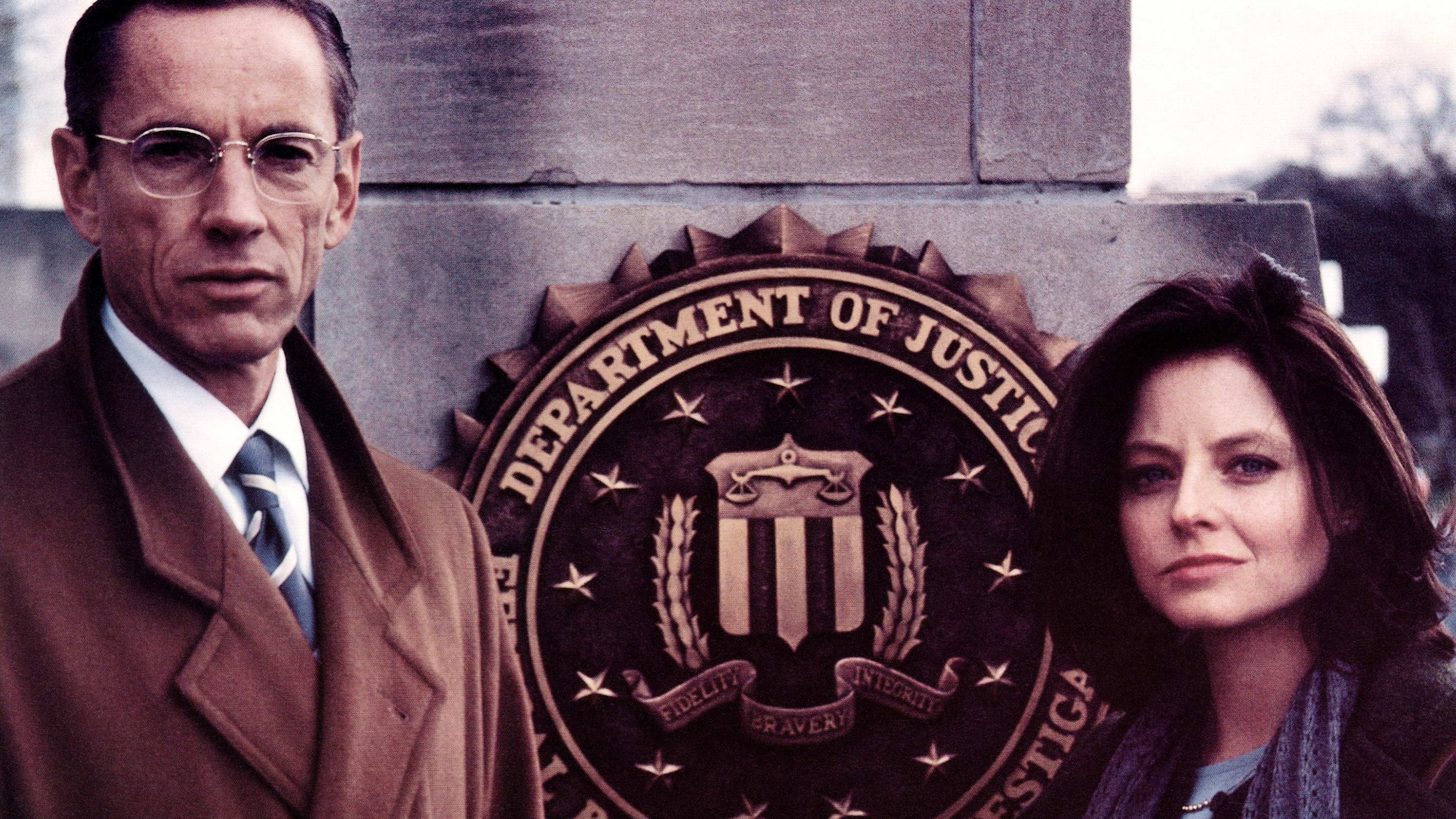
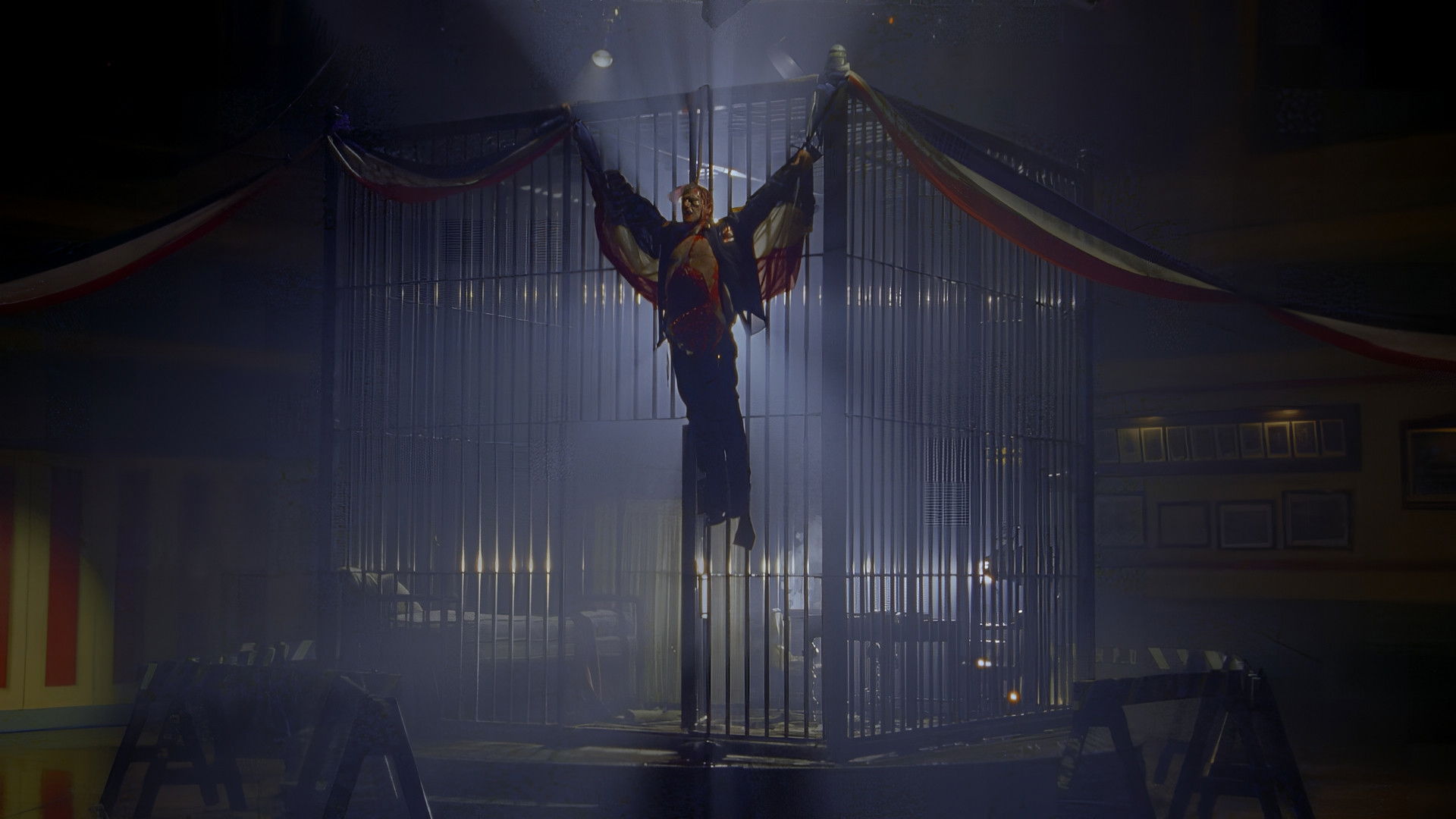
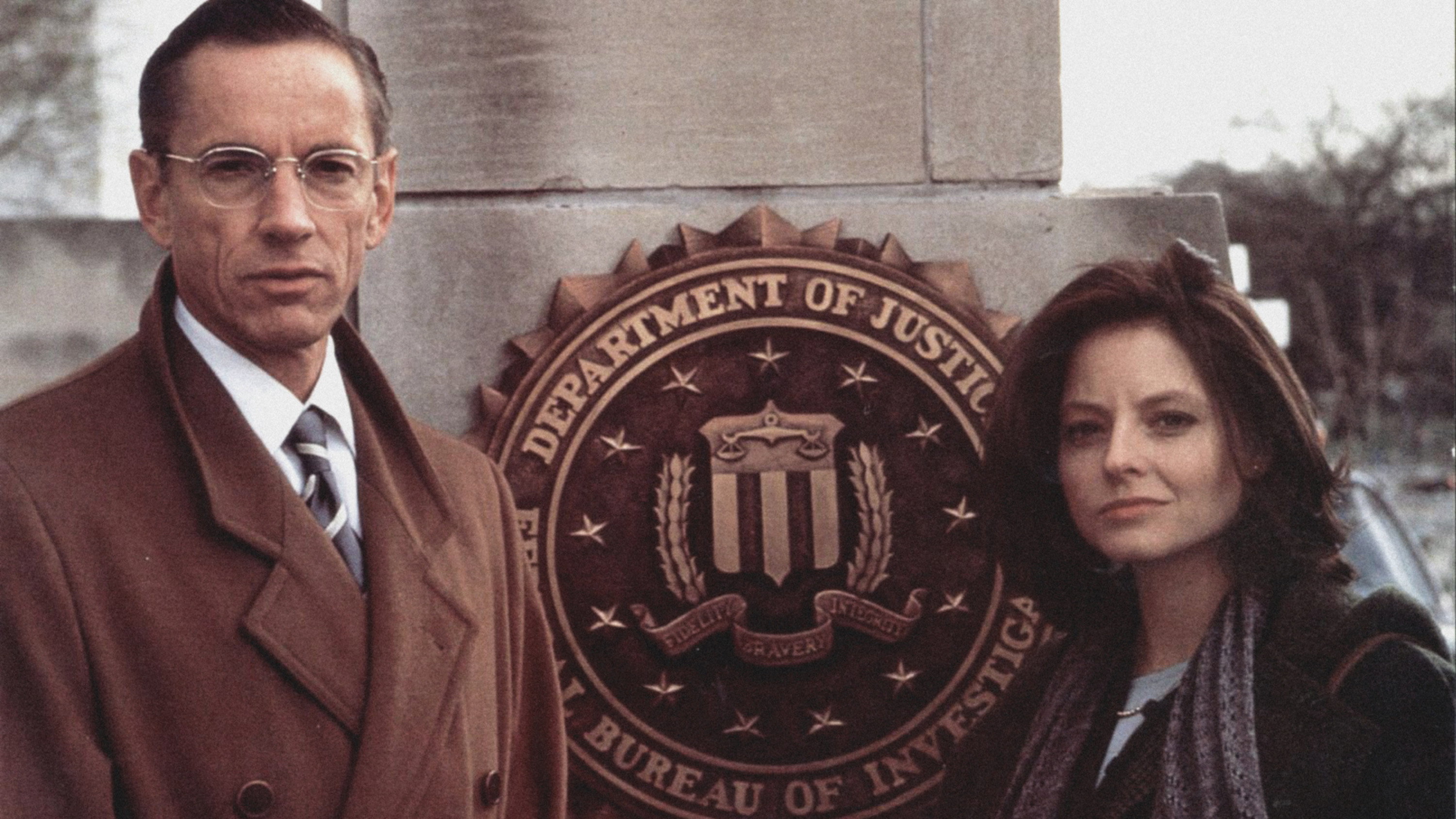
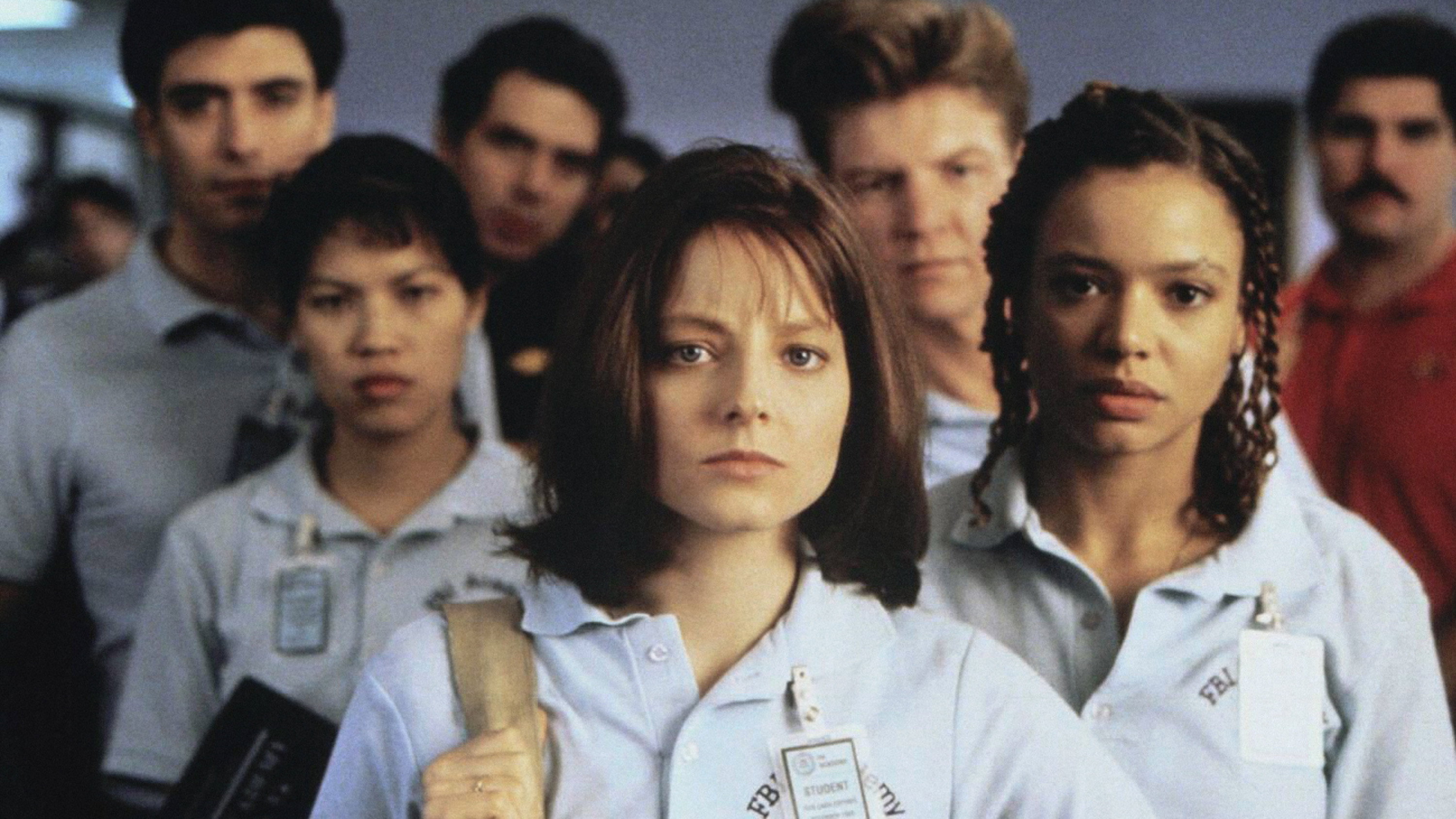
Demme’s Strong Heart Productions developed the picture with a planned budget of approximately $19 million. Principal photography began on 15 November 1989, with filming in Washington, D.C., and at the FBI Academy in Quantico, Virginia. Production subsequently continued in Pittsburgh, Pennsylvania, whose locations supplied several environments presented as other American cities. The Soldiers and Sailors Memorial Hall served as the building containing Lecter’s temporary confinement in Memphis. Photography was completed by early January 1990. The Federal Bureau of Investigation cooperated with the production, and the finished film acknowledged assistance from its Behavioral Science Unit. This participation supplied institutional context without making the fictional investigative procedures a documentary representation of FBI practice.