

Development and Stephen King’s Novel
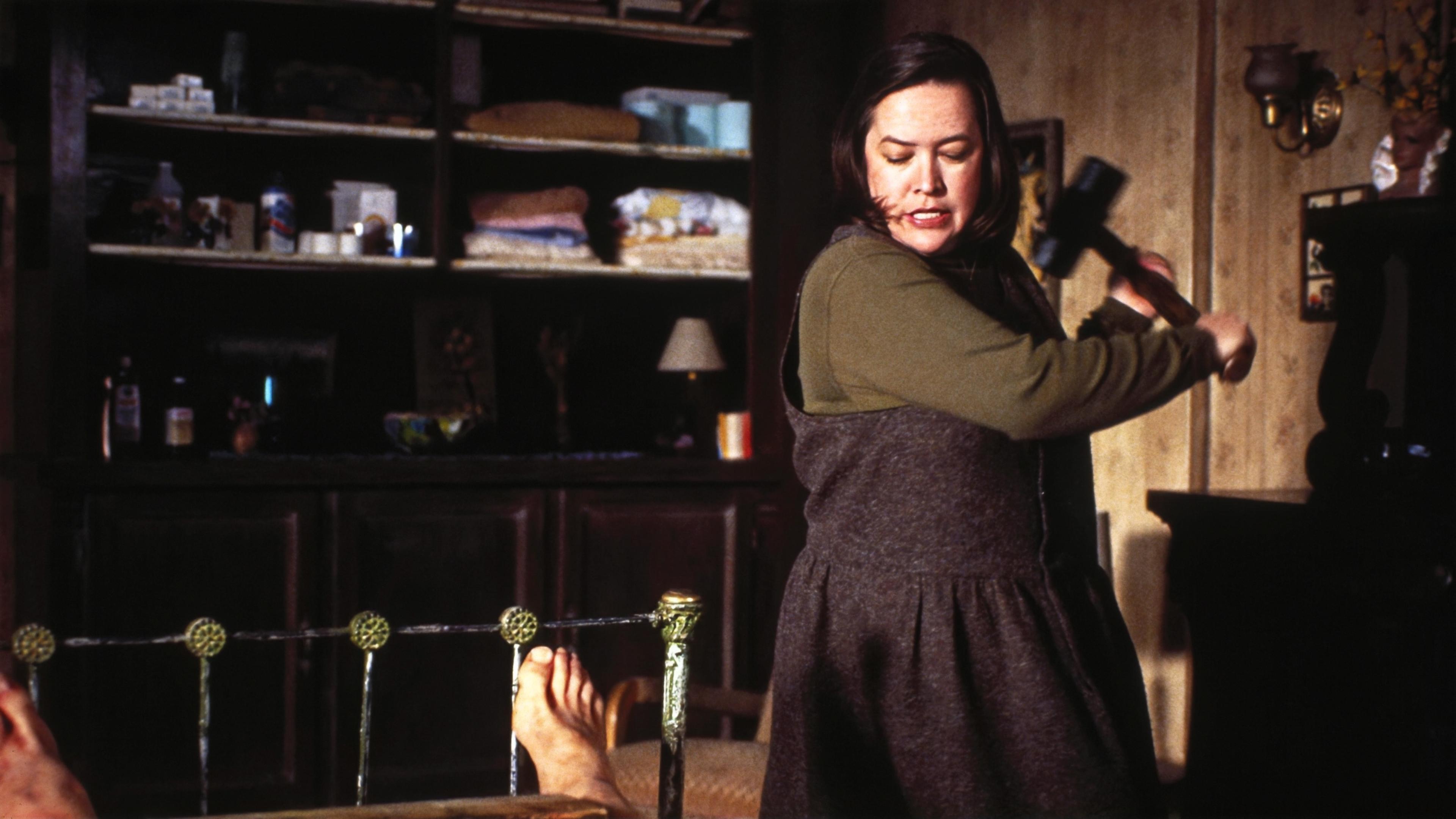
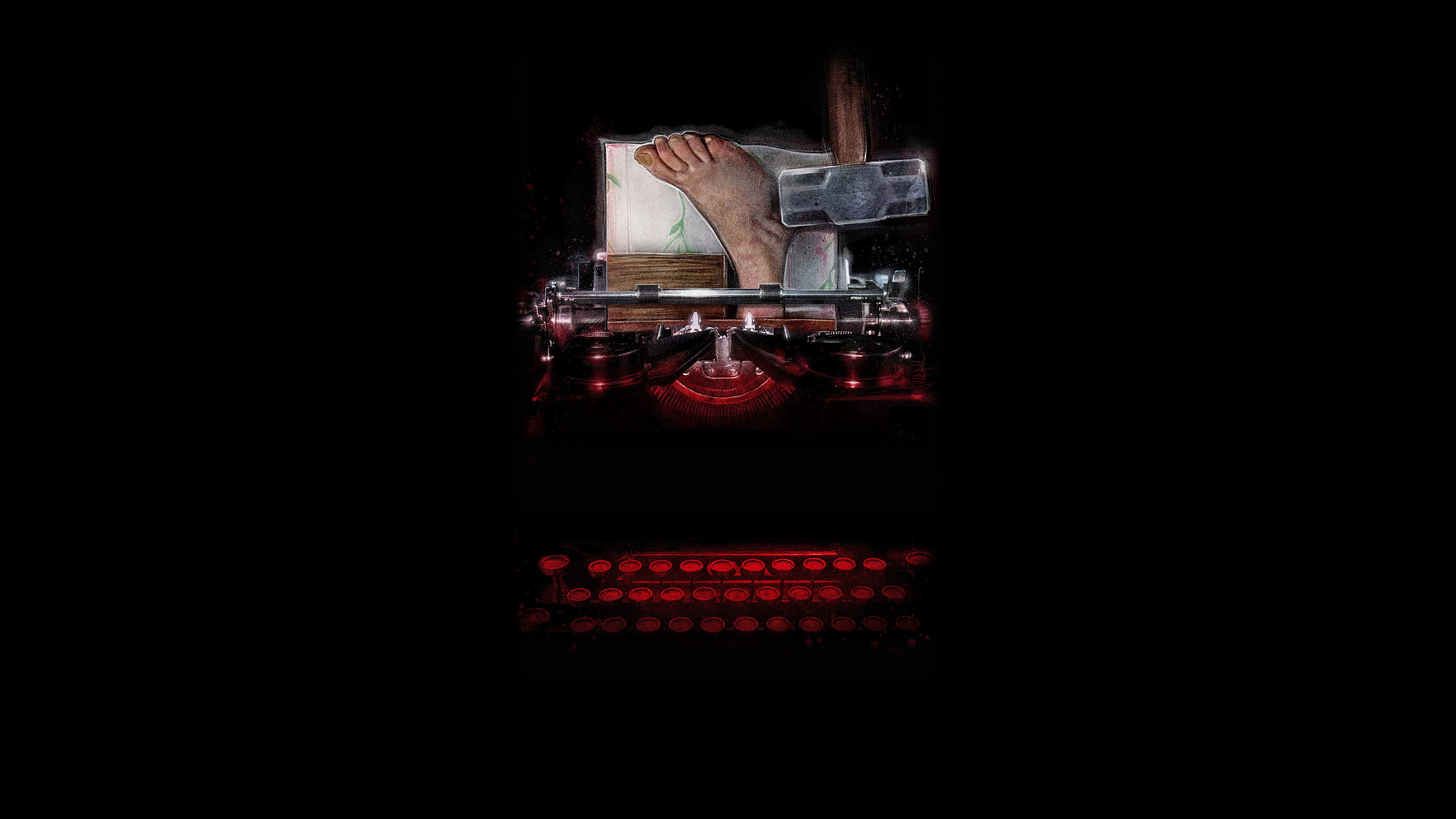
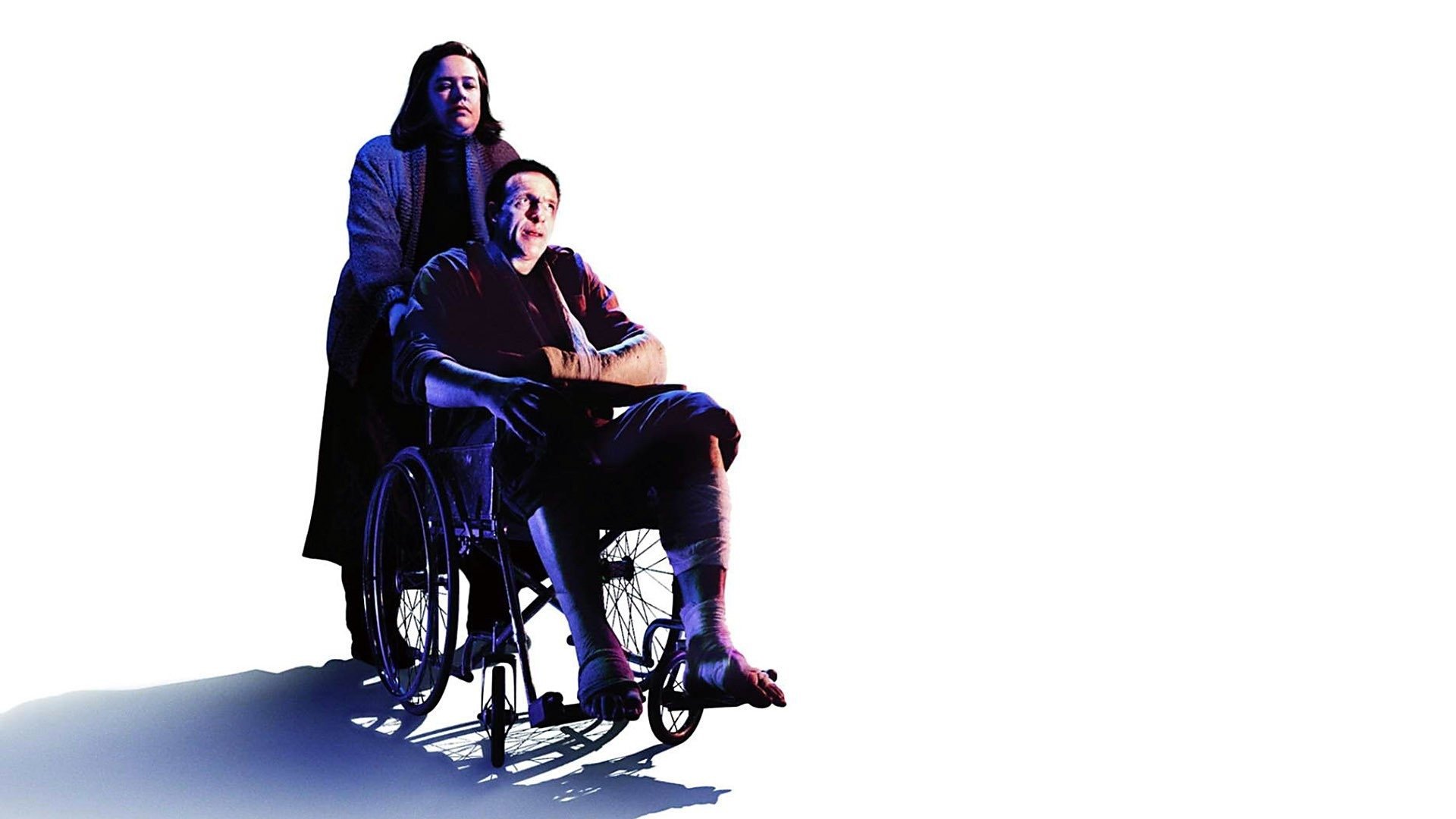
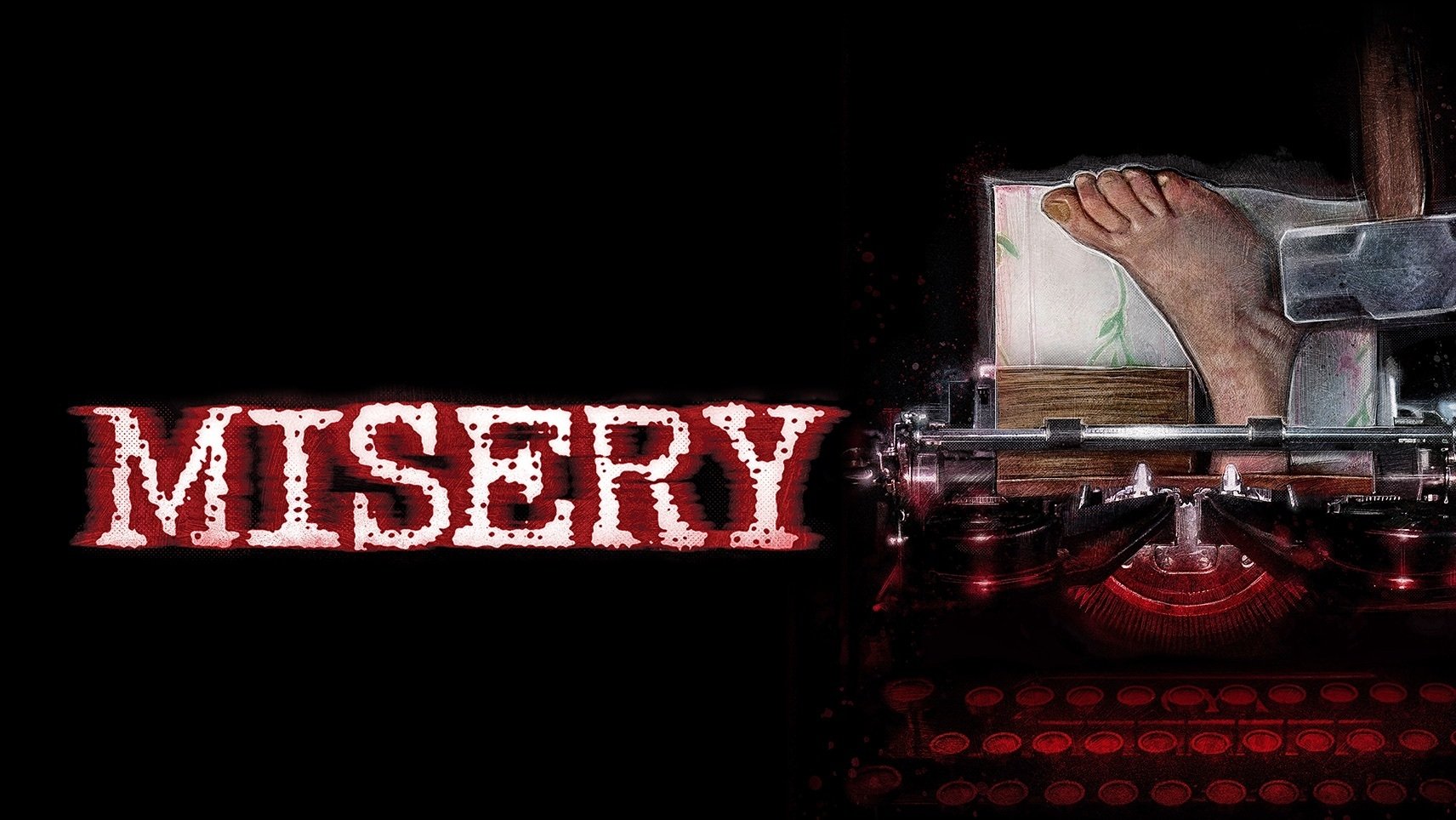
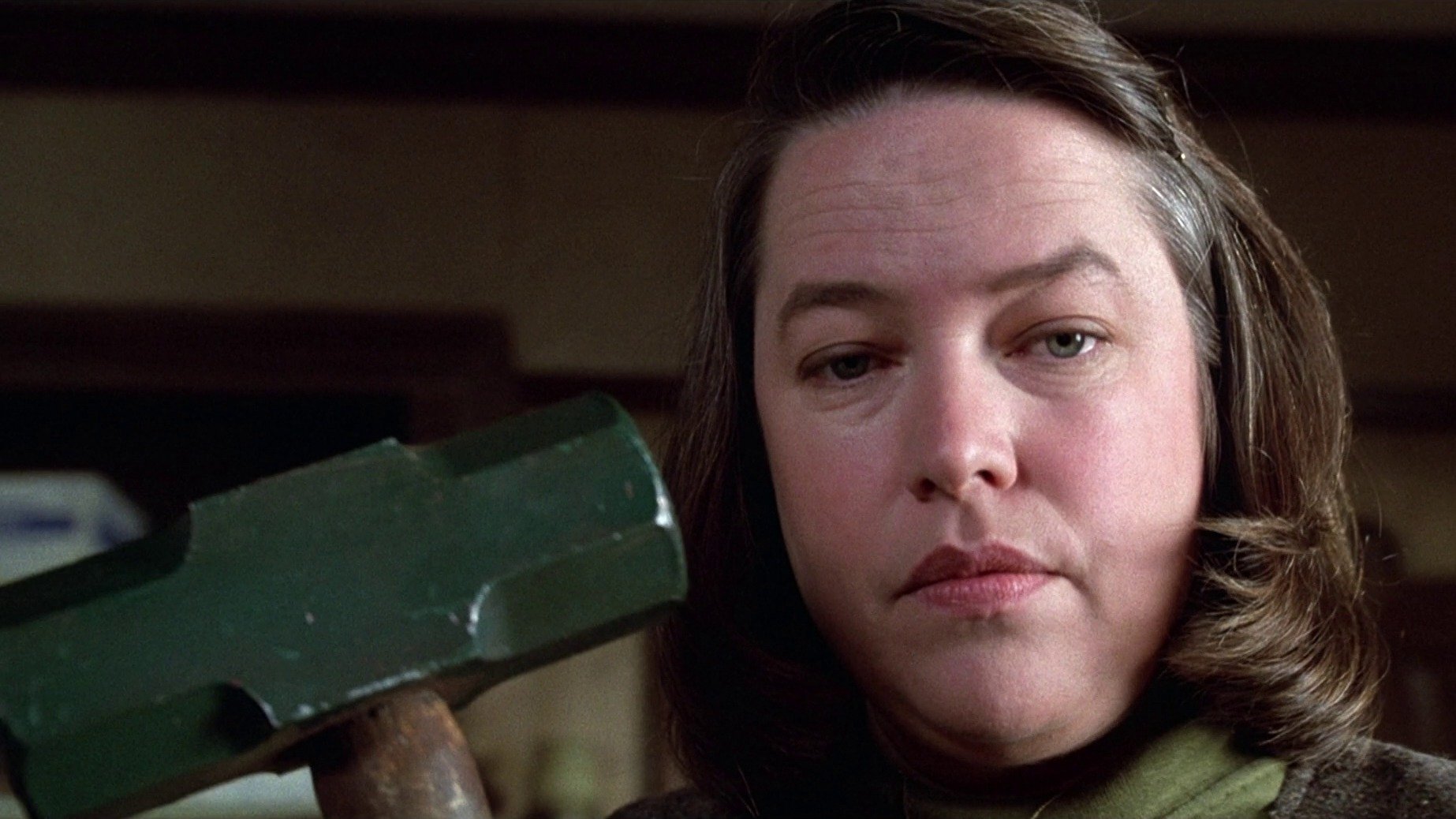
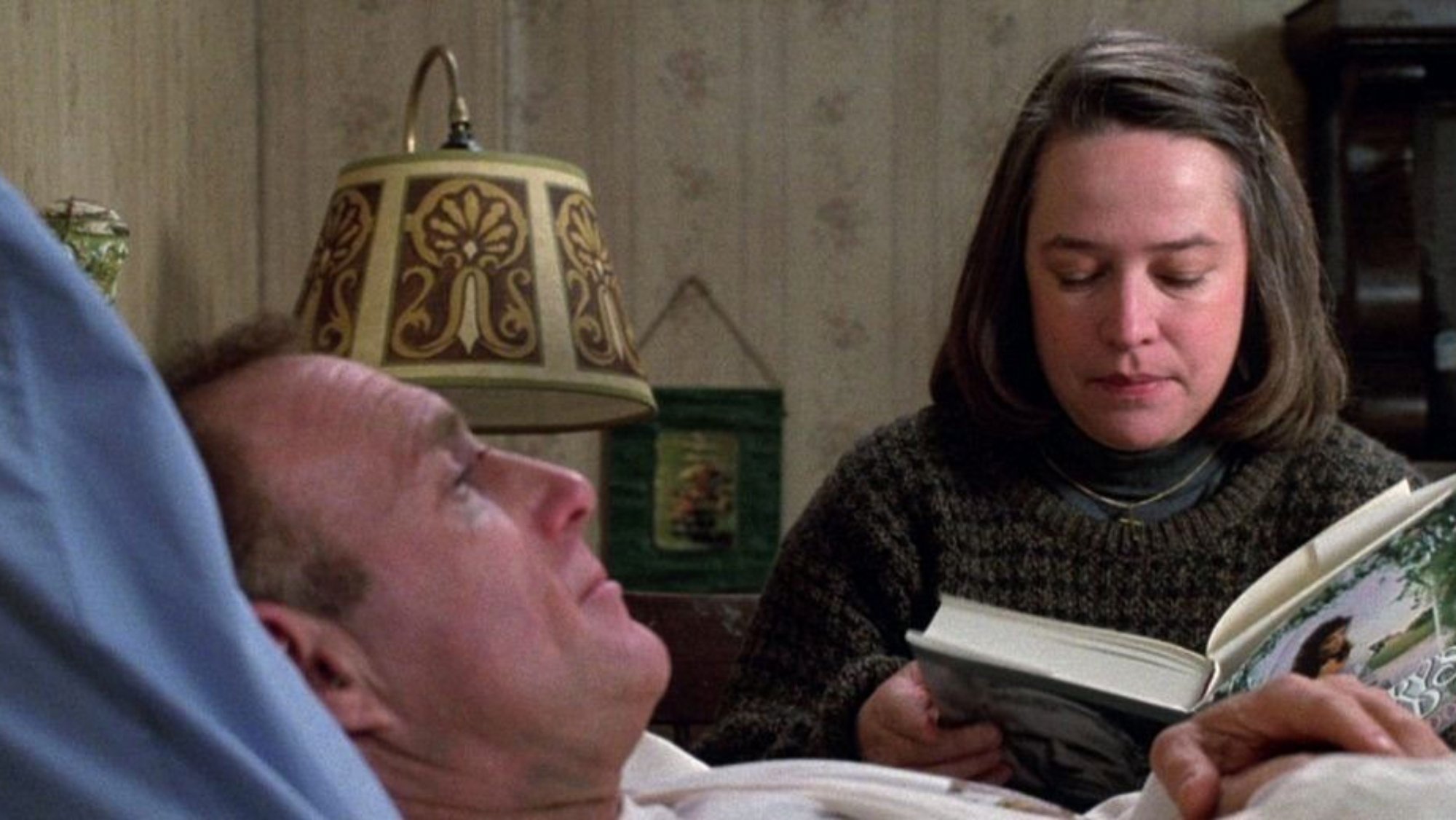
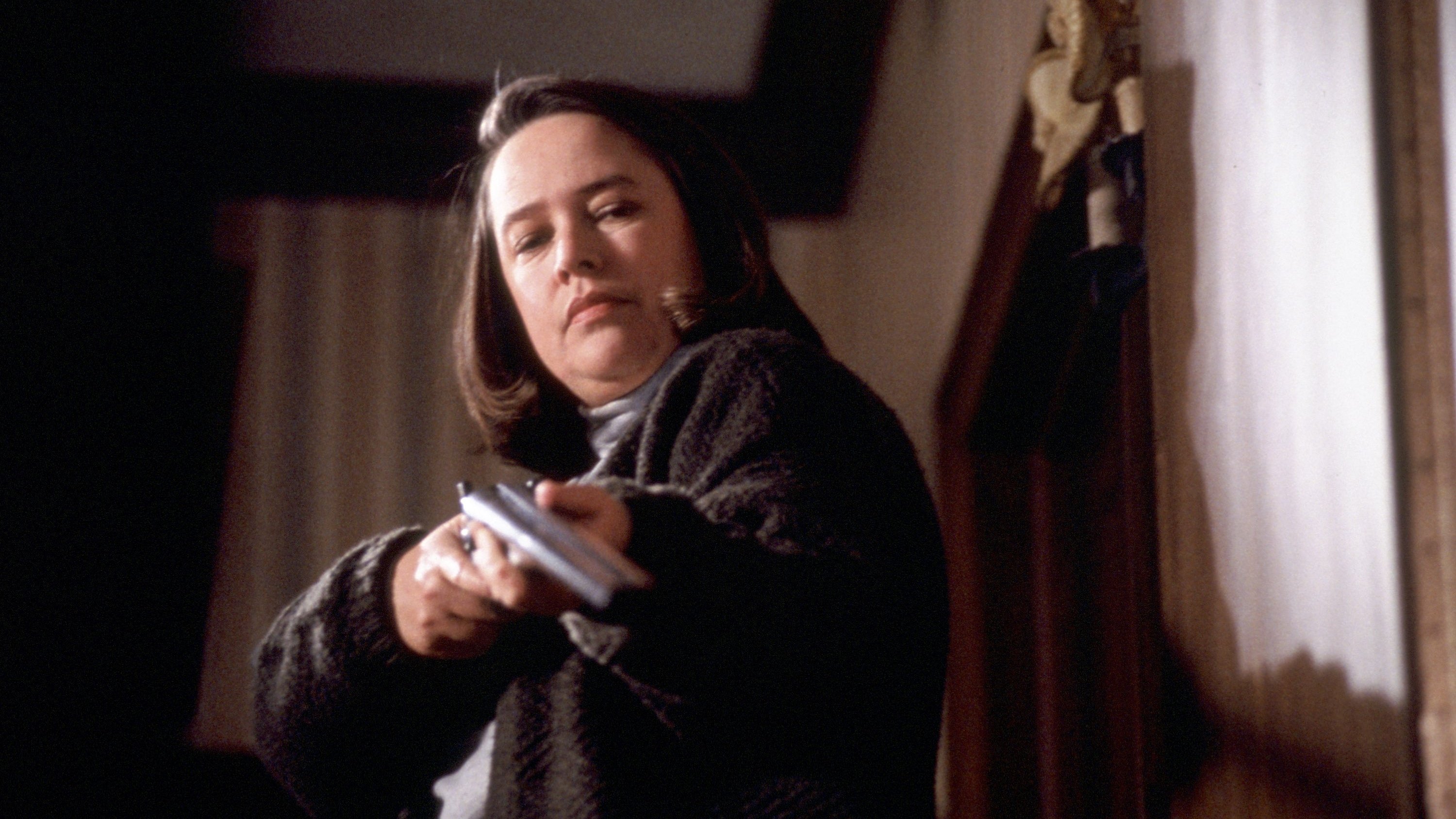
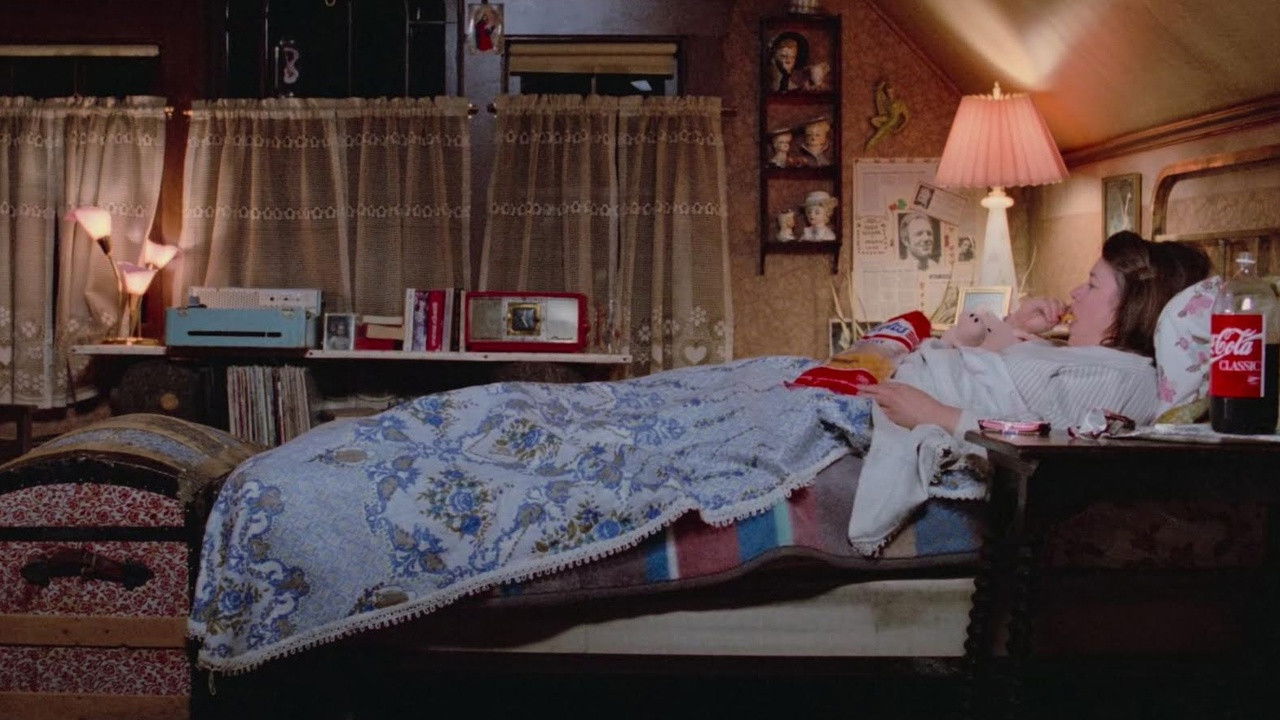
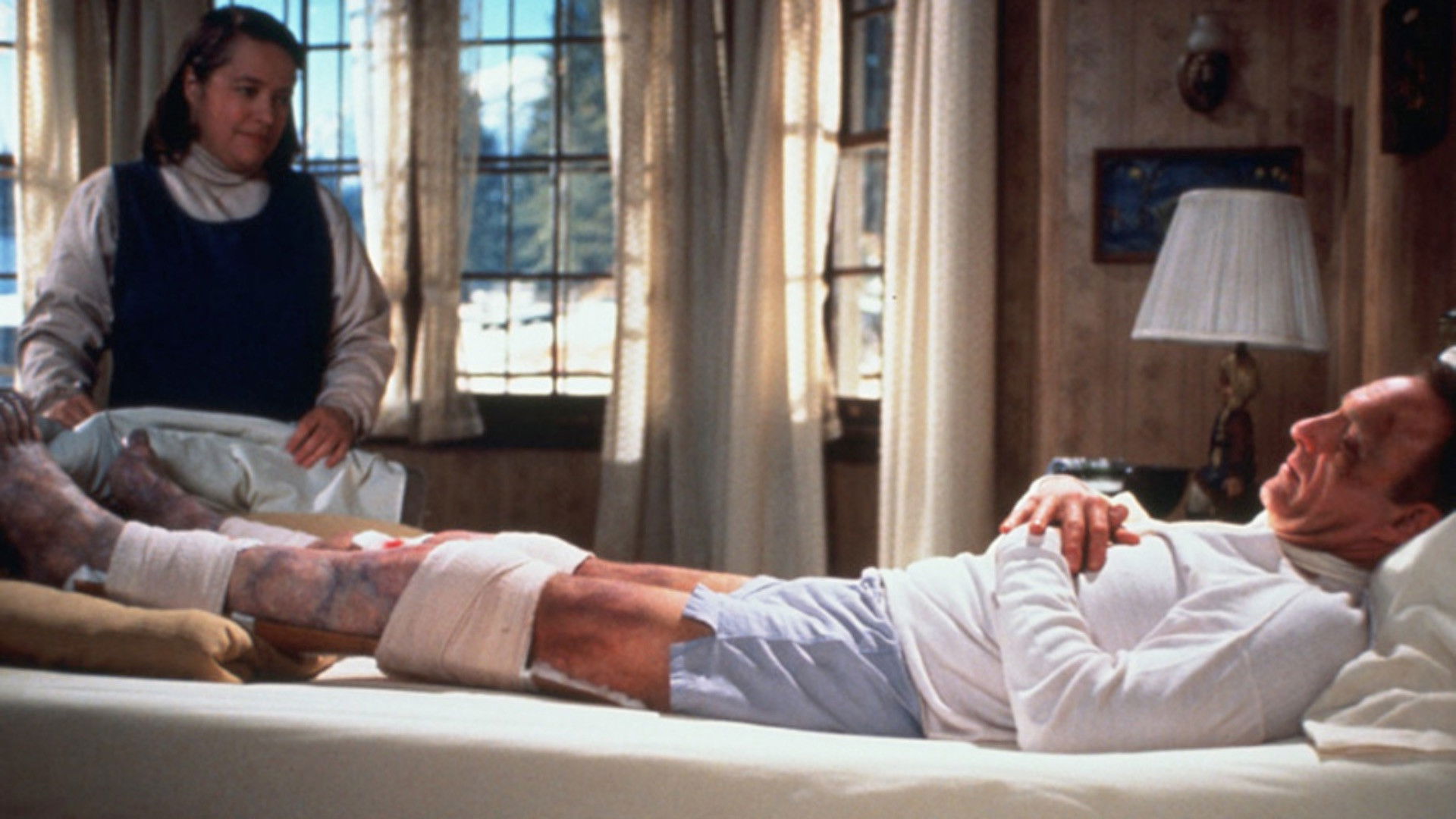
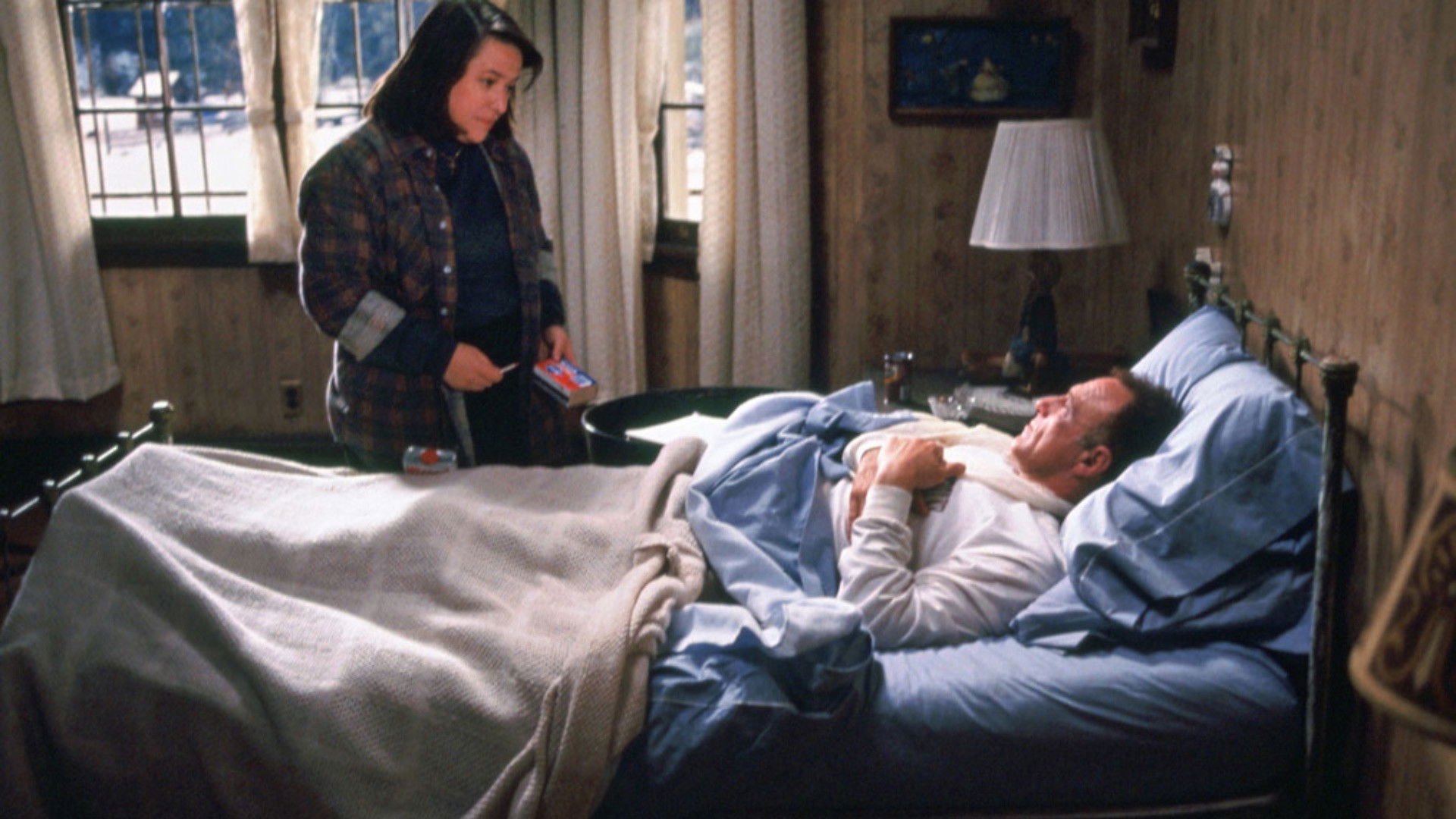
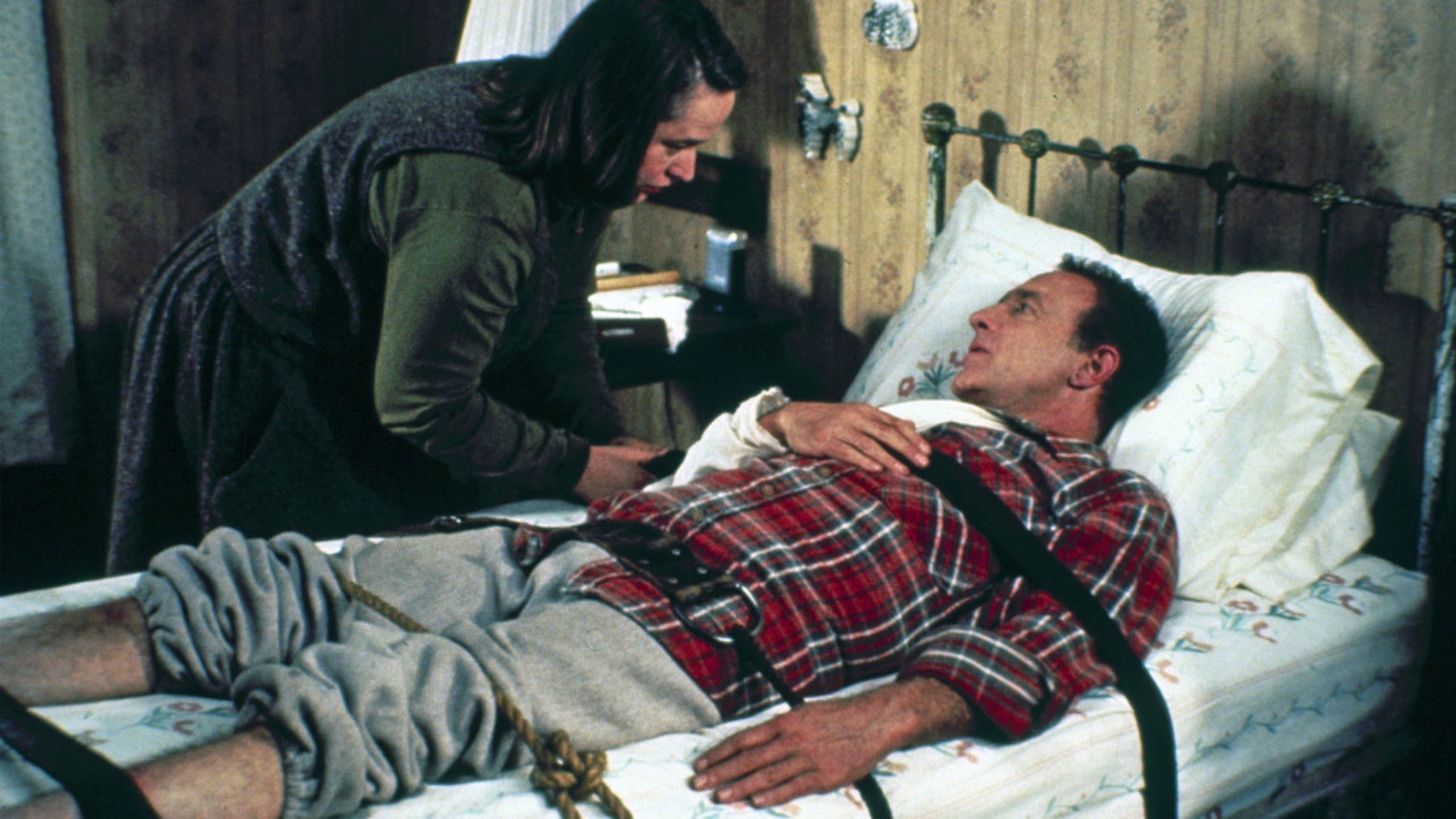
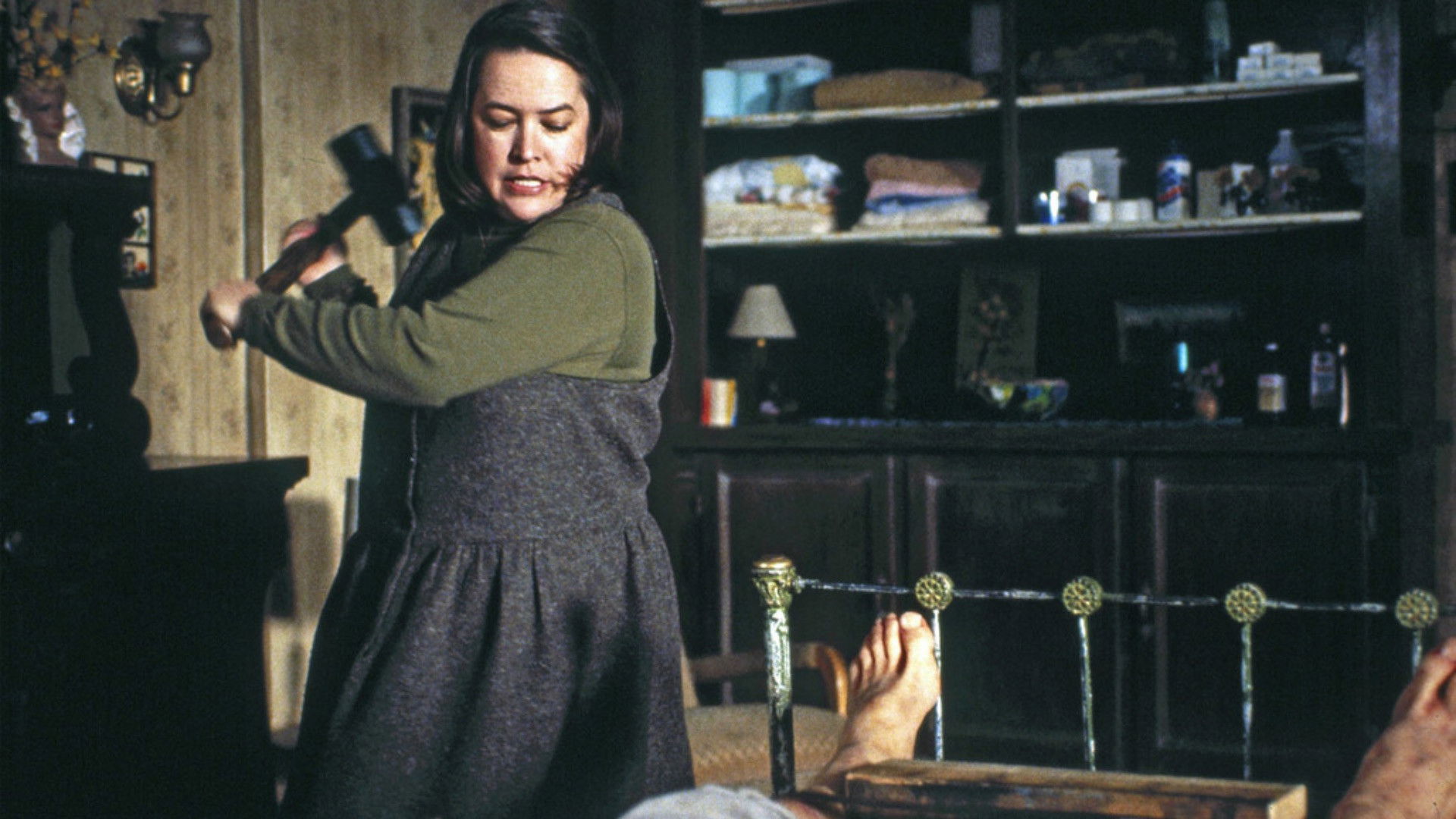
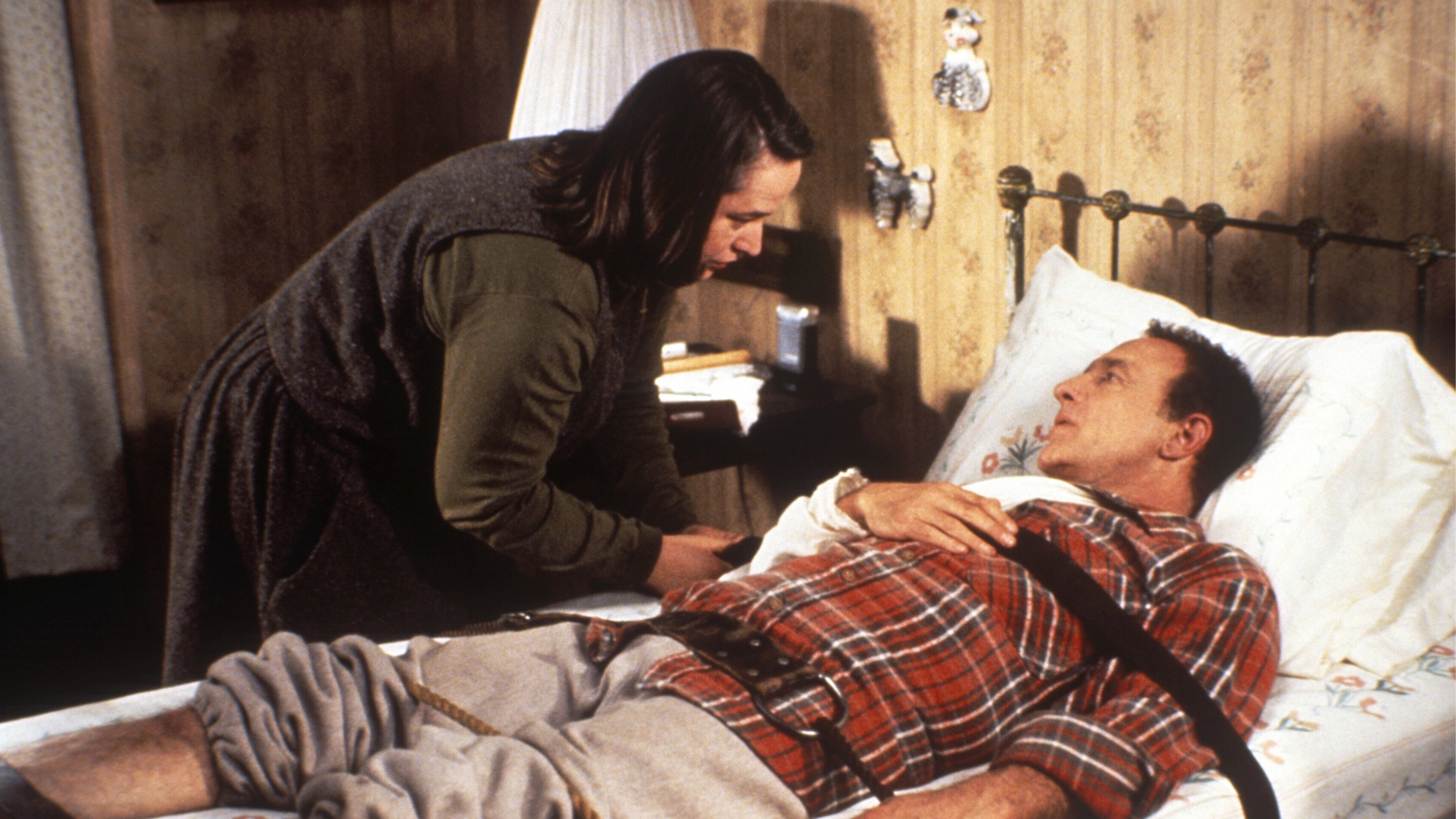
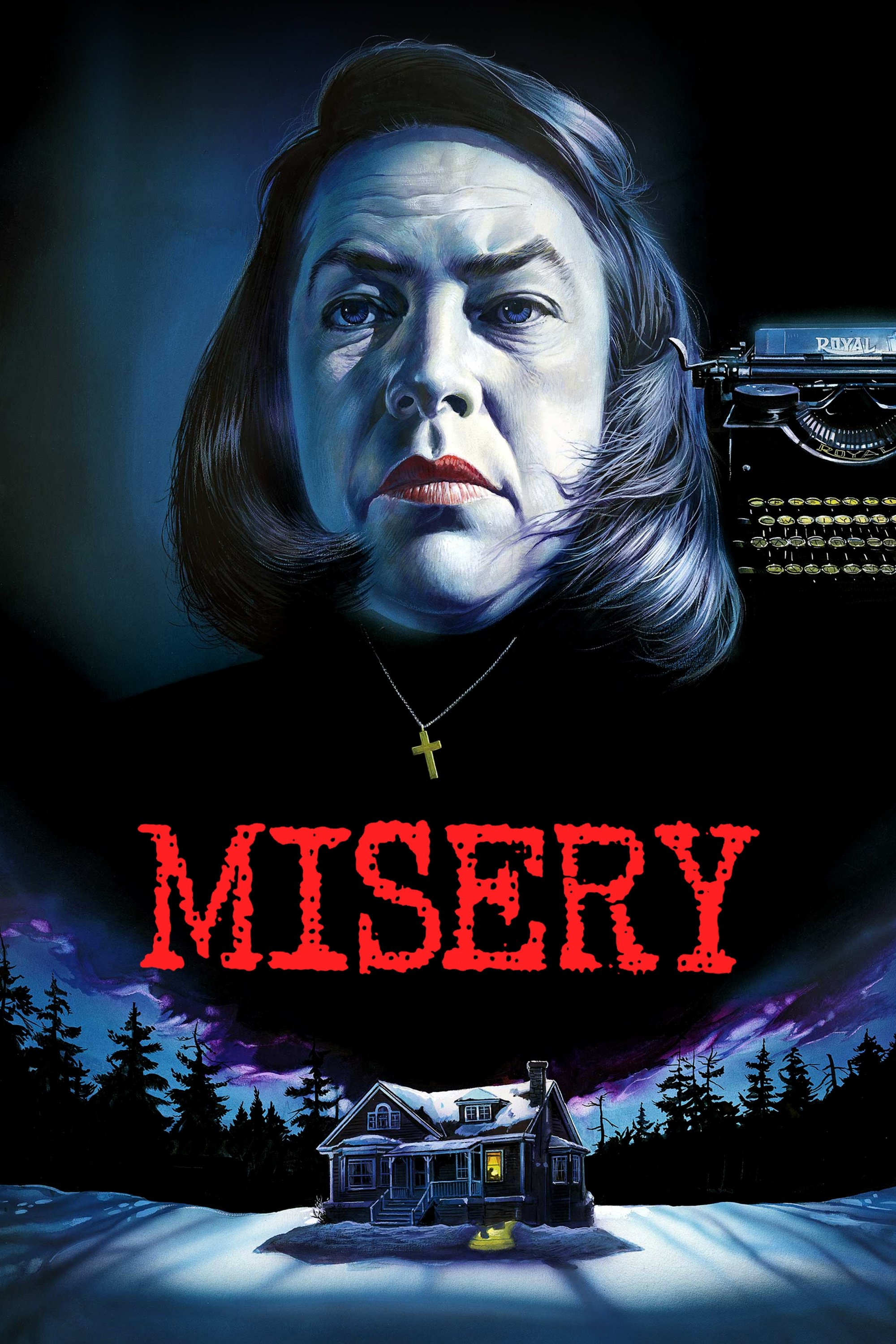
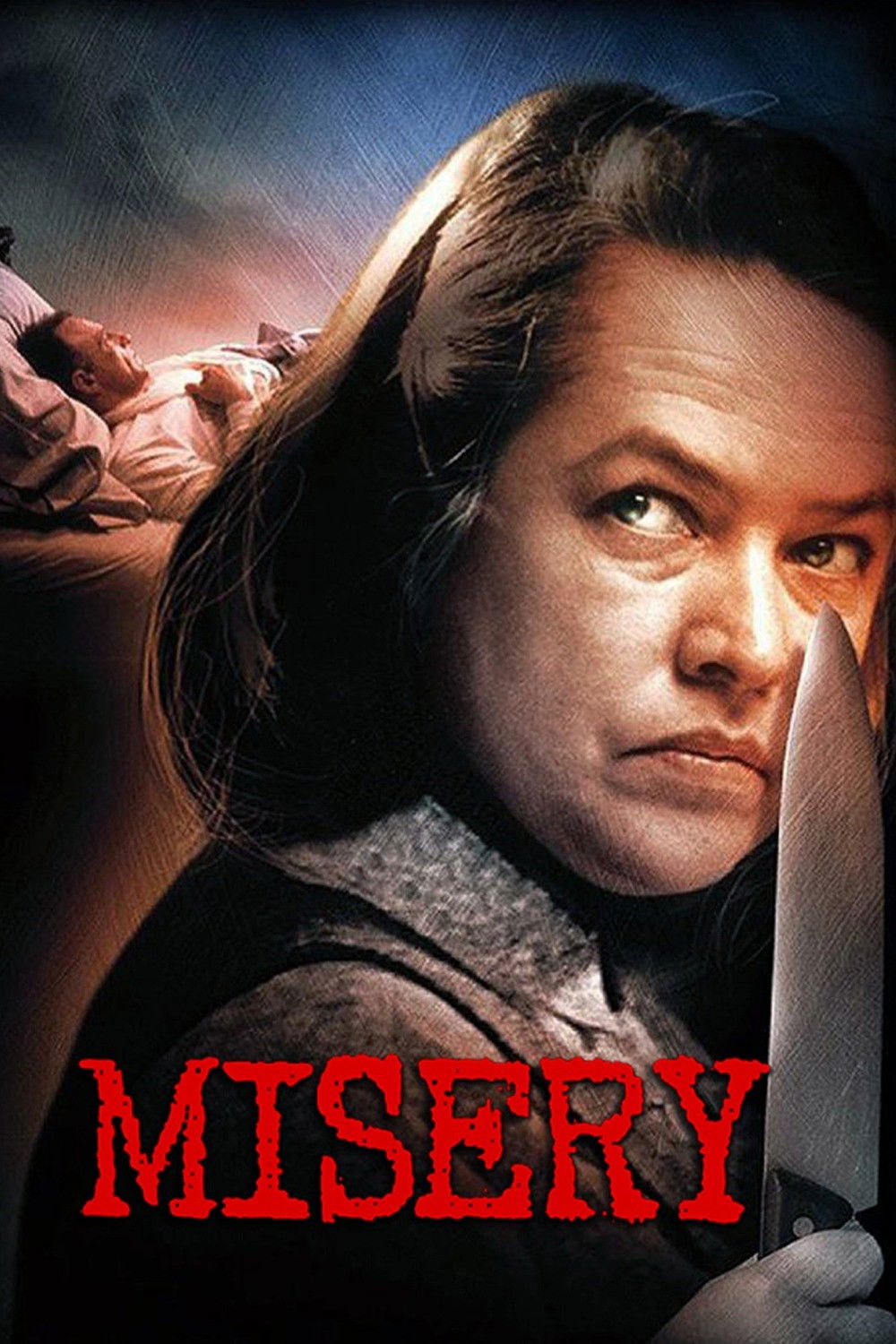
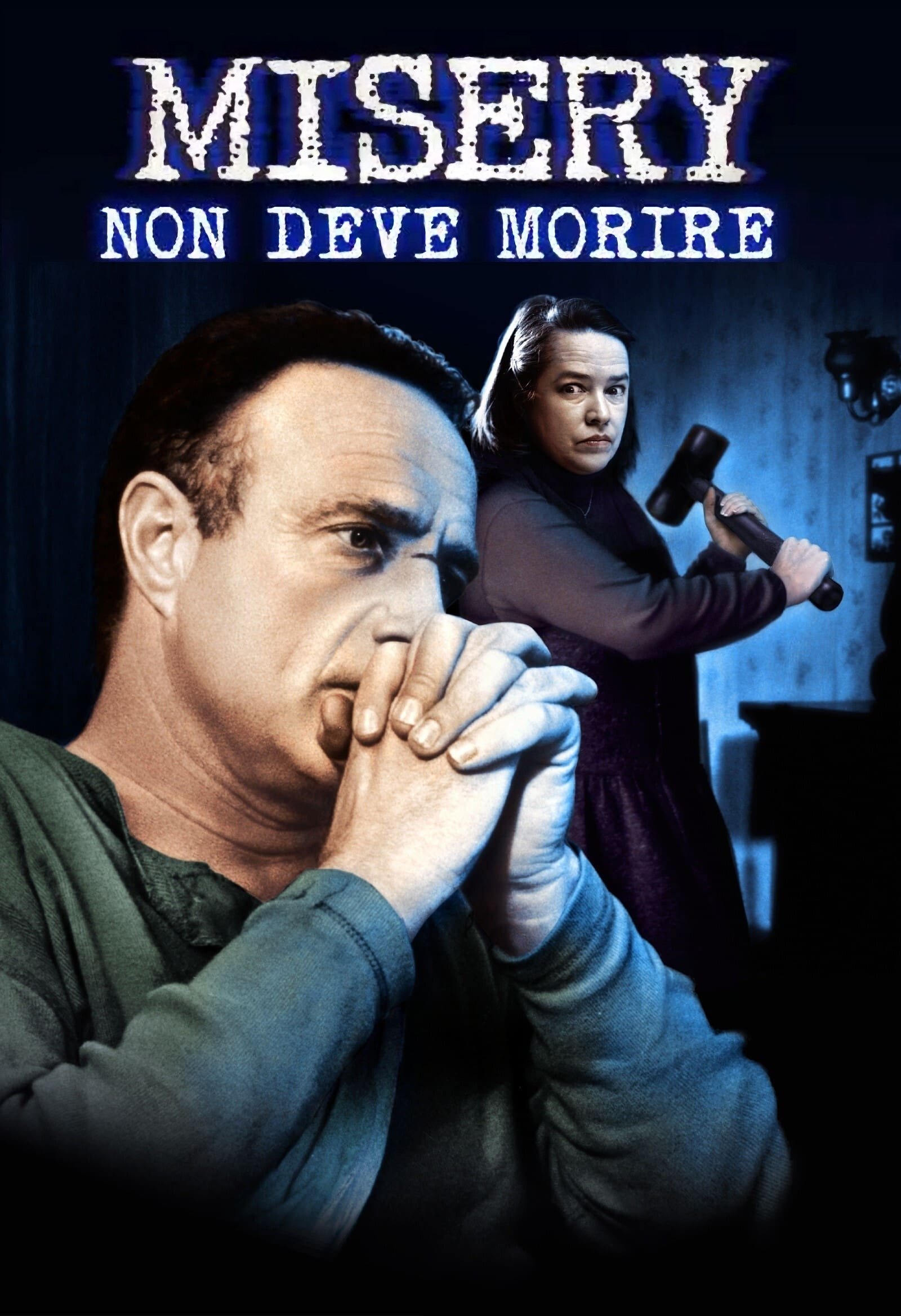
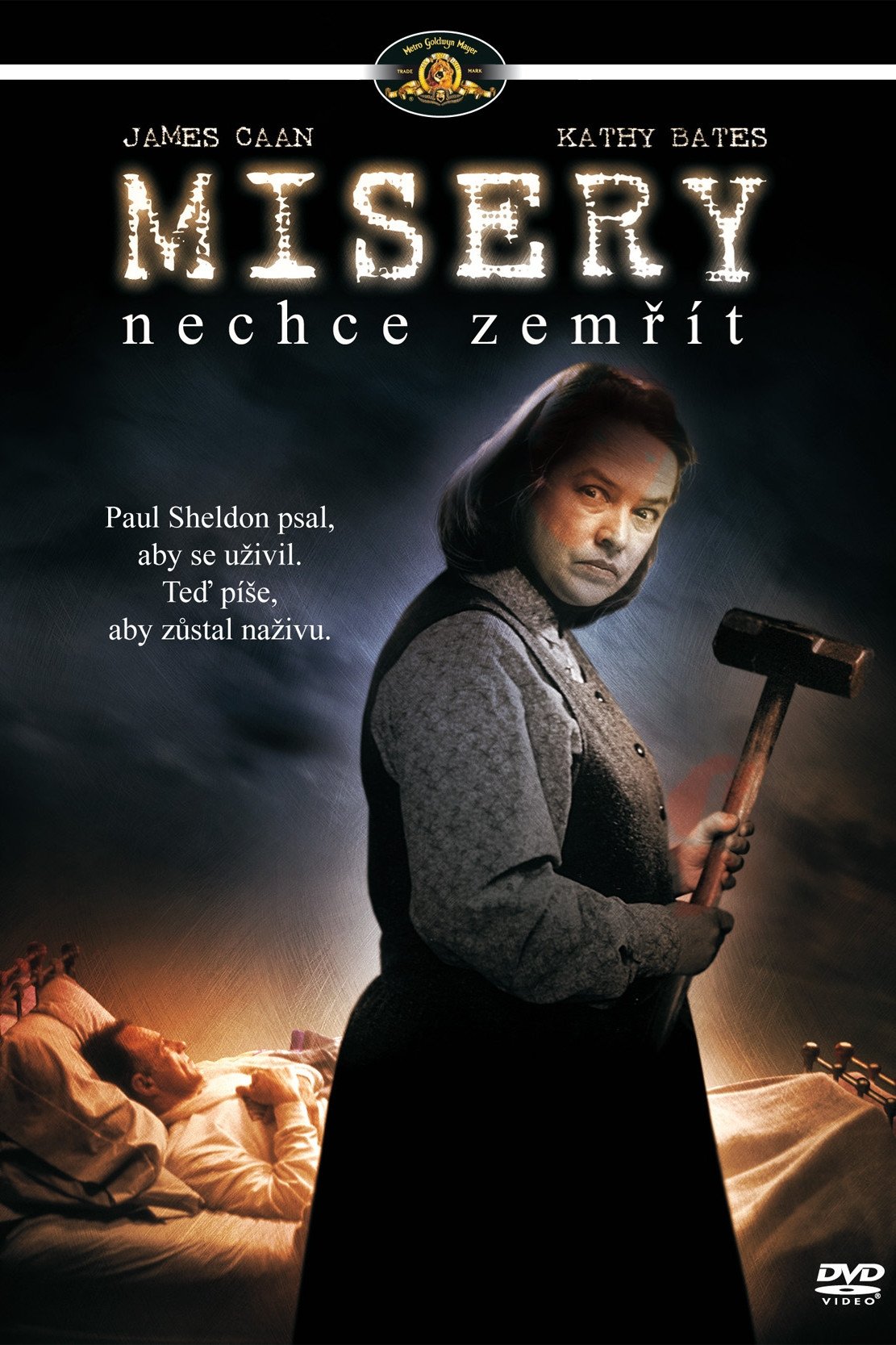
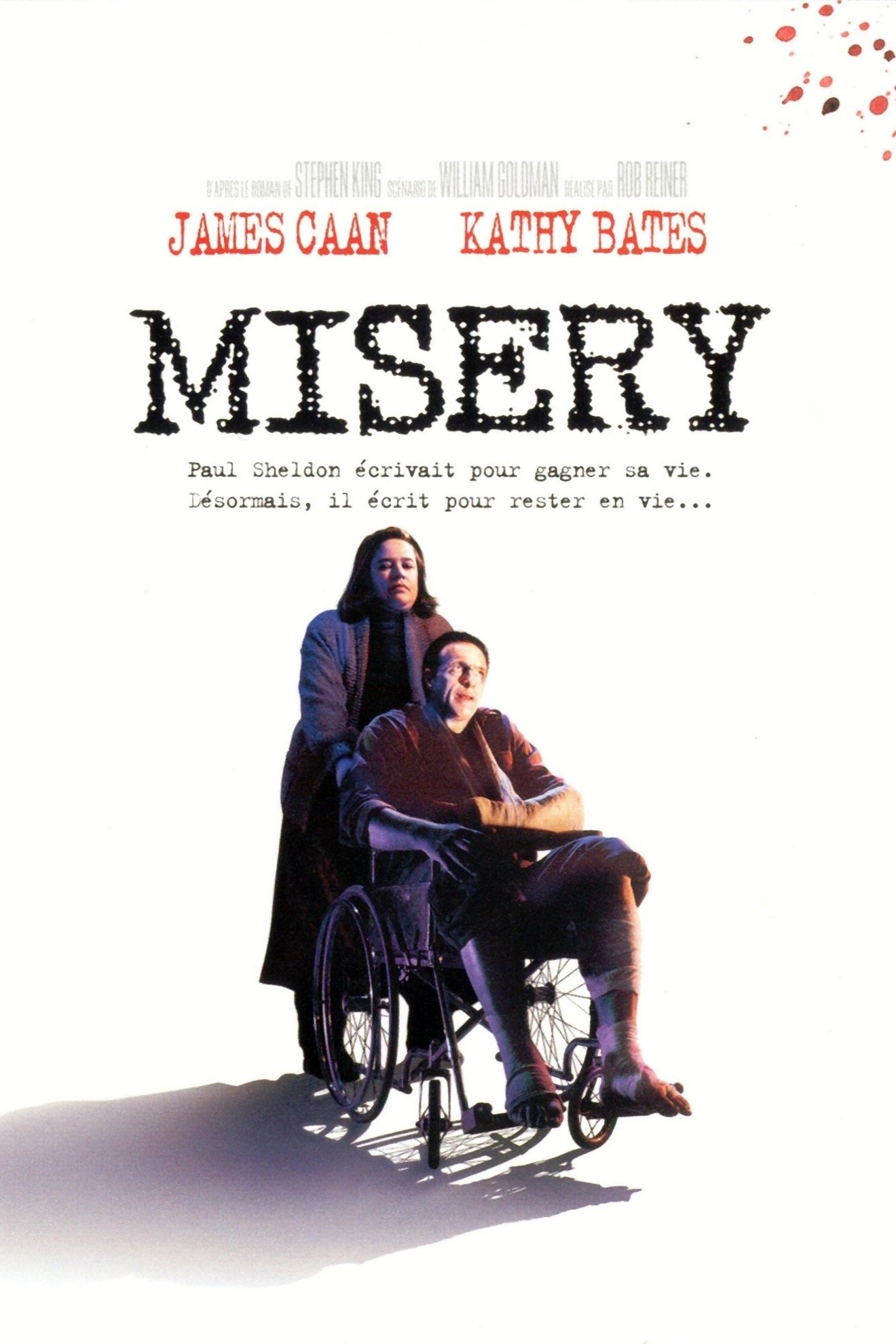
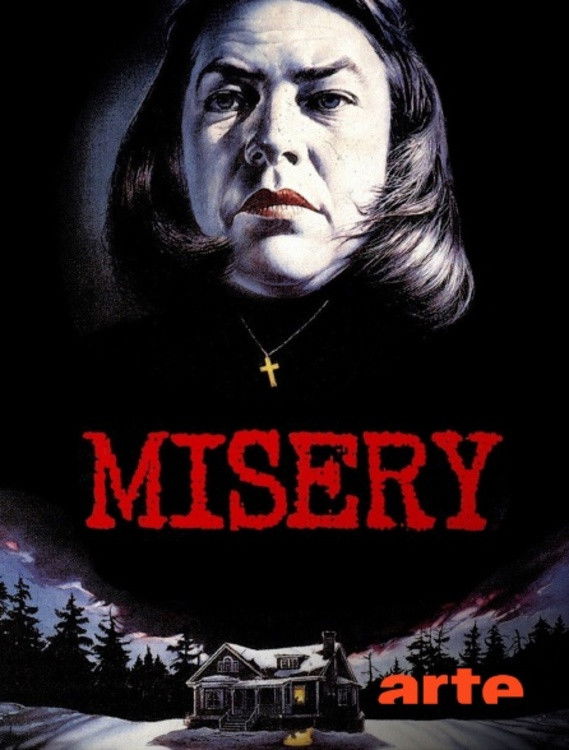
King’s novel examines the relationship between a successful writer and an audience that believes it possesses an emotional claim over his work. Paul Sheldon has grown dissatisfied with the historical romances that made him famous and attempts to establish a different literary identity. Annie Wilkes, by contrast, regards the fictional Misery Chastain as an indispensable presence in her life. The story transforms an apparently flattering relationship between author and reader into an extreme form of captivity. Its premise offered filmmakers an unusually concentrated conflict, with much of the violence emerging from the competing desires of two characters who spend prolonged periods in a single room.
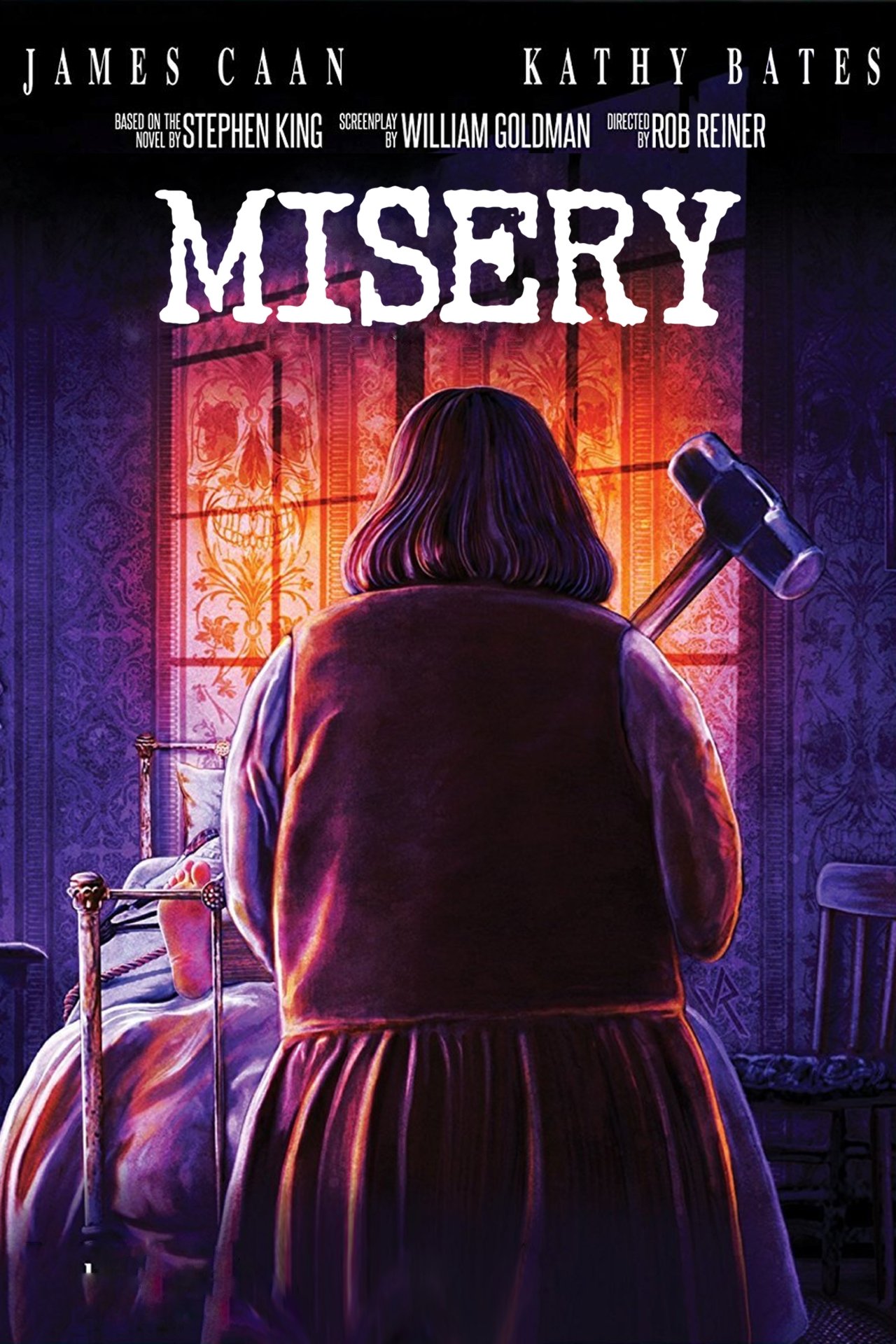
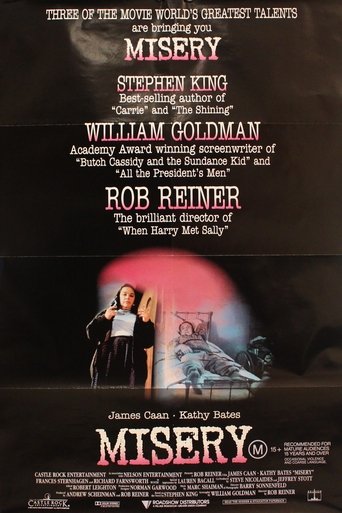
King was initially reluctant to authorize another adaptation of his work. According to production history documented by the American Film Institute, his position changed when Rob Reiner expressed interest. Reiner had directed Stand by Me (1986), an adaptation that King regarded particularly favourably. Castle Rock Entertainment subsequently developed Misery with screenwriter William Goldman, whose earlier credits included Marathon Man and The Princess Bride. In a Los Angeles Times interview published during production, Reiner explained that the material appealed to him because it concerned the anxiety artists experience when attempting to change direction. He recognized a parallel between Paul’s dependence on his readership and the expectations created by his own success as a director of comedies.
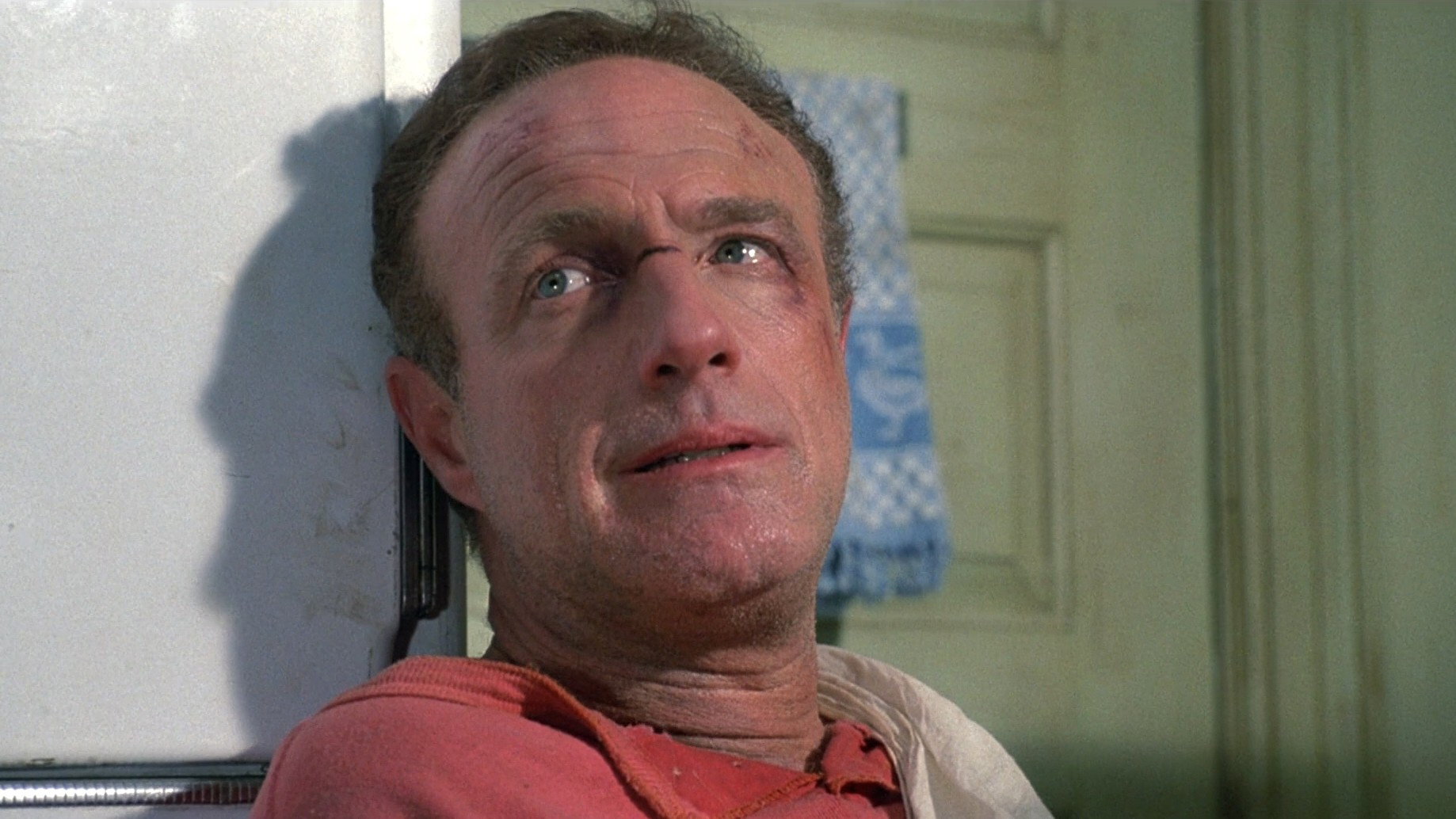
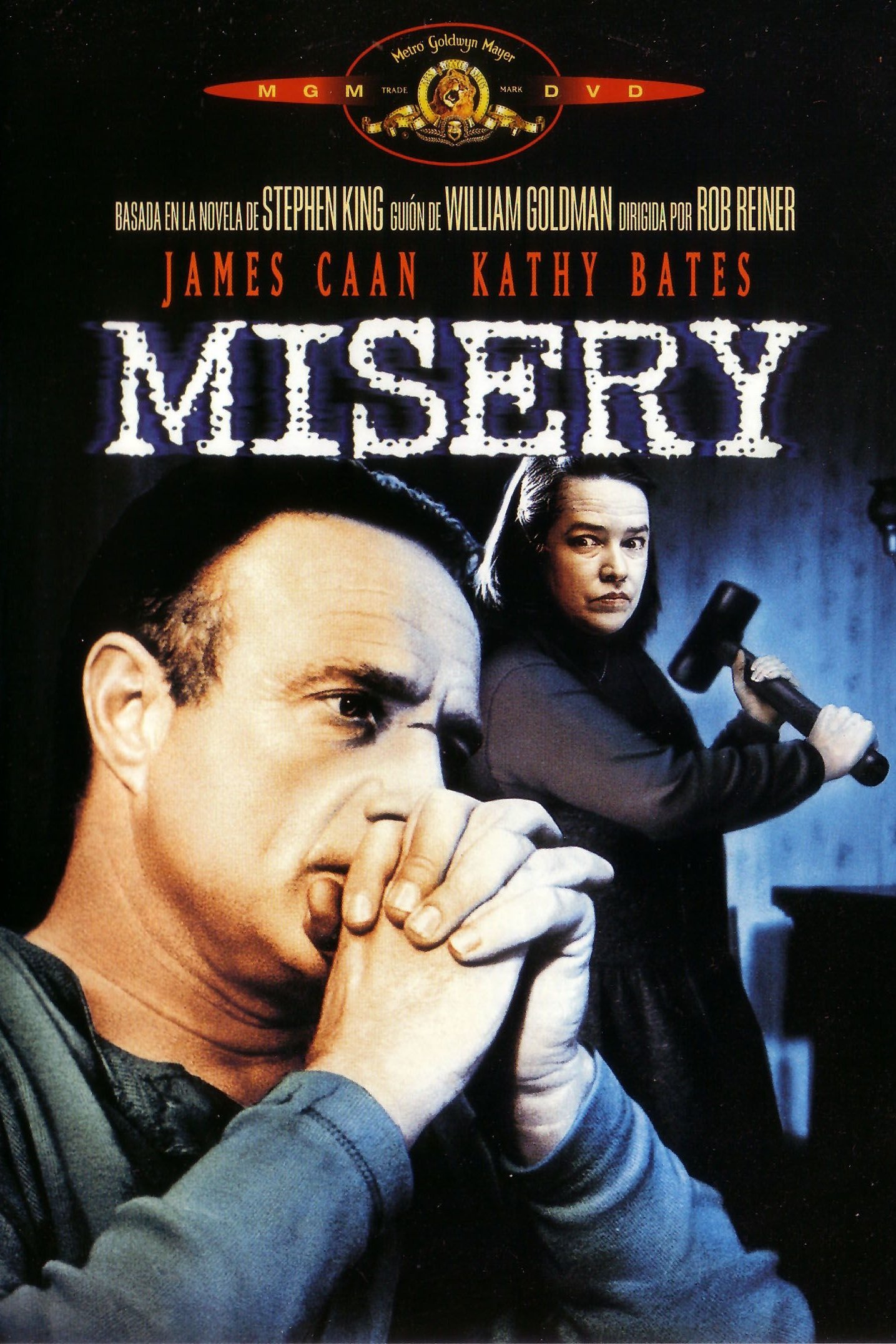
Goldman concentrated the novel’s extensive internal narration into visible behaviour and exchanges between the captive writer and his jailer. The adaptation also reduces some of the novel’s more elaborate violence, making Paul’s attempts to manipulate Annie central to the suspense. Several prominent actors considered or were offered the role of Paul, including Michael Douglas, Robert Redford and Warren Beatty. Beatty participated in discussions and suggested ways of making the character more active, but the arrangement did not proceed. Reiner eventually cast James Caan, whose physical presence and established screen persona offered a contrast with the character’s extreme immobility. The resulting screenplay maintains the novel’s central conflict while giving greater dramatic importance to actions that could be photographed within the confined setting.