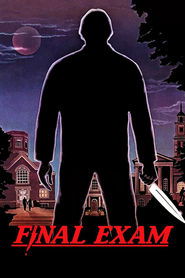
Resource Films
, Fiducial Resource Industrial
, Lorimar Motion Pictures
Plot
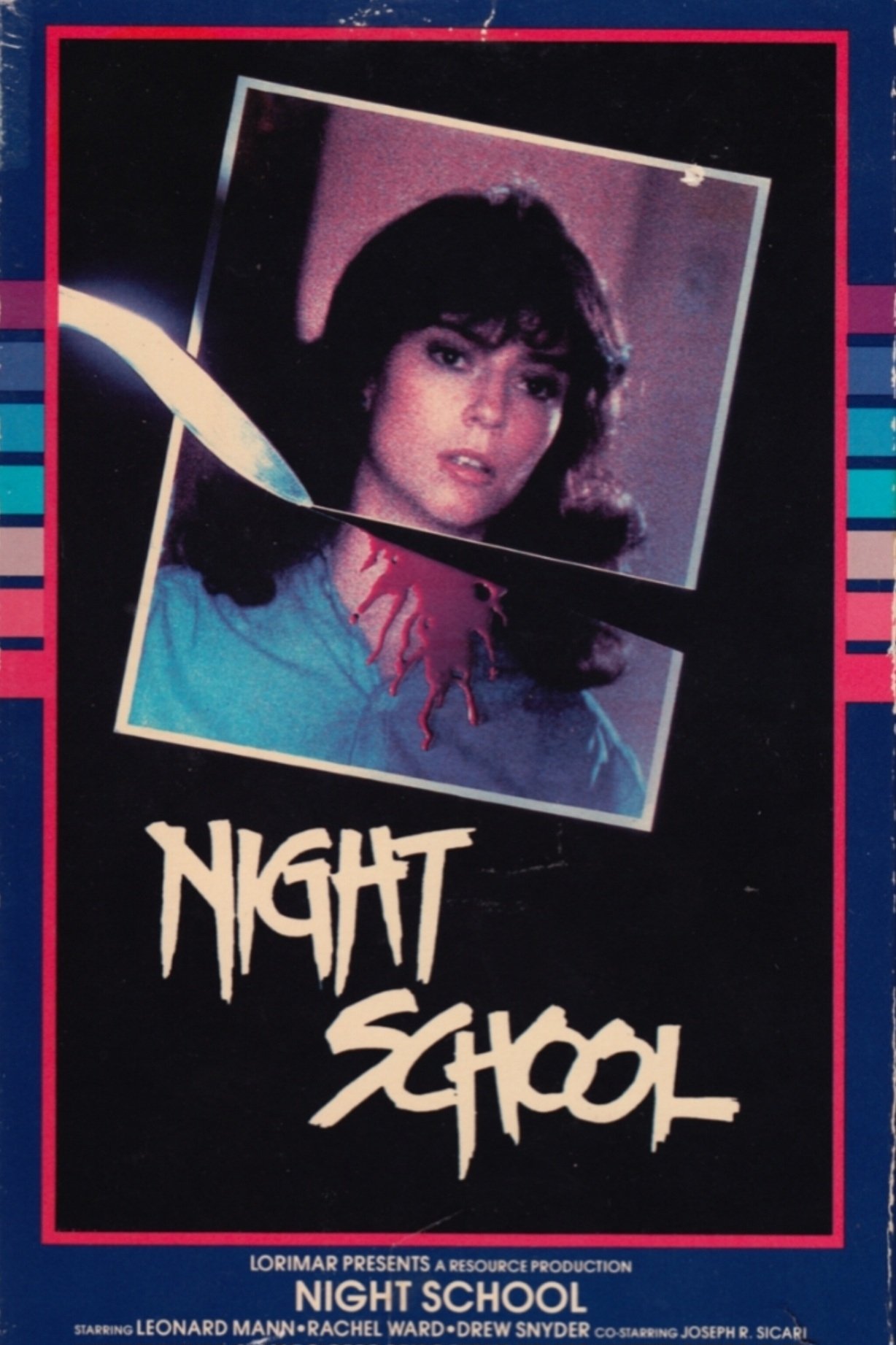
A Boston police detective investigates a series of gruesome decapitations of various college coeds commited by a helmeted, black-leather clad serial killer which leads him to suspect a well known anthropology professor as well as his female live-in assistant.
Alternative Titles
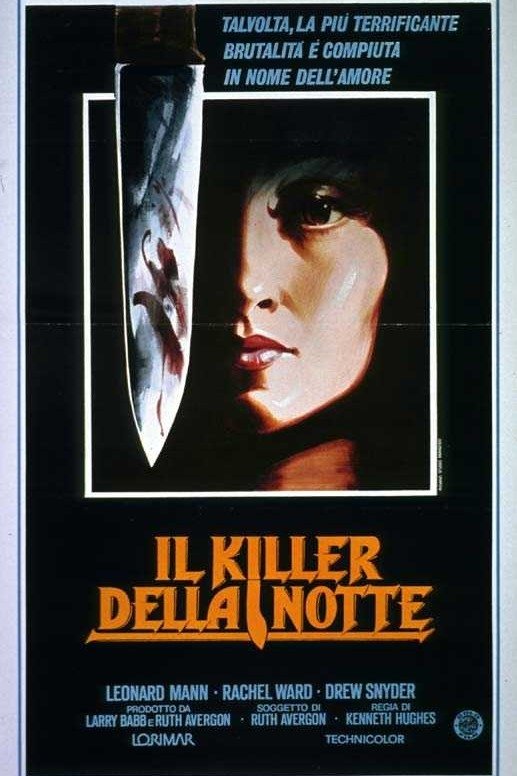
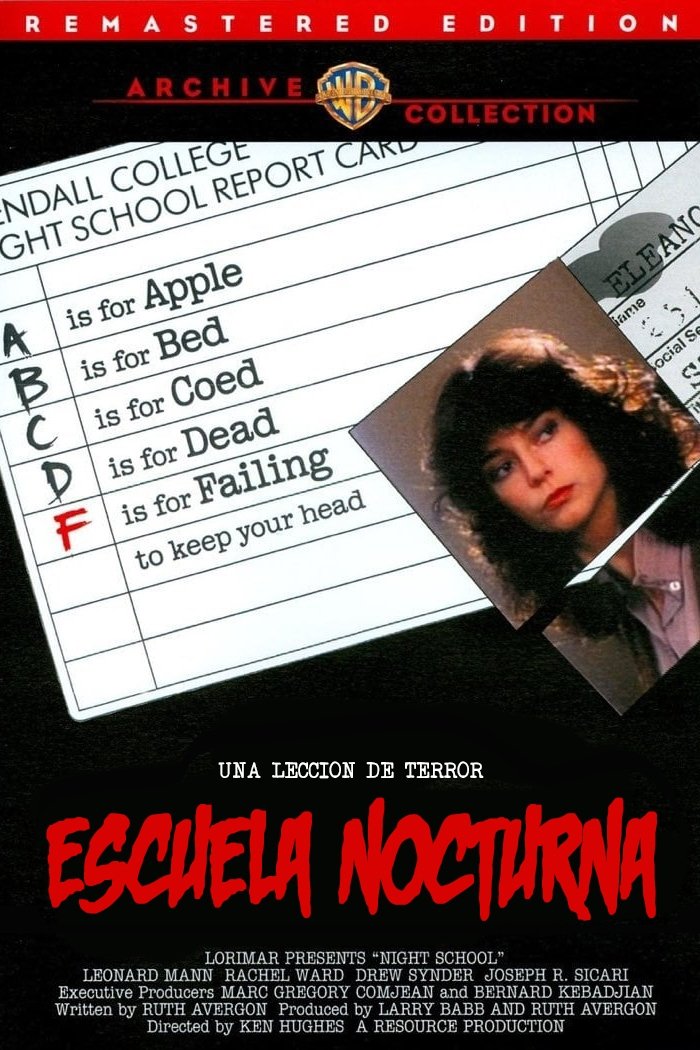
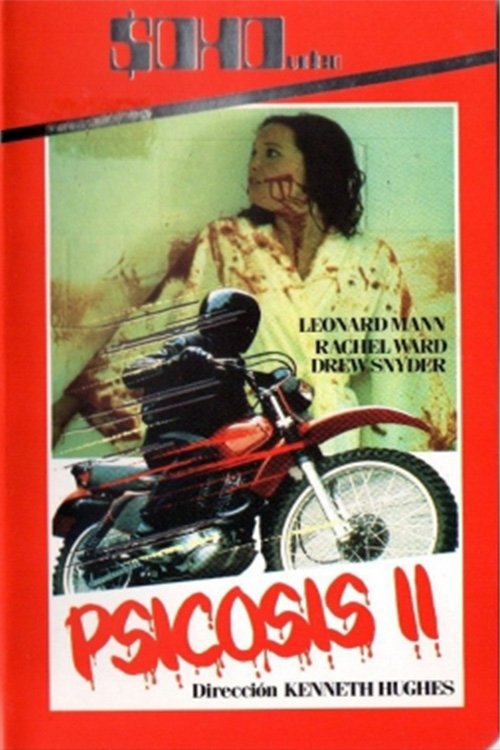
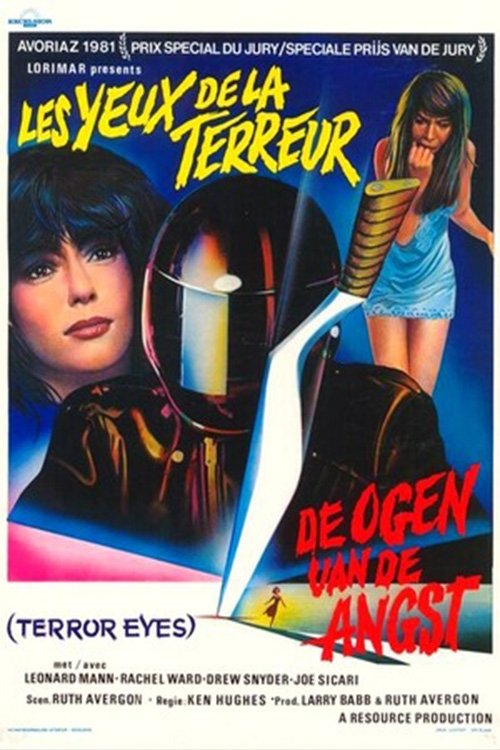
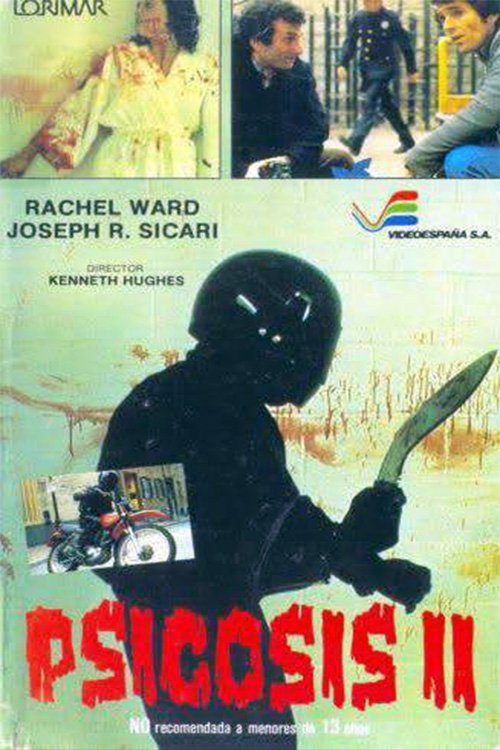
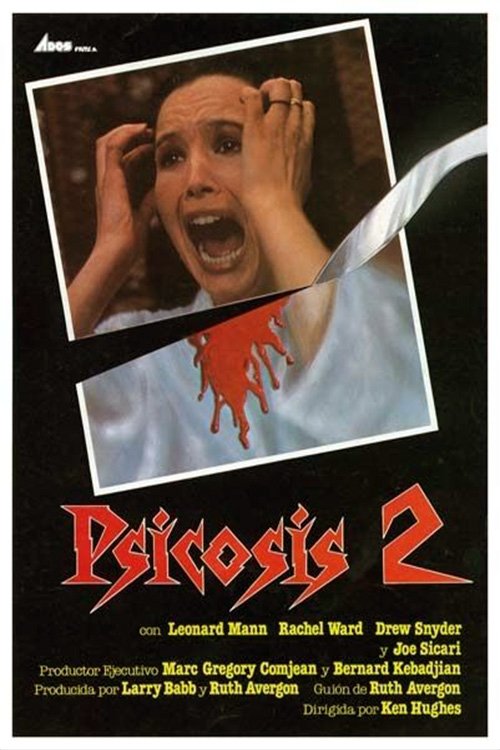
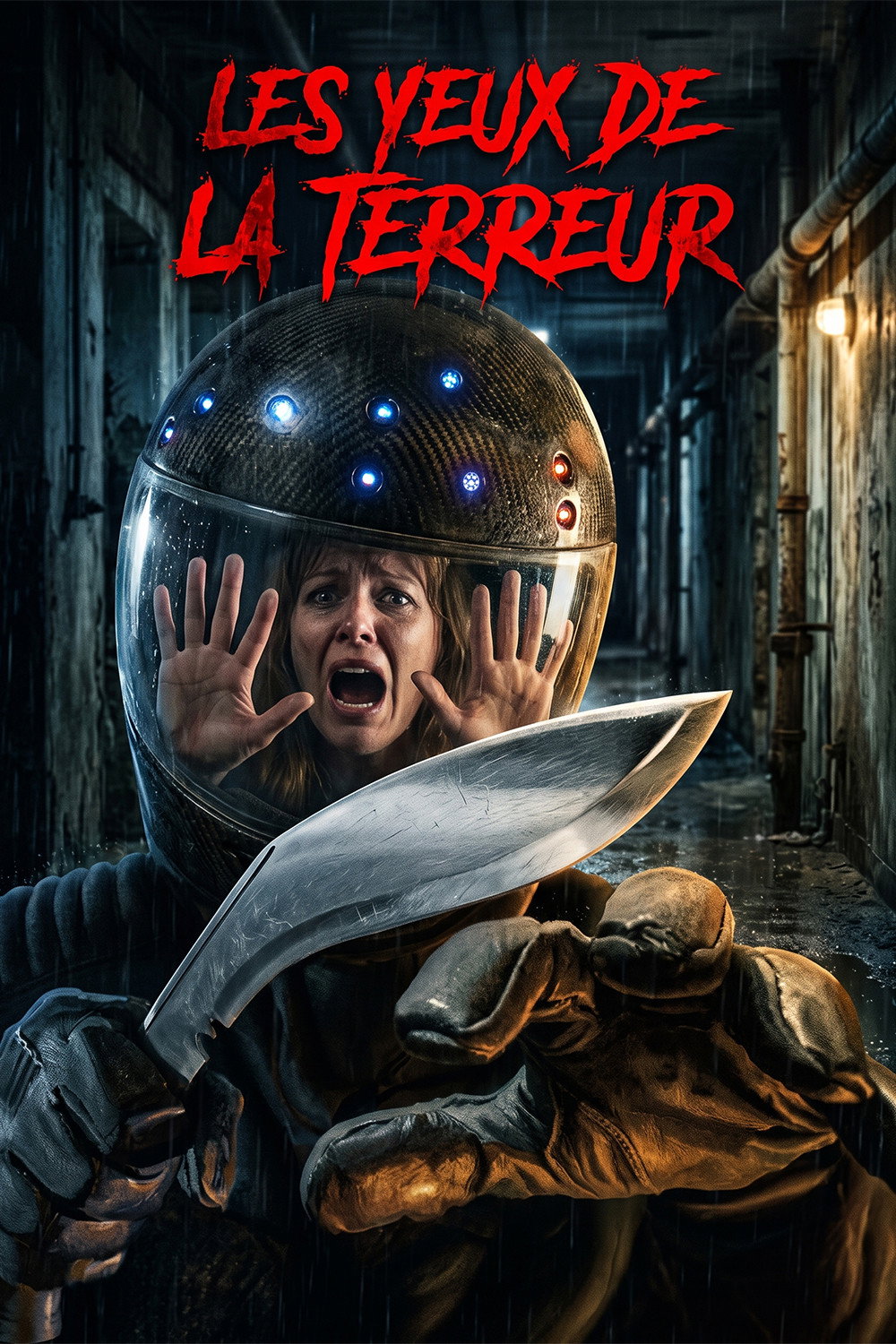
Ojos de terror (Argentina) — Home Video TitleEscola Noturna (Brazil) — PortugueseLes yeux de la terreur (Canada) — French夜校惊魂 (China) — ChineseTerror Eyes - Der Frauenköpfer (Germany) — GermanEscuela Nocturna (Spain) Psicosis II (Spain) — Home Video TitleLes yeux de la terreur (France) Show all 16 alternative titlesFejvadászat Bostonban (Hungary) — HungarianIl killer della notte (Italy) テラー・アイズ/恐るべき瞳 (Japan) 지성의 한계 (South Korea) — KoreanEscola Noturna (Portugal) — PortugueseВечерняя школа (Russia) — Russianคืนสับสาวภาคค่ำ (Thailand) — ThaiTerror Eyes (United States)
A Boston murder mystery shaped by giallo imagery, night-school suspicions, urban locations and British censorship.
Night School (1981) occupies an unusual position in the American slasher cycle. A string of beheadings draws a Boston detective toward an evening anthropology course, while a murderer in motorcycle leathers moves through playgrounds, streets and workplaces. The film combines the masked attacker familiar from early-eighties horror with the elaborate misdirection of an Italian giallo. Its emphasis on police questioning, suspicious relationships and urban geography makes the college premise a starting point for a wider mystery rather than a succession of murders inside classrooms. That distinction gives the production much of its individual character.
Ken Hughes brought an experienced director's command of staging to material written and produced by Ruth Avergon. The project was filmed extensively around Boston, with Mark Irwin's photography using older architecture and practical locations to create a more polished appearance than many independently financed slashers of the period. Contemporary reviewers nevertheless questioned the mystery and its treatment of women. In Britain, the film circulated as Terror Eyes and became entangled in the video nasty controversy. Those separate strands of production, criticism and censorship explain its continuing interest within the history of horror cinema.
Development and the Boston Shoot
Avergon's screenplay underwent a significant change of direction before photography began in the spring of 1980. Alfred Sole, known for Alice, Sweet Alice, was initially attached, with the performer then known as D.D. Winters, later Vanity, expected to appear. Sole left after disagreements surrounding the production; published recollections differ over whether he resigned or was dismissed. The original leading actress also departed. Hughes subsequently took over and participated in script revisions, an involvement recalled by cast member Drew Snyder in a detailed interview. Accounts of those changes describe a practical attempt to strengthen the structure and allow more room for character behavior.
The shoot drew on Boston's Beacon Hill streets and other recognizable city spaces at a time when local feature production was still unusual enough to attract newspaper attention. Reports collected from the period describe a budget of approximately $1.2 million and a schedule extending across numerous locations. Producer Larry Babb indicated that financial constraints often prevented additional takes. Local theater performers supplied parts of the supporting cast, among them Karen MacDonald, whose prolonged restaurant attack required demanding physical work with stage blood. The result reflects both the ambition of the location plan and the limitations under which individual sequences were completed.
The Slasher as a Detective Mystery
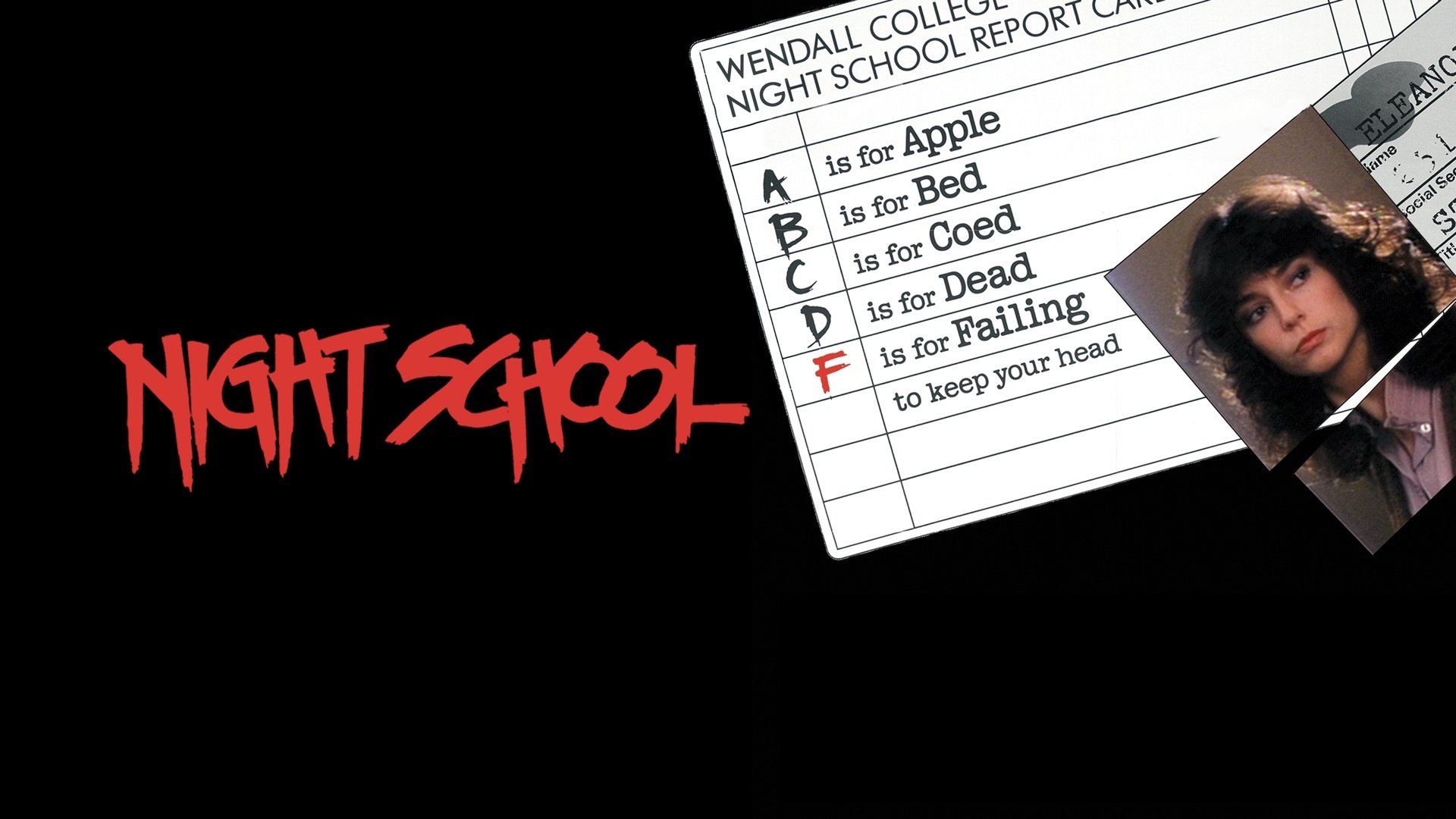
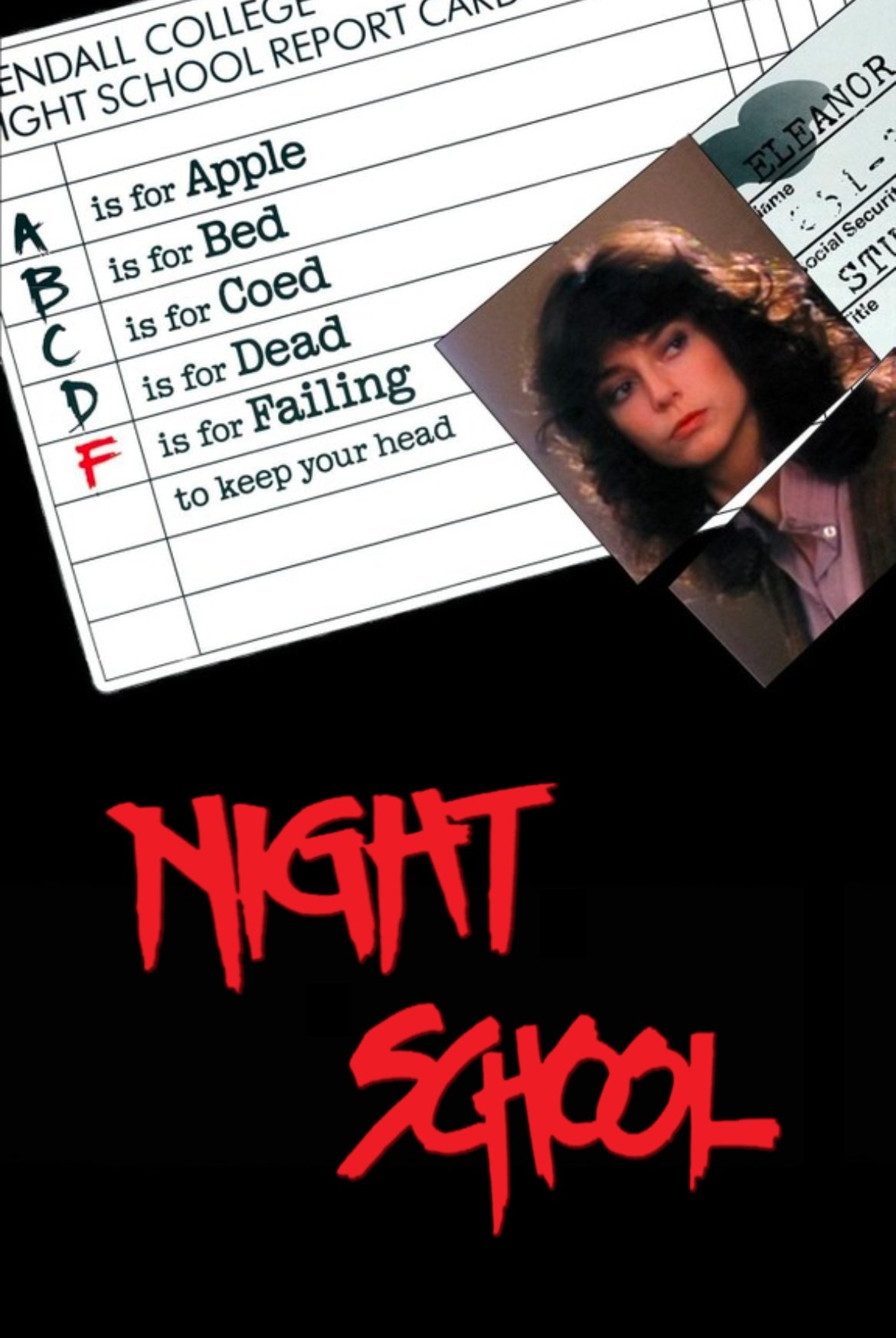
The investigation follows Lieutenant Judd Austin as he links victims through their attendance at Wendell College. Anthropology professor Vincent Millett becomes an immediate focus of suspicion, while his involvement with student and assistant Eleanor Adjai complicates the inquiry. The script repeatedly interrupts the expected pattern of isolated victims with interviews, confrontations and fragments of personal history. Rather than confining danger to the campus, it follows women into the places where they work after class. This arrangement gives the police an organizing role and allows each discovery to suggest a new suspect without resolving the central question.
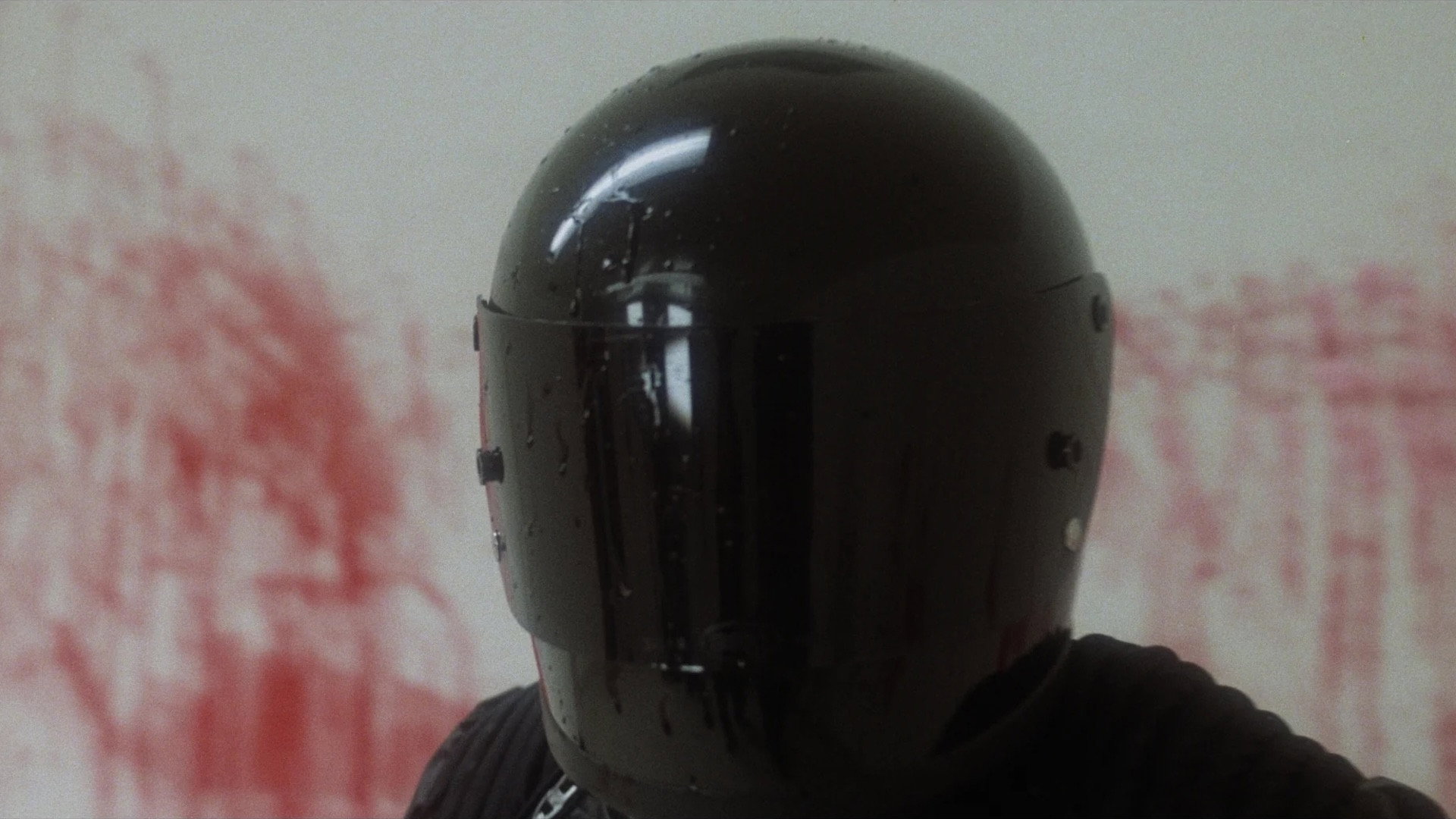
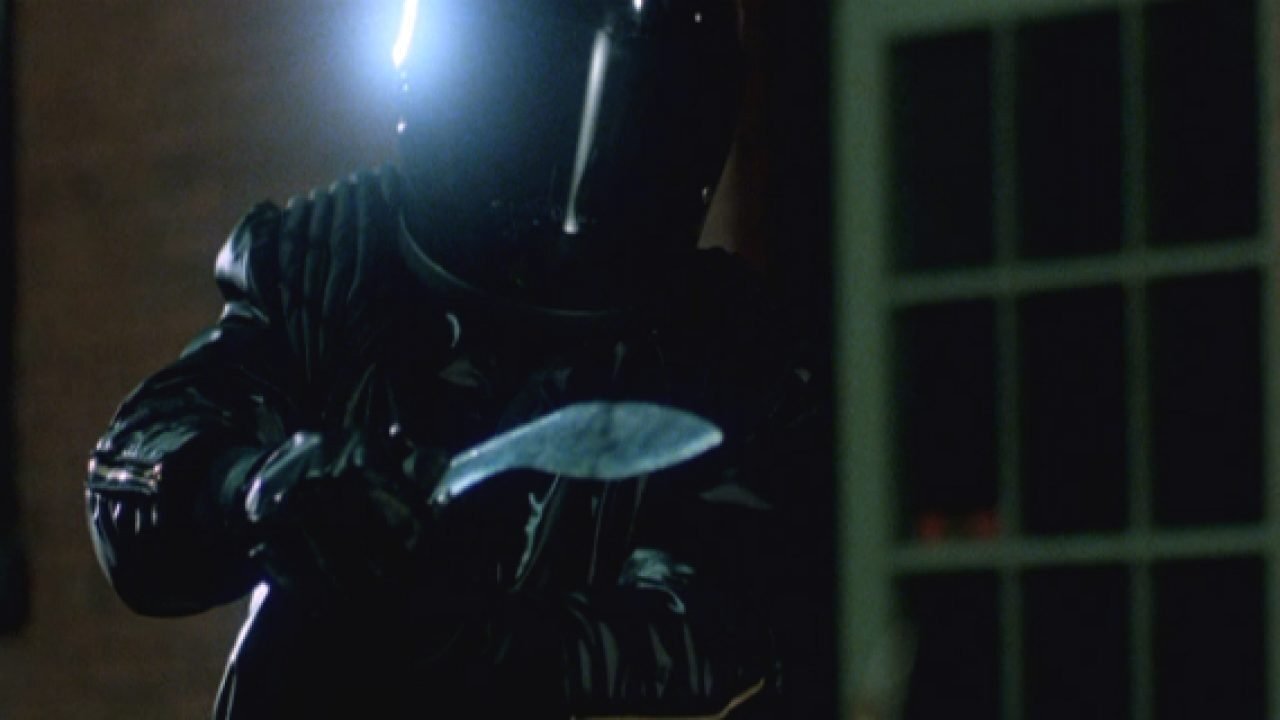
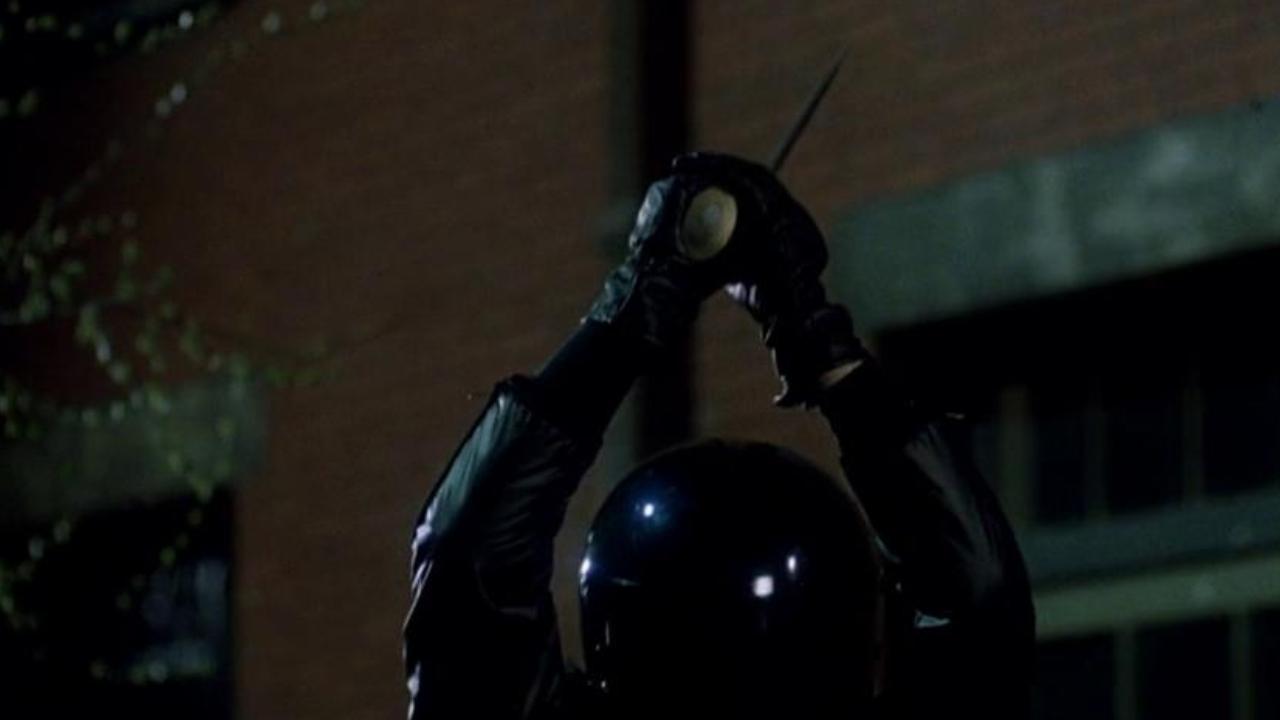
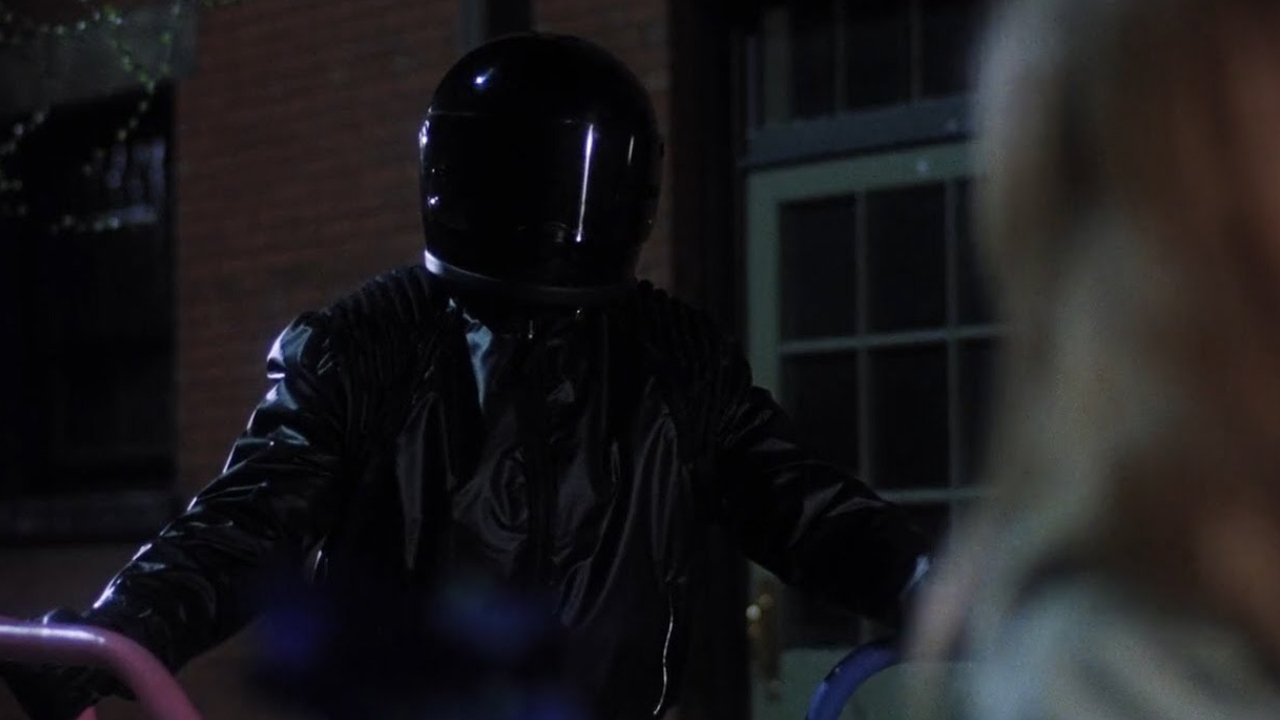
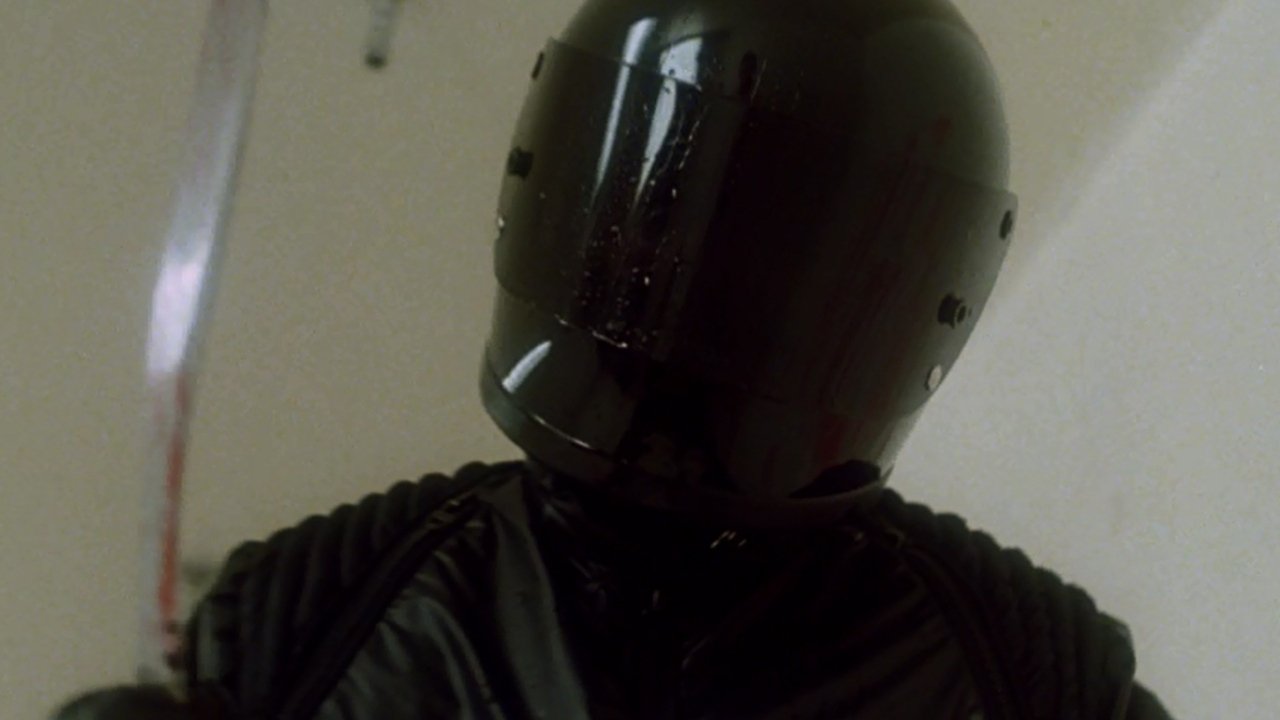
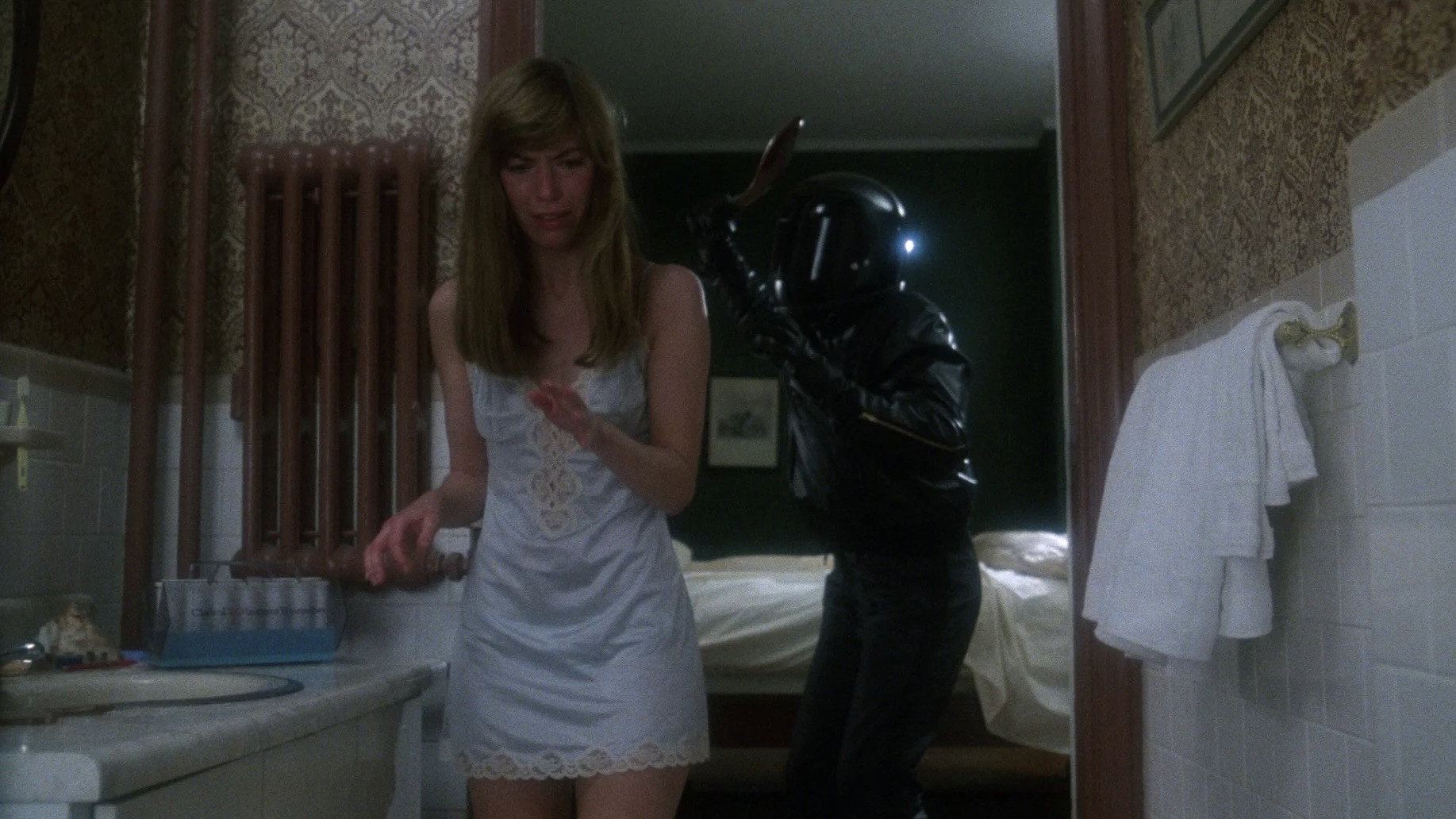
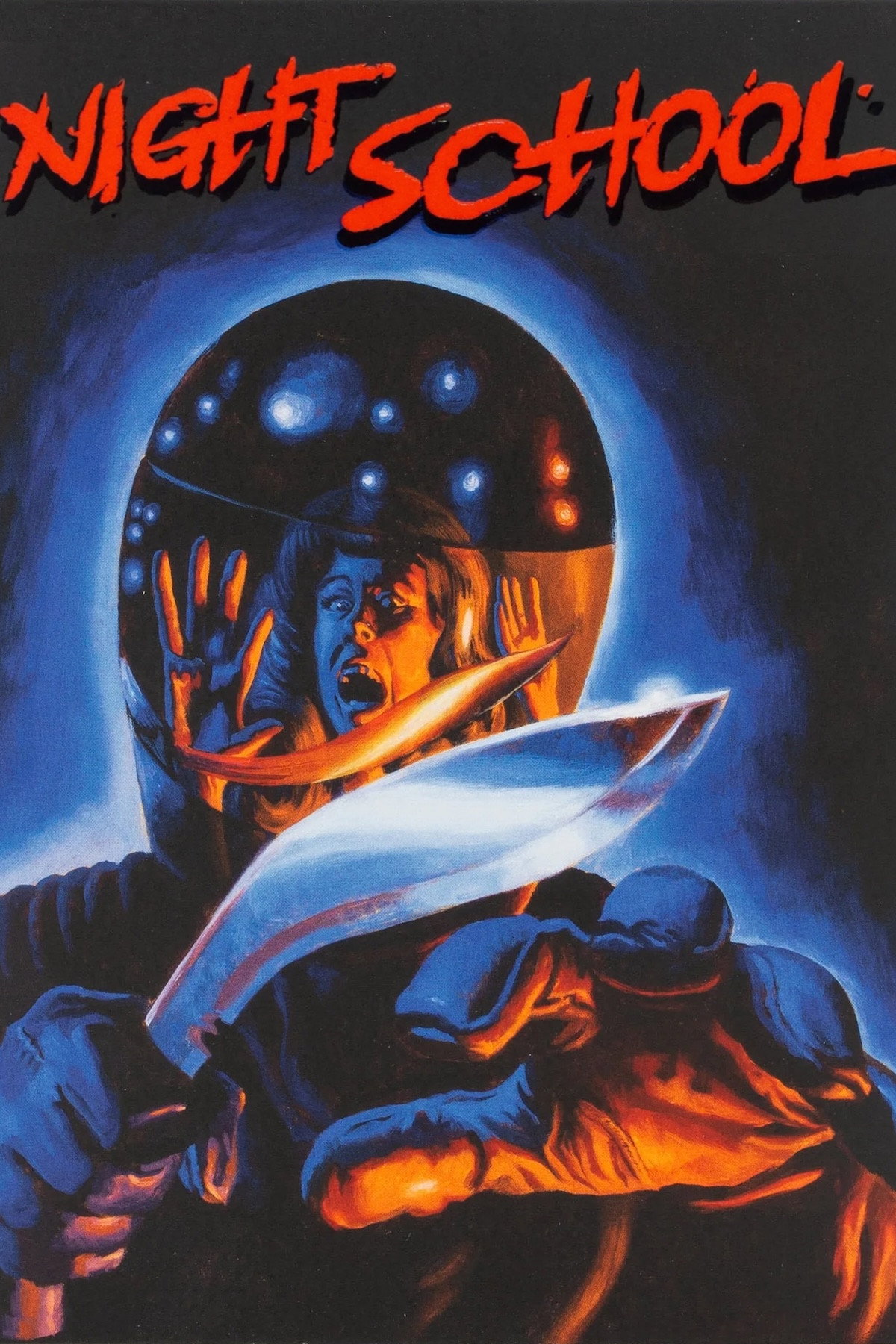
The killer's black clothing, gloves and concealed face evoke the visual conventions of Italian murder mysteries, as does the deliberate distribution of misleading clues. Snyder, who played Millett, later agreed that the result resembled giallo cinema but said he could not establish whether Hughes consciously pursued that tradition. The distinction matters: stylistic resemblance is visible, while direct influence remains unproven. The professor's lectures on headhunting supply an apparent explanation for the severed heads, encouraging characters to confuse an academic subject with evidence of motive. Their assumptions become part of the mystery's construction.
Photography and the Urban Setting
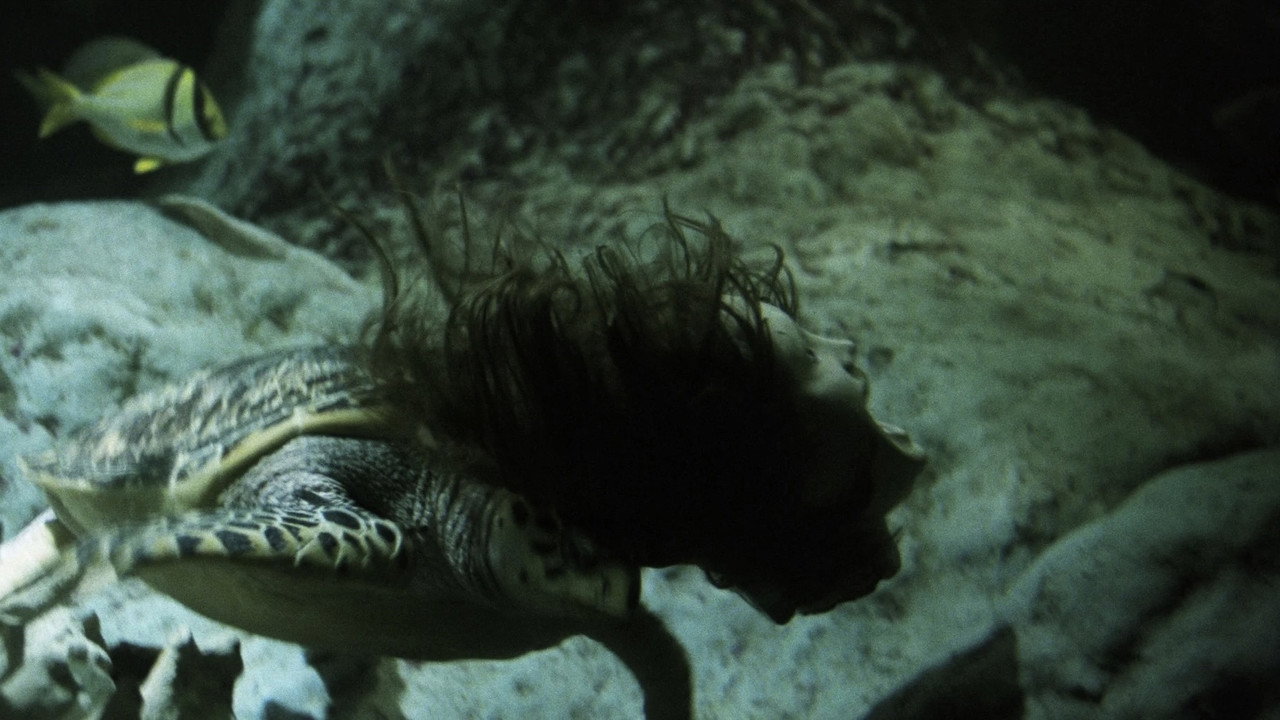
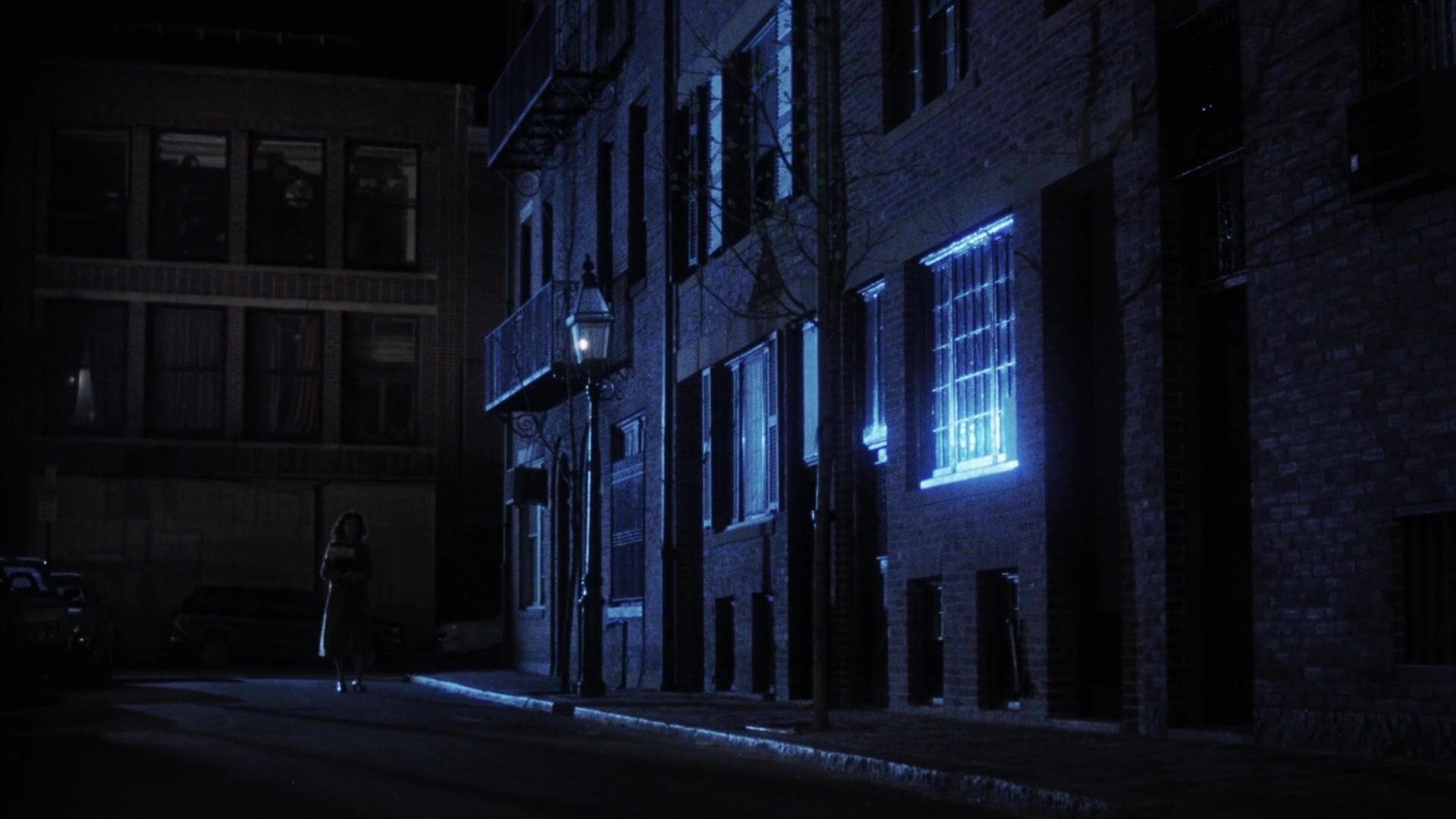
Irwin's images give Boston an importance beyond providing attractive establishing shots. The film moves between old brick facades, narrow passageways, institutional interiors and contemporary service spaces. These environments keep the attacks close to recognizable everyday activity. A nursery playground becomes threatening after the children leave; elsewhere, the public setting of the New England Aquarium allows the murderer to approach someone working alone. The contrast between inhabited city spaces and moments of sudden isolation organizes much of the suspense. Night scenes use pockets of illumination within dark surroundings, preserving visible architectural details around the figures.
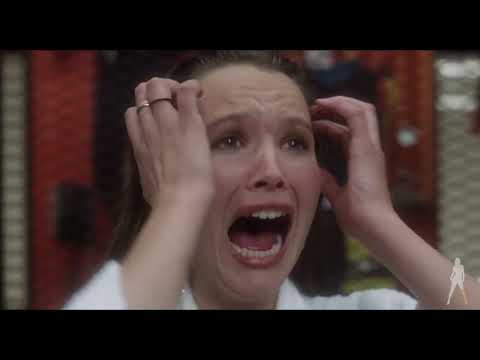
Hughes also varies the distance between viewer and victim. The opening carousel attack makes the approaching figure conspicuous, then prolongs the encounter through repetitive movement. The restaurant sequence instead builds anxiety from the likely discovery of evidence, leaving spectators to anticipate where a missing head has been concealed. These scenes reveal different uses of suspense within the same picture. Snyder remembered the director's attention to framing and light, while producer Avergon later credited Hughes and Irwin with realizing the intended contrast between the city's elegant appearance and the violence taking place there.
Violence, Ritual and Gender
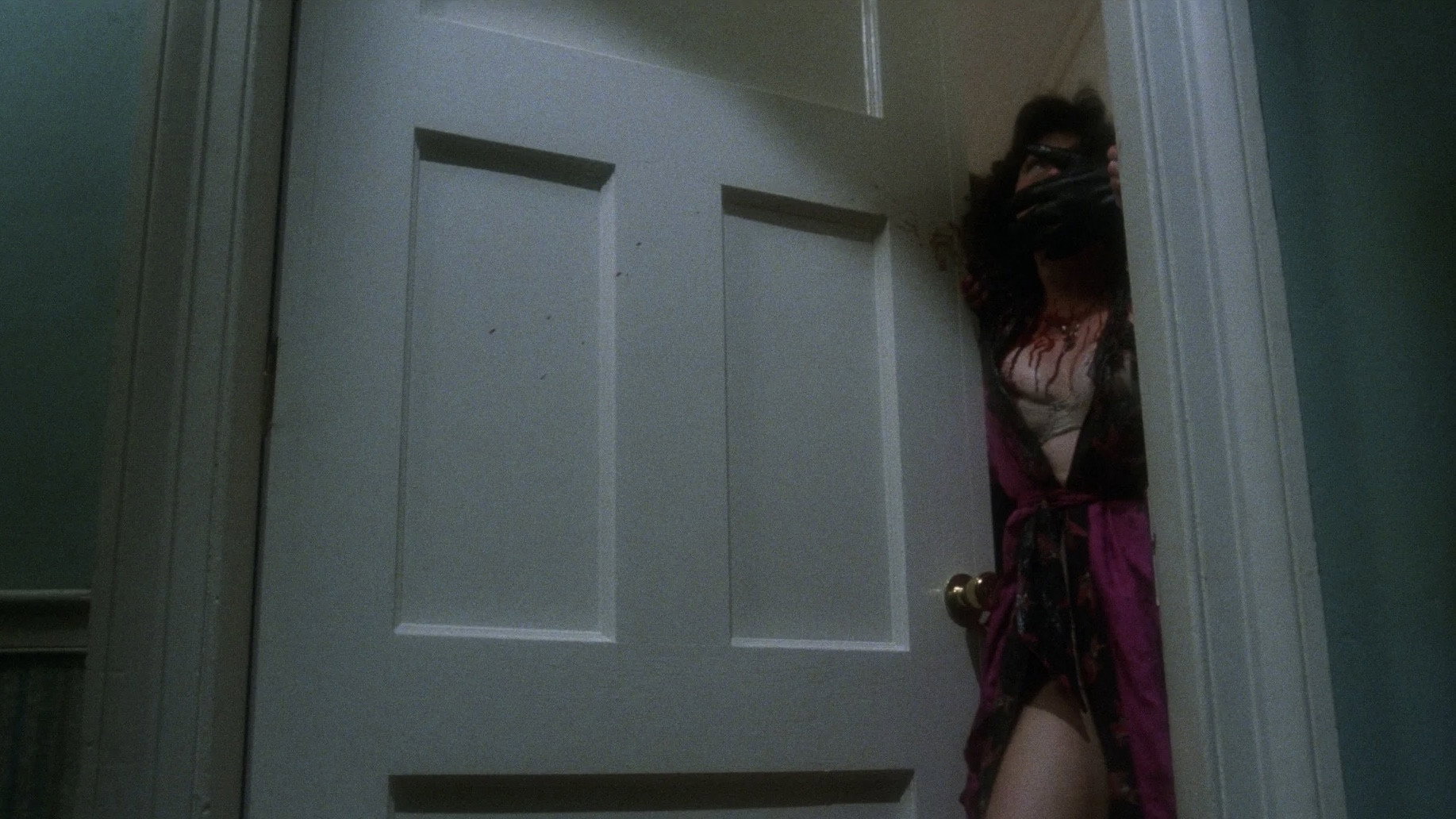
Decapitation establishes a recurring visual signature, although the separating blow is generally withheld from direct view. Severed heads appear in containers of water, transforming a grisly object into a clue that connects distinct crime scenes. The attacker carries a curved blade and uses motorcycle equipment that hides identifying features until the final revelation. Much of the discomfort comes from the duration of pursuit and the victims' attempts to resist, especially when a familiar workplace offers little protection. The film's effects are therefore concentrated in discoveries and aftermaths as much as in the moment of killing.
The anthropology material attempts to connect the murders with ideas about ritual and possession, but those lectures also expose the story's dated treatment of other cultures. The eventual explanation moves toward jealousy and sexual relationships within the college, exposing a further problem in the representation of female desire. Modern criticism can identify these assumptions without treating the movie's sensational account of headhunting as reliable anthropology. Its gender politics have also shaped conflicting responses to the violence: the screenplay makes women central to the investigation while repeatedly staging their vulnerability as the principal source of fear.
Distribution, Censorship and Reception
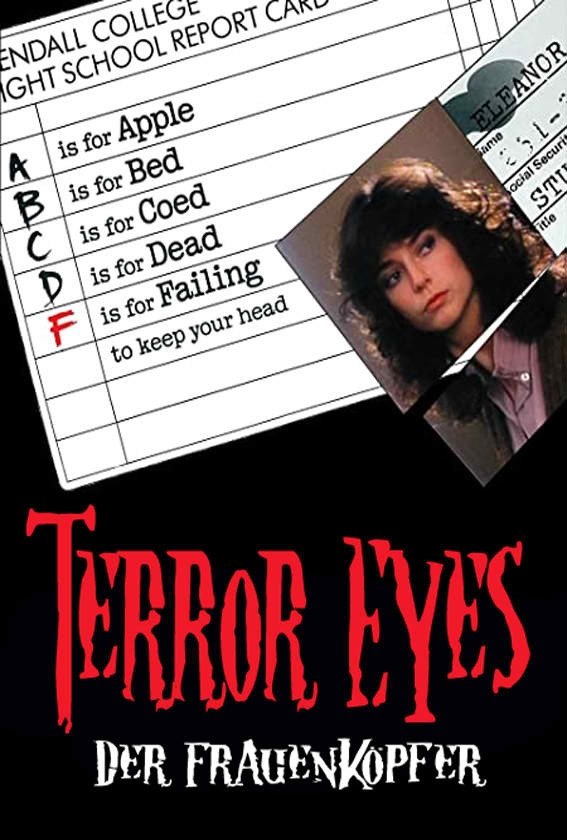
Originally developed under the title Terror Eyes, the production was distributed in American theaters by Paramount as Night School in 1981. Its British release retained the earlier name. The British Board of Film Classification records a cut cinema submission dated March 24, 1981, and another cut version for Guild Home Video classified on May 27, 1987. The latter's shorter stated running time cannot be used on its own to calculate missing footage, because video and theatrical presentation may employ different playback speeds. A new British home-entertainment classification in March 2025 lists no cuts for the submitted version, providing a useful endpoint to that regulatory history.
Contemporary reception was often skeptical. Reviews documented in period-press research criticized the acting, uneven humor and implausible plotting, while some writers singled out the cinematography or found the relatively restrained gore surprising. Later analysis has paid closer attention to its giallo structure, exterior locations and prolonged murder set pieces. The picture's promotional fortunes changed as Rachel Ward became more visible following Sharky's Machine. A reported 1982 plan for Lorimar to recover distribution rights and arrange a wider theatrical rerelease was publicly discussed, although its completion has not been established from surviving cinema listings.
Substantial production and reception history drawing on contemporary Boston reporting, filmmaker recollections, release publicity and UK censorship records.
ComingSoon — Remembering 1981's Night School (Part One)
Original Lee Gambin interview with actor Drew Snyder on Ken Hughes, script rewrites, camera staging and the film's possible giallo associations.