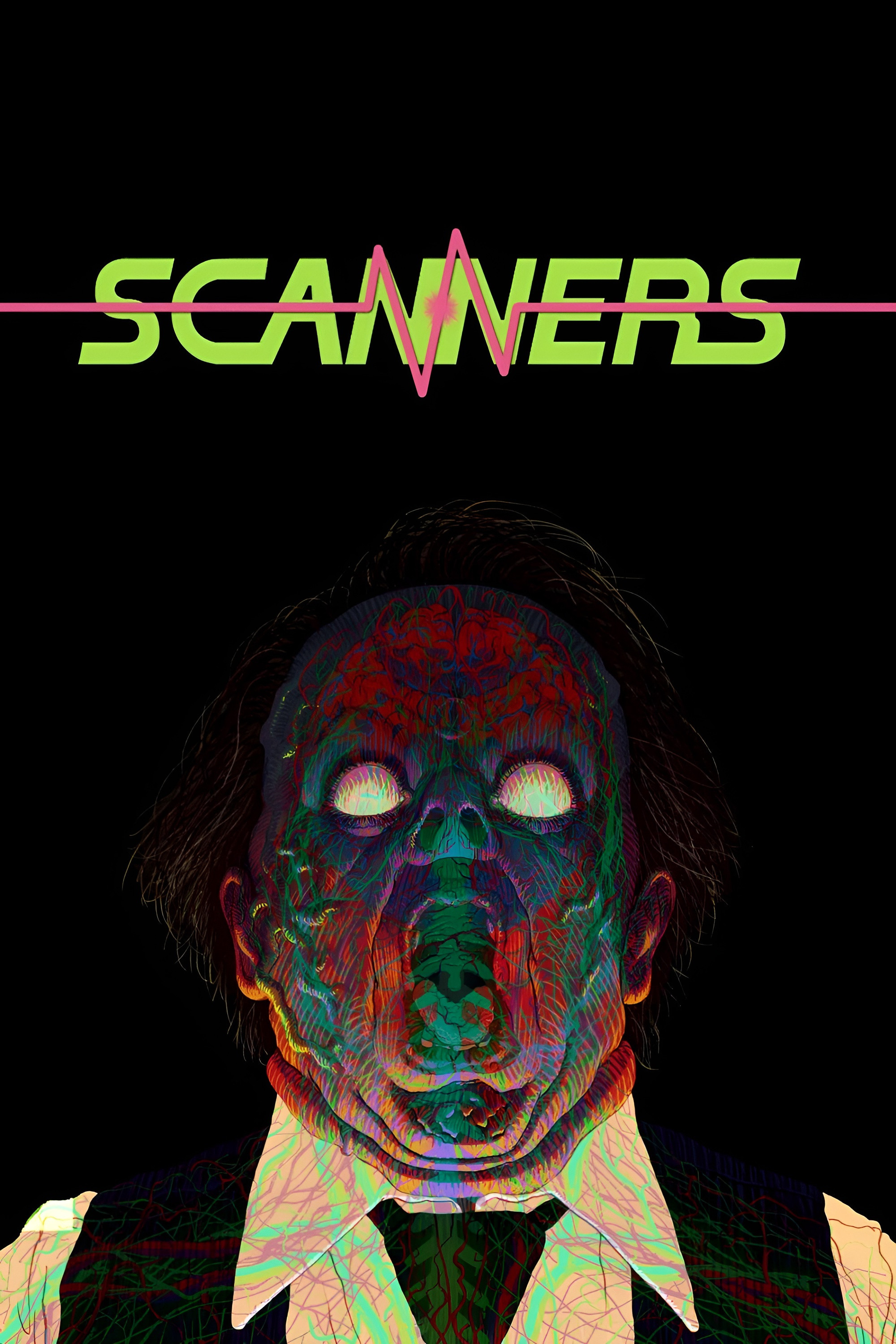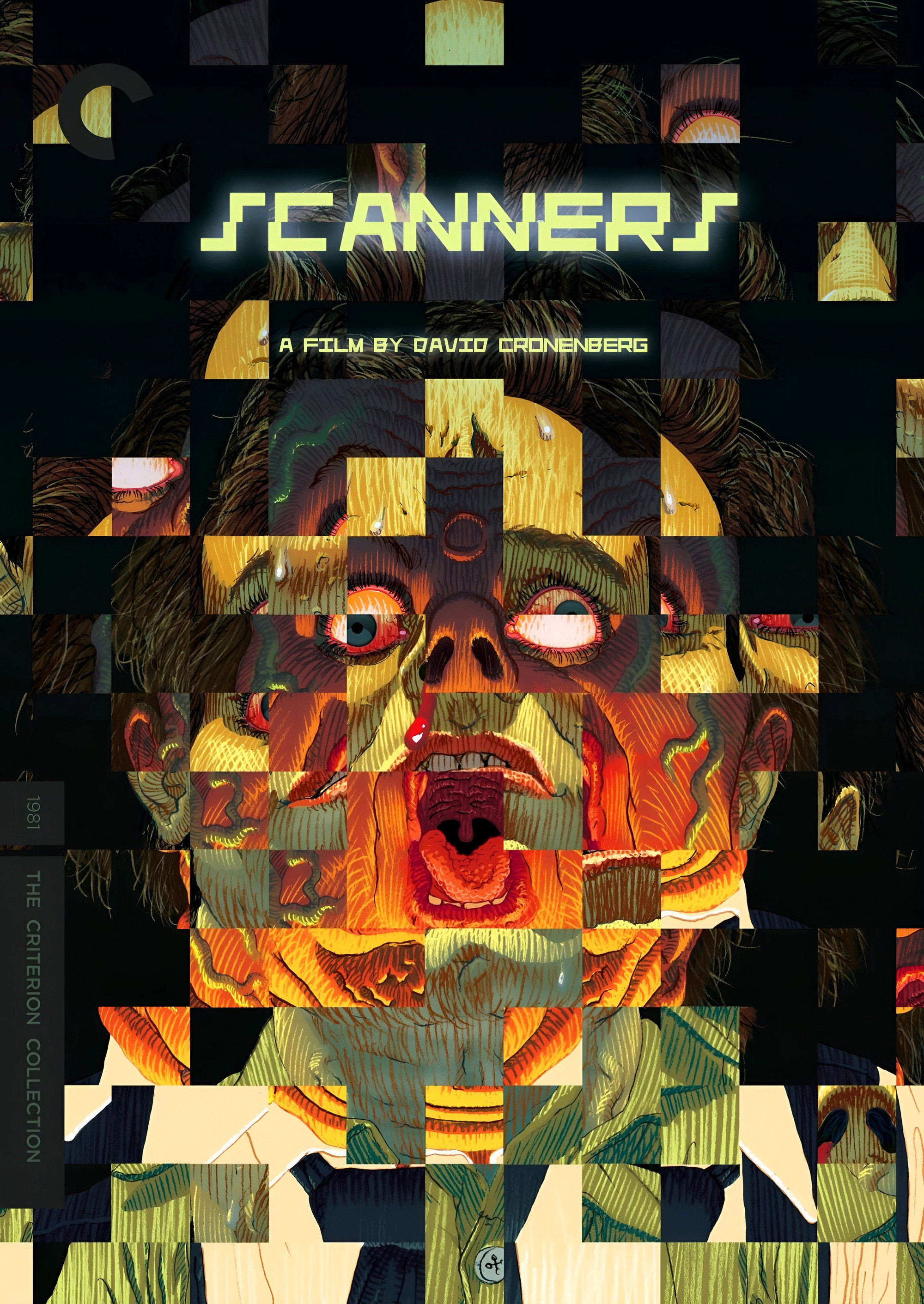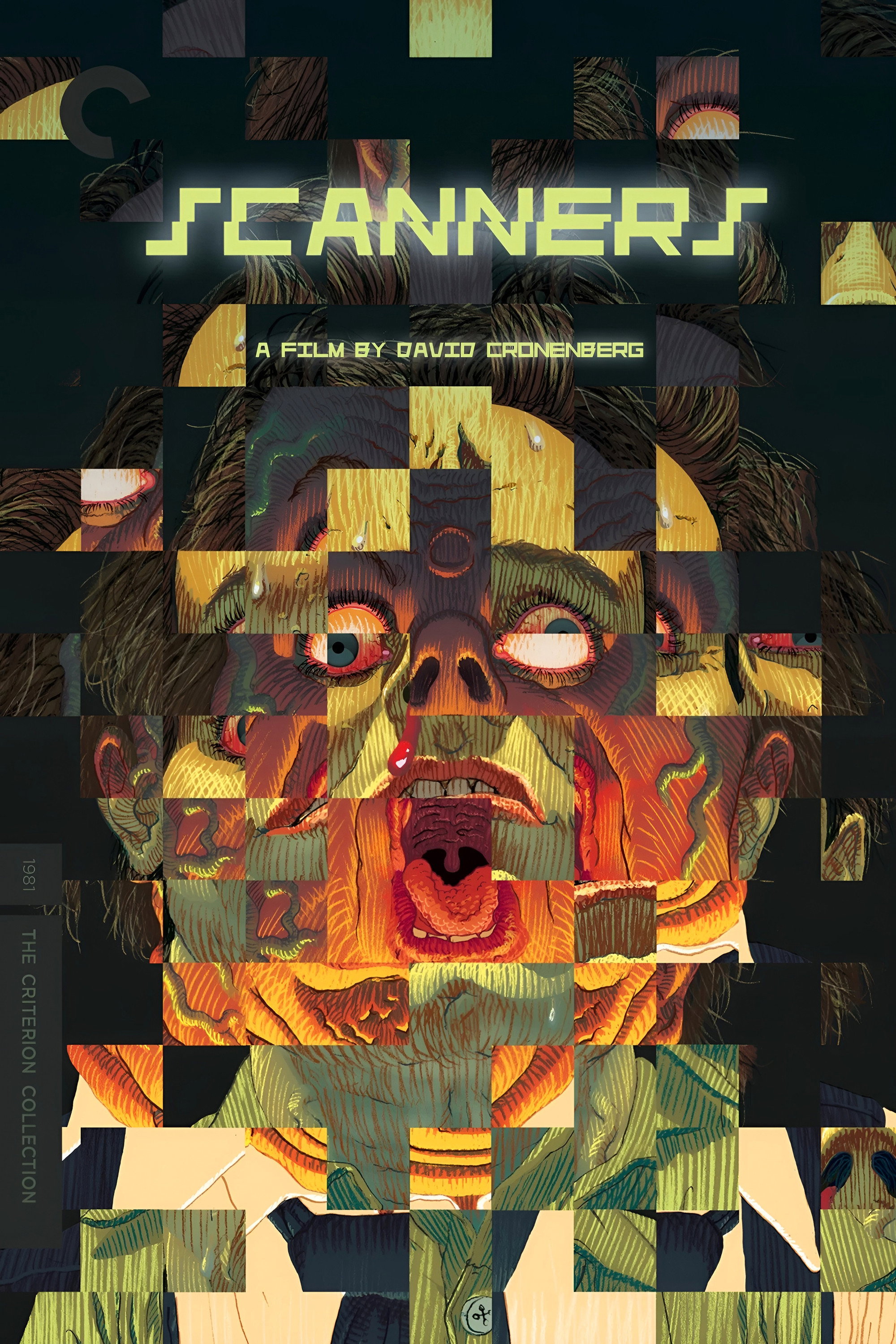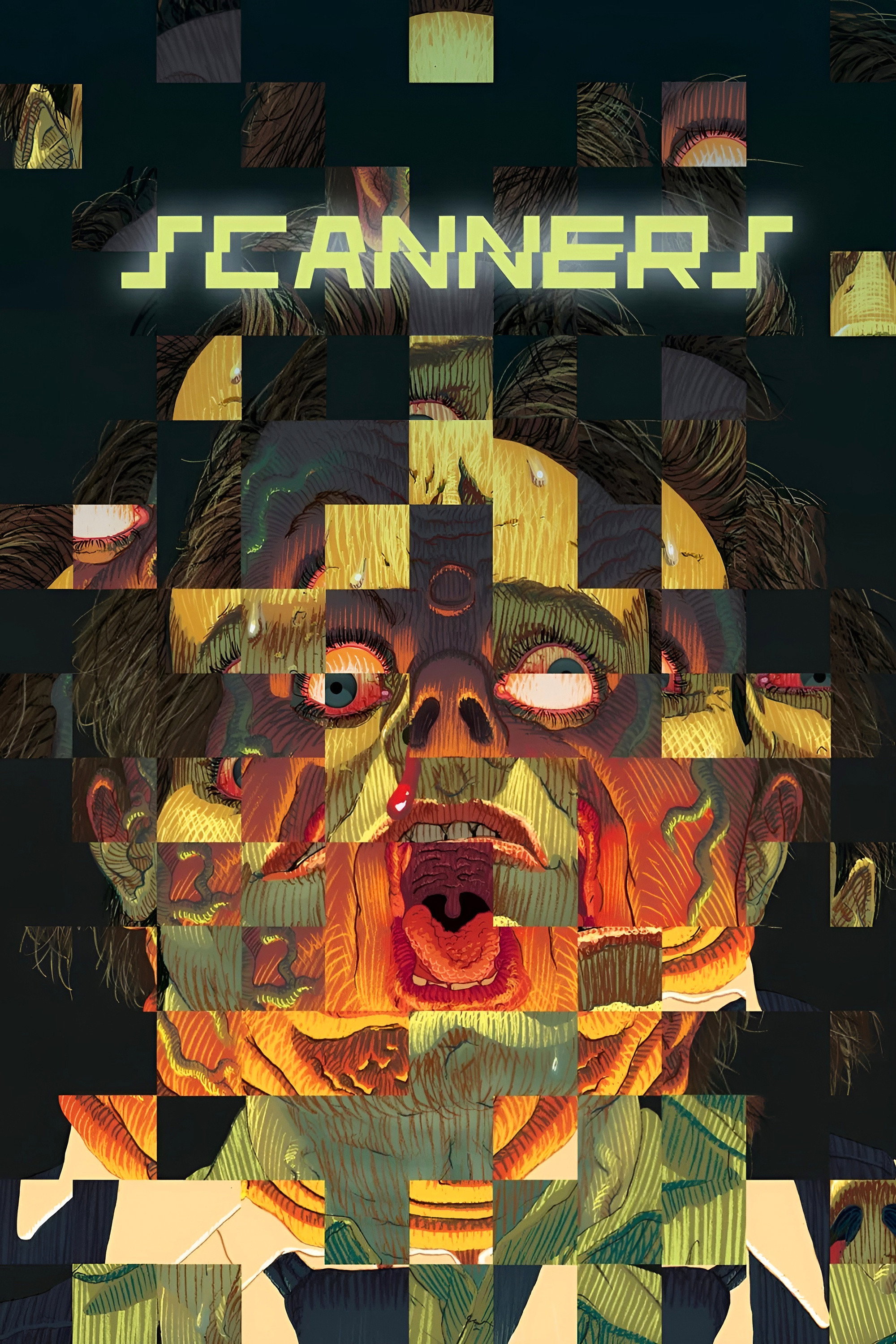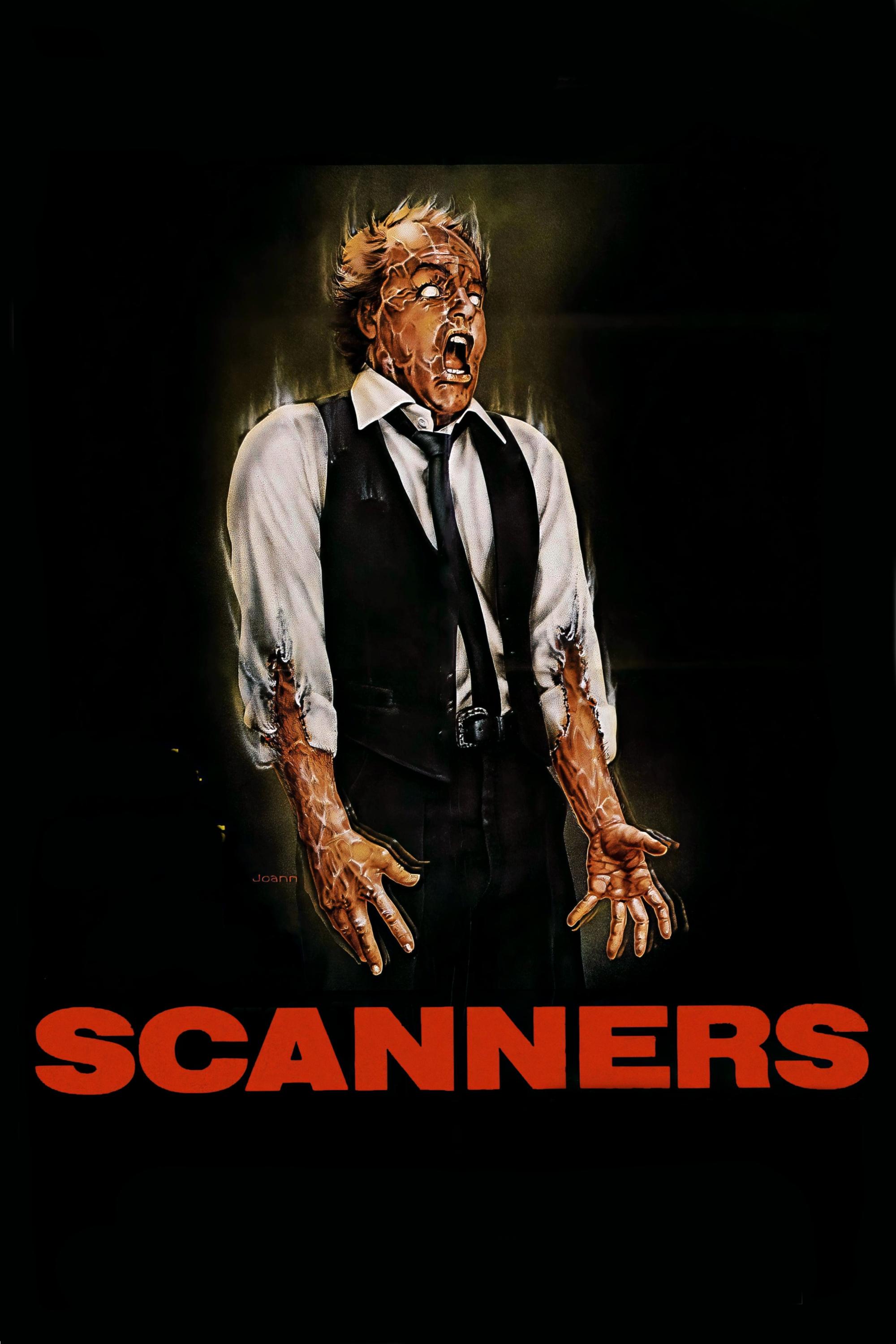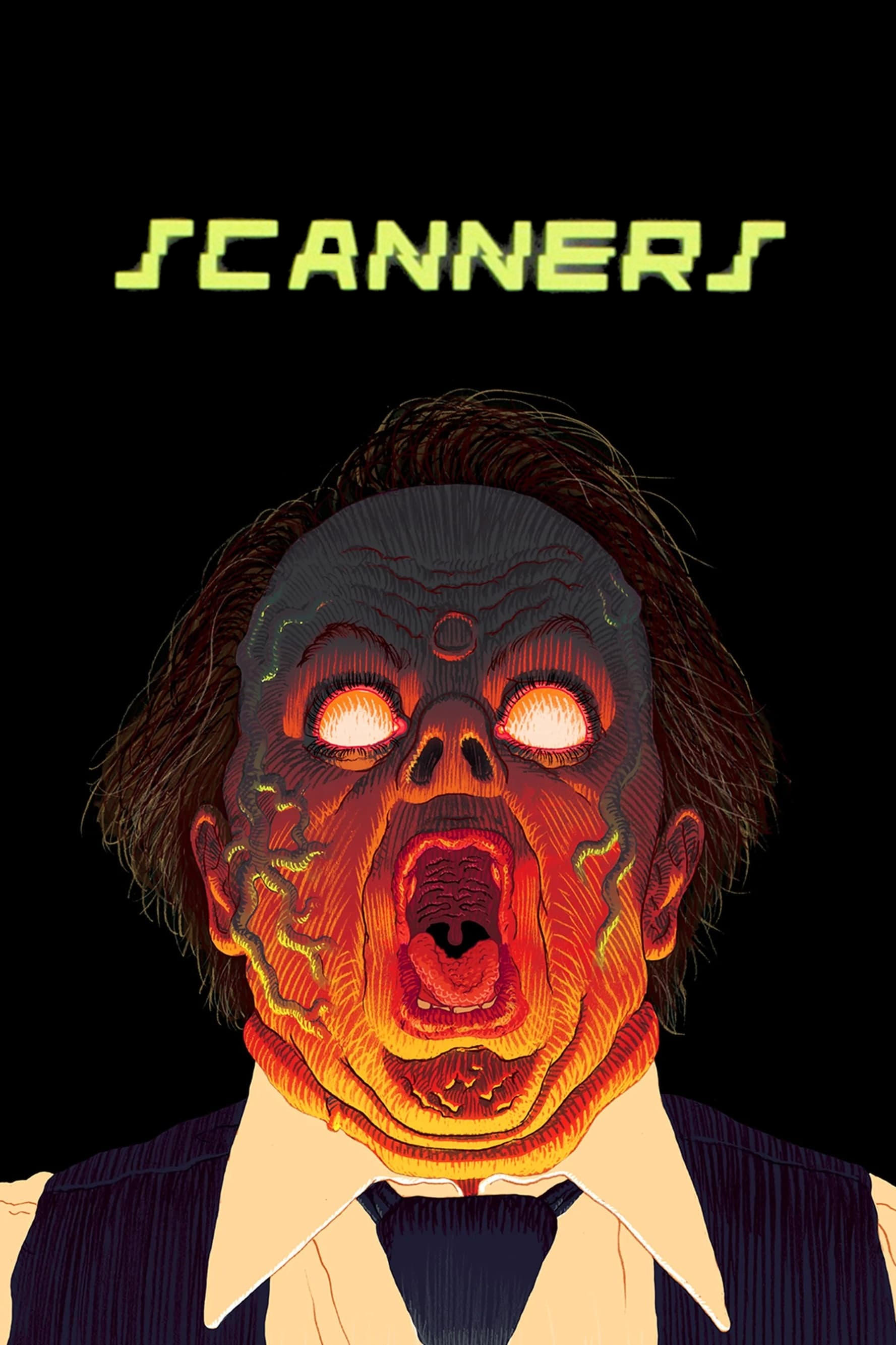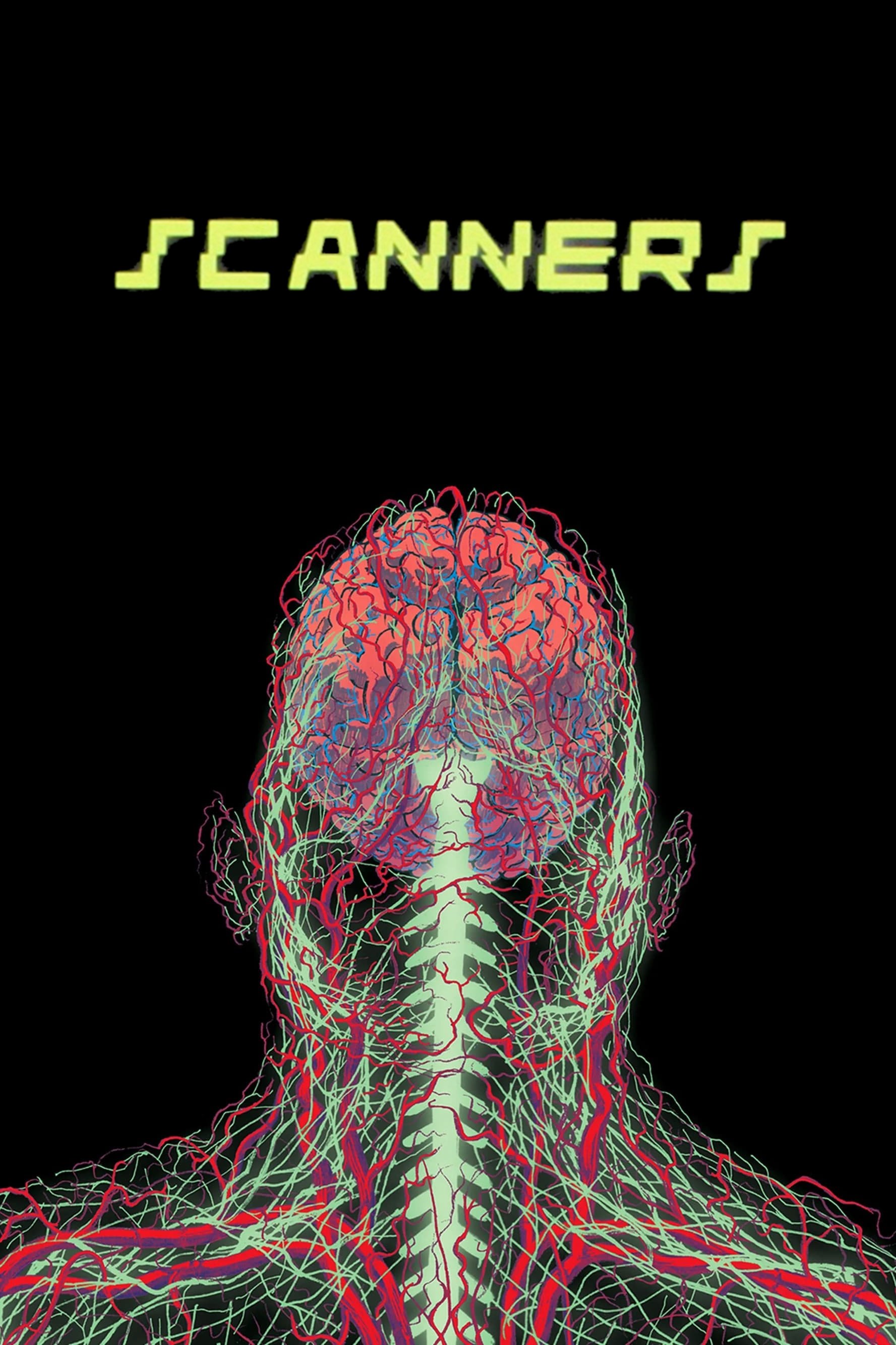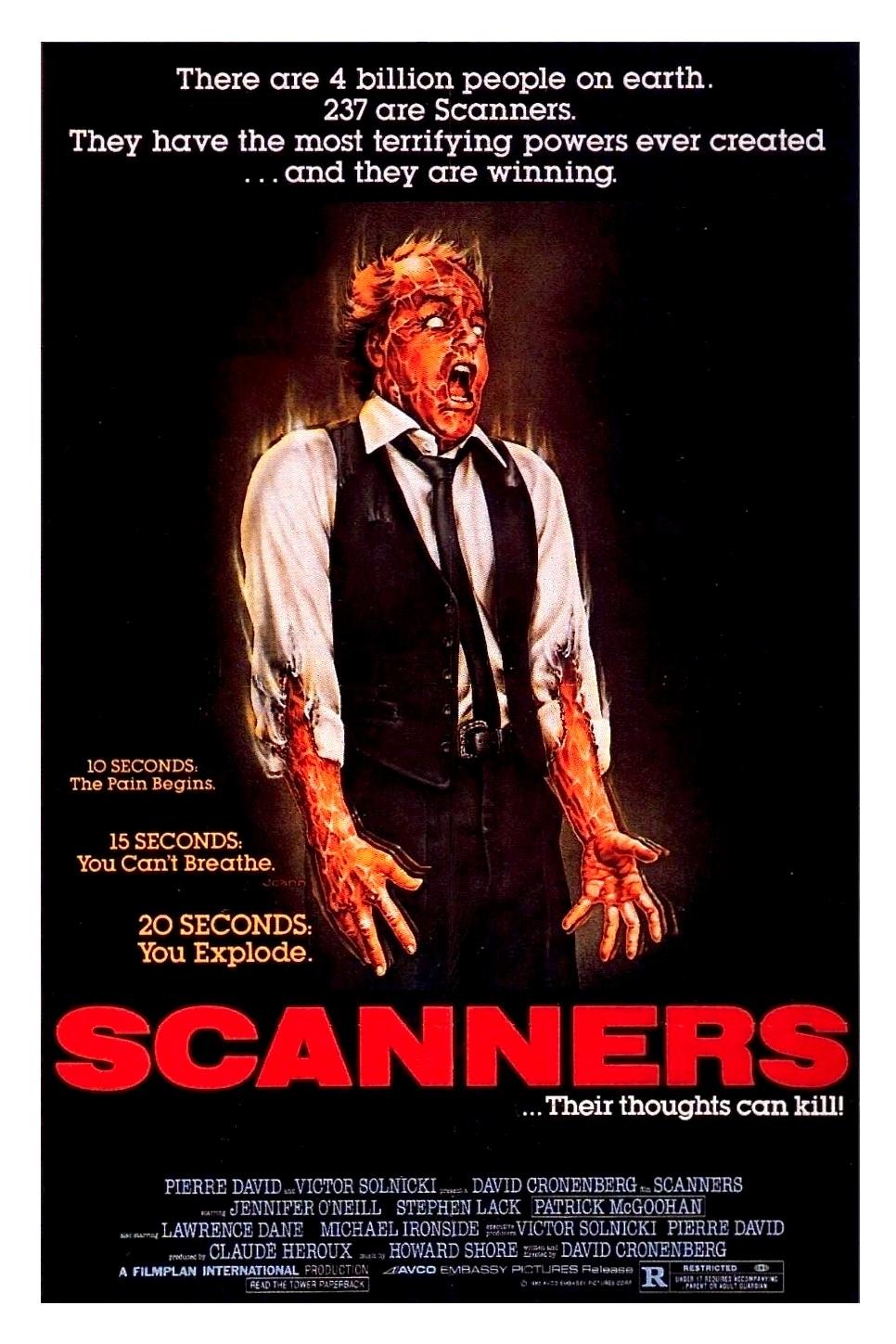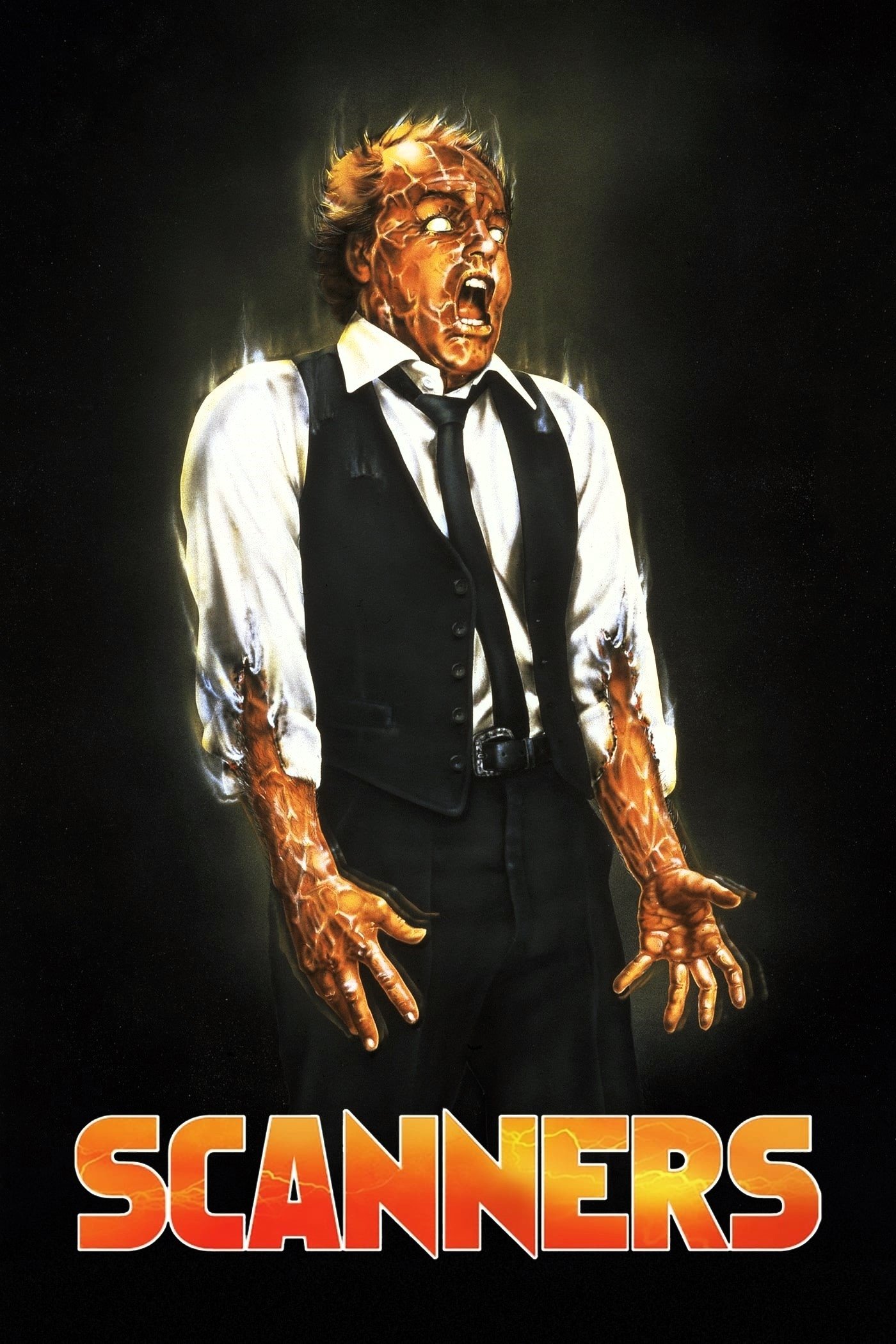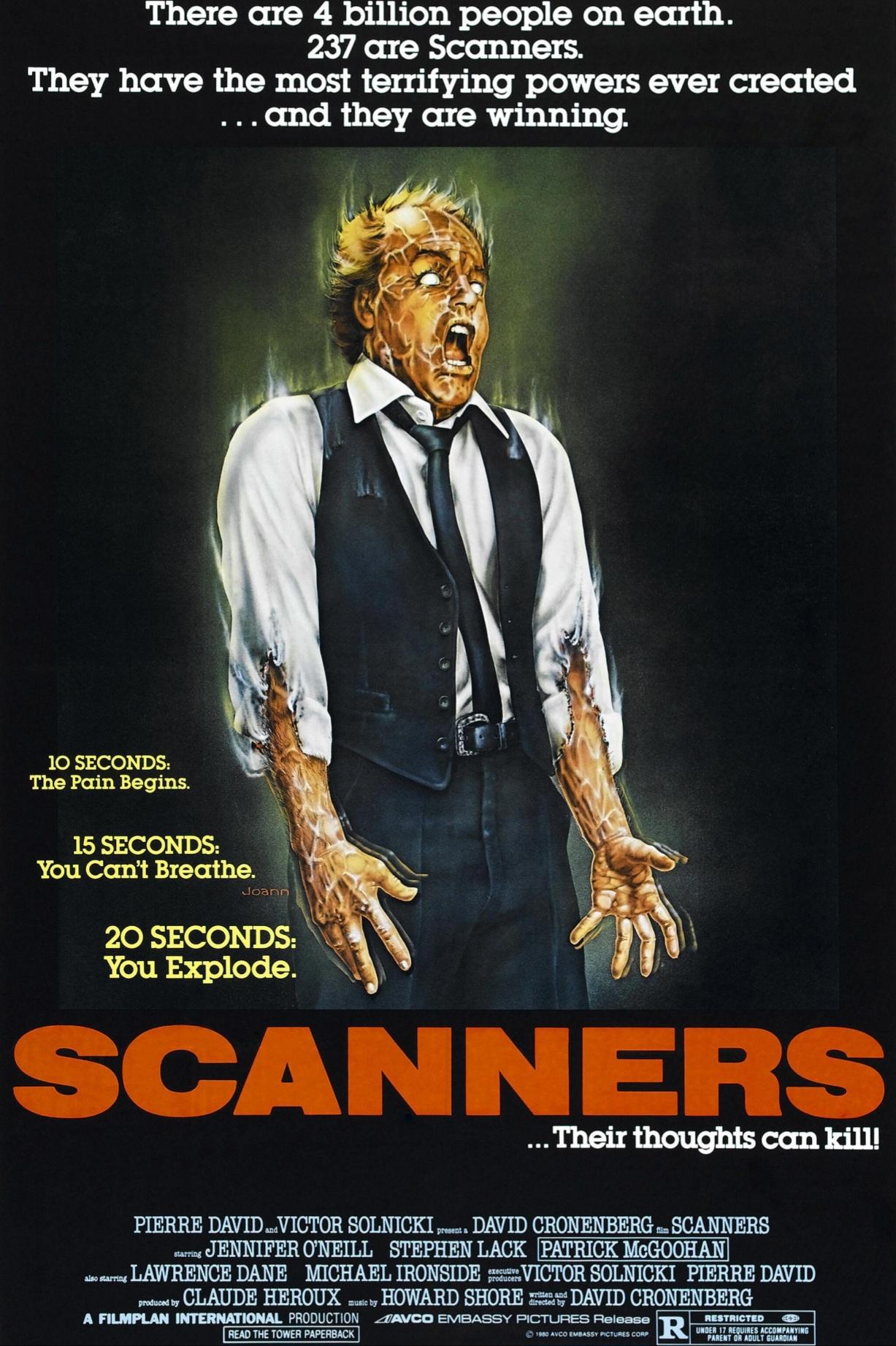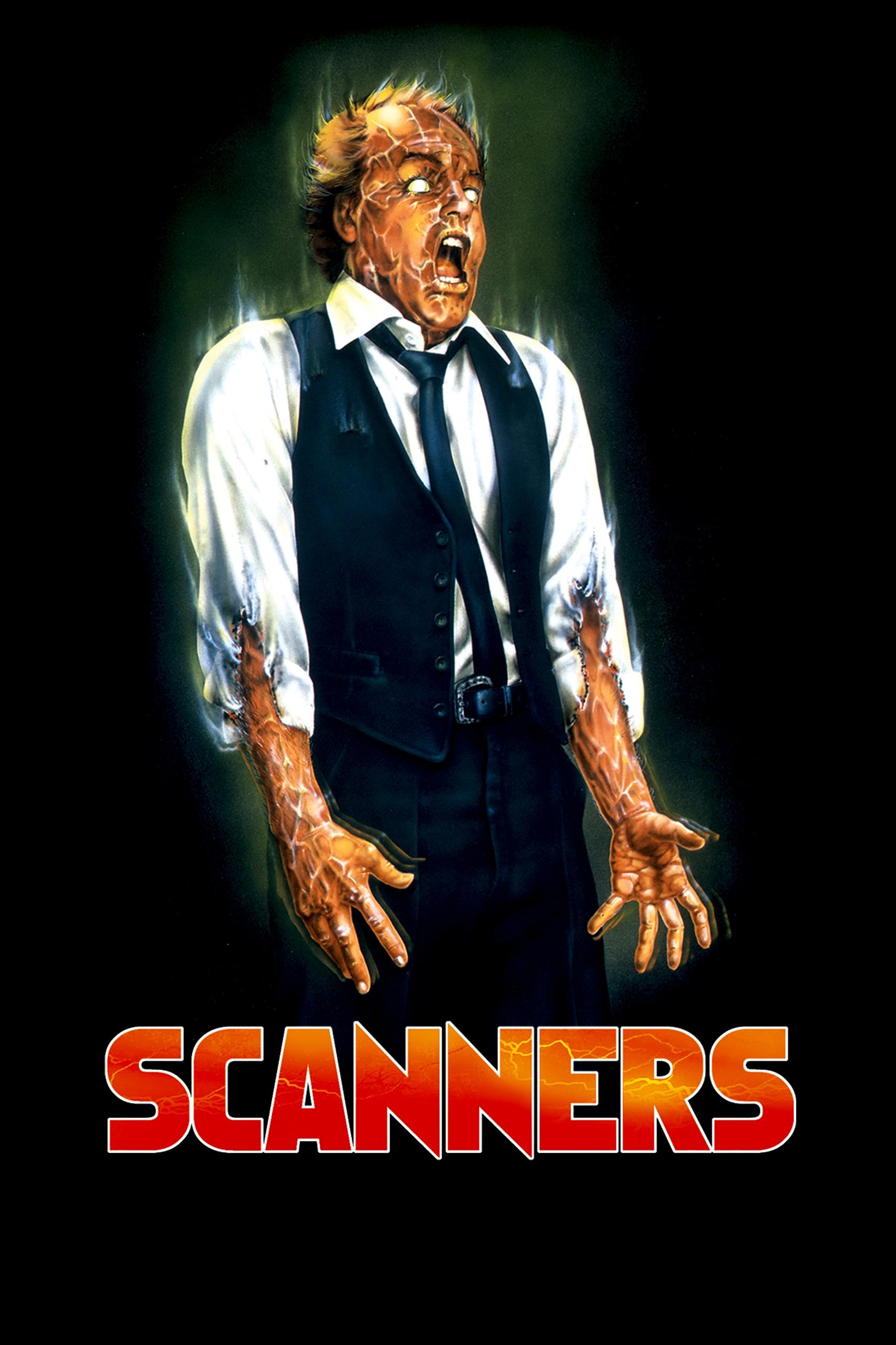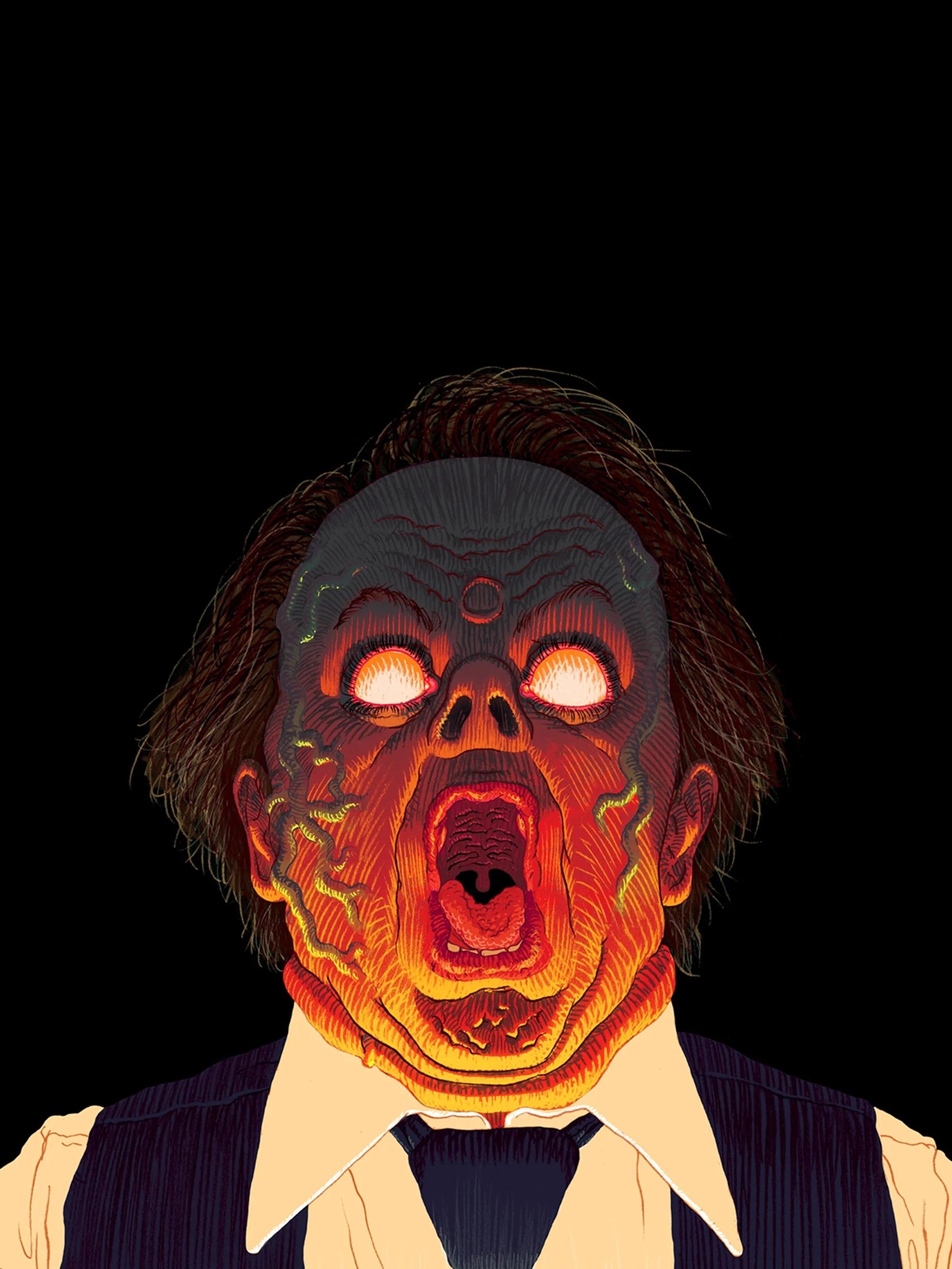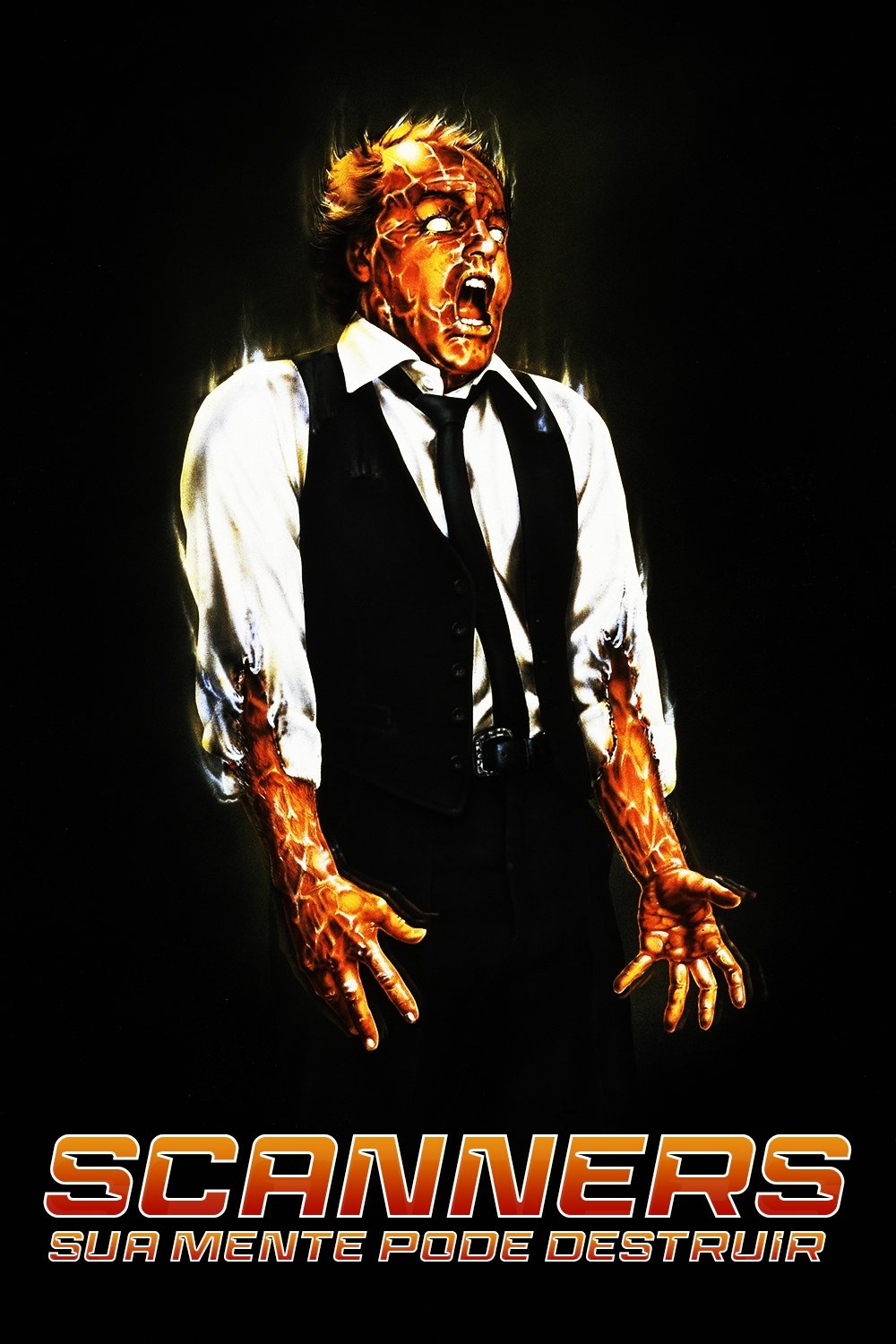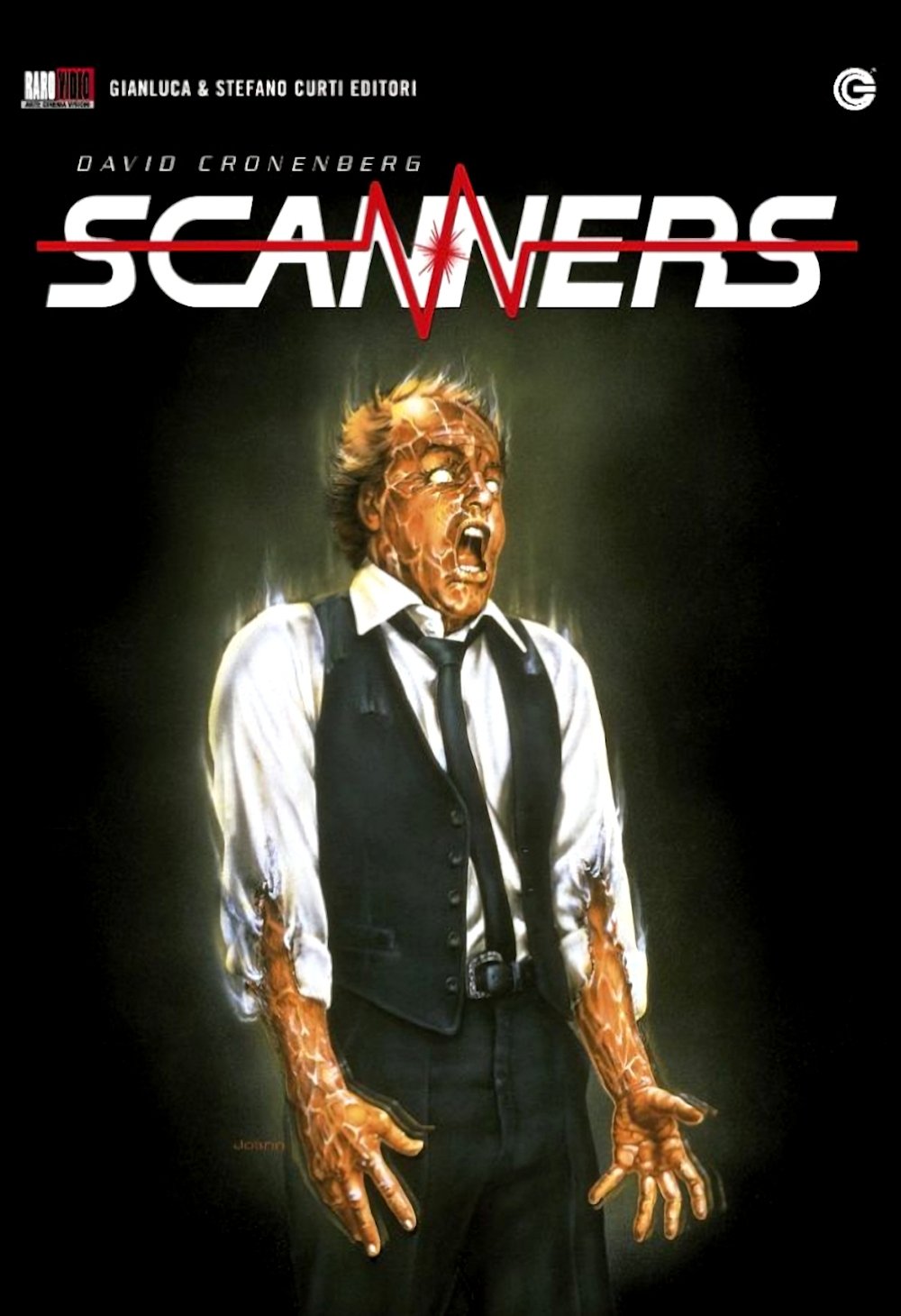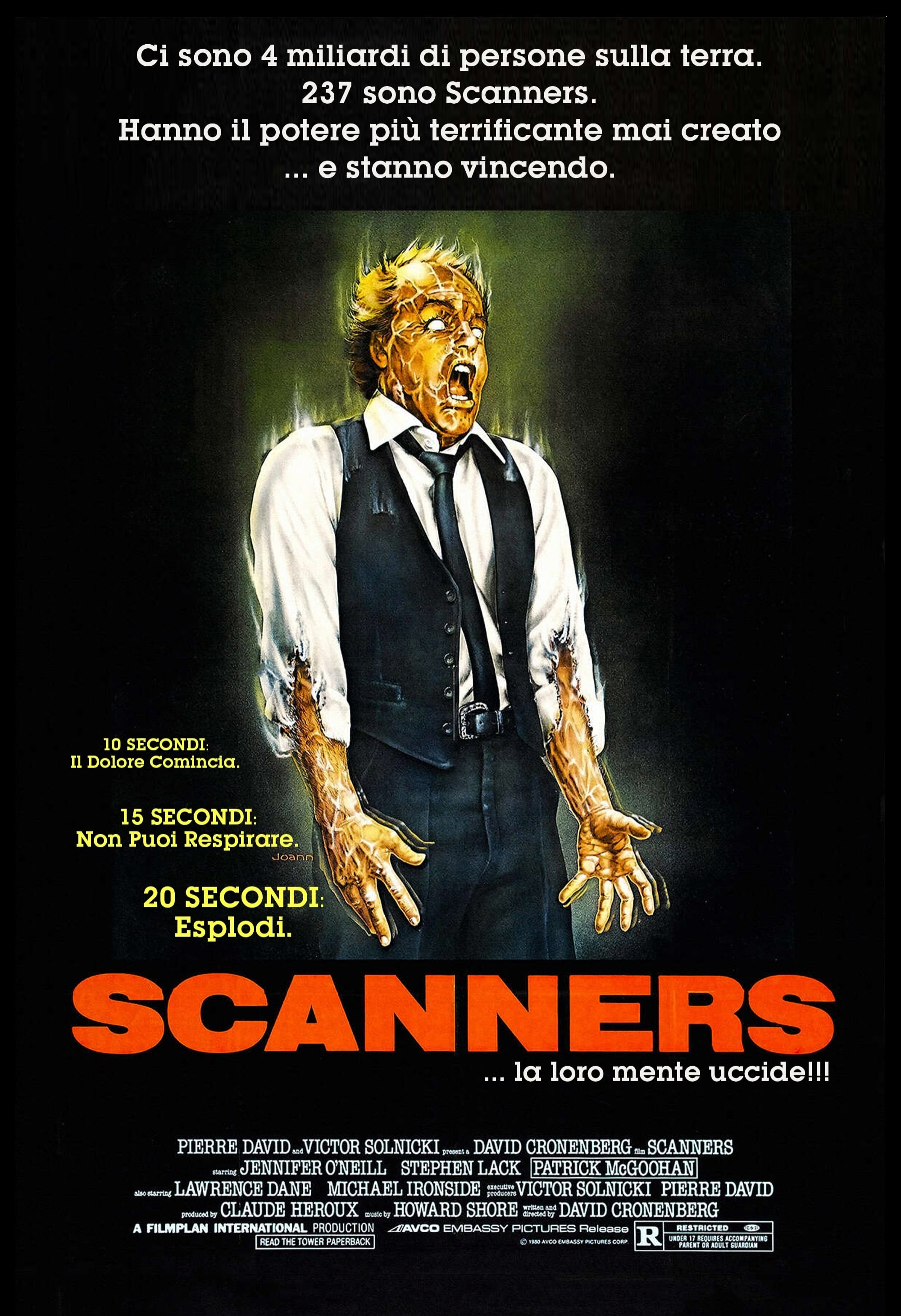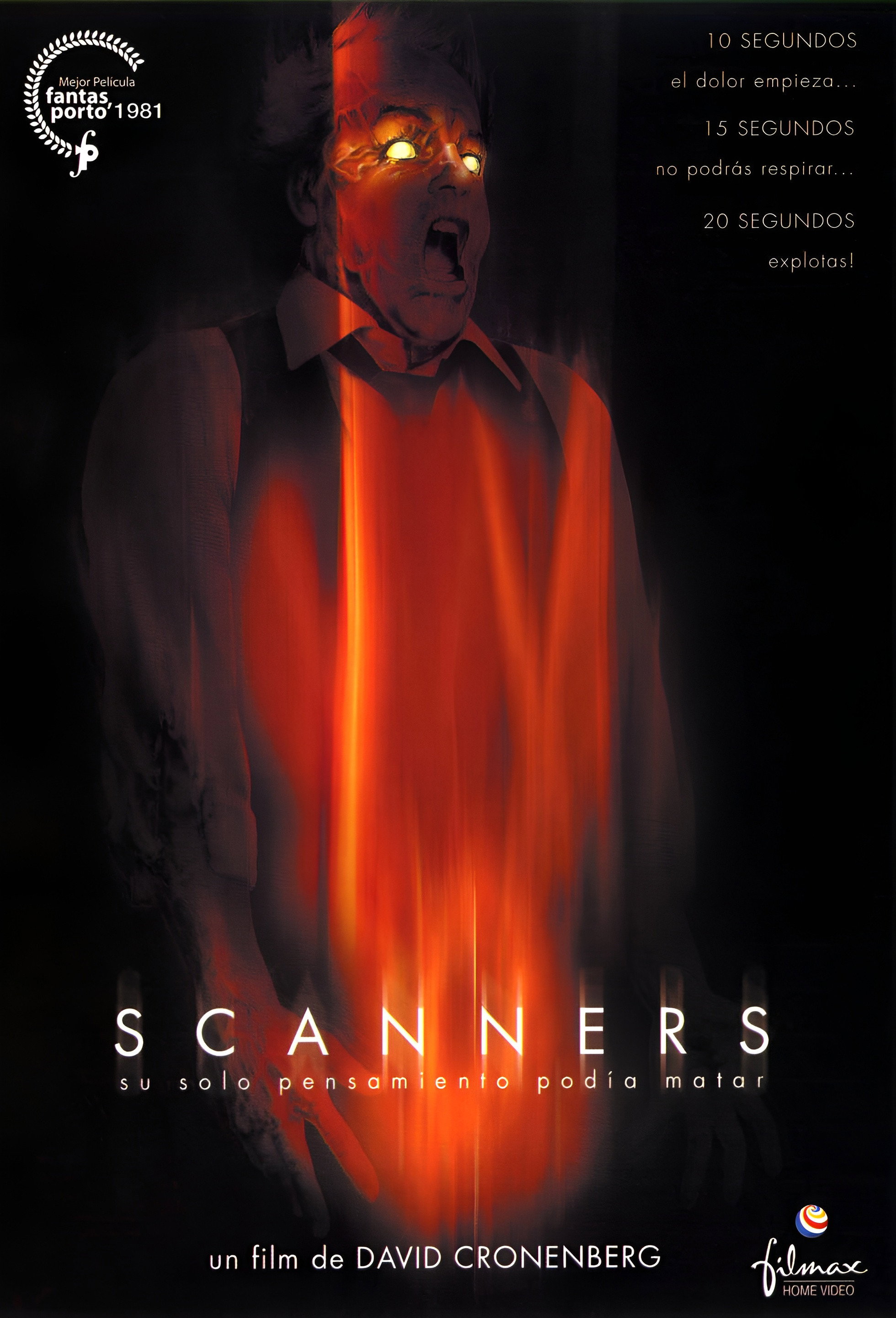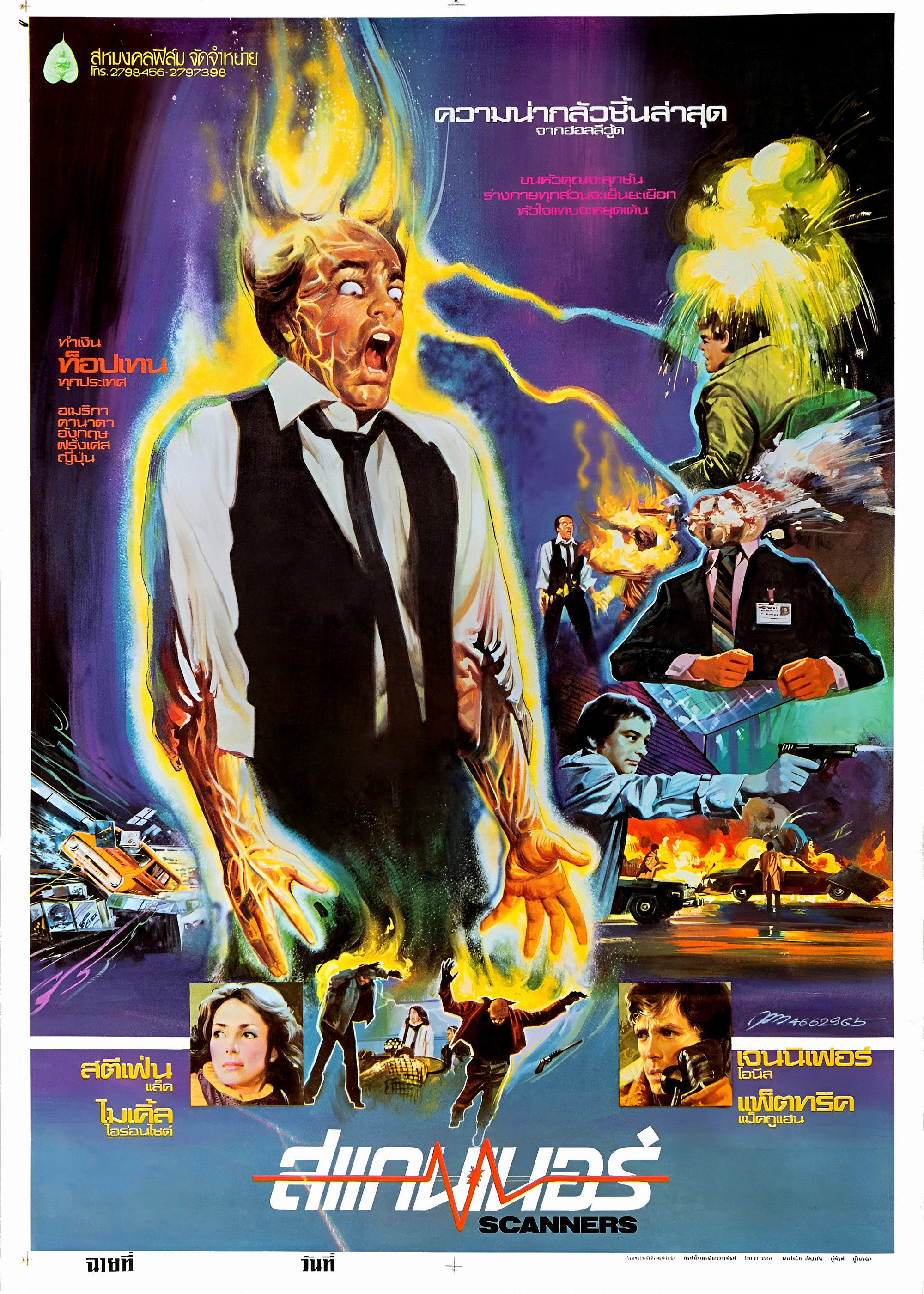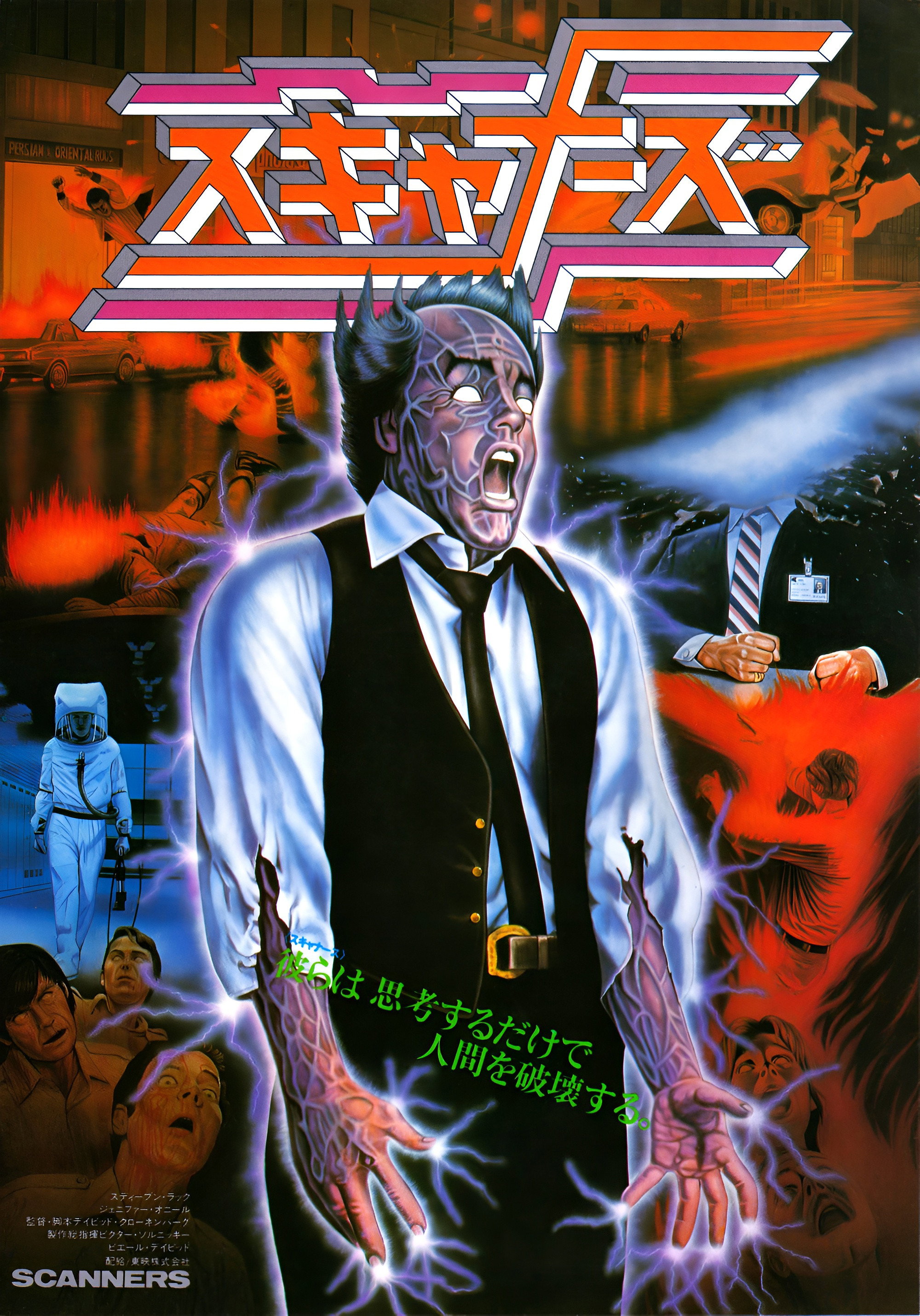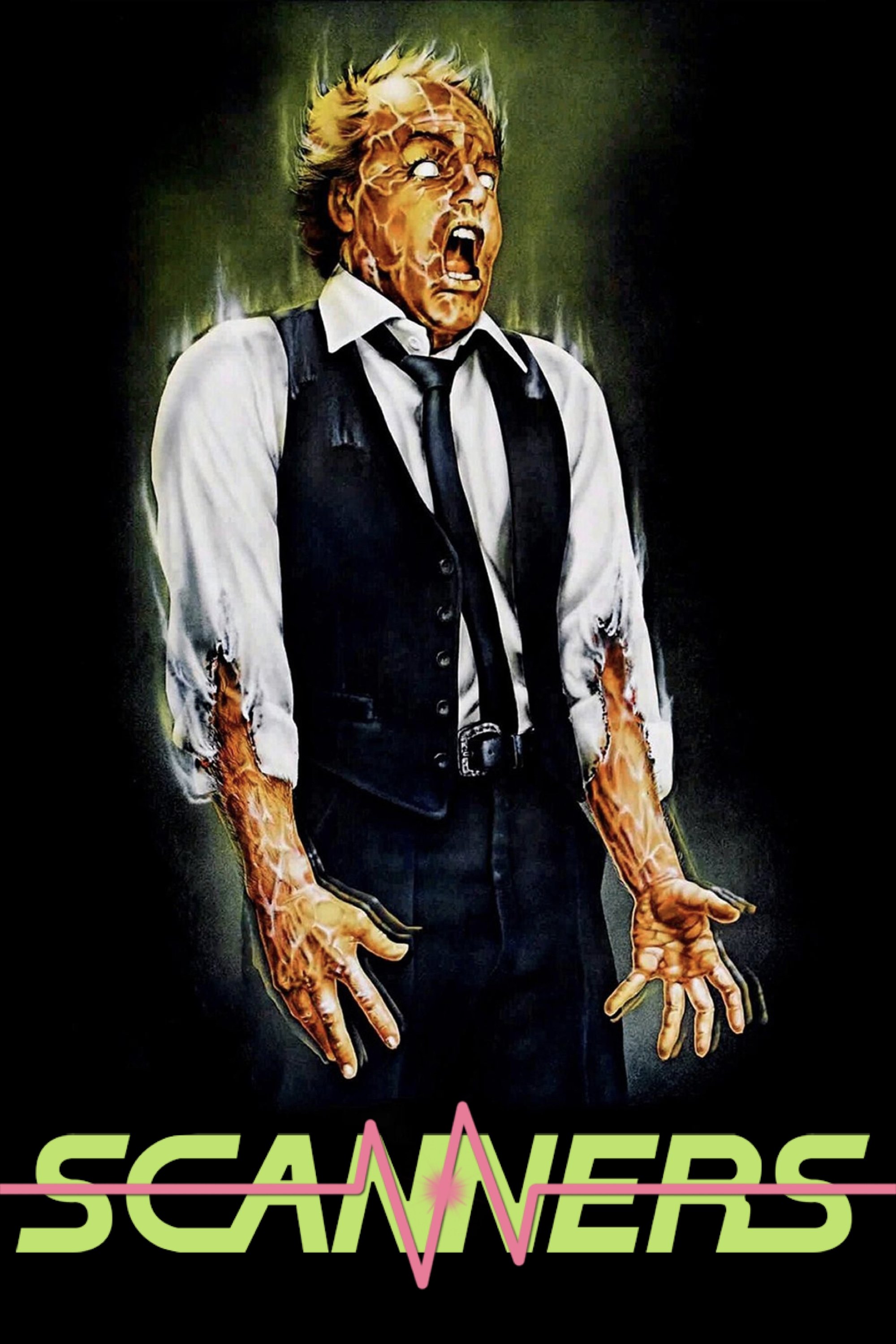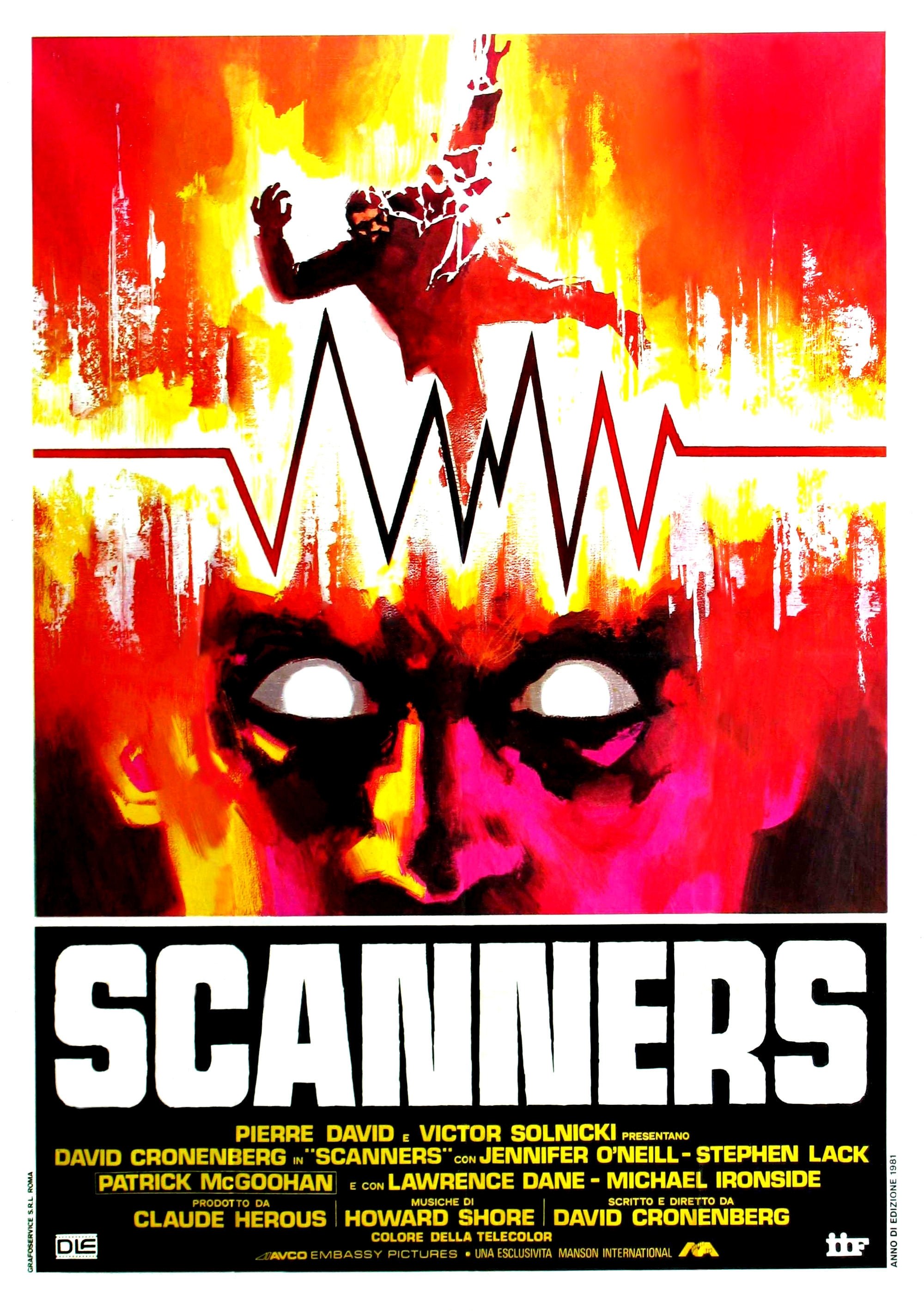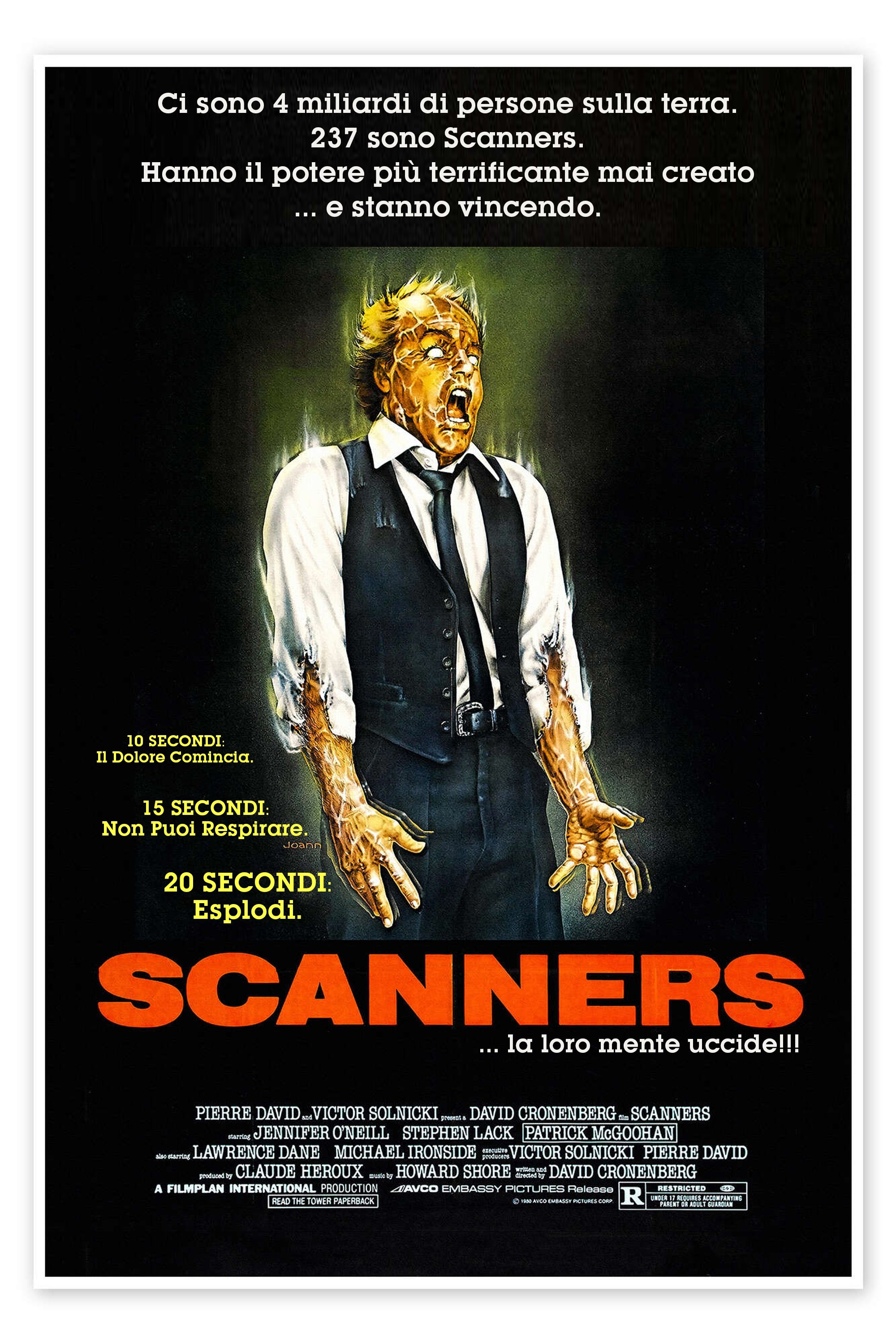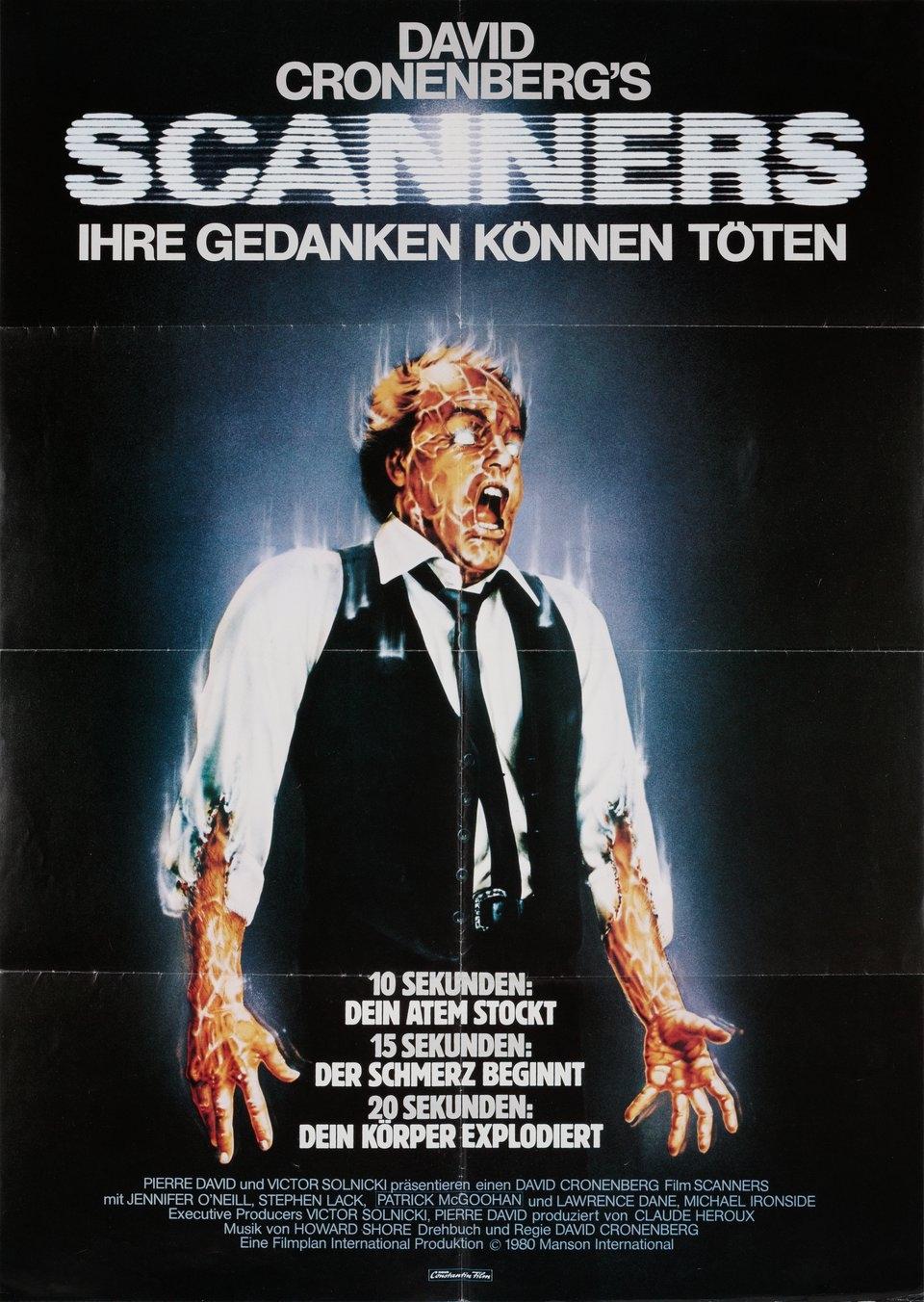




Telepathy, Early Cronenberg & a Production Without a Finished Script
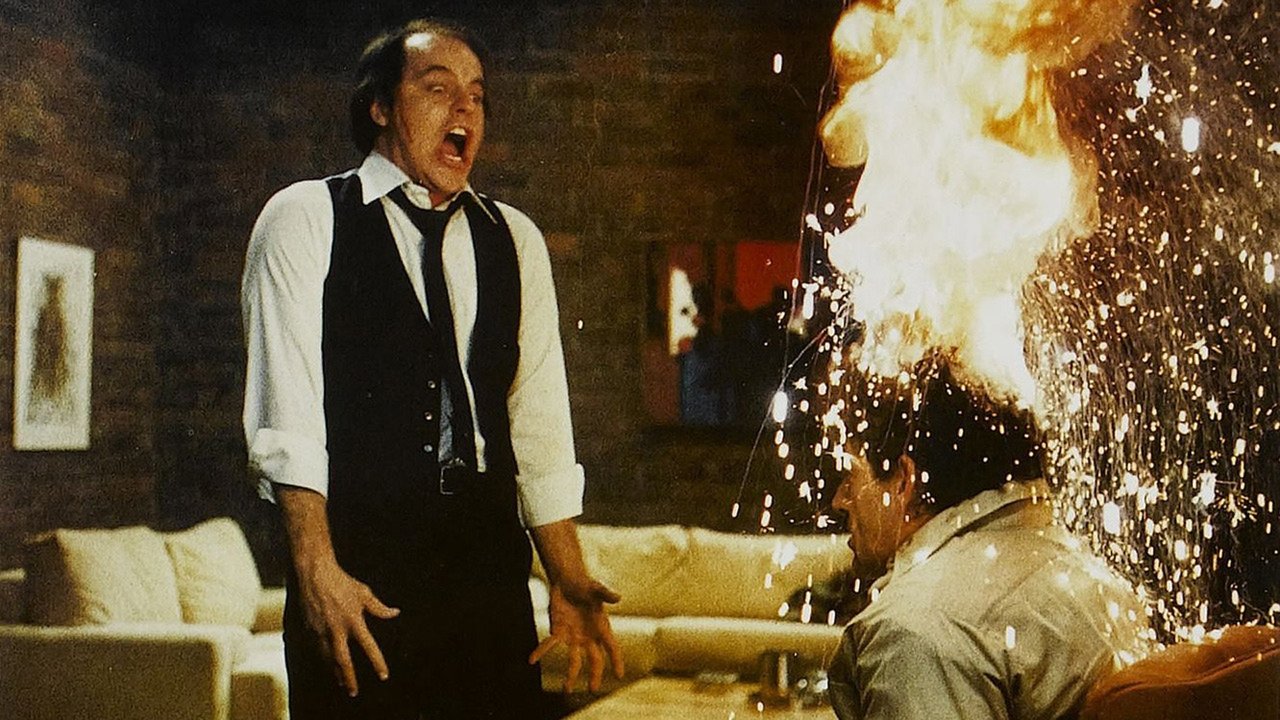
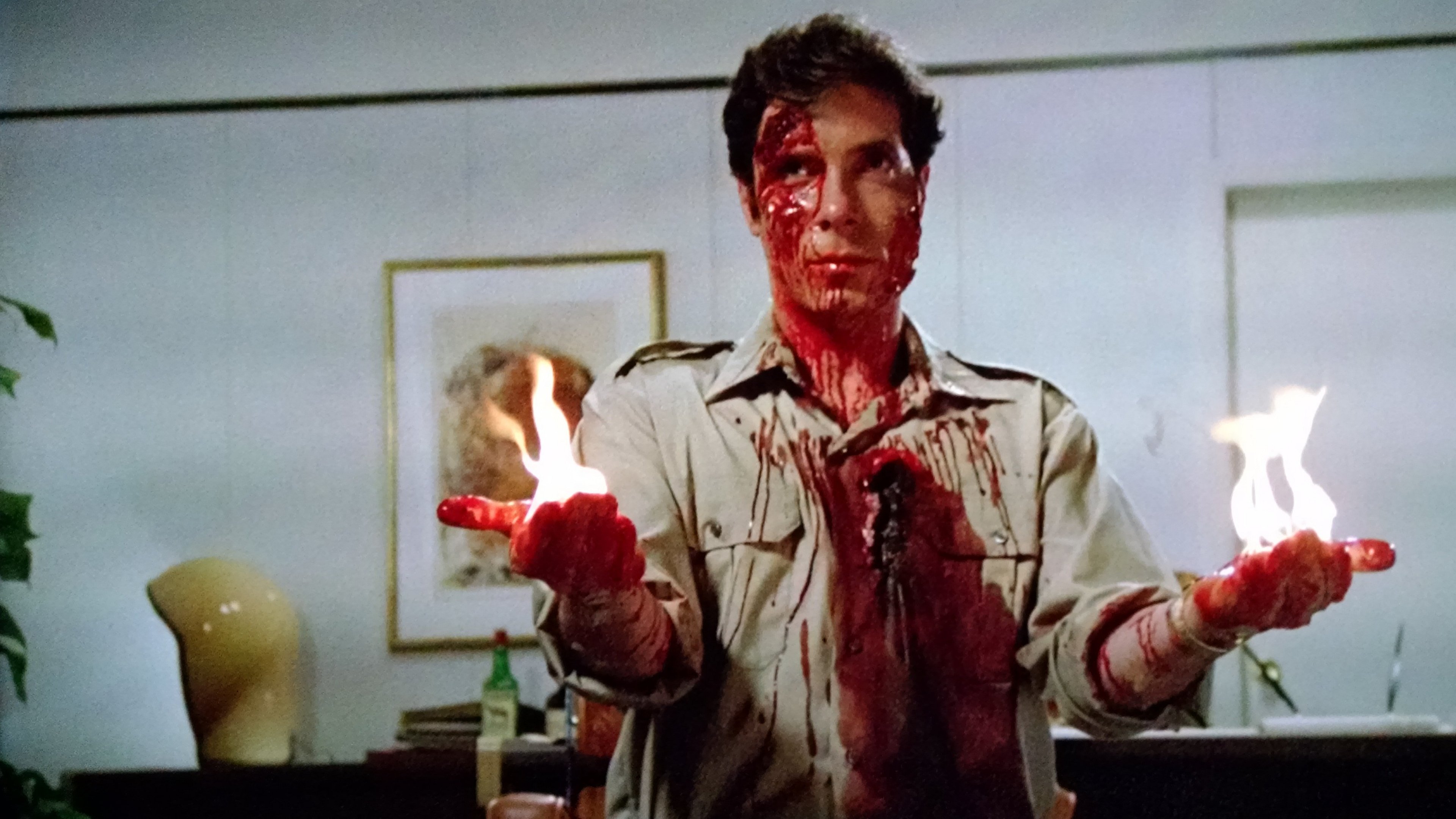
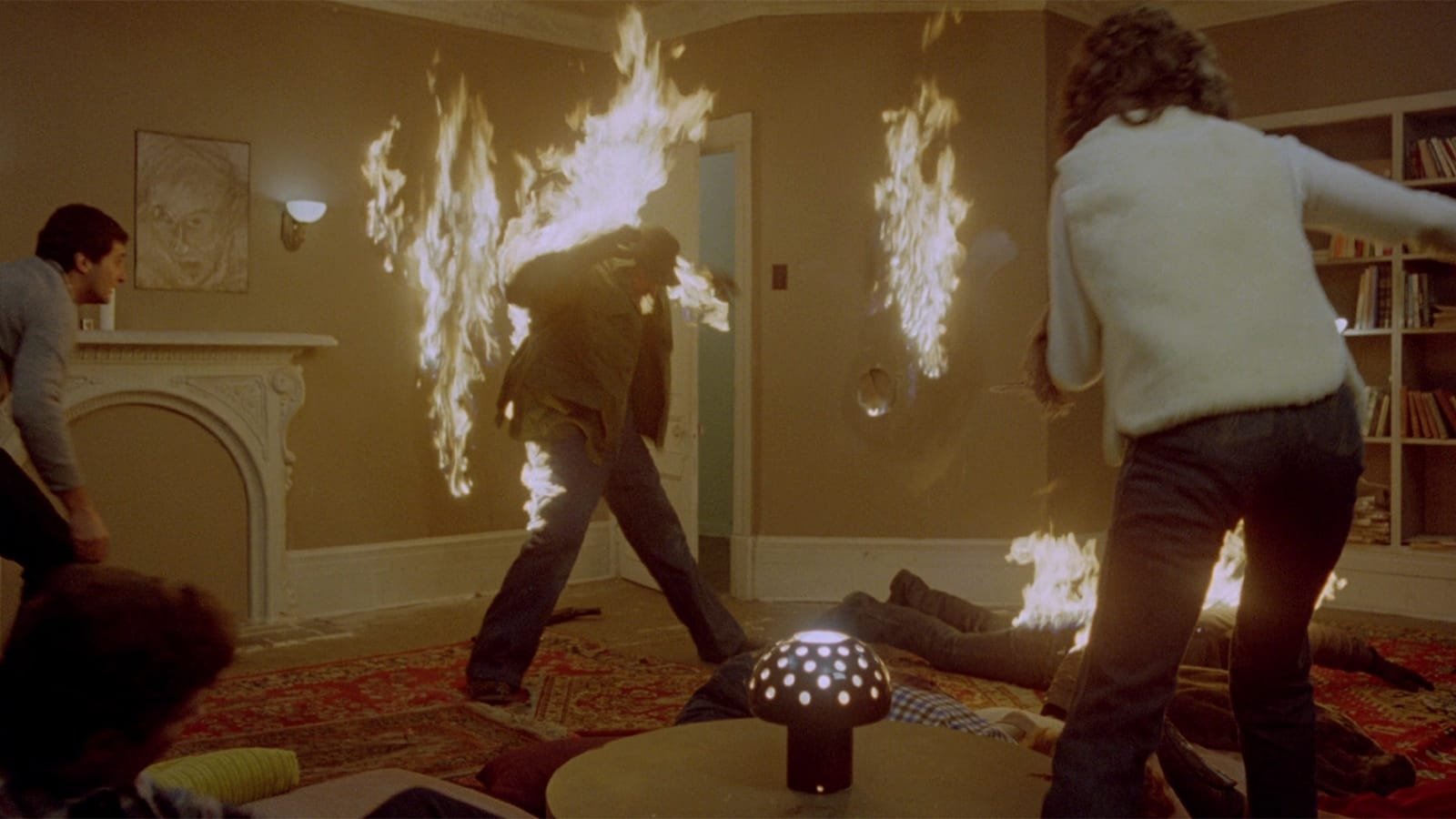
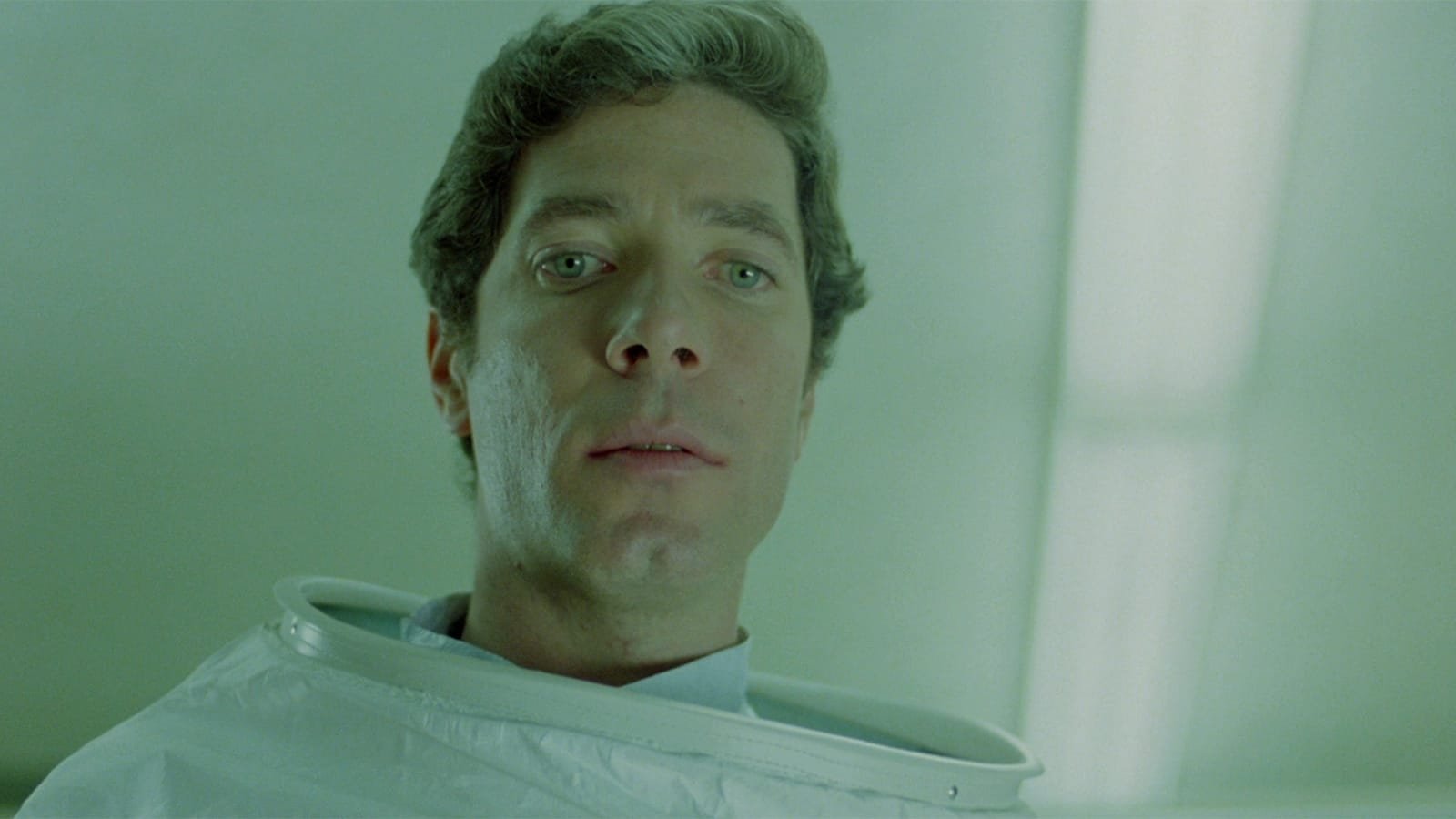
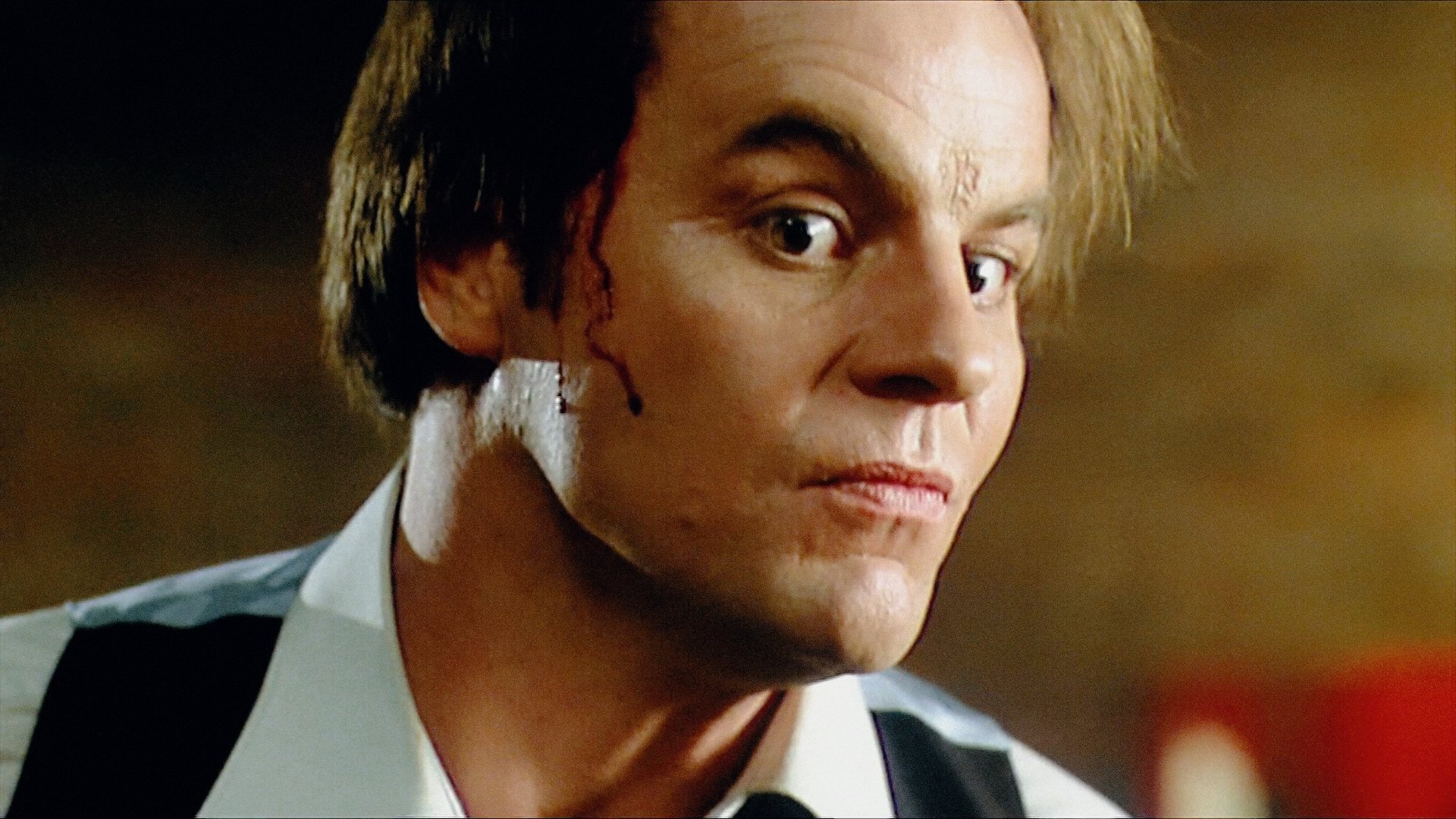
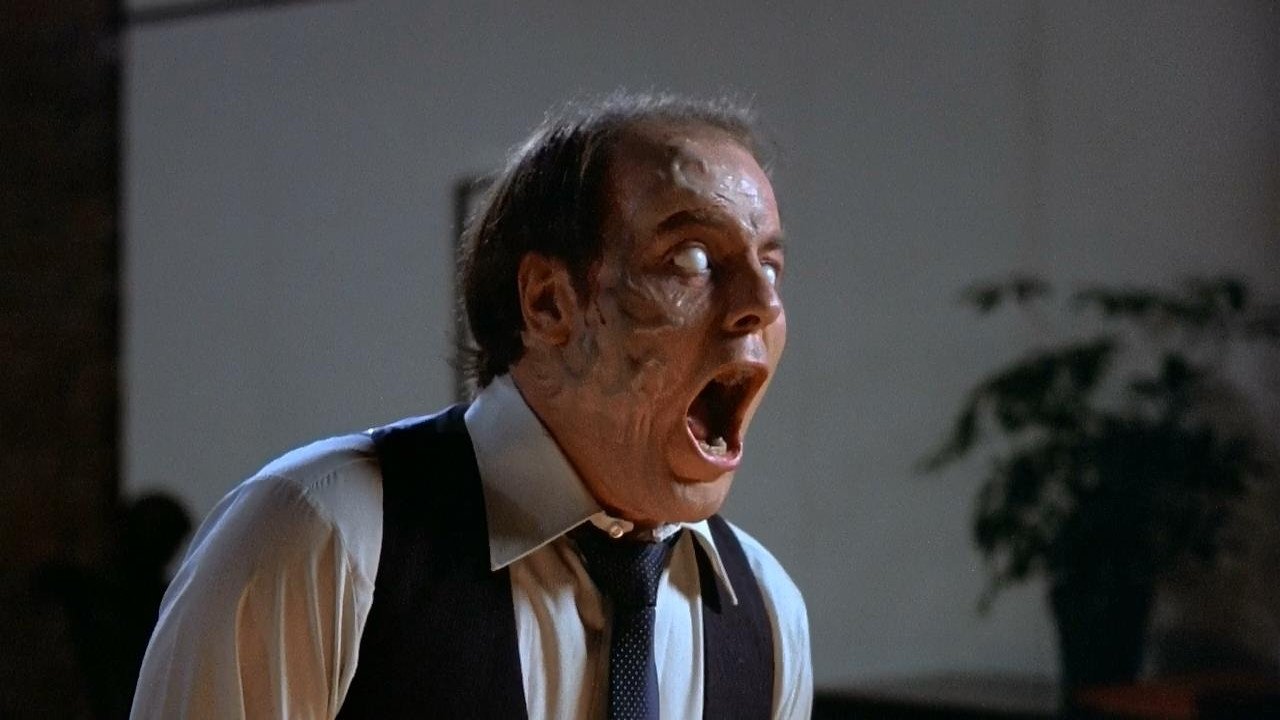
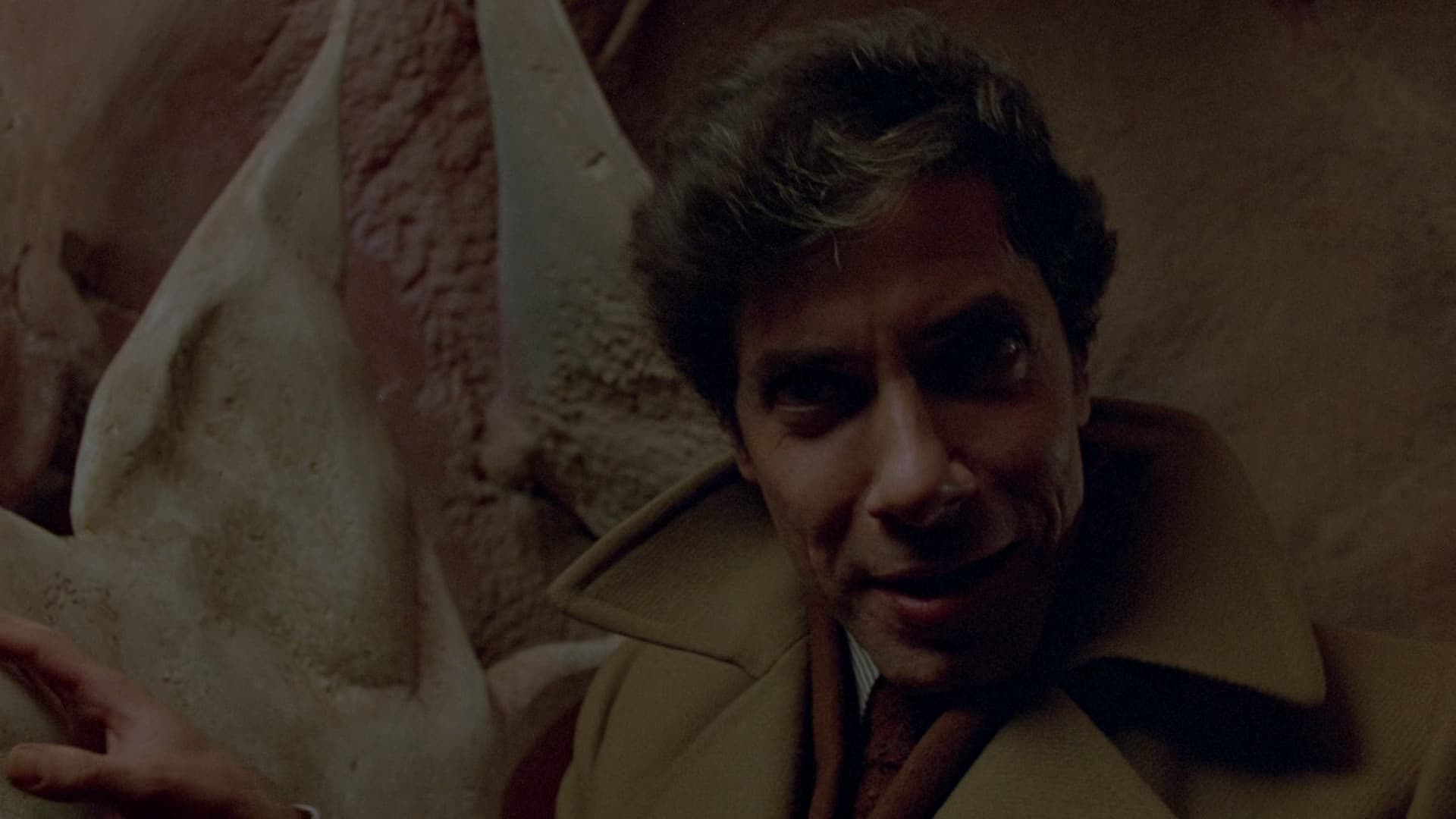
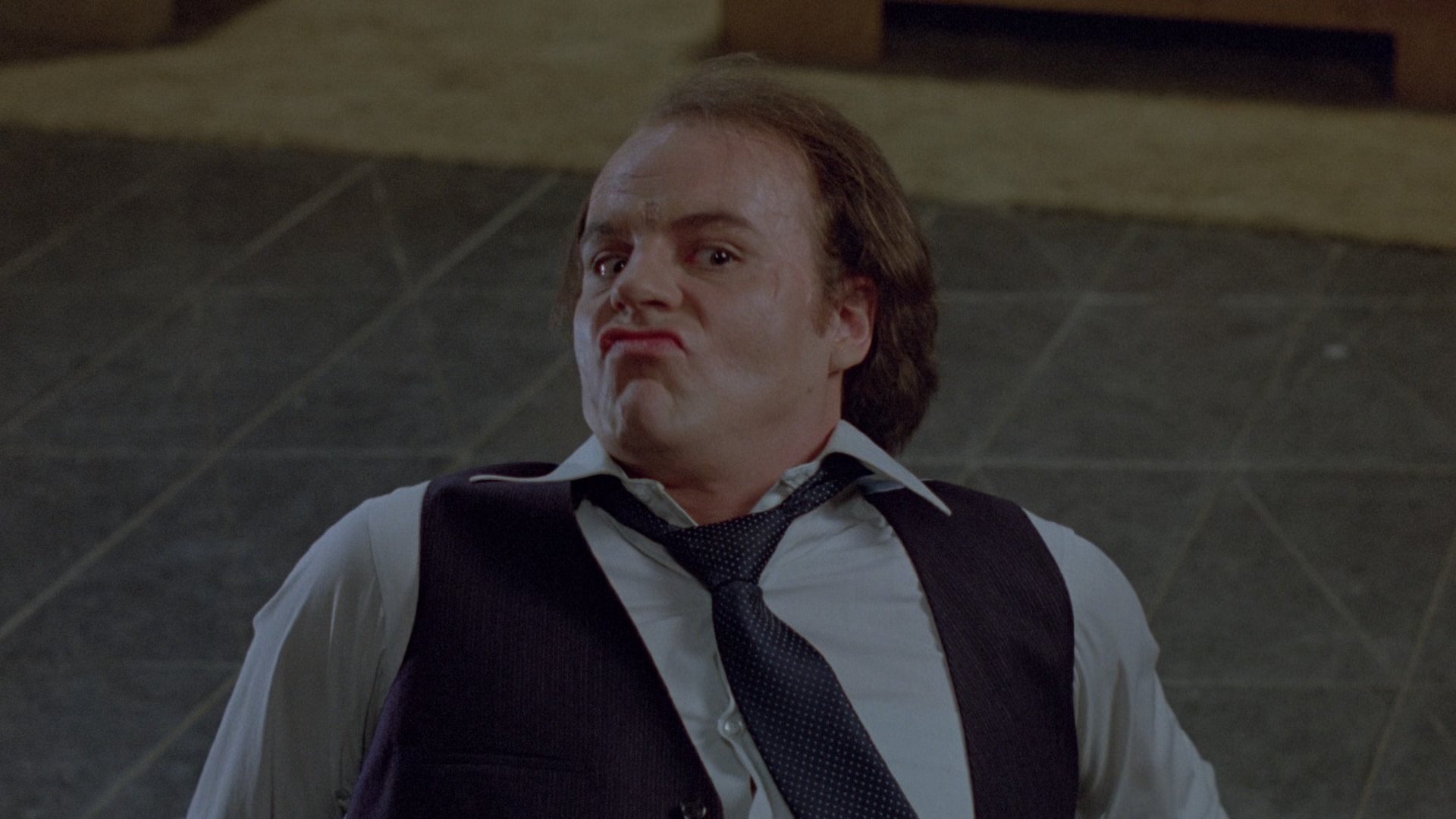
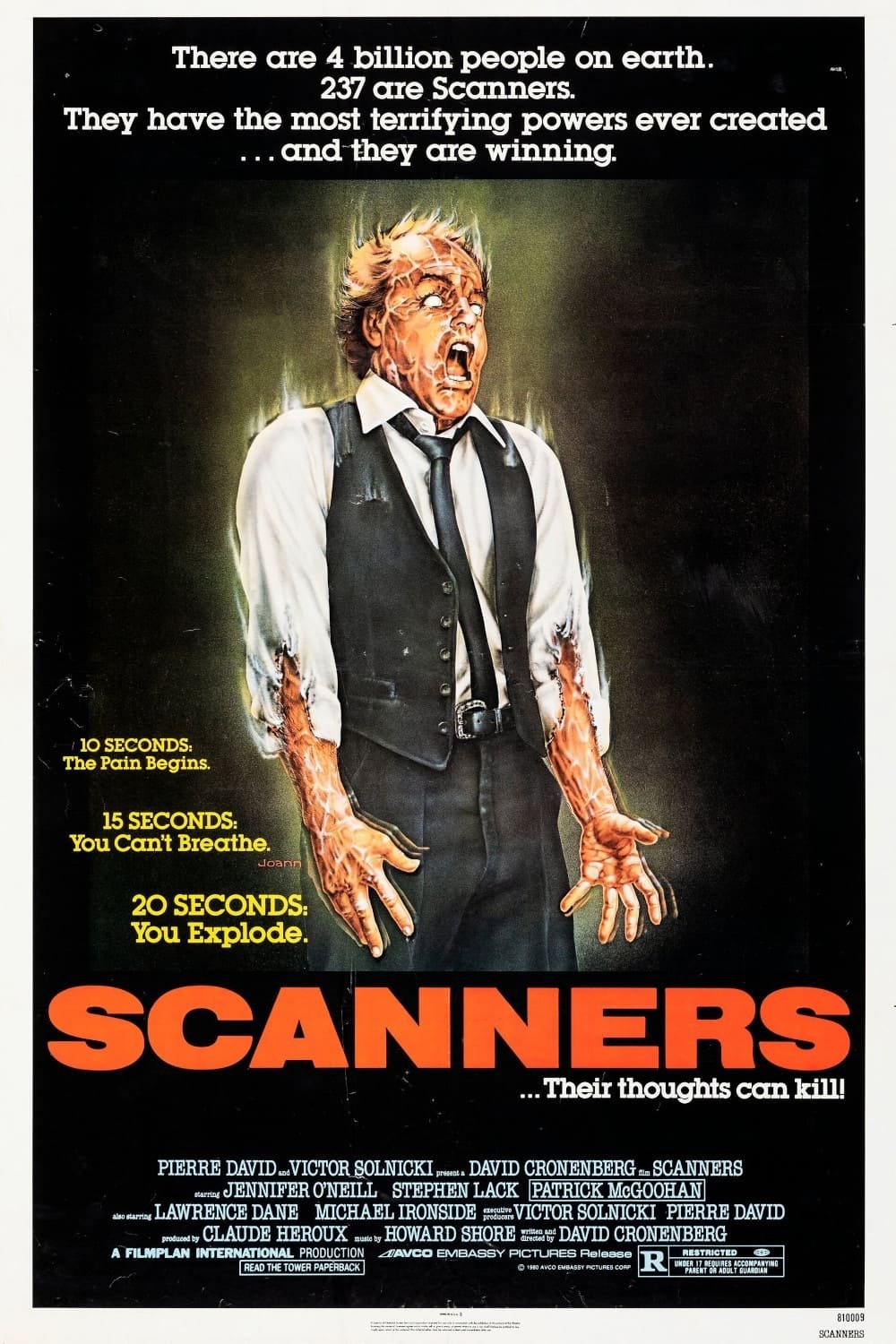
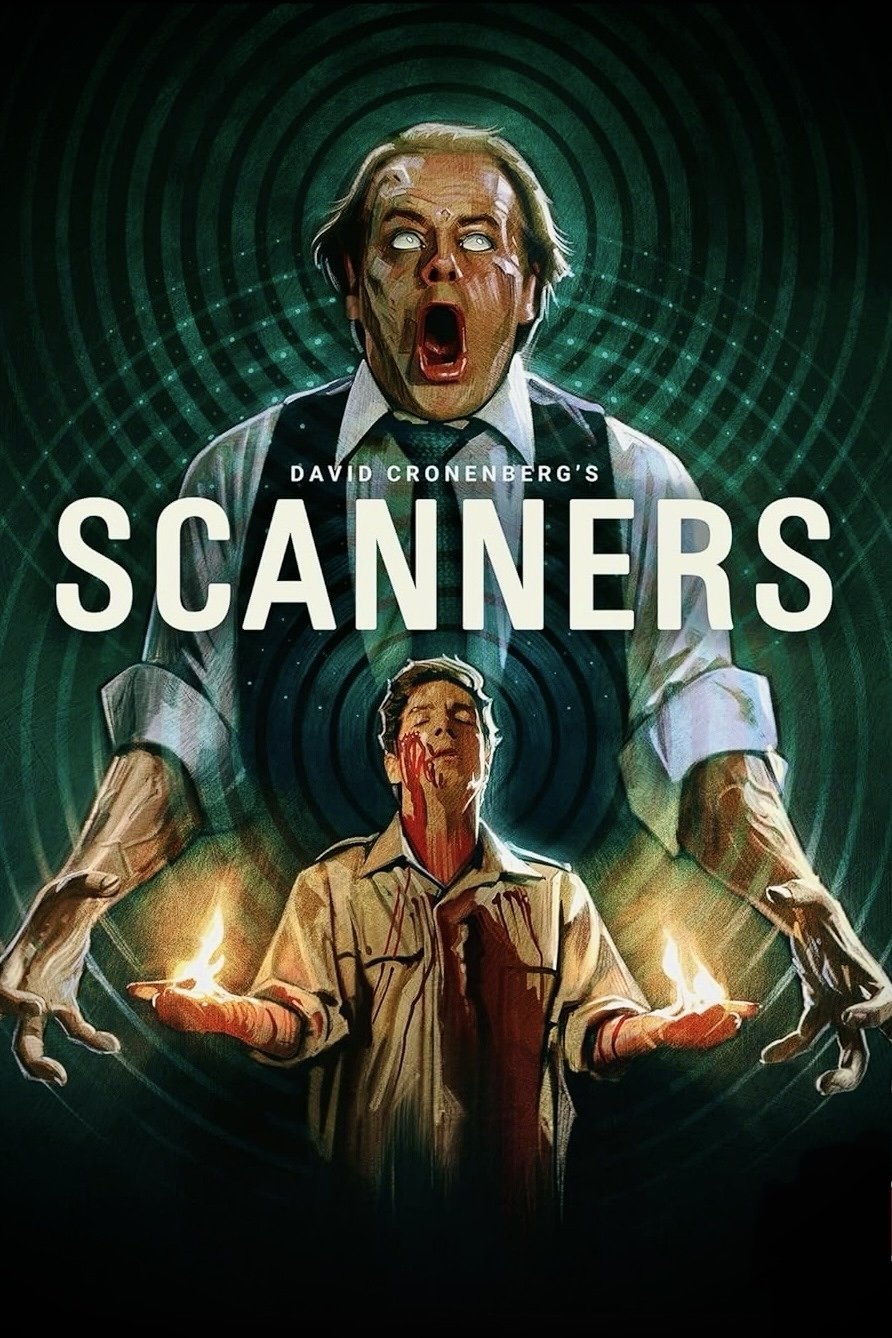
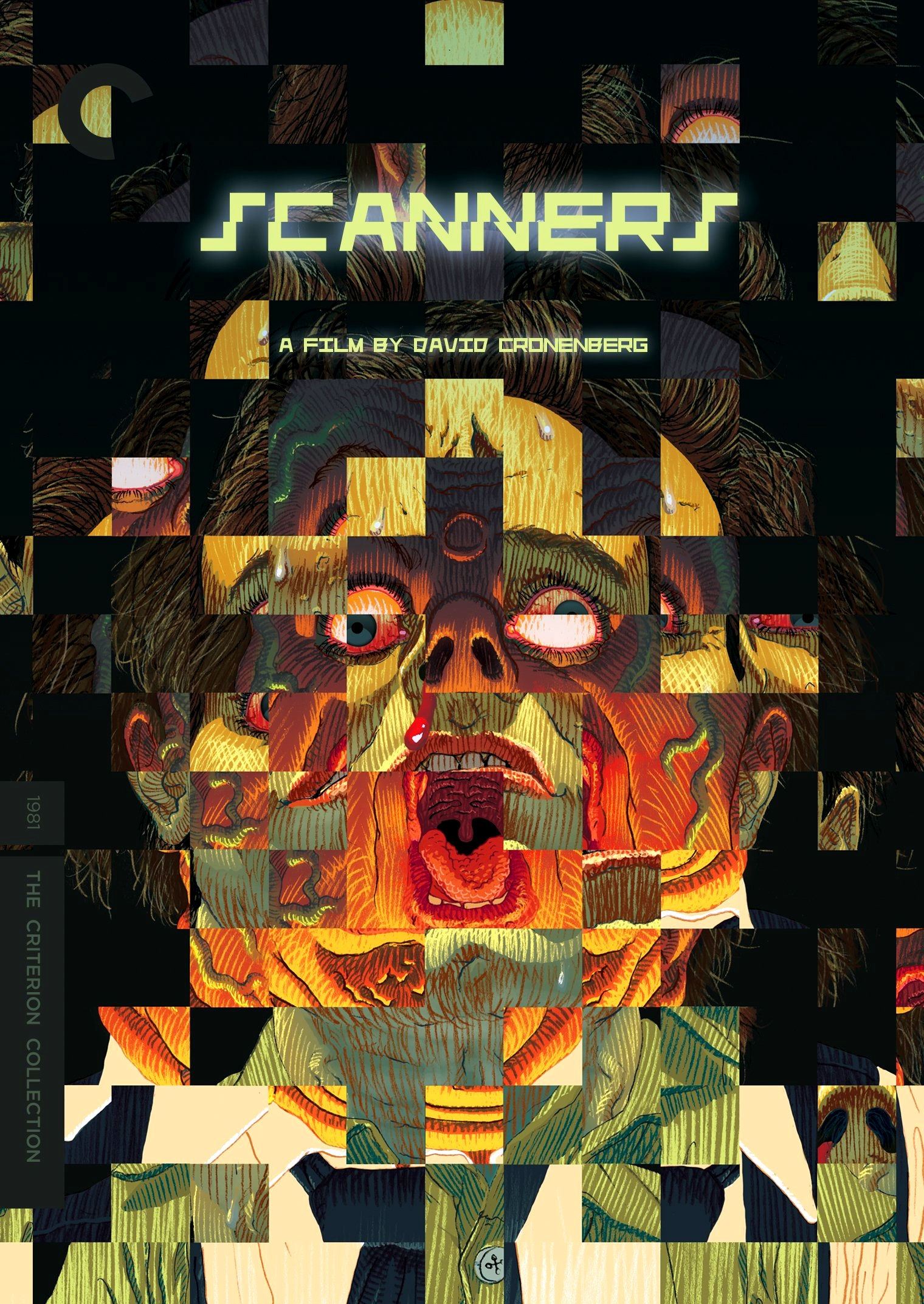
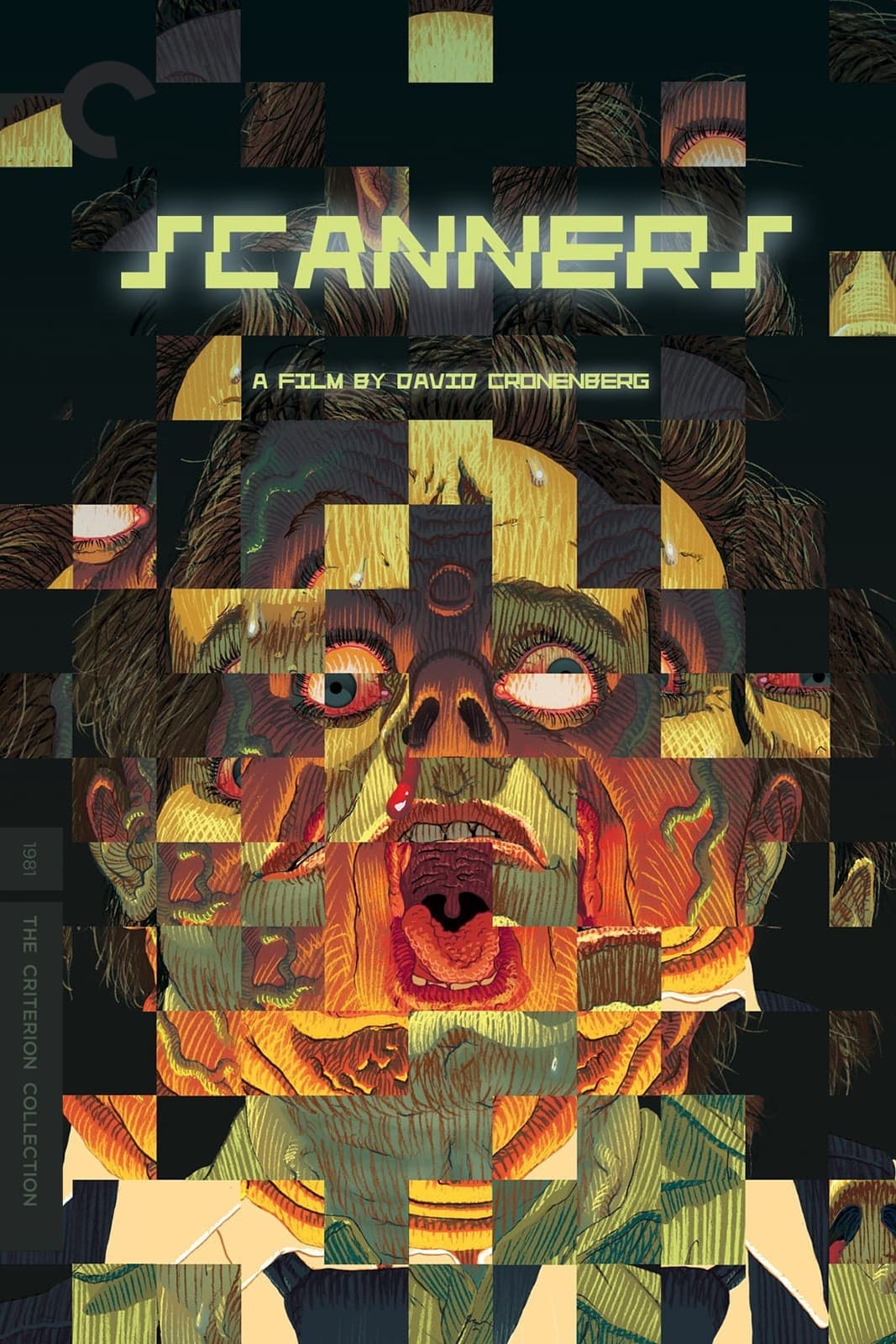
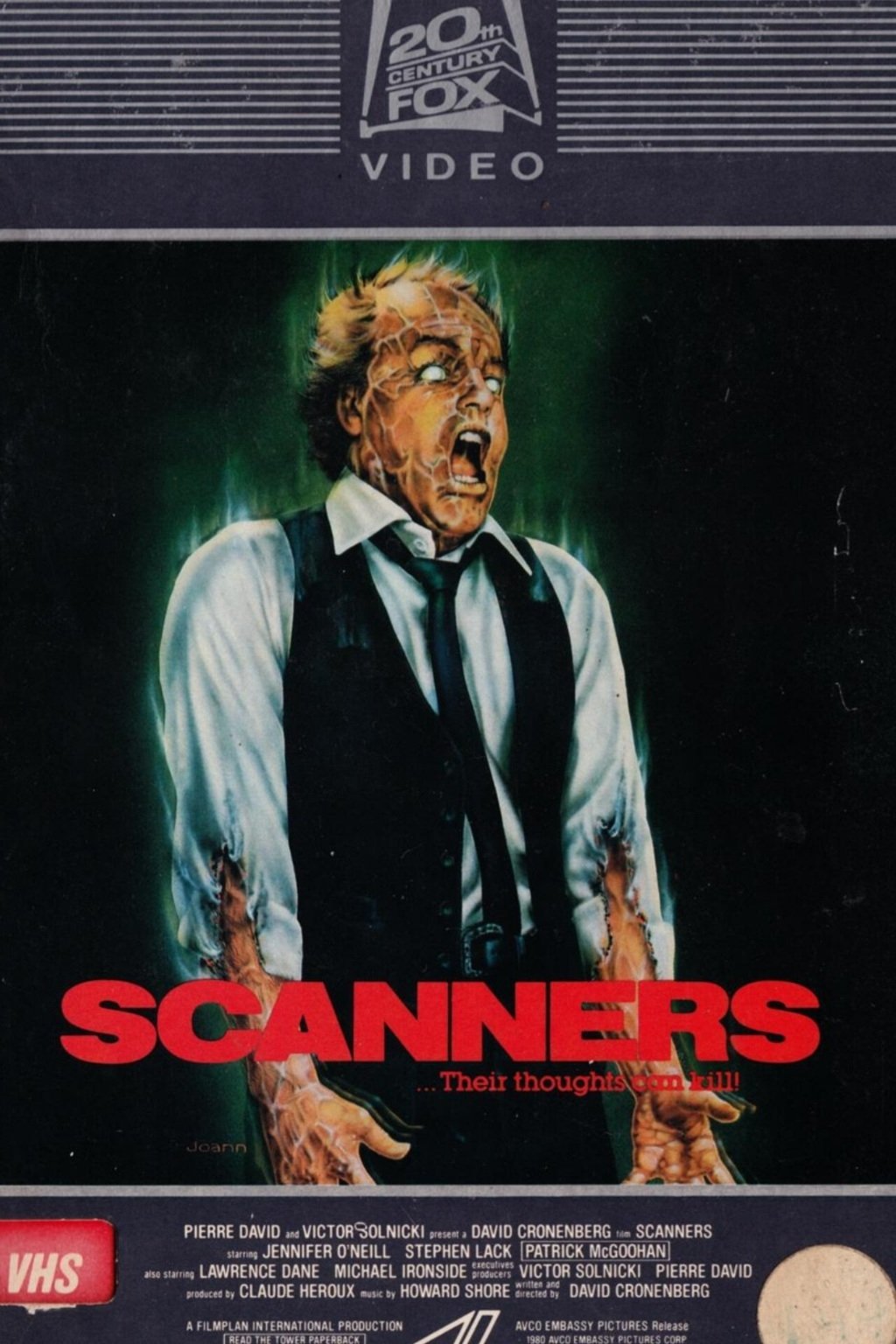
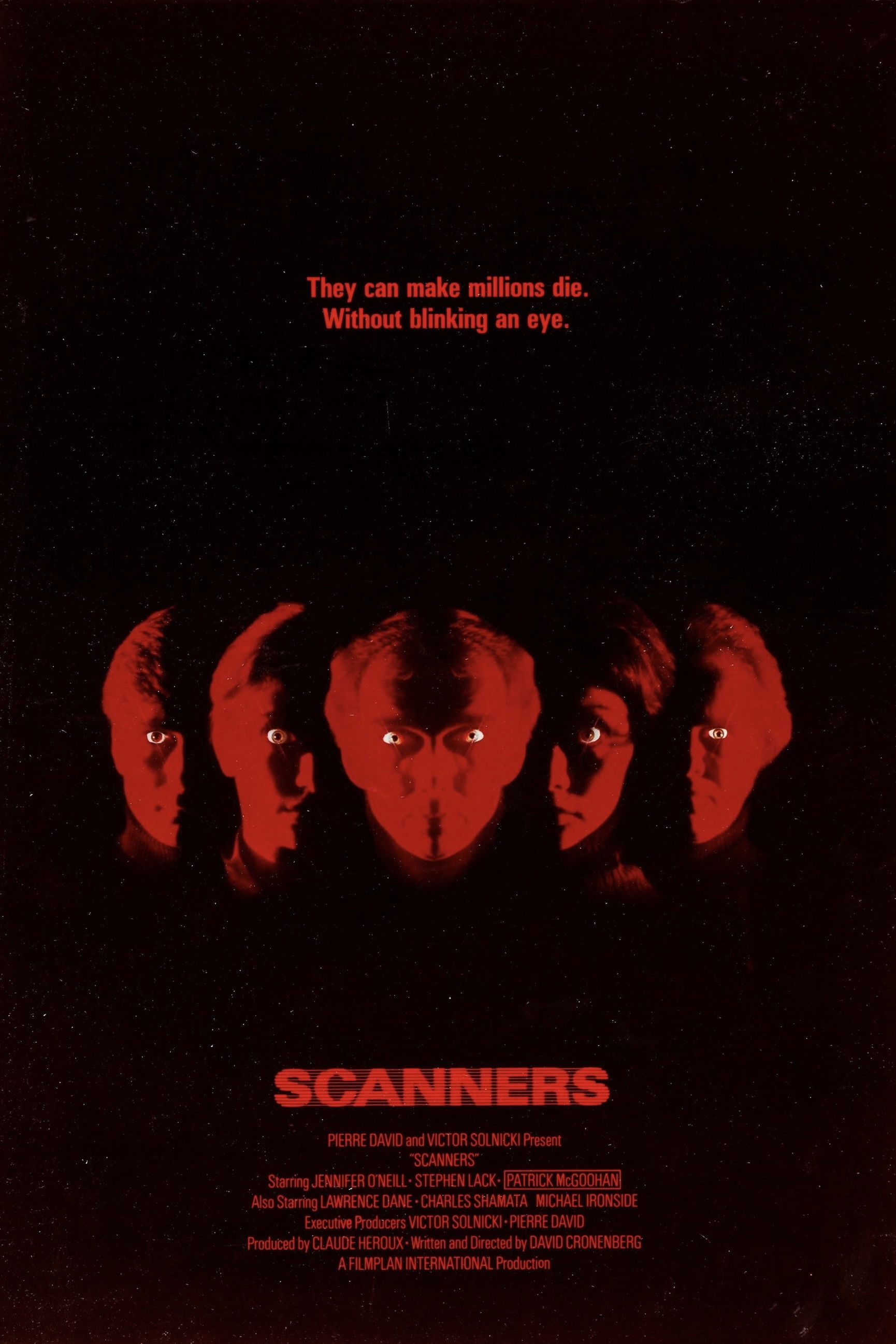
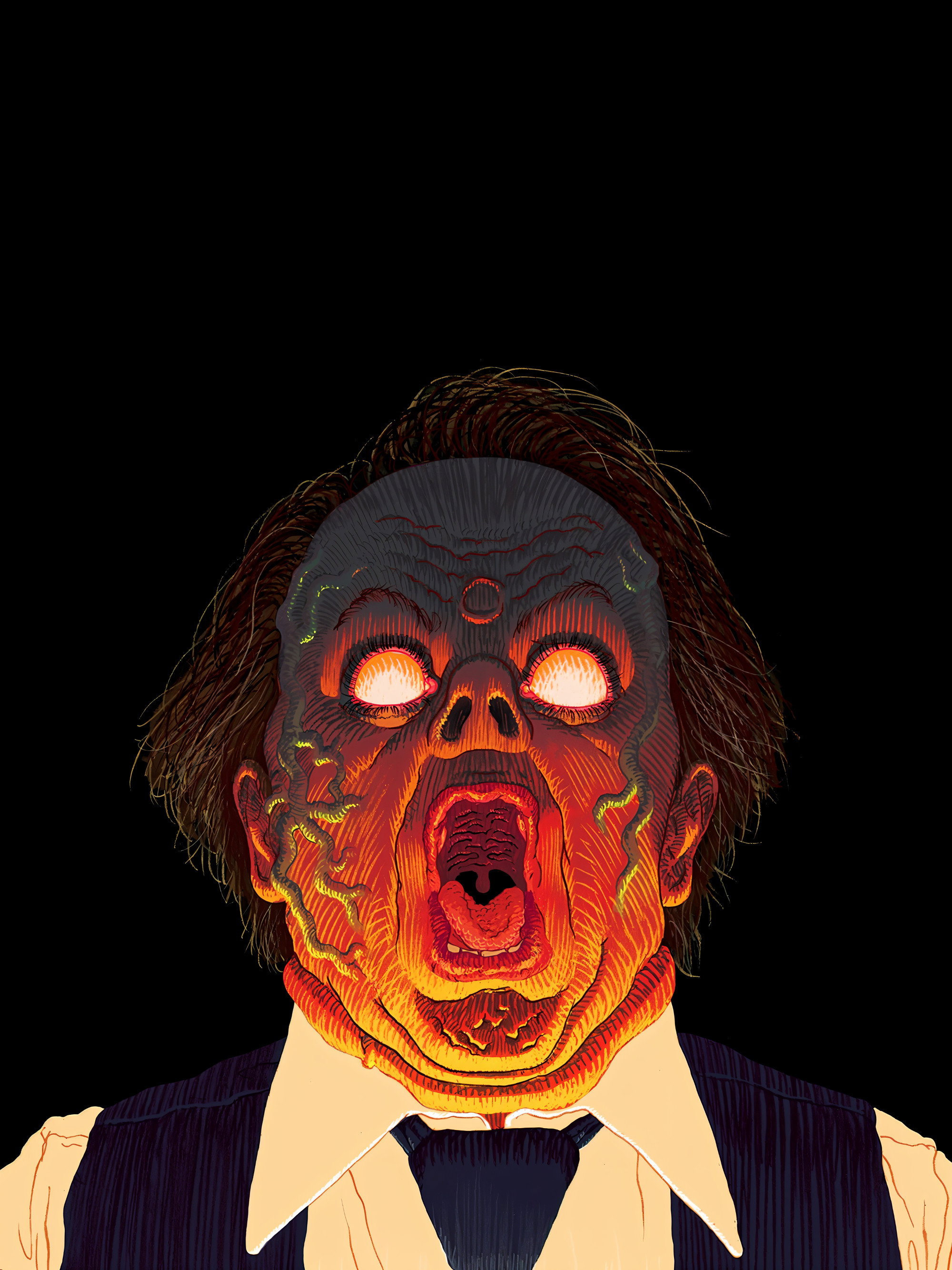
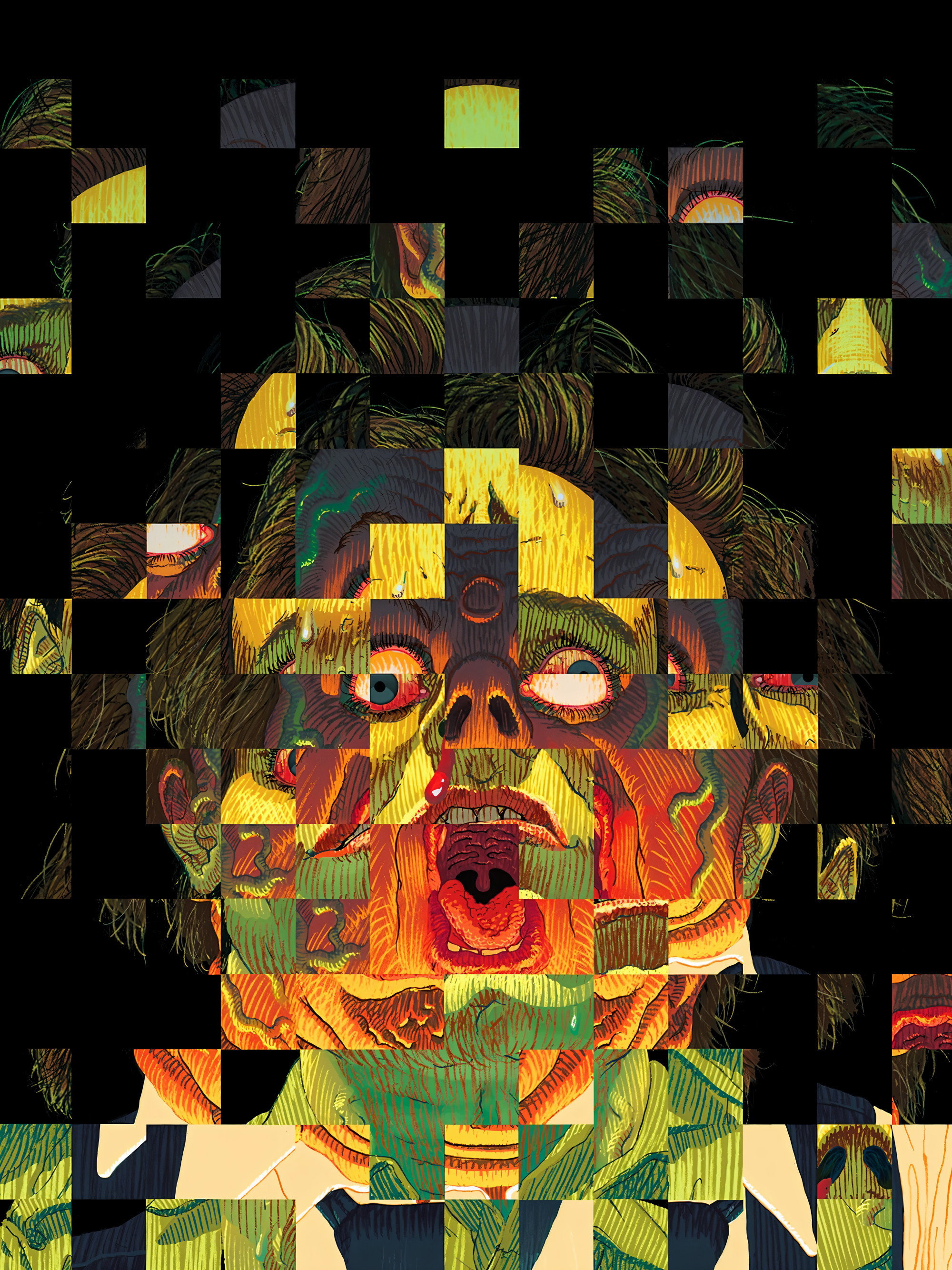
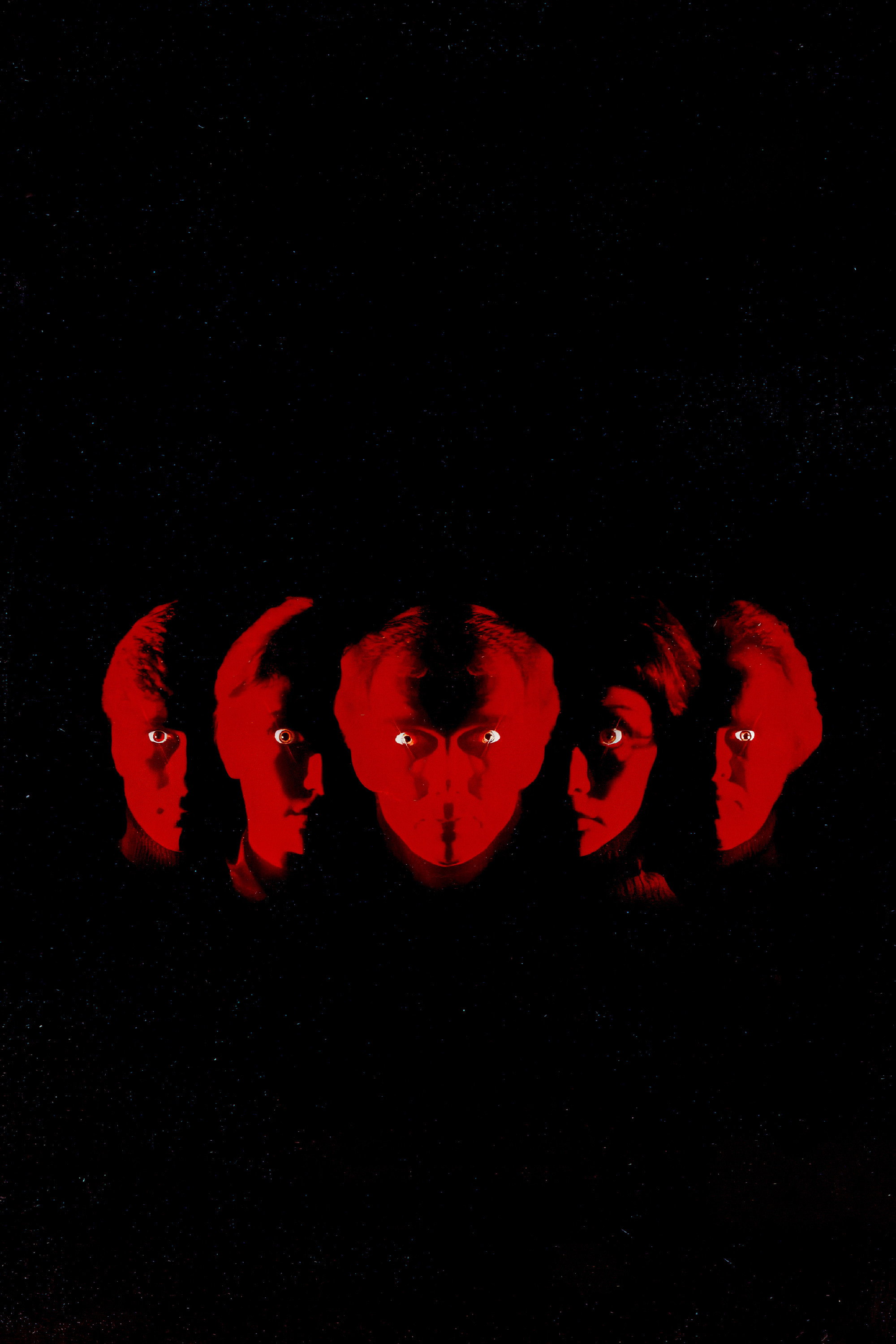
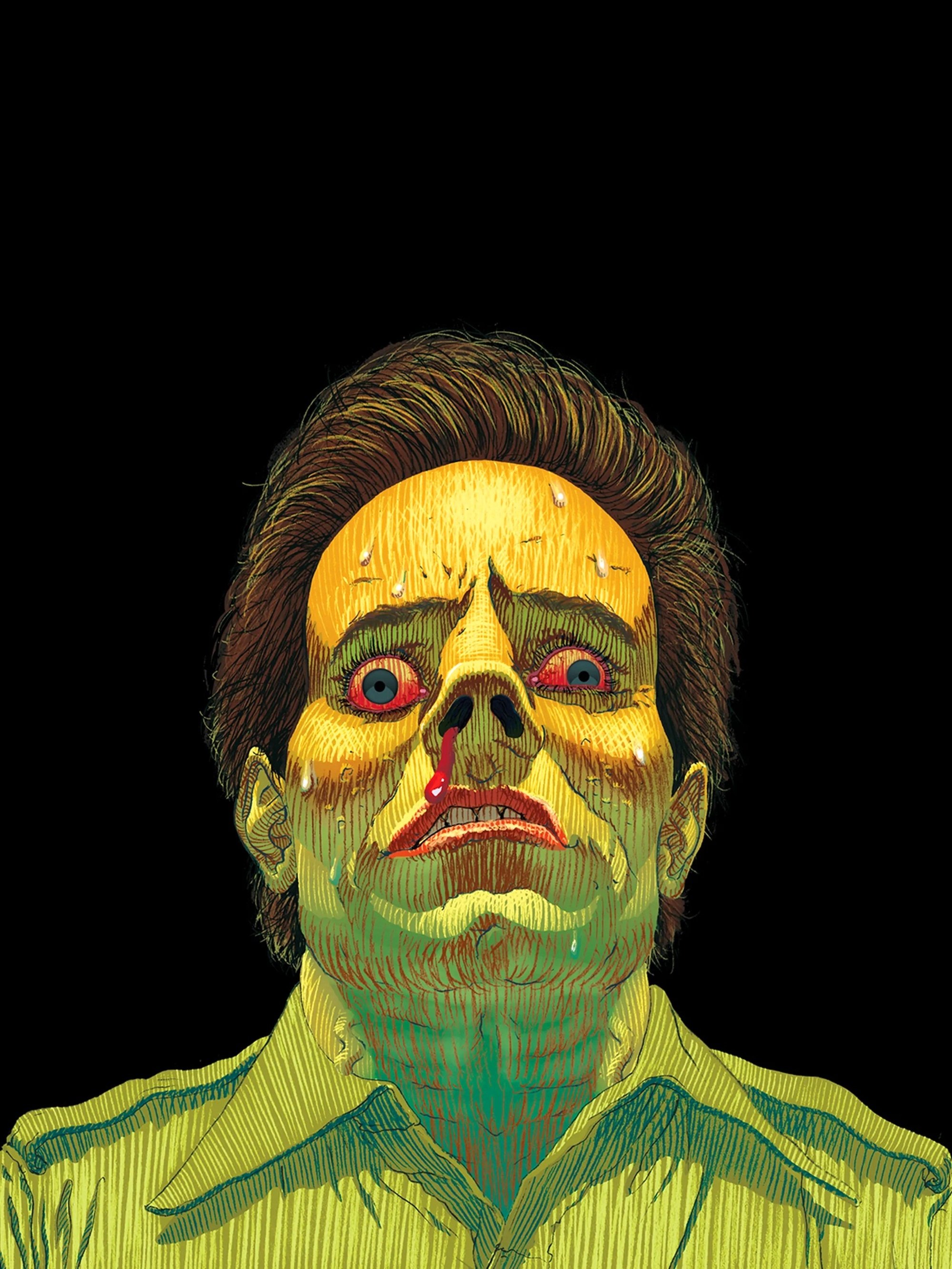
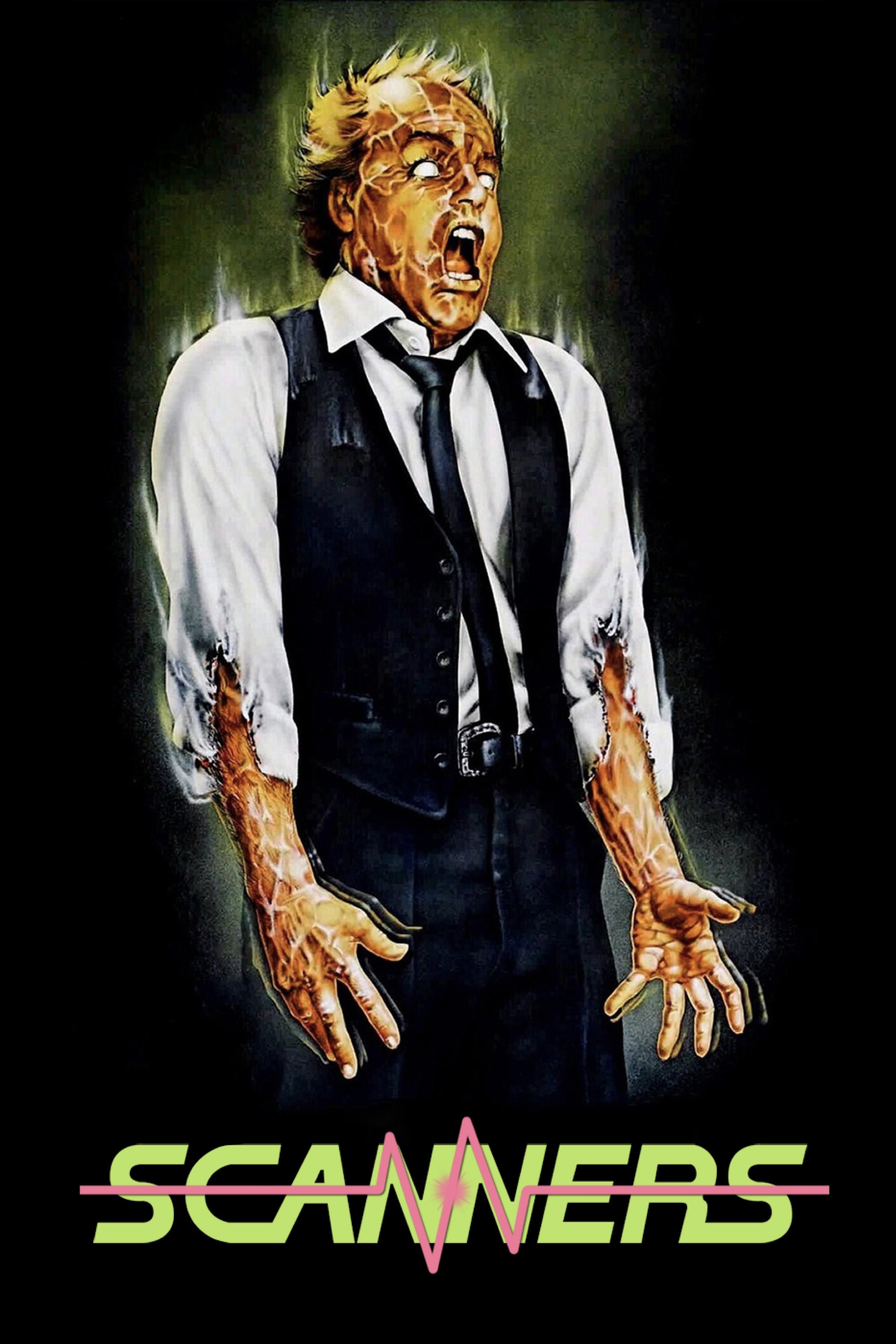
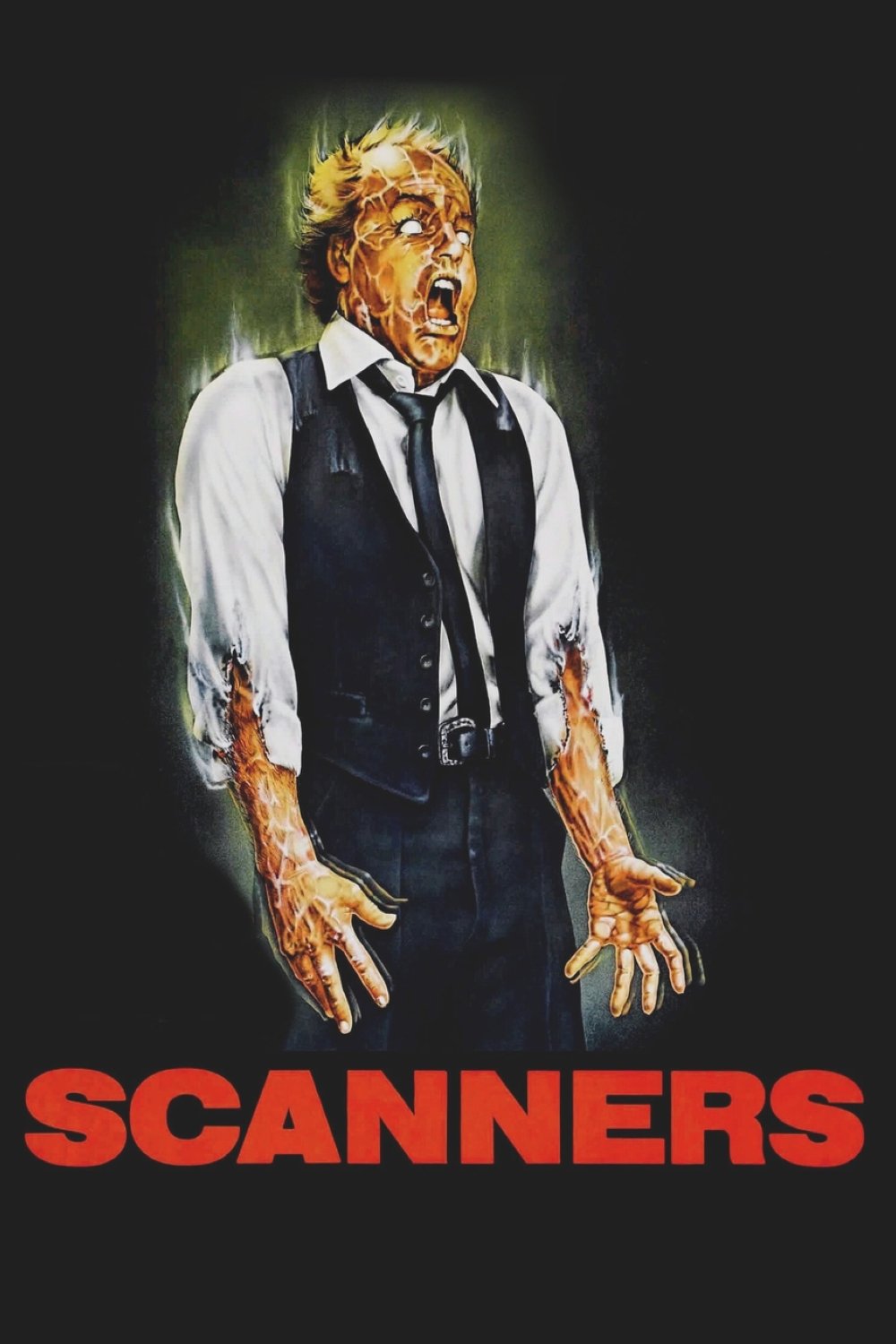
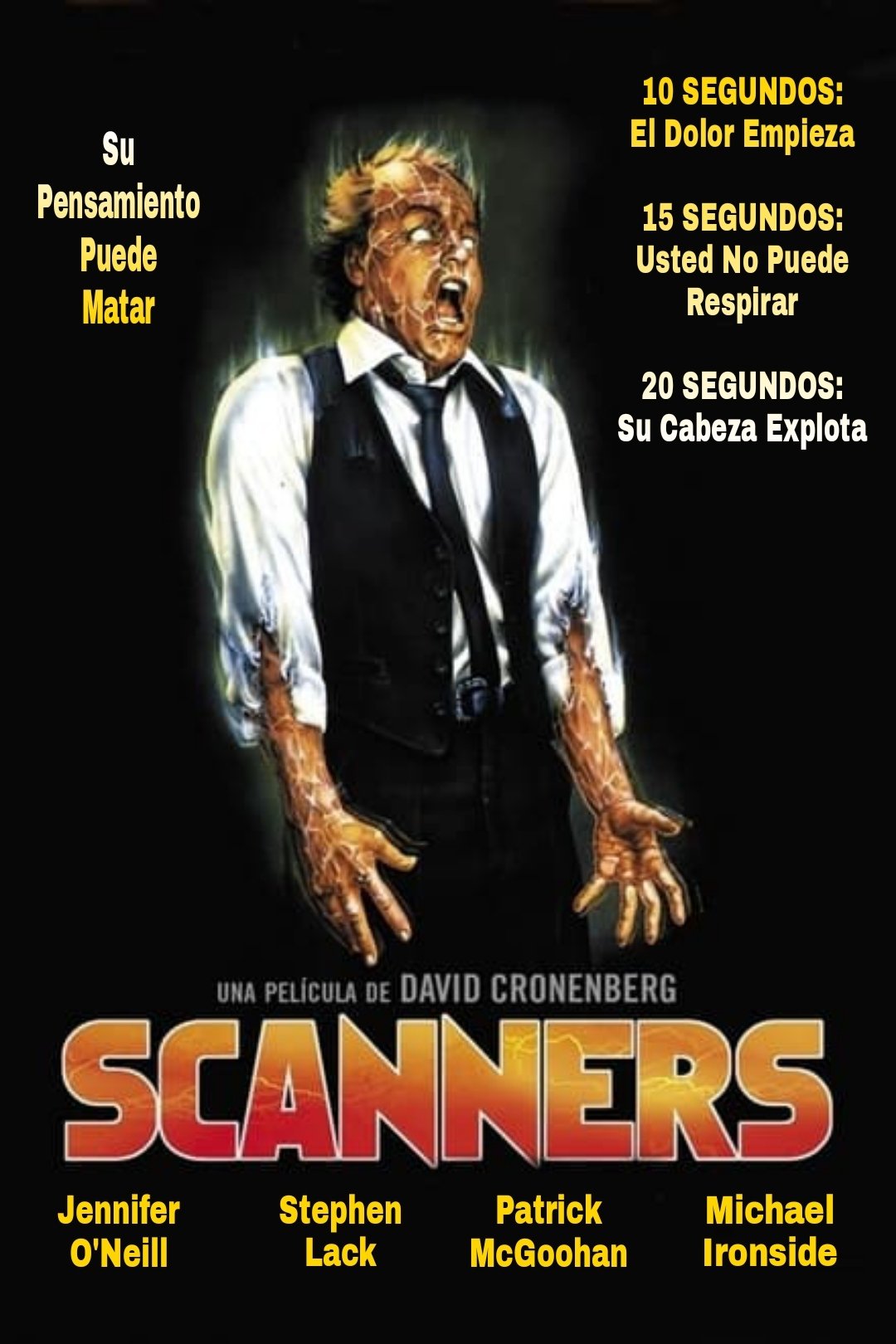
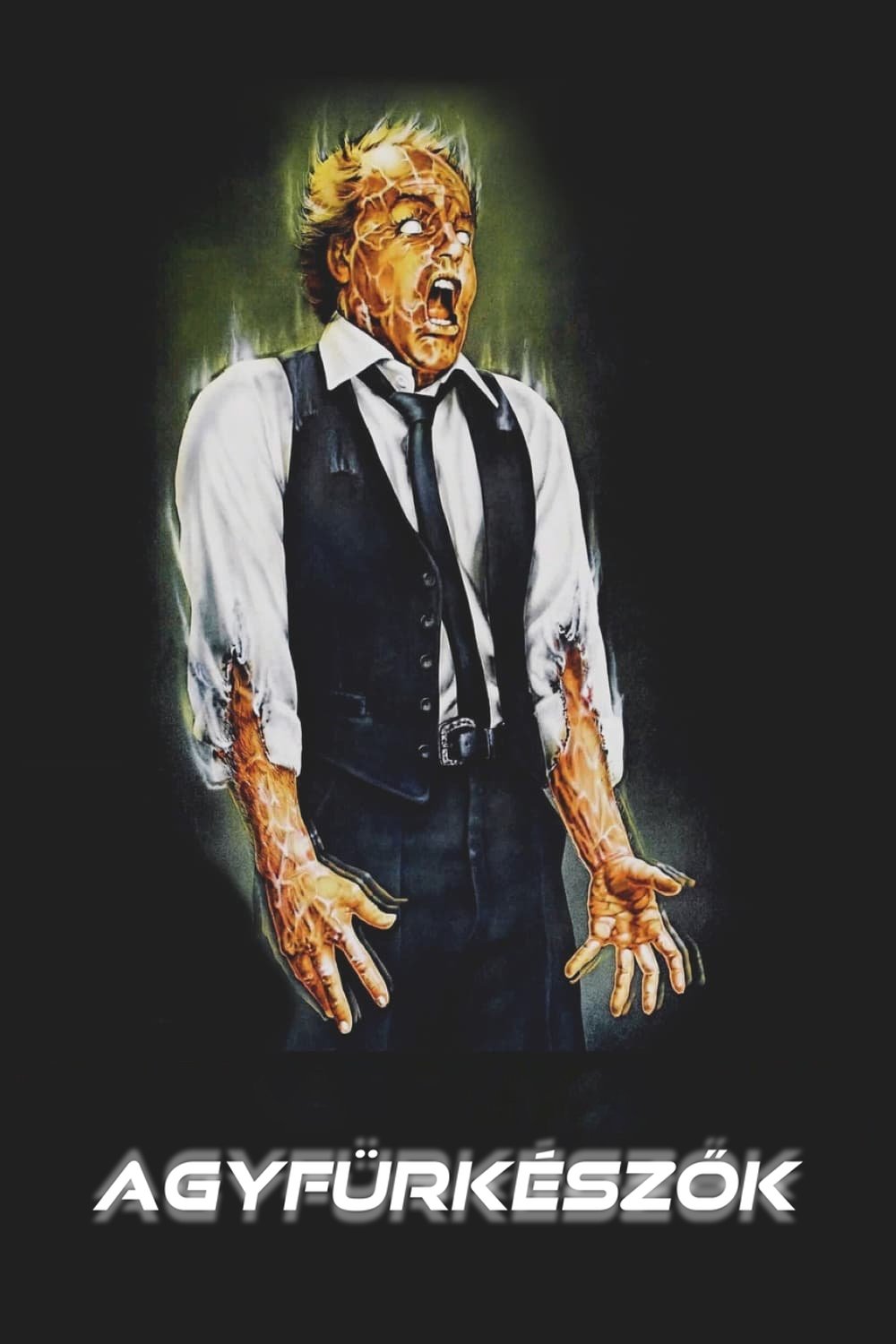
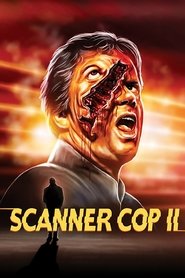
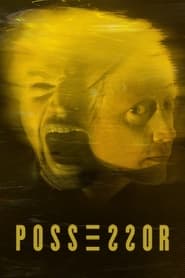
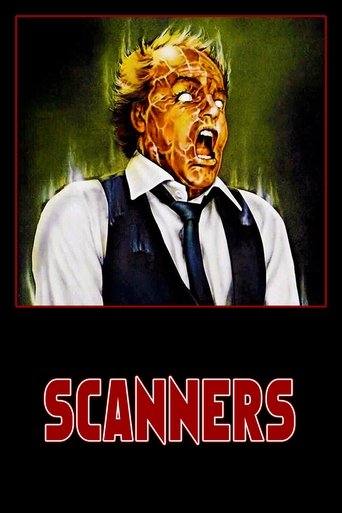
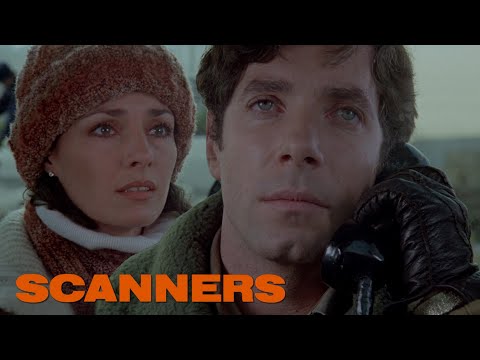
The central ideas behind Scanners had been developing in Cronenberg's work for years. His 1969 feature Stereo had already imagined experimental subjects developing telepathic abilities inside an institutional research environment, making psychic communication part of his cinema long before Cameron Vale and Darryl Revok appeared. By the end of the 1970s, Cronenberg returned to that territory with a more explicitly commercial mixture of conspiracy thriller, science fiction and bodily horror, constructing a world in which extraordinary mental ability could become both a medical condition and a weapon.
Production circumstances made the film unusually difficult. Cronenberg later described having only about two weeks of pre-production and beginning with essentially a first-draft screenplay. The approximately nine-week shoot therefore became inseparable from writing. He recalled working on scenes in the morning, during lunch, at night and on weekends while the production schedule was continually rearranged around sets, effects and script pages that were not yet ready. Stephen Lack similarly remembered receiving new pages during filming and sometimes performing dialogue before later narrative information had been fully established.
The disorder continued beyond principal photography. Effects work, editing and additional shooting extended the process, and Cronenberg later characterised Scanners as one of the most difficult productions of his career. Yet the pressure also contributed to its unusual structure. Instead of developing as a conventional origin story, the film repeatedly introduces new institutions, conspiracies and biological information at the same pace that Vale discovers them. The viewer shares something of his condition: the world arrives as an overload of voices, terminology and competing explanations whose complete pattern only becomes visible near the end.