My Bloody Valentine (1981)

CA
HORROR FILM Mystery Thriller
SUBGENRES SLASHER
7.3/10 4 votes
Runtime
90 min
Release
February 11, 1981
Budget
$2,200,000
Revenue
$5,672,031
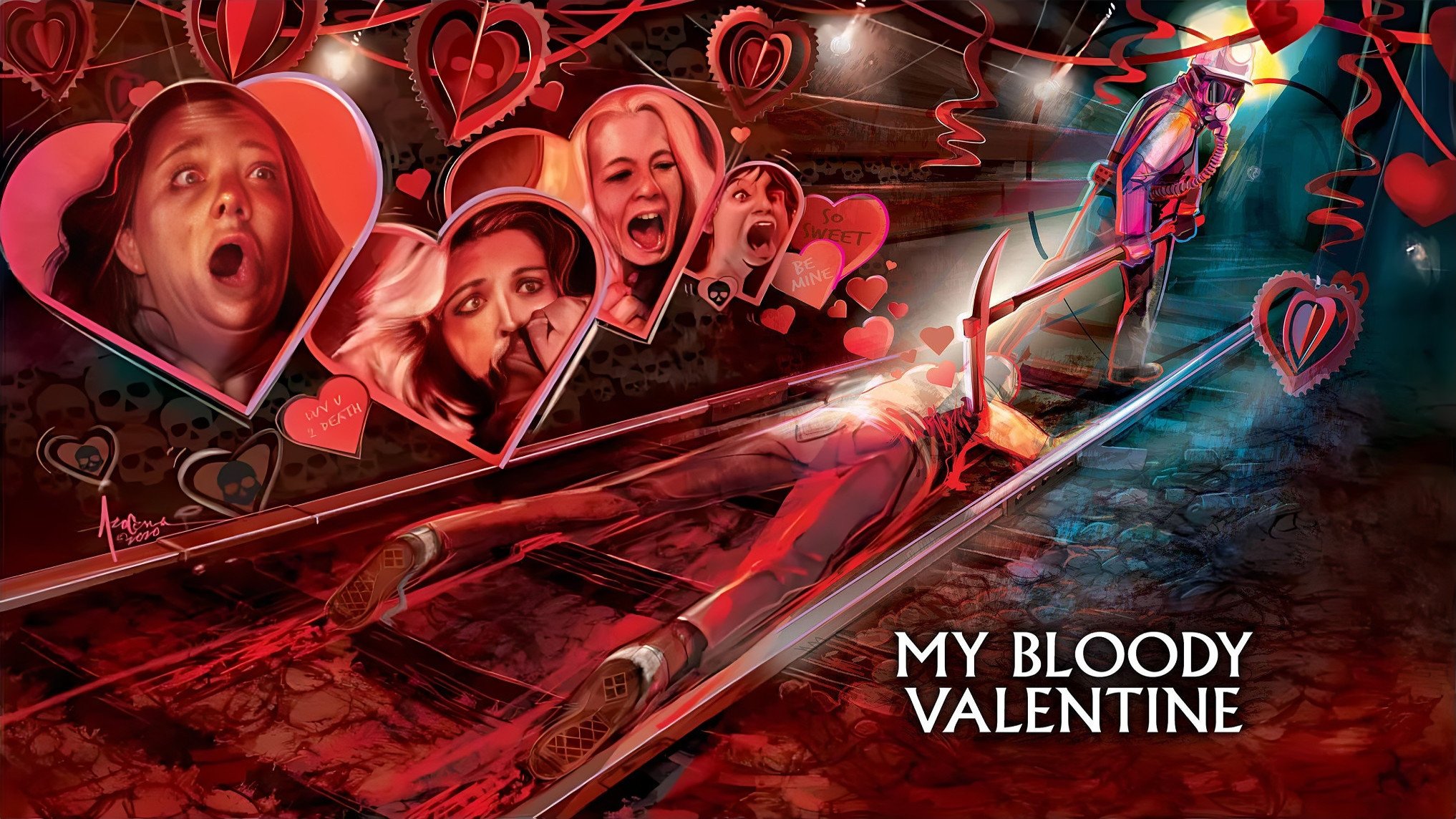
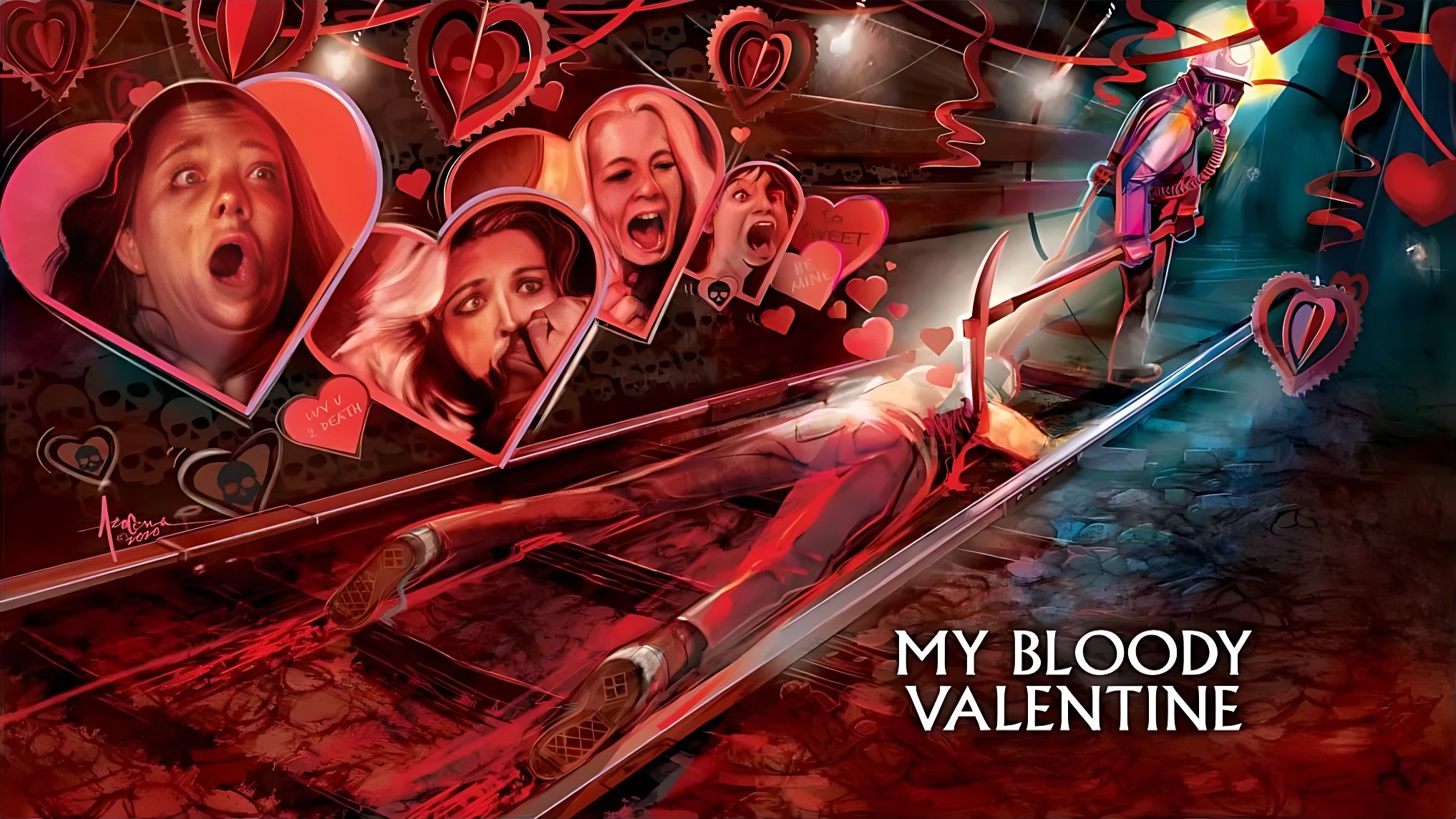
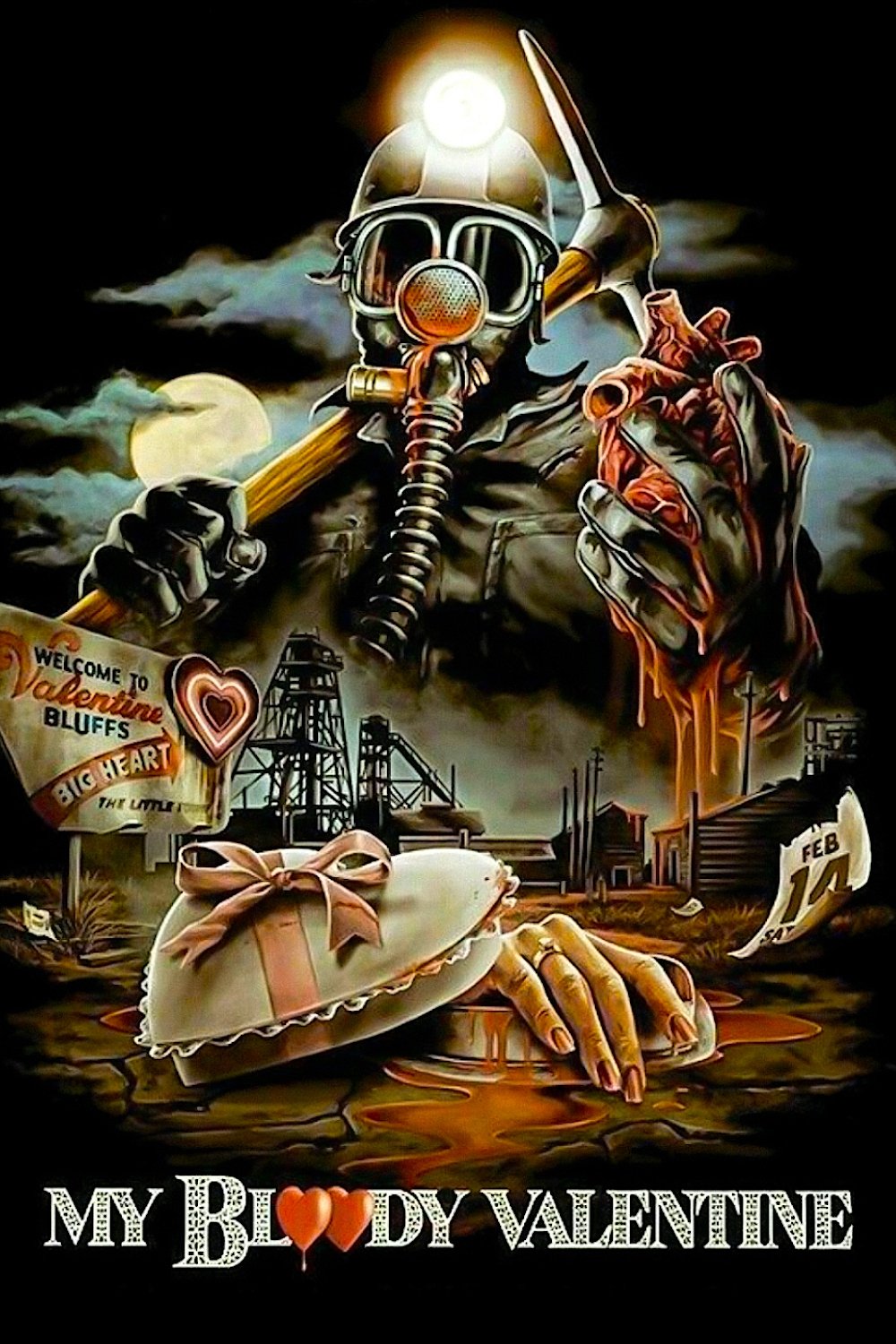
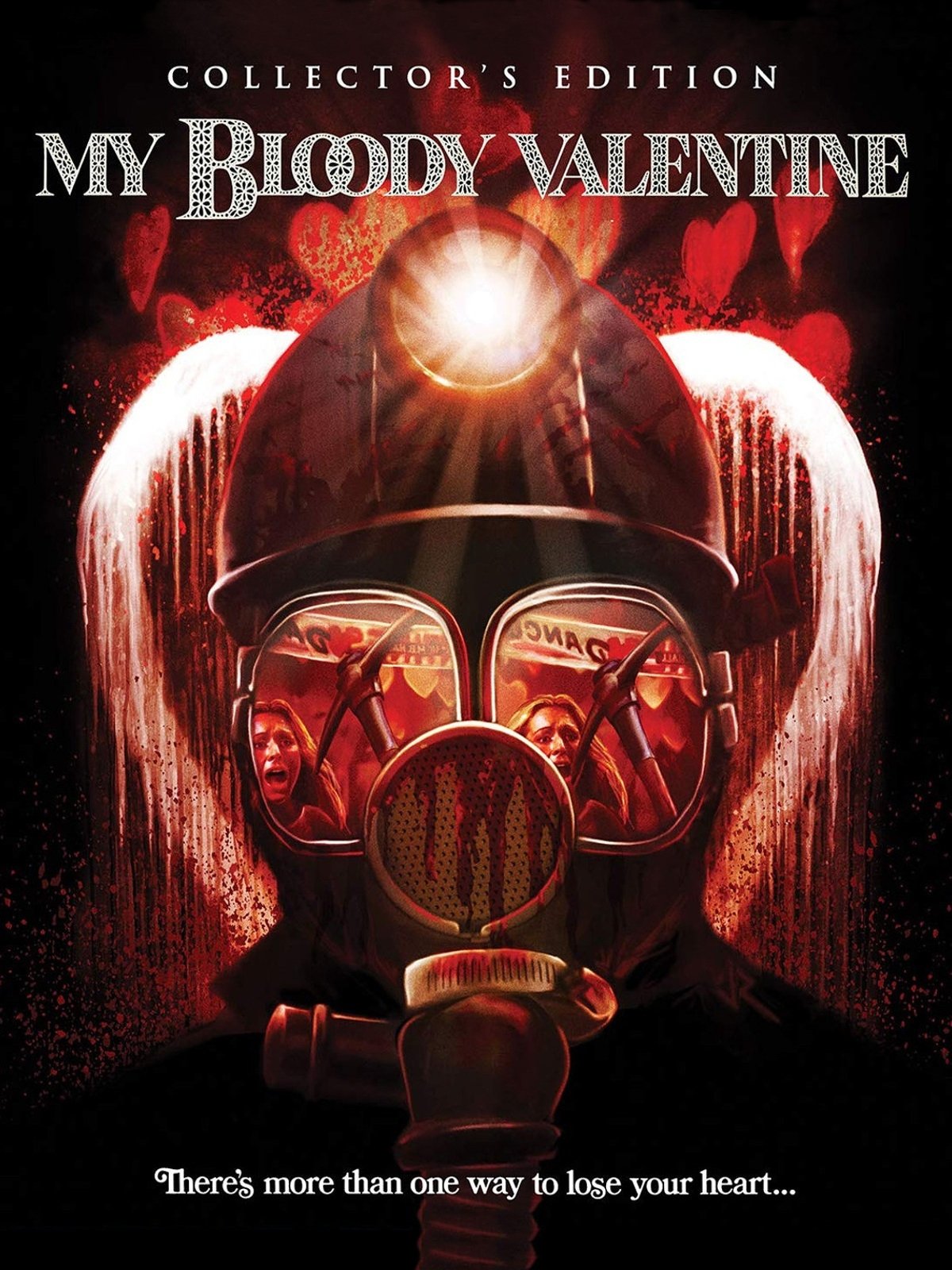
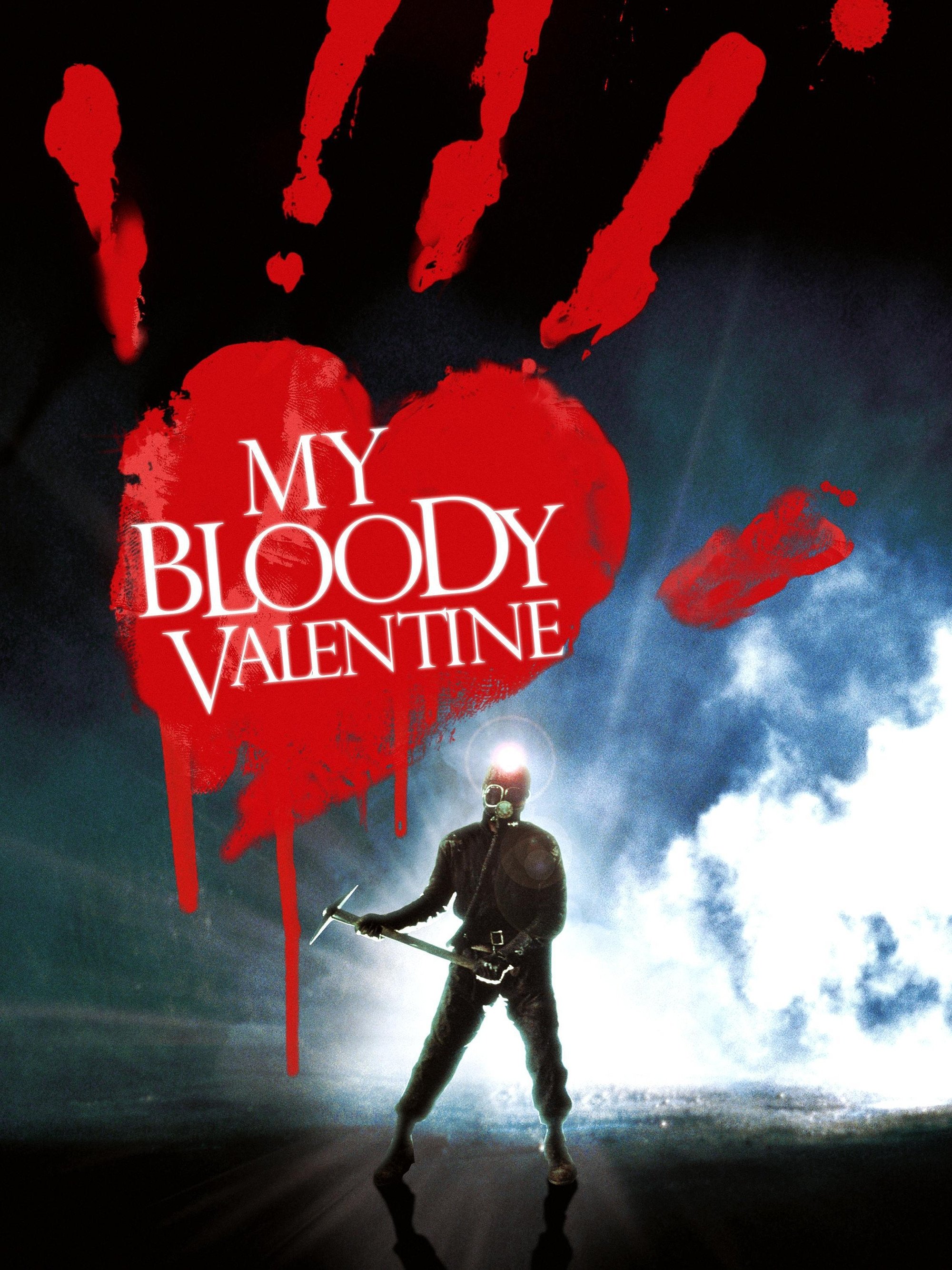
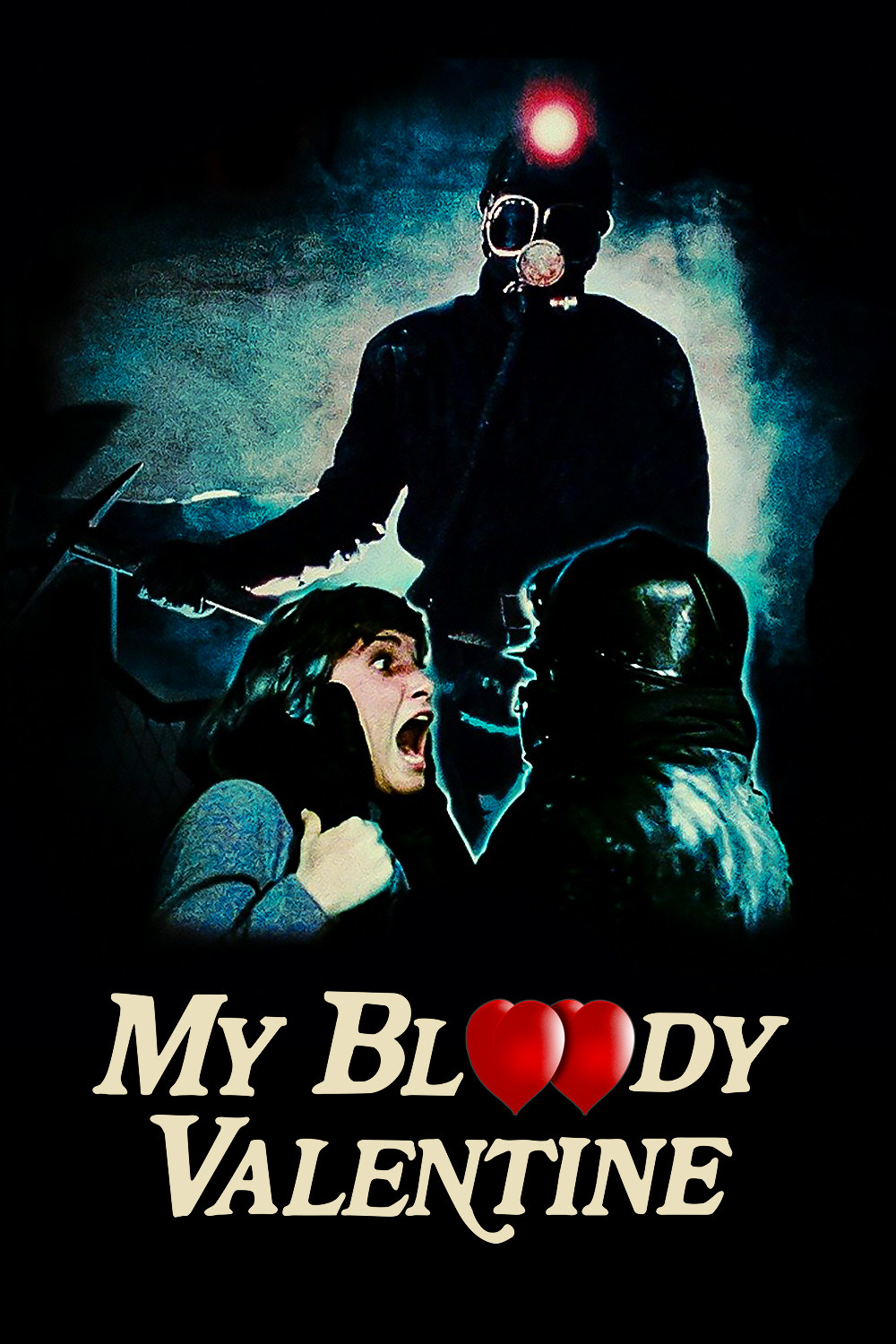
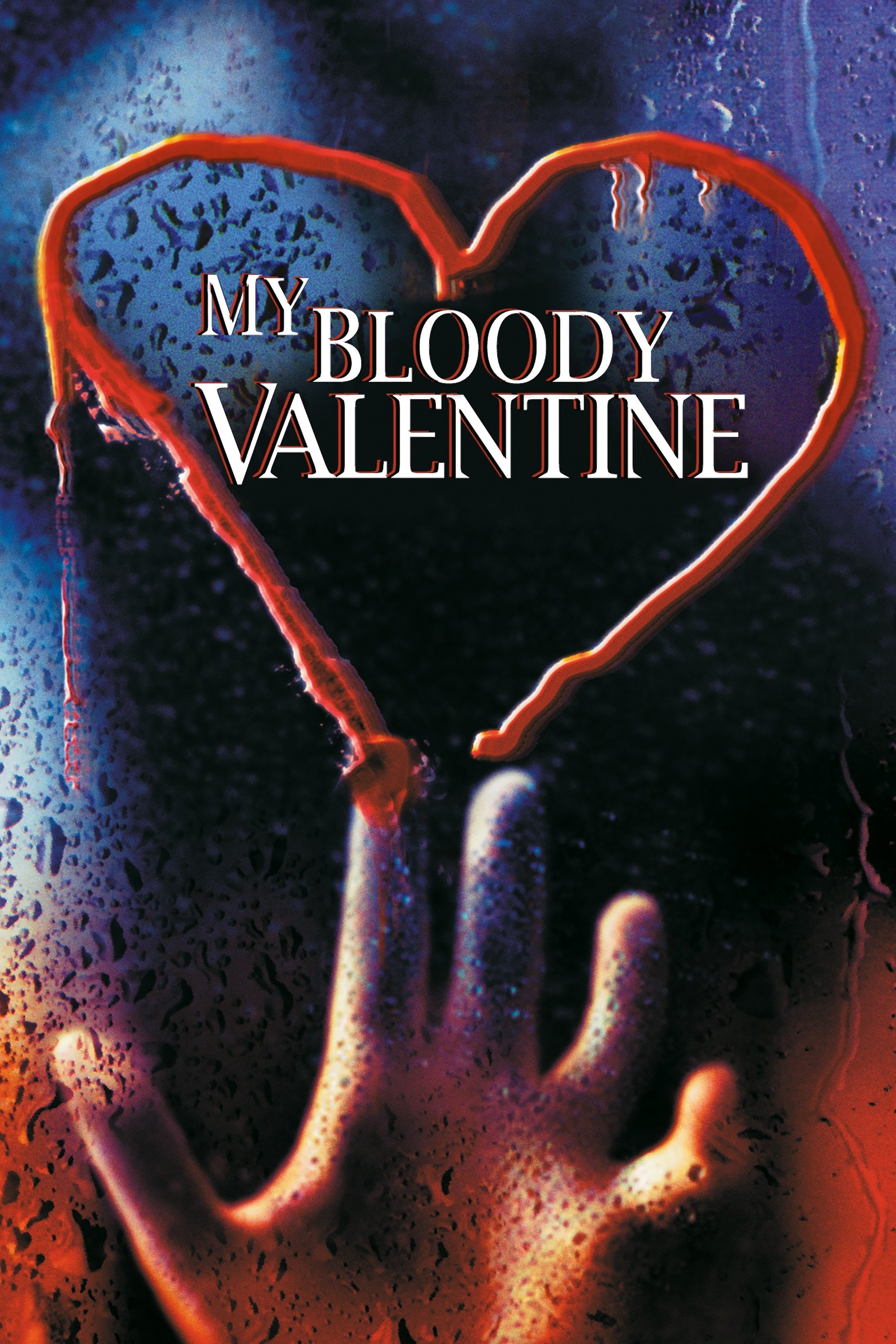
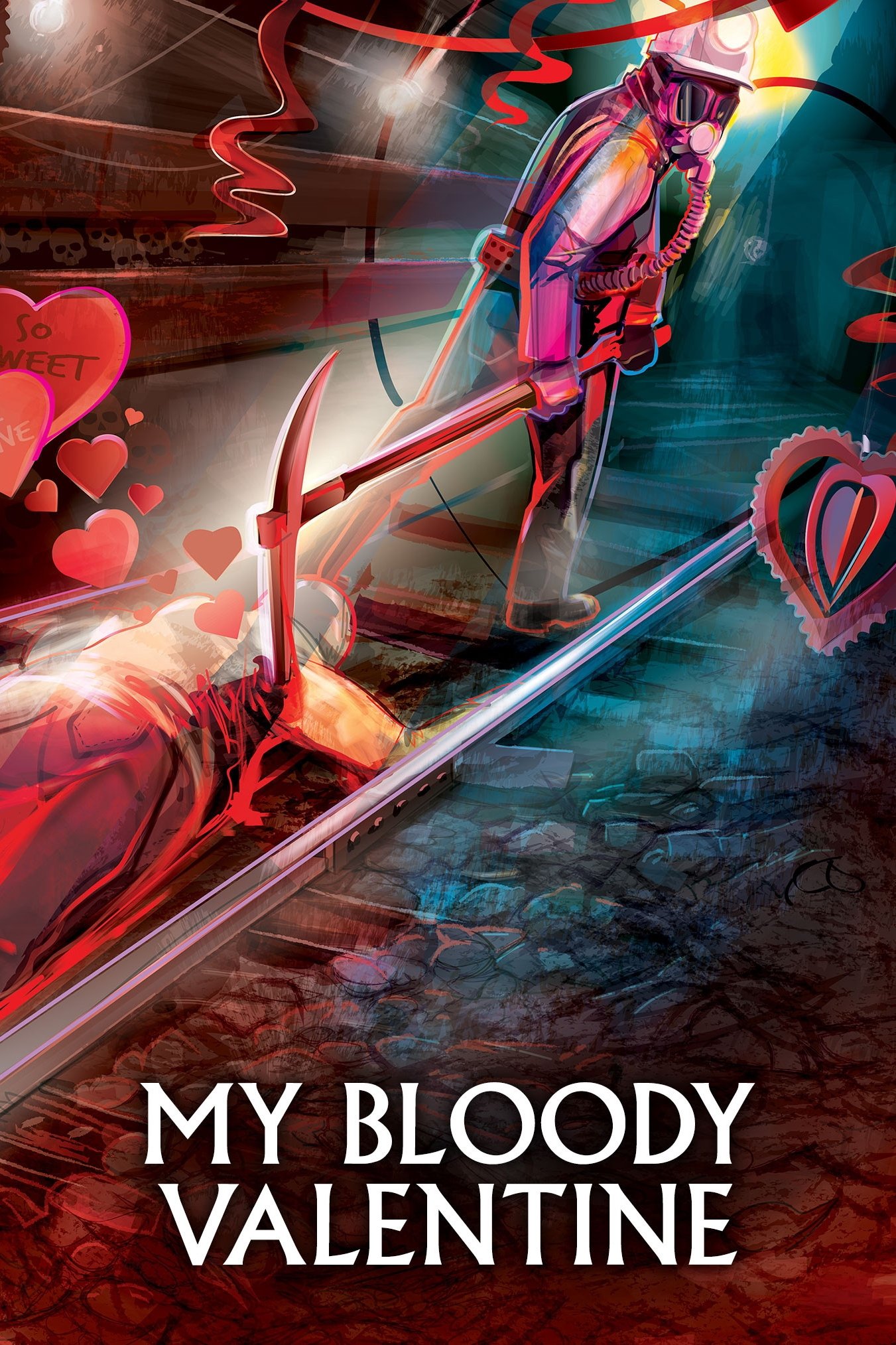
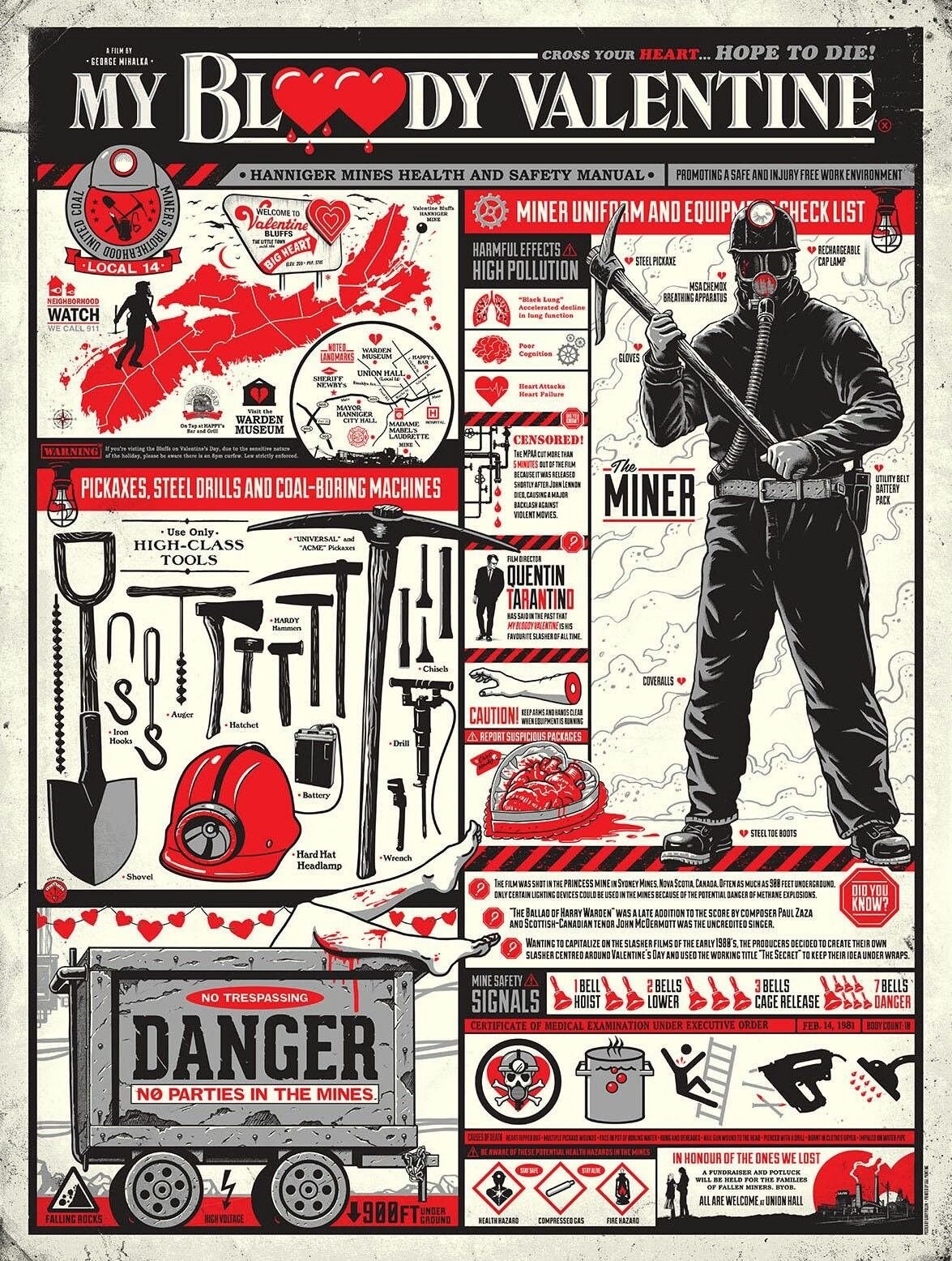
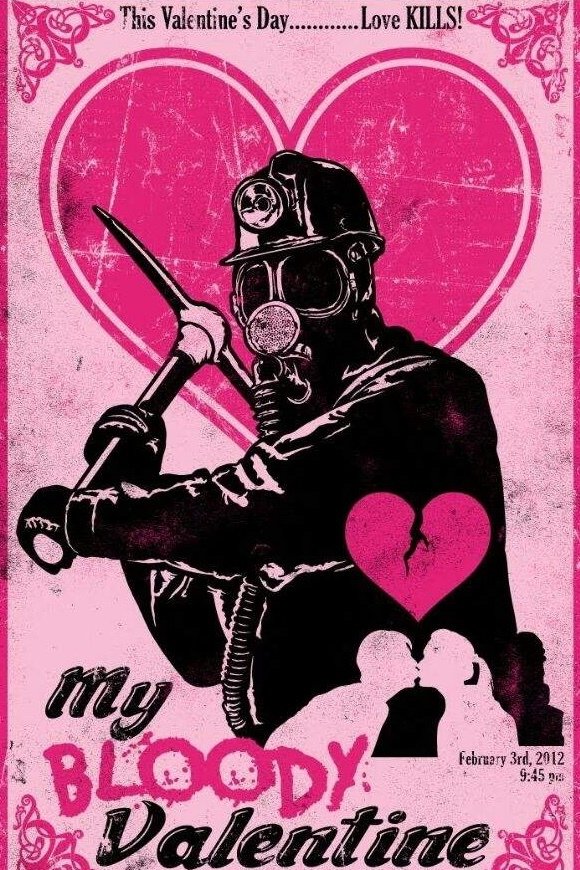
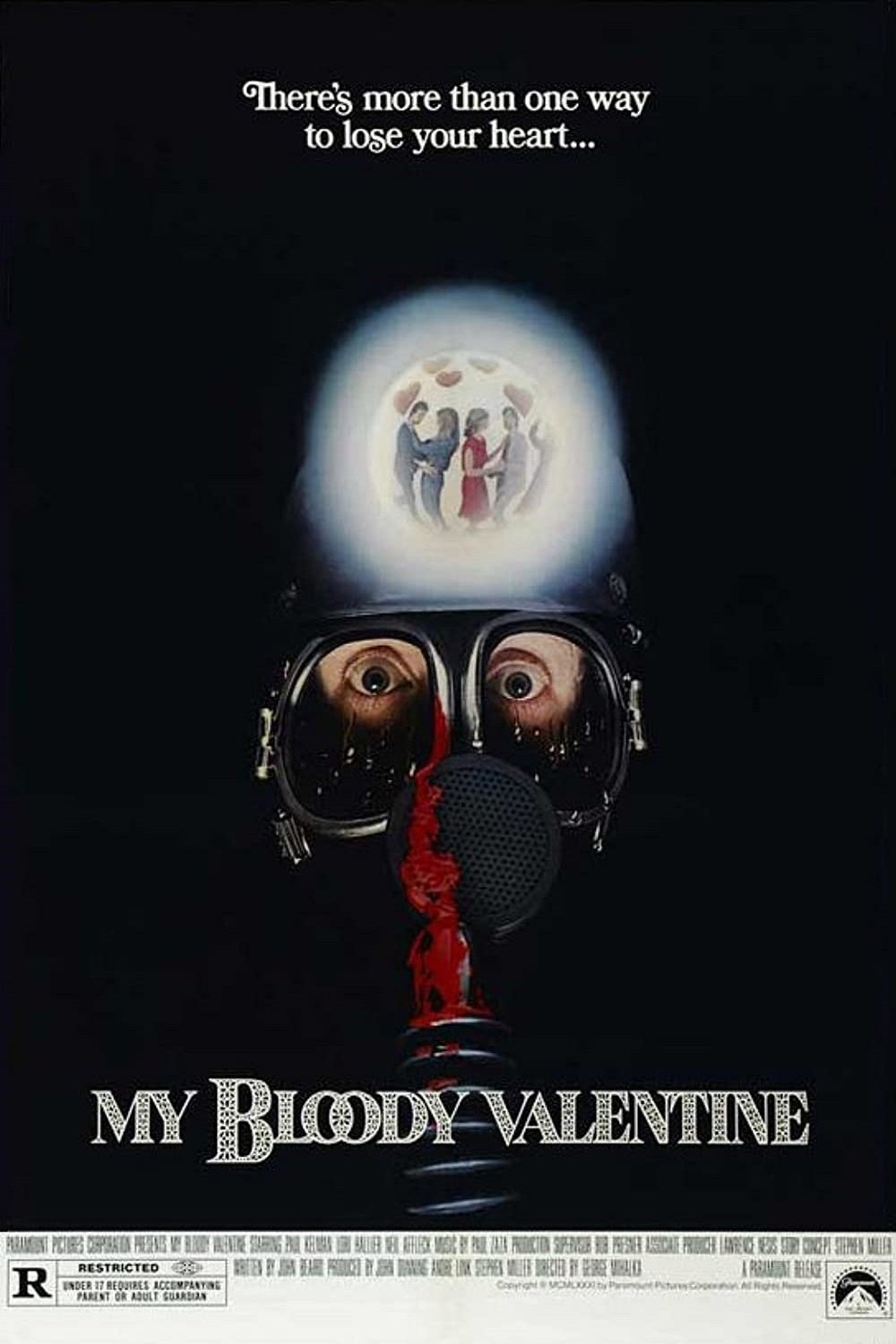
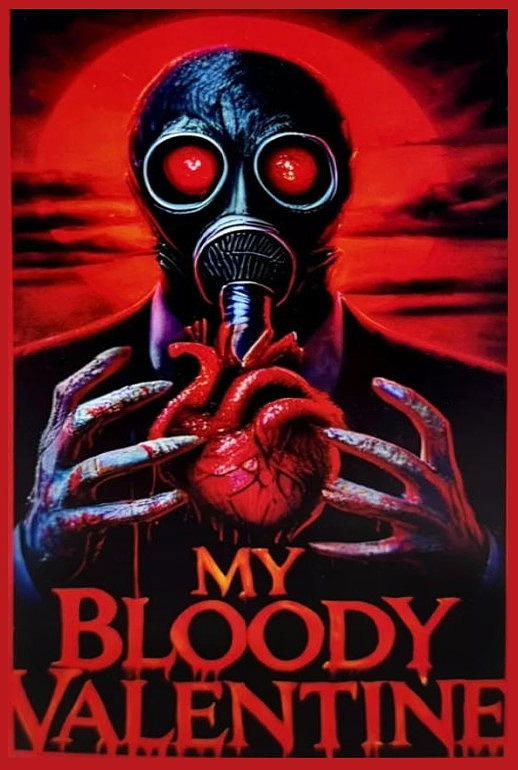
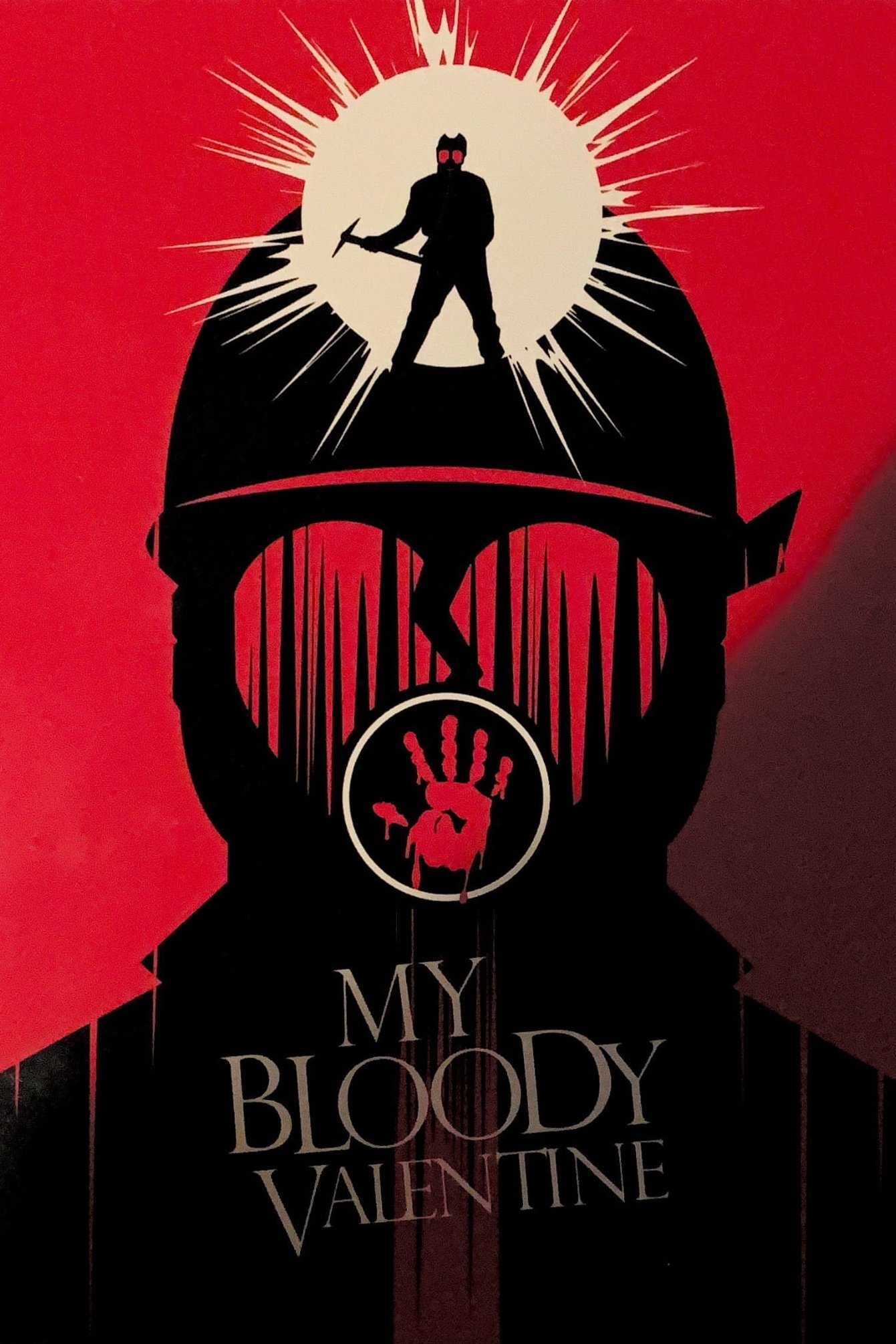
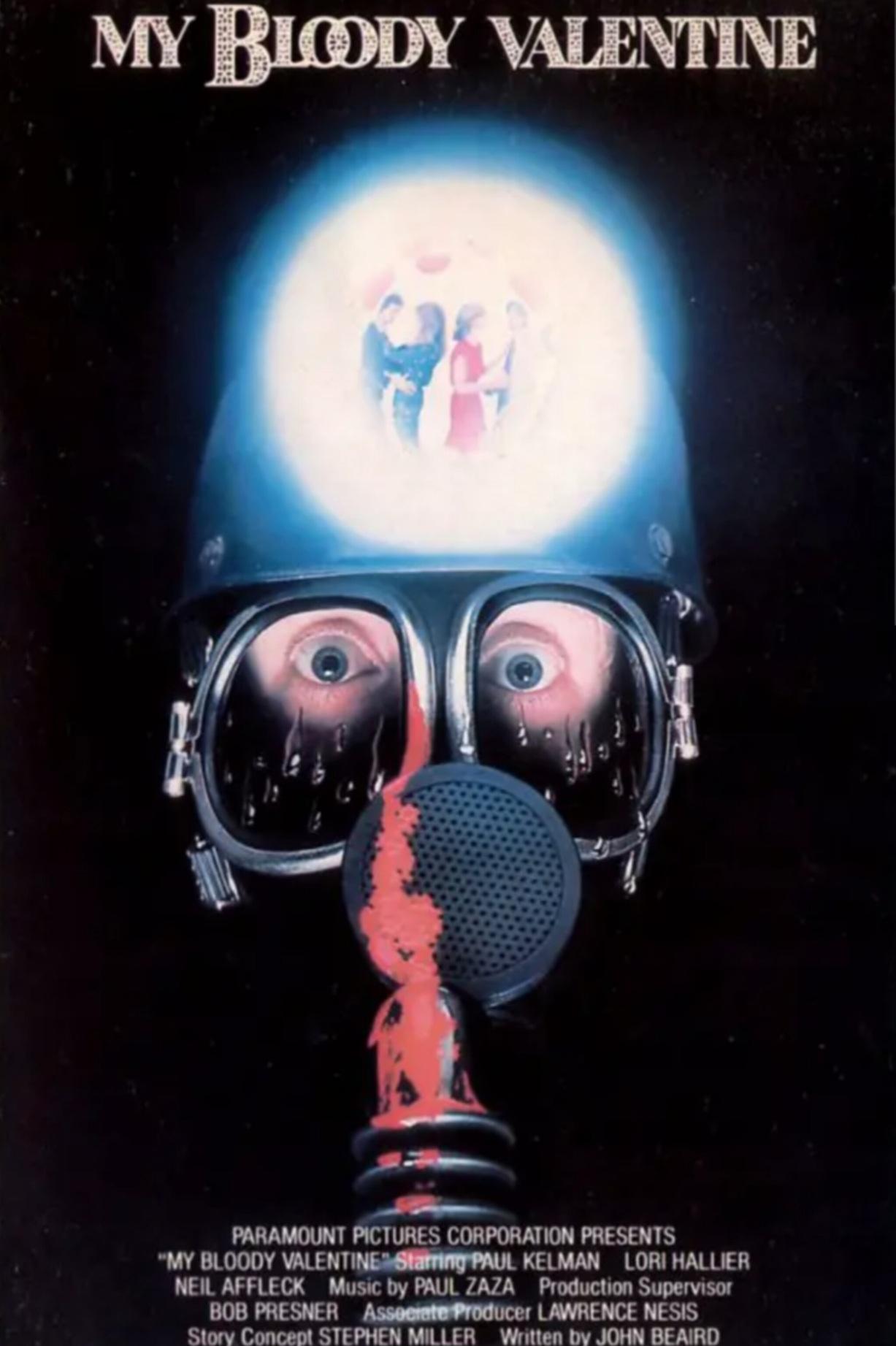
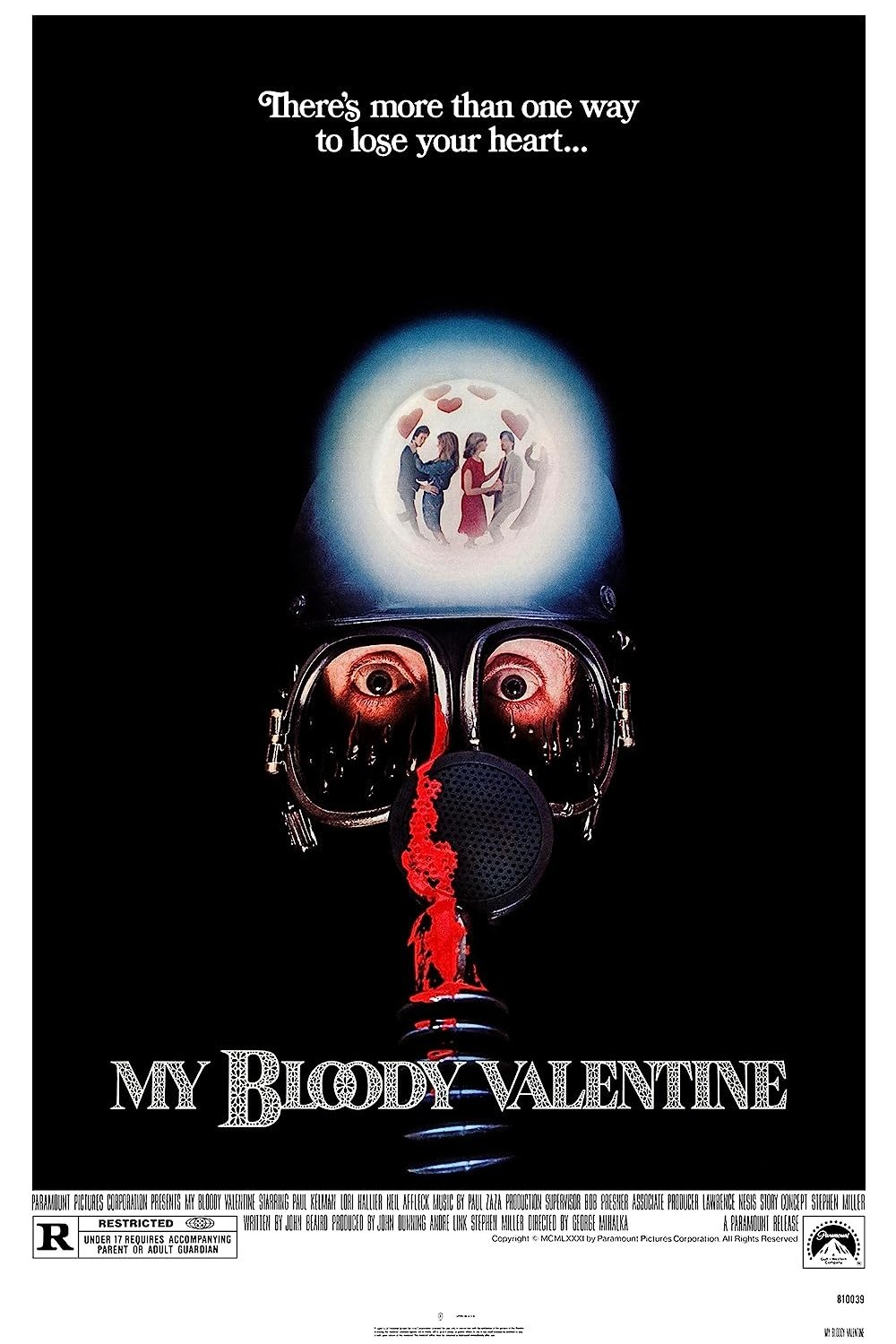
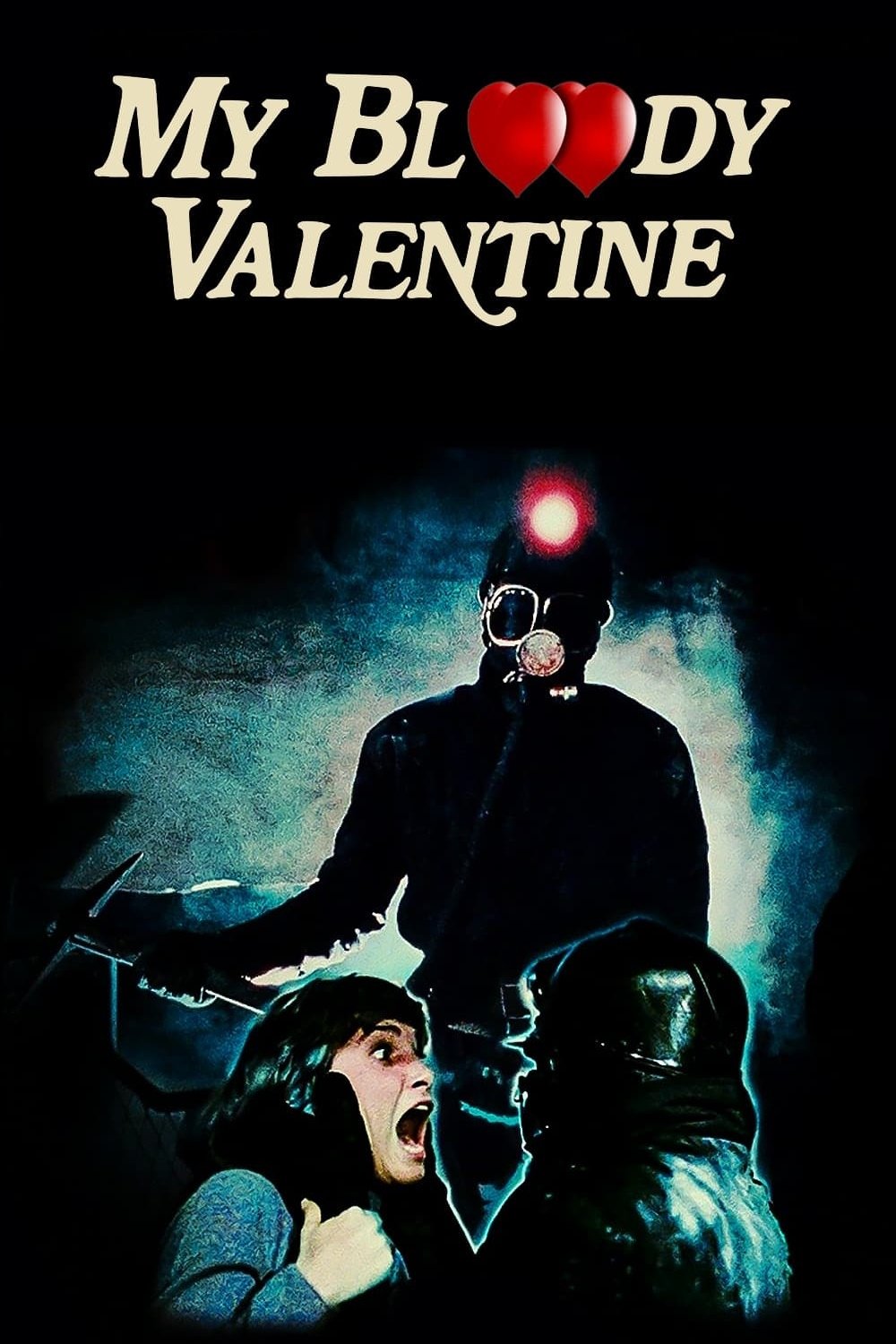
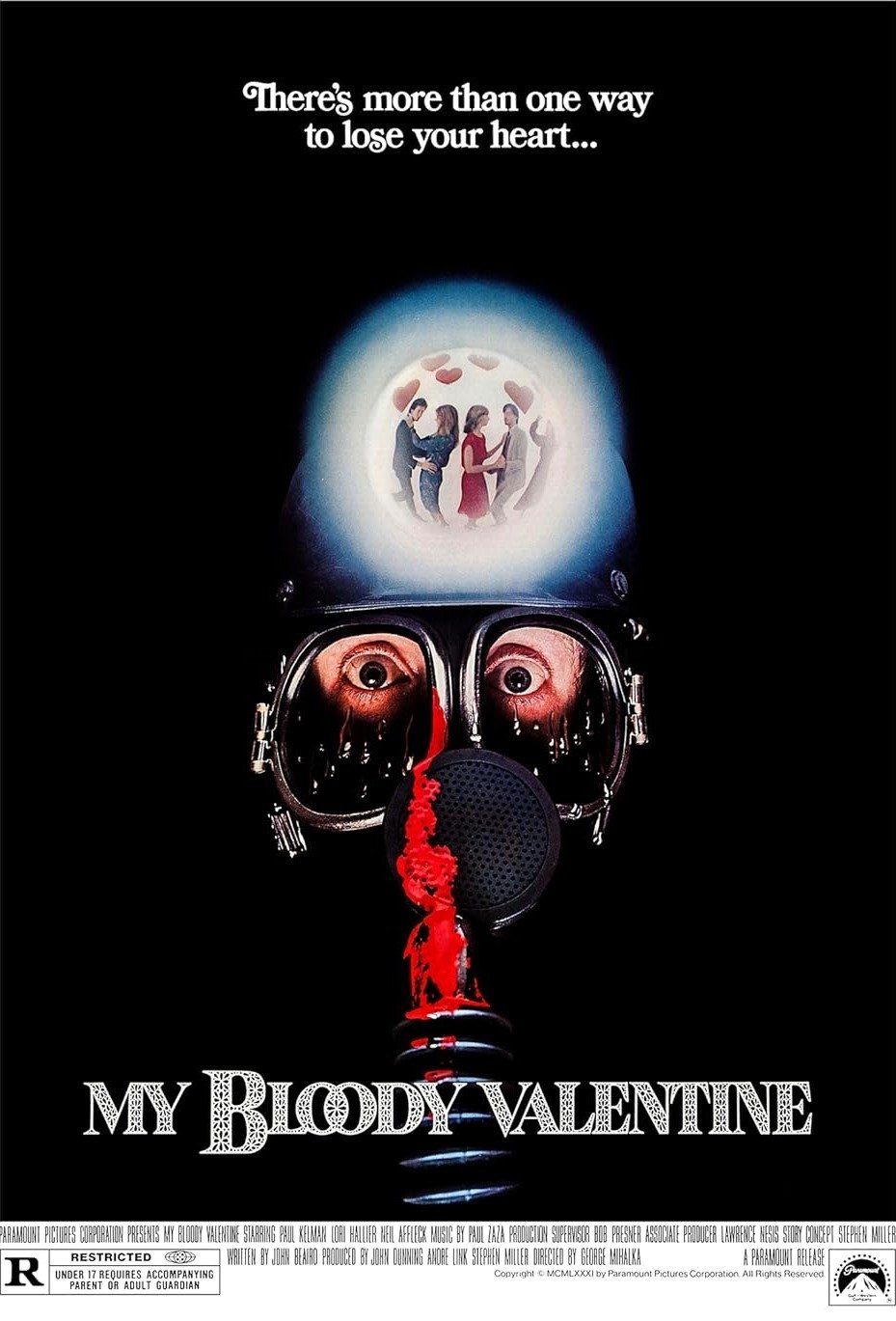
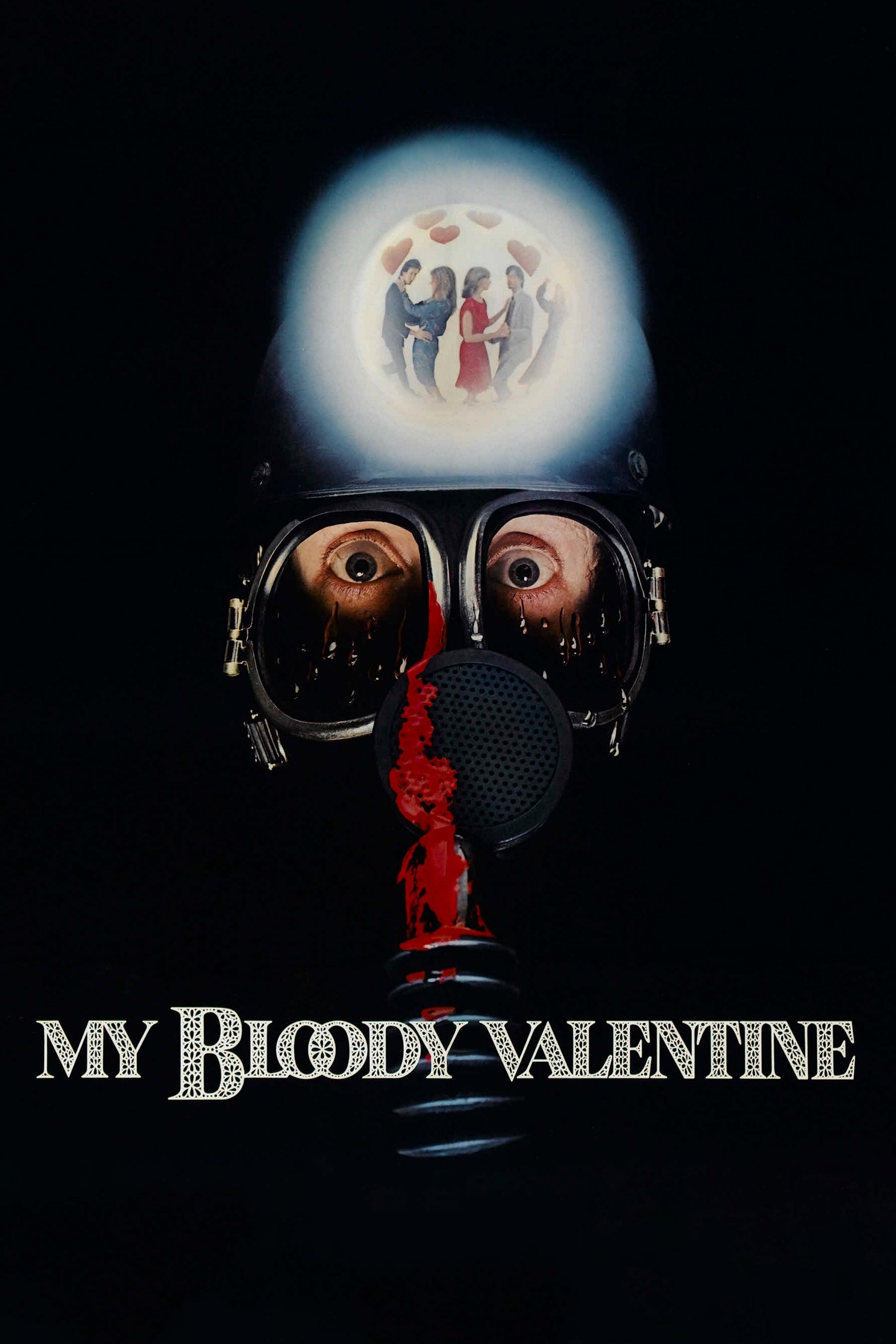
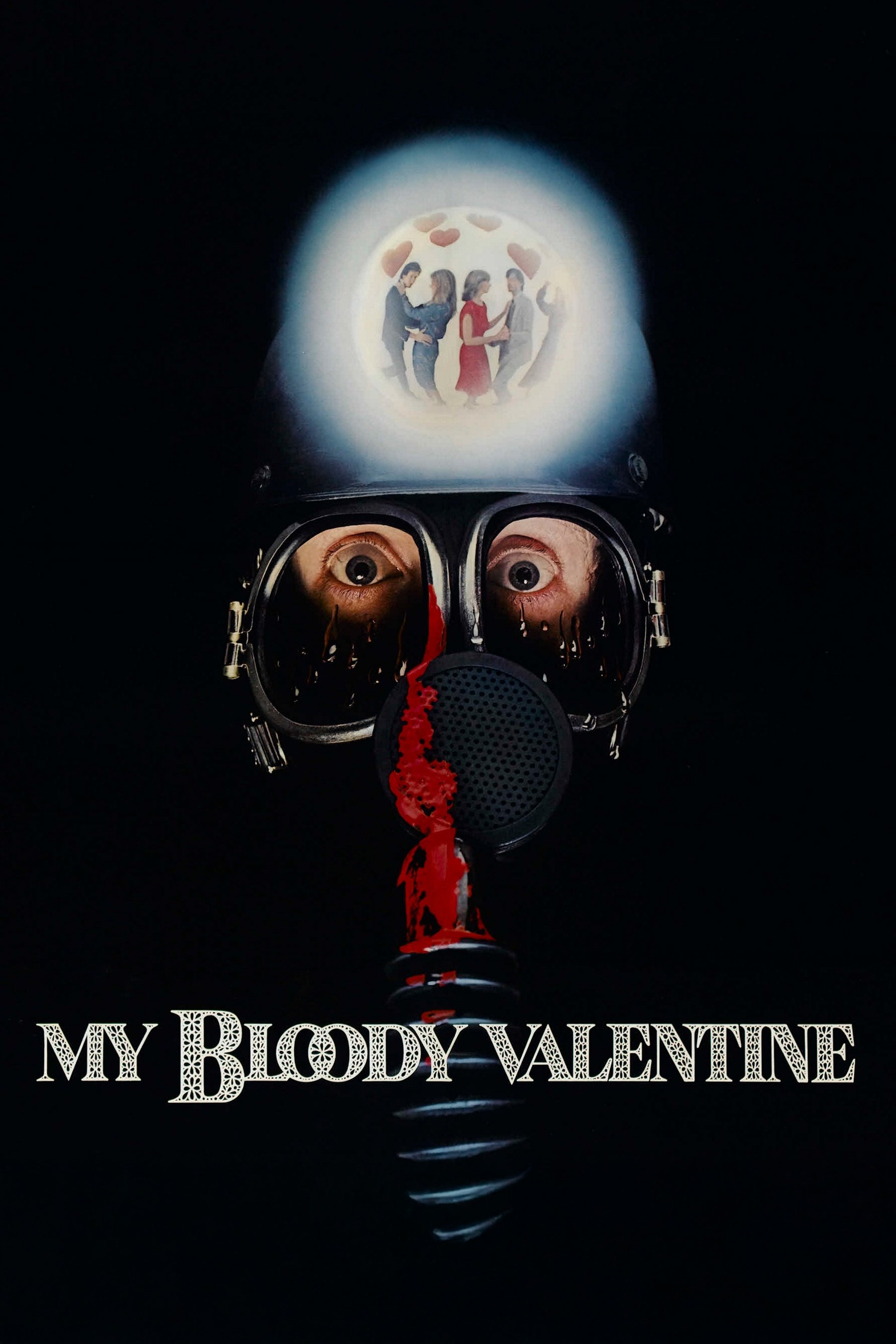
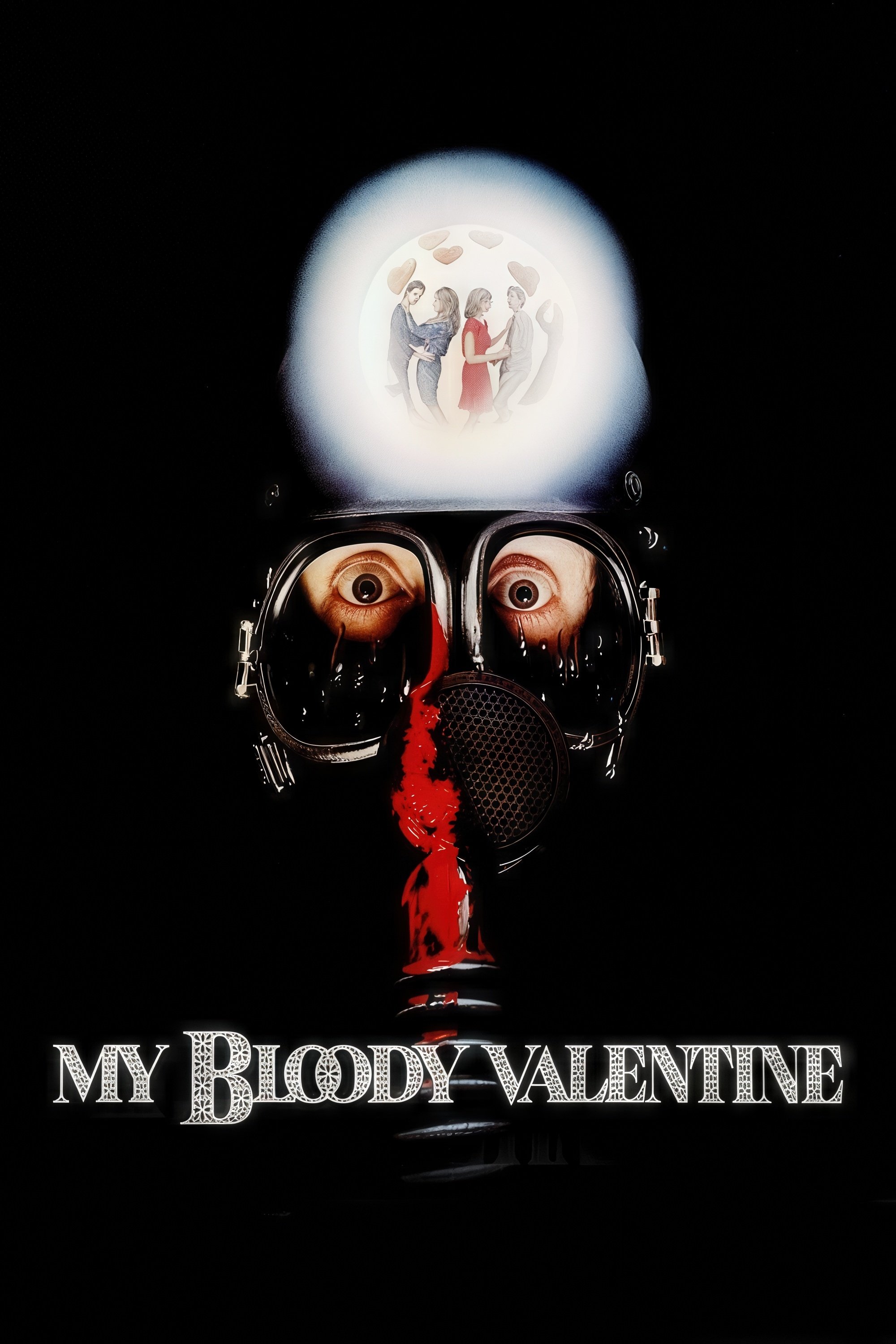
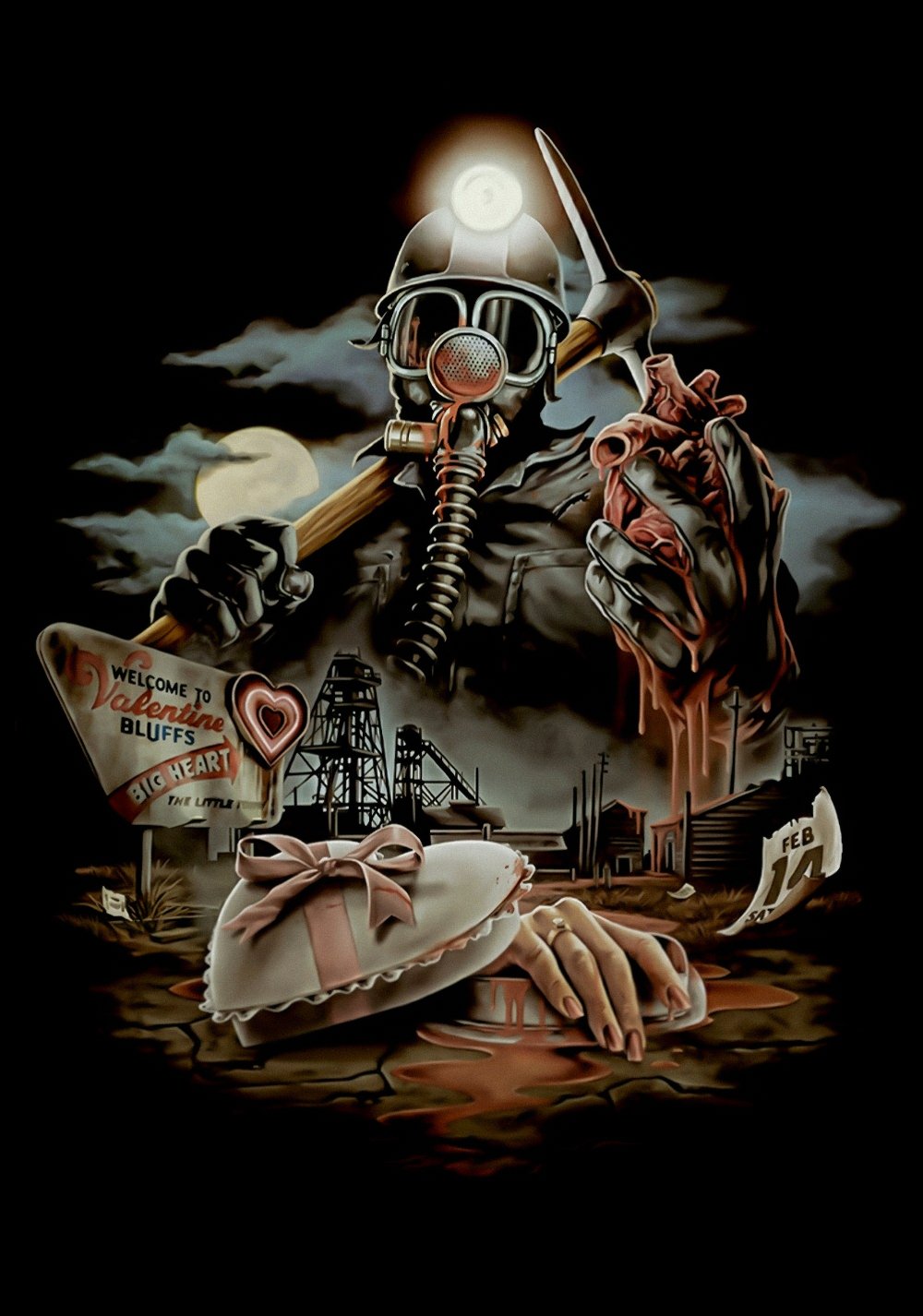
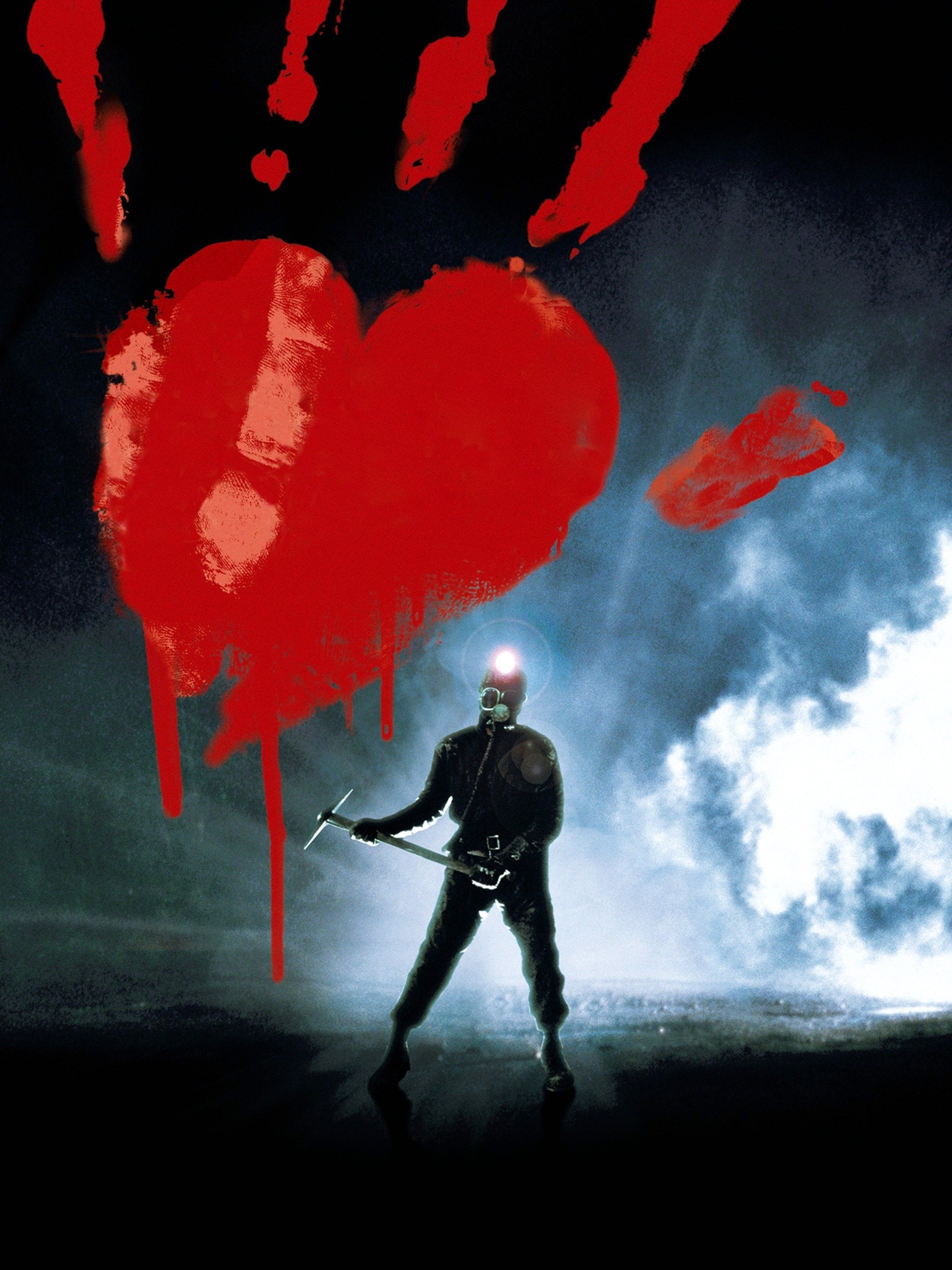
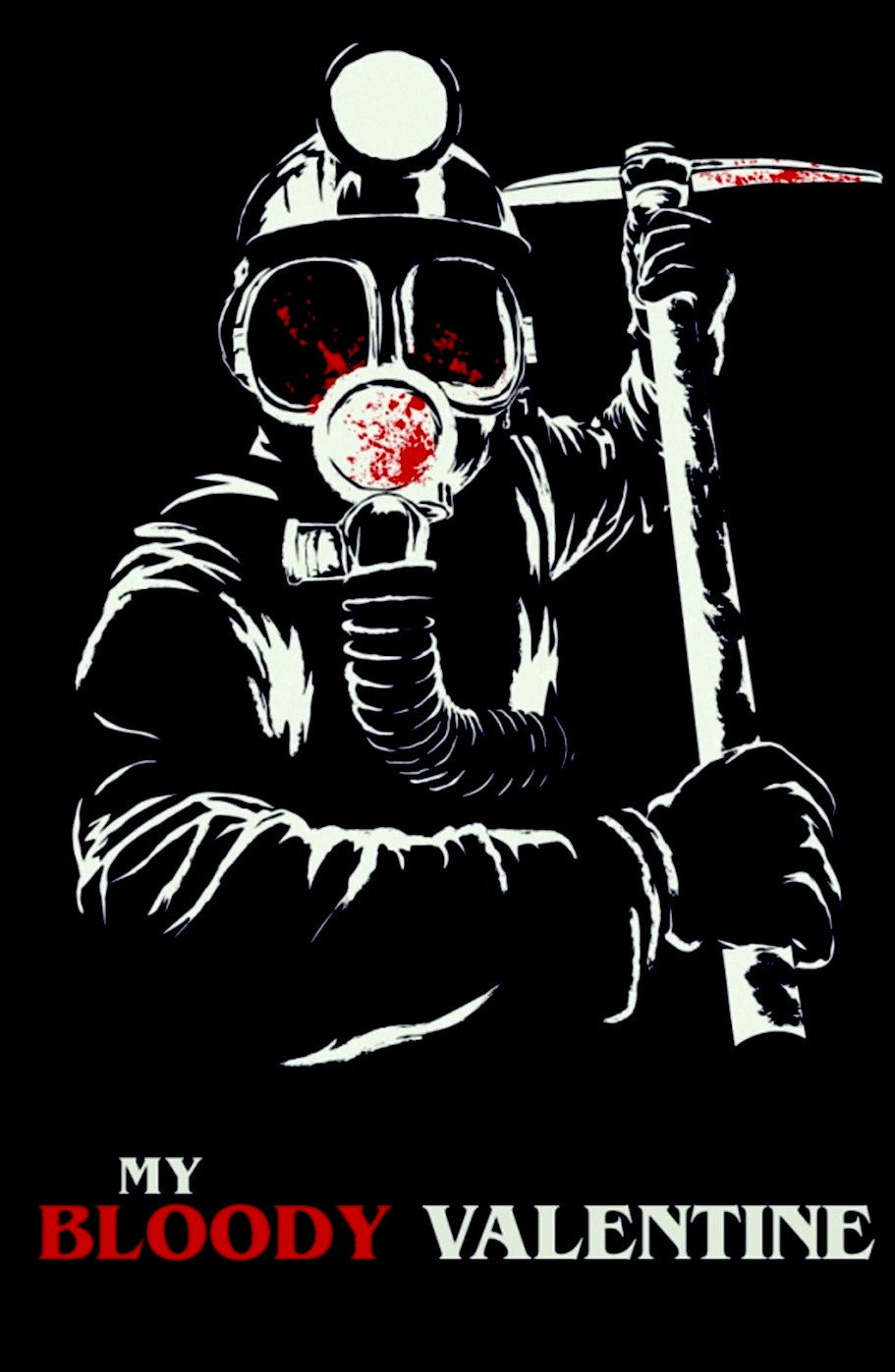
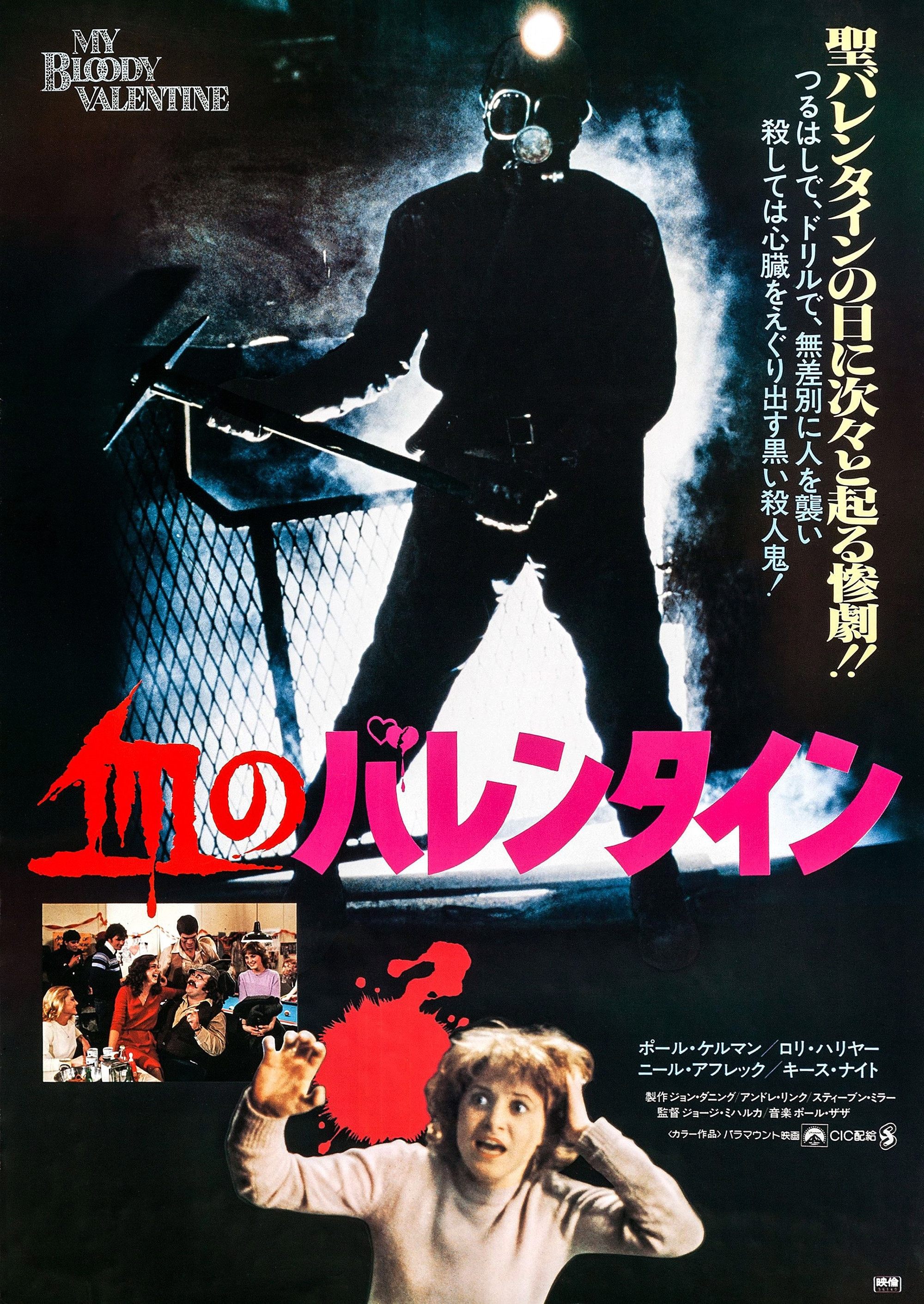
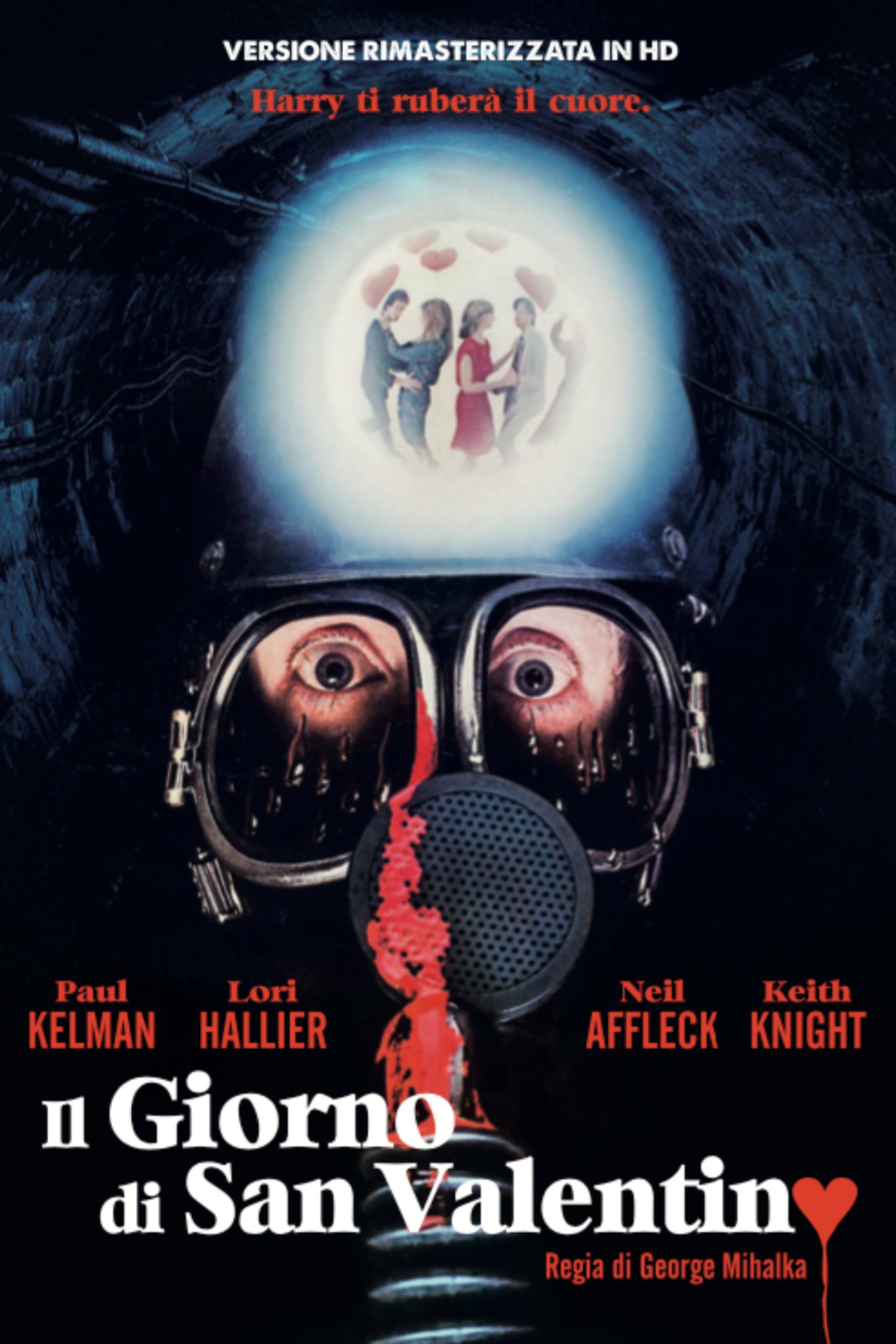
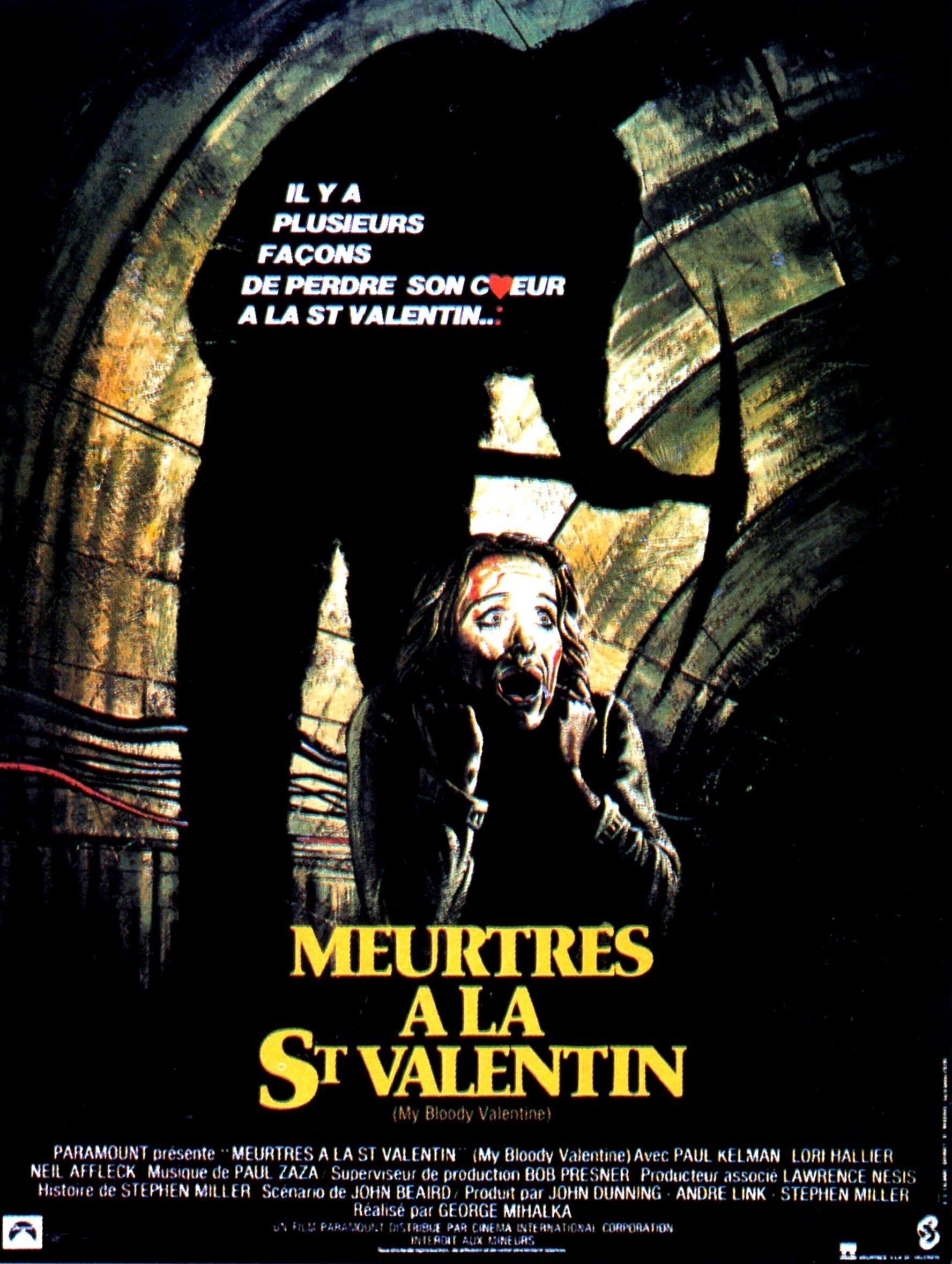
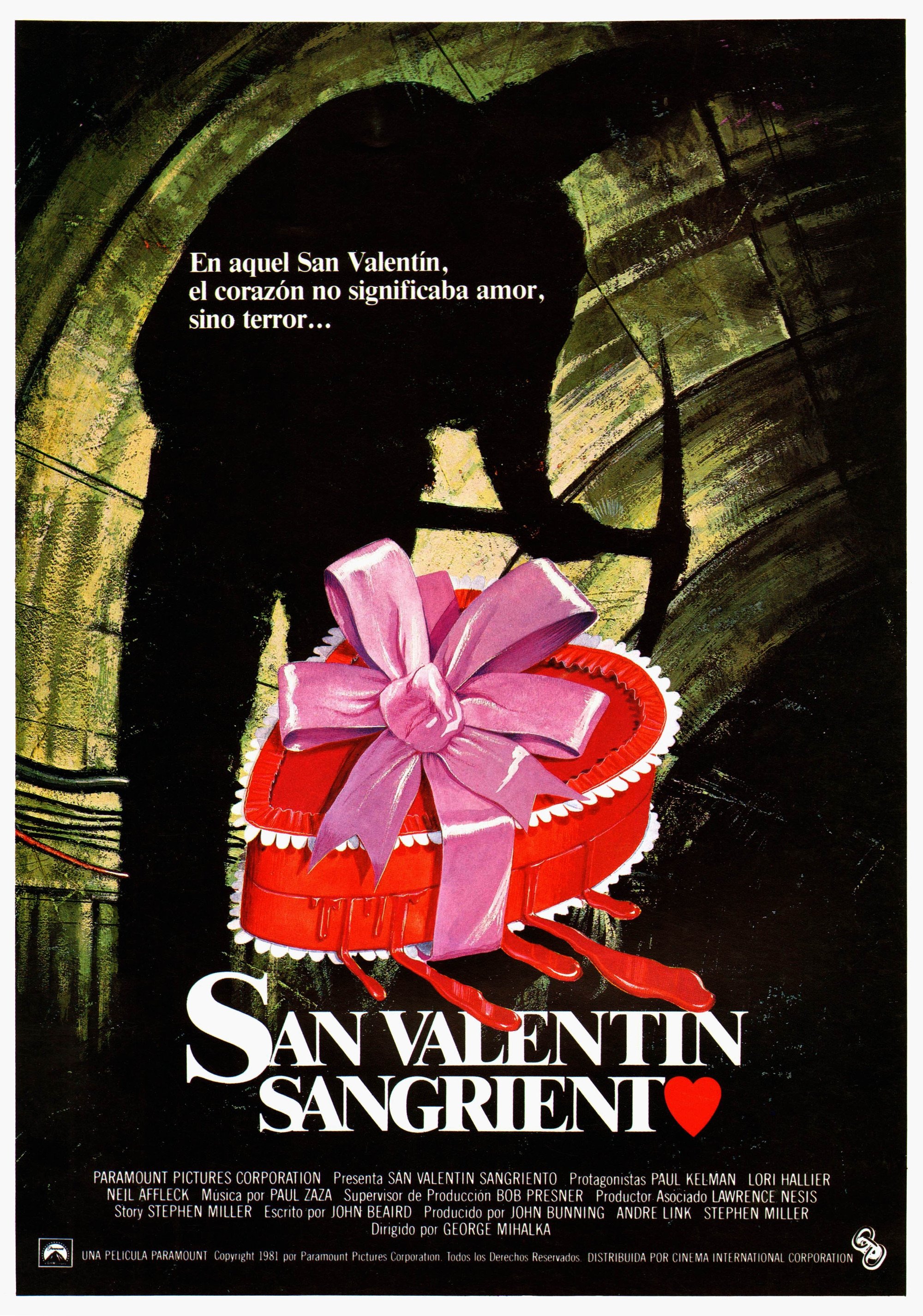
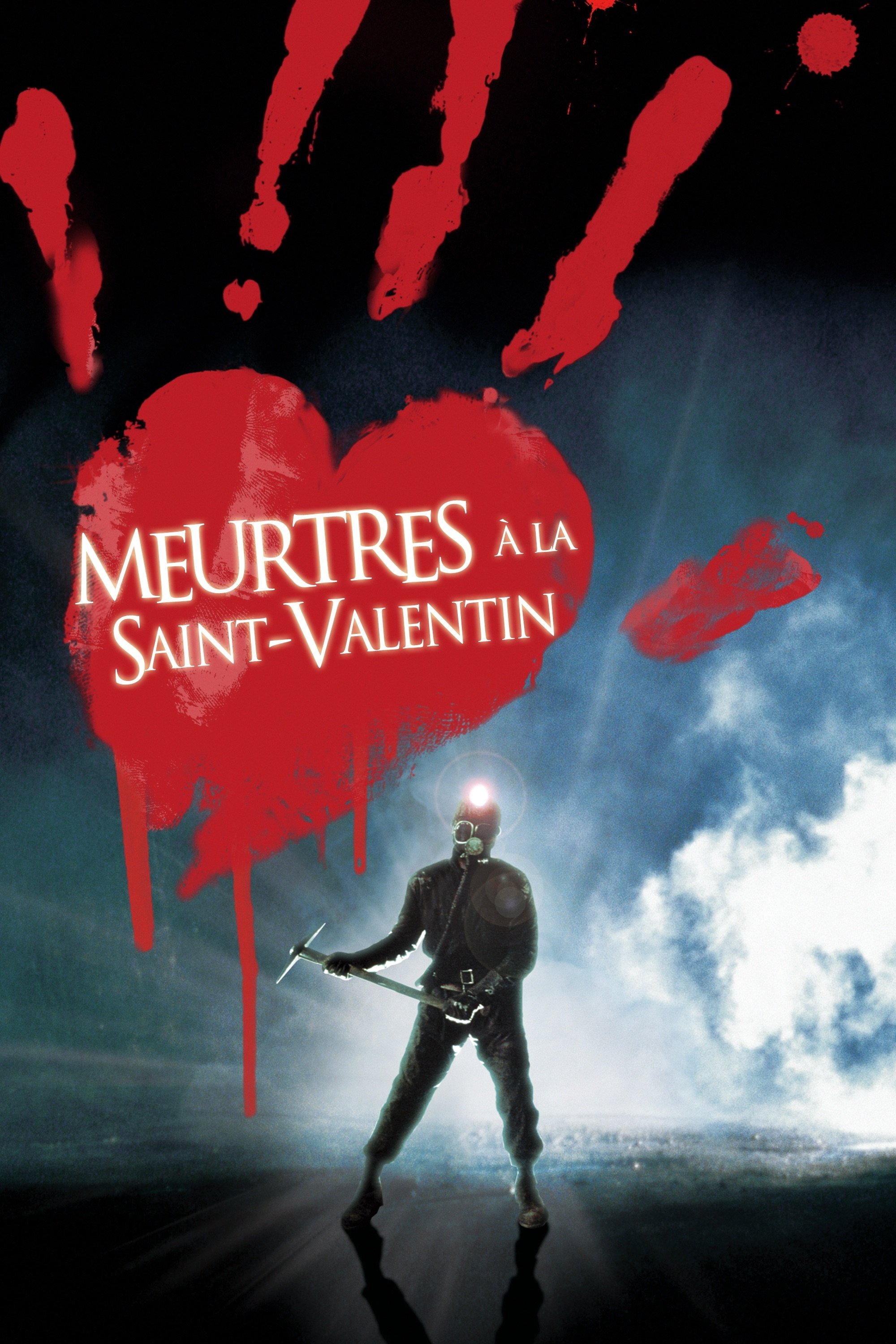
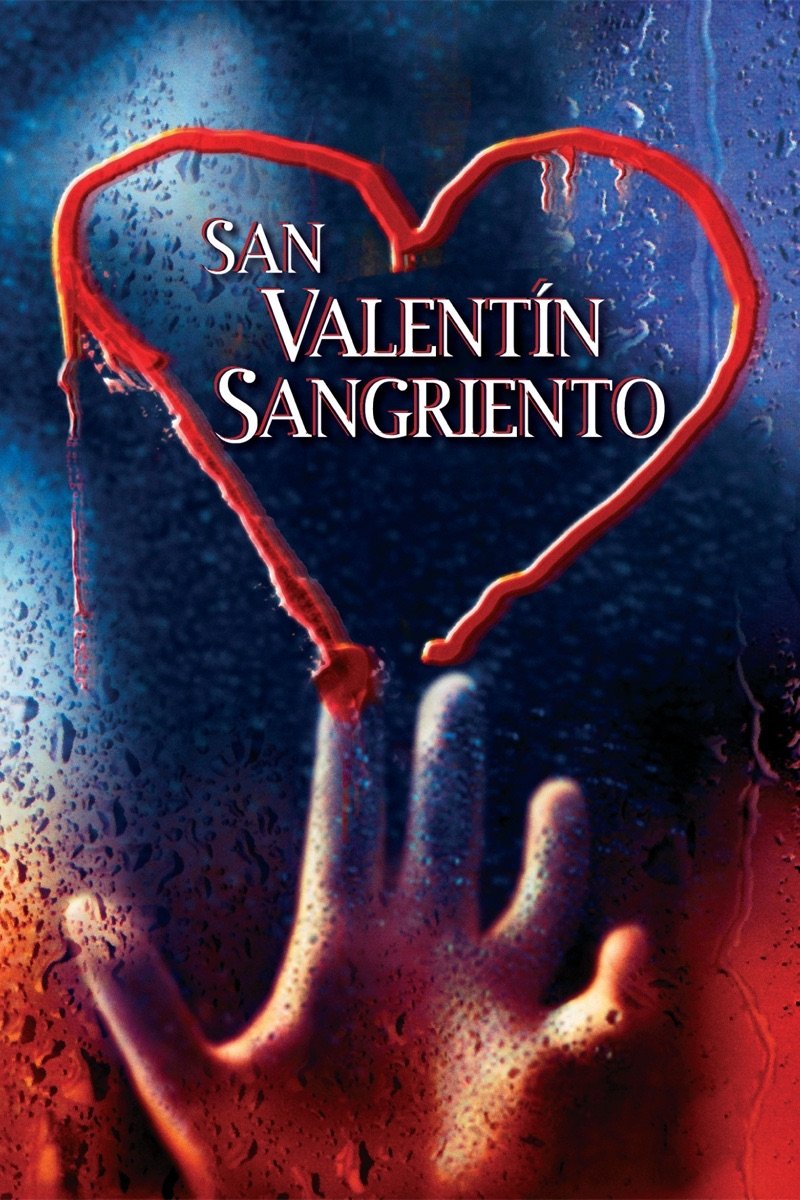
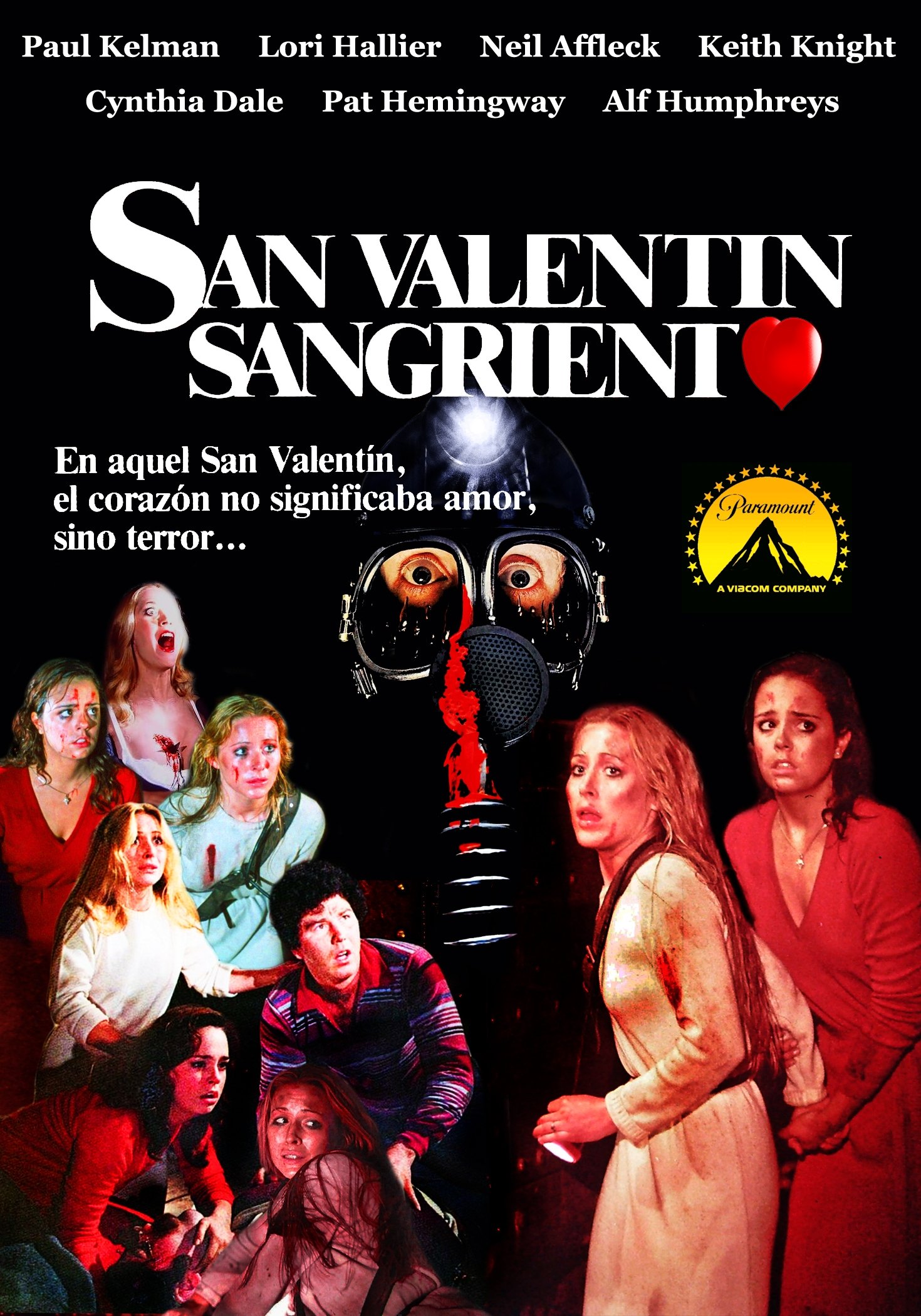
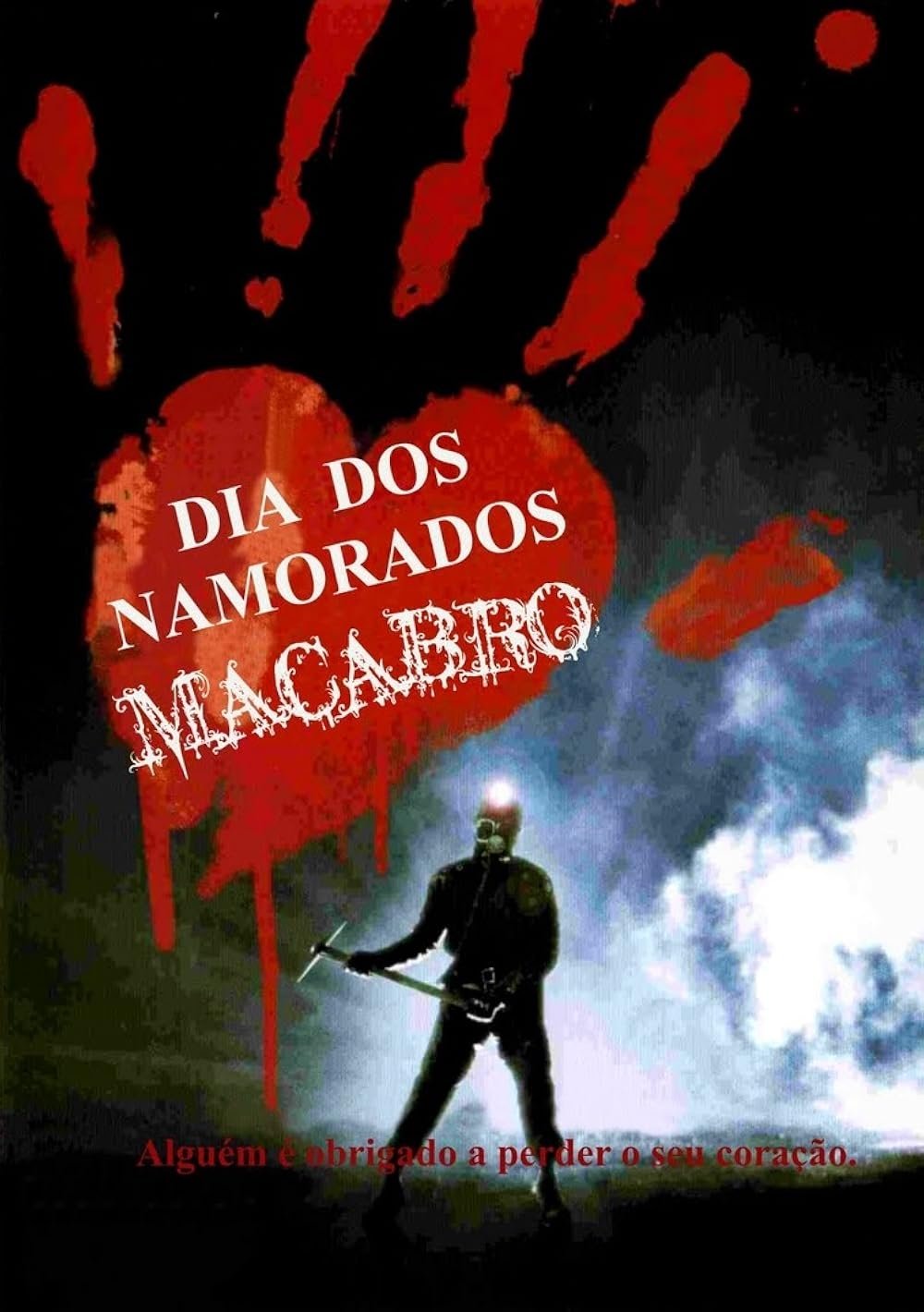
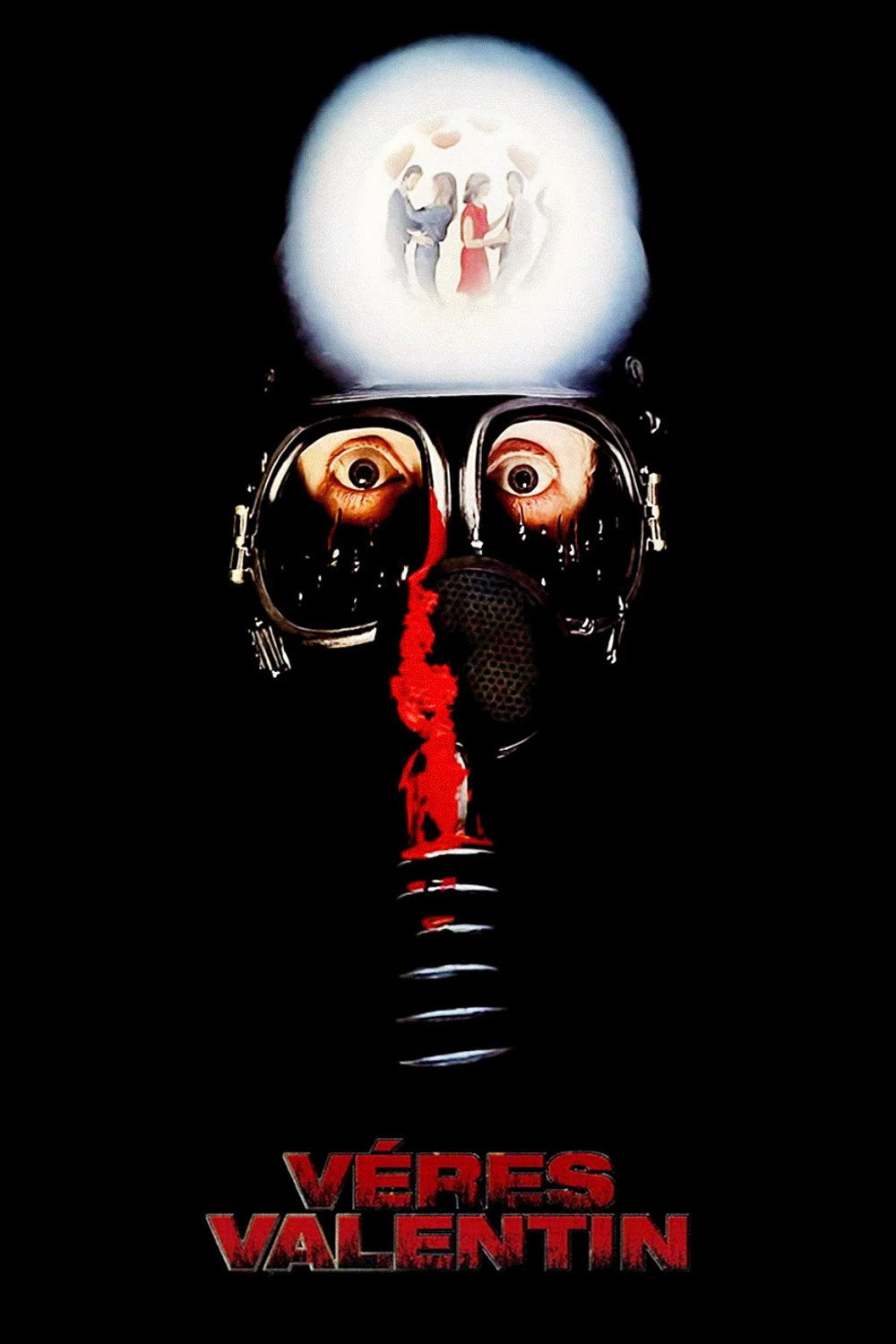
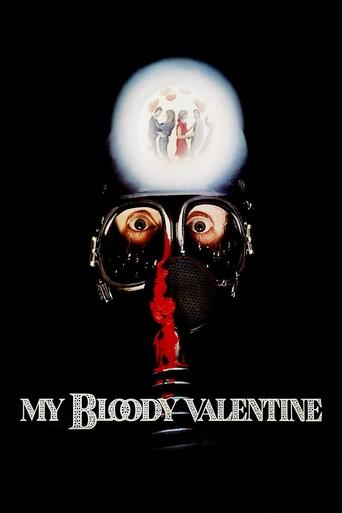
My Bloody Valentine (1981) poster
Director
Production Companies
Secret Films , Canadian Film Development Corporation , Famous Players
Plot

Twenty years ago in the sleepy mining town of Valentine Bluffs, a fatal mining disaster occurred on Valentine's Day while some of the crew was decorating for a party. The sole survivor of the accident killed the remaining crewmembers and warned the town not to celebrate Valentine's Day again. When a group of teenagers decides to defy that order, a murderous maniac in mining gear begins dispatching townsfolk in bloody and creative ways.

Alternative Titles
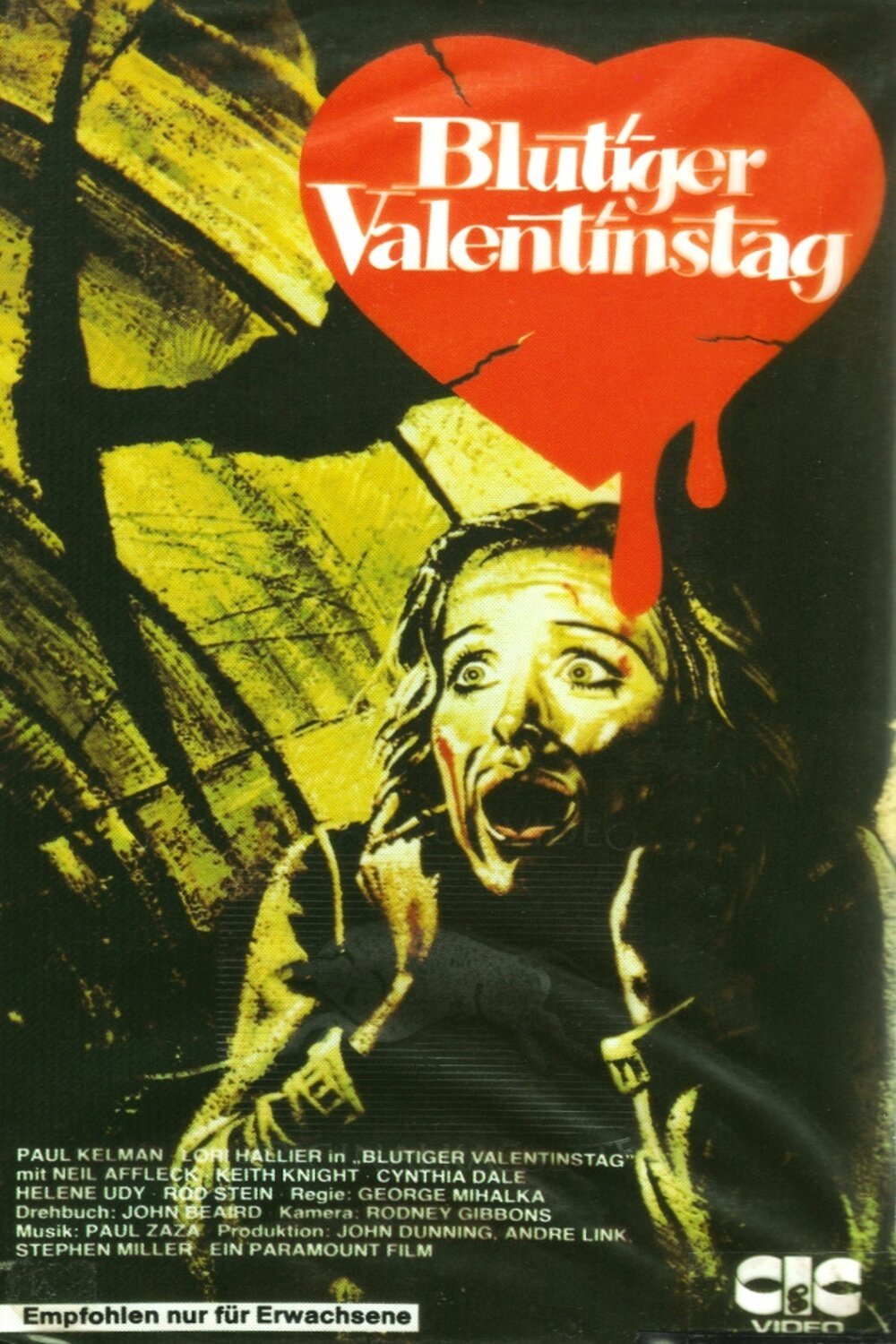
Aniversario de Sangre (Argentina) Blutiger Valentinstag (Austria) Моя кървава любима (Bulgaria) Моят кървав Свети Валентин (Bulgaria) — Bulgarian Dia dos Namorados Macabro (Brazil) Meurtres à la Saint-Valentin (Canada) — French My Bl♥♥dy Valentine (Canada) — On-screen title The Secret (Canada) — Working Title
Show all 34 alternative titles 恐怖情人节 (China) — Chinese Valentýnská pomsta (Czechia) — Czech Blutiger Valentinstag (Germany) — German San Valentín sangriento (Spain) Verinen Valentine (Finland) Meurtres à la Saint Valentin (France) Meurtres à la Saint-Valentin (France) — French Meurtres à la St-Valentin (France) 血腥情人節 (Hong Kong SAR China) — Chinese Véres Valentin (Hungary) — Hungarian בלאדי ולנטיין (Israel) — Hebrew Il Giorno di San Valentino (Italy) Un San Valentín sangriento (Italy) ちのバレンタイン (Japan) 血のバレンタイン (Japan) — Japanese 피의 발렌타인 (South Korea) — Korean Kruvina Valentino diena (Lithuania) — Lithuanian San Valentín Sangriento (Mexico) — Spanish Moja krwawa walentynka (Poland) — Polish São Valentim Sangrento (Portugal) — Portuguese Мој крвави Валентин (Serbia) — Serbian Мой кровавый Валентин (Russia) — Russian Dan krvavega Valentina (Slovenia) — Slovenian Sevgililer Günü Katliamı (Türkiye) Sevgililer Günü Laneti (Türkiye) — Turkish 血腥情人節 (Taiwan) — Chinese

Trailers & Videos

4 videos

Film Guide & Analysis

A Canadian mining-town slasher shaped by working-class anxieties, practical effects, extensive rating cuts and the later recovery of missing footage.

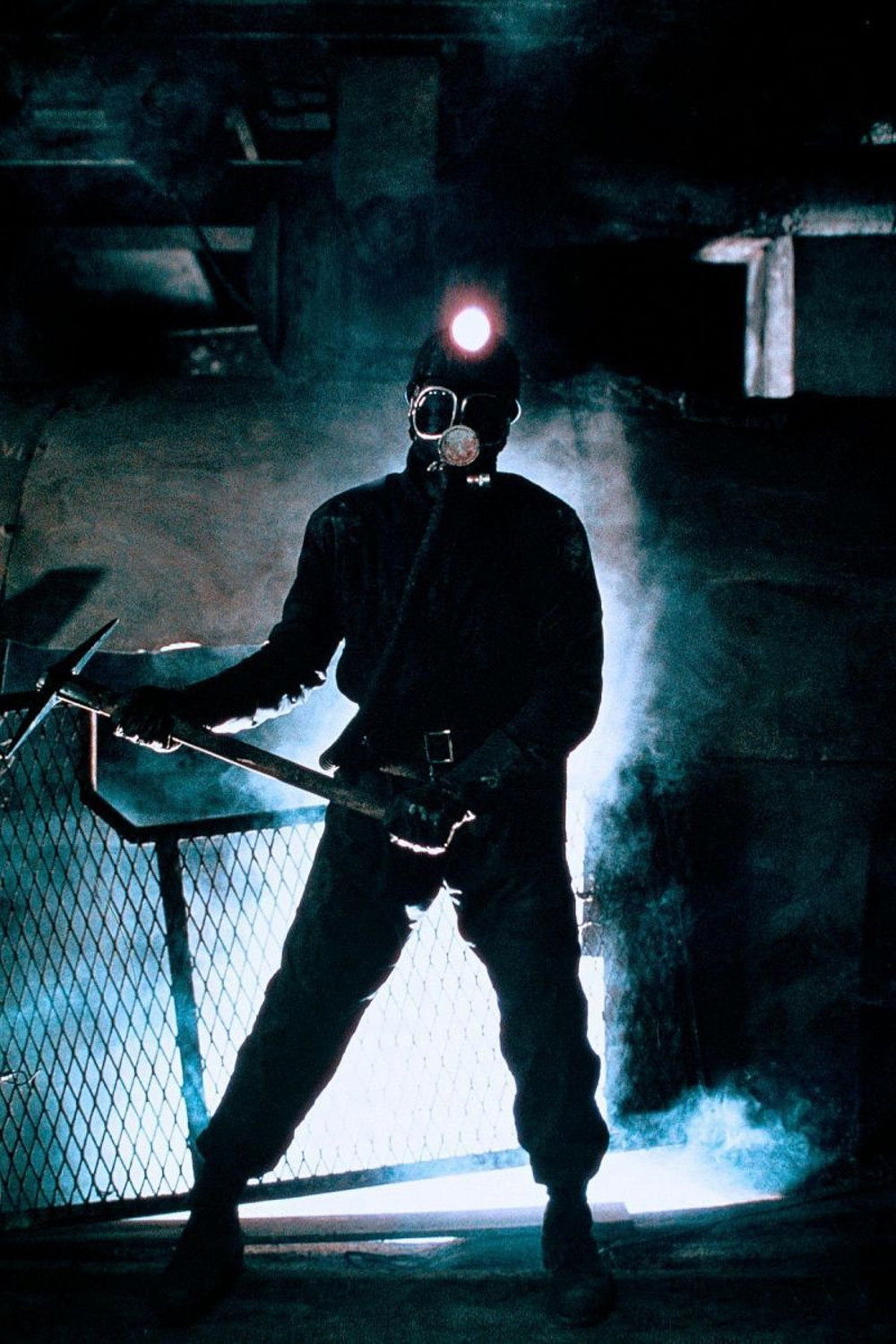
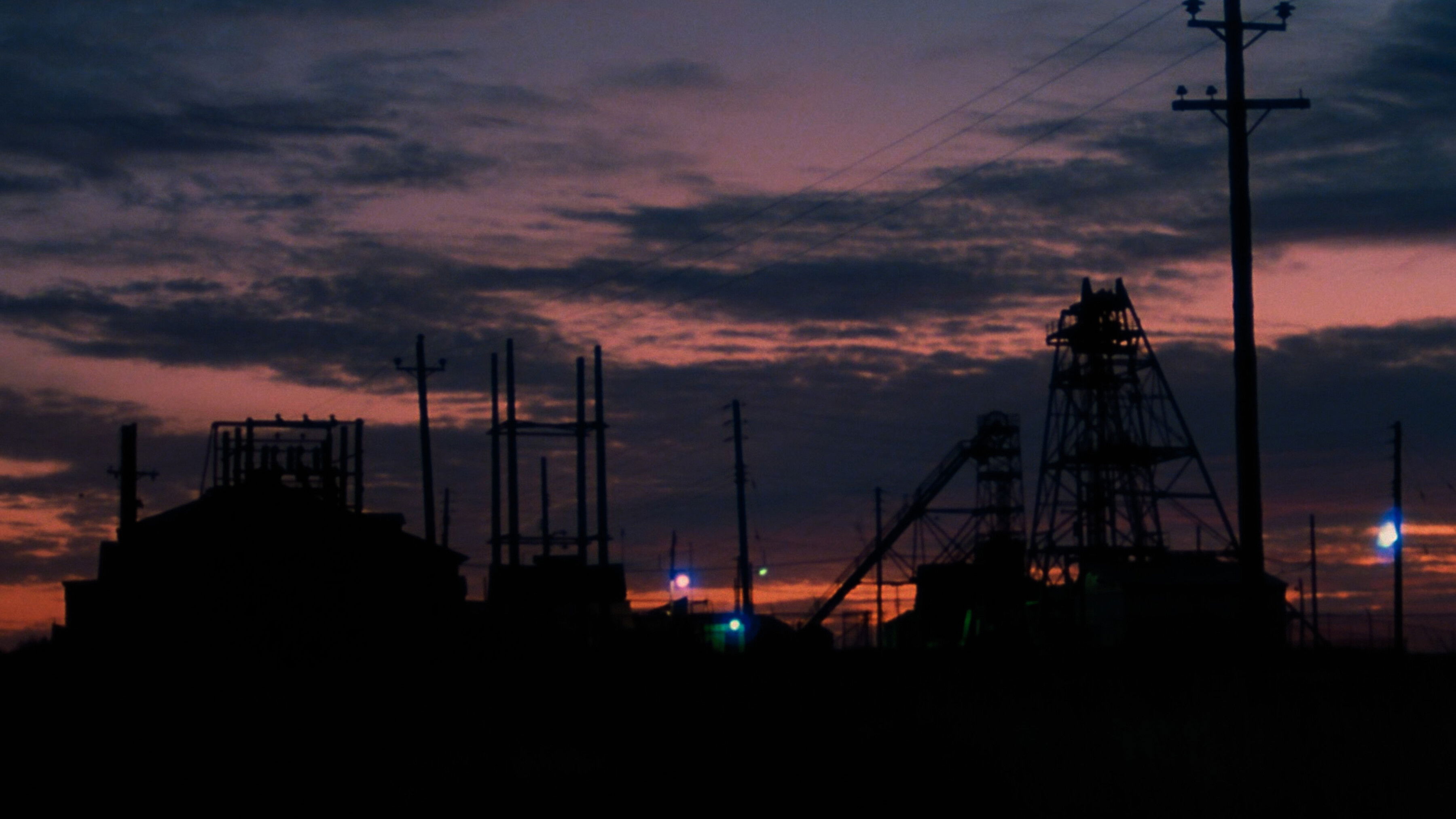
My Bloody Valentine (1981) gave the early slasher cycle a remarkably specific social and physical setting. Its threatened characters are young adults in a struggling mining community, and their forbidden celebration takes place under the shadow of a fatal workplace disaster. A gas-masked attacker carrying a pickaxe turns equipment associated with local labor into the instruments of murder. The premise relies on the holiday calendar, yet the community's working routines, limited prospects and collective memory remain essential to its atmosphere. George Mihalka's Canadian production used actual industrial spaces in Nova Scotia, allowing the threat to emerge from the environment inhabited by its characters.

The film also has an unusually consequential history of censorship and preservation. Elaborate practical-effects sequences were shortened before Paramount's 1981 theatrical release, leaving audiences with a version that frequently concealed the material its makers had staged. Much of that missing violence returned on home video in 2009, although the director has acknowledged that some shots can no longer be recovered. The changing versions invite a comparison between the suspense of the release print and the graphic effects originally intended. Together with its working-class setting and memorable miner costume, that history explains the film's sustained place in discussions of Canadian horror.

Development and the Working-Class Premise

The project emerged as Canadian producers John Dunning and André Link sought a horror picture that could reach theaters for Valentine's Day. The producers' company had experience making films for international distribution, and the approaching holiday fixed an unusually demanding schedule. Stephen A. Miller supplied the underlying story and John Beaird developed the screenplay with Mihalka. In subsequent interviews, the director recalled that writing and preparation overlapped because the filmmakers had only a short interval before their planned shoot in September 1980. The production circulated under the temporary title The Secret, concealing the commercial premise while the film was being prepared.

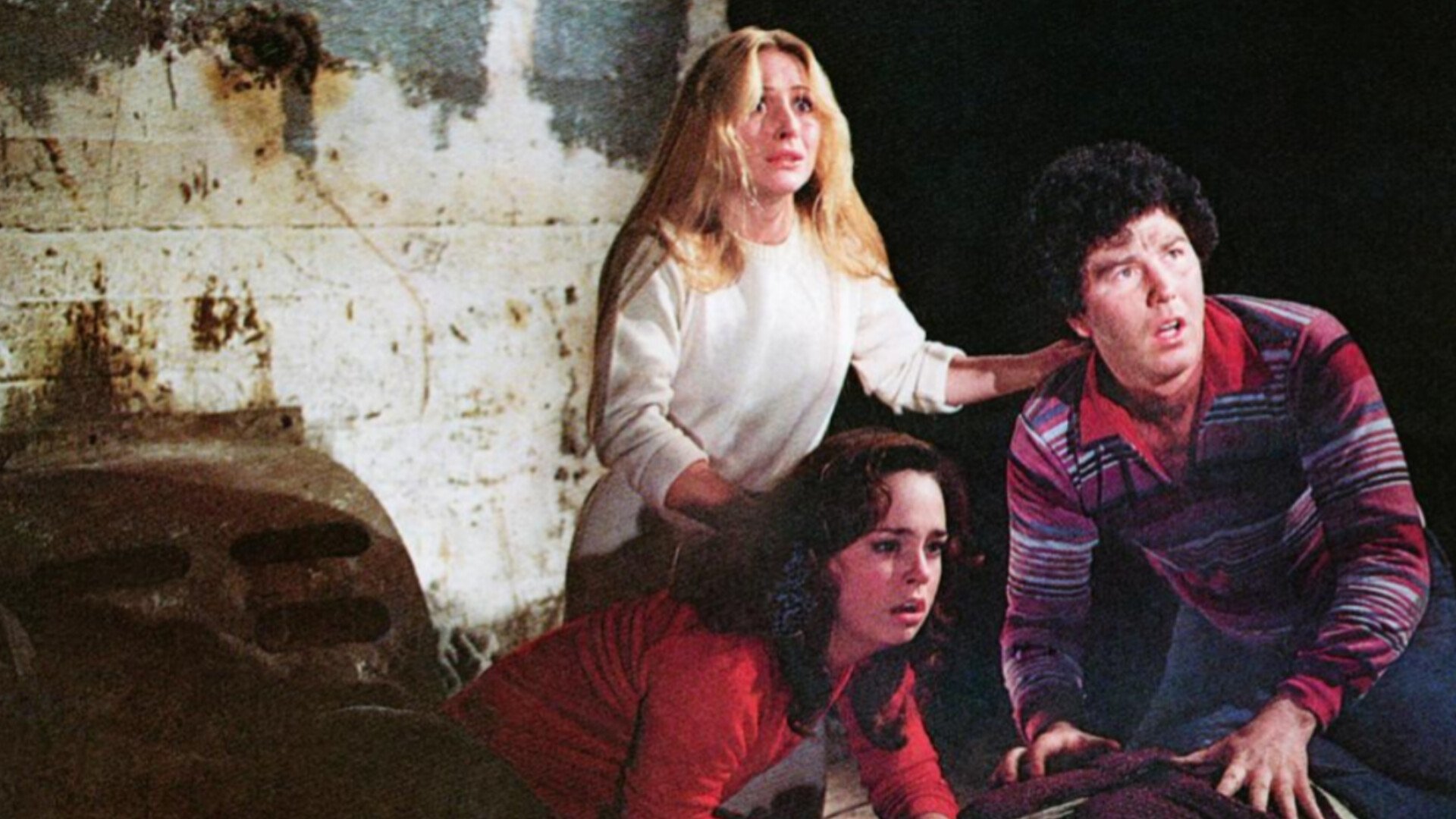
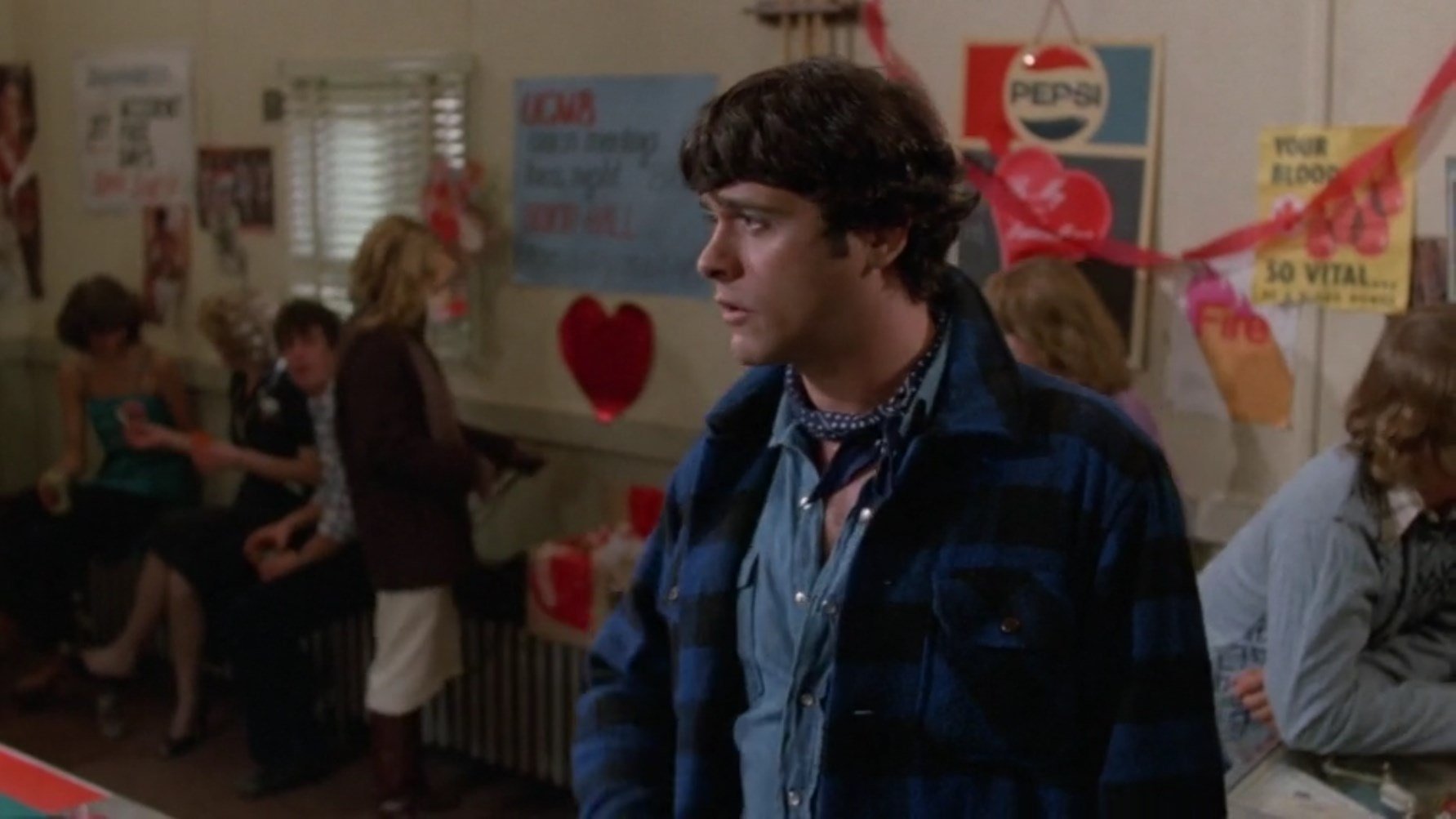
Mihalka has consistently identified the adults' economic circumstances as a deliberate feature of the story. T.J. Hanniger returns to Valentine Bluffs after an unsuccessful attempt to find a future elsewhere; his relationship with Sarah and her current boyfriend Axel gives the narrative a recognizable local conflict. Other members of the group work, drink and socialize in places tied to the mine. Their fear of being trapped in the same occupations as their parents runs alongside the danger posed by the killer. The director's retrospective description of a community facing industrial decline is a statement of creative intention, while the town's conversations and workplaces supply the evidence visible on screen.

Princess Colliery and the Look of the Mine

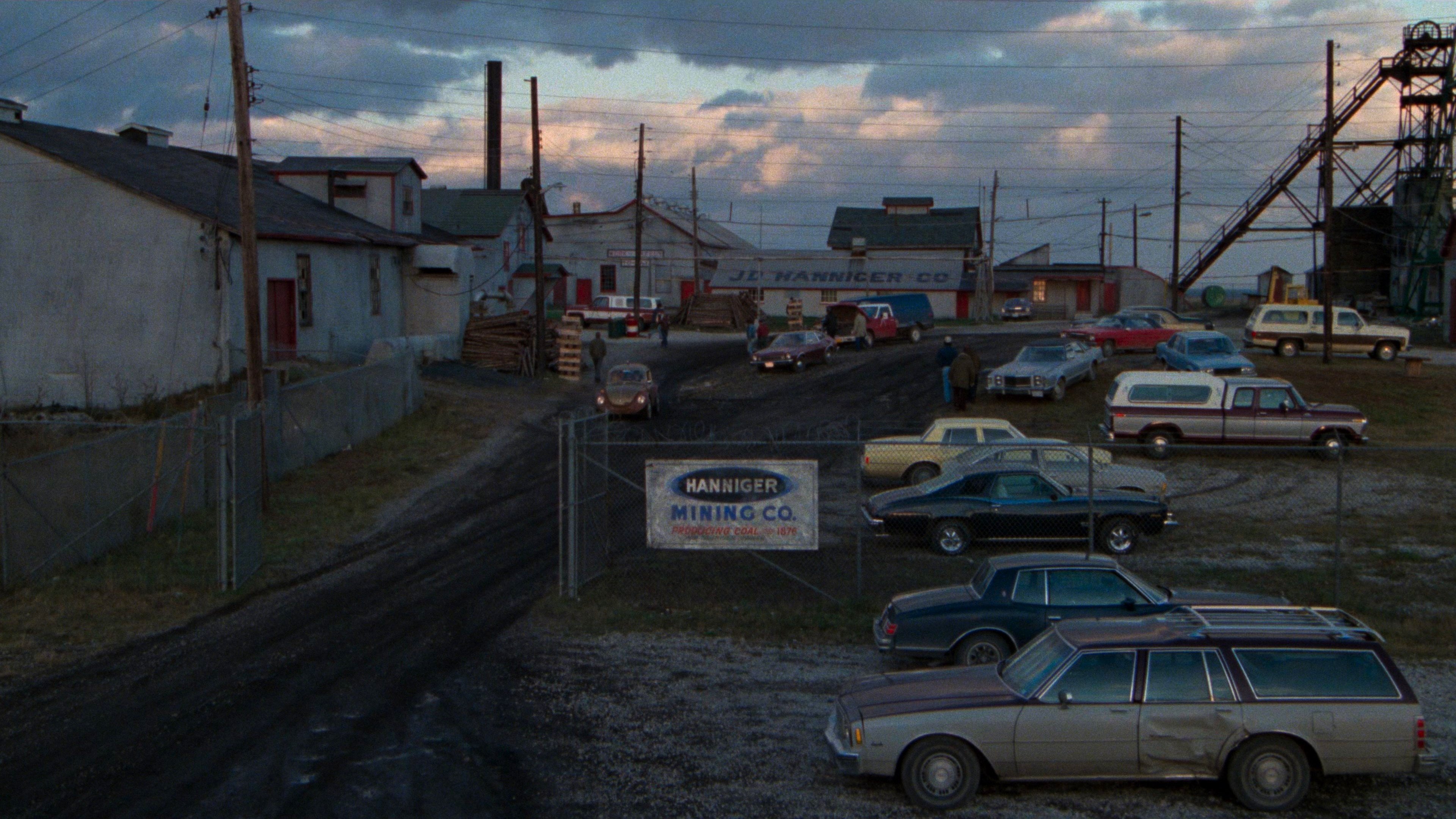
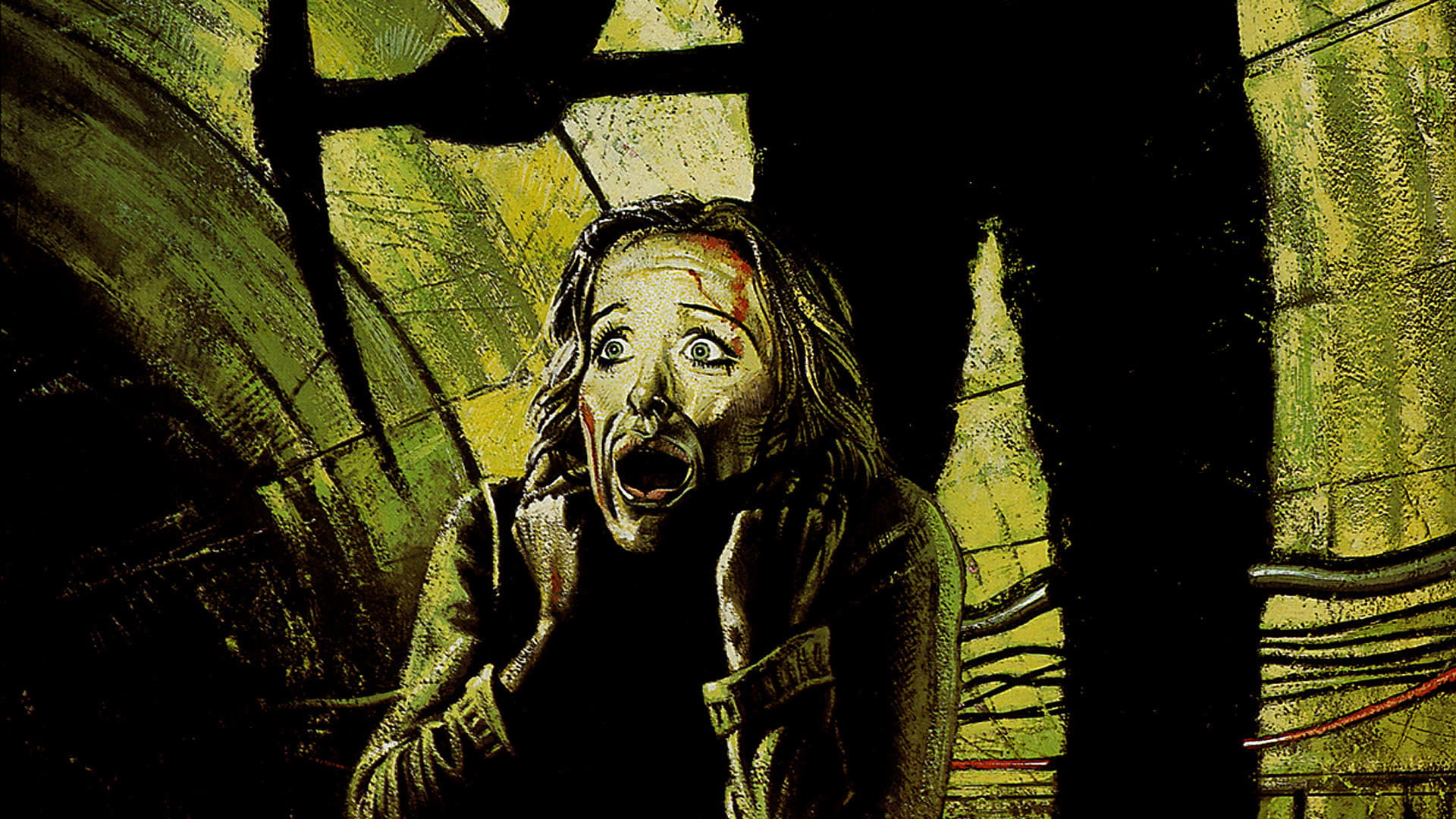
Filming began in September 1980 in Sydney Mines on Cape Breton Island, Nova Scotia. The Princess Colliery had ceased operating several years earlier but retained passages and industrial machinery that could be used for the production. Mihalka selected the site partly for the neglected character of its surroundings, after considering another mining location in Glace Bay. His recollections describe the awkward discovery that local preparations had made part of the colliery more presentable than he wanted; the filmmakers then worked to restore a weathered appearance. This anecdote illustrates why location texture mattered to the production's conception of horror rather than functioning simply as regional scenery.

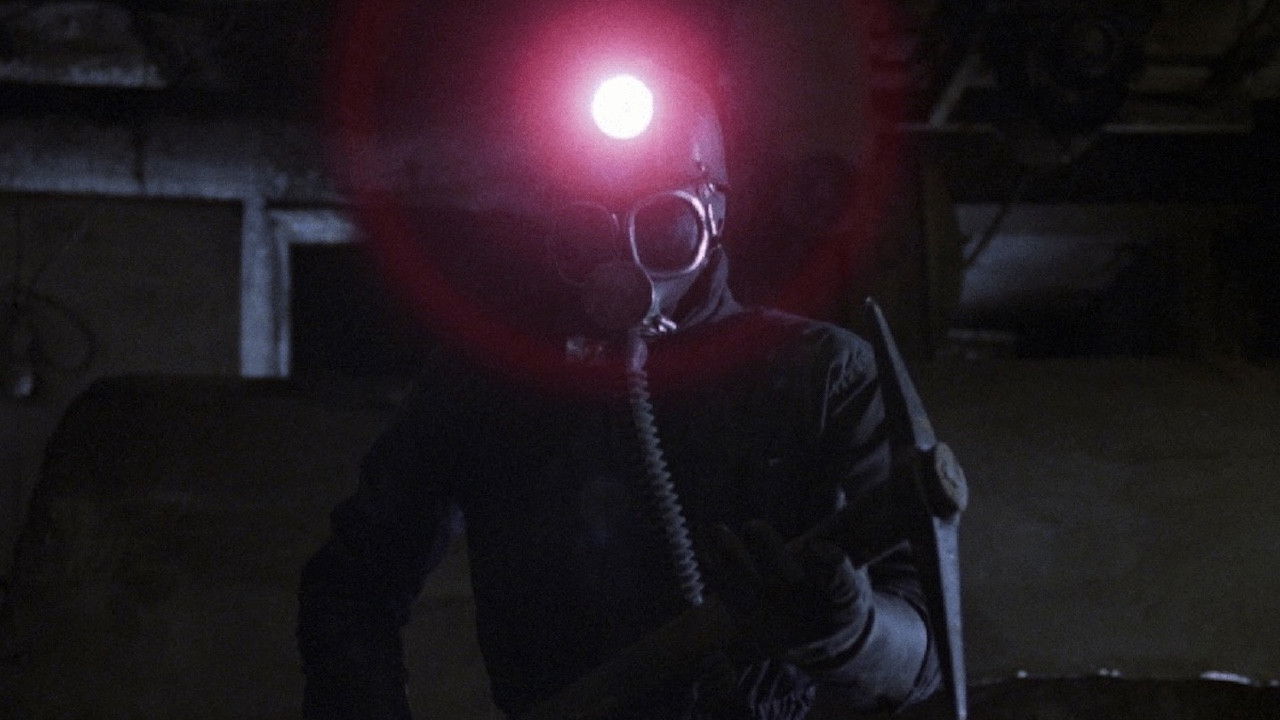
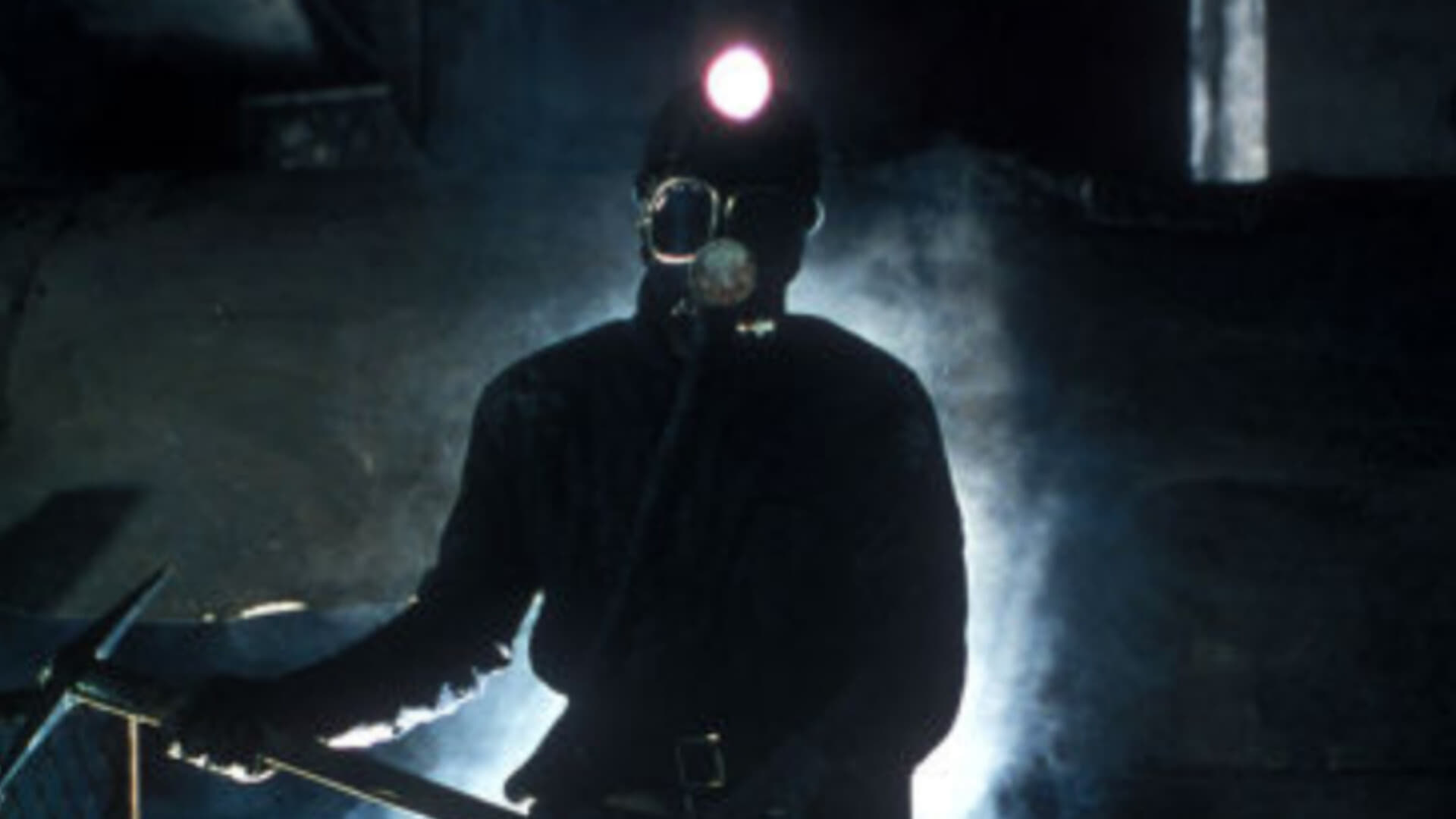
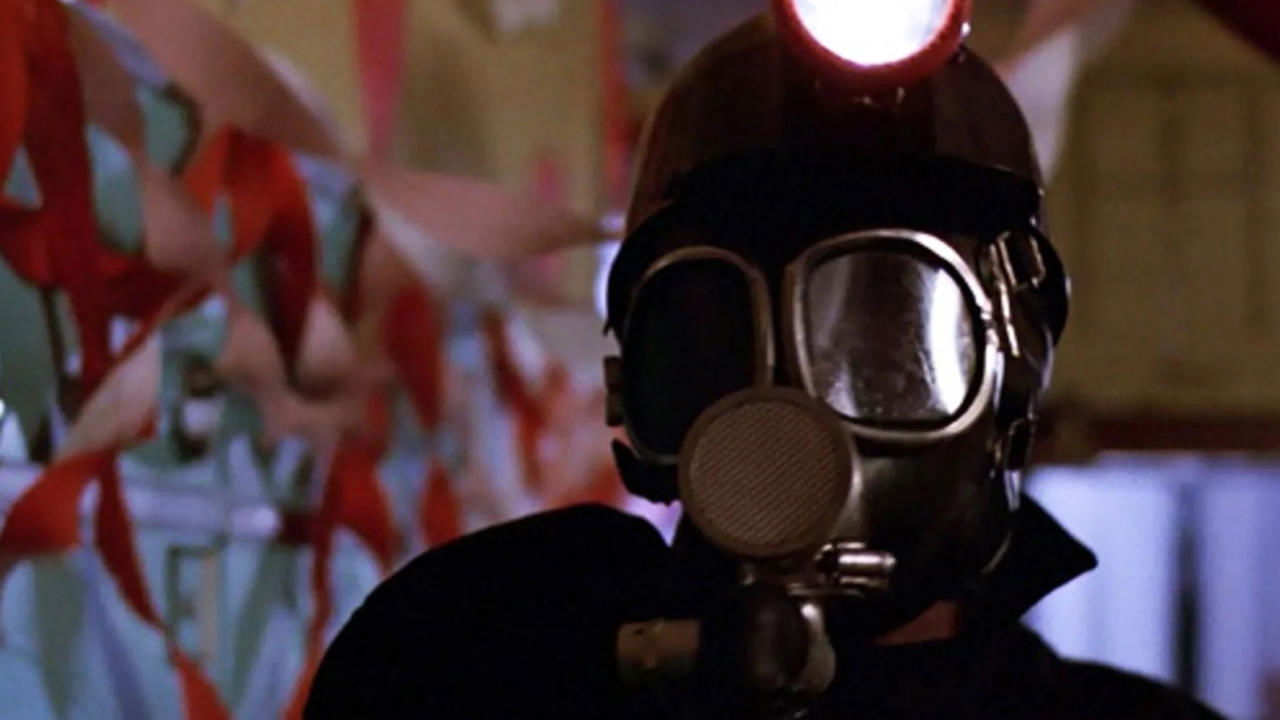
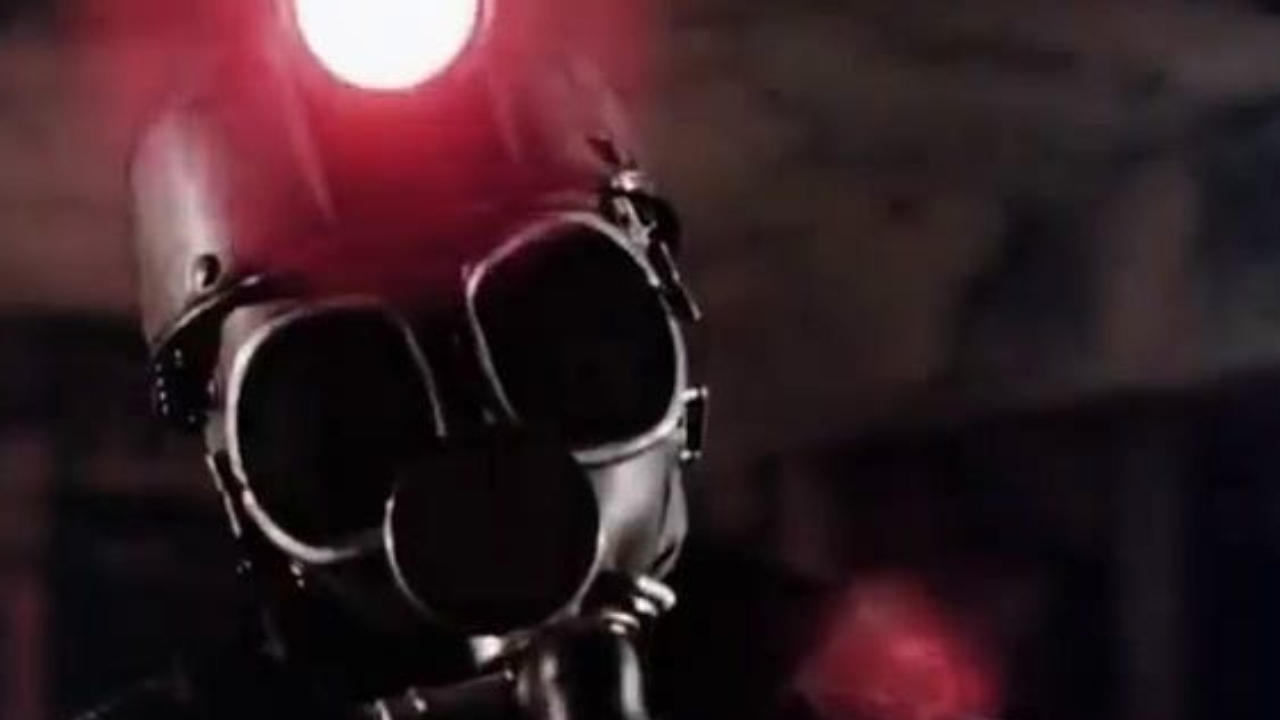
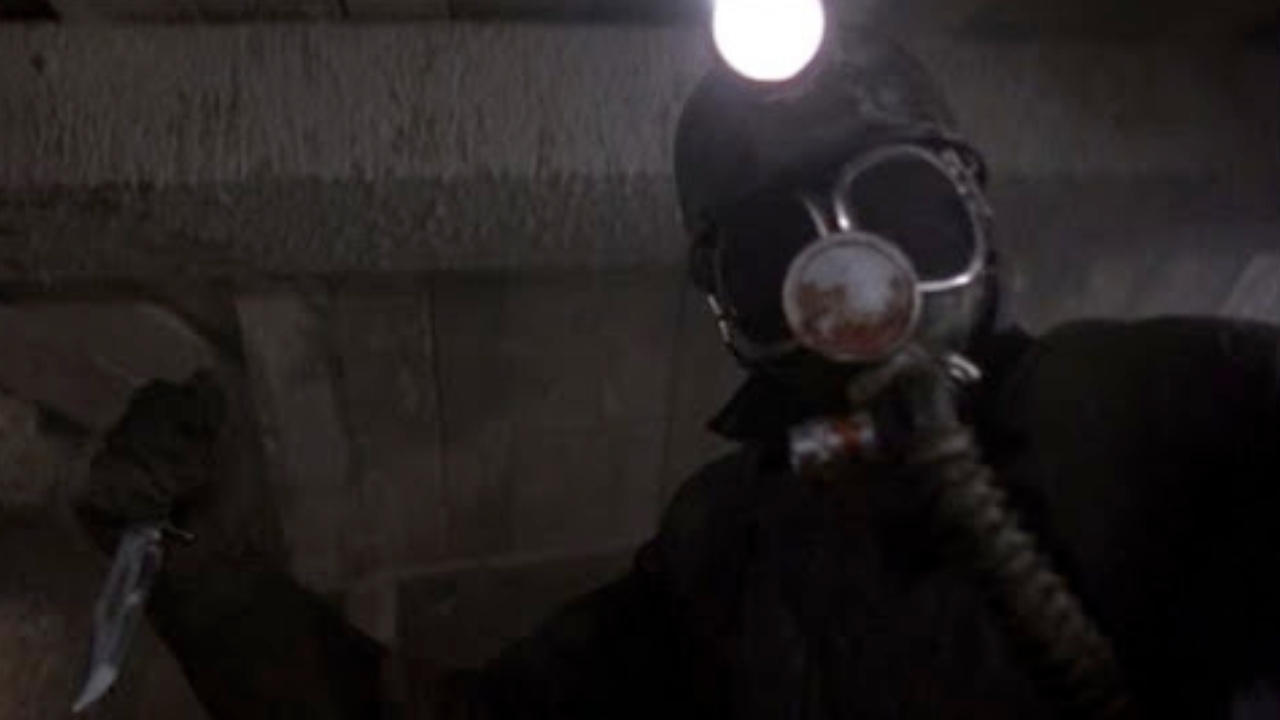
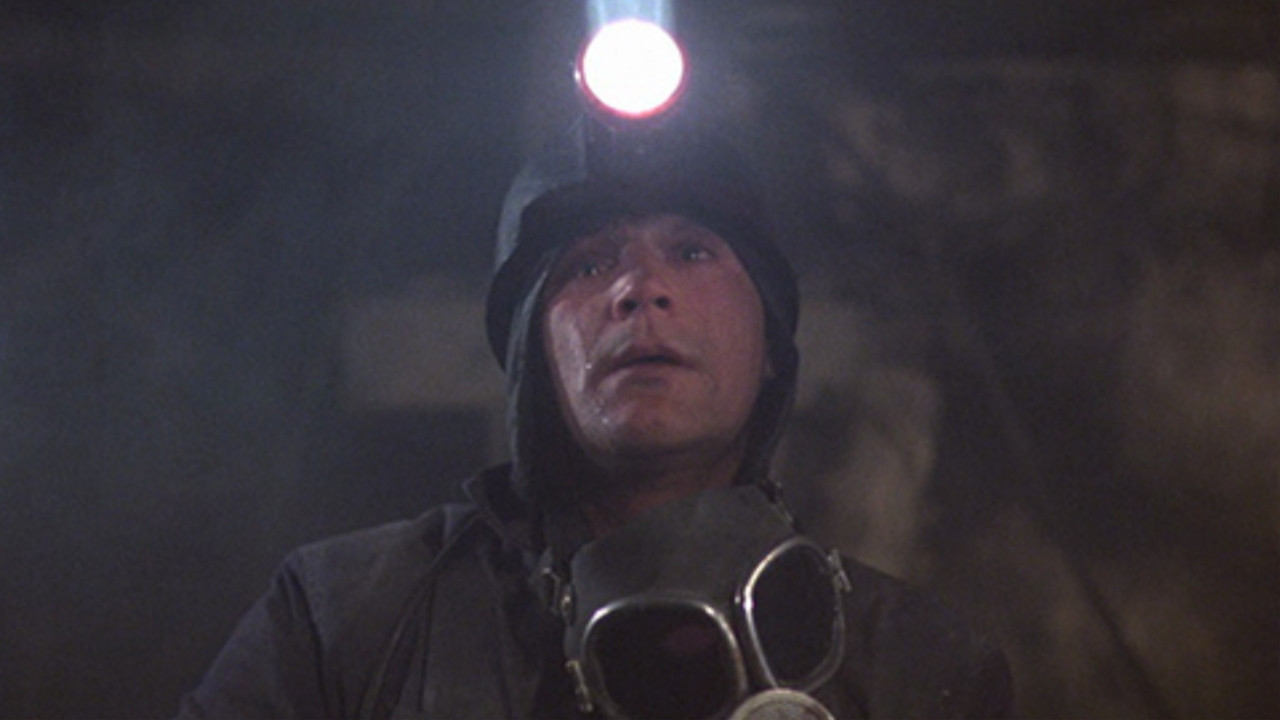
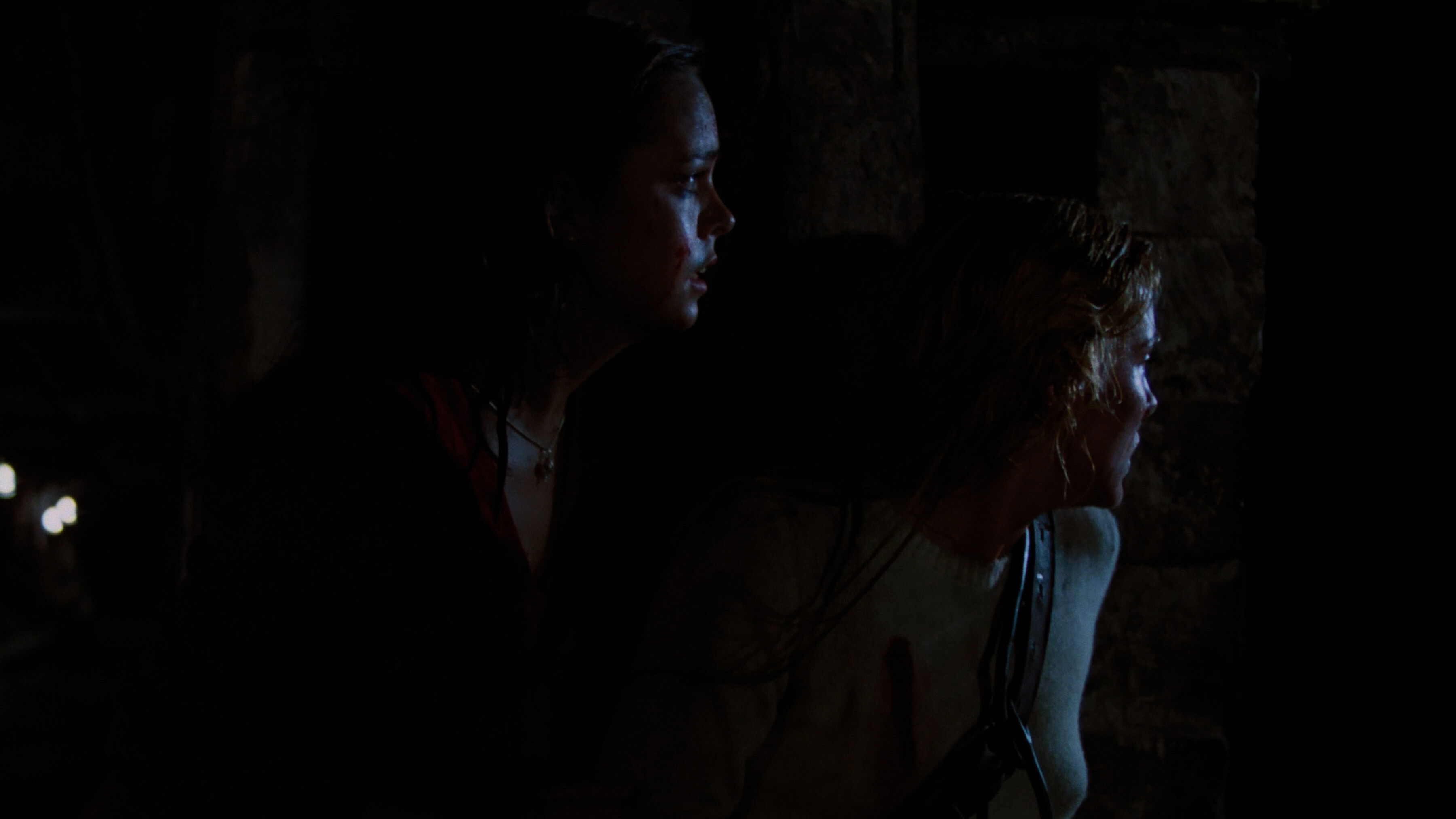
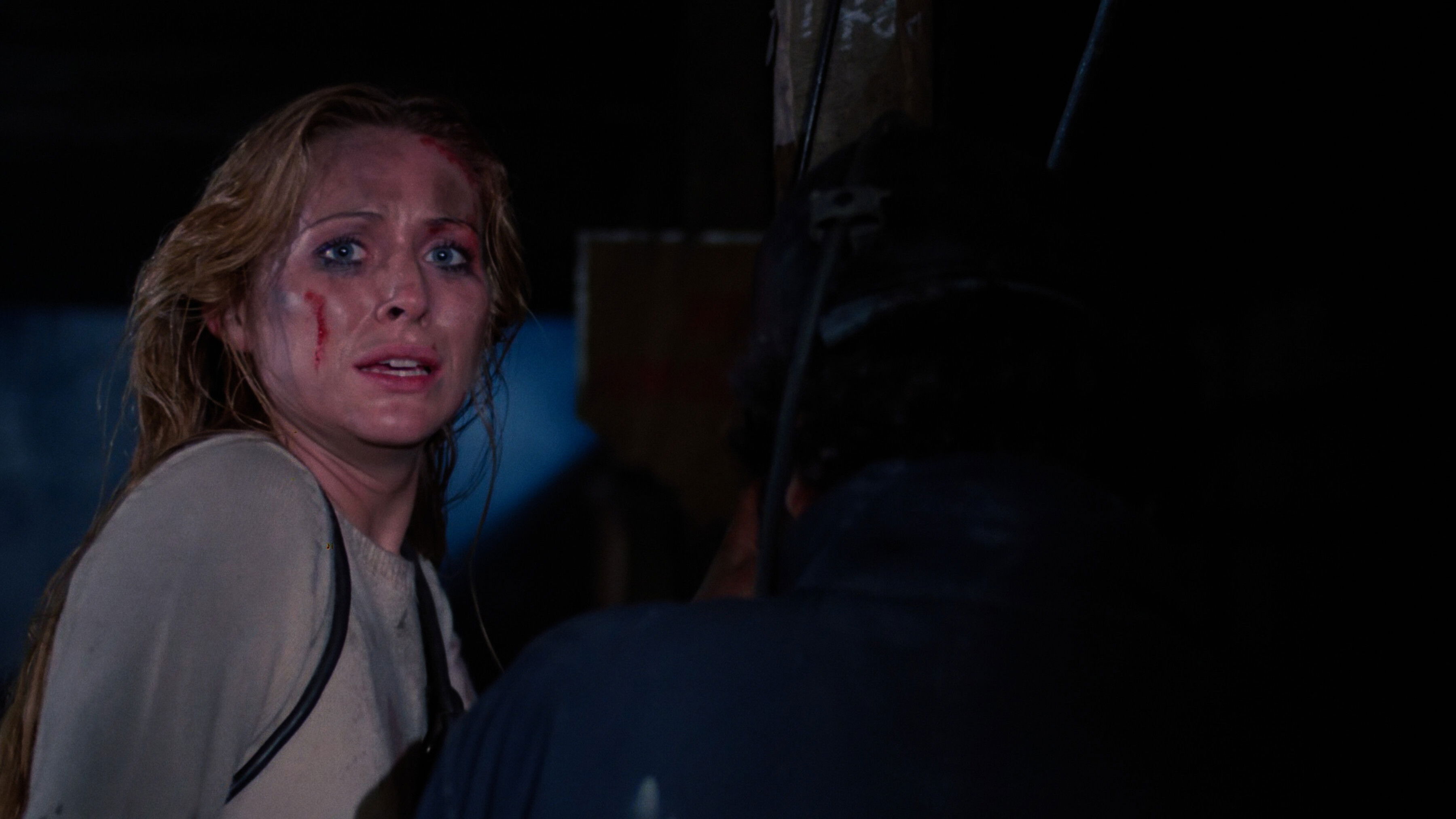
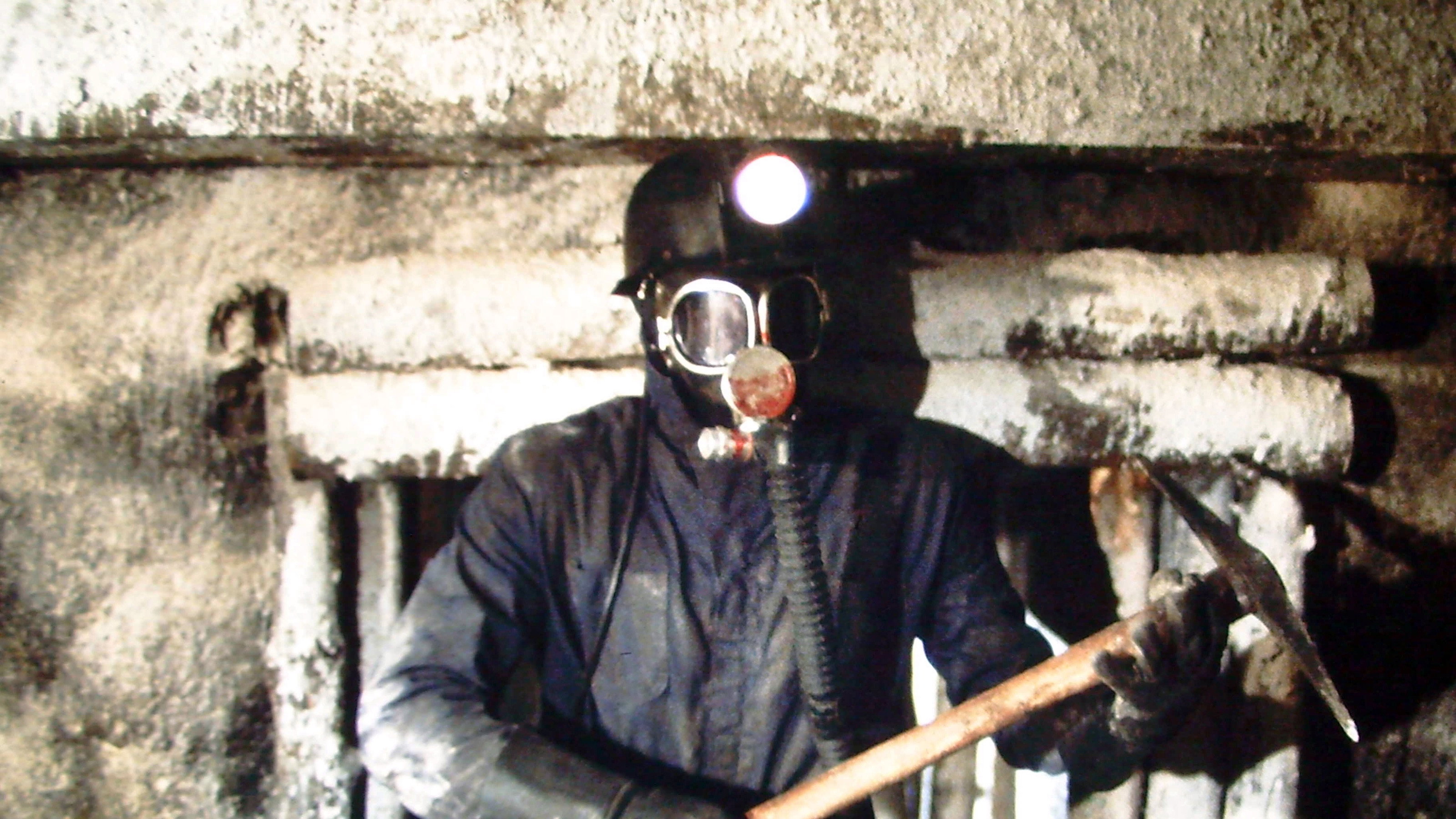
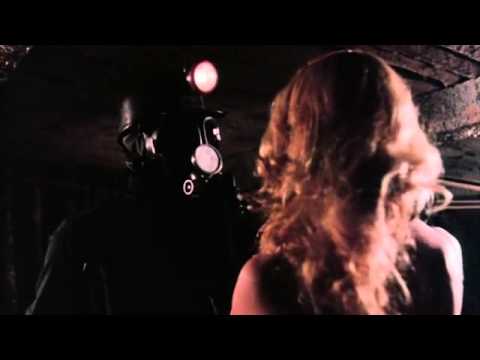
Underground work imposed logistical restrictions on the crew. Personnel and equipment had to descend in mine elevators, reducing the hours available for photography, while safety precautions limited the lighting that could be installed. Mihalka later described concern about methane and the difficulty of exposing film under the available illumination. The image frequently relies on helmet lamps, small pools of artificial light and distant points of visibility. Beams cutting across damp, dark passages place the spectator in a space where someone can be physically nearby yet remain hidden. The miner's own headlamp becomes a particularly effective means of announcing movement without disclosing the face inside the mask.
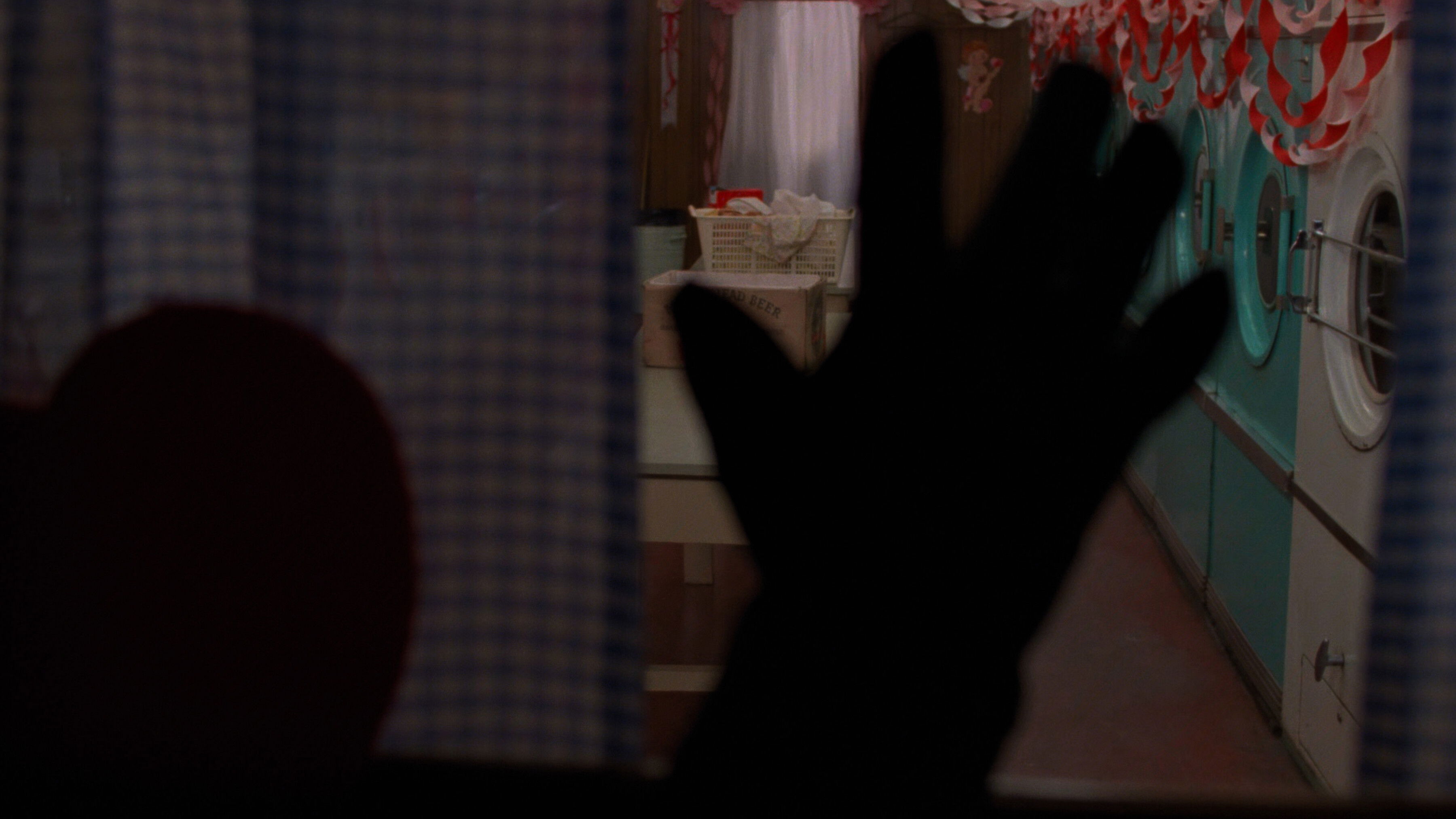
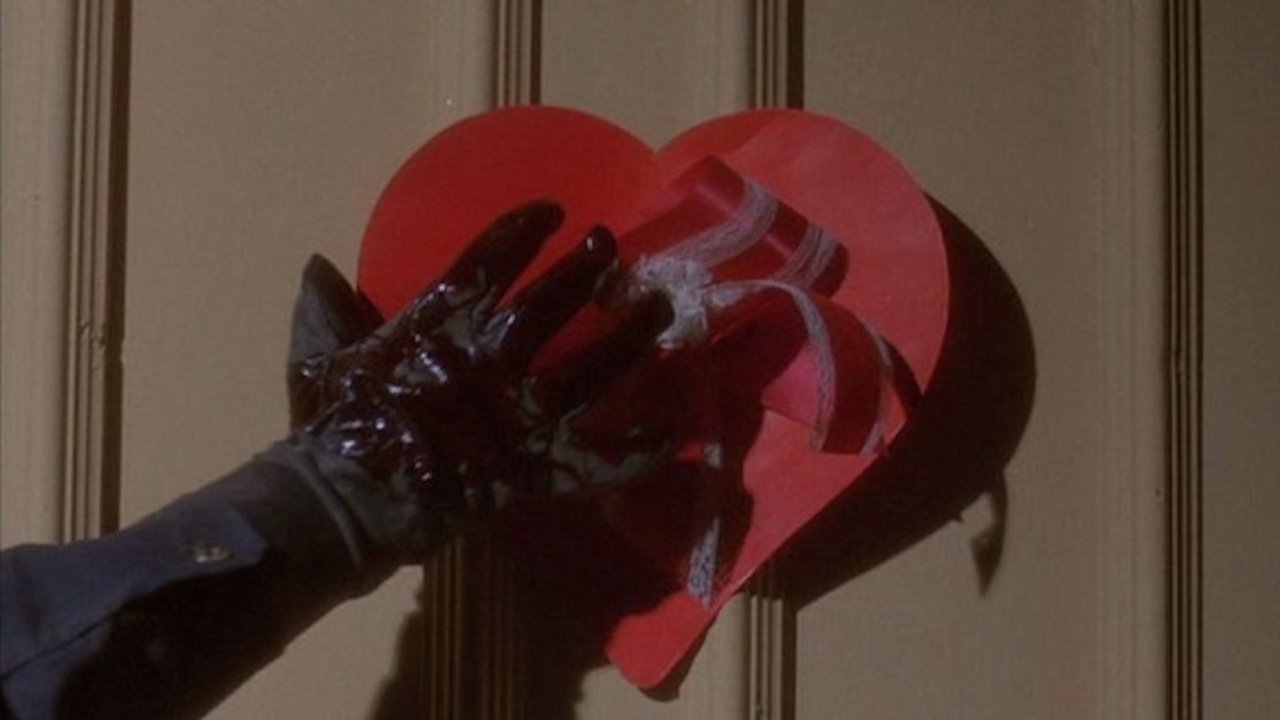
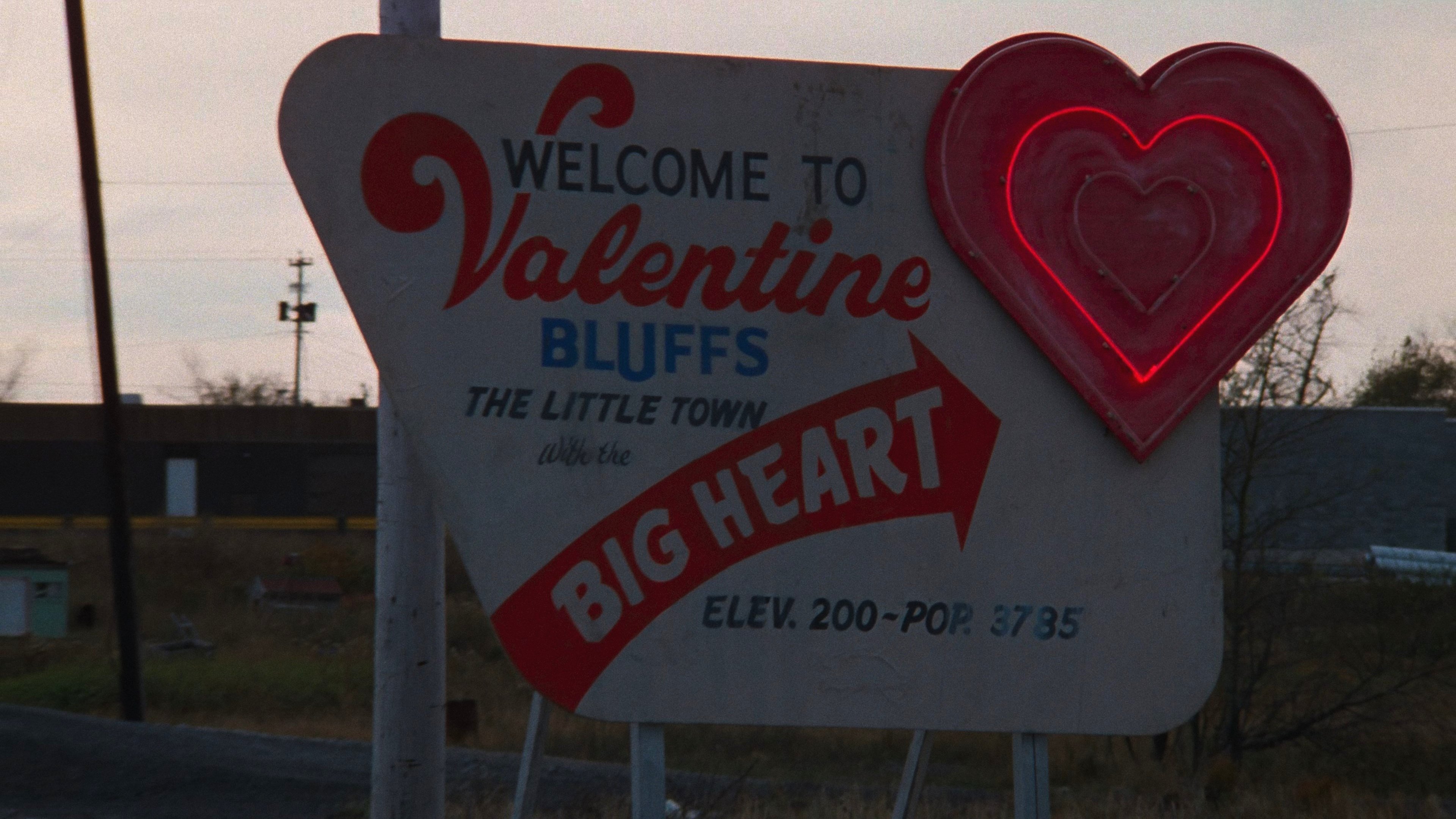
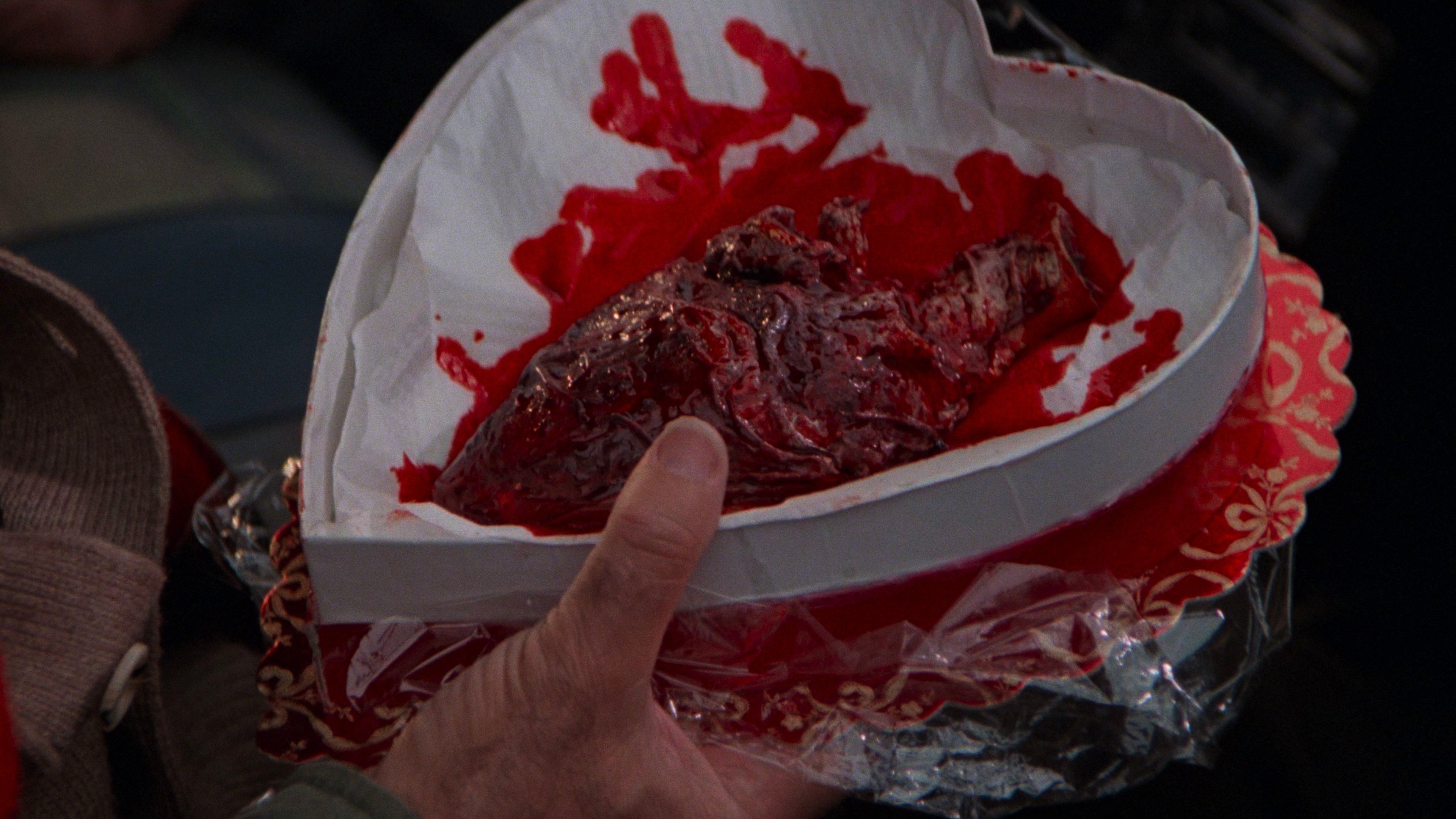
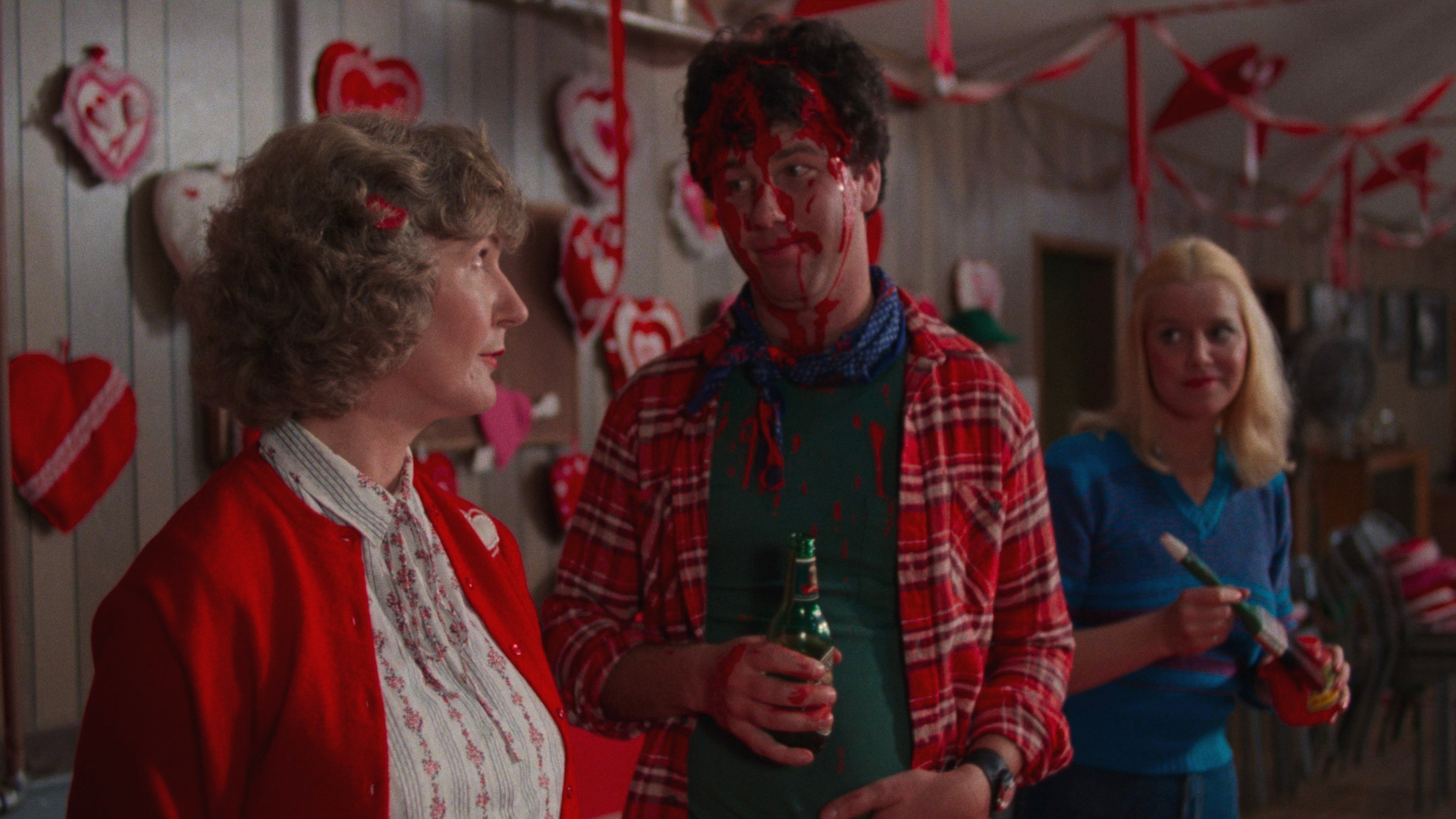
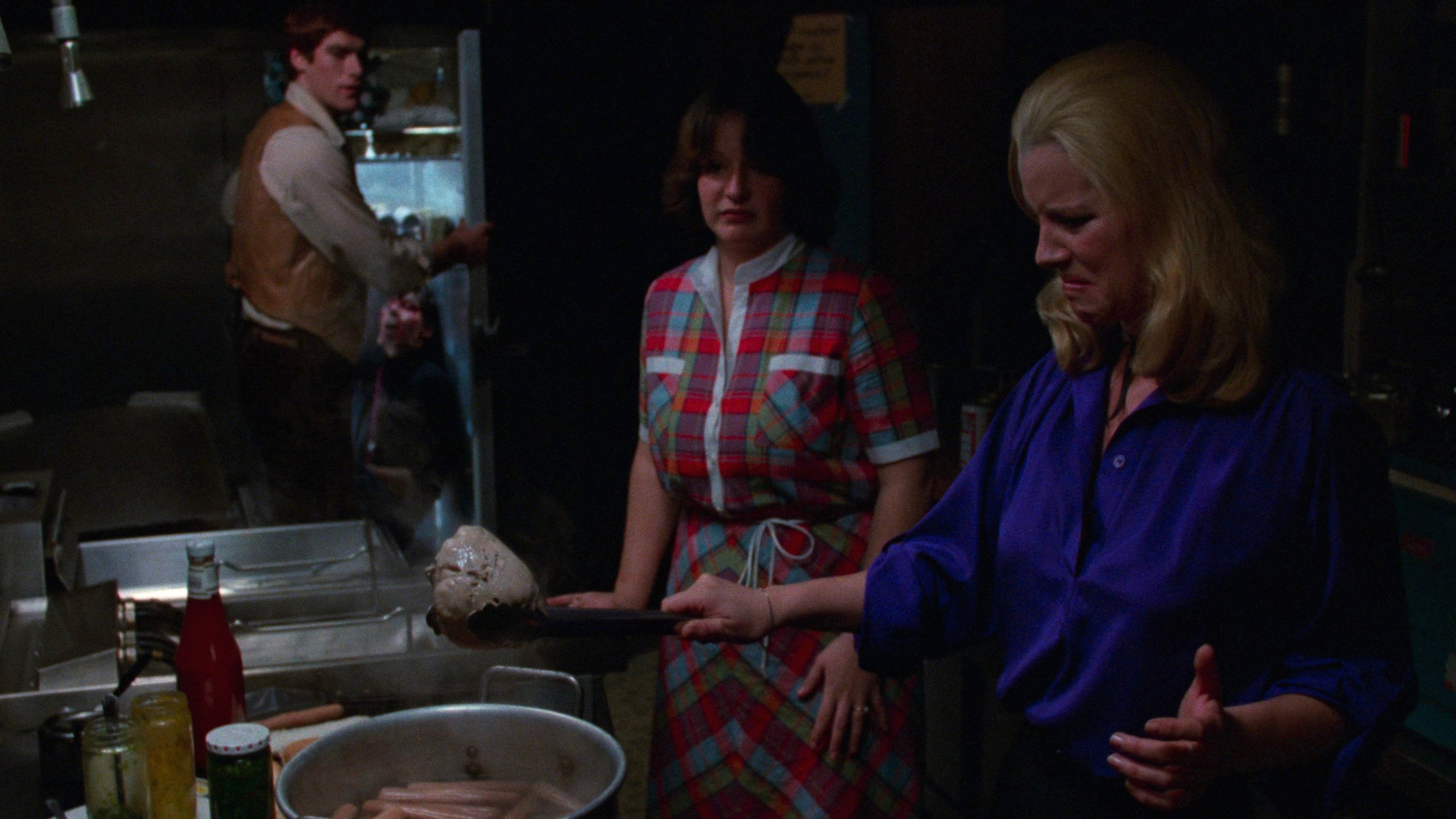
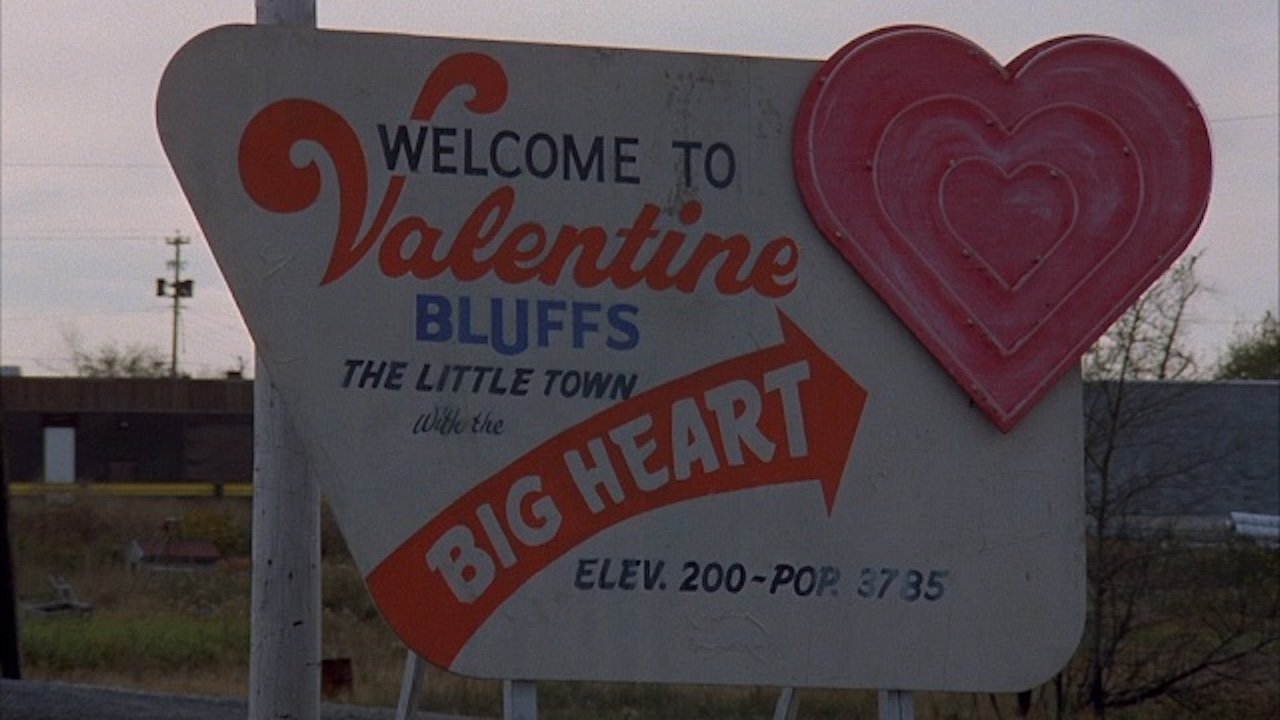
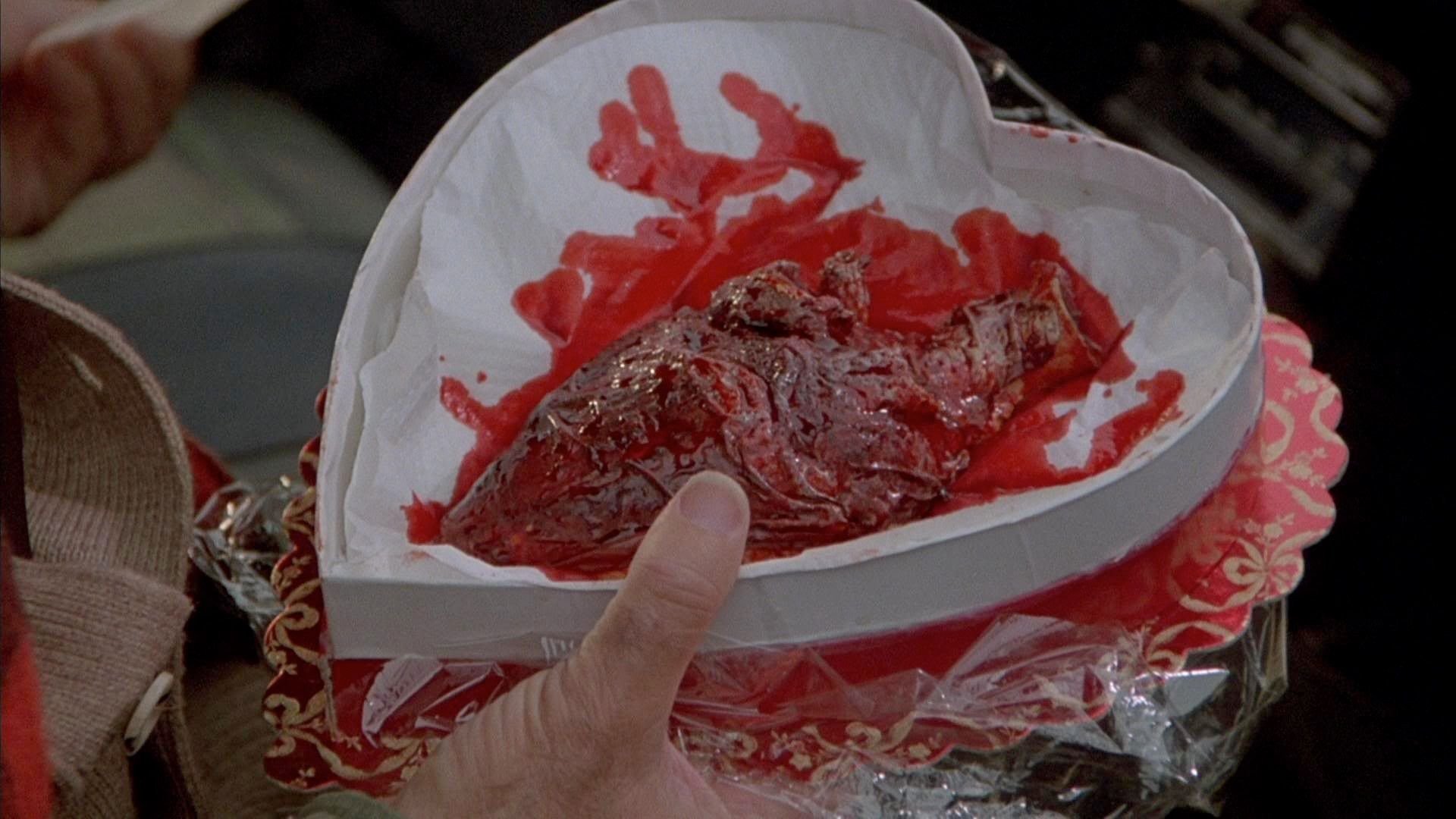
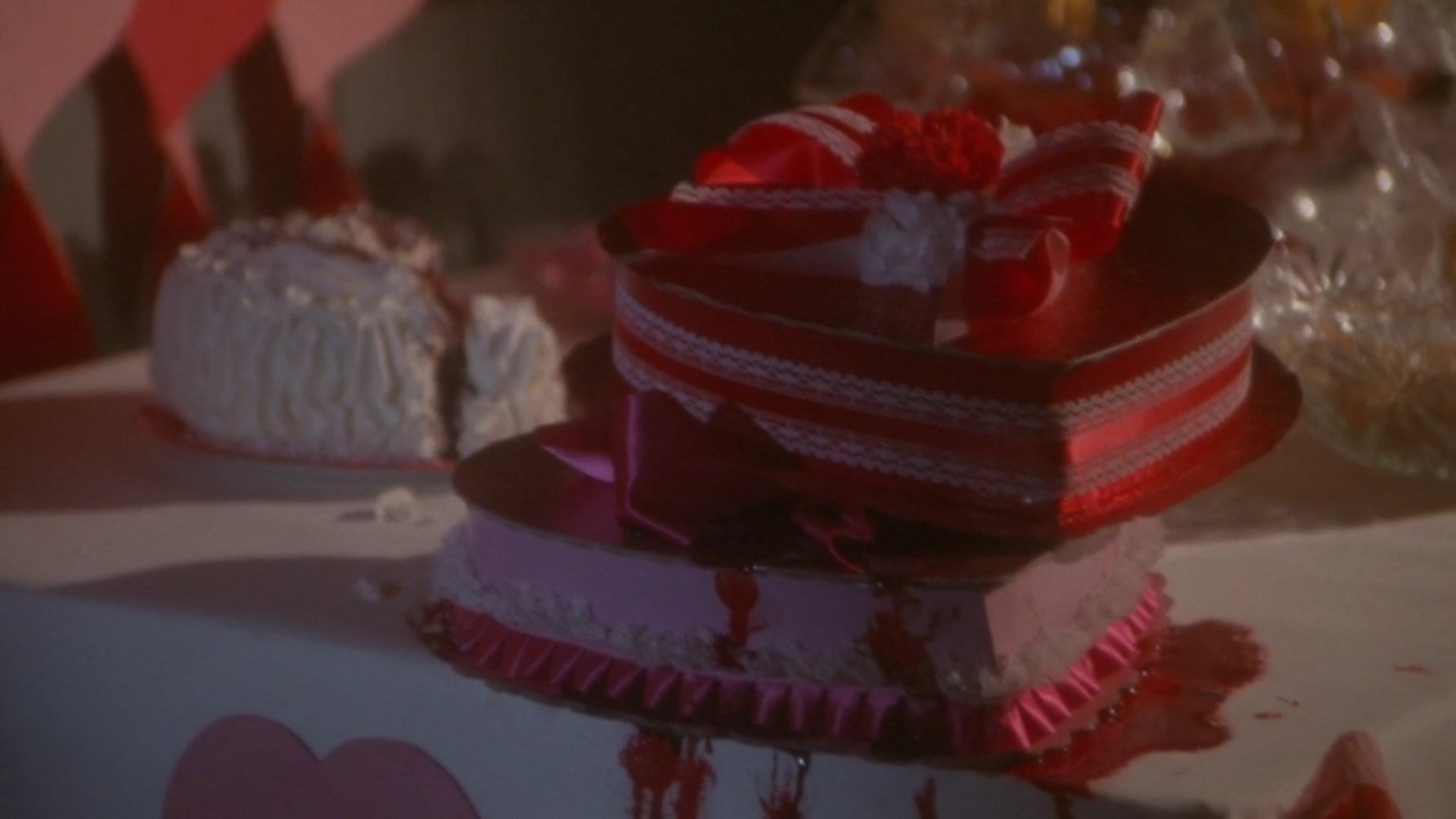
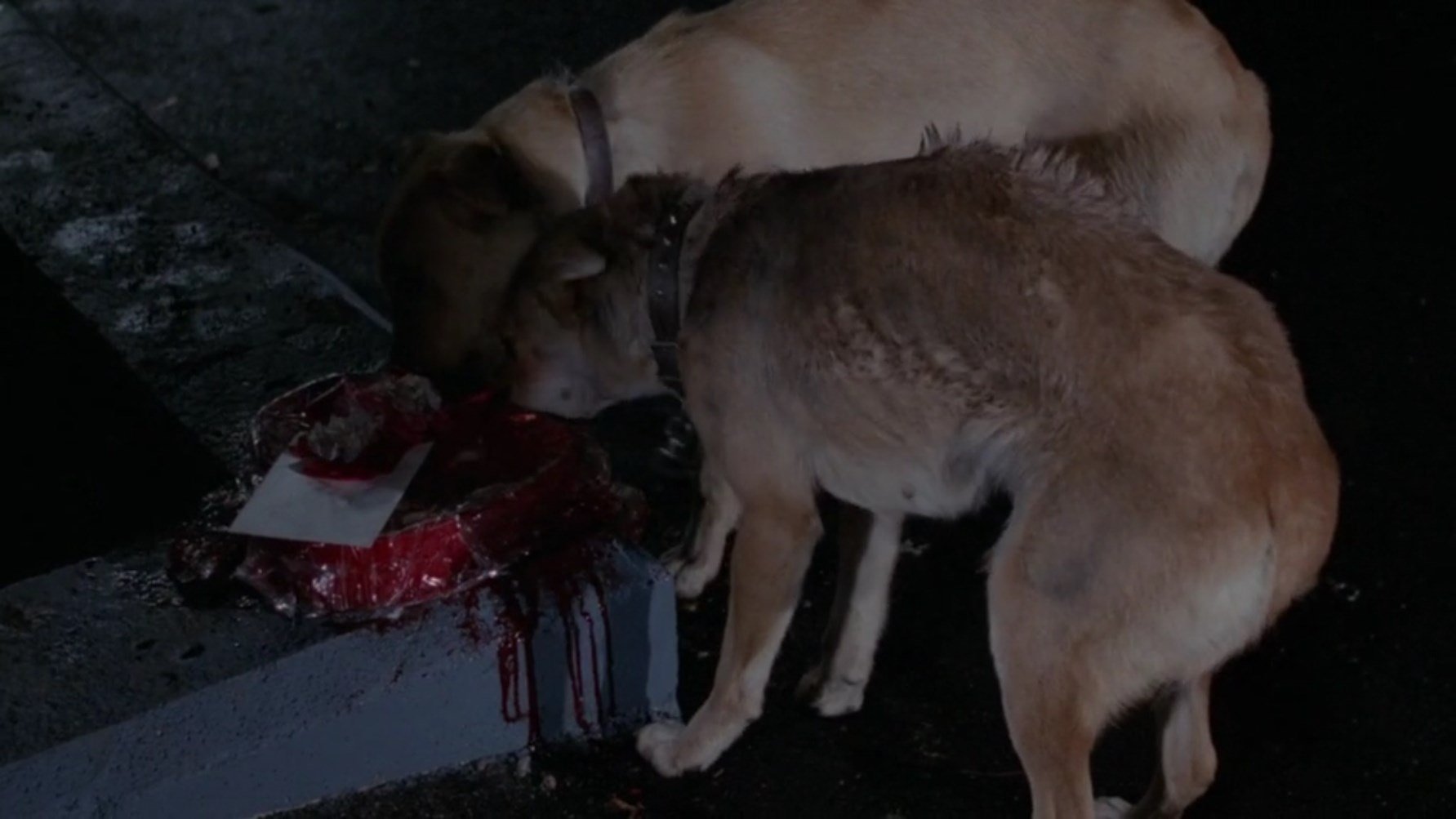
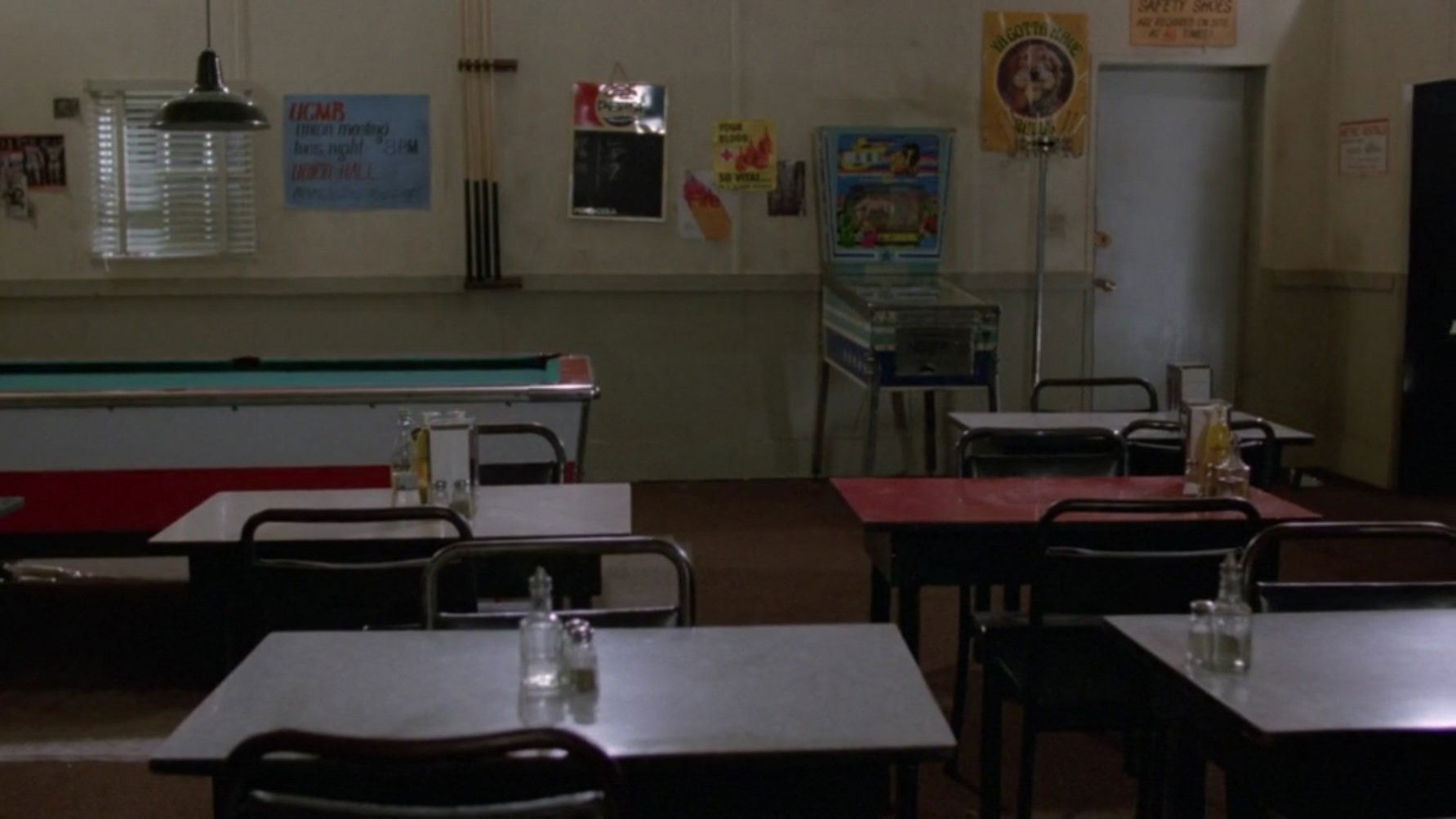
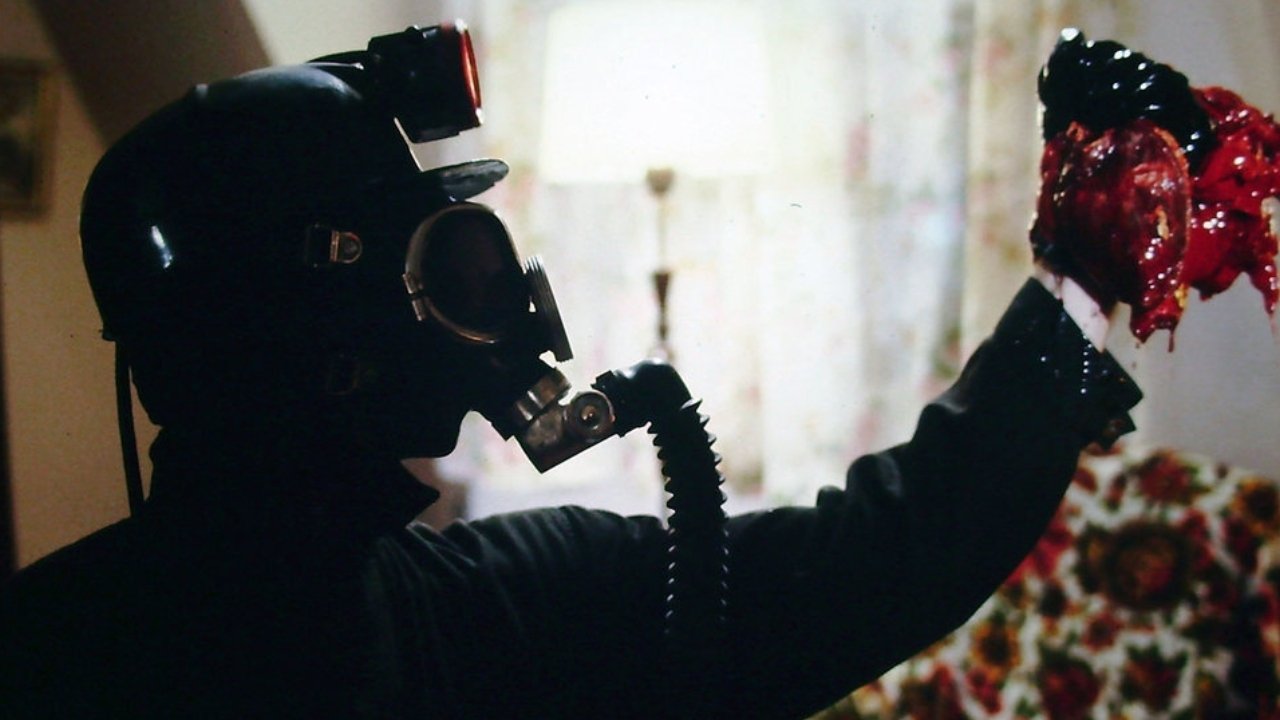
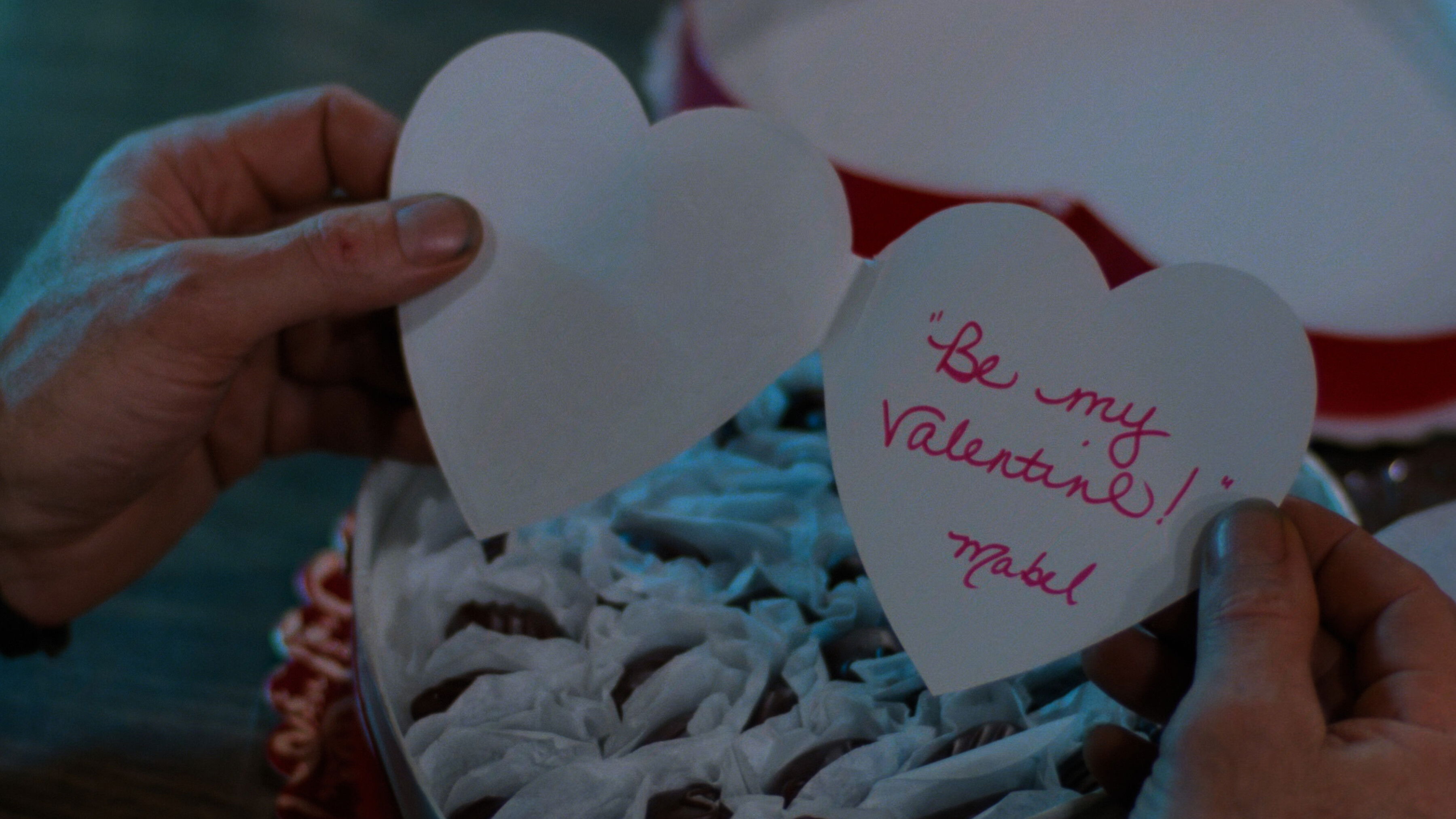
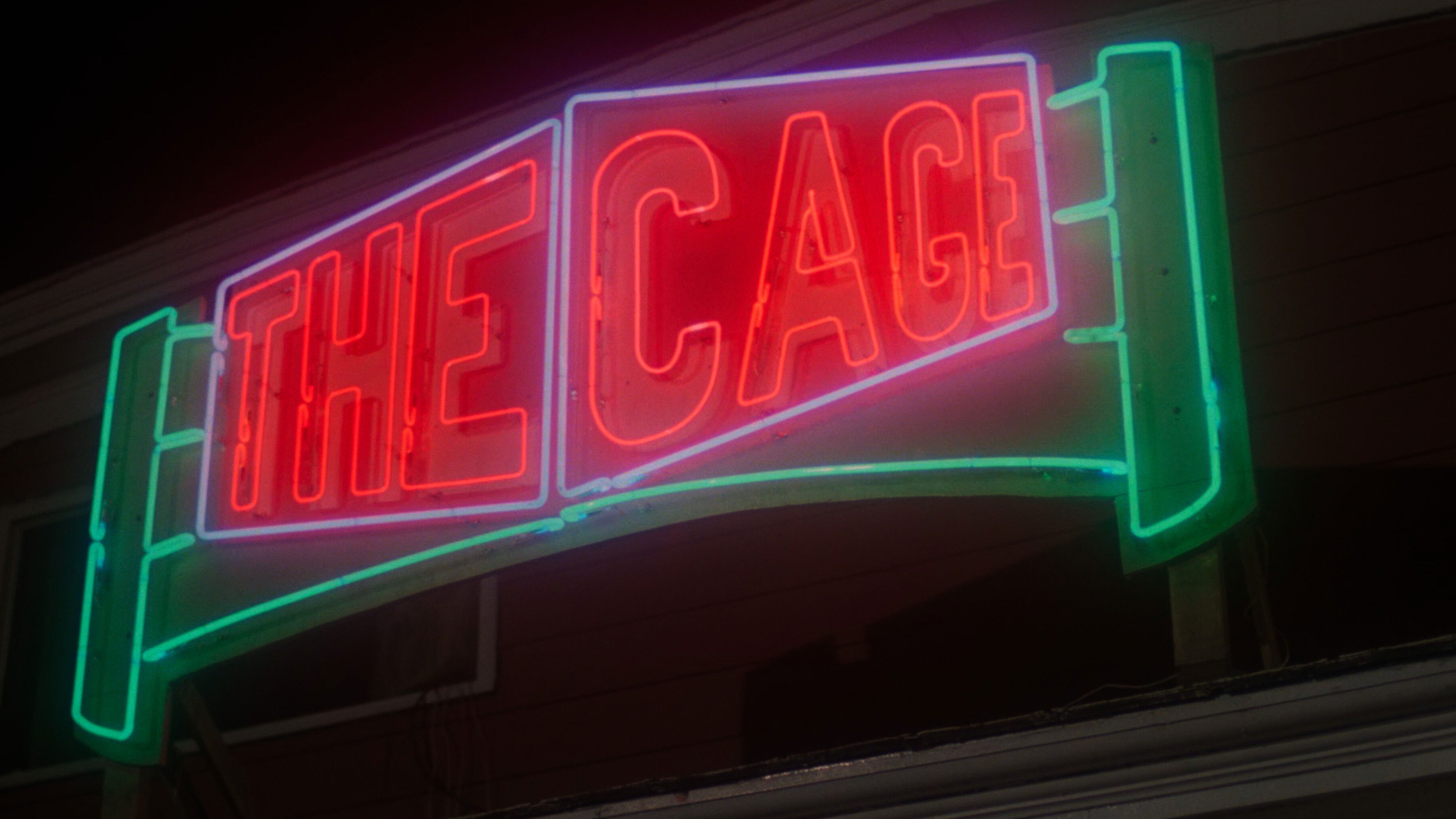
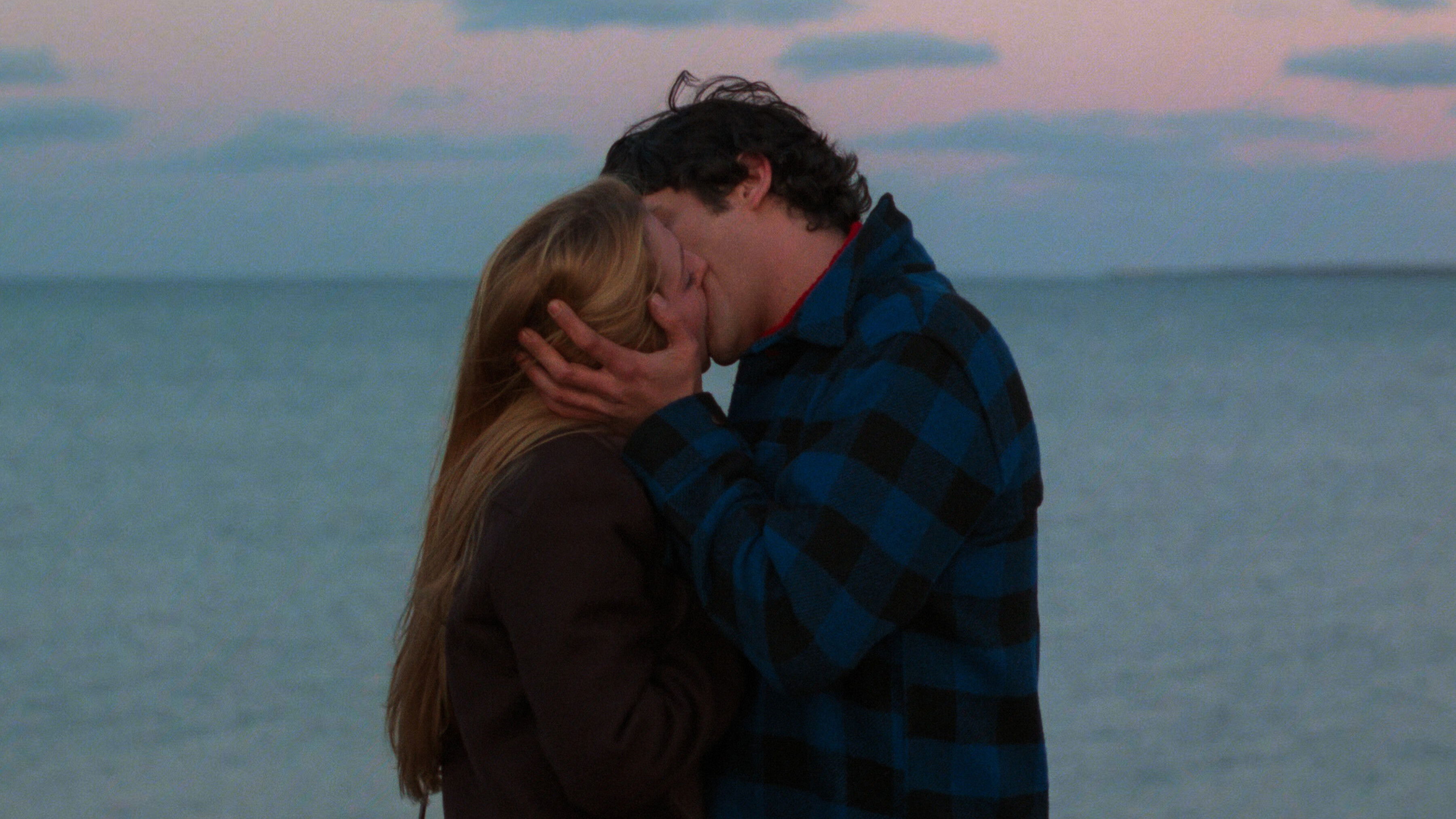
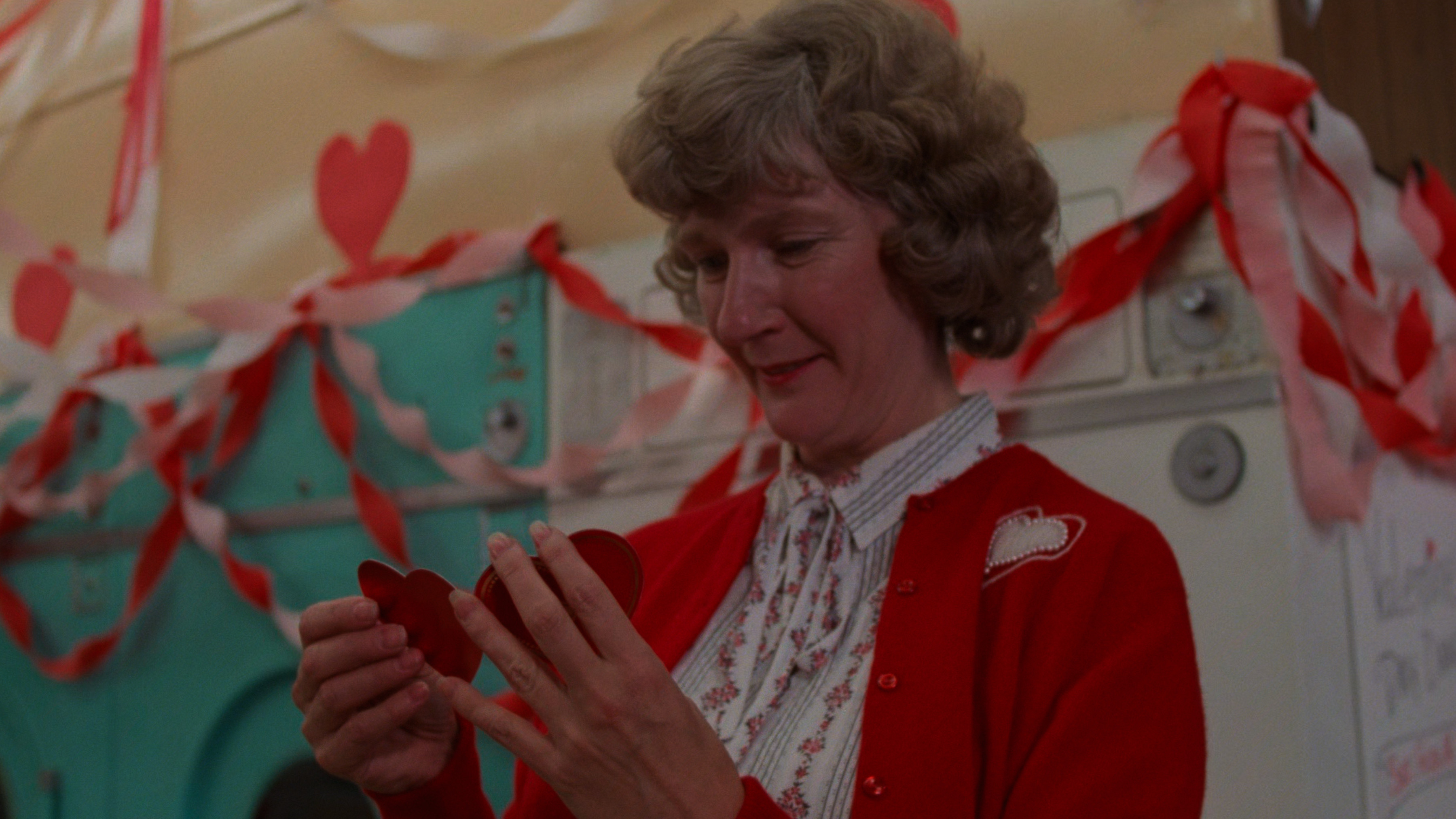
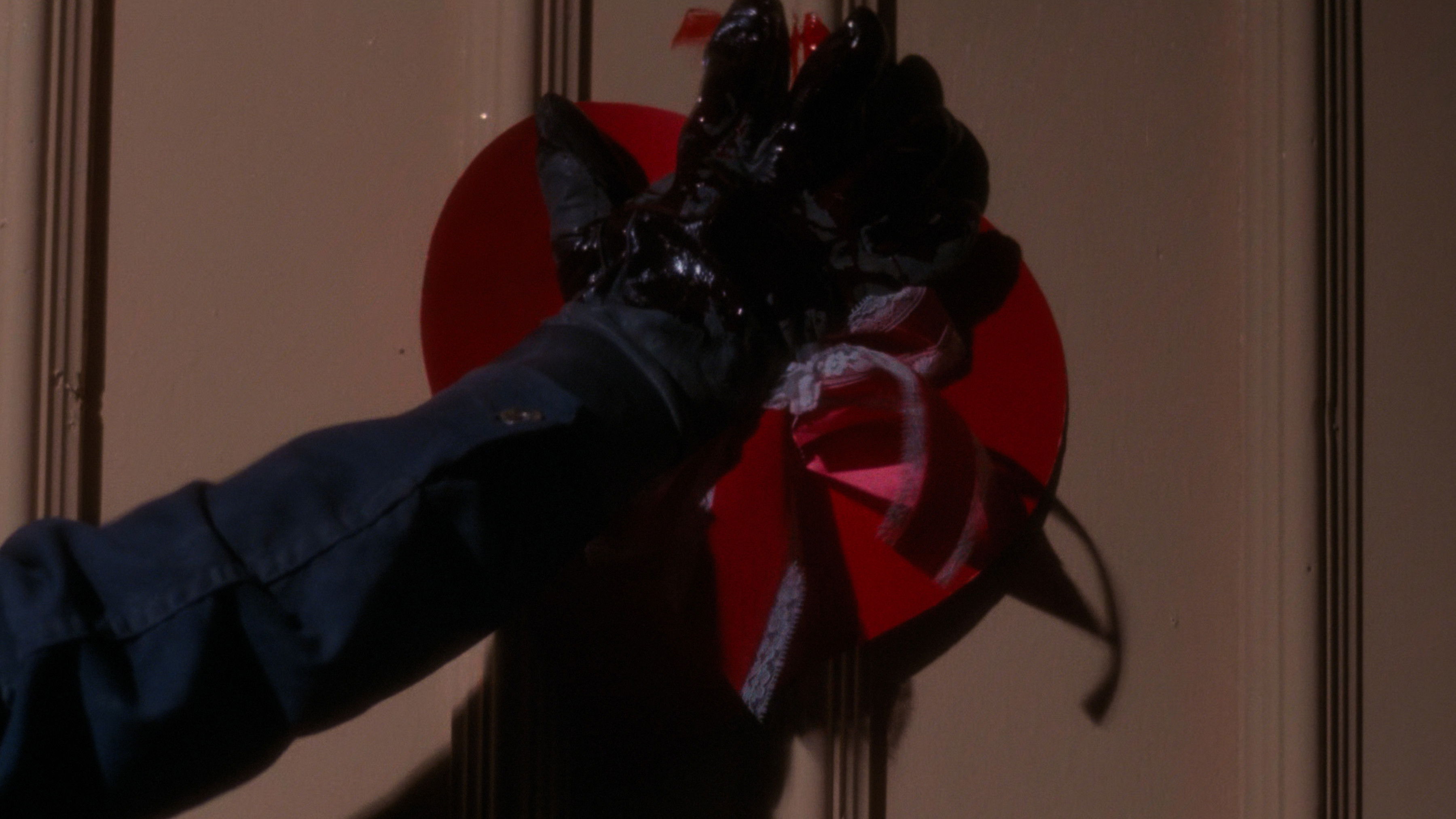
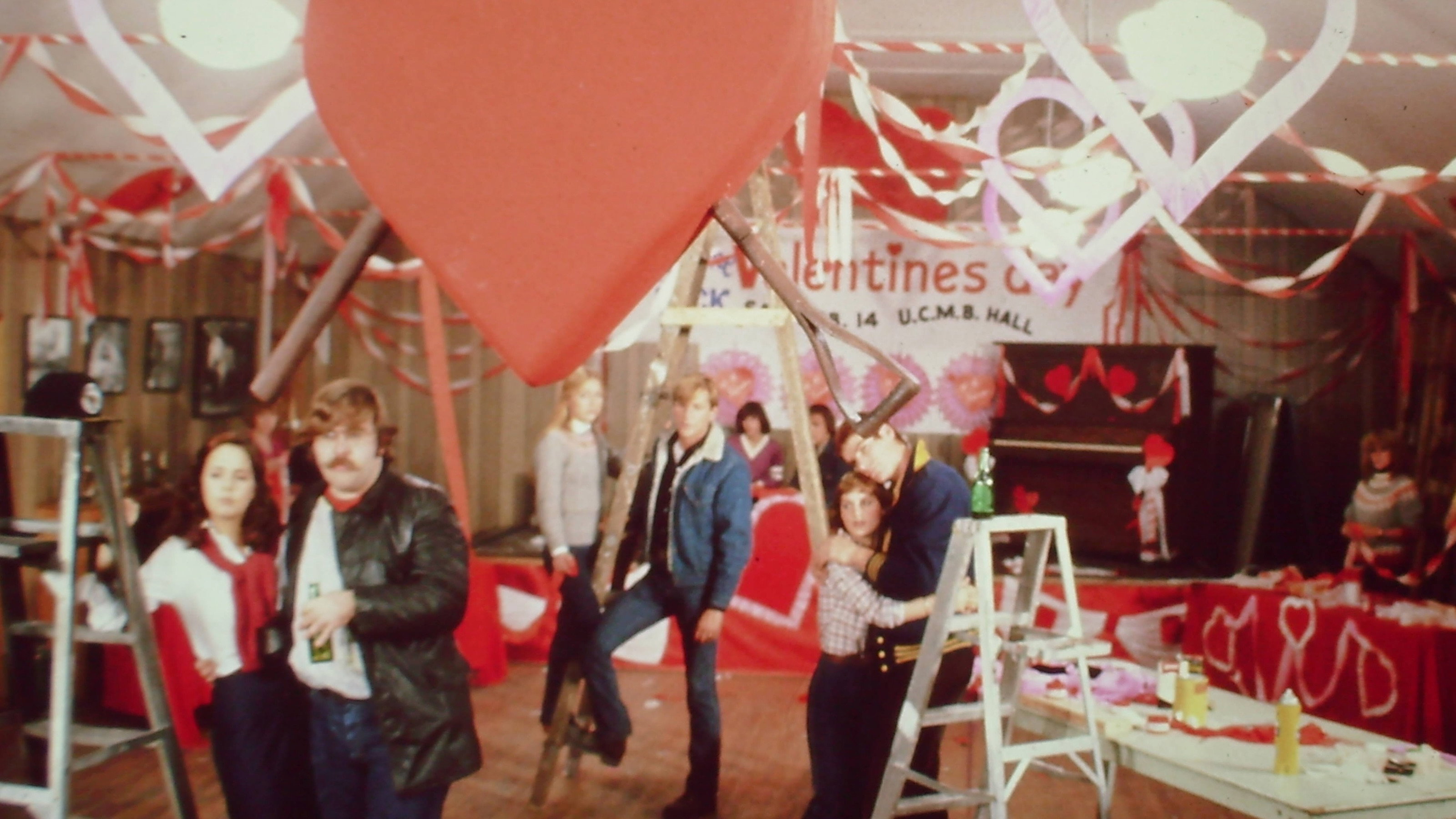
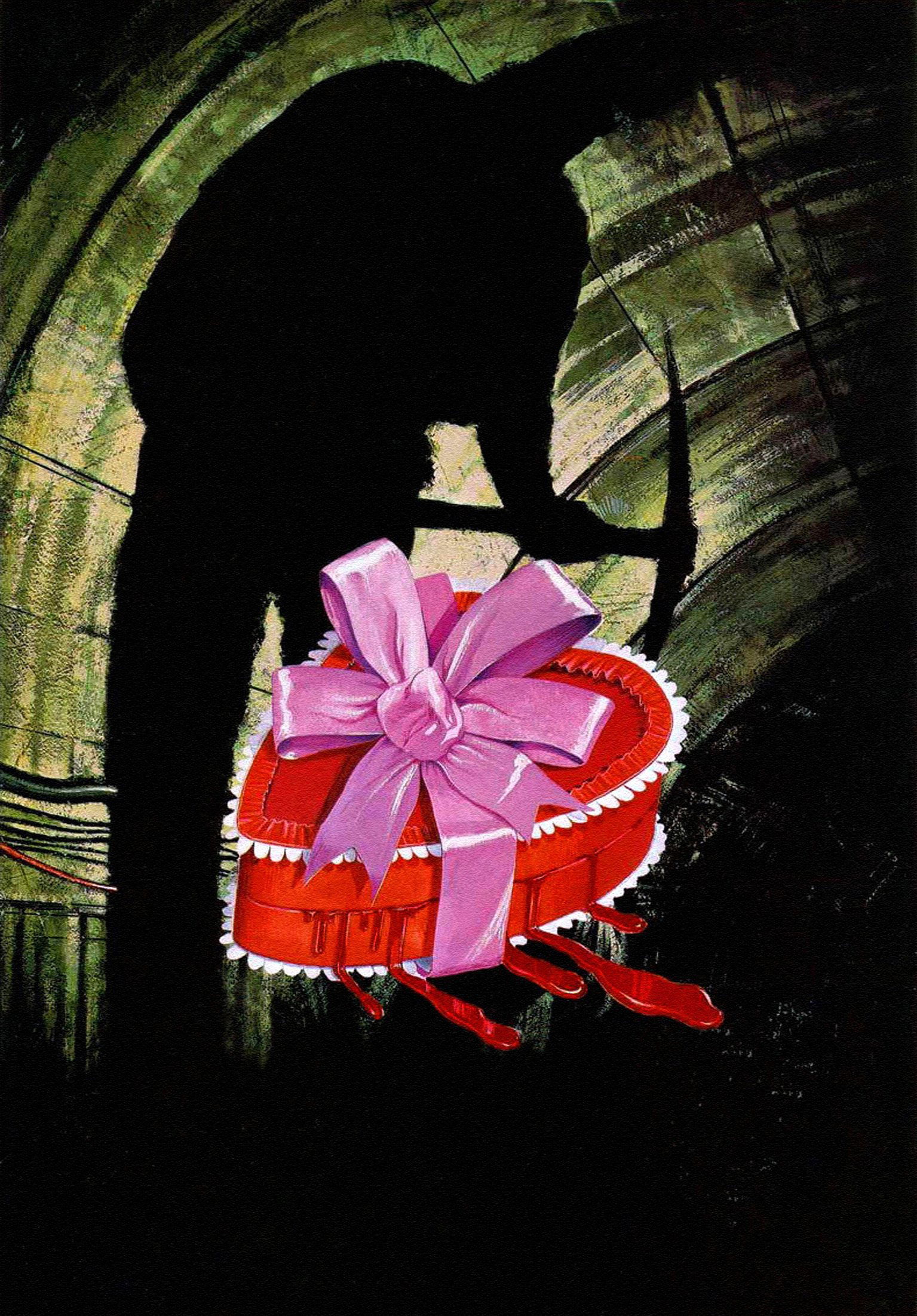
The town above ground has a distinct visual function. Streets decorated with red paper hearts, a community hall and a crowded bar give Valentine Bluffs a communal identity before the threatened party moves elsewhere. These familiar meeting places establish the boundaries of the group and the shared knowledge surrounding the disaster. Descending into the abandoned workings near the climax then means entering the physical site of the old tragedy. The film's transition from accessible public rooms to narrow industrial passages makes the location part of the dramatic progression, while the red holiday decorations acquire a threatening meaning as human hearts arrive inside candy boxes.
Harry Warden, Local Legend and Suspicion

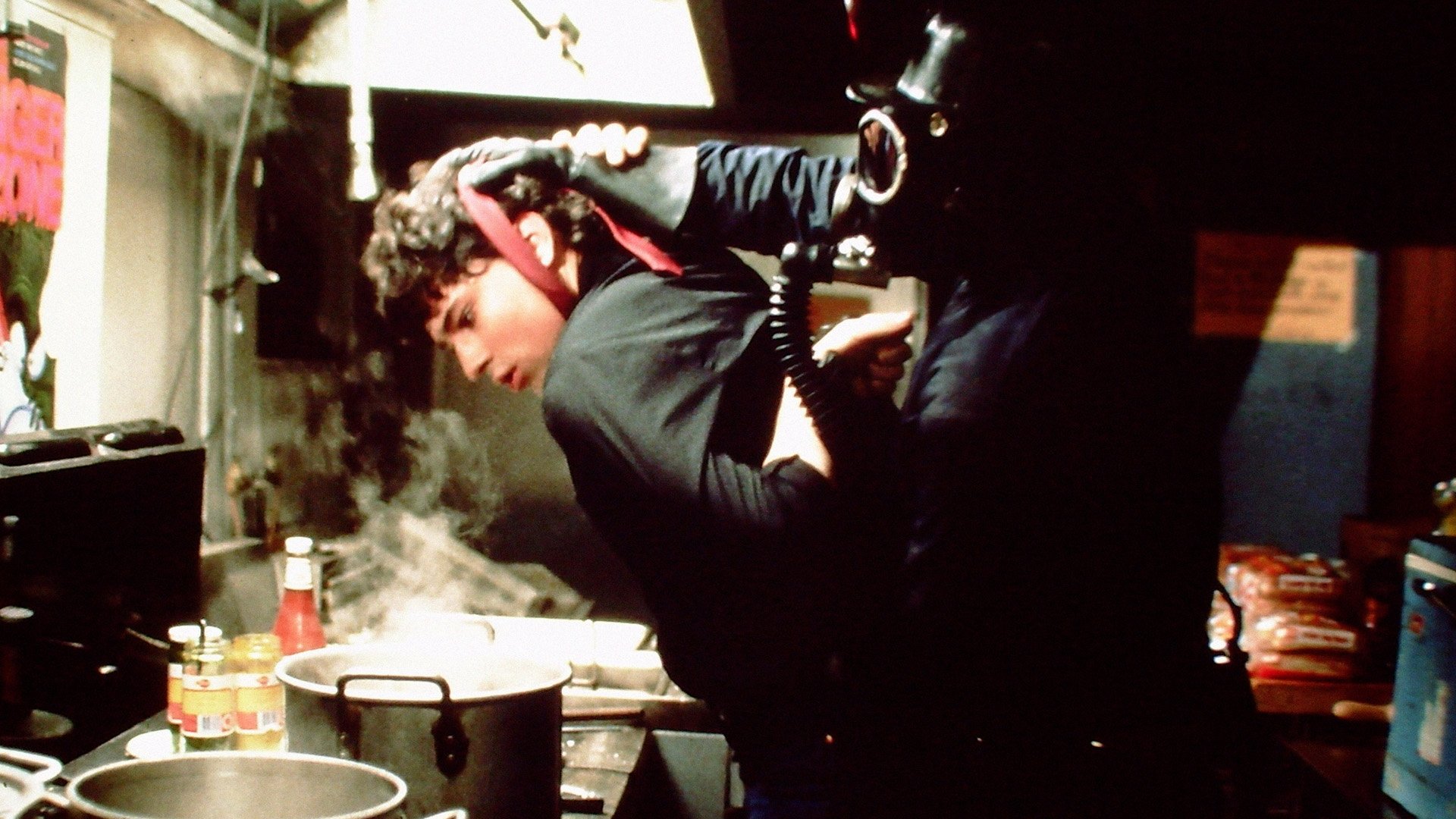
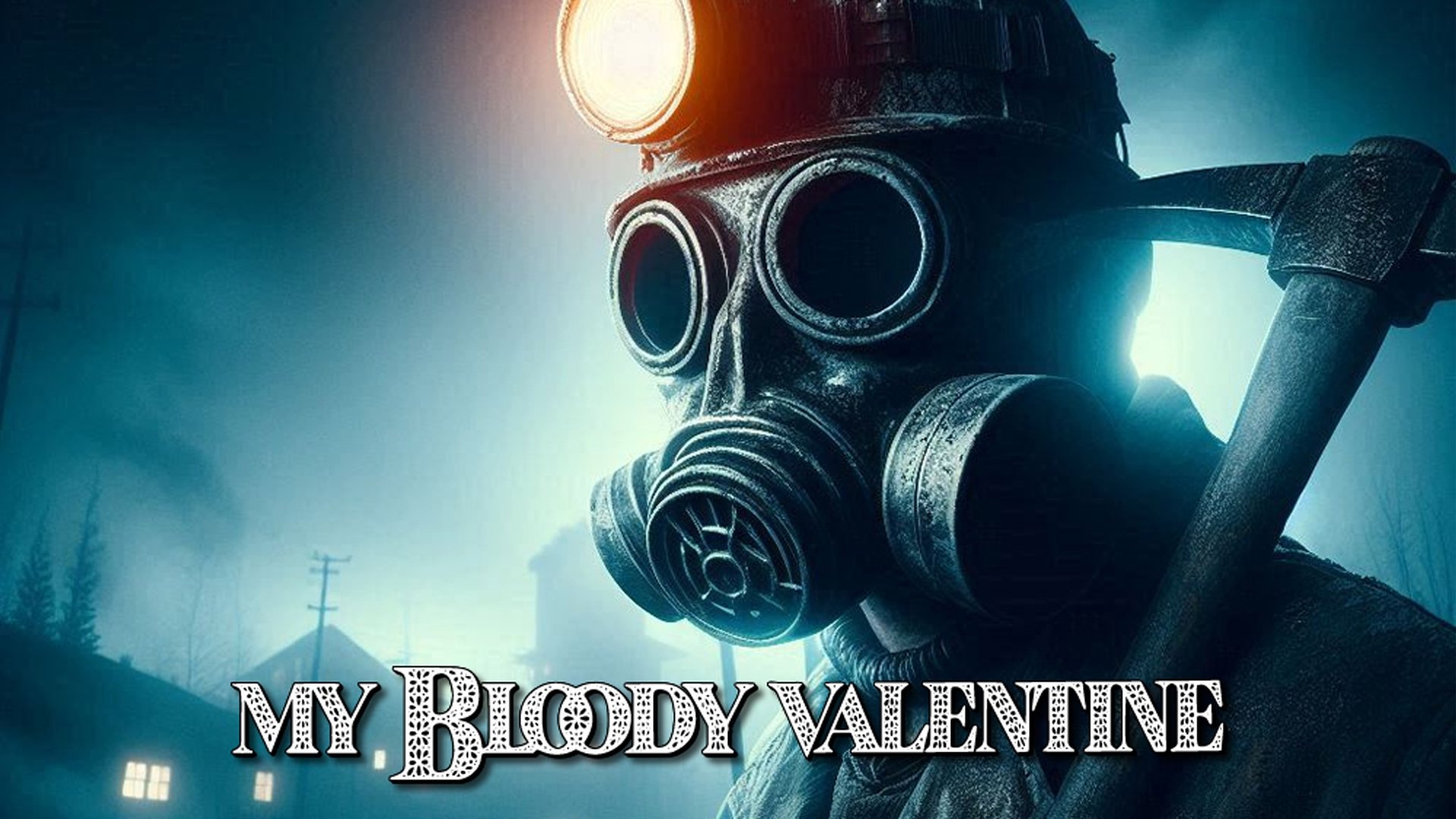
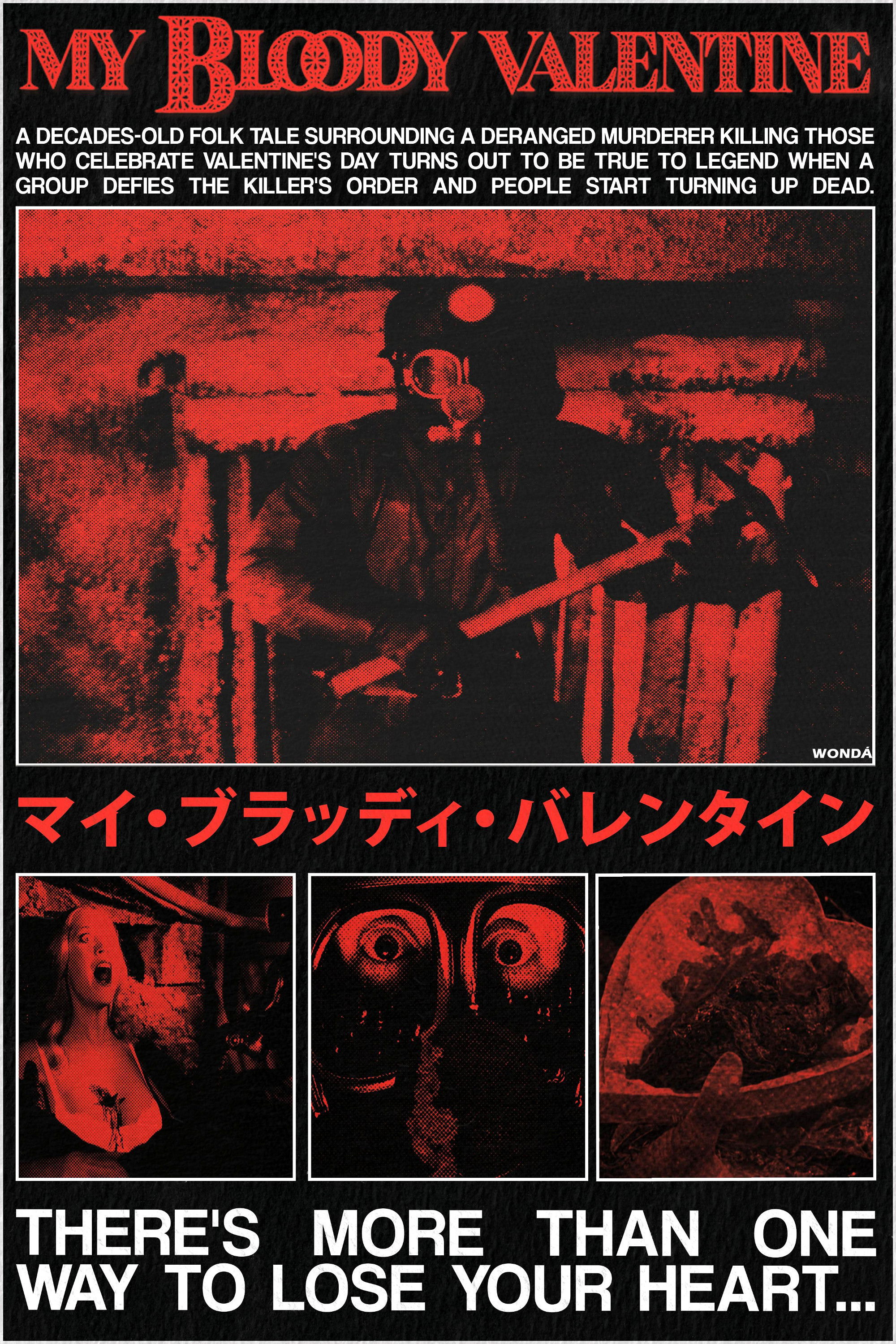
The story of Harry Warden begins with an industrial accident caused after supervisors leave miners below ground while attending a Valentine's Day celebration. Warden survives and later kills those held responsible, warning the town against another dance. The past is transmitted as local history, allowing the film to introduce its murderer through rumor before the masked figure begins stalking the present-day workers. His costume combines a gas mask, work clothes and mining tools, concealing physical identity behind the very uniform associated with the town's livelihood. The threat therefore appears familiar to the community even as its exact source remains uncertain.
The screenplay also operates as a mystery about what the townspeople believe they know. The sheriff and mayor treat the revived threats as a matter of public safety, whereas younger residents regard the prohibition as an unreasonable inheritance. The romantic conflict between T.J., Sarah and Axel creates personal friction without entirely displacing the group. This structure helps sustain the uncertainty about the attacker's identity while keeping the victims connected to a single social environment. The revelation in the final passages reframes the tale of Warden as a traumatic memory capable of shaping another person's actions, rather than establishing the legend as a supernatural curse.

Practical Gore and the Censorship Process

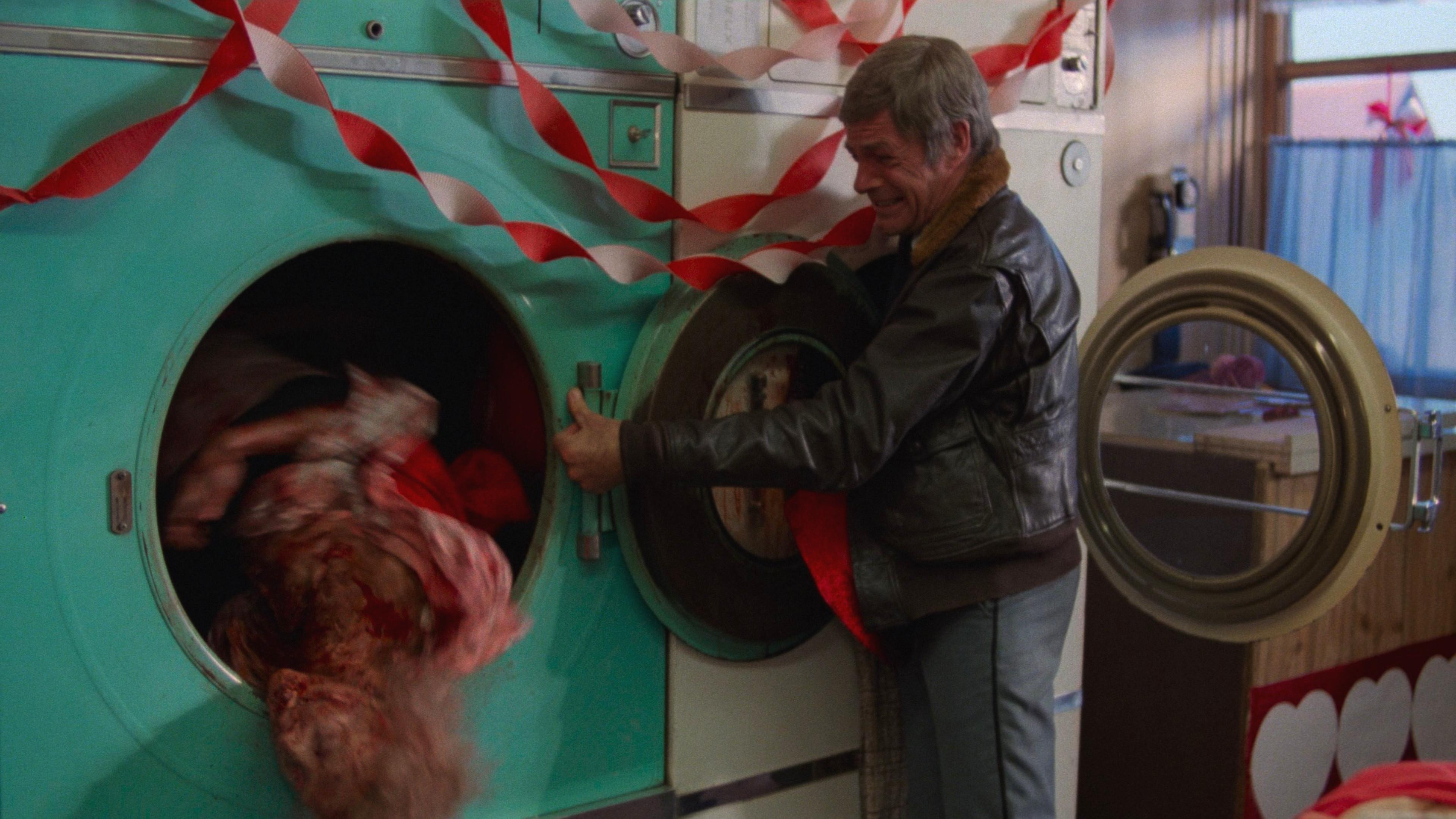
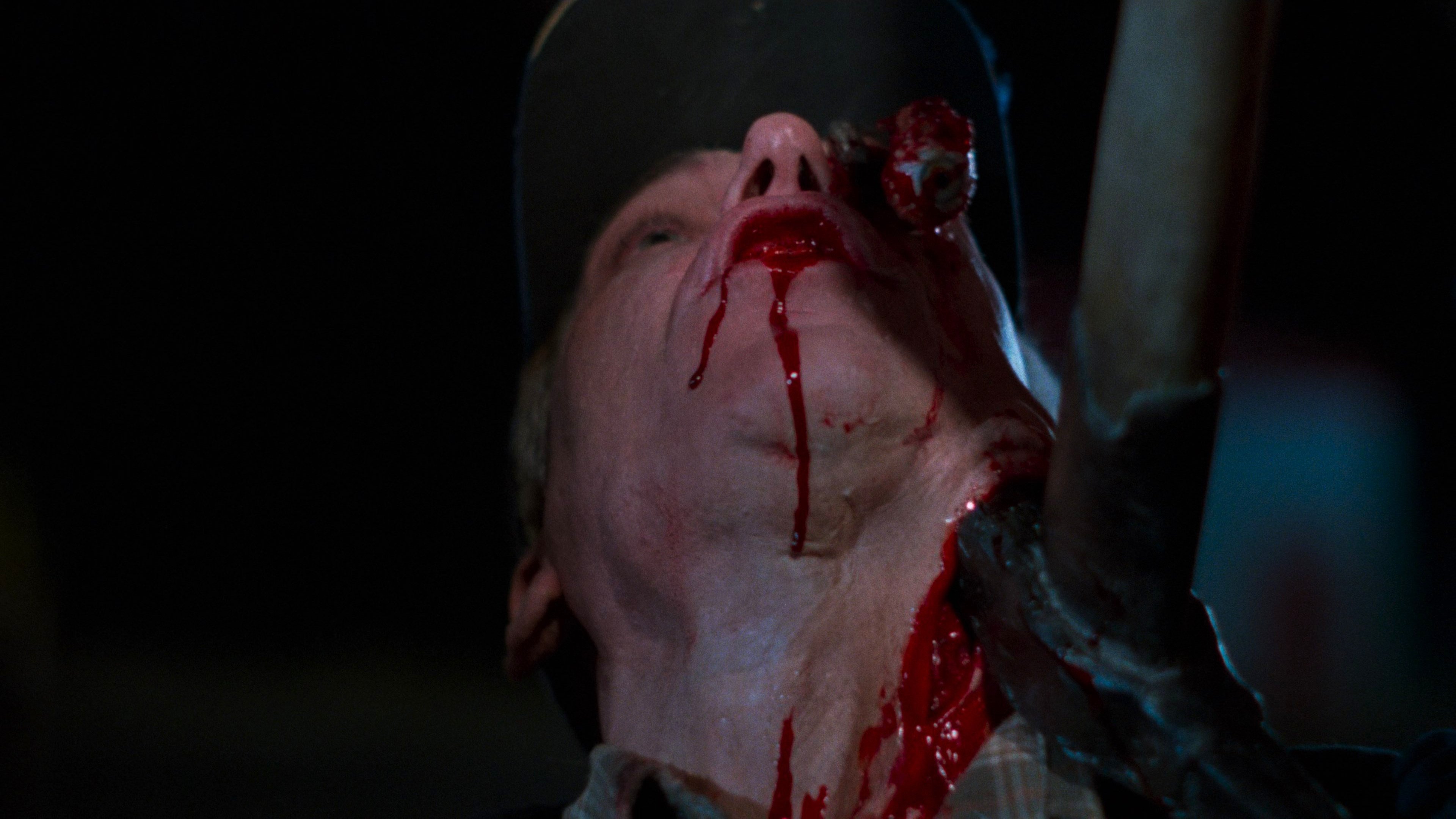
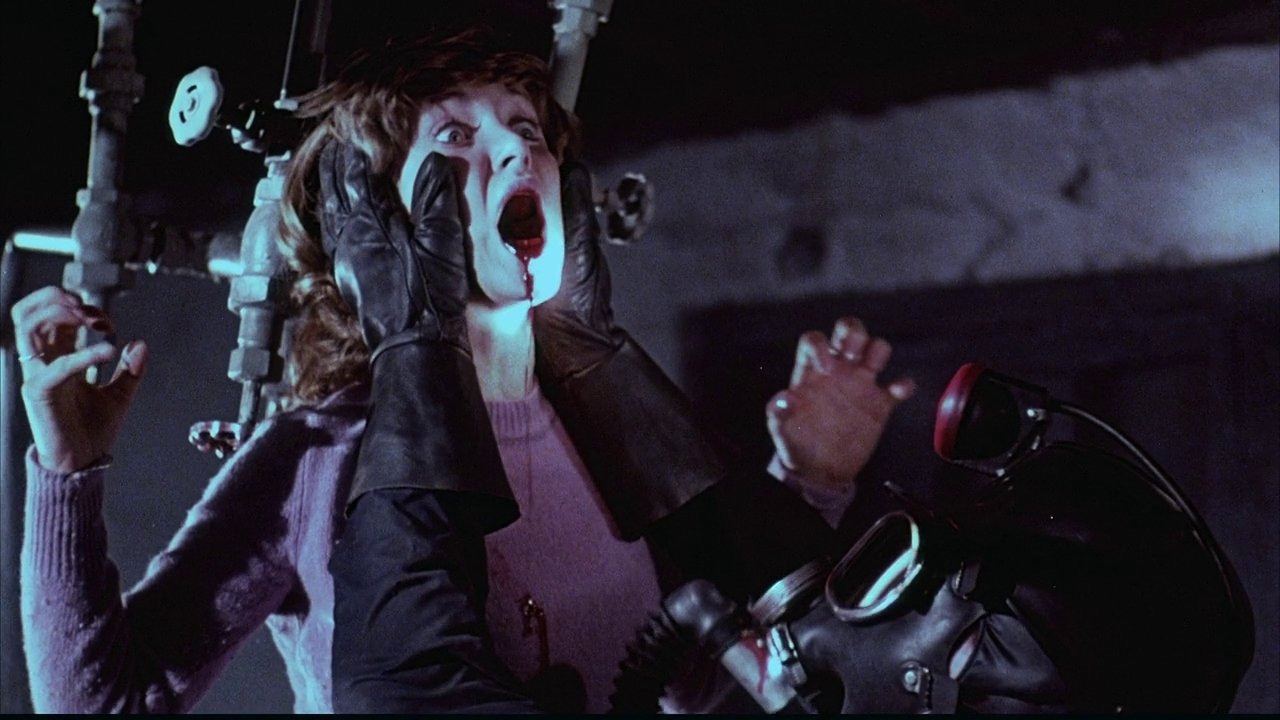
The film's attacks were conceived as elaborate physical effects. Mihalka credited the makeup work of Ken Diaz and Thomas R. Burman with making the injuries sufficiently convincing that the American ratings process became unusually difficult. The killer's weapons and the surrounding machinery gave the team opportunities to design deaths around the material culture of the mine and its associated workplaces. Some sequences build toward a clear view of bodily damage; others depend on a delayed discovery. A shower-related killing and the aftermath of an attack involving a clothes dryer are especially important to the later history of the film because their graphic details were substantially curtailed in the original release.

Seeking an R rating, the filmmakers repeatedly adjusted short passages of violent material at the request of the Motion Picture Association of America's ratings administration. Mihalka remembered having to remove individual frames and then repair the continuity and soundtrack around the changes. He emphasized that sound could make a shot seem more forceful even after visible gore had been reduced. The revisions affected the timing of the effects as well as their duration. Composer Paul Zaza later recalled reworking musical cues after the cuts, because their original synchronization no longer matched the revised images. The theatrical film should therefore be understood as a completed release version shaped by censorship, with audible consequences beyond the missing prosthetics.

Those reductions did not simply remove a fixed number of entire scenes. Certain killings survived with abbreviated close-ups, and individual fragments disappeared through repeated editing. According to Mihalka, a planned attack in which the murderer impales Harriet and Mike together with a drill could not be restored because the footage was no longer available. Accounts of that loss help distinguish what can be reconstructed from what had been photographed in 1980. Claims that later editions contain absolutely every original frame are therefore misleading. The restored versions make more of the physical effects visible while leaving gaps that can be established from the filmmakers' own recollections.

Paul Zaza, Sound and the Murder Ballad

Paul Zaza's score contributes to the film's uneasy relation between ordinary activity and sudden violence. In an interview conducted around the 2009 restoration, the composer explained that the graphic material had originally required closely timed musical accents; compulsory picture edits then forced him to shorten or rebuild cues. His recollection identifies orchestral instruments and early synthesizers among the resources available to him. The resulting soundtrack places harsher passages around attacks while leaving room for environmental noise and the dull resonance of enclosed industrial spaces. The perceived intensity of a murder could persist in its sound even when the accompanying image had been cut down.

The end credits offer another way of framing the violence. The Ballad of Harry Warden recounts the legend in the manner of a local folk song, making an individual murderer's history sound like a warning preserved by the community. Its narrative lyrics are unusually specific to the story, returning the spectator to the original mining catastrophe after the final confrontation. Canadian singer John McDermott supplied the vocal, although the film did not give him a prominent screen credit for the performance. The ballad's placement also changes the emotional register of the ending: the threat survives in a song even after the mystery of the present-day killings has been explained.

Release, Recovery and Cultural Afterlife

Paramount released My Bloody Valentine in American theaters on February 11, 1981, with Canadian screenings following shortly afterward. The R-rated theatrical edition was the form most viewers encountered through early home-video circulation. Contemporary criticism included pointed objections to its violence and comparisons with other masked-killer films, while later assessments have given more attention to its mining-town setting and its treatment of working relationships. Its reported North American gross should be understood within the limits of the records available, rather than inflated into an unverified worldwide figure. The movie's subsequent reputation developed through repeated viewing and interest in images that the original release had withheld.

A major change occurred when producer John Dunning located surviving 35mm elements containing much of the cut material. Peter Ventrella, who worked on the Lionsgate restoration, described examining an interpositive and correcting its color before reinserting the footage with Mihalka's advice. The 2009 special edition restored roughly three minutes compared with the theatrical cut. A later Scream Factory edition in 2020 presented newly scanned theatrical and extended versions, making comparisons between the cuts easier. These releases remain separate stages in the film's preservation history; recovered violence does not amount to proof that the complete pre-censorship edit survives.

The film's continued circulation also has a documented creative consequence. A new production titled My Bloody Valentine 3D appeared in 2009, revisiting the miner figure and central holiday premise. Mihalka subsequently discussed several unrealized sequel proposals, including disagreements over whether a follow-up should abandon the original's adult working-class community for a more conventional teenage cast. His account provides evidence for the particular qualities he wished to preserve, without requiring the unrealized projects to be treated as completed films. The enduring object of interest is a slasher whose industrial location, recognizable disguise and disrupted textual history remain closely connected.

References

  1. Cinema Scholars My Bloody Valentine (1981): The Making of a Slasher Classic!

    Documented account of the Cape Breton shoot, mine location, hurried production, release history and contemporary reception.

  2. Fangoria Exclusive Interview: George Mihalka's Bloody Valentine Present

    Original director interview with Michael Gingold about MPAA cuts, surviving effects shots, lost sequences and audience rediscovery.

  3. ComingSoon EXCL: Producer on Restoring My Bloody Valentine

    Peter Ventrella explains the discovery of John Dunning's 35mm elements, image restoration and reconstruction of the extended edition.

  4. ComingSoon EXCL: George Mihalka Talks My Bloody Valentine Uncut

    Direct testimony detailing frame-by-frame censorship, the effects work and the material that could not be recovered.

  5. Ain't It Cool News ScoreKeeper with My Bloody Valentine Composers Paul Zaza and Michael Wandmacher

    Original interview with Paul Zaza about rescoring censored footage, early synthesizers, orchestral resources and the 2009 reconstruction.

Cast

View Full Cast & Crew →

Release & Distribution

Production Companies (3)

  • Canadian Film Development Corporation CA
  • Famous Players CA
  • Secret Films

Distributors (1)

  • Paramount Pictures US

Release History (16)

Release DateTerritoryRelease TypeFormatDistributorCertificationNotes
1981-02-11 United States Theatrical — — R
1981-02-13 Canada Theatrical — — R
1981-03-30 United Kingdom Theatrical — — 15
1981-09-12 Japan Theatrical — — —
1981-09-17 Australia Theatrical — — R 18+
1981-10-22 Brazil Theatrical — — 18
1981-11-20 Portugal Theatrical — — M/16
1982-01-29 Germany Theatrical — — 16 West Germany
1982-02-11 Mexico Theatrical — — —
1982-03-04 Colombia Theatrical — — —
1982-03-05 Spain Theatrical — — —
1982-03-10 France Theatrical — — 16
1982-08-13 Belgium Theatrical — — 18
2003-01-16 France Physical DVD — — DVD
2003-01-17 Finland Physical DVD — K-18 DVD
2025-02-13 France Physical Blu-ray — — Blu-Ray
There's more than one way to lose your heart...