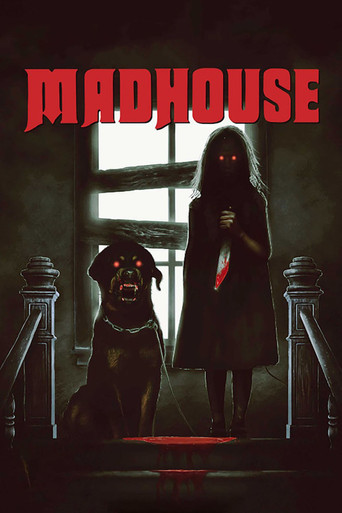

Ovidio G. Assonitis and the Change of Director
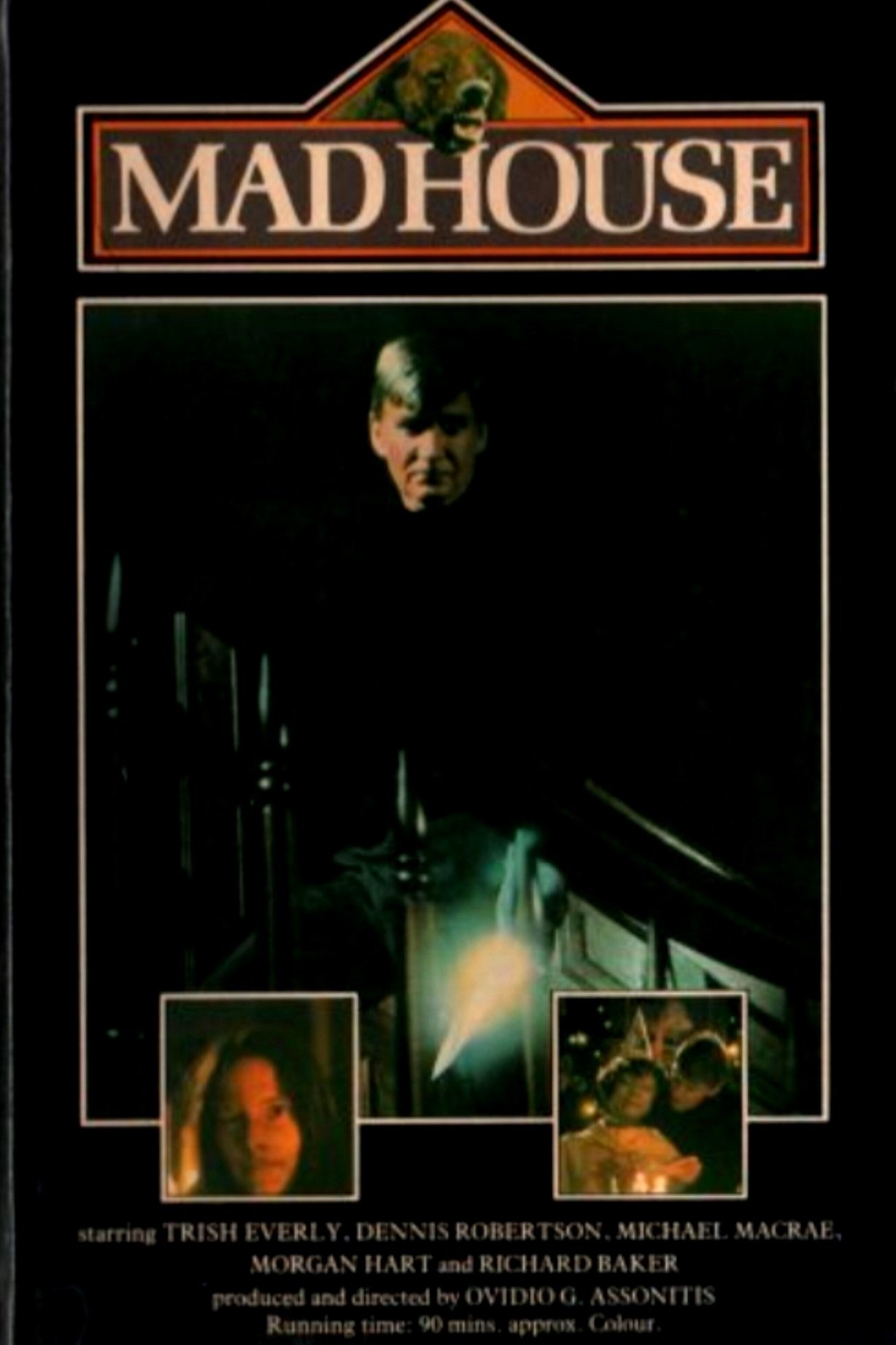
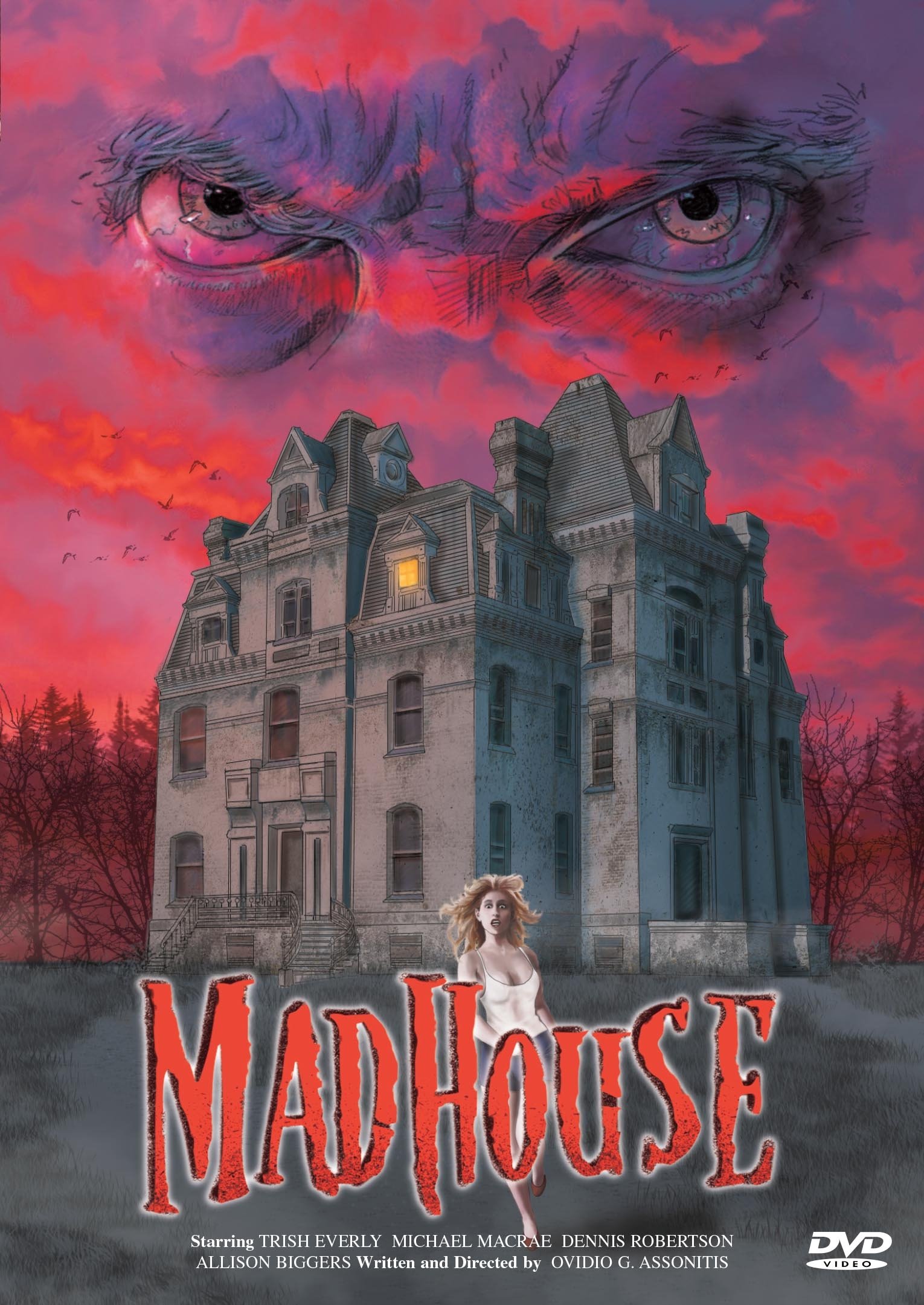
The production developed within the international filmmaking activities of Ovidio G. Assonitis, who had previously produced and directed commercially oriented horror films including Beyond the Door (1974) and Tentacles (1977). His working methods combined Italian production personnel with locations and performers selected for international distribution. Madhouse followed this approach through its American setting and English-language performances. Assonitis had already established a long professional relationship with cinematographer Roberto D'Ettorre Piazzoli, who collaborated with him on several earlier productions. Their association provided technical continuity during a period when the producer was moving between different forms of horror and exploitation cinema.
The film underwent a significant change in direction after principal photography had begun. In a 2011 interview with The Terror Trap, Assonitis confirmed that he had originally hired another filmmaker, previously employed as a cinematographer, to direct the project. He acknowledged that the arrangement proved unsatisfactory and that he subsequently assumed directing responsibilities himself. In a separate interview included with the 2008 Dark Sky Films edition, he again discussed replacing the original director. Published accounts differ over precisely how long production had been underway when the change occurred. The available evidence establishes the replacement but does not provide a sufficiently reliable production chronology to assign an exact number of shooting days.
Assonitis also rejected the suggestion that the screenplay had been developed specifically in response to contemporary American slashers such as Friday the 13th. Speaking to The Terror Trap, he stated that he did not habitually watch other directors' horror films. His retrospective explanation should be distinguished from the commercial context in which Madhouse was released. The picture nevertheless shares recognizable characteristics with the American slasher cycle, including an emphasis on stalking, physical danger and violence within familiar residential environments. Its development illustrates the ability of an internationally active producer to work within a commercially recognizable genre without necessarily accepting later claims about direct inspiration from individual competing productions.