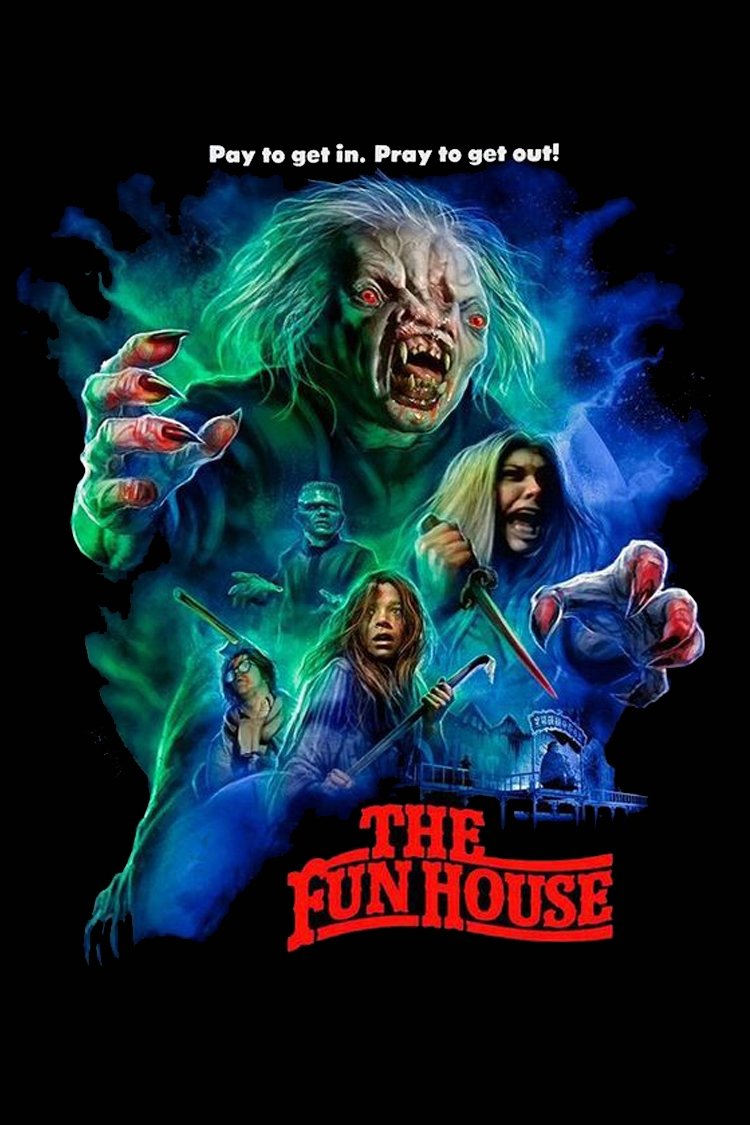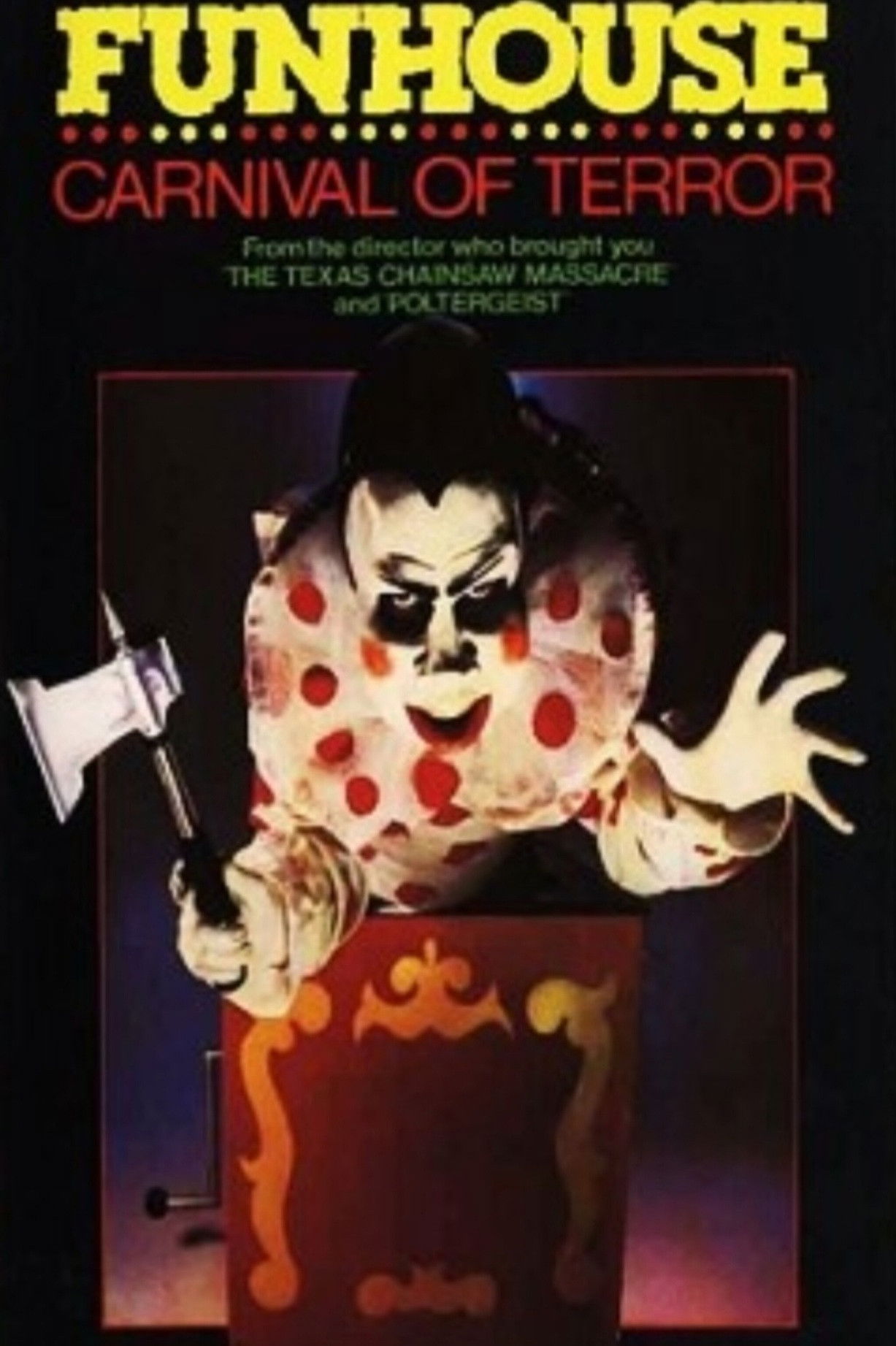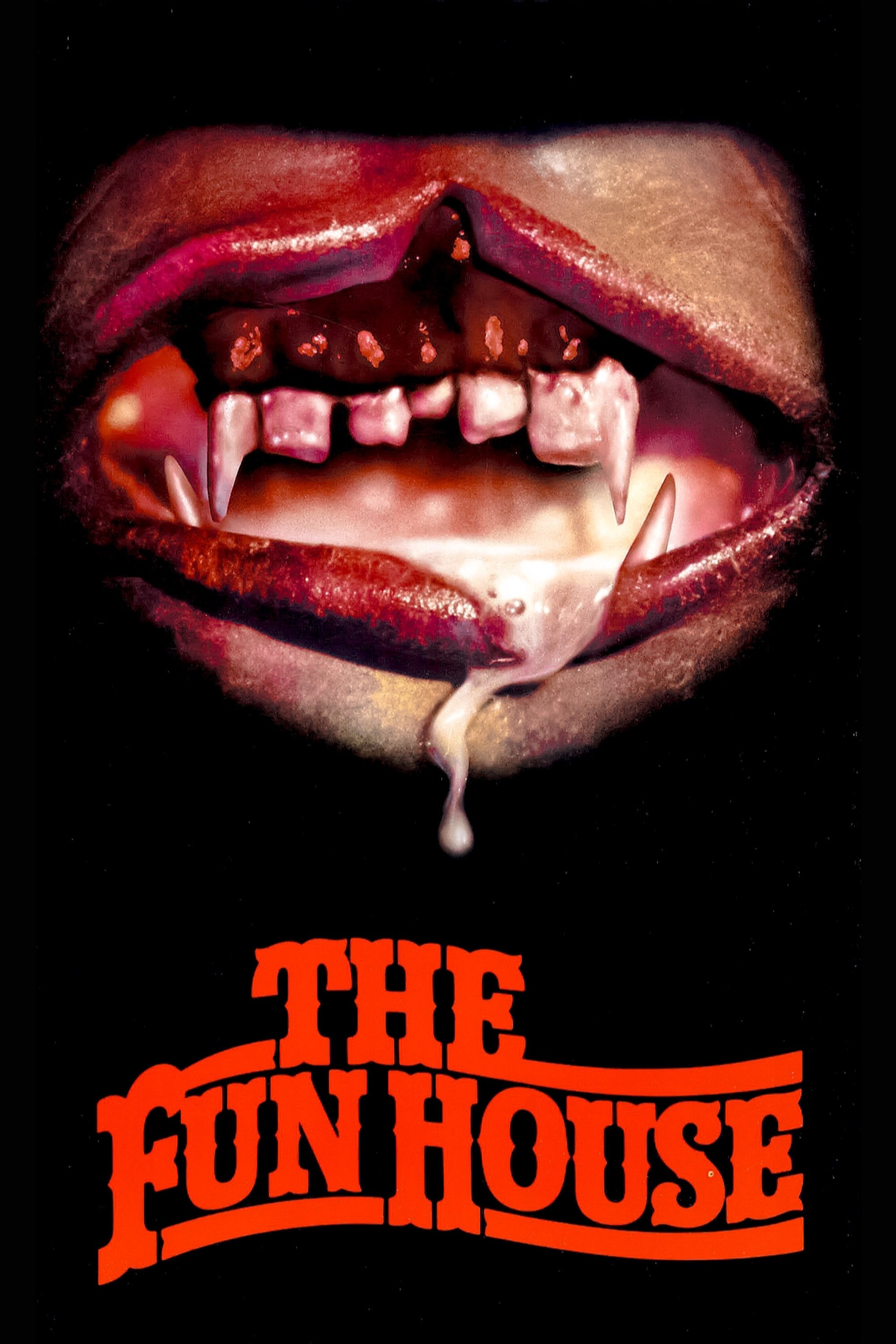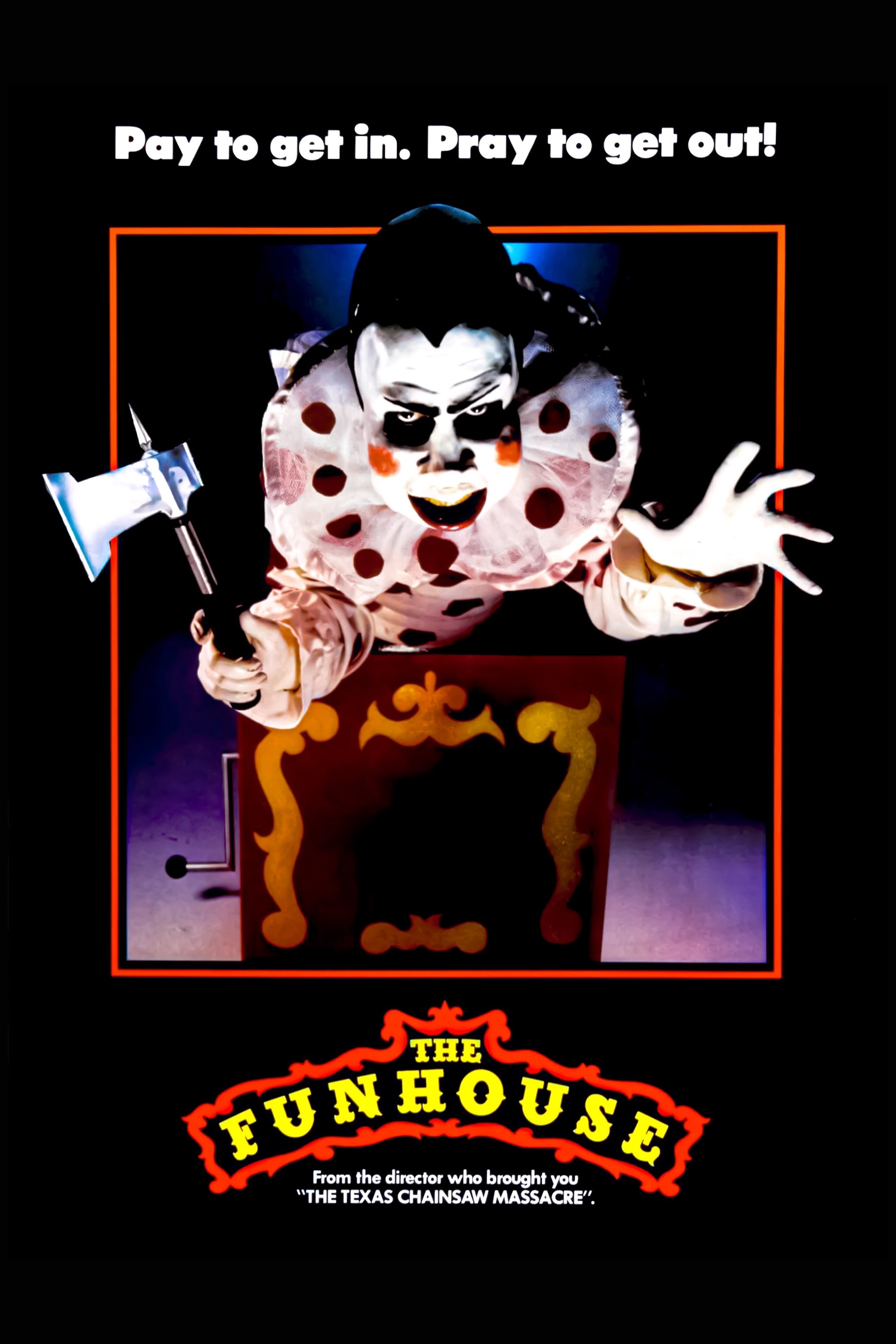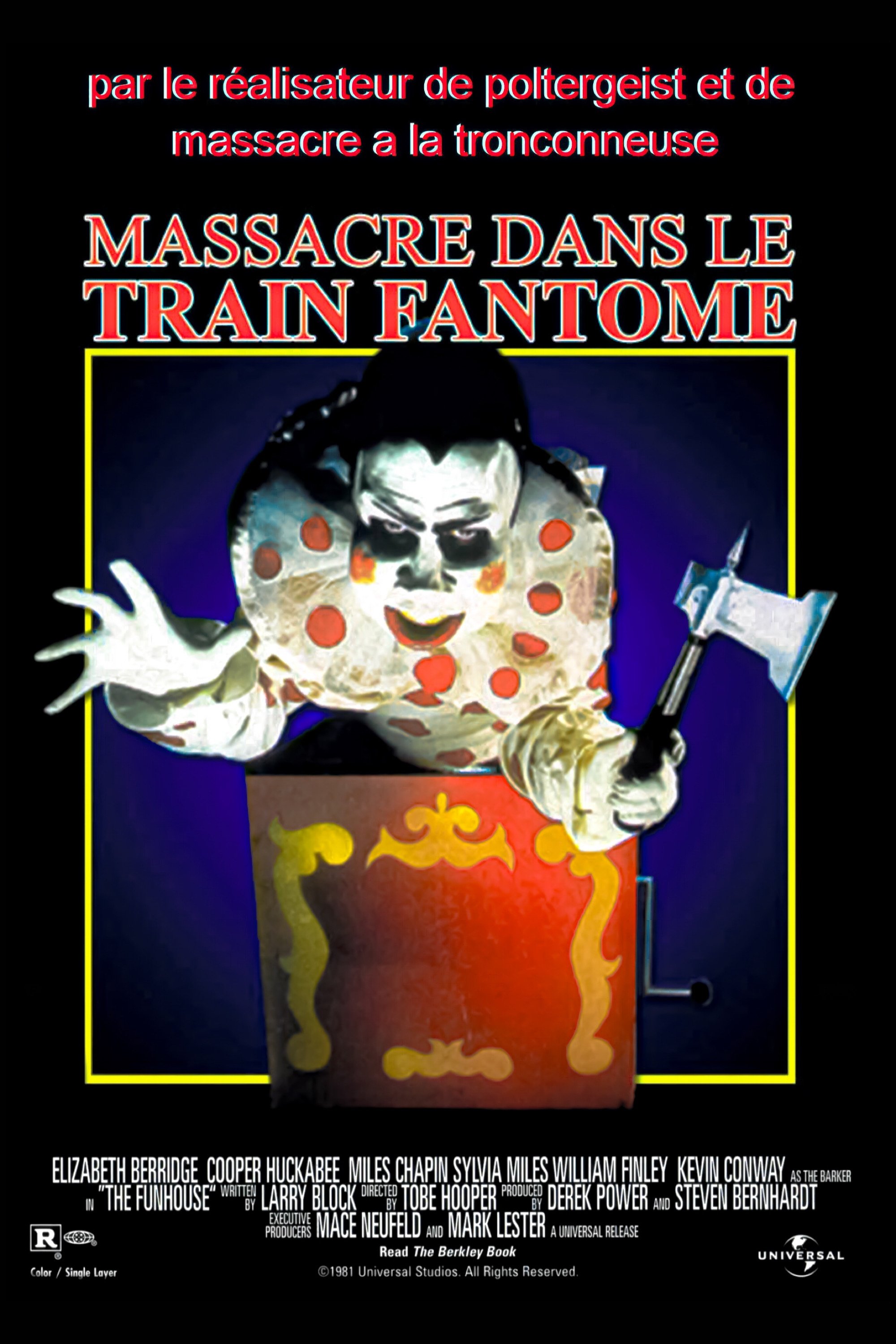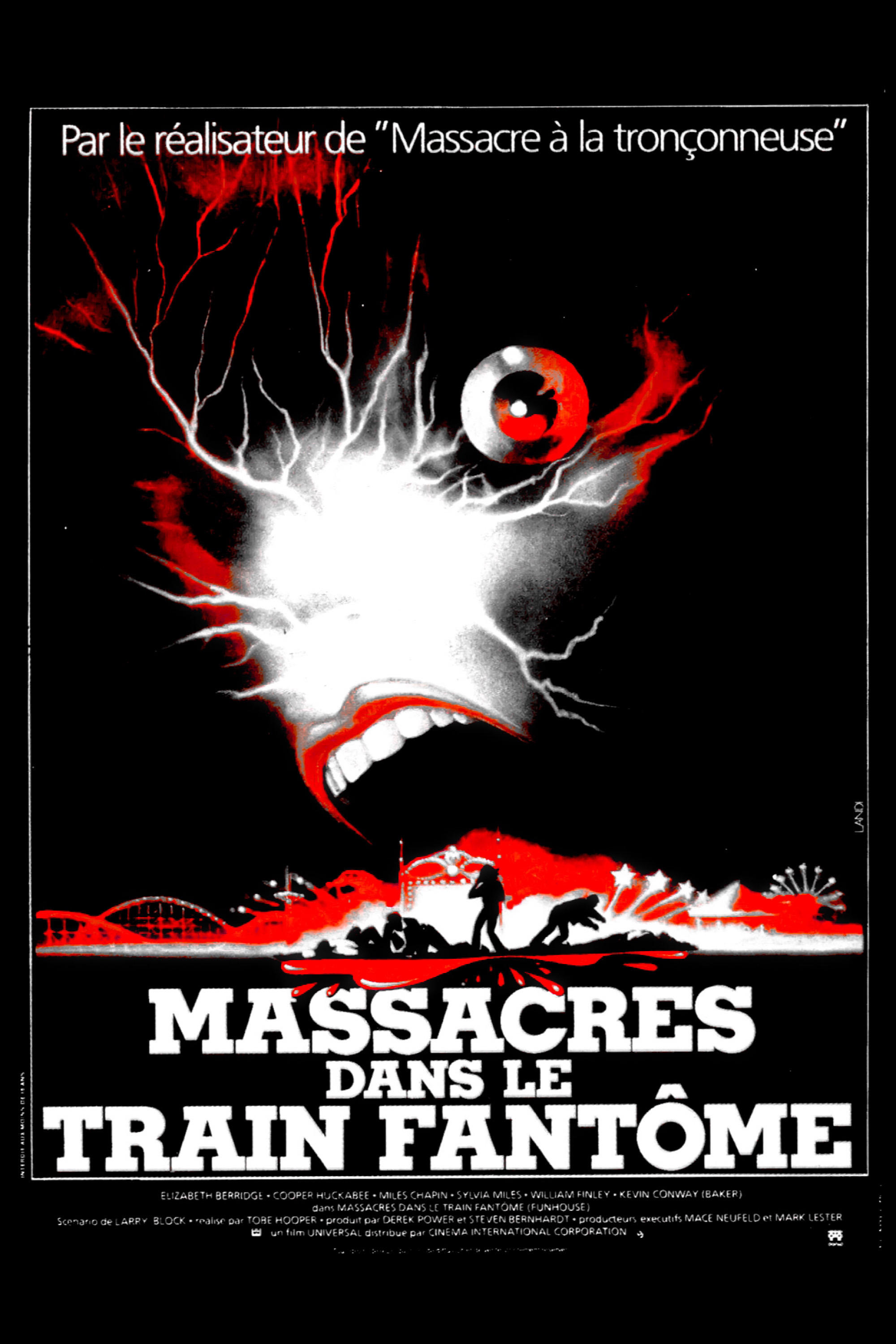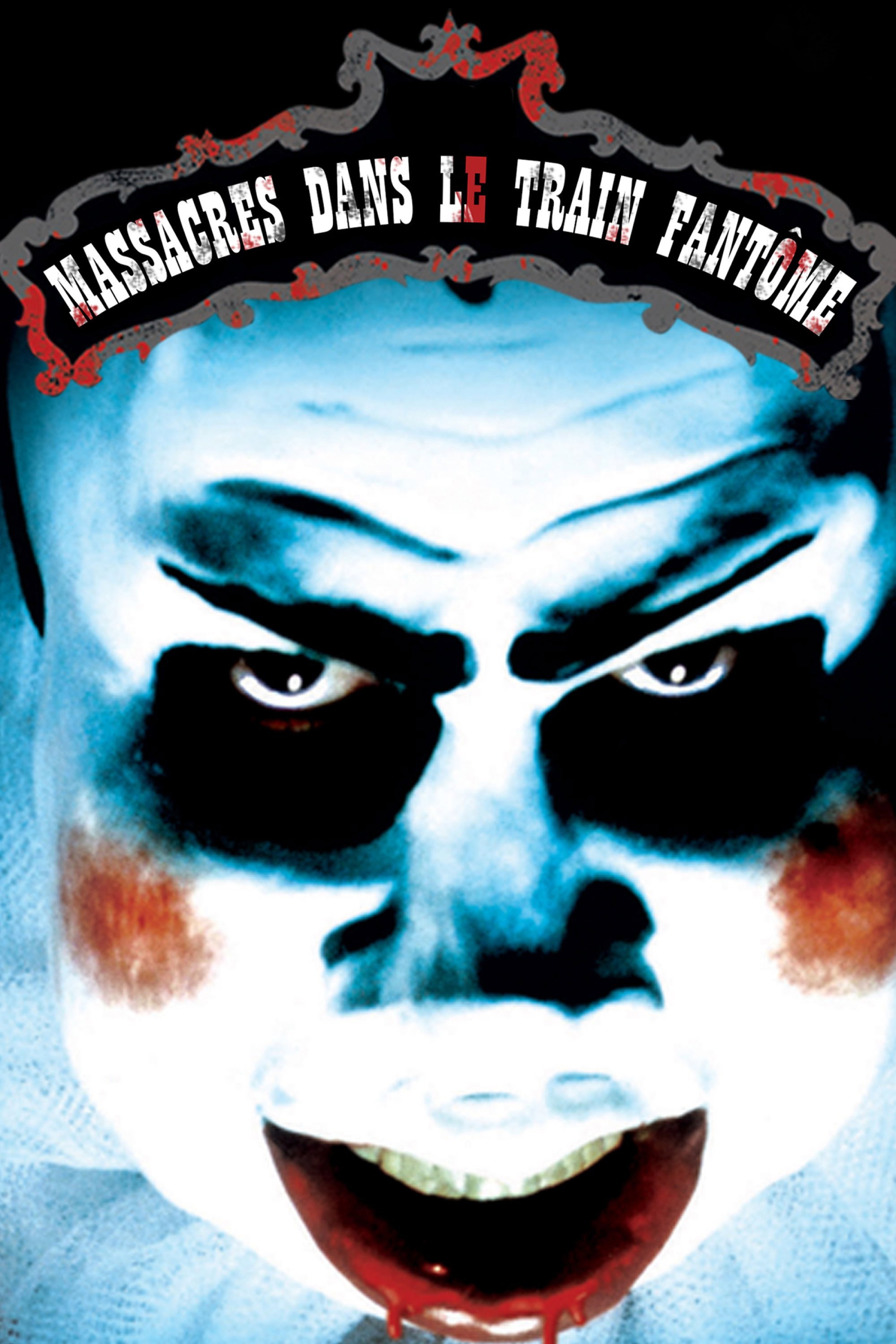
The Funhouse (1981)

US
HORROR FILM
SUBGENRES SLASHER
UK censorship history DPP · Withdrawn / unsuccessful
Runtime
96 min
Release
March 13, 1981
Budget
$2,000,000
Revenue
$7,886,999
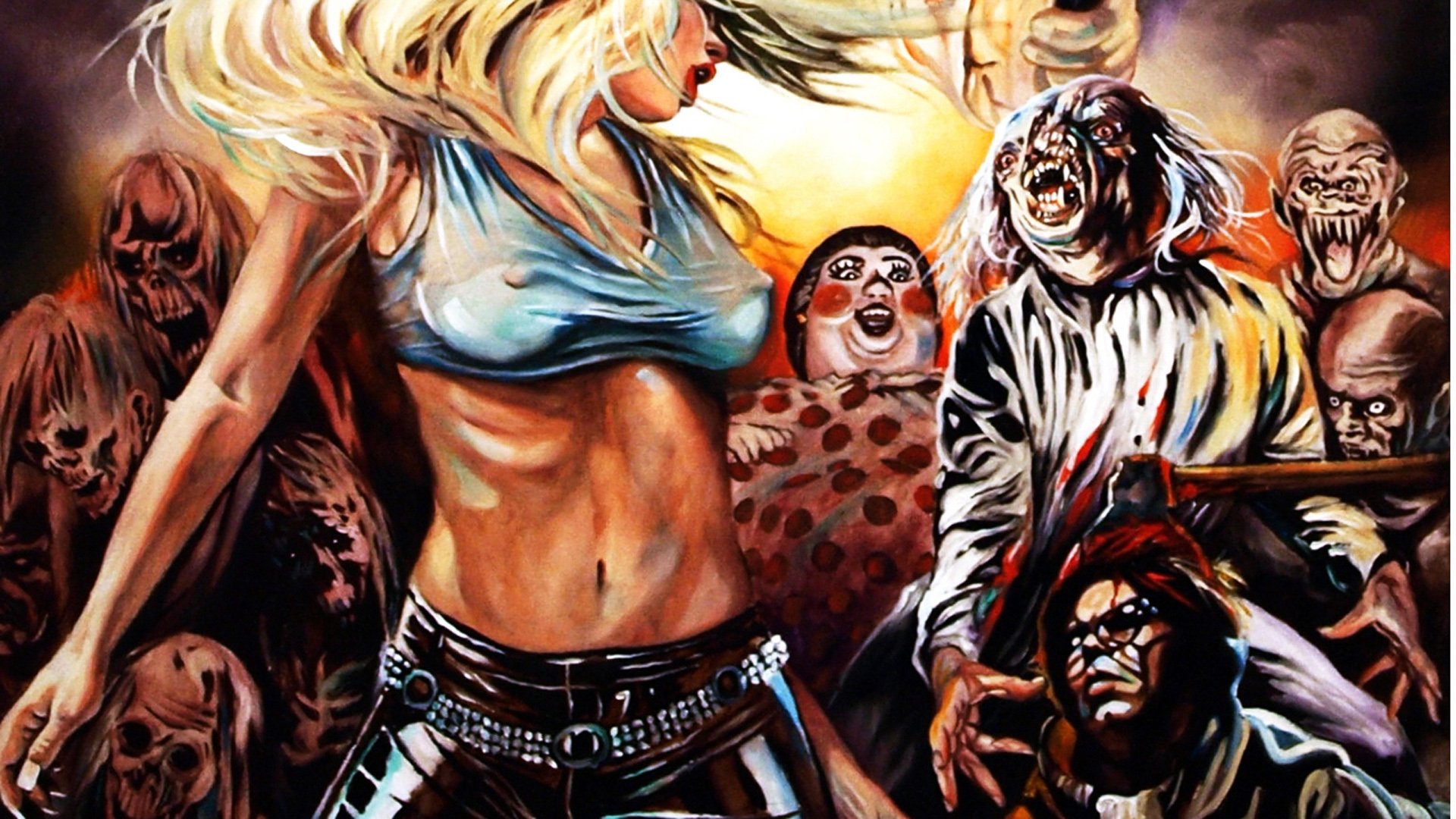
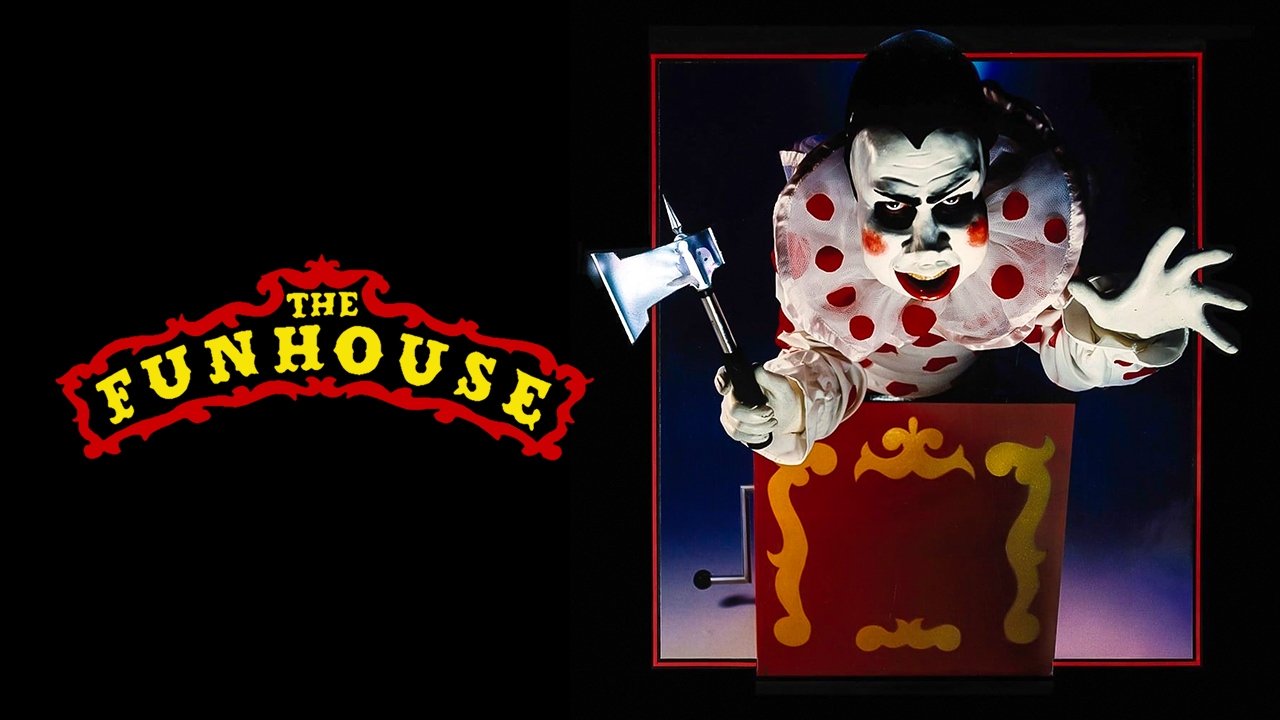
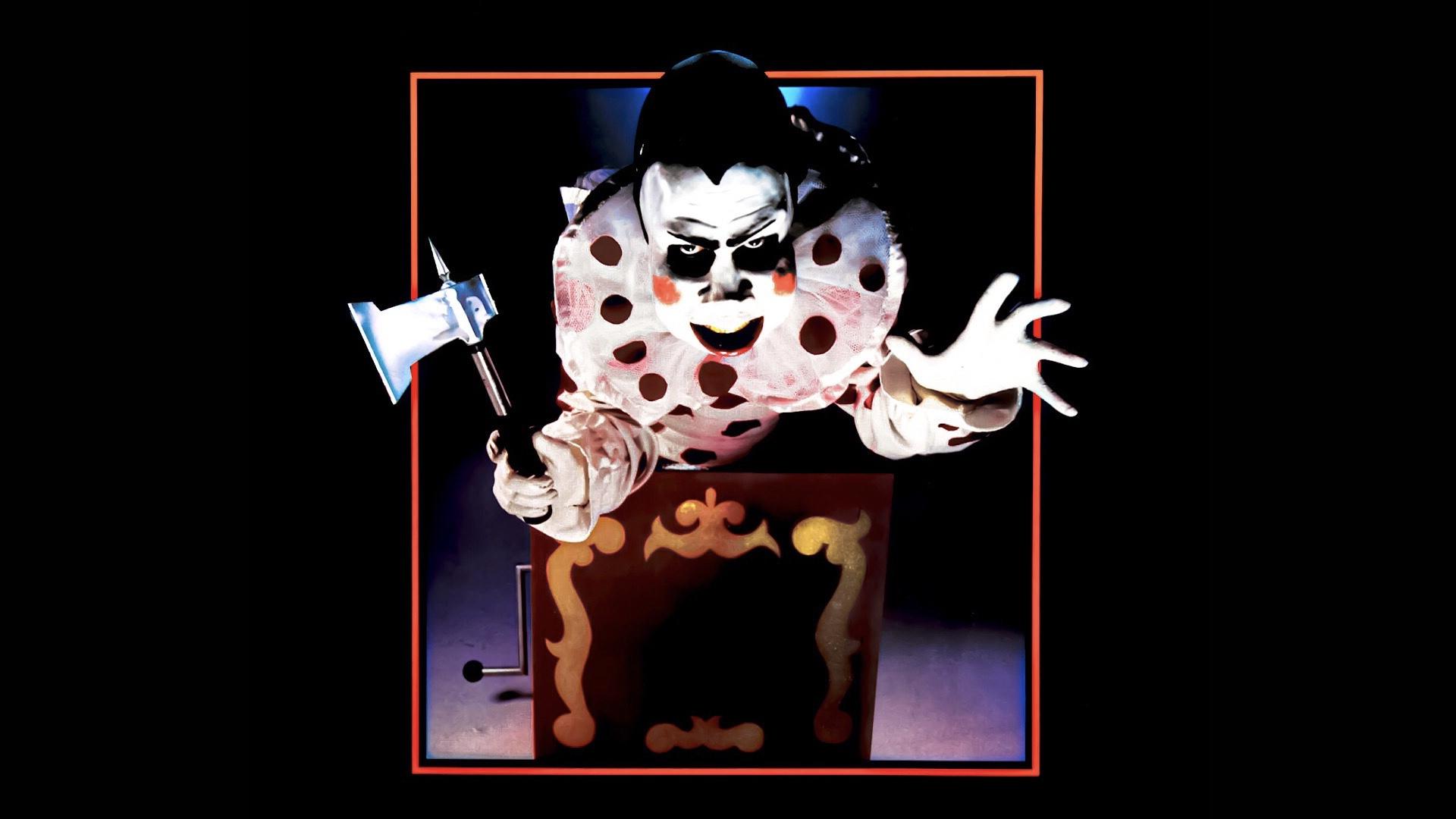
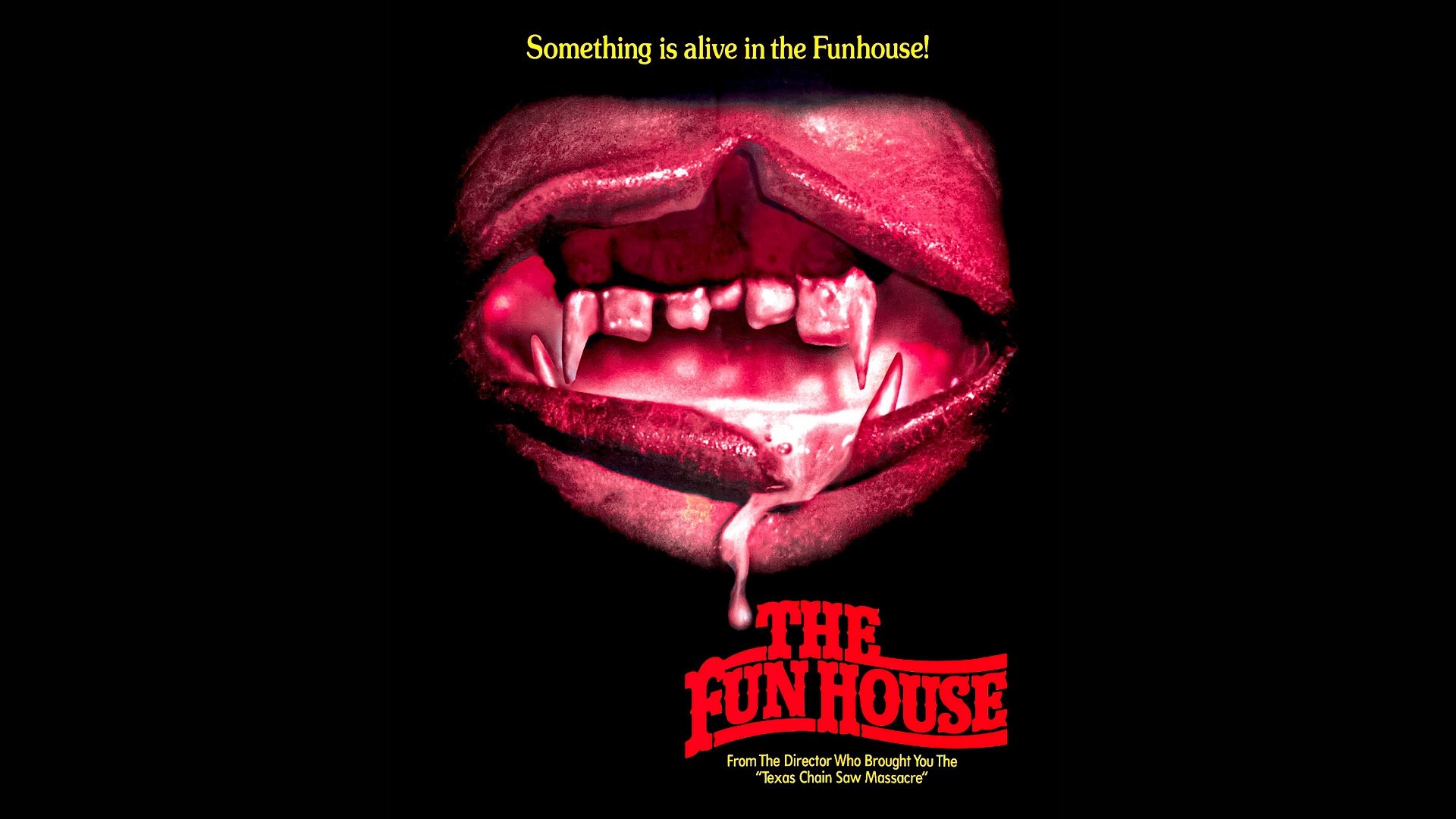
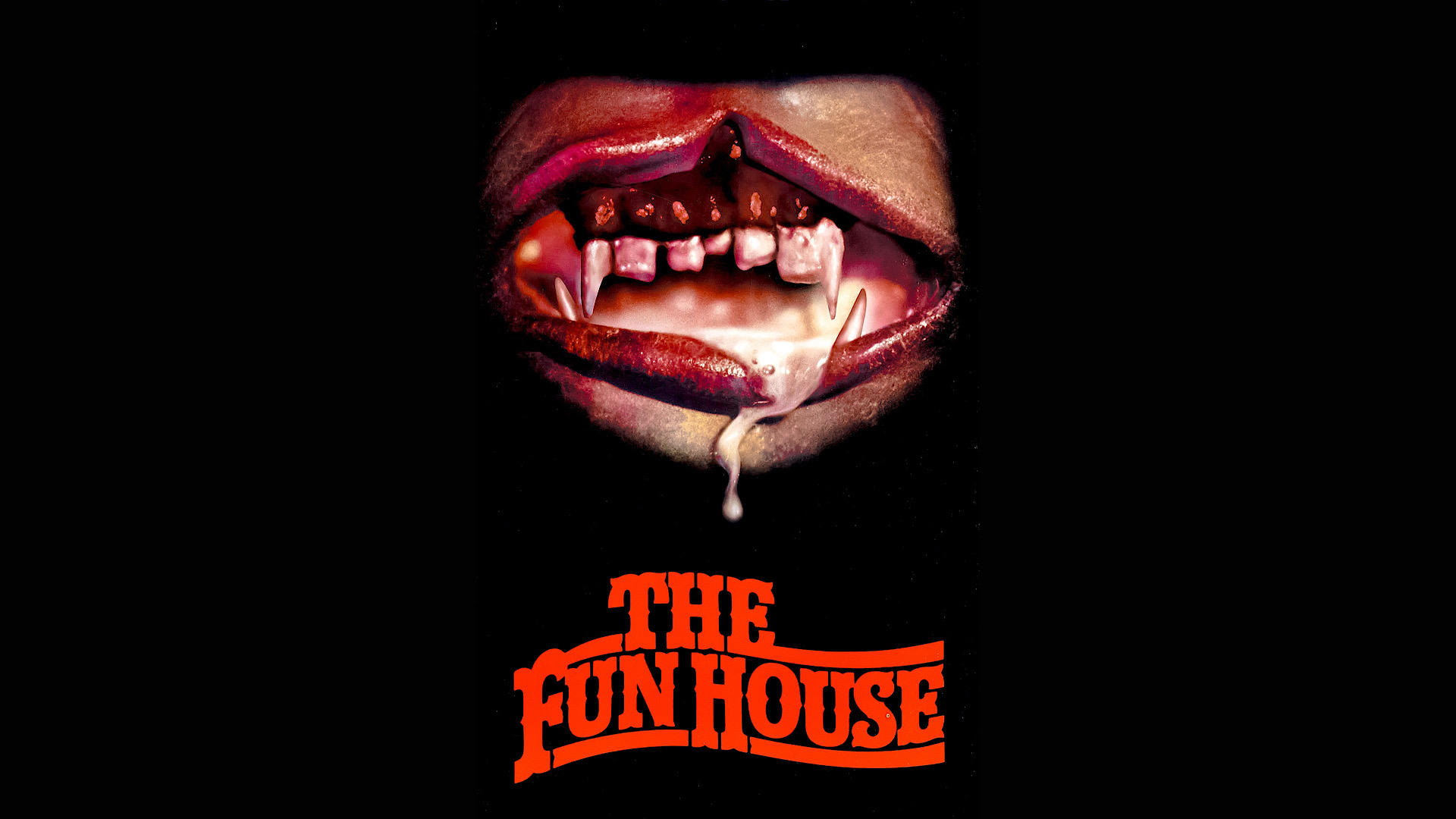
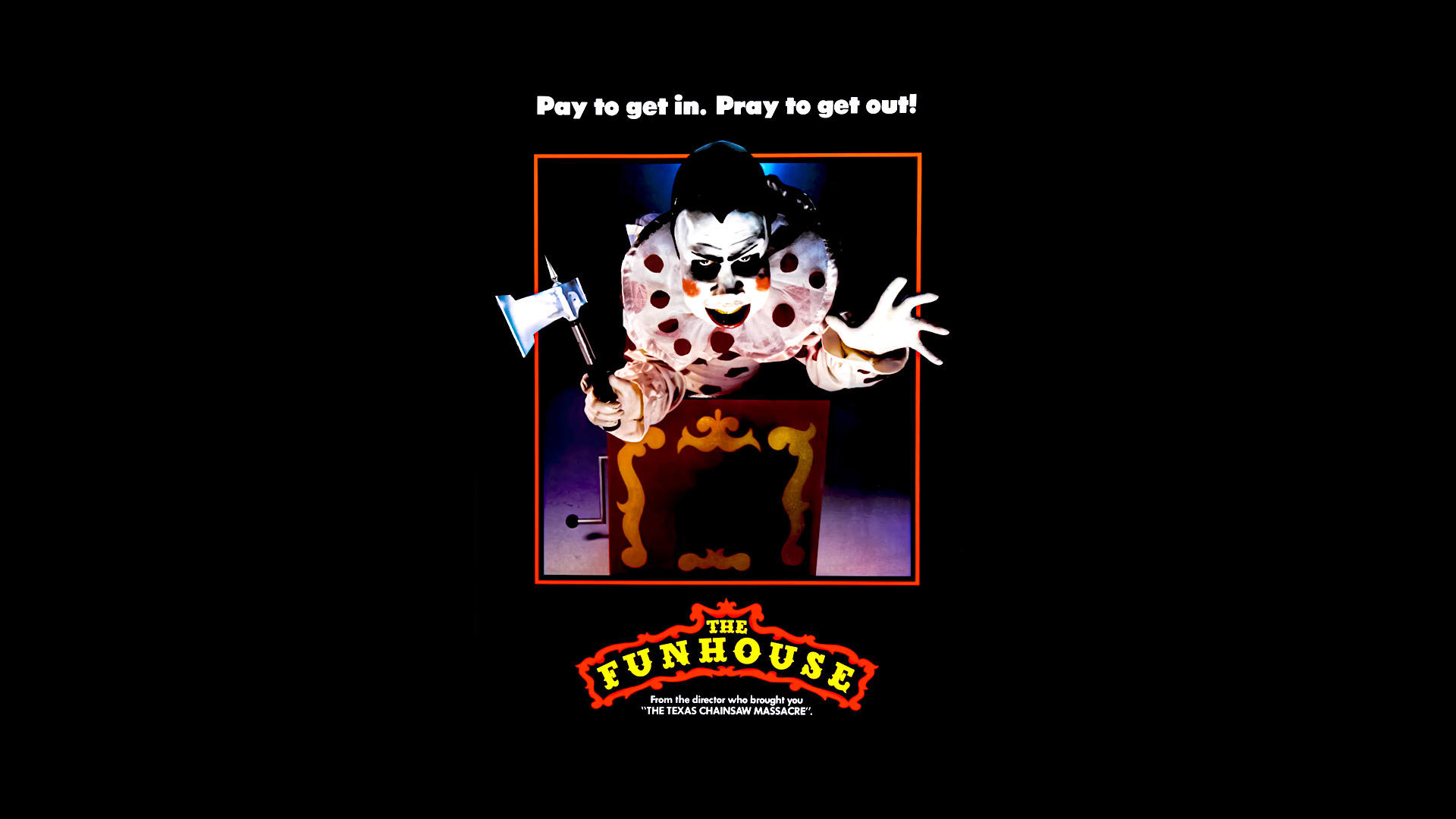
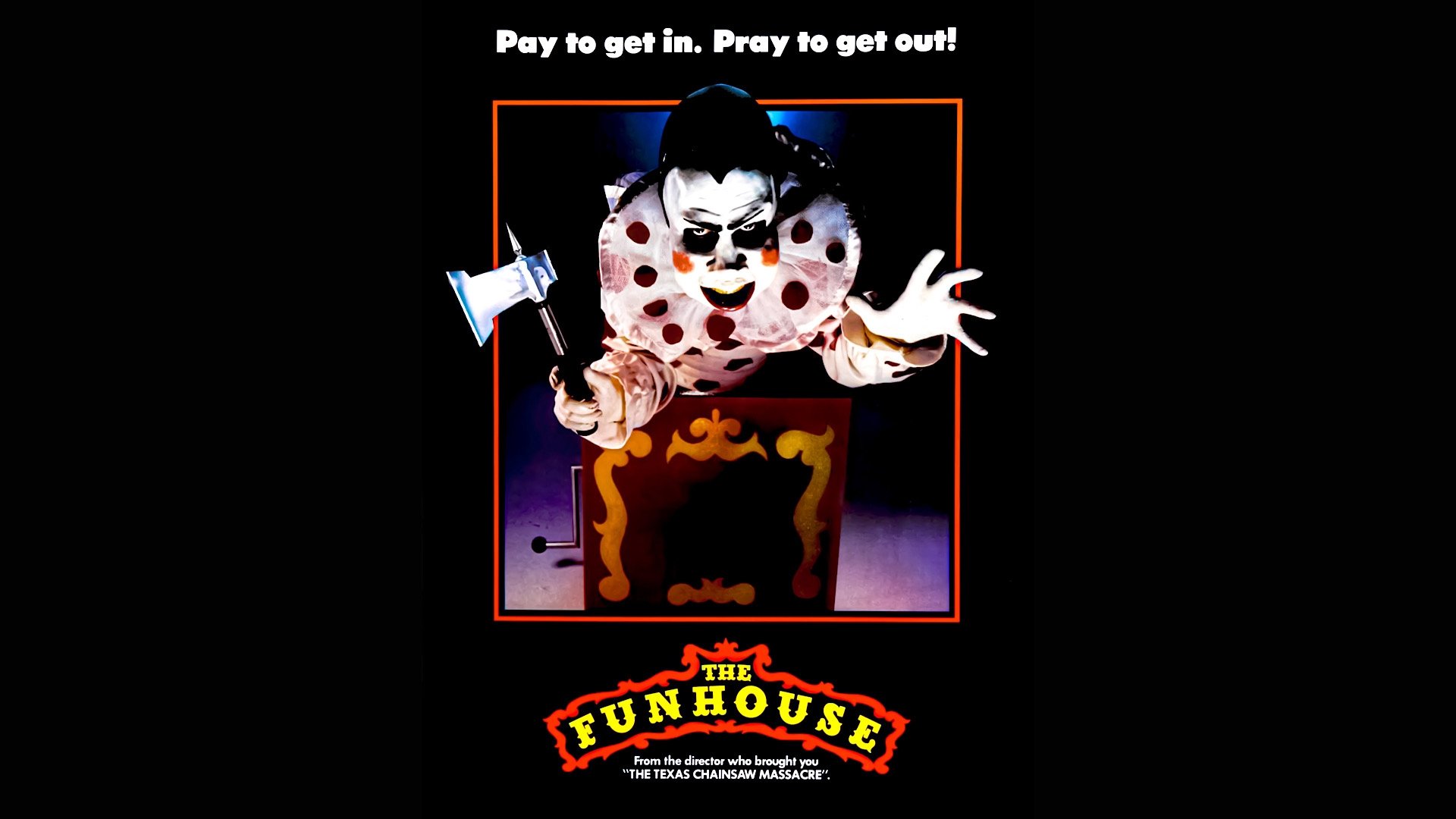
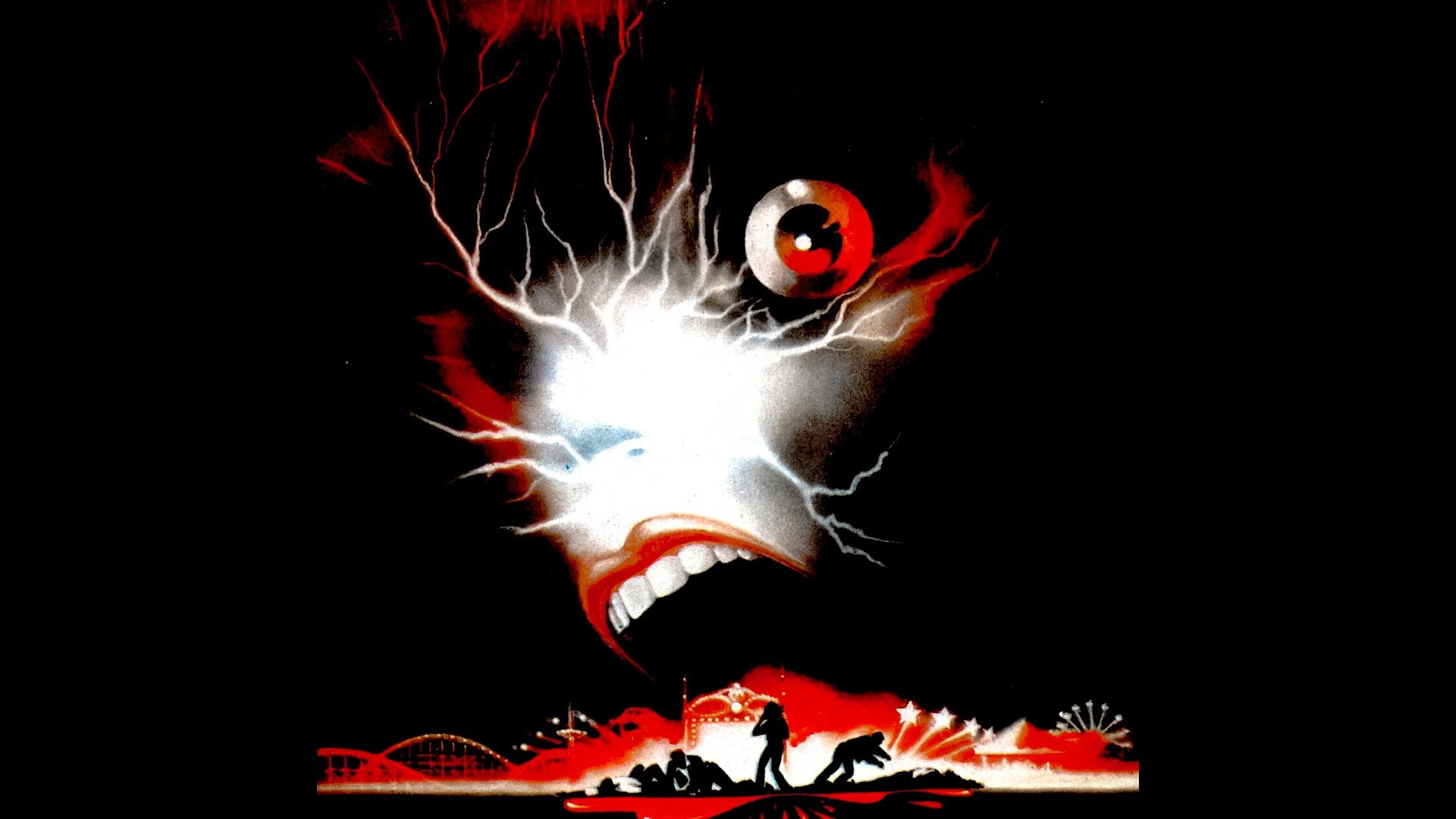
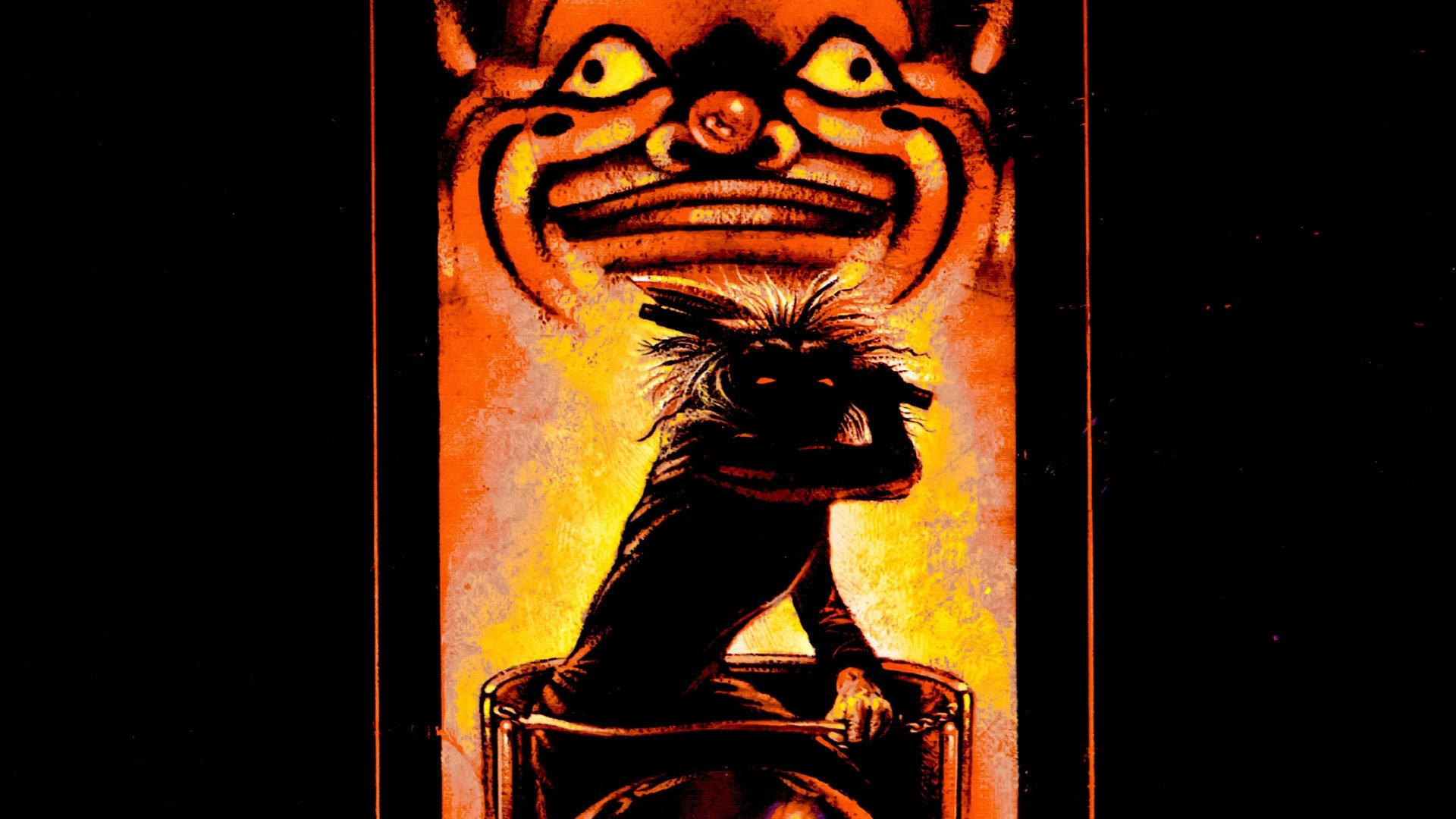
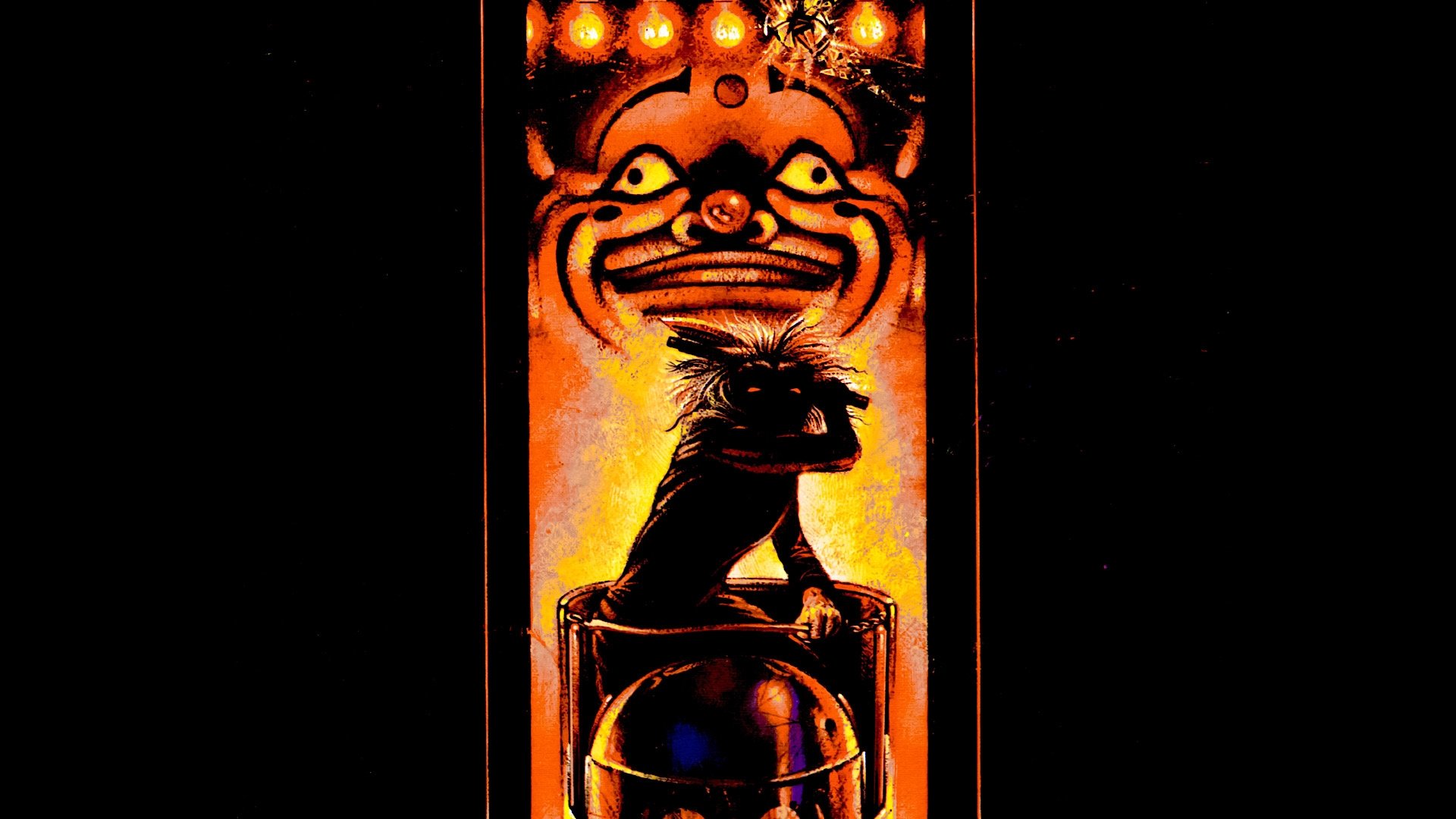
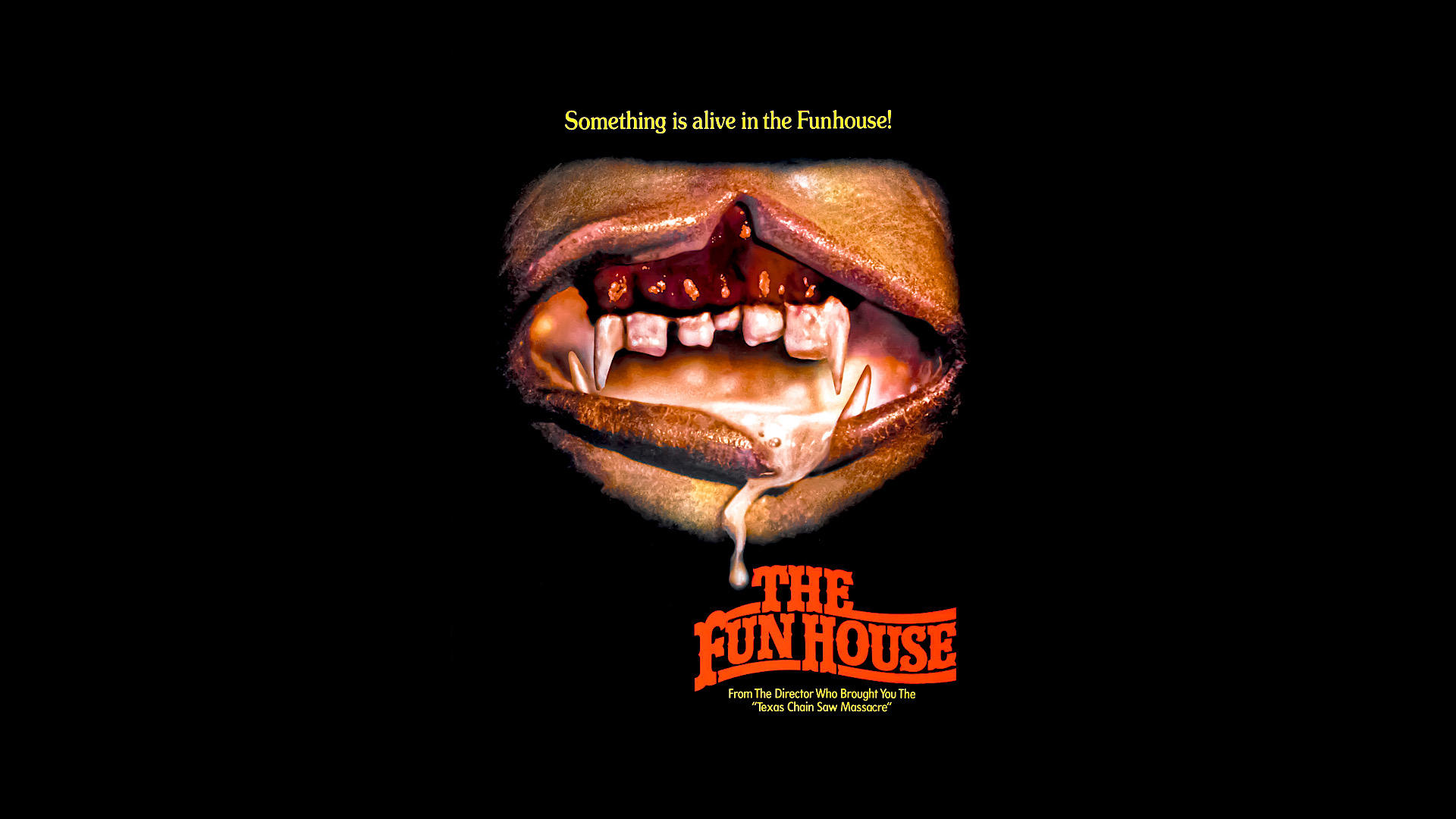
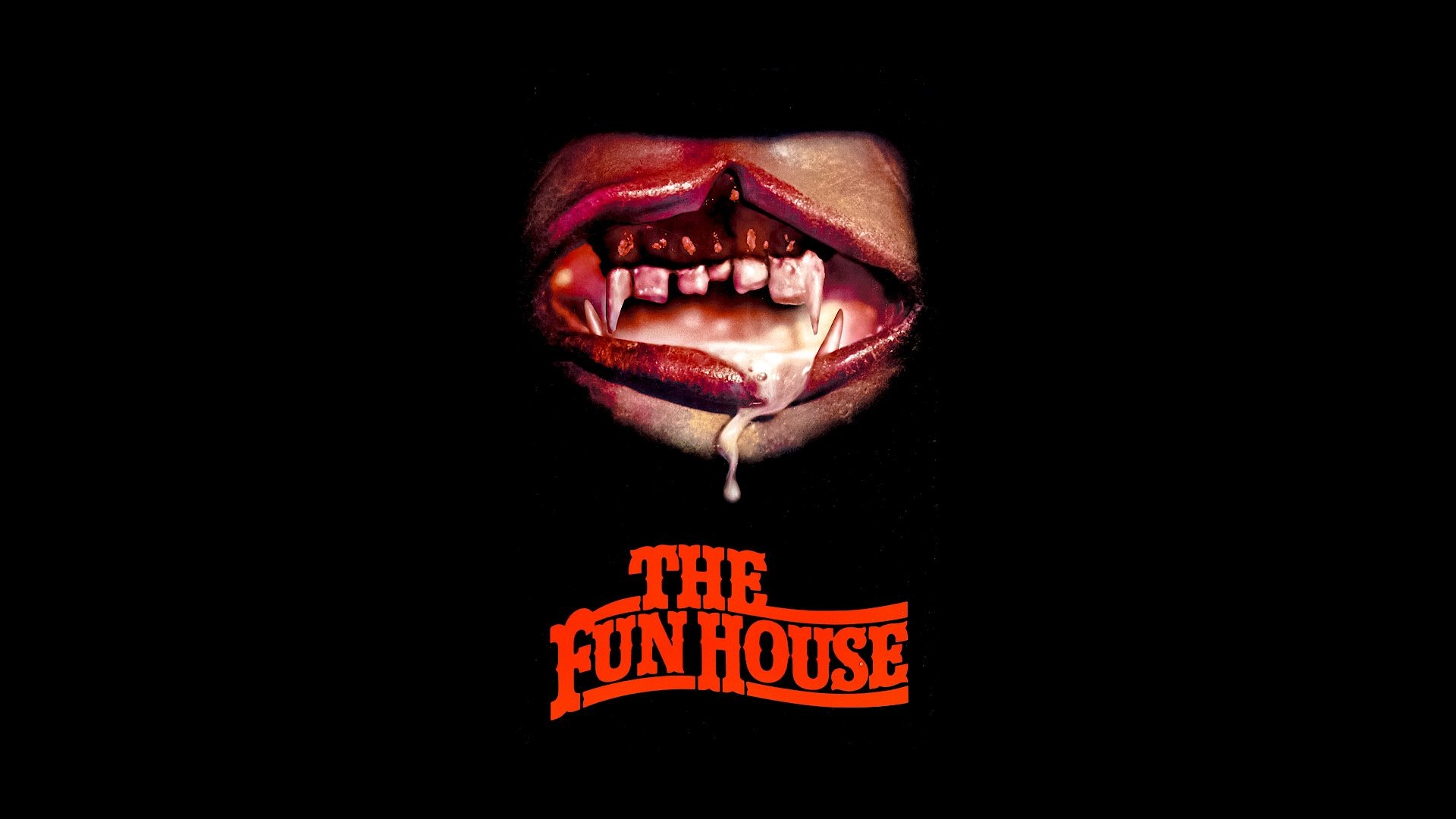
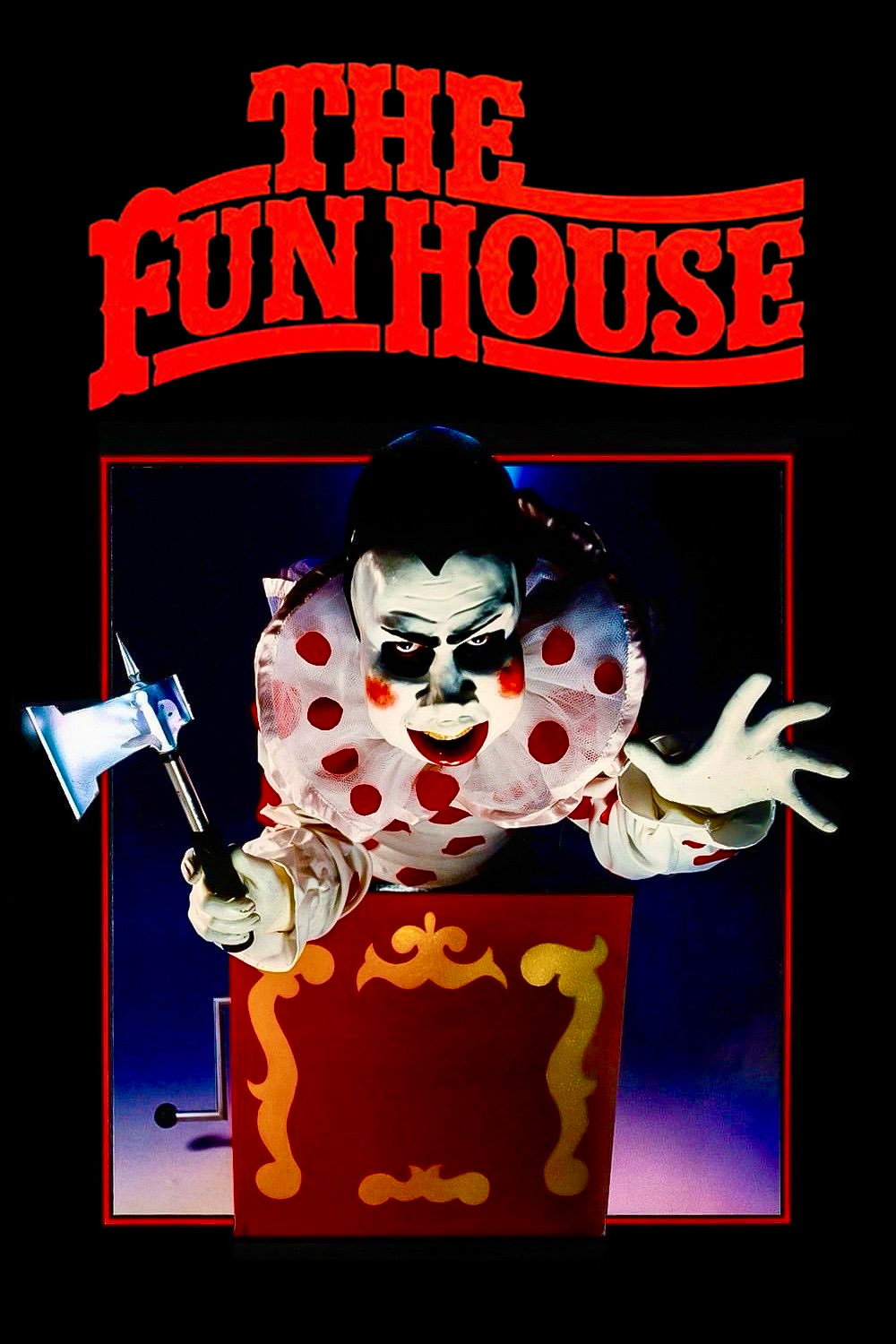
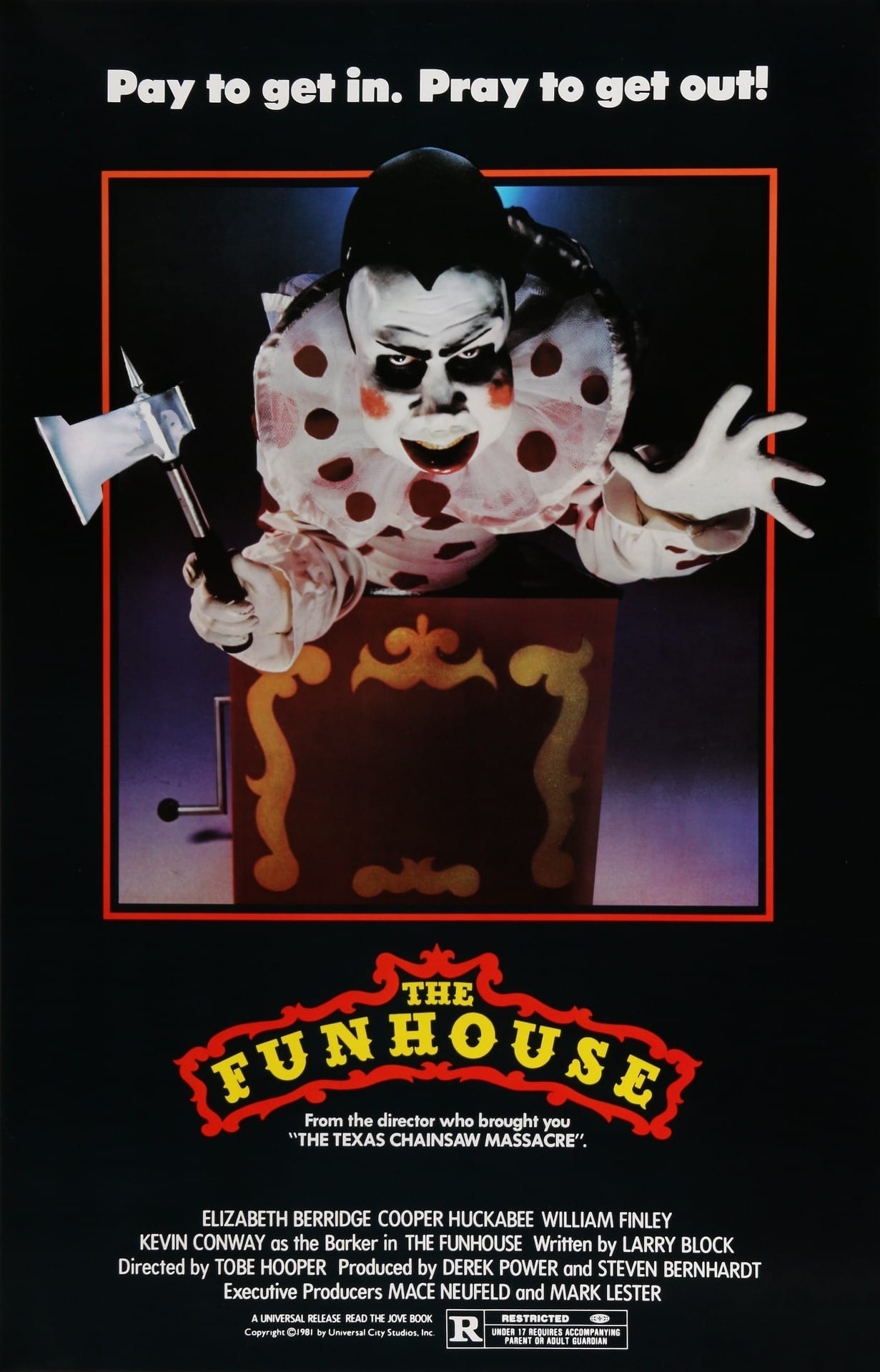
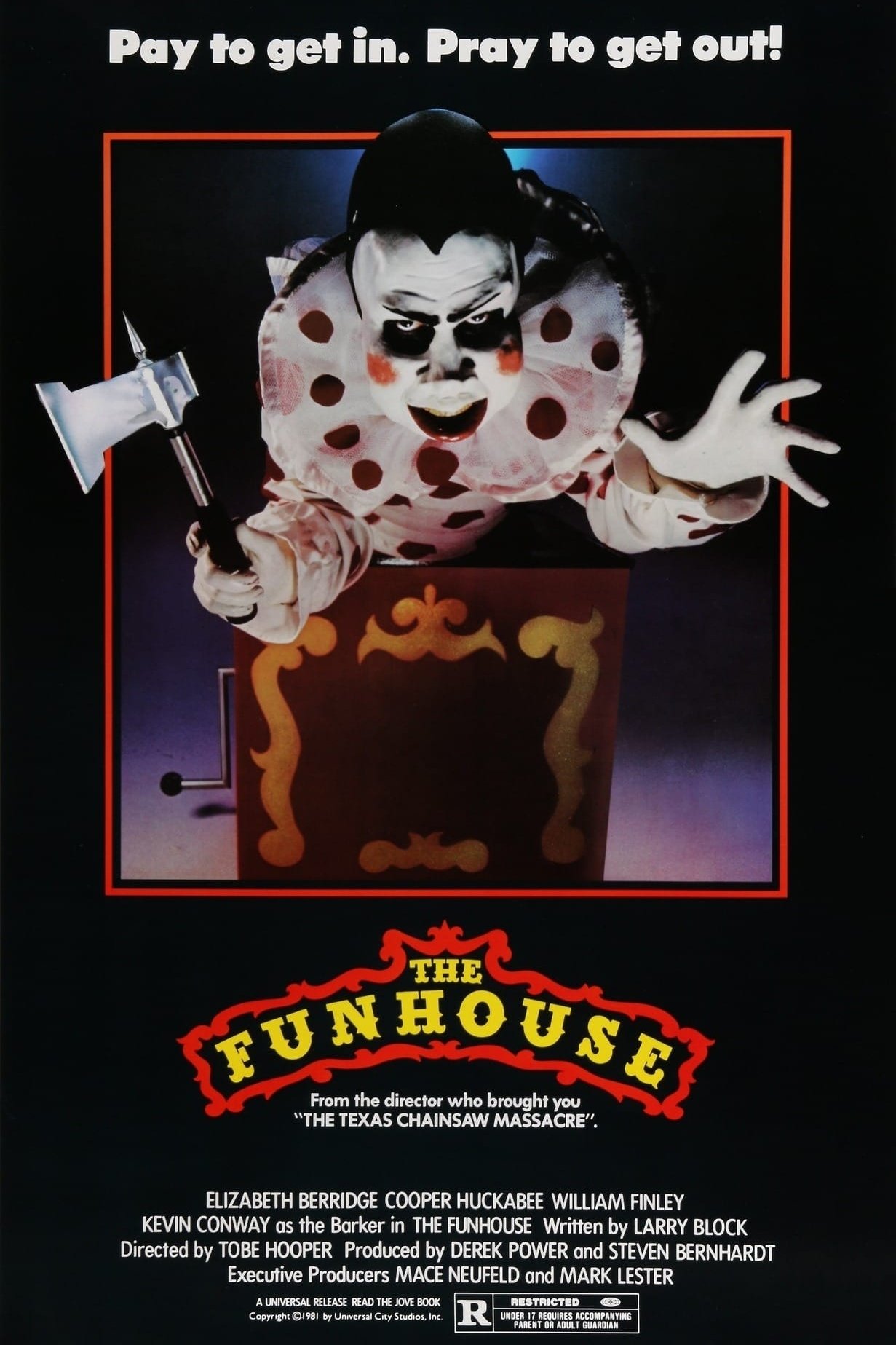
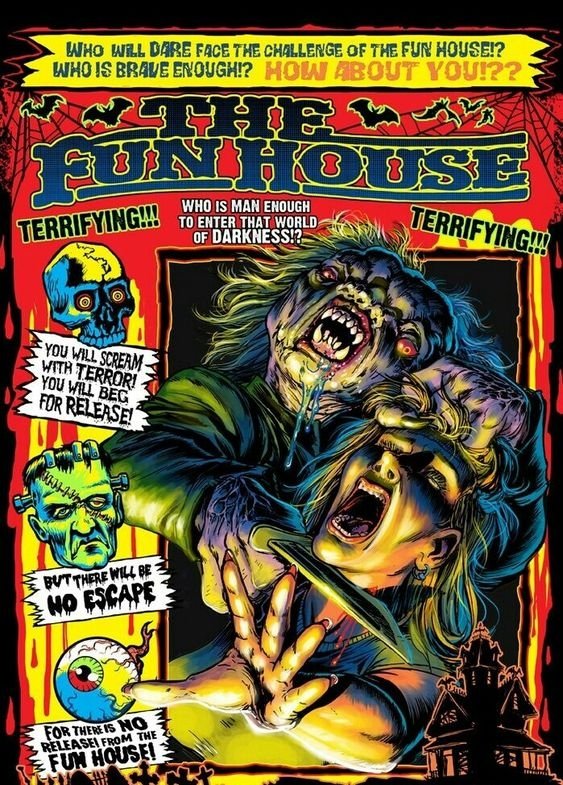
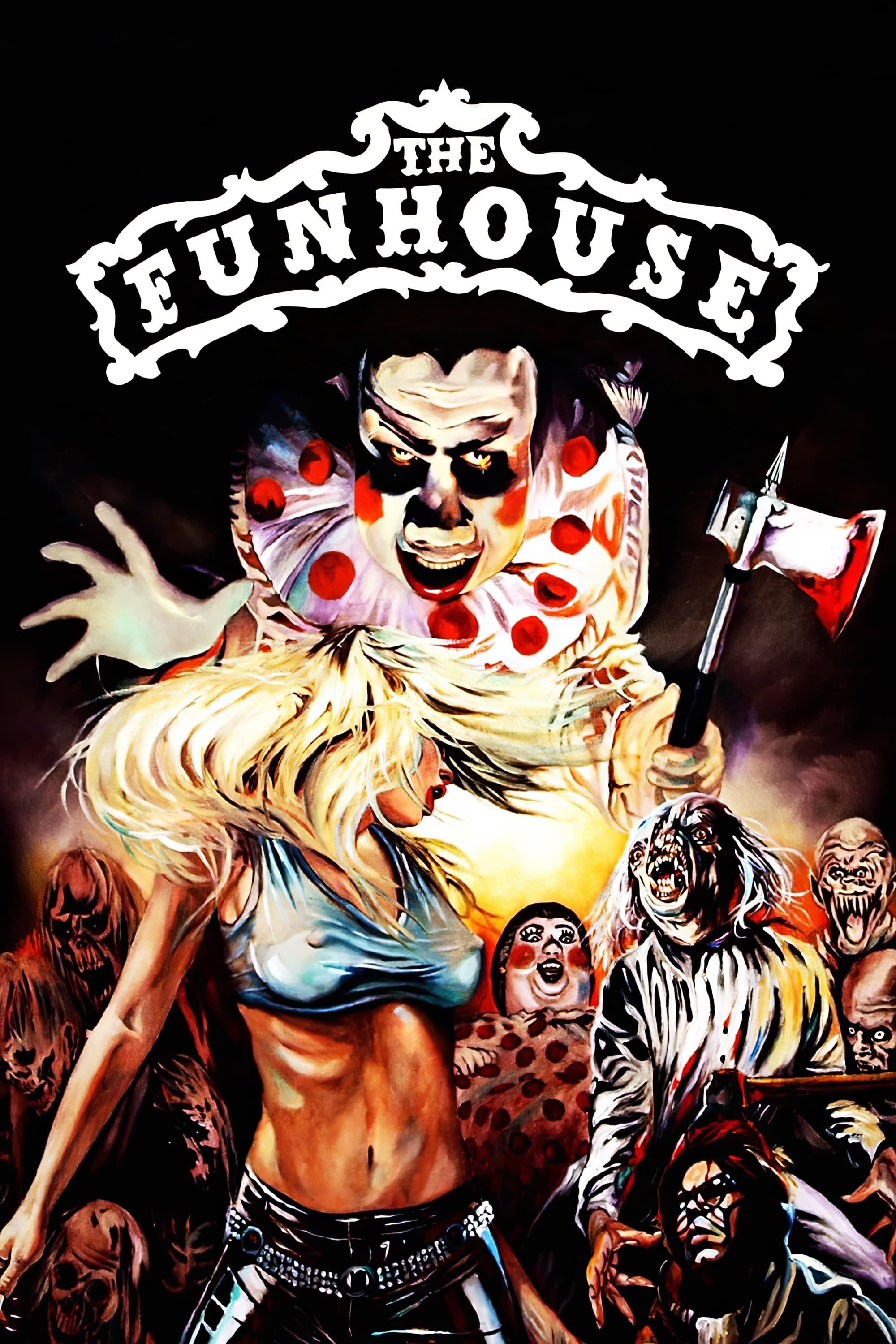
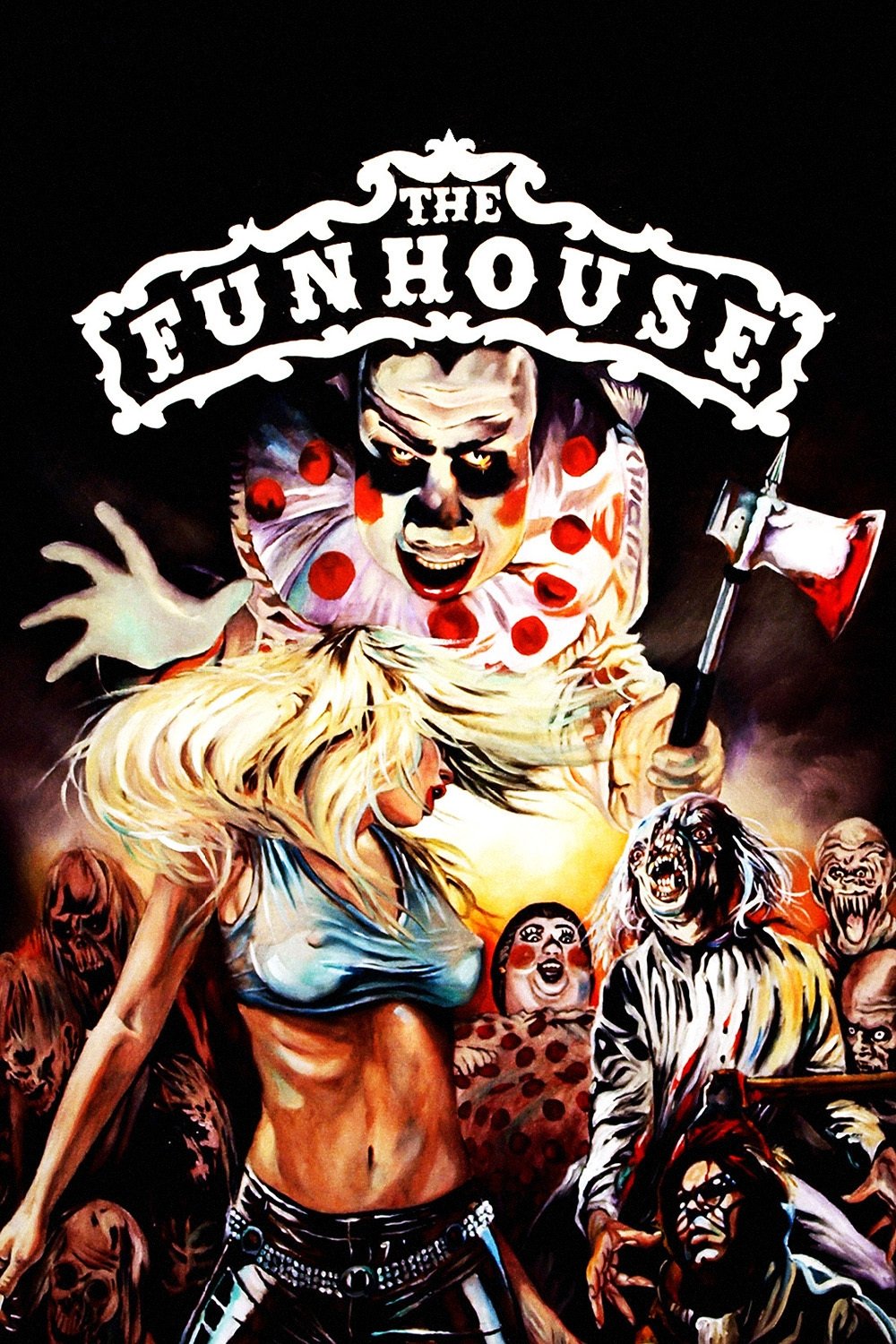
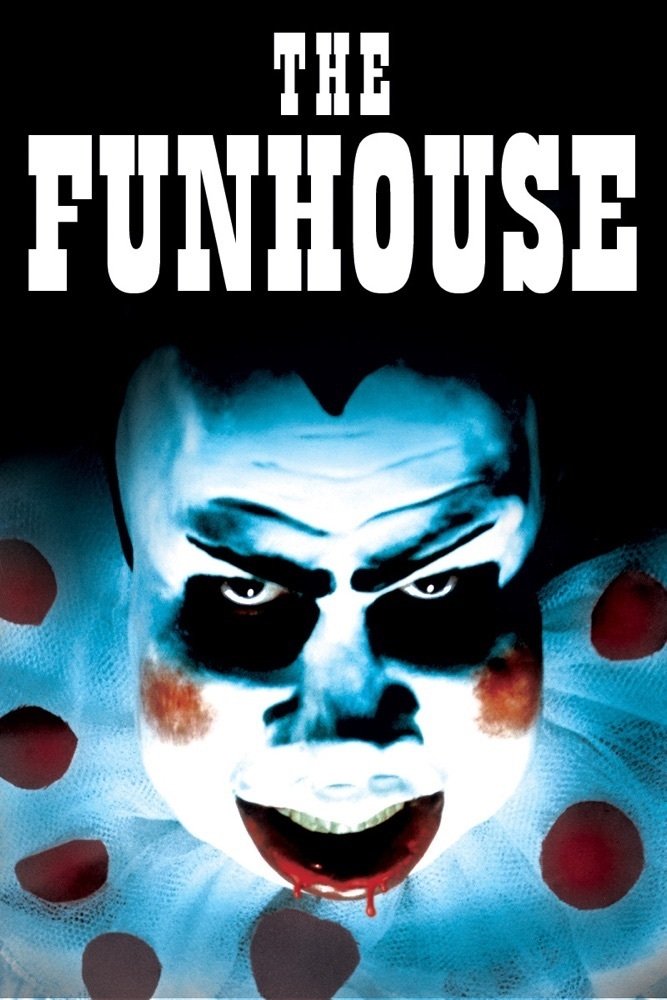
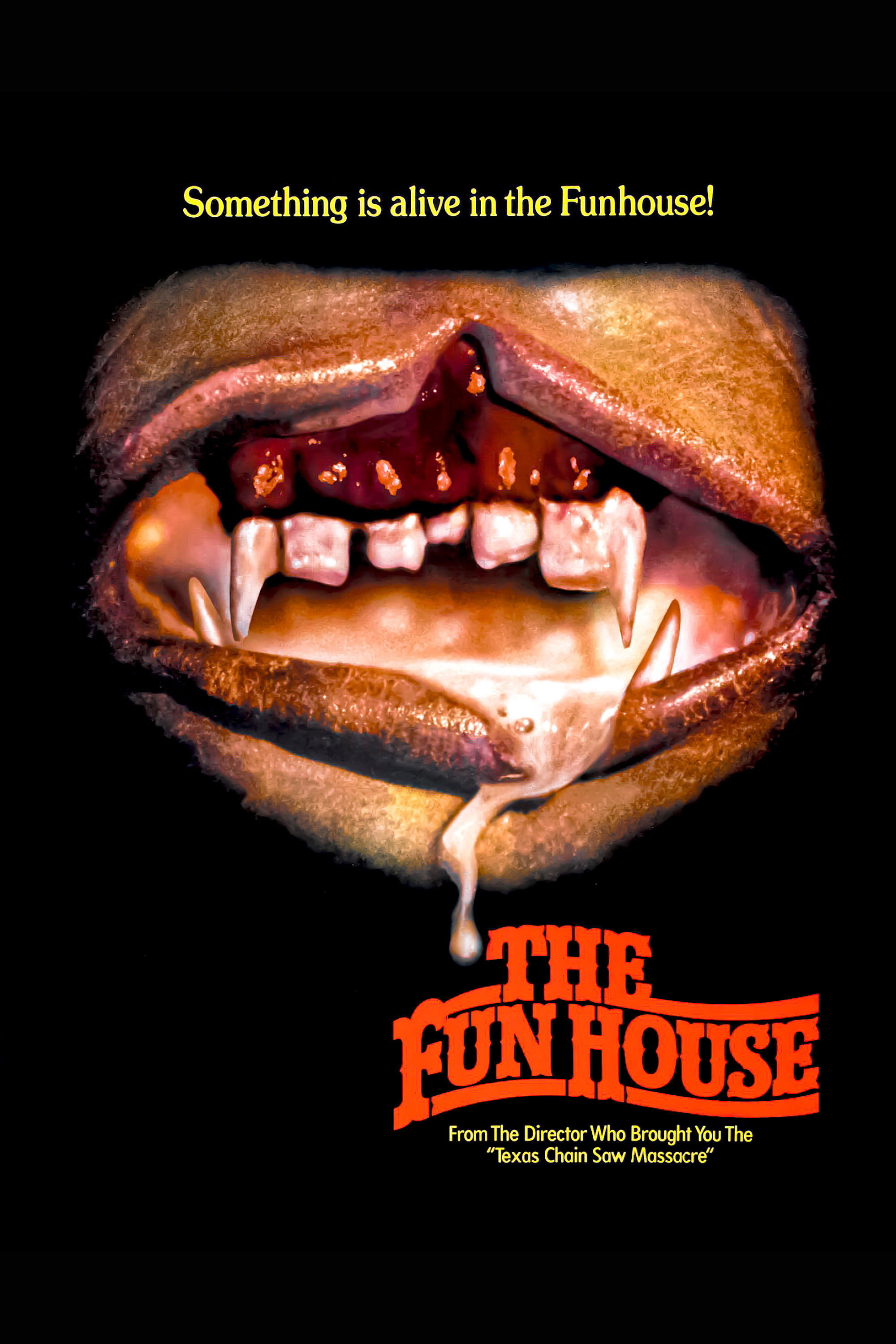
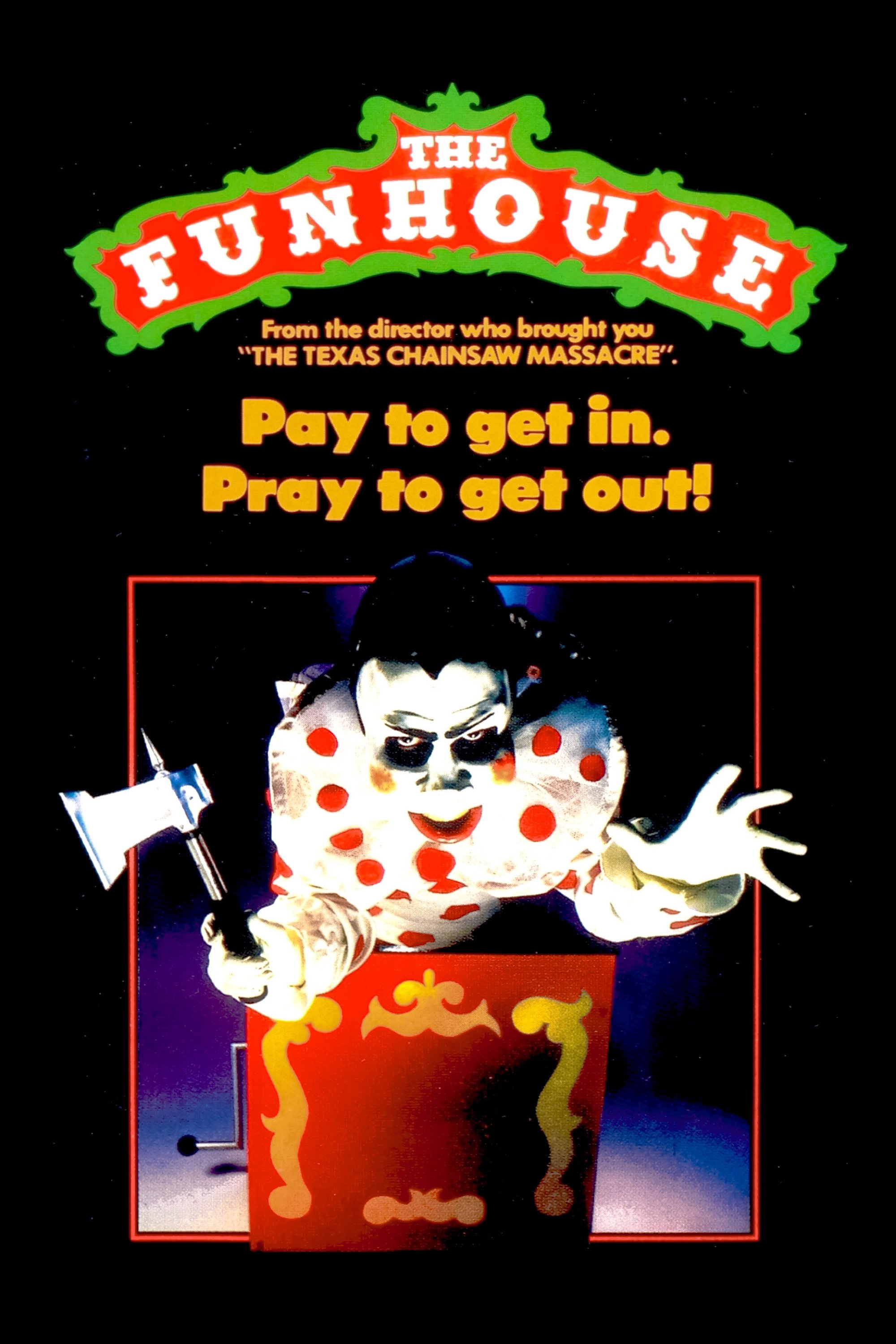
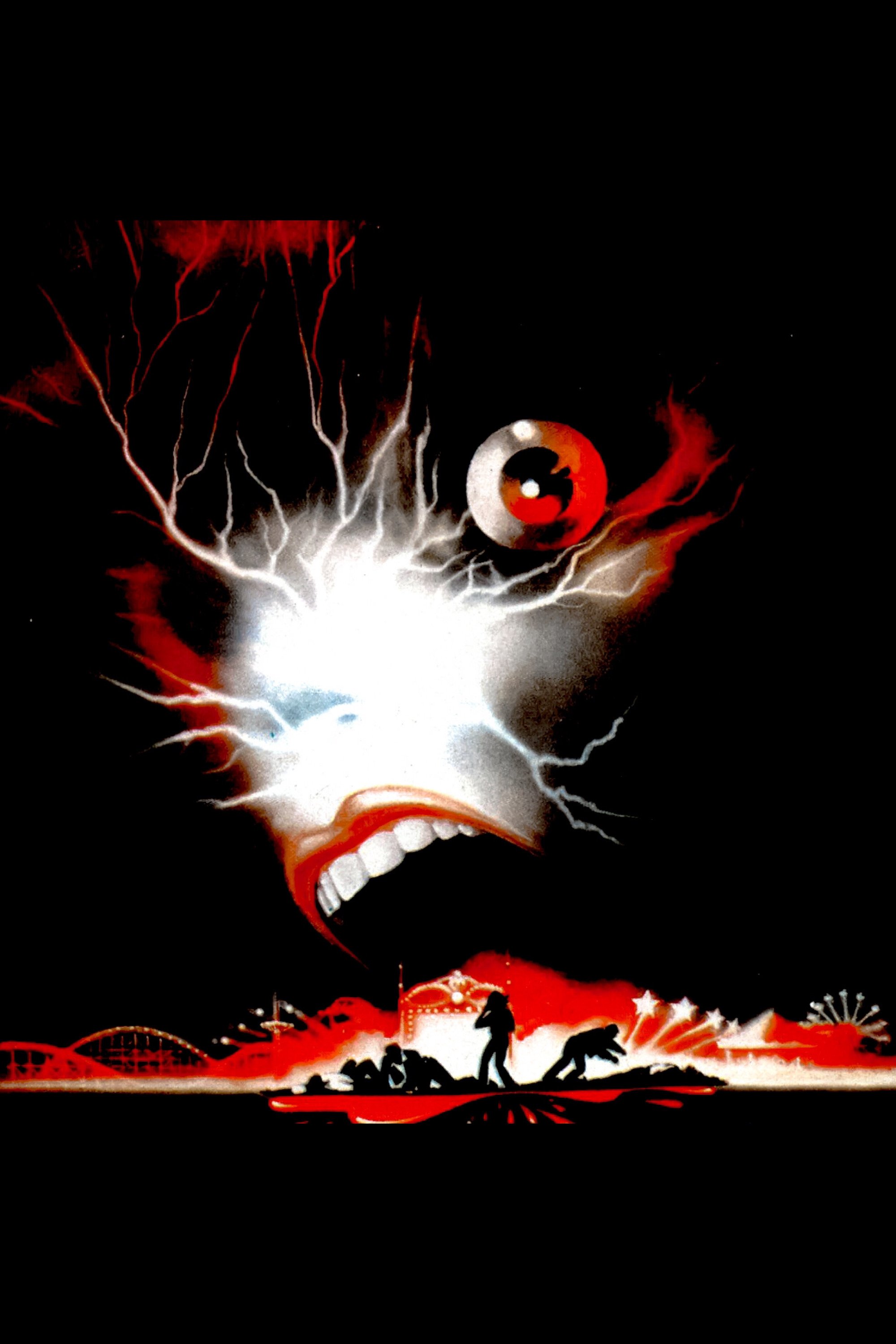
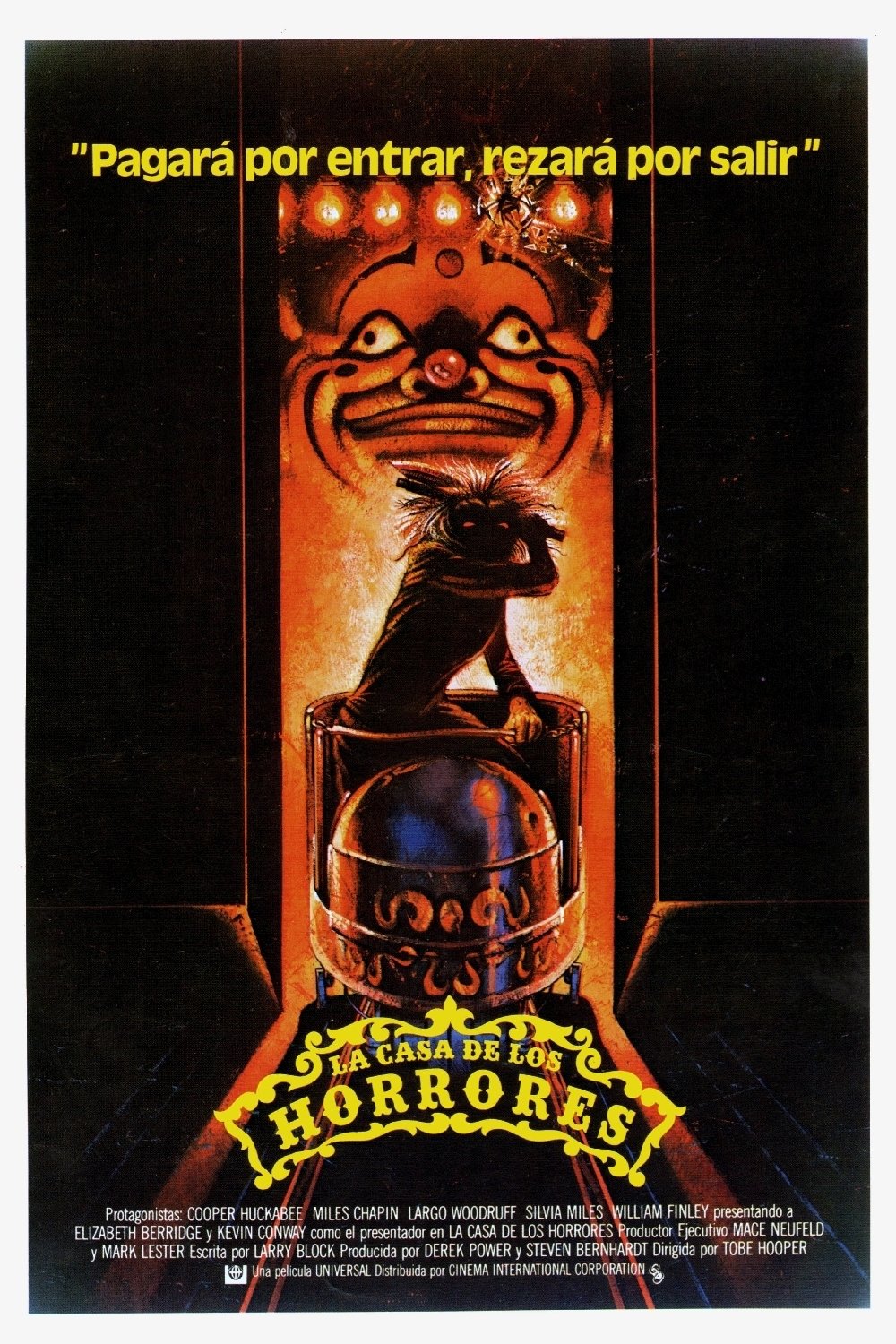
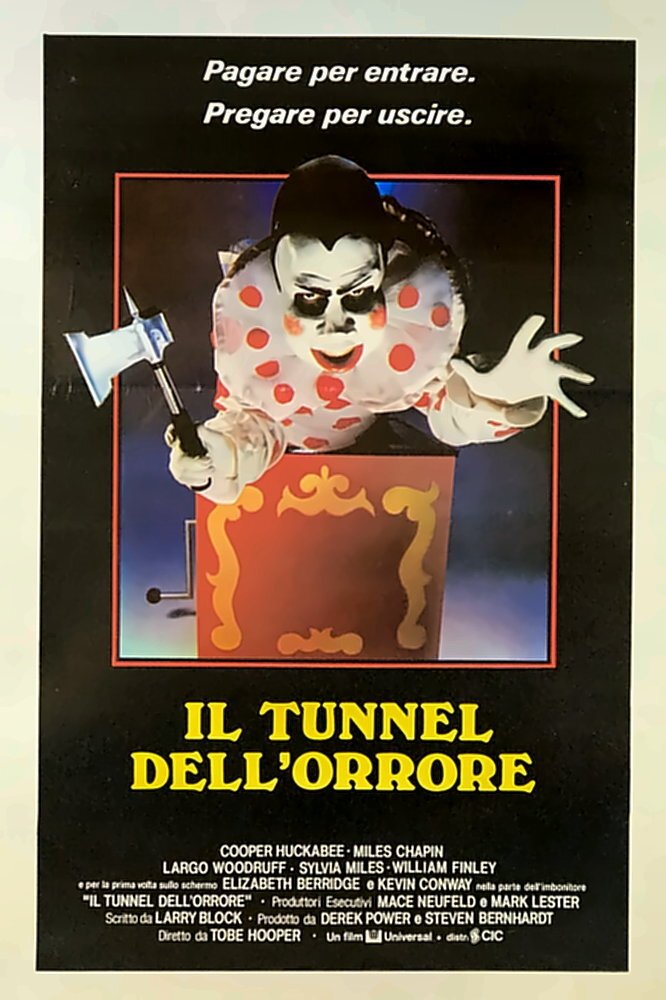
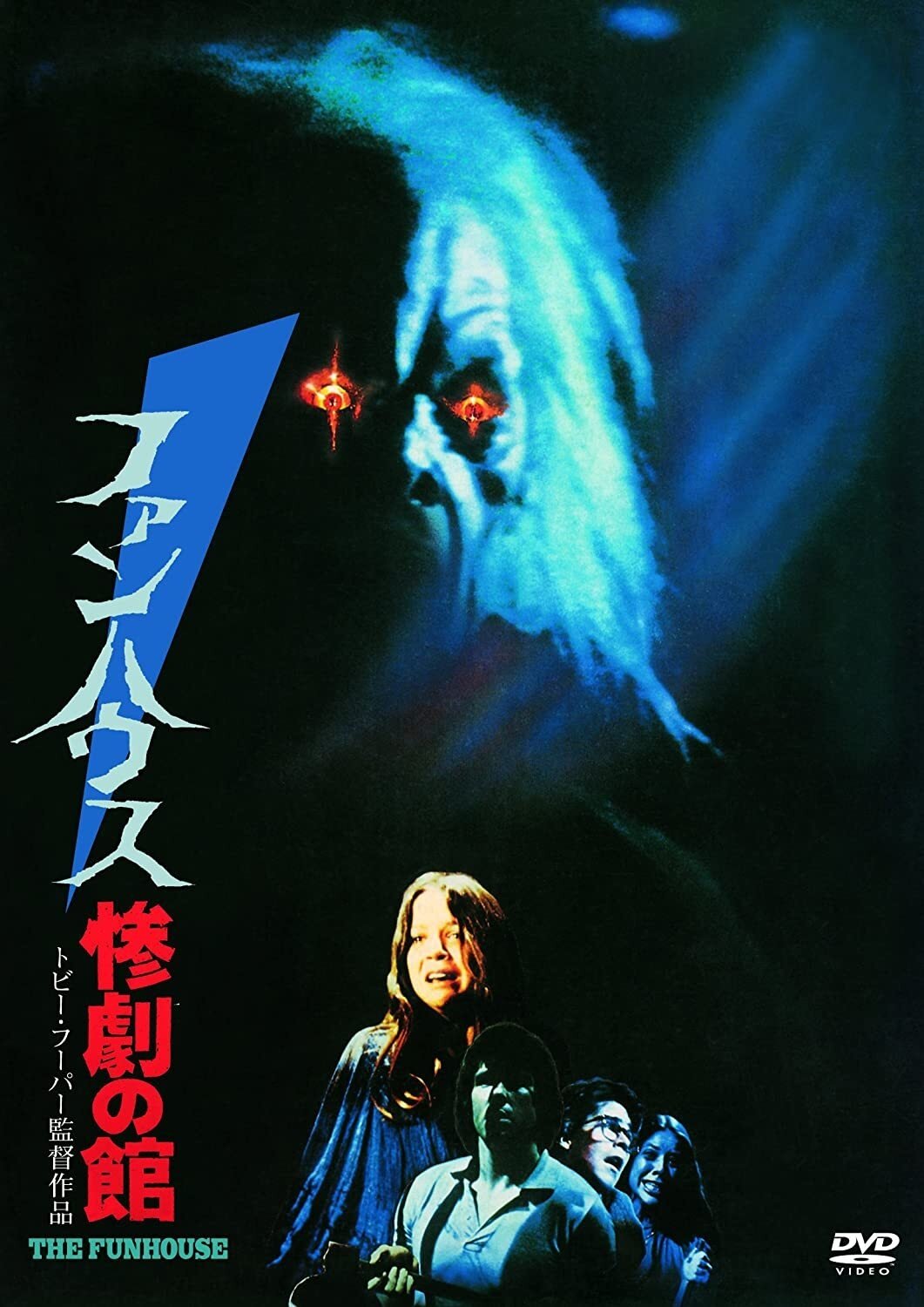
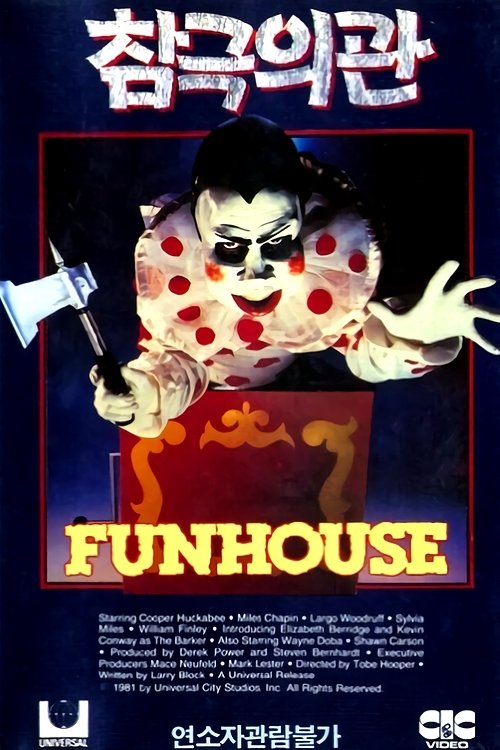
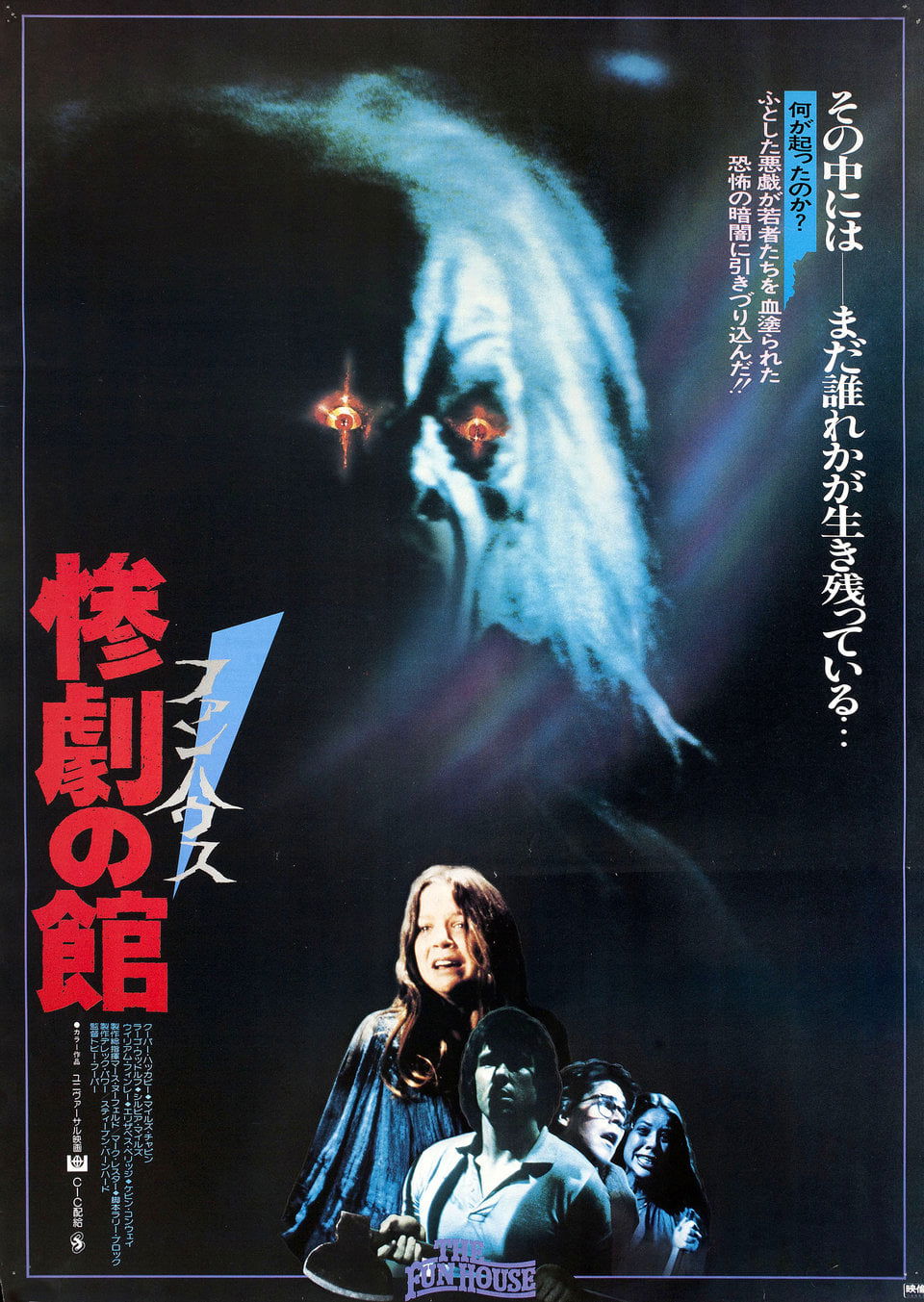
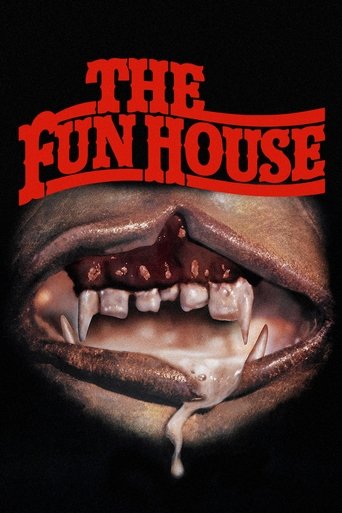
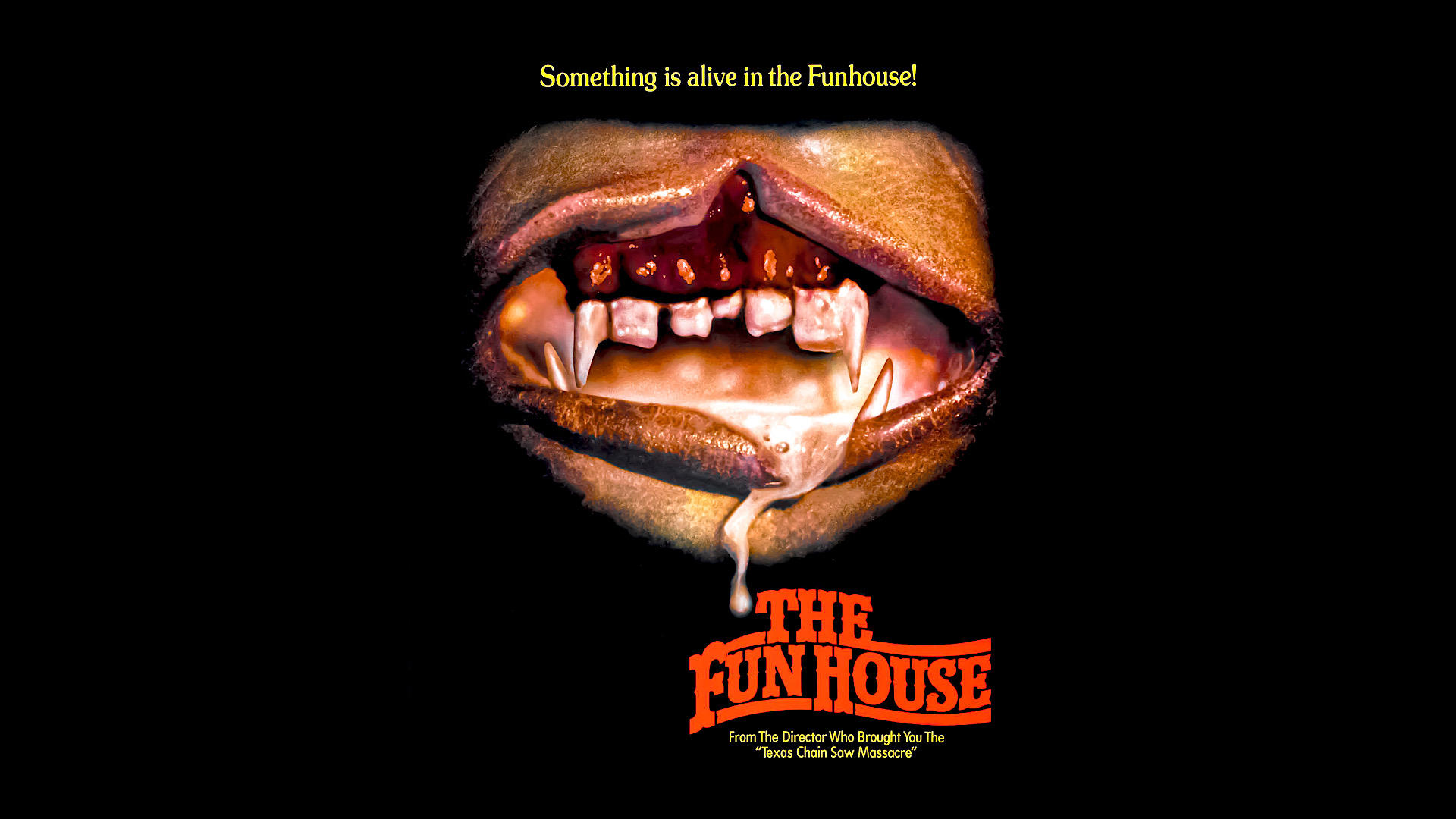
The Funhouse (1981) poster
Director
Production Companies
Mace Neufeld Productions , Universal Pictures
Plot

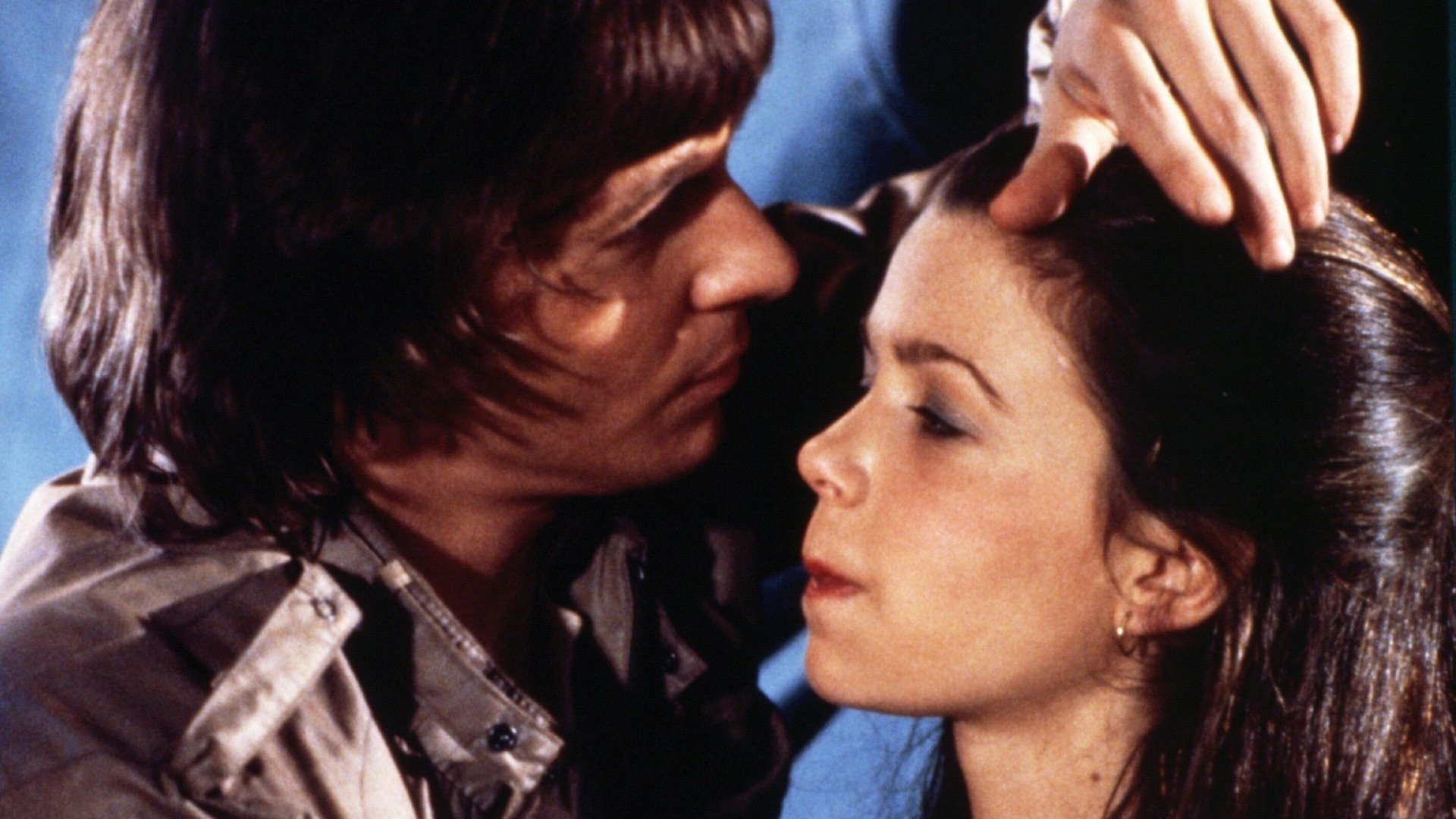
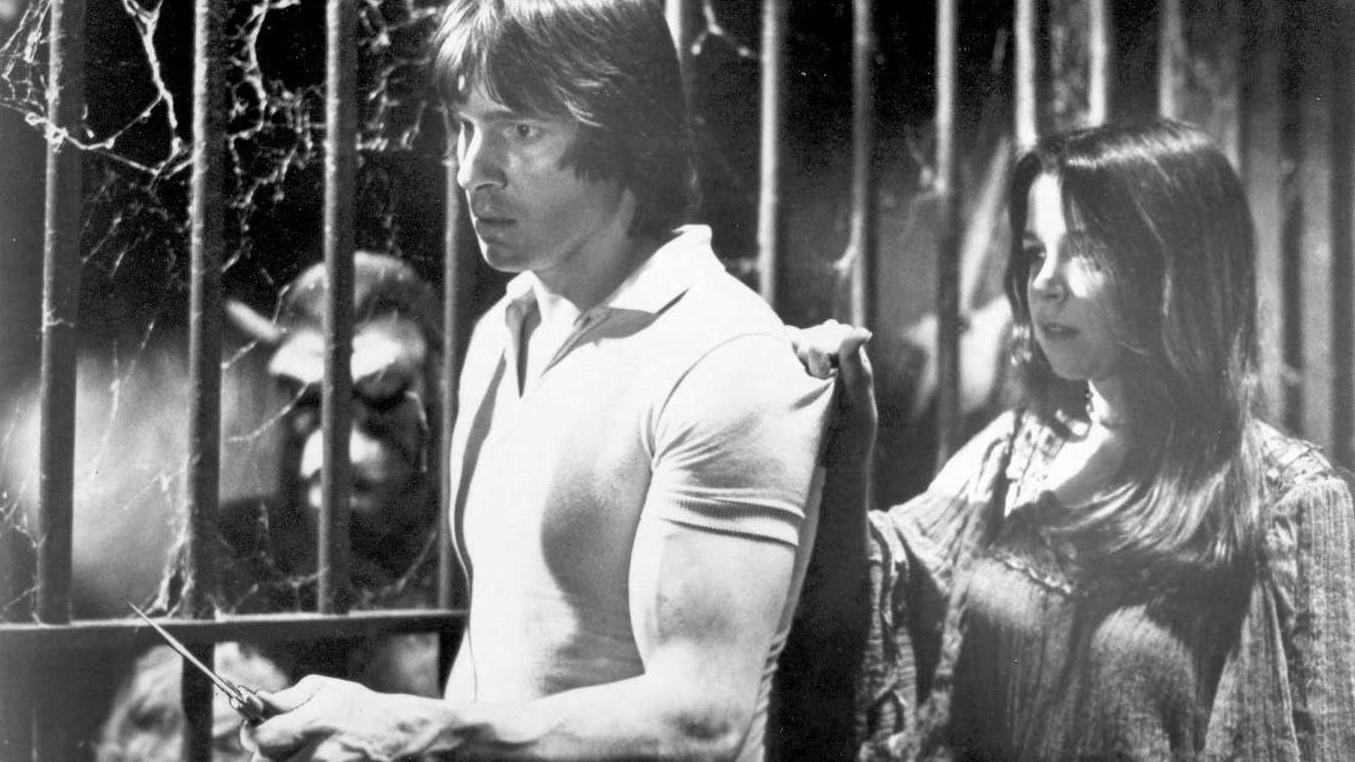
Rebellious teen Amy defies her parents by going to a trashy carnival that has pulled into town. In tow are her boyfriend, Buzz, and their friends Liz and Richie. Thinking it would be fun to spend the night in the campy "Funhouse" horror ride, the teens witness a murder by a deformed worker wearing a mask. Locked in, Amy and her friends must evade the murderous carnival workers and escape before it leaves town the next day.

Alternative Titles
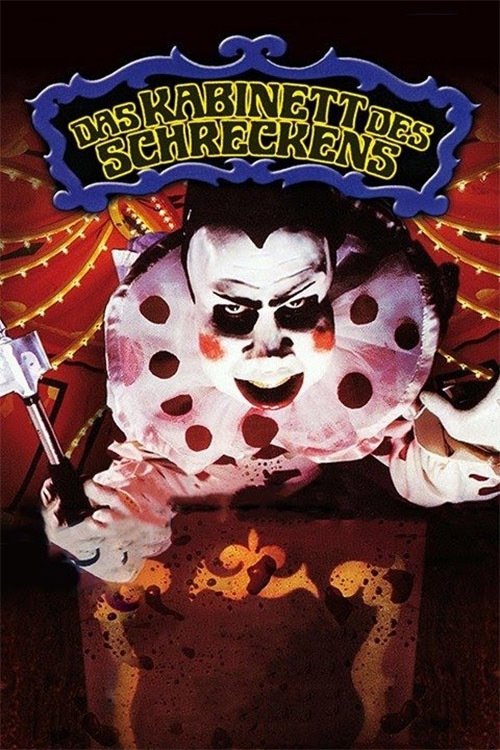
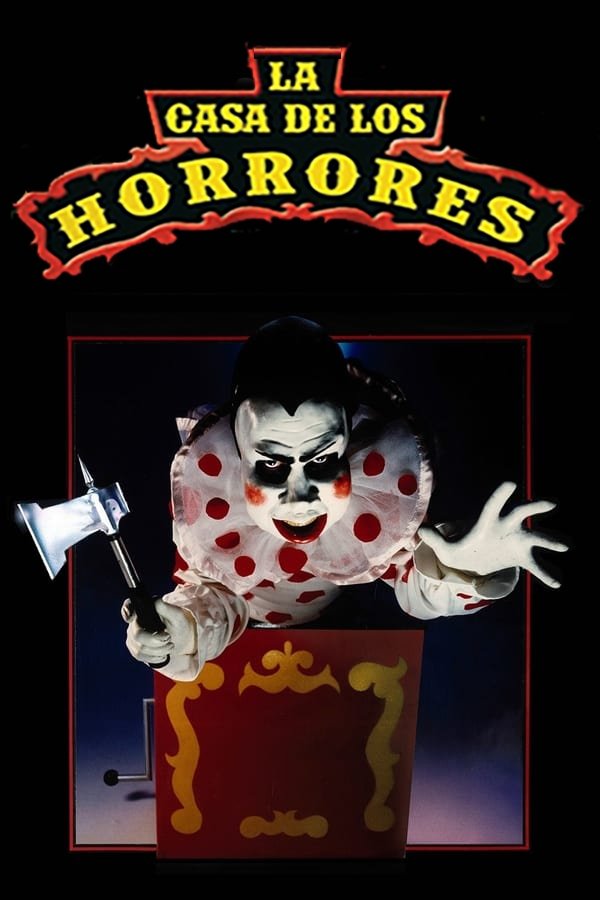
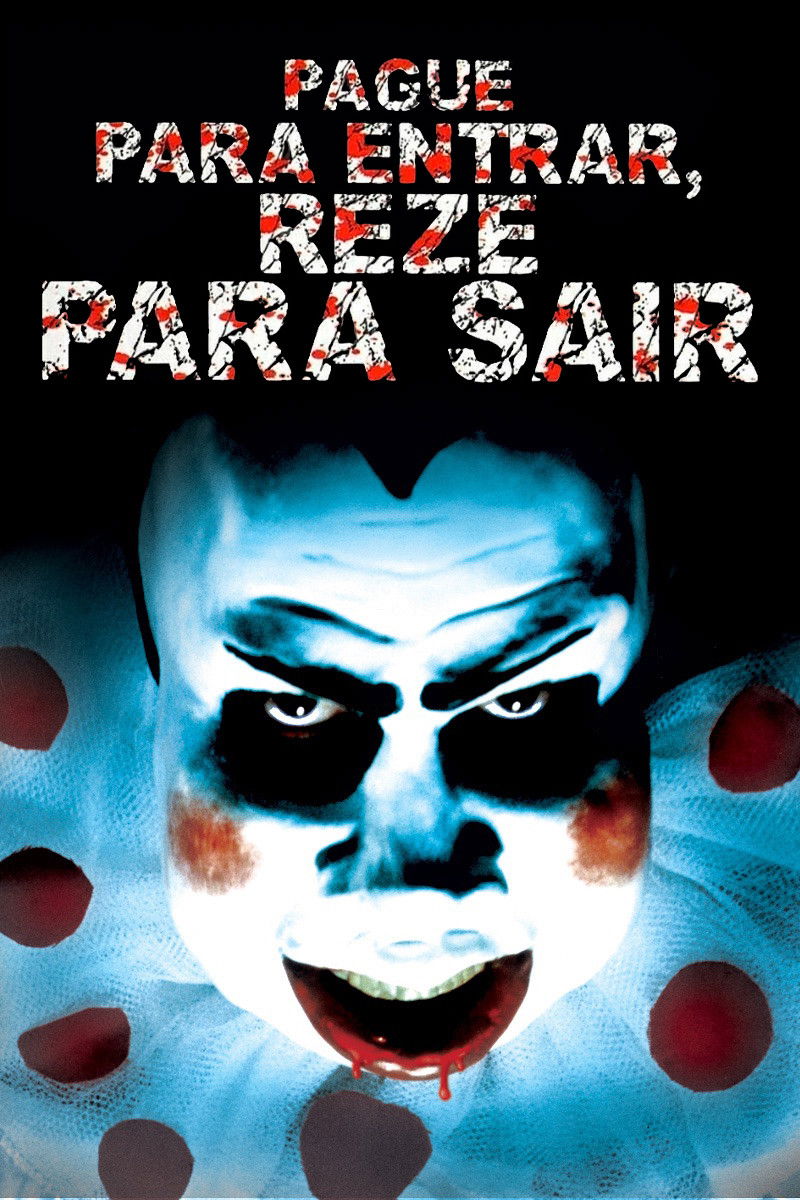
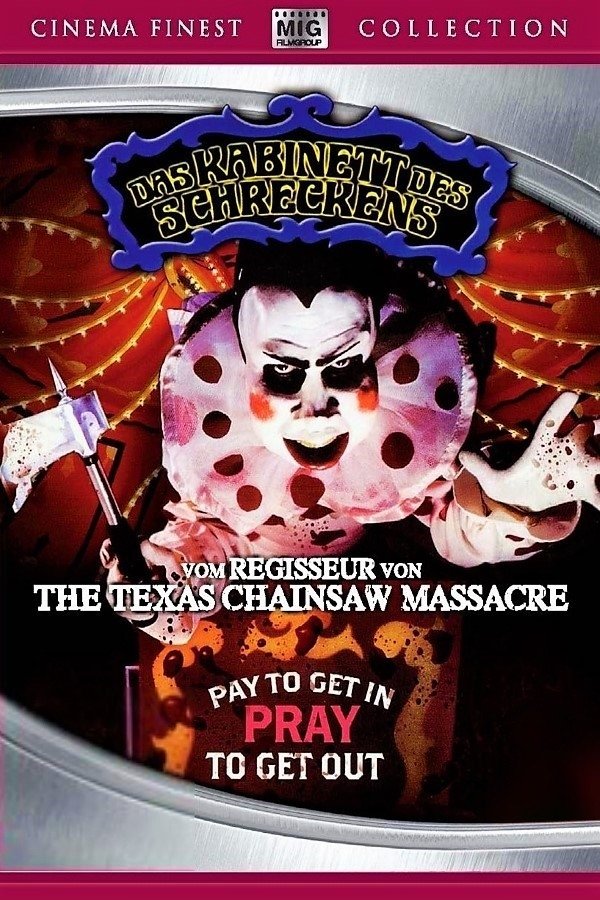
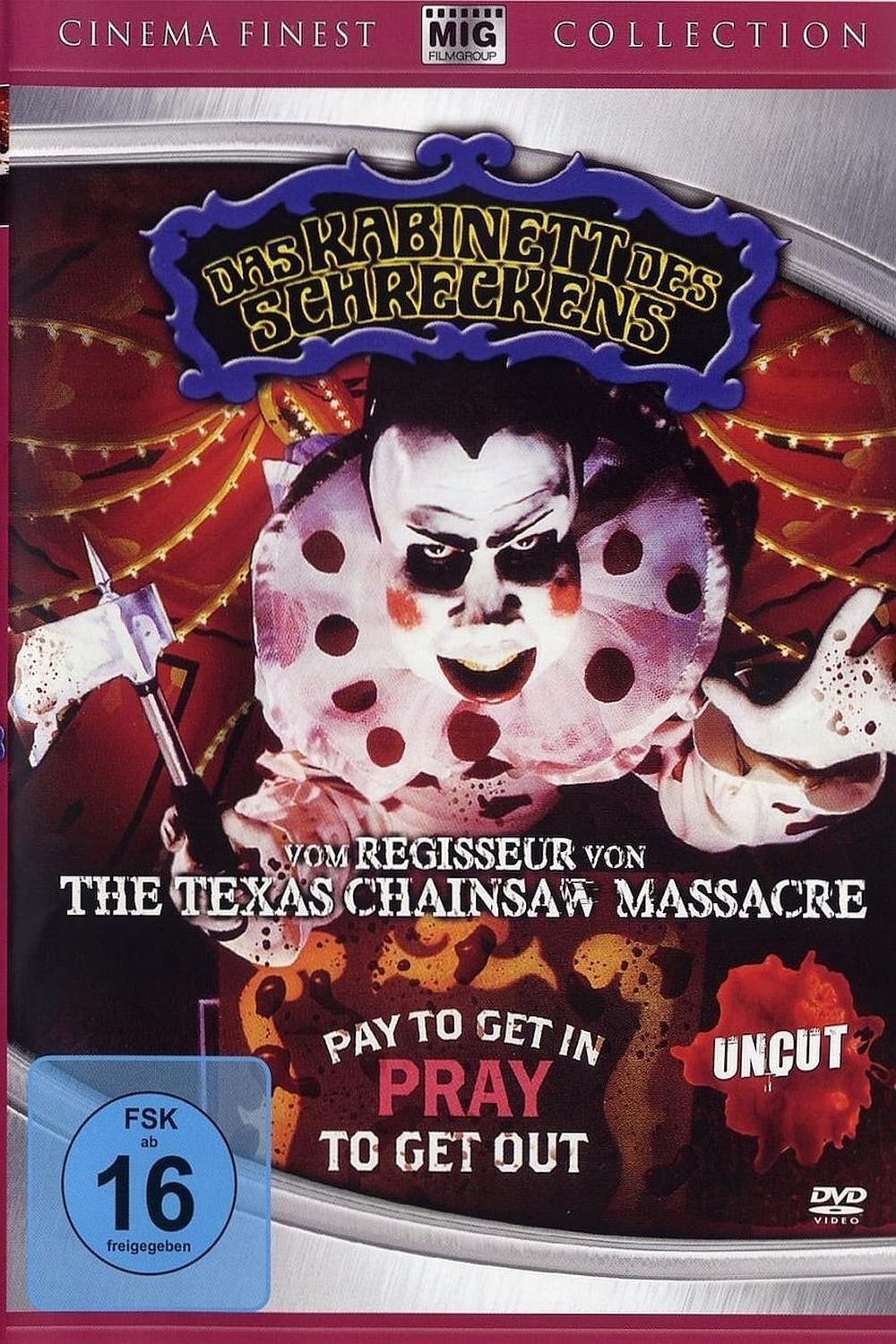
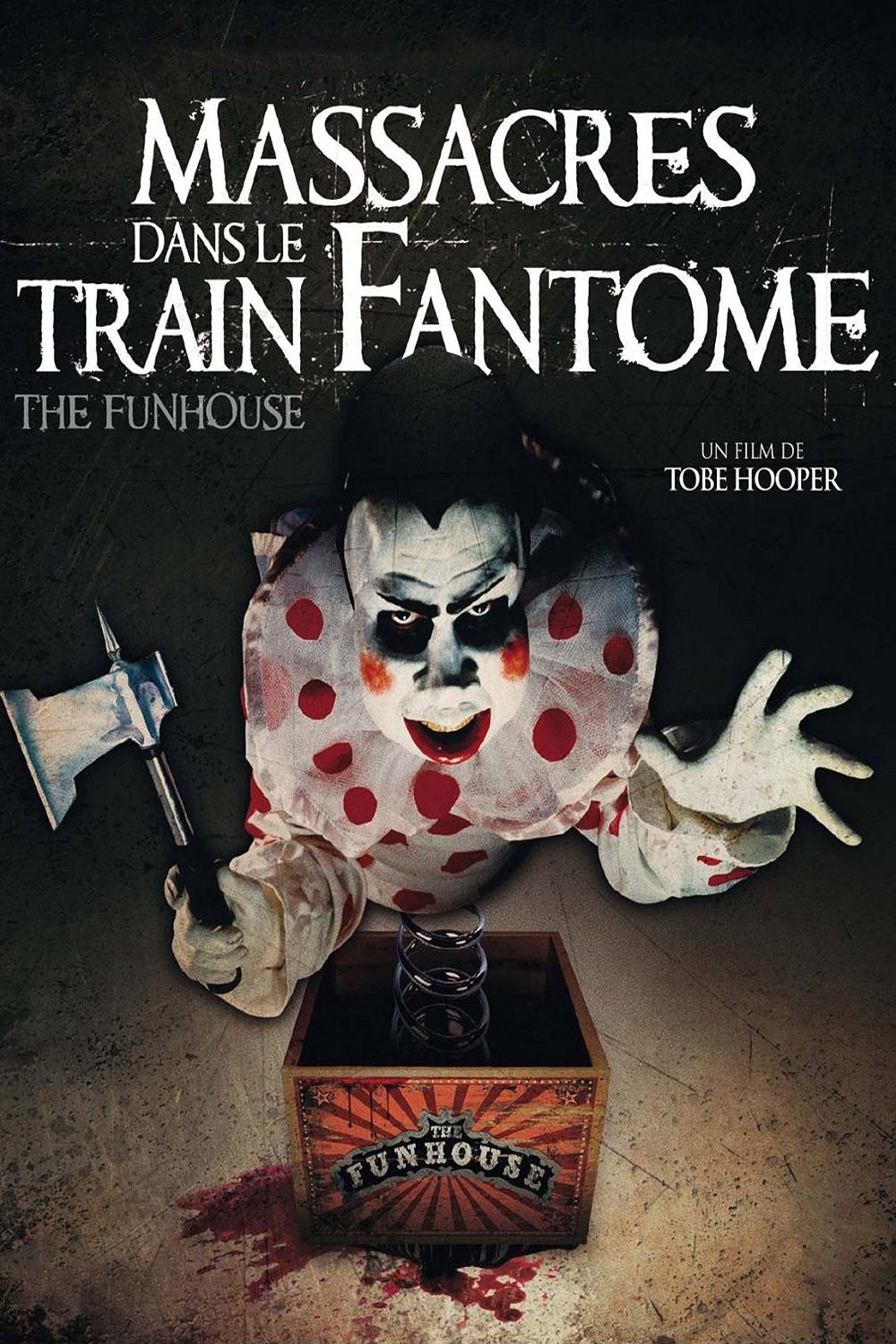
Pague para Entrar, Reze para Sair (Brazil) — Portuguese Massacres dans le train fantôme (Canada) — French Title 恐怖欢乐屋 (China) — Chinese Dům hrůzy (Czechia) — Czech Das Kabinett des Schreckens (Germany) — West Germany Title Rædselshuset (Denmark) — Danish La casa de los horrores (Spain) Kummitusjuna (Finland) — Informal Title
Show all 29 alternative titles Massacres dans le train fantôme (France) — French Funhouse: Carnival of Terror (United Kingdom) — Video Box Title To tunnel tou tromou (Greece) — transliteration Το Τούνελ του Τρόμου (Greece) — Greek 恐怖歡樂屋 (Hong Kong SAR China) — Chinese גן השעשועים (Israel) — Hebrew Il tunnel dell'orrore (Italy) — Italian The Funhouse - Il tunnel dell'orrore (Italy) — DVD Title ファンハウス/惨劇の館 (Japan) — Japanese 참극의 관 (South Korea) — Korean El carnaval del horror (Mexico) — Home Video Title El carnaval del terror (Mexico) — alternative title La Casa de los Horrores (Mexico) — Spanish 'n afgrijselijk gebeuren (Netherlands) — Informal Literal Title Lunapark (Poland) — Polish Acidente no Luna Parque (Portugal) Pague Para Entrar, Reze Para Sair (Portugal) — Portuguese Смертельная забава (Russia) — Russian Смертельная забава (Russia) — Russian Title Korku Karnavalı (Türkiye) — Turkish Kuca straha (Serbia) — Croatian Title

Trailers & Videos

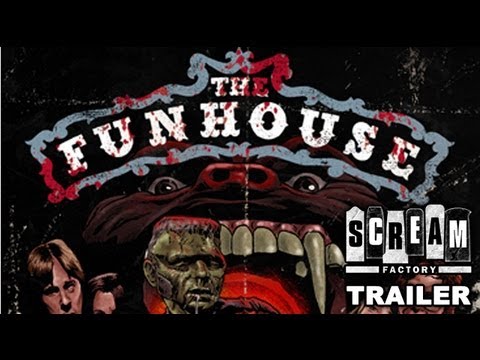
2 videos

Film Guide & Analysis

Tobe Hooper transforms a carnival attraction into a trap through family violence, Rick Baker creature effects and carefully controlled audiovisual space.

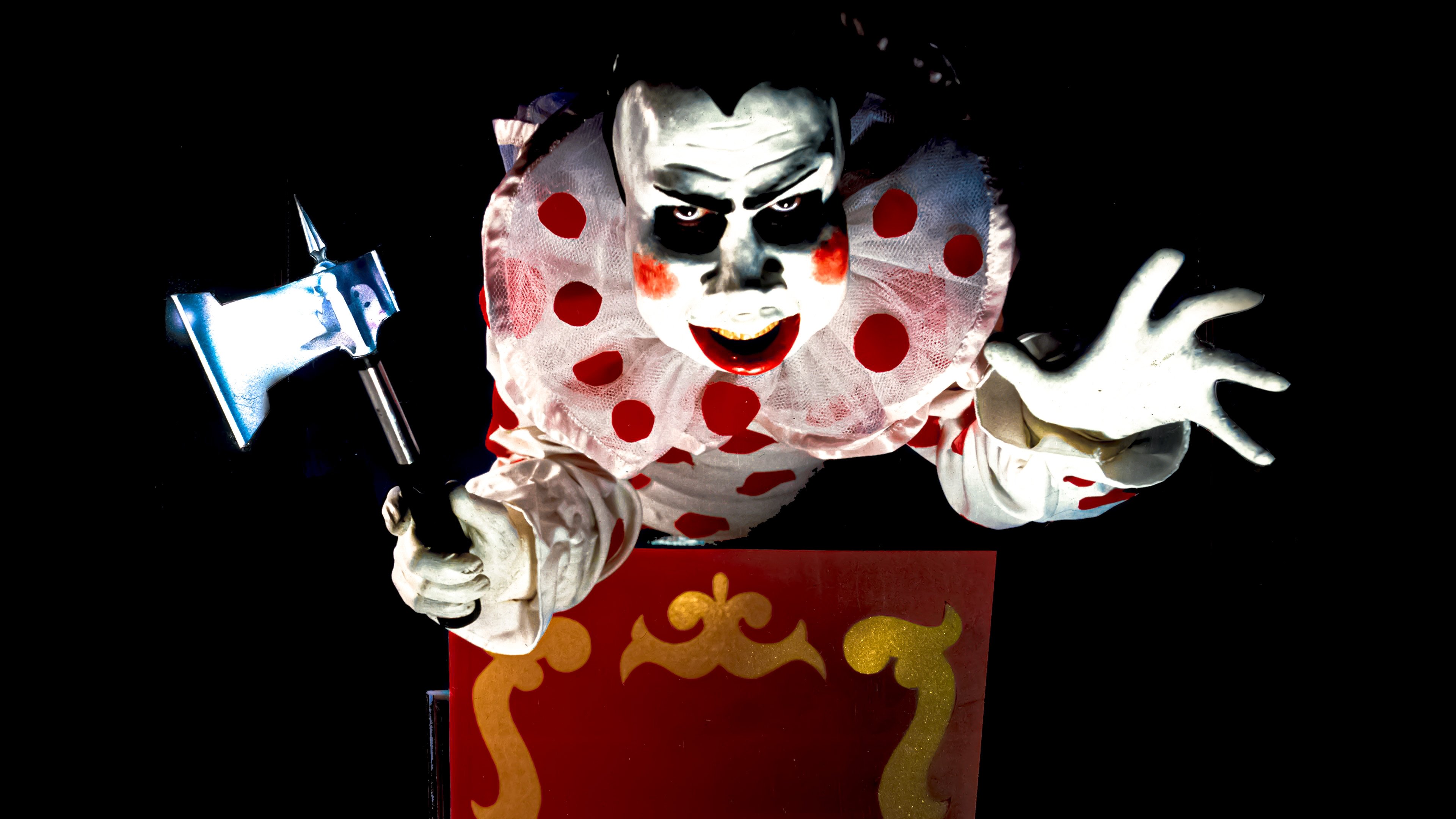
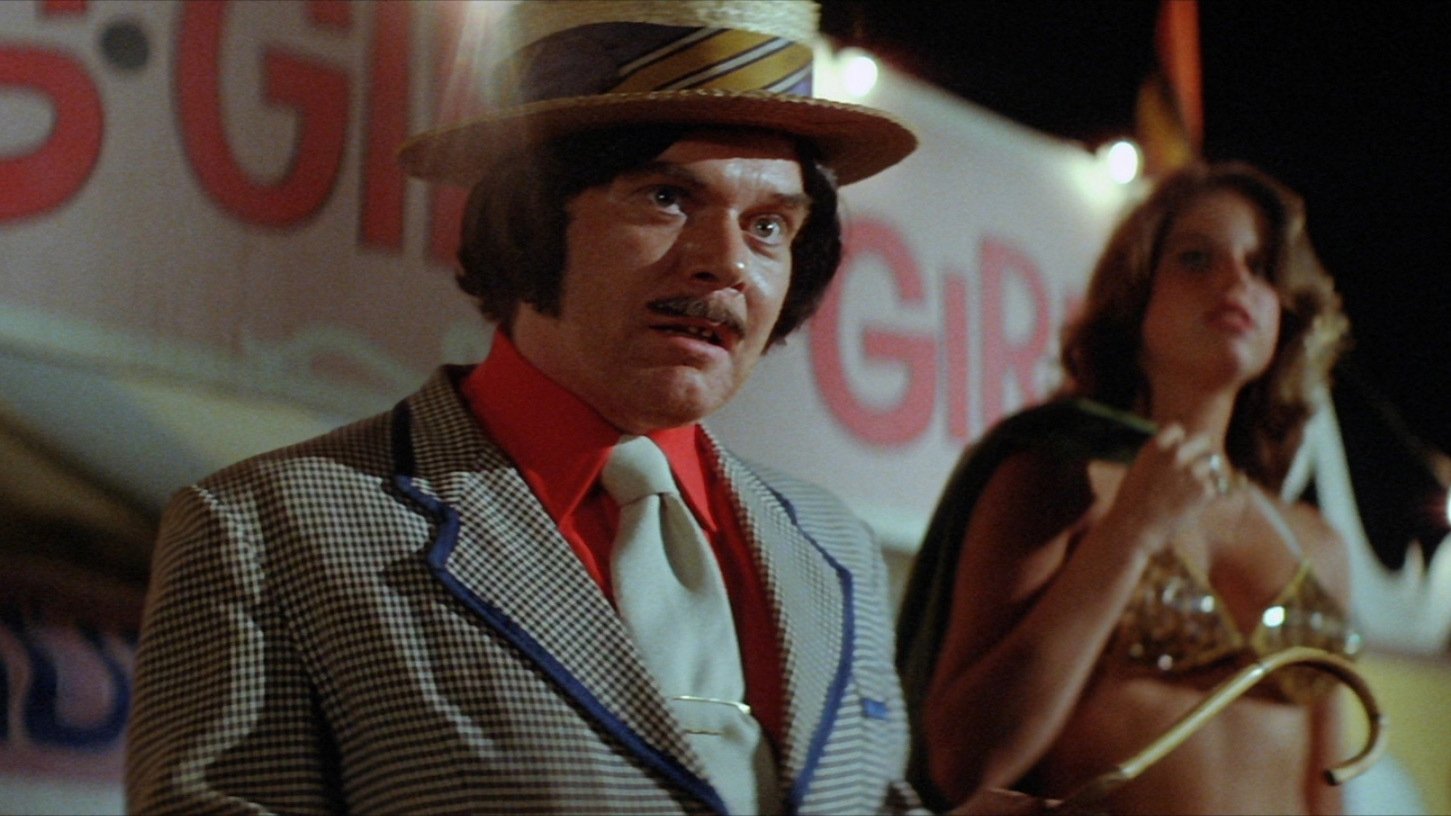
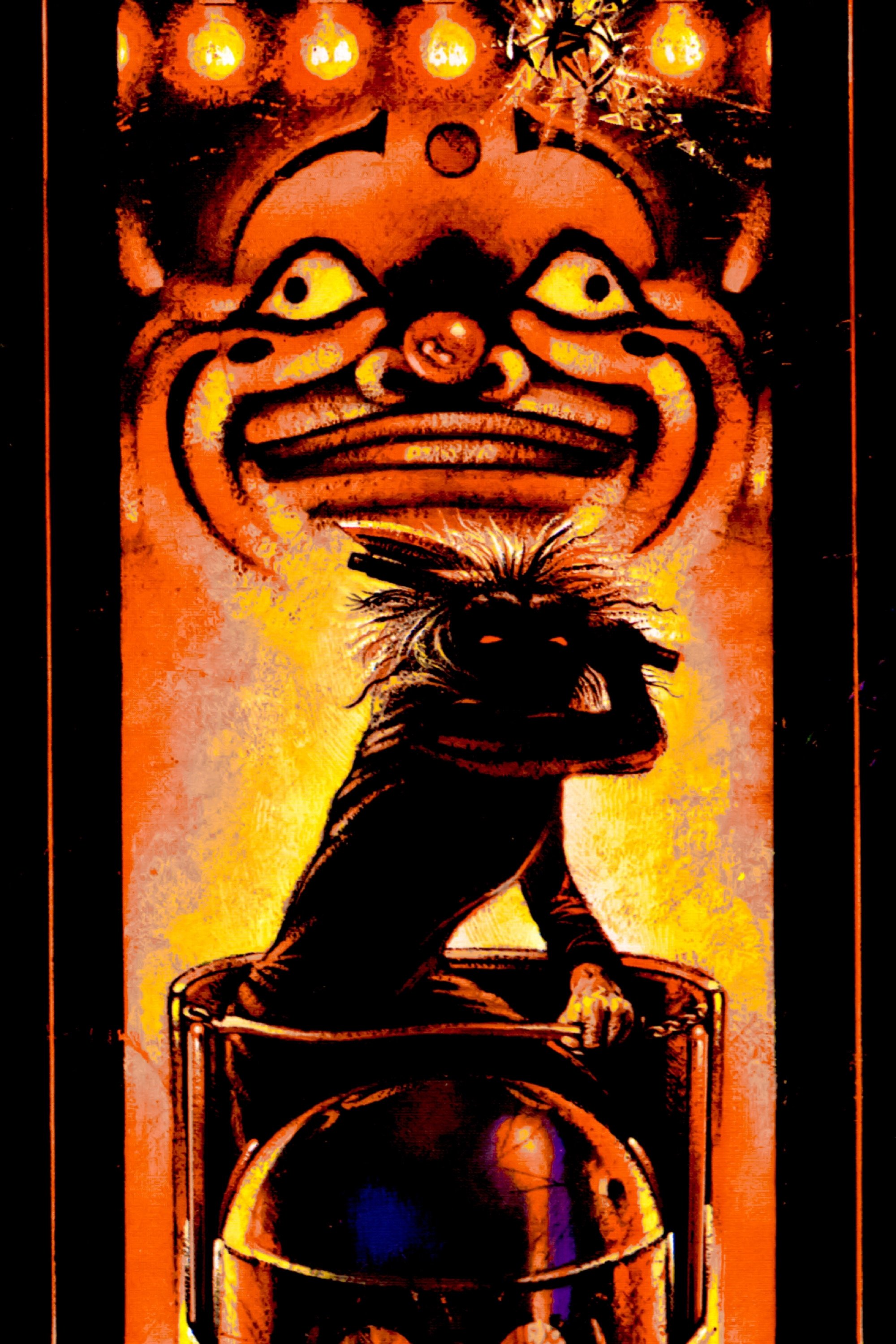
The Funhouse (1981) uses a carnival dark ride to turn the familiar machinery of popular horror into a real threat. Tobe Hooper follows four teenagers who enter a travelling fair for an evening of entertainment and decide to spend the night inside its horror attraction. Their prank becomes a trap after they witness a killing involving a masked worker and the fortune-teller Madame Zena. Mechanical figures and concealed service areas form an enclosure controlled by a violent father and son. Suspense depends on distinguishing harmless props from real danger.

The production marked Hooper's move into a Universal-distributed feature after his independent successes and television work. It employed genuine carnival equipment transferred to a Miami studio, an elaborate creature makeup designed by Rick Baker, and a widescreen photographic style conceived with Andrew Laszlo. Its British video history later entered the video-nasty controversy. These circumstances make the feature an important case of Hooper applying his interest in abusive family relationships and hostile interior spaces to a deliberately artificial entertainment setting.

A Studio Film Built Around a Carnival

Producer Derek Power assembled the creative team and brought the project to executive producer Mace Neufeld, according to production records preserved by the American Film Institute. Hooper received a screenplay by Larry Block and developed it further during the shoot. Speaking with Mick Garris in a 2010 public discussion, he remembered Block joining him in Miami so that the material could be adjusted as filming progressed. The director was particularly attracted by the opportunity to construct a carnival environment. He also recalled that the studio's principal demand was that the production remain on schedule. This account establishes the collaborative origins of the script.

A travelling fair with rides and sideshow equipment from the 1940s and 1950s was located in Akron, Ohio, then transported to Norin Studios in North Miami. Production designer Morton Rabinowitz built the enclosed funhouse attraction and its frontage for the film. The carnival footage leads into a controlled structure designed for suspense. AFI production records date principal photography from March to early May 1980; a contemporary trade report confirms that Universal had obtained worldwide distribution rights by the end of the shoot. Universal distributed the independently financed production.

Hooper's later recollections describe practical advantages to working in Florida, including arrangements for night photography with a child performer. He also remembered choosing Kevin Conway for the film after the actor asked to play three distinct barkers. That decision made the same voice recur across several attractions and contributed to the fairground's unsettling continuity. Other difficulties near the studio survive chiefly in Hooper's recollections and are less relevant to the film's horror construction.
Carnival Attractions and Manufactured Terror

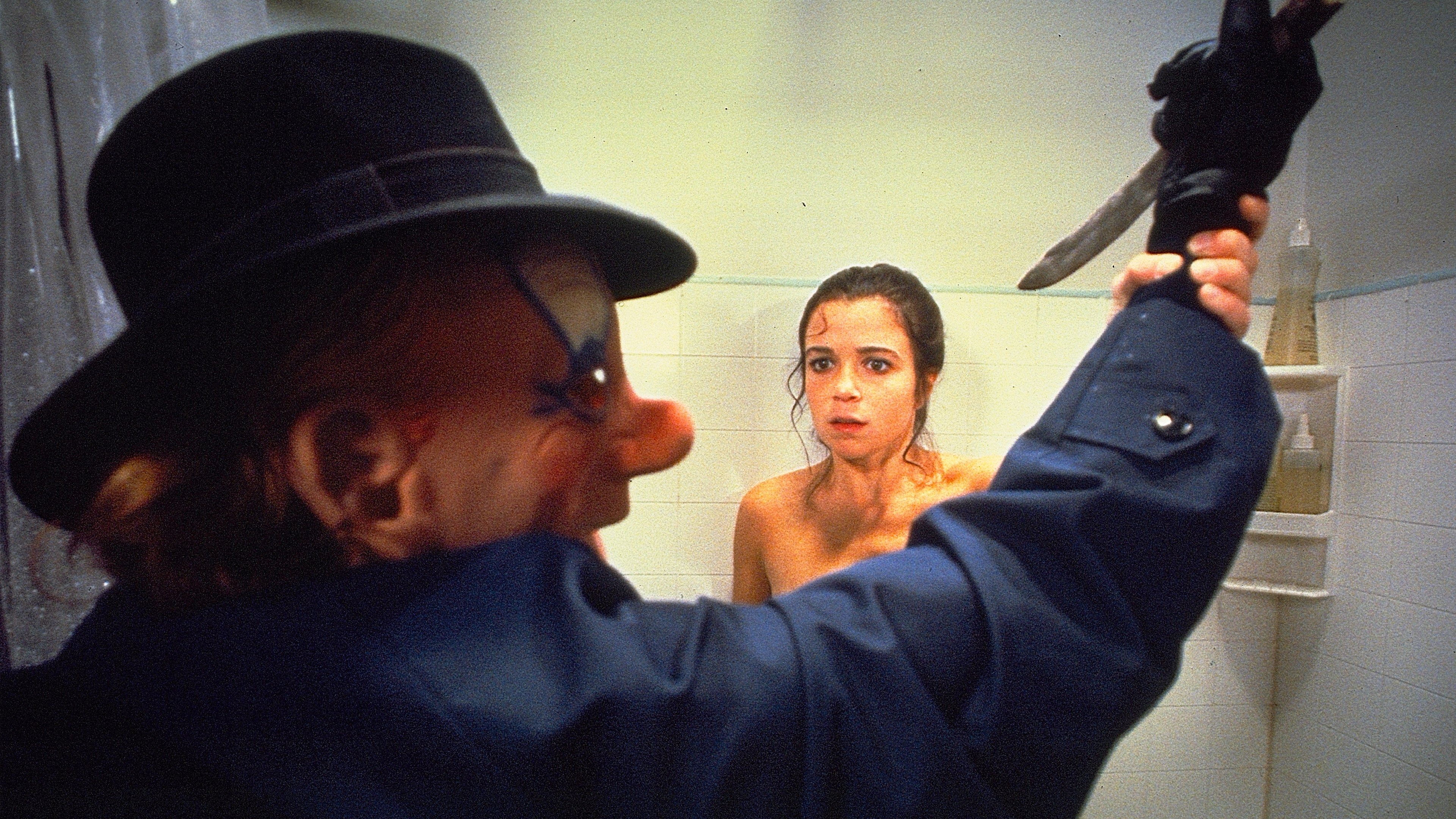
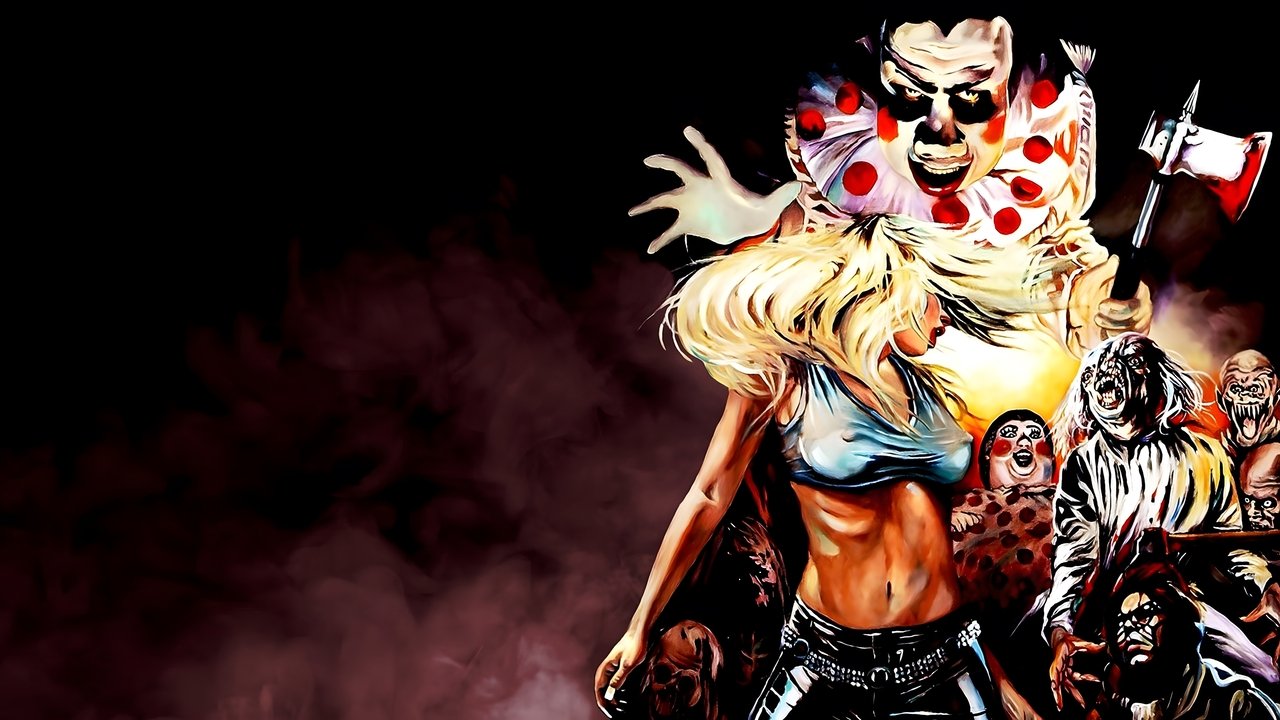
The opening sequence deliberately invites recognition. Amy's younger brother stages a shower attack using a prop weapon, drawing on Psycho and on the monster masks already present in his bedroom. The prank initially makes violence part of the family's ordinary horror fandom. At the fair, traditional sideshow displays and barkers offer more opportunities to observe frightening spectacles from a safe distance. Teenage rebellion gives the visit its initial momentum. Hooper gives these familiar encounters time to develop before the dark ride becomes the scene of a crime.
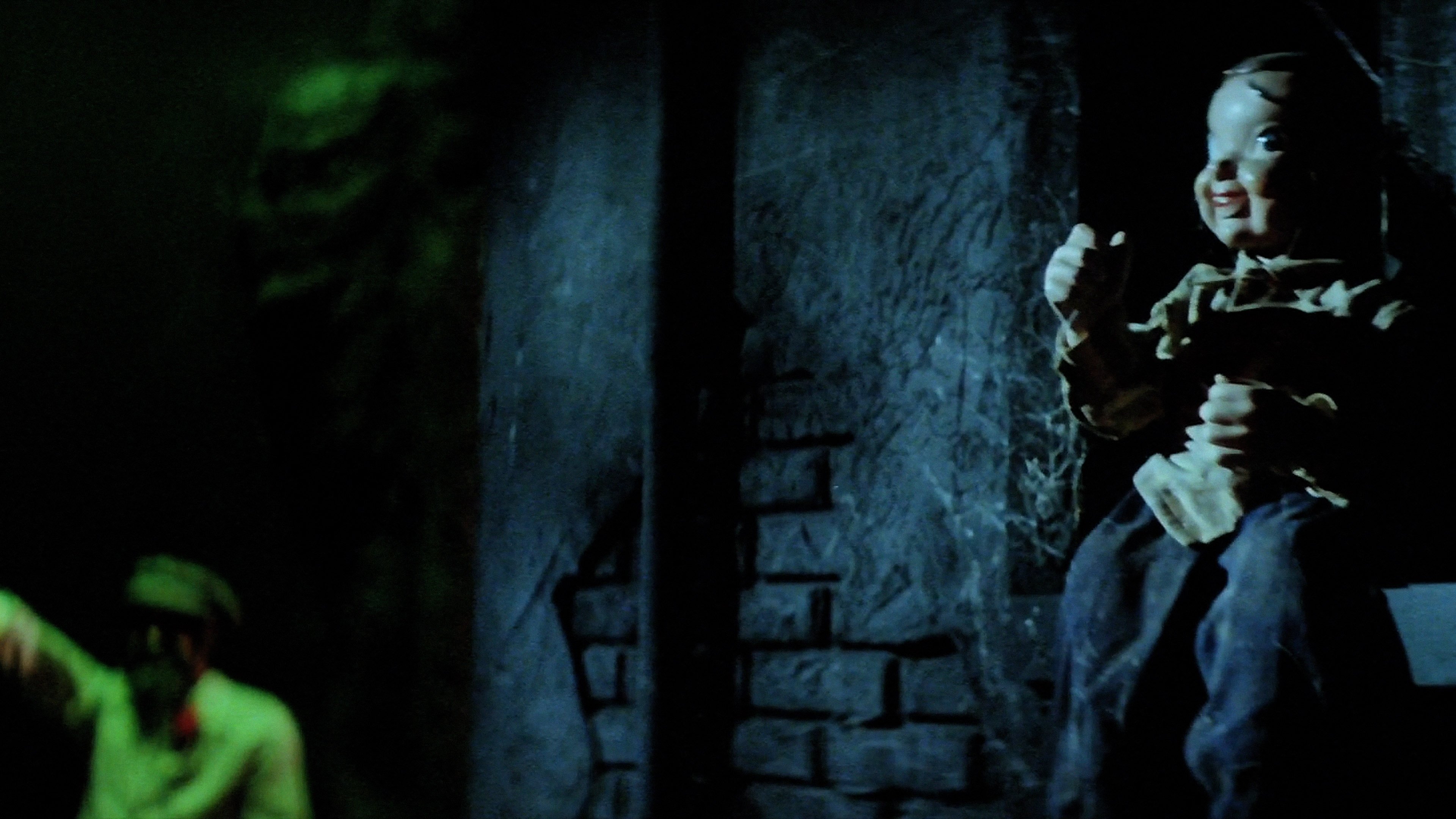
Once Amy, Buzz, Richie and Liz hide inside the attraction, its scenic surfaces acquire a second purpose. Visitors normally pass animated skeletons and grotesque figures along a prescribed route; the trapped teenagers must instead find doors, platforms and passages intended for employees. Their knowledge of what they saw during the public ride offers limited help in negotiating its concealed spaces. Hooper maintains a distinction between the visible horror show and the machinery behind it until the two start to interfere with escape. Its hidden passages favor the employees who know them.

Mechanical figures keep laughing during the violence. Their programmed behavior gives no warning when danger has crossed from performance into physical attack. In the BFI's retrospective appreciation, Nick Pinkerton locates this progression within Hooper's recurring fascination with environments made by dysfunctional households. The ride belongs to a family whose conflicts remain hidden from customers. Its painted monsters are commercially displayed, while an actual threat must remain concealed for the business to continue.

The Masked Son and the Barker's Authority

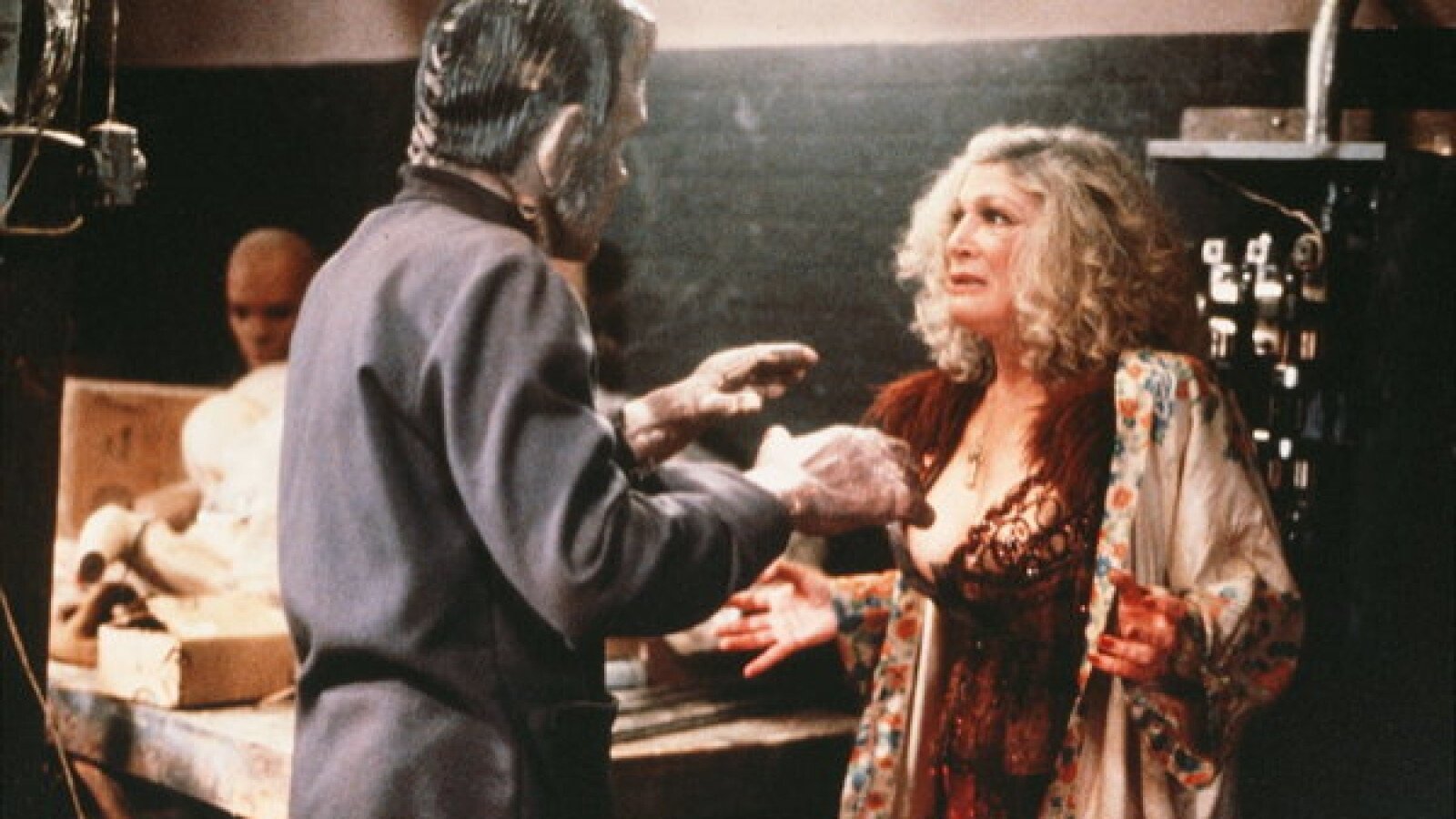
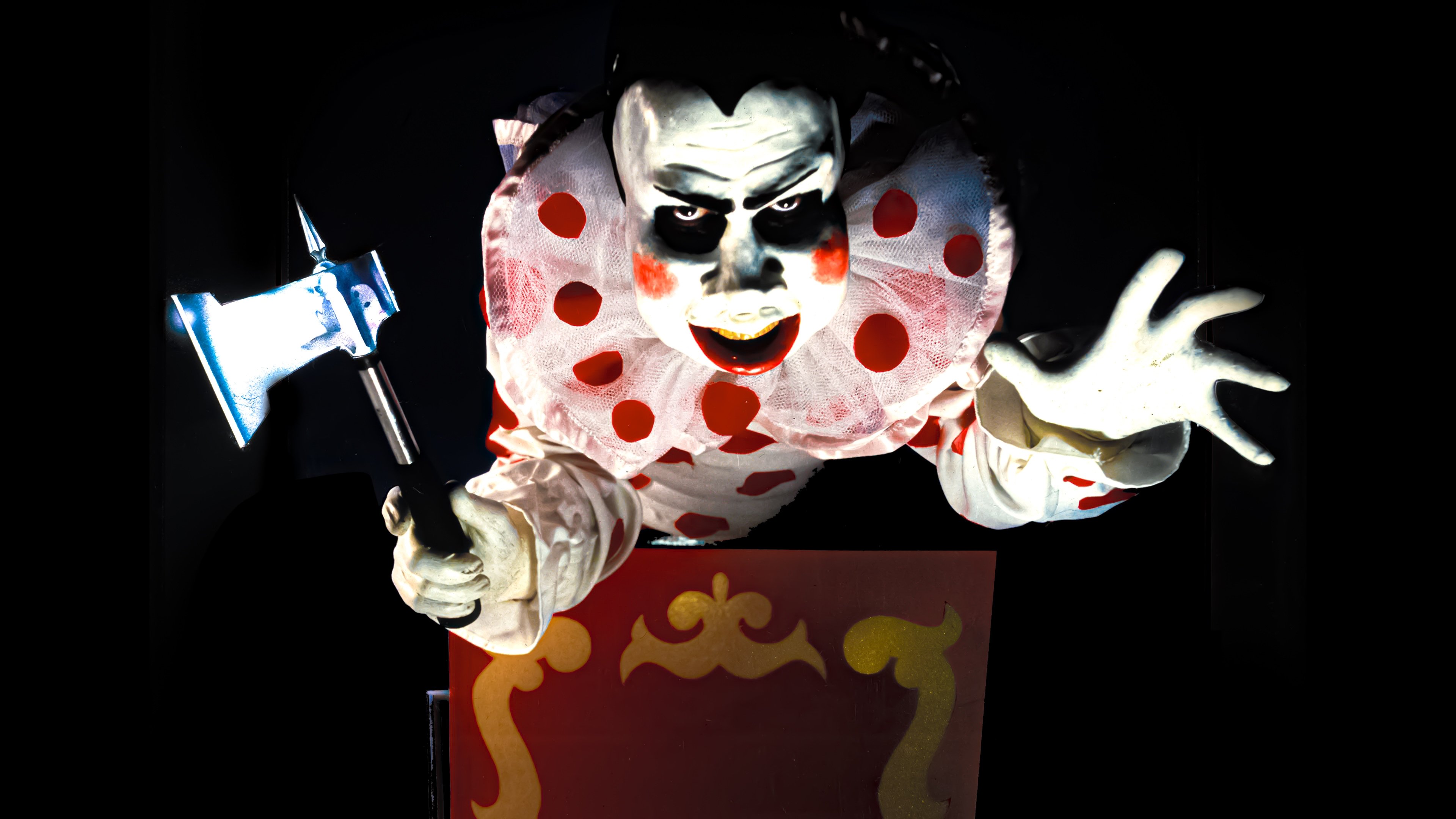
The worker responsible for the killing first appears beneath a Frankenstein mask, a recognizable emblem of earlier screen horror. The encounter with Madame Zena exposes his vulnerability and sudden capacity for violence, after which the barker must contain both the aftermath and the threat posed by witnesses. The father-son relationship gives the later pursuit its structure: one man understands the carnival's operations, while the other acts through fear, frustration and physical force. Their exchanges link the violence to a family hierarchy, a theme already central to Hooper's earlier horror work.

The barker's threats are also an extension of his professional role. Outside the ride he invites paying customers to be terrified by a harmless show; behind its walls he uses similar authority to intimidate those who have discovered the murder. The distinction matters because the teenagers enter willingly and are later denied the exit that ordinary patrons expect. Their initial plan to stay overnight is foolish, yet the cruelty directed against them originates within the attraction's management. As Amy becomes the principal survivor, escape requires understanding the building's working parts as well as avoiding its occupants.

Several scenes emphasize the uneasy proximity between sexual humiliation and bodily menace. The meeting with Madame Zena, a sequence built around payment and failed intimacy, leads directly to the killing that traps the group. The monster's aggression is presented alongside signs of emotional dependence and mistreatment. His mistreatment complicates the portrayal without excusing his attacks. Cynthia Rose, reviewing the film in Monthly Film Bulletin in April 1981, identified the parallel between Hooper's carnival family and the seemingly conventional families outside it. Her argument addresses family authority, not physical difference as a cause of crime.

Rick Baker, Craig Reardon and the Creature

The monster's unmasking is a major turning point in the film's effects design. AFI records show that Larry Block's script described a troll-like figure. Rick Baker reconsidered the appearance and shaped it into a more fantastic creature whose features nevertheless retain an unsettling resemblance to human anatomy. Baker's design was executed as latex makeup fitted to Wayne Doba, the performer discovered while working in Miami. Doba's background as a mime gave the production an actor whose physical expression could remain legible beneath heavy appliances. Movement conveys fear through the appliances.

Craig Reardon is credited with executing the special makeup, a distinction that matters when attributing the creature's appearance. The appliances distort facial proportions and remain recognizable in dim light. The film delays sustained close views until the audience has already seen the masked worker behave unpredictably. Unmasking therefore changes the terms of the threat at a precise narrative moment. The creature has a coercive parent, unlike the attraction's indifferent mechanical figures.

The climax makes the distinction between staged and actual monstrosity especially sharp. Industrial moving parts within the attraction become a hazard to the creature himself, bringing physical destruction into the same space that has displayed fabricated violence all evening. Hooper stages the confrontation amid mechanisms that cannot recognize a frightened person as different from a painted prop. The set machinery becomes central to the final practical effect, turning the attraction into a hazard even for its own inhabitants.

Color, Widescreen Photography and Carnival Sound

Andrew Laszlo's photography gives the attraction a spatial coherence rarely granted to a temporary fairground ride. AFI notes that some exteriors used existing nighttime illumination and that flashlights provided the only light in certain interior shots. Hooper told Garris that he selected Laszlo partly for his handling of color, recalling the strong contrasts visible in The Warriors. He also discussed his interest in widescreen composition and anamorphic flares. Pools of intense light isolate bodies against dark backgrounds while the ride's painted decorations remain visible in fragmented glimpses. The lighting marks the ride's transformation into a trap.

John Beal composed the original score. In the same retrospective conversation, Hooper recalled using an orchestra of roughly thirty-five players, a working method distinct from the improvised sound construction of The Texas Chainsaw Massacre. The opening titles give the music space to accompany the moving faces and devices of the carnival. Elsewhere, orchestral tension competes with the ordinary sounds of the midway and the repetitive noises produced by machinery. After closing, fairground sounds cease to promise amusement.

Hooper also described an unusually deliberate surround-sound decision. According to his recollection, studio post-production executive Verna Fields favored reserving the pronounced surround effect for the interior of the funhouse. The shift makes the enclosed attraction acoustically larger and less predictable than its visible boundaries suggest. A noise may emerge from outside a character's field of view even when the camera offers only a narrow corridor. The testimony ties an identifiable technical decision to the enclosed setting.
Release, Contemporary Criticism and British Video History

The Funhouse opened in New York and Los Angeles on 13 March 1981 under Universal distribution, according to the AFI. The film received an American R rating, and period reporting documents a wider commercial release without establishing a complete international gross in the archive. Reviews diverged. In The Washington Post on 17 March, Gary Arnold dismissed its handling of suspense and treated it as an exhausted variation on contemporary horror. Cynthia Rose's April Monthly Film Bulletin review instead argued that the film's architecture and family relationships continued the concerns of Hooper's earlier breakthrough. They document the period's conflicting responses.

Britain's classification history illustrates why theatrical approval, videotape editing and legal controversy should be kept distinct. The BBFC records a cinema classification on 19 February 1981 for a print lasting 95 minutes and 40 seconds. A shorter videotape was issued during the early 1980s and the title later entered the Director of Public Prosecutions' changing video-nasty list; its removal did not establish that the cinema release had been banned. The BBFC approved an 88m 42s physical-media submission on 25 March 1987. Runtime differences alone cannot identify removed shots, particularly across cinema and PAL video.

A 20 September 2007 BBFC video classification records 91m 7s, with advice referring to moderate horror, sex, violence and threat. That approval demonstrates a subsequent legal distribution route, distinct from the earlier period of seizures and disputed tapes. The film's historical identity now encompasses the studio-backed construction of its carnival and the unusual trajectory by which a mainstream American feature appeared on a notorious British list. Later notoriety cannot substitute for contemporaneous evidence of reception.
References

  1. AFI Catalog The Funhouse (1981) - Production History

    Academy production notes and contemporary trade evidence on the transported Ohio carnival, the Miami sets, Rick Baker's creature design and the March 1981 release.

  2. BFI Southbank / Sight and Sound The Funhouse - Programme Notes

    Includes Nick Pinkerton's retrospective analysis and Cynthia Rose's original April 1981 Monthly Film Bulletin review of the film's spaces and family relationships.

  3. The Funhouse Blog Hooper and Garris Talk The Funhouse

    Extensive transcription of a 2010 public discussion with Tobe Hooper on the screenplay, Miami production, carnival set, cinematography, orchestral score and surround mix.

  4. British Board of Film Classification The Funhouse - Classification History

    Official cinema and physical-media submissions for 1981, 1987 and 2007, including runtimes and distributor details.

  5. Melon Farmers BBFC Cuts: The Funhouse (1981)

    Detailed comparison of the uncut 1981 UK cinema edition, the shortened CIC videotapes, the DPP-list chronology and later classifications.

Cast

View Full Cast & Crew →

Release & Distribution

Production Companies (2)

  • Mace Neufeld Productions US
  • Universal Pictures US

Distributors (1)

  • Universal Pictures US

Release History (8)

Release DateTerritoryRelease TypeFormatDistributorCertificationNotes
1981-03-13 United States Theatrical — — R
1981-05-07 United Kingdom Theatrical — — —
1981-06-24 France Theatrical — — 16
1981-09-24 Brazil Theatrical — — —
1981-12-04 Denmark Theatrical — — —
1982-12-17 Ireland Theatrical — — 15
2010-02-18 Germany Physical DVD — 16 DvD
2010-09-09 France Premiere — — — L'Étrange Festival
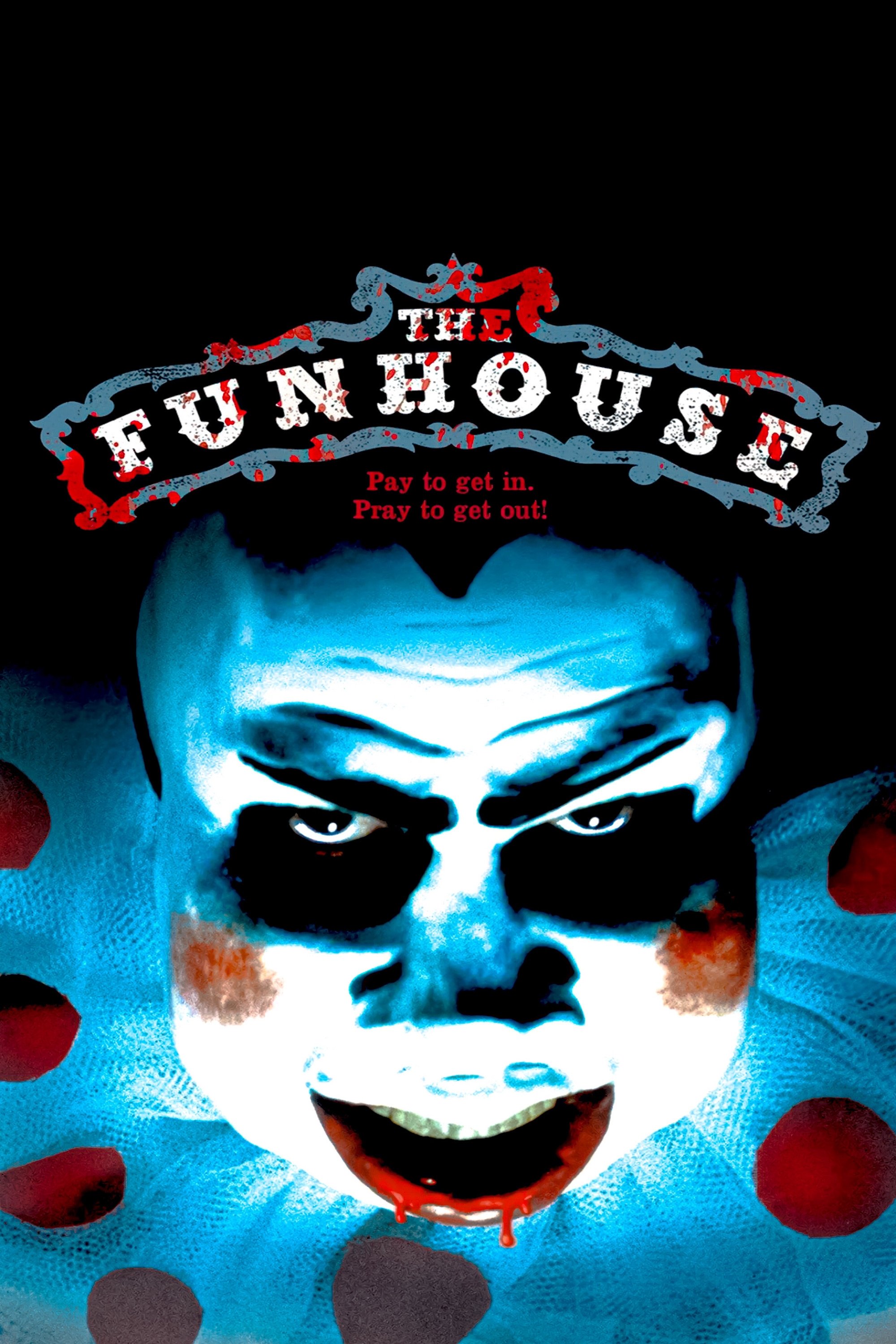
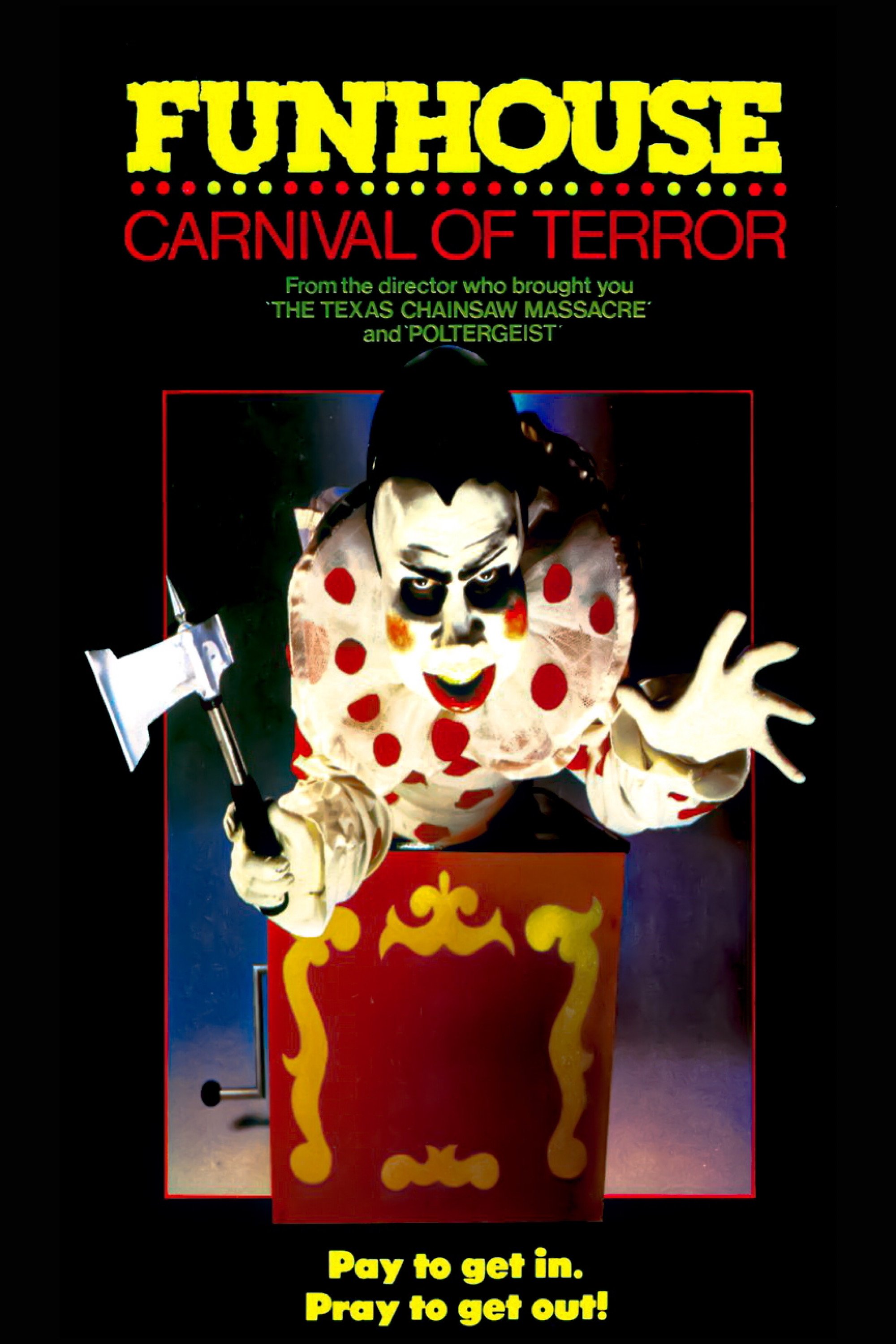
Pay to get in. Pray to get out!