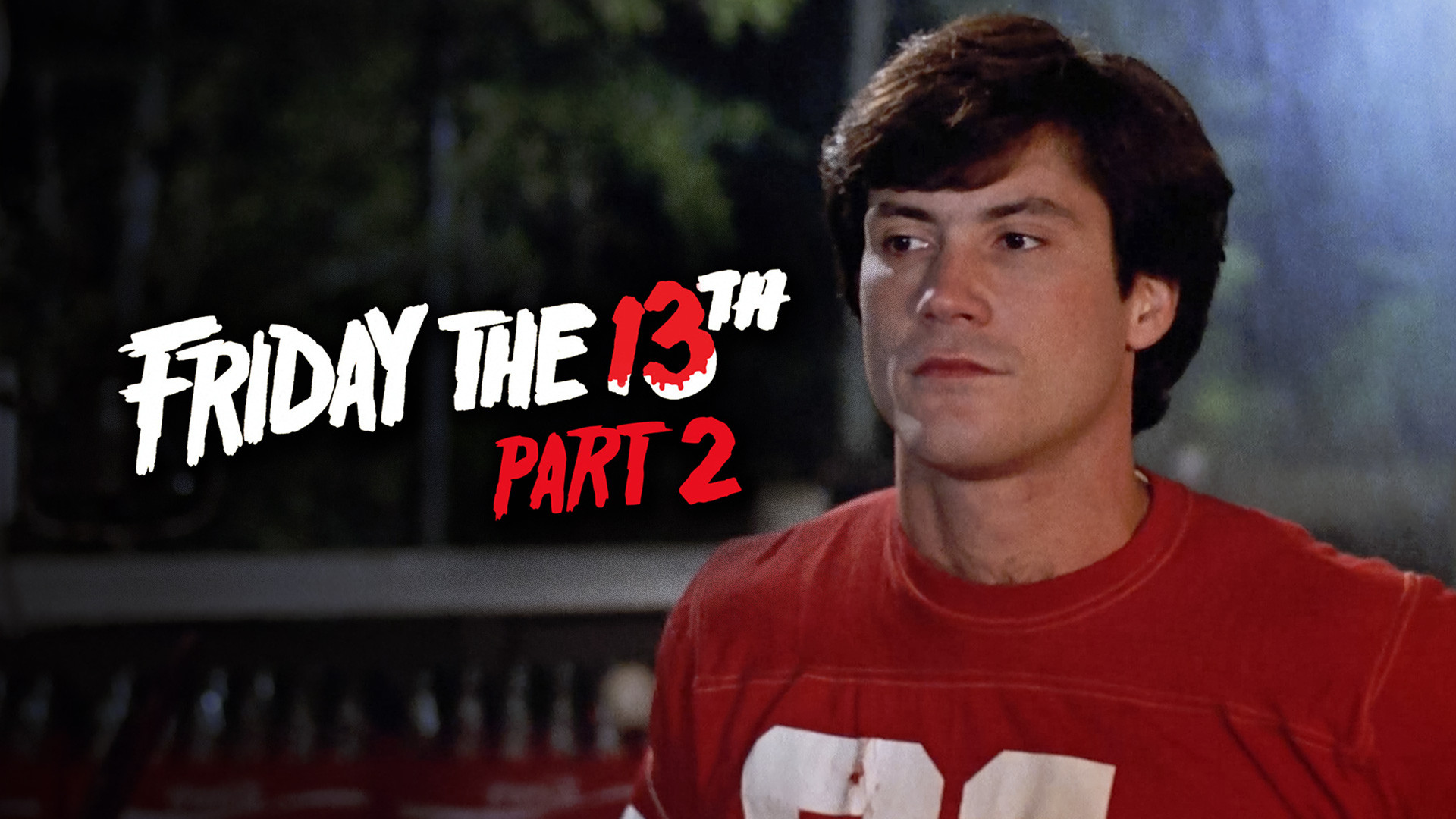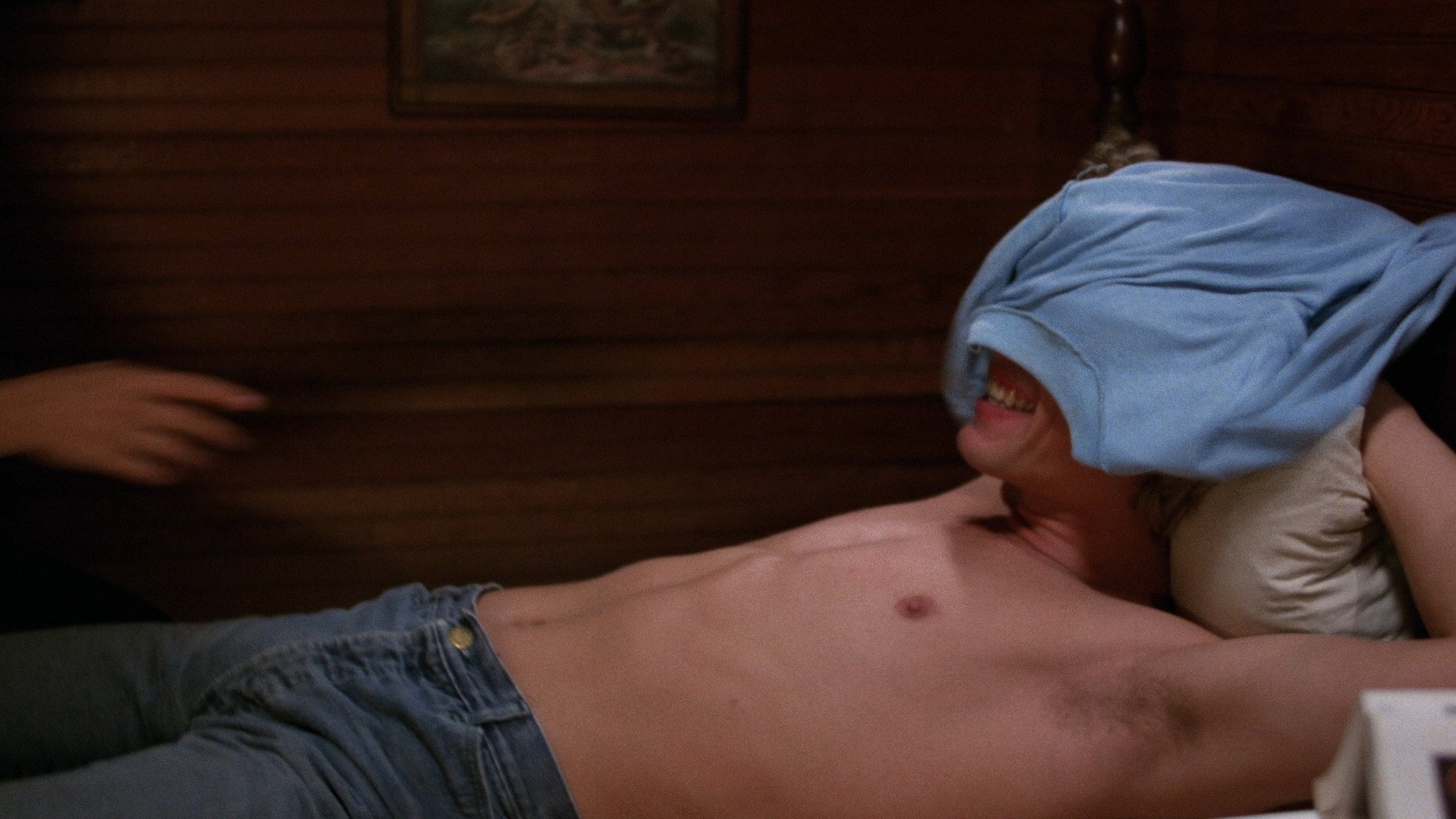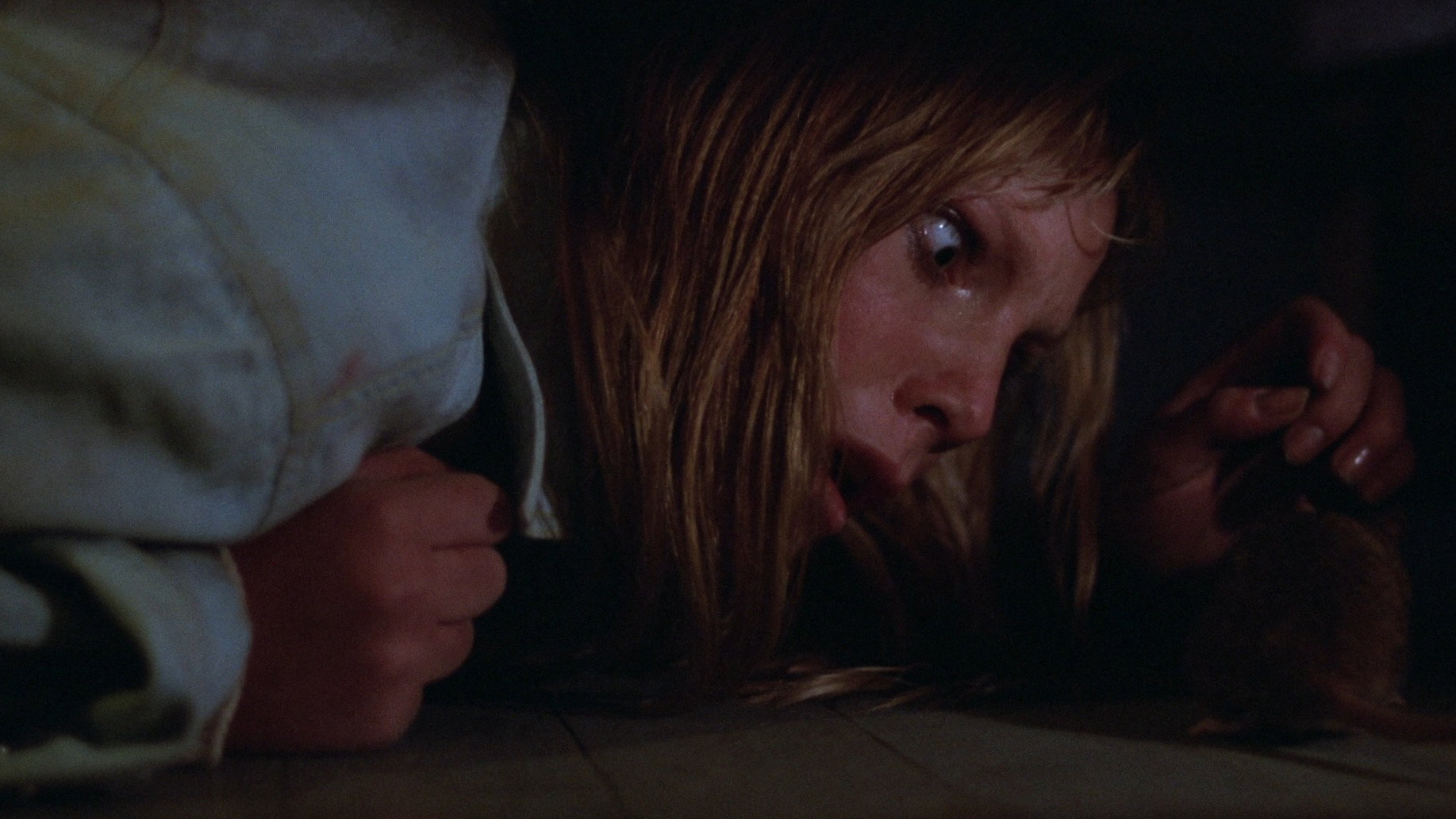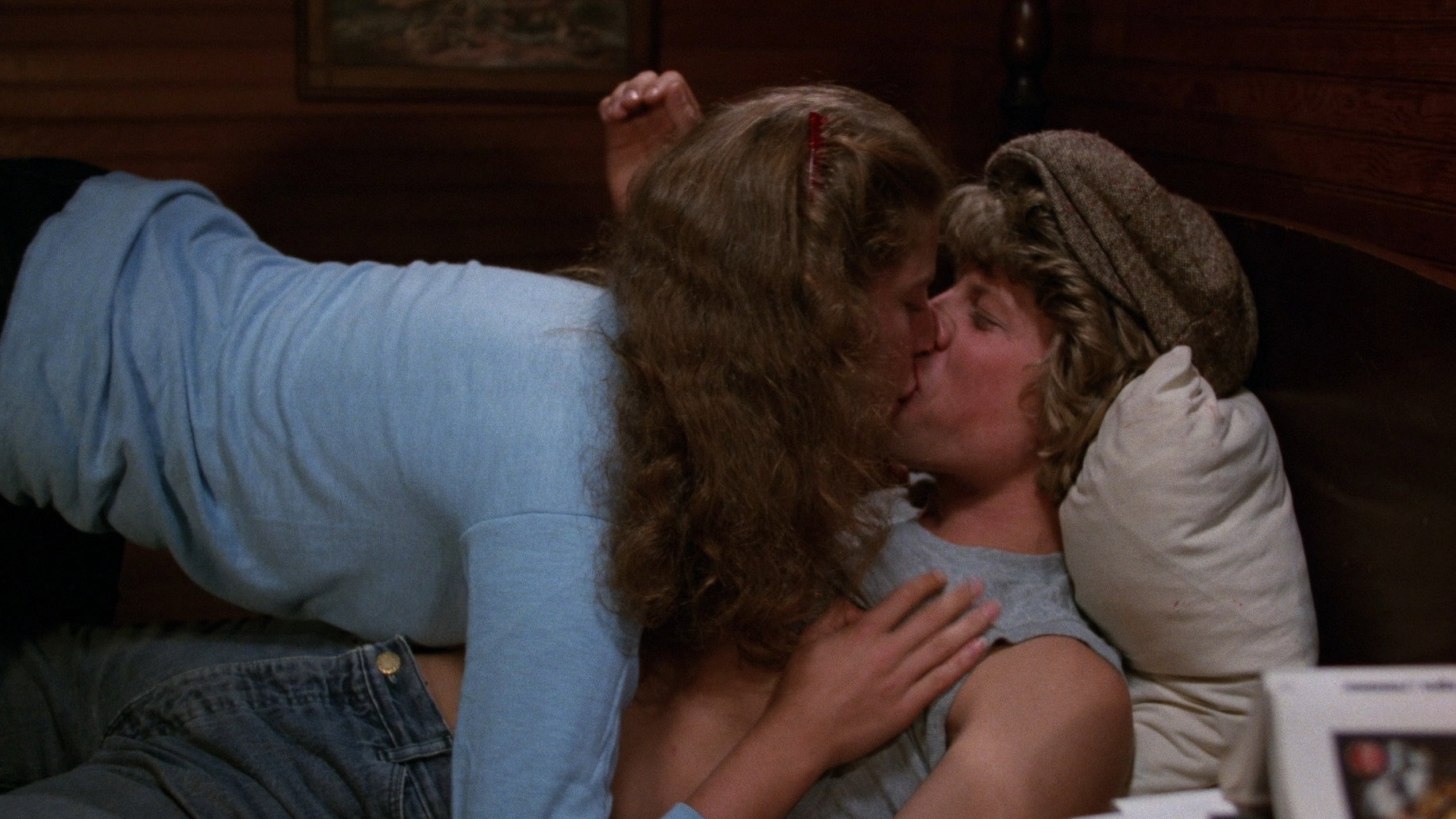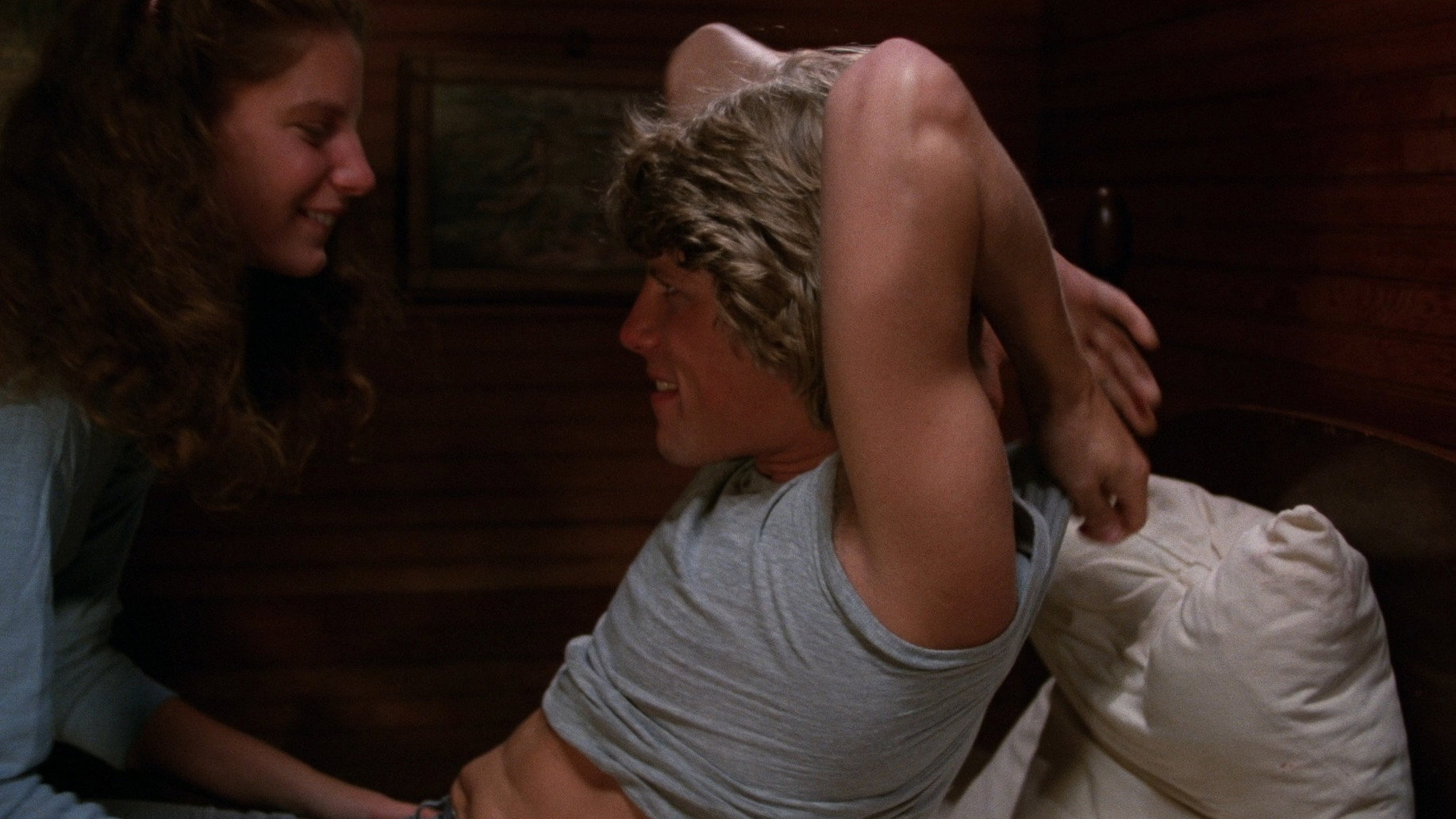
Friday the 13th Part 2 (1981)

US
HORROR FILM Thriller
SUBGENRES SLASHER
UK censorship history Section 3 · Supplementary list
6.9/10 8 votes
Runtime
87 min
Release
May 1, 1981
Budget
$1,250,000
Revenue
$21,724,205
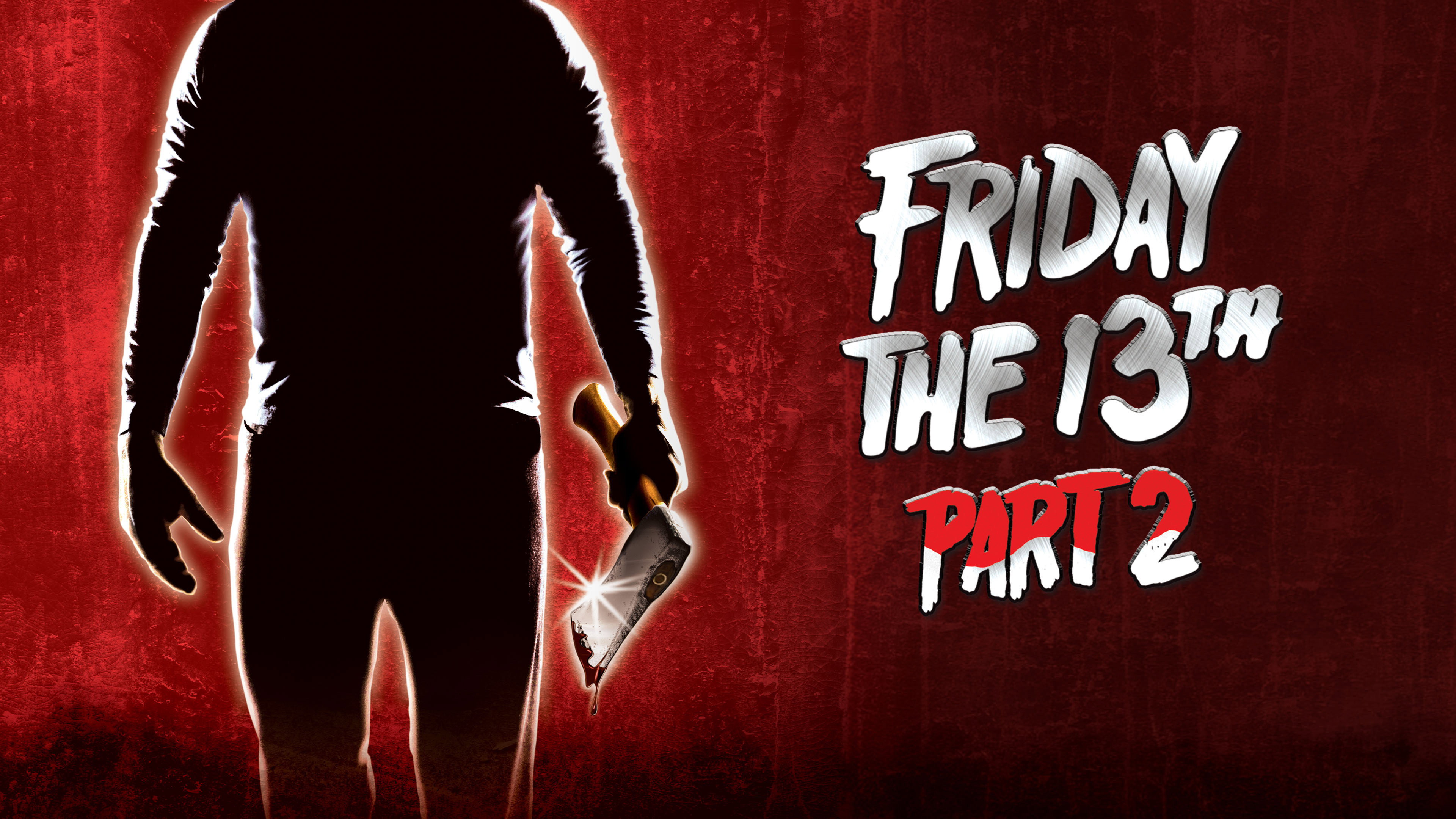
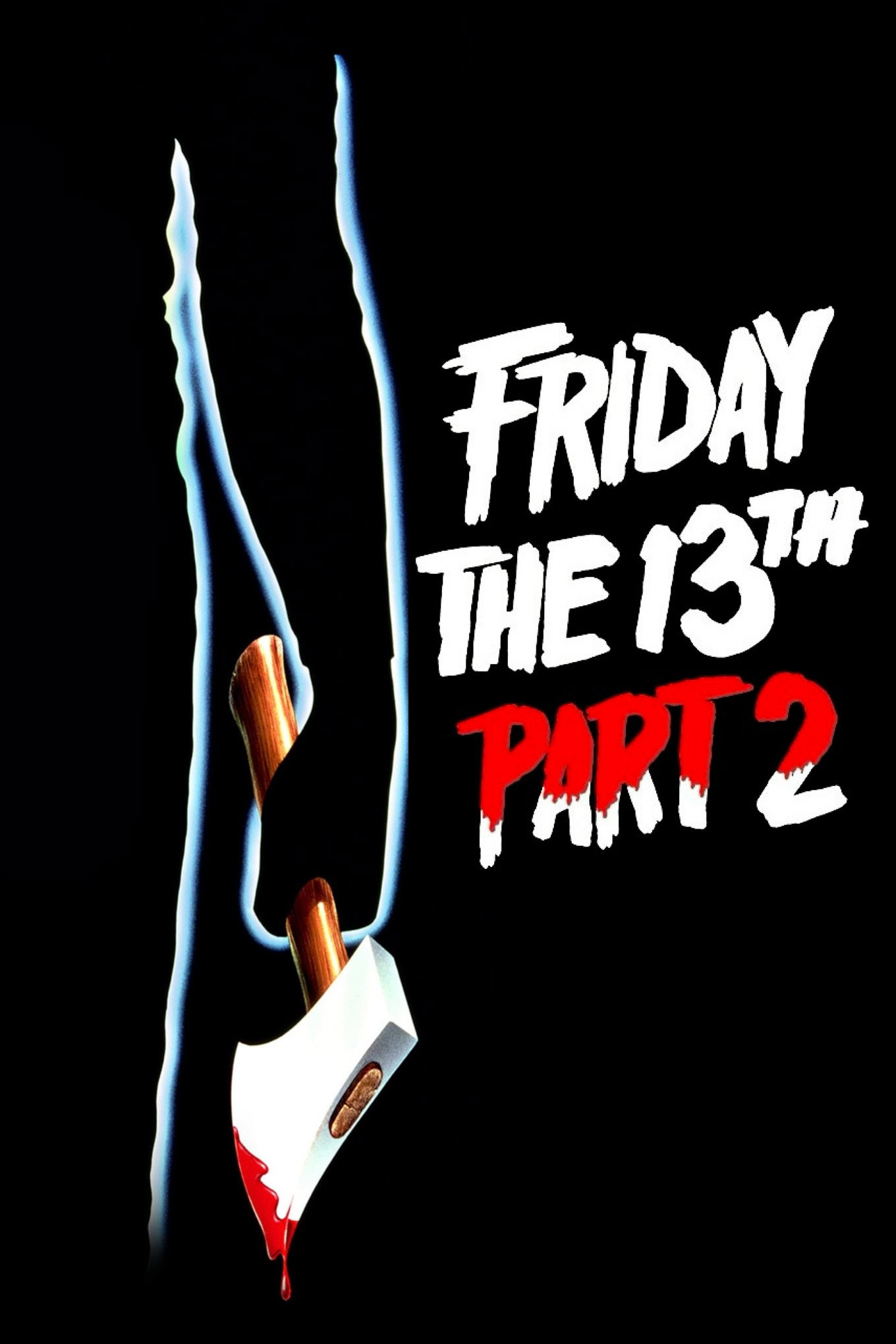
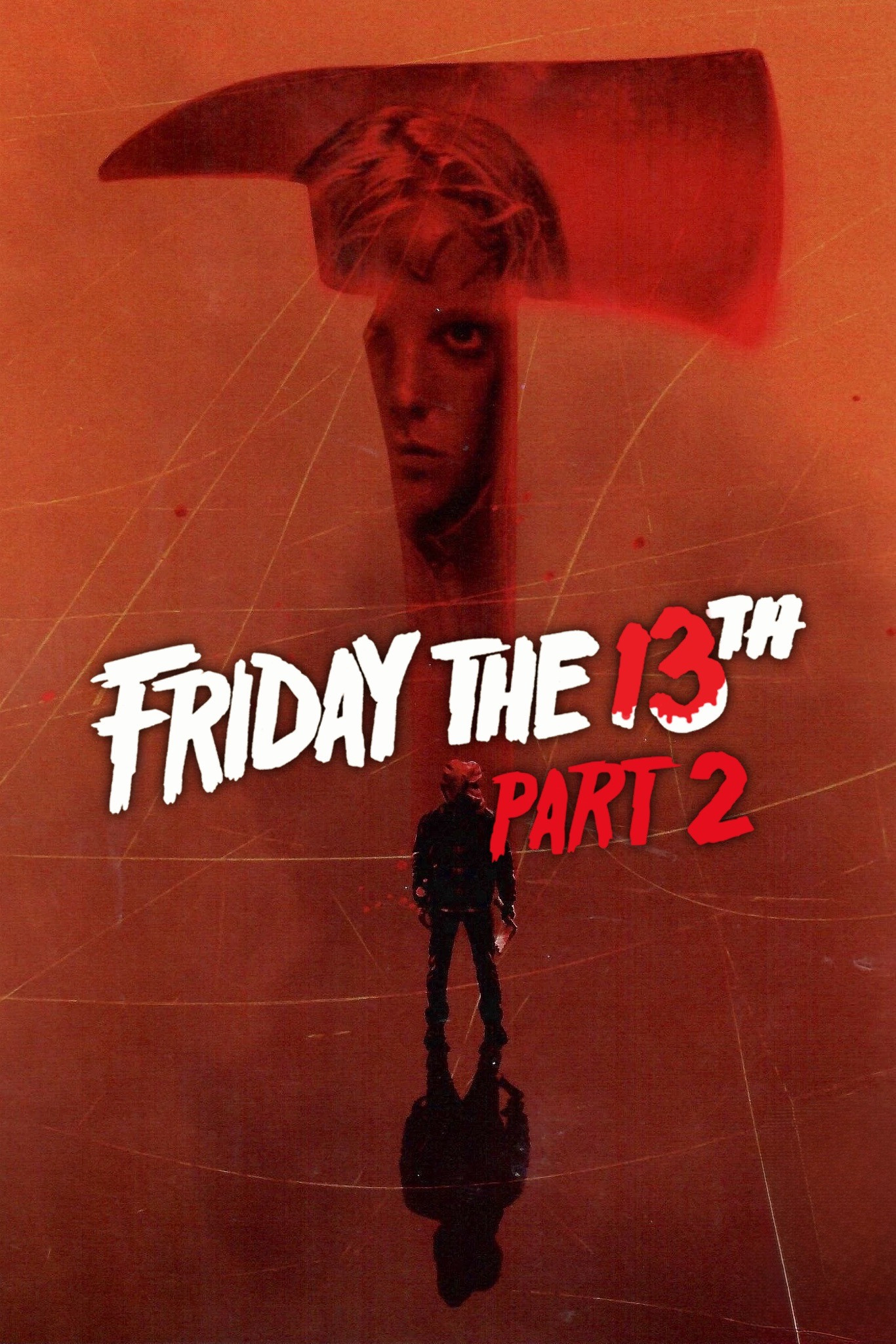
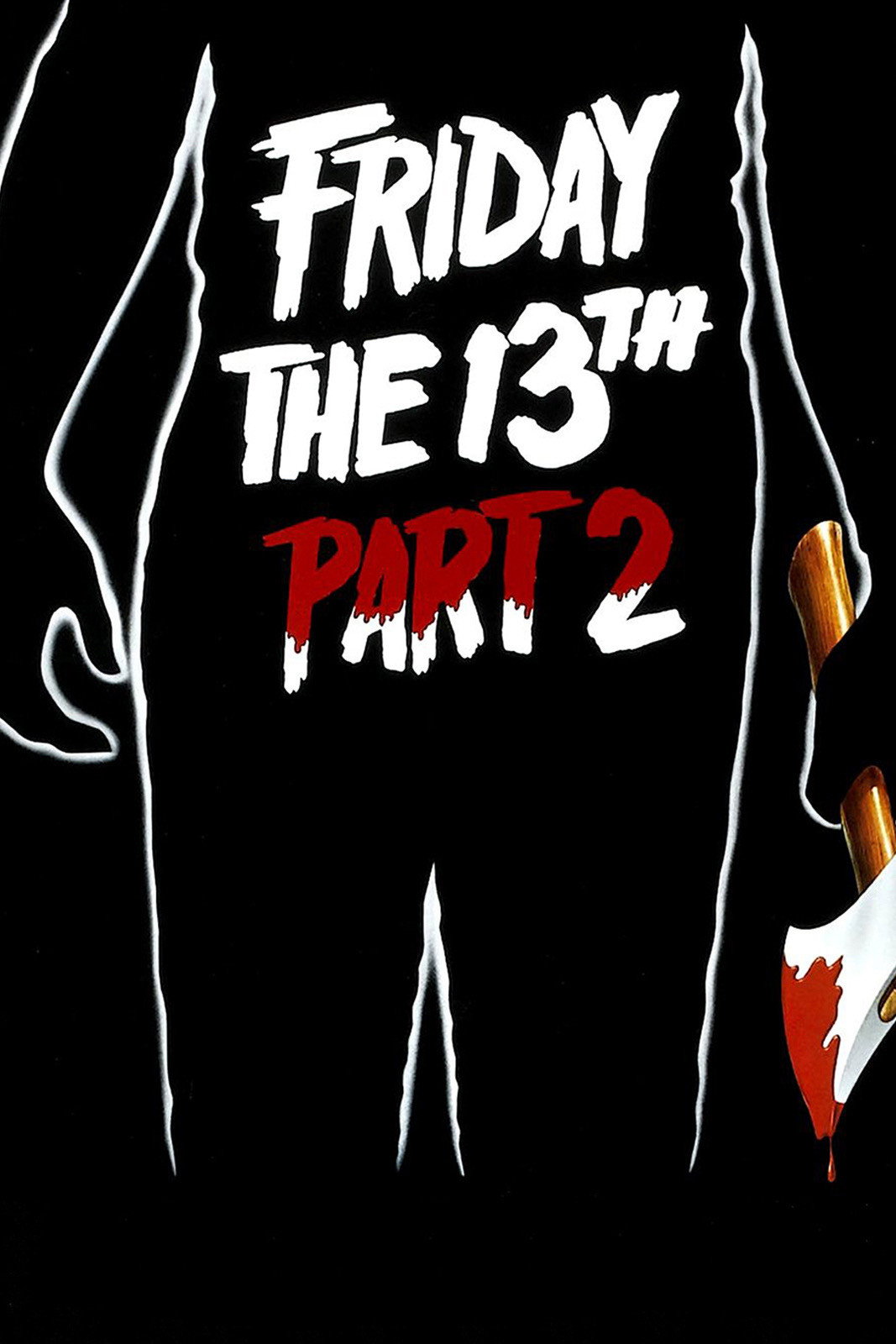
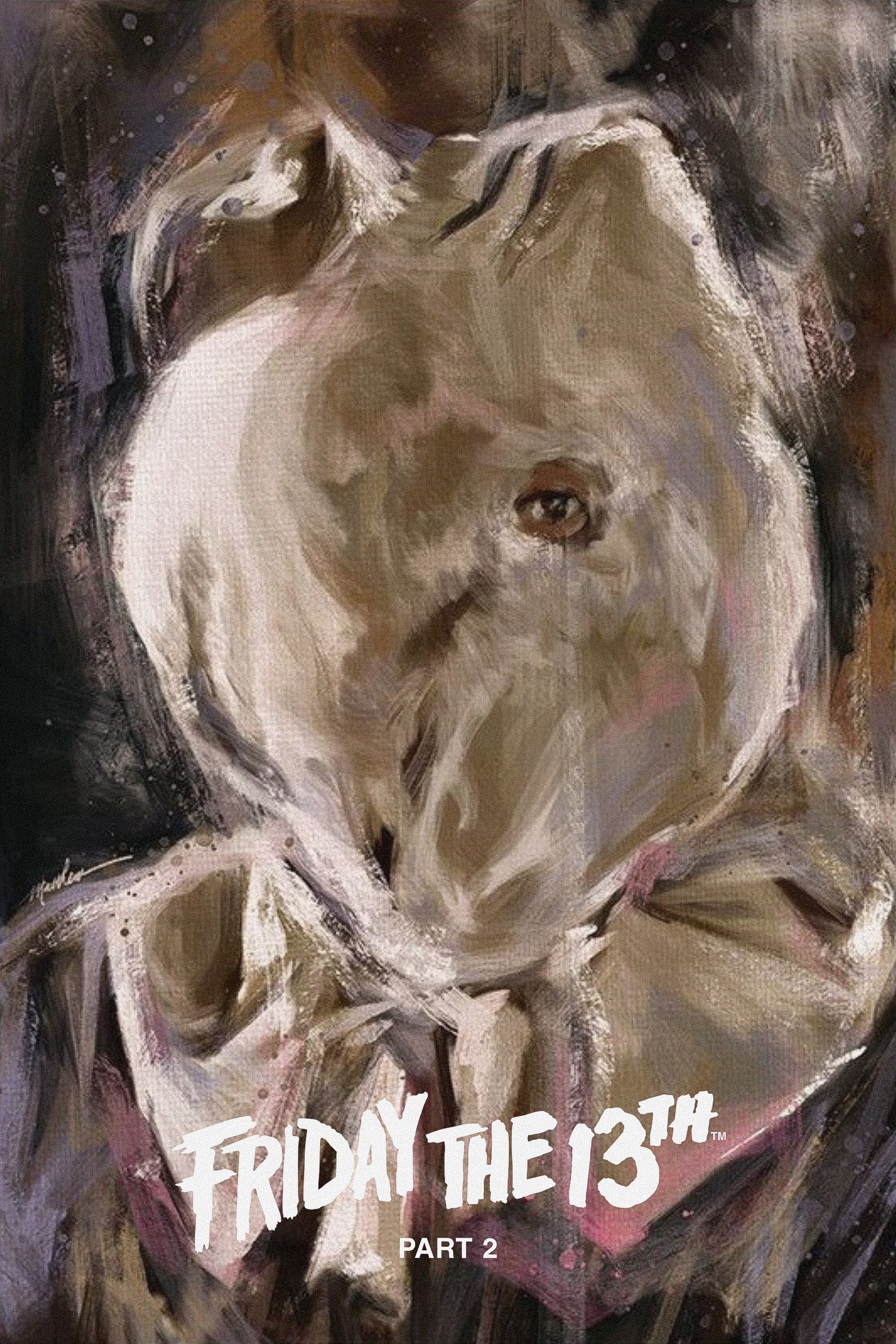
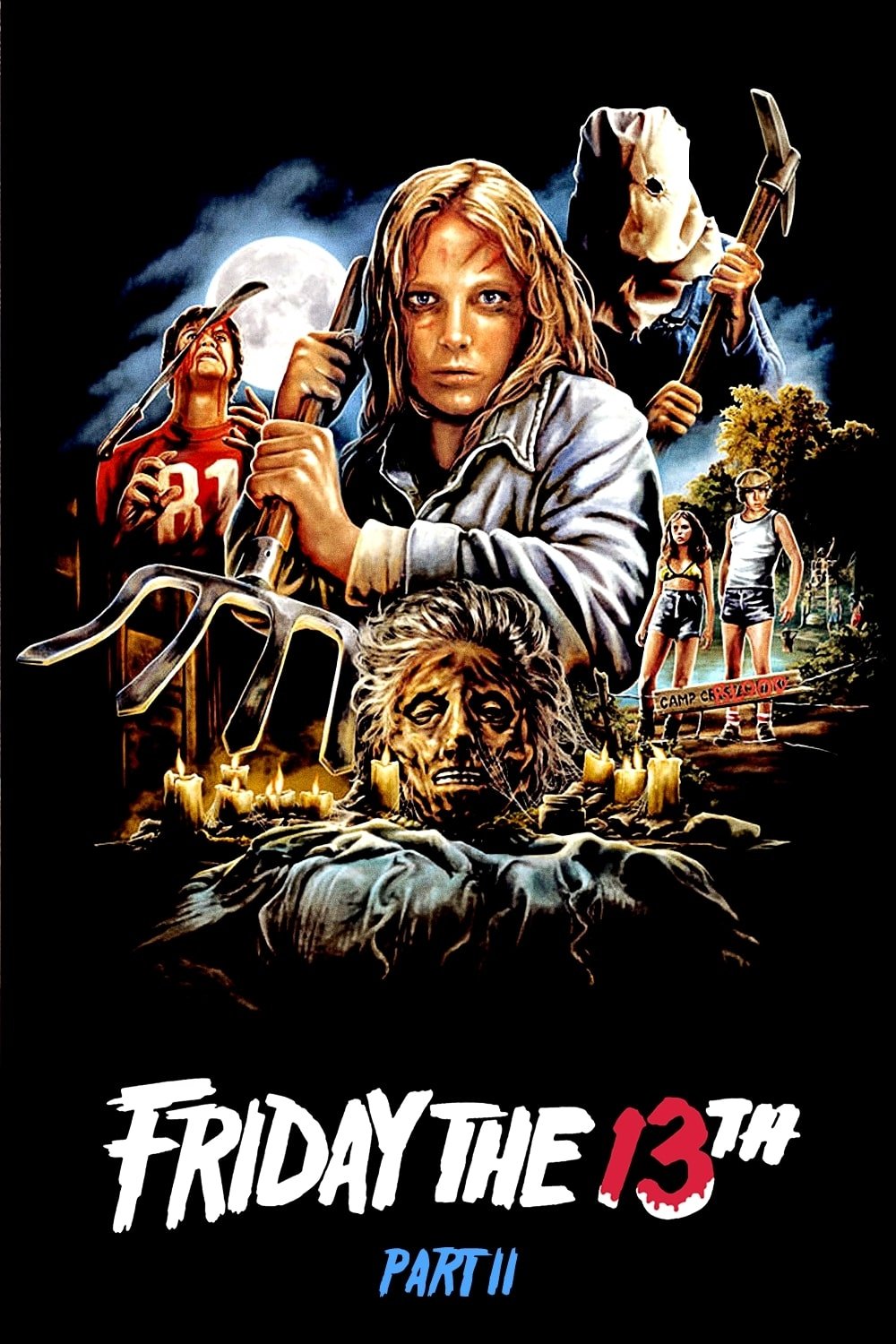
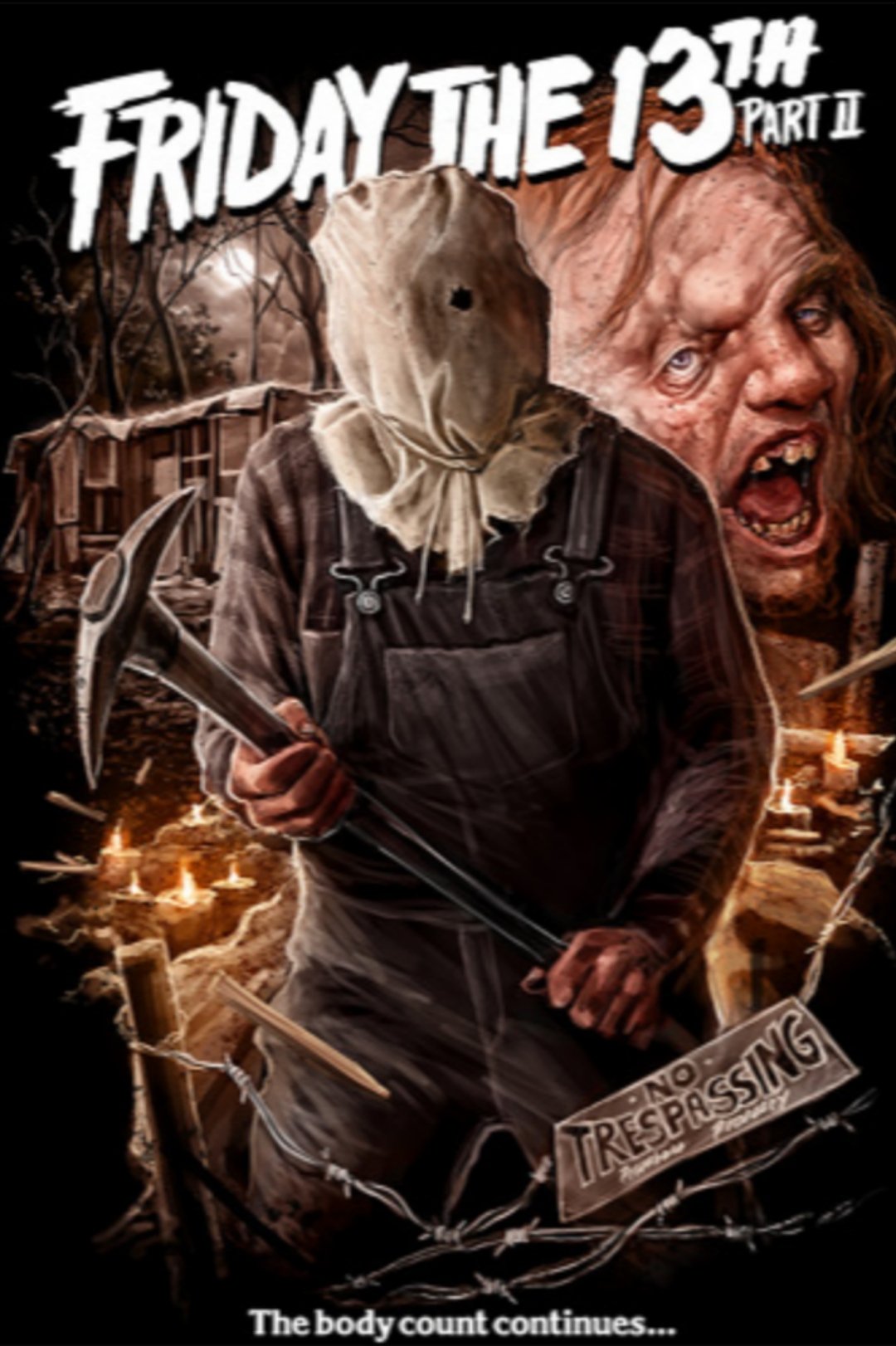
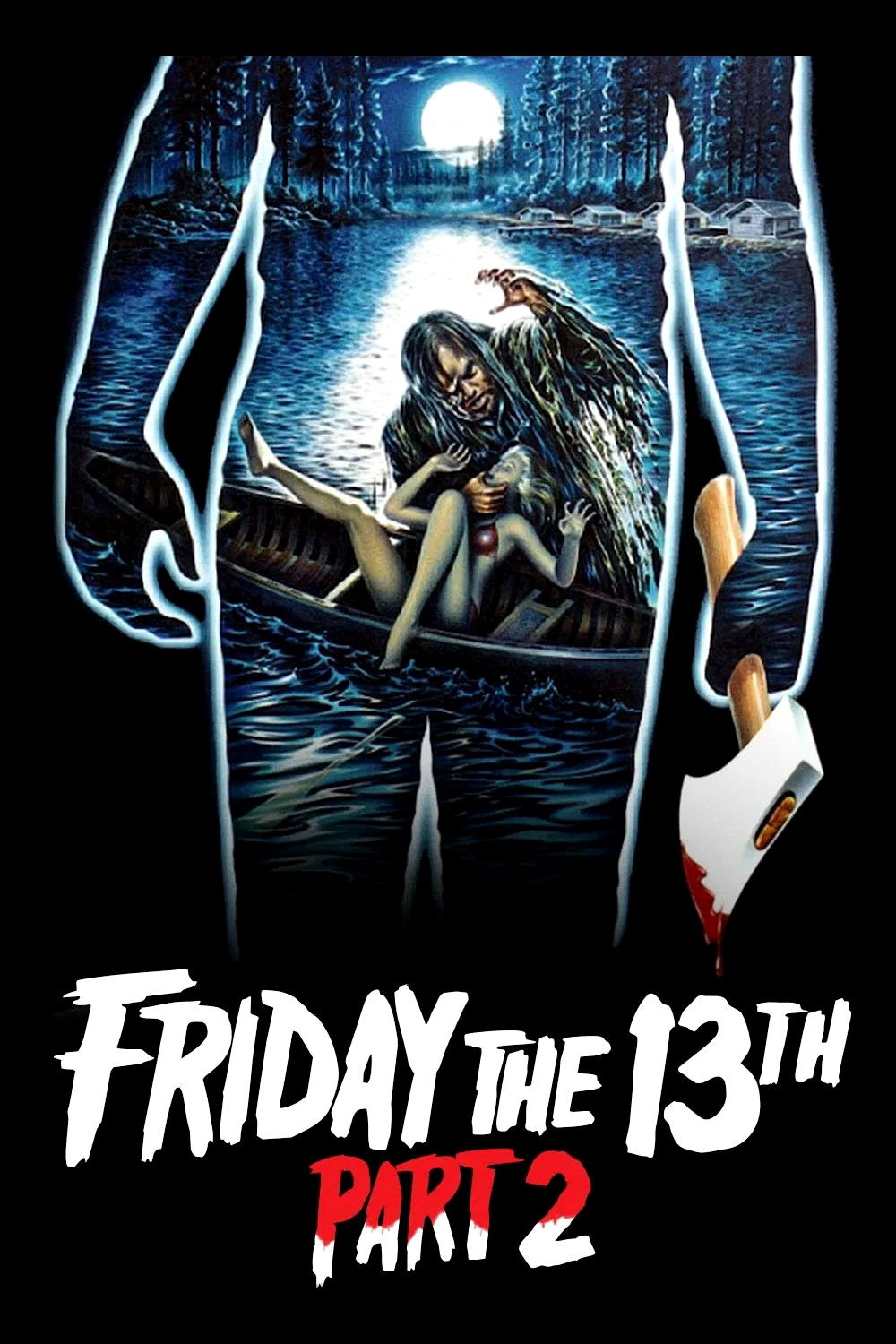
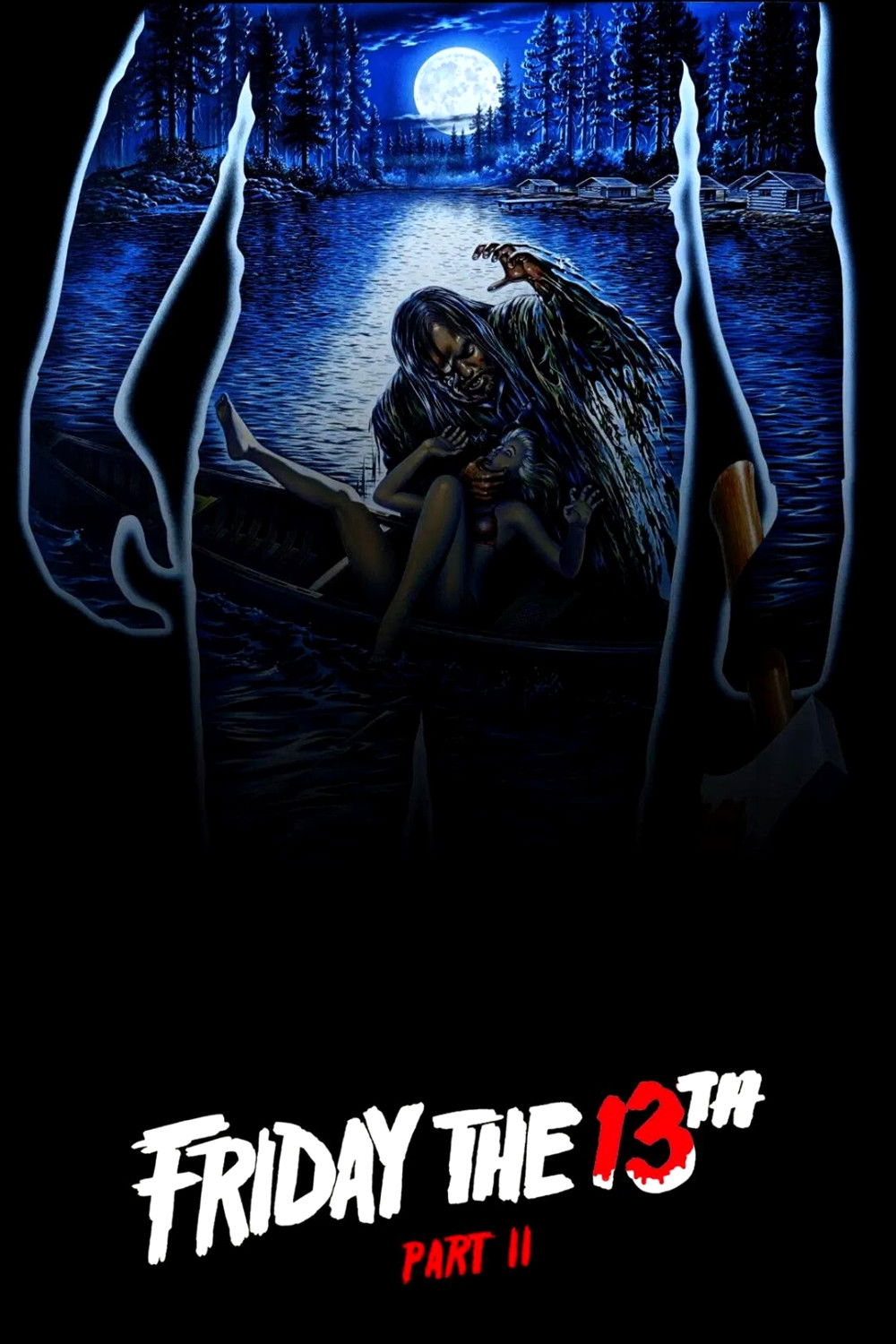
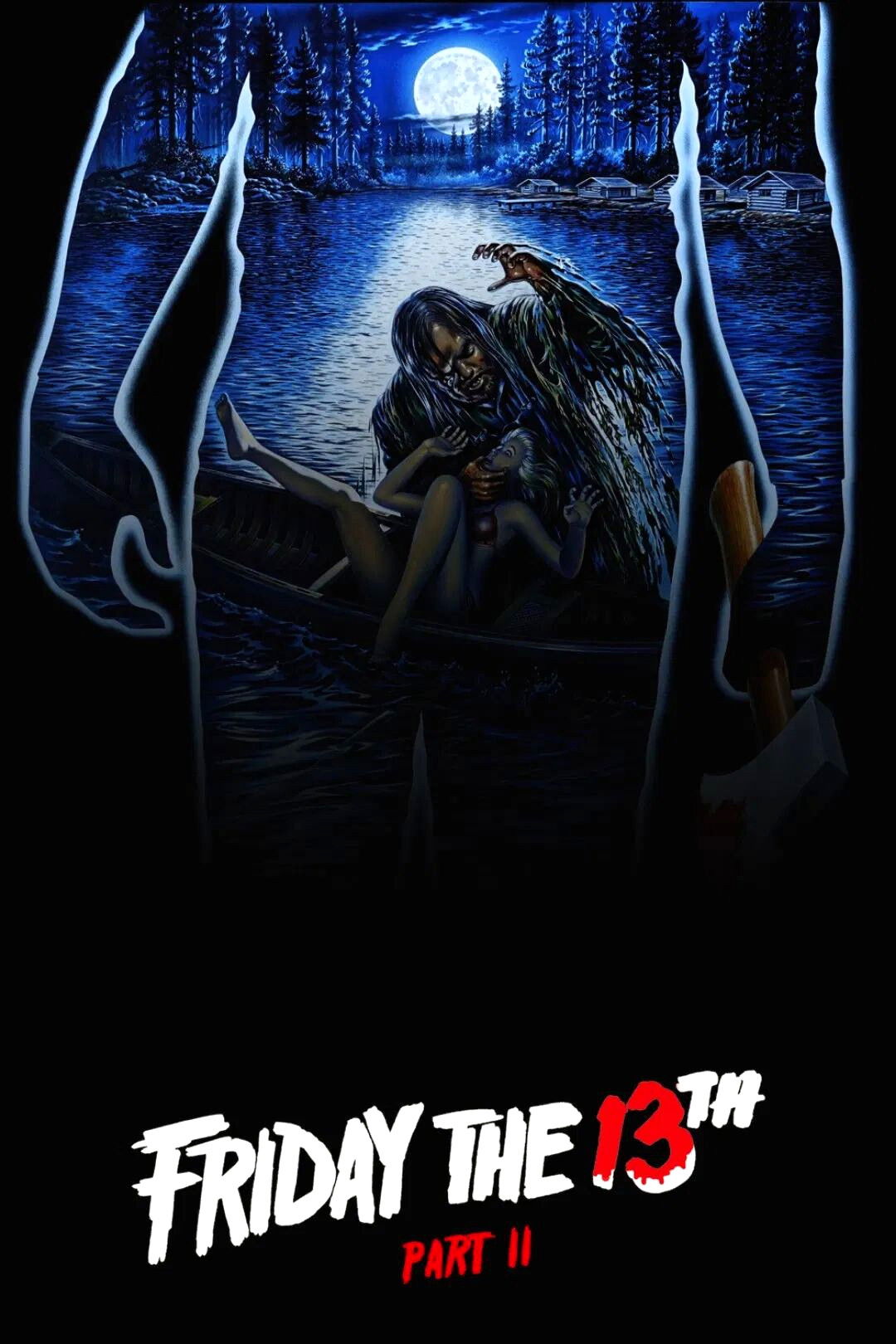
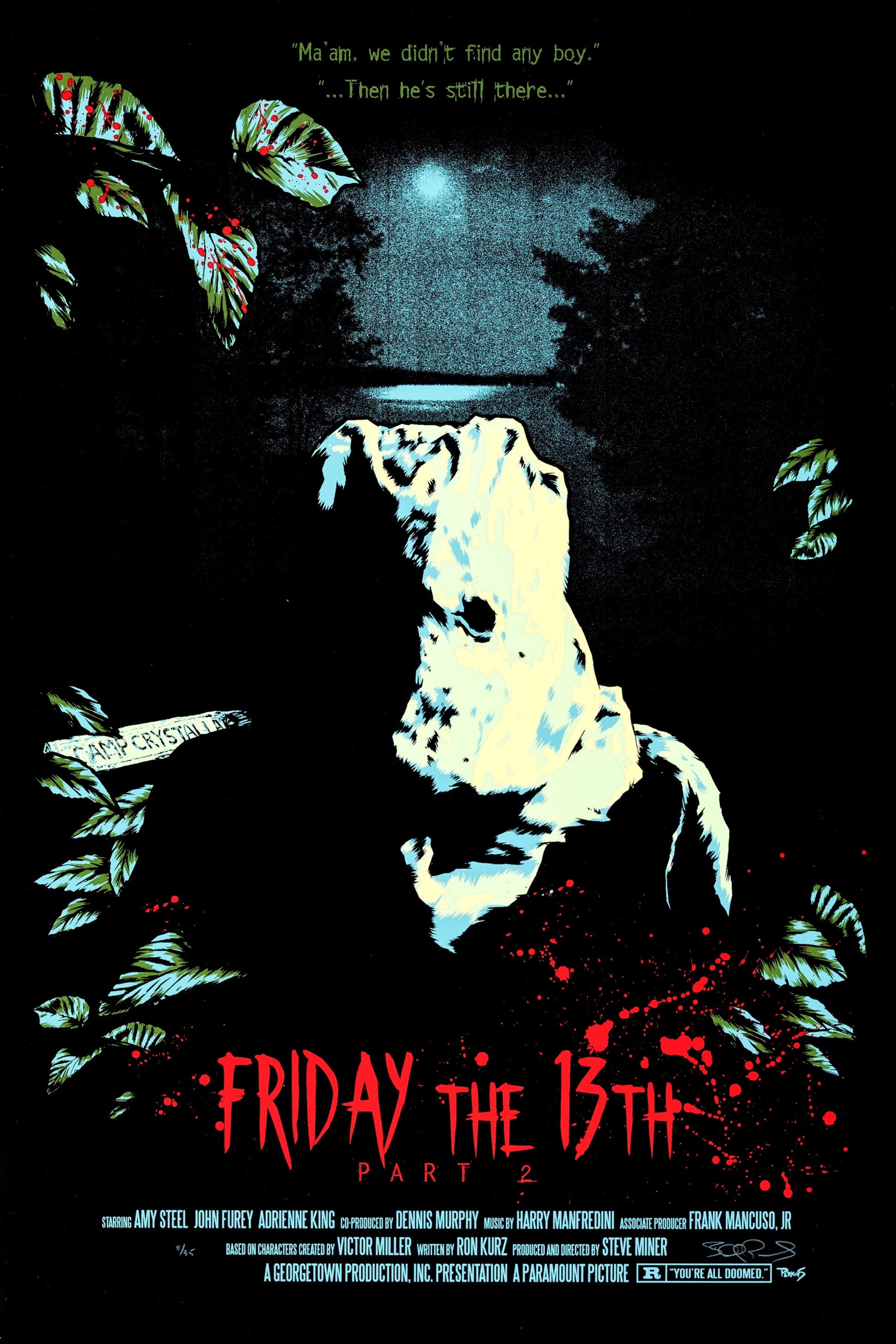
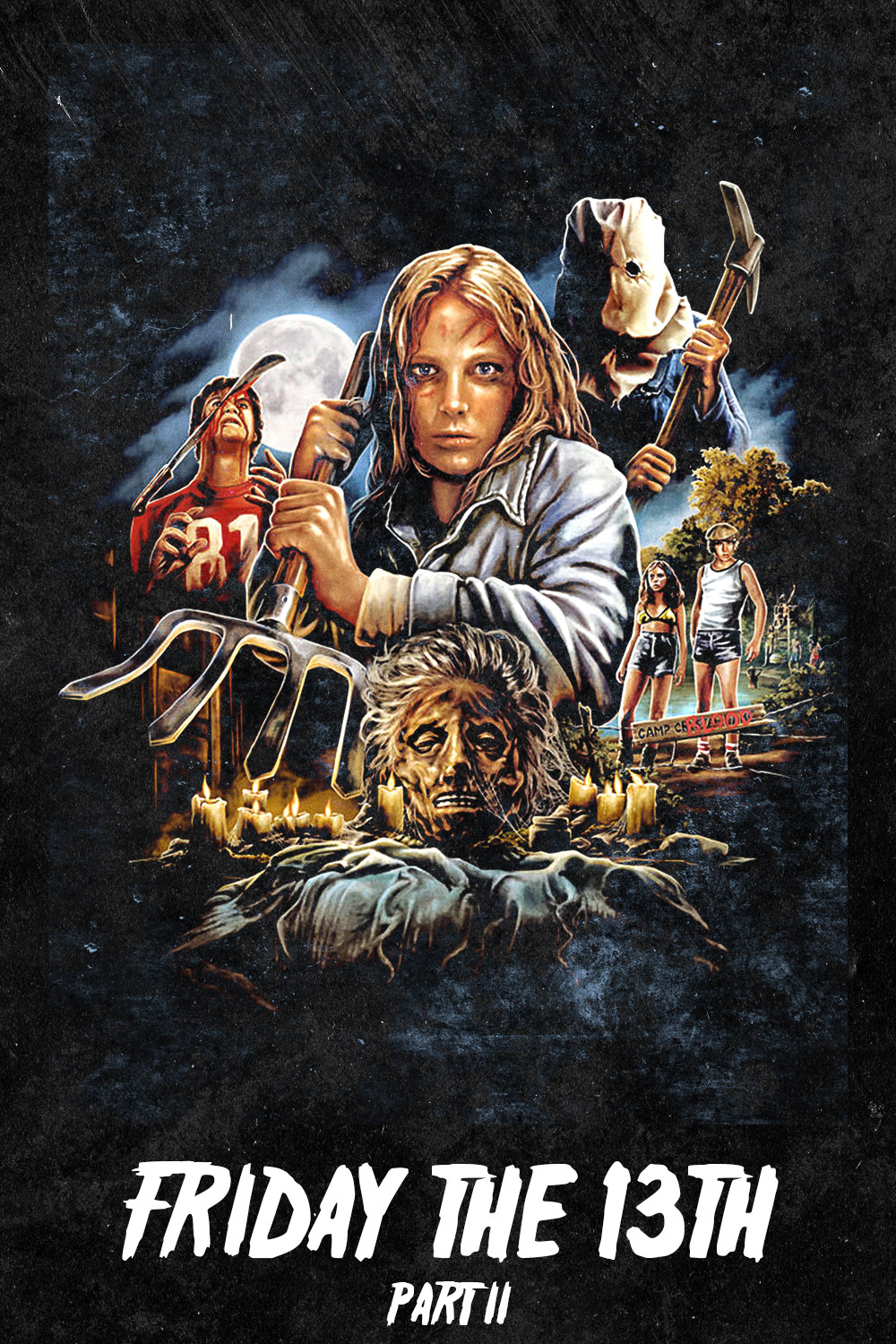
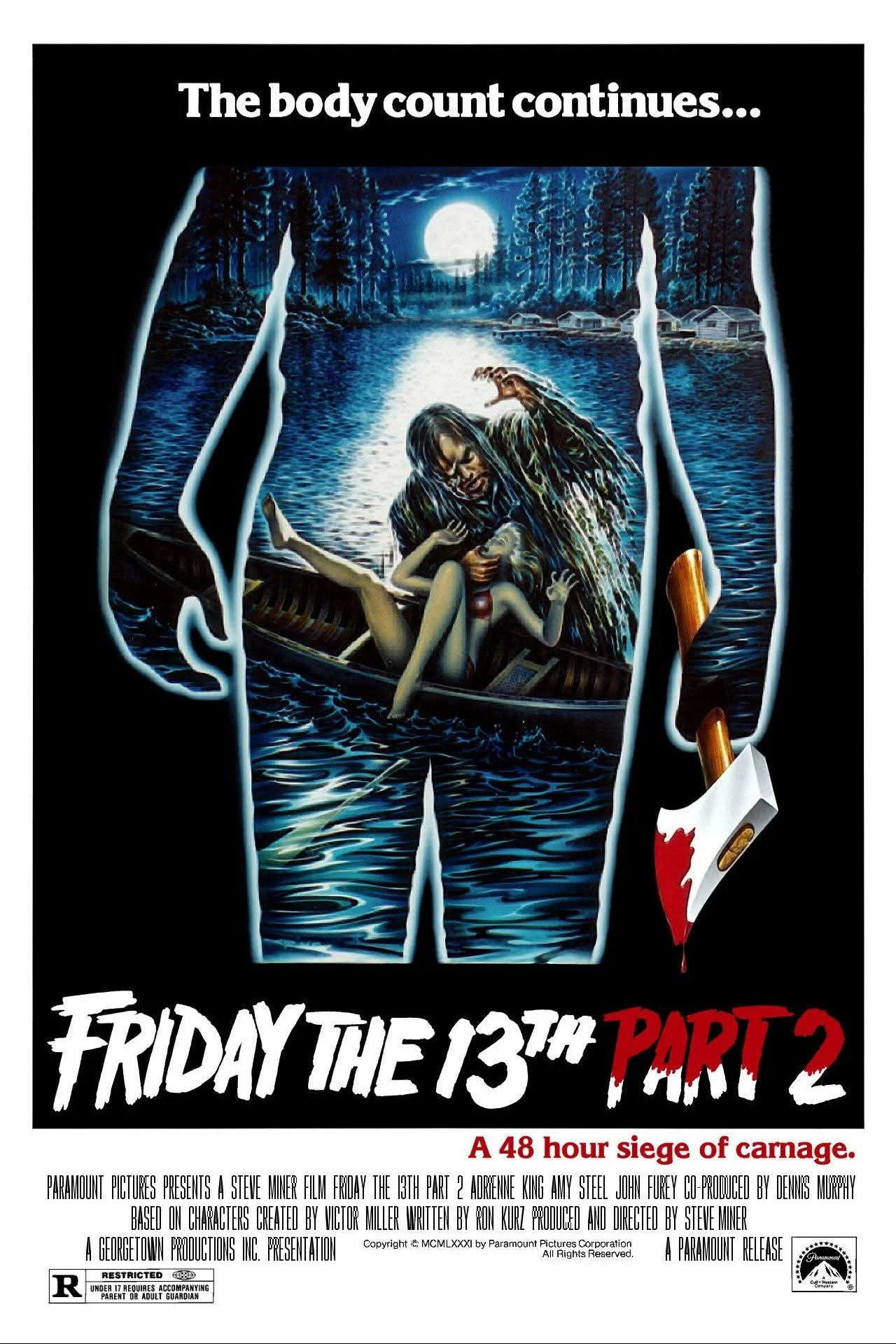
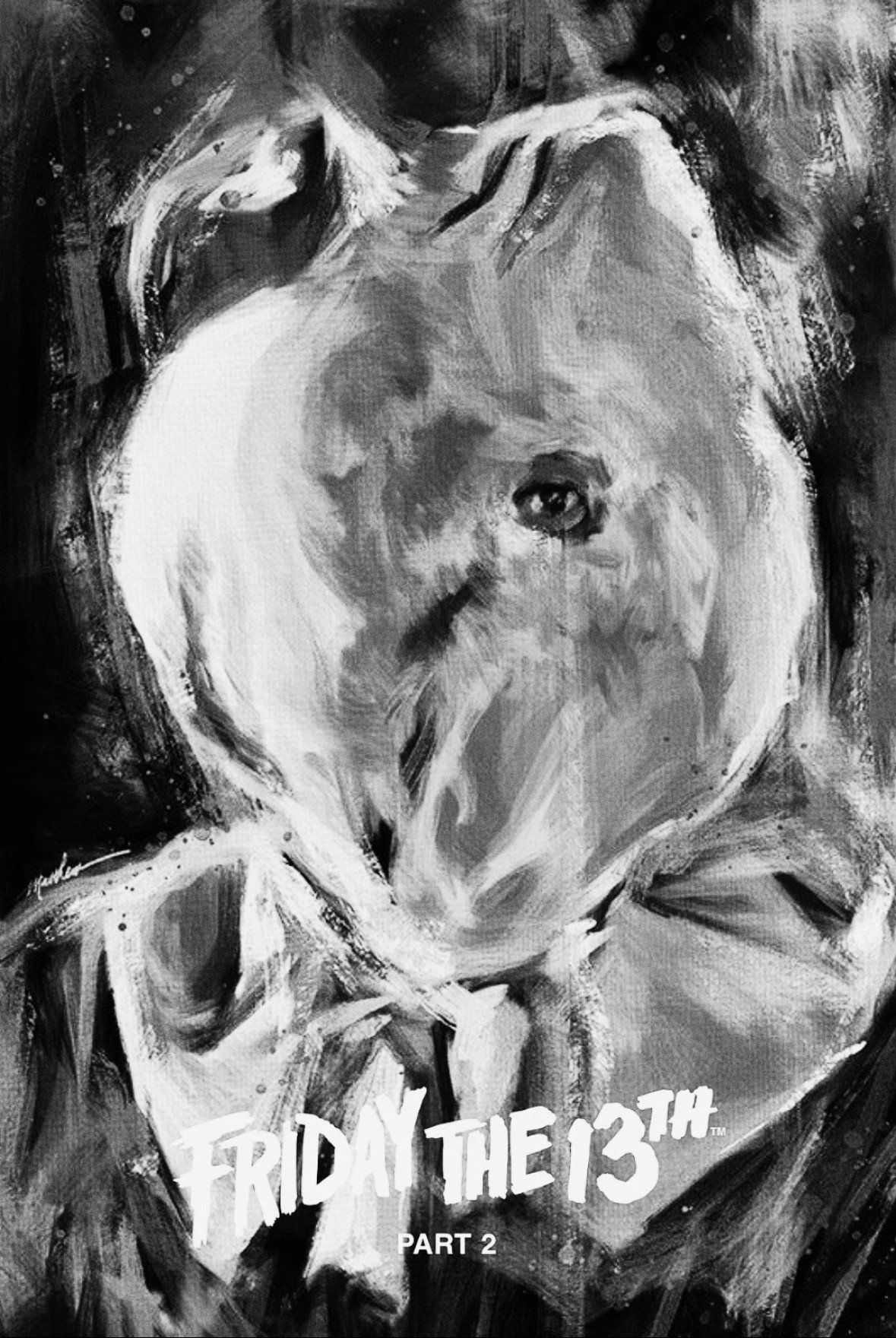
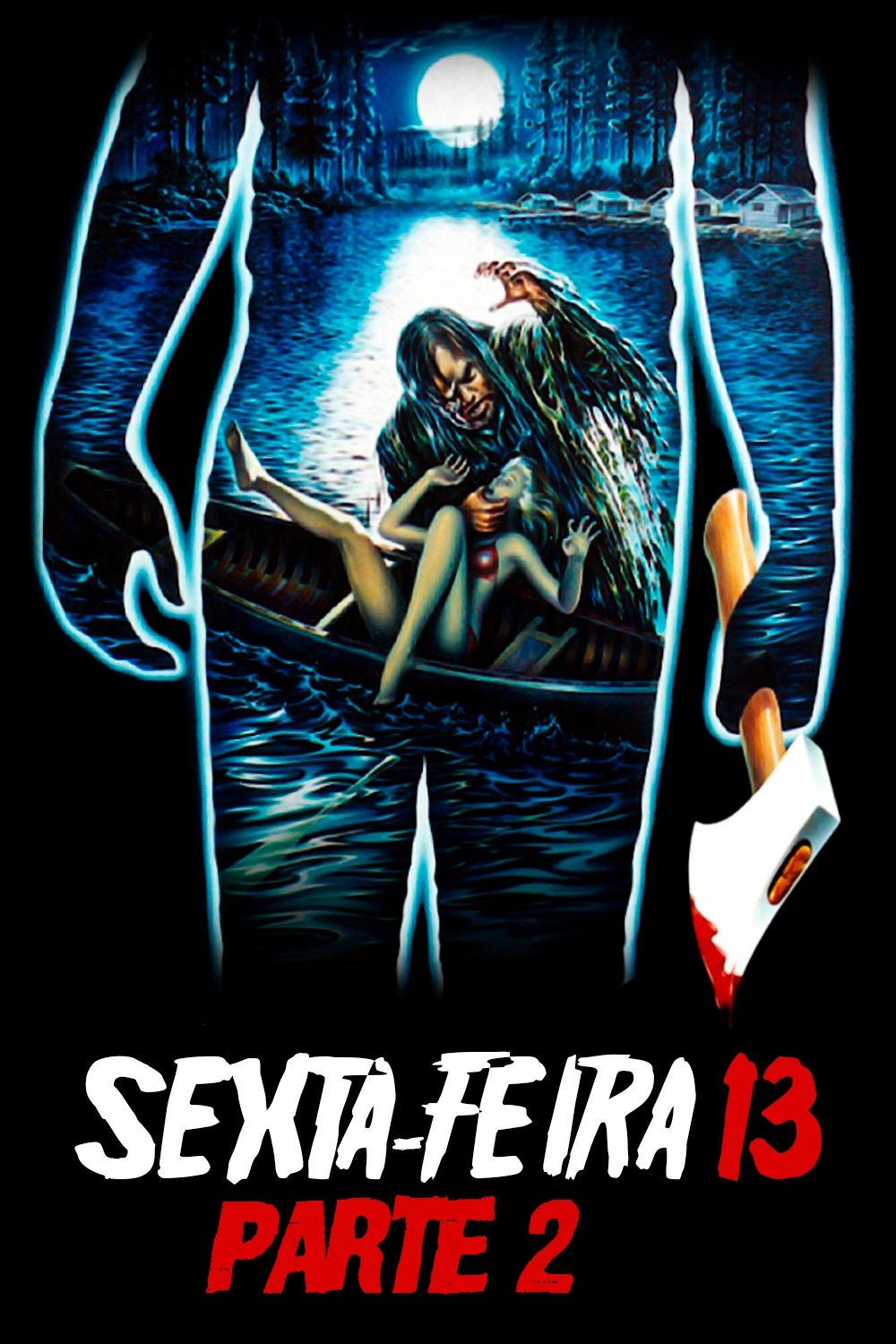
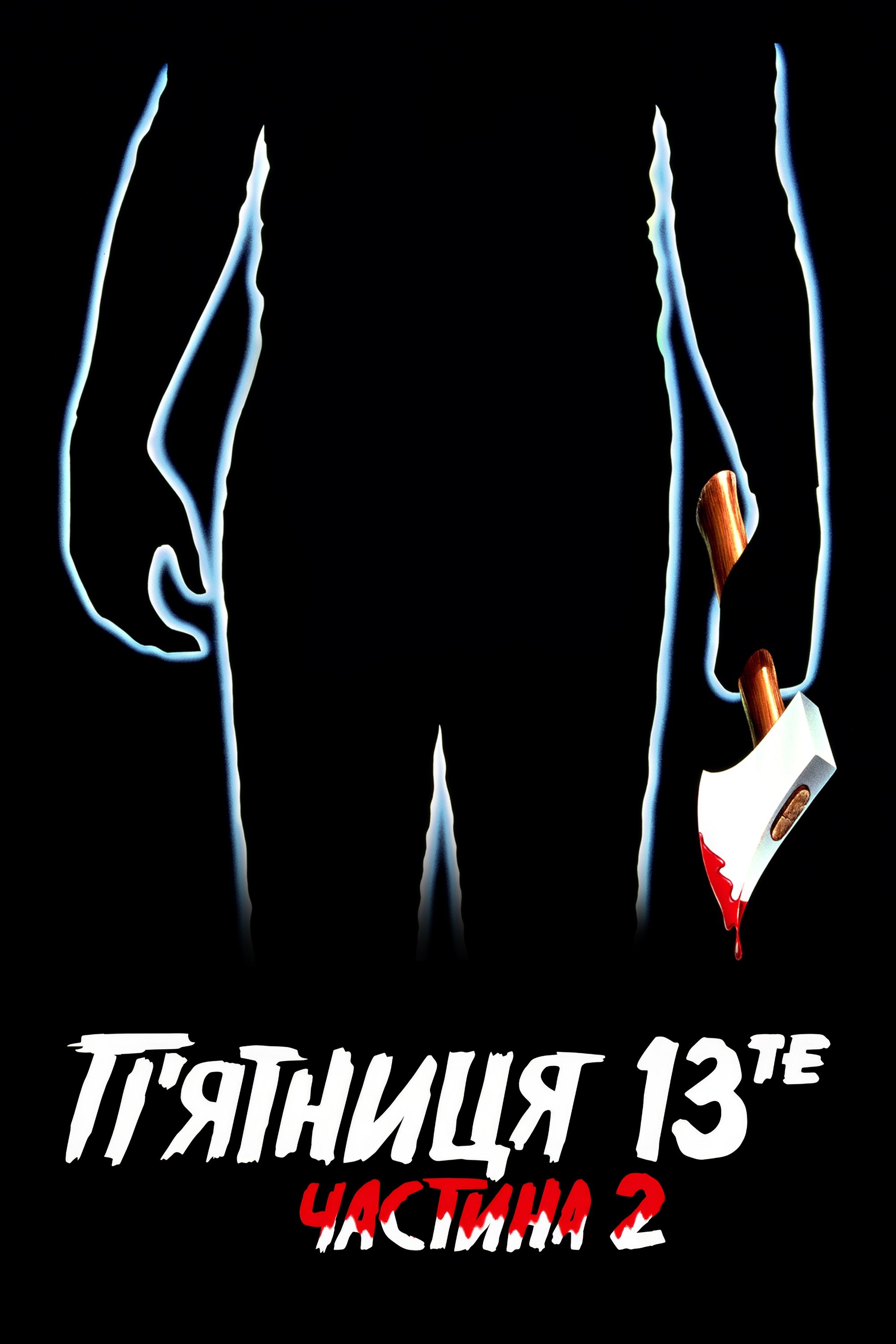
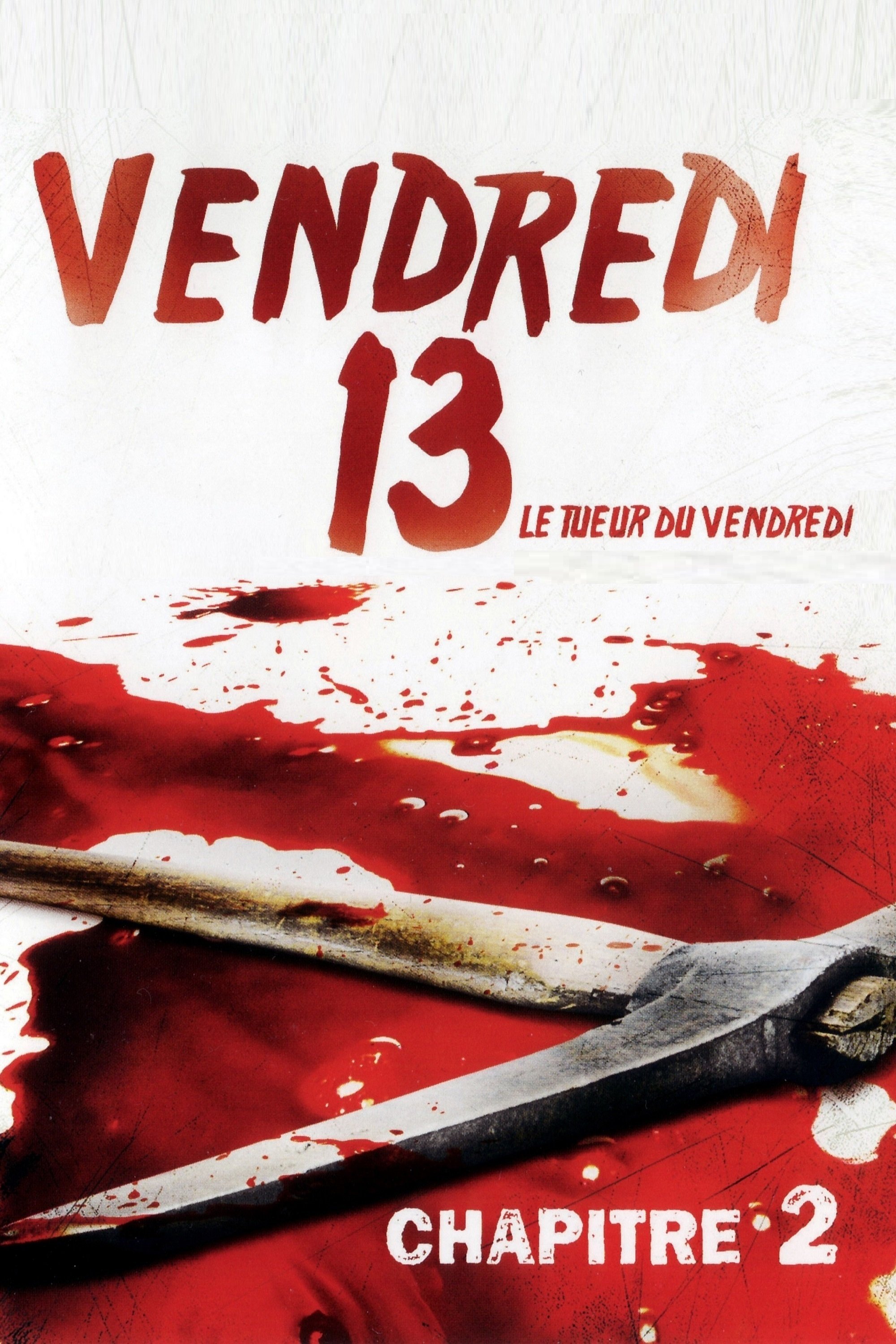
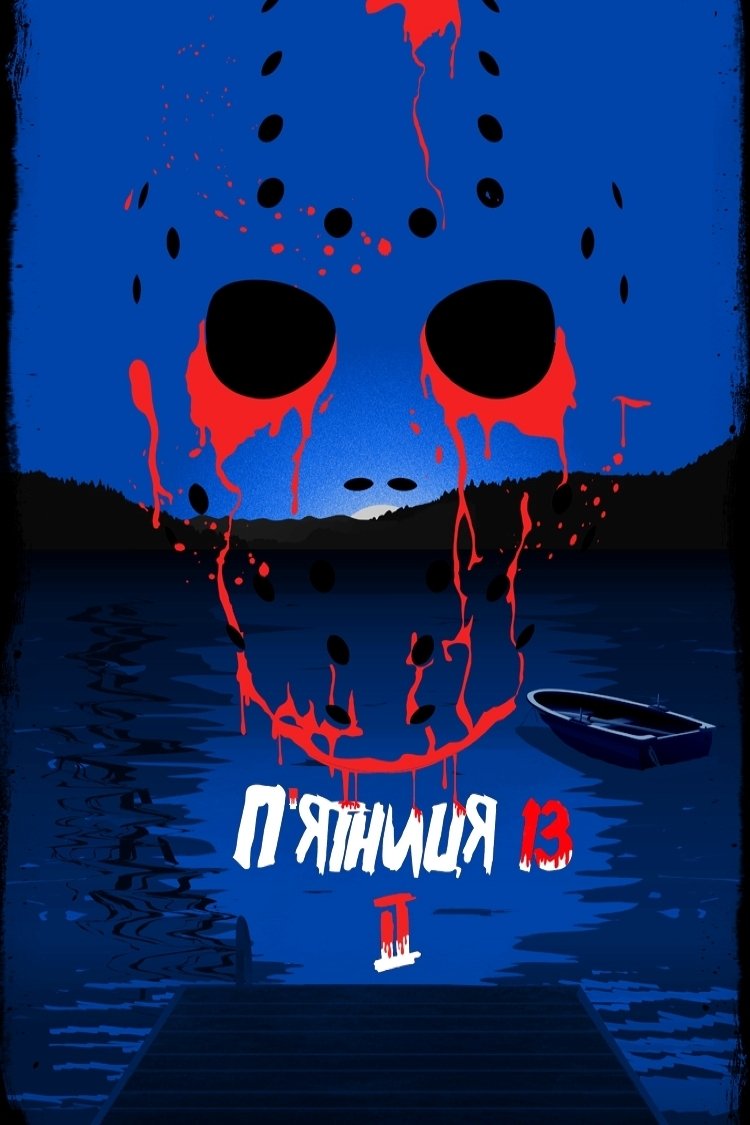
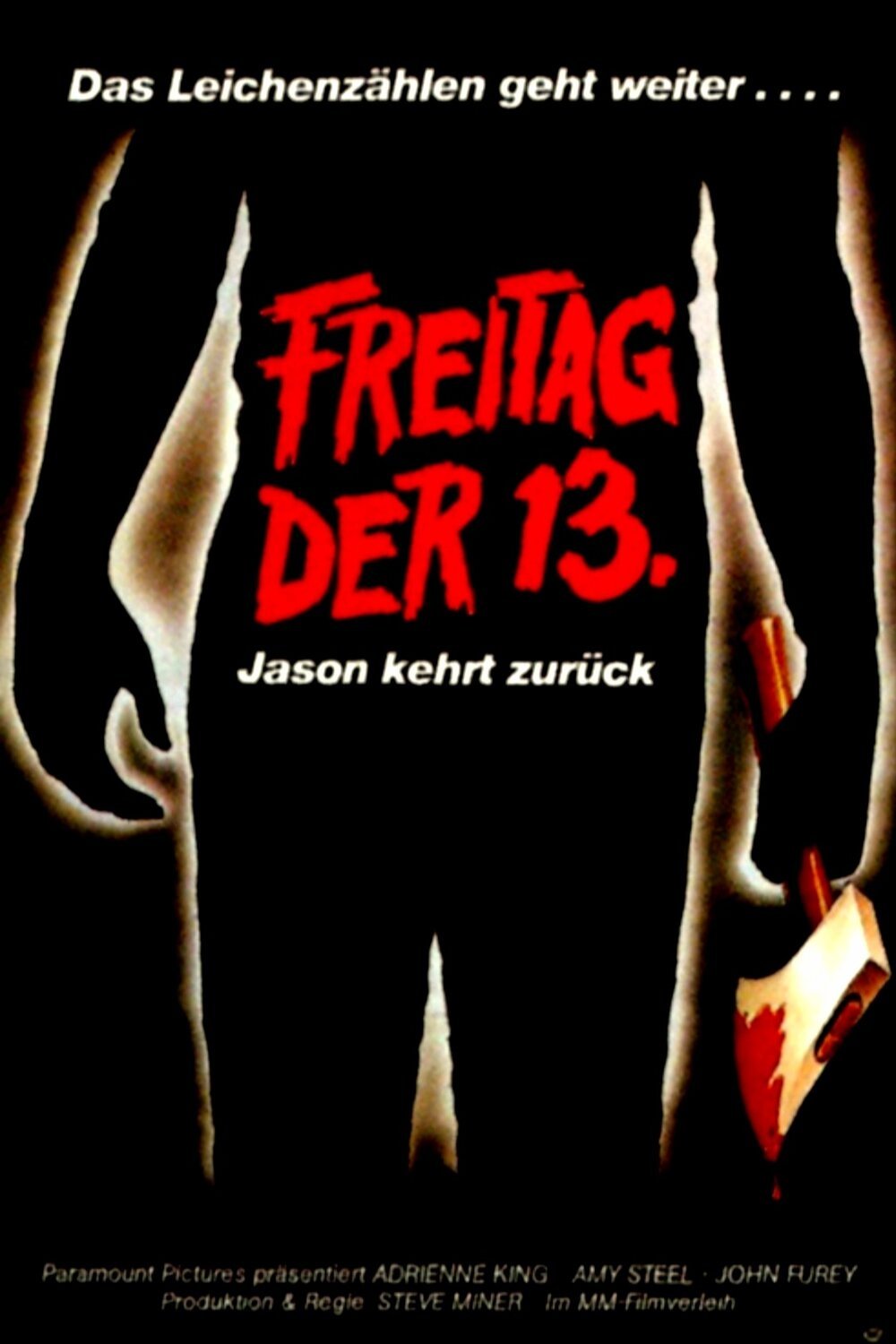
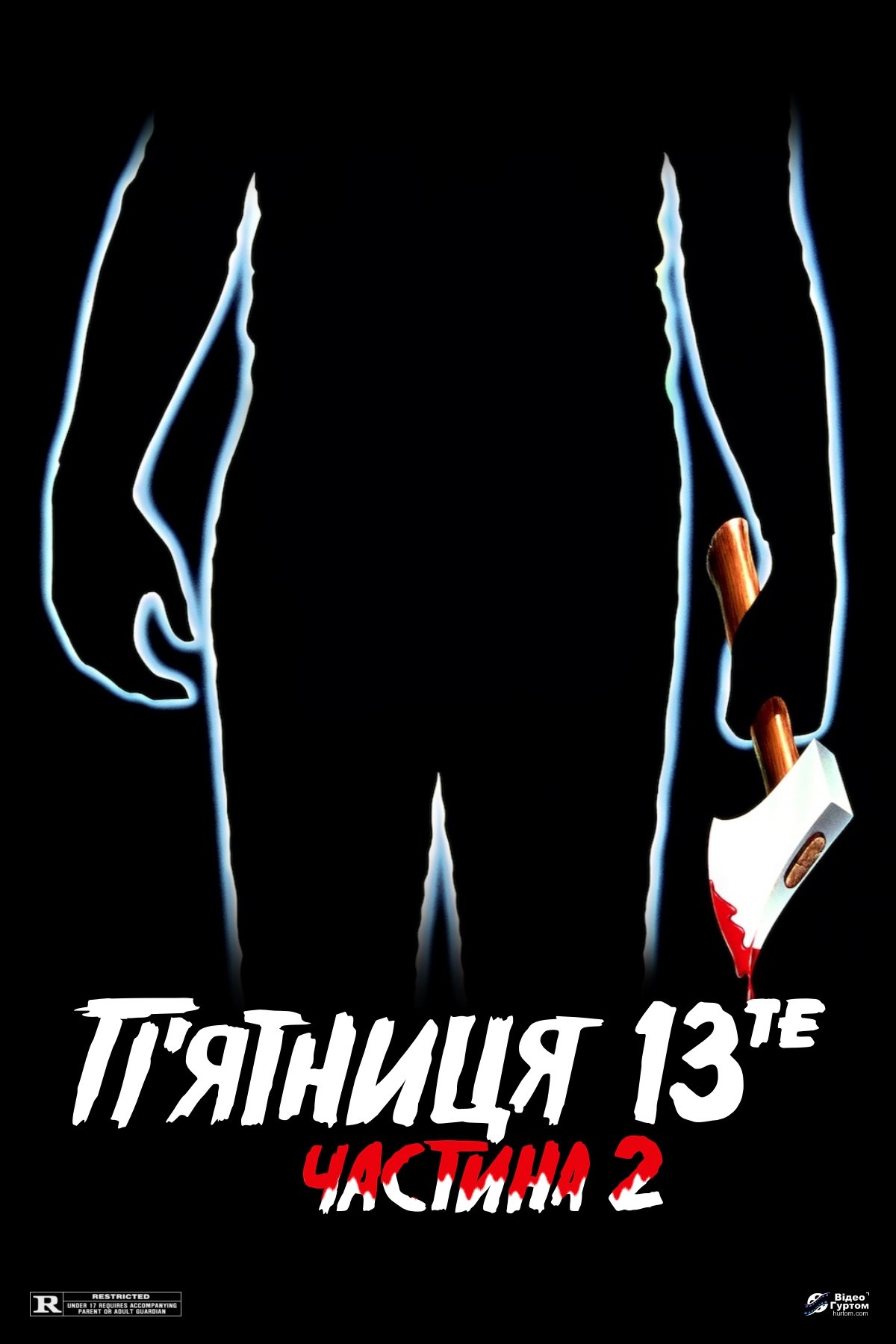
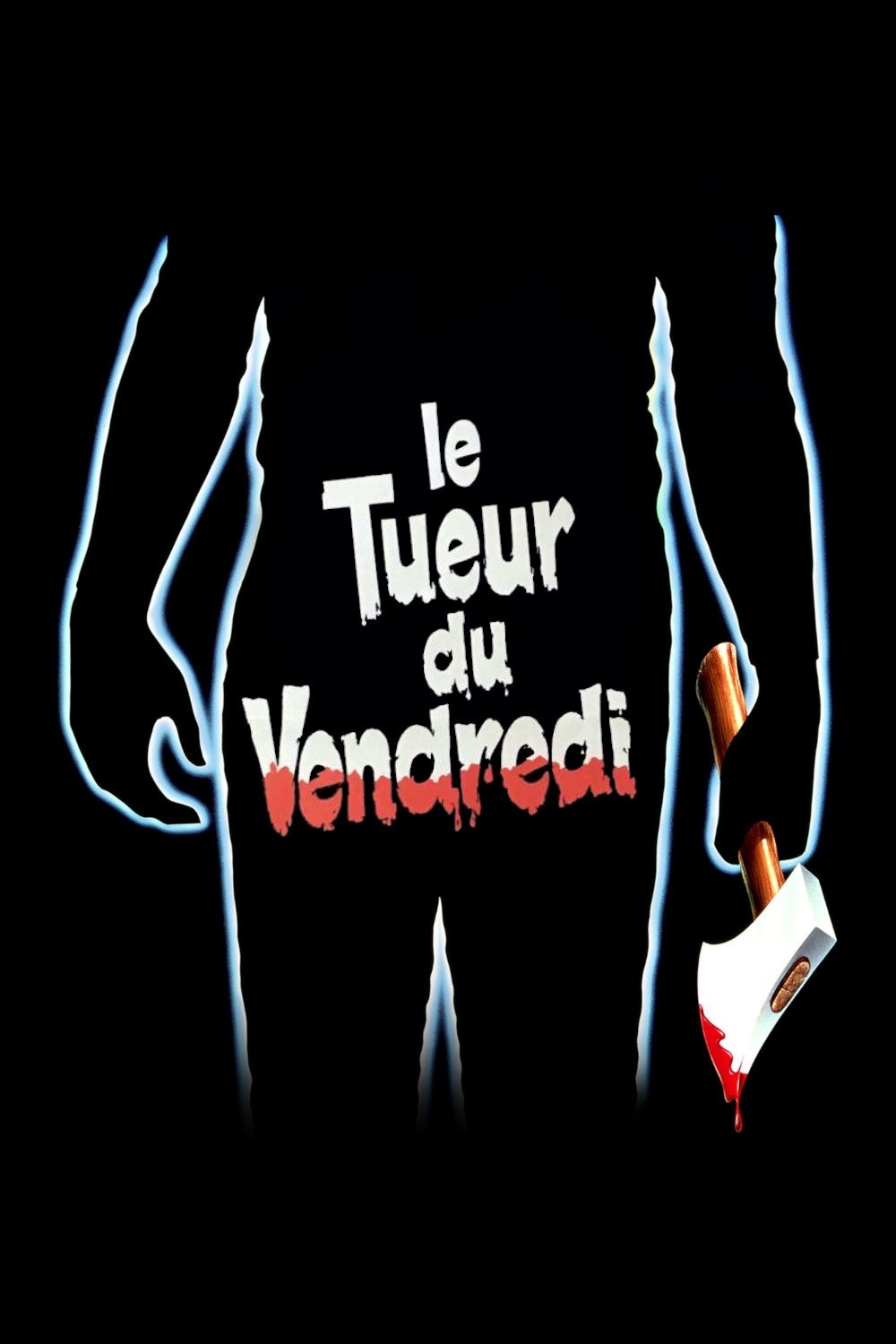
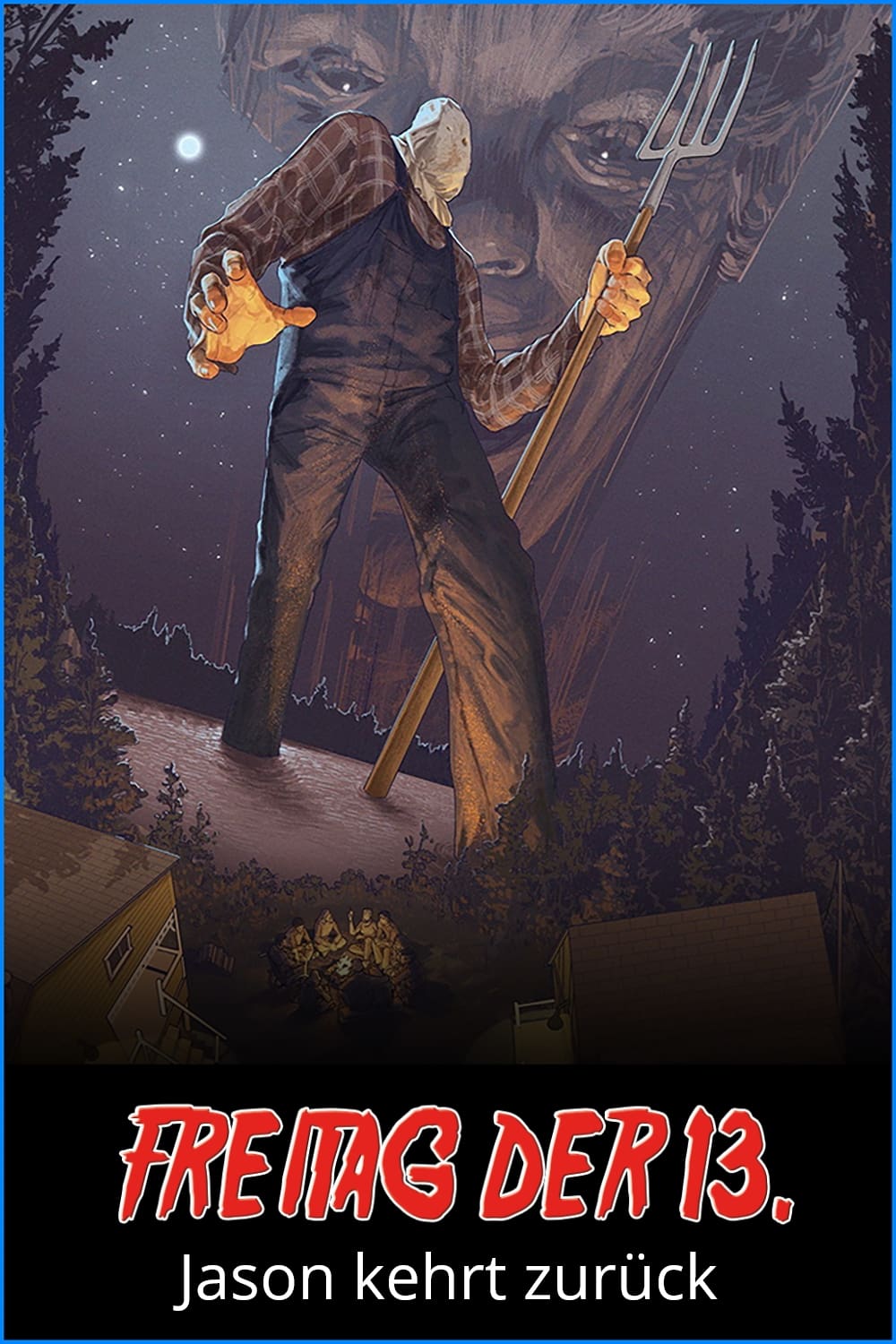
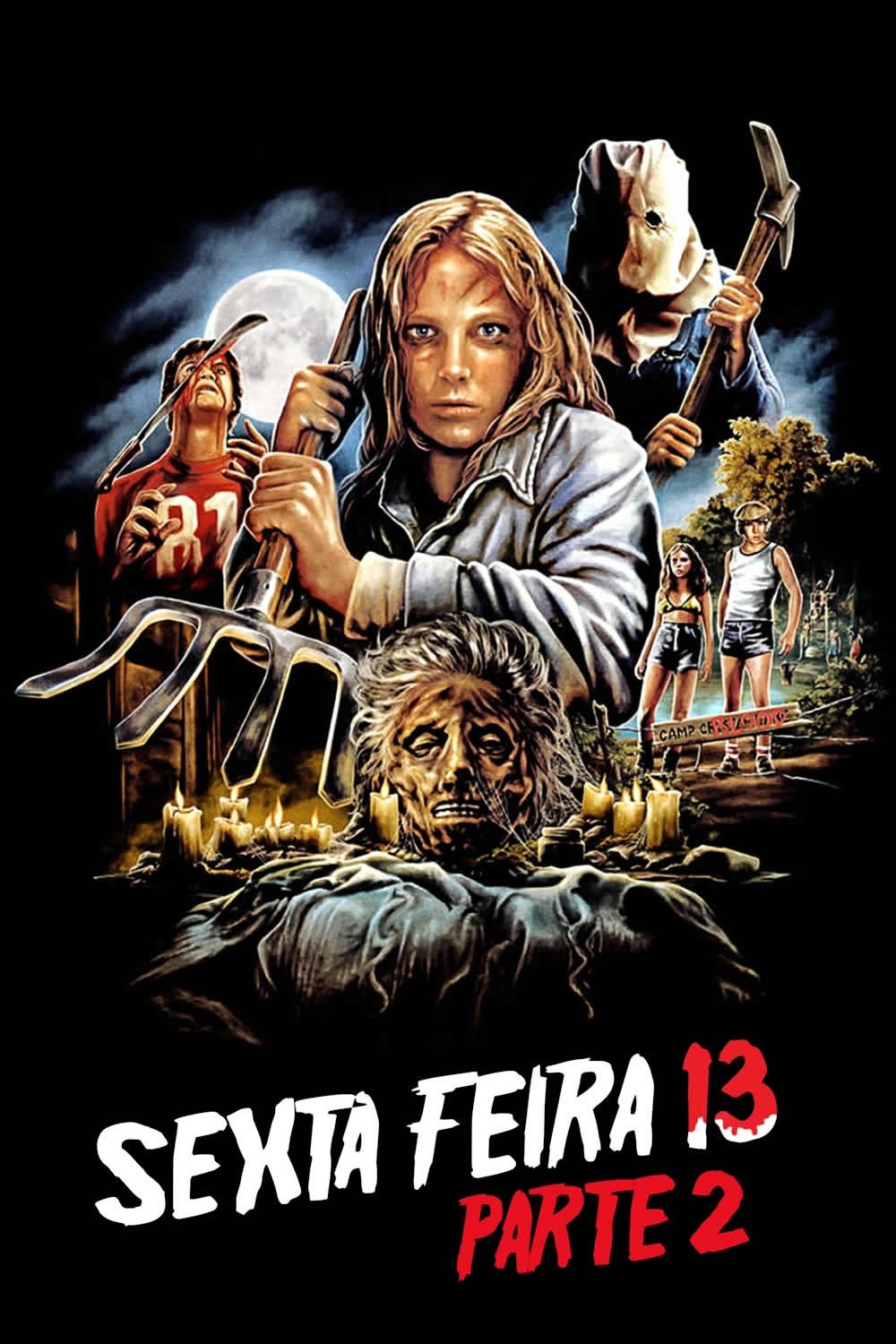
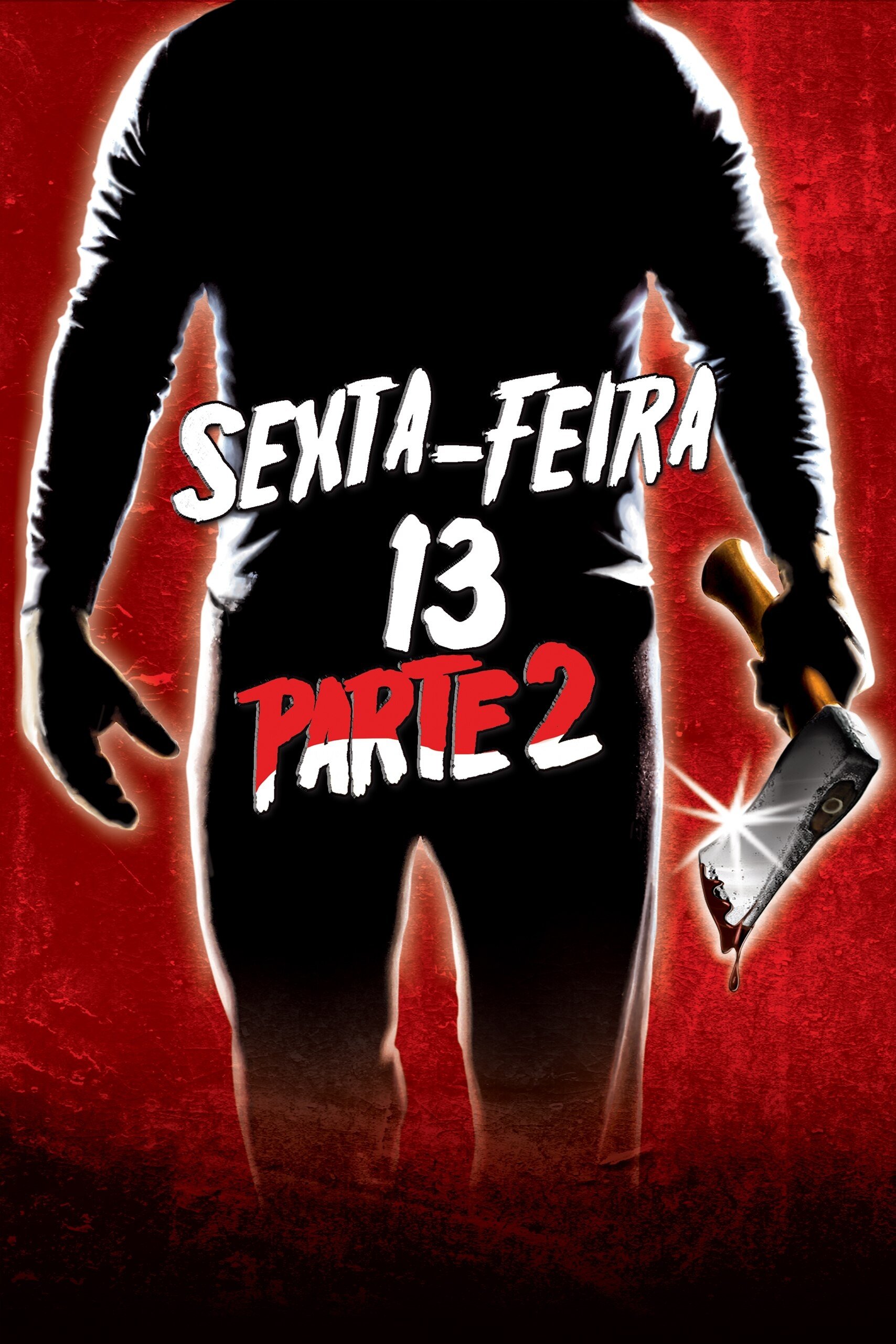
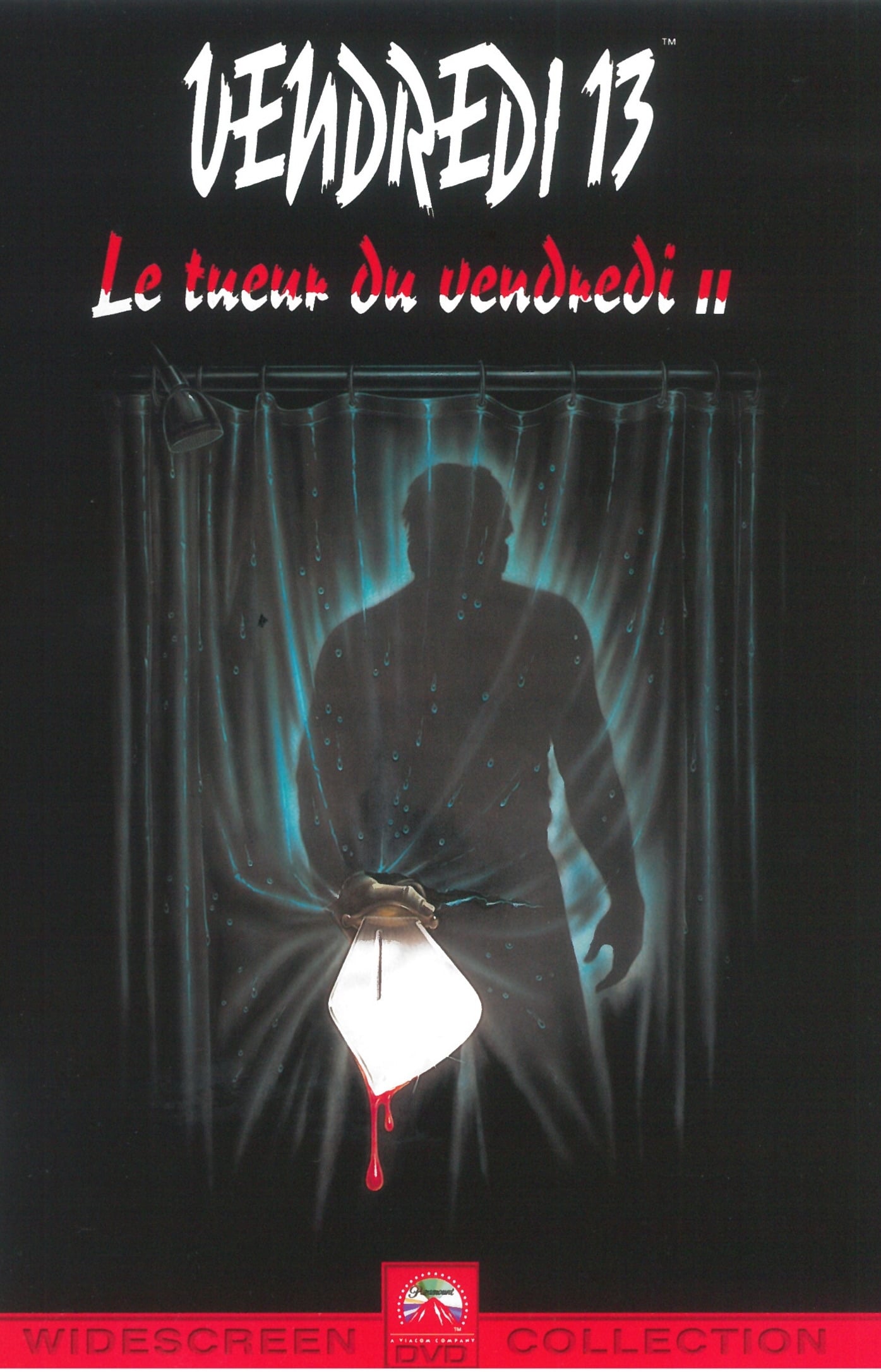
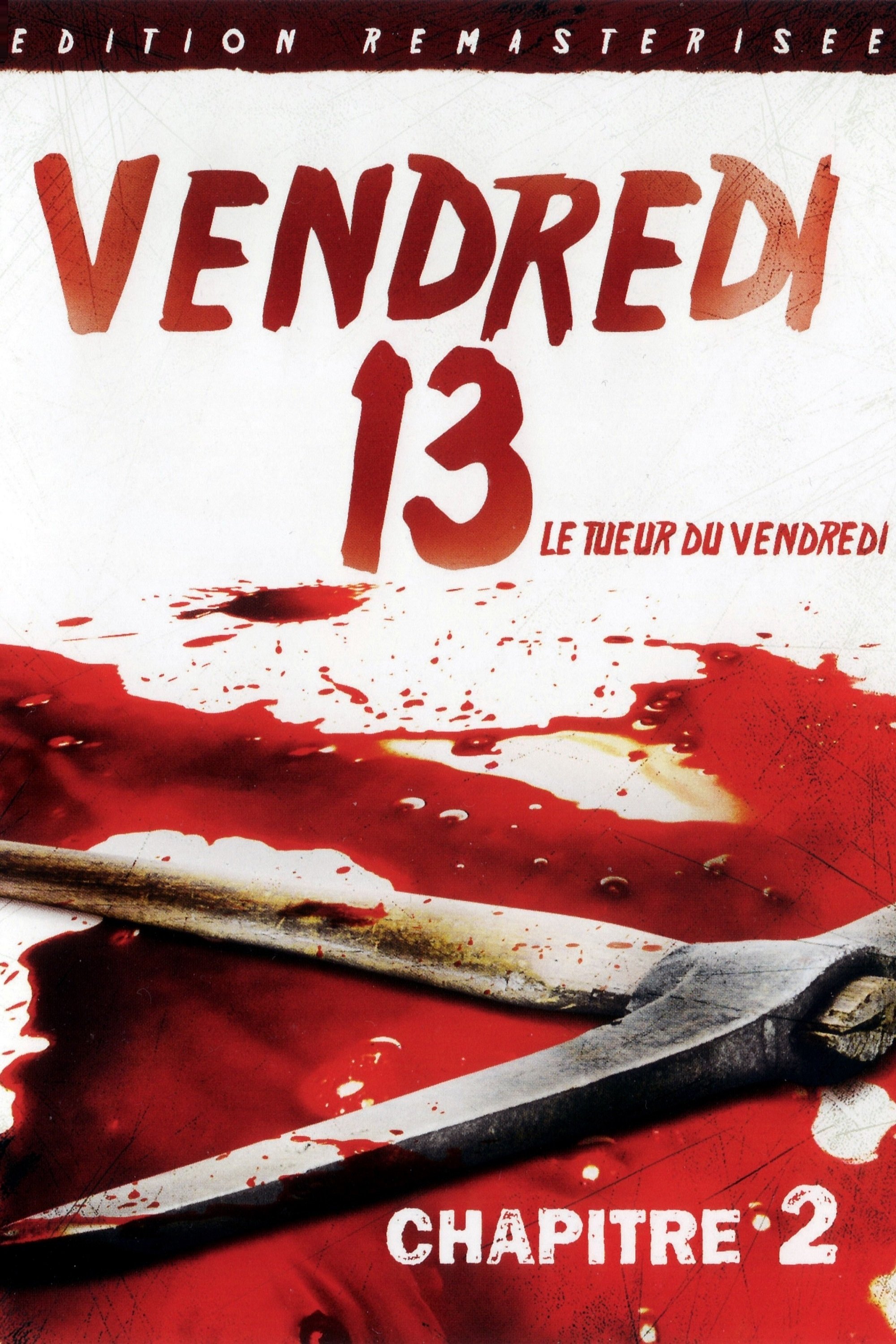
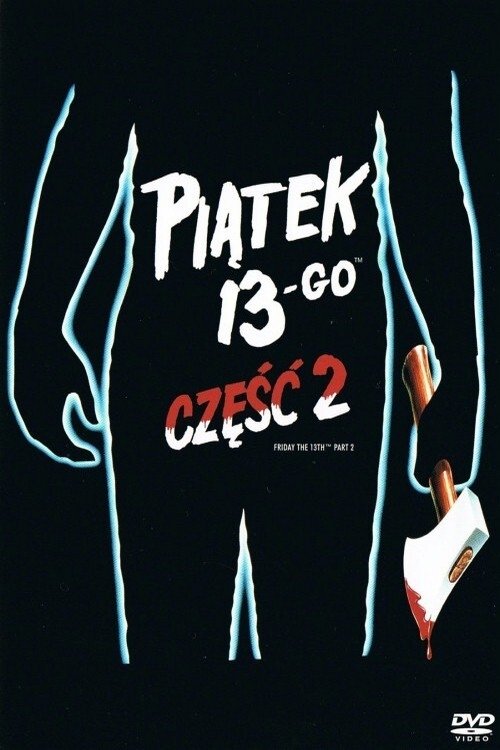
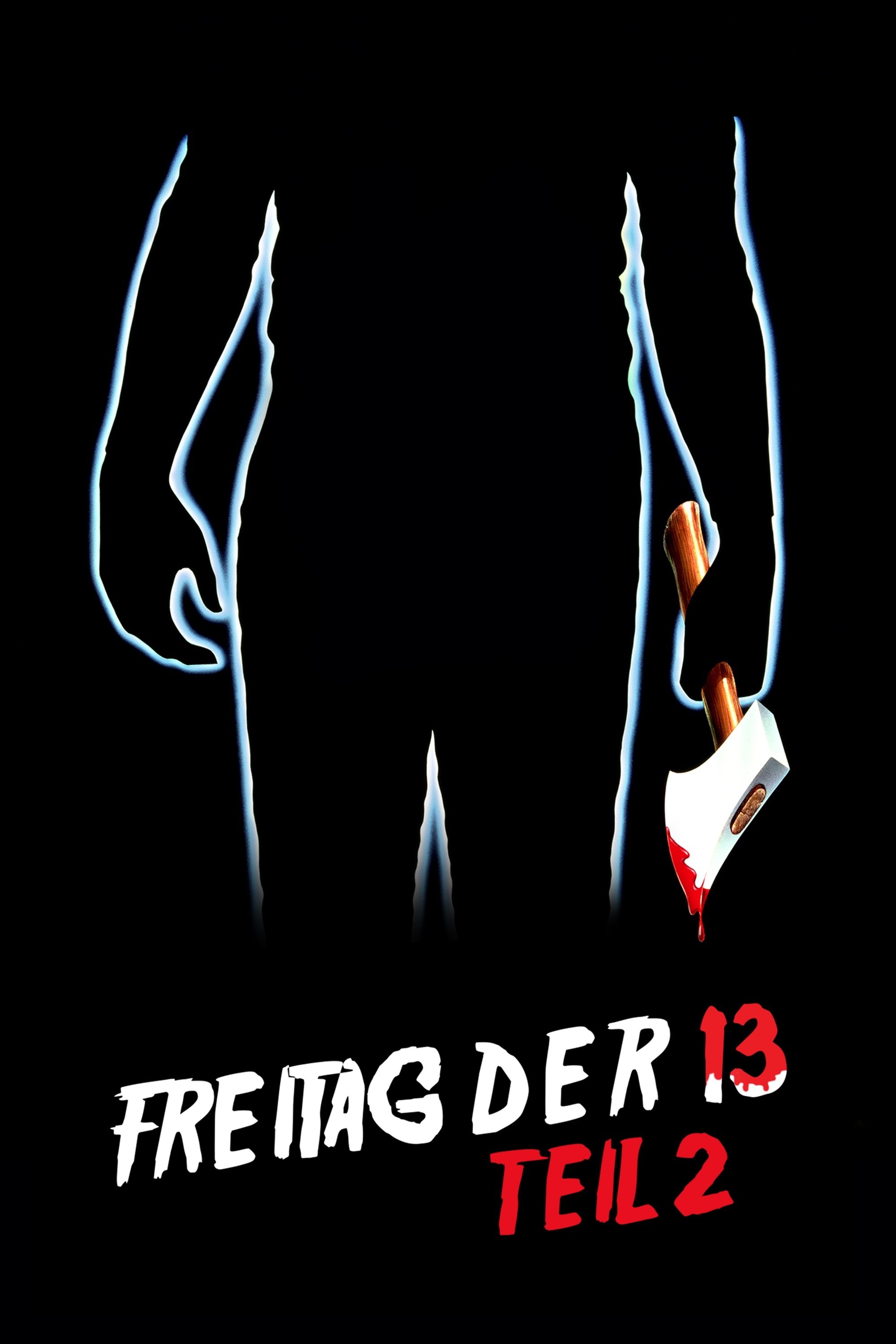
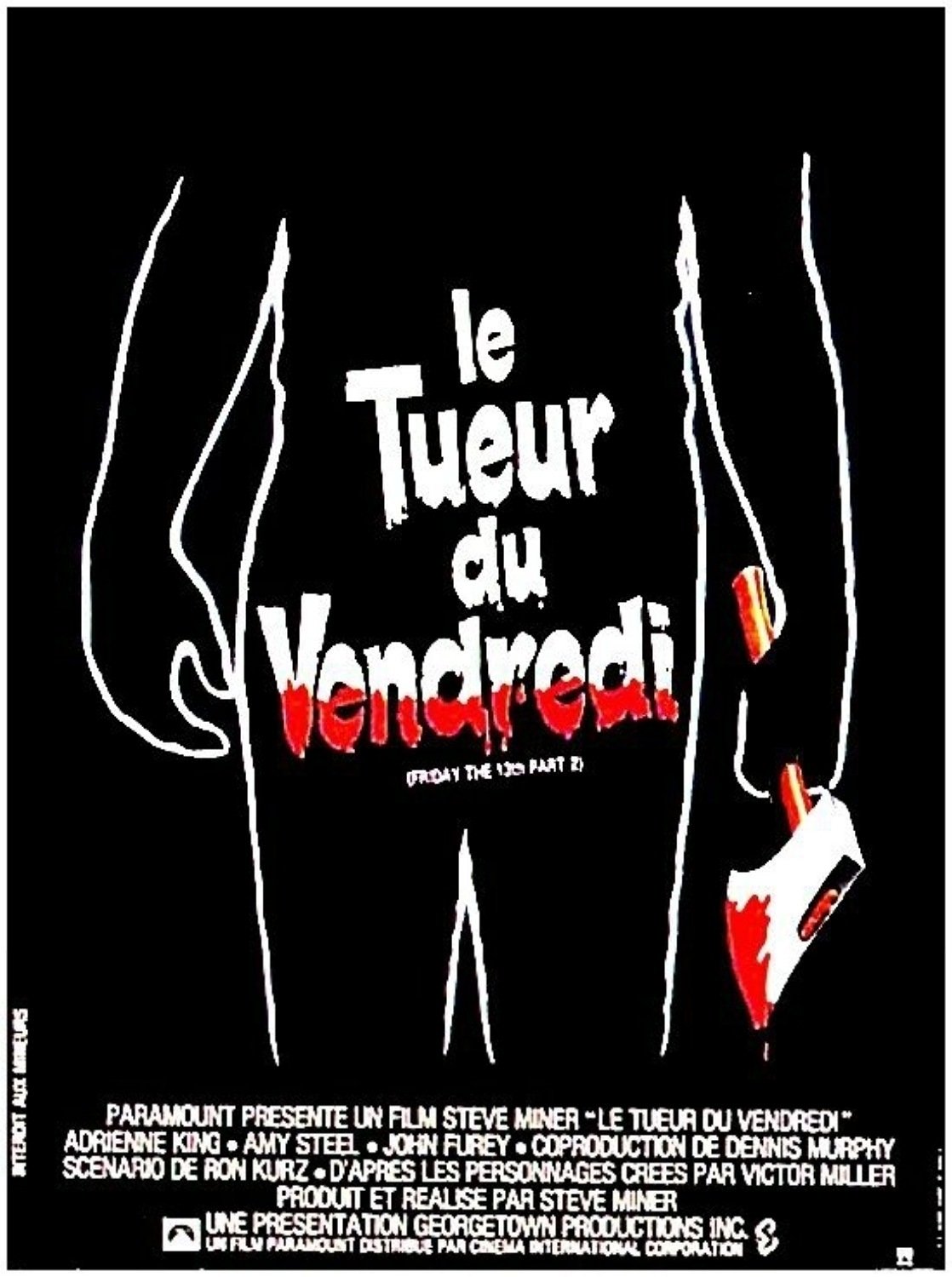
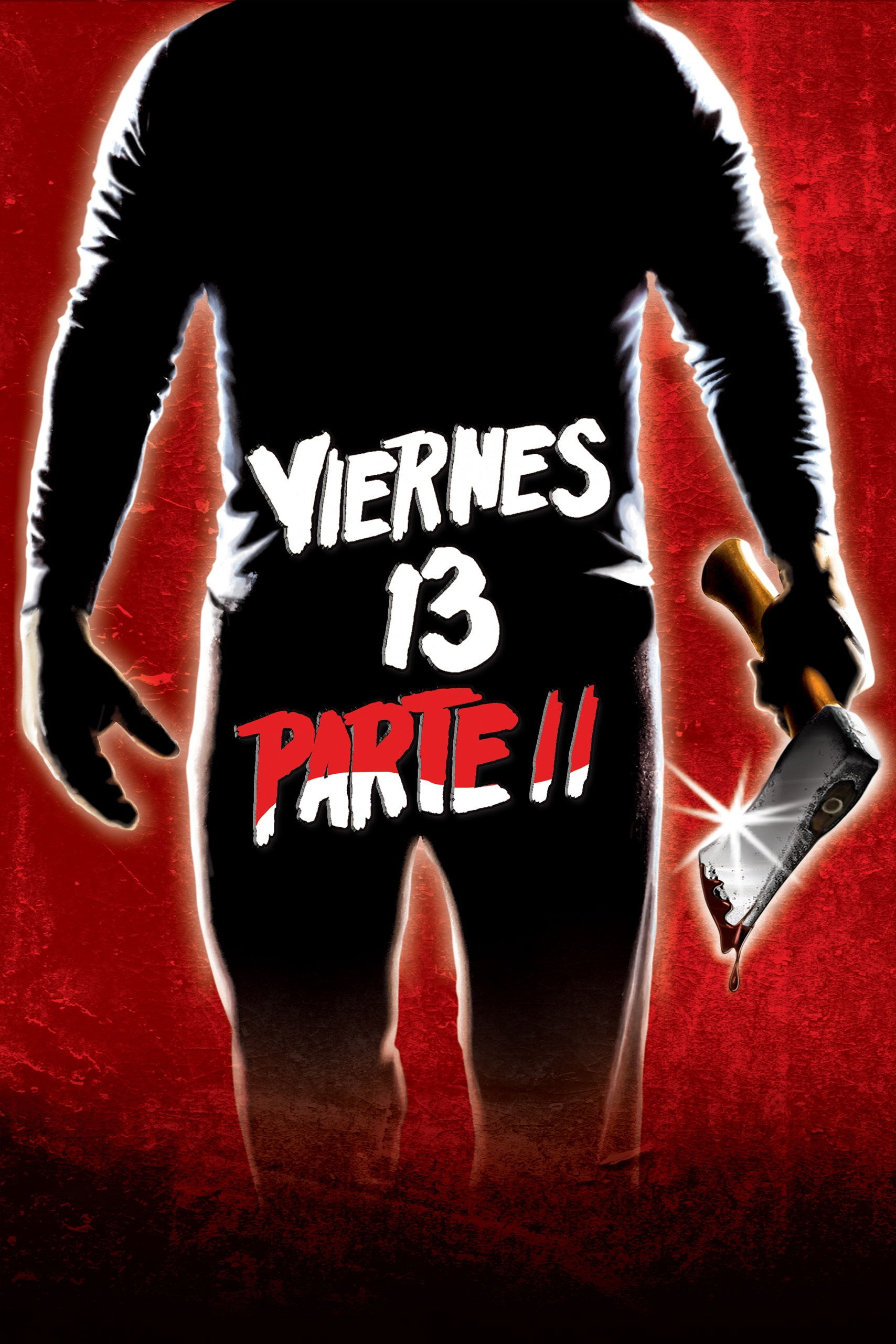
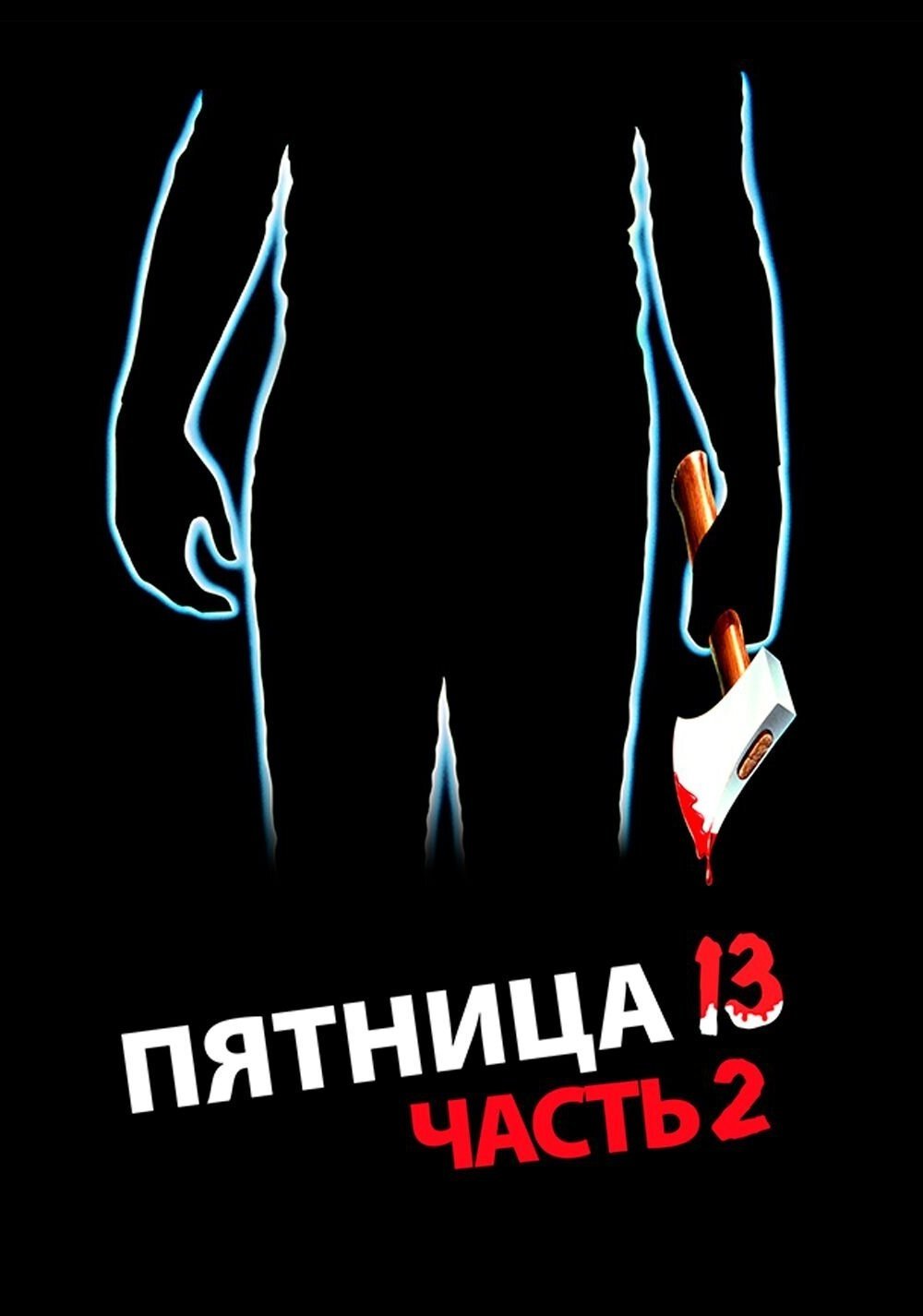
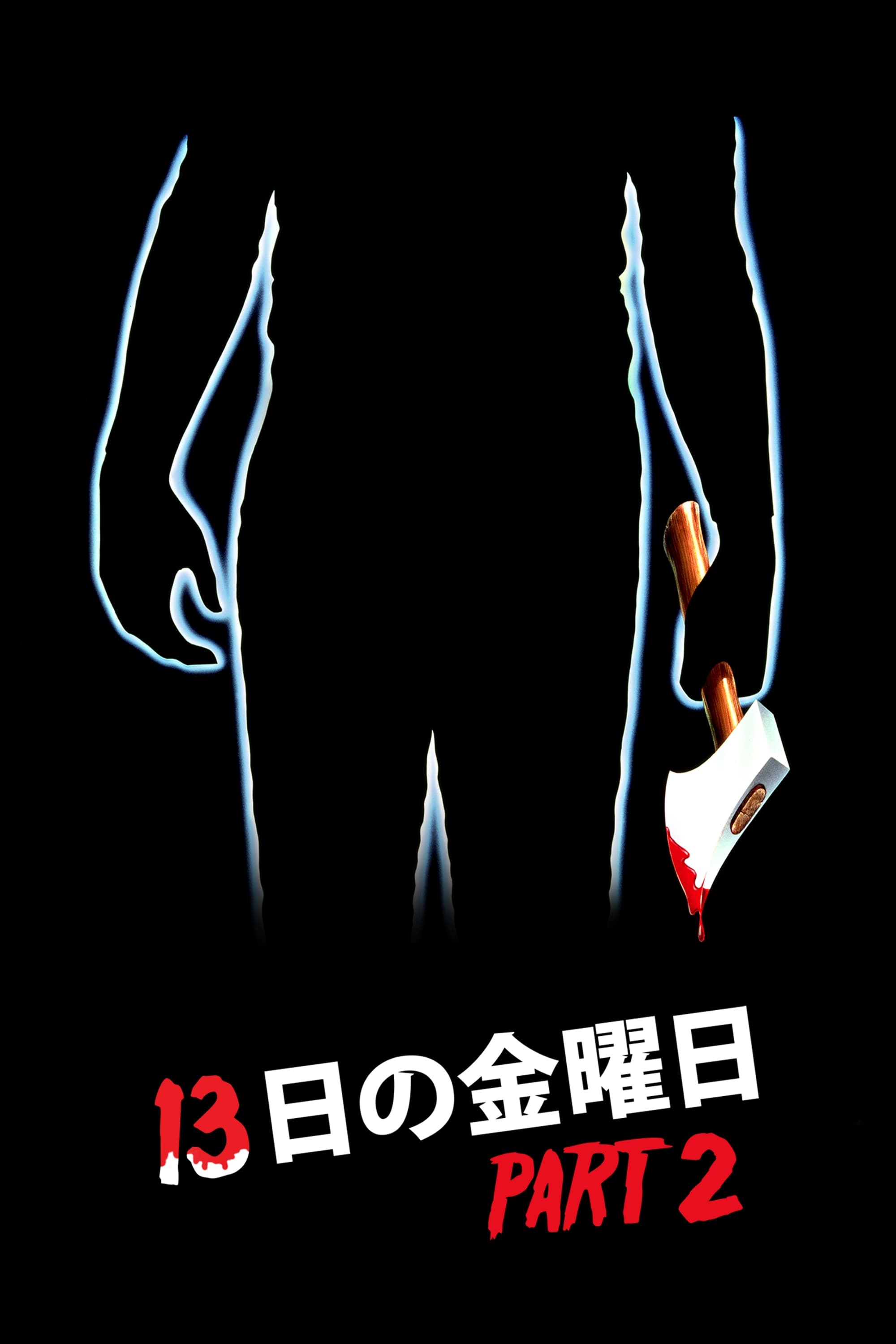
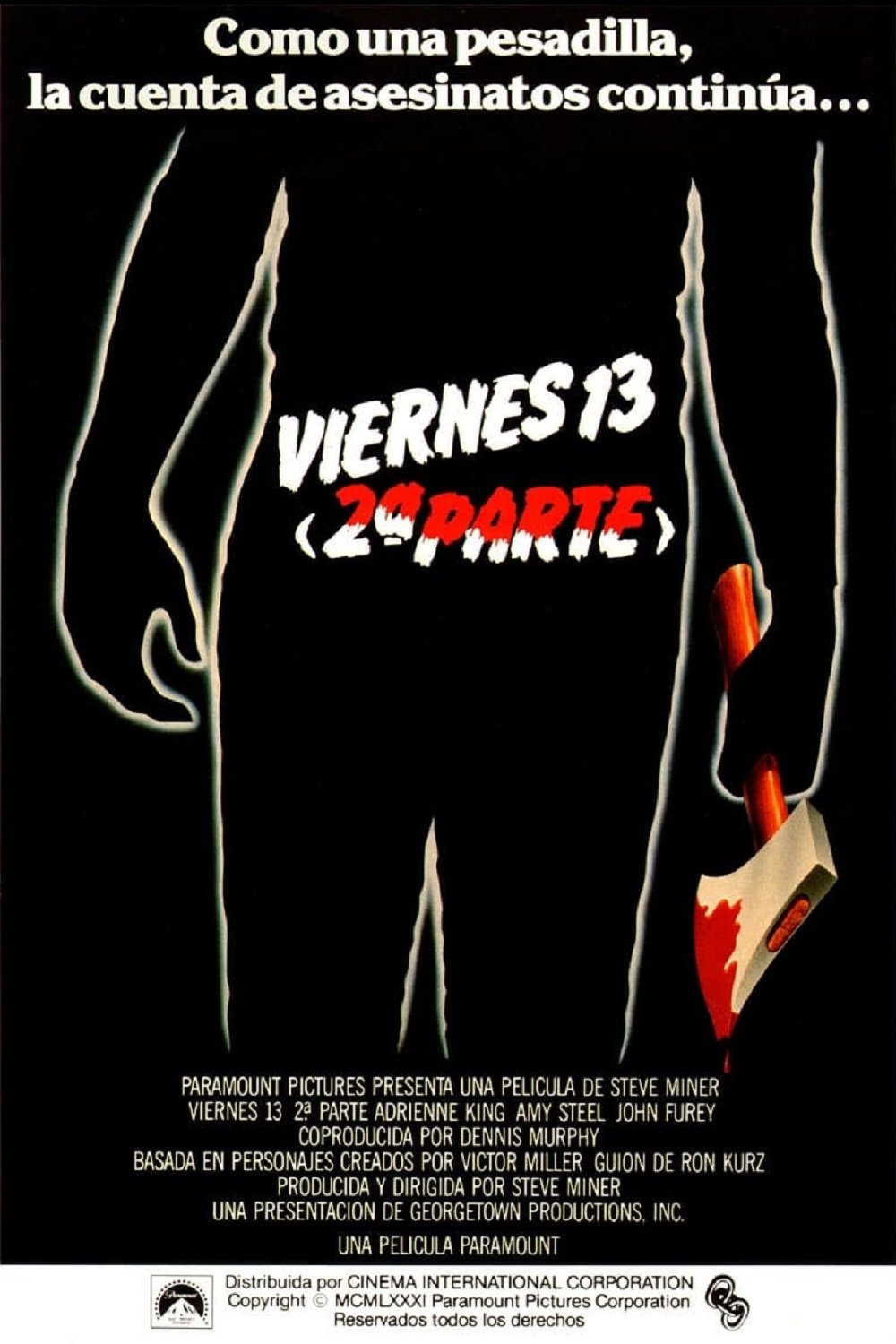
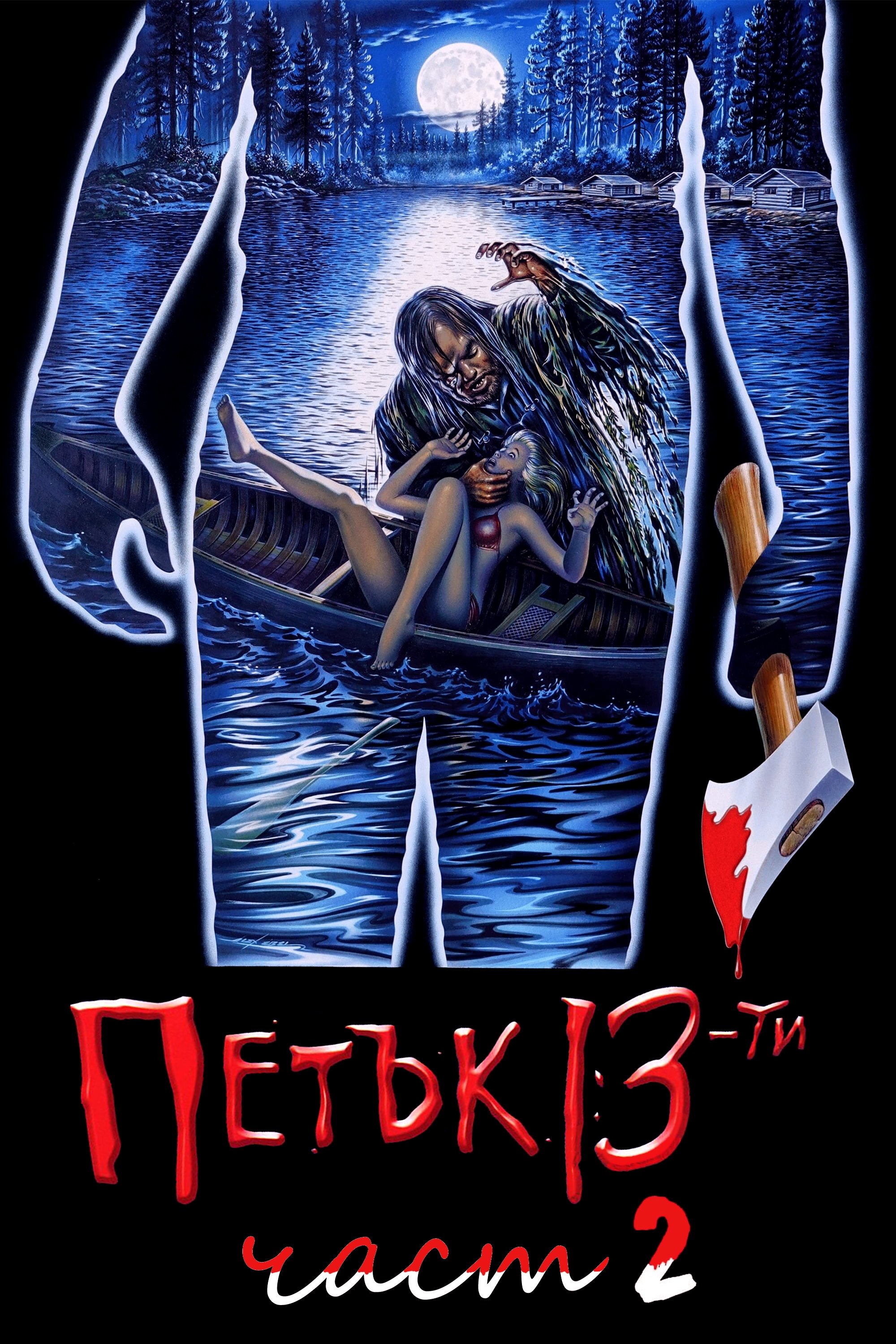
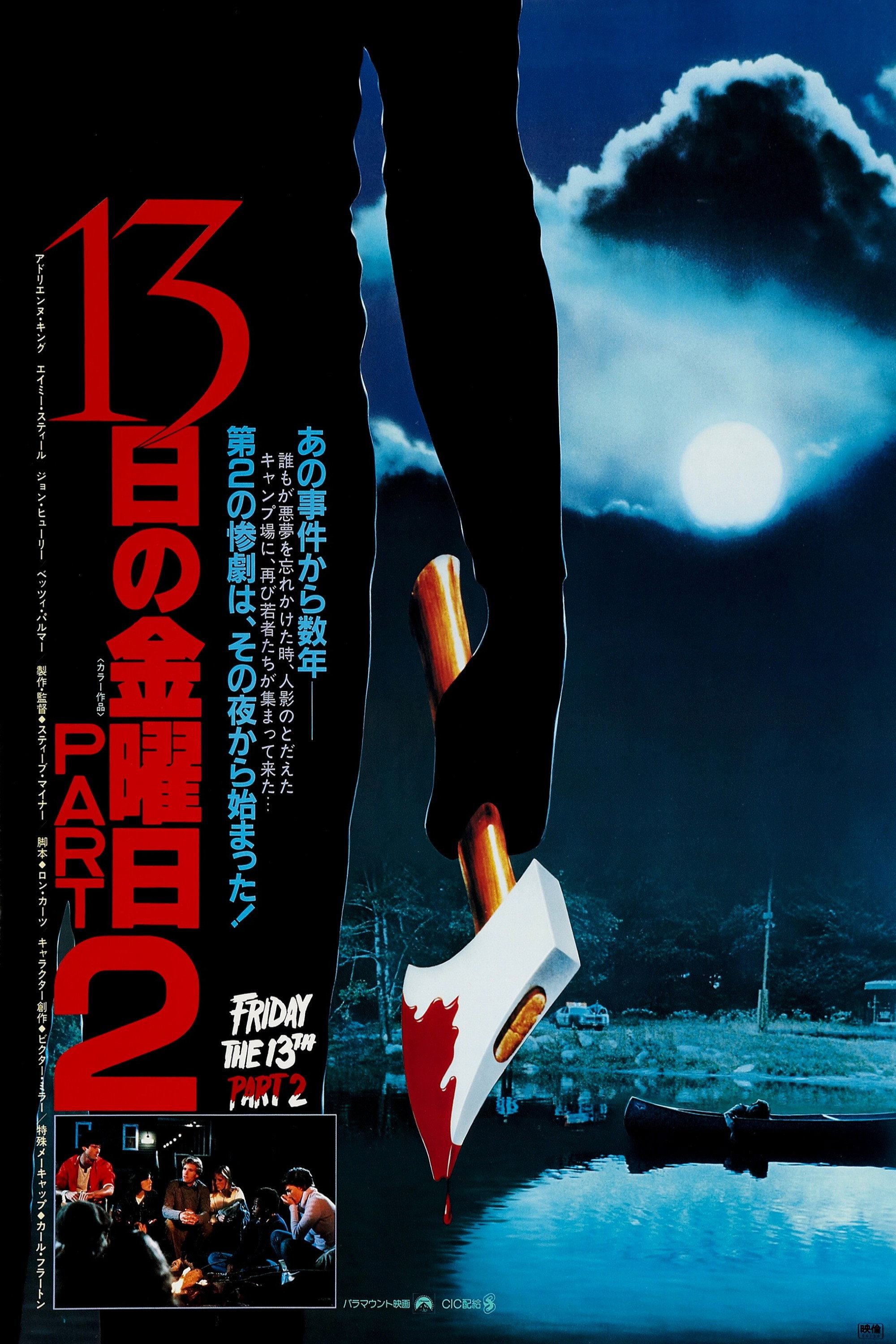
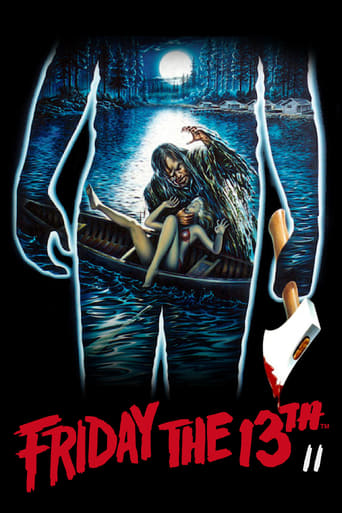
Friday the 13th Part 2 (1981) poster
Director
Production Companies
Georgetown Productions , Paramount Pictures
Plot

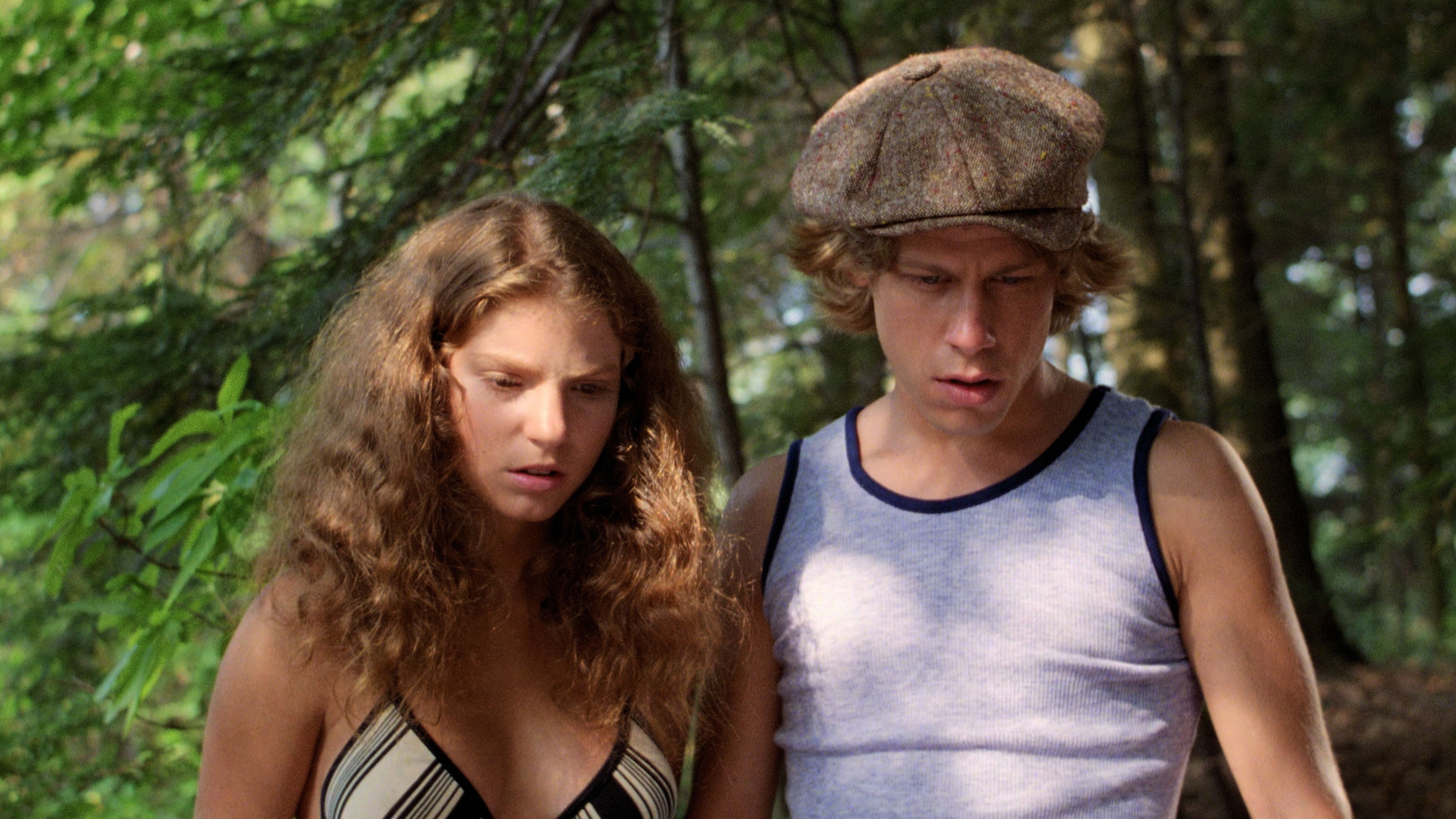
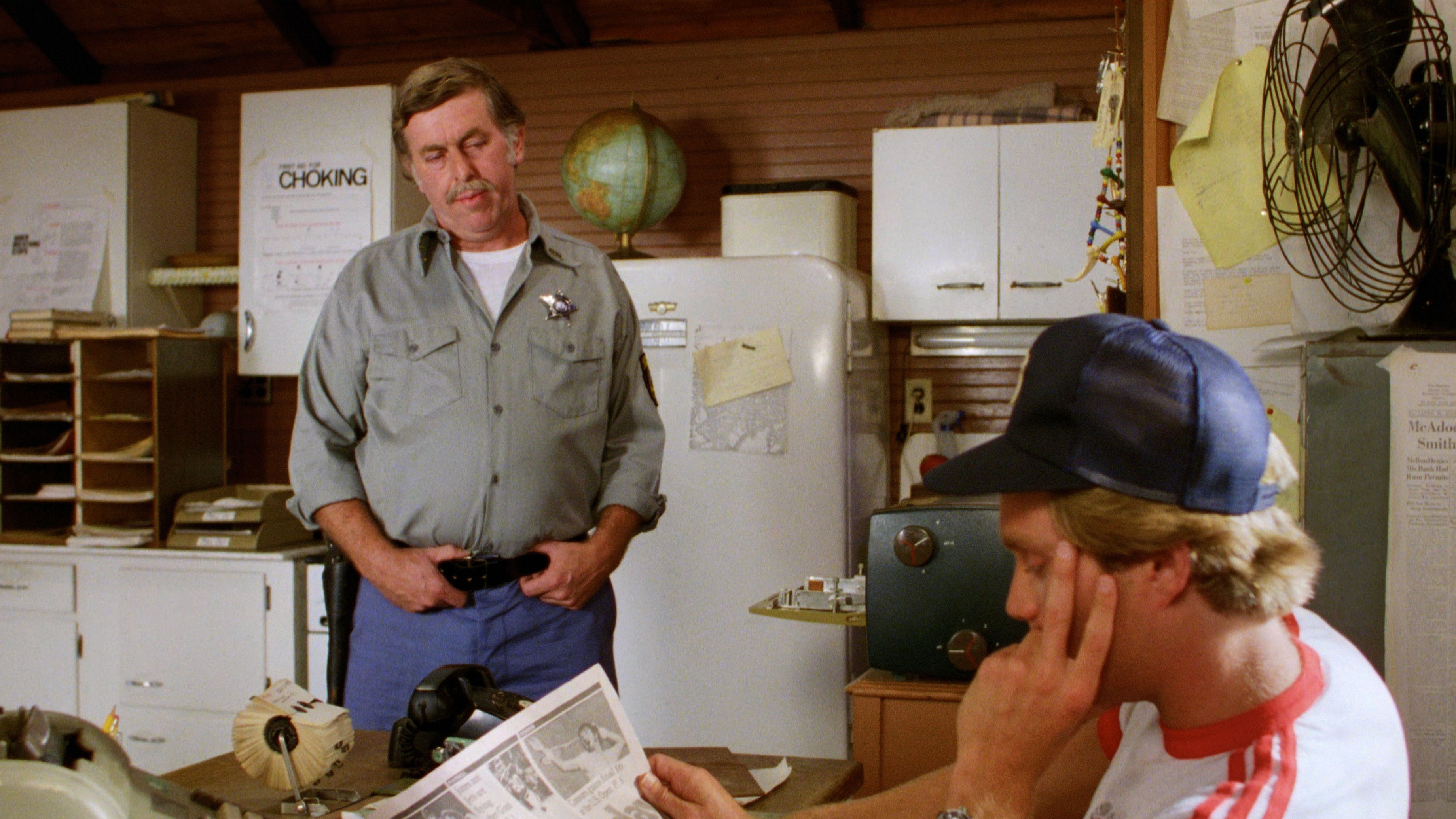
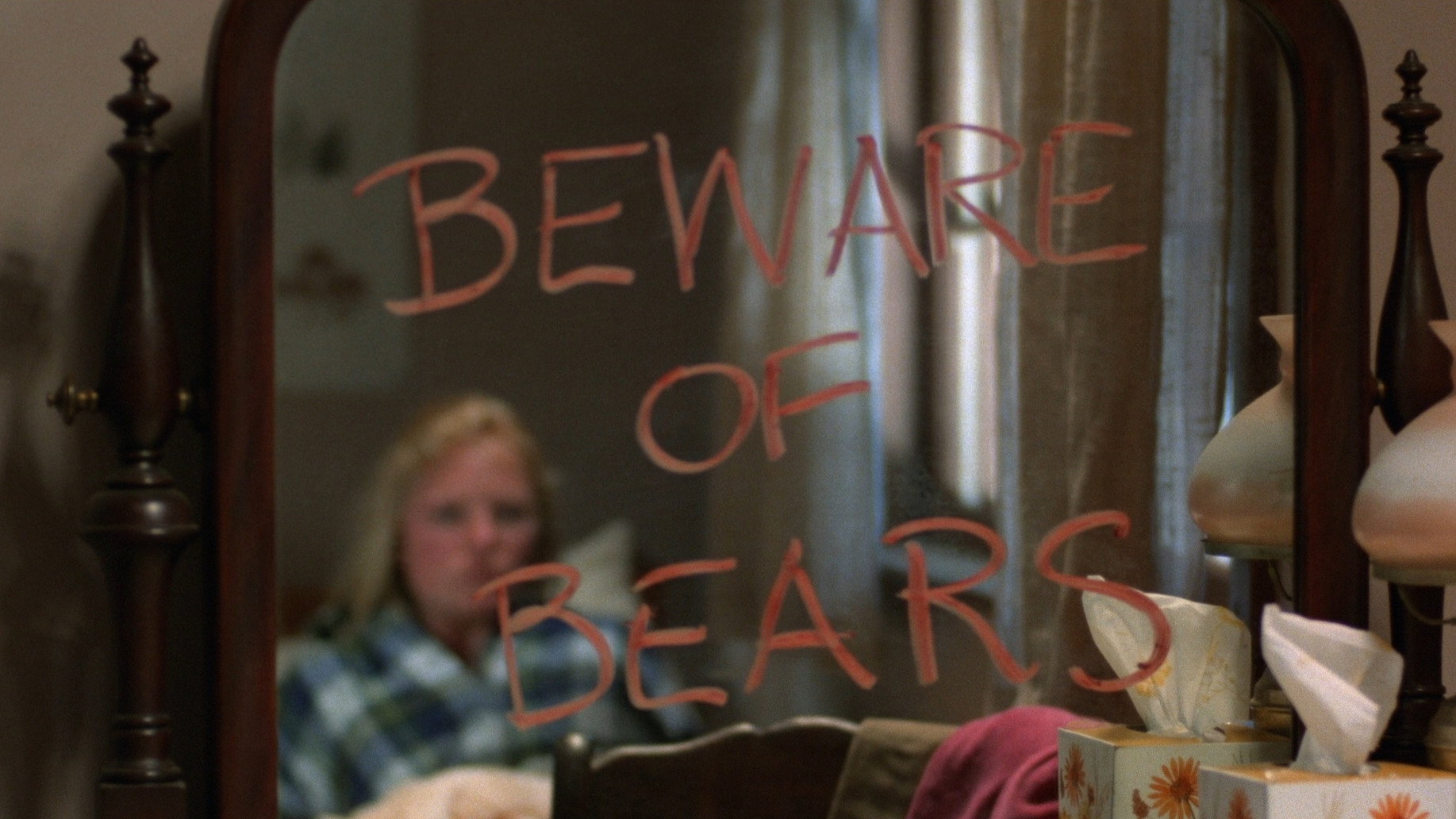
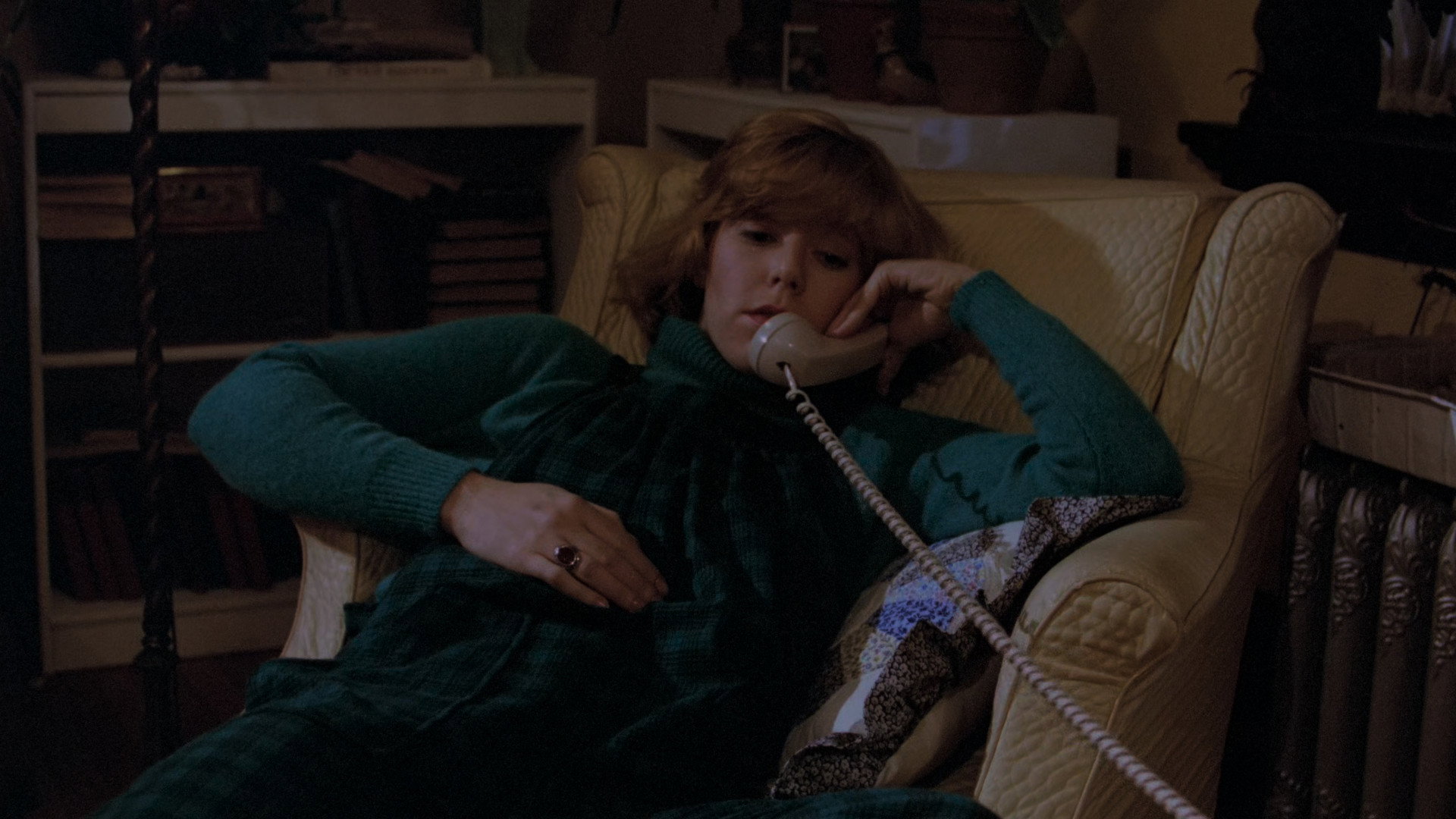
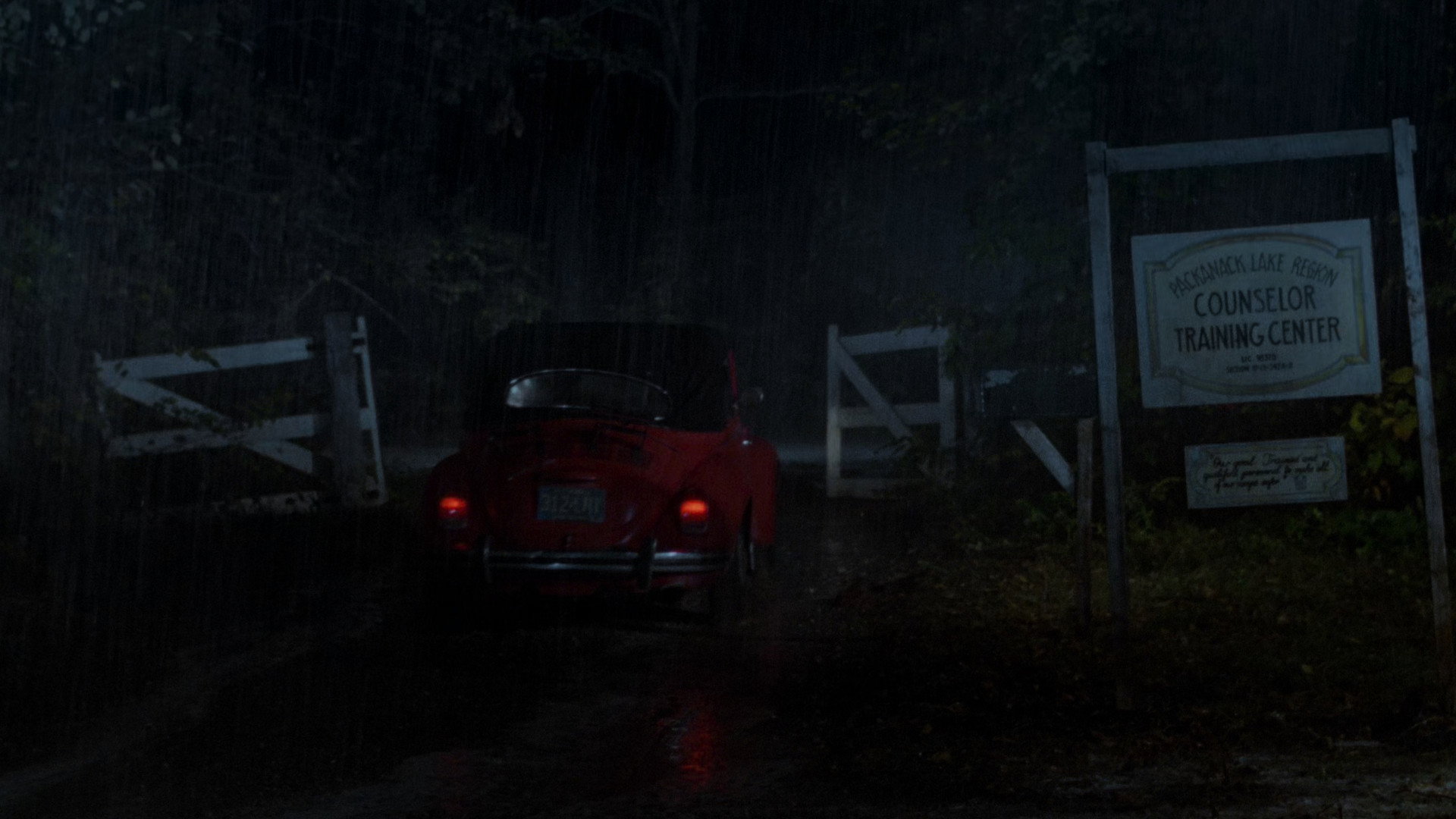
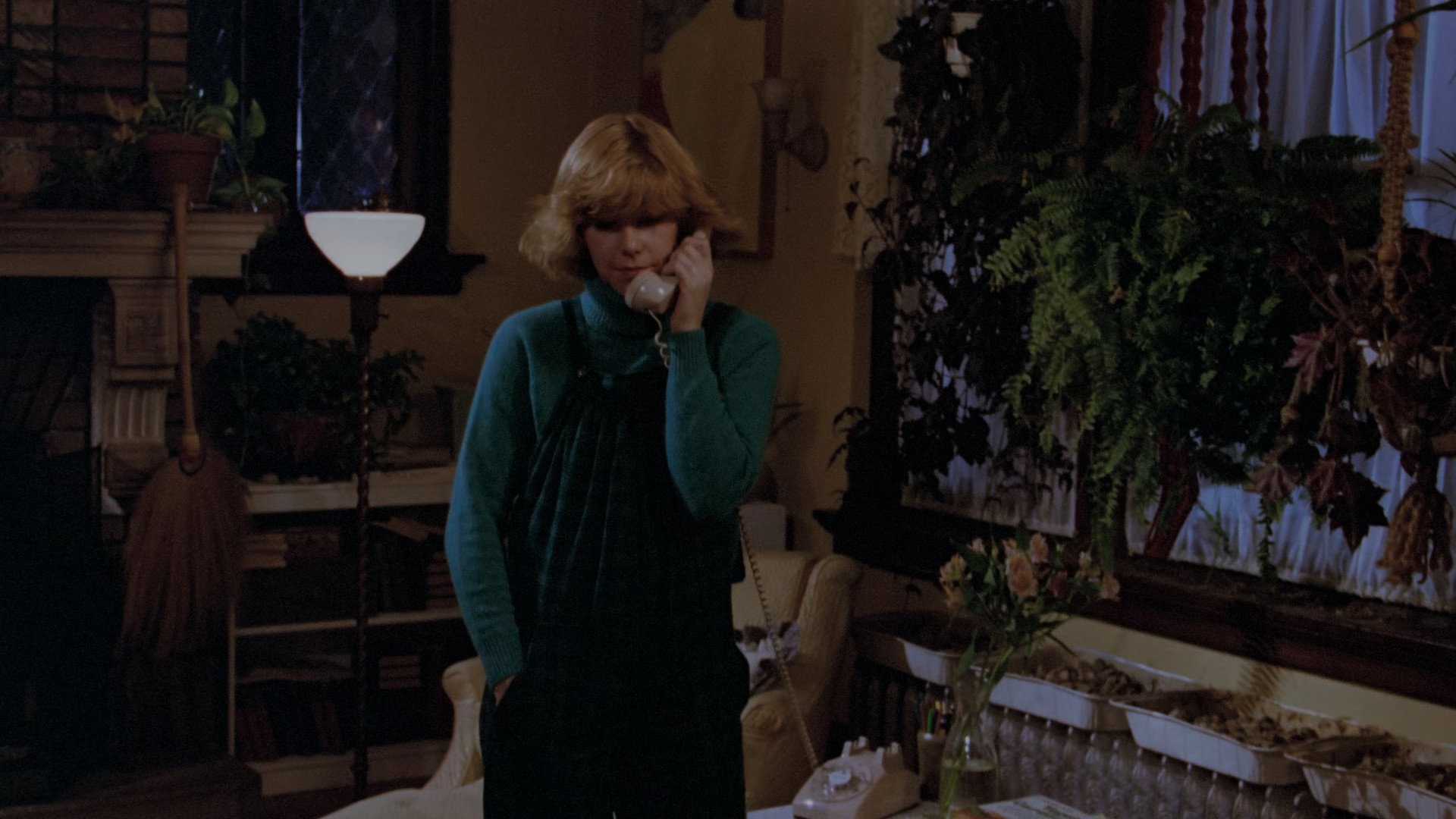
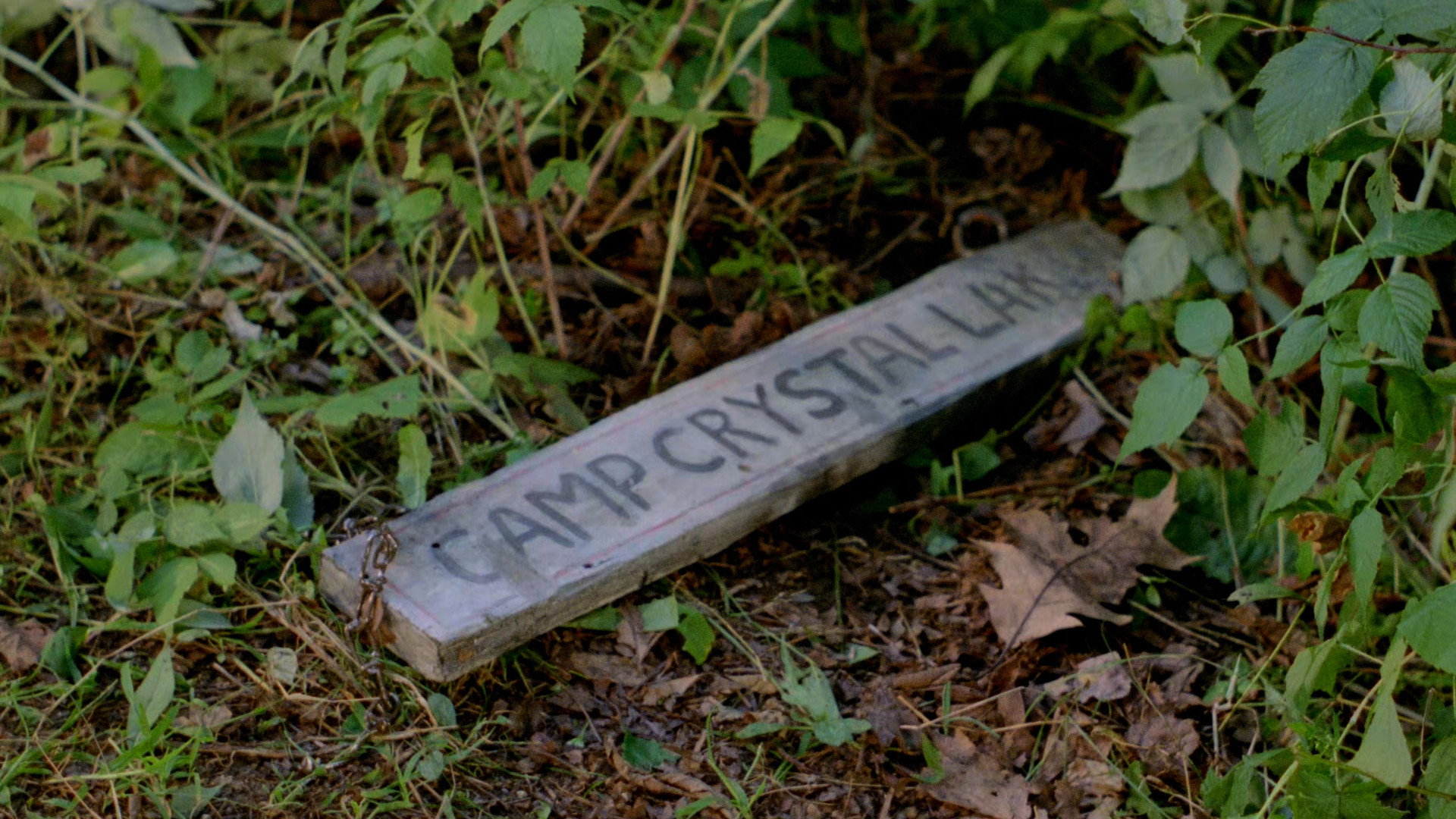
Five years after the killings at Camp Crystal Lake, Paul Holt organizes a training program for camp counselors at a nearby property. Among the participants is Ginny Field, who takes an interest in the local story of Jason Voorhees, the boy believed to have drowned in the lake. Despite warnings about the abandoned camp, several counselors head into town that evening, while those who remain at the training center become the targets of an unseen killer. Ginny and her companions must confront the possibility that the Voorhees tragedy did not end with the previous massacre.

Alternative Titles
Martes 13: Parte 2 (Argentina) Friday the 13th II (Australia) — Television Title Cümə, ayın 13-ü: İkinci hissə (Azerbaijan) — Azerbaijani De Vrijdagse doder (Belgium) — alternative title Петък 13-и: Част 2 (Bulgaria) Sexta-Feira 13 - Parte 2 (Brazil) Le tueur du vendredi (Canada) — French Vendredi 13 : Chapitre 2 (Canada) — French
Show all 73 alternative titles 十三号星期五2 (China) — Chinese 黑色星期五2 (China) Pátek třináctého 2 (Czechia) Freitag der 13. - Jason kehrt zurück (Germany) — German Freitag der 13. Teil 2 - Jason kehrt zurück (Germany) Freitag, der 13. Teil 2 (Germany) — DVD box title Fredag den 13. del 2 (Denmark) — Danish Øksemorderen (Denmark) Divendres 13 2 (Spain) — Catalan Viernes 13 - Parte 2 (Spain) Viernes 13, 2ª parte (Spain) — Spanish Viernes 13. 2ª parte (Spain) Fredagen den 13. del 2 (Finland) — Swedish Perjantai 13. päivä, osa 2 (Finland) Le Tueur du Vendredi (France) — short title Vendredi 13 - Chapitre 2: Le tueur du vendredi (France) Vendredi 13, chapitre 2 : Le Tueur du vendredi (France) — French Vendredi 13: Le tueur du vendredi (France) — alternative title Friday the 13th: Jason (United Kingdom) — alternative title Paraskevi kai 13 meros 2on (Greece) — transliteration Παρασκευή και 13 μέρος 2 (Greece) 十三號星期五 2 (Hong Kong SAR China) — Chinese Petak 13. - 2. dio (Croatia) — Croatian Petak 13.: 2. dio (Croatia) Péntek 13: II. rész (Hungary) Péntek 13. - II. rész (Hungary) — Hungarian יום שישי ה-13: חלק 2 (Israel) — Hebrew Friday the 13th - Part II (India) — Hindi L'assassino ti siede accanto (Italy) Venerdì 13: parte 2 - L'assassino ti siede accanto (Italy) — DVD 13日の金曜日 PART2 (Japan) 13일의 금요일 2 (South Korea) — Korean Penktadienis 13-oji: II dalis (Lithuania) — Lithuanian Martes 13 (2.ª parte) (Mexico) Viernes 13 (parte II) (Mexico) — new title Viernes 13 parte 2 (Mexico) — DVD title Viernes 13, Parte II (Mexico) — Spanish Friday the 13th, Part II (Netherlands) — Dutch Vrijdag de 13e Deel 2 (Netherlands) Fredag den 13de del 2 (Norway) Fredag den 13ende (Norway) — Norwegian Piątek trzynastego 2 (Poland) — Polish Piątek trzynastego II (Poland) Sexta-Feira 13 - Parte 2 (Portugal) Vineri 13: Partea a II-a (Romania) Petak 13-ti, 2. deo (Serbia) Петак тринаести 2 (Serbia) — Serbian Пятница 13 - Часть 2 (Russia) — Russian Пятница тринадцатое - Часть 2 (Russia) Fredagen den 13:e del 2 (Sweden) Petek 13. 2. del (Slovenia) — Slovenian Piatok trinásteho 2 (Slovakia) Viernes 13 Parte 2 (El Salvador) ศุกร์ 13 ฝันหวาน ภาค 2 (Thailand) — Thai 13. Cuma 2 (Türkiye) 13. Gün (Türkiye) — Relase Title 13號星期五續集 (Taiwan) 十三號星期五2 (Taiwan) — Chinese П’ятниця 13-те: Частина 2 (Ukraine) — Ukrainian П’ятниця 13-те: Частина II (Ukraine) Friday the 13th Part II (United States) — trailer title Friday the 13th: Part II (United States) Friday the Thirteen II (United States) — Android TV Jason (United States) — Working Title Thứ 6 Ngày 13 Phần 2 (Vietnam) — Vietnamese

Trailers & Videos

3 videos

Film Guide & Analysis

Steve Miner transforms Jason Voorhees into a physical slasher antagonist, with Amy Steel as Ginny Field and the sequel shaped by practical effects and rating cuts.

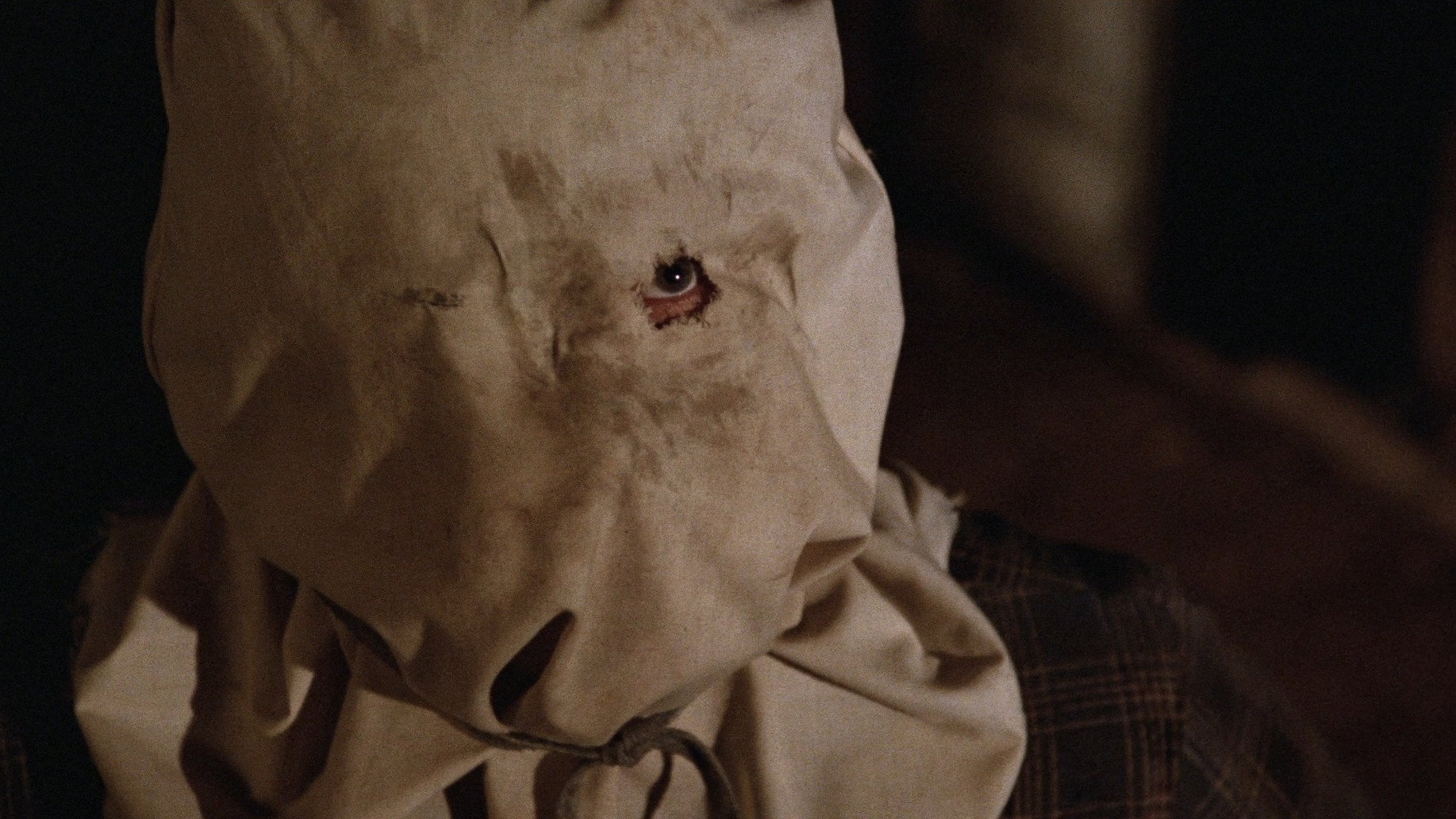
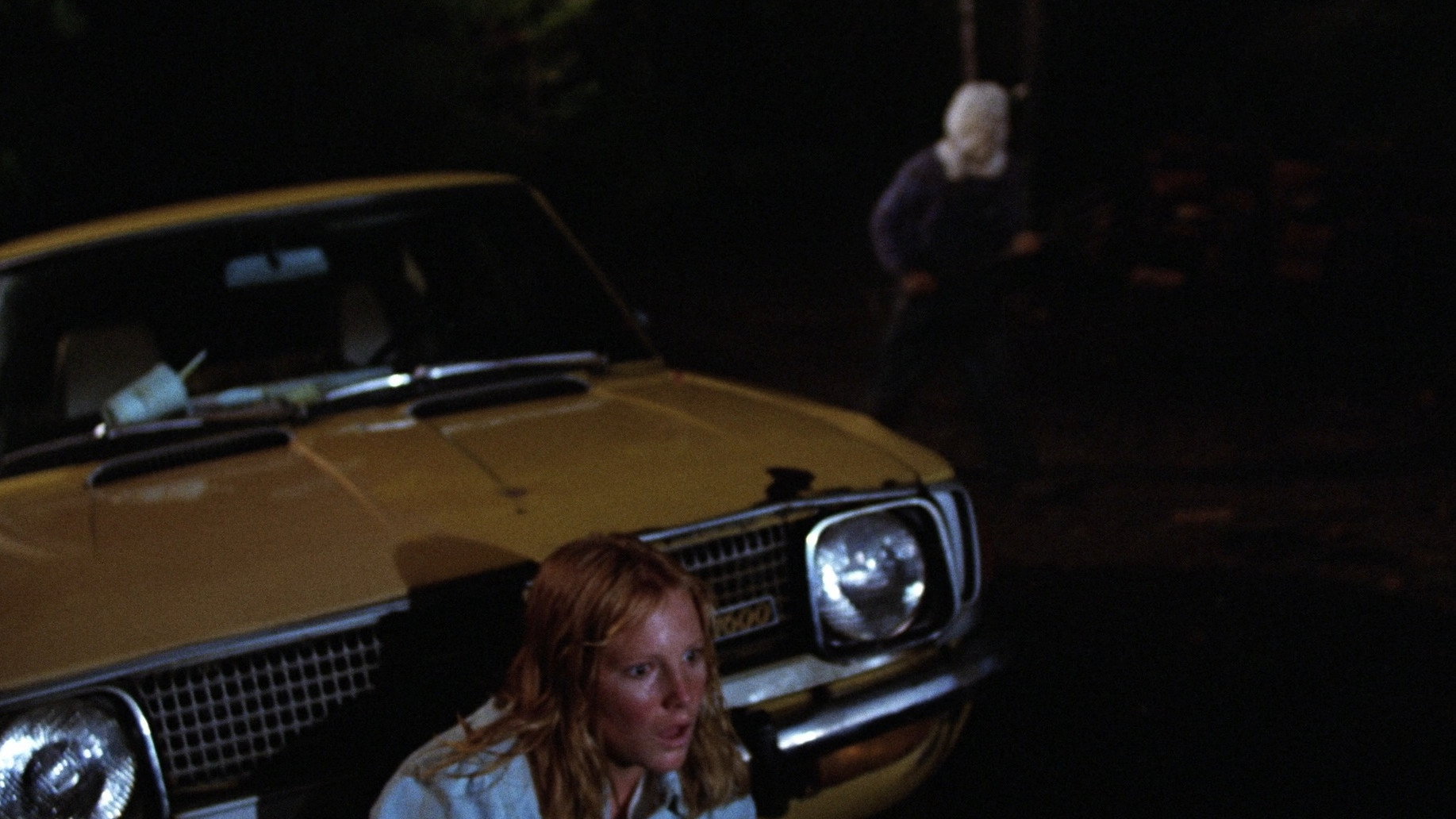
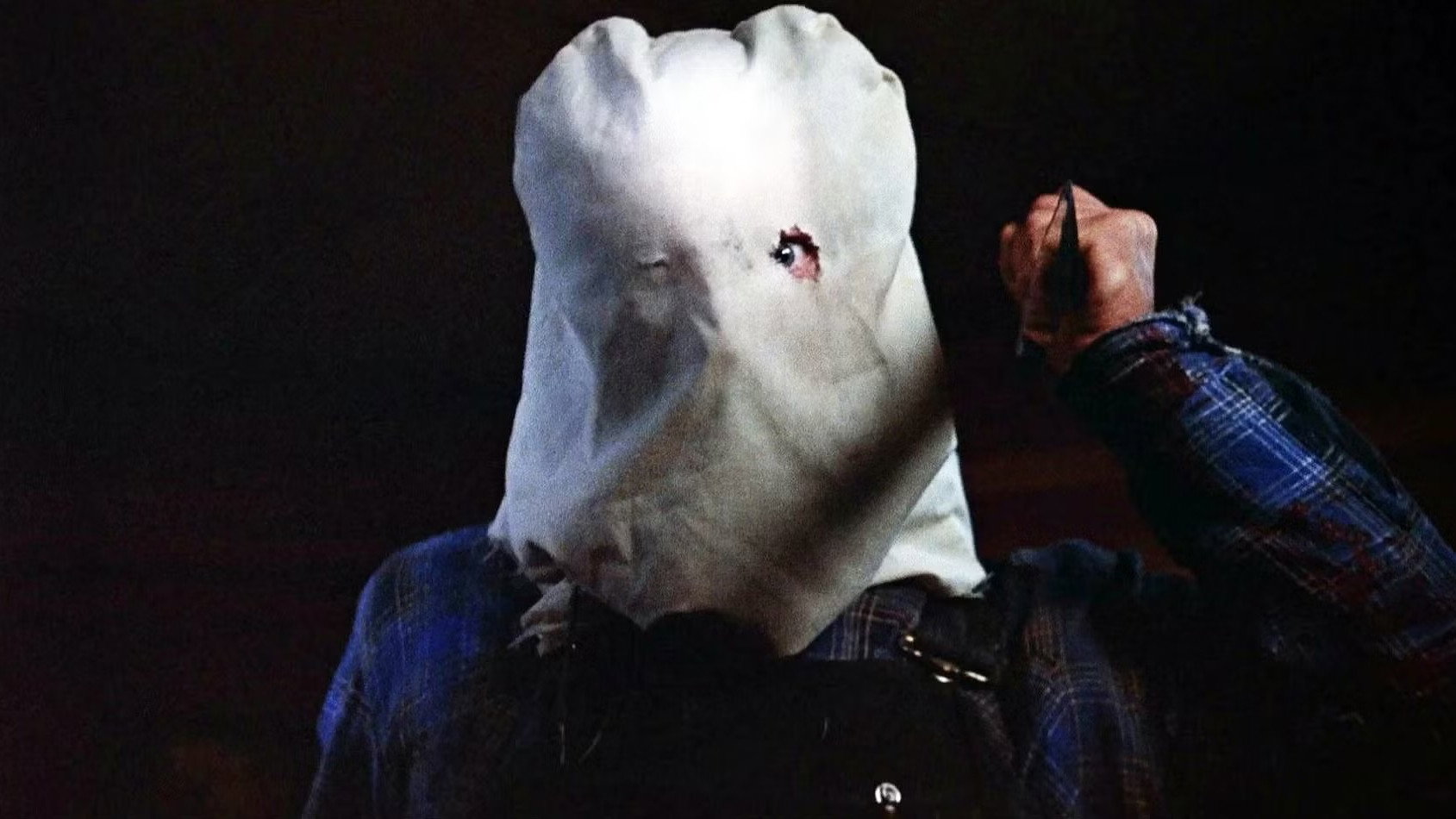
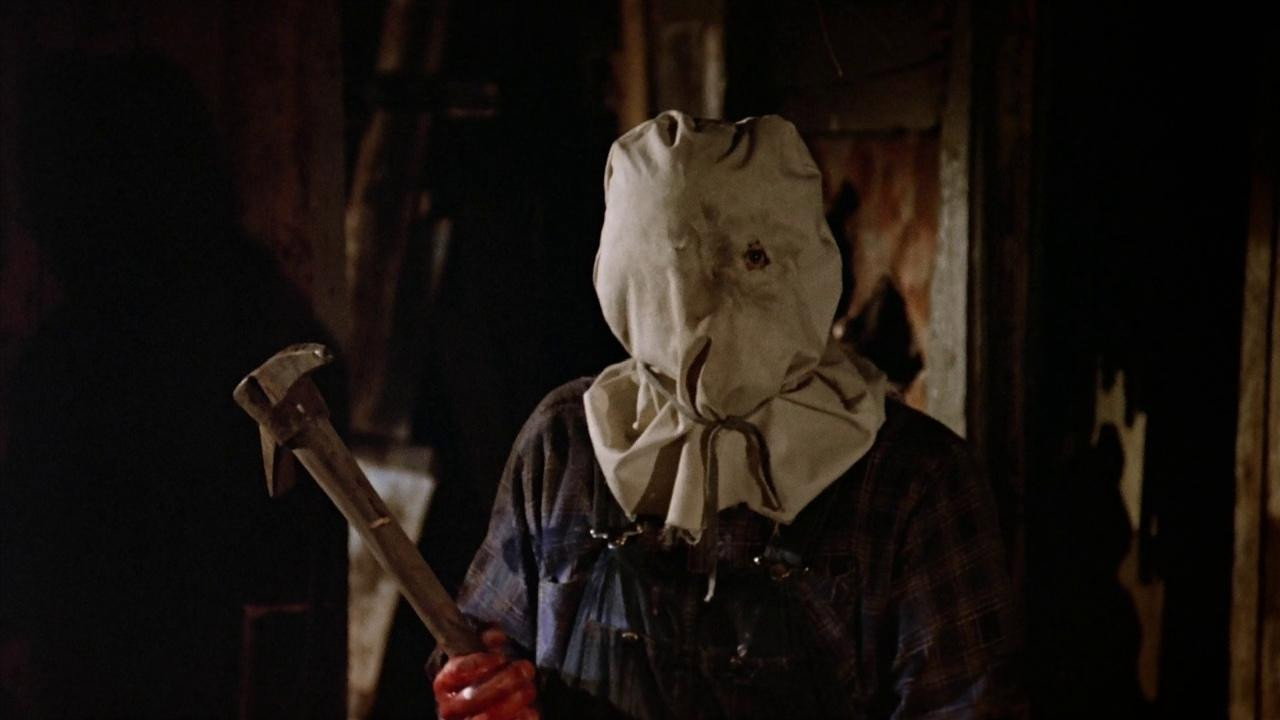
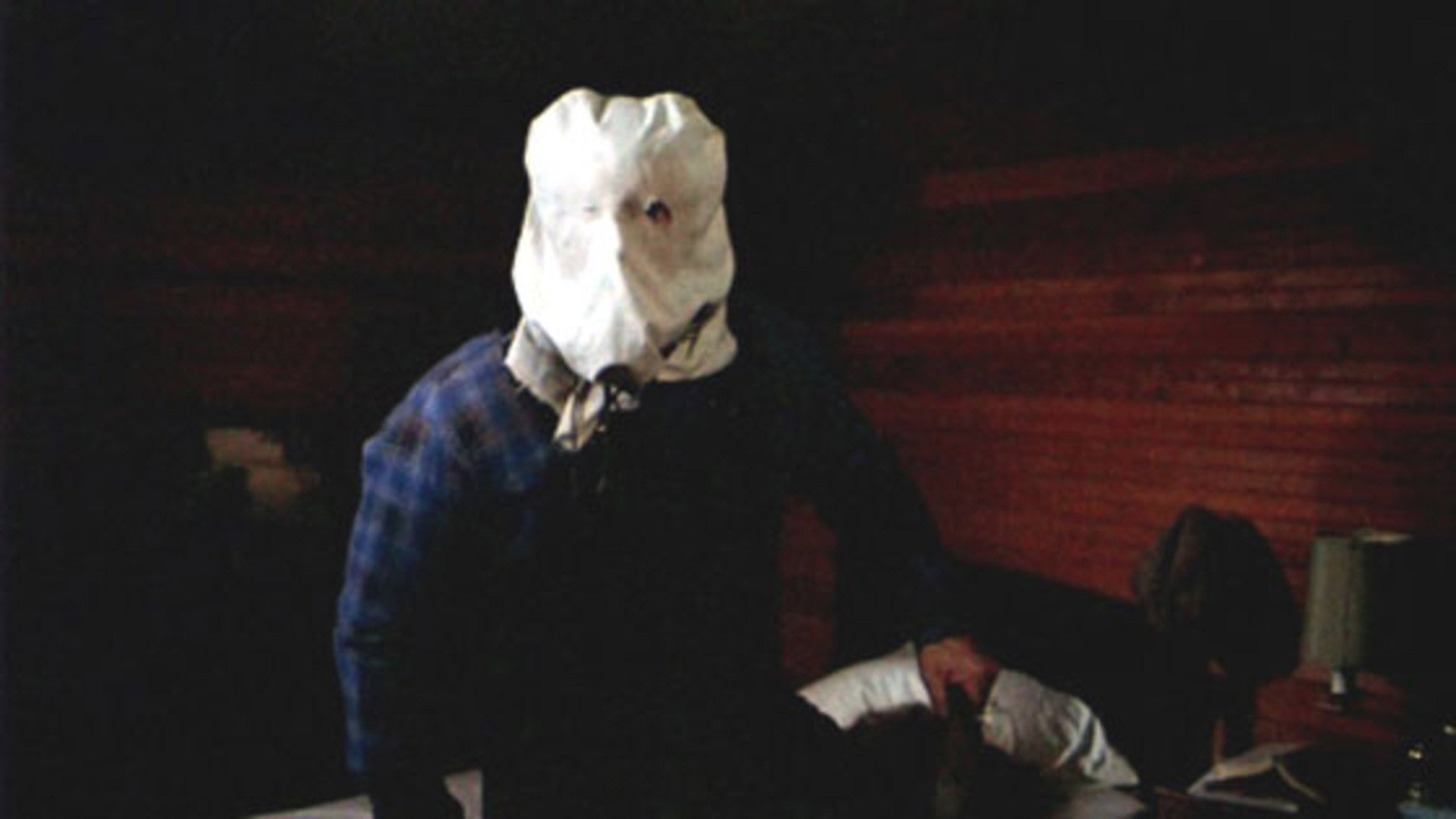
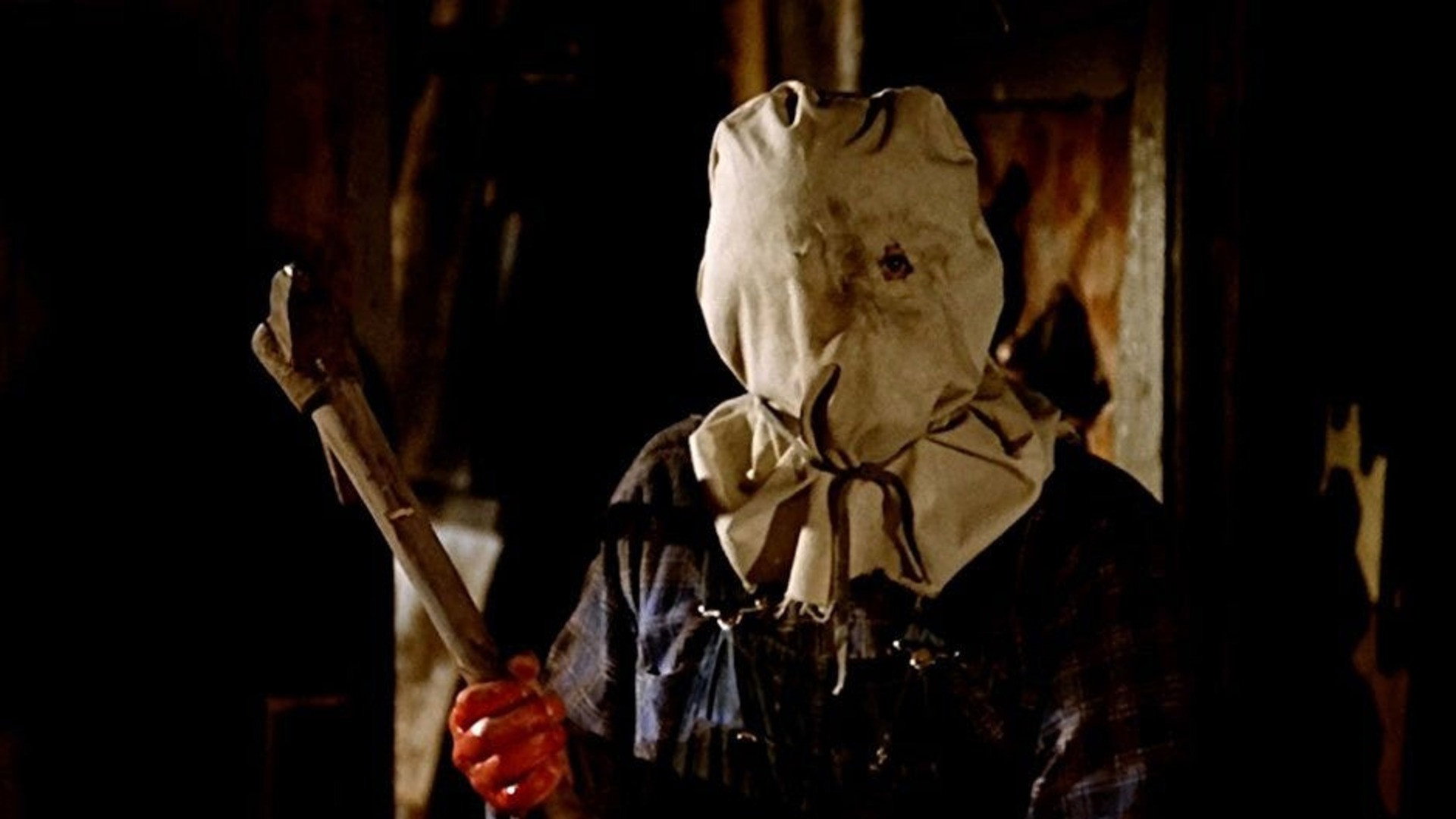
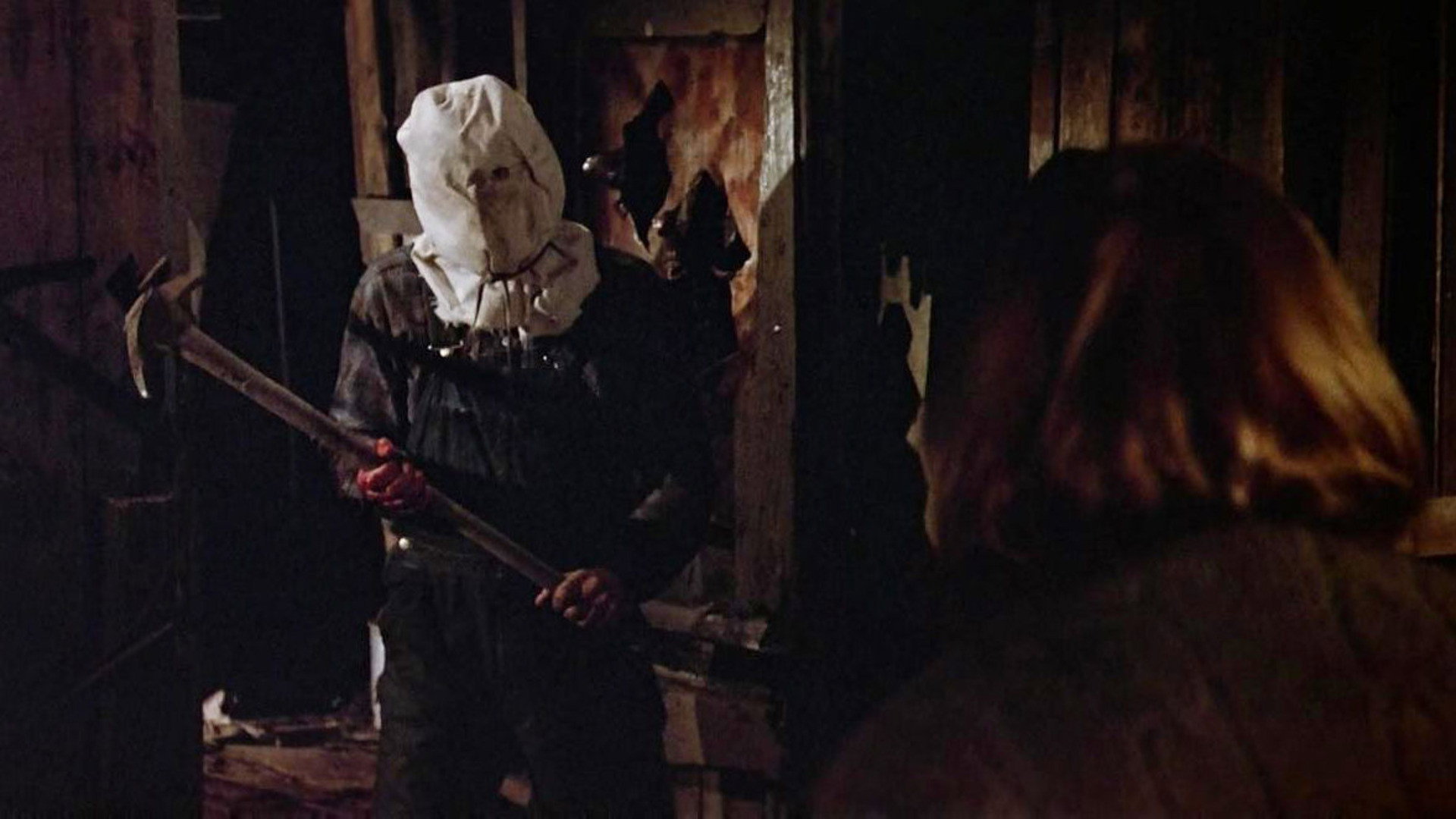
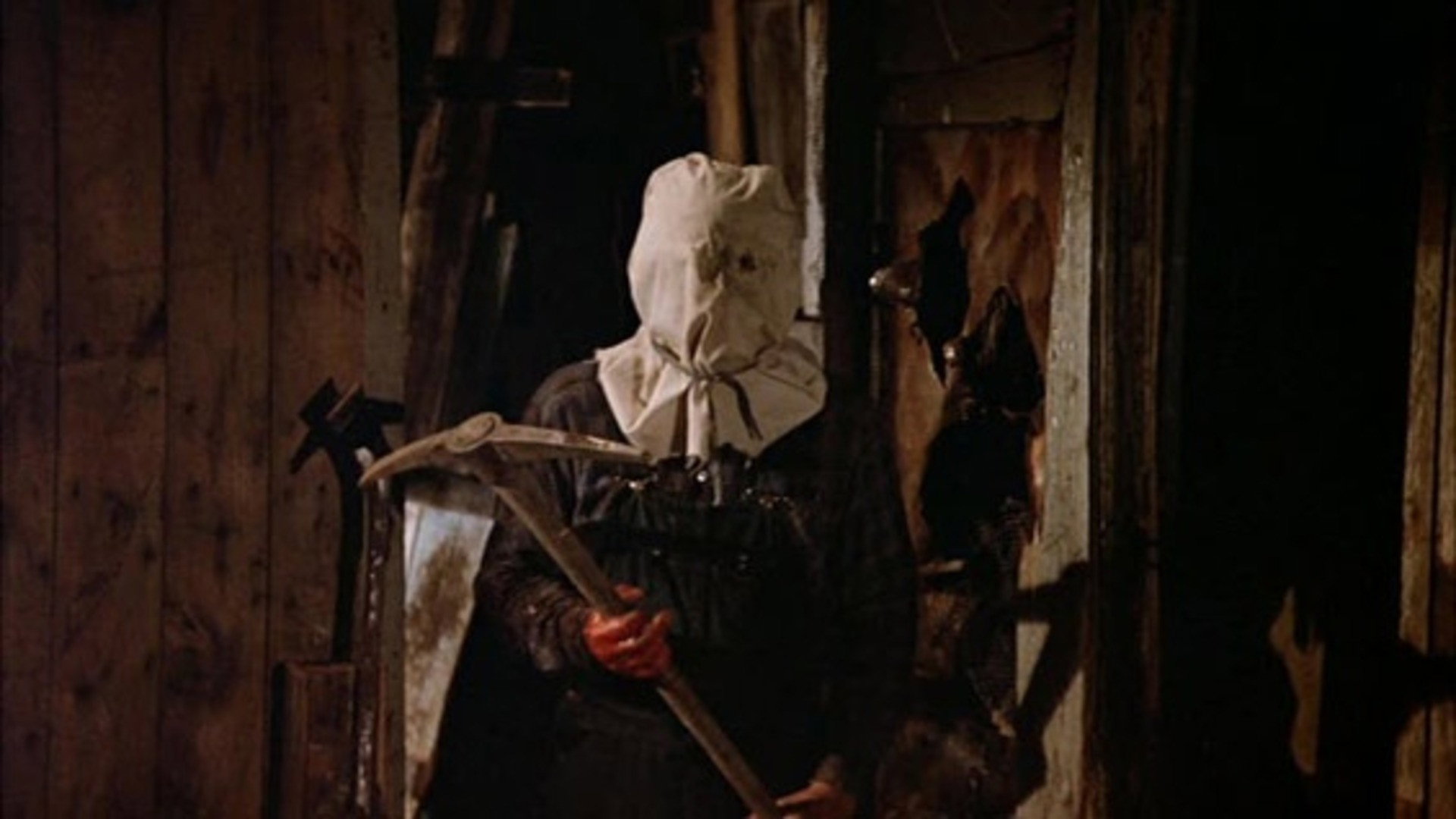
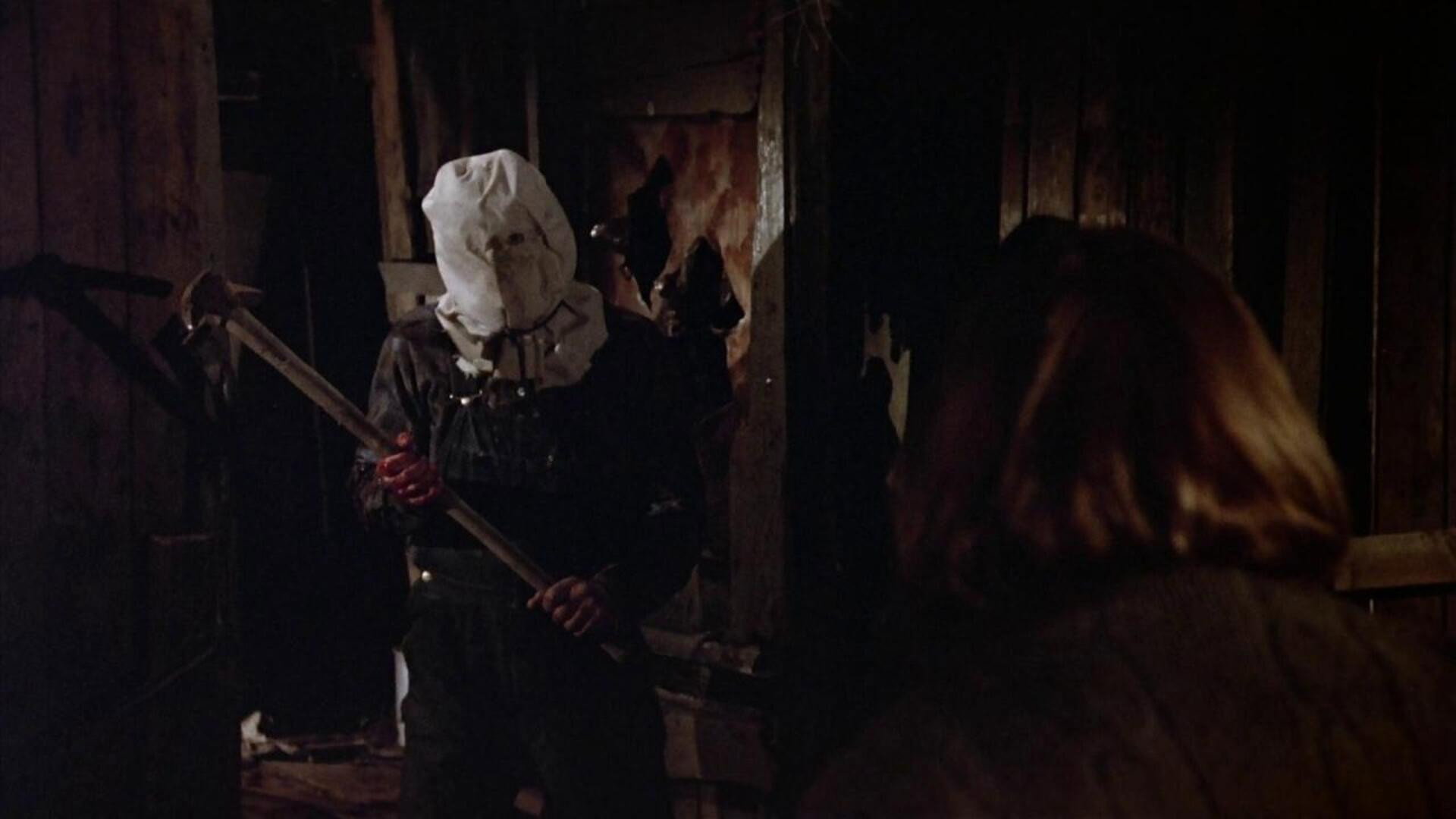
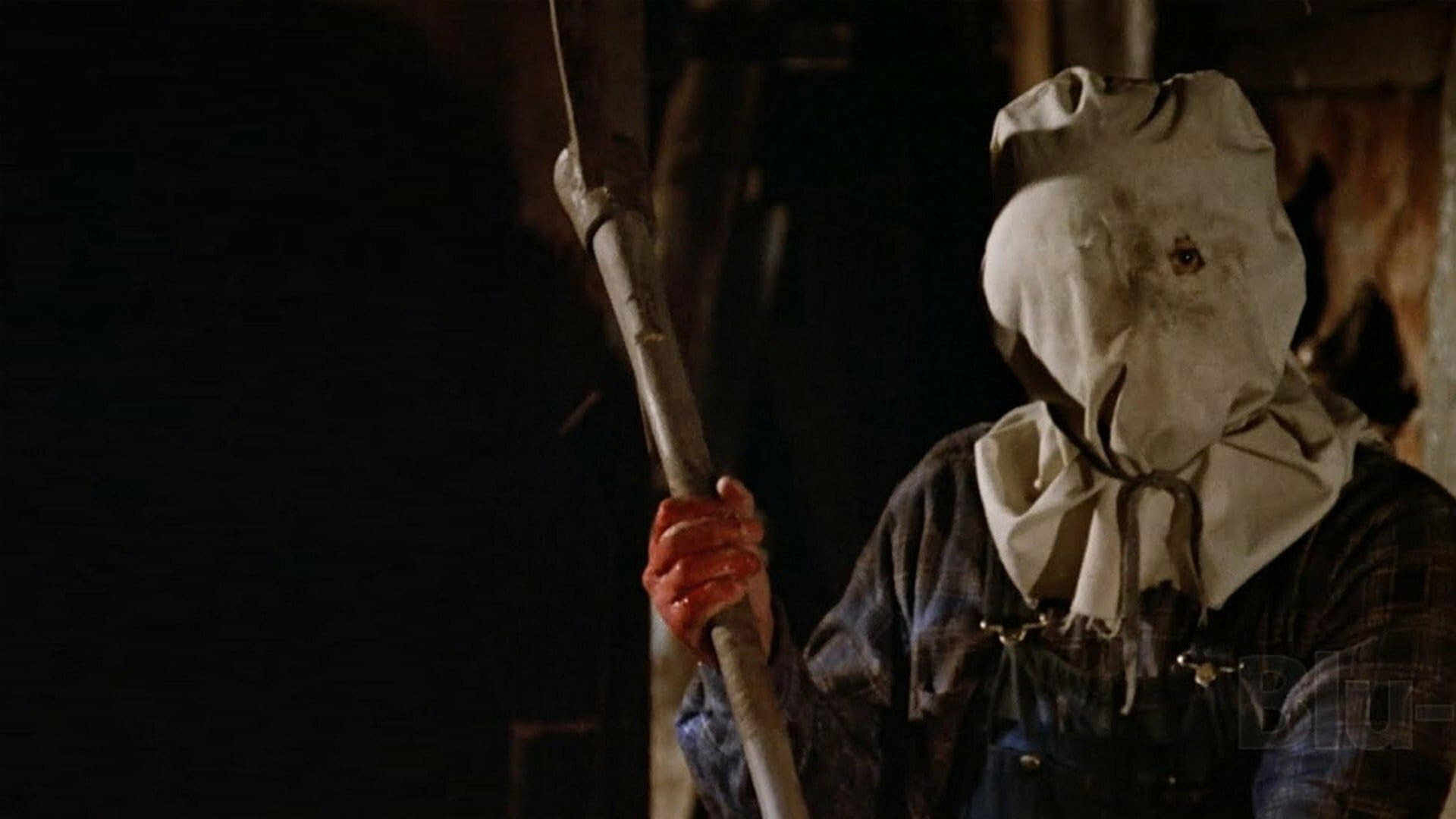
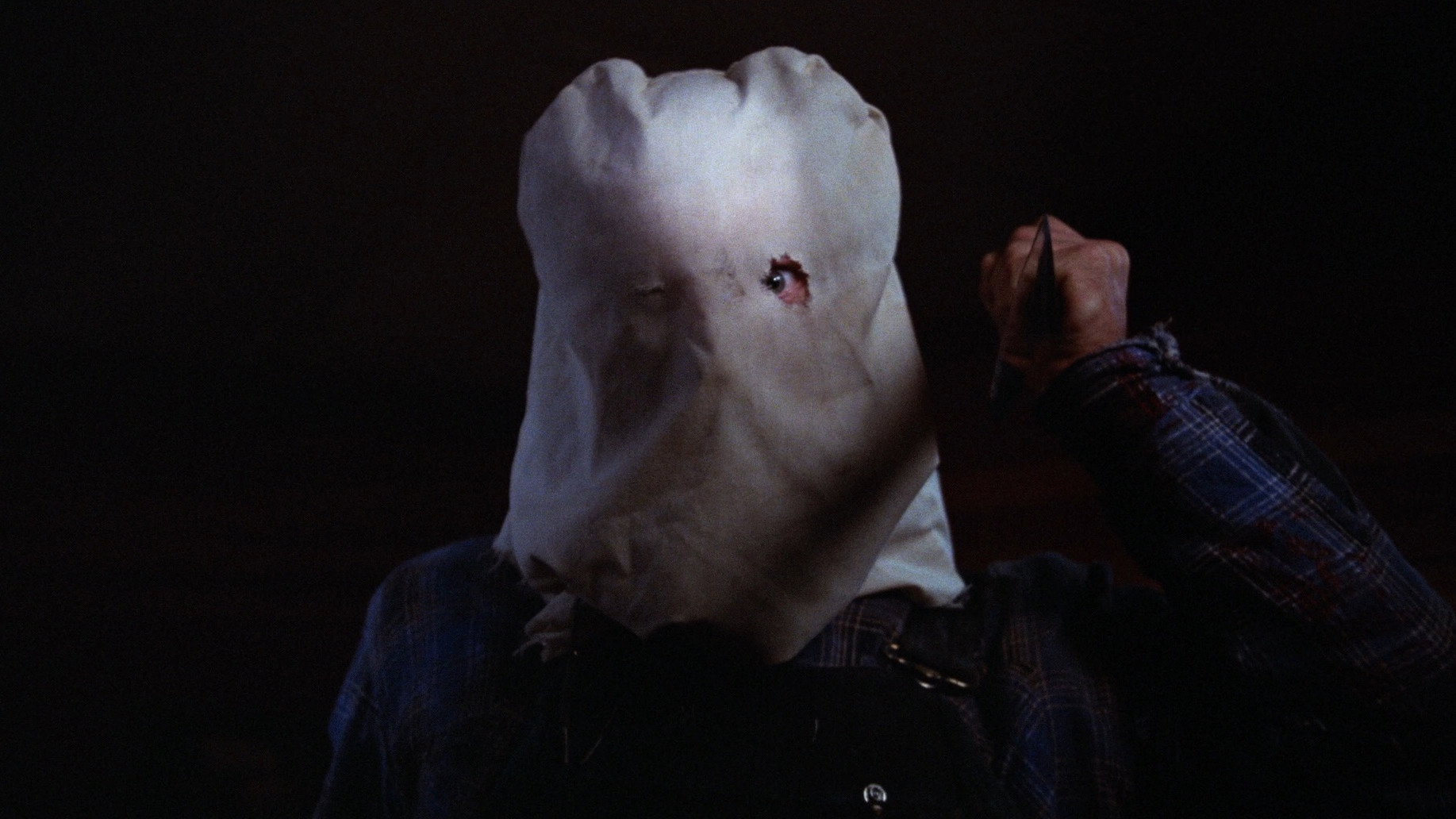
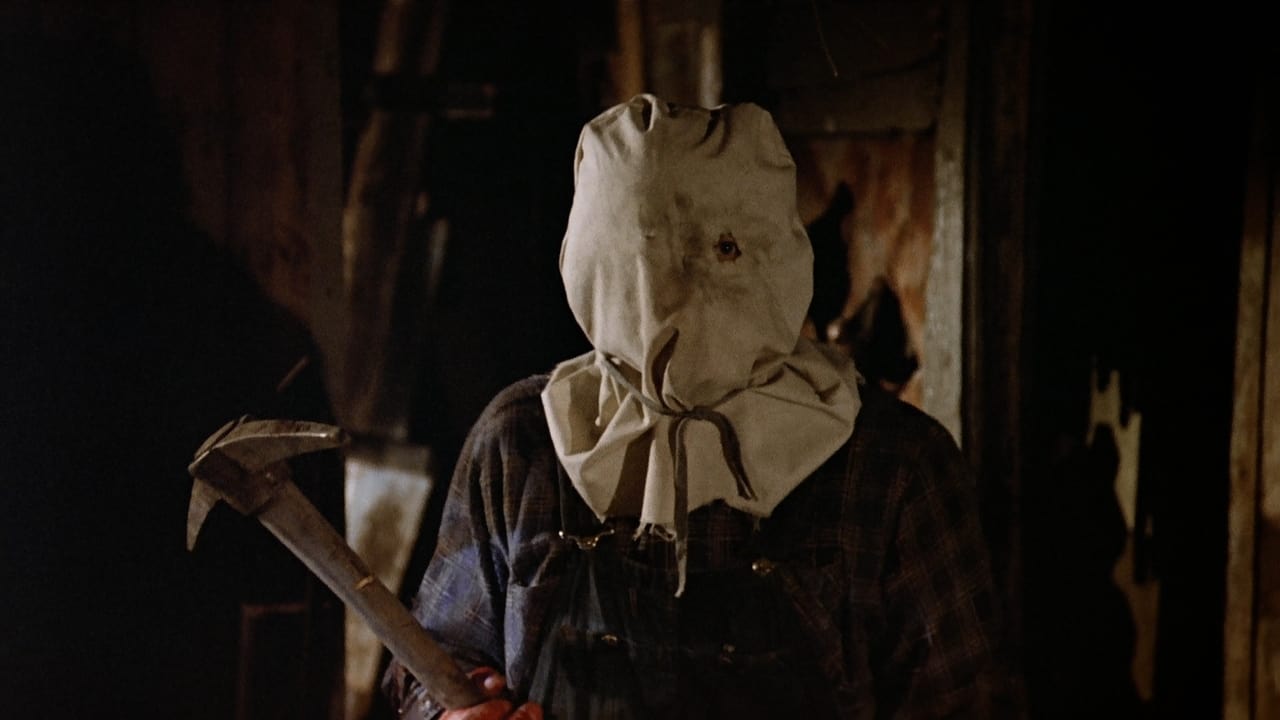
Friday the 13th Part 2 (1981) established the screen identity that would sustain one of the longest-running American slasher franchises. The original film had made Pamela Voorhees its murderer and reserved the image of her drowned son for a final shock. Steve Miner's sequel places an adult Jason in the woods as a physical threat, shifting the series from a revenge mystery toward a continuing mythology centered on the killer. His face remains hidden beneath a rough cloth sack, years before the hockey mask became the character's defining image.

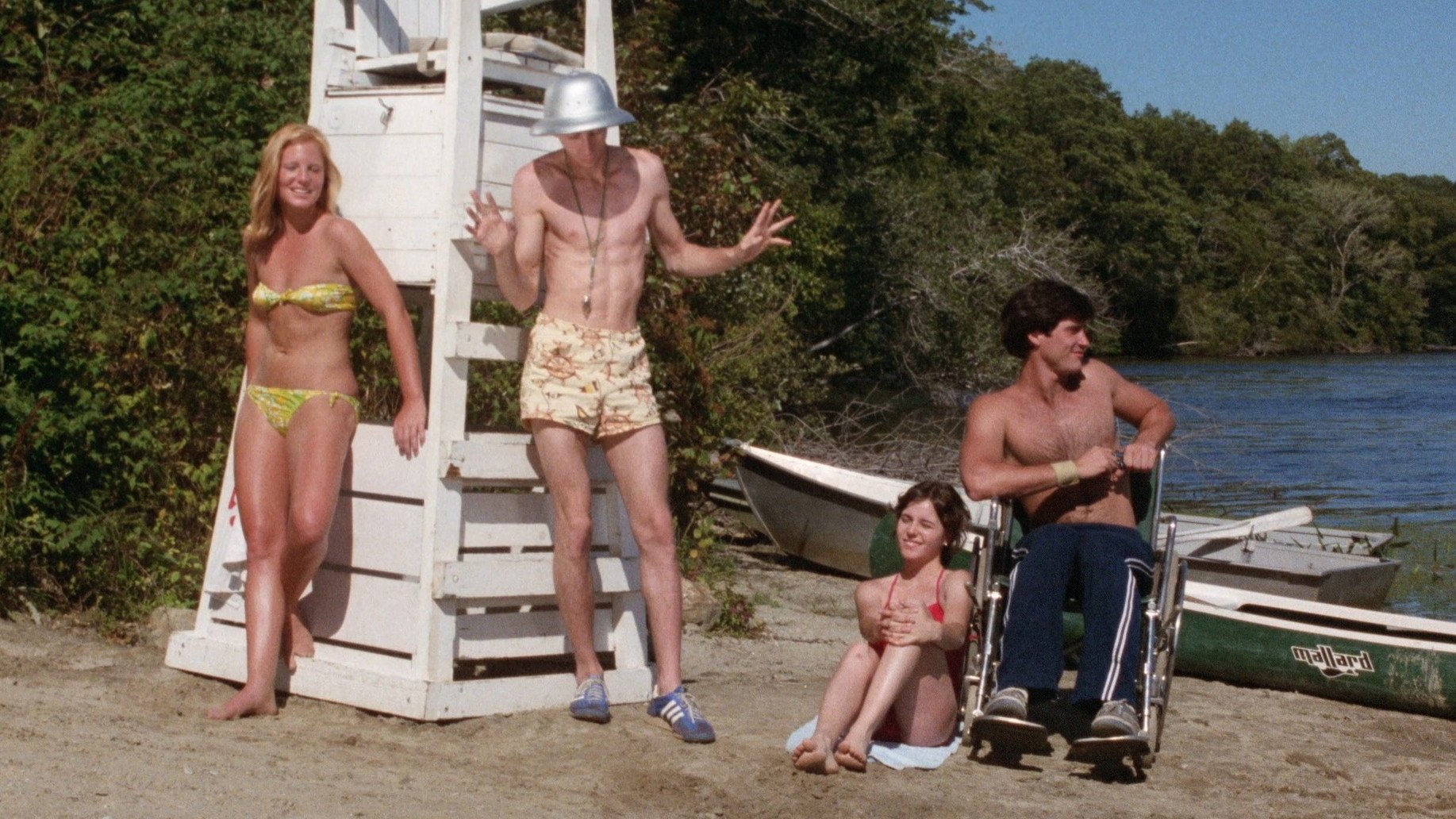
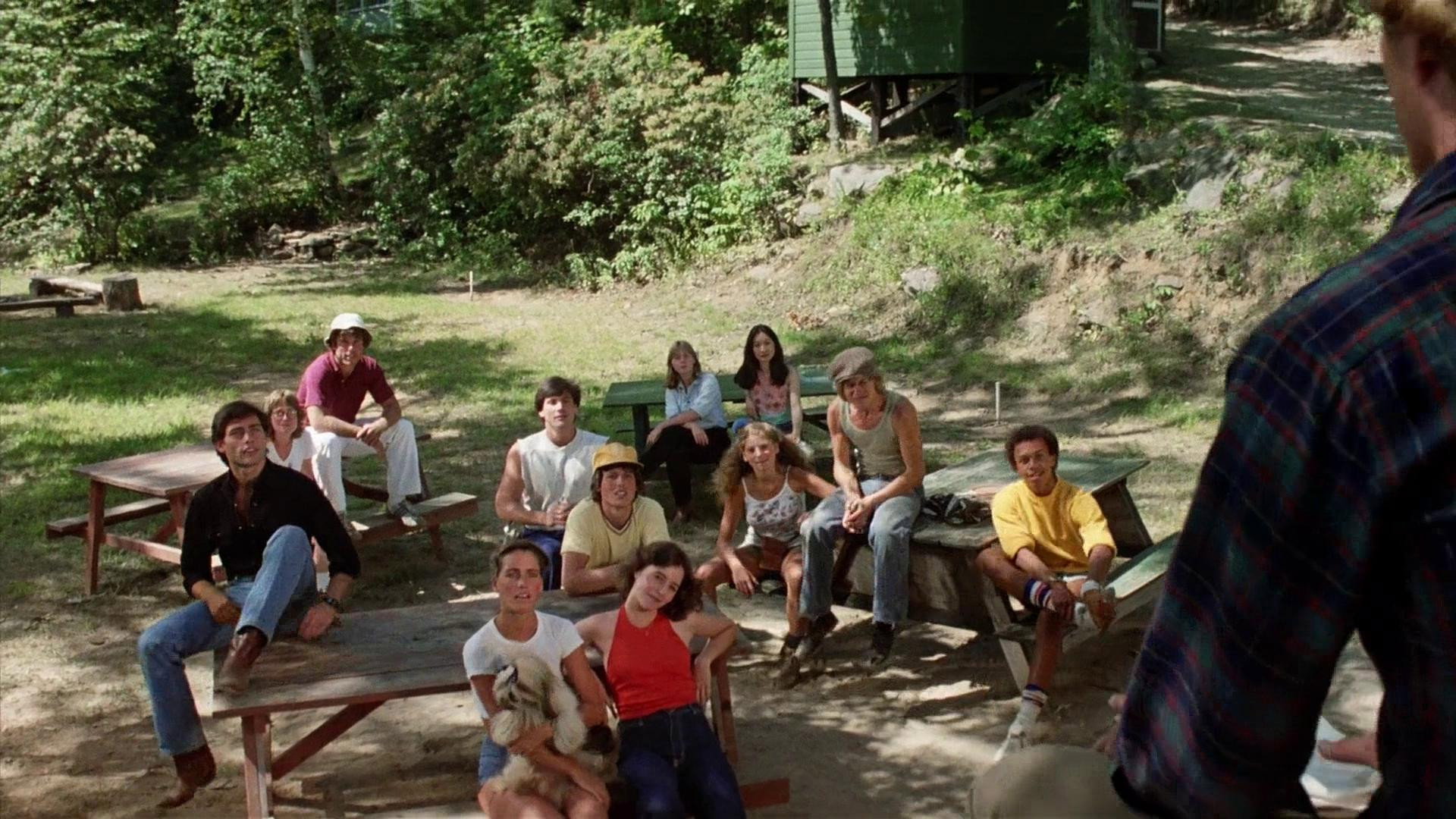
The sequel also captures how quickly the commercial slasher cycle developed after 1980. A new group of counselors arrives near Crystal Lake, while the film preserves the first installment's remote setting, warnings and sudden attacks. Its most distinctive choices emerge through Ginny Field, an unusually observant survivor, and a climax that turns the killer's devotion to his mother against him. The result is important both as an early example of rapid franchise production and as the film in which Jason begins to acquire a recognizable personality.

Production: From a Surprise Hit to a Continuing Series

The sequel followed the unexpected financial success of Friday the 13th (1980). The American Film Institute records a production budget of about $1.4 million for Part 2, higher than the $1 million spent on the first picture. Sean S. Cunningham did not return to direct. Steve Miner, previously an associate producer on the original, instead made his feature-directing debut and also served as producer. That transfer of responsibility kept an experienced member of the initial production close to the project while giving the follow-up its own director.

The undertaking moved ahead during difficult labor conditions. According to contemporary trade reporting preserved by the AFI, Georgetown Productions secured an interim agreement with the Screen Actors Guild in August 1980, allowing the project, then called Jason, to proceed during a strike. The working title is revealing because it identifies the character selected to carry the franchise. With Pamela Voorhees dead at the end of the first story, the sequel needed a new source of danger familiar enough to connect both films without repeating their central revelation exactly.

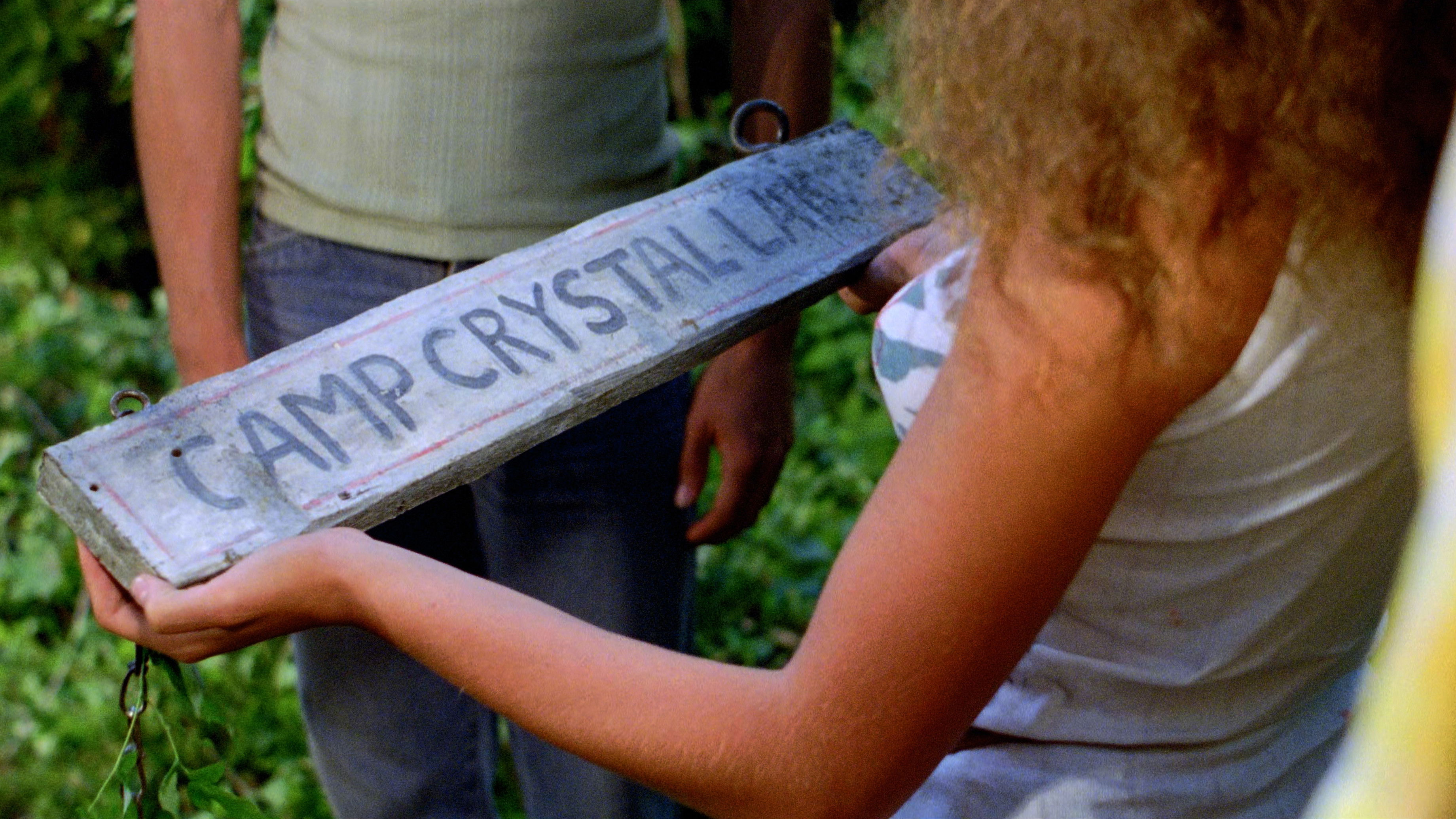
Ron Kurz wrote the screenplay, which begins by returning to Alice, survivor of the original massacre, before establishing a training camp near the abandoned Crystal Lake grounds. That opening acknowledges the previous finale and then clears space for a fresh cast. The geographic decision matters: Jason remains associated with the forbidden camp, while the new counselors occupy a neighboring place that seems less directly contaminated by the earlier murders. The boundary is easily crossed, and the belief that danger belongs to an abandoned site becomes a recurring error in the characters' judgment.
Jason Voorhees: Body, Disguise and Performance

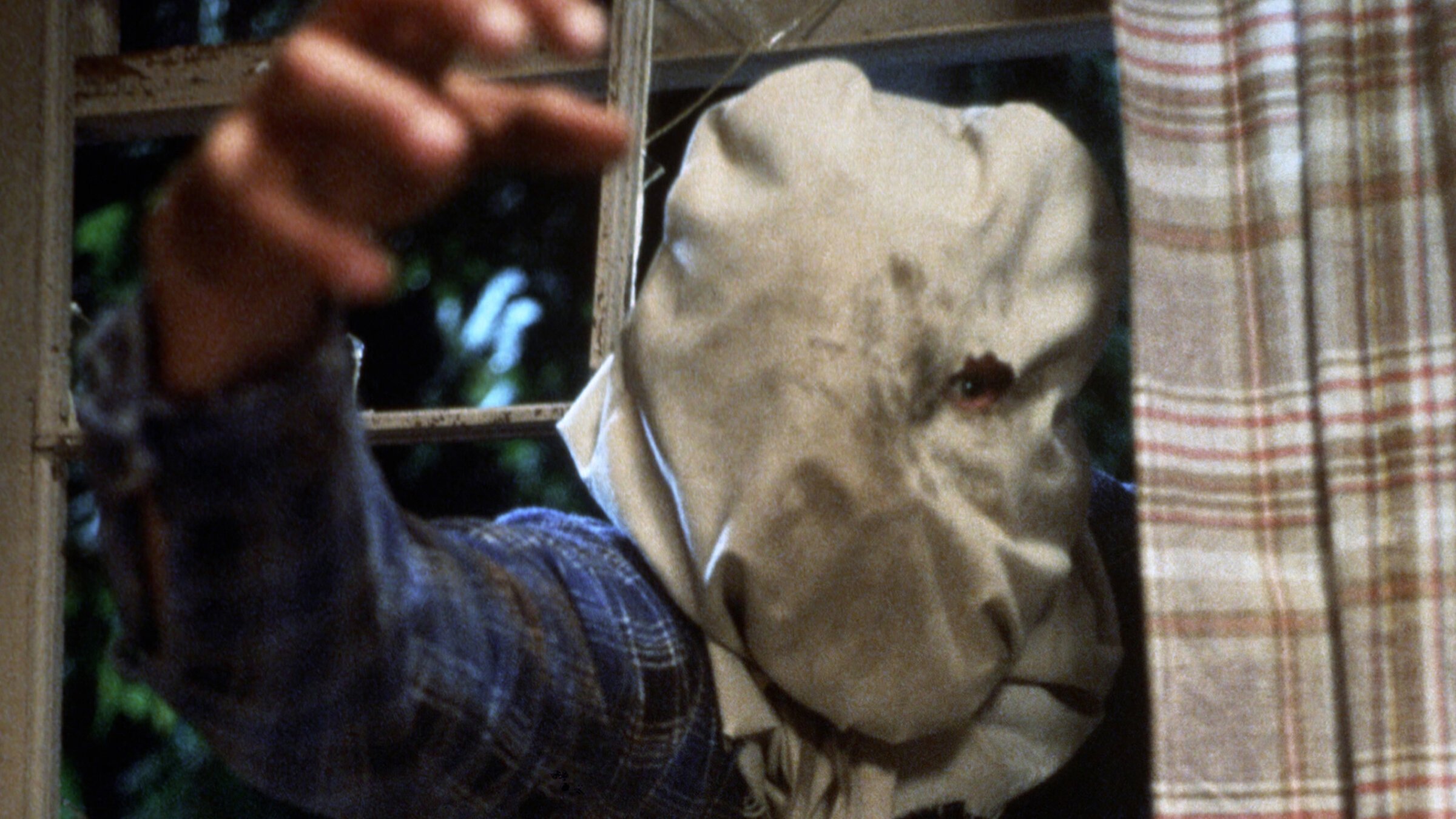
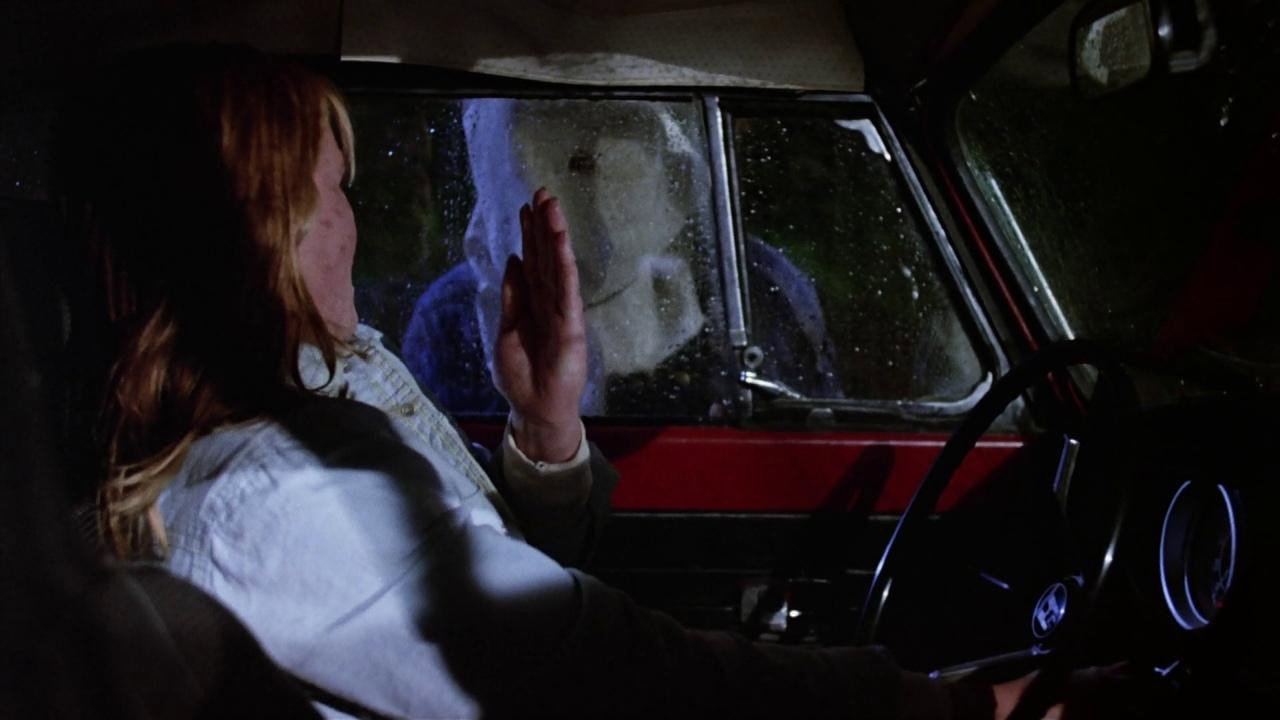
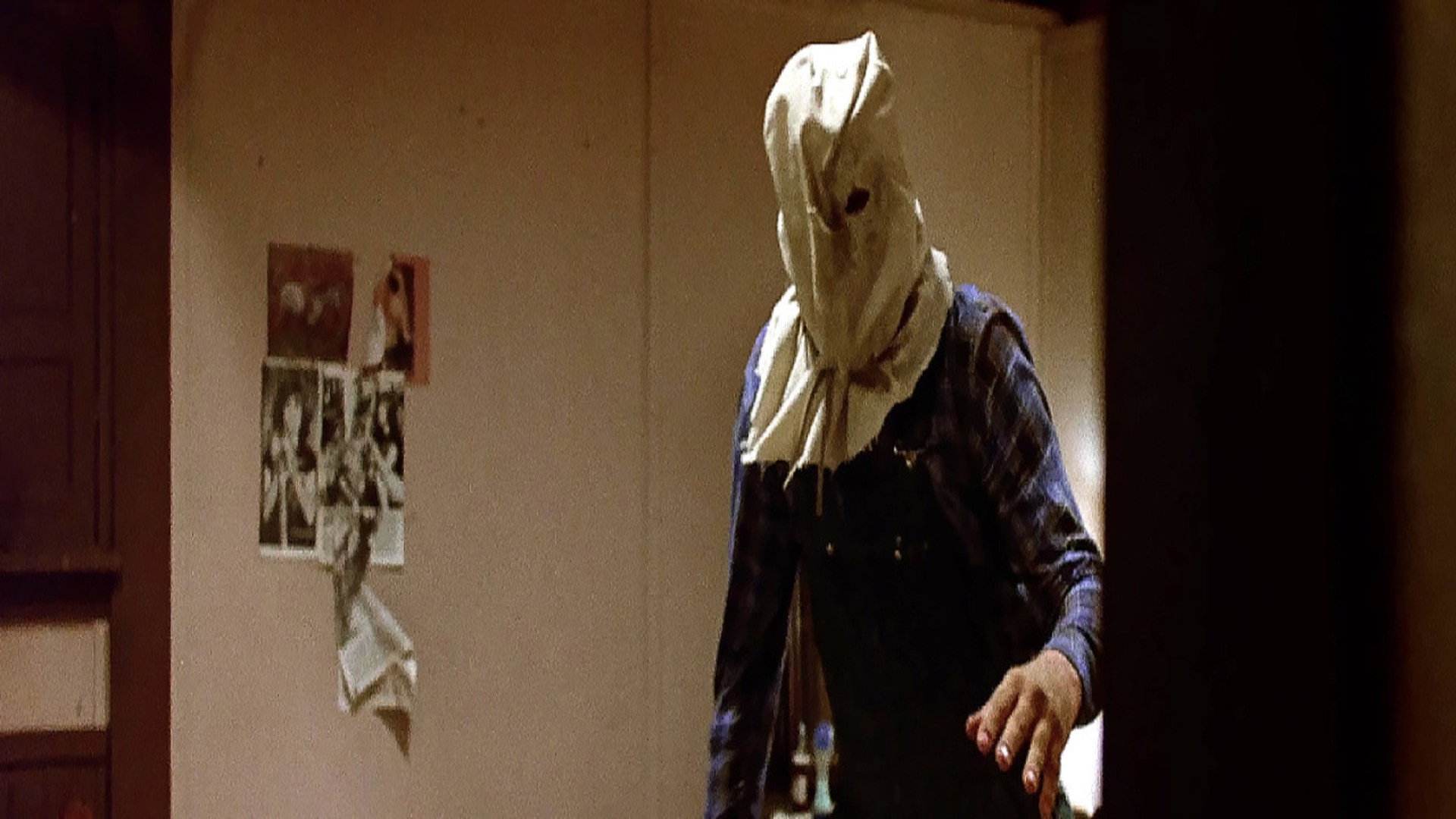
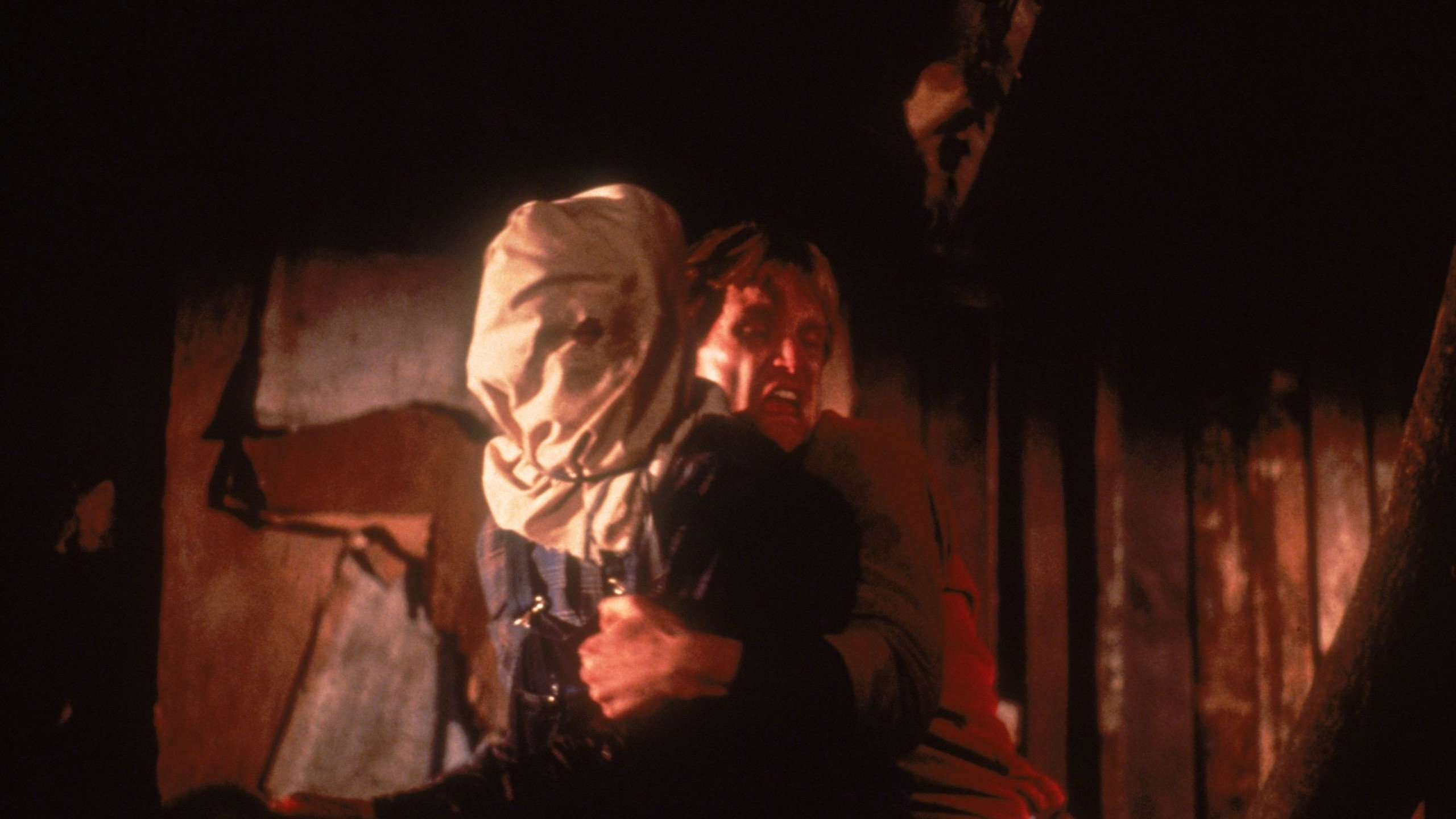
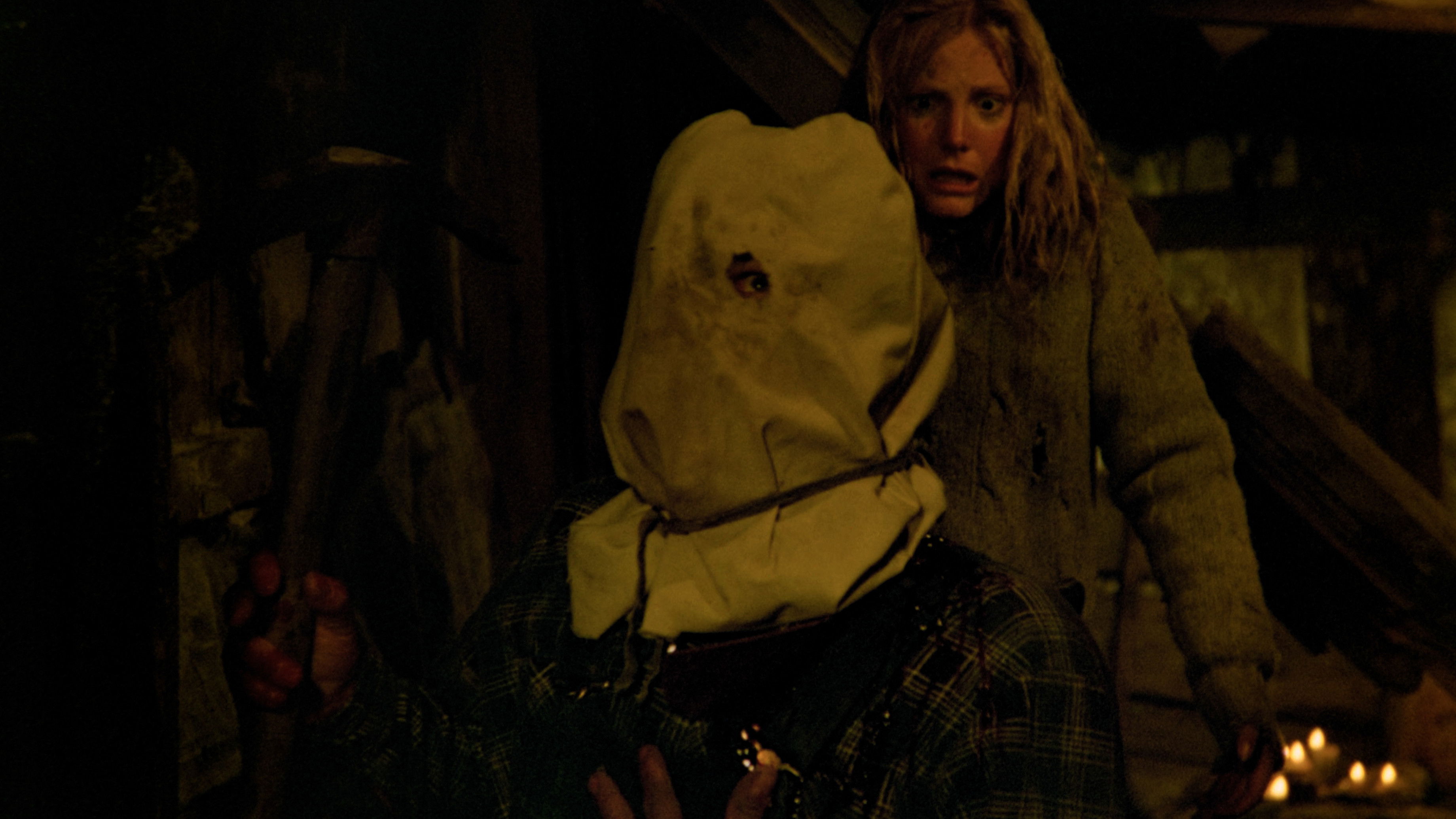
Part 2 introduces the adult Jason as a living presence capable of moving through woodland paths, entering buildings and attacking with improvised weapons. His head is covered by a sack with a single eye opening. The inexpensive covering makes him seem like an isolated figure who has assembled a disguise from available materials. It also withholds a stable facial identity, leaving his gait and sudden movement to convey menace. The hockey mask associated with later films does not appear here; the more primitive costume belongs specifically to this stage of the character's development.
The performance has a complicated credit history. Warrington Gillette receives the principal screen credit for Jason and appears for the facial reveal, while Steve Daskawisz, also known professionally as Steve Dash, performed much of the physical stalking and stunt work. In an interview with Christian Sellers, Daskawisz recalled being brought into the production when the originally hired performer could not complete the required action. His recollections document the practical demands of the part: repeated pursuits, concealed facial expression and close contact with props and other performers during filming.

Daskawisz described Miner's directions as focused on the immediate circumstances of each scene, helping him perform through the obstructing sack. He also recalled injuries during the woodland pursuit and the confrontation inside Jason's shelter. These statements are personal testimony, not an independently verified account of every incident on set, but they illuminate why the character's movement is central to the sequel. Jason had appeared only fleetingly in the first film's final nightmare. Part 2 had to make him credible as an adversary across an extended series of pursuits.

Ginny Field and the Psychology of Survival

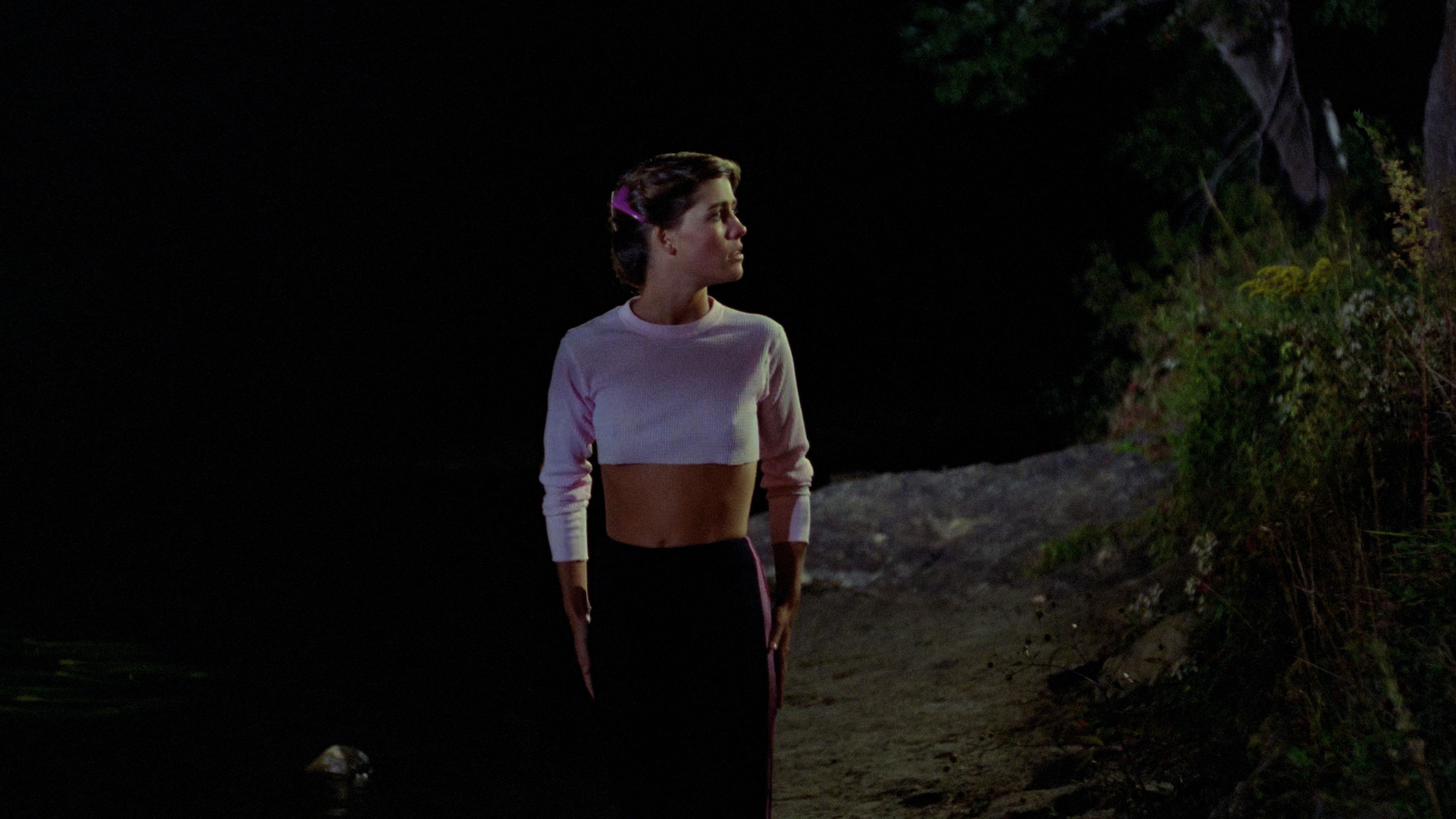
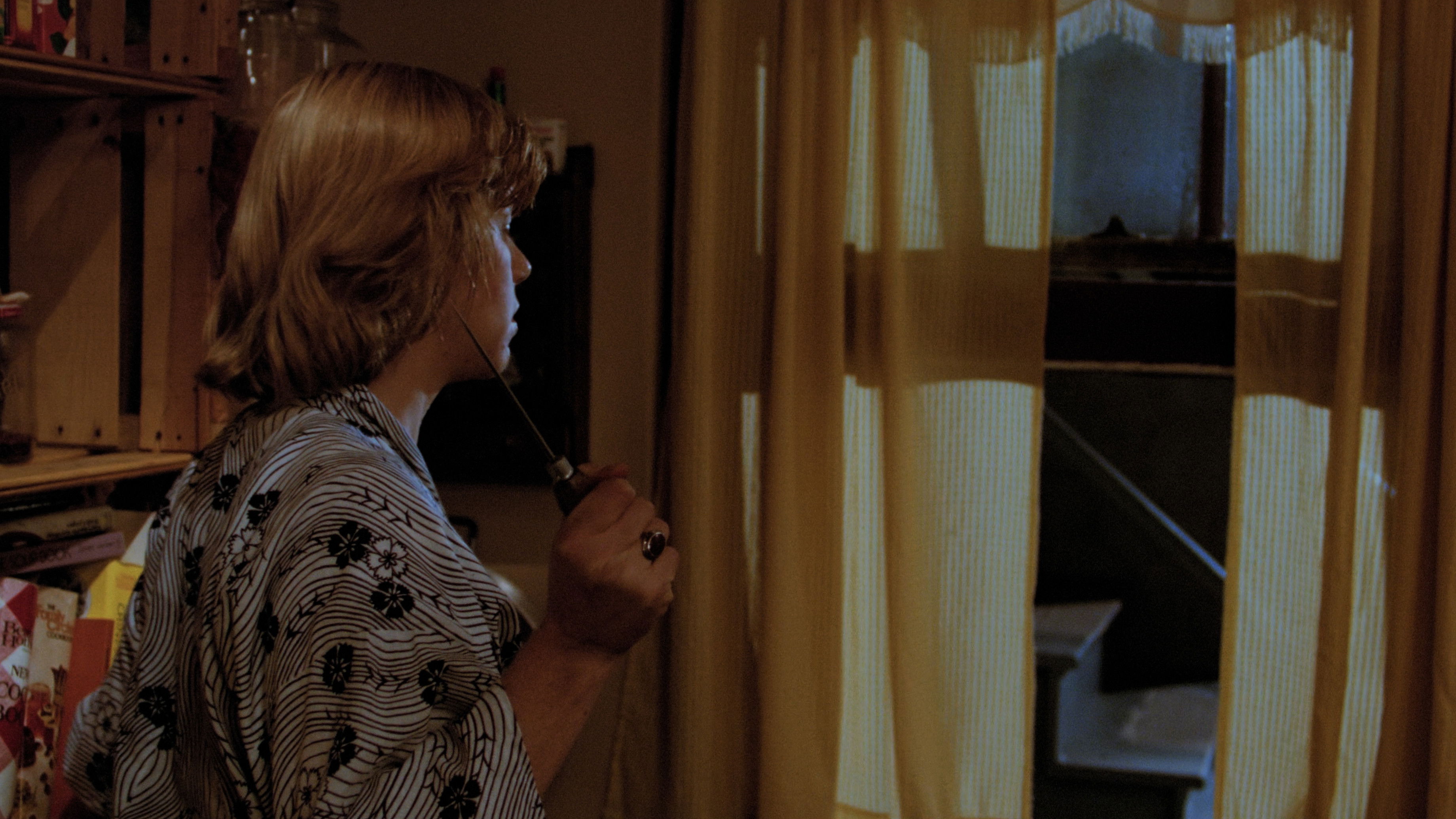
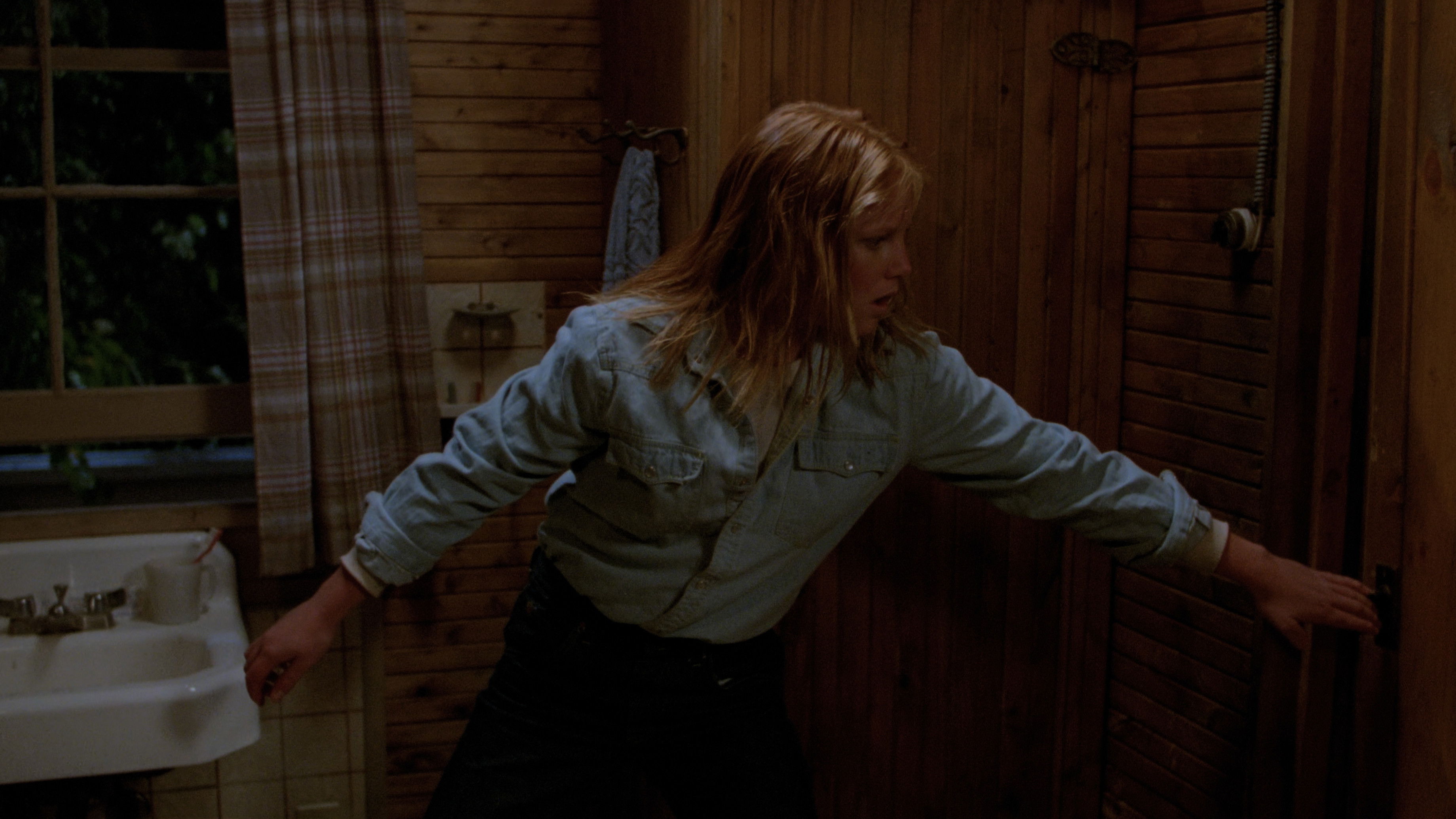
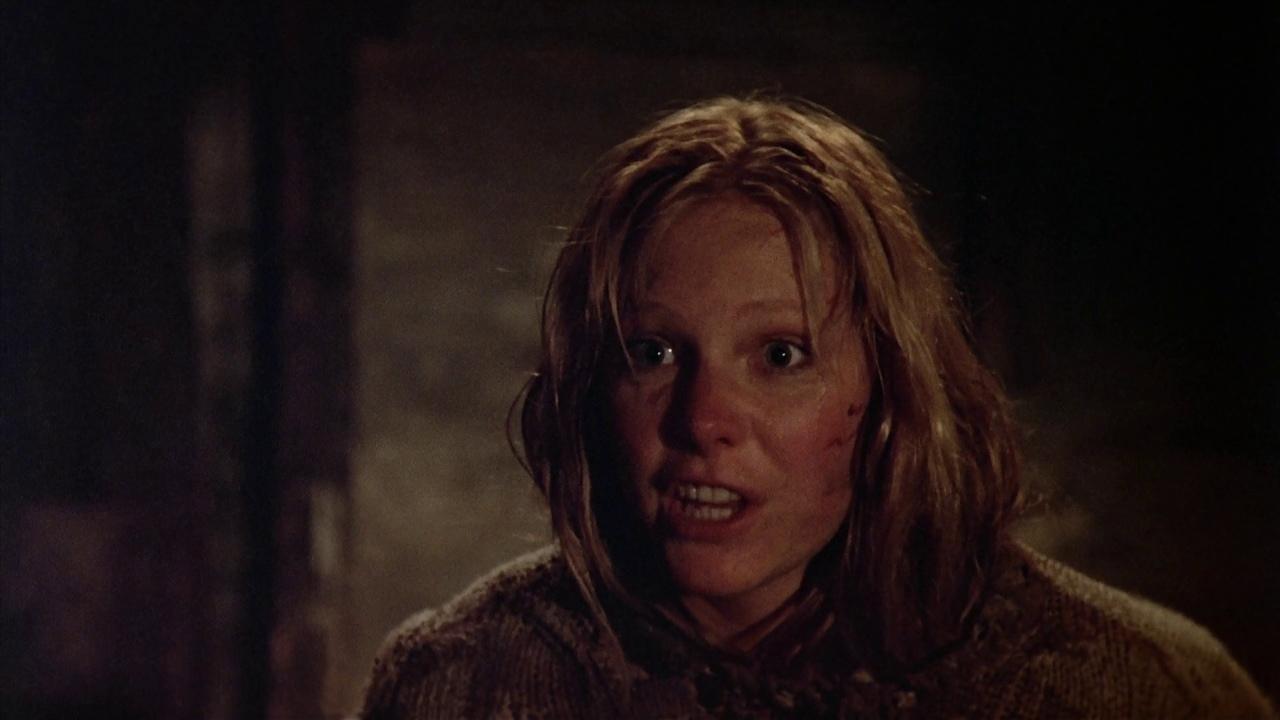
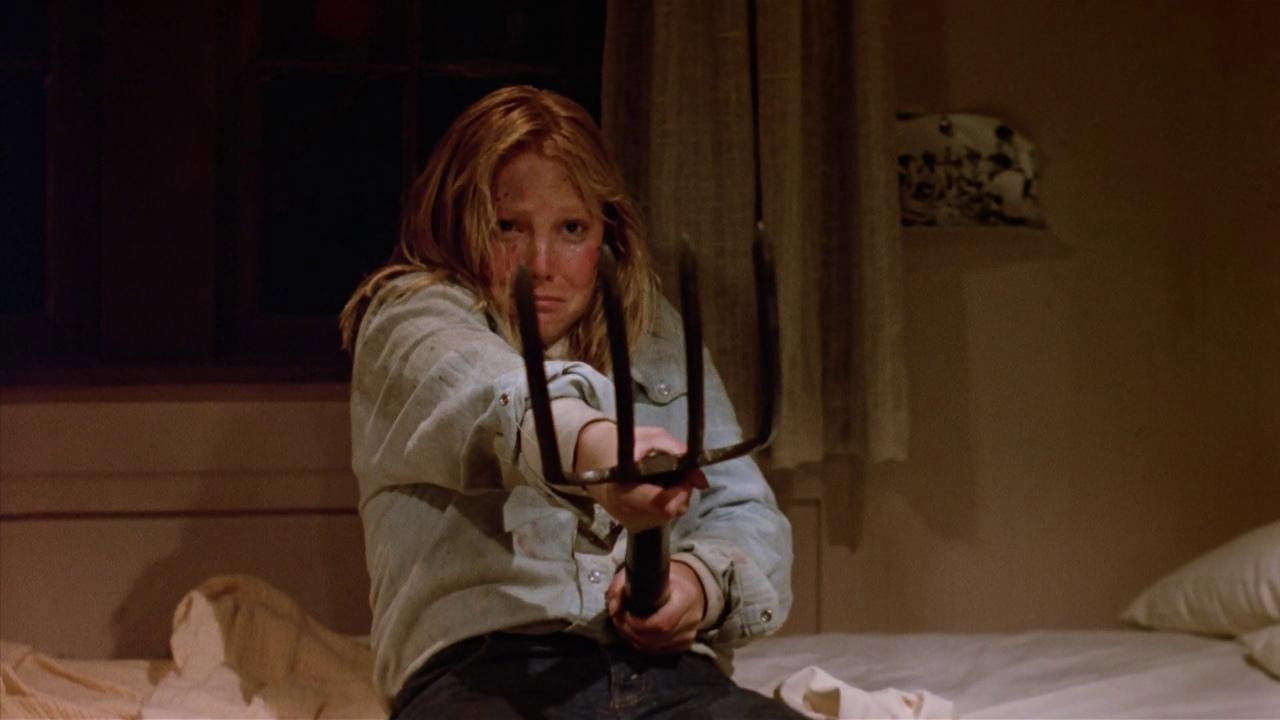
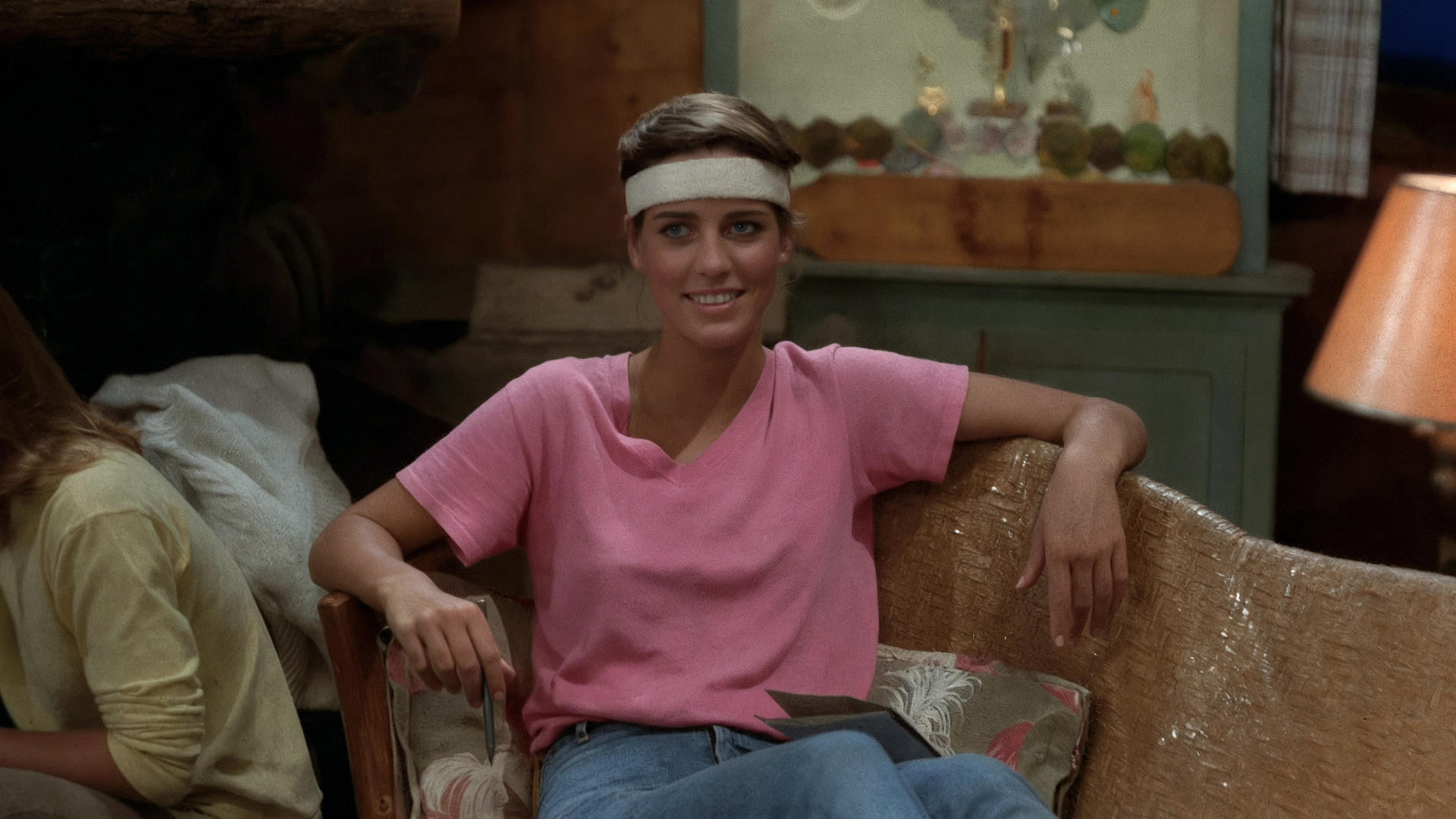
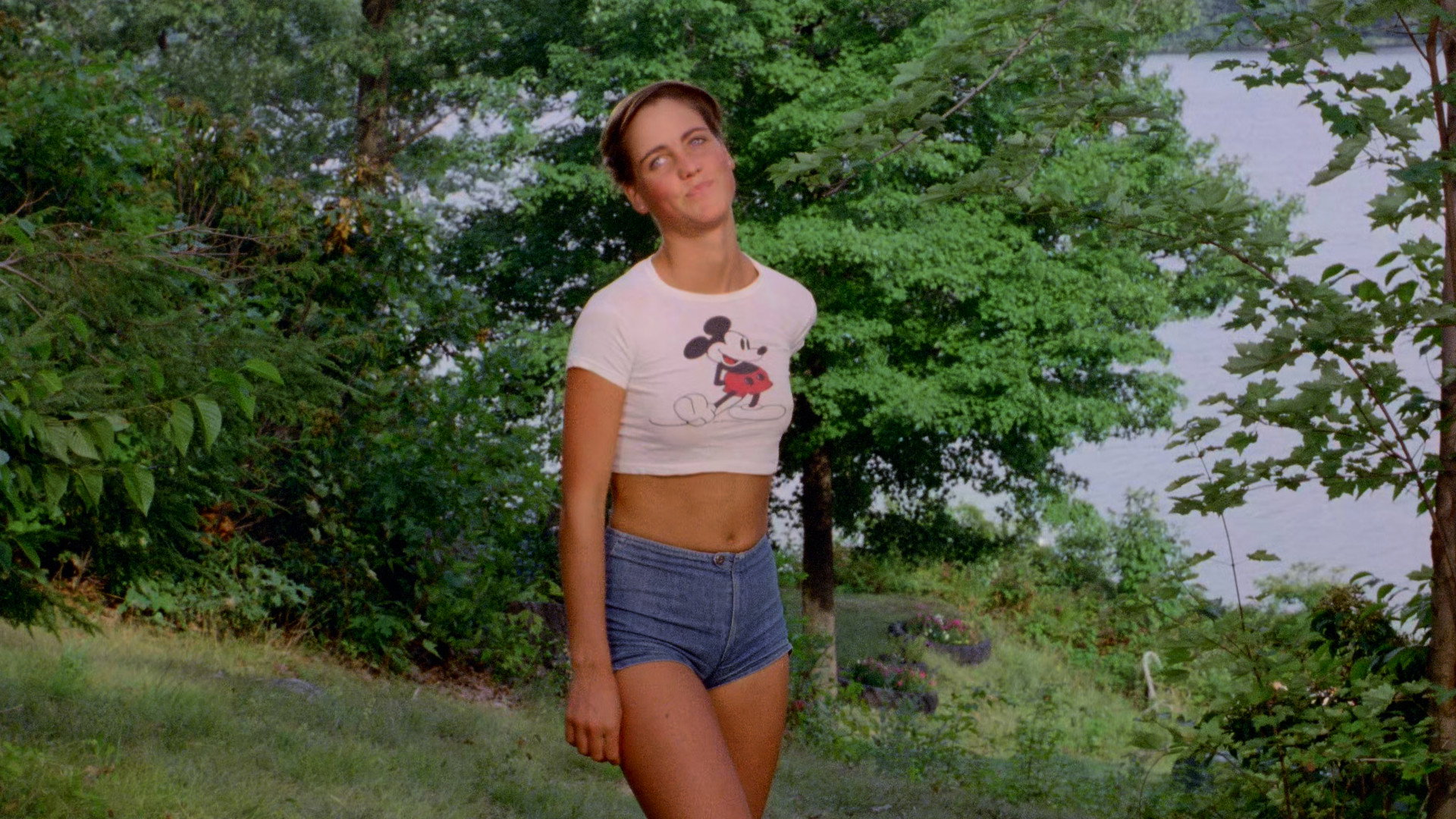
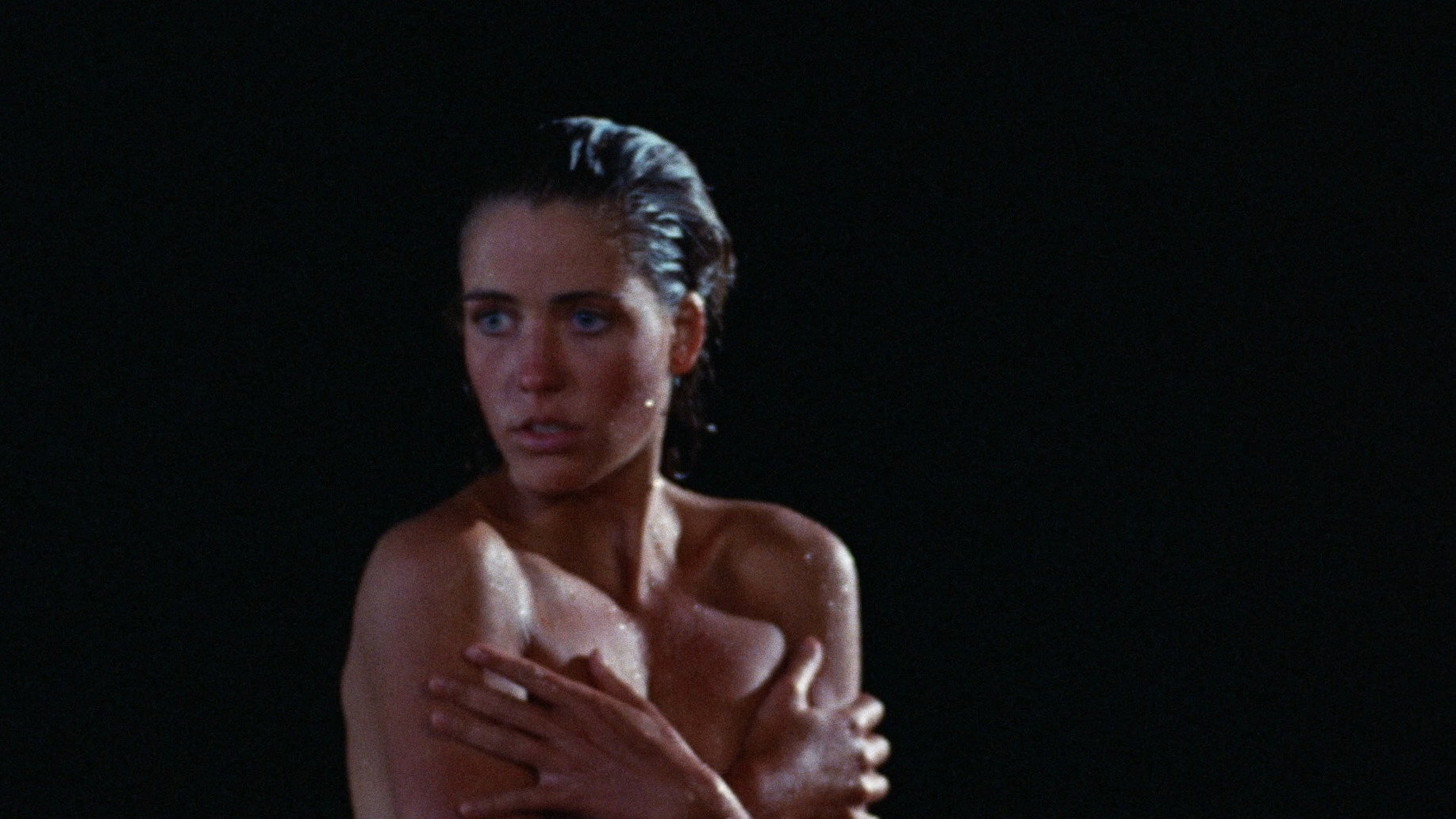
Amy Steel's Ginny is one of the film's most effective distinctions from the previous installment. Introduced as a counselor with an interest in child psychology, she considers the possibility that Jason survived his reported drowning and grew up alone near the lake. Her speculation does not establish a factual explanation for his entire history. It does, however, give the story a framework in which a monstrous figure might possess attachments, fears and recognizable emotional responses. Ginny observes the local legend as a possible human situation instead of accepting it as a supernatural warning.
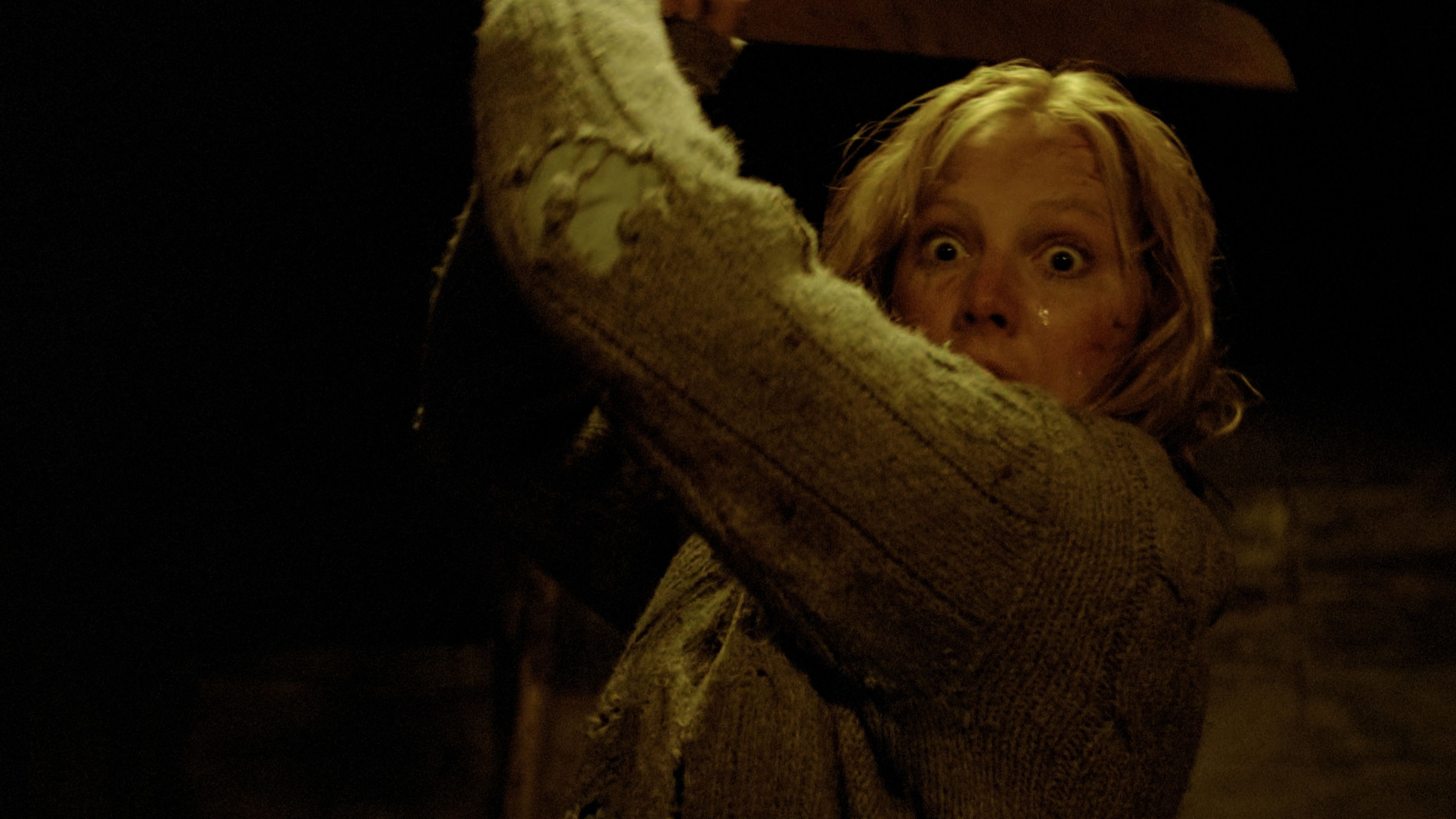
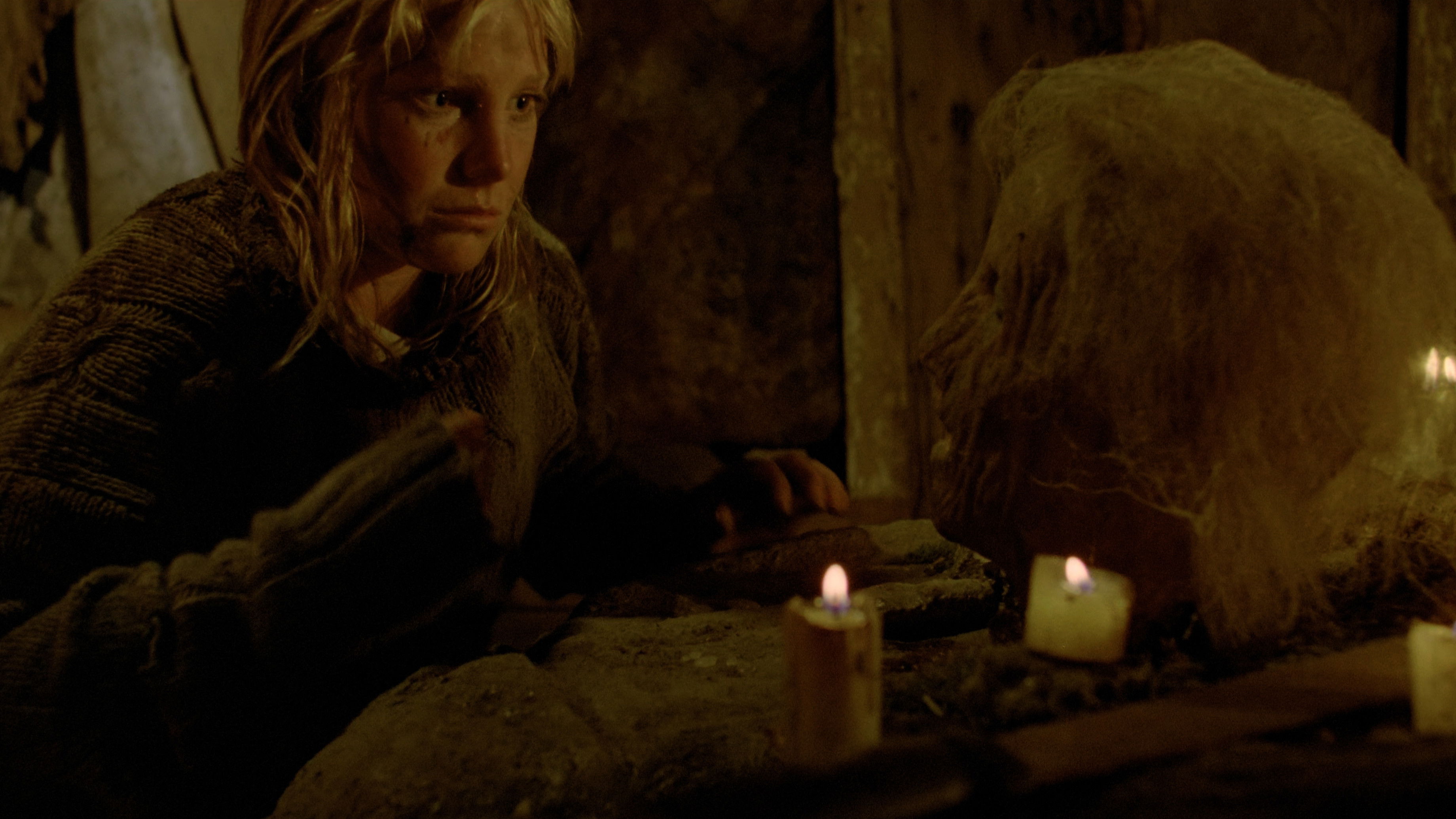
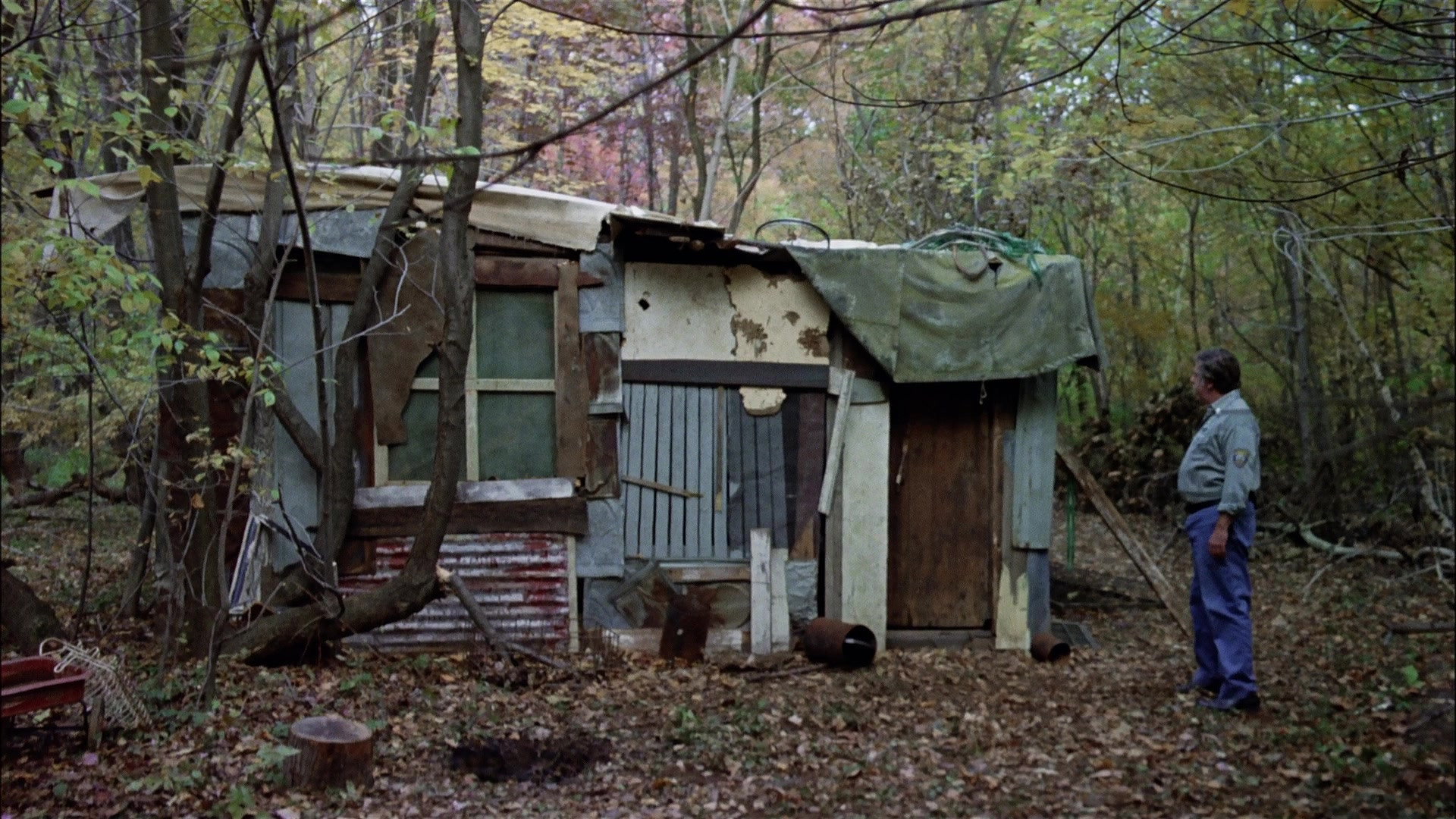
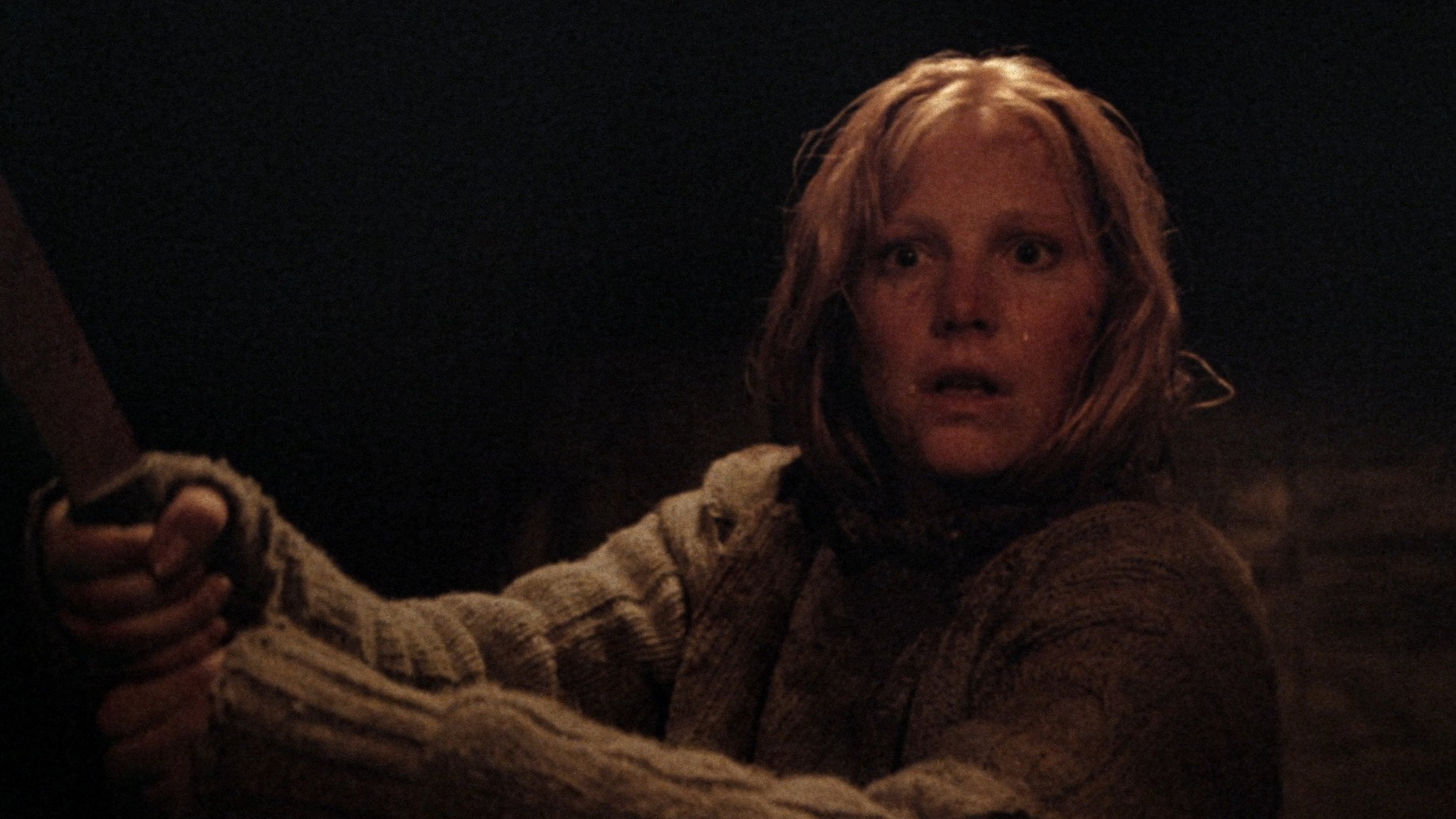
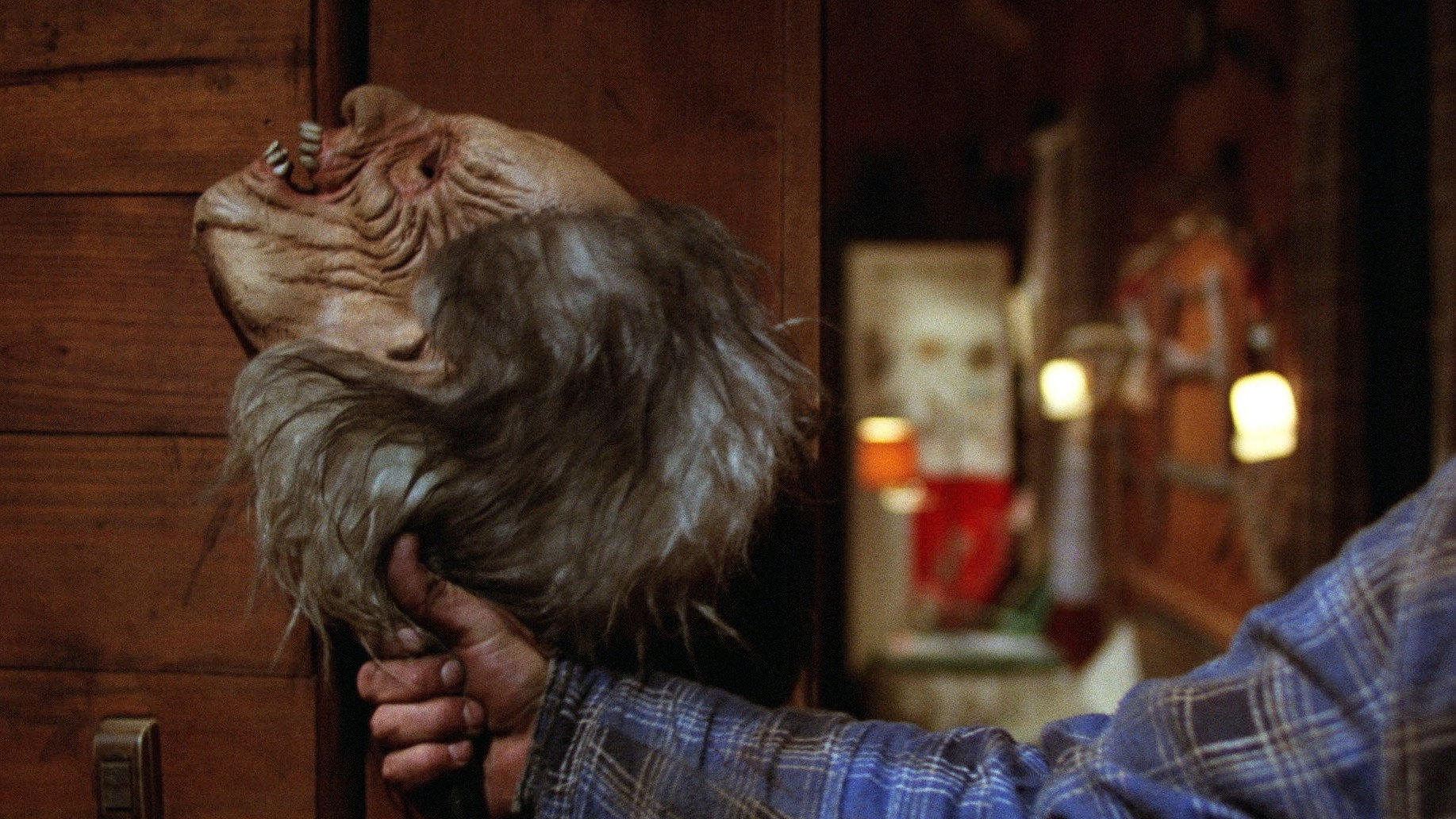
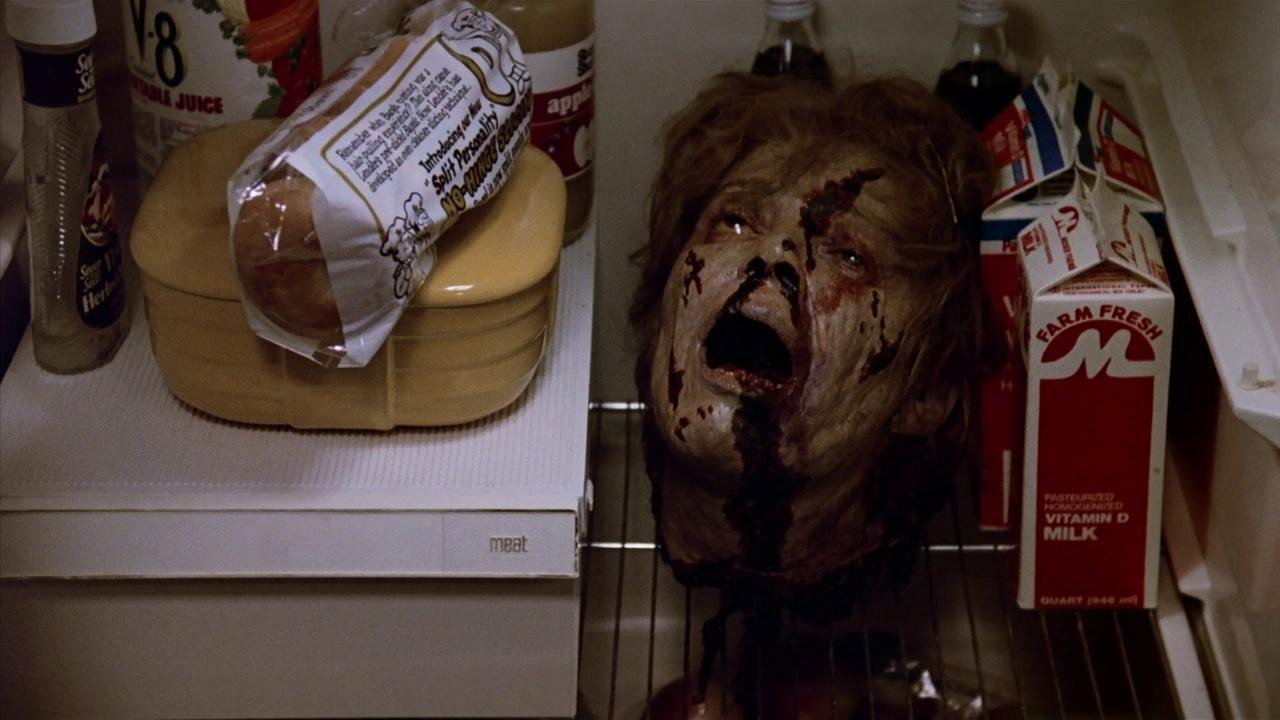
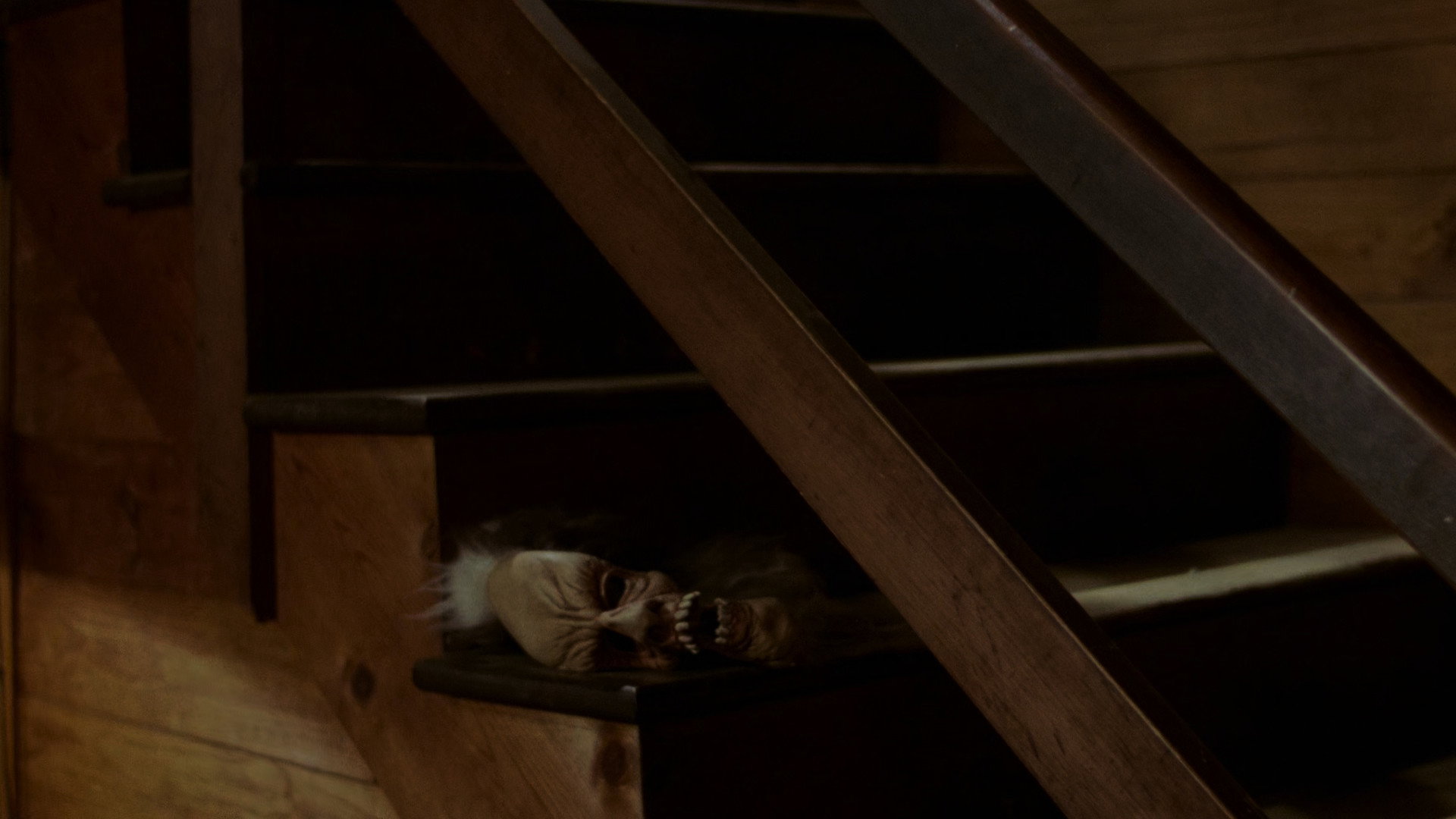
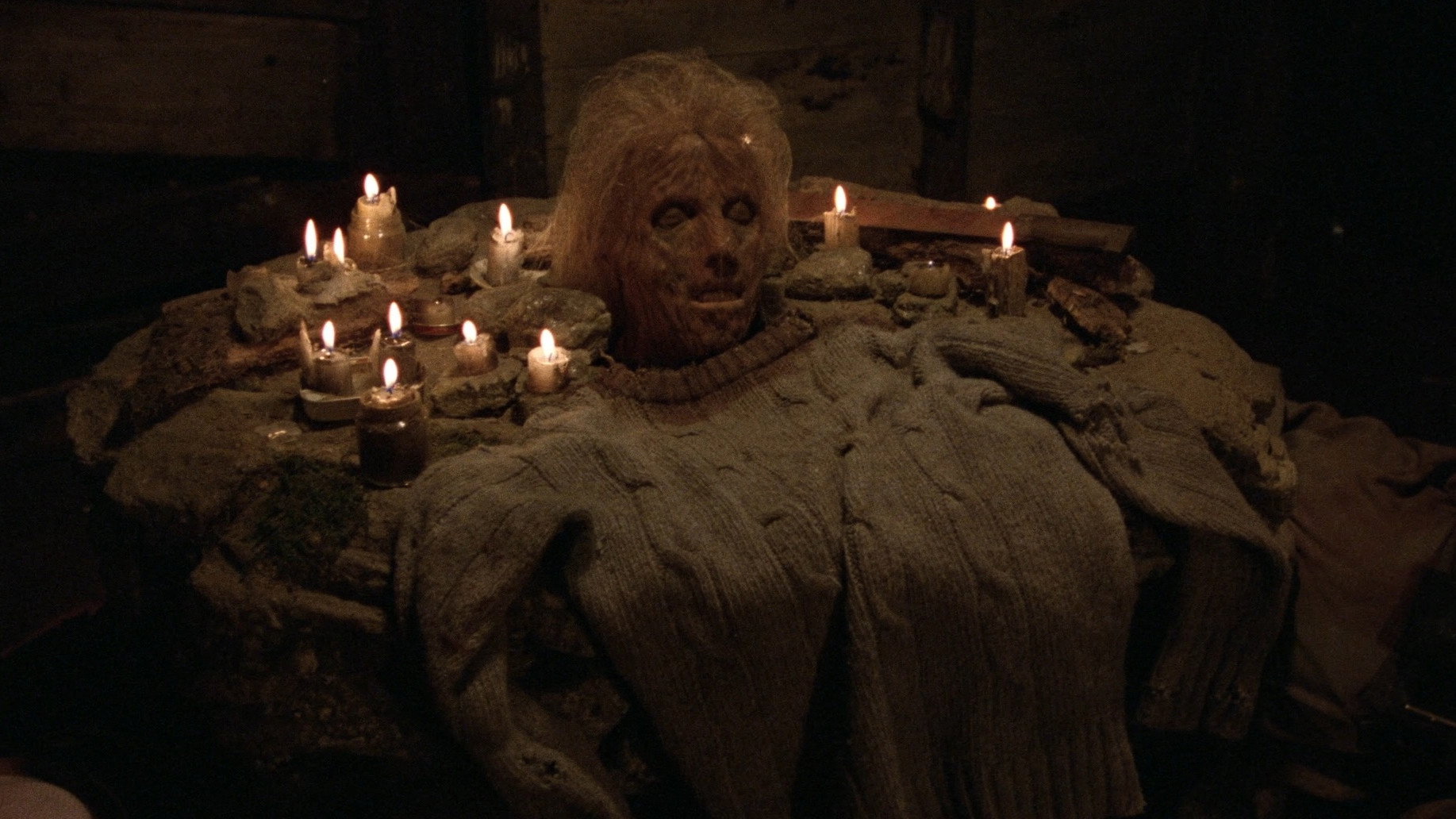
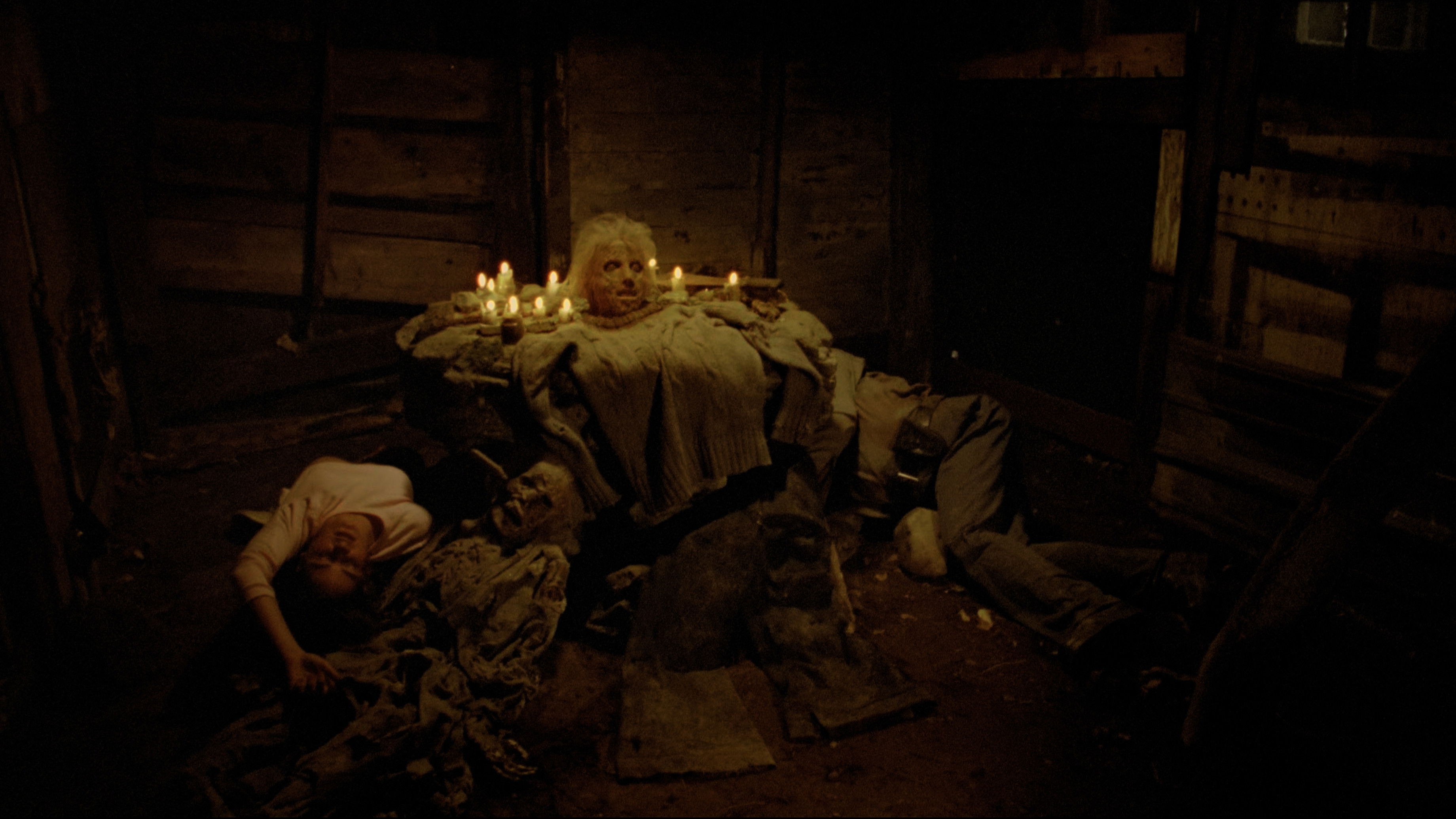
That early discussion becomes essential during the climax. After discovering Jason's makeshift dwelling and the preserved head of Pamela Voorhees, Ginny puts on his mother's sweater and attempts to speak with her authority. The disguise depends on what the earlier film established about Pamela and what this sequel suggests about her son's continuing devotion. Ginny briefly exploits the killer's response to a maternal figure before the deception collapses. Her survival therefore involves a judgment about Jason's state of mind alongside the immediate physical necessity of defending herself.

The film retains the expected succession of frightened young adults, but its principal survivor is allowed to reason about the threat before confronting it. Steel plays Ginny as socially relaxed and alert, capable of skepticism without being detached from the group's ordinary pleasures. The final struggle places that judgment under pressure as she runs, hides, improvises and eventually attacks. Jason's shrine gives the climax a distinctive atmosphere of mourning and obsession. It is also the setting where the series begins converting the first film's backstory into the central killer's own ritual world.
Woodland Stalking, Editing and Sound

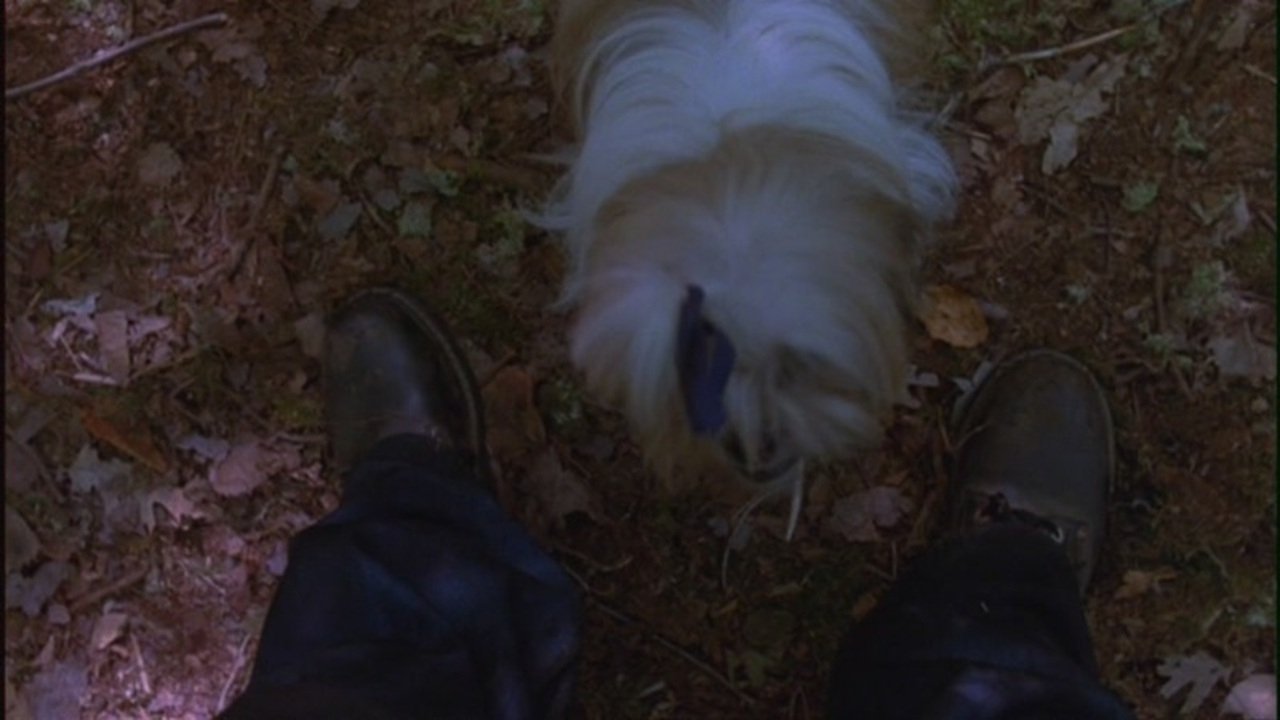
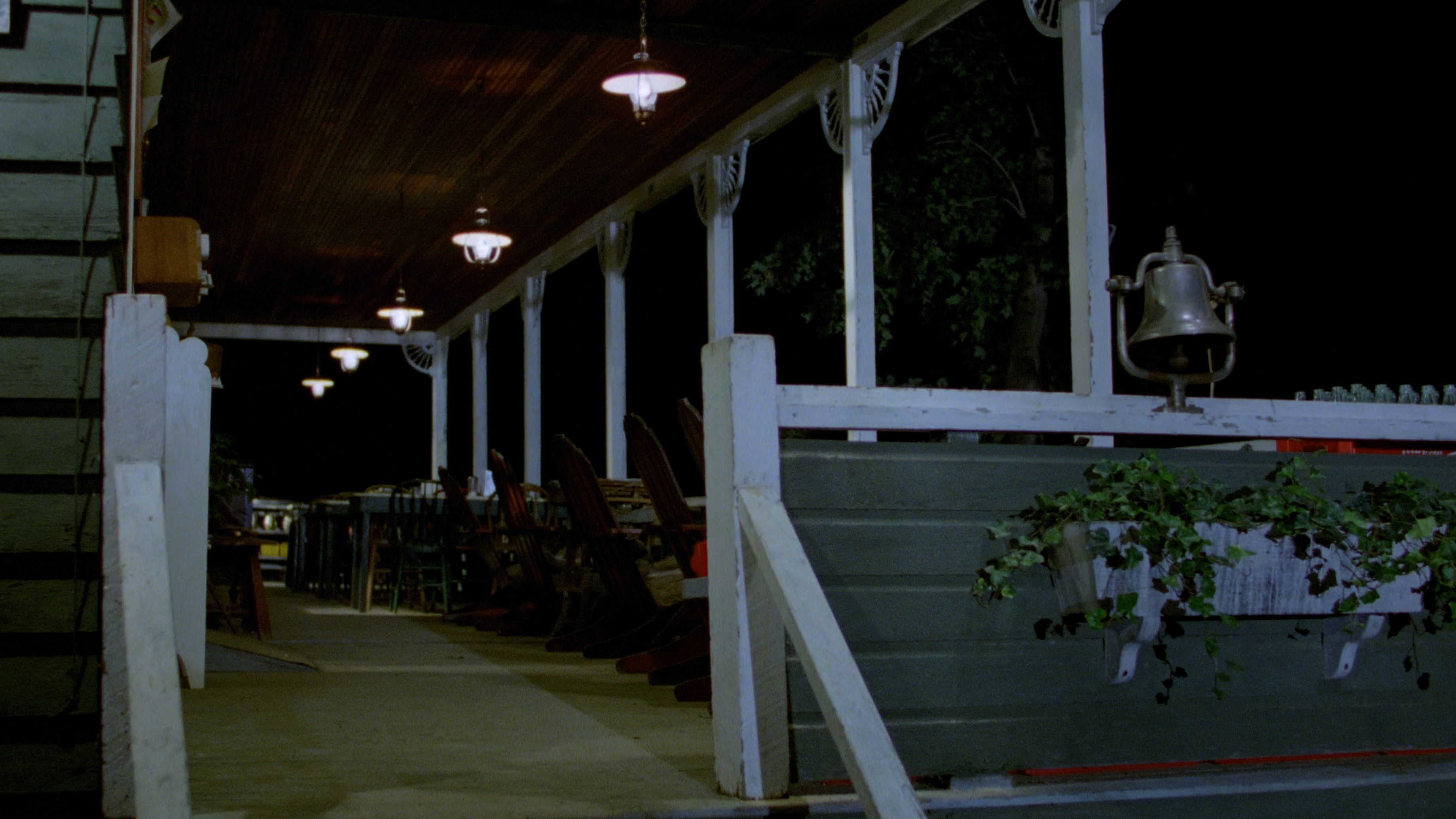
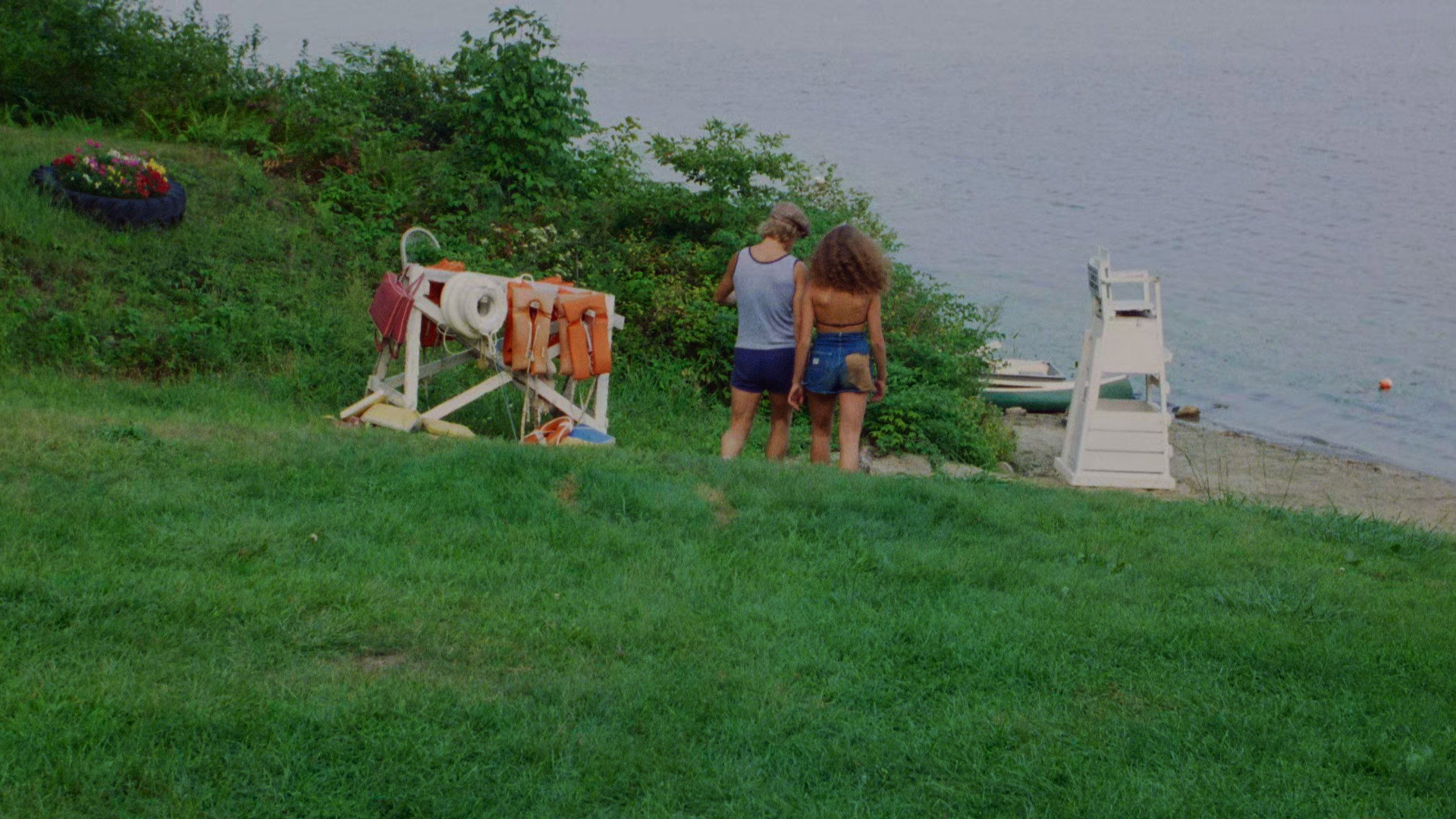
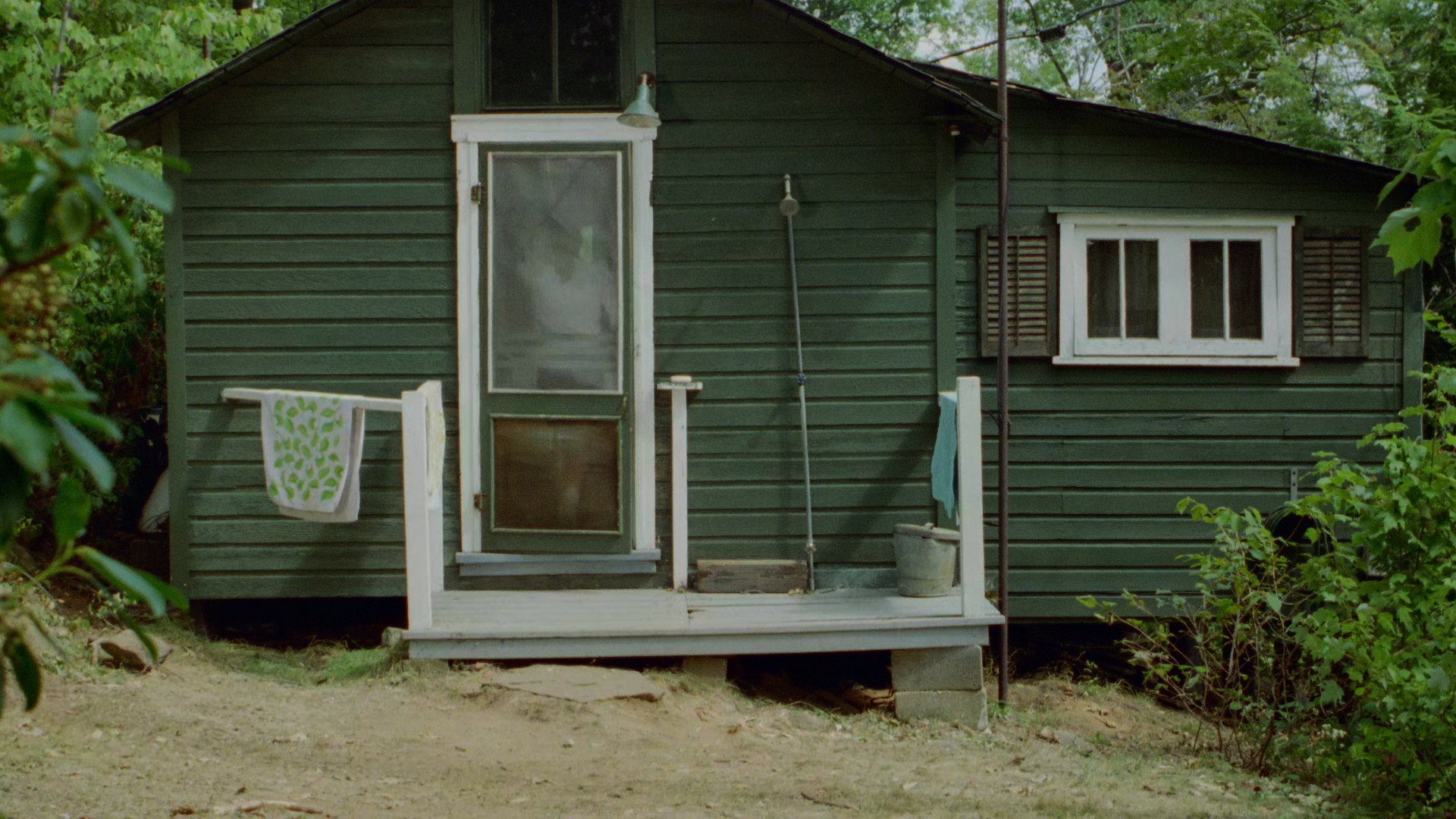
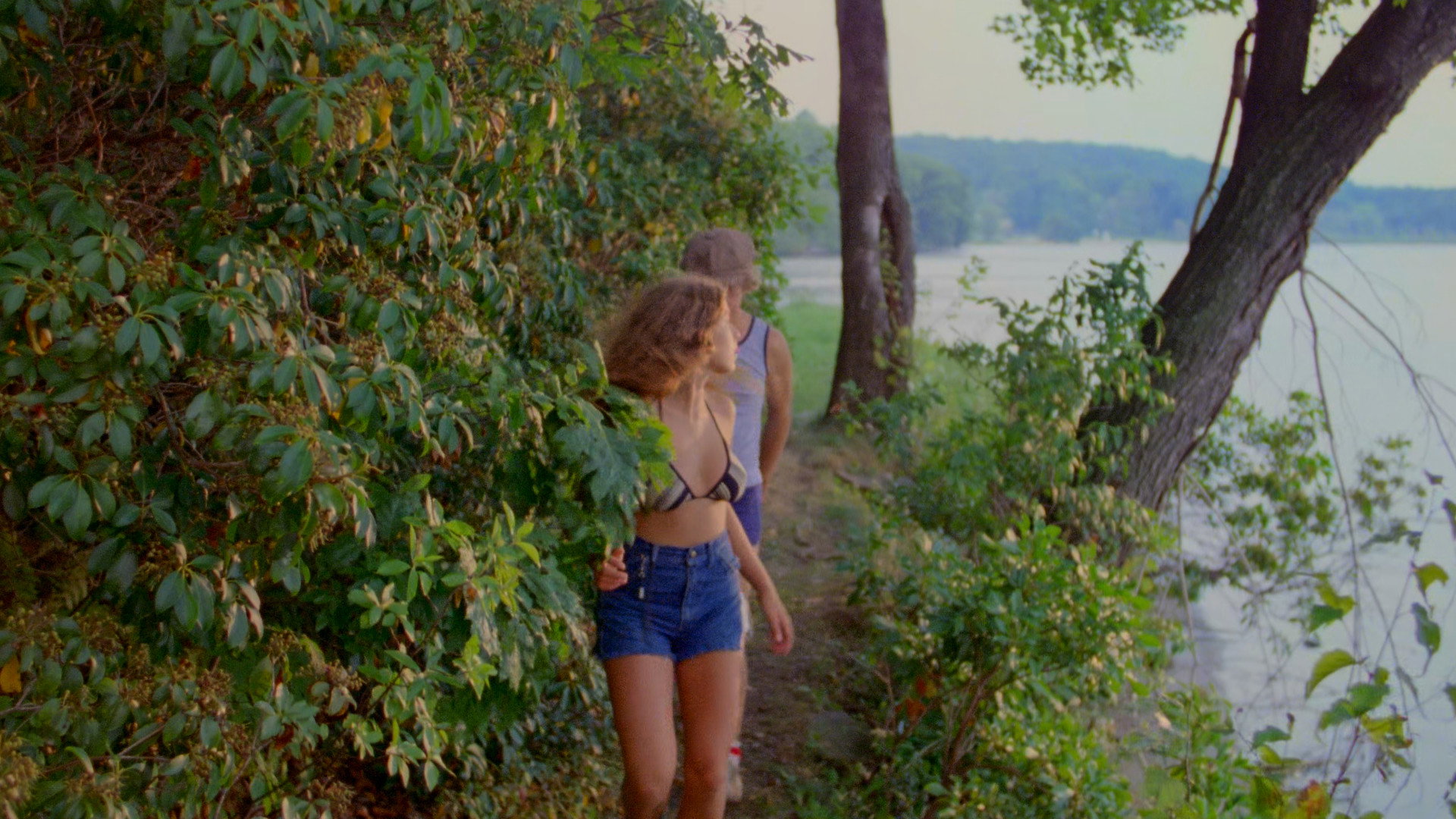
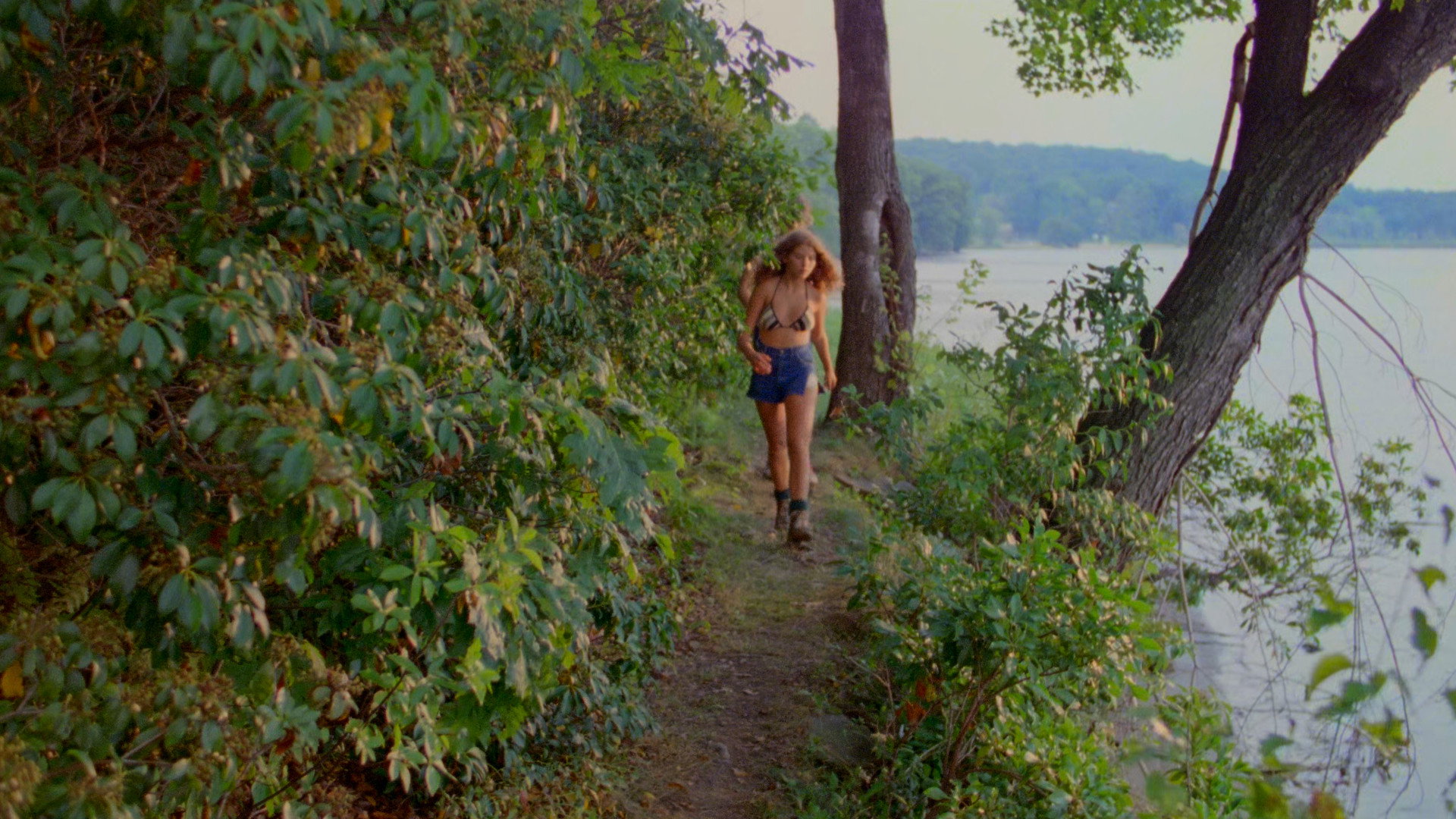
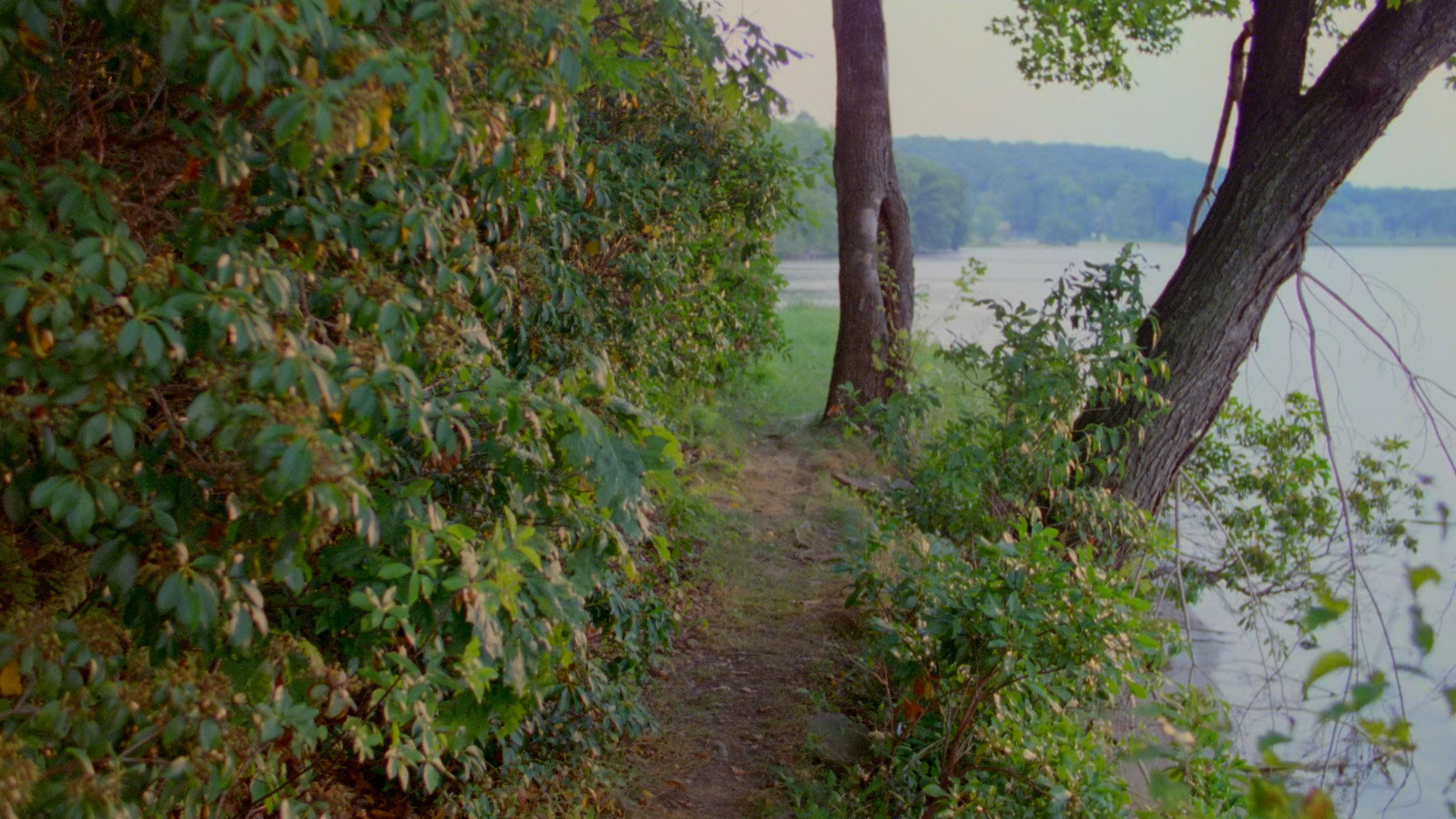
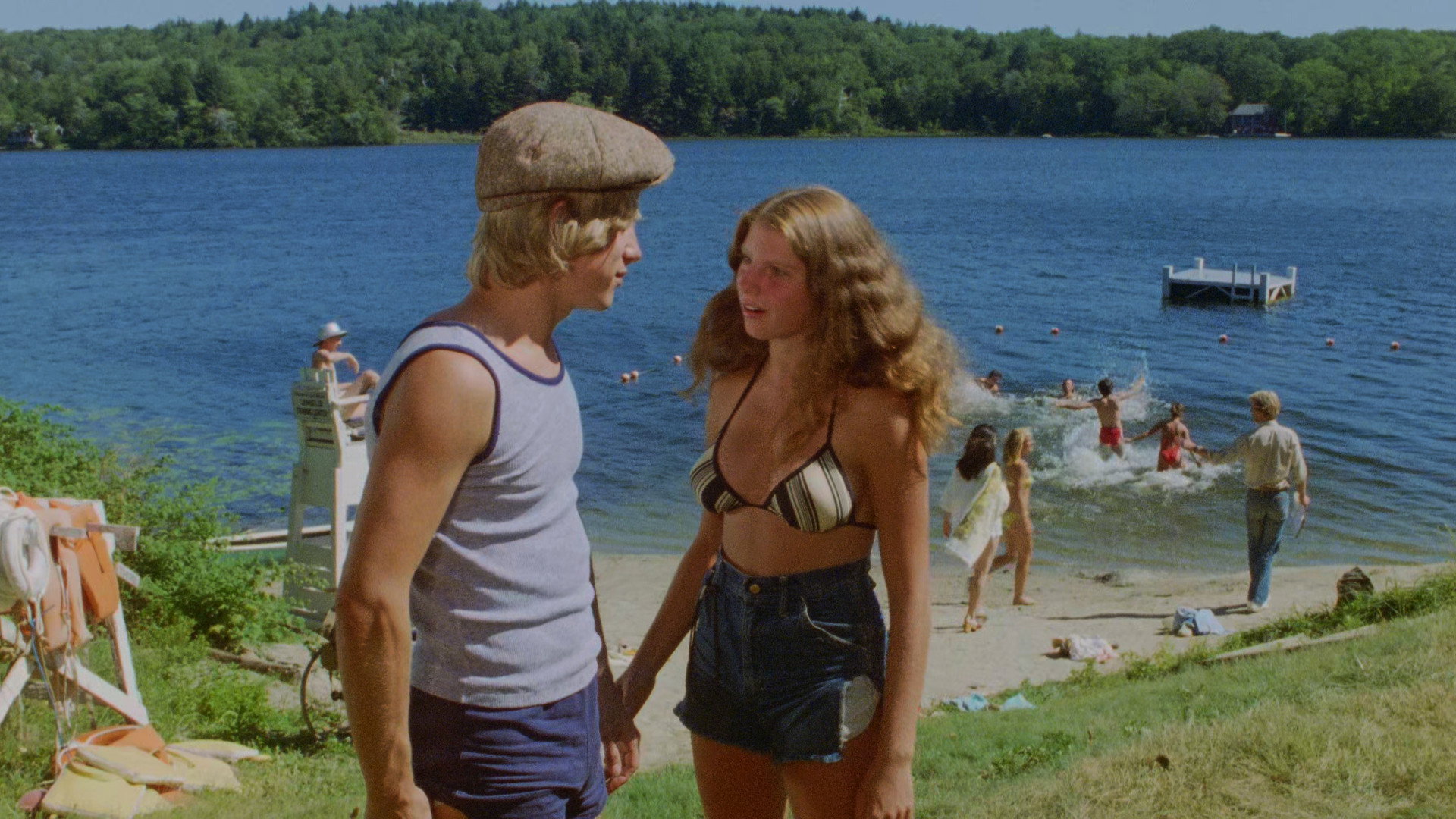
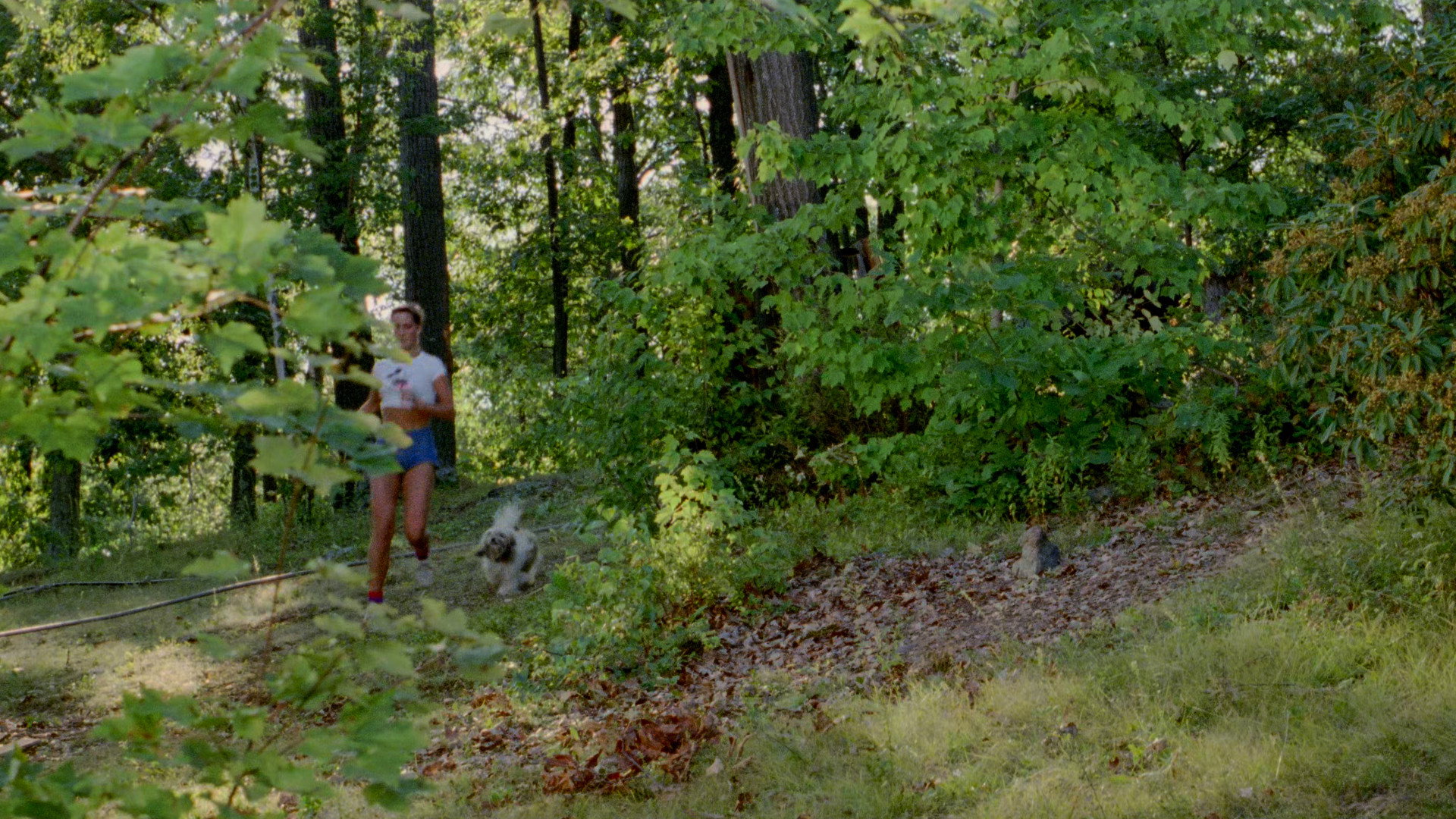
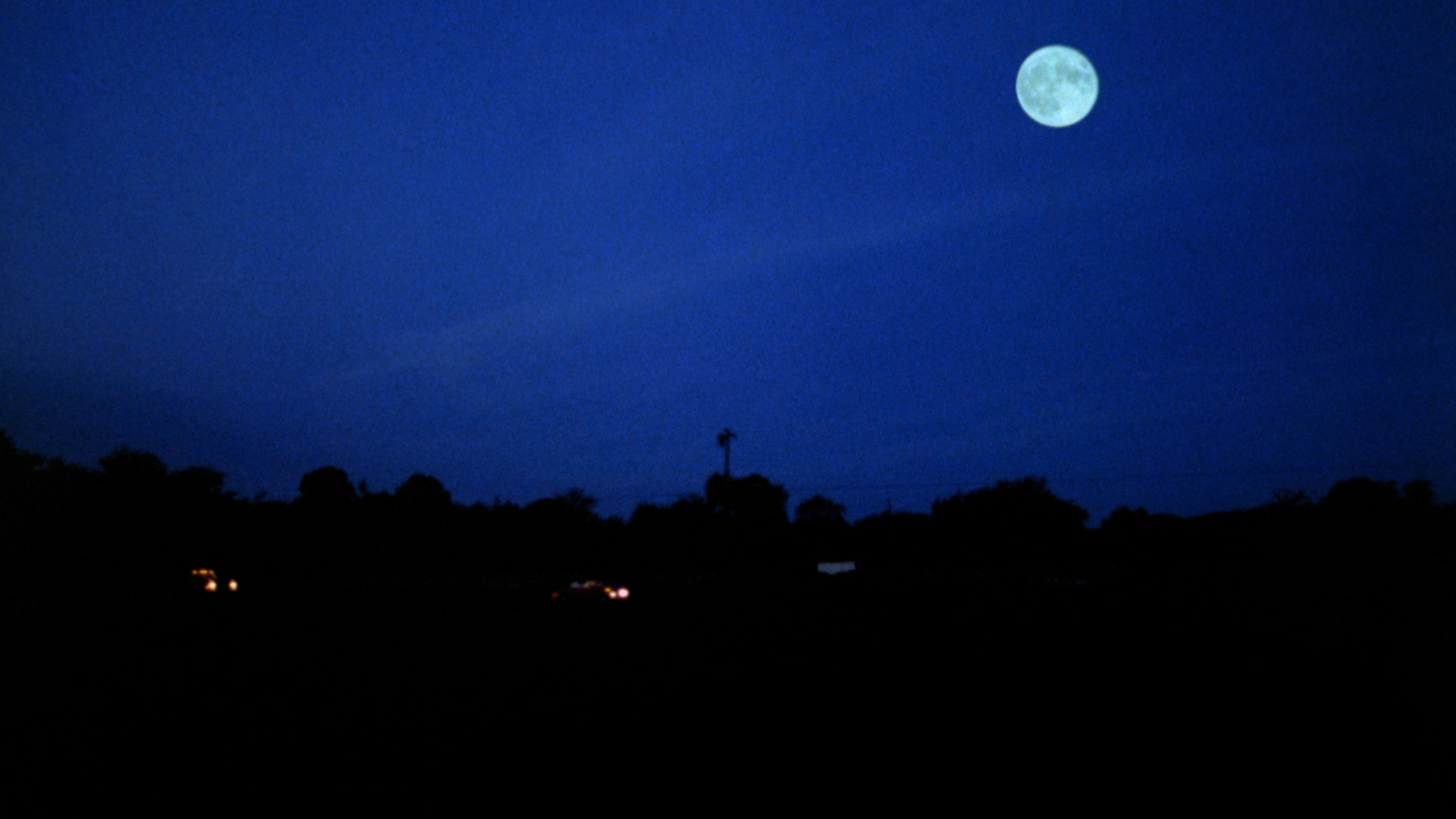
Much of the suspense develops through the relationship between open woodland and confined cabins. Peter Stein's photography keeps the camp physically ordinary: trails, windows, stairs and lakeside spaces appear as functioning parts of a summer retreat. The surrounding trees make distances uncertain, particularly when someone is alone. Miner alternates between partial glimpses of a watching presence and abrupt attacks, using the forest to conceal movement before directing danger into the more exposed interiors. This visual organization preserves the earlier film's habit of making offscreen space threatening.
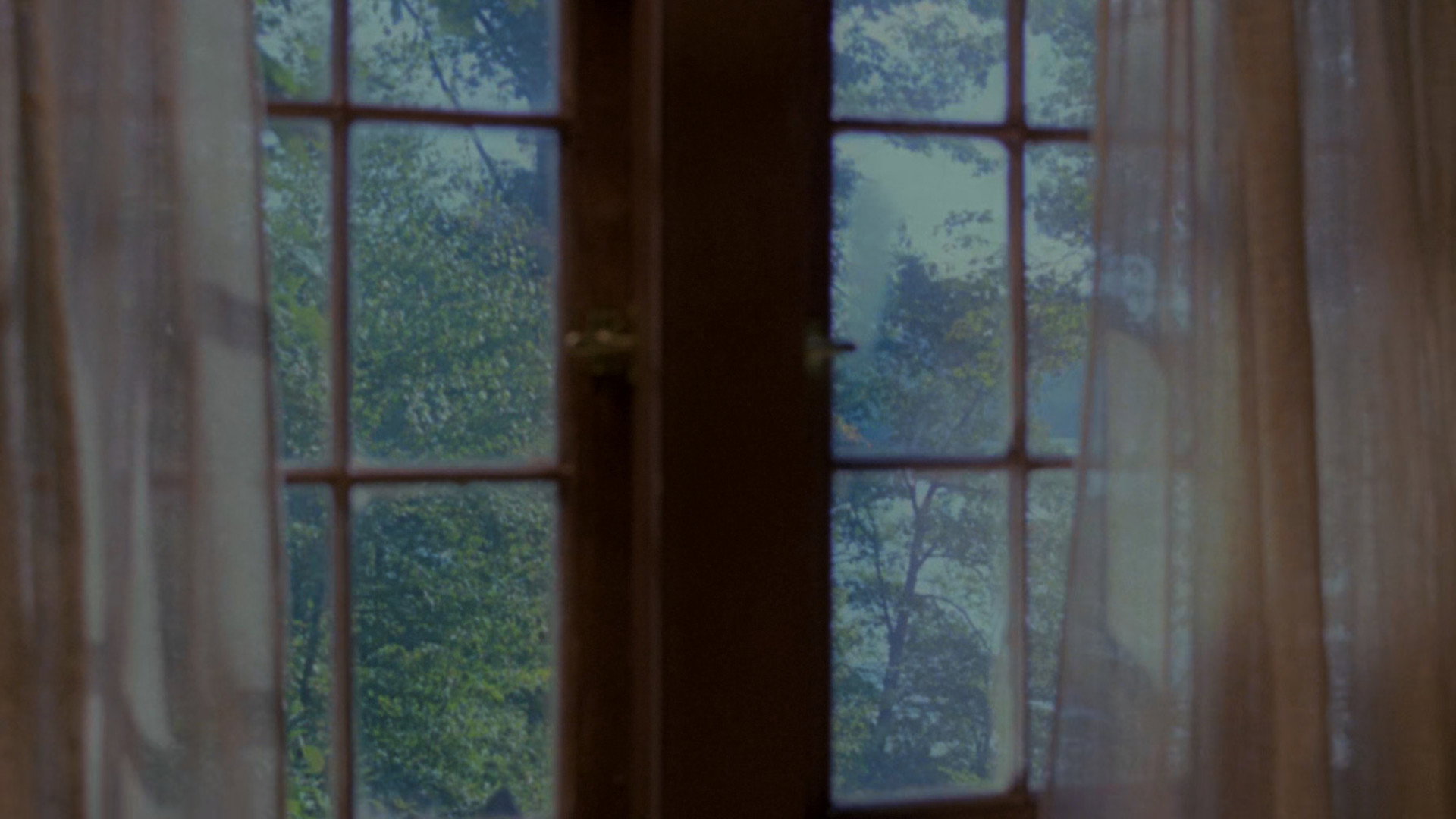
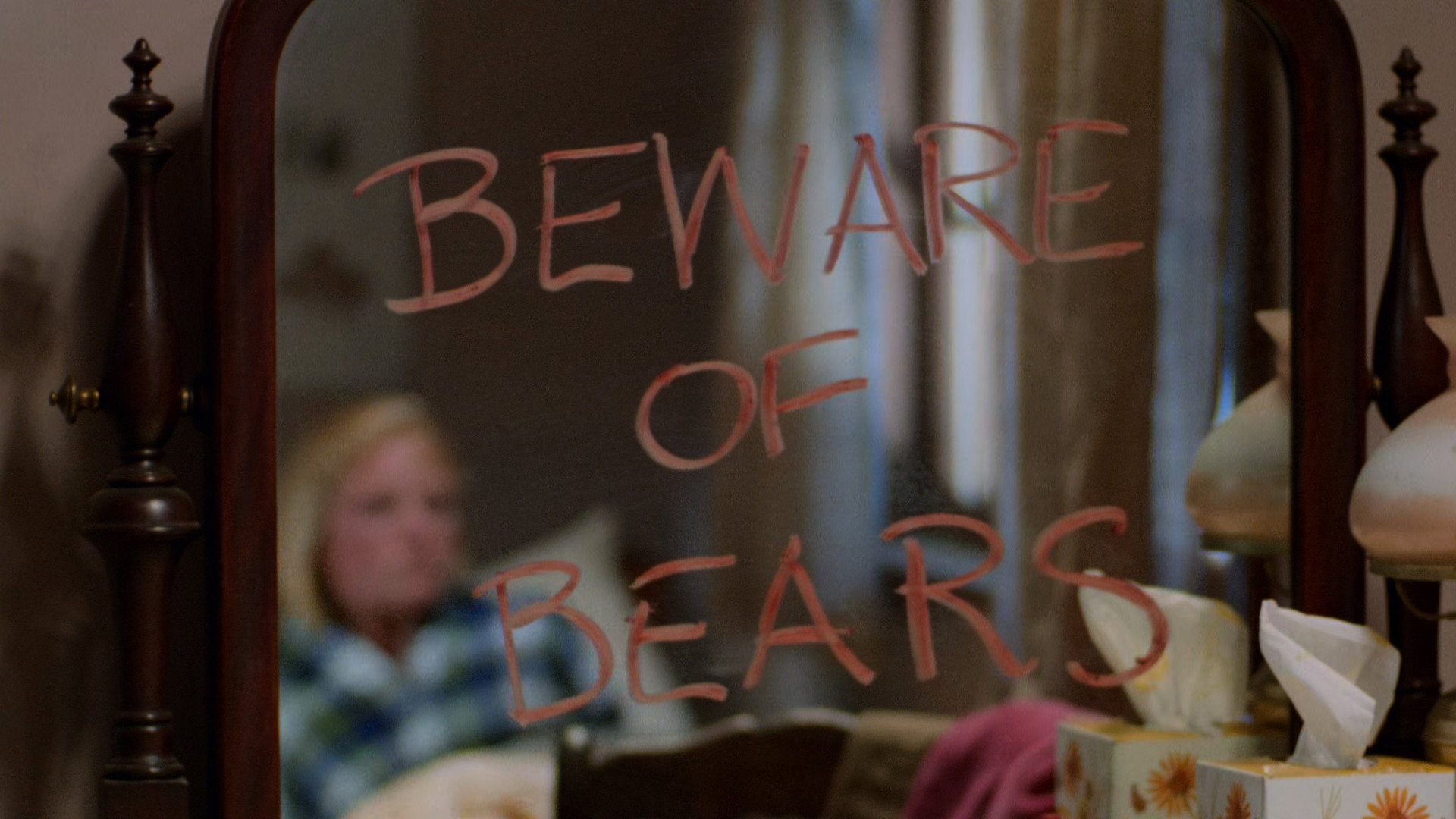
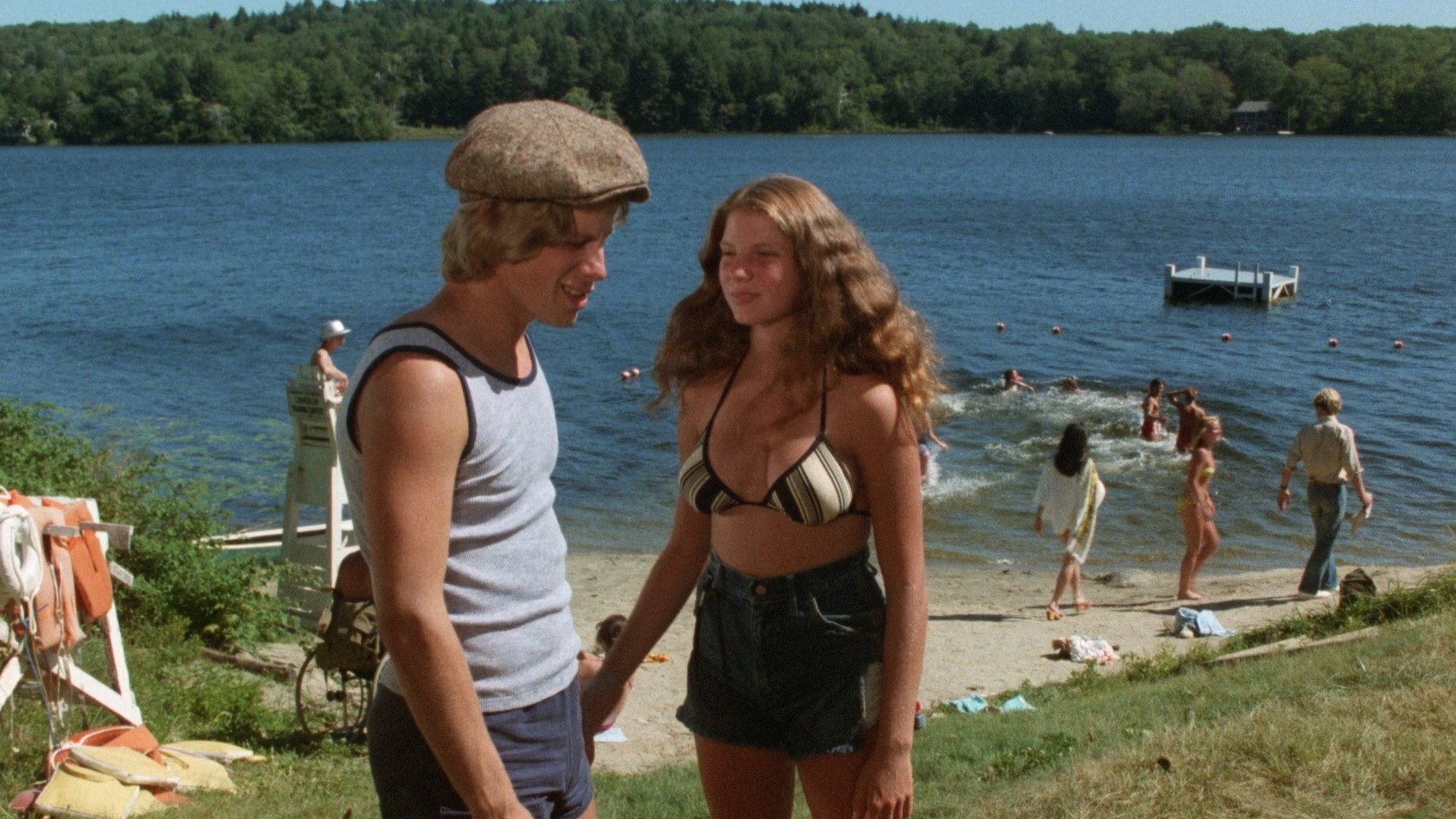
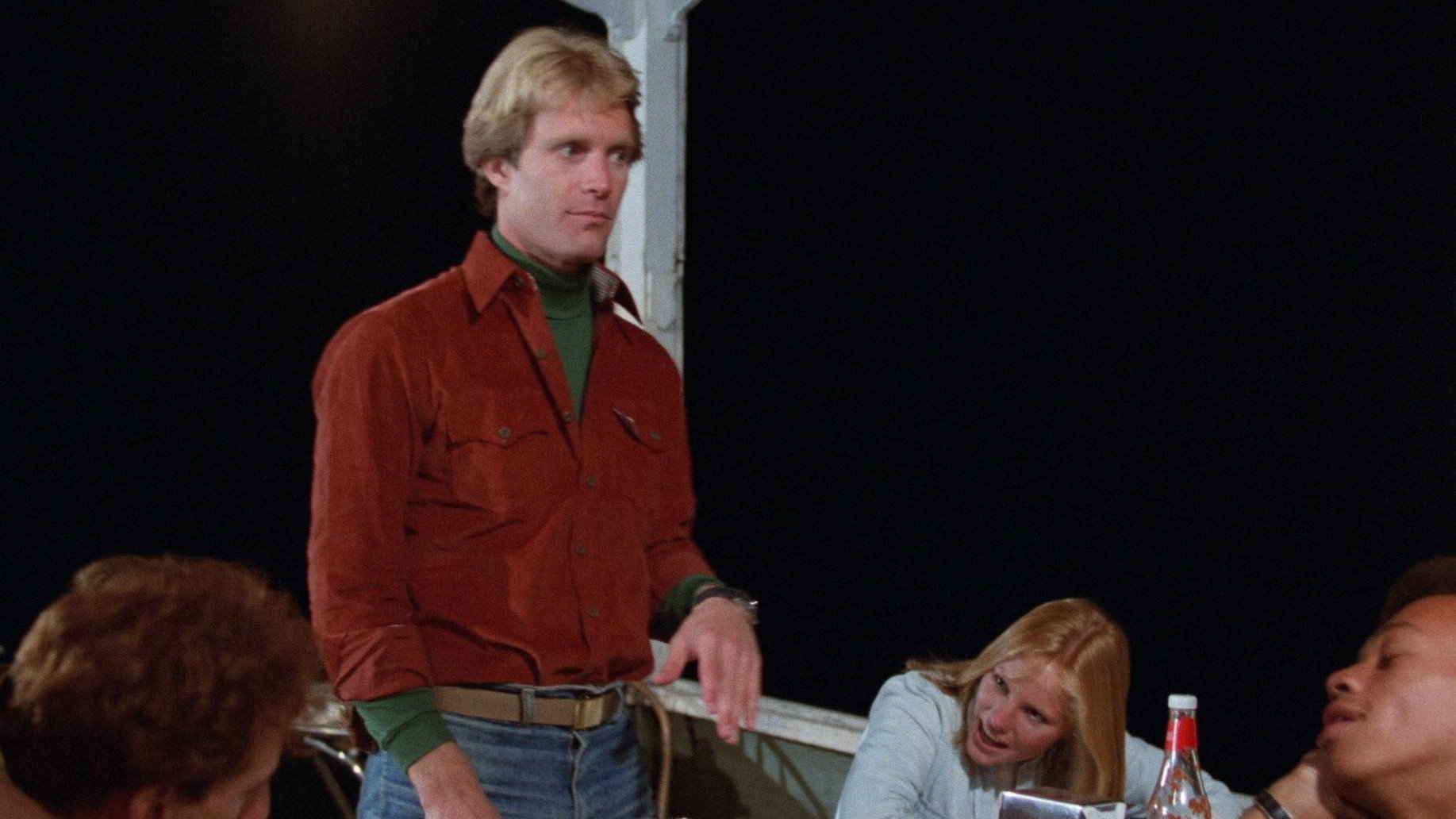
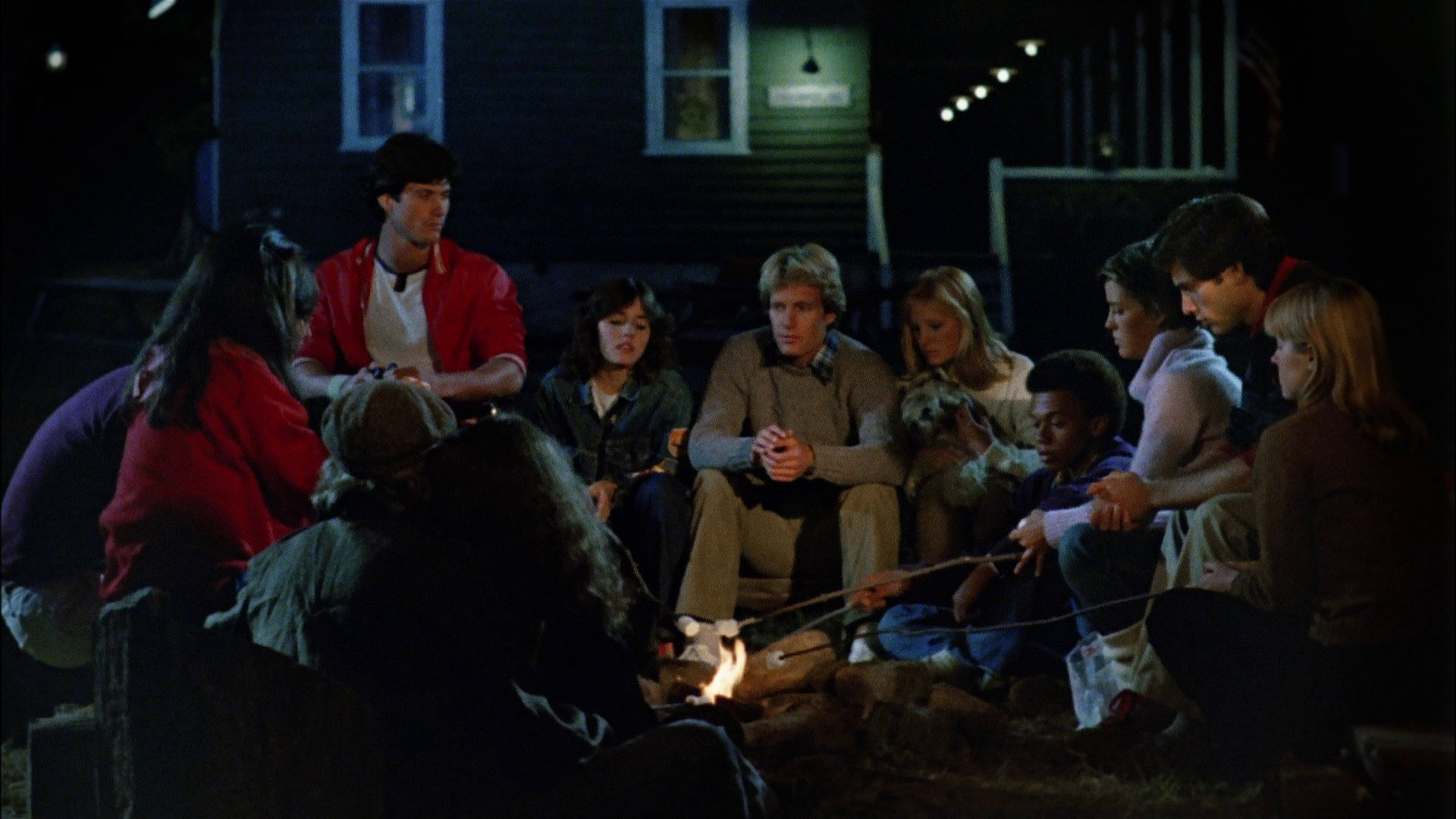
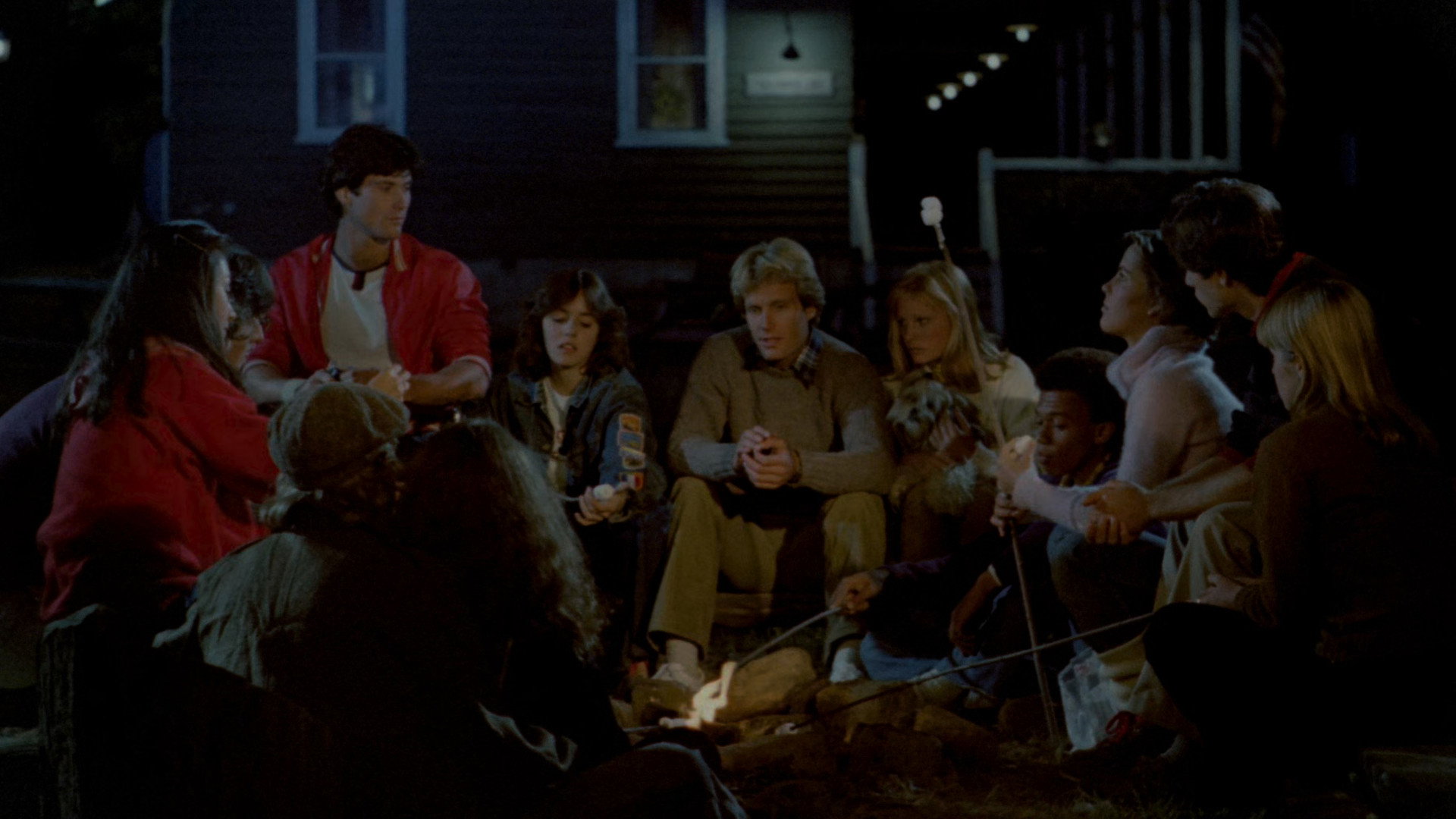
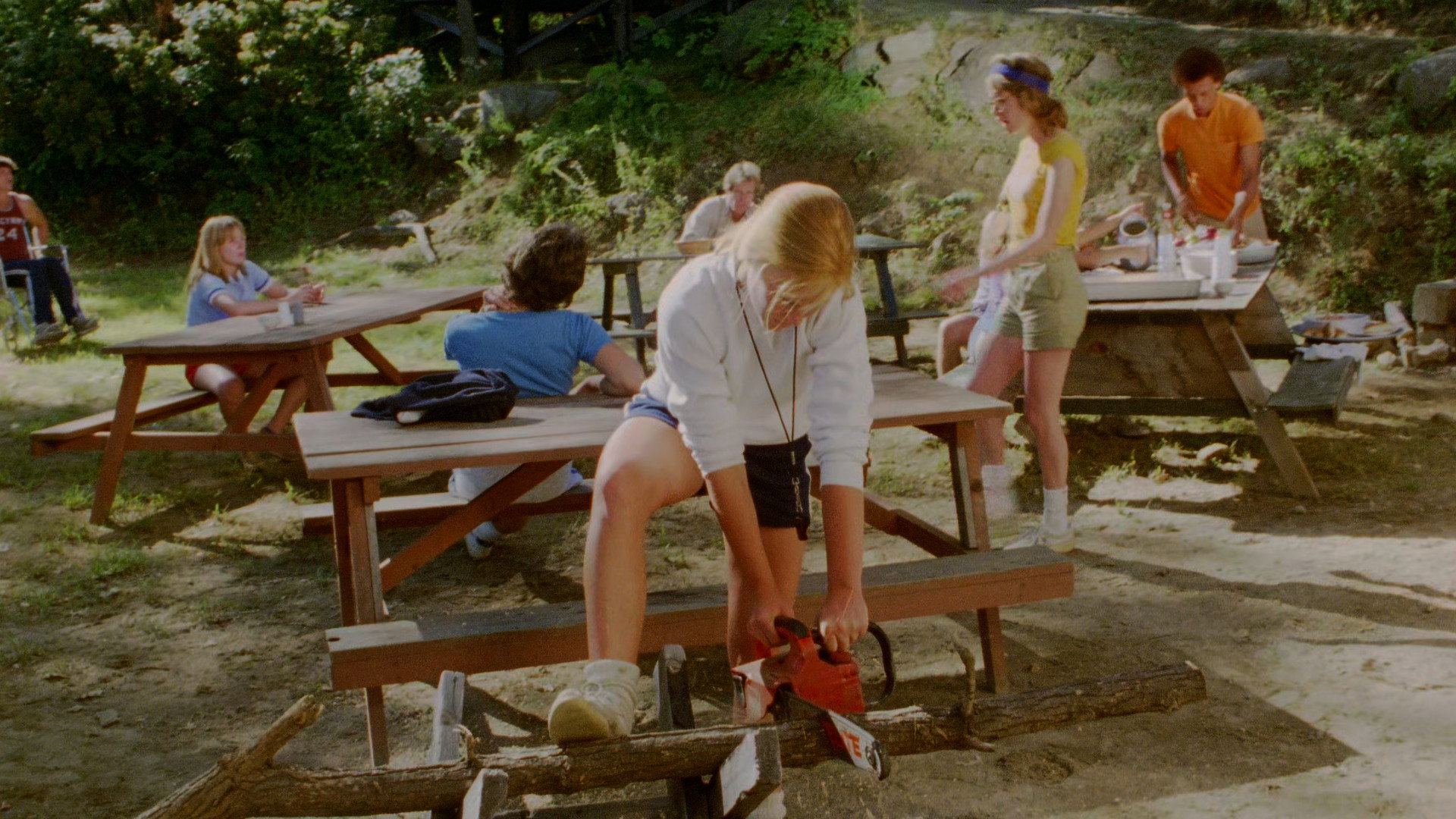
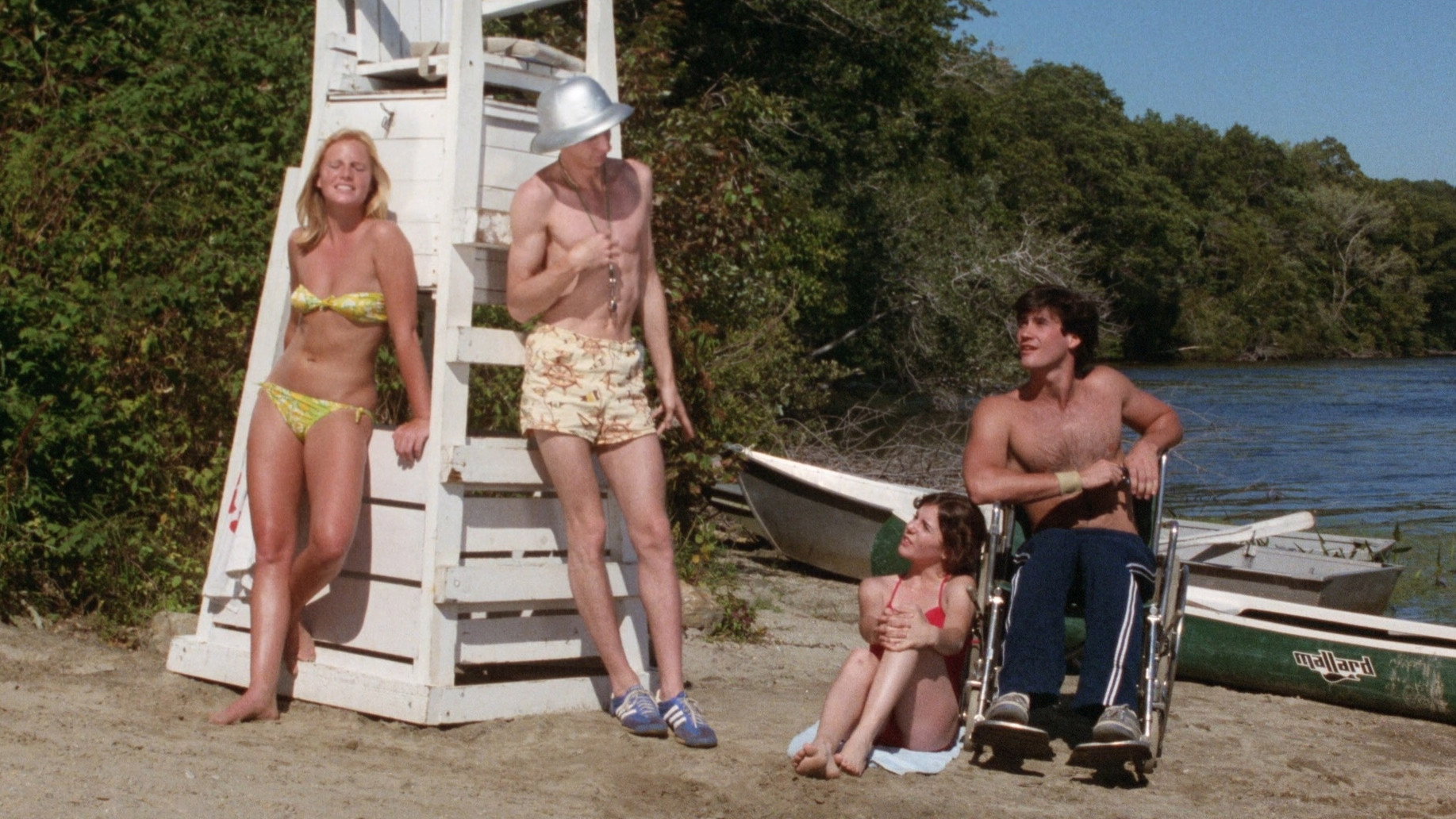
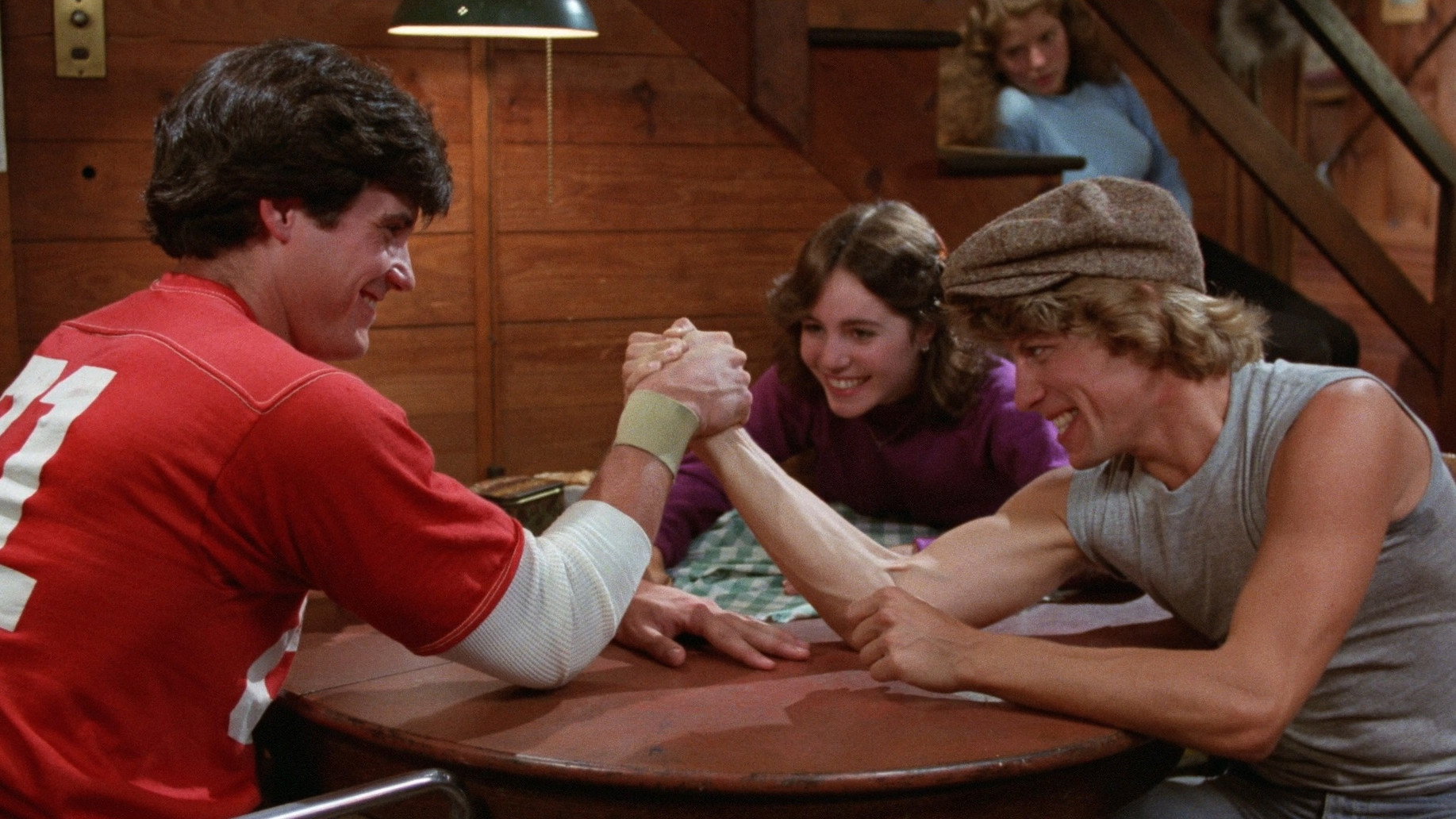
The screenplay gives the campers moments of conviviality that make the changes in atmosphere legible. A gathering around a fire provides a setting for the Jason legend, while later departures separate the characters into smaller groups. The film can then move between several vulnerable places without needing to introduce a new location for each attack. At its most effective, the editing lets viewers register ordinary activity before disclosing an unseen observer. False alarms and sudden appearances are conspicuous parts of the method, a feature contemporary critics also noticed.

Harry Manfredini returned to compose the score, retaining the musical association with the unseen killer developed for the original film. Short, insistent cues help mark moments when the point of view may belong to the threat; other passages allow ambient camp sounds and dialogue to occupy the foreground. The recognizable vocal effect and orchestral bursts function as signals of danger without requiring Jason to speak. The soundtrack is part of the series' continuity, but the combination of a new physical murderer and familiar musical language changes what those signals lead audiences to anticipate.

Practical Effects and the Limits of the Released Version

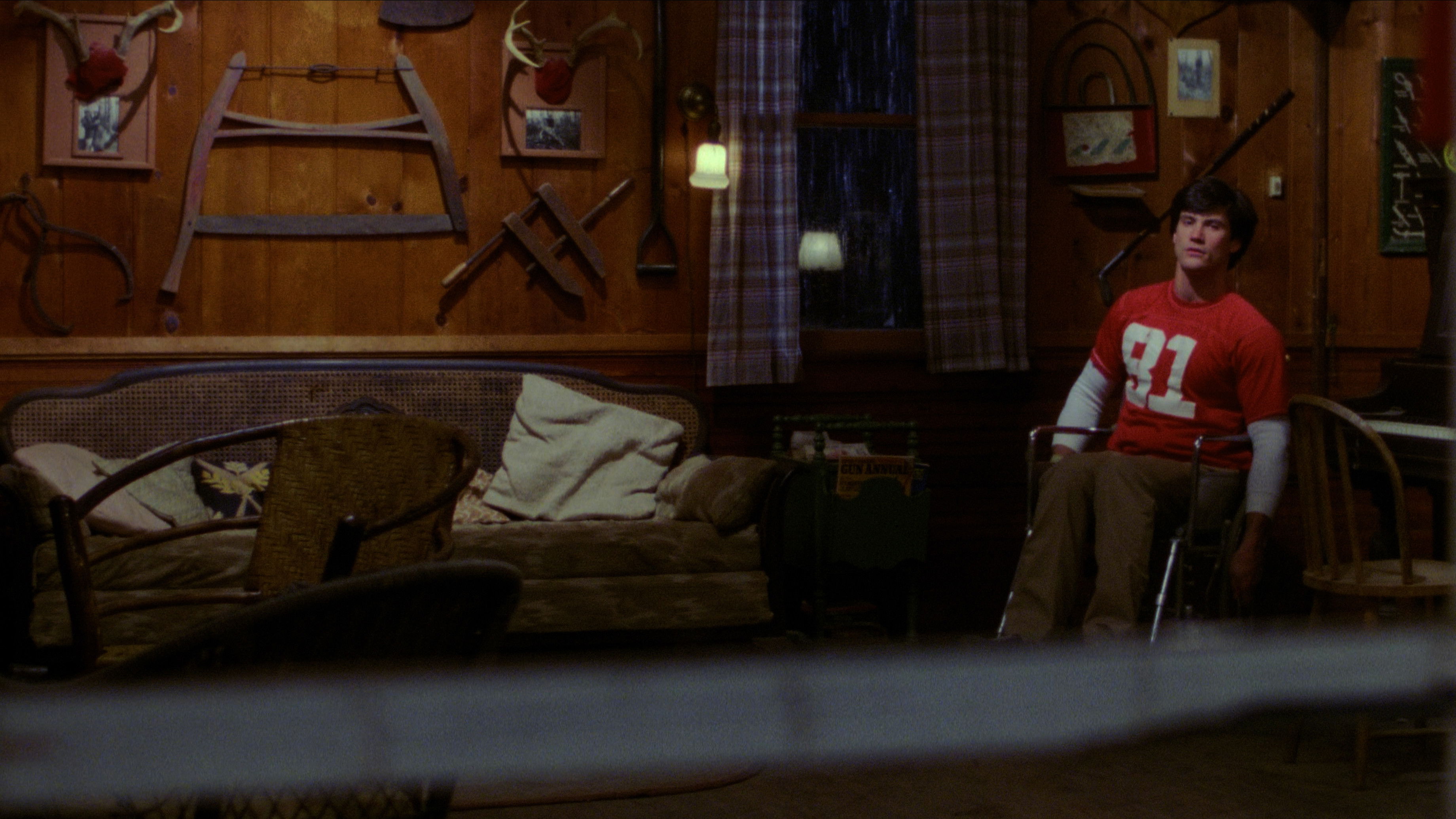
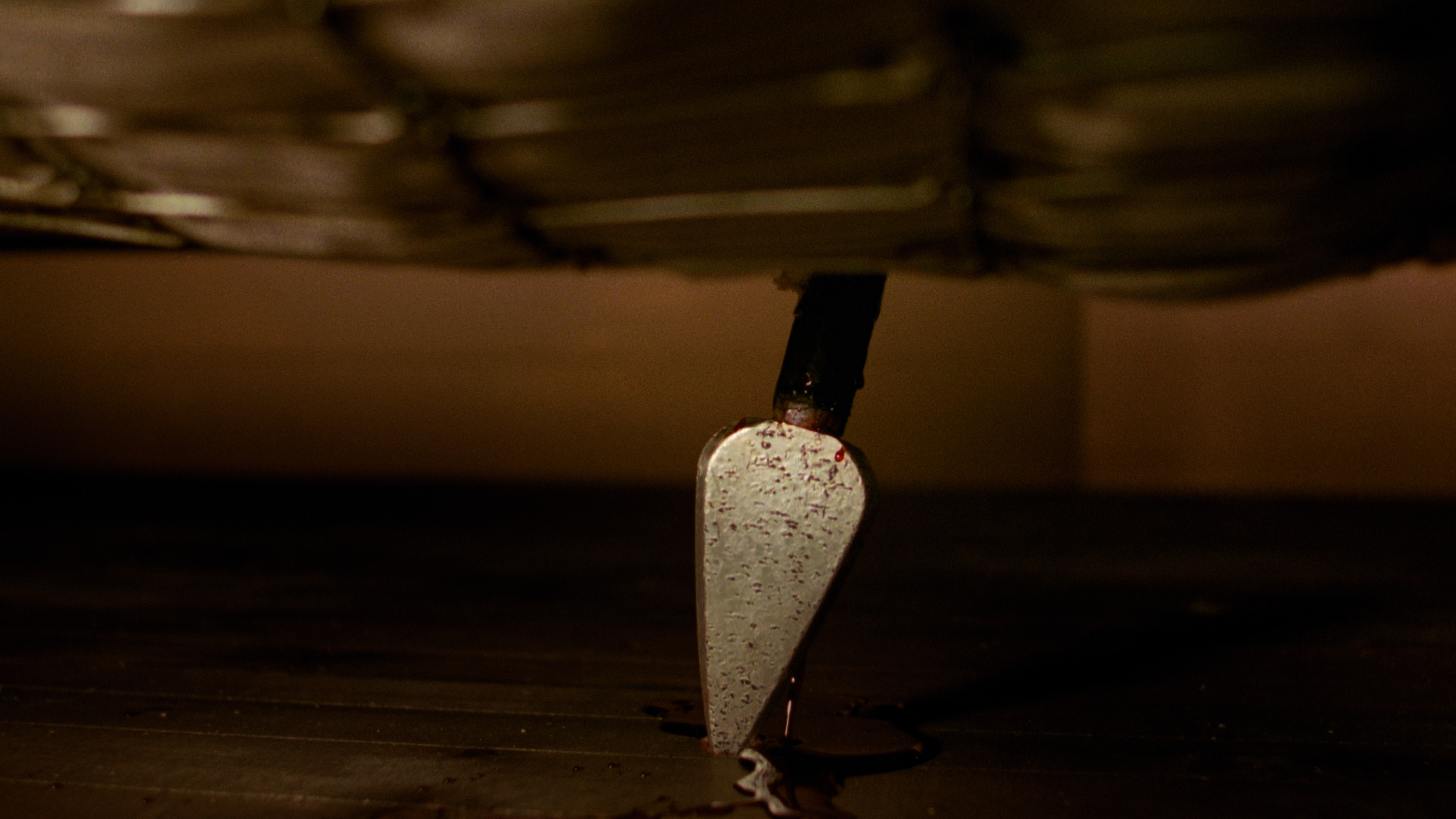
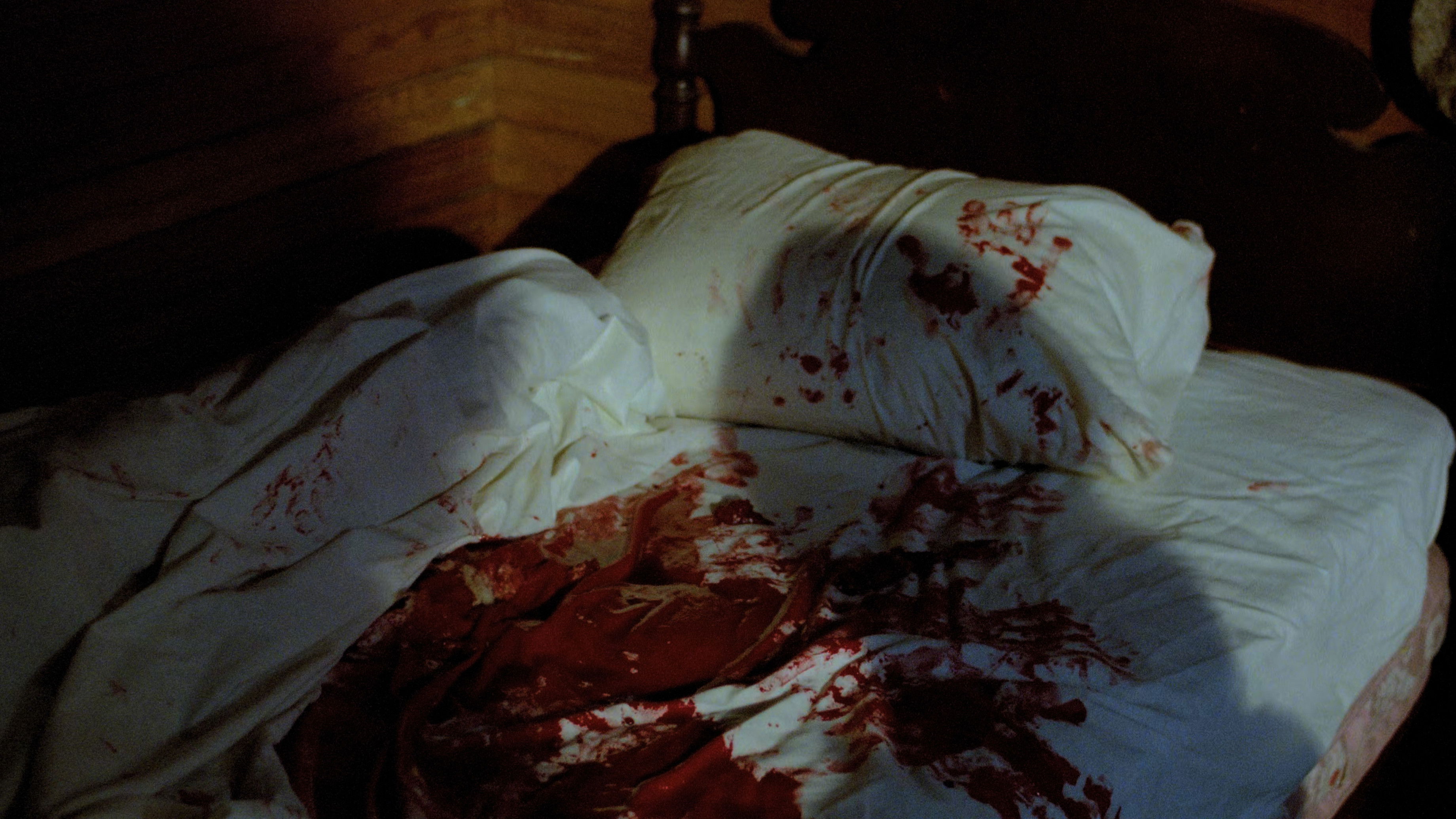
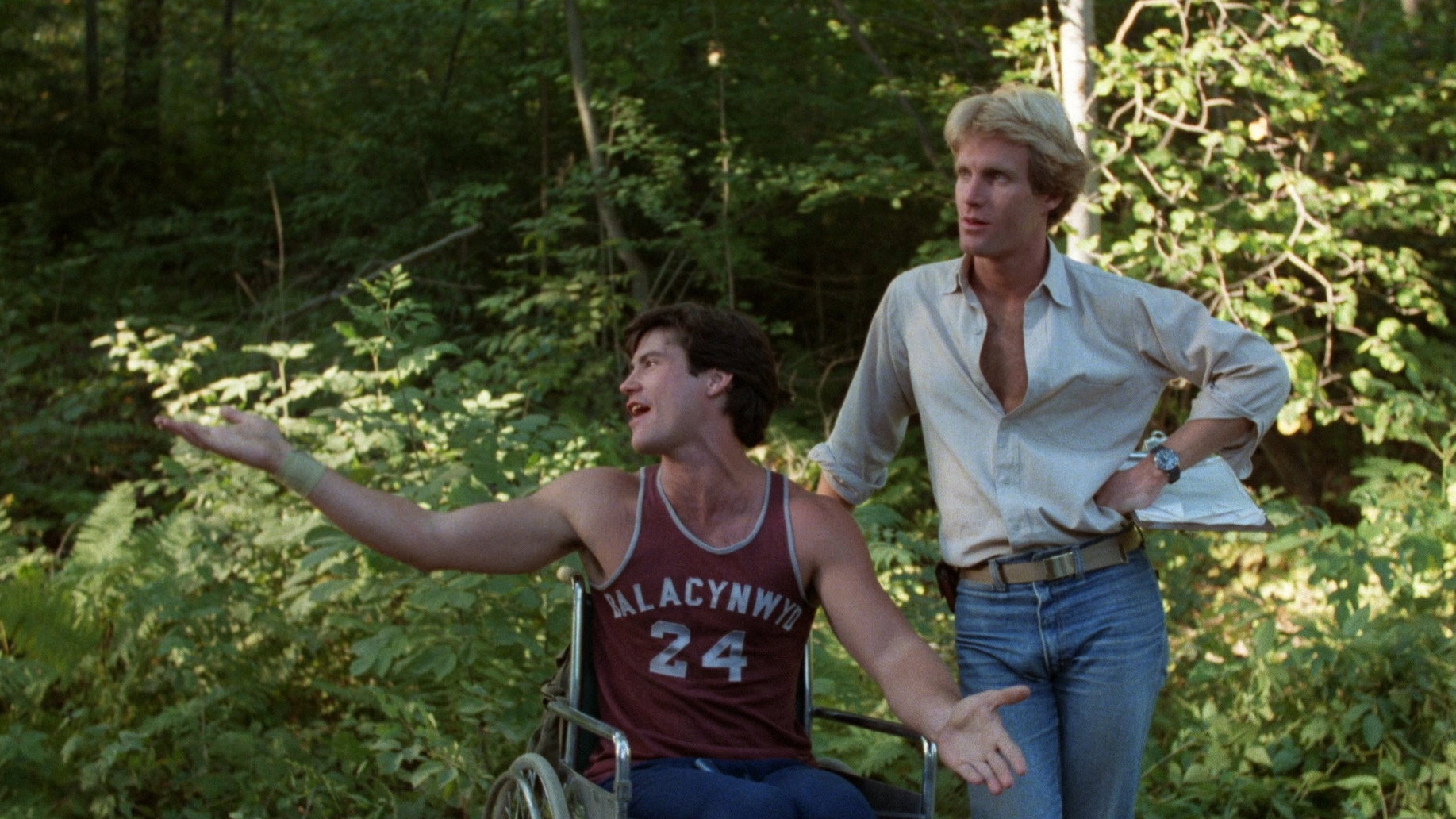
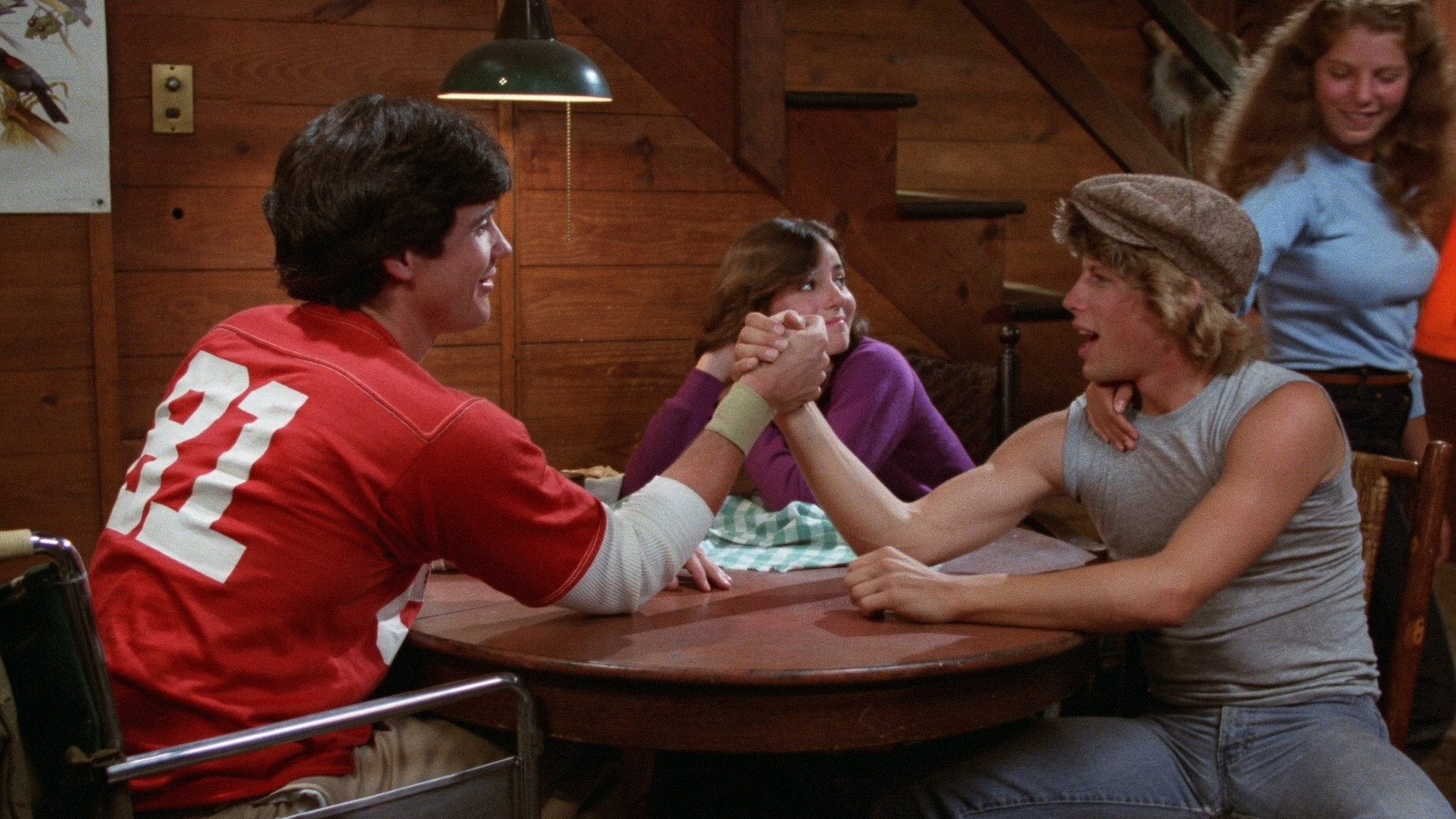
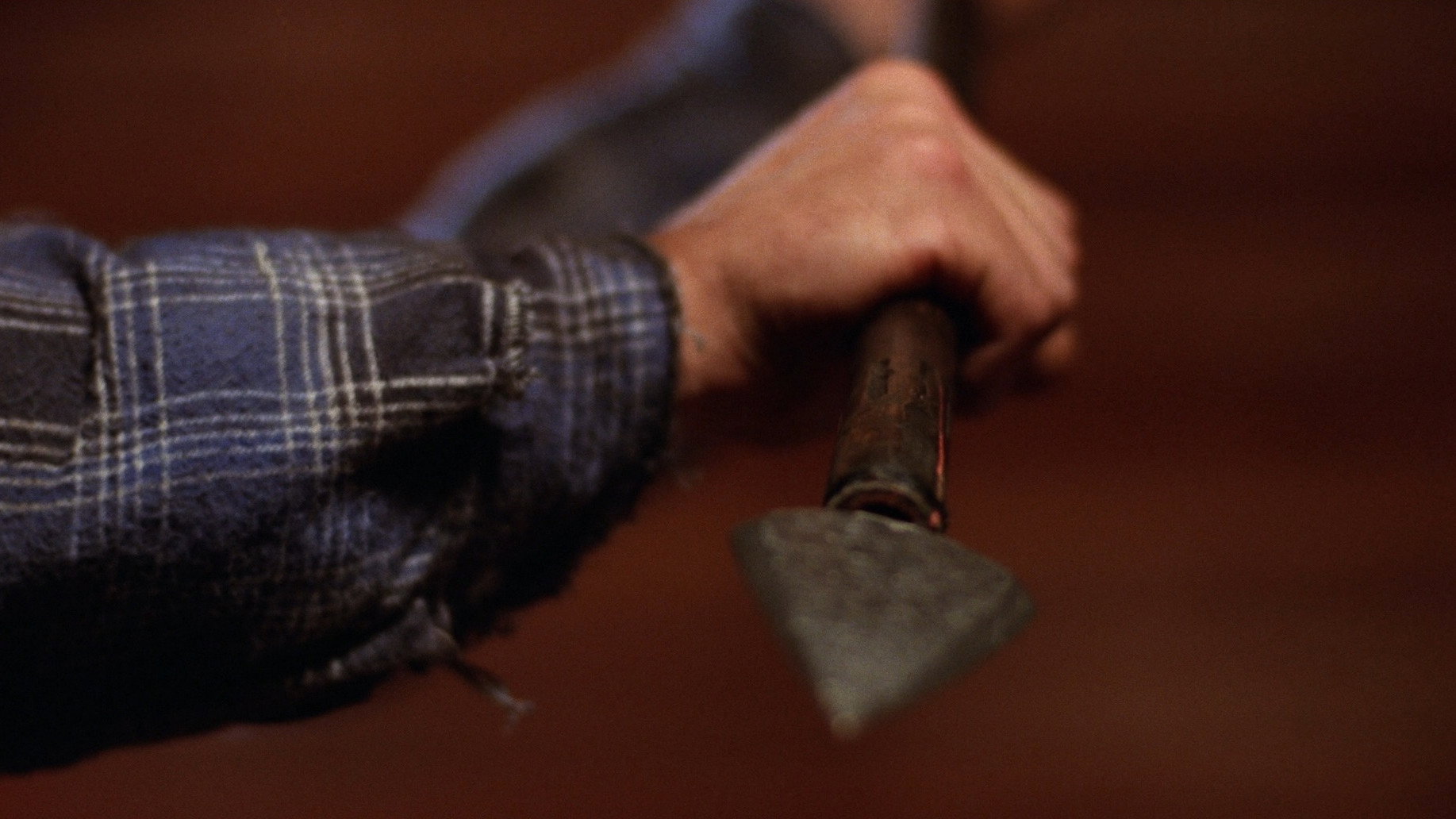
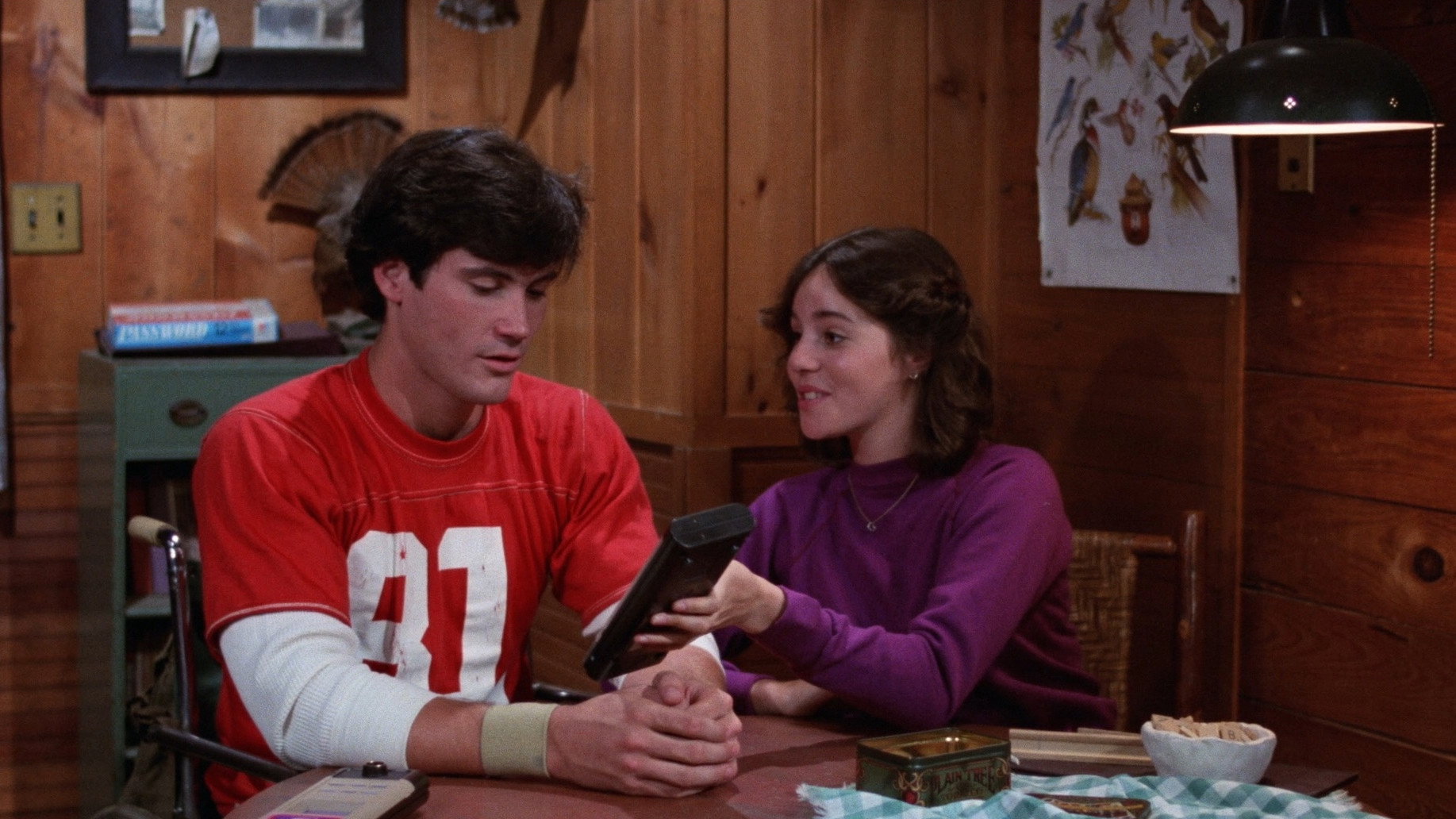
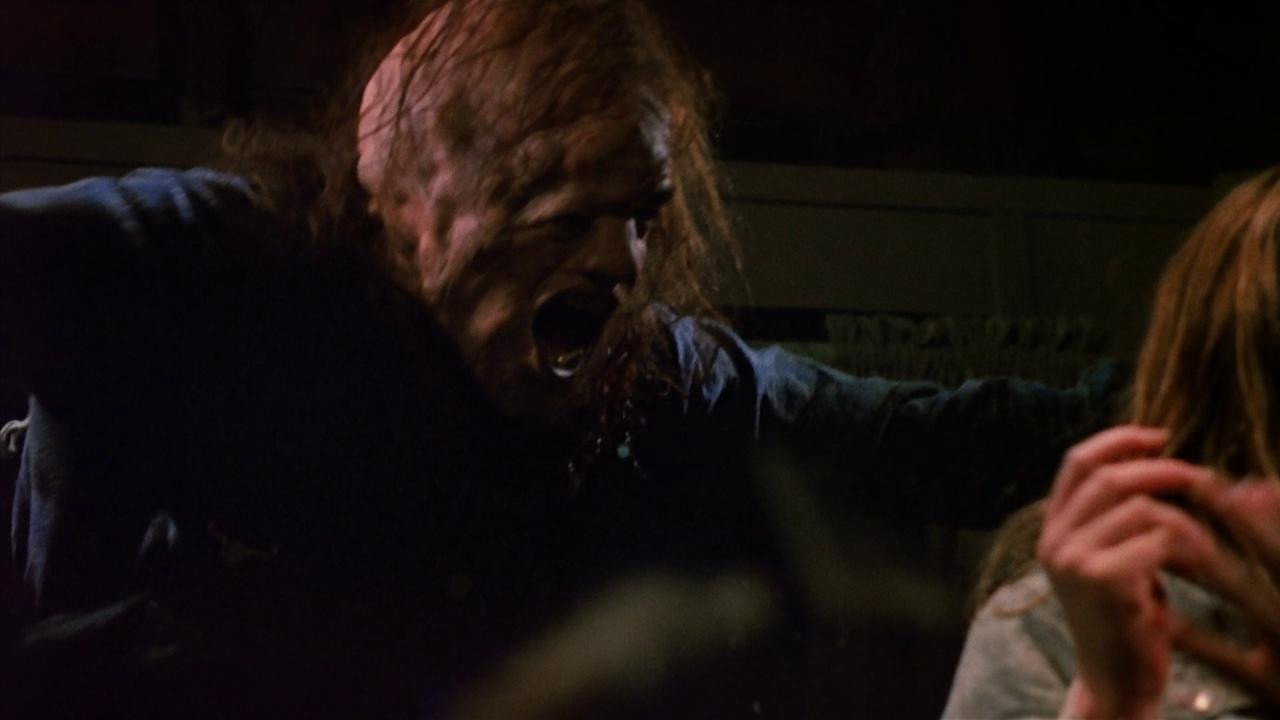
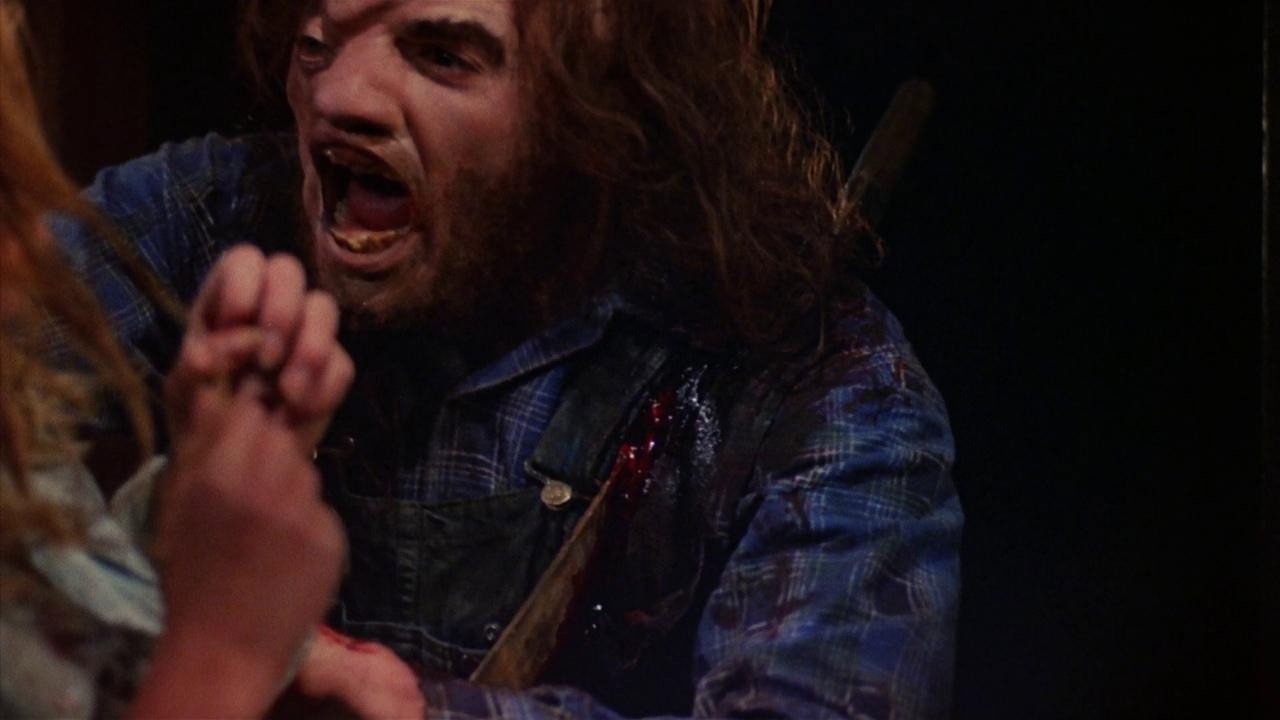
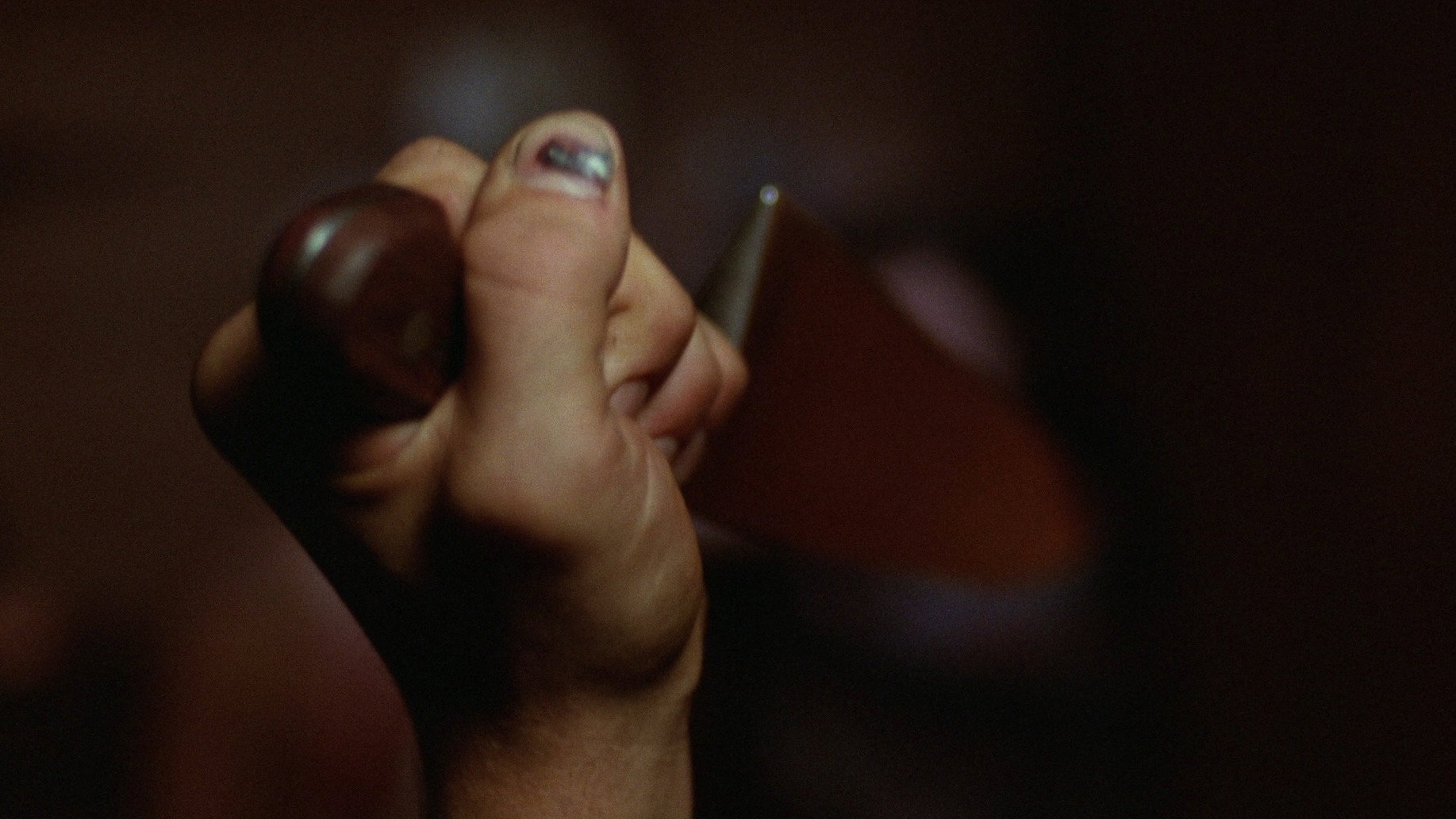
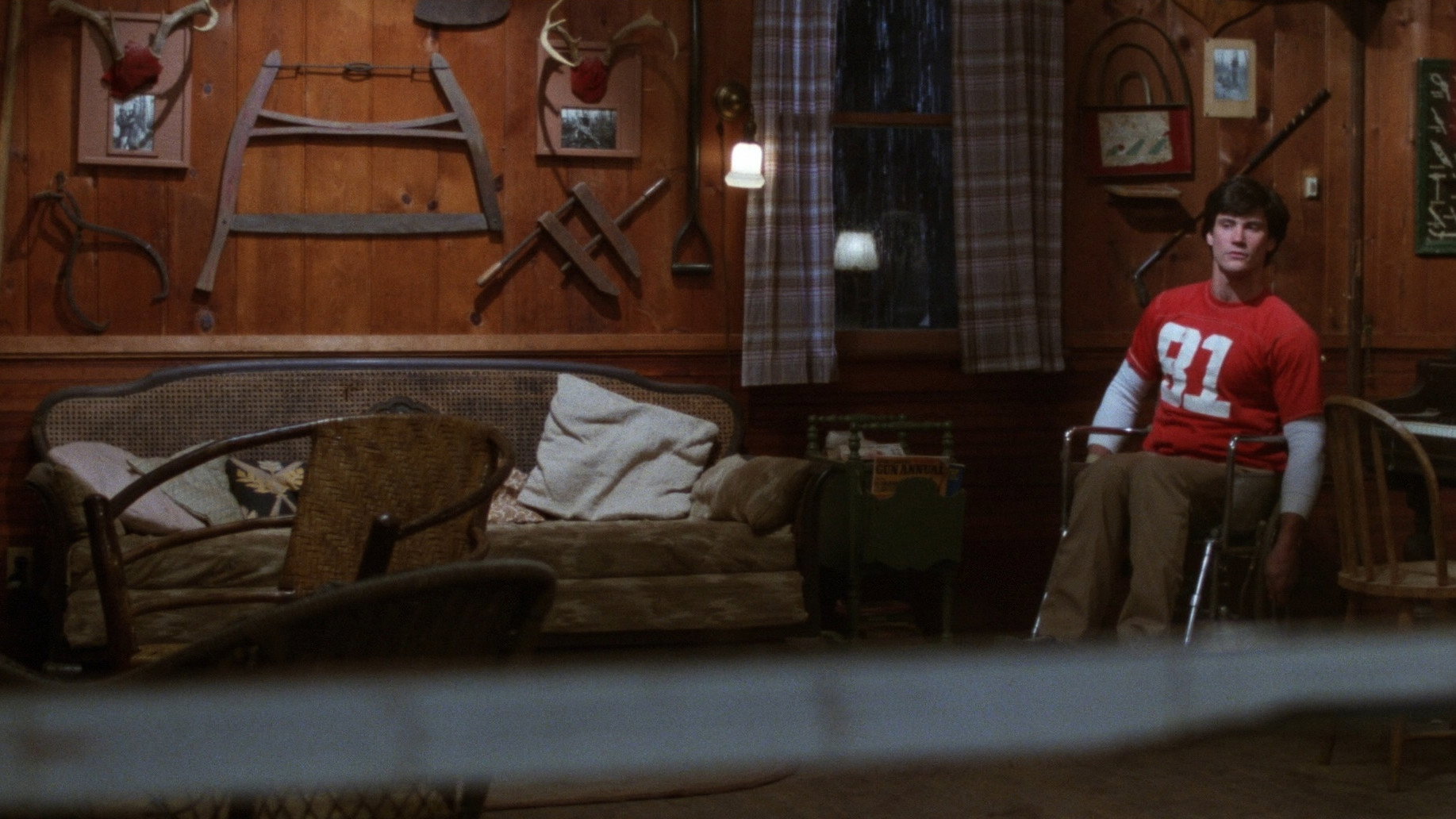
Carl Fullerton's makeup and effects work gave the sequel much of its physical impact, particularly in the facial appearance revealed near the end. The murders also rely on staged contact between weapons and bodies, including the attack on Mark in his wheelchair and the double impalement of two lovers. These images were designed for brief shocks within an otherwise conventional stalking structure. Their abruptness is important: the film asks the viewer to anticipate a violent event, then often cuts away before allowing extended inspection of its consequences.

The degree of violence in the released film cannot be treated as a direct measure of everything photographed. Contemporary coverage in Fangoria, subsequently transcribed from issue 13, reported that material featuring Fullerton's effects was removed following pressure from the American ratings system. Daskawisz separately remembered that substantial work on violent sequences and an extended struggle had been shortened in the completed picture. His interview does not provide an official list of every cut, so specific claims about missing shots need documentation beyond rumors surrounding later home-video releases.

British classification records add a separate distribution history. The BBFC lists a cinema classification dated April 27, 1981, with a recorded runtime of 86 minutes and 51 seconds, along with later home-entertainment submissions. The shorter durations registered for video editions should not automatically be interpreted as evidence of additional censorship: playback format and transfer speed can also affect running times. These records document distinct presentations of the film but do not establish the survival of a complete pre-rating version. The theatrical release remains the primary reference for assessing its staging and pace.

Release, Contemporary Reception and Franchise Importance

The film opened in Los Angeles and New York on May 1, 1981. The AFI's account of contemporary trade coverage reports that Paramount spent about $2 million on advertising during the first week and promoted the sequel with the slogan The body count continues. Its first three days brought in slightly more than $6.4 million. An August 1989 industry chart later recorded a domestic gross-to-date of approximately $21.7 million. These figures establish that the sequel was commercially viable, although they do not measure the response of every audience or territory.

Contemporary reviews were frequently hostile. Writing in the Washington Post in May 1981, Gary Arnold criticized the reliance on familiar setups and conspicuous shock cuts. His report also recorded an engaged theatrical audience that laughed at predictable behavior yet still reacted to the attacks. This combination complicates a simple description of the film as either rejected or celebrated. Its pleasures were tied to the shared expectation of a violent jolt, even when reviewers found the construction repetitive. Critical objections and successful theatrical exploitation developed at the same time.

The lasting significance of Part 2 comes from a specific transformation of the series. Jason becomes the attacker who can return in subsequent installments, while the memory of Pamela provides a rationale for his pursuit of outsiders. His woodland home, covered face and physical aggression give the films repeatable dramatic materials. Later sequels changed his appearance and eventually his apparent nature, but this installment established the adult killer as an active screen presence. Ginny's confrontation also demonstrates an early way of resisting him through knowledge of the family story that first made Crystal Lake notorious.

References

  1. American Film Institute Friday the 13th Part 2 (1981) - AFI Catalog History

    Archival research using contemporary industry reporting on the budget, production during the SAG strike, advertising, theatrical opening and reported box office.

  2. Friday the 13th Films / Christian Sellers Steve Daskawisz: Jason Stunt Double Interview

    Firsthand account of performing Jason, working with Steve Miner, stunt injuries and changes made to filmed action and gore.

  3. Friday the 13th Films / Fangoria Archive Deleted Gore Info from Archival Fangoria Issues

    Transcription of James H. Burns reporting in Fangoria issue 13 concerning Carl Fullerton and footage removed for the theatrical release.

  4. British Board of Film Classification Friday the 13th, Part 2 - Classification History

    Official records of the 1981 British cinema submission and subsequent physical-media classifications, with dated runtimes.

  5. The Washington Post / Gary Arnold Friday the 13th, Part 2: Unlucky Number (May 1981)

    Contemporary critical account of the sequel, its exploitation marketing, editing choices and theatrical audience reaction.

Connections

Cast

View Full Cast & Crew →

Release & Distribution

Production Companies (2)

  • Georgetown Productions US
  • Paramount Pictures US

Distributors (1)

  • Paramount Pictures US

Release History (37)

Release DateTerritoryRelease TypeFormatDistributorCertificationNotes
1981-05-01 Germany Theatrical — — 16
1981-05-01 United States Theatrical — — R
1981-06-21 United Kingdom Theatrical — — 18
1981-06-21 Ireland Theatrical — — 18
1981-06-25 Spain Theatrical — — 18
1981-07-30 Australia Theatrical — — R 18+
1981-09-01 Spain Theatrical — — 18
1981-09-04 Spain Theatrical — — 18 Madrid
1981-09-07 Spain Theatrical — — 18 Barcelona
1981-09-10 Italy Theatrical — — VM14
1981-09-12 Japan Theatrical — — R18+
1981-11-02 Sweden Theatrical — — 15
1981-11-06 Denmark Theatrical — — 15
1981-12-01 South Korea Theatrical — — 18
1982-01-13 France Theatrical — — 16
1982-03-04 Argentina Theatrical — — +18
1982-03-25 Colombia Theatrical — — —
1982-03-25 Netherlands Theatrical — — 16
1982-04-15 Uruguay Theatrical — — —
1982-04-22 Mexico Theatrical — — C
1982-04-26 Brazil Theatrical — — 14
1982-06-25 Portugal Theatrical — — M/18
1982-09-01 Türkiye Theatrical — — 18+
1985-08-09 Japan Limited Theatrical — — — Splatter Movie Festival
1996-10-19 Slovakia TV — — 18 TV Markíza
1997-05-02 Sweden TV — — 15 Kanal 5
1999-10-19 Canada Physical DVD — 18A DVD
2002-01-14 Greece Physical DVD — — DVD
2002-01-17 France Physical DVD — 16 DVD
2002-01-25 Finland Physical DVD — K-18 DVD
2002-03-08 Netherlands Physical DVD — 16 DVD
2002-04-03 Hungary Physical DVD — 18 DVD
2009-02-04 Sweden Physical Blu-ray — 15 Blu-ray
2009-03-13 France Physical Blu-ray — 16 Blu-ray
2009-04-09 Netherlands Physical Blu-ray — 16 Blu ray
2010-02-04 Germany Physical DVD — 18 DVD
2020-08-16 Poland TV — — 18

News & Features

All horror news
The body count continues...