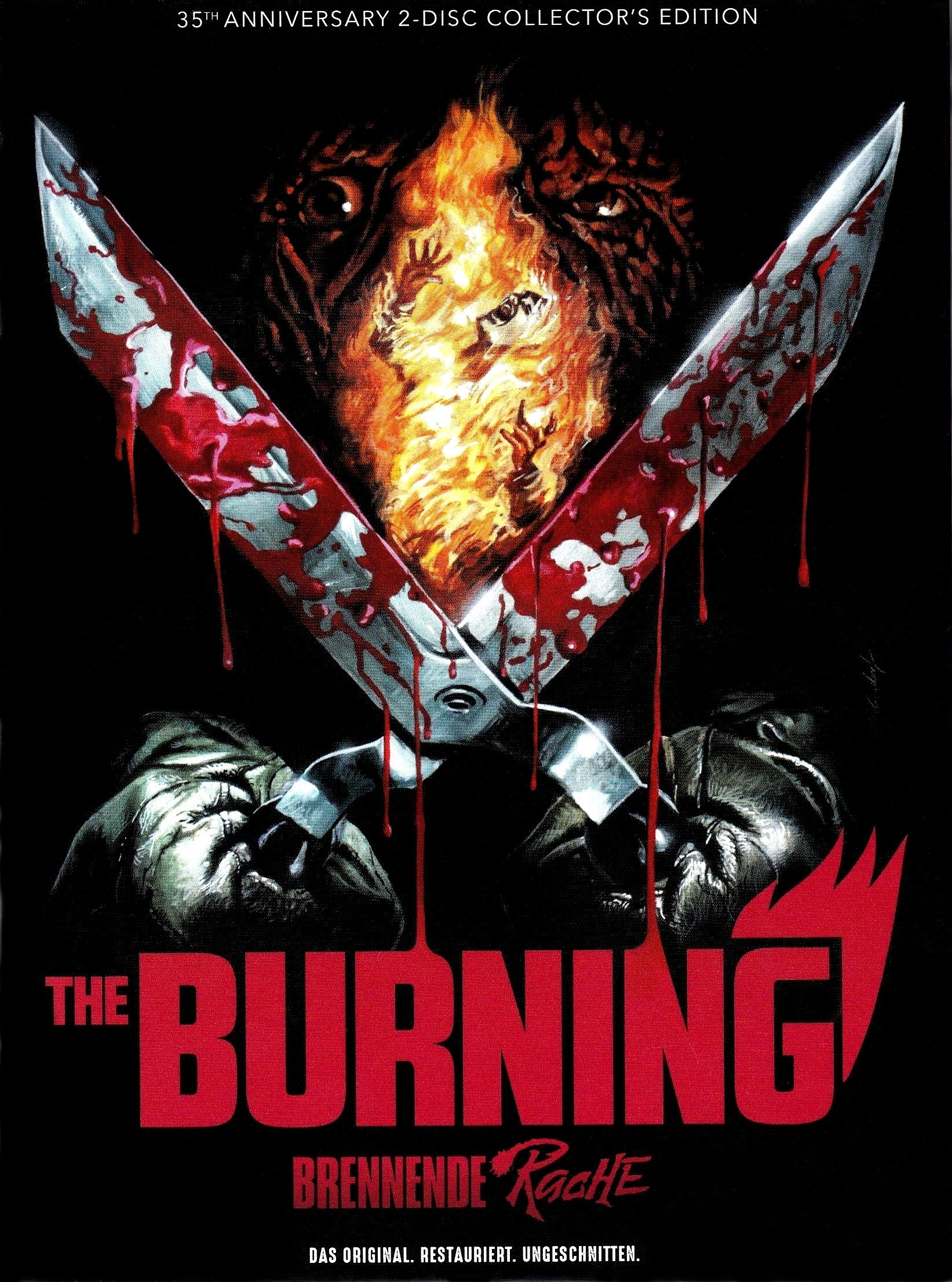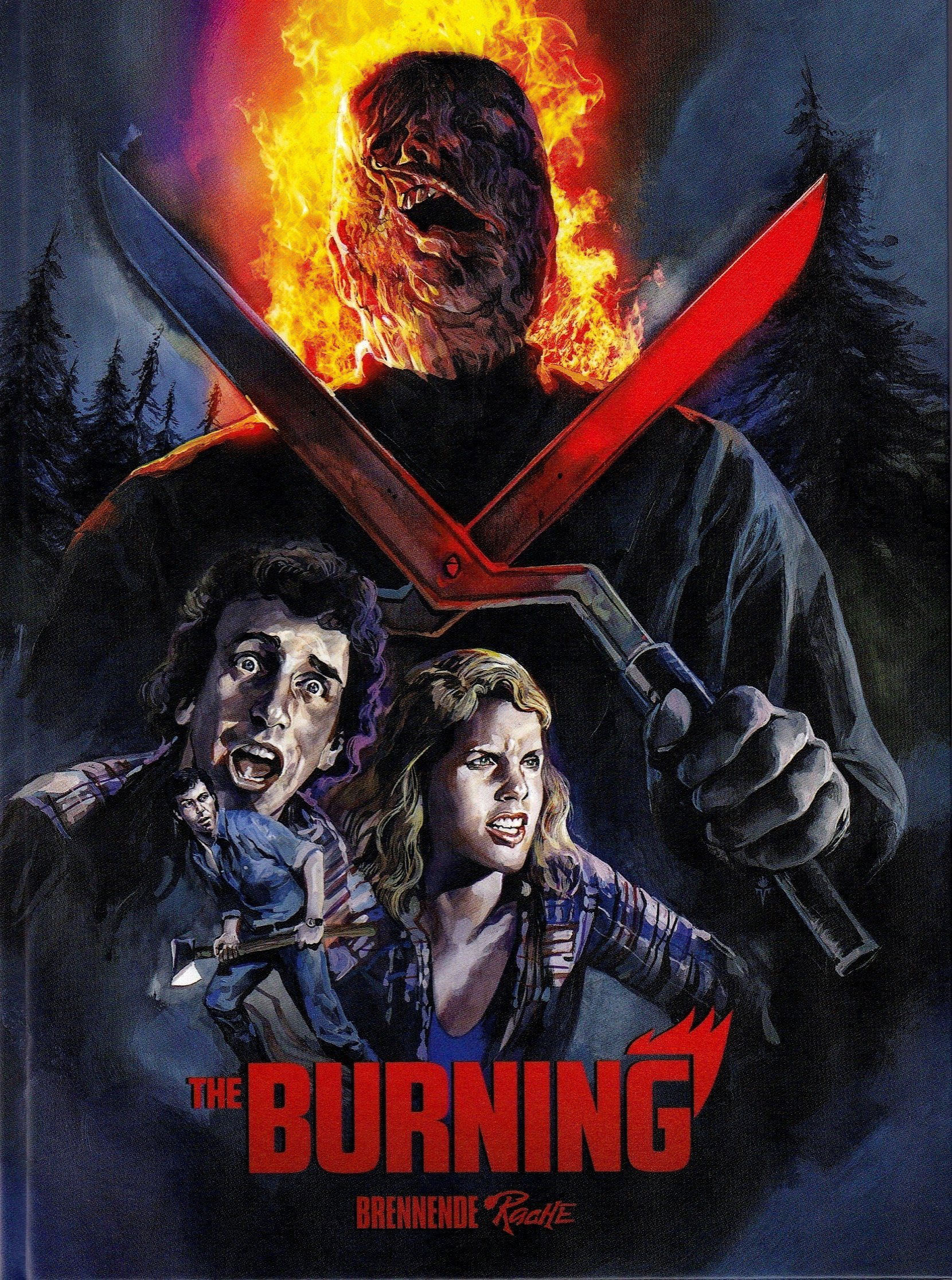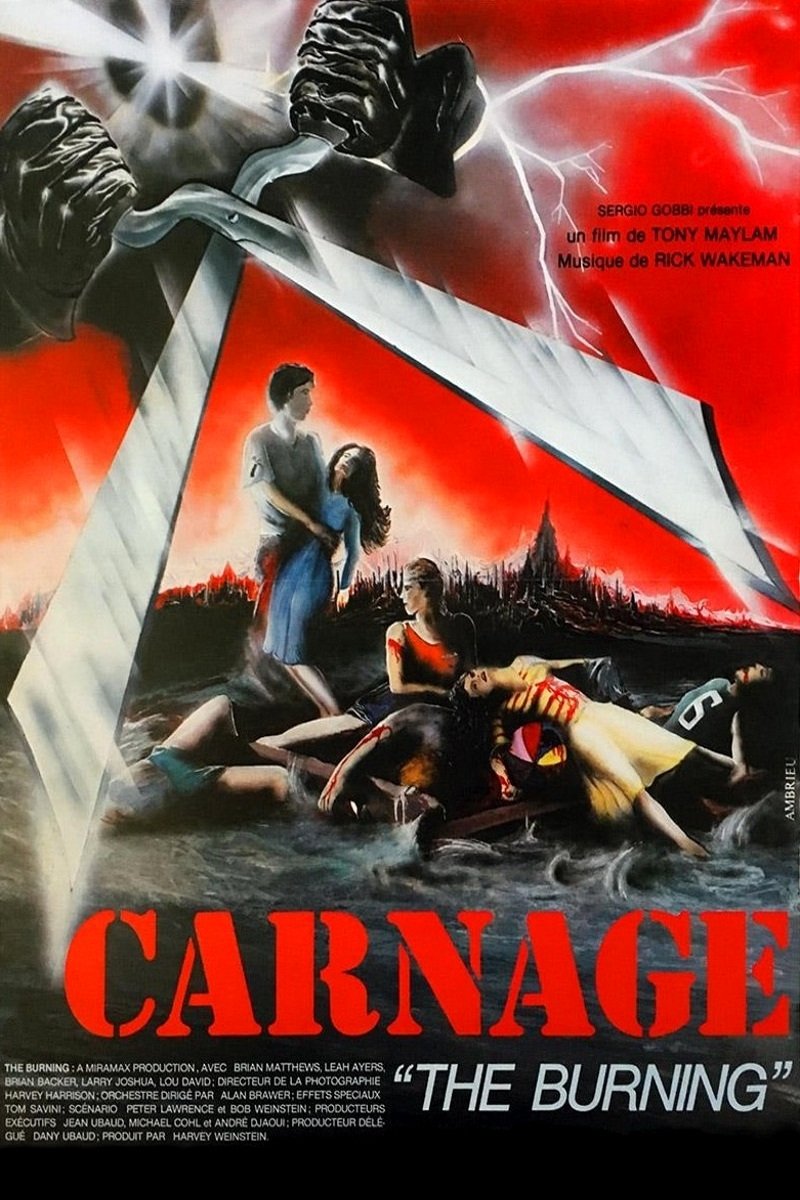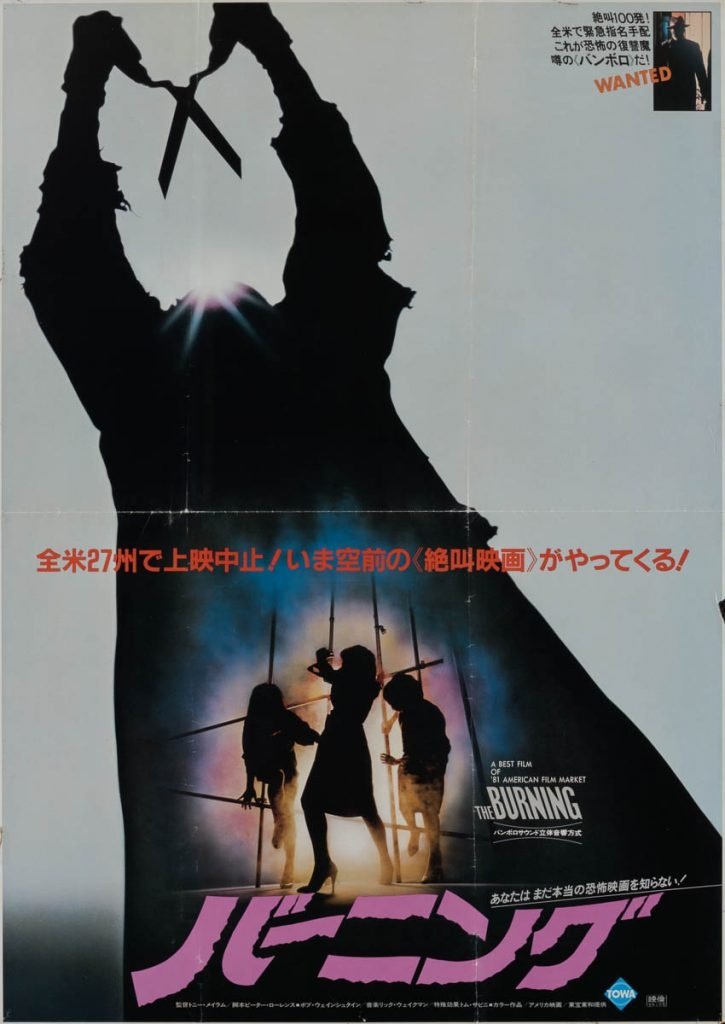

The Cropsy Legend and the Origins of Miramax
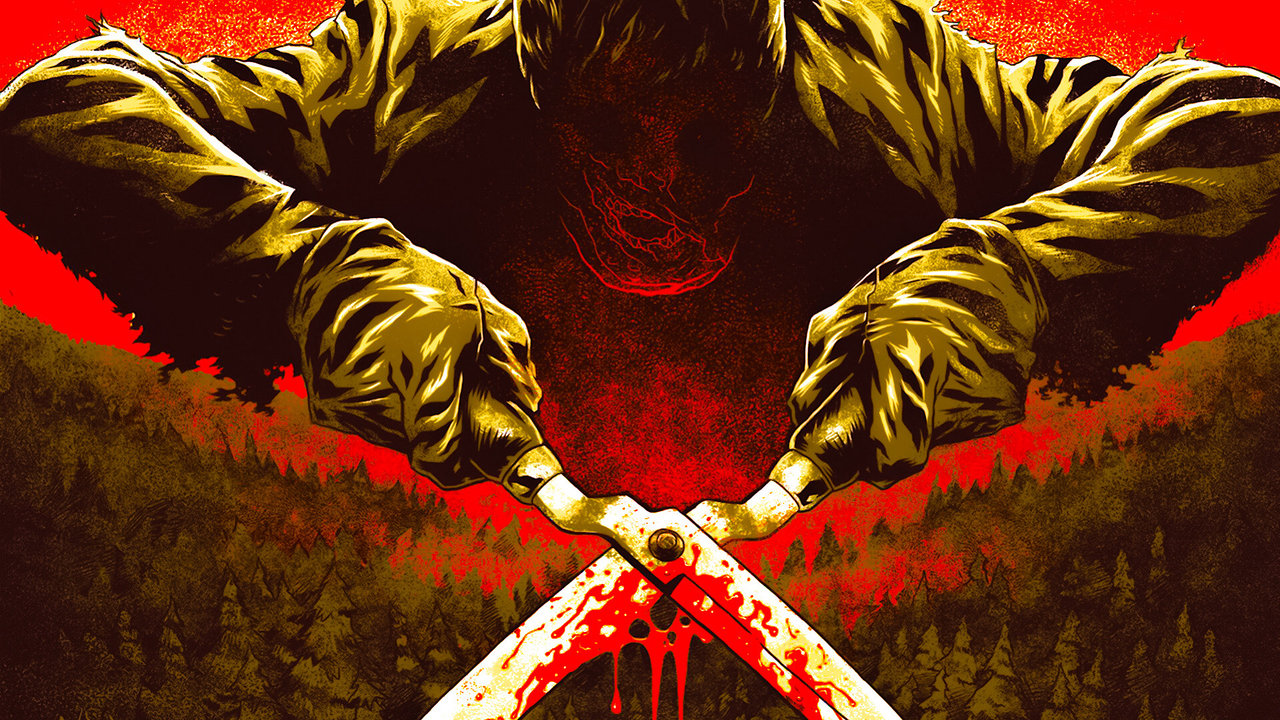
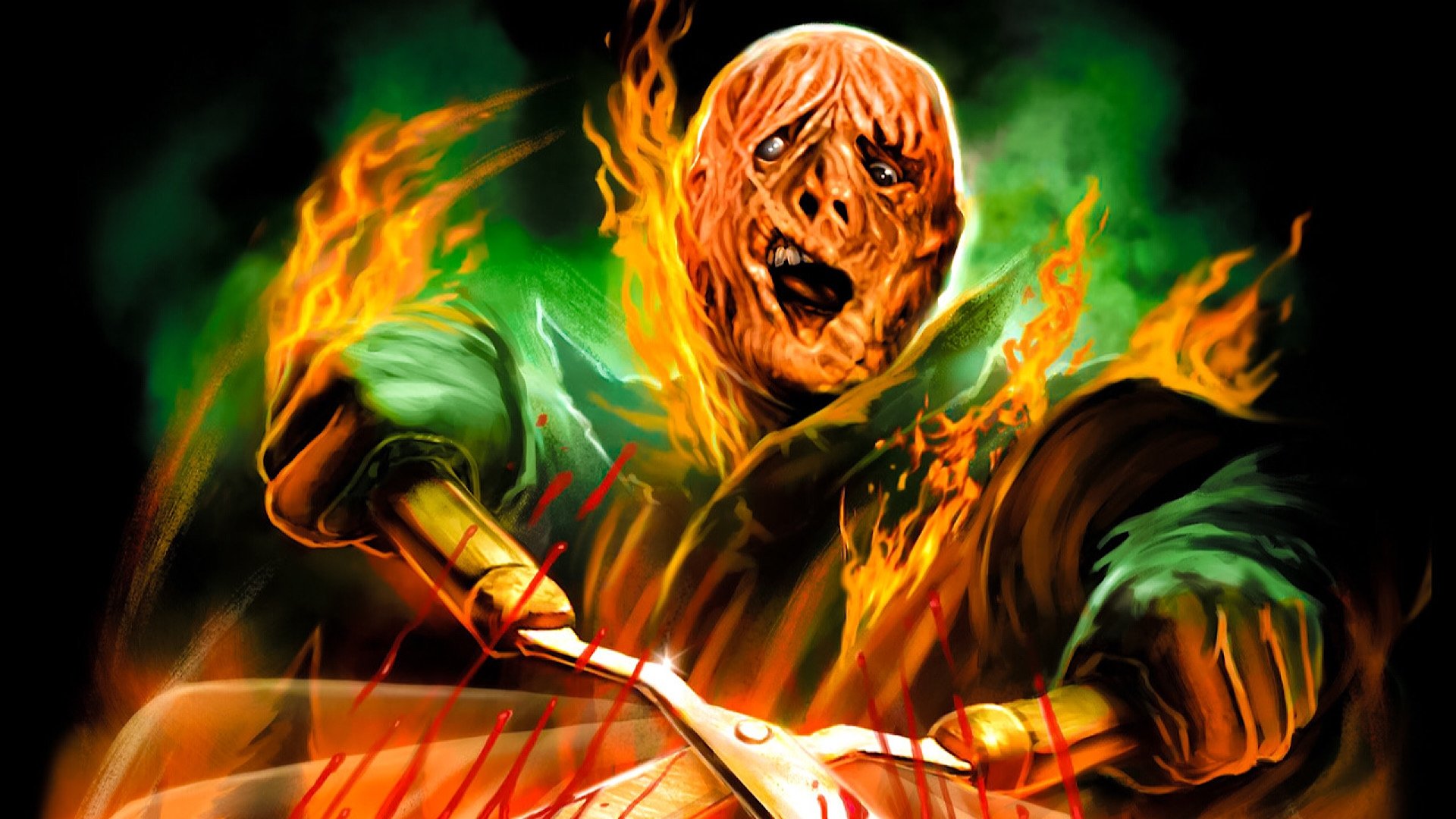
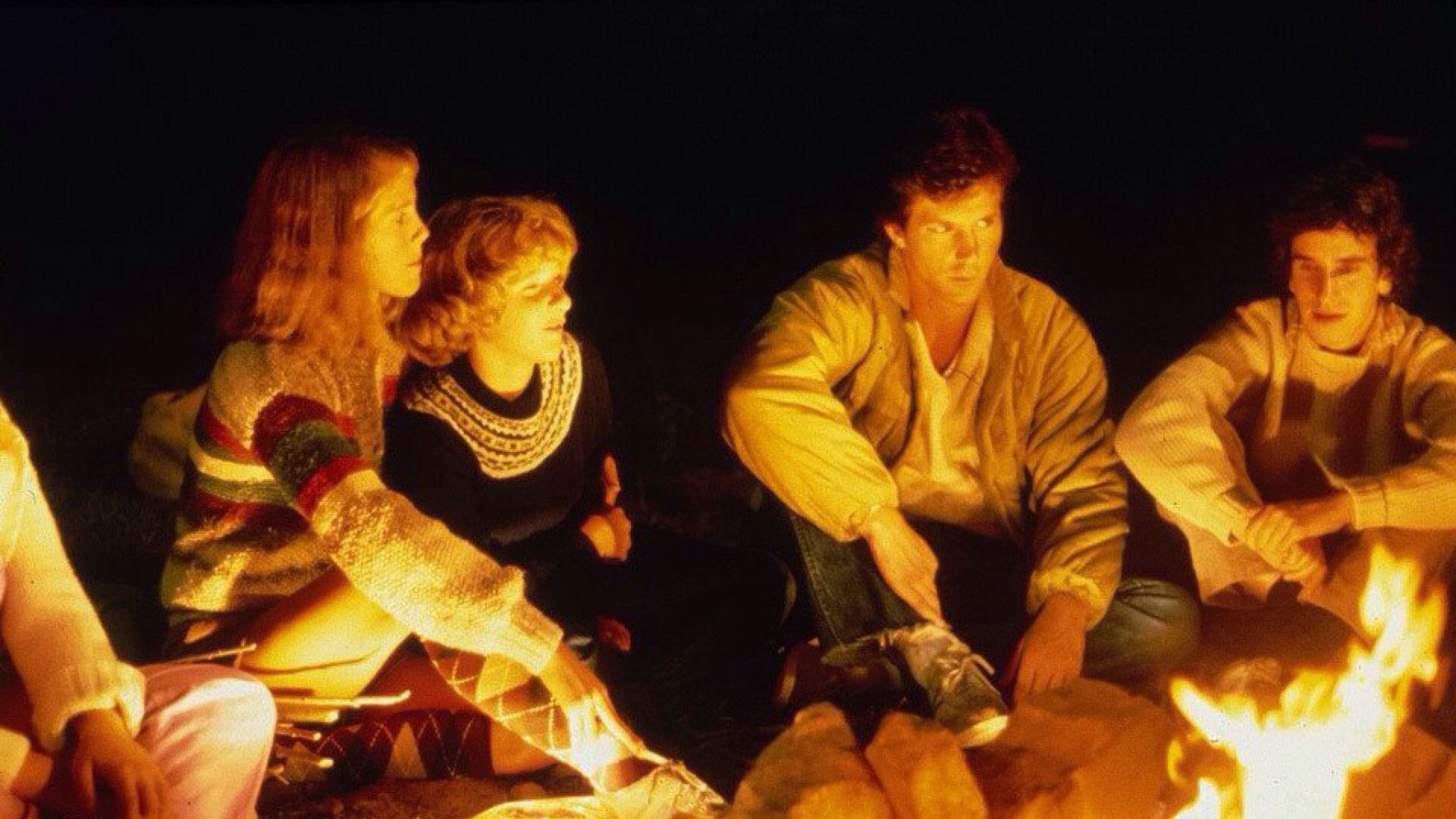
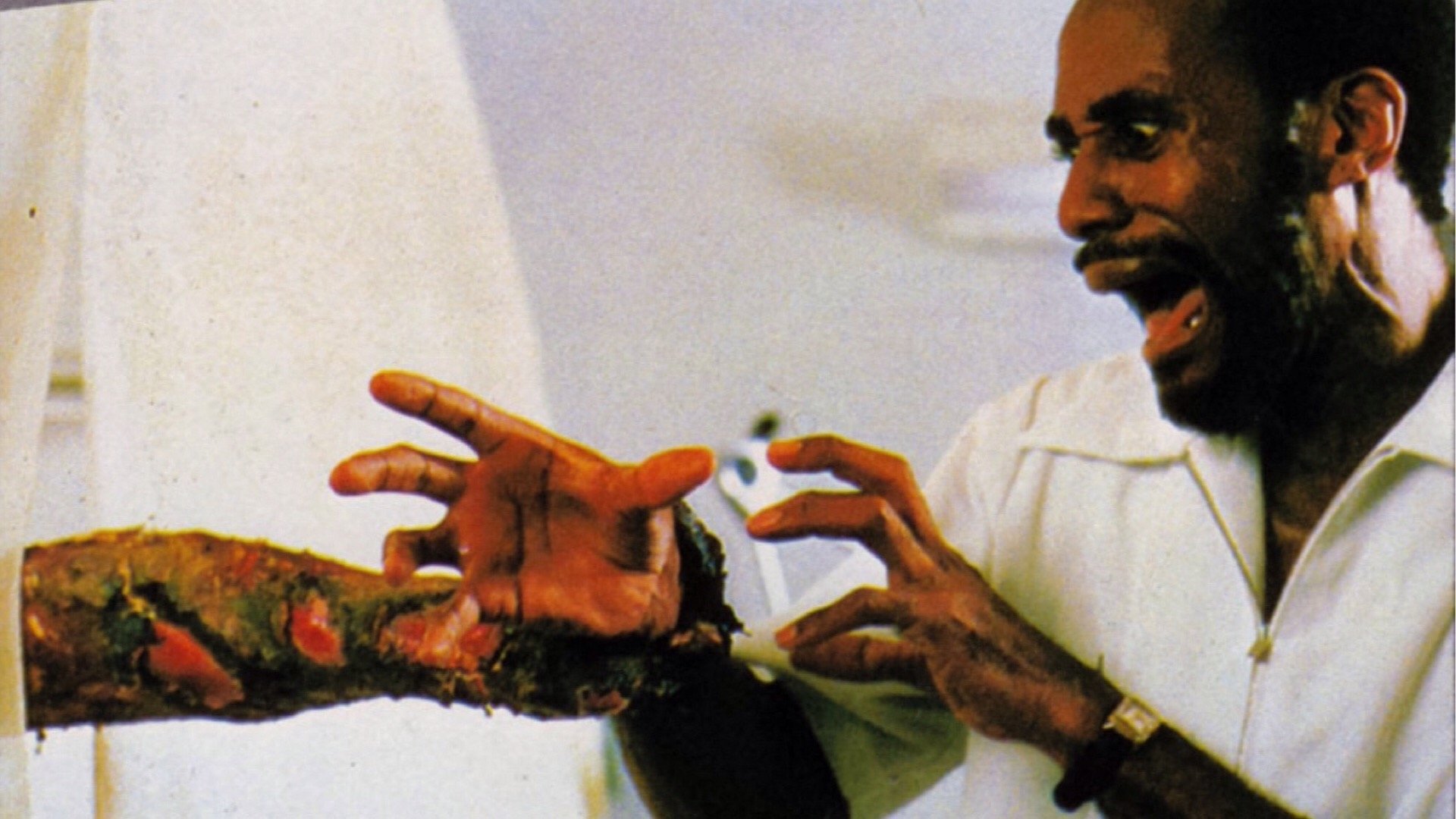
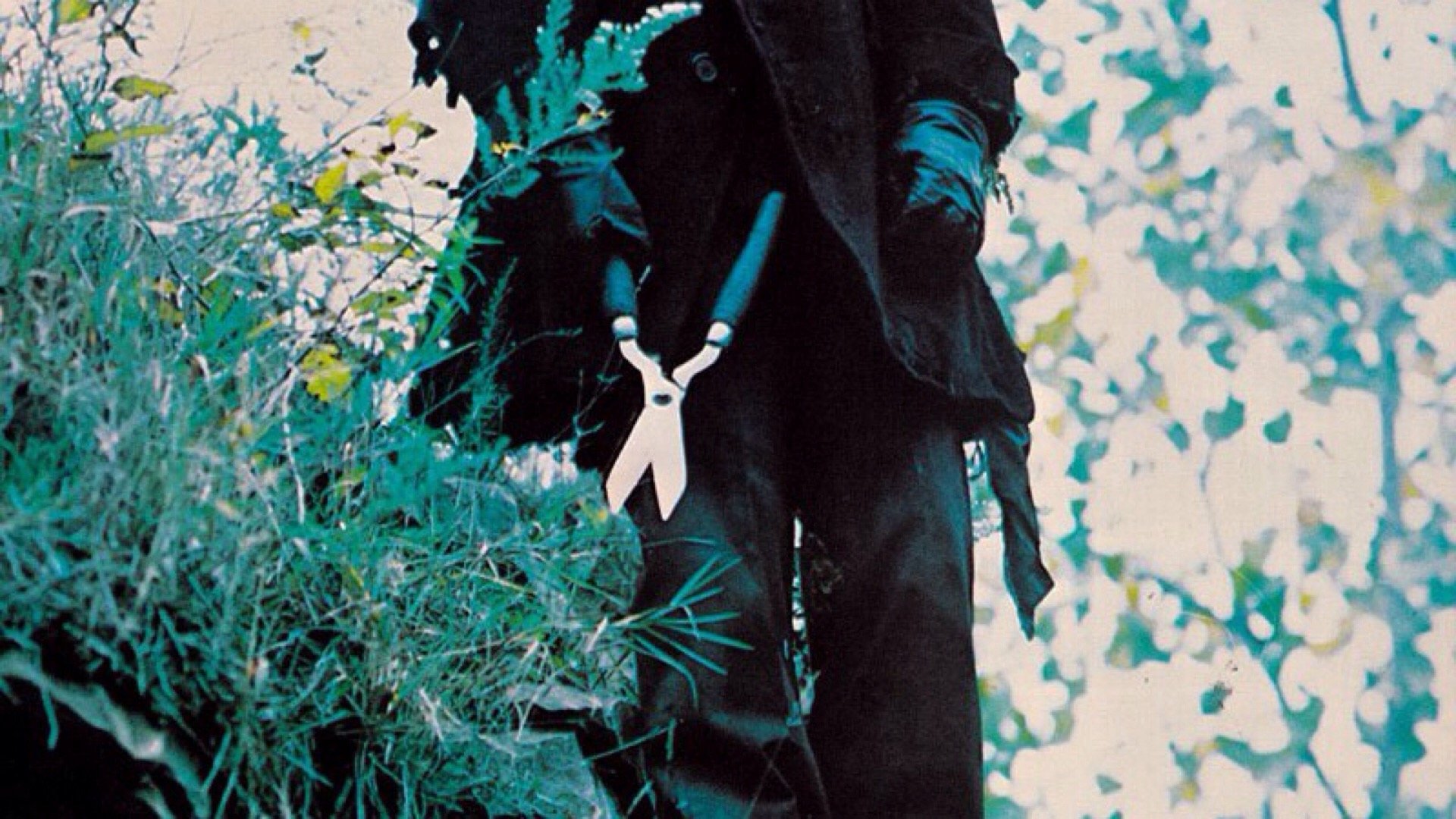
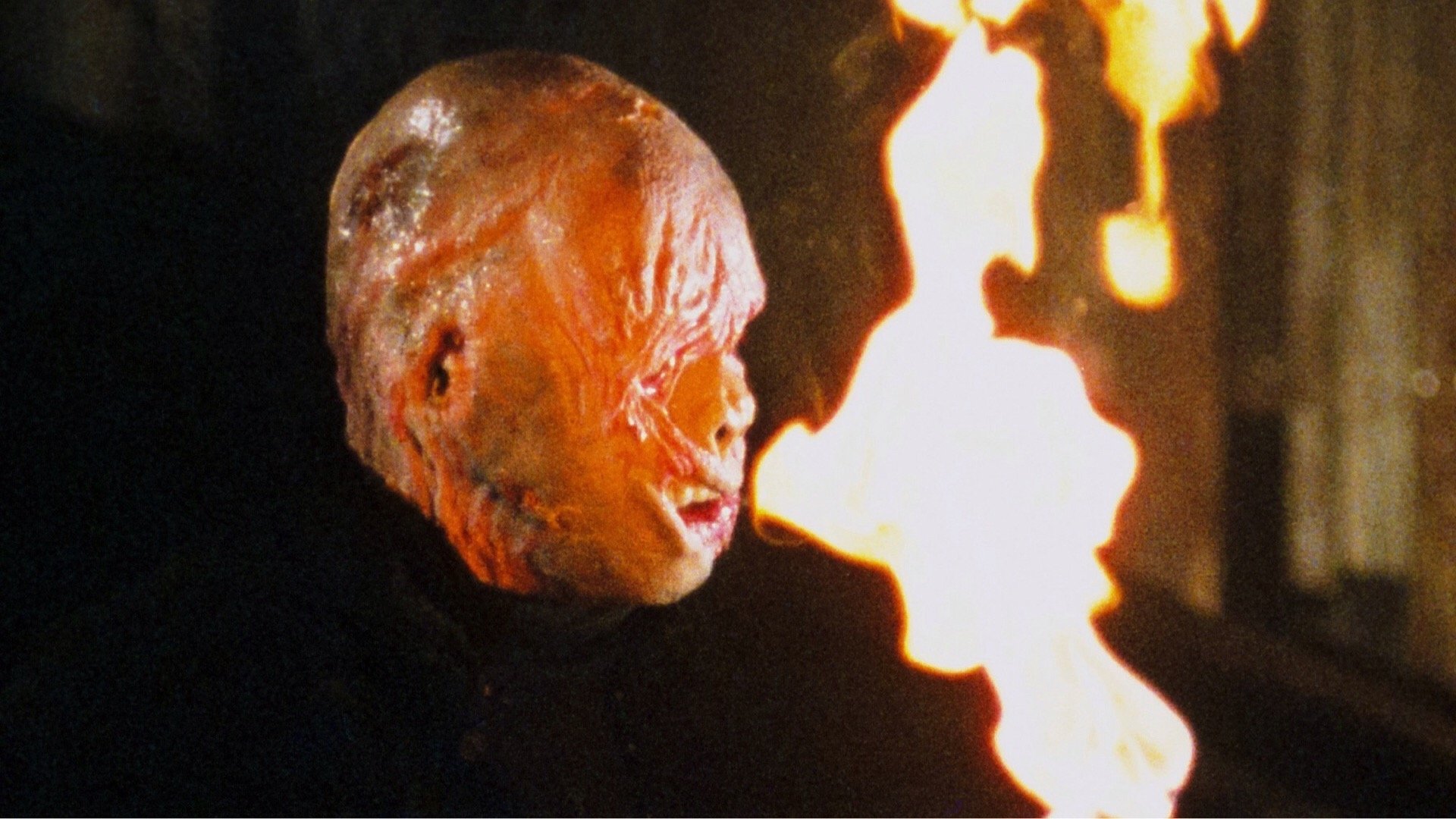
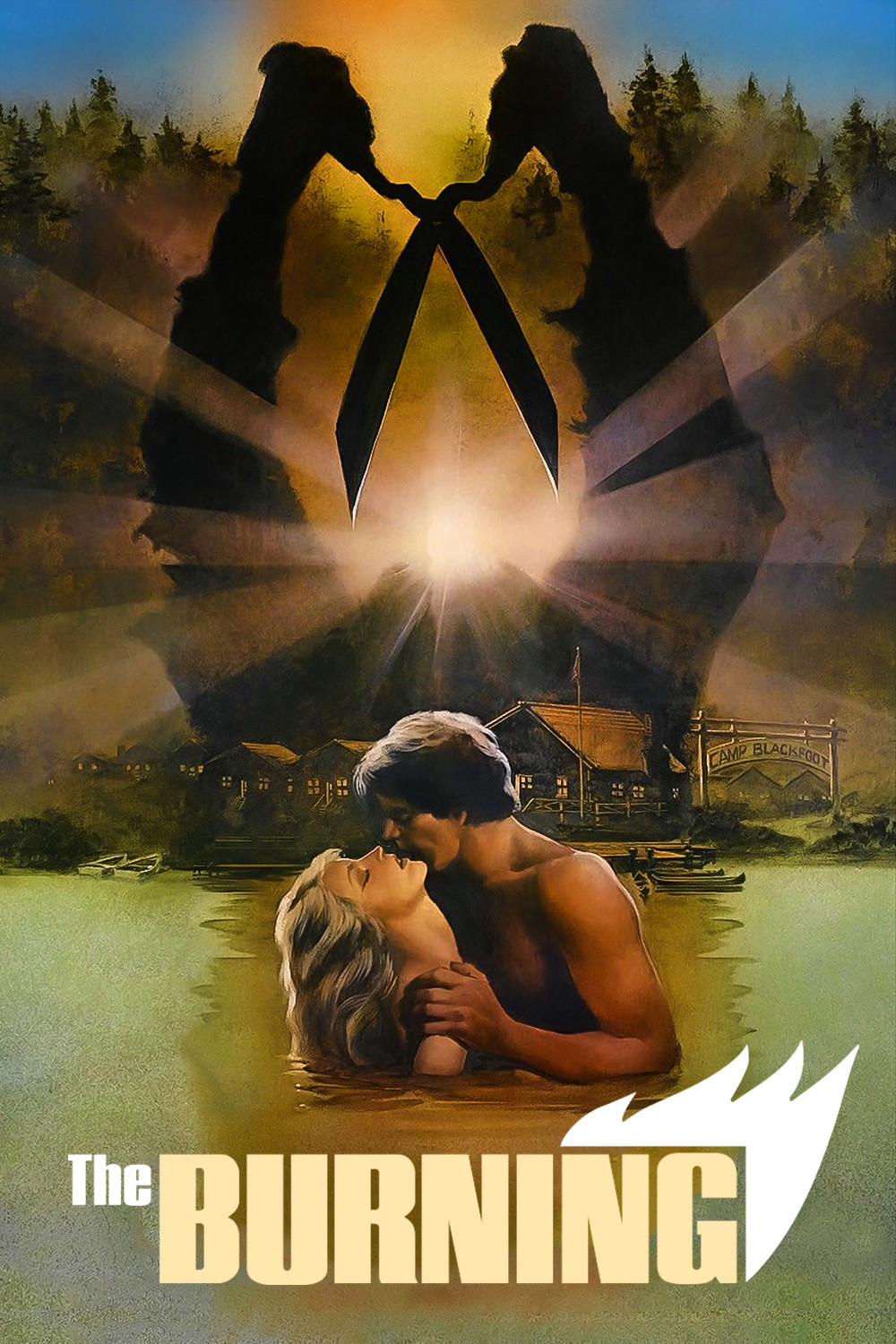
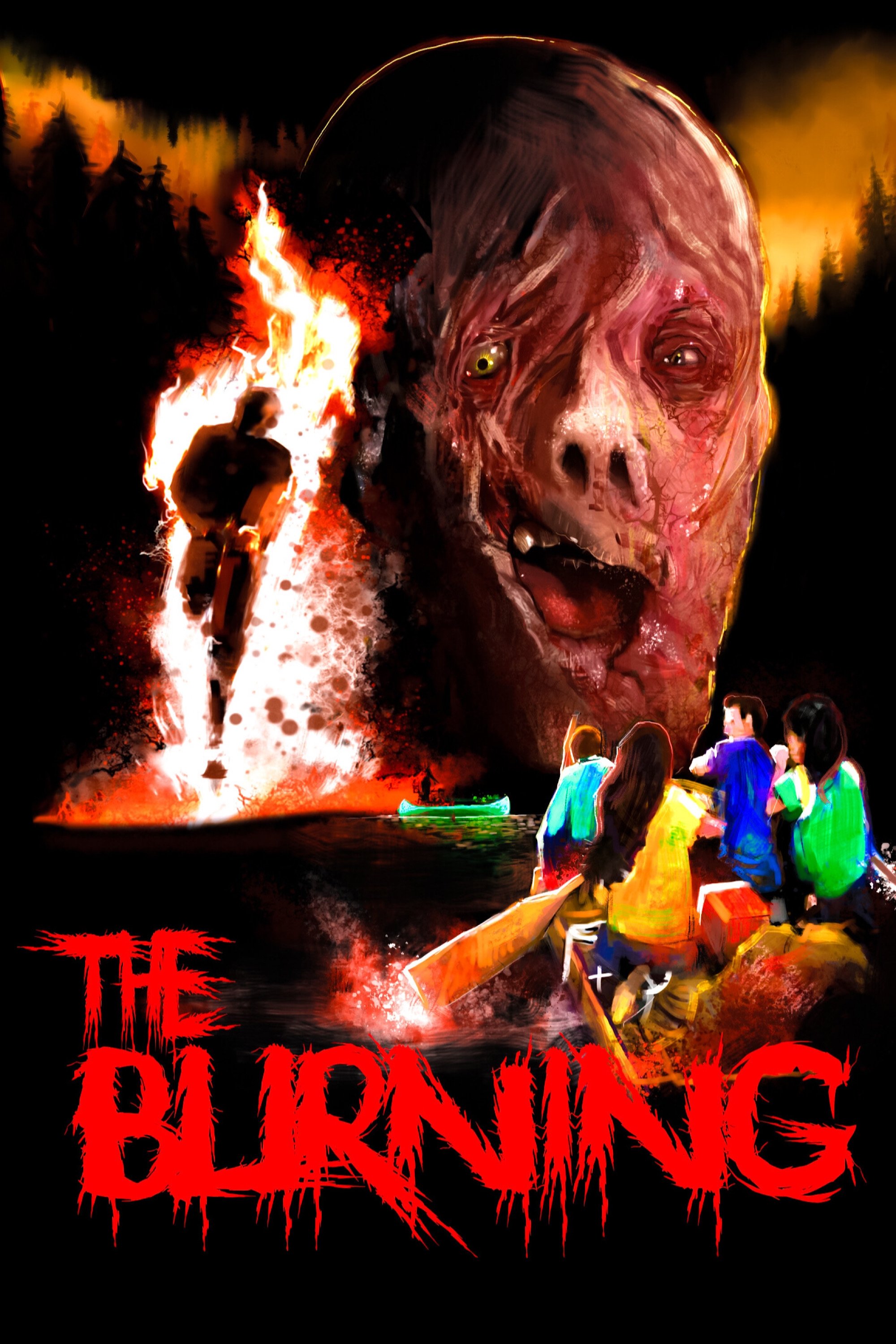
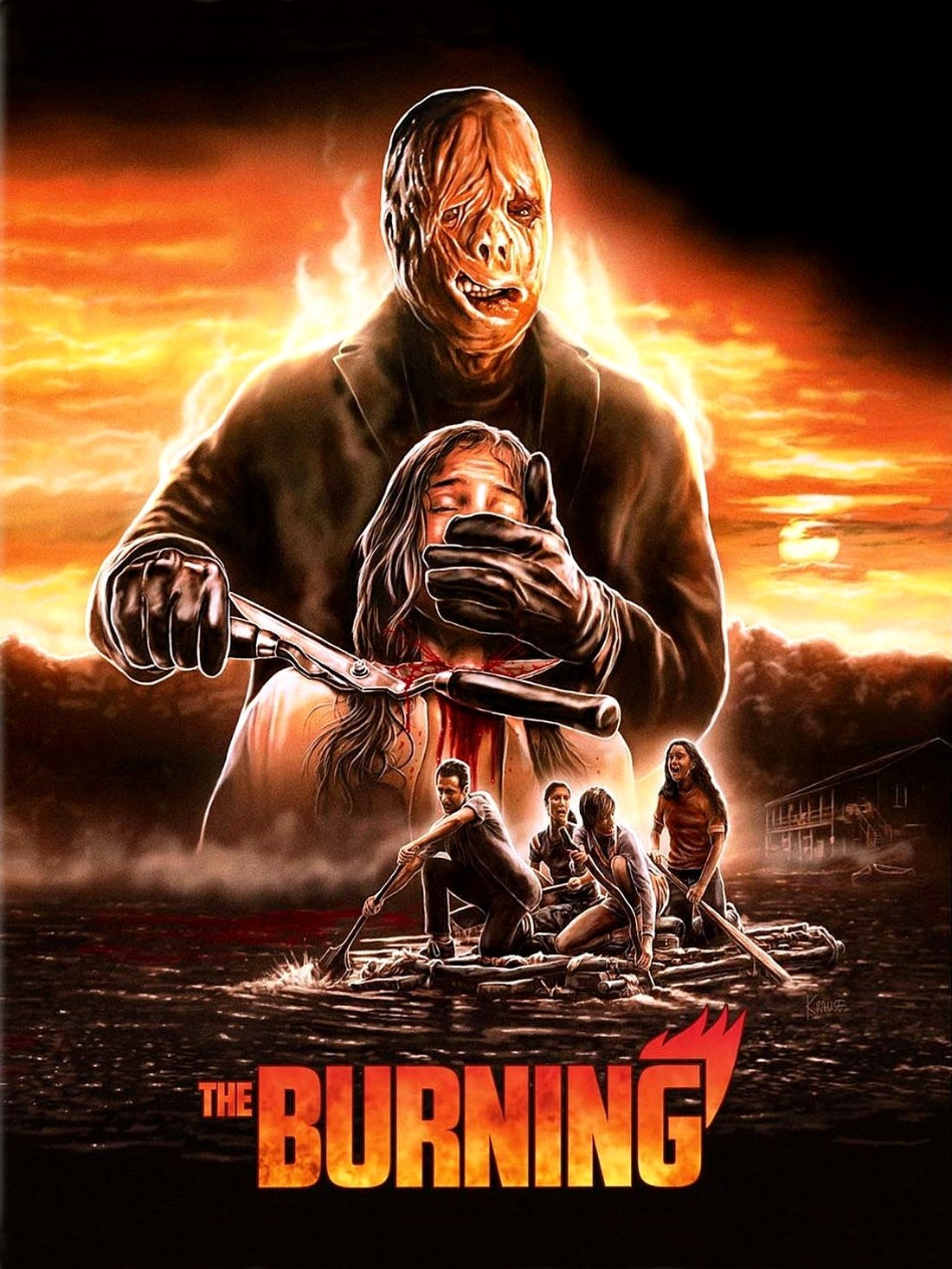
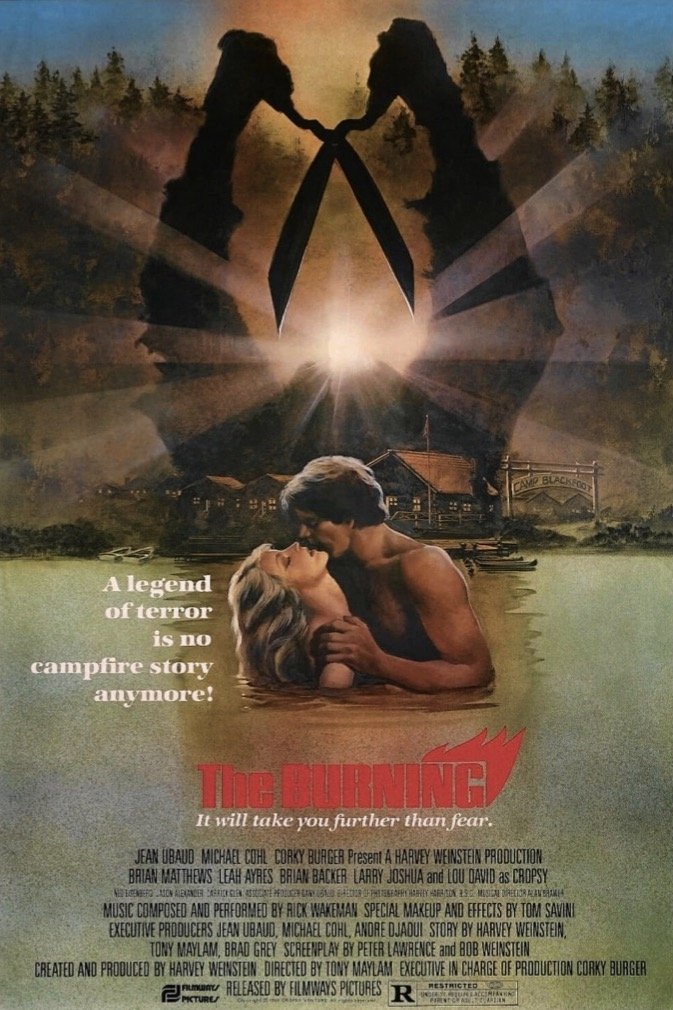
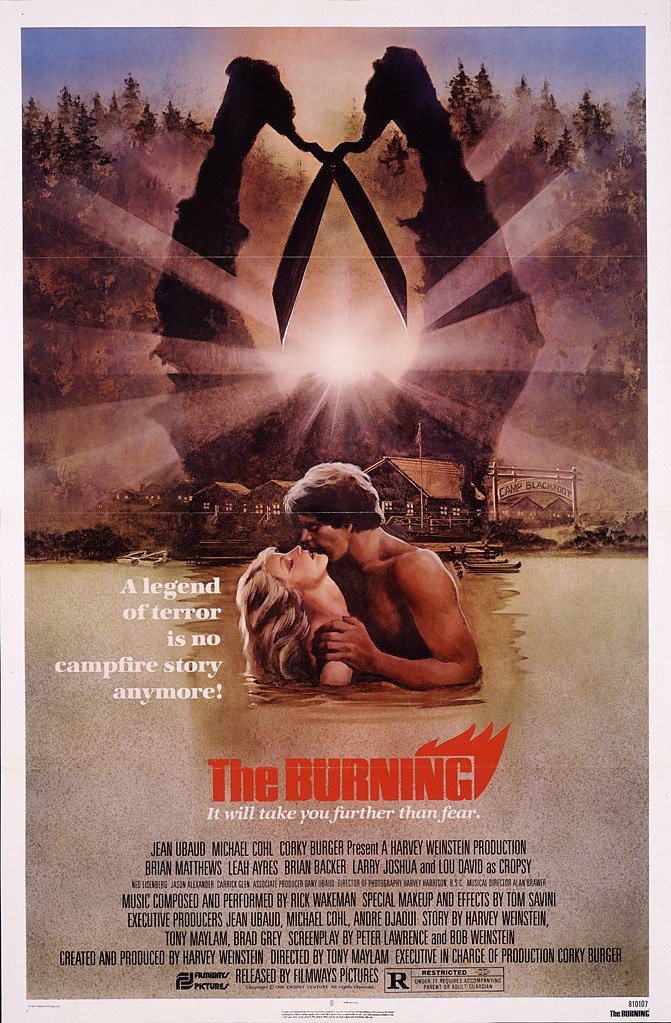
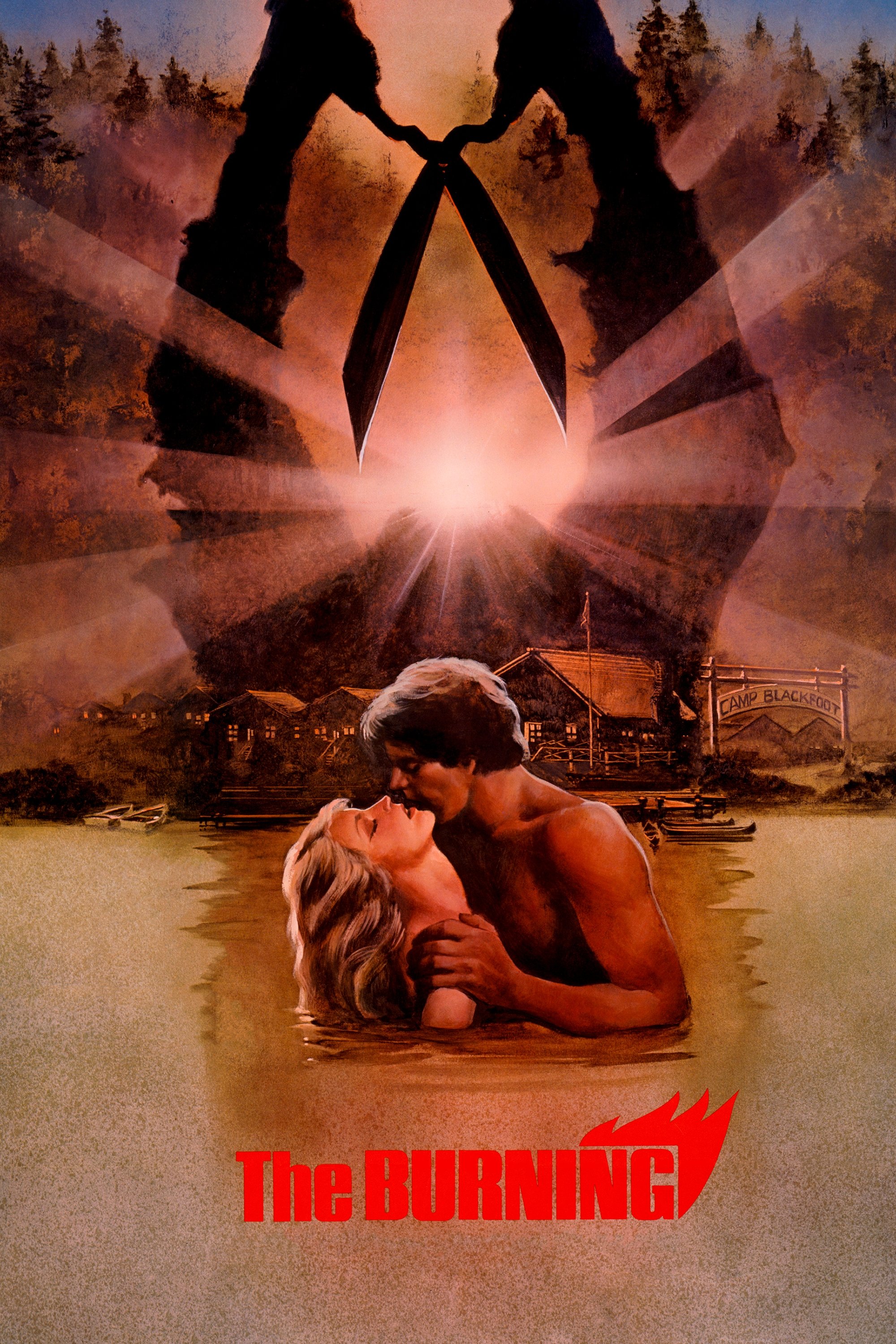
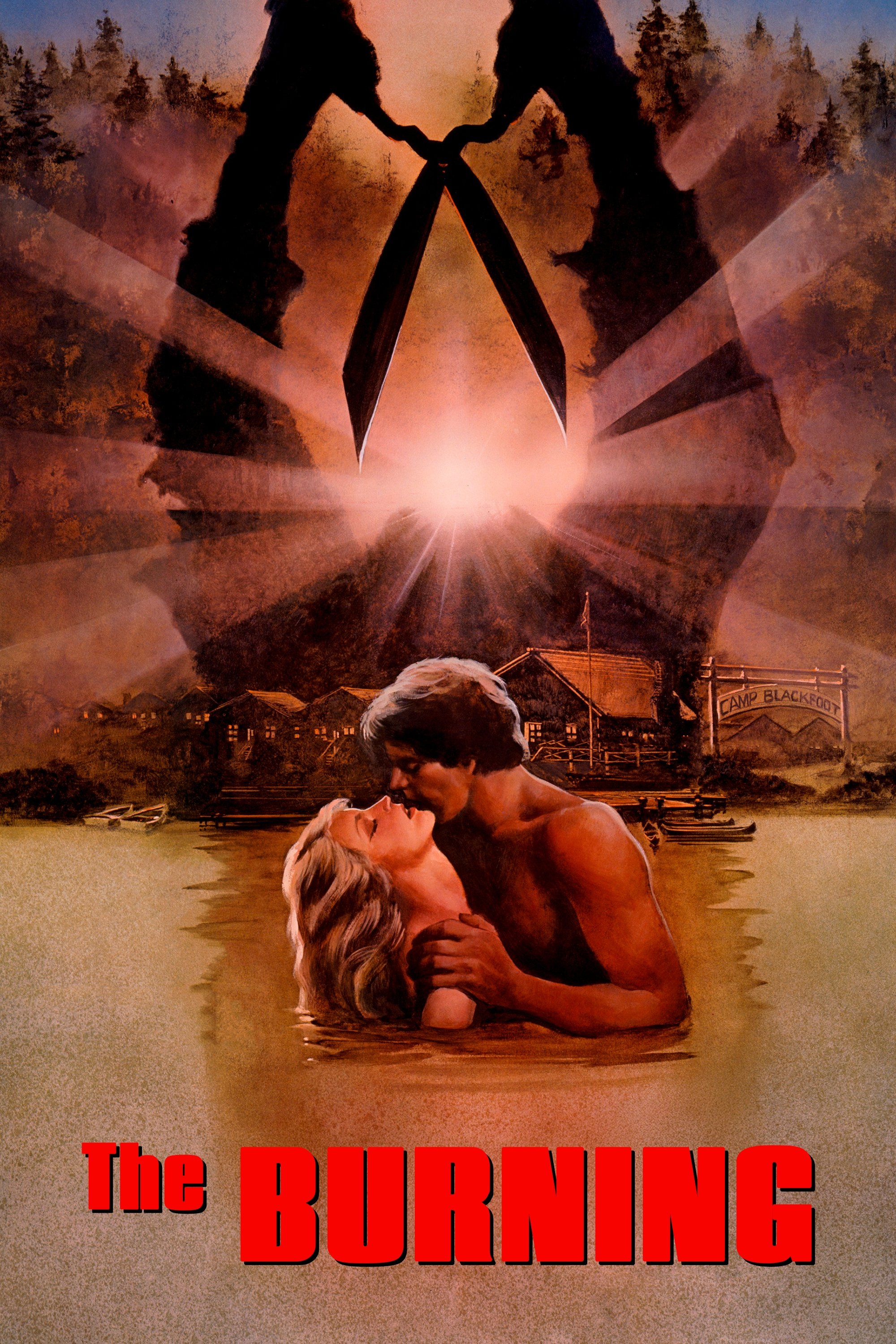
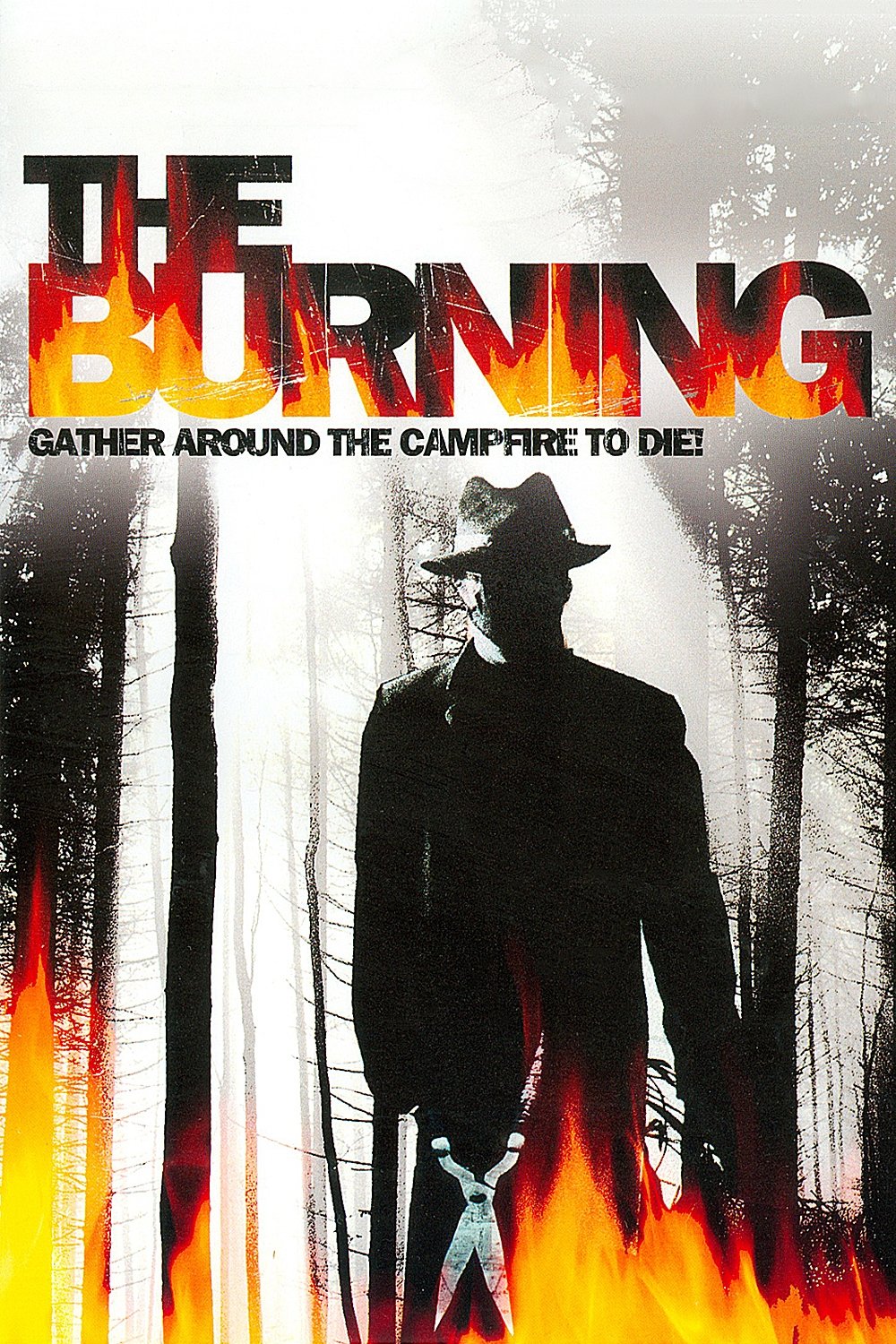
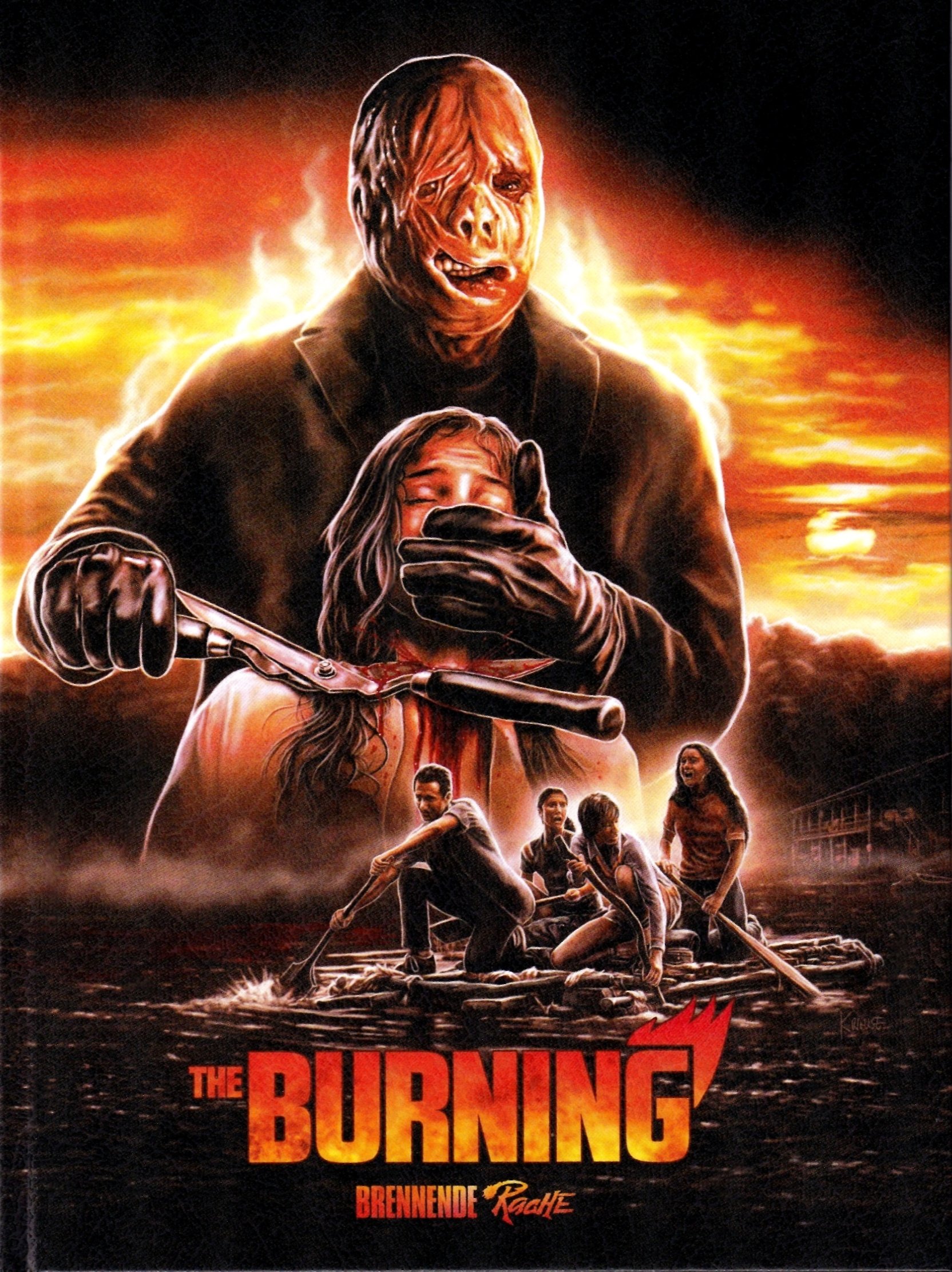
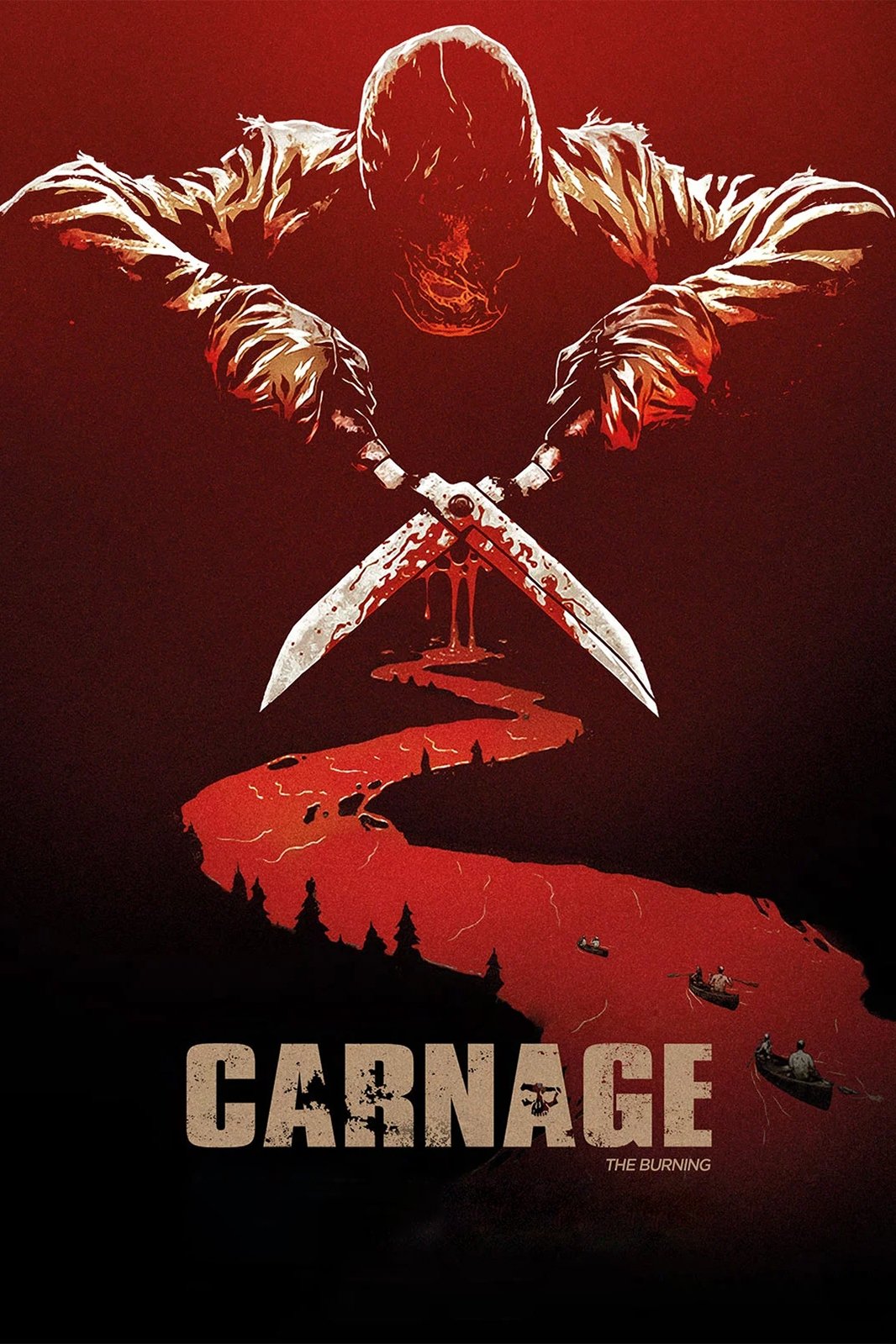
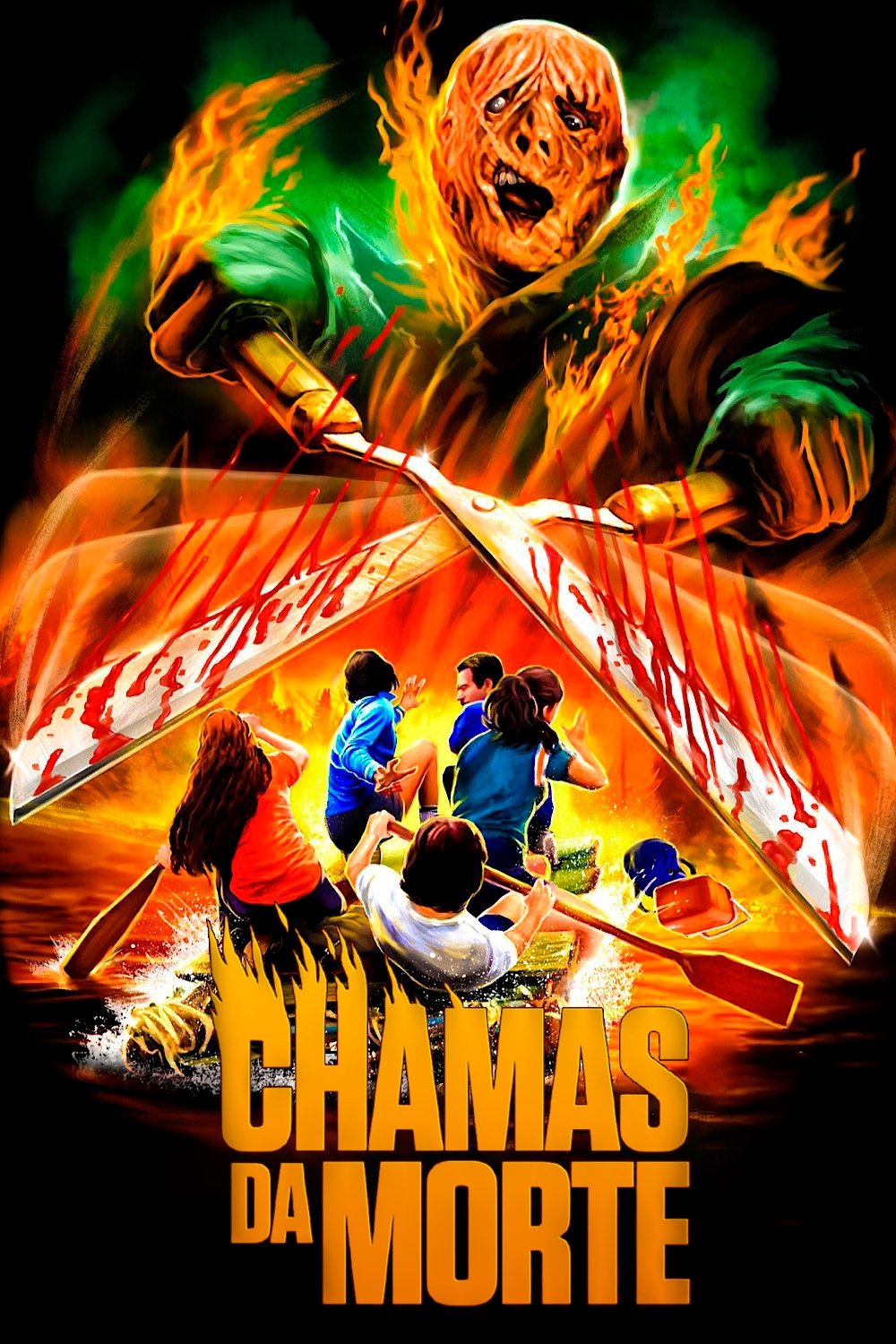
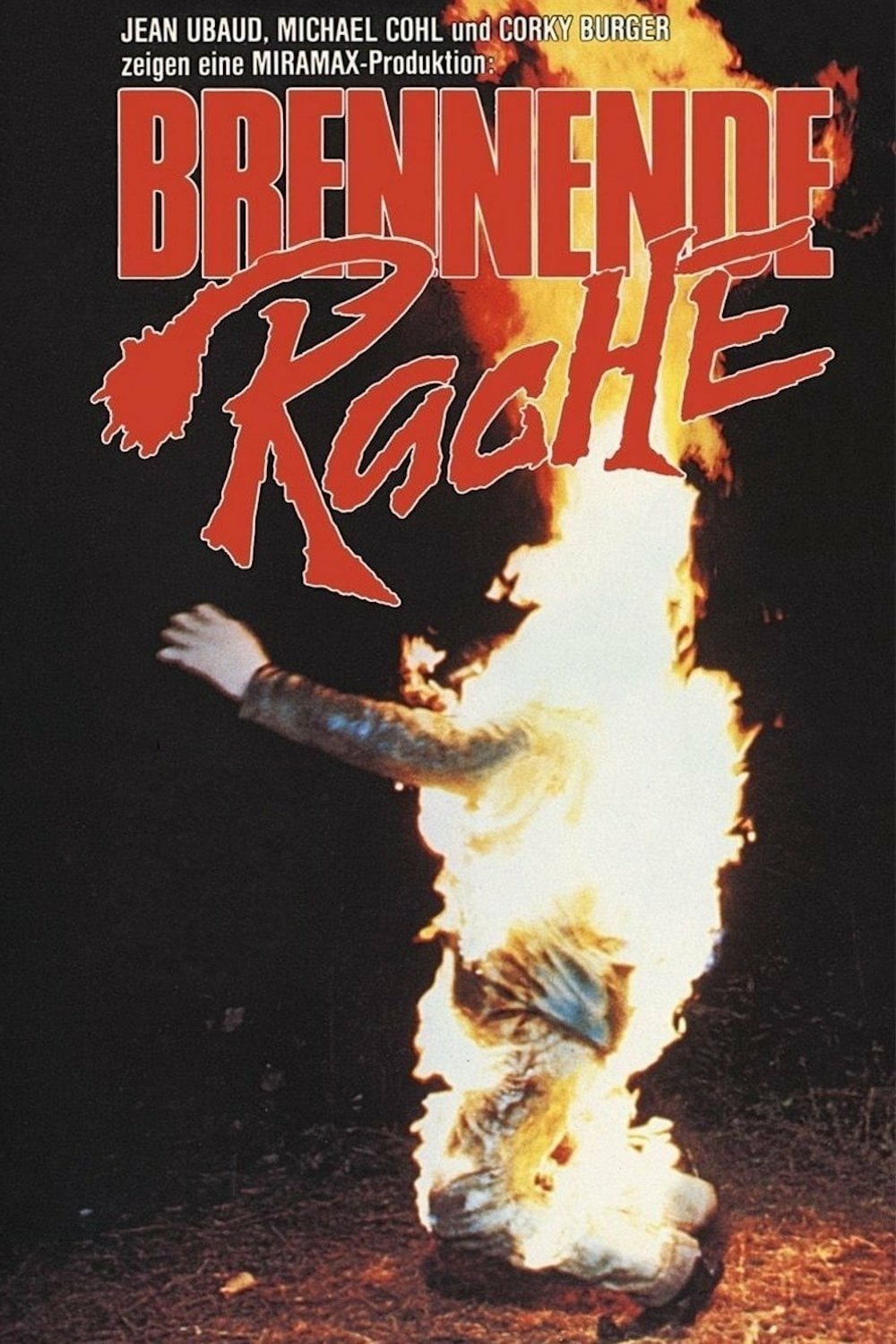
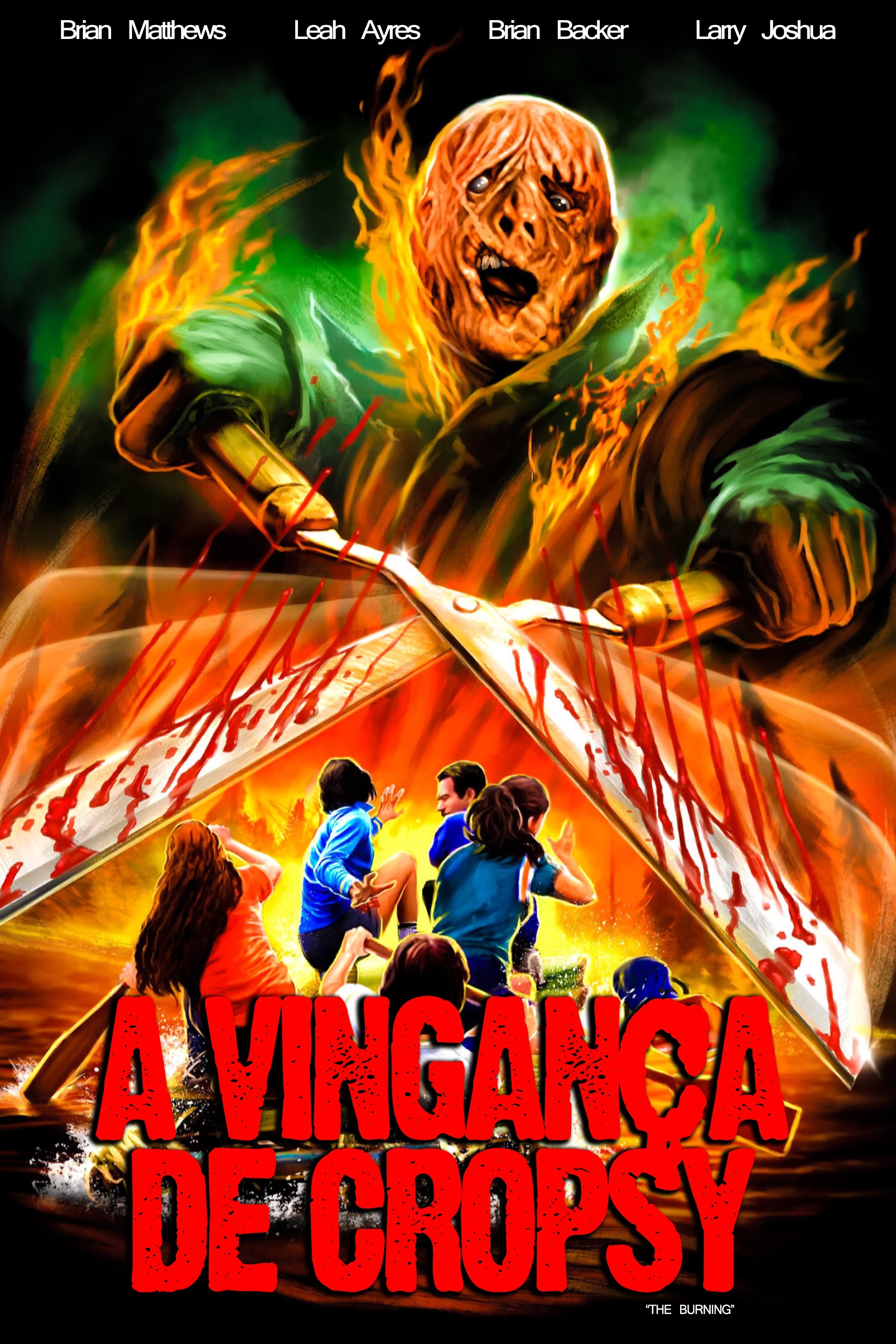
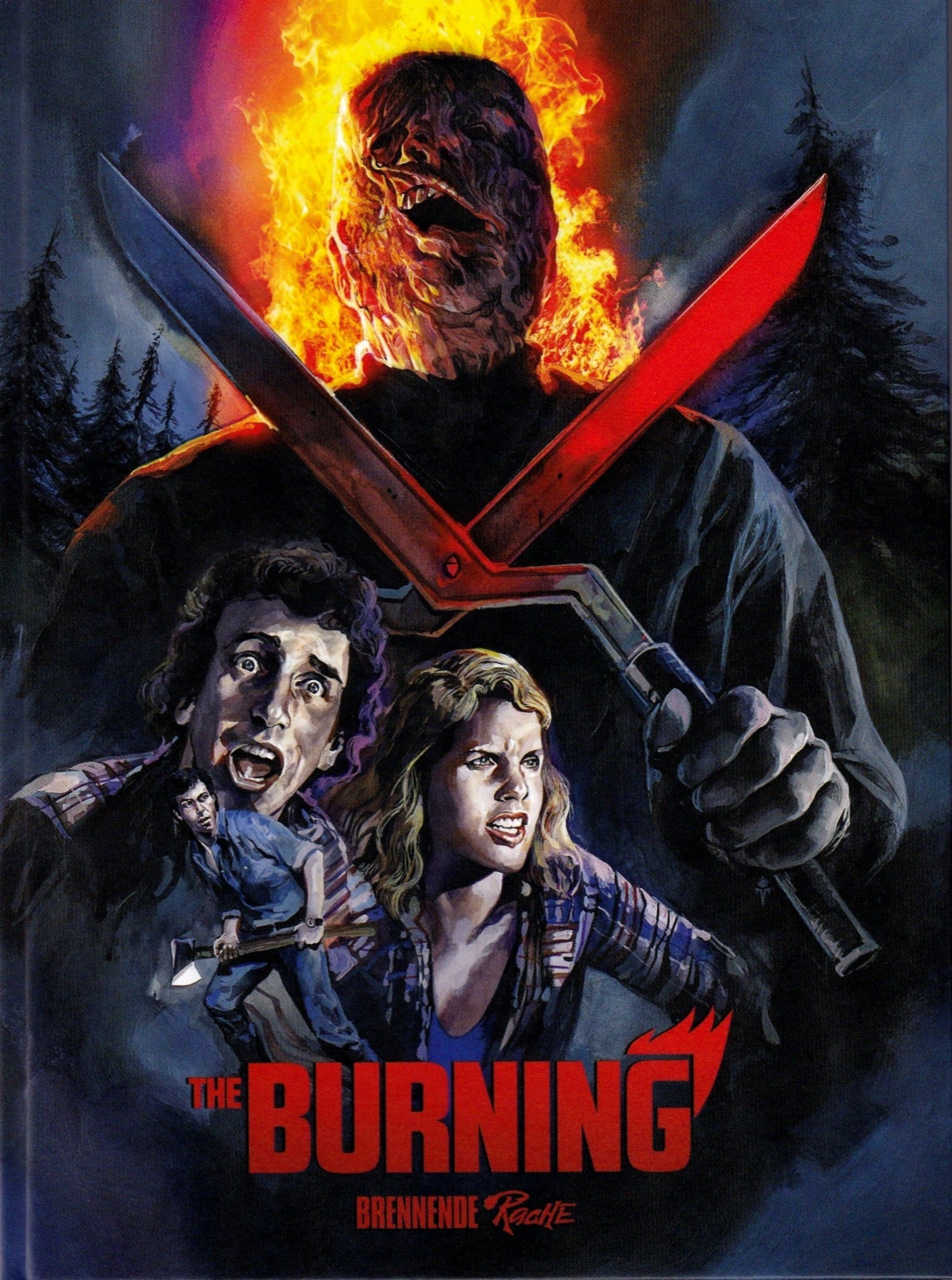
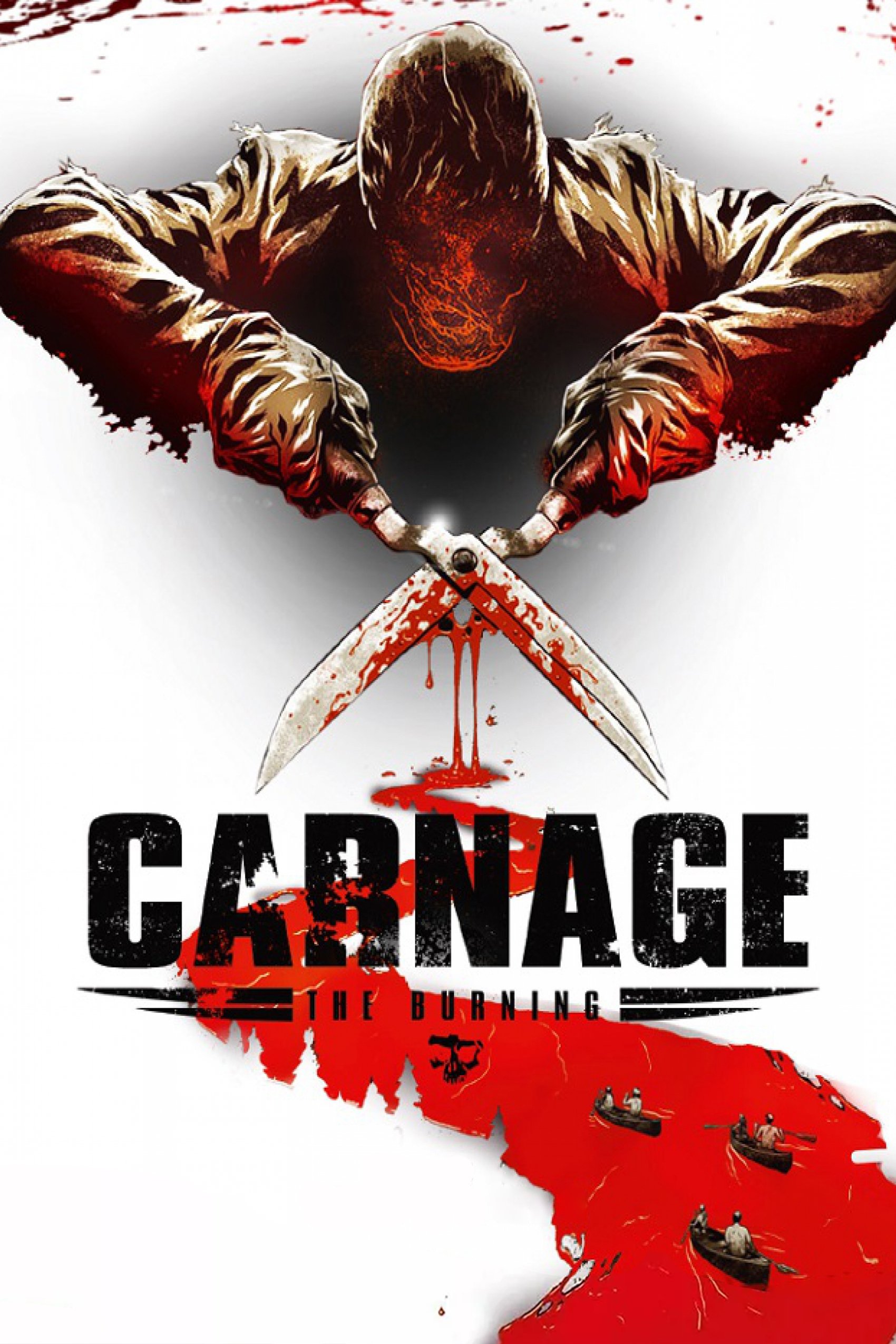
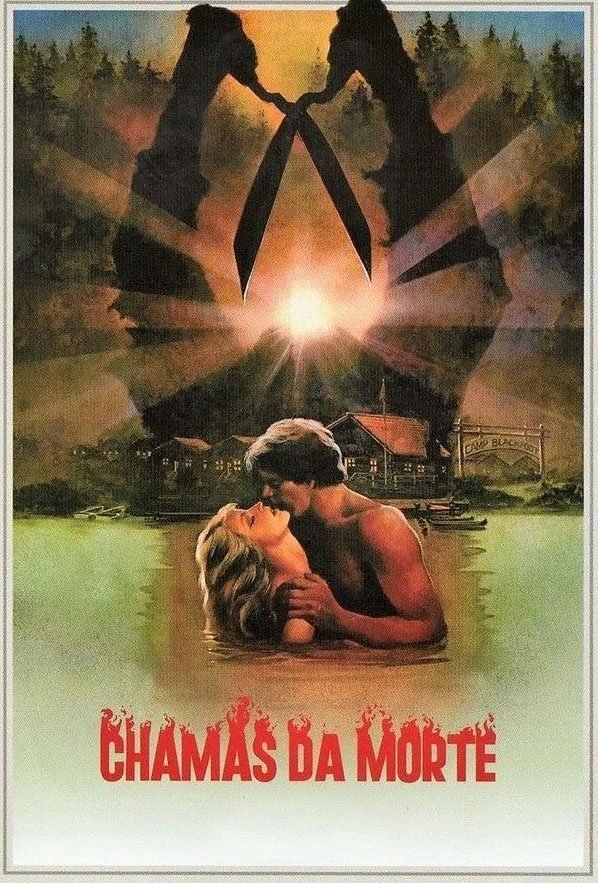
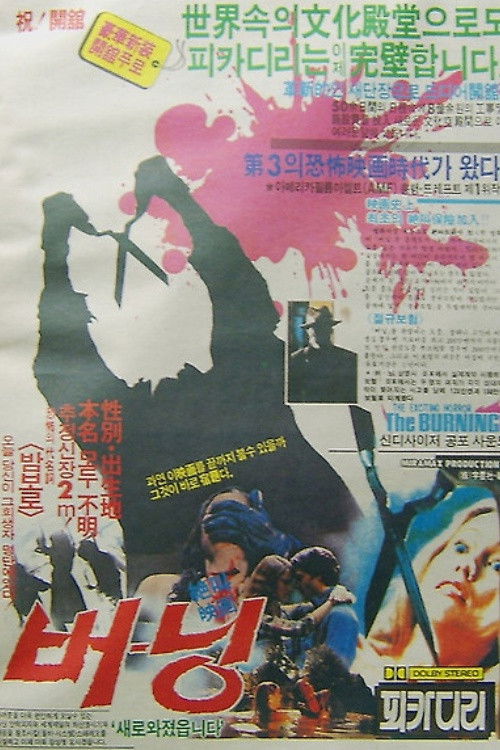
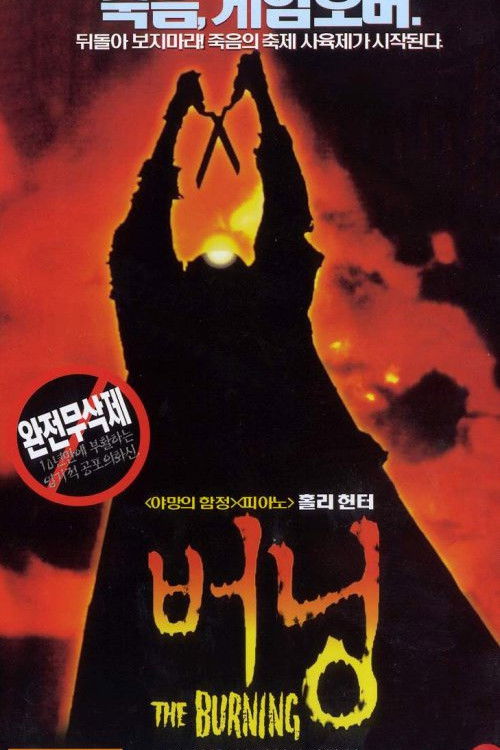
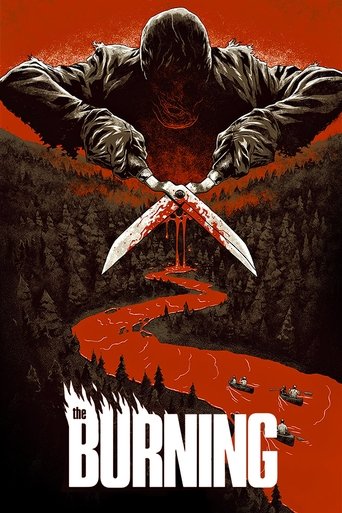
The project began with a story associated with summer camps in New York State, where variations of the Cropsy legend were told around campfires. The details changed between different tellings, but the threatening figure was generally connected with an isolated outdoor environment and the possibility of an encounter after dark. Harvey Weinstein drew upon the legend while attempting to move from concert promotion into feature filmmaking. An early treatment circulated under the title The Cropsy Maniac. The film's fictional character should not be treated as a documented historical murderer. Cropsy belongs to a changing body of regional folklore, and the screenplay developed its own specific explanation for his disfigurement and violence.
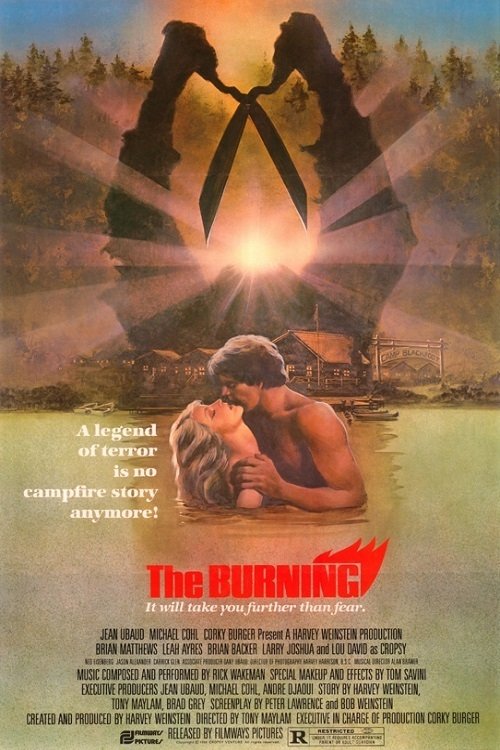
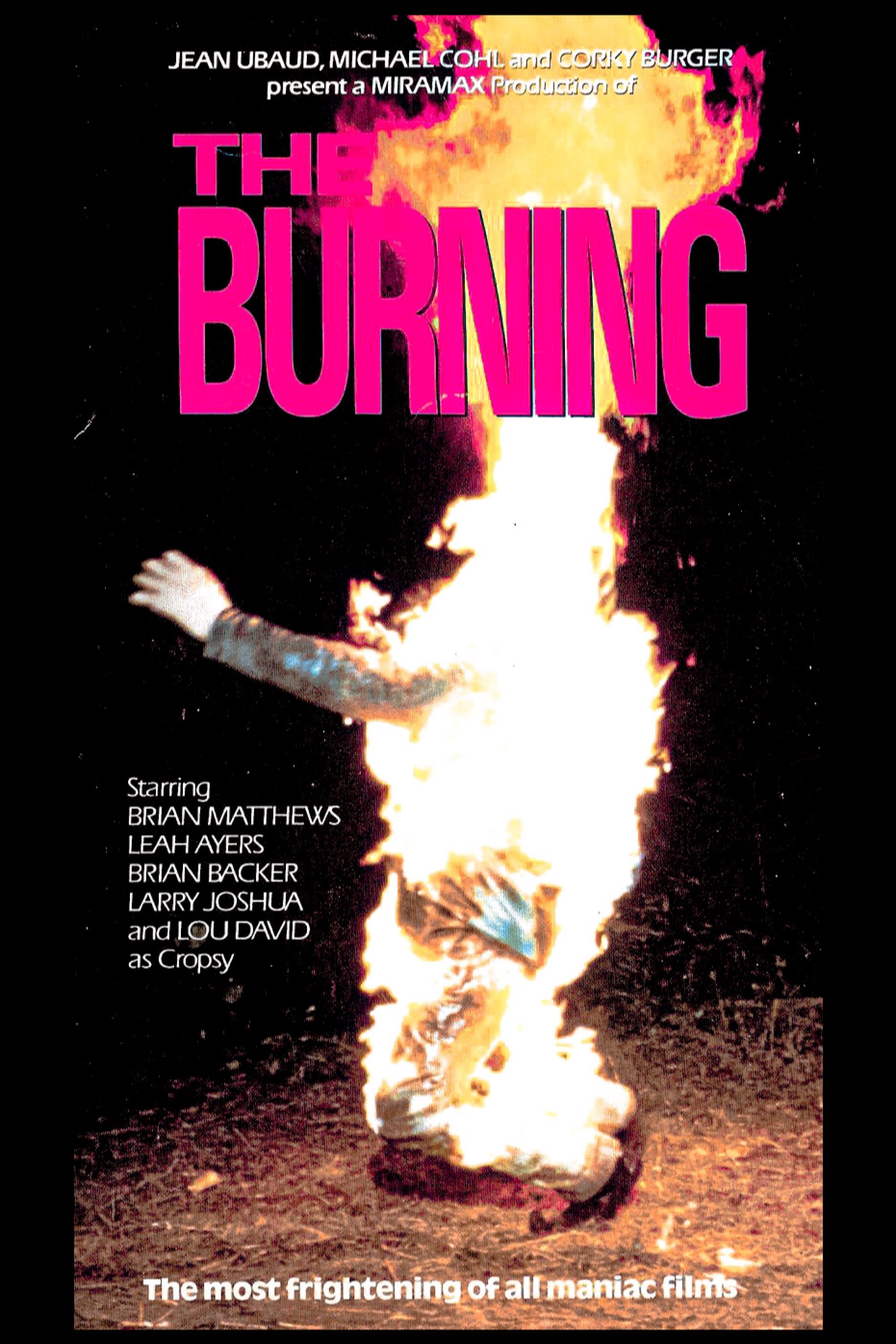
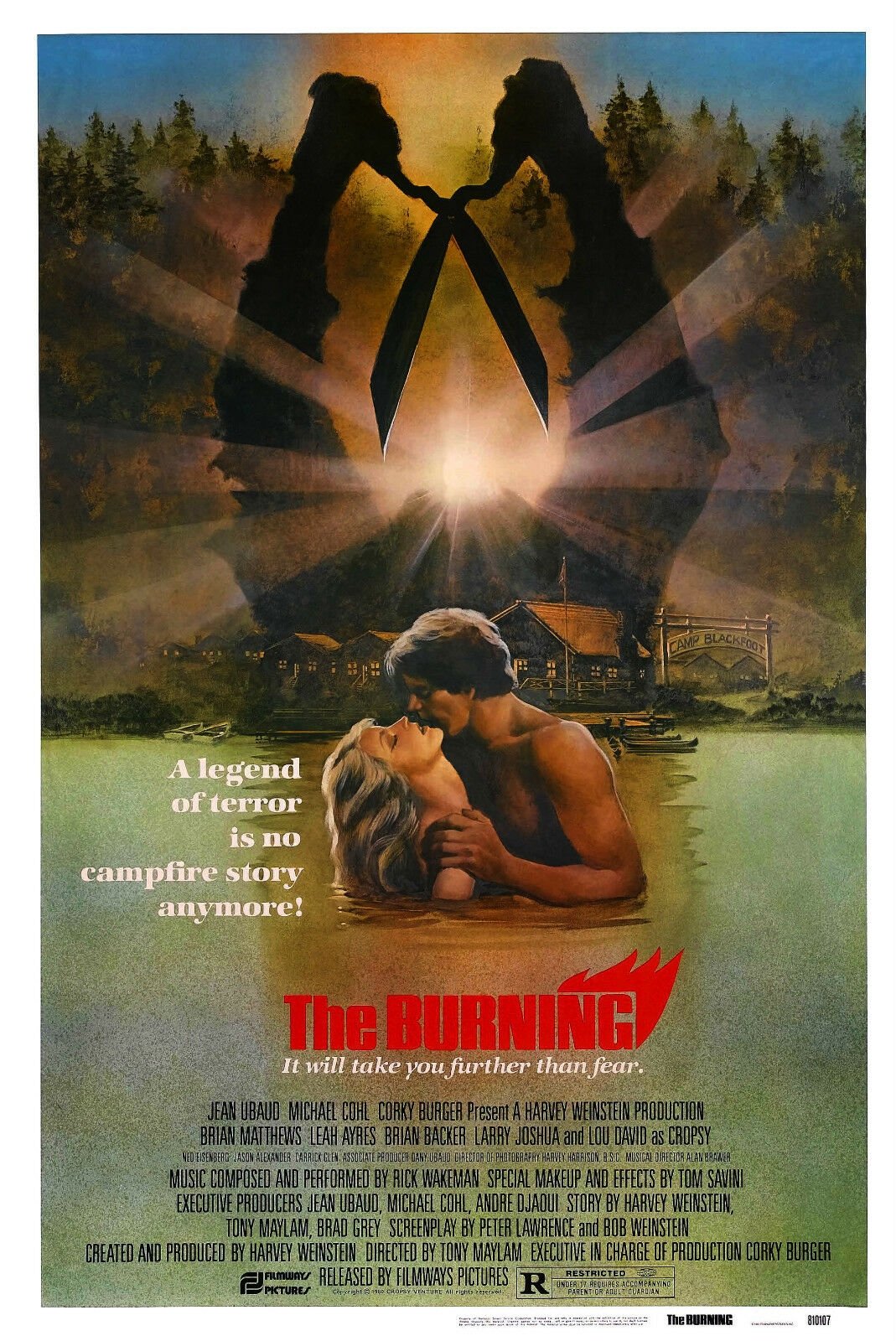
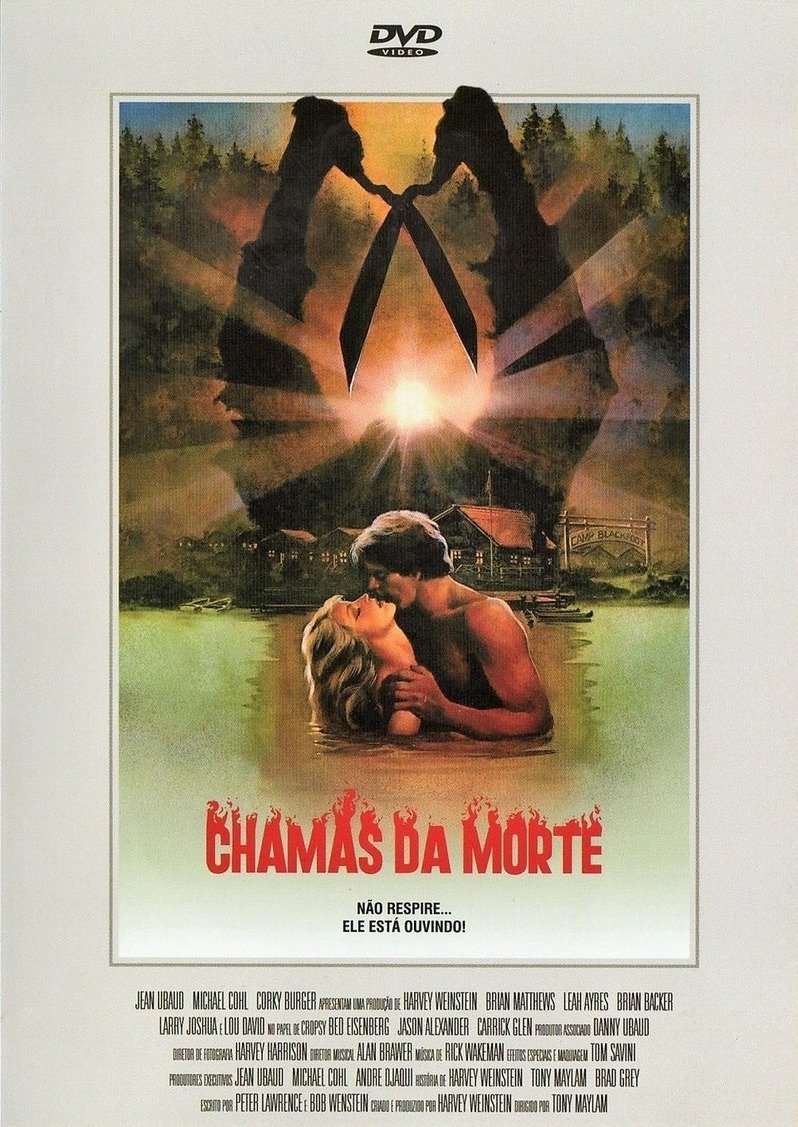
The project brought together Harvey Weinstein, Tony Maylam and Brad Grey as credited contributors to the original story. Peter Lawrence and Bob Weinstein received screenplay credits, although Maylam later emphasized Lawrence's substantial role in writing the completed script. In his commentary with film journalist Alan Jones, the director recalled that Harvey Weinstein approached him after seeing one of his concert films about Genesis. Maylam had worked extensively in documentary filmmaking and had also directed the adventure film The Riddle of the Sands (1979). His involvement brought an experienced British director into a production organized by filmmakers and promoters entering the American horror market.
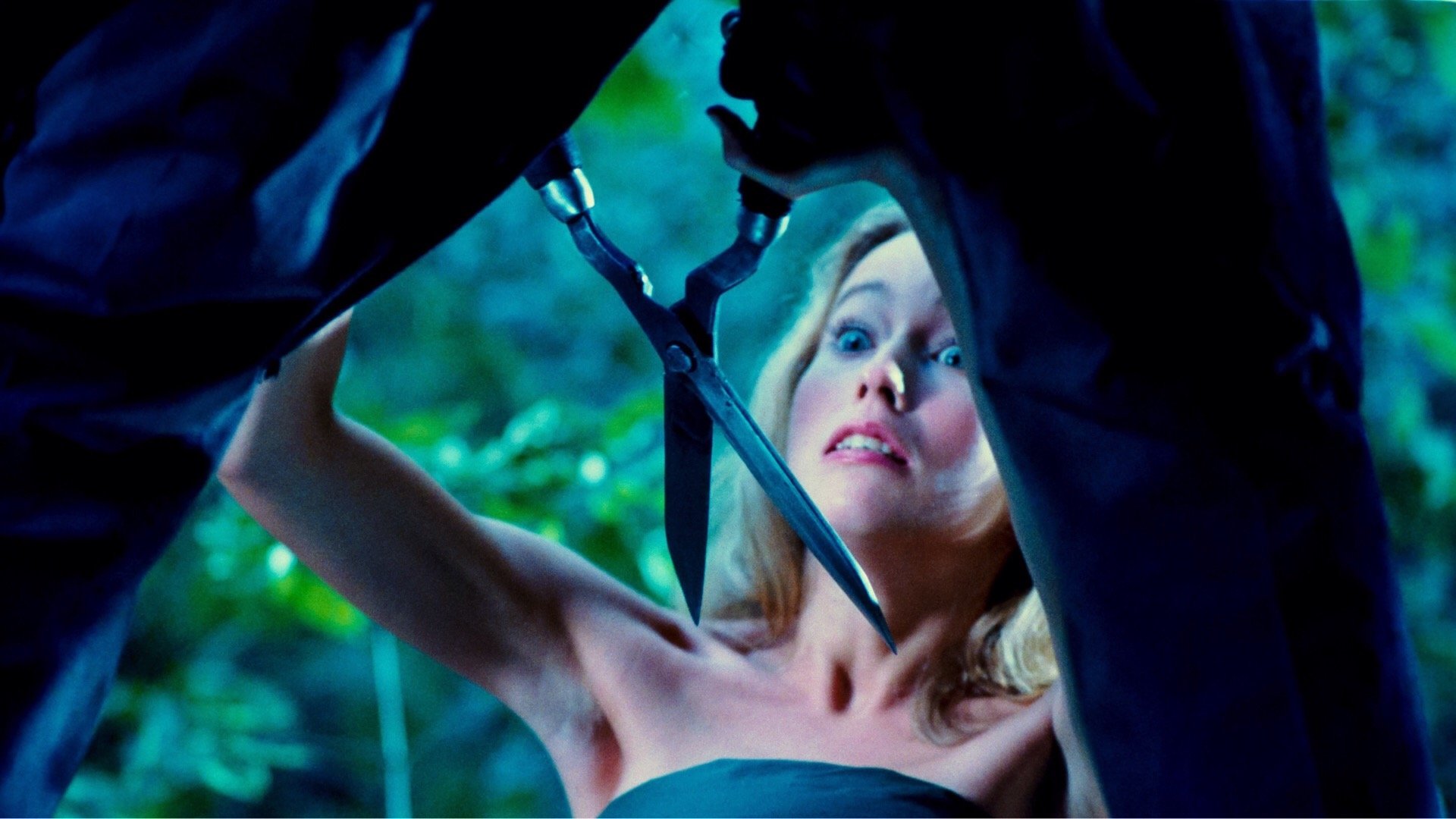
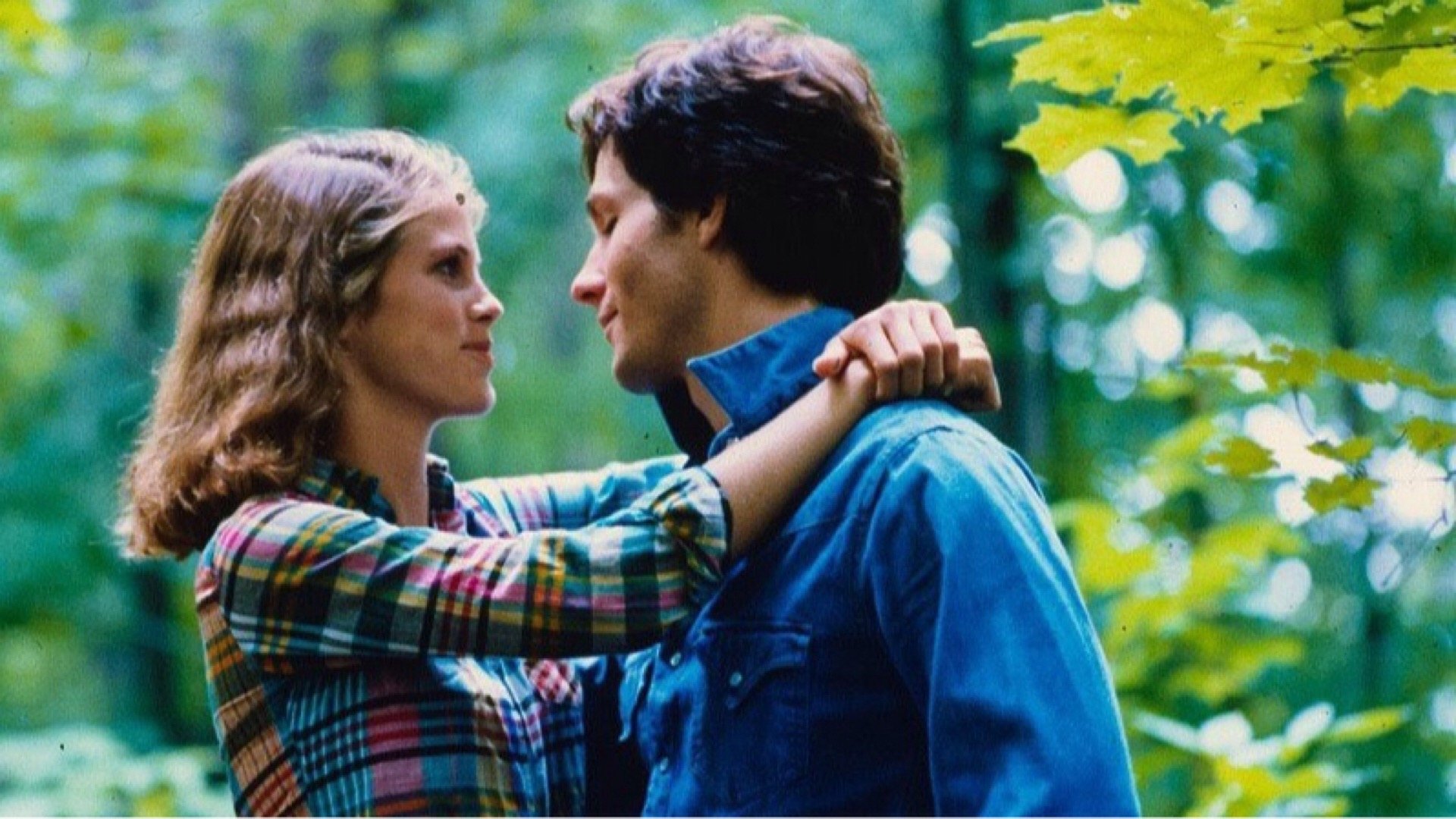
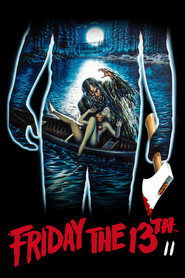
The Burning became the first feature produced under the Miramax banner, at a time when the company lacked the established resources it would later possess. The filmmakers organized the production around the summer shooting season and the growing commercial interest in violent horror. Although development of the Cropsy premise preceded the release of Friday the 13th, the extraordinary success of that film helped establish a receptive market for camp-based slashers. The similarities also extended to Madman (1982), another production initially associated with Cropsy folklore. The overlap demonstrates how regional legends and commercially recognizable horror settings could generate separate projects during the same short period.