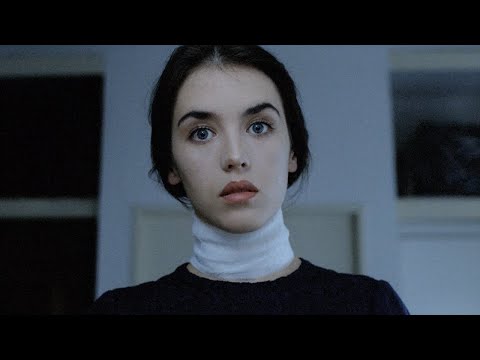





Development, Exile & a Marriage in Collapse
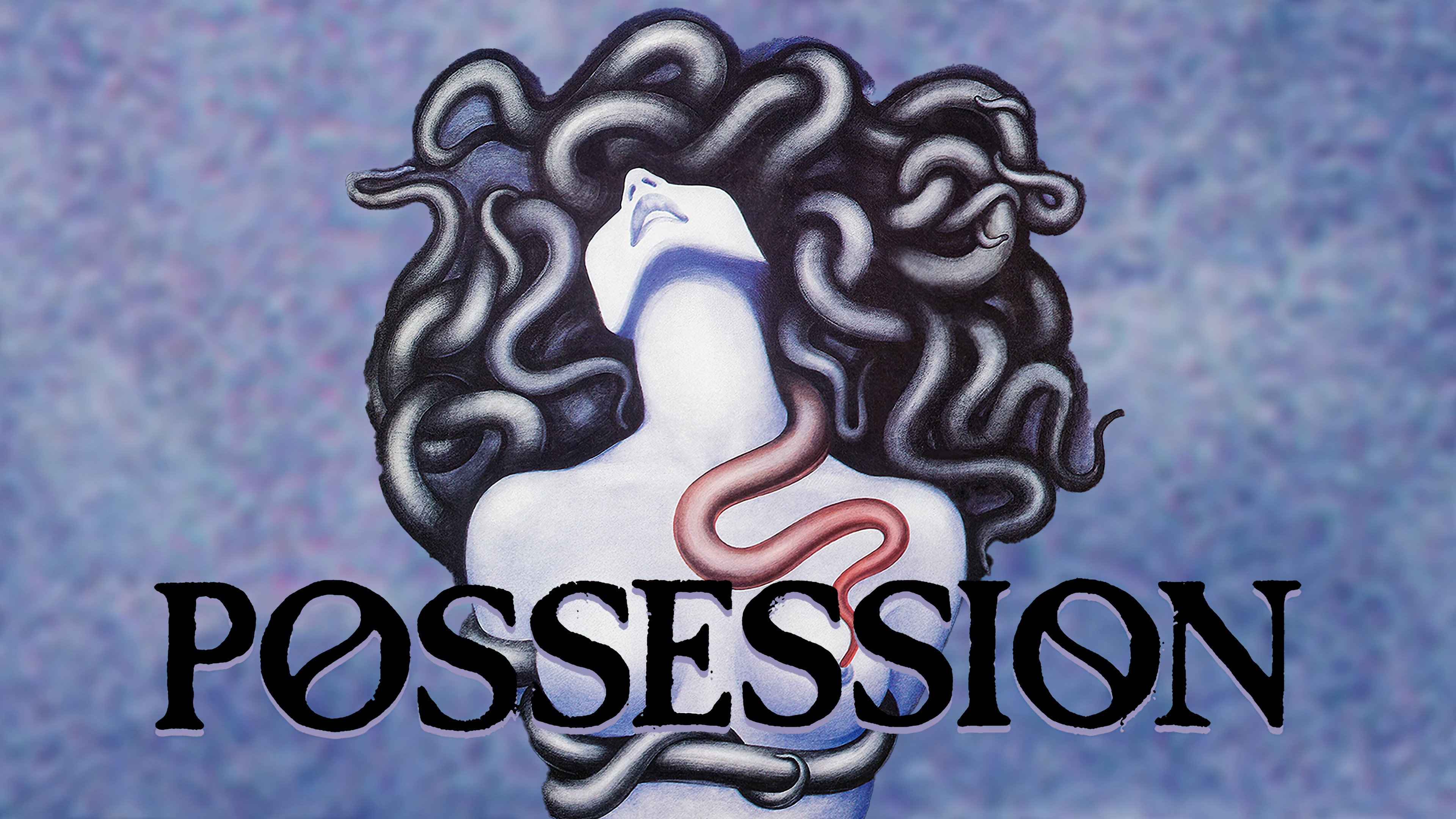
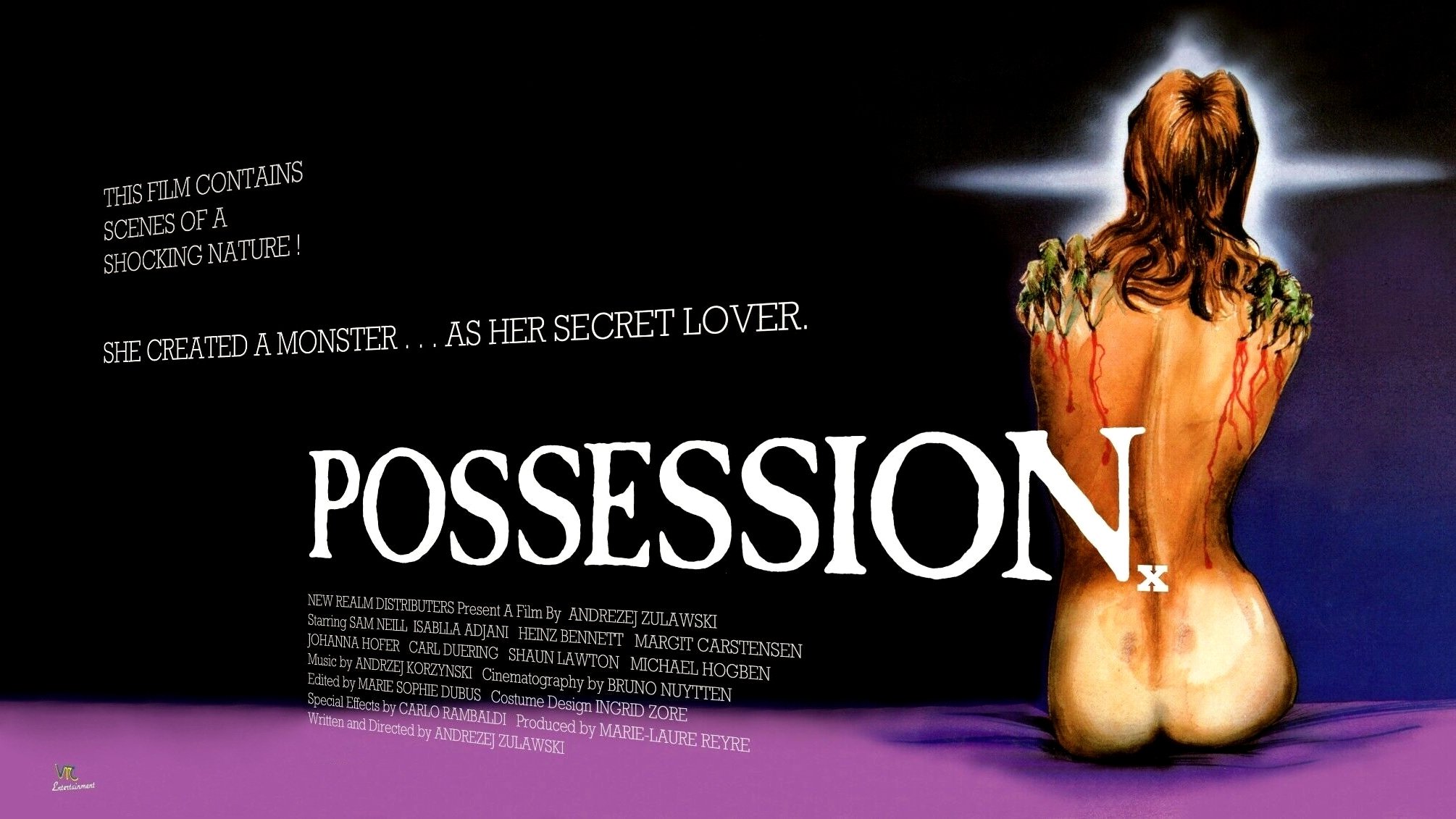
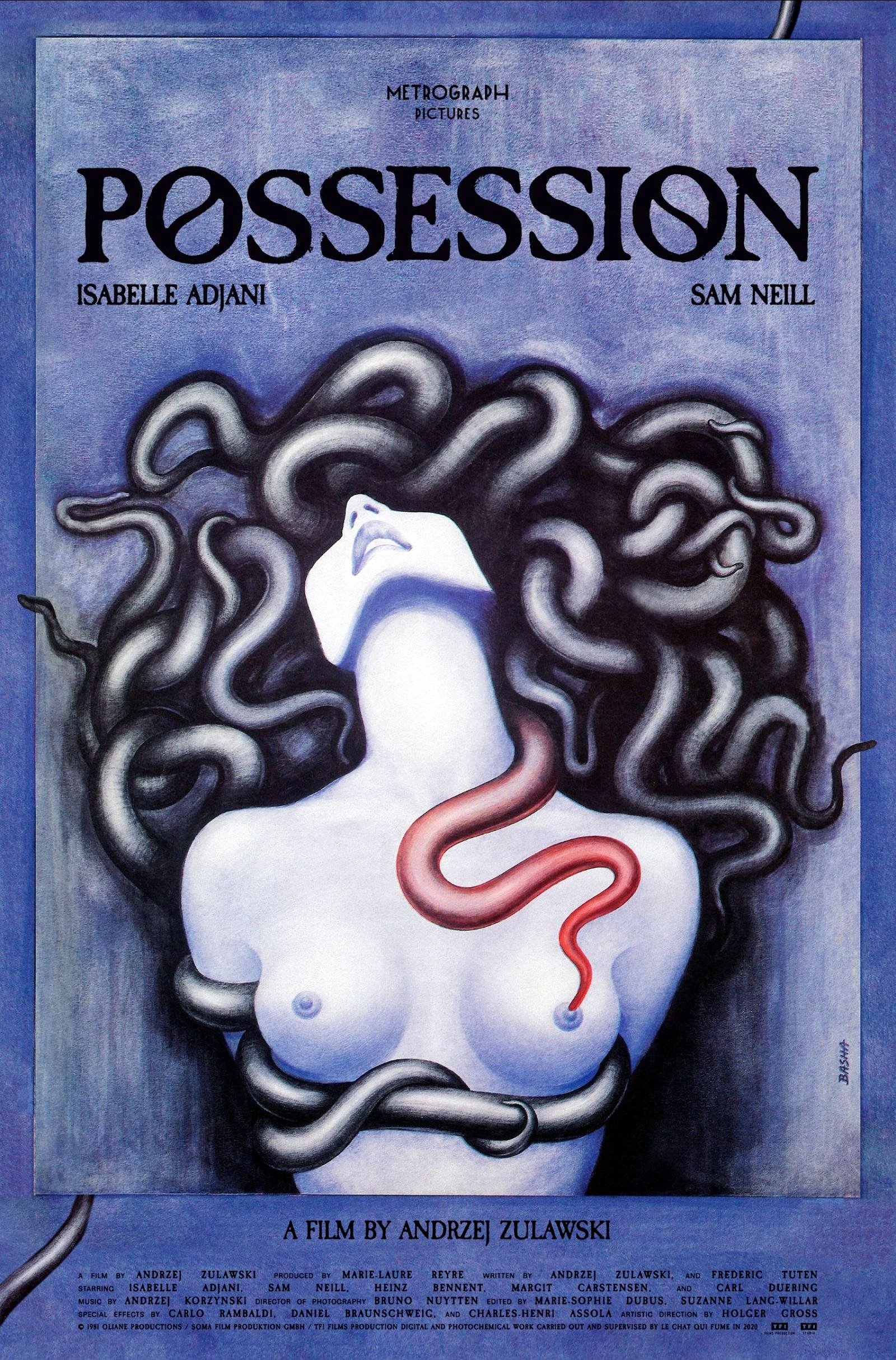
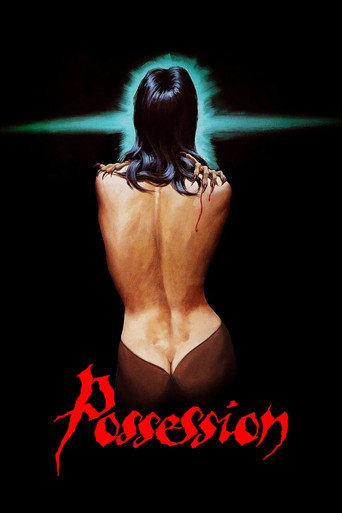
The development of Possession followed one of the most difficult periods of Żuławski’s career. His ambitious Polish science-fiction production On the Silver Globe had been halted by the authorities before completion, leaving the director outside the normal structure of Polish filmmaking. He subsequently travelled to New York, where he worked rapidly on the English-language screenplay that became Possession. An earlier version of the concept had already existed in Polish, but the project was reshaped for an international production.
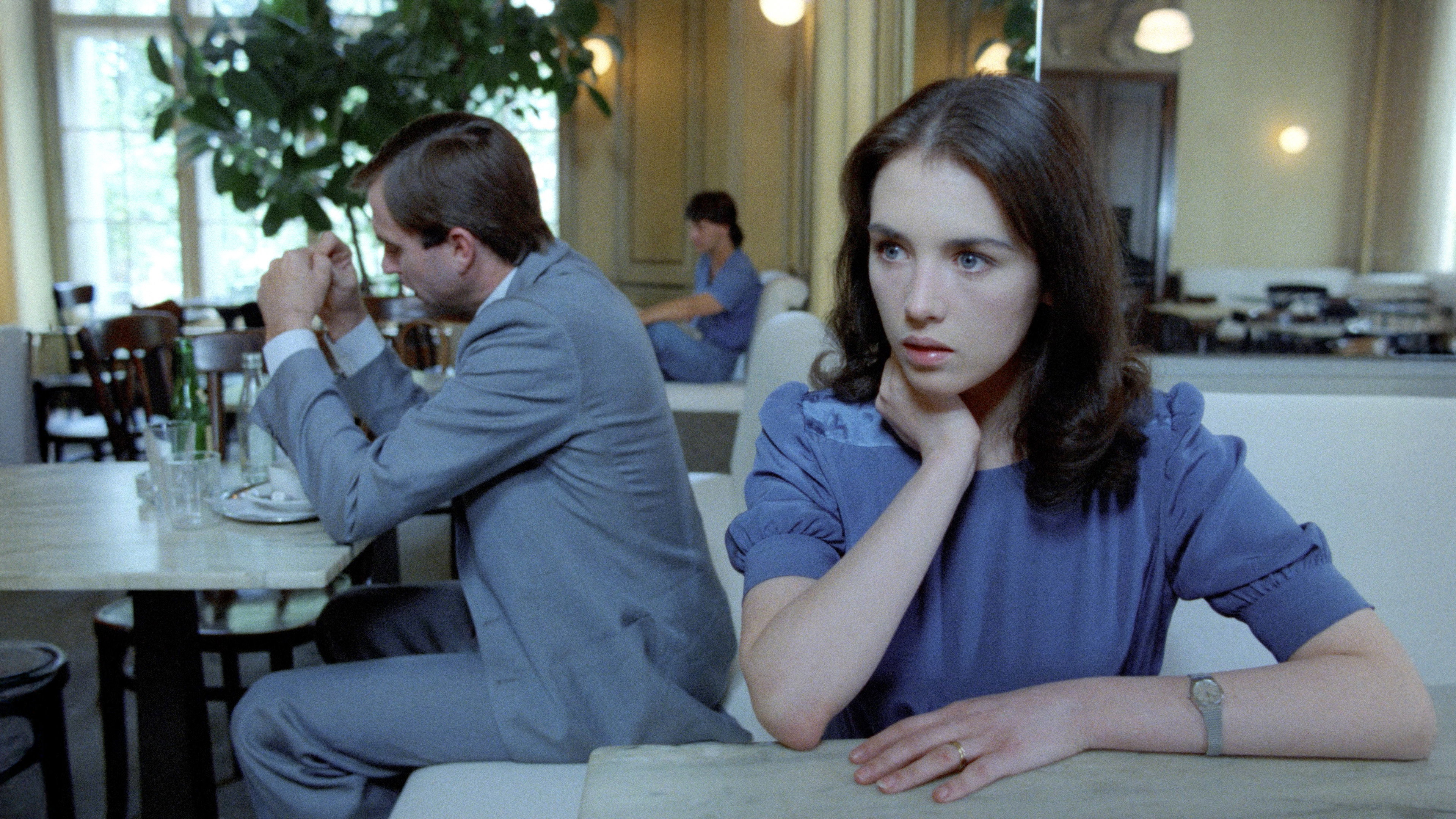
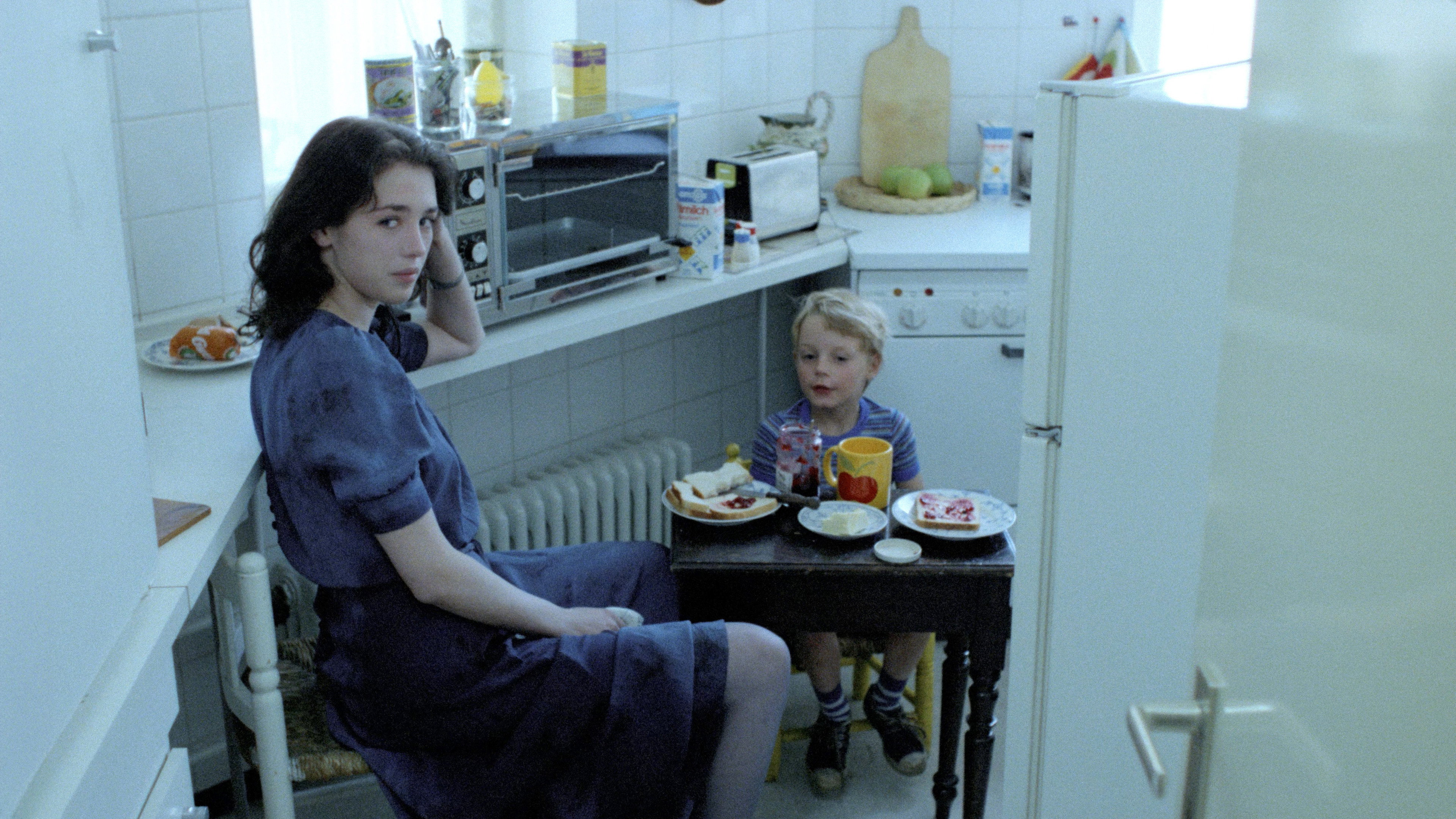
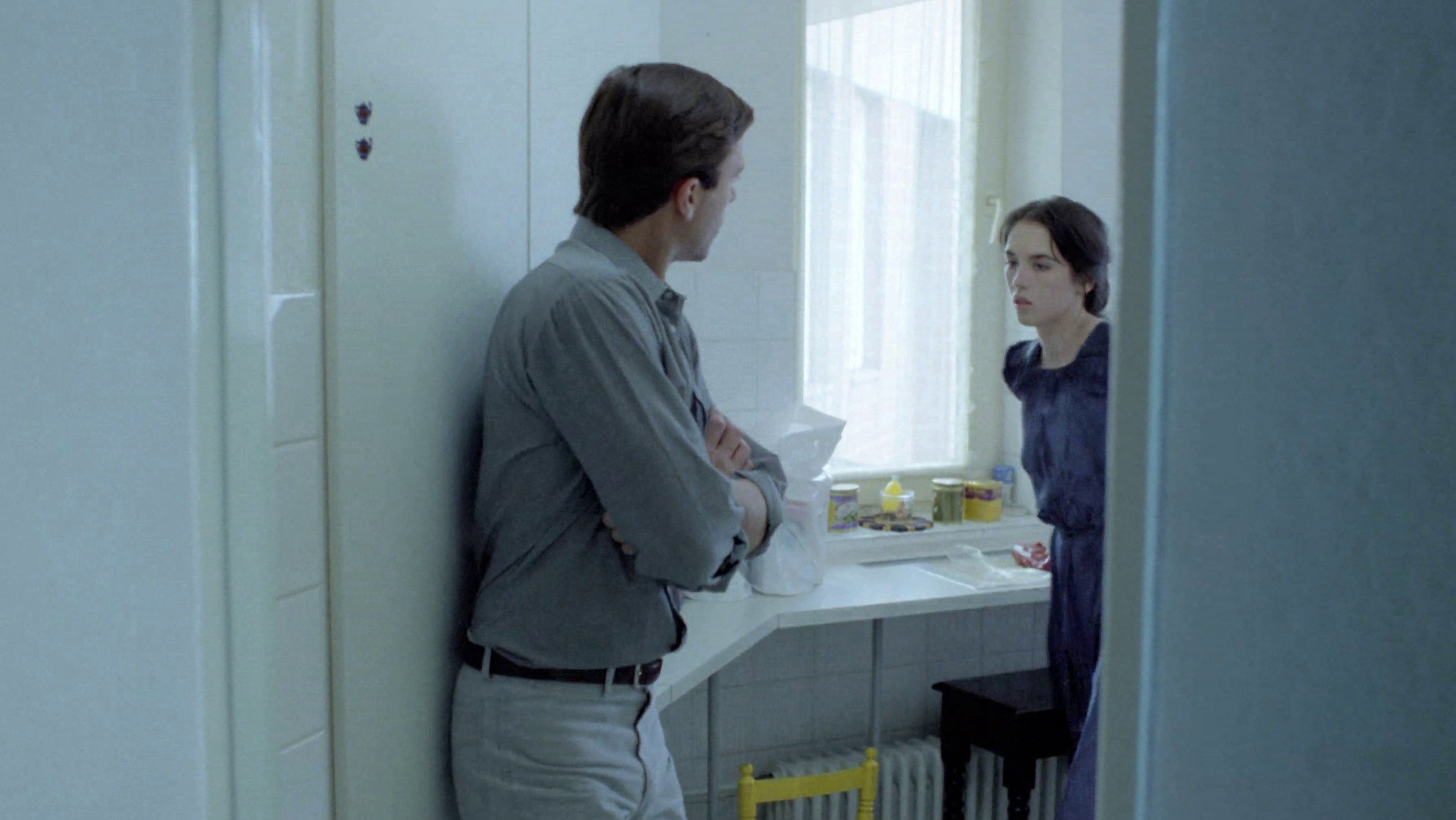
Żuławski worked on the final English screenplay with American novelist Frederic Tuten. The film’s marital conflict also had an unmistakably personal basis. Żuławski had experienced the breakdown of his own marriage, and later accounts from people close to the production identify that separation as a major emotional source for the screenplay. This should not reduce the film to direct autobiography. The finished work transforms private pain through doubles, espionage, political borders, religious language and an impossible creature rather than reconstructing a marriage literally.
Financing proved complicated. The project was initially developed with the possibility of American backing and was at one stage conceived for Detroit. Producer Marie-Laure Reyre eventually assembled European financing, including support connected with West Berlin, while the film remained deliberately outside American production control. Żuławski chose to shoot in English partly because the language increased the possibility of international circulation without tying the film to one national audience.
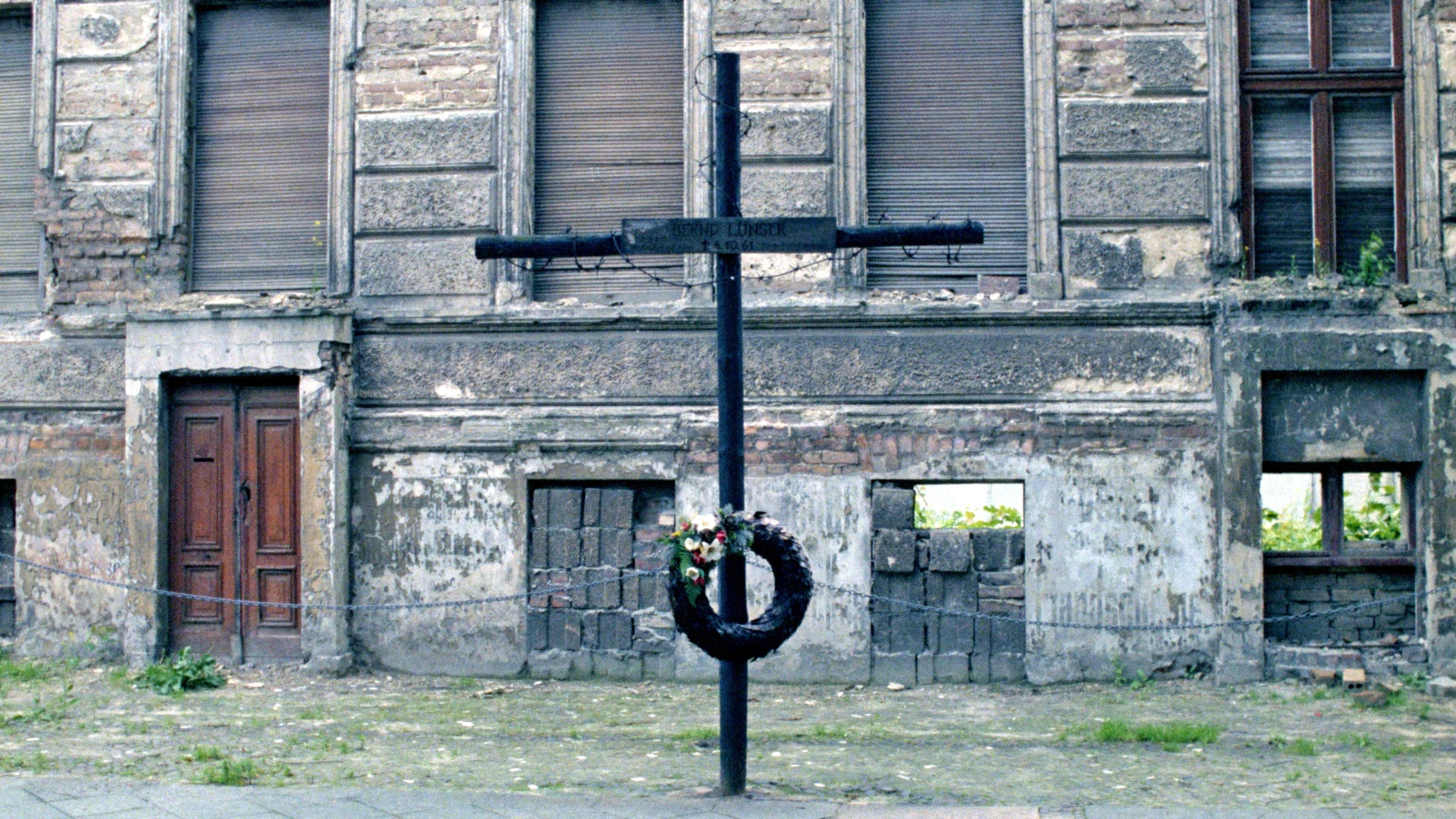
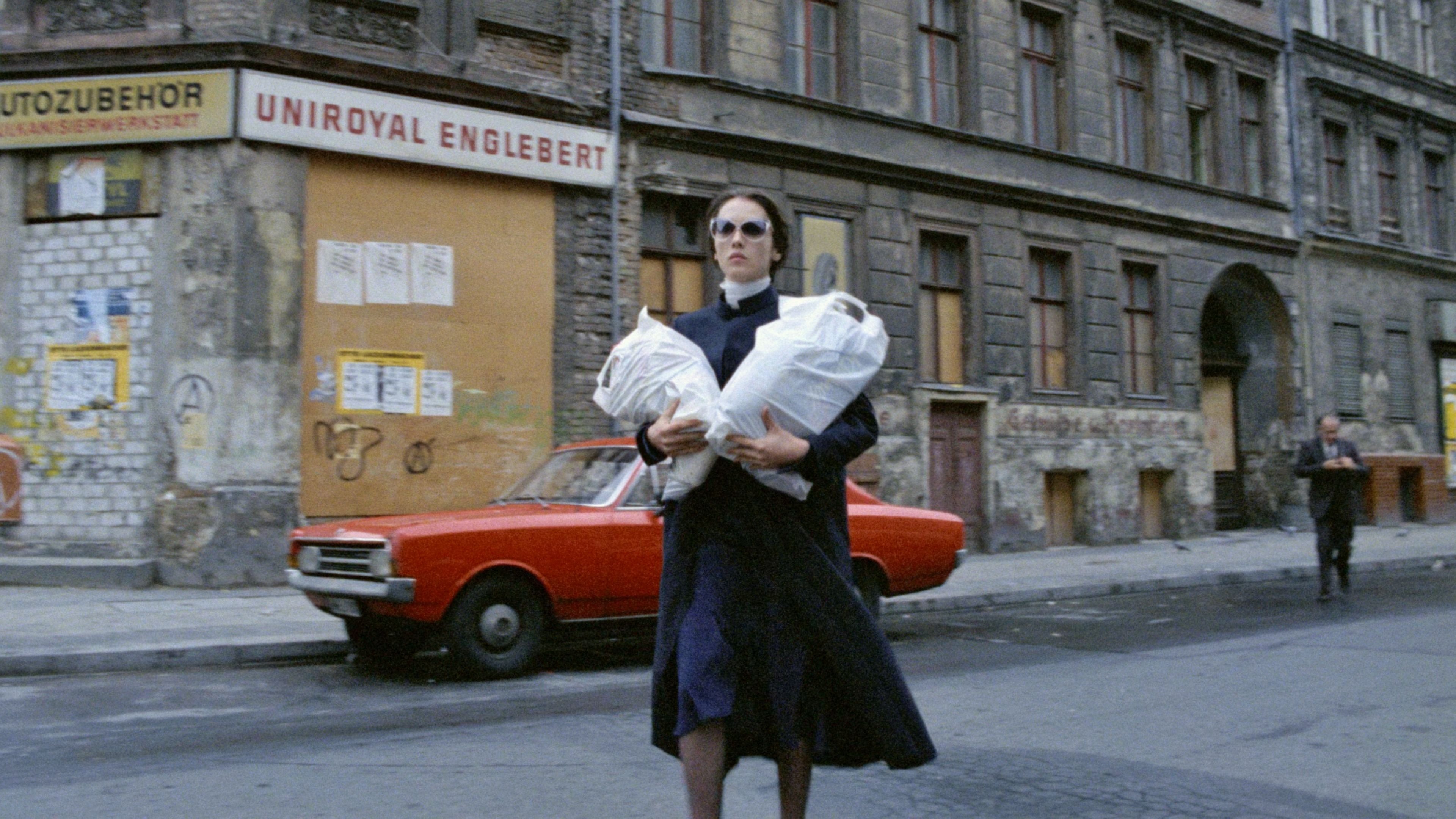
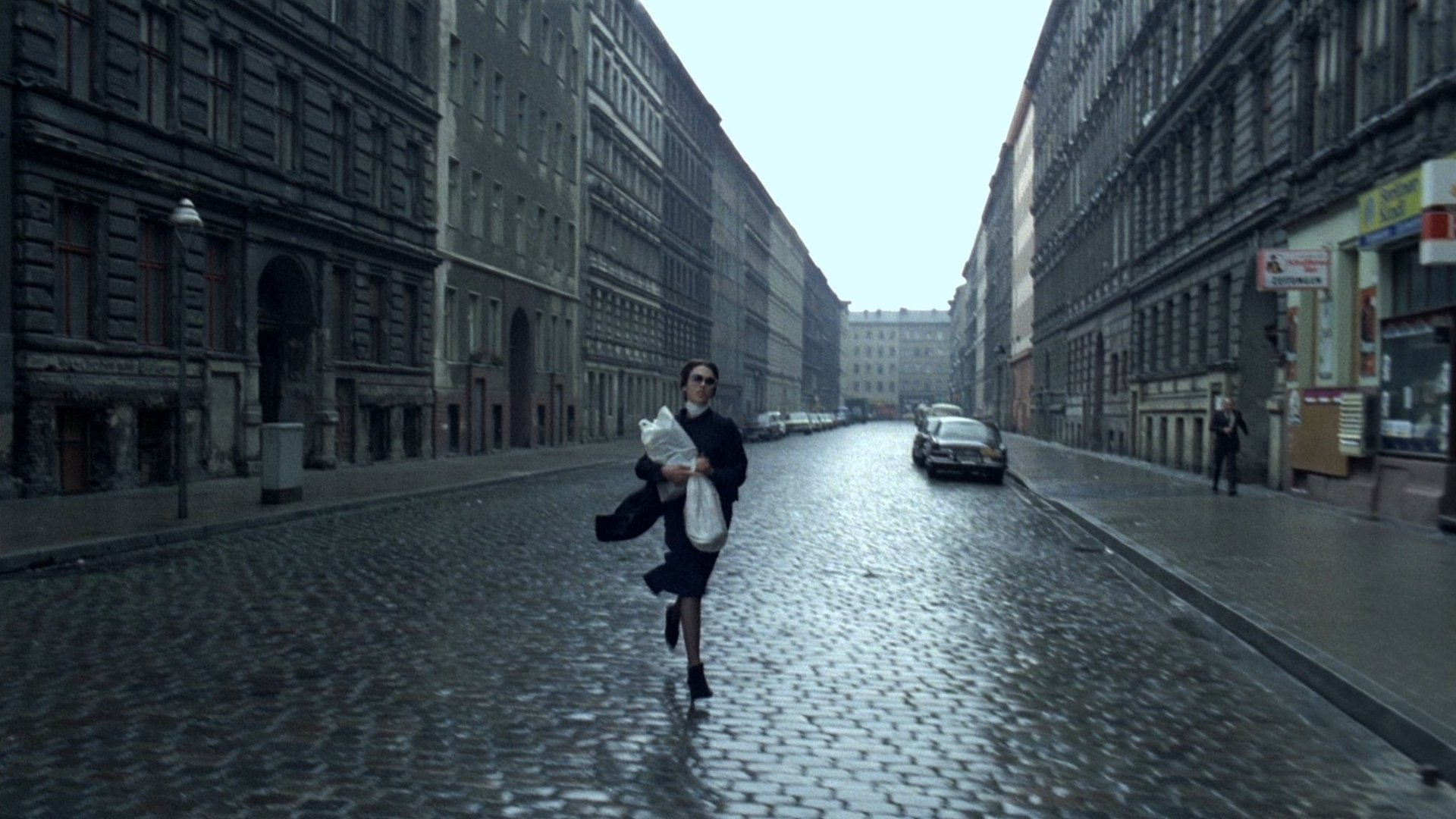
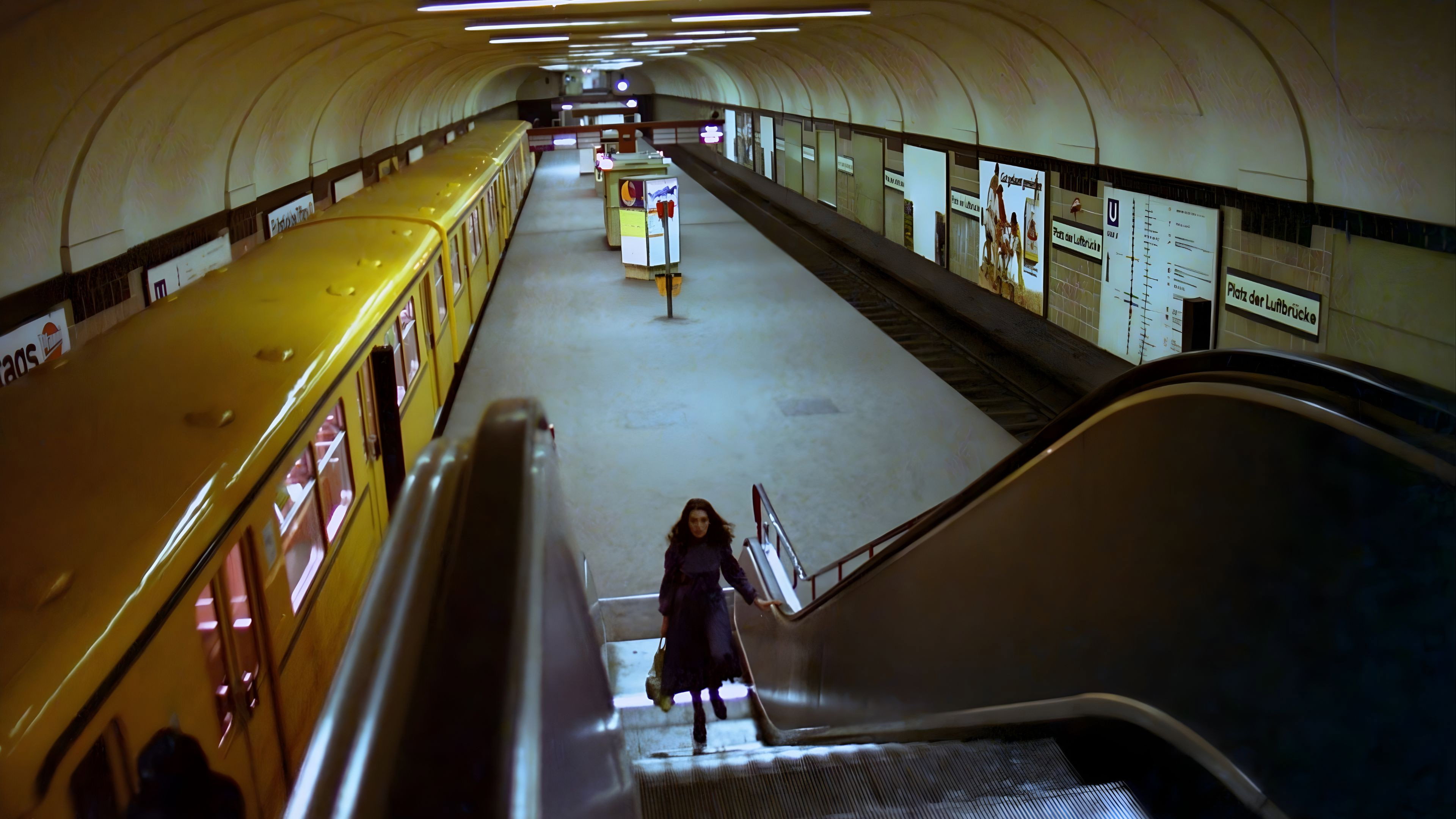
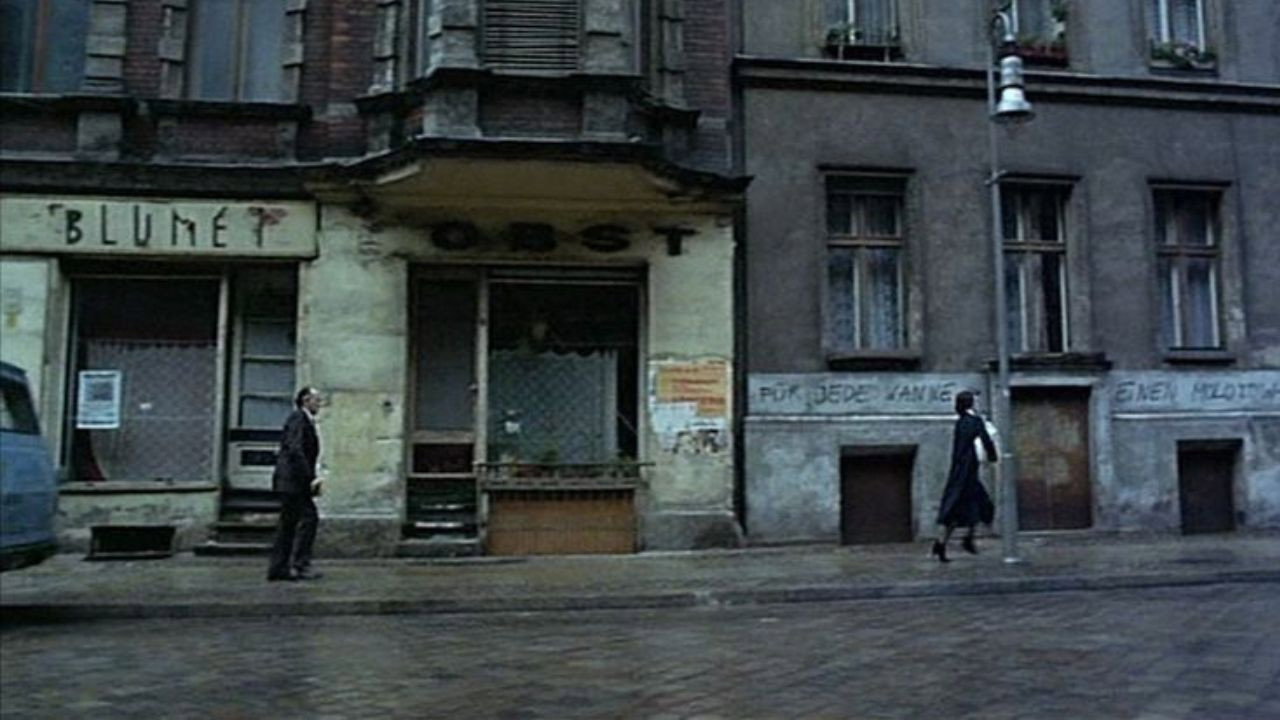
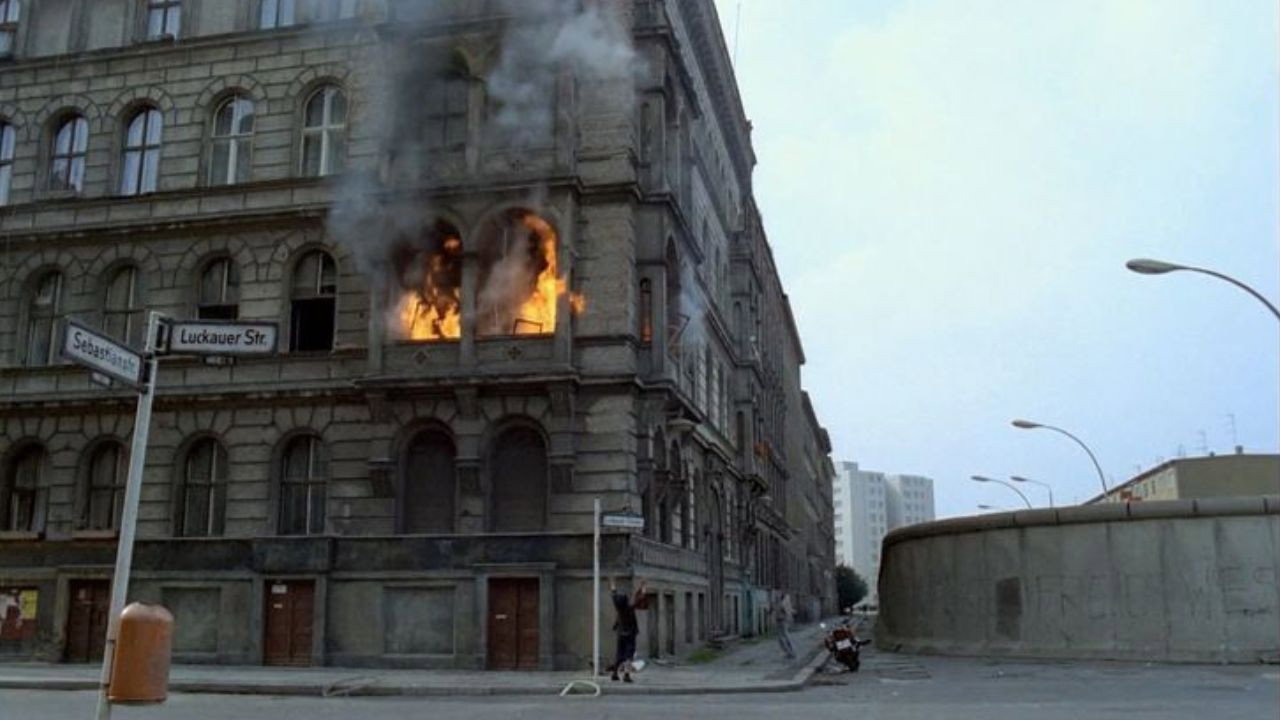
The result remained fundamentally European despite its international cast and English dialogue. France and West Germany provided the production framework, while the divided political geography of Berlin became inseparable from the story. Żuławski was therefore able to transform what began as a marital nightmare into something simultaneously private and geopolitical without making a conventional political film.