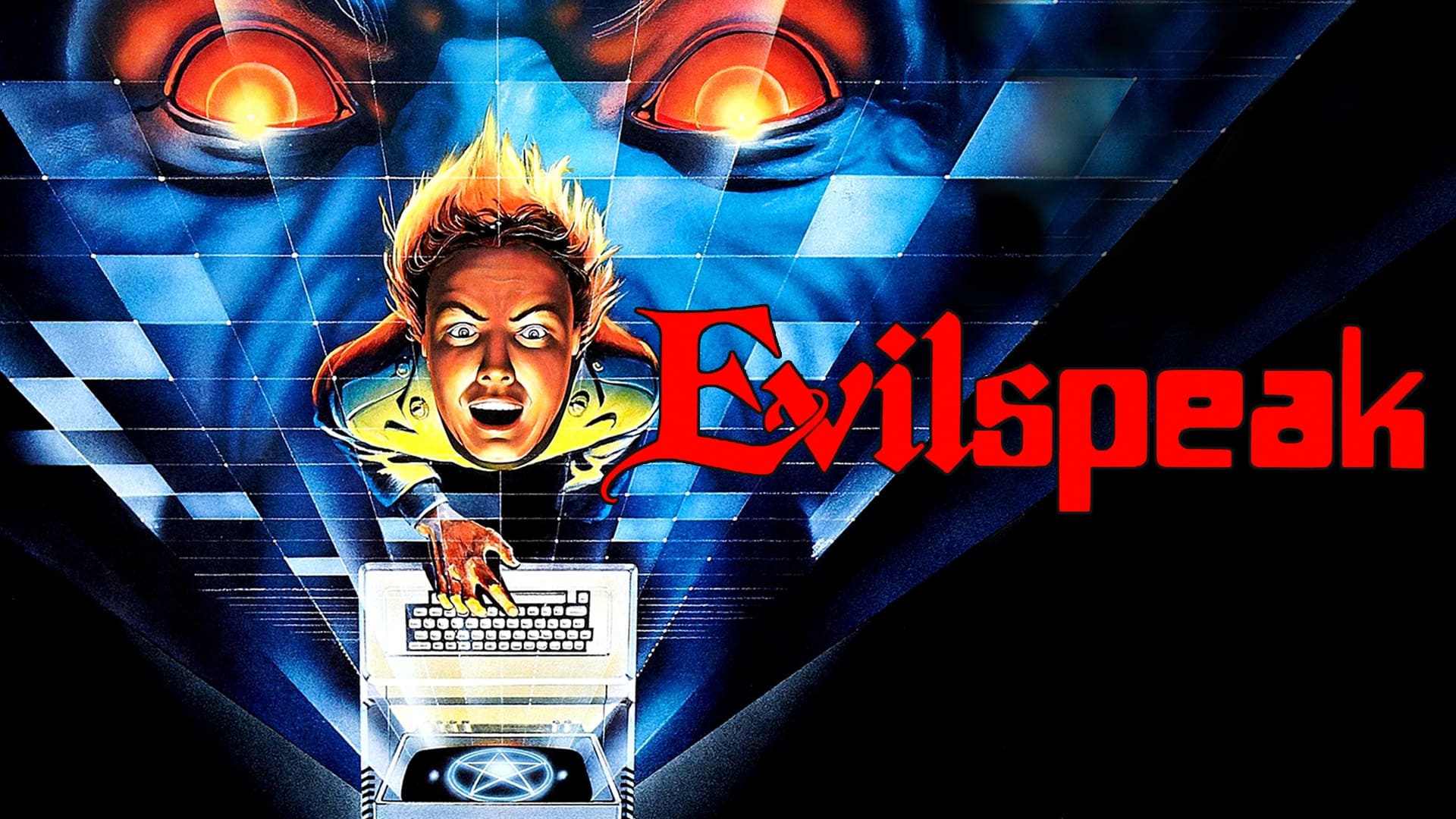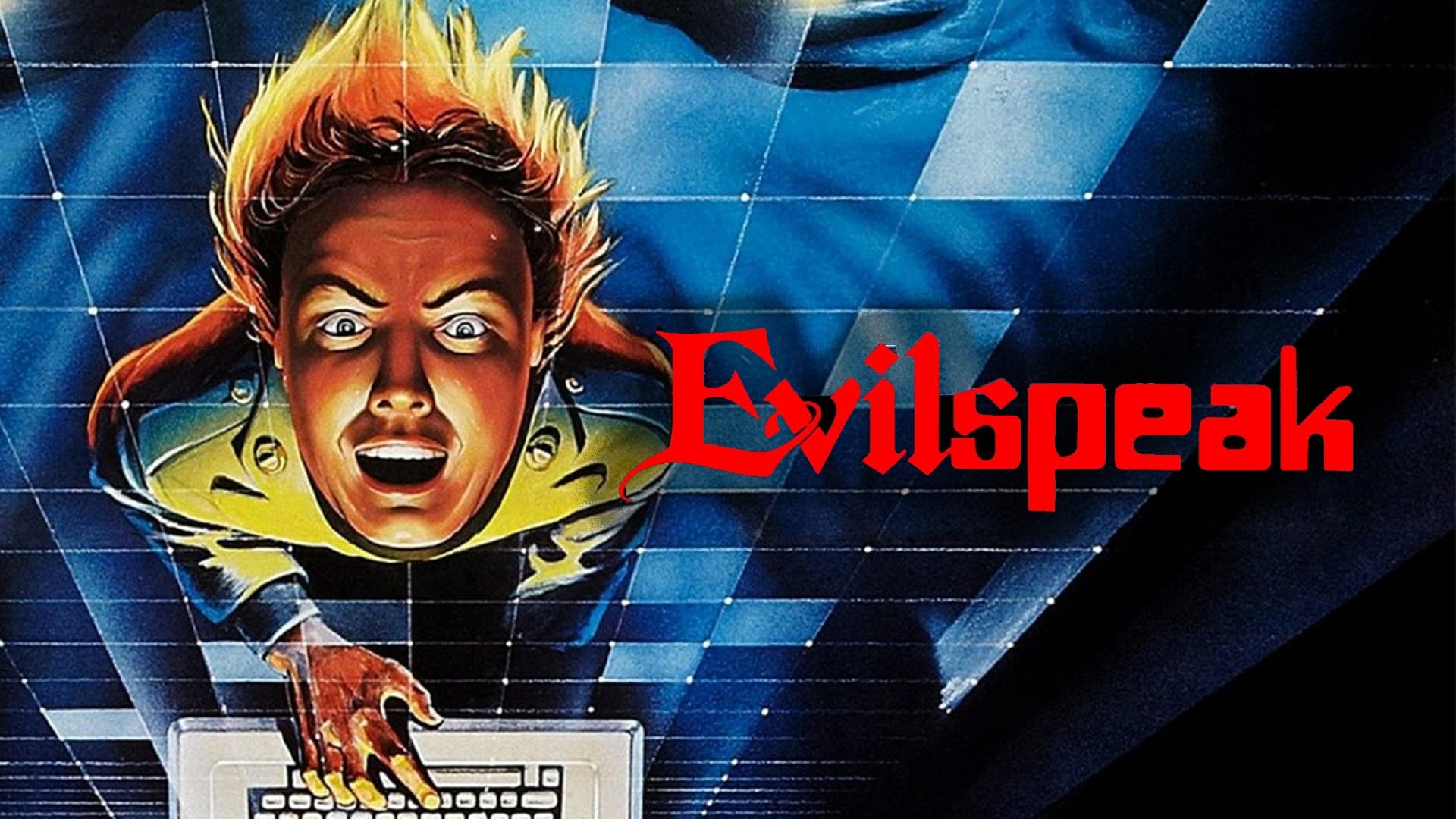
Evilspeak (1981)

US
HORROR FILM Science Fiction
UK censorship history DPP · Successful prosecutions
Runtime
93 min
Release
August 22, 1981
Budget
$1,000,000
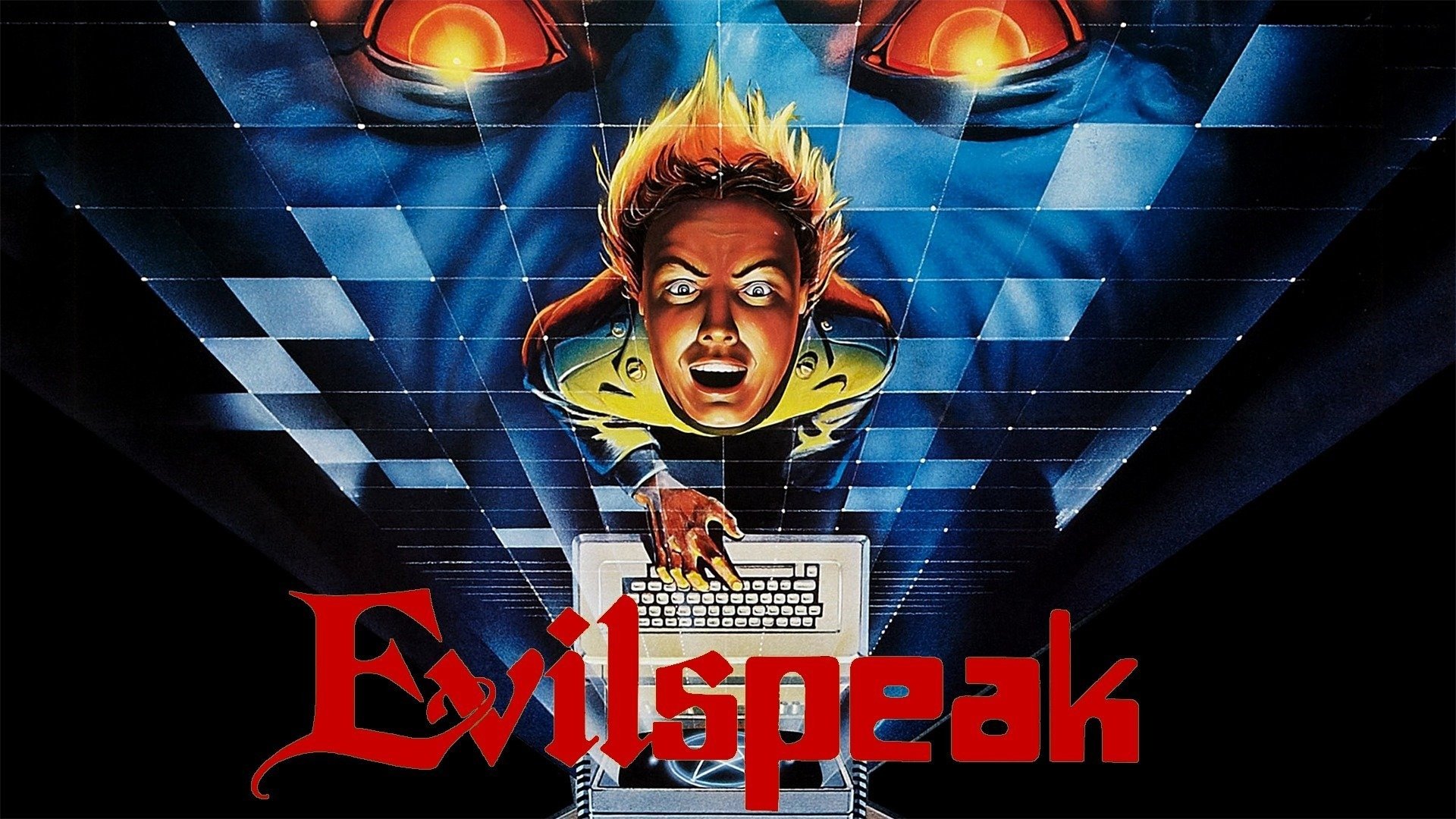
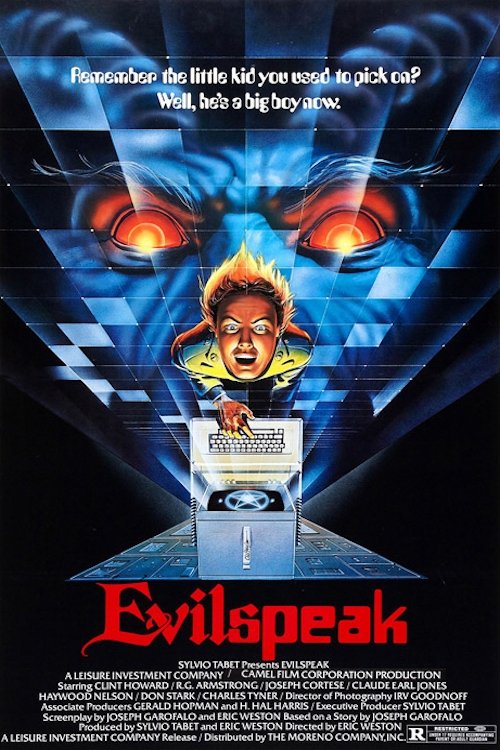
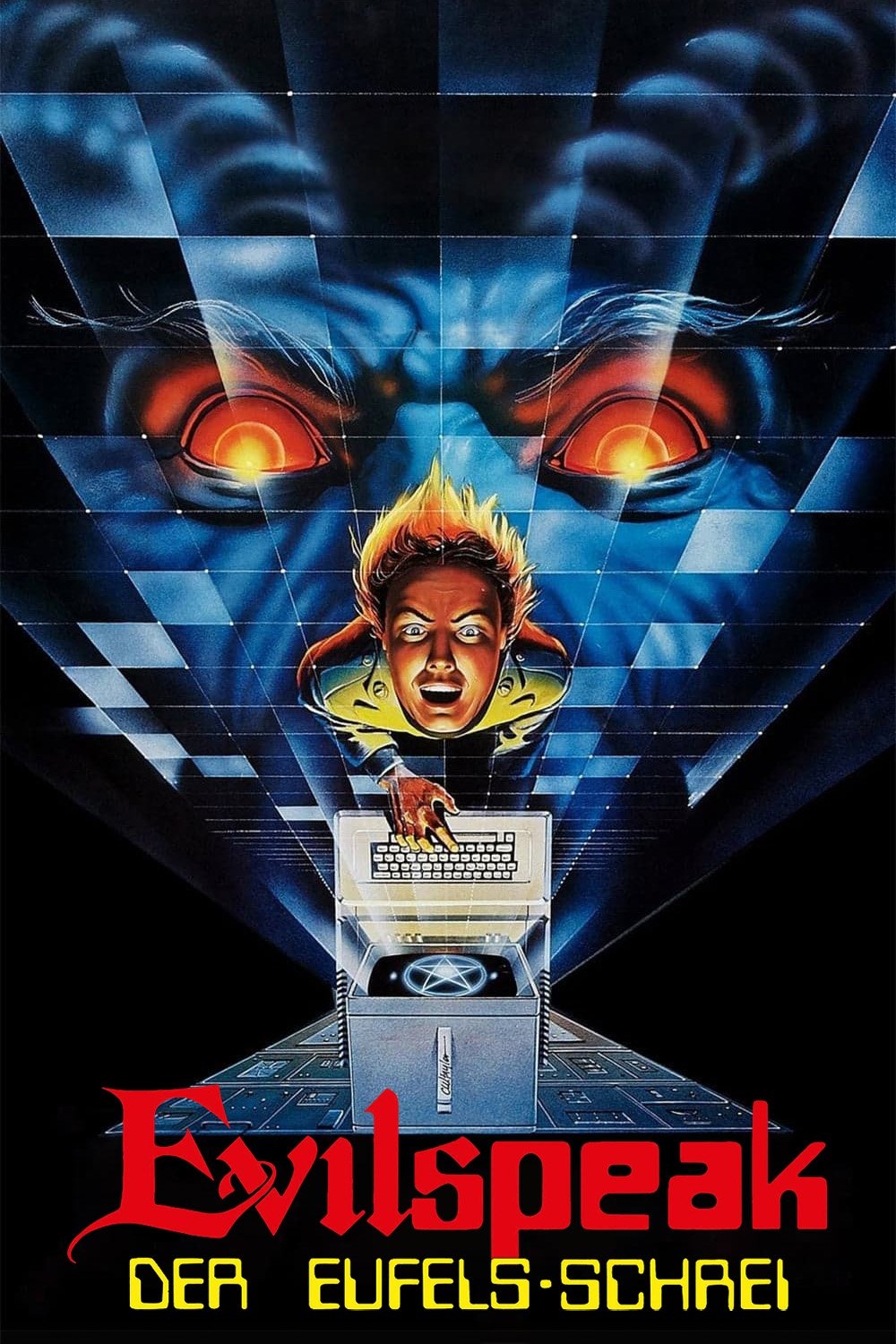
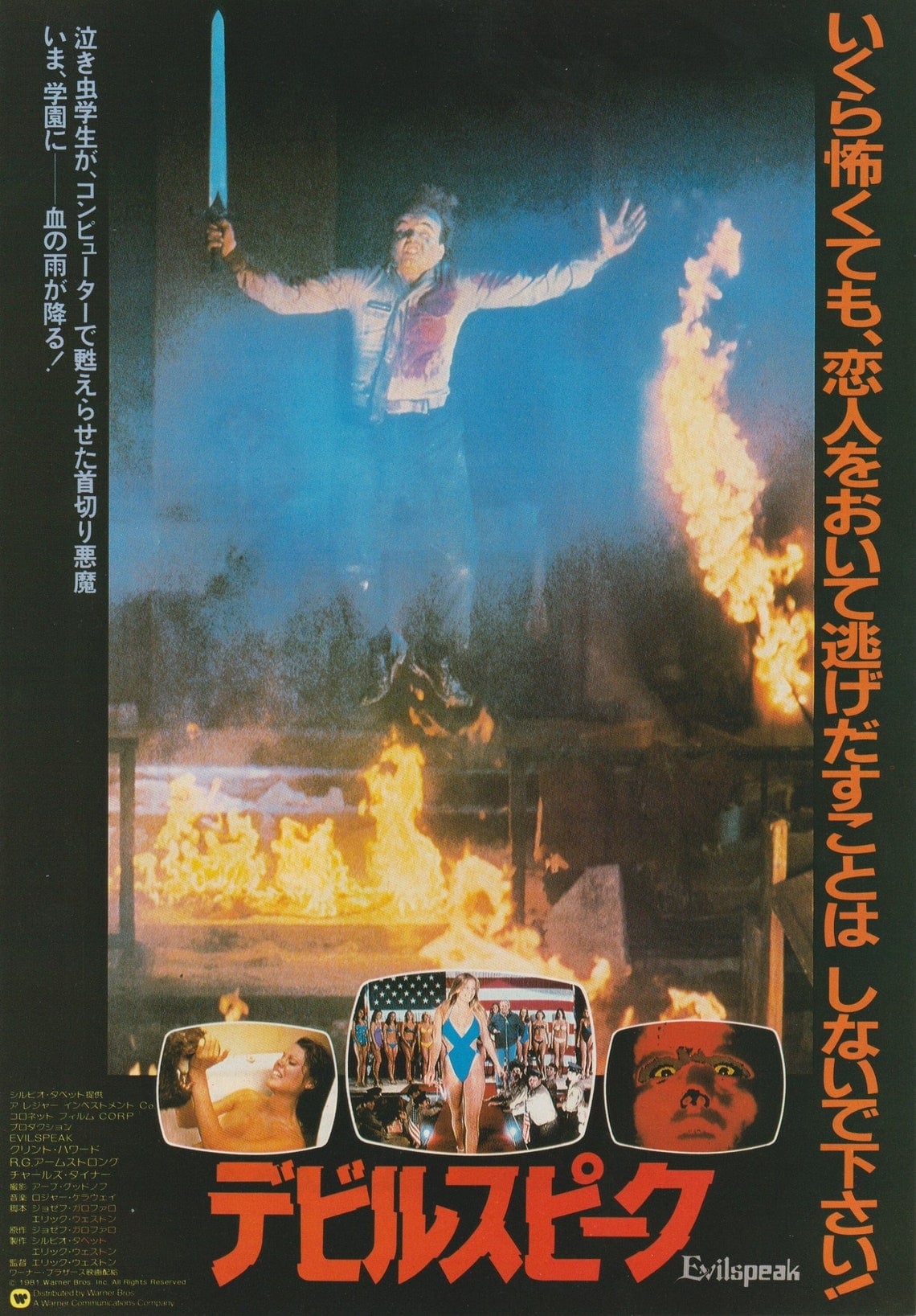
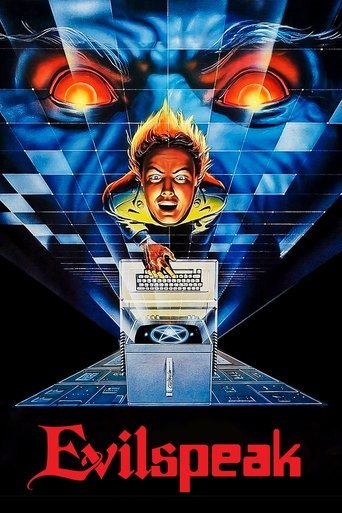
Evilspeak (1981) poster
Director
Production Companies
Coronet Film , Leisure Investment Company , Moreno Films
Plot

Bullied by classmates, a pudgy military-school student fights back by computer with the devil.

Alternative Titles
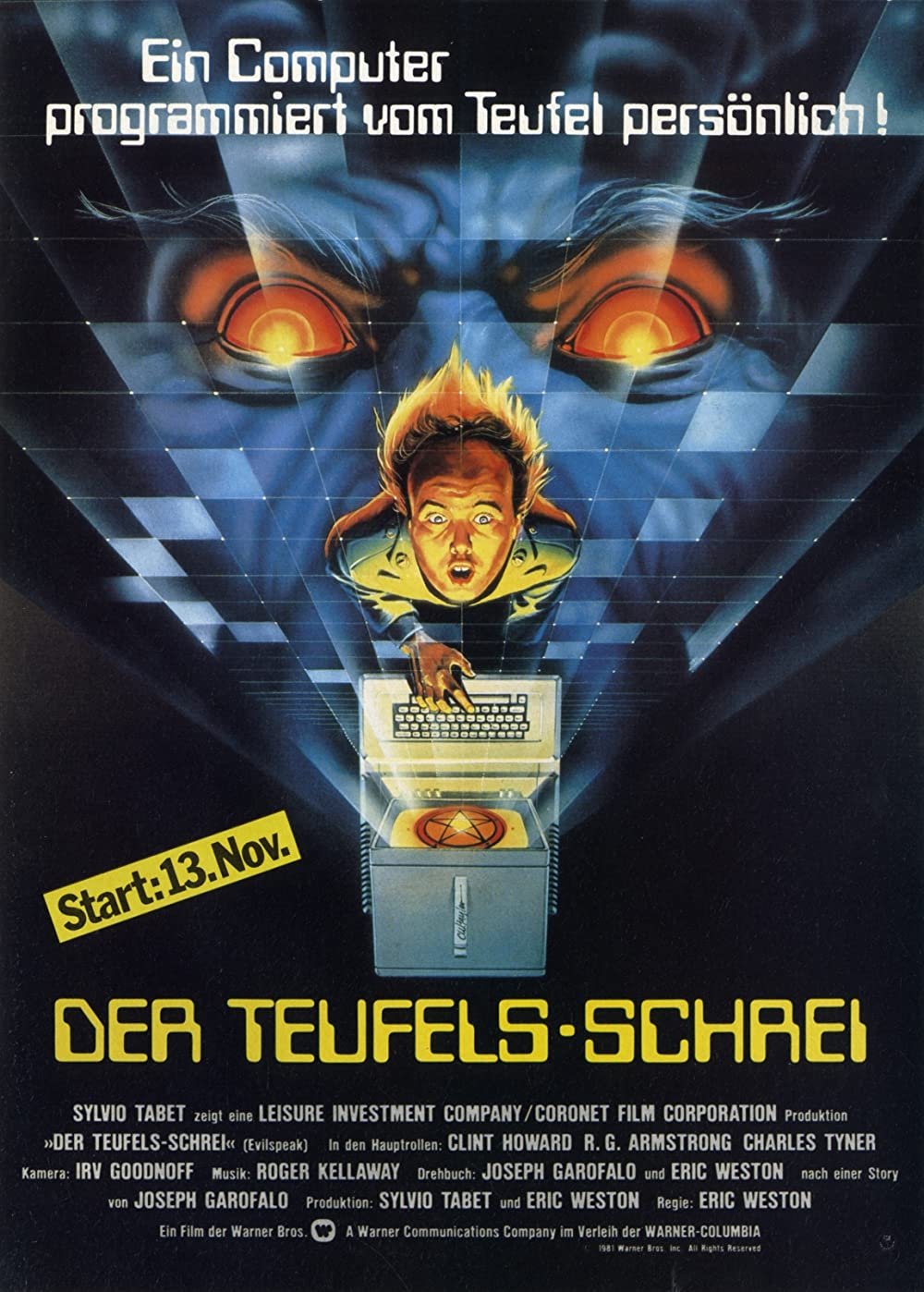
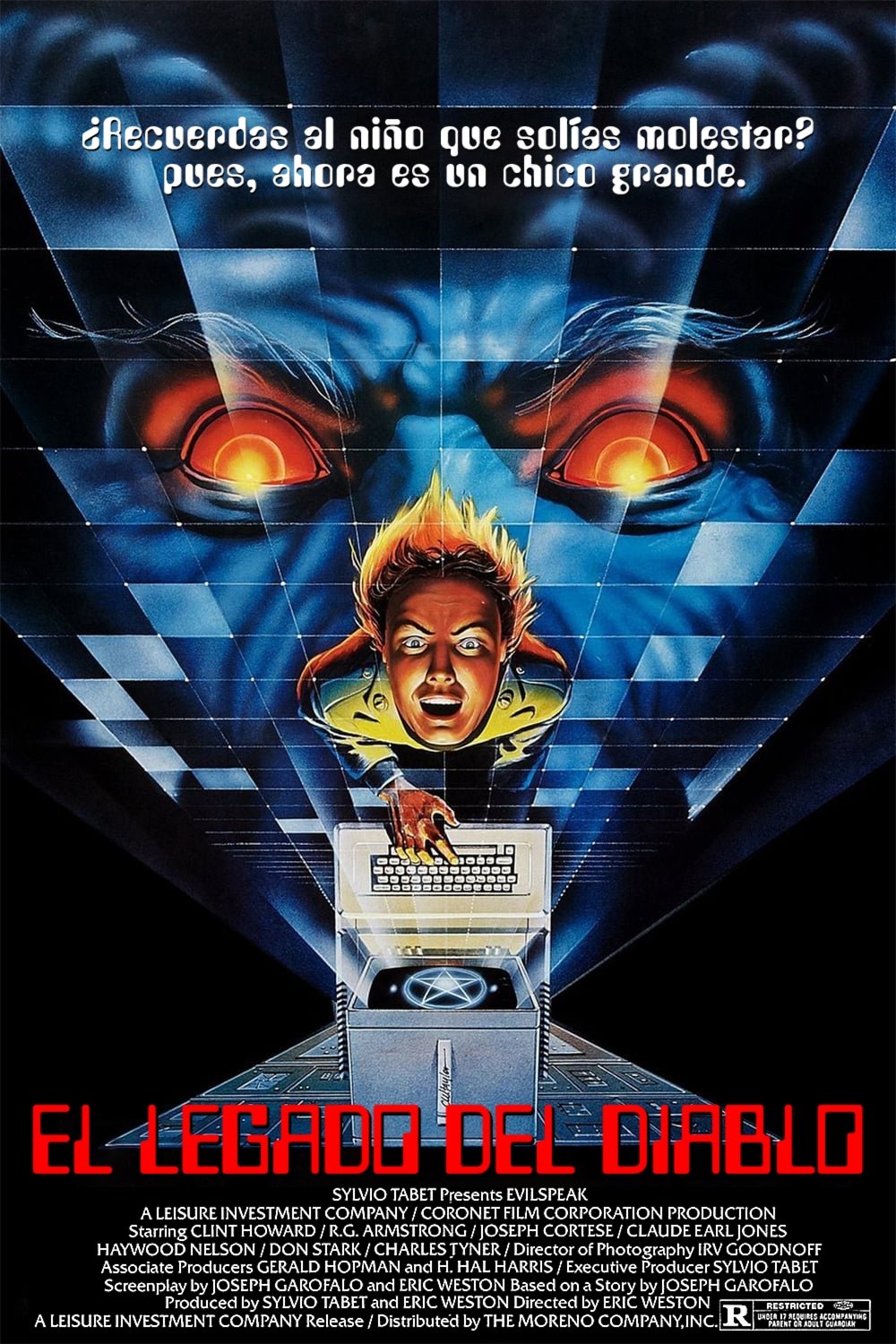
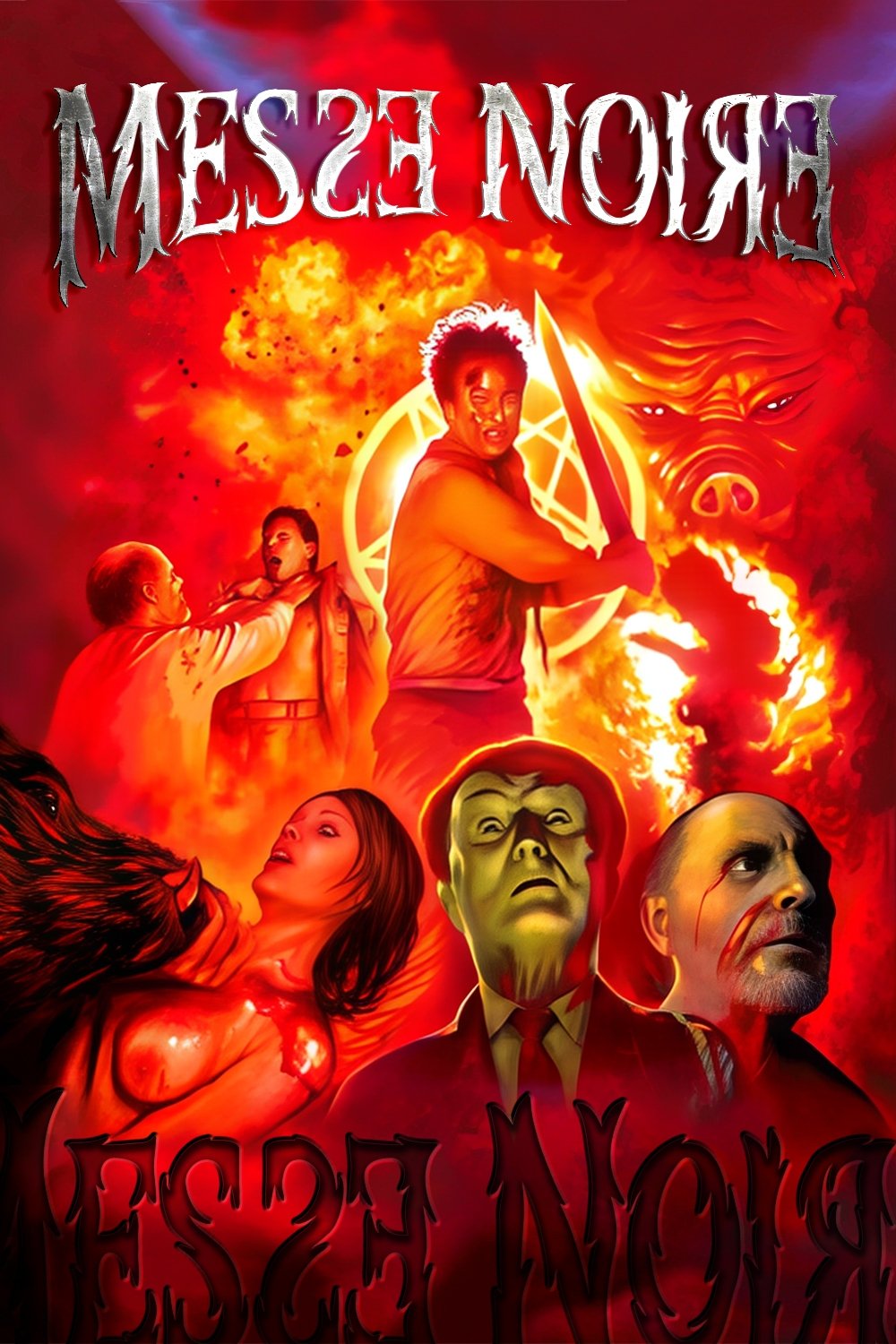
Mensageiro de Satanás (Brazil) — Portuguese 邪恶说 (China) — Chinese Der Teufels-Schrei (Germany) — German Evilspeak - Der Teufels-Schrei (Germany) — DVD Evilspeak - Der Teufelsschrei (Germany) — Home Video Title El legado del diablo (Spain) — Spanish Messe noire (France) 邪惡説 (Hong Kong SAR China) — Chinese
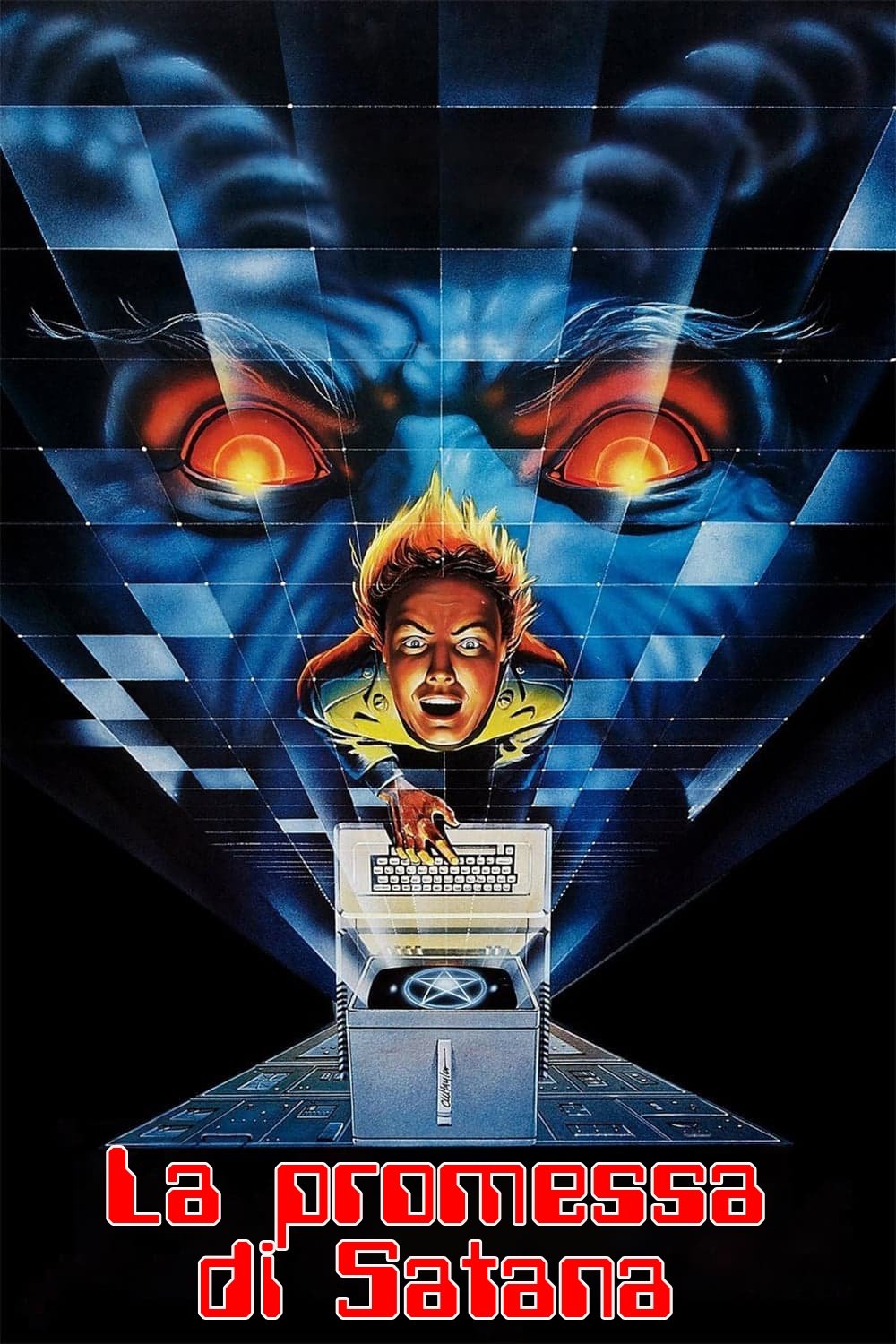
Show all 14 alternative titles La promessa di Satana (Italy) — Italian デビルスピーク (Japan) — Japanese 이블스피크 (South Korea) — Korean Зловещий договор (Russia) — Russian Lanet (Türkiye) — Turkish Evilspeaks (United States) — Alternative Title

Trailers & Videos

3 videos

Film Guide & Analysis

Eric Weston's occult revenge horror: Clint Howard's bullied cadet, the Apple II computer, California production, Allan A. Apone's practical gore, demonic pigs, British video nasties censorship and restored versions.

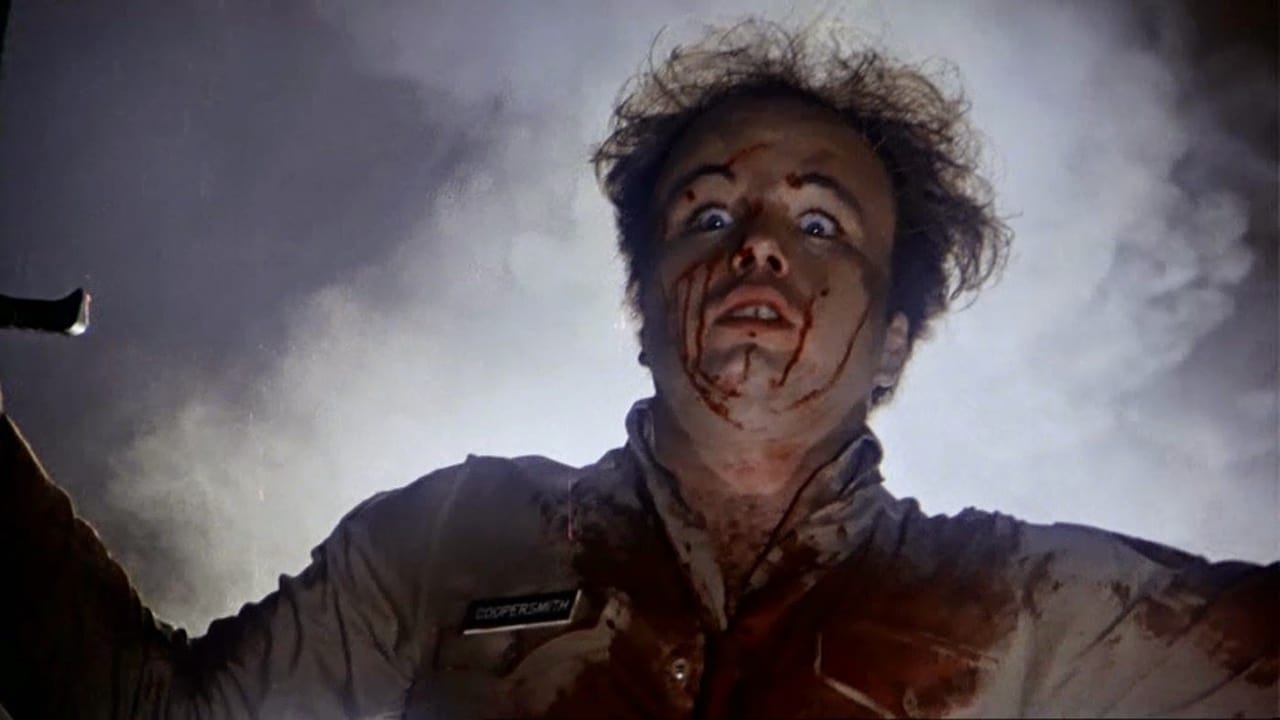
Evilspeak (1981) is an American supernatural horror film directed by Eric Weston, who co-wrote the screenplay with Joseph Garofalo. Clint Howard stars as Stanley Coopersmith, an orphaned cadet subjected to relentless humiliation at a military academy. When he discovers the writings of a sixteenth-century Satanist beneath the school chapel, Stanley uses an Apple II computer to translate the manuscripts and gradually establishes contact with an apparently supernatural intelligence. The film combines the revenge structure of Carrie (1976) with demonic possession, early personal-computer technology and increasingly graphic practical effects. Its final confrontation brings together occult ritual, bodily mutilation and the grotesque spectacle of animals apparently controlled by supernatural forces.

Developed and photographed during 1980, Evilspeak circulated through industry screenings in 1981 before receiving its documented Los Angeles theatrical opening in January 1982. Its production involved several California locations, a special agreement allowing filming during the Screen Actors Guild strike and complicated relations between the director and the production company. The picture subsequently became associated with the British video nasties controversy, while its different theatrical and home-video editions generated a confusing history of cuts and running times. Later interviews with Howard, Weston and makeup-effects artist Allan A. Apone, together with contemporary industry reporting preserved by the American Film Institute, provide unusually detailed documentation of its origins and technical construction.

Development, Carrie and the Casting of Clint Howard

Evilspeak emerged during a period when American horror producers were exploring different variations on supernatural revenge. Brian De Palma had established an influential model with Carrie, in which a socially isolated student develops extraordinary destructive power after sustained humiliation. Eric Weston and Joseph Garofalo adapted aspects of that structure to a military academy, replacing telekinesis with occult knowledge and computer-assisted ritual. The screenplay placed considerable emphasis on the cruelty of the institution before introducing its supernatural elements. This arrangement was important to the central character: Stanley Coopersmith would become dangerous only after the film had established the hostility of the people around him.

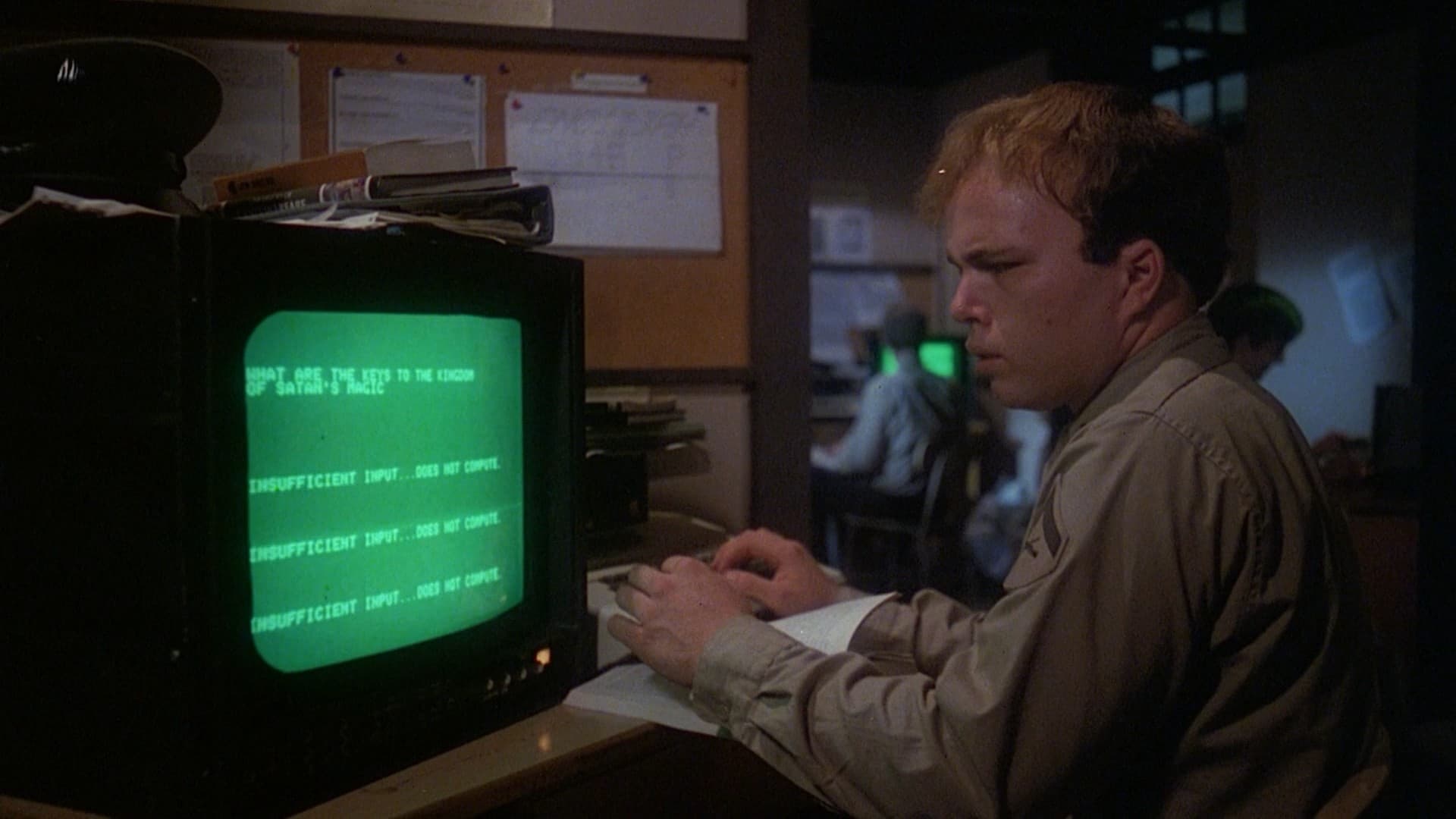
Clint Howard later confirmed the connection with Carrie in an interview conducted by Matt Schimkowitz for The A.V. Club in 2021. He recalled that the filmmakers were attempting to create a male version of the earlier film and that he was not originally their first choice for the part. Other actors had been considered before Howard auditioned. According to the actor, Weston responded favorably to his reading and reconsidered the casting. Howard believed that his youthful appearance and relatively heavy build suited the character, allowing Stanley to seem particularly vulnerable in an environment dominated by physical competition and aggressive masculinity. He also recalled wearing a hairpiece for the production.

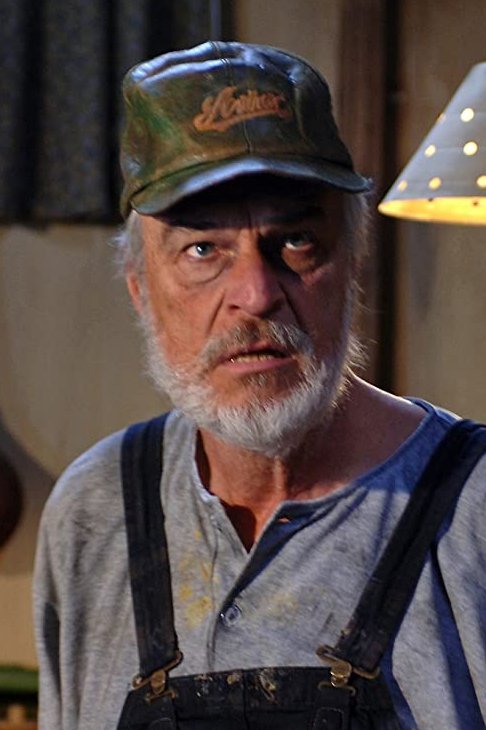
The casting placed Howard alongside established character actors associated with dramatically different screen personalities. R. G. Armstrong plays Sarge, an older employee who offers Stanley a degree of sympathy, while Charles Tyner portrays the authoritarian Colonel Kincaid. Joseph Cortese plays Reverend Jameson, whose religious position becomes important to the conflict between the academy and its supernatural past. Richard Moll appears as Lorenzo Esteban, the excommunicated Satanist whose writings eventually influence Stanley. The contrast between Howard and these older performers creates a hierarchy in which adults possess authority but repeatedly fail to protect the principal character. The eventual reversal of that hierarchy supplies the film with much of its dramatic force.
California Filming, Production Conditions and Financing

The American Film Institute has reconstructed an unusually detailed production chronology from contemporary trade publications. Variety reported that preproduction was underway in April 1980, with an estimated budget of three million dollars. During July, reports placed the company in South Central Los Angeles and Santa Barbara, while additional work occurred in Chatsworth. Evilspeak was among a small group of feature productions that negotiated interim agreements with the Screen Actors Guild during the 1980 actors strike. This arrangement allowed filming to continue while much of the American industry was affected by the labor dispute. The production therefore developed under circumstances that involved both ordinary independent-film financing difficulties and wider industrial disruption.

Contemporary reporting also records demanding working conditions. The Hollywood Reporter described filming inside a Chatsworth warehouse where hazardous effects or environmental conditions required crew members to wear protective masks. The surviving report does not identify every substance involved or establish that those conditions affected the completed visual effects in a particular way. The production combined interior construction with exterior photography, using California locations to represent the military academy and its surroundings. Cinematographer Irv Goodnoff worked with Weston on a visual structure that contrasts the ordered public spaces of the institution with the concealed underground rooms where Stanley discovers Esteban and begins his experiments.

The financial history remains difficult to reduce to a single figure. Variety later reported a budget of four million dollars in October 1980, higher than the estimate published during preproduction. These are contemporary industry estimates rather than independently audited final costs. The relationship between Weston and Coronet Film Corporation also became contentious. According to a May 1981 Variety report preserved by AFI, the director filed a lawsuit alleging breach of contract and fraud, claiming that promised company shares had not been transferred and that he had been excluded from company affairs. The available archival account does not establish the outcome of the action. These circumstances illustrate the complicated production and ownership environment surrounding the film before its commercial theatrical release.

The Apple II, Computer Graphics and Digital Occultism

The use of an Apple II computer is the film's most distinctive contribution to early technological horror. Stanley discovers manuscripts connected with Lorenzo Esteban and uses the machine to translate their Latin instructions. The computer initially functions as an instrument for solving an apparently ordinary linguistic problem. As the ritual develops, however, its screen begins to respond independently and display commands that seem to originate from the supernatural entity. The technological apparatus becomes an intermediary between a centuries-old occult tradition and a student whose familiarity with computers gives him access to knowledge concealed from the academy authorities. The story appeared at a time when personal computers were still unfamiliar objects to much of the cinema audience.
This unusual combination attracted attention beyond the horror press. The May 1982 issue of the computer magazine Softline carried a contemporary review under the heading Micro Movie Madness, treating the Apple II as an important screen presence. The writer described Stanley transferring the computer and its monitor into the underground chamber and using a disk-based translation program to interpret the ritual. The article humorously questioned the machine's ability to process sixteenth-century Latin and generate elaborate visual responses without ordinary programming procedures. Its significance lies in the evidence it provides of how contemporary computer enthusiasts perceived the film: the premise was recognizable as a personal-computer application even while its supernatural behavior was technically fanciful.
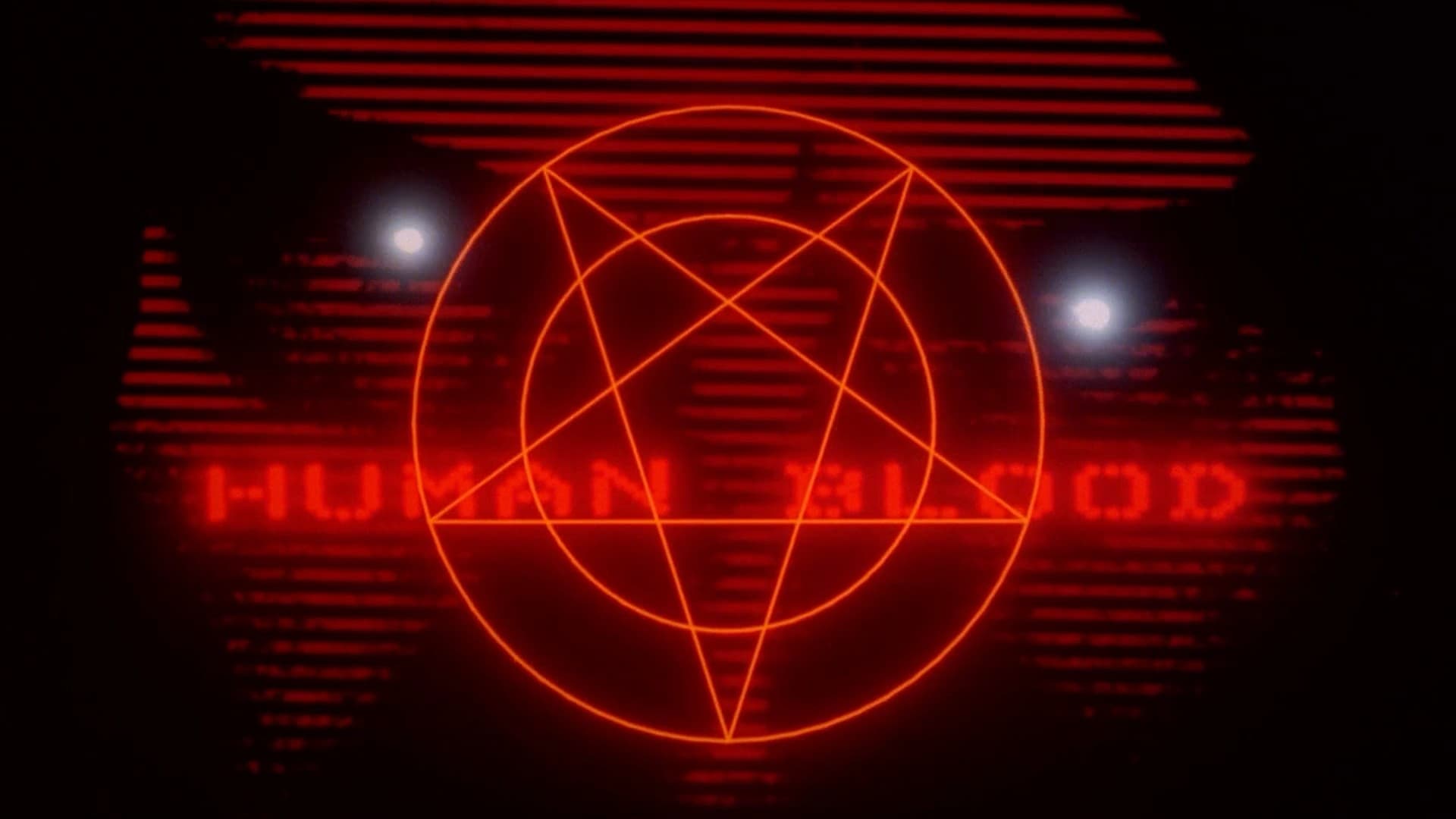
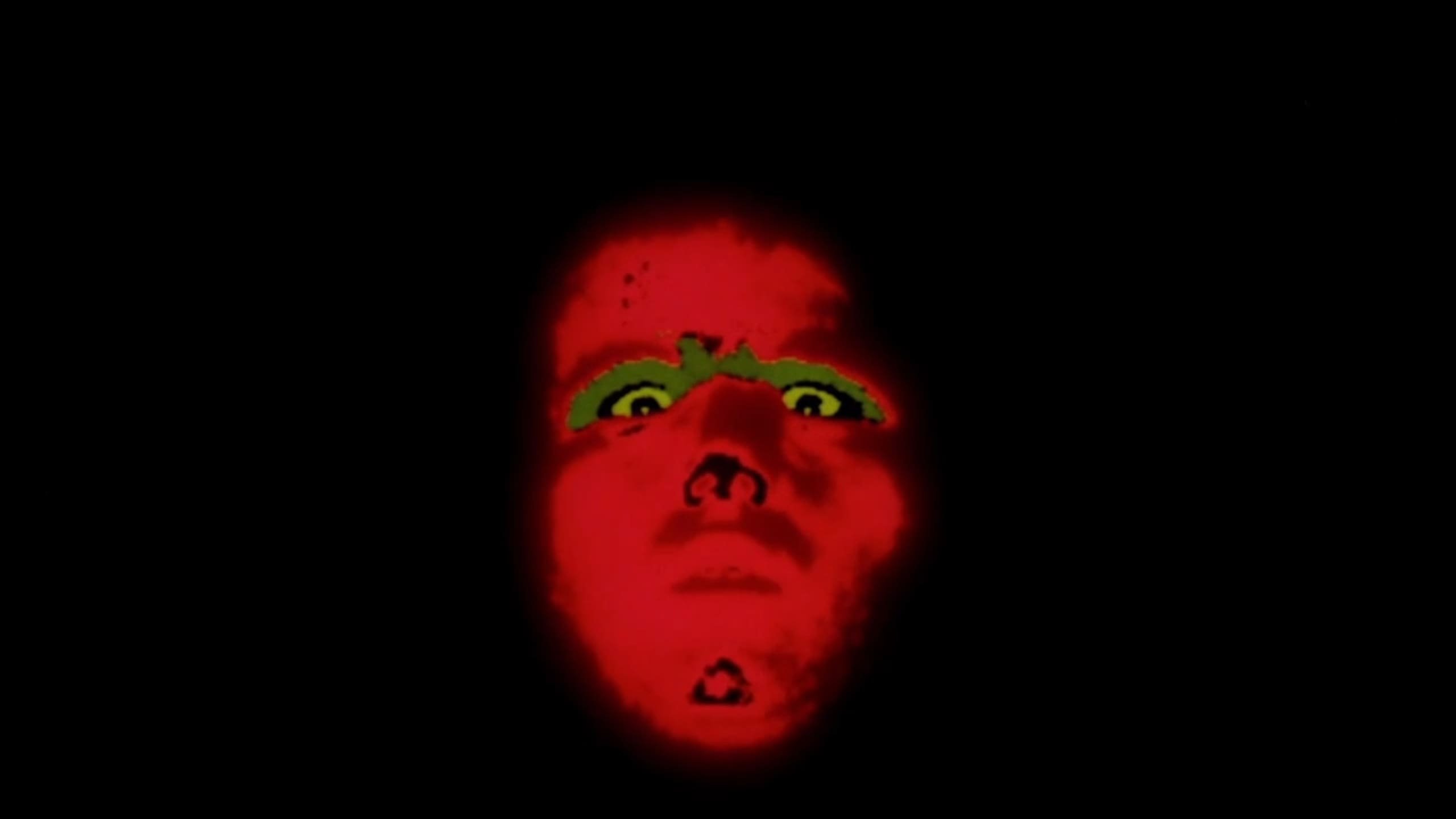
The computer also required specialized postproduction work. The American Film Institute records a March 1981 trade announcement identifying Robert D. Bailey as the artist hired to create the possessed-computer effects. His contribution should be distinguished from the practical makeup work used for the murders. The visual sequences combine computer-screen typography, graphic patterns and images of demonic activity, presenting electronic information as if it could acquire an independent personality. The film anticipates later techno-horror narratives in which ordinary electronic devices become channels for threatening forces, although it does not depict internet communication or networked haunting in the modern sense. Its supernatural system depends on occult ritual mediated through a local computer.

Institutional Cruelty, Religious Authority and Revenge Horror

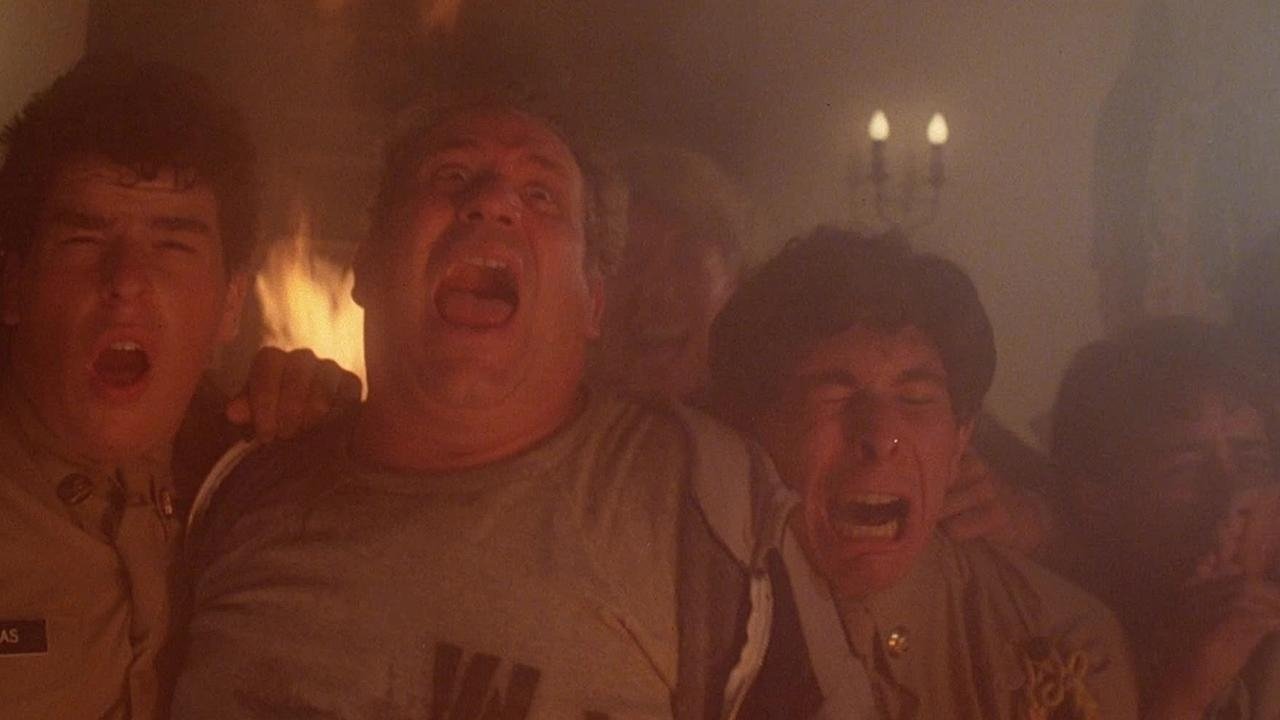
The military academy supplies a particularly restrictive environment for Stanley. He is physically awkward, socially isolated and repeatedly punished by cadets and adults who interpret vulnerability as evidence of weakness. The film uses ordinary school activities, including athletics, classroom work and disciplinary procedures, to establish a pattern of intimidation. Stanley has few opportunities to escape the institution or seek meaningful protection. His discovery of Esteban's manuscripts therefore develops in parallel with his exclusion from the academy community. The supernatural material offers a means of obtaining power in an environment where legitimate authority has failed to prevent violence.

Religious authority is equally compromised. The chapel contains the concealed history of a Satanist who was expelled from the Church, while the school chaplain becomes involved in the persecution and discipline of the cadet who uncovers that history. The original medieval sequence introduces Esteban through ritual sacrifice, establishing a tradition of blasphemy and physical violence that the academy has apparently buried beneath its own religious architecture. Stanley's computer gradually reconnects that past with the present. The physical relationship between the chapel and its basement is important because the same location supports official worship above ground and illicit ritual below it.

The revenge structure reaches its most extreme expression in the closing sequence. Stanley's accumulated humiliation is transformed into a series of spectacular attacks against people who have injured or exploited him. The film increasingly directs the audience toward anticipation of retaliation, although the supernatural violence exceeds any ordinary possibility of justice. Bryant Frazer, writing for Film Freak Central in 2014, examined the aggressive relationship between the bullied protagonist and his tormentors while questioning the film's handling of its more sensational episodes. His assessment identifies an important tension: the screenplay encourages sympathy for Stanley, but the climactic spectacle converts that sympathy into an enjoyment of extreme punishment. The film belongs to a broader cycle of horror in which supernatural power gives socially excluded characters an opportunity to reverse established relationships.

Allan A. Apone, Practical Gore and the Satanic Pigs

The practical effects become increasingly prominent as Evilspeak approaches its final confrontation. Makeup artist Allan A. Apone supervised important portions of the special makeup work, contributing to the graphic injuries, severed heads and other bodily effects that established the film's exploitation reputation. The production also used physical stunts and specialized photographic effects, with different departments responsible for the practical and optical components. Later editions included the documentary Effects Speak with Allan A. Apone, in which the artist discussed his contribution and the methods used to create the film's violent imagery. The surviving published accounts confirm his importance but do not establish the exact materials or construction procedures for every individual effect.

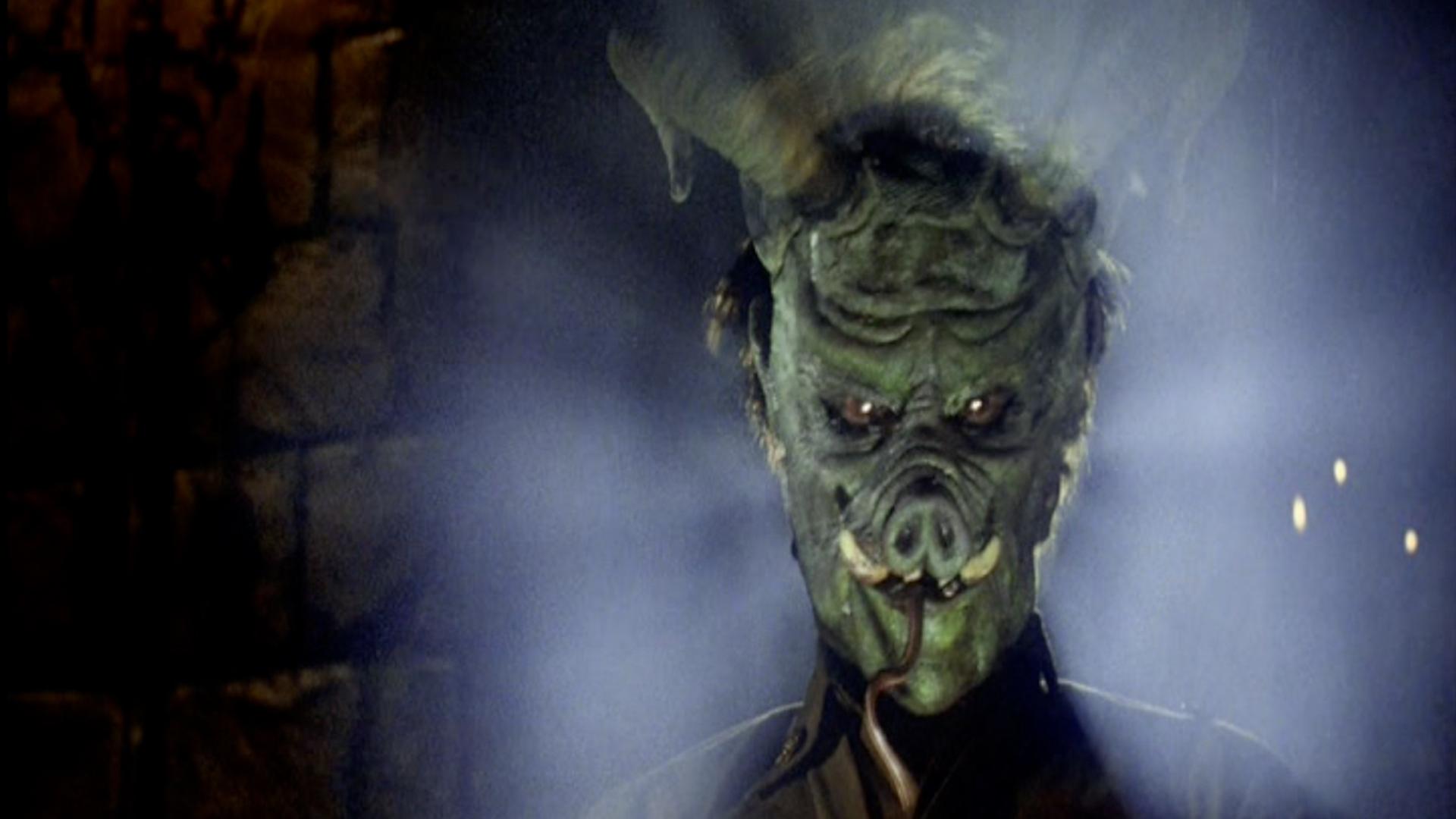
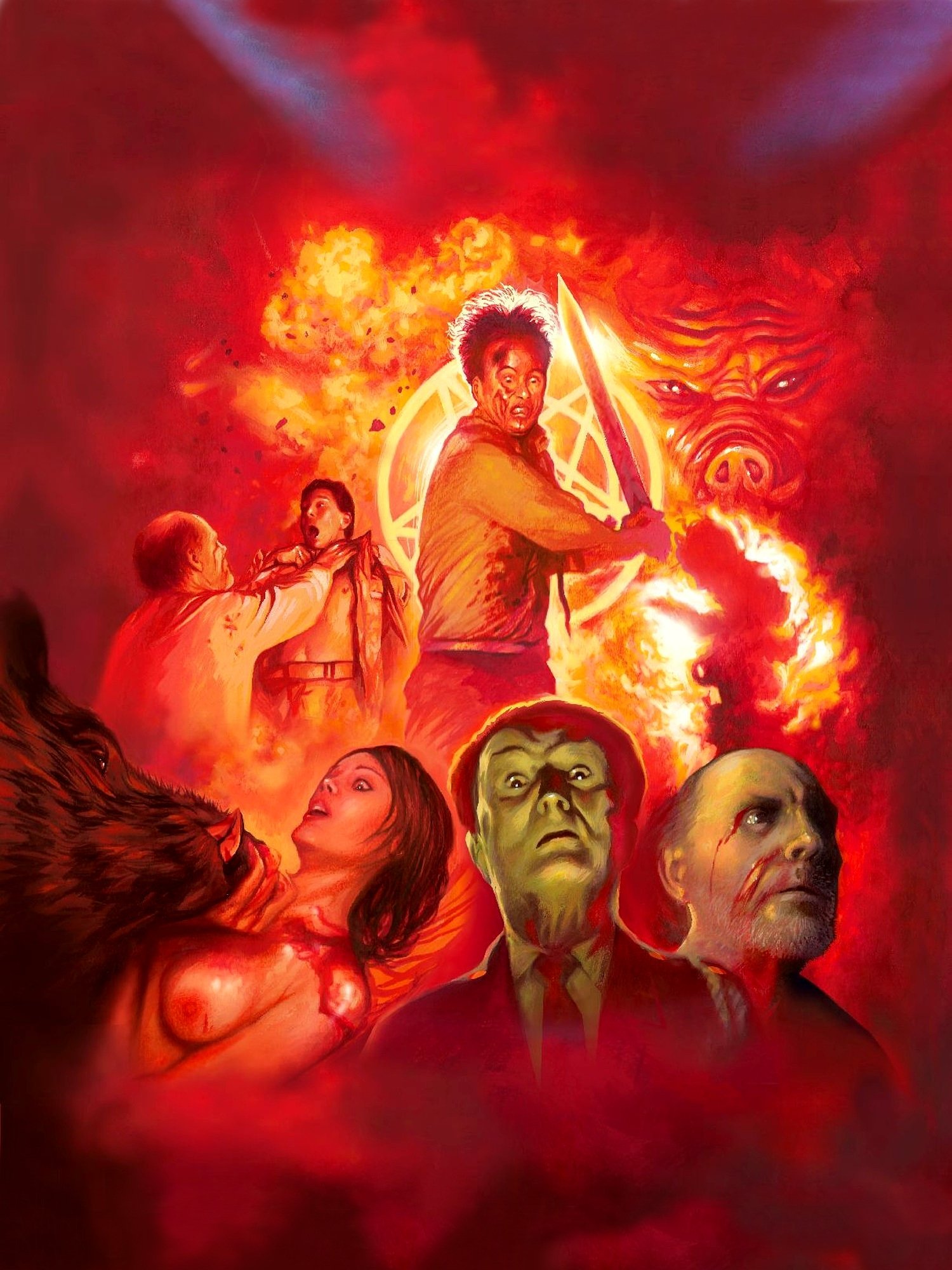
One of the film's most notorious sequences involves a group of pigs attacking Miss Friedemeyer, played by Lynn Hancock, while she is bathing. The incident combines animal performances, staged physical violence and simulated bodily destruction. In Satan's Pigs and Severed Heads: The Making of Evilspeak, a documentary included with the Scream Factory Blu-ray, Hancock recalled the demands of performing the scene and her discomfort with its nudity. The sequence also became an important subject in later discussions of the film's special effects. It presents a comparatively ordinary domestic environment overtaken by creatures whose behavior is controlled by supernatural forces, creating an abrupt contrast with the ritual activity occurring elsewhere.

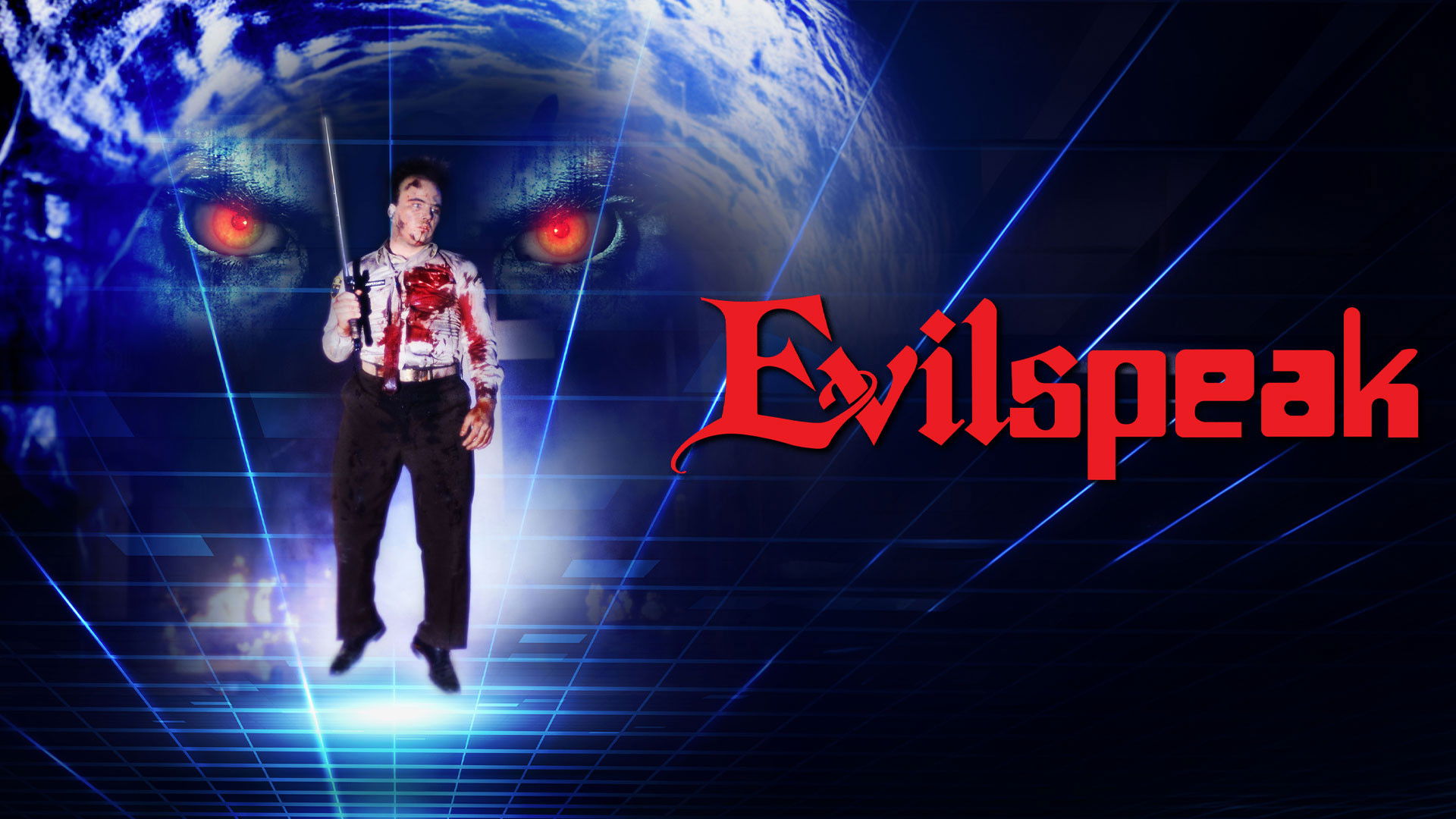
The chapel finale required additional physical and photographic effects. Stanley levitates while attacks involving bladed weapons produce severe bodily injuries, including decapitation and the removal of a heart. The interaction of practical gore and suspended movement transforms the military institution into the setting for a supernatural massacre. Bryant Frazer's examination of the restored Blu-ray noted that improved image quality made some of the cables supporting Howard visible during the levitation sequence. Such details provide evidence of the practical techniques used to create the action without resolving the complete mechanics of individual effects. The scale and concentration of violence during the climax also explain why the film became vulnerable to censorship when later submitted for British home-video classification.

Theatrical Release, Video Nasties and Restored Versions

Evilspeak circulated through film-industry screenings during 1981. The American Film Institute records presentations at the American Film Marketing Association in March of that year and reports that the film had opened in Chicago before the end of 1981. The documented Los Angeles theatrical opening took place on January 15, 1982. Contemporary Daily Variety reporting identified receipts of 411292 dollars following that engagement, but the figure represents a particular reported period and cannot be treated as the film's complete domestic or international box office. This release history explains the difference between the production year commonly attached to Evilspeak and the 1982 date used by the AFI for its principal American theatrical record.

British home-video circulation brought the film into the video nasties controversy during the early 1980s. It appeared on the Director of Public Prosecutions' list of videocassettes subjected to action under the Obscene Publications Act, becoming associated with the wider campaign against extreme horror available outside the existing theatrical classification system. Its supernatural themes and graphic violence contributed to its notoriety. The British Board of Film Classification later recorded a home-video submission dated June 10, 1987, running 95 minutes and 55 seconds, with compulsory cuts. This classification took place after the Video Recordings Act 1984 introduced mandatory certification for commercial video releases. The DPP controversy and the BBFC's later examination were distinct processes.

The film subsequently circulated through further edited and restored presentations. The BBFC records a 1999 video submission running 95 minutes and 56 seconds, followed by two different Anchor Bay editions classified in 2004. The May 2004 entry runs 88 minutes and 26 seconds and notes that earlier censorship cuts had been waived, although narrative material had been removed before submission. A second edition classified on July 20, 2004 runs 99 minutes and 37 seconds and is identified by the BBFC as an uncut, re-edited and restored version. These details demonstrate why the removal of censorship restrictions cannot by itself identify a single original edit: different editions retained different quantities of dialogue and narrative material.

The film received renewed attention through Code Red, Scream Factory and 88 Films home-video editions. Scream Factory's 2014 Blu-ray used a high-definition transfer of surviving 35mm material and included retrospective interviews with cast and crew, along with the documentary Satan's Pigs and Severed Heads and an effects featurette devoted to Allan A. Apone. The British 88 Films Blu-ray subsequently offered an extended presentation of approximately 104 minutes in standard definition alongside a shorter high-definition version. The extended material should not automatically be described as an officially established final director's cut, since earlier editorial decisions and censorship created multiple historical versions. The supplemental interviews remain especially valuable for reconstructing a production whose early development, violent effects and commercial circulation had previously been documented unevenly.

References

  1. American Film Institute Evilspeak - AFI Catalog Historical Research

    Extensive archival production history reconstructed from contemporary Variety, Daily Variety and Hollywood Reporter records, documenting the 1980 SAG strike agreement, California filming, changing budget estimates, Robert D. Bailey's computer effects, the director's legal dispute and the original release chronology.

  2. The A.V. Club Clint Howard on Working with the Ramones, a Hungry Bear, and Big Brother Ron

    Original 2021 career interview by Matt Schimkowitz containing Howard's first-hand account of Evilspeak, its intended relationship to Carrie, his audition, casting decisions and the development of Stanley Coopersmith's appearance.

  3. Film Freak Central Evilspeak (1982) - Blu-ray Disc

    Detailed 2014 critical and restoration study by Bryant Frazer examining the film's treatment of bullying and computerized occultism, its graphic effects, 35mm preservation, the interviews with the cast and Allan A. Apone, and the complex history of censored and restored versions.

Cast

View Full Cast & Crew →

Release & Distribution

Production Companies (3)

  • Coronet Film GR
  • Leisure Investment Company
  • Moreno Films

Release History (4)

Release DateTerritoryRelease TypeFormatDistributorCertificationNotes
1981-08-22 Japan Theatrical — — —
1981-09-01 France Theatrical — — 16
1981-11-13 Germany Theatrical — — 18
1982-02-26 United States Theatrical — — R
Remember the little kid you used to pick on? Well, he's a big boy now.