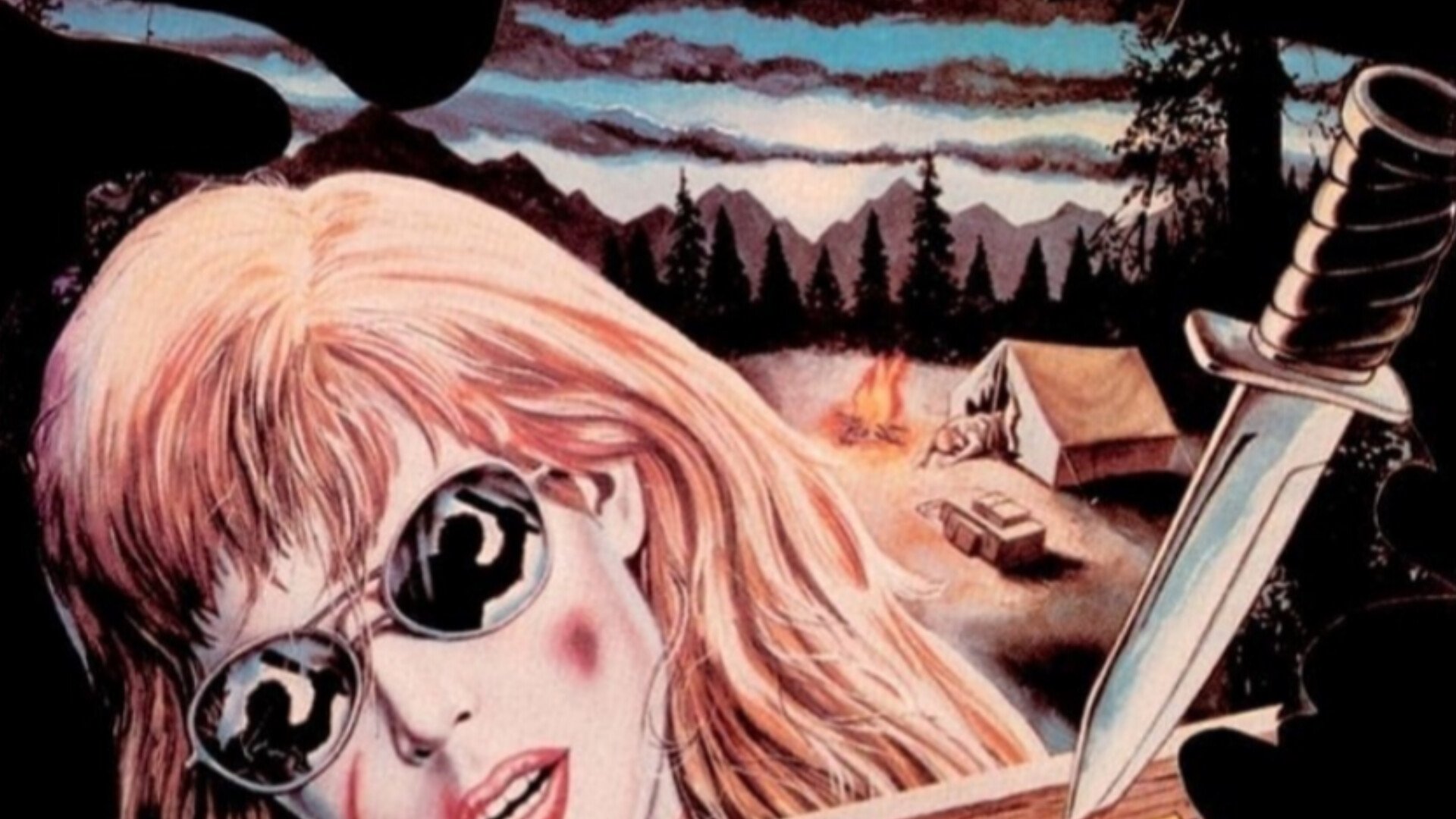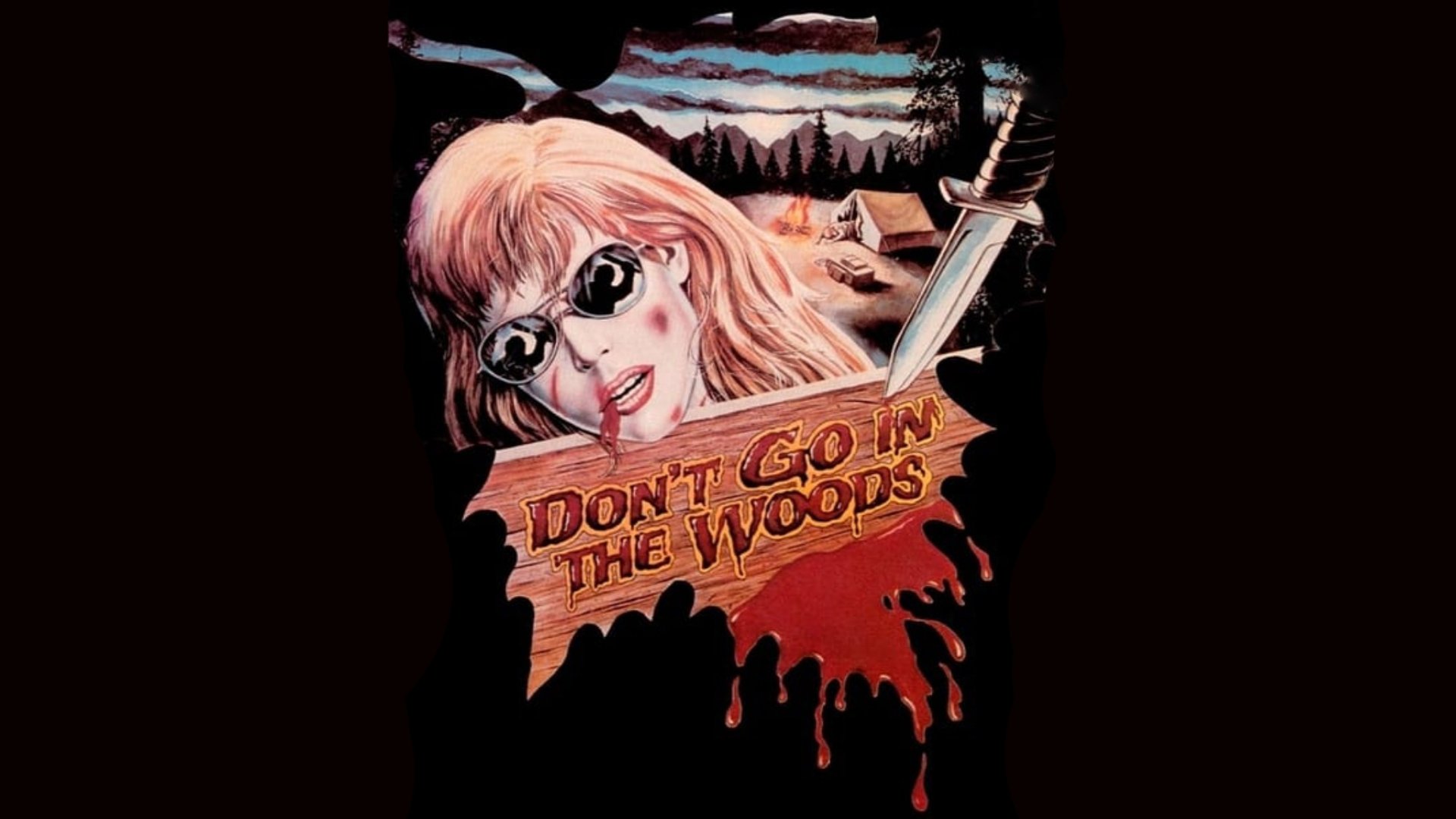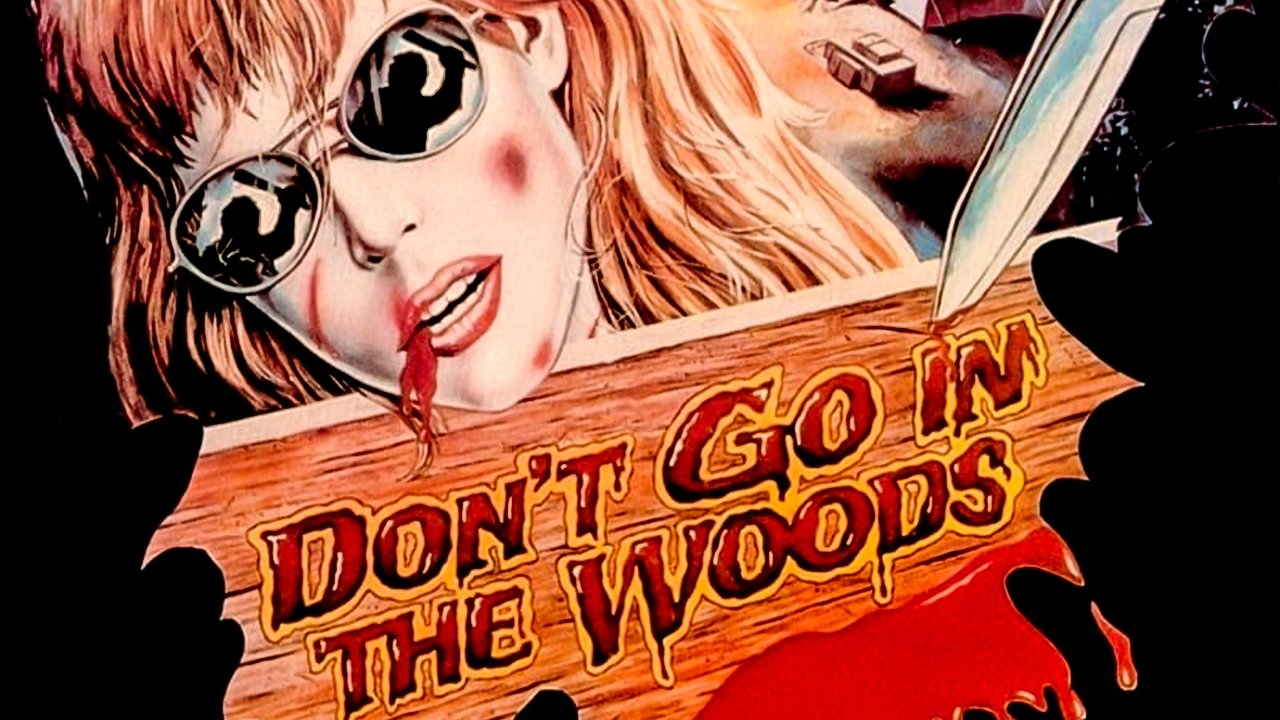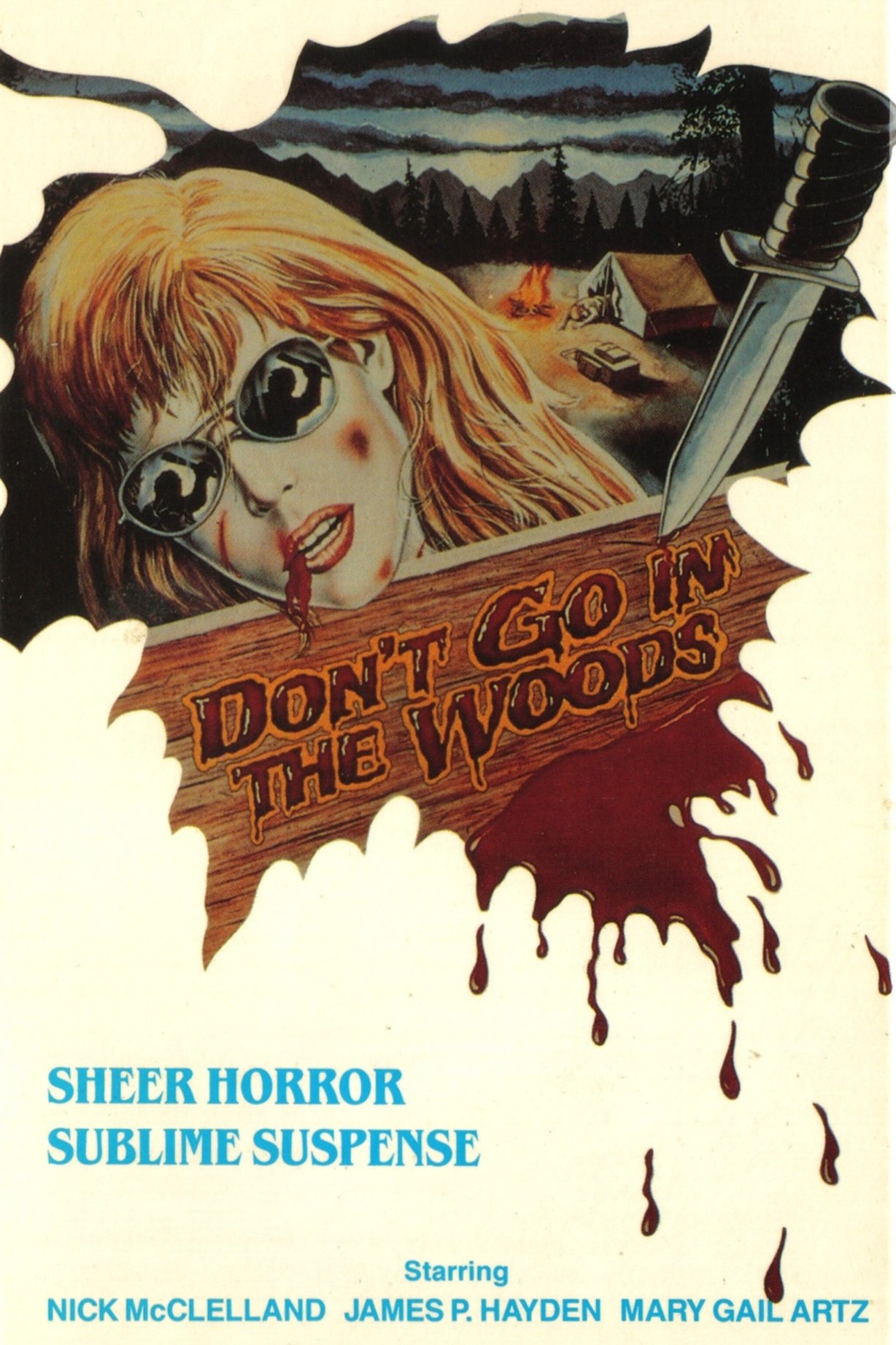
Don't Go in the Woods (1981)

US
Runtime
82 min
Release
September 5, 1981
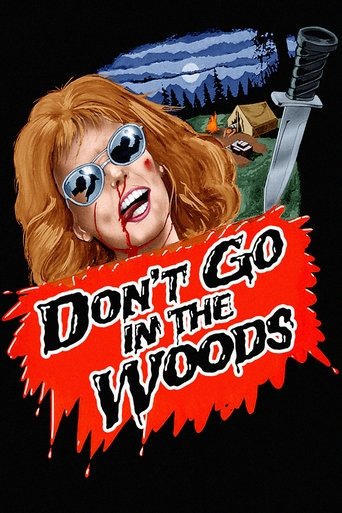
Don't Go in the Woods (1981) poster
Director
Production Company
JBF
Plot

Four friends take a weekend camping trip in the mountains of Utah, where a homicidal woodsman begins murdering tourists.

Alternative Titles
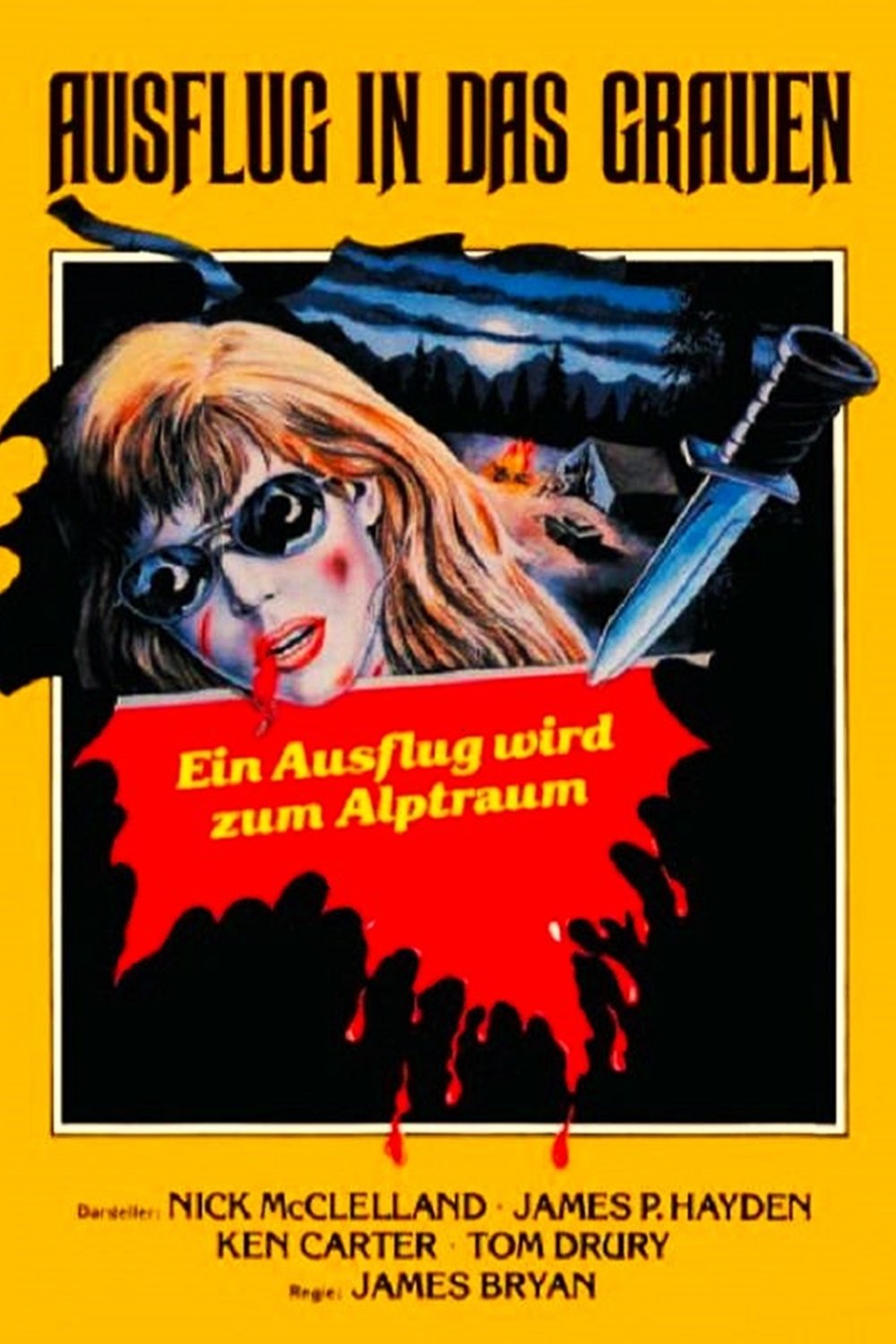
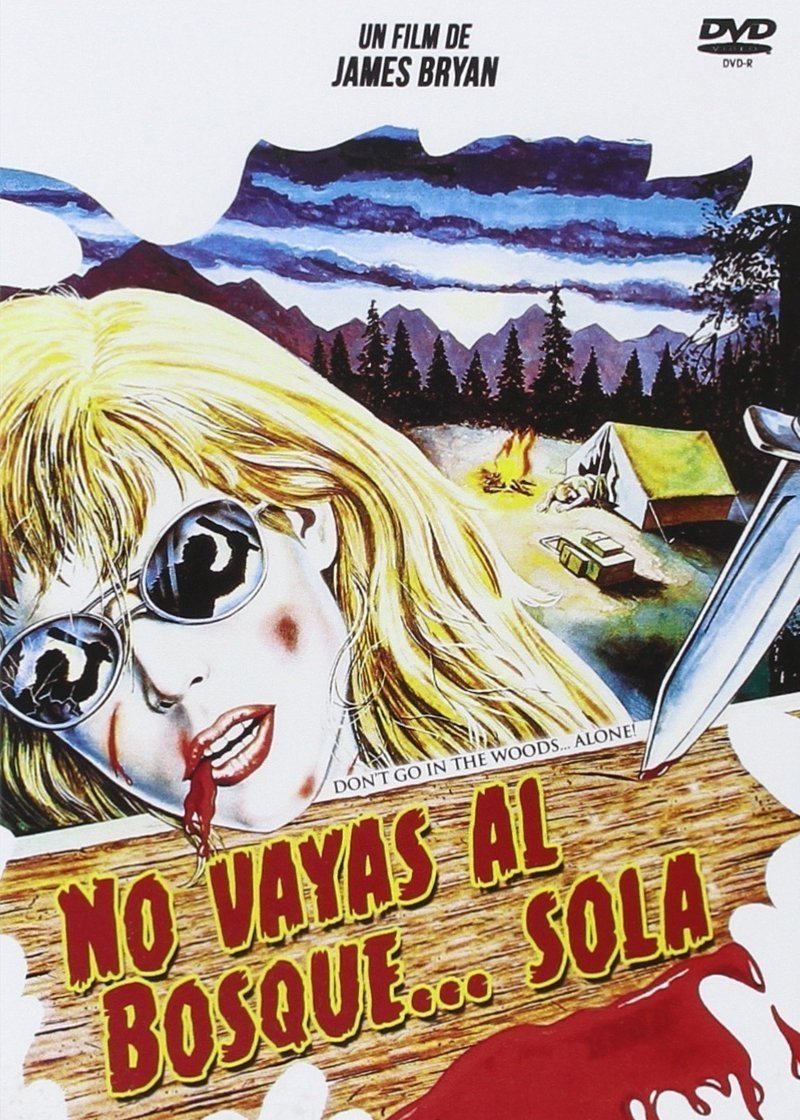
The Forest pt II (Australia) — Home Video Title 食人森林2 (China) — Chinese Ausflug in das Grauen (Germany) — German No vayas al bosque... sola (Spain) Le tueur de la forêt (France) — French Не ходите в лес.. одни! (Russia) — Russian Don't Go in the Woods... Alone! (United States) — alternative title

Trailers & Videos

1 video

Film Guide

James Bryan's 1981 independent slasher: its Sierra screenplay, Utah mountain filming, improvised gore, postproduction dubbing, regional theatrical distribution, British video nasties controversy and restoration.

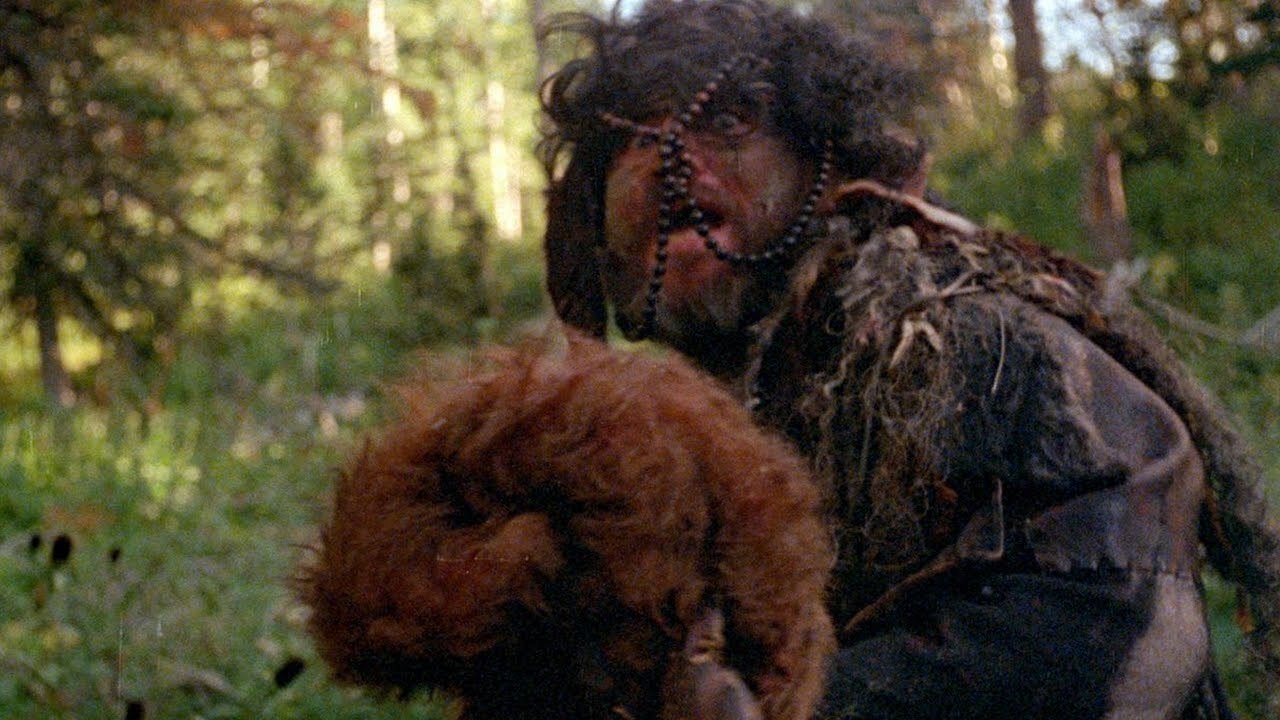
Don't Go in the Woods (1981), also released as Don't Go in the Woods... Alone!, is an American independent slasher film directed by James Bryan from a screenplay credited to Garth Eliassen. Set in the mountains of Utah, it follows four backpackers whose journey brings them into the territory of a violent killer played by Tom Drury. Its unusually high number of attacks, abrupt transitions between victims and mixture of graphic violence with deliberate absurdity distinguish it from more conventionally structured slashers of the period. The film emerged from an extremely economical production process in which mountain scenery, improvised effects and minimal synchronized dialogue helped compensate for restricted resources.

The film also has a distinctive history within American regional exploitation cinema. Bryan adapted an existing screenplay to suit the locations and equipment available to him, relying on daylight photography and extensive postproduction dubbing. After regional American distribution, Don't Go in the Woods became associated with the British video nasties controversy, acquiring a notoriety considerably greater than its original critical reception. Its later restoration from original camera-negative material and the recovery of interviews with participants have provided detailed evidence of the production. These materials also clarify the relationship between the film's seemingly chaotic construction and Bryan's stated interest in combining rapid violence, suspense and grotesque humor.

Origins, the Sierra Screenplay and James Bryan

James Bryan developed the project while working in postproduction for Sunn Classic Pictures in Salt Lake City. His background included experimental filmmaking, exploitation features and work within the local film industry. In an interview conducted by Brian Kirst for Racks and Razors, Bryan recalled that stories about violent encounters in the surrounding mountains had contributed to his interest in making an outdoor horror film. He also identified memories of wild-man folklore from East Texas and a paperback thriller titled Hunters Moon among his influences. These elements formed the background to the project, although they do not establish that the film was based on a documented series of actual murders.

The decisive development came when Los Angeles agent Peter Turner sent Bryan a screenplay by Garth Eliassen originally titled Sierra. Bryan considered the material suitable for adaptation and worked with Eliassen to reshape it around the available locations and a much smaller budget. The revision reduced dialogue and increased the number of killings. Bryan later explained that he wanted the film to maintain audience interest through repeated violent incidents while gradually concentrating attention on the principal characters. Eliassen offered a somewhat different recollection in a documentary produced for the film's later DVD release, describing his surprise when Bryan distributed a new handwritten version of the script on set. Their accounts confirm that substantial revisions occurred, while differing over the precise circumstances of the final shooting draft.

Bryan also brought a particular conception of humor to the film. He had developed an interest in inexpensive American and Italian genre productions, including the work of Roger Corman, and regarded exaggerated violence as a potential source of absurd entertainment. In the Racks and Razors interview, he recalled studying the conventions that normally determined which characters would become victims in horror films. His own choices often depended on unusual clothing, awkward behavior or deliberately improbable circumstances. The resulting screenplay places numerous isolated encounters alongside the central backpacking narrative, producing a film whose tone moves between physical danger and grotesque comedy.
Utah Locations, Daylight Photography and Low-Budget Filming

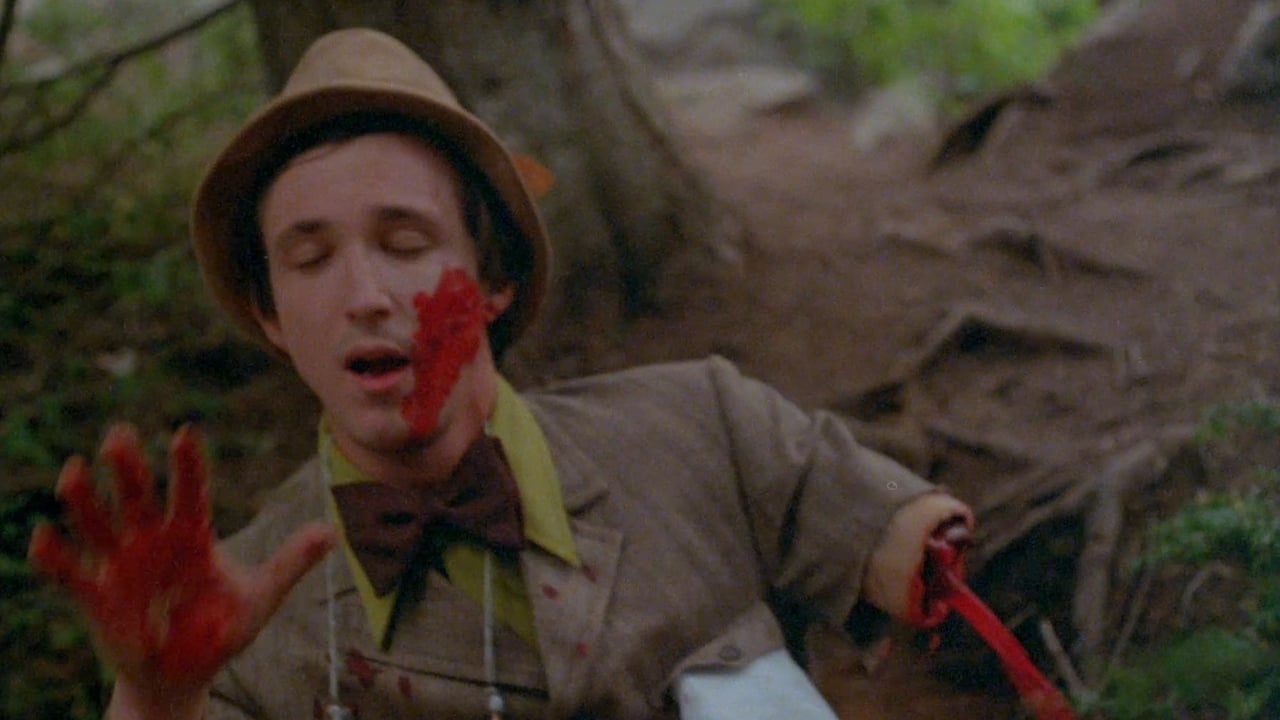
The mountainous landscape was the production's principal visual resource. Bryan photographed much of the film around Brighton, Utah, using wooded trails, steep slopes and rocky terrain as the setting for the murders. Contemporary trade-paper documentation collected by the American Film Institute establishes that principal photography had concluded by early May 1981. AFI also identifies filming at a Western-town set in Mescal, Arizona, although the surviving record does not clearly assign particular scenes to that location. The use of extensive outdoor locations gave the picture a scale that would have been expensive to reproduce through constructed scenery.

Bryan described shooting with an unblimped 35mm Arriflex camera, avoiding extensive synchronized sound recording and planning to replace much of the dialogue during postproduction. This decision allowed the crew to work quickly and reduced the equipment required for location filming. Most scenes were planned for daylight so that natural illumination could substitute for an elaborate lighting setup. Henry Zinman, credited as Hank Zinman, served as cinematographer. The production also made use of short ends and expired film stock, contributing to variations in photographic quality. Michael Gingold documented these limitations in his examination of the restored Blu-ray, including occasional exposure problems and material that had become unusable.

The filmmaking process placed considerable demands on the performers. Bryan recalled rapid changes in weather, disagreements during shooting and a schedule that left little time for rehearsing complicated material. His later comments also suggest that some actors struggled to follow the narrative position of individual scenes as the company moved rapidly between locations. The principal backpackers were played by James P. Hayden, Mary Gail Artz, Angie Brown and Jack McClelland, while Tom Drury portrayed the killer. The film repeatedly separates these characters within the landscape, using wooded paths and changes in elevation to make relatively short distances appear dangerous.

The Mountain Killer and an Unconventional Slasher Structure

The narrative differs from the more concentrated pursuit structures of Halloween and Friday the 13th. Although four backpackers provide the main continuity, the film repeatedly introduces additional visitors whose encounters with the killer may have little direct connection to the central group. These victims include tourists and other people moving through the mountain environment. Their appearances allow Bryan to stage violent interruptions at frequent intervals without requiring a continuous investigation or elaborate explanation of the murderer's background. The killer remains largely unidentified and is represented through his physical presence, improvised weapons and knowledge of the terrain.

Bryan later explained that the opening succession of killings was intended to establish expectations that could be manipulated during the later scenes. Once the audience had become accustomed to sudden attacks, slower sequences could generate suspense through the possibility that violence might occur at any moment. He specifically discussed the encounter involving a wheelchair user as an example of this strategy. The scene prolongs a character's vulnerability through difficult movement across the terrain, shifting emphasis from the immediate shock of injury to anticipation. This mixture of abrupt attacks and extended helplessness gives the film a structure that is more deliberate than its fragmented narrative initially suggests.

The film also departs from the familiar slasher convention of linking murder primarily with sexual behavior. Bryan said he deliberately selected victims according to their appearance and social awkwardness, partly as a joke about established genre expectations. Many of the incidents therefore have an arbitrary quality that contributes to the killer's unpredictability. The mountainous setting strengthens that uncertainty because the surrounding landscape offers numerous places from which an attack can begin. The sheriff and his deputies eventually enter the story, but their investigation does not provide the disciplined narrative perspective associated with a conventional police thriller.

Improvised Gore, the Sleeping-Bag Scene and Postproduction Sound

The murder sequences depended on inexpensive practical effects, physical props and the manipulation of what the camera allowed the audience to see. Bryan singled out the sleeping-bag attack in his interview with Brian Kirst, explaining that it was the first sequence photographed for the film. The scene conceals much of the violence within the bags themselves, using movement and the reactions of the victims to suggest physical injury. Bryan recalled placing discarded automobile tires inside the suspended bags to create the appearance of bodies. The effect illustrates how the production could generate an unusually disturbing image without constructing an elaborate visible prosthetic.

The director also recalled reducing the original length of a violent scene involving Joanie during editing. He believed the footage had become too disturbing for the tone he wanted and removed material to preserve the mixture of humor and horror. This decision is important because the completed film contains numerous graphic attacks, yet the filmmaker did not regard unlimited explicitness as the objective of every sequence. The violence includes stabbing, mutilation and attacks involving improvised weapons, with blood effects often emphasized by the bright daylight photography. The published production record does not establish a complete technical breakdown of the makeup materials or mechanisms used for each injury.

Sound was largely constructed after photography because of the decision to minimize synchronized location dialogue. This contributes to the film's conspicuous separation between recorded voices and the physical environment visible on screen. H. Kingsley Thurber supplied the music, including the title song identified in the original credits. The soundtrack frequently uses exaggerated cues that reinforce the changes between suspense and absurd humor. Michael Gingold reported that a variation on Teddy Bears Picnic heard over the closing credits originated as a musical joke before Bryan decided to retain it. The artificial sound design became an important part of the film's identity, reflecting practical production decisions as well as the director's willingness to treat horror conventions comically.

Regional Distribution, British Video Nasties and Restoration

Don't Go in the Woods began circulating regionally in the United States before obtaining broader distribution through Seymour Borde and Associates. The American Film Institute records the acquisition of domestic rights in September 1981 and documents theatrical engagements across several states during 1982. A July 1982 trade advertisement reported accumulated receipts of 826825 dollars from selected markets, including Seattle, Denver, Salt Lake City, Phoenix, Honolulu and several California cities. That figure represents the markets covered by the advertisement and should not be treated as a verified worldwide theatrical gross. AFI identifies a Los Angeles opening on October 15, 1982, accompanied by unfavorable contemporary reviews.

The film entered the British videocassette market through the Video Releasing Organisation label during 1982. It subsequently appeared on the Director of Public Prosecutions' video nasties list, becoming associated with prosecutions and seizures under the Obscene Publications Act. The controversy took place before compulsory home-video classification was established by the Video Recordings Act 1984. Inclusion on the list did not itself constitute a BBFC classification decision, and the legal history should be distinguished from the treatment of later commercial editions. The film's reputation in Britain developed partly through the difficulty of obtaining the original cassette after the controversy.

The British Board of Film Classification records a home-video classification dated February 7, 2007, submitted by Film 2000 and describing strong bloody violence. The release was classified 15 without documented cuts. The BBFC database displays an unusually long combined running time for the submission, which should not be mistaken for the duration of the feature itself. Later British Blu-ray editions also circulated in uncut form. These classifications established a different regulatory position from that associated with the film during the original video nasties campaign.

The film acquired renewed visibility through special-edition home-video releases. Code Red issued an earlier DVD containing commentary and interviews, while Vinegar Syndrome released a restored Blu-ray and DVD edition in 2015. The restoration used original camera-negative elements and presented the film in widescreen, making the Utah locations and the characteristics of its 35mm photography more clearly visible. The package preserved the extensive documentary Don't Go in the Woods: Cast and Crew, which Bryan assembled through interviews with participants, along with archival television appearances and commentary recordings. The American Genre Film Archive subsequently made the restored version available for theatrical exhibition in an approximately 82-minute digital presentation. These materials provide unusually substantial production documentation for a film that initially attracted limited critical attention.

References

  1. Racks and Razors James Bryan: Don't Go in the Woods, but Do Come to the Interview! - Brian Kirst

    Extensive original interview with director James Bryan explaining the development of Garth Eliassen's Sierra screenplay, Utah production methods, 35mm photography, postproduction dubbing, the construction of the sleeping-bag sequence and his deliberate combination of violence and humor.

  2. Fangoria Blu-ray/DVD Review: Don't Go in the Woods (1981) - Michael Gingold

    Detailed historical examination of the film and Vinegar Syndrome restoration, drawing on documentary interviews with the director, writer and cast to reconstruct the screenplay revisions, difficult filming conditions, damaged footage, soundtrack decisions and changing cult reputation.

Cast

View Full Cast & Crew →

Release & Distribution

Production Companies (1)

  • JBF

Release History (1)

Release DateTerritoryRelease TypeFormatDistributorCertificationNotes
1981-09-05 United States Theatrical — — R
Everyone has nightmares about the ugliest way to die.