
Development and the Relationship with Anthropophagous
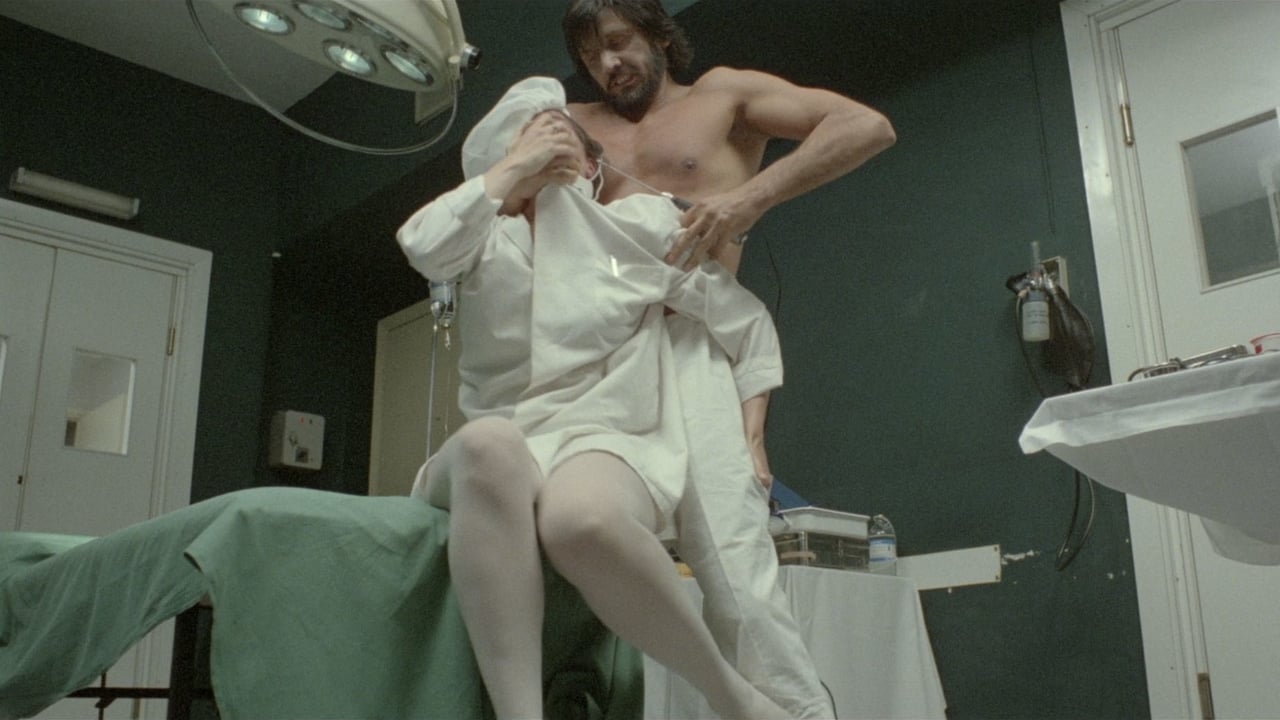
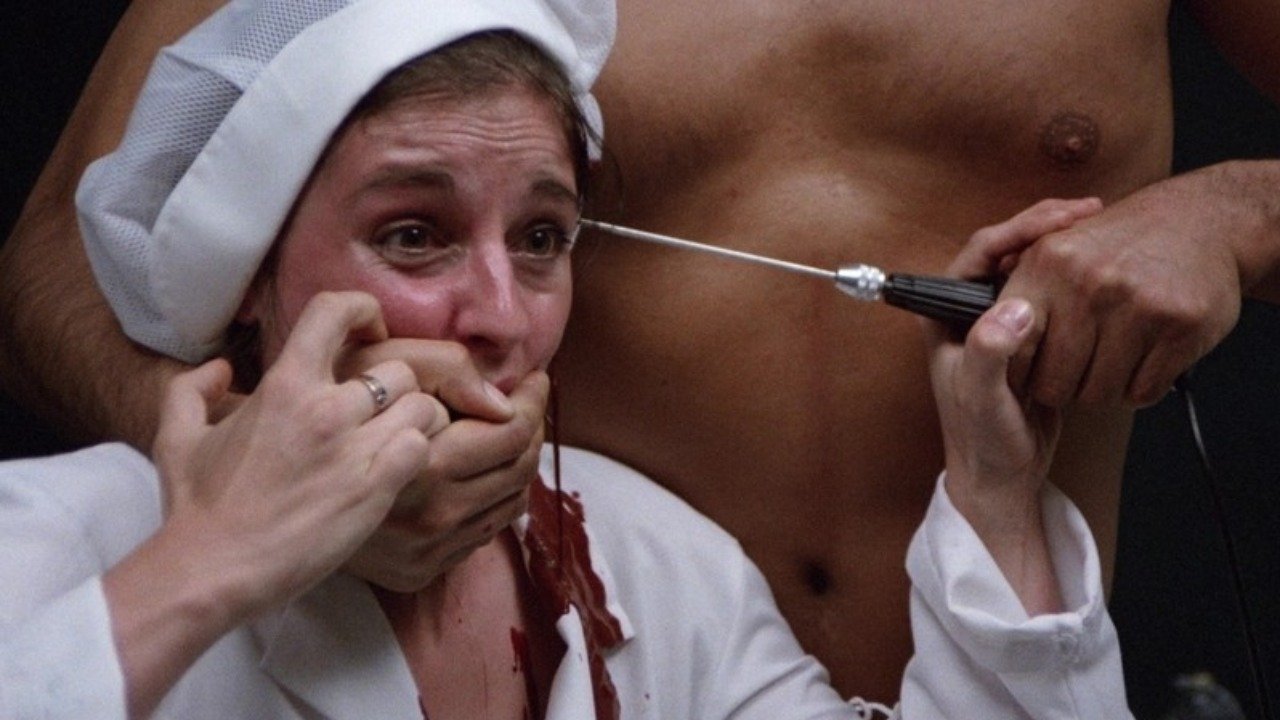
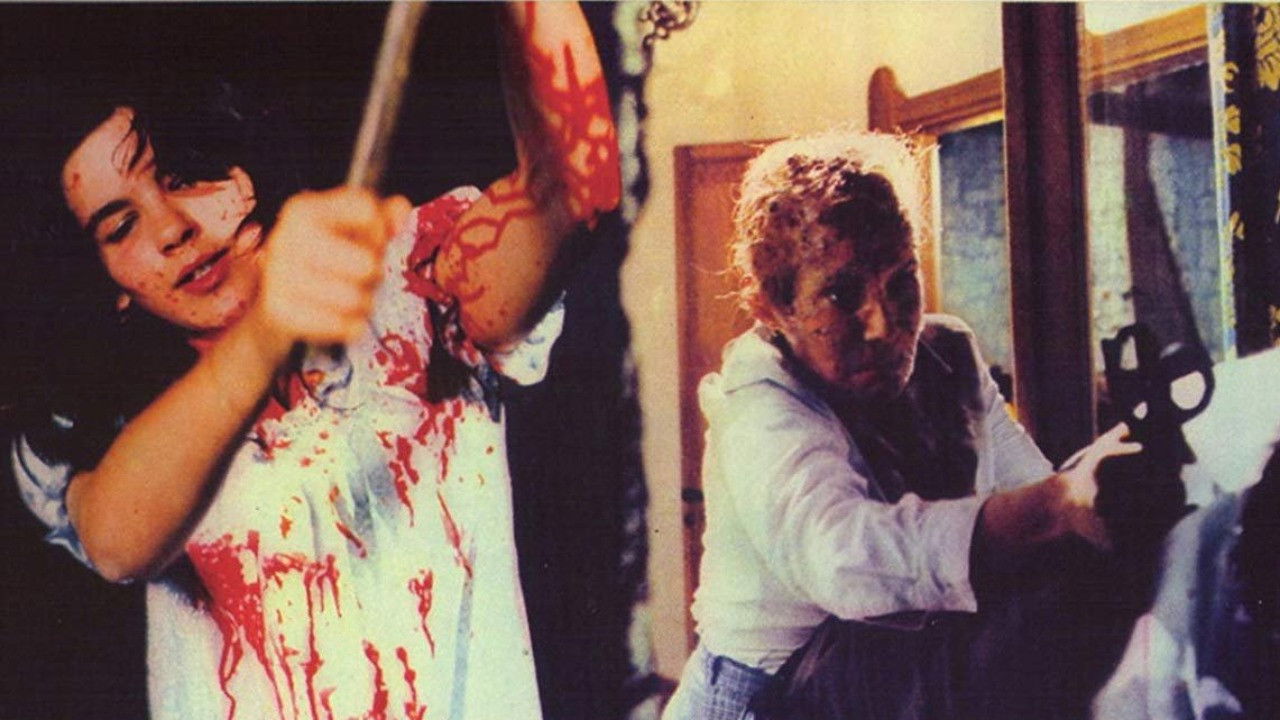
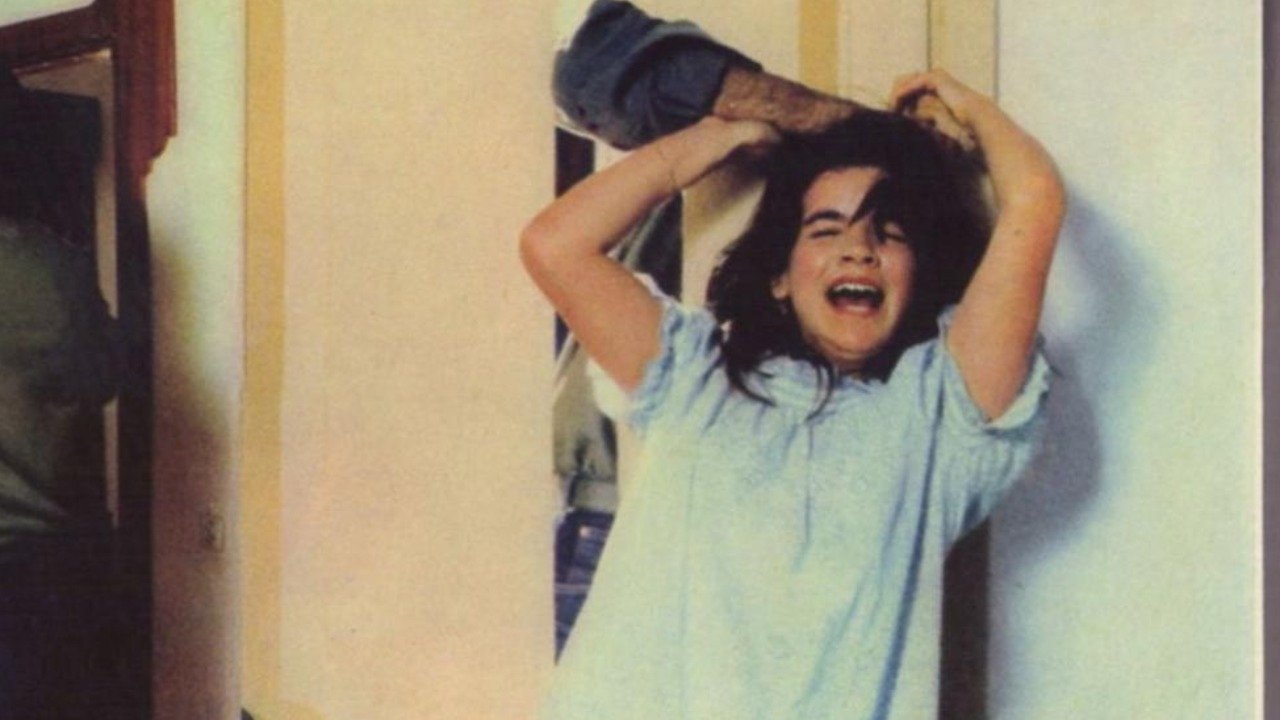
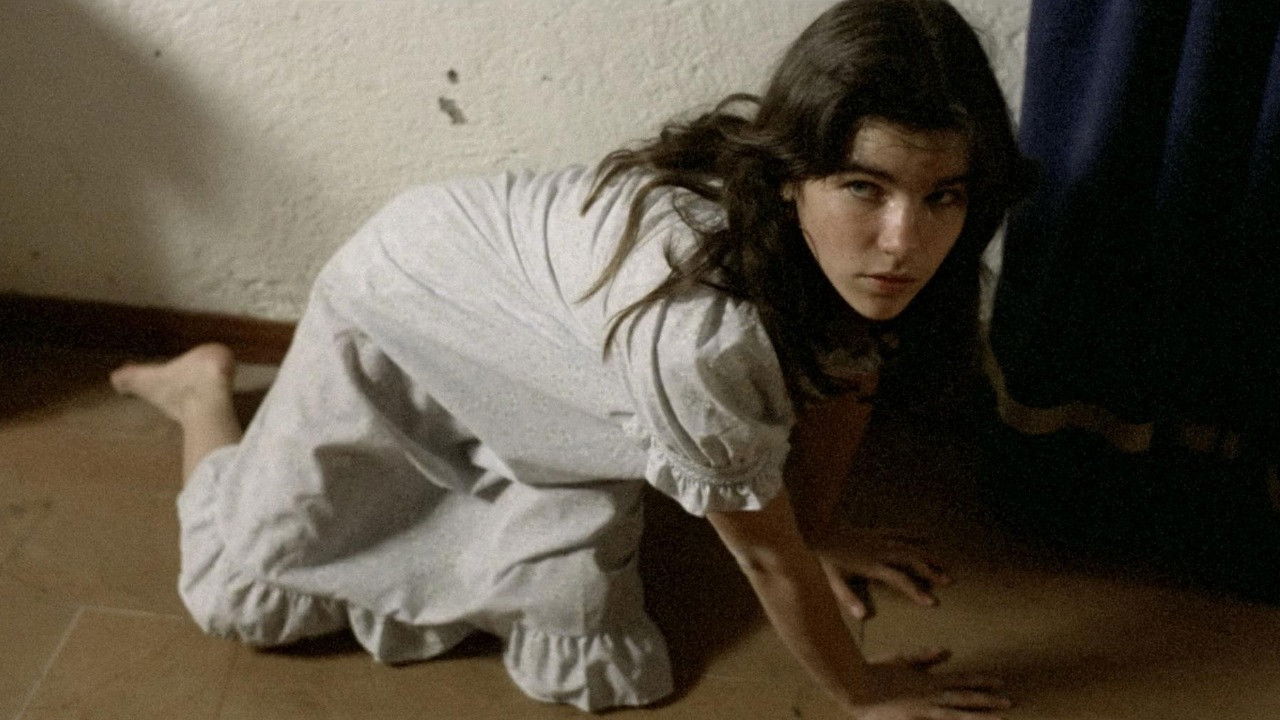
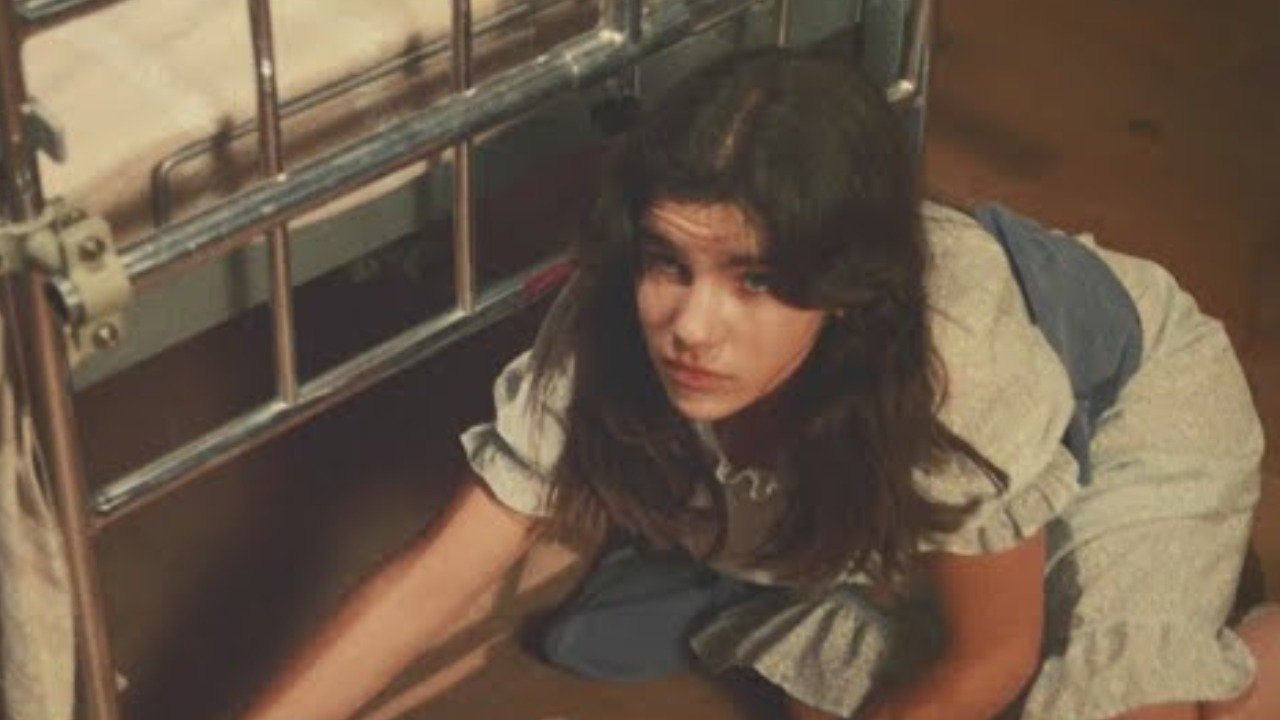
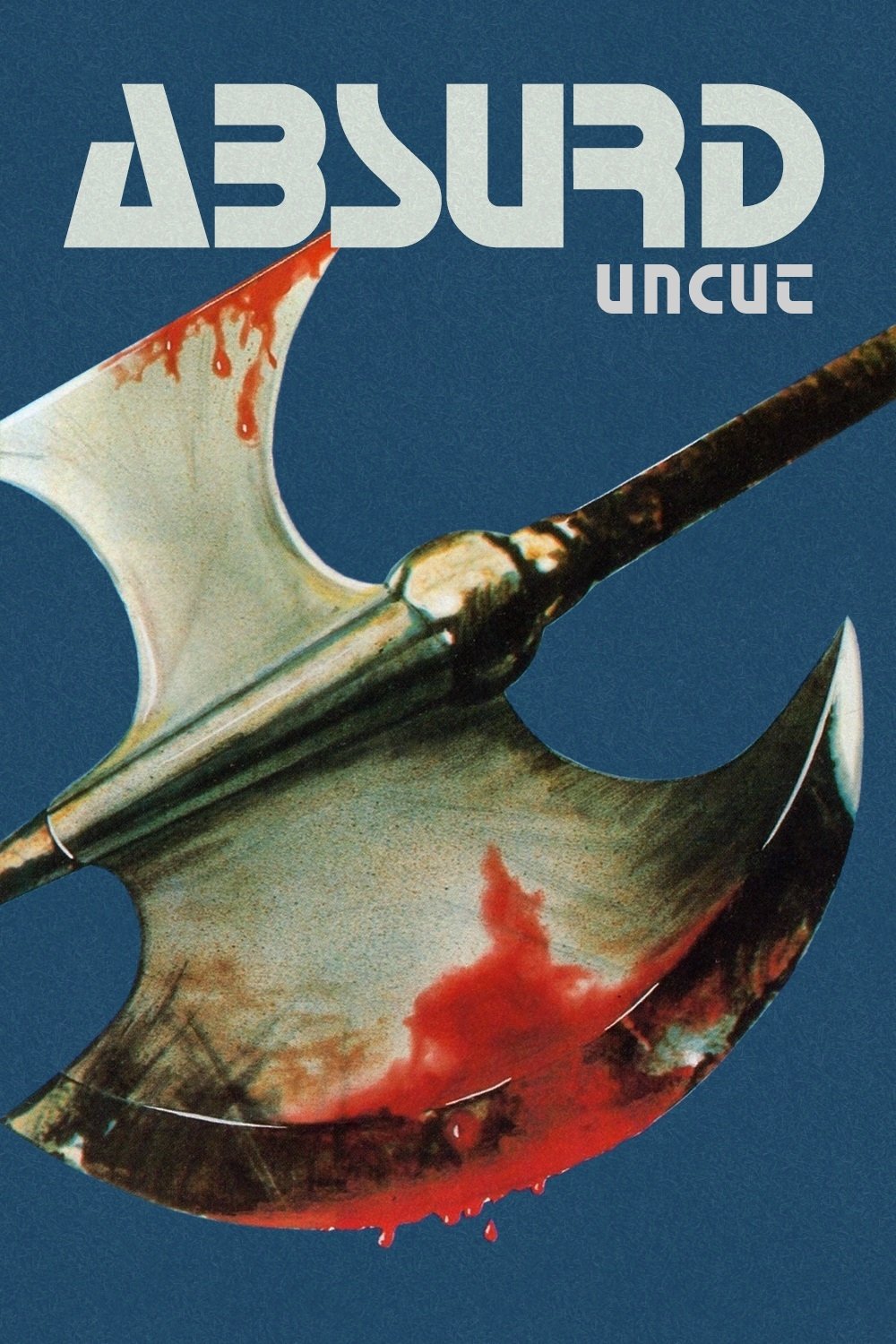
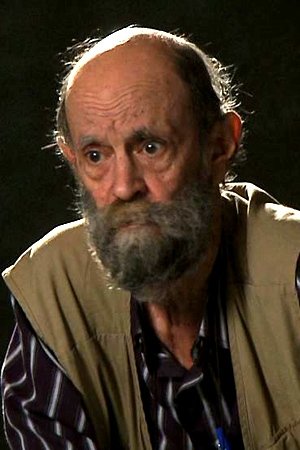
Absurd emerged from the continuing collaboration between Joe D'Amato, whose real name was Aristide Massaccesi, and Luigi Montefiori, better known professionally as George Eastman. The two had worked together on Anthropophagous, a 1980 horror film built around a cannibalistic murderer played by Eastman. Its reputation depended heavily on the extremity of several practical-effects sequences, particularly those involving mutilation and cannibalism. The subsequent project retained the actor and the emphasis on graphic violence, but attempted to move the material toward a different international horror formula. D'Amato was operating in a sector of Italian filmmaking where small production companies frequently developed new films in response to successful foreign trends.
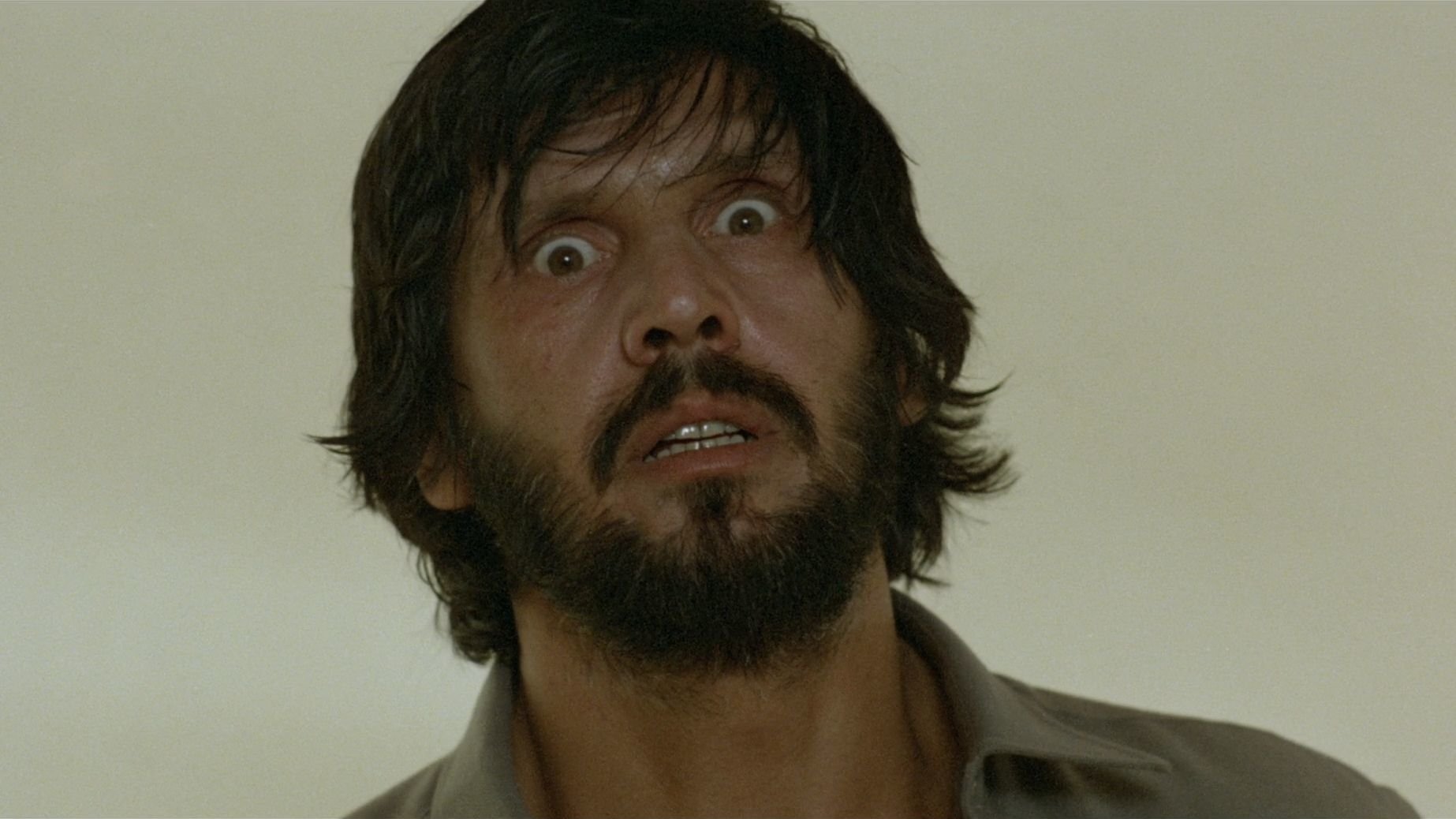
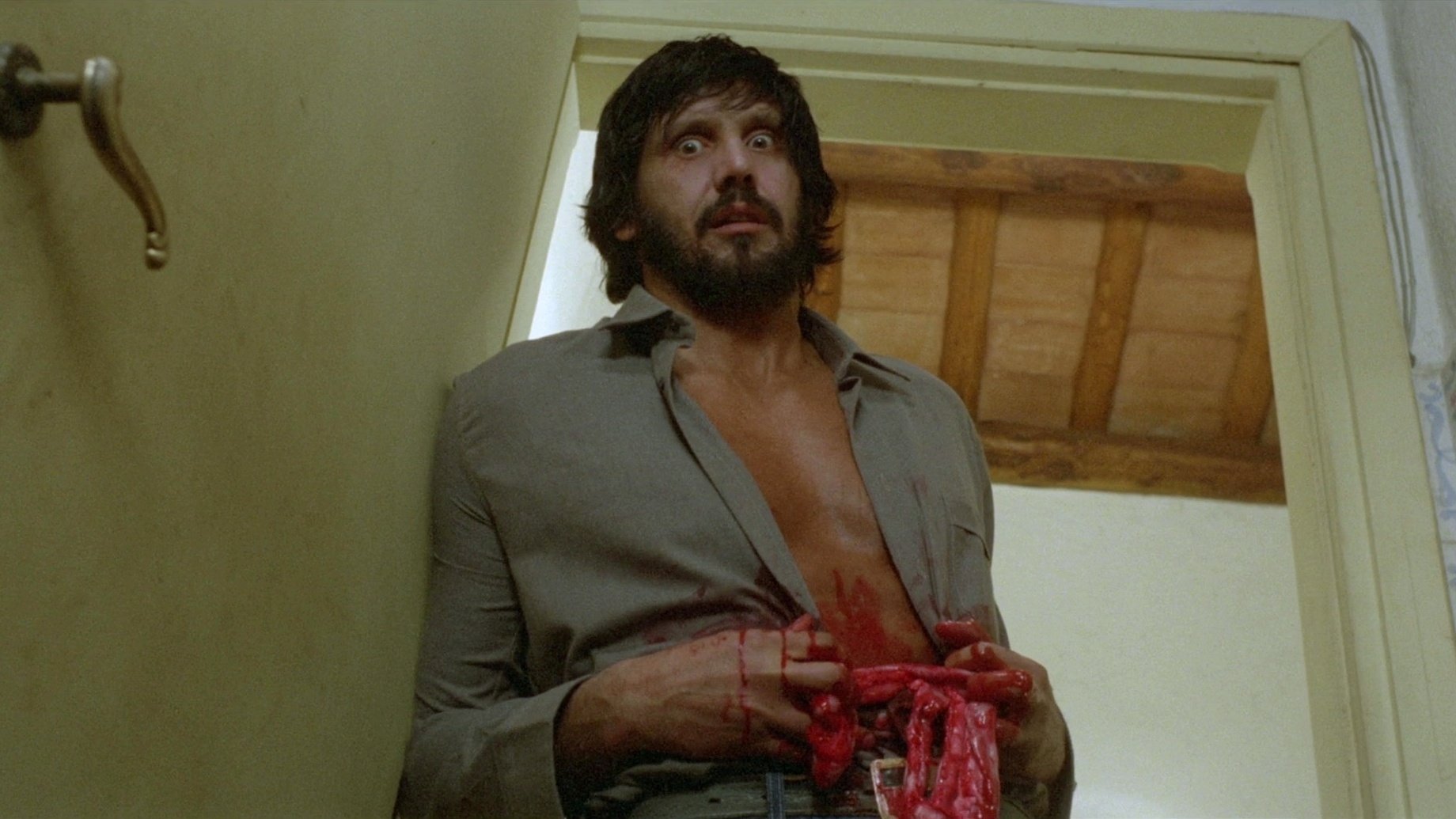
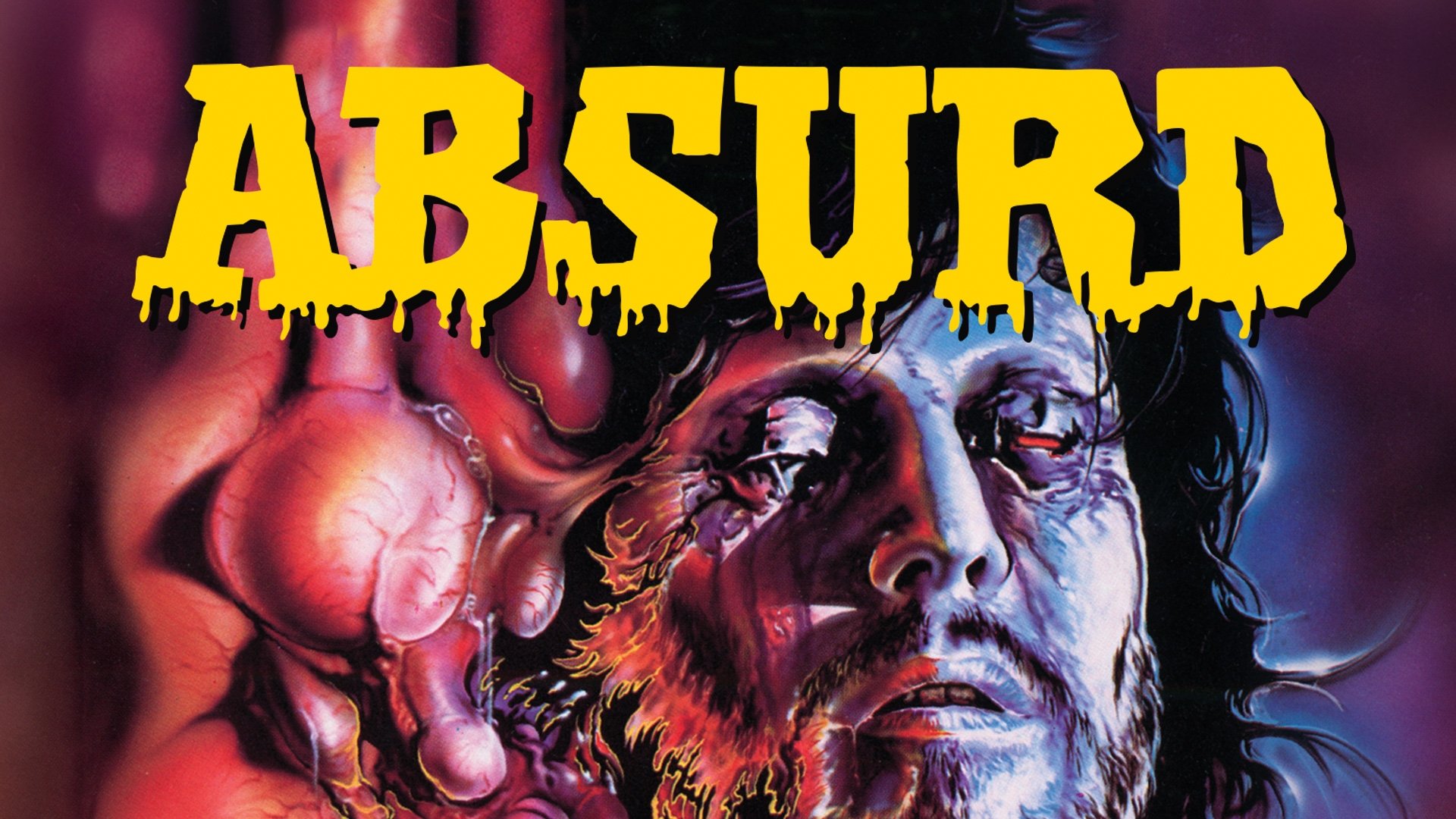
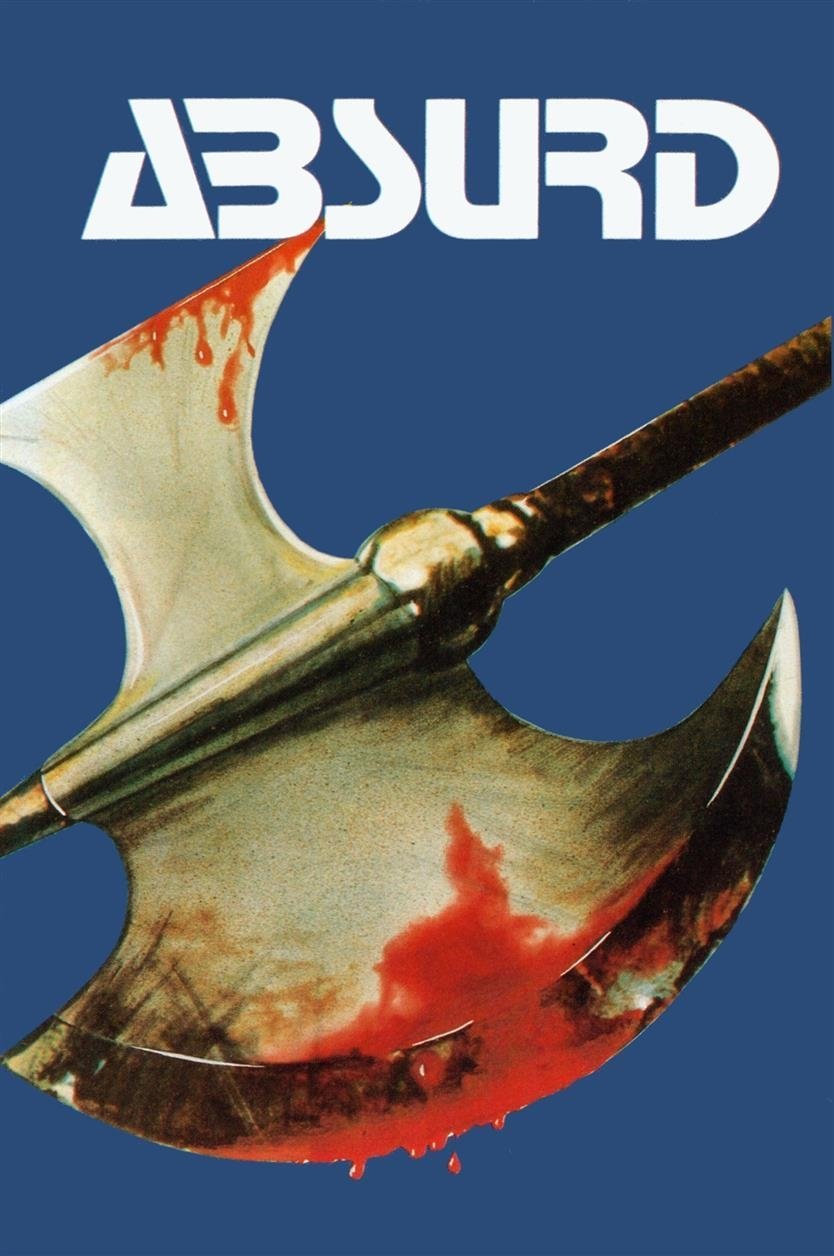
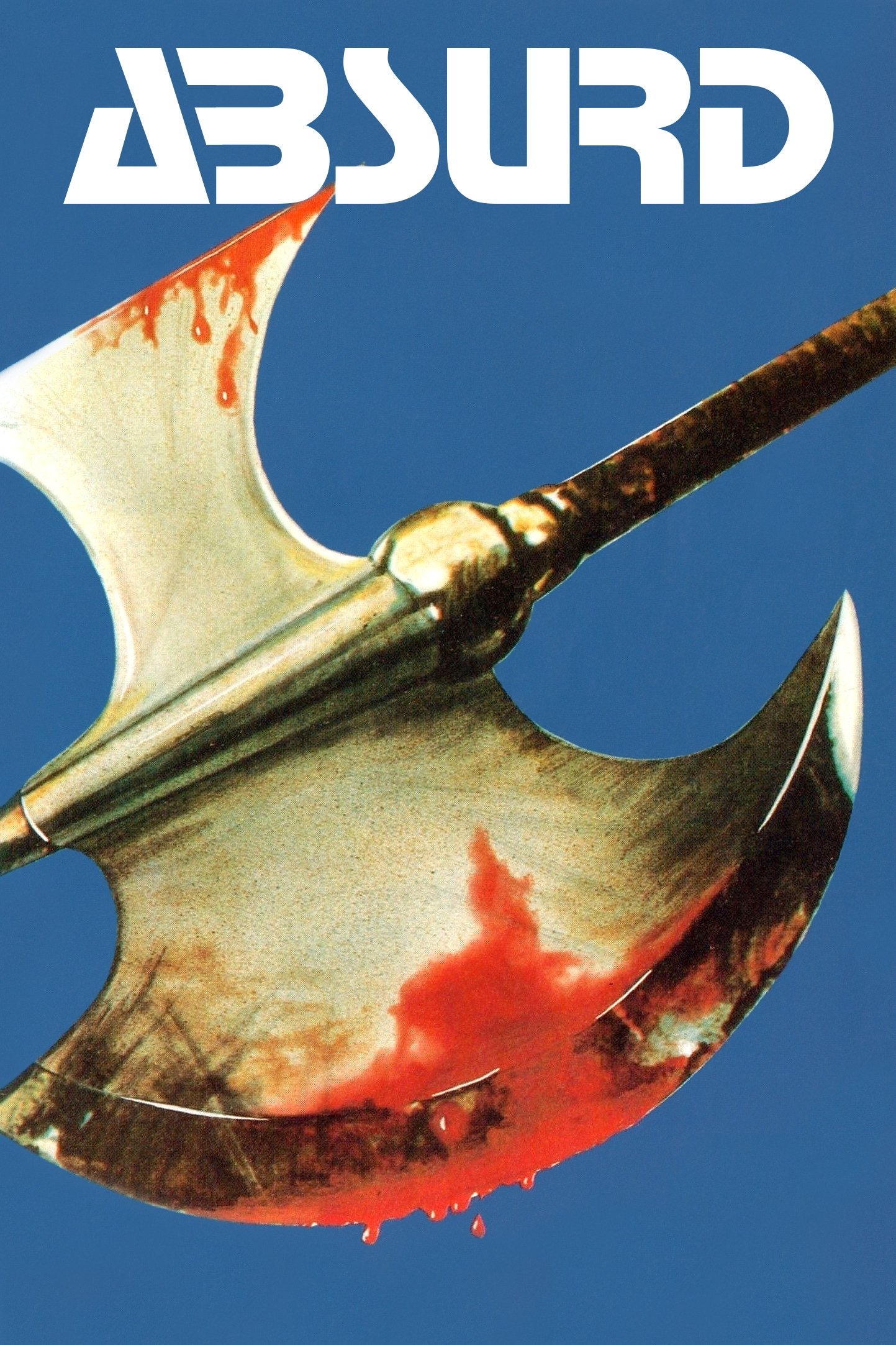
The original conception reportedly involved a more direct continuation of Anthropophagous, with the previous film's cannibal returning through a supernatural resurrection. Eastman was dissatisfied with that direction and reshaped the screenplay around a new murderer whose regenerative abilities result from experimental intervention. The finished film therefore replaces the earlier story's cannibalistic obsession with a killer whose body can recover from injuries that would ordinarily be fatal. The relationship between the productions survives through their creative personnel, violent imagery and an opening incident that recalls the disembowelment associated with Anthropophagous. The characters themselves, however, have different identities and histories, and the events of the earlier film are not required to understand Absurd.
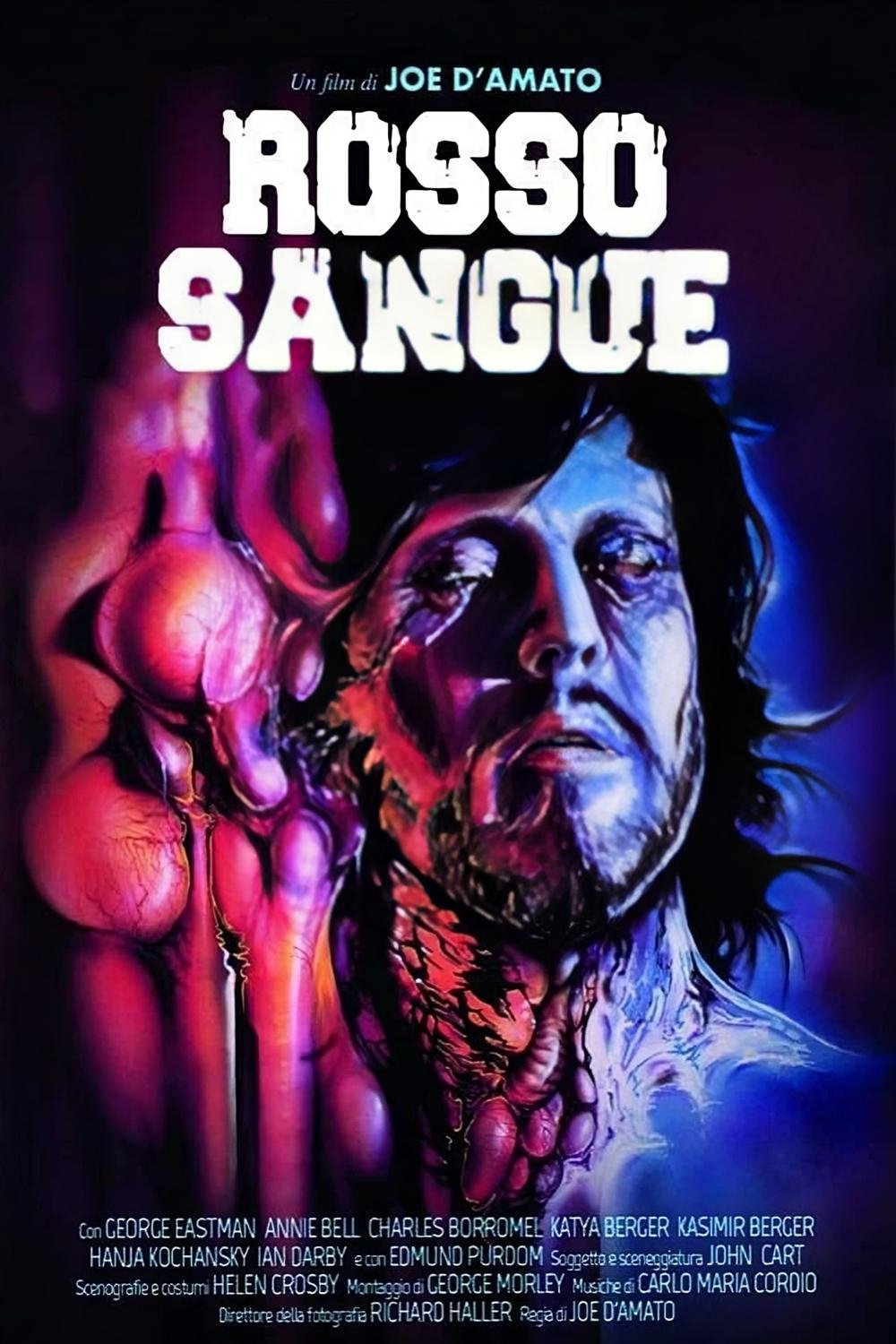
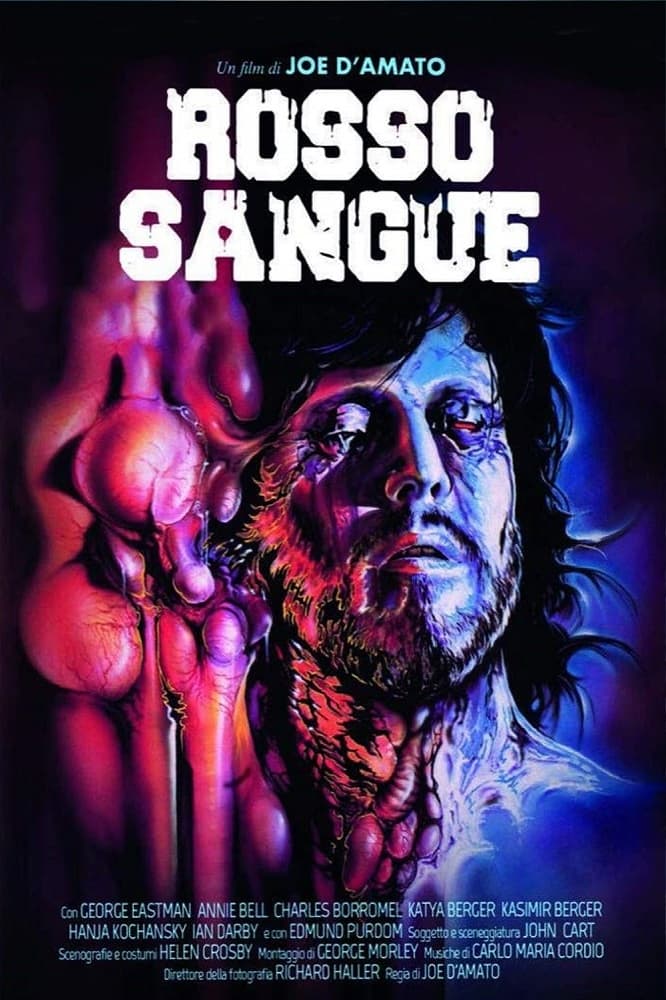
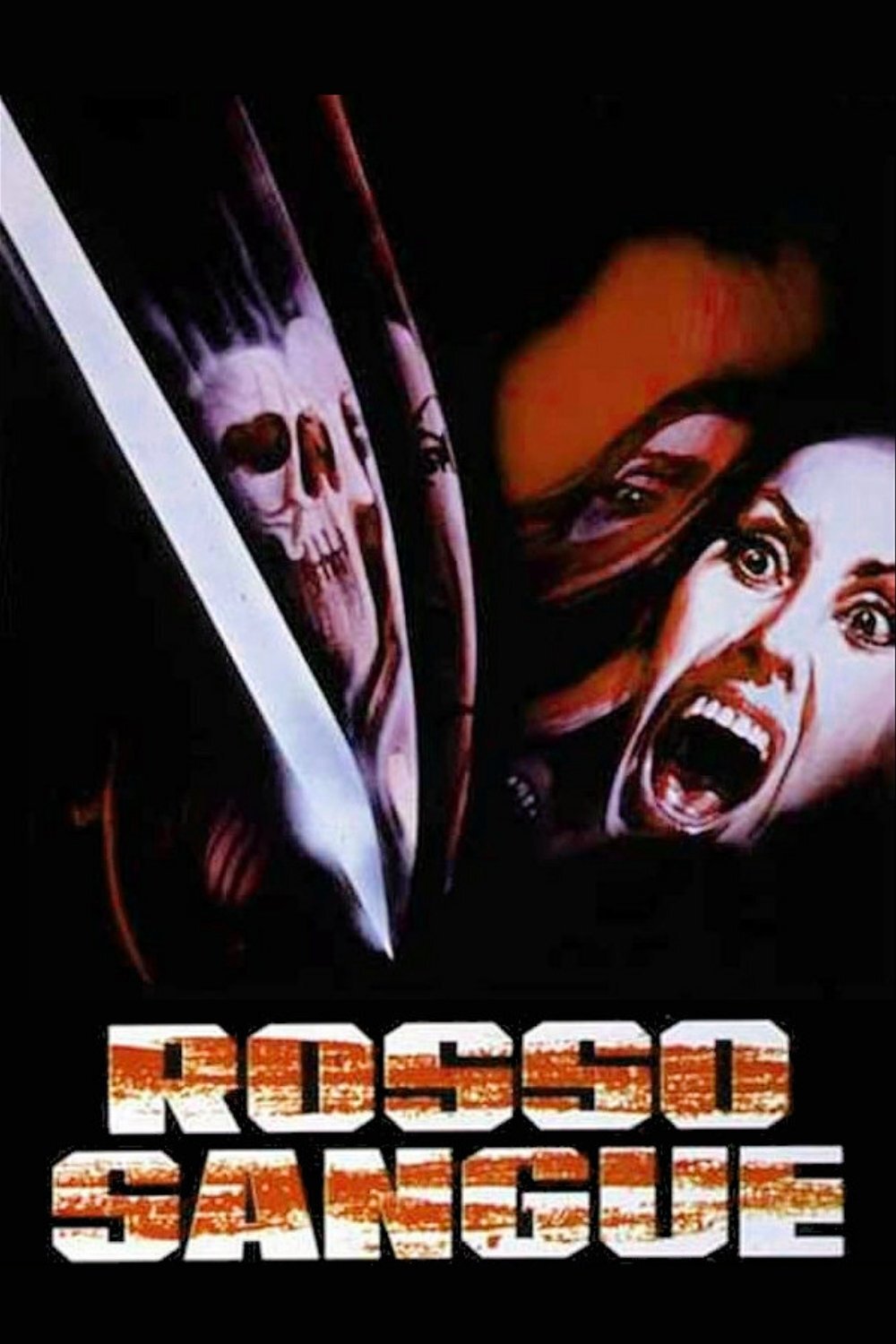
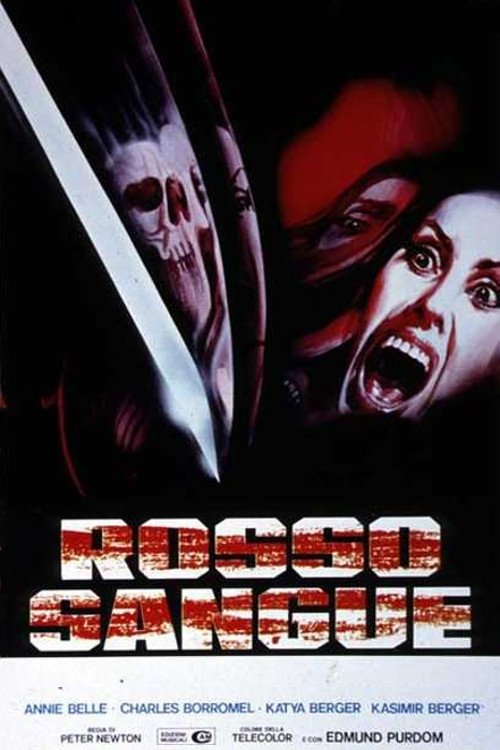
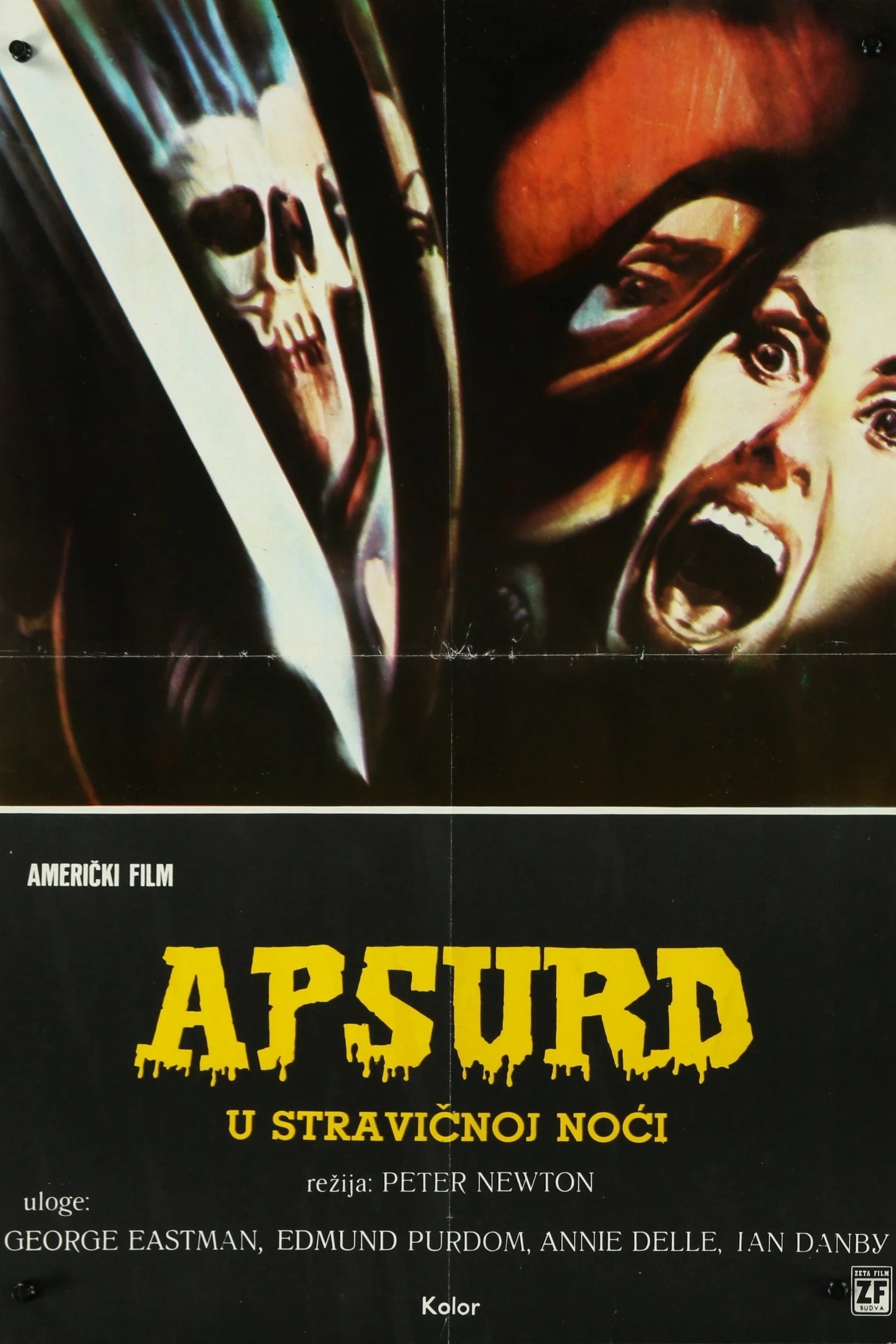
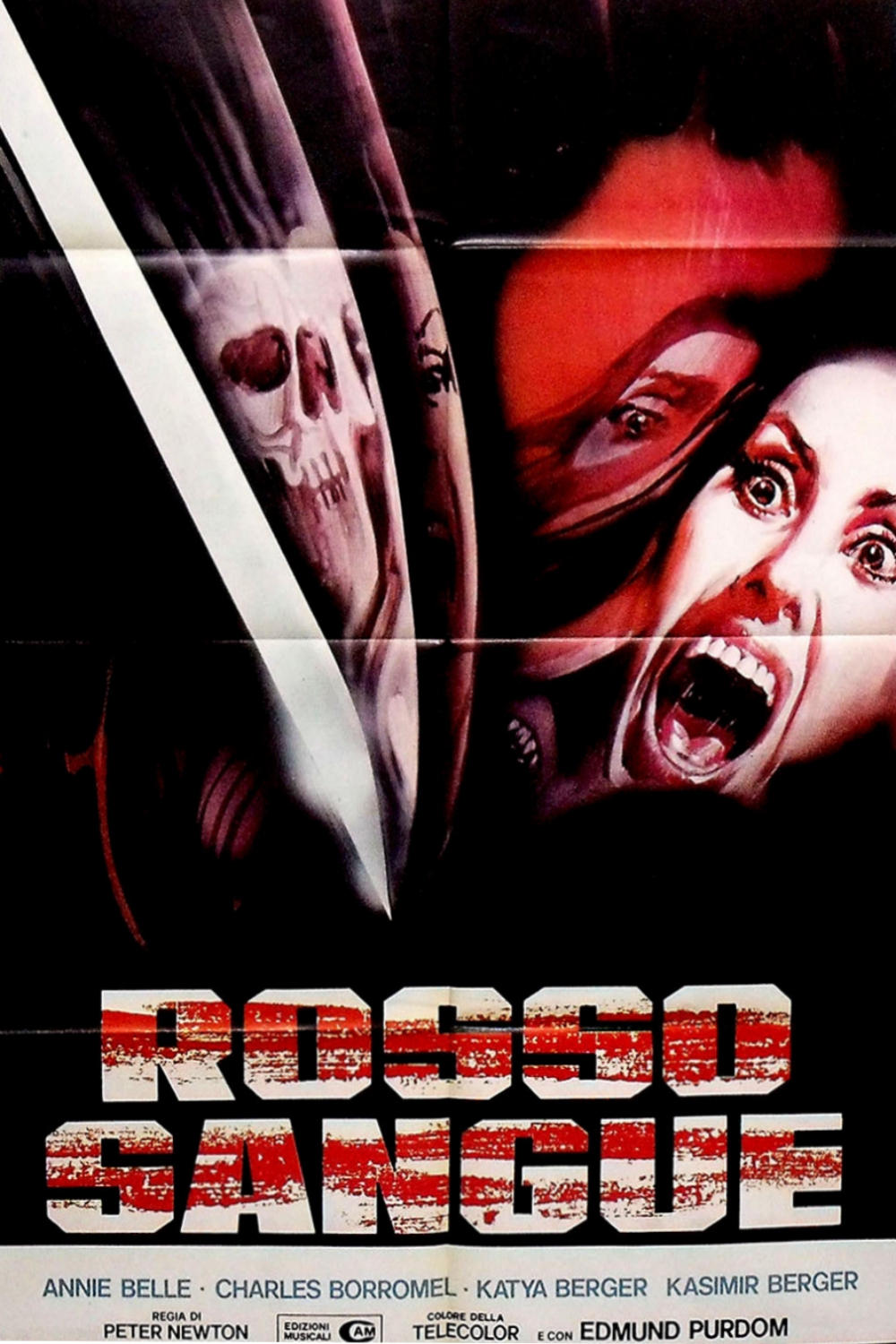
The filmmakers nevertheless regarded the productions as connected. In an interview conducted in 1991 for the Italian fanzine Drop Out, D'Amato was asked why he had not made a third Anthropophagous film. He responded that the first film had not performed particularly well commercially and that Rosso sangue had earned even less. He also explained that his films generally found stronger markets outside Italy and that the original title Anthropophagous 2 was not considered an attractive commercial choice for the Italian release. These are the director's retrospective assessments, not audited box-office figures. The testimony establishes the industrial relationship between the projects while leaving their different fictional identities intact.