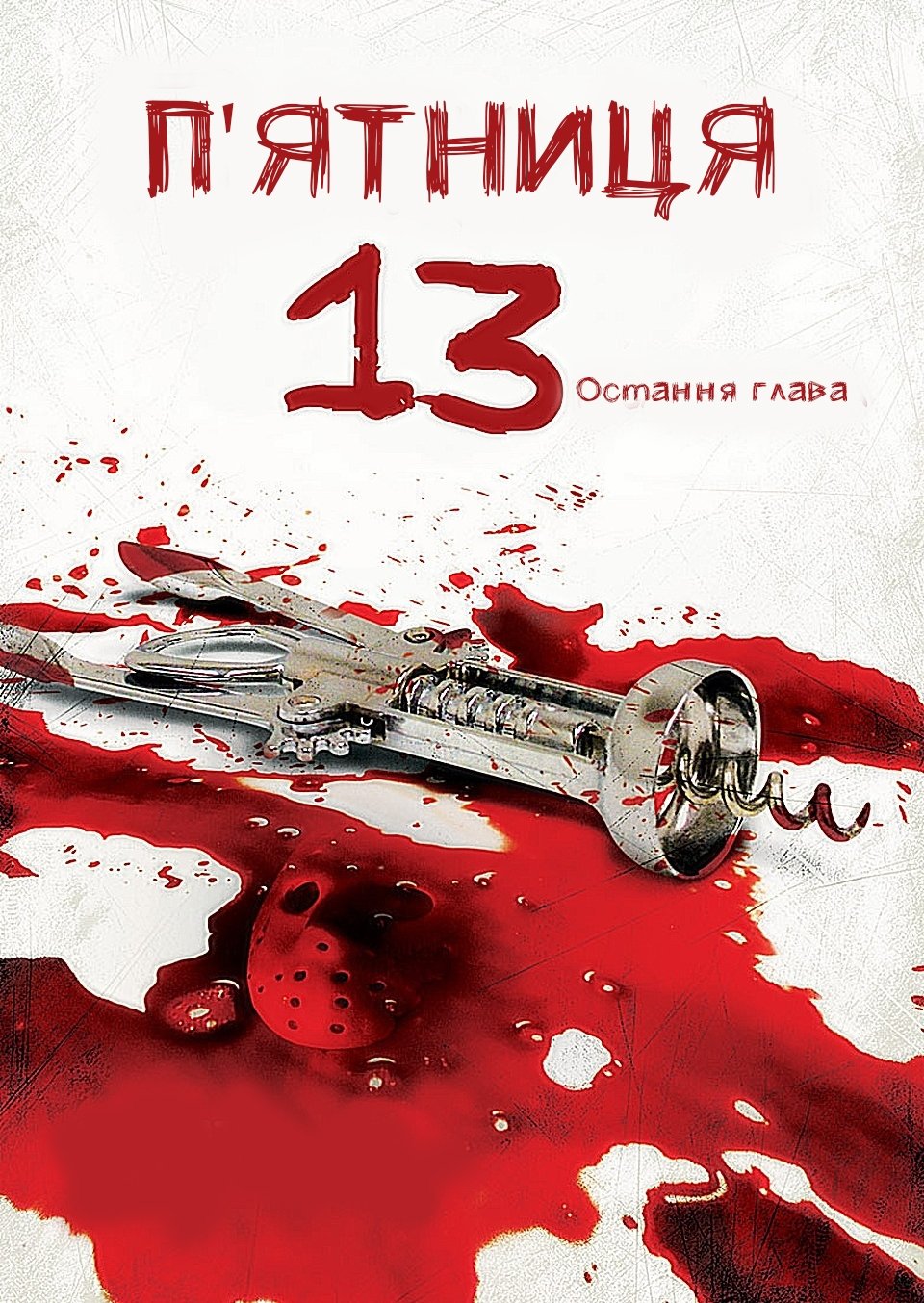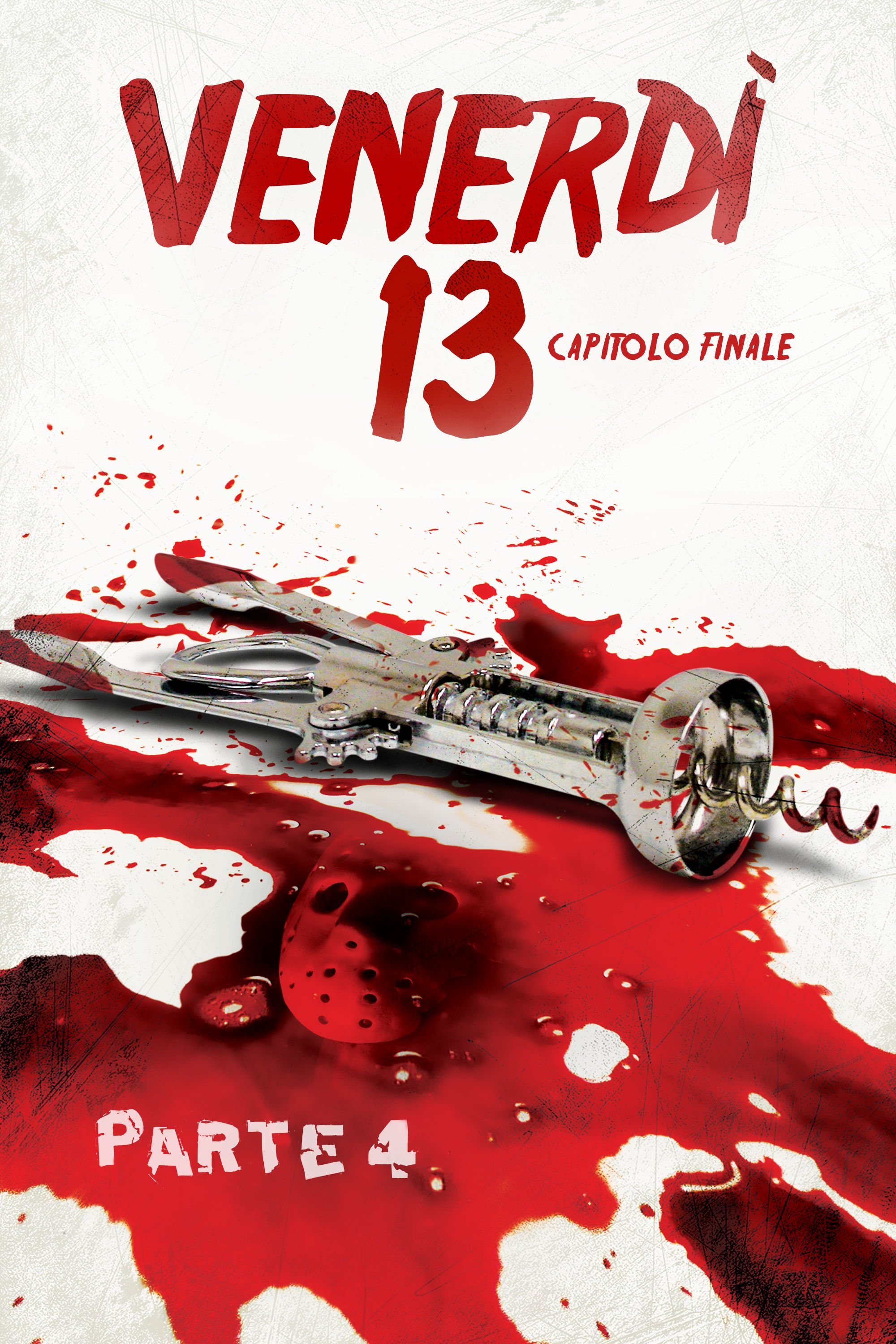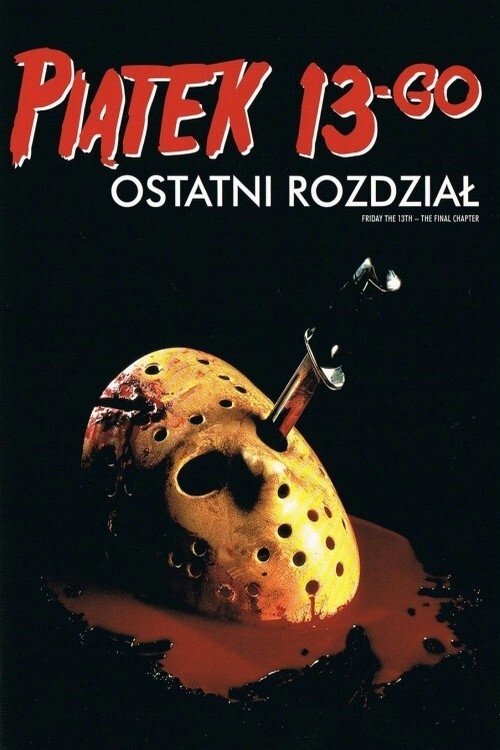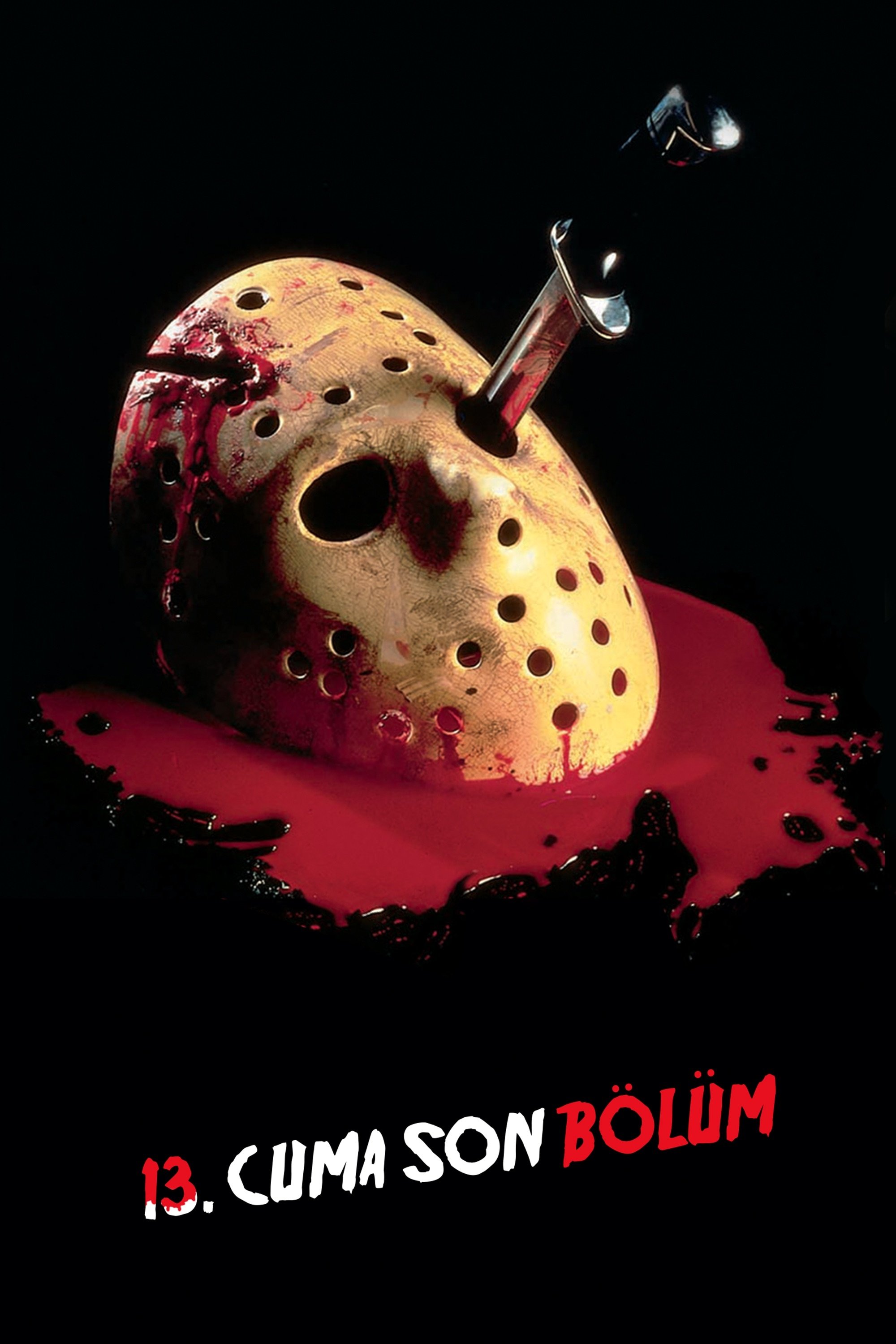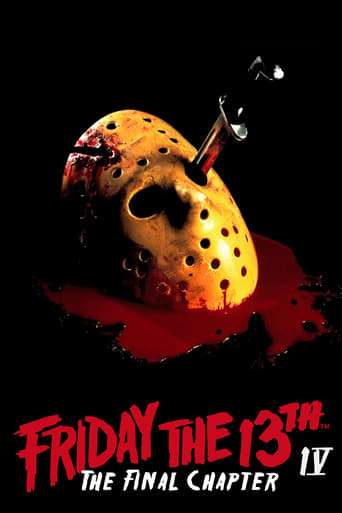
Friday the 13th: The Final Chapter (1984)

US
HORROR FILM
SUBGENRES SLASHER
7.6/10 7 votes
Runtime
91 min
Release
April 13, 1984
Budget
$2,600,000
Revenue
$32,984,636
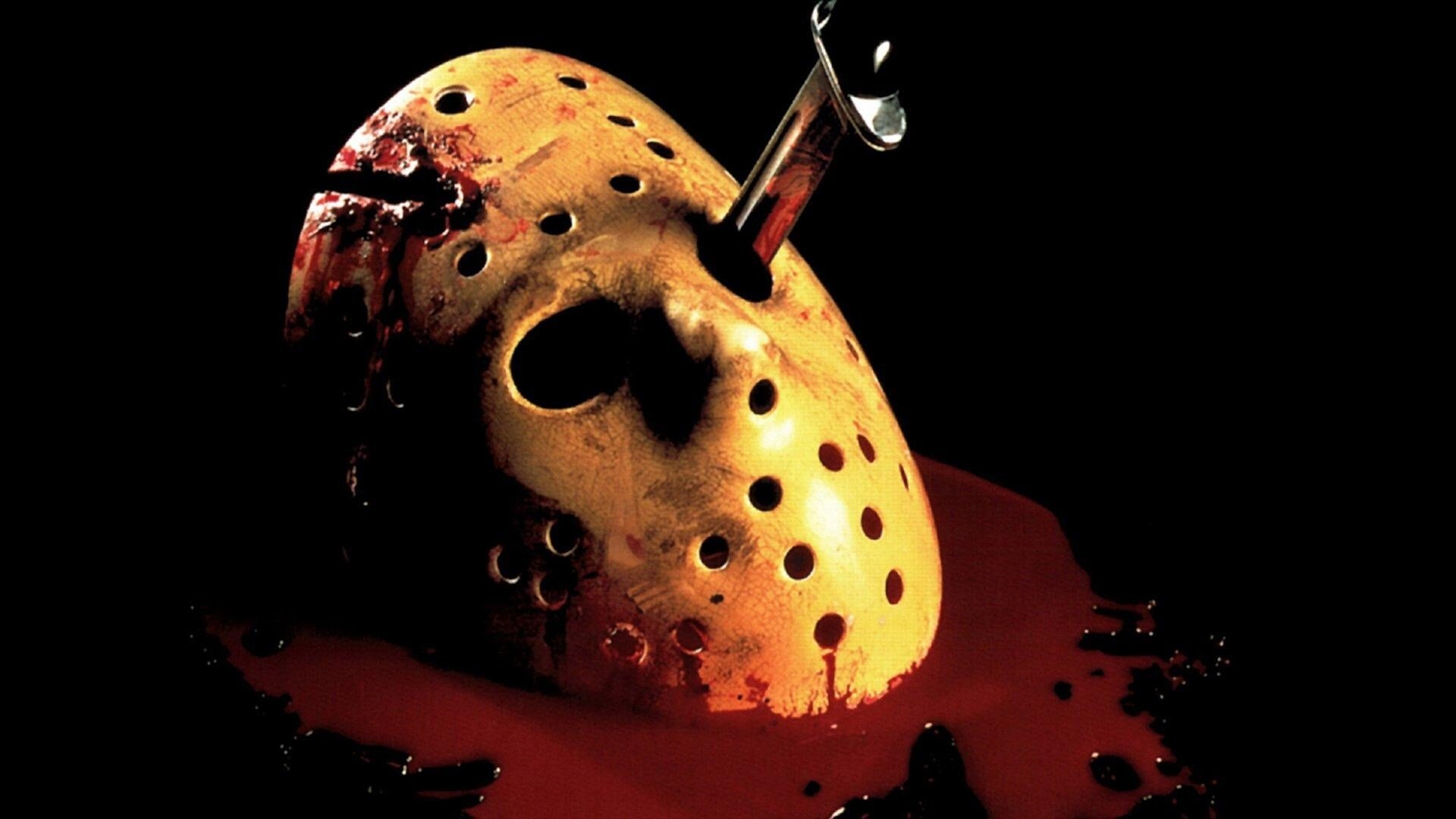
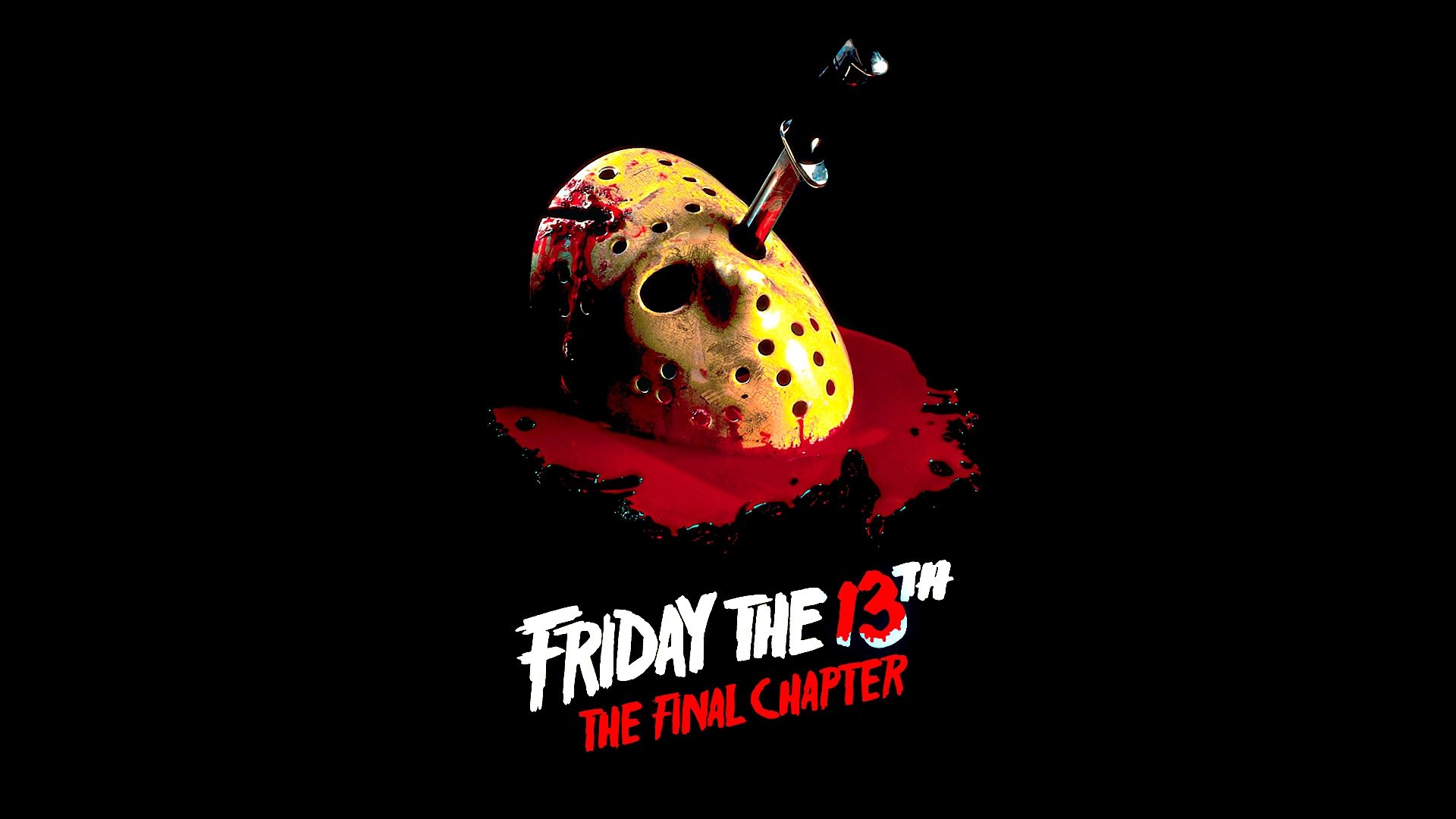
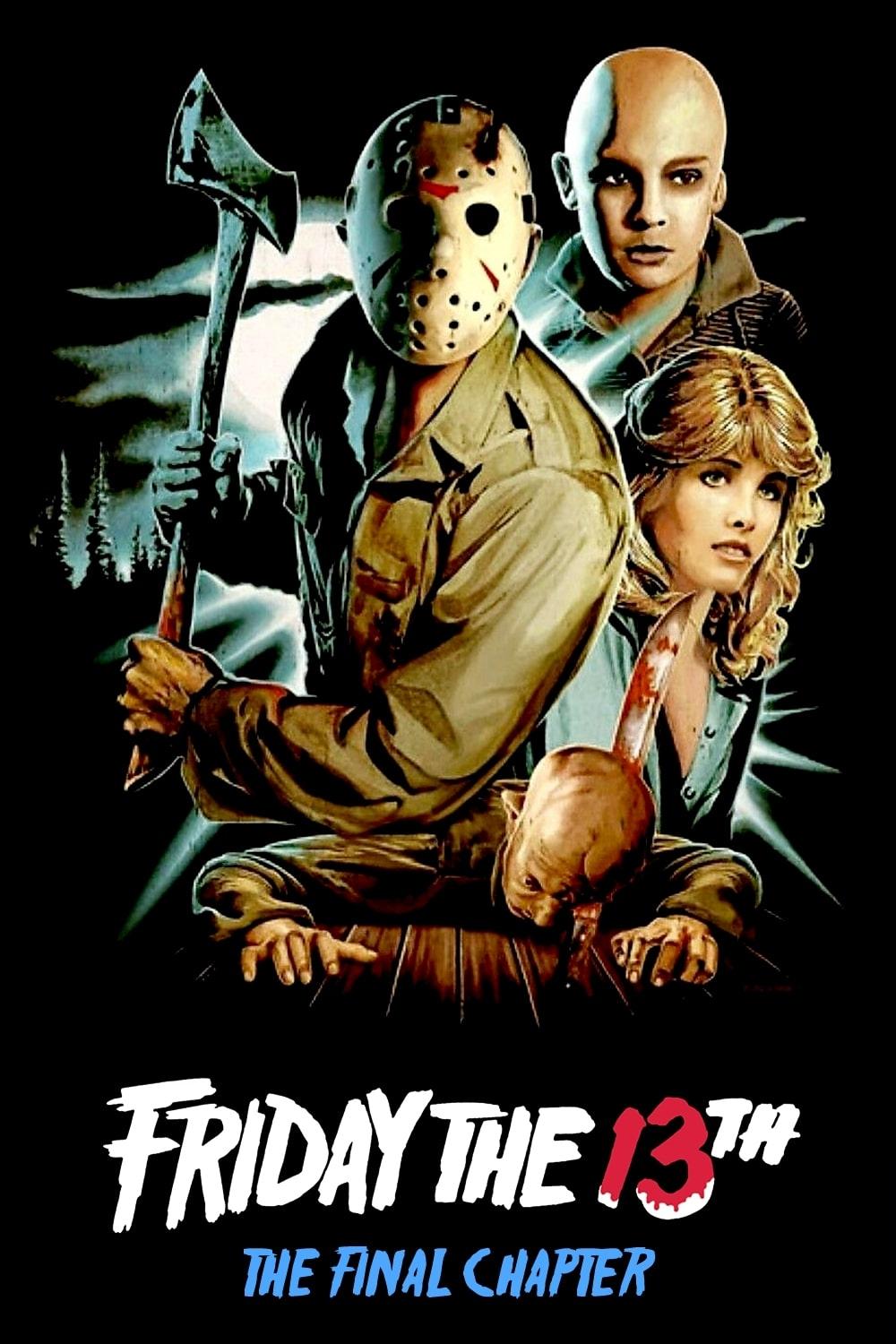
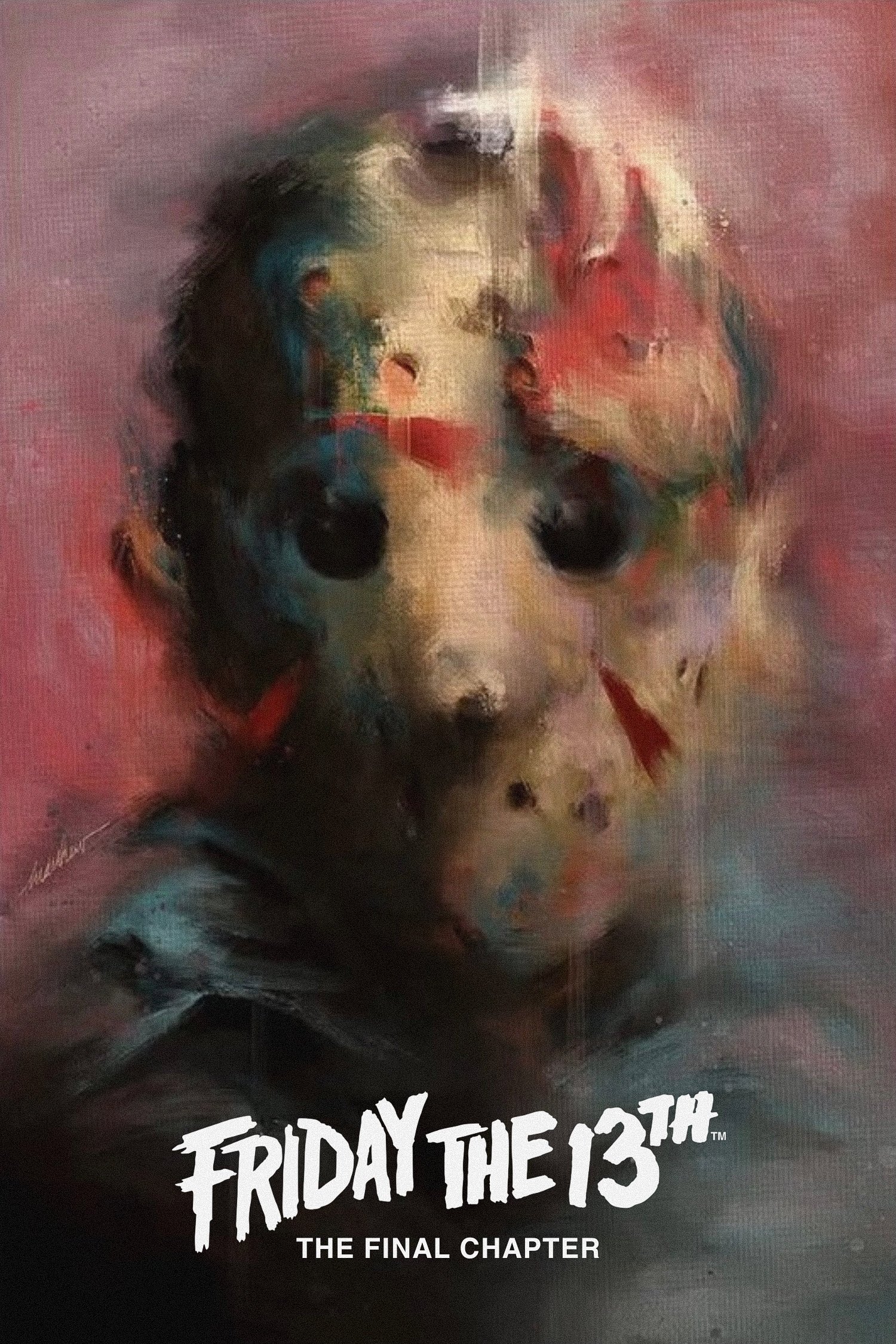
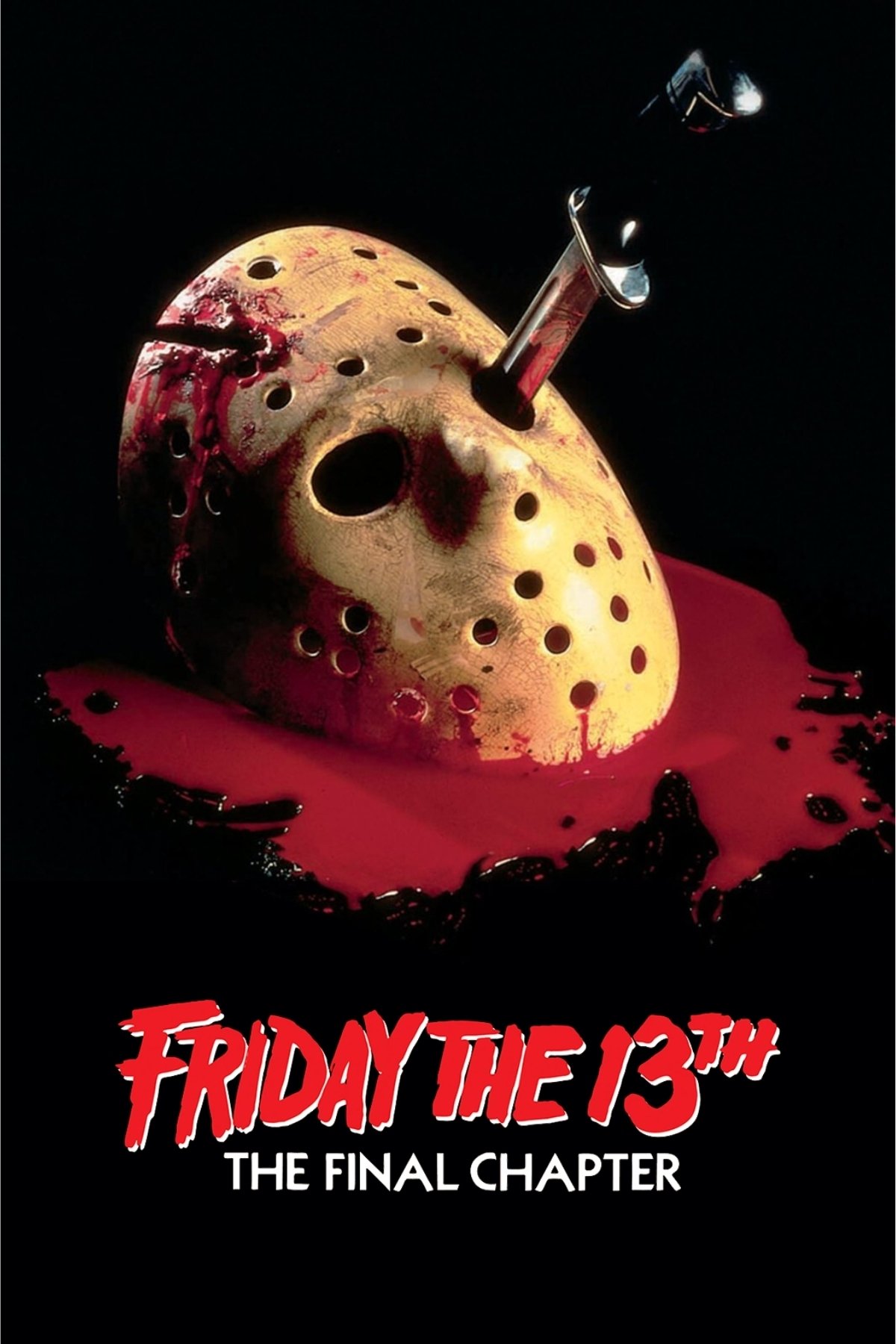
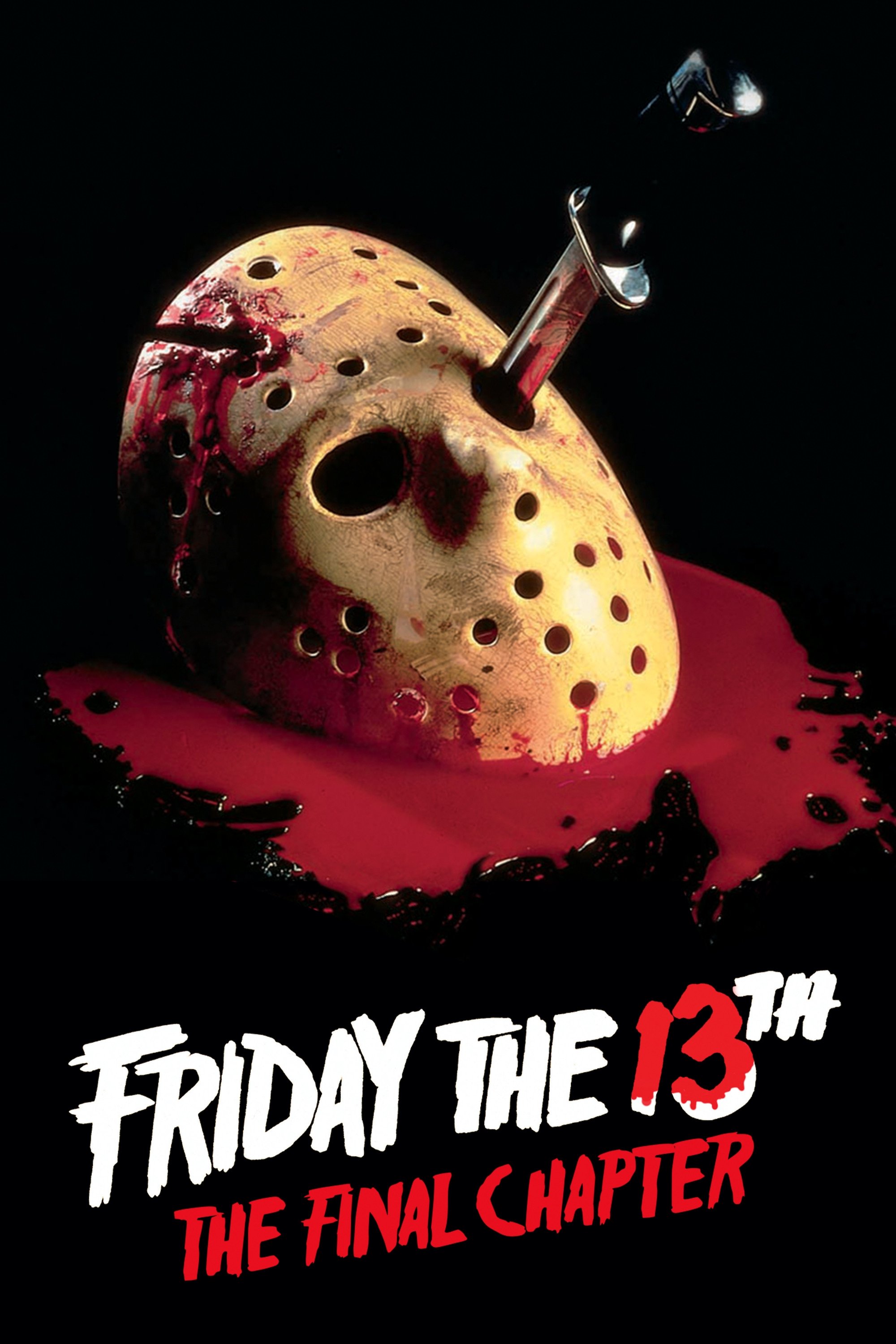
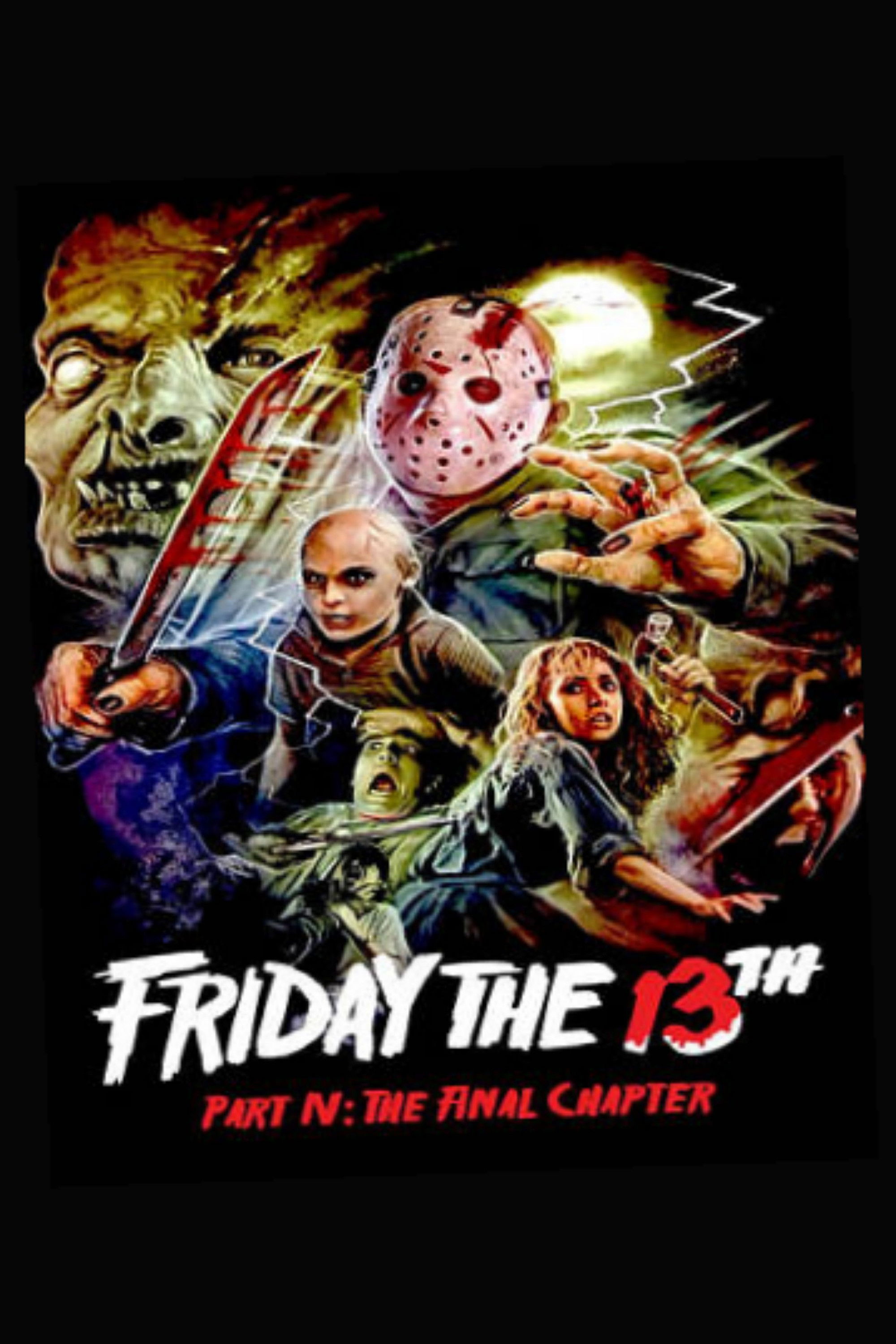
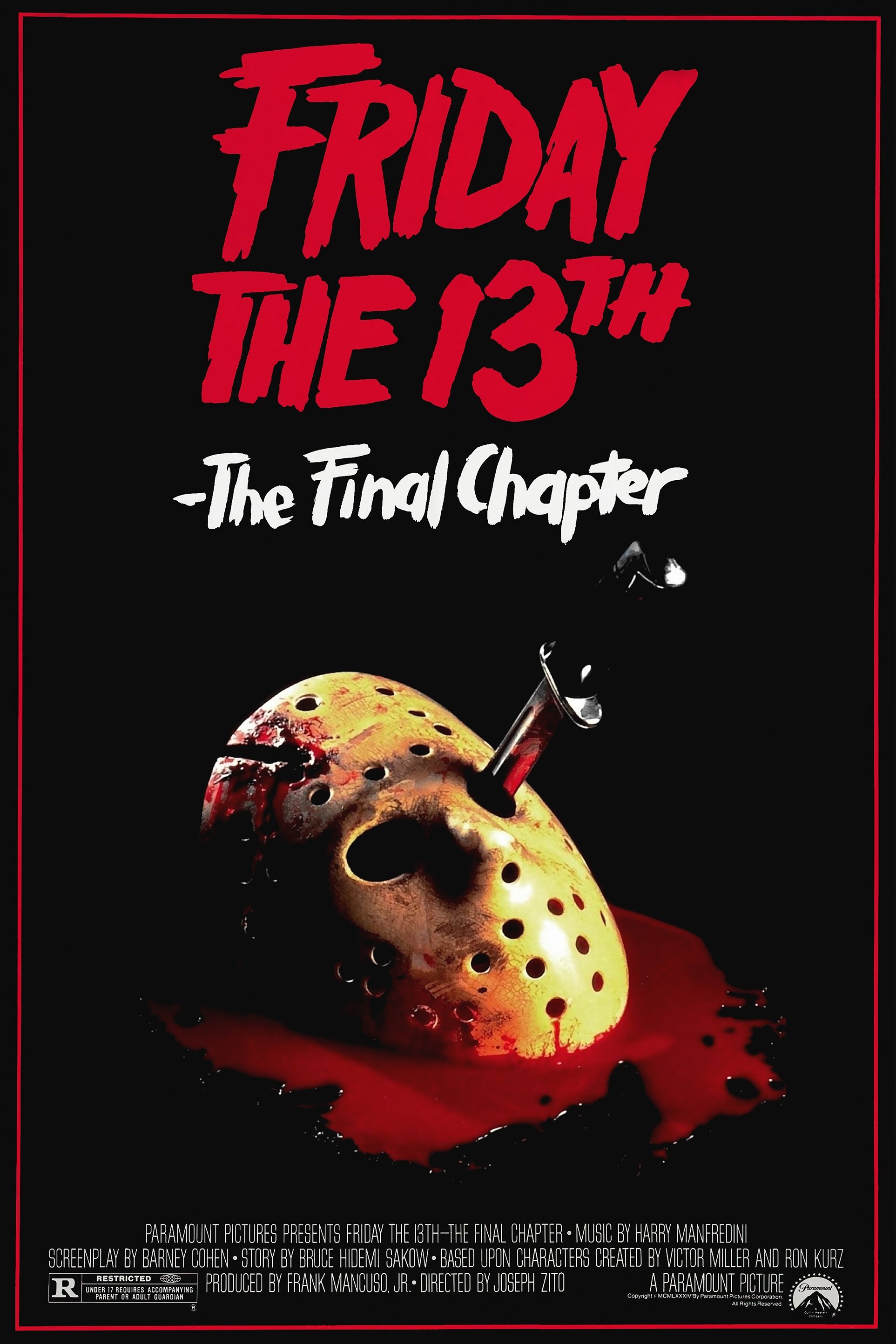
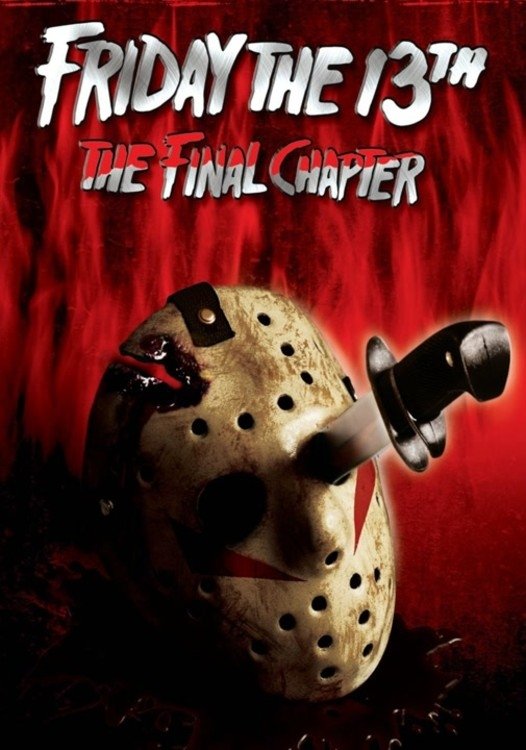
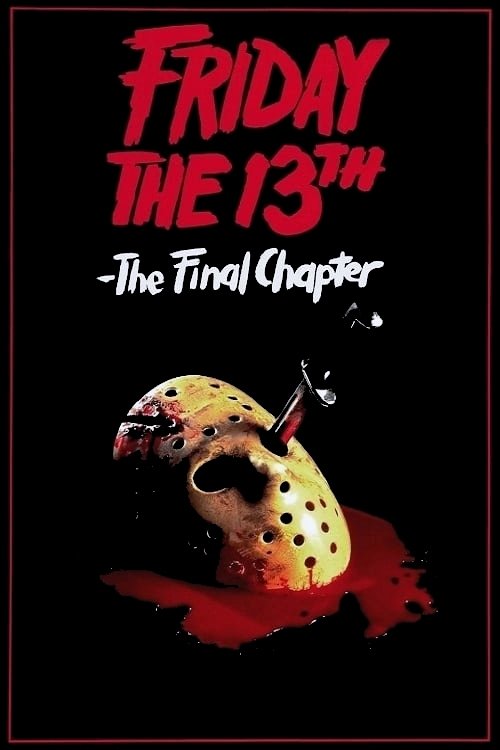
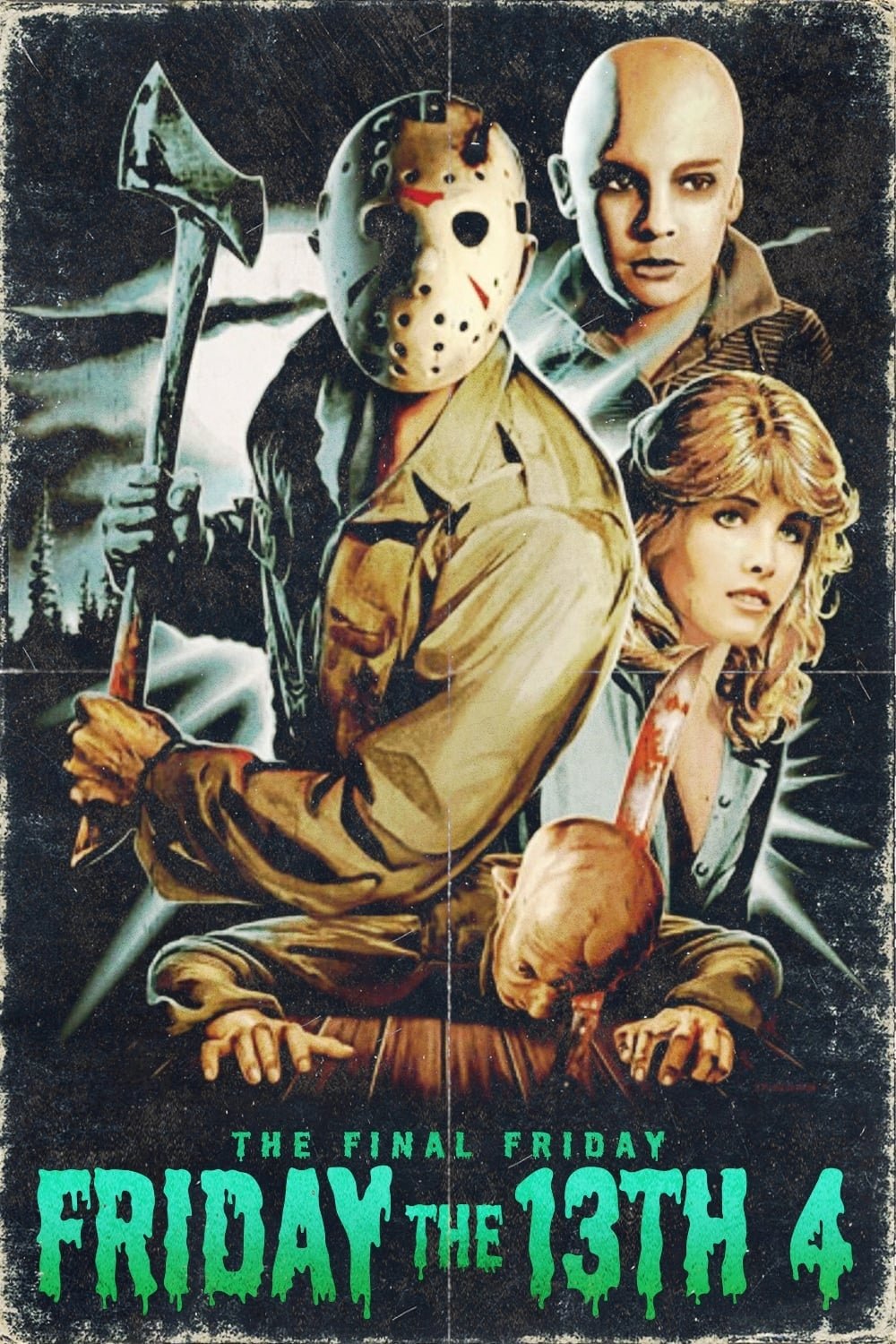
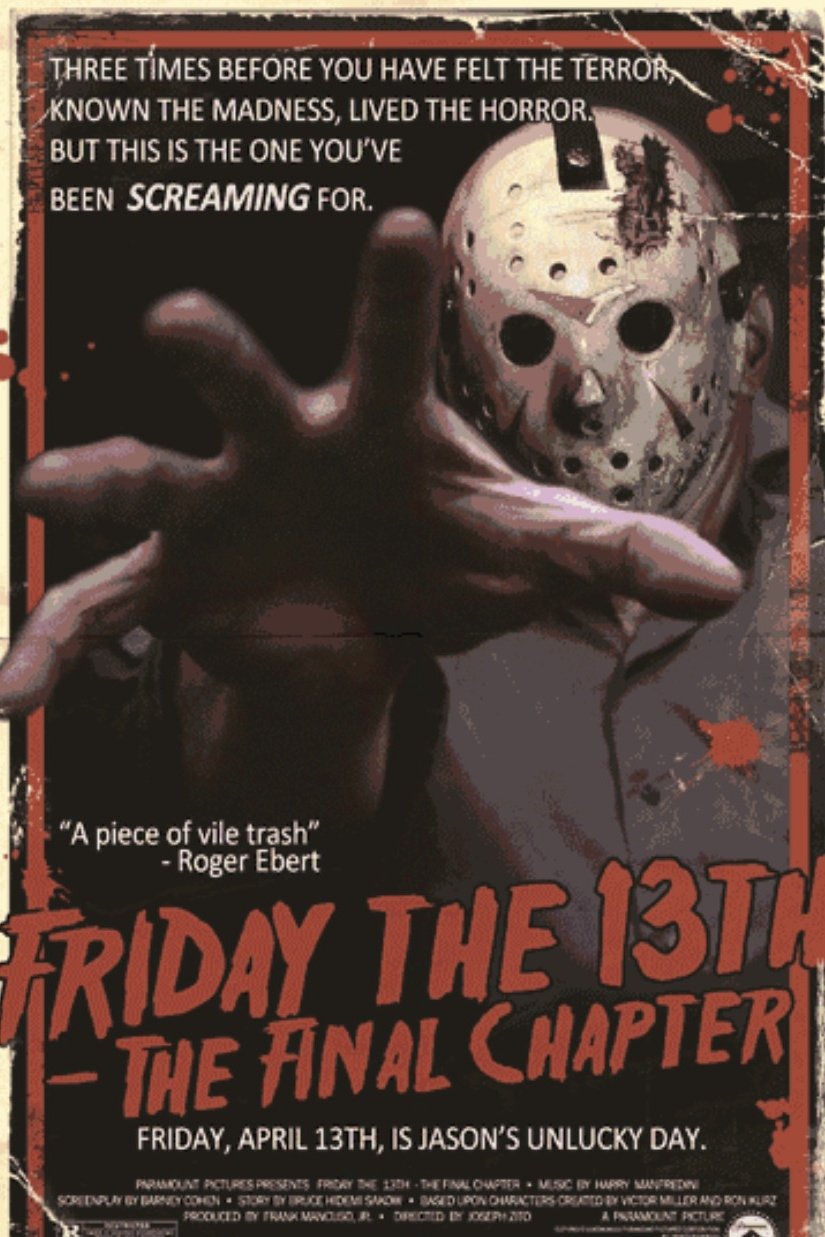
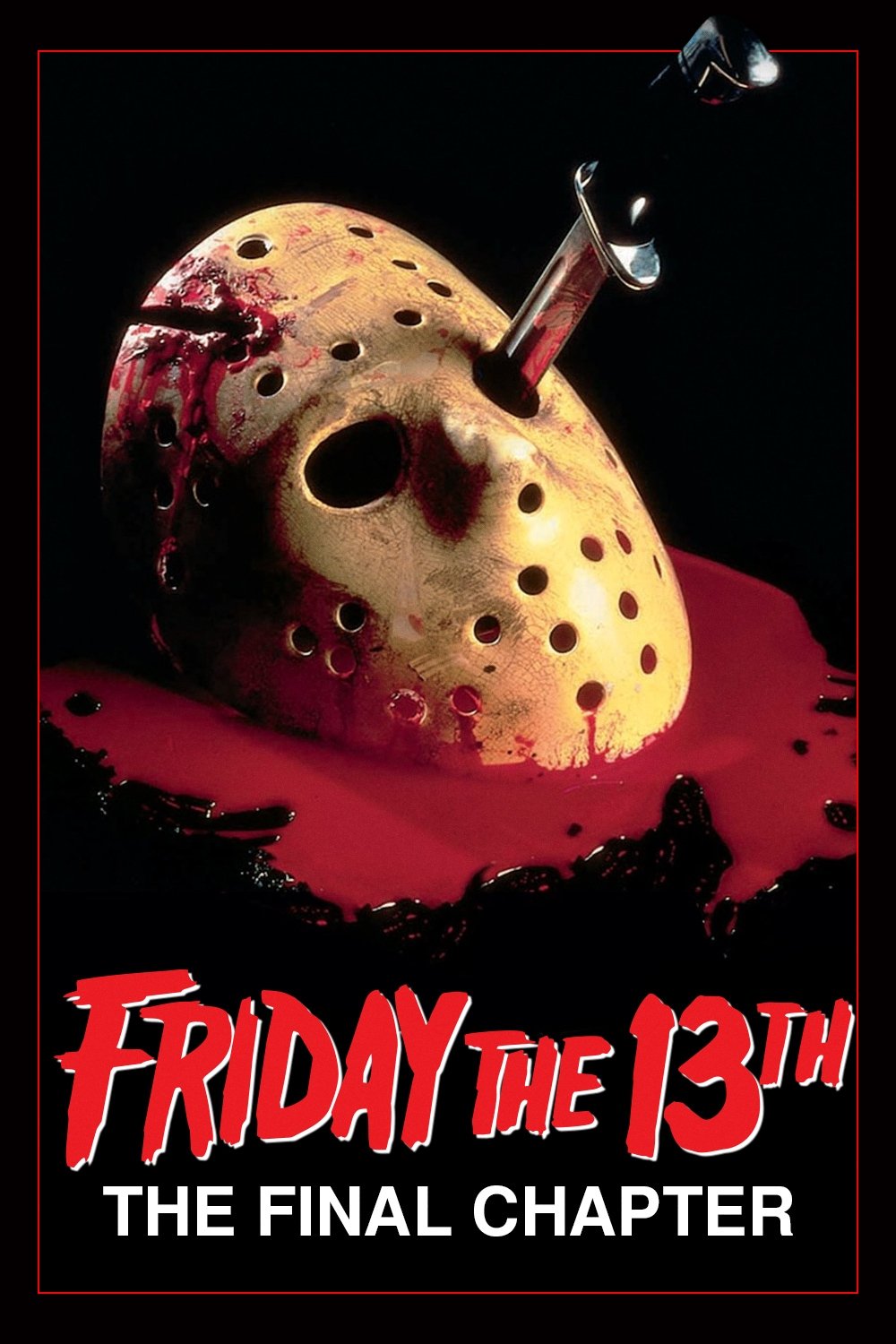
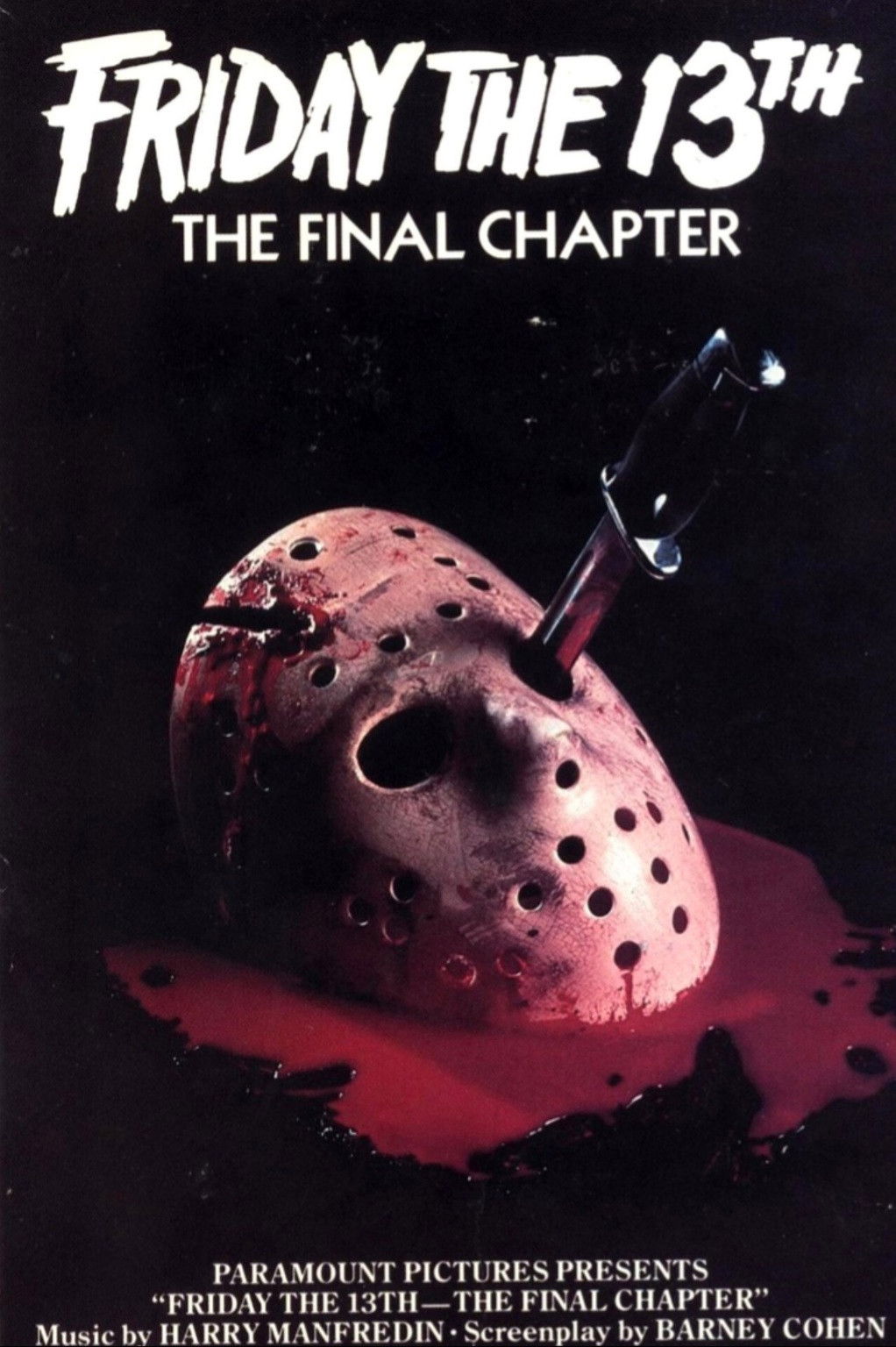
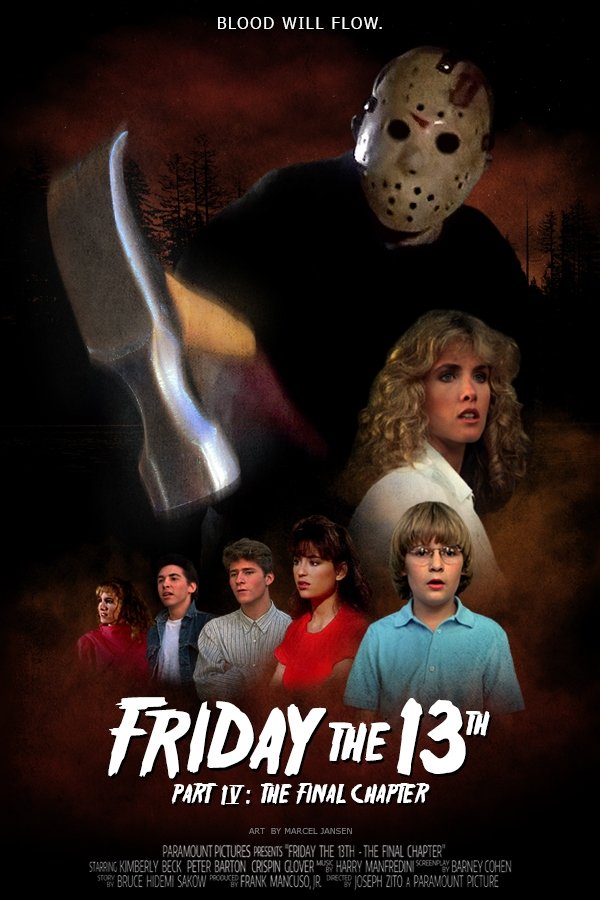
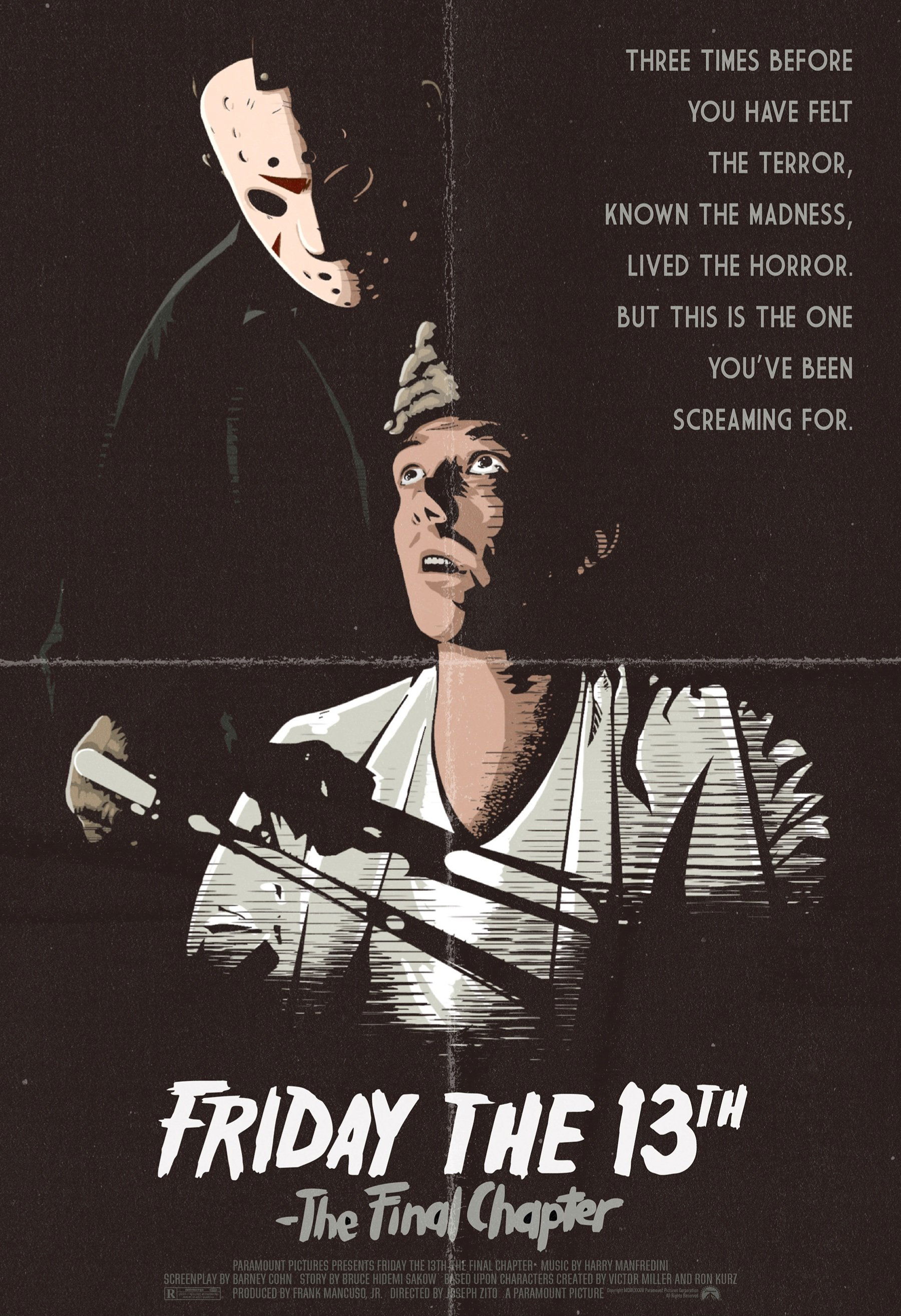
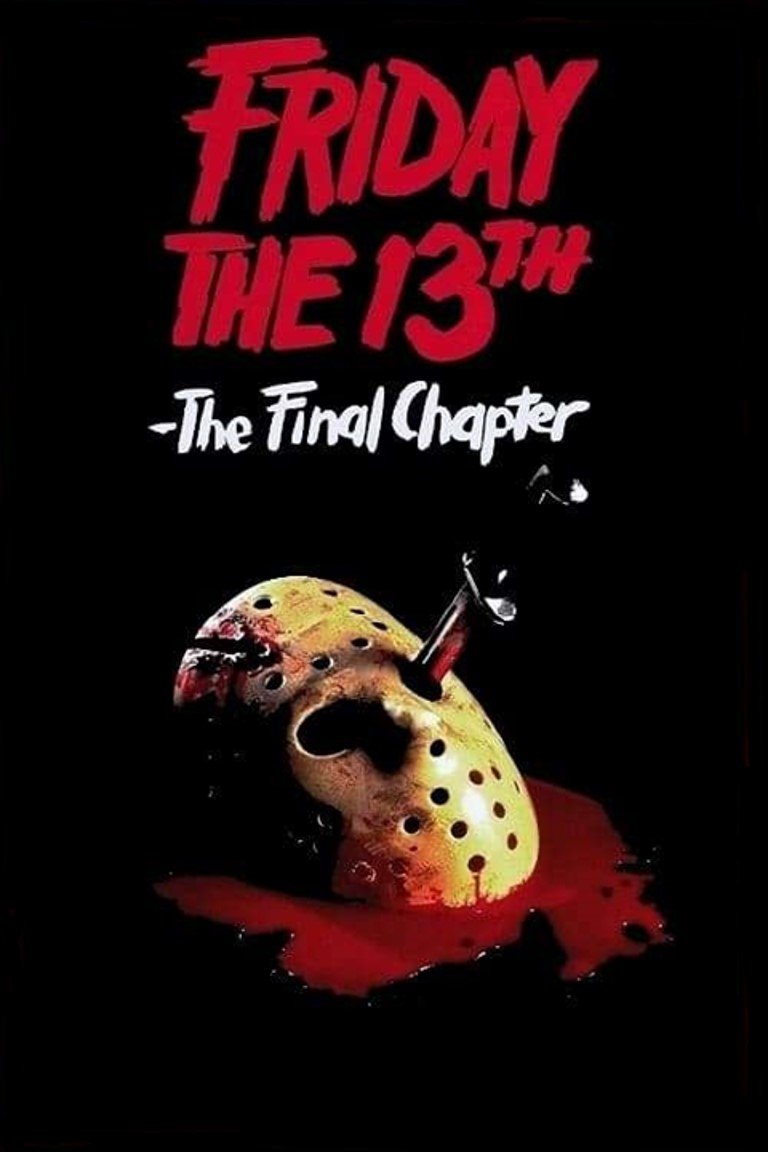
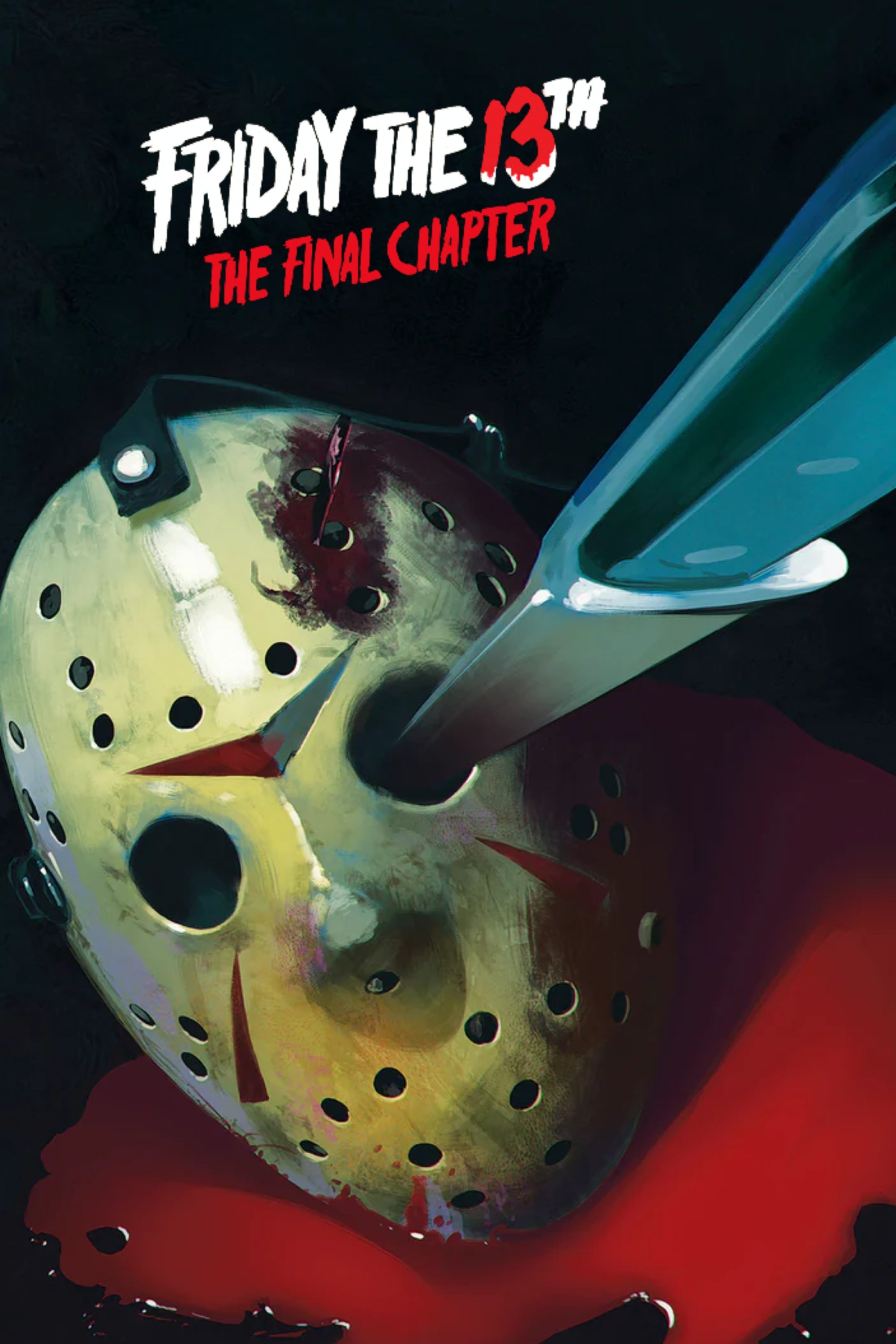
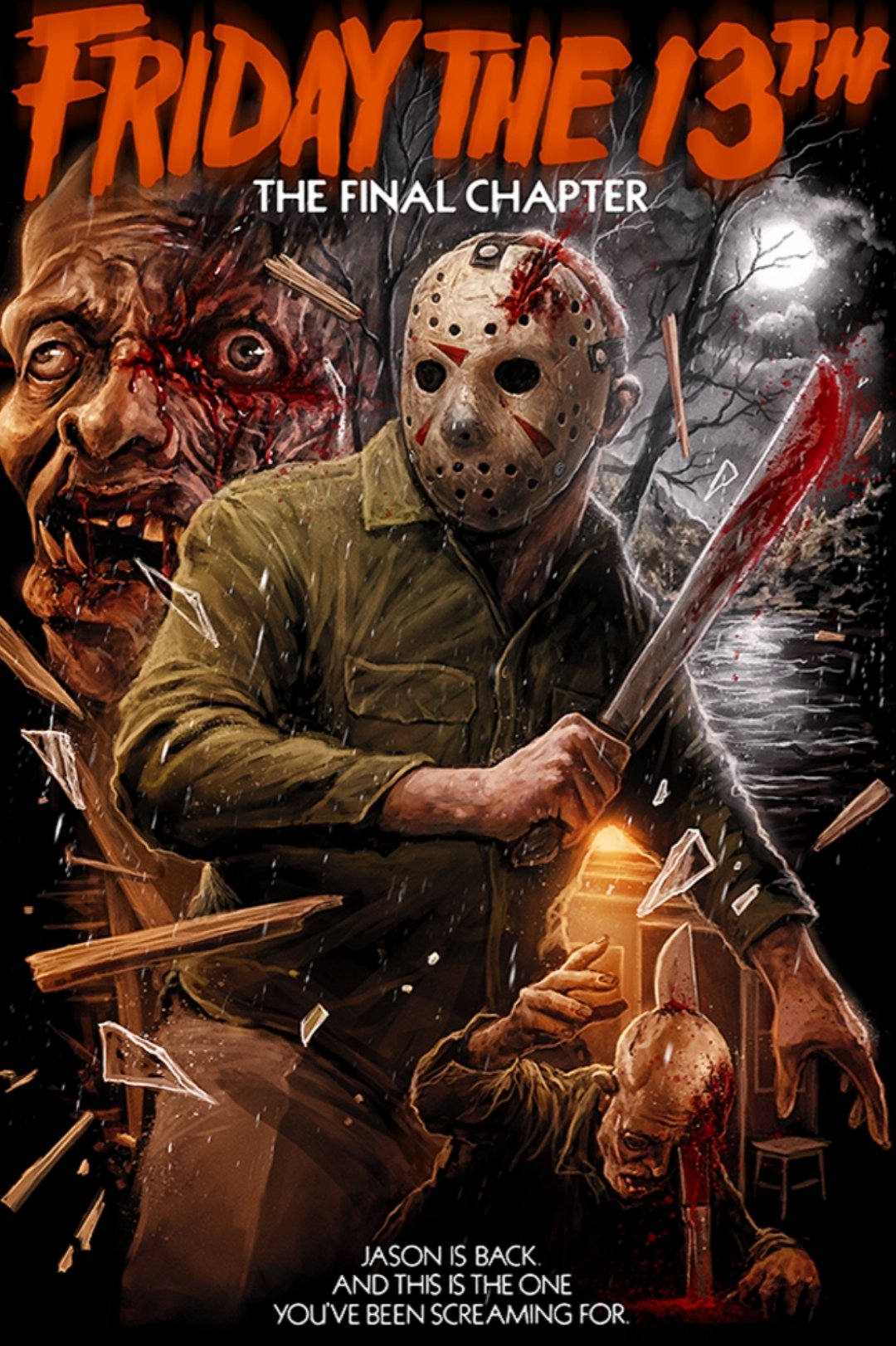
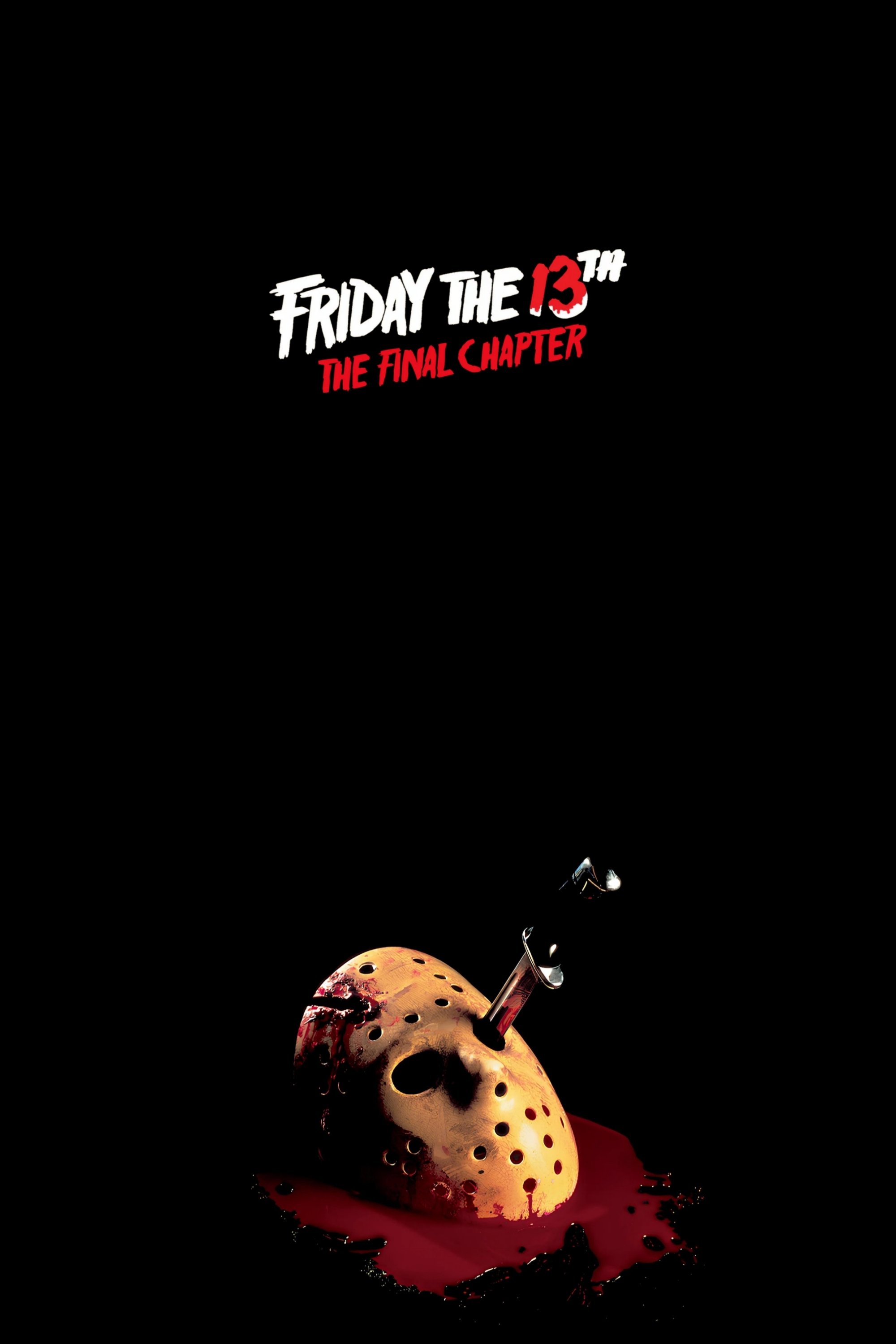
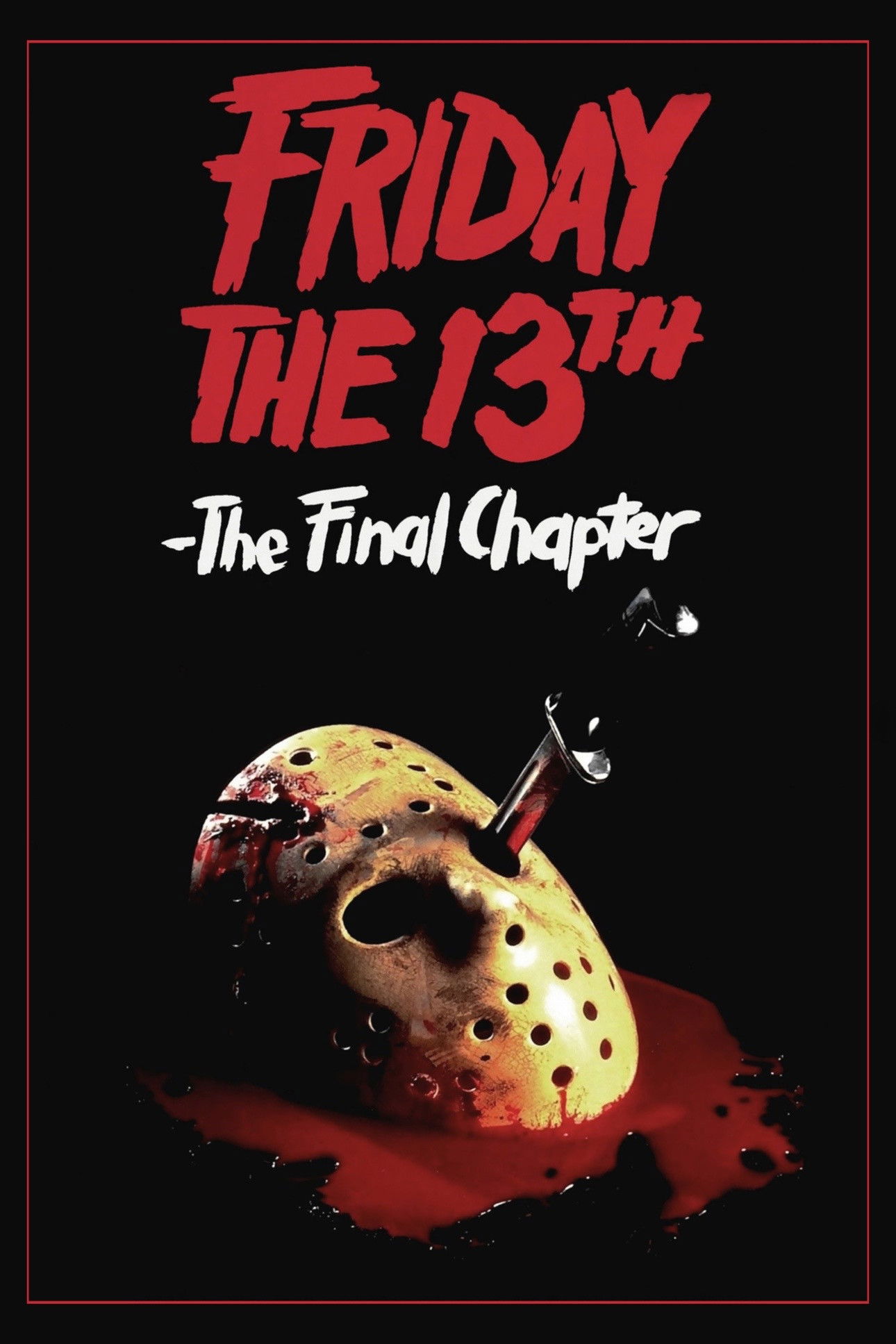
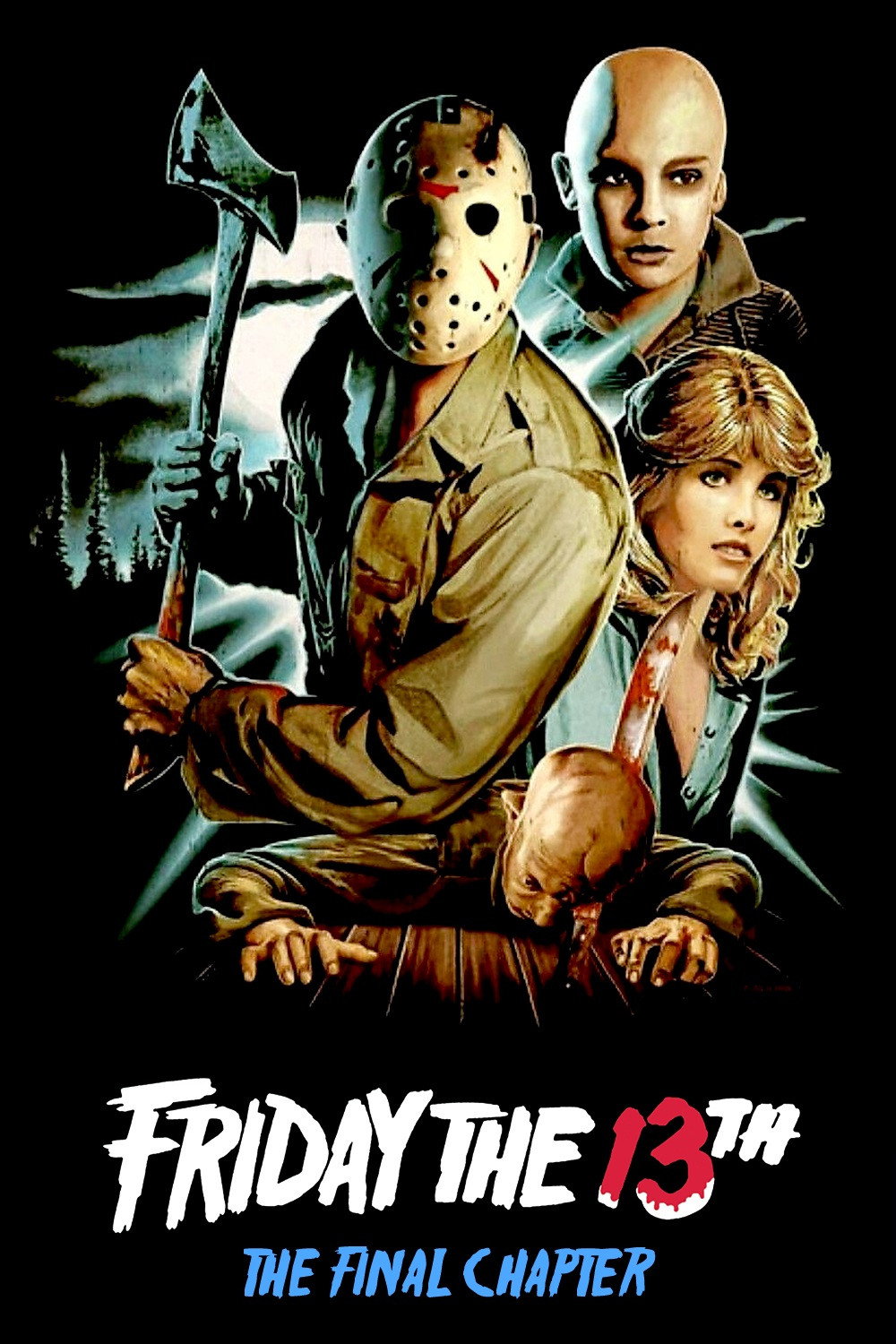
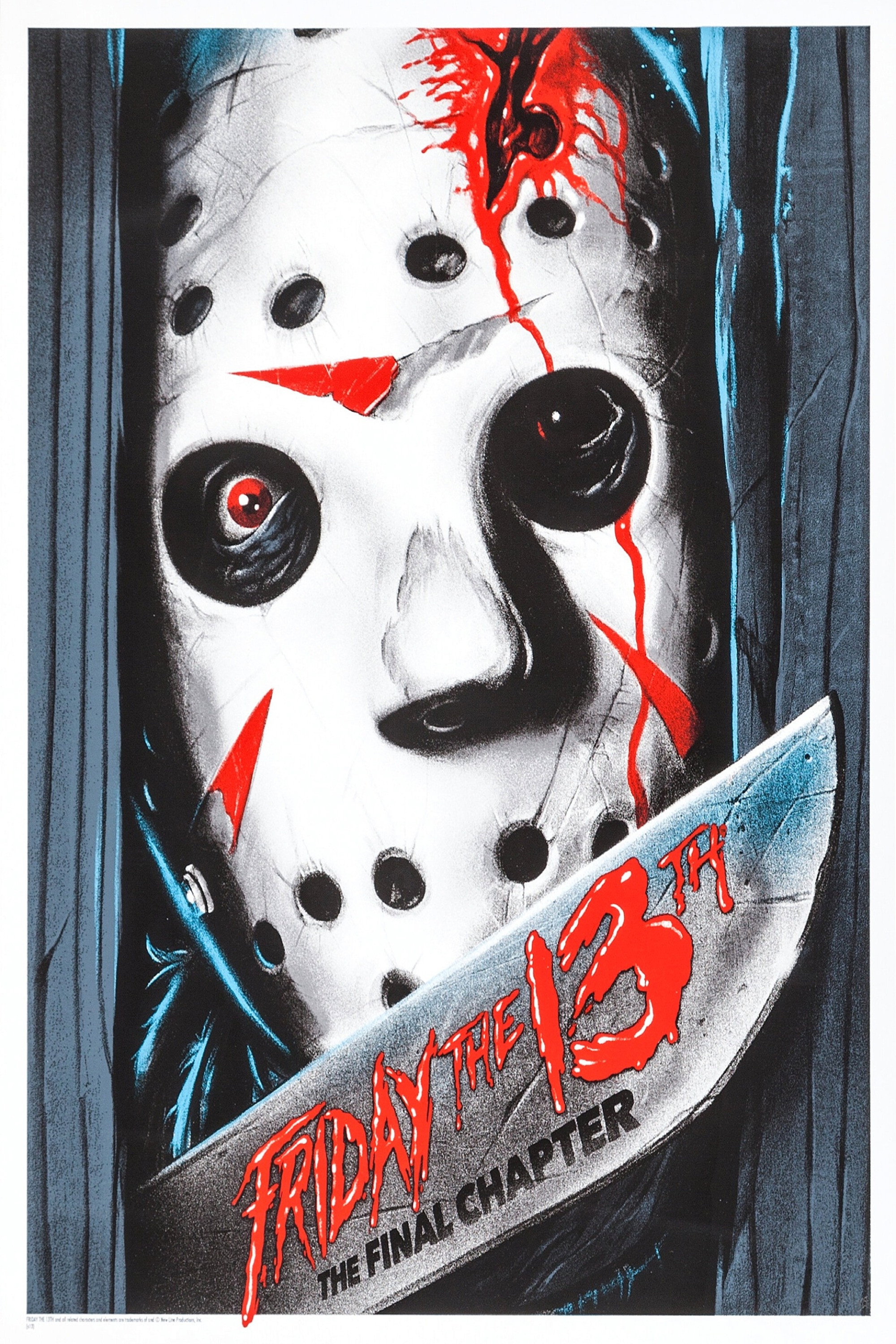
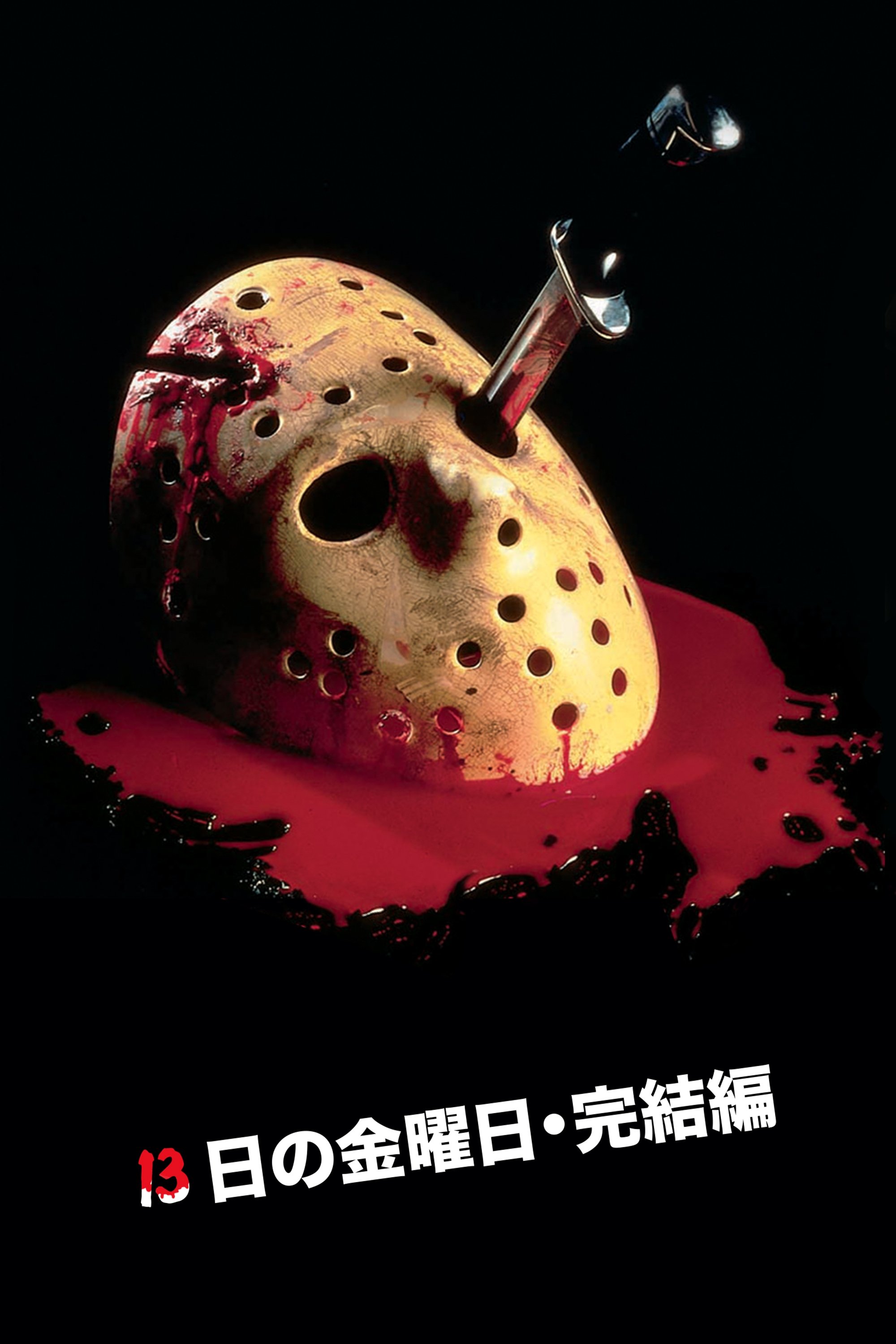
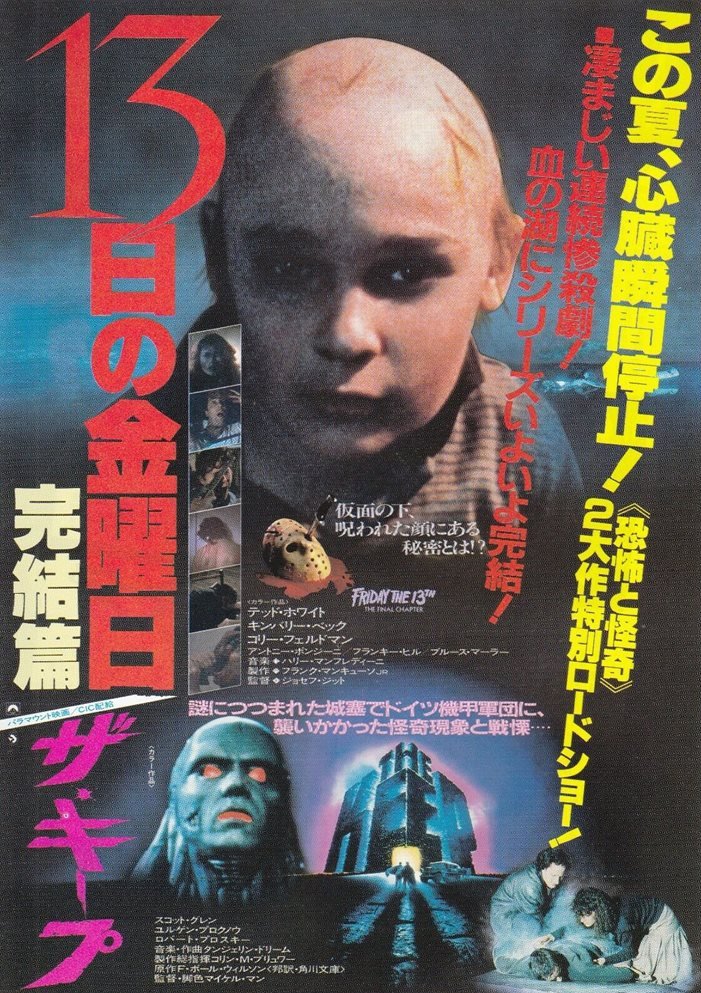
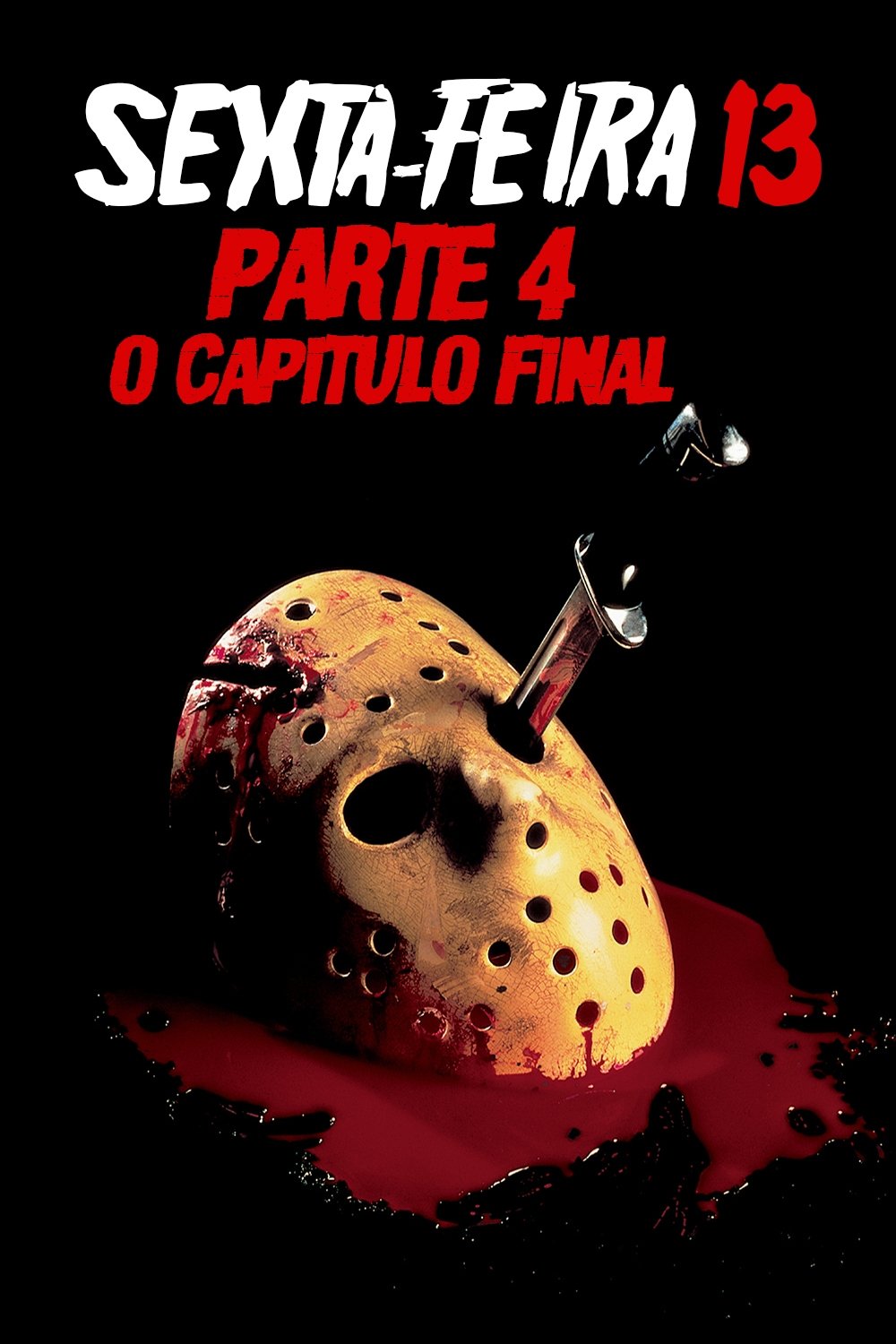
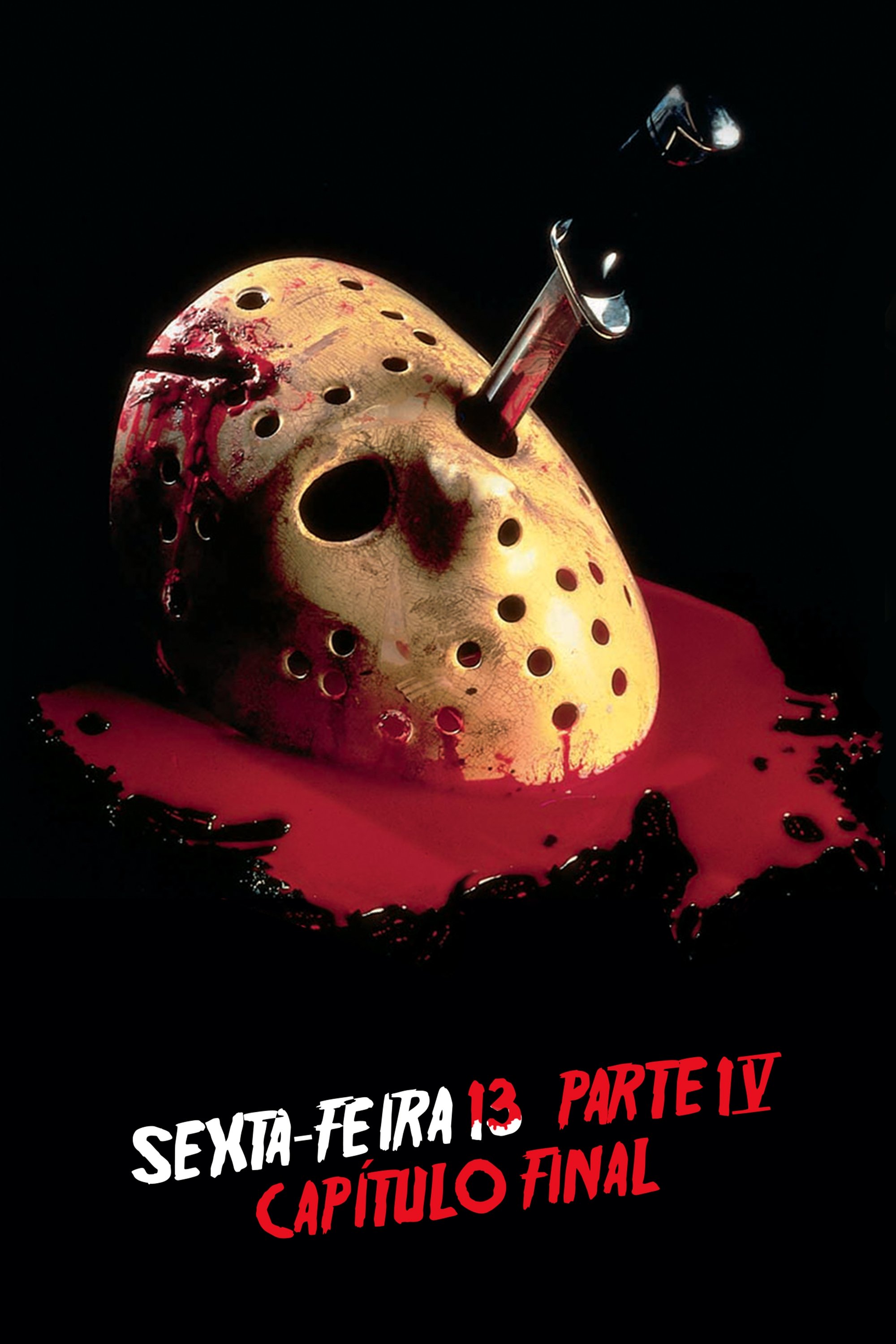
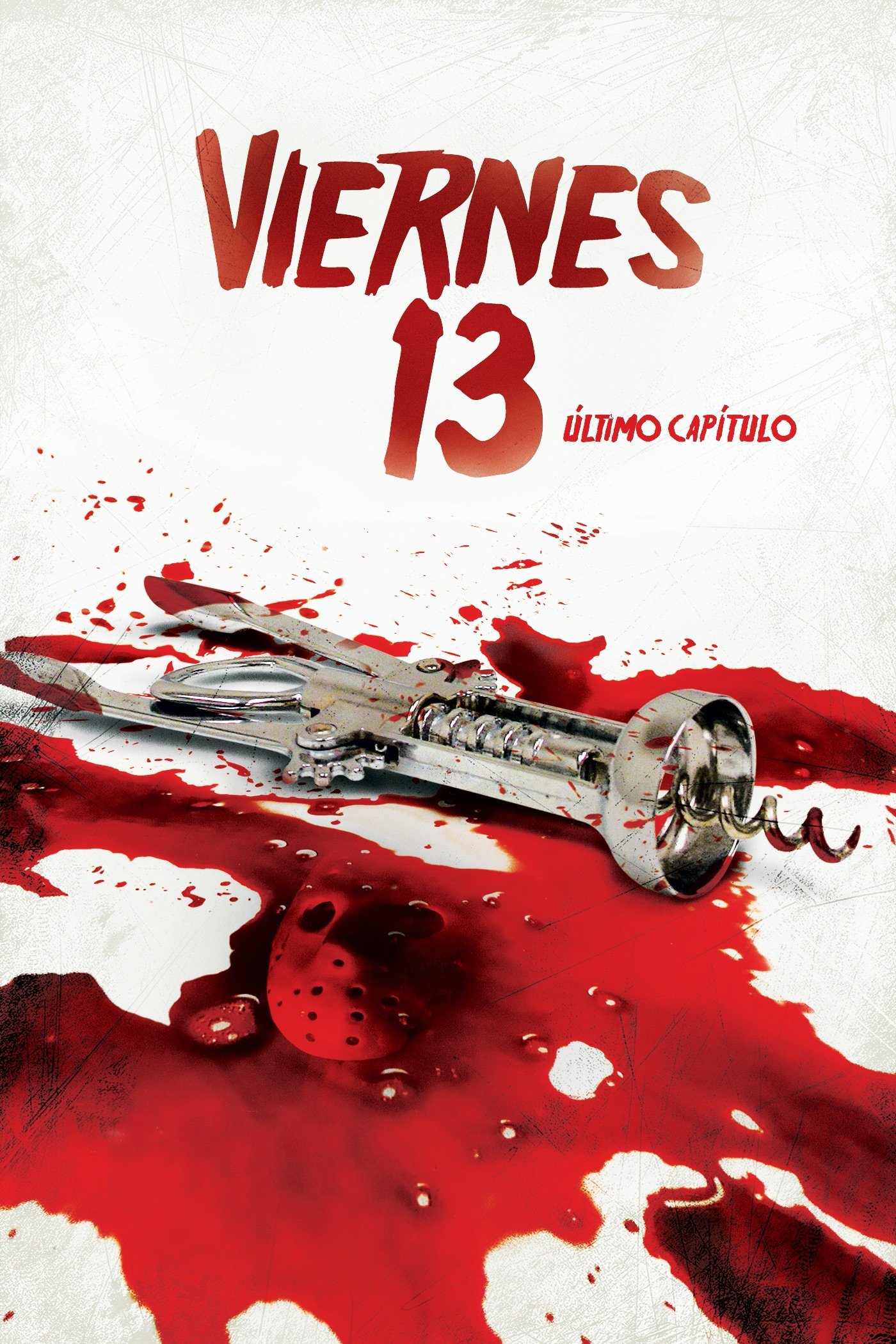
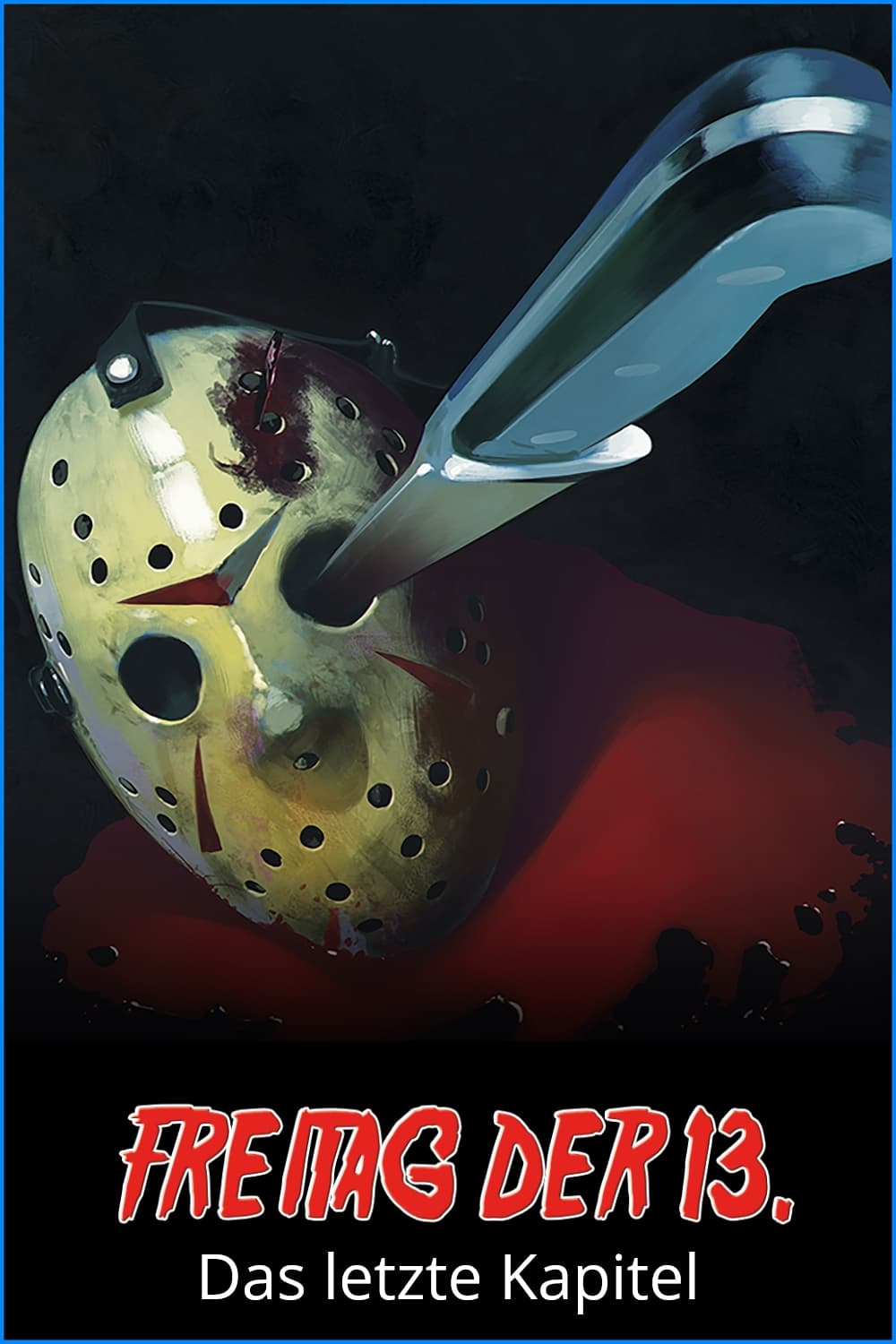
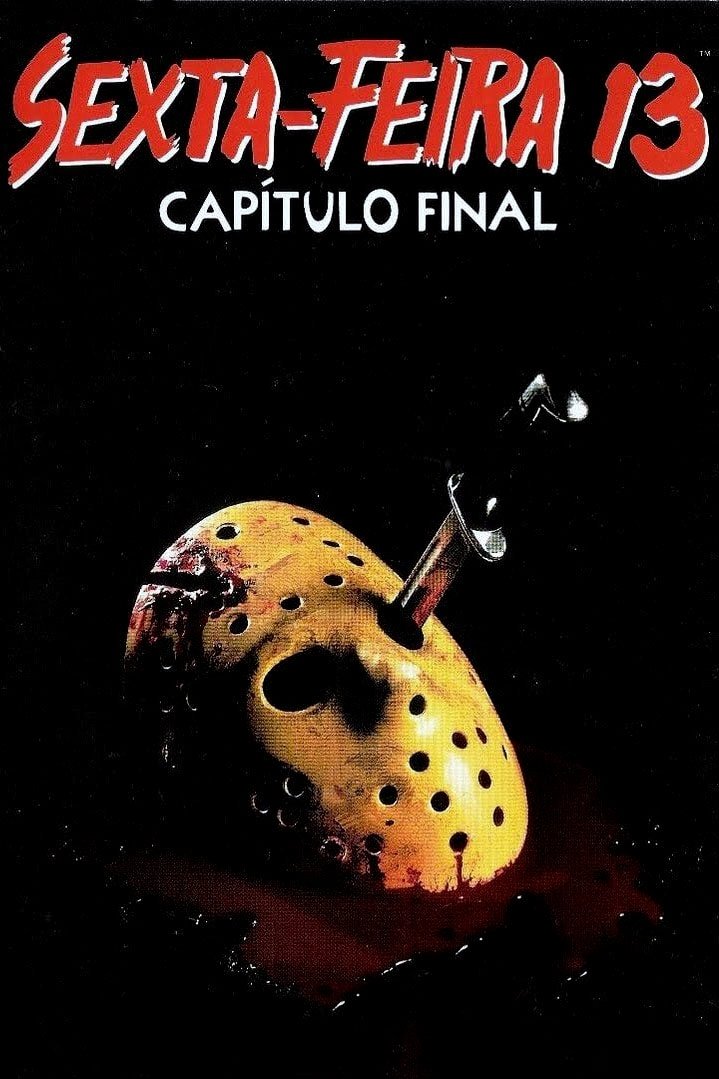
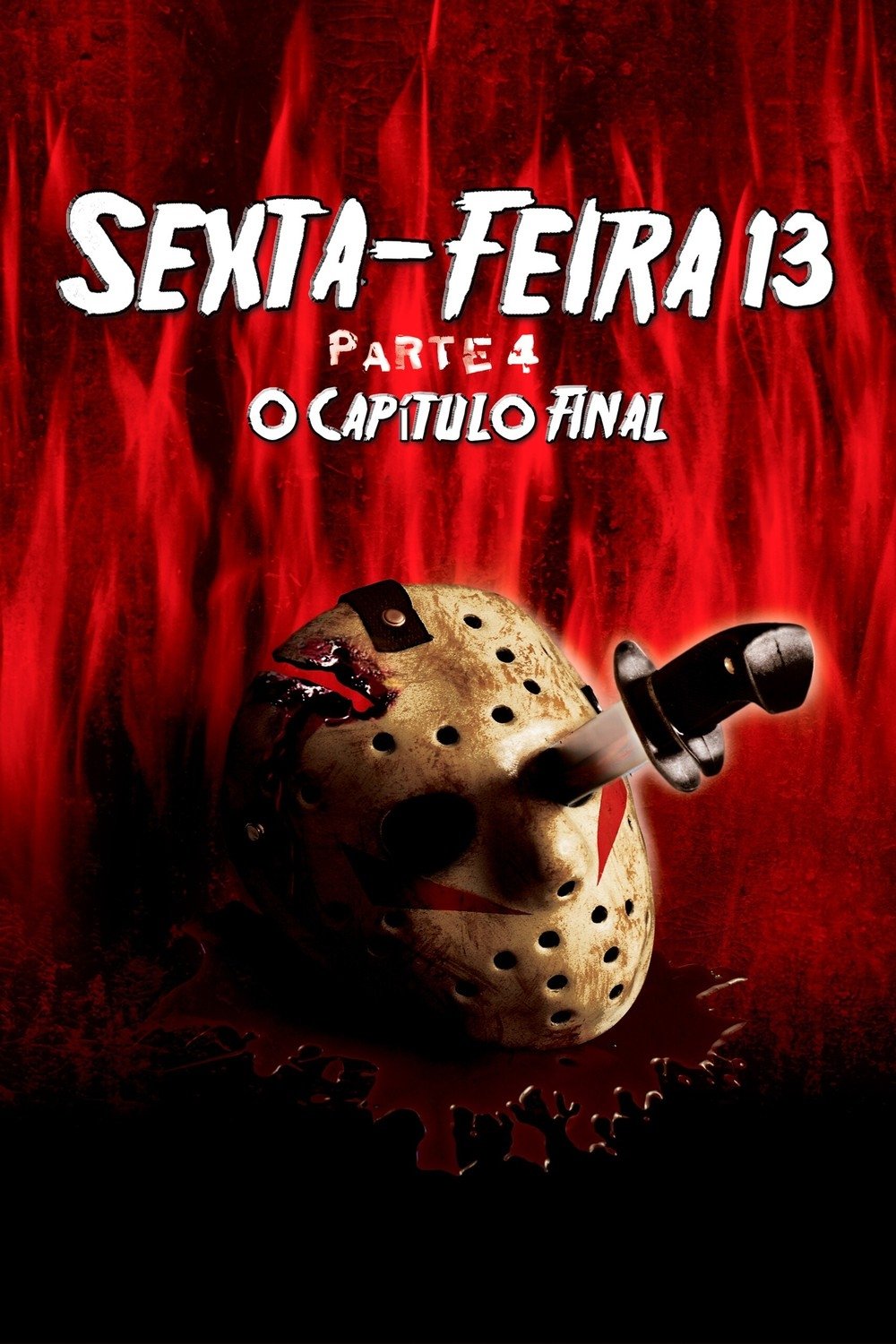
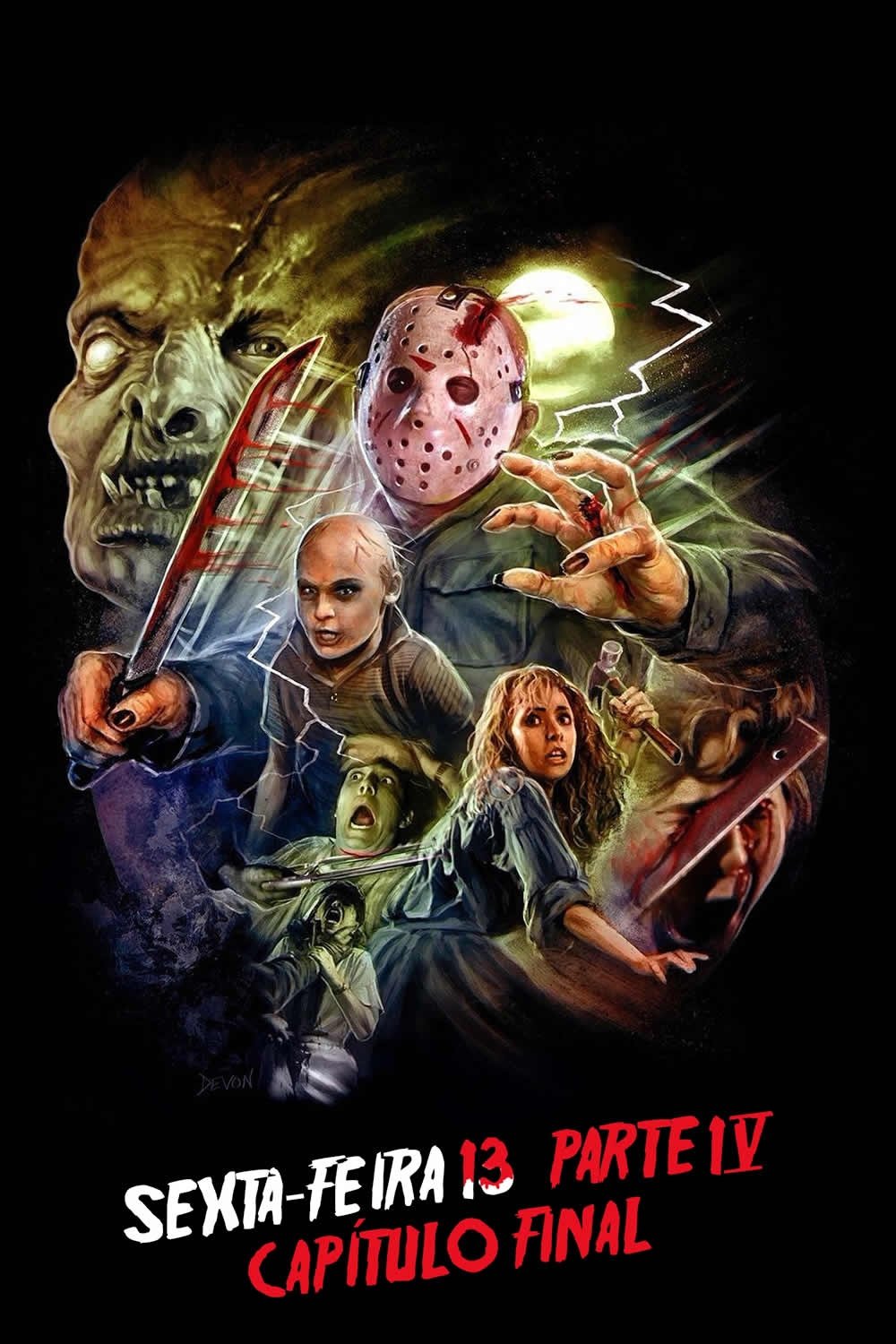
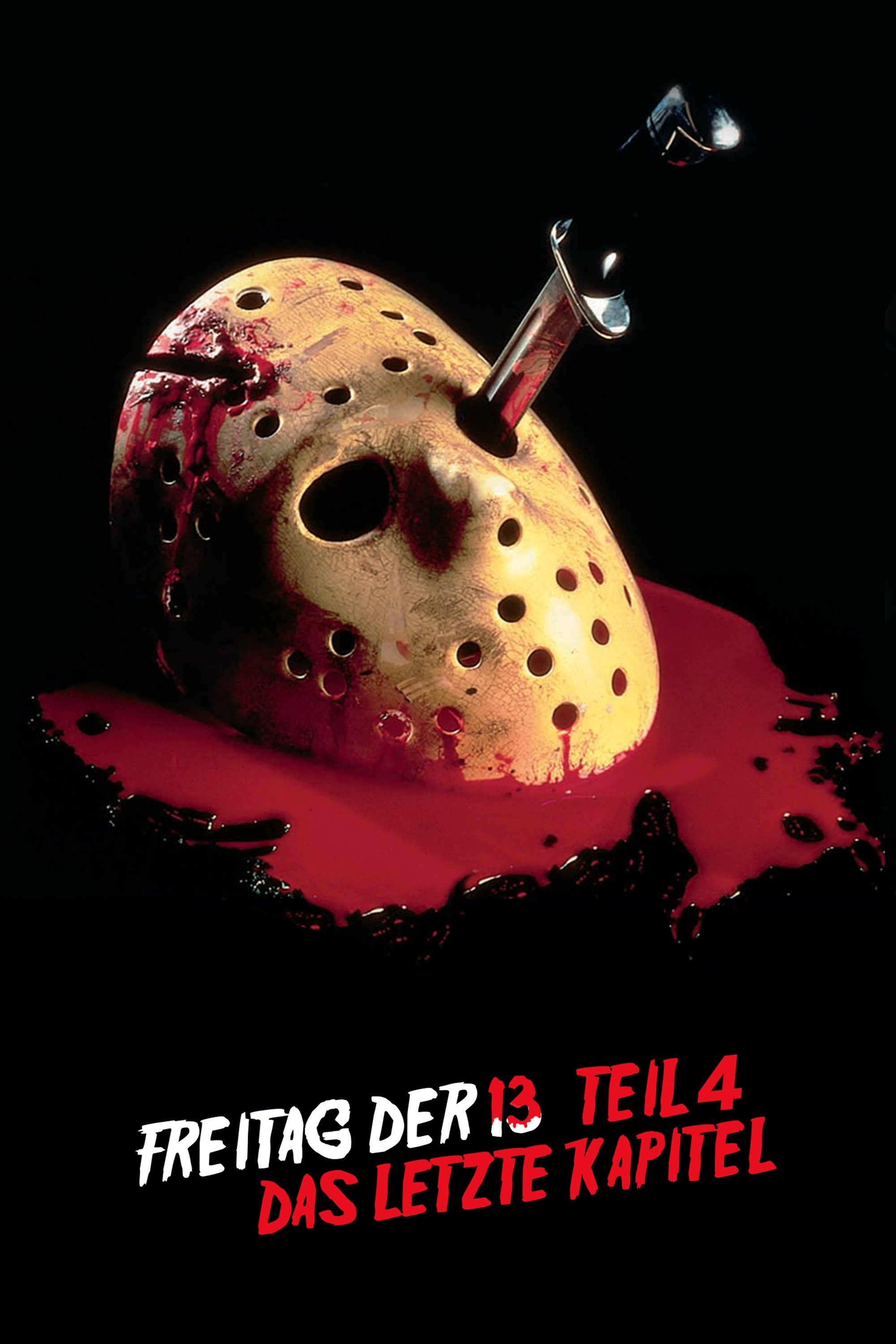
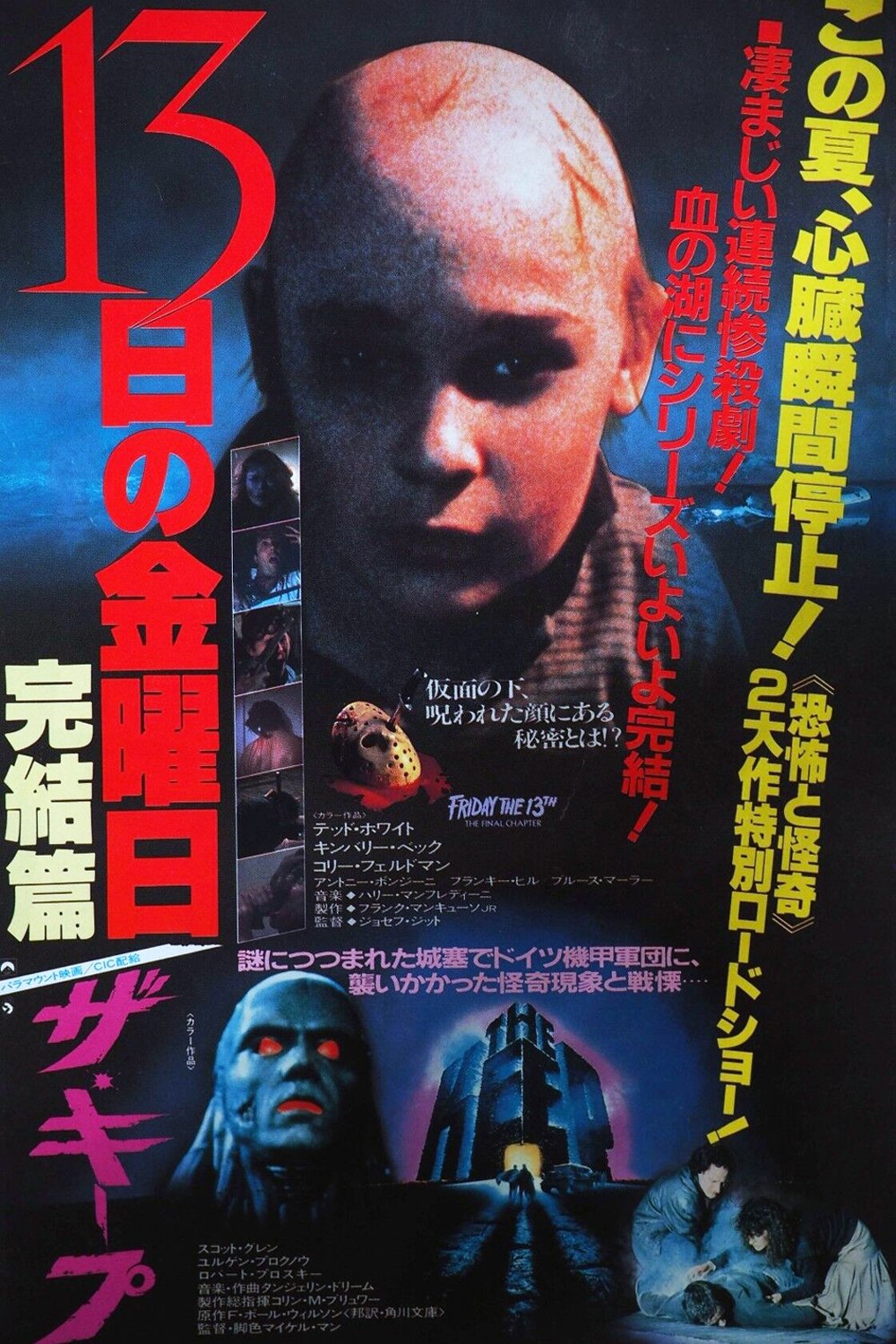
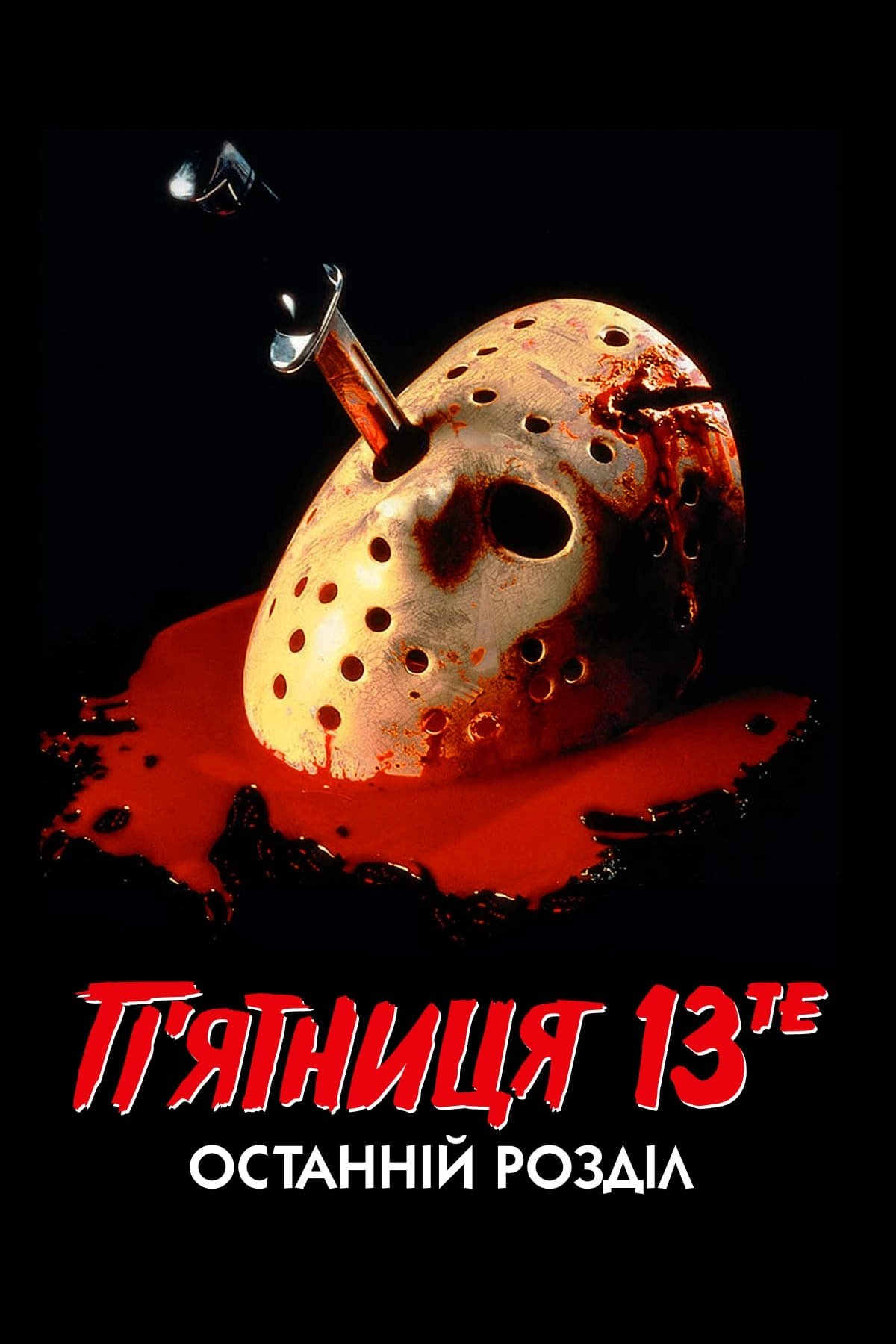
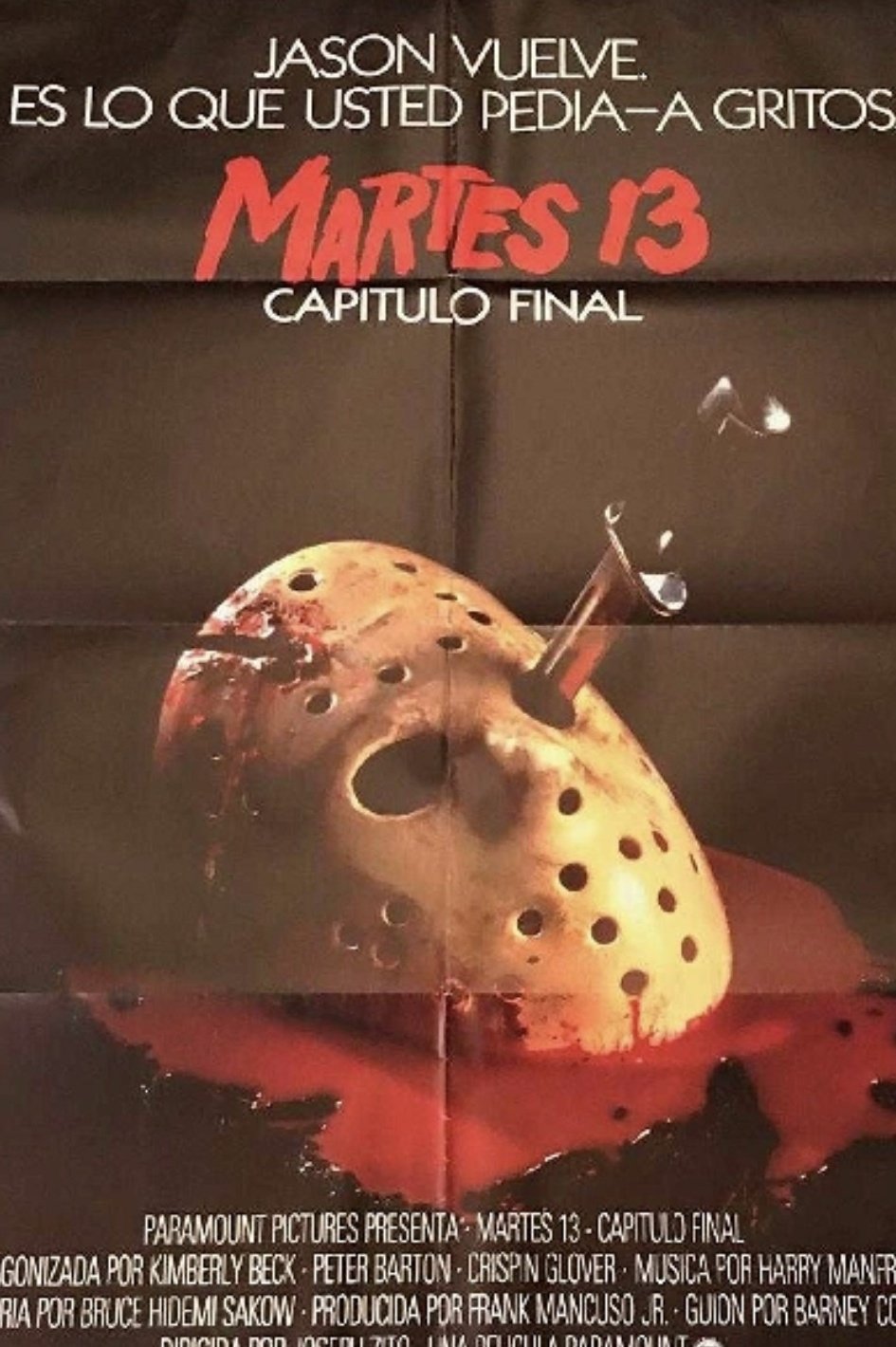
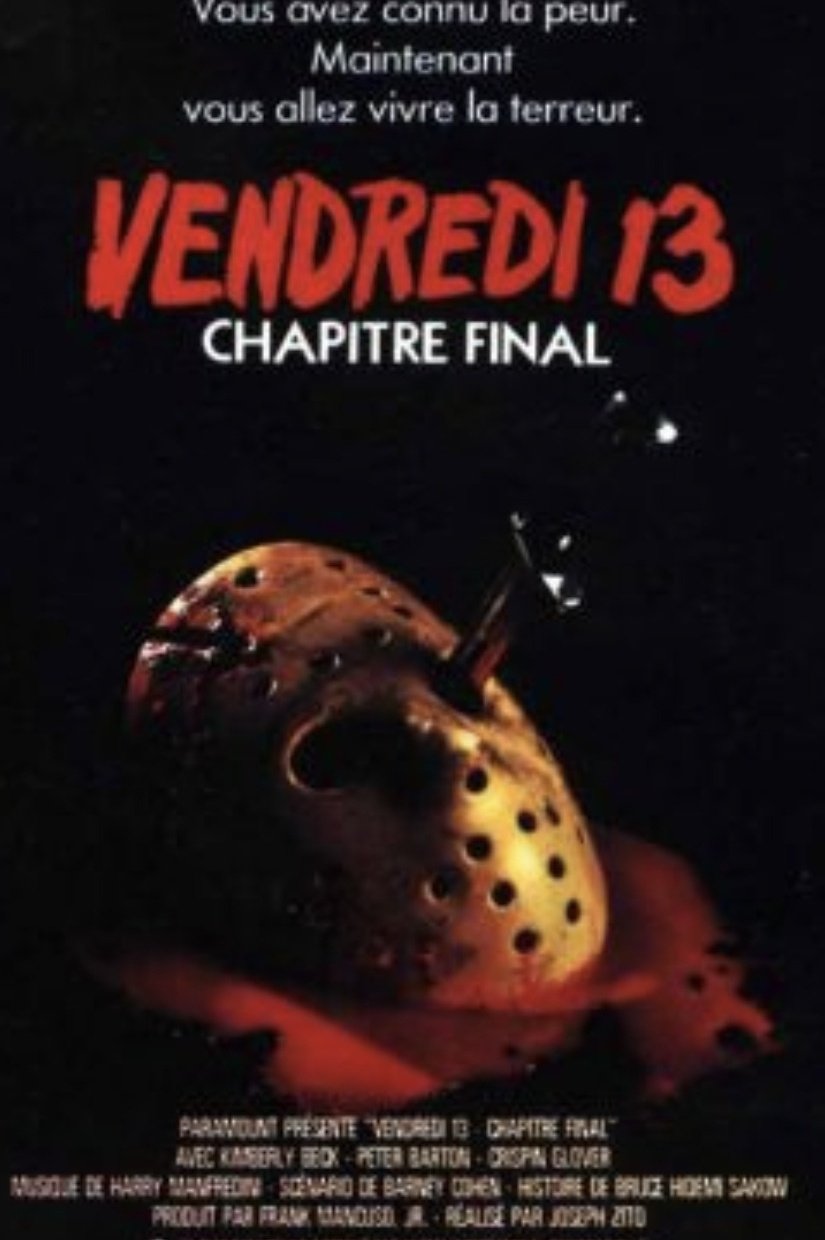
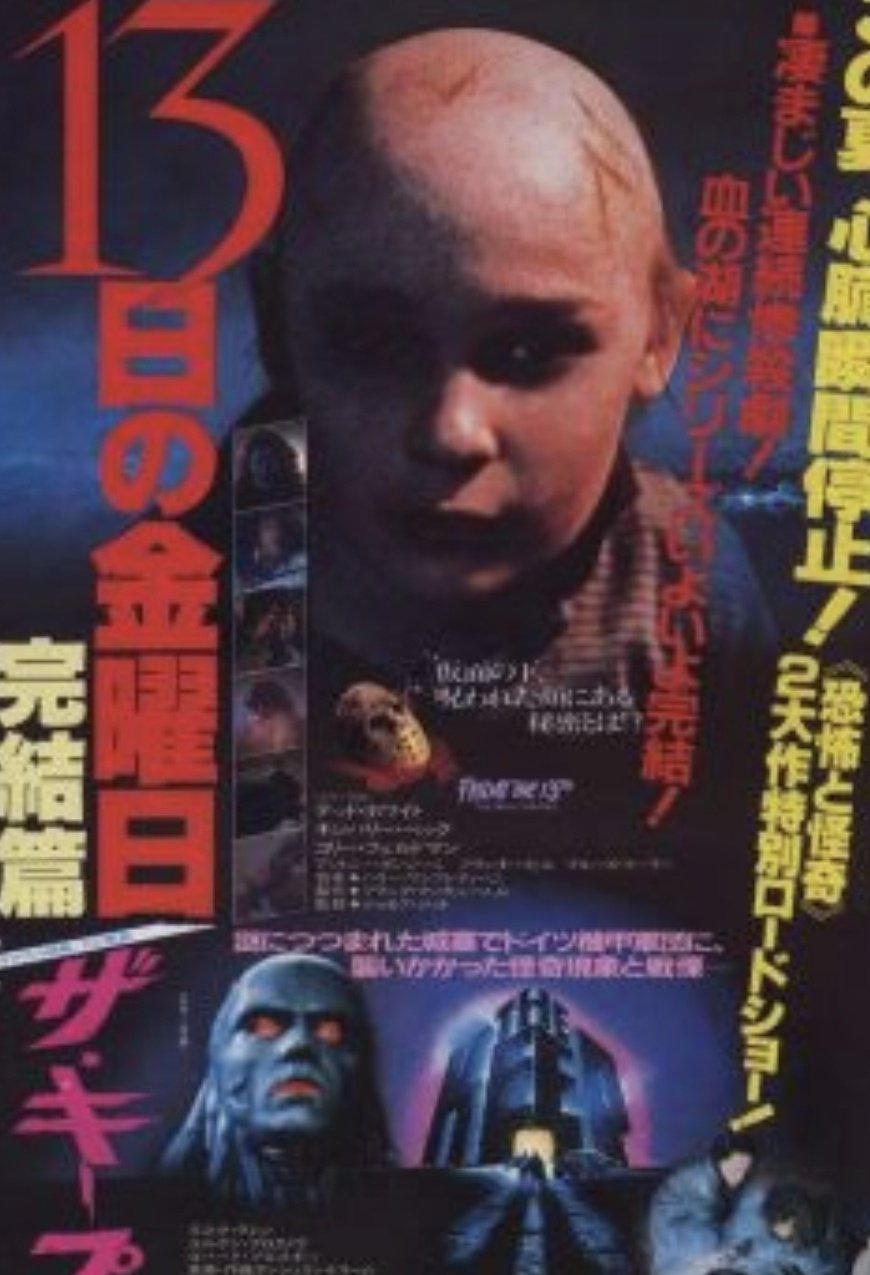
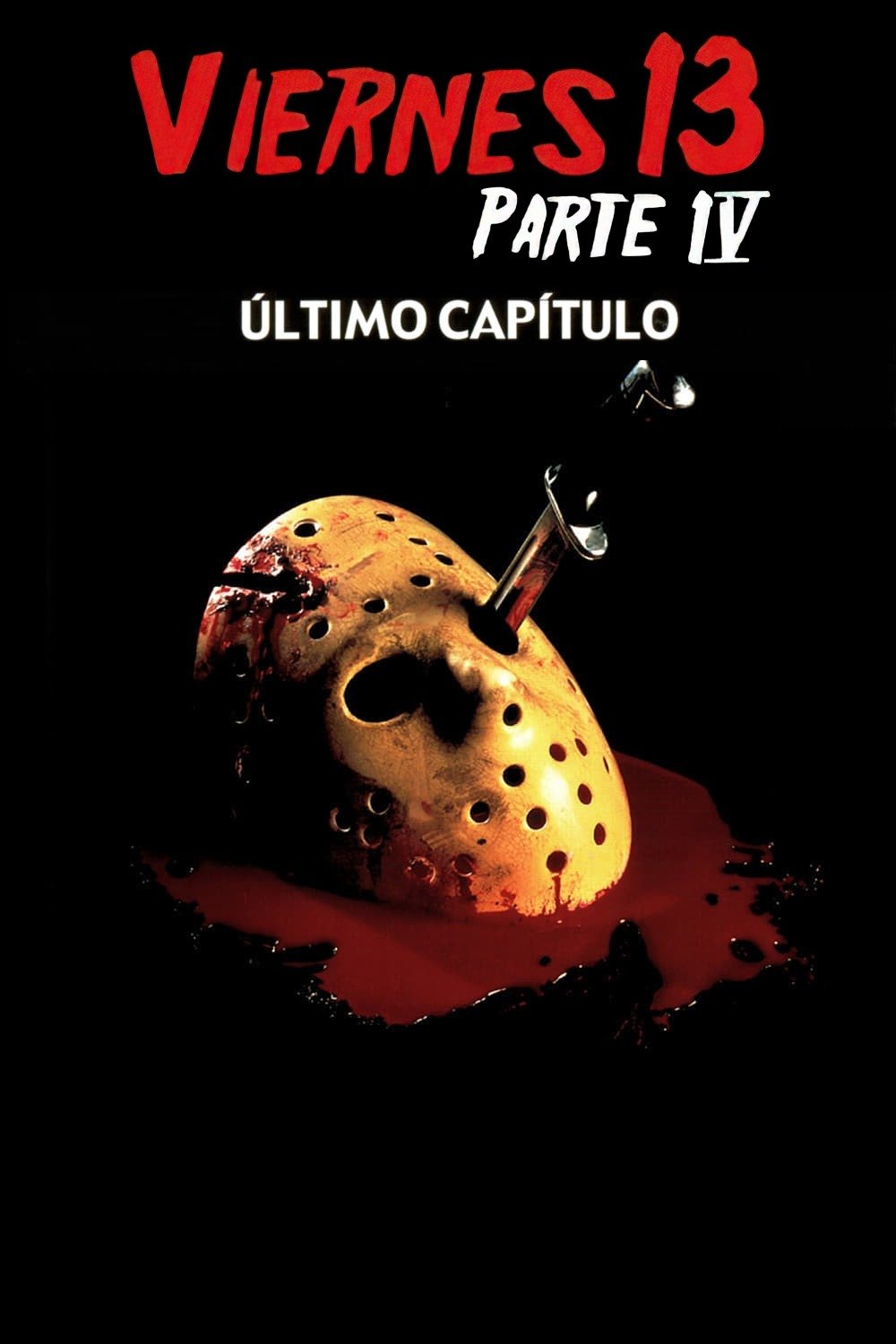
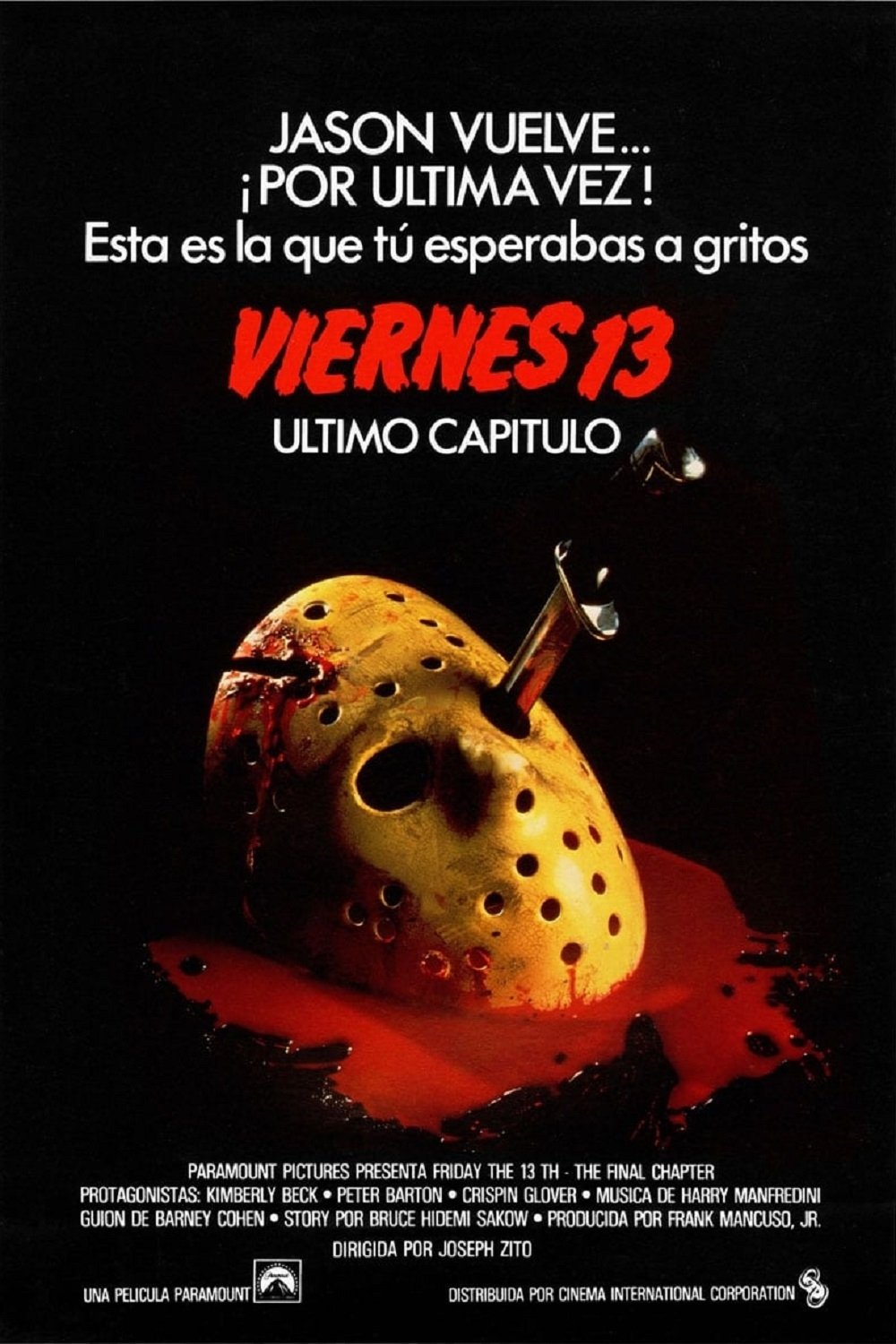
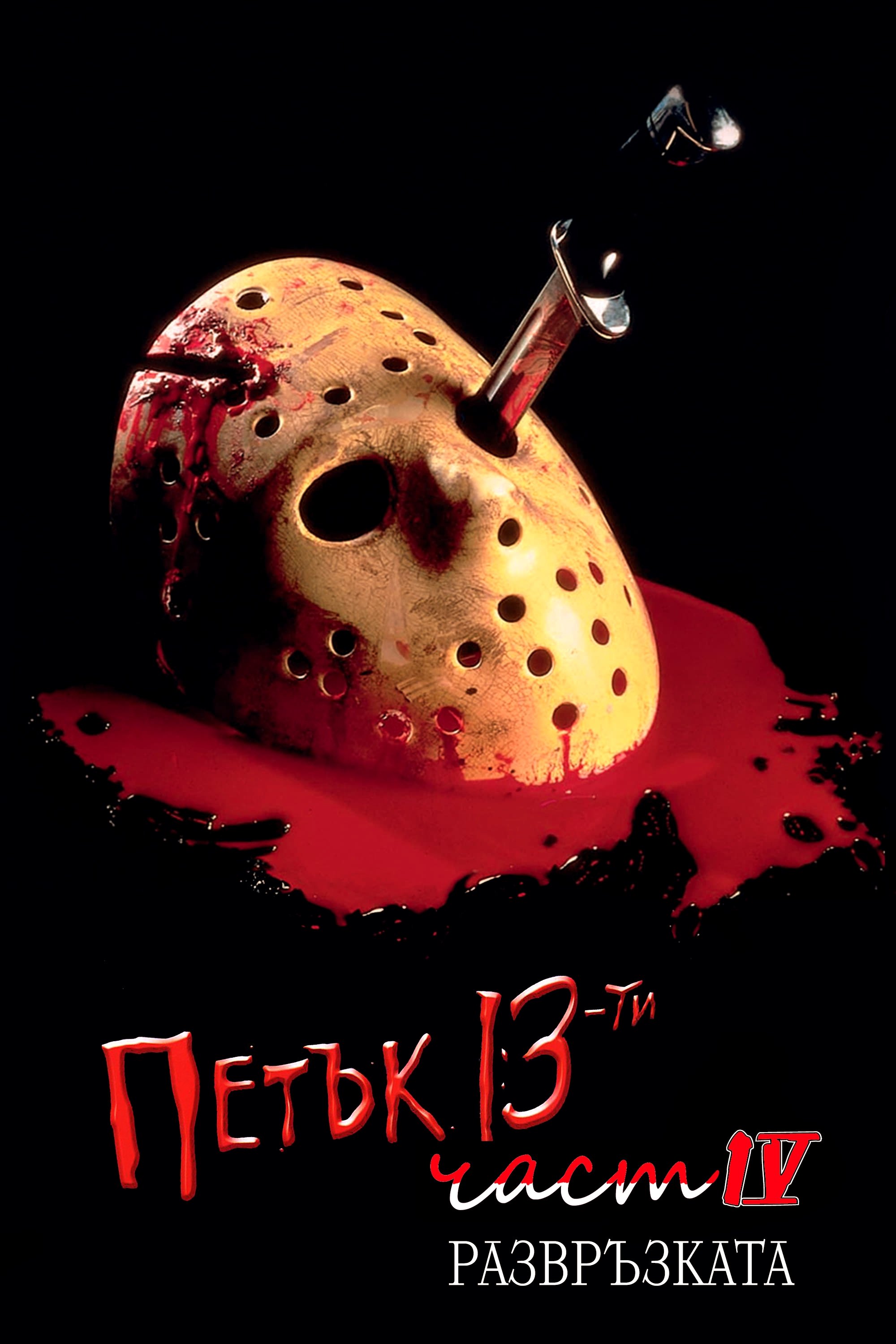
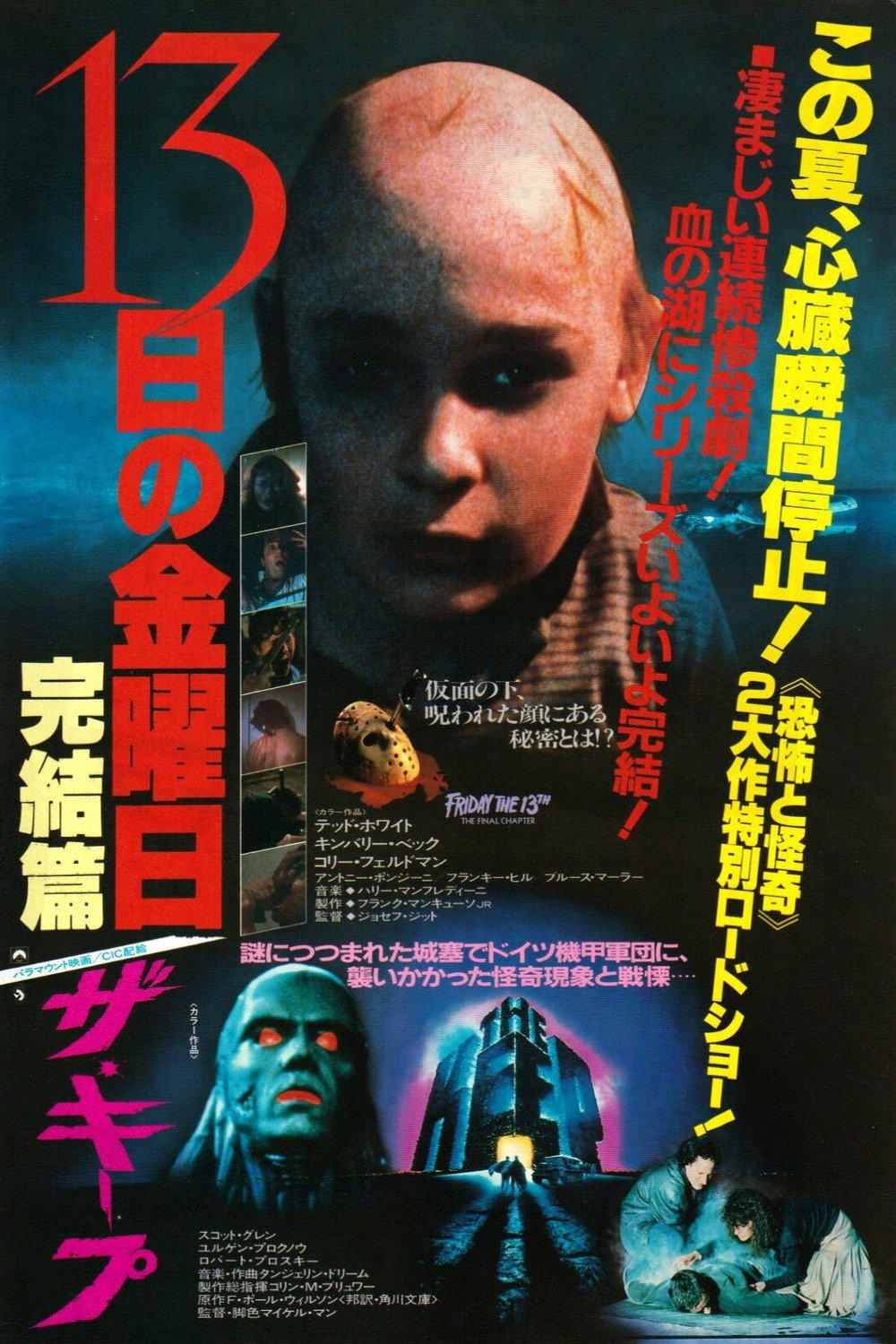
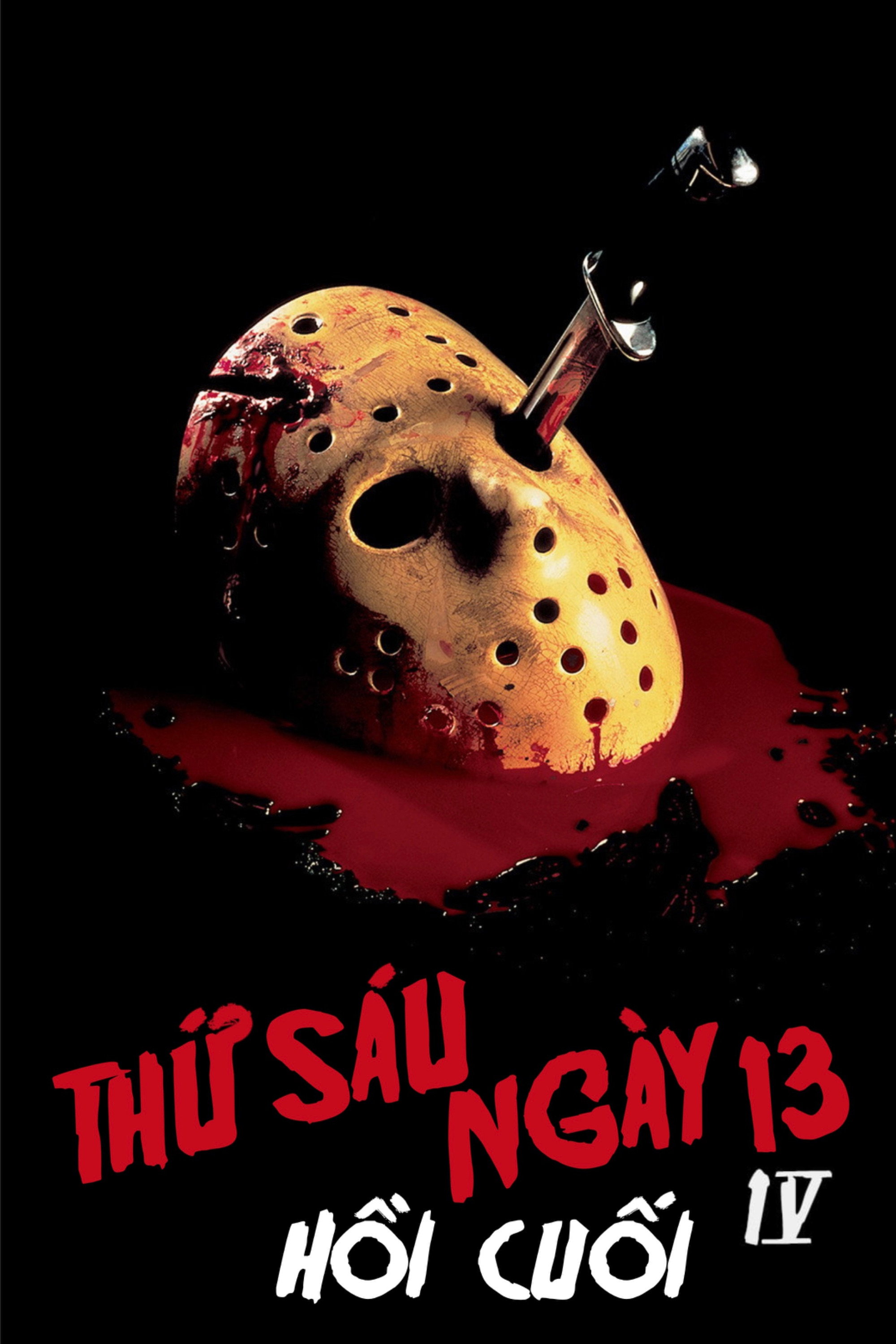
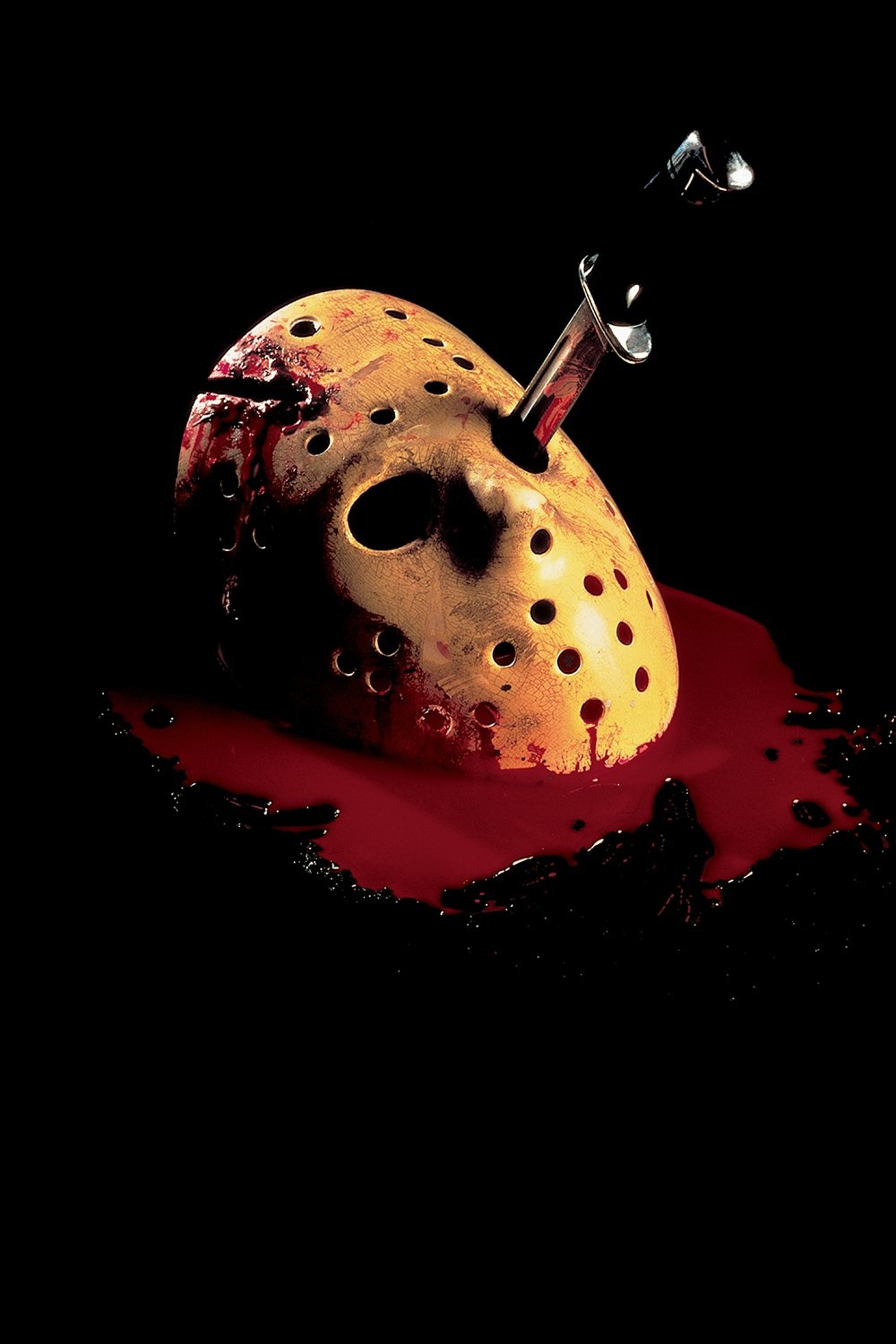
Friday the 13th: The Final Chapter (1984) poster
Director
Production Companies
Friday Four , Georgetown Productions , Paramount Pictures , Sean S. Cunningham Films
Plot

After the events at Higgins Haven, Jason Voorhees is taken to a hospital morgue, where he unexpectedly regains consciousness and escapes. Back near Crystal Lake, he stalks a group of vacationing teenagers staying beside the home of the Jarvis family. Young Tommy Jarvis, his sister Trish and their mother become caught in the danger, while a man investigating his sister's earlier disappearance arrives in the area. As the attacks intensify, Tommy and Trish must find a way to protect one another from the killer who has returned to the lake.

Alternative Titles
Martes 13: Capítulo final (Argentina) Cümə, ayın 13-ü: Sonuncu fəsil (Azerbaijan) — Azerbaijani Петък 13-и: Част 4 (Bulgaria) — Bulgarian Петък 13-и: Част IV: Последната глава (Bulgaria) Sexta-Feira 13 - Parte 4: O Capítulo Final (Brazil) Sexta-Feira 13 - Parte IV: O Capítulo Final (Brazil) — Portuguese Sexta-Feira 13: O Capítulo Final (Brazil) Vendredi 13 : Le Chapitre final (Canada) — French
Show all 79 alternative titles Vendredi 13: Le chapitre final (Canada) — French 十三号星期五:终结篇 (China) 十三号星期五4 (China) 十三号星期五4:终结篇 (China) — Chinese 黑色星期五:终结篇 (China) Pátek třináctého 4 (Czechia) Pátek třináctého 4: Poslední kapitola (Czechia) — Czech Freitag der 13. - Das letzte Kapitel (Germany) — German Freitag der 13. Teil 4 - Das letzte Kapitel (Germany) Fredag den 13. - Sidste kapitel (Denmark) Fredag den 13. del 4: Sidste kapitel (Denmark) — Danish Viernes 13 4ª Parte: Último Capítulo (Spain) Viernes 13. Último capítulo (Spain) — Spanish Perjantai 13. päivä, osa 4 (Finland) Vendredi 13 - Chapitre 4: Chapitre final (France) Vendredi 13 : Chapitre final (France) — alternative title Vendredi 13 IV: chapitre final (France) — alternative title Vendredi 13, chapitre 4 : Chapitre final (France) — French Friday the 13th: The Final Chapter - Part 4 (United Kingdom) — DVD box title Paraskevi kai 13: Meros 4 (Greece) — transliteration Παρασκευή και 13: Μέρος 4 (Greece) 十三號星期五 4:終結篇 (Hong Kong SAR China) — Chinese Petak 13. - 4 dio : Završno poglavlje (Croatia) — Croatian Petak 13.: Posljednje poglavlje (Croatia) Péntek 13. - IV. rész: Jason visszatér (Hungary) — announced title Péntek 13. - IV.rész: Az utolsó fejezet (Hungary) — Hungarian יום שישי ה-13 חלק 4: הפרק האחרון (Israel) — Hebrew Venerdì 13 - Capitolo finale (Italy) Venerdì 13: parte 4 - Capitolo finale (Italy) — DVD Venerdì 13: parte IV - Capitolo finale (Italy) — Home Video Title 13日の金曜日 完結編 (Japan) 13日の金曜日・完結編 (Japan) — Japanese 13일의 금요일 4 (South Korea) — Korean Penktadienis 13-oji. Paskutinis skyrius (Lithuania) — Lithuanian Martes 13: Capítulo final (Mexico) Viernes 13 parte 4 (Mexico) Viernes 13 Parte 4: Capítulo Final (Mexico) — Spanish Viernes 13: Capítulo final (Mexico) — Home Video Title Viernes 13: El capítulo final (Mexico) — DVD Title Friday the 13th---The Final Chapter (Netherlands) — Dutch Fredag den 13ende - Del 4 (Norway) — Norwegian Martes 13: Capítulo final (Peru) Piątek trzynastego 4: Ostatni Rozdział (Poland) — Polish Piątek trzynastego IV: Ostatni rozdział (Poland) Sexta-Feira 13 - Parte 4: O Capítulo Final (Portugal) Vineri 13 (IV): Capitolul final (Romania) Petak 13-ti, 4. deo: Poslednje poglavlje (Serbia) Петак тринаести 4: Последње поглавље (Serbia) — Serbian Пятница 13 - Часть 4: Последняя глава (Russia) — Russian Пятница тринадцатое - Часть 4 (Russia) Пятница тринадцатое - Часть 4: Последняя глава (Russia) Fredagen den 13:e del 4 (Sweden) — Home Video Title Petek 13.: Zadnje poglavje (Slovenia) — Slovenian Piatok trinásteho 4 (Slovakia) Viernes 13 Parte 4 Capitulo Final (El Salvador) ศุกร์ 13 ฝันหวาน ภาค 4 (Thailand) — Thai 13. Cuma 4: Son Bölüm (Türkiye) 13. Cuma Son Bölüm (Türkiye) — Turkish, video box title 13. Cuma: Son Bölüm (Türkiye) — Turkish 十三號星期五4:終結篇 (Taiwan) — Chinese П'ятниця 13: Остання глава (Ukraine) П’ятниця 13-те 4 (Ukraine) П’ятниця 13-те: Остання глава (Ukraine) — Ukrainian П’ятниця 13-те: Частина 4 (Ukraine) Friday the 13th - The Final Chapter (United States) — home video title Friday the 13th Part 4: The Final Chapter (United States) — Working Title Friday the 13th Part IV: The Final Chapter (United States) — alternative title Friday the Thirteen IV: The Final Chapter (United States) — Android TV Friday the Thirteenth: The Final Chapter (United States) — trailer title Martes 13: Capítulo final (Uruguay) Thứ 6 Ngày 13: Hồi Cuối (Vietnam) — Vietnamese

Trailers & Videos

2 videos

Film Guide & Analysis

Joseph Zito's promised finale introduces Tommy Jarvis, features Ted White as Jason and culminates in Tom Savini's elaborate practical-effects death sequence.

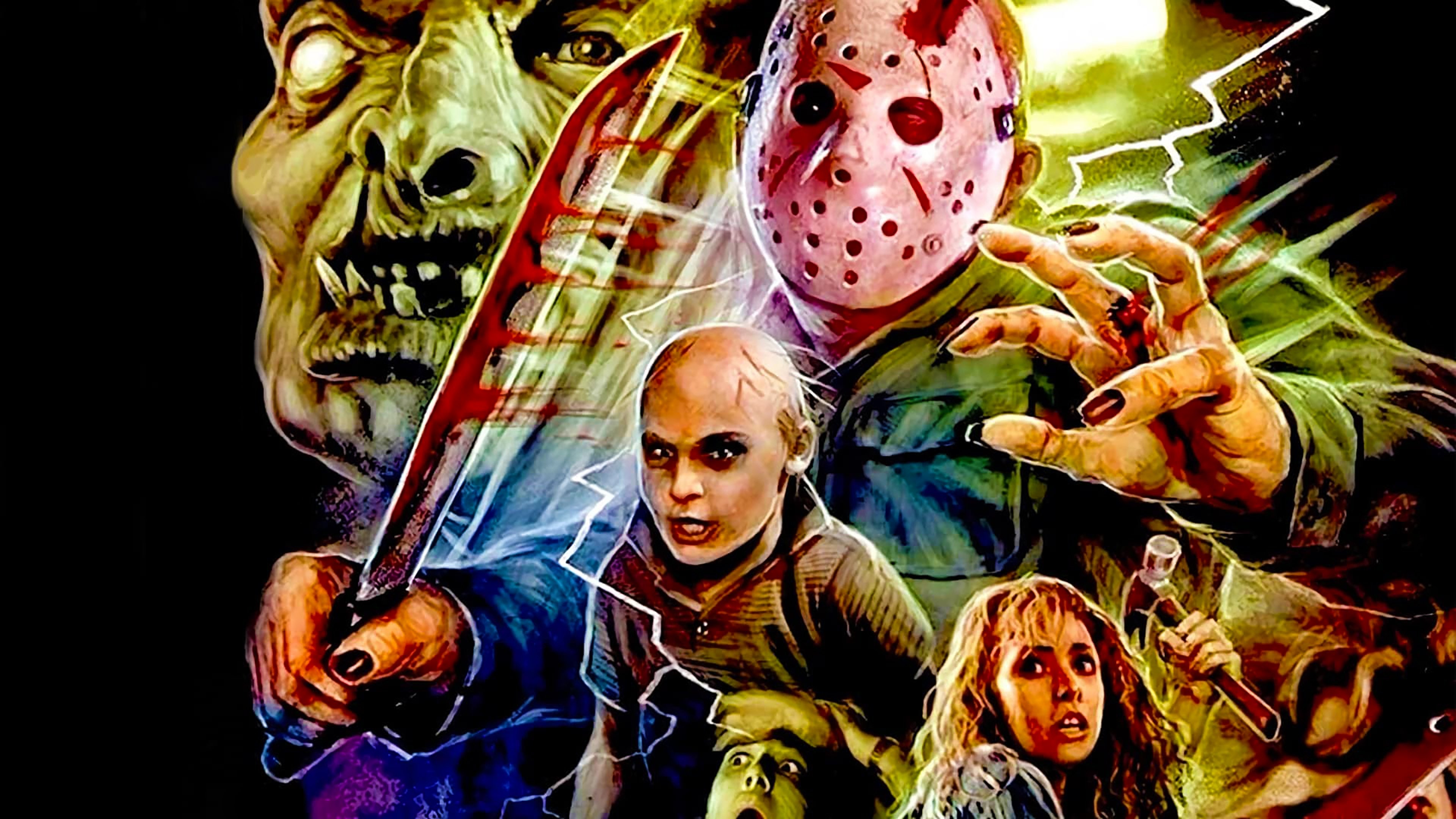
Friday the 13th: The Final Chapter (1984) occupies a turning point in the early history of Jason Voorhees. Marketed as an ending to the slasher series, Joseph Zito's film instead gave its masked killer one of his most forceful appearances and introduced Tommy Jarvis, a child whose fascination with monster makeup becomes crucial to the confrontation. The story continues immediately after the third installment, but its central drama shifts toward a household occupied by a mother and her two children. That domestic setting provides a different source of vulnerability from the familiar gathering of visiting young adults.

The fourth film also places practical makeup at the center of its identity. Tom Savini returned to work on Jason's apparent death after creating the effects for the 1980 original, and stunt performer Ted White brought a severe physicality to the character. Behind the advertised finality was a commercial franchise still attracting a large opening-weekend audience. Its history reveals the collision between a planned conclusion, the established pleasures of the slasher formula and the pressure to make each successive screen murder more startling.

Production: Planning an Ending for Jason

The project moved forward after three commercially successful films had established Crystal Lake as a repeatable horror setting. Archival reporting collected by the American Film Institute identifies an October 1983 casting notice using the working title Friday the 13th IV, The Final Chapter. Principal photography was planned for six weeks in the Los Angeles area beginning late that month. The production was led by Frank Mancuso Jr., with Joseph Zito directing after his earlier slasher The Prowler. For a sequel promising to end the series, the challenge was to preserve its recognizability while supplying a convincing last encounter with Jason.

Zito's connection to the production grew out of his previous horror work. In an account of how he obtained the assignment, he recalled that an owner associated with the franchise had seen The Prowler and contacted him about directing another Friday the 13th film. The filmmaker then became involved in discussing the story before a finished script existed. Bruce Hidemi Sakow received story credit, while Barney Cohen wrote the screenplay. The relationship between creative development and the advertised ending matters because the subtitle was part of the film's conception, not merely a description applied after the series had stopped.
Ted White and the Physical Presence of Jason

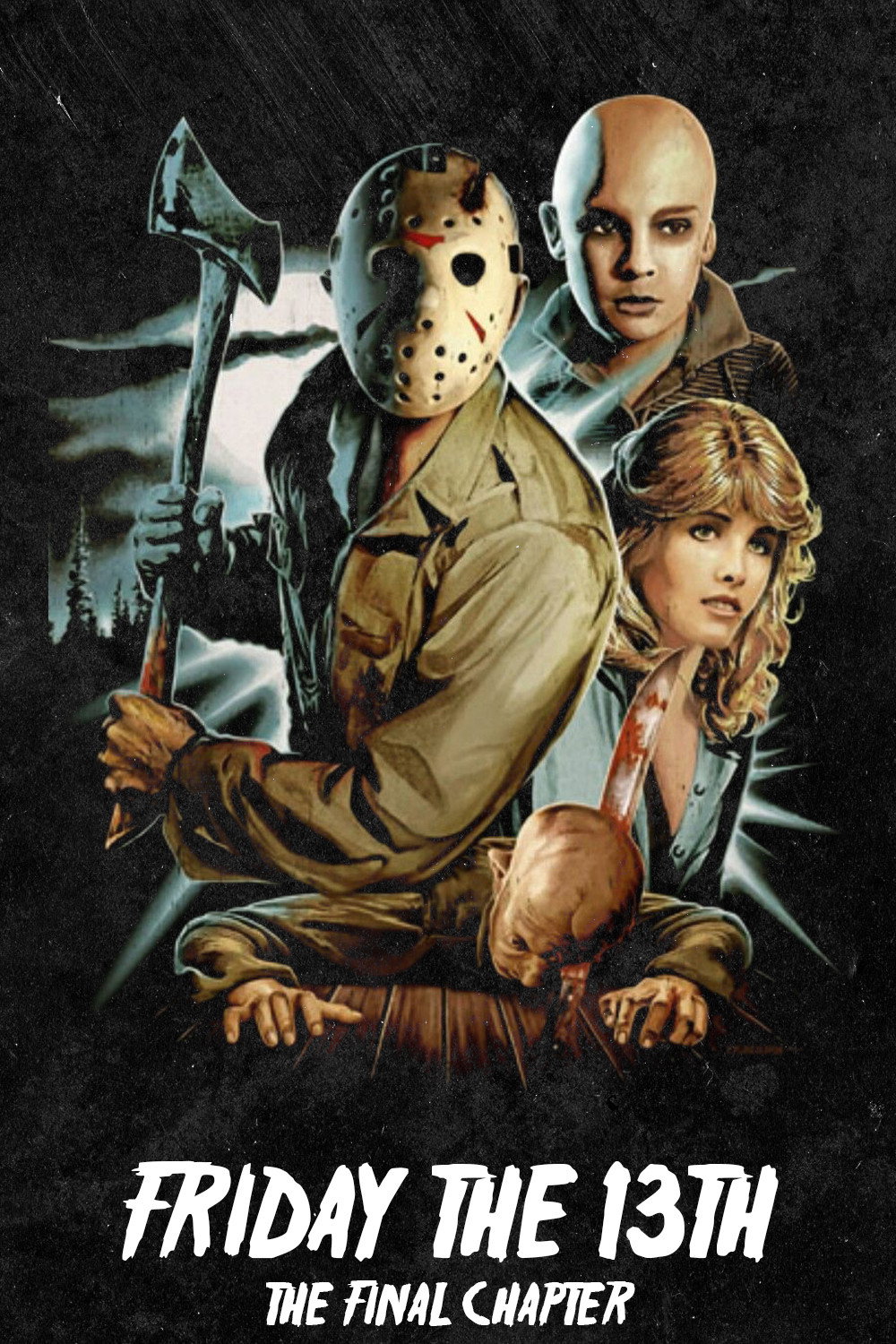
Ted White, a veteran stunt performer, assumed the role of Jason with a different bearing from the actors who had previously portrayed the adult killer. His interpretation emphasizes sudden movement and heavy, direct attacks. White later explained that he avoided becoming familiar with the younger performers between scenes because he wanted them to retain a sense of unease around Jason. This was his own account of a working method, not proof that every fearful reaction captured by the camera was spontaneous. The performance nevertheless gives the masked figure an imposing presence even when his face remains concealed.

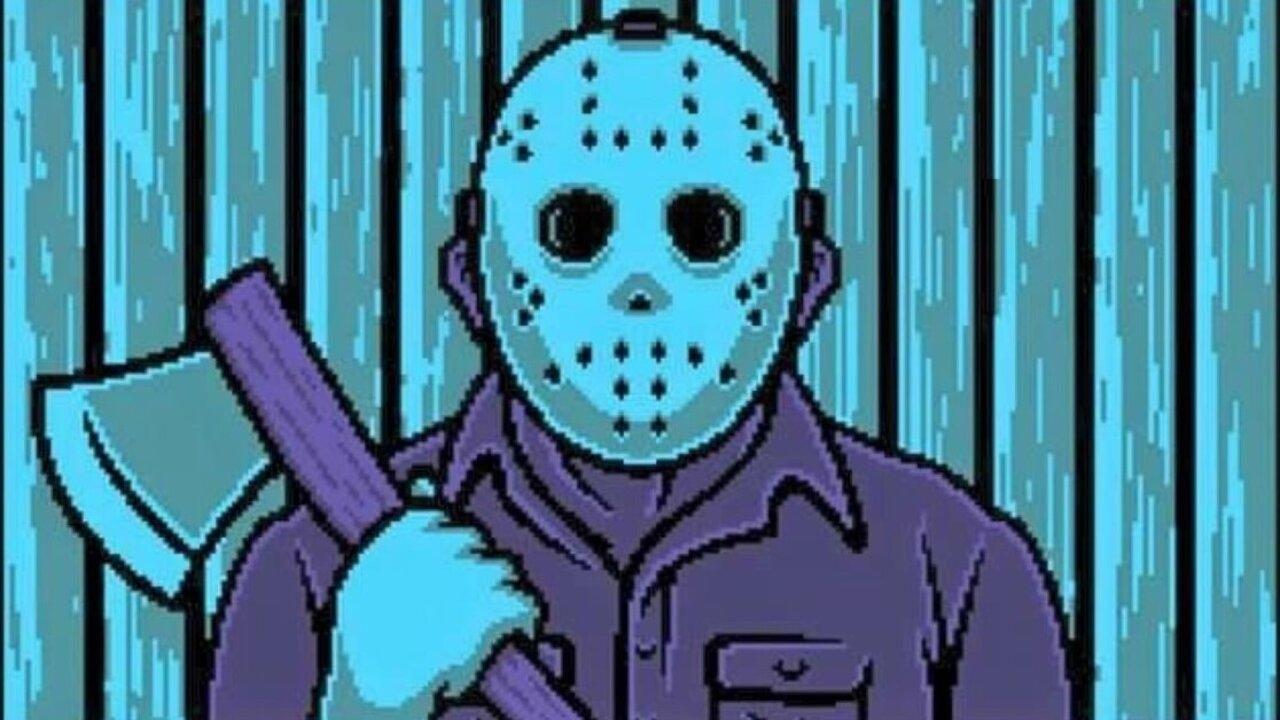
The hockey mask had been introduced in Part III, and this sequel keeps the same instantly identifiable covering while making Jason's damaged body more apparent. The film initially treats him as an apparently dead human attacker who resumes killing after removal from the previous crime scene. His survival is accepted by the story without an extended supernatural explanation. That ambiguity distinguishes this period of the franchise from later installments that openly depict him as an undead force. White's movements suggest unusual stamina and brutality, but the character still occupies recognizable rooms, passes through doorways and fights at close quarters.

White's retrospective account also records a conflict over a cold nighttime lake sequence involving Judie Aronson. He said that he objected when the actress became distressed during filming and threatened to stop working unless she was allowed to warm up. The testimony documents a dispute from the participant's perspective; it should not be expanded into a detailed account of production conditions that other evidence does not establish. His description does help explain the practical pressures of filming violent scenes involving water, exposed performers and effects that require repeated setups. White ultimately declined on-screen credit for the role.

Tommy Jarvis, Trish and the Family Home

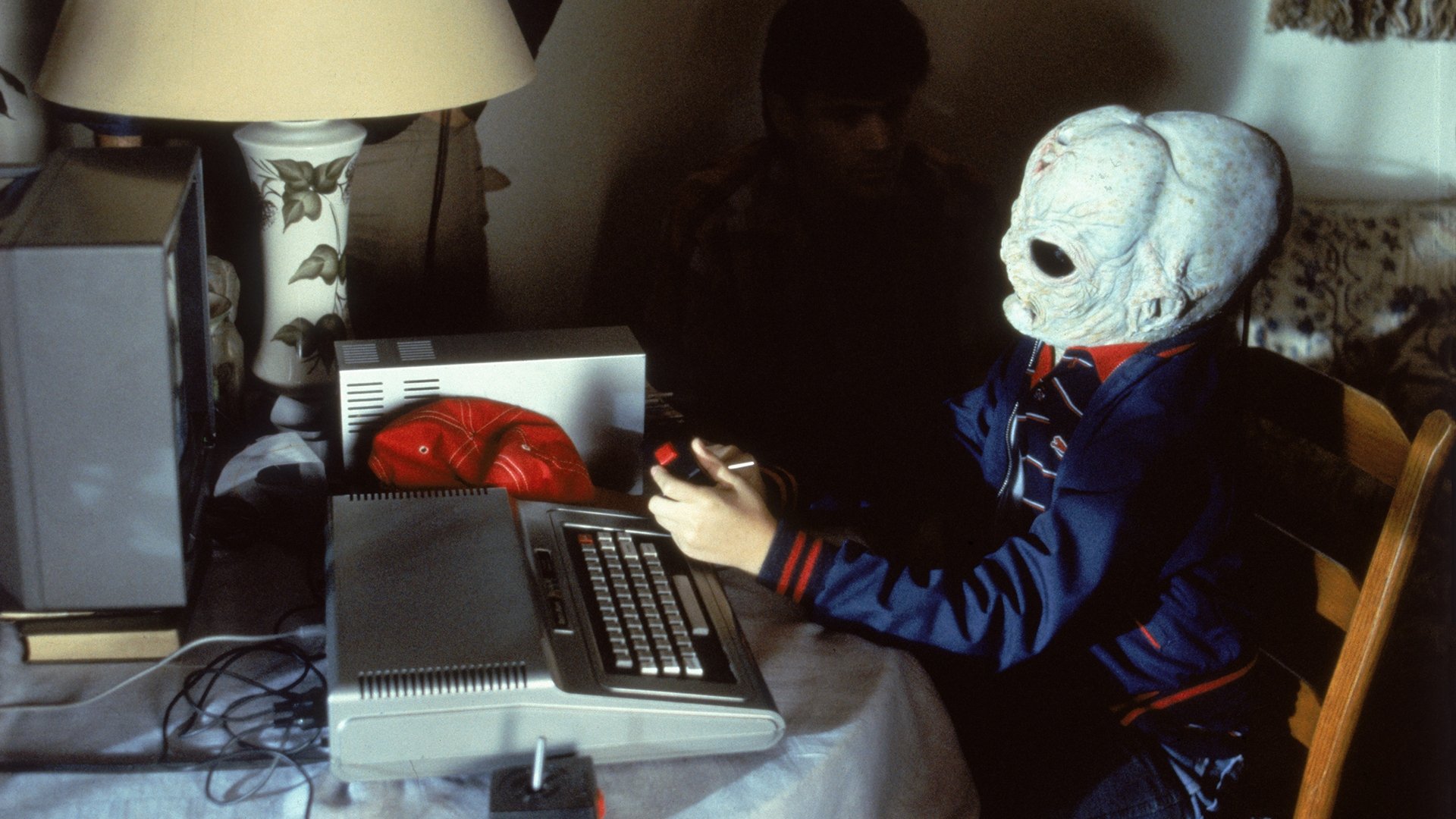
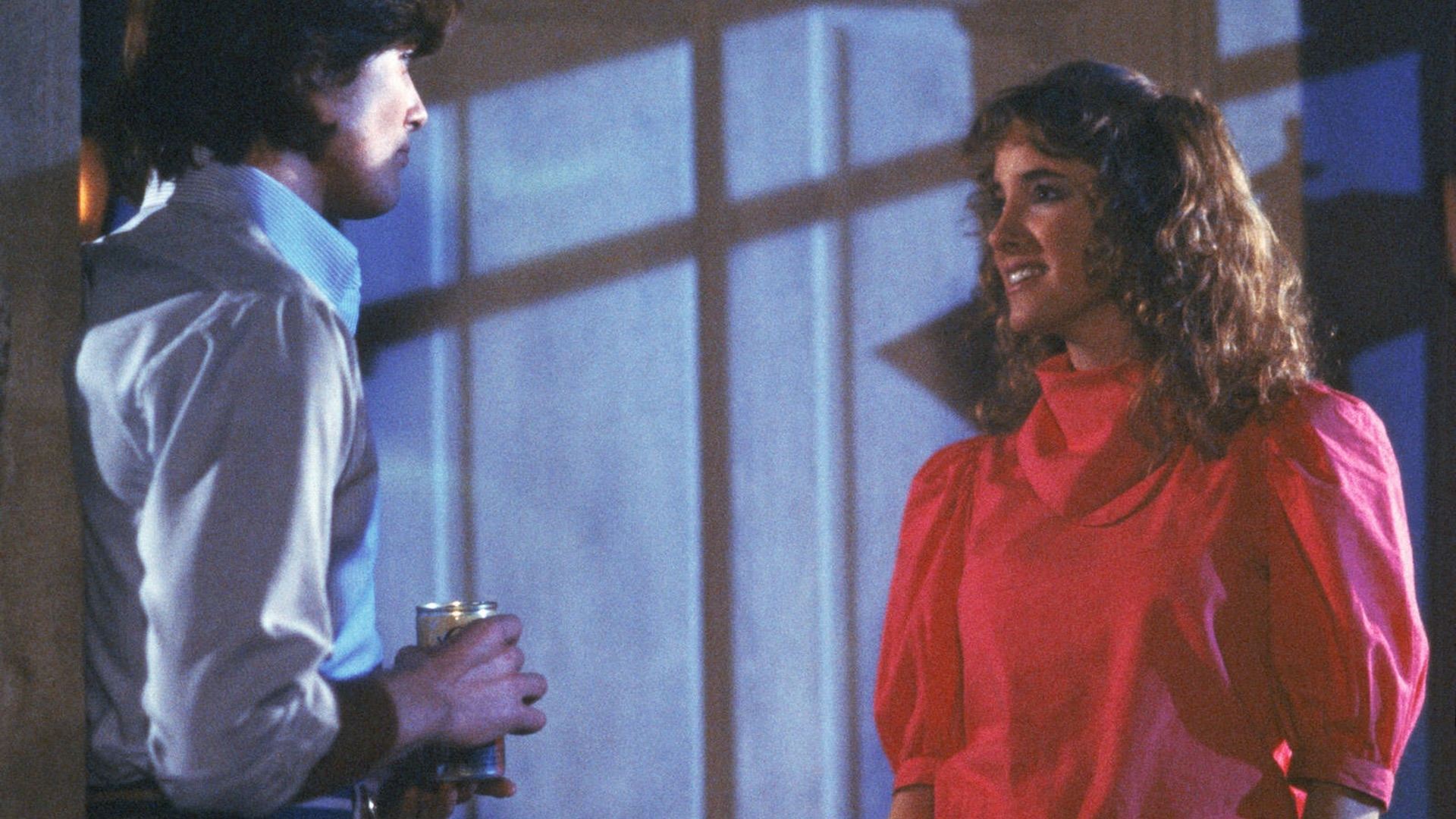
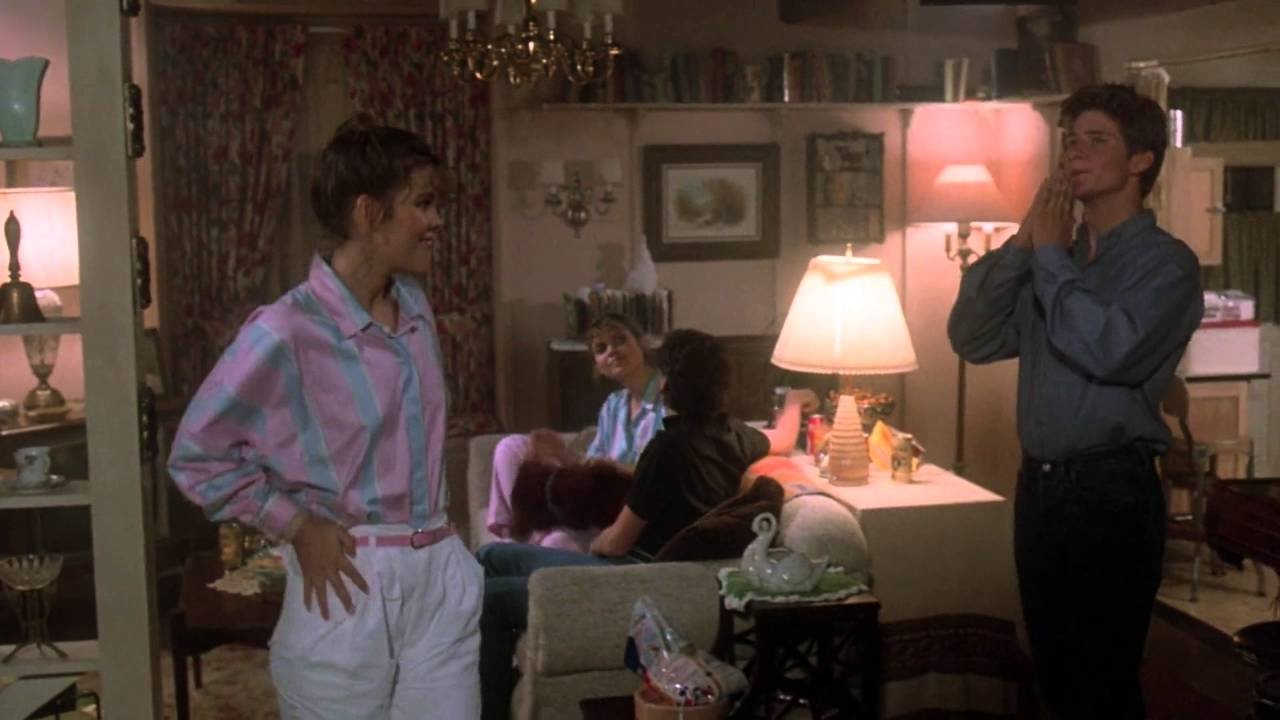
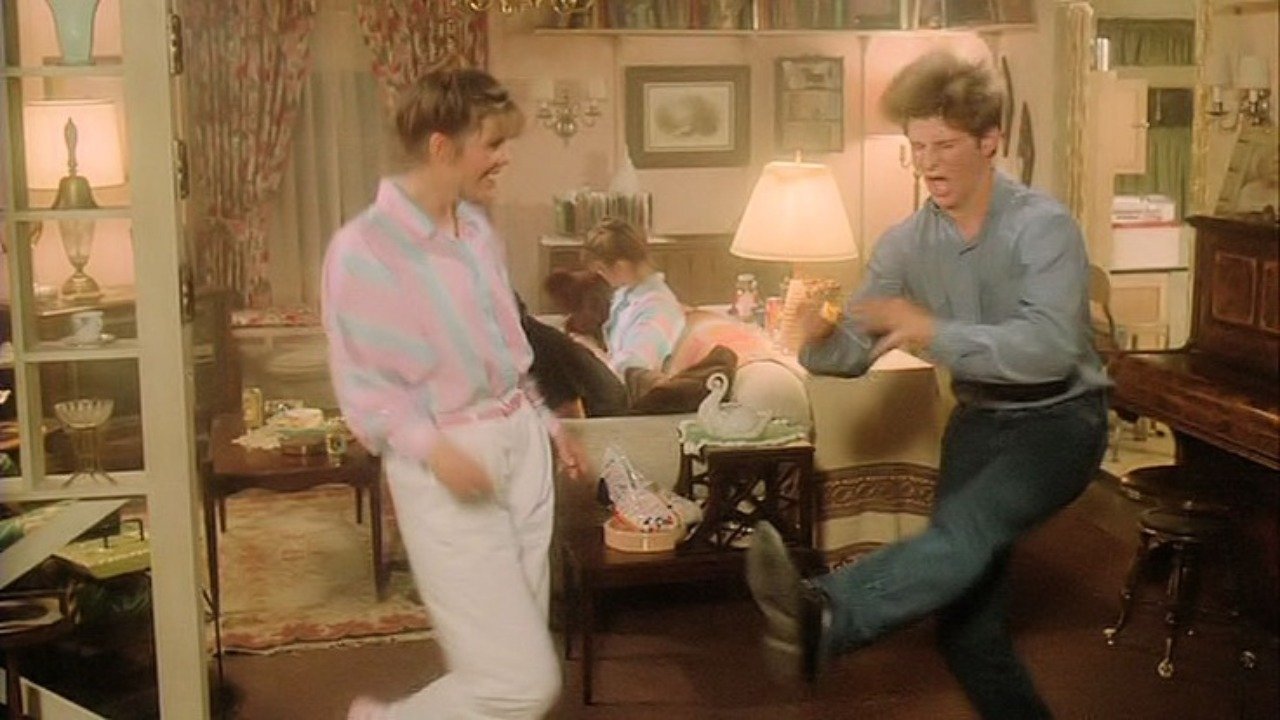
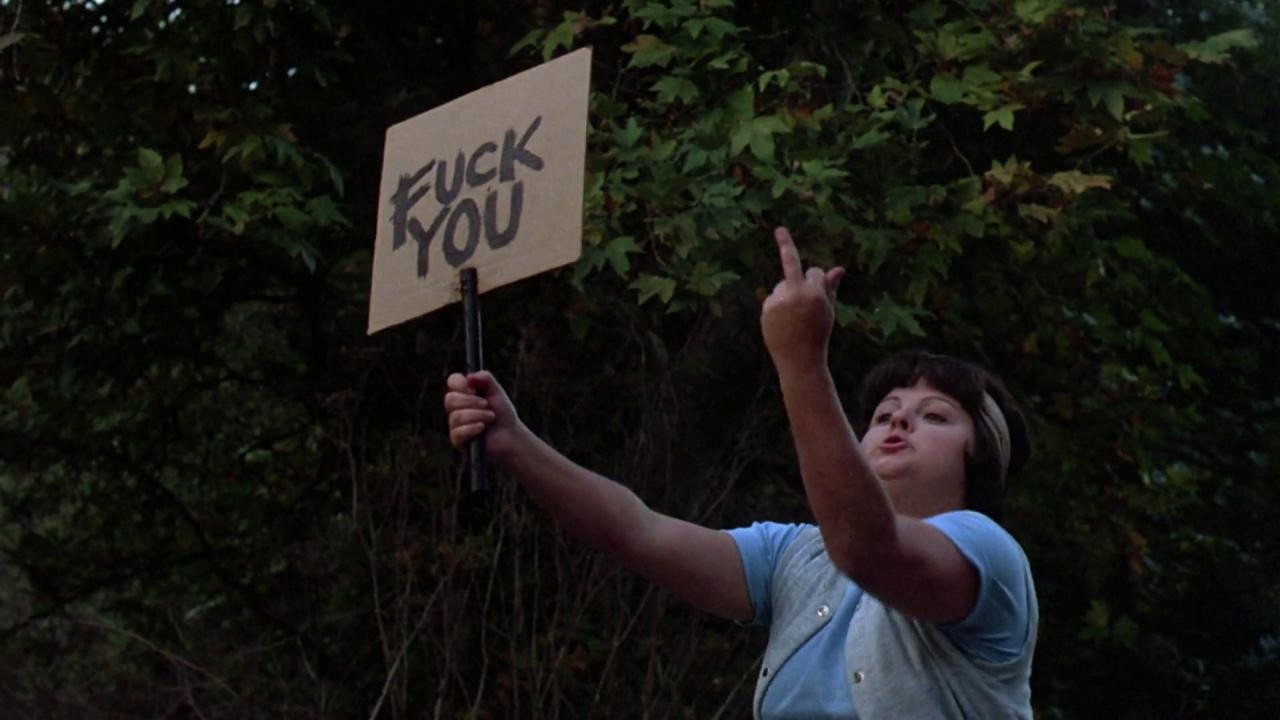
The introduction of Tommy Jarvis changes the balance between victims and the monster. Played by Corey Feldman, Tommy is a boy absorbed in horror masks, tricks and handmade creatures. His interest is introduced through objects and activities that belong naturally to his bedroom, giving him a relationship to the techniques used by the filmmakers themselves. The film thereby connects a fictional enthusiast to the offscreen craft of practical effects. That connection becomes consequential once Tommy recognizes that Jason's appearance can be manipulated during a direct confrontation.

Kimberly Beck's Trish carries much of the physical struggle before the climax. Her role is organized around protection as well as self-preservation: she tries to keep her younger brother alive while the two houses near Crystal Lake become increasingly dangerous. The decision to make a family central to the final pursuit is significant within a series often structured around temporary friendships and holiday gatherings. Trish has someone vulnerable to defend, and Tommy must participate in the survival strategy despite his age. Their relationship gives the climax a more personal stake than the arithmetic of how many visitors remain alive.

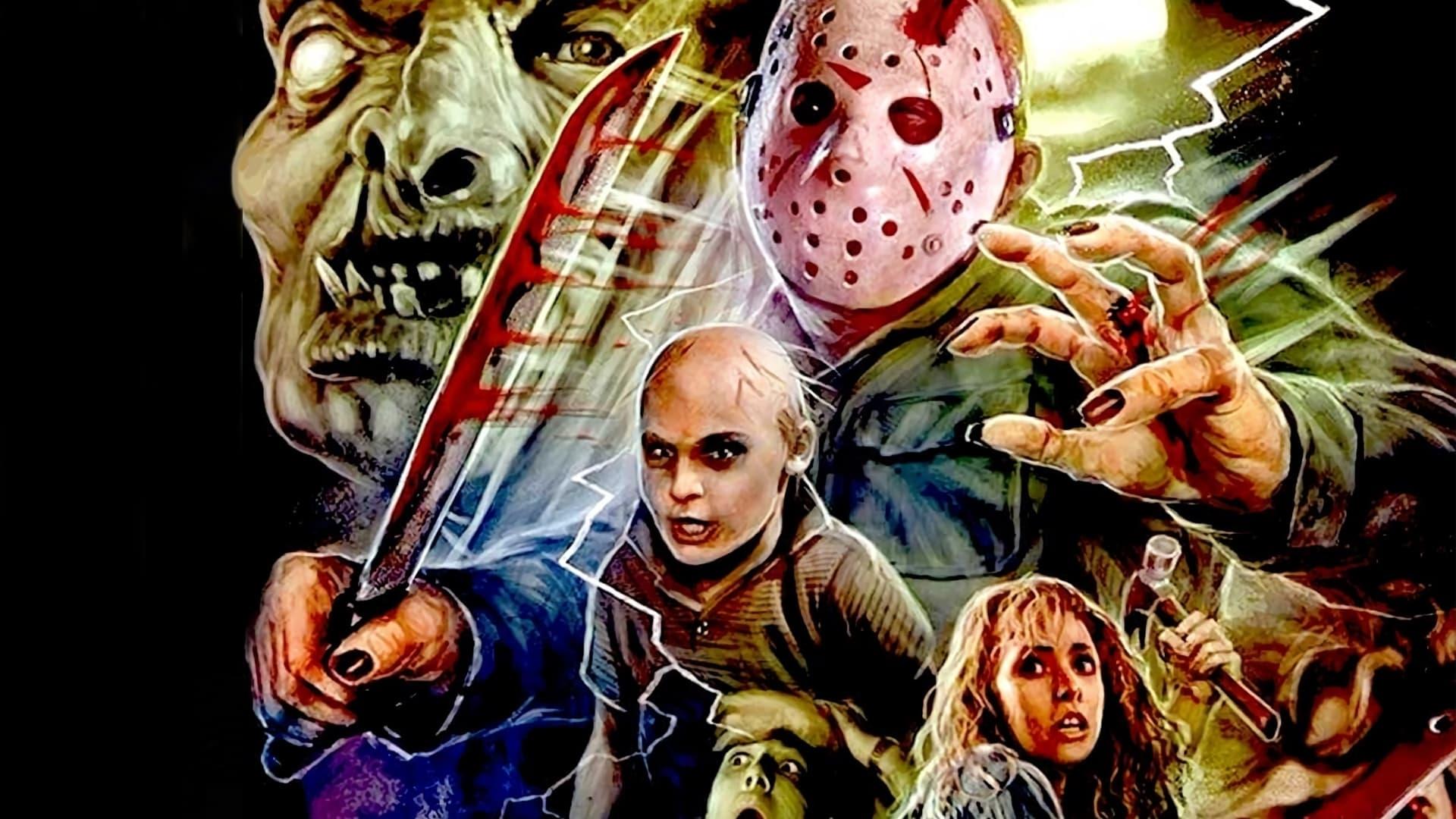
Tommy's disguise in the final confrontation recalls Jason's appearance as a boy, transforming his technical curiosity into an improvised defense. This moment also produces an unsettling identification between child and killer. Tommy can imitate a version of Jason because he understands how an artificial face changes the way a person is perceived. The closing image refuses to settle entirely into reassurance, leaving open questions about what exposure to extreme violence has done to the child. Later films would develop Tommy's relationship to the Voorhees legend, but this first appearance already establishes an unusual dramatic counterweight to Jason.

Visual Design, Suspense and the Two Houses

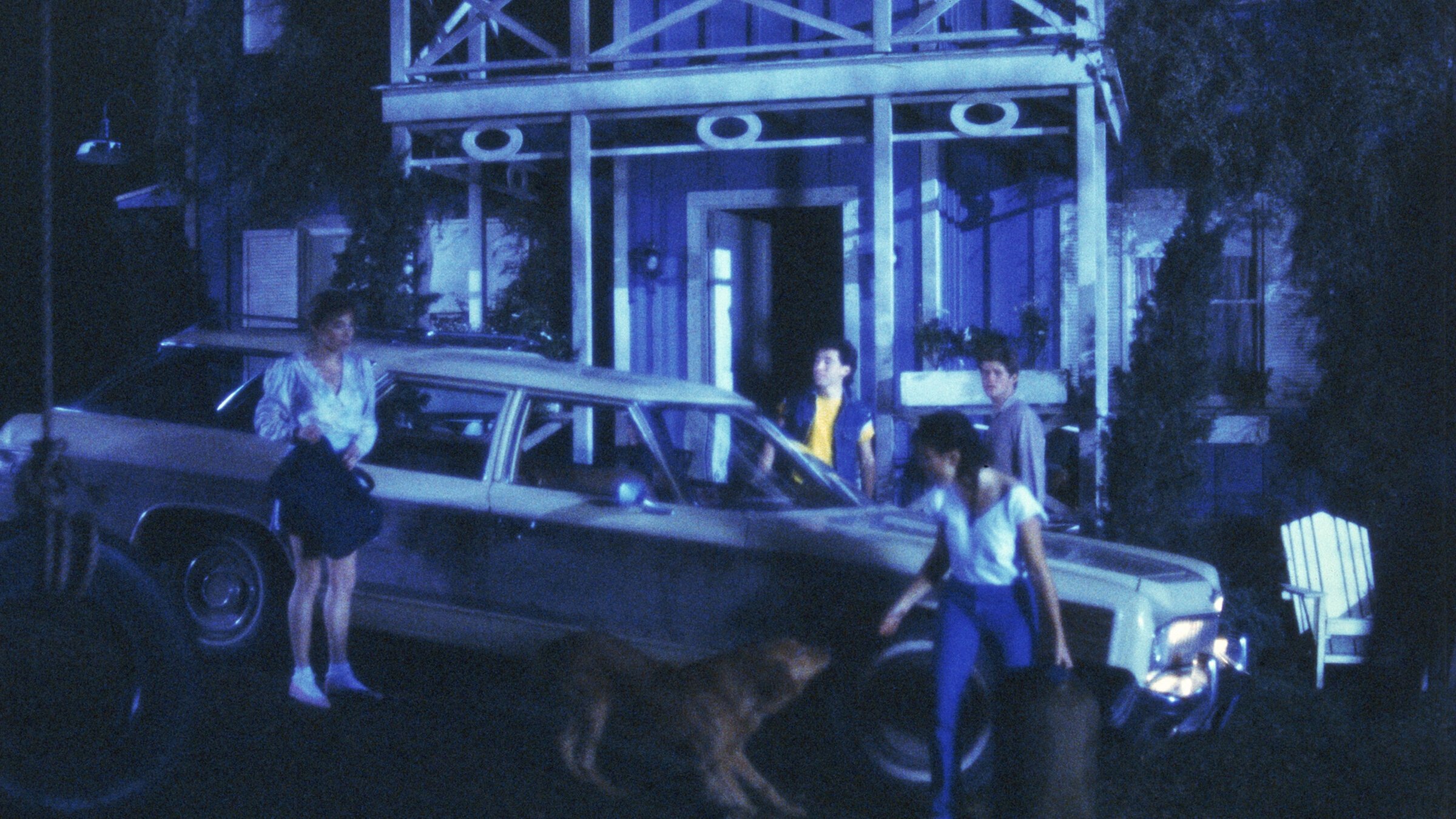
The film's central spaces create a practical system for concealing and revealing danger. João Fernandes photographed a setting in which the two houses are close enough for characters to encounter one another yet sufficiently separated for attacks to go unnoticed. Windows, staircases, dark rooms and woodland paths let Jason appear without an elaborate explanation of his movements. Zito often places ordinary social activity beside unoccupied stretches of the property, so an apparently open environment can turn into a confined pursuit. The return to a more conventional photographic format after Part III also removes the need to stage conspicuous effects for a three-dimensional presentation.
The score by Harry Manfredini preserves the series' recognizable musical warning signs. Its force depends partly on the contrast with quieter passages, where conversation and environmental sounds occupy the foreground. The recurring association between a cue and an unseen threat prepares viewers for sudden action, although the film also uses pauses and misleading expectations to delay attacks. The effect is less a puzzle about the murderer's identity than an exercise in tracking where he might emerge next. At this stage in the series, the audience generally knows who is stalking the characters; timing, space and physical damage must sustain the suspense.
Tom Savini and the Practical-Effects Finale

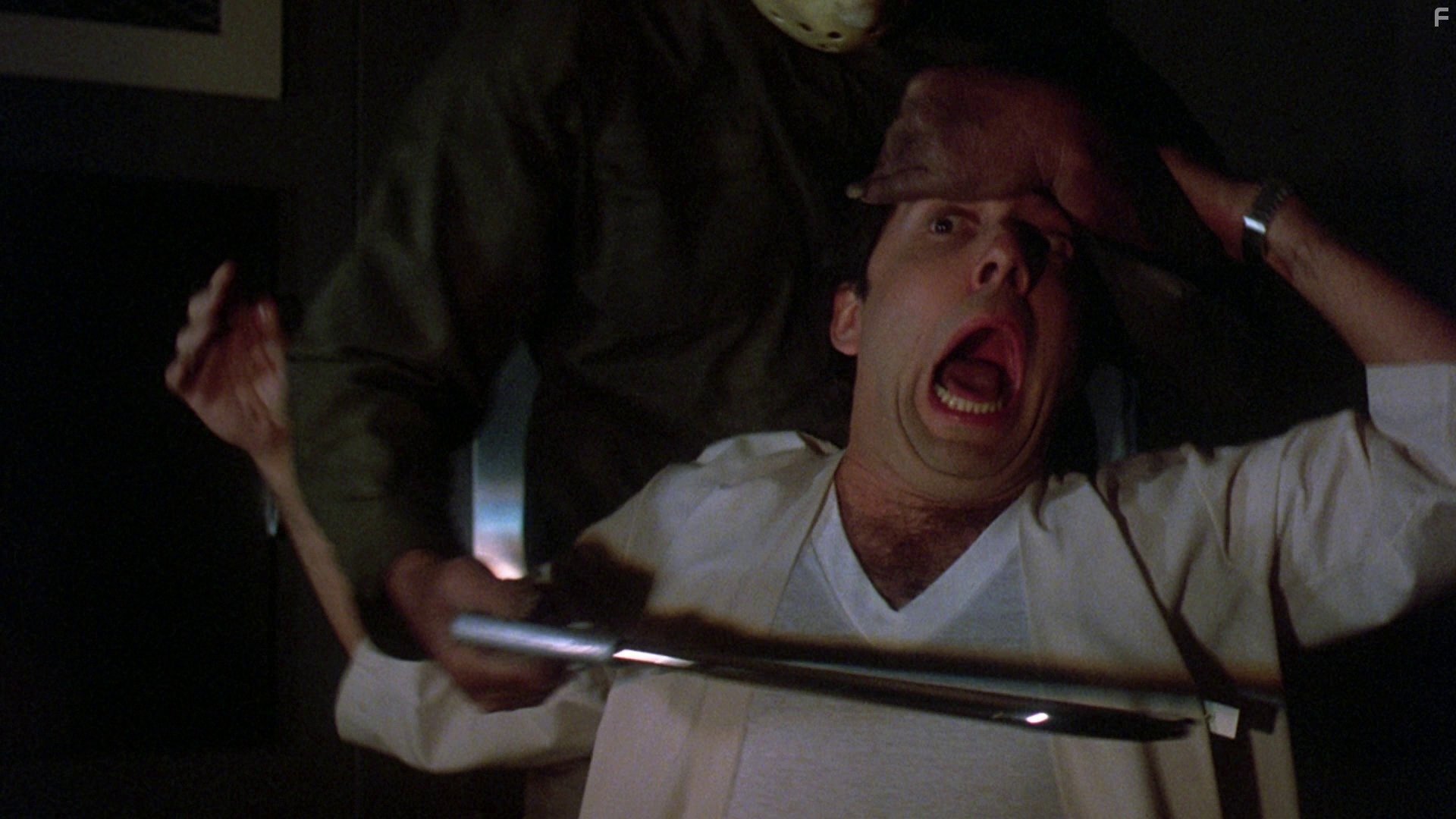
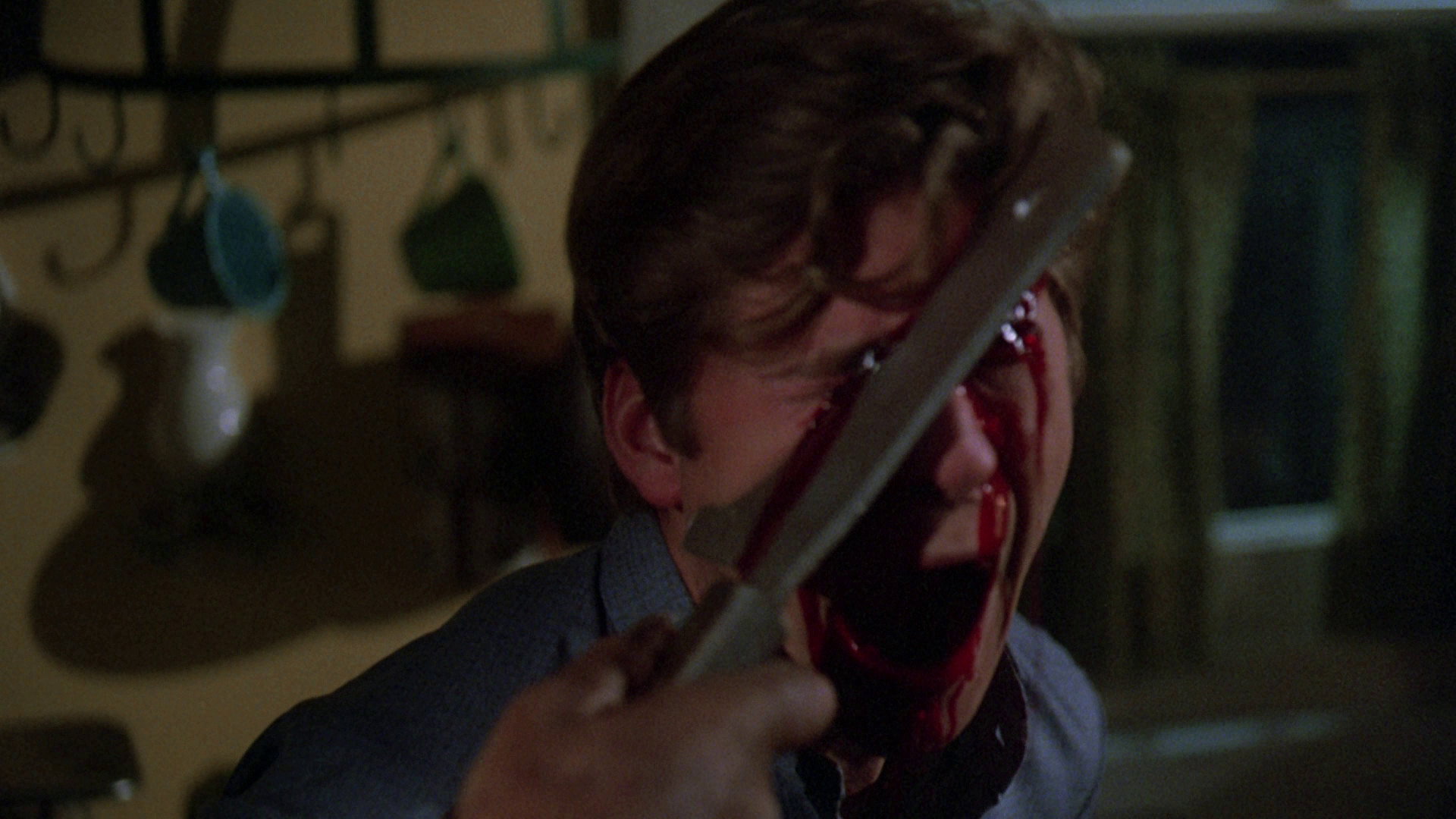
Tom Savini's return carries a particular meaning because he had designed the original film's memorable murders and its brief image of the young Jason. He had not created the makeup for the two intervening sequels. Rejoining the franchise for The Final Chapter, Savini approached a climax advertised as the killer's definitive death. In an interview about his work, he recalled that a member of his crew held up a machete associated with Dawn of the Dead, prompting the idea of Jason falling against the blade and sliding downward as it enters his head. The account describes a specific creative discovery instead of a vague claim that the effects were improvised.

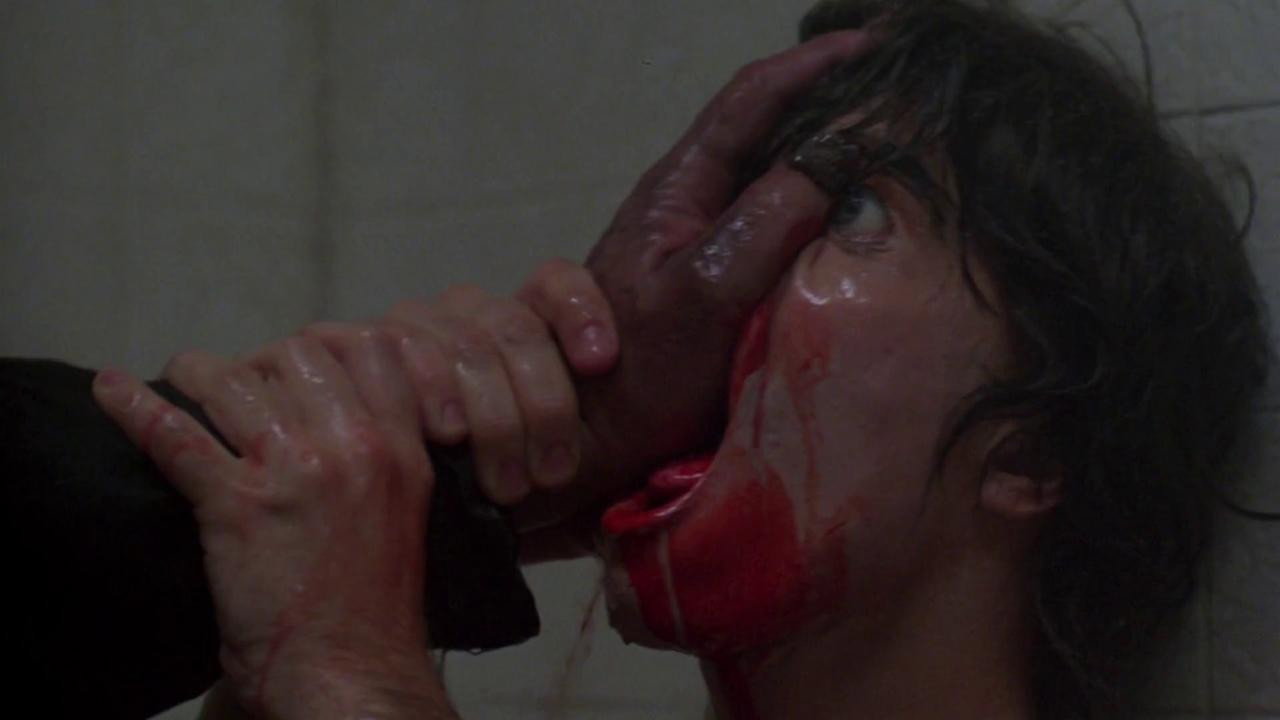
The finale requires the interaction of a performer, weapon props, concealed mechanisms and a prosthetic likeness of Jason. Effects work becomes especially visible because the film removes the protective mask and presents the damaged face before the fatal blow. Savini's approach makes the supposed ending material rather than abstract: the audience is asked to look at injury to a recognizable body. The climax also responds to a problem created by repeated sequels. After several apparent escapes from death, ordinary defeat would have offered little sense of closure. A strikingly tangible wound could support the promise printed in the title.

Savini worked with a team of makeup artists, among them Alec Gillis, Jim Kagel and Kevin Yagher, whose contributions are documented in the film's production credits. The practical sequences elsewhere in the picture rely on brief, coordinated illusions of penetration, cuts and impact, often separated by editing from the reactions of the performers. Some especially graphic material did not survive intact into the familiar release version, but scattered recollections of missing footage do not by themselves establish a complete alternative cut. The available film should be distinguished from unverified descriptions of every effect that may have been photographed before classification.

Theatrical Release, Critical Response and Continuing Legacy

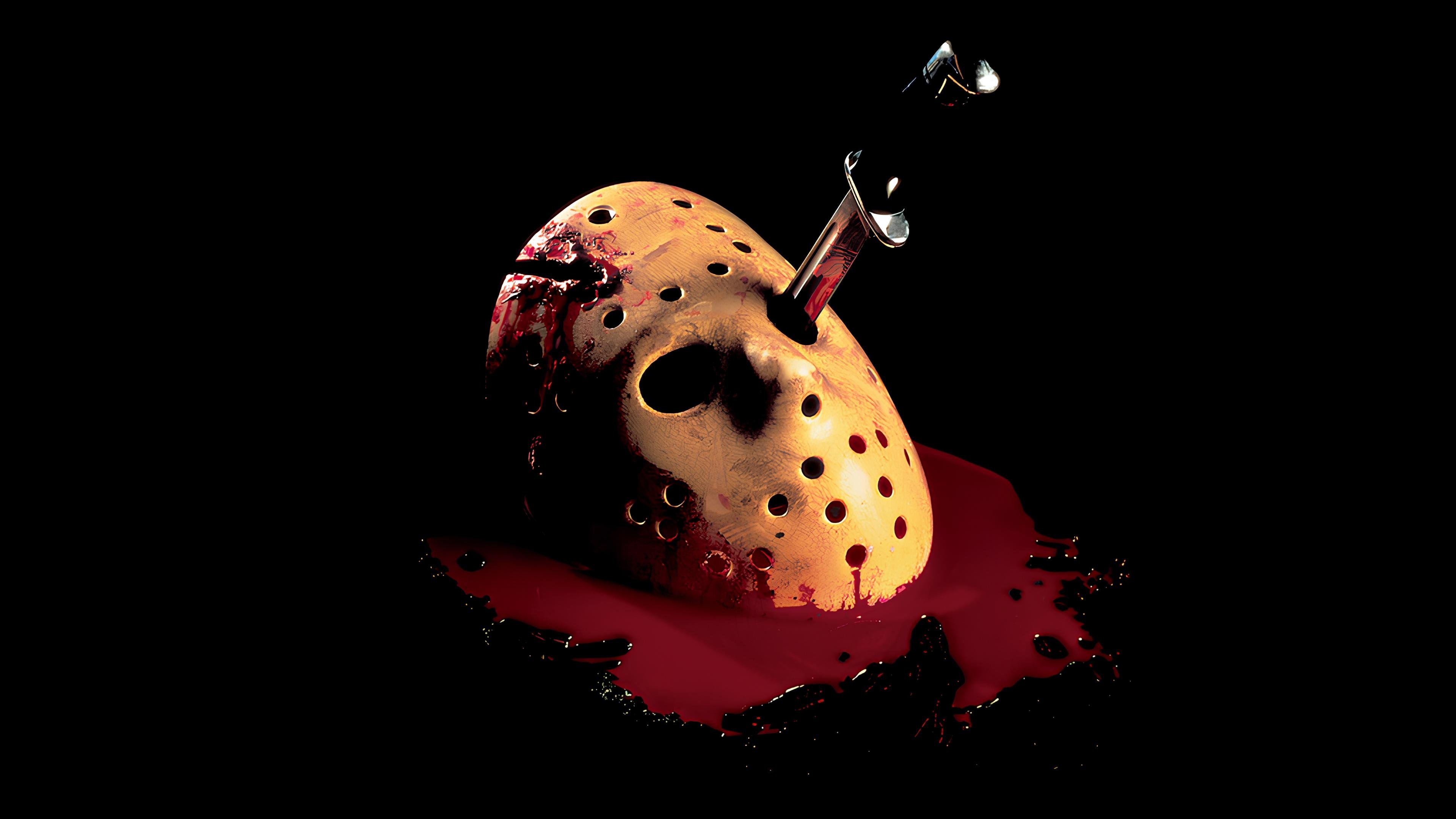
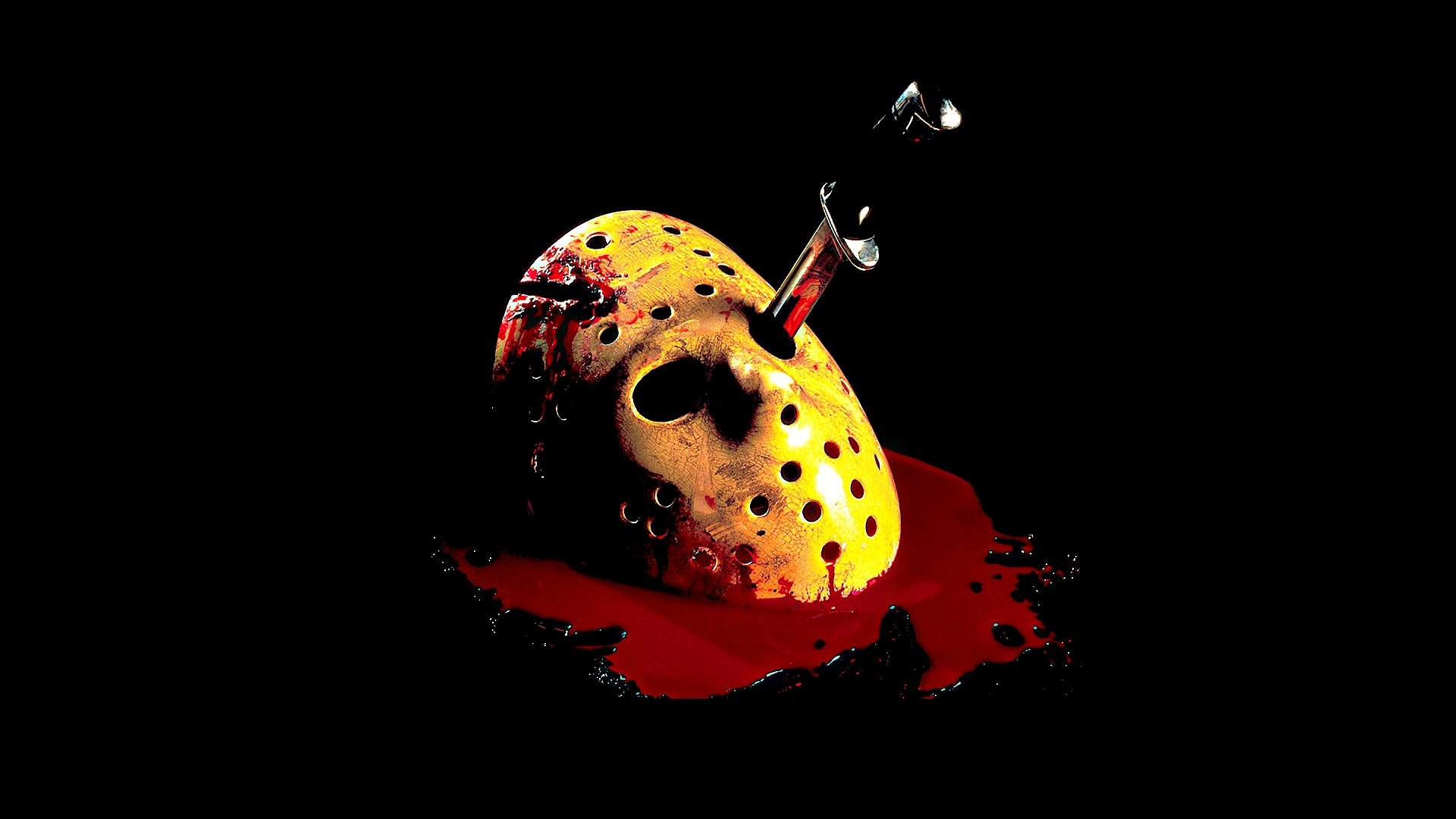
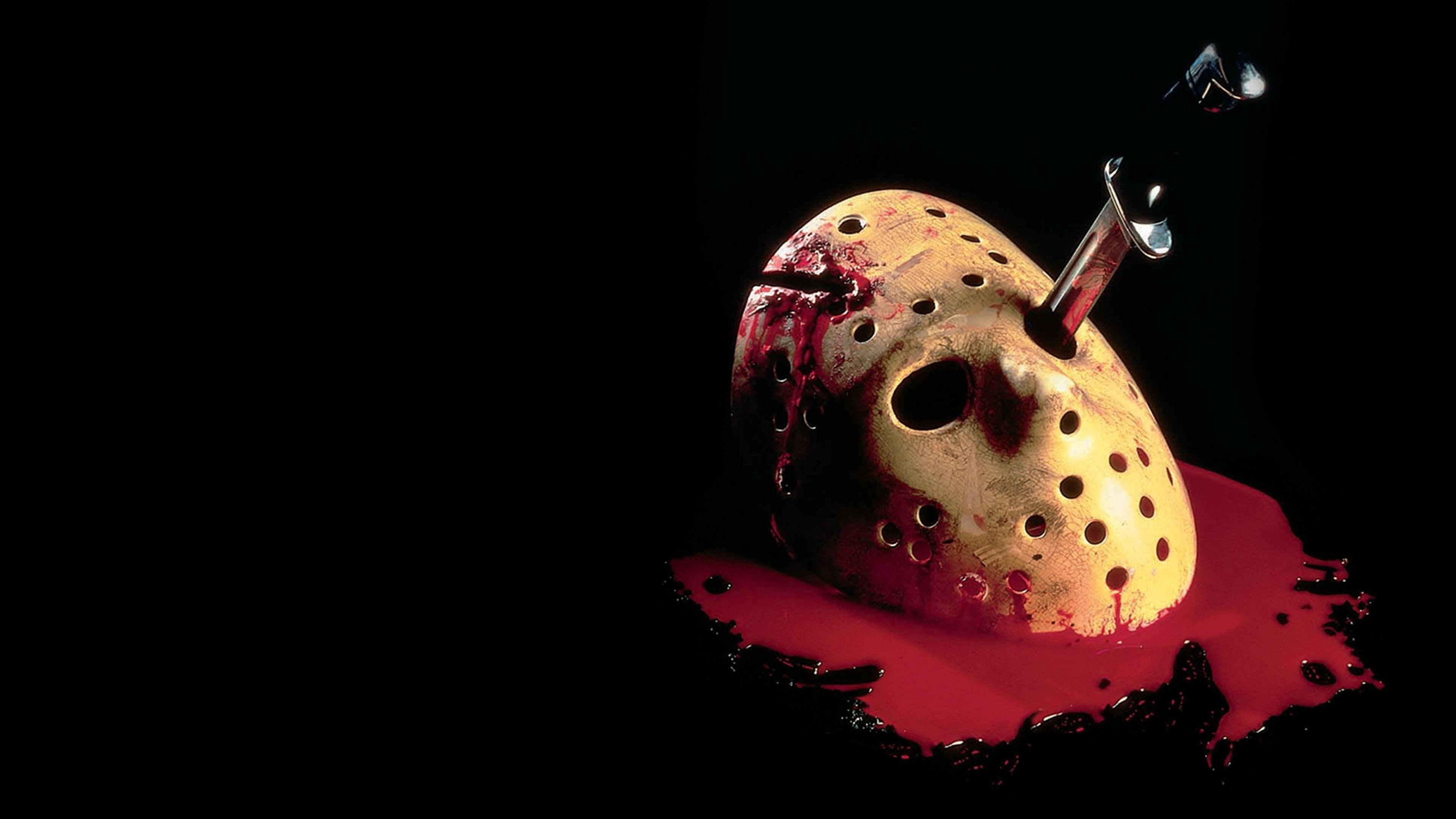
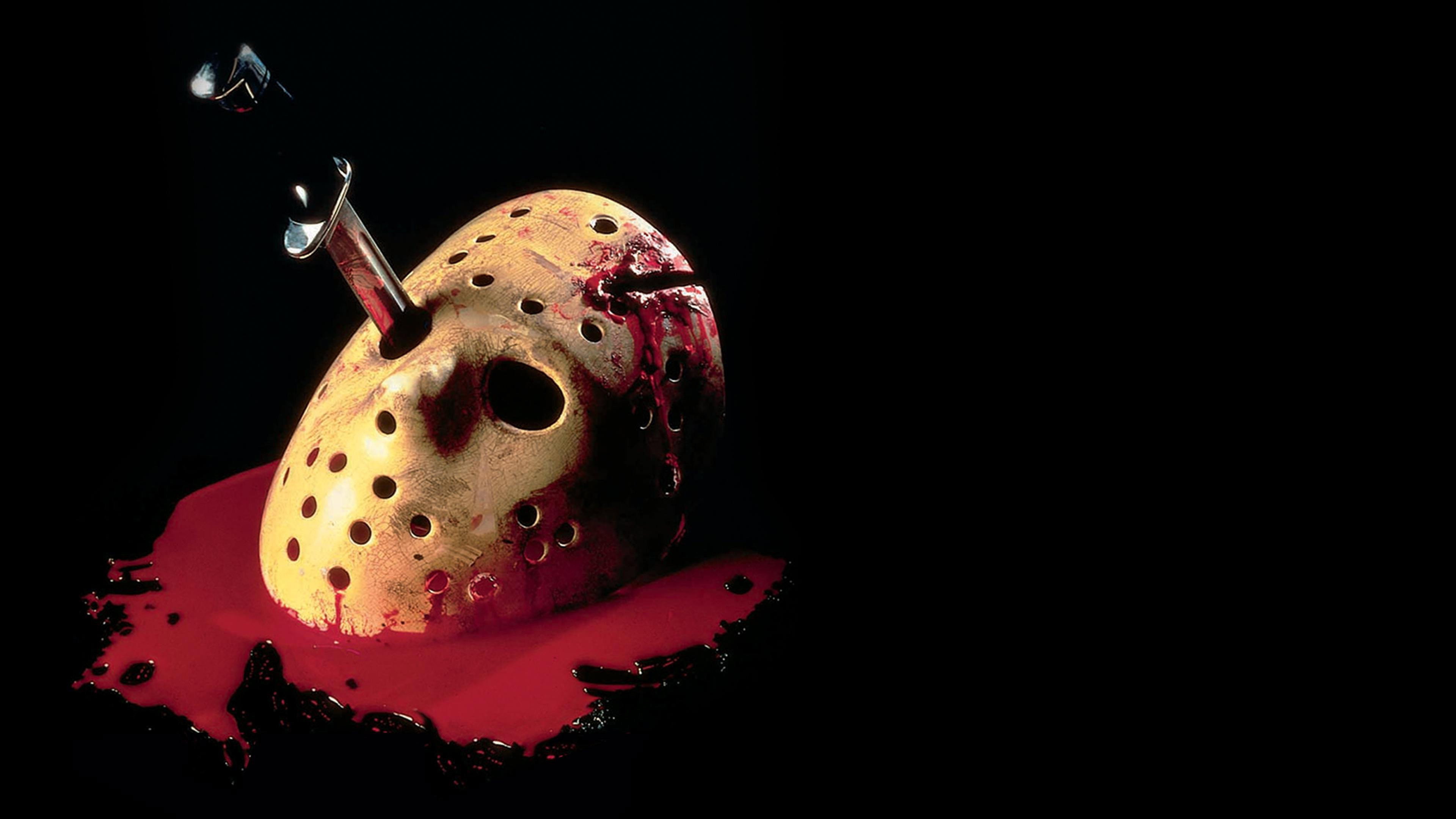
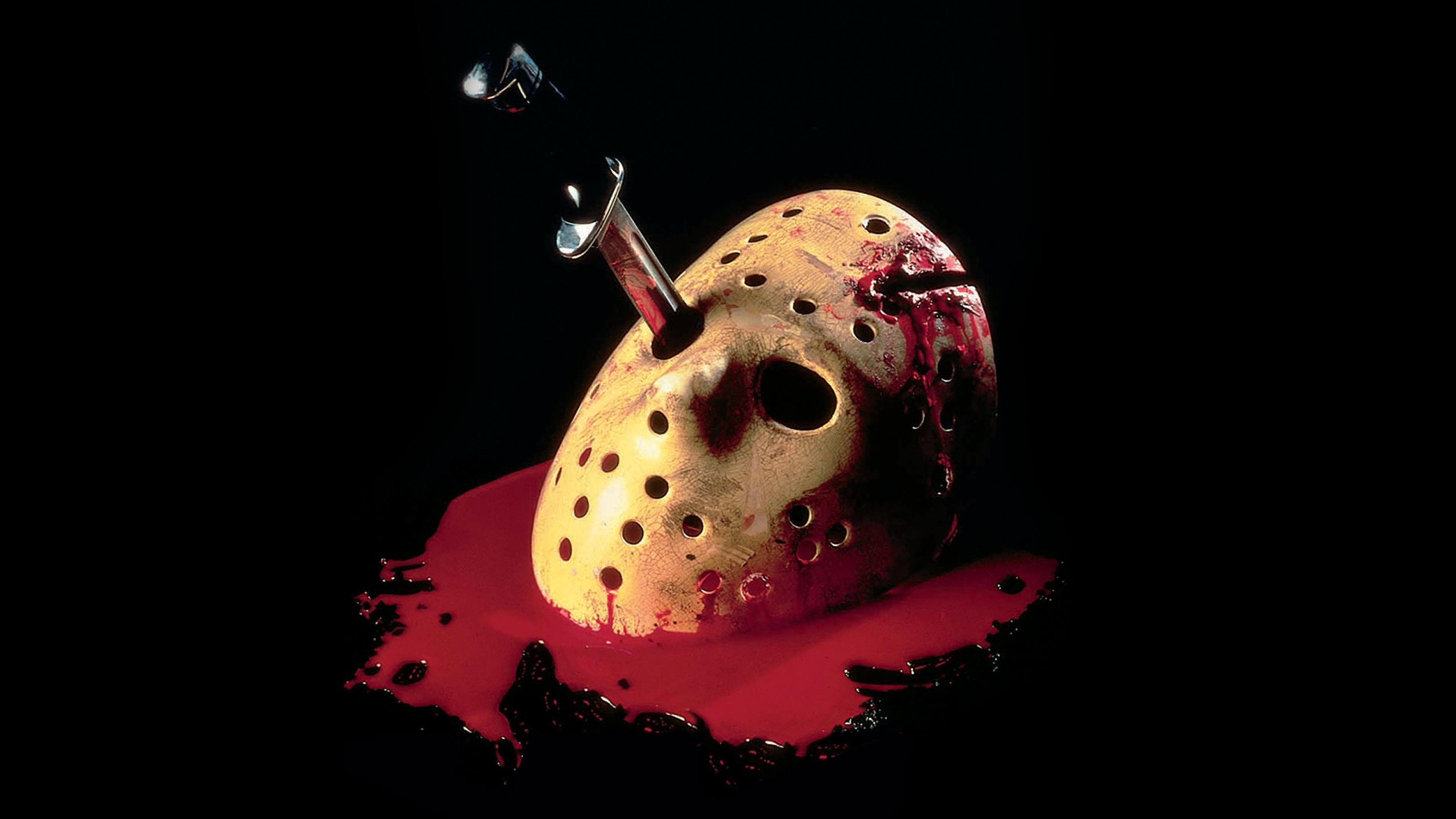
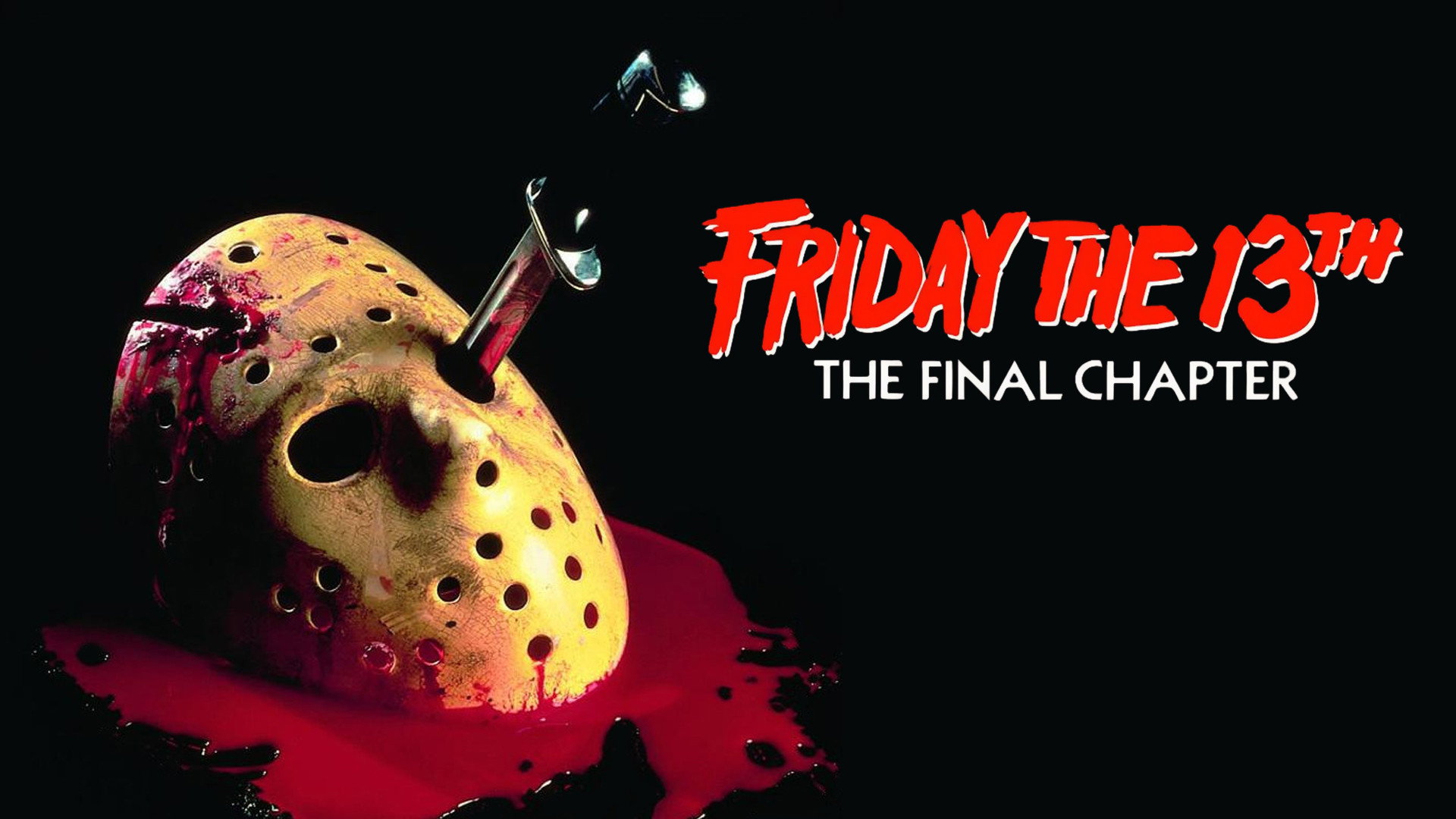
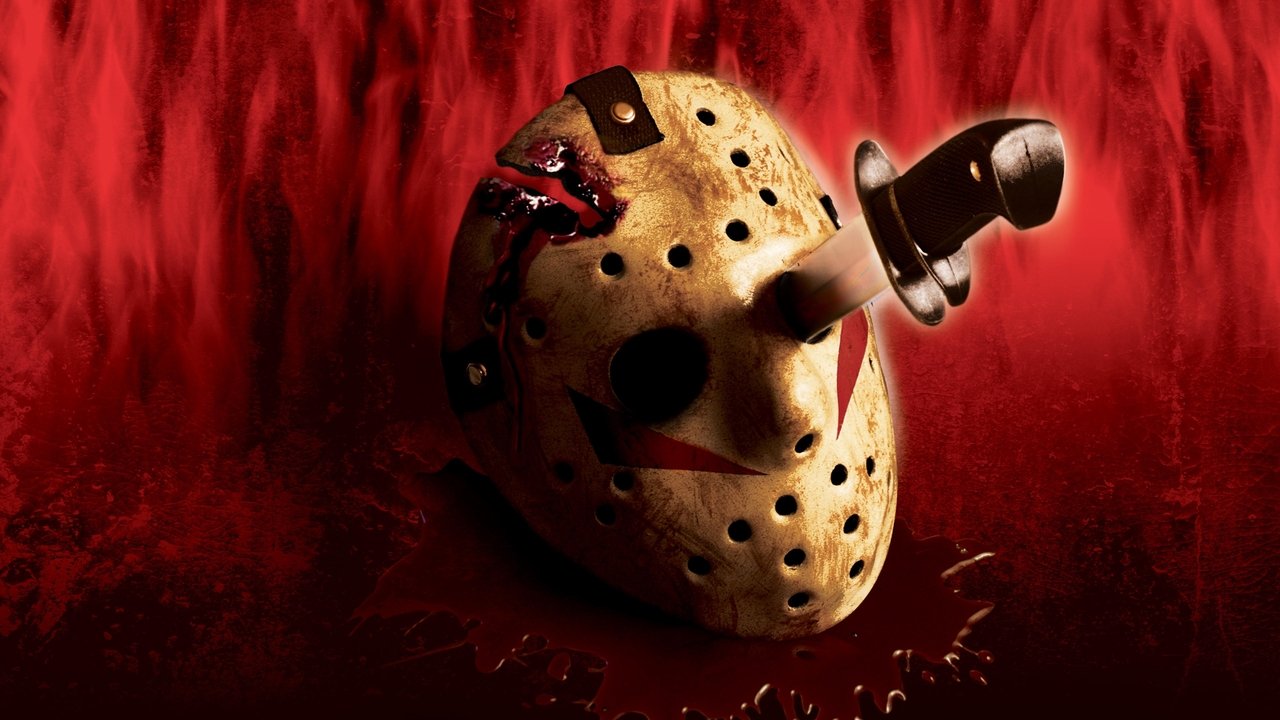
Paramount opened The Final Chapter in the United States on April 13, 1984. The AFI preserves contemporary reporting that places the production budget at approximately $2.2 million and its first three days of receipts around $11 million. Those figures document a strong commercial opening despite the advertised conclusion. The same archive records a dispute over promotional material: an advertisement showing the masked head, a knife and blood was rejected by the American ratings association after it had not been submitted for approval. Altered advertising followed. This incident concerns publicity standards and should not be confused with specific cuts to the film itself.

Critical reaction was notably unsympathetic. In a study drawing on contemporary reviews from Variety, the Los Angeles Times and the New York Times, Todd K. Platts identifies a shift toward open mockery of the franchise's established rituals by the fourth installment. Kevin Thomas questioned the spectators' amused response to graphic killings, while Janet Maslin challenged the promise that the series was genuinely ending. Such reviews illuminate the gap between reviewers' objections and the entertainment sought by an audience already familiar with the structure. The film could be commercially successful while its repetition of slasher conventions remained a target of criticism.

The title's claim proved temporary: Friday the 13th: A New Beginning arrived in 1985, and Jason's story subsequently continued through numerous sequels. The Final Chapter nevertheless marks a recognizable boundary within the earlier cycle. It brings back the effects artist who helped define the original, gives the hockey-masked killer a conspicuous bodily defeat and introduces Tommy, whose presence shapes the next stage of the mythology. Later reassessments have emphasized the film's construction and the tension between a promised ending and the demands of a profitable franchise. Its historical interest rests in that contradiction, alongside its specific performances and effects work.

References

  1. American Film Institute Friday the 13th: The Final Chapter - AFI Catalog

    Contemporary production notices, 1984 release documentation, reported budget and opening receipts, advertising dispute, and complete credited personnel.

  2. Friday the 13th: The Website Exclusive Interview: Tom Savini

    Direct testimony on returning for Part IV and the practical-effects concept behind Jason falling onto the machete.

  3. Friday the 13th Films Where Are They Now? Ted White

    Archived firsthand recollections of the performance, remaining distant from fellow cast members, the cold-water dispute, and his objection to screen credit.

  4. Horror Homeroom Critics and the Friday the 13th Franchise (1980-2001) - Todd K. Platts

    Documented study of 1984 reviews by Janet Maslin, Kevin Thomas and Variety within the evolving critical reception of slasher sequels.

Connections

Cast

View Full Cast & Crew →

Release & Distribution

Production Companies (4)

  • Friday Four US
  • Georgetown Productions US
  • Paramount Pictures US
  • Sean S. Cunningham Films US

Distributors (1)

  • Paramount Pictures US

Release History (32)

Release DateTerritoryRelease TypeFormatDistributorCertificationNotes
1984-04-13 Türkiye Theatrical — — 18+
1984-04-13 United States Theatrical — — R
1984-06-15 United Kingdom Theatrical — — 18 Originally cut; waived in 2001
1984-07-06 Spain Theatrical — — 18
1984-07-11 France Theatrical — — 16
1984-07-12 Netherlands Theatrical — — 16
1984-07-13 Australia Theatrical — — R 18+
1984-07-13 Germany Theatrical — — 18
1984-07-13 Denmark Theatrical — — 15
1984-07-14 Japan Theatrical — — R15+
1984-07-20 Spain Theatrical — — 18
1984-07-20 Italy Theatrical — — 14+
1984-08-24 Ireland Theatrical — — 18
1984-09-07 Portugal Theatrical — — M/18
1984-10-25 Argentina Theatrical — — +16
1985-02-11 Australia Physical — — R 18+
1985-03-07 Colombia Theatrical — — —
1985-05-03 Uruguay Theatrical — — —
1985-06-06 Philippines Theatrical — — R-16 Davao
1985-06-21 South Korea Theatrical — — 18
1985-07-01 Australia Theatrical — — RC
1985-08-09 Japan Limited Theatrical — — R15+ Splatter Movie Festival
1985-09-19 Brazil Theatrical — — 16
1986-03-13 Mexico Theatrical — — C
1986-03-13 Peru Theatrical — — —
1992-11-13 Sweden TV — — 15 TV4 Sverige
2000-10-17 Canada Physical DVD — 18A DVD premiere
2002-03-19 Greece Physical DVD — K15 DVD premiere
2002-03-22 Finland Physical DVD — K-16 DVD premiere
2002-04-17 Sweden Physical DVD — 15 DVD release
2014-04-27 Poland TV — — 18 TV release
2017-10-10 Singapore Physical DVD — M18 DVD premiere
Three times before you have felt the terror, known the madness, lived the horror. But this is the one you've been screaming for.