Bannon Glen
, Endeavour Productions
, Fay, Richwite
, Hemdale films
, South Street Films
, Gupta Film Services
, Flavius Films
Plot
A scientist is experimenting with teenagers and turning them into murderers.
Alternative Titles
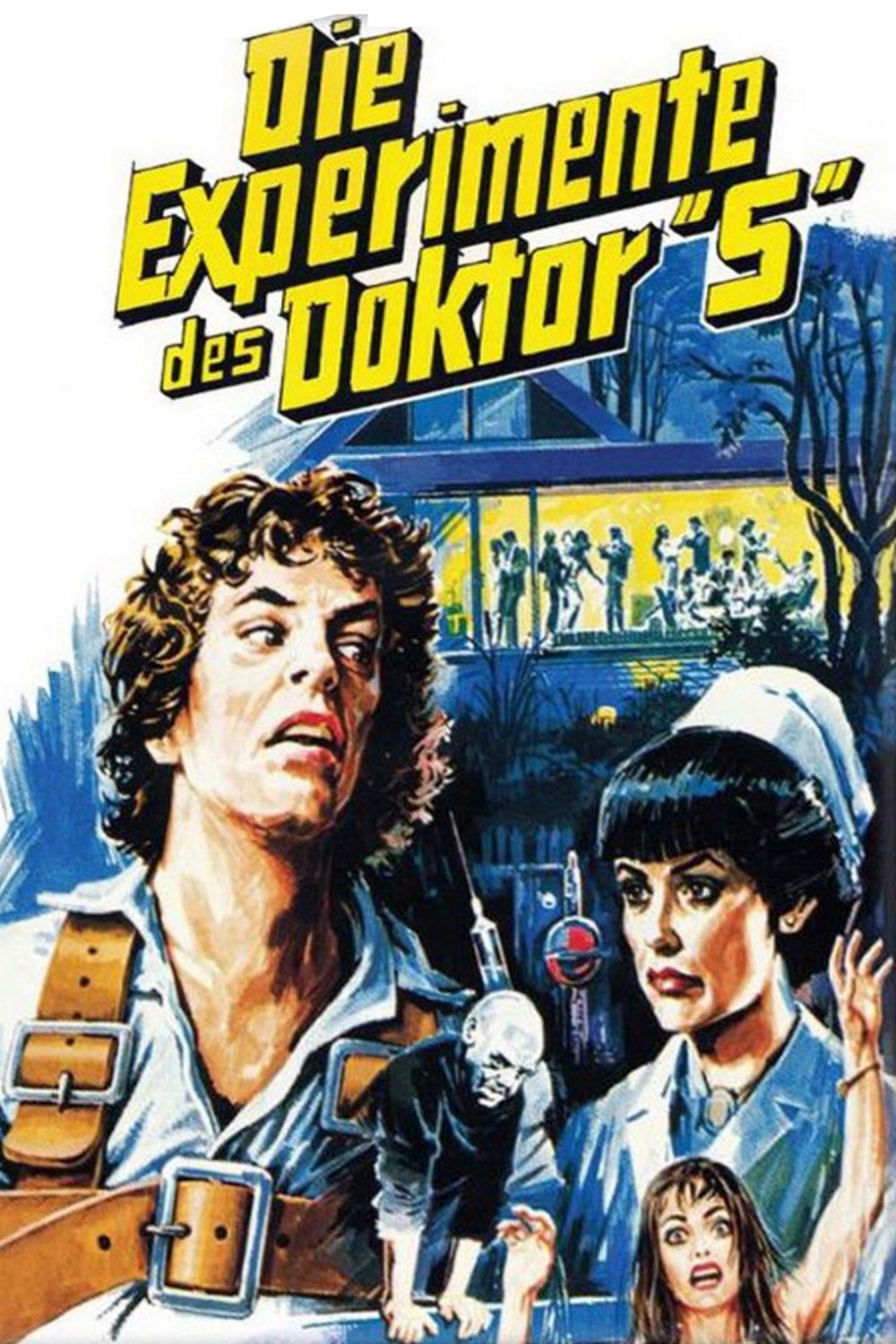
Extraño comportamiento (AR) Dead Kids (AU) Massacre Brutal (BR) — translation:pt陌生行为:死孩子 (CN) — translation:zhDivné chování (CZ) — translation:csBlutige Schreie (DE) — West Germany TitleDie Experimente des Dr. S (DE) — West Germany TitleMed døden i blodet (DK) — video titleShow all 24 alternative titlesDead kids (Jóvenes muertos) (ES) — alternative titleJóvenes muertos (ES) — translation:esOutoa käytöstä (FI) — Video Box TitleHuman Experiments (GB) — Reissue TitleStrange Behaviour (GB) — DVD Box Title陌生行為:死孩子 (HK) — translation:zhストレンジ・エクスペリメント (JP) Conducta asesina (MX) Dead Kids (NL) — translation:nlShadowlands (NZ) — working titleEstranho Comportamento (PT) Мёртвые дети (RU) — translation:ruМертвые дети (SU) — Russian TitleDead Kids (US) — video titleSmall Town Massacre (US) — working titleLaboratorija zlocina (YU) — Serbian Title
A New Zealand-made slasher and science-fiction mystery shaped by mind-control horror, Tangerine Dream and shifting release titles.
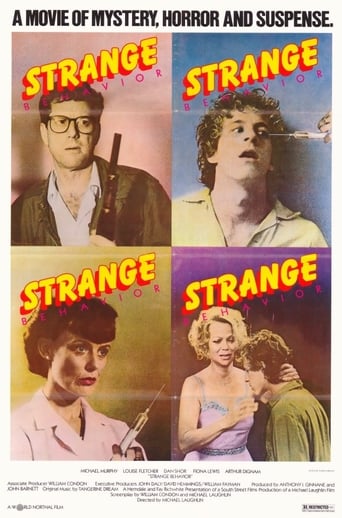
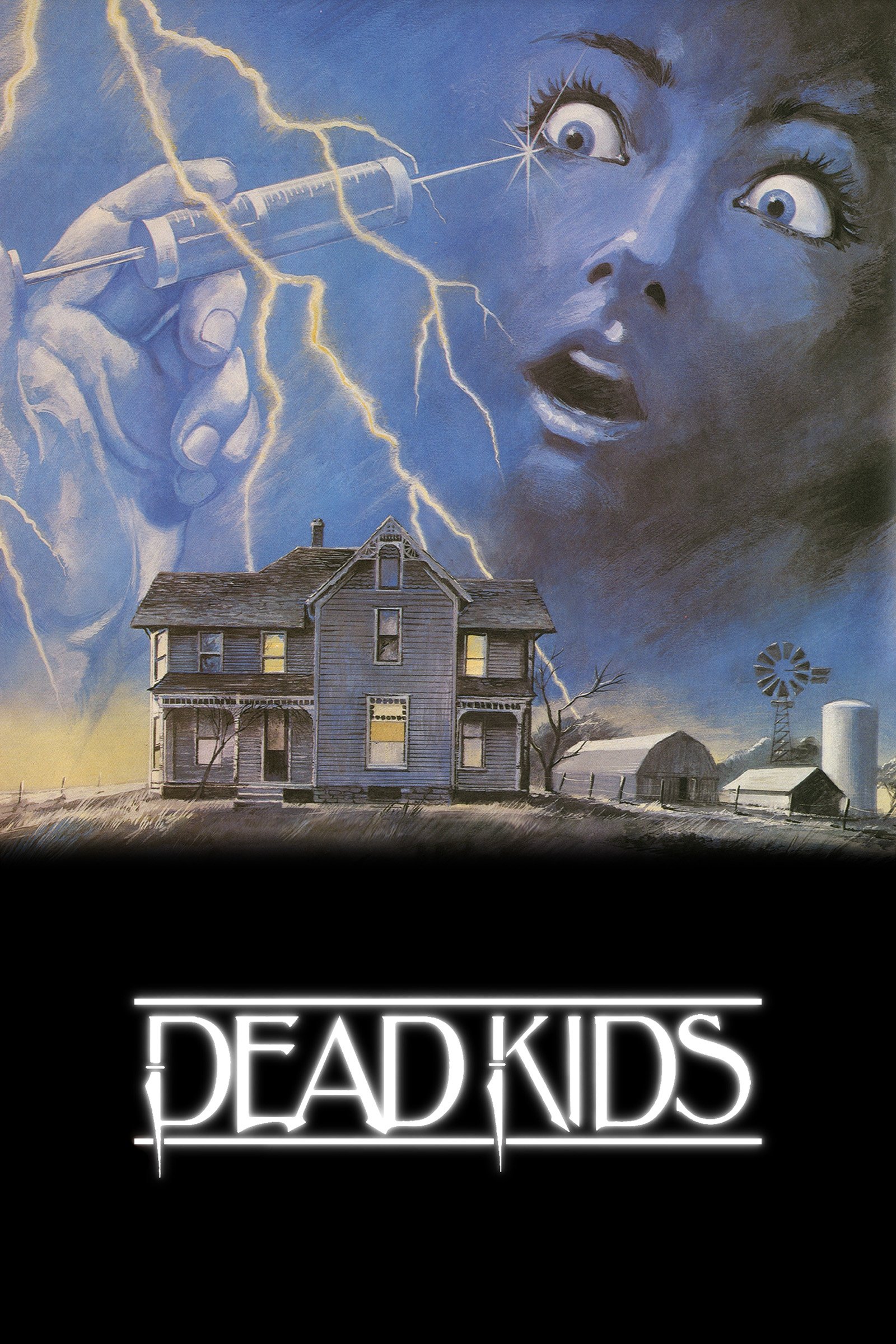
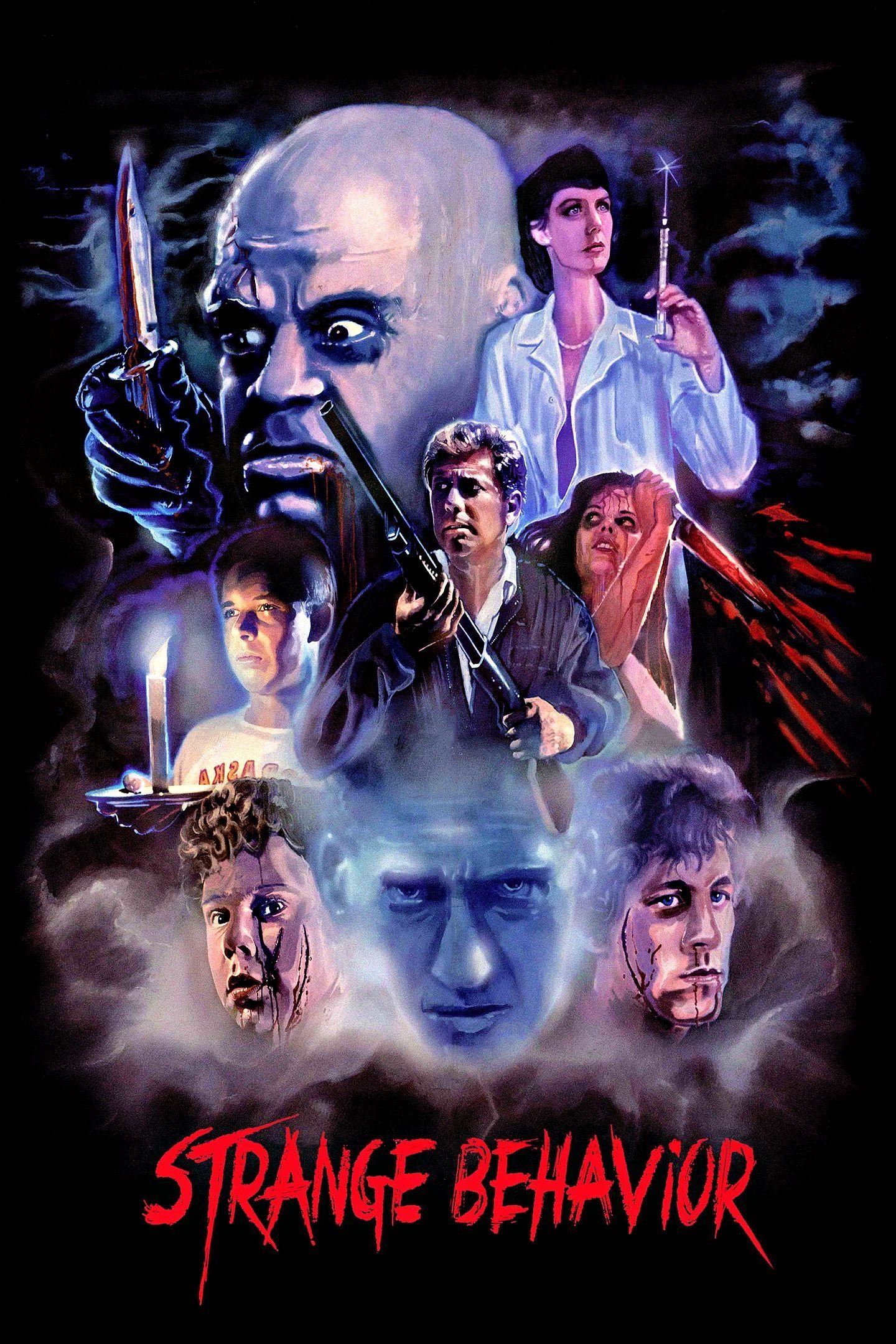
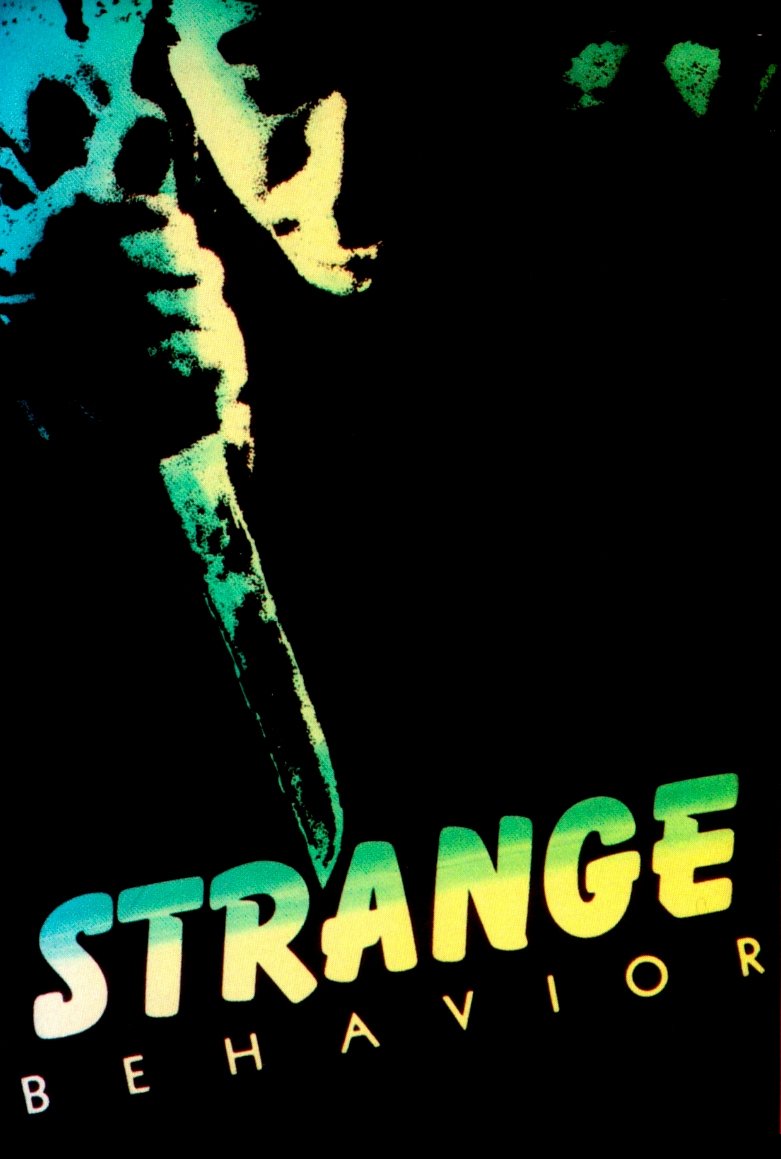
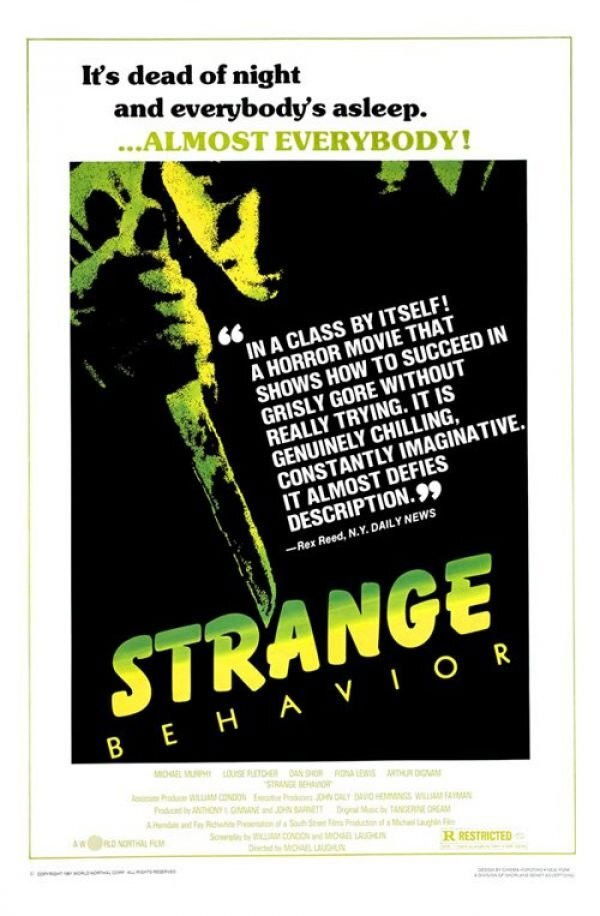
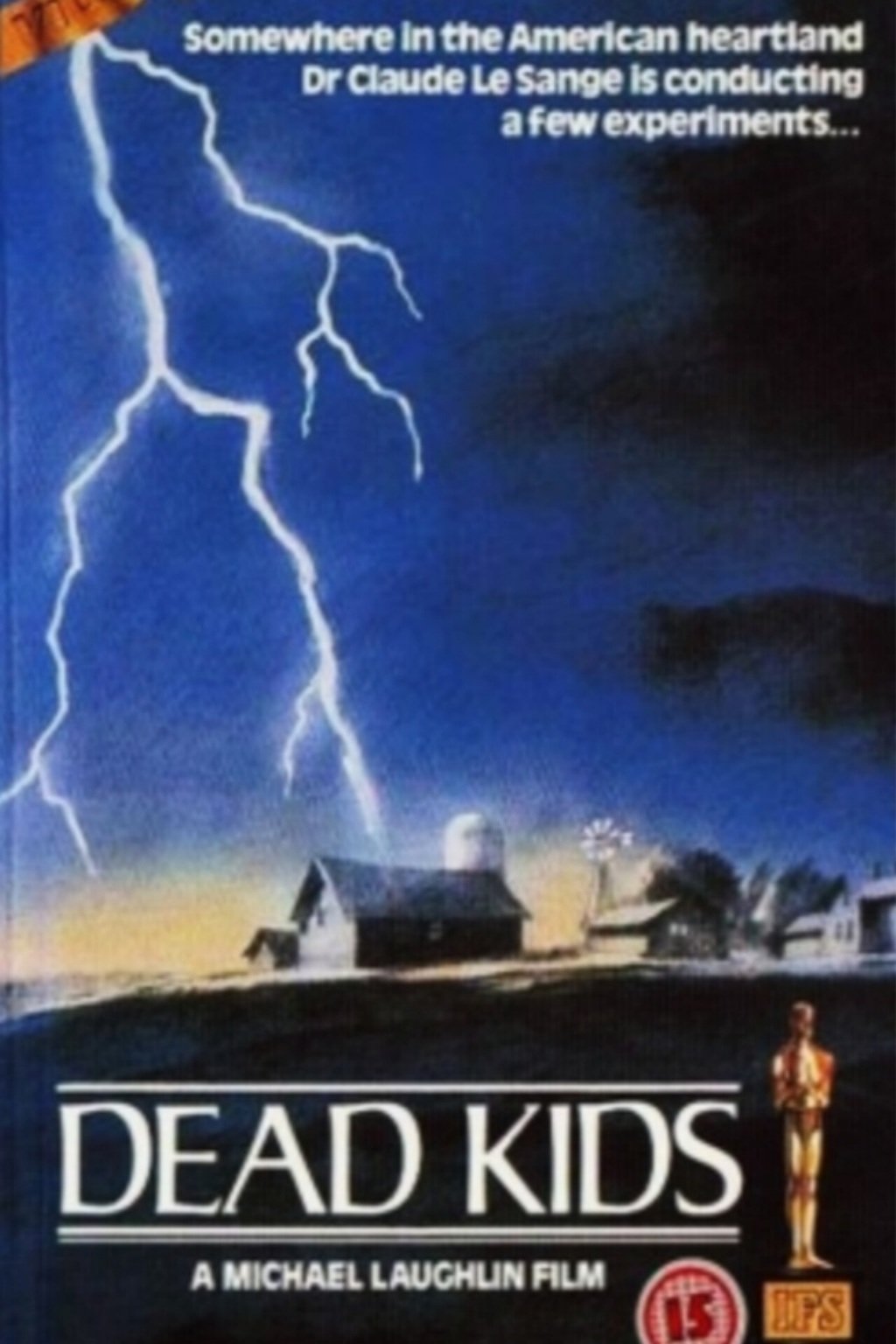
Strange Behavior (1981) approaches the early-eighties slasher through the unsettling idea that a killer may have no conscious reason for killing. In the Illinois college town of Galesburg, apparently ordinary teenagers become involved in violent crimes while a university psychology department recruits young volunteers for chemical-conditioning experiments. Michael Laughlin's film uses the mechanics of a murder investigation, yet directs suspicion toward the manipulation of personality itself. The contrast between recognizable adolescent routines and deliberately altered behavior gives the violence an unusual psychological dimension. Its association with the alternate title Dead Kids also reflects a complicated distribution history that shaped how different audiences encountered the same production.
Made in New Zealand as an international production with a predominantly American cast, the picture was co-written by Laughlin and Bill Condon, who would go on to collaborate again on Strange Invaders. Its quiet suburban setting evokes mid-century American science-fiction cinema, while individual attacks display an intensity associated with the contemporary horror cycle. A nostalgic pop-song dance, stylized medical scenes and electronic music by Tangerine Dream complicate any simple classification as a masked-killer film. These elements make Strange Behavior a revealing example of filmmakers using the popularity of slashers to explore older fears of experimental science, obedience and the instability of identity.
Development and the New Zealand Production
Laughlin had worked as a producer before turning to directing, and Strange Behavior offered him an opportunity to revisit the atmosphere of American genre movies from his youth. Condon's involvement grew out of his earlier film journalism: he later recalled that an extended article he had written attracted Laughlin's attention and led to their collaboration. Their script was developed under the title Dead Kids. Rather than establishing a documentary account of laboratory research, the writers constructed a fictional college mystery around conditioning, repressed hostility and the persistence of a scientist's influence after death. The approach connected an established science-fiction premise to the expanding youth-horror market of 1981.
Turner Classic Movies reports a production budget of approximately one million dollars and a thirty-day shooting schedule. New Zealand was selected in part for financial considerations, although its landscapes also helped create the appearance of a small Midwestern community. The filmmakers could use streets, lawns and older buildings to suggest an American town whose familiar surfaces belonged to an earlier era. The setting was specifically identified as Galesburg, Illinois, even though principal photography took place thousands of miles away. A 2023 report by Tri States Public Radio documents how residents later recognized the fictional use of their city when a local theater arranged a screening.
Conditioning, Suspicion and the Slasher Form
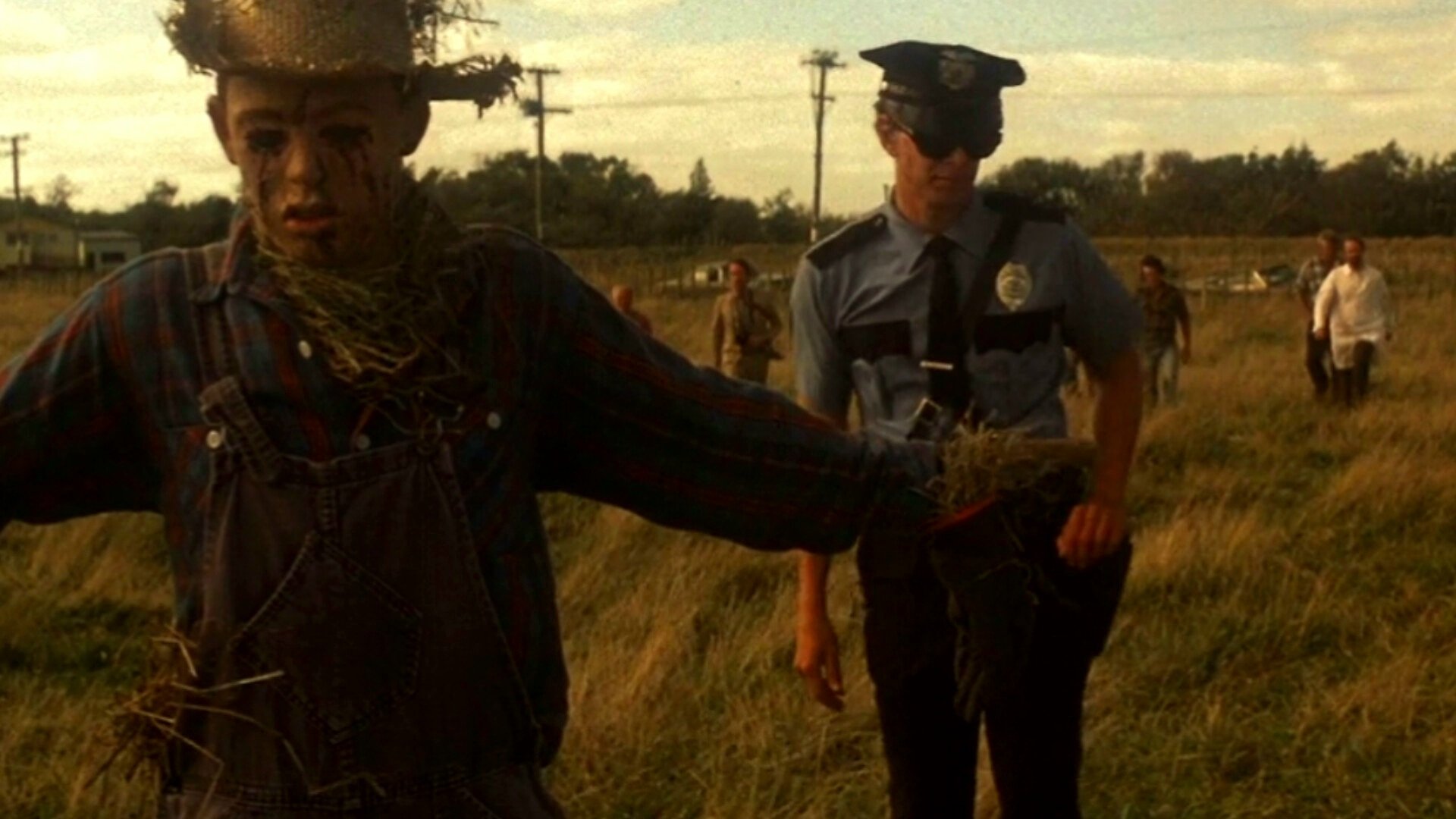
The opening establishes the central disturbance without keeping the attacker hidden for the entire sequence. A teenage victim is interrupted at home, and the apparent perpetrator belongs to the same generation. Later attacks follow a similar logic: discovering who handled the weapon is less revealing than understanding the forces governing that person's actions. Pete Brady enters the story through a seemingly legitimate offer to earn money by participating in experiments at his local college. The university's medical procedures gradually turn everyday trust in professional authority into a source of danger. The police investigation conducted by Pete's father John consequently encounters evidence that conventional ideas about individual motive cannot fully explain.
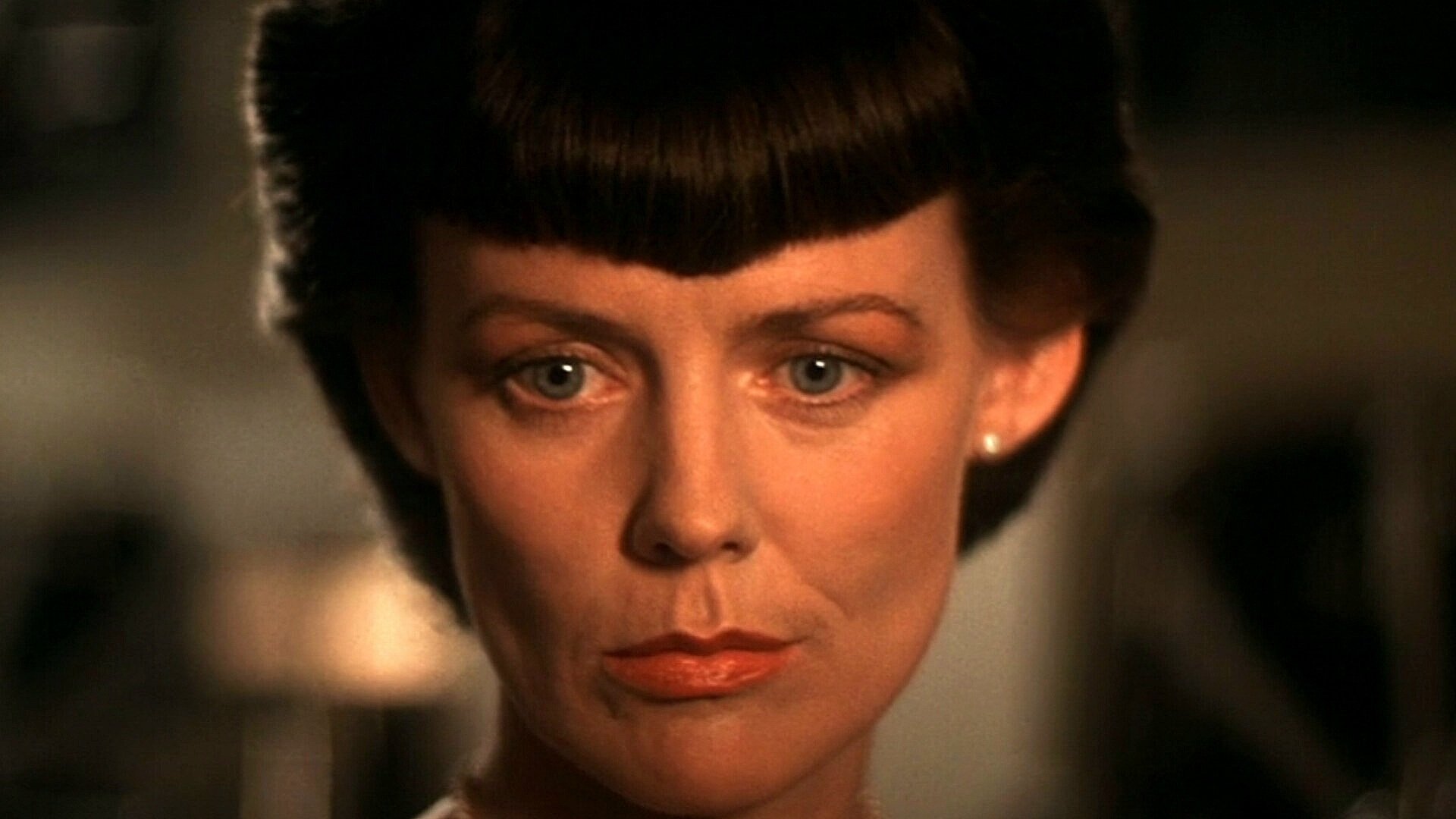
The experiments are linked to the remembered figure of Dr. Le Sangel and to the work of Gwen Parkinson, played by Fiona Lewis. Recorded lectures allow the absent scientist to exert a continuing presence, extending the film's concern with behavior determined by an unseen controller. Anton Bitel has described the resulting structure as a mystery about why people kill instead of a straightforward search for a masked assailant. That distinction is useful because it directs attention toward the relationships between researchers, volunteers and police. The script treats scientific language as an instrument of intimidation and secrecy, without offering an accurate account of real psychological practice.
Midwestern Nostalgia and Visual Unease
Louis Horvath's photography and Susanna Moore's production design work together to make a New Zealand location resemble an American town suspended between decades. The film favors clear colors, neat domestic spaces and reassuring suburban exteriors, drawing on the visual memory of older studio productions. Condon later connected the look to the vivid skies he encountered during the shoot. The period atmosphere is strongest when the camera observes houses and public spaces without an immediate threat in view. When violence enters these settings, its force depends partly on their calm appearance. The result produces a different kind of disturbance from an urban horror film built around permanent physical decay.
The costume party is especially revealing. Teenagers dressed as characters from older television and popular culture perform an unexpectedly coordinated dance to Lou Christie's Lightnin' Strikes. Nothing in the surrounding investigation requires this interruption, but its curious collective precision echoes the theme of externally directed conduct. The scene can be read as an ironic comment on conformity, although no statement by the filmmakers establishes a single definitive interpretation. Its cheerful pop imagery also counterbalances the antiseptic atmosphere of the laboratory. Throughout the film, apparently incongruous tonal choices help preserve a sense that ordinary Galesburg life has subtly stopped behaving as expected.
Medical Horror and the Design of Violence
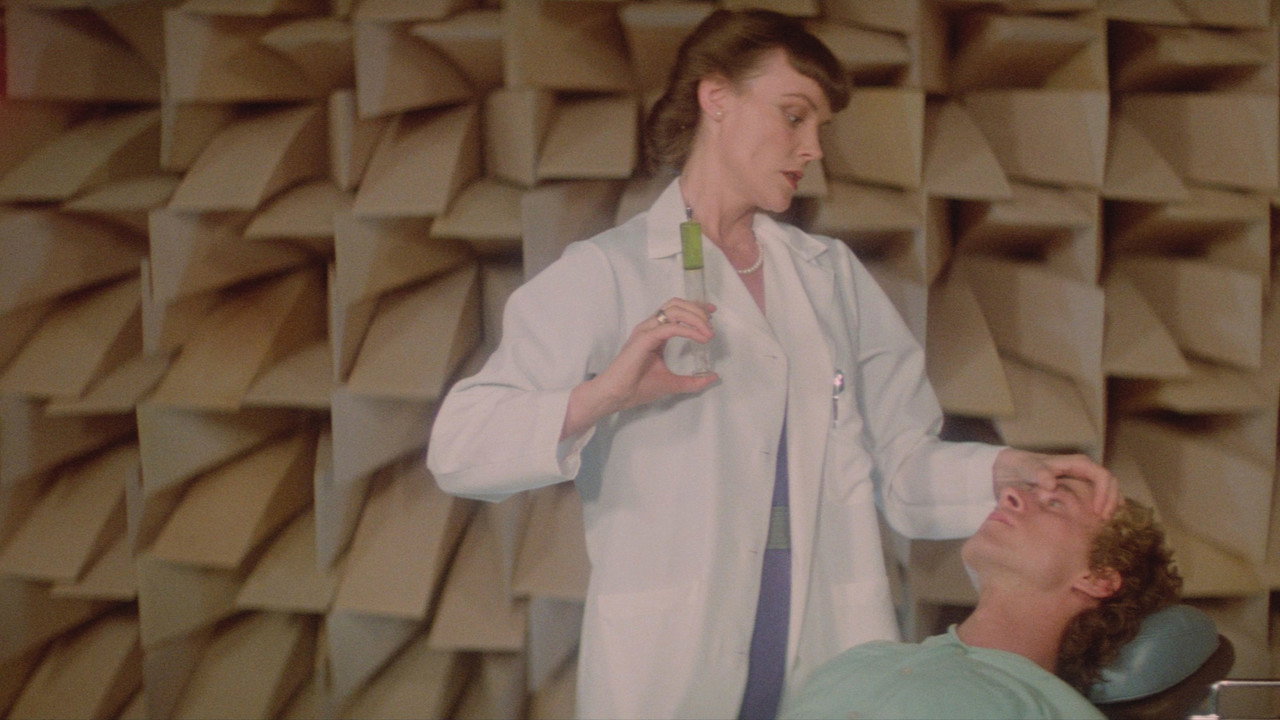
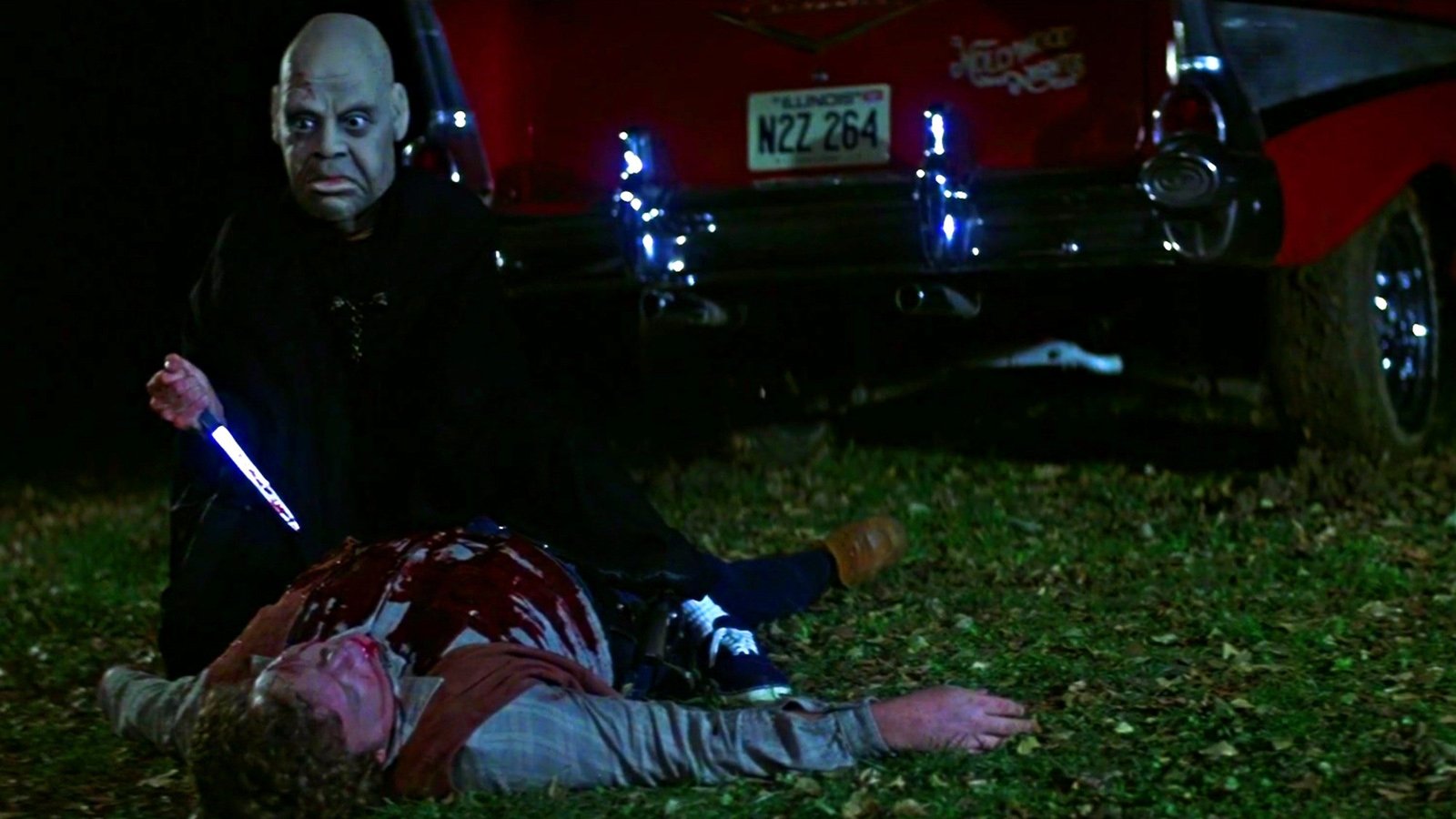
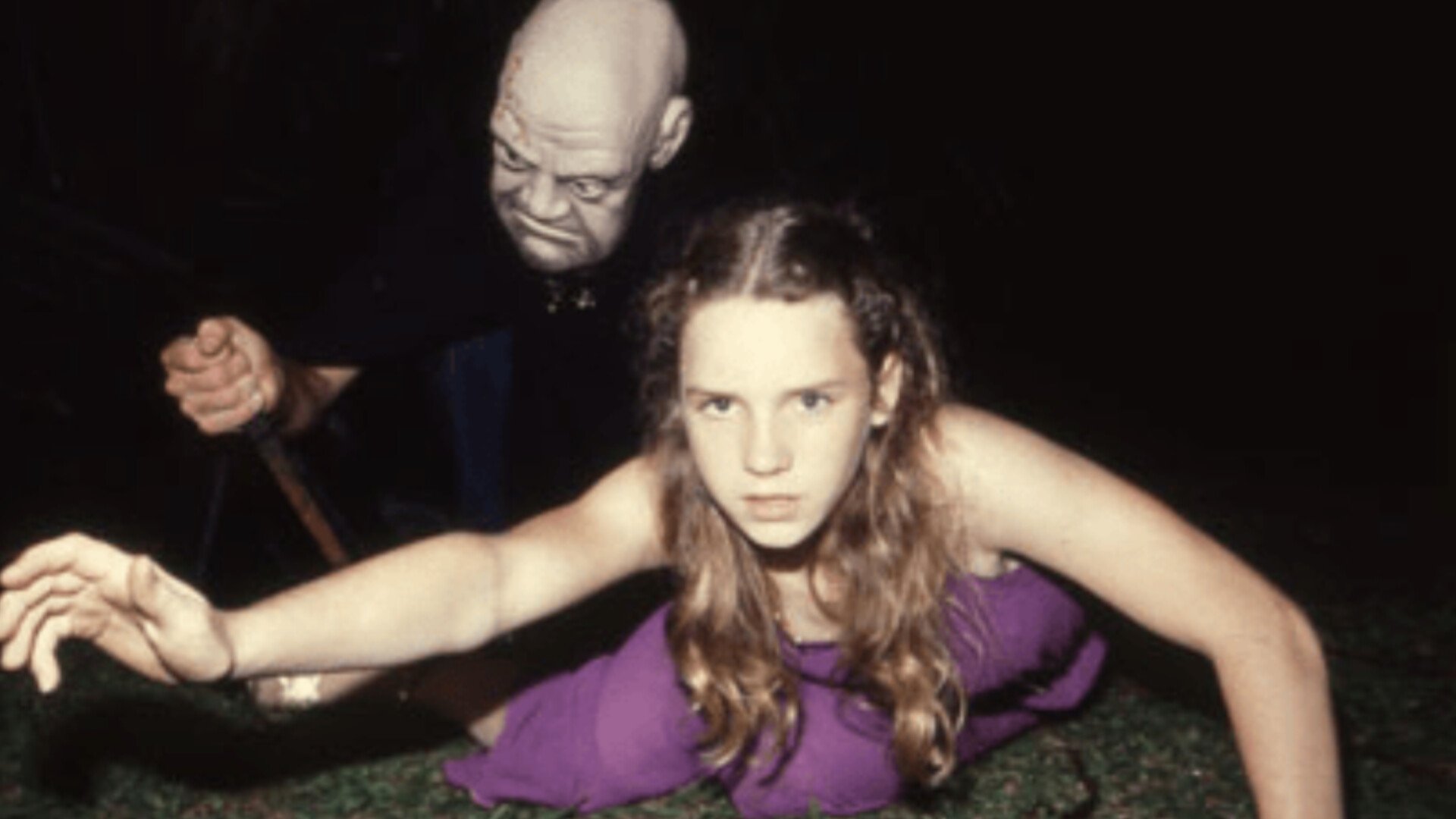
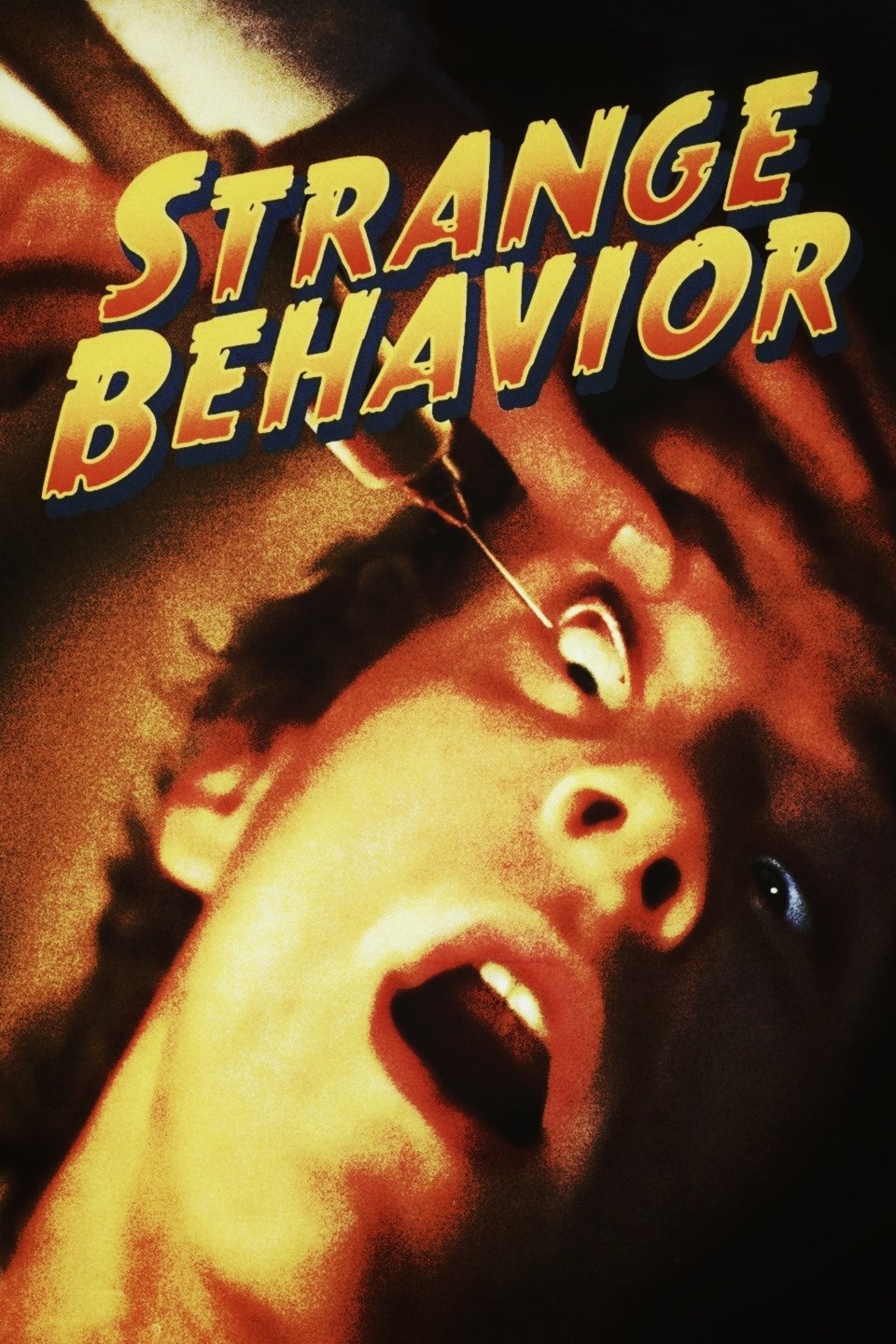
Strange Behavior includes stabbing, bodily injury and dismemberment, yet Laughlin frequently avoids the rapid, close-range cutting associated with more formulaic slashers. The opening attack is staged through a silhouette and a play of shadows before its brutality becomes clear. Other violent episodes linger on a character's reaction or on the aftermath, encouraging unease beyond the moment of impact. The laboratory introduces an intimate threat through restraints and invasive injections. Instruments presented as tools of medical investigation become objects of immediate physical fear, connecting the story's behavioral experiments to images of bodily violation.
Craig Reardon's makeup work was singled out in contemporary genre criticism for its realism, a distinction noted by Turner Classic Movies in its account of the film's reception. The practical effects heighten the mismatch between a stylized 1950s atmosphere and injuries that belong to the harder-edged horror cinema of 1981. The famous injection image remains disturbing because the scene takes a clinical procedure and carries it toward a vulnerable part of the body. These passages are important to the film's identity, though the surviving accessible accounts do not justify attributing particular technical materials or fabrication methods to individual shots. Such details would require more specific production testimony.
Tangerine Dream and Musical Dislocation
The original score by Tangerine Dream introduces a colder register than the film's nostalgic pop music. Working with electronic textures, the group accompanies the experiments and suspense passages with sounds that fit the story's disturbed sense of mental control. Their contribution belongs to an early period of the band's work in screen scoring. The official Tangerine Dream archive identifies the recording year as 1981 and lists cues tied to the laboratory, a bathroom scene, the graveyard and moments of threatened violence. That documentation supports a discussion of the score's dramatic placement without inventing details about studio sessions or particular instruments used during recording.
Music also creates tension between historical periods. The laboratory's unsettling electronics sit beside songs and party rituals that refer back to mid-century American popular culture. The synchronous dance demonstrates how a familiar recording can become disorienting when linked to uniform movement. For decades, the original electronic score had no equivalent standalone album in regular circulation; the band's archive dates its first vinyl issue to April 2022. That release has helped distinguish music written for the picture from the pre-existing songs heard within it. The juxtaposition is an audible counterpart to the film's visual mixture of old-fashioned suburbia and contemporary horror.
Release, Censorship and Critical Reappraisal
The film was released theatrically in the United States as Strange Behavior in October 1981, while Dead Kids remained its principal alternative title in other territories. According to Turner Classic Movies, North American distributors feared that the original wording would appear insensitive during public attention to the Atlanta child murders. Title changes later multiplied in British home video. The BBFC database records Small Town Massacre in 1986 and Human Experiments in 1993; the latter entry lists cuts or alterations. Further classifications in 2004 and 2008 required the removal of material involving a wrist-slashing technique. These are specific regulatory decisions, separate from any broader claims about theatrical censorship.
On March 23, 2026, the BBFC classified a home-entertainment presentation titled Dead Kids with a running time of 101 minutes and 56 seconds, without listing cuts for that submission. It should not be assumed from the running times alone that every earlier difference represents removed footage. Contemporary reception was already divided: Turner Classic Movies cites Judith P. Harris in Cinefantastique criticizing the direction while praising the effects, alongside an enthusiastic assessment by Rex Reed. Later criticism has taken greater interest in the film's unusual fusion of science-fiction anxiety, suburbia and slasher violence. Laughlin and Condon returned to related mid-century genre territory in Strange Invaders (1983), but Strange Behavior remains a distinct story rather than an installment requiring narrative continuity.
John M. Miller examines the New Zealand production, visual approach, Condon commentary, changing titles, makeup work and contemporary critical responses.
Non-commercial discographic research documenting the 1981 recording, Edgar Froese, Chris Franke and Johannes Schmoelling, and the 2022 soundtrack editions and tracklists.
VODzilla — Shudder UK Film Review: Strange Behavior (1981)
Anton Bitel studies the film as a mystery about conditioning, its paternal relationships, period nostalgia and the synchronized party dance.
Tri States Public Radio — Strange Behavior: 80s Horror Flick Set in Galesburg to Show at Orpheum
Jane Carlson reports the film connection to Galesburg, Illinois, through local historical context and the 2023 community screening.