Nightmare (1981)

US
HORROR FILM
SUBGENRES SLASHER SPLATTER
UK censorship history DPP · Successful prosecutions
Runtime
99 min
Release
October 23, 1981
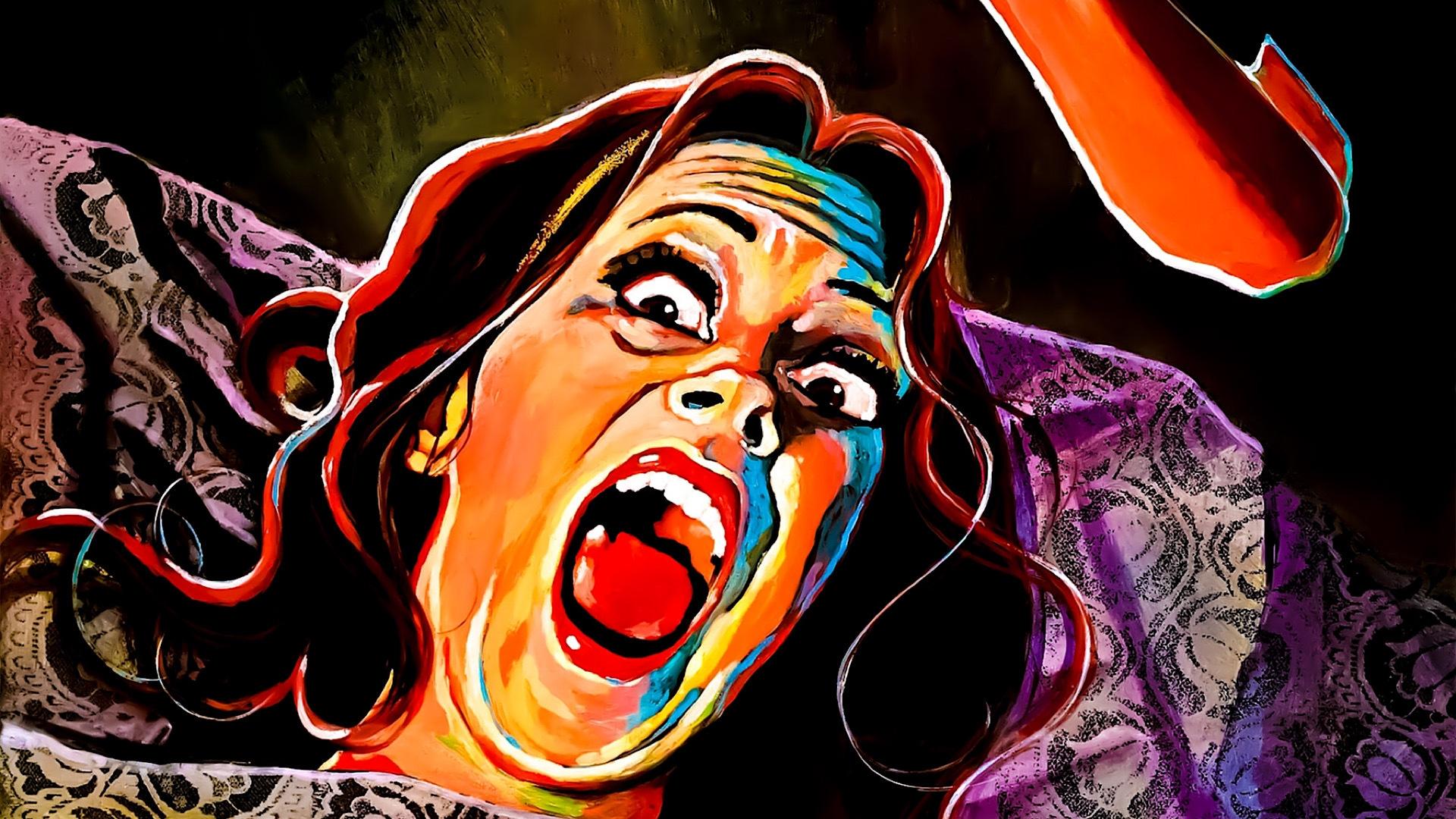
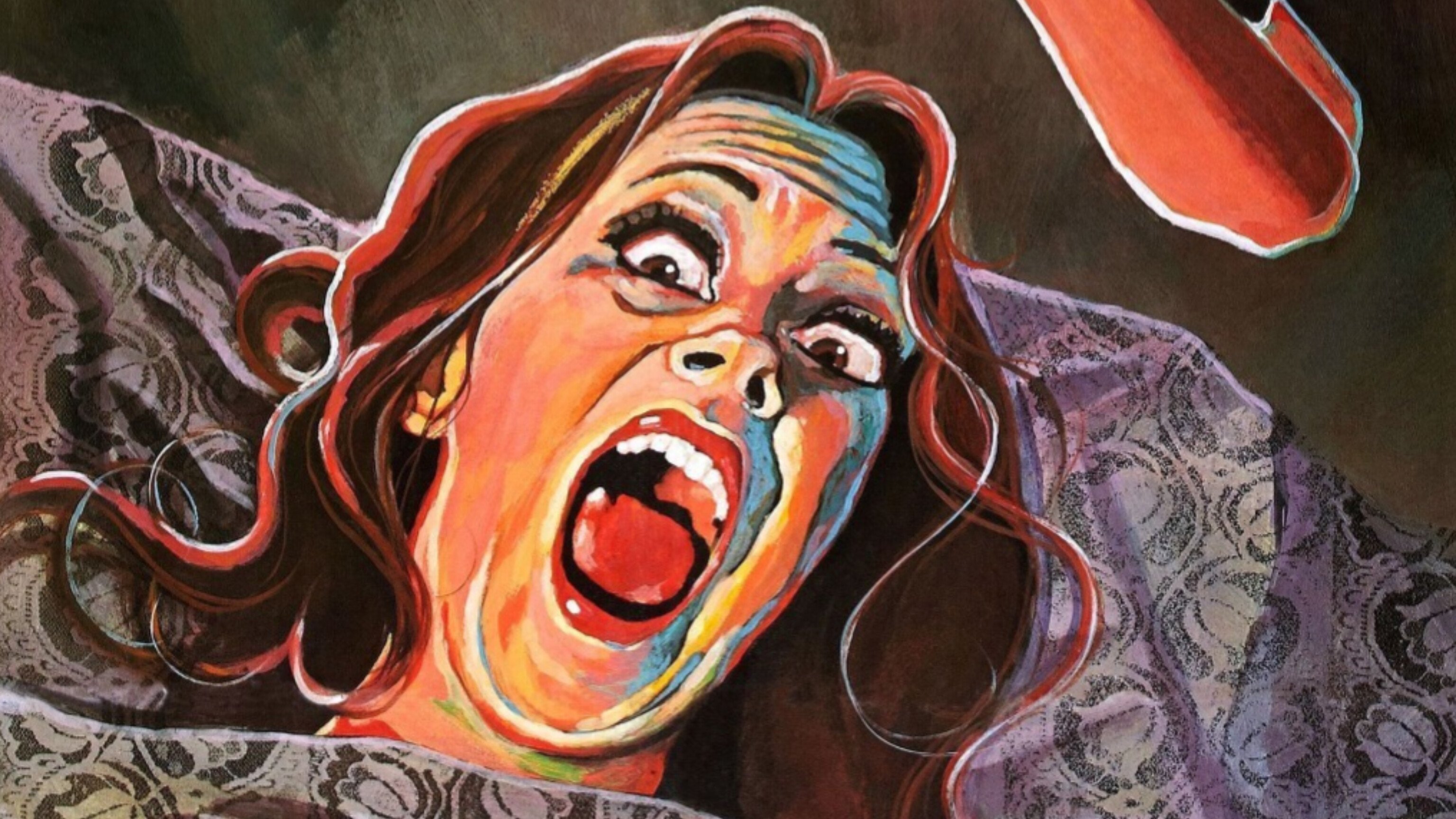
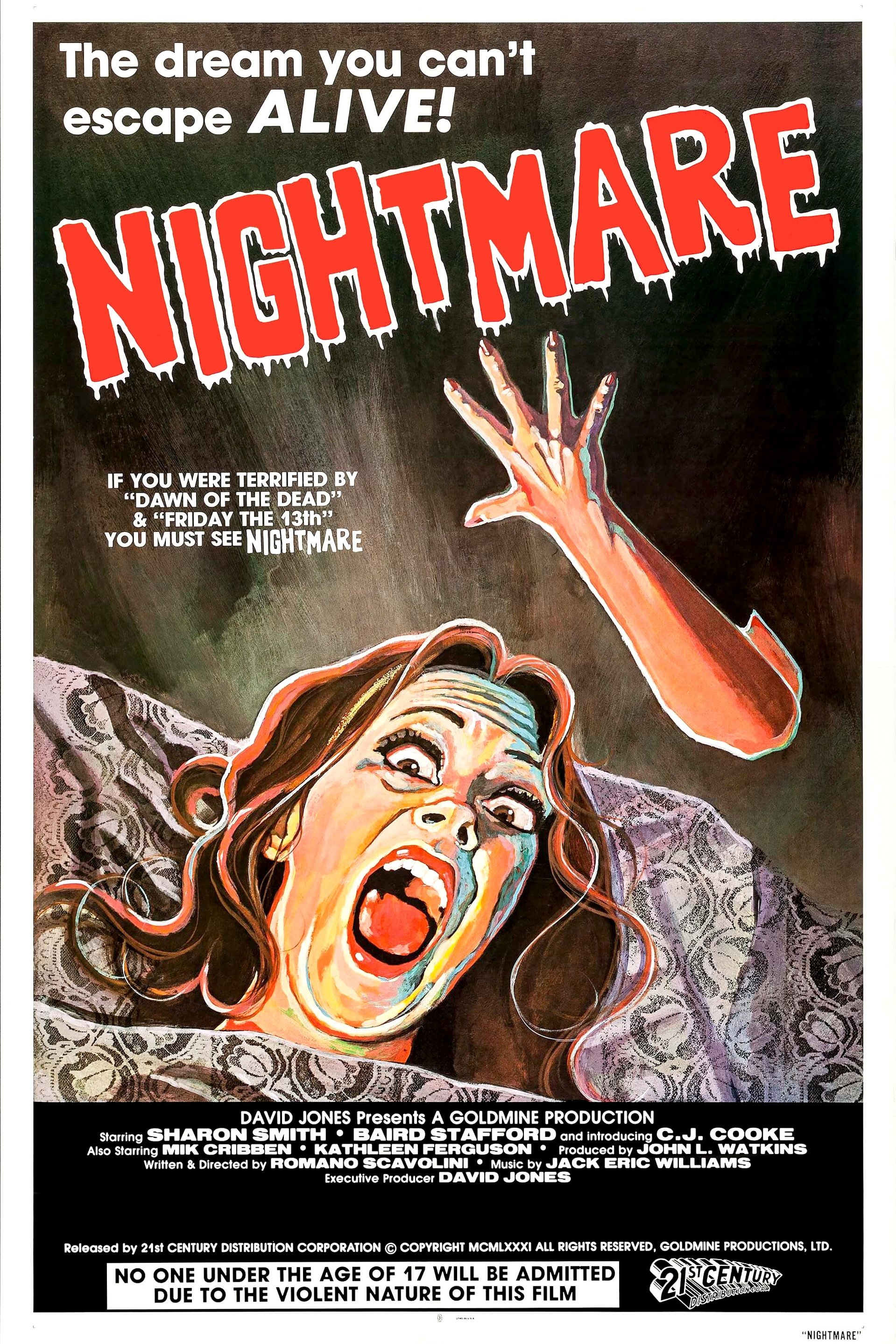
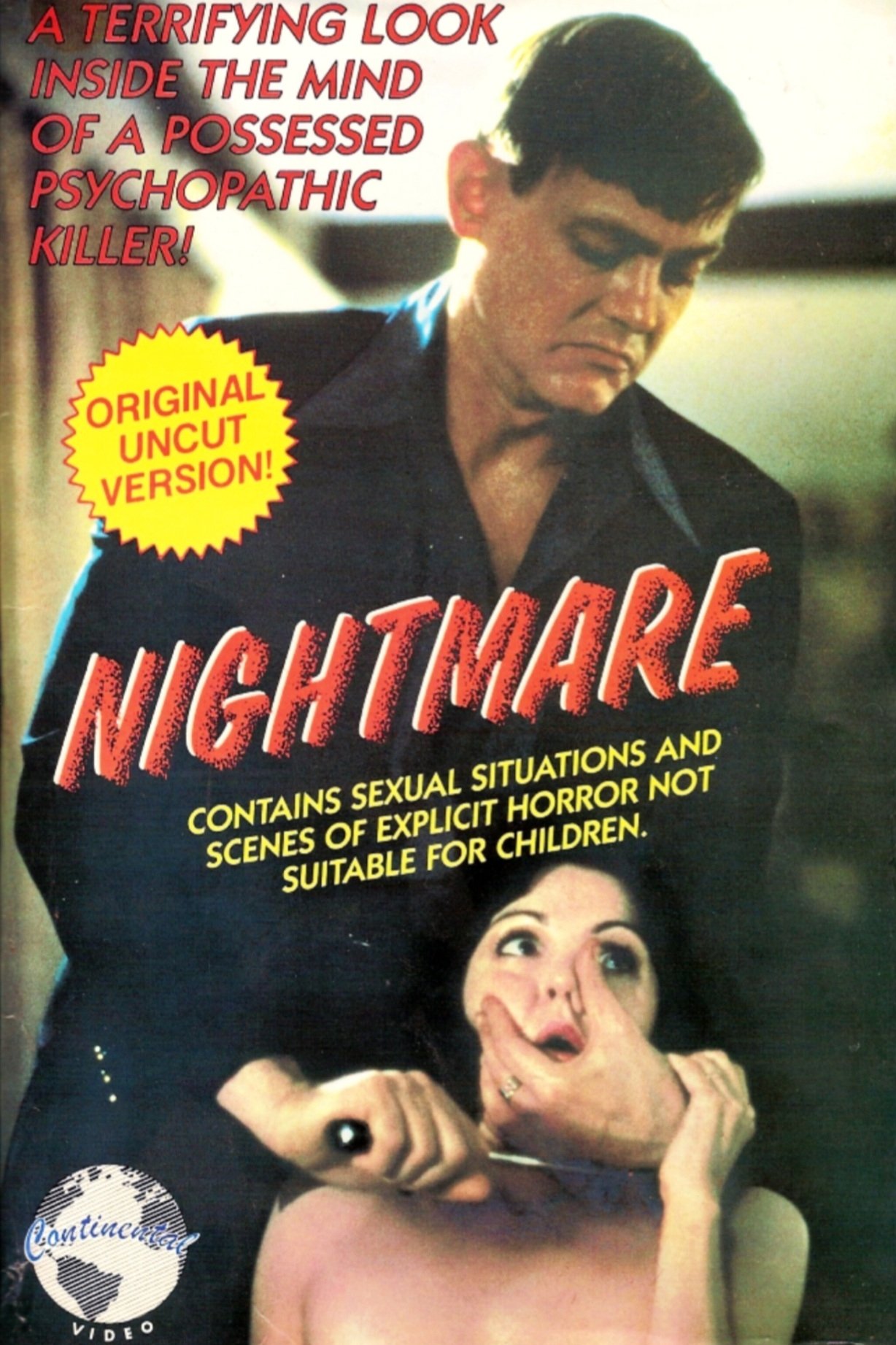
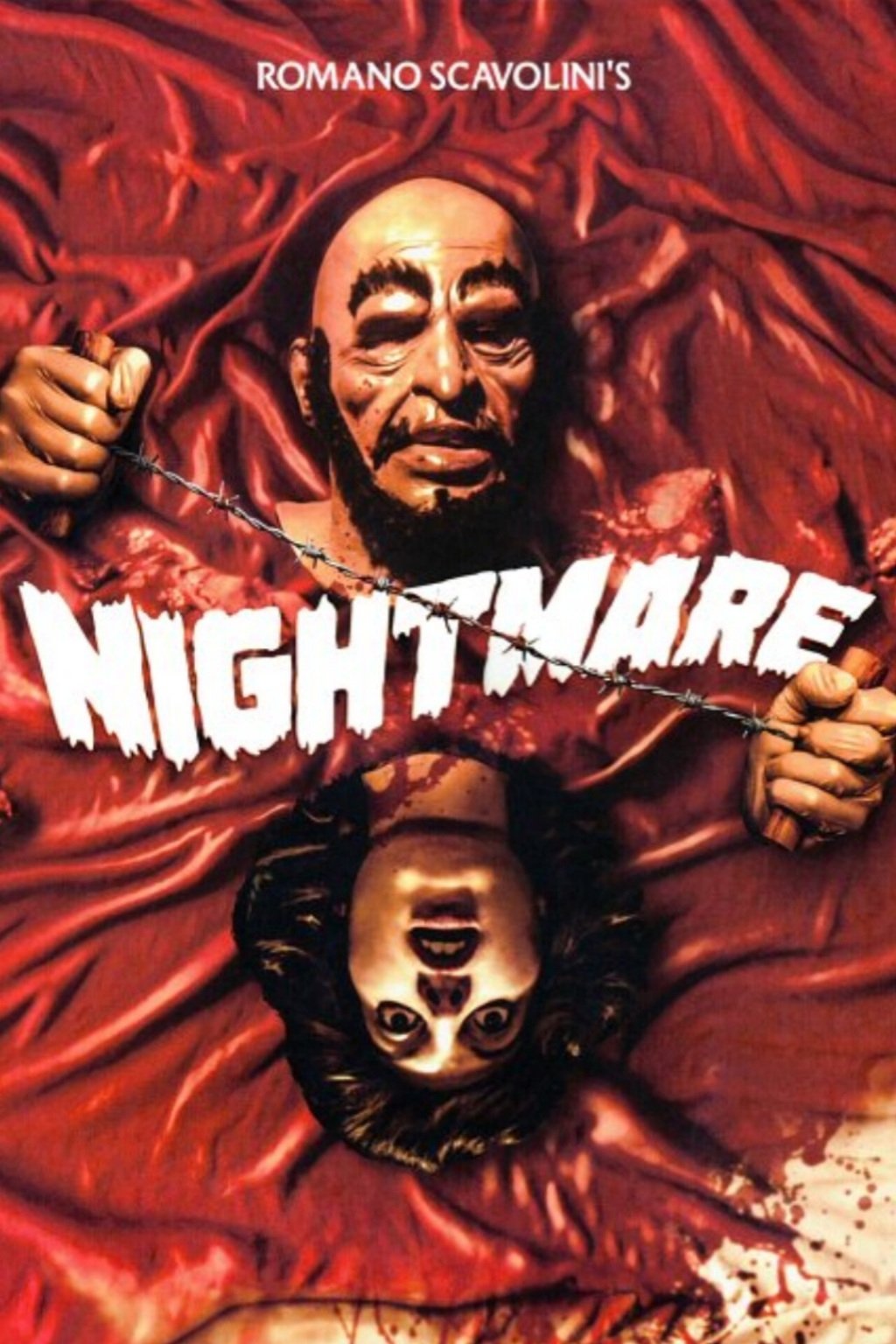
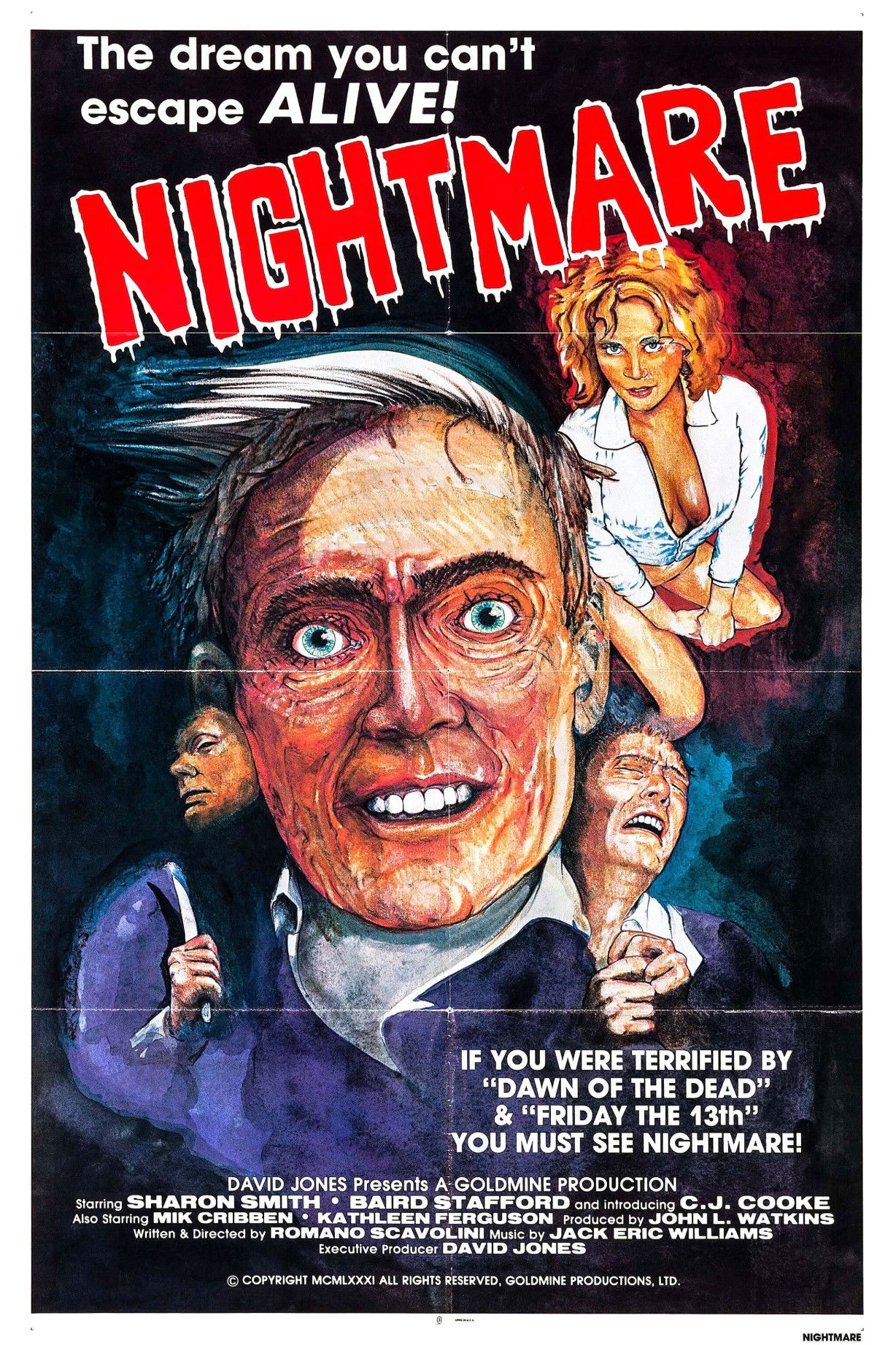
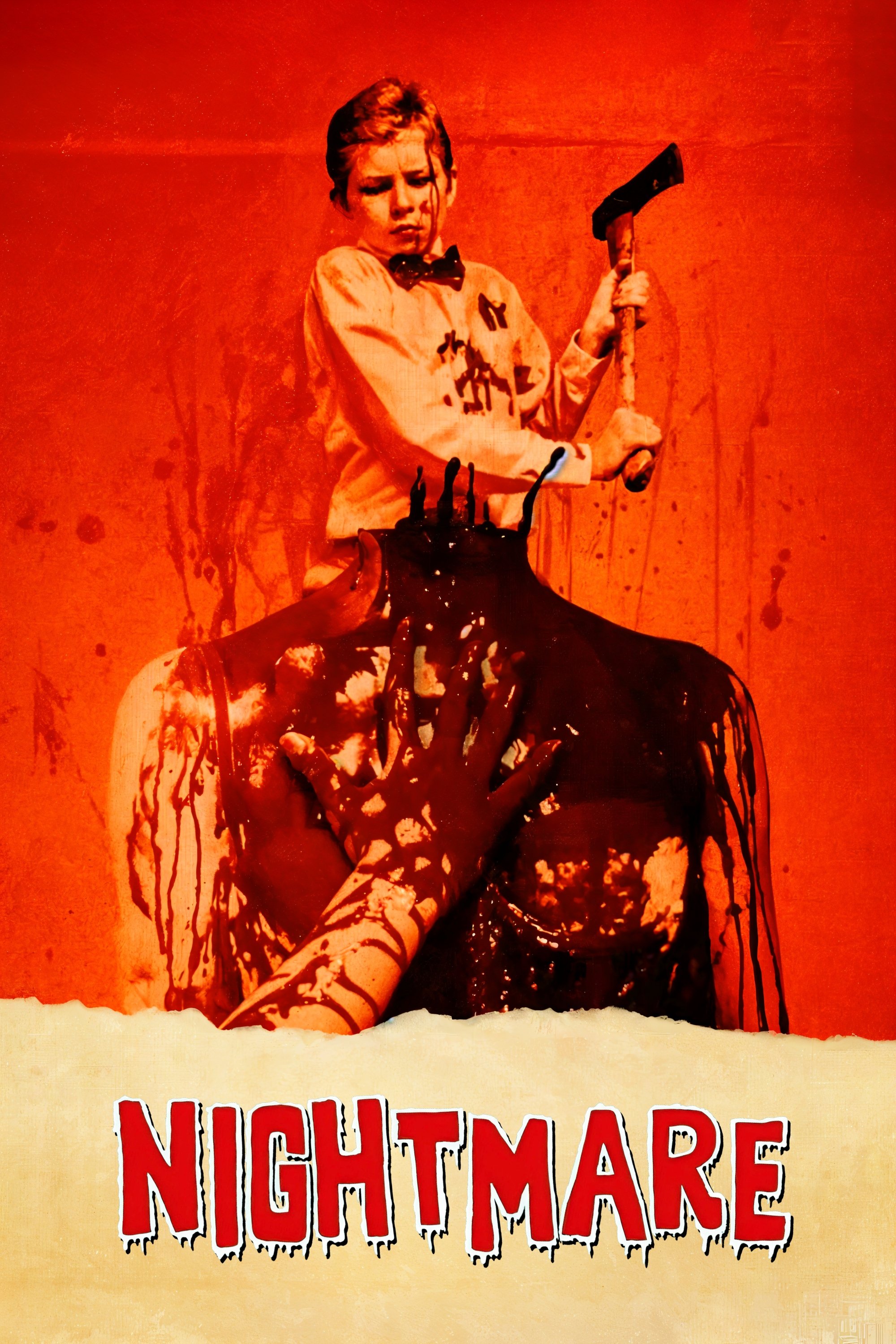
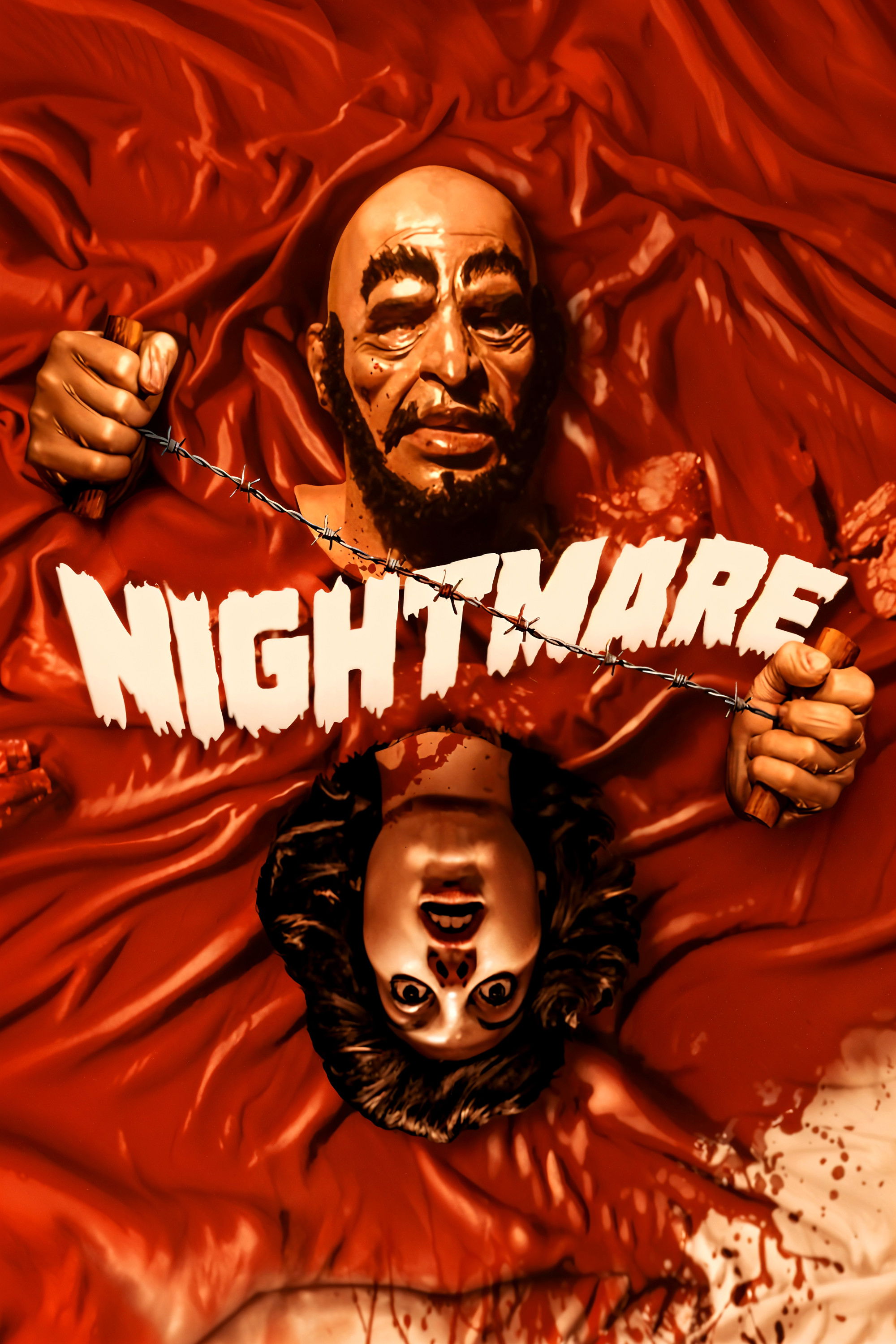
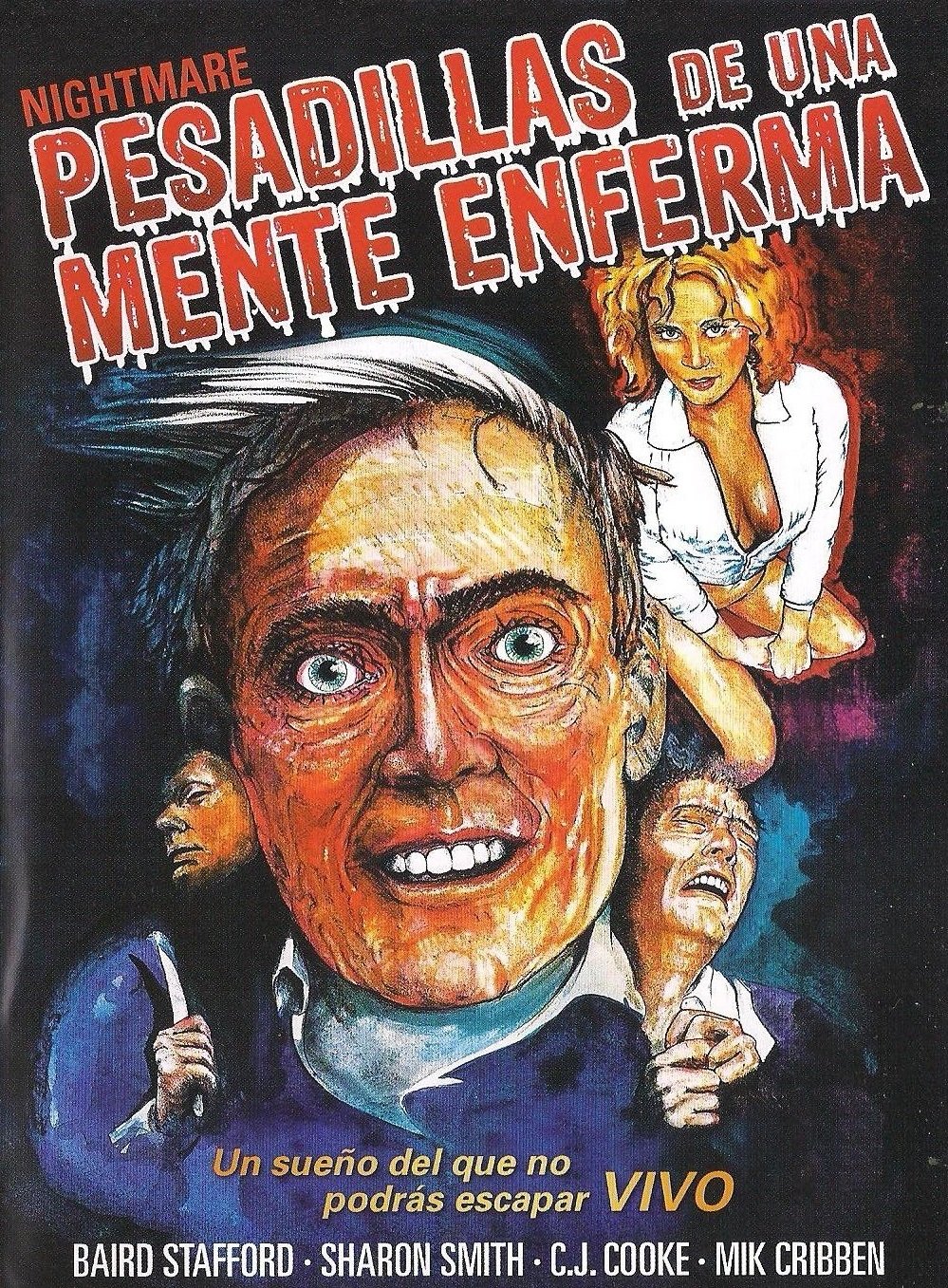
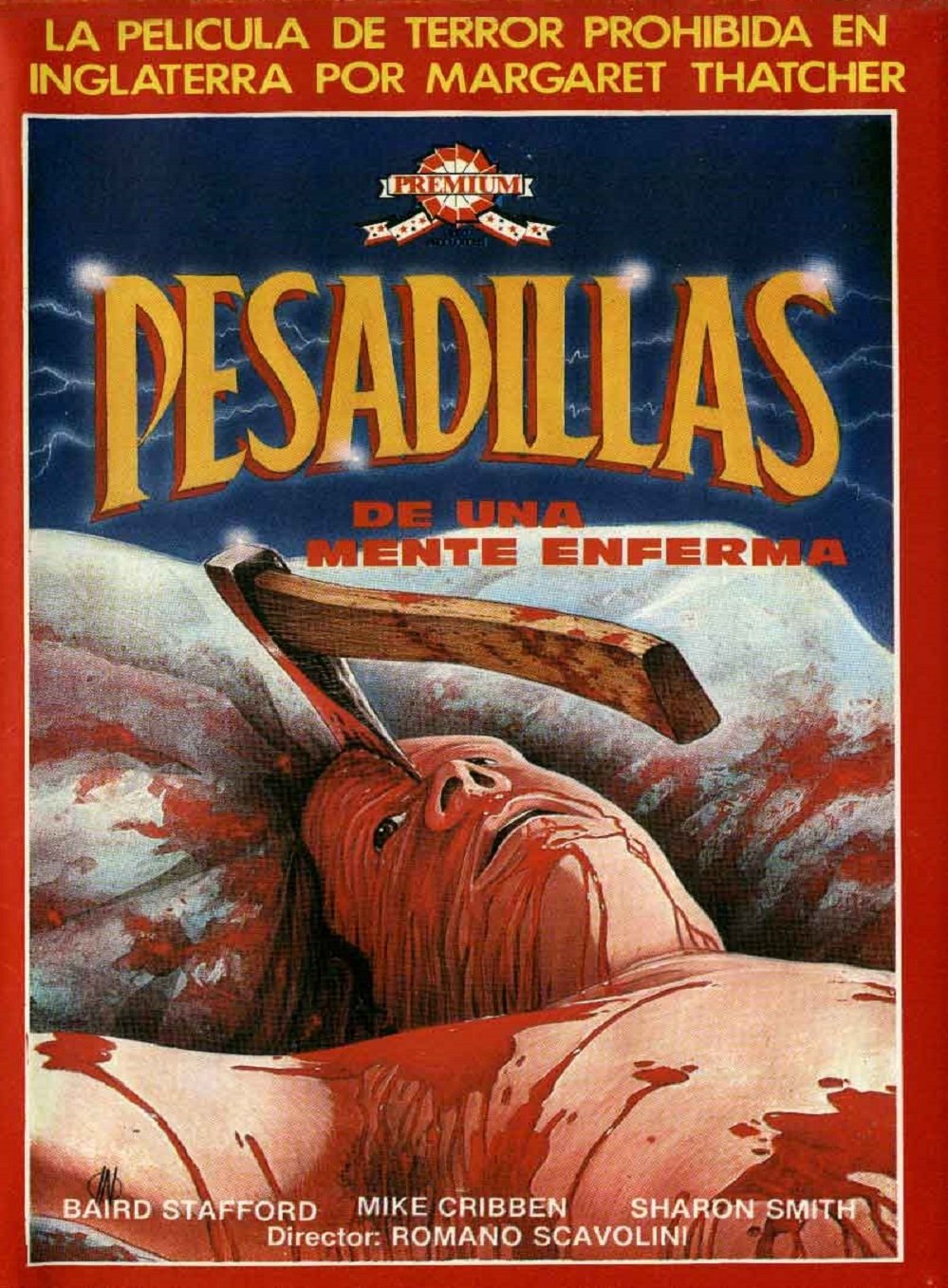
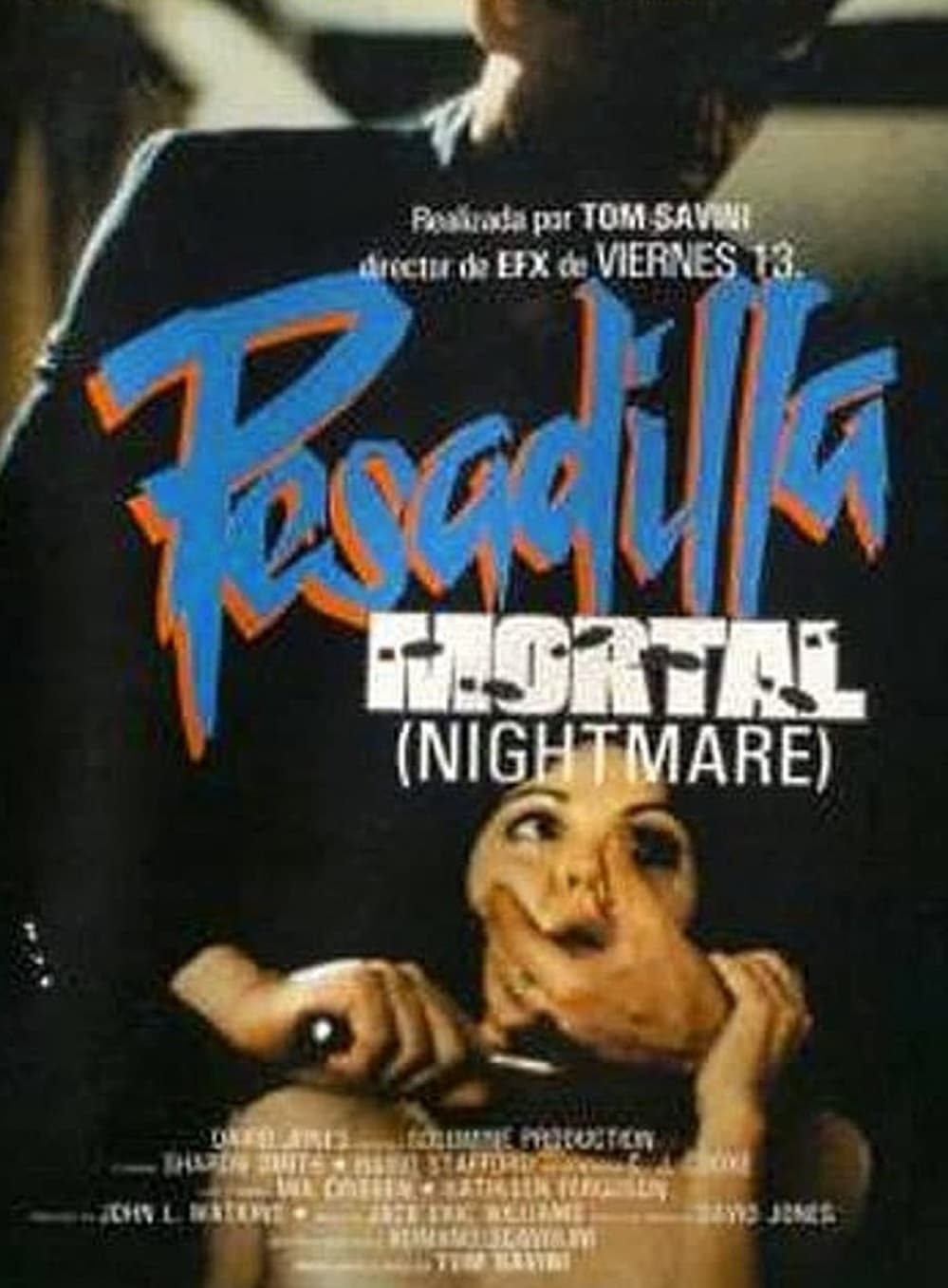
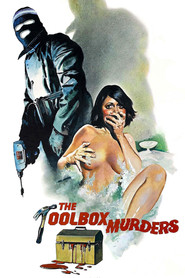
Nightmare (1981) poster
Production Company
Goldmine Productions
Plot

A drug-treated schizophrenic plagued by horrible nightmares is released from the hospital and goes on a killing spree.

Alternative Titles
Pesadilla - La última (Argentina) — alternative title Pesadillas de una mente enferma (Argentina) — alternative title Violencia se escribe con sangre (Argentina) Pesadelo (Brazil) 噩梦 (China) Flucht aus gnadenloser Hölle (Germany) Nightmare in a Damaged Brain (Germany) Pesadilla mortal (Spain)
Show all 21 alternative titles Pesadillas de una mente enferma (Spain) — alternative title Cauchemars à Daytona Beach (France) Nightmares in a Damaged Brain (United Kingdom) 噩夢 (Hong Kong SAR China) — Chinese סיוט (Israel) — Hebrew ナイトメア (Japan) Baño de sangre (Mexico) Blood Splash (Netherlands) Nightmare in a Damaged Brain (Netherlands) Nightmares in a Damaged Brain (Netherlands) Pesadelo Mortal (Portugal) — Portuguese Кошмары больного мозга (Russia) — Russian Blood Splash (United States) — Home Video Title

Trailers & Videos

2 videos

Film Guide & Analysis

Romano Scavolini's 1981 psychological slasher: the Dark Games screenplay, Florida and New York production, Baird Stafford, the disputed Tom Savini effects credits, exploitation marketing, British video nasties and restoration history.

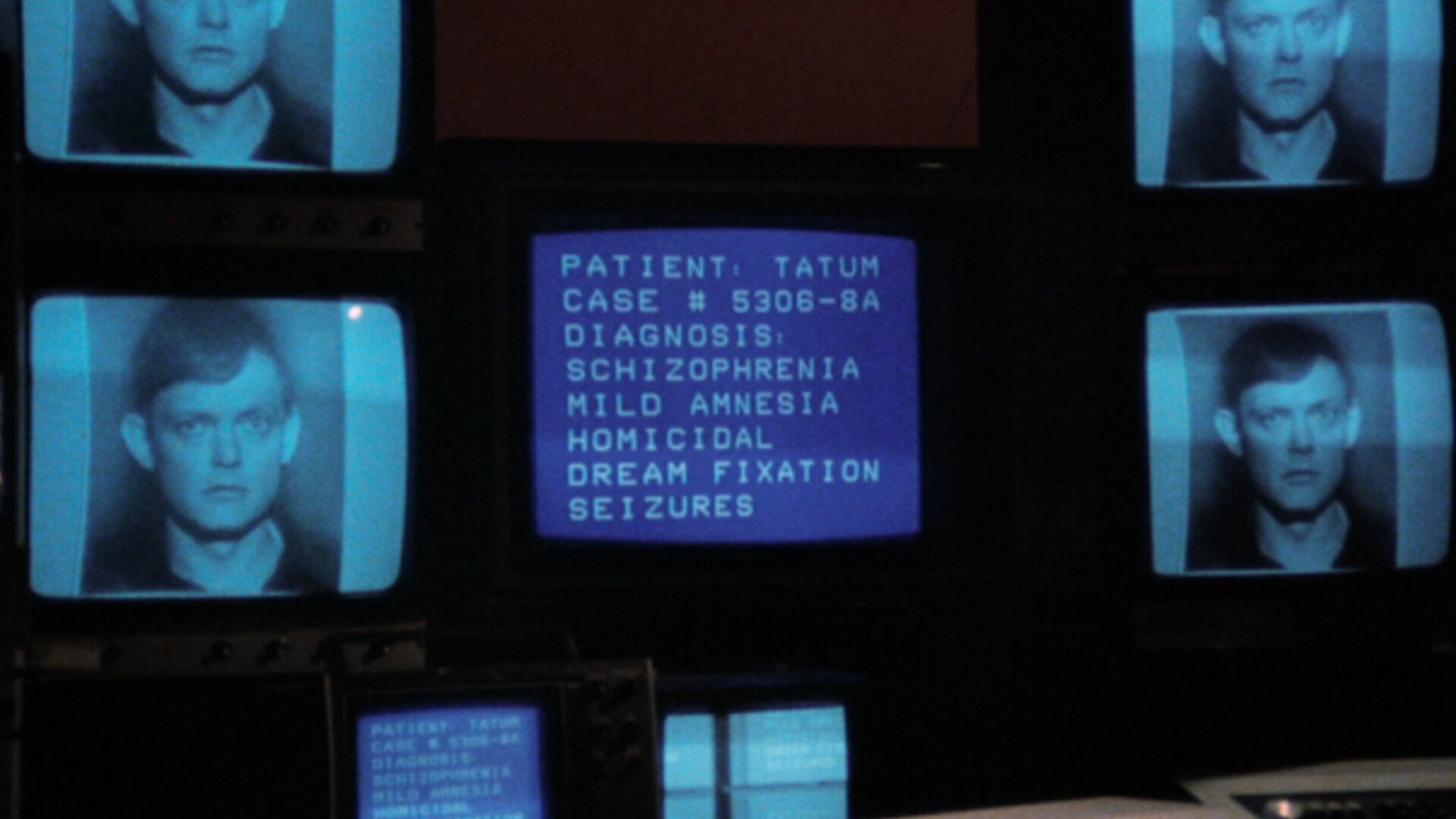
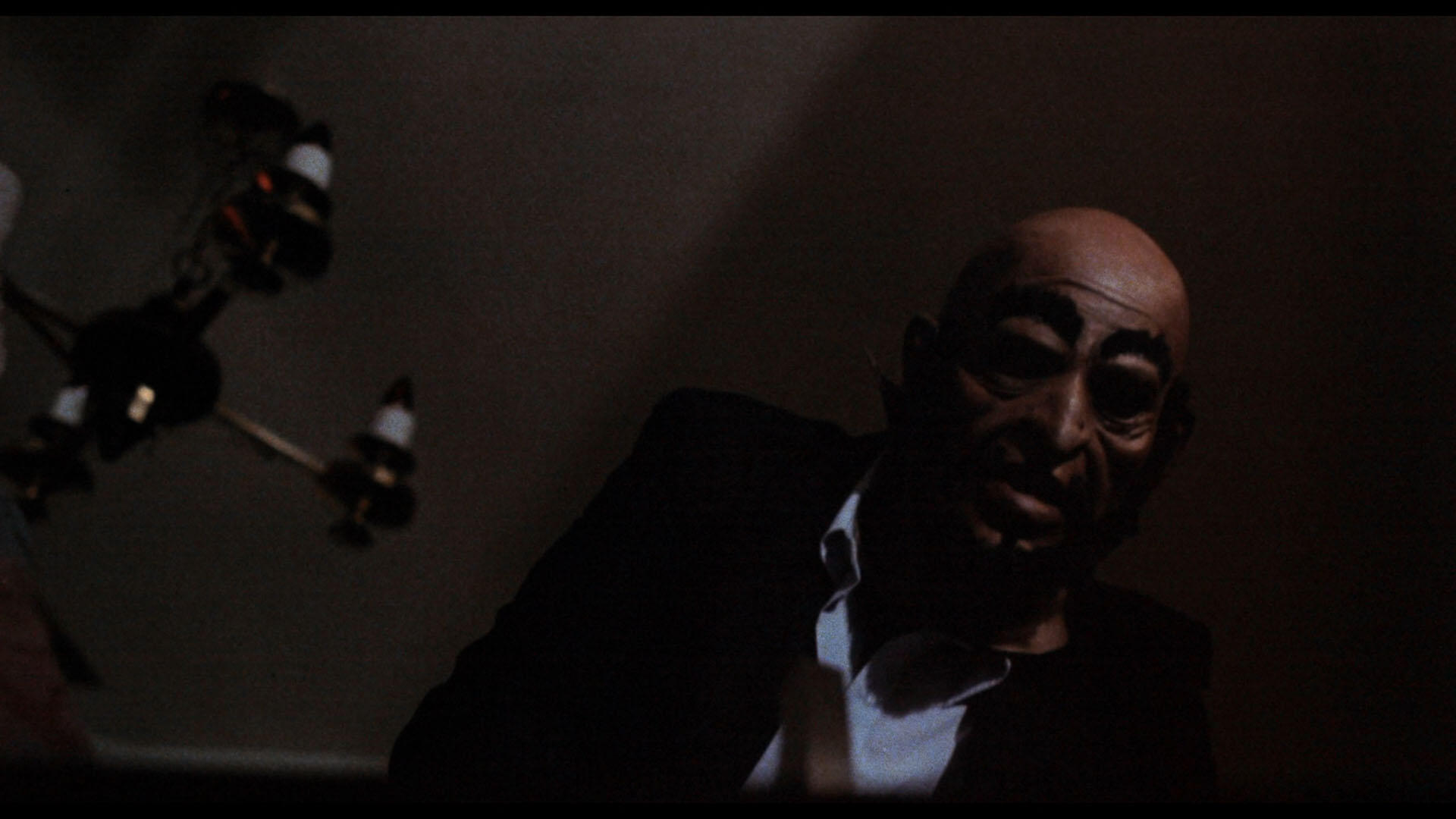
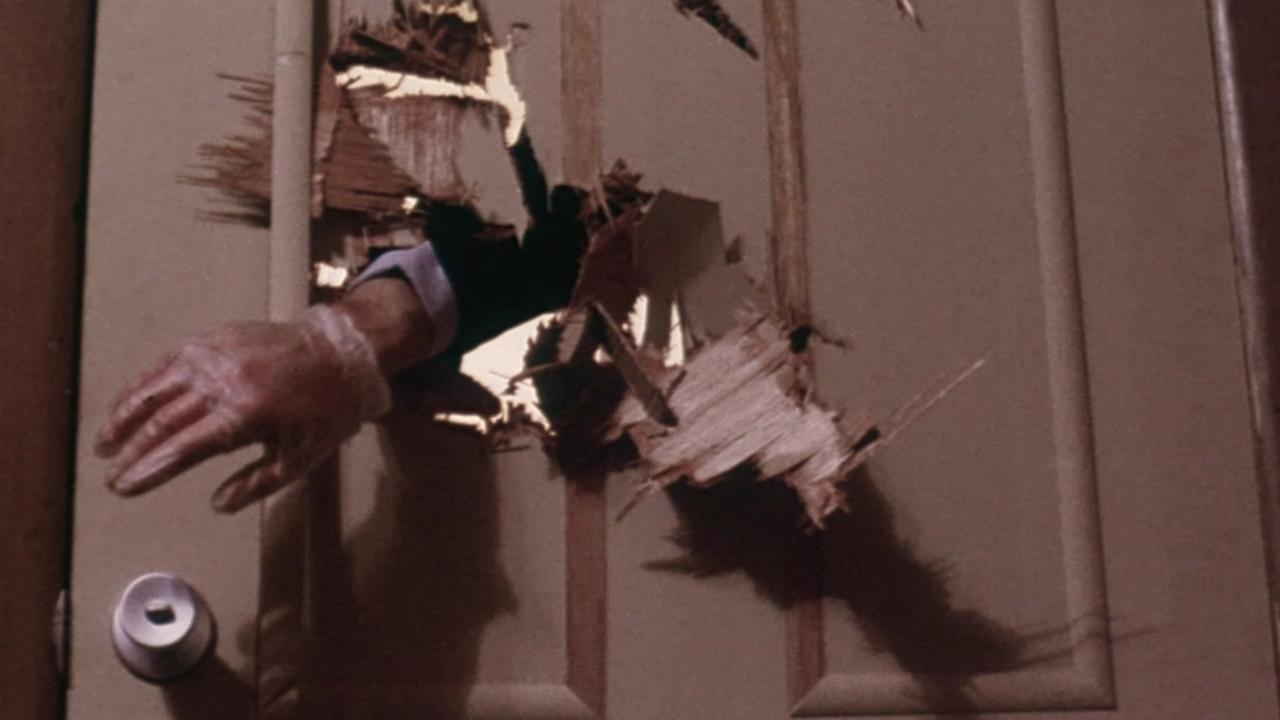
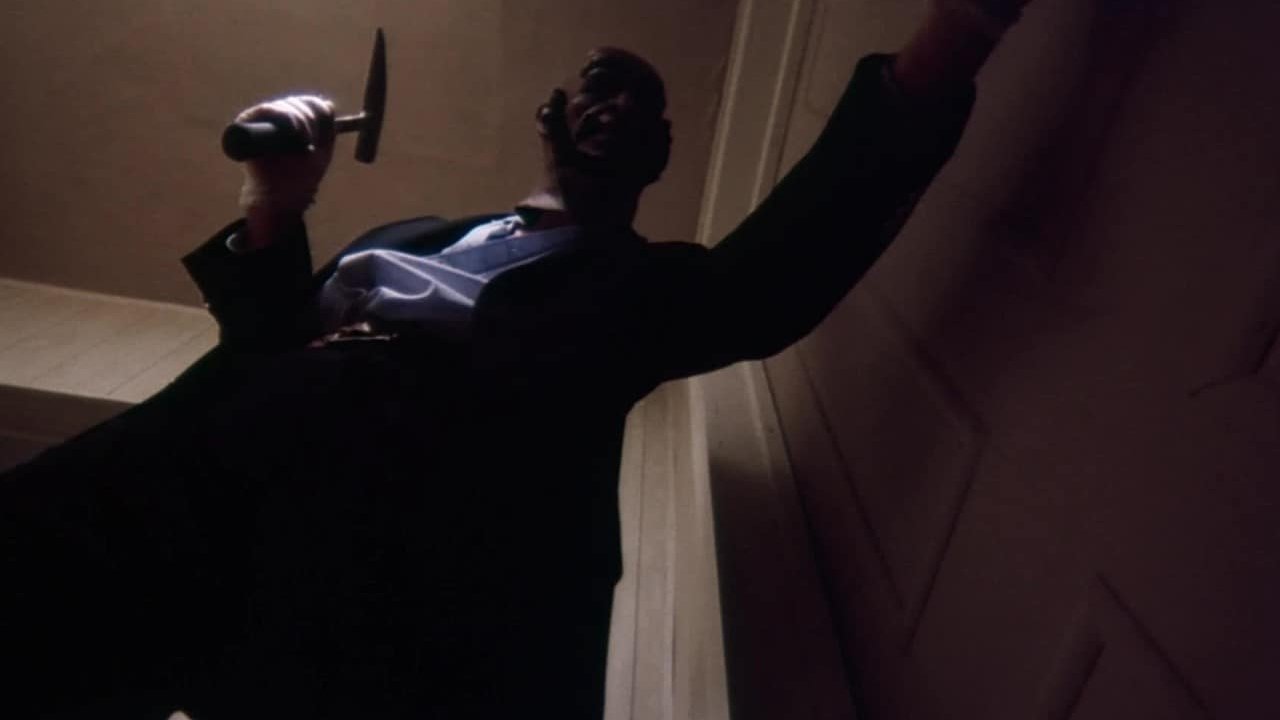
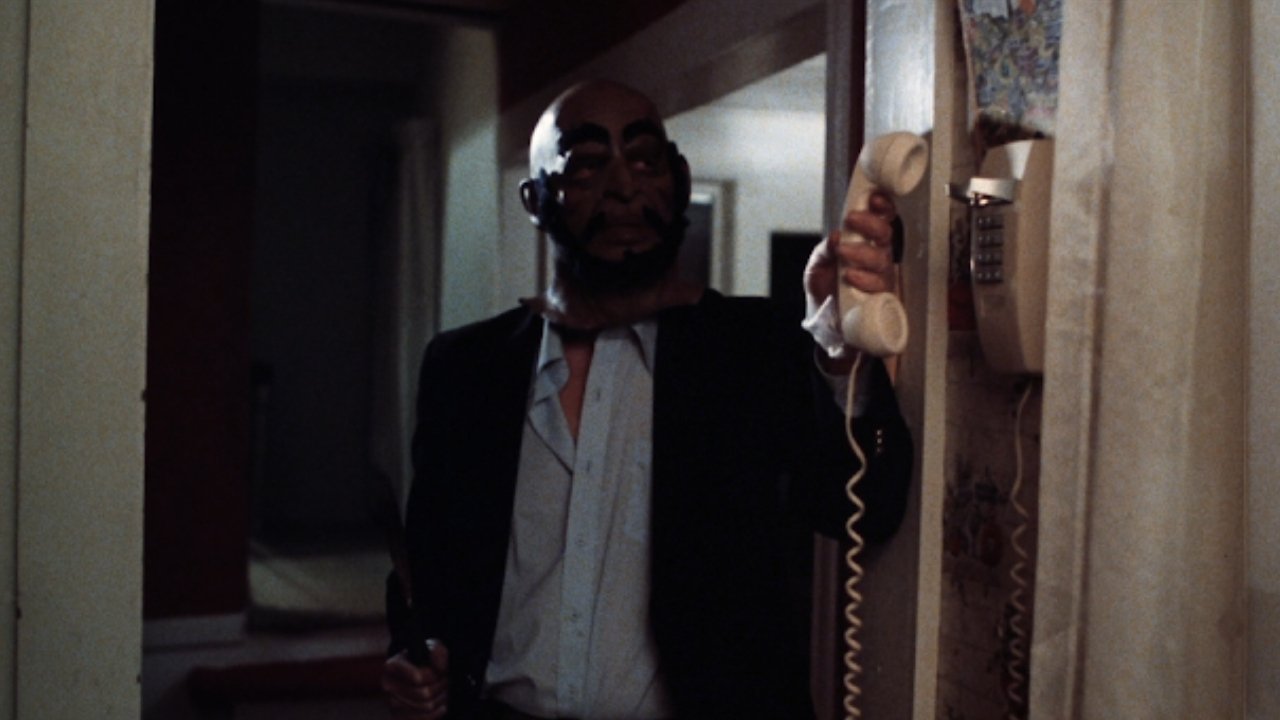
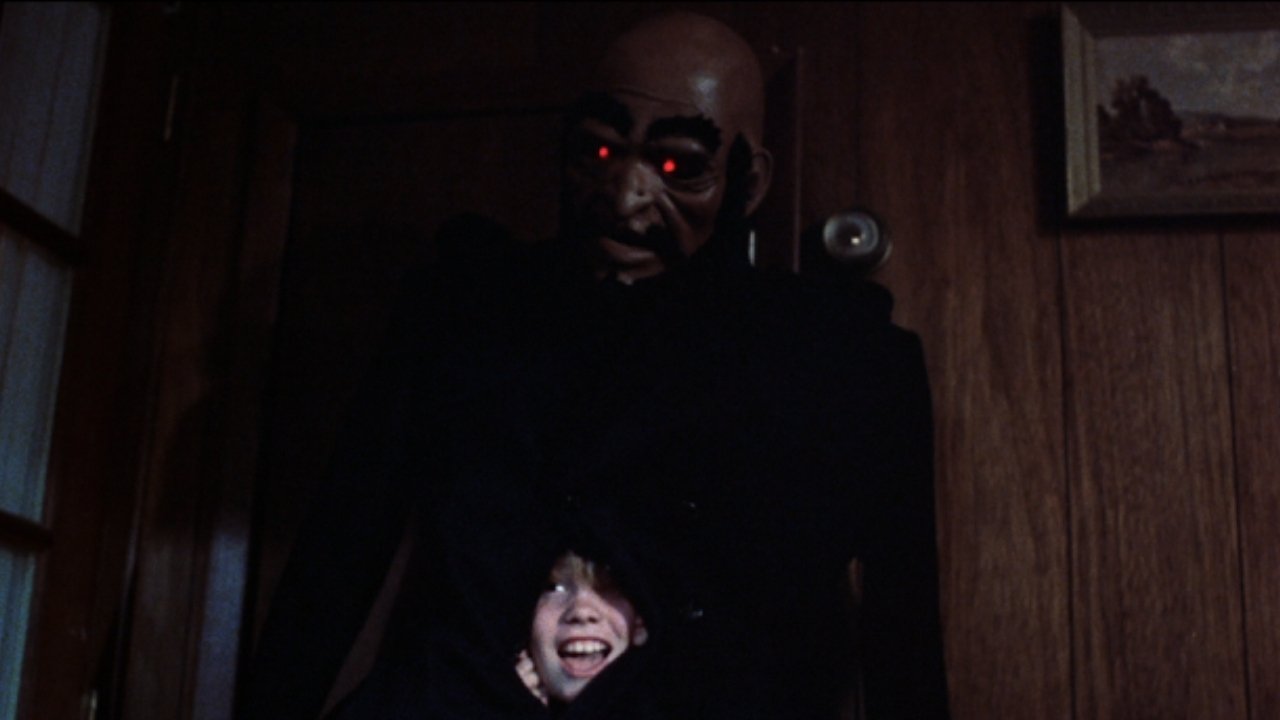
Nightmare (1981), also circulated as Nightmares in a Damaged Brain, is an American psychological slasher film written and directed by Italian filmmaker Romano Scavolini. Produced by Goldmine Productions and distributed theatrically by 21st Century Film Corporation, it combines the extreme physical violence of early-1980s splatter cinema with an unusually bleak examination of childhood trauma, psychiatric experimentation and domestic instability. Filmed in Florida and New York, the production brought together independent American actors and technicians under a director whose earlier work included experimental cinema and the Italian Gothic thriller Spirits of Death (1972). Its graphic effects, disturbing treatment of children and uncompromising atmosphere distinguished it from many commercially successful slashers of the period.

The film has an unusually contentious production and distribution history. Its screenplay underwent substantial revisions, several alternative endings were considered, and its publicity prominently credited Tom Savini with special effects despite continuing disagreement over the extent of his contribution. In Britain, the film became one of the most consequential cases associated with the video nasties controversy when distributor David Hamilton-Grant was imprisoned following proceedings involving an unauthorized version. Later interviews with cast and crew, historical investigations and the examination of surviving film materials have provided a more detailed understanding of its development. These sources also demonstrate the need to separate documented production activities from competing retrospective claims.

Romano Scavolini, Dark Games and the Origins of Nightmare

Romano Scavolini developed Nightmare after establishing a career that encompassed experimental filmmaking, documentary work and Italian genre cinema. His earlier horror feature Spirits of Death, also known as Un bianco vestito per Marialé (1972), employed Gothic surroundings and psychological instability within an Italian production framework. After relocating to the United States during the 1970s, Scavolini began pursuing projects with American performers and technical personnel. Nightmare emerged from this period of international activity. Its development brought him into contact with Goldmine Productions, an independent company assembled around the project, and provided an opportunity to adapt his interests in psychological disturbance to a commercially recognizable American horror format.

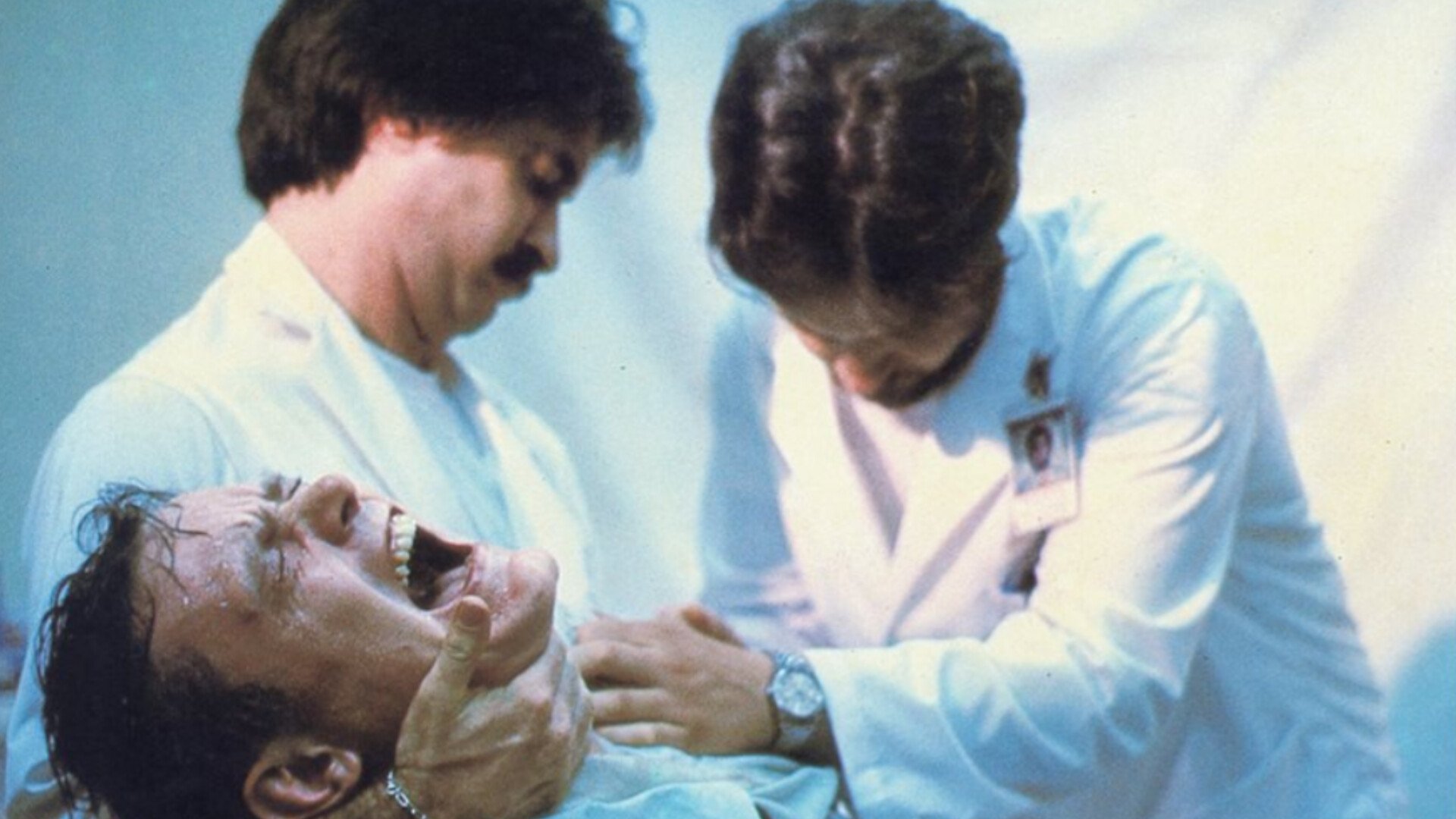
The director traced the initial idea to journalism concerning psychiatric patients subjected to experimental treatments and drugs capable of influencing behavior. In a historical account published by Cinefear, Michelle Alexander connects the inspiration more specifically with reporting on mind-control experimentation. The production was originally developed under the working title Dark Games. Scavolini wrote the screenplay around a disturbed protagonist whose condition had been affected by experimental medical intervention. The psychiatric material supplied a connection between psychological horror and contemporary anxieties about institutional experimentation. It should not be interpreted as a clinically accurate representation of mental illness or as evidence that the fictional treatment reproduced a documented medical procedure.

The screenplay changed during production. Baird Stafford, interviewed extensively by Michelle Alexander for Cinefear, recalled that the original Dark Games script had a distinctly European character. He was disappointed by the revisions that transformed the completed work into a more conventional splatter-oriented production. The changes also affected the interpretation of the central character and his family relationships. Stafford remembered that portions of the film were photographed before the final explanation of the protagonist's history had been established. His testimony indicates that the narrative continued to evolve during filming, although it does not independently identify every scene added or removed. The difference between the original screenplay and the released film remains an important element of its production history.
The Florida and New York Shoot, Casting and Production Changes

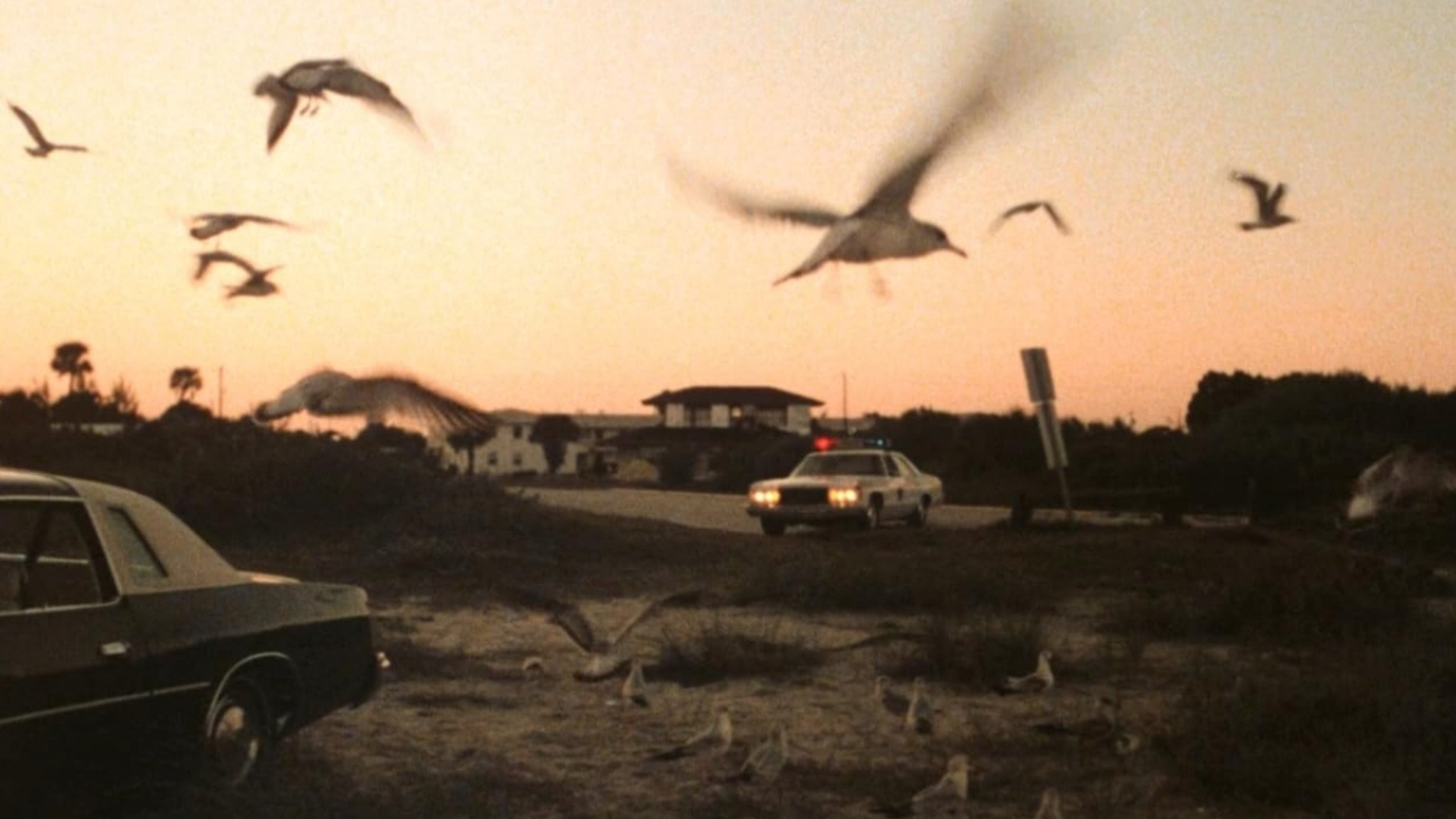
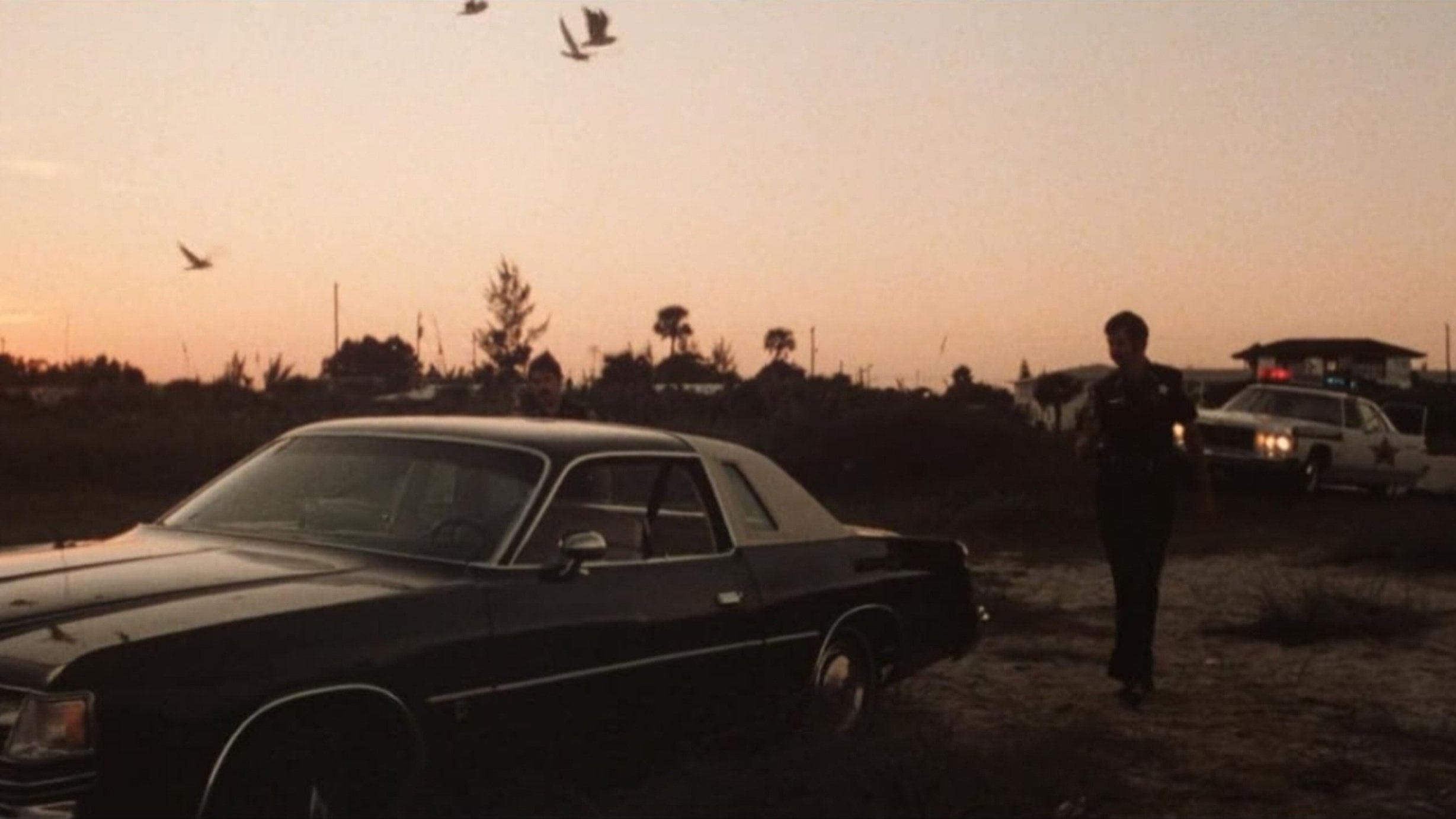
Principal photography took place in Florida during late 1980, with additional filming in New York City. The Florida locations included the Cocoa Beach area, Cape Canaveral and Merritt Island. Their coastal and residential environments provided much of the film's ordinary American setting, while New York supplied the more densely populated urban material. The division between locations required different production arrangements and contributed to the complexity of the finished work. Accounts of the schedule vary according to whether the participants describe the Florida shoot or the entire production, including additional photography. Producer and actor William Milling recalled an especially demanding twelve-day period in Florida, whereas broader retrospective accounts describe a longer working schedule.

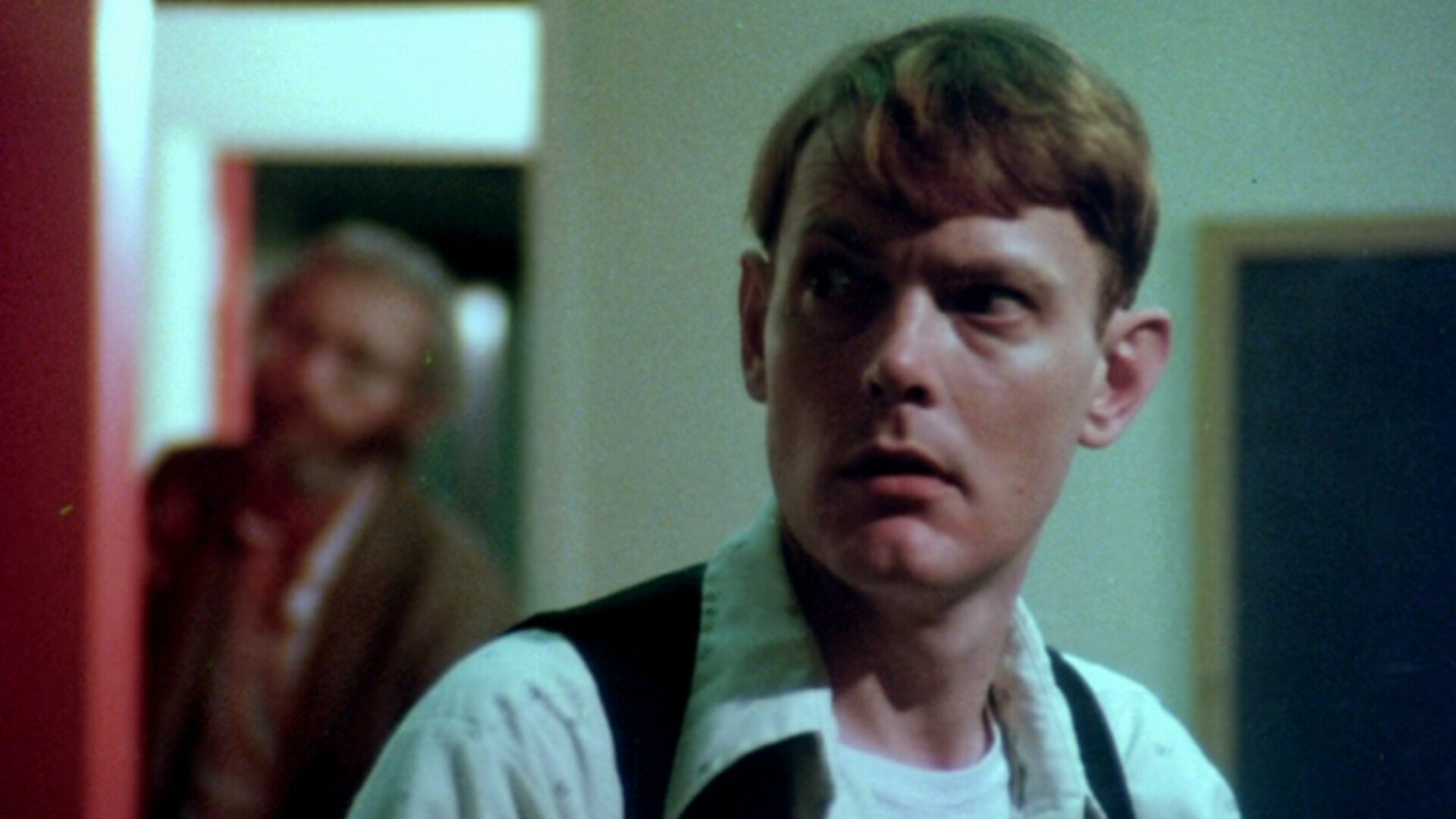
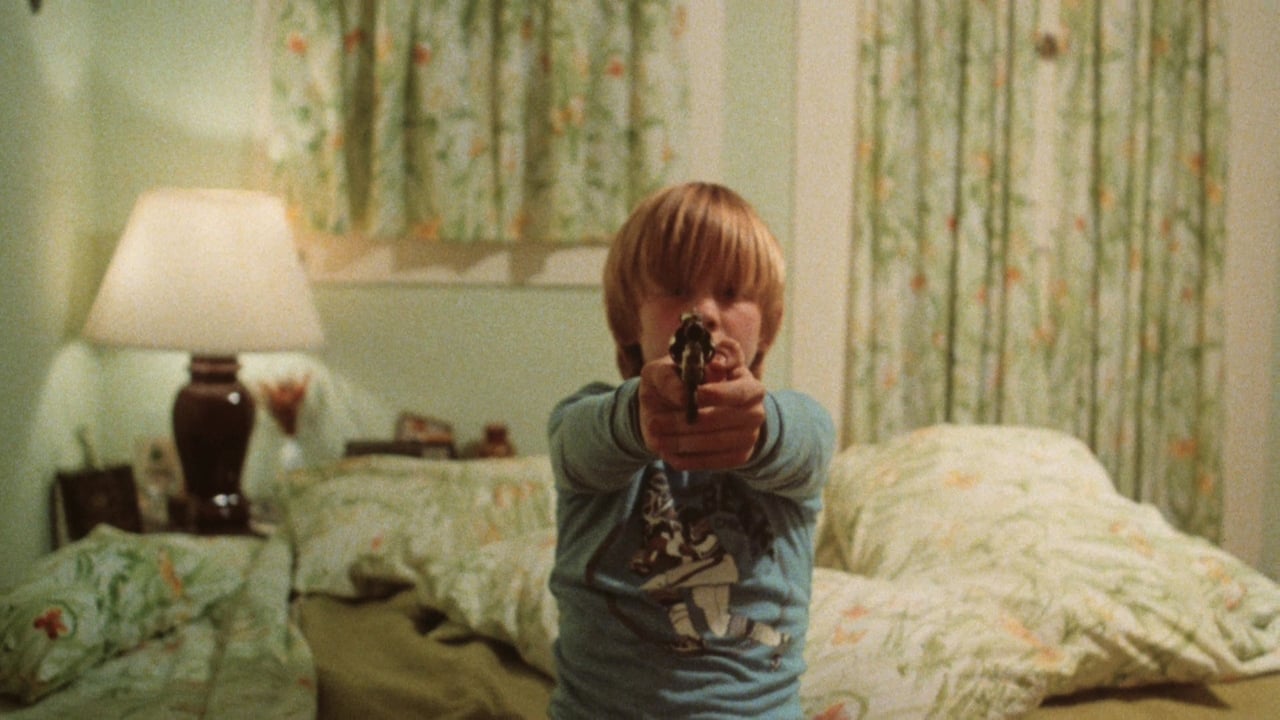
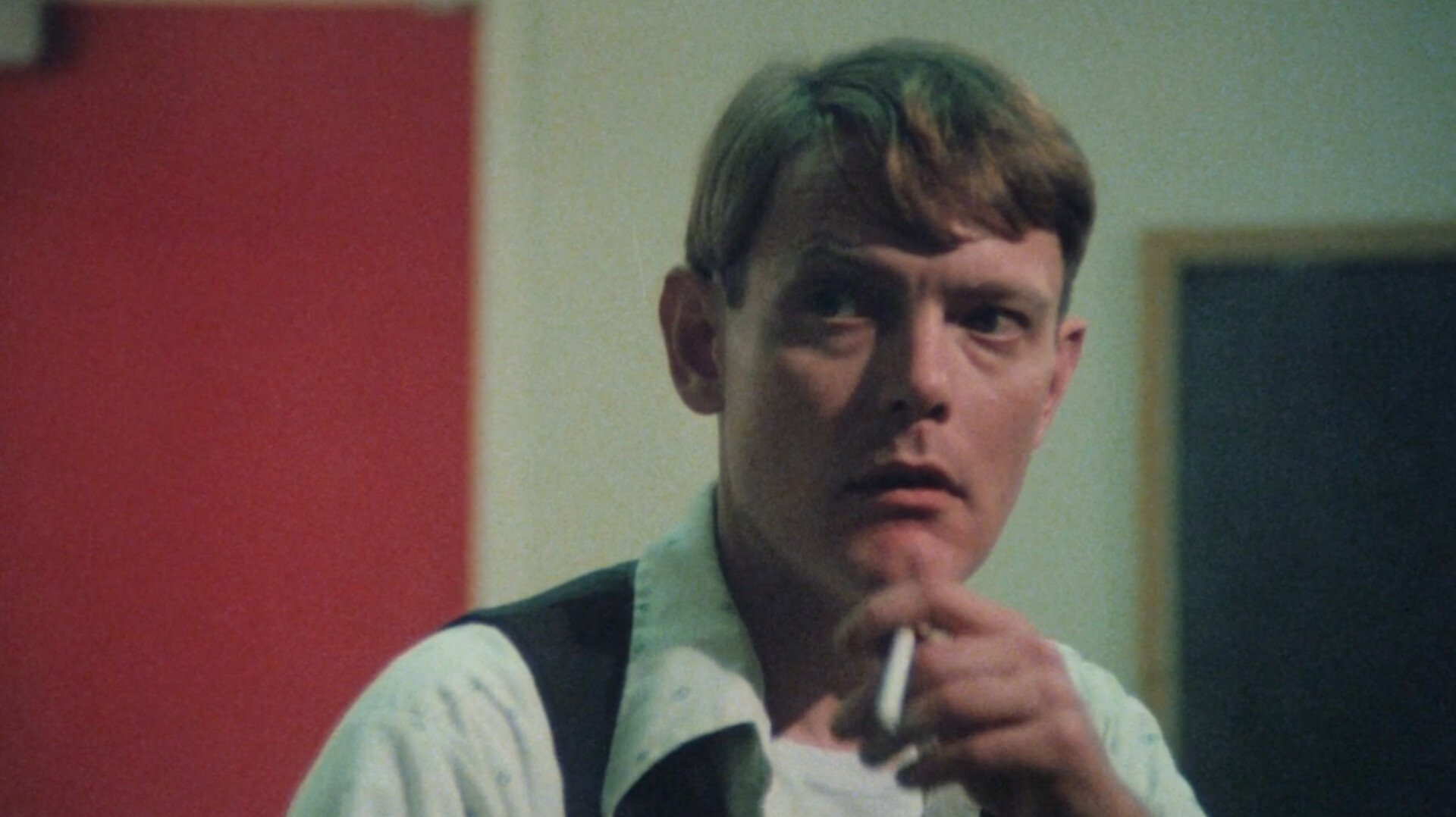
Scavolini selected Baird Stafford after observing him perform in a theatrical production of the musical 1776. Stafford had extensive experience in regional theatre but had not previously established a film career. In his Cinefear interview, he recalled having no initial understanding of why the visiting director was watching him so intently. The resulting casting decision brought a performer with substantial stage experience to a psychologically demanding leading role. Sharon Smith appeared as Susan Temper, while C.J. Cooke played her son. The film also involved Mik Cribben, who participated in production management, and William Milling, who appeared on screen as a psychiatrist. Such overlapping responsibilities were consistent with the restricted resources of the independent production.

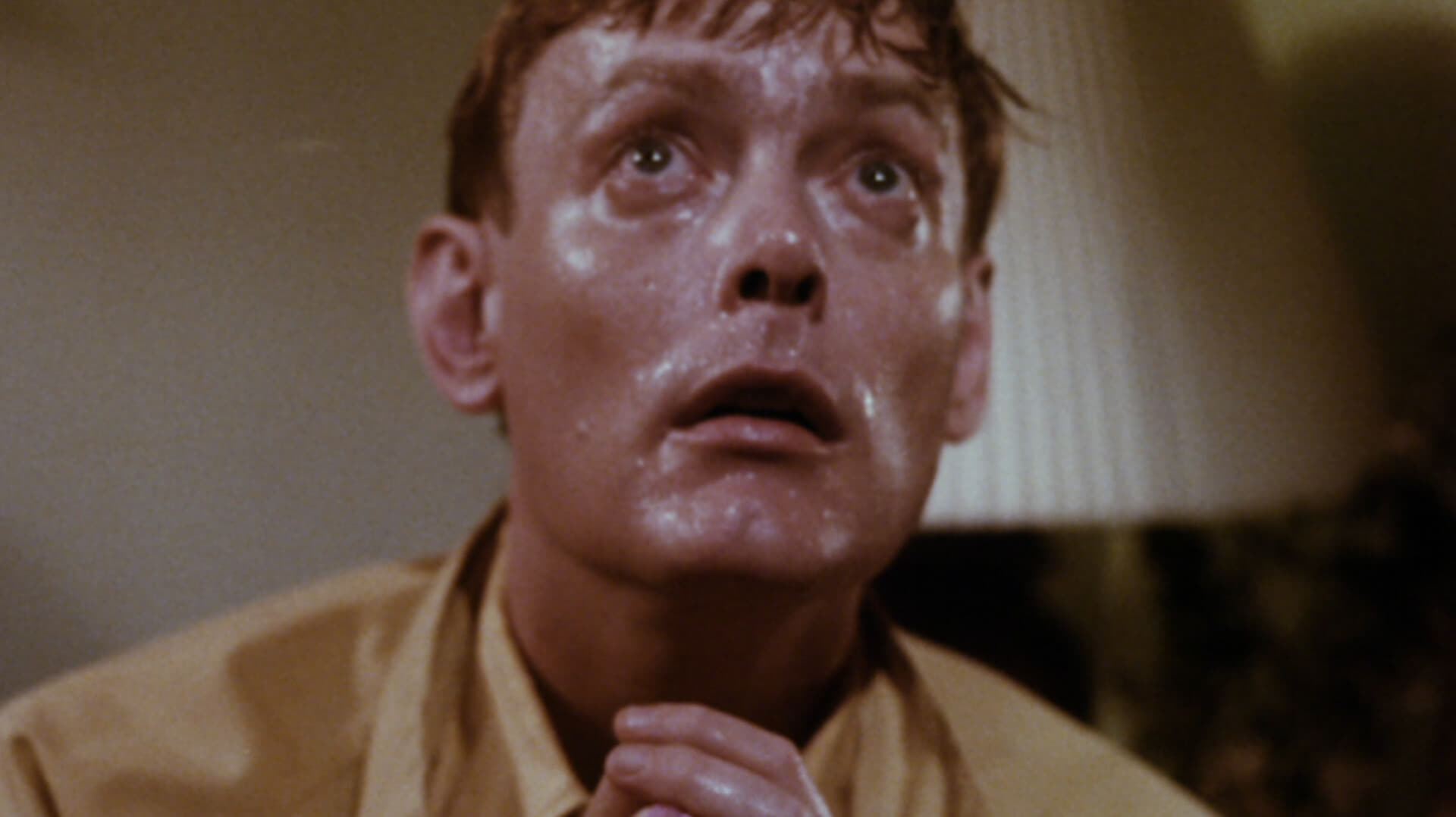
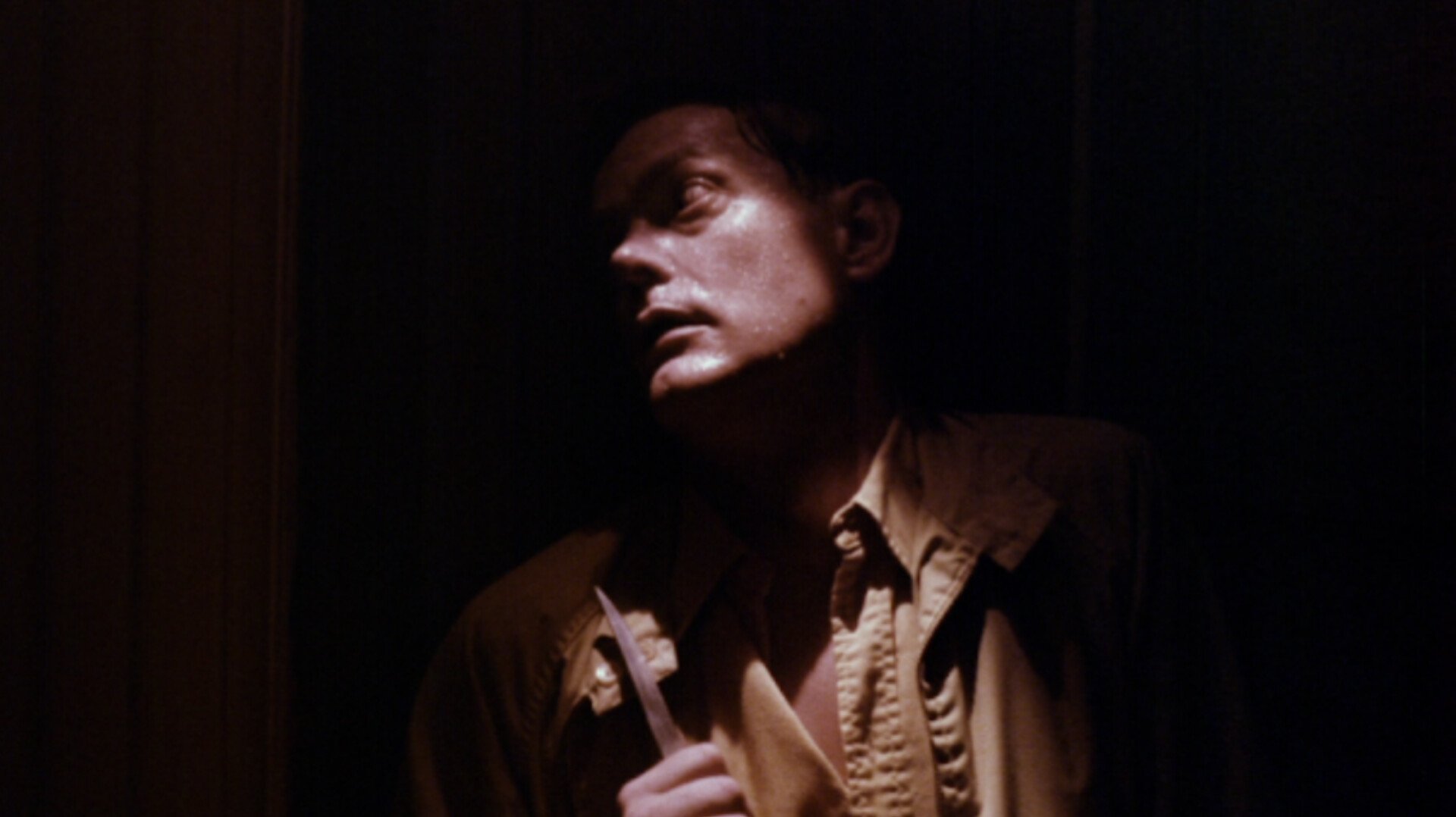
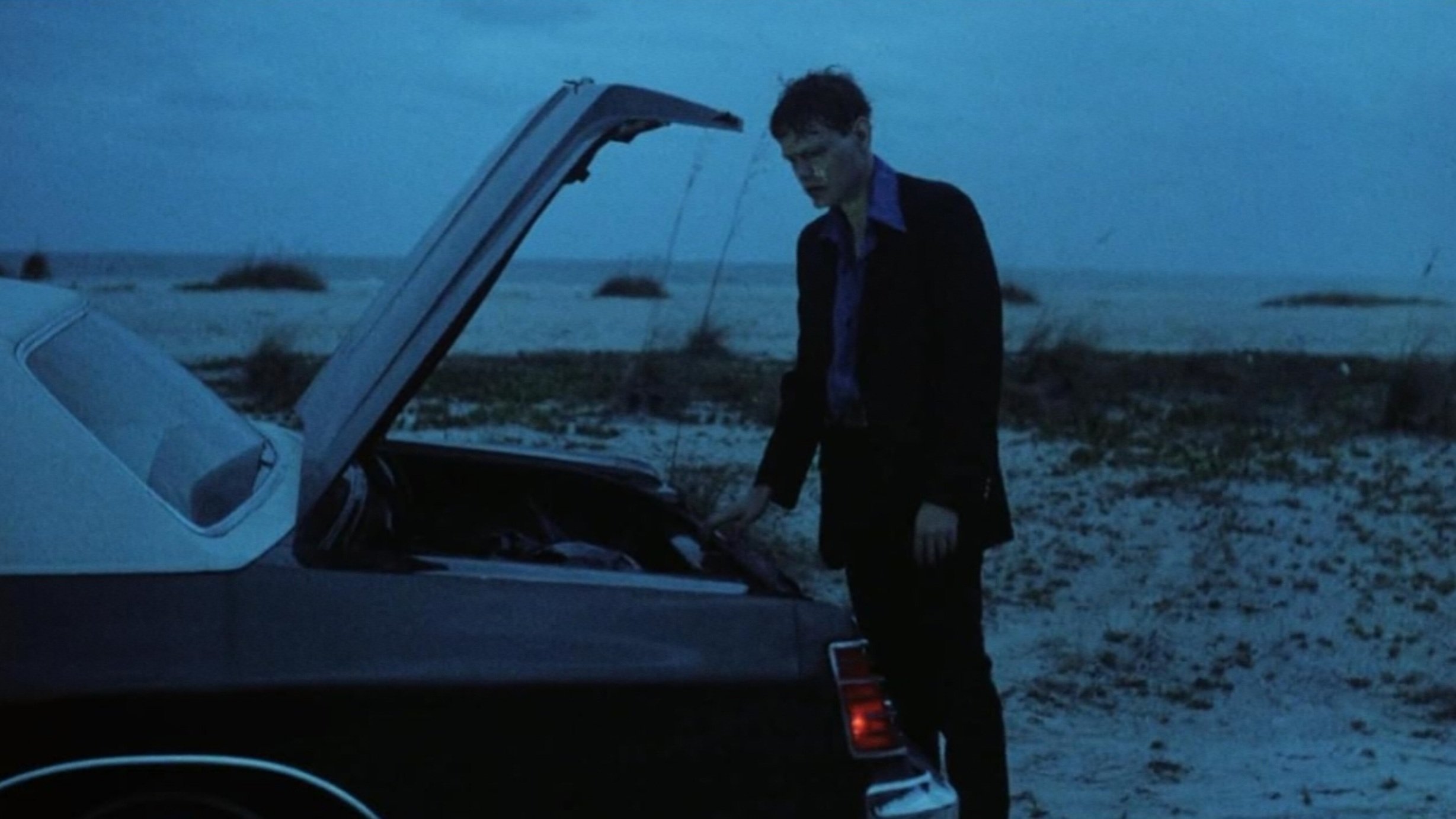
Stafford developed his characterization without conducting formal psychiatric research. He explained that his approach drew partly upon memories of people who had experienced the effects of hallucinogenic drugs, particularly the unpredictable behavior he associated with those experiences. His performance employs sudden changes in physical tension, speech and emotional control. The recollection documents an acting method rather than a factual explanation of psychiatric illness. Stafford also acknowledged that the final production had moved away from aspects of the original screenplay that he considered more dramatically interesting. His testimony provides a useful distinction between the performer's intentions, the director's developing conception and the commercial direction ultimately taken by the production.

Psychiatric Horror, Gianni Fiore and the Film's Visual Construction

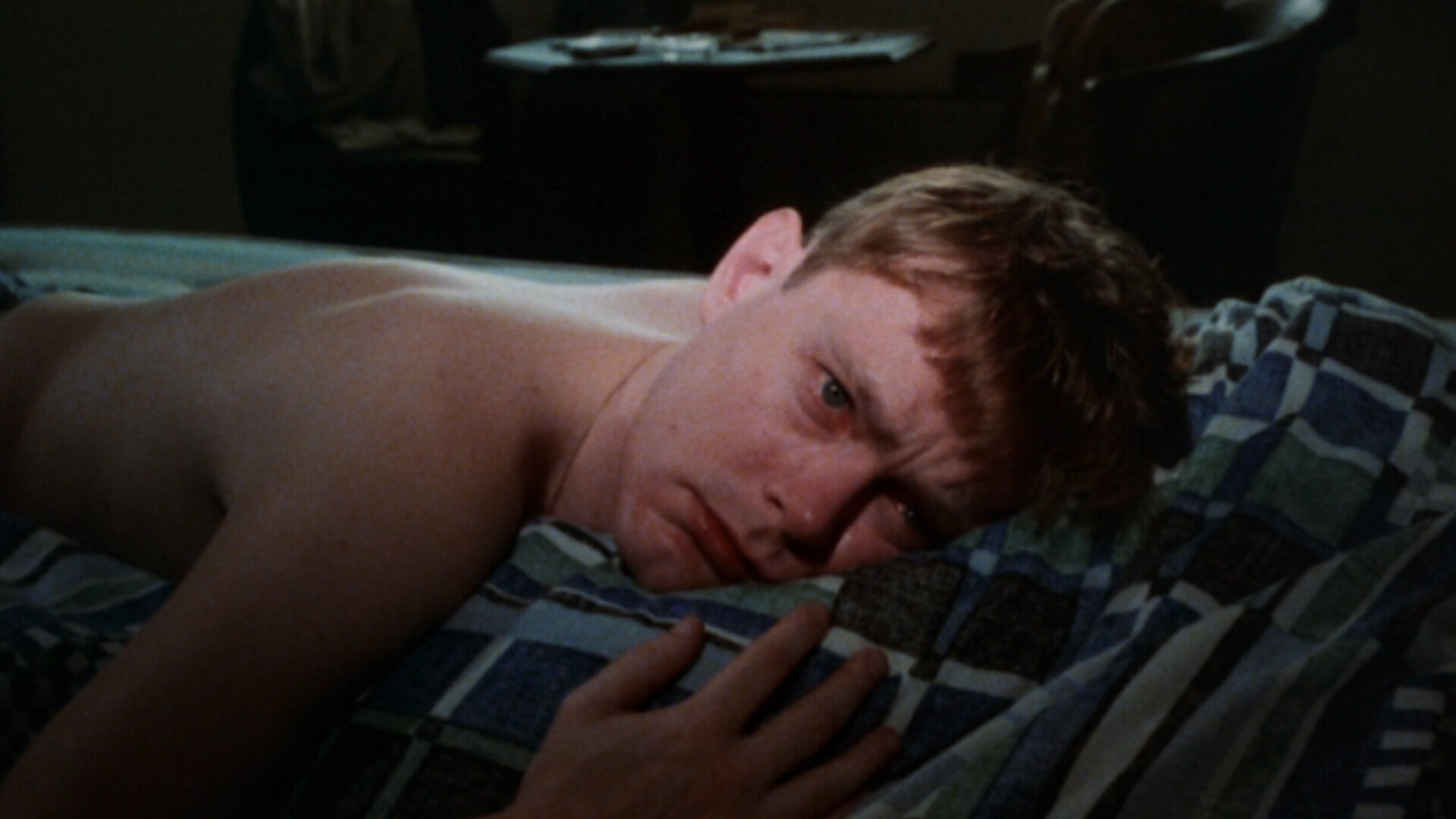
Nightmare combines the conventions of the early-1980s slasher with images associated with psychological disturbance and involuntary memory. Its presentation of experimental psychiatry uses institutional authority as a source of danger, while recurring flashbacks connect adult violence with experiences from childhood. The film belongs to a wider period in American horror when psychiatric institutions were frequently depicted through unreliable professionals and experimental treatments. Its representation of these subjects reflects fictional horror conventions rather than contemporary medical knowledge. The contrast between professional assurances of recovery and the continued deterioration of the central character contributes to the film's atmosphere of institutional failure.
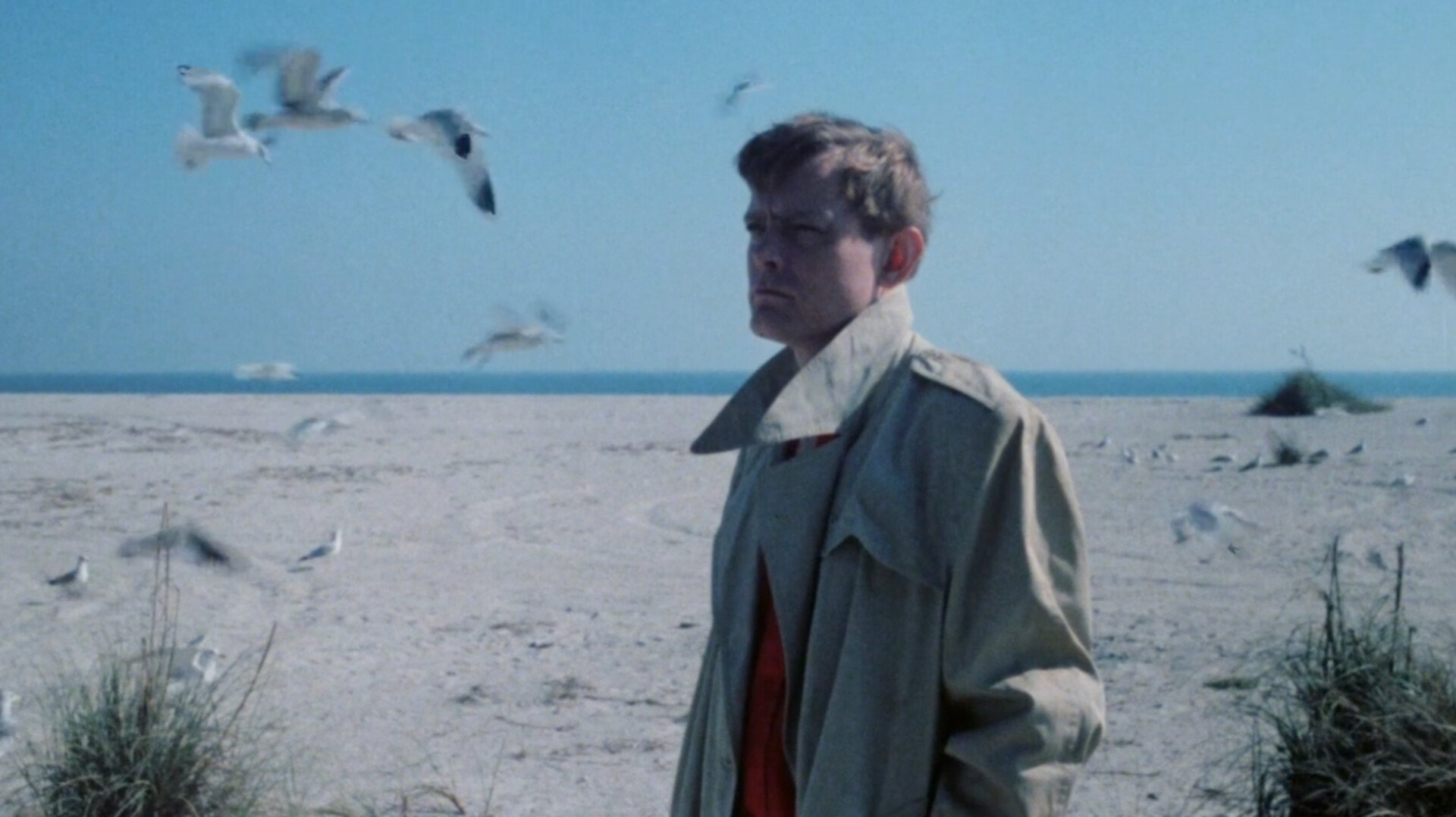
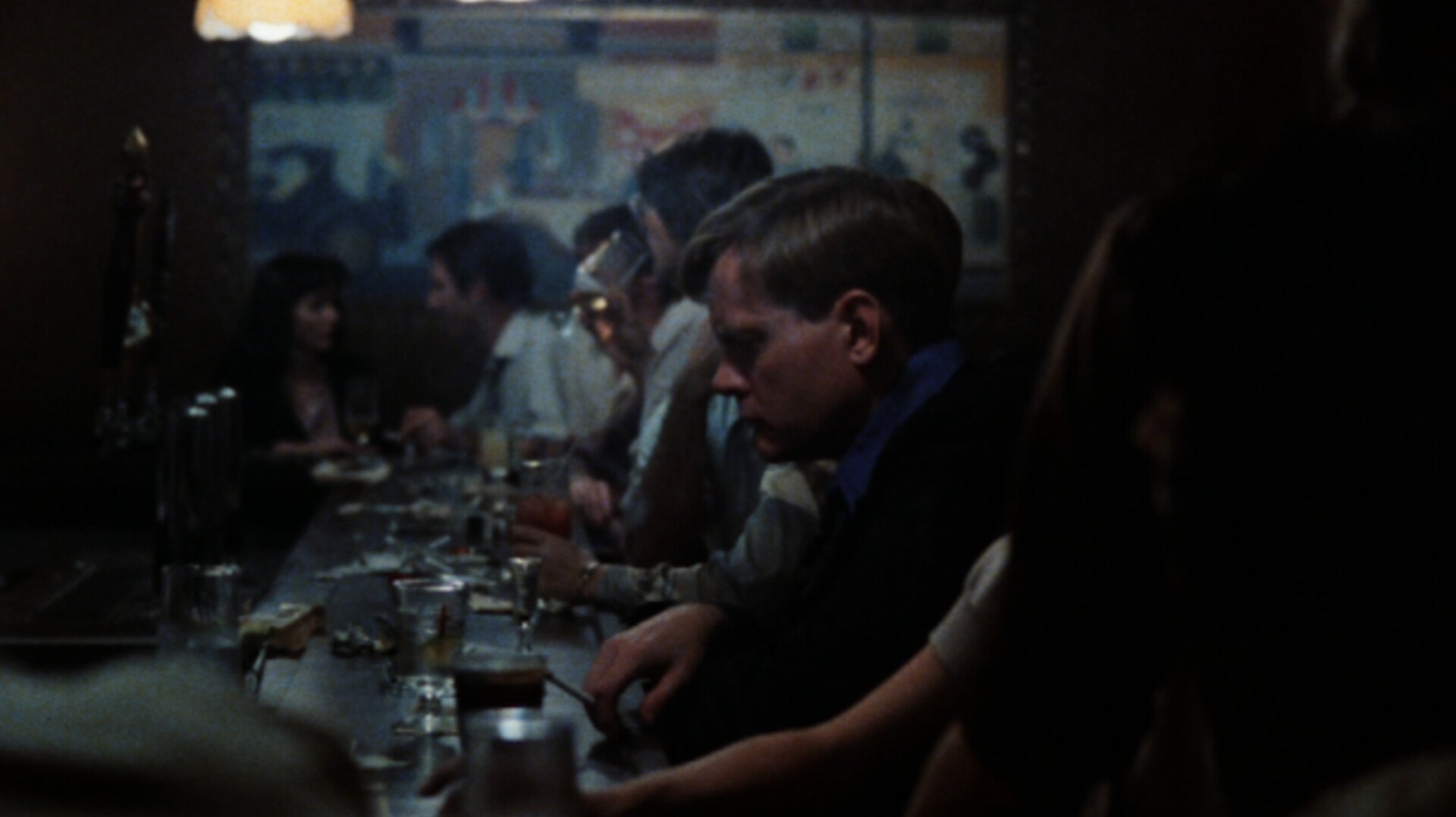
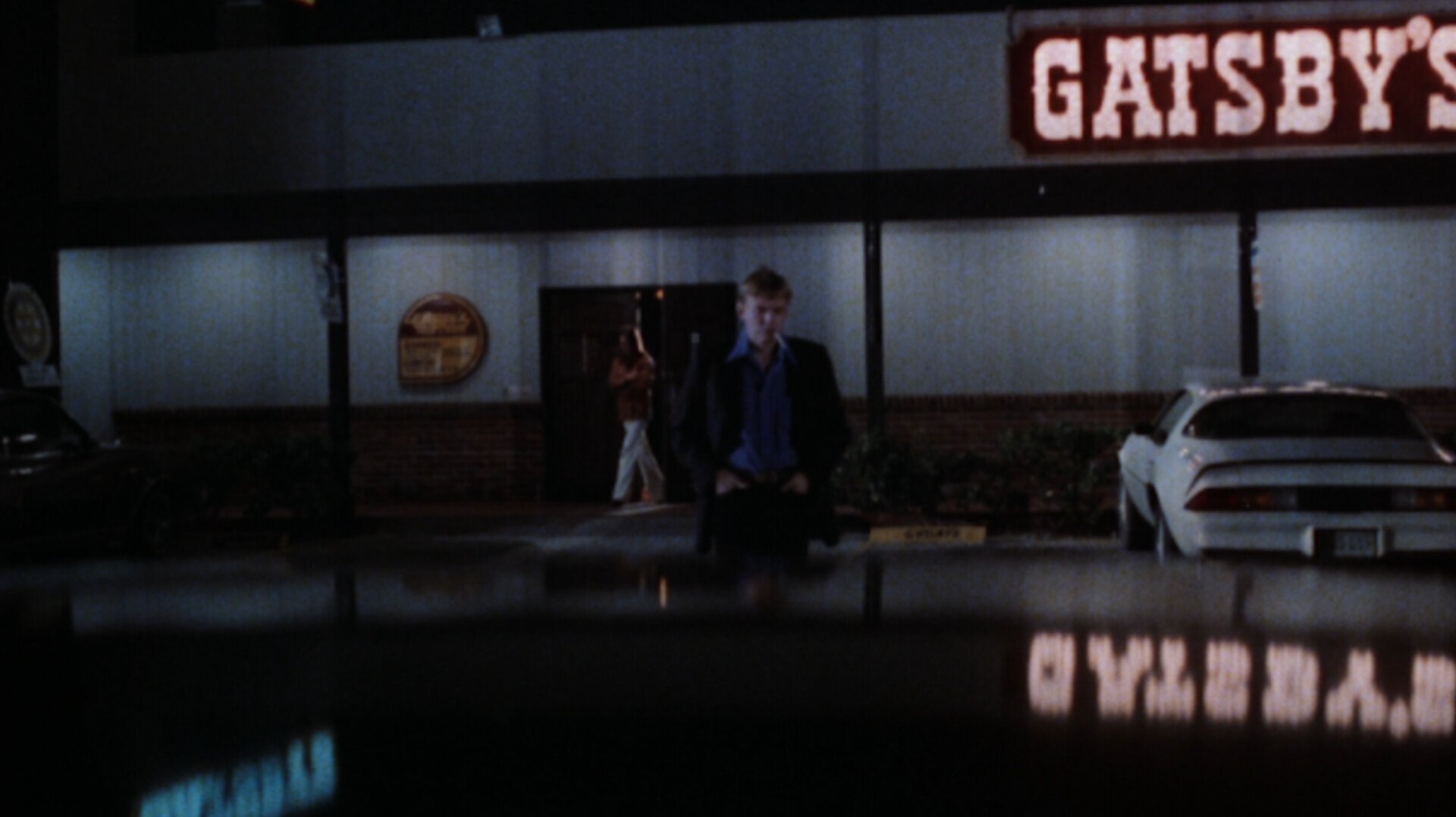
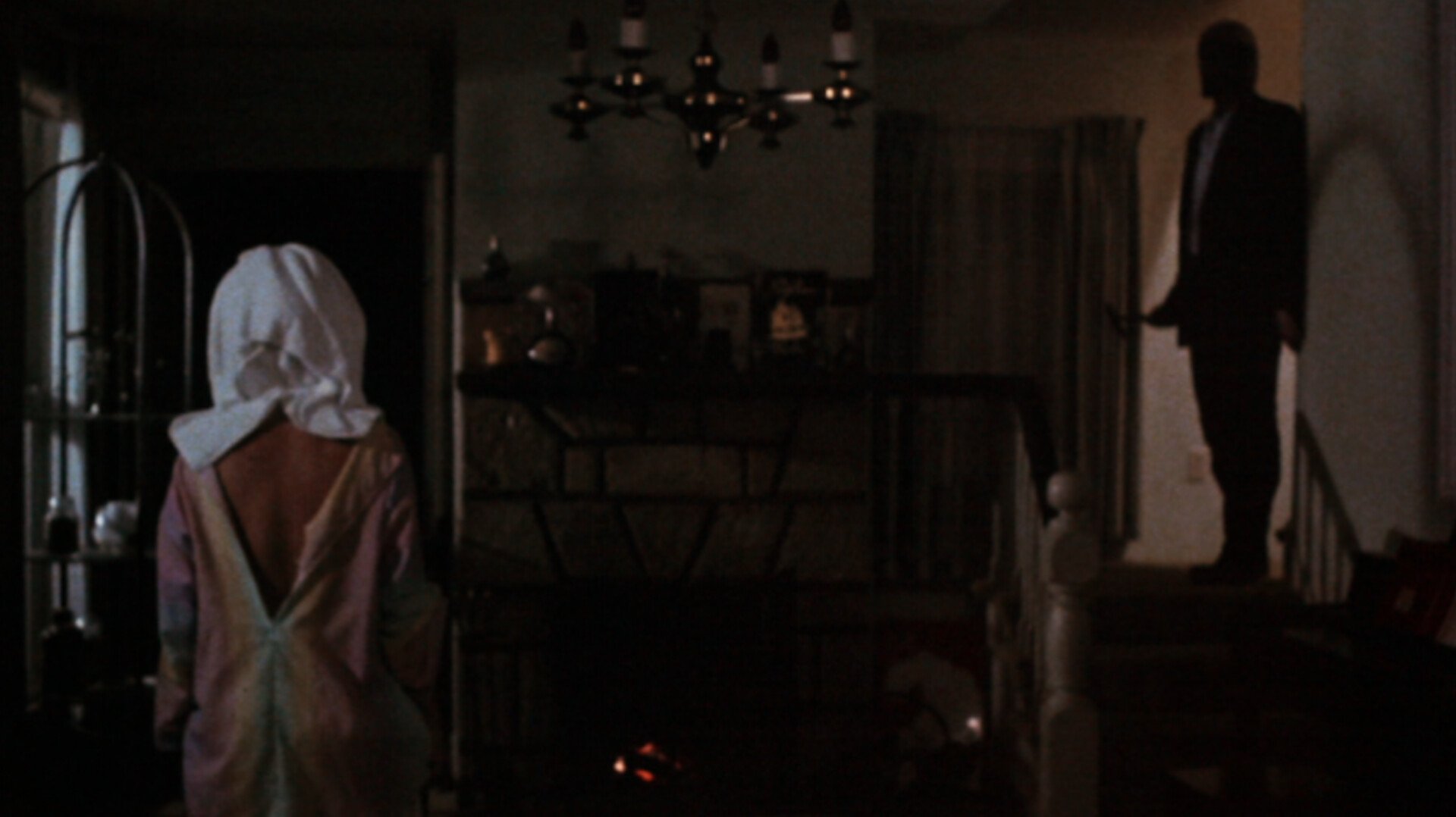
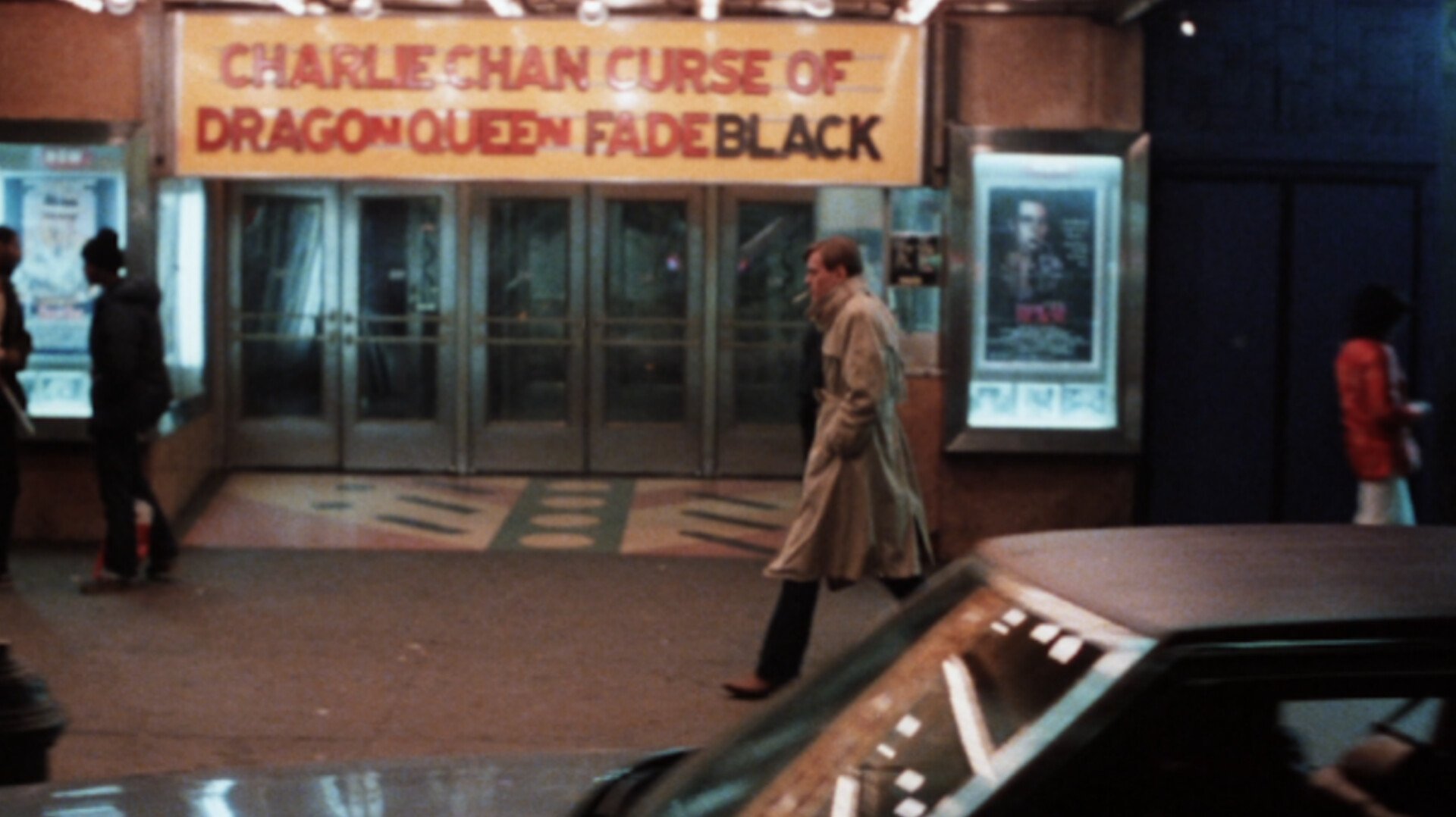
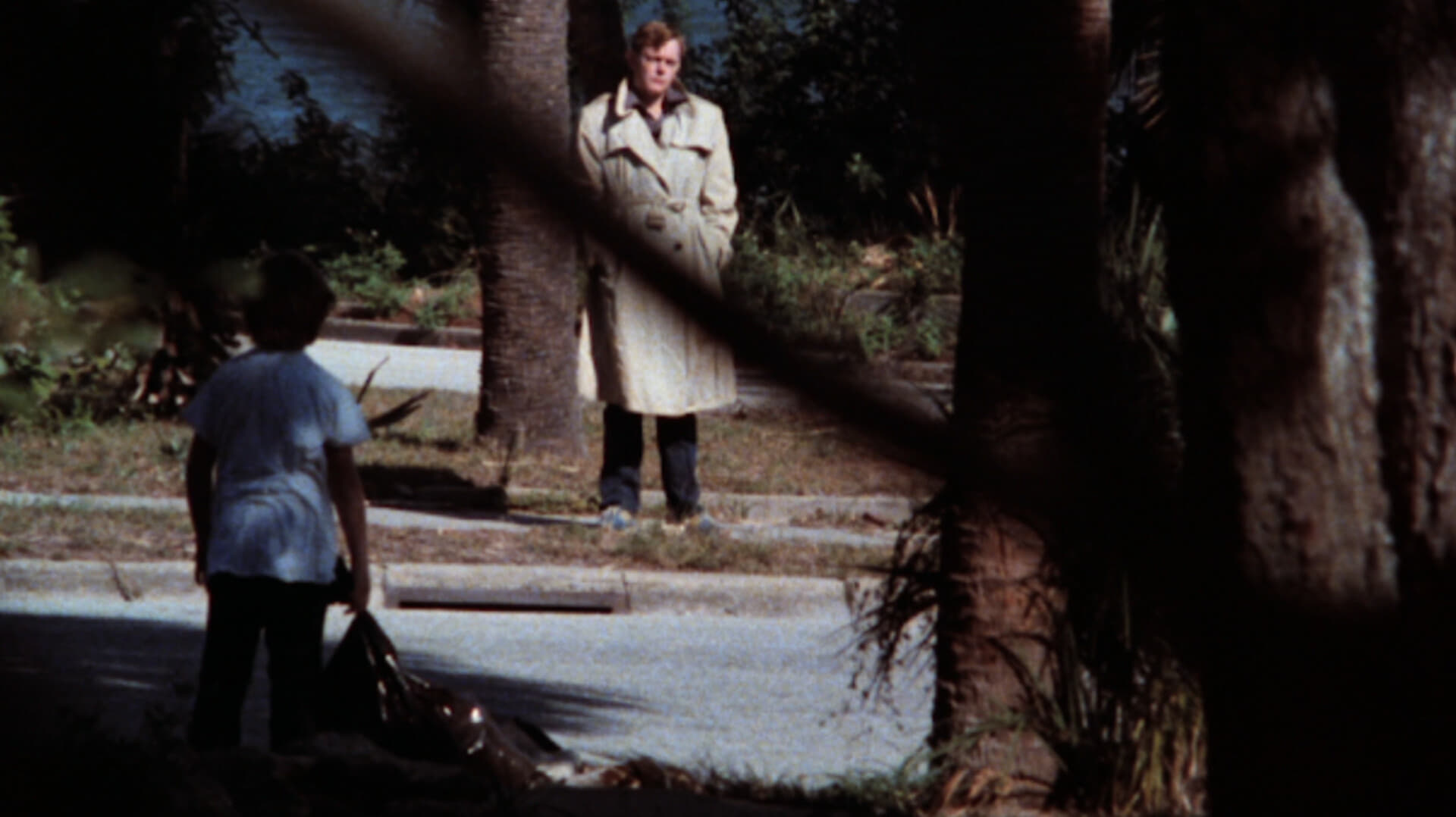
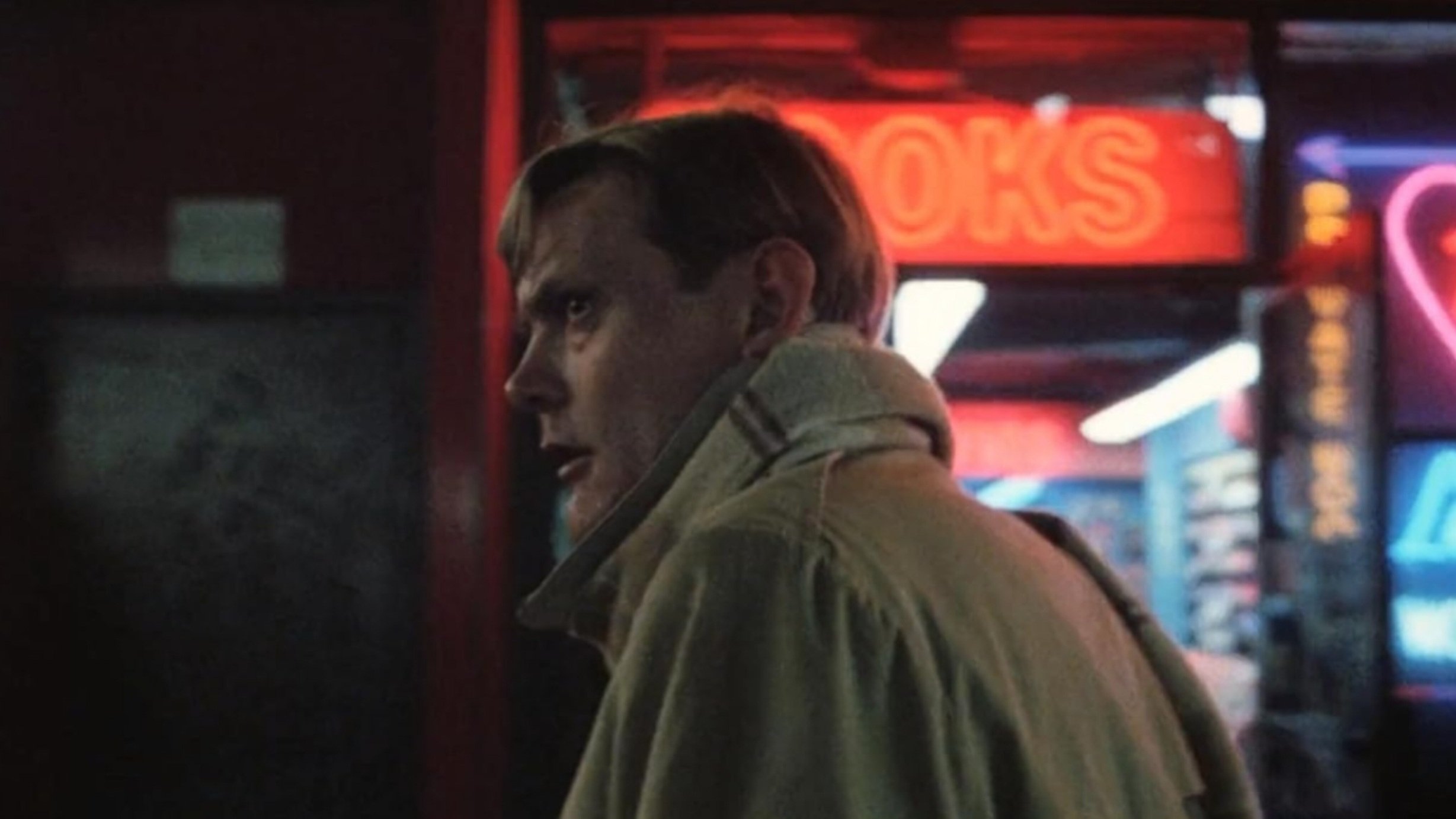
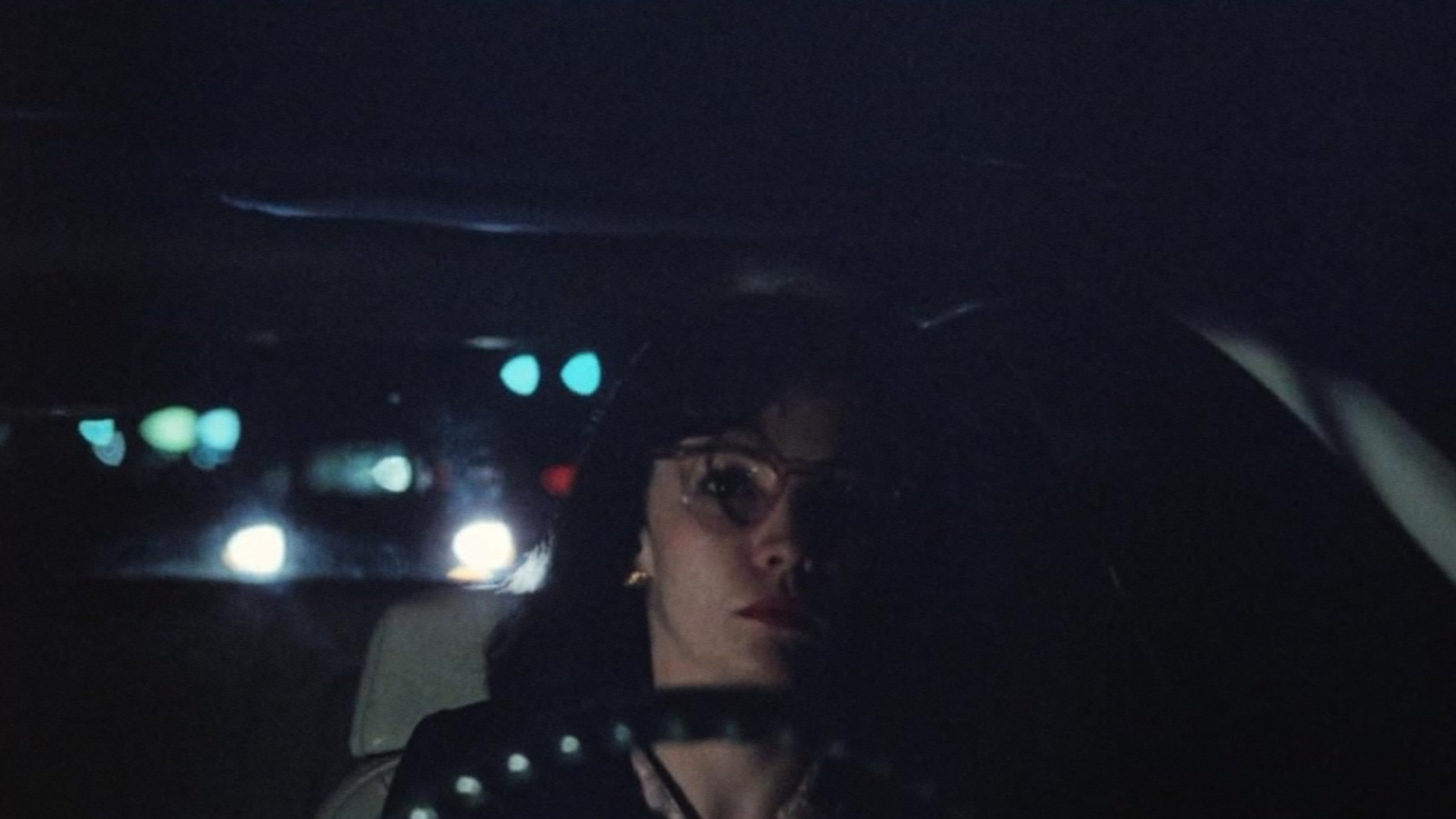
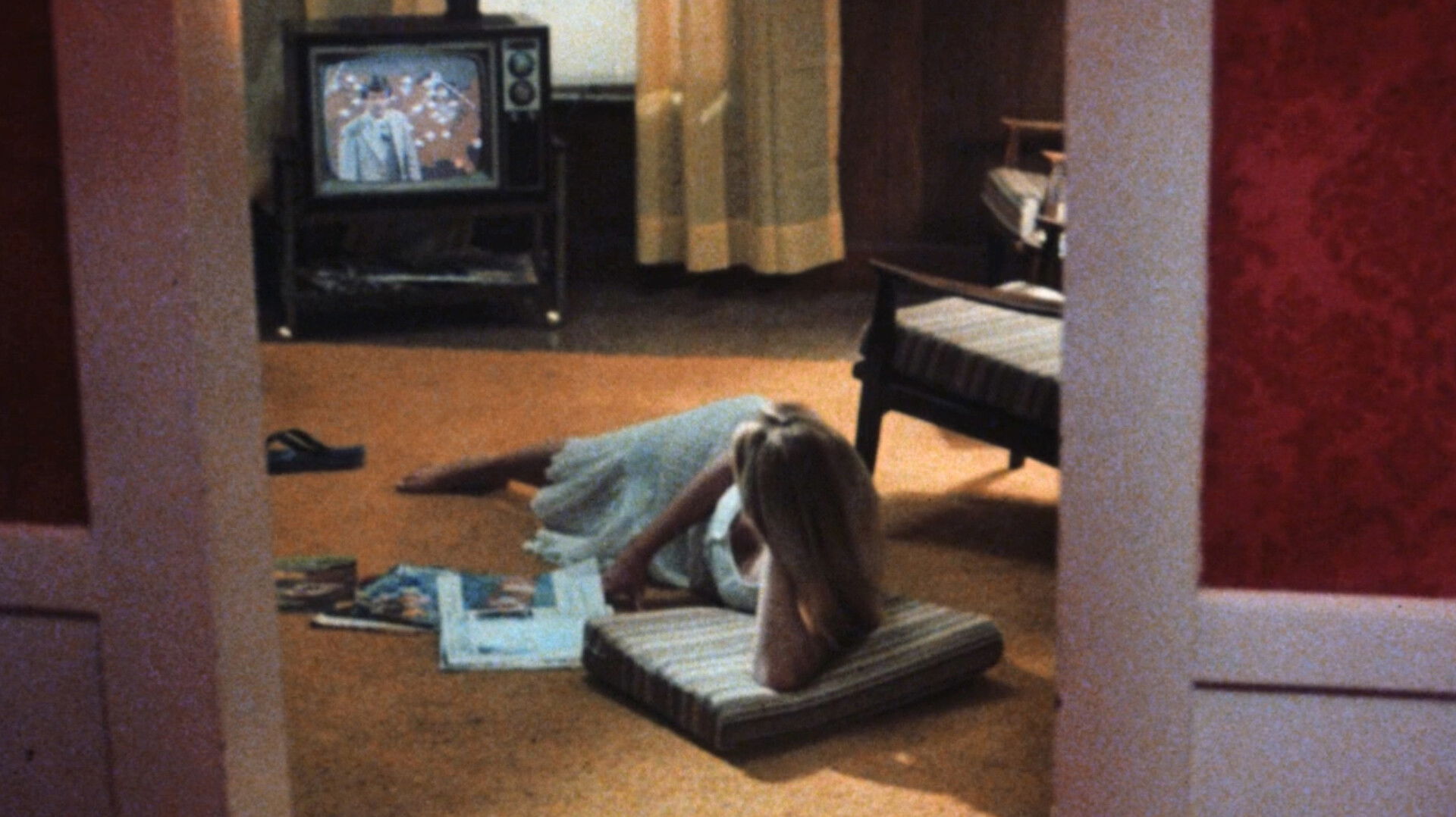
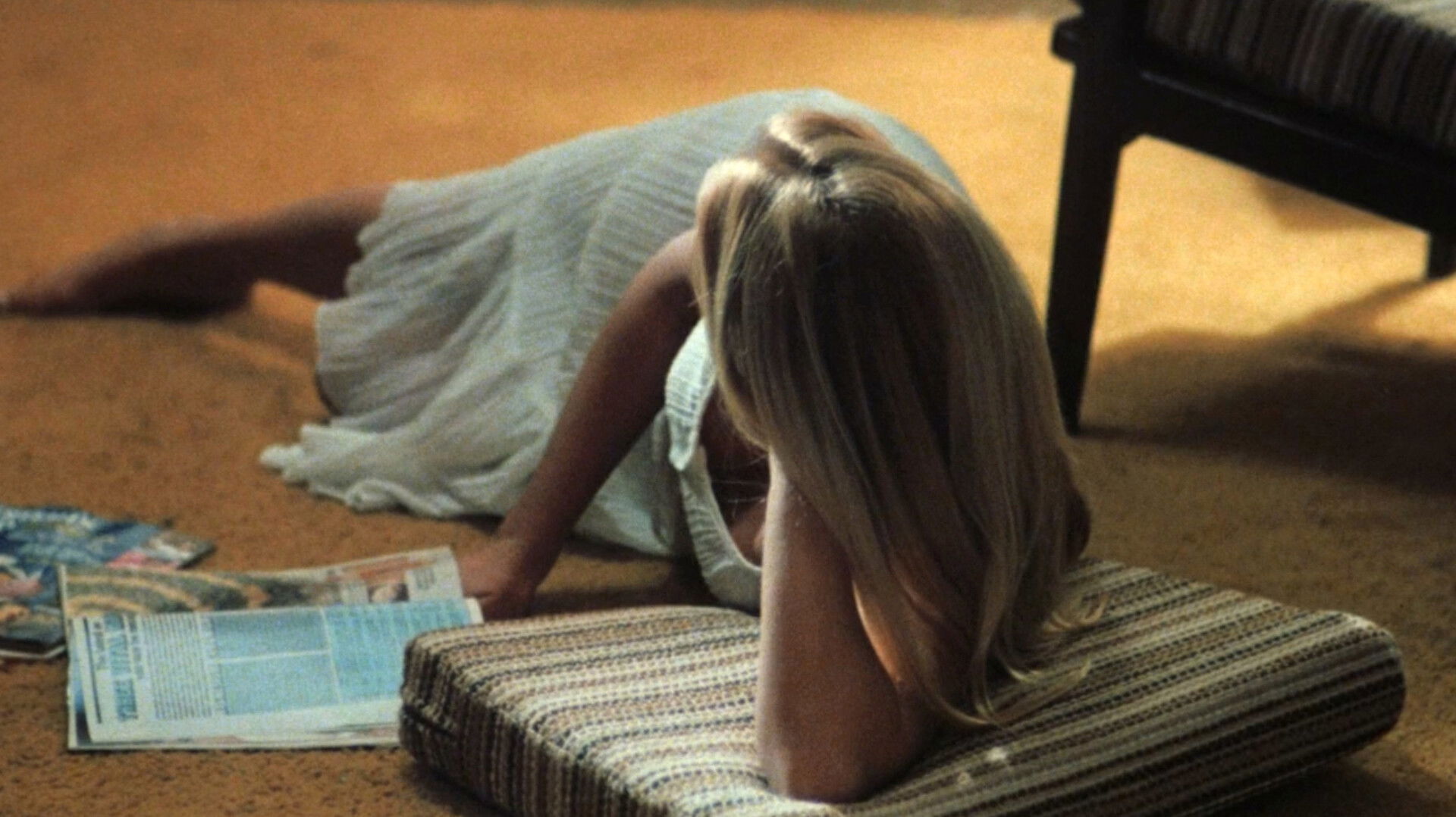
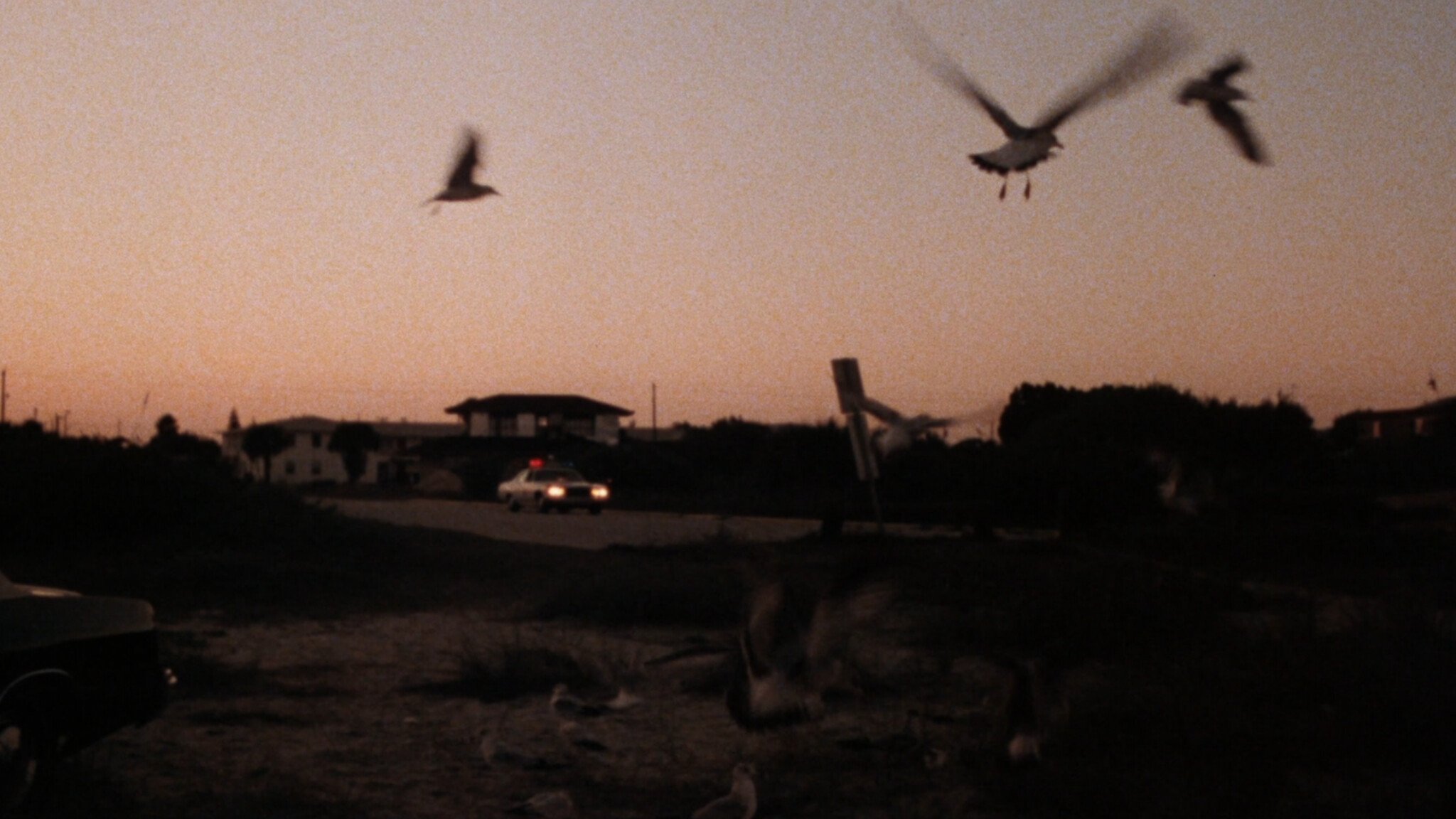
Gianni Fiore's cinematography establishes a marked contrast between New York nightlife and the quieter environments of the Florida coast. The urban material contains adult entertainment establishments, crowded streets and artificial illumination, while the Florida sequences frequently take place within recognizable domestic and suburban locations. The film places extreme violence within both environments, refusing to associate danger exclusively with a remote or visibly threatening setting. Its photography uses restricted illumination, close framings and abrupt visual interruptions connected with the protagonist's unstable perception. Michelle Alexander identifies the resulting atmosphere as an important element of the film's character, emphasizing the uncomfortable proximity between its apparently everyday settings and its disturbing imagery.
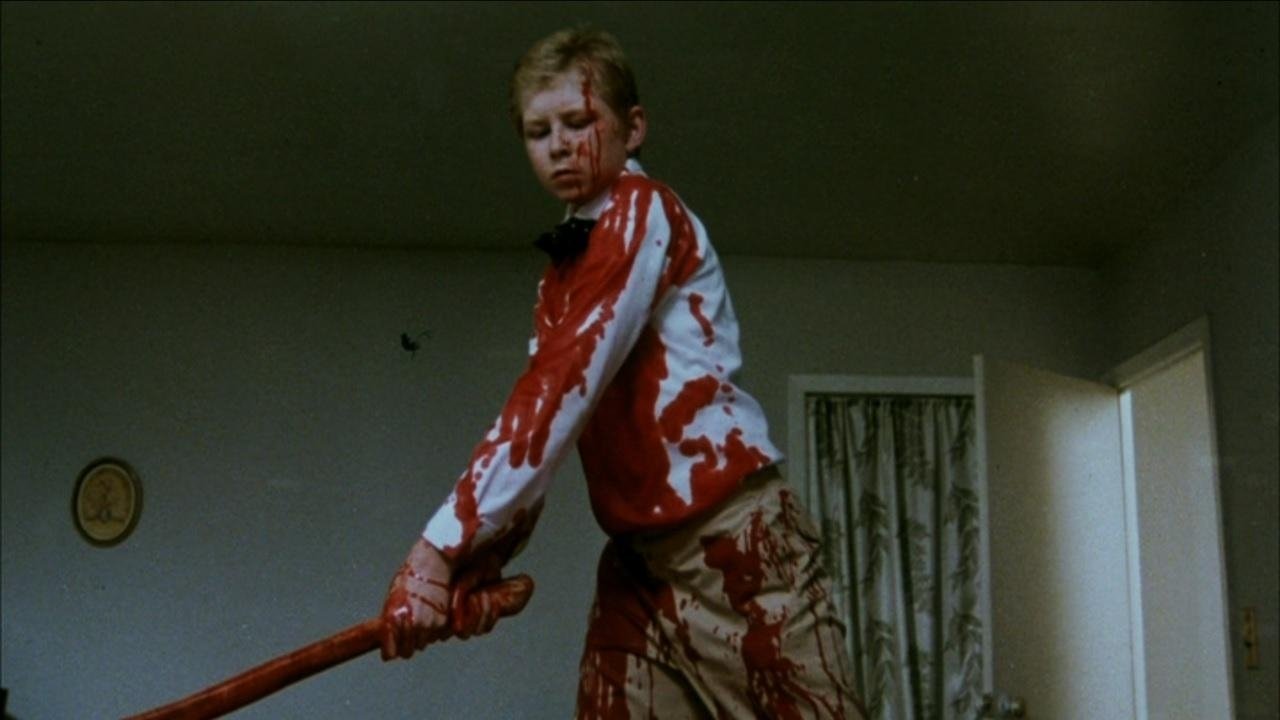
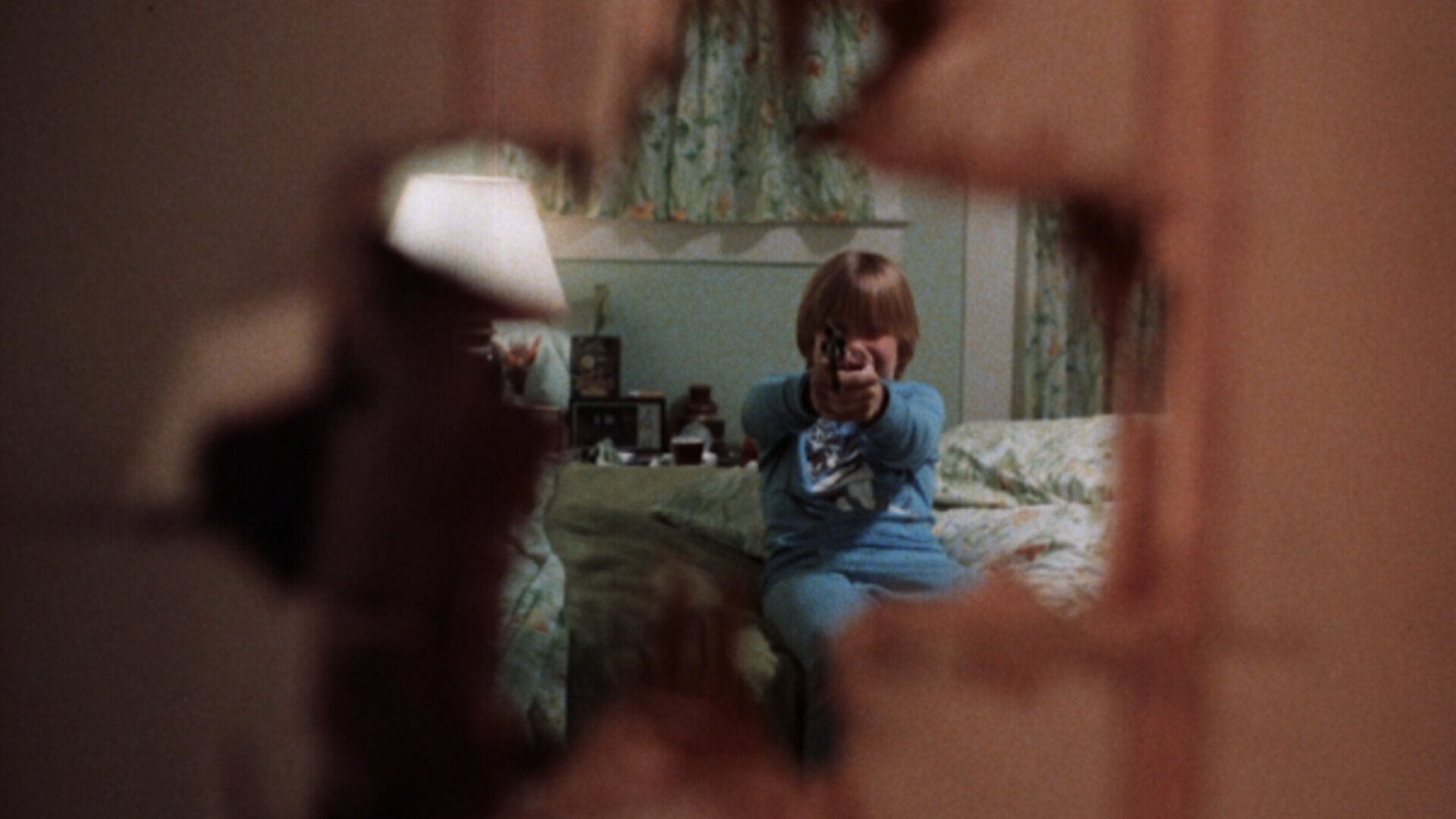
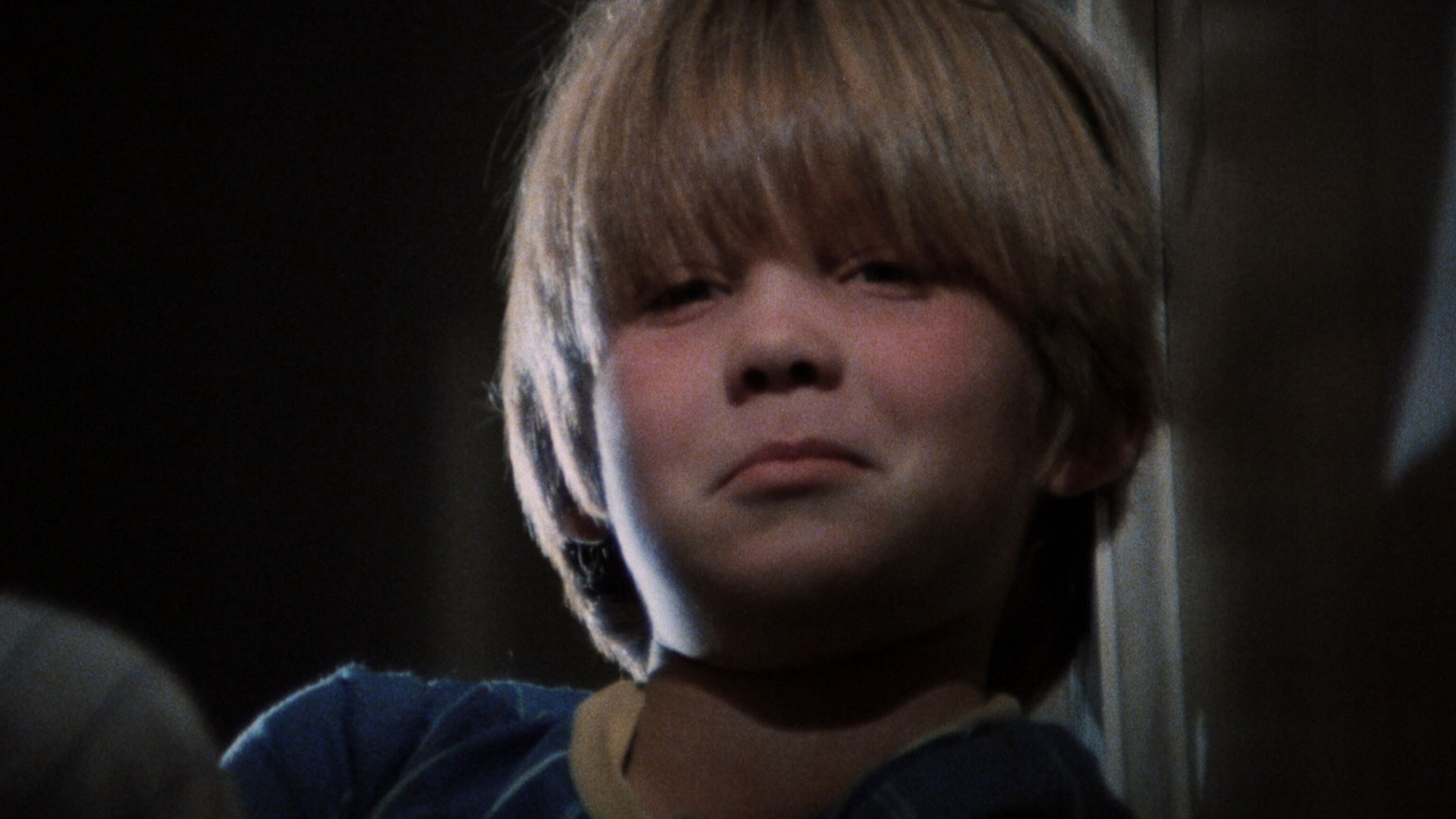
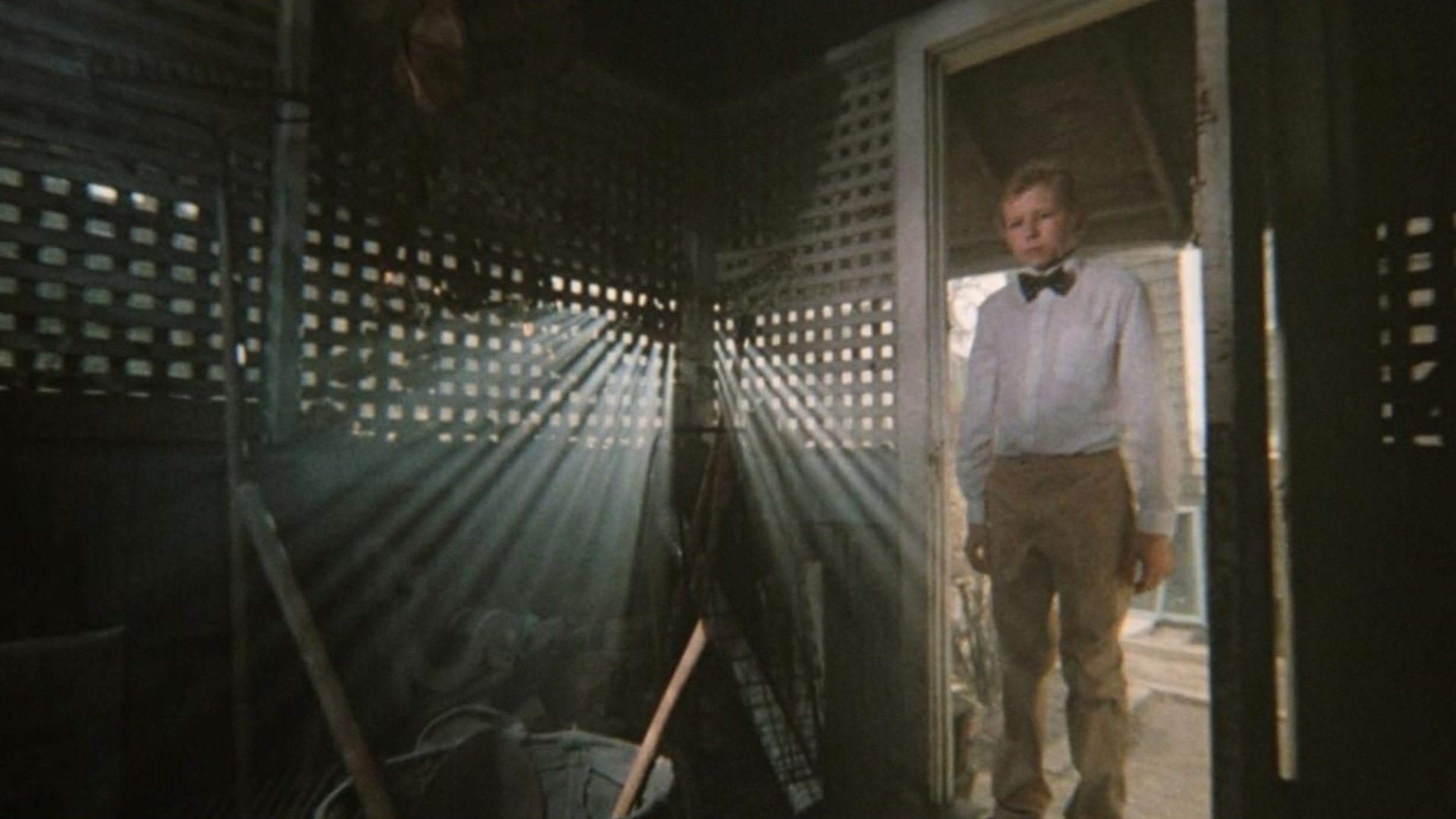
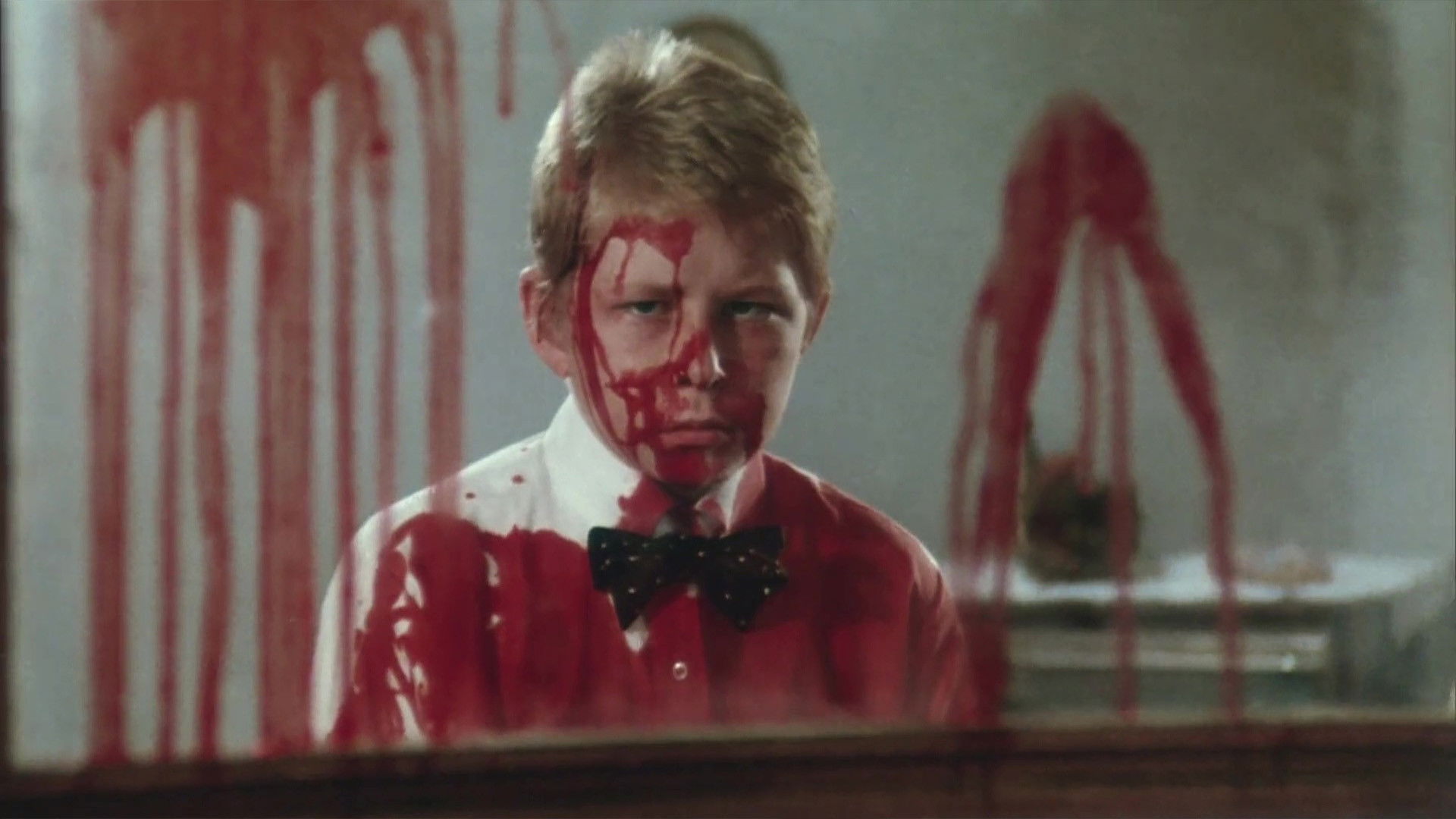
The structure also incorporates a sequence of day-by-day titles, establishing a progression toward an anticipated confrontation. This arrangement gives the passage of time a visible role in the development of suspense. Family relationships become increasingly important as the film moves away from the urban environment, introducing concerns with parental absence, childhood vulnerability and the failure of adults to recognize danger. The treatment of children is particularly unusual within the commercial slasher cycle because they become directly involved in the most violent material. These elements complicate the film's classification as a simple succession of murders. The psychological and domestic material occupies substantial screen time, although its effectiveness has been assessed very differently by critics and later viewers.

Tom Savini, Ed French and the Disputed Special Effects Credits

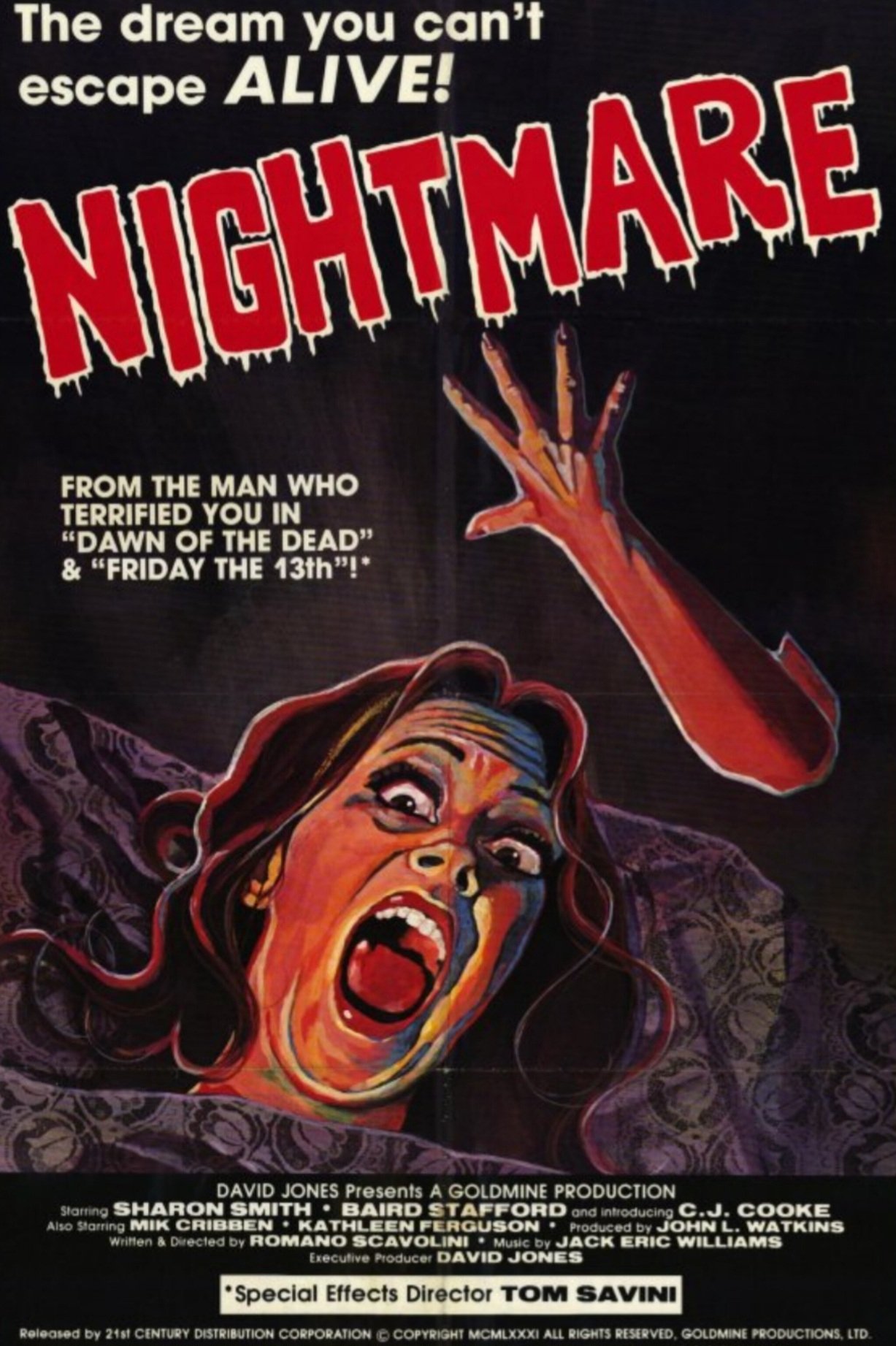
The film's practical effects became the subject of a longstanding dispute concerning Tom Savini. Promotional material connected Nightmare with his work on Dawn of the Dead (1978) and Friday the 13th (1980), using his reputation to attract audiences interested in increasingly elaborate screen violence. Savini subsequently rejected the implication that he had personally created the film's special make-up effects. Romano Scavolini continued to insist that Savini had played a much more substantial role. The disagreement was examined in detail by Christian Sellers in a July 2009 investigation for Retro Slashers, based on interviews conducted with the director, Savini and effects artist Ed French. The article established the existence of conflicting first-hand accounts rather than resolving the entire dispute.

Scavolini stated that Savini had supervised major effects and personally participated in staging particular blood sequences. Savini acknowledged visiting the production but characterized his contribution as consultation rather than the direct fabrication or execution of the effects. Photographs place him on the set, including during preparations involving Scott Praetorius, who played the younger George Tatum. Those photographs confirm his physical presence but cannot establish responsibility for every effect appearing in the finished film. The director's claims concerning Savini's motives for minimizing his involvement remain allegations rather than independently demonstrated explanations. The advertising credits consequently require a more qualified interpretation than the straightforward attribution frequently reproduced in filmographies.

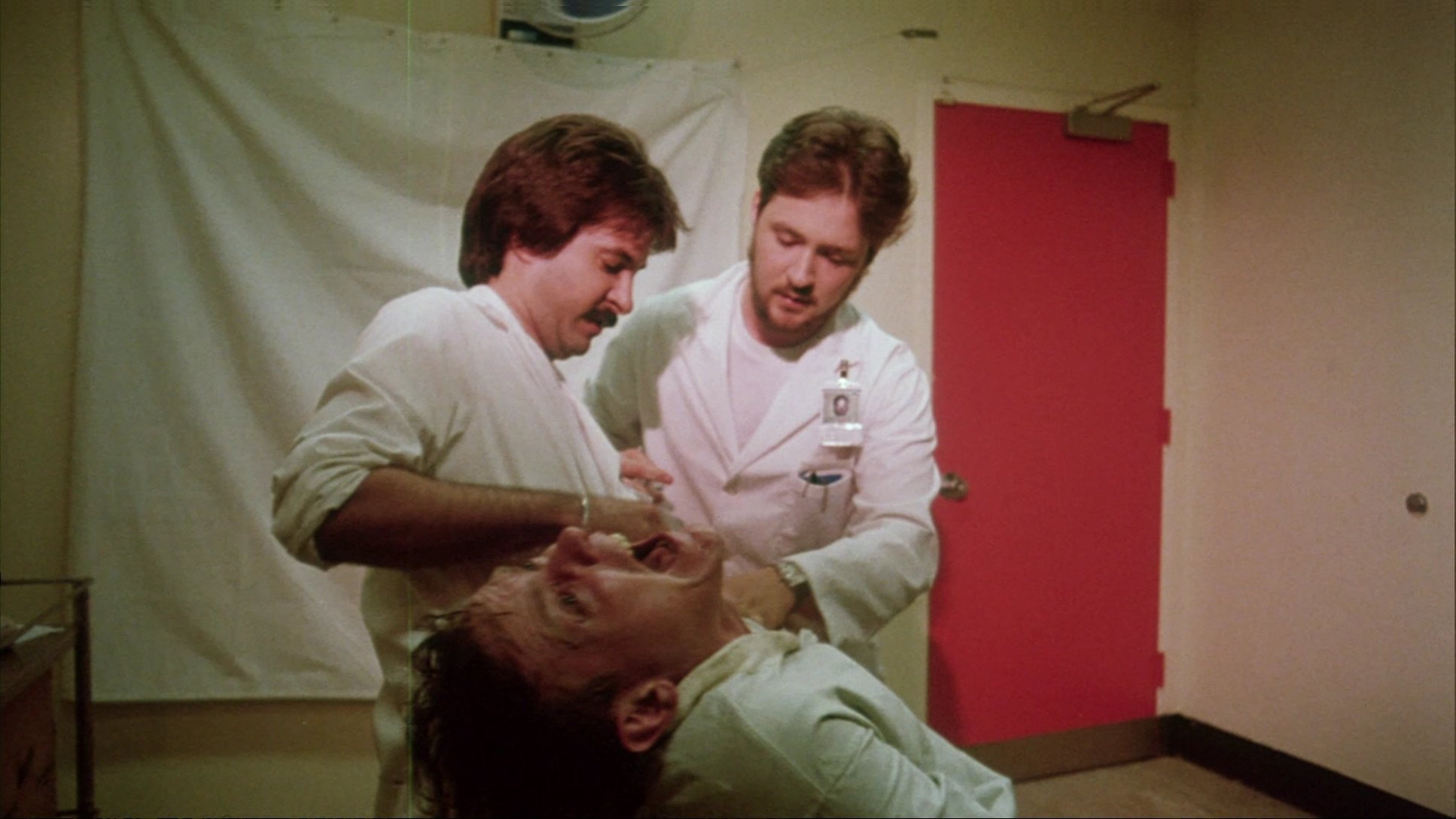
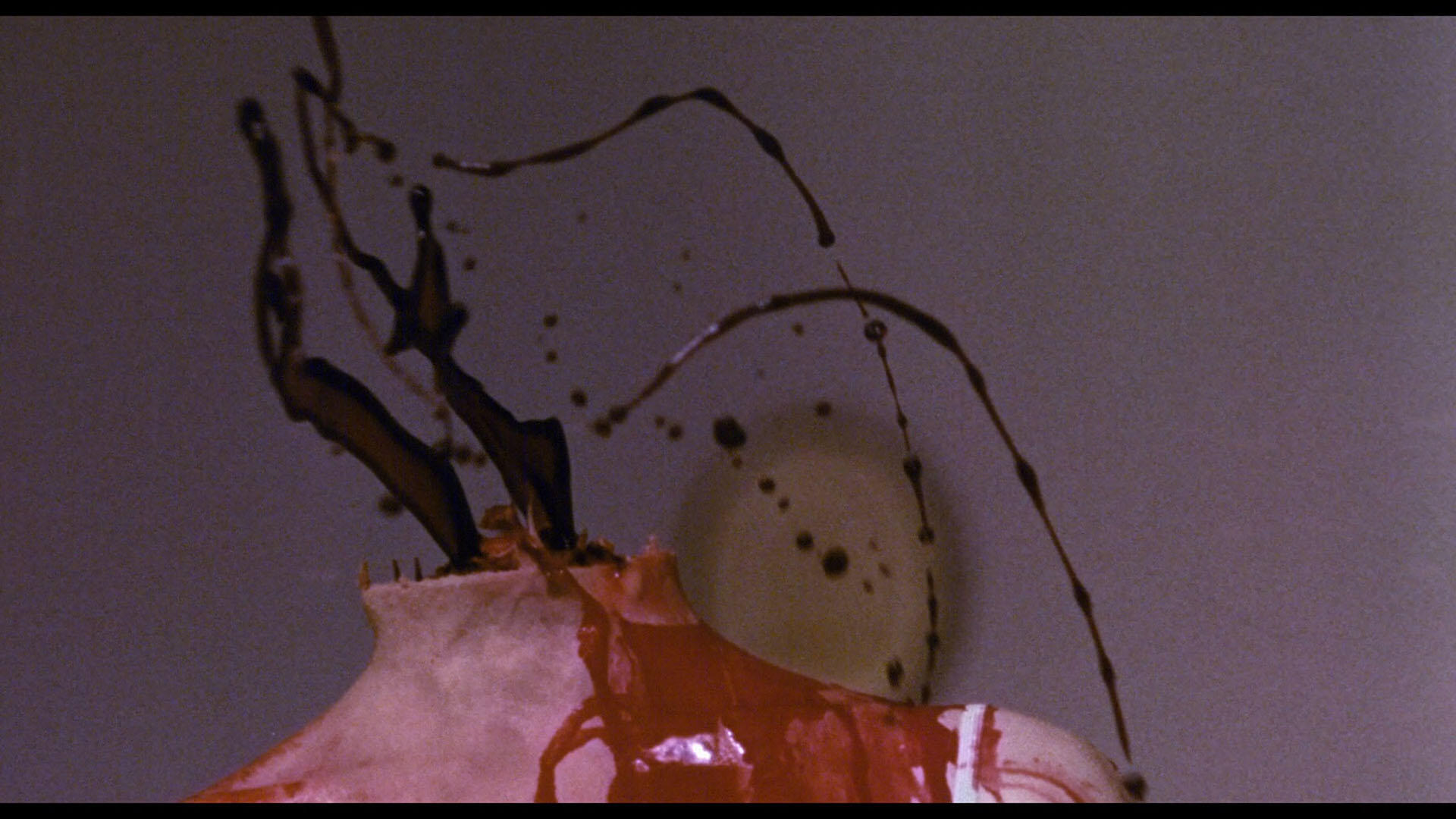
Ed French offered a particularly valuable account of the effects work completed for the New York material. He recalled that additional photography was organized after the main Florida shoot, with the producers seeking more conspicuous physical violence. French described a period of preparation followed by several days of filming involving artificial bodies, simulated decapitation and mechanically produced blood effects. He also remembered working alongside an artist identified under varying spellings of the name Les Lorraine or Larraine. According to French, Savini visited the workshop, provided advice and influenced the staging of particular effects, but did not personally perform the hands-on work French witnessed. His testimony distinguishes consultation and technical guidance from the construction of appliances and the execution of individual effects.

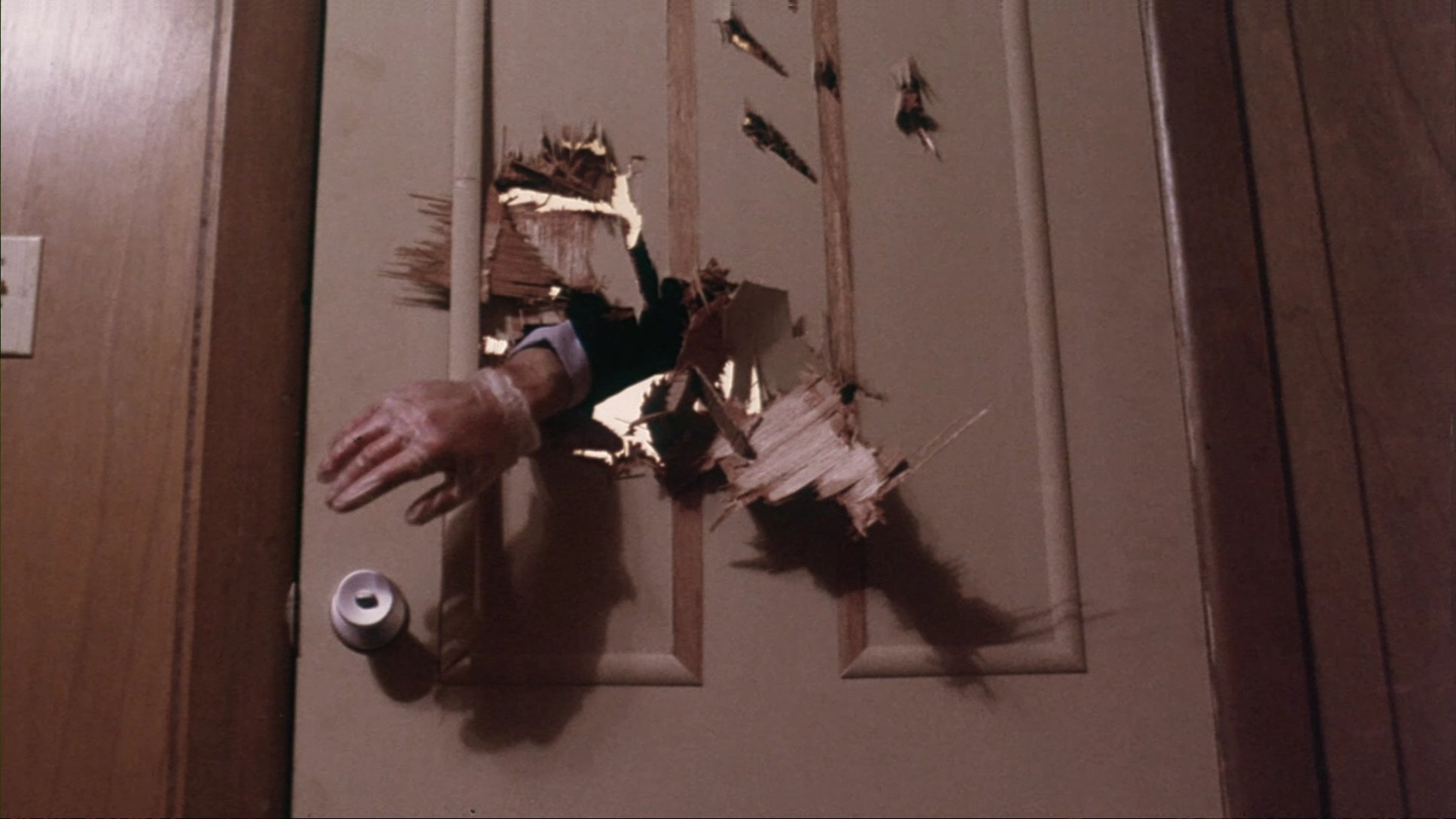
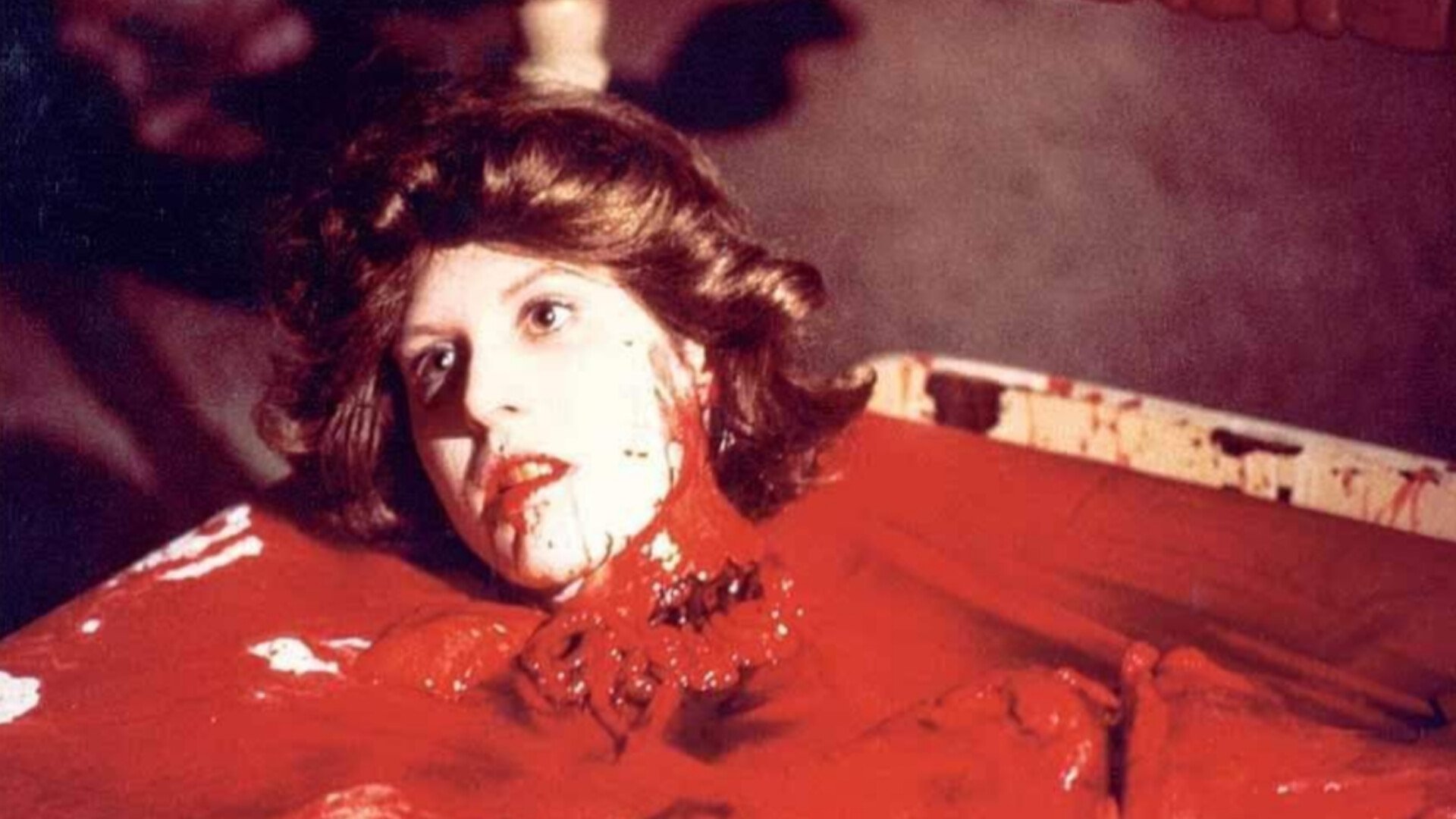
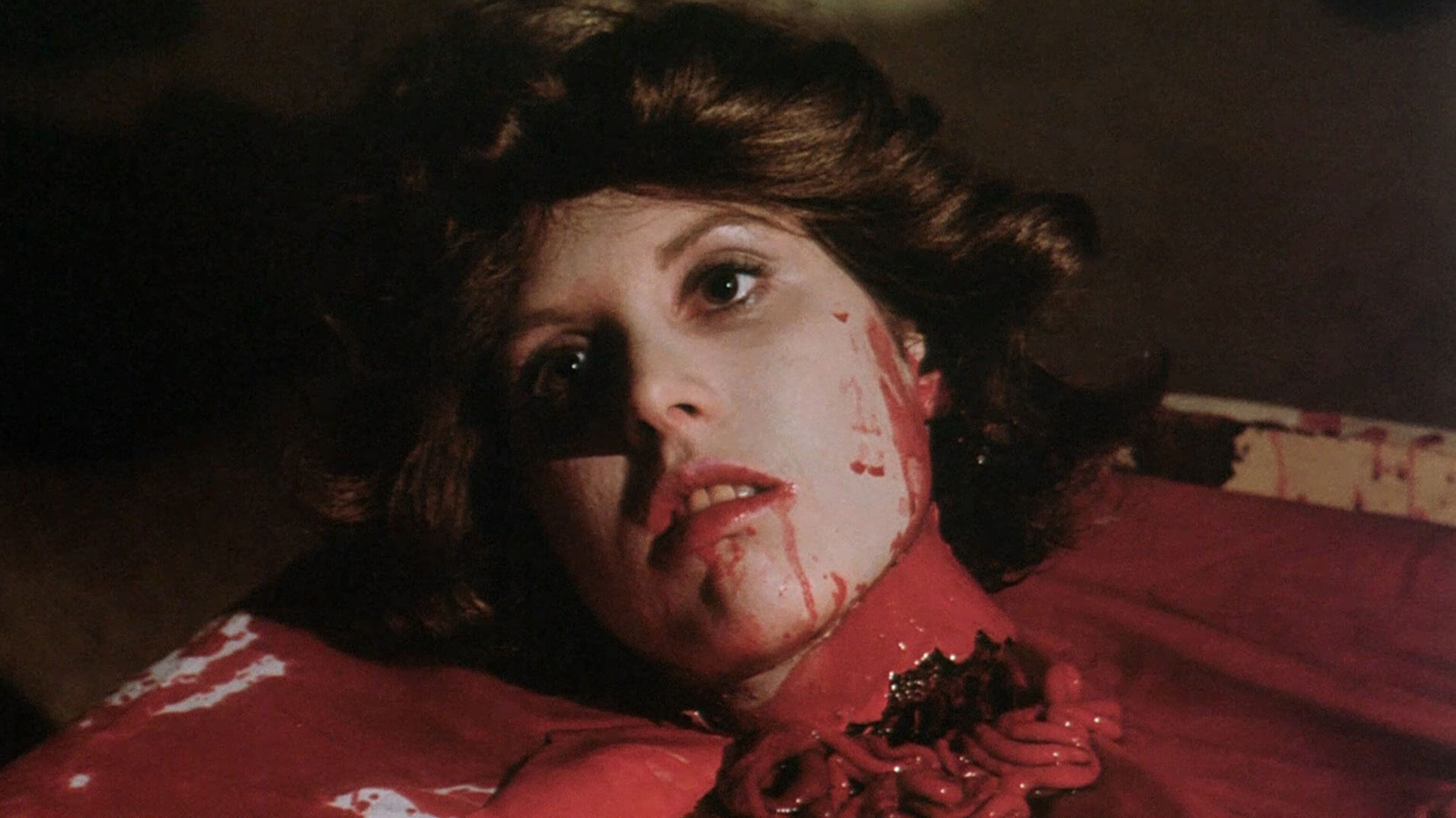
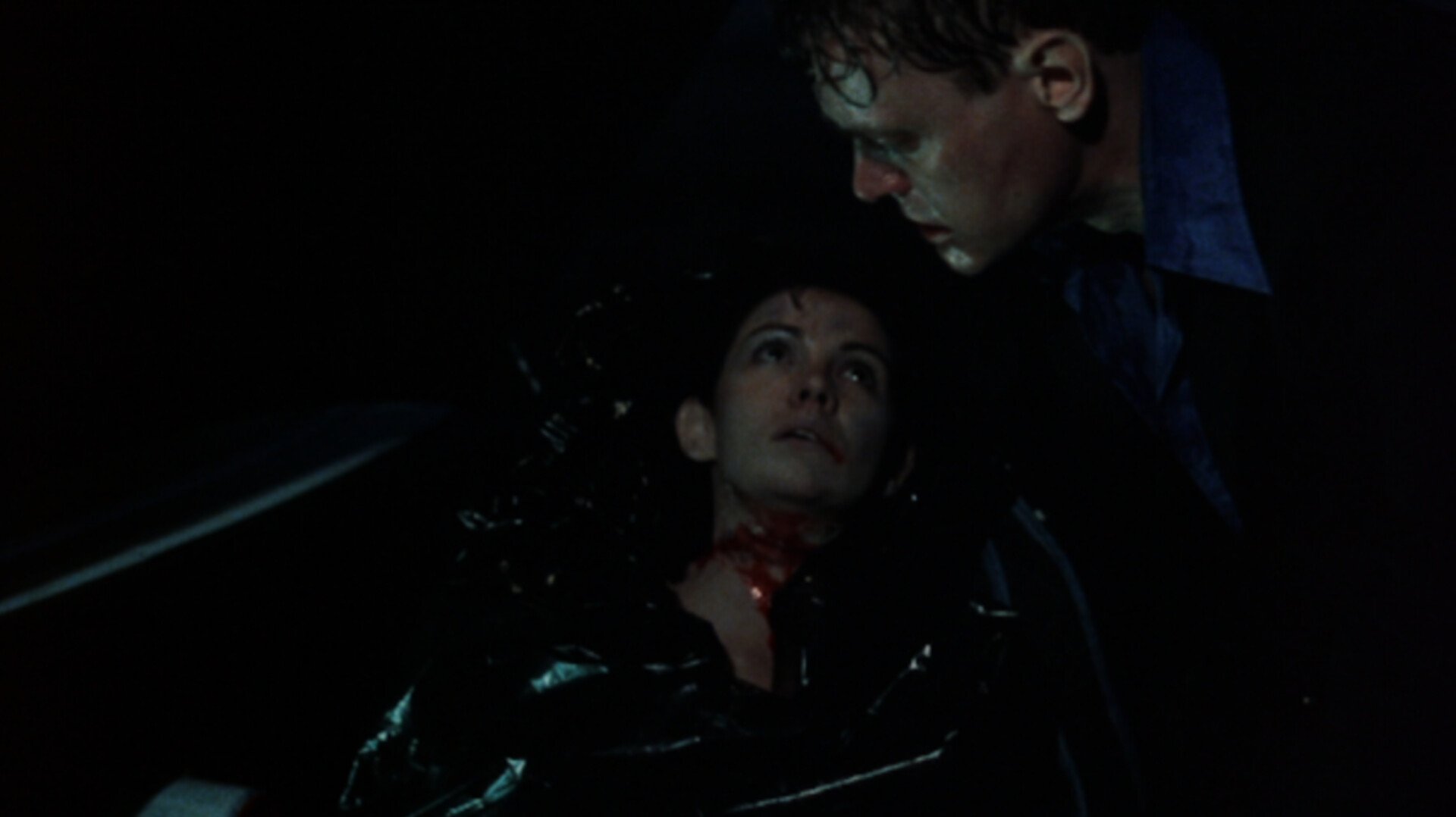
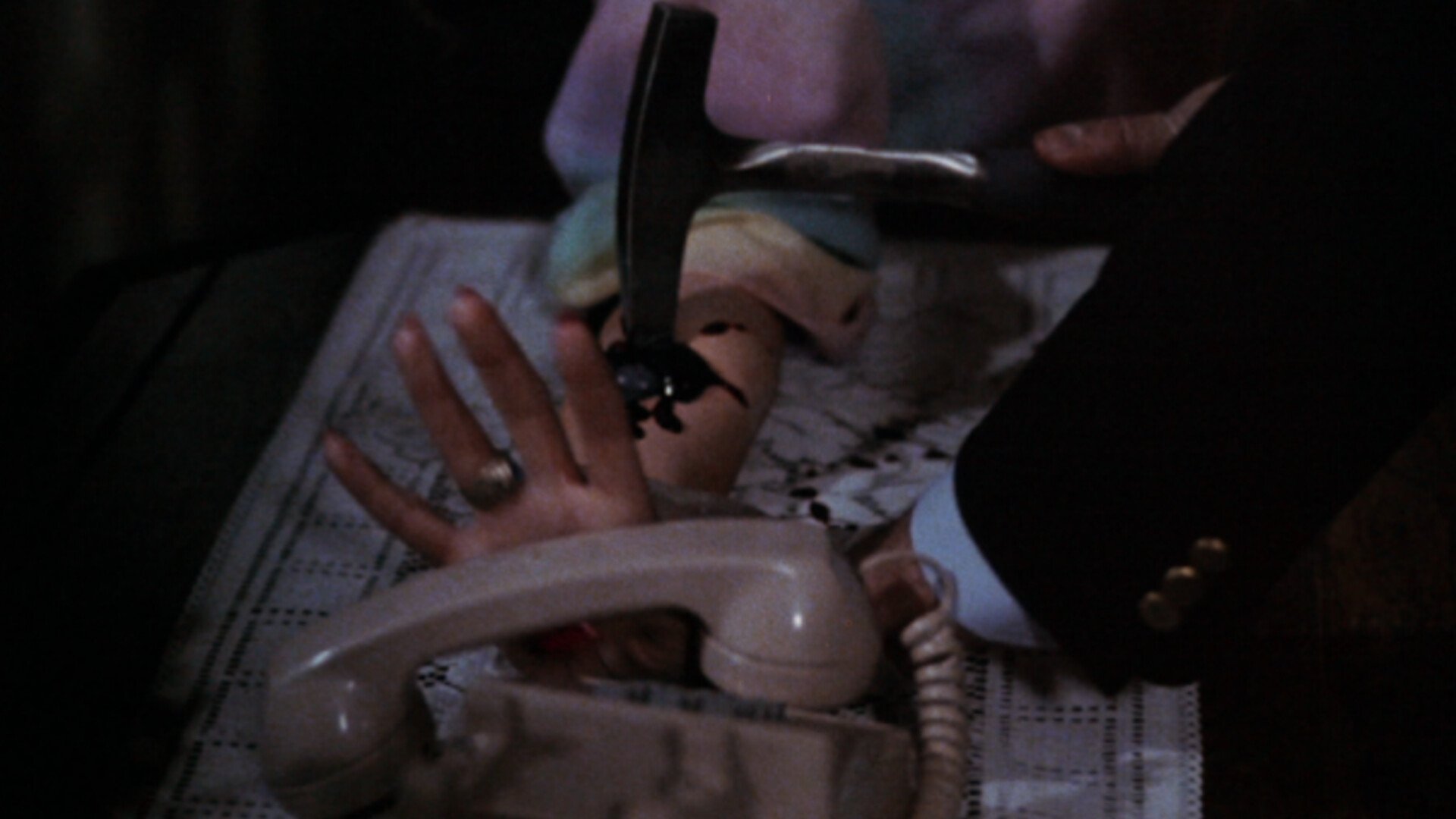
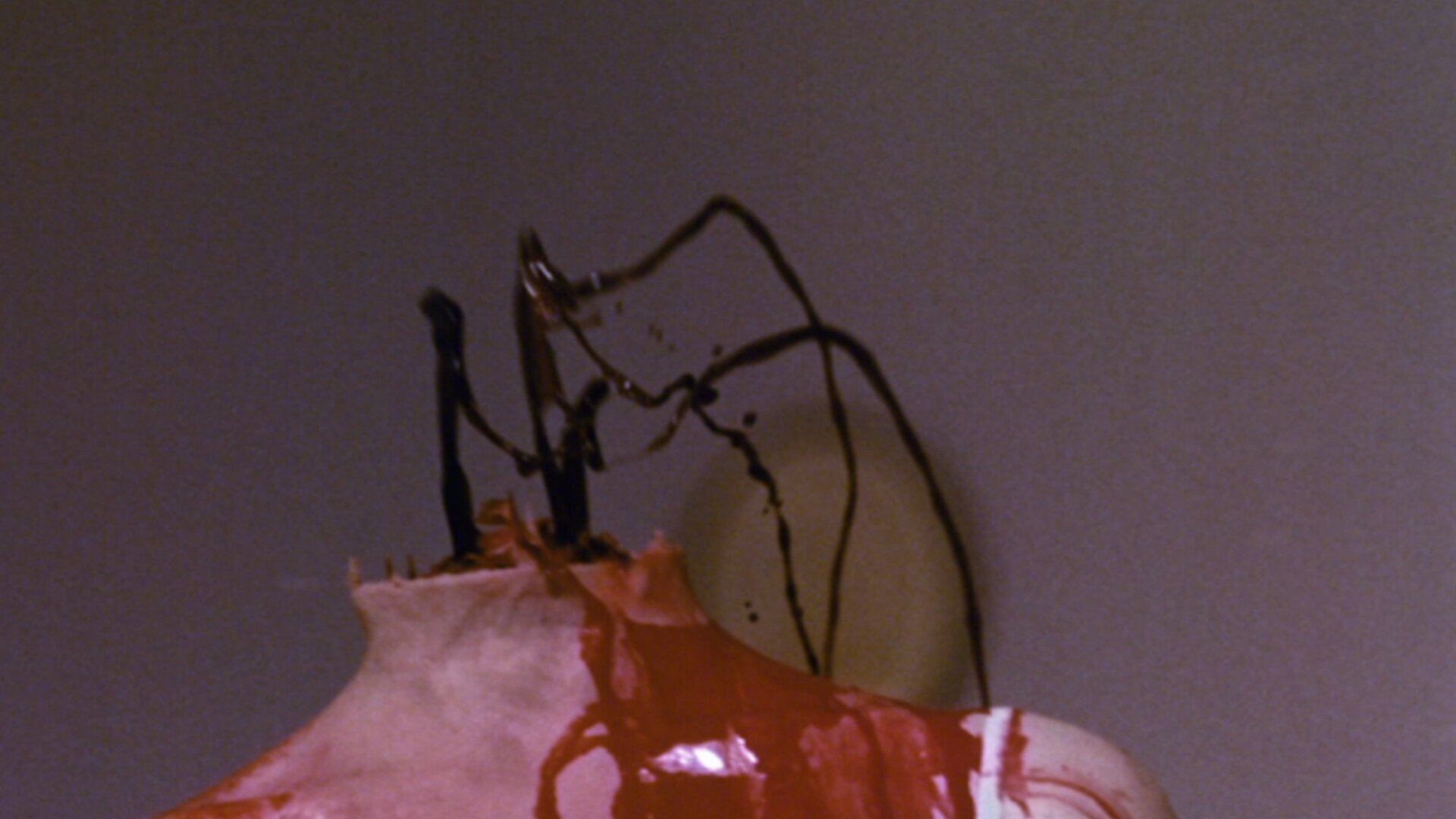
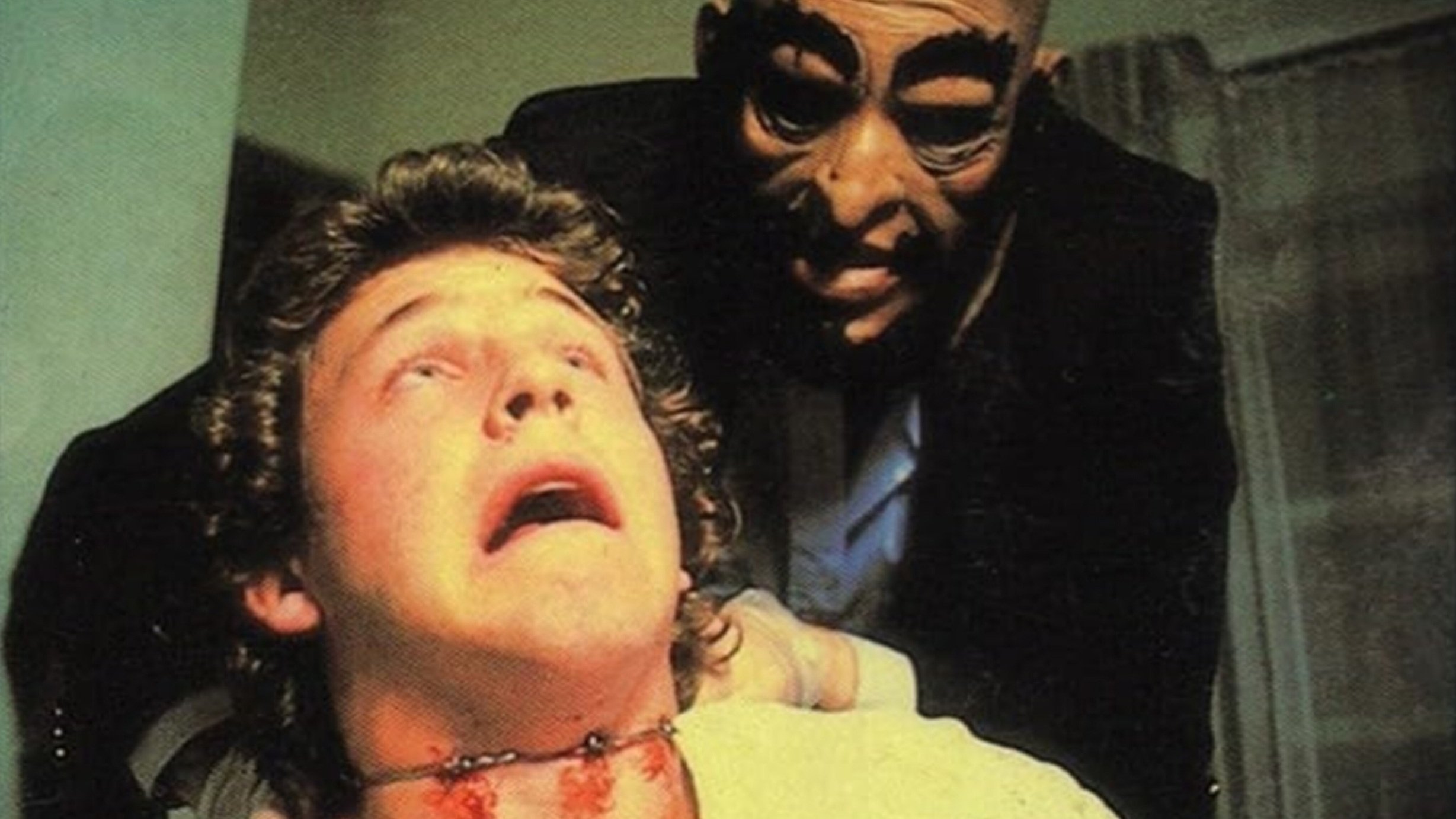
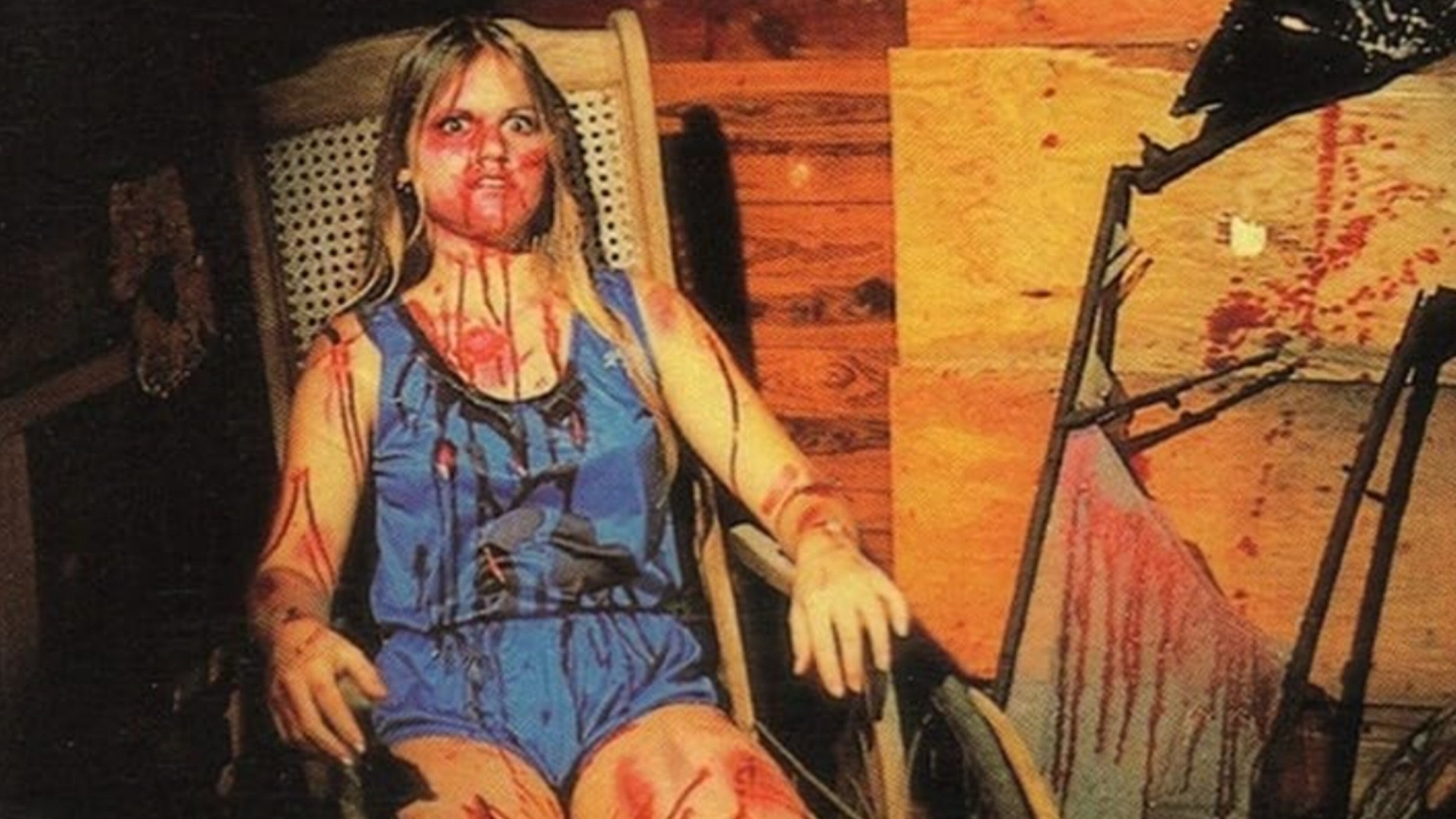
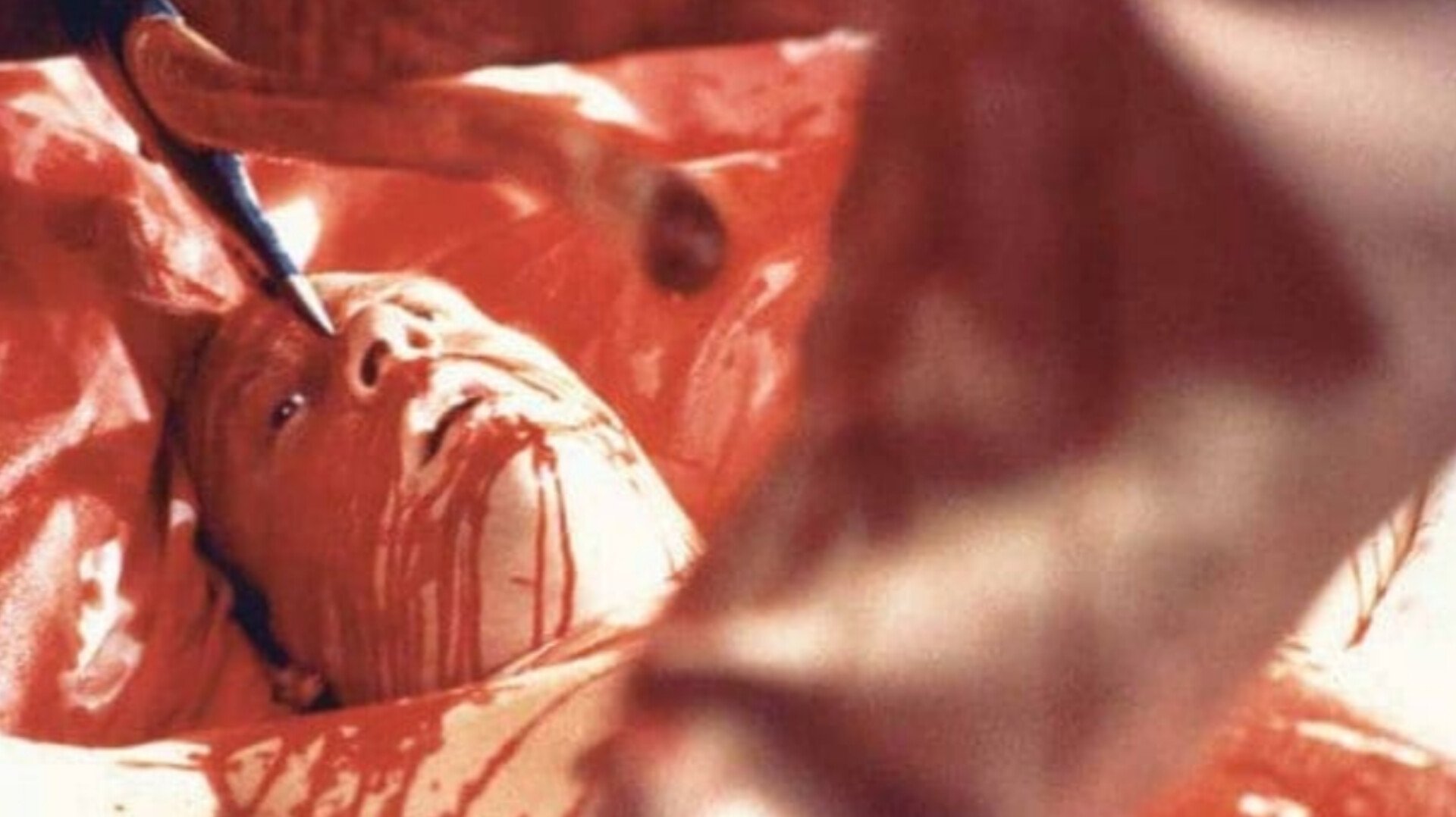
The effects history was further complicated by the existence of separate Florida and New York teams. Cleve Hall was associated with the Florida work, while other credited artists included Darryl Ferrucci, Robin Stevens and Johanne Hansen. The distribution of responsibilities across locations helps explain why retrospective accounts sometimes describe different personnel and methods. The film itself includes artificial wounds, severed anatomical material and elaborate blood effects, often presented in close photography. The value of the surviving testimony lies in its explanation of how those illusions were organized under limited production conditions. A definitive attribution of every individual image would require more complete production records than those currently available.
The 1981 Release, Exploitation Marketing and Contemporary Reception

Nightmare entered American theatrical circulation through 21st Century Film Corporation on October 23, 1981. Contemporary newspaper advertising documents engagements in the New York area, including screenings accompanied by aggressive promotional claims about the film's violent content. The campaign emphasized the notoriety of special effects associated with successful horror productions, reinforcing the disputed connection with Savini. Its original theatrical distribution also included versions classified or promoted differently according to their violent content. Historical accounts describe an X-rated presentation and a reduced R-rated edition. These distinctions concern the American release and should not automatically be equated with the separate versions later examined by British censors.

The film encountered strongly negative contemporary criticism. Reviews published in specialist magazines and newspapers objected to its graphic violence, uneven acting and narrative construction. Alan Jones, reviewing the British release for Starburst, dismissed it as a particularly poor example of the contemporary stalk-and-slash cycle. Other commentators expressed objections to its sexual material and the apparent intensity of the violence. Michelle Alexander documents several of these reactions in her Cinefear retrospective, while also presenting the film from the perspective of its later supporters. The contrast is important because retrospective enthusiasm and contemporary condemnation represent different forms of reception. Neither should be treated as a universally accepted judgment on the production.

A separate first-hand account by Keith J. Crocker, also published in the Cinefear dossier, describes attending a New York screening on October 24, 1981. Crocker remembered an audience whose initial reactions changed as the film became increasingly disturbing. His recollection provides evidence of one viewer's theatrical experience, including the atmosphere of the screening and the promotional expectations created by the advertising. It does not establish how audiences responded across the entire original release. The film subsequently developed a specialized cult following through videocassette circulation, collector interest and repeated home-video editions. That later reputation has been reinforced by continuing attention to the film's practical effects, its unconventional structure and its unusually severe treatment of familial violence.

British Video Nasties, David Hamilton-Grant and the Surviving Versions

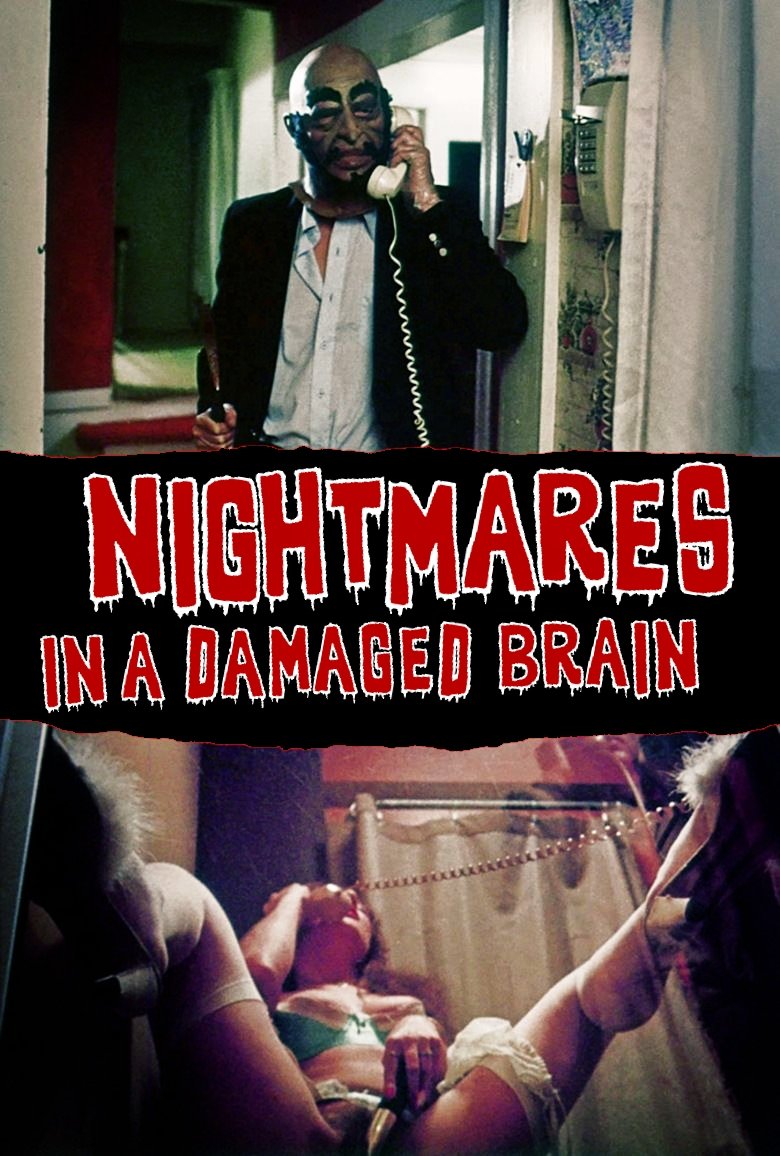
The film acquired its best-known British title, Nightmares in a Damaged Brain, during its United Kingdom distribution. The British Board of Film Classification examined a cinema version submitted by Oppidan (UK) Ltd and issued a classification on April 22, 1982, after requiring alterations. The film subsequently became involved in the video nasties controversy, which developed around the expanding videocassette market and the enforcement of the Obscene Publications Act. The distinction between the original theatrical classification and later obscenity proceedings is essential. Classification established the conditions for authorized cinema exhibition, whereas the subsequent criminal case concerned the commercial distribution of material alleged to be obscene.

The proceedings against distributor David Hamilton-Grant became one of the most consequential episodes of the controversy. In February 1984, he was imprisoned following a prosecution involving videocassettes containing footage absent from the approved British theatrical version. Historical accounts identify approximately forty-eight seconds of disputed material, although the legal proceedings involved obscenity charges and cannot be explained solely as a routine disagreement over running time. Film critic Derek Malcolm testified in support of the work's artistic merit. Recalling the case for the documentary Ban the Sadist Videos, Malcolm described an exchange with the judge that illustrated the hostile atmosphere surrounding the proceedings. Later historical accounts differ over the initial sentence and the period actually served, so these figures should be distinguished rather than presented as an uncontested single duration.

Subsequent British classification records establish a more complicated history than the film's original reputation as a banned video. The BBFC records a home-video submission under the title Nightmare on March 26, 2002, followed by another classification on October 26, 2005. A version submitted by 88 Films received classification on December 18, 2015, with no compulsory cuts indicated in the published record. Those decisions refer to specific submitted masters and do not establish that every circulating edition was identical to the original American theatrical assembly. The survival of material from different territories, alterations made for distribution and possible technical differences between presentations all complicate comparisons based solely on running time.

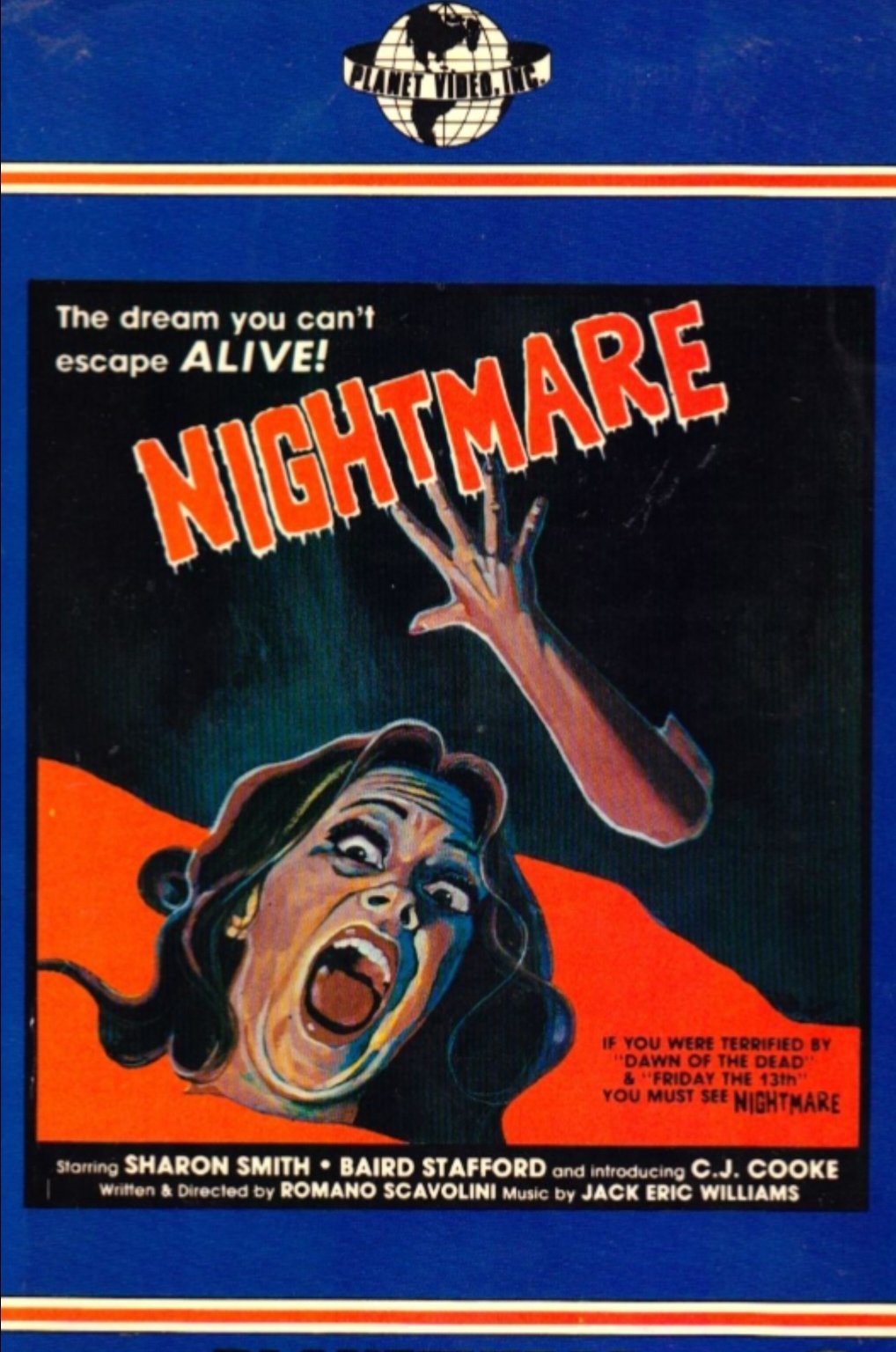
Preservation introduced further difficulties. During preparation of an American DVD edition, Code Red reported that damaged film elements, scratched 35mm prints and unsuccessful transfers had obstructed the restoration. The company attempted several alternative presentations before a satisfactory master could be assembled. Later high-definition editions provided improved access to the film, while a subsequent 4K reconstruction combined an internegative with surviving materials from foreign prints to recover a more complete presentation. These projects also made available extensive interviews with Scavolini, producers, performers and effects artists. The survival of competing prints and unfinished or extended material makes it necessary to distinguish the most complete reconstructed version from any claim that a single unquestionably definitive original cut has been recovered.

References

  1. Retro Slashers Scavolini vs. Savini – Nightmare in a Damaged Brain — Christian Sellers

    Original 2009 investigative feature based on direct interviews with Romano Scavolini, Tom Savini and Ed French. Reconstructs their conflicting testimony, the disputed special-effects credits, promotional use of Savini's name and the technical work undertaken during additional New York photography.

  2. Cinefear The Nightmare Never Ends! — Michelle Alexander and Contributors

    Extensive historical dossier featuring an original interview with Baird Stafford, contemporary reception evidence, recollections of the American theatrical release, production history, screenplay revisions, locations and analysis of the film's visual and psychological construction.

Cast

View Full Cast & Crew →

Release & Distribution

Production Companies (1)

  • Goldmine Productions

Distributors (1)

  • 21st Century Film Corporation US

Release History (3)

Release DateTerritoryRelease TypeFormatDistributorCertificationNotes
1981-10-23 United States Theatrical — — R
1982-06-09 France Theatrical — — 16
2000-09-25 Germany Theatrical — — 16
The Dream You Can't Escape ALIVE!