Spiral: From the Book of Saw (2021)

US
HORROR FILM Mystery Thriller
5.3/10 3 votes
Runtime
93 min
Release
May 14, 2021
Budget
$20,000,000
Revenue
$40,618,920
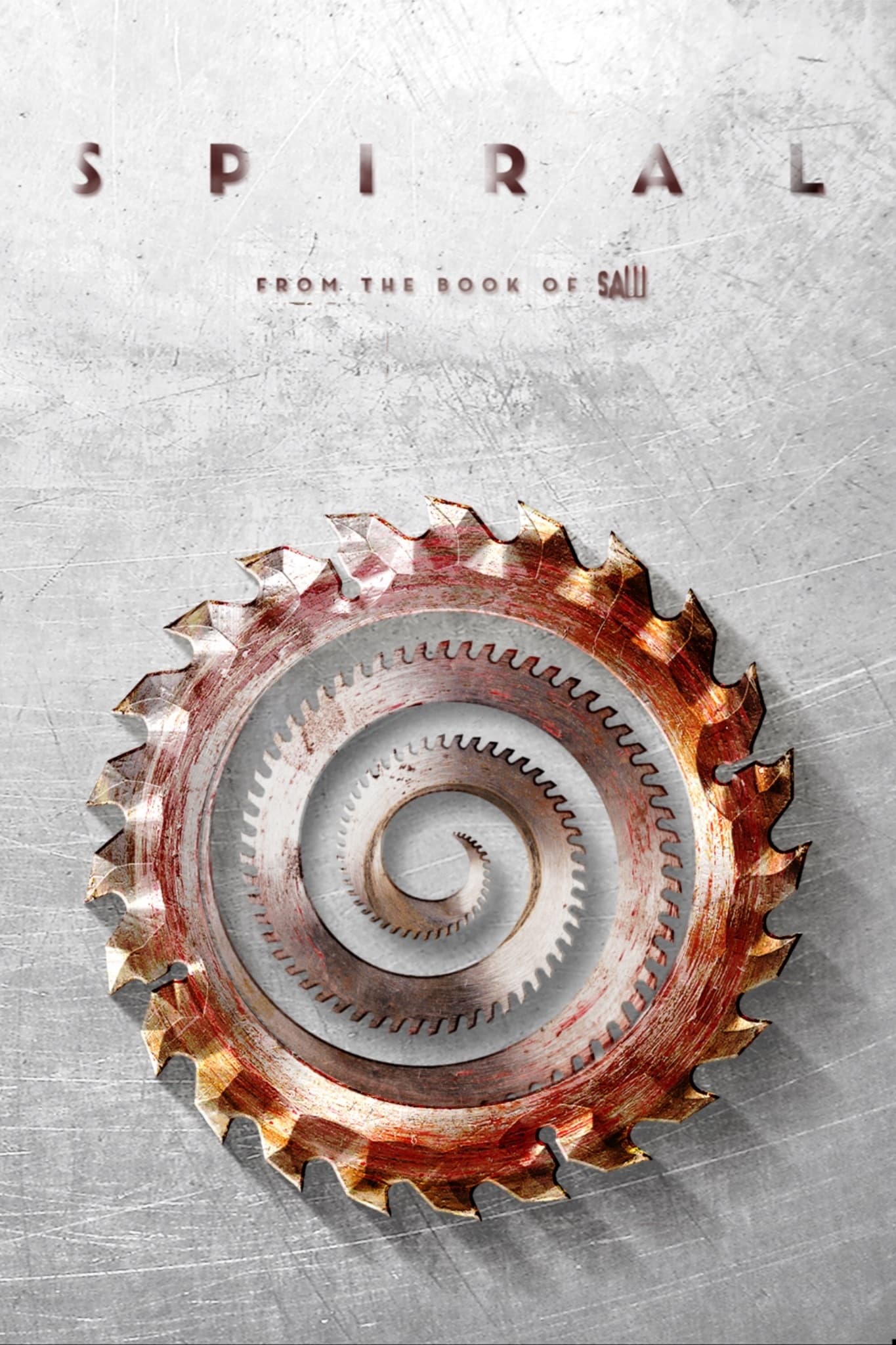
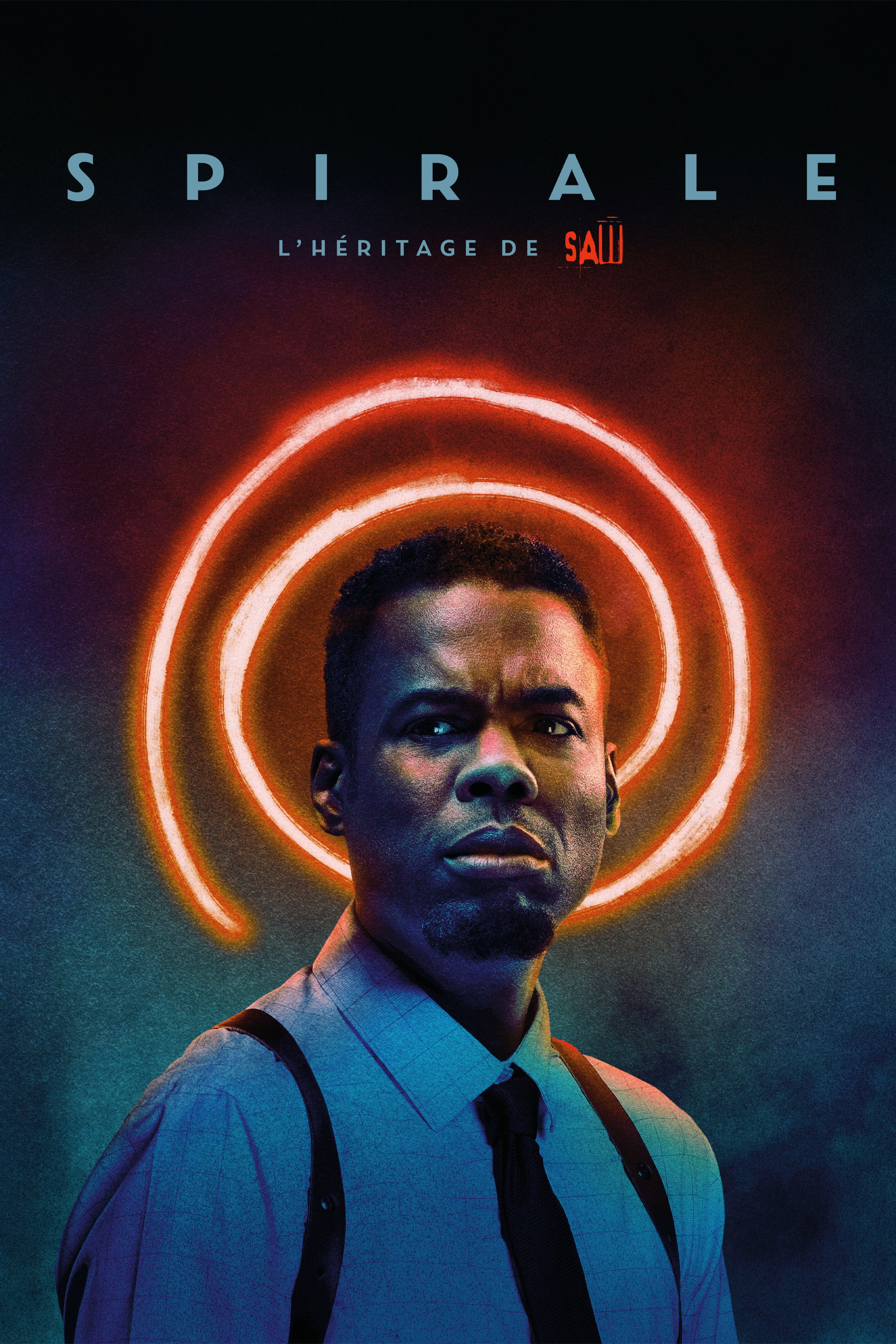
Spiral: From the Book of Saw (2021) poster
Production Companies
Twisted Pictures , Starz Entertainment , Serendipity Productions , Dahlstar LLC
Plot

Detective Ezekiel 'Zeke' Banks, an outsider within his own department, is assigned to investigate a series of murders targeting police officers. Working with new partner William Schenk, he discovers devices and messages that echo the methods of the long-dead Jigsaw killer. The case becomes increasingly personal as evidence points toward corruption inside the force and recalls the career of Zeke's father, former police chief Marcus Banks. The detectives follow a sequence of grim clues while a new perpetrator develops a separate campaign of punishment.

Alternative Titles
Spiral: From The Legacy of Saw (Belgium) Спиралата: "Убийствен пъзел" продължава (Bulgaria) — Bulgarian Espiral: O Legado de Jogos Mortais (Brazil) Spirale : L'héritage de Décadence (Canada) — French 电锯惊魂:螺旋 (China) 电锯惊魂9 (China) 电锯惊魂9:旋涡 (China) 电锯惊魂9:漩涡 (China) — Chinese
Show all 58 alternative titles 电锯惊魂9:螺旋 (China) Spirála strachu: Saw pokračuje (Czechia) — Czech Saw 9: Spiral (Germany) Saw IX - Spiral (Germany) Saw: Spiral (Germany) — German Spiral: From the Legacy of Saw (Denmark) Spiraal: filmiseeria "Saag" järgmine peatükk (Estonia) — Estonian Spiral: Saw (Spain) — Spanish Spiral: From the Legacy of Saw (Finland) — Finnish Spirale (France) — short title Spirale : L'Héritage de Saw (France) — French ხერხი 9: სპირალი (Georgia) — Georgian Spiral: Ο Θρύλος του Saw (Greece) — Greek 恐懼鬥室9 漩渦 (Hong Kong SAR China) 漩渦:恐懼鬥室9新遊戲 (Hong Kong SAR China) 漩渦:恐懼鬥室新遊戲 (Hong Kong SAR China) Spirala straha: Novo poglavlje slagalice strave (Croatia) — Croatian Spirál: Fűrész hagyatéka (Hungary) — Hungarian המסור: המעגל נסגר (Israel) — Hebrew مارپیچ (ارّه 9) (Iran) — Persian Saw 9 (Italy) Spiral - L'eredità di Saw (Italy) — Italian スパイラル:ソウ オールリセット (Japan) — Japanese 스파이럴 (South Korea) — Korean Spiralė (Lithuania) — Lithuanian Baiļu spirāle (Latvia) — Latvian Espiral: El juego del miedo continúa (Mexico) — Spanish Spiraal: van het boek SAW (Netherlands) Spirala: Nowy rozdział serii Piła (Poland) — Polish Spiral - O Novo Capítulo de Saw (Portugal) — Portuguese Spiral: Următorul capitol Saw (Romania) — Romanian Спирала: Из књиге тестера (Serbia) — Serbian Пила 9: Спираль (Russia) Пила: Спираль (Russia) — Russian Spiral: From the Legacy of Saw (Sweden) — Swedish 电锯惊魂 9:漩涡 (Singapore) — Chinese Spirala bolečine: Nova zapuščina igre Žaga (Slovenia) — Slovenian Špirála: Saw pokračuje (Slovakia) — Slovak เกม / ลอก อำมหิต (Thailand) เกมลอกอำมหิต (Thailand) — Thai Spiral: Testere Devam Ediyor (Türkiye) — Turkish 死亡漩渦:奪魂鋸新遊戲 (Taiwan) — Chinese Пила 9 (Ukraine) Пила: Спіраль (Ukraine) — Ukrainian Saw 9: Spiral - From the Book of Saw (United States) — Working Title Saw IX (United States) — Working Title Spiral (United States) The Organ Donor (United States) — Working Title Lưỡi Cưa 9: Vòng Xoáy (Vietnam) Lưỡi Cưa: Vòng Xoáy Tử Thần (Vietnam) — Vietnamese

Trailers & Videos

11 videos

Film Guide & Analysis

Chris Rock and Darren Lynn Bousman redirect the Saw series toward police corruption, urban noir, practical traps and a new musical approach.

Spiral: From the Book of Saw (2021) marked an unusual attempt to redirect an established horror franchise without erasing its history. Chris Rock plays Ezekiel Banks, a detective investigating murders that reproduce the punitive logic of Jigsaw while targeting officers implicated in misconduct. The case brings the series' familiar mechanical ordeals into a police thriller shaped by professional loyalty, concealed wrongdoing and the fear of institutional exposure. John Kramer remains part of the fictional past, but the new crimes do not require him to be present. That separation makes Spiral an instructive example of a horror series experimenting with a recognizable formula under a different dramatic emphasis.

The project grew out of Rock's interest in placing his comic sensibility inside a violent detective story and reunited director Darren Lynn Bousman with the property he had helped develop through its early sequels. Its makers deliberately moved action into daylight, reconsidered the design of torture devices and adjusted the musical vocabulary to suit a broader urban setting. Originally planned for 2020, the film reached American theaters on May 14, 2021, after pandemic disruption. Contemporary interviews provide unusually detailed accounts of these decisions; critical reviews, however, questioned whether its treatment of police corruption matched the ambitions of its new premise.

A New Approach to a Familiar Series

Screenwriters Josh Stolberg and Peter Goldfinger had already worked on Jigsaw (2017) when the producers began seeking another direction. In a 2021 Creative Screenwriting interview, they described a prolonged pitching process, including several substantially different versions developed before the project settled into its eventual form. Their objective was to preserve enough of the established world for returning viewers while allowing newcomers to understand the central mystery. The writers also recalled that producers wanted the dramatic situation established before discussion turned to traps. That sequence of priorities complicates the assumption that this particular sequel began as a collection of elaborate deaths in search of a plot.

Rock's involvement changed the direction of that work. According to Stolberg, the comedian imagined how he himself might respond to an ordeal like the one in the original Saw, an idea that led toward an estranged police detective as the central figure. Rock collaborated on rewrites and supplied dialogue suited to his performance, while Goldfinger and Stolberg remained responsible for the screenplay. The writers described the challenge of making a recognizable franchise entry without requiring viewers to master years of interlocking continuity. Their interviews document development choices, although promotional enthusiasm about the project's originality should not be mistaken for an independent assessment of the finished film.

Bousman returned after directing Saw II, Saw III and Saw IV. In a contemporary interview with /Film, he explained that producer Mark Burg arranged a meeting with Rock, whose enthusiasm for the series influenced the choice of director. Bousman hoped to preserve recognizable elements such as traps, narrative reversals and Charlie Clouser's music, while moving away from the late John Kramer and the familiar Billy puppet. He framed the result as a distinct story within the larger world. The distinction is important: Spiral is the ninth theatrical installment, but it was conceived as a branch of the franchise separate from the continuing narrative surrounding Hoffman and Kramer.

Police Corruption as Horror

The investigation changes the usual relationship between police and killer. Earlier Saw films frequently gave detectives a parallel storyline while victims endured tests elsewhere. Here the threatened institution becomes the principal setting and source of conflict. Banks has been isolated by fellow officers after exposing a colleague's wrongdoing, and the copycat murderer turns accusations of abuse into grotesque punishments. This arrangement gives the violence a social target more specific than the franchise's recurring lesson about appreciating life. The premise asks whether a profession capable of concealing misconduct can be reformed through the revelation of its own secrets.

Bousman told /Film that the filmmakers wanted to move from Jigsaw's claimed reform of individuals toward the exposure of an institution. He also noted that the story was written before the police killings and protests that sharpened public attention to the issue in 2020. Those dates are essential when discussing the movie's apparent topicality at its delayed release. The killer's methods still reproduce a contradiction central to the series: punishment is presented as instruction even when its designer controls the outcome. The story's indictment of corrupt officers can therefore be examined separately from any suggestion that such torture constitutes a convincing form of justice.

Urban Noir and Summer Heat

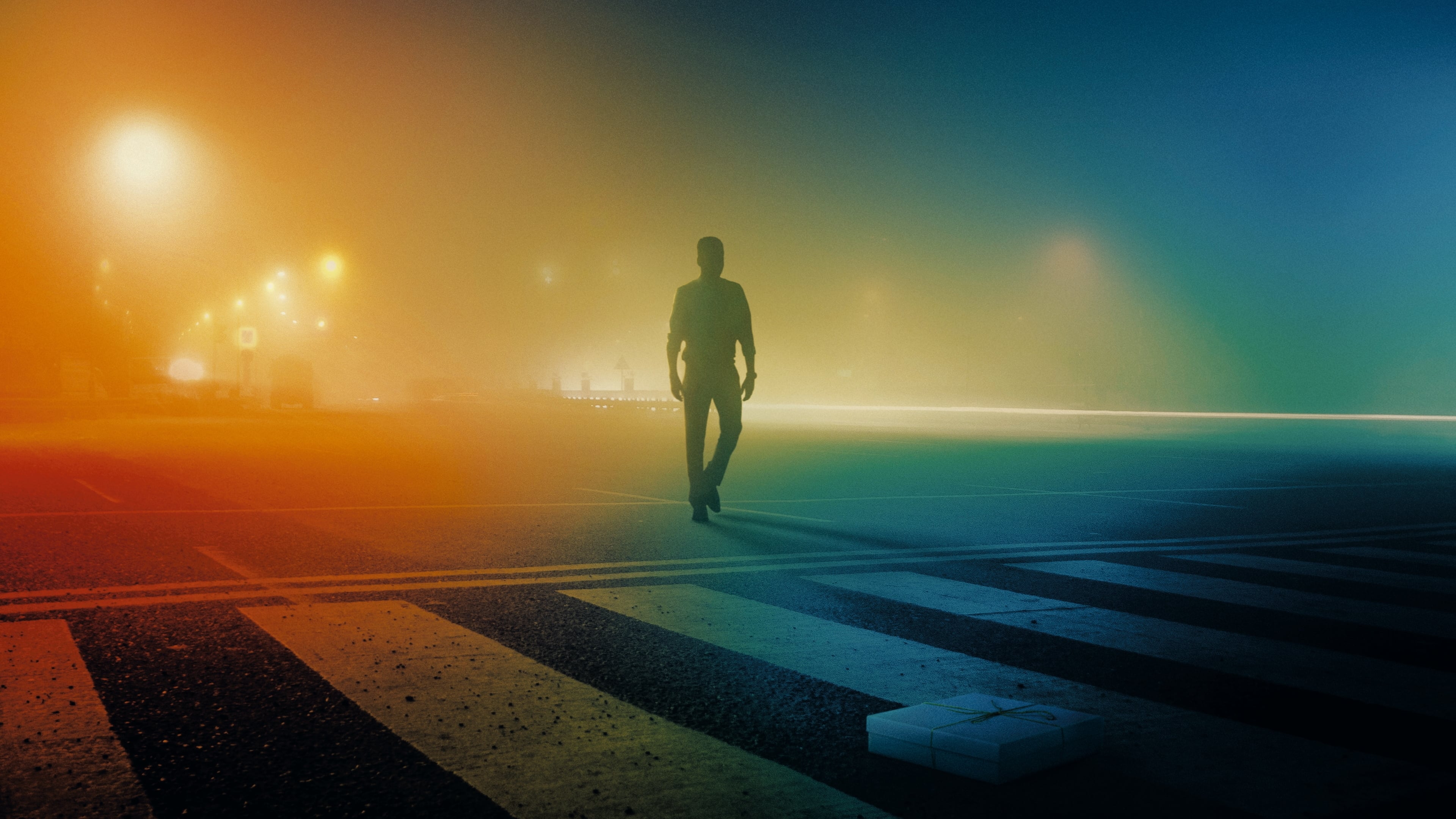
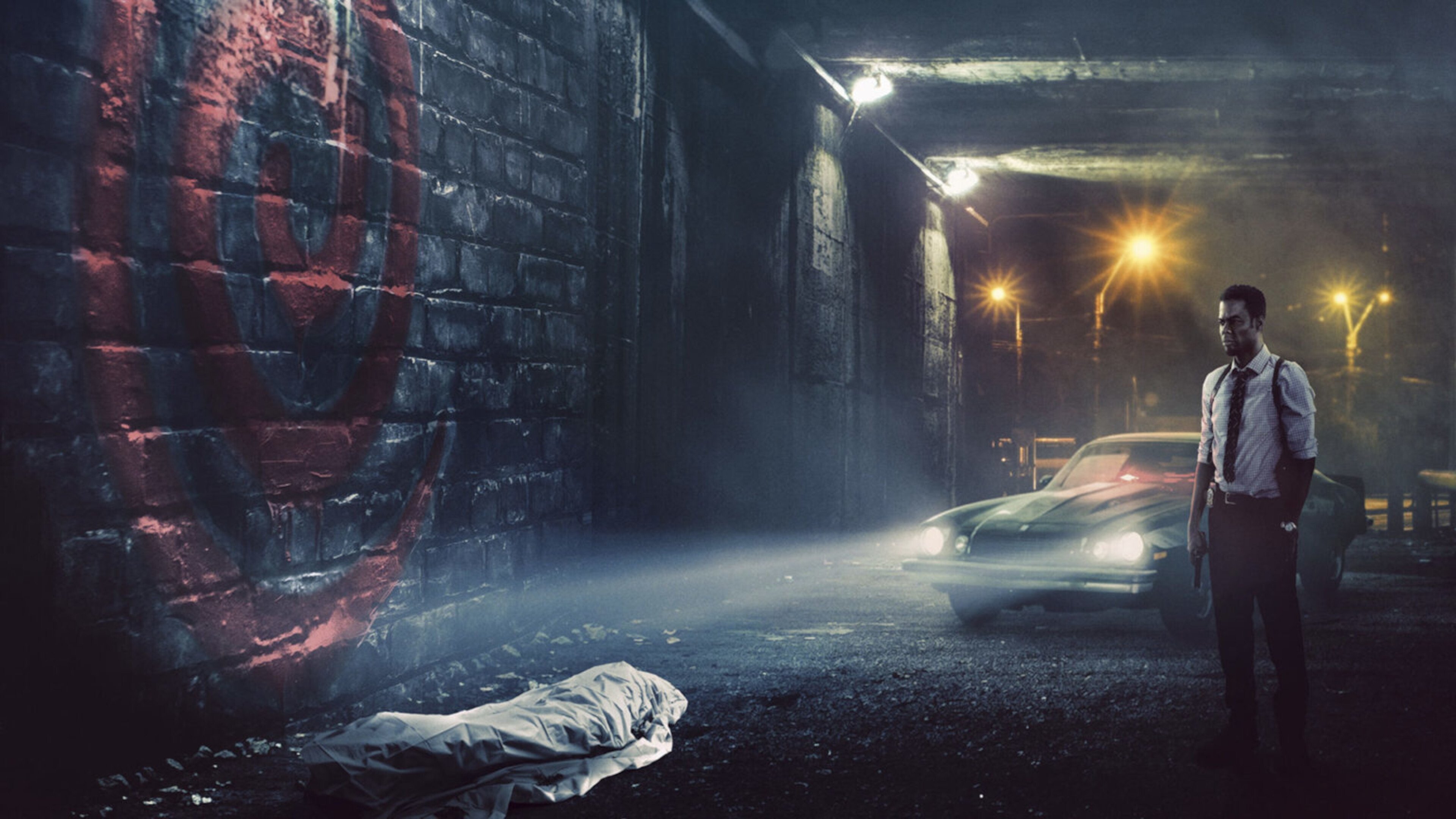
Bousman deliberately expanded the visual environment beyond the claustrophobic interiors associated with earlier installments. Speaking to /Film, he described a picture with more daylight and outdoor action while retaining familiar editing flourishes. The city becomes a working space for the investigation, and its exposed streets contrast with the confined rooms where victims are attacked. The film's procedural orientation also changes how suspense is organized: a police partnership, evidence gathering and growing distrust provide intervals between the violent set pieces. These choices were part of the director's stated plan, not proof that the resulting thriller always achieves the tension of its models.

Costume designer Laura Montgomery offered unusually precise evidence of the planned aesthetic in an interview published by The Credits. She described the desired combination of contemporary clothing and mid-century film noir, set against the oppressive heat of summer. Her department worked with subdued burgundies, browns, ochres and darker teal shades, including traditional tie patterns for Banks. Montgomery specifically identified Orson Welles' Touch of Evil as a reference used for the opening sequence's gritty atmosphere and character styling. Such details show that the attempt to change Saw's appearance extended into wardrobe and texture, beyond changes in lighting and filming locations alone.

Traps, Practical Effects and Cuts

Bousman wanted the new killer's devices to appear constructible from ordinary mechanical parts. In his /Film interview he contrasted that approach with the increasingly elaborate apparatus of some later sequels, describing clamps, heated wax and industrial glass equipment as recognizable starting points. The return to legible mechanisms had a dramatic purpose: viewers should immediately understand the threatened injury even when they cannot predict how a victim will respond. The opening tongue trap uses a public transit setting to combine mechanical confinement with an approaching train. Its recognizable geography makes the impending consequence clear long before the moment of impact.

The same interview documents practical fabrication behind several effects. Bousman credited makeup-effects artist François Dagenais with constructing breakable prosthetic hands for a scene in which fingers are stretched and damaged. He said that the train sequence used a prosthetic tongue and a purpose-built mannequin for the final collision, with digital work largely serving as augmentation. These are specific first-hand claims about the production, and they do not establish that every violent image was achieved without computer assistance. The discussion also illustrates how the series could create the appearance of irreversible bodily injury through controlled materials and an edited succession of shots.

The director reported that the finger sequence was shortened following difficulties with the American ratings process. He recalled a more extended presentation of the breaking bones, then explained that the released scene retained less of that material. This is a filmmaker's account of changes made during editing, not documentation of every submitted cut or a complete history of the ratings board's deliberations. It is therefore safer to describe the adjustment precisely than to claim that the film was issued in multiple officially distinct versions. The incident also shows how the finished rhythm of a trap could be shaped by decisions made after the effects had already been photographed.

Charlie Clouser and a Changed Score

Composer Charlie Clouser provided an unusually direct account of the soundtrack's development in a May 2021 ComingSoon interview. Having scored the series since the first film, he retained a vocabulary of dissonant textures and recurring melodic material while adapting to a visual world with more open spaces and daylight. He described introducing brighter percussion and action-oriented orchestral elements that he considered inappropriate for the damp, enclosed settings of many earlier entries. This was a practical response to the film's images rather than a wholesale abandonment of the series' musical identity. The score continued to connect individual moments of threat with the larger Saw tradition.

Clouser also explained how trap sequences often demand cues mapped closely to the editing, with rhythmic movement designed around changing mechanical action. For Spiral he discussed experimenting with bowed-metal sounds, including an instrument named Tio built by sculptor and musician Chas Smith. His testimony supplies concrete evidence about musical construction: it identifies how sound sources and arrangement help reconcile the movie's procedural framework with its abrupt physical shocks. The soundtrack participates in the tonal shift, supplying forward motion during investigations while preserving the abrasive sonorities that make the lethal devices feel part of the same fictional universe.

Delayed Release and Contemporary Reception

Spiral was originally scheduled for a May 2020 theatrical release, but pandemic disruption pushed its arrival to May 14, 2021, in the United States. The delay placed its police-corruption storyline before viewers after a year of intensified public debate, although Bousman maintained that the underlying premise had been developed earlier. The timing also separated this installment from the Halloween calendar long associated with Saw's annual releases. Its arrival during the reopening of movie theaters made the conditions of exhibition different from those surrounding the franchise's commercial peak. None of these circumstances, taken alone, establishes the film's long-term cultural influence.

In a contemporary Los Angeles Times review, Robert Daniels found the proposed critique of police brutality poorly developed, despite identifying promise in the premise and Rock's comic exchanges with Samuel L. Jackson. Daniels also argued that the use of flashbacks weakened the tension of several deadly sequences. His criticism provides a useful counterweight to the filmmakers' statements about institutional reform and a refreshed visual language. The distinction matters: evidence that the production consciously adopted a social theme is not evidence that reviewers considered its treatment successful. The response was directed at the completed film, with particular attention to the distance between its intentions and its dramatic execution.

Within franchise history, Spiral is most clearly distinguished by its shift in viewpoint. The central investigator is a performer associated primarily with comedy, the new murderer copies a legacy without restoring its original figure, and the crimes are directed at the police organization itself. Its daylight setting, noir-inflected clothing and modified musical textures show how several departments participated in that change. Whether the result succeeded as a social thriller remains open to critical argument. What can be documented is a coordinated attempt to extend Saw through a different protagonist and institutional target while retaining the practical mechanics and narrative reversals through which the series had become recognizable.

References

  1. Creative Screenwriting Peter Goldfinger & Josh Stolberg On Spiral: From The Book Of Saw

    A substantial original interview on prolonged script development, Chris Rock's contribution, accessible continuity and the decision to develop story before traps.

  2. /Film Spiral Director Darren Lynn Bousman On Reinventing Saw And The One Scene That Was A Big Problem For The MPAA

    A detailed 2021 director interview covering the new visual direction, police theme, practical effects, prop construction and a shortened finger-trap sequence.

  3. The Credits Costume Designer Laura Montgomery Gets Noir on Spiral: From the Book of Saw

    An original technical interview detailing the hot-weather noir concept, costume palette, Touch of Evil reference and coordination of bloody effects.

  4. ComingSoon.net Charlie Clouser Reveals the Secrets Behind His Exciting Score for Spiral

    A substantial interview on revised percussion, orchestration, bowed-metal instruments and continuity with the sound of earlier Saw films.

  5. Los Angeles Times A Tortured Franchise Returns in Spiral: From the Book of Saw. The Result Will Make You Scream

    Robert Daniels' contemporary review evaluates the police-brutality theme, tonal contrasts, use of flashbacks and violent set pieces.

Connections

Cast

View Full Cast & Crew →

Release & Distribution

Production Companies (4)

  • Dahlstar LLC US
  • Serendipity Productions US
  • Starz Entertainment US
  • Twisted Pictures US

Distributors (1)

  • Starz Entertainment US

Release History (49)

Release DateTerritoryRelease TypeFormatDistributorCertificationNotes
2021-05-12 Denmark Physical — — 15
2021-05-12 Indonesia Theatrical — — —
2021-05-12 South Korea Theatrical — — 19
2021-05-13 Australia Theatrical — — R18+
2021-05-13 Kazakhstan Theatrical — — —
2021-05-13 Mexico Theatrical — — —
2021-05-13 New Zealand Theatrical — — R18
2021-05-13 Russia Theatrical — — —
2021-05-13 Singapore Theatrical — — R21
2021-05-13 Ukraine Theatrical — — —
2021-05-14 United States Theatrical — — R
2021-05-17 United Kingdom Theatrical — — 18
2021-05-21 Spain Theatrical — — 18
2021-05-21 Lithuania Theatrical — — N-18
2021-05-21 Lithuania TV — — N-18
2021-05-27 Netherlands Theatrical — — 18
2021-05-28 Sweden Theatrical — — 15
2021-06-01 United States Digital — — —
2021-06-03 Hungary Theatrical — — 18
2021-06-04 Canada Theatrical — — 18A
2021-06-07 Ireland Theatrical — — 18
2021-06-10 Hong Kong SAR China Theatrical — — III
2021-06-16 Italy Theatrical — — VM14
2021-06-17 Brazil Theatrical — — 14
2021-06-18 Estonia Theatrical — — —
2021-06-18 Finland Theatrical — — K-18
2021-06-18 Poland Theatrical — — —
2021-06-24 Slovakia Theatrical — — 15
2021-07-01 Czechia Theatrical — — —
2021-07-02 Romania Theatrical — — —
2021-07-08 Israel Theatrical — — 18
2021-07-15 Greece Theatrical — — Κ-18
2021-07-20 United States Physical — — R
2021-07-21 Belgium Theatrical — — 18
2021-07-21 France Theatrical — — 16
2021-08-01 Australia Digital — — R18+
2021-08-01 New Zealand Digital — — 18
2021-08-20 Türkiye Theatrical — — 18+
2021-09-09 Germany Theatrical — — 18
2021-09-10 Japan Digital — — R15+
2021-09-23 Greece Physical DVD — — DVD
2021-10-16 Canada TV — — 18A Super Écran
2021-11-04 Thailand Theatrical — — —
2021-11-22 France Digital — — 16
2021-11-22 France Physical 4K UHD, DVD, Blu-ray — 16 DVD / Blu-ray / 4K UHD
2022-01-13 Germany Digital — — 18
2022-01-27 Germany Physical — — 18
2022-06-30 Vietnam Digital — — — Netflix
2023-09-09 Belgium TV — — 18 VTM 3
A new game begins.