A Quiet Place Part II (2021)

US
7.2/10 5 votes
Runtime
96 min
Release
May 21, 2021
Budget
$55,000,000
Revenue
$297,372,261
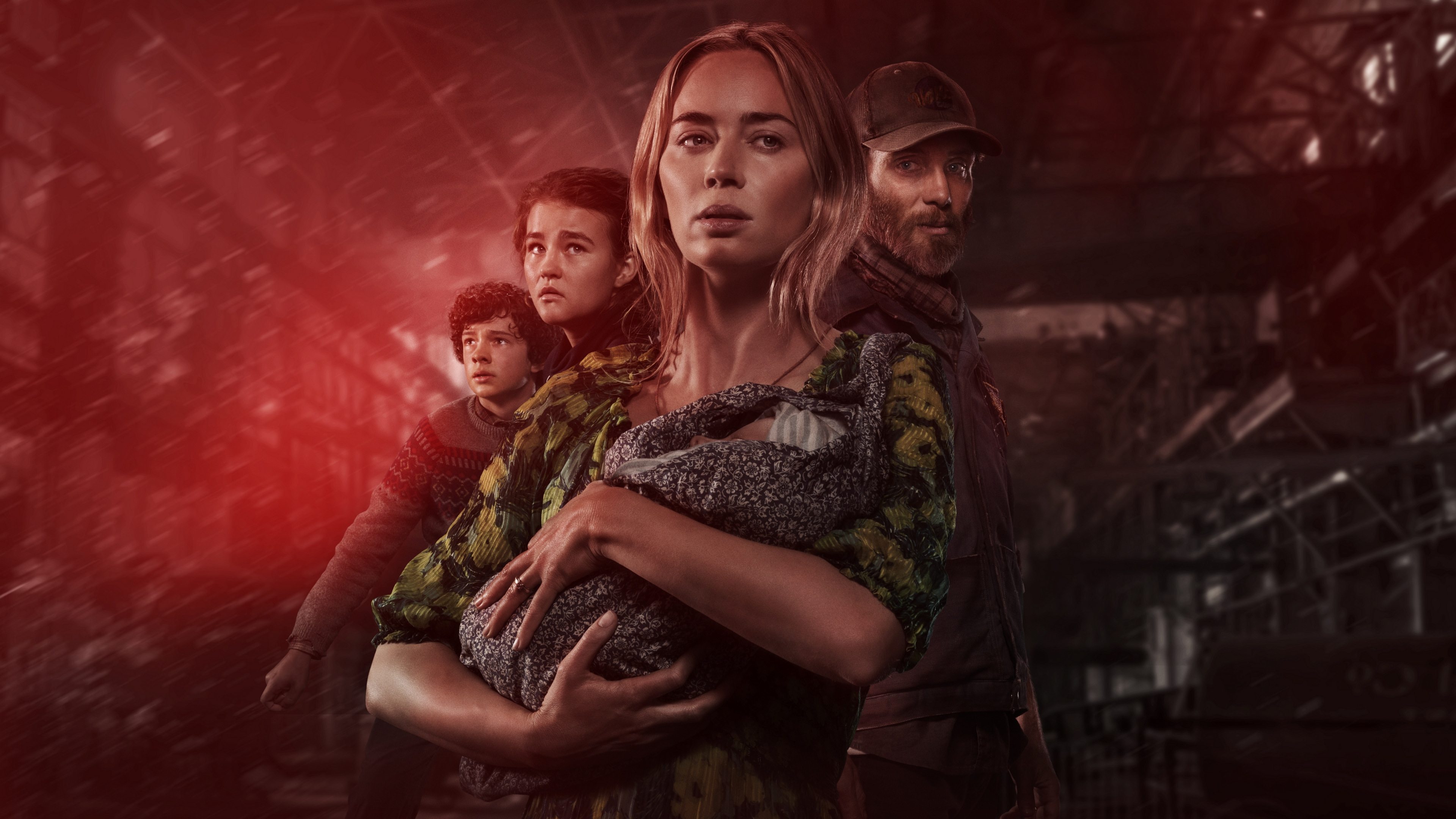
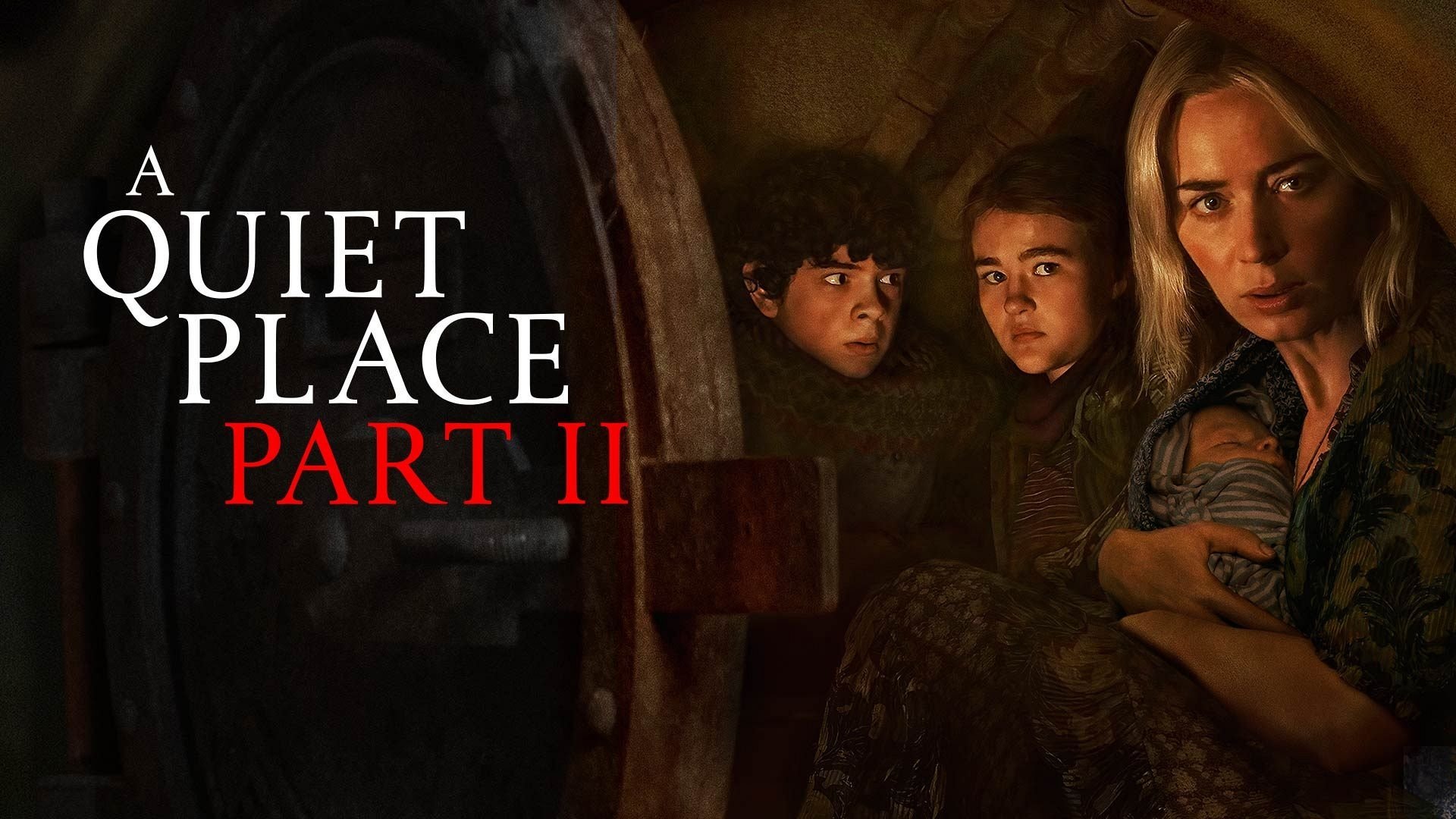
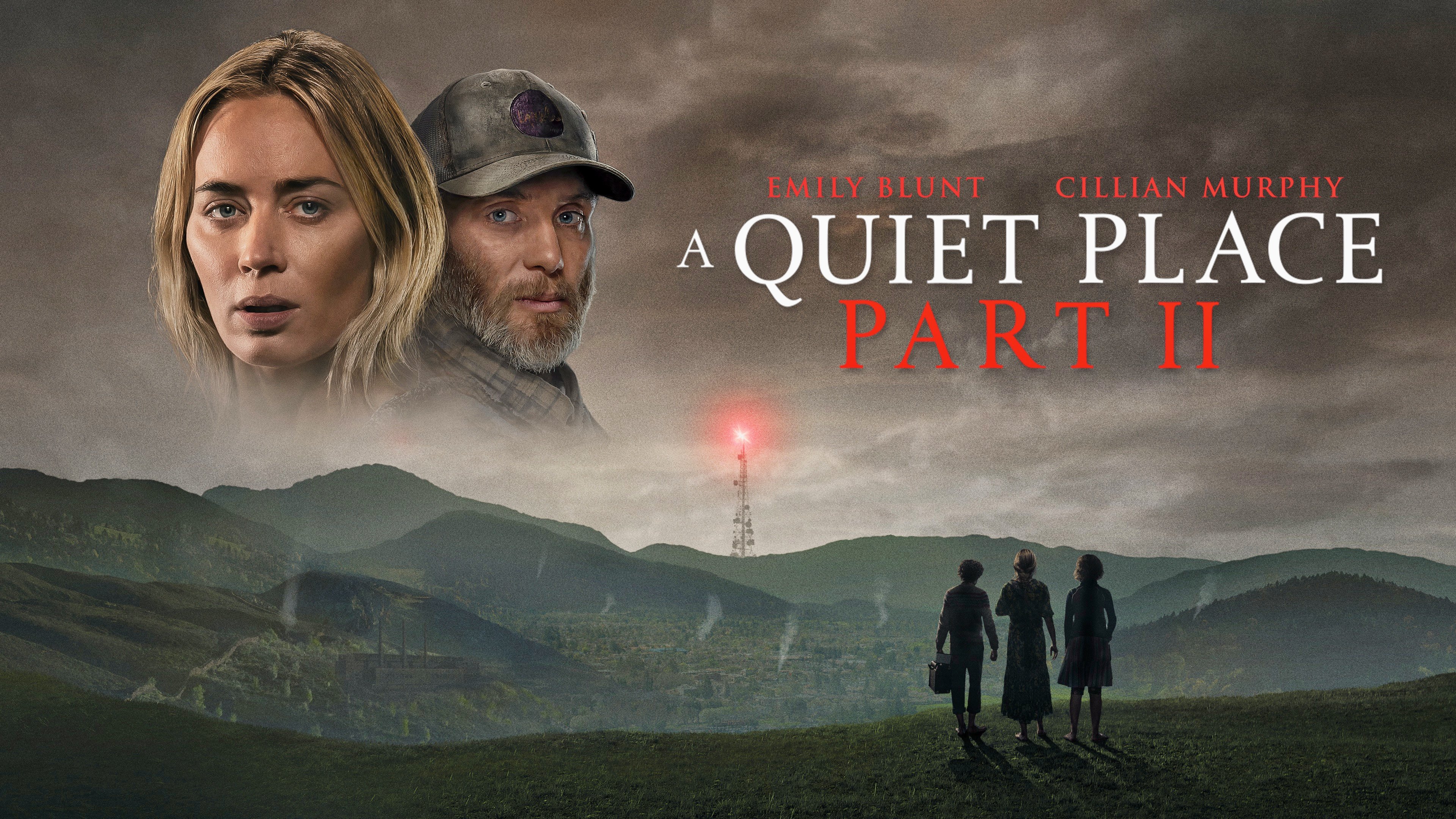
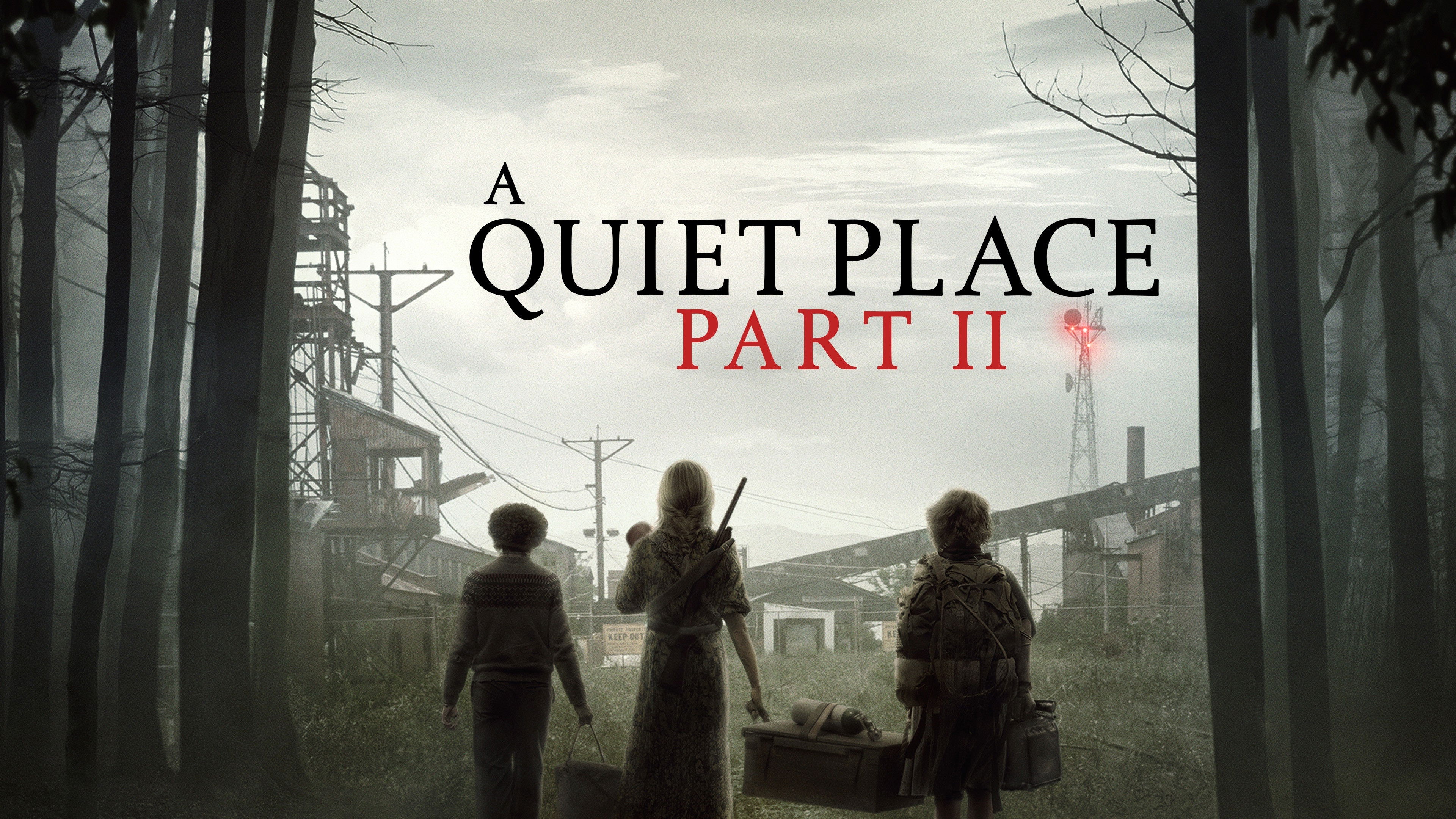
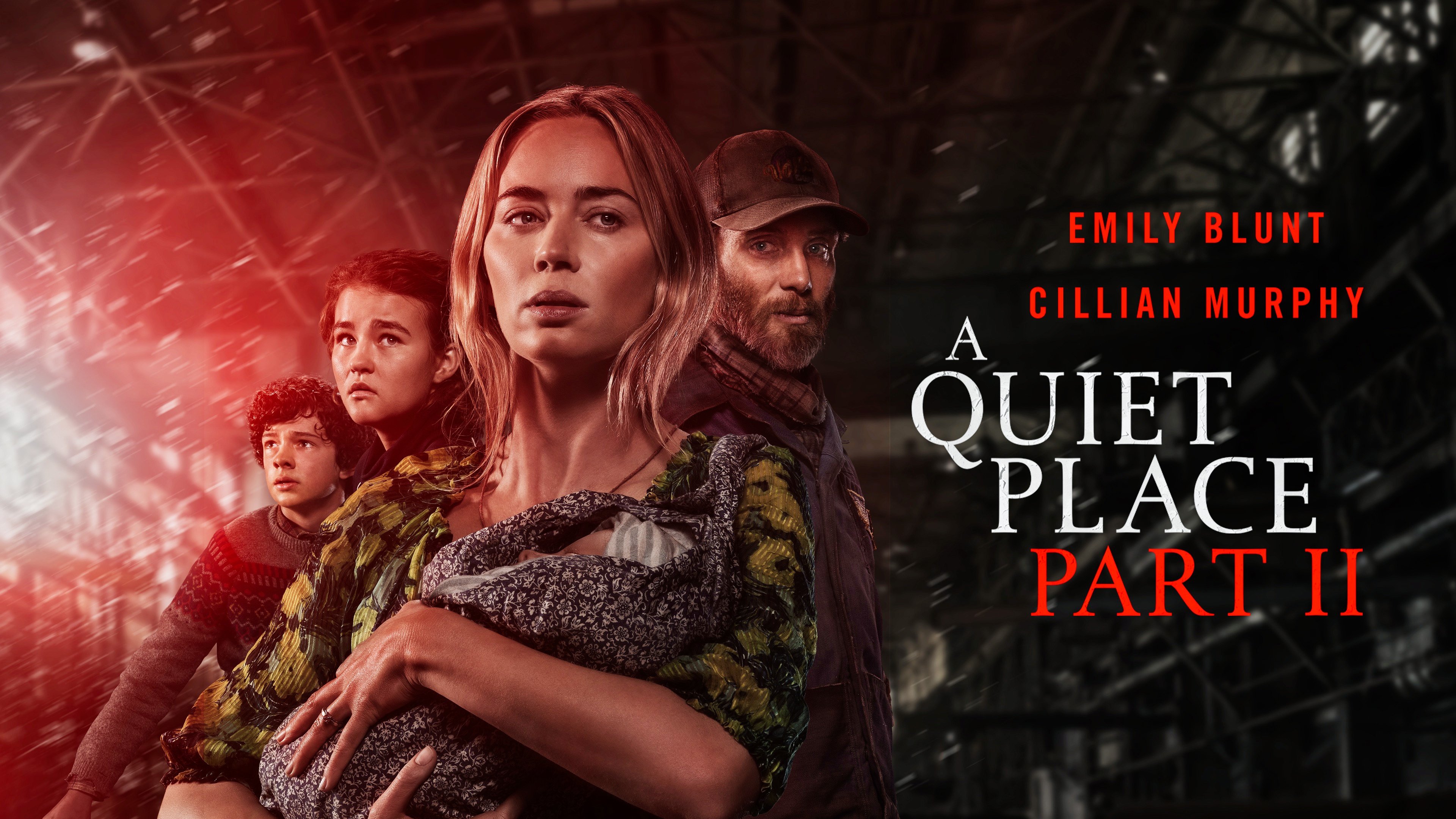
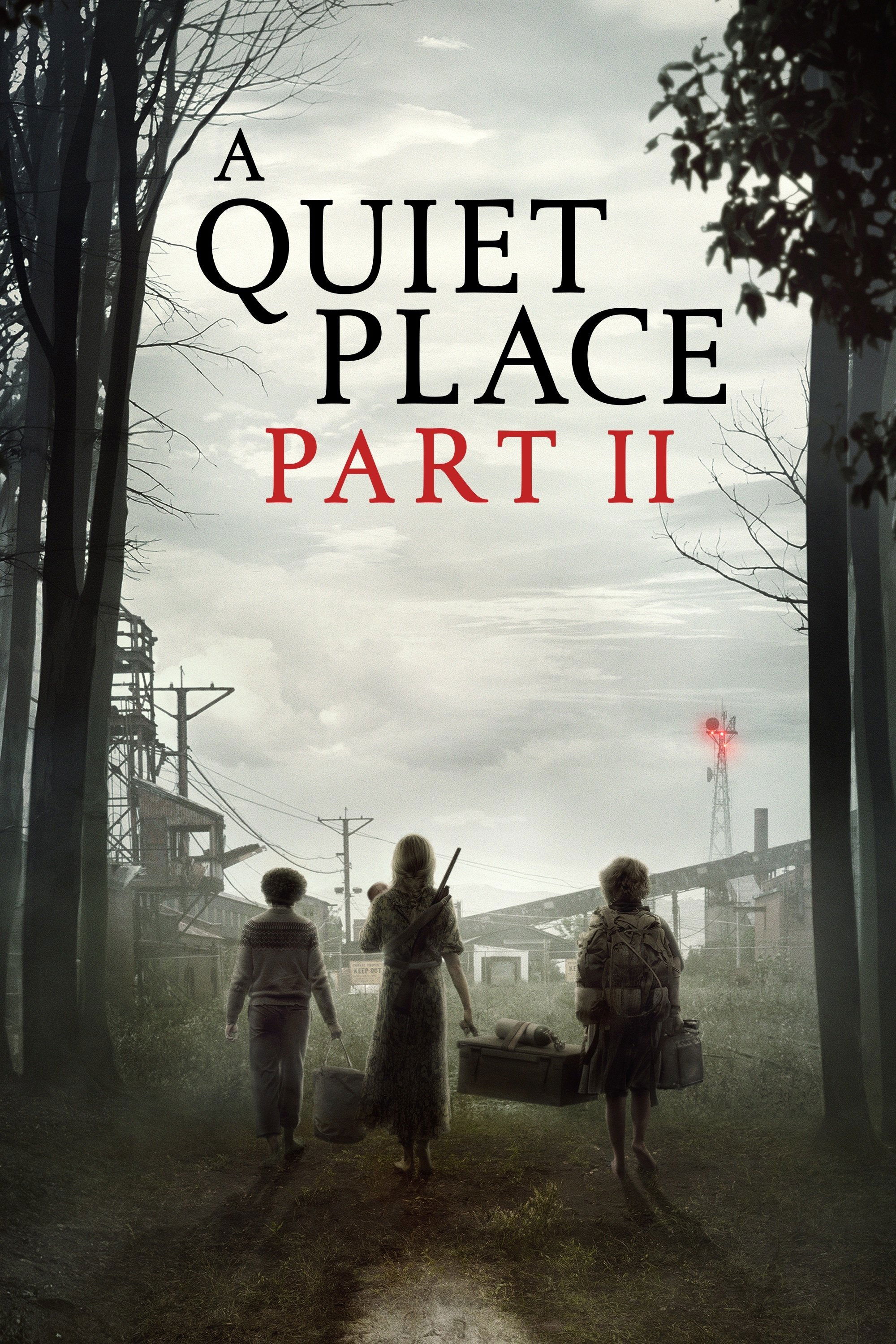
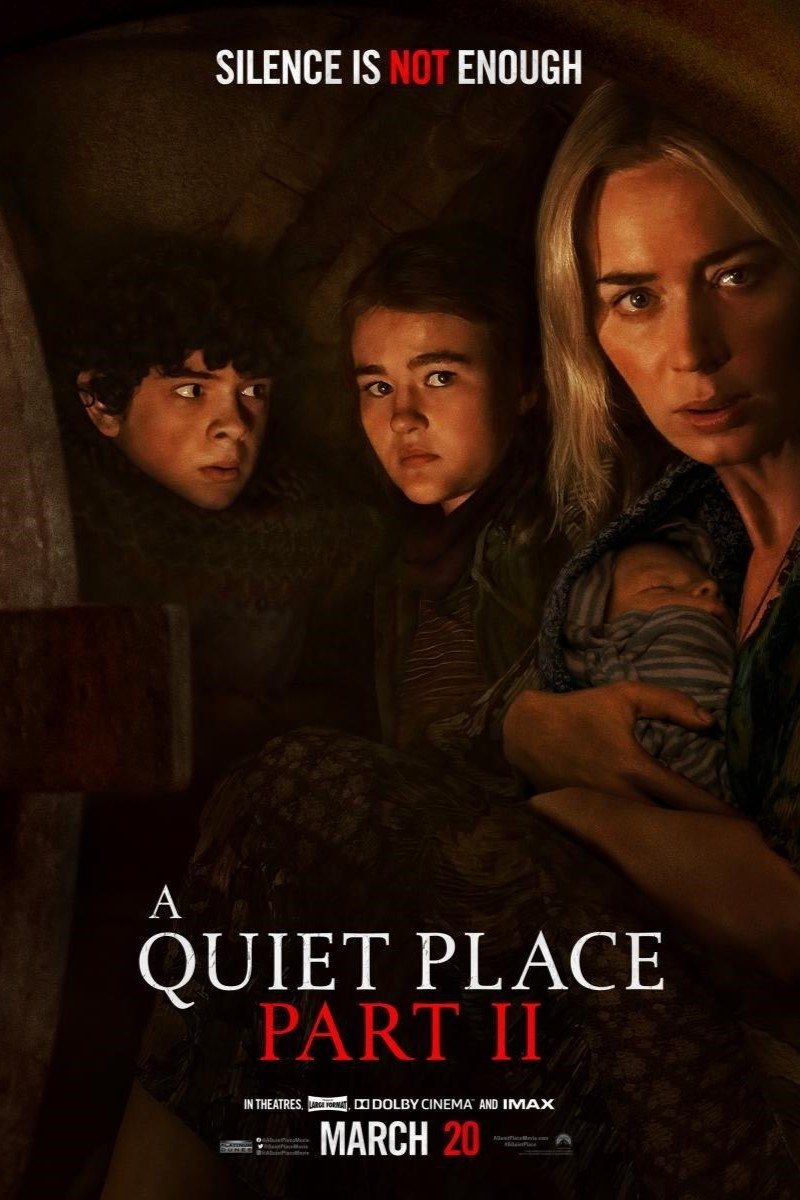
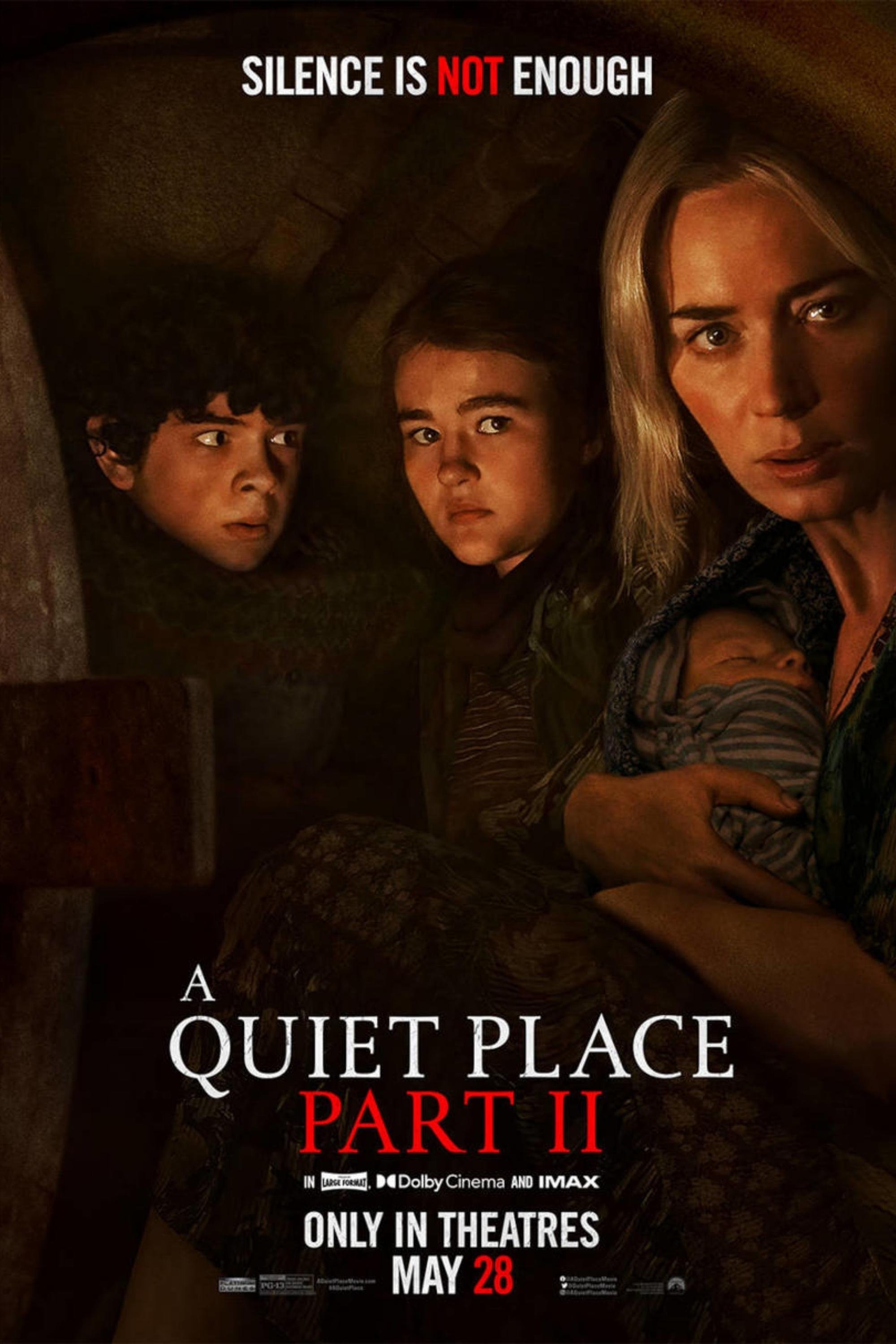
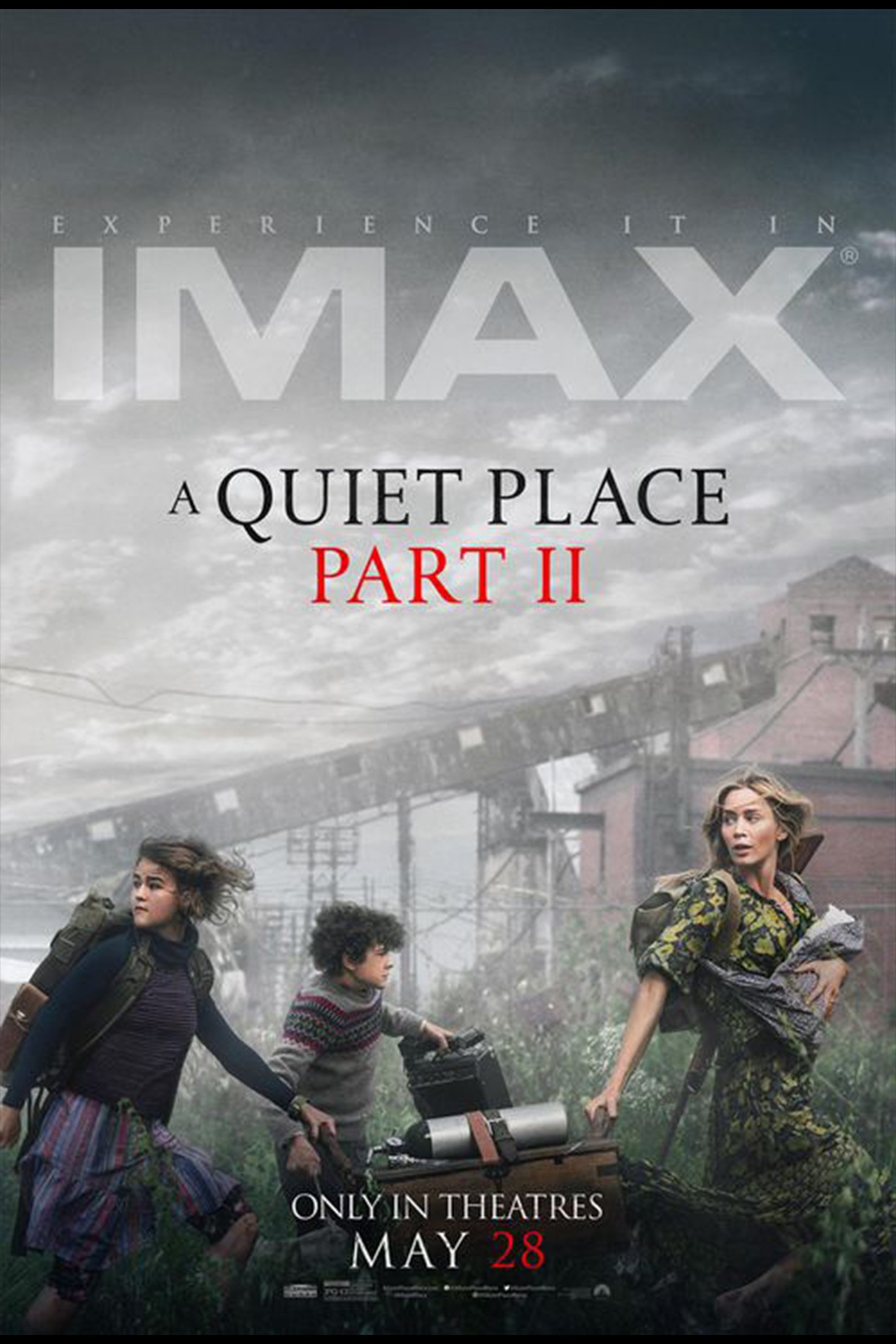
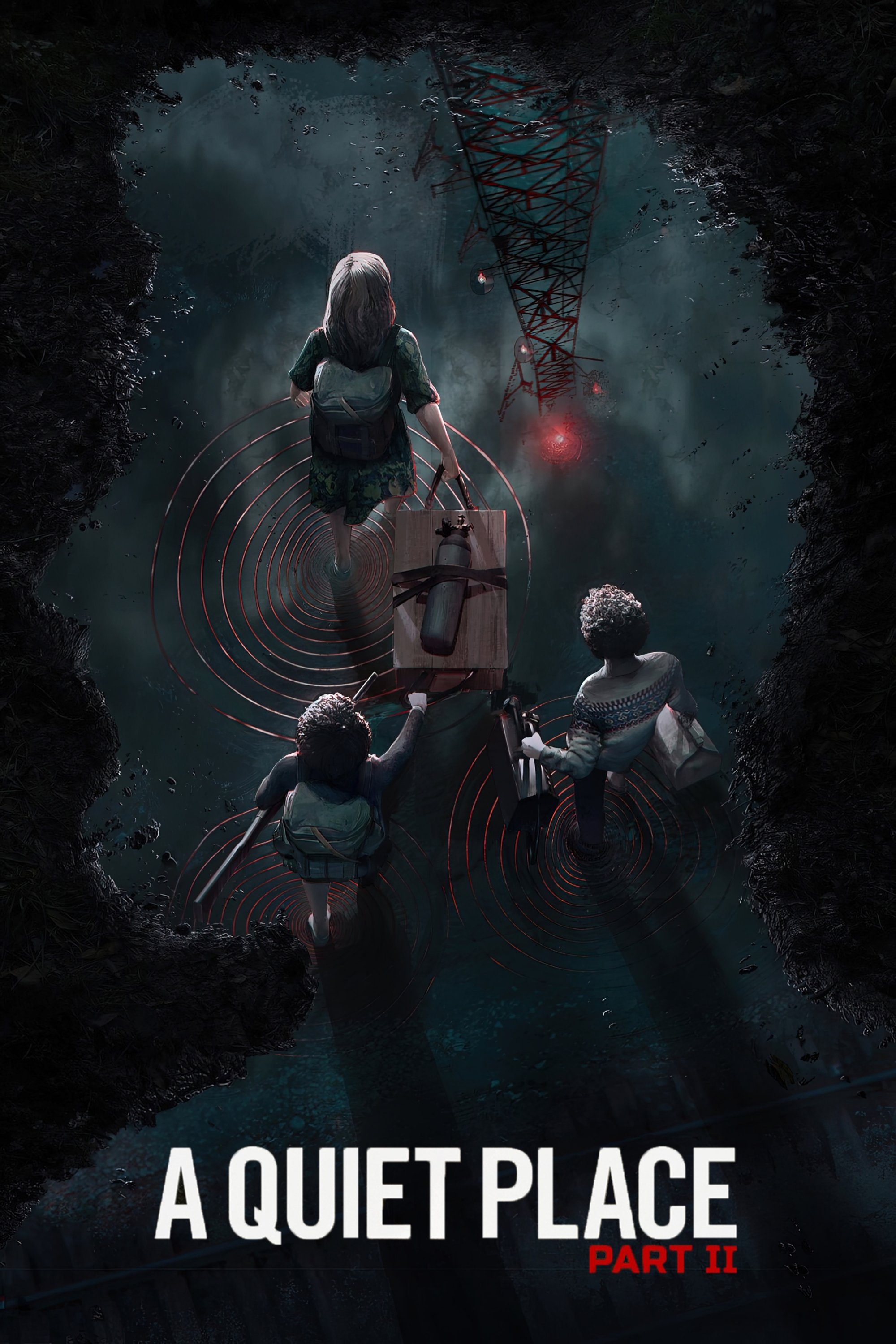
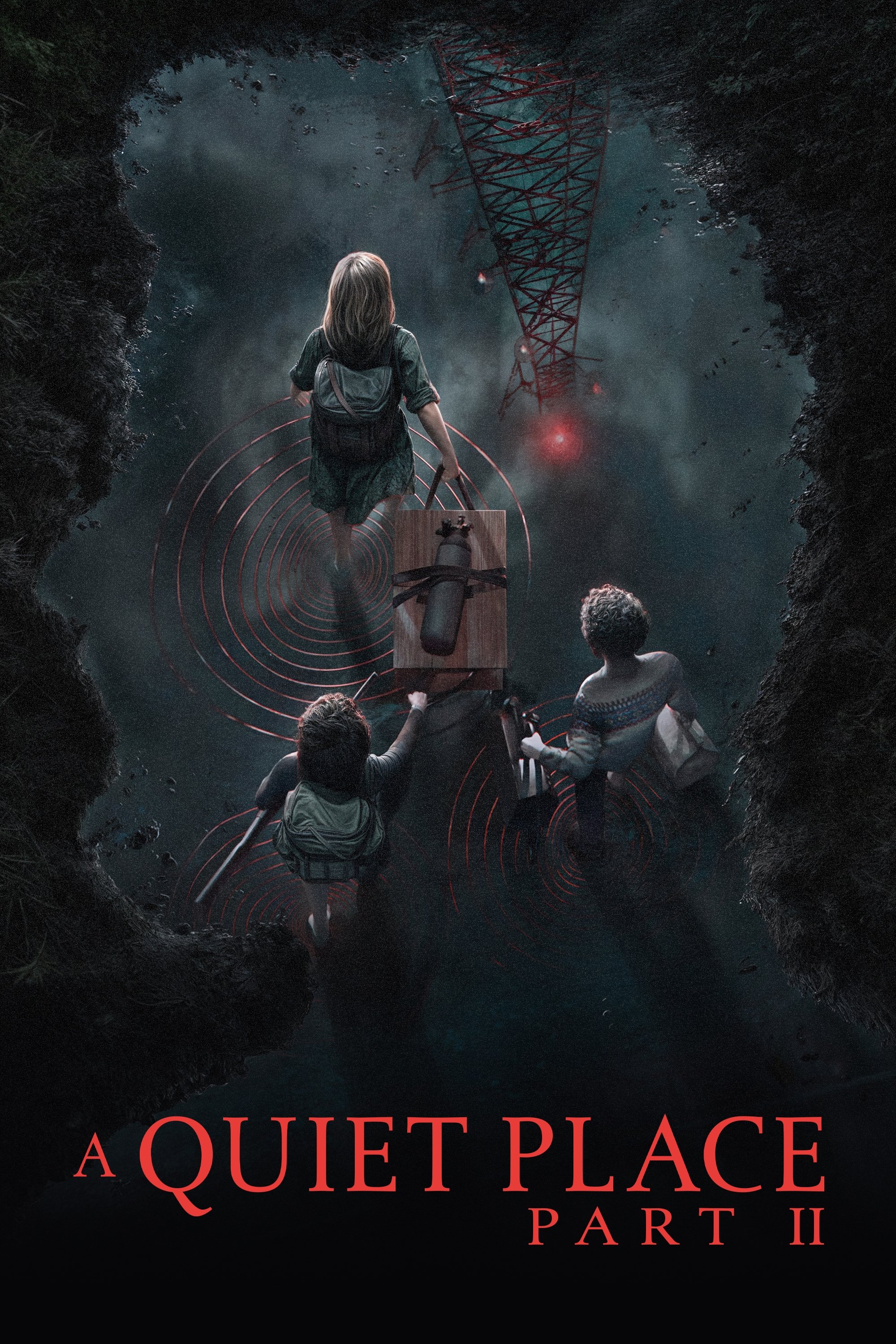
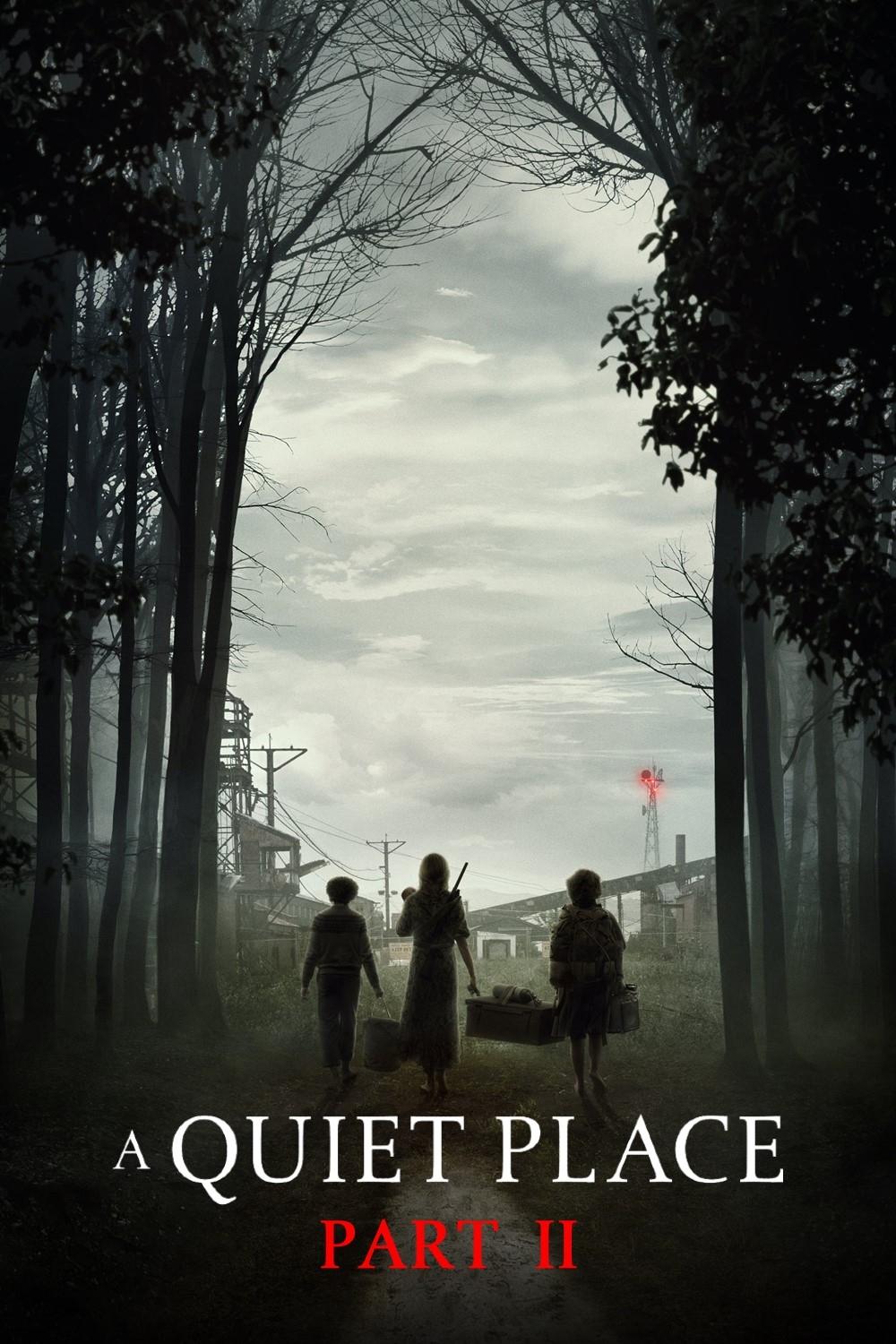
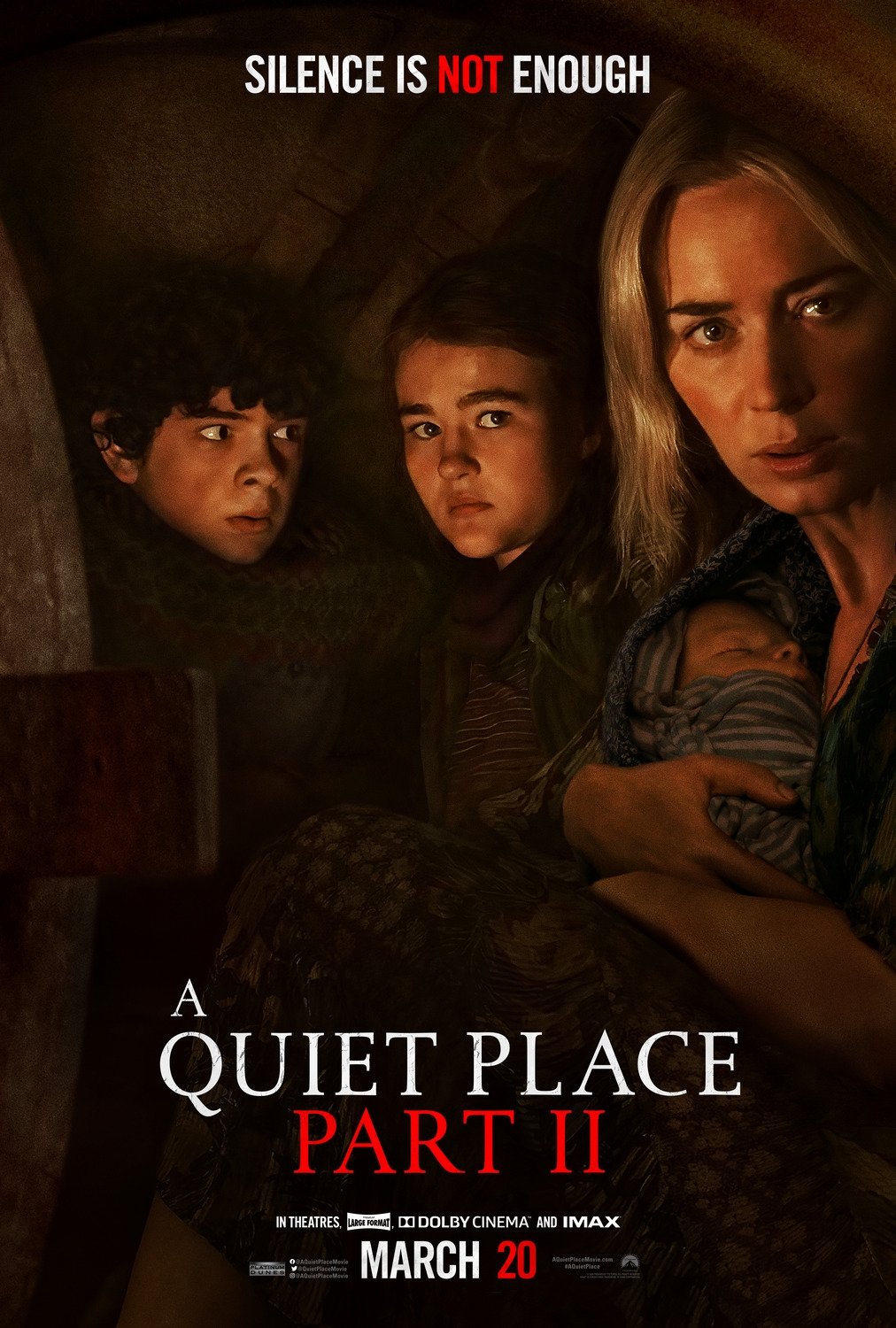
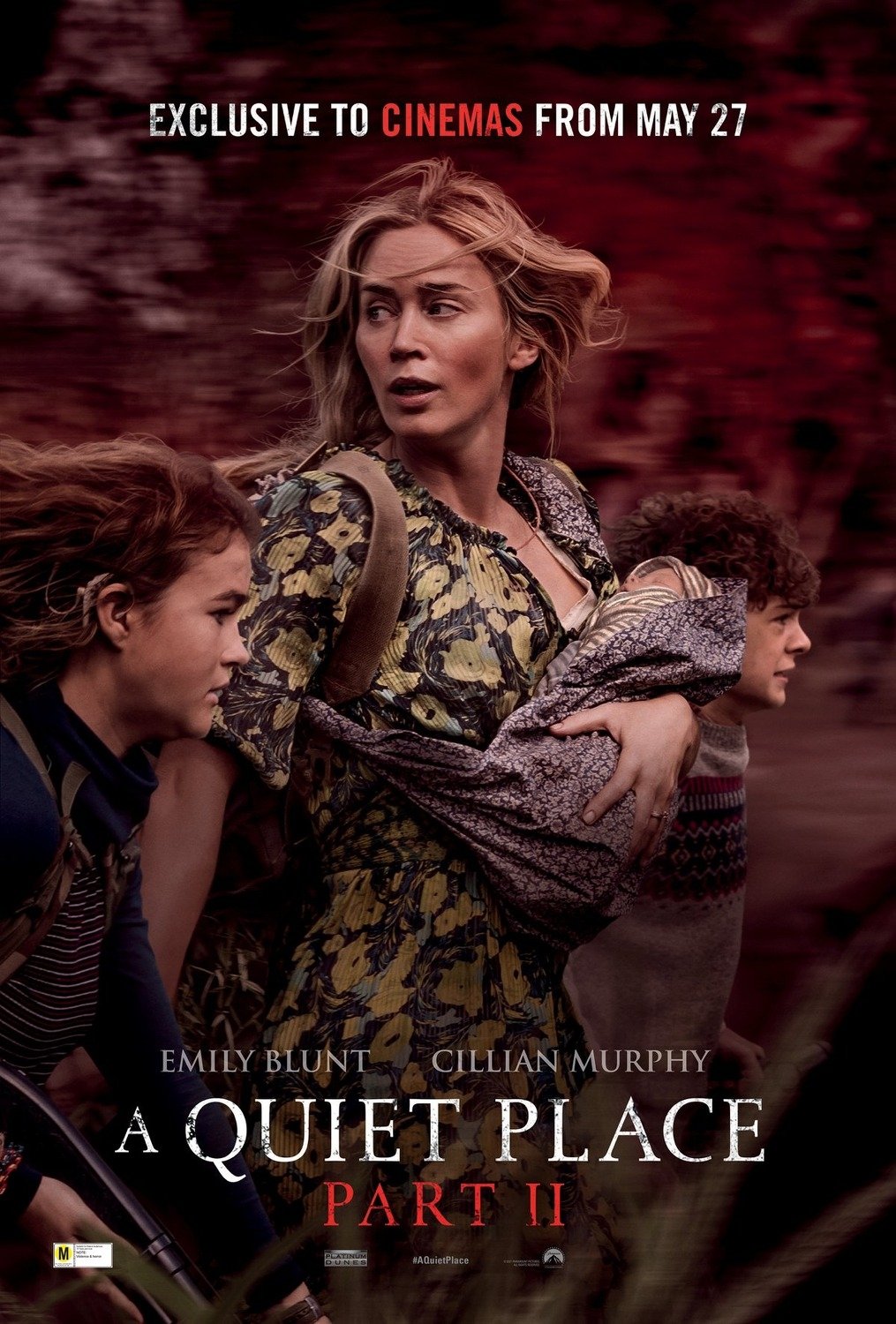
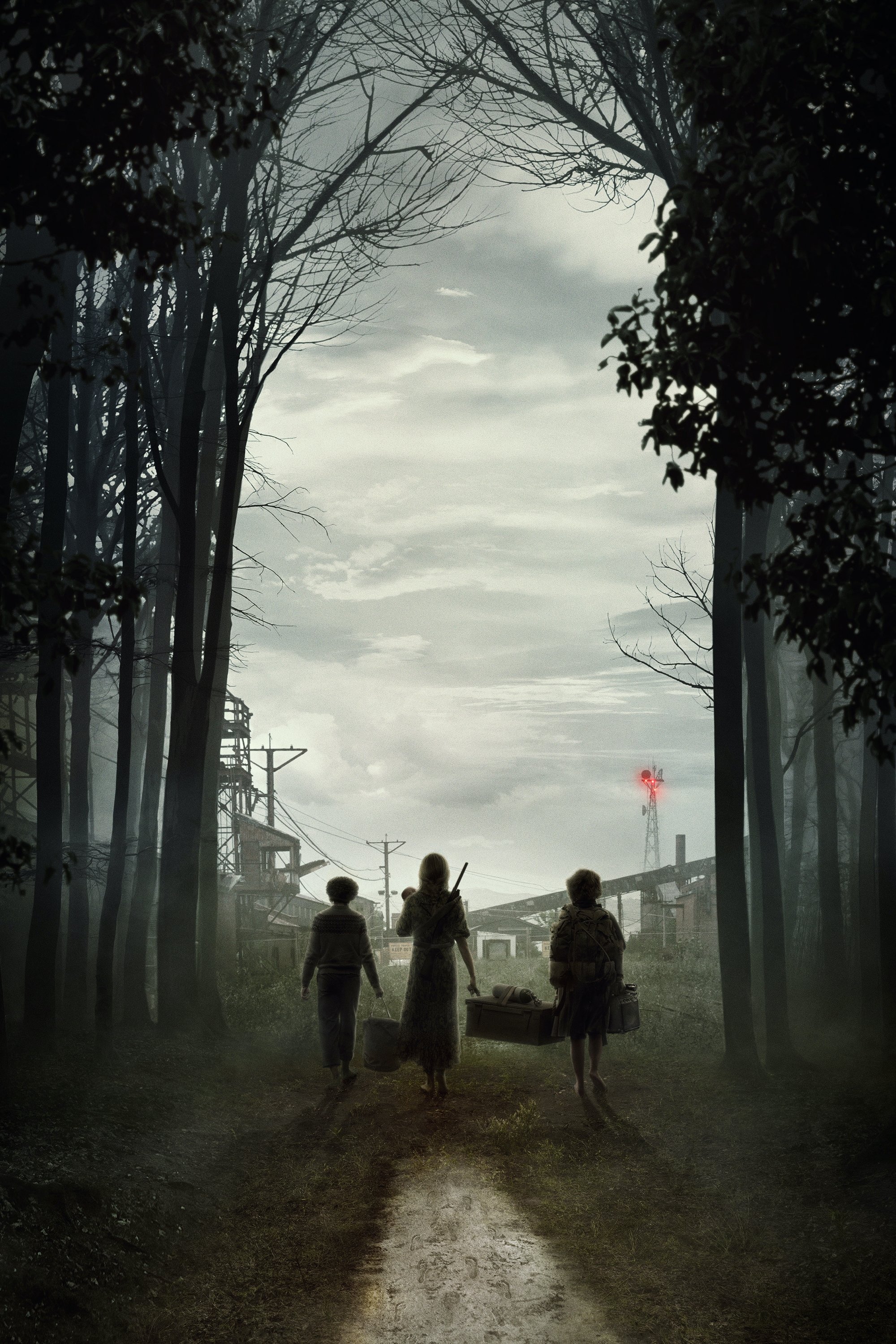
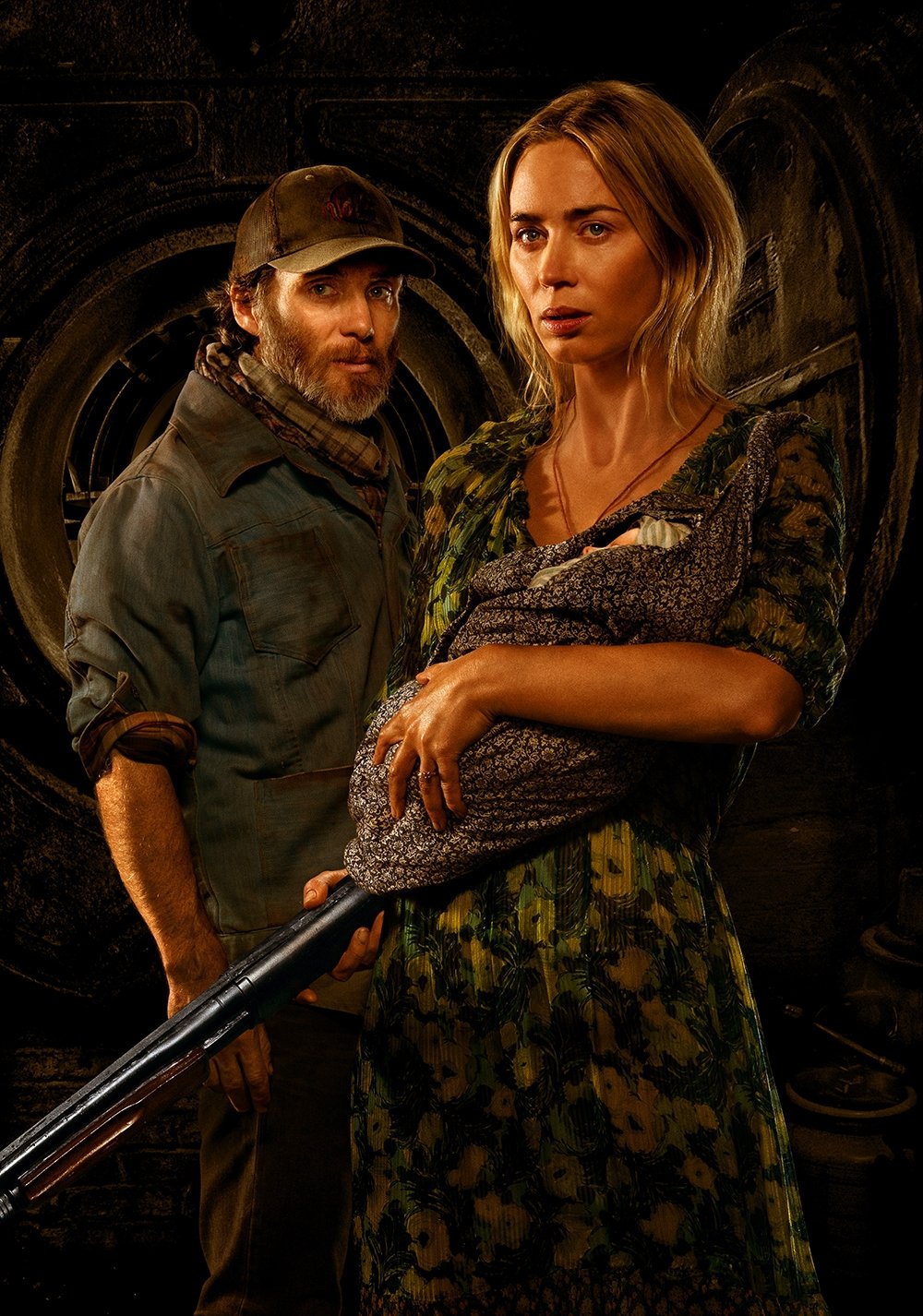
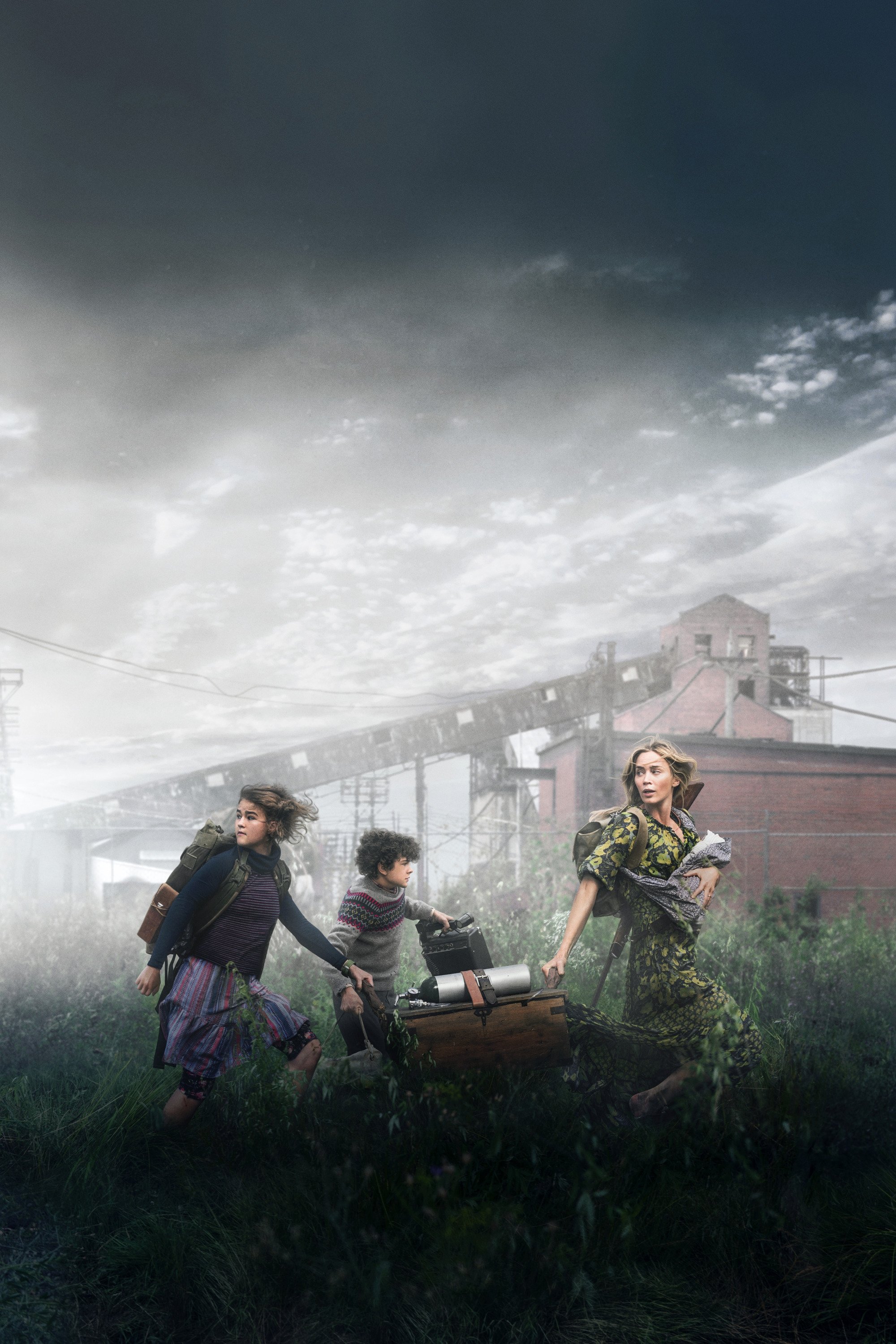
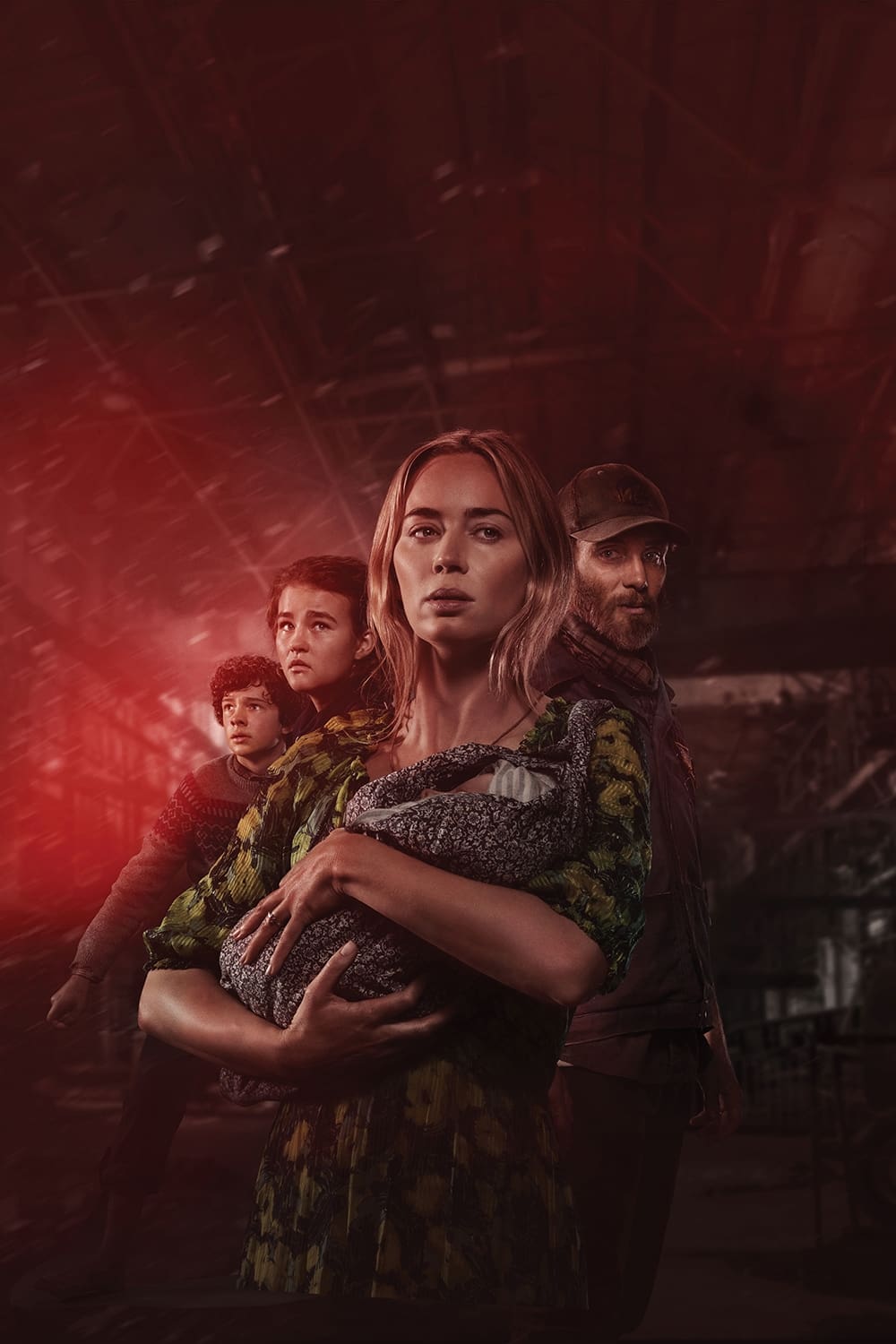
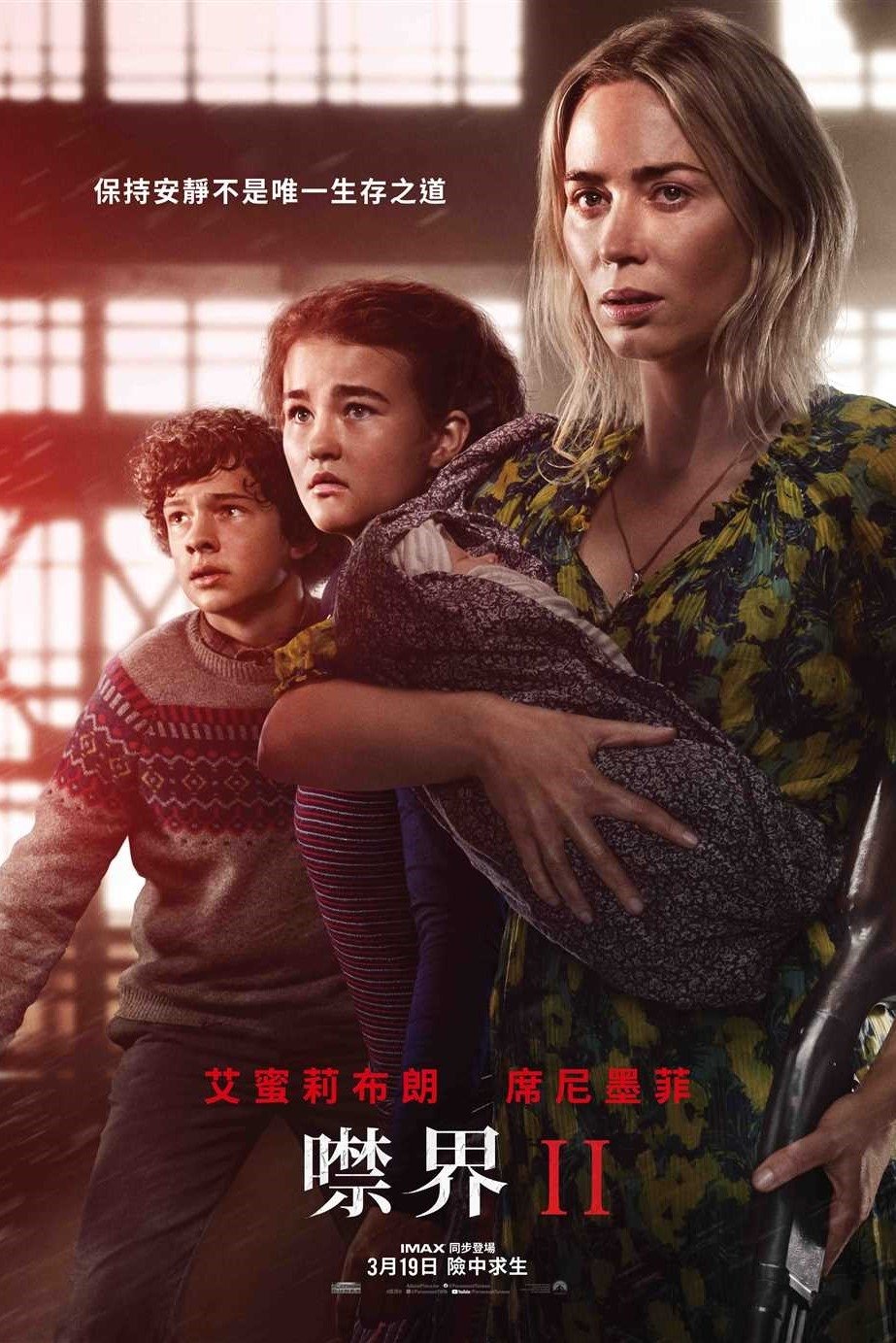
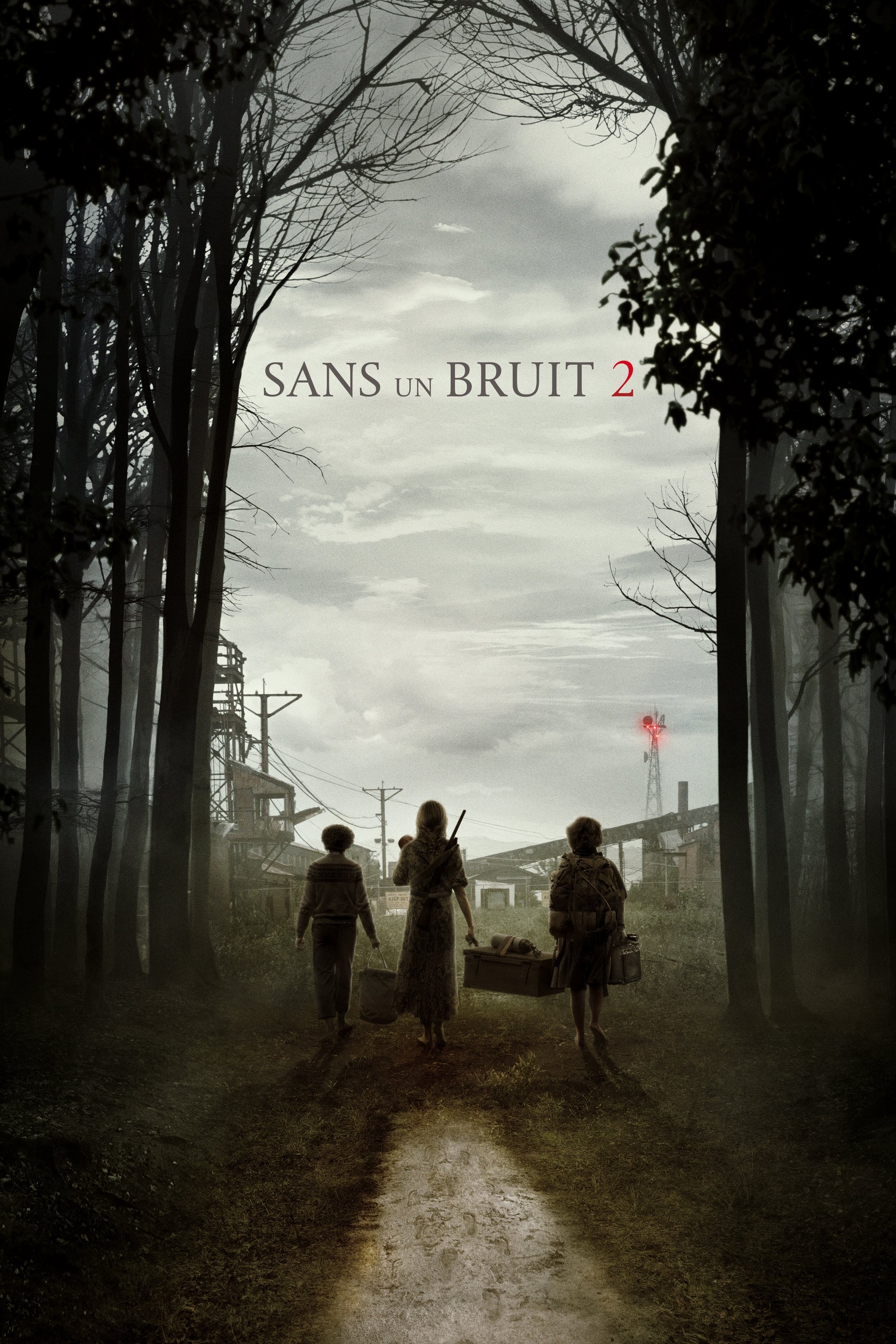
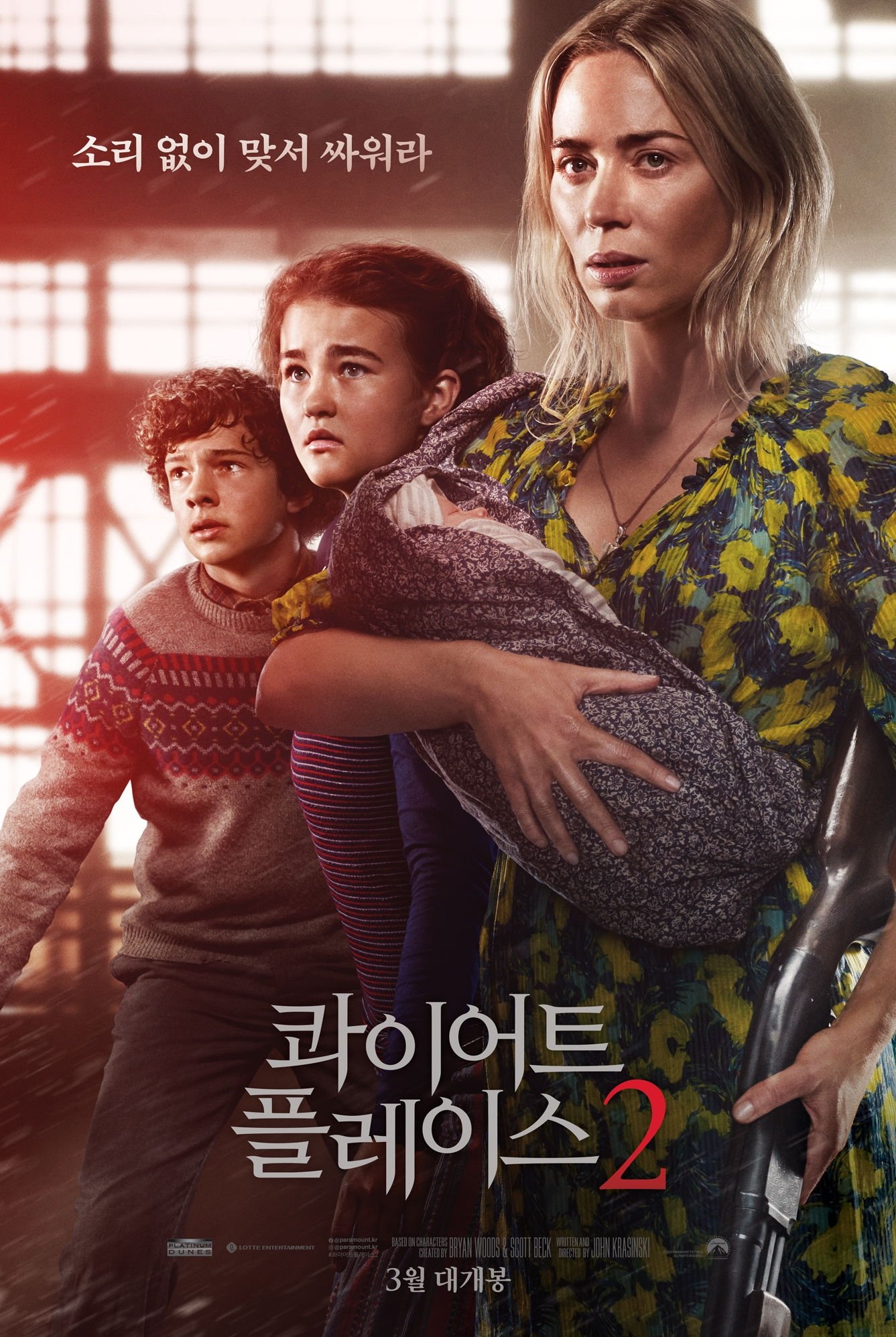
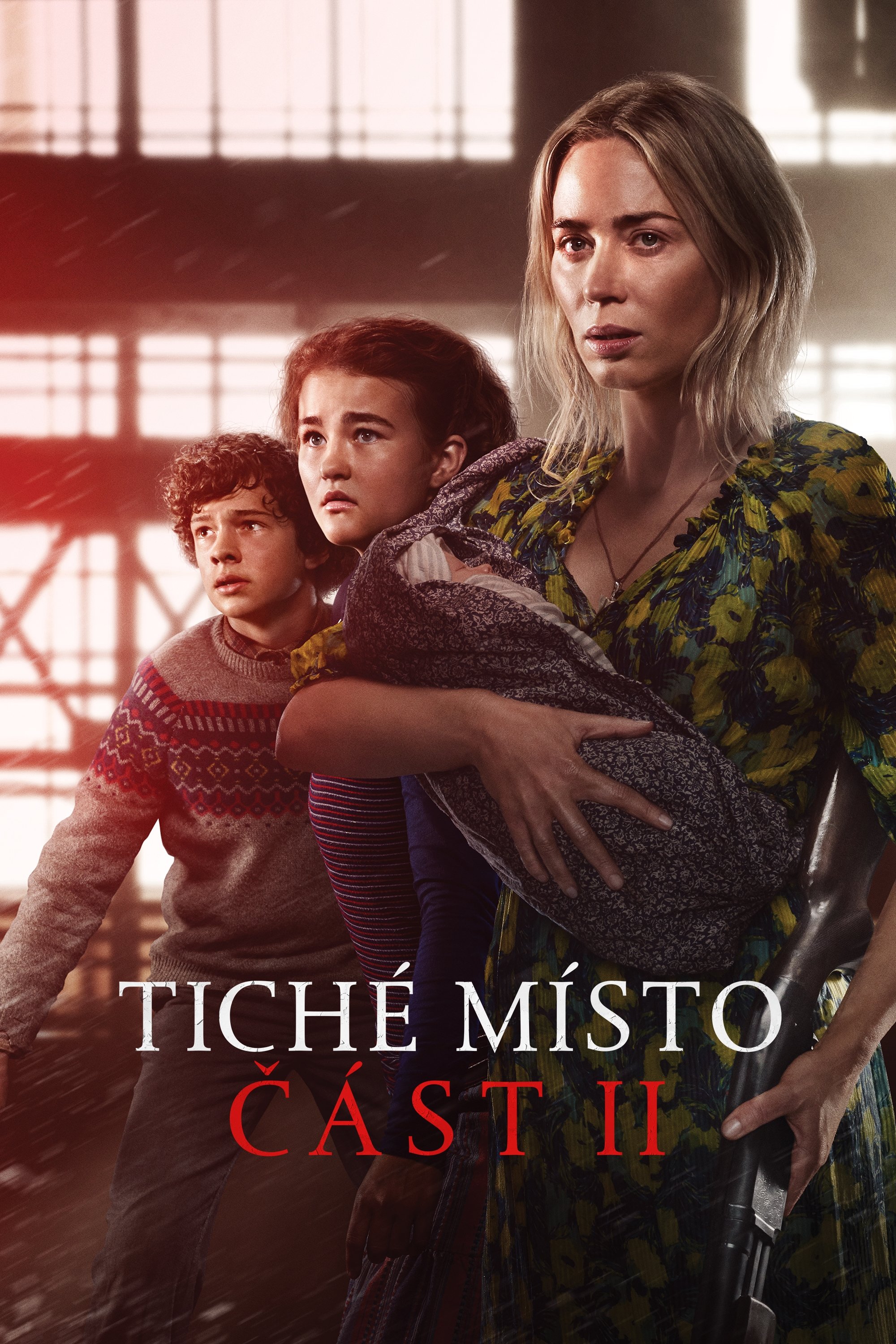
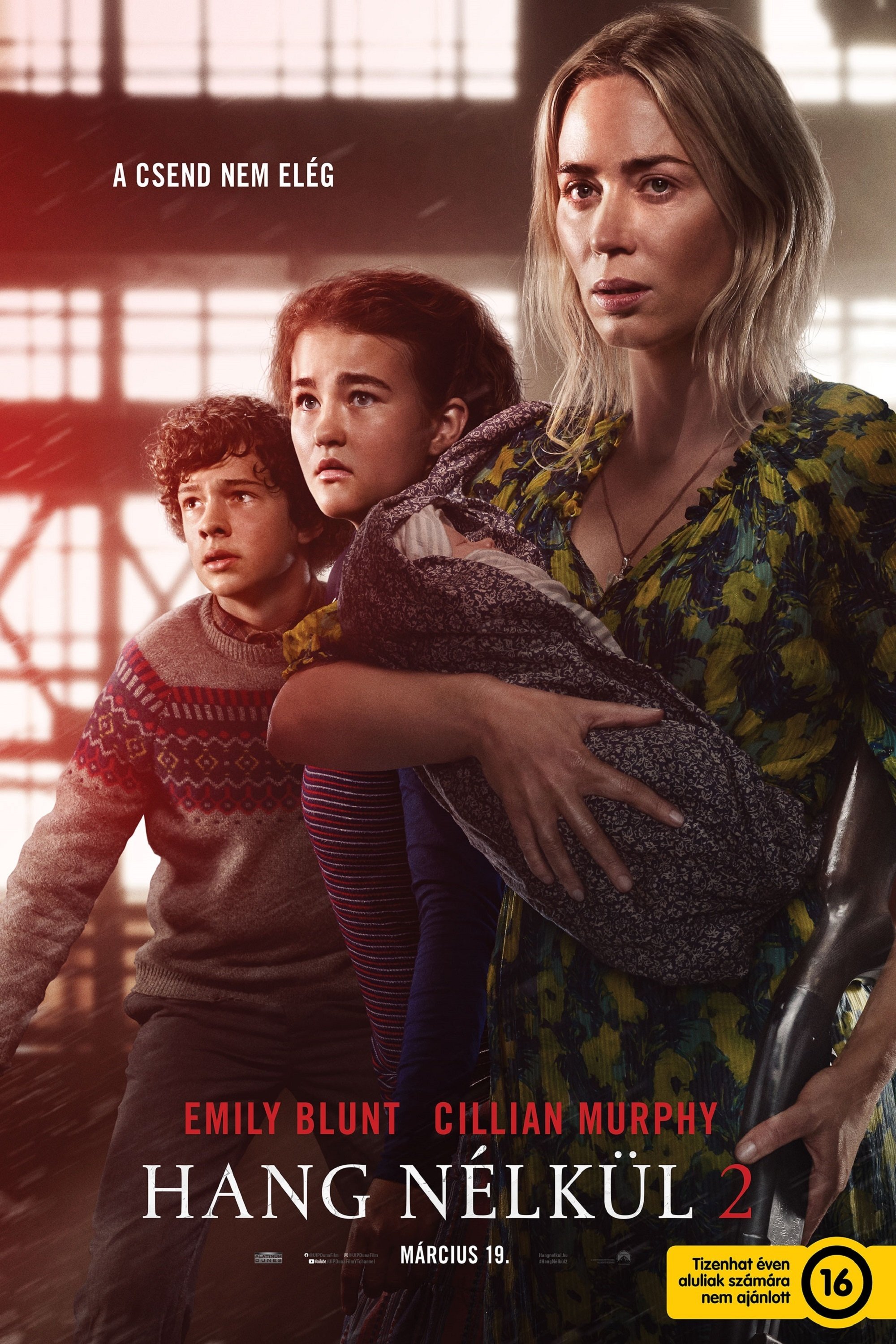
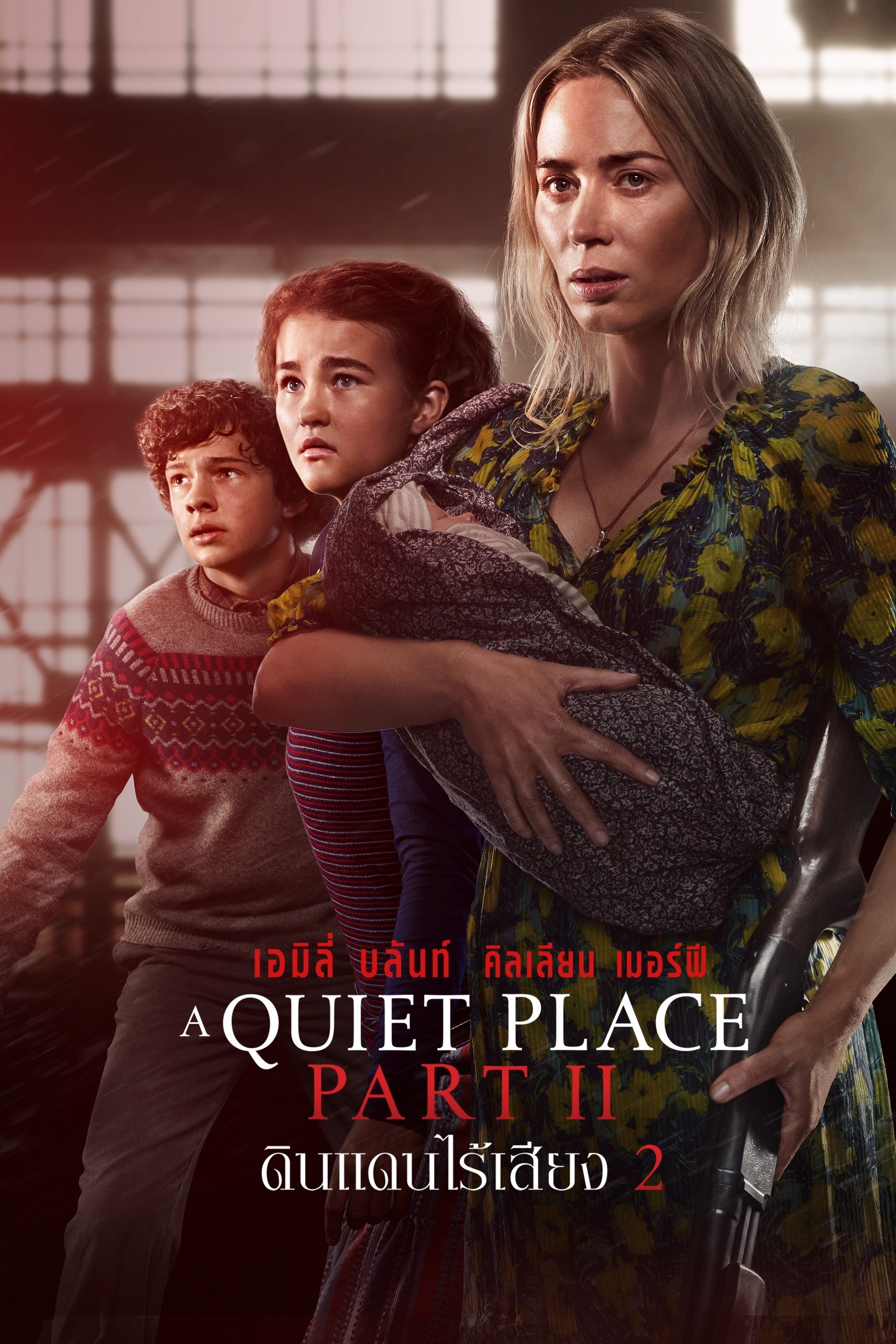
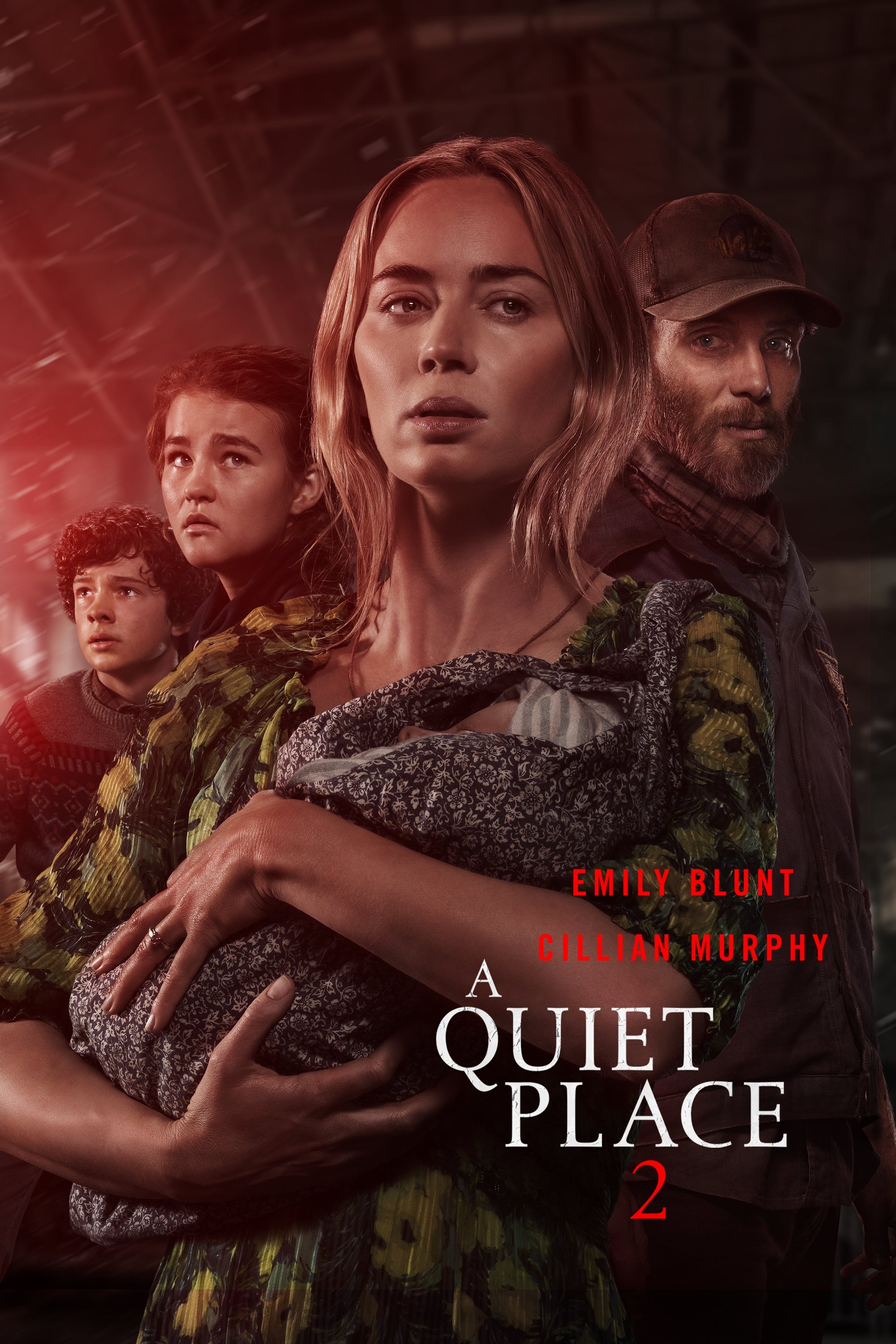
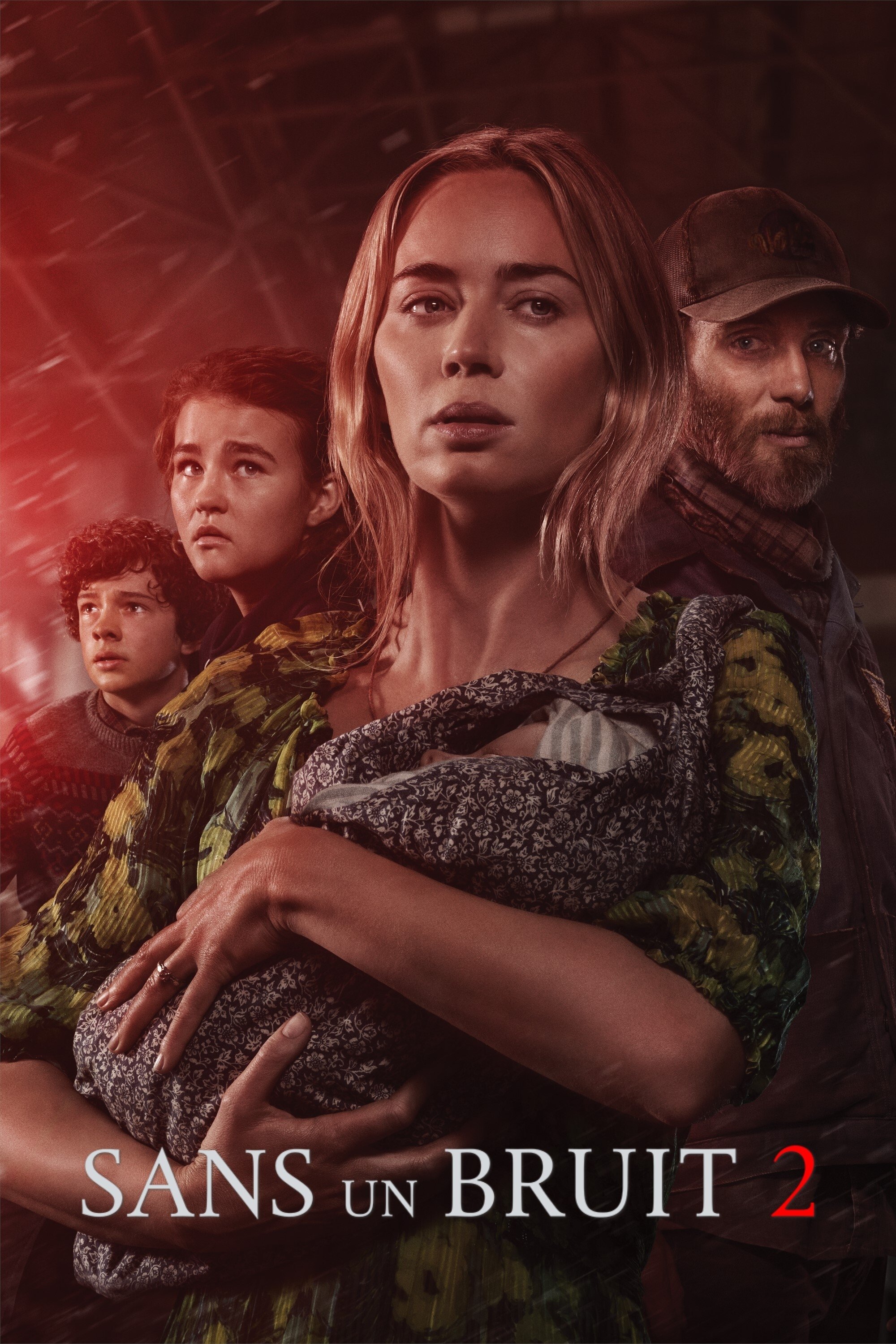
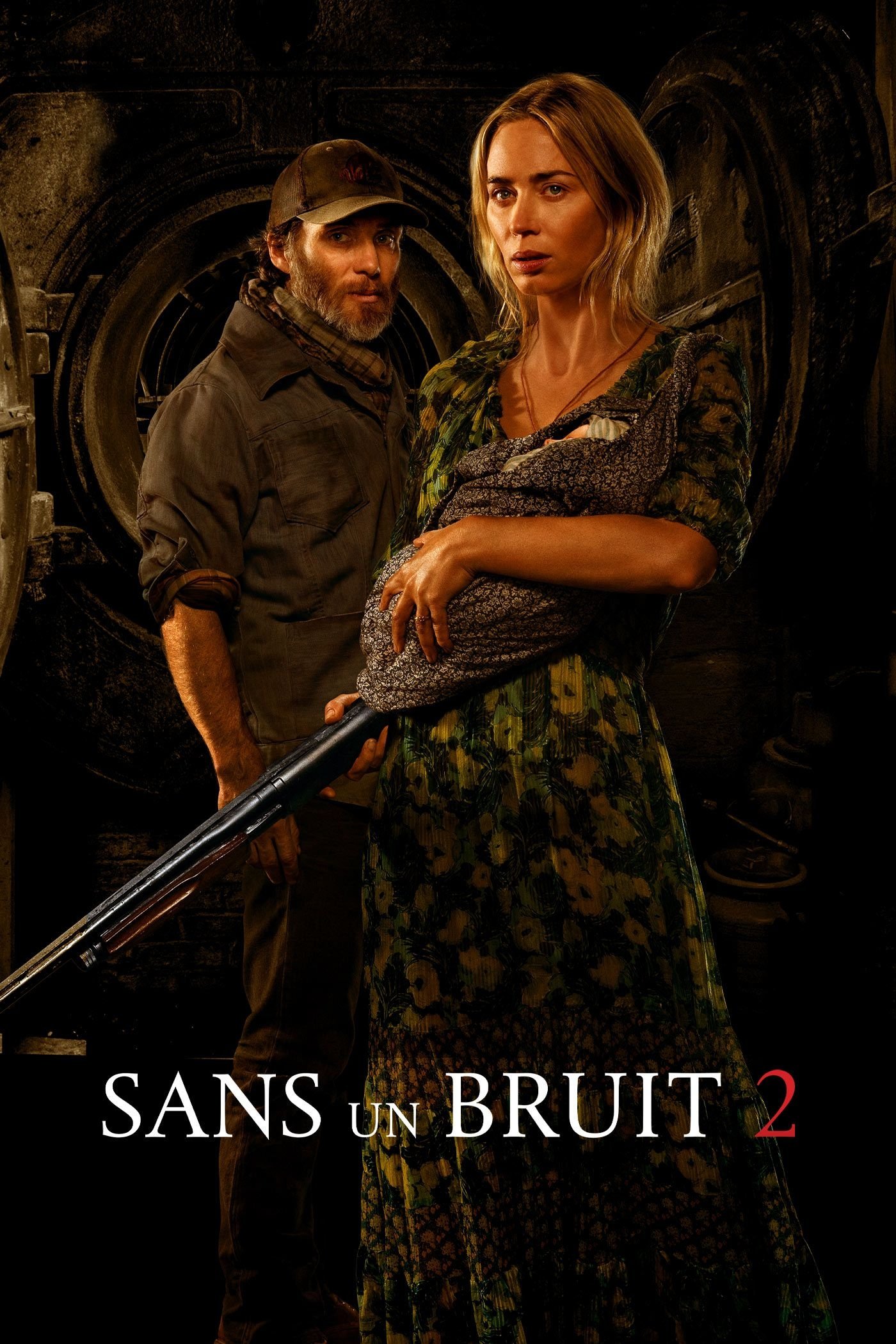
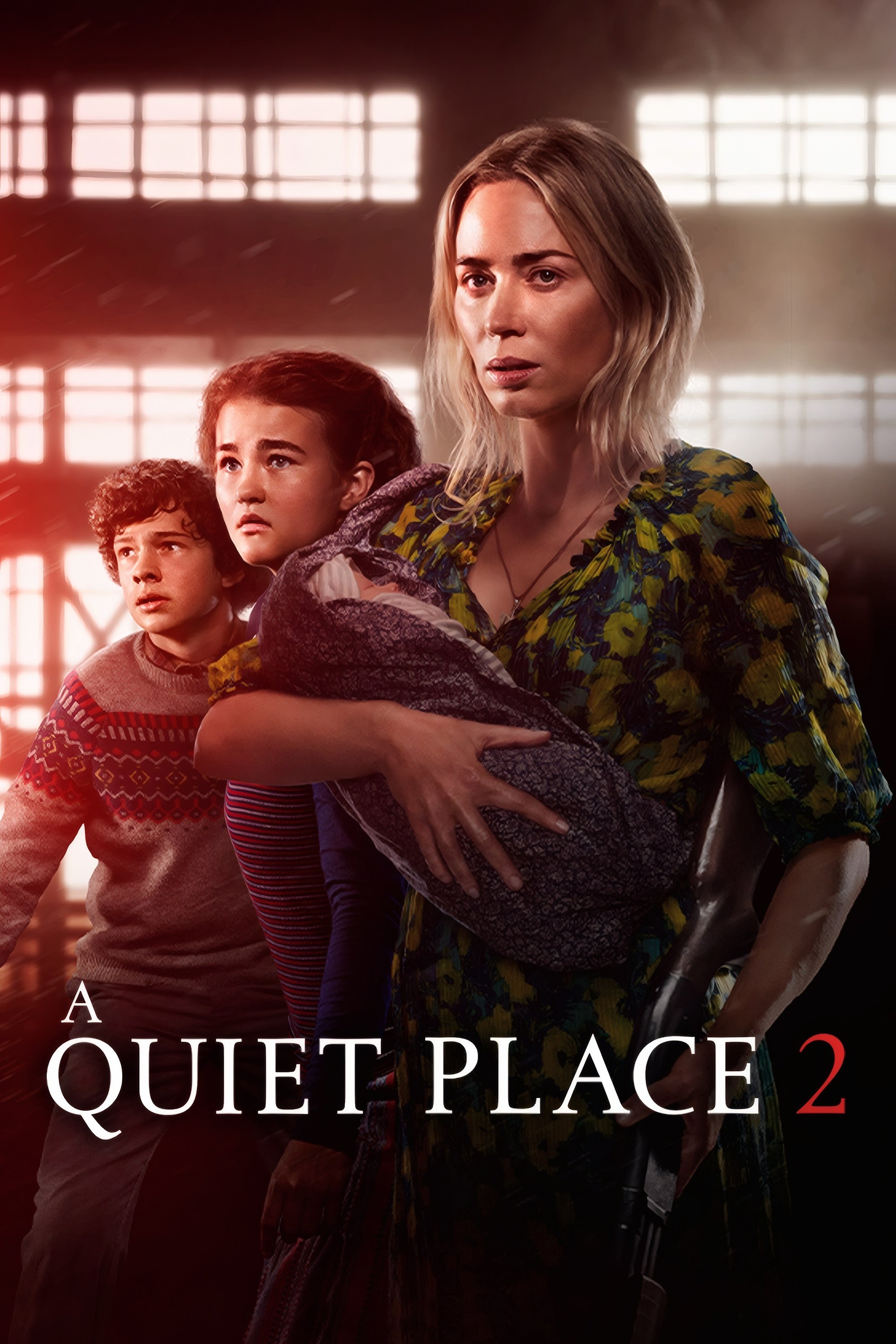
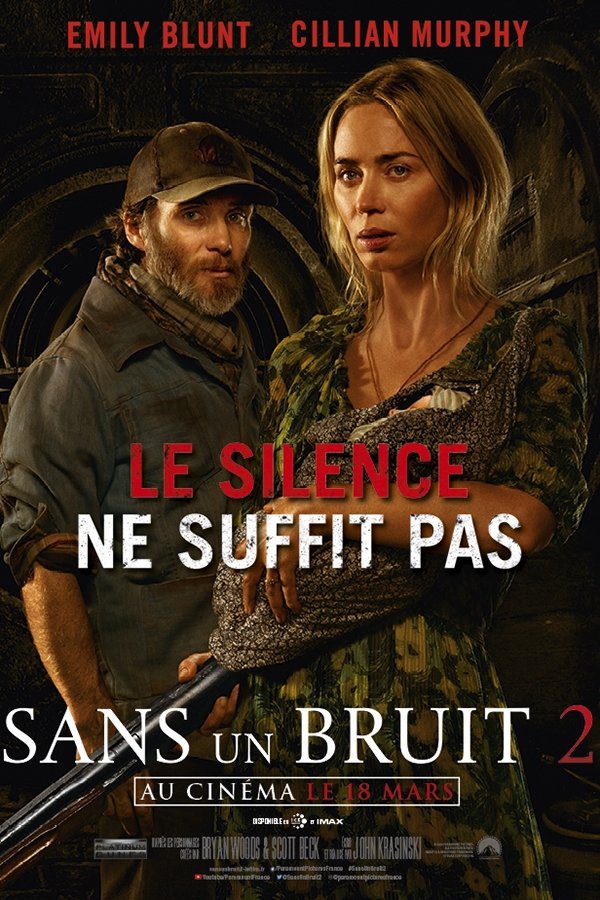
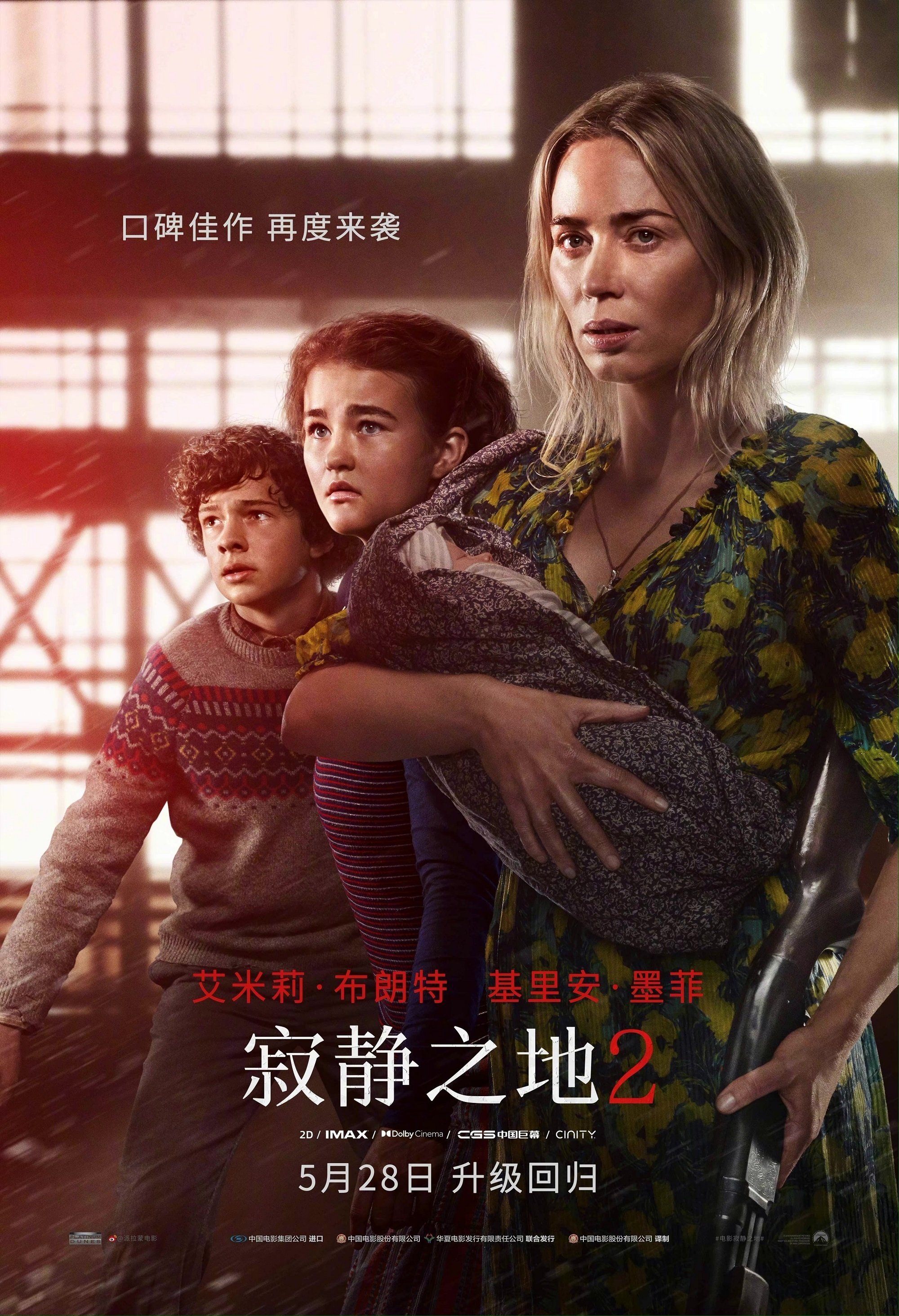
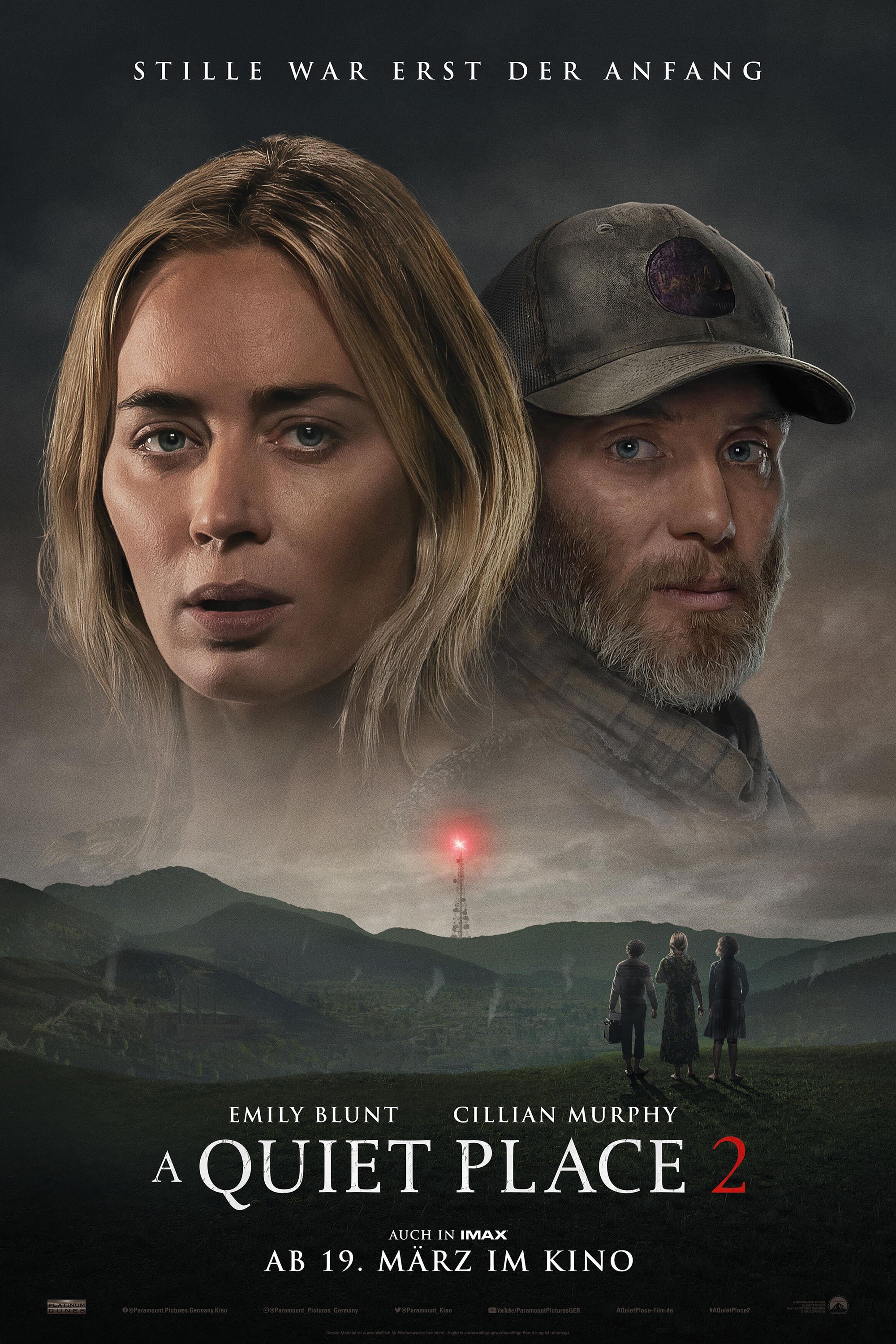
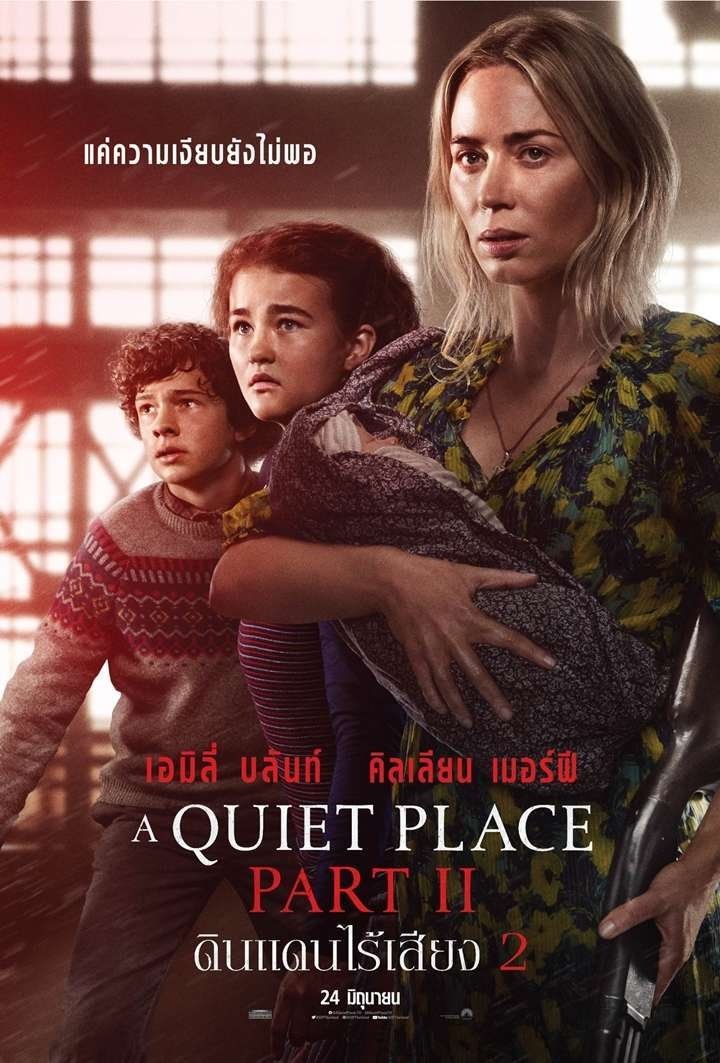
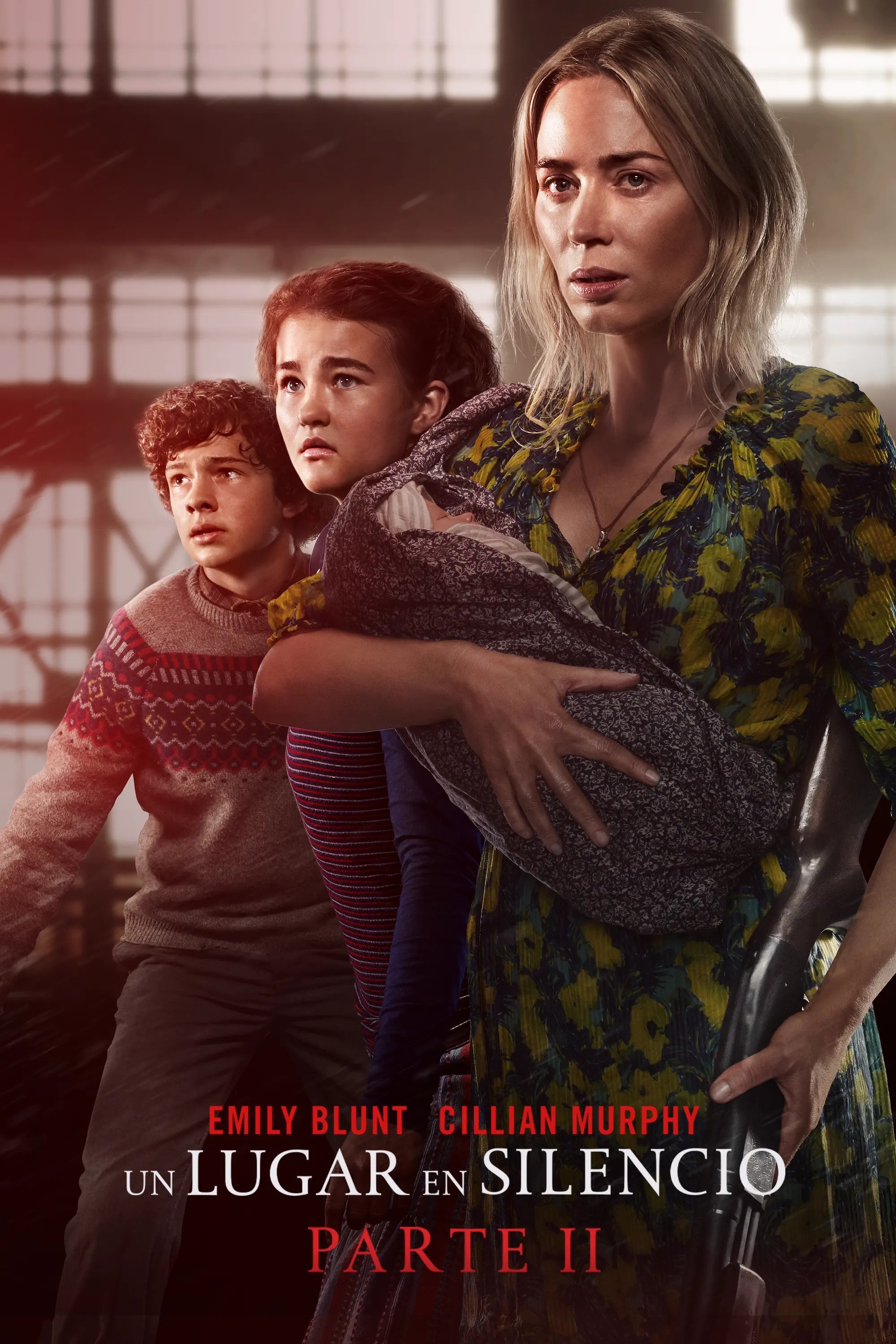
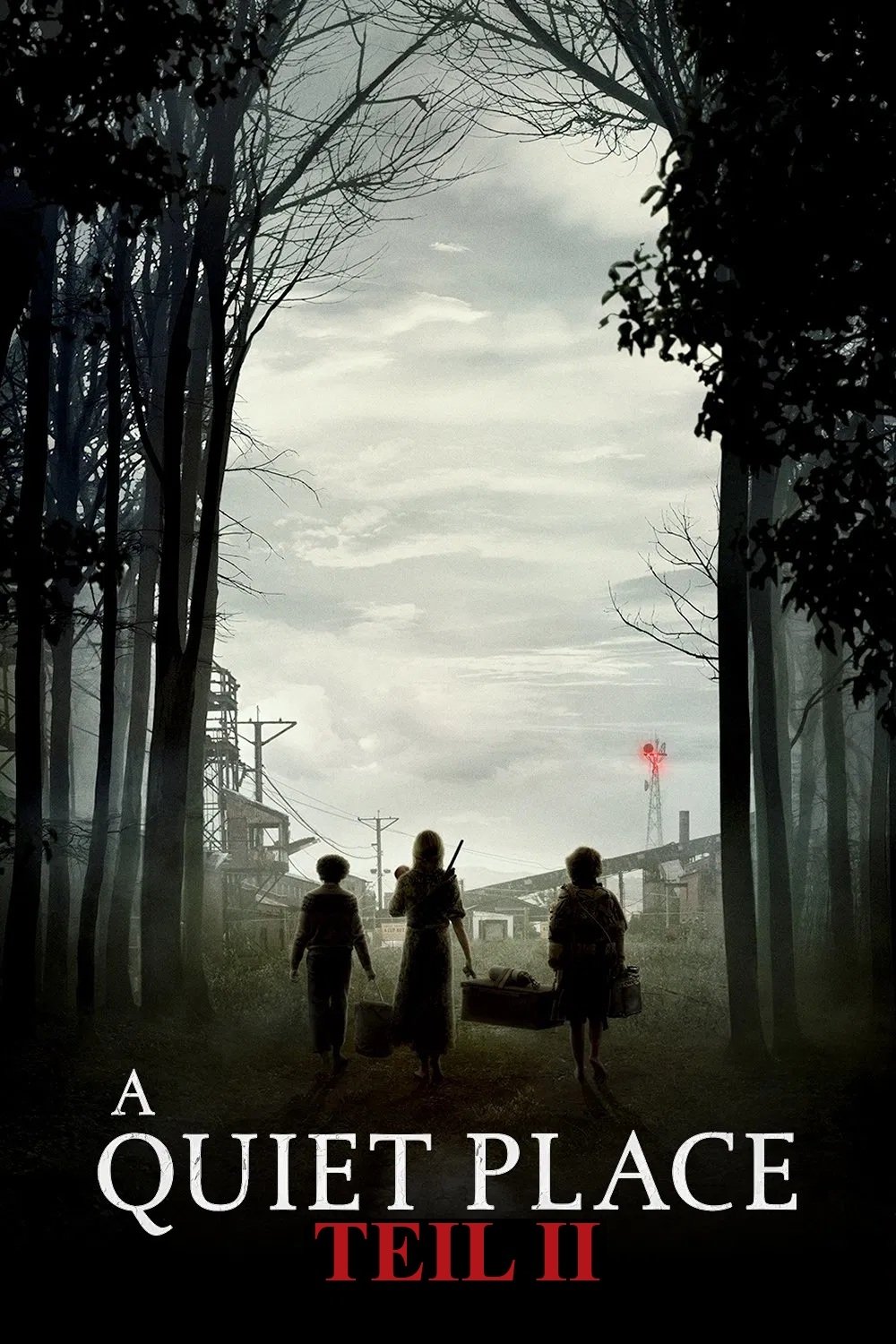
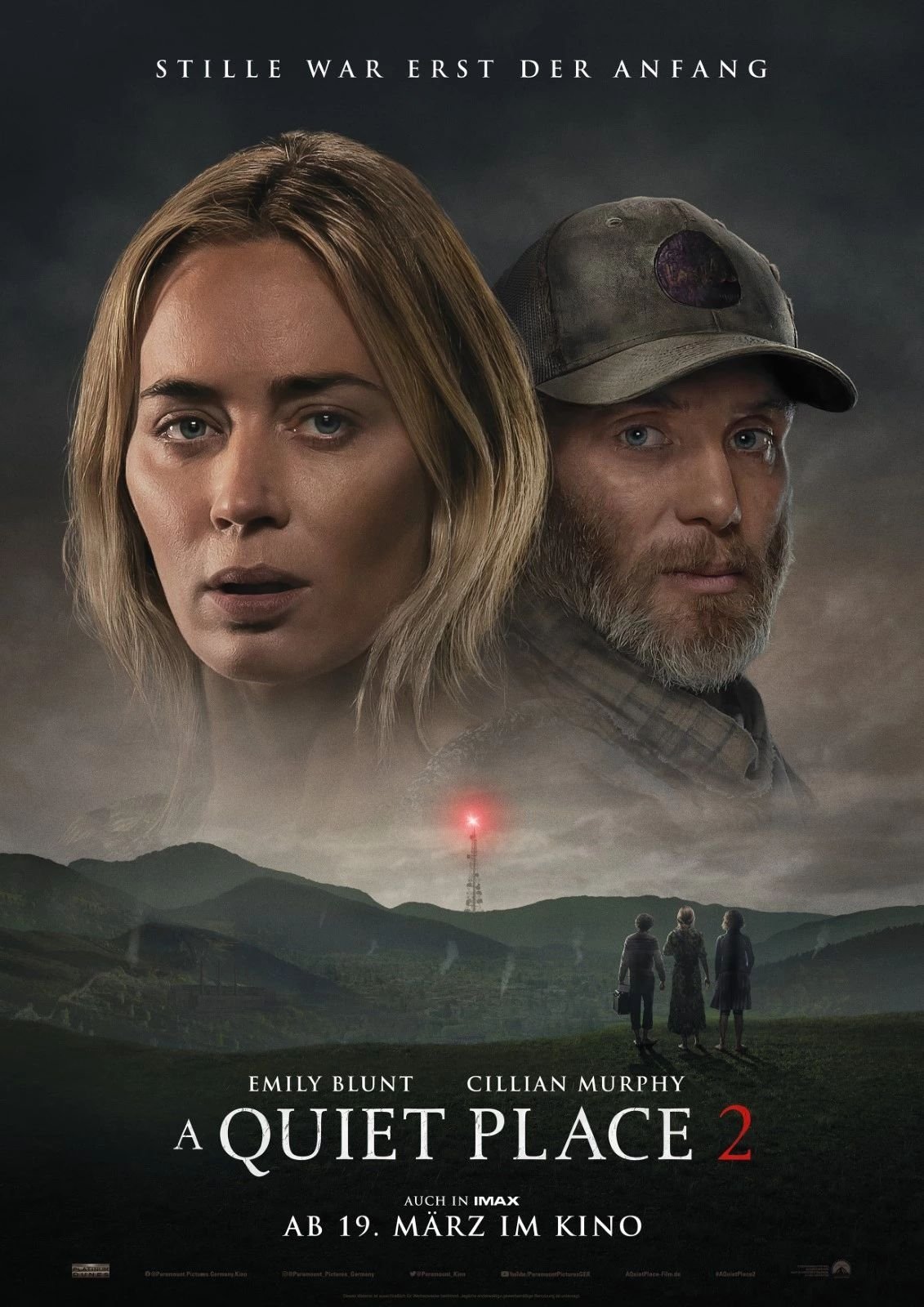
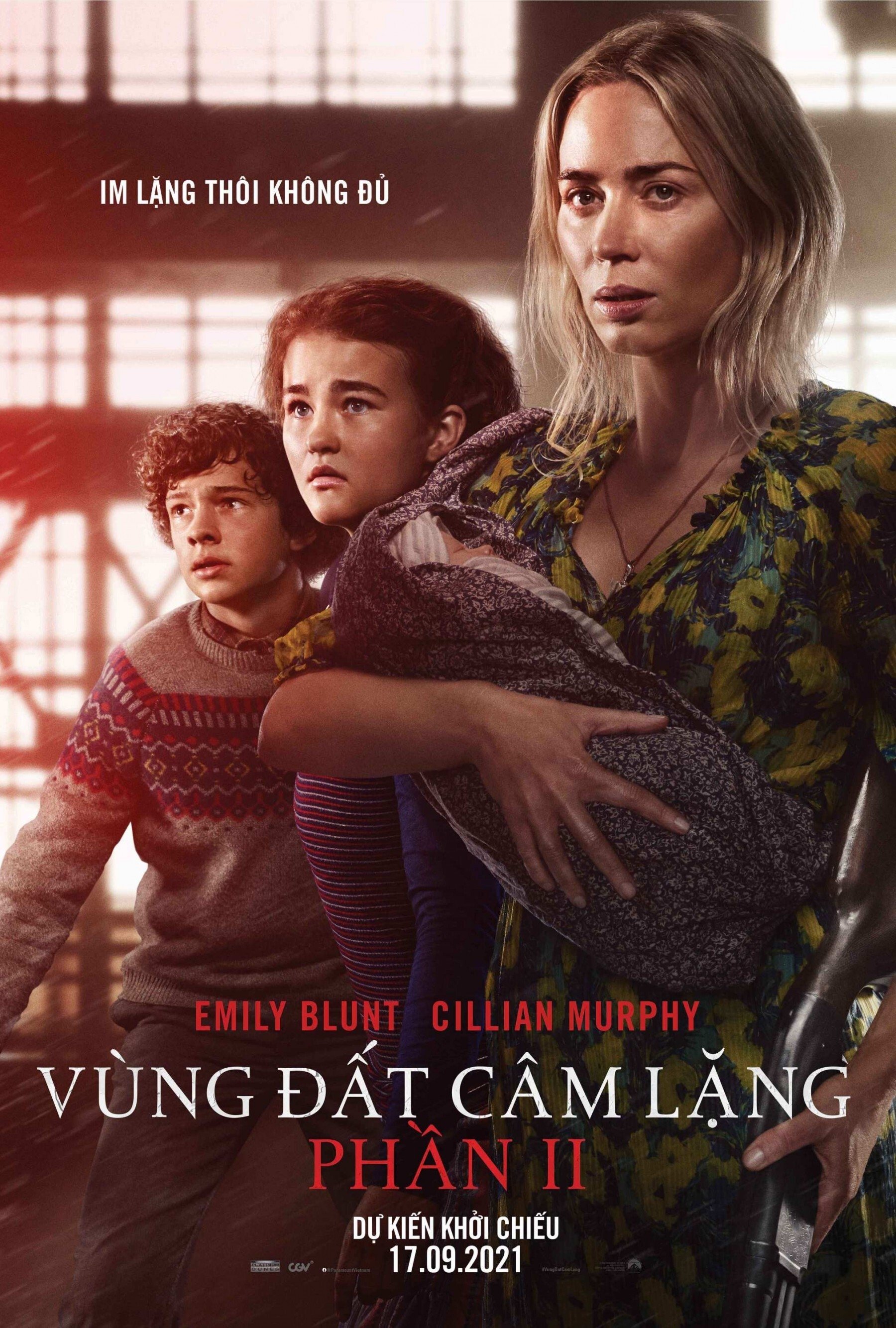
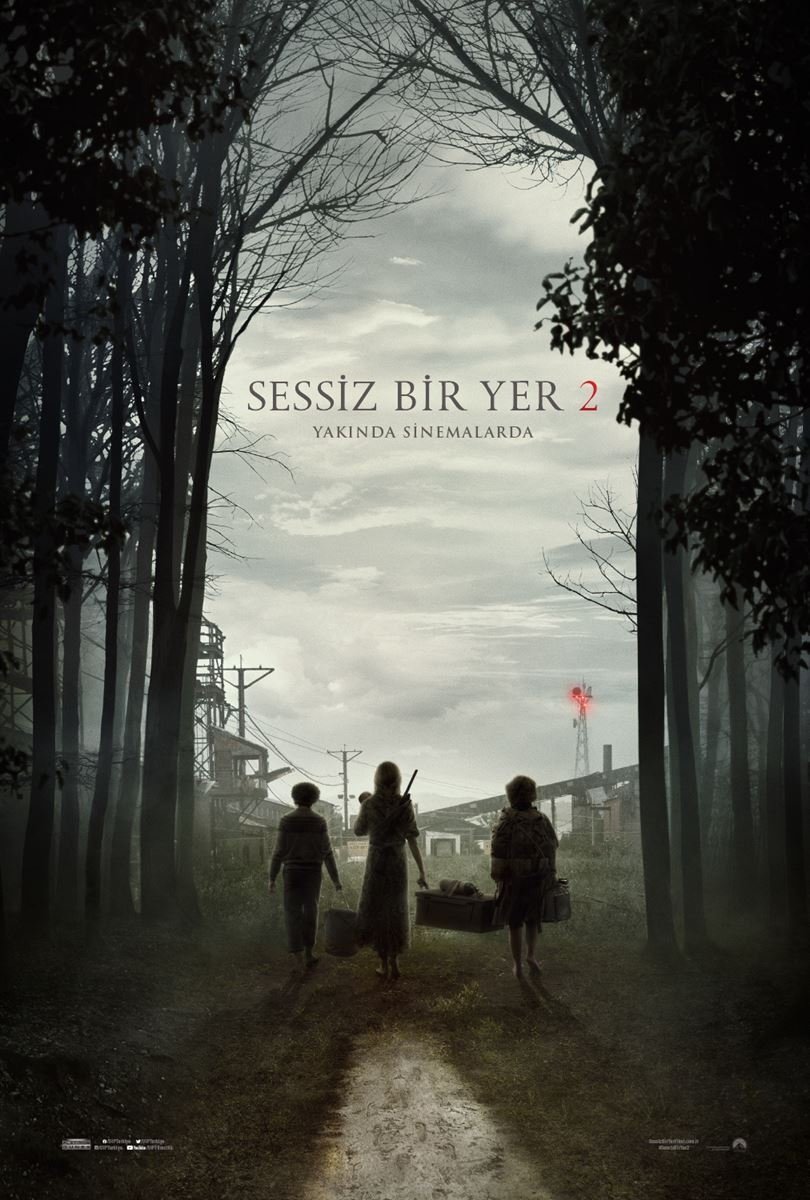
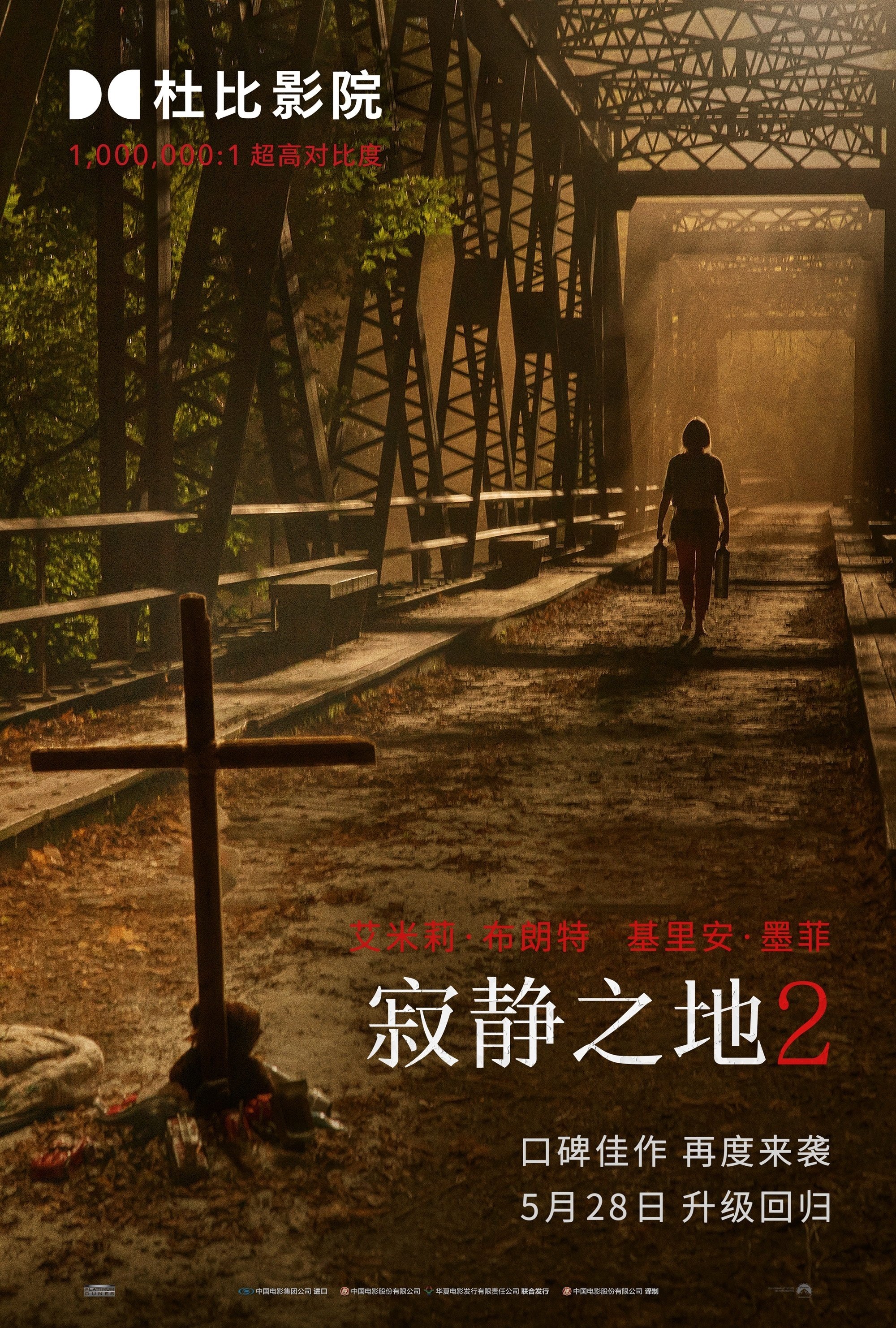
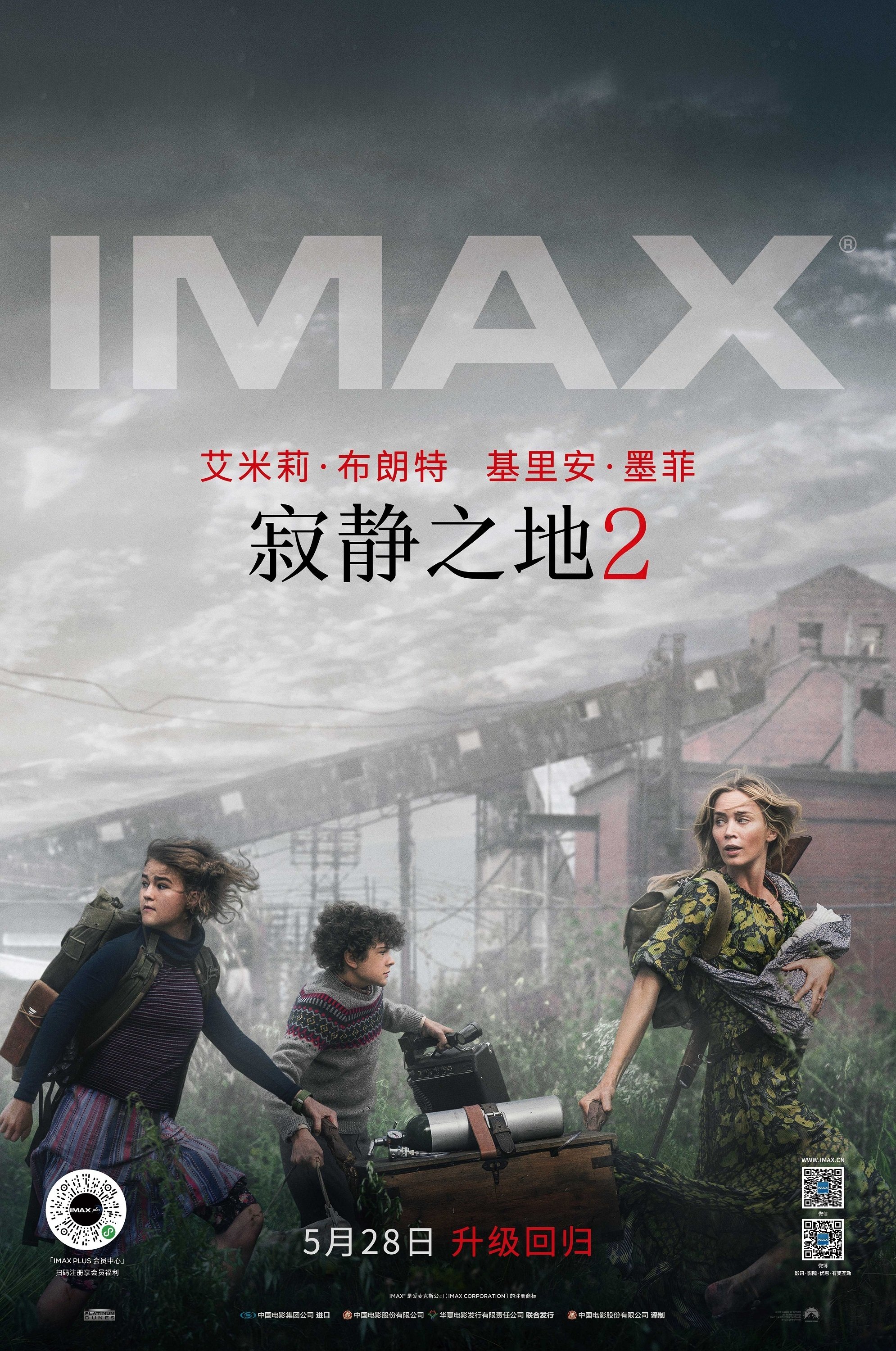
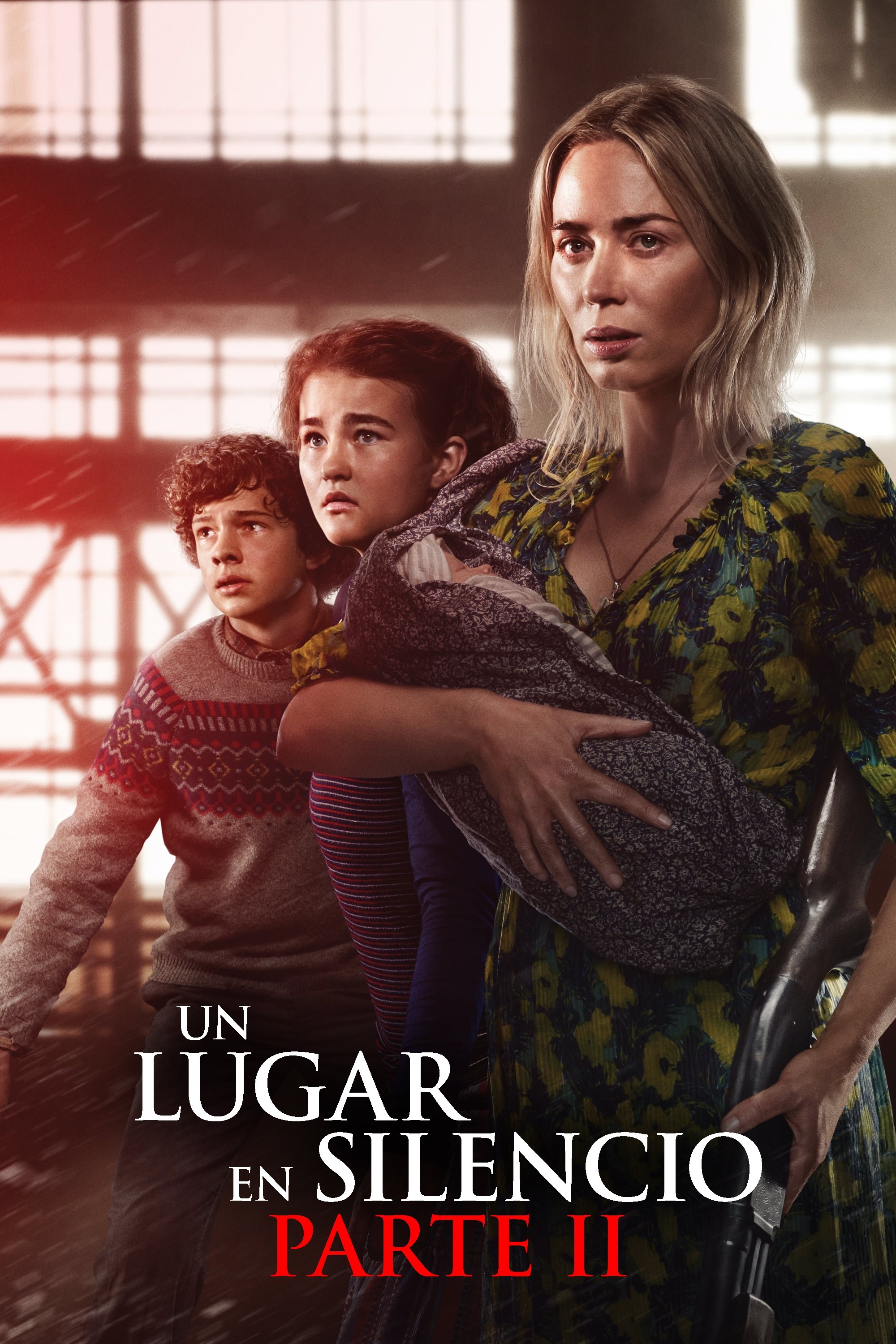
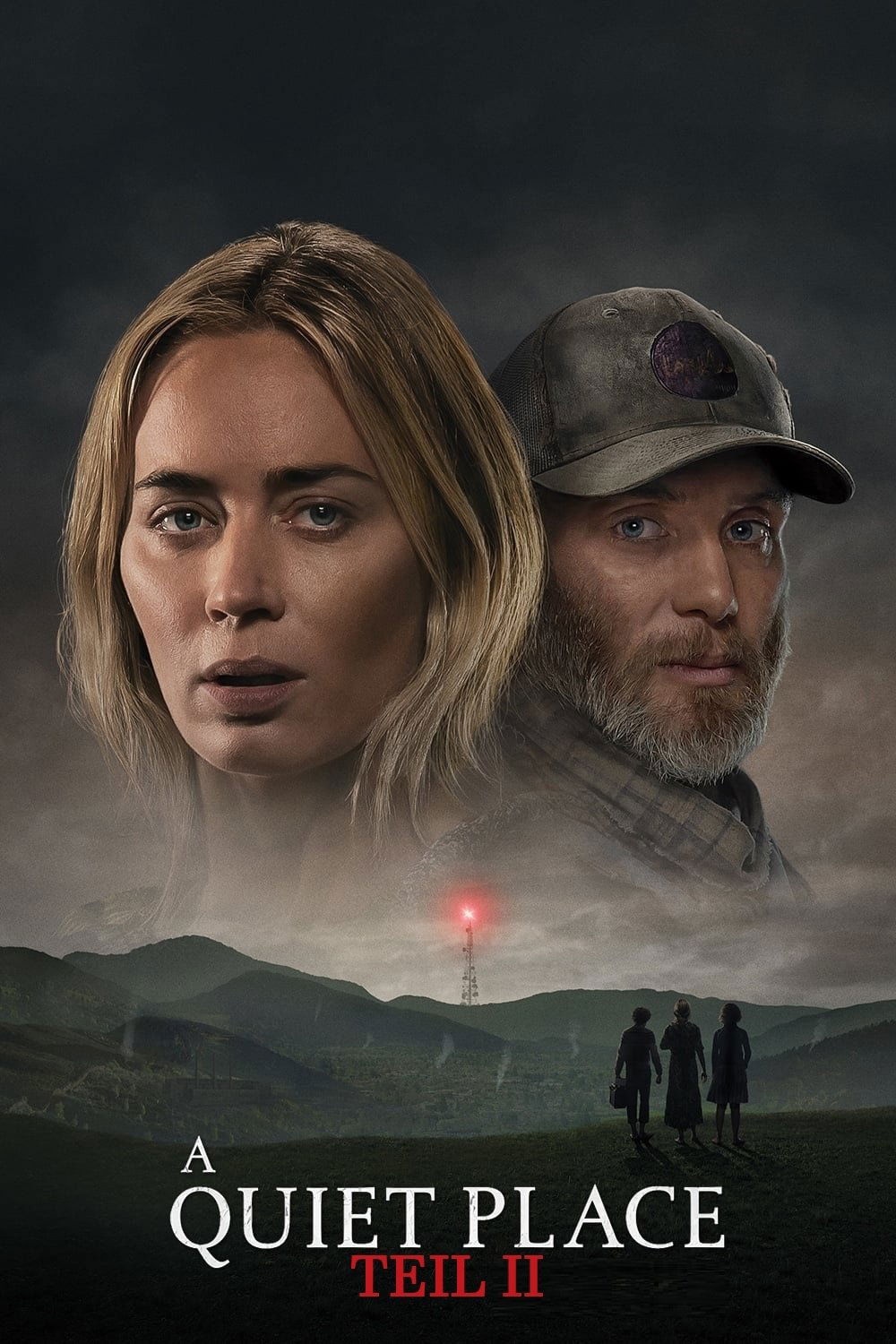
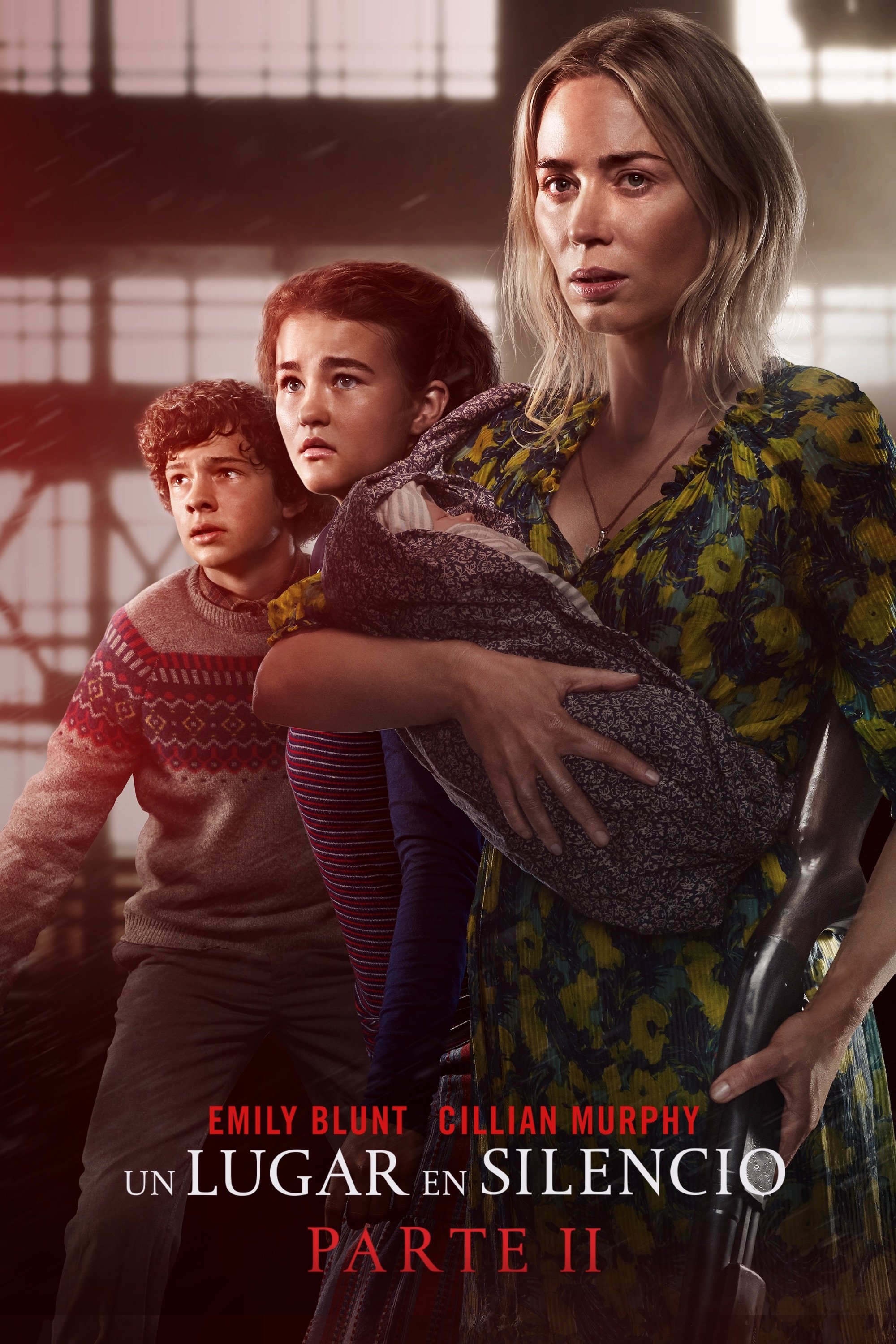
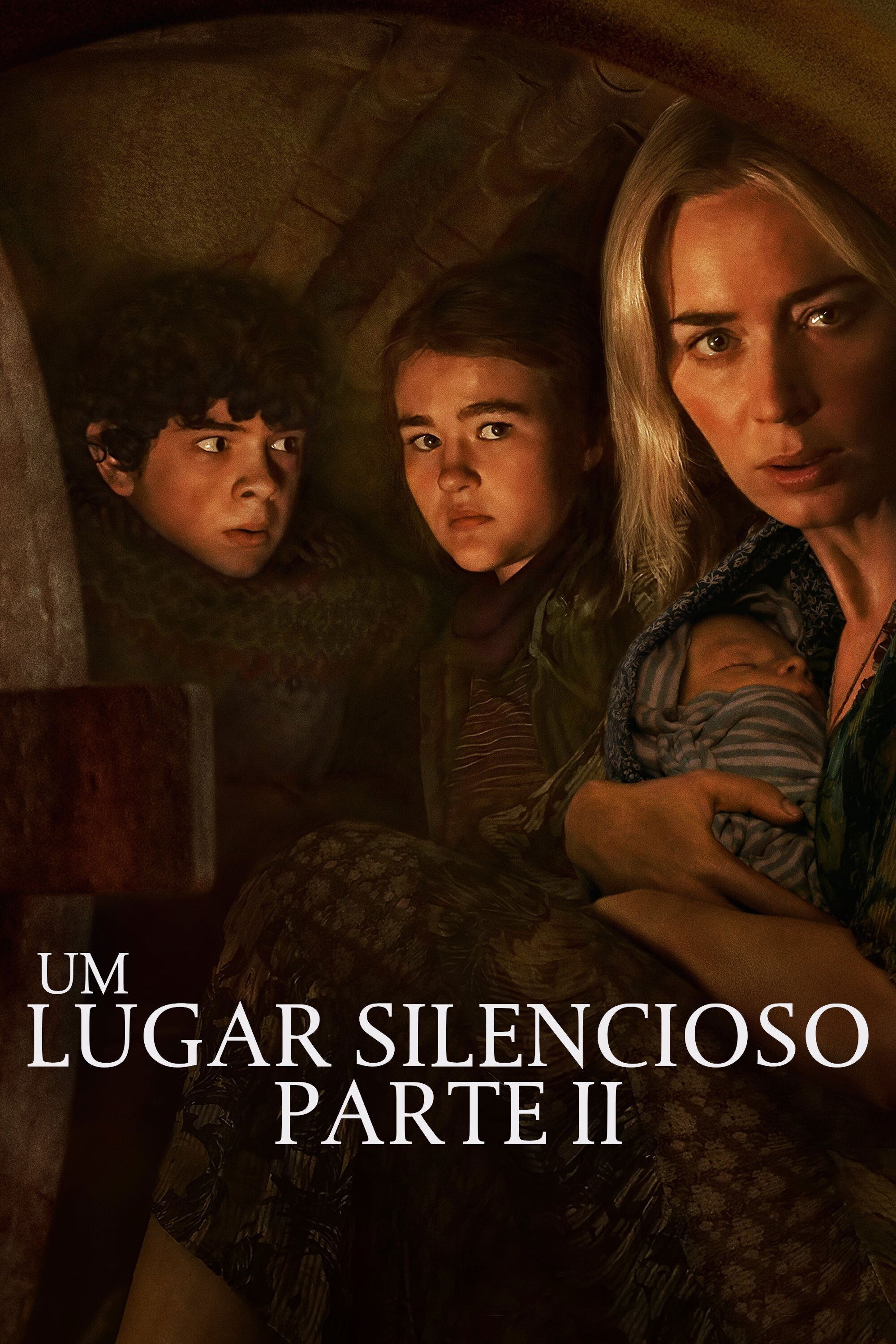
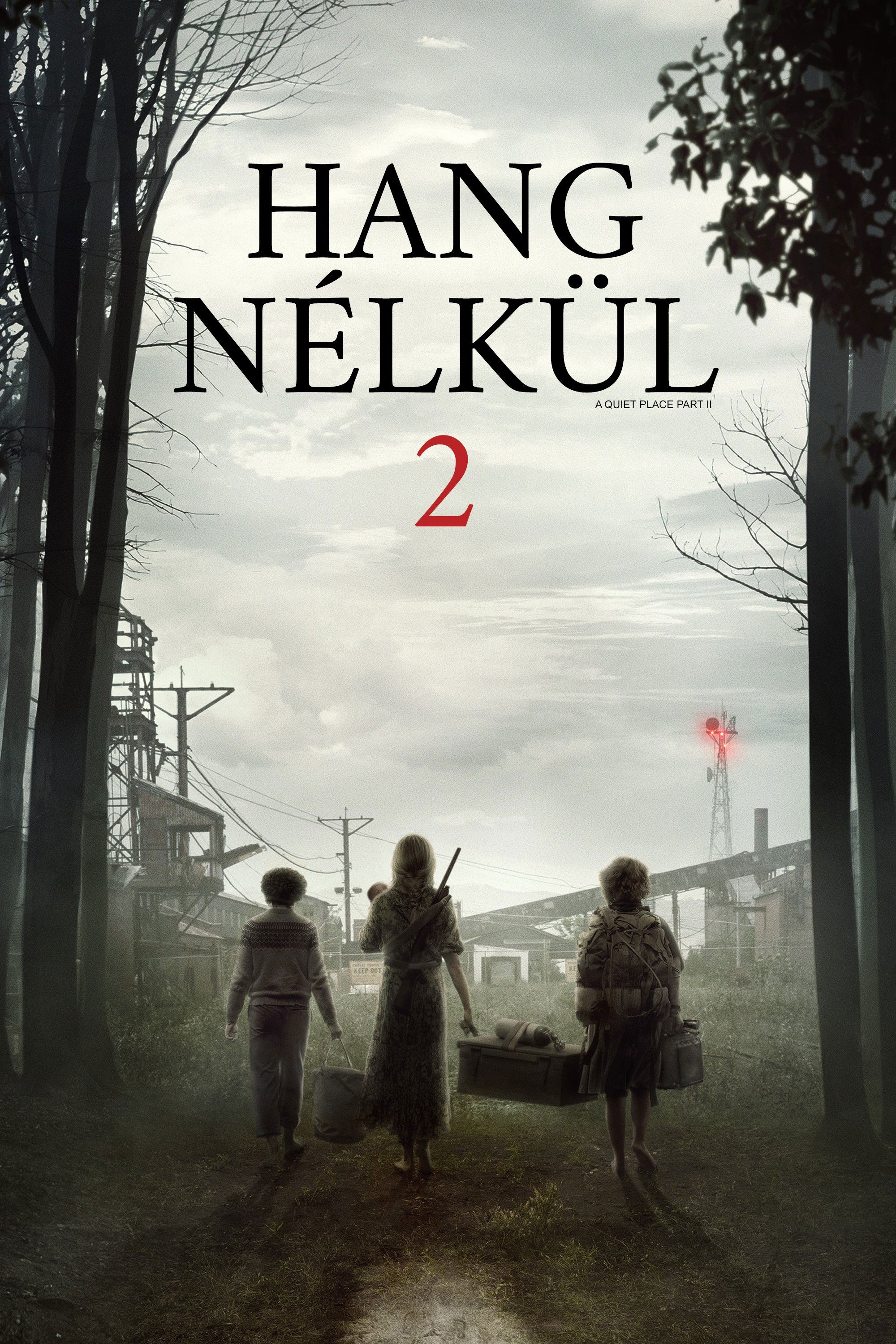
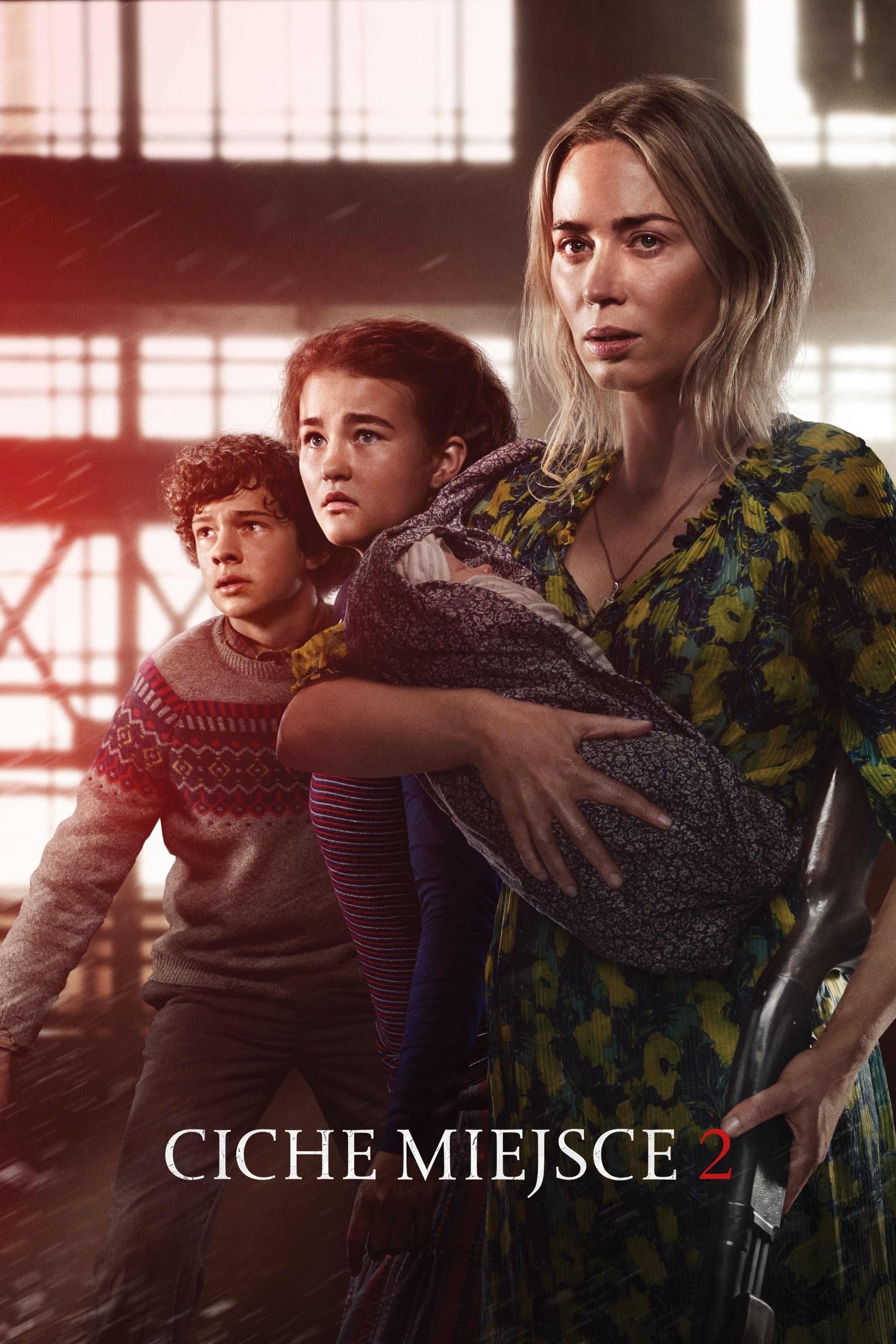
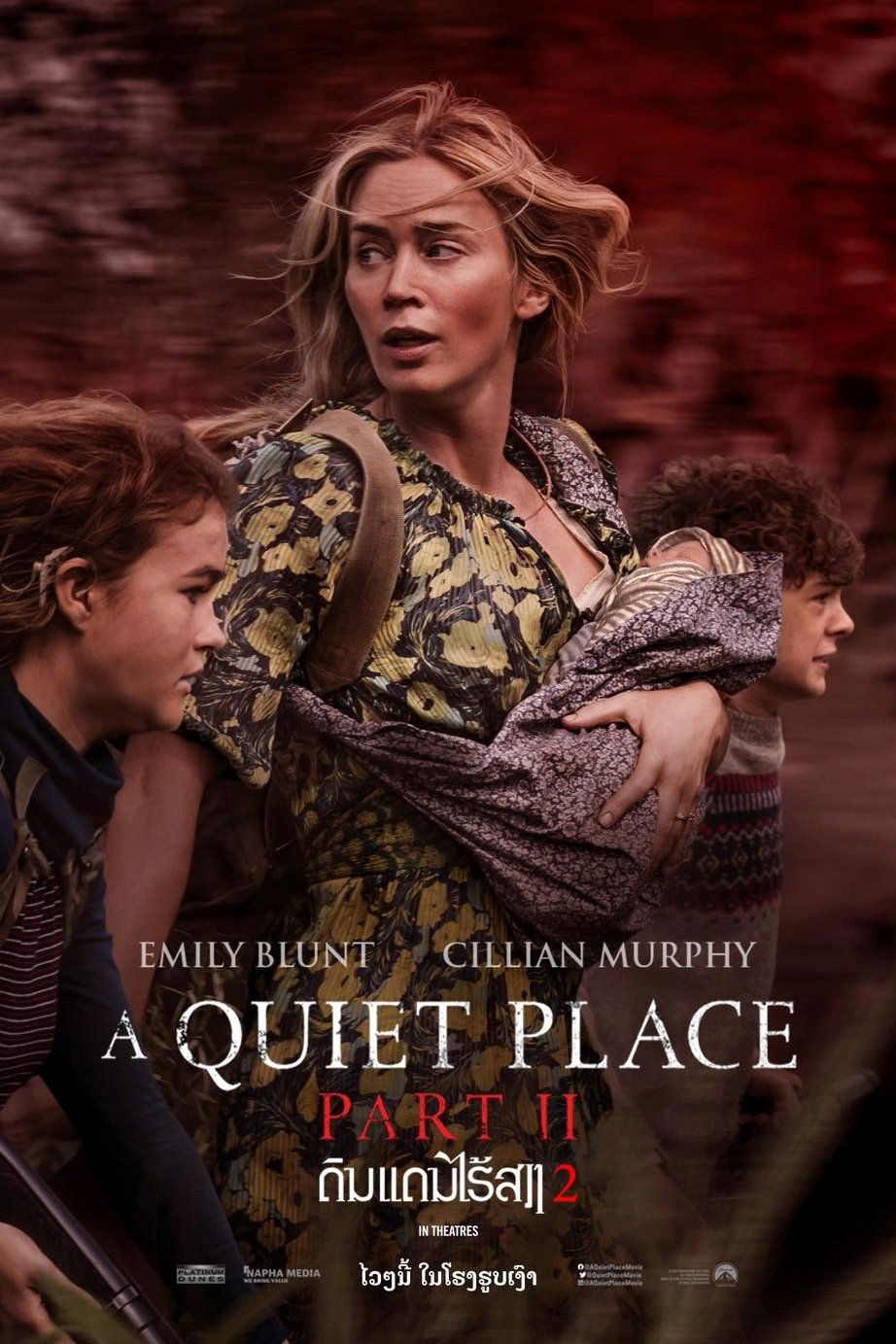
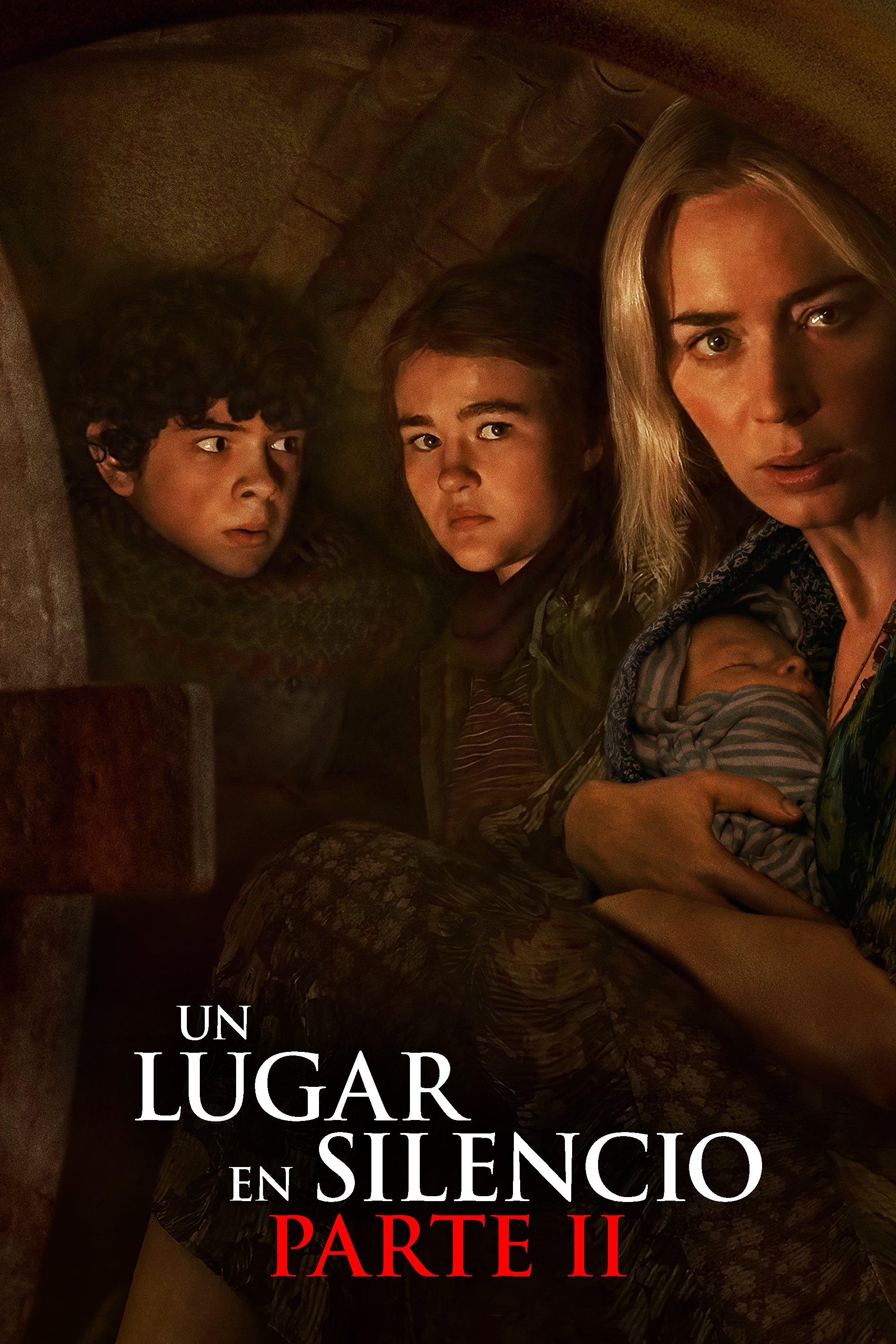
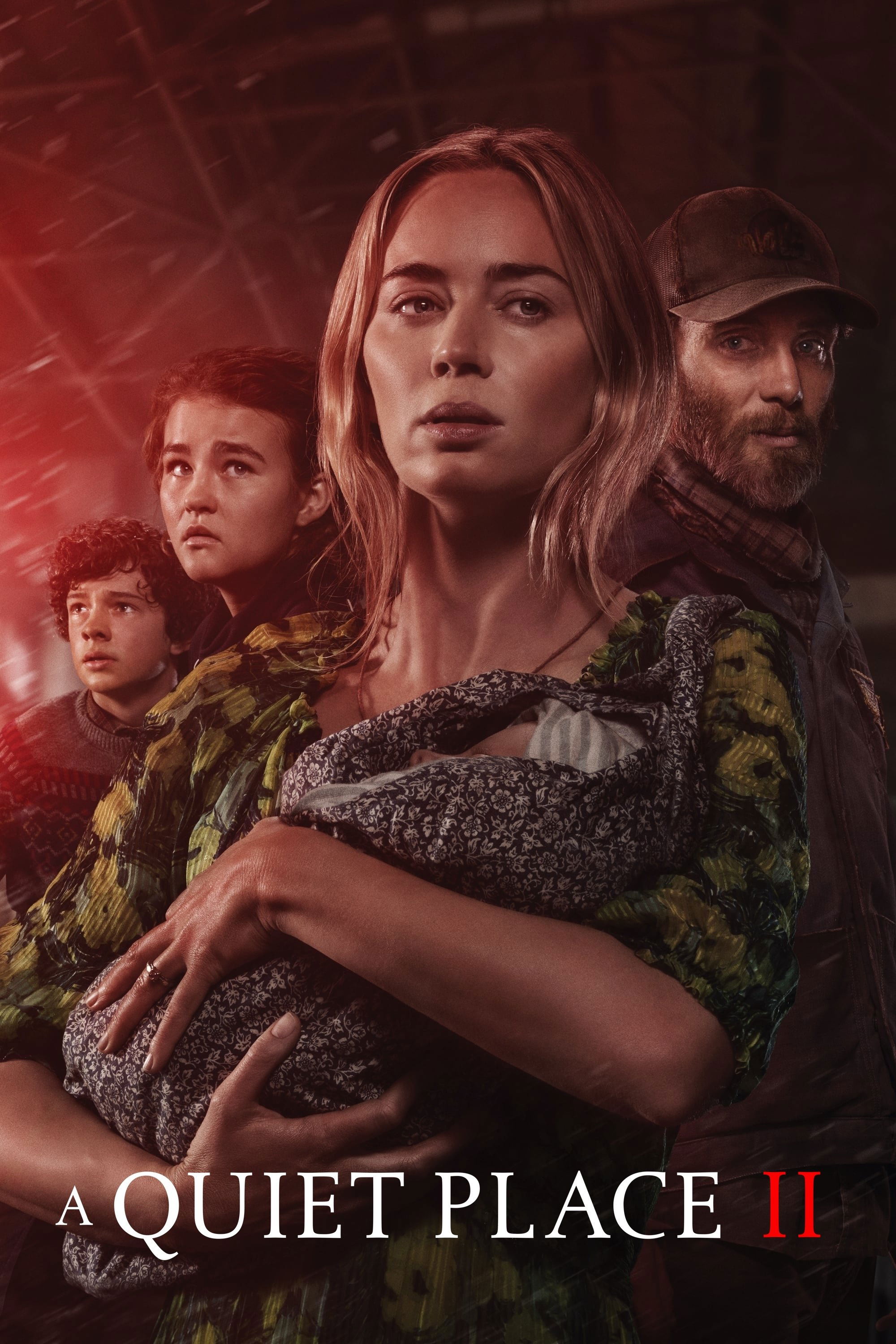
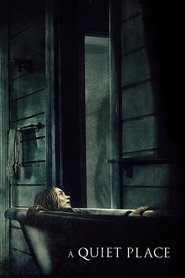
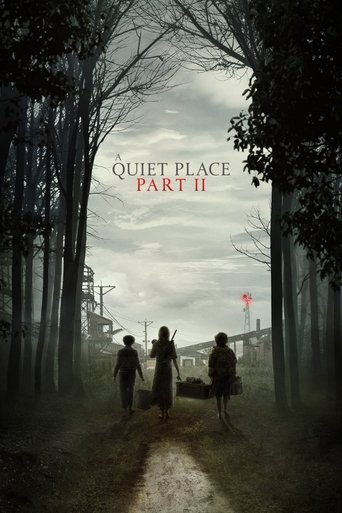
A Quiet Place Part II (2021) poster
Director
Production Companies
Paramount Pictures , Platinum Dunes , Sunday Night Productions
Plot

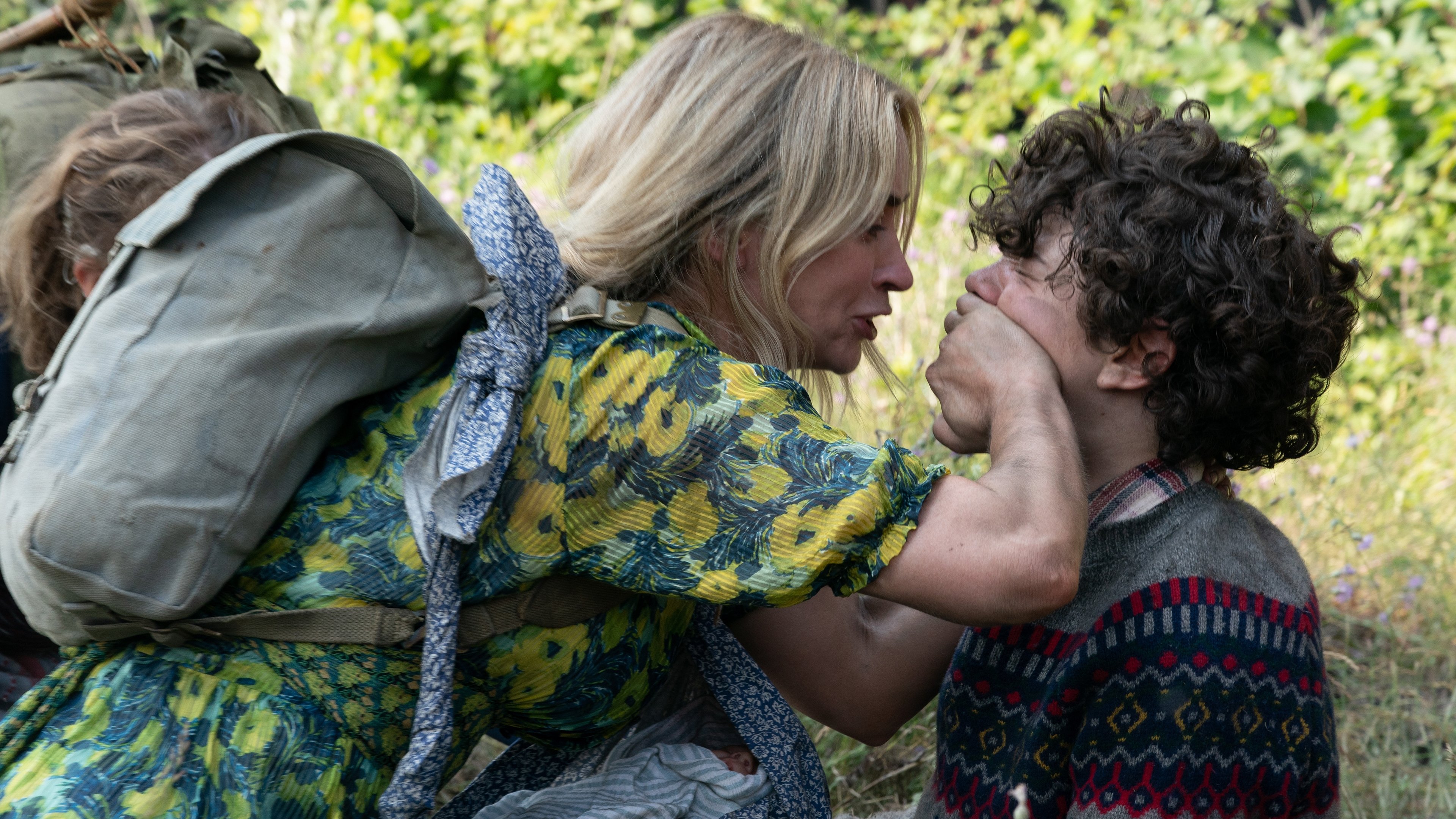
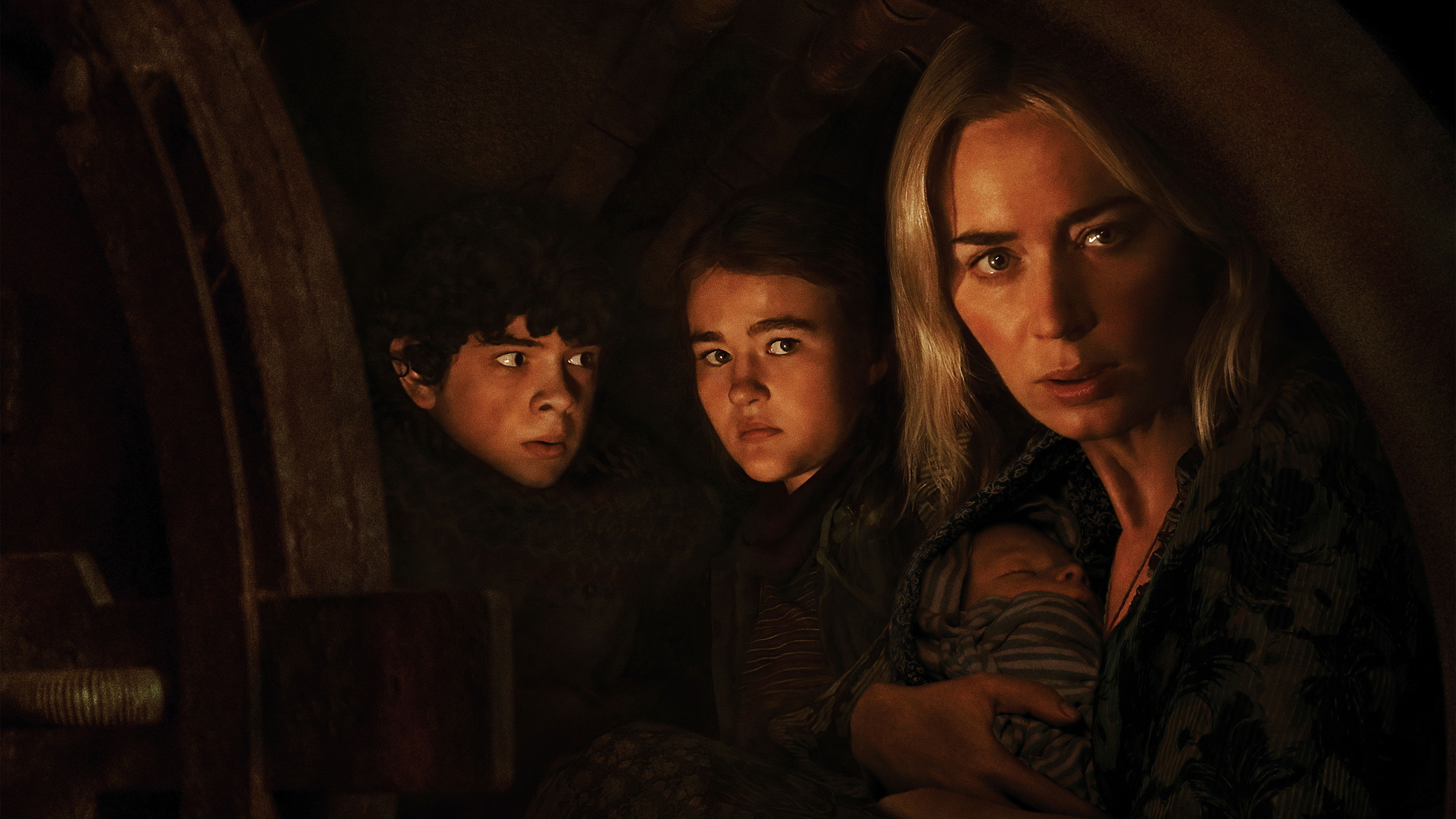
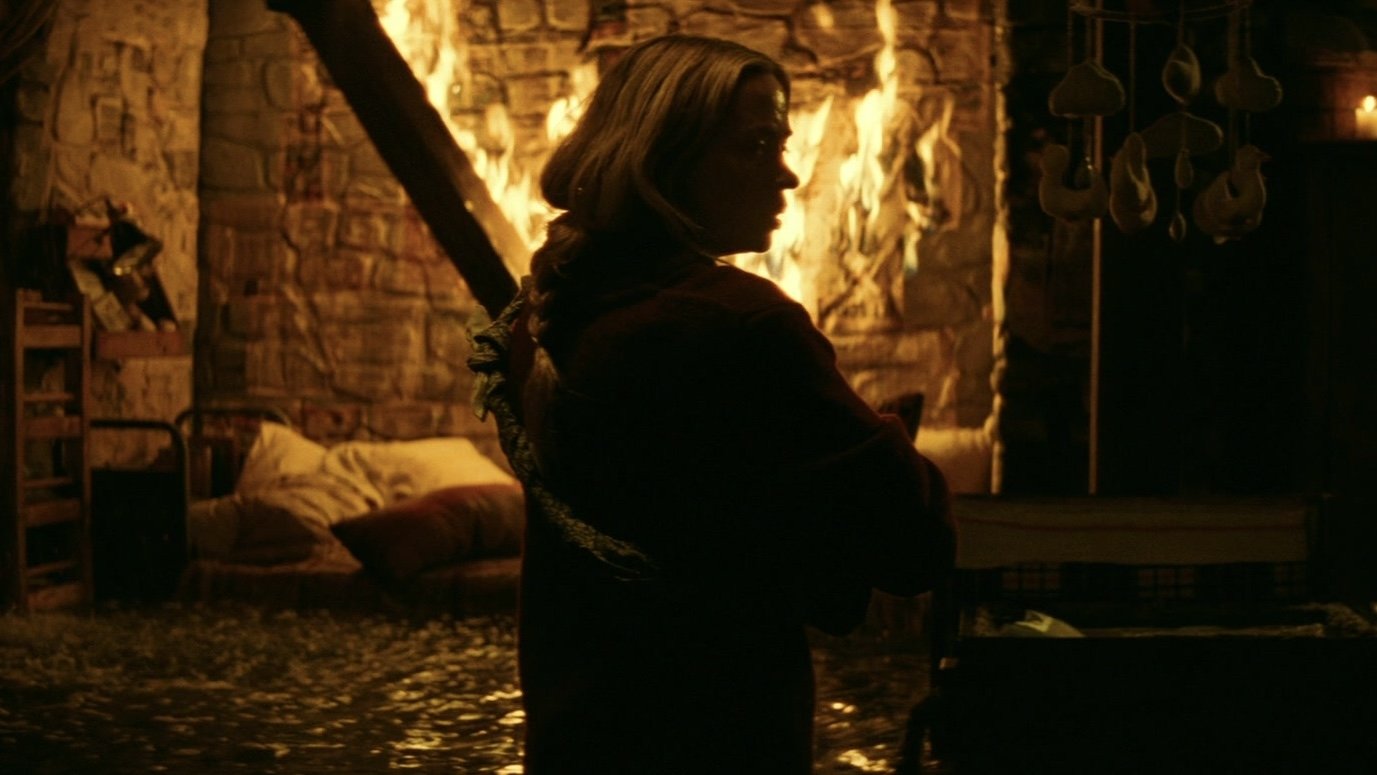
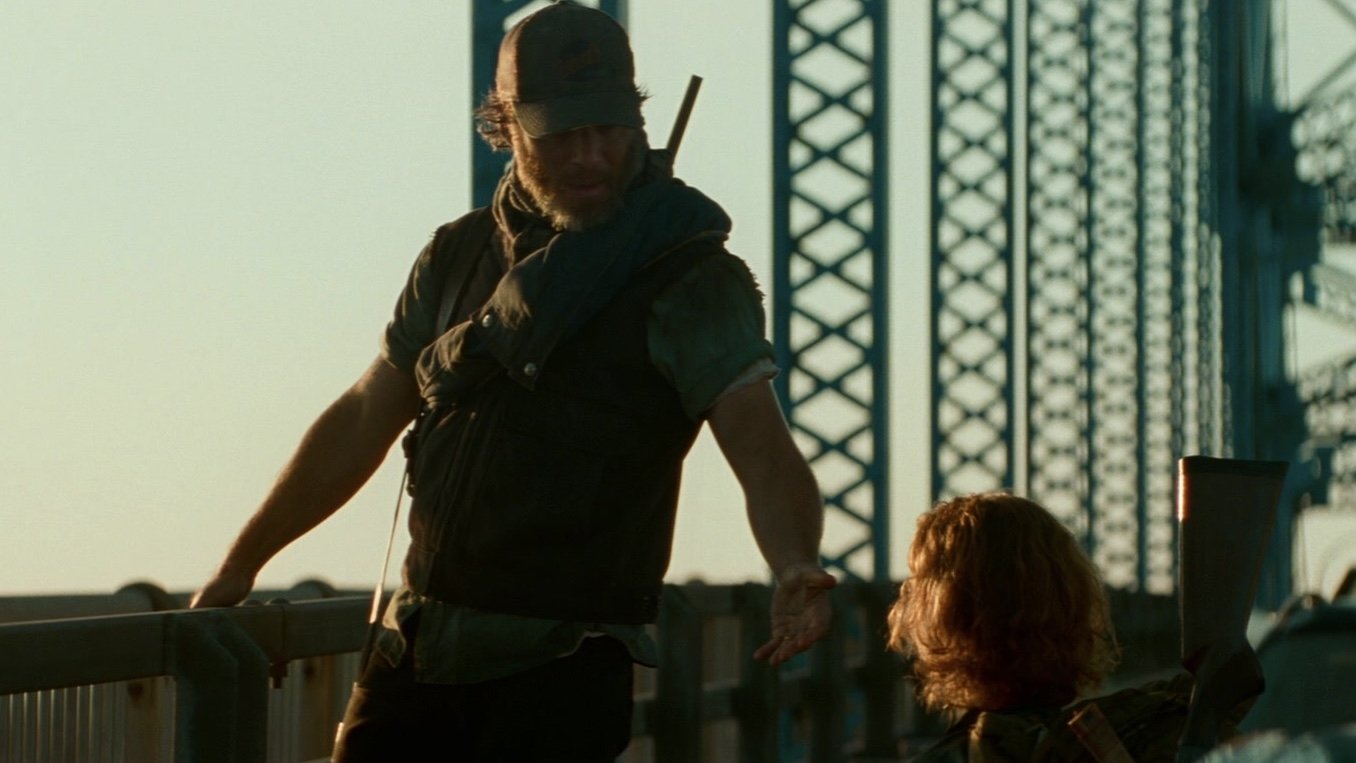
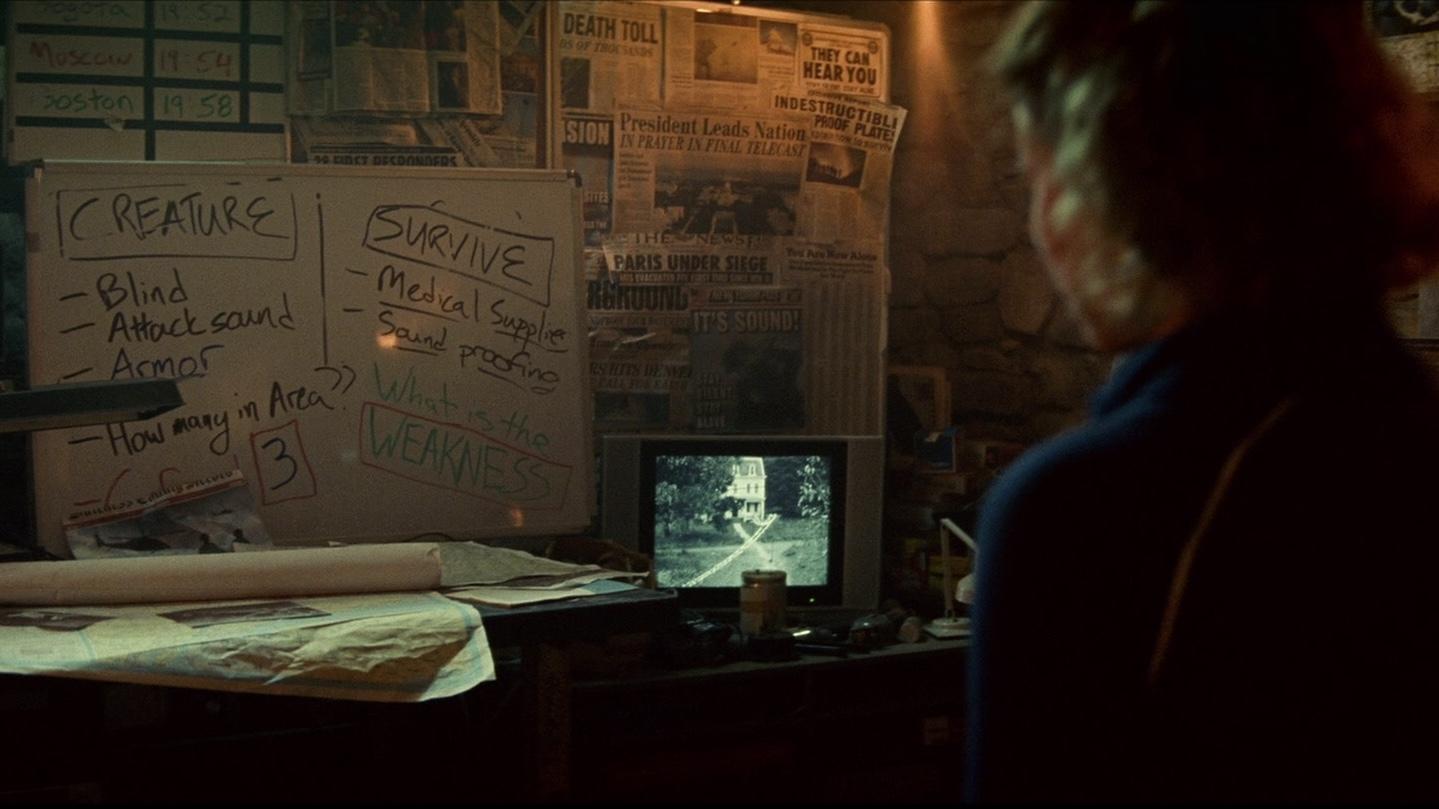
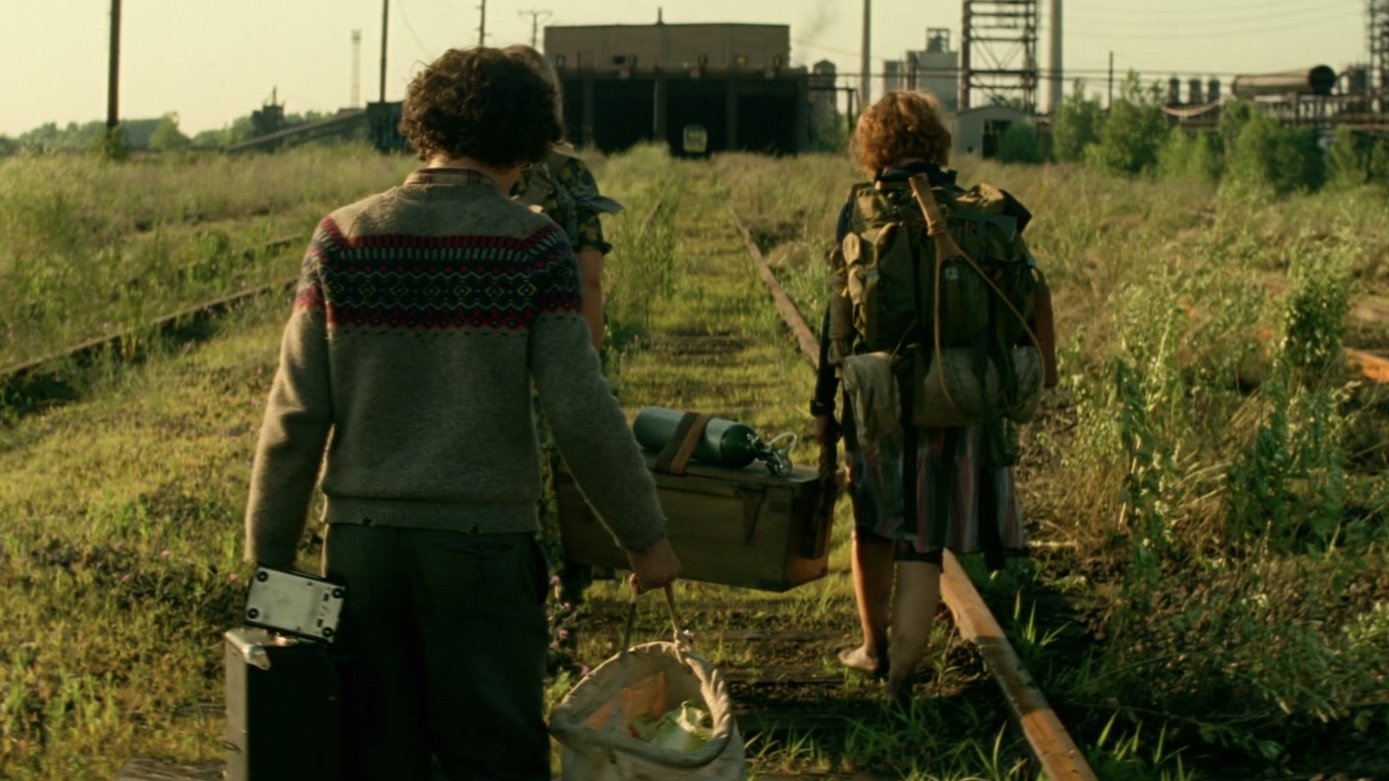
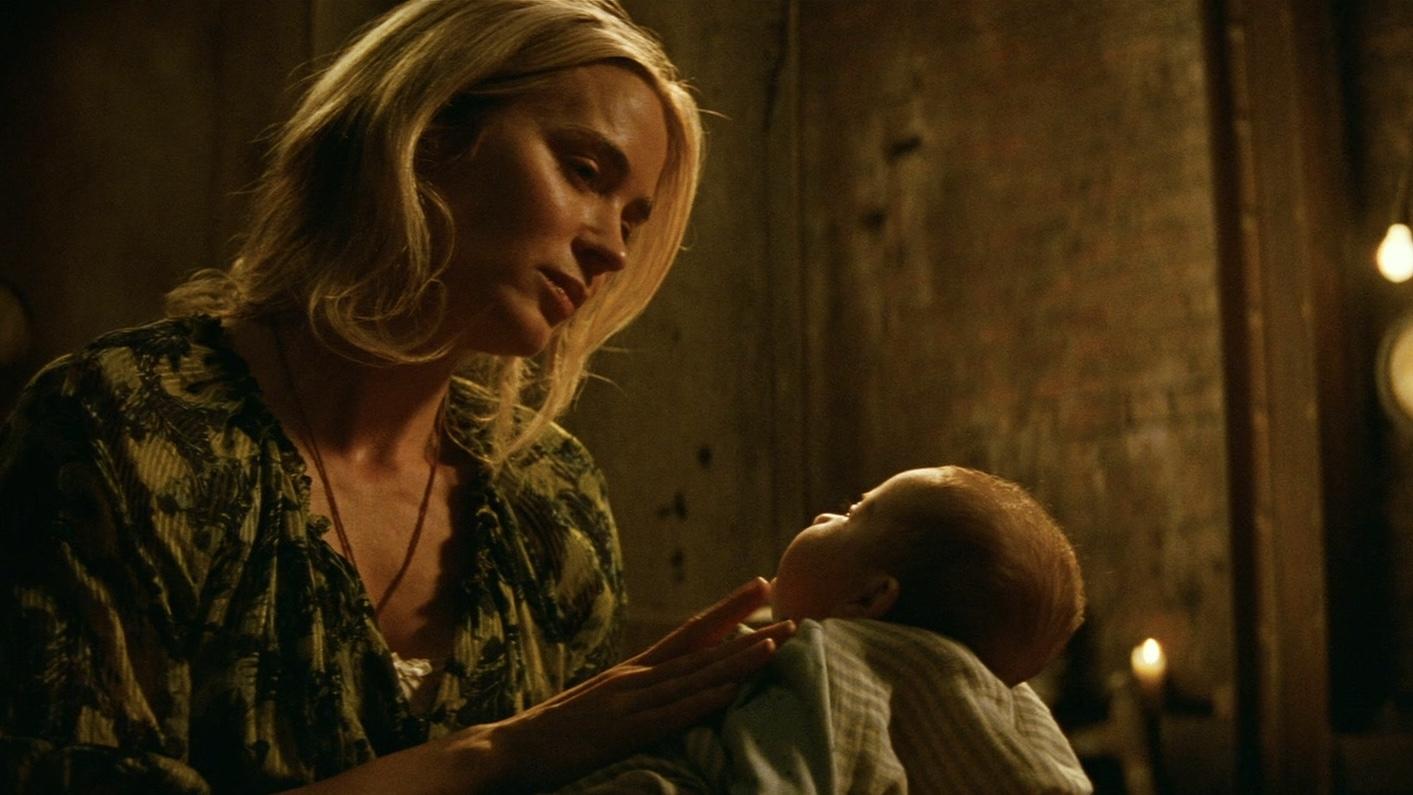
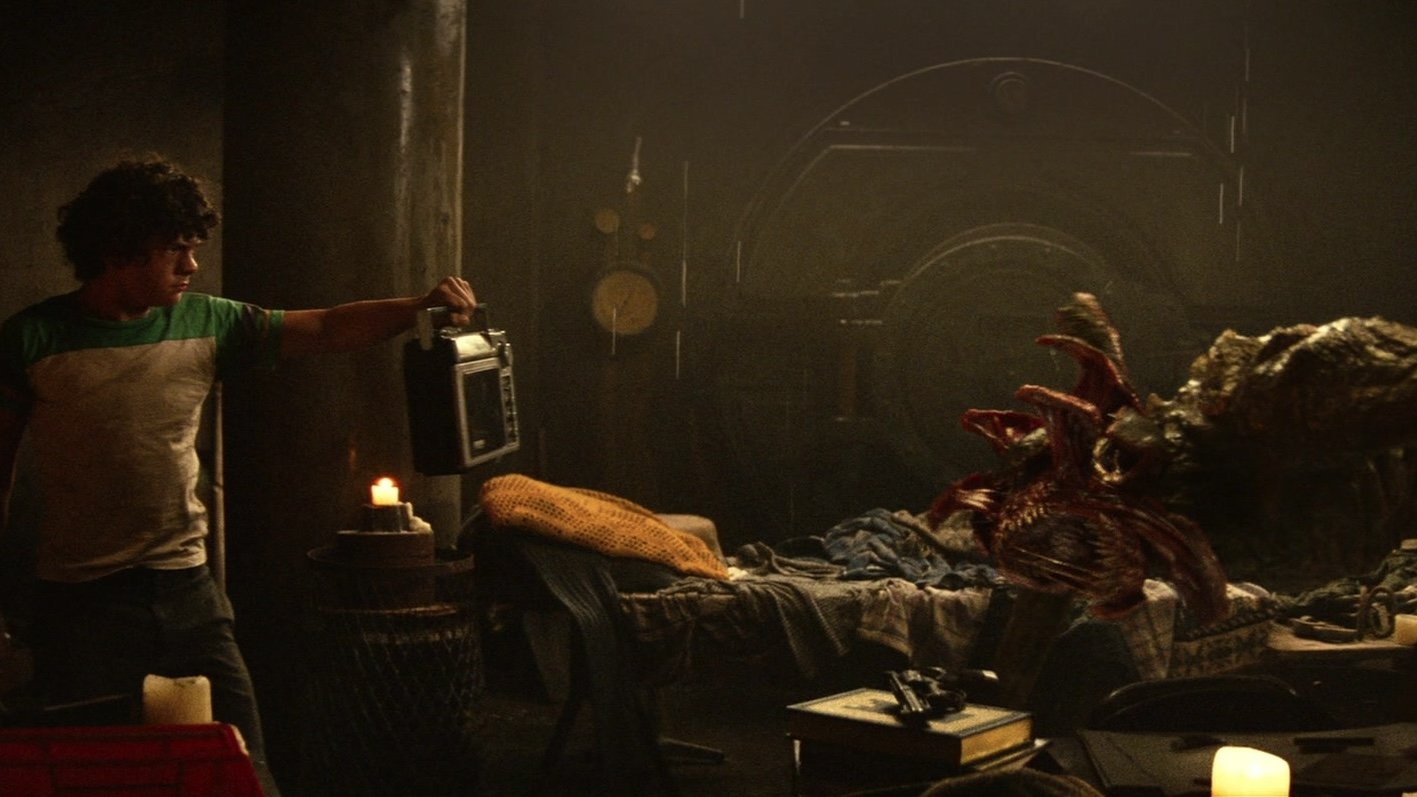
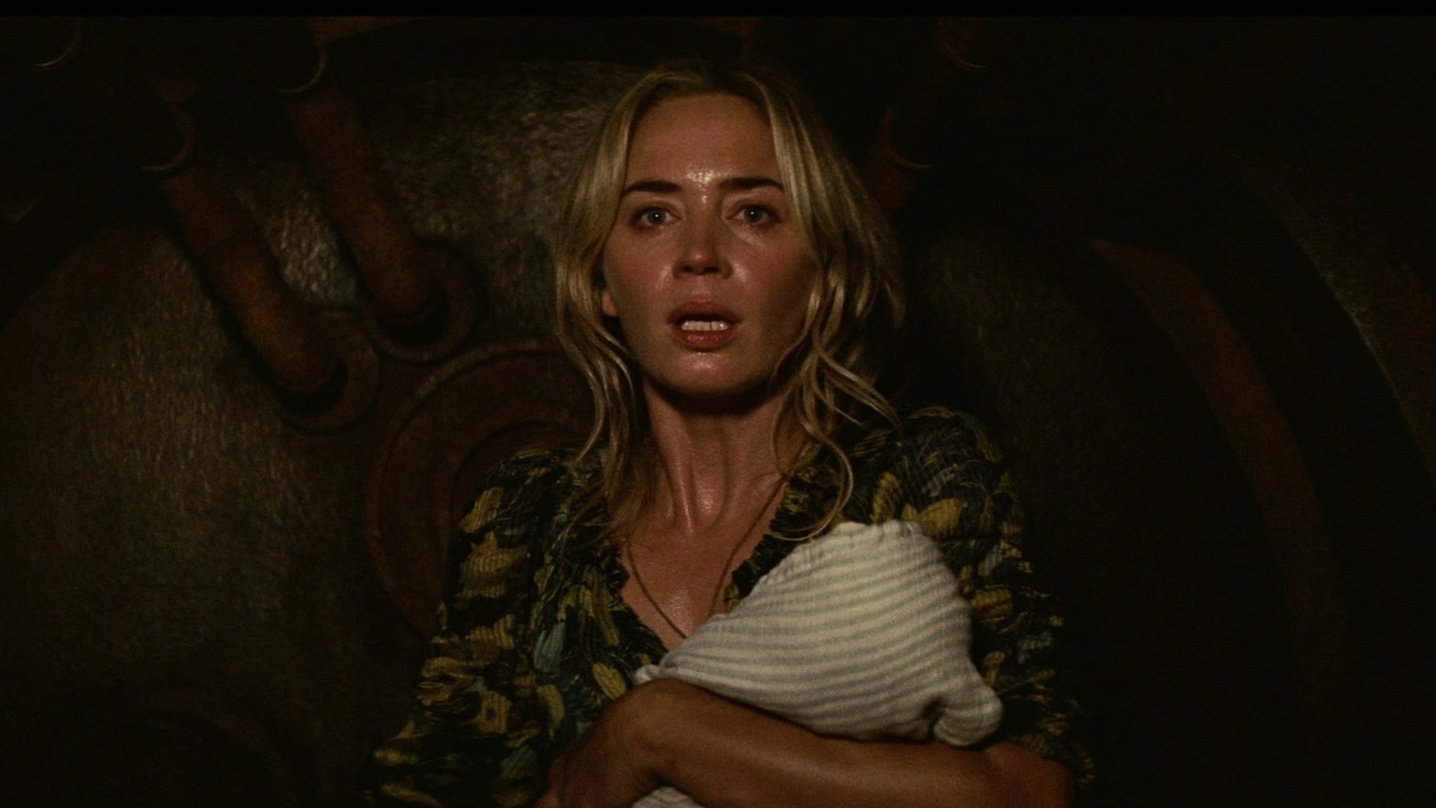
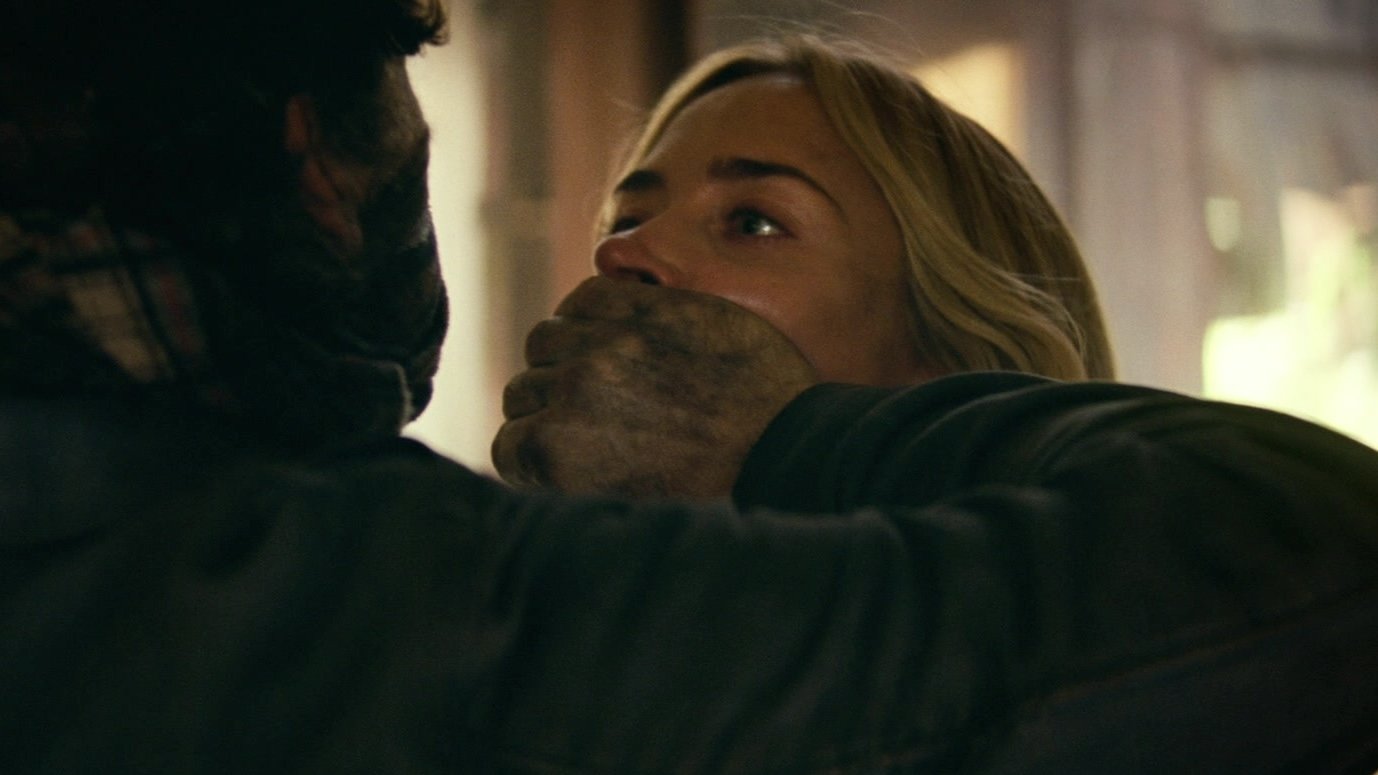
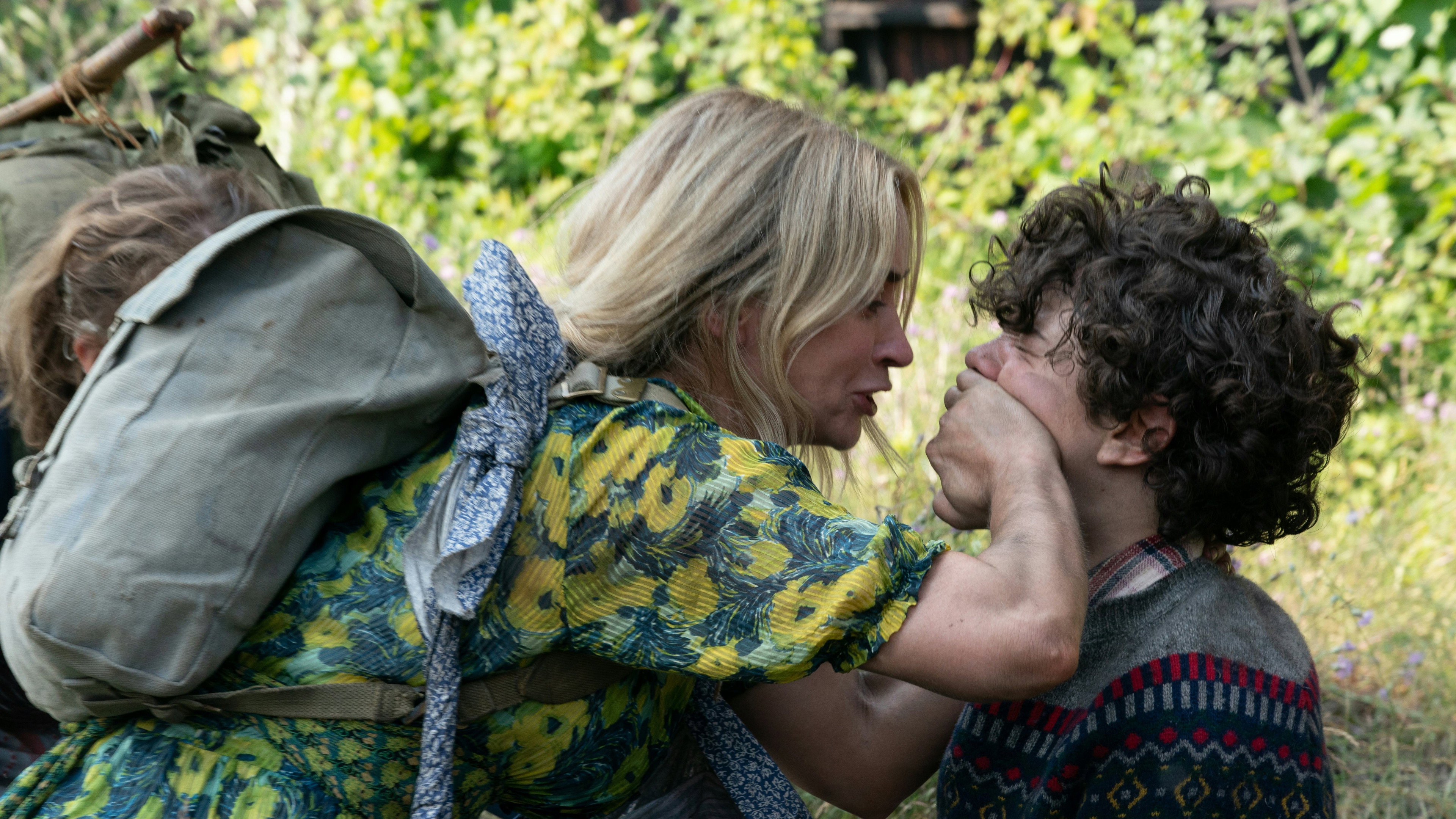
After the destruction of their family home, Evelyn Abbott takes Regan, Marcus and her newborn baby beyond the routes they had learned to navigate in silence. They encounter Emmett, a survivor who has withdrawn from other people, while a radio signal offers Regan the possibility of helping more than one family. The group separates as Regan attempts to reach the source of the transmission and Evelyn struggles to protect her children from creatures that respond instantly to sound. A flashback to the first day of the invasion reveals how rapidly ordinary community life collapsed.

Alternative Titles
مكان هادئ: الجزء الثاني (AE) — translation:ar Un lugar en silencio: Parte II (AR) A Quiet Place 2 (AT) — translation:de Səssiz Bir Yer 2 (AZ) Нито звук 2 (BG) Um Lugar Silencioso - Parte II (BR) — translation:pt A Quiet Place Part 2 (CA) Un coin tranquille : 2e partie (CA)
Show all 56 alternative titles A Quiet Place 2 (CH) — translation:de 寂静之地2 (CN) Tiché místo: Část II (CZ) — translation:cs A Quiet Place 2 (DE) — translation:de A Quiet Place 2 (DK) — translation:da Kena vaikne kohake 2 (EE) Un lugar tranquilo 2 (ES) Hiljainen paikka: Osa 2 (FI) — translation:fi Sans un bruit 2 (FR) ჩუმი ადგილი: ნაწილი 2 (GE) — translation:ka Ένα Ήσυχο Μέρος 2 (GR) — translation:el 無聲絕境 2 (HK) — translation:zh 無聲絕境2 (HK) Mjesto tišine 2 (HR) — translation:hr Hang nélkül 2. (HU) — translation:hu מקום שקט 2 (IL) — translation:he श्श...एकदम चुप! पार्ट 2 (IN) — translation:hi یک مکان ساکت بخش ۲ (IR) — translation:fa A Quiet Place II (IT) — translation:it A Quiet Place II - Un Posto Tranquillo Parte 2 (IT) クワイエット・プレイス 破られた沈黙 (JP) — translation:ja クワイエット・プレイス 破られた沈黙:2021 (JP) 콰이어트 플레이스 2 (KR) — translation:ko Tylos zona 2 (LT) — translation:lt Klusā pasaule 2 (LV) — translation:lv Un lugar en silencio: Parte II (MX) — translation:es (Special) A Quiet Place Part II Silent Experience (MY) A Quiet Place 2 (NN) — translation:nn A Quiet Place 2 (NO) Ciche miejsce 2 (PL) — translation:pl Um Lugar Silencioso 2 (PT) — translation:pt Fără zgomot 2 (RO) — translation:ro Тихо место 2 (RS) — translation:sr Тихое место 2 (RU) مكان هادئ الجزء الثاني (SA) — translation:ar 寂静之地 2 (SG) — translation:zh Tiho mesto 2 (SI) — translation:sl Tiché miesto: Časť II (SK) — translation:sk ดินแดนไร้เสียง 2 (TH) Sessiz Bir Yer (TR) Sessiz Bir Yer 2 (TR) 噤界II (TW) 無聲絕境2 (TW) Тихе місце 2 (UA) — translation:uk Тихе місце: Частина II (UA) A Quiet Place 2 (US) — working title Vùng Đất Câm Lặng 2 (VN) Vùng Đất Câm Lặng: Phần II (VN) — translation:vi

Trailers & Videos

10 videos

Film Guide

John Krasinski expands the Abbott family's struggle through 35 mm photography, precise sound perspectives and a pandemic-delayed theatrical release.

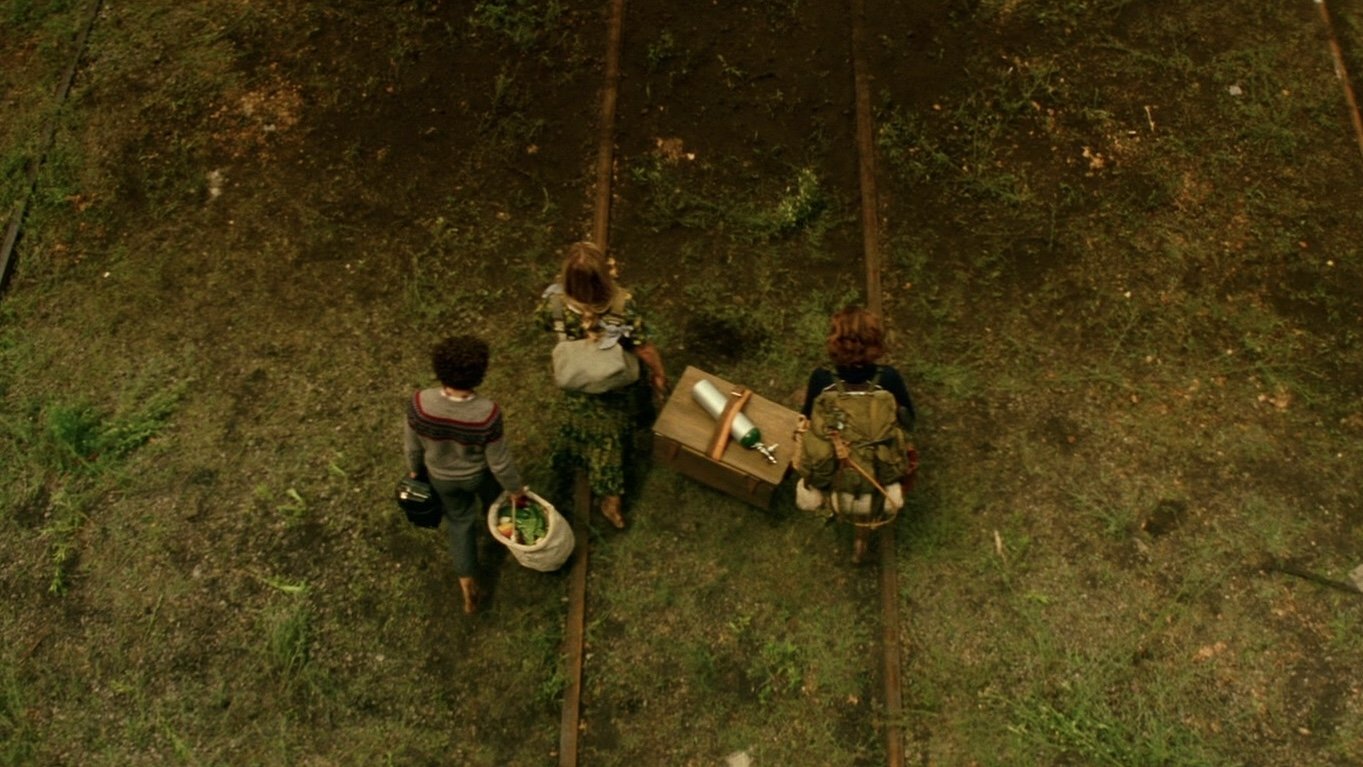
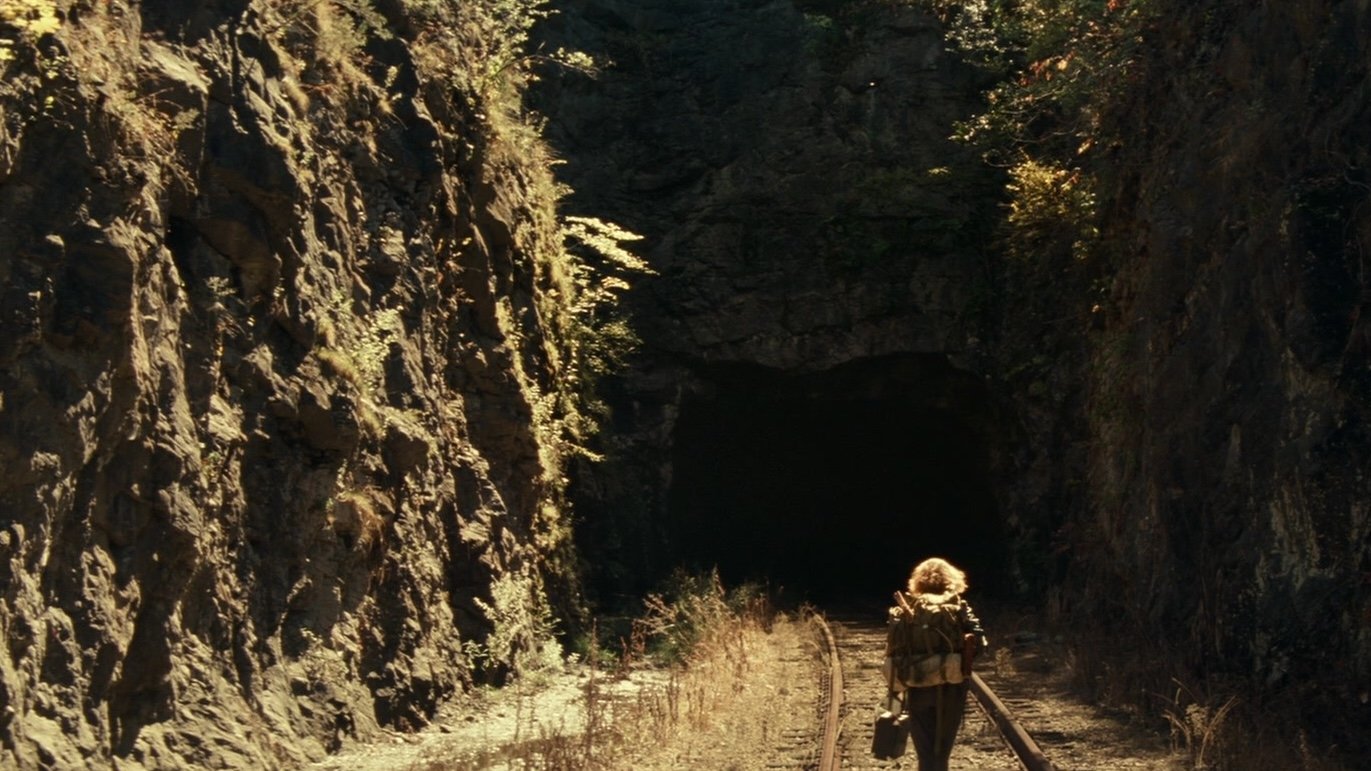
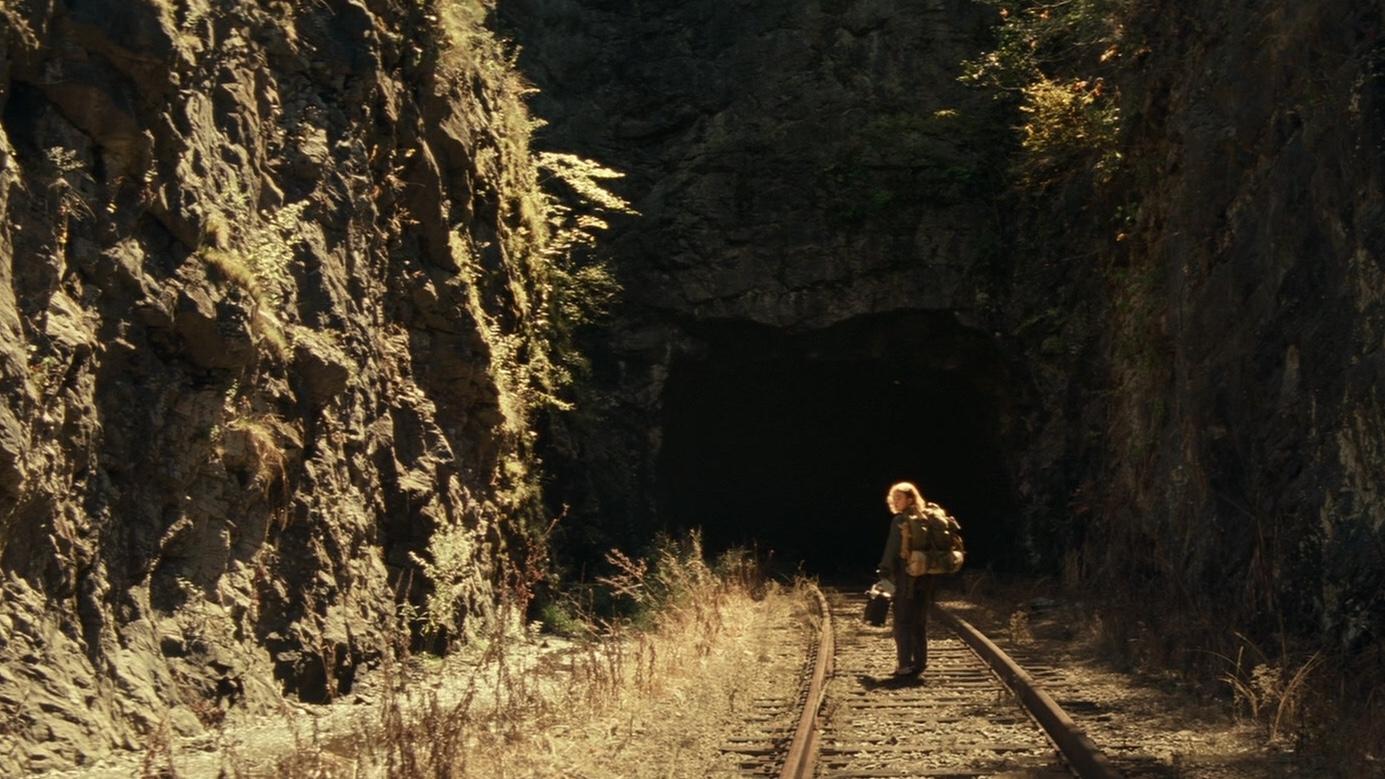
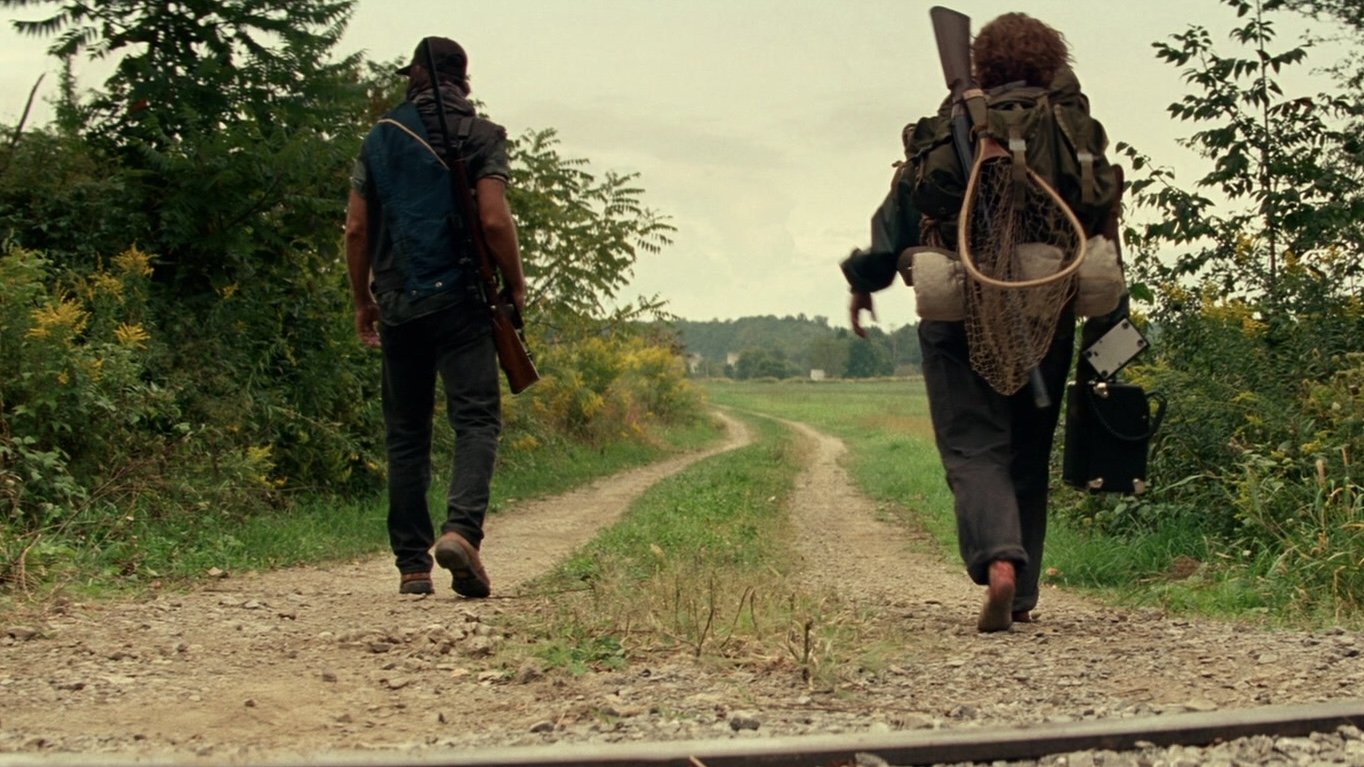
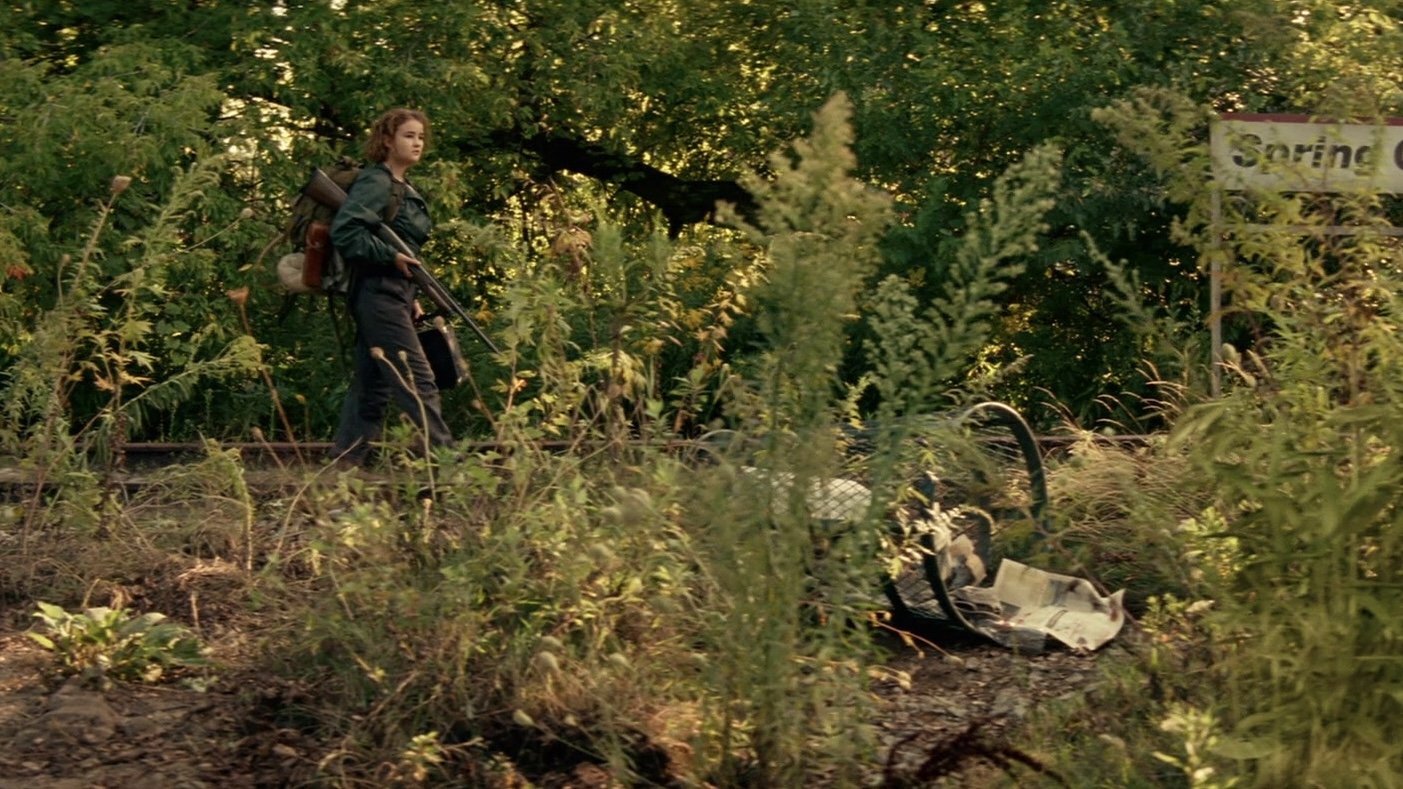
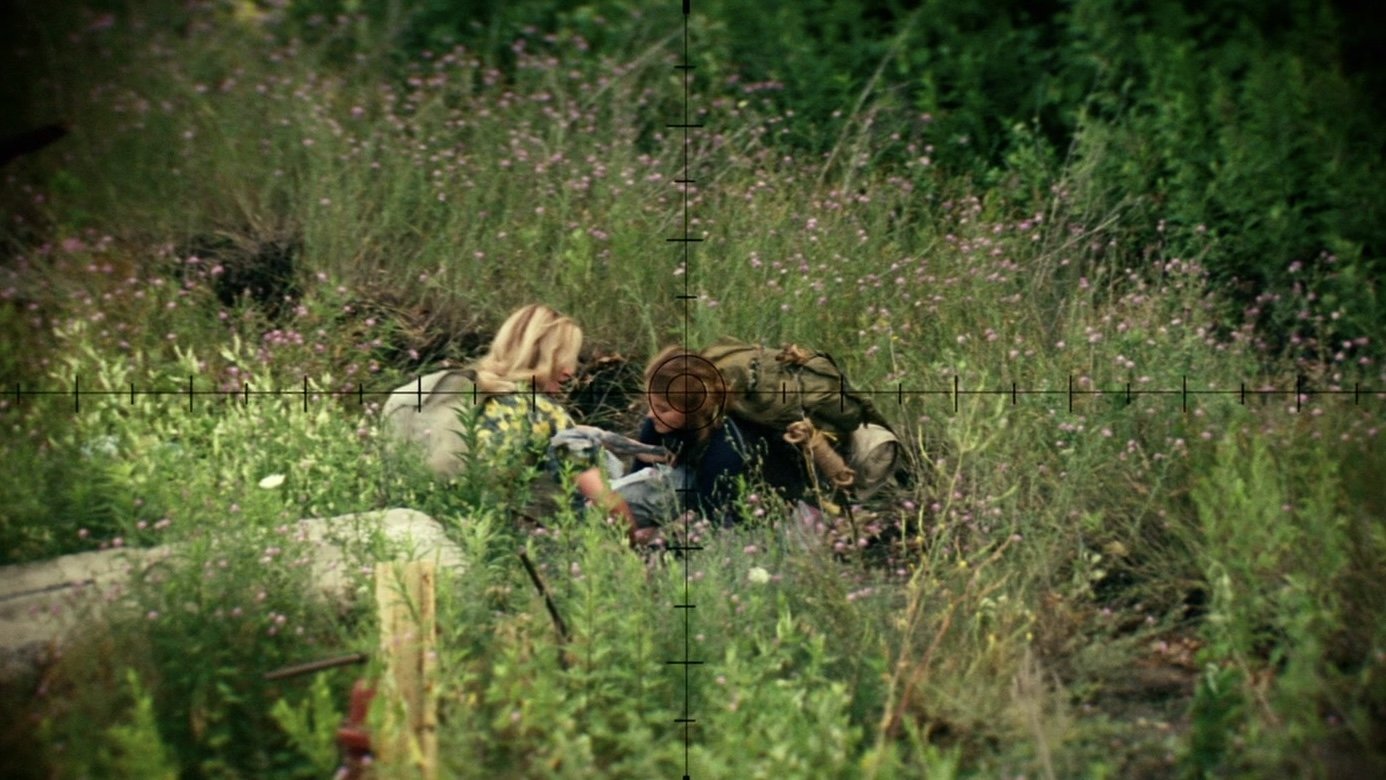
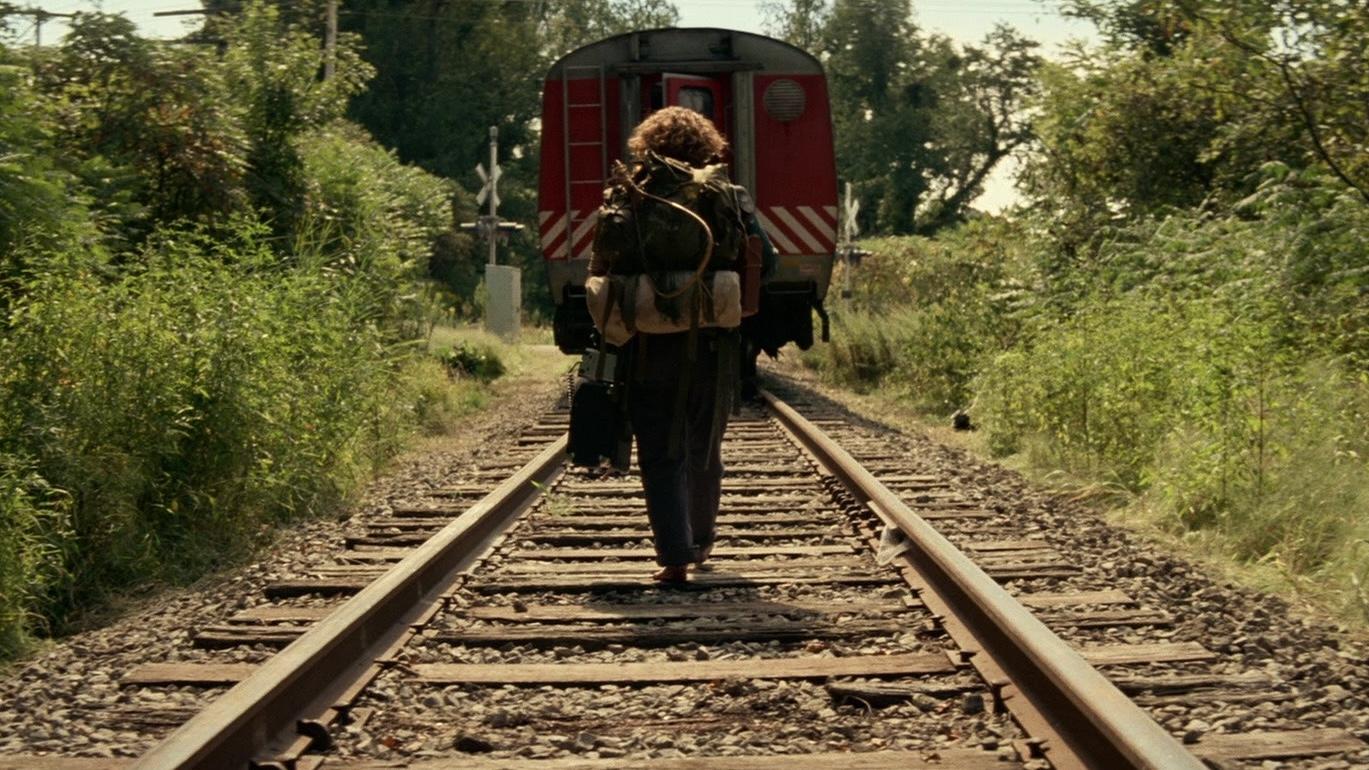
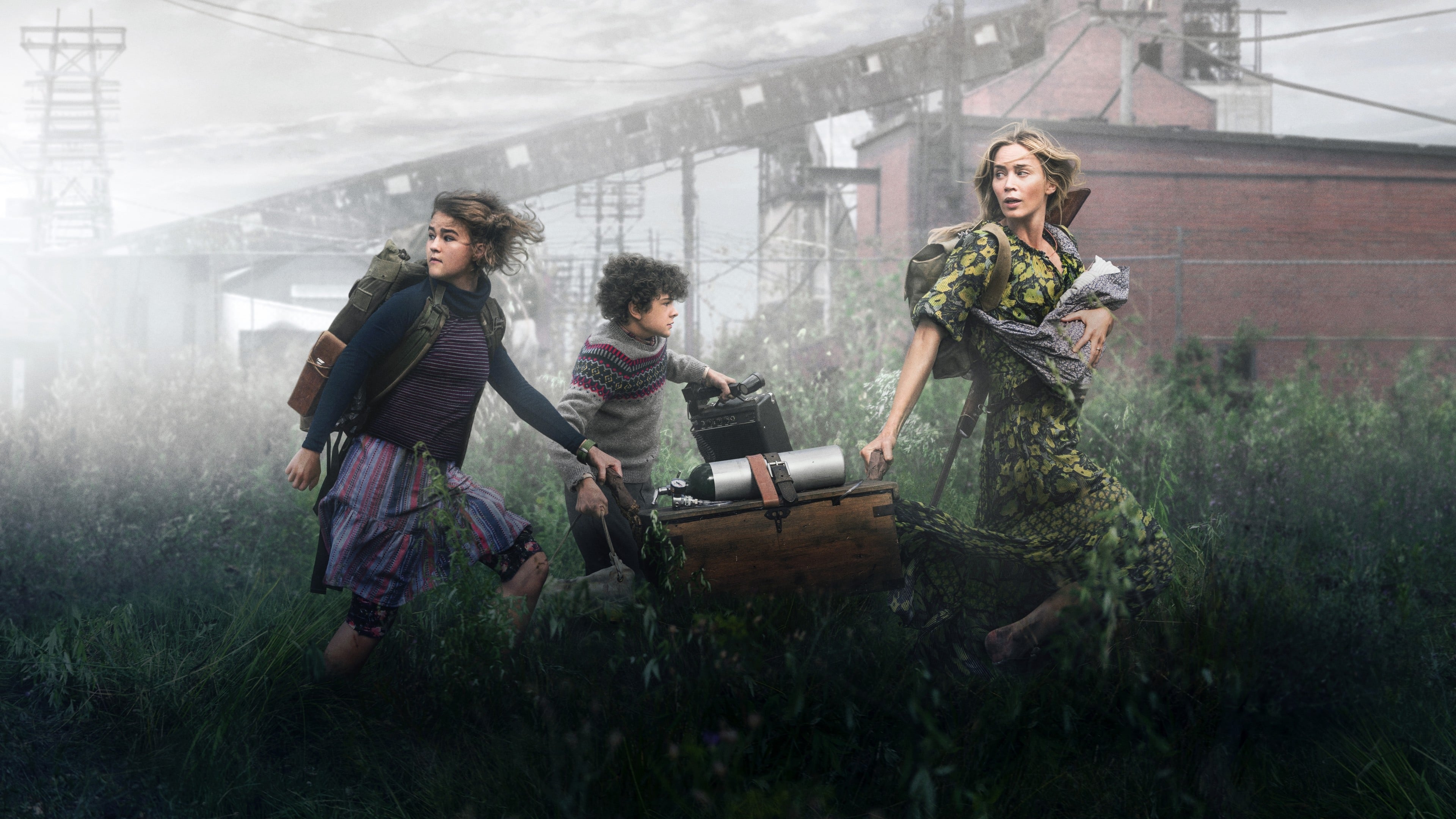
A Quiet Place Part II (2021) extends John Krasinski's 2018 survival-horror film beyond the Abbott family's isolated farm and into a shattered landscape in which sound remains a lethal liability. Written and directed by Krasinski, the sequel begins by showing the arrival of the predatory creatures, then resumes immediately after the earlier film's ending. The expansion in scale is central to its identity: roads, industrial buildings, an abandoned railway corridor and a coastal settlement become testing grounds for the same rules of noise and attention established in the first film. The creatures' acute hearing gives ordinary physical movement the structure of a suspense sequence.

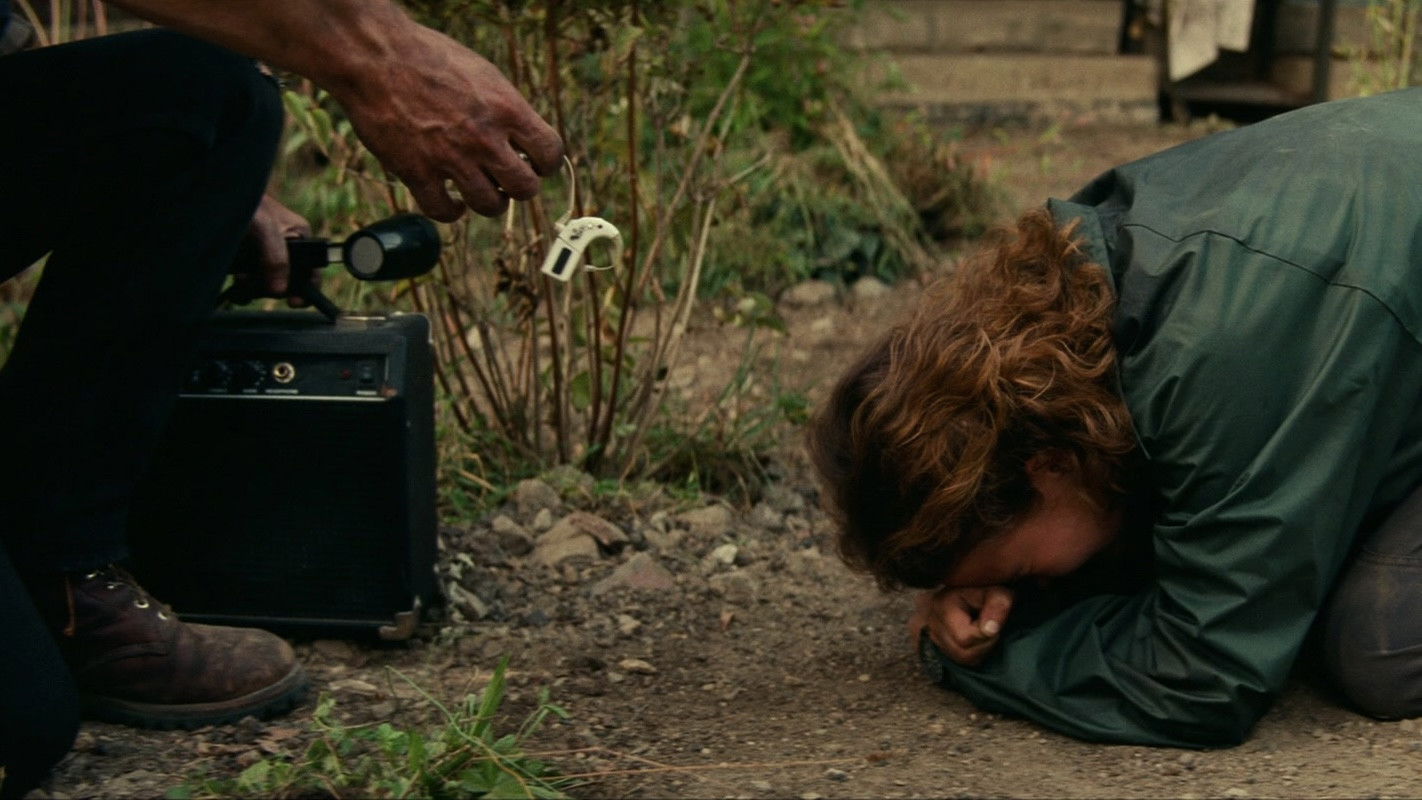
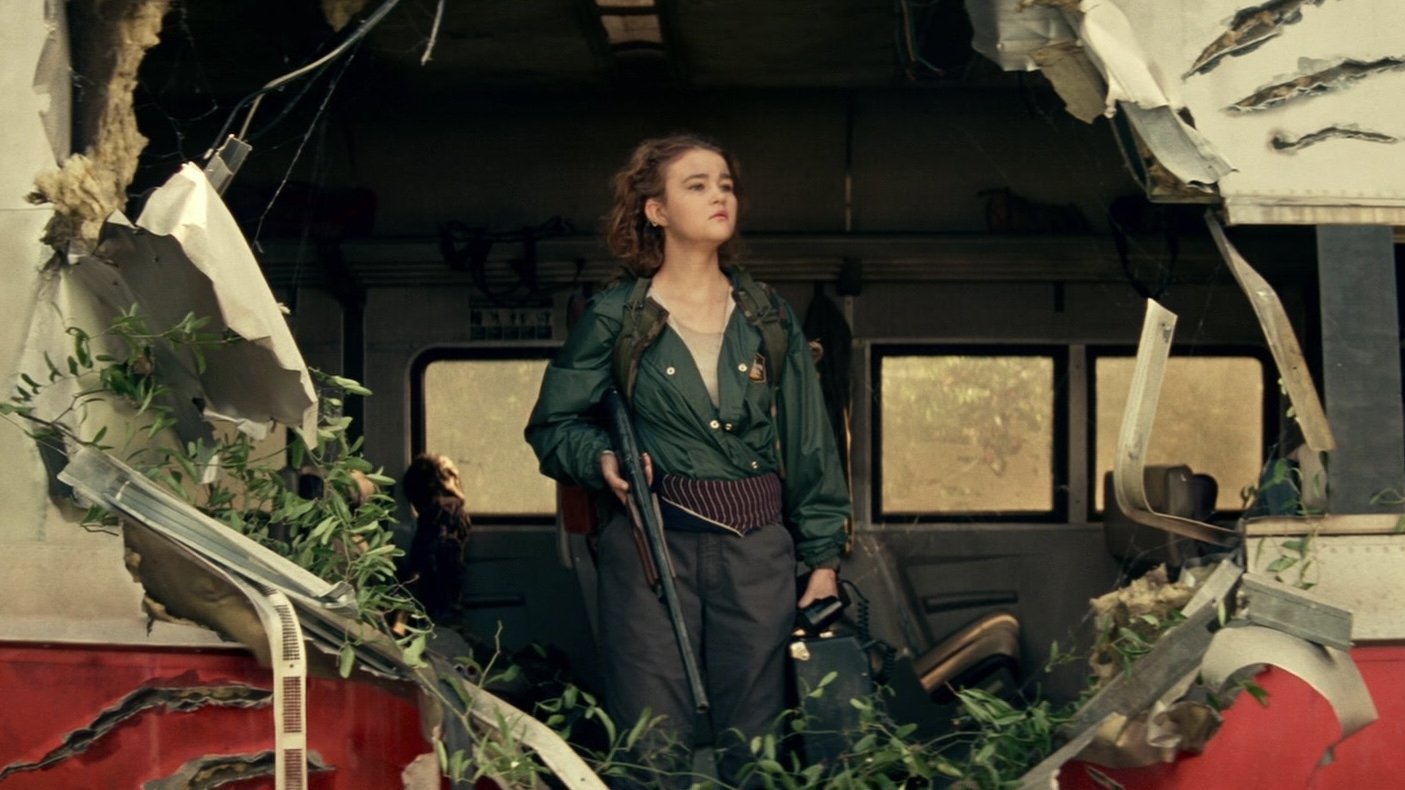
The change in setting is matched by a shift in perspective toward Regan Abbott, played by Millicent Simmonds, whose hearing device has become an unexpected means of defending the family. The film's treatment of deafness is formally important because the soundtrack repeatedly moves between the audience's access to surrounding sound and Regan's restricted auditory perspective. A Quiet Place Part II also became a conspicuous theatrical release during the reopening of cinemas after COVID-19 disruptions, having completed its film-festival premiere before widespread shutdowns delayed its commercial launch.

Development and the Sequel

Following the commercial success of A Quiet Place, a continuation became attractive to Paramount, but Krasinski initially resisted returning. In interviews he described the first film as a self-contained personal story, built around a parent's promise to protect children. He eventually found a new direction in the prospect of allowing the Abbott children, particularly Regan, to take more responsibility outside the safety of their home. The shift helped make a second film narratively possible without simply recreating the siege conditions of the farmhouse. Krasinski wrote the new screenplay and returned to direct, while Emily Blunt, Simmonds and Noah Jupe reprised their roles.

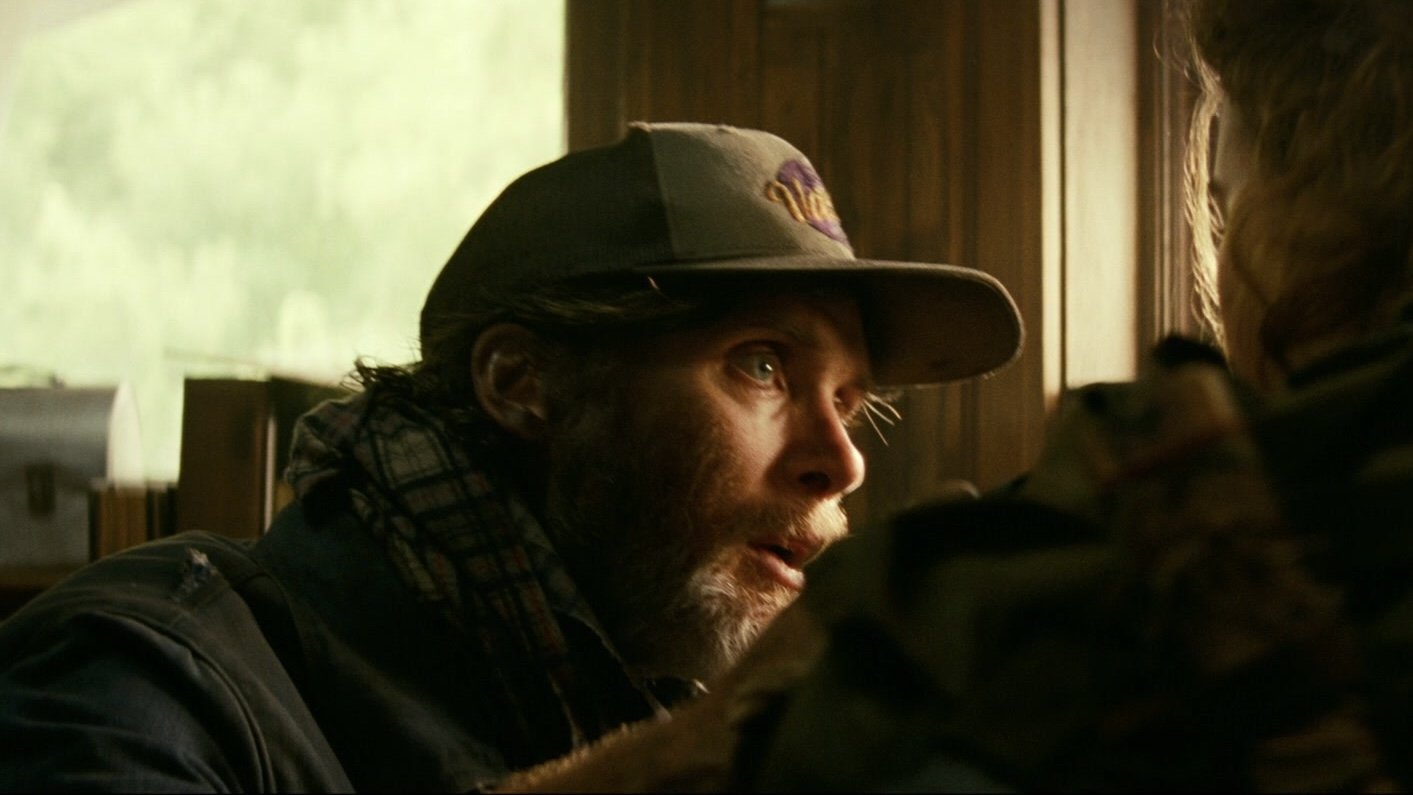
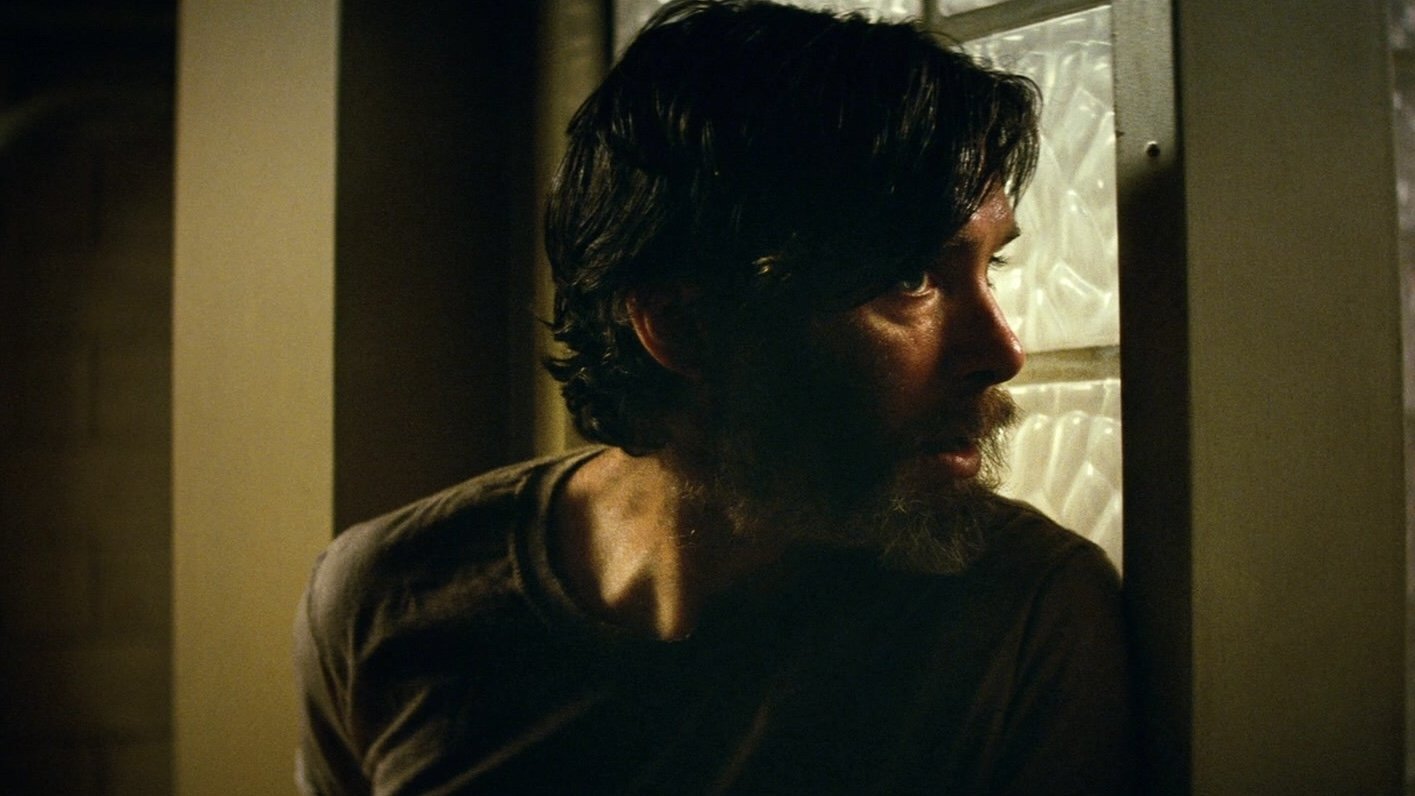
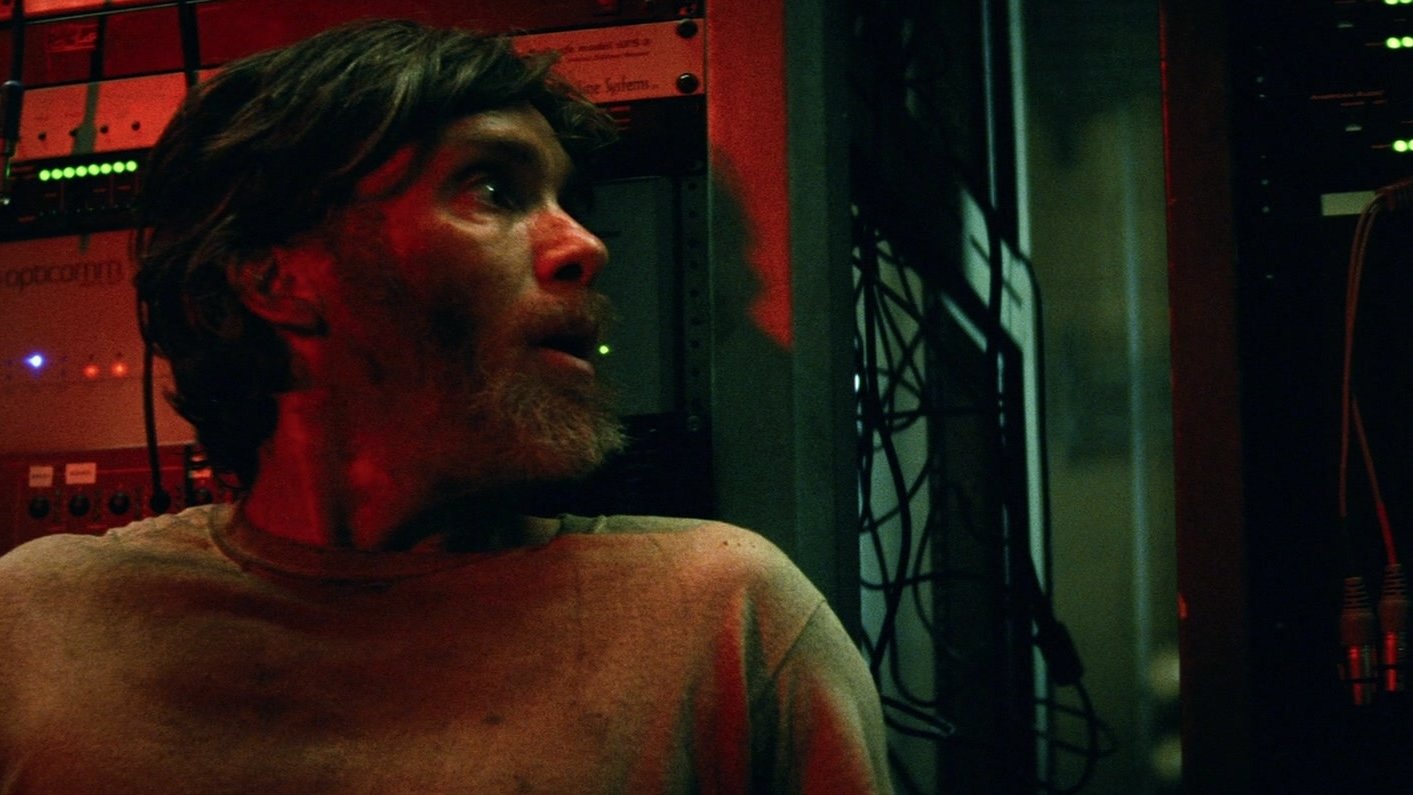
The film's construction uses two movements with different functions. The opening prologue revisits the first day of the invasion, briefly restoring an intact community and Lee Abbott's presence before sound and social order collapse together. The subsequent story moves beyond the farm after Lee's death, introducing Emmett, an acquaintance from the family's former life, whose own losses have altered his willingness to help strangers. This expansion allows the film to dramatize disagreements over trust and collective survival while keeping its central threat specific: even an accidental sound can reveal an otherwise concealed group.

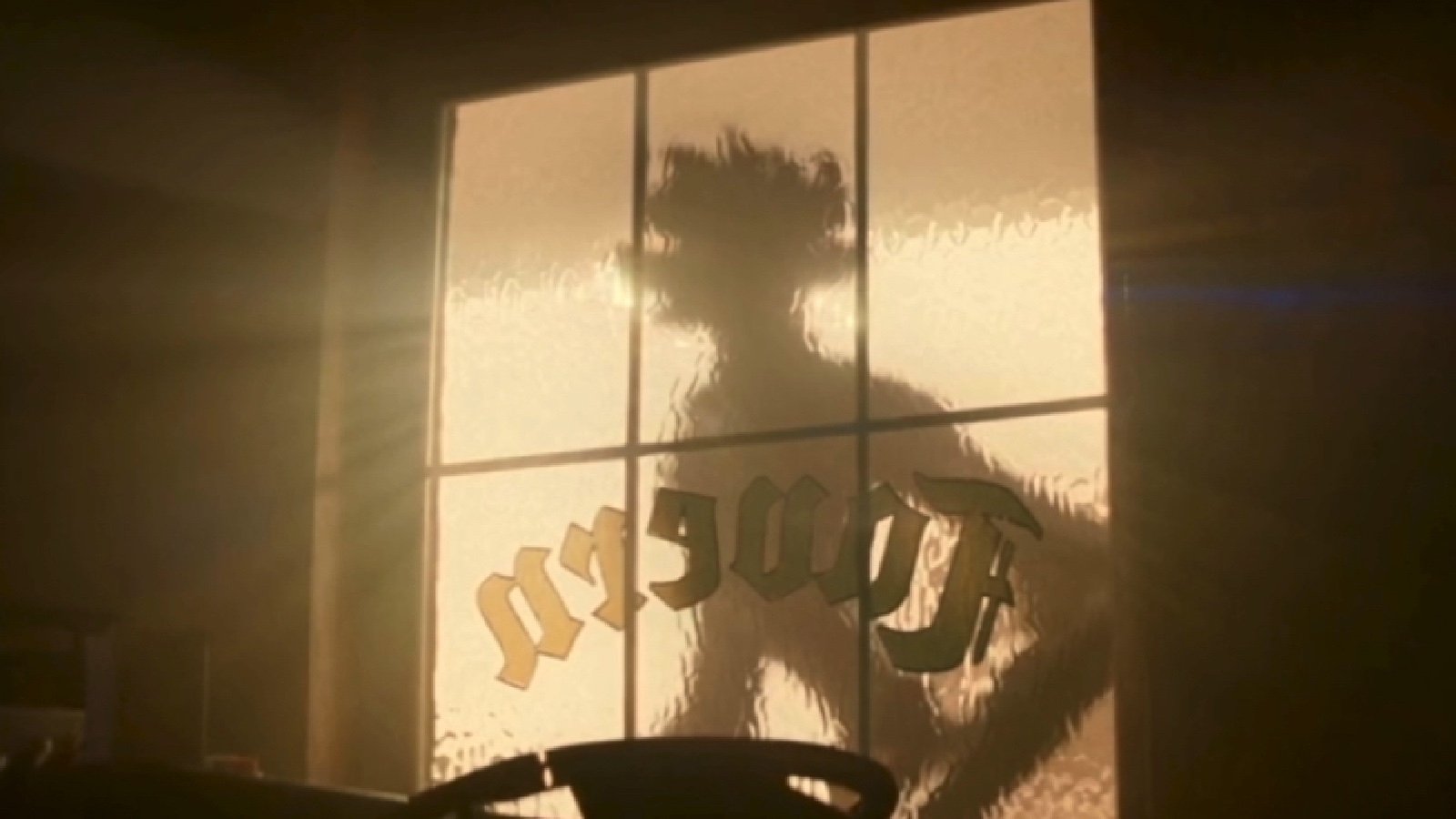
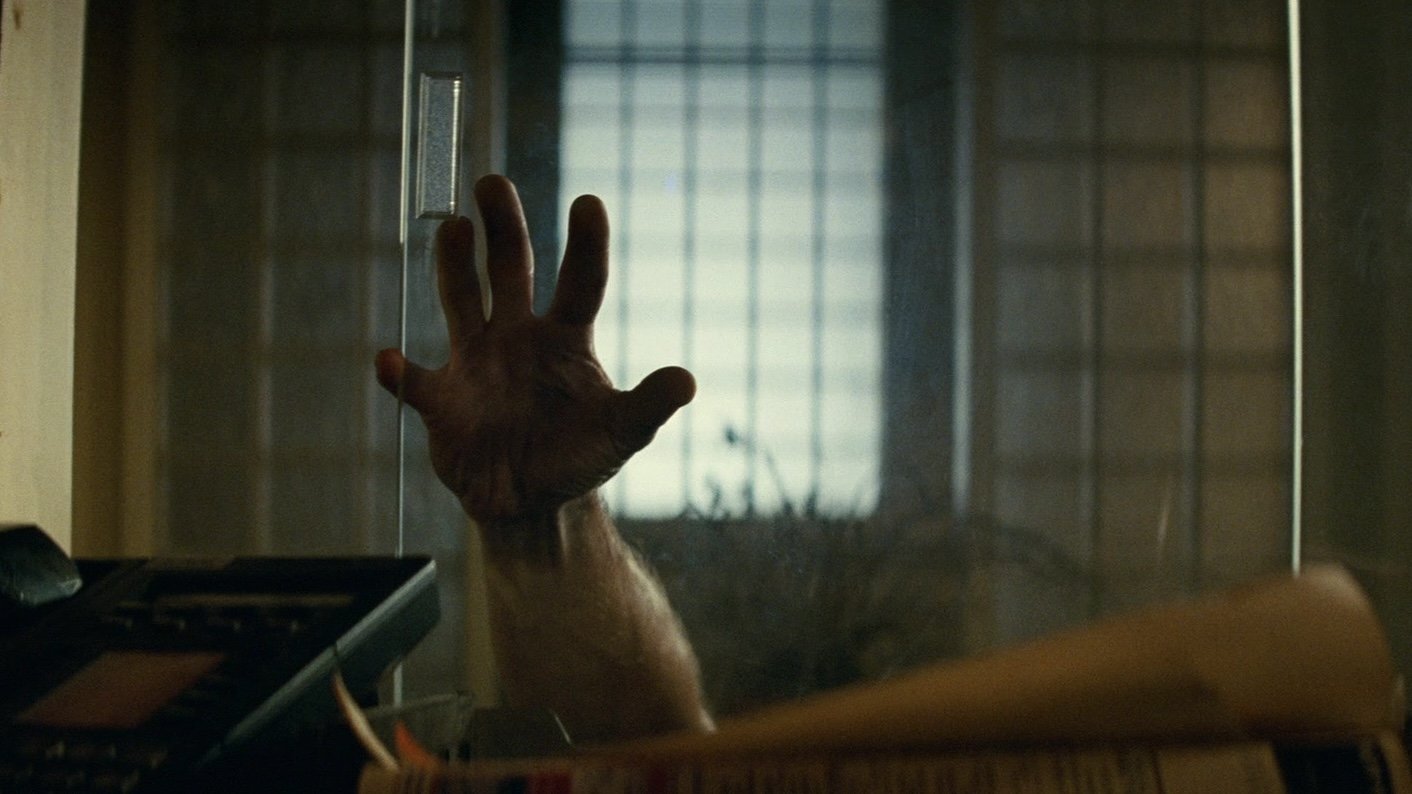
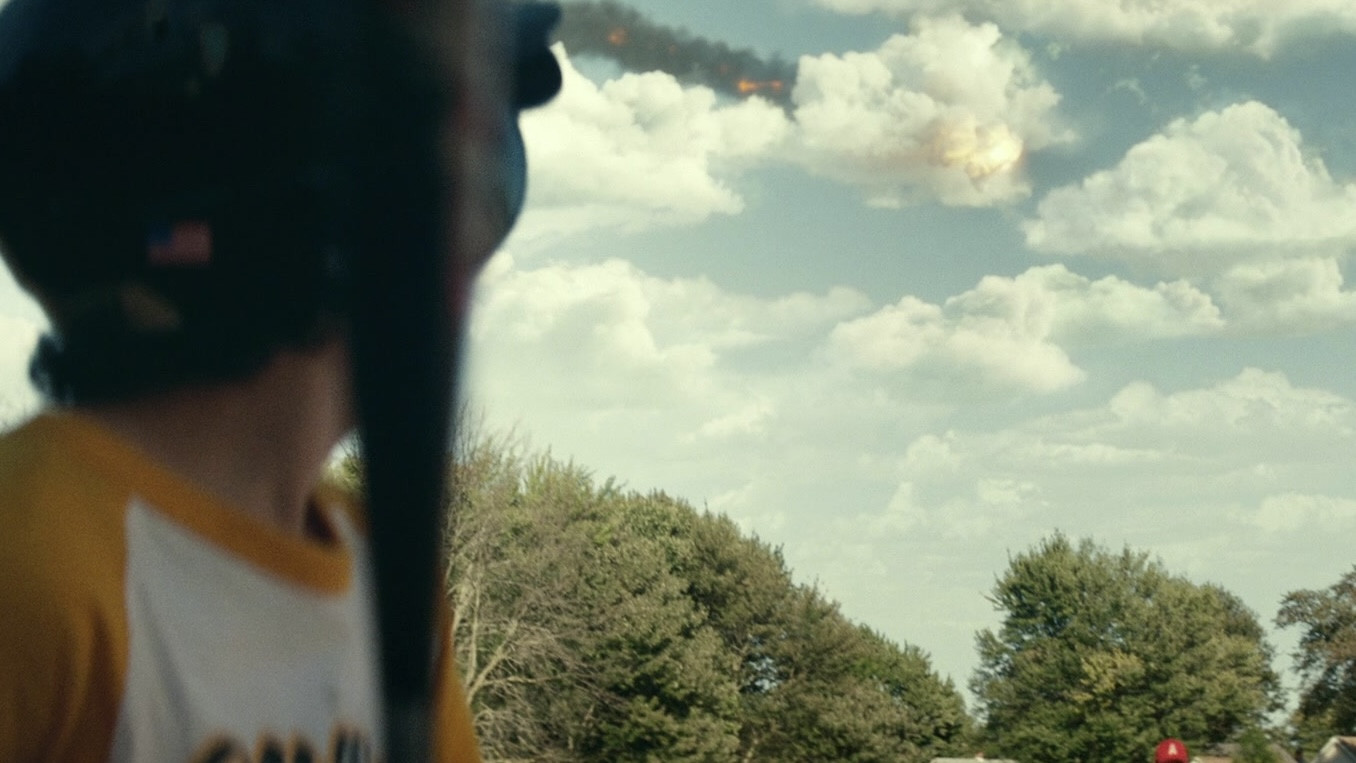
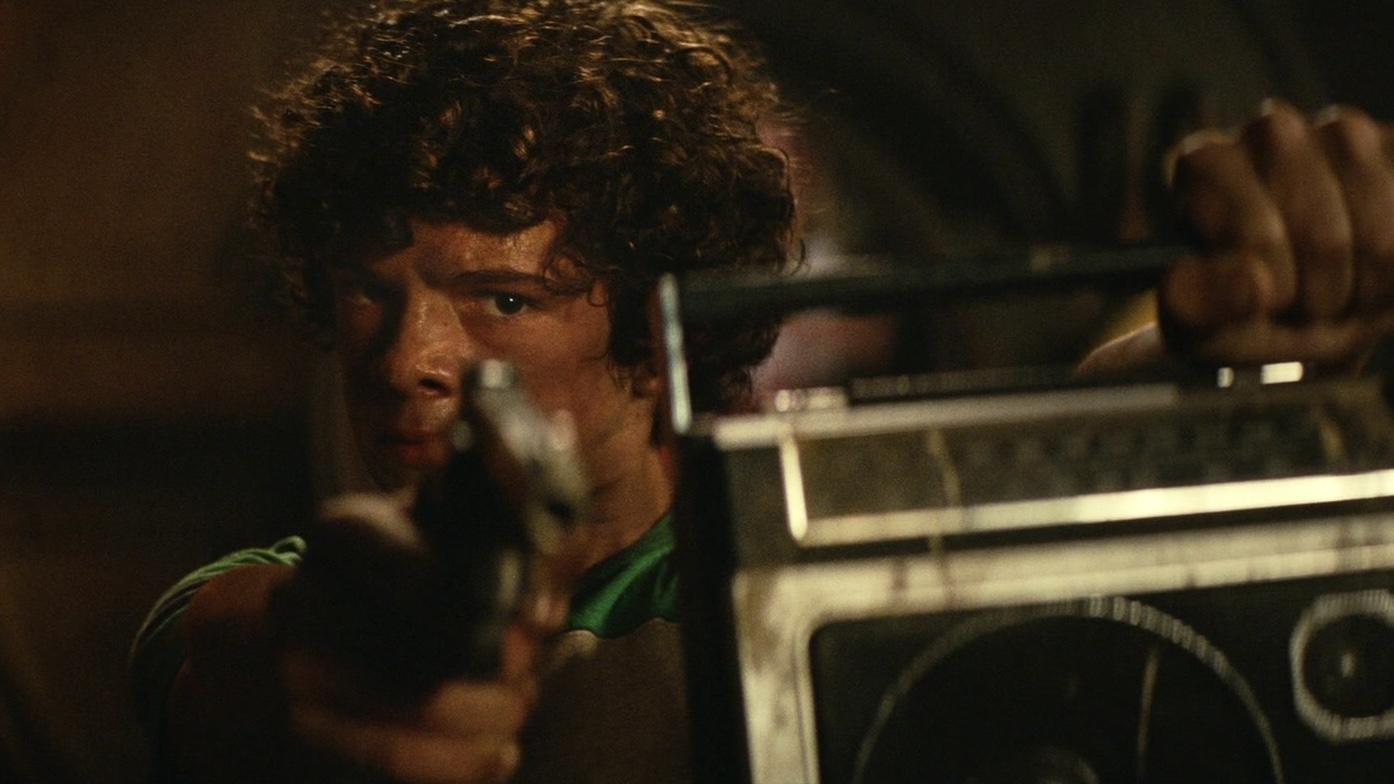
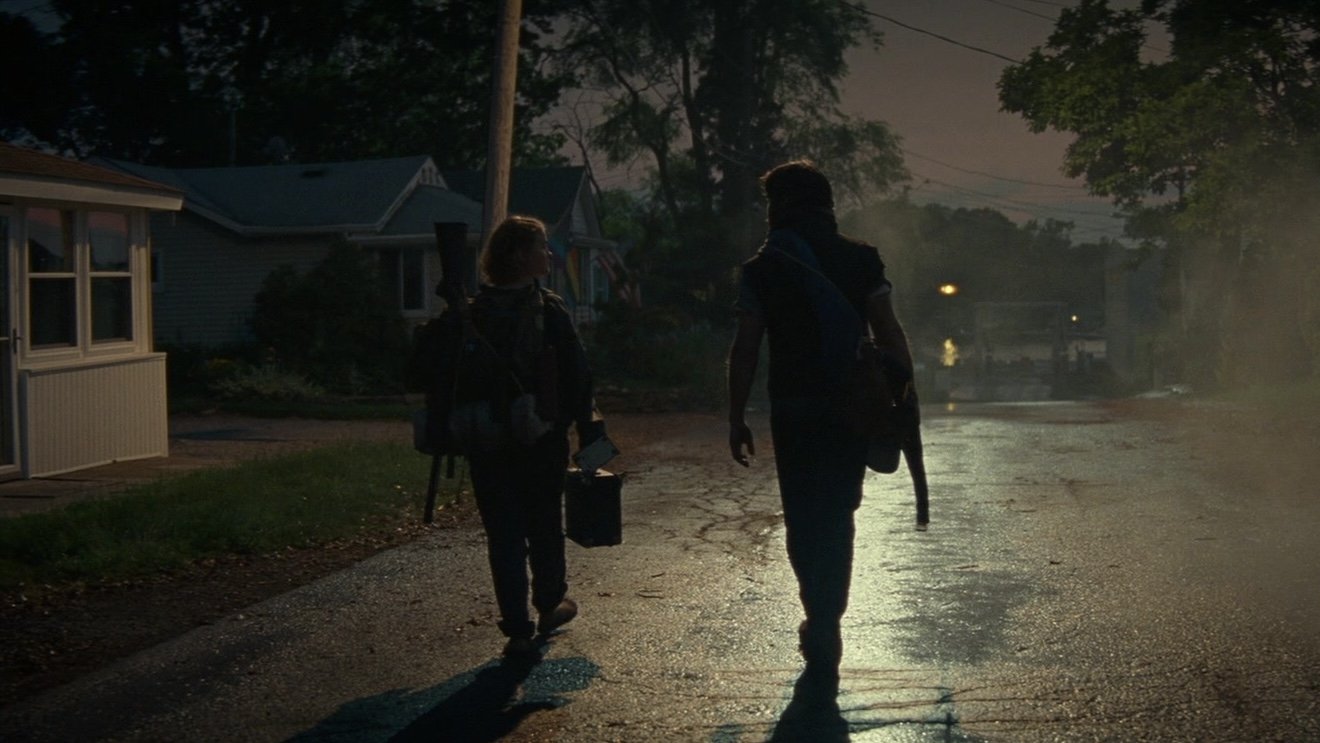
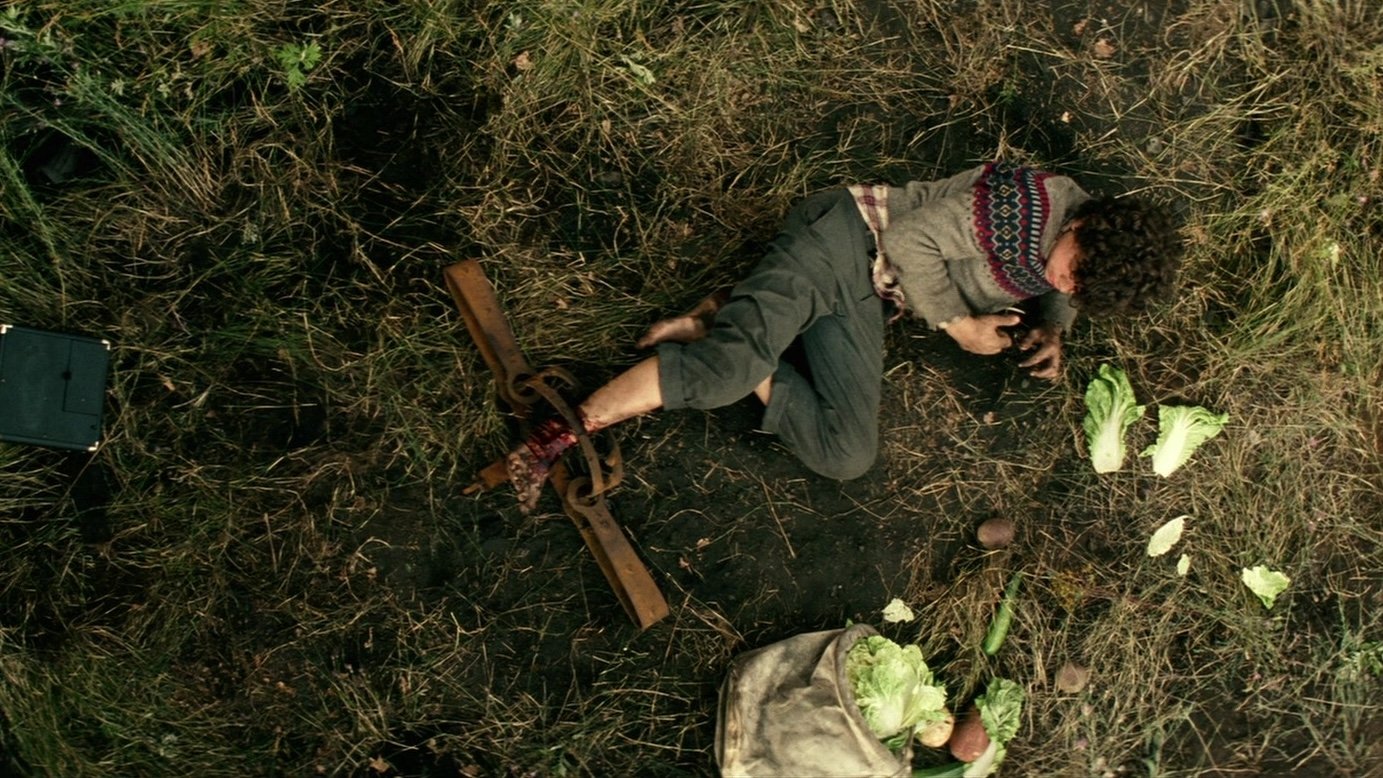
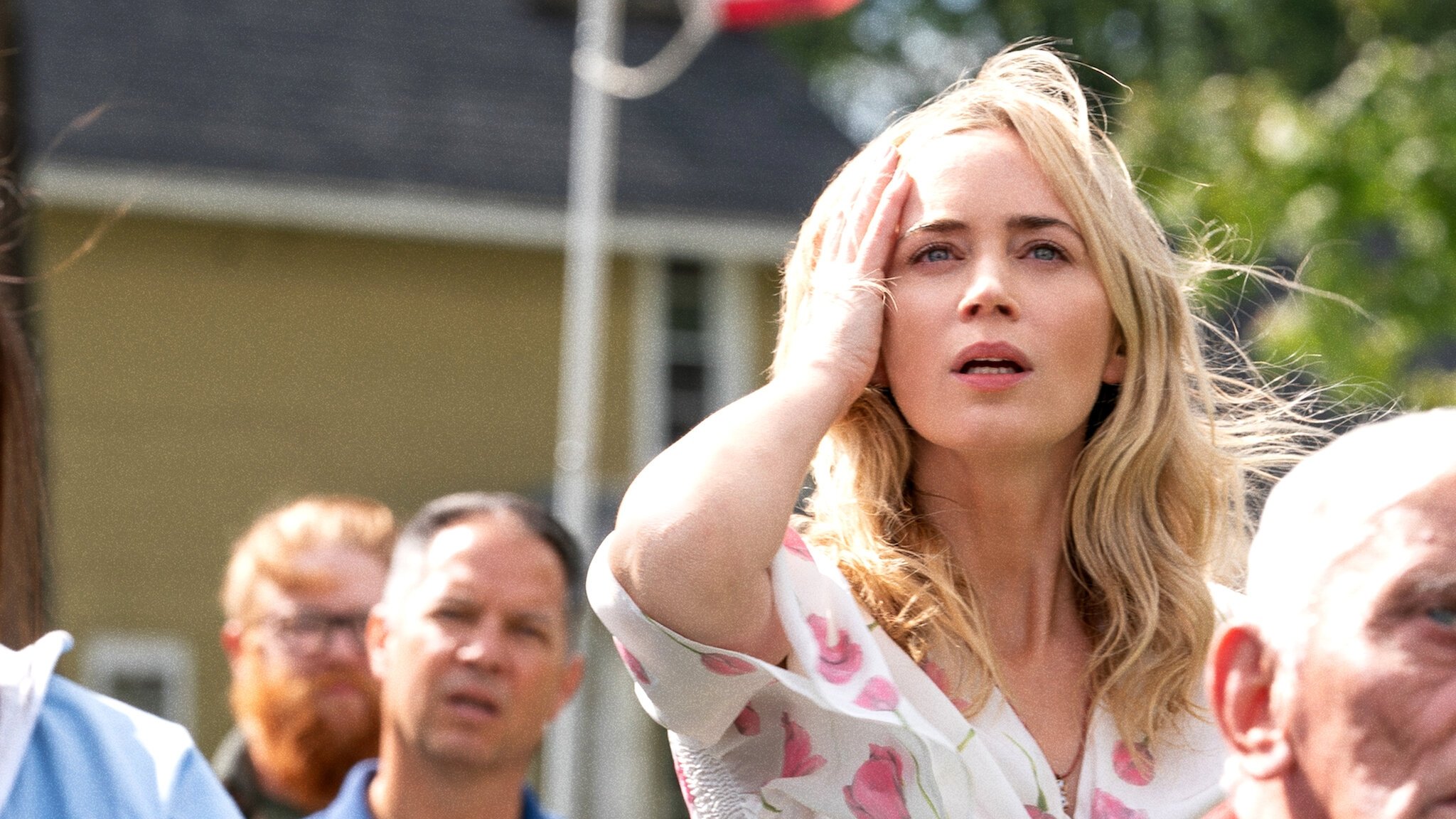
The pre-invasion opening also changes the audience's relation to Lee Abbott. His absence is already established by the earlier film, so the return to ordinary family routine carries knowledge that the characters cannot possess. A baseball game, a shop visit and movement through familiar streets acquire the quality of endangered memories. Once the story returns to the present, Lee's brief reappearance has established the scale of what the family and its neighbors have lost. The contrast gives the sequel an emotional link to its predecessor without requiring a prolonged recap of the first film's events.
Cinematography and Spatial Suspense

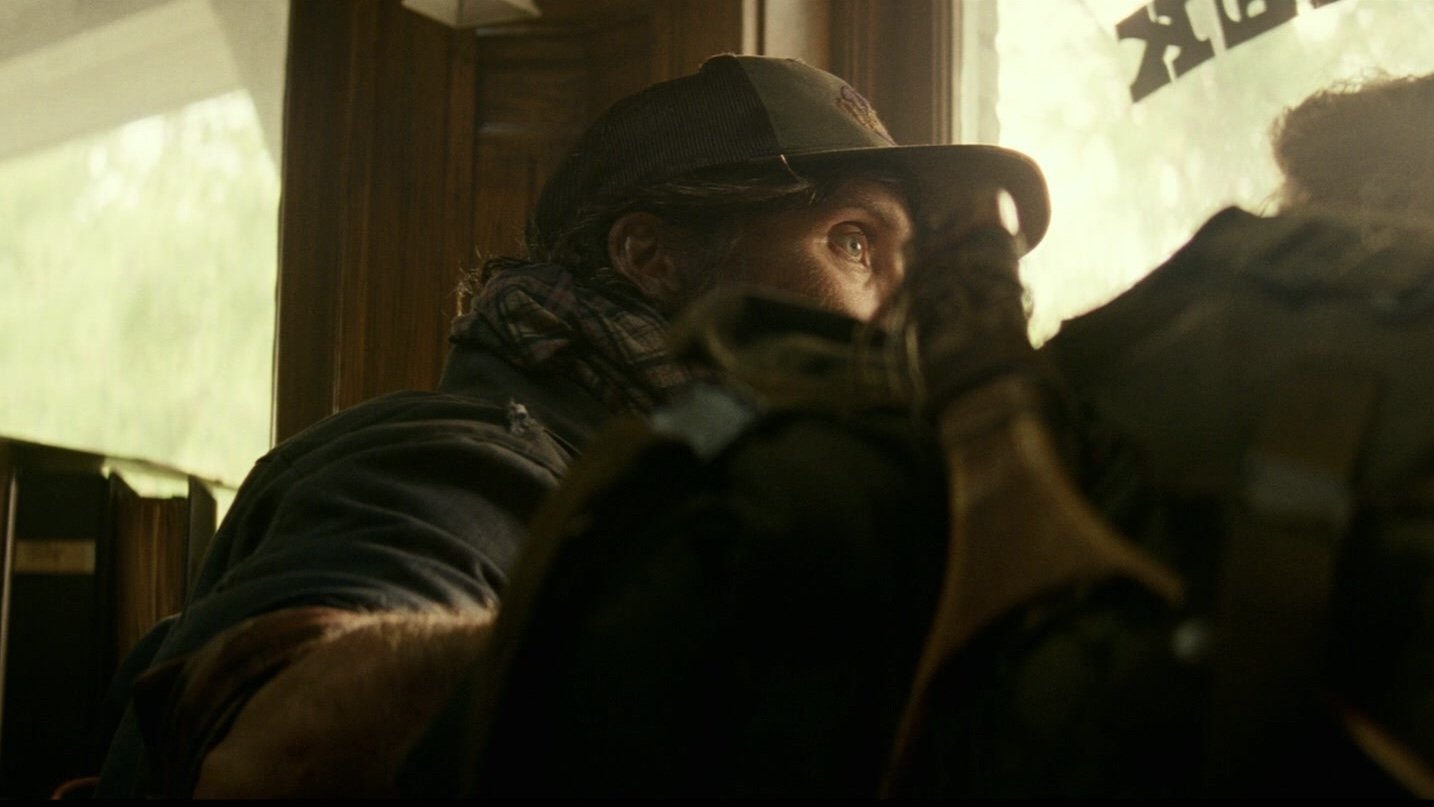
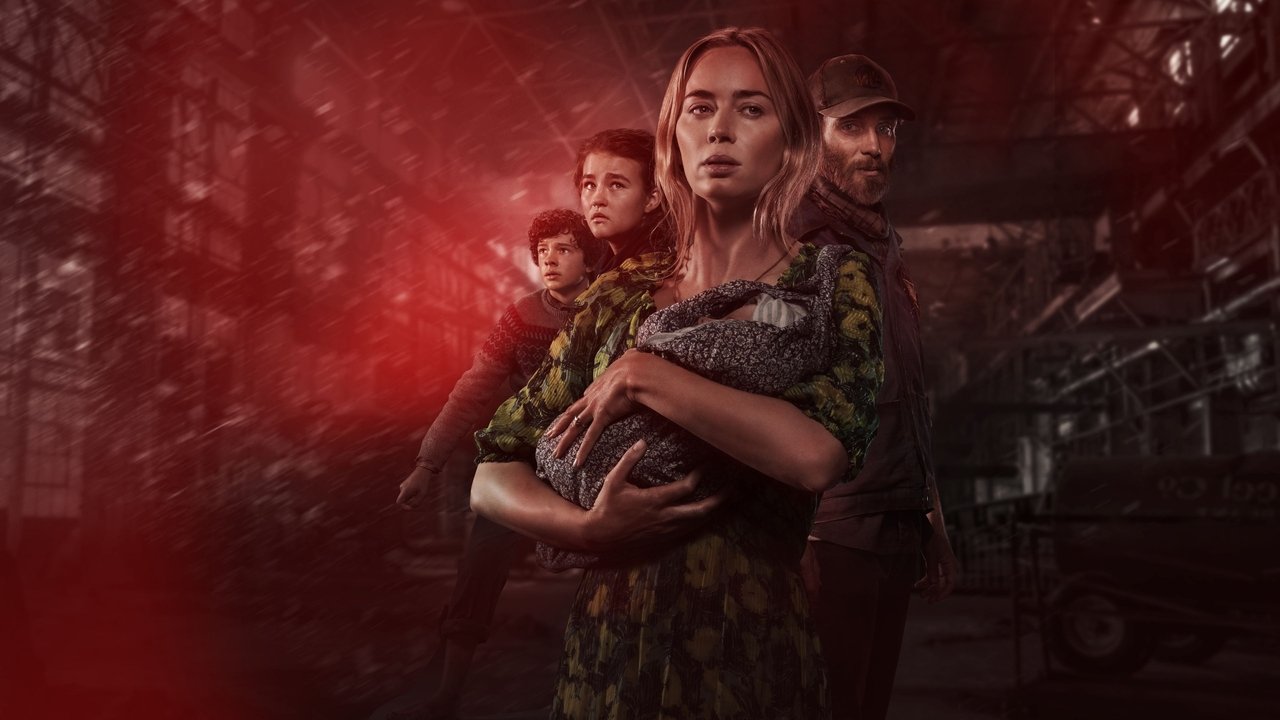
Cinematographer Polly Morgan preserved the original film's 35 mm foundation while pursuing more extensive movement through open and industrial environments. In a detailed account published by Kodak, Morgan identified Panavision Millennium XL2 cameras and modified T-series anamorphic lenses selected to approach the visual qualities of the first film's C-series lenses. Kodak Vision3 500T stock served many of the dark interiors and nighttime sequences, while 250D was used chiefly for daylight situations. The choice of film stock was not just nostalgic decoration: Morgan emphasized the handling of highlights, the rendering of foliage and the retention of detail in shadow.

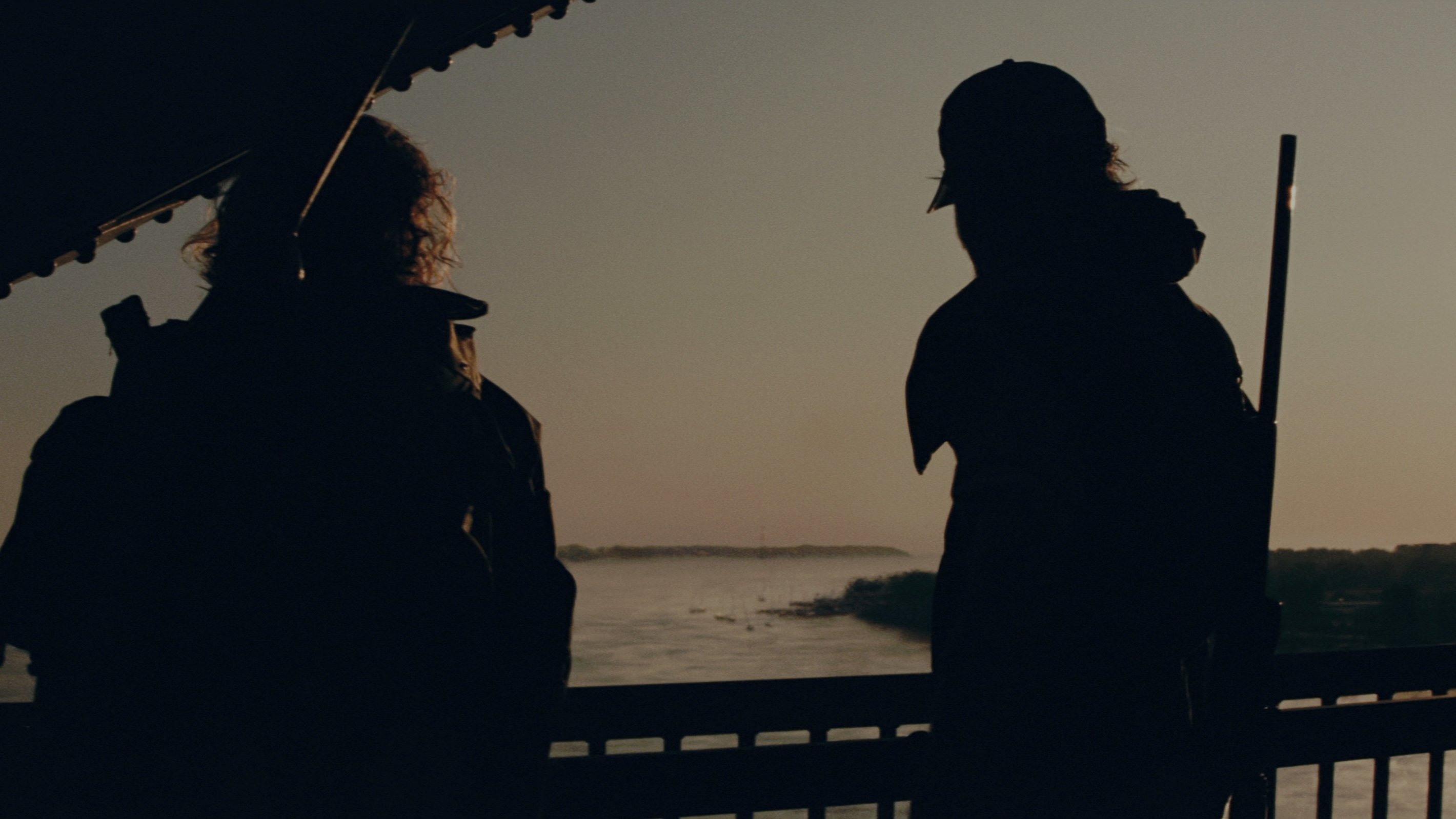
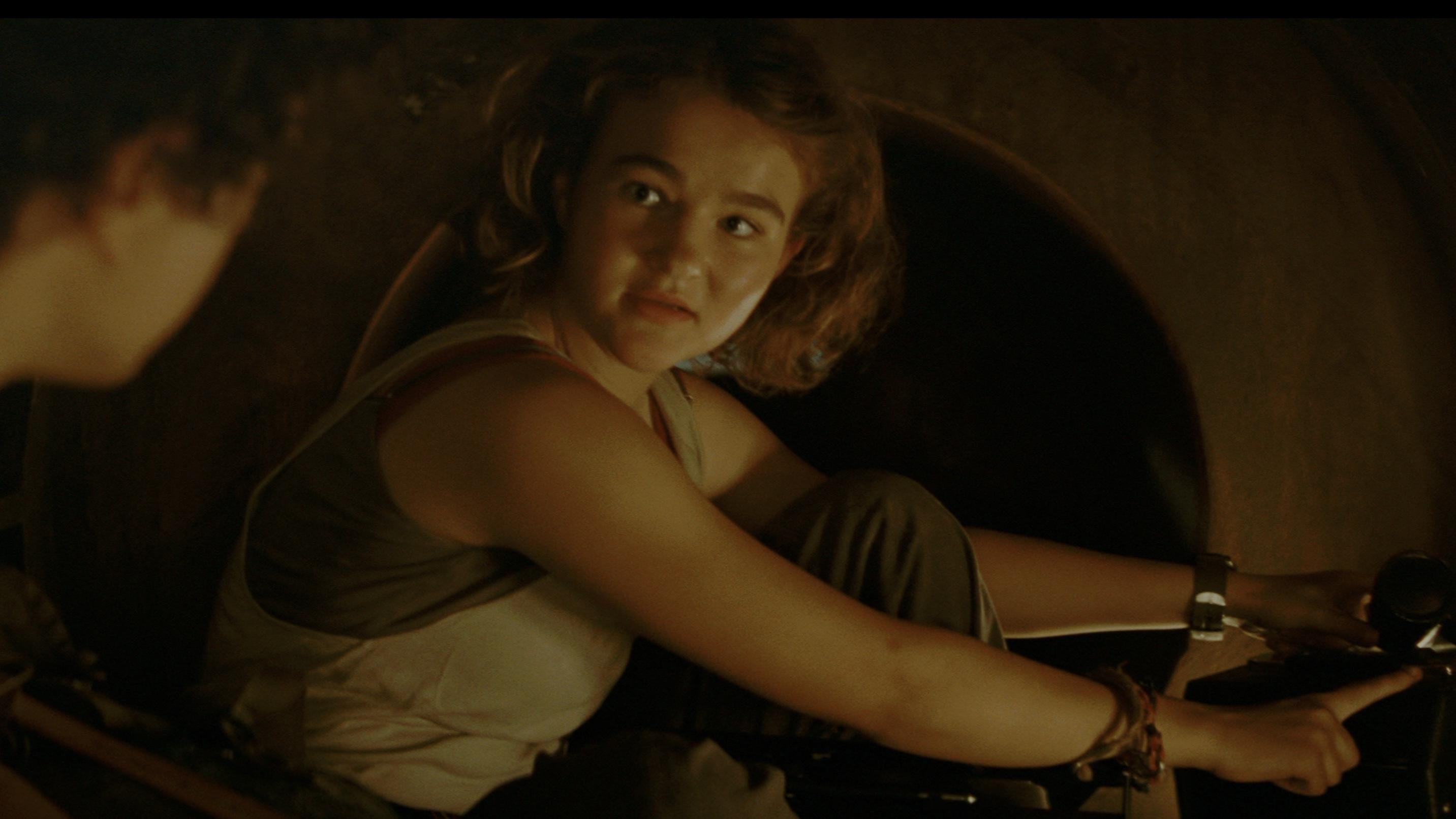
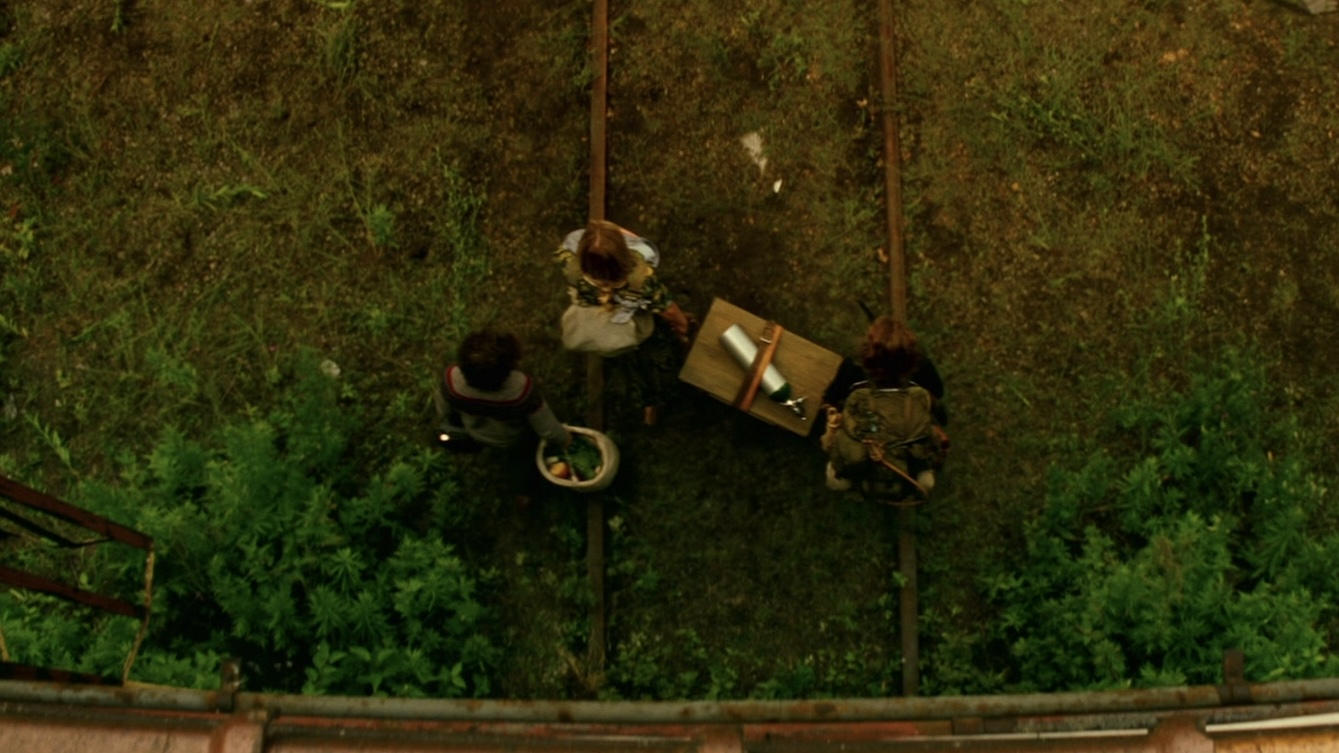
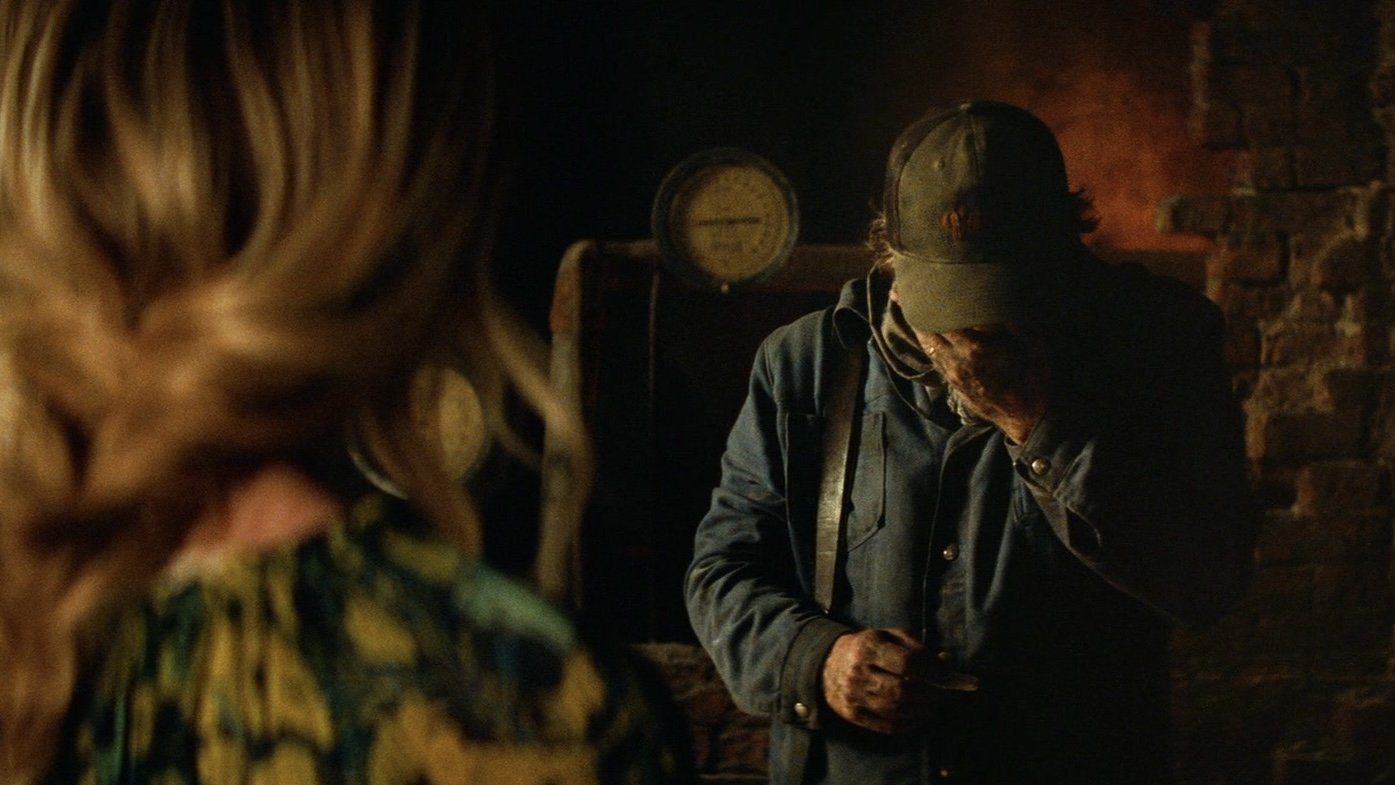
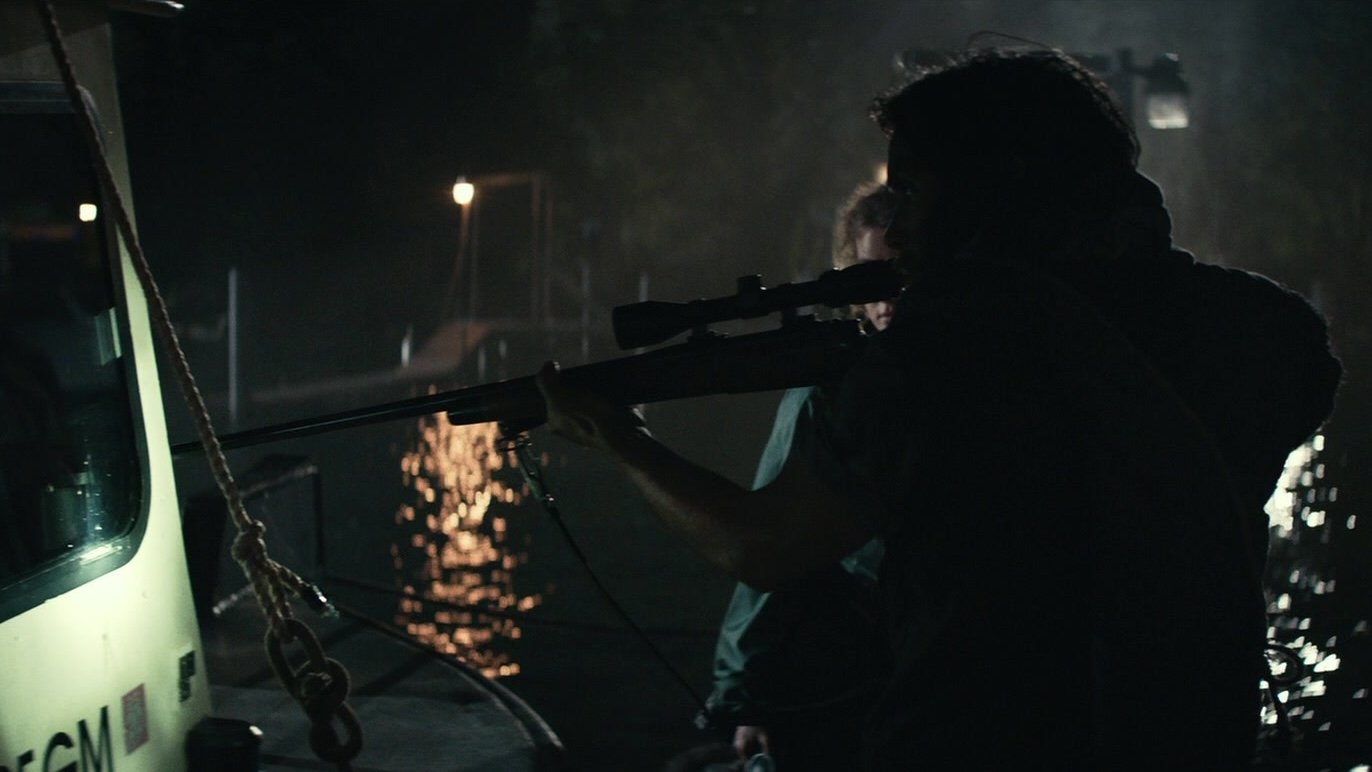
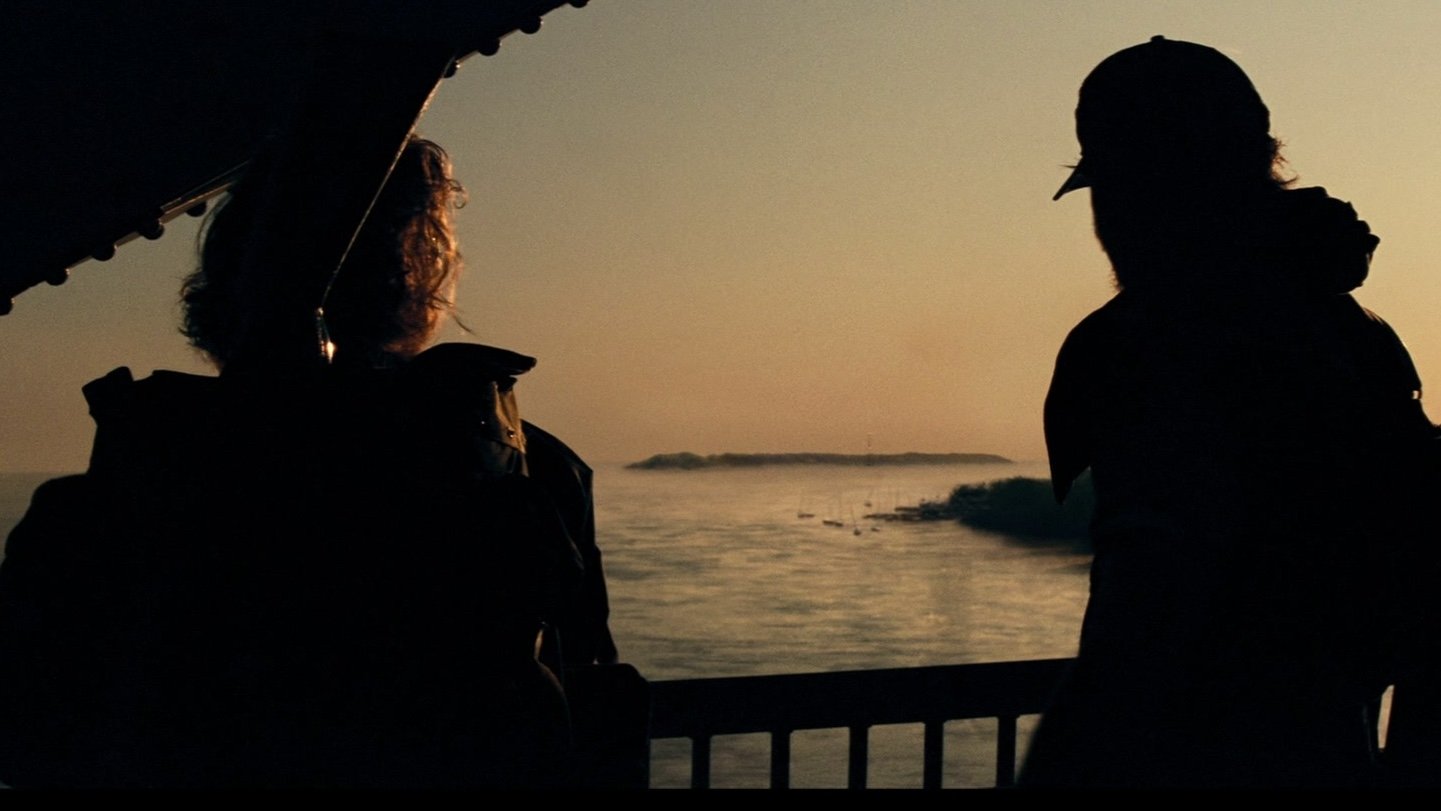
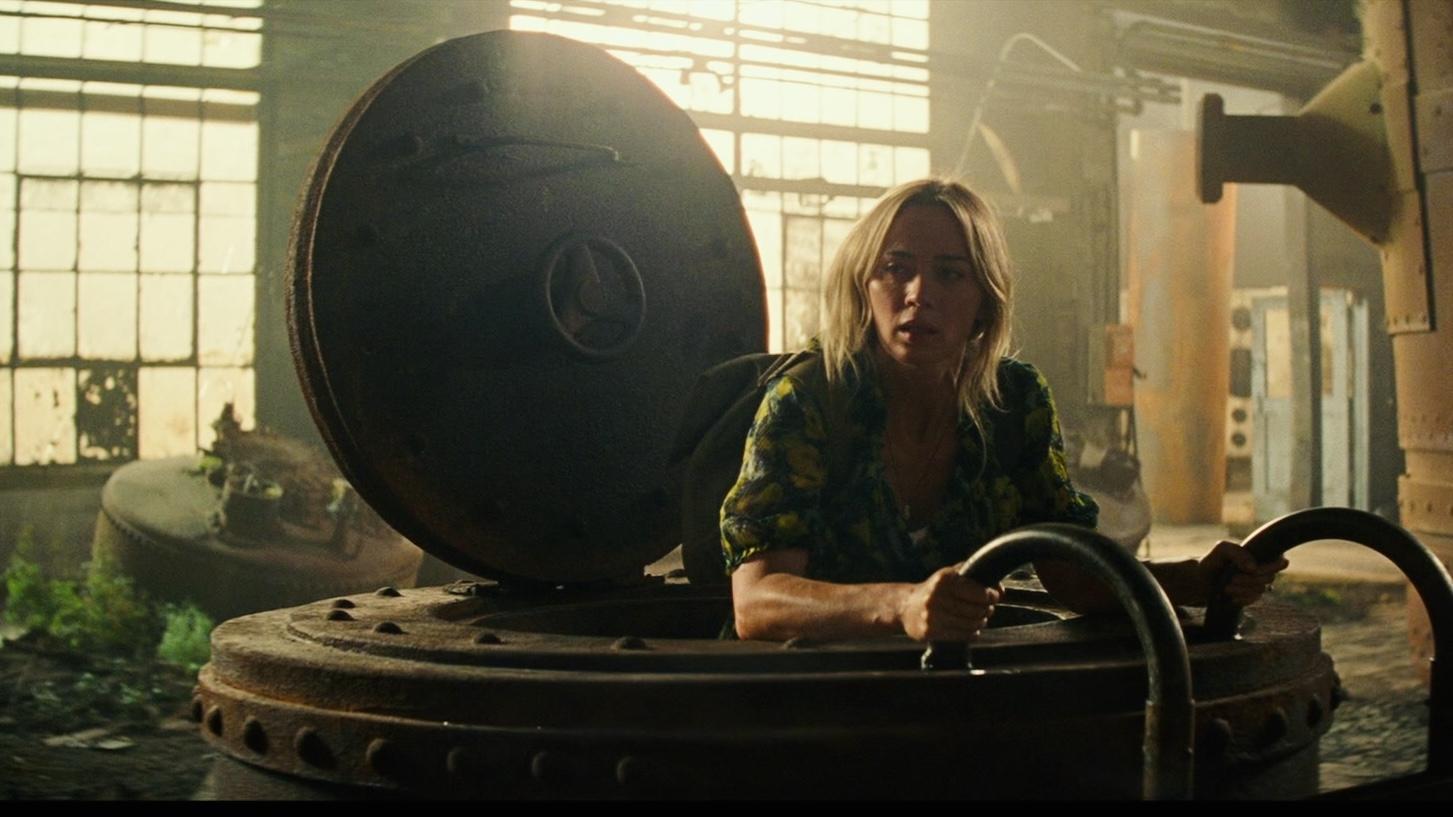
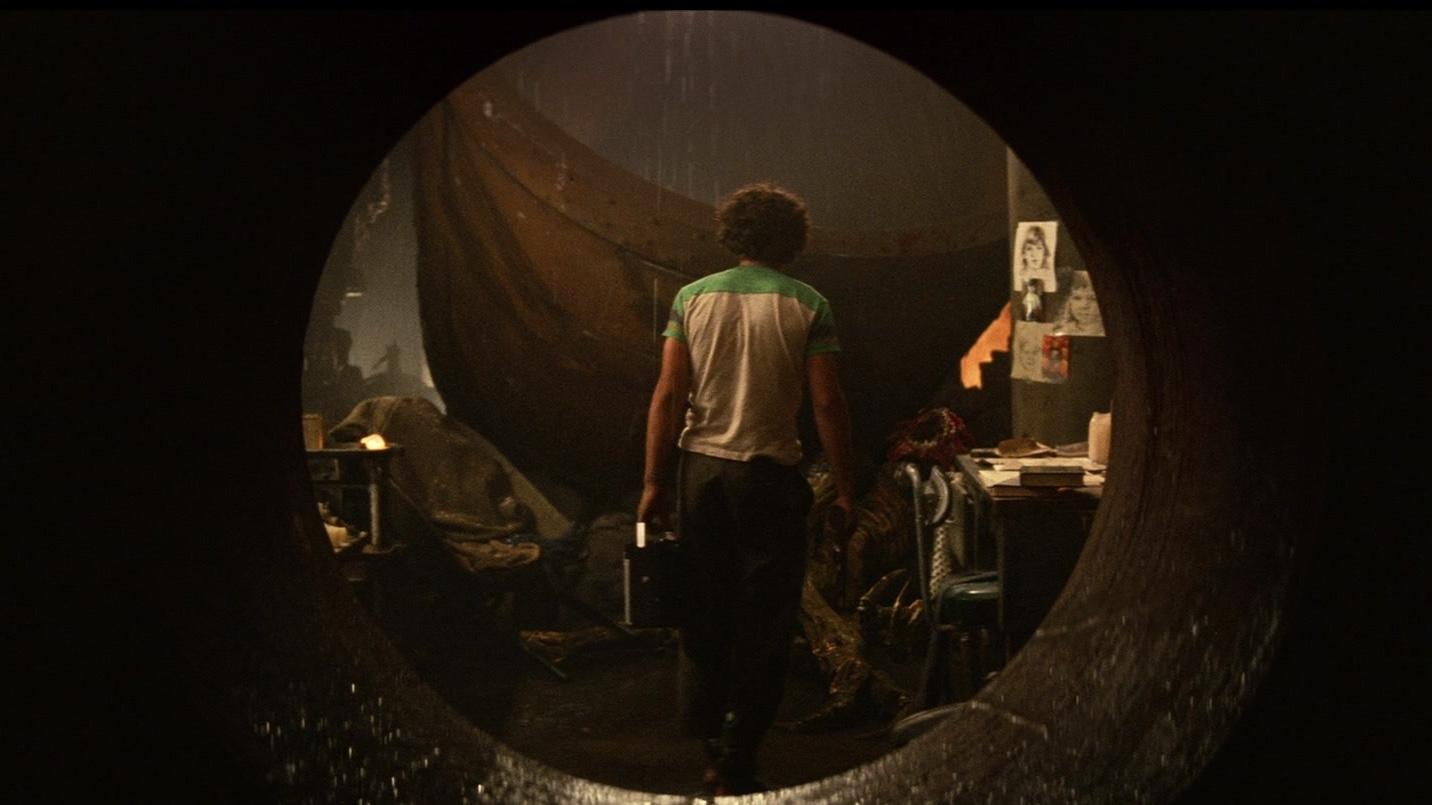
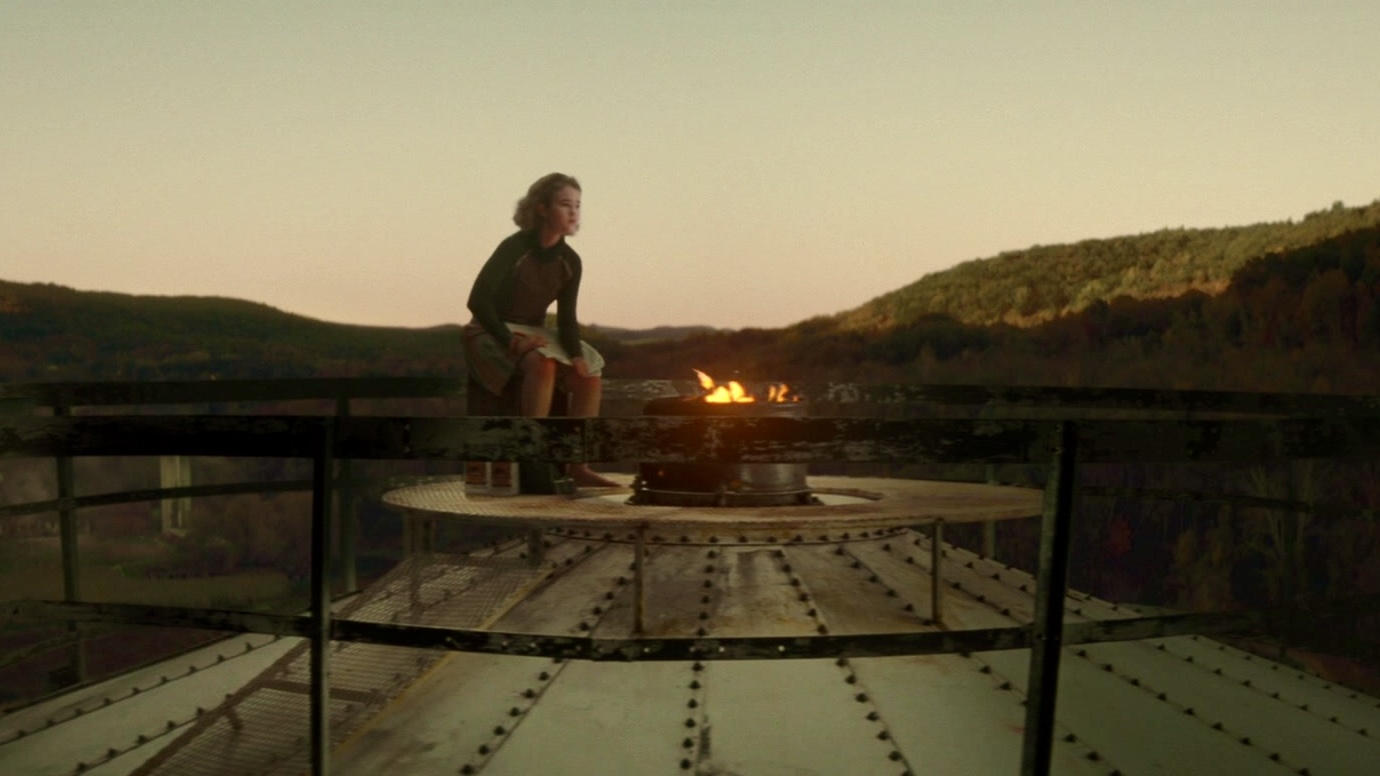
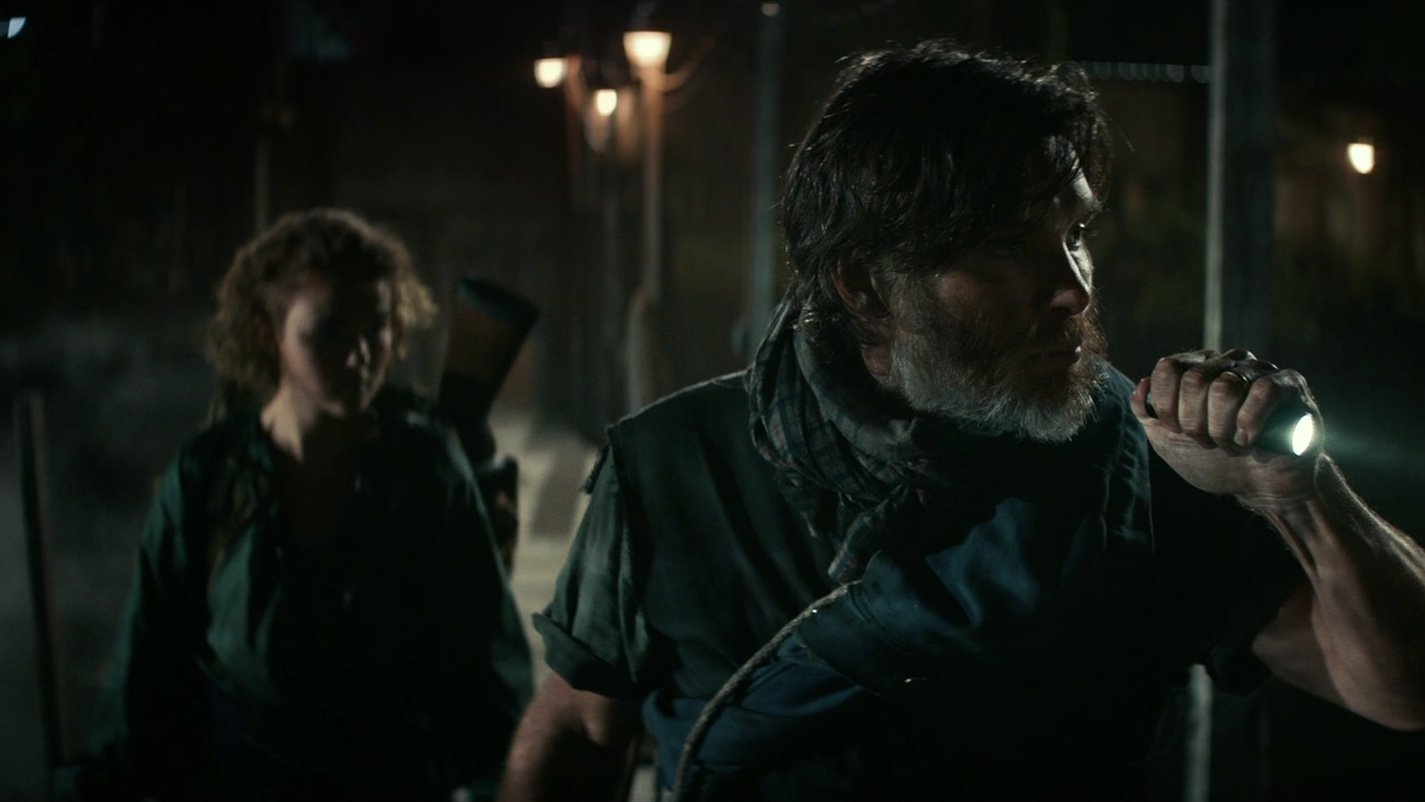
The sequel's camera has to orient the viewer across several simultaneous dangers. The prologue follows vehicles and running civilians through a town whose geography becomes newly threatening as attacks begin. Later scenes use a steel mill's metal surfaces, enclosed furnace spaces, corridors and narrow passages to constrain escape. Morgan also discussed the practical demands of shooting moving action and the challenges of obtaining sufficient exposure inside the furnace set. Her account notes that the marina material required a different capture approach. These decisions support a film in which establishing where a sound originated can be as important as showing the creature that hears it.

Sound Design and Regan's Perspective

Returning supervising sound editors Erik Aadahl and Ethan Van der Ryn developed the sequel's soundtrack with Krasinski around rules already established in the first installment. Their interviews describe a collaborative process in which the editors first explored scenes independently before presenting sound passes to the director. The goal was to control when an audience hears the full environment, when sound becomes distant or restricted and when abrupt noise forces a change in behavior. The prologue offered a particularly elaborate test because it begins in an ordinary town with engines, conversation and traffic before the creatures turn those everyday sounds into hazards.

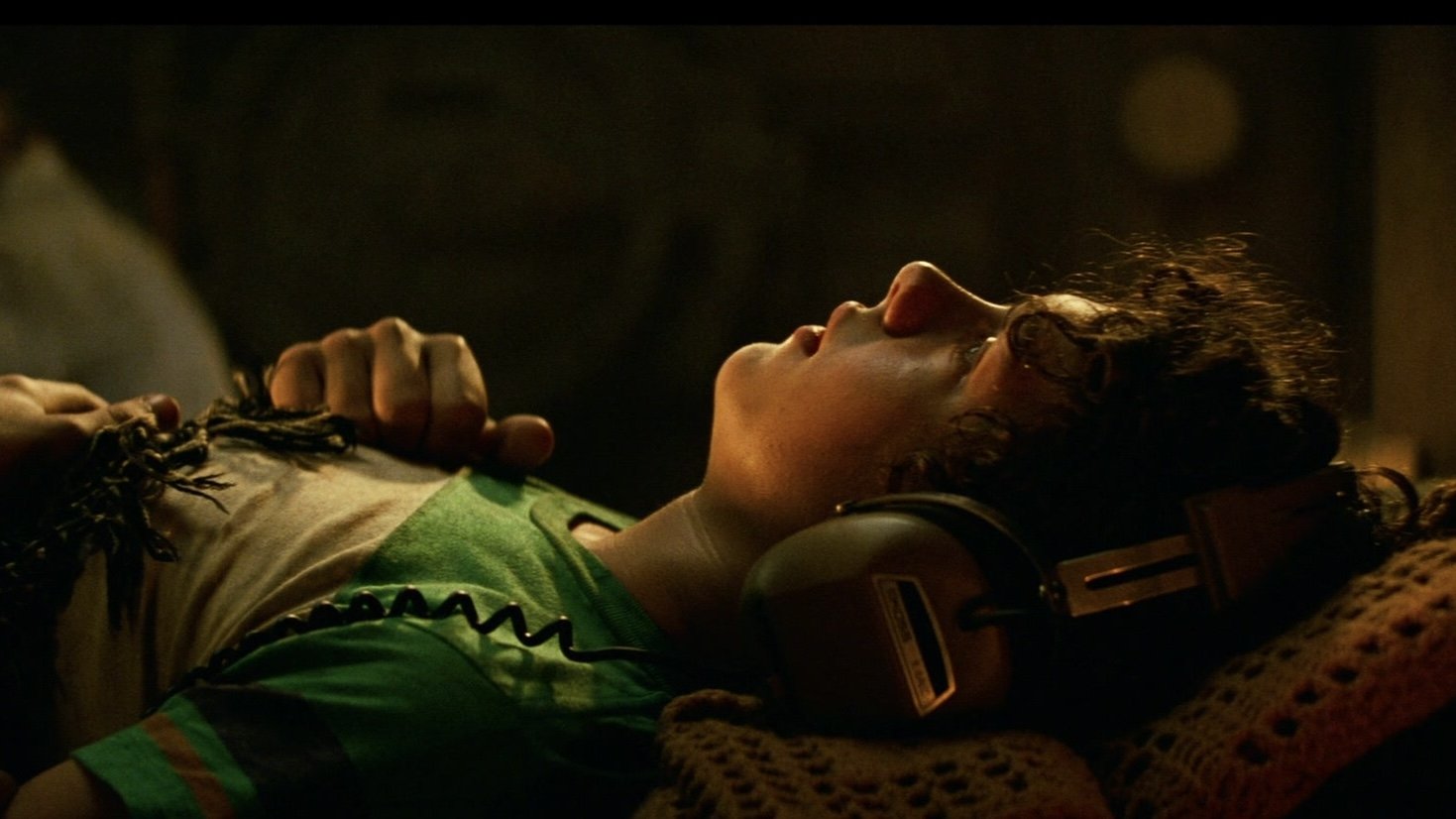
Regan's point of audition provides a separate source of tension. In the opening attack, the editors explored exactly when to return from her perspective to the broader audible environment; Van der Ryn described adjusting the transition until the moment Lee makes physical contact with his daughter. Such precision matters because silence is never a uniform condition in these films. Ambient noise can become reassuring when it masks movement, while sudden clarity can signal exposure. The hearing device's high-frequency feedback also turns an assistive object into a weapon, creating a relation between perception, vulnerability and agency that directly drives the plot.

In the soundscape, perspective is also a way of controlling what the audience knows. A scene can show the physical source of a disturbance before its consequences become audible to another character, or remove surrounding sound while a danger remains visible. Aadahl and Van der Ryn's work makes these transitions narratively legible: the viewer must repeatedly decide which sensations belong to which participant. That makes the soundtrack inseparable from editing and performance, especially when several characters confront related threats in different locations. Sudden volume alone would not create this effect; the film depends on patterns of expectation learned from earlier moments.
Creatures, Effects and Action

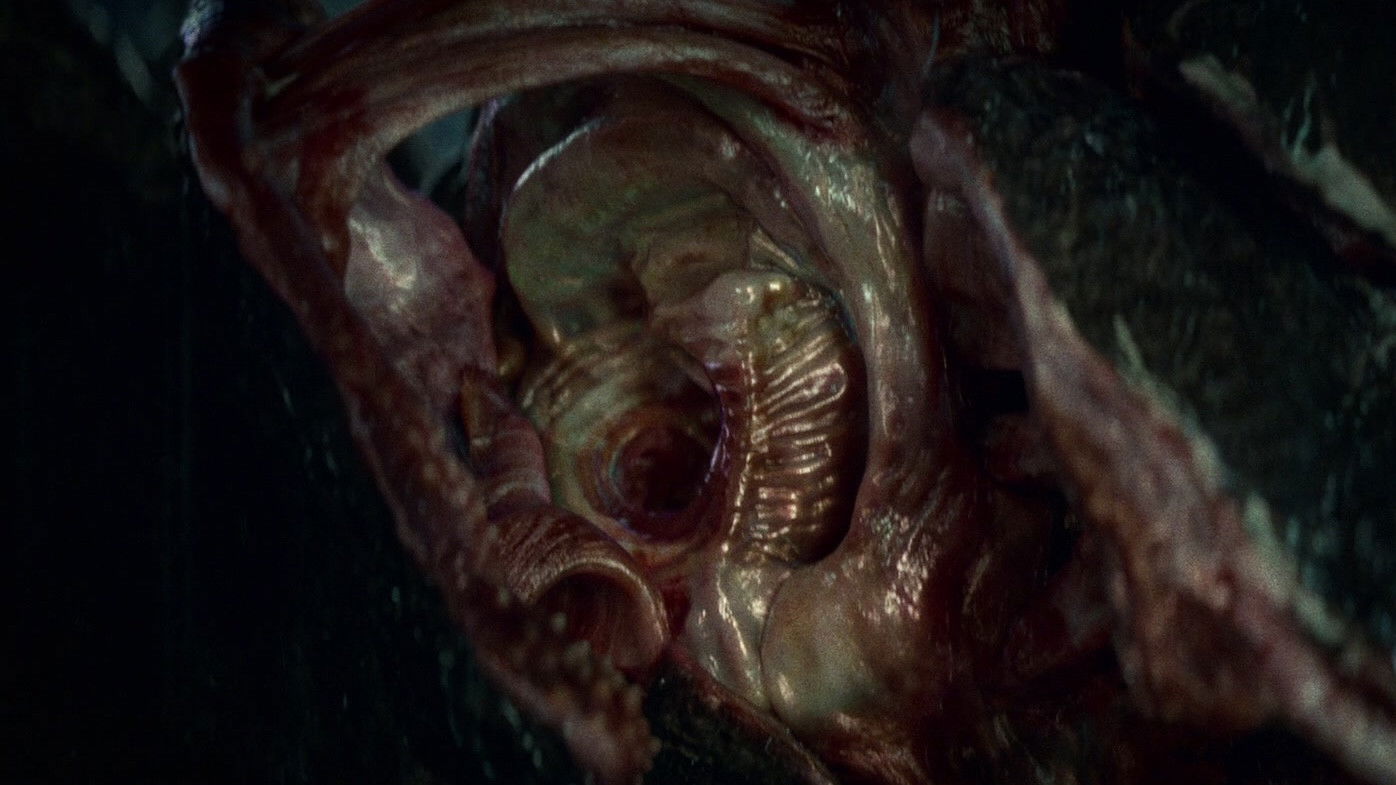
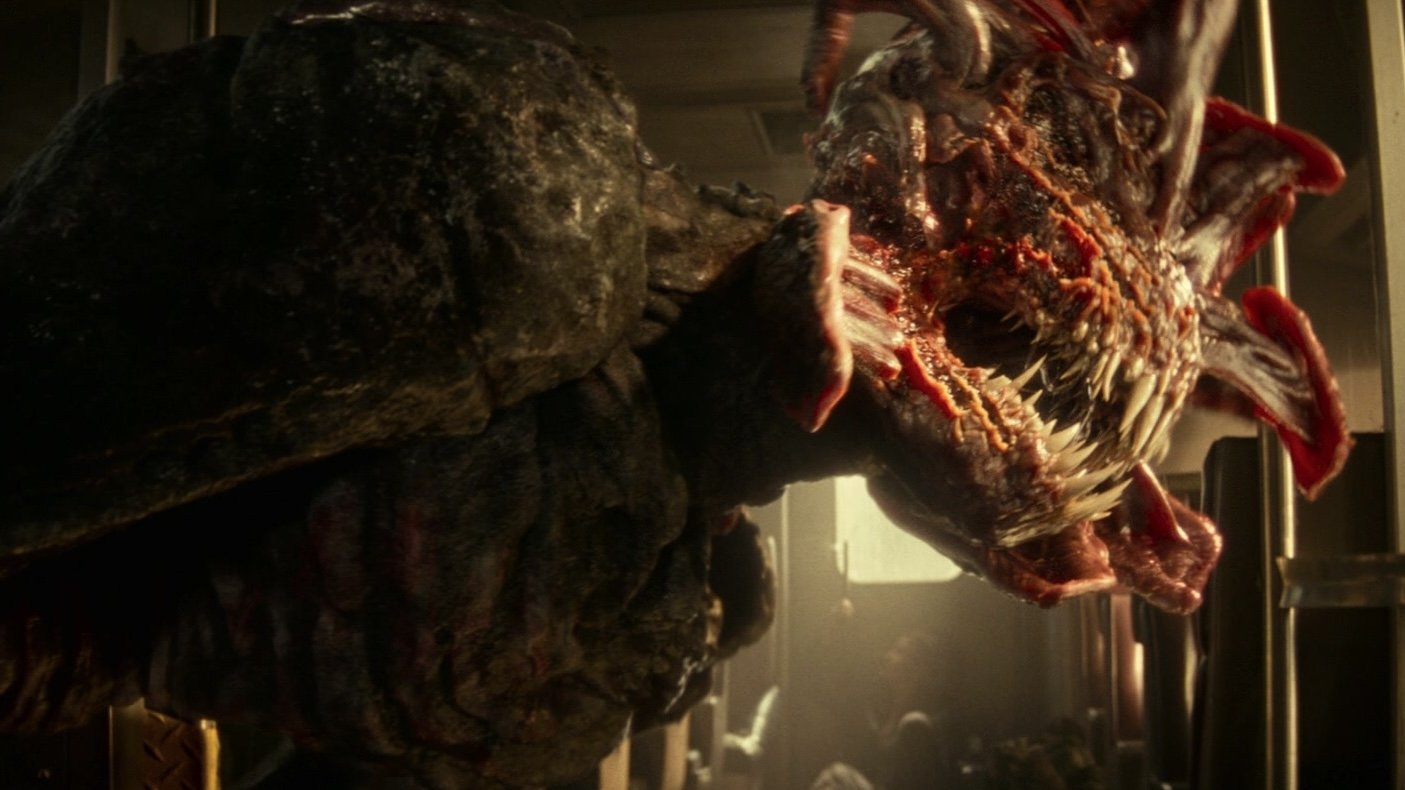
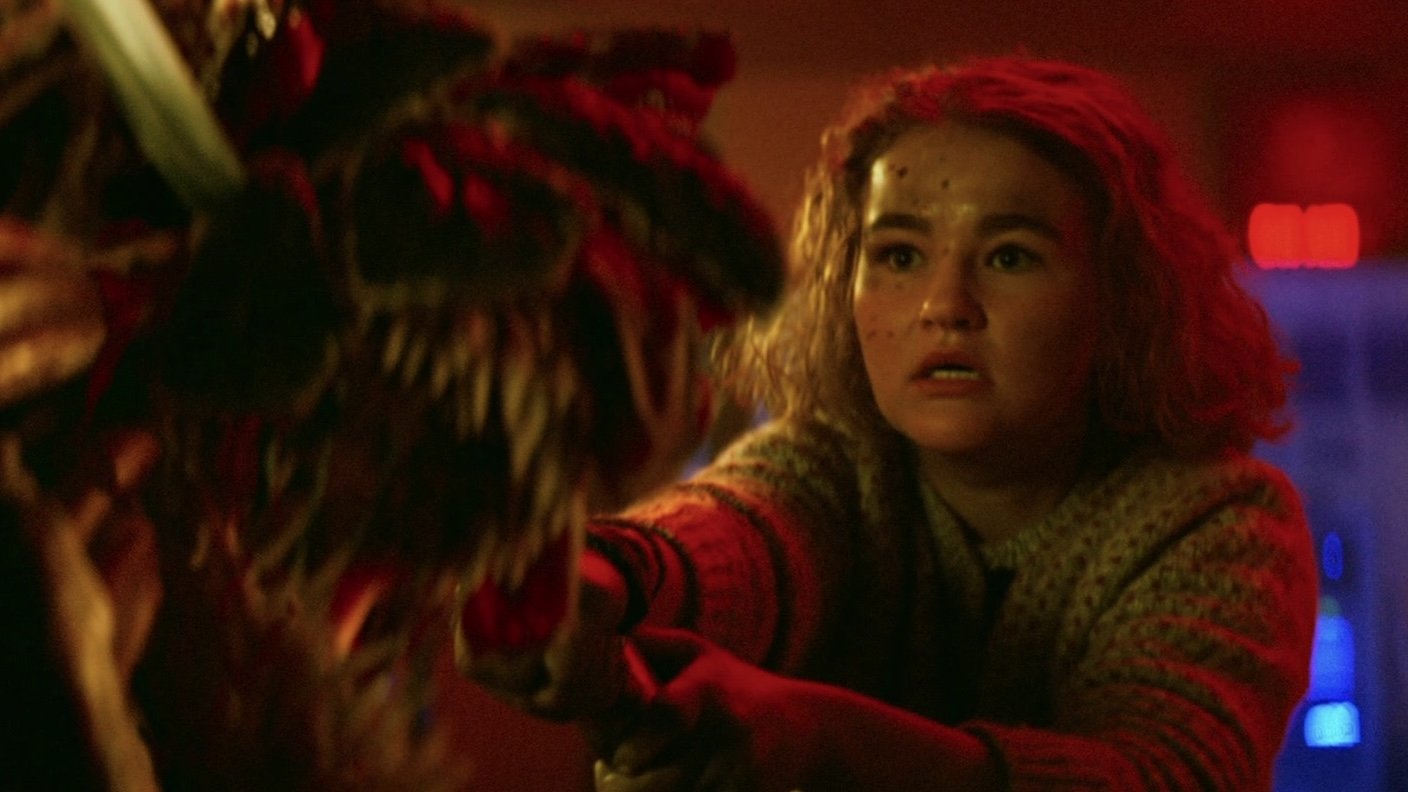
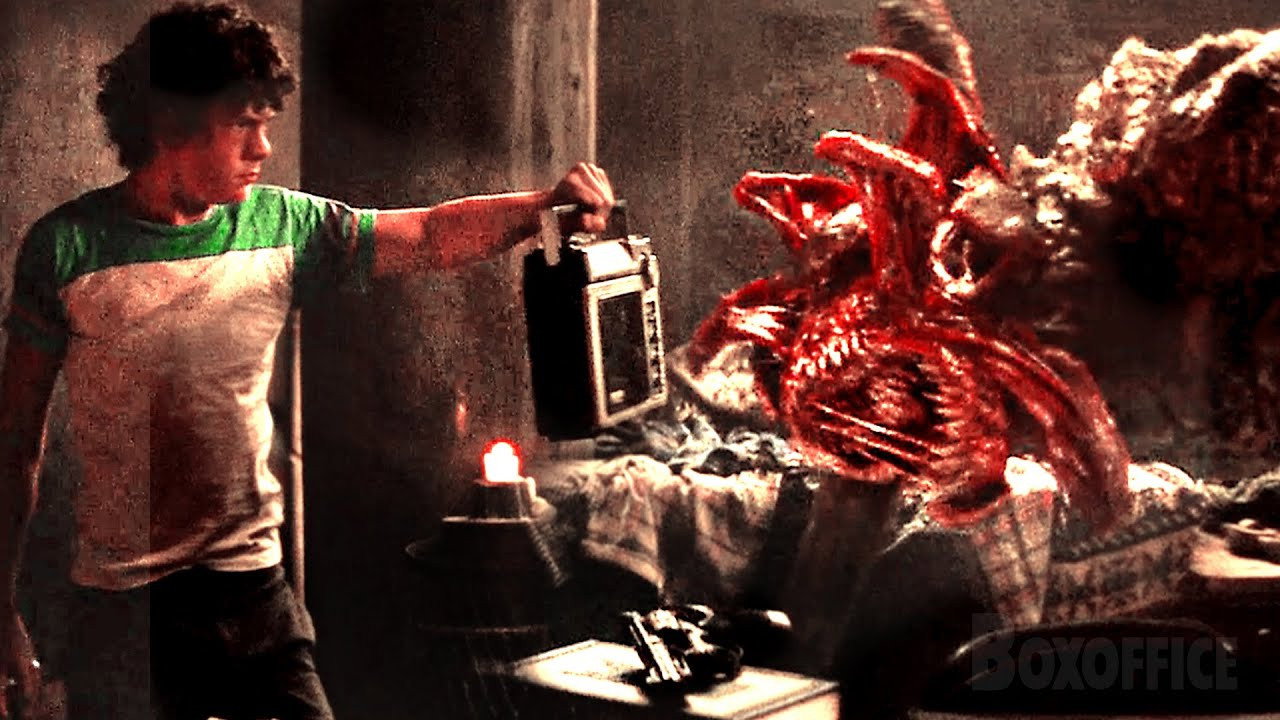
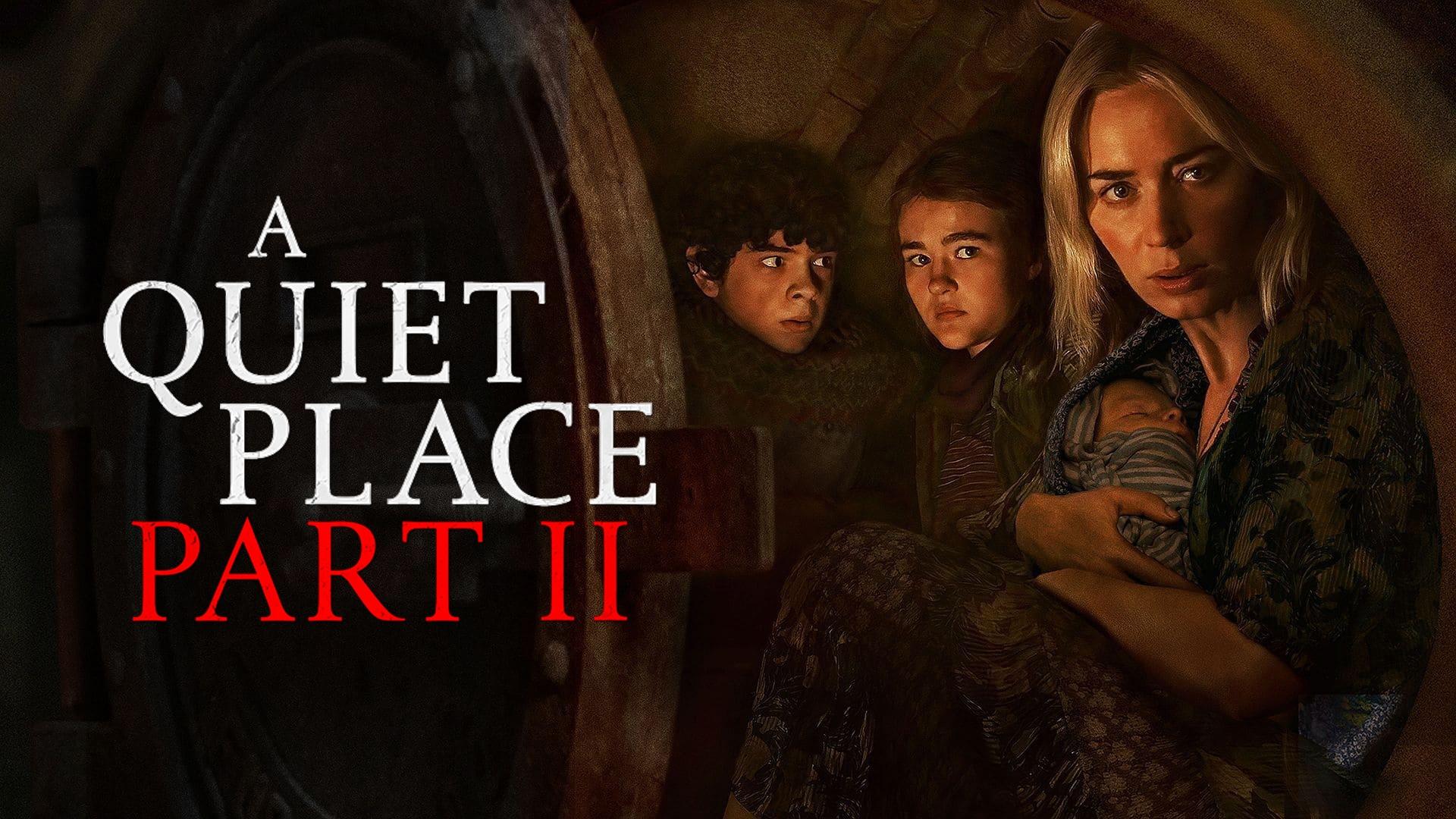
The creatures retain the earlier film's defining combination of rapid movement, hard external anatomy and sensitivity to sound. Their appearance is typically brief enough to preserve uncertainty about exact distances and paths of attack. The prologue shows what their arrival looks like before communities learn how to survive: crowded spaces offer them numerous targets, and panic produces the very noise that draws further violence. Later passages build suspense through the time required to handle doors, weapons, medical supplies and mechanical equipment without attracting attention. Physical tasks become complex action problems because speed can be deadly.

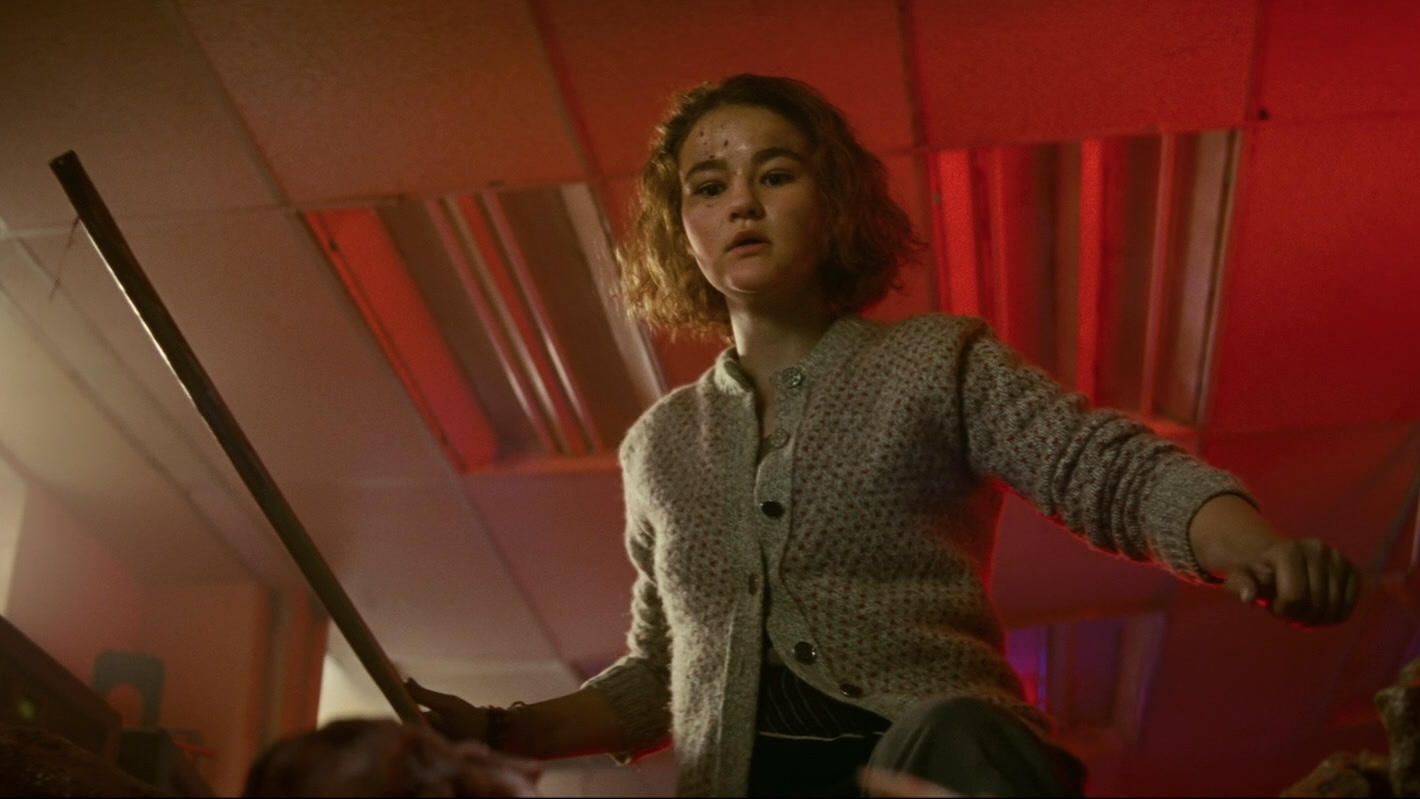
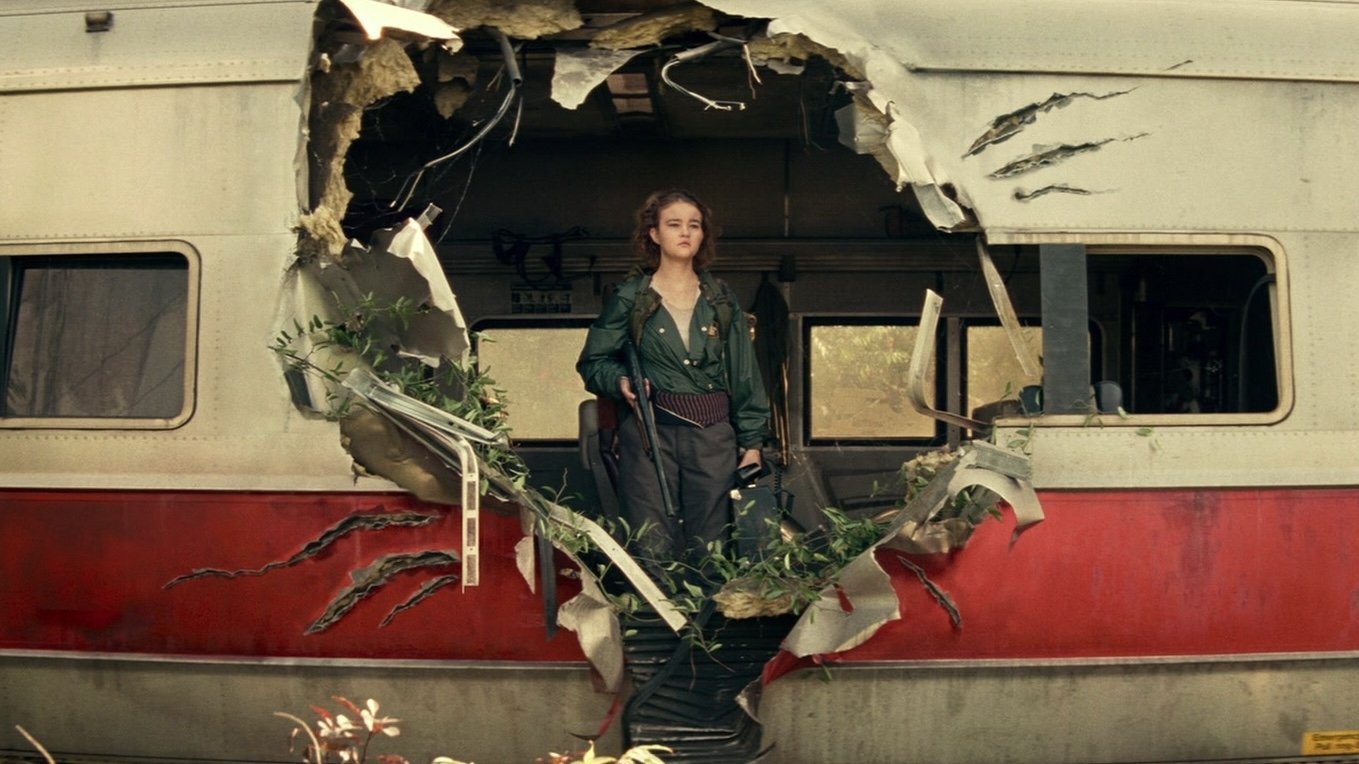
The sequel also alternates between practical action staged in built environments and creature imagery requiring visual effects. Morgan's account of the bus sequence emphasizes the value of a physical stunt for the surrounding photography, while her discussion of the film's moving camera describes the coordination needed to sustain long stretches of action. Those production choices allow actors to react to convincing environmental forces even when an attacking creature is added or refined separately. In narrative terms, the creatures are not a comprehensive explanation for the world's breakdown: human fear and opportunism create threats that persist even in spaces where the monsters cannot easily follow.
Narrative Structure and Horror

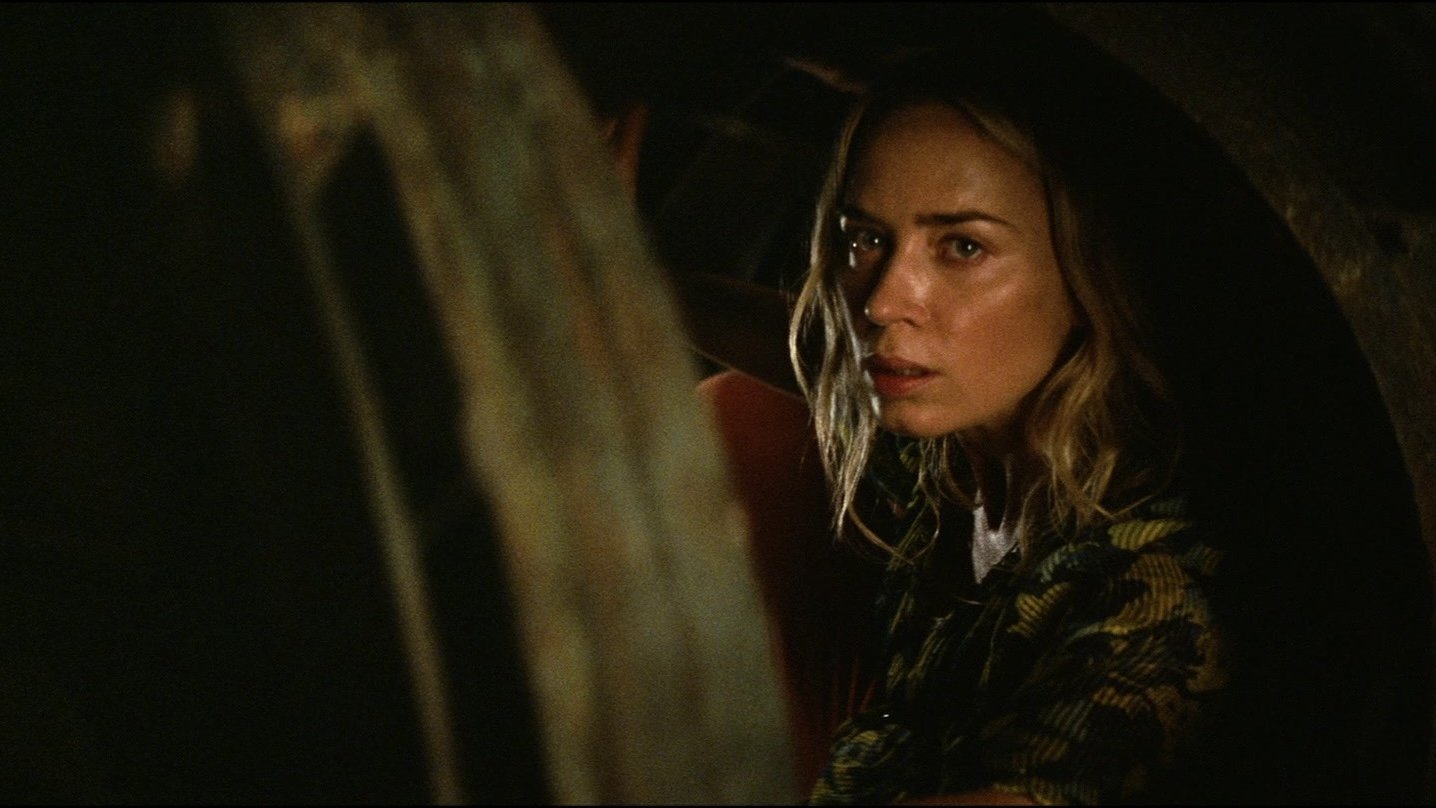
After the compressed family tragedy of the opening film, Part II increasingly separates its characters into simultaneous strands of suspense. Regan's journey turns the hearing-device discovery into an attempt to communicate a practical defense beyond the family. Evelyn faces the immediate problem of protecting an injured child and an infant in a space whose apparent security depends on careful control of movement. The resulting parallel action places several fragile objectives in conversation with each other, asking the audience to follow threats without permitting any character a full picture of what is happening elsewhere.

The film's wider geography introduces the possibility of contact with survivors who do not share the Abbotts' moral assumptions. Emmett's hesitation to risk himself is grounded in bereavement and in what he has seen people become. By contrast, Regan's insistence on reaching a radio transmitter treats survival as a problem that may be solved cooperatively. These positions remain attached to concrete decisions rather than extended speeches: whether to travel, shelter a stranger, enter a building or take a boat. Krasinski's suspense is frequently structured around the gap between a reasonable plan and an unpredictable sensory event that can destroy it in seconds.

Release and Pandemic Delay

A Quiet Place Part II had a New York premiere in March 2020 and was initially positioned for a spring theatrical release. The COVID-19 pandemic interrupted that schedule as cinemas closed or operated under severe restrictions. The film consequently reached United States theaters on May 28, 2021, more than a year after the planned launch. Its return to cinemas had particular industry visibility because it was a major studio horror release arriving as theatrical attendance began to recover. The delay concerned distribution rather than a newly produced alternate narrative version, and the premiere date should not be confused with the date of general theatrical availability.

The British Board of Film Classification lists a June 4, 2021 release and a running time of approximately 96 minutes, with a warning for sustained threat and bloody imagery. The classification distinguishes the threatening pursuit of the protagonists from explicit gore, which occurs chiefly in brief violent encounters. The release schedule also brought the film to streaming and physical media later in 2021. The pandemic context became inseparable from public discussion of its theatrical performance, but its onscreen story had been developed and filmed before the health crisis changed the way audiences experienced cinemas.

The distinction between production and release dates is unusually important here. Contemporary cinematography coverage appeared in March 2020, anticipating a film already photographed and prepared for audiences. The eventual release in 2021 could therefore be described both as a new theatrical event and as the arrival of a work completed before the pandemic transformed exhibition. This chronology helps explain why interviews published around the first proposed opening and those associated with the eventual theatrical run discuss different industry circumstances while referring to substantially the same creative decisions.

Reception and Place in the Series

Early coverage of the film emphasized the tension between its loyalty to the original premise and its broader action scale. Trade and craft interviews focused especially on the sound team's intricate manipulation of perspective and the logistical demands of making noisy environments dramatically intelligible. The sequel also demonstrated that a central horror conceit based on sensory restraint could support a different narrative rhythm: its prologue is unusually loud and expansive for this series, while quieter scenes still rely on footsteps, breathing and machinery to threaten the protagonists. The formal changes do not remove the basic contract of attention between film and audience.

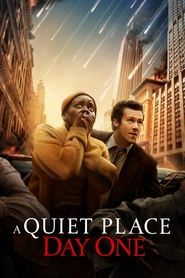
Within the series, Part II shifts the moral center from Lee's protective authority to Regan's capacity to act without adult direction. It also takes a step toward a larger fictional world, showing the disaster's beginnings and suggesting routes by which survivors might communicate across isolated communities. The later prequel A Quiet Place: Day One would return to the invasion's onset from another location, underscoring the usefulness of the opening disaster as a point of entry into the franchise. Part II's distinctive achievement is the way its expanded geography preserves the threat posed by a single unwanted noise.

References

  1. Kodak DP Polly Morgan BSC ASC creates pretty-but-horrifying visuals on Kodak 35mm film for A Quiet Place Part II

    Direct testimony on film stock, anamorphic photography, lighting and staging.

  2. SYFY WIRE A Quiet Place: Part II had one sequence that blew away the sound editors

    Direct interview with Aadahl and Van der Ryn on the prologue and subjective sound.

  3. The Brown Daily Herald A Quiet Place Part II almost did not exist

    Krasinski interview concerning his resistance to a sequel and Regan as protagonist.

  4. Go Creative Show A Quiet Place Part II Cinematography (with Polly Morgan ASC BSC)

    Extended cinematographer interview on film photography, practical stunts and marina scene.

  5. British Board of Film Classification A Quiet Place Part II

    Official UK classification, running time and release details.

Connections

Cast

View Full Cast & Crew →

Release & Distribution

Production Companies (3)

  • Paramount Pictures US
  • Platinum Dunes US
  • Sunday Night Productions US

Distributors (2)

  • Paramount Pictures US
  • UIP-Dunafilm HU

Release History (55)

Release DateTerritoryRelease TypeFormatDistributorCertificationNotes
2020-03-08 US premiere — — PG-13 New York City, New York
2021-05-21 AU theatrical_limited — — M
2021-05-26 ID theatrical — — —
2021-05-27 AU theatrical — — M
2021-05-27 LT theatrical — — N-13
2021-05-27 PT theatrical — — M/14
2021-05-27 UA theatrical — — 16+
2021-05-28 CA theatrical — — 14A
2021-05-28 CN theatrical — — —
2021-05-28 US theatrical — — PG-13
2021-05-31 BG theatrical — — C
2021-05-31 GB theatrical — — 15
2021-06-03 GR theatrical — — Κ-15
2021-06-03 IE theatrical — — 15A
2021-06-03 RU theatrical — — 16+
2021-06-04 PL theatrical — — 16
2021-06-10 BR theatrical — — 12
2021-06-10 CZ theatrical — — 15+
2021-06-10 HK theatrical — — IIB
2021-06-10 MX theatrical — — B
2021-06-10 PA theatrical — — —
2021-06-10 SK theatrical — — 12
2021-06-11 EE theatrical — — —
2021-06-11 FI theatrical — — K-16
2021-06-11 RO theatrical — — 15
2021-06-11 SE theatrical — — 15
2021-06-16 ES theatrical — — 12
2021-06-16 FR theatrical — — 12
2021-06-16 KR theatrical — — 15
2021-06-17 CH digital — — 16
2021-06-17 HU theatrical — — 16
2021-06-17 NL theatrical — — 16
2021-06-17 SG theatrical — — PG13
2021-06-18 JP digital — — R18+
2021-06-24 DE theatrical — — 16
2021-06-24 IT theatrical — — —
2021-07-12 US digital — — PG-13 Paramount+
2021-07-13 US digital — — PG-13
2021-07-16 TR theatrical — — 16+
2021-07-22 AR theatrical — — +13
2021-07-27 US physical 4K UHD, DVD, Blu-ray — PG-13 DVD, Blu-ray, 4K UHD
2021-08-09 AU physical — — —
2021-08-25 TW theatrical — — 輔12
2021-08-26 UY theatrical — — —
2021-09-15 ES physical — — 12
2021-09-24 HU physical 4K UHD, DVD, Blu-ray — 16 DVD, Blu-ray, 4K UHD
2021-10-13 FR digital — — 12 VOD
2021-10-27 FR physical 4K UHD, DVD, Blu-ray — 12 DVD, Blu-Ray & 4K UHD
2021-12-10 VN theatrical — — —
2022-01-01 HU digital — — — HBO GO
2022-01-12 BR digital — — 14 Telecine Play (Globoplay)
2022-01-15 BR tv — — 14 Telecine
2022-02-18 FR digital — — 16 MyCanal
2024-06-14 CN premiere — — — Shanghai International Film Festival(Dolby Vision)
2026-02-04 FR tv — — 12 Téva
Silence is not enough.