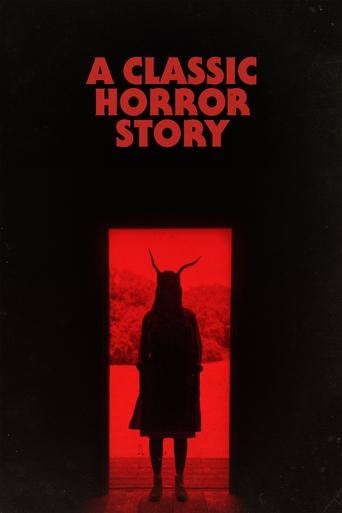
A Classic Horror Story (2021)

IT
HORROR FILM Mystery
SUBGENRES FOLK
6.0/10 2 votes
Runtime
95 min
Release
July 14, 2021
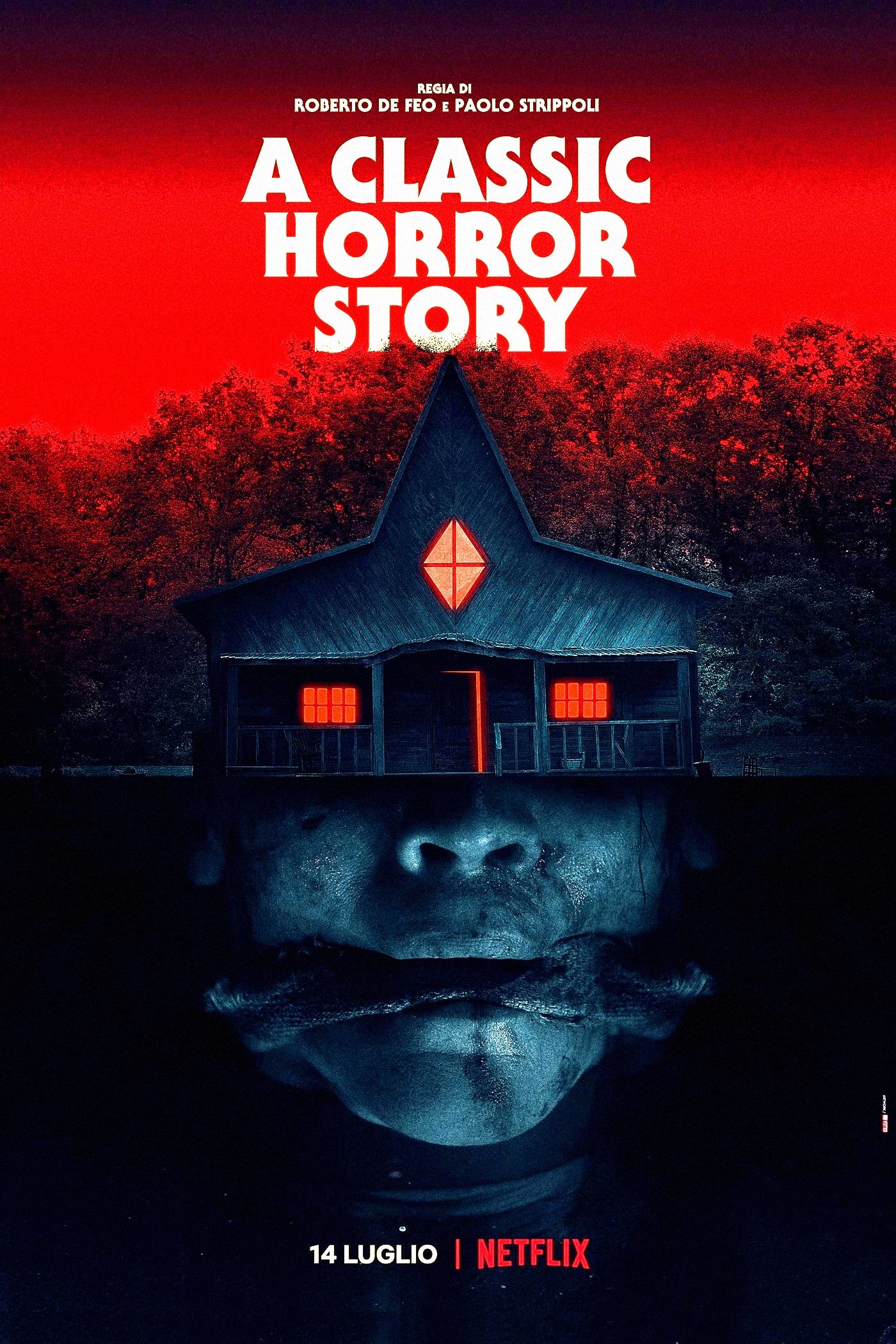
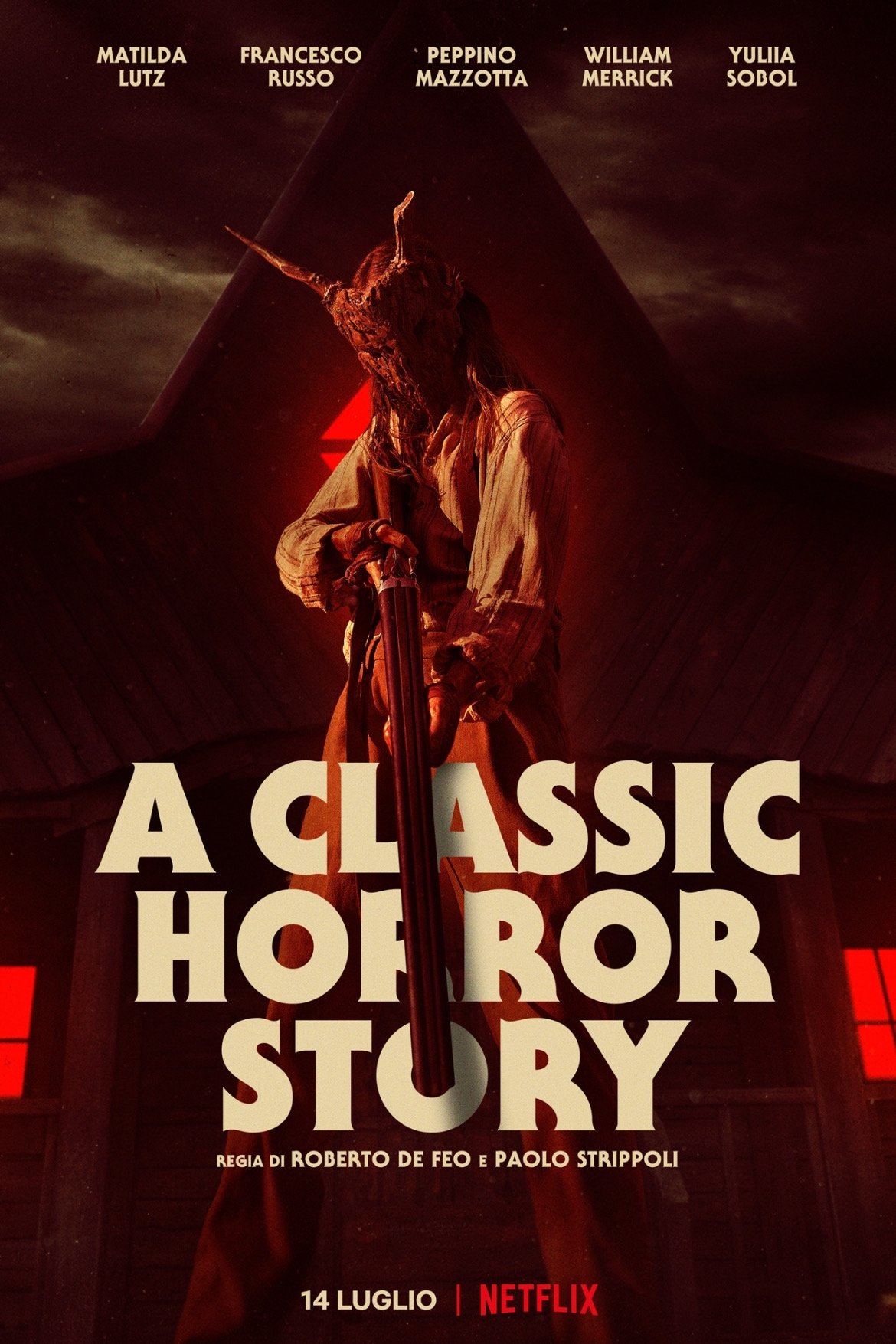
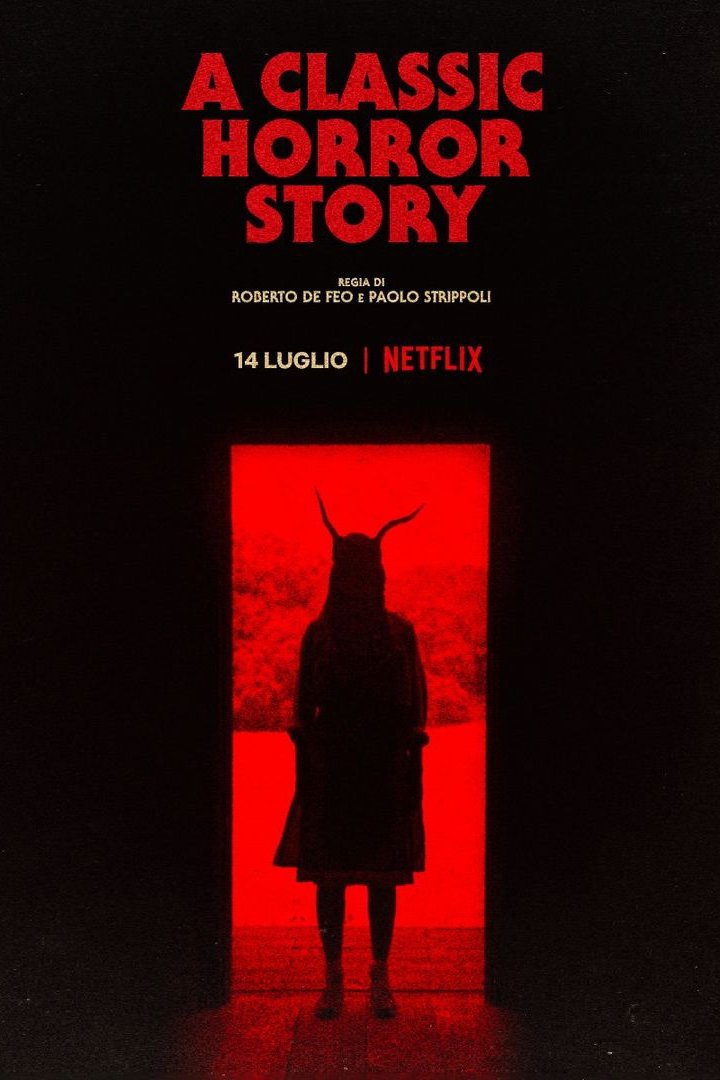
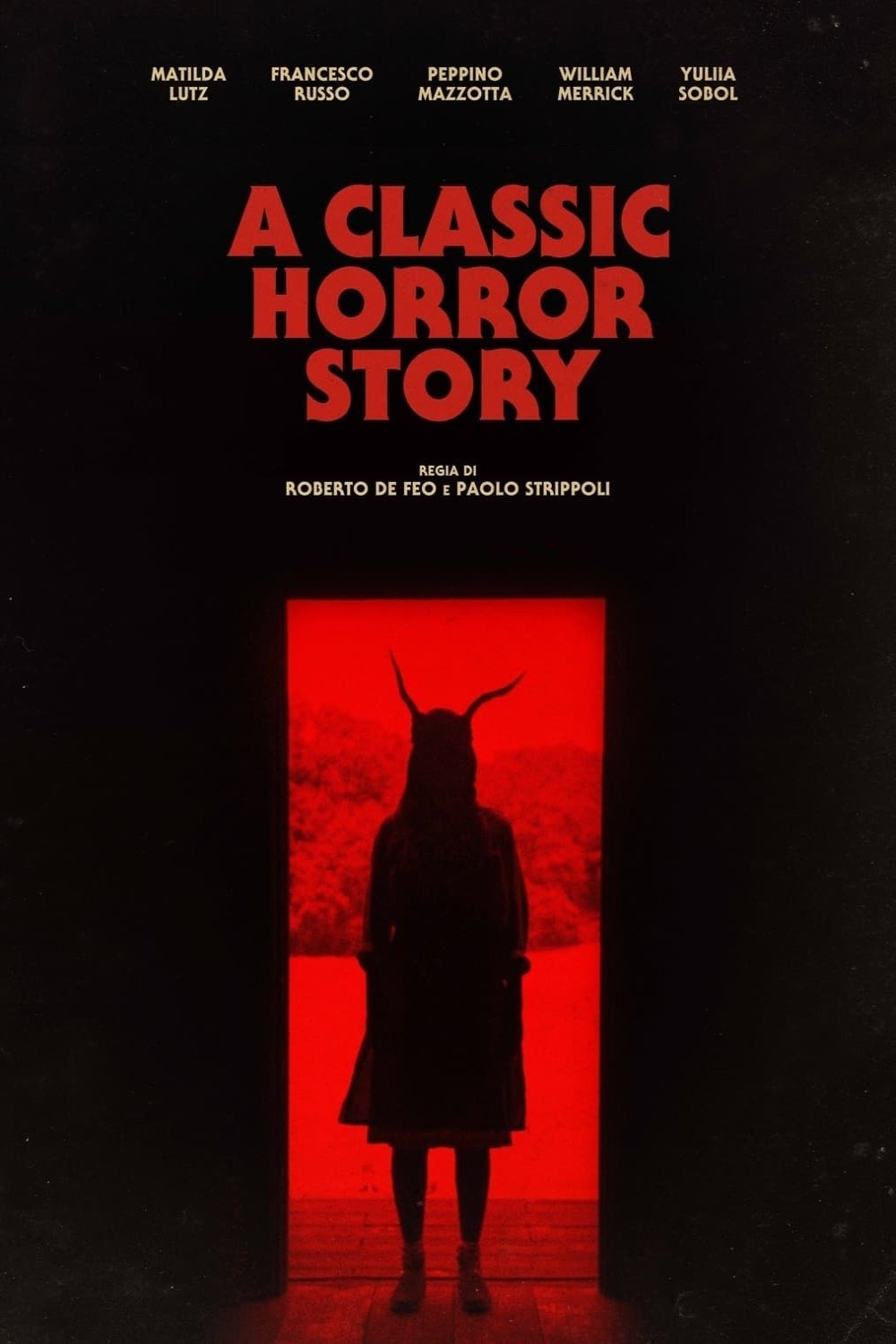
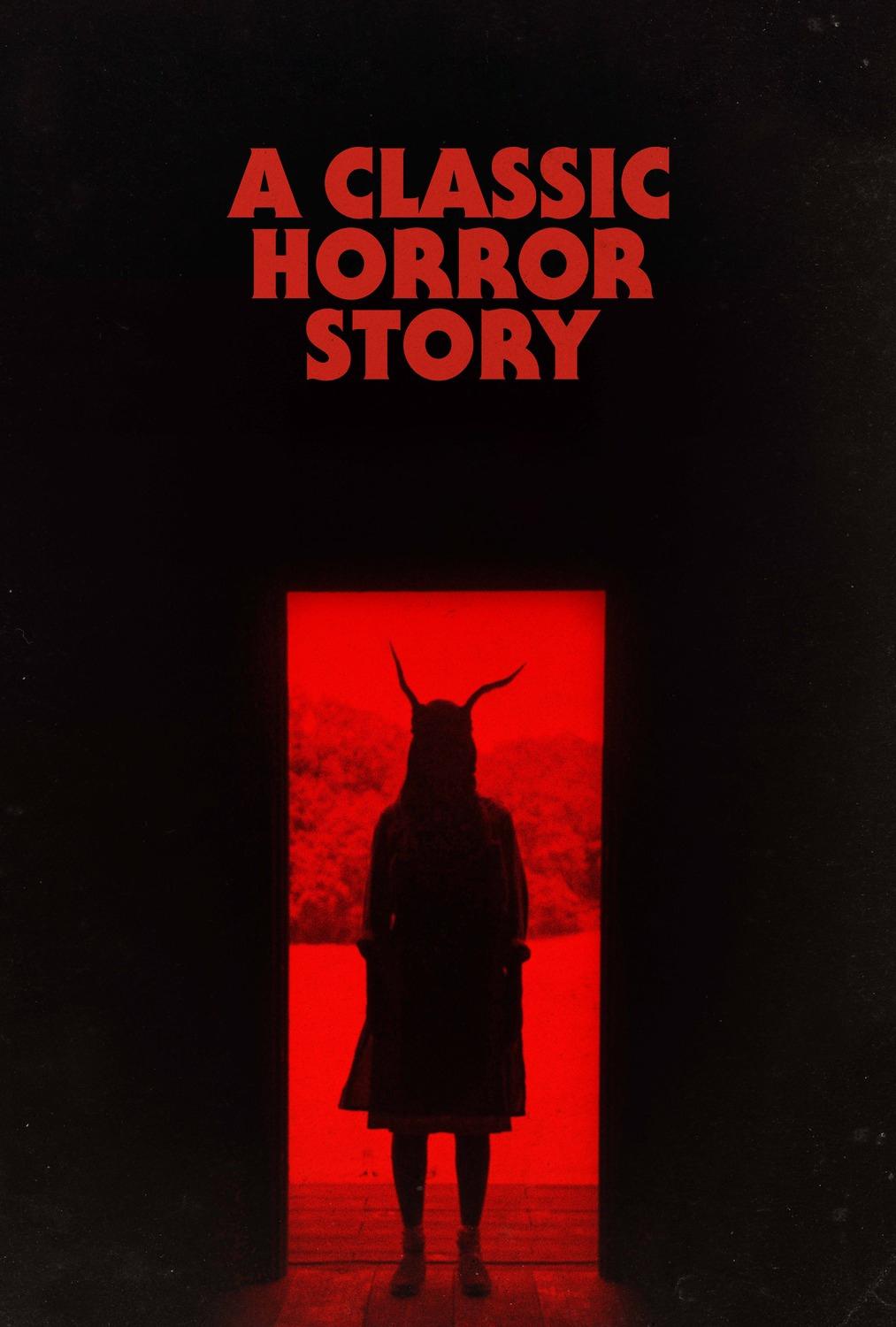
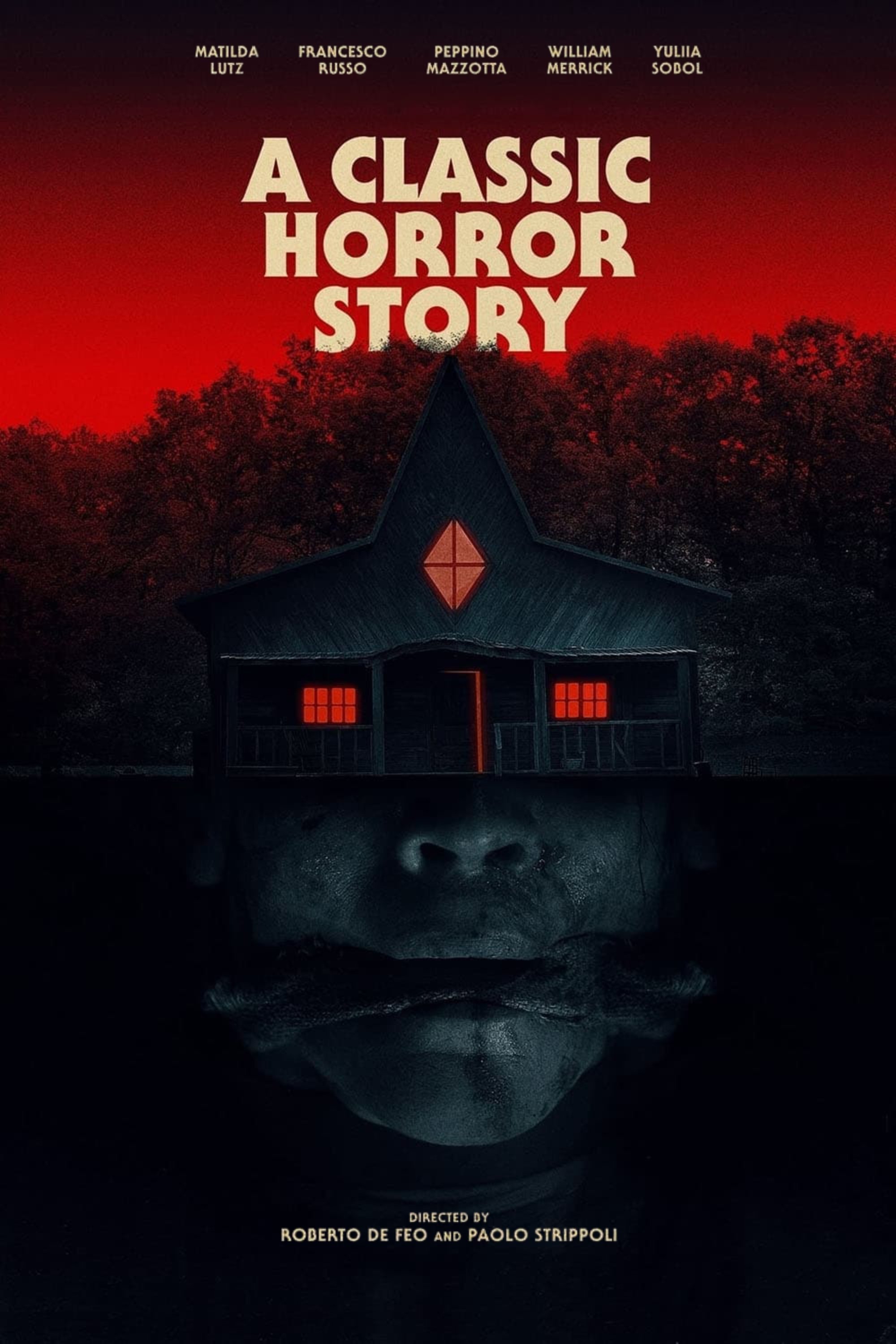
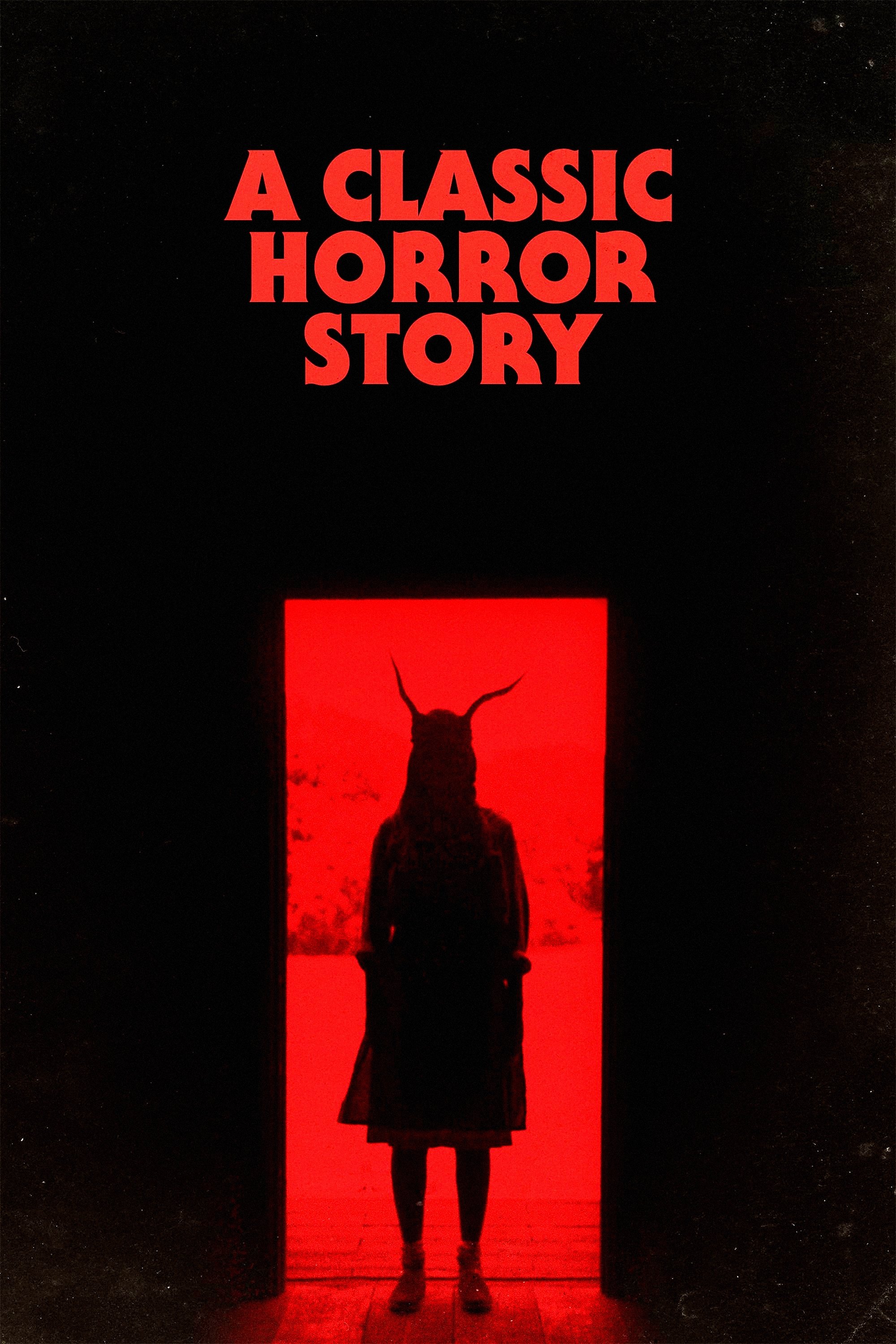
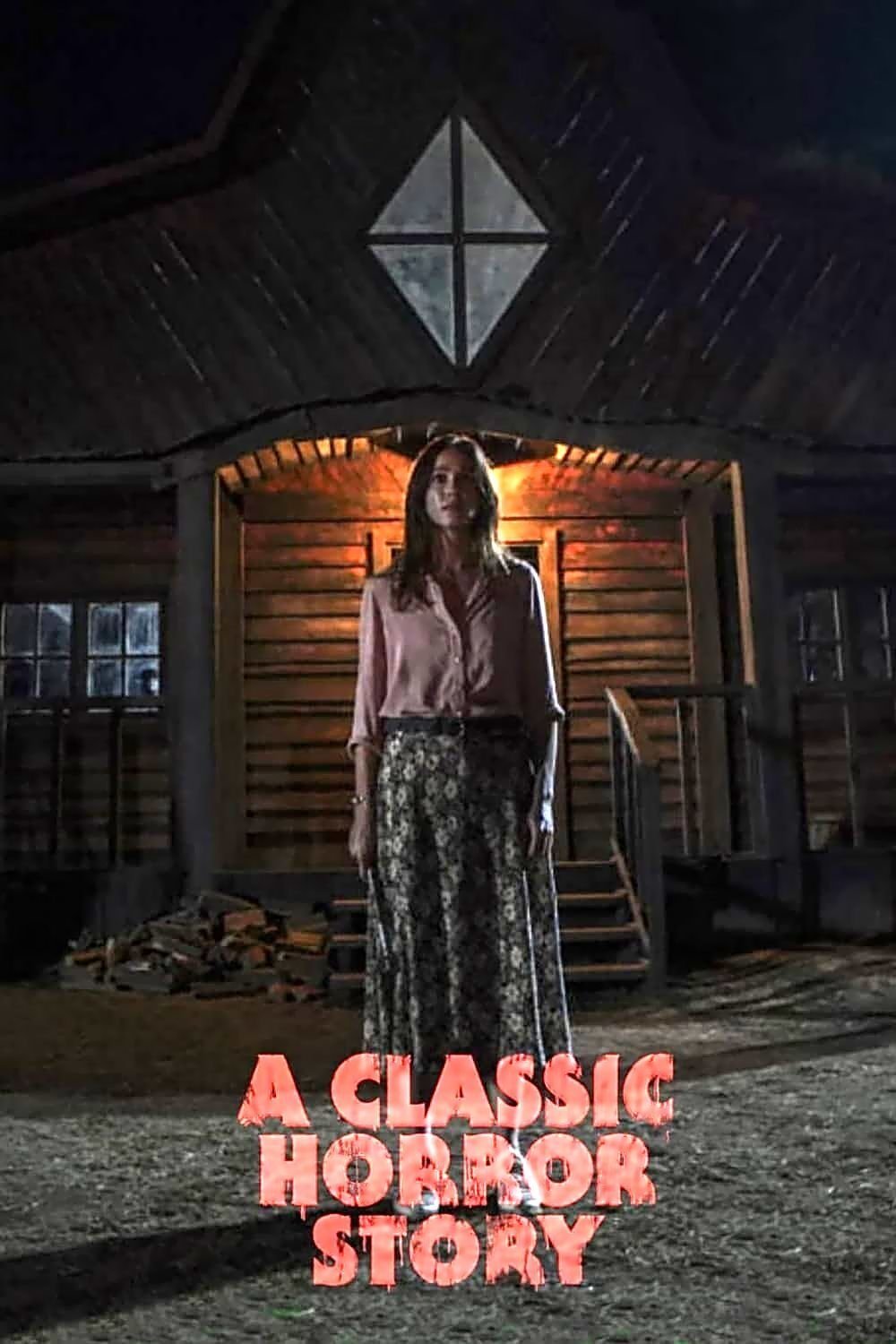
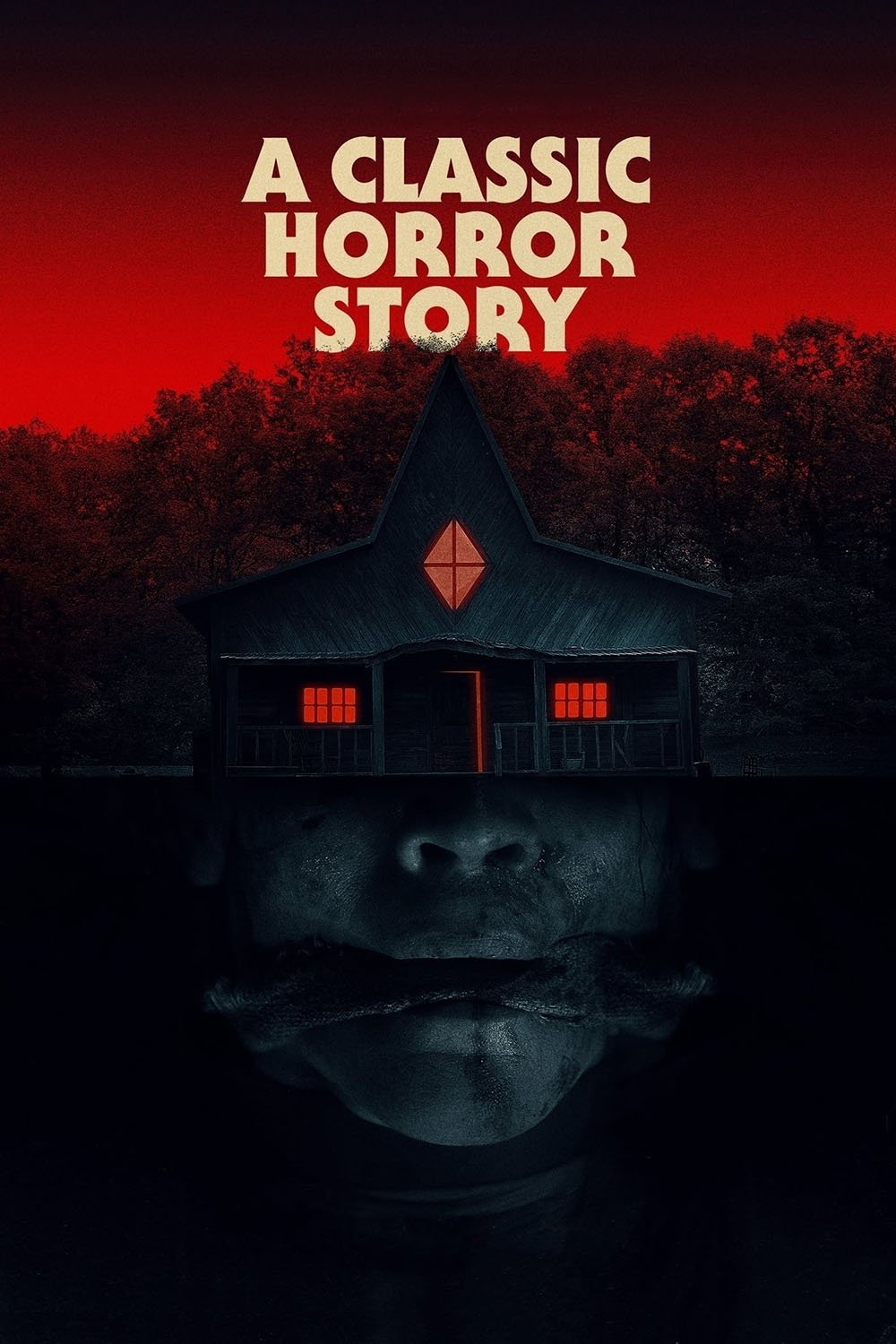
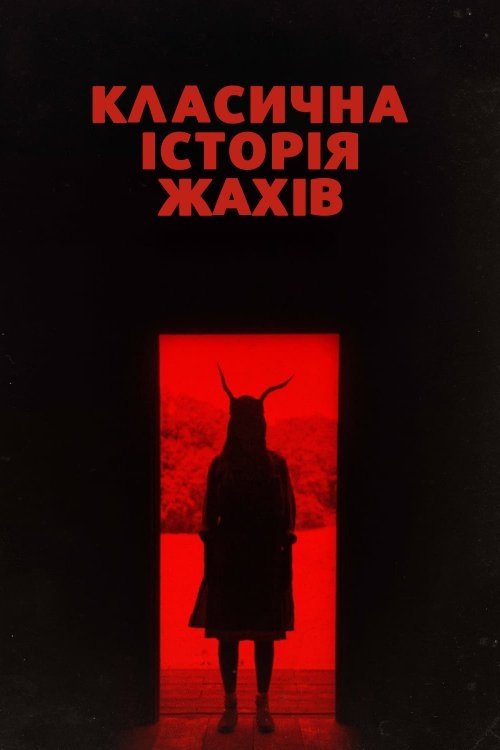
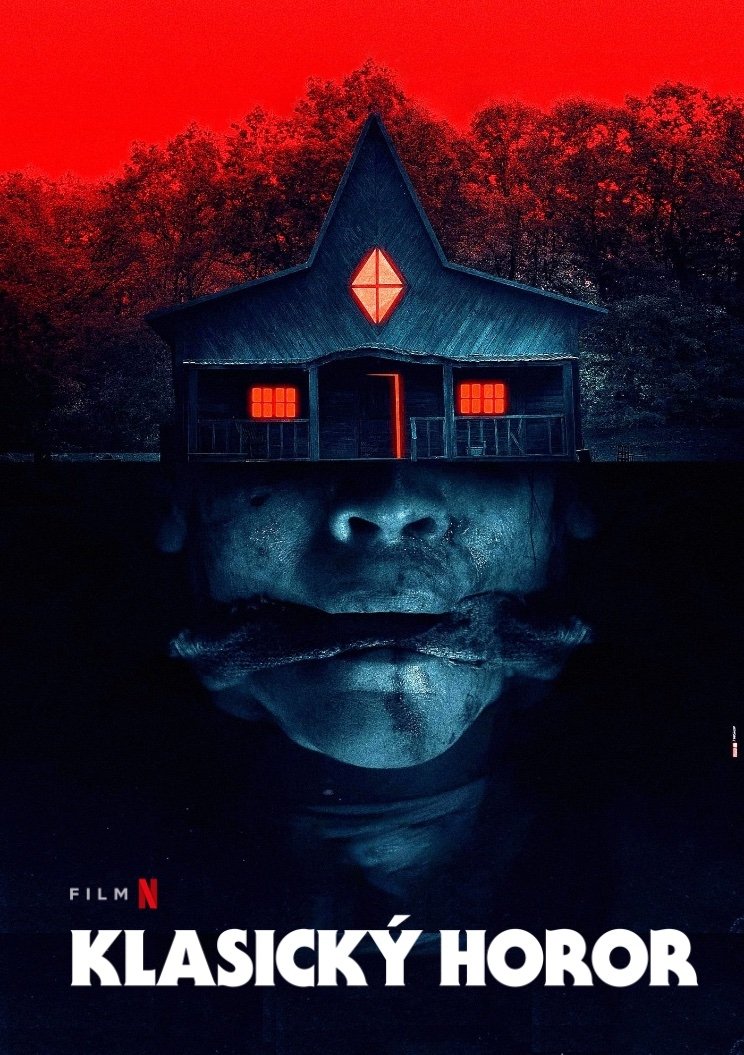
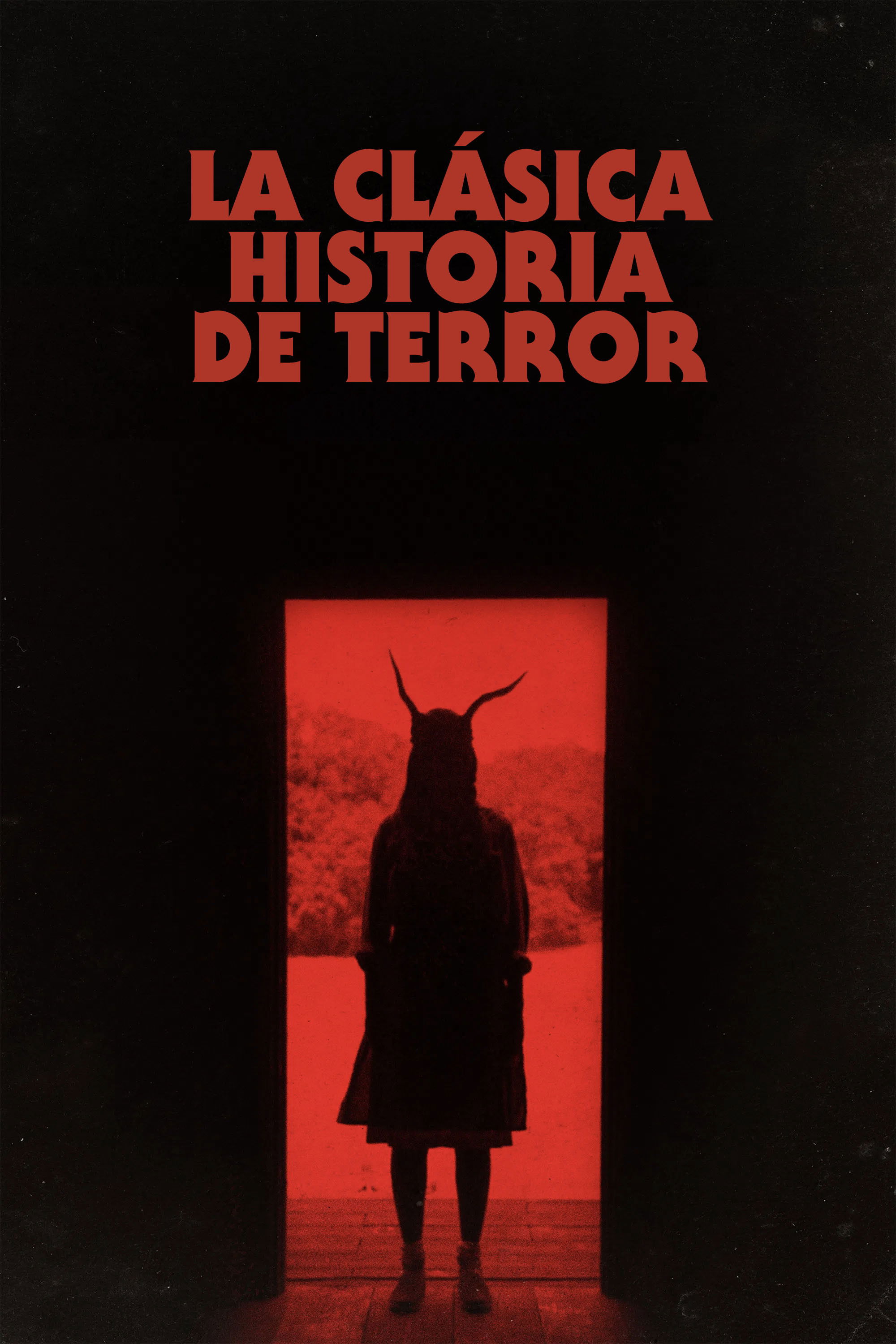
A Classic Horror Story (2021) poster
Production Companies
Colorado Film , Apulia Film Commission , Rainbow
Plot

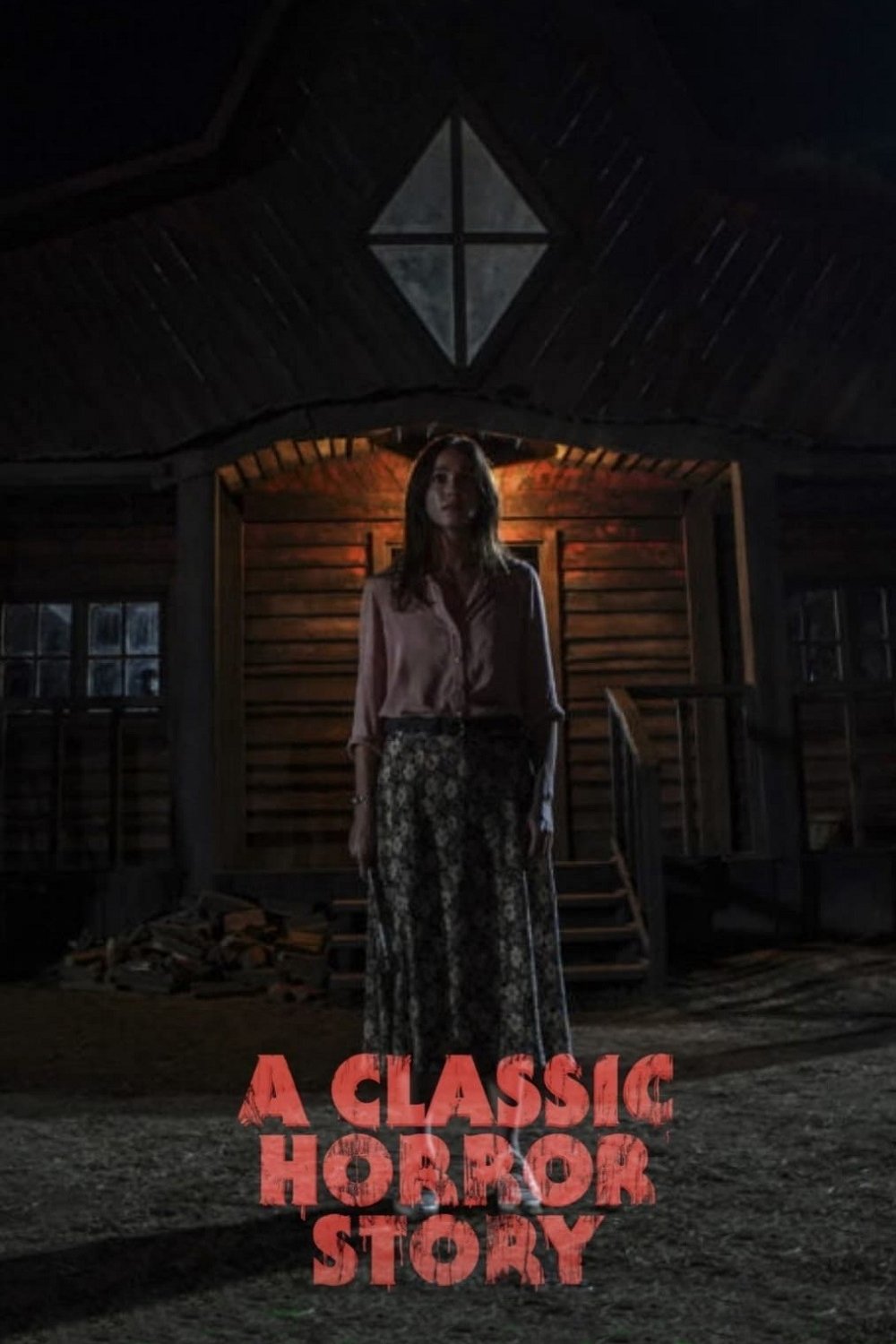
Five carpoolers travel in a motorhome to reach a common destination. Night falls, and to avoid a dead animal carcass, they crash into a tree. When they come to their senses, they find themselves in the middle of nowhere. The road they were traveling on has disappeared and there is only a dense, impenetrable forest and a wooden house in the middle of a clearing, which they discover is the home of a spine-chilling cult.

Alternative Titles
قصة رعب كلاسيكية (United Arab Emirates) — literal translation Um Clássico Filme de Terror (Brazil) Un film d'horreur classique (Canada) — French 一个经典的恐怖故事 (China) — Chinese Klasický horor (Czechia) La clásica historia de terror (Spain) Se tavallinen kauhutarina (Finland) Μια κλασική ιστορία τρόμου (Greece)
Show all 31 alternative titles 典型恐怖故事 (Hong Kong SAR China) — Chinese Klasična horor priča (Croatia) Közönséges horrorsztori (Hungary) סיפור אימה קלאסי (Israel) — Hebrew סיפור אימה קלסי (Israel) クラシック・ホラー・ストーリー (Japan) 클래식 호러 스토리 (South Korea) — Korean Klasikinė siaubo istorija (Lithuania) — Lithuanian La clásica historia de terror (Mexico) En klassisk grøsser (Norway) Klasyczny horror (Poland) Um Clássico Filme de Terror (Portugal) O poveste de groază clasică (Romania) Классическая история ужасов (Russia) En klassisk skräckfilm (Sweden) 典型恐怖故事 (Singapore) — Mandarin สร้างหนังสั่งตาย (Thailand) — Thai Klasik Bir Korku Hikâyesi (Türkiye) 經典恐怖故事 (Taiwan) Класична історія горрору (Ukraine) Класична історія жахів (Ukraine) — Ukrainian Clásica historia de terror (Venezuela) Chuyện Kinh Dị Kinh Điển (Vietnam)

Trailers & Videos

2 videos

Film Guide & Analysis

An Italian folk-horror nightmare that transforms ritual masks and rural violence into a critique of spectatorship and genre filmmaking.

A Classic Horror Story (2021) begins with five strangers travelling in a motorhome toward Calabria. After a night-time accident, they awaken in a clearing with no road in sight. A wooden house stands in the forest, its interiors filled with signs of an apparent cult. Masked figures and ritual violence follow, drawing on the staging of American backwoods horror and the recent revival of folk horror. The familiar setting serves a particular narrative function: the travellers try to interpret their surroundings using the same genre conventions the audience brings to the film.

Roberto De Feo and Paolo Strippoli directed the Netflix feature from a screenplay developed with Lucio Besana, Milo Tissone and David Bellini. Its setting invokes the legend of Osso, Mastrosso and Carcagnosso, while its later revelations shift attention from a supernatural threat to the people responsible for staging violence. That change grows out of the directors' interest in the circulation of disturbing images and the difficulty of making Italian horror for a domestic audience. The production created an elaborate physical environment for a story that eventually reveals how deliberately that environment has been arranged.

Development and the Rewritten Third Act

De Feo had been developing the project when his work on The Nest complicated its schedule. He later recalled proposing Strippoli, whose short films he admired, to direct in his place. The production was postponed, and Strippoli continued working on the screenplay. When De Feo became available again, they agreed to direct together. Their shared involvement coincided with an important change in the story. De Feo said the earlier conception was closer to a straightforward American-style horror film, without the film-set revelation or the organized-crime element that eventually shaped its ending.

Principal photography was initially planned for April 2020. The COVID-19 shutdown delayed the shoot, giving the writers time to prepare another draft from their separate homes. According to Strippoli, the lockdown revision was the only version written with all of them working together at the same time. Tissone introduced the story of Osso, Mastrosso and Carcagnosso, which supplied the new material with an Italian cultural reference. De Feo also described unusual latitude from Colorado Film: the screenplay could criticize commercial habits in the Italian film industry even though its producer worked in that market.

The Legend and Its Screen Transformation

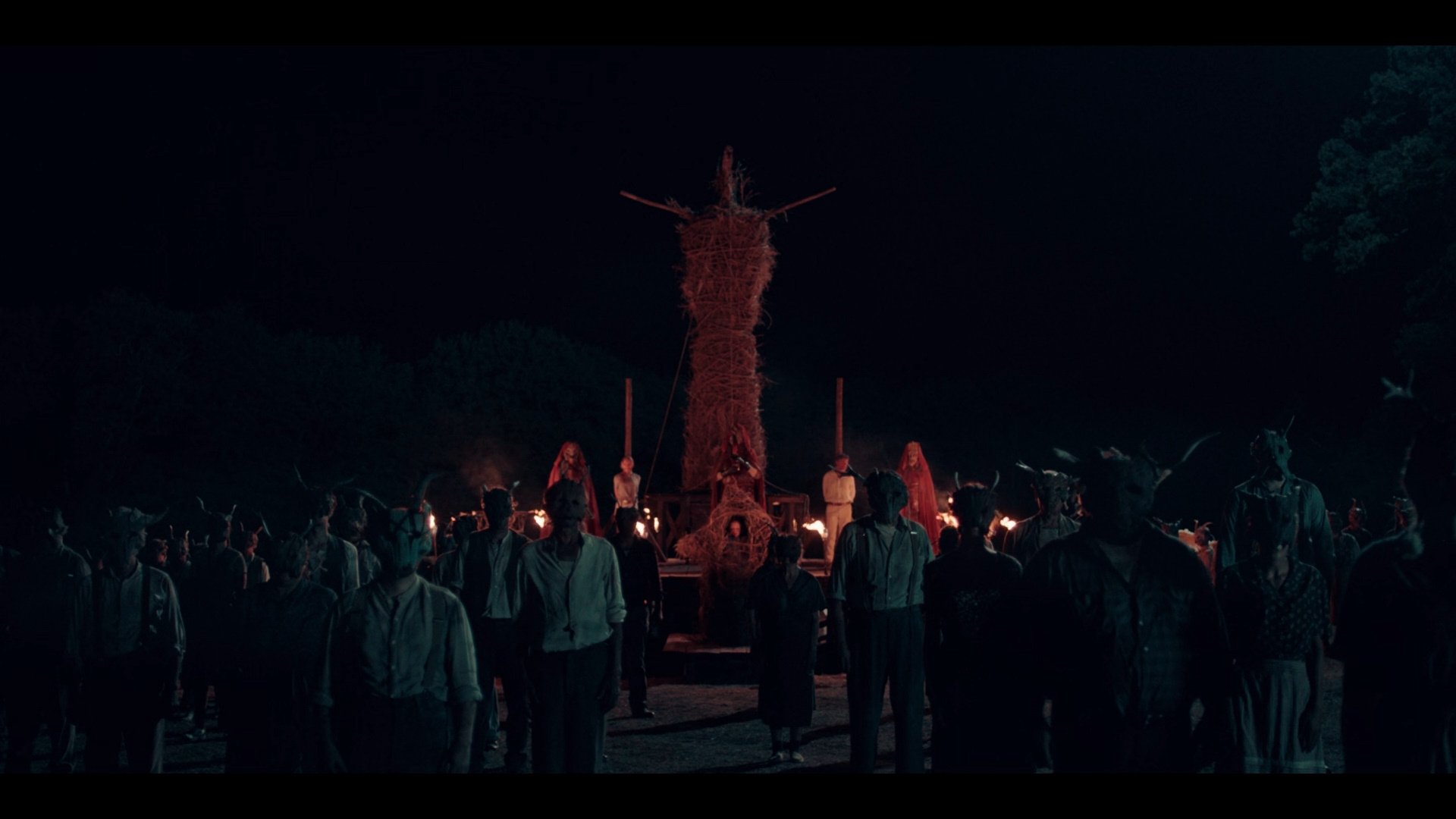
Osso, Mastrosso and Carcagnosso are three Spanish brothers in a legendary, not historical, account connecting them to the origins of Italian criminal organizations. For the film, the names become identities attached to masked killers operating within a secluded woodland community. De Feo and Strippoli said that Netflix had encouraged the incorporation of local folklore. Tissone and Besana brought the legend into the writing process, and the directors used it to give the apparent cult a specifically Italian background.

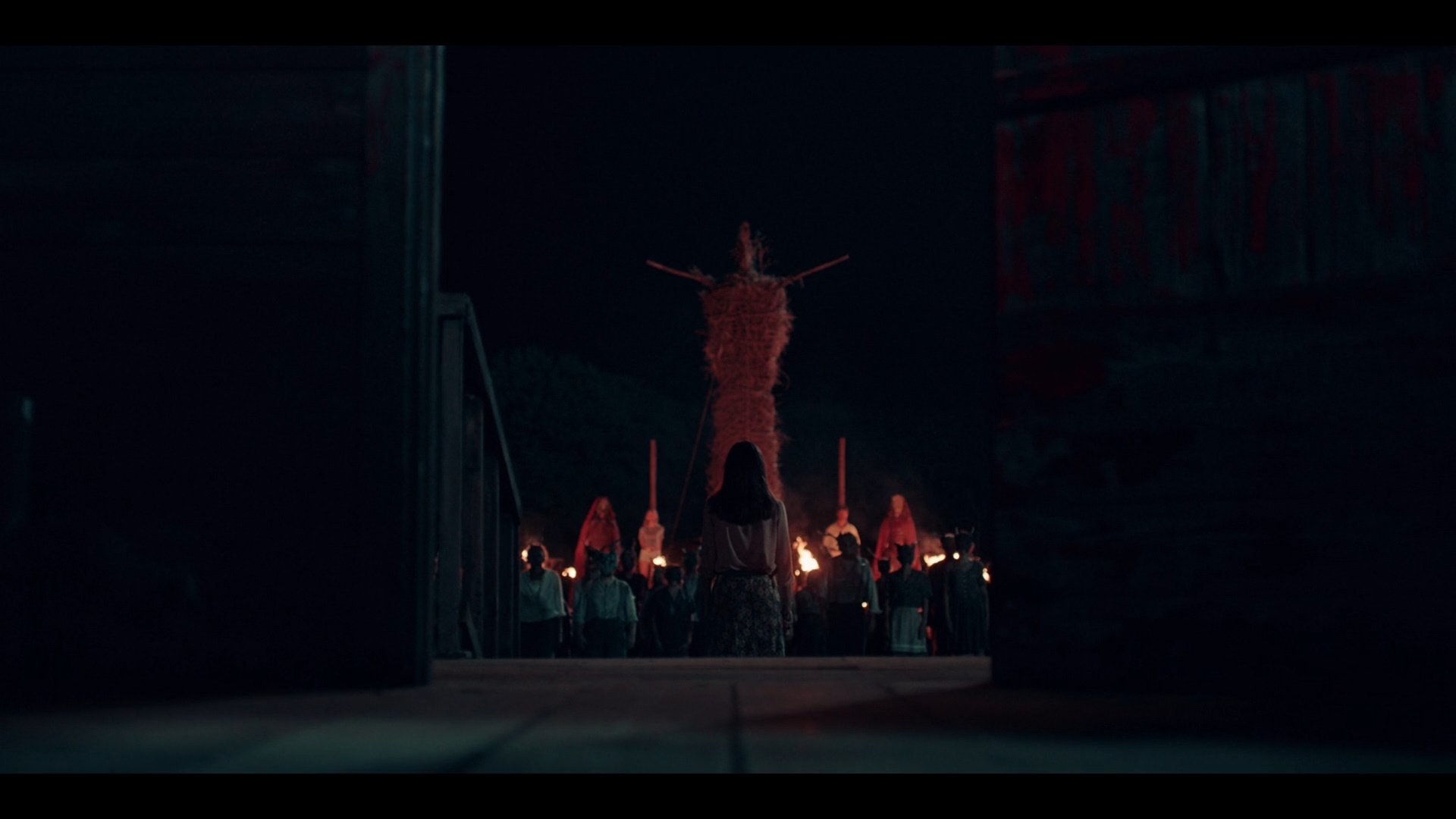
The three masks turn the imagery of omertà into physical design: hands cover the eyes, ears or mouth. Their shapes make the wearers appear separate from the villagers and difficult to identify. The story places these figures in Calabria, but the woodland sequences were photographed in Puglia, including the Foresta Umbra; the production also worked in Rome. The directors described the substitution as a practical location choice. Thick forest, a limited number of paths and the isolated house create the impression that the travellers cannot find their way back to the ordinary road system.

Building the House and the Horror Imagery

Netflix's 2021 production announcement records five weeks of filming in Puglia and Rome. The wooden house at the centre of the story was constructed for the shoot. Strippoli later explained that it was dismantled soon afterwards for administrative reasons. Its rooms and ritual objects were built to support the film's changing perception of the location: first a mysterious refuge, then a place where the travellers are watched and threatened. The house also gave the crew an enclosed environment for the close-quarters scenes that contrast with the expansive woodland exteriors.

The directors prepared extensive storyboards before shooting. Emanuele Pasquet's photography combines carefully arranged interiors with images of trees and paths that appear almost interchangeable as the characters attempt to escape. De Feo cited The Evil Dead, The Texas Chain Saw Massacre and Midsommar among the deliberate references; the film's self-awareness also draws on Scream. These quotations are prominent from the first encounter with the house. Familiar Italian songs contribute a different texture. The filmmakers discussed their use of Il cielo in una stanza and La casa against disturbing action, allowing lyrics and melody to accompany images of coercion and bodily harm. The original score was composed by Massimiliano Mechelli.

Masks, Prosthetics and Performance

Andrea Leanza supervised the makeup department, including the designs developed with his team for the masked figures. Their substantial physical construction affected performance. Matilda Lutz recalled that the masks limited her vision when she wore one, and Strippoli described similar difficulties for the performers handling other actors in the ritual scenes. De Feo singled out the sequence in which Mark, played by Will Merrick, lies beneath descending spikes: a masked performer operated the mechanism while the victim was on the table. The spikes were made of rubber, but the staging still demanded precise coordination.

The filmmakers favoured prosthetic makeup for wounds and gore wherever the staging allowed it. In a later interview, Francesco Russo described maintaining the illusion of a head injury while acting, while Strippoli recalled the practical work created for the set. The film also employed visual effects under Nuccio Canino. In the early ritual scenes, the masked performers move among restrained victims and handle the equipment associated with their punishment. Their practical costumes give these encounters a tangible presence.

The Manufactured Horror and the Beach Ending (Spoilers)

The final act reveals that the apparent cult has been arranged as a filmed spectacle. Fabrizio, played by Francesco Russo, is not merely the motorhome's talkative organizer: he is directing a production in which the travellers' suffering becomes recorded material. His accomplices include Chiara, whose apparent helplessness was part of the deception, while the operation is supported by a criminal network. The deaths of the other travellers, including Riccardo (Peppino Mazzotta), are incorporated into the project Fabrizio is making. The sinister house, costumes and cameras are components of the same organized enterprise.

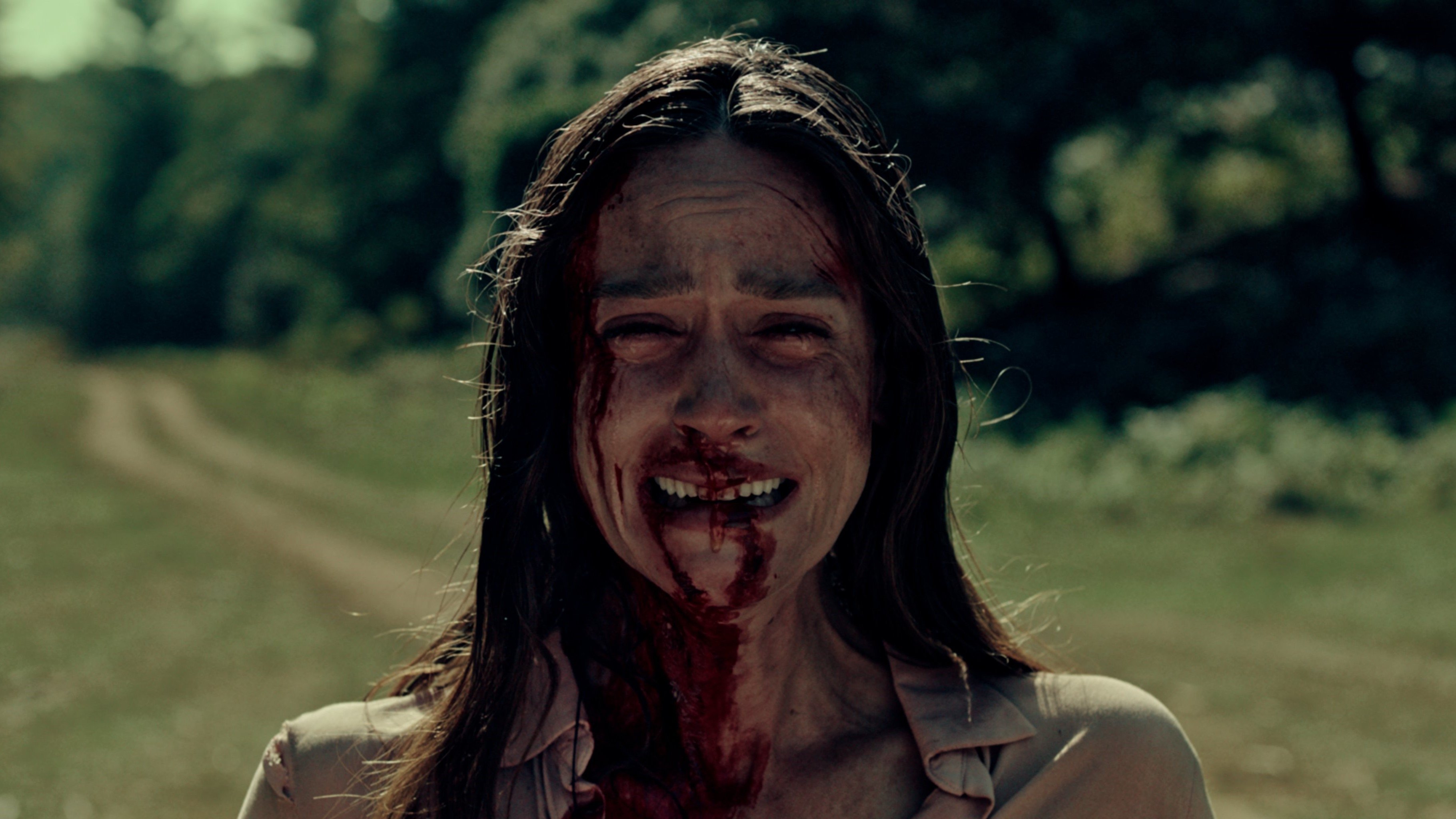
Elisa, played by Matilda Lutz, discovers the scheme after surviving the violence around her. She escapes her captors, takes a shotgun and turns the camera on the people who had controlled the story. After killing Chiara and Fabrizio, she leaves the enclosed shooting area and reaches a crowded beach. The change of setting is abrupt. Bathers look at the injured woman and begin filming her with their phones as she moves into the sea. The film leaves her ultimate fate unresolved, concentrating instead on the spectators' response to her condition.

A final sequence extends that response to online distribution. A viewer watches the resulting footage on the fictional BloodFlix platform and leaves a dismissive reaction. The framing links the filmed murders to ordinary habits of rating and commenting on entertainment. De Feo and Strippoli discussed footage of real suffering circulated online as an important influence on the story. They also described the fictional filmmaker's frustration with the treatment of horror in Italy, giving Fabrizio a professional grievance that coexists with his cruelty.

Netflix Release, Awards and Reception

A Classic Horror Story screened in competition at the 67th Taormina Film Fest, where De Feo and Strippoli won the Cariddi d'Argento for Best Direction. Netflix released the film worldwide on July 14, 2021. Strippoli said that the project had been developed with the streaming platform in mind from the outset. That release context enabled the filmmakers to include a fictional viewing platform and an ending focused on the audience's reaction to recorded violence. In 2022, visual-effects artist Nuccio Canino received a David di Donatello nomination for the film.

The film's references to earlier American horror were discussed openly by its creators during its release. De Feo described using recognisable genre situations to attract viewers before the final act changed the apparent nature of the threat. In a 2021 interview, the filmmakers explained that they had researched hostile online comments about Italian genre films and incorporated some of that language into the screenplay.

References

  1. About NetflixA Classic Horror Story - Official Trailer and Key Art

    Official 2021 production announcement confirming the cast, crew, five-week shoot in Puglia and Rome, and July 14 Netflix release.

  2. BadTasteA Classic Horror Story: la nostra intervista piena di spoiler (con spiegazione) ai registi!

    Gabriele Niola interviews both filmmakers about their co-direction, lockdown rewrite, introduction of the legend and the revised final act.

  3. Sunset BoulevardA Classic Horror Story: intervista ai registi Roberto De Feo e Paolo Strippoli

    Direct interview on the folklore, symbolism of the three masks, locations, storyboards, songs and the directors' concerns about recorded suffering.

  4. MovieplayerA Classic Horror Story è su Netflix, i registi: "Siamo pronti per una saga horror italiana"

    2021 interview with Matilda Lutz and the directors on the house set, Leanza's masks, reduced visibility and the staging of the spike-table scene.

  5. MovieplayerMeno di Trenta al Festival di Spello, Paolo Strippoli: "A Classic Horror Story è un film meta-Netflix-grafico"

    2022 interview with Paolo Strippoli and Francesco Russo on physical prosthetics, the dismantled house, streaming production and the visual-effects nomination.

Cast

View Full Cast & Crew →

Release & Distribution

Production Companies (3)

  • Apulia Film Commission IT
  • Colorado Film IT
  • Rainbow IT

Release History (25)

Release DateTerritoryRelease TypeFormatDistributorCertificationNotes
2021-07-01 Italy Premiere — — — Taormina Film Festival
2021-07-01 Romania Theatrical — — 18
2021-07-14 Argentina Digital — — +16 Netflix
2021-07-14 Australia Digital — — MA 15+ Netflix
2021-07-14 Brazil Digital — — 18 Netflix
2021-07-14 Spain Digital — — 16 Netflix
2021-07-14 France Digital — — 16 Netflix
2021-07-14 United Kingdom Digital — — 15 Netflix
2021-07-14 Greece Digital — — 16+ Netflix
2021-07-14 Hungary Digital — — 16
2021-07-14 India Digital — — A Netflix
2021-07-14 Italy Digital — — 14+ Netflix
2021-07-14 Japan Digital — — R18+
2021-07-14 Mexico Digital — — C Netflix
2021-07-14 Netherlands Digital — — 16 Netflix
2021-07-14 Norway Digital — — 15 Netflix
2021-07-14 Philippines Digital — — R-18 Netflix
2021-07-14 Poland Digital — — 16 Netflix
2021-07-14 Portugal Theatrical — — M/16
2021-07-14 Sweden Digital — — 15 Netflix
2021-07-14 Singapore Digital — — M18 Netflix
2021-07-14 Thailand Digital — — — Netflix
2021-07-14 Türkiye Digital — — 18+ Netflix
2021-07-14 United States Digital — — NC-17 Netflix
2021-07-15 Germany Digital — — 16

Awards & Festivals

1 entries
YearFestival / AwardEntrySectionCategoryResultPremiere
—David di DonatelloawardDavid di Donatello for Best Visual Effectsnominated