Evil Dead Rise (2022)

NZ
HORROR FILM Thriller
SUBGENRES SPLATTER
8.0/10 5 votes
Runtime
96 min
Release
December 17, 2022
Budget
$15,000,000
Revenue
$147,256,372
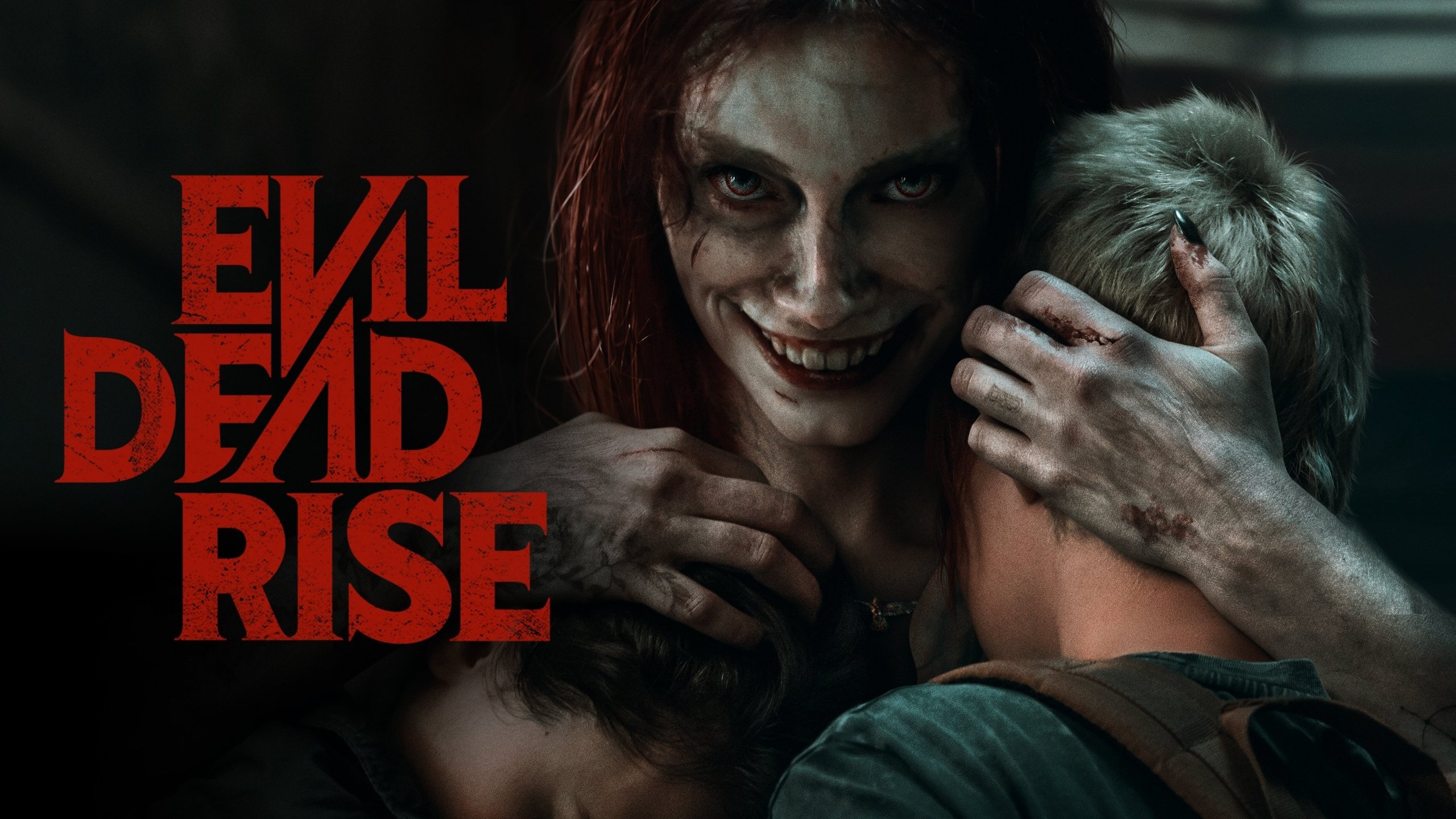
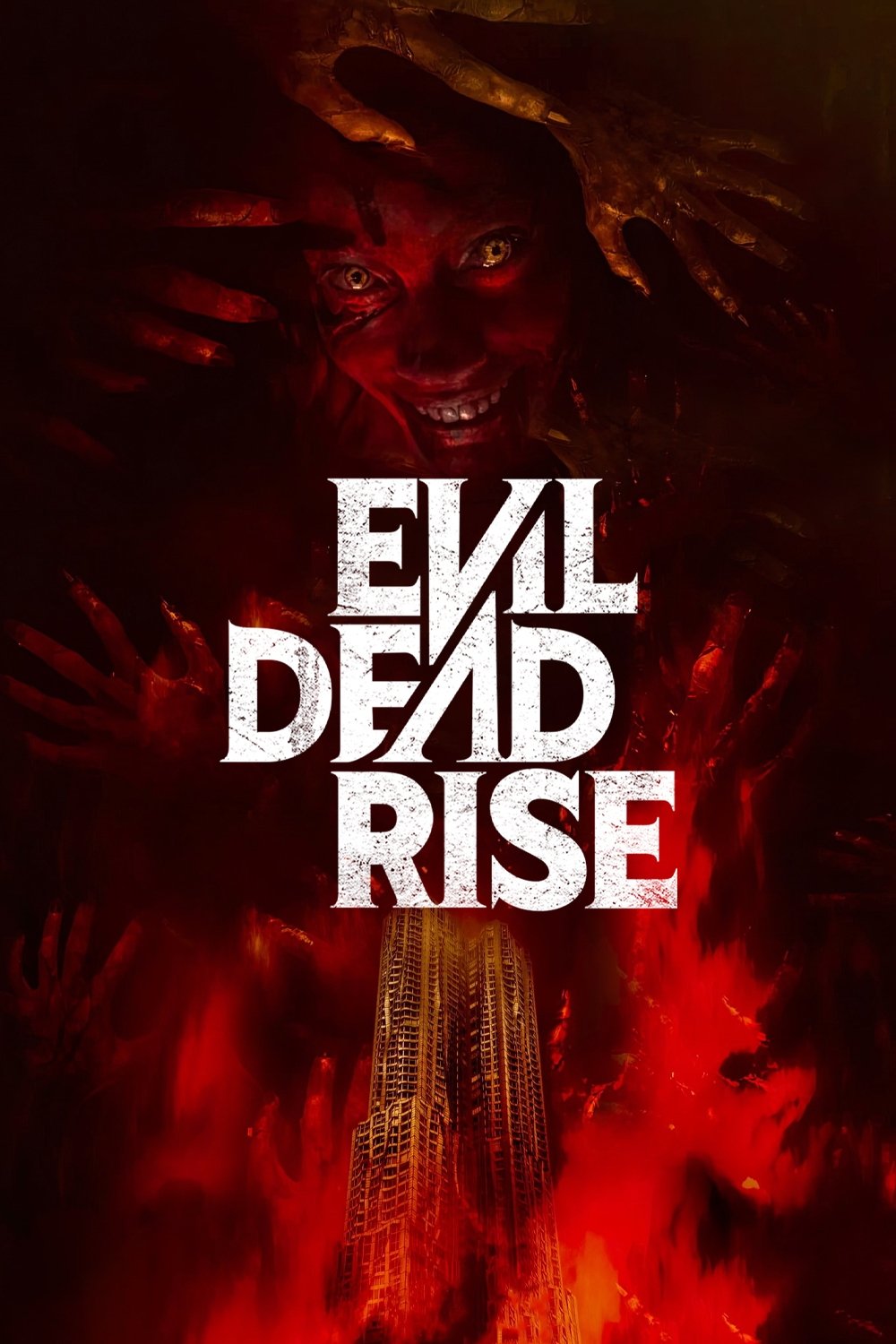
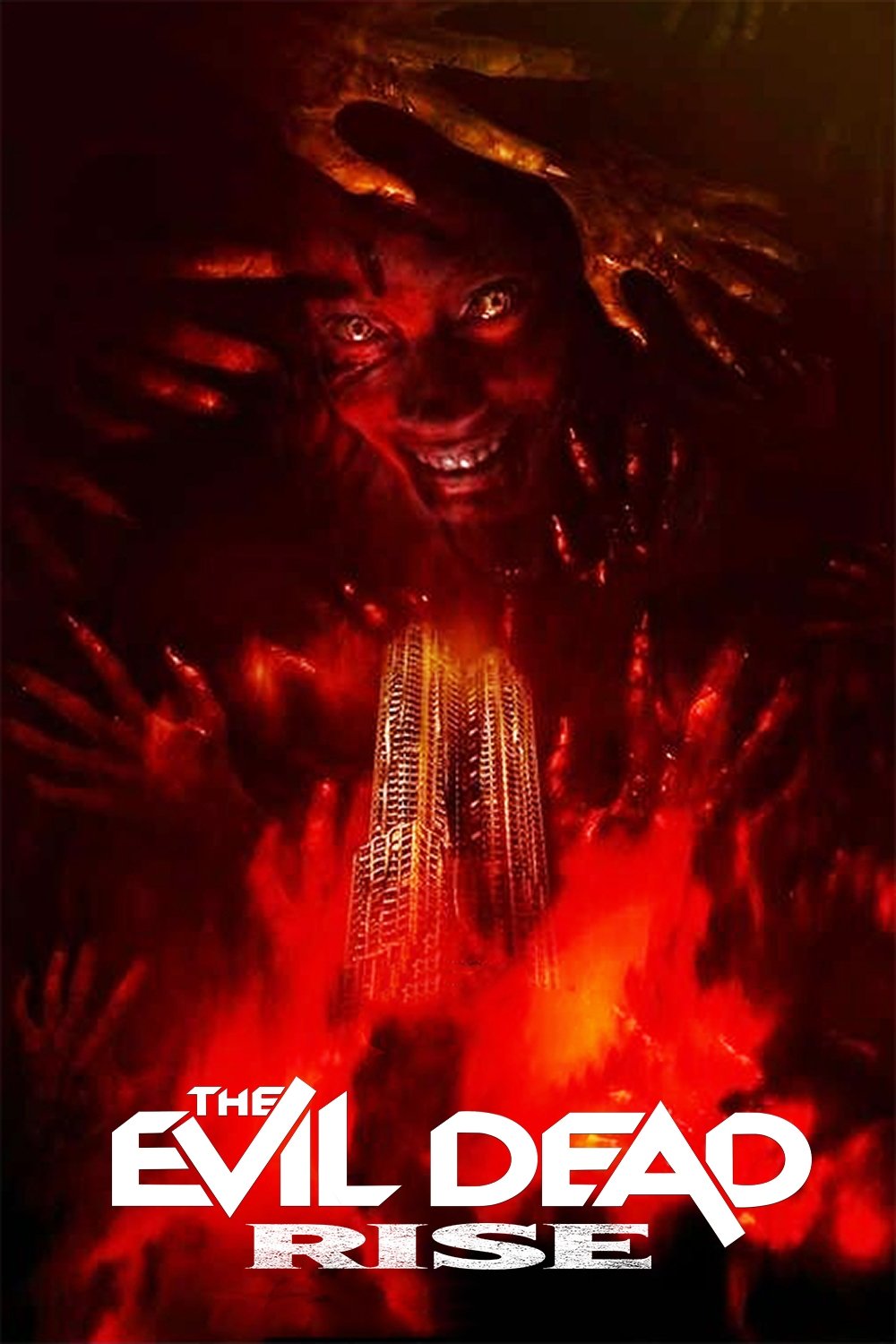
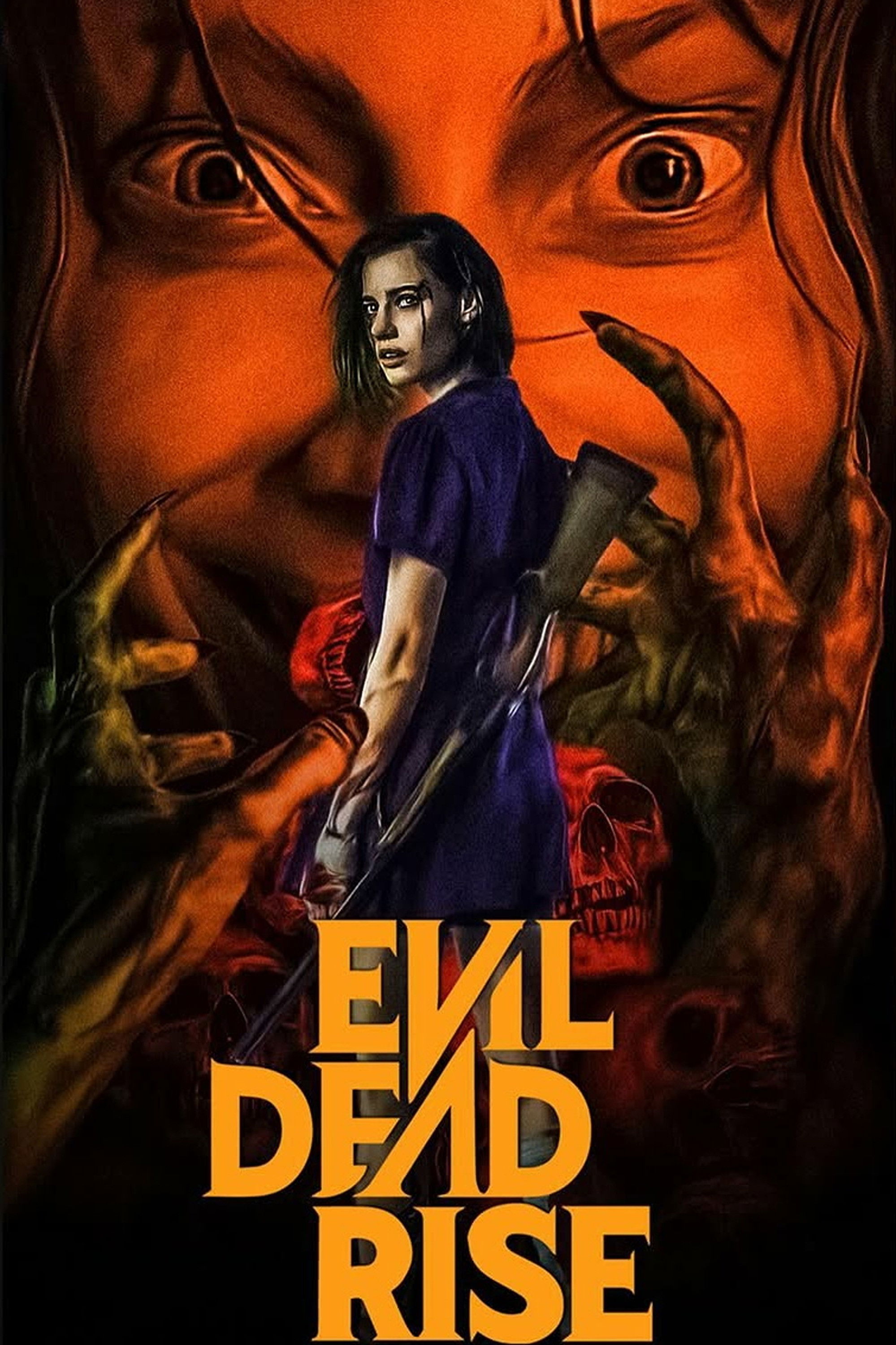
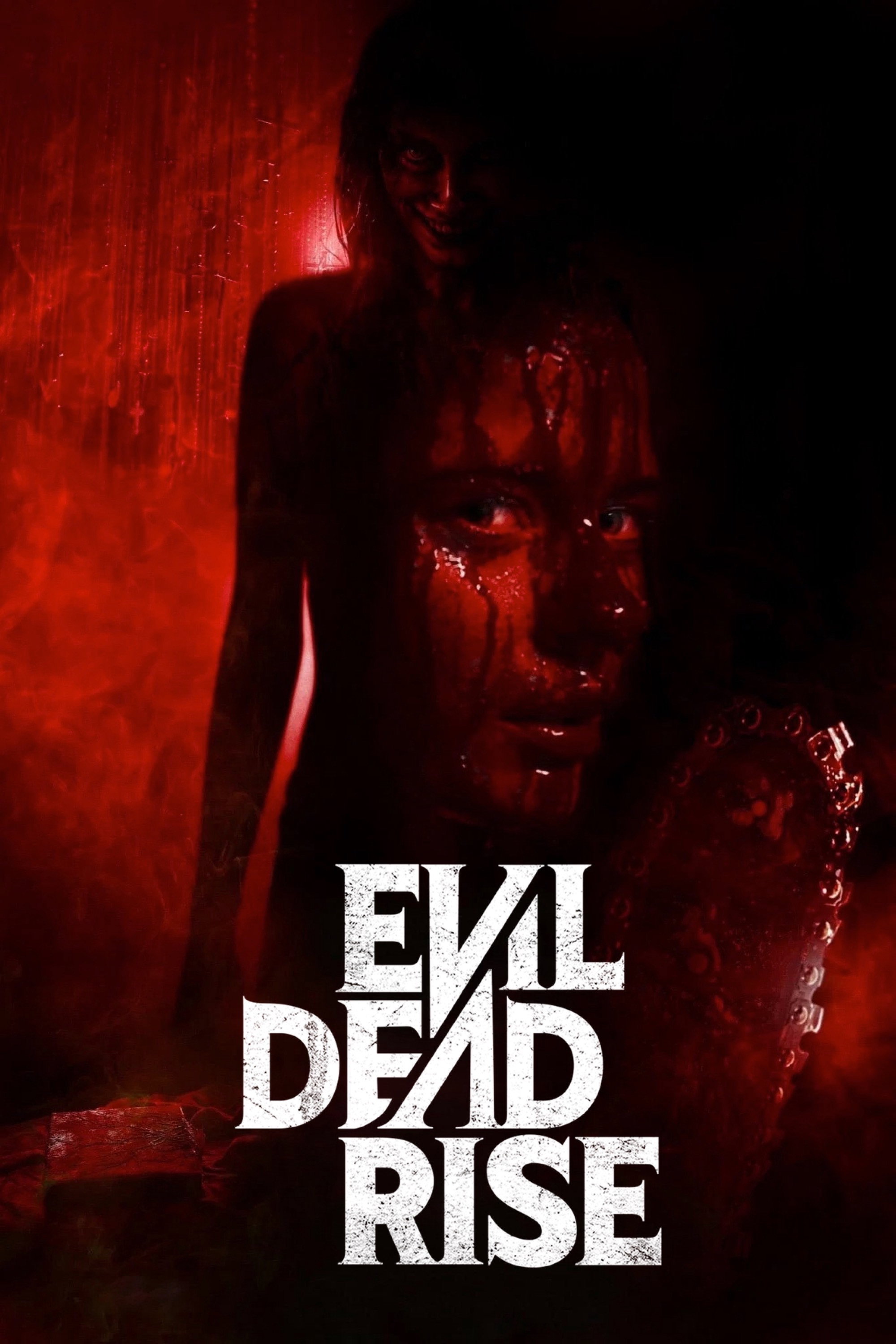
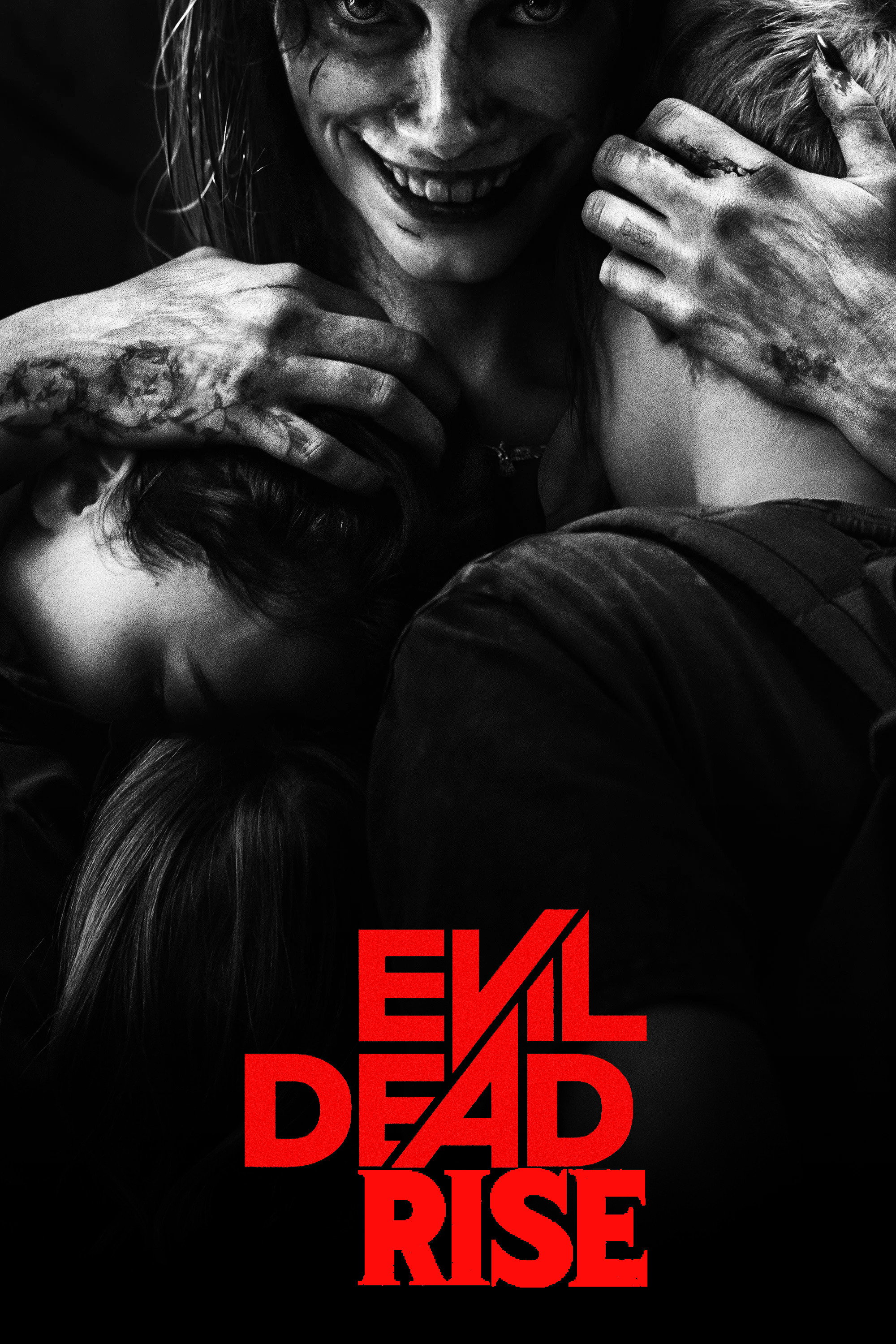
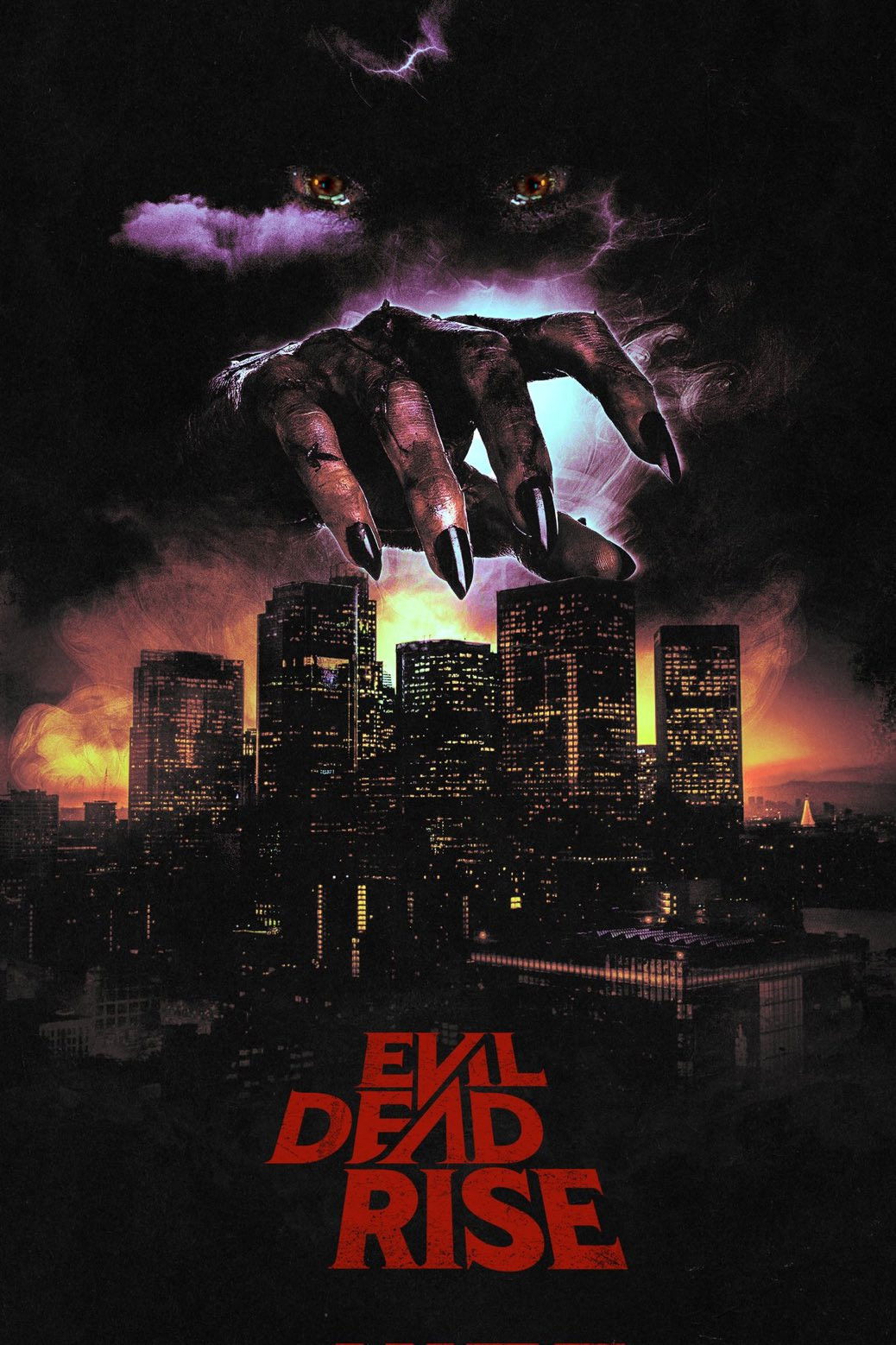
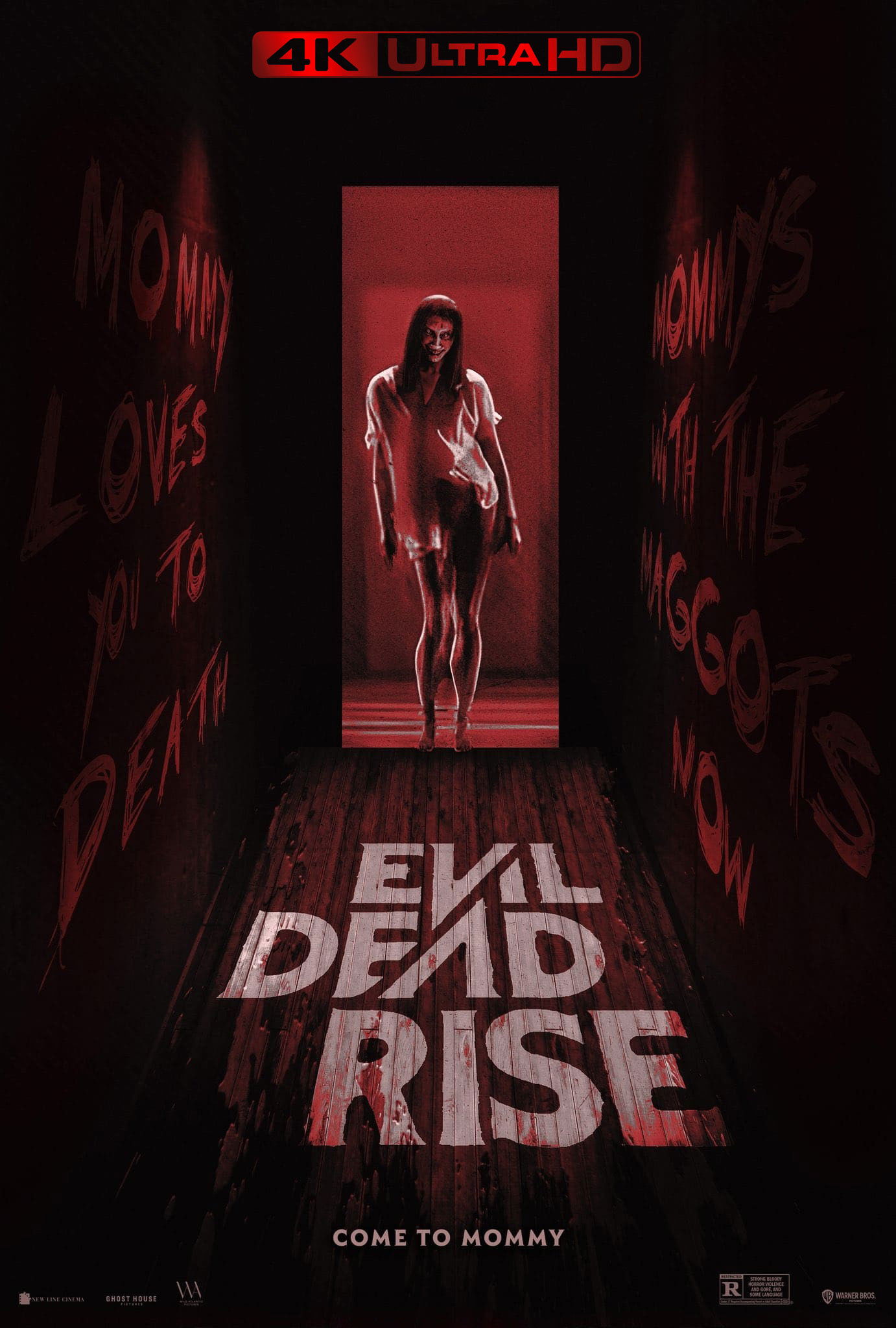
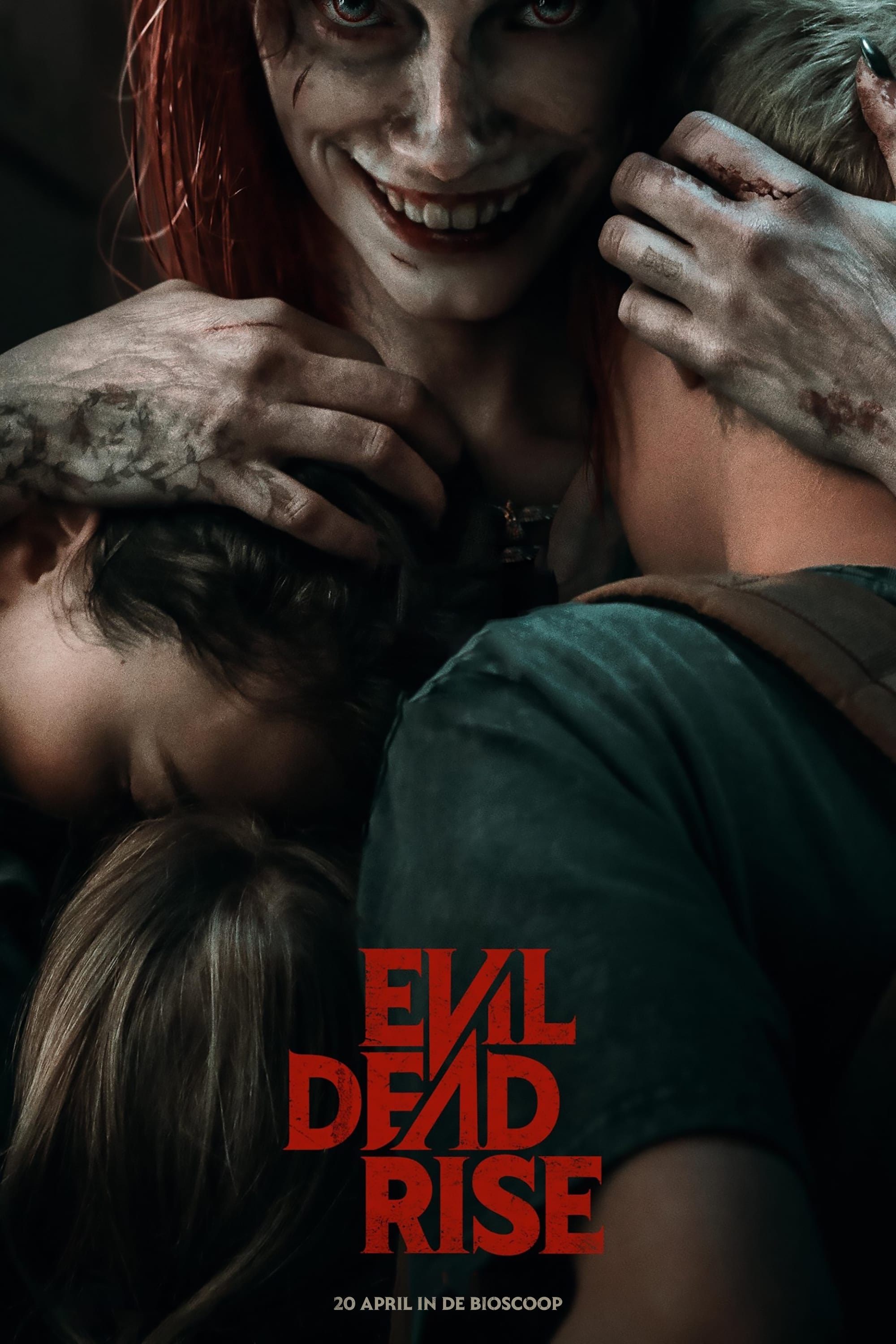
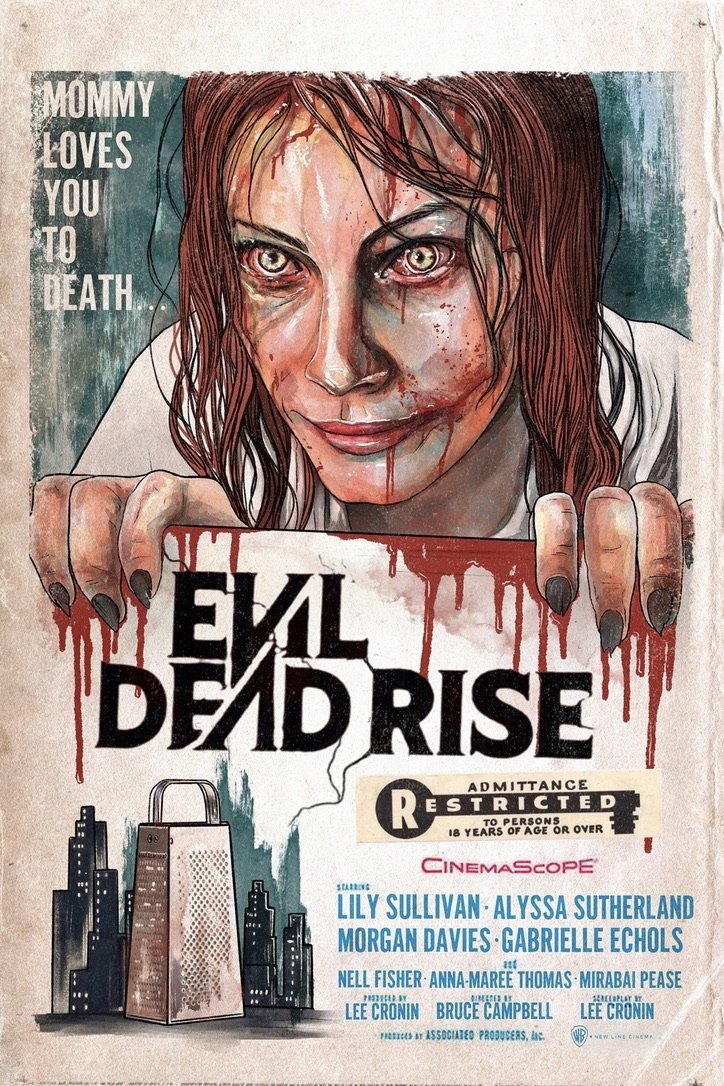
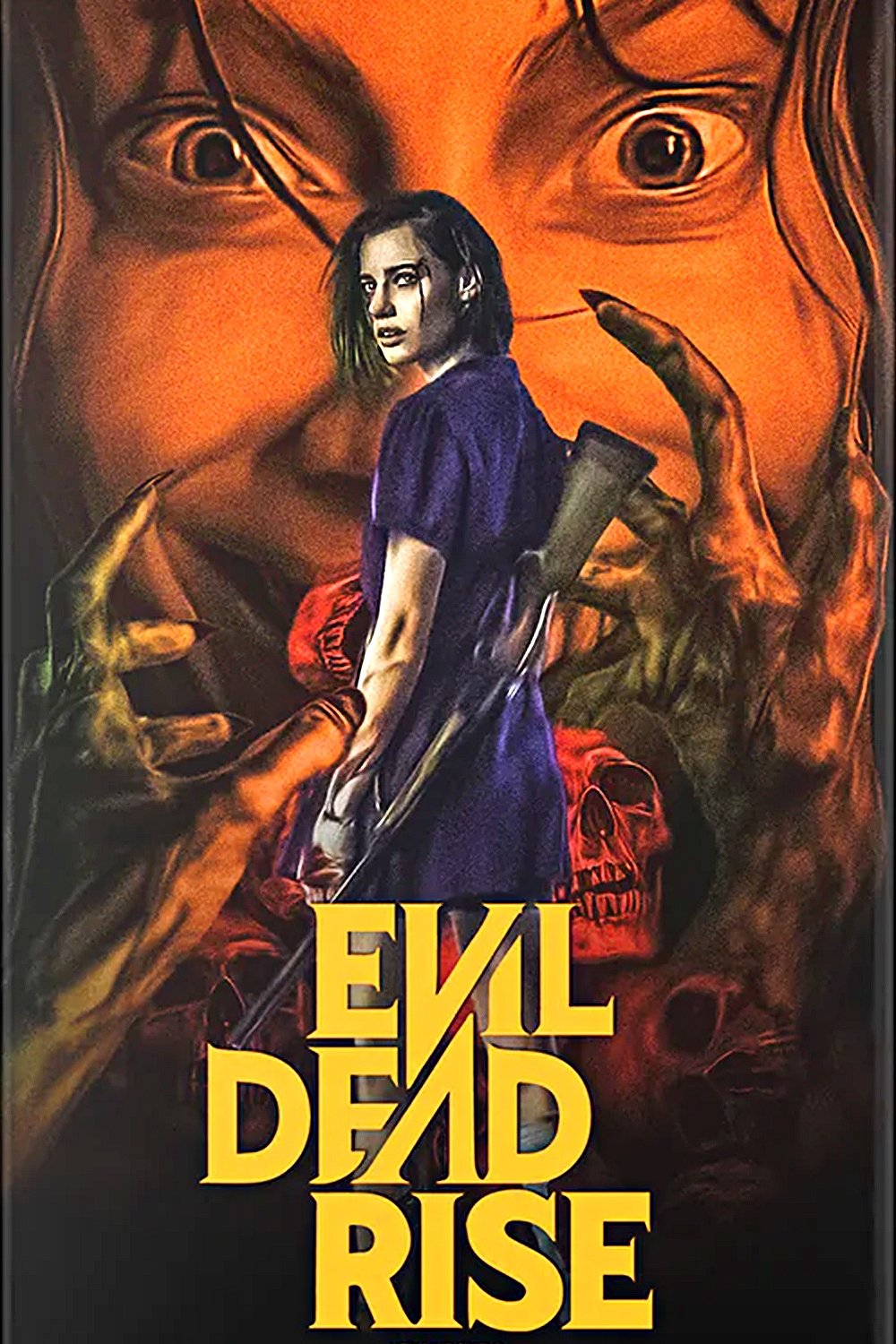
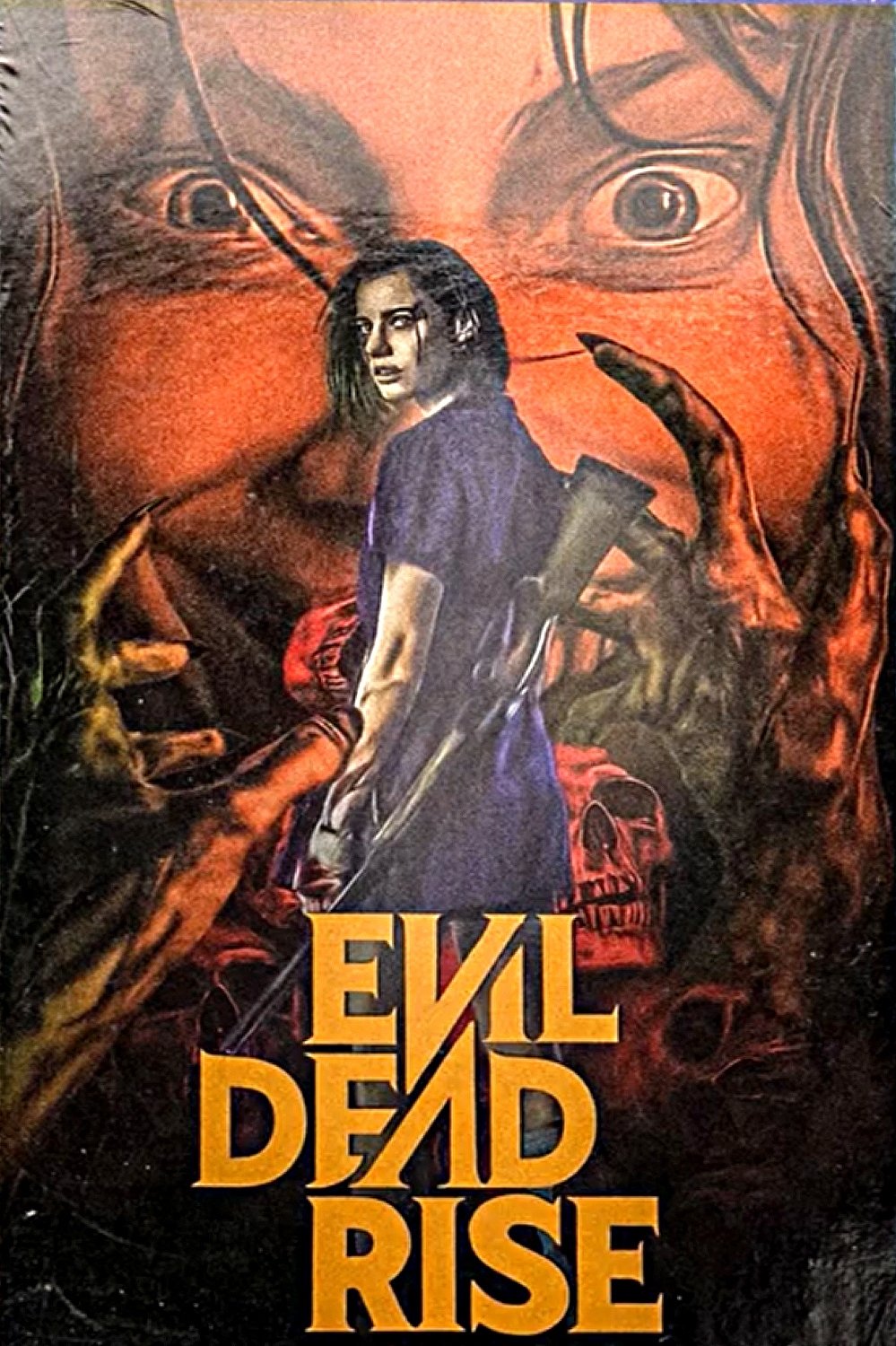
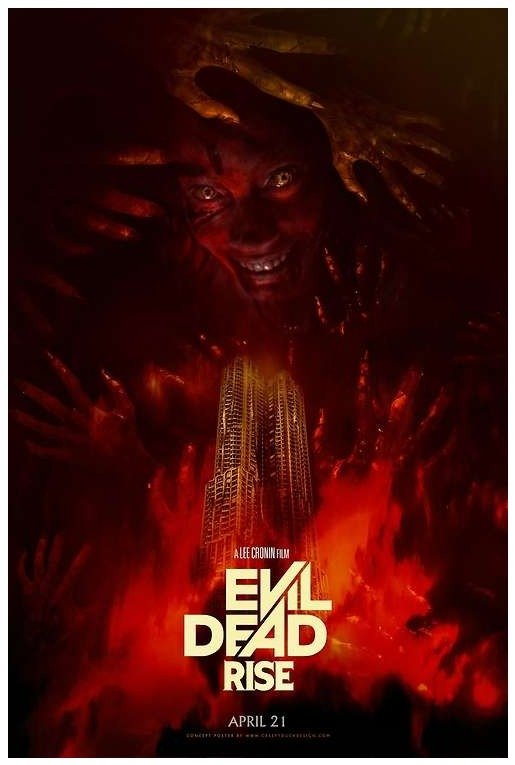
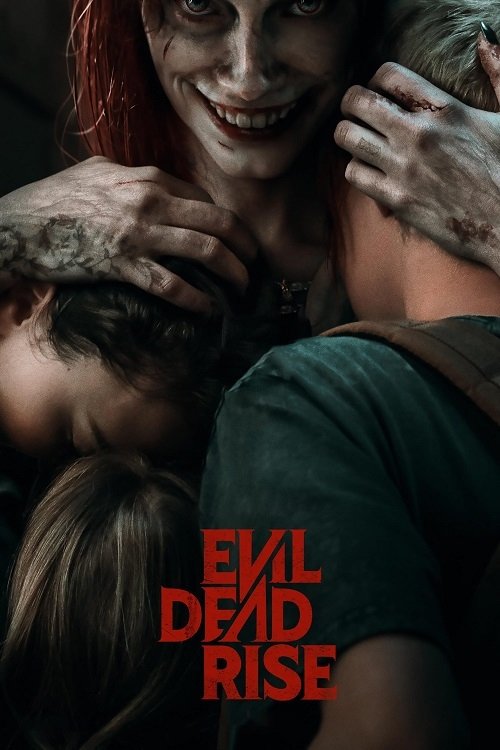
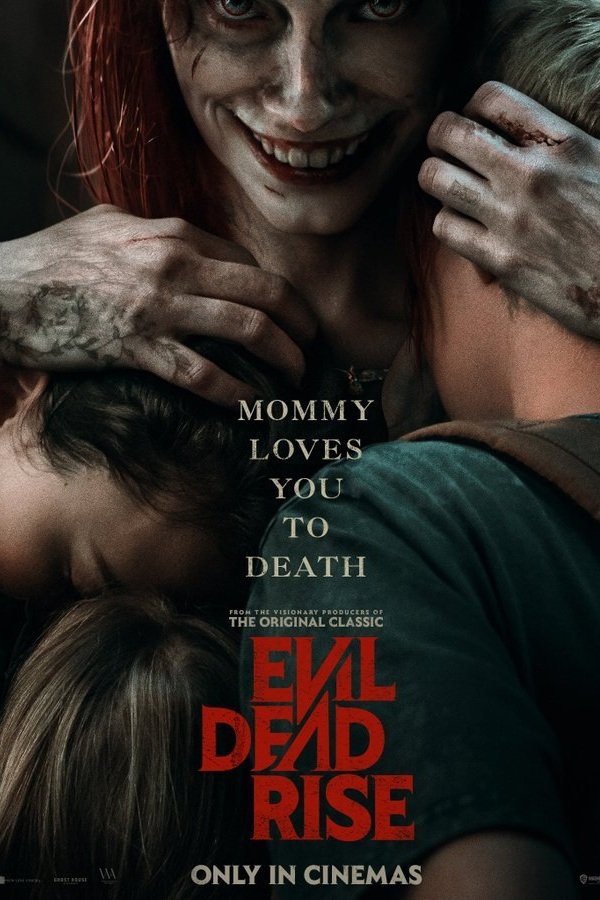
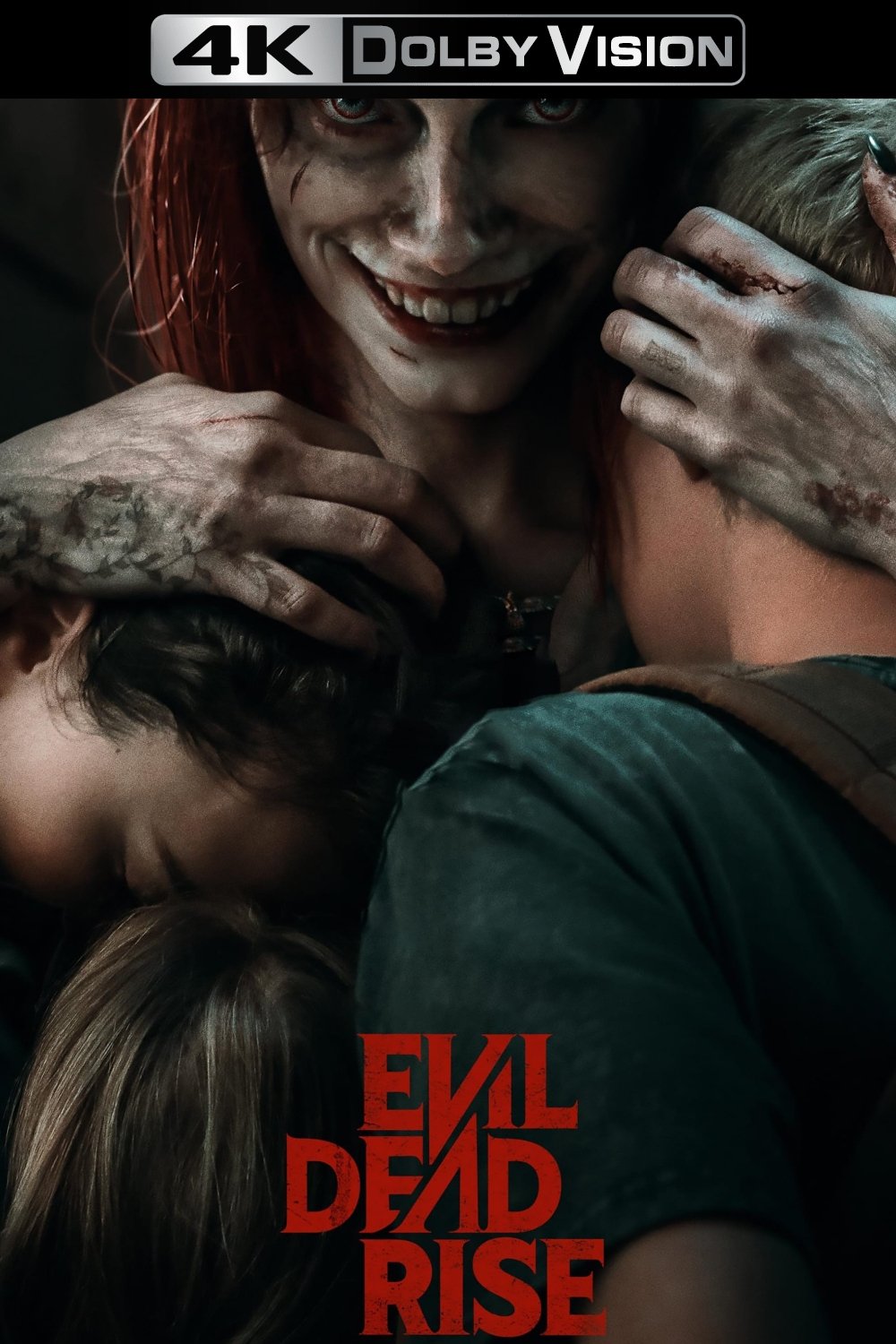
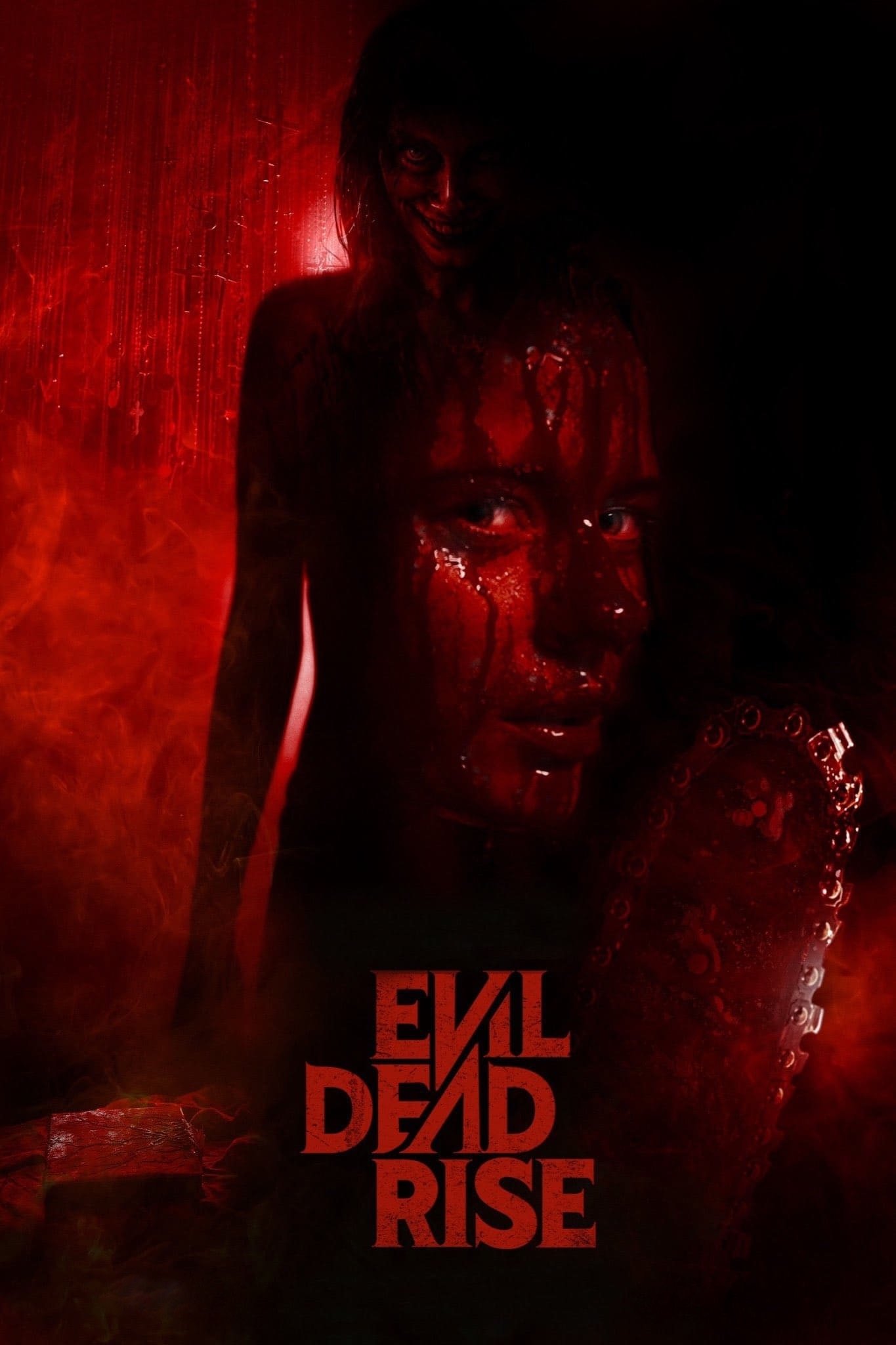
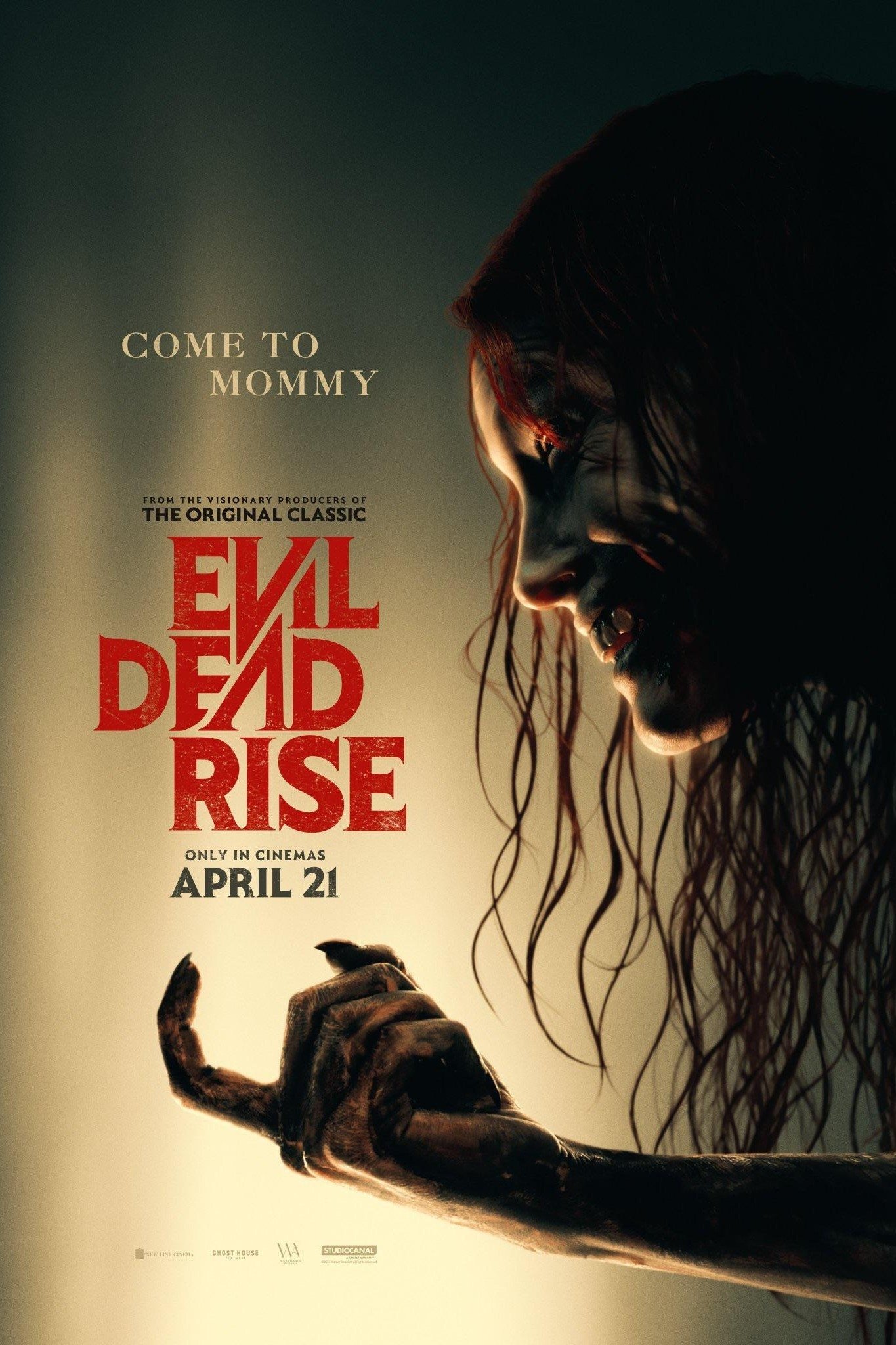
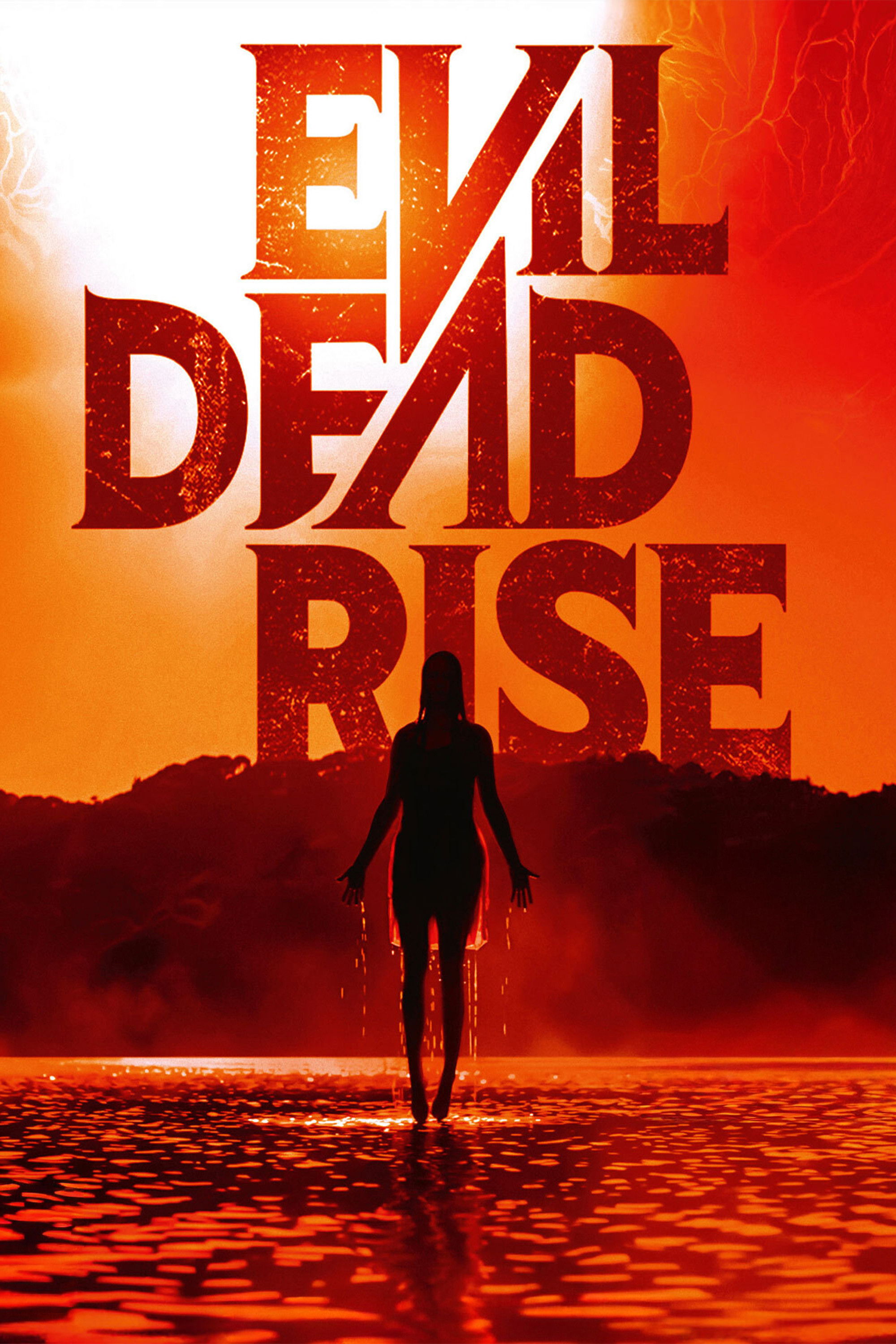
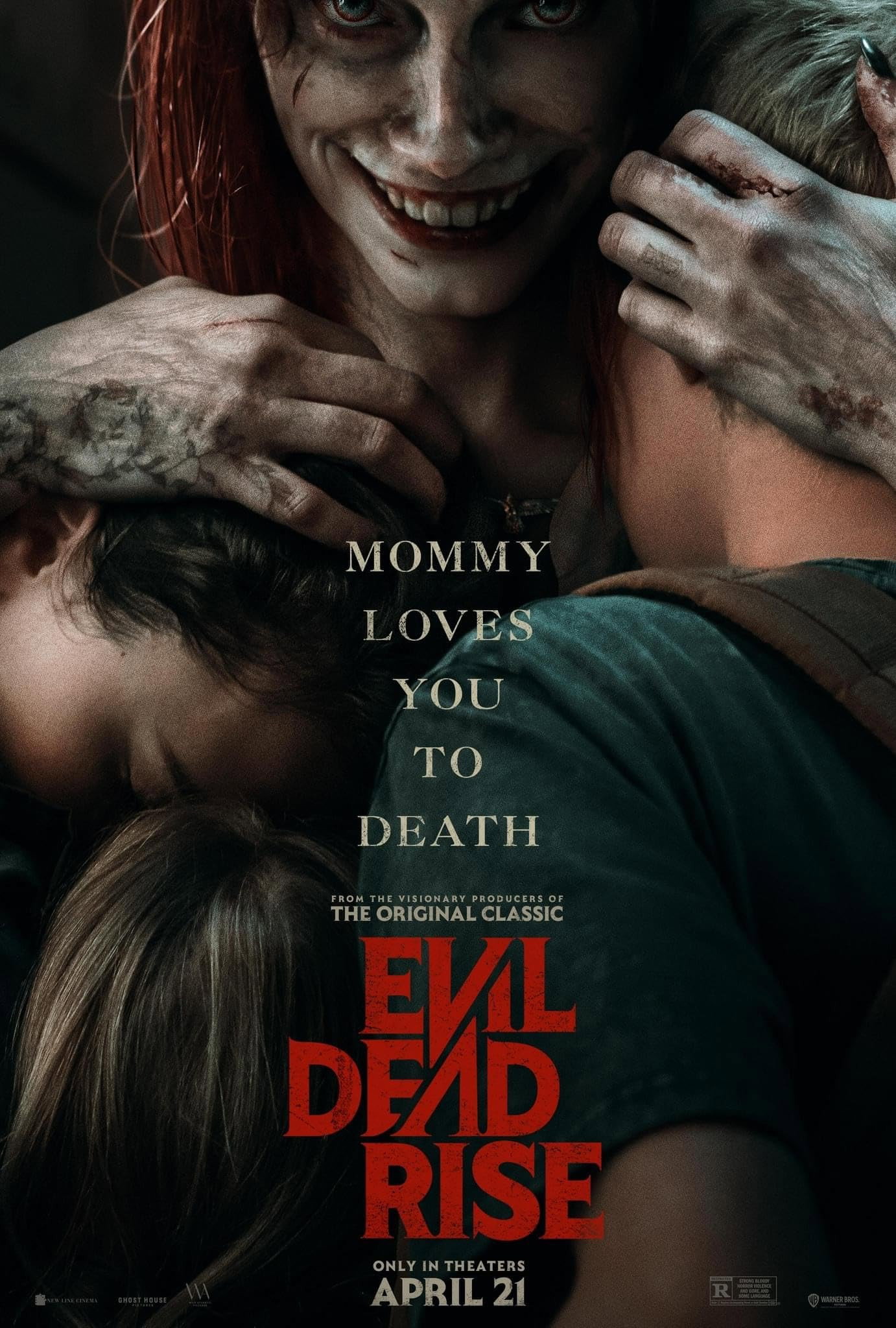
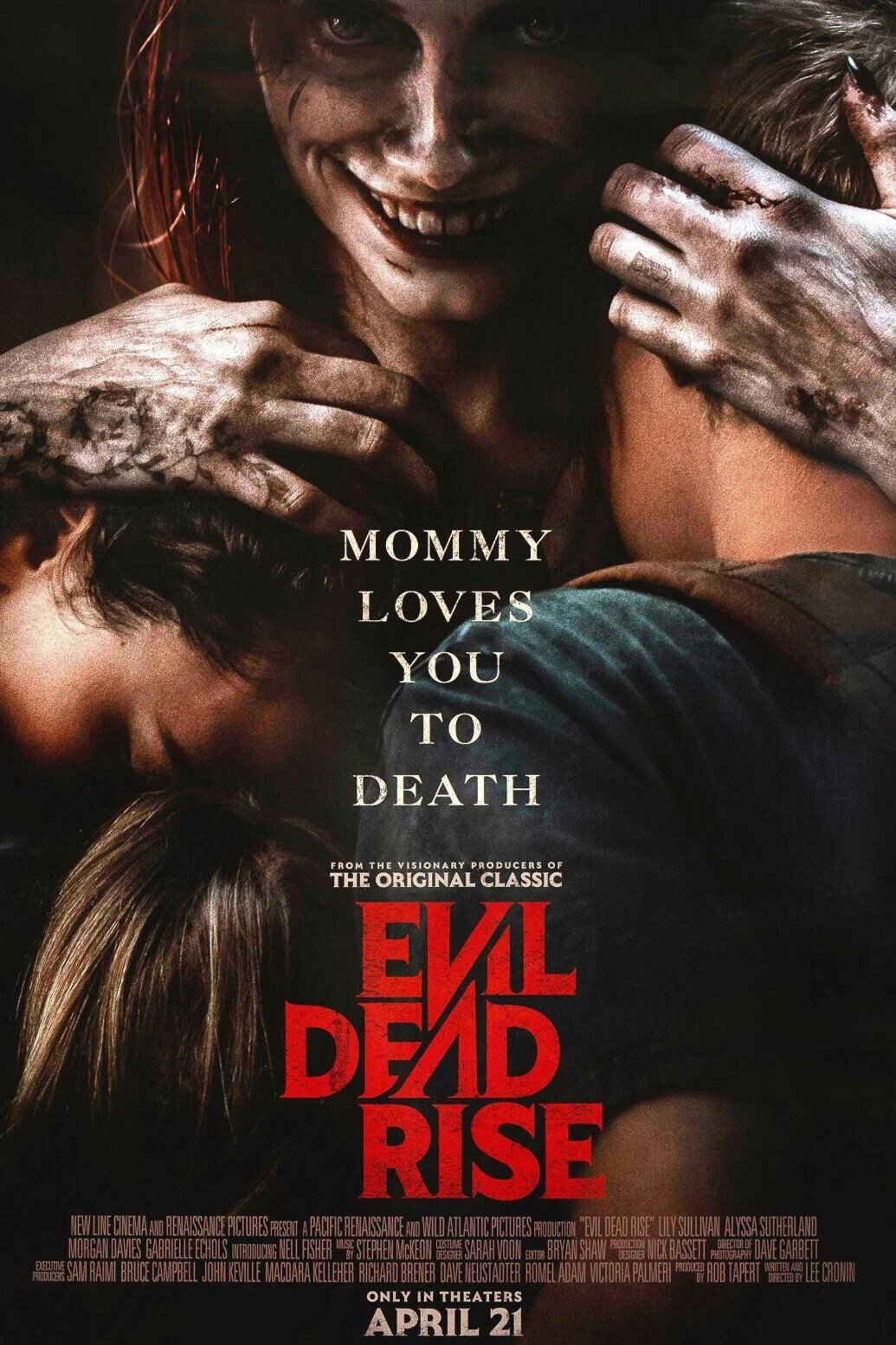
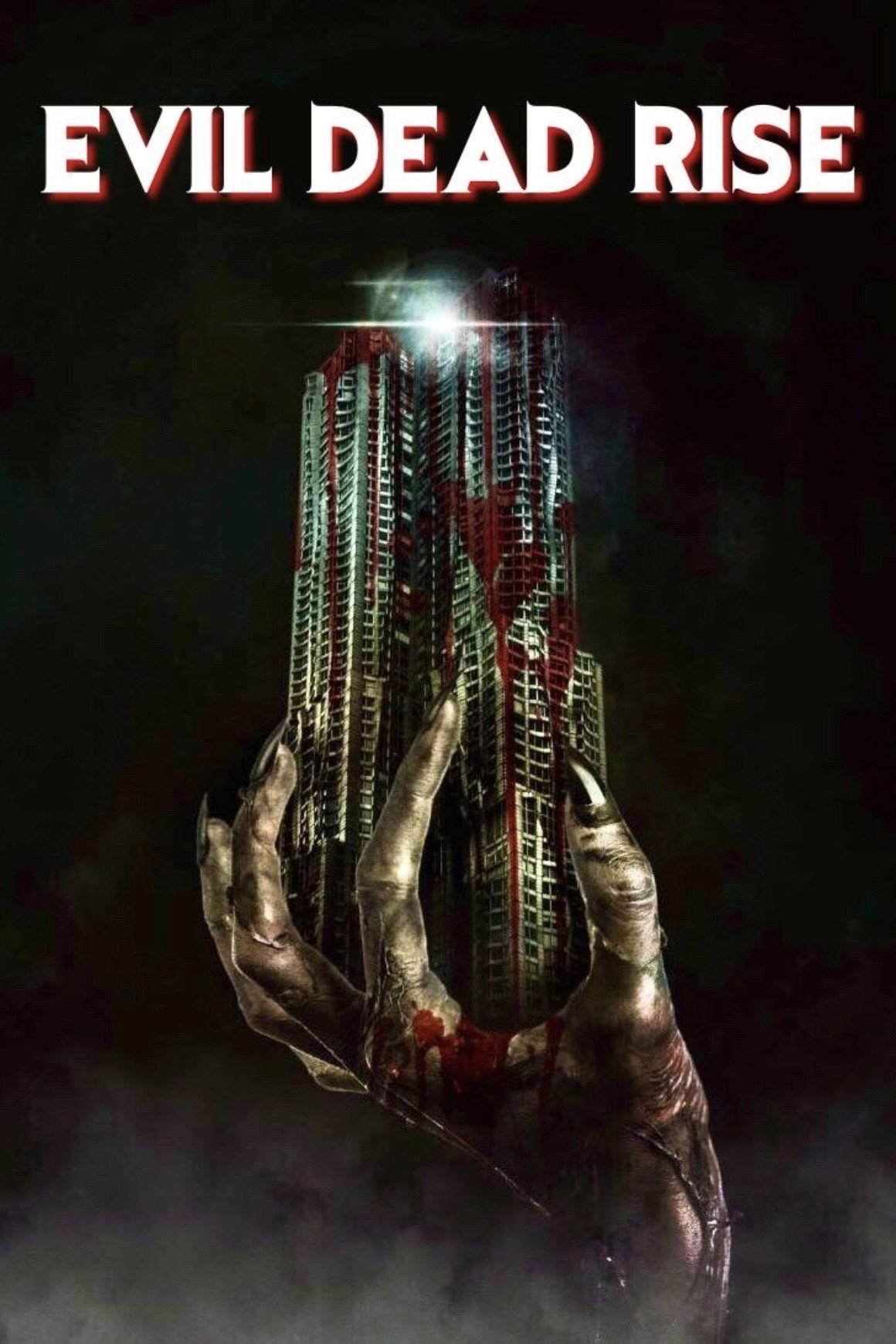
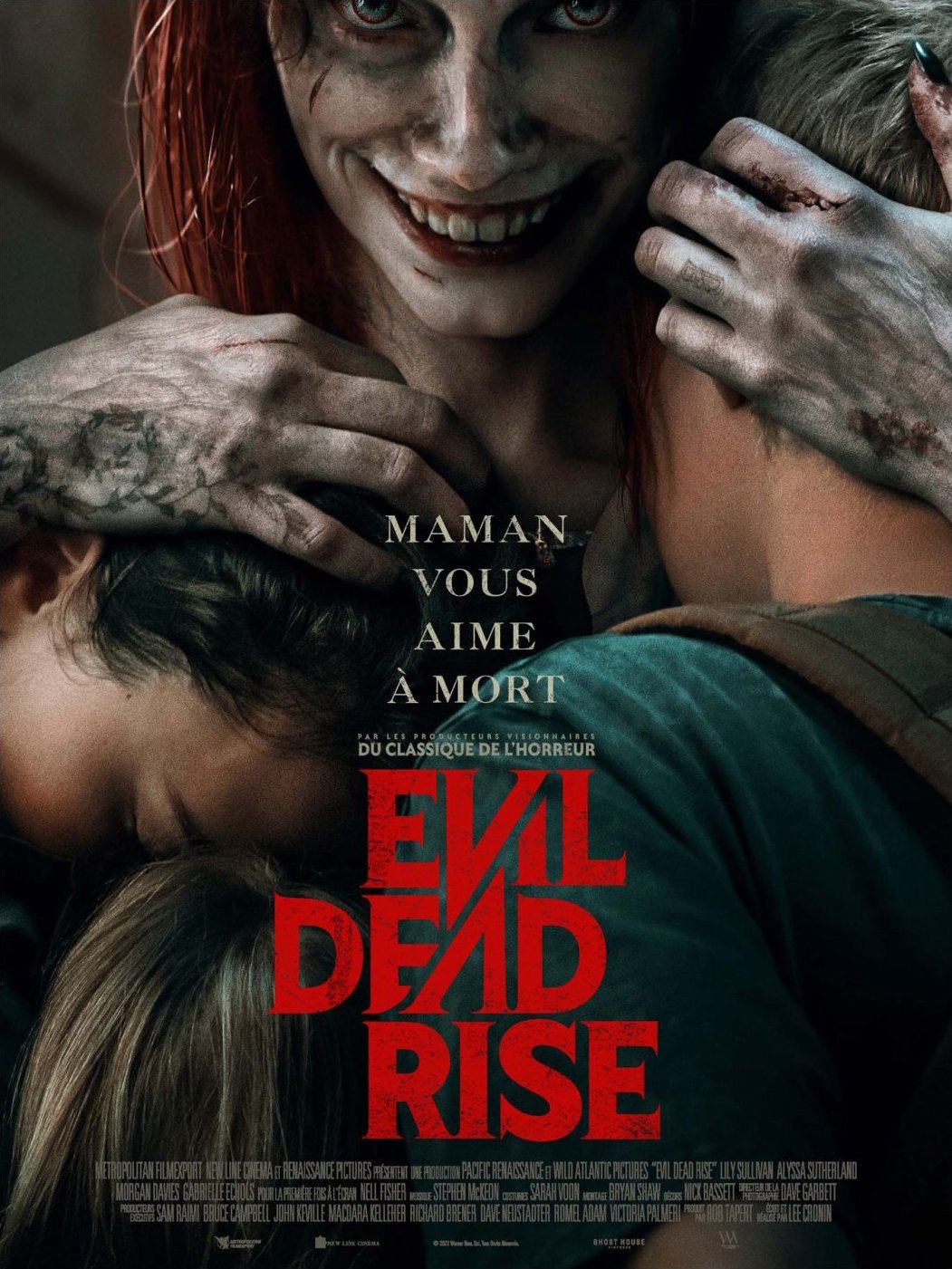
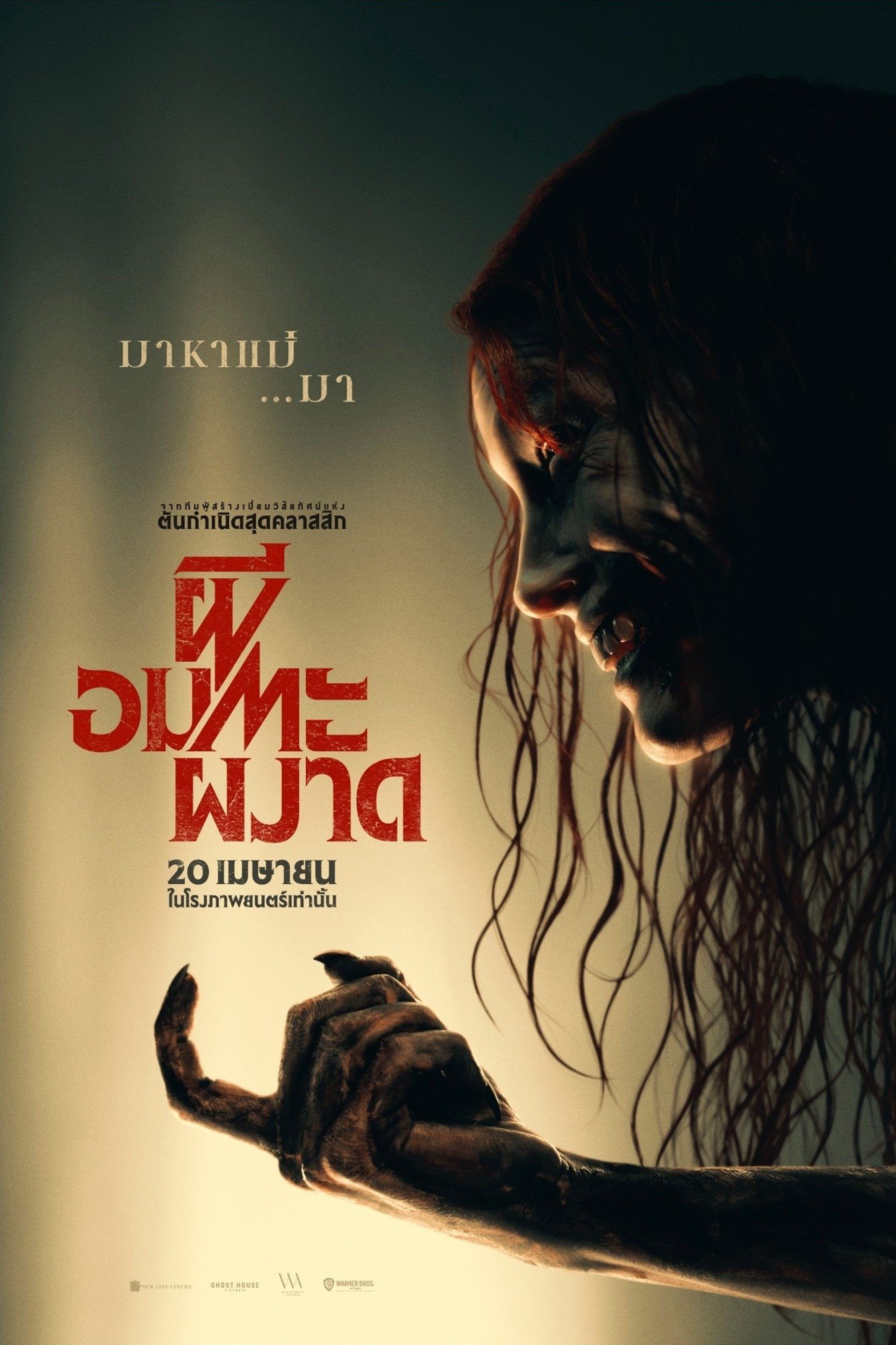
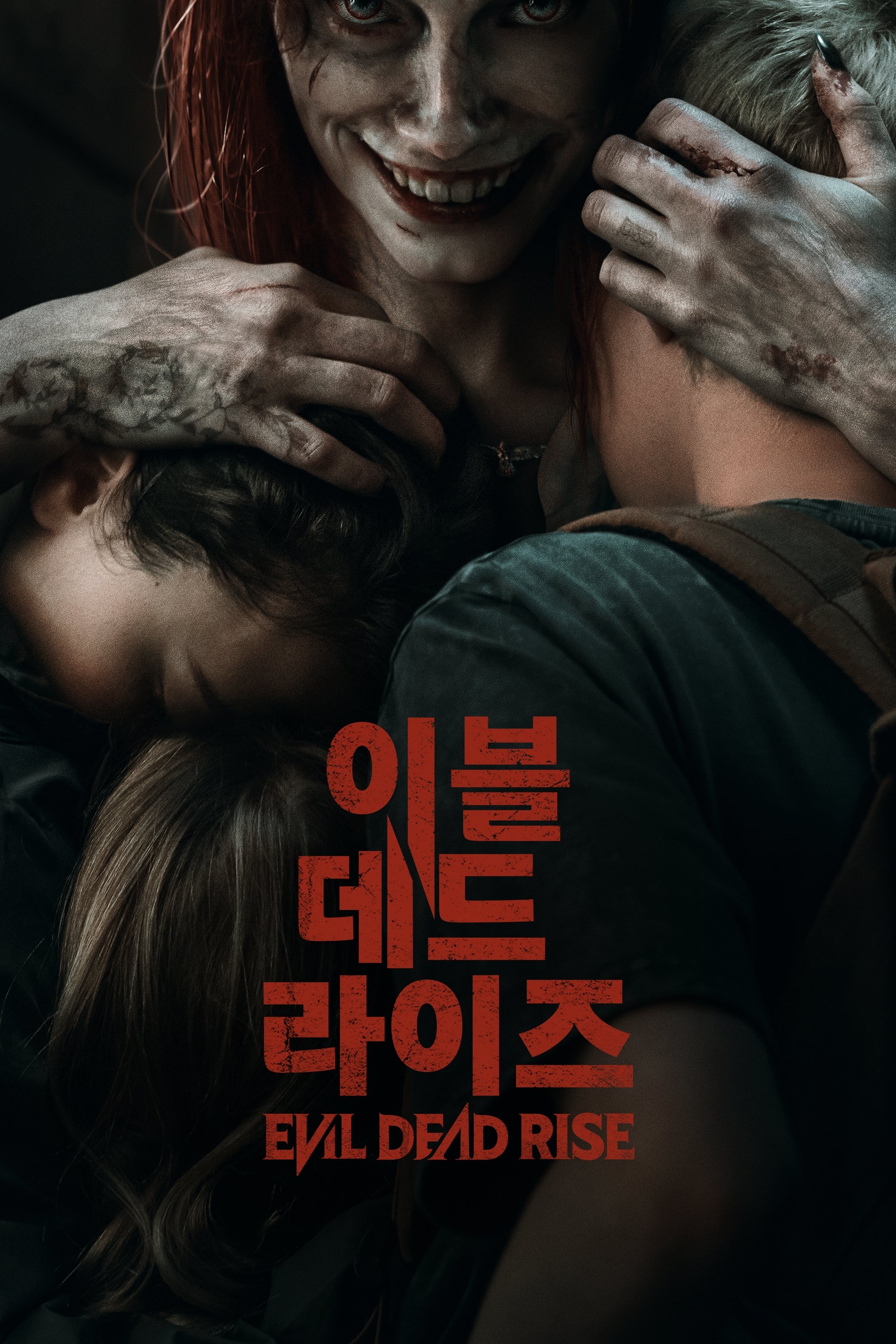
Evil Dead Rise (2022) poster
Director
Production Companies
Pacific Renaissance Pictures , Wild Atlantic Pictures , New Line Cinema , Renaissance Pictures
Plot

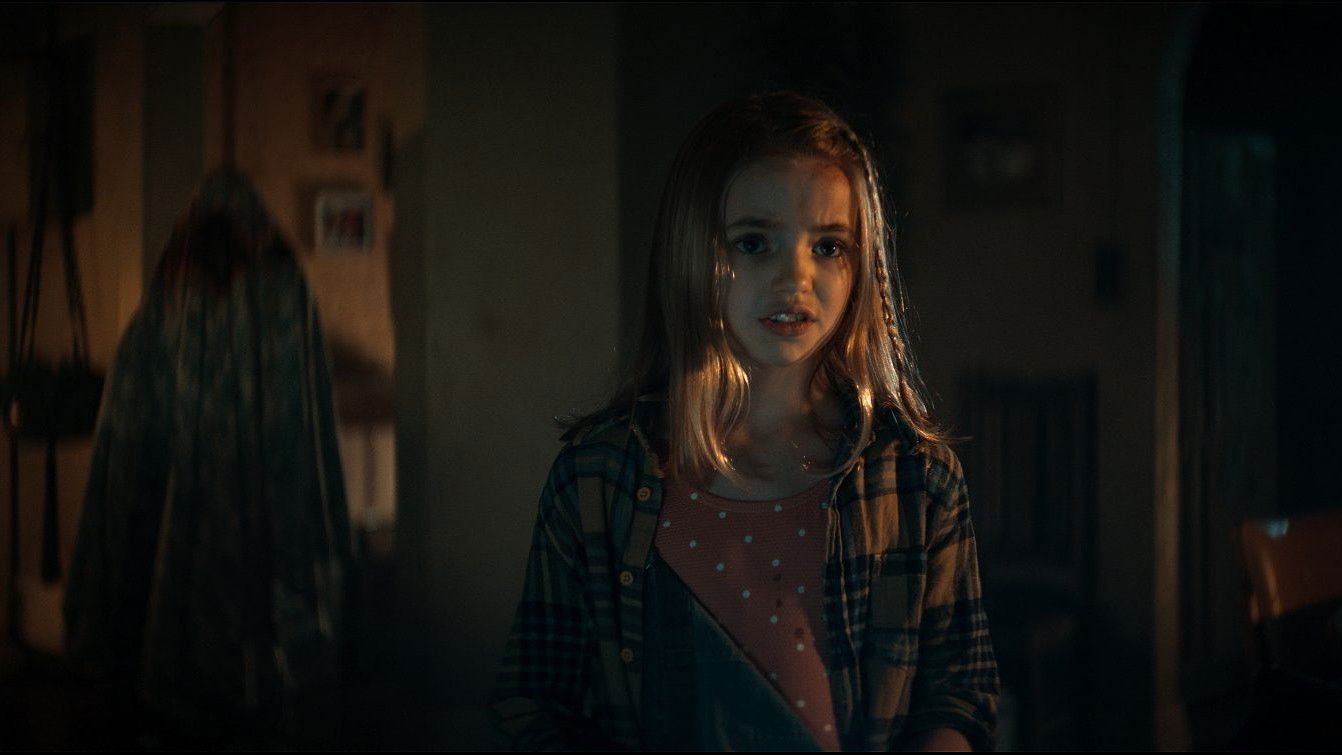
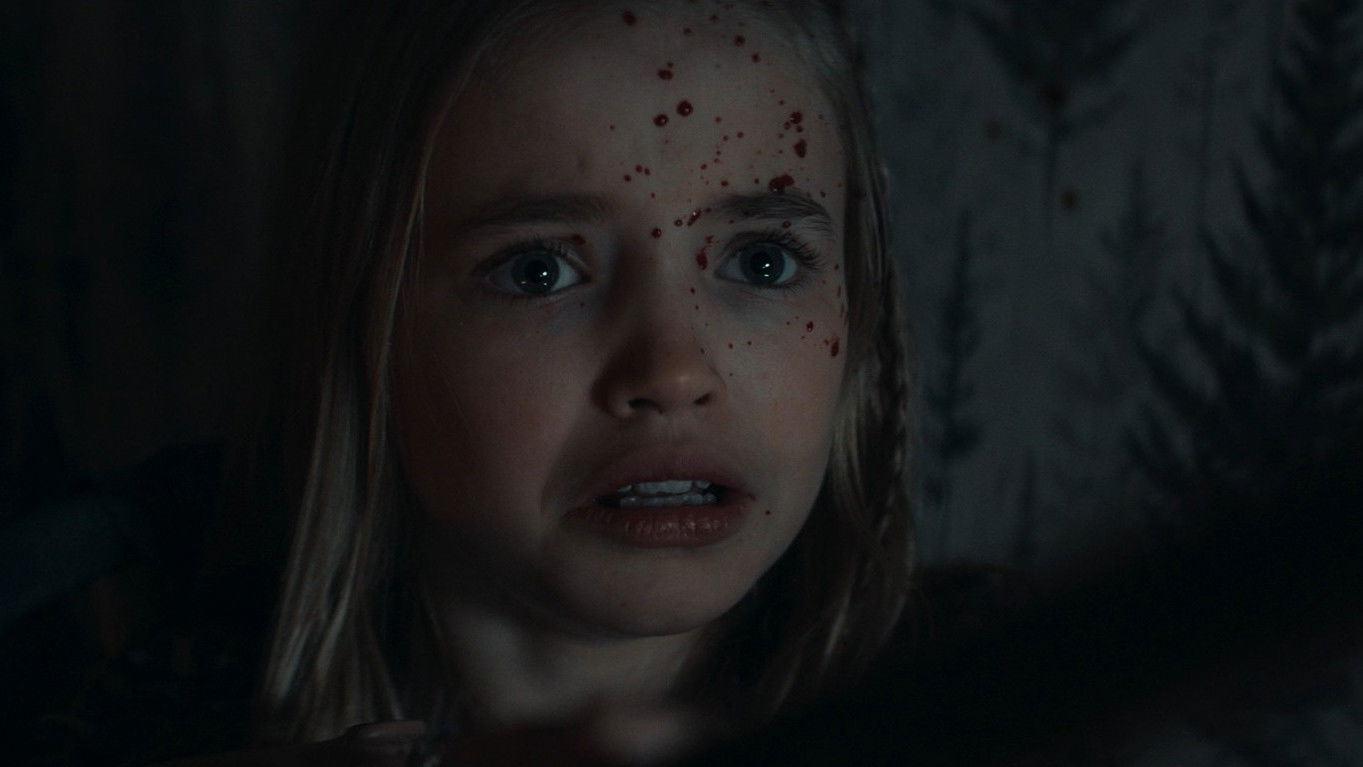
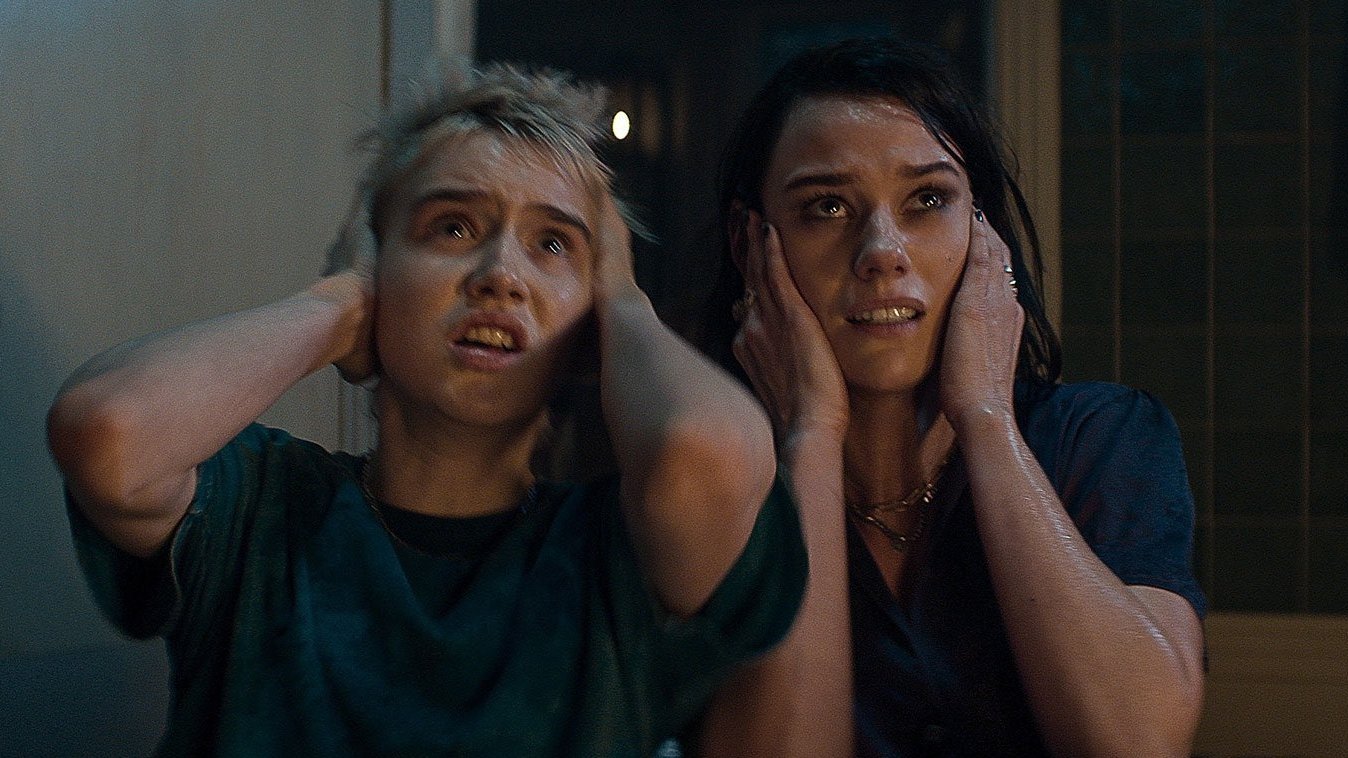
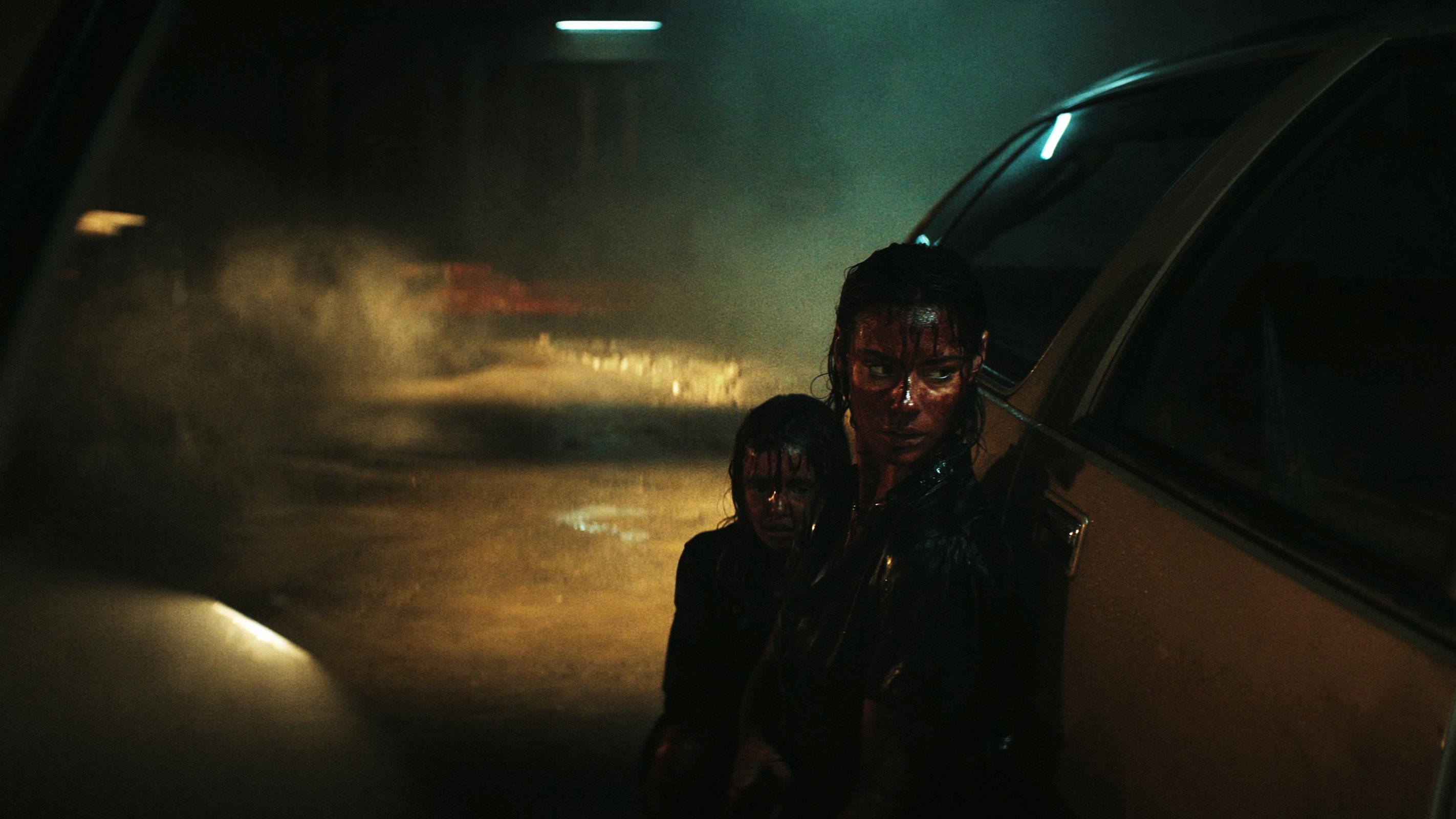
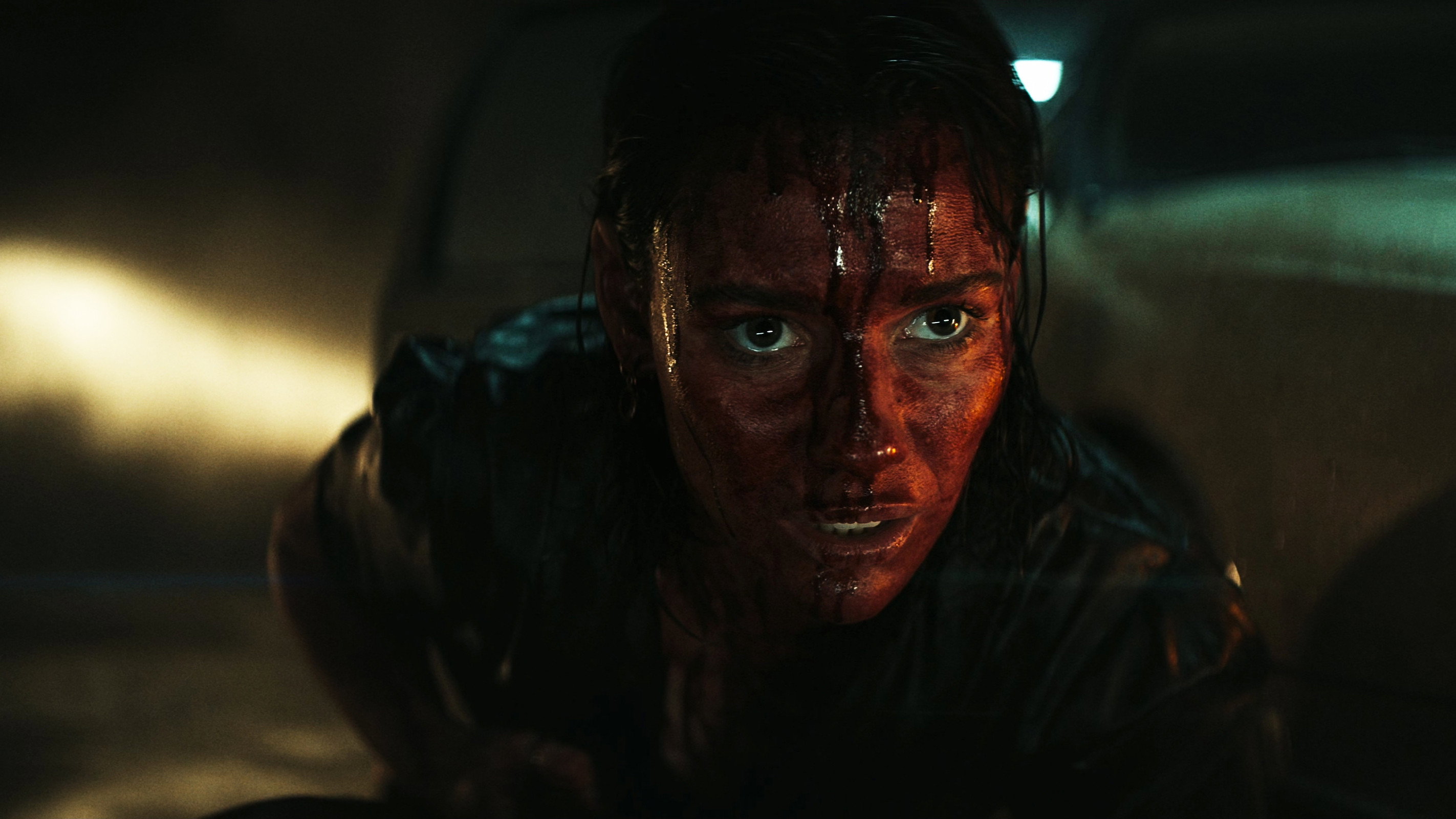
Beth visits her estranged sister Ellie and Ellie's children in a Los Angeles apartment building, hoping to reconnect during a difficult personal period. An earthquake exposes a hidden vault containing an ancient book and old vinyl recordings, and an incantation releases a malevolent force into the building. As the entity begins possessing members of the family, the apartment becomes a trap filled with failing exits and increasingly violent encounters. Beth must protect the children and understand the threat while the familiar routines of family life collapse into supernatural terror.

Alternative Titles
Злите мъртви: Пробуждане (Bulgaria) — Bulgarian A Morte do Demônio: A Ascensão (Brazil) — Portuguese L'Opéra de la Terreur : Renaissance (Canada) — French 鬼玩人:崛起 (China) — Chinese Smrtelné zlo: Probuzení (Czechia) — Czech Posesión infernal: El despertar (Spain) — Spanish Possessió infernal: El despertar (Spain) — Catalan ბოროტი მკვდრების აღზევება (Georgia) — Georgian
Show all 43 alternative titles 鬼玩人 : 復活 (Hong Kong SAR China) — Chinese Zla smrt: Buđenje (Croatia) — Croatian A gonosz halottak felkelése (Hungary) Gonosz halott - Az ébredés (Hungary) — Hungarian להעיר את השד (Israel) — Hebrew מוות אכזרי 5 (Israel) ईविल डेड राइज़ (India) — Hindi ظهور مرده شیطانی (Iran) — Persian La casa - Il risveglio del male (Italy) — Italian 死霊のはらわた ライジング (Japan) — Japanese 이블 데드 라이즈 (South Korea) — Korean Piktieji numirėliai prisikelia (Lithuania) — Lithuanian Ļaunie miroņi mostas (Latvia) — Latvian Evil Dead: El despertar (Mexico) — Spanish Martwe zło: Przebudzenie (Poland) — Polish Evil Dead Rise - O Despertar (Portugal) — Portuguese Evil Dead Rise: O despertar (Portugal) Cartea morților: Posesie demonică (Romania) — Romanian Зли мртви: Буђење (Serbia) — Serbian Восстание зловещих мертвецов (Russia) — Russian Зловещие мертвецы 5 (Russia) قيام الشر المميت (Saudi Arabia) — Arabic 鬼玩人崛起 (Singapore) — Chinese Zlobni mrtveci 5 (Slovenia) — Slovenian Vzostup zla (Slovakia) — Slovak ผีอผี มตะผงาด (Thailand) — titles on apple tv ผีอมตะผงาด (Thailand) — Thai Kötü Ruh 5 (Türkiye) Kötü Ruh: Diriliş (Türkiye) Kötü Ruh: Uyanış (Türkiye) — Turkish 鬼玩人:復活 (Taiwan) — Chinese Повстання зловісних мерців (Ukraine) — Ukrainian Evil Dead 5 (United States) Evil Dead Now (United States) — Working Title Ma Cây Trỗi Dậy (Vietnam) — Vietnamese

Trailers & Videos

11 videos

Film Guide & Analysis

Lee Cronin relocates Evil Dead to an urban home, combining family possession with painstakingly engineered sets and practical blood effects.

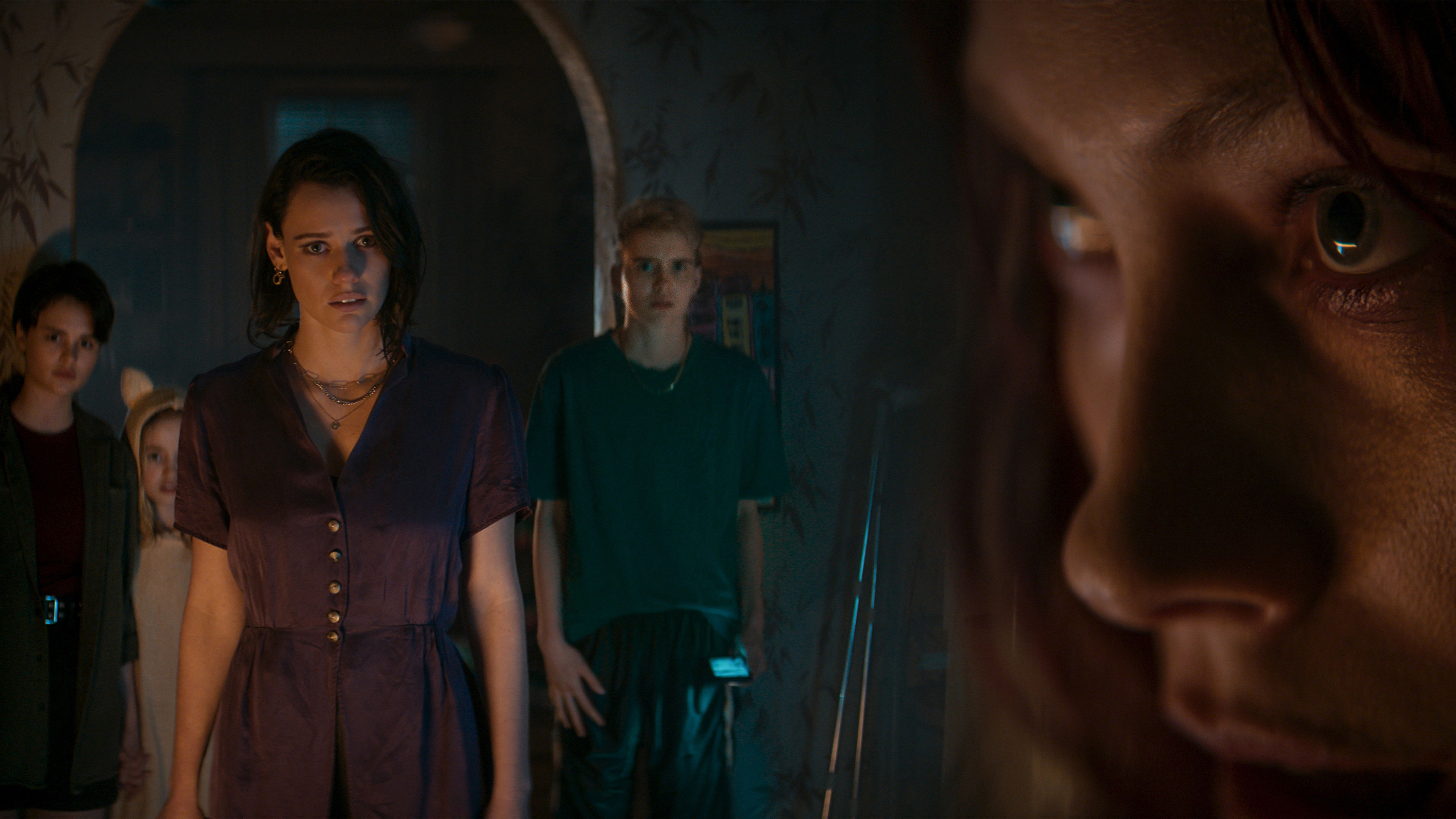
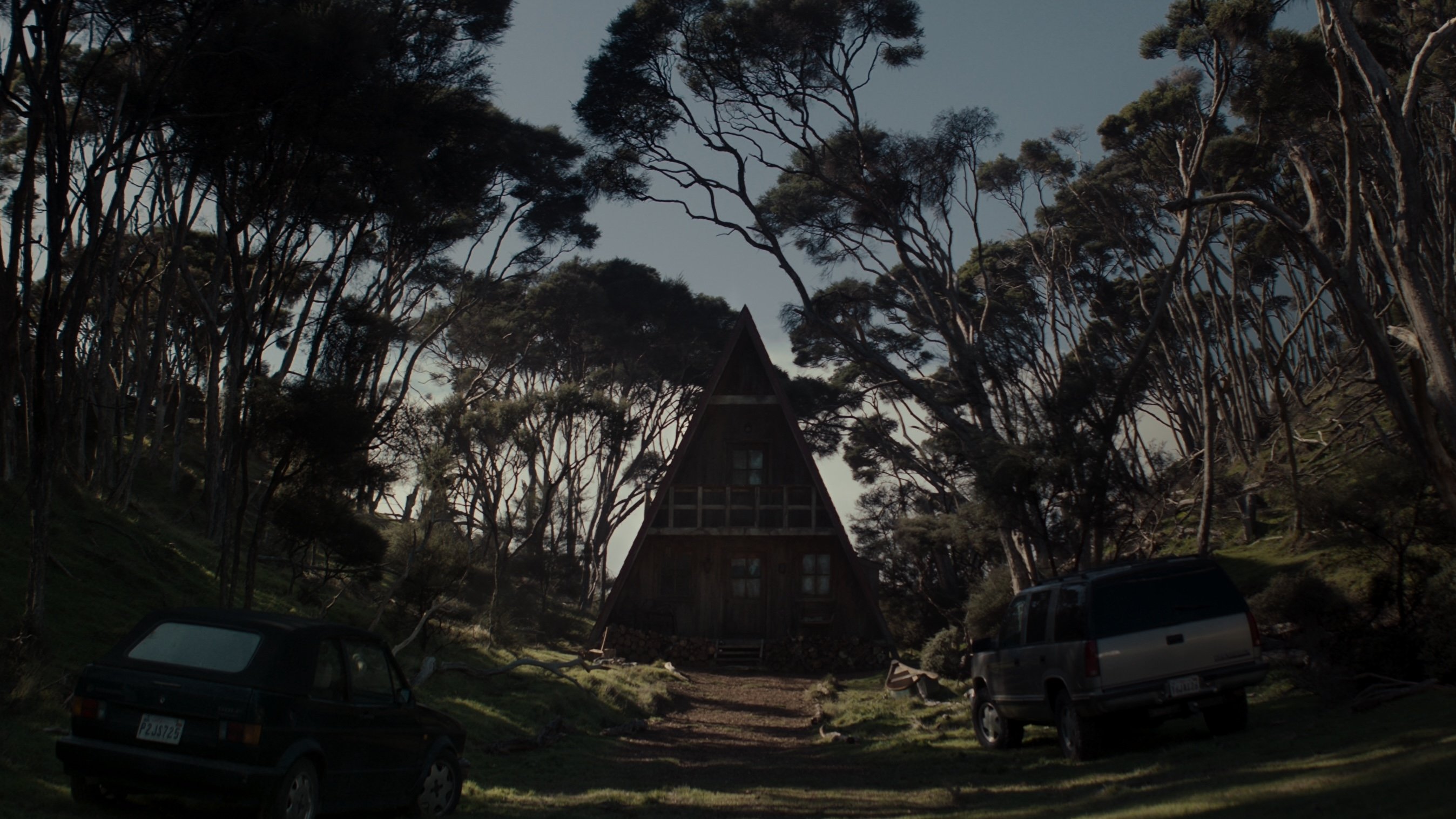
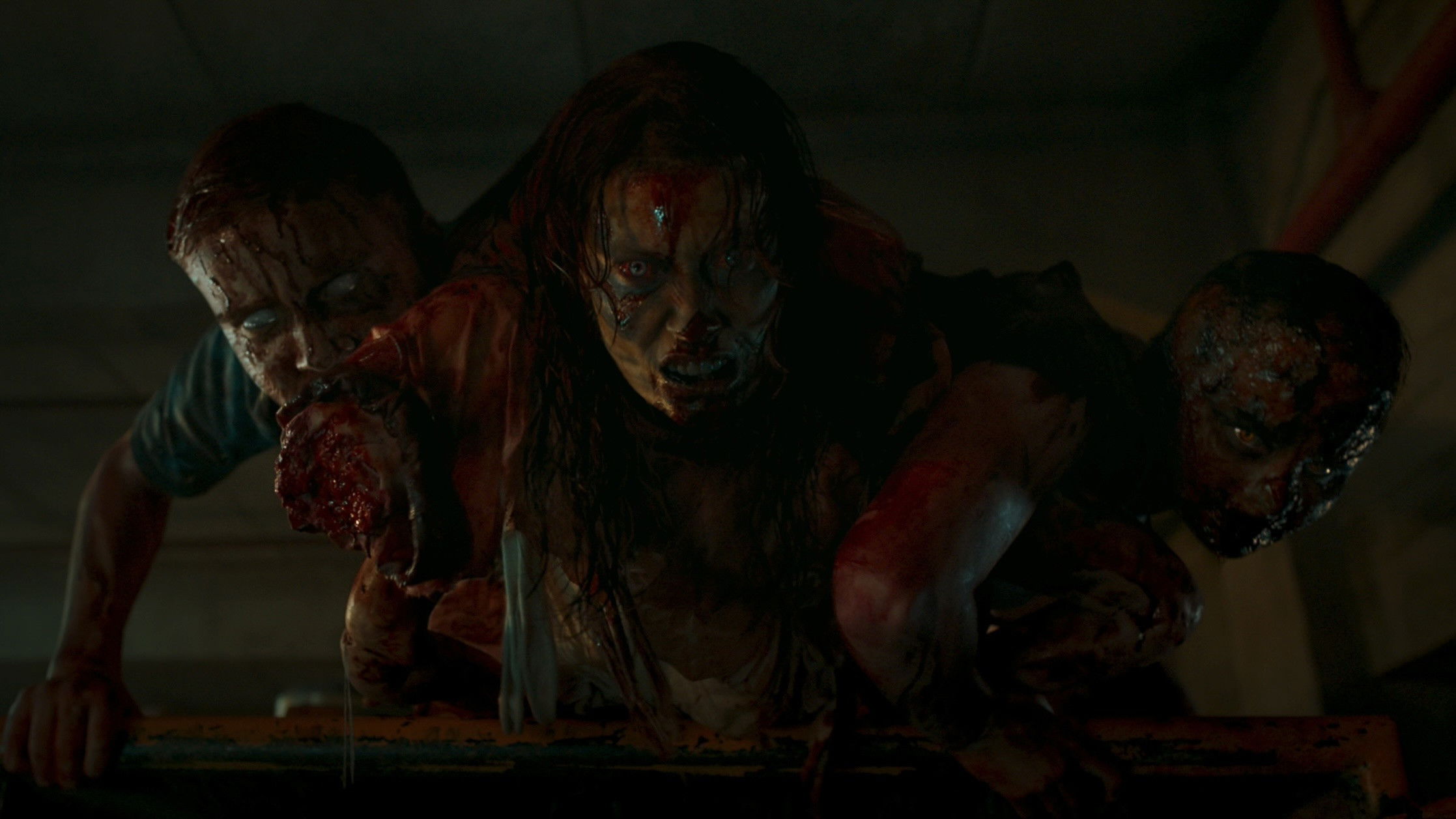
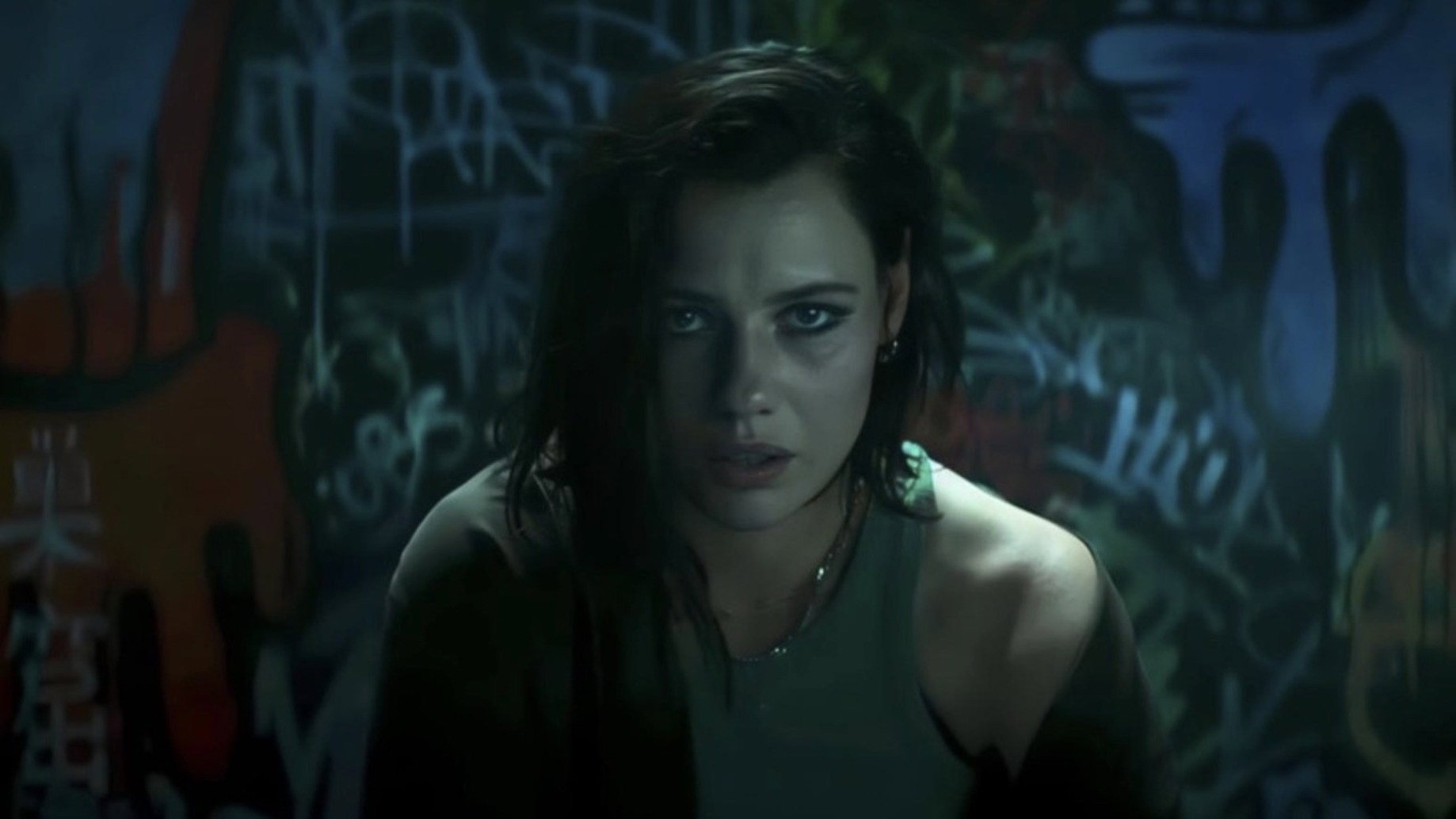
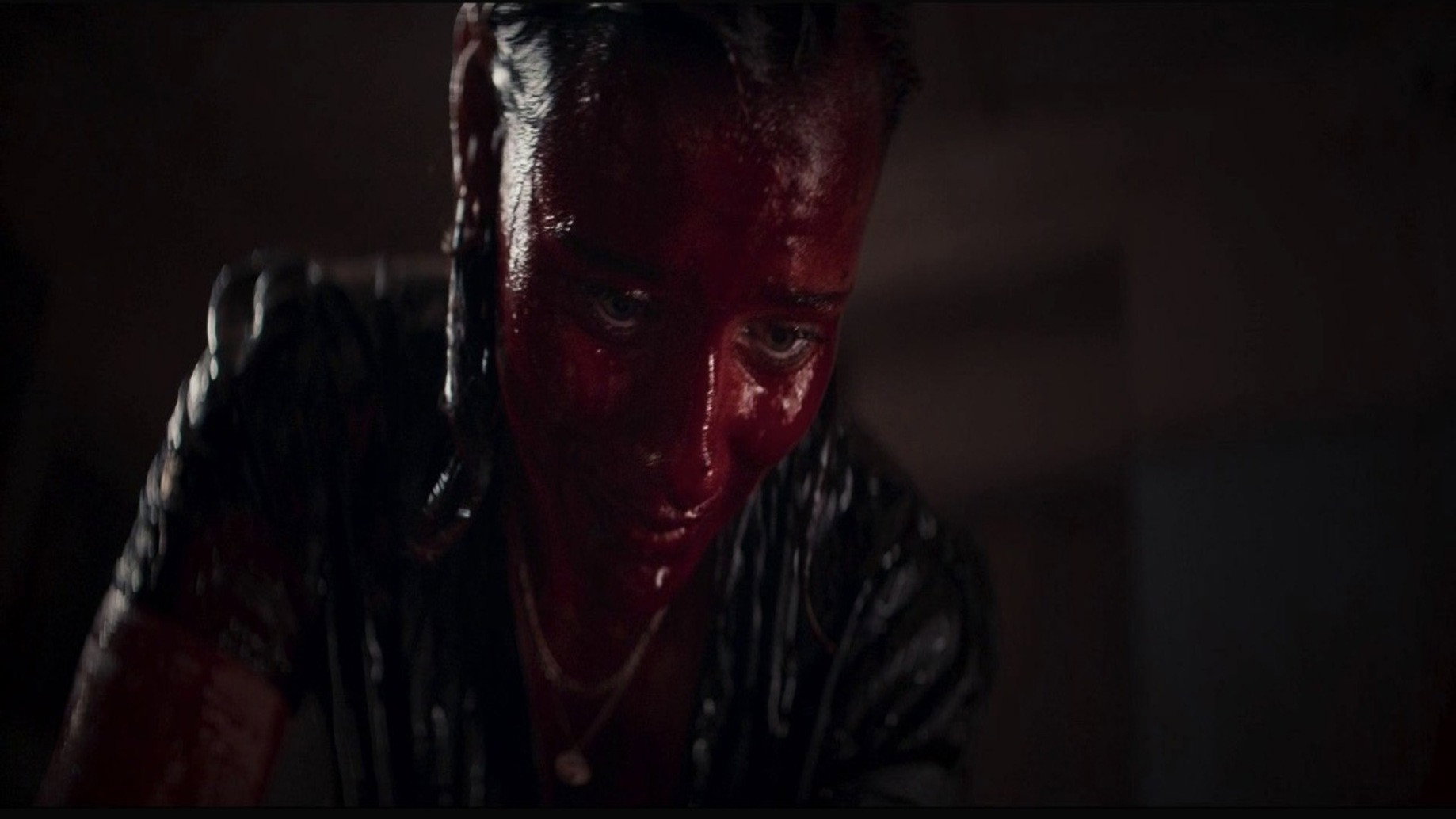
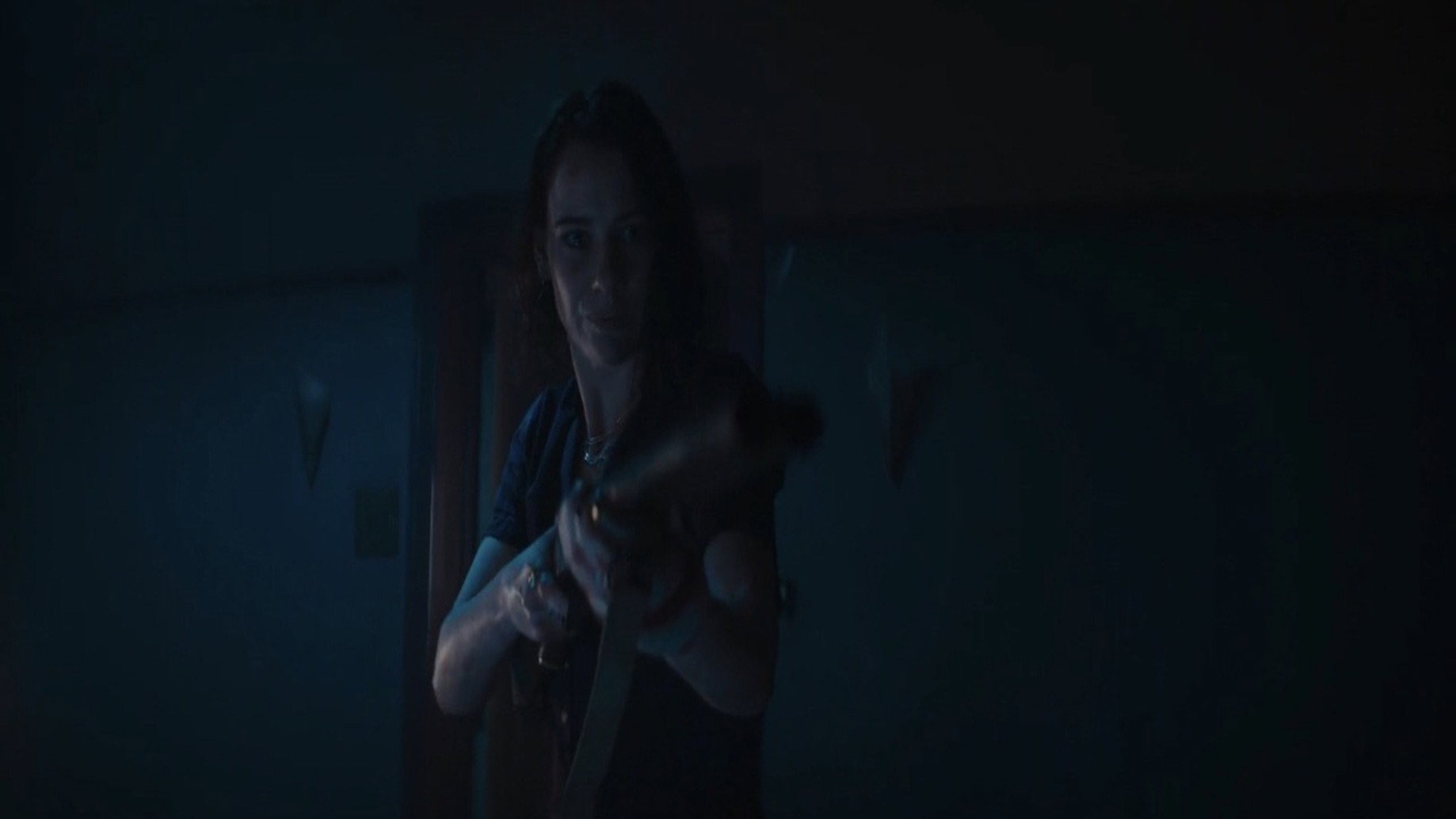
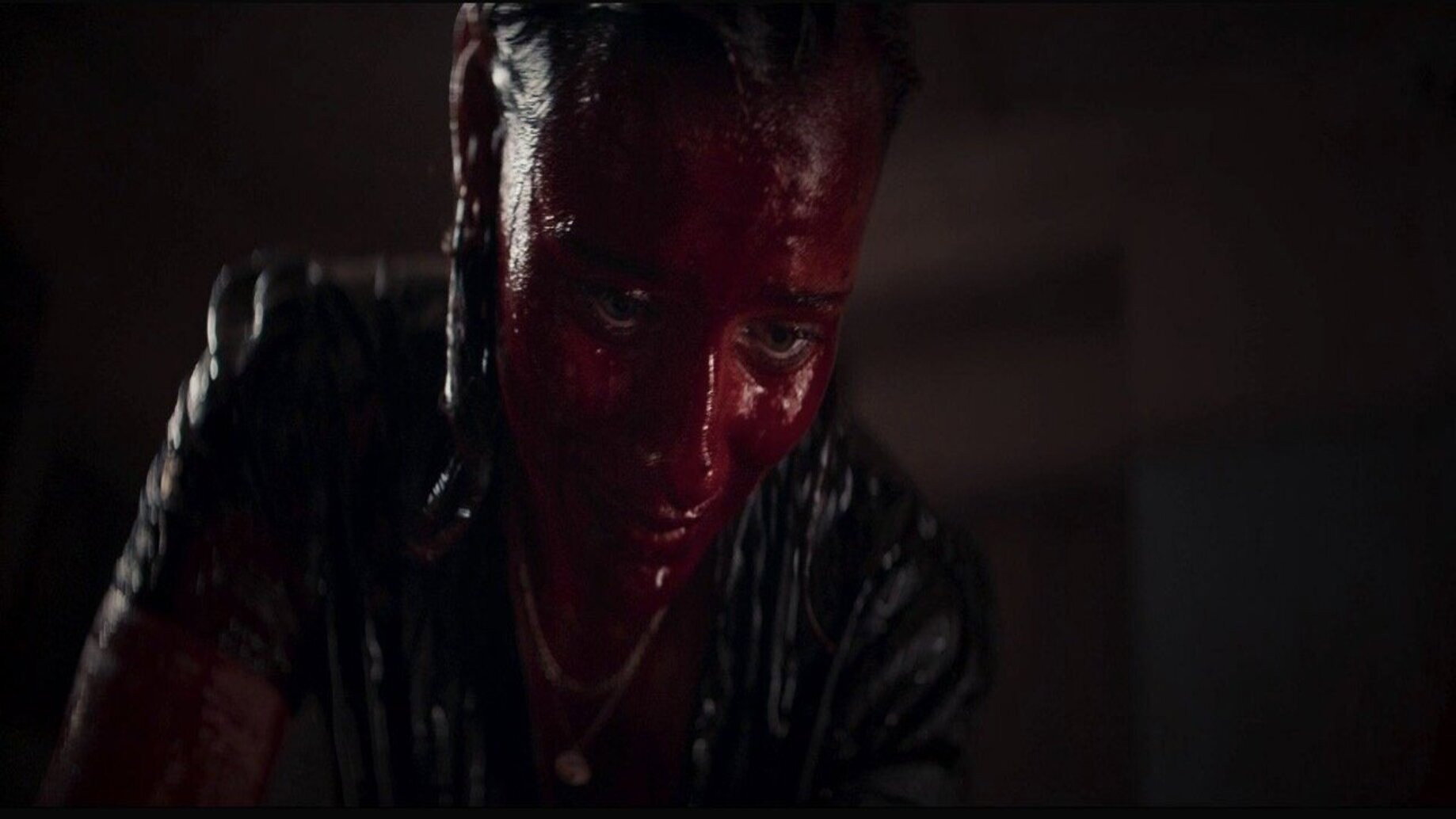
Evil Dead Rise (2023) moves the demonic violence associated with Sam Raimi's franchise from a remote cabin into a deteriorating Los Angeles apartment building. Writer-director Lee Cronin concentrates the danger on two sisters and three children, creating a distinctly domestic variation on the series' usual confinement. The possessed figure is Ellie, a mother whose sudden transformation makes familial trust itself a source of fear. The change of address has practical consequences for the horror: elevators, damaged stairwells, an apartment doorway and narrow corridors replace the surrounding forest as barriers to escape.

The fifth theatrical Evil Dead feature was made in Auckland, New Zealand, with extensive physical sets and unusually demanding practical effects. Interviews with Cronin, set designer Bassett and effects specialist Durey document the process in exceptional detail. They also explain the passage from a planned HBO Max release to a wide theatrical opening in April 2023. Its significance within the series lies in the combination of a different family structure, recognizable Deadite cruelty and an industrial-scale approach to bodily destruction that remained rooted in physical fabrication.

A New Evil Dead Without the Cabin

Cronin's involvement followed a meeting with Raimi after the Irish filmmaker completed The Hole in the Ground. In a 2023 interview with /Film, he remembered discussing horror filmmaking before the possibility of another Evil Dead emerged. He then developed a story whose starting point was an estranged family living in the city. The choice supplied a change of social environment, but it also presented a storytelling problem: in a large apartment block, characters might simply move to another floor or call on their neighbors. The eventual design had to recreate the entrapment central to the earlier pictures without copying their isolated woodland location.

Producer Rob Tapert helped define the scale. Cronin recalled initially considering a story in which possession spread through an entire building. Tapert argued that Evil Dead depended on a small group of people trapped together, prompting the writer to narrow the action. This is first-hand evidence about development, distinct from a claim that a fully scripted larger version was ever filmed. The final arrangement places the family near the top of a failing structure, with earthquake damage impairing routes through it. A public residential space becomes a functional equivalent of the cabin while the threatened relationships are considerably closer.

Cronin also addressed how the film belonged to the broader mythology. In a July 2023 interview with Eye For Film he invoked the three books seen in Army of Darkness, proposing that this installment concerned another volume connected to the same supernatural world. He also described the book's densely written pages and visual details inspired by the biting volume in Army of Darkness. These are deliberate links made by the director, not proof that every apparent continuity discrepancy has been resolved. The story leaves room for another branch of demonic activity without requiring a return by Ash Williams.

Motherhood, Possession and Family Fear

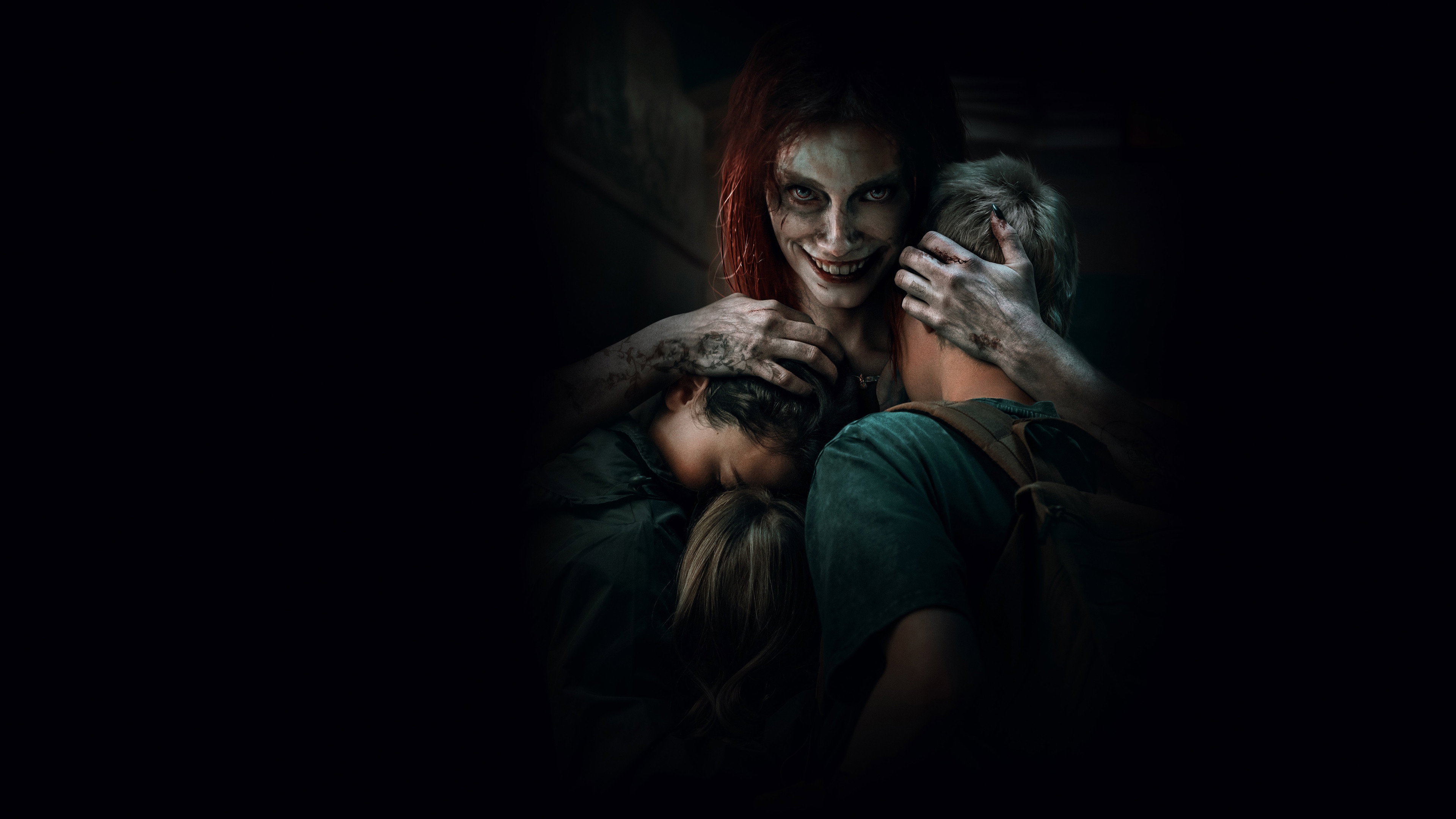
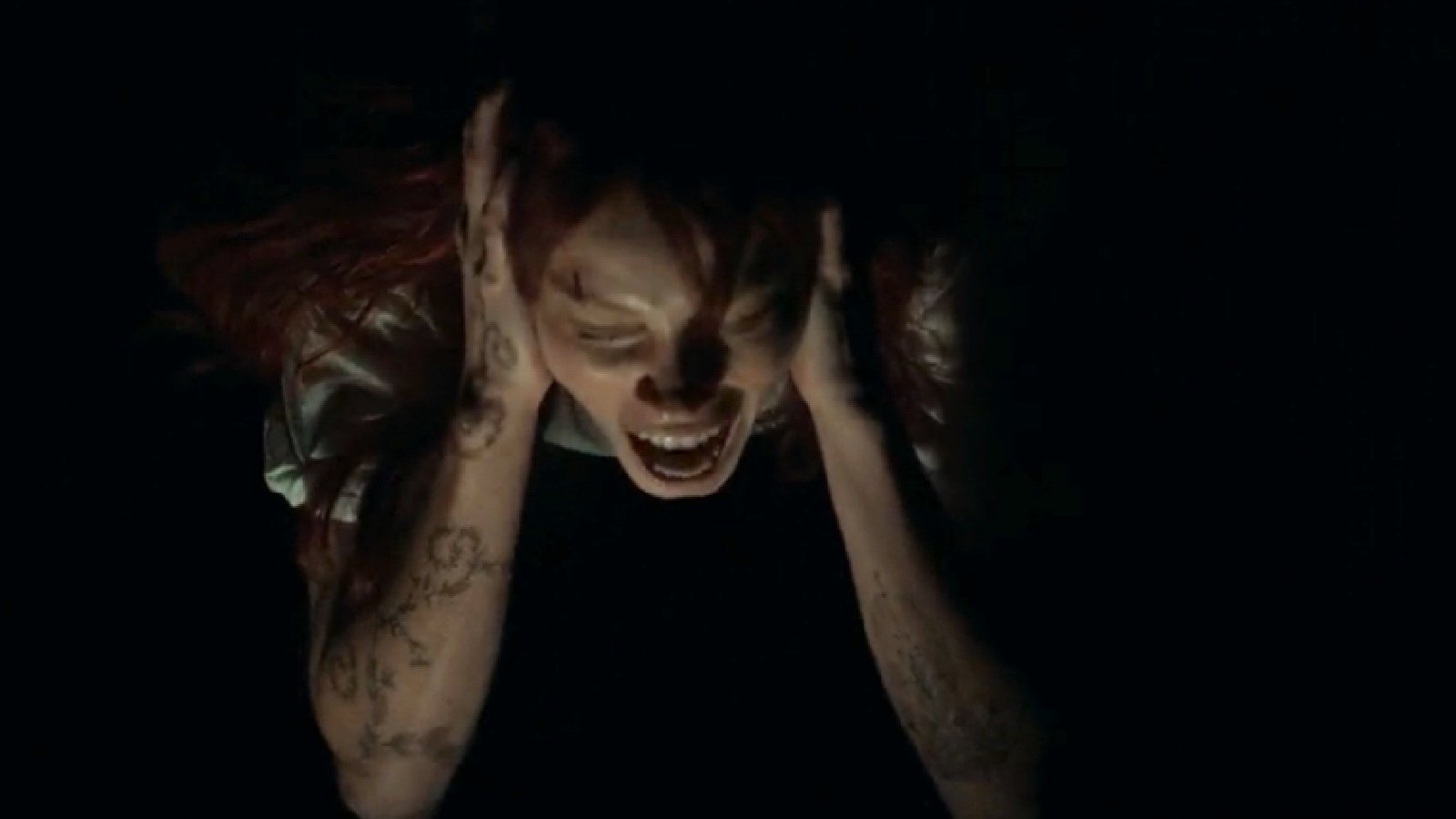
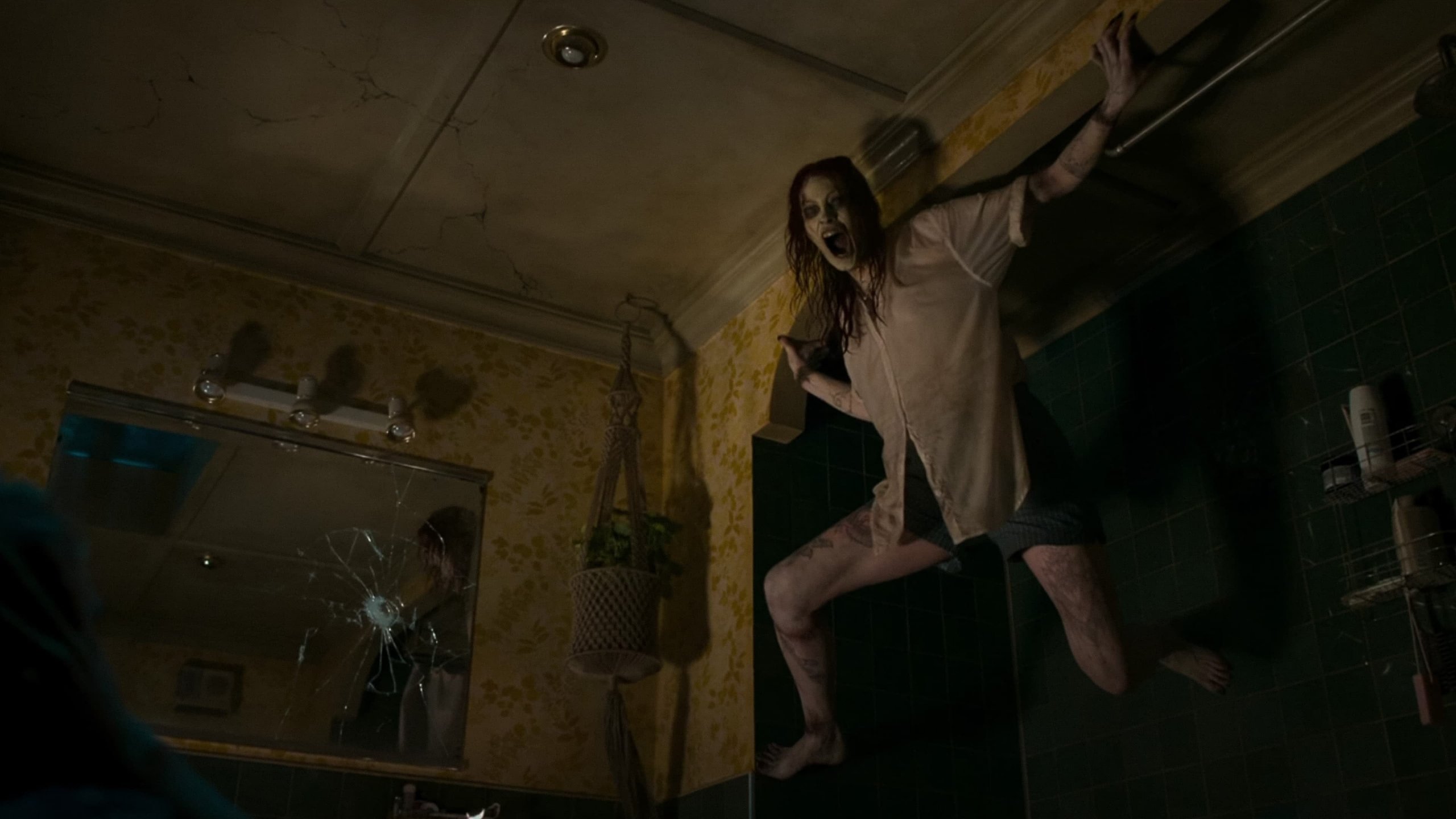
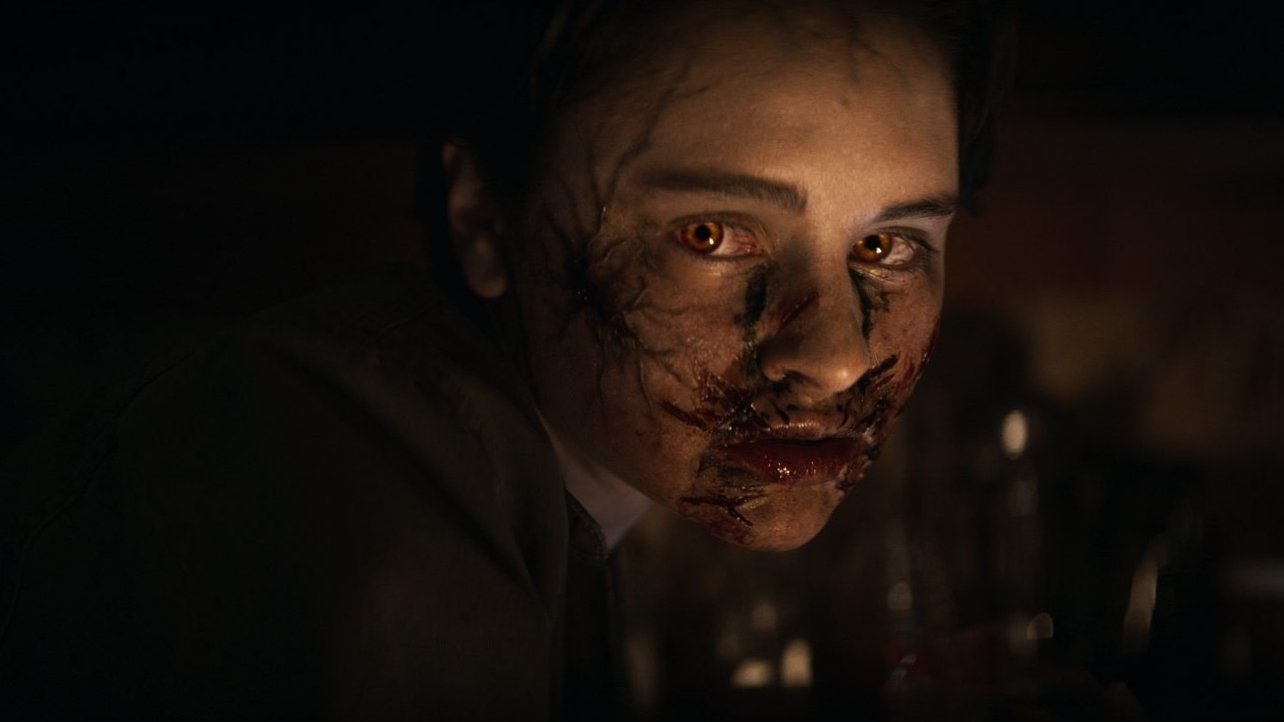
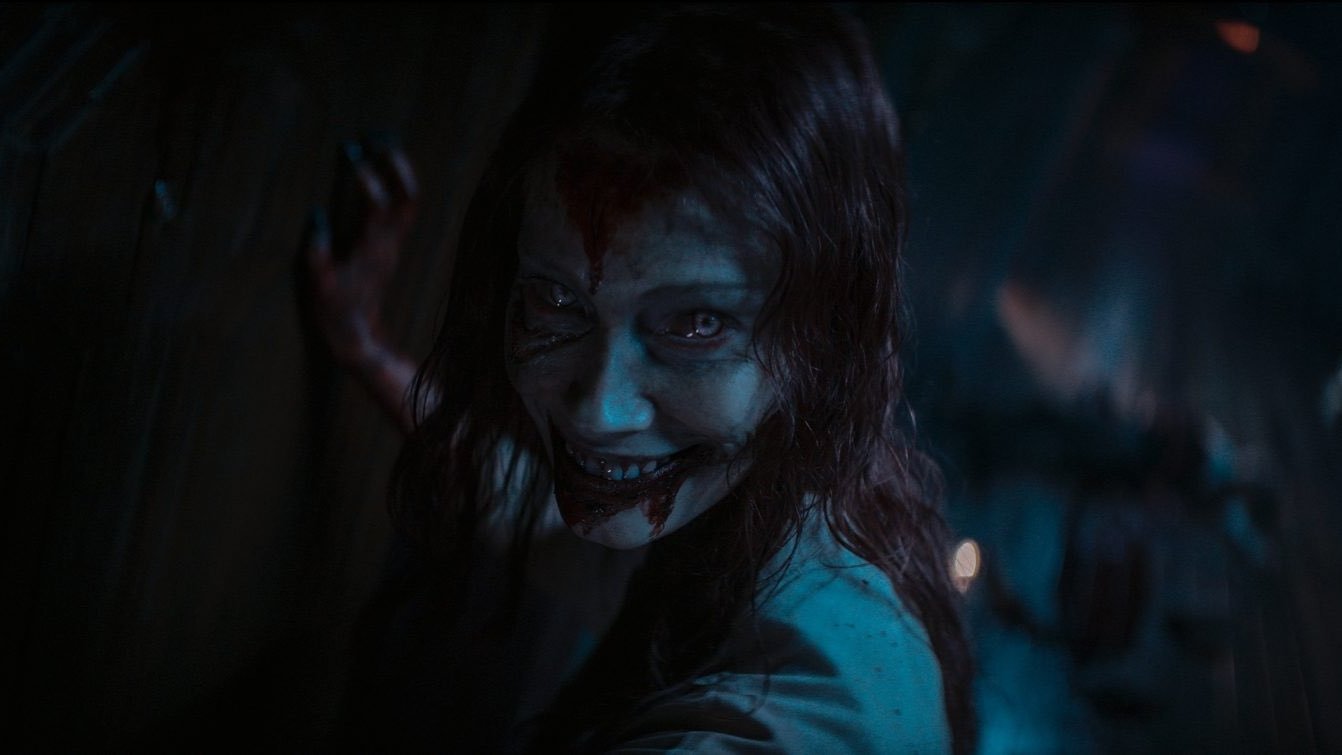
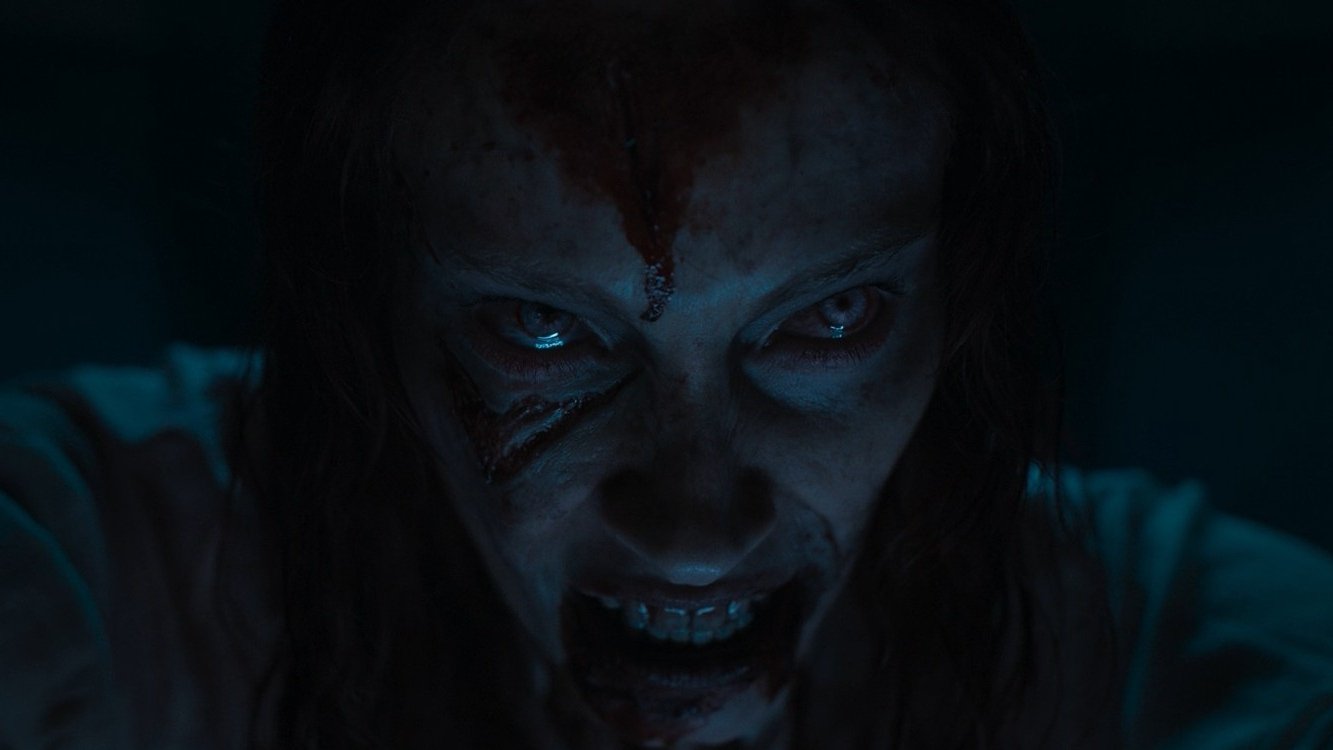
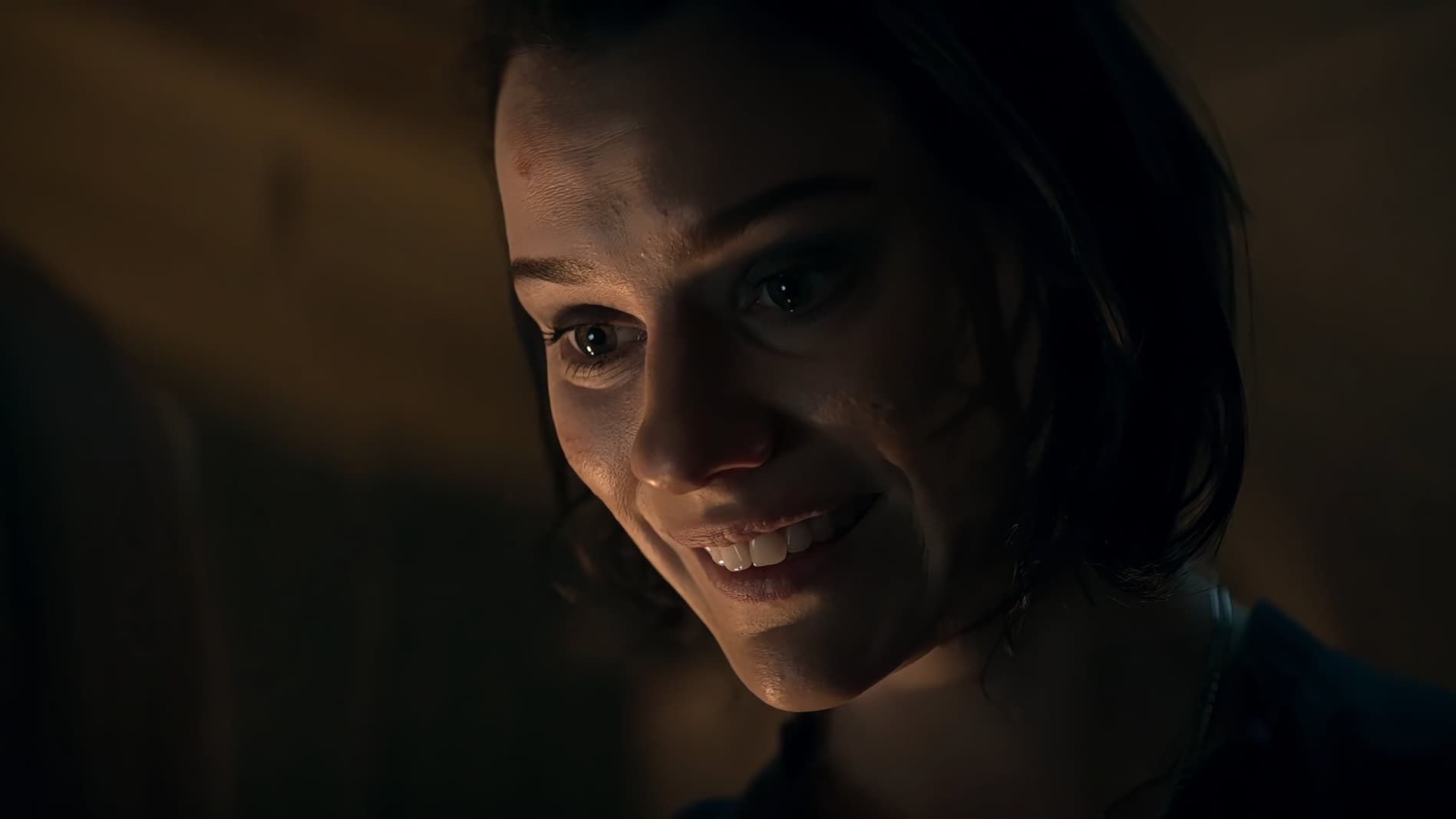
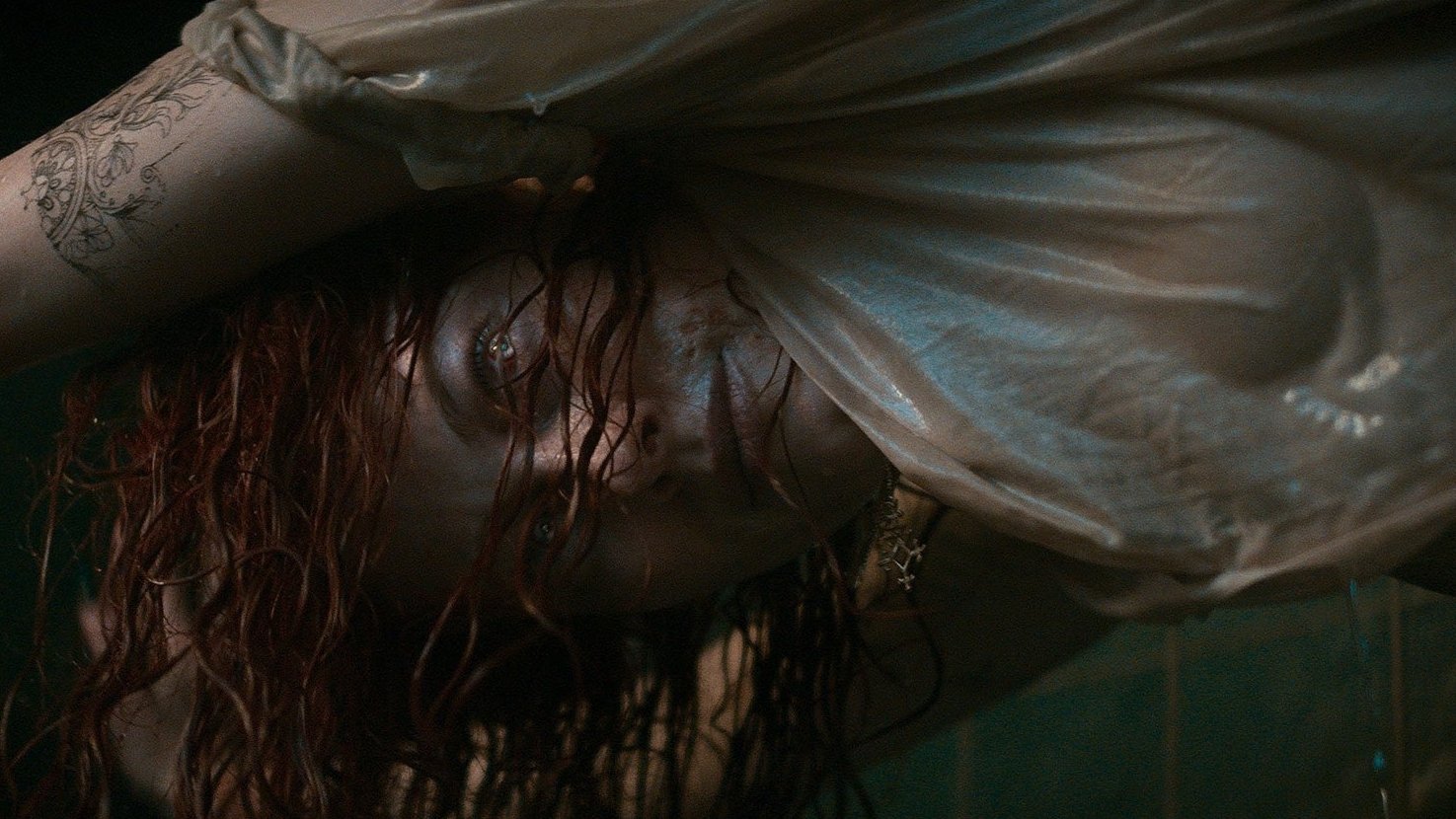
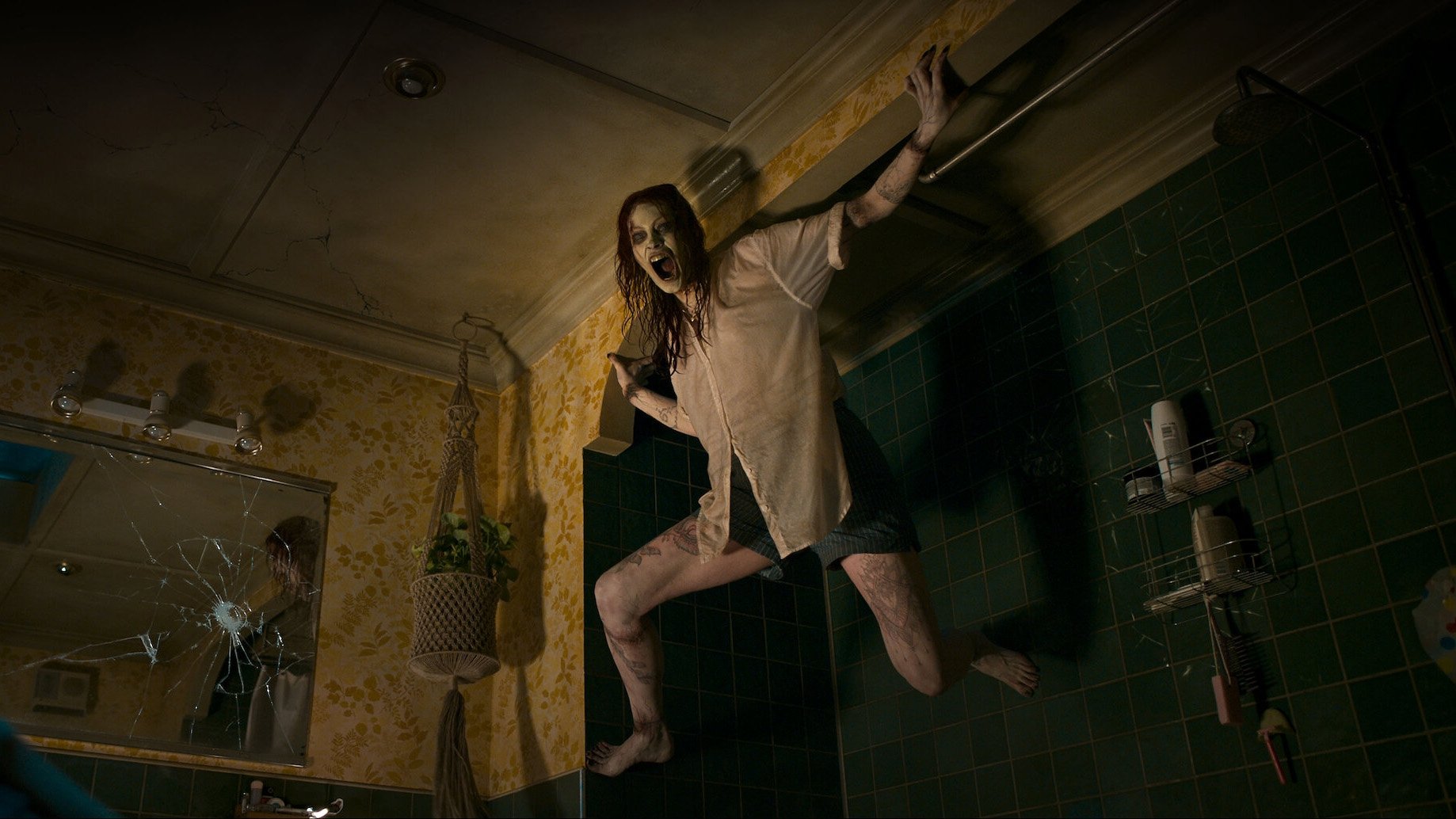
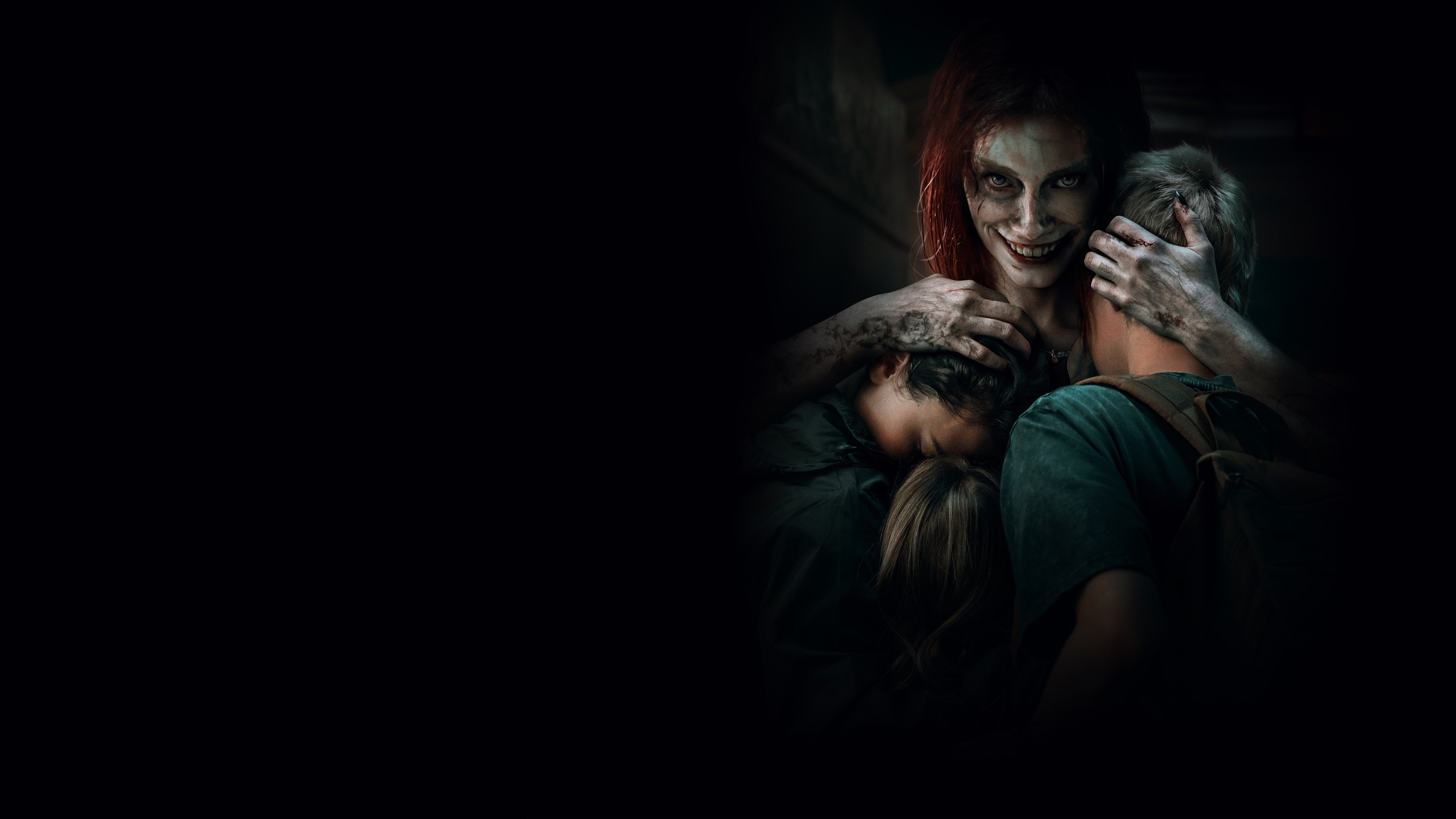
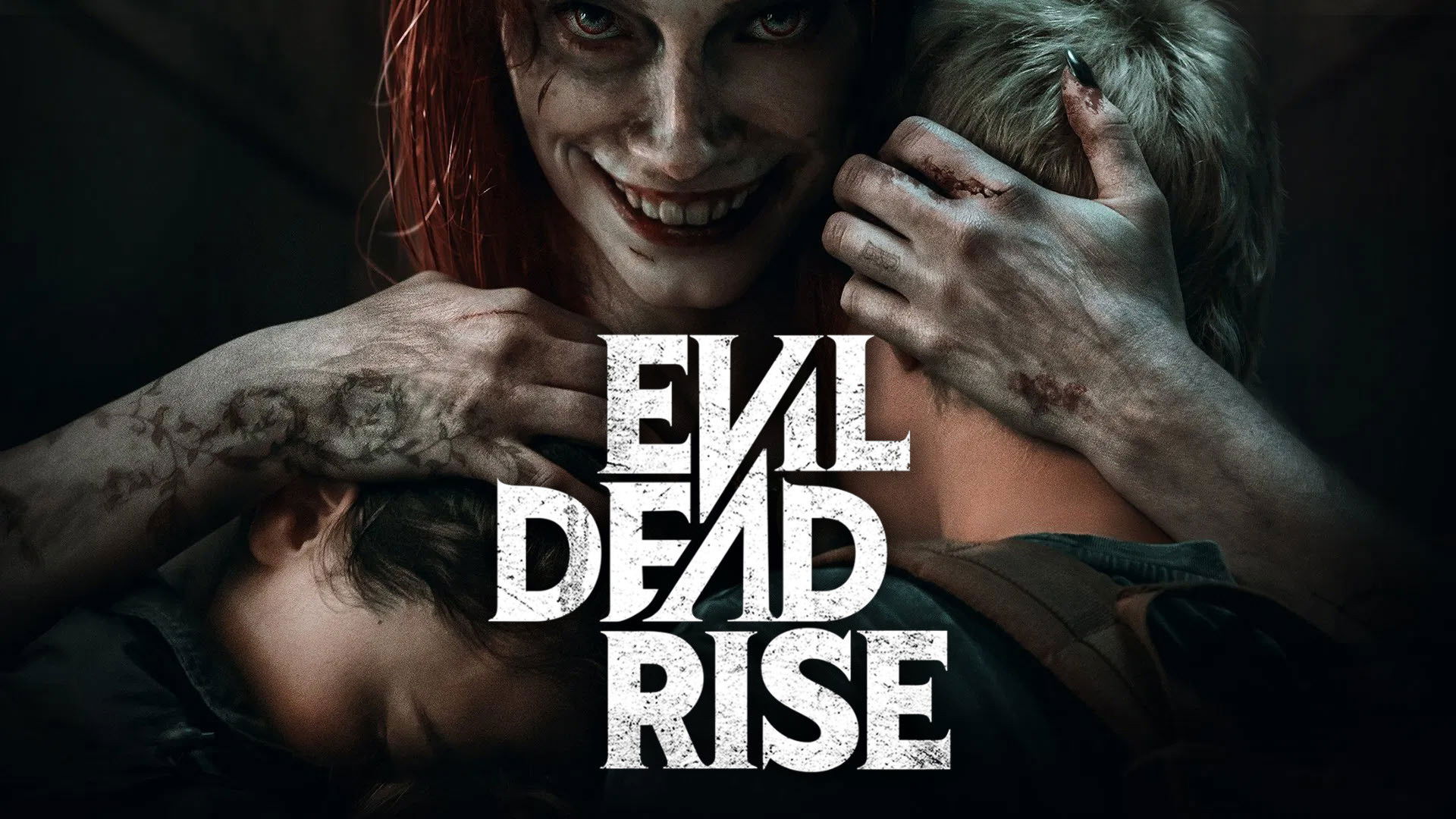
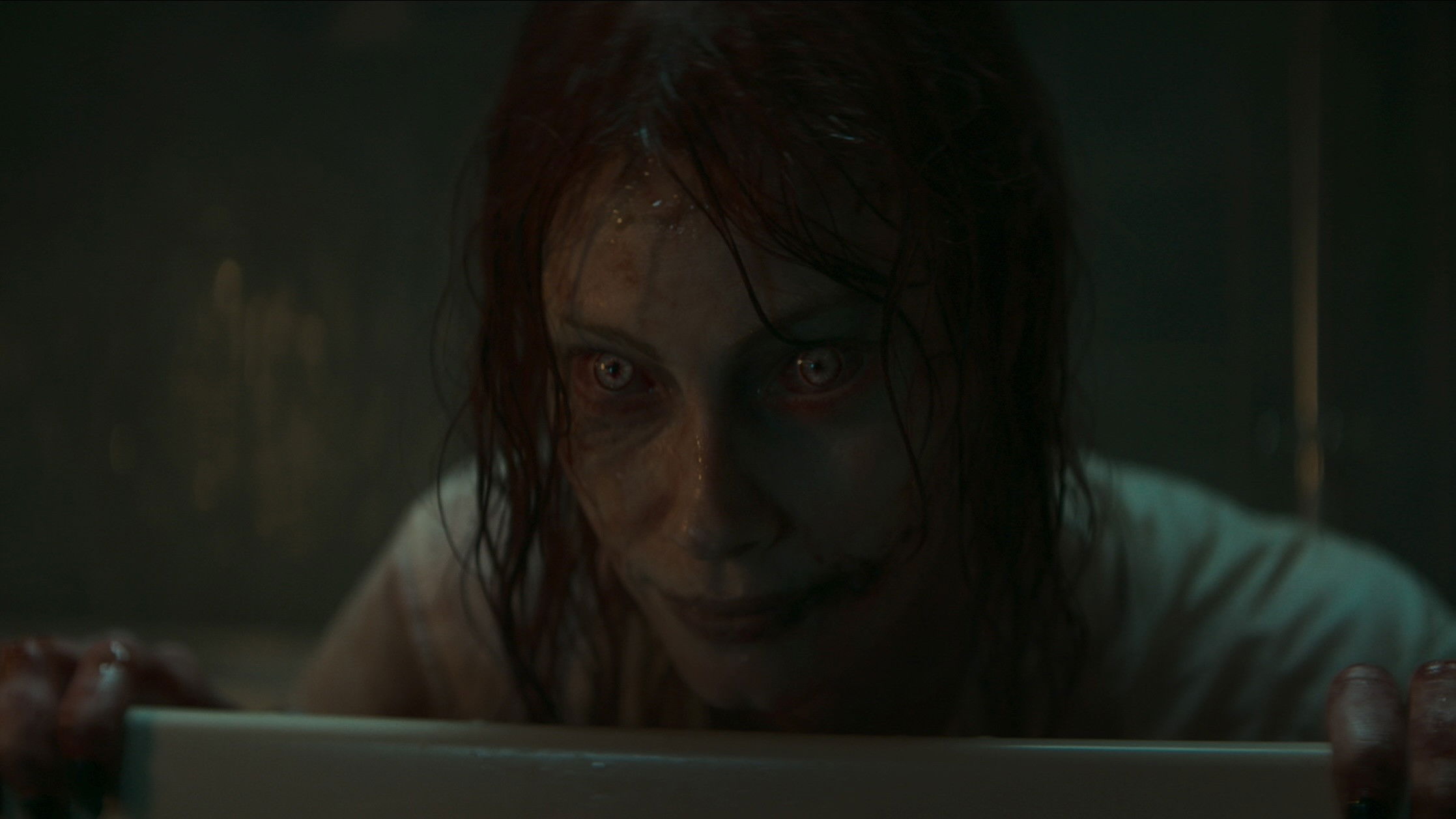
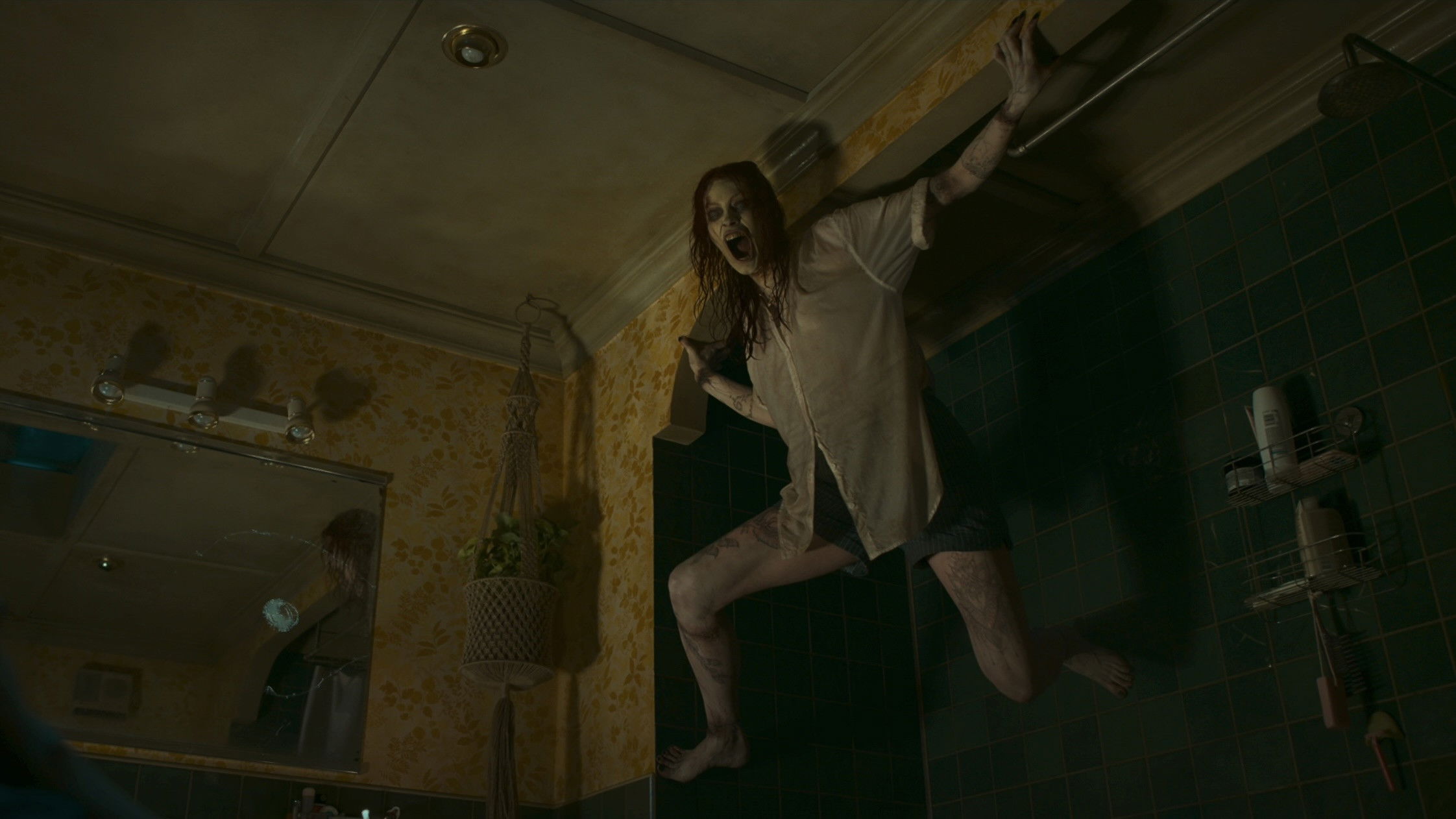
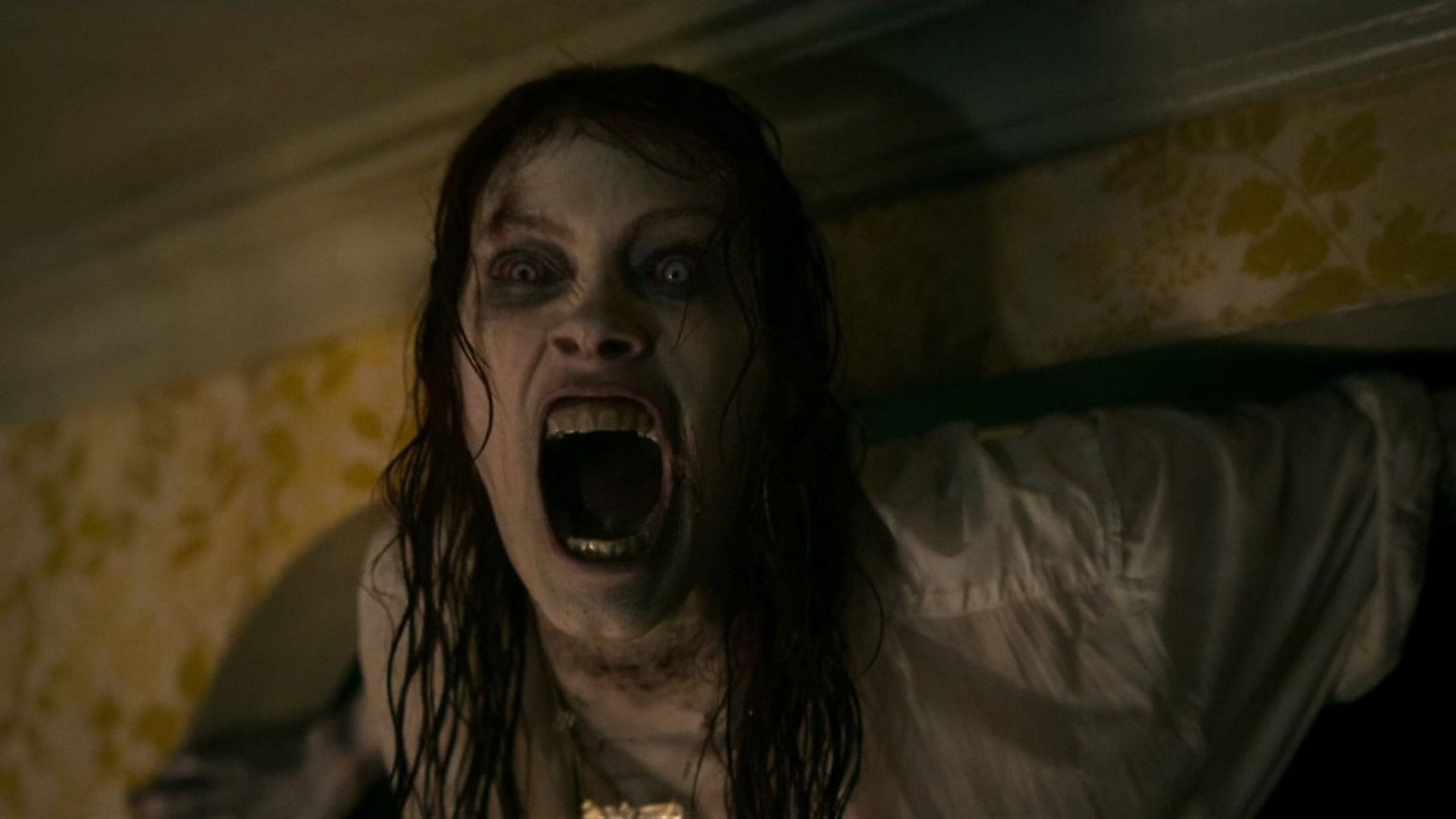
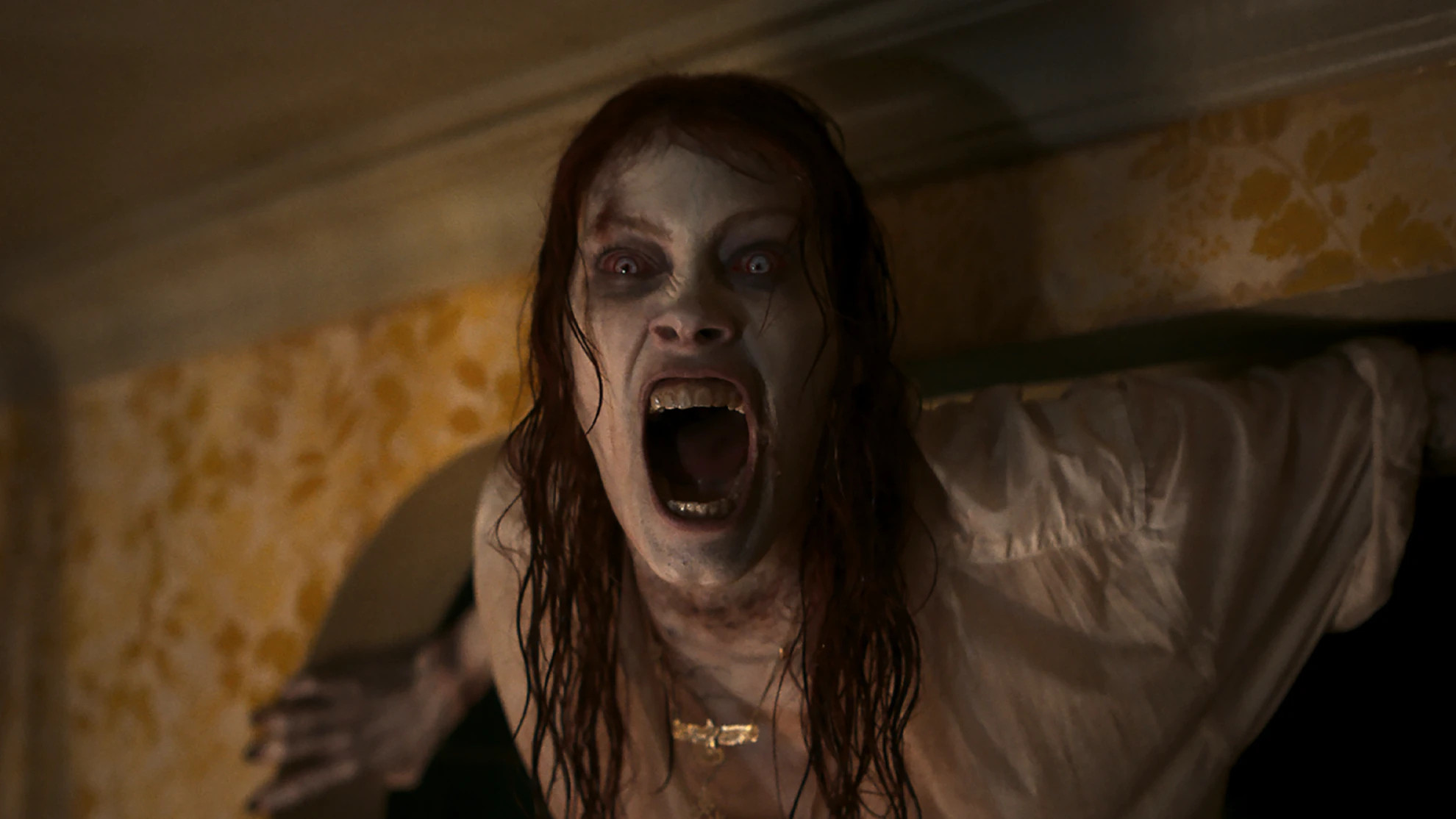
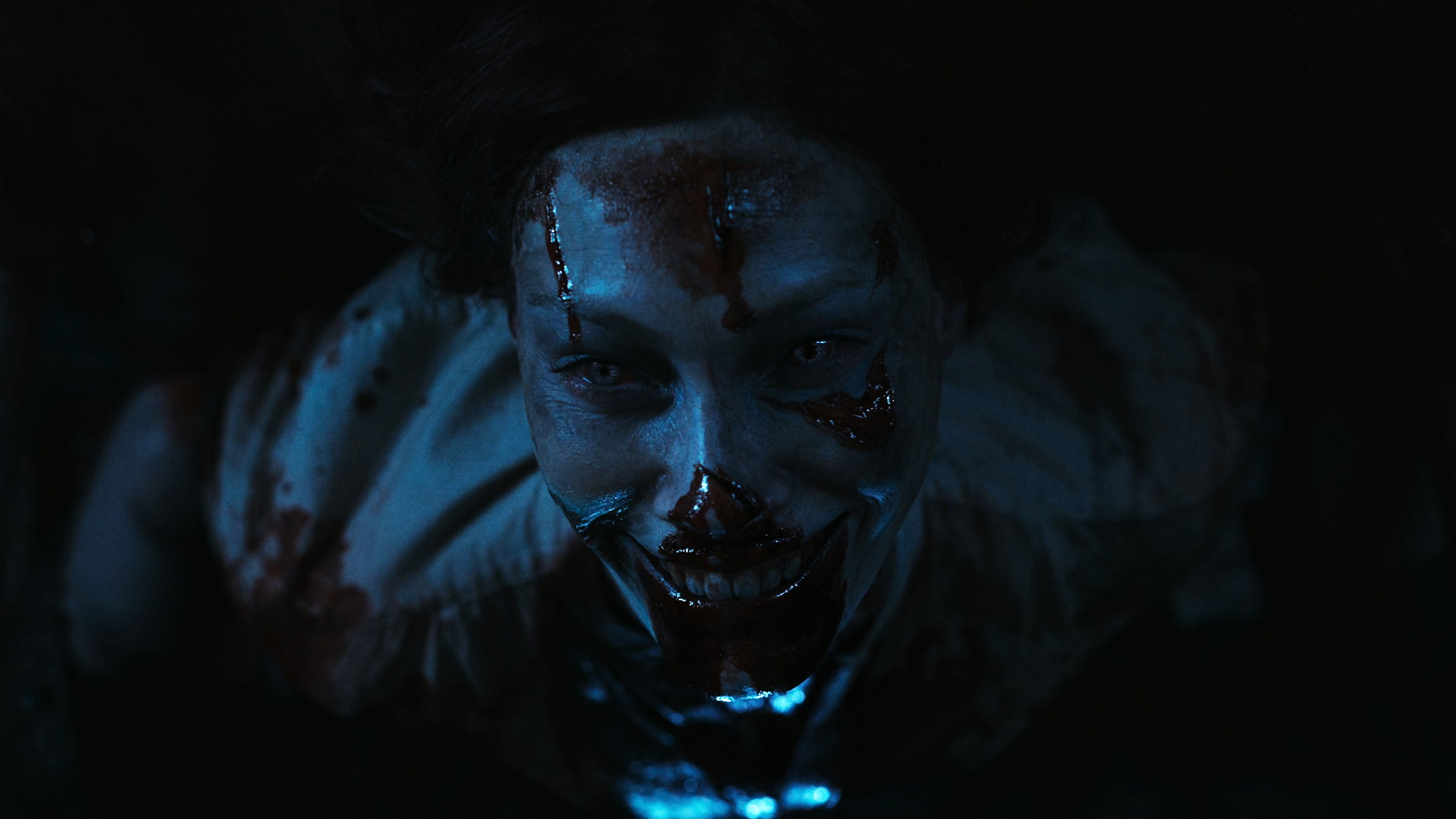
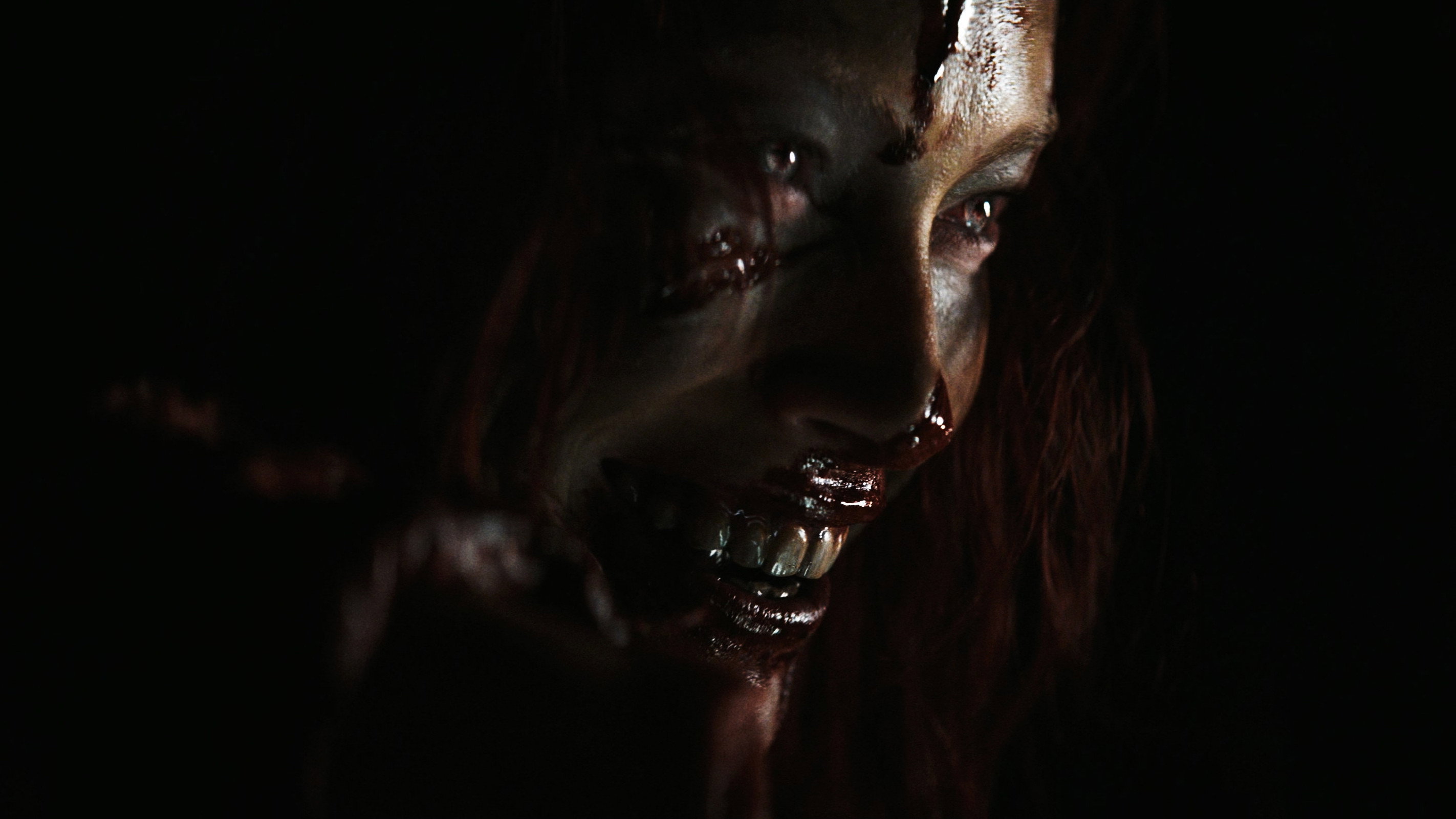
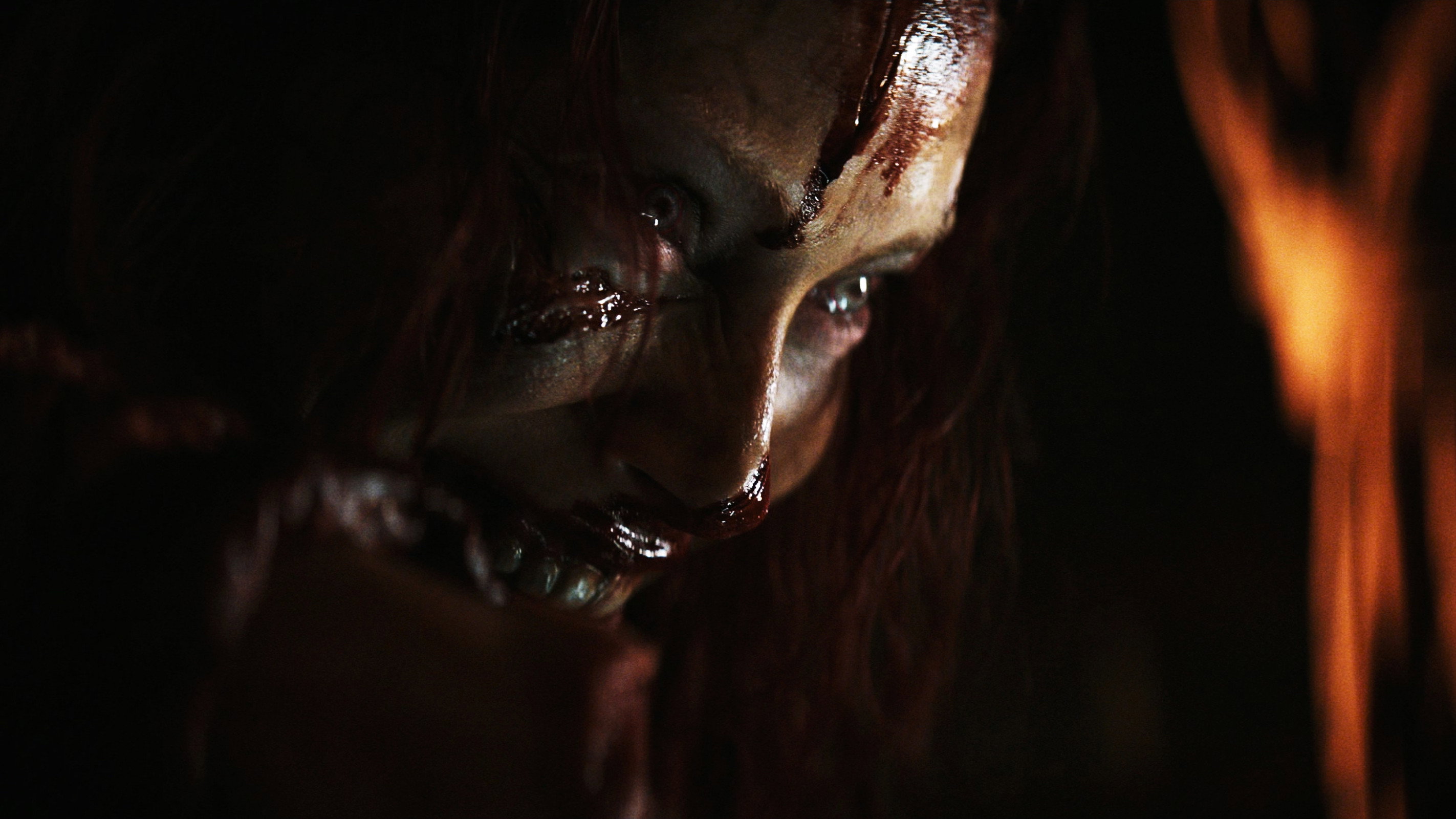
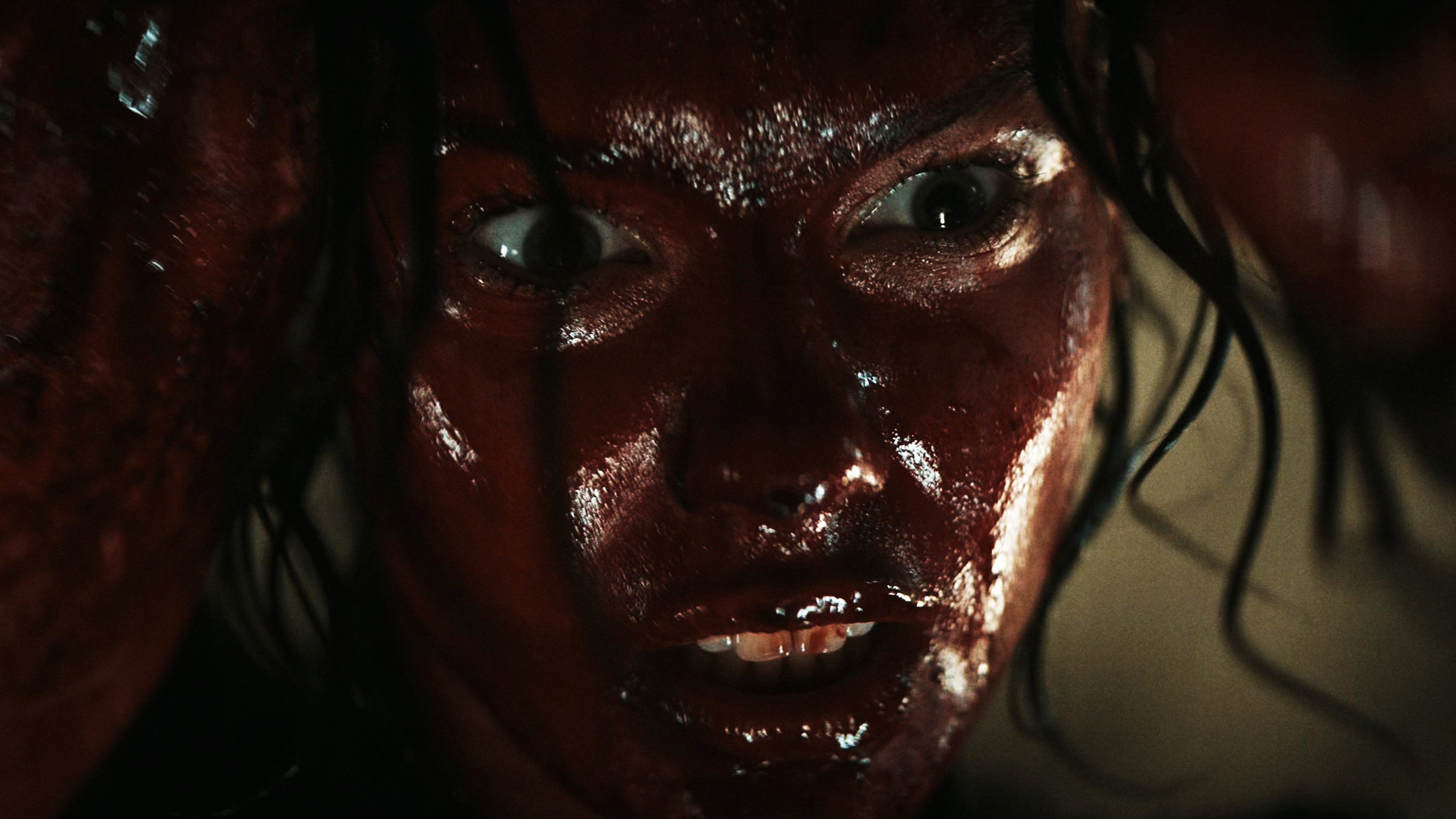
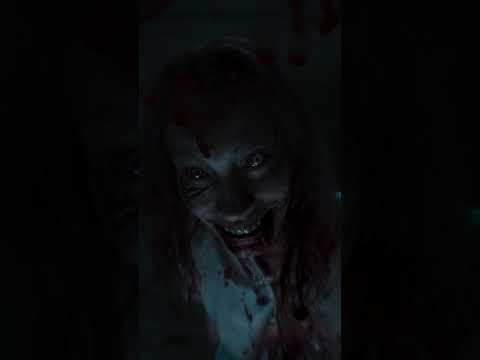
The selection of a mother as the primary possessed body changes the emotional terms of the attacks. Ellie remains visually recognizable to her children while speaking and acting with the hostility of something that has replaced her. Her altered voice and expressions exploit an intimacy already established in the apartment. Cronin told STARBURST that he was interested in horror arising inside a familiar home and in placing children in genuine danger. He presented this as an extension of his recurring interest in families, while acknowledging that the extremity of an Evil Dead film made the combination unusually confrontational.
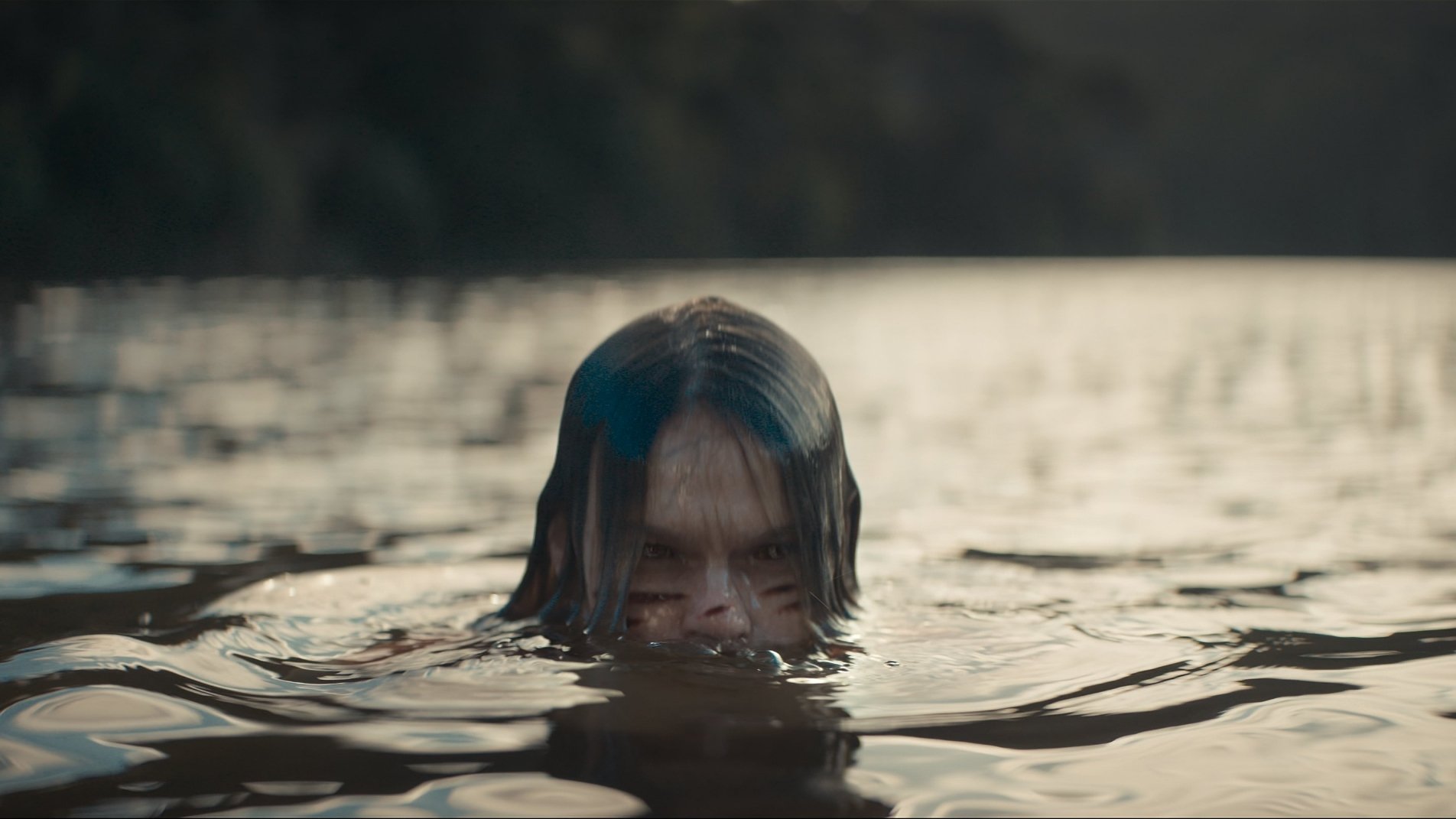
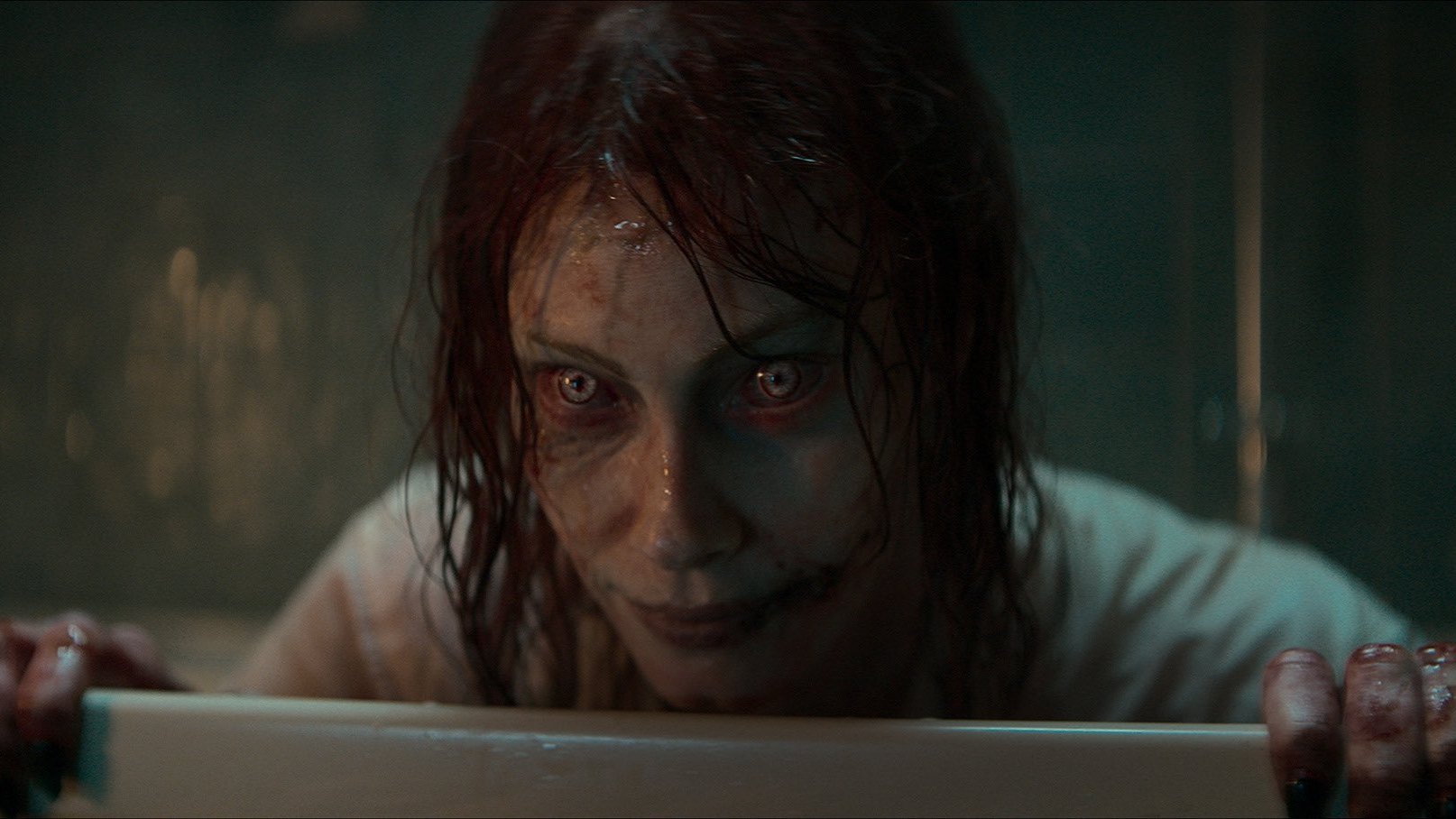
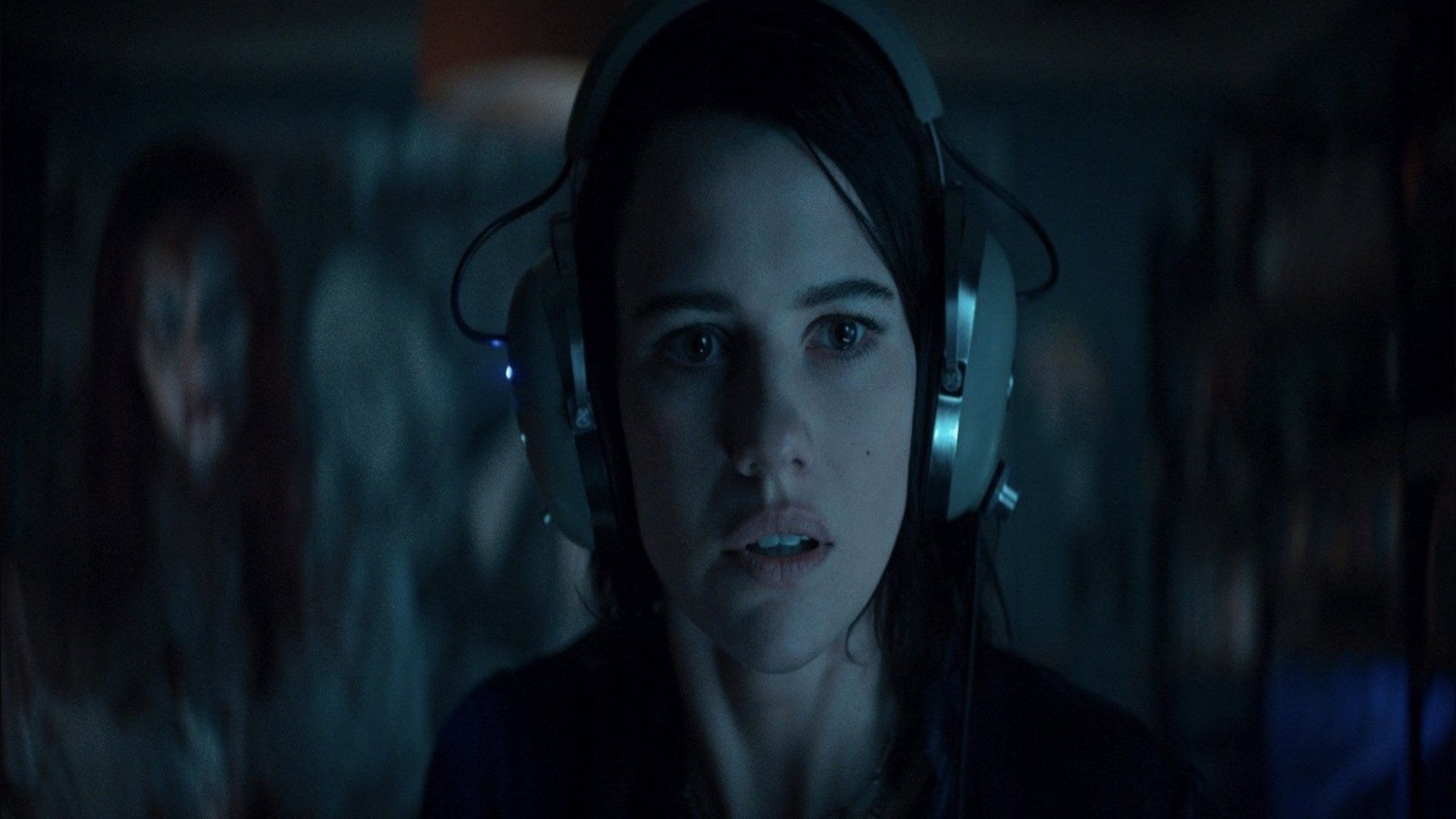
Beth's position gives the threat another dimension. She returns to Ellie while uncertain about her own impending responsibility as a parent, then becomes the adult expected to protect the children. The screenplay sets this developing obligation against a creature that uses a mother's appearance to threaten those who depend on her. These parallels arise from the film's structure and can be discussed as an interpretation; they do not establish a single definitive message about motherhood. The explicit horror depends on personal recognition, with possession permitting the demonic intelligence to weaponize details of the victims' shared lives.

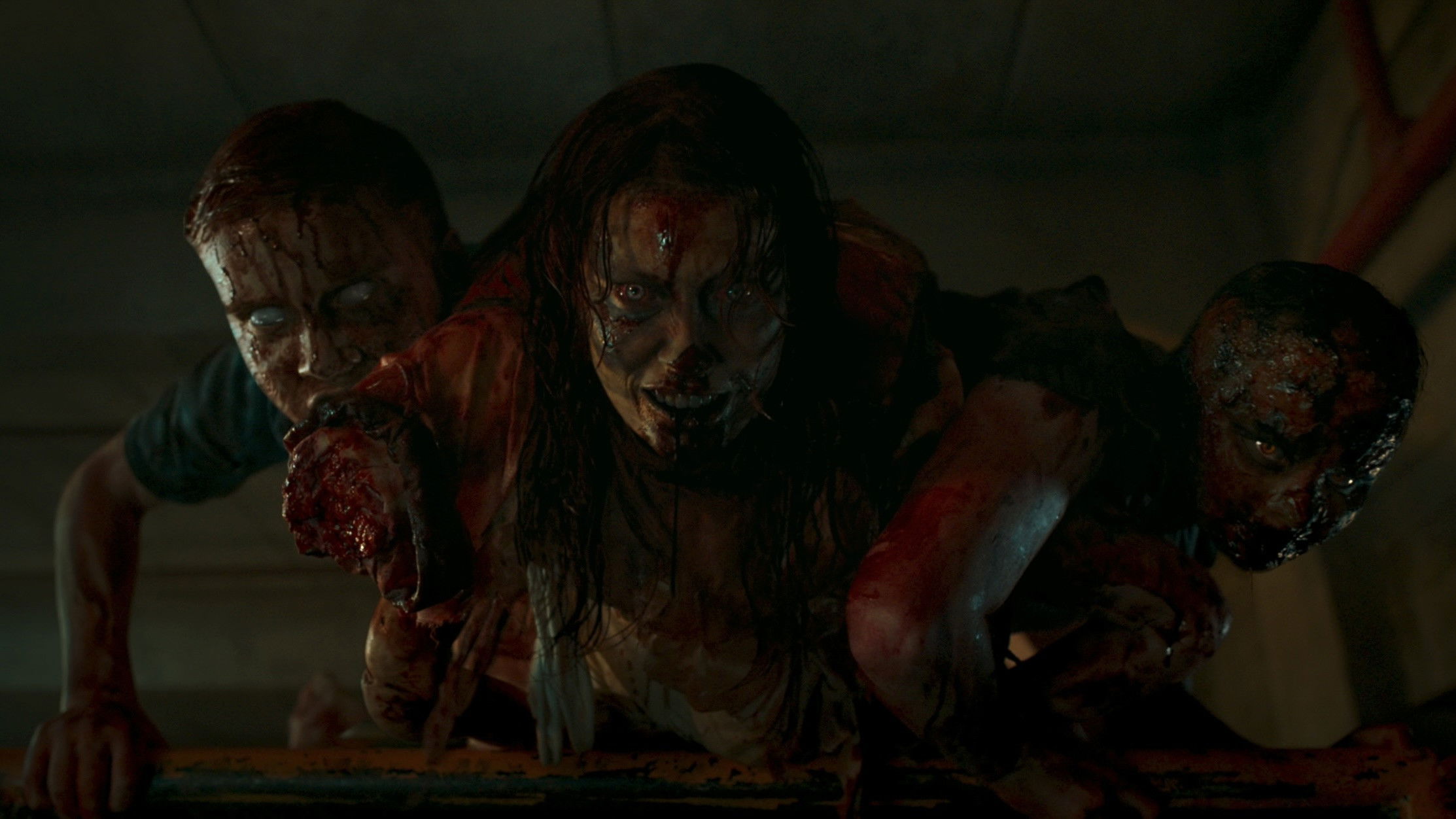
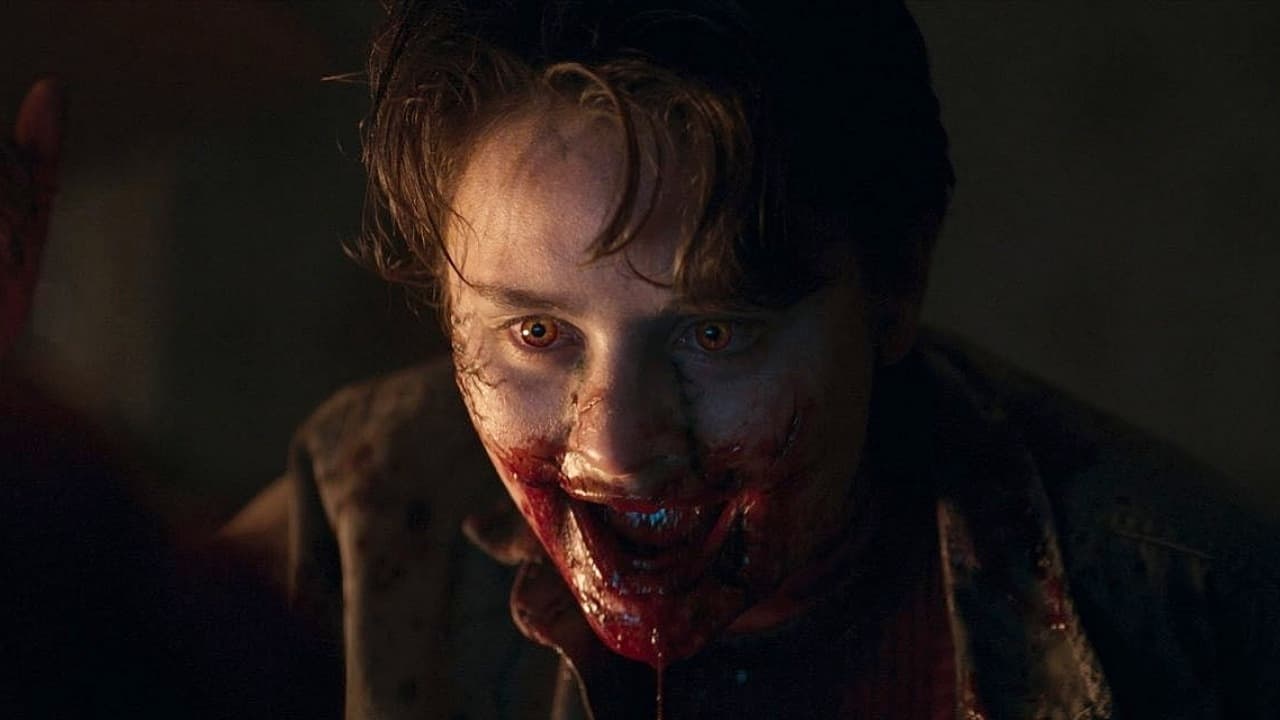
The Deadites retain a form of verbal malice that separates them from conventional mindless monsters. Cronin argued that filling a tower with attacking bodies might move the material toward generic zombie spectacle. Ellie instead remains a sharply characterized tormentor whose intimate knowledge creates opportunities for psychological cruelty. This concentrates the film's threats into exchanges at doors and along the hallway, where a family member may hear a familiar voice but cannot trust the person producing it.

Building the Apartment and its Visual Traps

Production designer Nick Bassett explained to The Credits, published by the Motion Picture Association, that most of the project was filmed on sets in a large Auckland warehouse. The crew constructed the apartment interiors, a parking garage and the hidden vault, enabling the same damaged building to sustain an extended night of action. For the exterior they used part of a disused four-story building and enlarged its apparent height. These choices created a stable relationship between the outside facade and the enclosed spaces, without needing to photograph the fictional Los Angeles building in California.

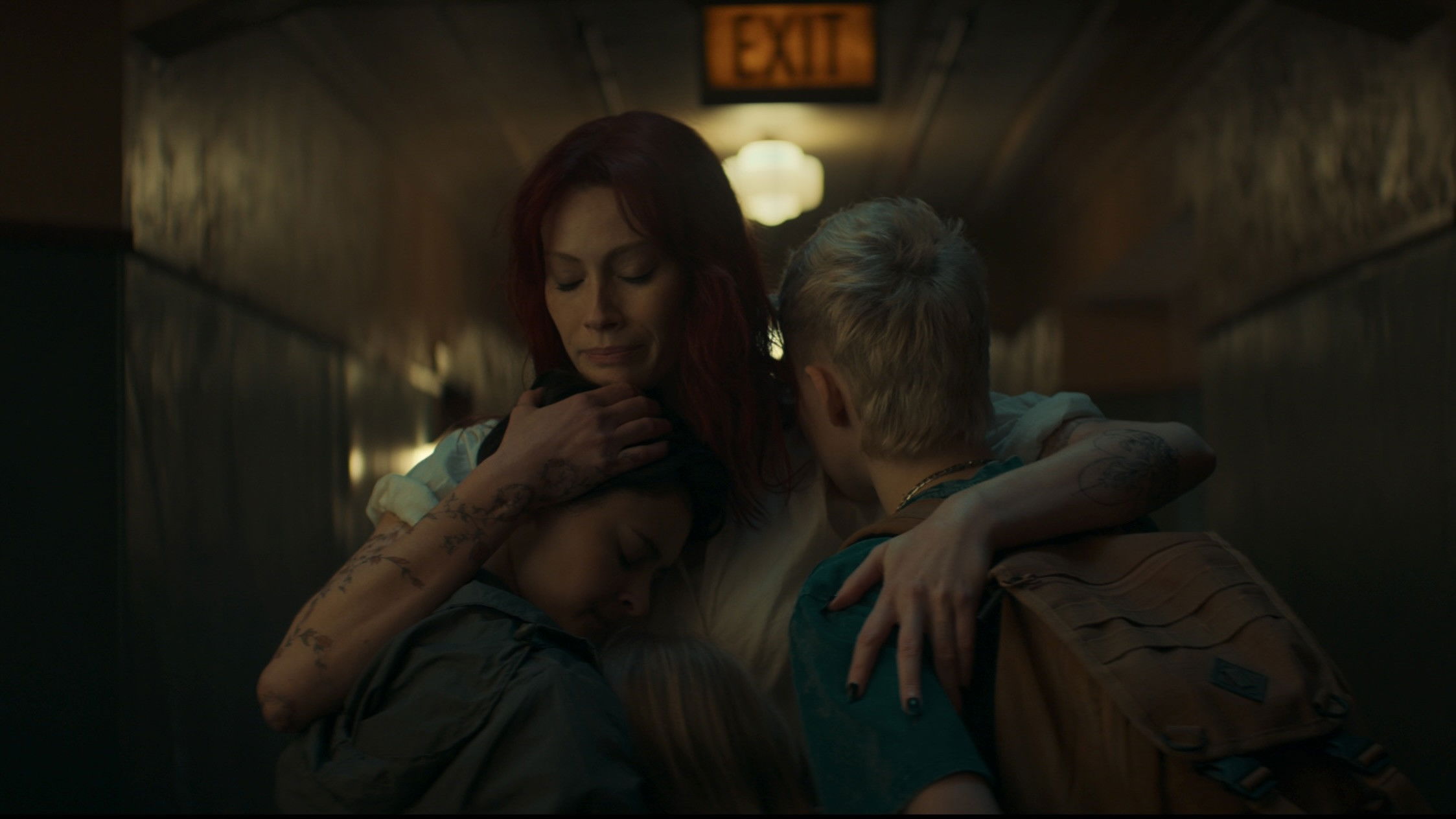
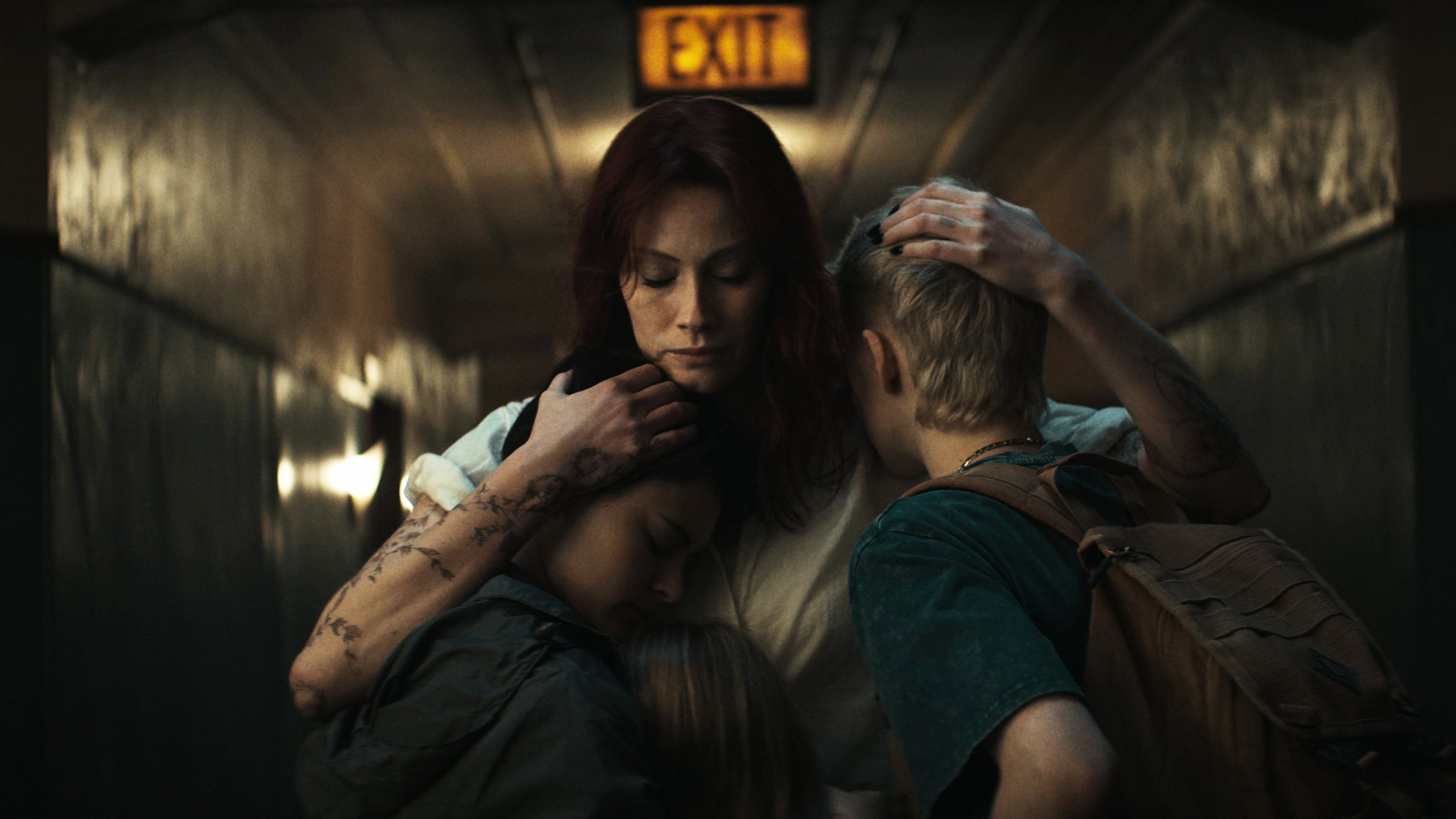
Bassett traced the hallway's palette to the distinction between warmth within Ellie's home and the colder space beyond its front door. The apartment could be lit through candles or flashlights after the power failed; the corridor required menacing emergency illumination. He said green was chosen partly because it made red blood stand out. The visual contrast gives the threshold a clear dramatic function. Inside is an increasingly endangered domestic refuge; outside offers apparent escape but little reassurance. The color plan and practical lighting problems emerged together during design, according to the production designer.

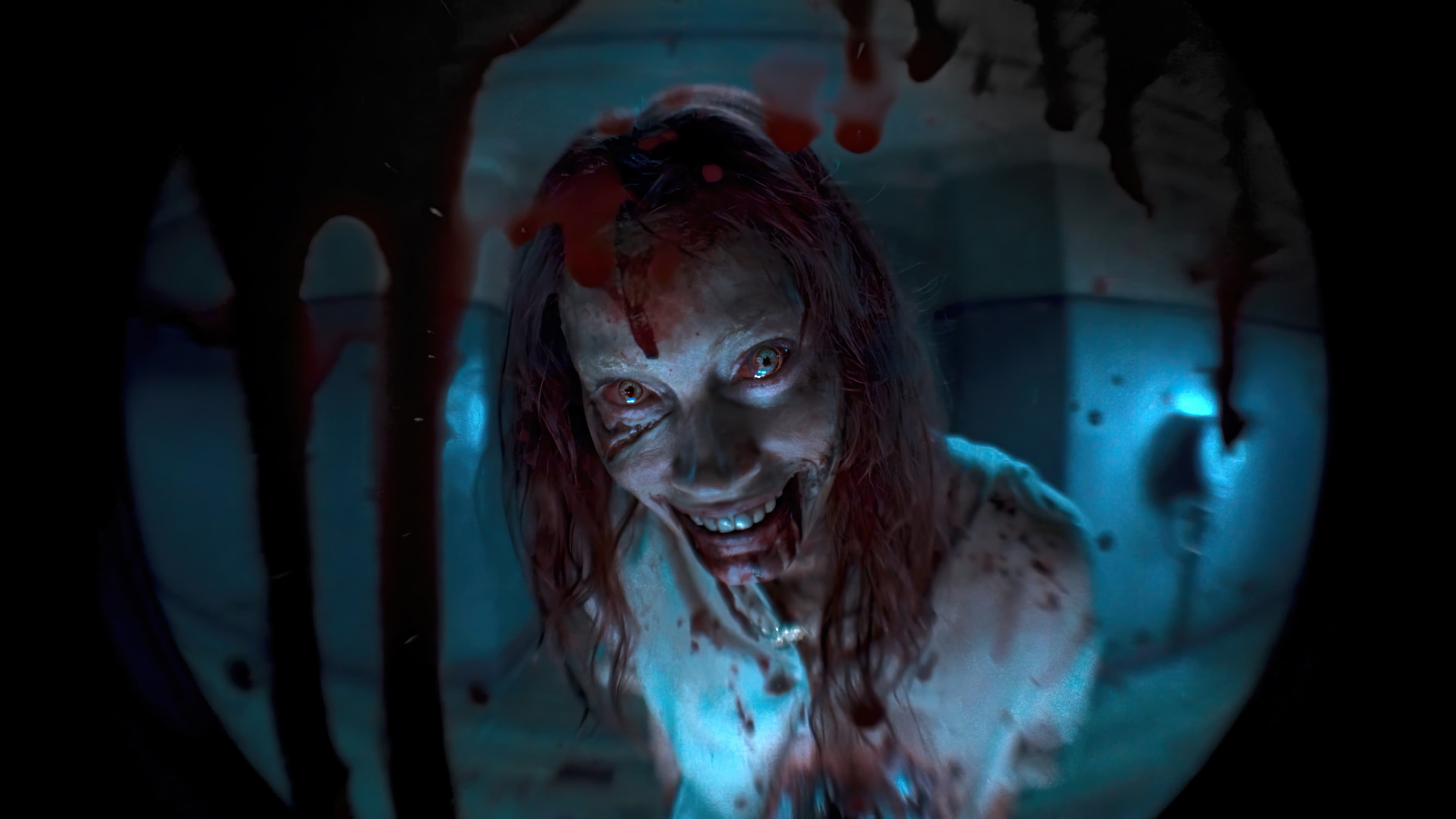
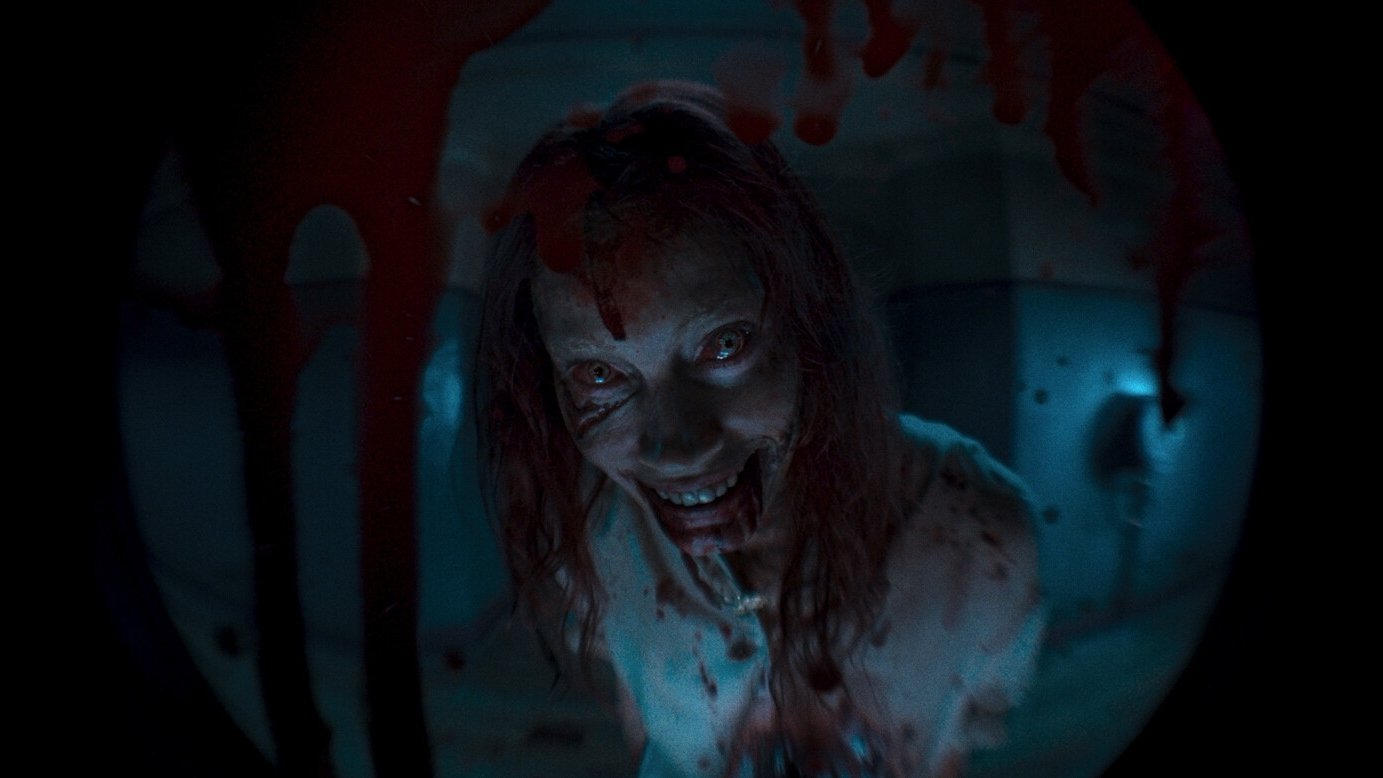
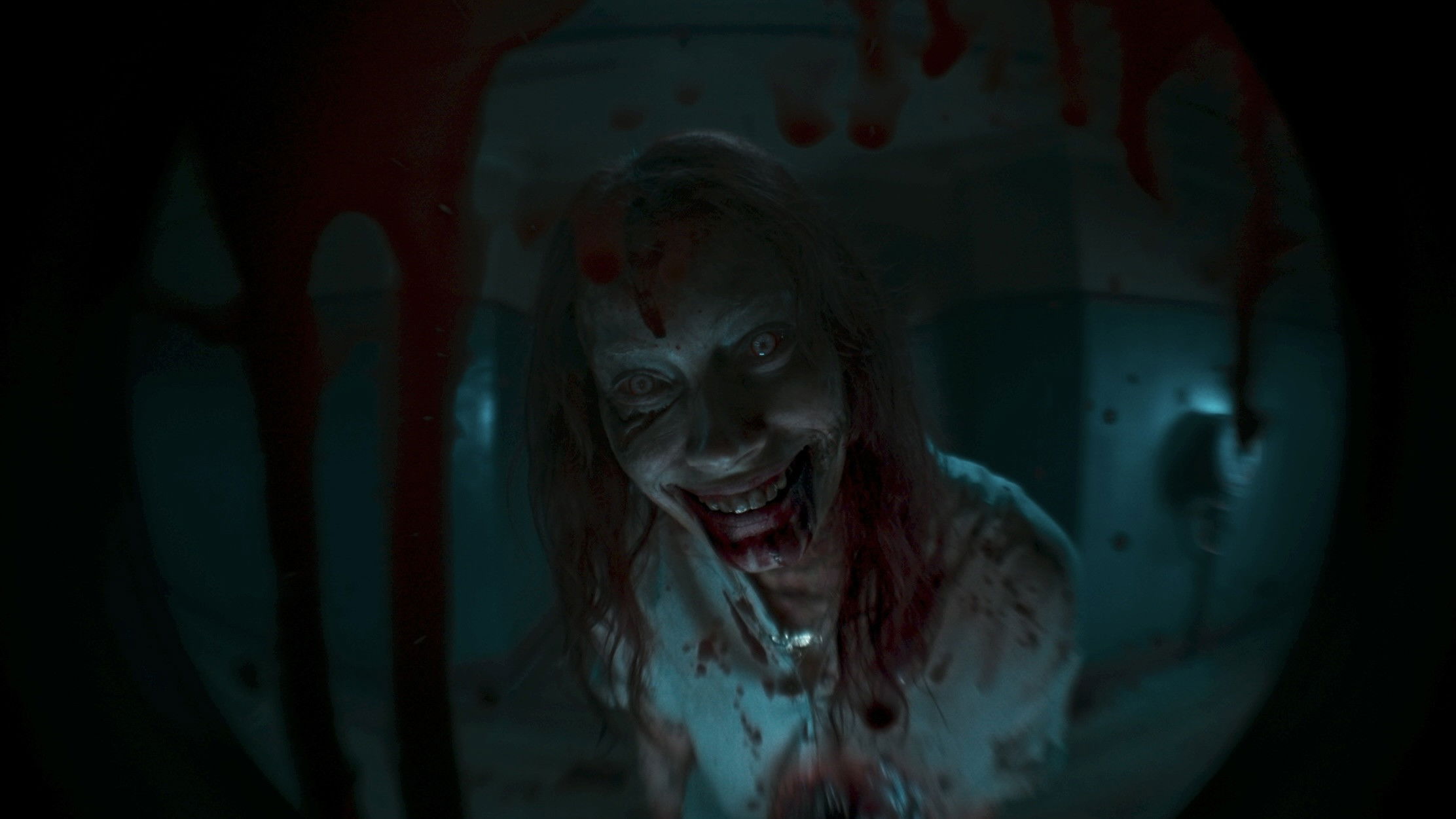
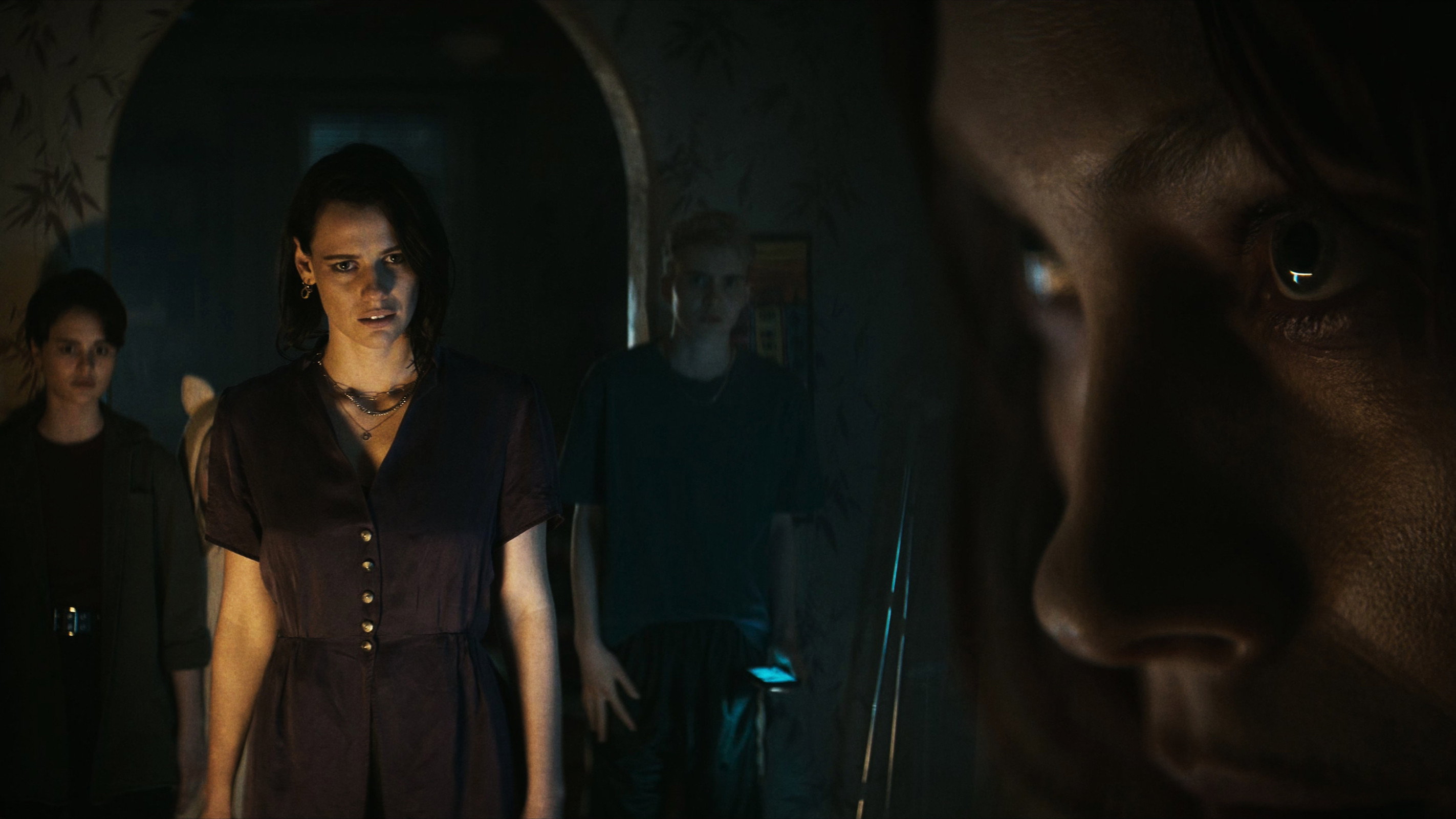
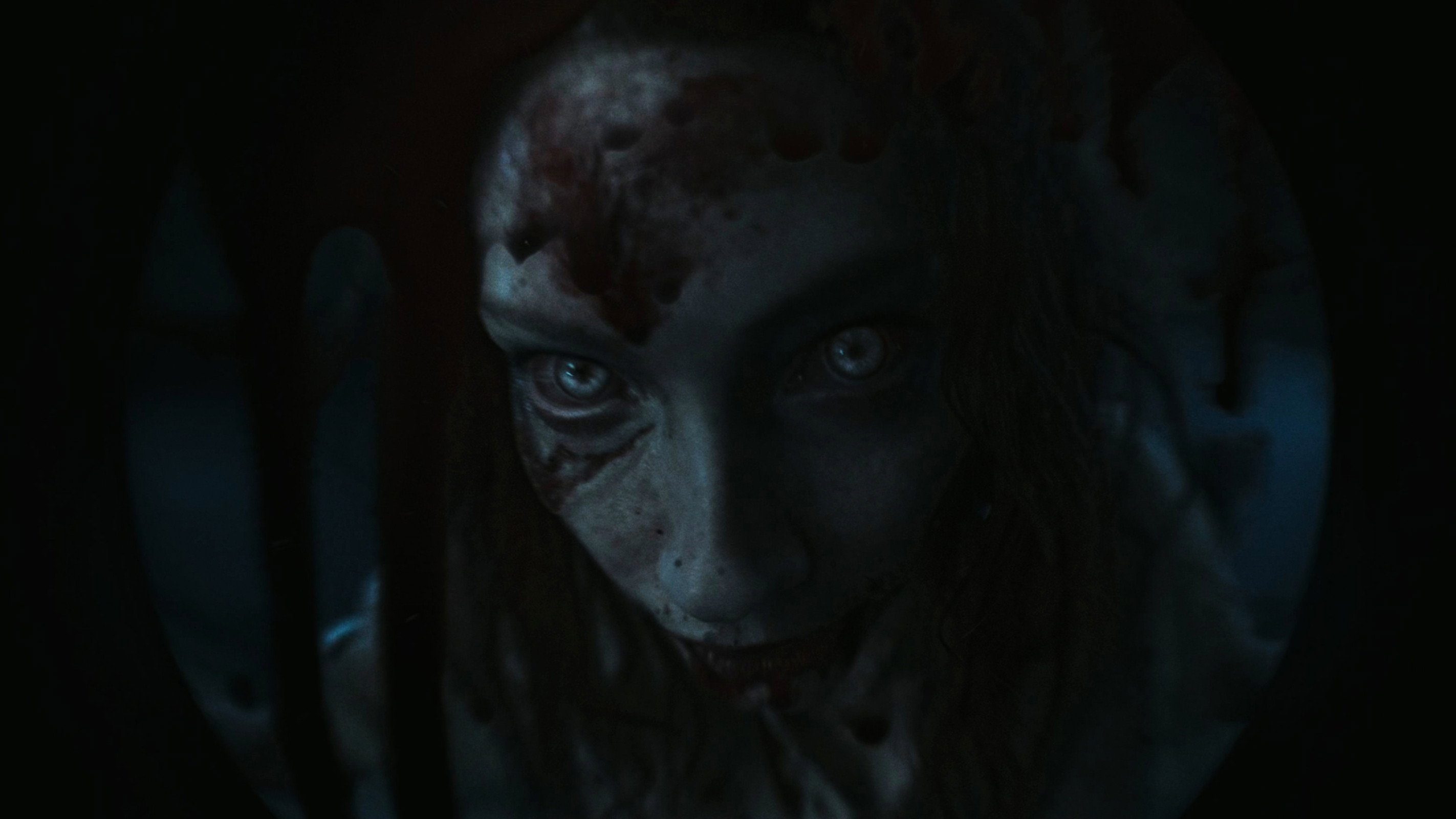
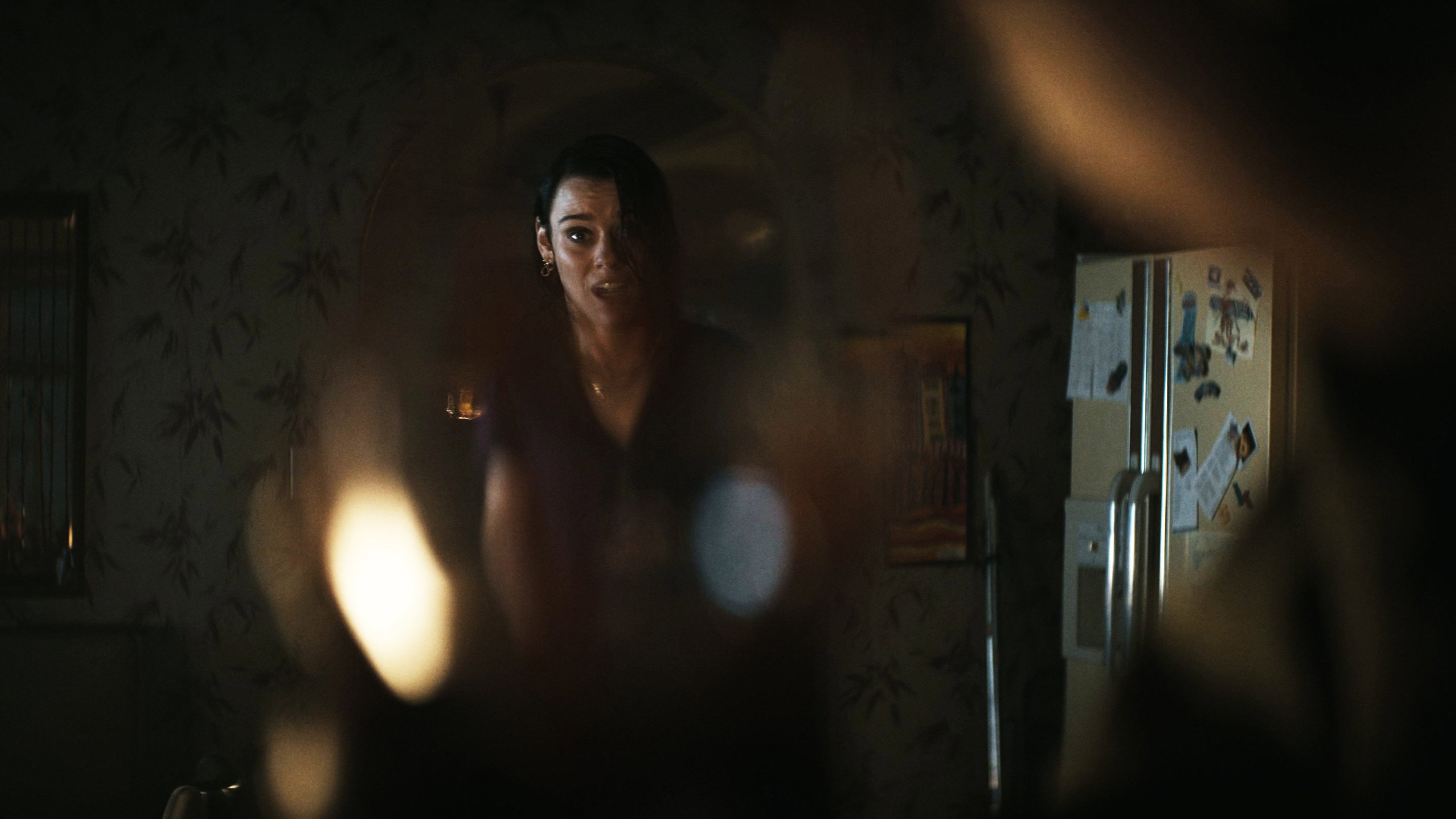
The prolonged view through the apartment door's peephole illustrates the importance of deliberate framing. Bassett recalled testing old lenses with cinematographer Dave Garbett to find a view that showed useful depth and detail within the passage. He believed the director committed strongly to that planned perspective. By limiting the audience's position, the shot turns the doorway into a viewing device through which an attack can be observed but scarcely interrupted. That effect depends upon the constructed hallway's dimensions as well as editing. It is a specific example of production design shaping the mechanics of horror.

Blood, Prosthetics and the Elevator

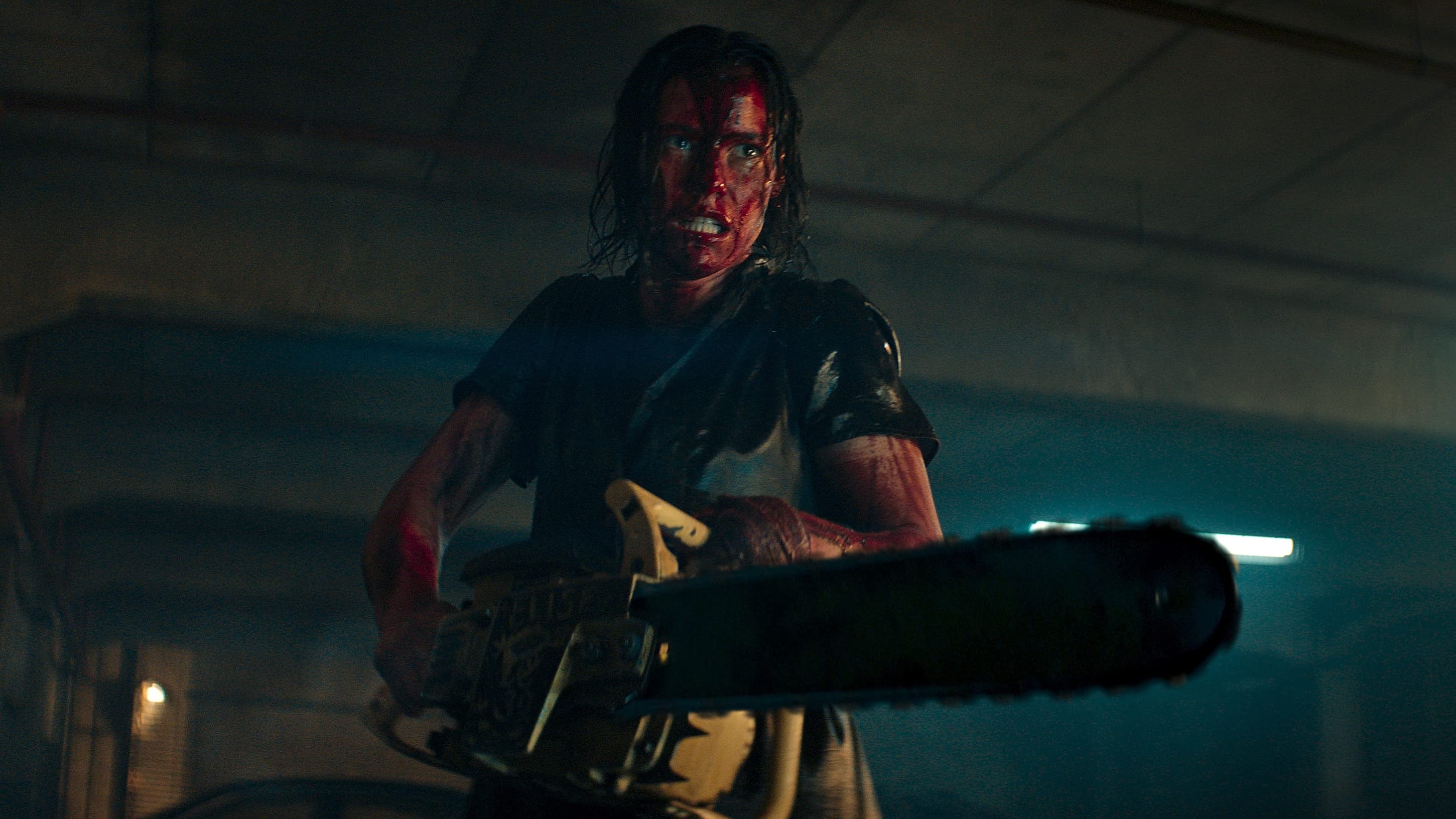
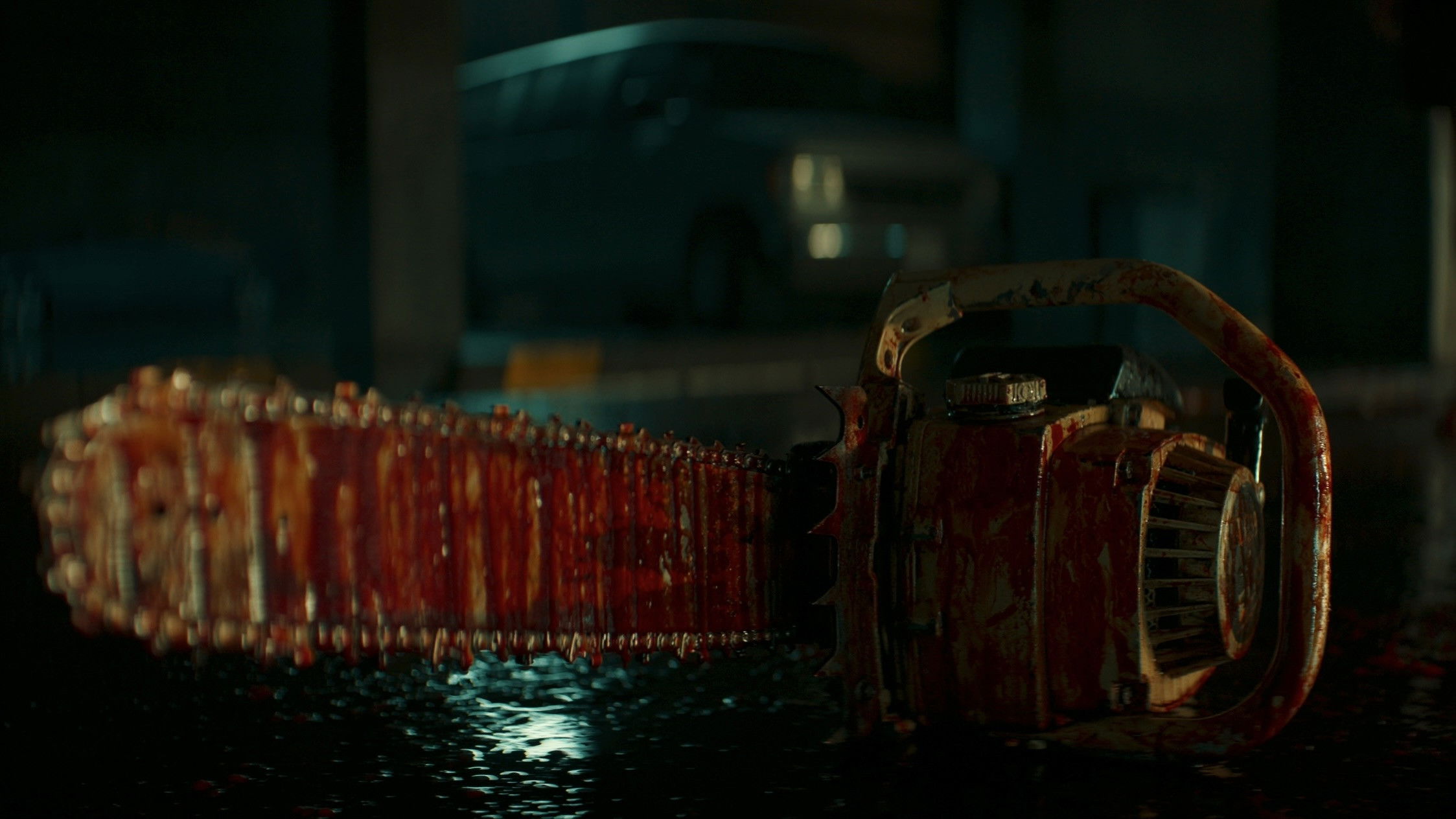
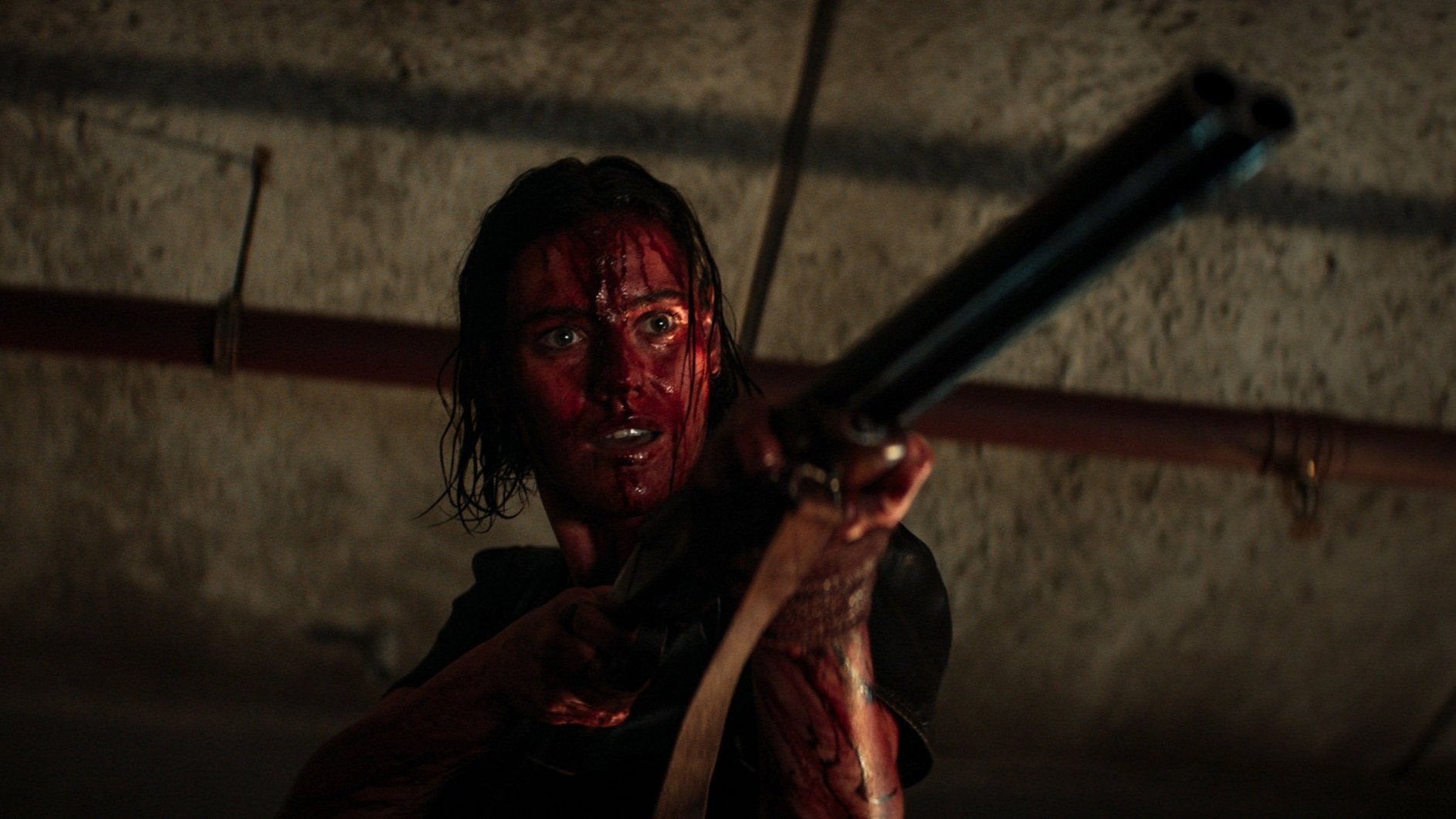
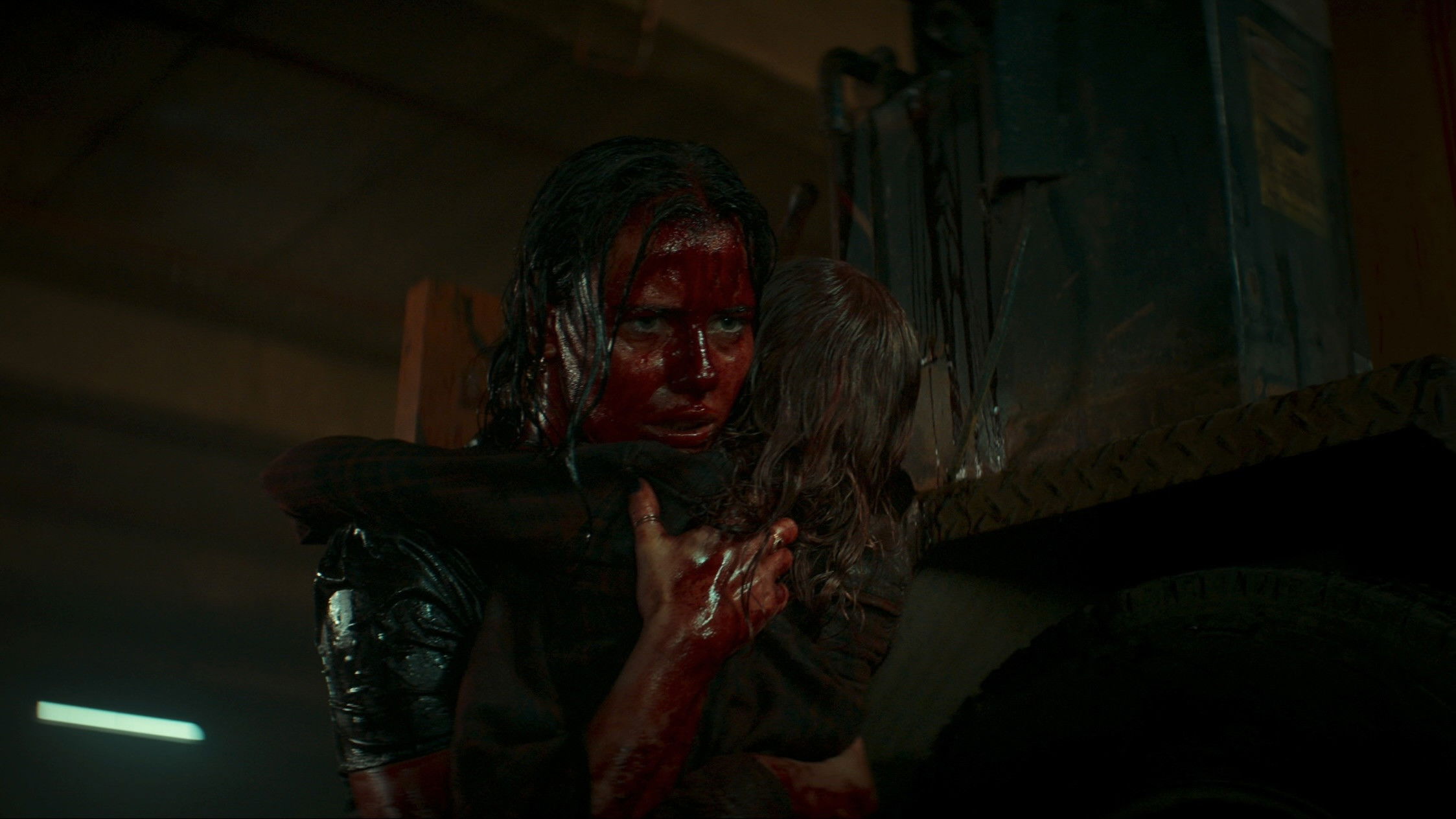
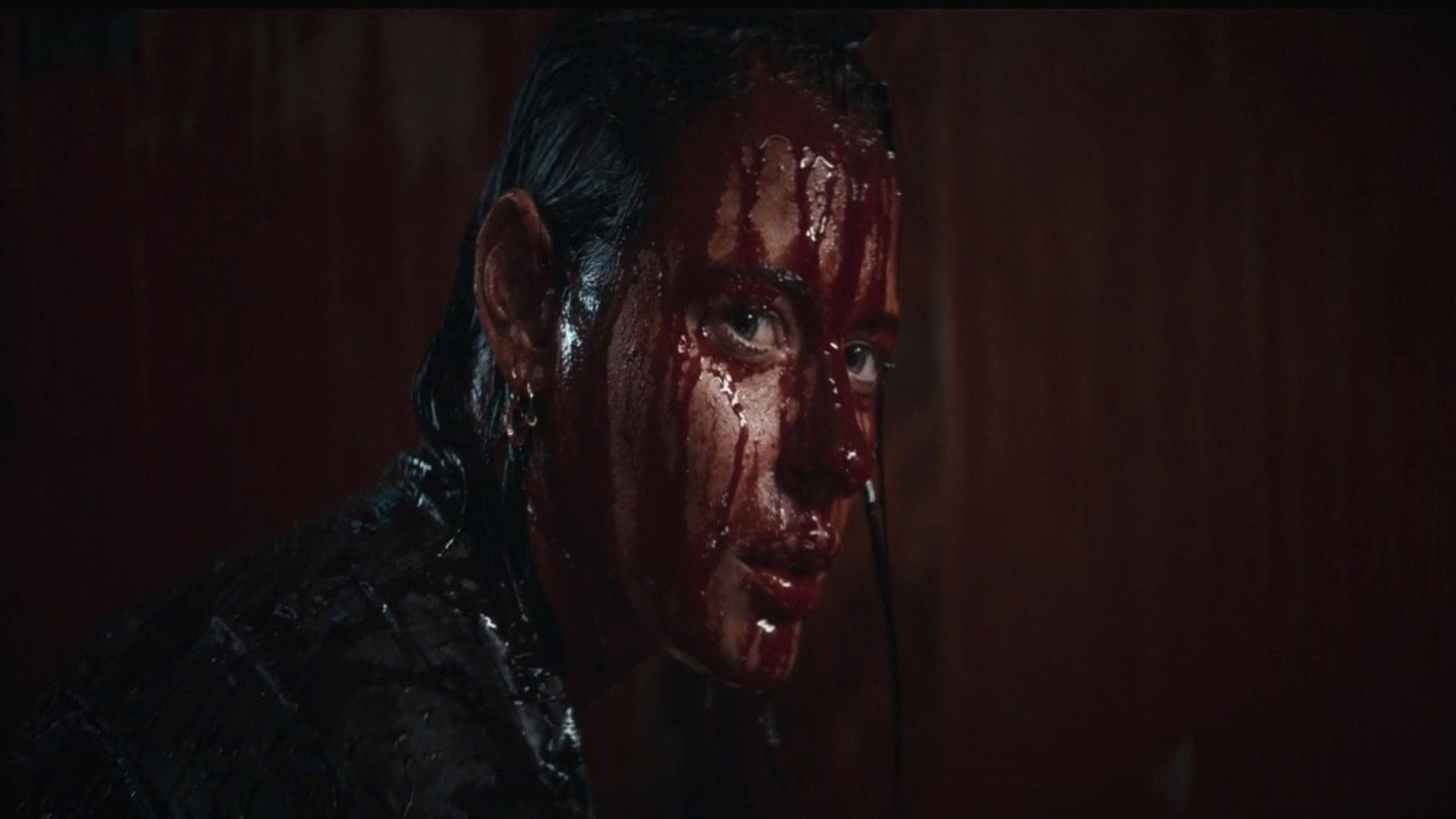
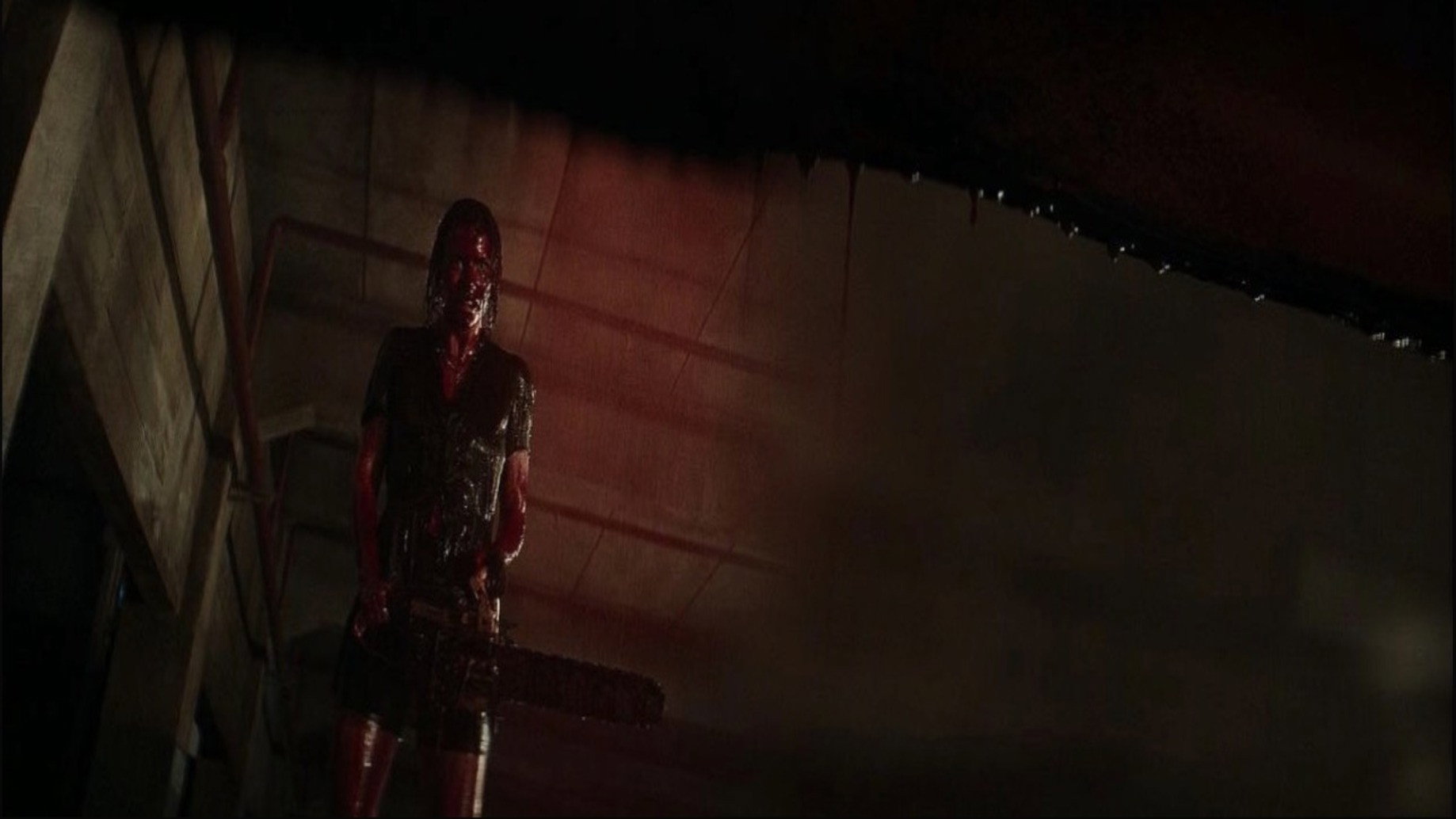
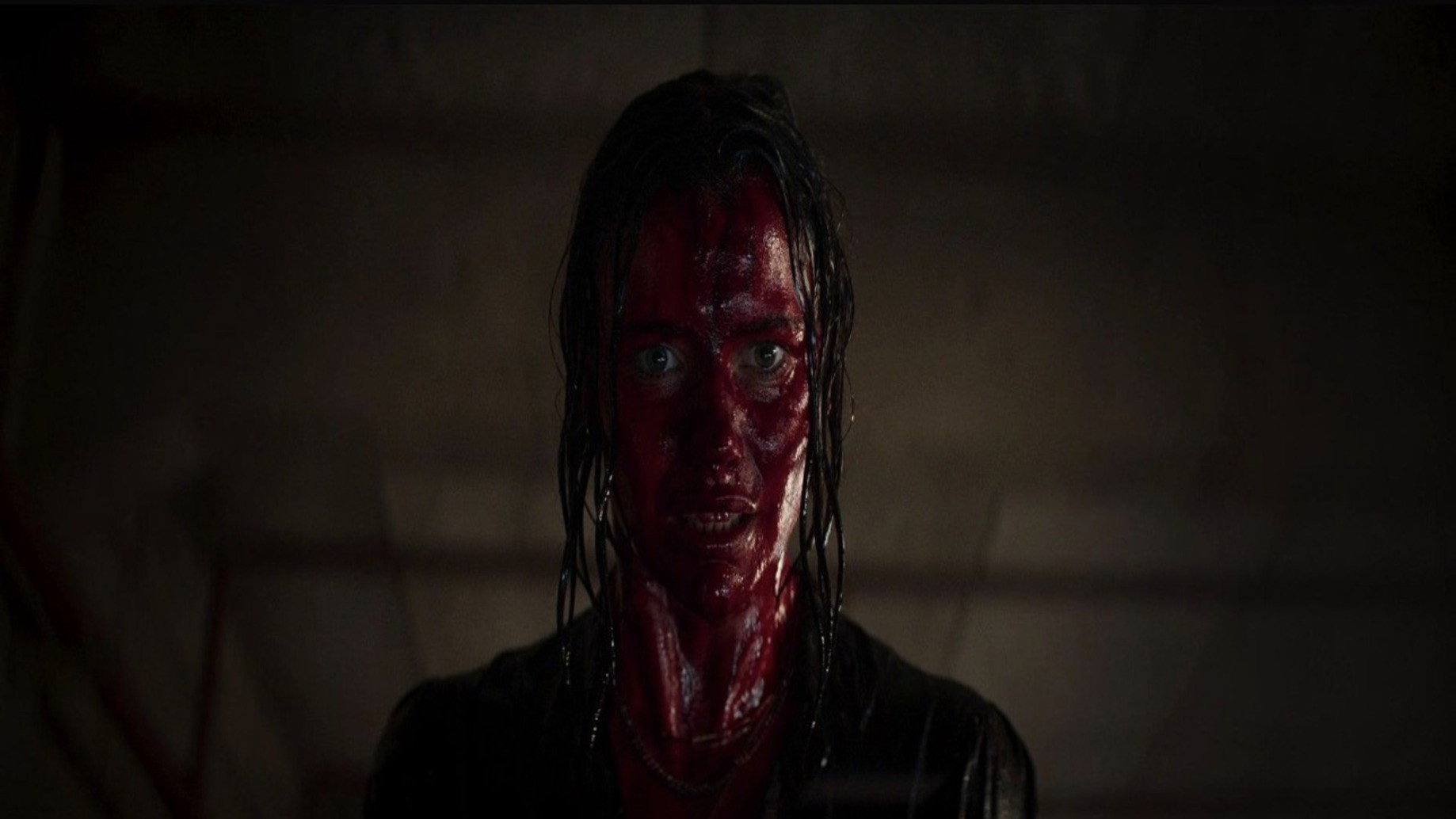
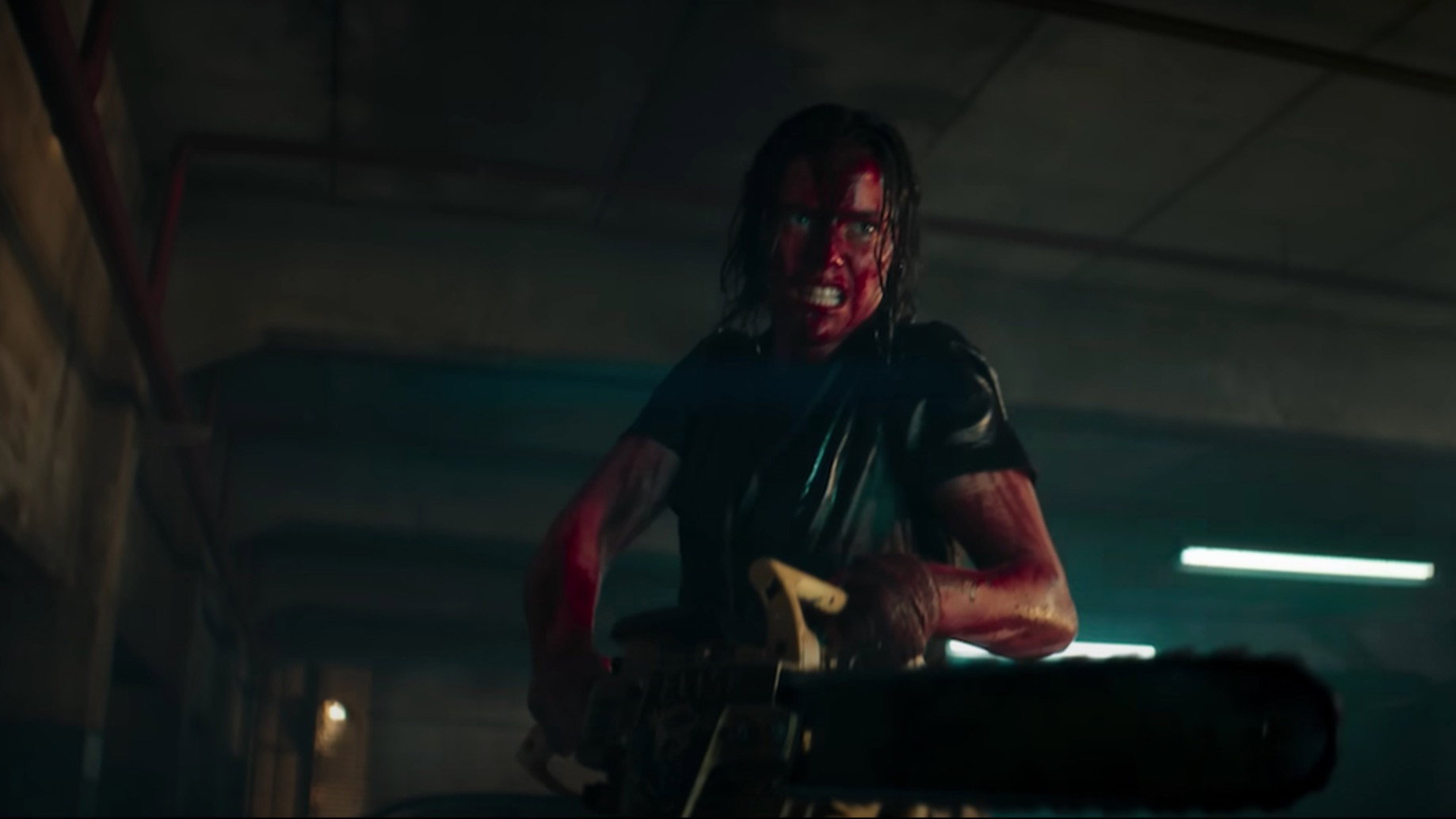
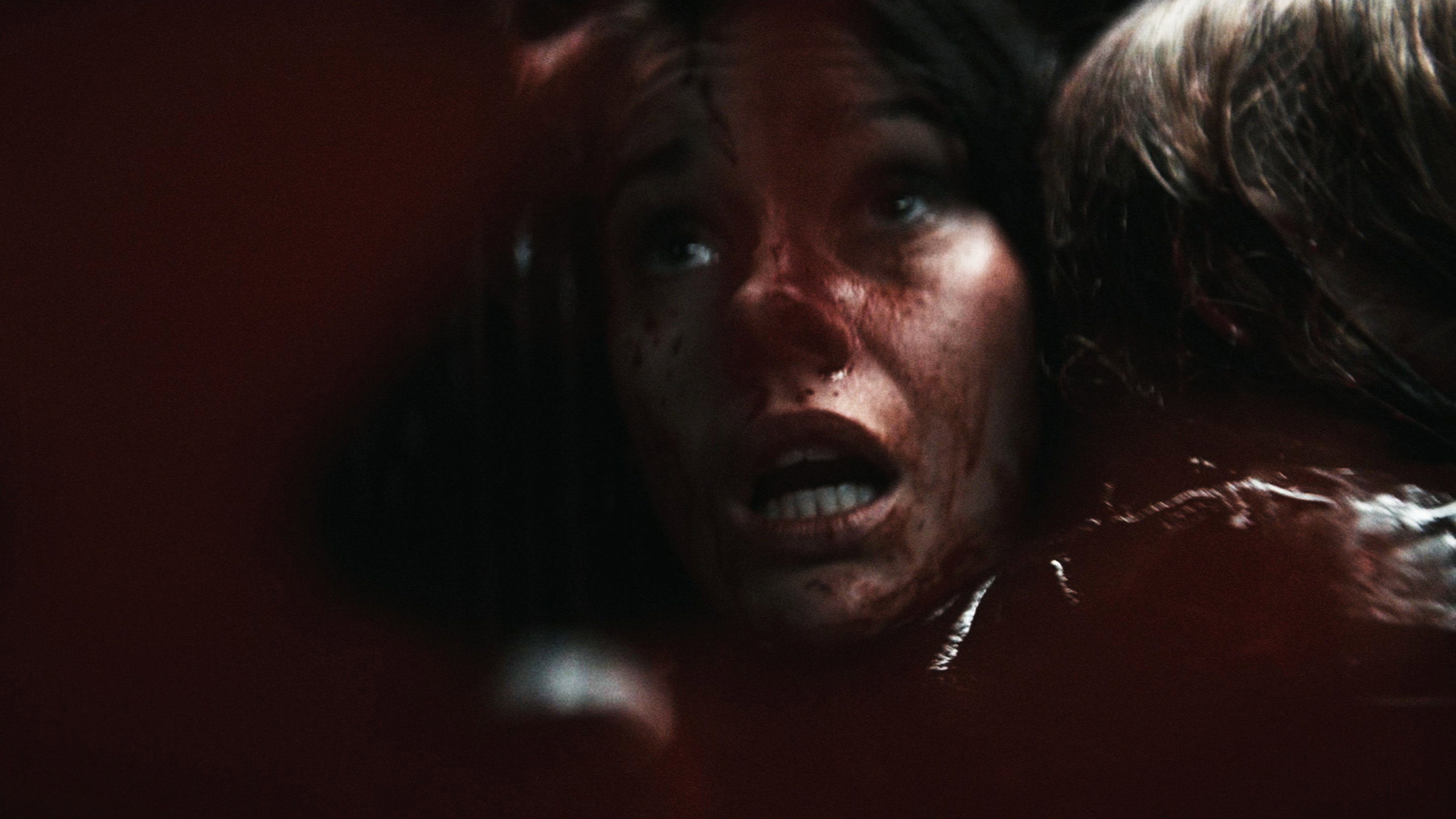
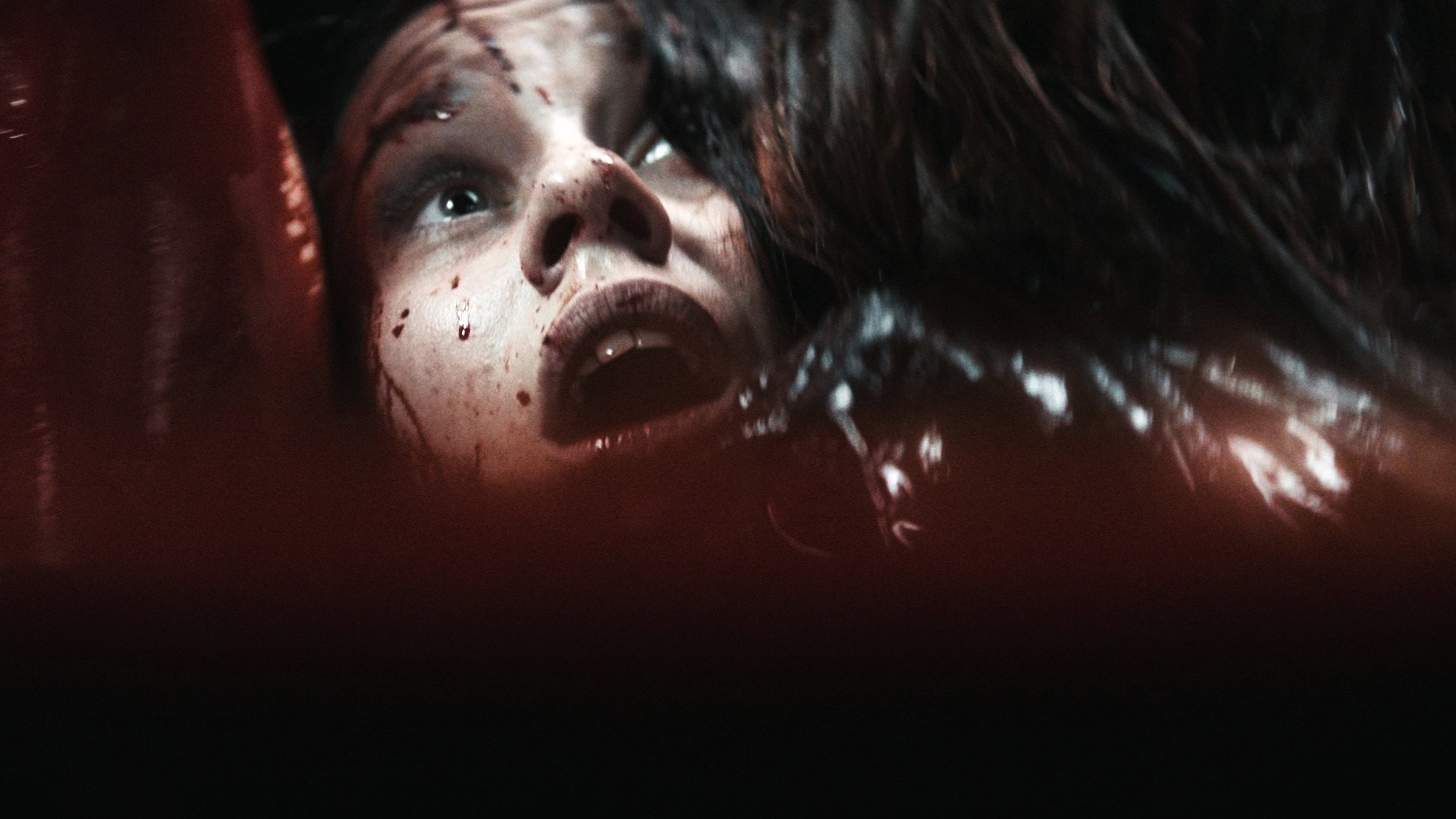
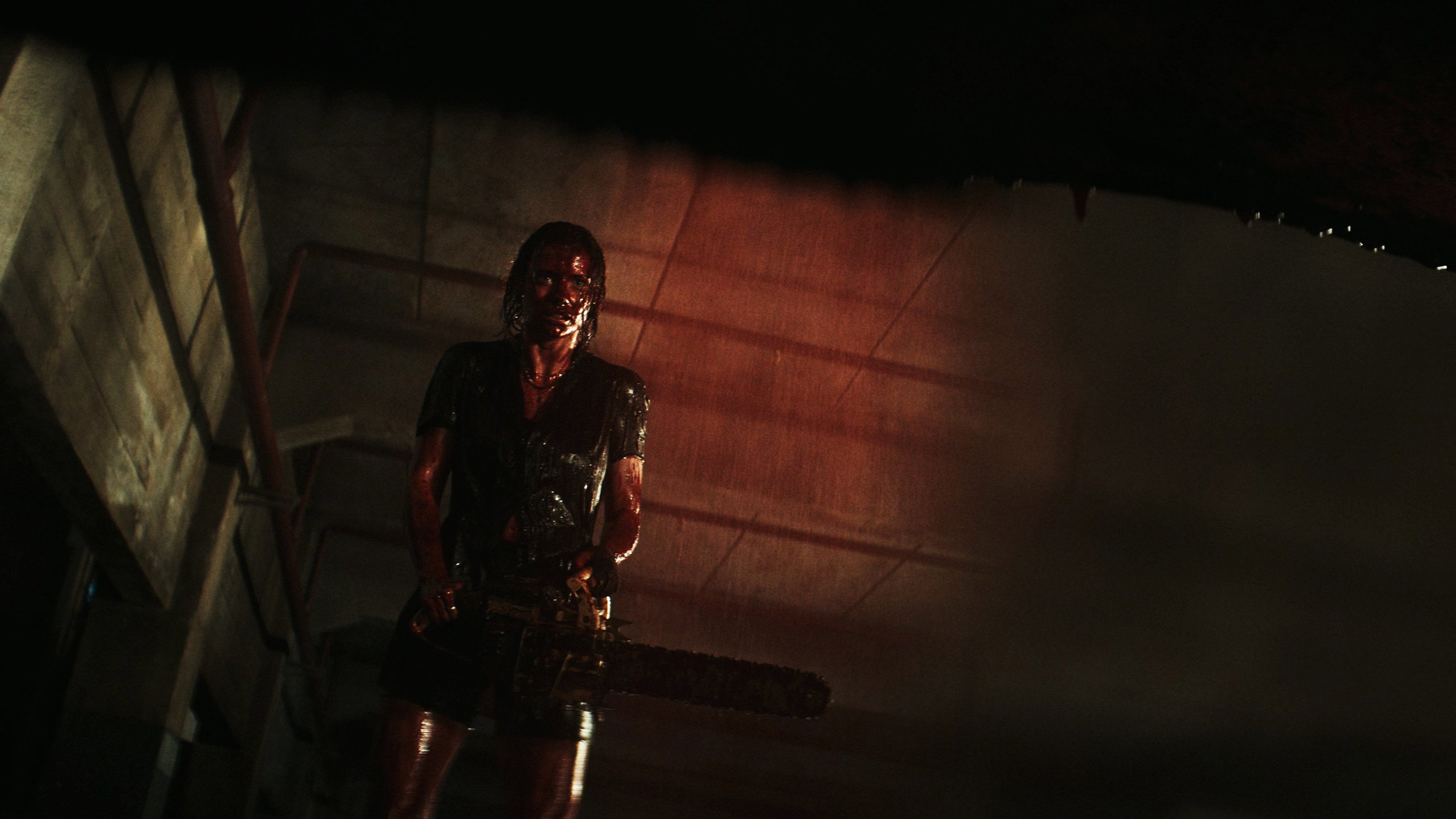
Cronin identified physical splatter as a central requirement of the production, reporting approximately 6,500 liters of fabricated blood. The figure is supported by a detailed investigation published by The Spinoff, whose reporter interviewed special-effects supervisor Brendon Durey and Bassett. Durey's team used a commercial food manufacturer to prepare large quantities of syrup-based liquid and stored it in industrial containers. These accounts are evidence of the actual working materials, not a claim that every onscreen injury was captured without digital enhancement. Physical effects establish the substance and performers' contact; screen images can still combine multiple techniques.

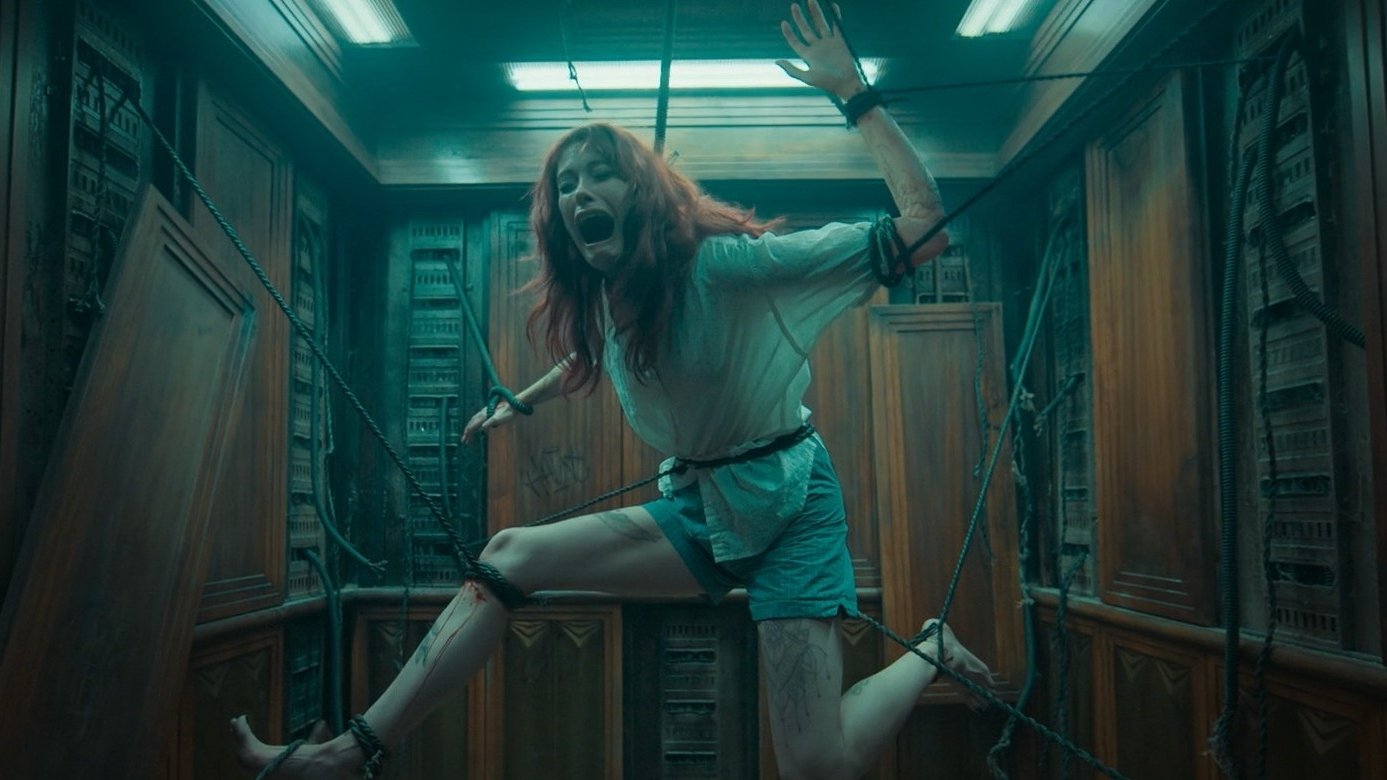
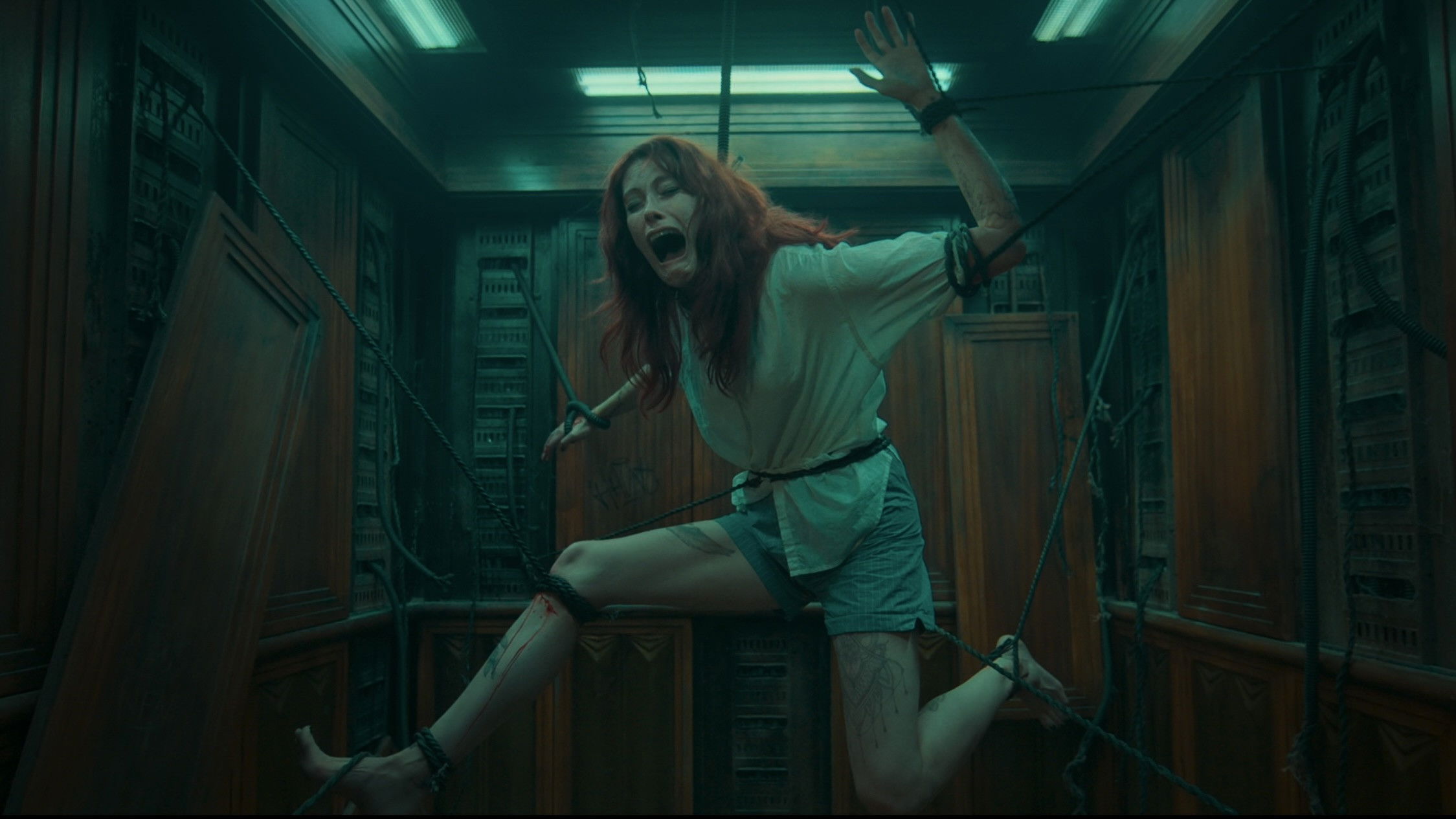
The elevator climax required an engineering solution more precise than simply pumping blood through a sealed box. Bassett described a lift built within a steel frame with replaceable panels. For the flood, the production lowered the elevator into an external tank containing about 6,000 liters of stage blood, using a mesh floor to let the liquid rise at a controlled rate. Durey also described heating the mixture through circulating pipes so that performers could tolerate immersion. This documented process explains why the ascent of liquid appears comparatively steady while the actors remain close to its surface.

The lobby deluge involved another apparatus. The crew created a full-sized doorway and deployed large dump tanks so that blood could be released rapidly across the set. Durey said the team rehearsed with water and stunt performers before filming the actual effect. Its spectacular volume is part of the series' splatter tradition, but the underlying interest is logistical: a terrifying physical event had to be repeatable and safe enough for performers and crew. The film's violence is thus the visible result of controlled construction, timing and extensive cleanup under carefully regulated conditions.

Sound, Movement and the Tone of Possession

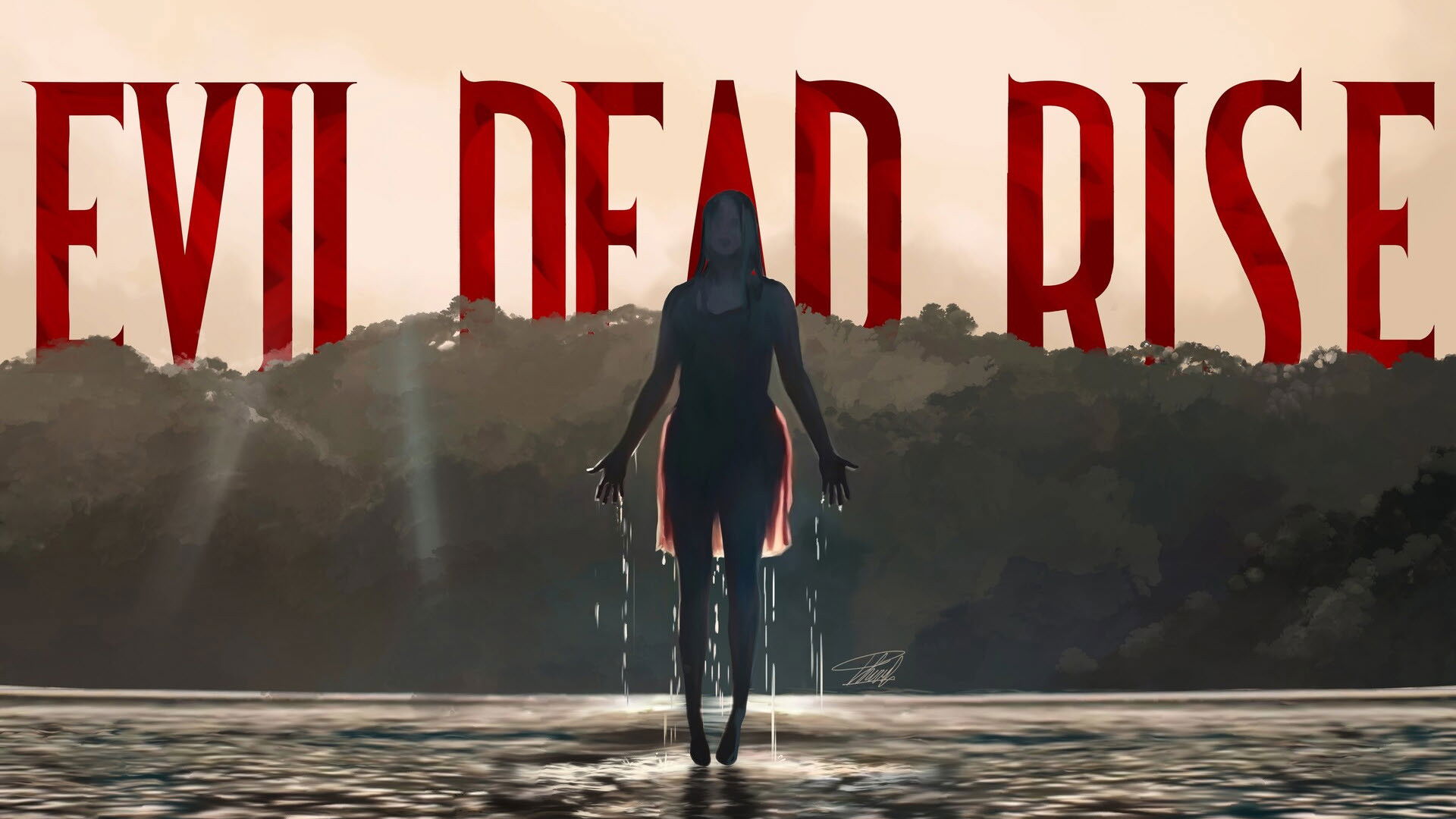
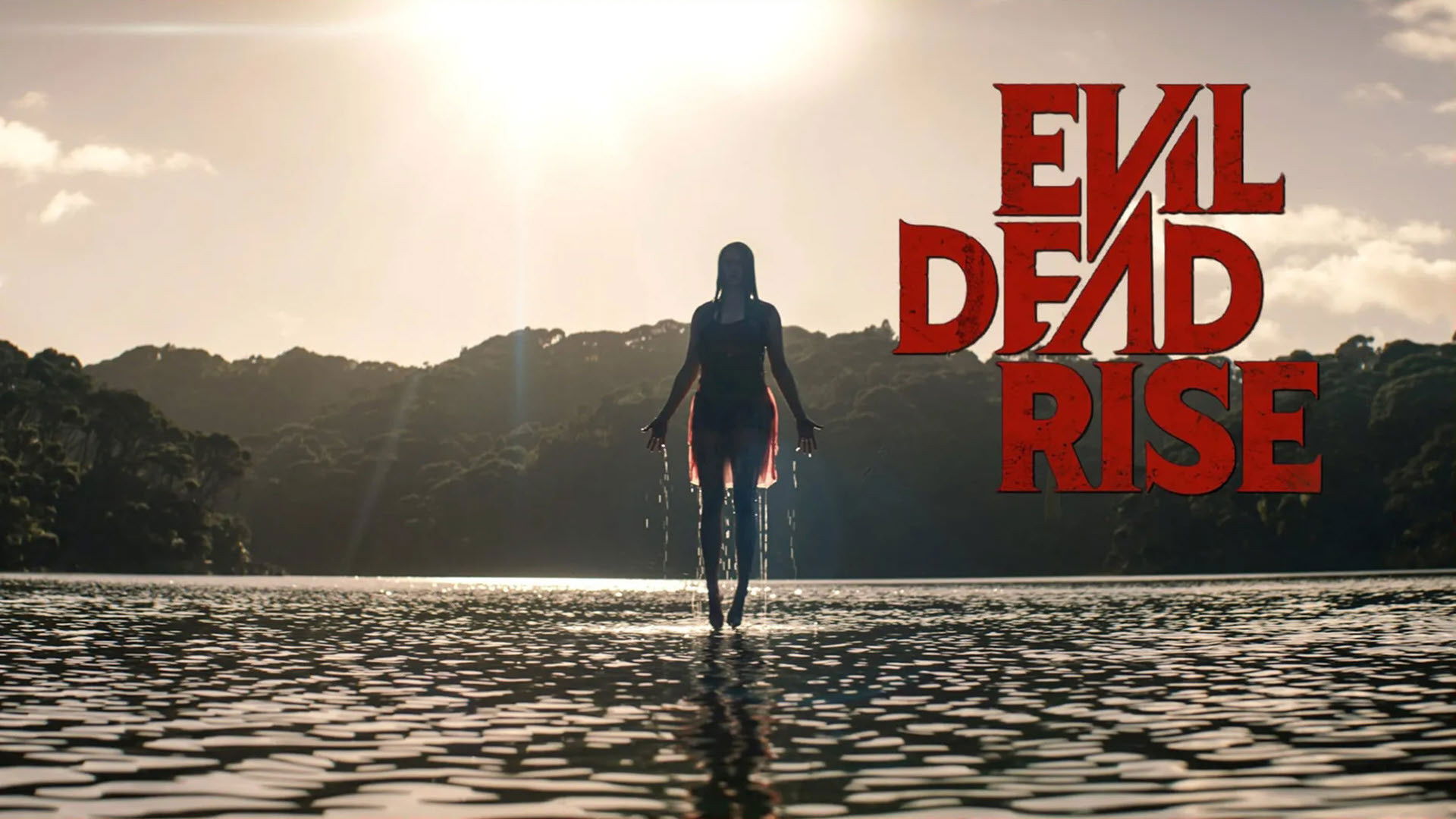
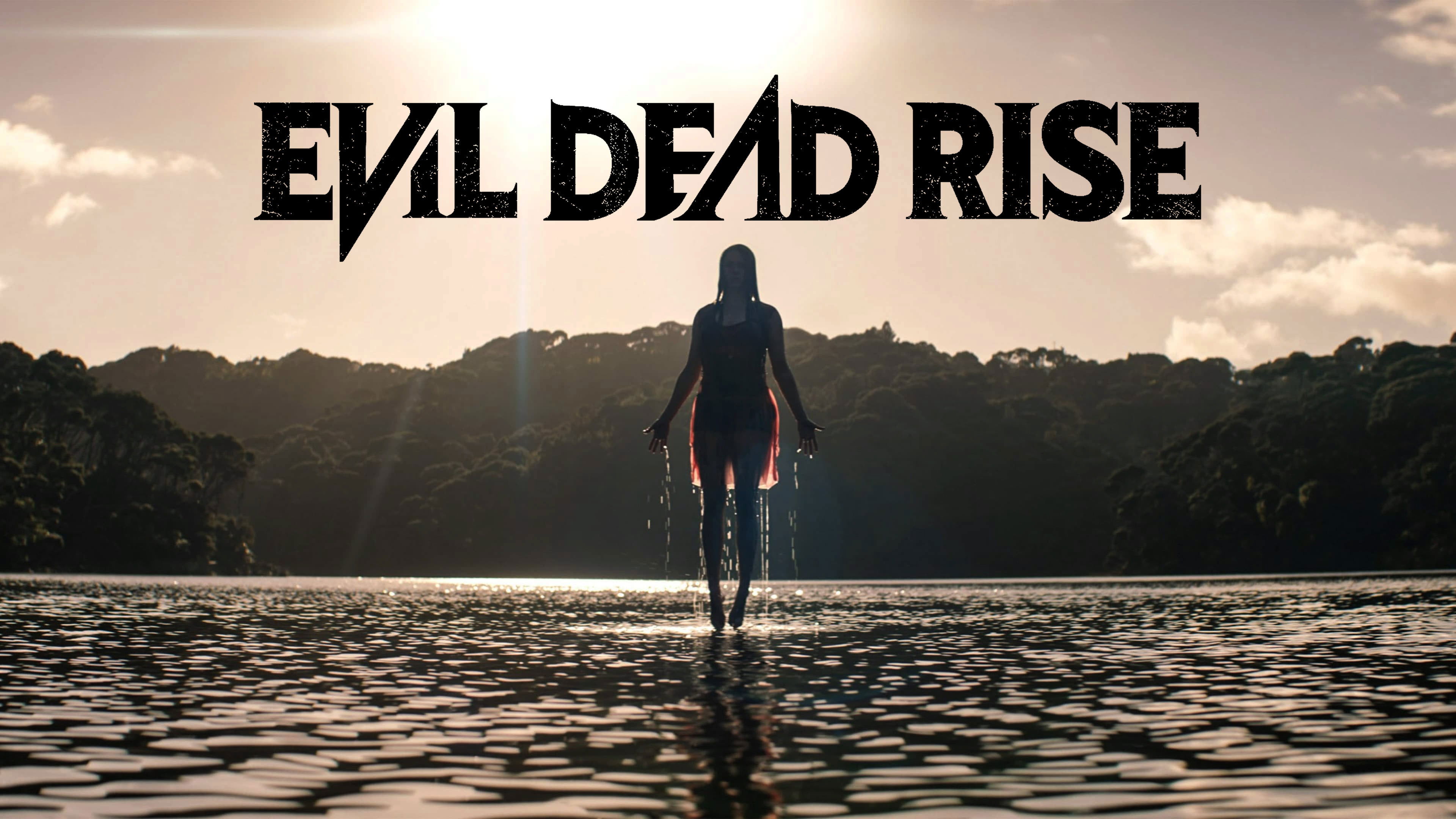
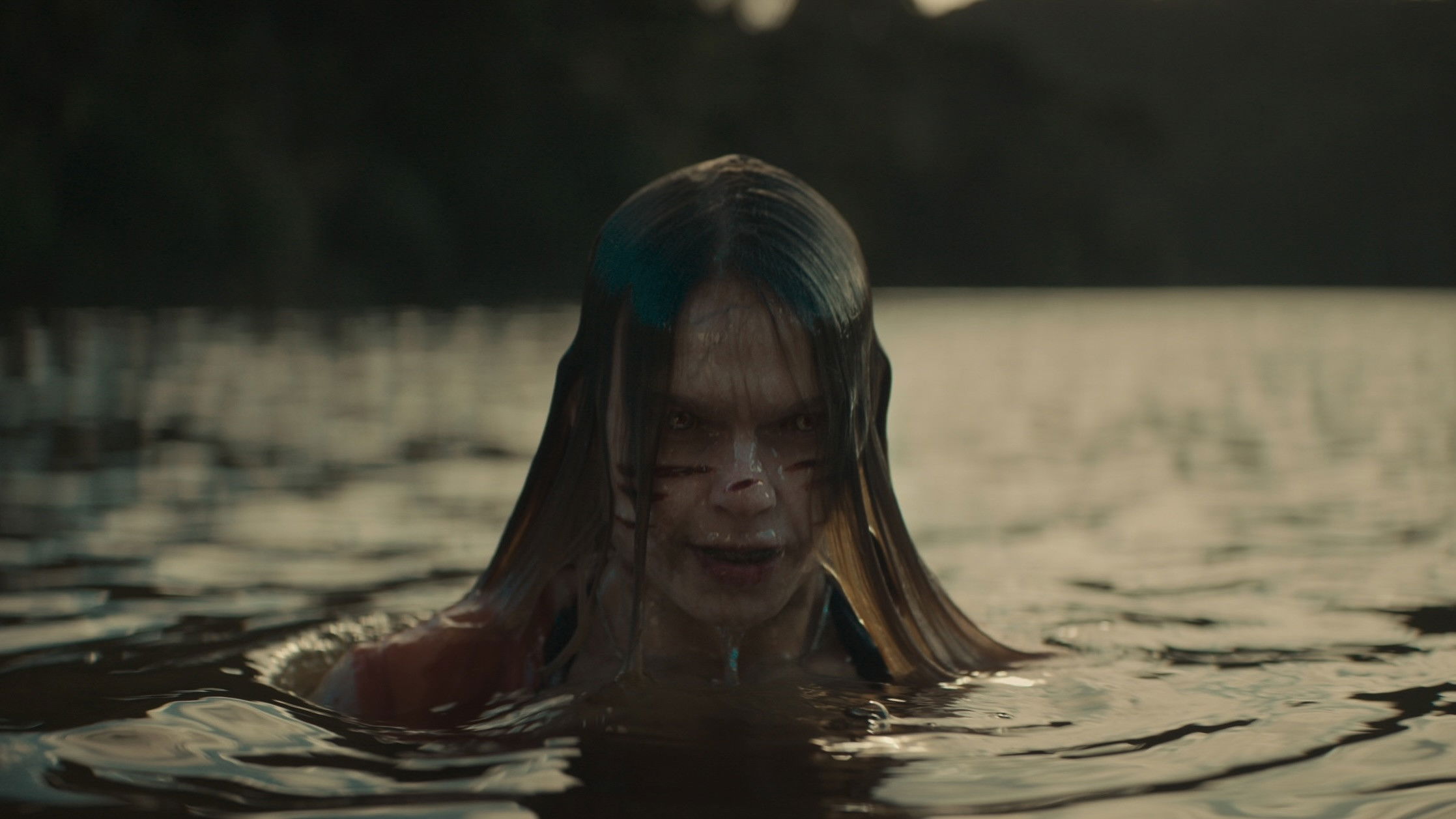
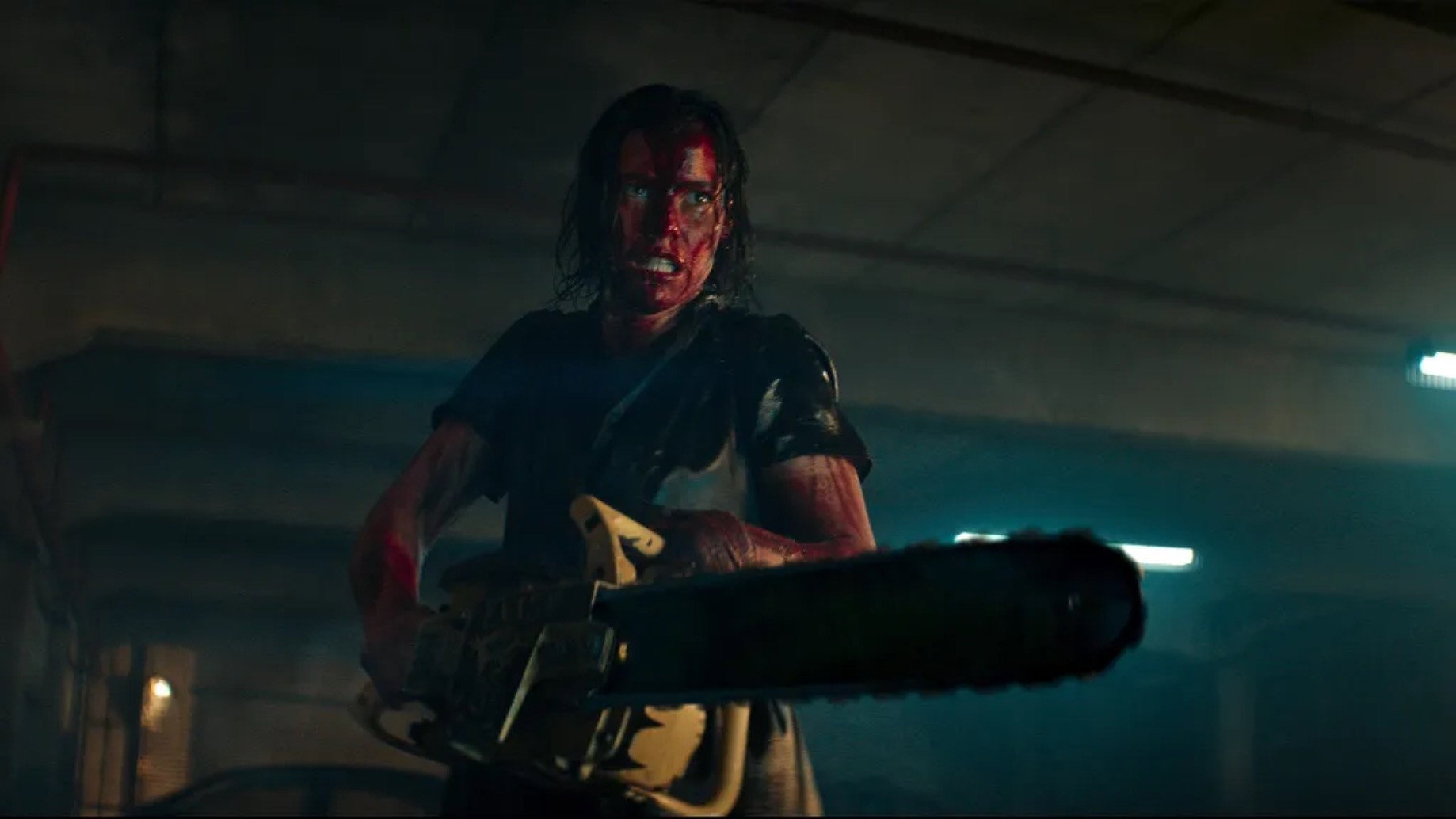
Cronin sought a different balance of fear and absurdity from the broad comic performances associated with Evil Dead II and Army of Darkness. He told /Film that heightened, imaginative violence could provoke laughter through its sheer outrageousness, even when the characters were frightened. This is an account of his intended tone, not an objective measurement of an audience's reaction. The opening lakeside sequence preserves the older franchise's interest in fast, seemingly unnatural motion, while the principal apartment story gives its threats a more intimate scale. Neither strategy requires jokes to interrupt the danger at regular intervals.

The film's soundscape makes the return of familiar voices especially disturbing. The recovered book is accompanied by recorded incantations, connecting old media to a contemporary household where the supernatural threat arrives through a discovered object. Ellie's speech shifts from recognizable family language into calculated insult and invitation, forcing listeners to evaluate sounds that ordinarily signal safety. The peephole and hallway sequences similarly build tension from noise beyond a barrier. These effects are apparent in the completed work; specific recording equipment or uncredited technicians should not be invented without production documentation.

Theatrical Release and Contemporary Reception

The film's route to theaters changed during production. Cronin told /Film that his screenplay was initially developed with a theatrical presentation in mind, but the pandemic disrupted exhibition plans and led to a proposed HBO Max release. He credited subsequent screenings and support within New Line for the eventual return to cinemas. That chronology differs from the simplified claim that the project had always been conceived solely for streaming. Evil Dead Rise premiered at South by Southwest in March 2023 and opened widely in the United States on April 21. The Australian and Italian theatrical openings took place a day earlier.

Brian Eggert's April 2023 essay for Deep Focus Review acknowledged the force of the gore while criticizing the absence of the physical comedy he considered integral to Raimi's approach. He also questioned whether the film developed the family's emotional conflicts convincingly. These are specific evaluations made at the time of release, separate from the filmmakers' accounts of their objectives. A critical response to the movie's finished pacing should not be recast as a production fact, just as the director's enthusiasm cannot substitute for reception history.

The move back to theatrical exhibition distinguished the sequel from its temporarily planned streaming release, offering its elaborate physical set pieces a large-screen presentation. That distribution change does not, by itself, establish a lasting impact on the wider horror genre. What can be documented is the industrial and aesthetic choice to carry the series' possession narrative into an endangered family home. The preserved accounts of Cronin, Bassett and Durey make that transformation unusually clear: this revival applied recognizable Deadite behavior to a carefully engineered urban enclosure while retaining the excess of practical splatter associated with the franchise.

References

  1. /Film Evil Dead Rise Director Lee Cronin On Nailing The Tone, His Fascination With Holes, And More [Exclusive Interview]

    Ryan Scott interviews Cronin about his recruitment, the choice of family and apartment setting, Rob Tapert's creative advice, pandemic distribution changes and practical blood.

  2. Eye For Film Picking up the chainsaw: Lee Cronin on putting his own stamp on Evil Dead Rise

    Jennie Kermode's substantial July 2023 interview with Cronin documents the three books, the design of the new volume, its relationship to Ash and the use of children in peril.

  3. The Credits / Motion Picture Association Evil Dead Rise Production Designer Nick Bassett on Building the Apartment From Hell

    Jack Giroux's extensive conversation with Bassett documents Auckland sets, corridor and apartment lighting, the door peephole shot, building exterior and set colors.

  4. The Spinoff How the NZ-made Evil Dead Rise pulled off that blood-soaked elevator scene

    Alex Casey's original investigation interviews special-effects supervisor Brendon Durey and Bassett about manufacturing stage blood, constructing the elevator, heating tanks and filming the deluge.

  5. Deep Focus Review Evil Dead Rise

    Brian Eggert's substantial April 2023 essay considers the urban setting, practical gore, maternal horror and tensions between Cronin's direction and Raimi's slapstick visual style.

Connections

Cast

View Full Cast & Crew →

Release & Distribution

Production Companies (4)

  • New Line Cinema US
  • Pacific Renaissance Pictures NZ
  • Renaissance Pictures US
  • Wild Atlantic Pictures IE

Distributors (2)

  • InterCom HU
  • Warner Bros. Pictures US

Release History (75)

Release DateTerritoryRelease TypeFormatDistributorCertificationNotes
2023-03-16 United States Premiere — — — South by Southwest Film & TV Festival
2023-04-01 Finland Premiere — — — Night Visions Film Festival
2023-04-12 Malaysia Theatrical — — 18SG
2023-04-19 Belgium Theatrical — — 16
2023-04-19 France Theatrical — — 16
2023-04-20 United Arab Emirates Theatrical — — —
2023-04-20 Argentina Theatrical — — +16
2023-04-20 Australia Premiere — — — Fantastic Film Festival
2023-04-20 Australia Theatrical — — R 18+
2023-04-20 Brazil Theatrical — — 18
2023-04-20 Colombia Theatrical — — —
2023-04-20 Czechia Theatrical — — 15+
2023-04-20 Germany Premiere — — — Fantasy Filmfest Nights
2023-04-20 Denmark Theatrical — — 15
2023-04-20 Croatia Theatrical — — —
2023-04-20 Israel Theatrical — — 18
2023-04-20 Italy Theatrical — — —
2023-04-20 Kazakhstan Theatrical — — —
2023-04-20 Mexico Theatrical — — C
2023-04-20 Netherlands Theatrical — — 16
2023-04-20 New Zealand Theatrical — — R16
2023-04-20 Peru Theatrical — — —
2023-04-20 Puerto Rico Theatrical — — R
2023-04-20 Portugal Theatrical — — M/18
2023-04-20 Singapore Theatrical — — R21
2023-04-20 Slovakia Theatrical — — —
2023-04-20 Thailand Theatrical — — 18
2023-04-20 Taiwan Theatrical — — 18+
2023-04-21 Bangladesh Theatrical — — —
2023-04-21 Bulgaria Theatrical — — D
2023-04-21 Canada Theatrical — — 18A
2023-04-21 Spain Theatrical — — 18
2023-04-21 Finland Theatrical — — K-18
2023-04-21 United Kingdom Theatrical — — 18
2023-04-21 Ireland Theatrical — — 18
2023-04-21 India Theatrical — — A
2023-04-21 Iceland Theatrical — — —
2023-04-21 Lithuania Theatrical — — N-18
2023-04-21 Norway Theatrical — — 18
2023-04-21 Poland Theatrical — — —
2023-04-21 Romania Theatrical — — 18
2023-04-21 Sweden Theatrical — — 15
2023-04-21 Türkiye Theatrical — — 18+
2023-04-21 United States Theatrical — — R
2023-04-27 Germany Theatrical — — 18
2023-04-28 Austria Theatrical — — —
2023-05-05 Indonesia Theatrical — — 17+
2023-05-09 Puerto Rico Digital — — R
2023-05-09 United States Digital — — R
2023-05-11 Hong Kong SAR China Theatrical — — III
2023-06-23 Hungary Digital — — — HBO Max
2023-06-23 Puerto Rico Digital — — R Max
2023-06-23 United States Digital — — R Max
2023-06-24 Puerto Rico TV — — R HBO
2023-06-24 United States TV — — R HBO
2023-06-27 Puerto Rico Physical — — R
2023-06-27 United States Physical 4K UHD, DVD, Blu-ray — R 4K Ultra HD / Blu-ray / DVD
2023-06-30 South Korea Premiere — — 19 Bucheon International Fantastic Film Festival
2023-07-01 New Zealand Digital — — R16
2023-07-05 South Korea Digital — — 19
2023-07-13 Germany Digital — — 18
2023-07-13 Germany Physical DVD — 18 DvD
2023-07-19 New Zealand Physical — — R16
2023-08-02 Japan Digital — — —
2023-08-02 Japan Physical — — —
2023-08-17 France Digital — — 16
2023-08-19 France Physical 4K UHD, DVD, Blu-ray — 16 4K Ultra HD / Blu-ray / DVD
2024-09-22 American Samoa Digital — — — Netflix
2024-09-23 Guam Digital — — — Netflix
2024-09-23 Northern Mariana Islands Digital — — — Netflix
2024-09-23 Puerto Rico Digital — — R Netflix
2024-09-23 United States Digital — — R Netflix
2024-09-23 U.S. Virgin Islands Digital — — R Netflix
2024-10-07 Thailand Digital — — 18 Netflix
2026-09-01 Philippines Digital — — — HBO Max
Mommy loves you to death.