Go to Sheep
, Film i Väst
, Chimney Sweden
, Chimney Poland
Plot
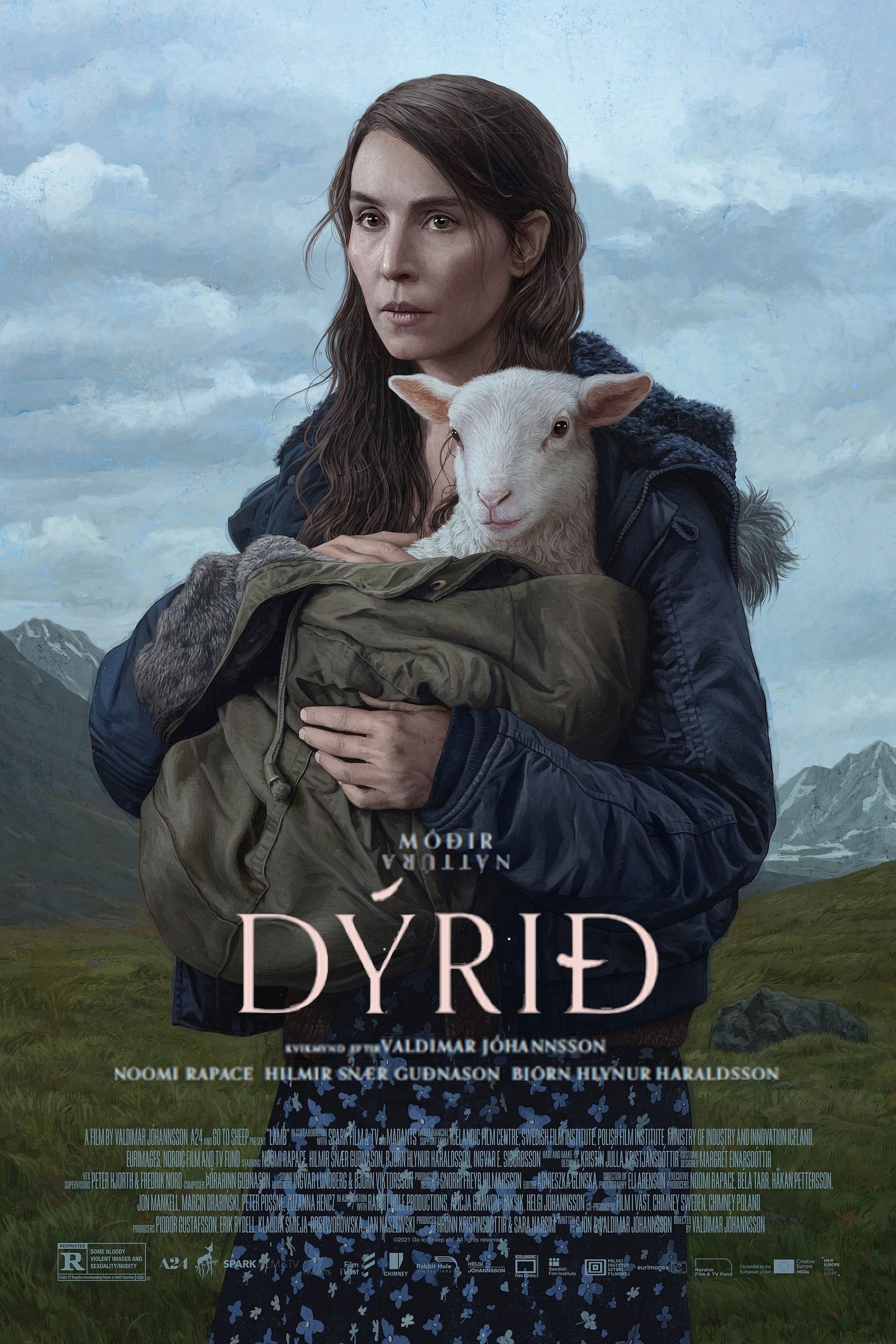
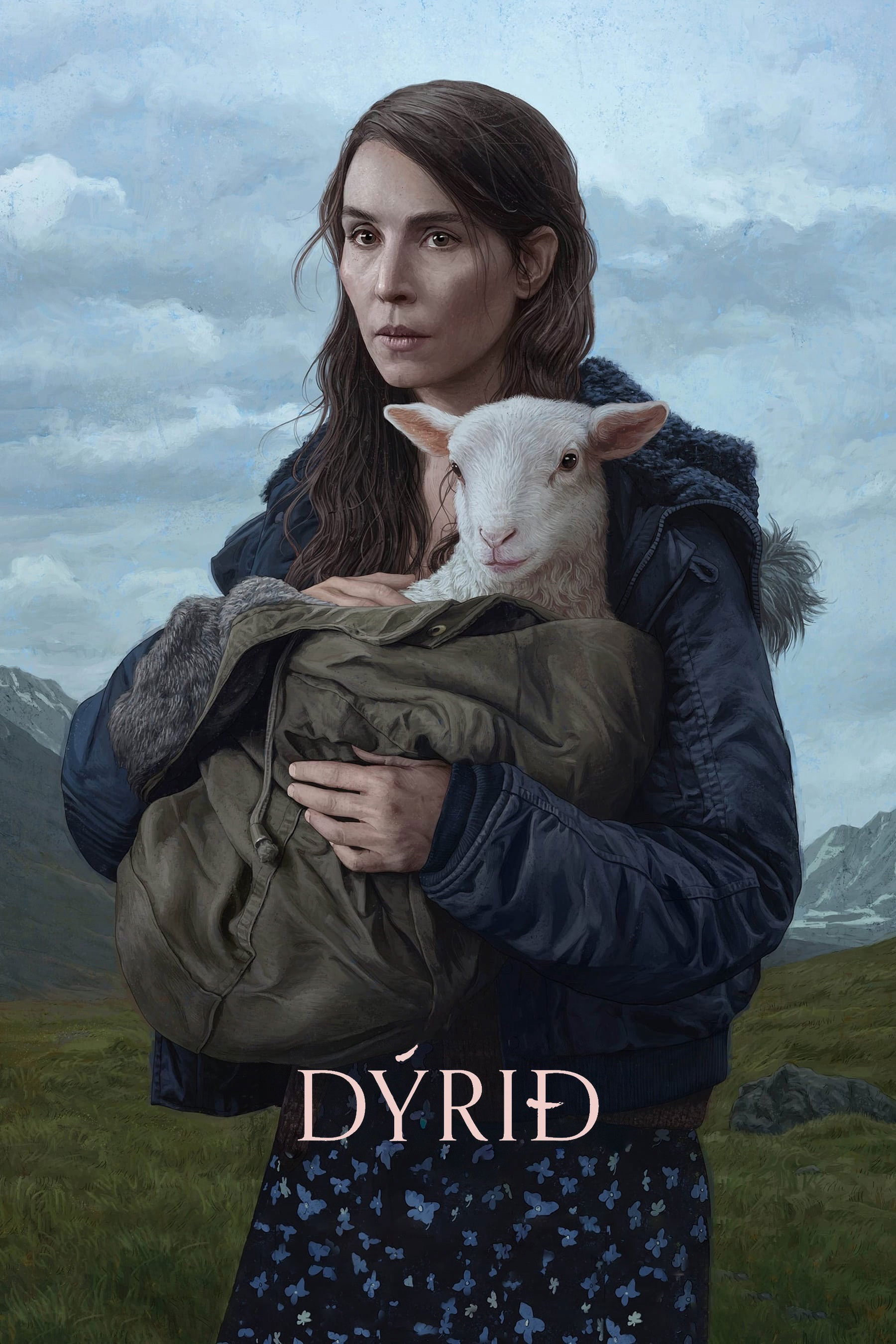
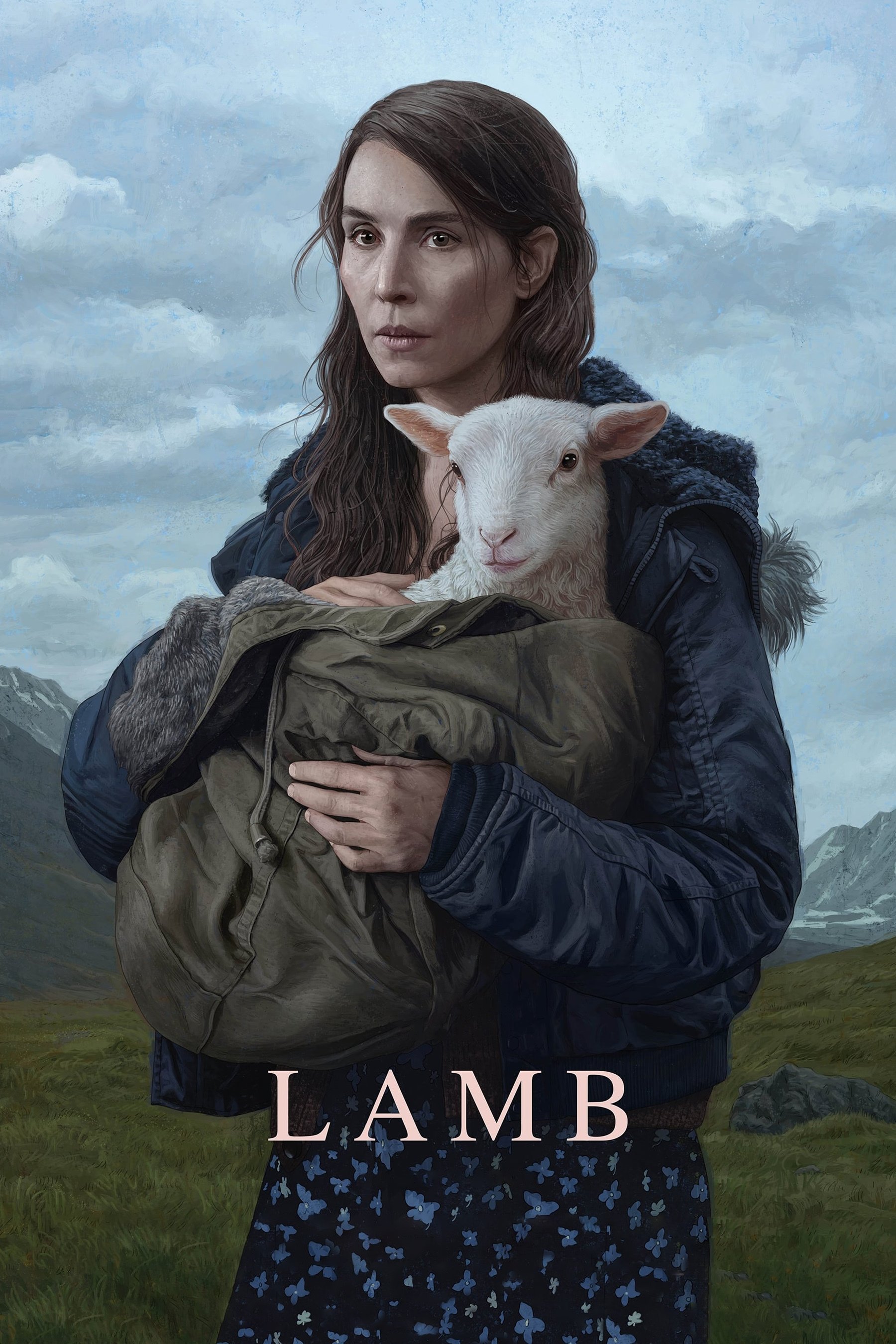
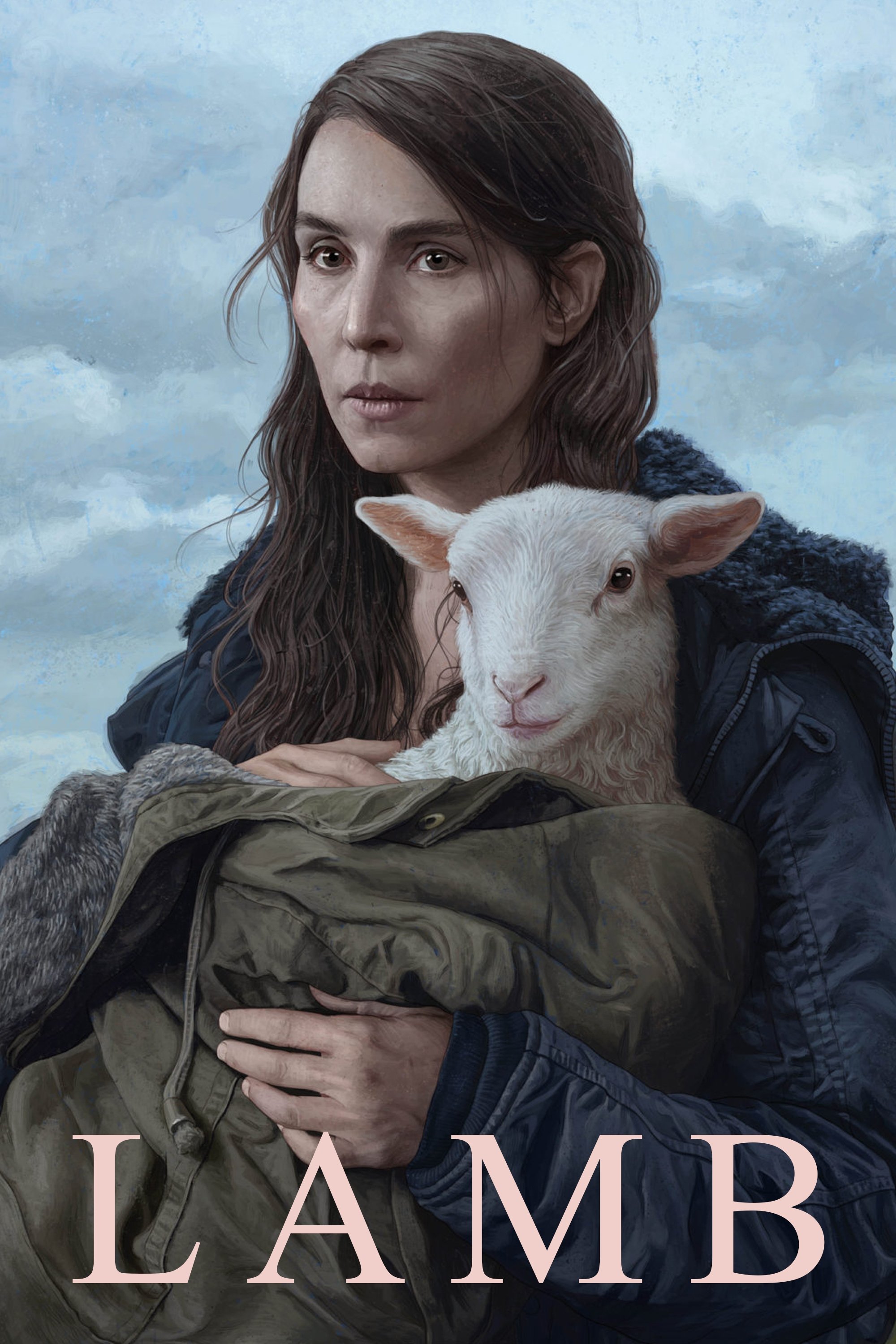
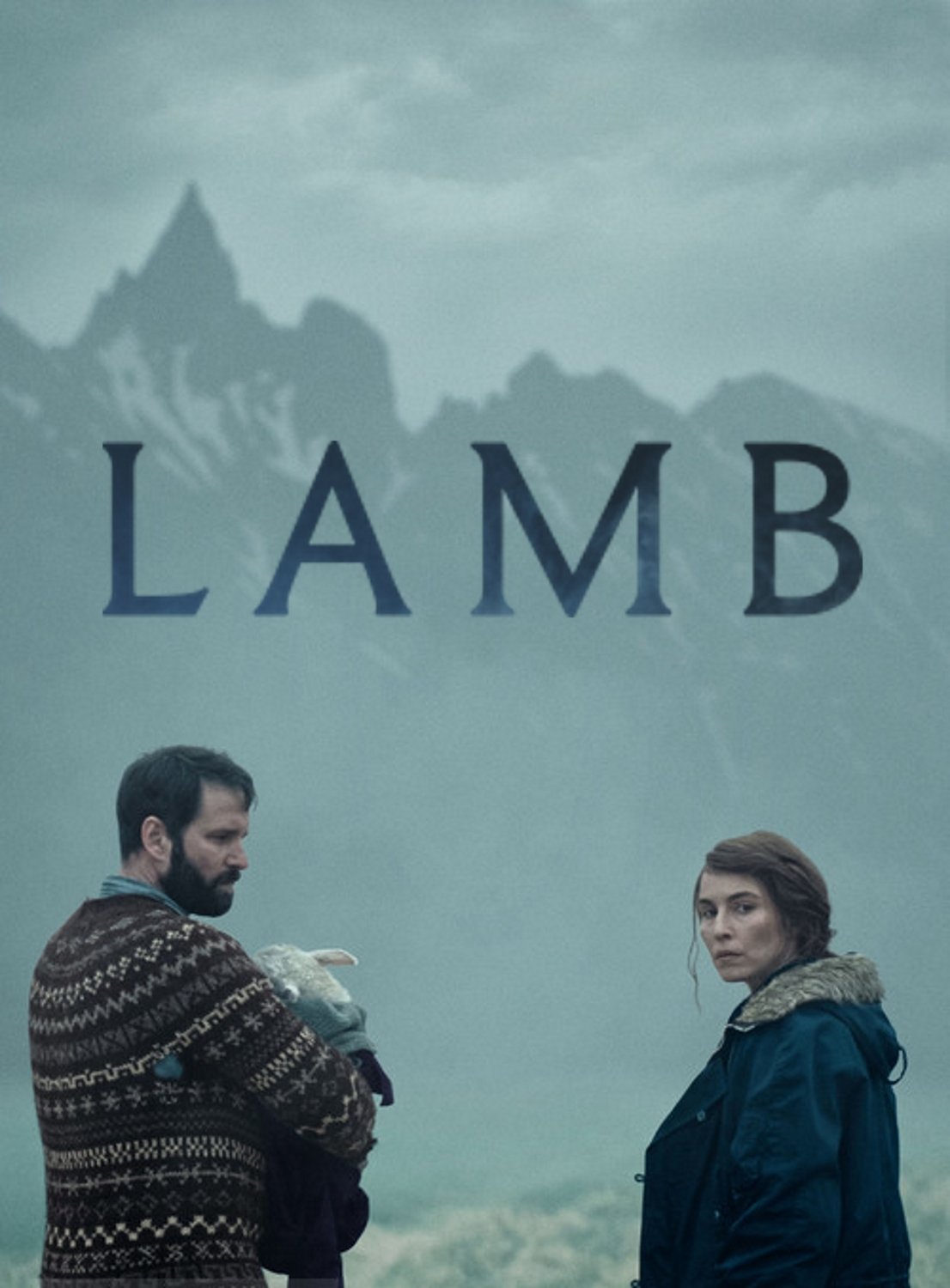
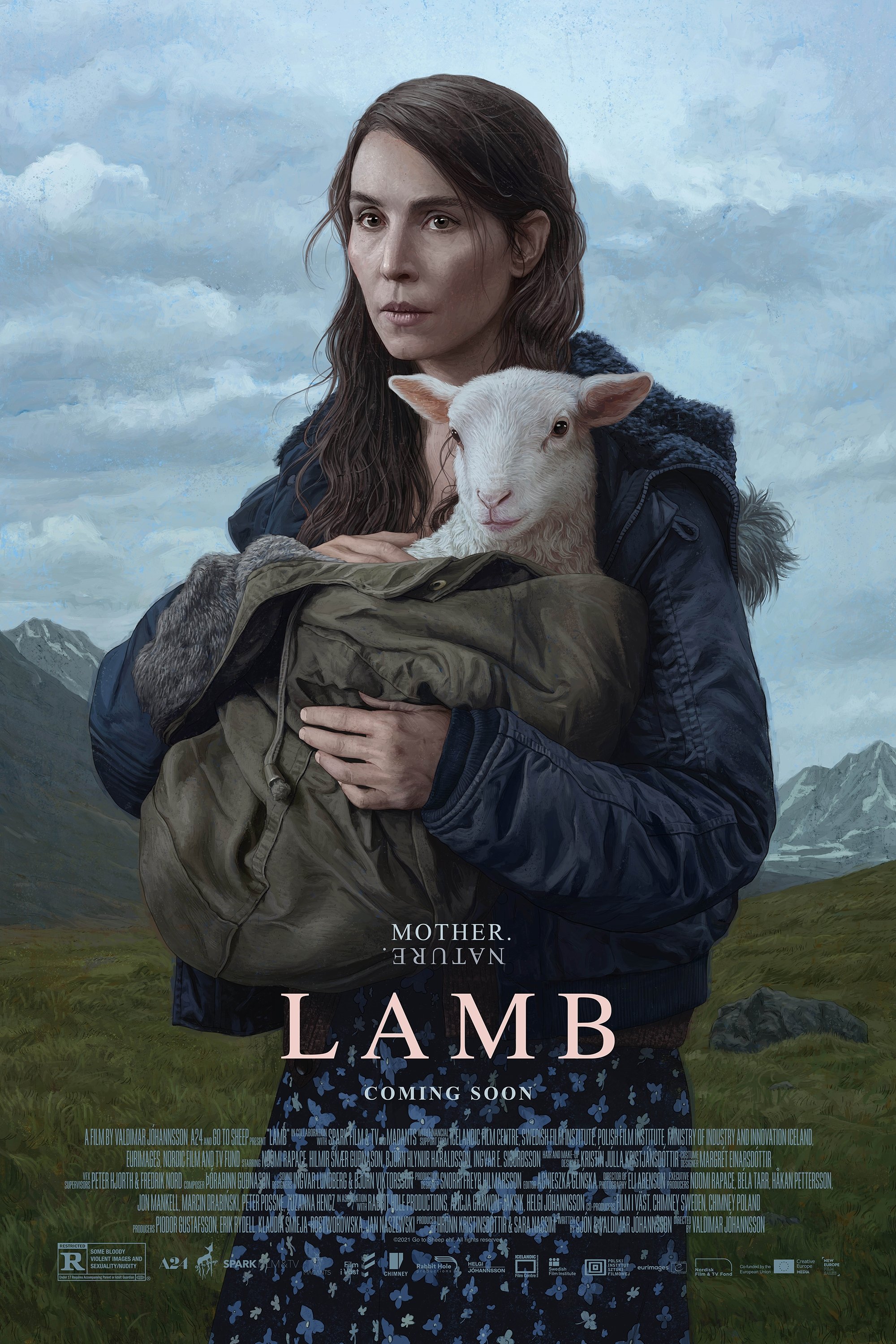
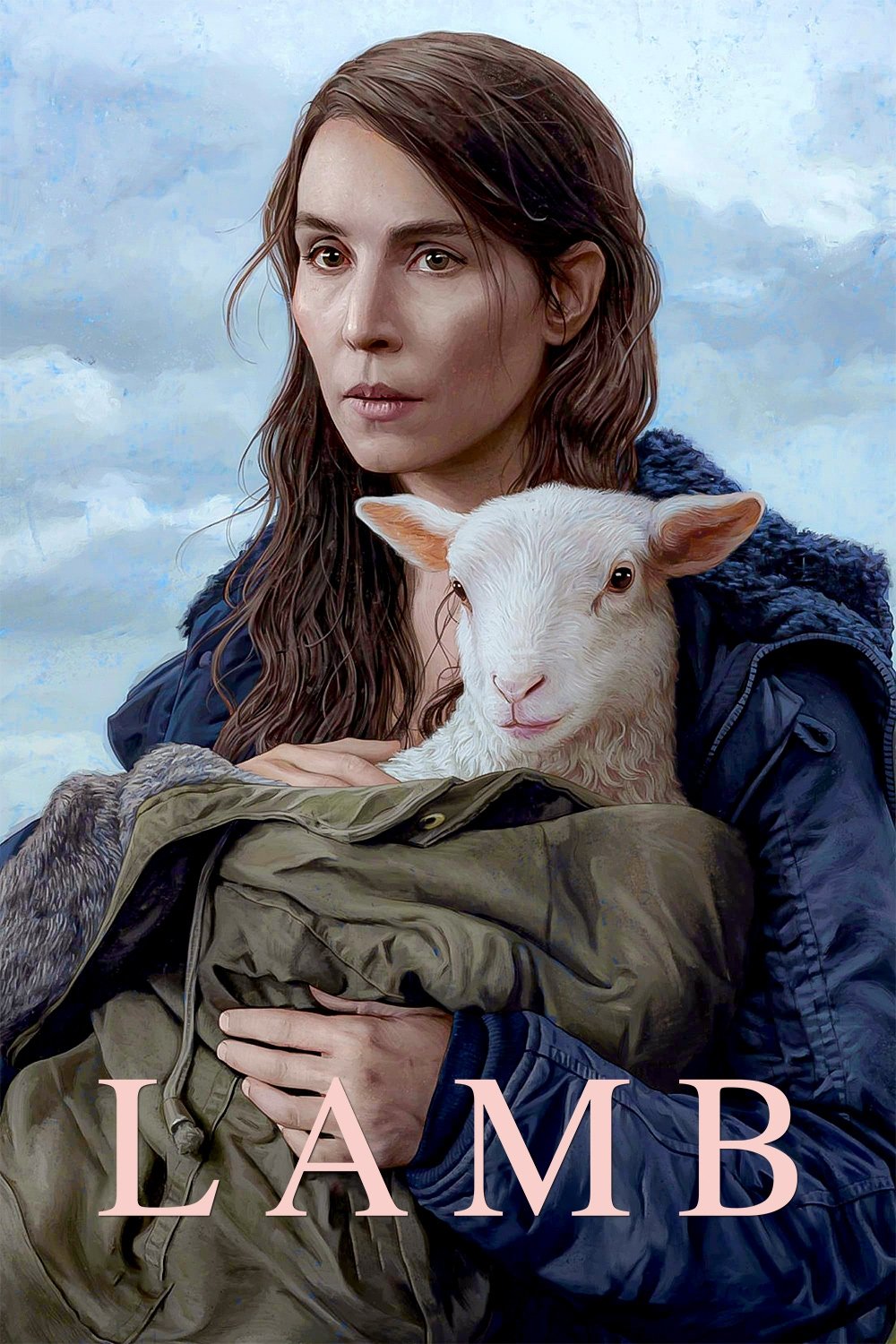
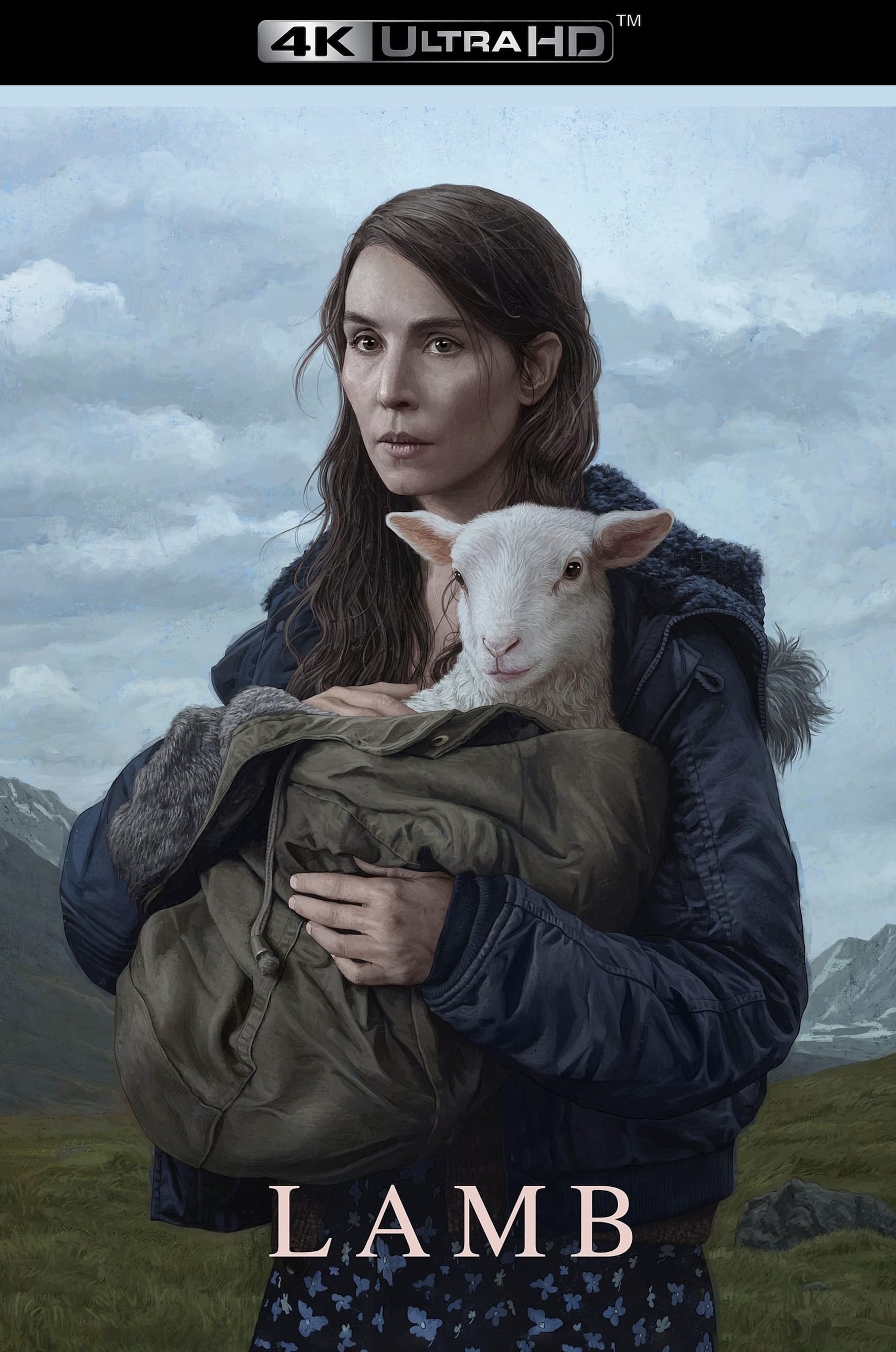
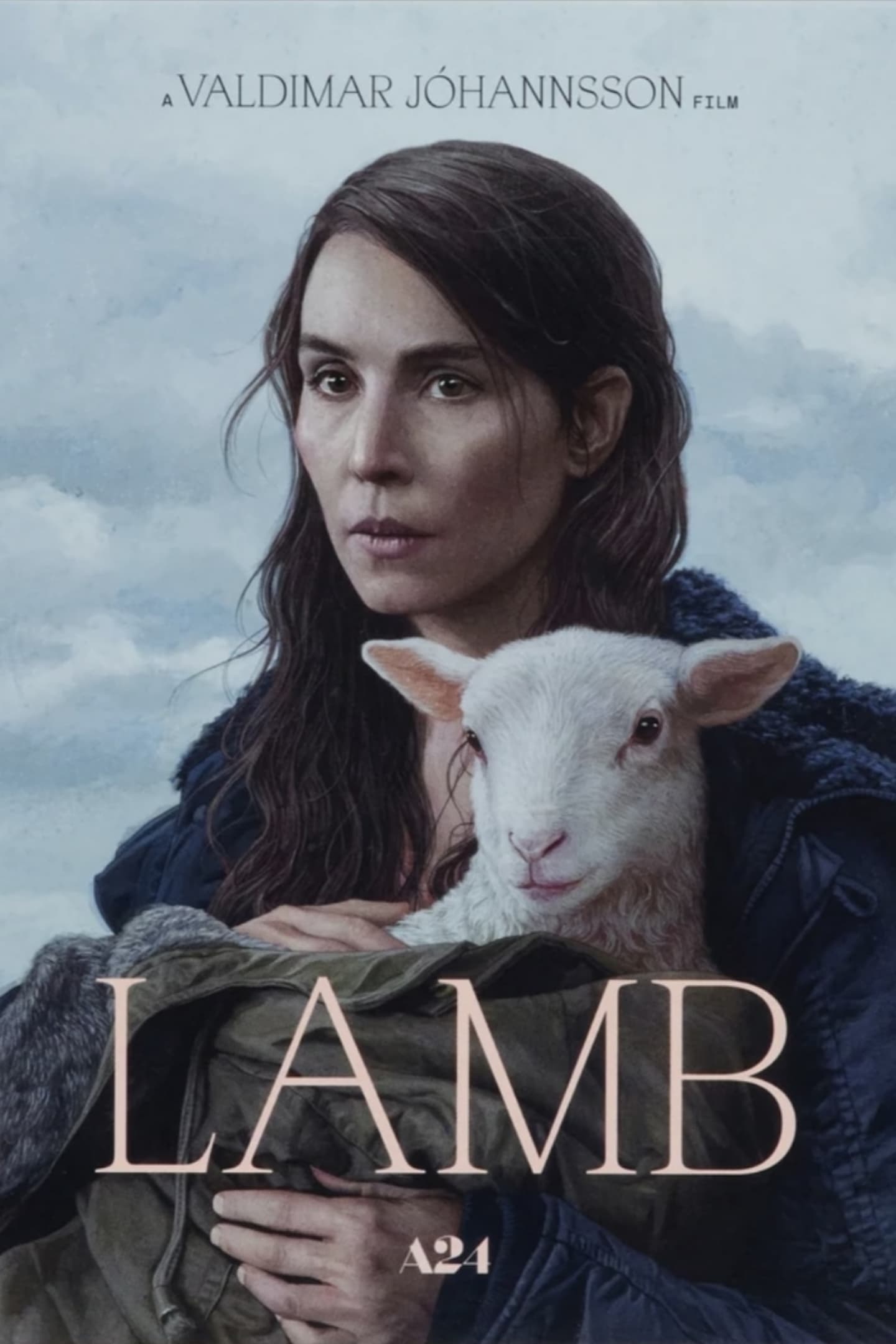
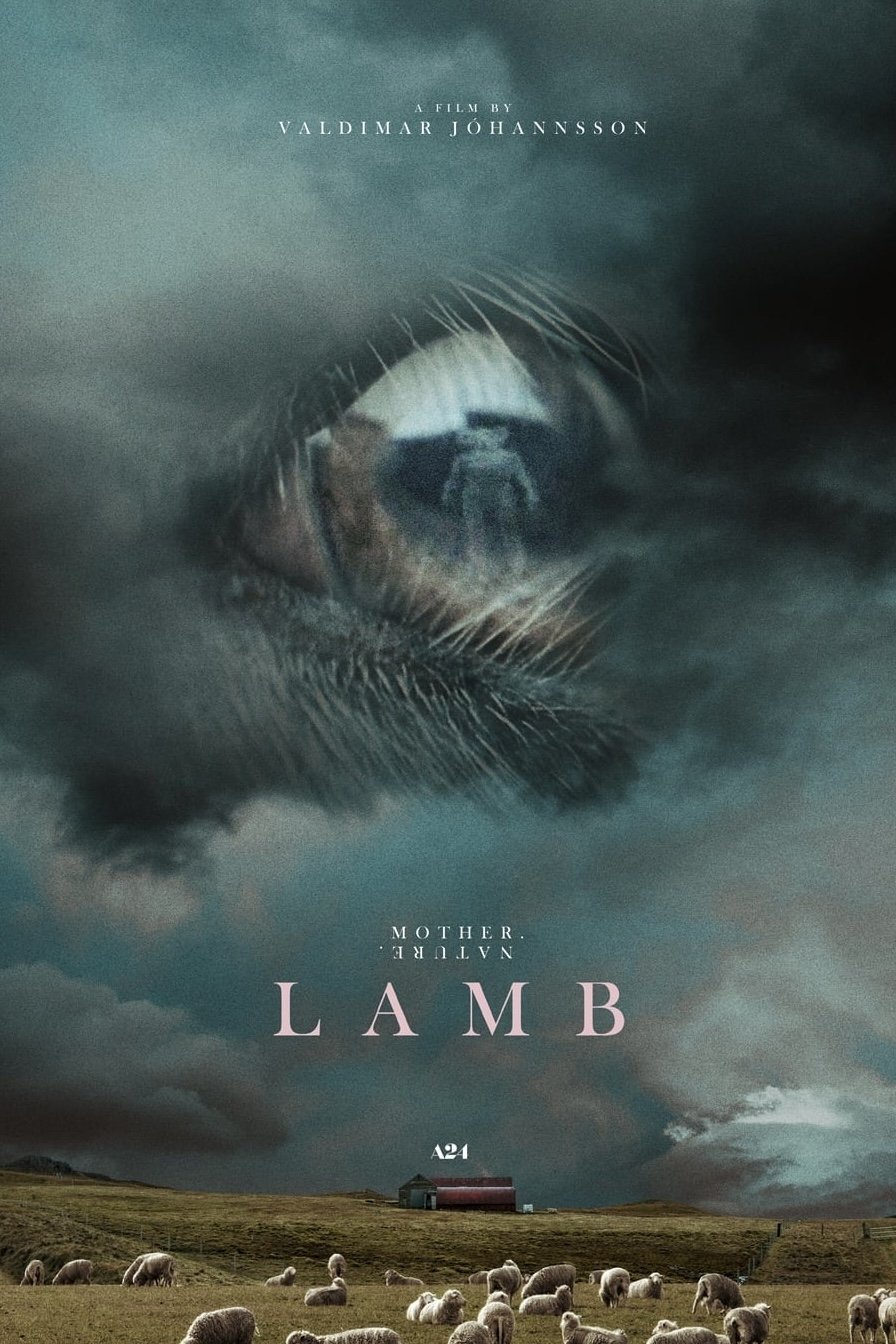
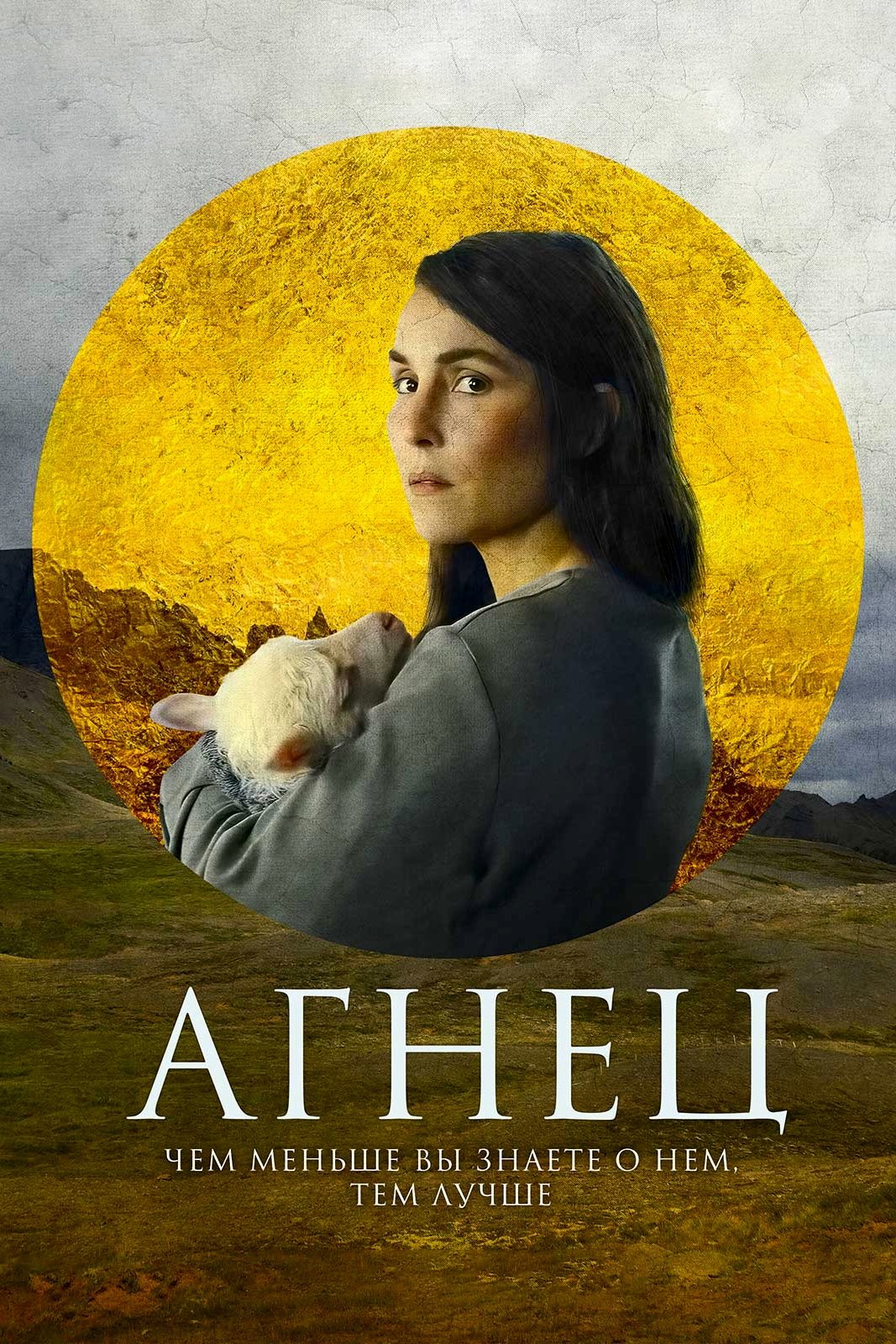
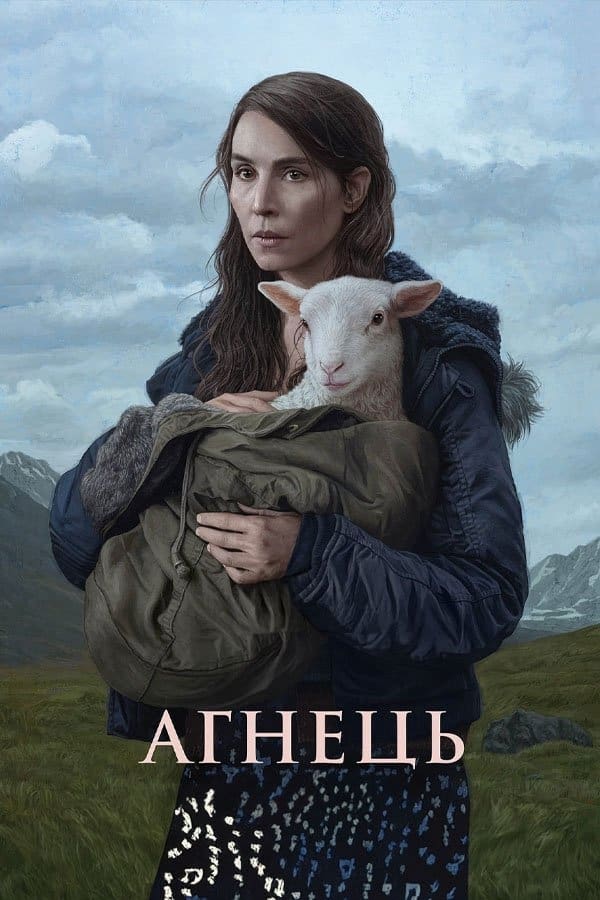
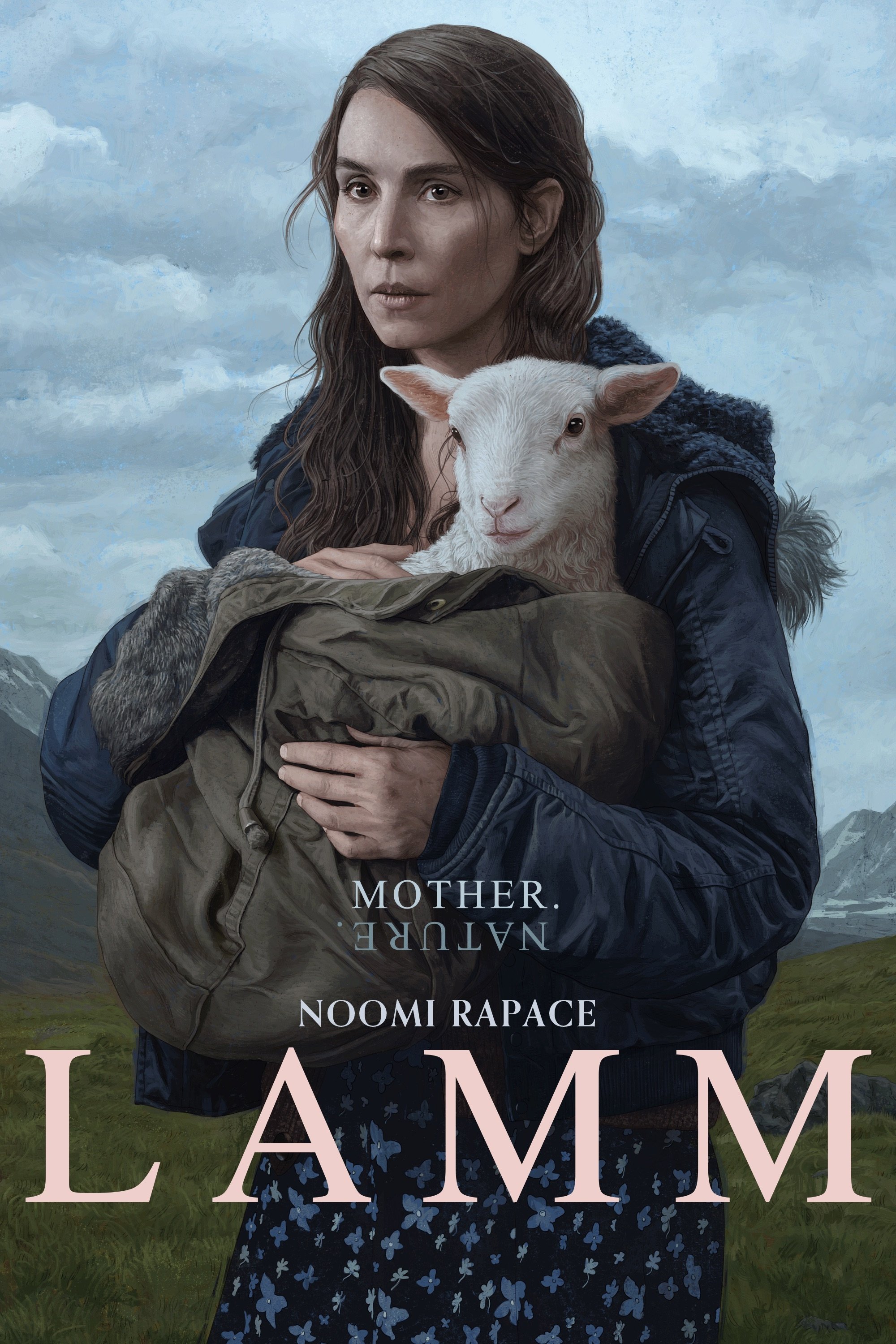
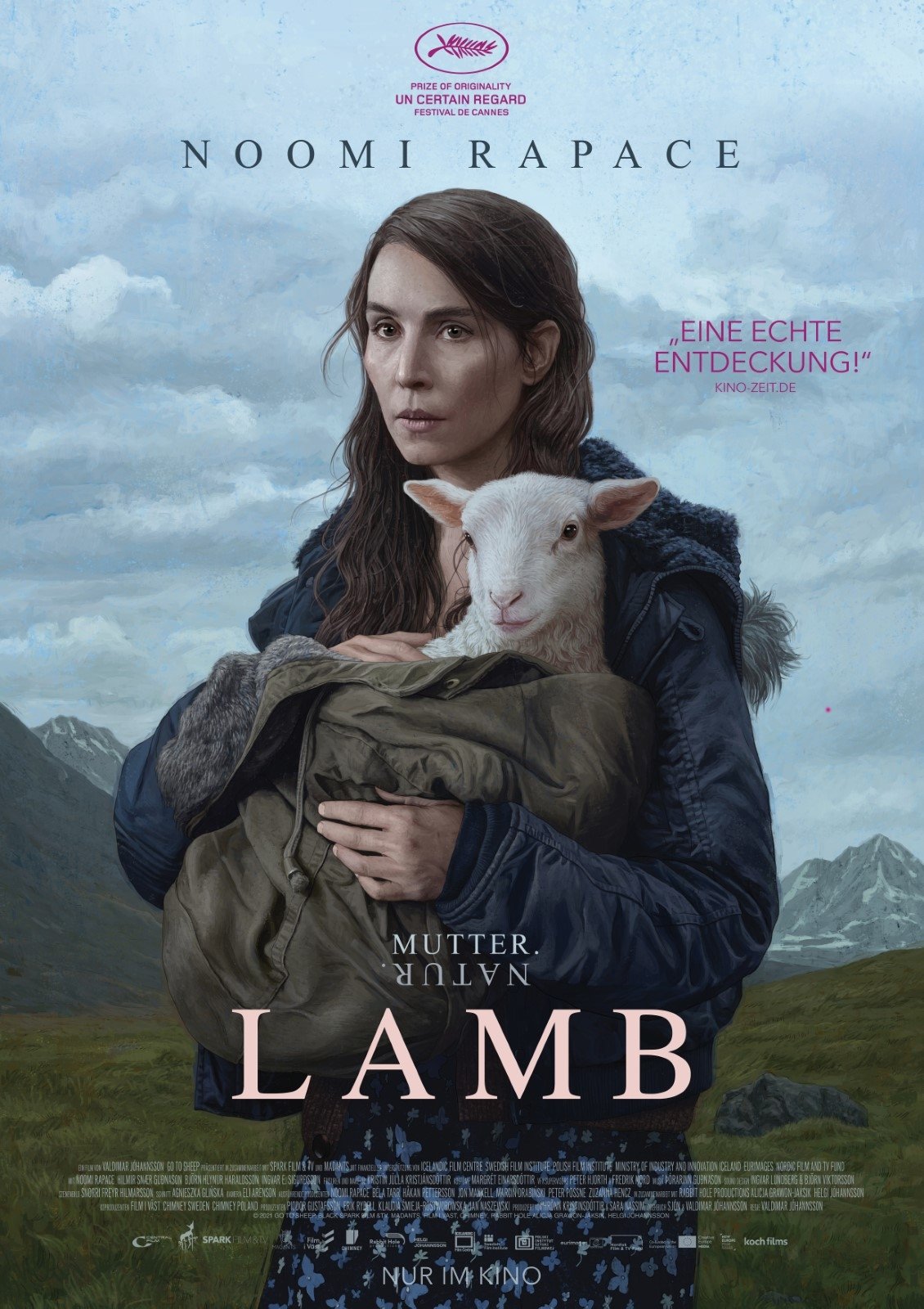
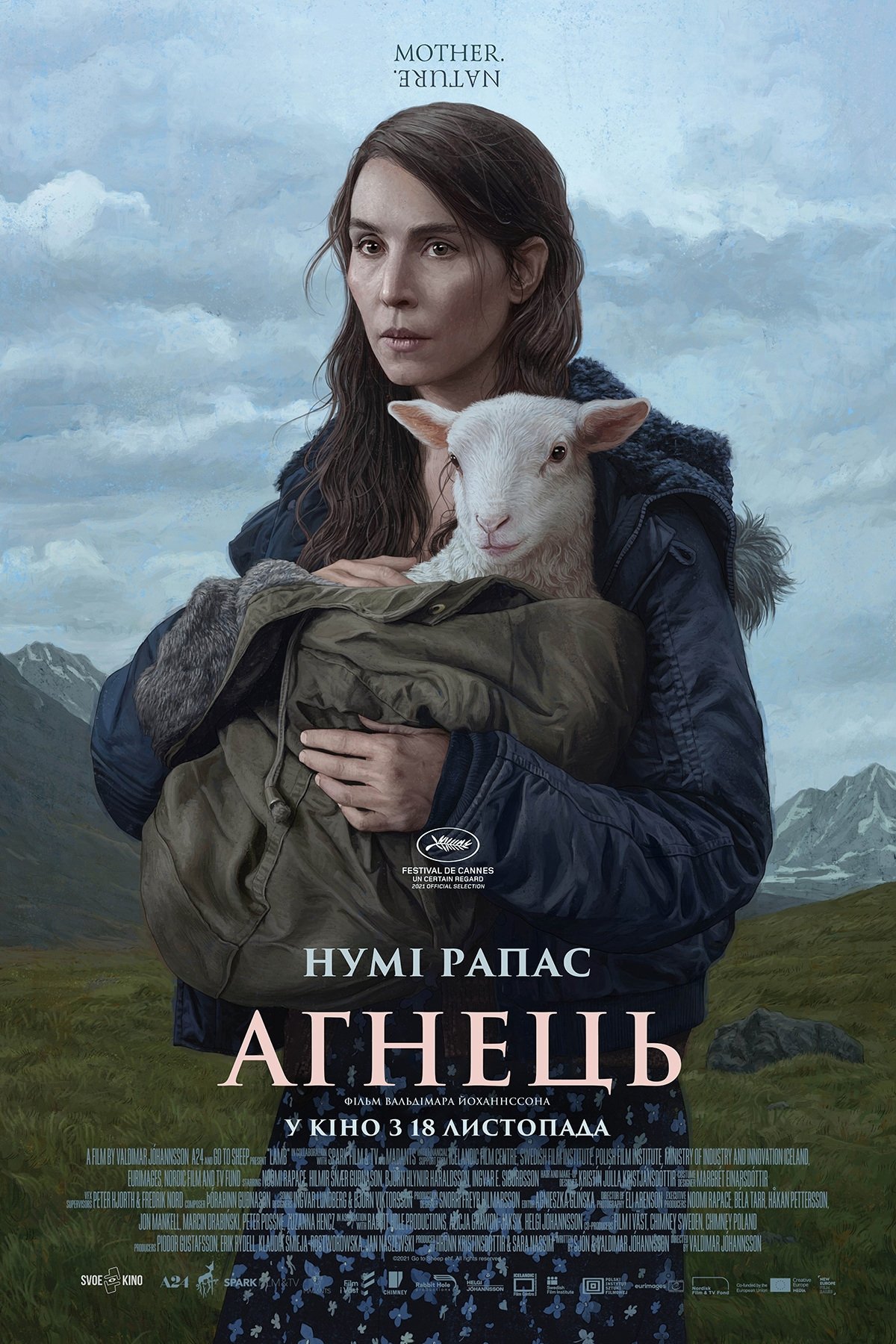
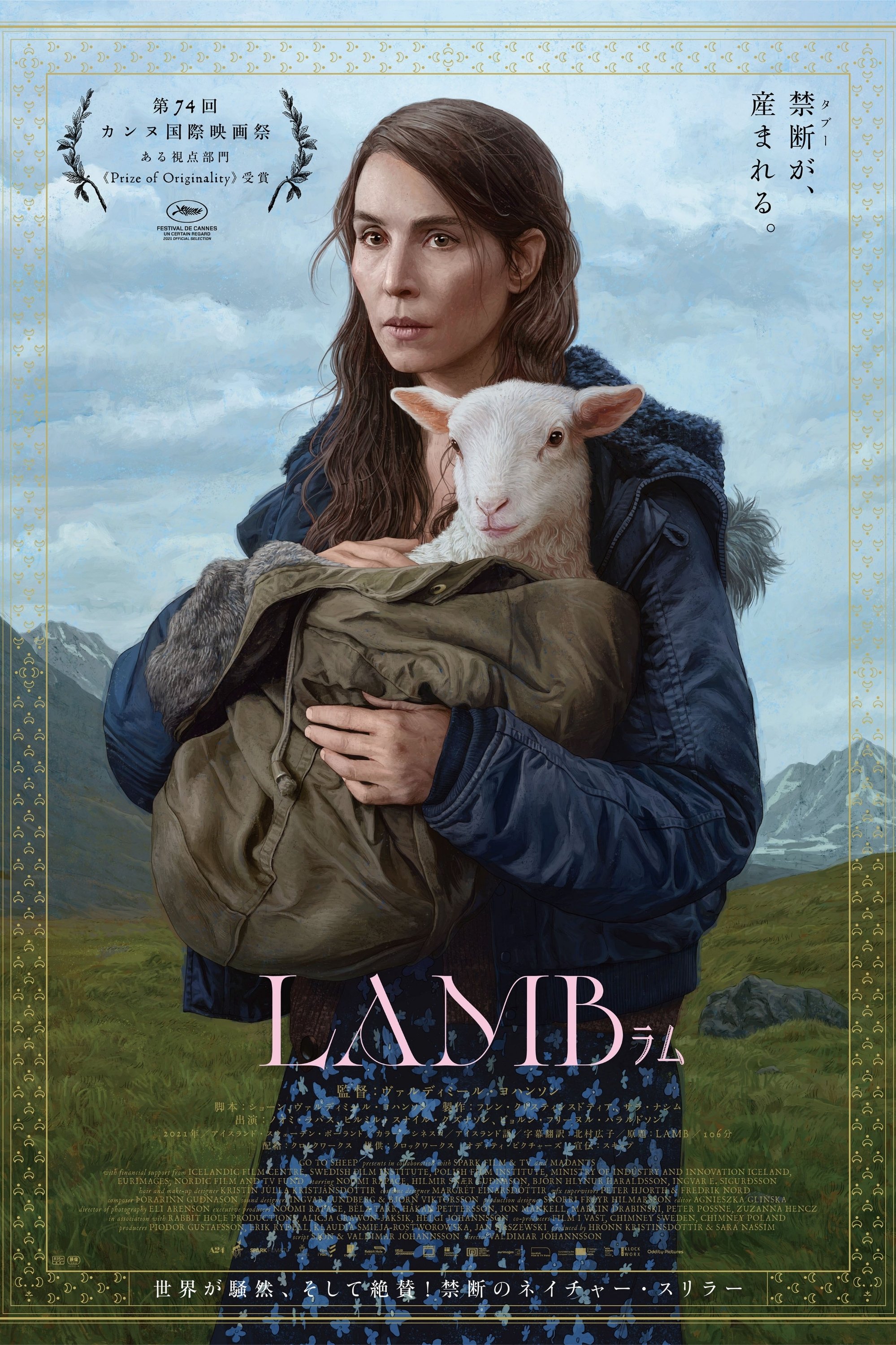
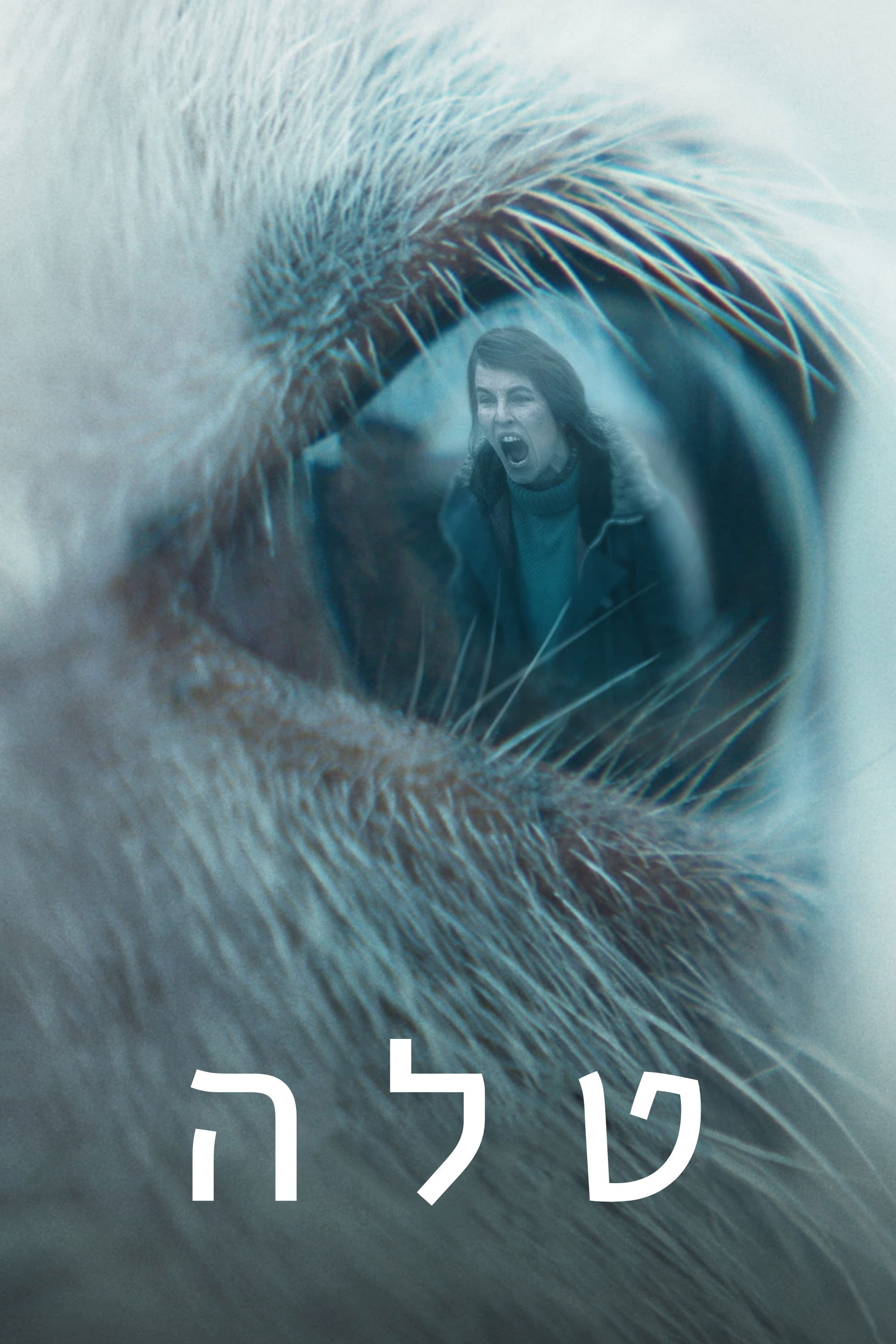
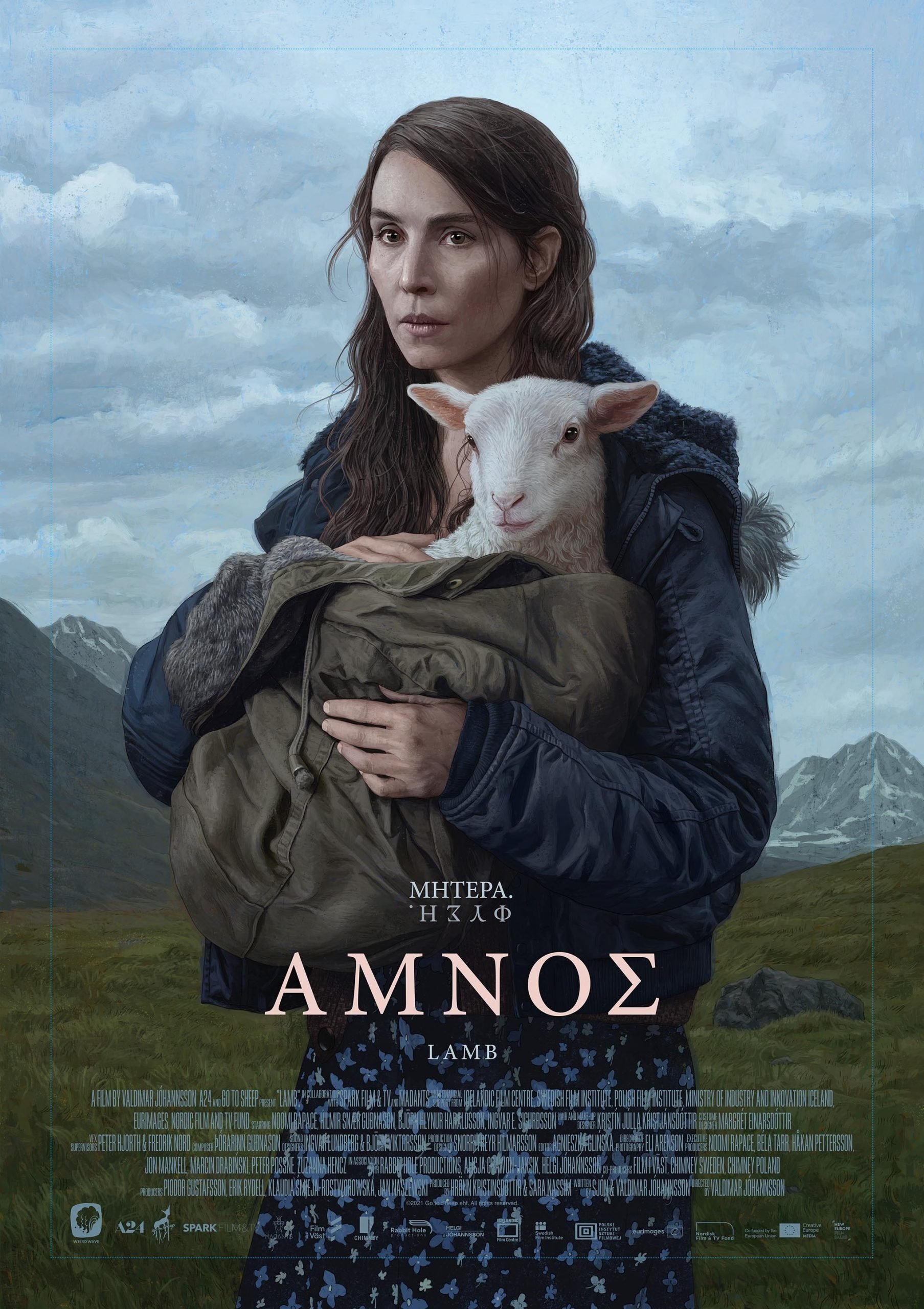
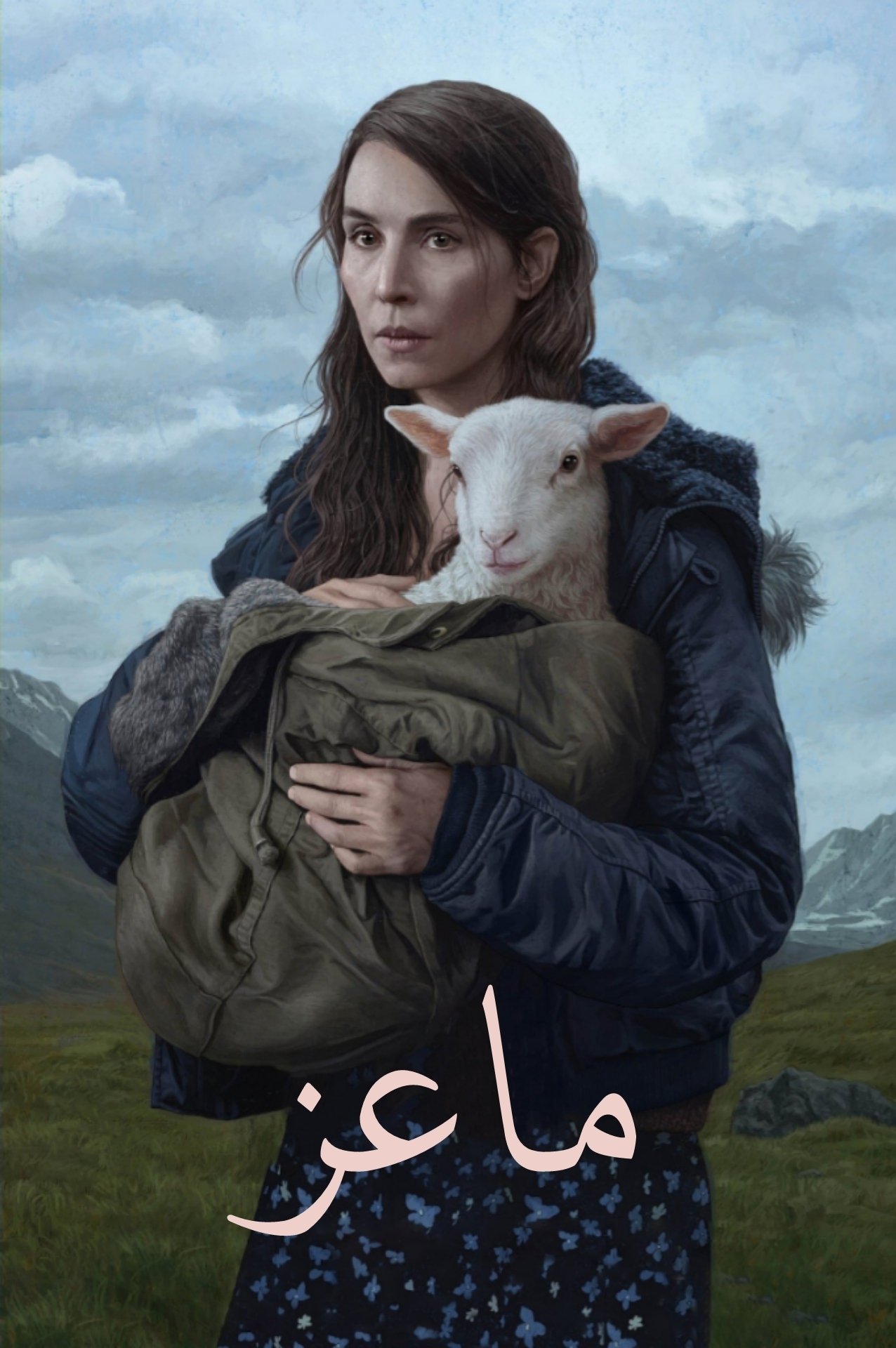
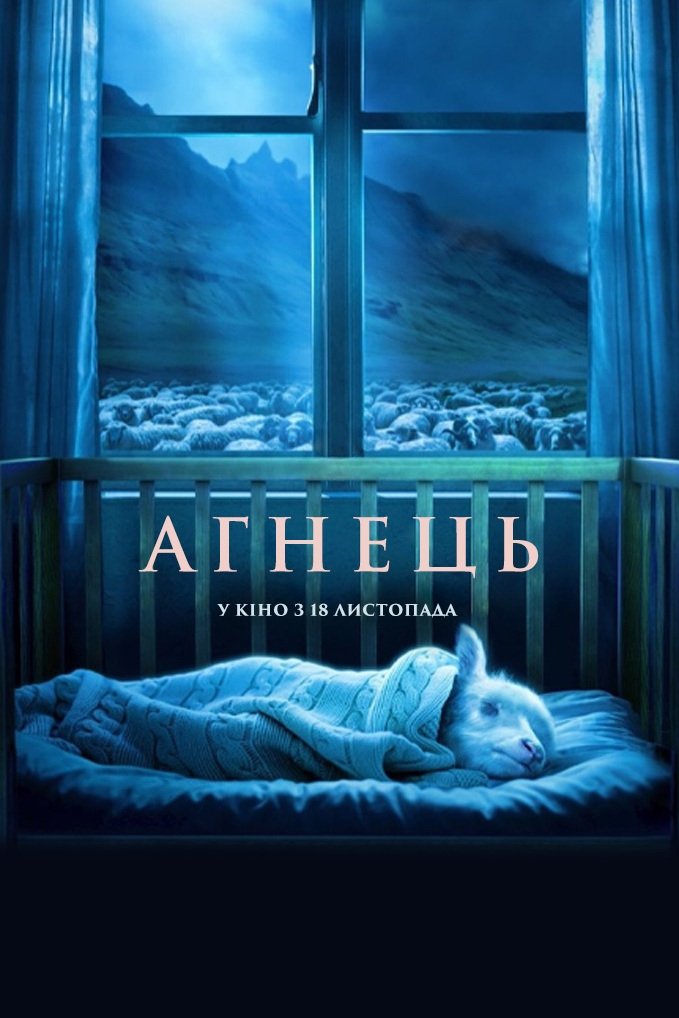
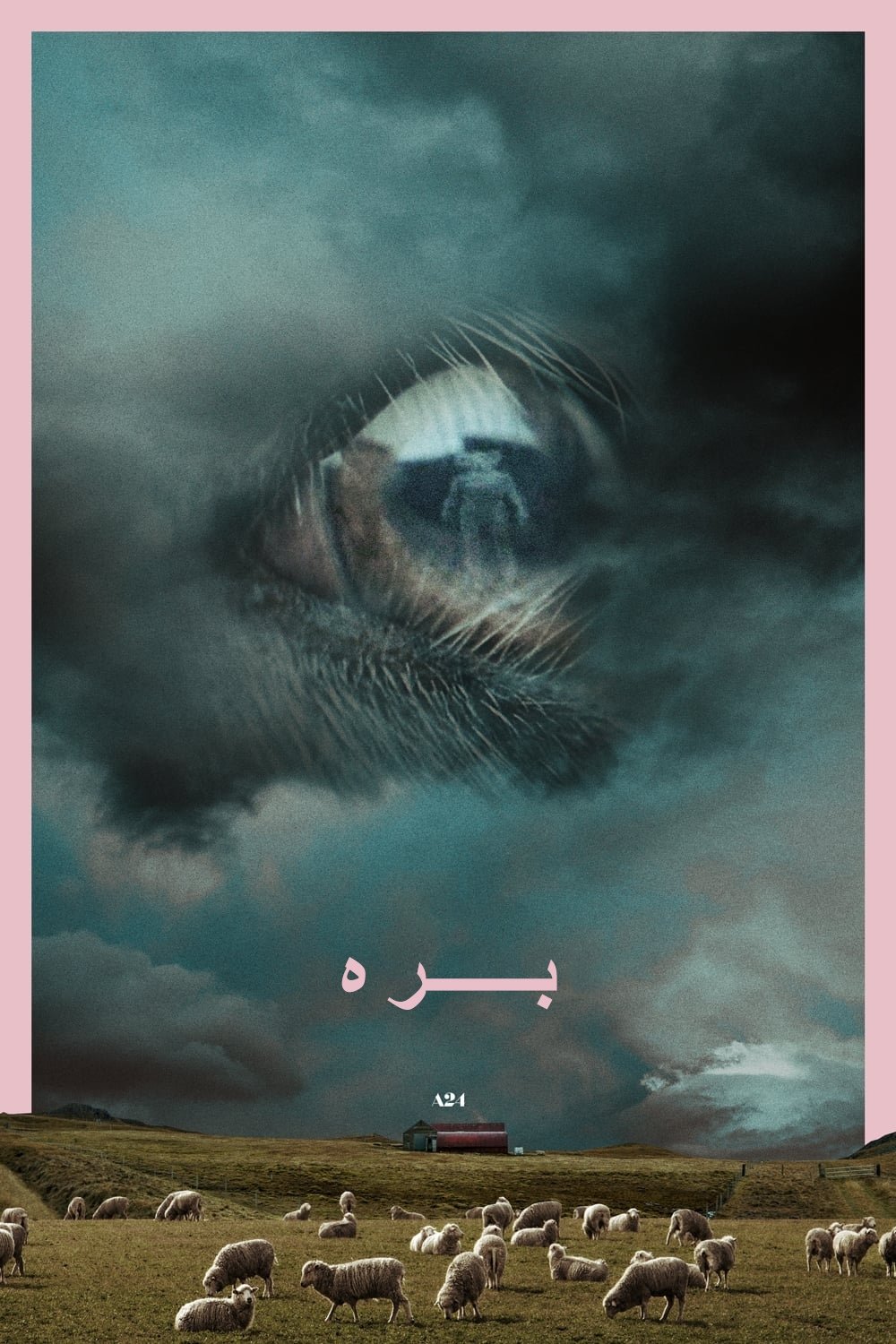
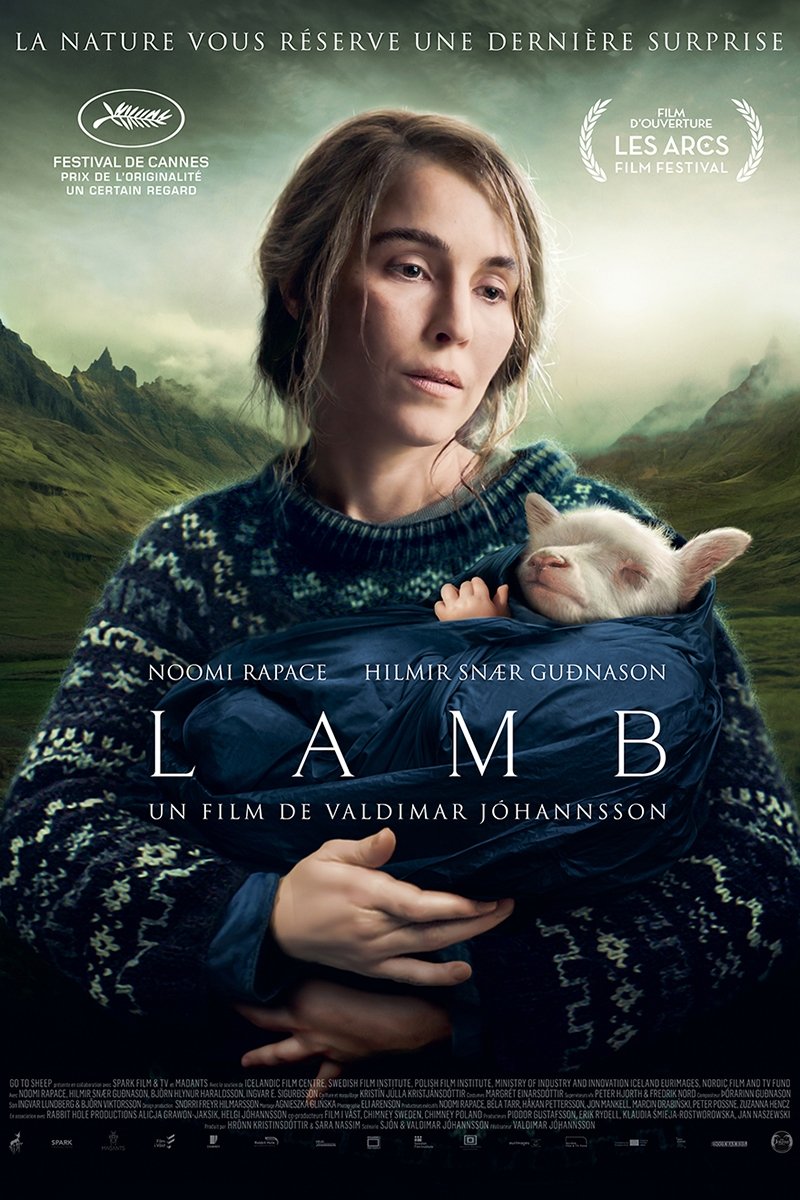
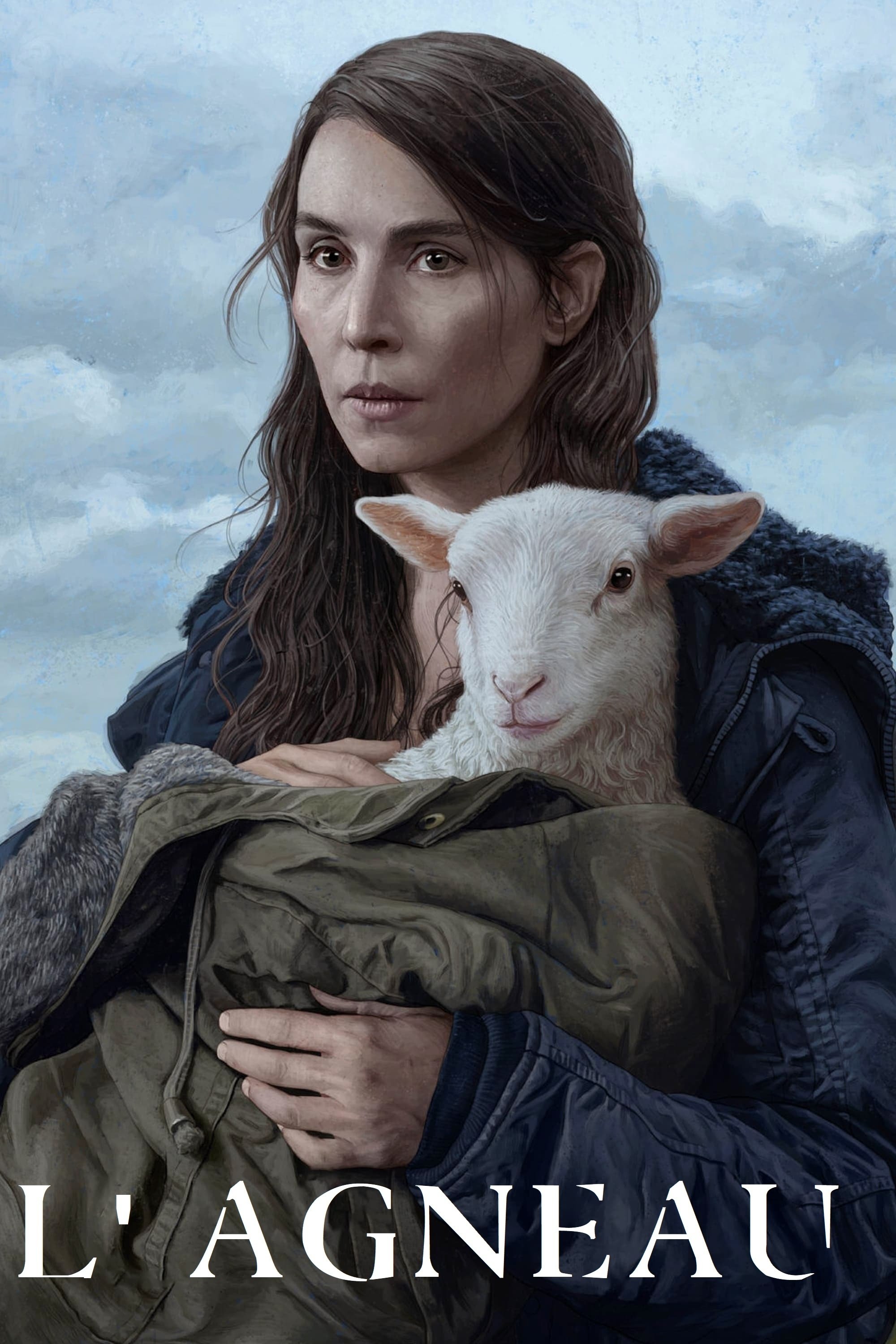
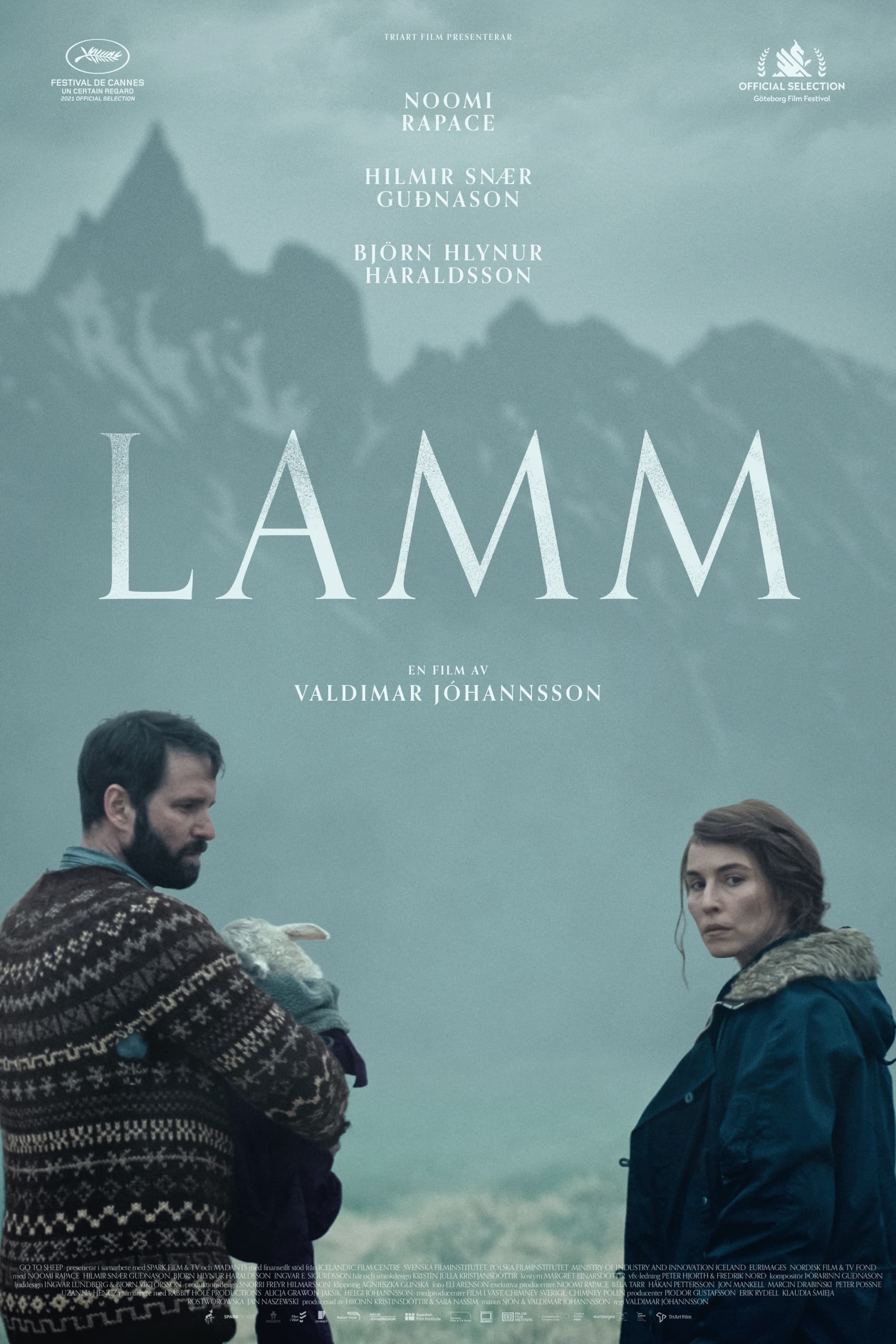
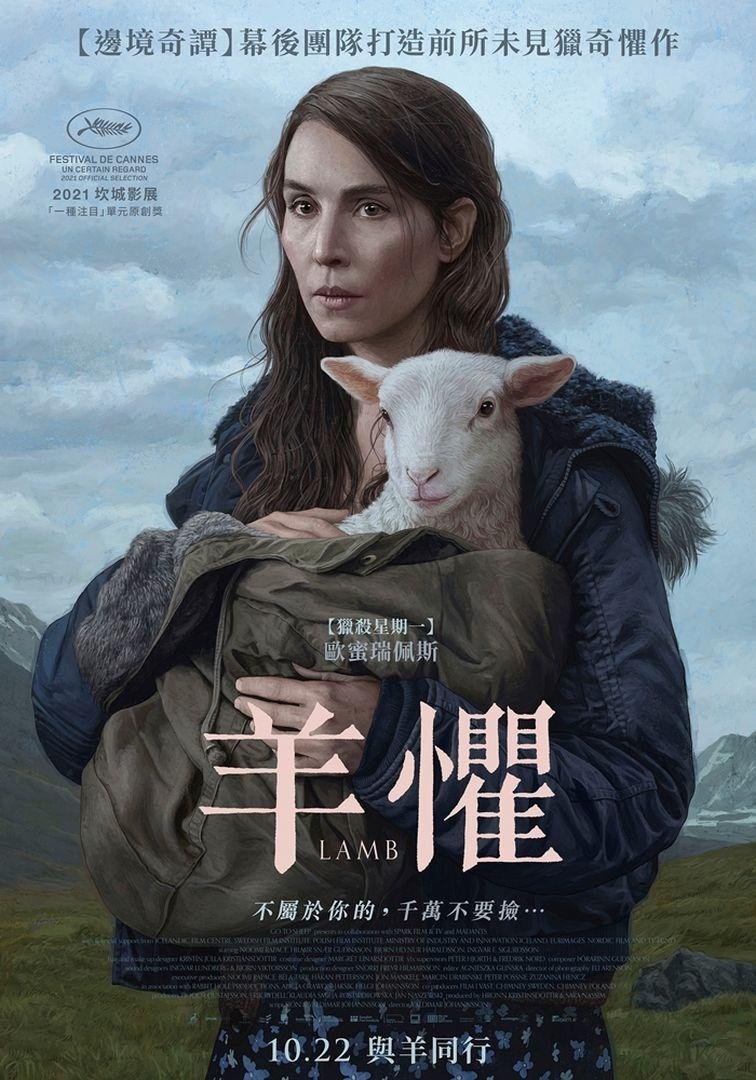
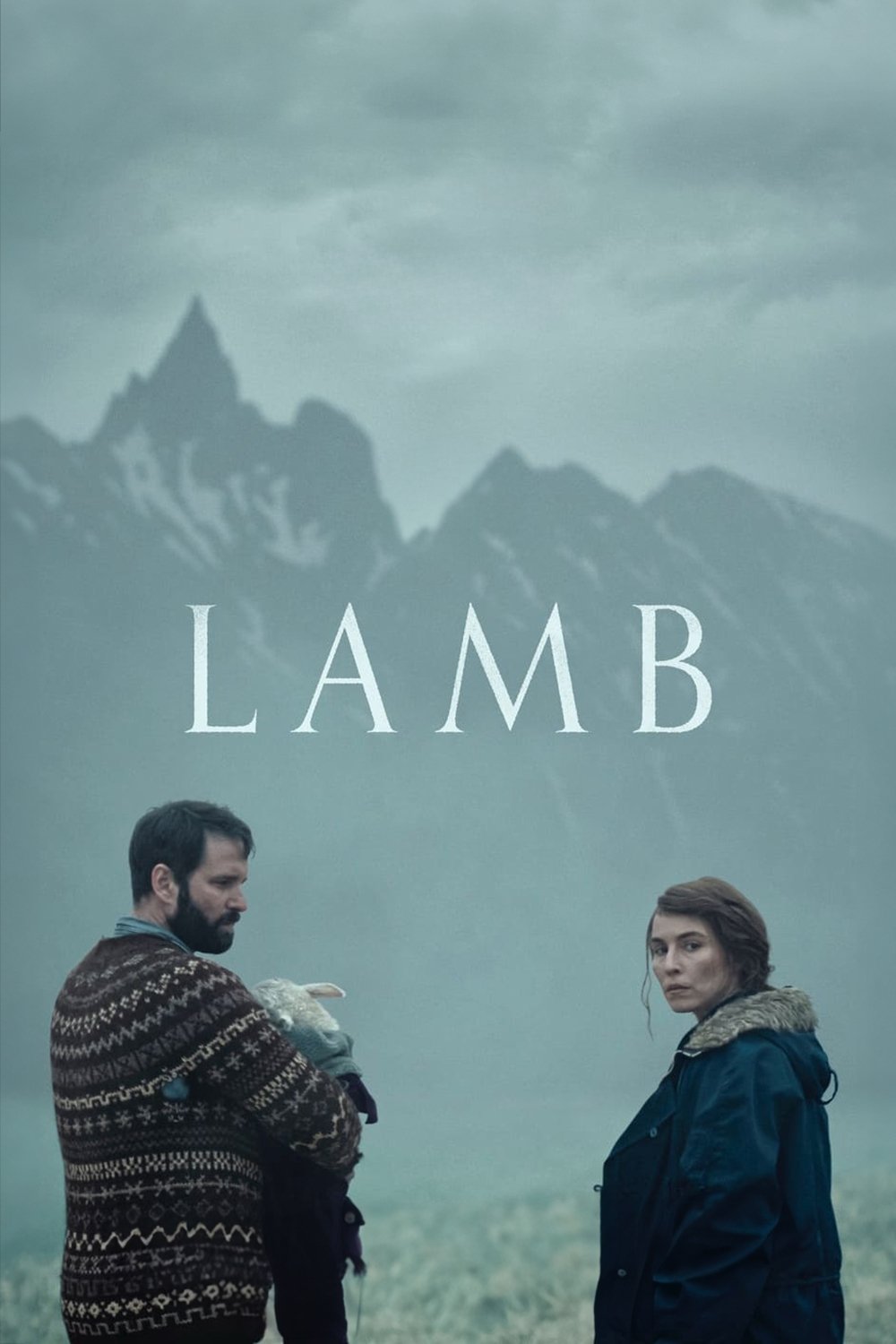
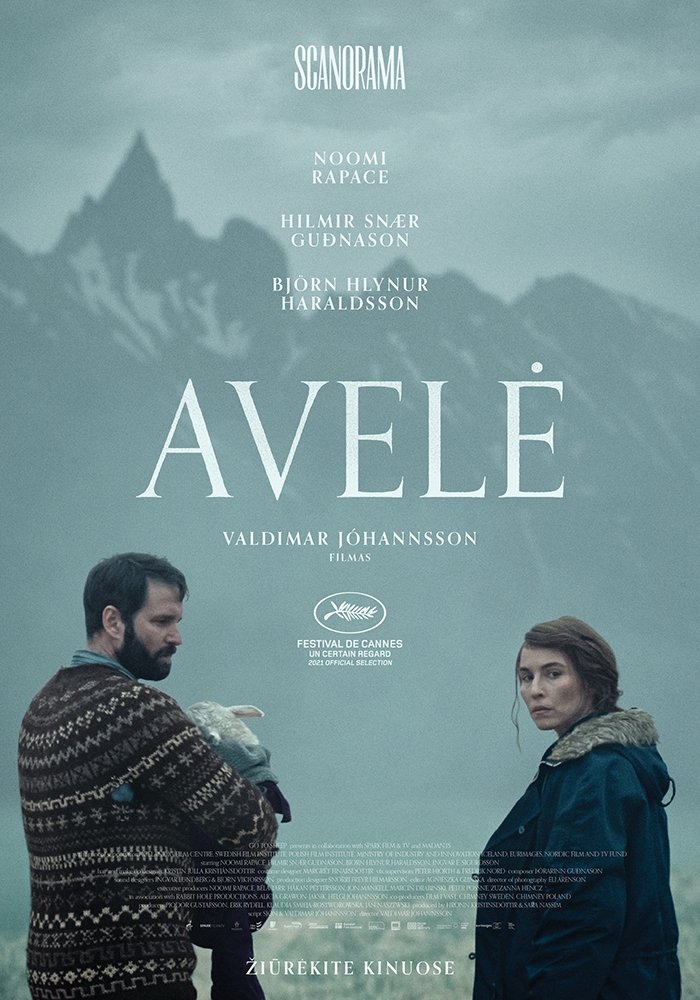
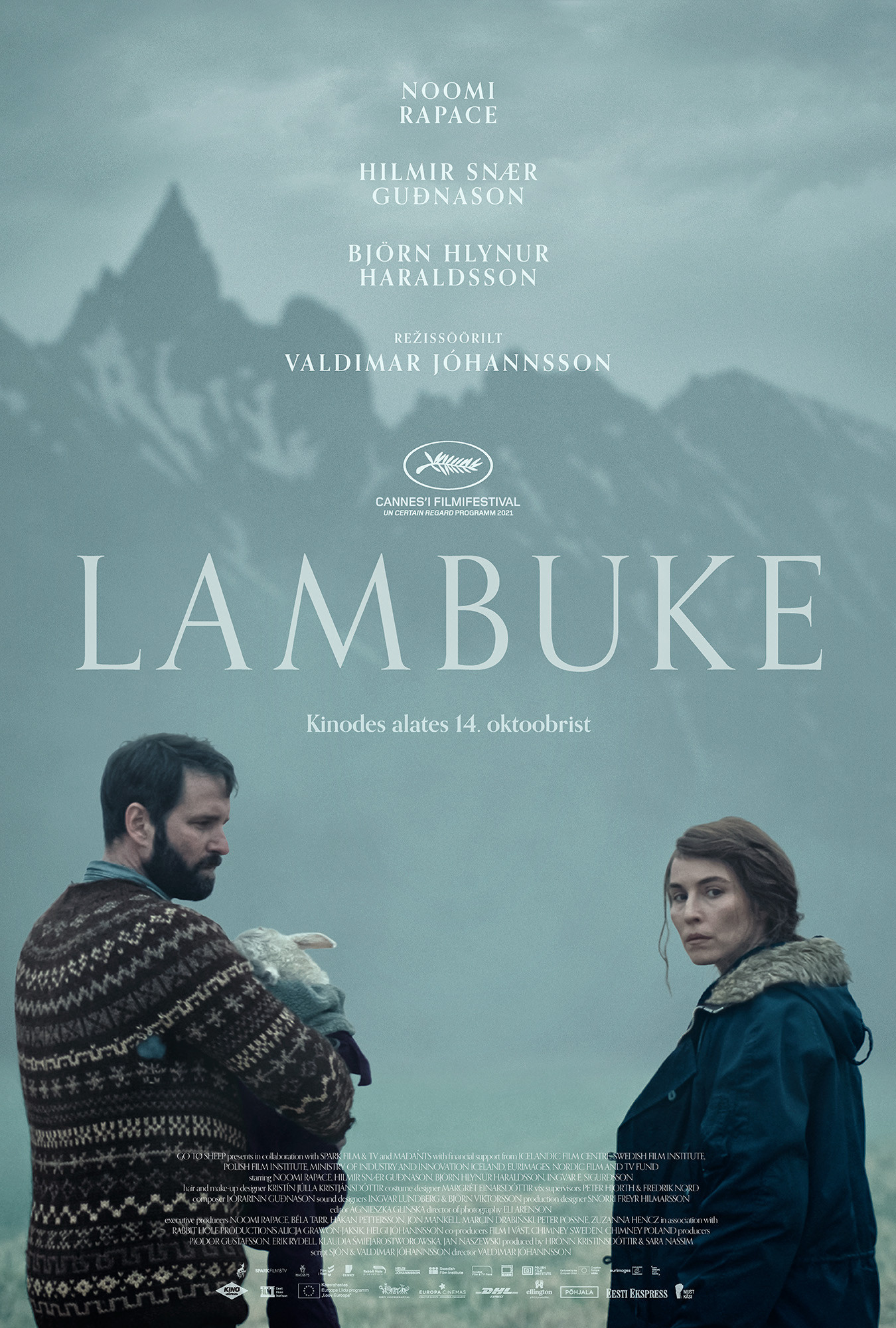
A childless couple, María and Ingvar discover a mysterious newborn on their farm in Iceland. The unexpected prospect of family life brings them much joy, before ultimately destroying them.
An Icelandic supernatural family drama shaped by folk-horror imagery, sheep-farming life, restrained cinematography and a remarkable hybrid child.
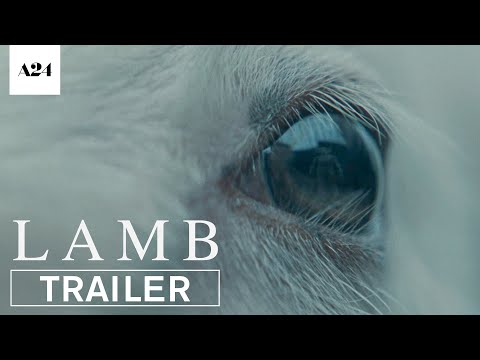
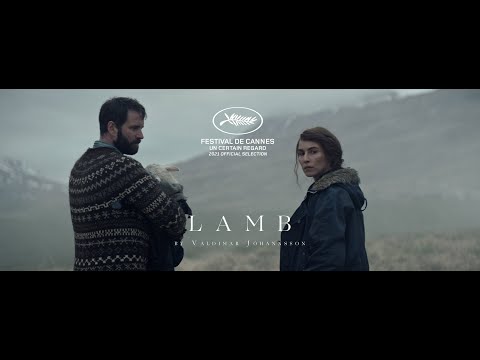
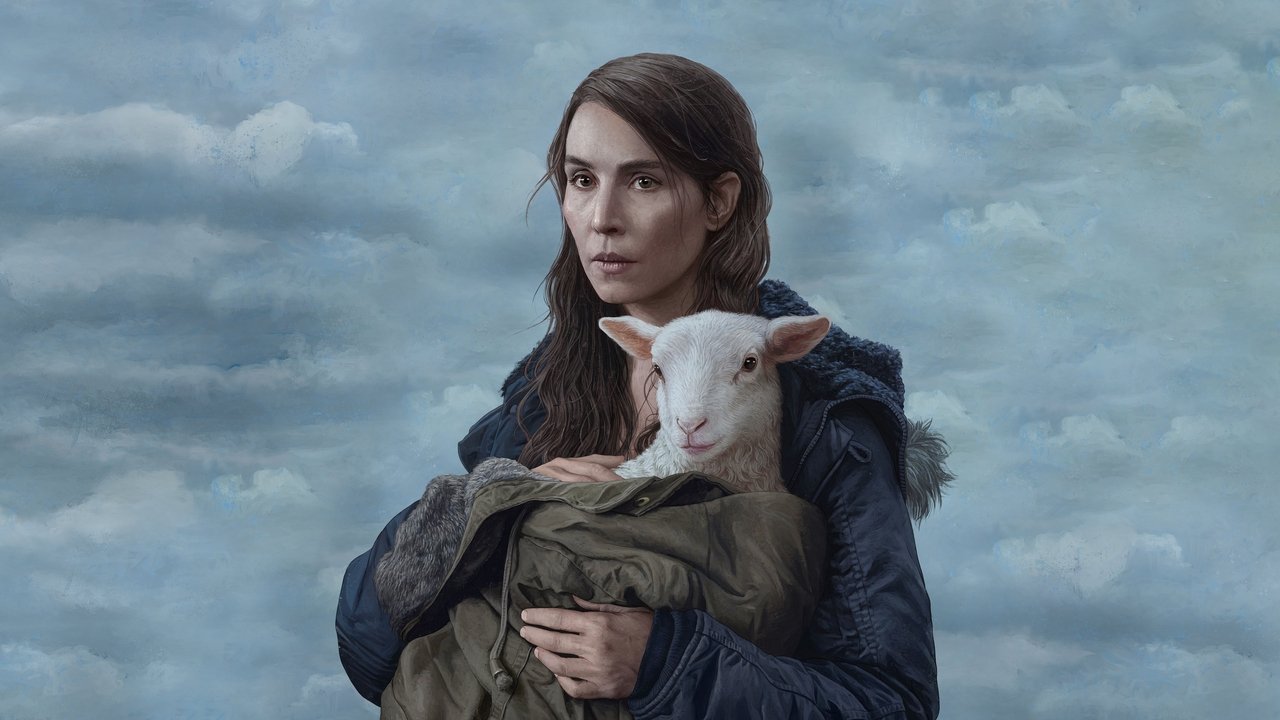
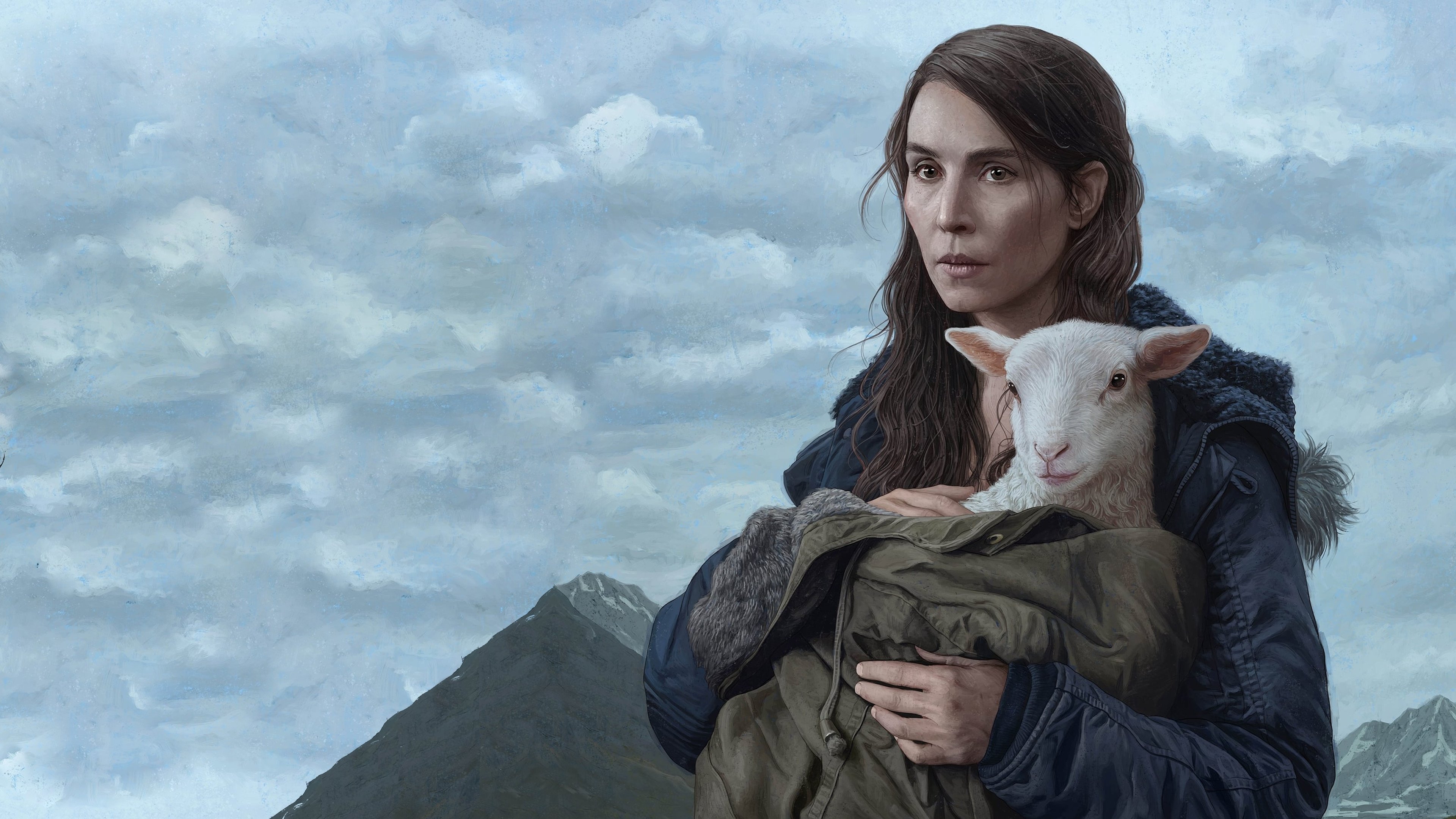
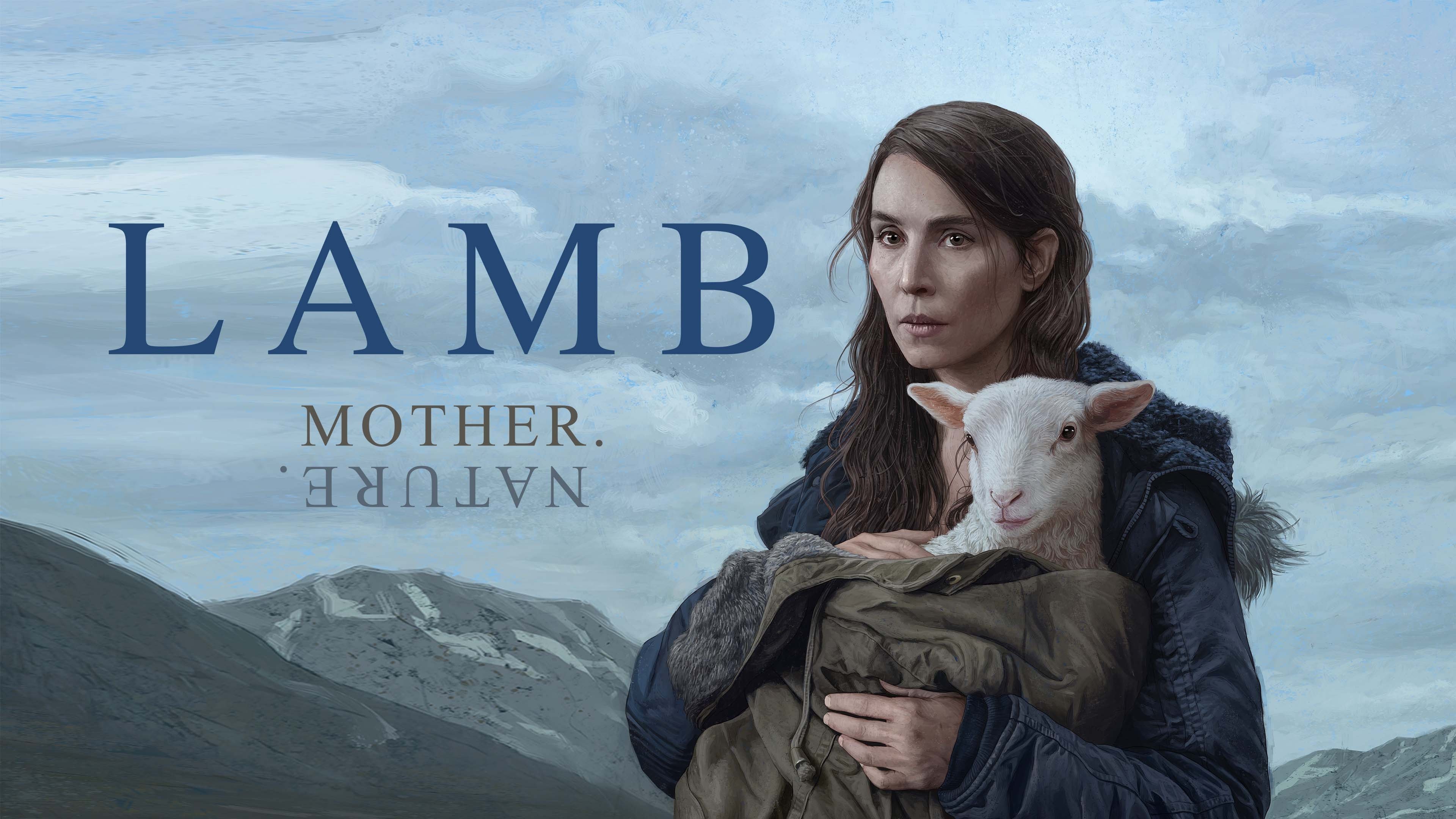
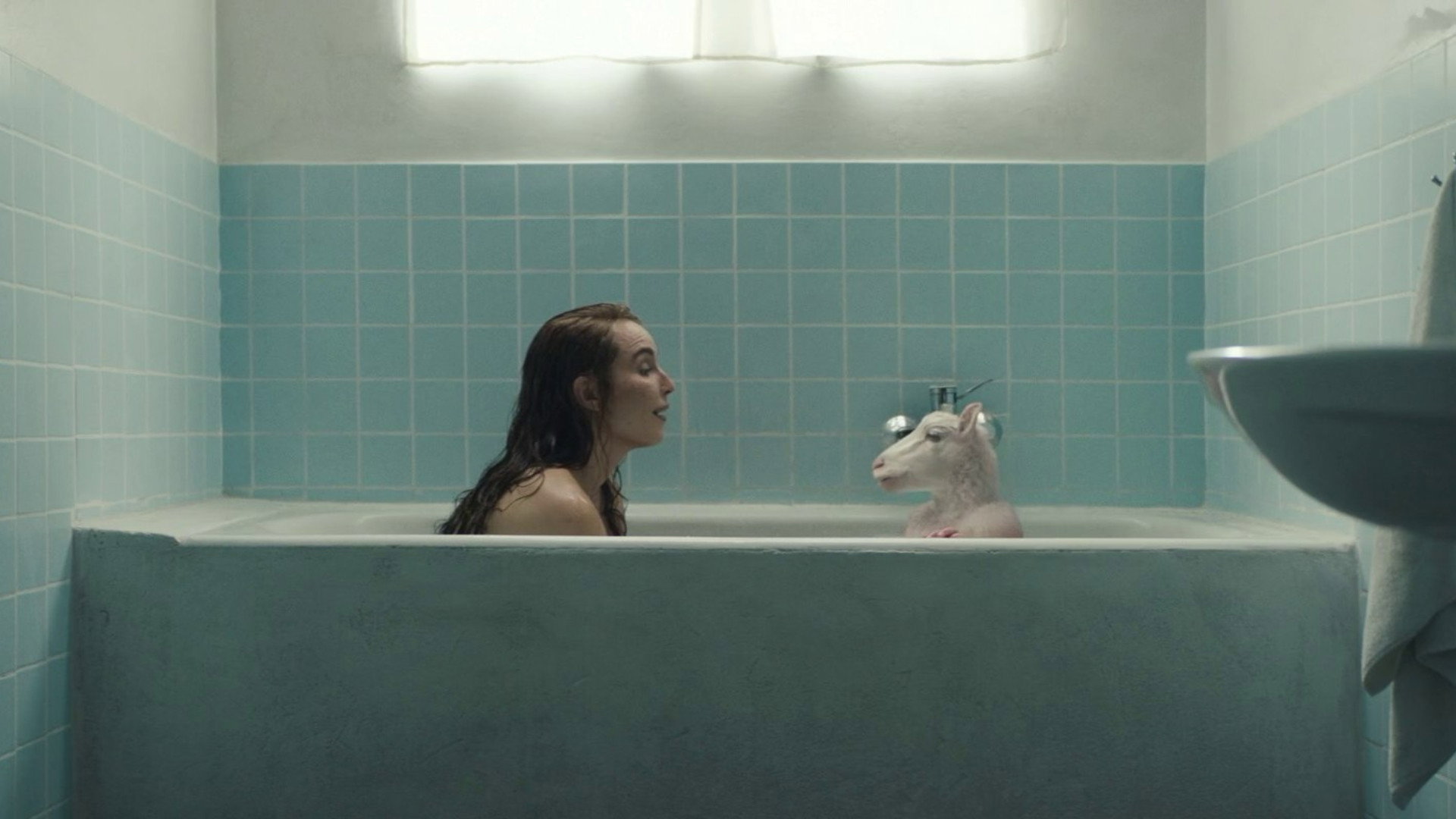
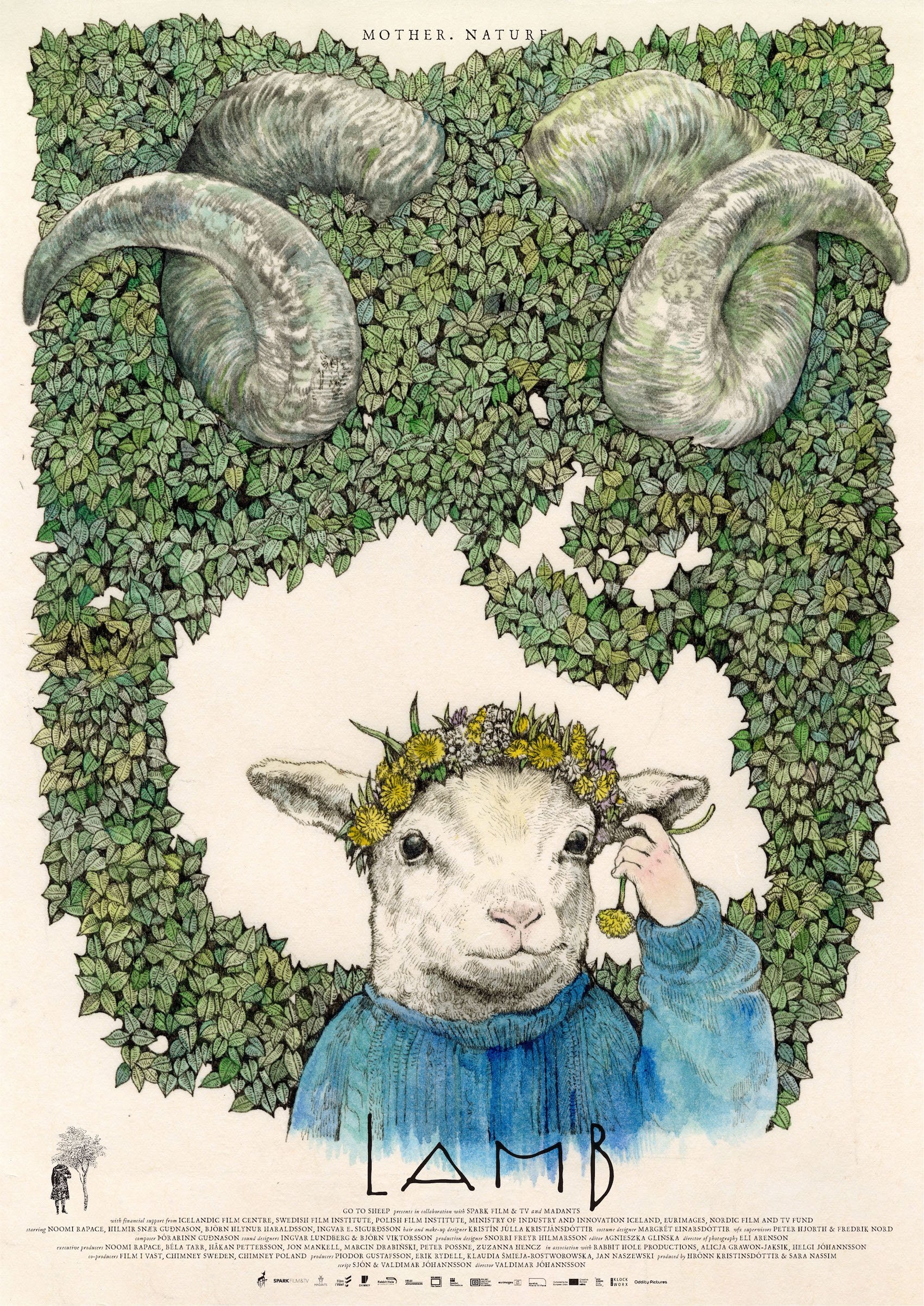
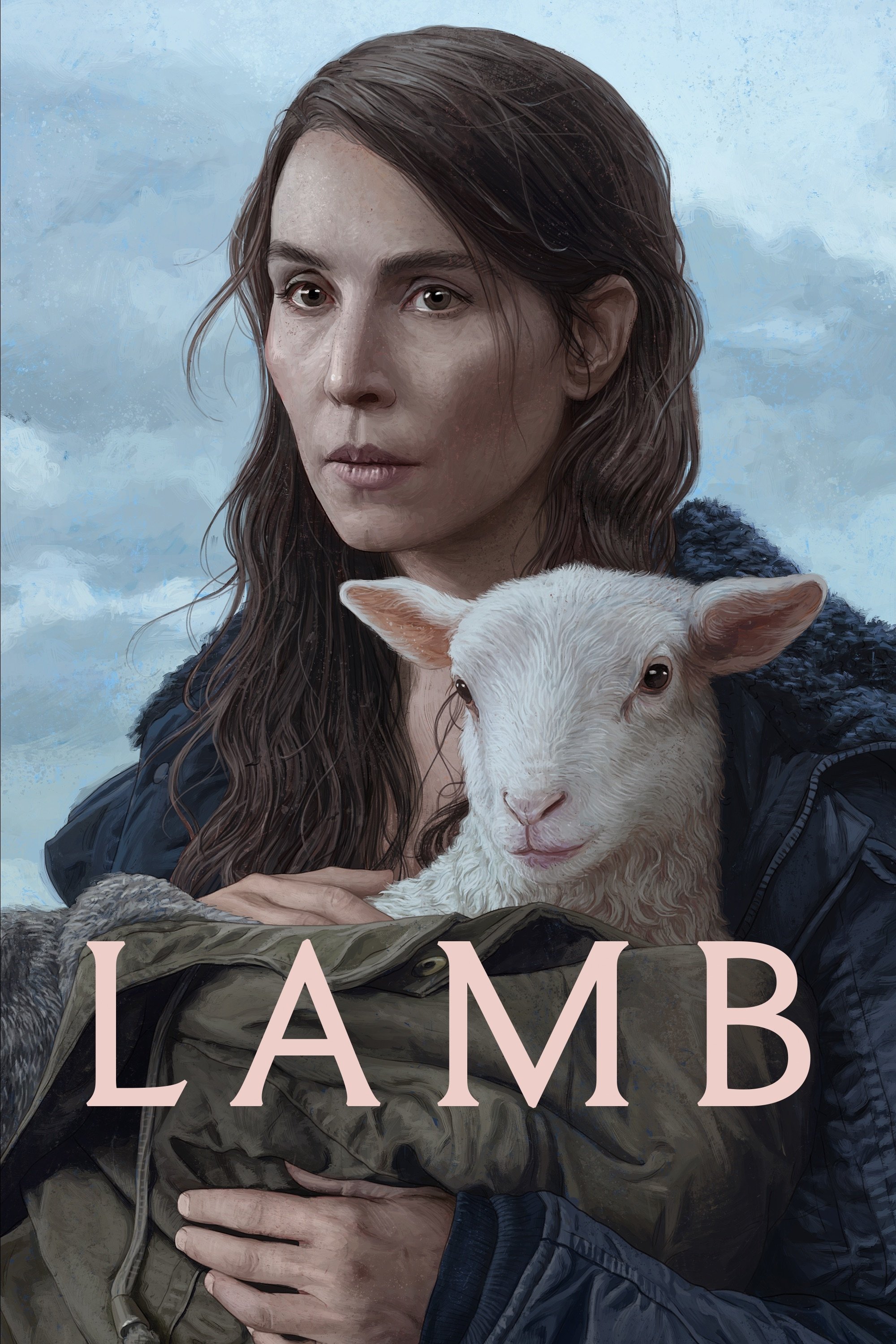
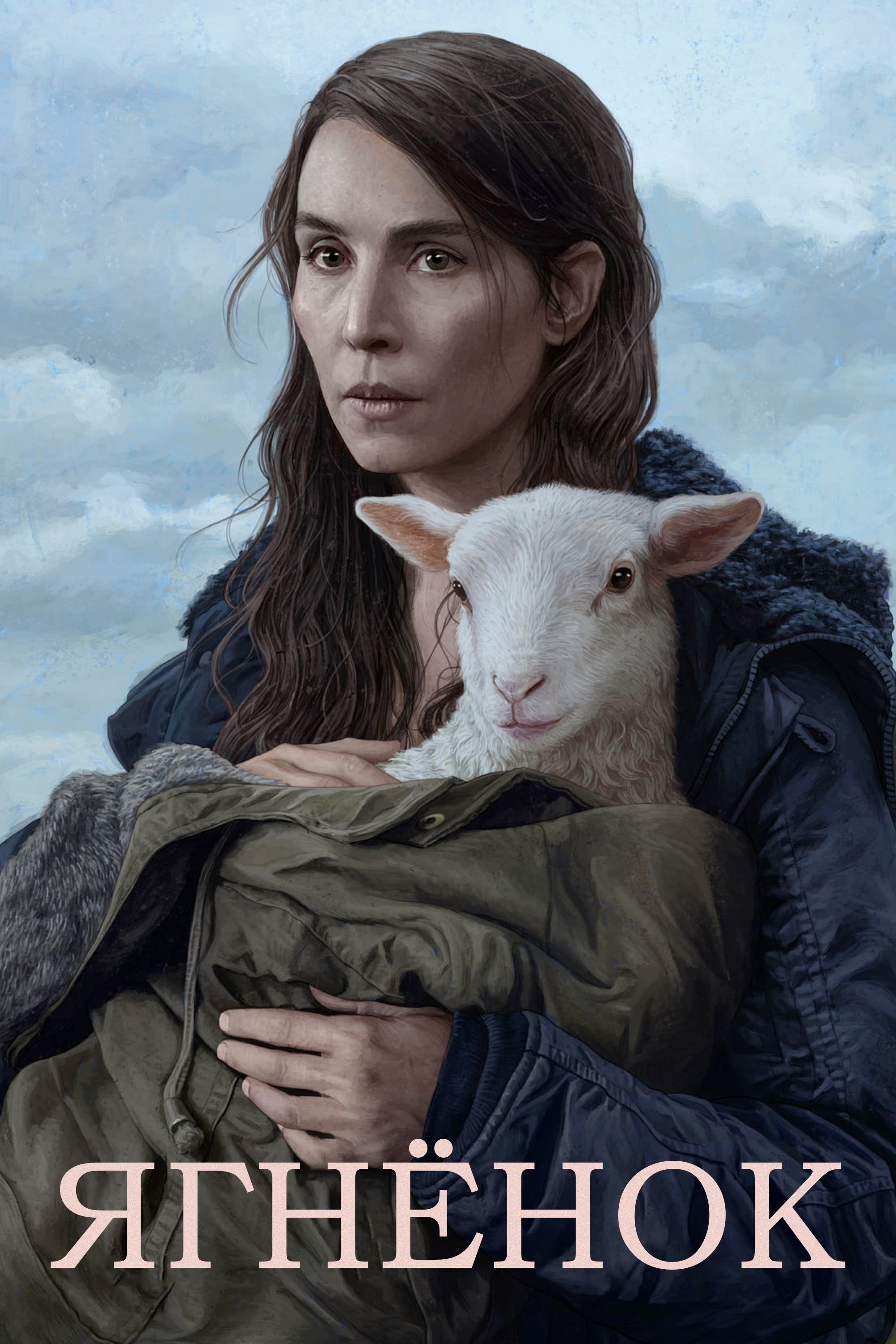
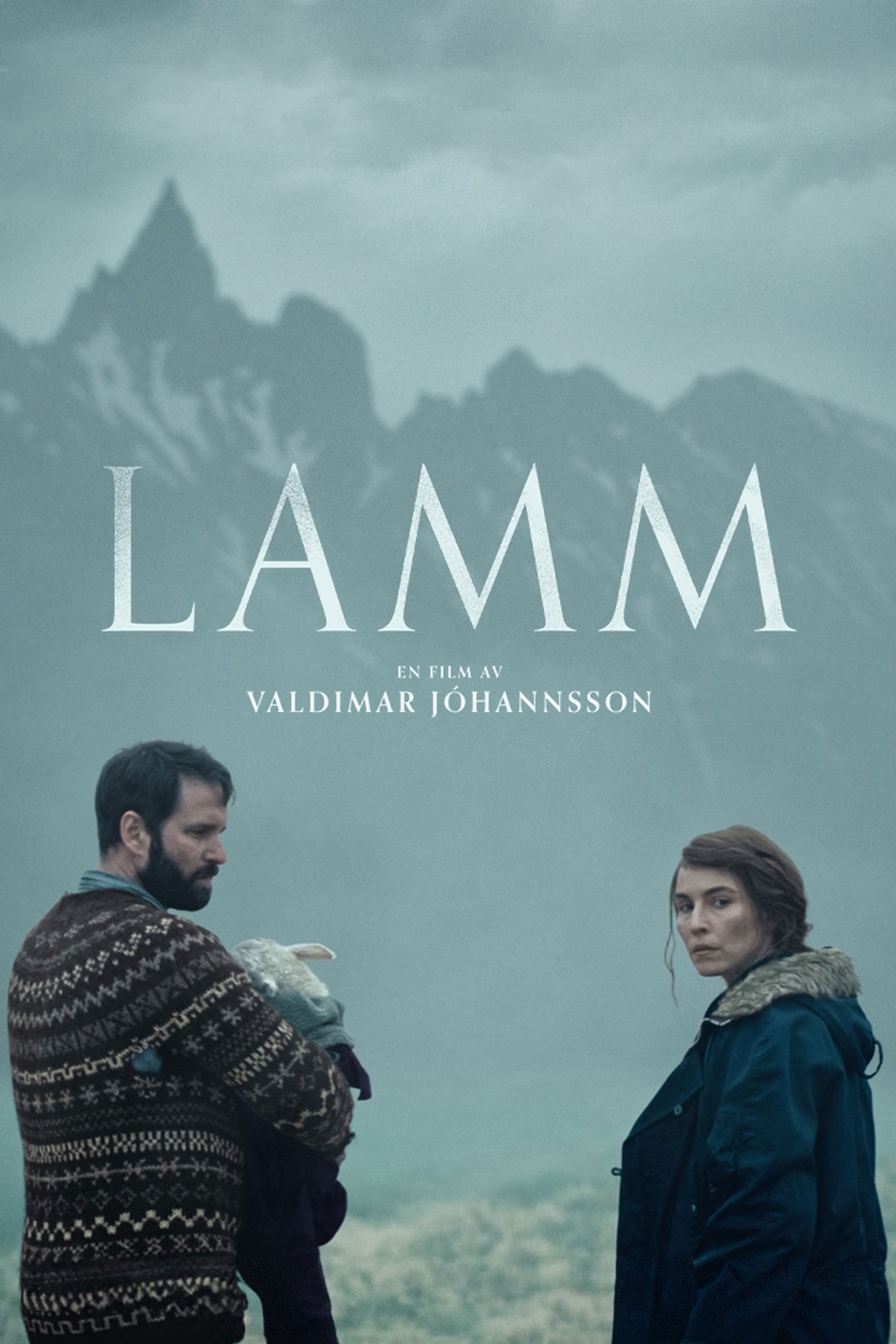
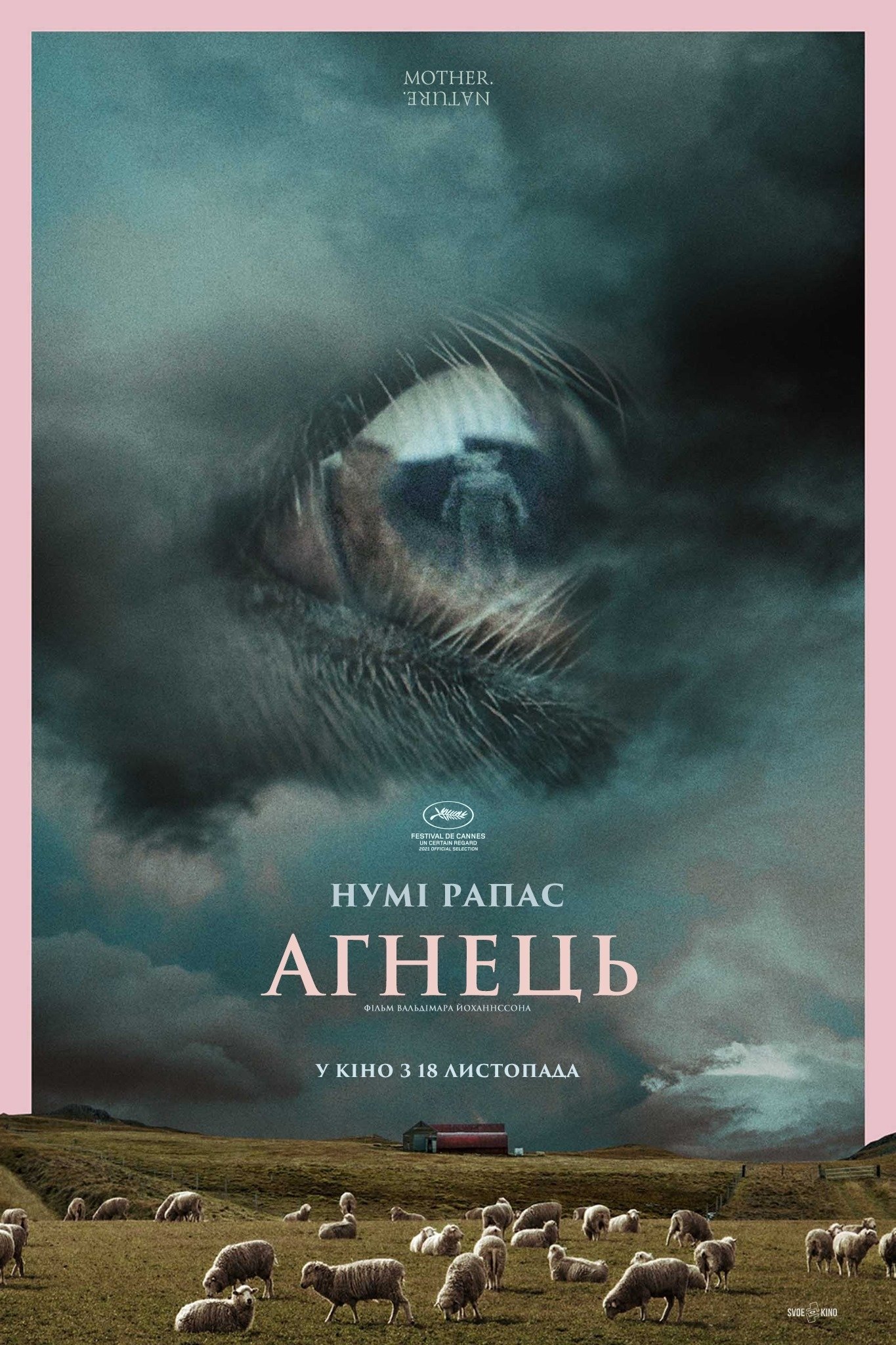
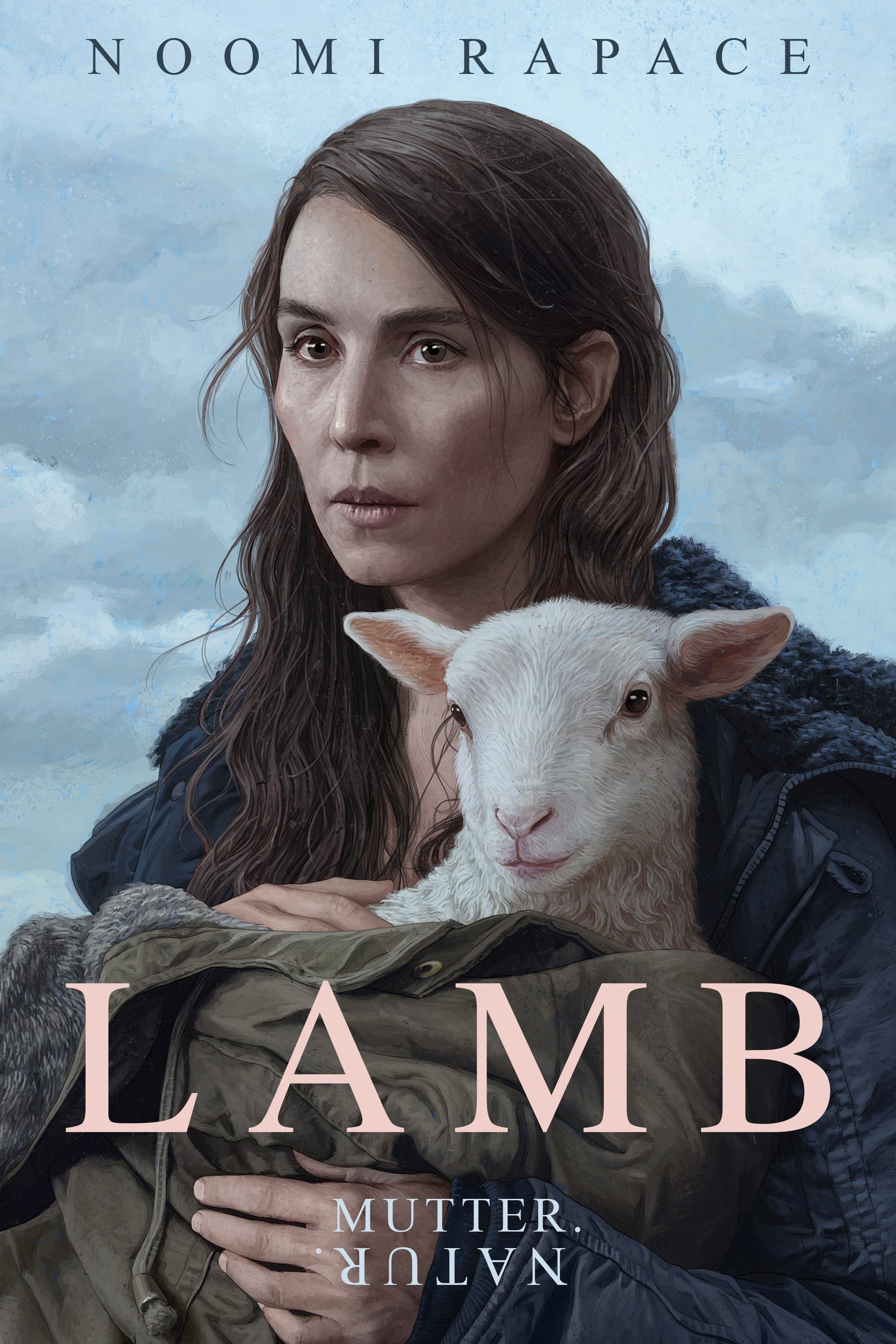
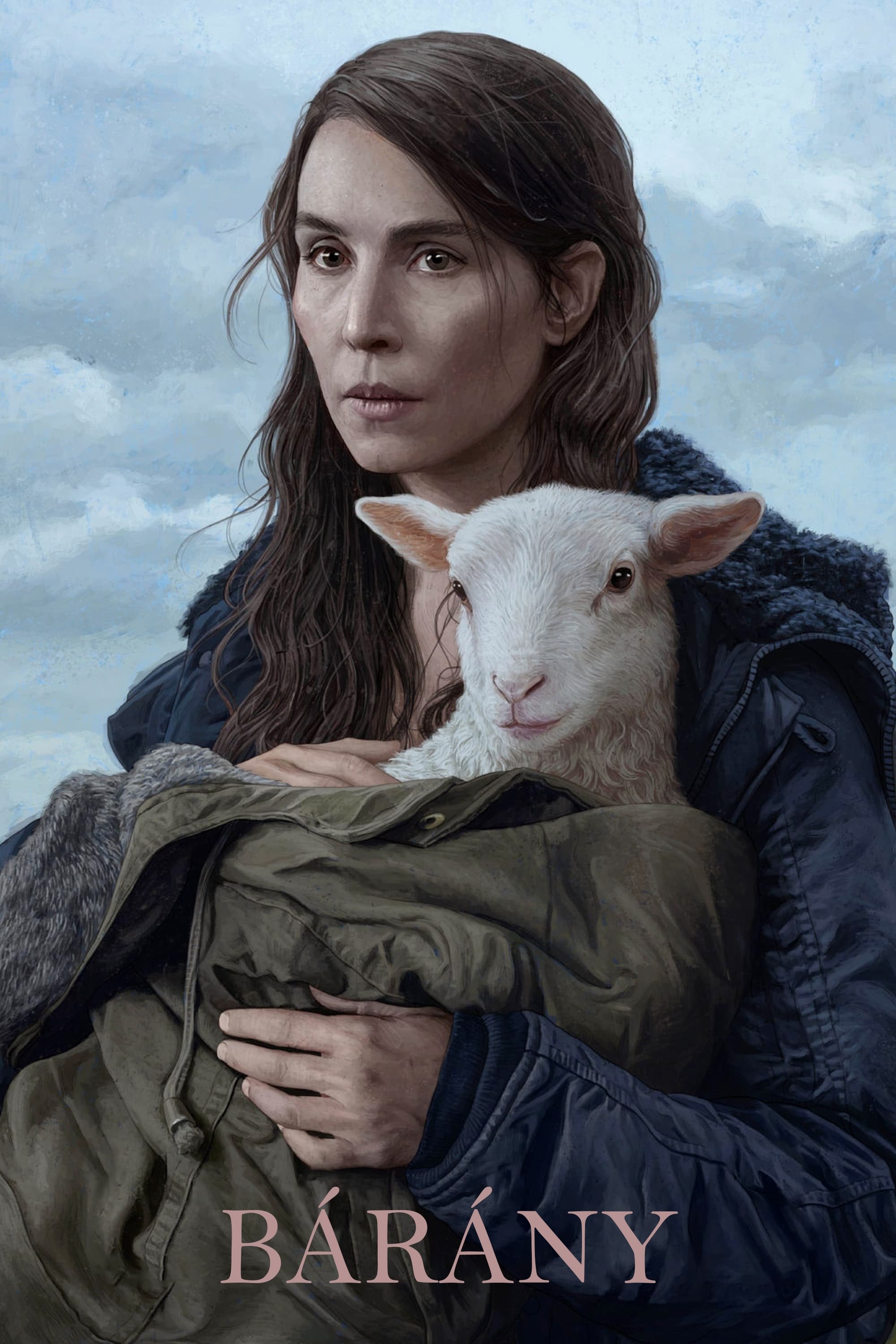
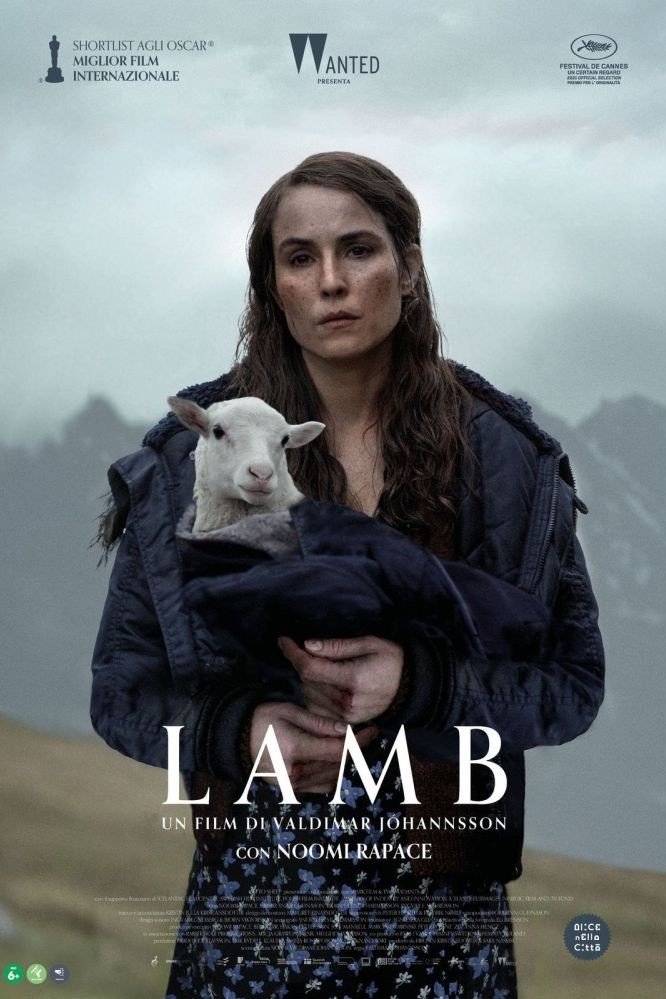
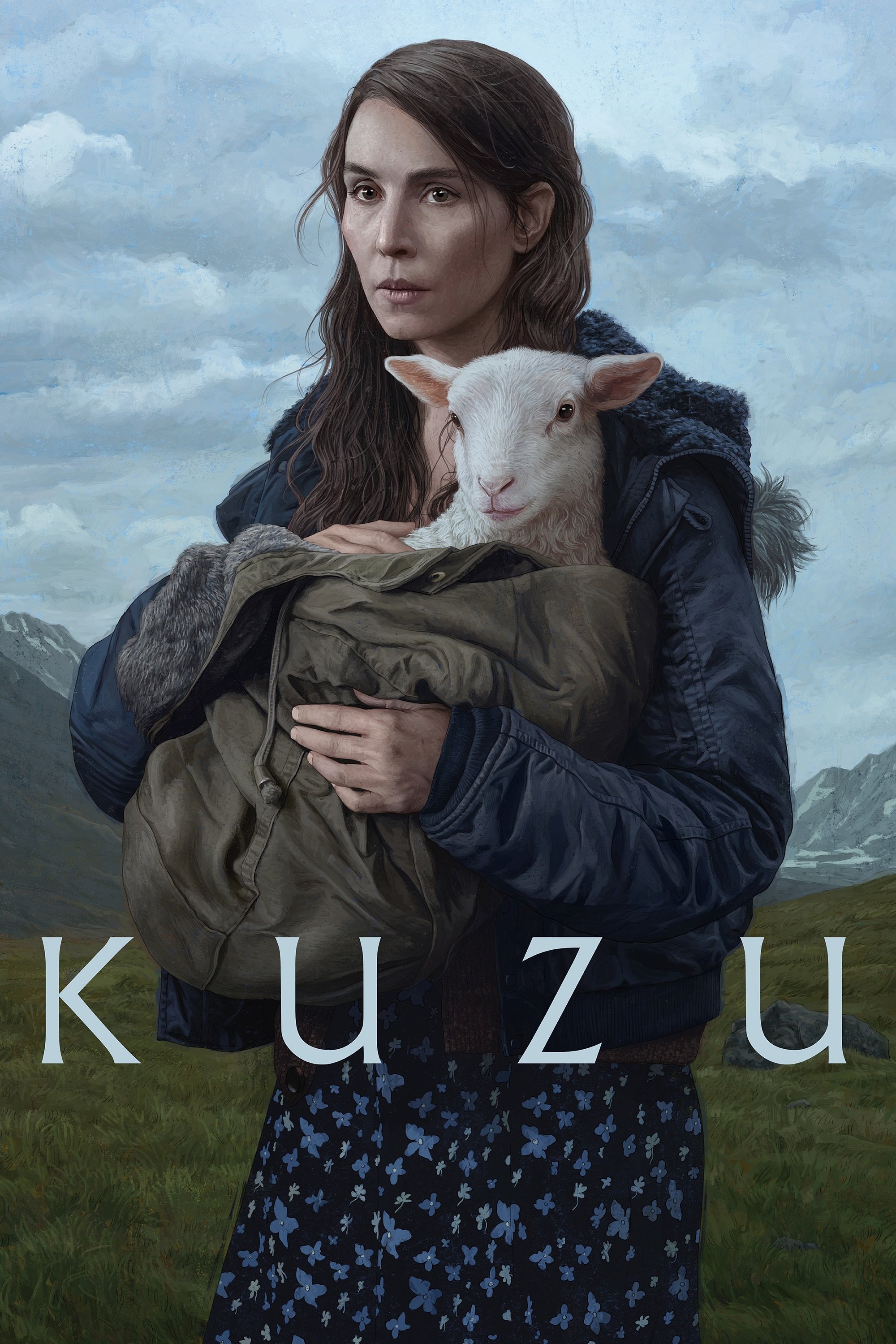
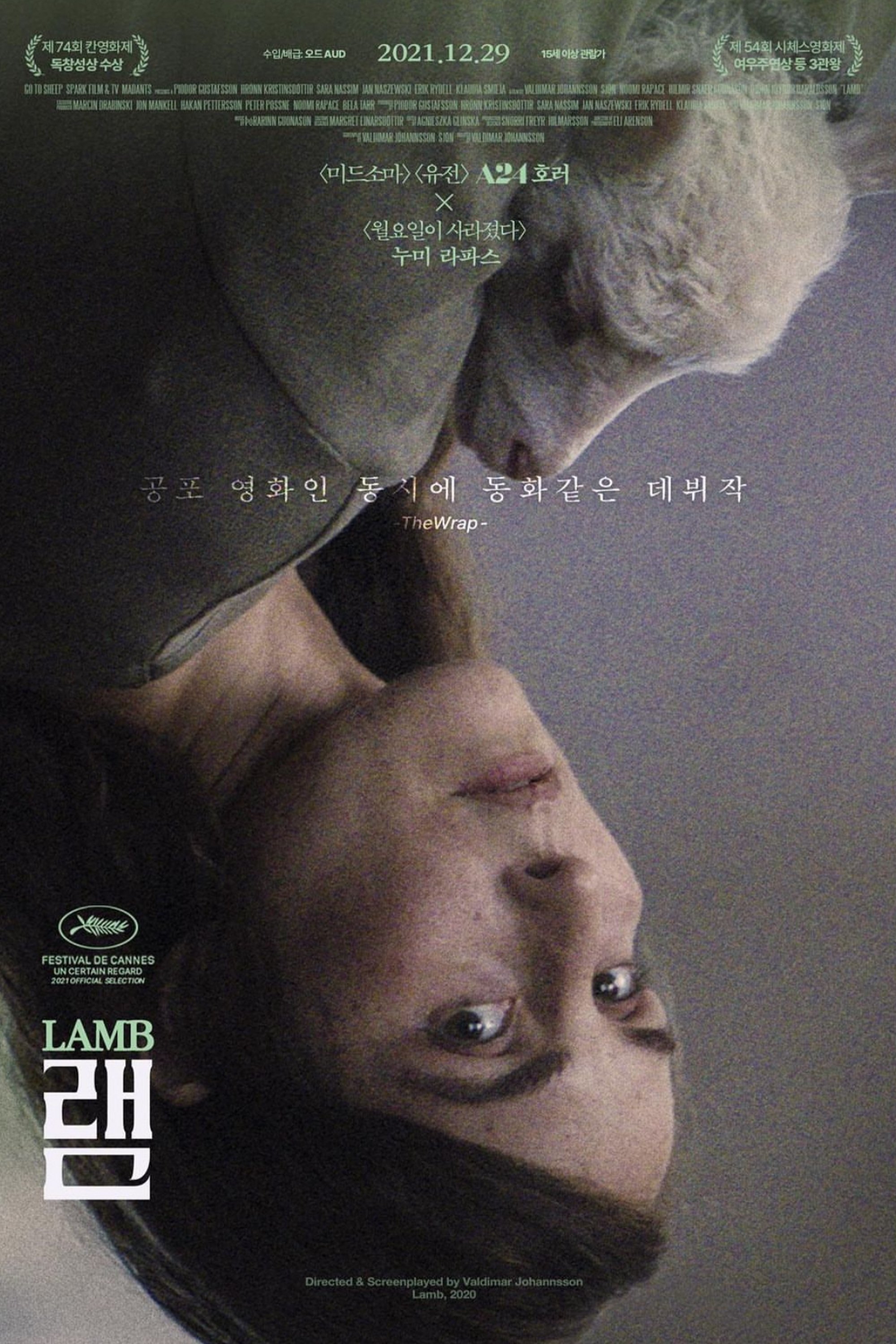
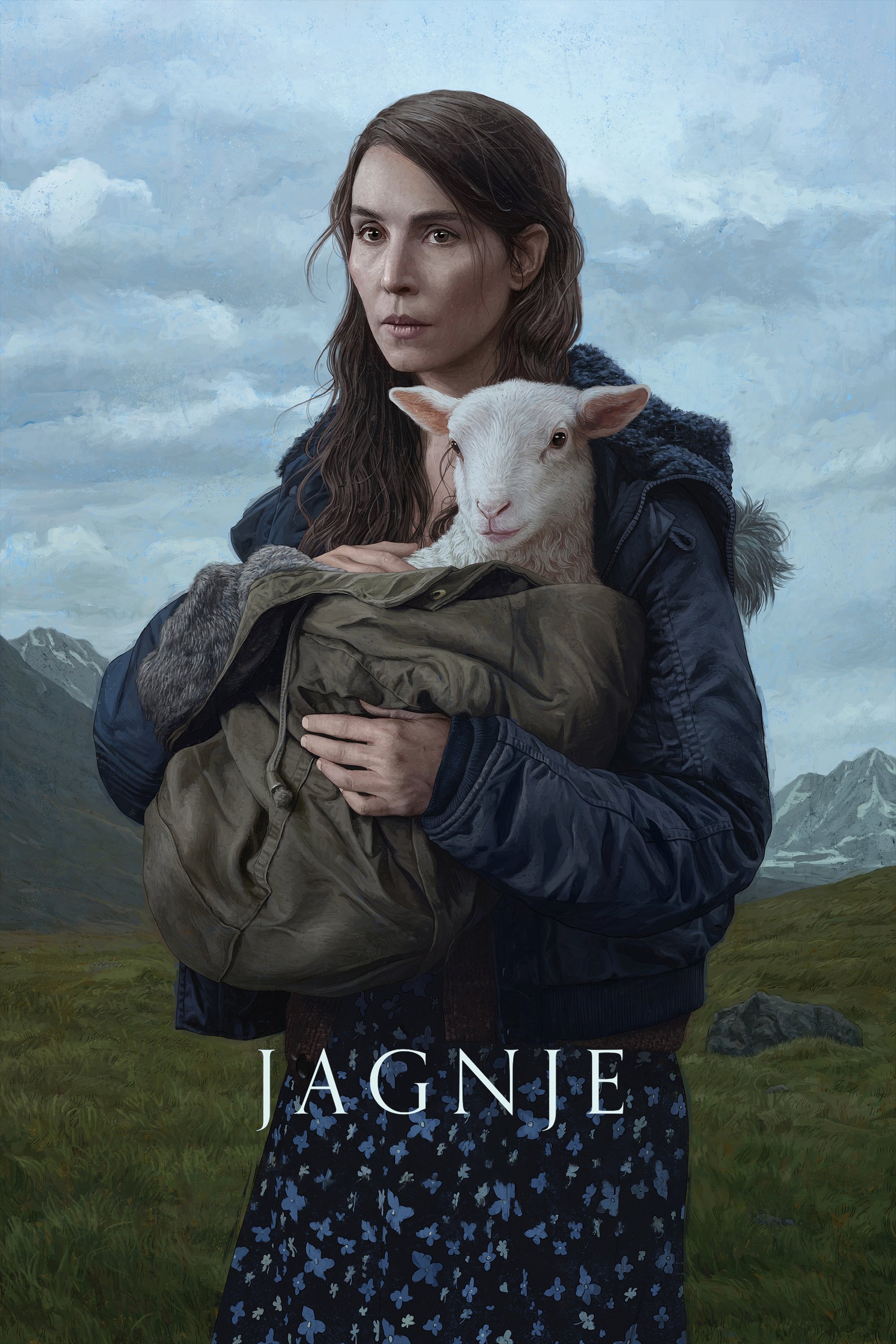
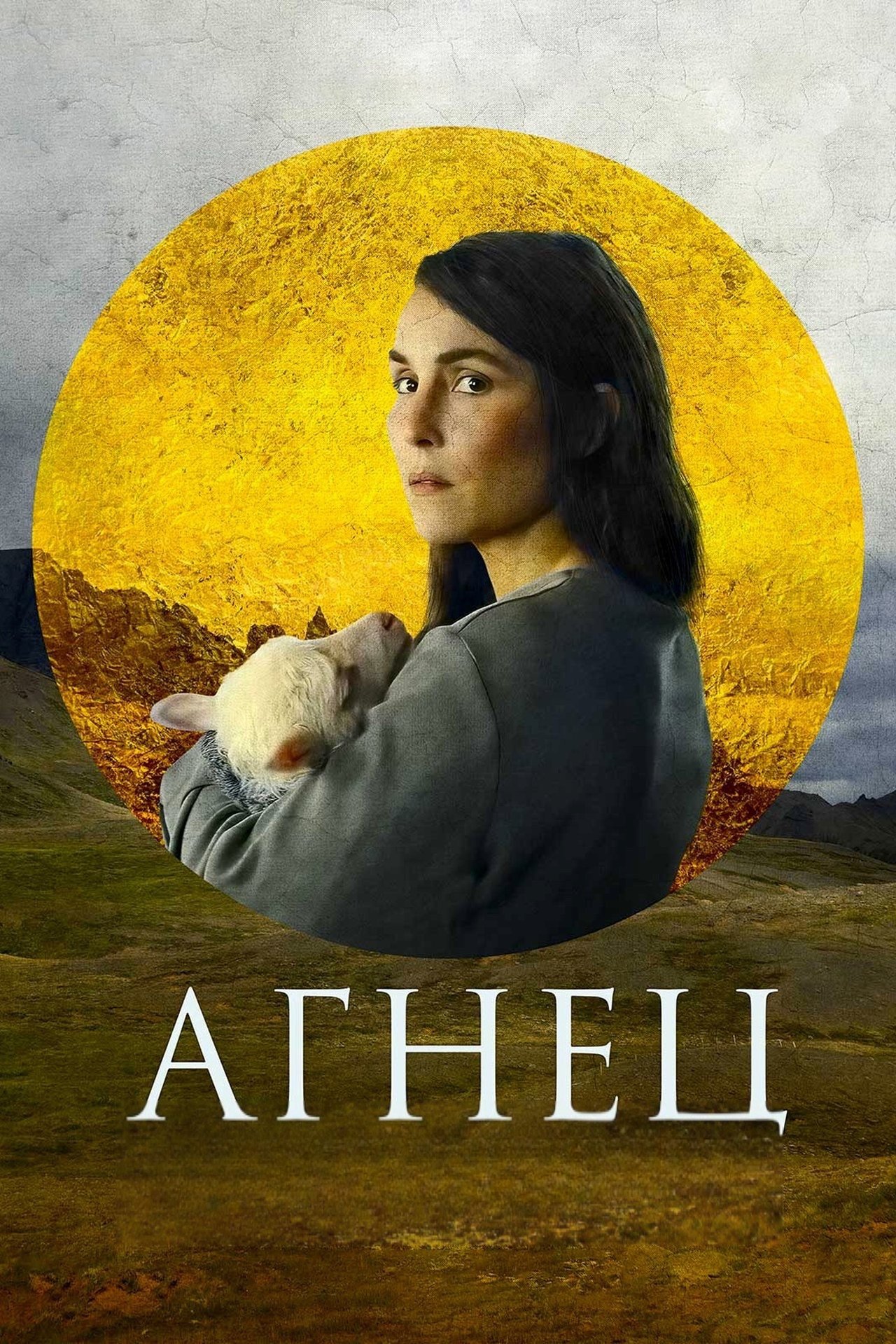
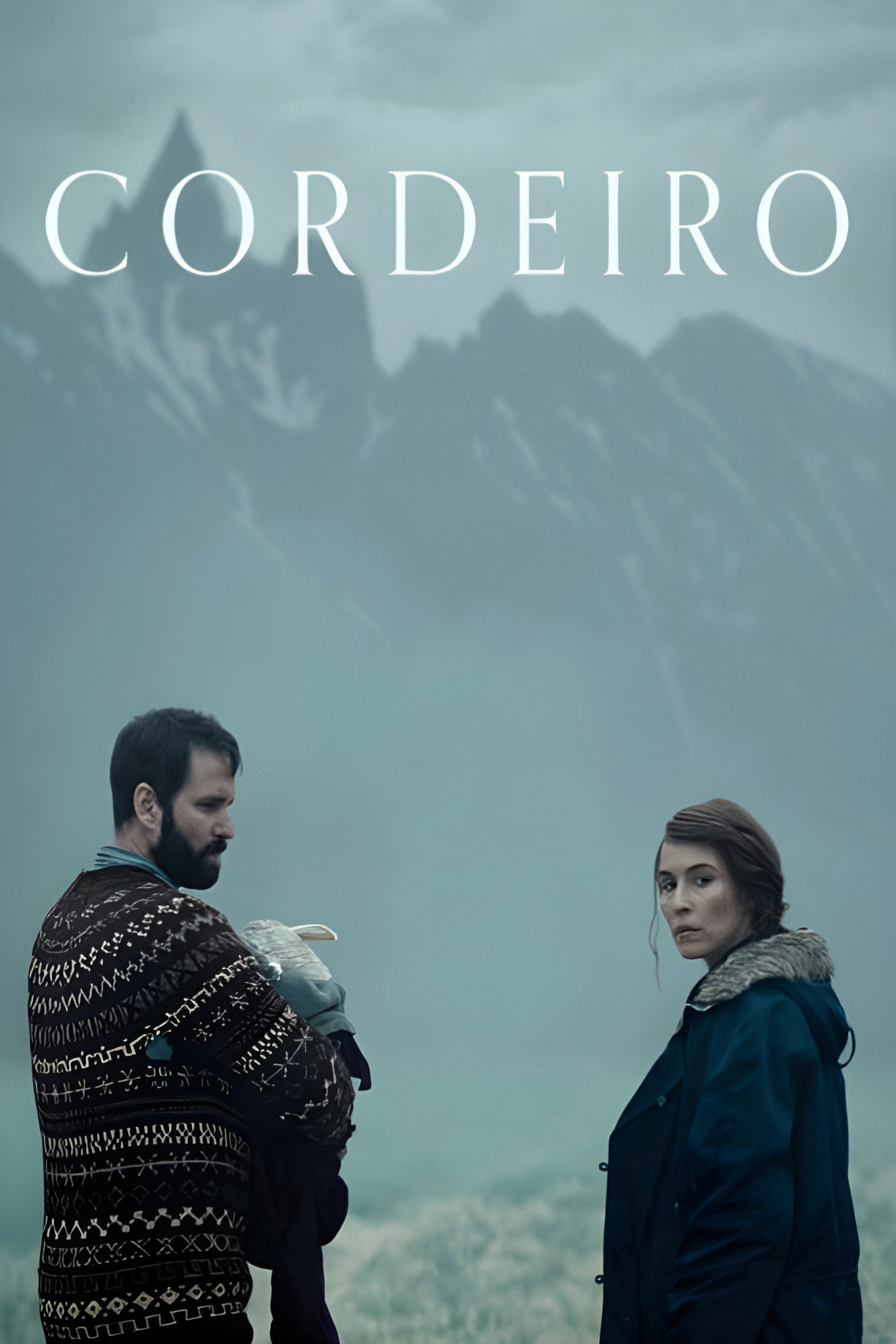
Lamb (2021), released in Iceland under the title Dýrið, places a supernatural birth inside the routines of a working sheep farm. María and Ingvar, a married couple living in northern Iceland, accept an extraordinary newborn as their daughter and give her the name Ada. The familiar domestic gestures that follow become unsettling because the child has a human body and a lamb's head. Director Valdimar Jóhannsson allows the impossible event to settle into household life before making its consequences visible. The resulting tension comes from competing claims of parenthood and from the landscape surrounding the farm.
Co-written with Icelandic author Sjón, the feature occupies a complicated place within contemporary folk horror. Jóhannsson has described it as a surreal family drama, while critics have examined its use of rural isolation, animal imagery and ominous narrative omissions. The film's restrained dialogue depends on carefully planned images and an unusually intricate combination of live animals, young performers, puppetry and digital compositing. Its 2021 Cannes Film Festival premiere brought international attention to a debut whose approach to horror differs markedly from the conventional creature feature.
Origins, Writing and Folkloric Material
Jóhannsson has traced the project's earliest form to drawings of a hybrid creature. He accumulated photographs, paintings and other visual references in a sketchbook before there was a completed narrative. After meeting Sjón, whose writing had already engaged with traditional stories, he gradually developed this image into the history of a childless farming couple. The collaborators spent years discussing the material and arrived at a screenplay through successive conversations and revisions. In an interview conducted at Cannes, Jóhannsson described making a complete set of storyboards before the department heads joined the production, establishing the film's unusually image-led method of development.
His childhood experience with grandparents who raised sheep supplied practical knowledge of lambing and the emotional texture of the household. That background illuminates the specificity of the chores and for María's central position in farm life. Jóhannsson has also cautioned against identifying Ada with a particular established Icelandic monster or folktale. The screenplay incorporates elements from the wider storytelling tradition without adapting a single legend. This distinction is important when assessing the film's supernatural imagery: the hybrid belongs to a newly devised fiction, even as its encounters with a remote community and an unpredictable natural world invite folkloric readings.
The Farm, the Location and the Shoot
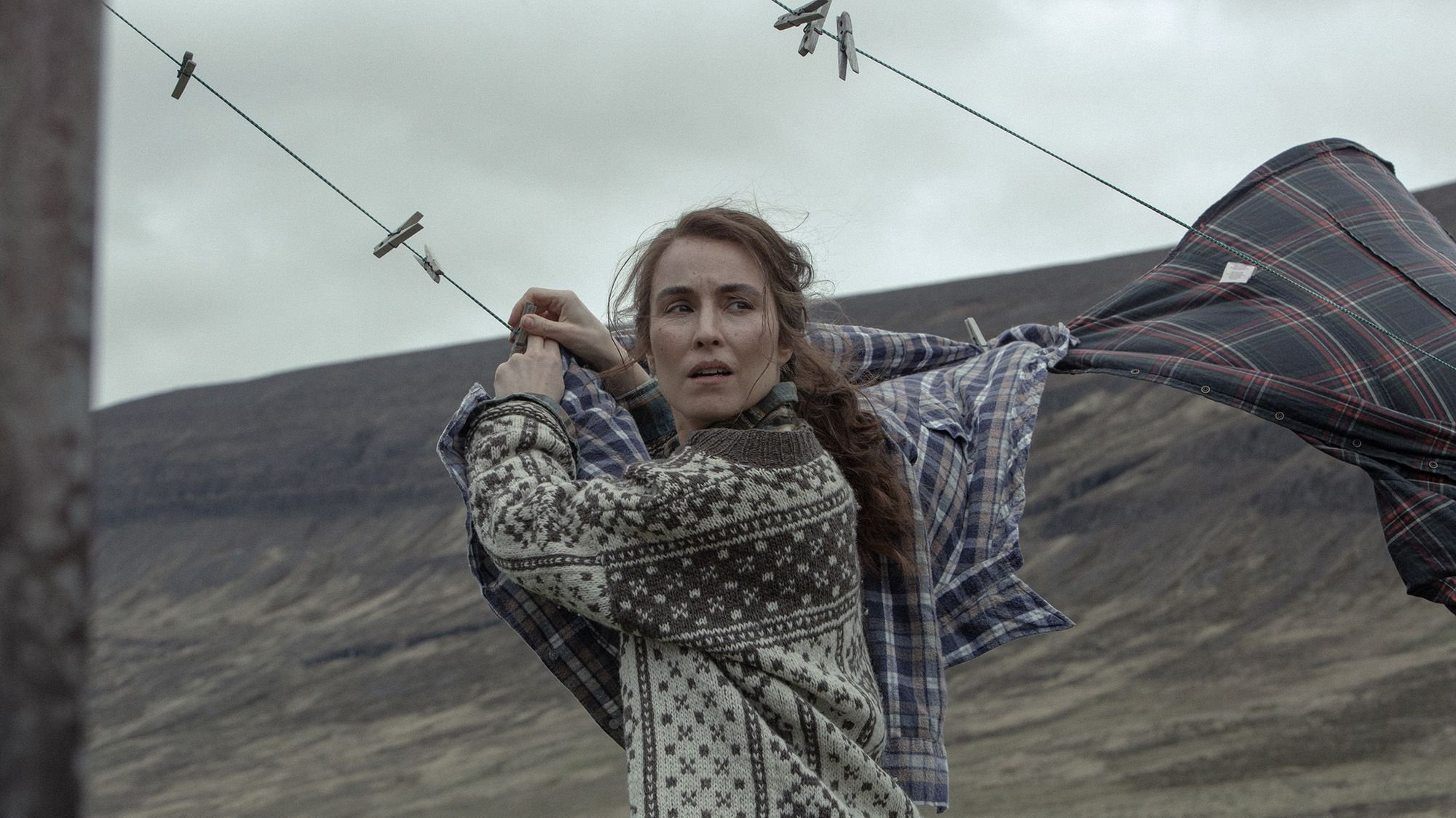
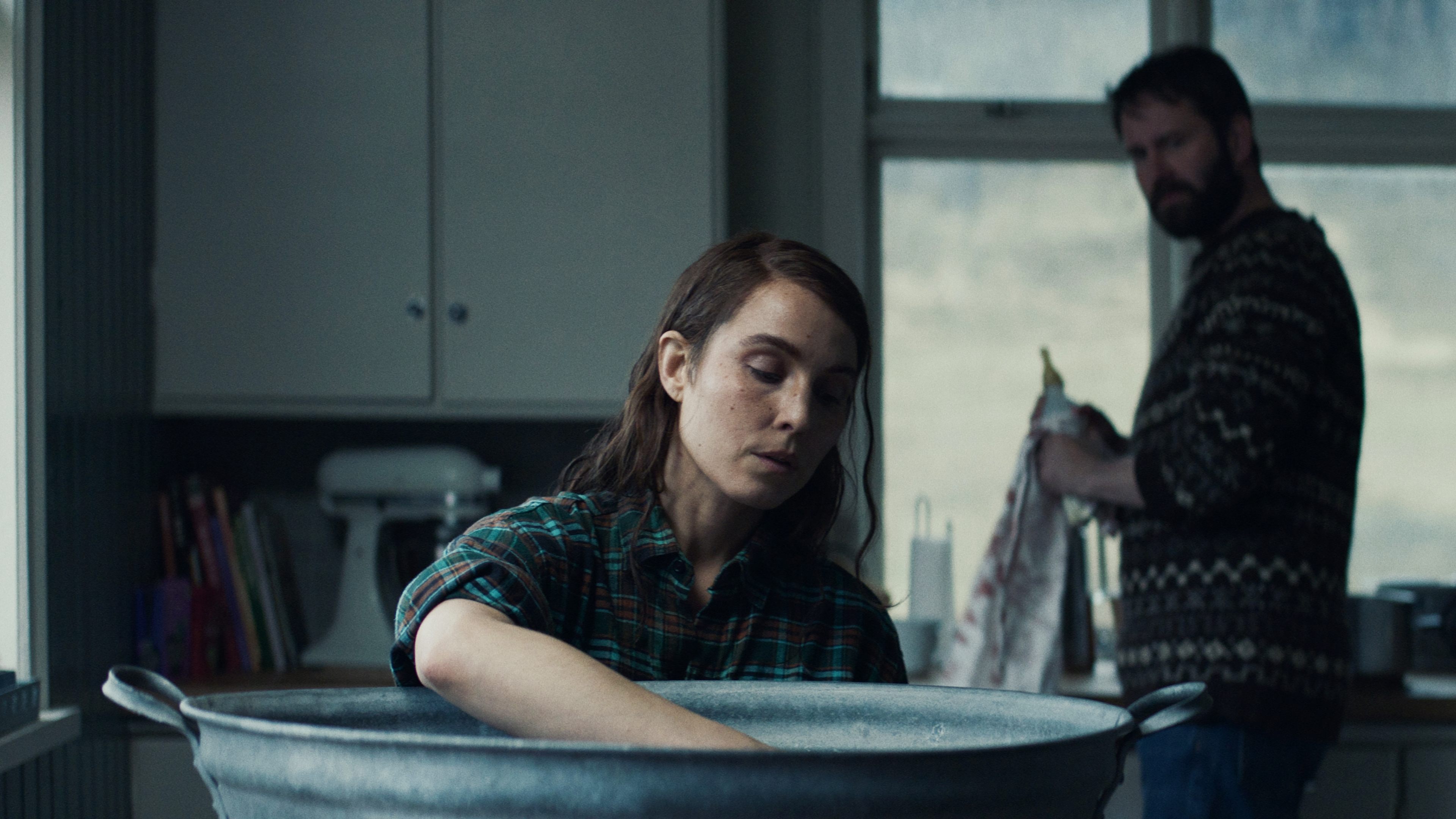
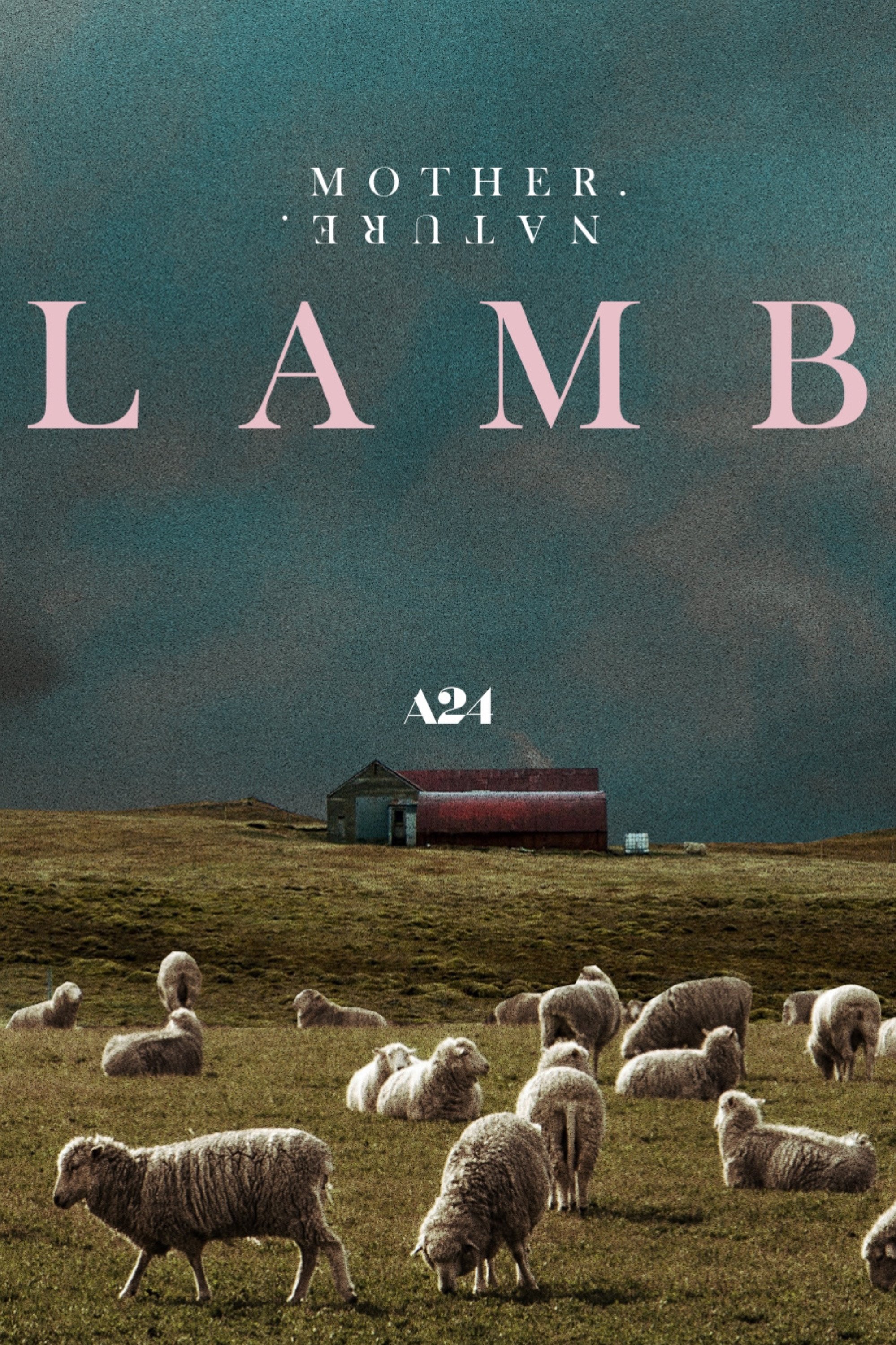
The production found its principal location in a northern Icelandic valley after Jóhannsson travelled extensively in search of a sufficiently isolated setting. The surrounding mountains could be photographed in almost every direction, allowing the farm to appear separated from any neighboring settlement. Cinematographer Eli Arenson later explained that the farmhouse had been an abandoned building on a working agricultural property. The crew repaired the structure and adapted its interior surfaces and windows for filming. This control over an authentic location enabled the camera to connect the family's living space directly with the sheep barn, fields and mountain slopes visible outside.
Filming followed the practical calendar of animal husbandry and the changing daylight of Icelandic seasons. Arenson recalled how the birthing material depended on a limited number of pregnant ewes still available at the right moment, with Rapace beginning her work on one of those scenes. The filmmakers returned for additional material, including the wintry opening, which was photographed with a small team in a severe storm. They also exploited extraordinarily long summer days; sequences apparently set at night could be captured in actual daylight. These circumstances were not simply logistical obstacles, since animal behavior and weather supplied much of the film's observed physical reality.
Cinematography and Visual Storytelling
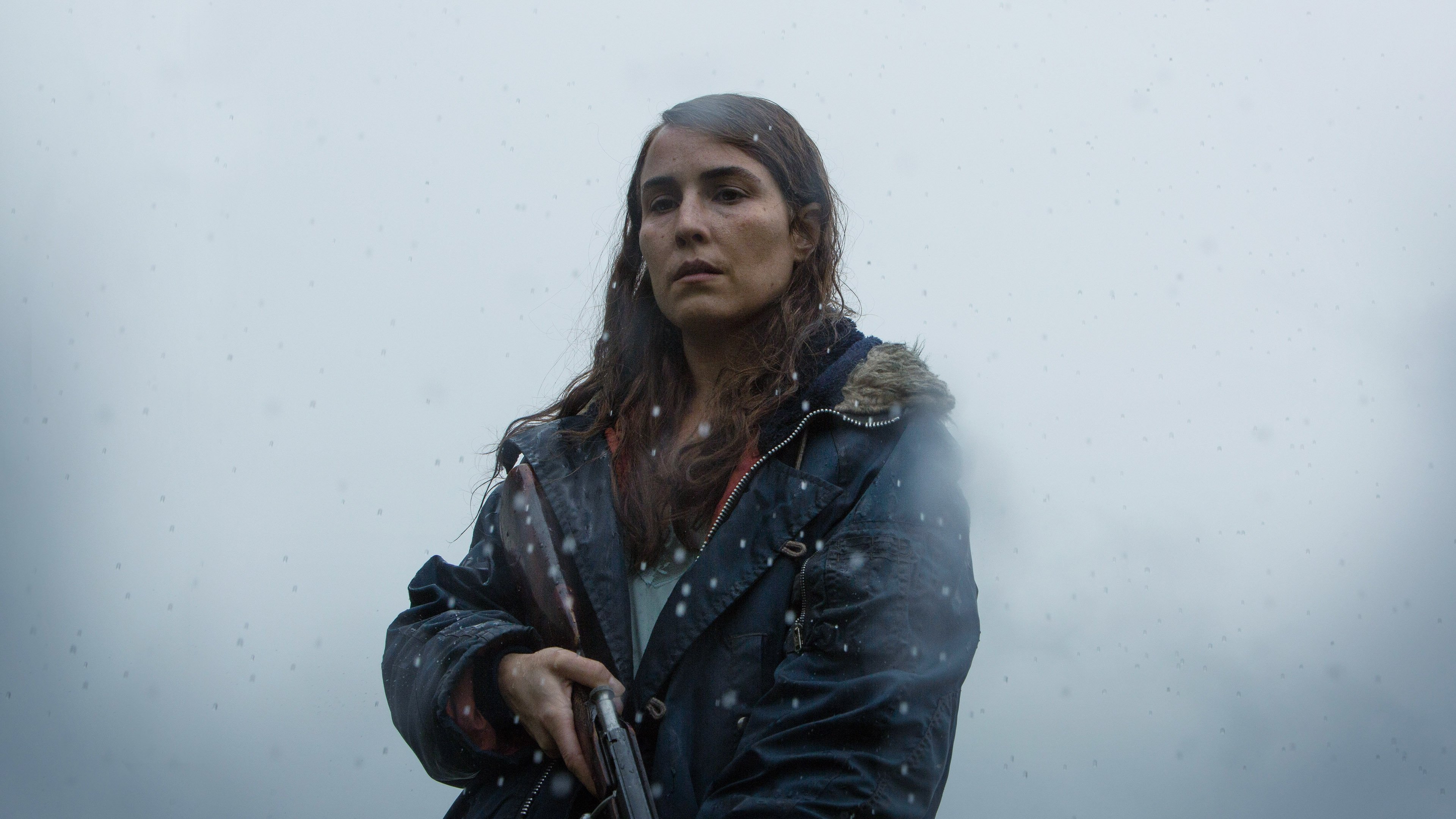
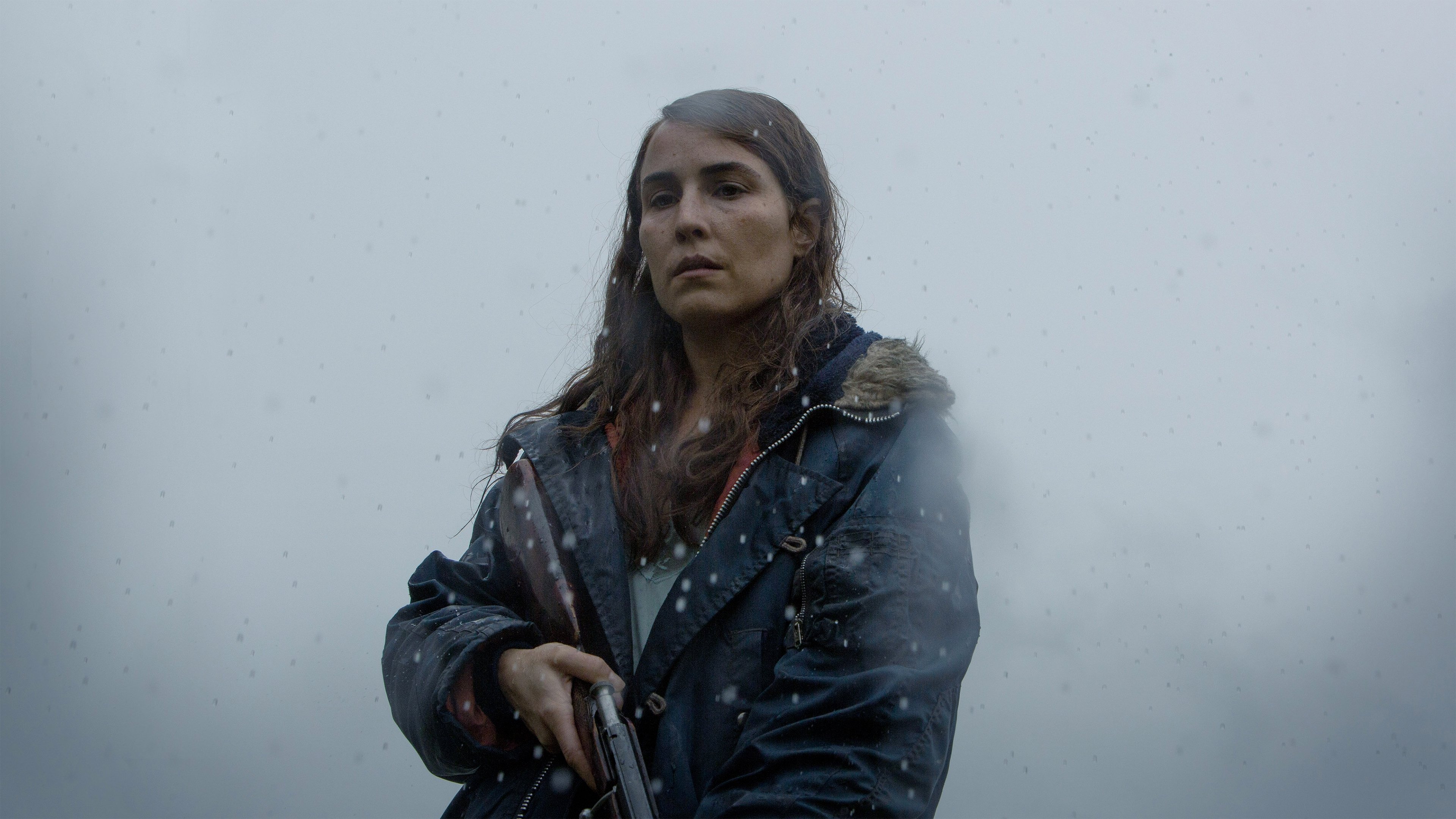
Arenson and Jóhannsson built the visual scheme around widescreen compositions, infrequent camera movement and extended observation. The cinematographer selected ARRI Master Anamorphic lenses after tests, aiming for a broad field of view with limited optical distortion inside the narrow rooms. Natural light determined much of the exterior photography. Arenson used negative fill to deepen shadows and matched interior lamps to the blue-green daylight entering the farmhouse, sometimes measuring unusually high color temperatures in the late evening. The result gives the buildings and landscape a consistent physical presence while allowing changes in cloud cover to influence their emotional appearance.
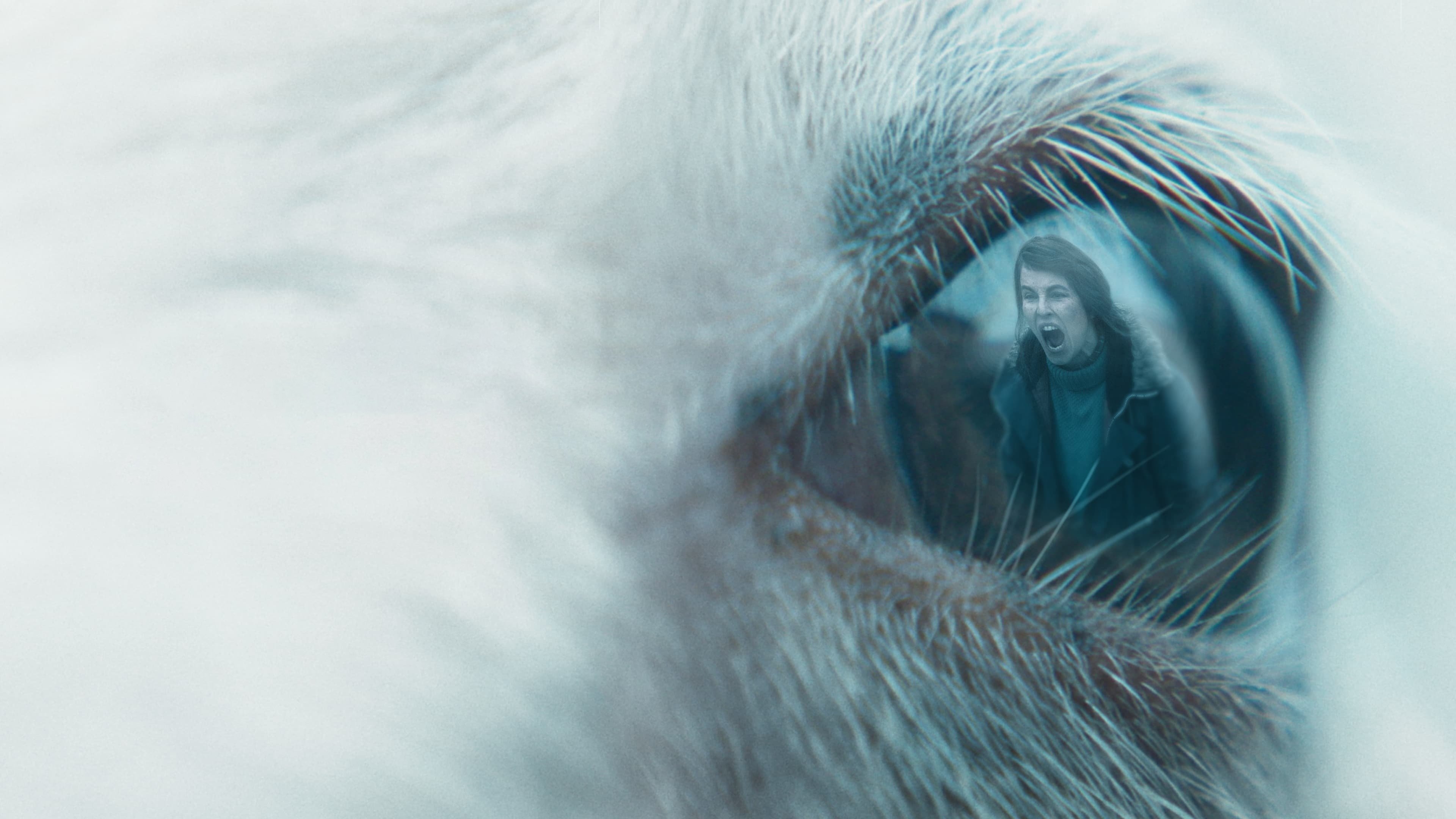
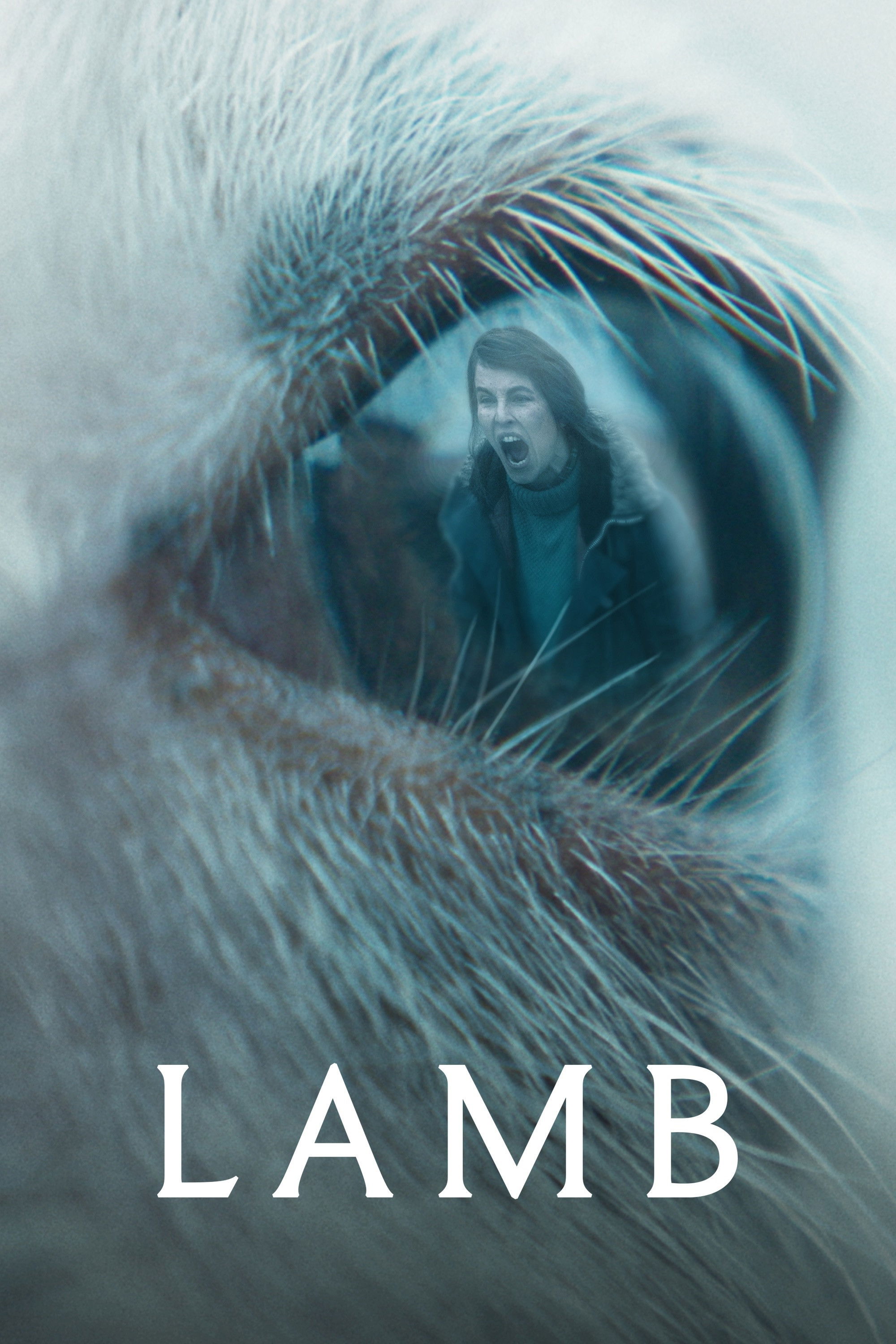
The camera's restraint also affects the handling of suspense. An early passage watches animals react to a presence that the viewer cannot identify, withholding the source of the disturbance. Elsewhere, the couple's search for a missing Ada unfolds through a sustained hallway composition whose eventual pan has unusual force after so many stationary shots. Arenson explained that the film uses glances between humans and sheep much as another drama might use exchanges between speaking characters. This system of looks allows a ewe's persistent attention to her offspring to acquire narrative weight before the audience has been given any explicit supernatural explanation.
Creating Ada: Animals, Puppets and Visual Effects
Ada's appearance depended on the close coordination of live lambs, children, practical puppets and visual-effects work. Jóhannsson repeatedly stressed that the performers acted opposite physical subjects during production, a decision that helped maintain ordinary contact and believable scale. VFX supervisor Peter Hjorth and Fredrik Nord, working with the Swedish post-production company Chimney, contributed to the composite images. According to Arenson, the preferred solution was often to photograph a real lamb's head and an actual child's body, then join the material digitally. The blend changes from shot to shot, because walking, being carried and lying in bed required different kinds of physical performance.
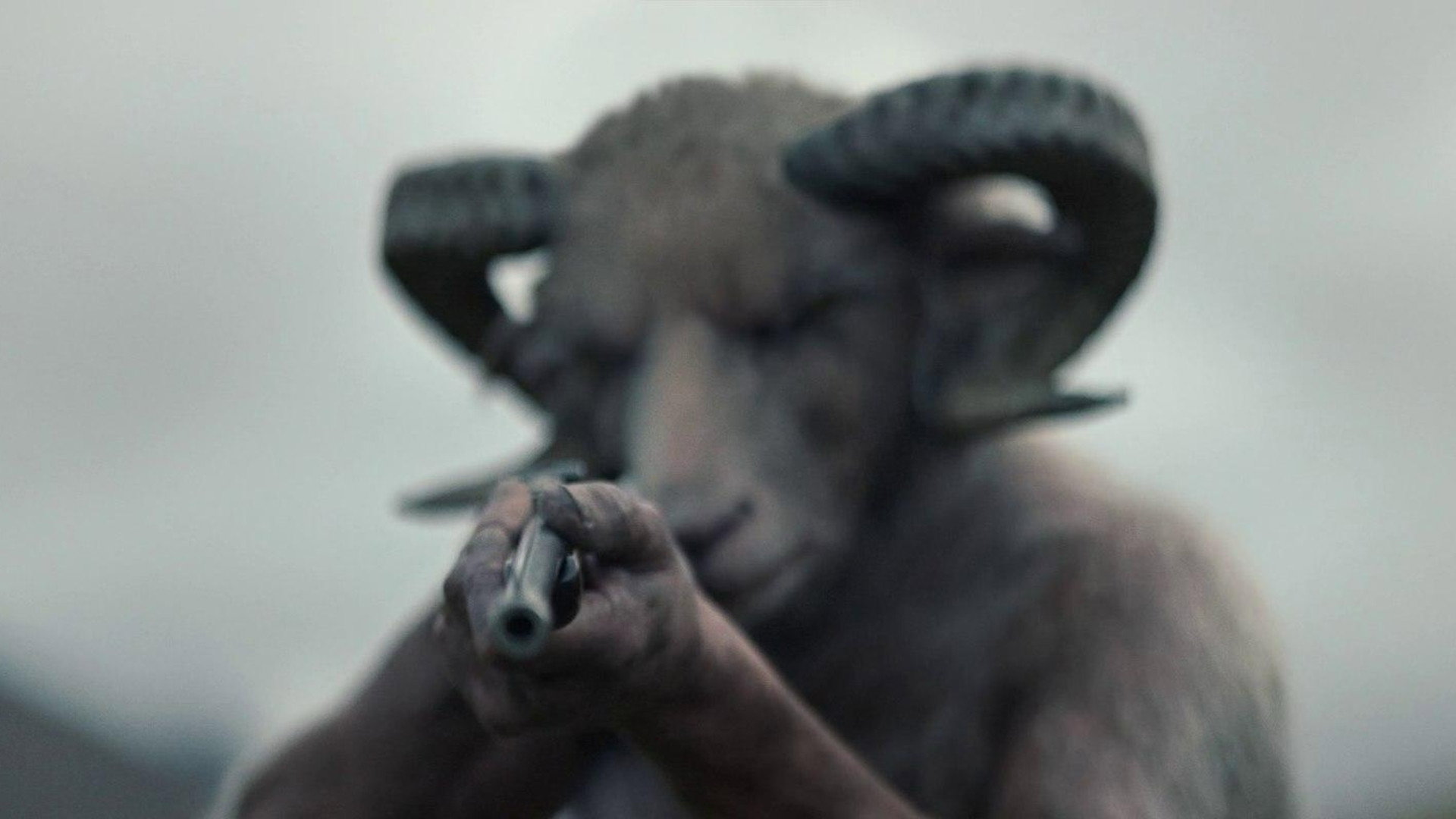
Animal behavior imposed its own limits. In one demanding exterior scene, the ewe follows the couple as they carry Ada toward the house. Arenson recalled that the shot had been planned in advance, but the crew considered replacing the difficult action digitally if the animal would not follow the intended path. The sheep completed the movement in one of the early takes, allowing the camera to record the pursuit directly. The adult hybrid revealed near the end was approached differently: Jóhannsson described its appearance as principally achieved with makeup and minor later corrections. These contrasting techniques help explain why the film's impossible figures retain the textures of living bodies.
Motherhood, Ownership and the Supernatural Threat
The discovery of Ada reverses the emotional condition of María and Ingvar's home. Their shared routines have been shaped by the death of an earlier child, disclosed gradually rather than explained through an early conversation. Caring for Ada returns pleasure and purpose to daily life, yet the decision to treat the newborn as exclusively theirs requires ignoring the ewe that gave birth to her. María eventually kills that mother when the animal's cries become impossible to disregard. The action makes the family's happiness dependent on an act of violence, placing the apparently gentle adoption within the moral territory of horror.
An academic study by Bruno Cornellier and Jenny Heijun Wills interprets the tension through contested kinship and the difference between Ada's human hand and animal hoof. Their reading emphasizes the adoptive parents' power to define the child and the suppressed claims of her original family. This is a critical interpretation, distinct from an explanation explicitly supplied by the filmmakers. Ingvar's brother Pétur provides a different perspective when he encounters Ada and initially refuses the couple's unquestioning acceptance. His discomfort and eventual attachment expose how readily the household's extraordinary circumstances can become normalized, even while the viewer remains aware that another reckoning may arrive.
Folk Horror, Critical Debate and Festival Reception
The film builds dread without a conventional sequence of attacks. Its first chapter resembles close observation of agricultural work, and the supernatural intrudes into that familiar order through an apparently miraculous birth. Later encounters disclose a world in which the couple cannot assume exclusive authority over animals or the land around them. This structure has led critics to place Lamb within folk horror, although its director has described aiming primarily for surrealist art cinema. The distinction helps account for the film's unusual balance of tenderness, deadpan comedy and menace. The final confrontation makes the latent threat bodily visible while leaving the wider rules of the imagined world unexplained.
At Cannes in July 2021, the debut won the Prize of Originality in the Un Certain Regard section. Anne Billson, writing in Sight and Sound after its festival circulation, praised the way patient observation turned into unsettling folk horror, drawing attention to the misty imagery and delayed revelation of the couple's loss. Other responses questioned whether the carefully controlled withholding of information provided sufficient psychological development. That disagreement concerns the film's central artistic choice: it gives viewers extensive time to watch labor, parental affection and animal reactions while leaving the supernatural event's origin opaque. Its horror remains inseparable from the fragile domestic arrangement the characters have chosen to protect.
Direct Cannes interview on the visual sketchbook, extended script development, sheep-farming background, Icelandic location, casting and the approach to the creature.
Detailed first-hand technical account of anamorphic lens selection, seasonal filming, natural light, storyboard revisions, animal staging and hybrid compositing.
The Playlist — Everything You Wanted To Know About Lamb But Were Afraid To Ask: A Spoiler-Heavy Discussion With Director Valdimar Jóhannsson
Original filmmaker interview clarifying Ada's construction, the adult hybrid's practical makeup, story chronology and the director's intended approach to grief and comedy.
Peer-reviewed open-access essay by Bruno Cornellier and Jenny Heijun Wills analyzing the ewe's removal, contested parenthood and Ada's hand and hoof through the politics of kinship.
BFI / Sight and Sound — Lamb delivers a slice of Icelandic-weird that tips into unabashed folk-horror
Anne Billson's focused critical account of the film's gradual supernatural revelation, landscape imagery, absurdist humor and troubled family dynamics.