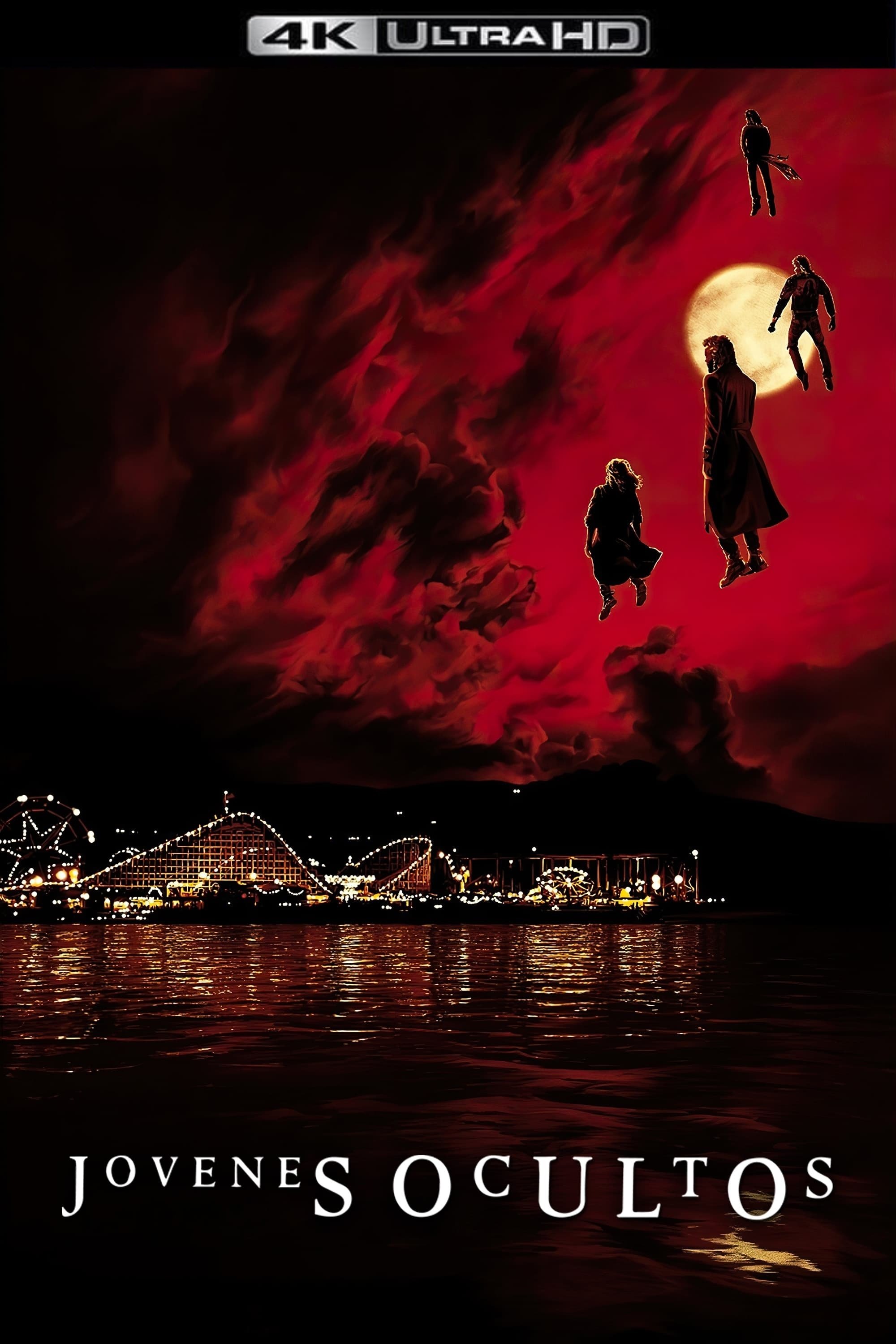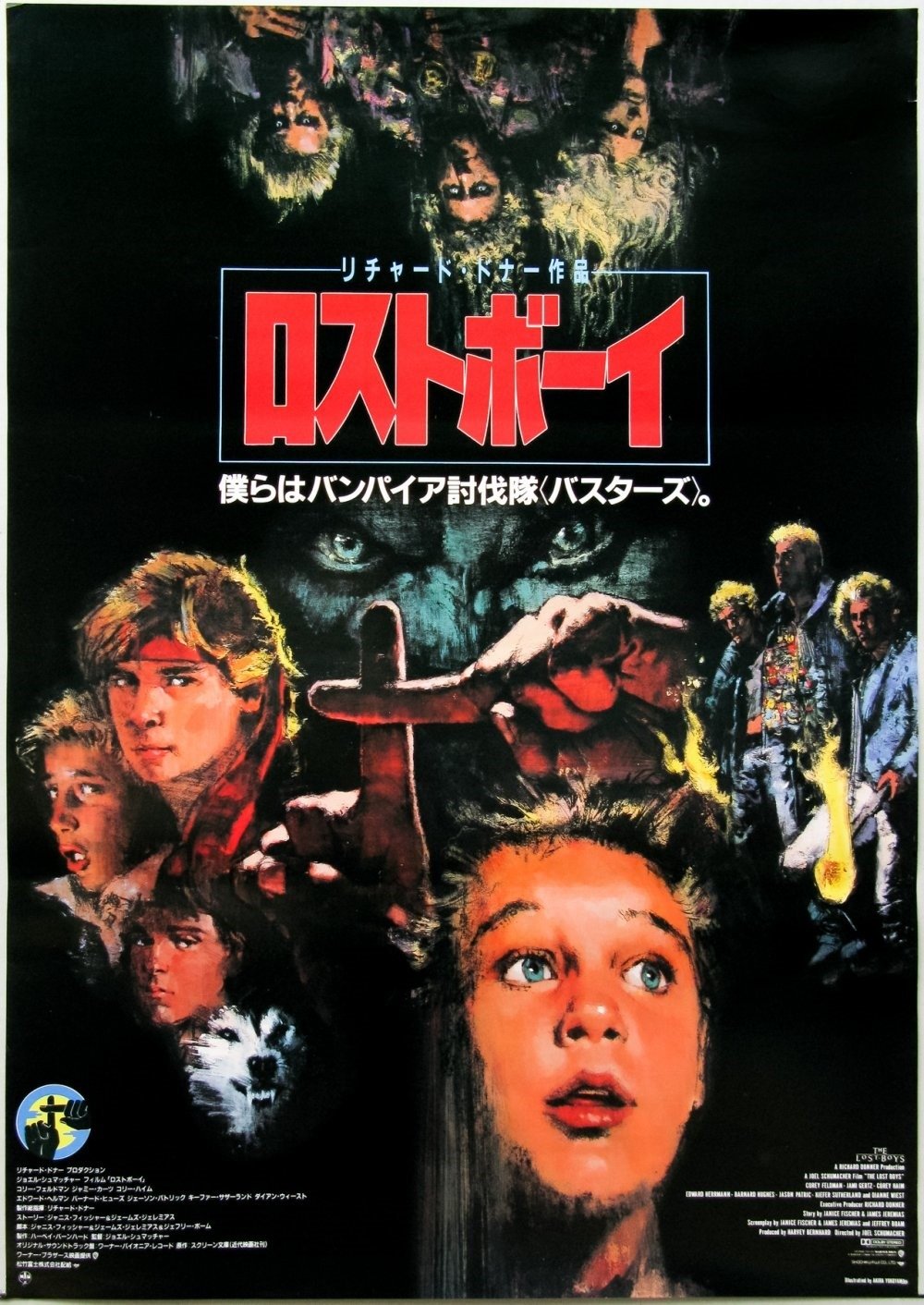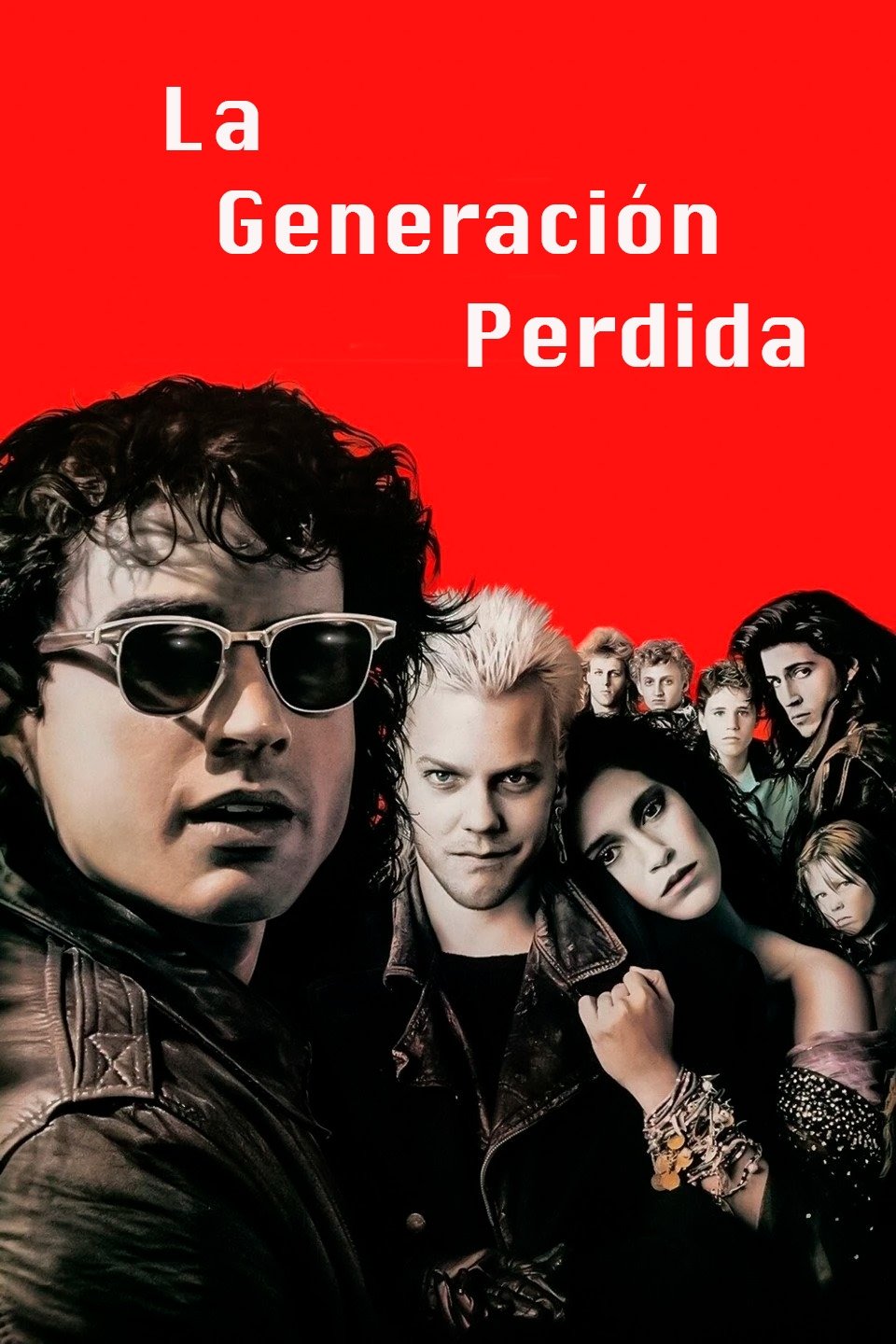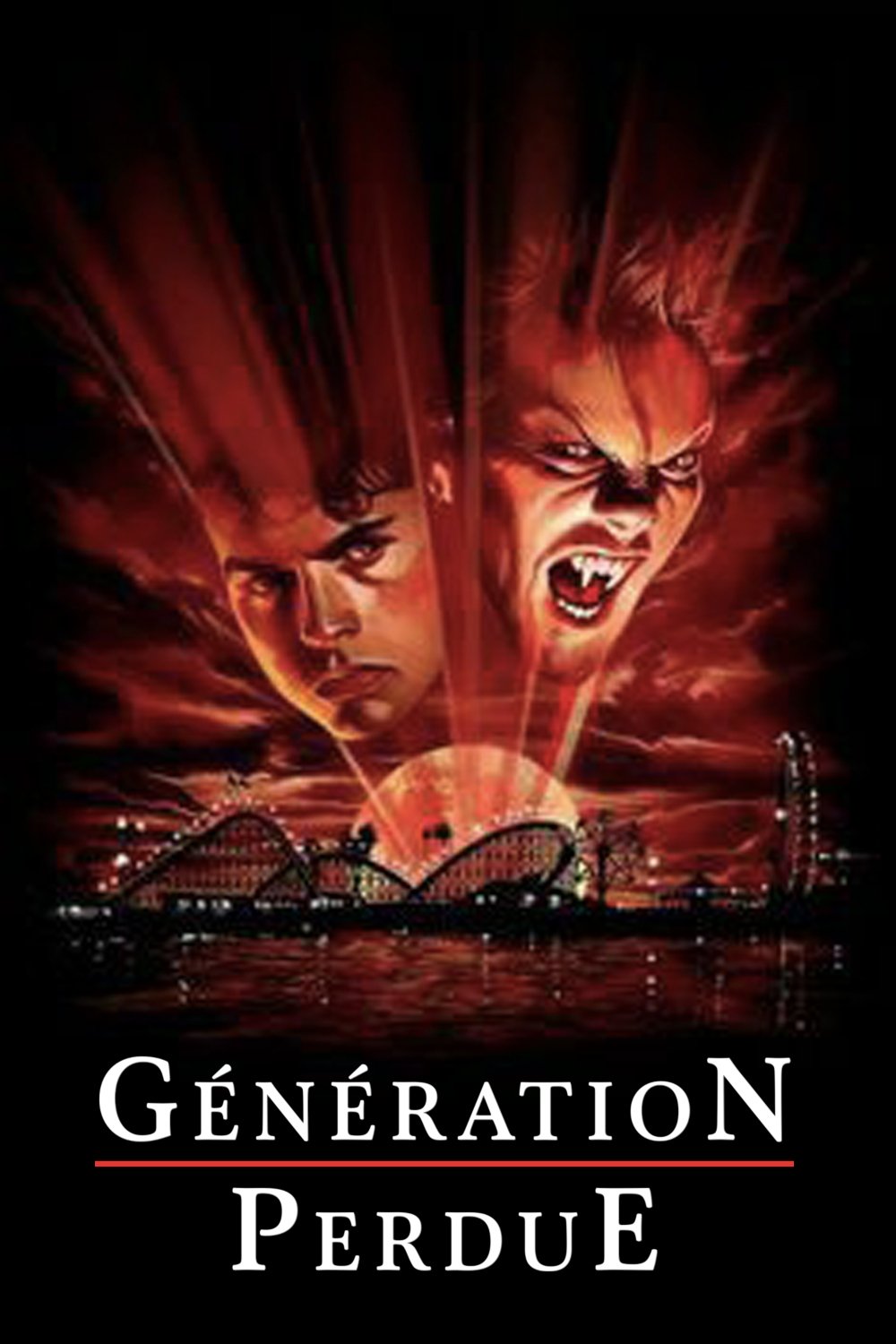
The Lost Boys (1987)

US
HORROR FILM Comedy Thriller
9.0/10 5 votes
Runtime
97 min
Release
July 31, 1987
Budget
$8,500,000
Revenue
$32,222,567
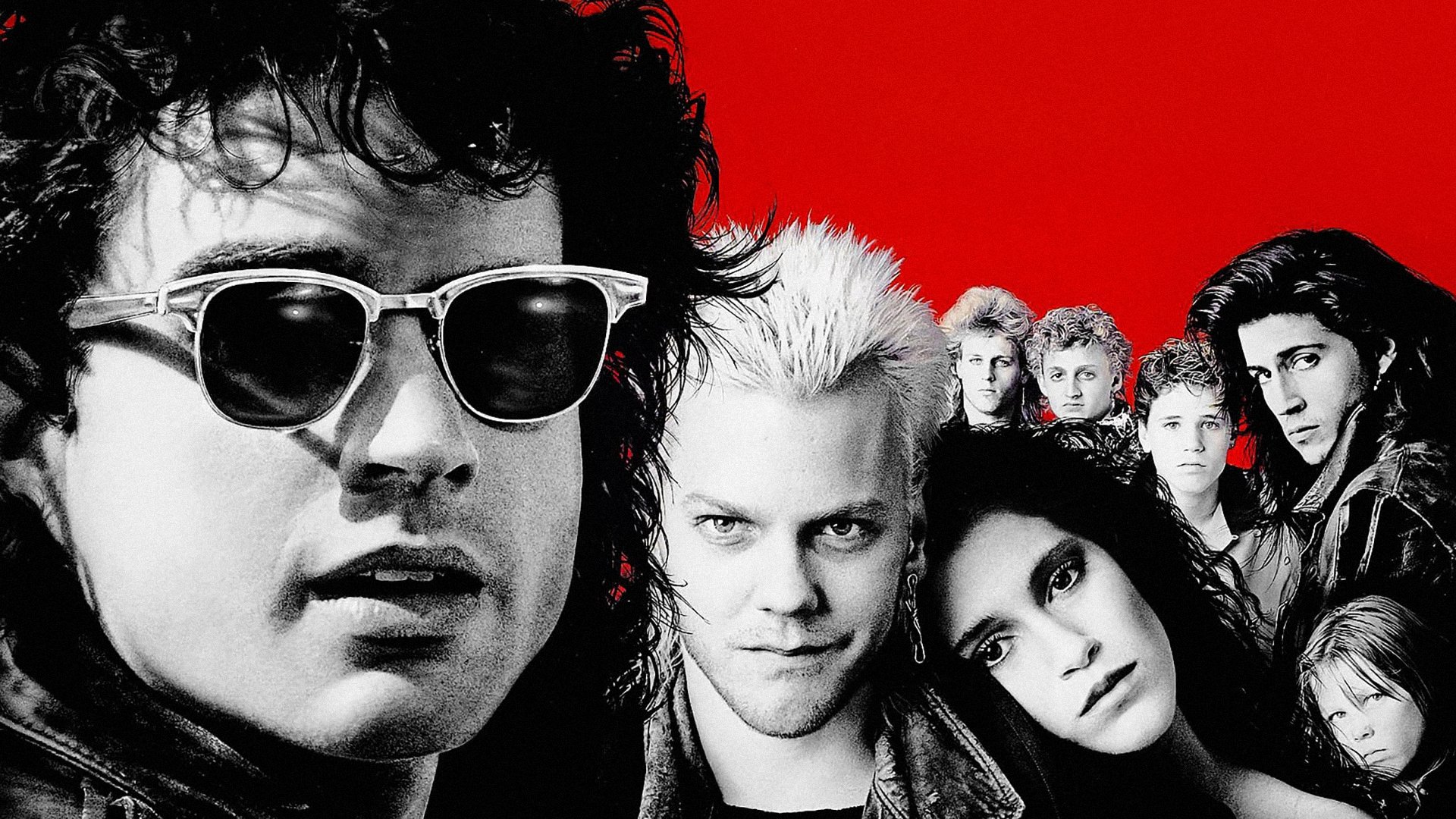
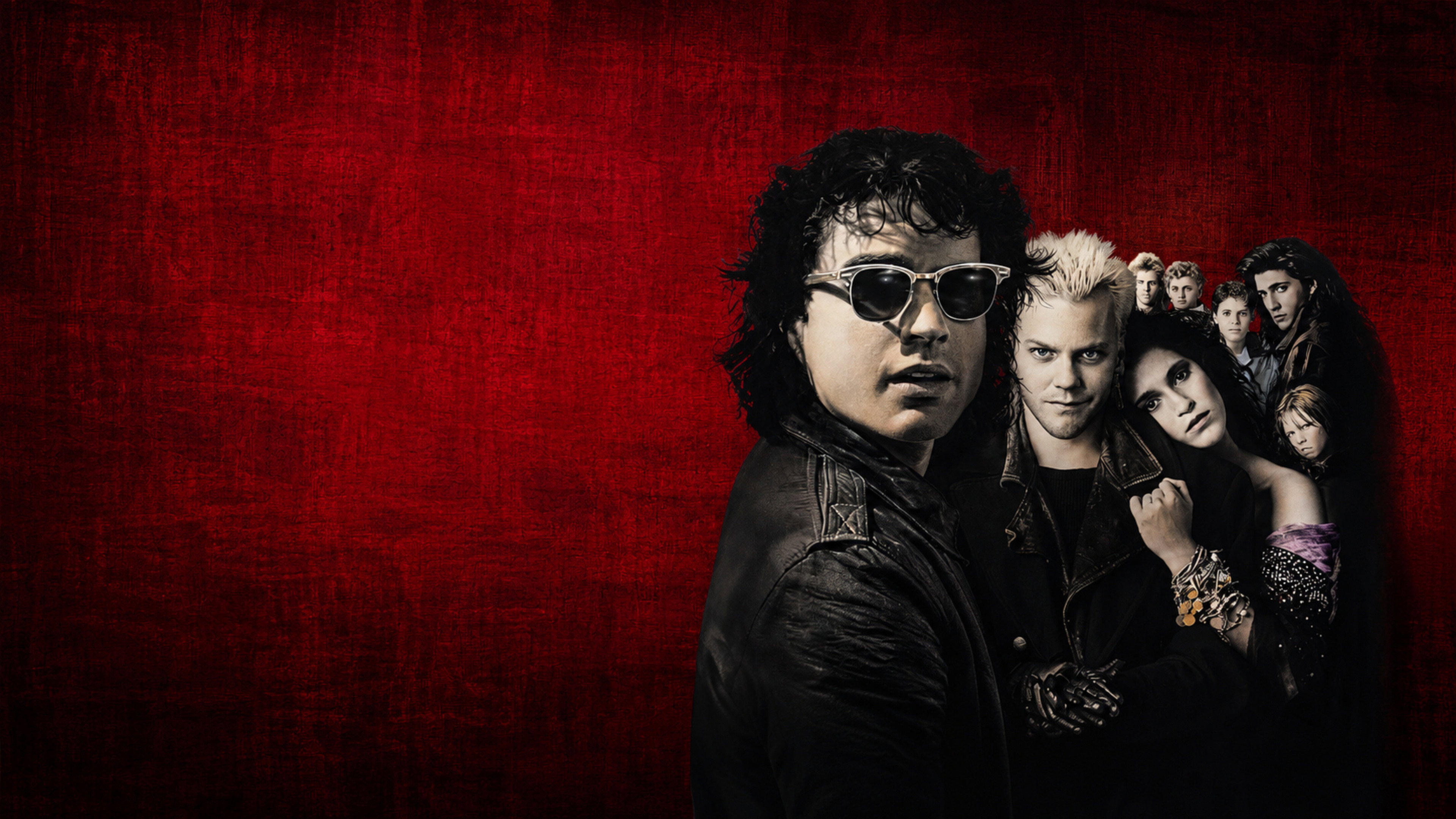
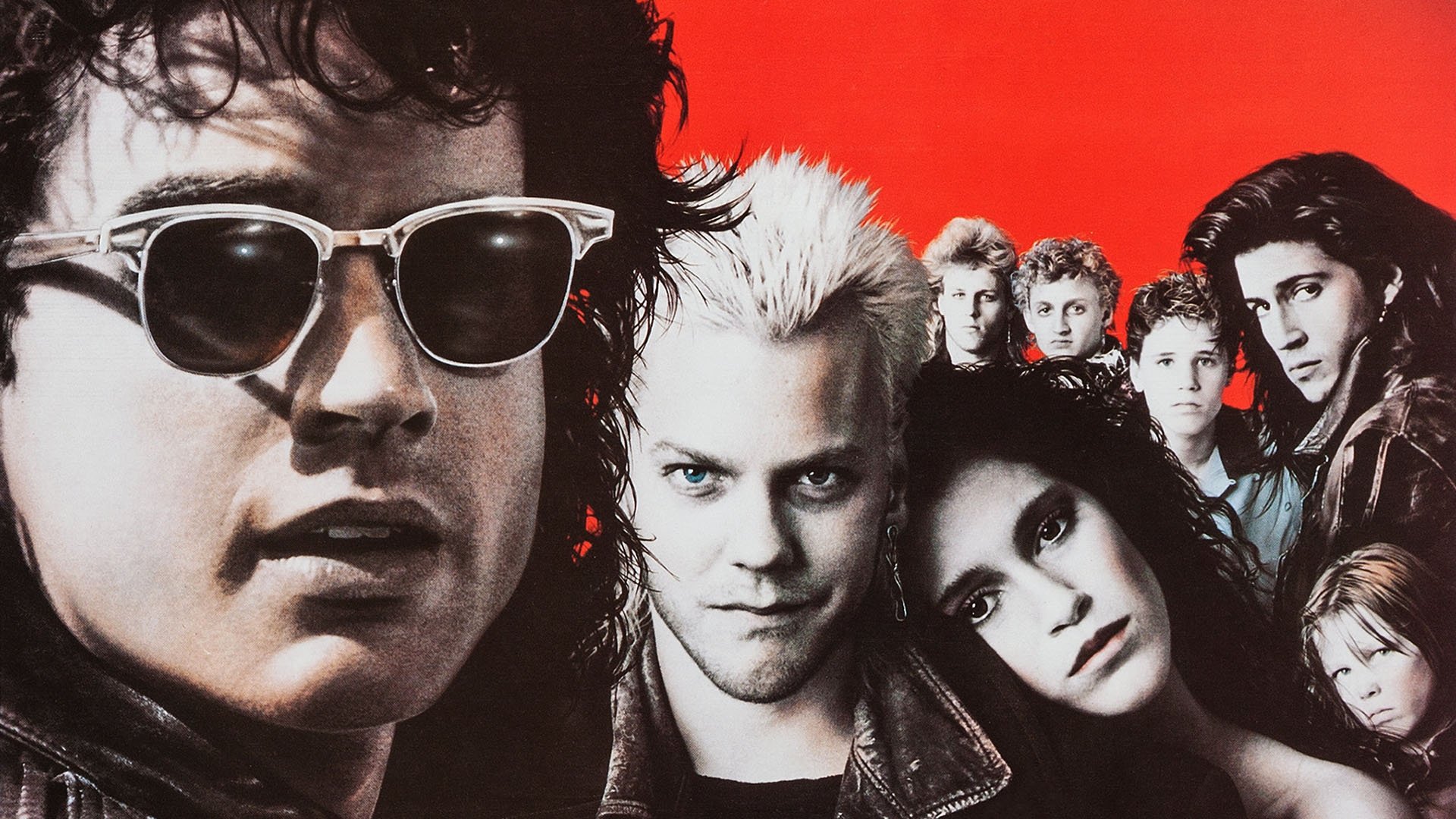
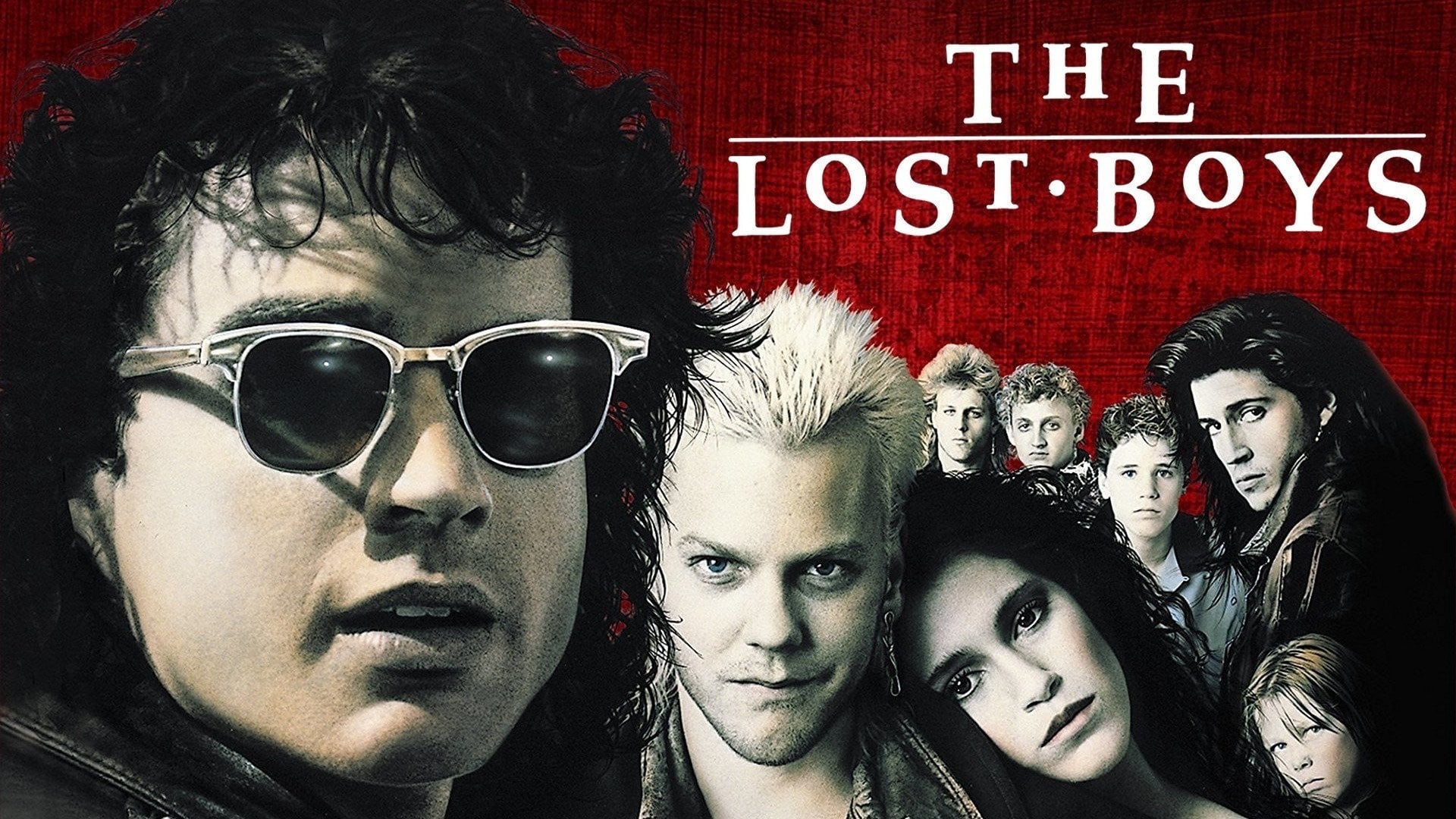
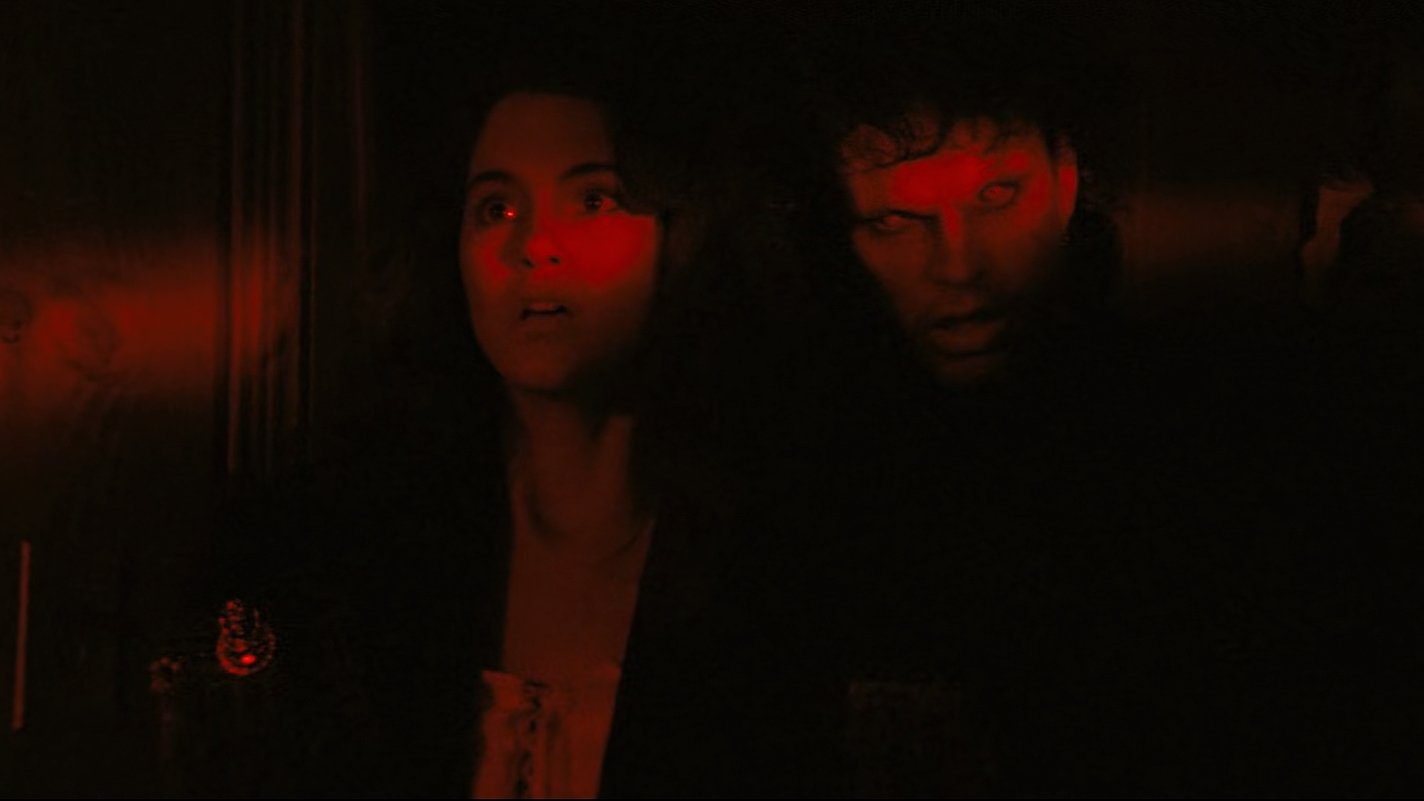
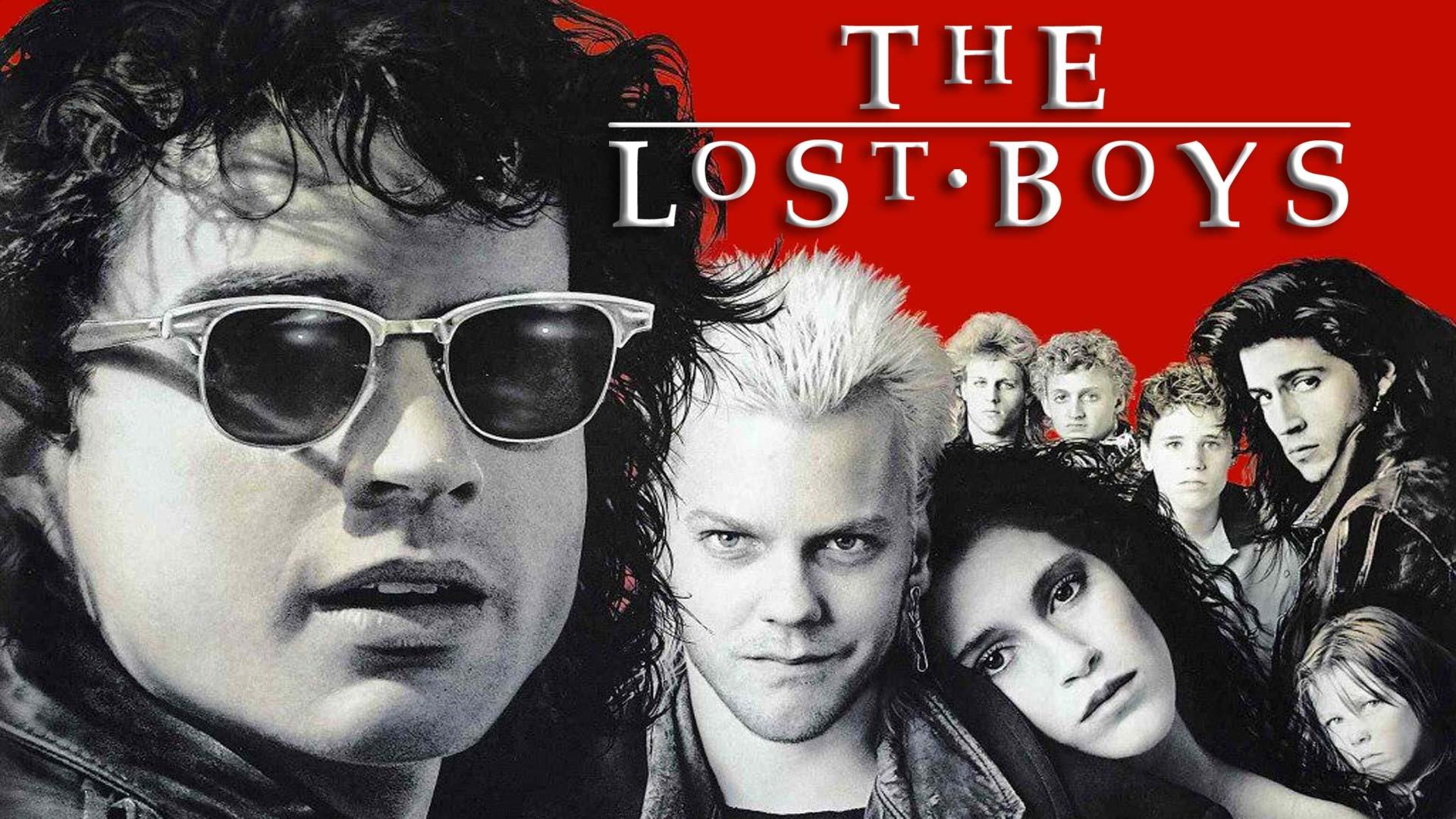
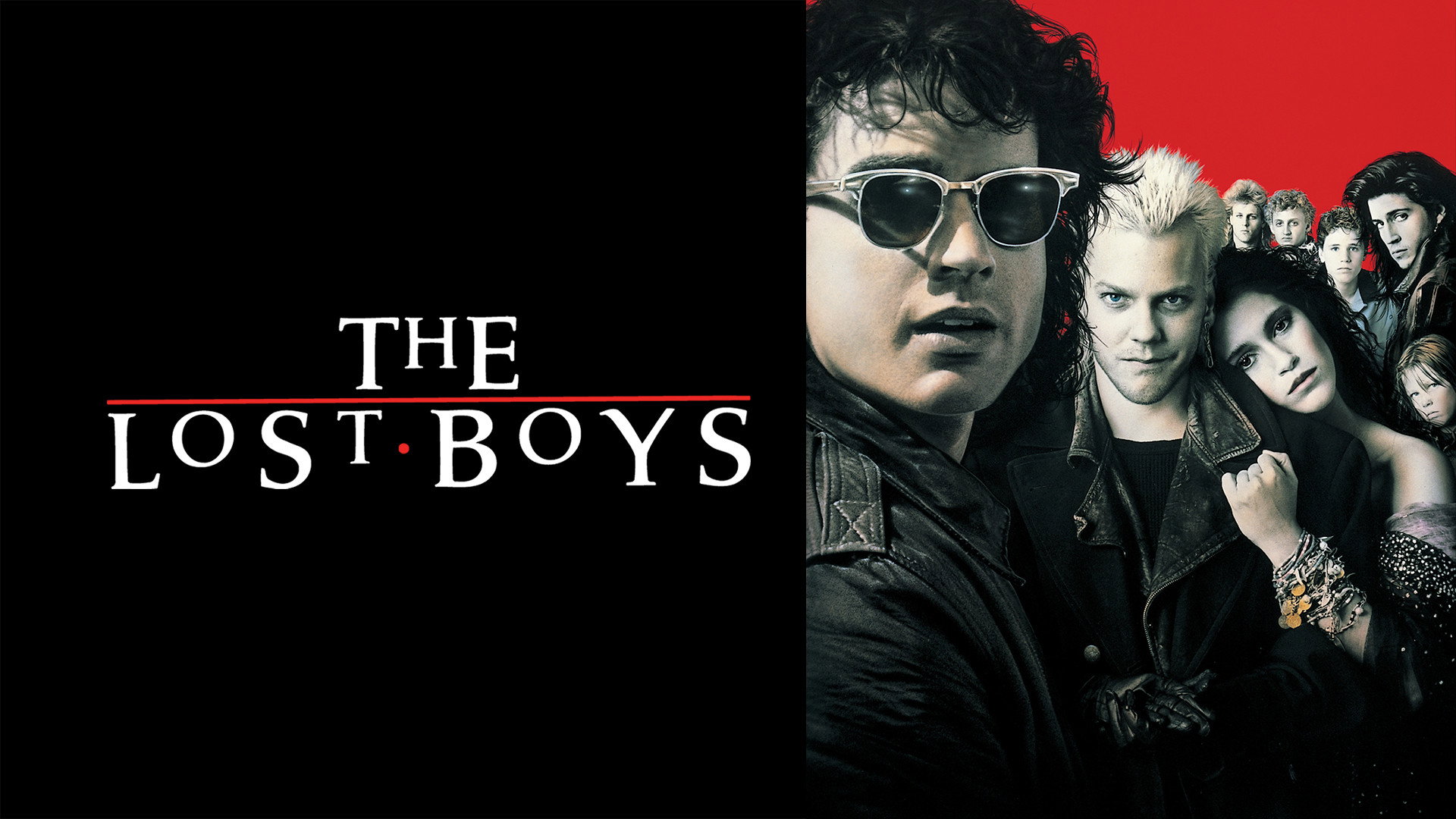
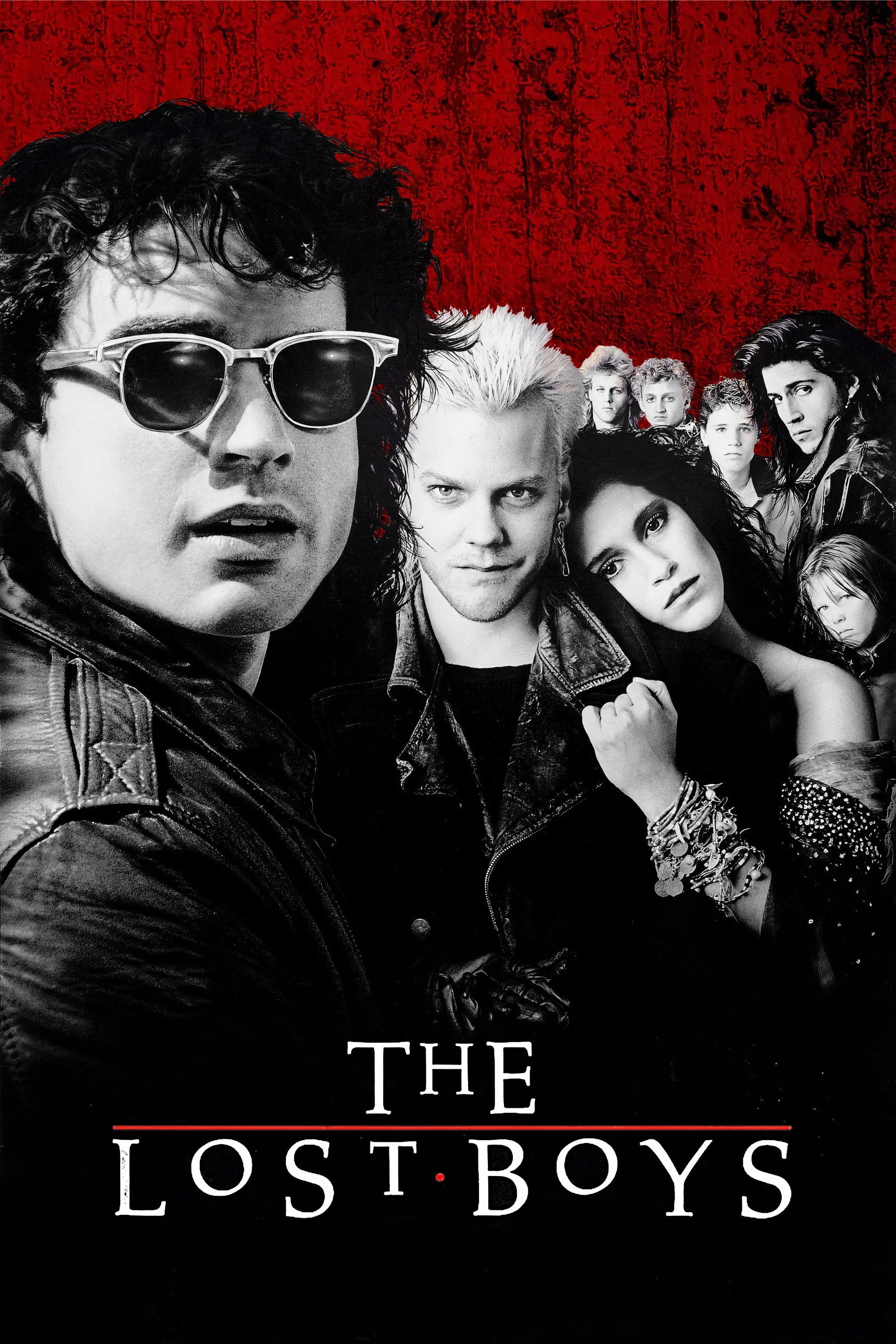
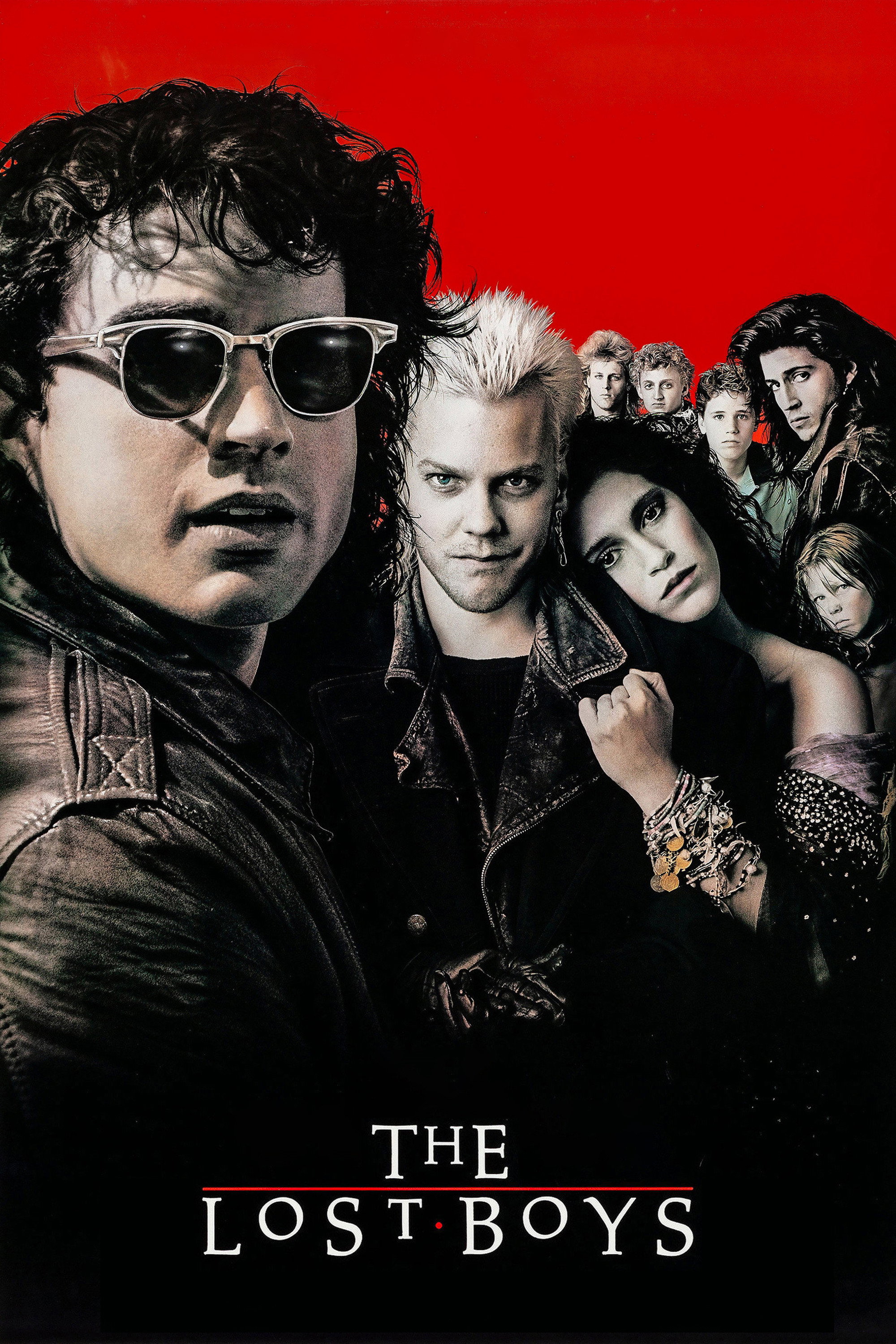
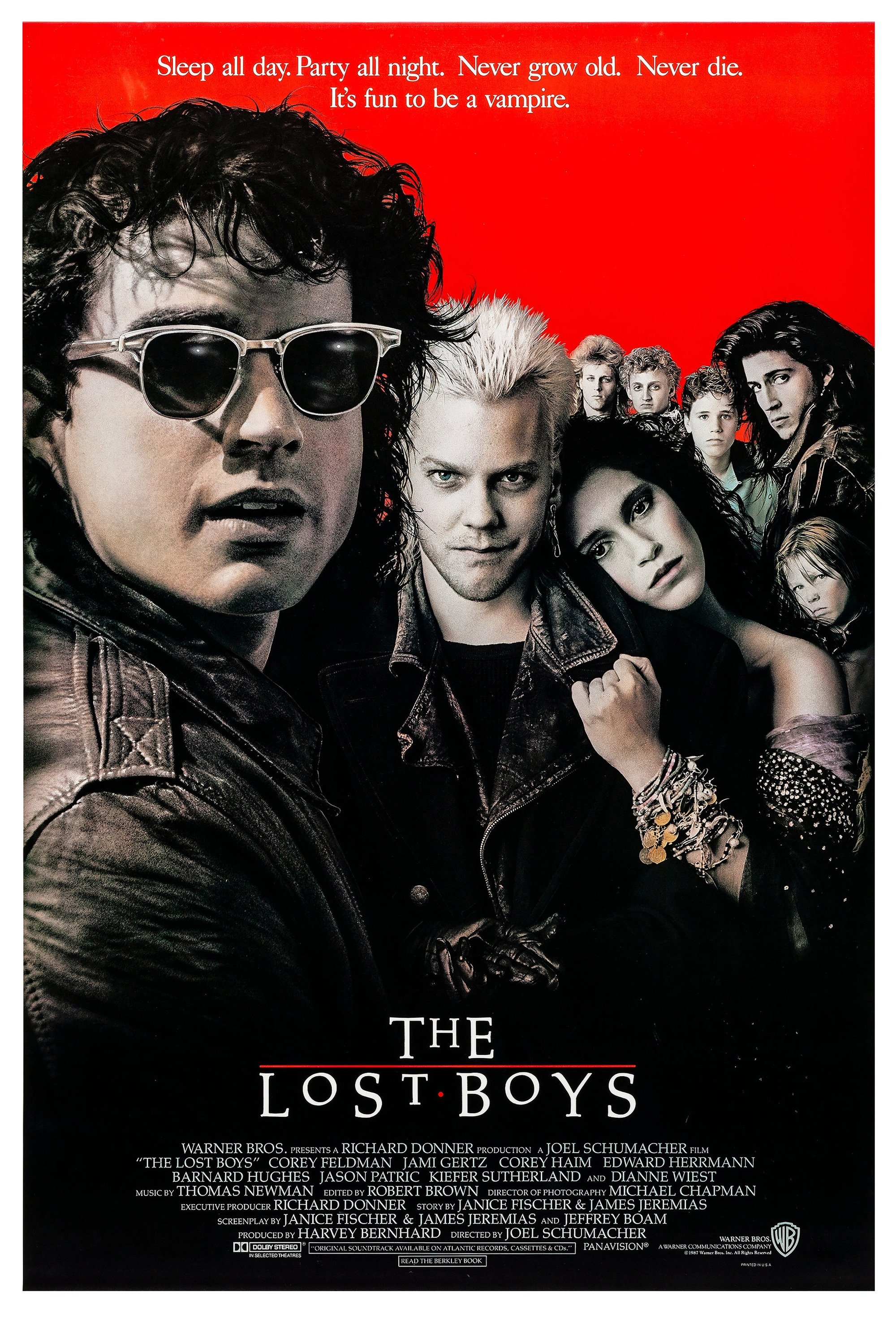
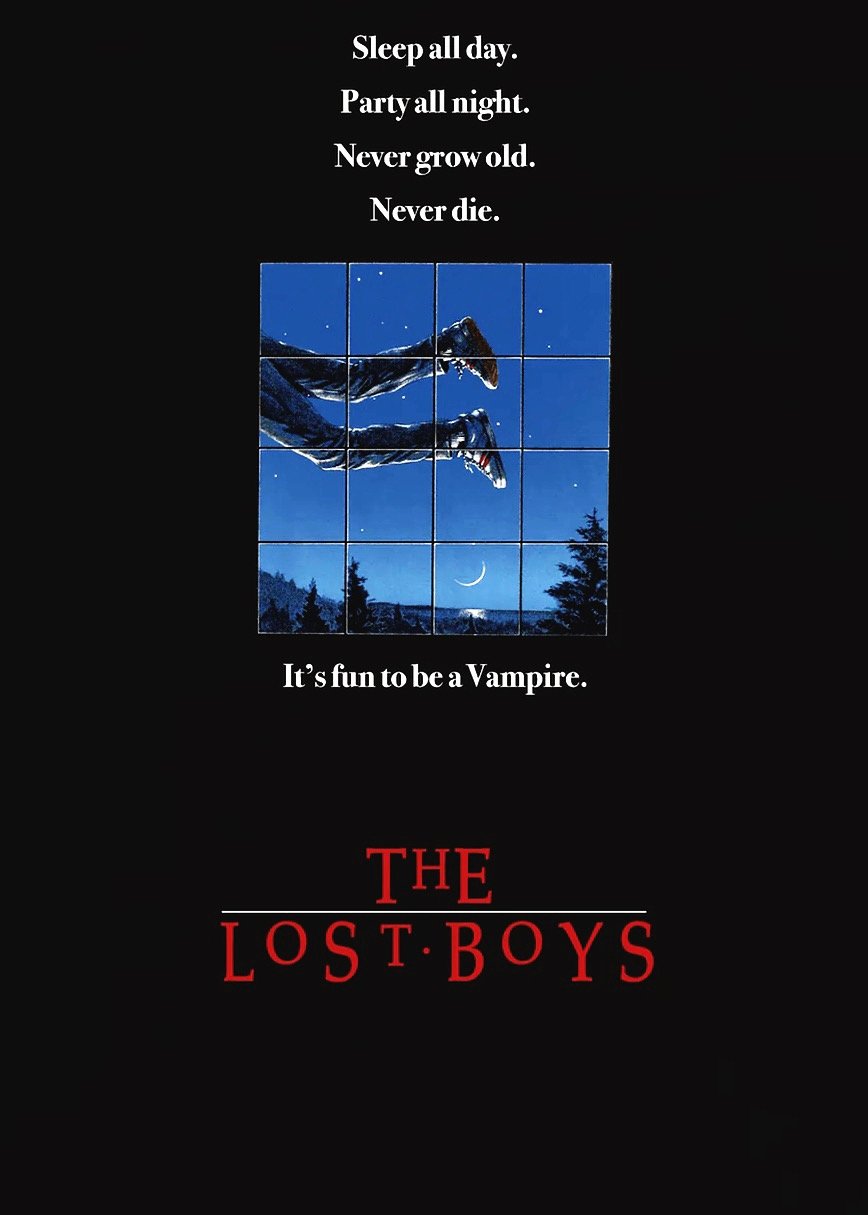
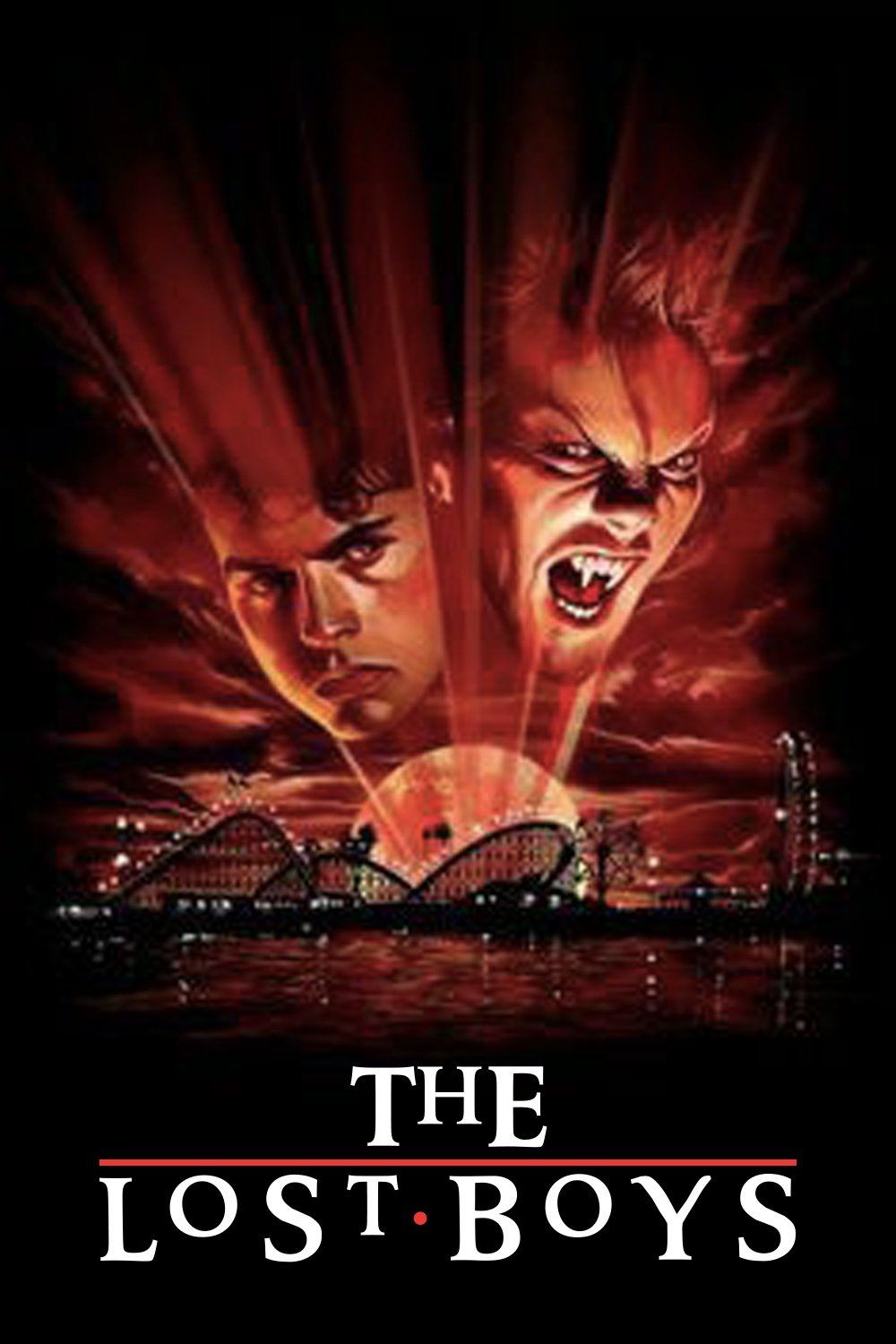
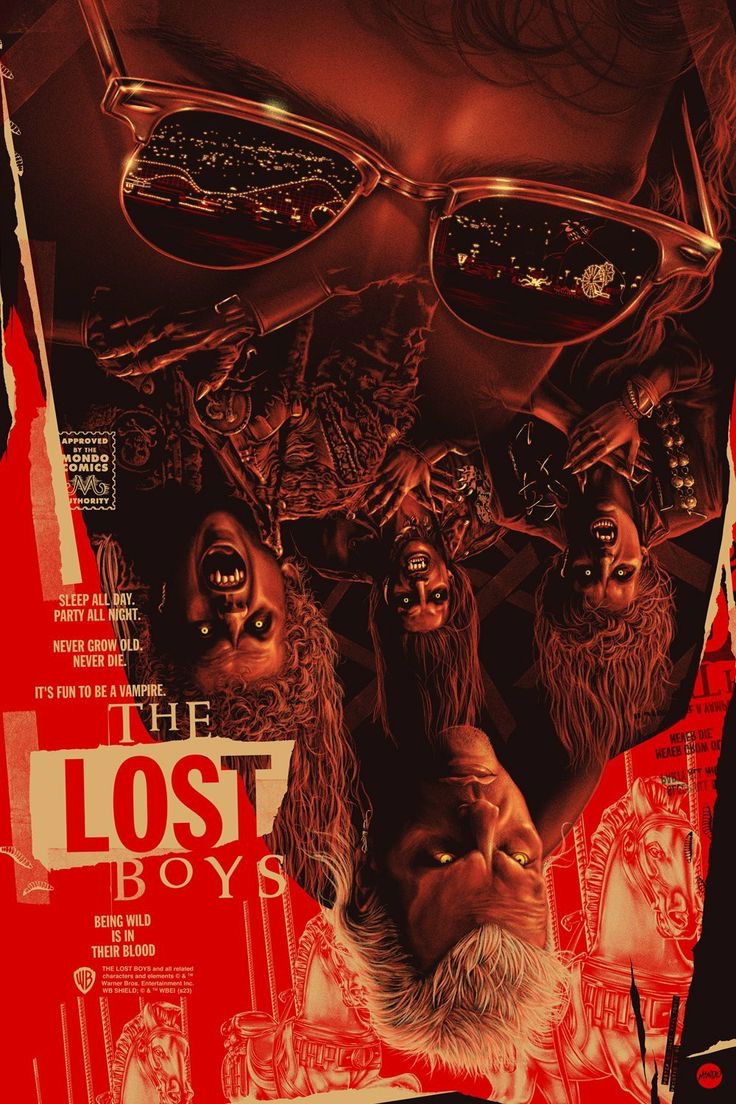
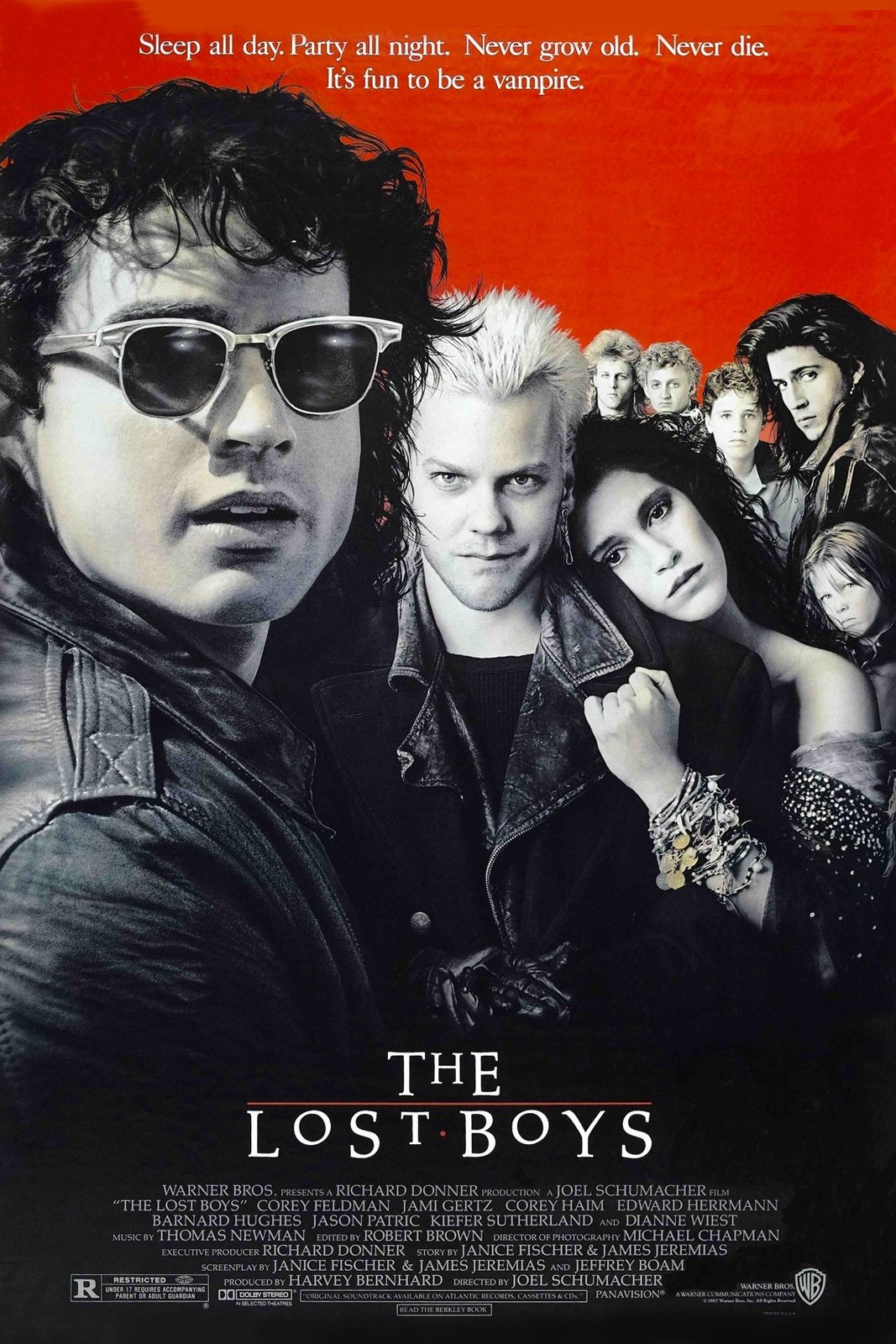
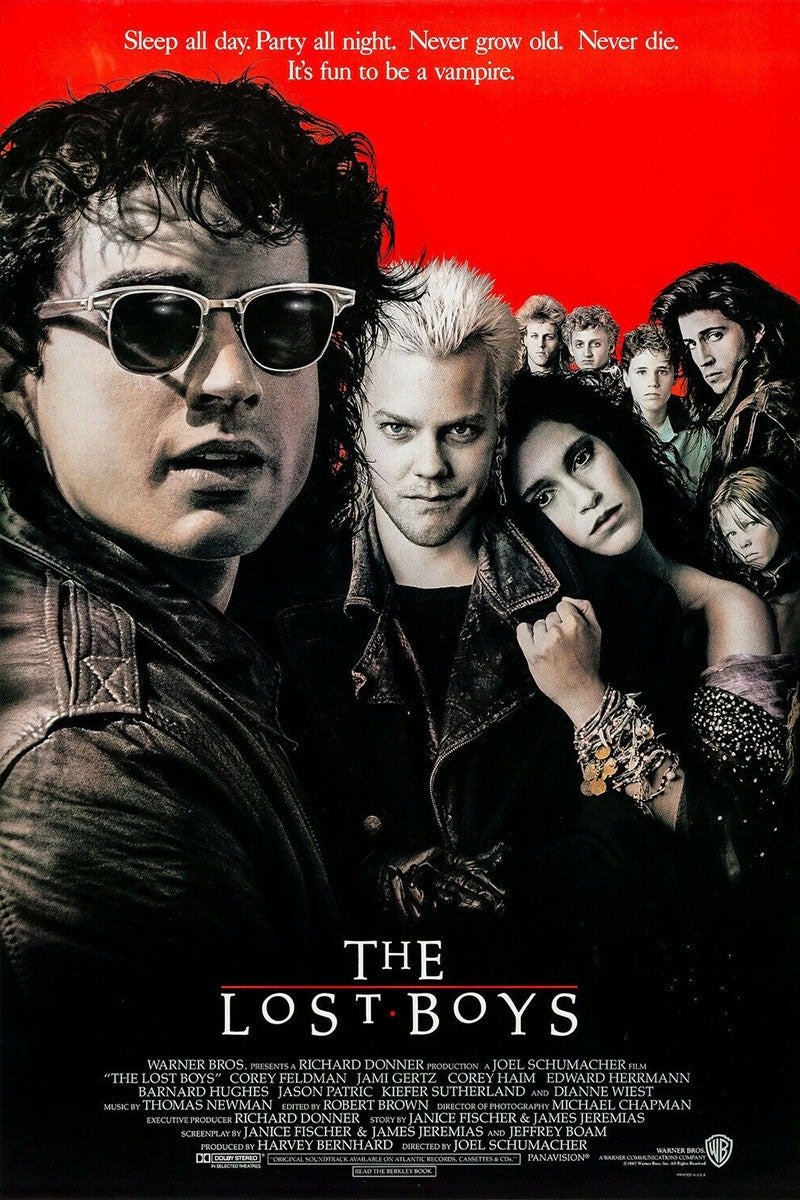
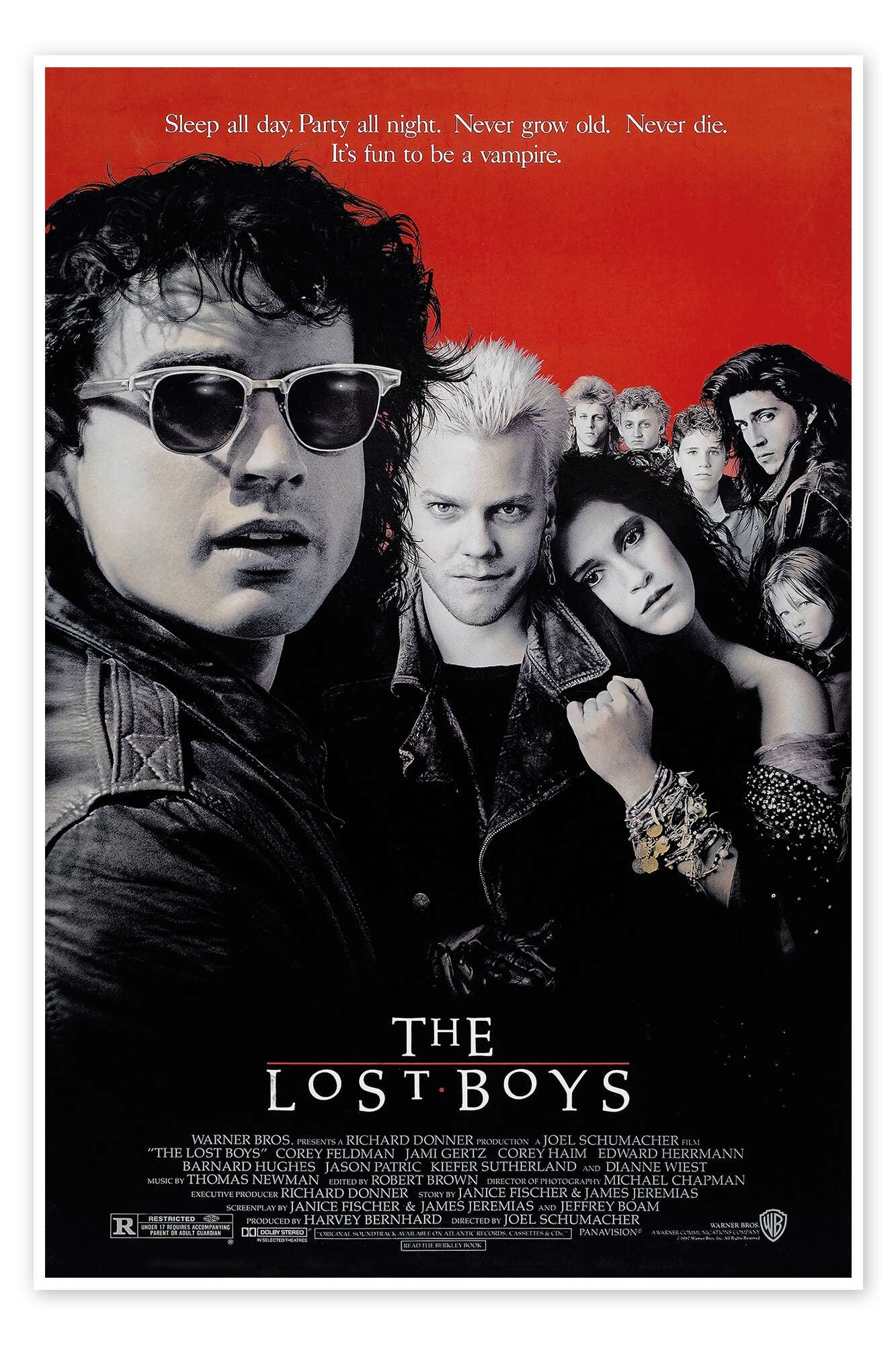
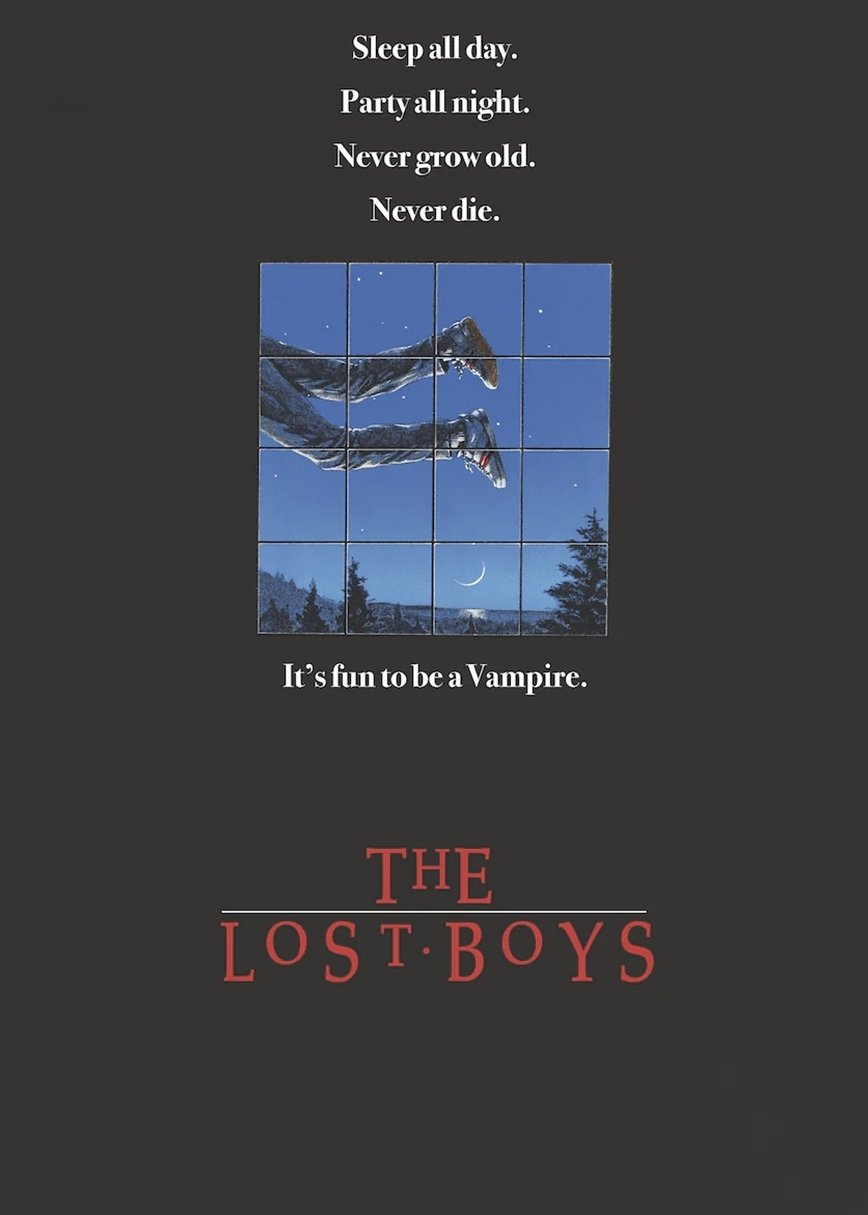
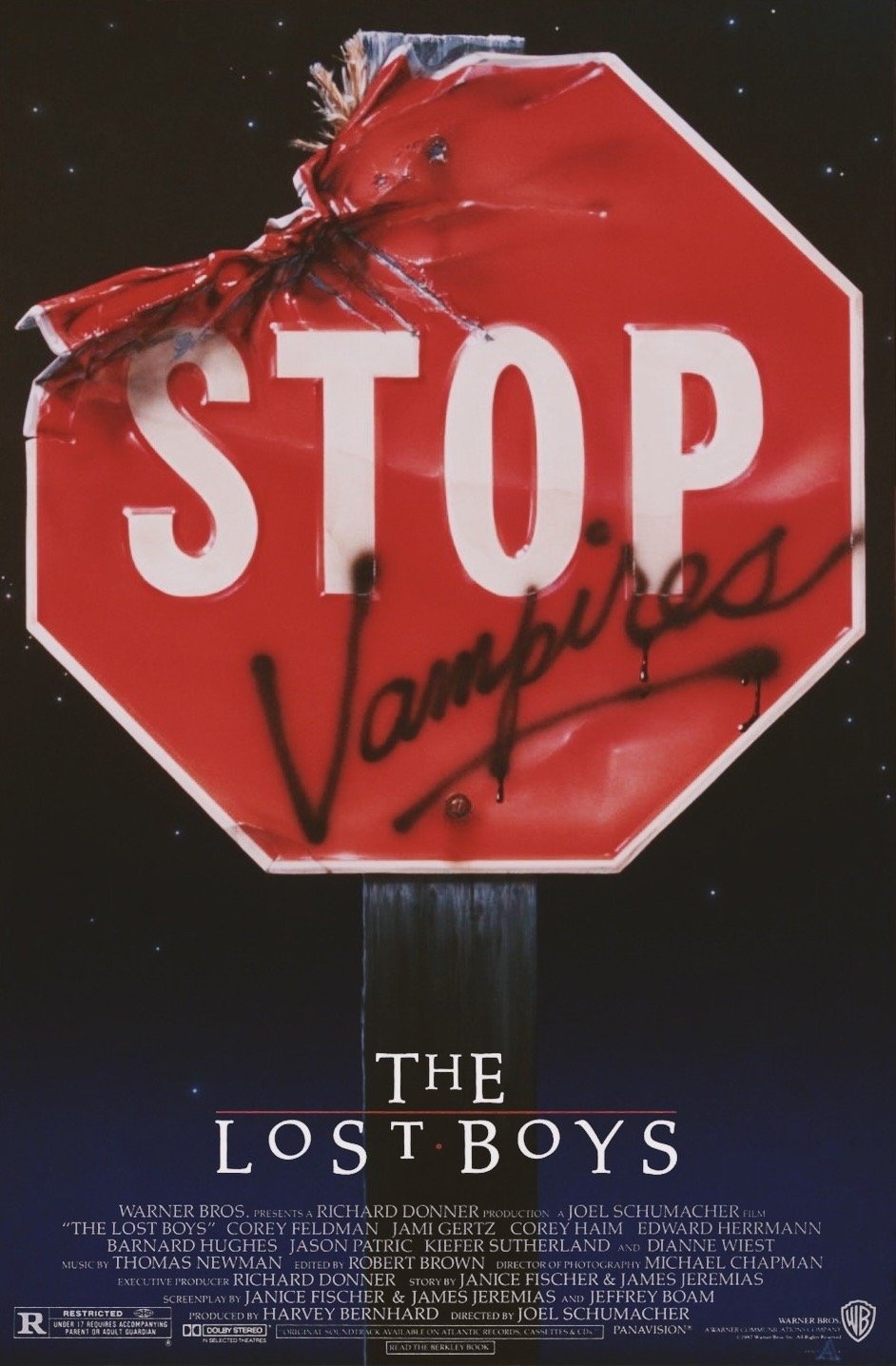
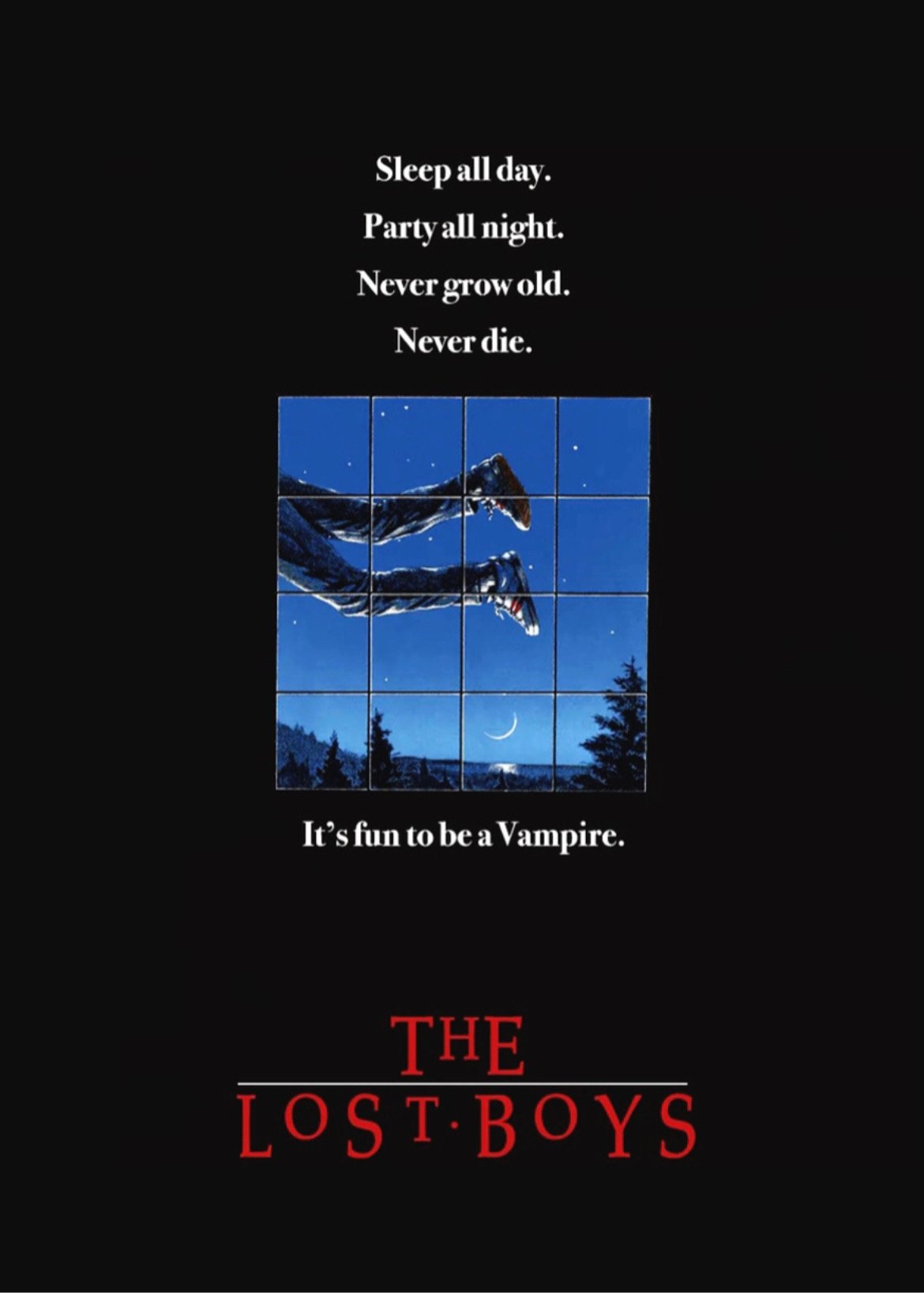
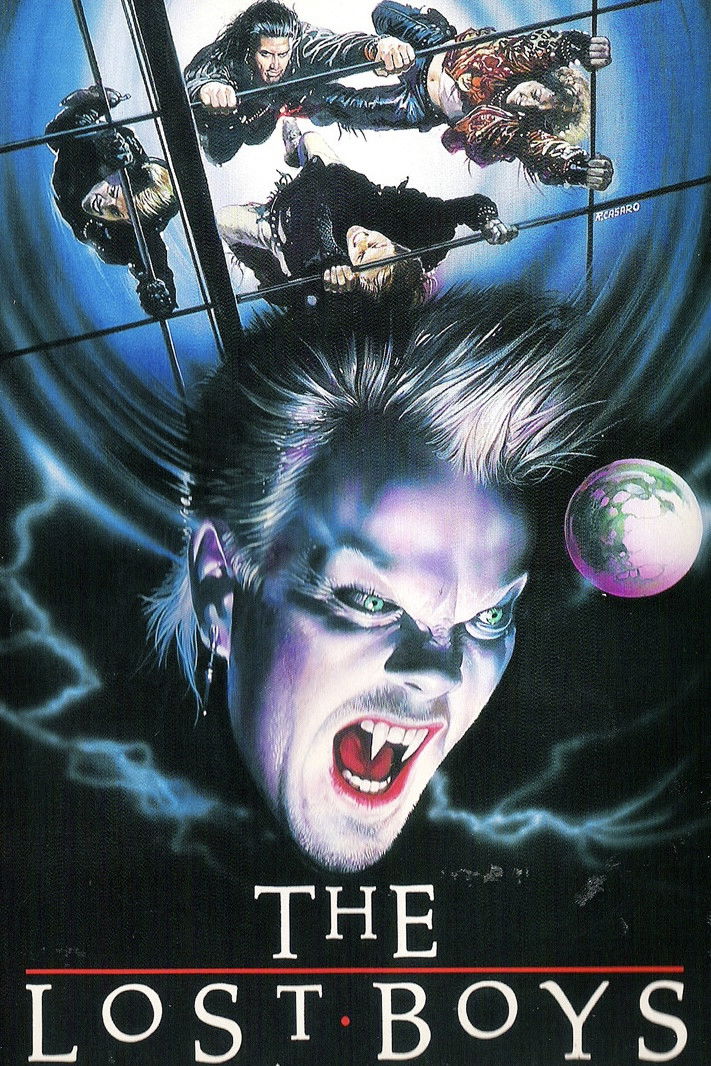
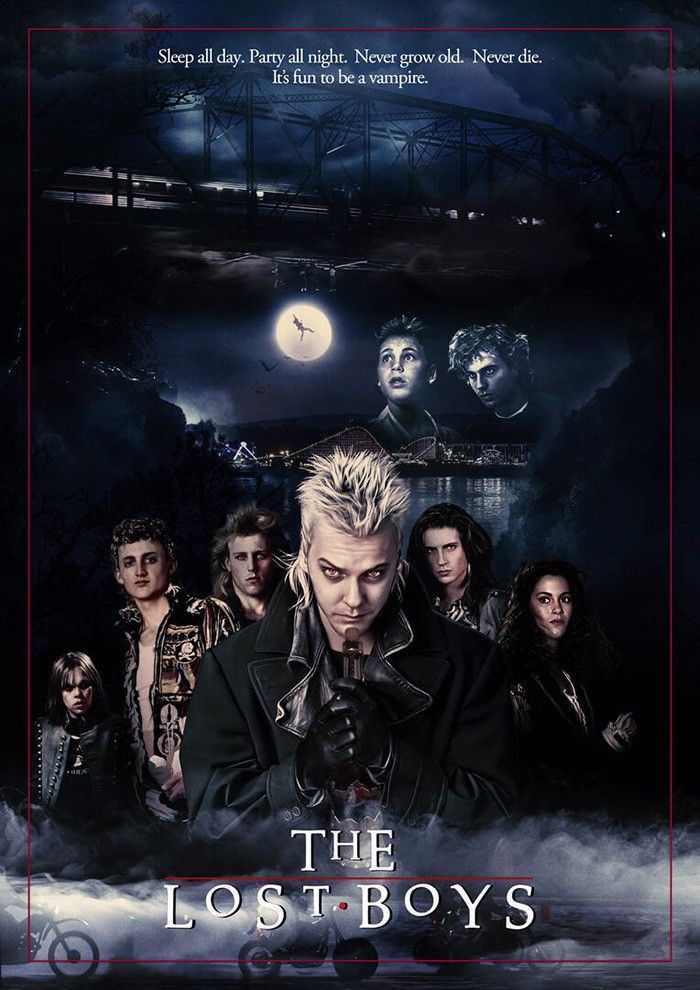
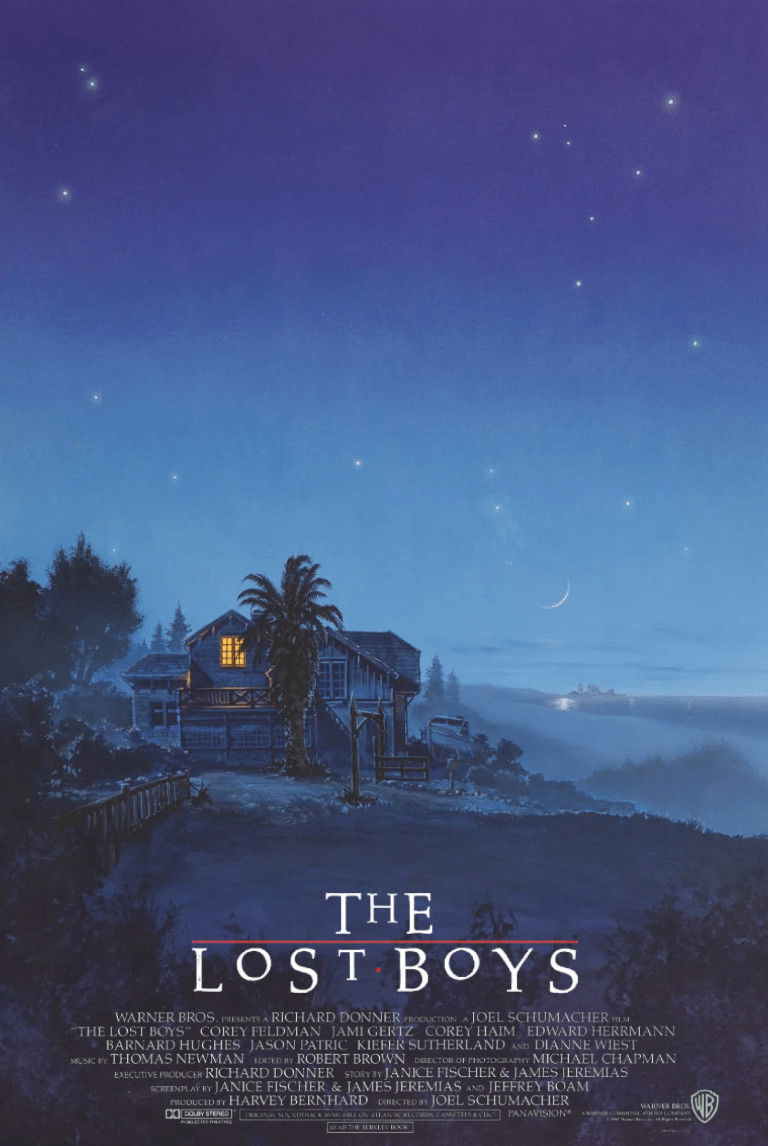
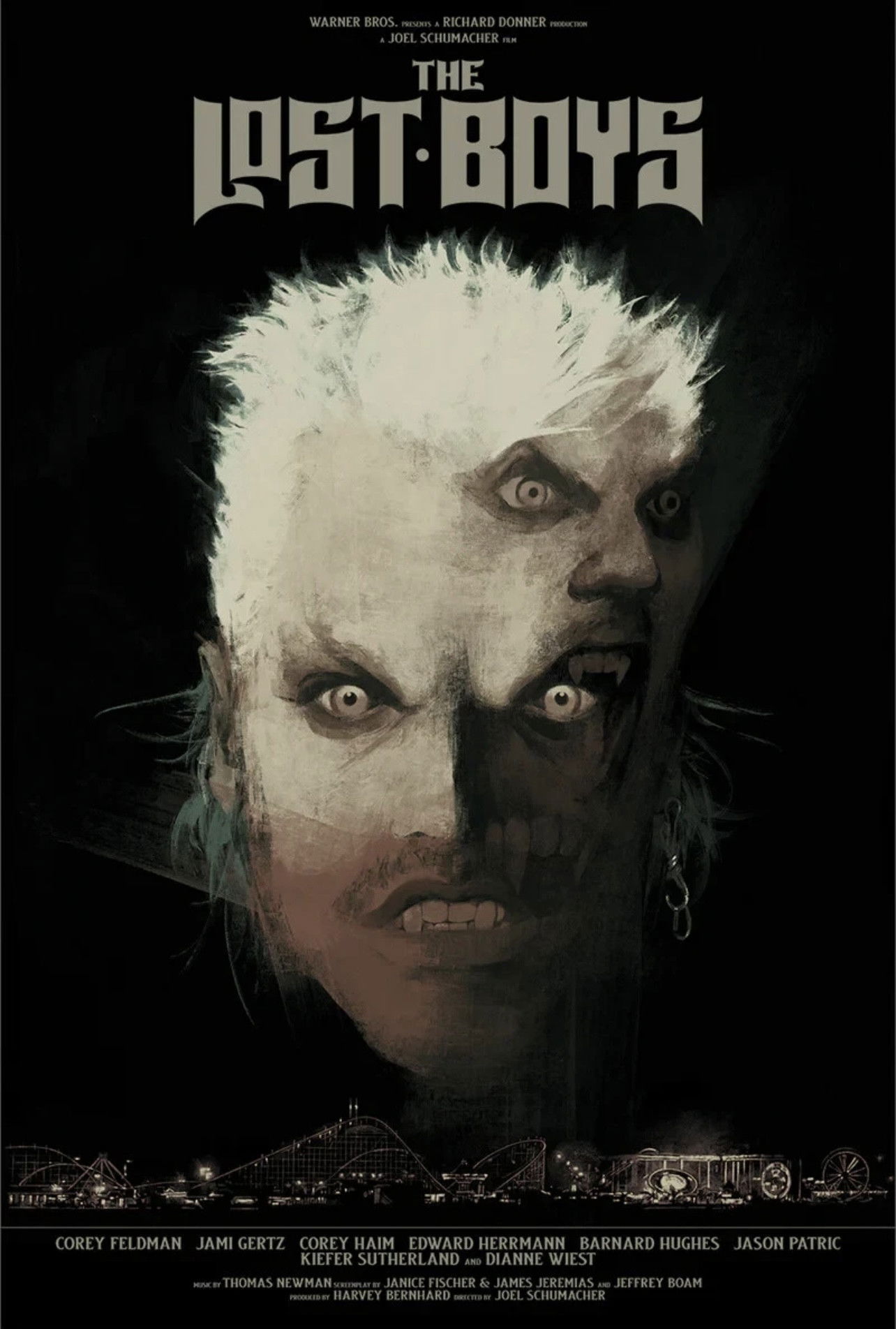
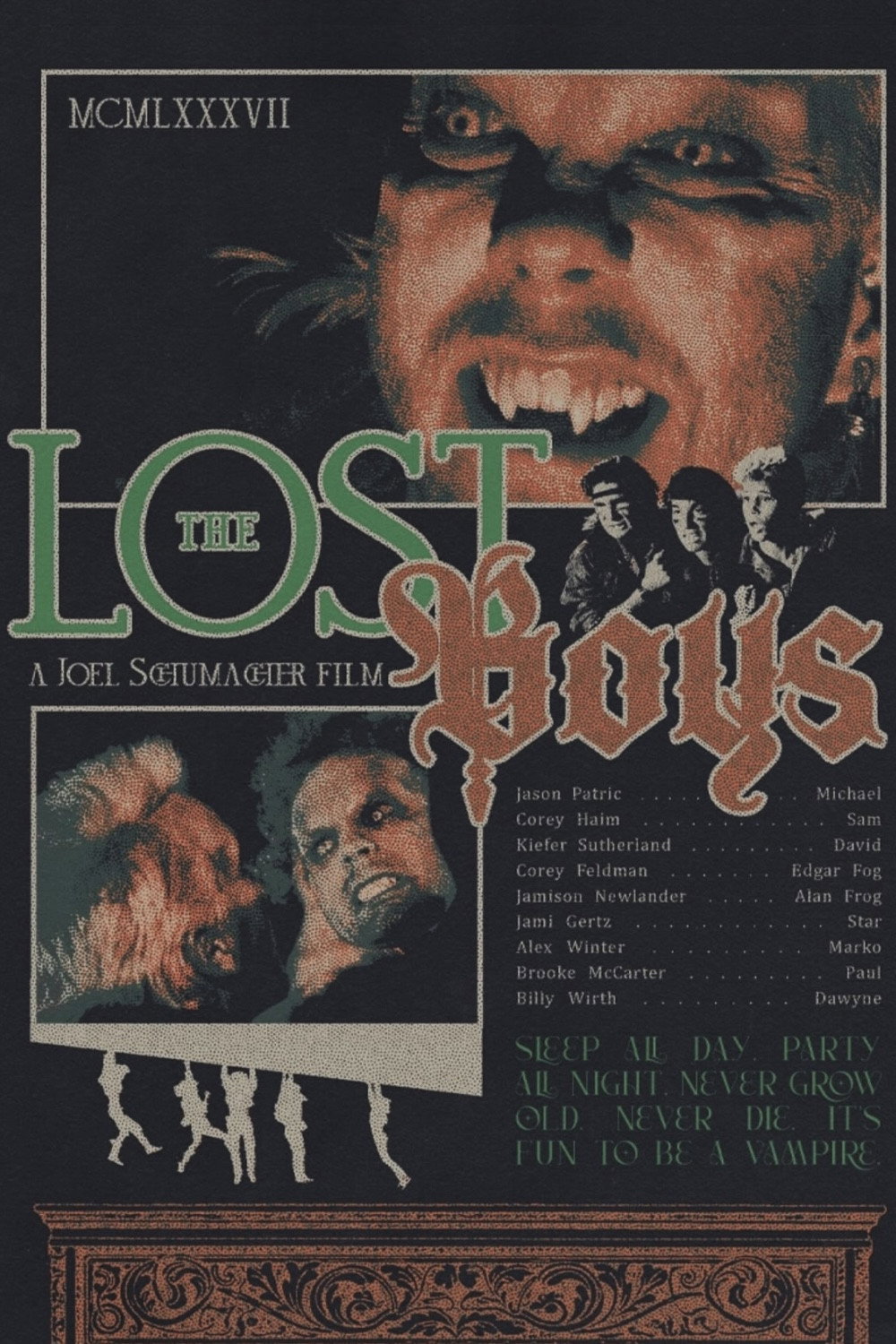
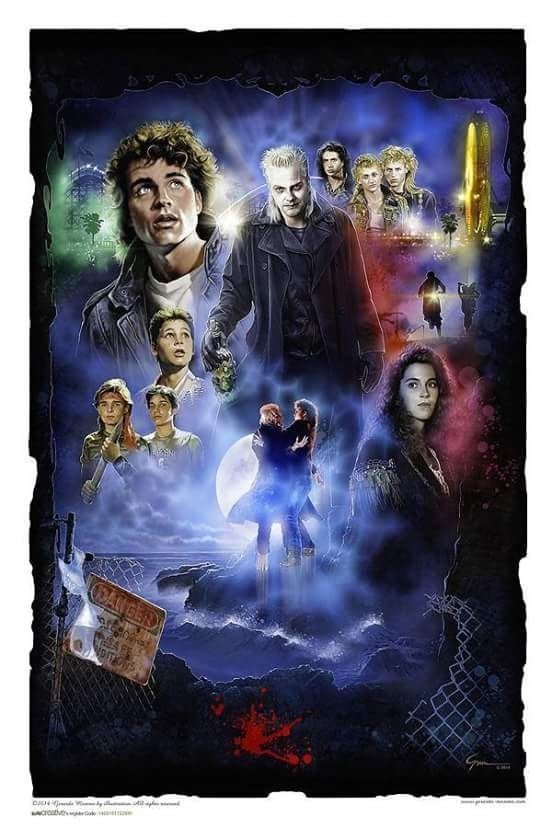
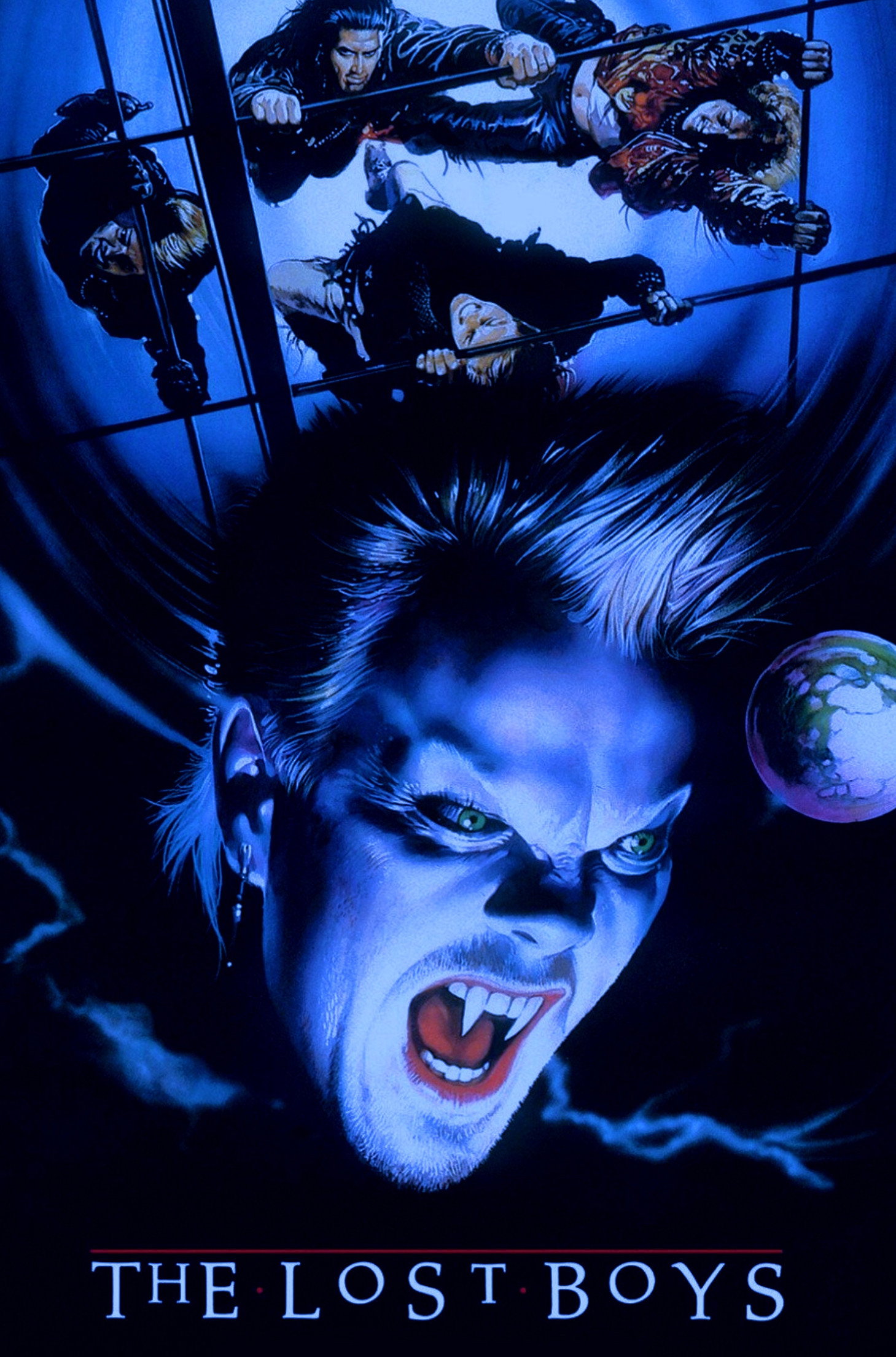
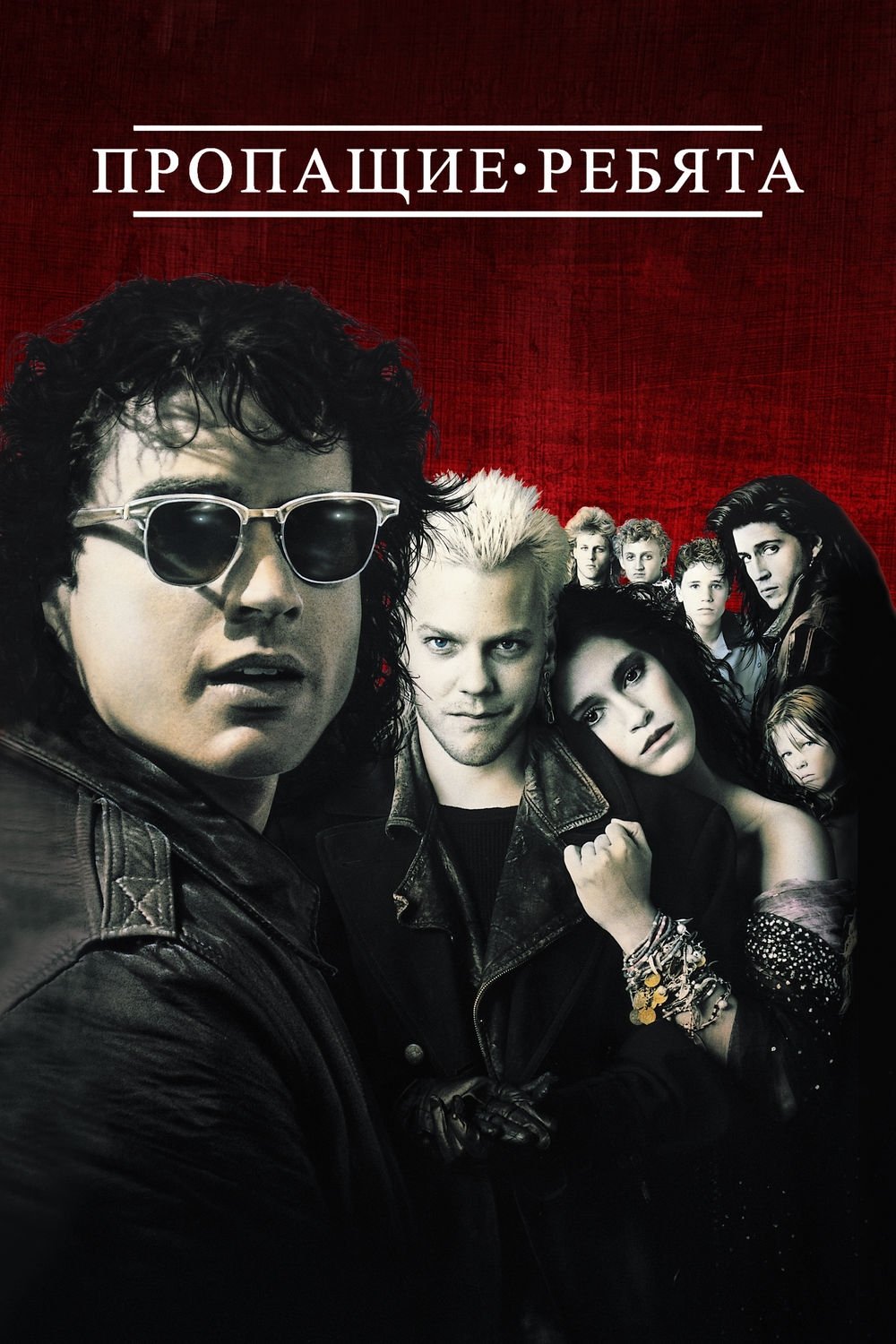
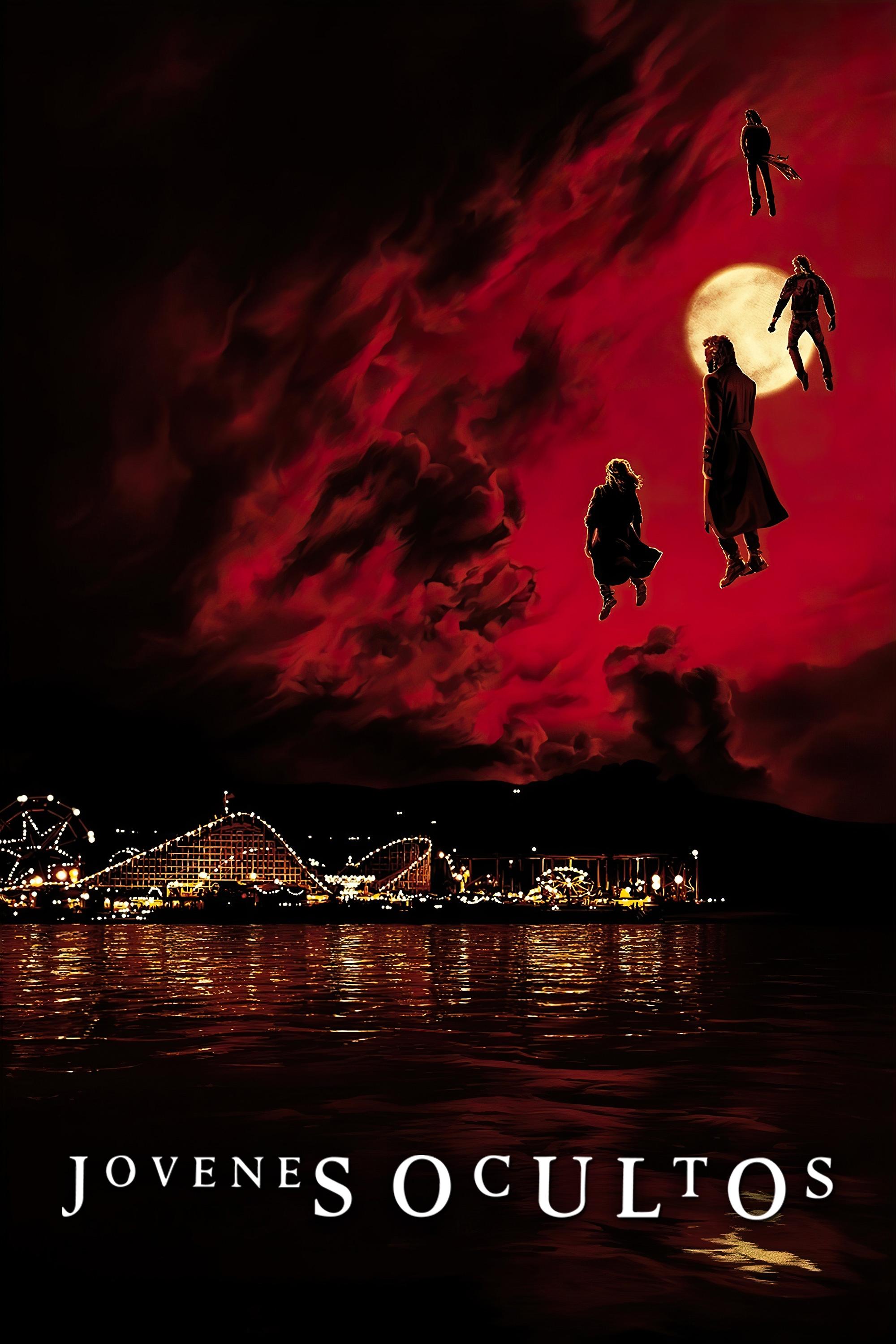
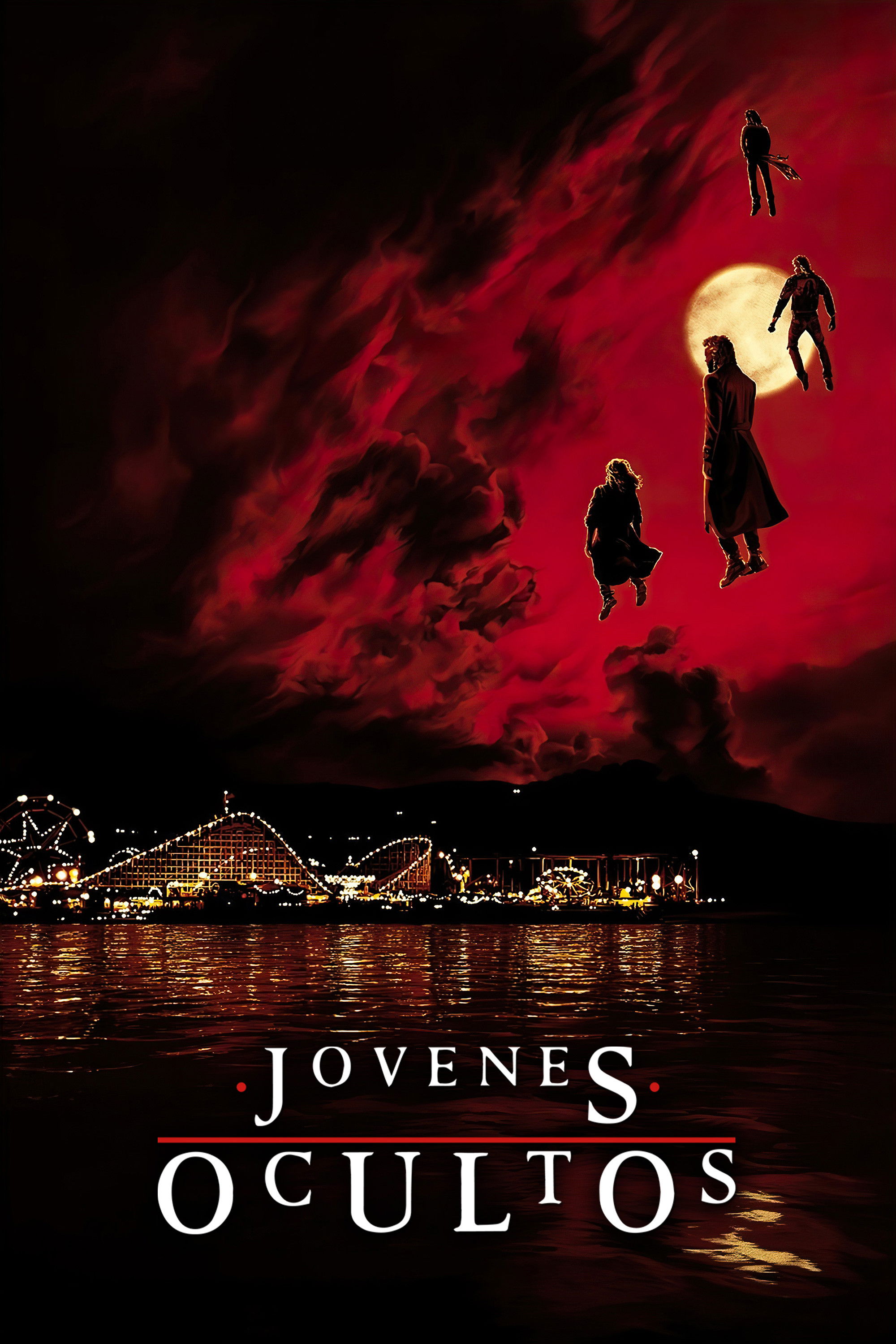
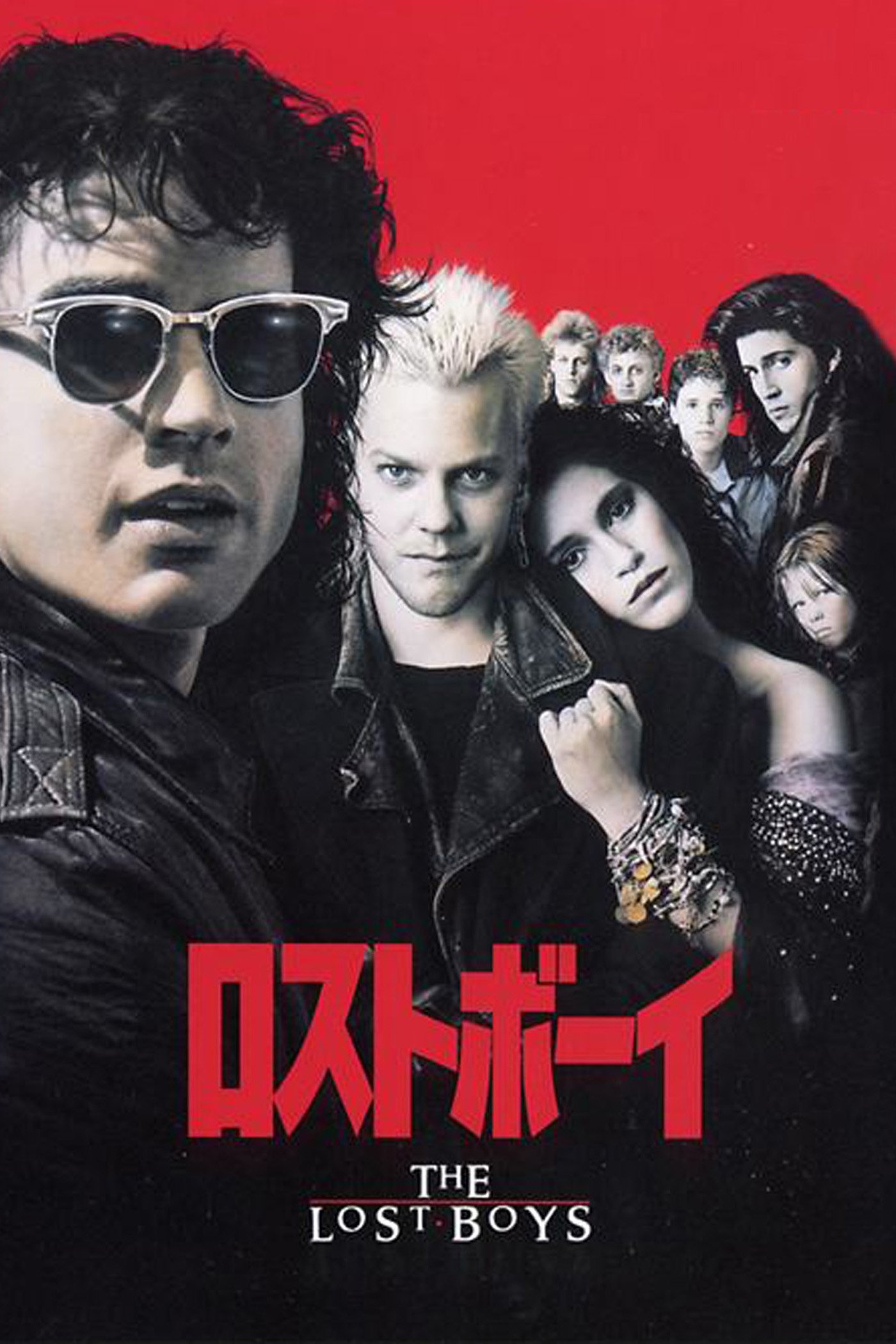
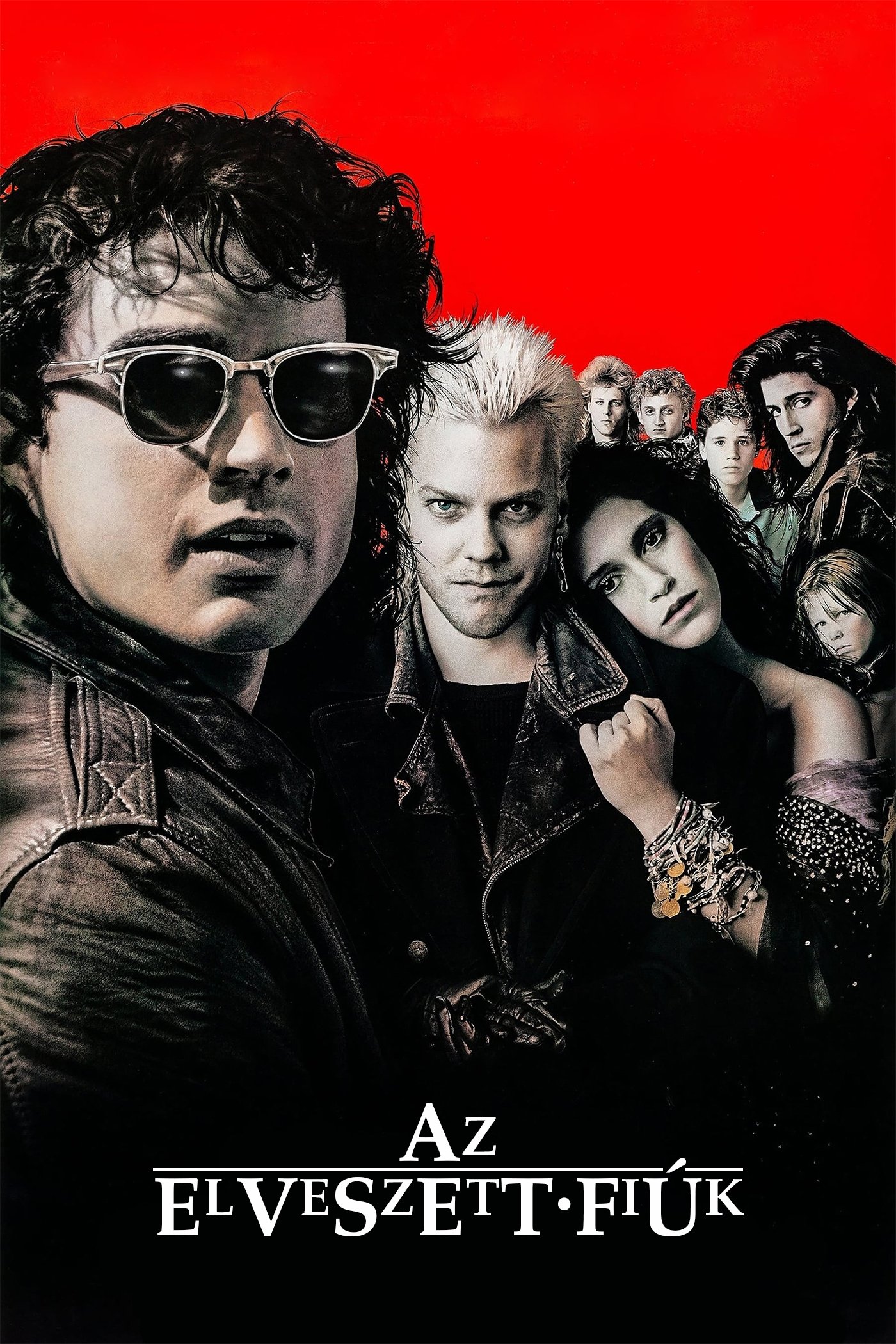
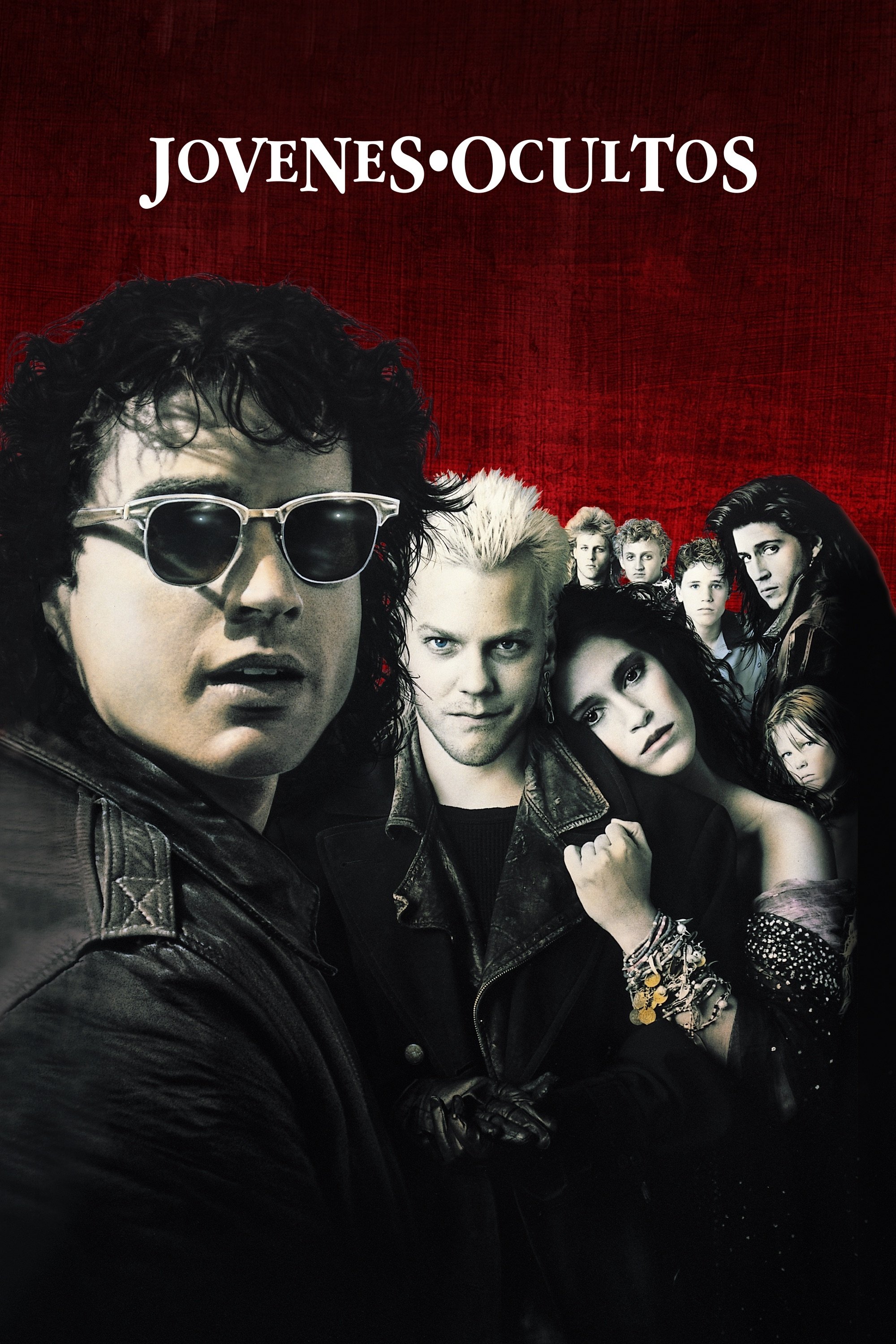
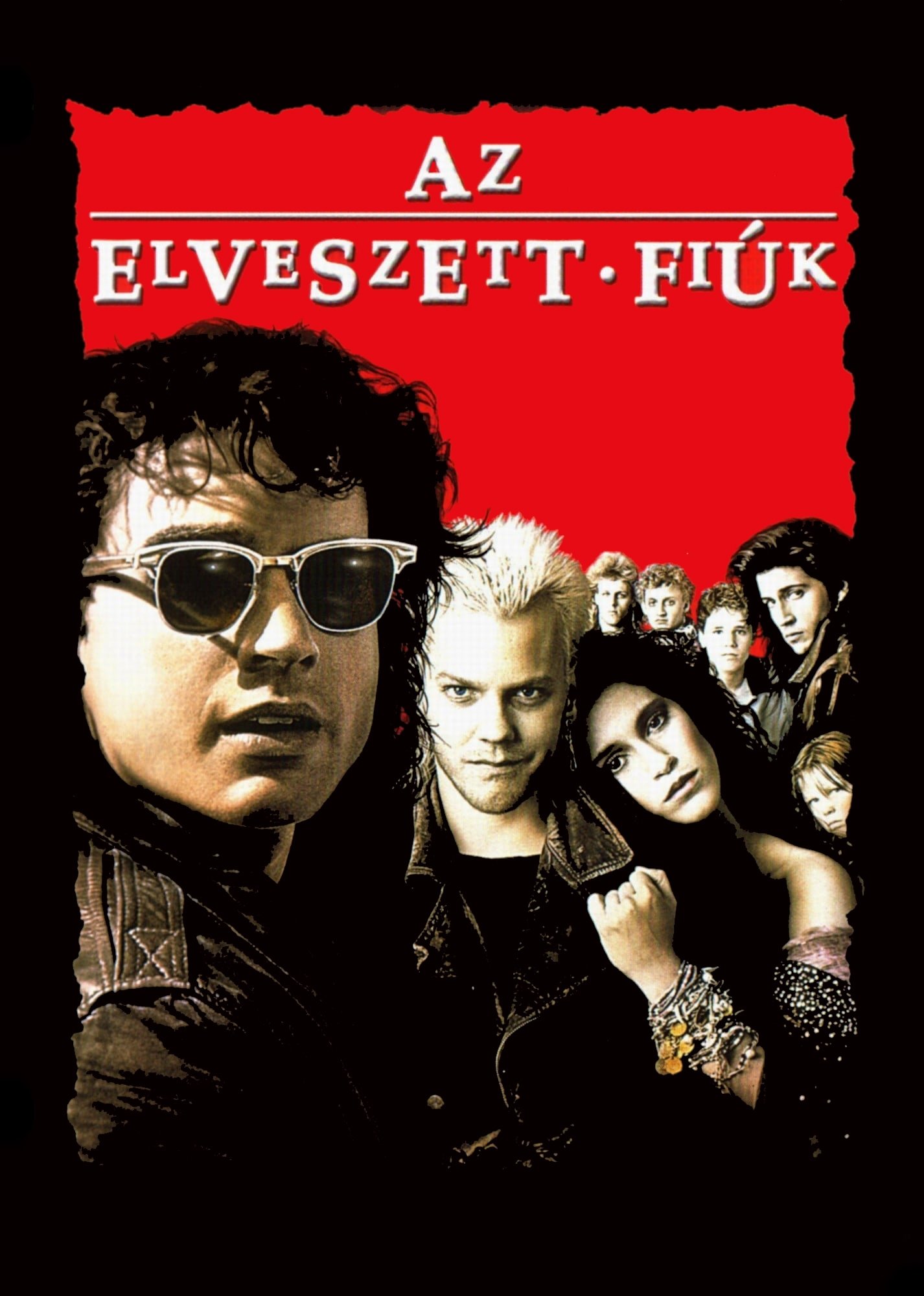
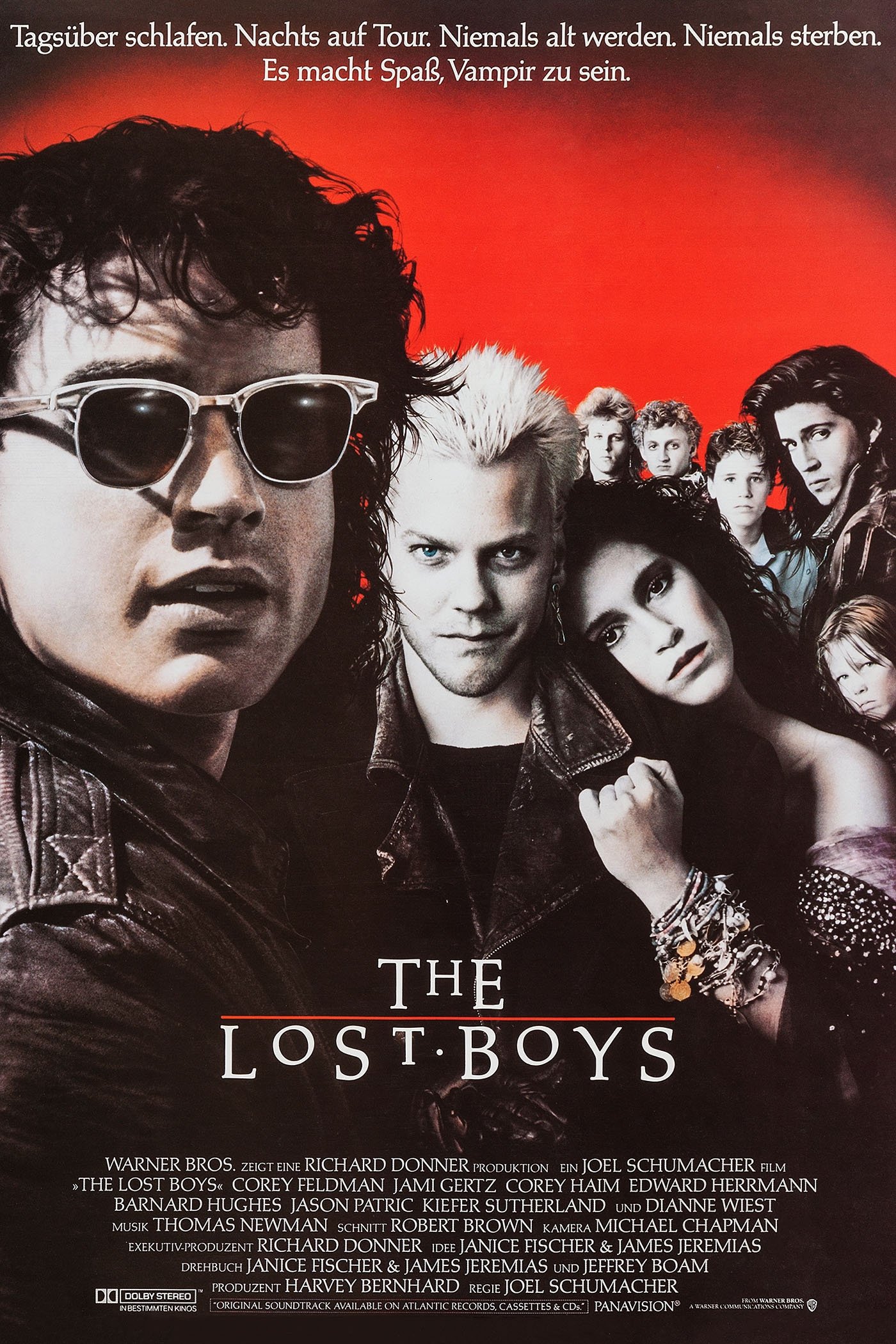
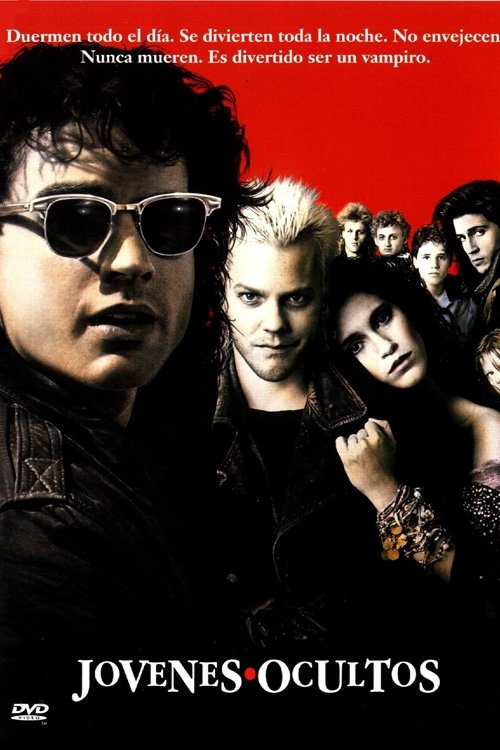
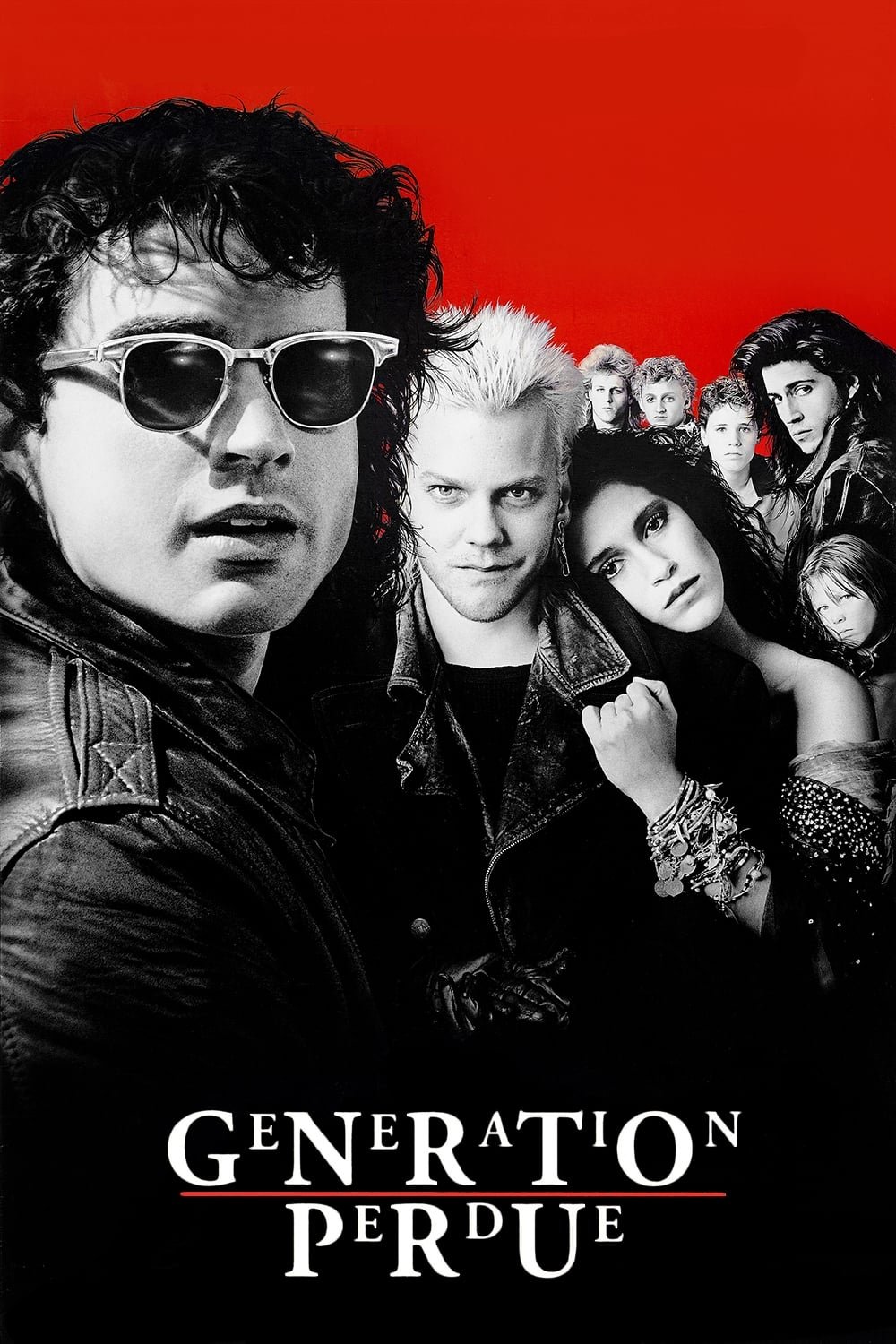
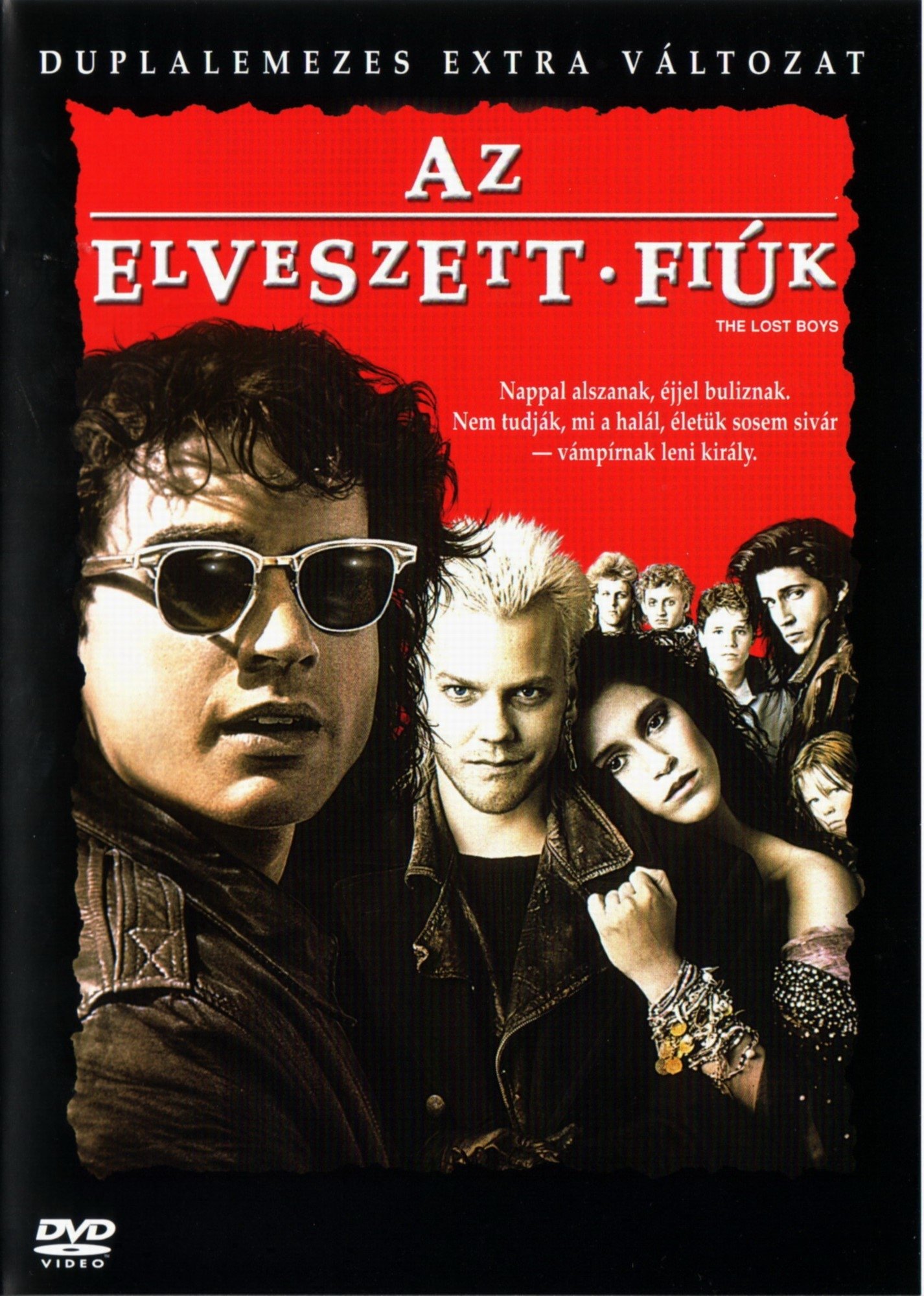
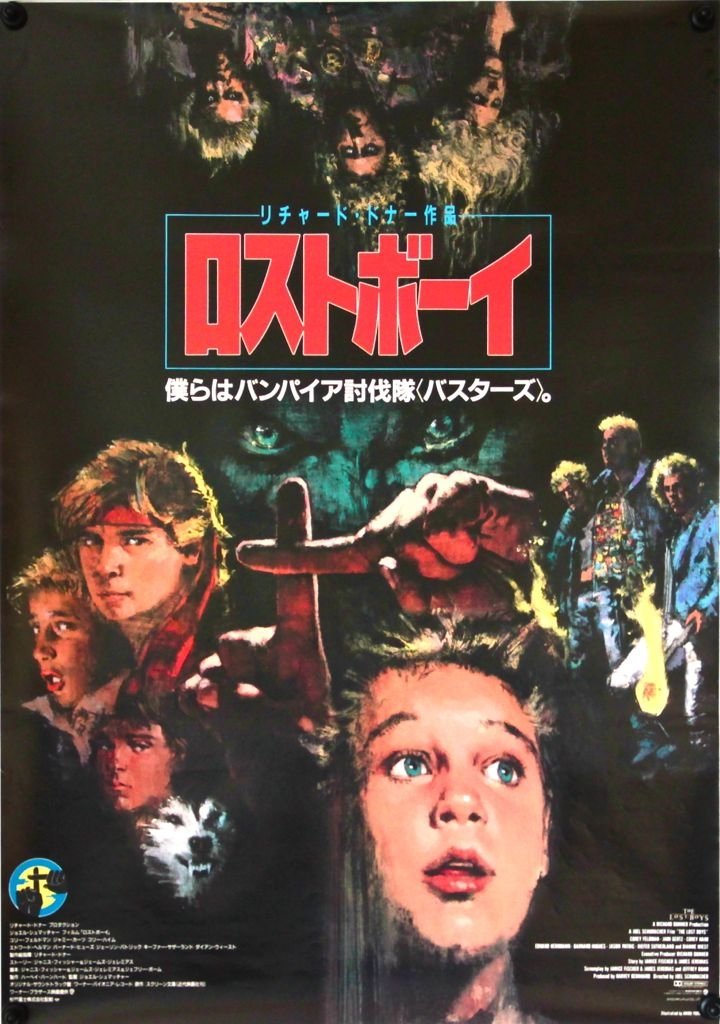
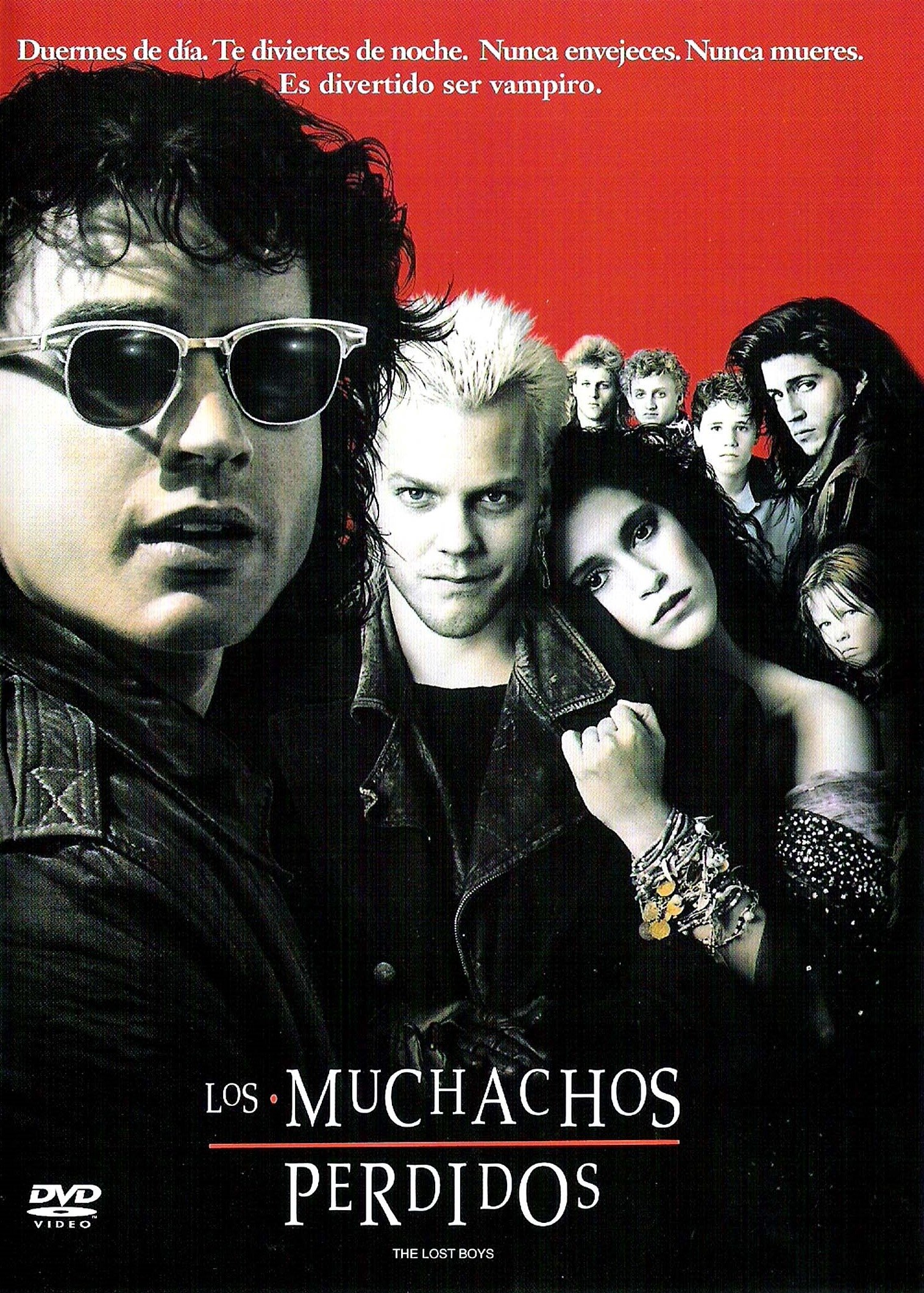
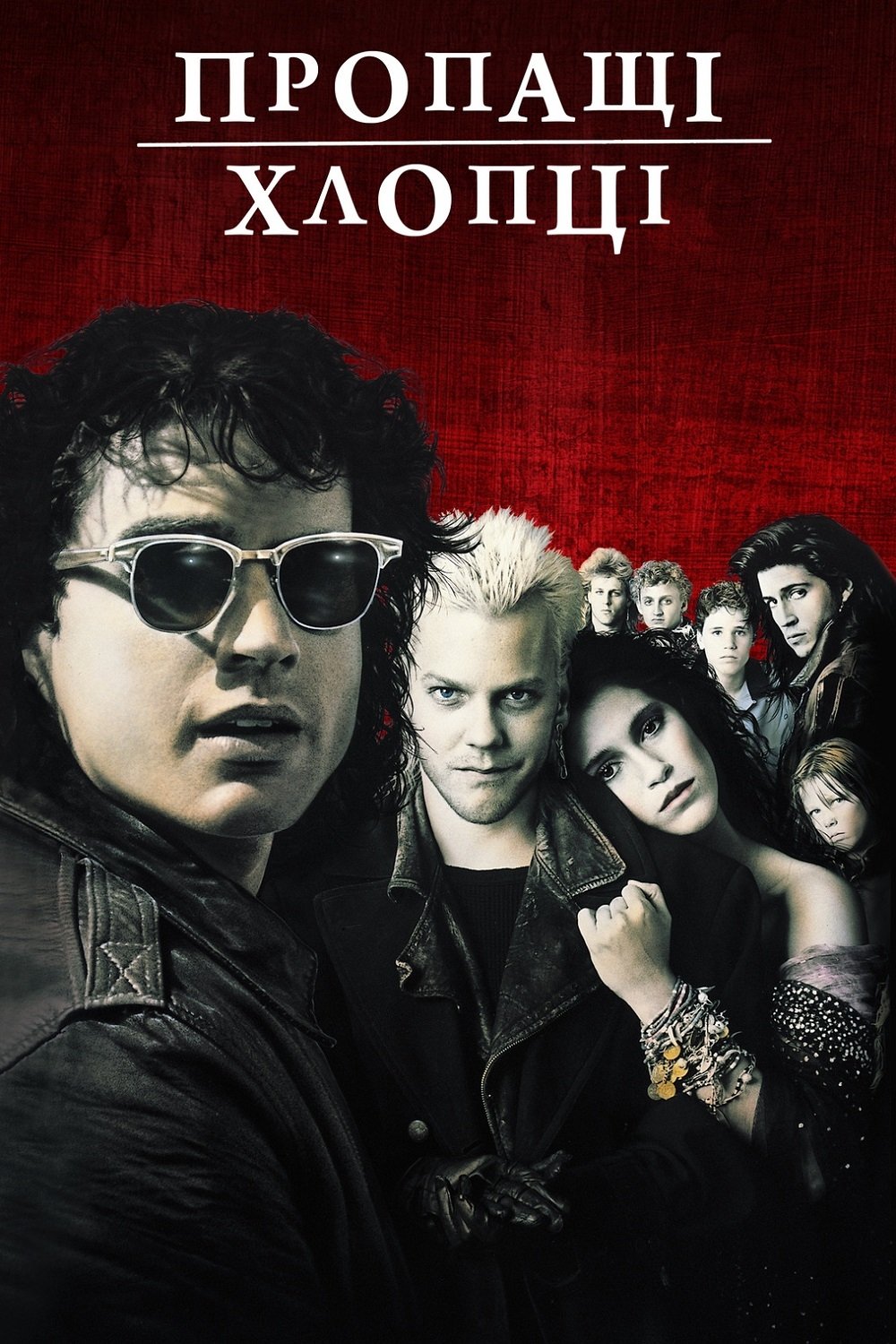
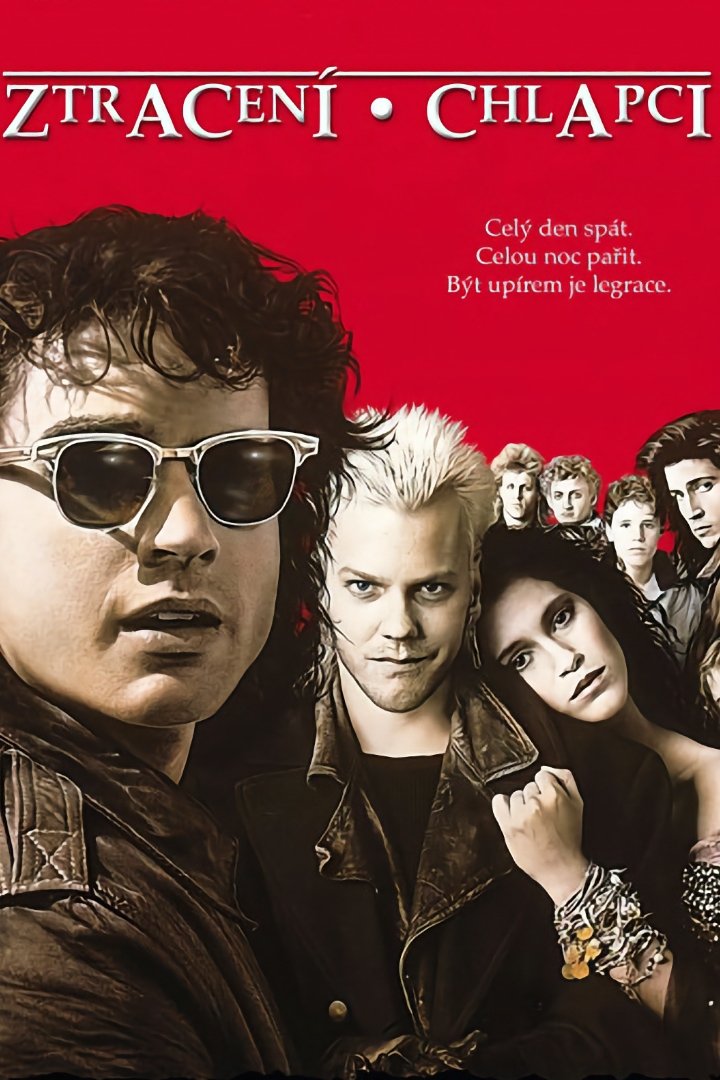
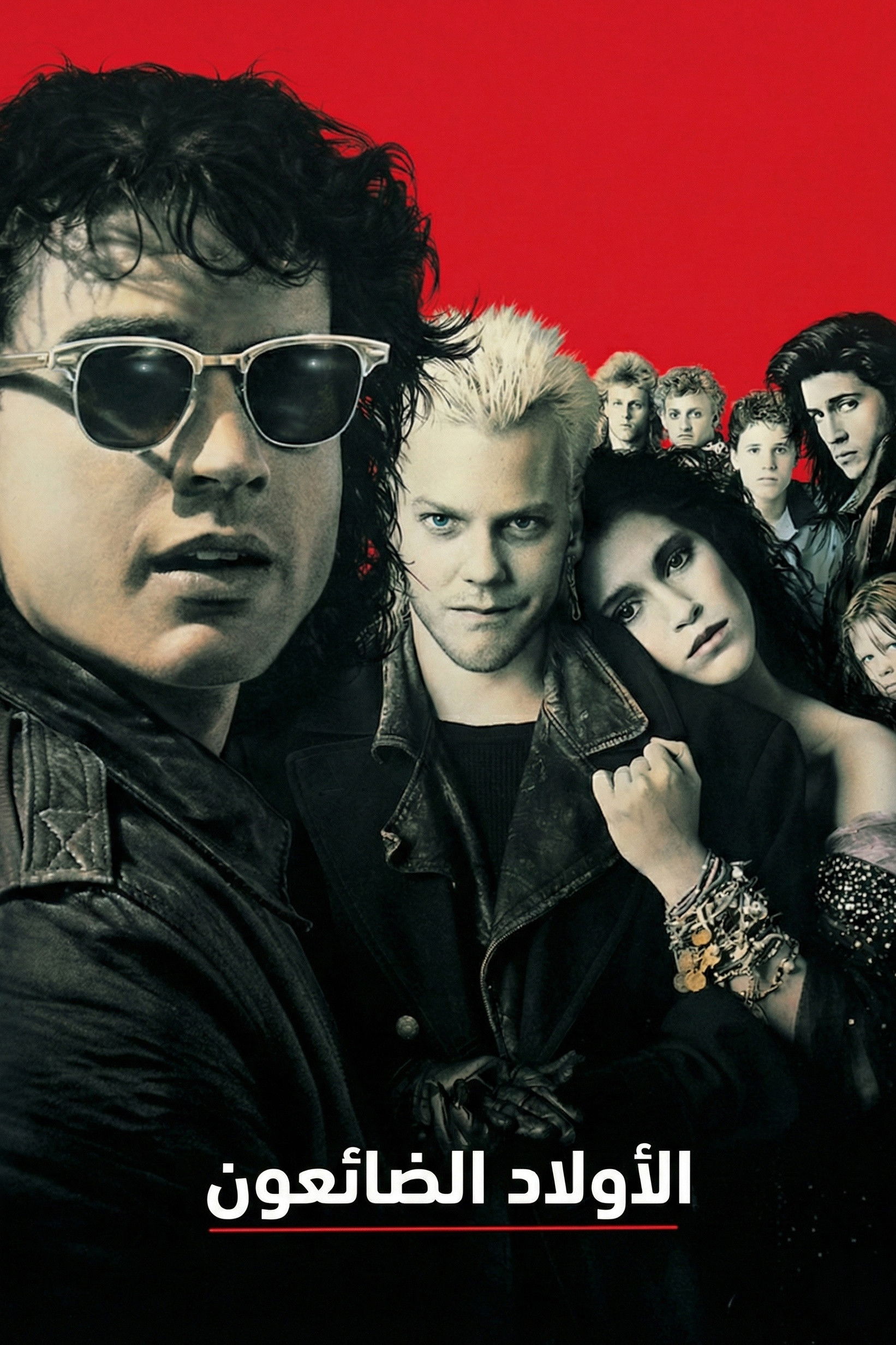
The Lost Boys (1987) poster
Director
Production Company
Warner Bros. Pictures
Plot

A mother and her two teenage sons move to a seemingly nice and quiet small coastal California town yet soon find out that it's overrun by bike gangs and vampires. A couple of teenage friends take it upon themselves to hunt down the vampires that they suspect of a few mysterious murders and restore peace and calm to their town.

Alternative Titles
Jóvenes del mal (Argentina) Que no se entere mamá (Argentina) — cable TV title İtmiş Gənclər (Azerbaijan) Изгубените момчета (Bulgaria) Os Garotos Perdidos (Brazil) Génération perdue (Canada) — French La generación perdida (Chile) 捉鬼小灵精 (China) — Chinese
Show all 40 alternative titles Ztracení chlapci (Czechia) — Czech Lost Boys (Denmark) — Danish Jóvenes ocultos (Spain) — Spanish Génération perdue (France) — French Ta paidia tis nyhtas (Greece) — transliterated ISO-LATIN-1 title Τα Παιδιά της Νύχτας (Greece) — Greek 捉鬼小靈精 (Hong Kong SAR China) — Chinese Izgubljeni dječaci (Croatia) Az elveszett fiúk (Hungary) — Hungarian נשיכות קטנות (Israel) — Hebrew Ragazzi perduti (Italy) — Italian ロストボーイ (Japan) — Japanese 로스트 보이 (South Korea) — Korean Prarasti berniukai (Lithuania) — Lithuanian Pazudušie zēni (Latvia) — Latvian Los irremediables (Mexico) Los muchachos perdidos (Mexico) De fortapte (Norway) Straceni chlopcy (Poland) Straceni chłopcy (Poland) — Polish Os Rapazes da Noite (Portugal) — Portuguese Băieții pierduți (Romania) — Romanian Izgubljeni dečaci (Serbia) Изгубљени дечаци (Serbia) — Serbian Пропащие ребята (Russia) — Russian الأولاد الضائعون (Saudi Arabia) — Arabic Izgubljeni fantje (Slovenia) — Slovenian Stratení chlapci (Slovakia) — Slovak ตื่นแล้วตายยาก (Thailand) — Thai Kayip Çocuklar (Türkiye) Kayıp Gençler (Türkiye) — Turkish Пропащі хлопці (Ukraine) — Ukrainian

Trailers & Videos

10 videos

Film Guide & Analysis

Joel Schumacher’s teenage vampire film: its Peter Pan origins, Santa Cruz photography, makeup effects, soundtrack, theatrical reception and afterlife.

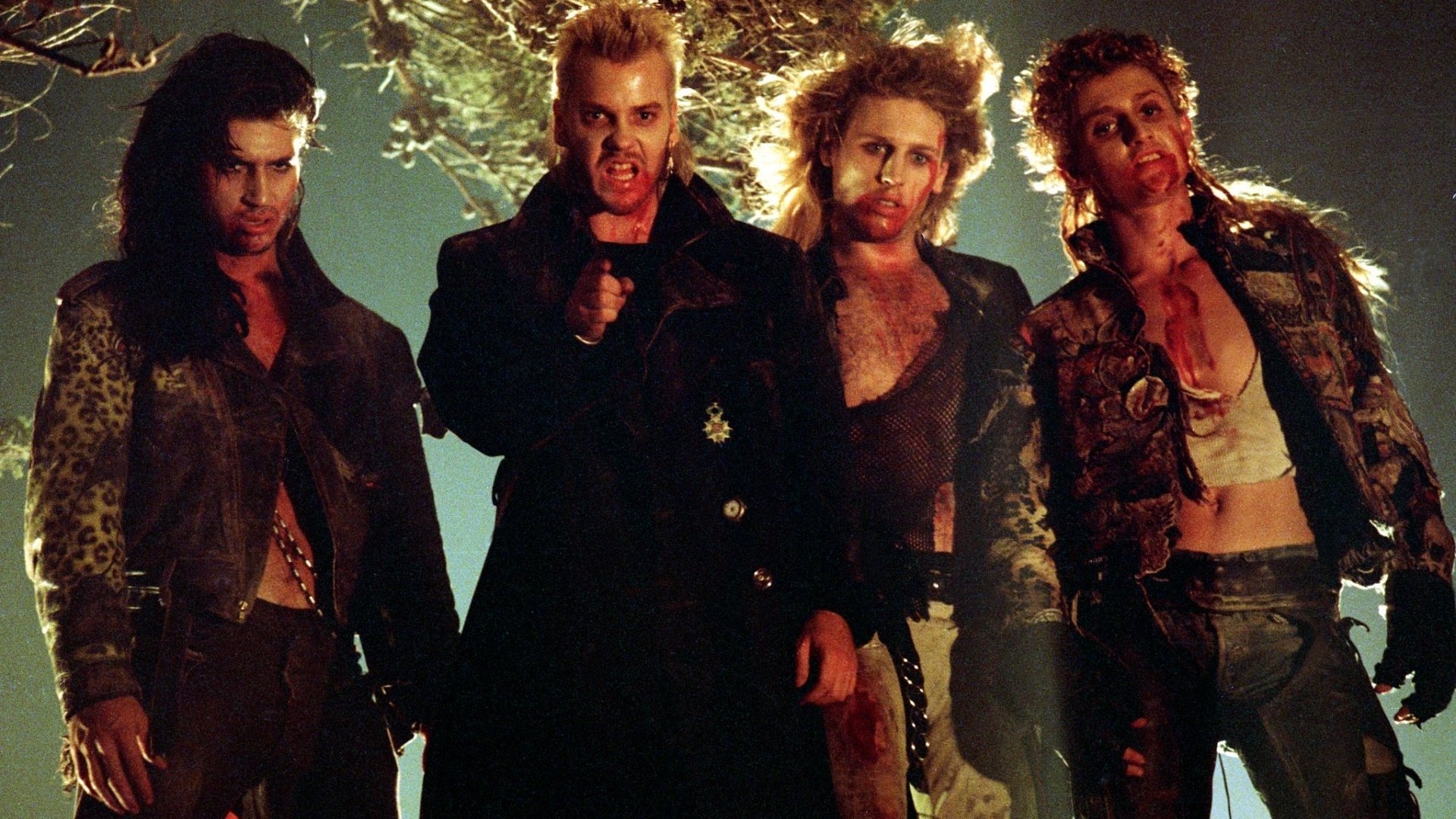
The Lost Boys (1987) is an American vampire horror comedy directed by Joel Schumacher that places supernatural predation within the youth culture of a California seaside town. Its leather-clad, motorcycle-riding vampires inhabit amusement parks, concert crowds and a ruined hotel rather than the castles associated with earlier screen incarnations of Dracula. The film retains recognizable vampire rules while organizing much of its suspense around adolescent attraction, family upheaval and the danger of joining an apparently glamorous group. The contrast between ordinary daytime life and nocturnal violence gives the horror a specific social setting.

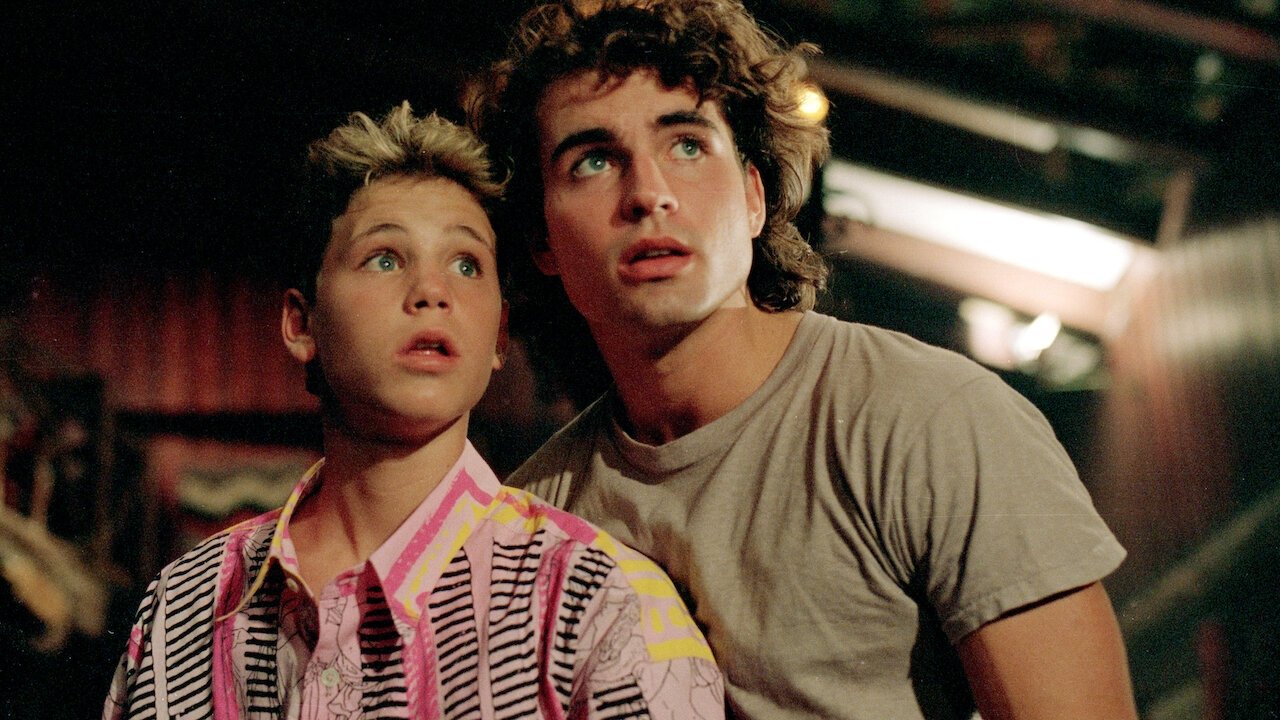
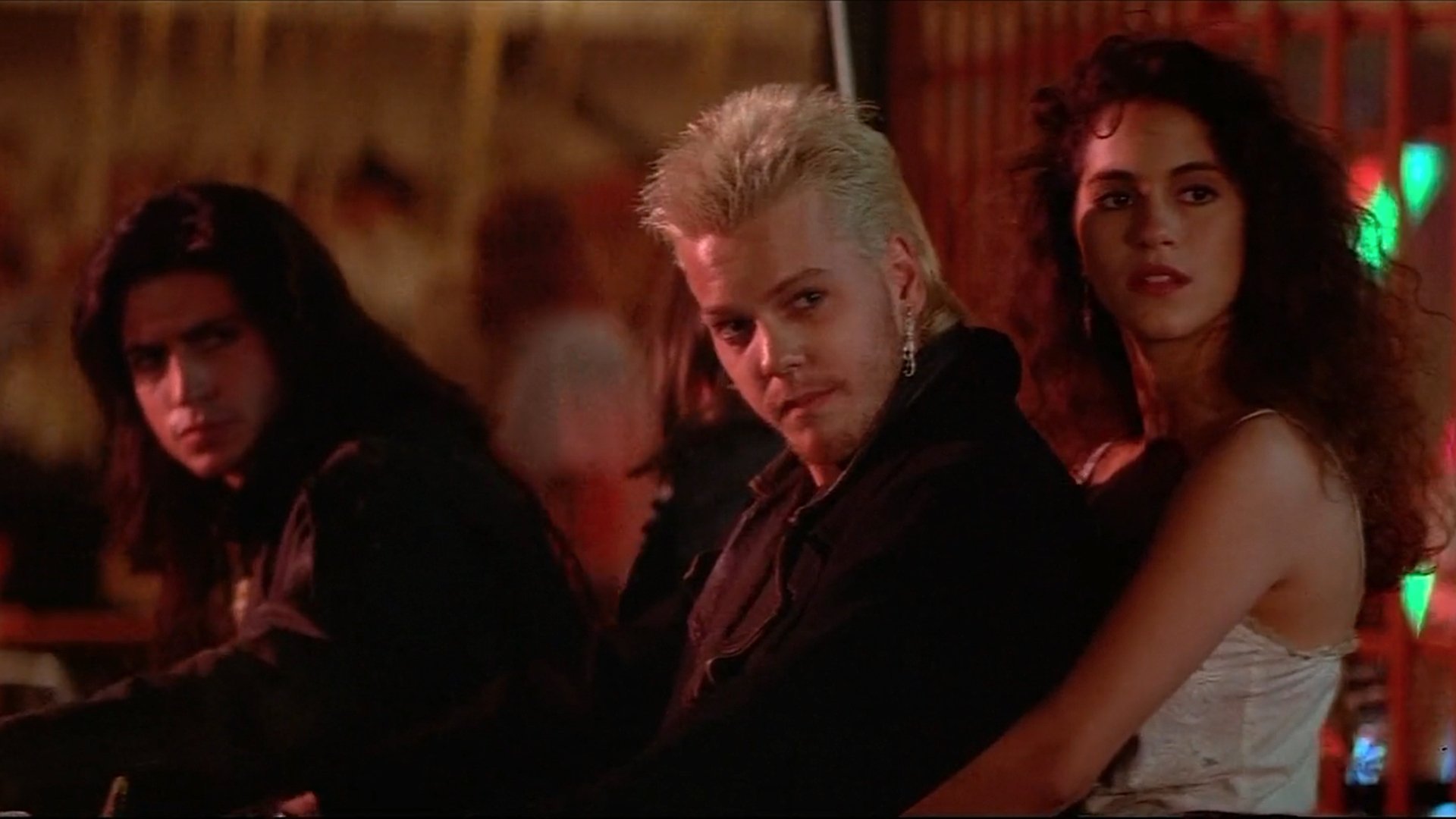
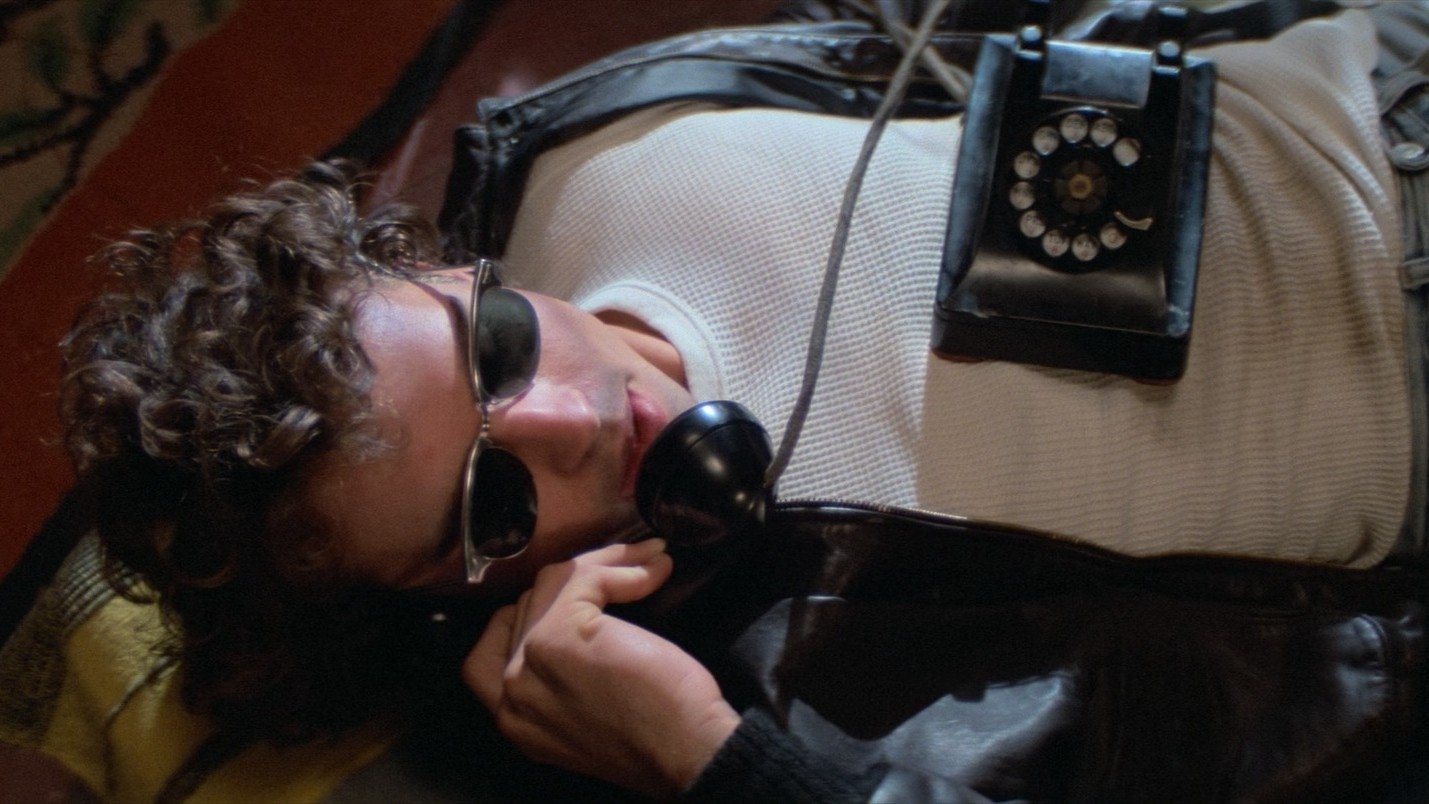
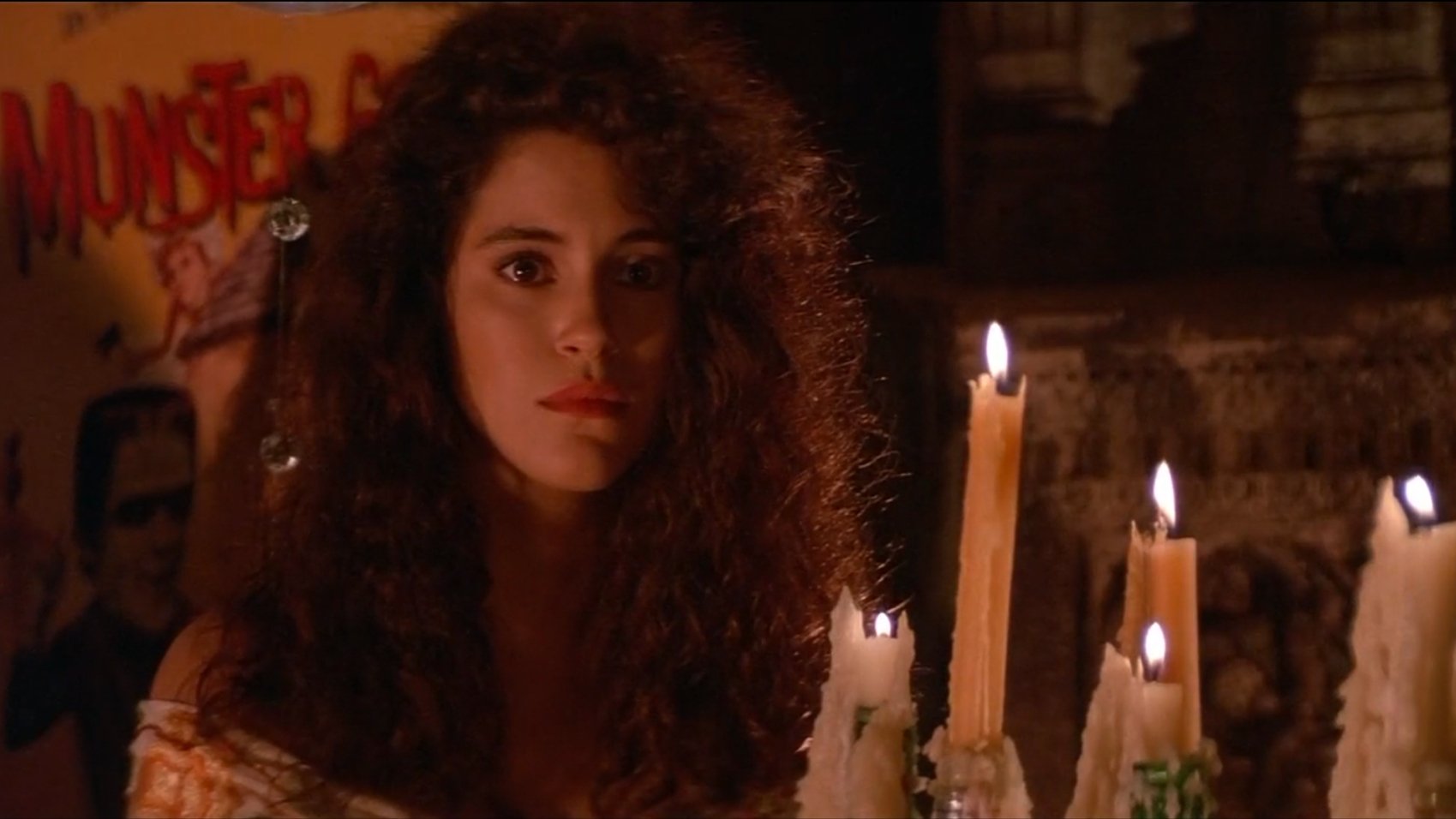
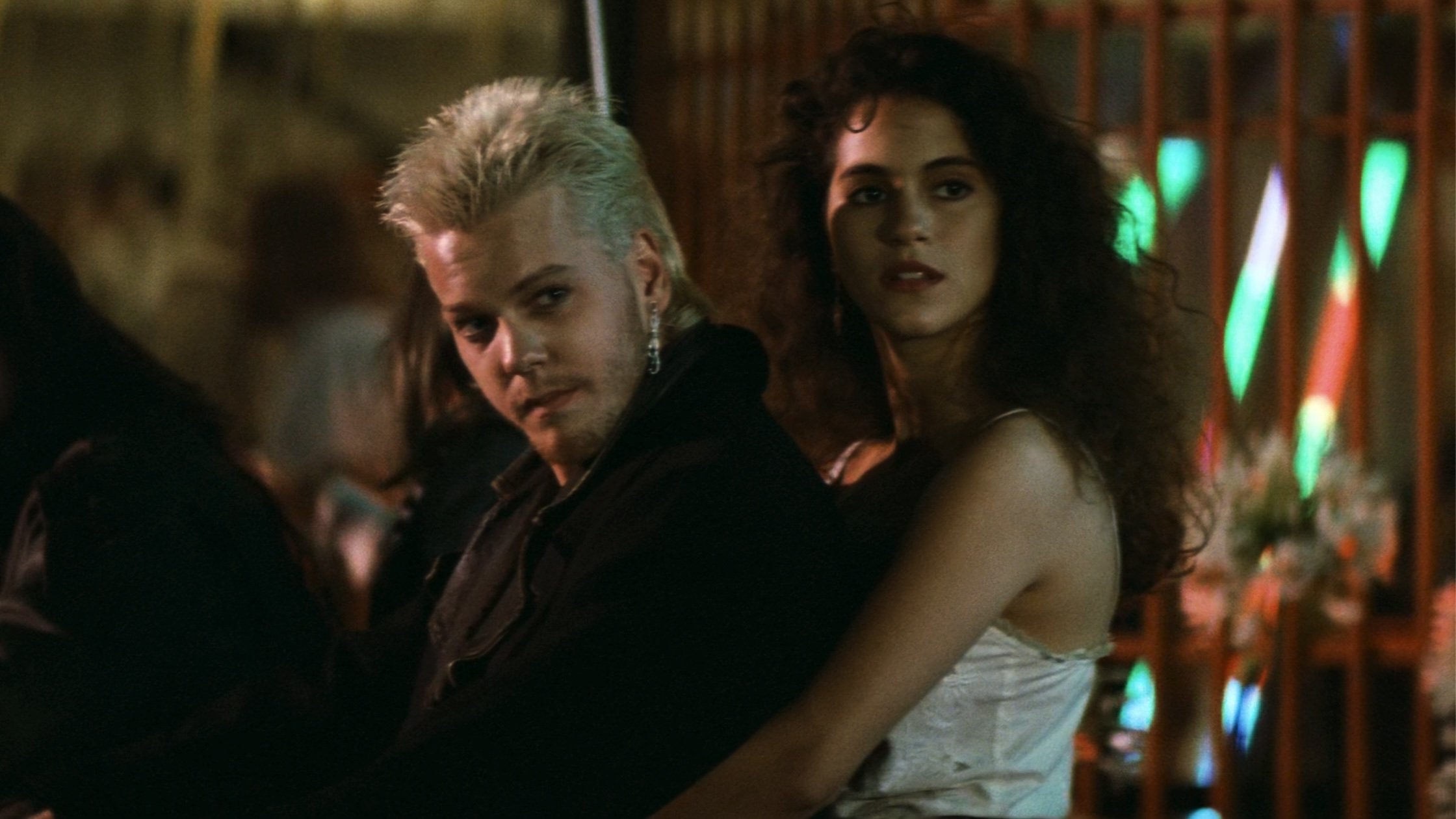
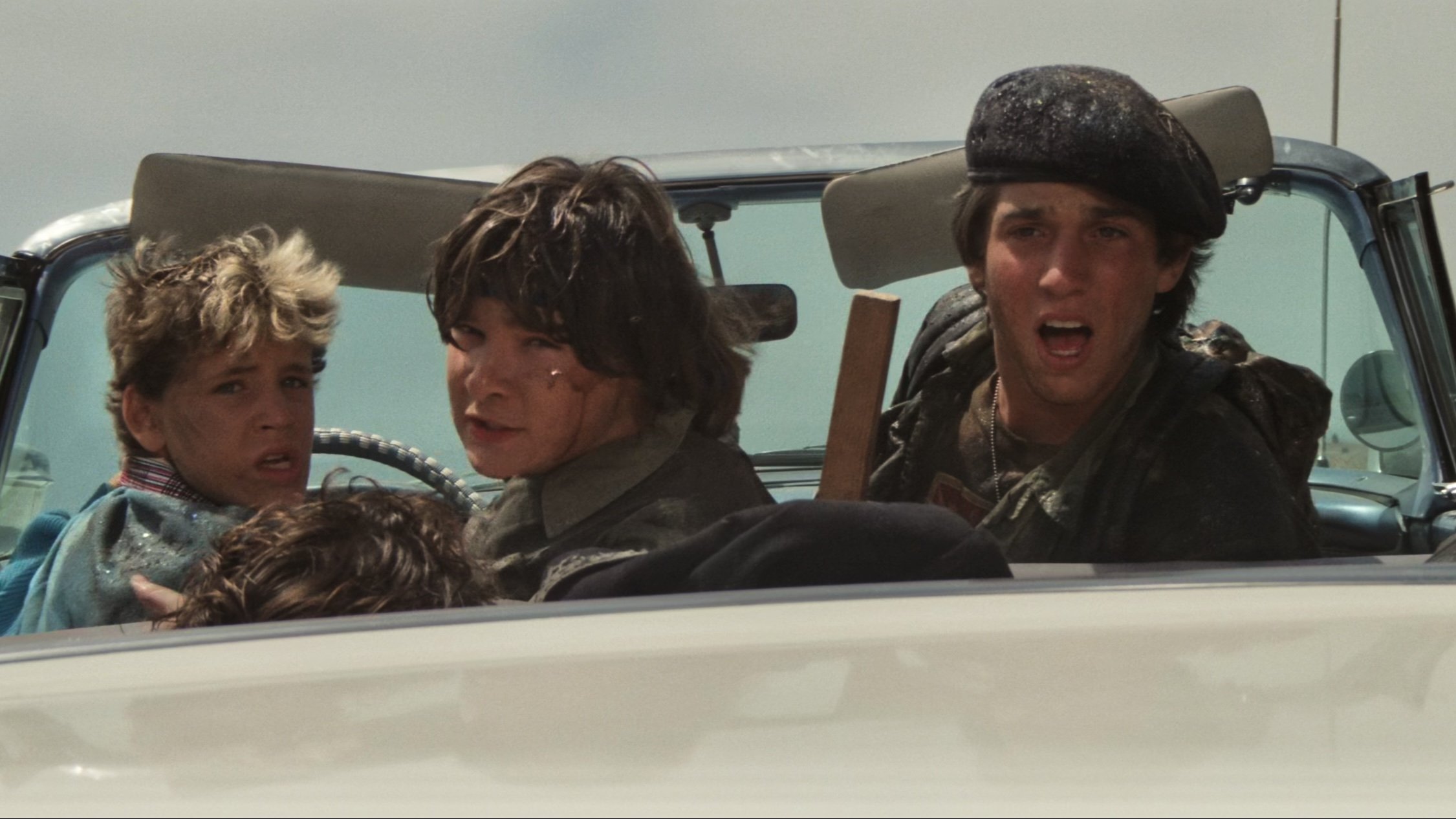
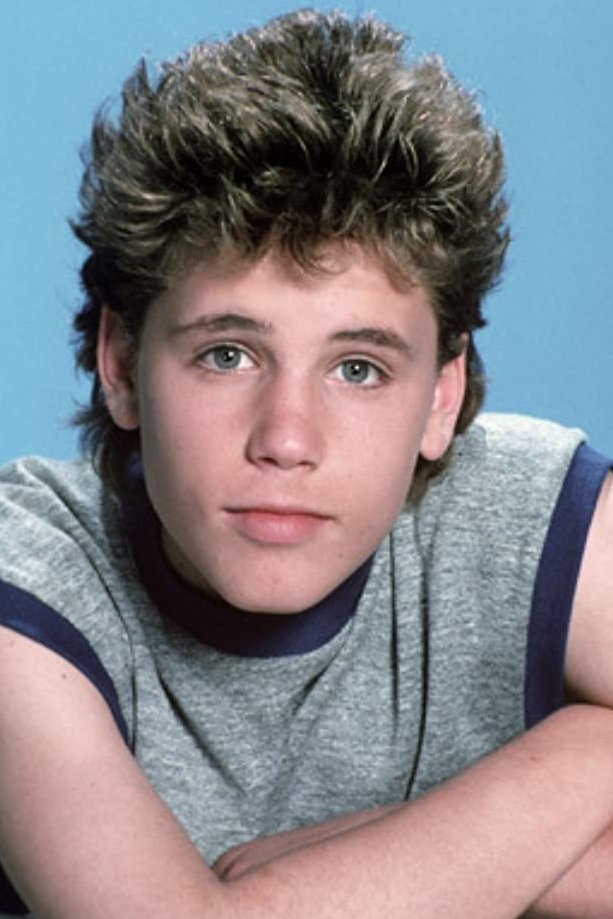
Jason Patric and Corey Haim play brothers Michael and Sam Emerson, who move with their mother, Lucy, to the fictional Santa Carla. Michael is drawn toward Star and the gang led by David, while Sam forms an unlikely alliance with the self-appointed vampire hunters Edgar and Alan Frog. Released by Warner Bros. on July 31, 1987, the film combined Michael Chapman's expressive night photography, Greg Cannom's carefully designed prosthetics and a soundtrack closely integrated with its youthful setting. Its later reputation reflects both its distinct interpretation of the vampire and the continuing appeal of its mixture of menace and comedy.

Development: From Peter Pan to Teenage Vampires

The original screenplay was written by Janice Fischer and James Jeremias in 1984. Jeremias has traced the premise to an encounter between Anne Rice's Interview with the Vampire and J. M. Barrie's Peter Pan: the idea of children who fly at night and never grow older could be reimagined as a story about vampirism. Their initial treatment concerned younger boys and treated the supernatural adventure differently from the adolescent romance seen in the finished film. In a 2024 retrospective, Jeremias recalled that the studio's desired age change also transformed Star, originally written as a male character, into a romantic interest.

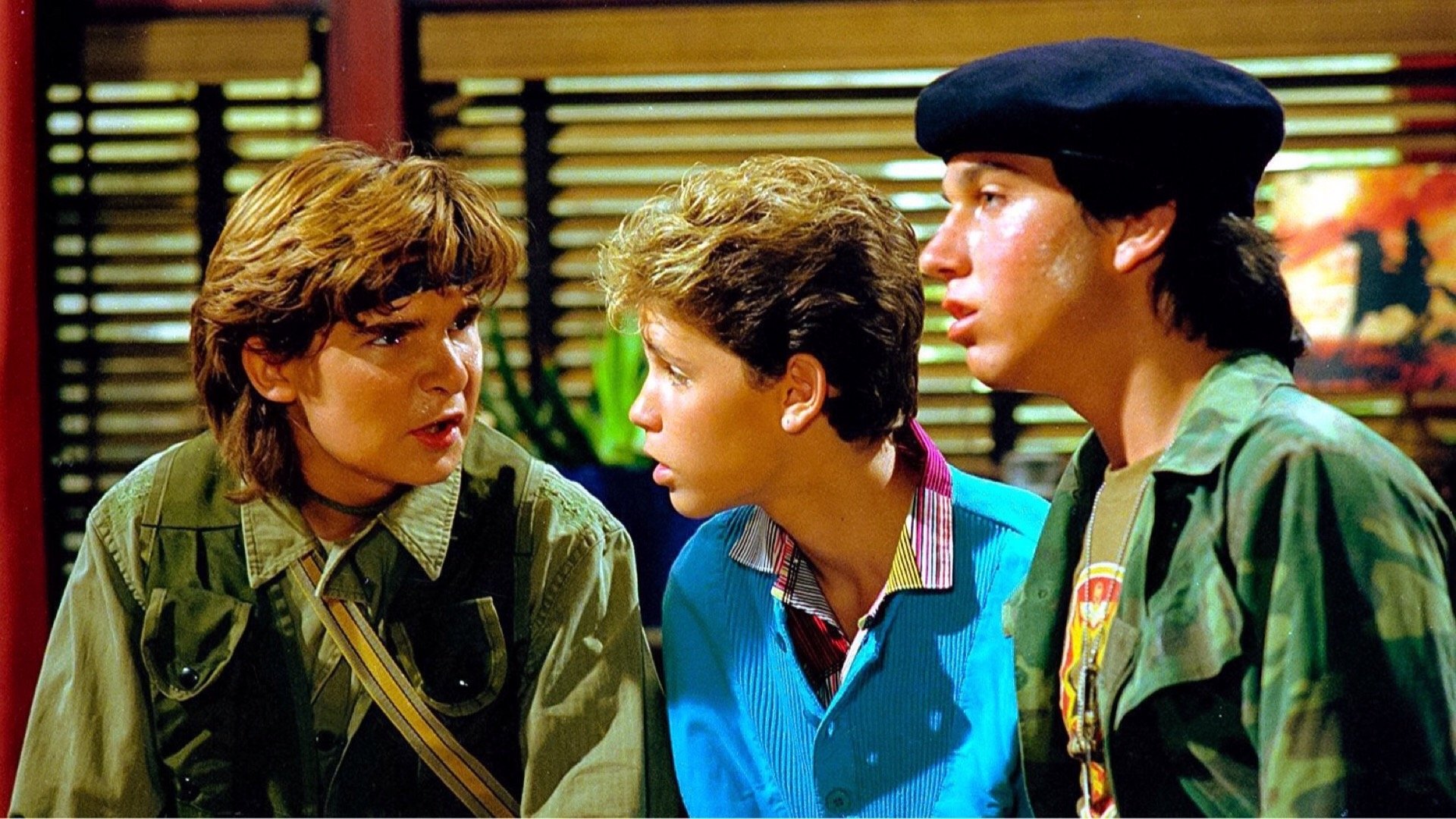
Richard Donner was associated with the project before Schumacher took over the directing role. Jeffrey Boam contributed to the eventual screenplay, while the central characters were revised into teenagers old enough to move through a world of motorcycles, concerts and sexual attraction. Interviewed at the time of release, Schumacher explained that he regarded the original script as too juvenile for the film he wanted to make. He also reworked the Frog brothers from easily frightened boys into convinced vampire hunters, making their abrupt use of lethal force a turning point in the story. The comedy depended on their seriousness rather than on their acknowledging an absurd situation.

Casting helped establish the revised tone. Jason Patric later recalled repeatedly refusing the part of Michael until Schumacher explained his intention to combine horror and humour. Patric recommended Jami Gertz for Star and worked with Corey Haim to make the brothers' relationship credible beyond the screenplay. Schumacher encouraged such contributions, according to the actors, as the narrative developed during production. These recollections describe an unusually fluid process, though they should not be mistaken for a complete account of the screenplay's individual authorship. The finished work bears the marks of several stages of development, from a child's fantasy premise to an urbanized young-adult vampire film.
Adolescence, Family, and the Vampire Threat

Santa Carla offers Michael two competing forms of belonging. At home, Lucy and the boys are adjusting to divorce and to life with their eccentric grandfather; outside, David's companions seem to possess an independence unavailable to ordinary teenagers. Michael's initiation begins through his attraction to Star and becomes frightening after he consumes what he believes to be wine. The film uses familiar vampire attributes, including aversion to sunlight and the need to feed, to depict a change he can neither explain nor control. His uncertain condition matters because the threat is simultaneously physical and connected to his relationship with his family.

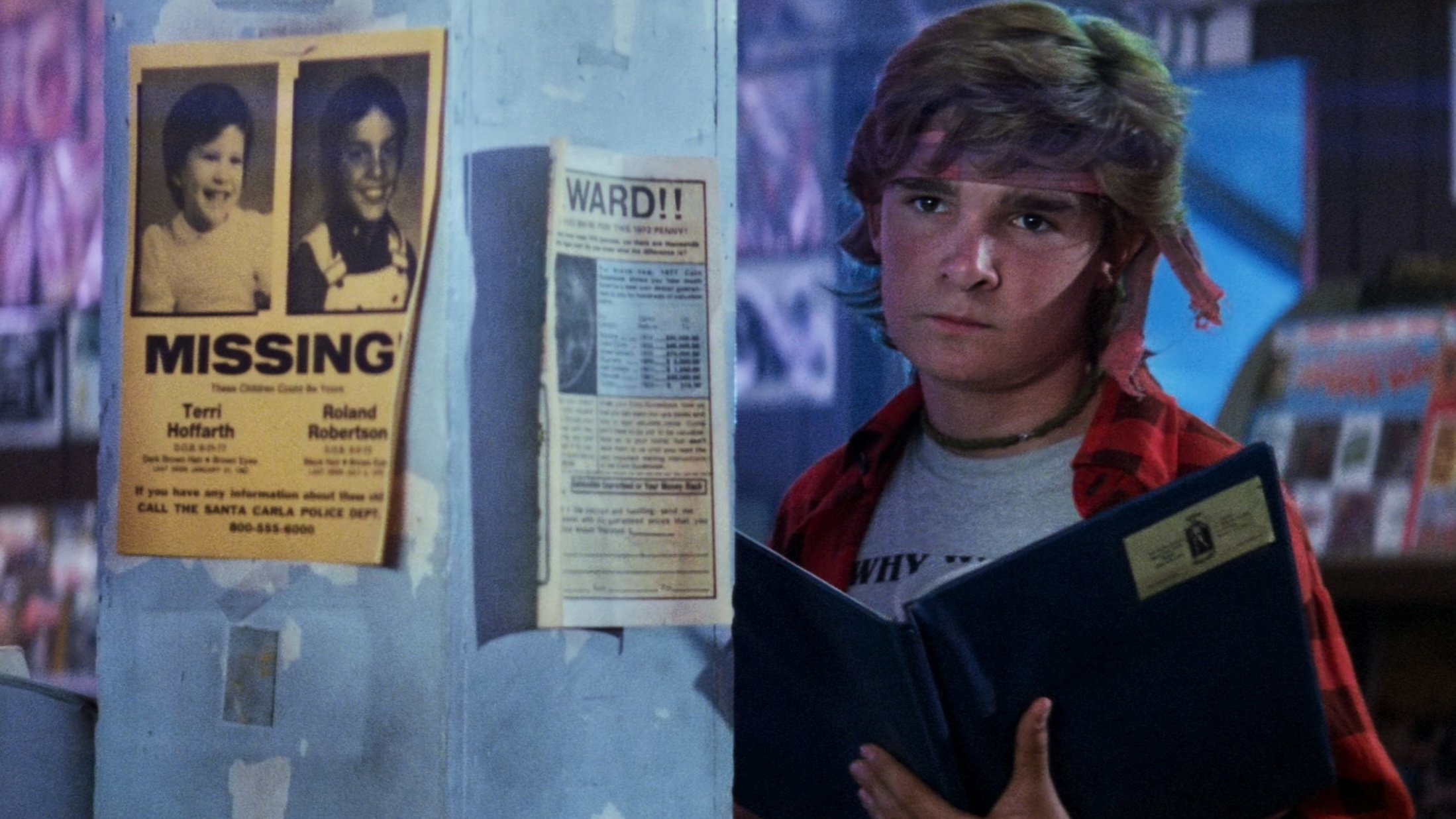
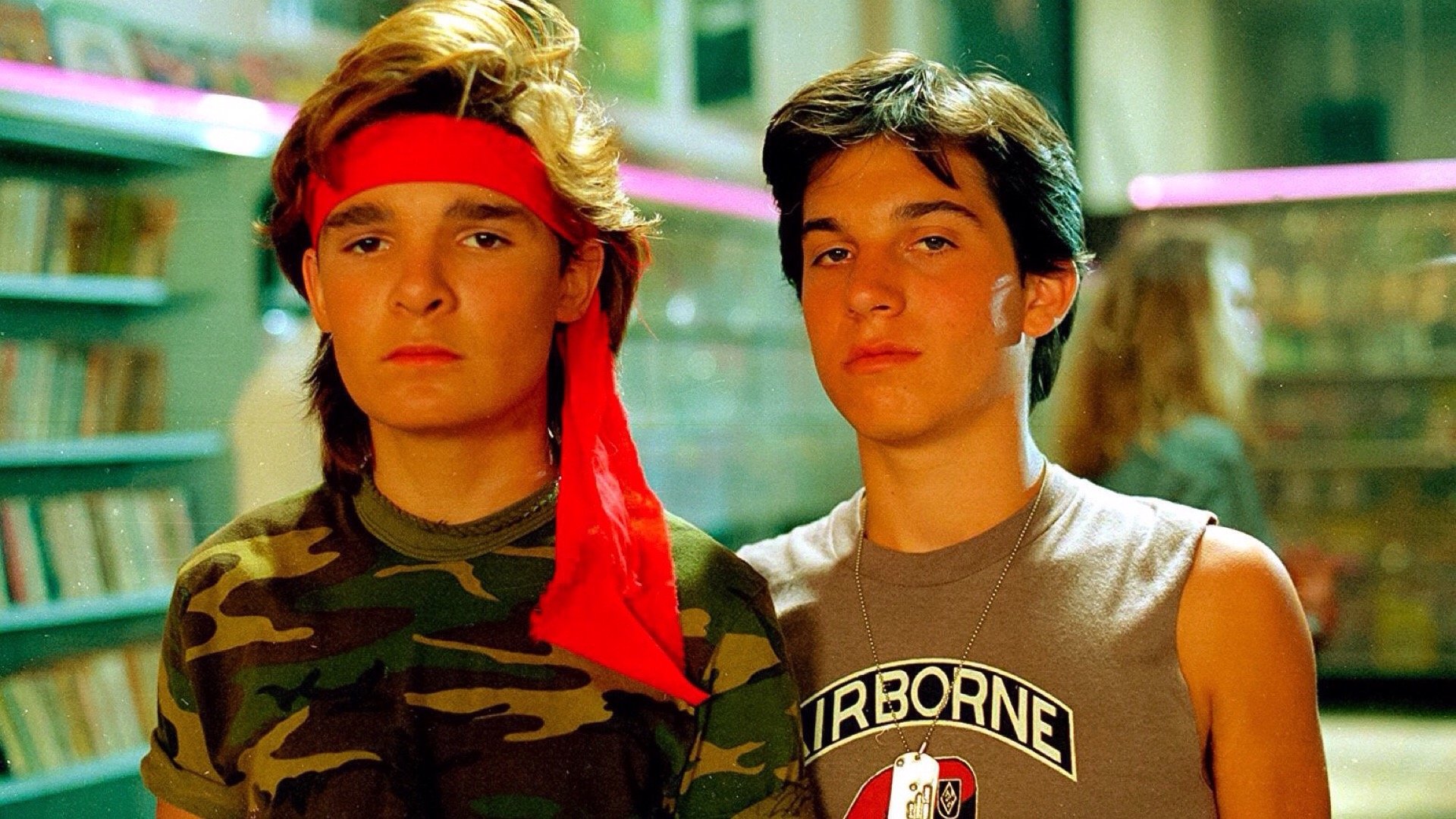
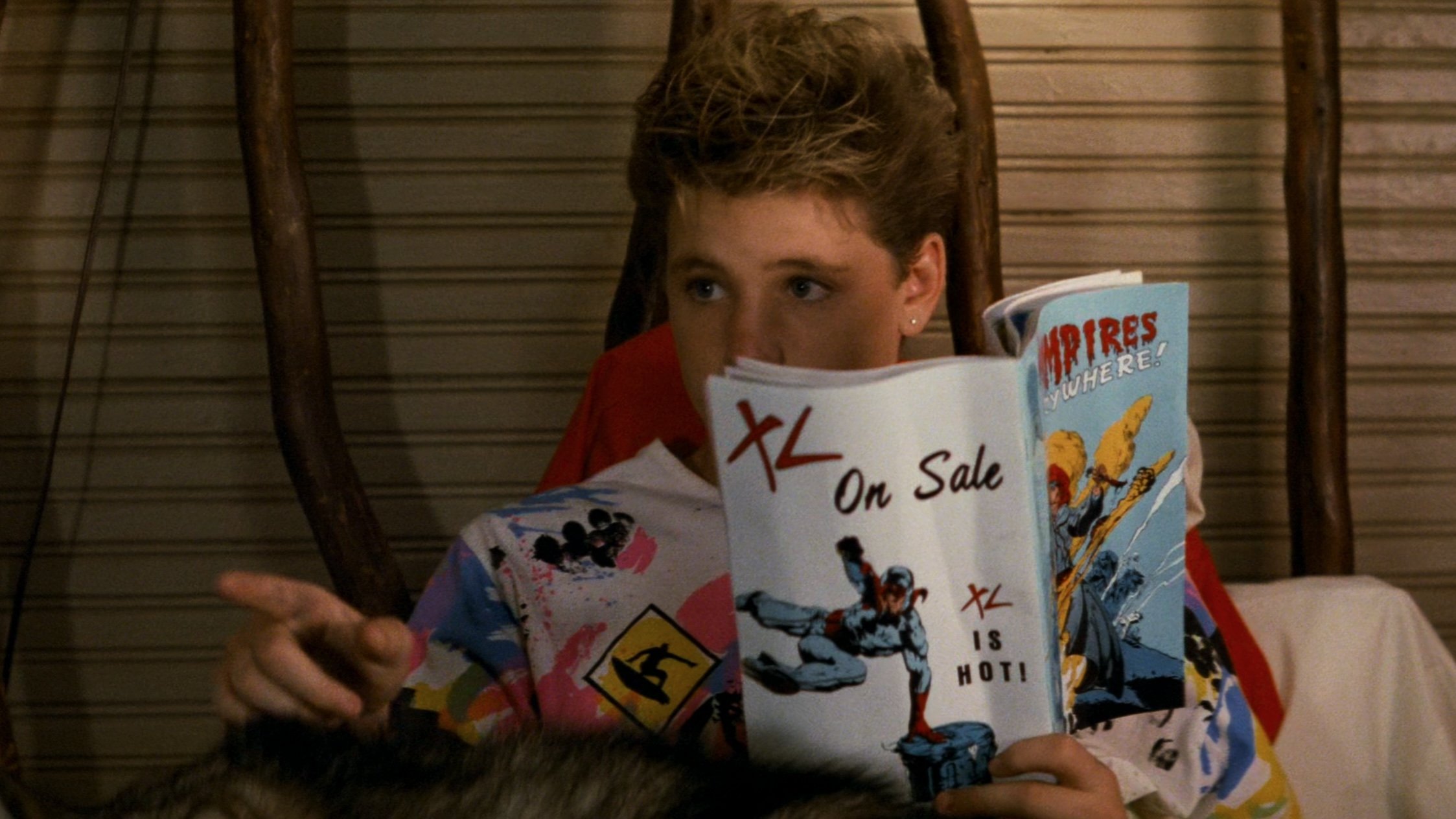
The Frog brothers approach vampirism through the language of comic books and survival instruction. Their certainty produces humorous exchanges with Sam, who is anxious to rescue Michael but lacks practical knowledge. Schumacher described the characters' absolute seriousness as essential to the jokes. Their daylight expedition into the gang's underground refuge also changes the narrative's balance: the would-be hunters kill a sleeping vampire, and the gang subsequently retaliates. The story therefore treats supposedly childish heroism as capable of provoking real violence. Its final confrontation makes the family house, previously a daytime refuge, the site of a siege in which improvised weapons turn domestic objects into instruments of defence.

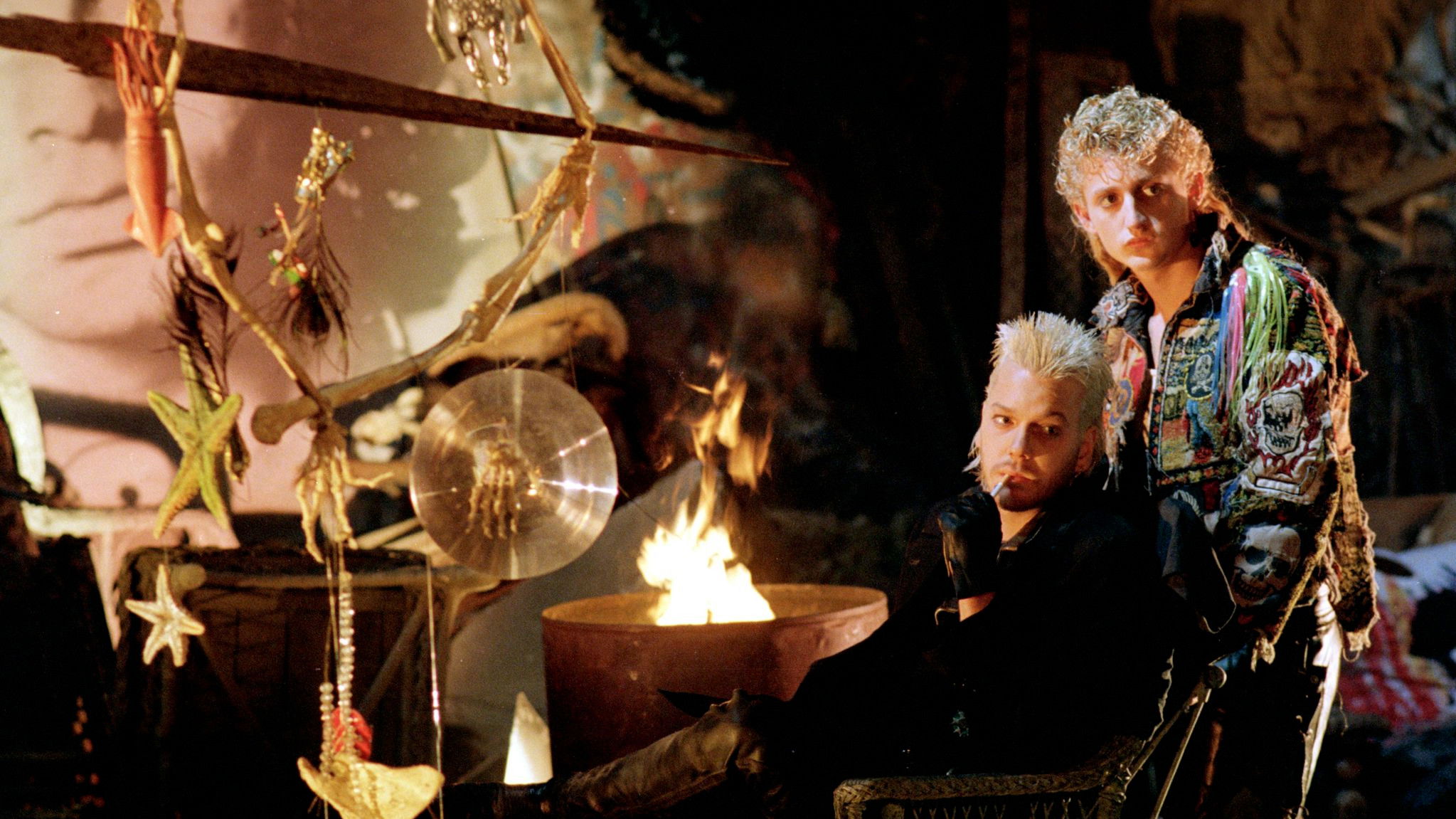
The figure of David presents seduction through style and apparent immortality, although the film ultimately reveals that he does not occupy the highest position in its vampire hierarchy. This qualification is important to its narrative construction: suspicion shifts as the Emerson family discovers that its most immediate enemy may be closer than expected. The exposure of a concealed master links the romantic subplot involving Lucy to Michael's earlier vulnerability. Such reversals allow the movie to change registers repeatedly, from brotherly comedy to threatening pursuit and finally to explicit creature violence, without separating its supernatural plot from the household at its centre.

Santa Cruz, Production Design, and Night Photography

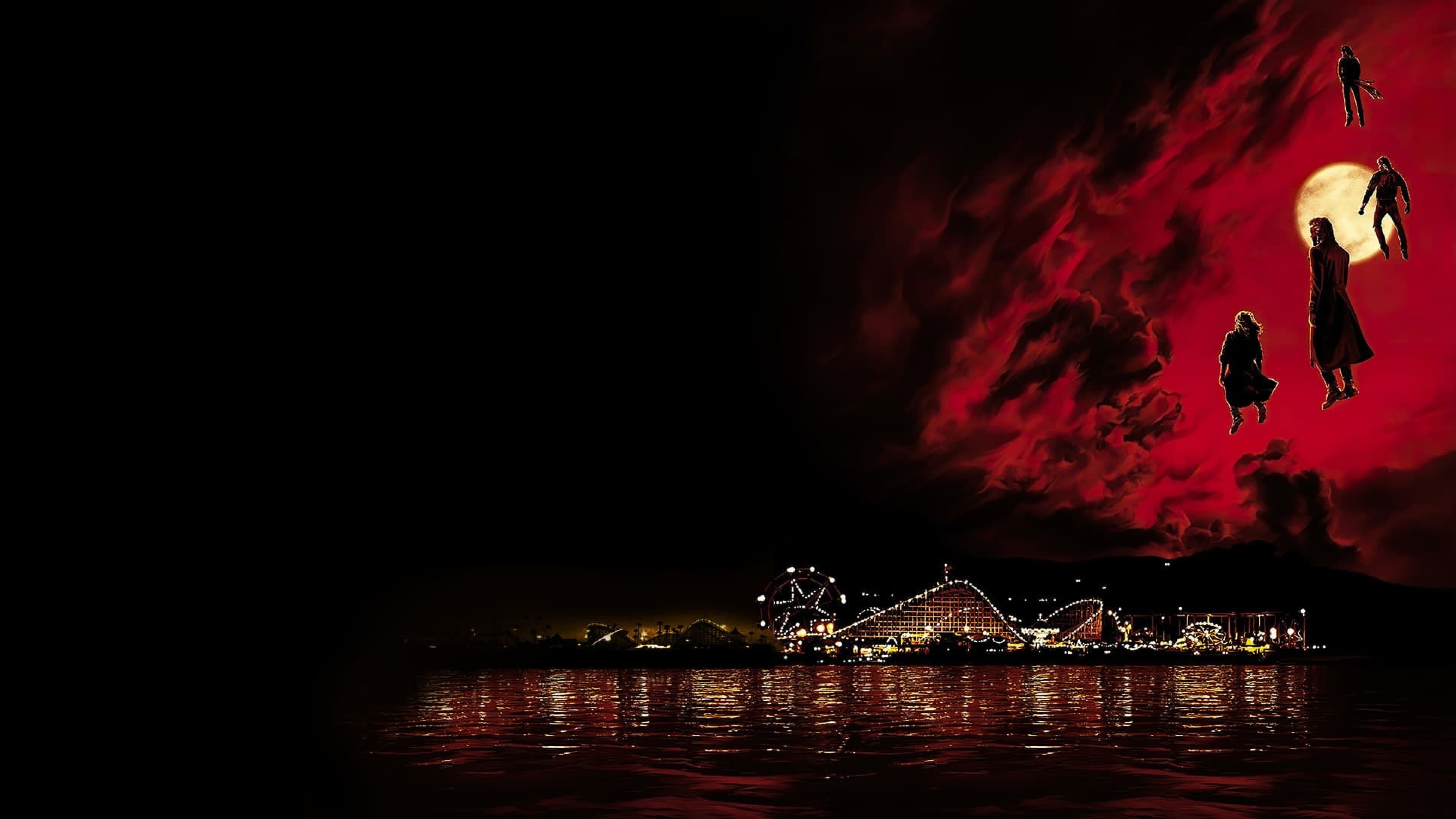
The setting was developed around Santa Cruz, whose beach boardwalk offered a dense combination of carnival lighting, entertainment and nocturnal activity. Schumacher told interviewer Joe Leydon in 1987 that the coastal city also interested him for its population of transient young people and the more unsettling associations of the area. The production used the fictional name Santa Carla but retained the physical appearance of the real boardwalk. Recalling the location decades later, actor Jason Patric described the meeting of the amusement park and the city's social contrasts as an important part of its atmosphere. These are the filmmakers' and performers' accounts of the setting, rather than independent claims about local crime.

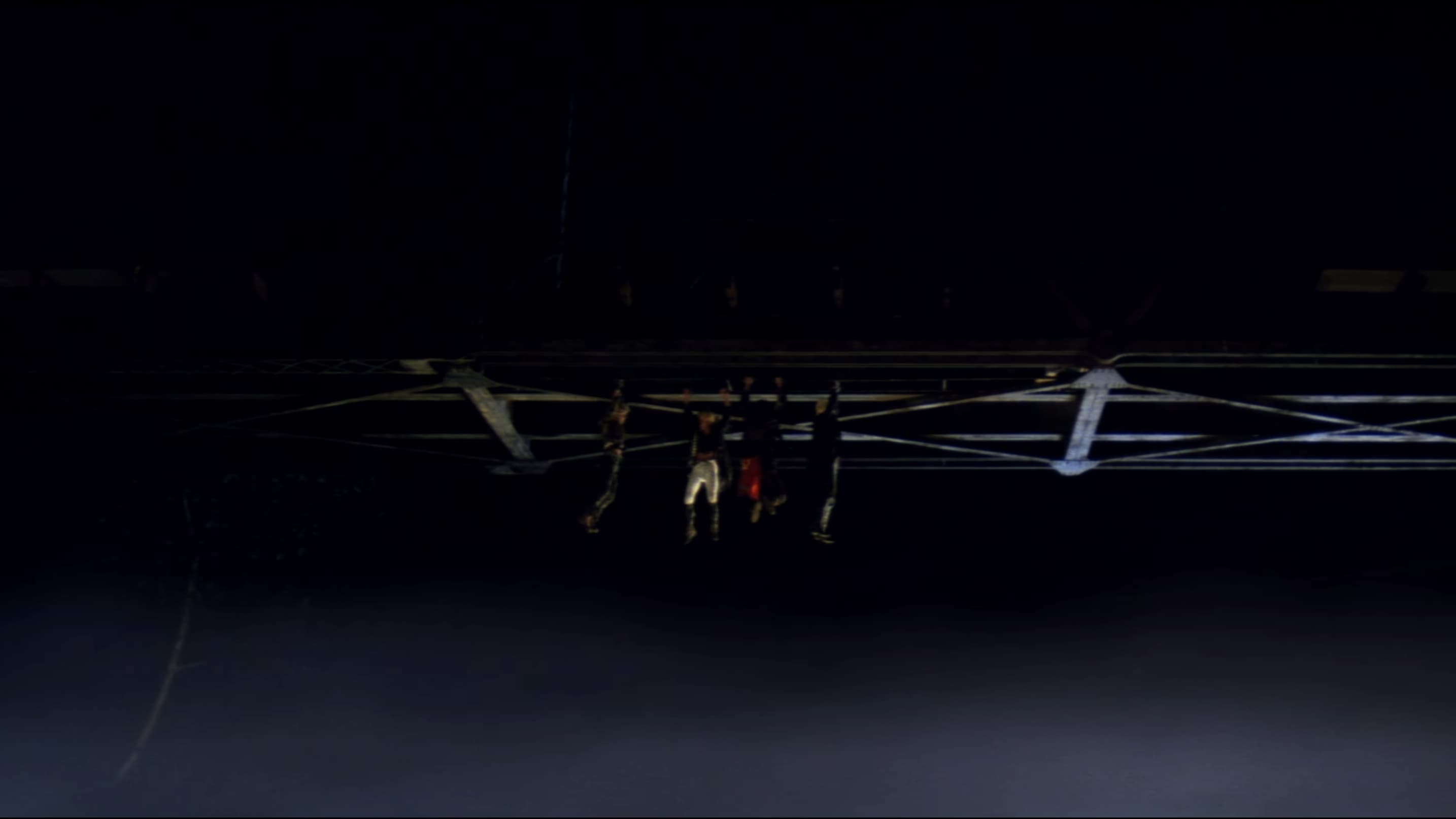
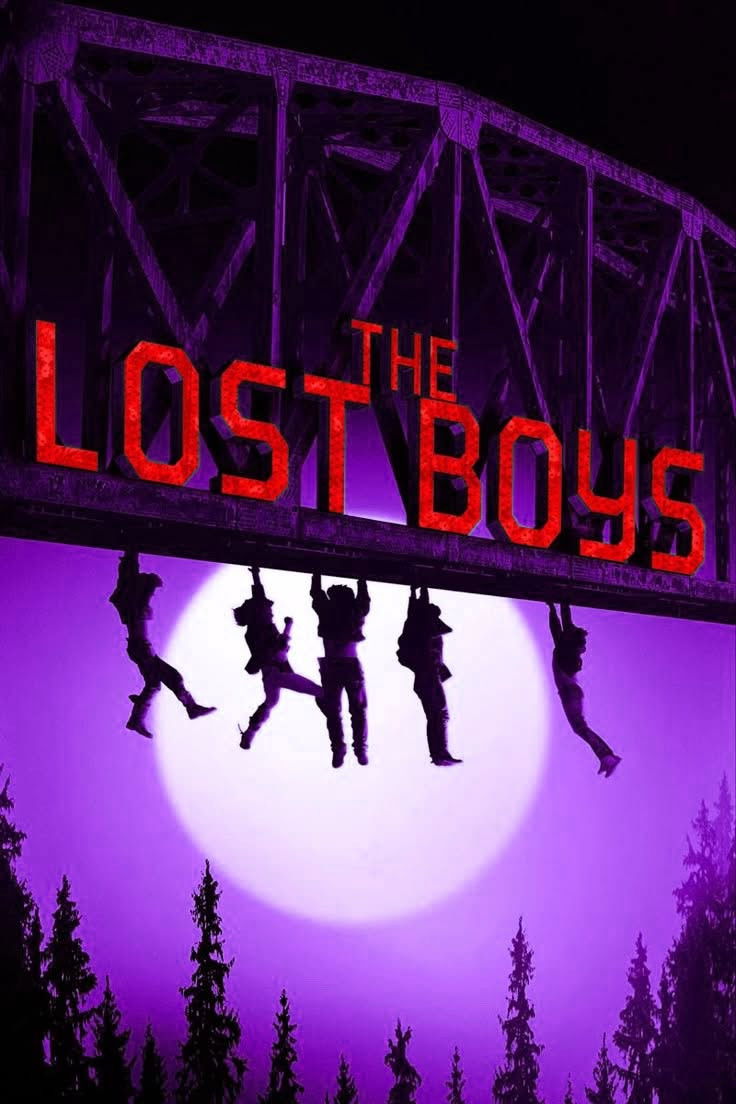
Schumacher described his method as making a daytime film about an identifiable family and a more surreal nighttime film about Michael's movement toward the vampires. Michael Chapman's cinematography makes that division visible. Open daylight scenes around the home are countered by pools of artificial light, smoke and dark space around the gang's territory. Mobile camera movements and elevated views give the attacks a sensation of speed, particularly when the audience sees events from the perspective of a flying predator. The bridge sequence placed actors high over a support platform during a night shoot; Patric recalled fog beneath them and the physical strain of remaining on location until morning.

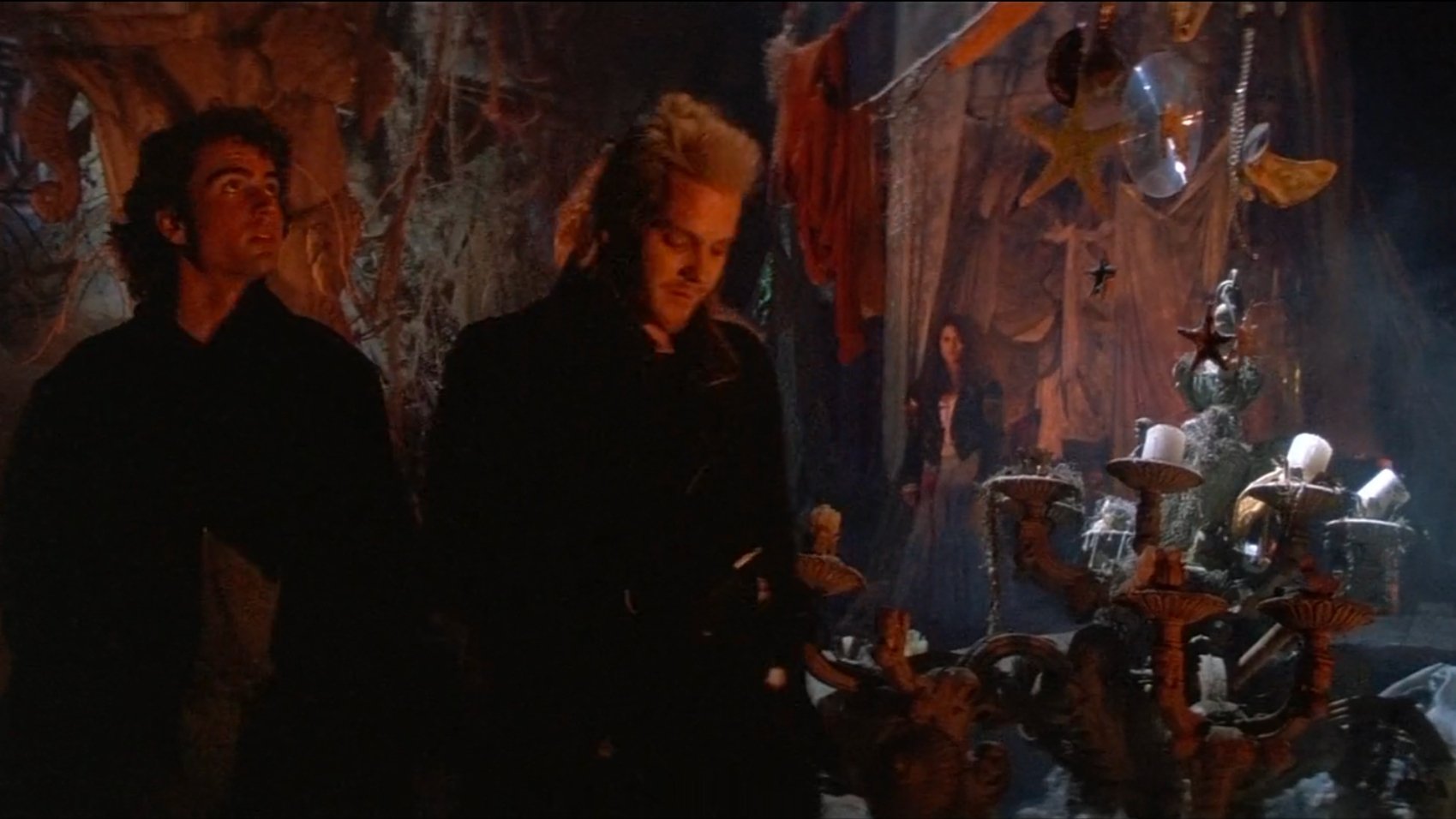
Production designer Bo Welch built the vampires' refuge around the notion of an ornate coastal hotel swallowed by an earthquake. In his account, the construction was deliberately broken apart and rearranged to create the impression of architectural remains within a cave. Its irregular, movable scenery complicated camera access, but it gave the characters a recognizable communal dwelling amid debris and darkness. The set and the boardwalk form distinct environments: one conceals the gang's monstrous existence, while the other allows it to blend into contemporary nightlife. Schumacher's collaboration with costume designer Susan Becker and the location photography strengthens the identity of the film's young vampires without requiring prolonged explanations of their past.

Vampire Makeup and Practical Effects

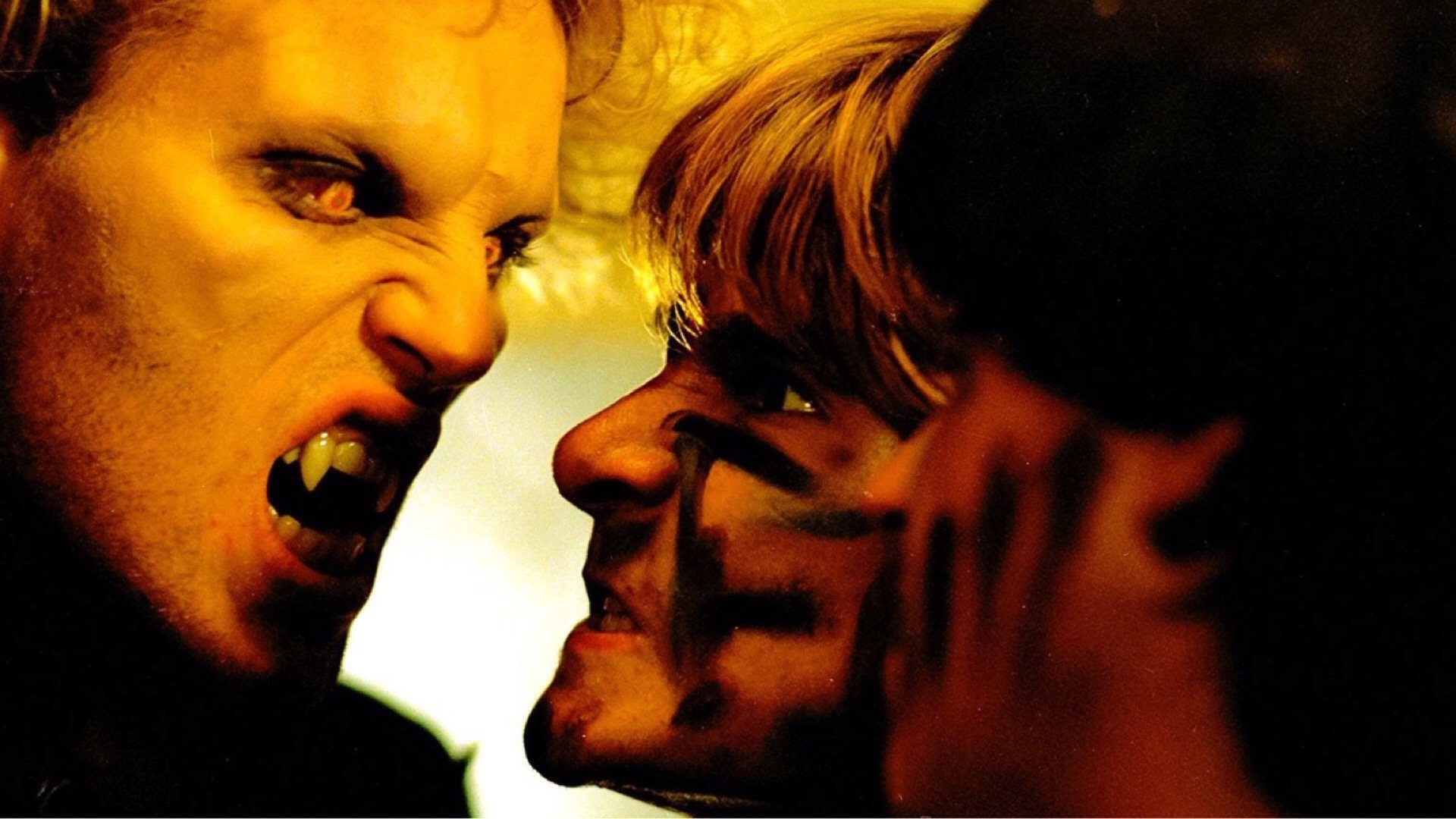
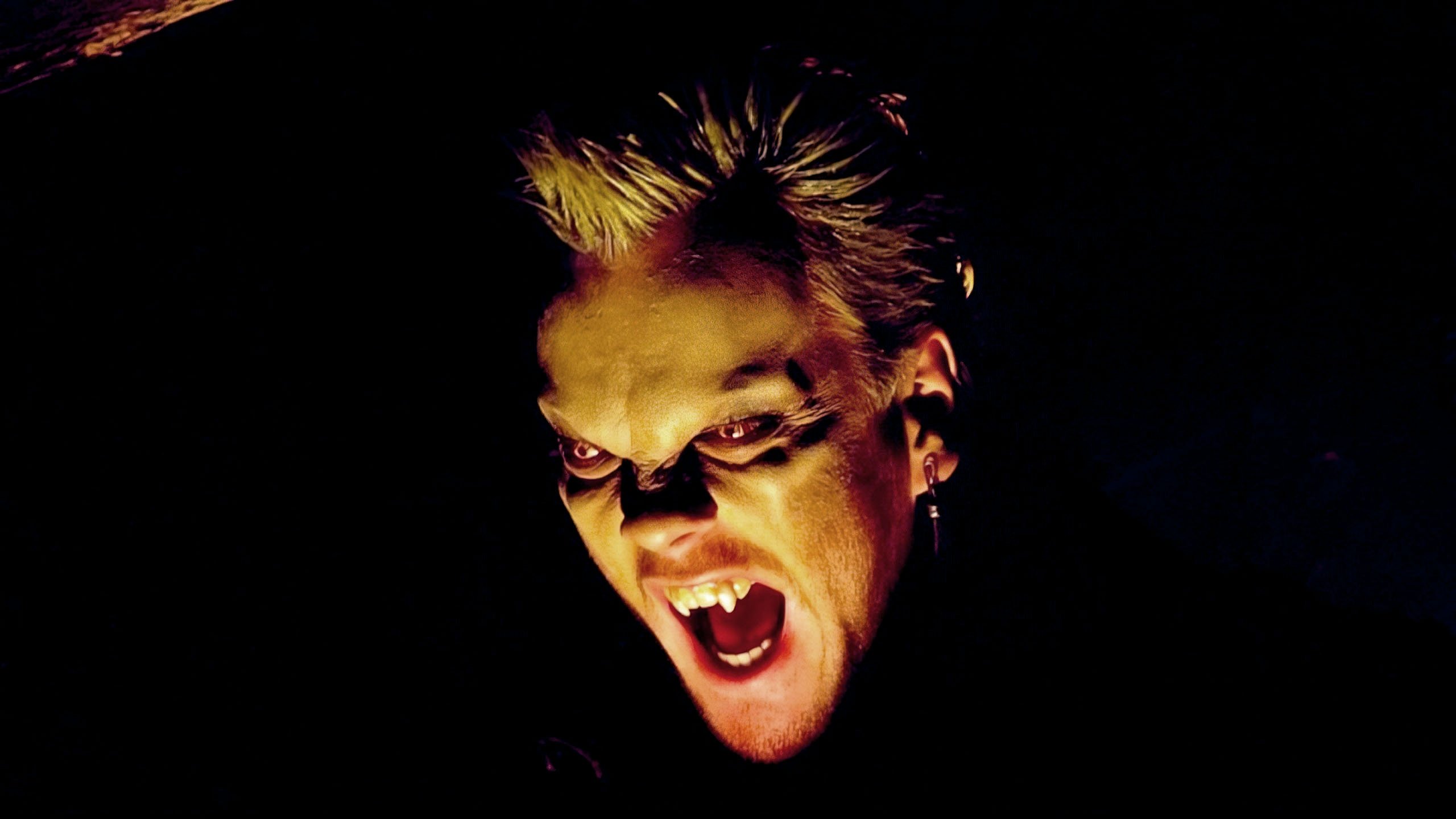
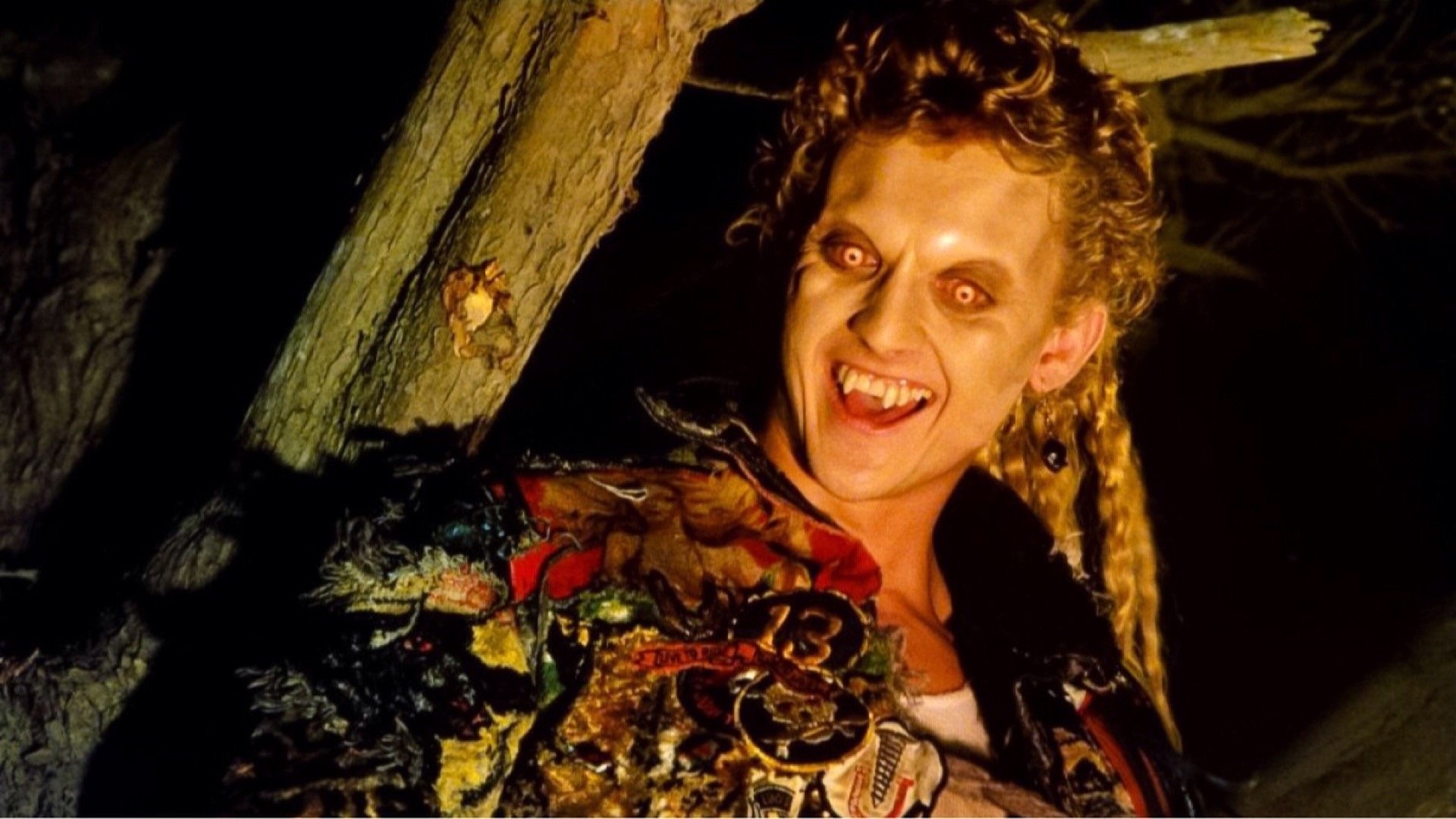
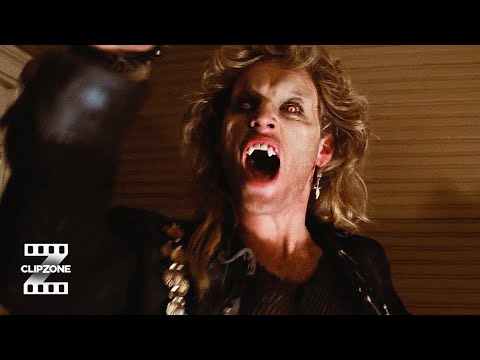
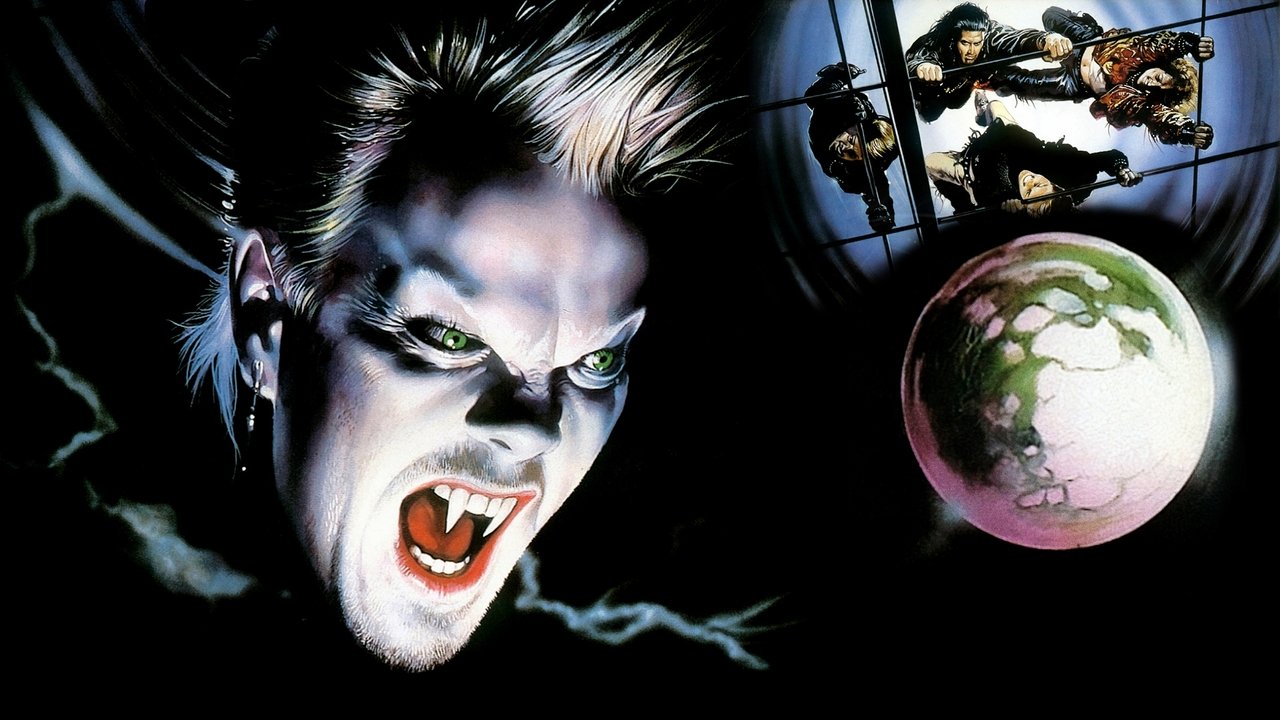
Makeup artists Ve Neill and Greg Cannom developed a vampire appearance that could preserve the performers' attractiveness while revealing something distinctly inhuman. Cannom recalled that earlier, more elaborate tests had made the characters excessively monstrous for Schumacher's intentions. He found a visual reference in a faded photograph of a tennis player, whose altered facial shadows suggested unusual cheek and forehead contours. The resulting appliances reshaped the brow and cheeks without covering the entire face. Subtle variations distinguished David from the other vampires, while Michael received a less extreme application appropriate to his uncertain state of transformation.

The makeup combined individually sculpted foam-latex pieces, coloured contact lenses and custom dentures. Cannom regarded the eyes as the centre of the design and shaped the surrounding prosthetics accordingly. He also described using PAX paint to colour the foam latex and carefully blending its edges into skin. The lenses were difficult for the performers to tolerate, a limitation remembered by several cast members. The ability to alternate between ordinary faces and aggressive, predatory features gave the film a clear visual indication of supernatural hunger. Its glowing eyes and enlarged teeth belong to a coherent design process, rather than to incidental decoration of an otherwise conventional vampire costume.

The climactic violence makes particularly visible use of fabricated wounds, blood mixtures and prosthetic doubles. In a 2017 makeup-effects panel, Neill recalled deliberately adding glitter to the blood to give it an unnatural quality. Cannom described experiments with dissolving heads for a vampire's destruction and noted that some elaborate puppet shots were abandoned during editing. These accounts show the difference between effects constructed for filming and those actually visible in the released film. Several death scenes rely on the actors' placement within architectural or domestic spaces, so that practical destruction of a body also changes the physical environment. The horror emerges through tangible transformations whose details the camera is allowed to register.

Music, Popular Songs, and Gothic Atmosphere

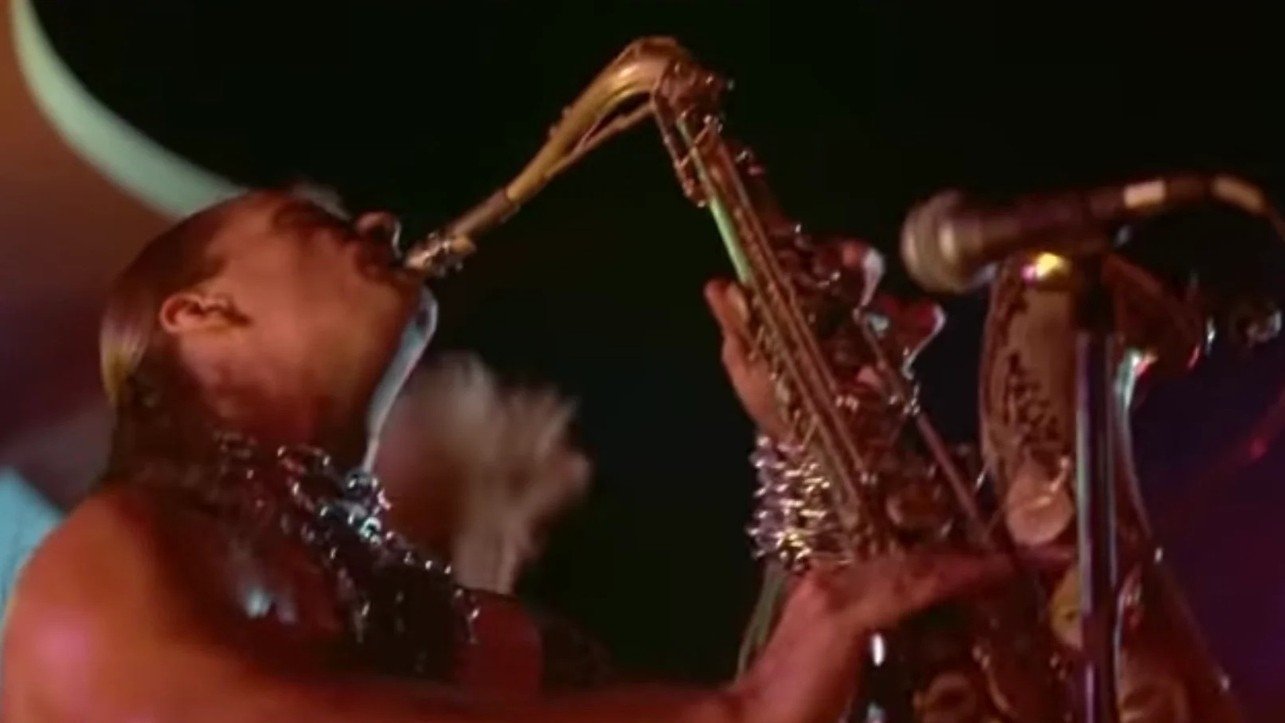
Music is integral to the movie's construction of Santa Carla as a recognizably 1980s youth environment. Thomas Newman composed its original dramatic score, while the commercial soundtrack placed rock performances and newly recorded songs alongside the underscore. Tim Cappello's appearance performing I Still Believe on the boardwalk is part of the action itself: the concert provides the setting in which Michael notices Star. In a 2022 interview, Cappello remembered filming with local spectators in a brief, crowded session. The performance's physical intensity makes music part of the location rather than merely a cue inserted over the images.

The recurring song Cry Little Sister was written and performed by Gerard McMahon, later known as G Tom Mac, following a request from Schumacher. McMahon has explained that he worked from the screenplay before seeing the film, recording a demo that persuaded the director. Its choral textures and insistent vocal refrain accompany the narrative's combination of longing and danger. The soundtrack also includes Echo & the Bunnymen's rendition of People Are Strange and tracks by INXS with Jimmy Barnes. These recordings situate the vampires within a specific popular culture while Newman's scoring supports scenes that depend on suspense. The collaboration between a custom-written theme and contemporary songs became an important part of the film's later musical identity.

Theatrical Release and Contemporary Criticism

Warner Bros. opened The Lost Boys in the United States on July 31, 1987, with an R rating and a running time of approximately 97 minutes. Its first weekend earned about $5.24 million from 1,027 theatres. Contemporary and later box-office reporting places its original domestic total at approximately $32.2 million, compared with a reported production budget of $8.5 million. Those amounts demonstrate a substantial theatrical audience for the film, although ticket revenue cannot be equated with net profit after exhibitors' shares and other expenses. The release also gave the studio a marketable collection of young performers whose images appeared in promotional material and merchandise.

Early reviewers disagreed about whether the hybrid of comedy and horror worked over the entire running time. In his July 31 review for the Los Angeles Times, Michael Wilmington admired the opening movement across the coastline, the photography and the initial promise of the seaside setting, but criticized the dialogue and characterization. He considered the finished film's visual polish disconnected from its script. Wilmington’s negative assessment appeared on the day of release, before the picture acquired its later cult reputation. His objections concerned the construction of the drama even as he recognized the attraction of its imagery.

Other contemporary commentary likewise drew distinctions between the engaging early scenes and the concluding battle, where humour and spectacle become more dominant. The film's evident commercial success therefore should be separated from its initial critical standing. Subsequent home-video and repertory viewing helped keep its particular mixture of vampire effects, youth comedy and pop music in circulation. The 35th-anniversary restoration and 4K Ultra HD release in 2022 represents a later stage in that history, distinct from the 1987 theatrical opening. The original release and subsequent reissues belong to separate commercial engagements.

The Vampire Image and Its Later Cultural Life

The Lost Boys is frequently remembered for relocating vampires into contemporary youth culture without discarding their monstrous appetites. Cannom's makeup and Schumacher's staging allow the same performers to appear both desirable and threatening, while the fictional seaside community offers a plausible social space for a hidden group of predators. In interviews, members of the production have identified the youthful design as an important difference from the older aristocratic model of screen vampirism. That retrospective judgment should not be treated as proof that the film alone created the modern teenage vampire; its specific contribution lies in the documented choices of casting, costume, image and prosthetic design.

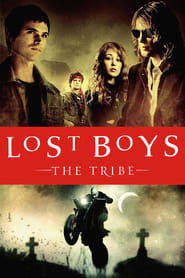
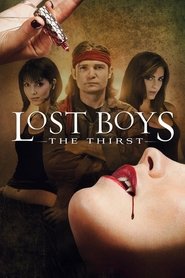
Its commercial and cultural continuation can be traced more concretely. Lost Boys: The Tribe appeared in 2008 and Lost Boys: The Thirst in 2010 as direct-to-video follow-ups, both retaining connections to the Frog brothers. Anniversary screenings, interviews and a restored home-video edition have also provided occasions to revisit the original crew's methods. Later commentary regularly singles out the boardwalk performances, the song Cry Little Sister and the vampires' altered faces as recognizable elements. The film's endurance within horror culture is thus visible in its ongoing circulation and in the continuing attention given to its production history, even when claims about influence on particular later works remain harder to establish.

References

  1. The Guardian How we made The Lost Boys — Ben Gilbert

    First-hand 2024 accounts from actor Jason Patric and co-writer James Jeremias about screenplay origins, casting, location and the film’s transformation.

  2. The Moving Picture Show Joel Schumacher — interview by Joe Leydon (1987)

    Contemporary direct interview with the director on the script revisions, Frog brothers, Santa Cruz setting and the day-versus-night visual concept.

  3. SYFY WIRE Alex Winter, Jason Patric & more look back on The Lost Boys as the vampire film turns 35

    Detailed 2022 oral history featuring production designer Bo Welch, actors and songwriter Gerard McMahon on sets, filming, music and legacy.

  4. Stan Winston School of Character Arts The Lost Boys — Pioneering a New Breed of Vampires

    Direct testimony from prosthetic-effects designer Greg Cannom on tests, sculpting, foam latex, eyes and teeth.

  5. Los Angeles Times Movie Review: Staking Out the Punk Vampire “Boys” — Michael Wilmington

    Opening-day 1987 assessment of cinematography, setting, dialogue and the film’s tension between visual style and narrative.

Connections

Cast

View Full Cast & Crew →

Release & Distribution

Production Companies (1)

  • Warner Bros. Pictures US

Distributors (1)

  • Warner Bros. Entertainment US

Release History (21)

Release DateTerritoryRelease TypeFormatDistributorCertificationNotes
1987-07-31 Brazil Theatrical — — 14
1987-07-31 Denmark Theatrical — — 15
1987-07-31 United Kingdom Theatrical — — 15
1987-07-31 Ireland Theatrical — — 18
1987-07-31 Sweden Physical — — 15
1987-07-31 United States Theatrical — — R
1987-08-01 Australia Theatrical — — M
1987-08-01 Canada Theatrical — — 14A
1987-08-08 Japan Theatrical — — PG12
1987-08-15 Greece Theatrical — — 15
1988-01-12 France Theatrical — — TP Visa n°66752
1988-01-14 Germany Theatrical — — 16
1988-01-21 Netherlands Theatrical — — 16
1988-02-19 Spain Theatrical — — 12
1988-02-19 Italy Theatrical — — —
1988-10-18 United States Physical VHS — R VHS
1999-02-01 Netherlands Physical — — 16
2002-05-19 Netherlands TV — — 16 V8
2008-07-29 France Physical Blu-ray — TP Blu-ray
2008-10-15 Netherlands Physical Blu-ray — 16 Blu-ray
2022-09-21 France Physical Blu-ray — TP Blu-ray & Blu-ray 4K
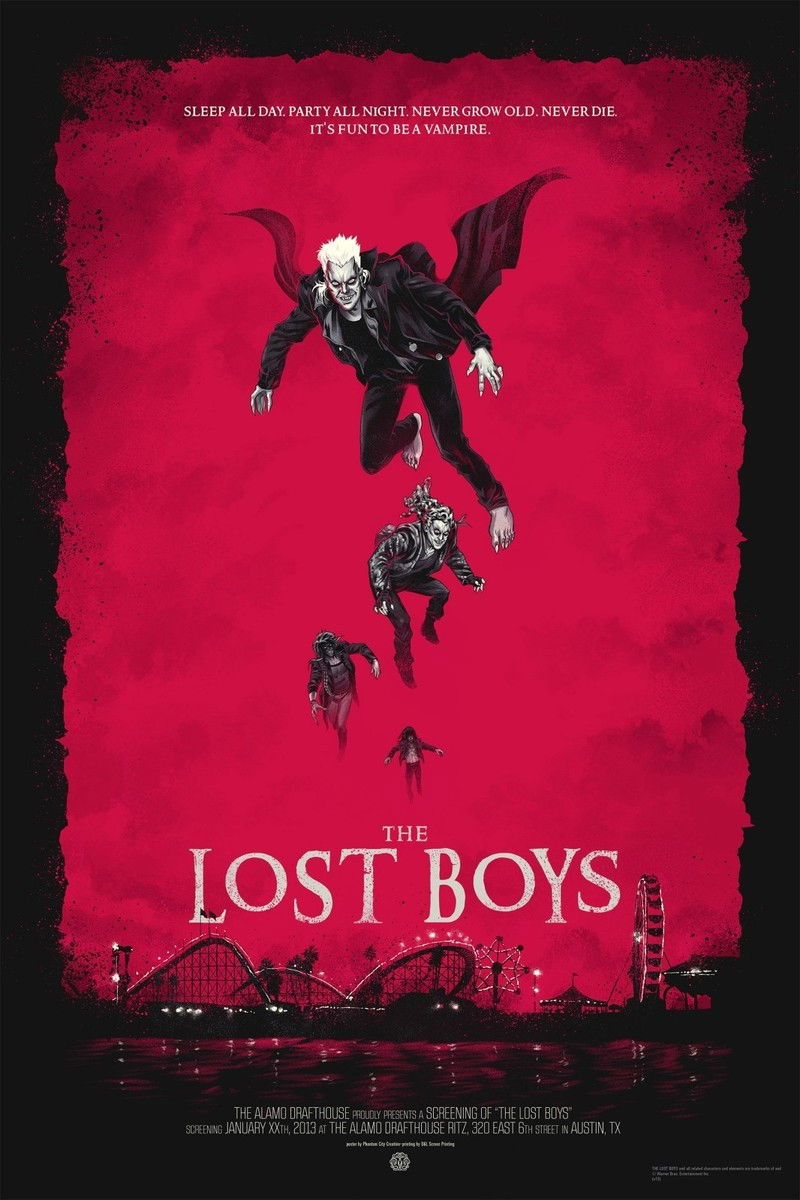
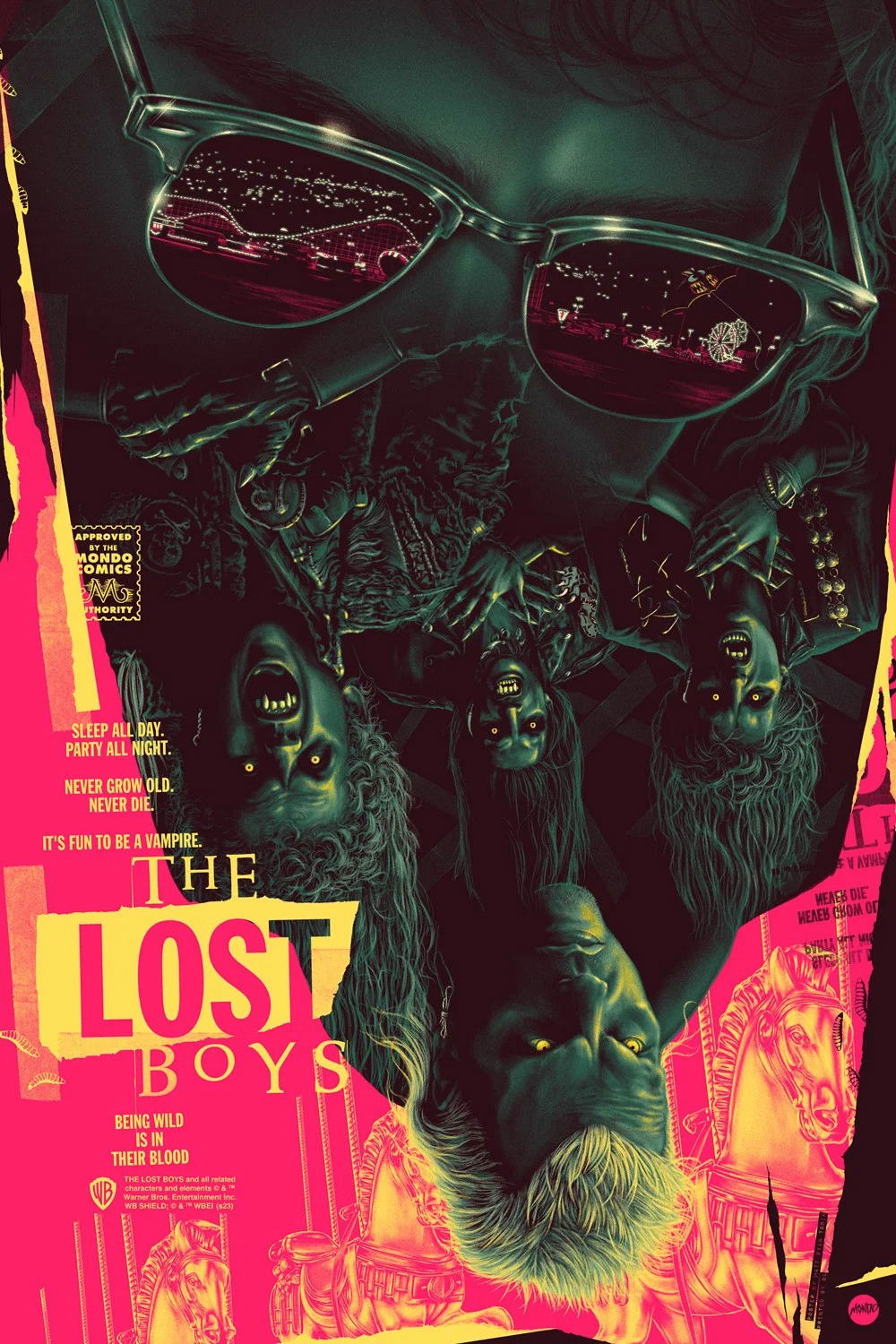
Sleep all day. Party all night. Never grow old. Never die. It's fun to be a vampire.