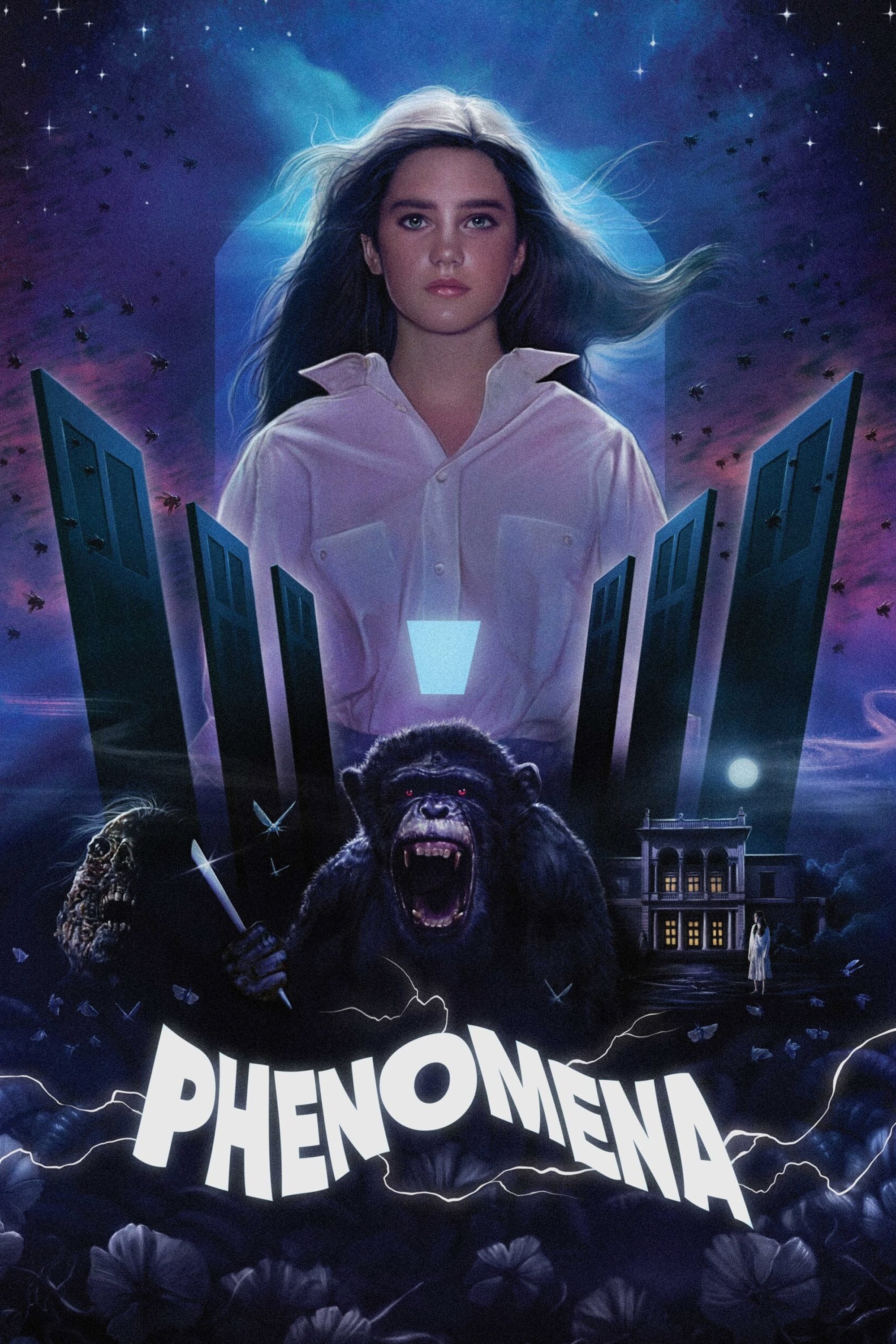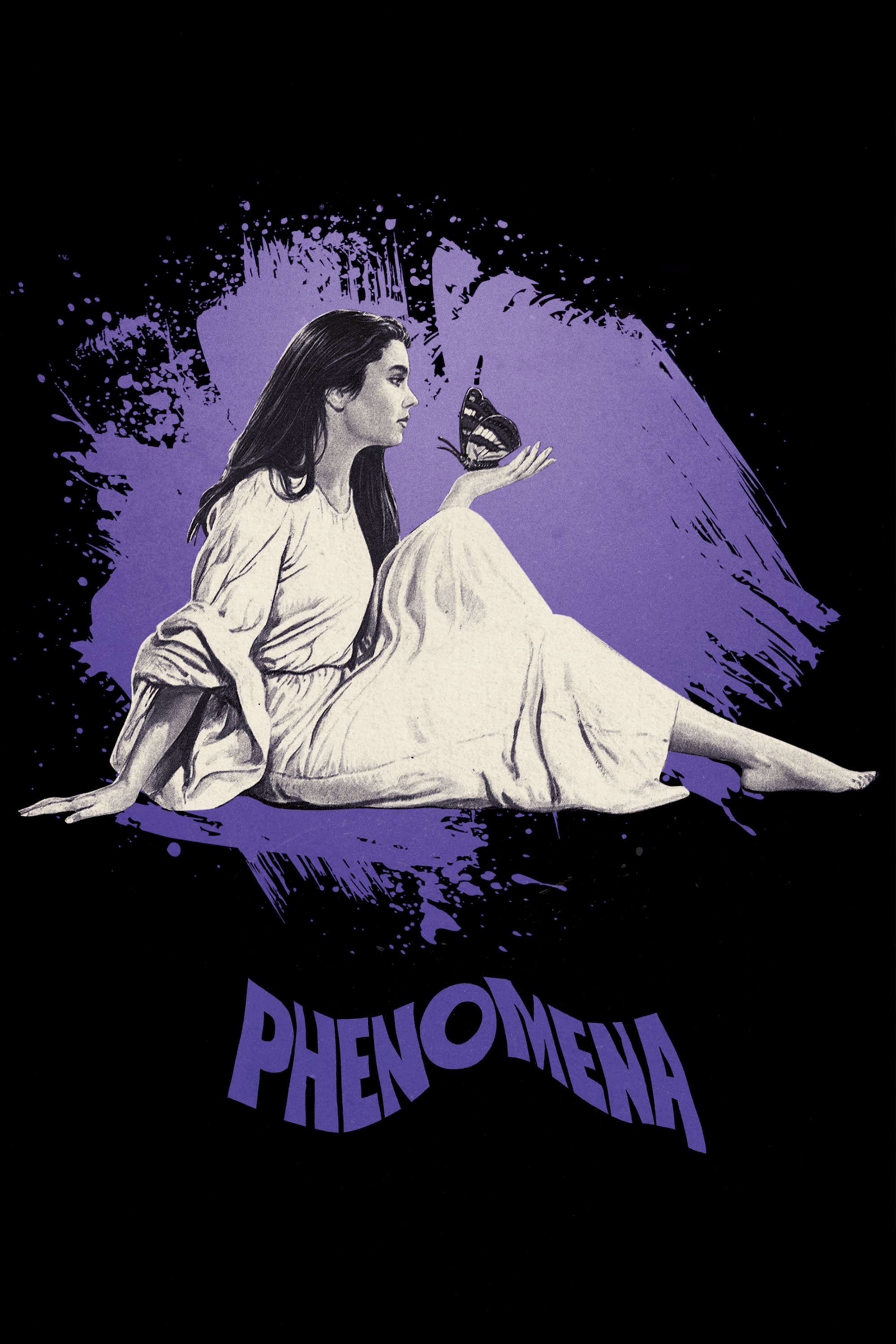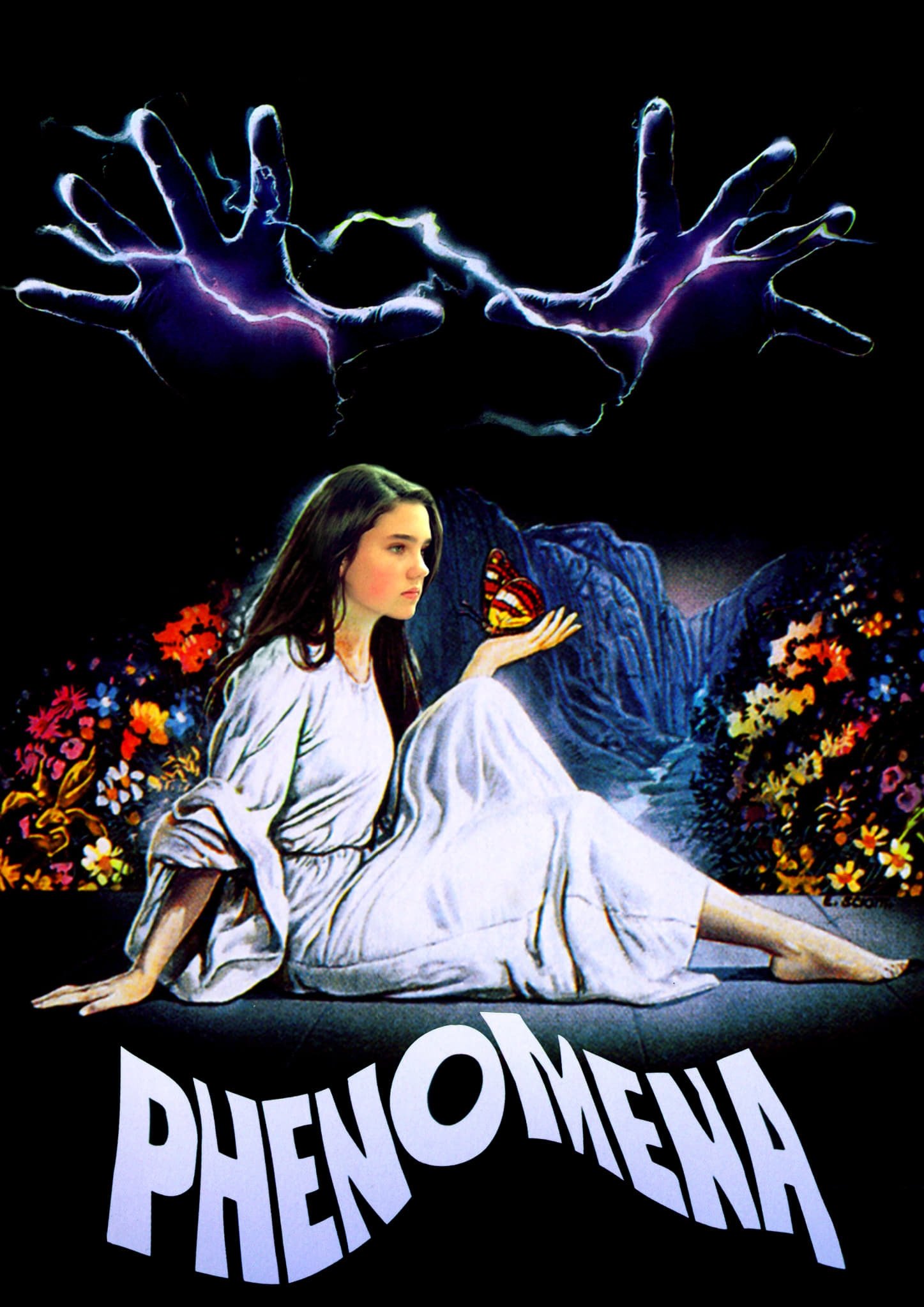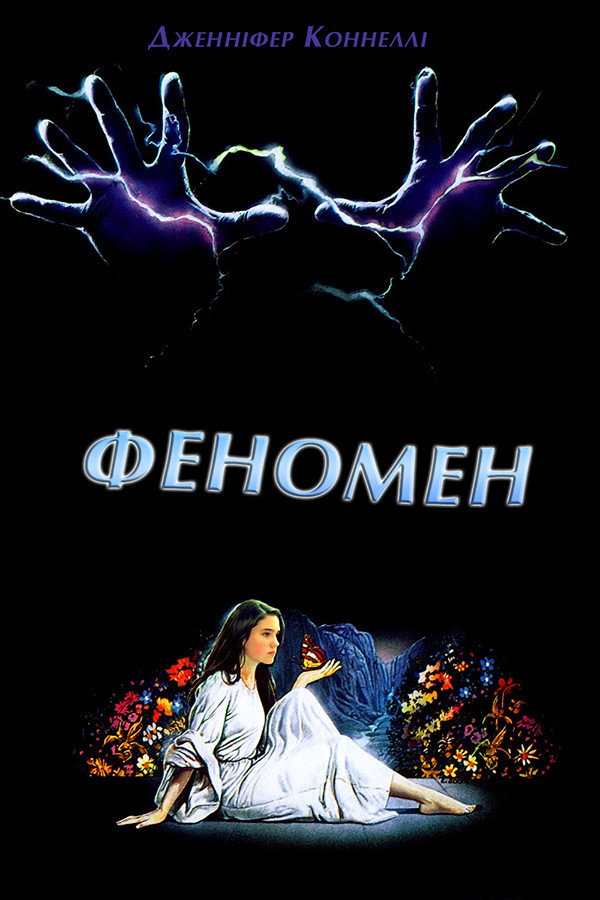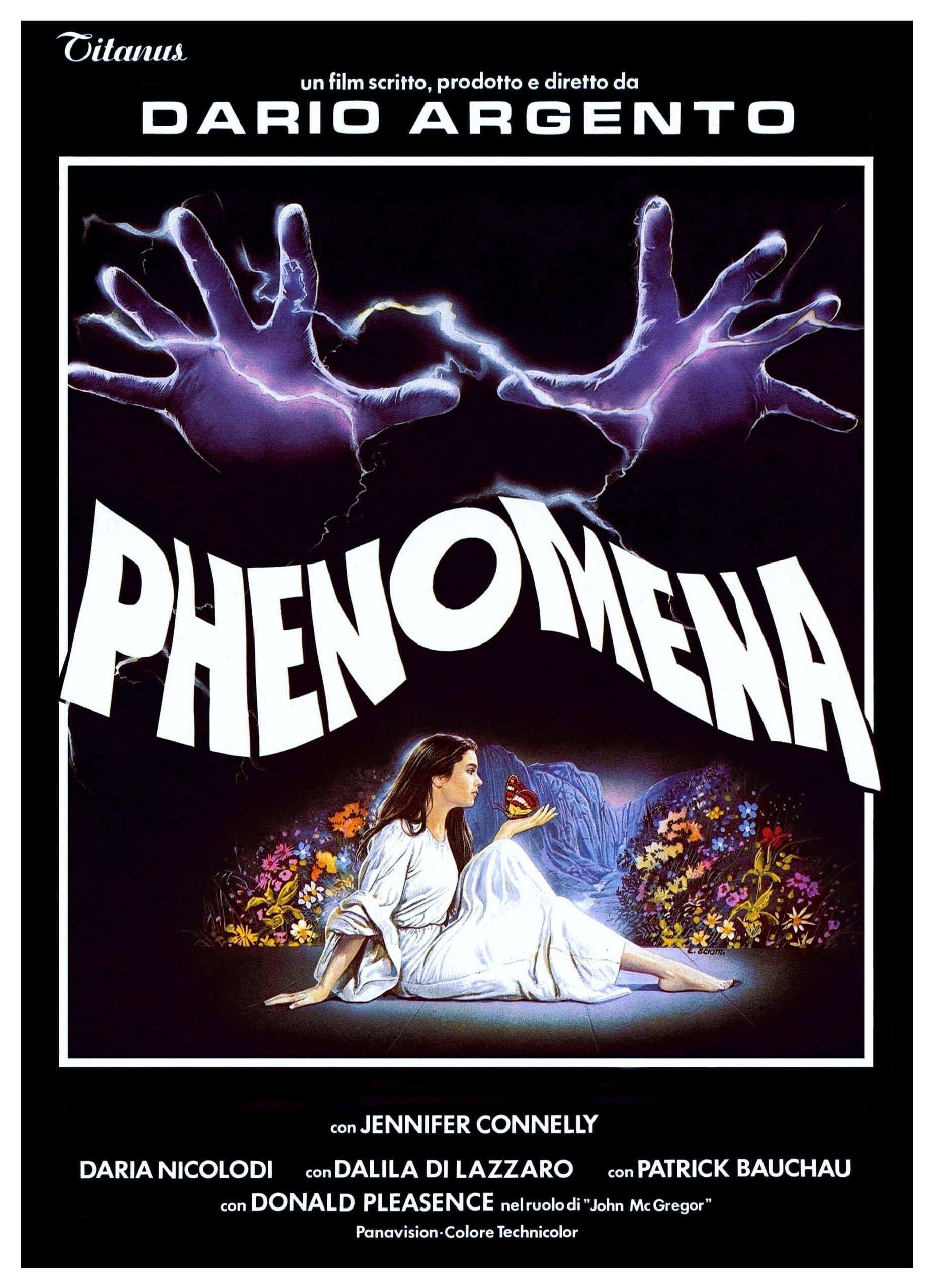
Phenomena (1985)

IT
HORROR FILM Thriller
6.0/10 4 votes
Runtime
116 min
Release
January 25, 1985
Budget
$3,800,000
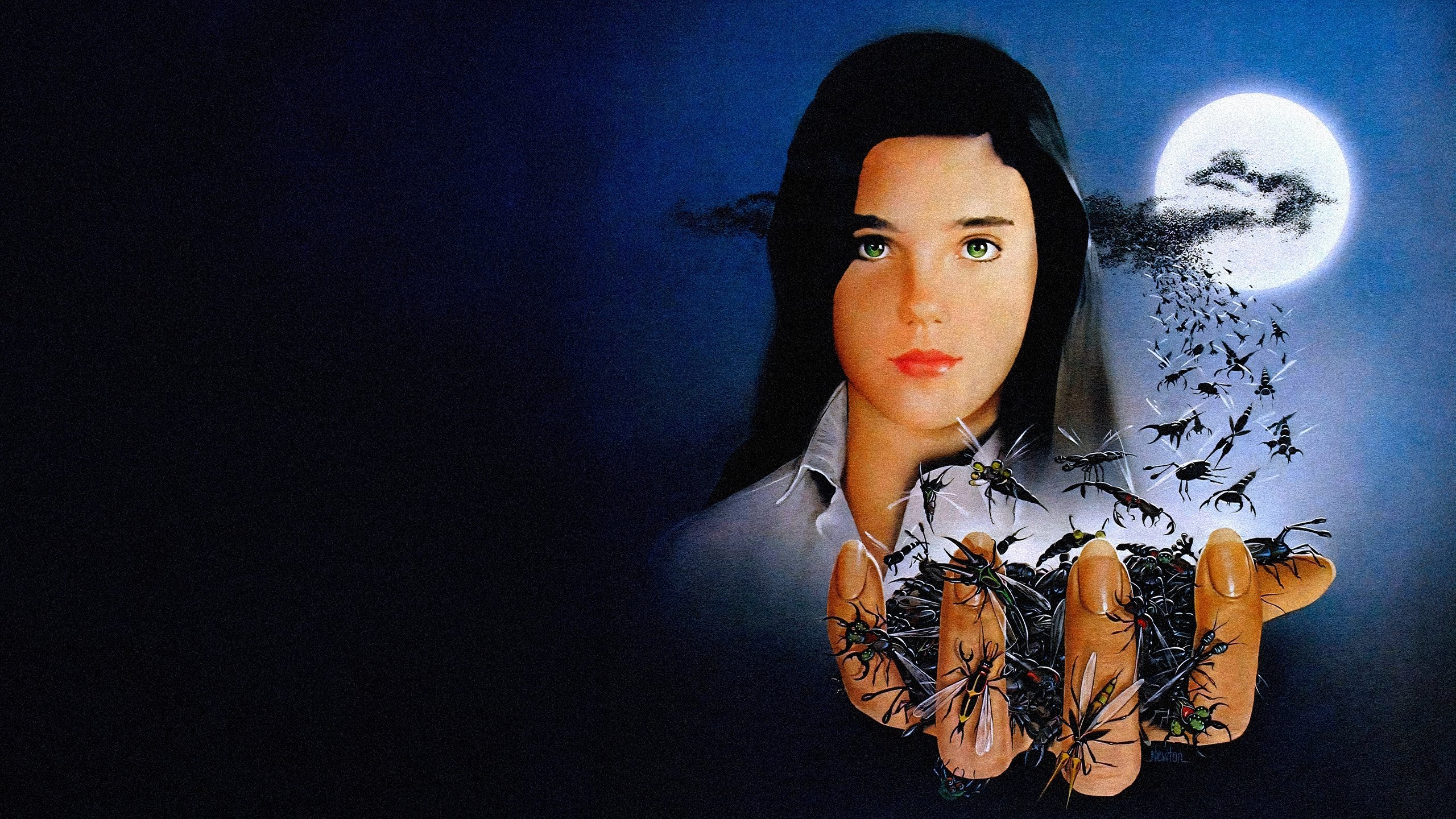
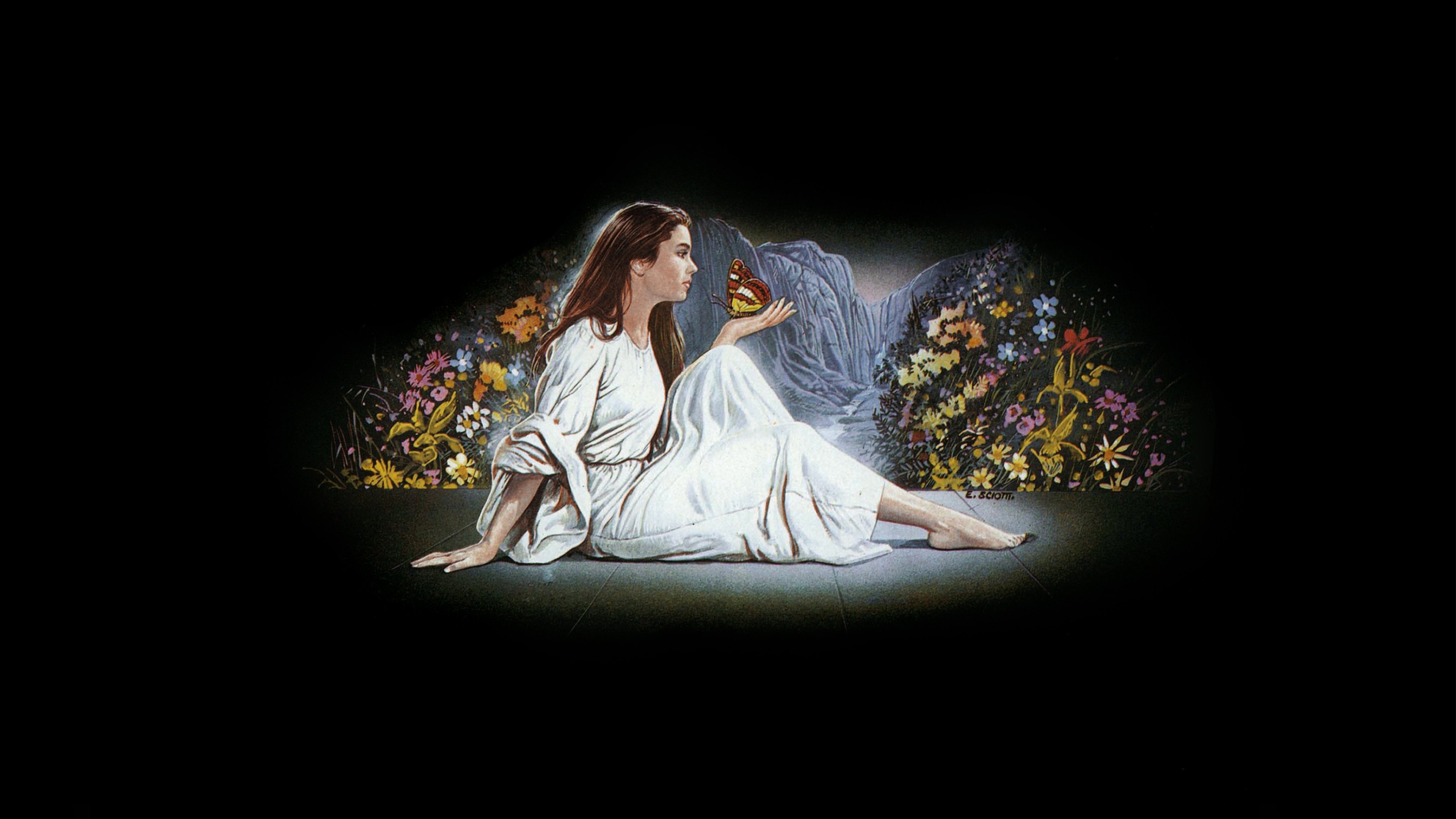
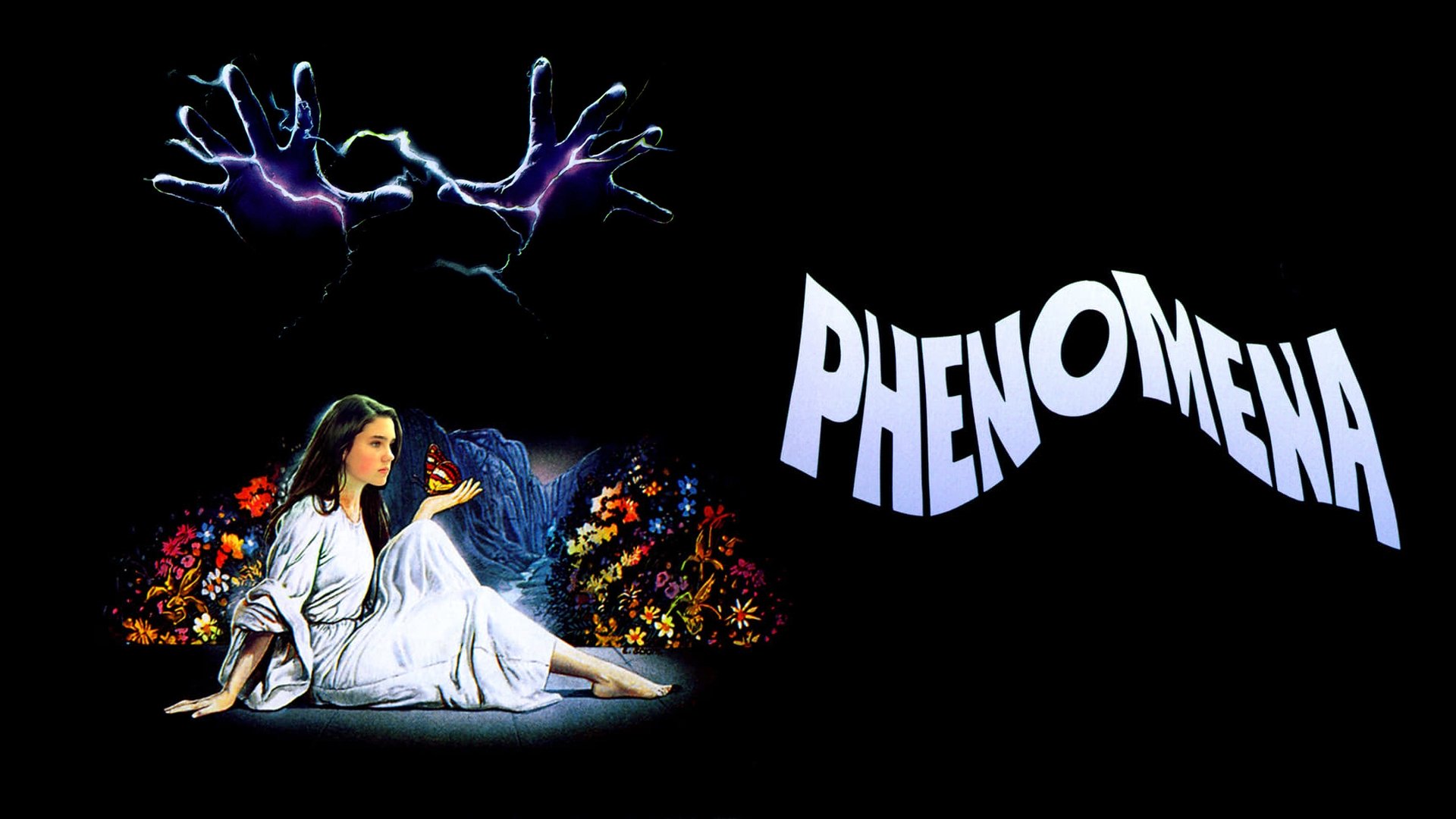
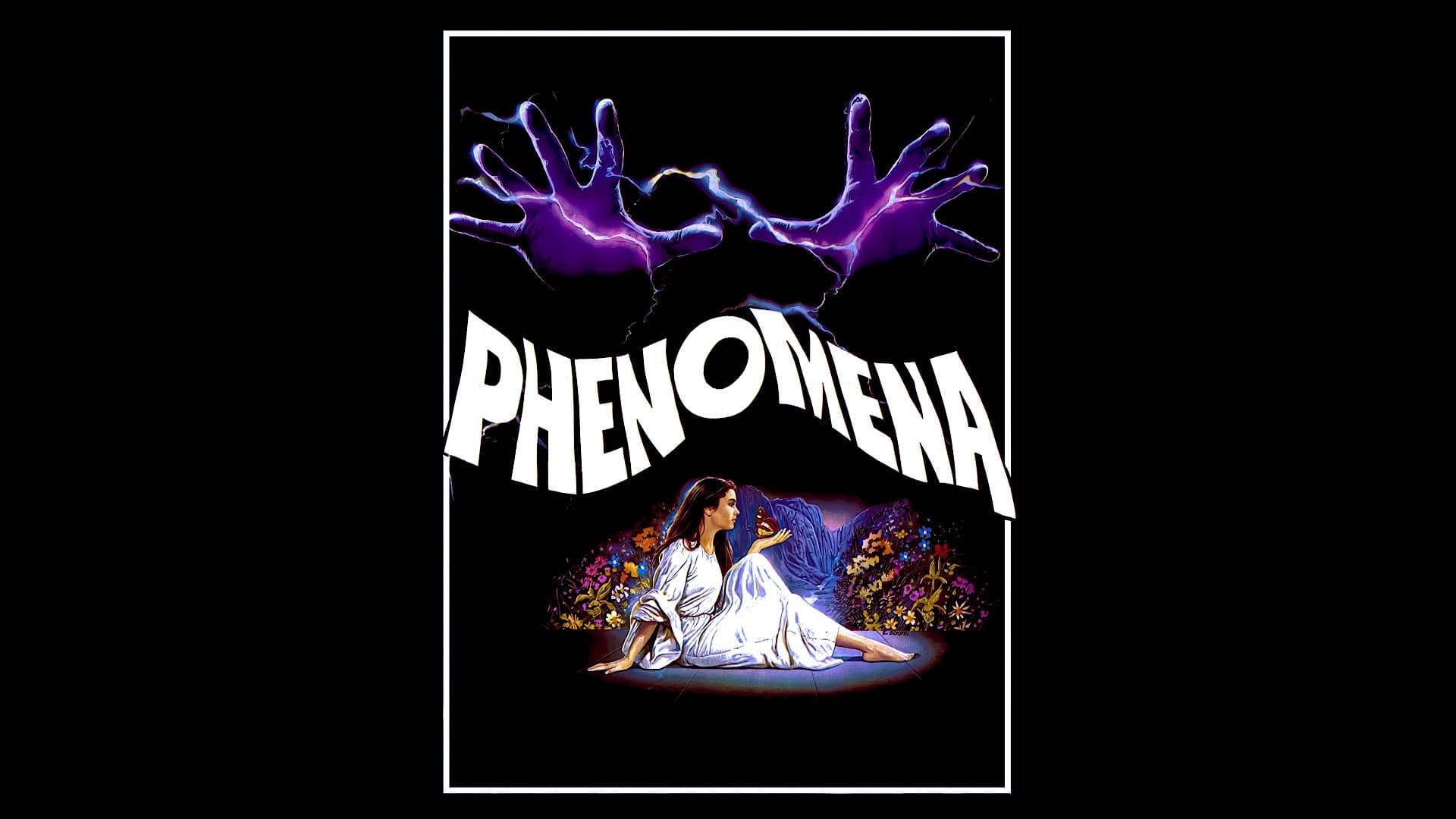
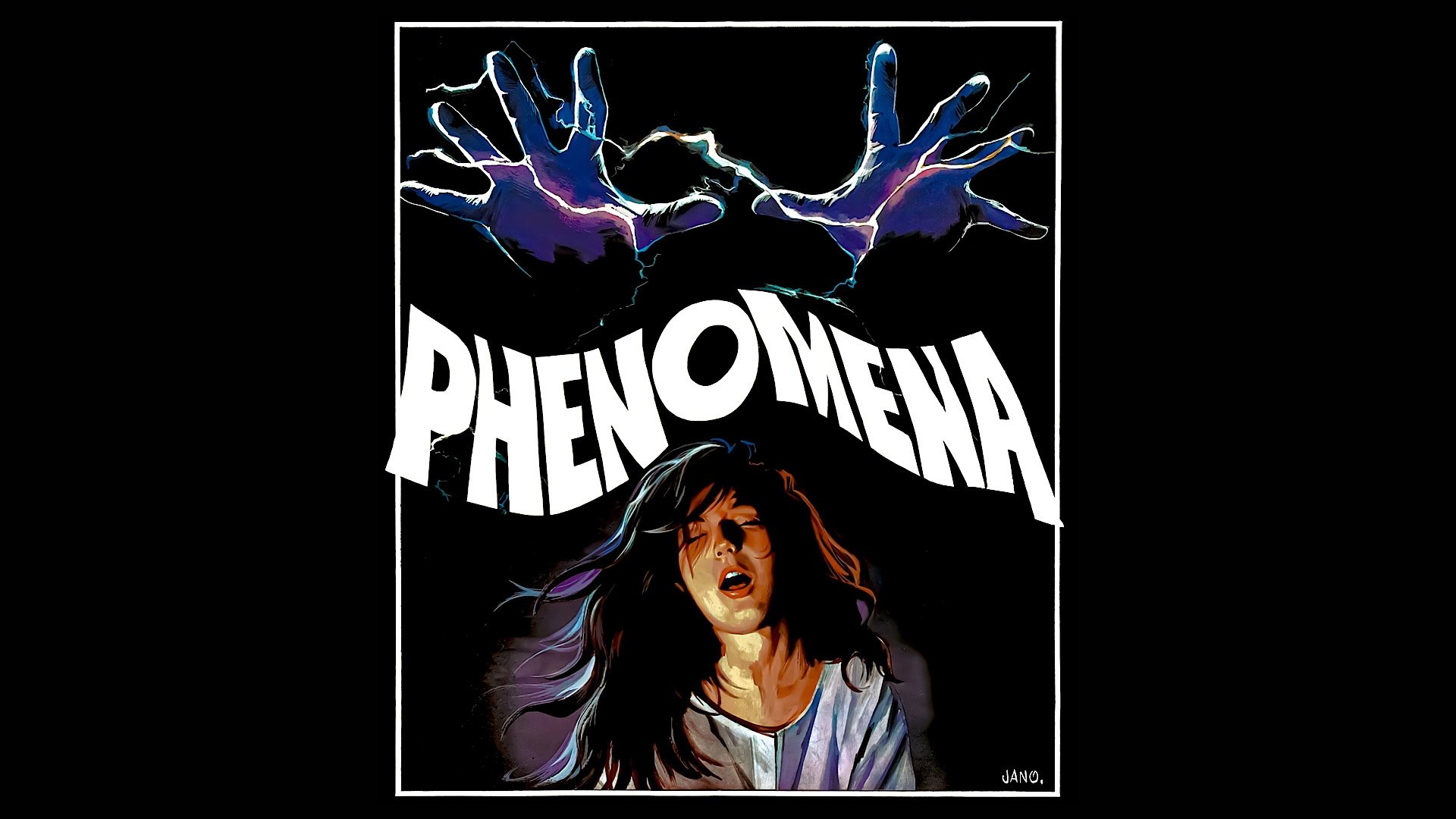
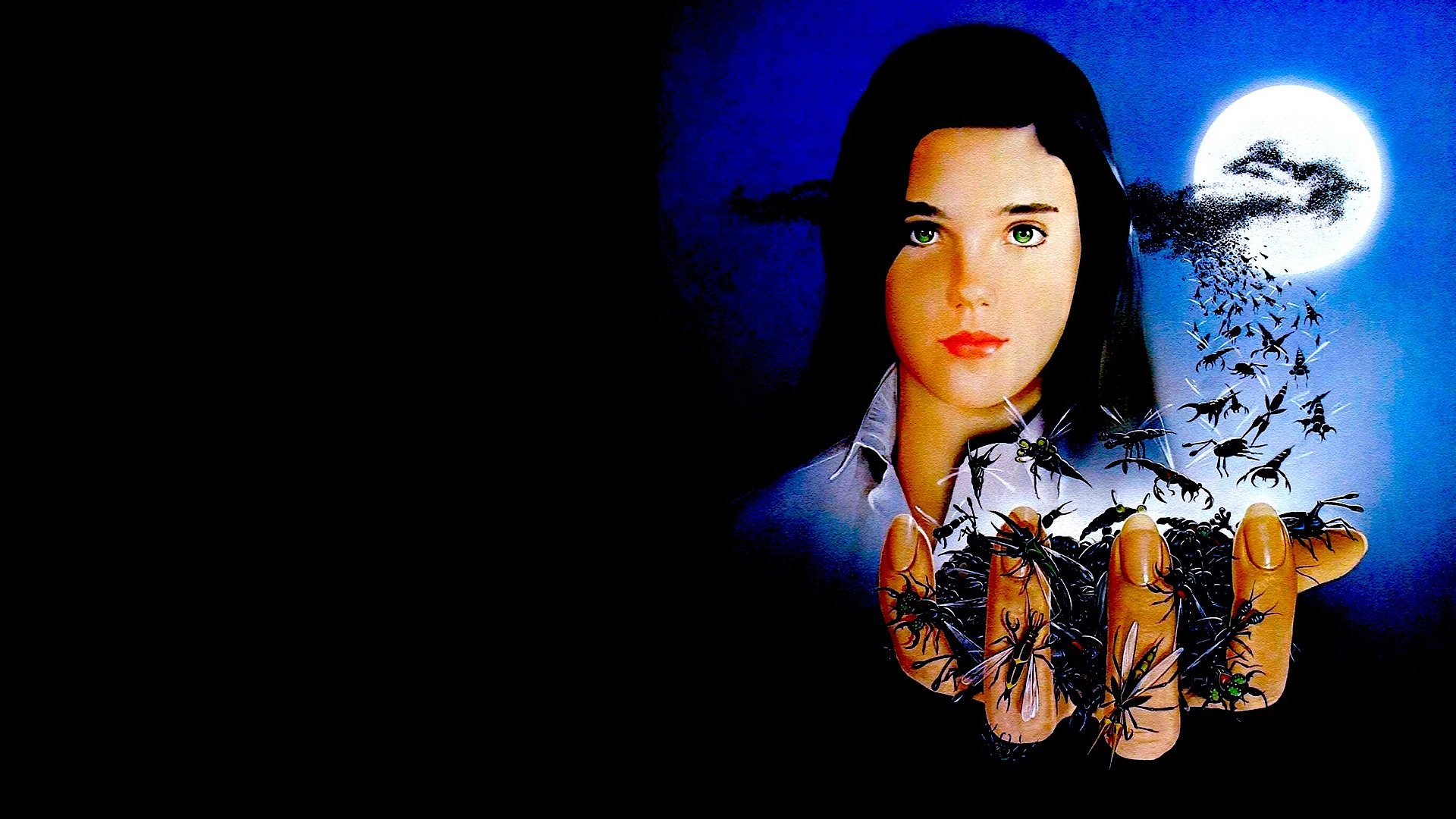
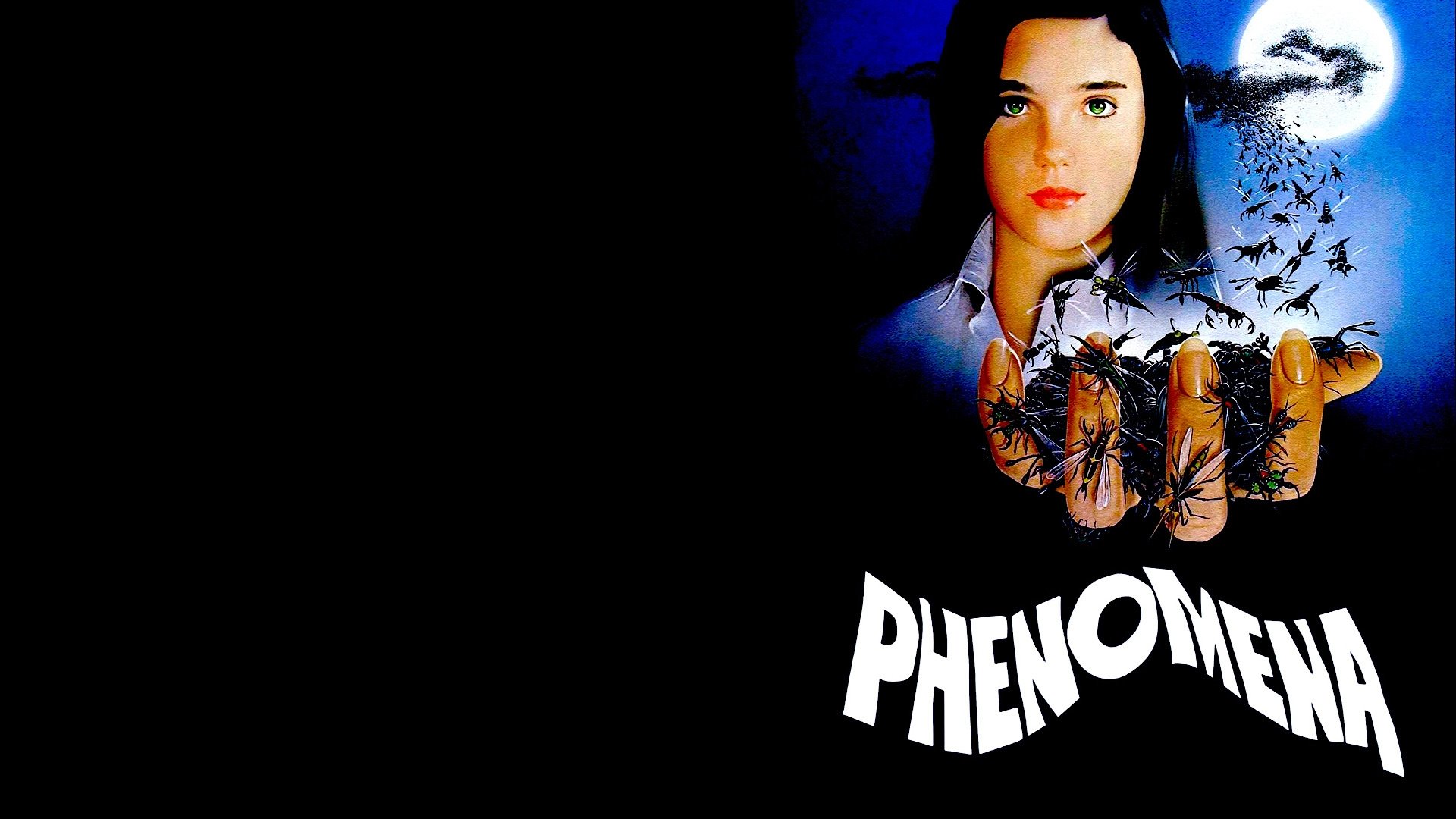
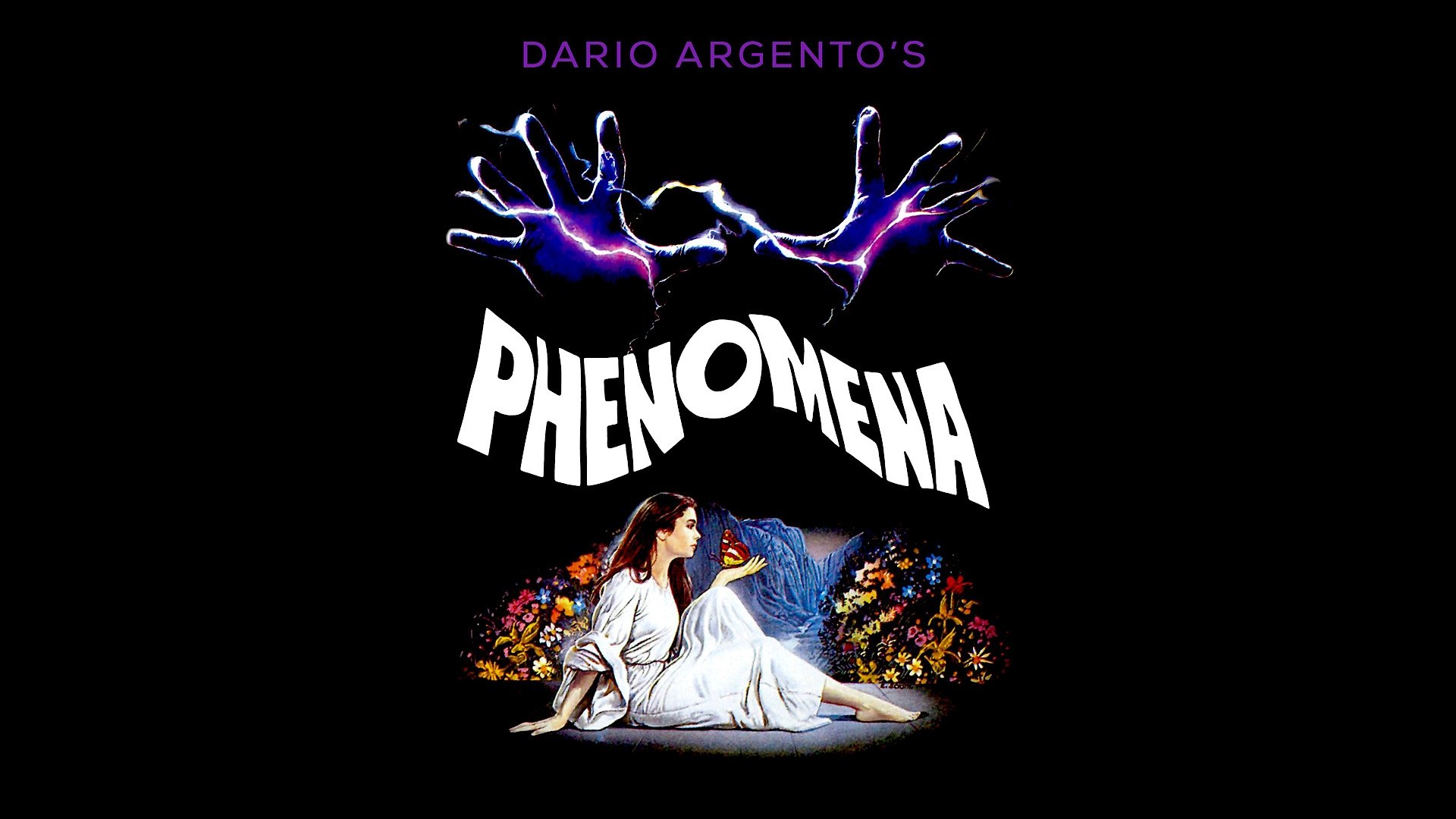
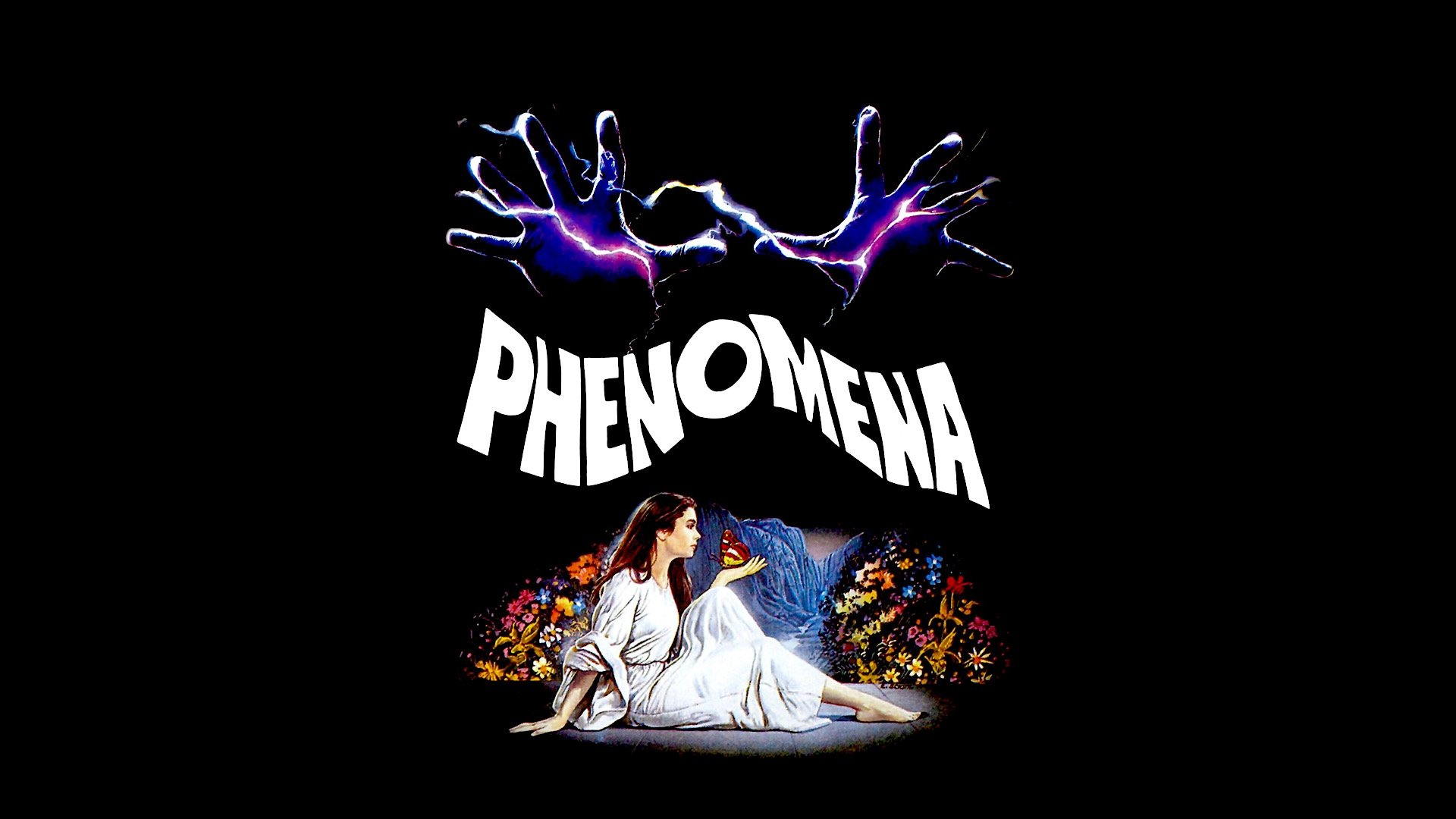
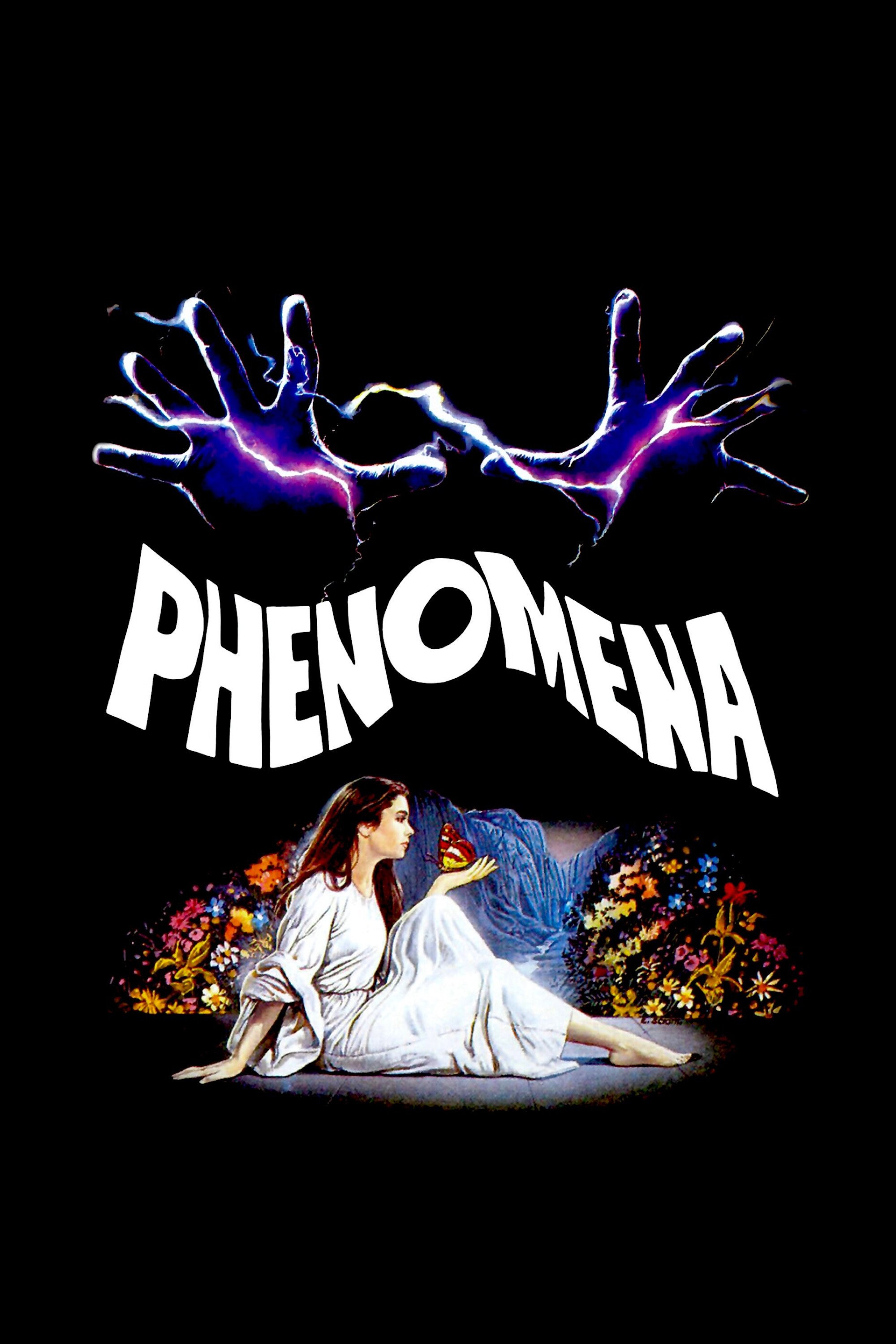
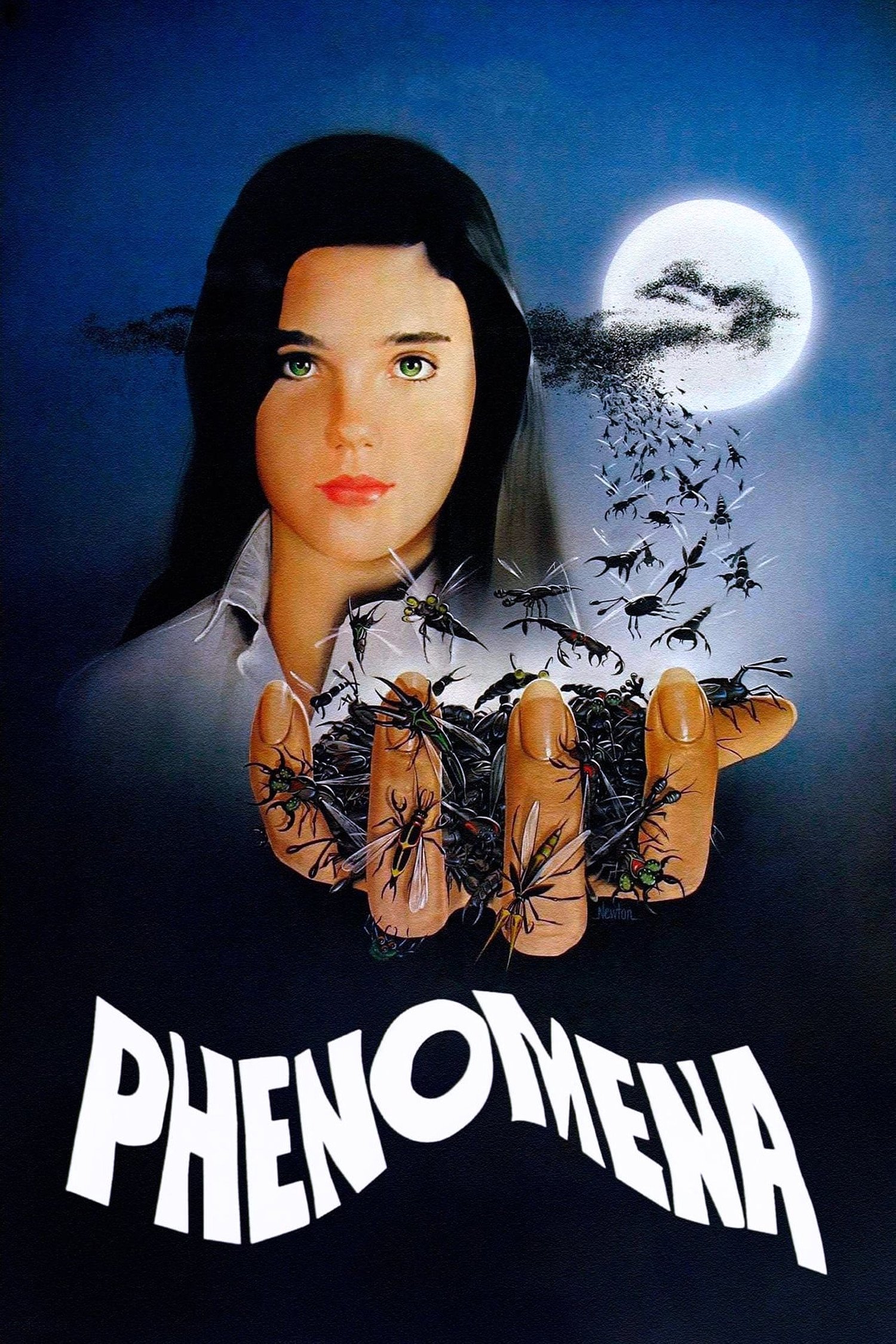
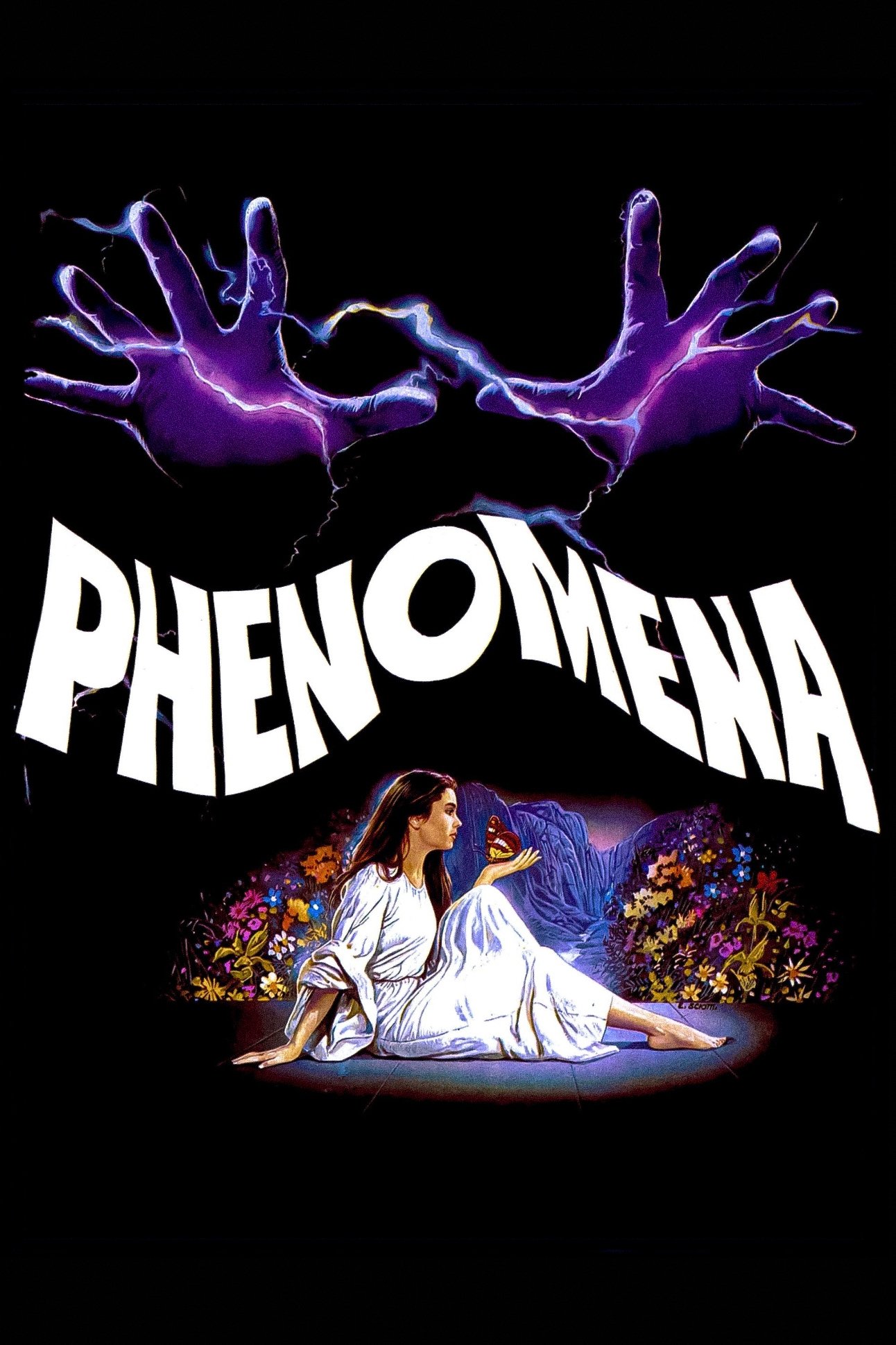
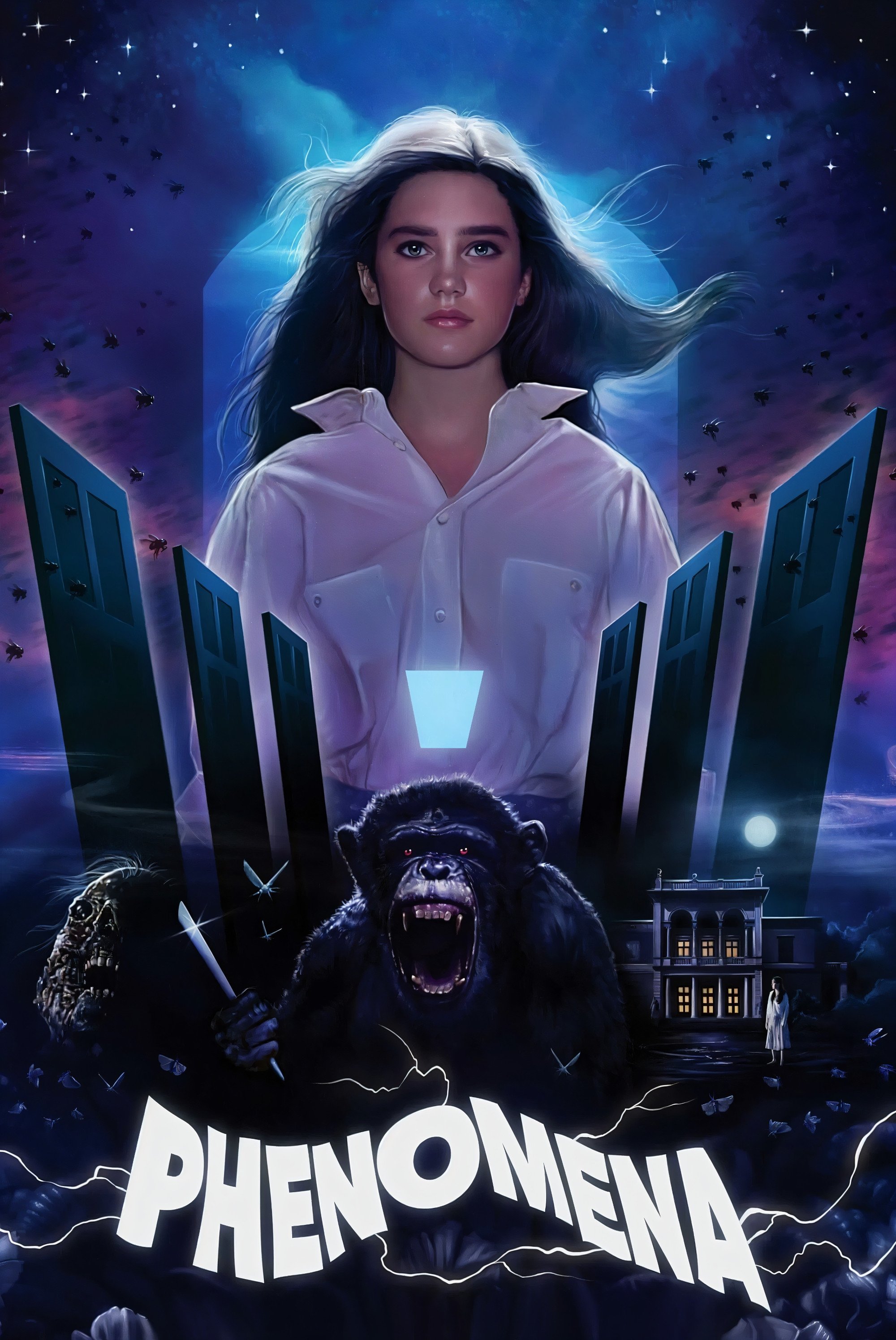
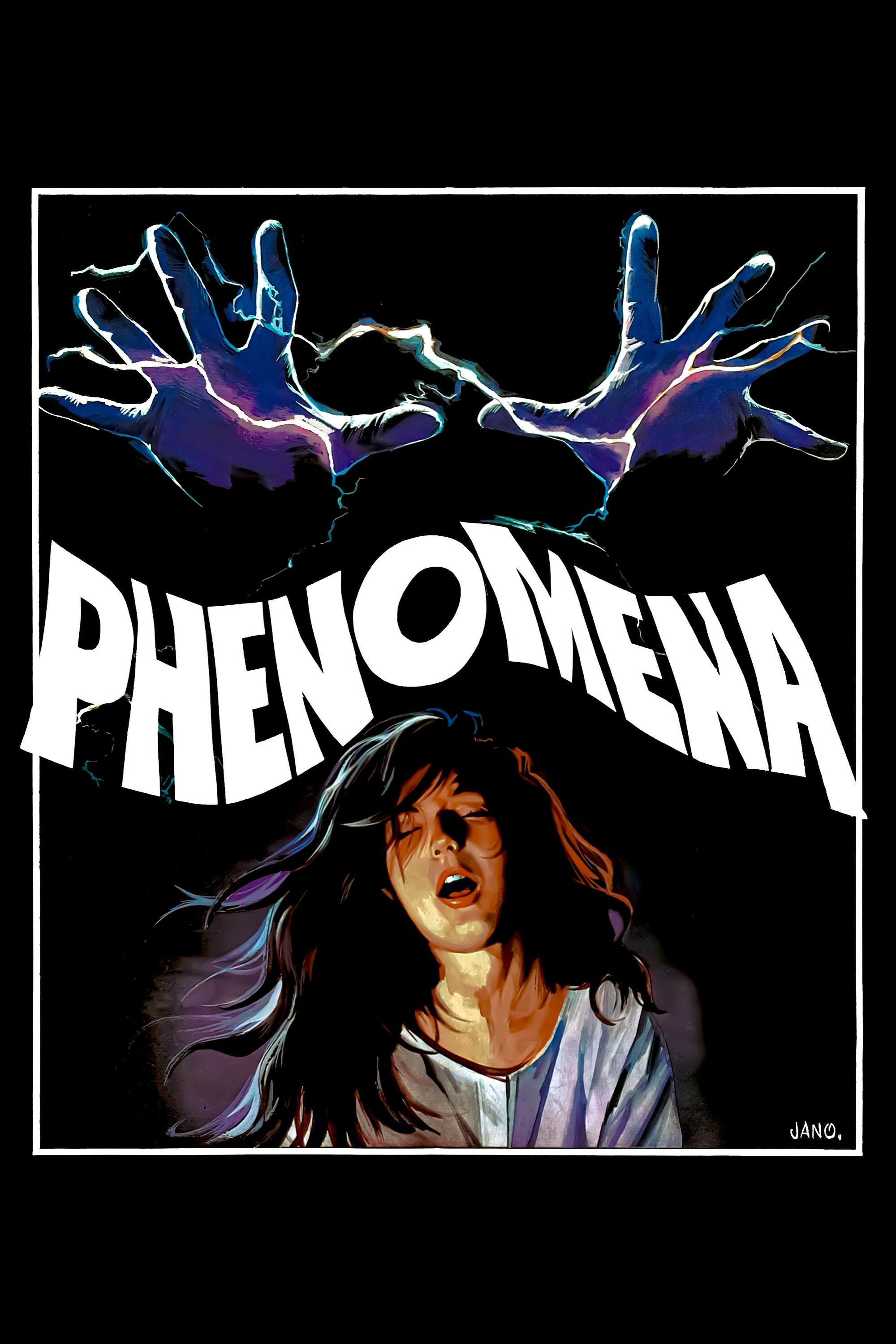
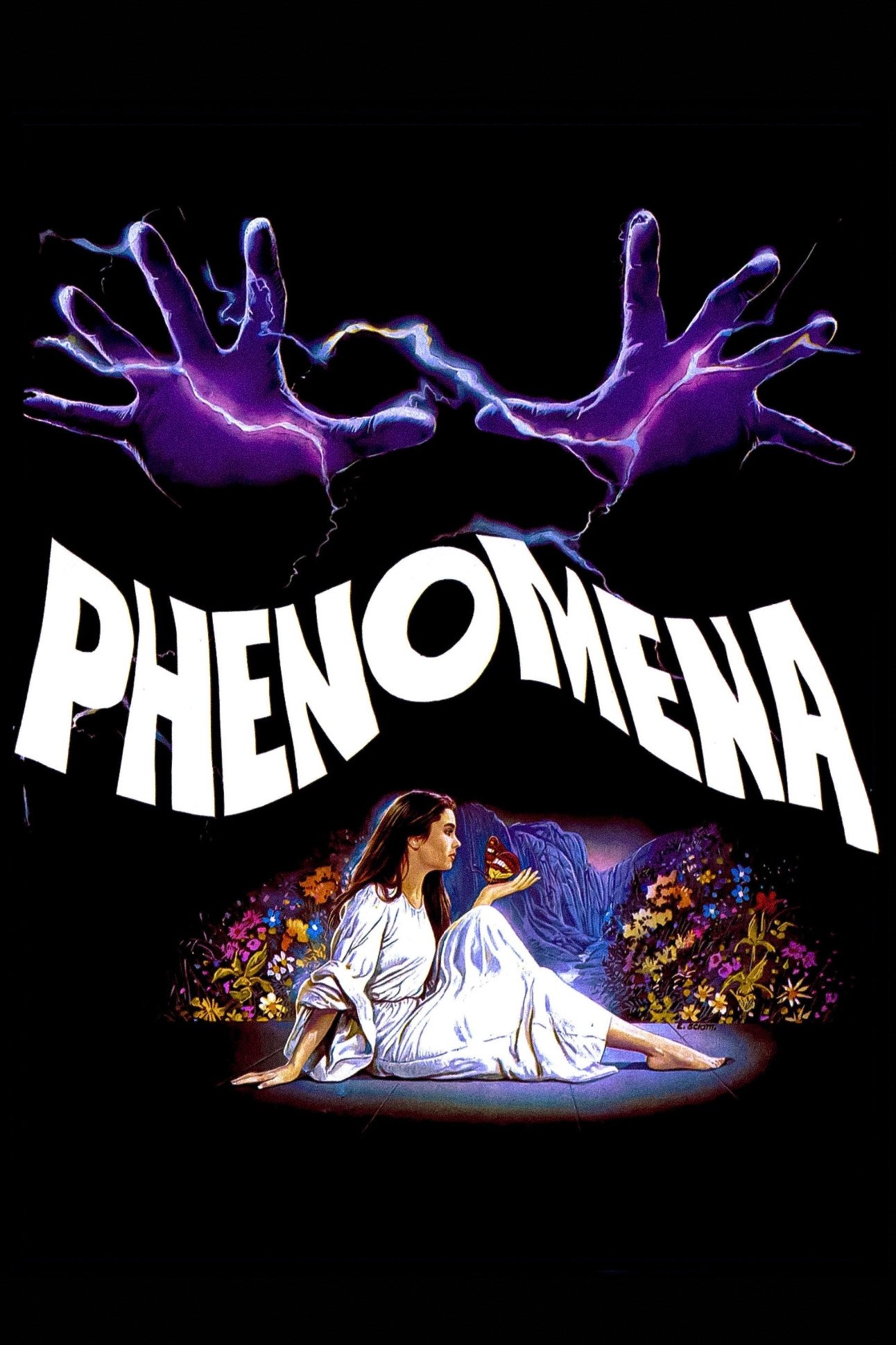
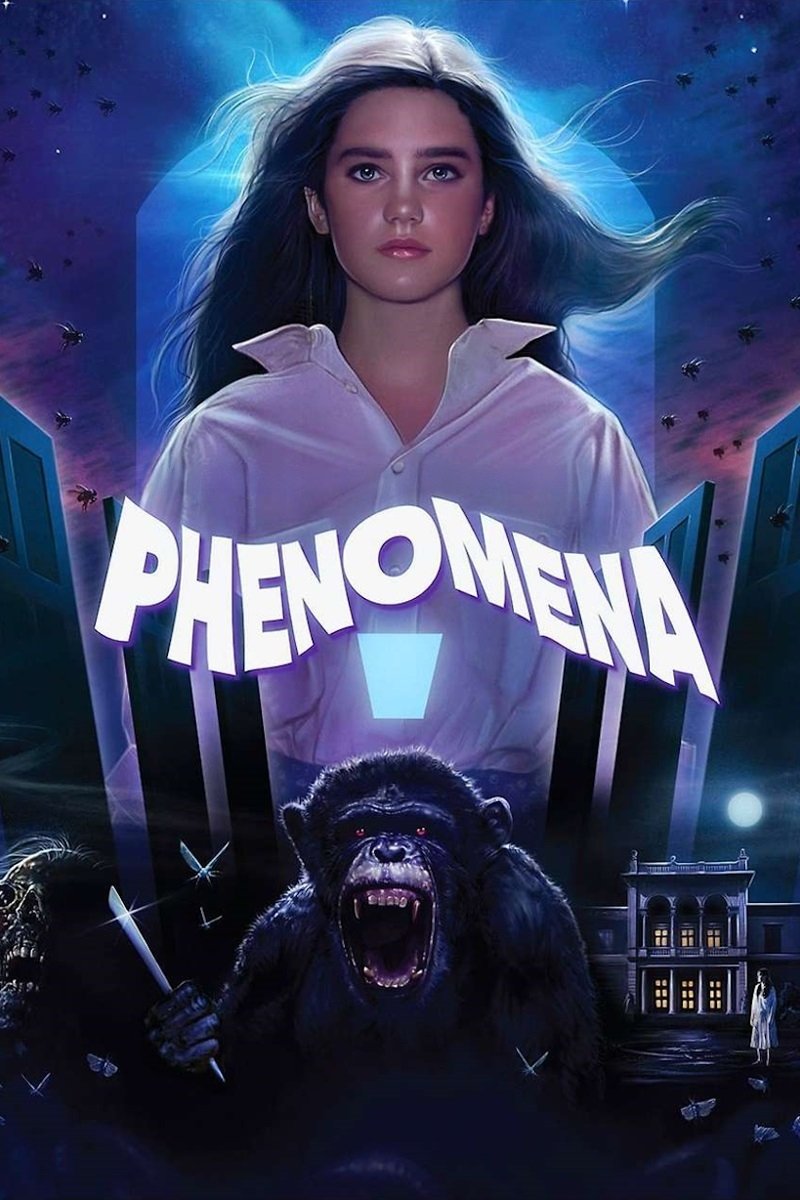
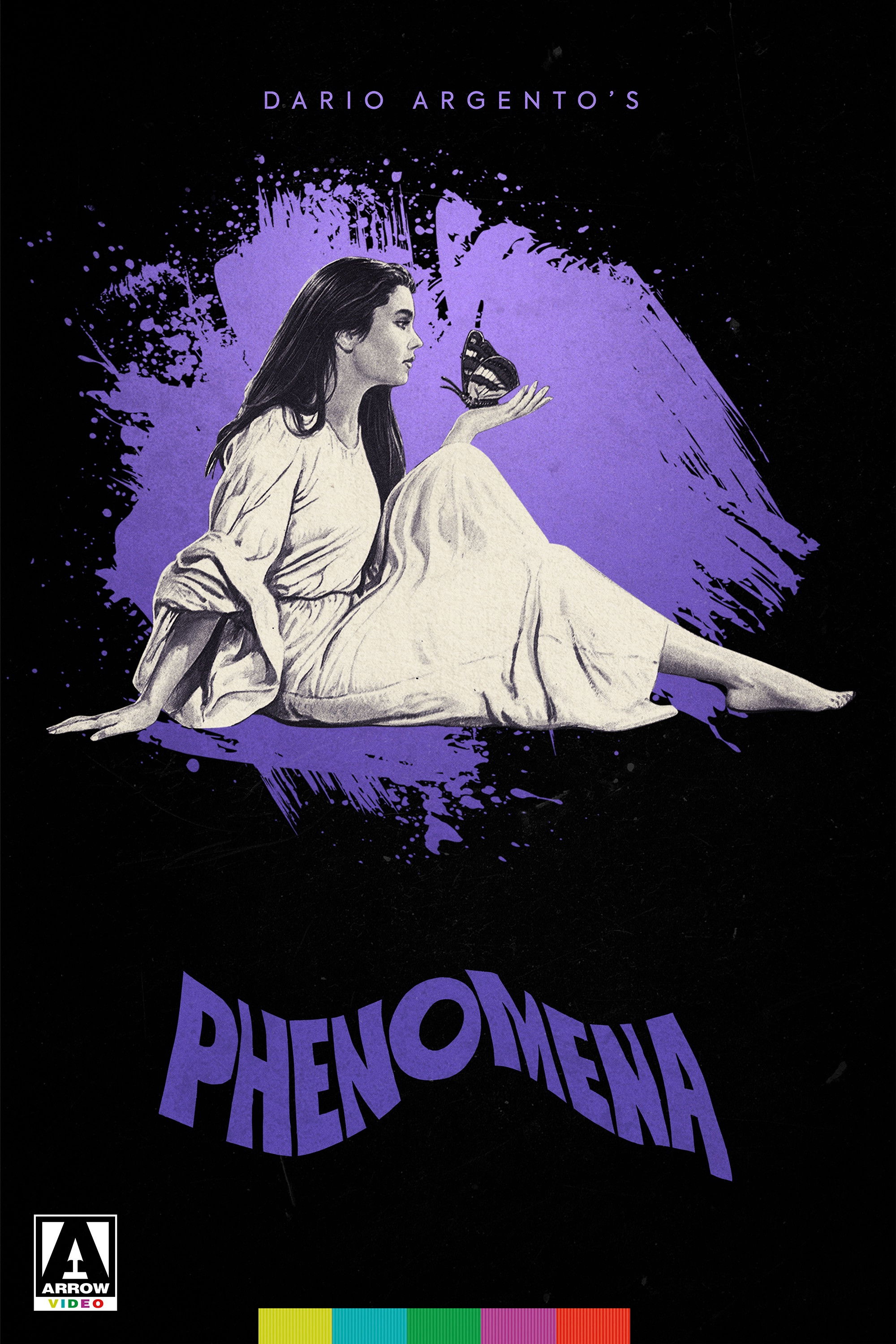
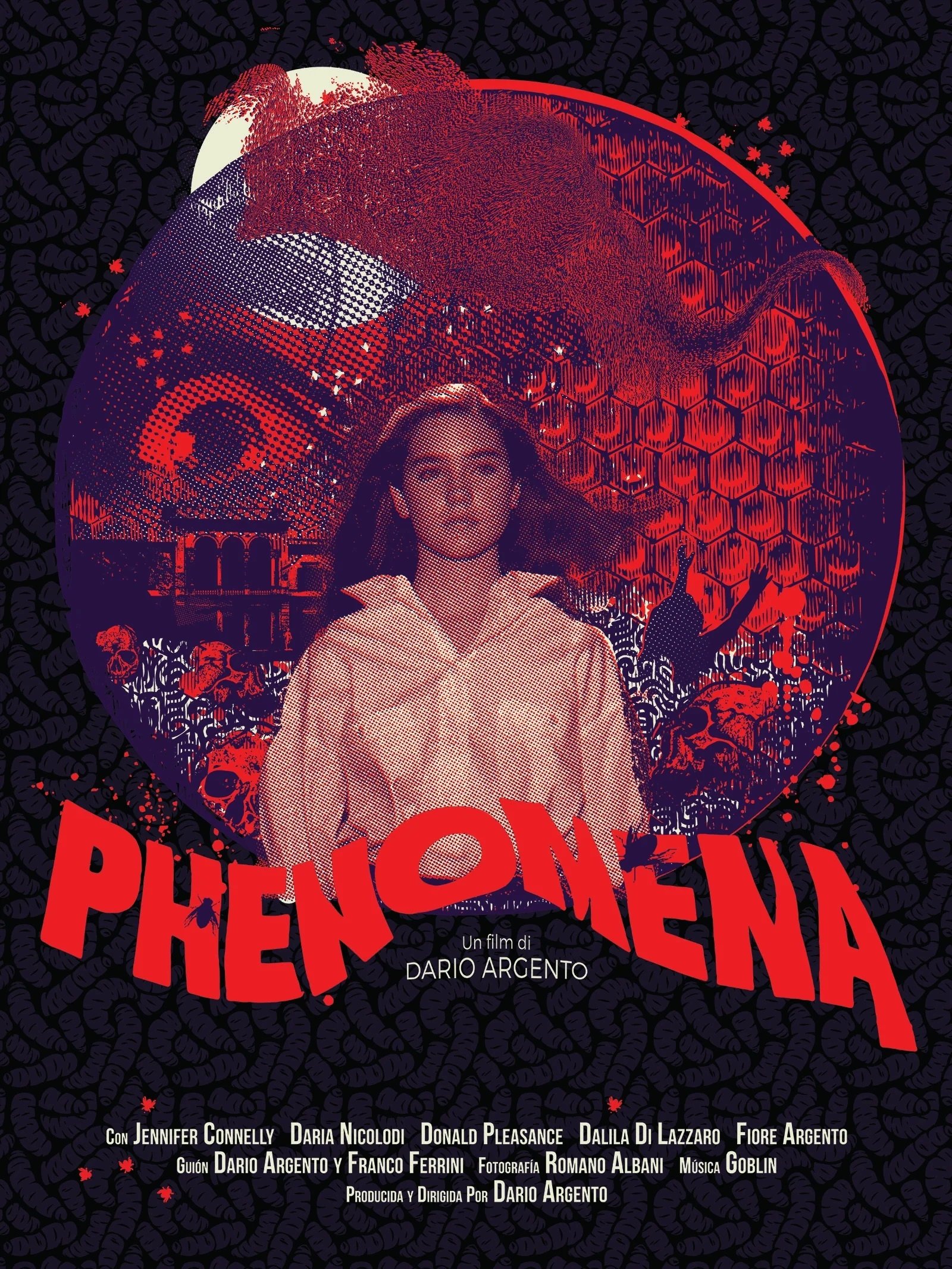
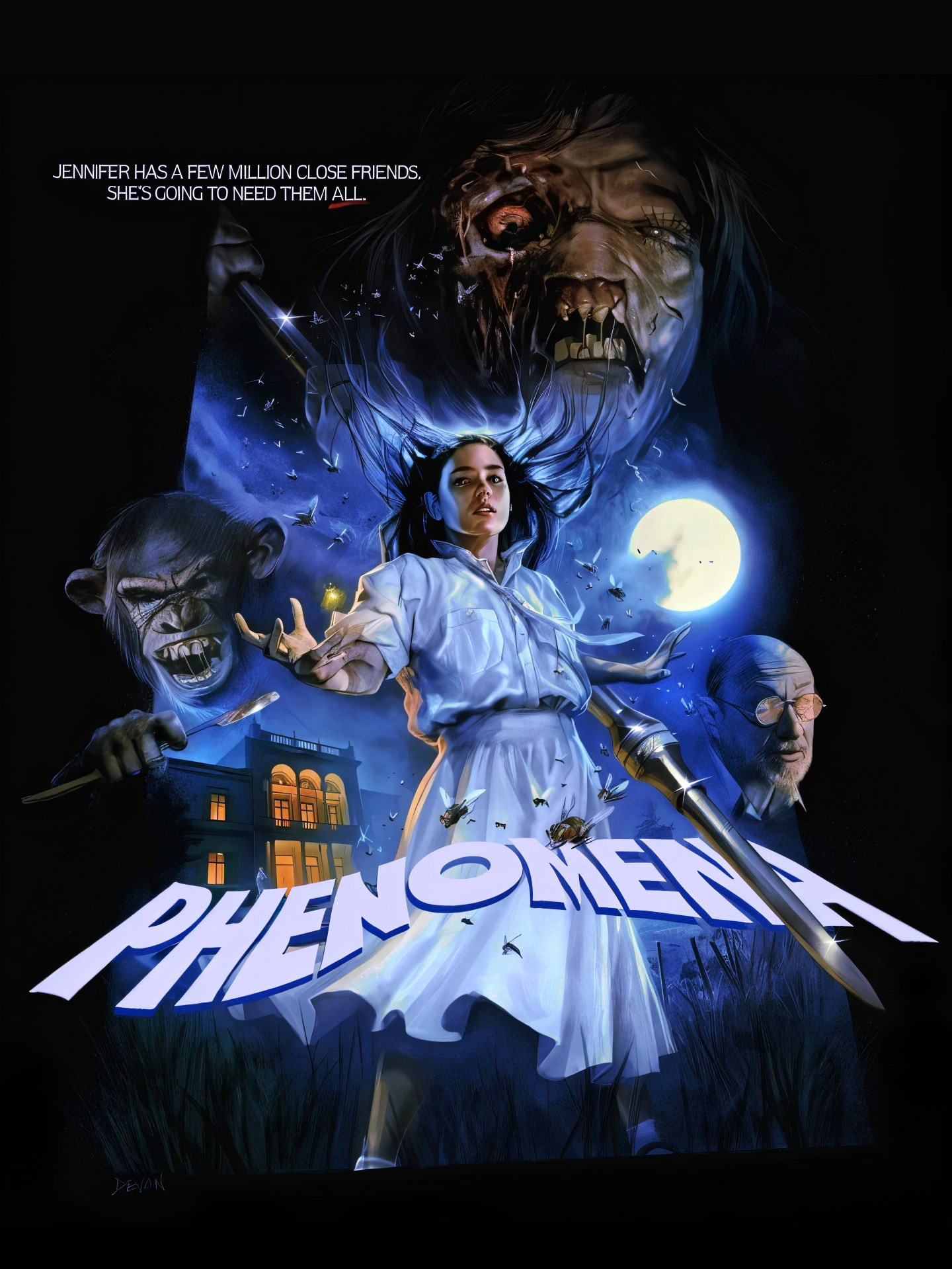
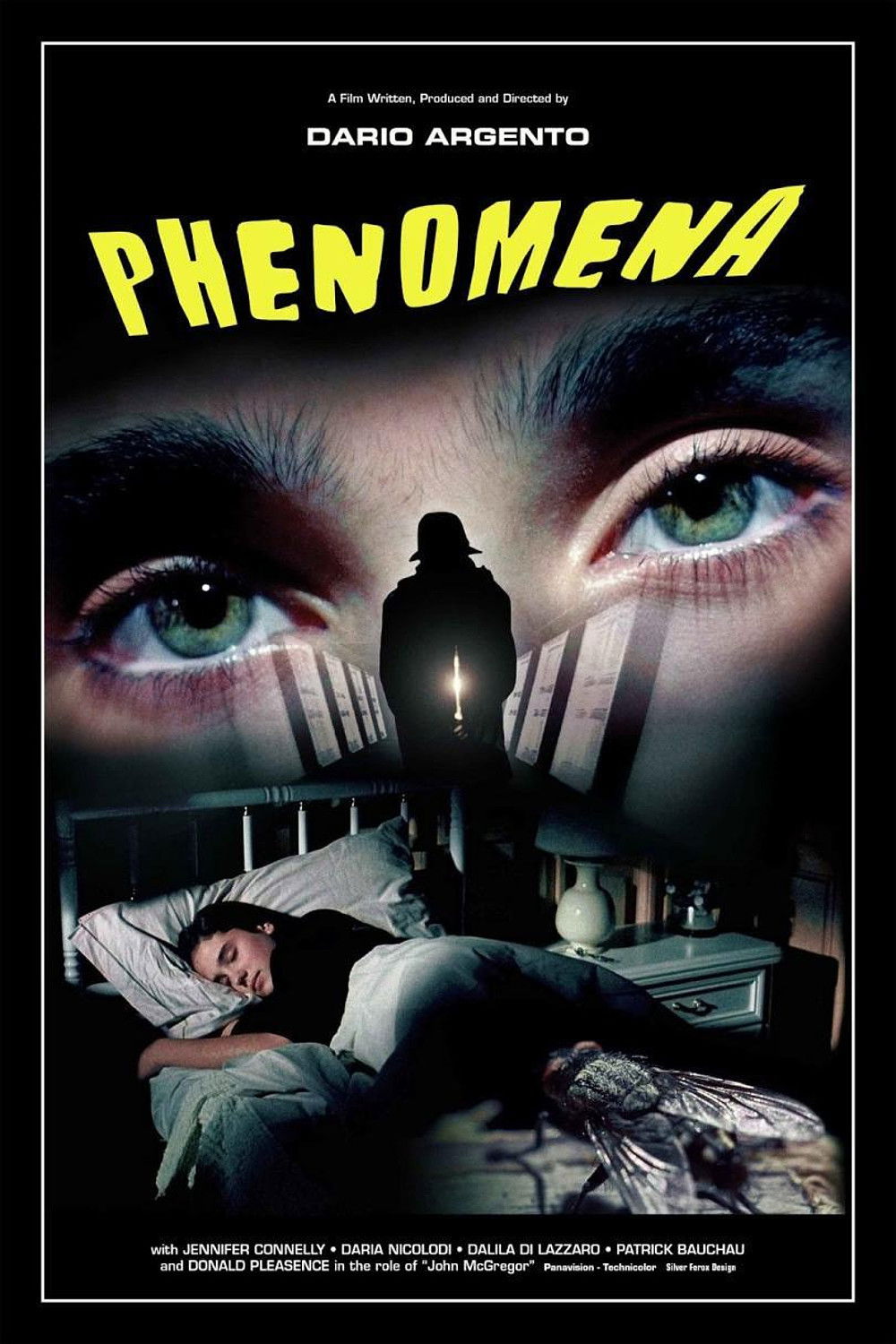
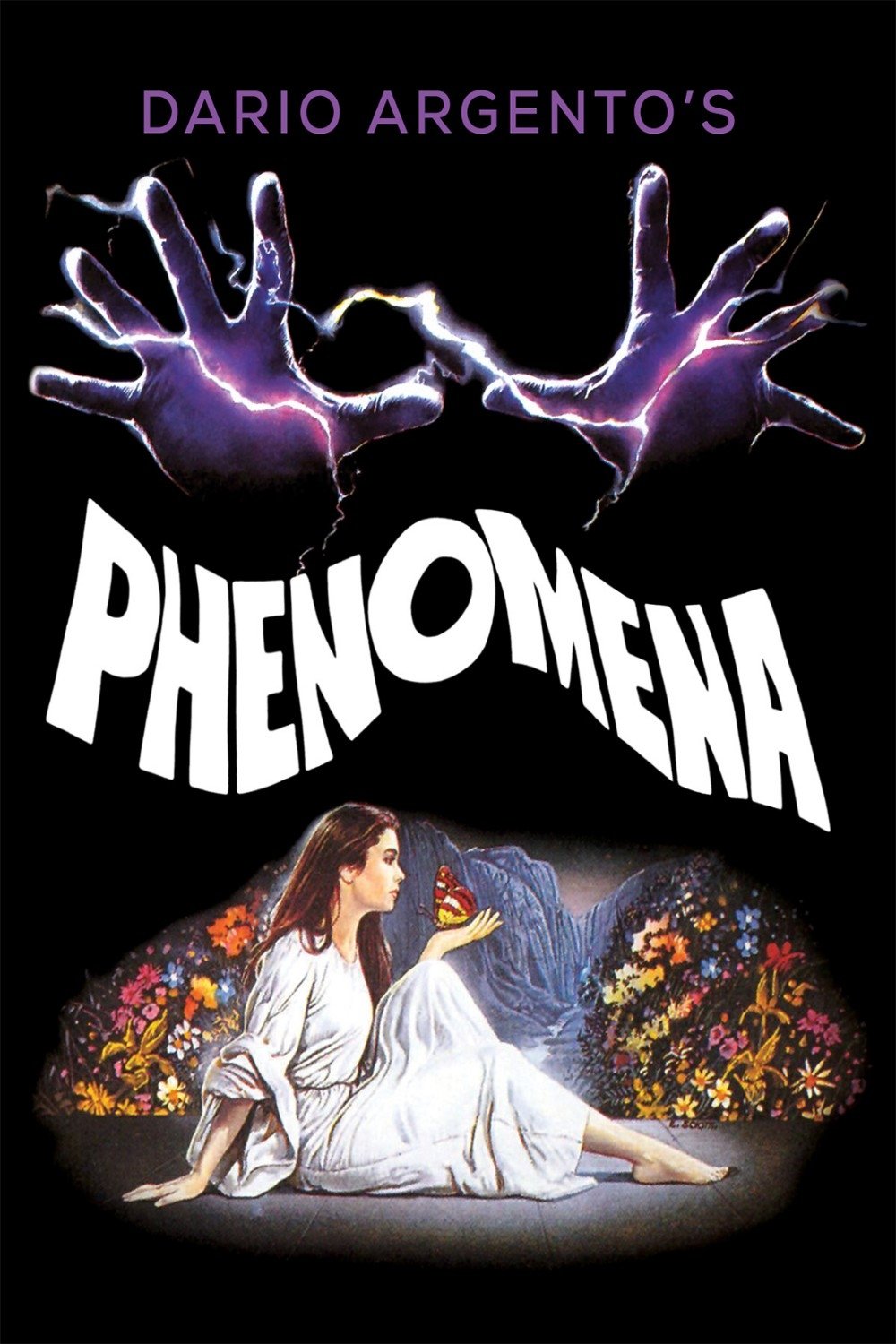
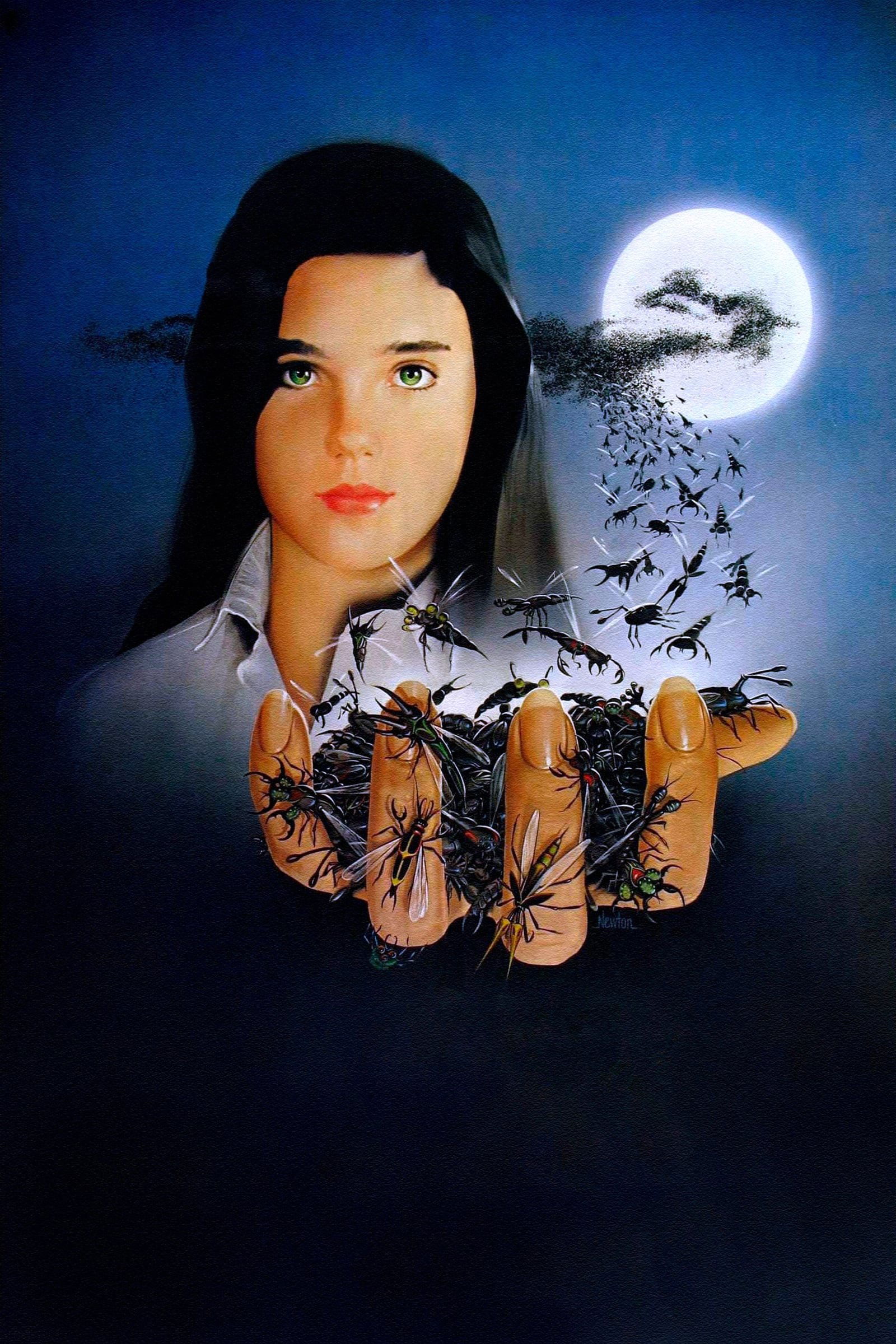
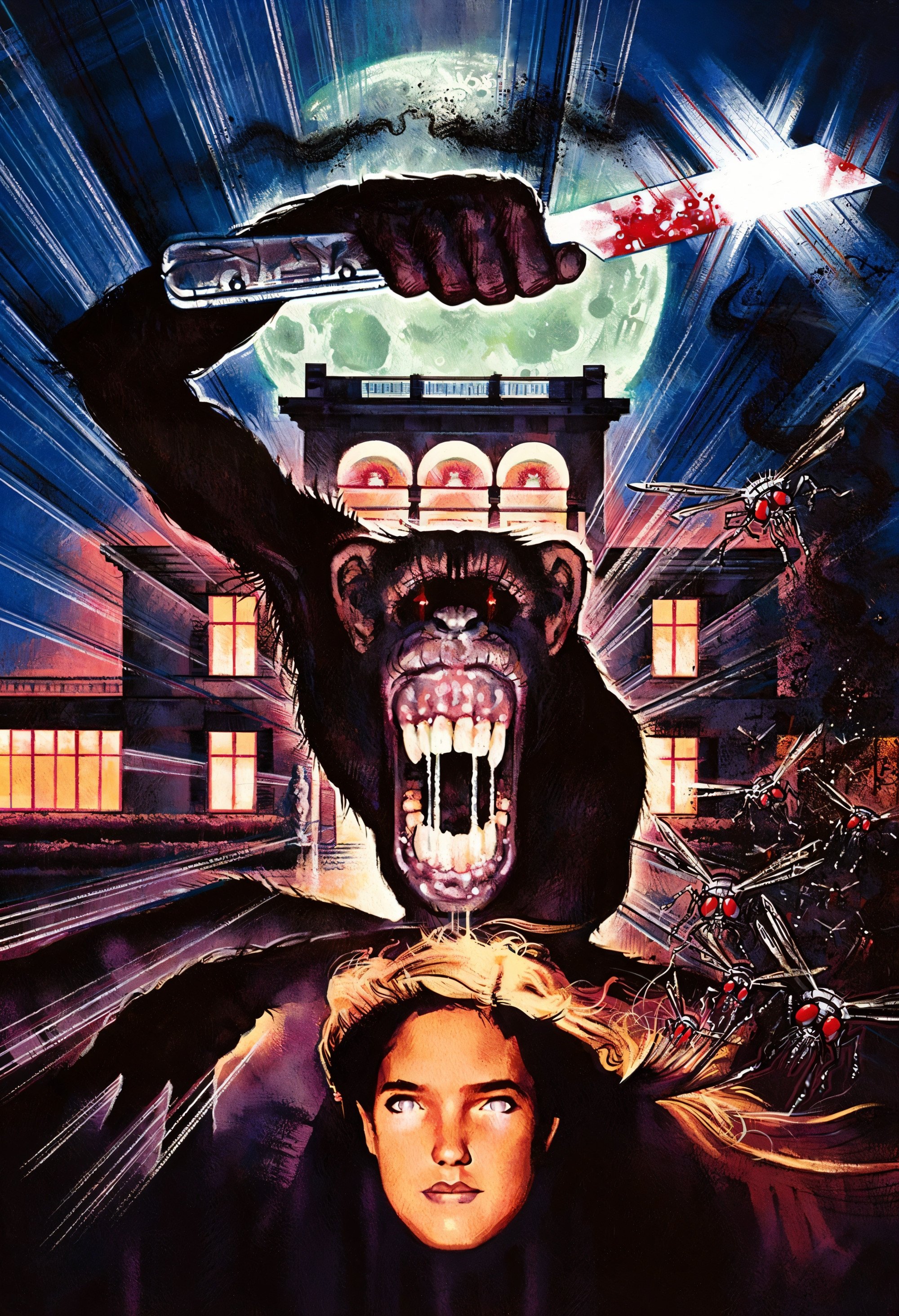
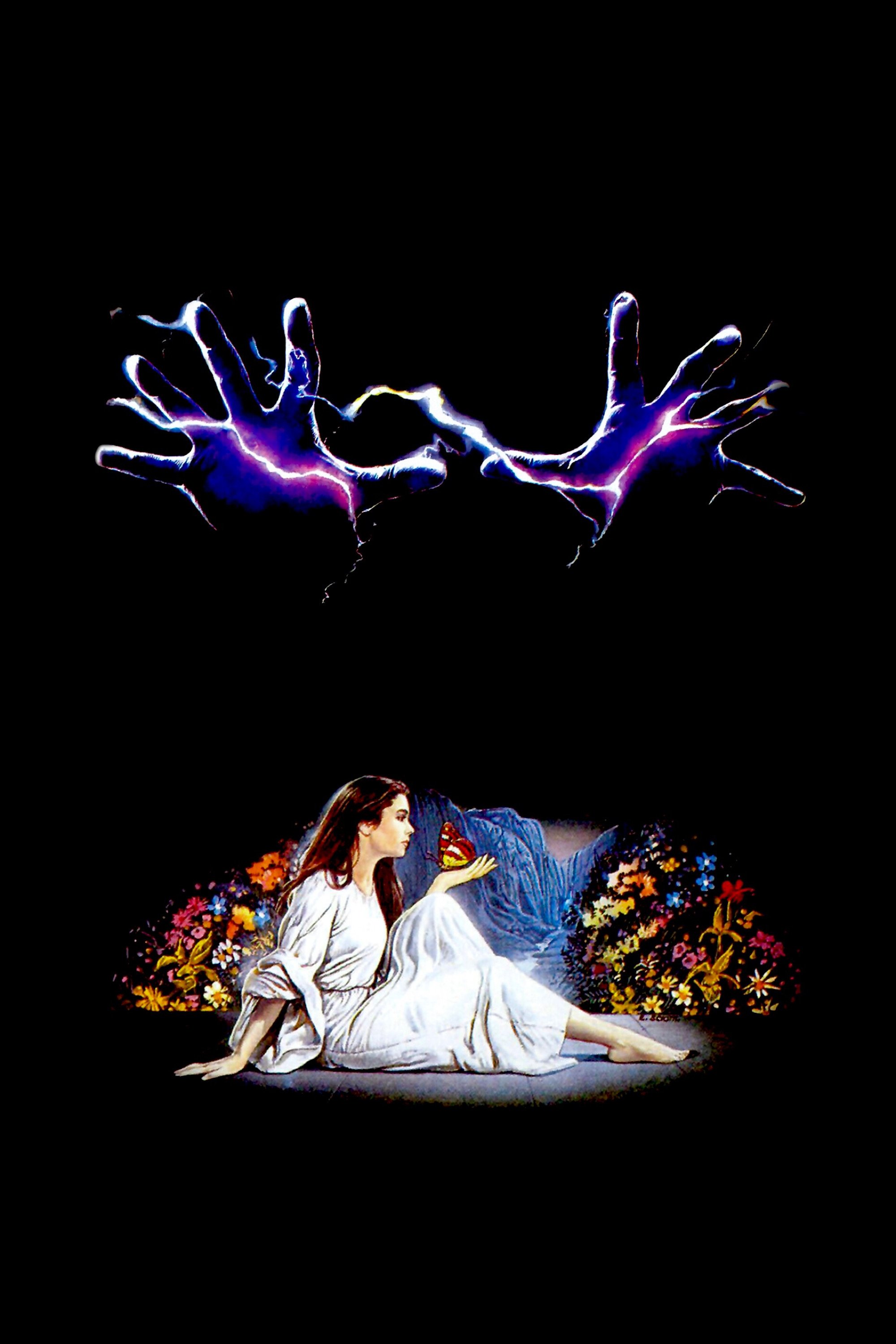
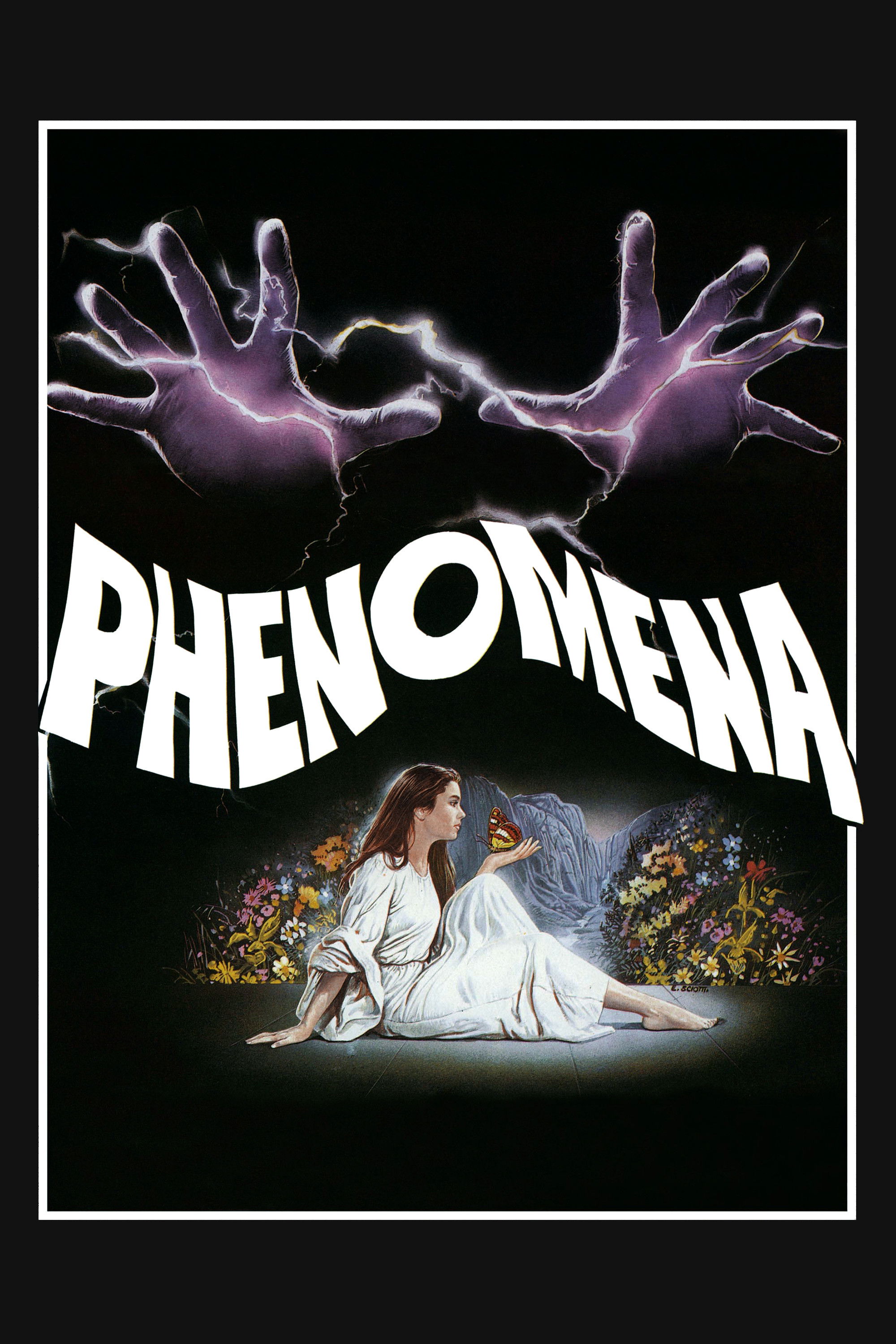
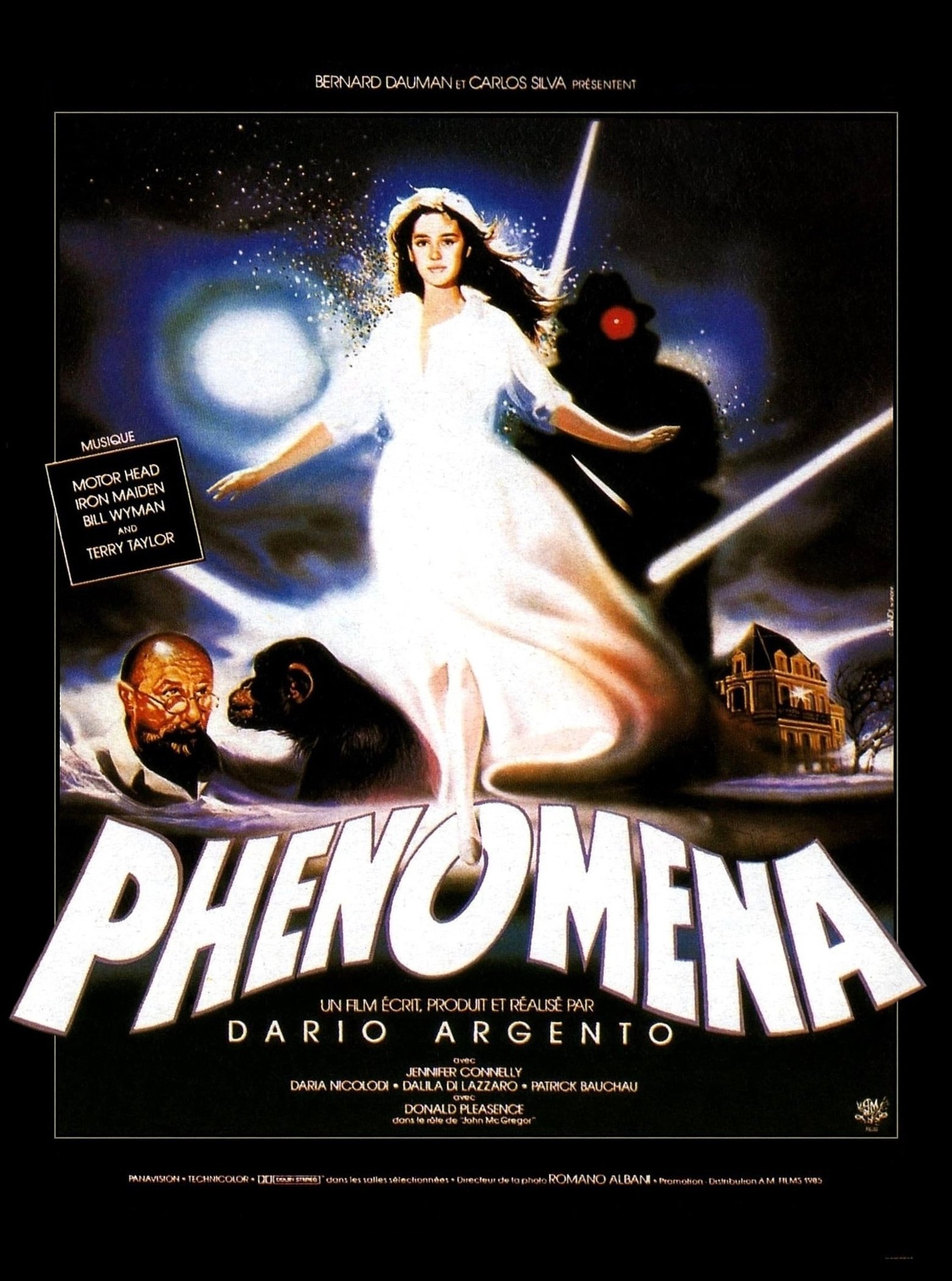
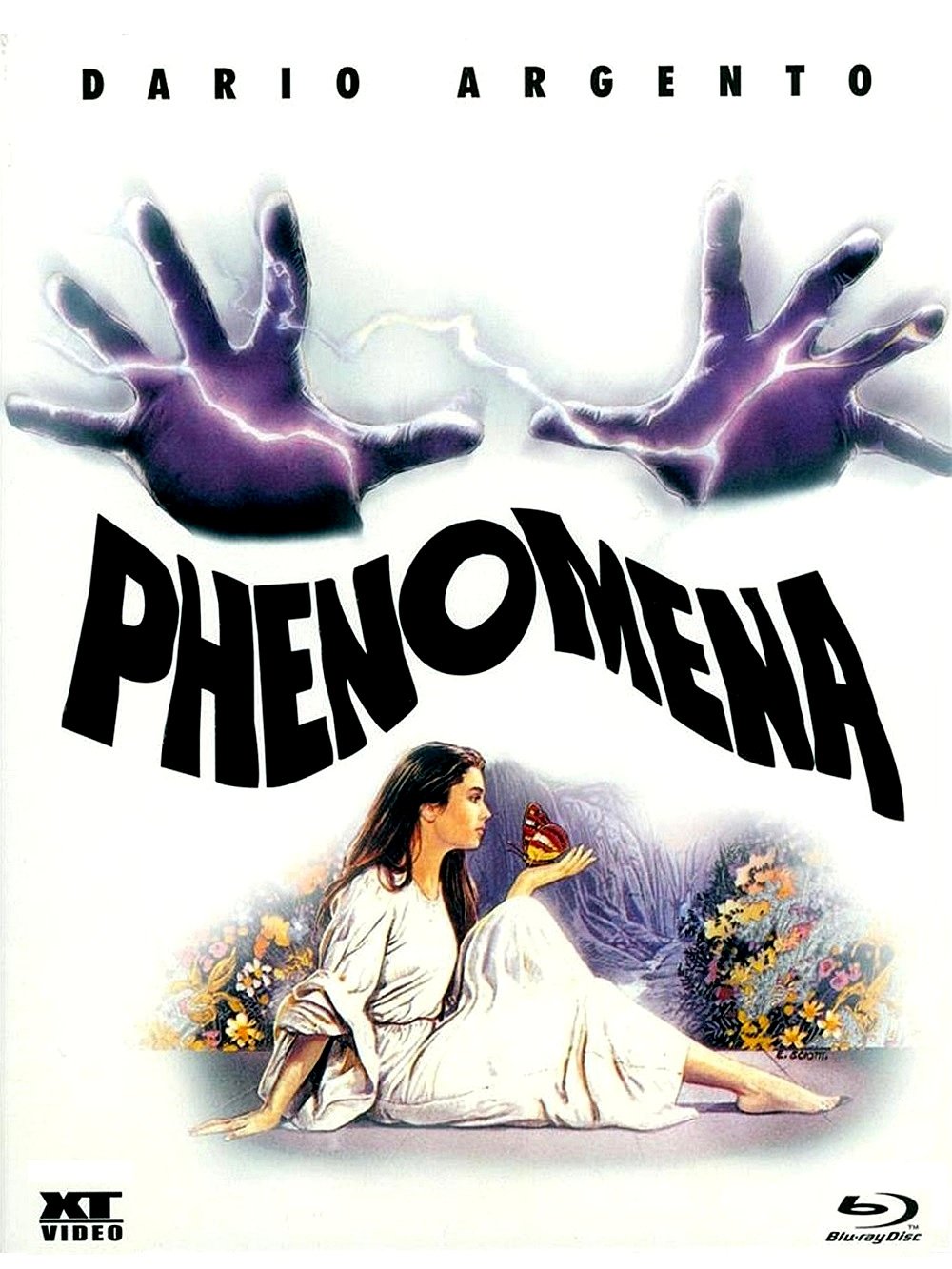
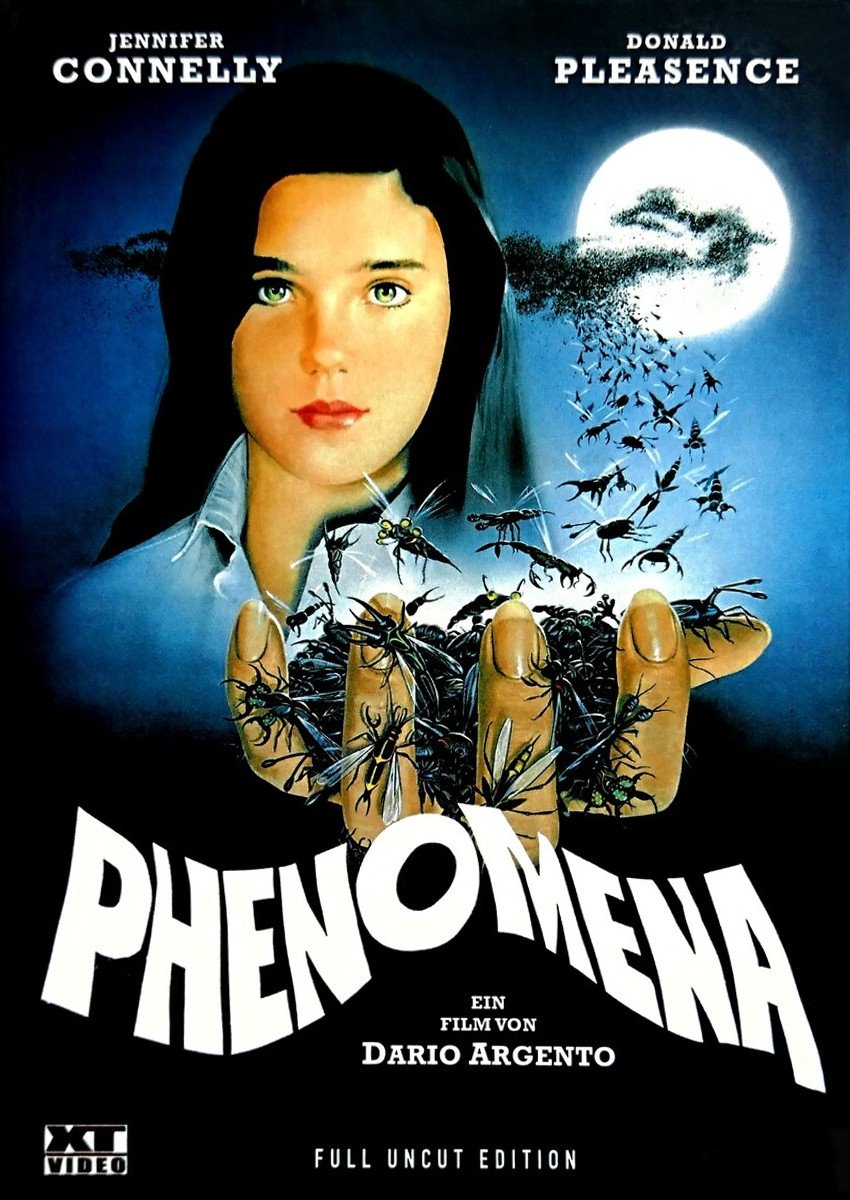
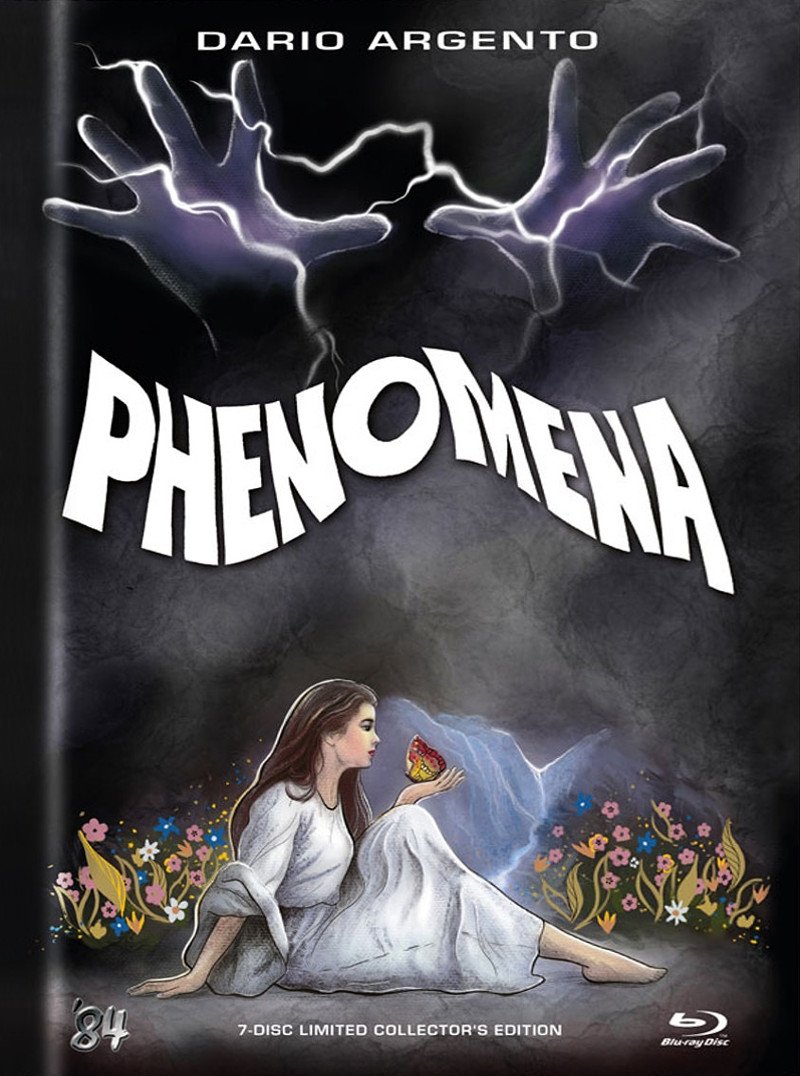
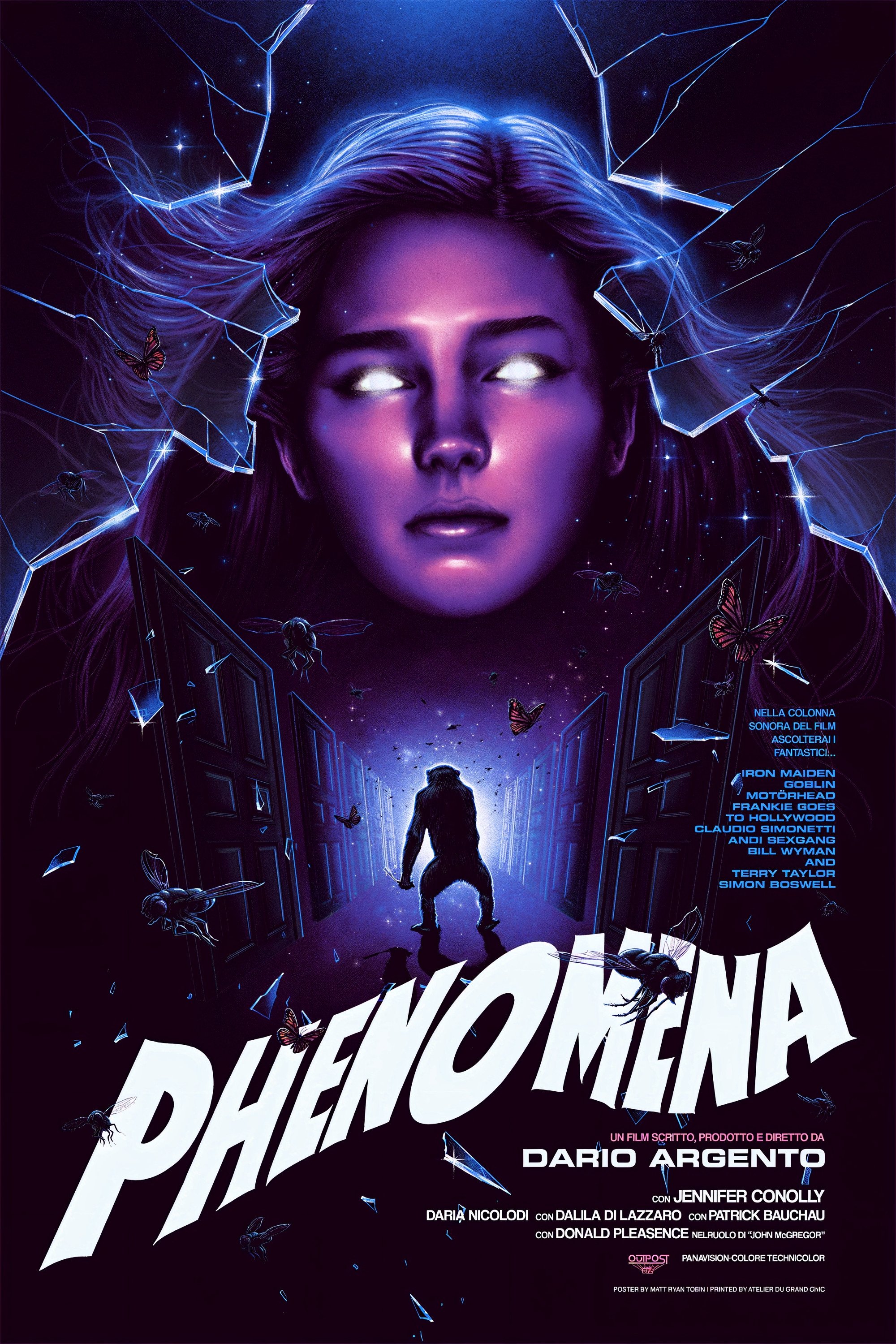
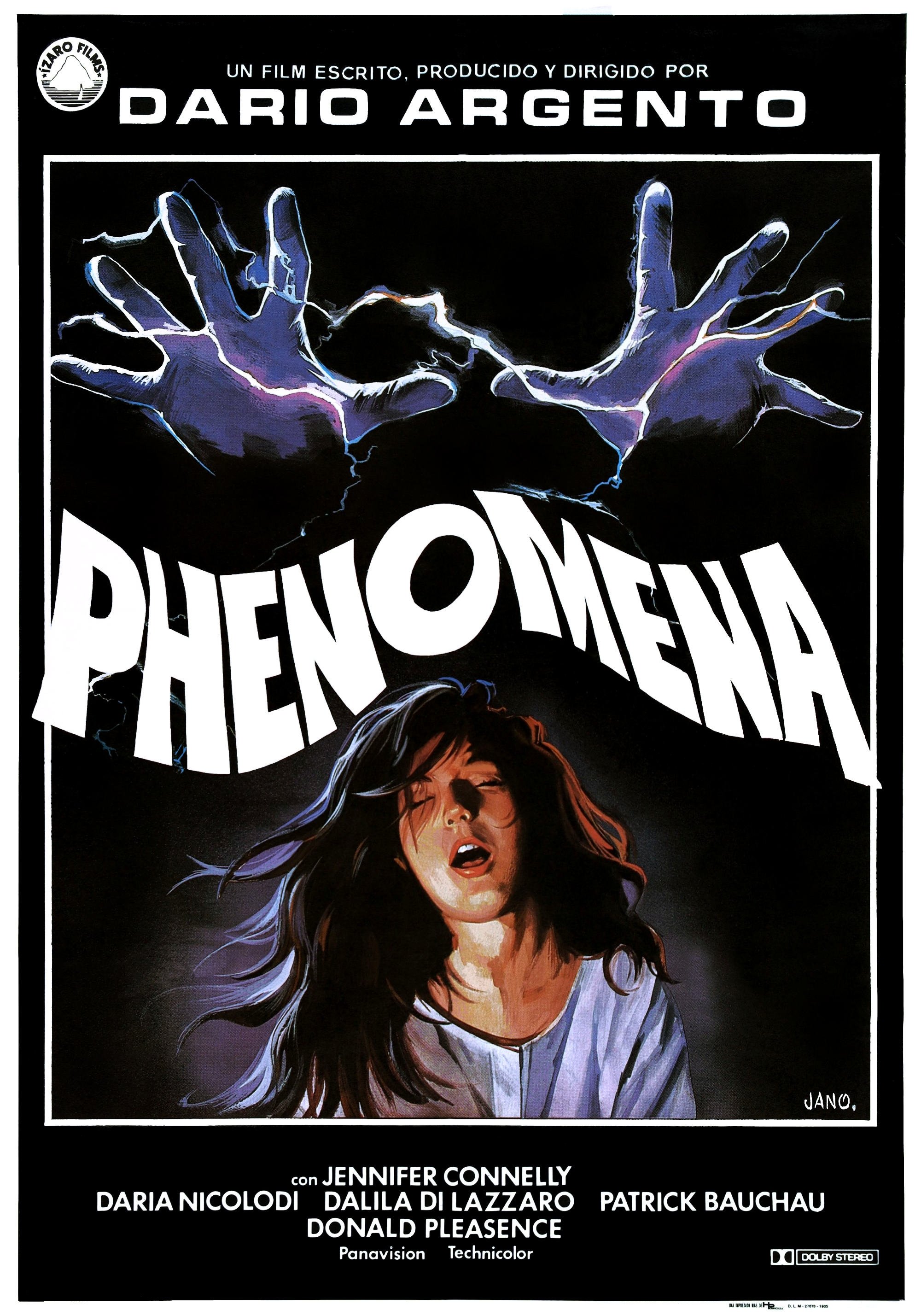
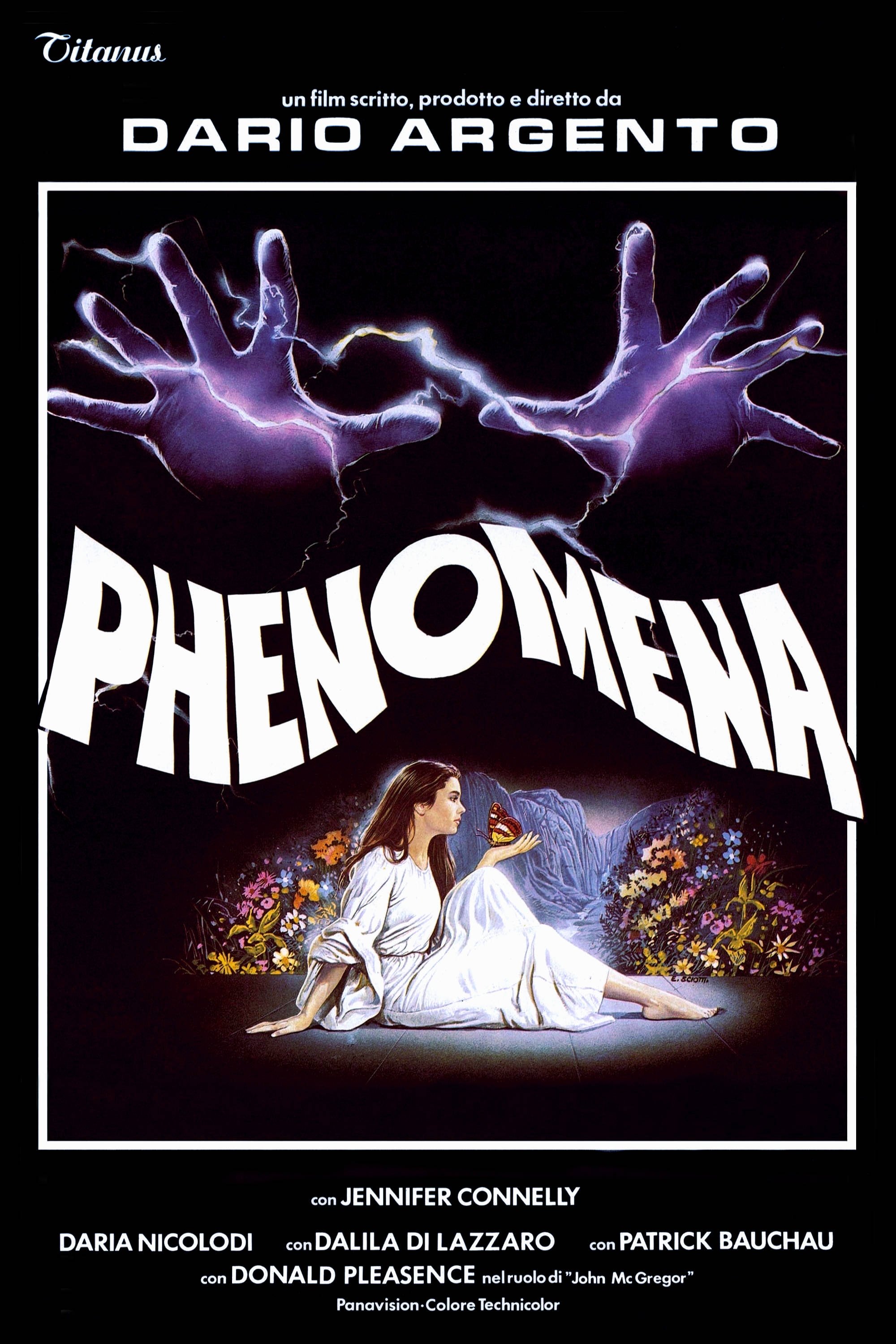
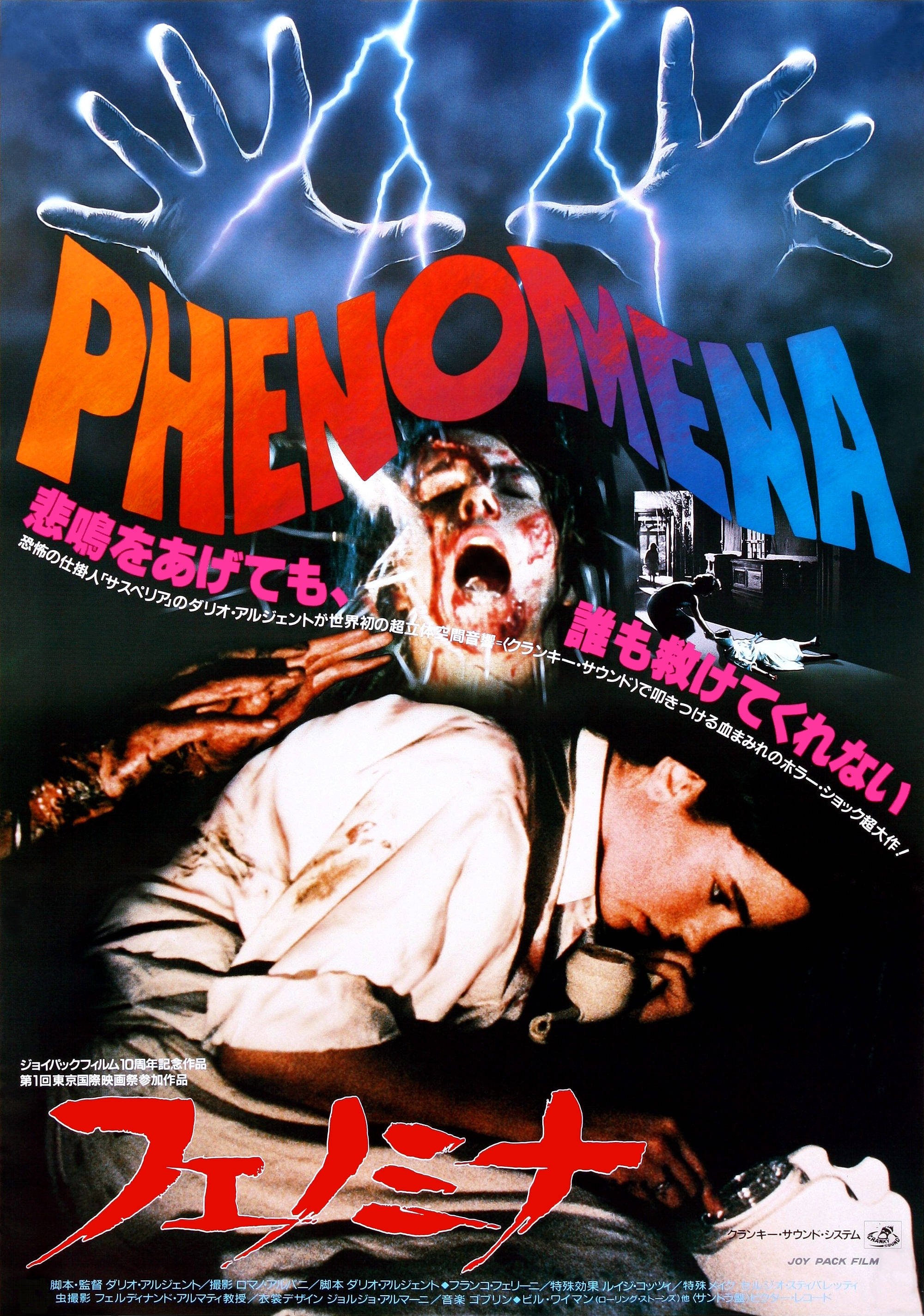
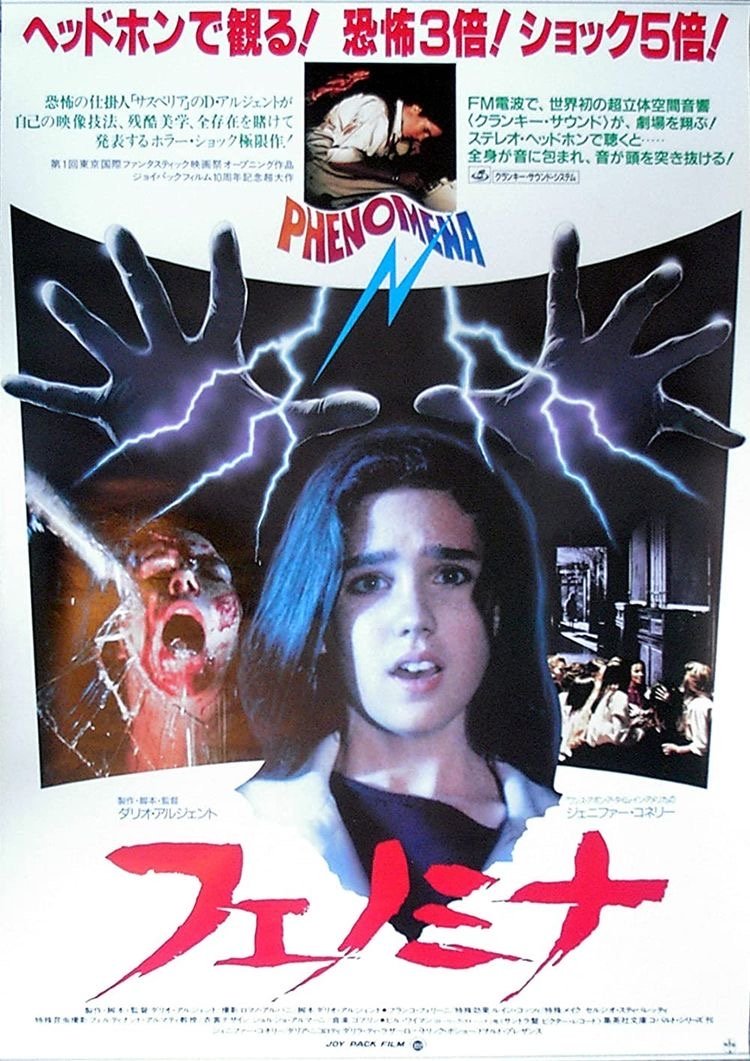
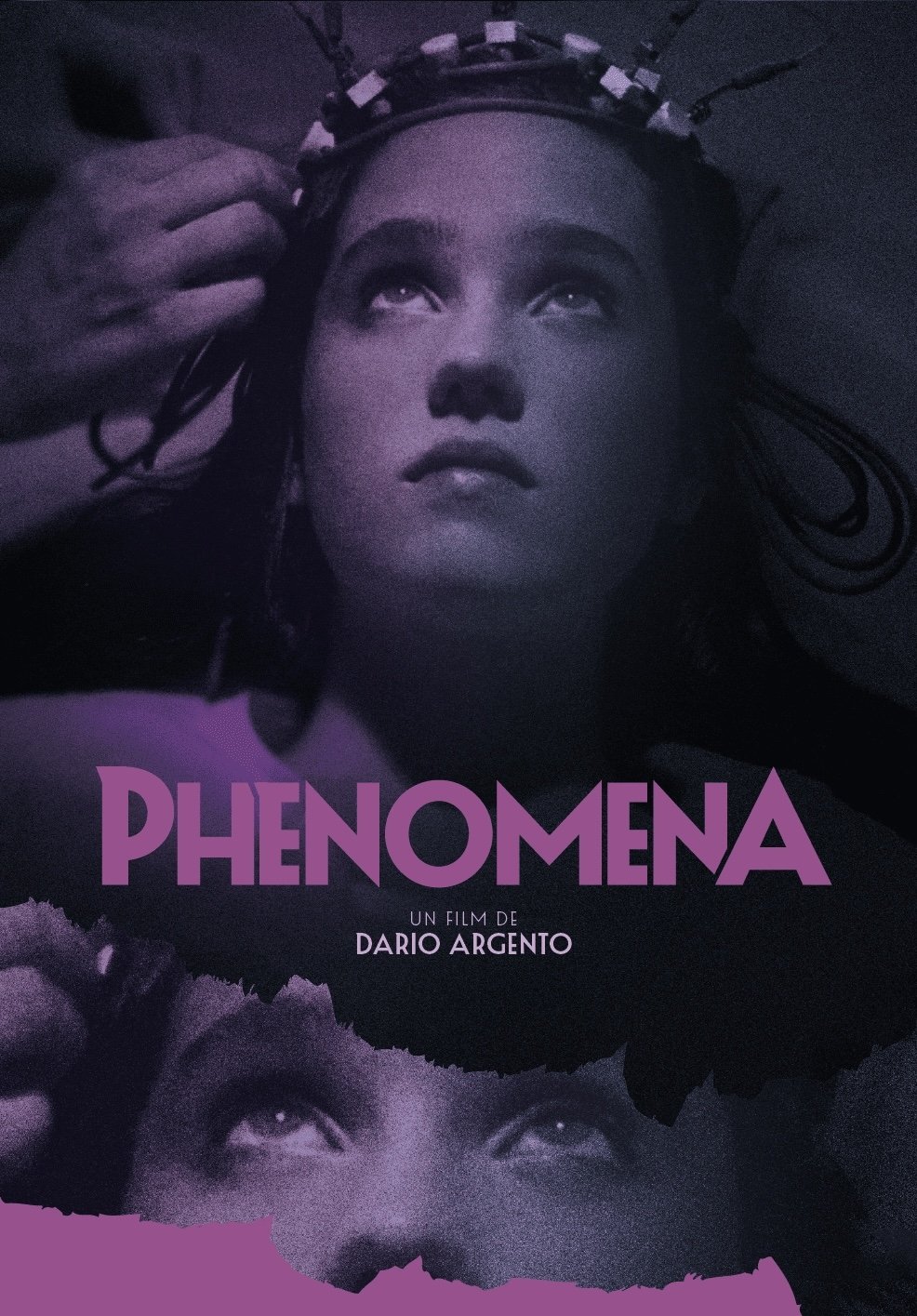
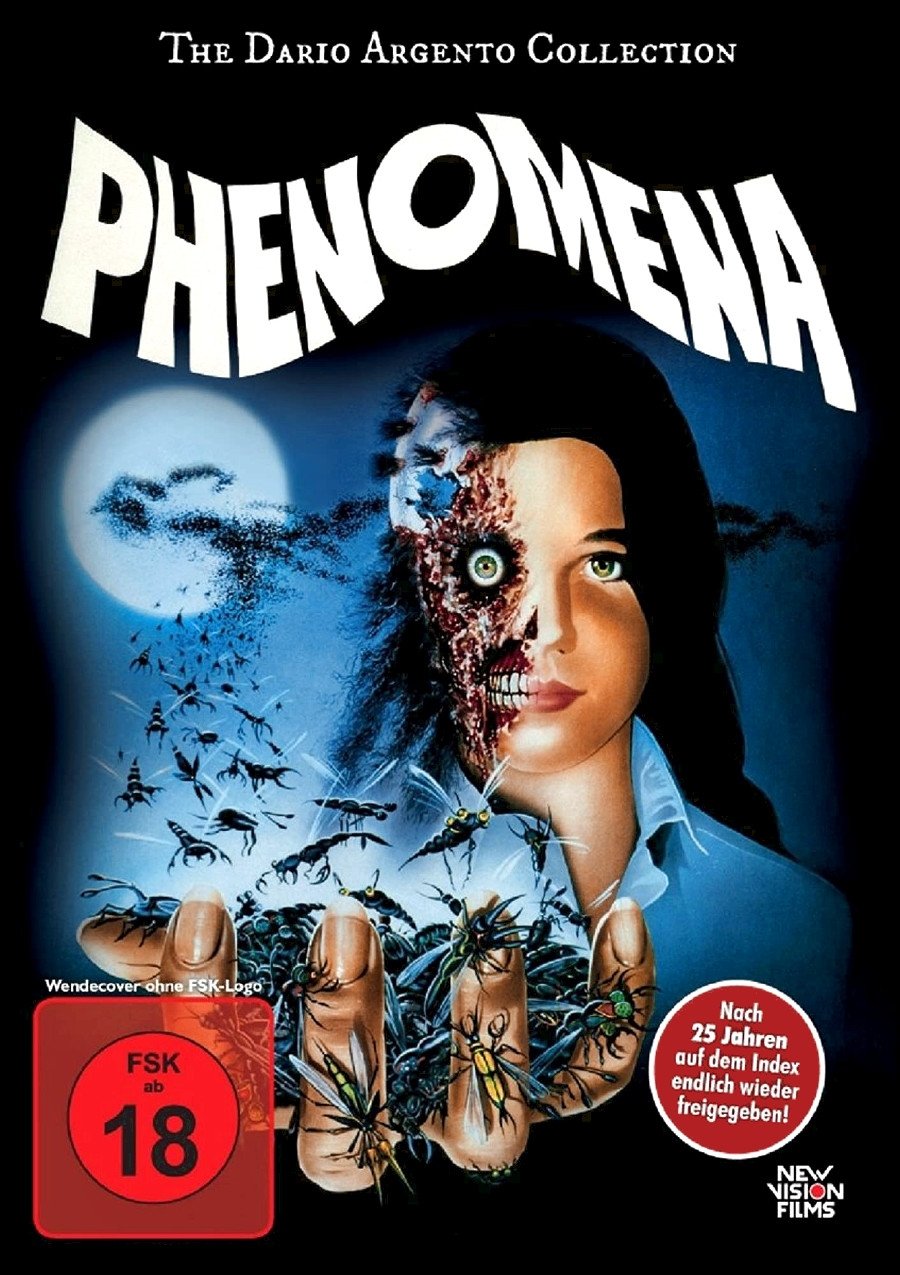
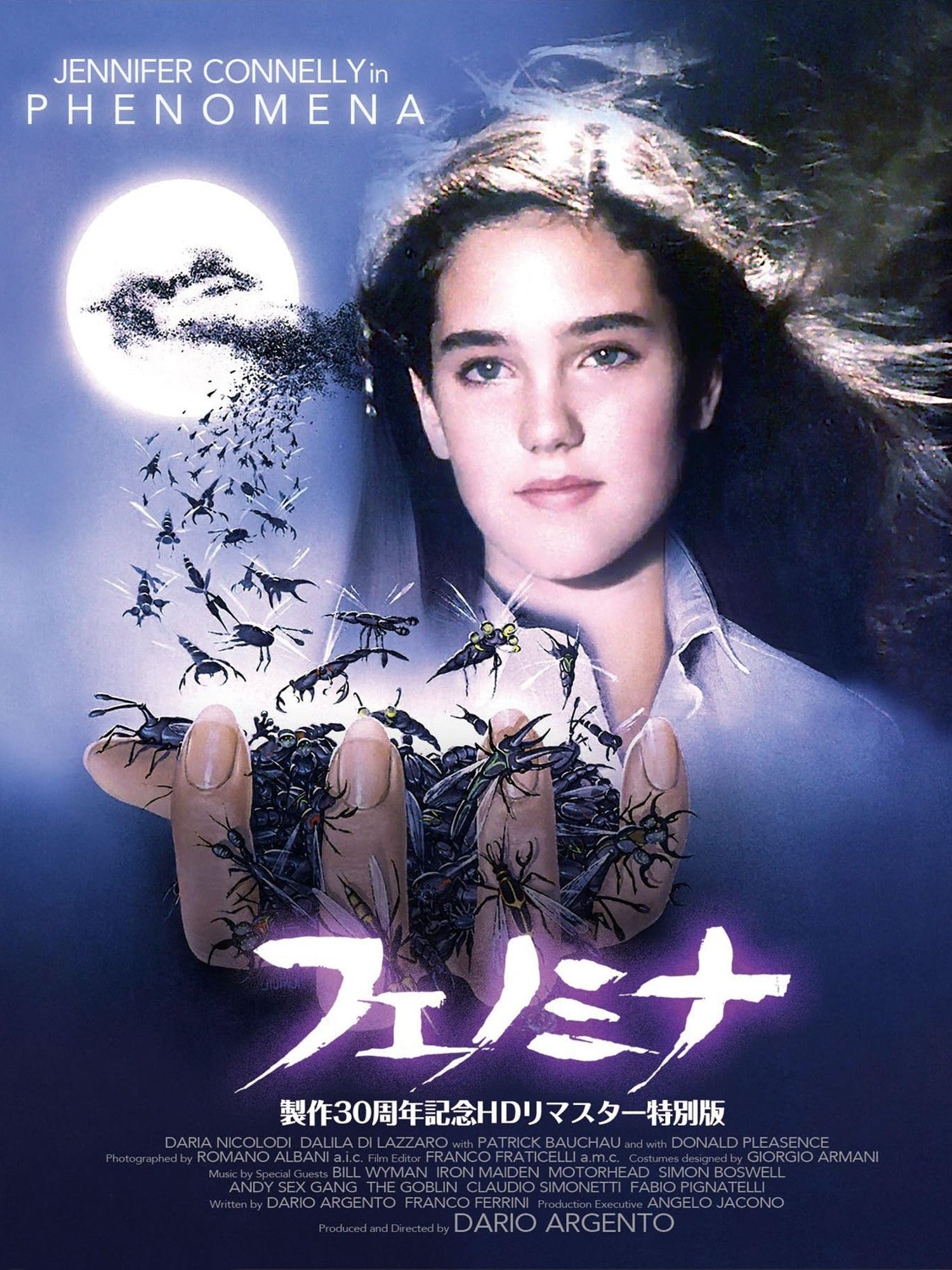
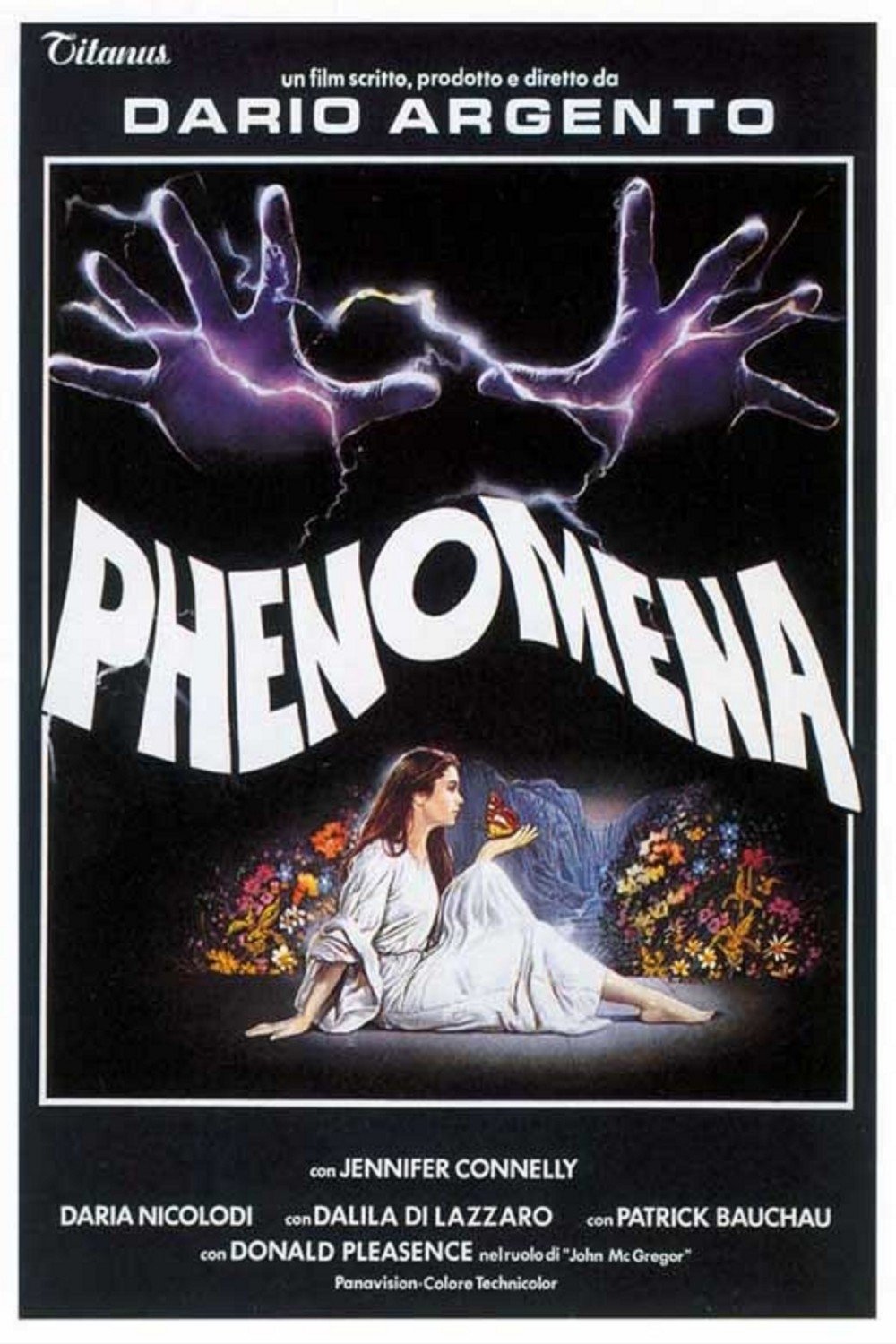
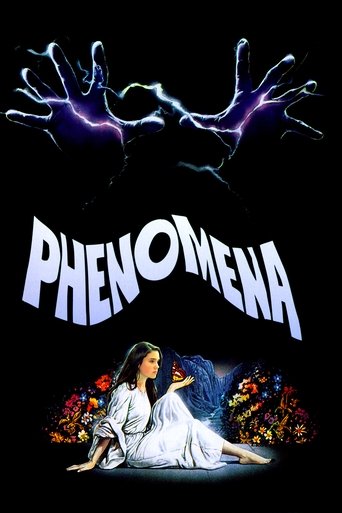
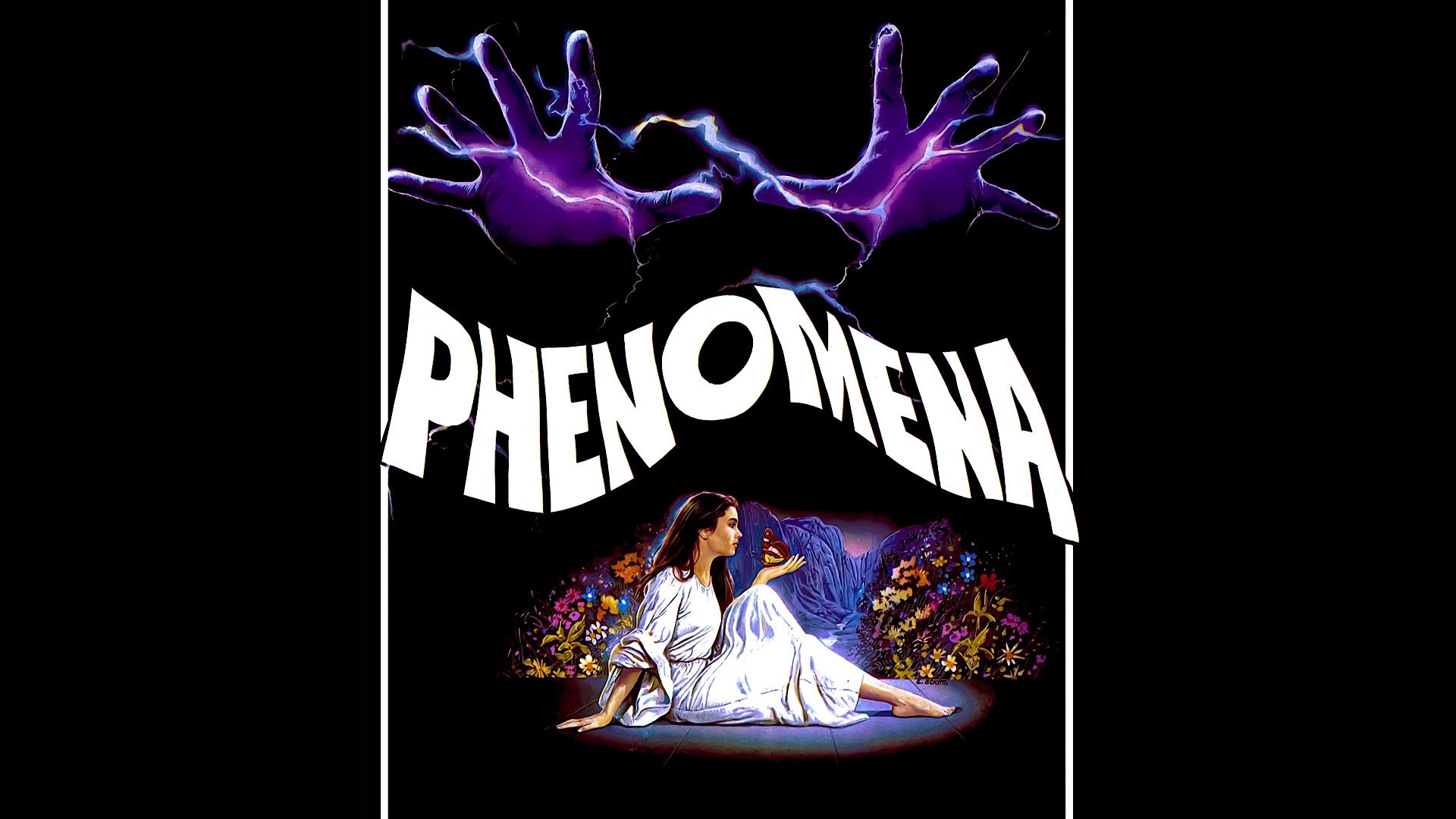
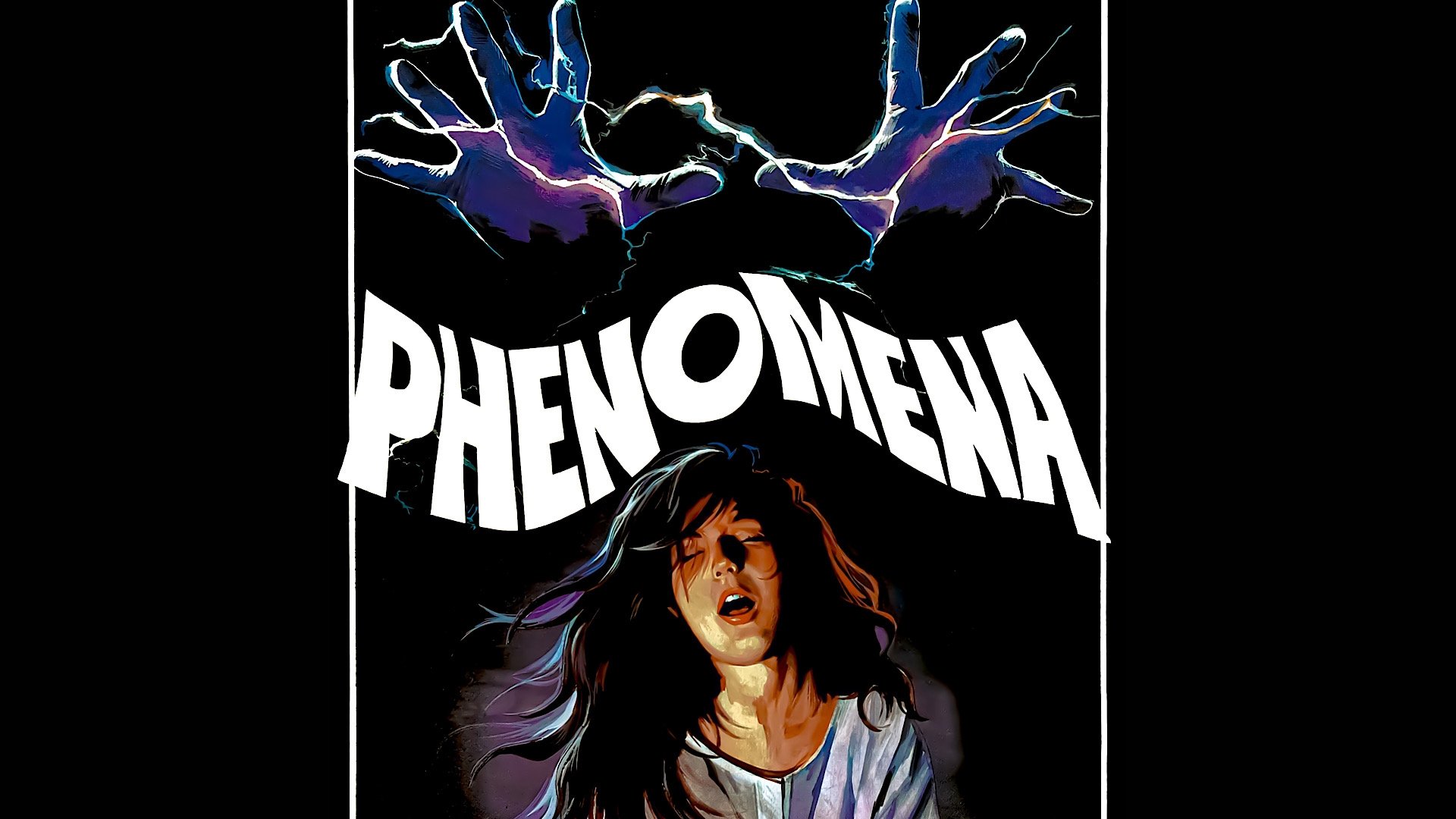
Phenomena (1985) poster
Director
Production Company
DACFILM Rome
Plot

A young girl, with an amazing ability to communicate with insects, is transferred to an exclusive Swiss boarding school, where her unusual capability might help solve a string of murders.

Alternative Titles
神话 (China) Phenomena - ilmiö (Finland) — Finnish Fainomena (Greece) — romanization Φαινόμενα (Greece) — Greek 神話 (Hong Kong SAR China) — Chinese Jelenség (Hungary) — Hungarian תופעה (Israel) — Hebrew Fenomina (Japan) — romaji
Show all 20 alternative titles フェノミナ (Japan) — Japanese 페노메나 (South Korea) 페노미나 (South Korea) Creepers (Mexico) Fenómena (Mexico) — DVD title Satánica inocencia (Mexico) — Spanish Fenomeny (Poland) — Polish Fenomene (Romania) — Romanian Феномен (Russia) — Russian Nadnaravni pojavi (Slovenia) — Slovenian Creepers (United States) — 83-minute U.S. release version Dario Argento's Phenomena (United States) — 116-minute 2016 home video release

Trailers & Videos

9 videos

Film Guide & Analysis

Dario Argento’s supernatural giallo, from its forensic-entomology origins and innovative insect effects to its experimental soundtrack and the alternate Creepers release.

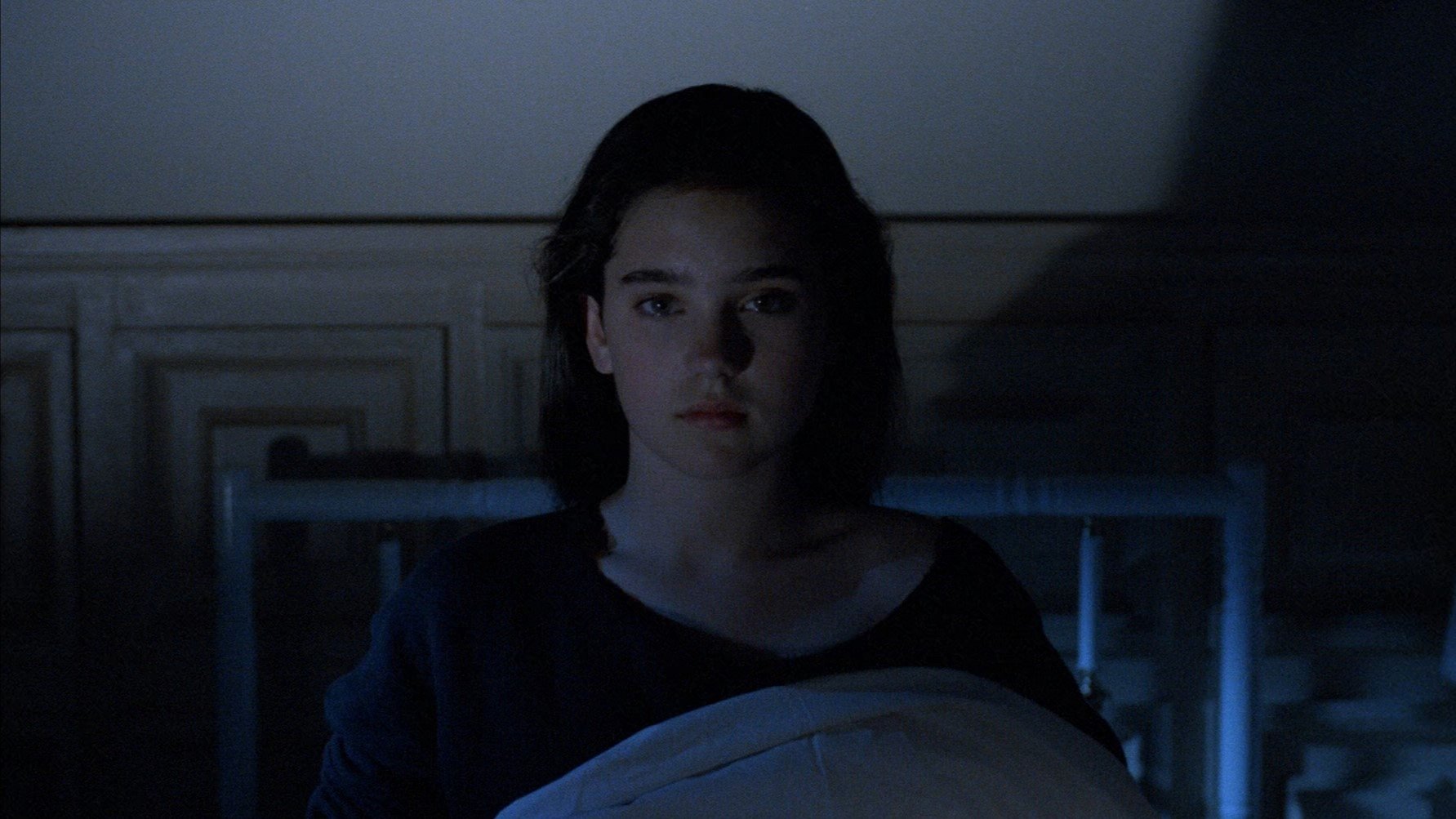
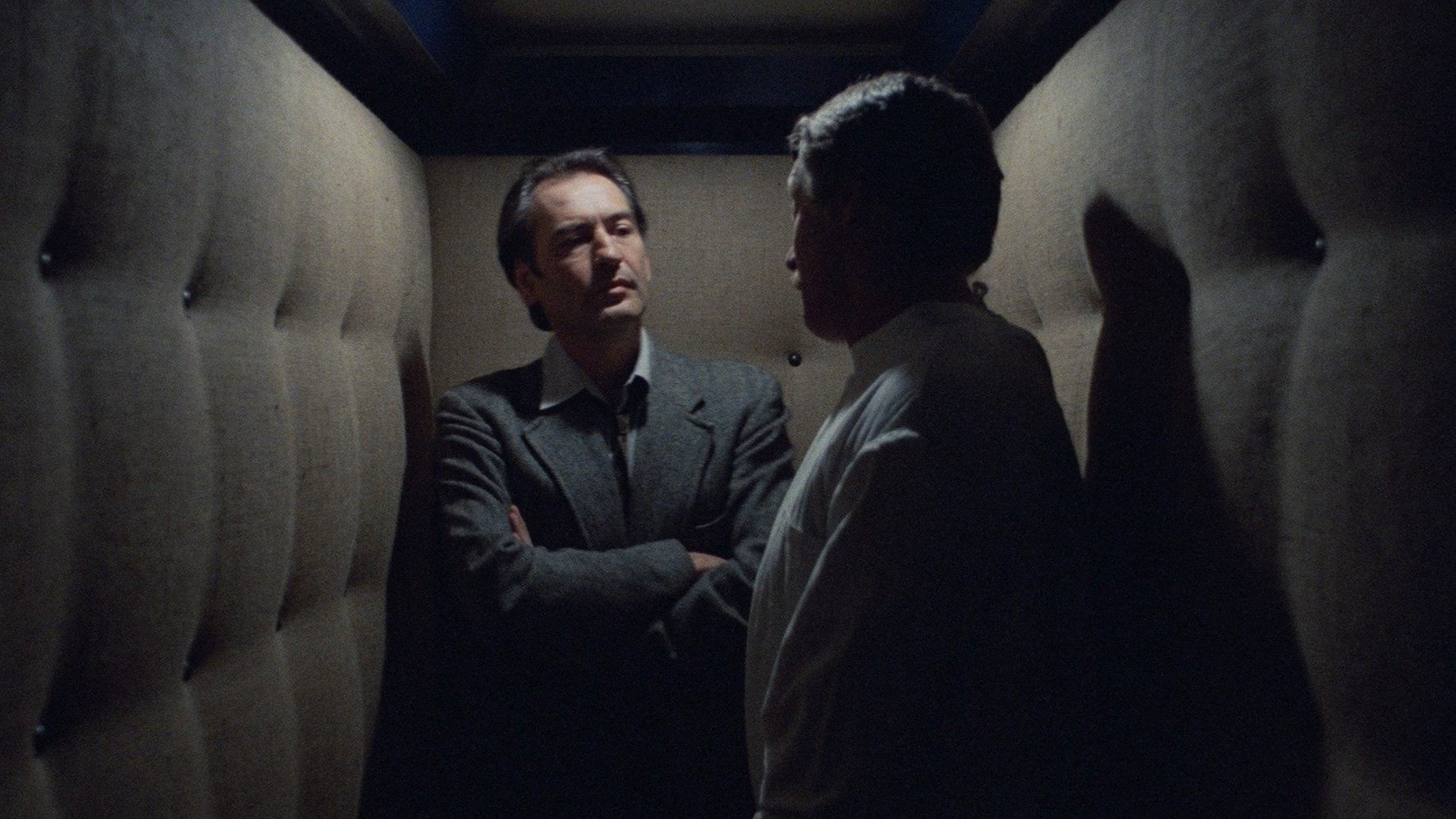
Phenomena (1985) is an Italian-Swiss supernatural horror film directed by Dario Argento from a screenplay written with Franco Ferrini. Jennifer Connelly plays Jennifer Corvino, an American teenager attending a boarding school in Switzerland who experiences sleepwalking episodes and possesses an extraordinary ability to communicate with insects. When young women begin disappearing around the school, Jennifer forms an alliance with forensic entomologist Professor John McGregor, played by Donald Pleasence. Their investigation connects the biological processes of decomposition with an increasingly disturbing series of murders. The film brings together the investigative structure of the Italian giallo, the supernatural atmosphere of Argento’s earlier fantasy-horror work and an unusual conception of nature as an active participant in the mystery.

Following Tenebrae (1982), Phenomena represented a significant change in Argento’s visual and narrative approach. The Alpine landscape replaces the architectural environments associated with much of his previous work, while Jennifer’s relationship with insects introduces a form of supernatural knowledge that exists alongside scientific investigation. The production employed live insects, optical effects, elaborate prosthetic makeup and a trained chimpanzee, with contributions from several specialized technicians. Its soundtrack combines electronic compositions associated with Claudio Simonetti and Goblin, additional music by Simon Boswell and recordings by contemporary rock and heavy-metal performers. Released internationally in substantially different versions, including the heavily shortened American edition Creepers, the film has become one of the most distinctive and extensively revisited works in Argento’s filmography.

Origins and Screenplay Development

Dario Argento traced the central idea of Phenomena to a radio report about a murder investigation in Germany. According to his retrospective account in an interview with Jamie Graham, insects associated with a decomposing body had helped investigators establish information about a crime. The story encouraged him to consult an entomologist while developing the screenplay. Argento was interested in the investigative possibilities of insects whose life cycles respond to the presence of dead tissue. The scientific principle became the foundation for Jennifer Corvino’s fictional ability to establish a direct connection with them, transforming a forensic technique into a supernatural narrative device.

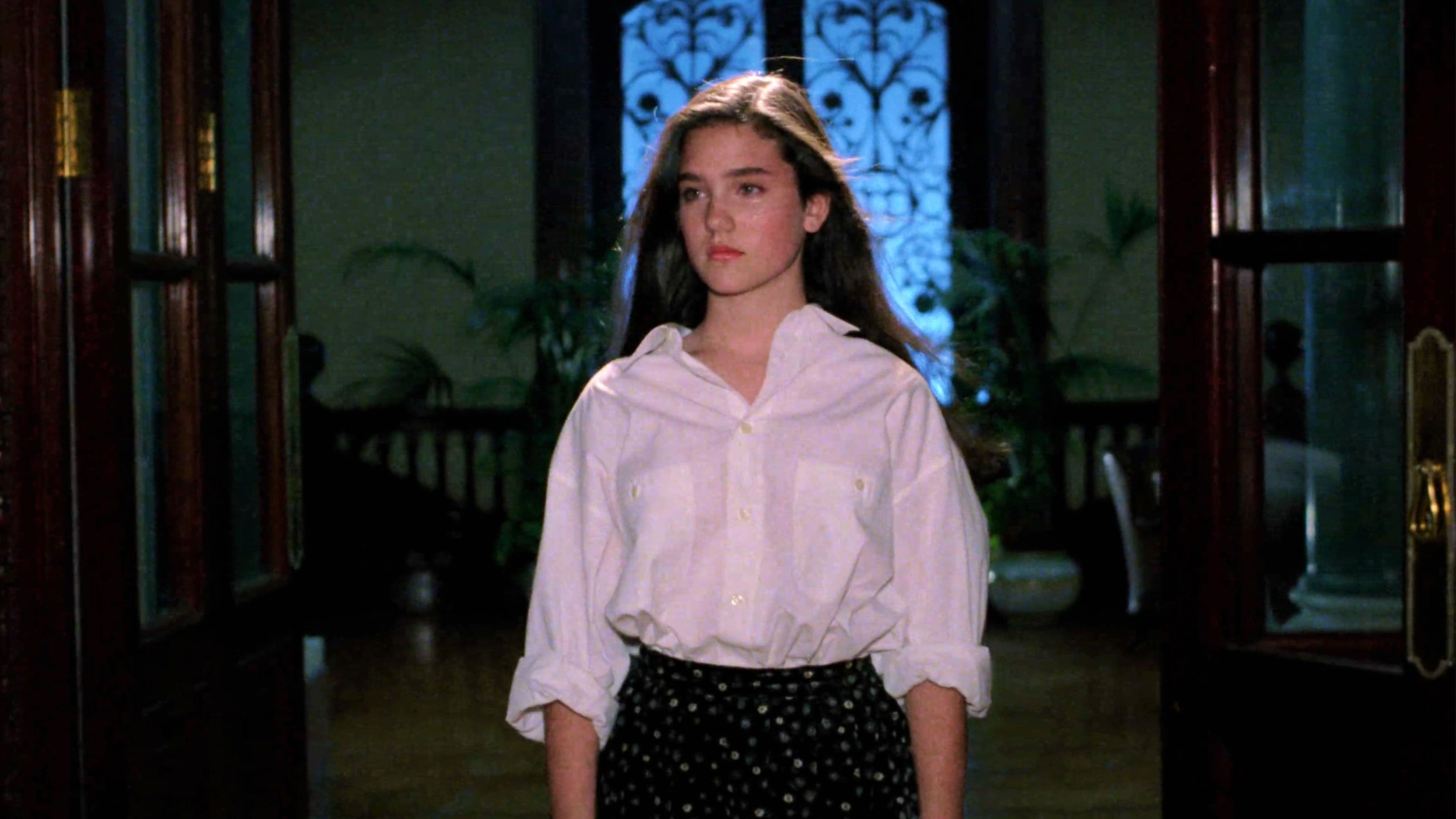
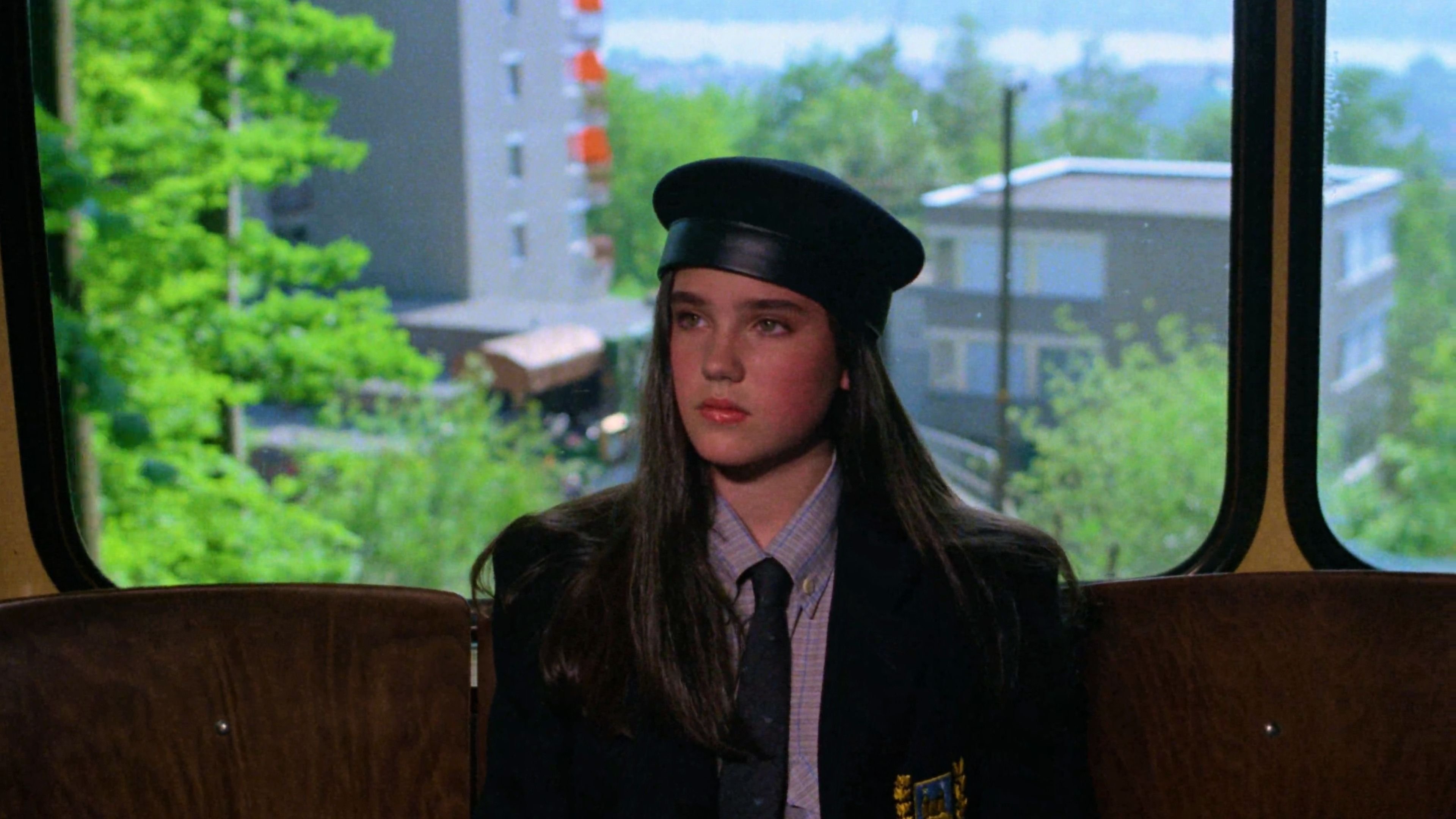
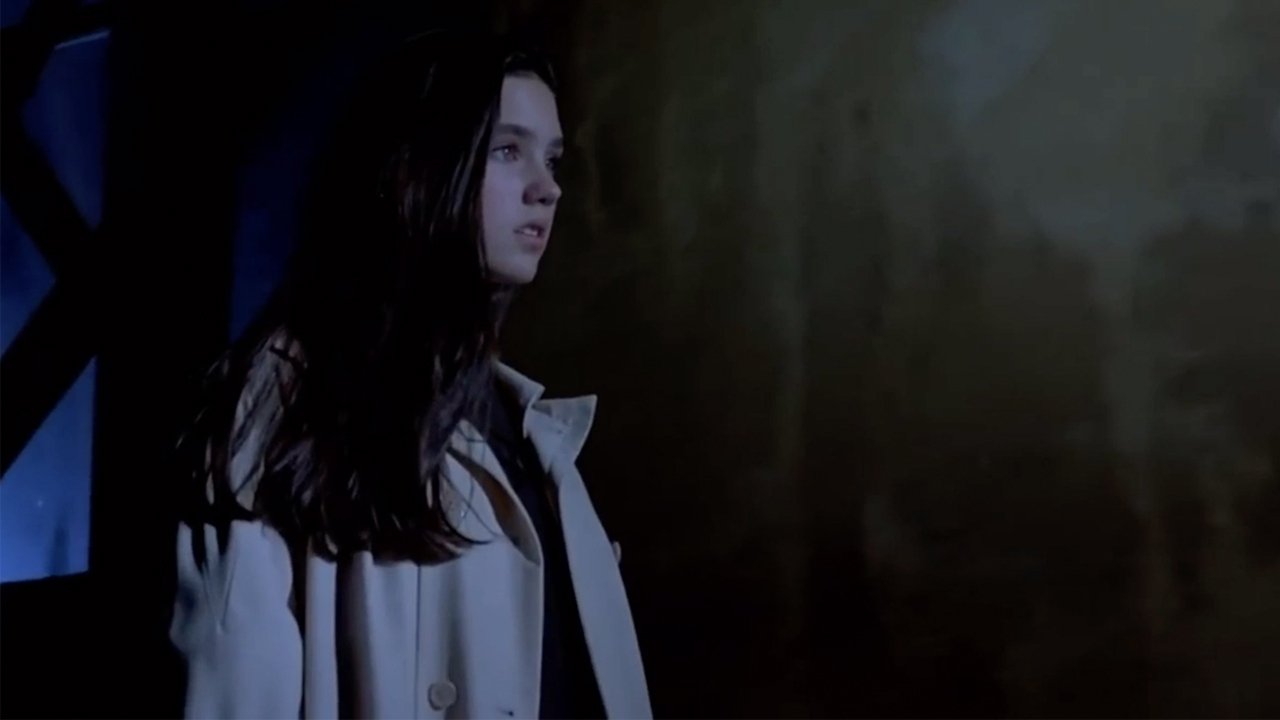
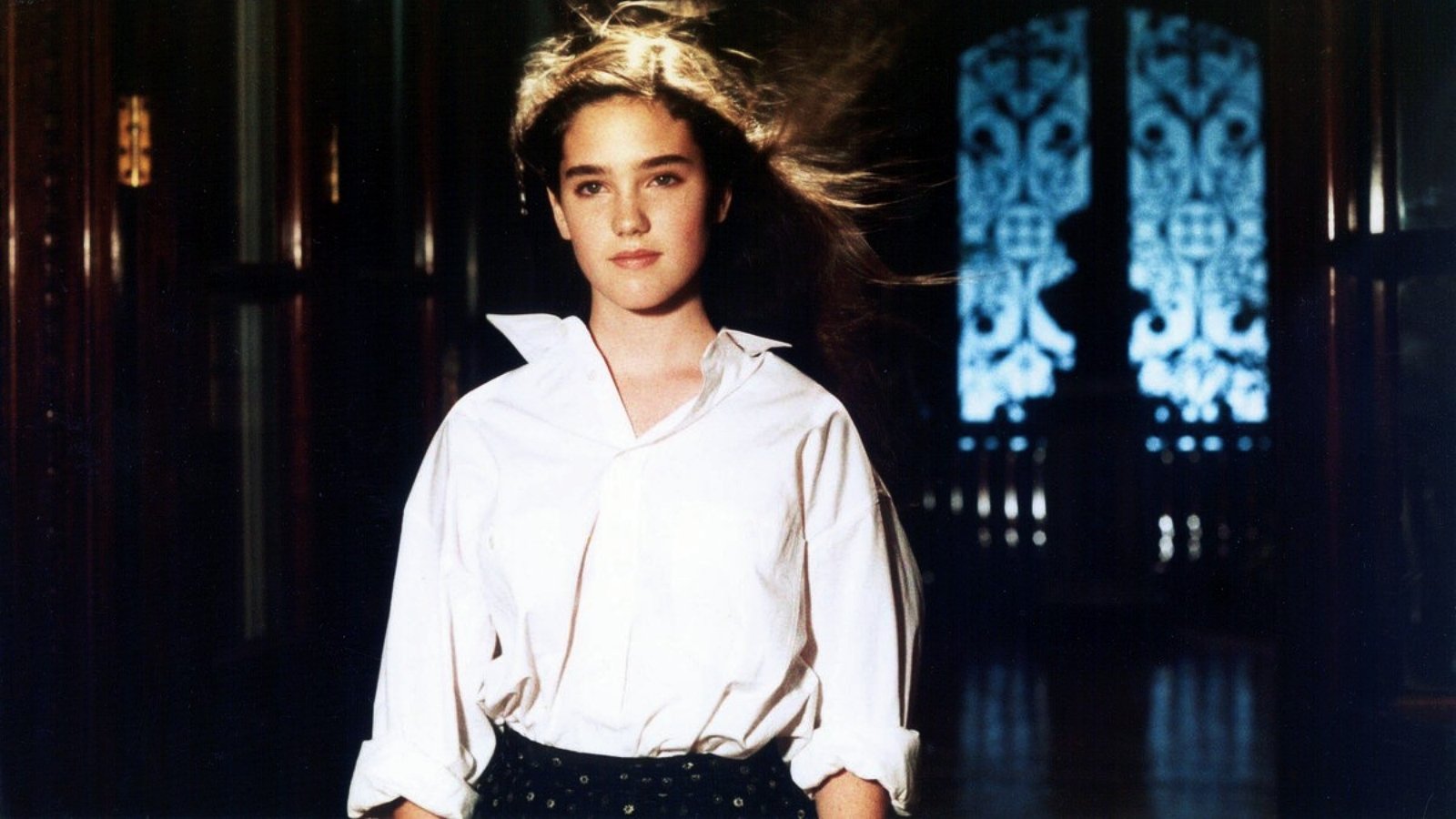
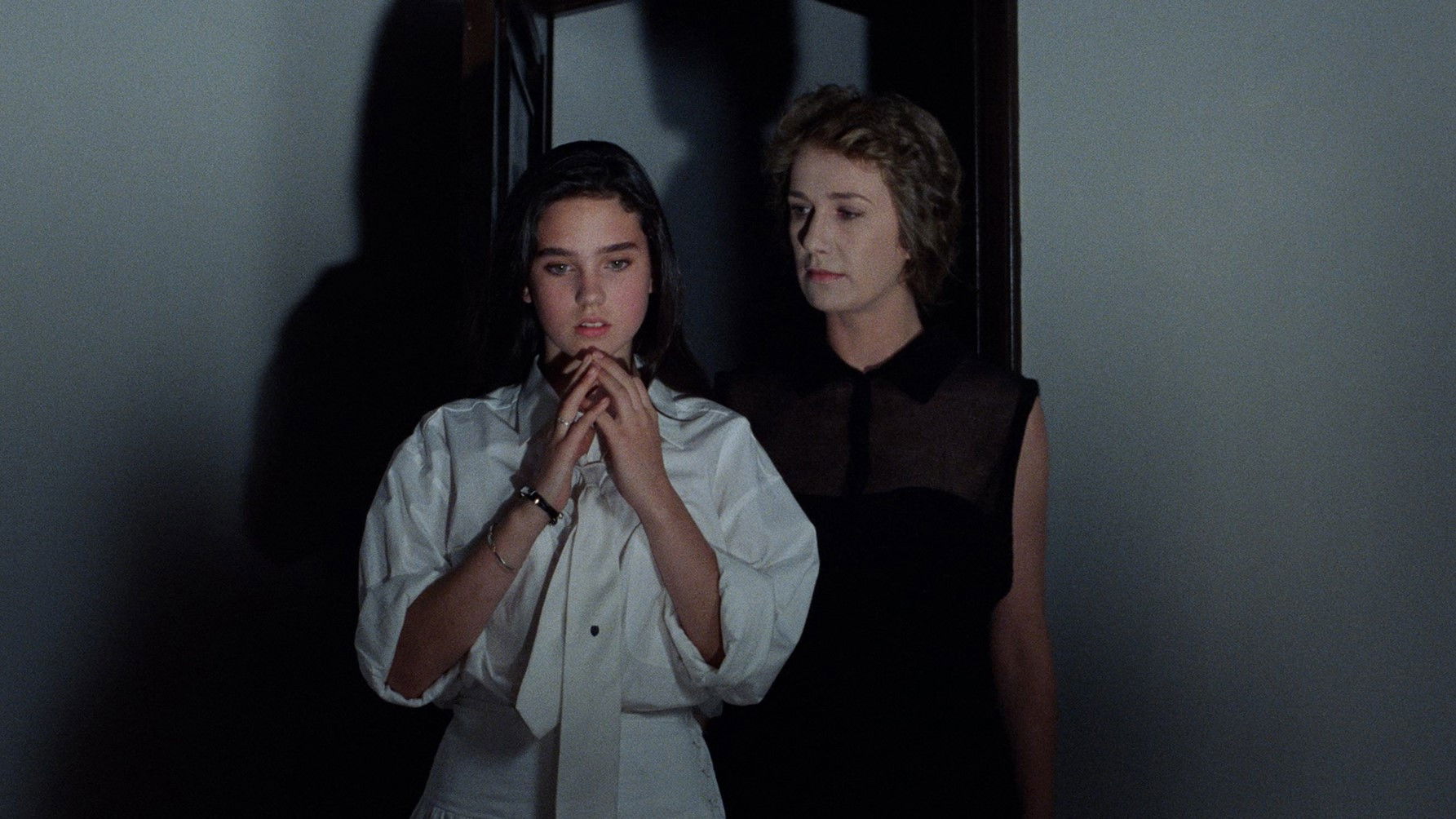
The screenplay, written with Franco Ferrini, combines a serial-murder investigation with a story about an adolescent outsider. Jennifer arrives at the Richard Wagner boarding school while her famous actor father is absent. Her sleepwalking and unusual affinity with insects make her an object of suspicion among classmates and school authorities. The institution provides an environment in which her behavior is interpreted as a problem requiring correction, even as her experiences bring her closer to discovering the murderer. This arrangement allows Argento to develop the investigation through the perspective of someone whose knowledge is dismissed by the adults responsible for her protection.

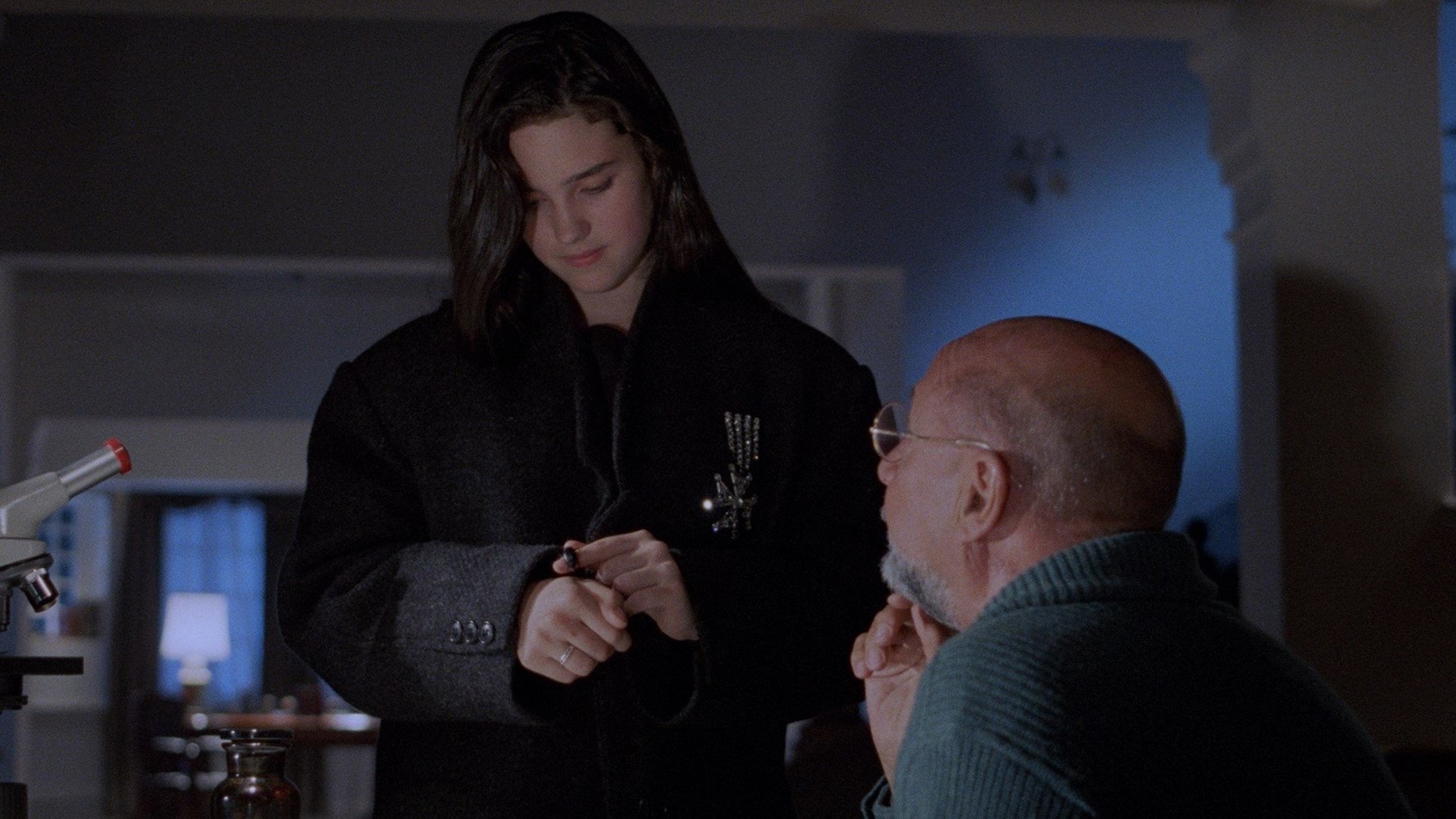
The narrative also extends ideas present in earlier Argento films. Suspiria (1977) had established a young American woman within a threatening European school, while Tenebrae centered its mystery on apparently rational criminal investigation. Phenomena combines elements of both structures, allowing scientific explanation and extraordinary perception to operate within the same story. The relationship between Jennifer and McGregor is essential to this combination. He understands the biological behavior of insects, while she possesses an impossible form of communication with them. Their collaboration gives the investigation a direction unavailable to the police and establishes a sympathetic relationship between two characters separated from conventional social life.

Production, Performances and Alpine Setting

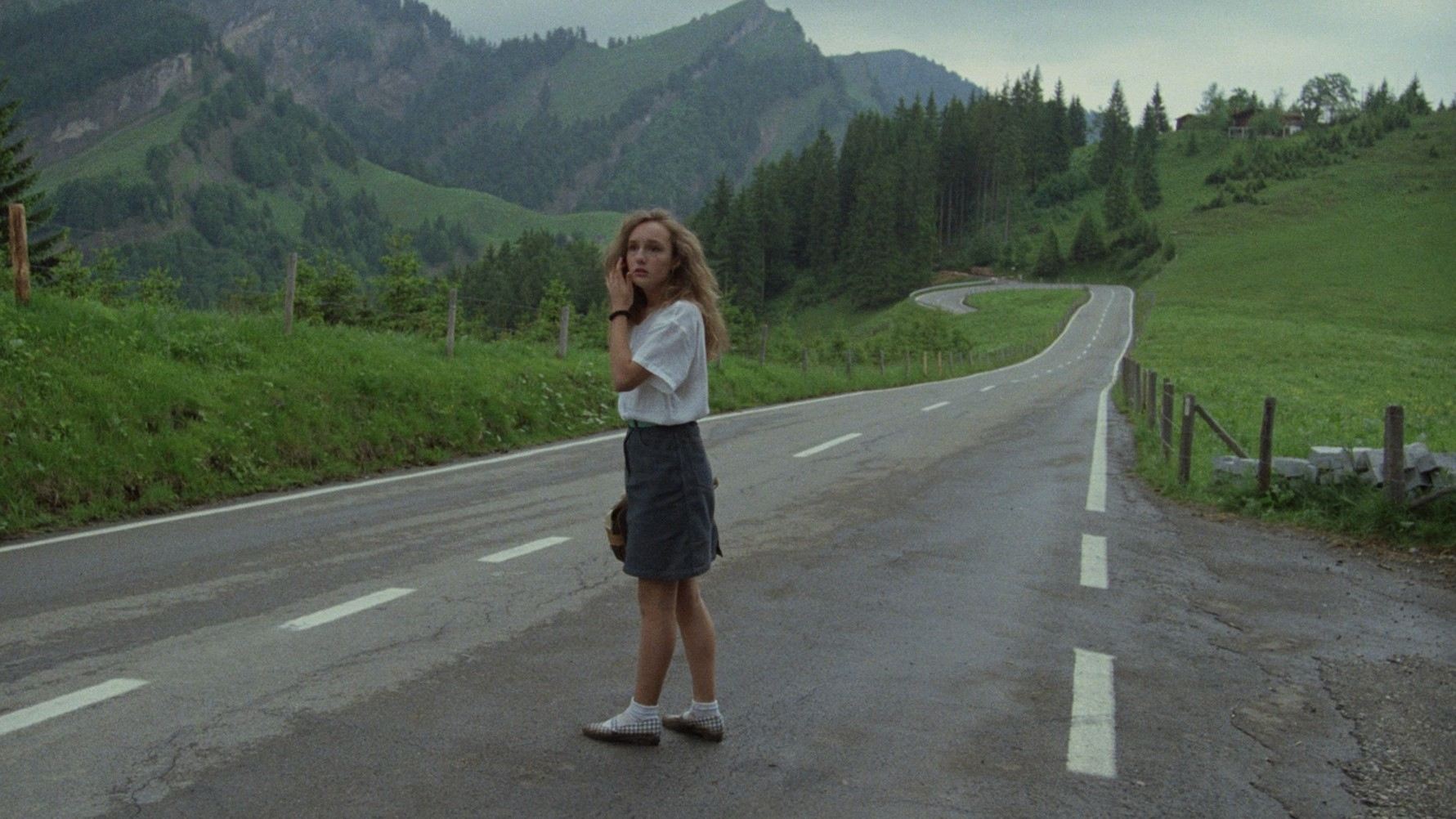
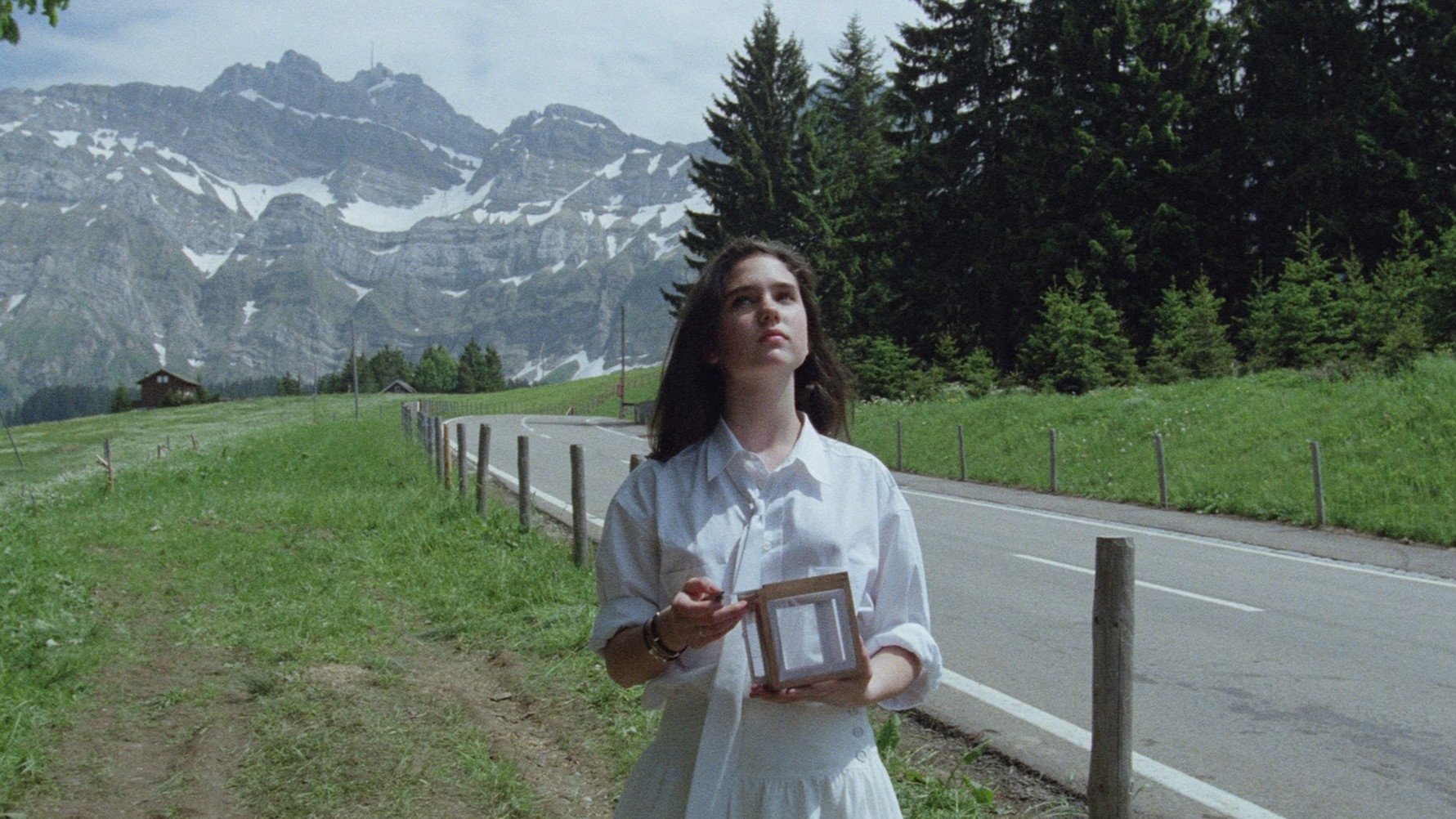
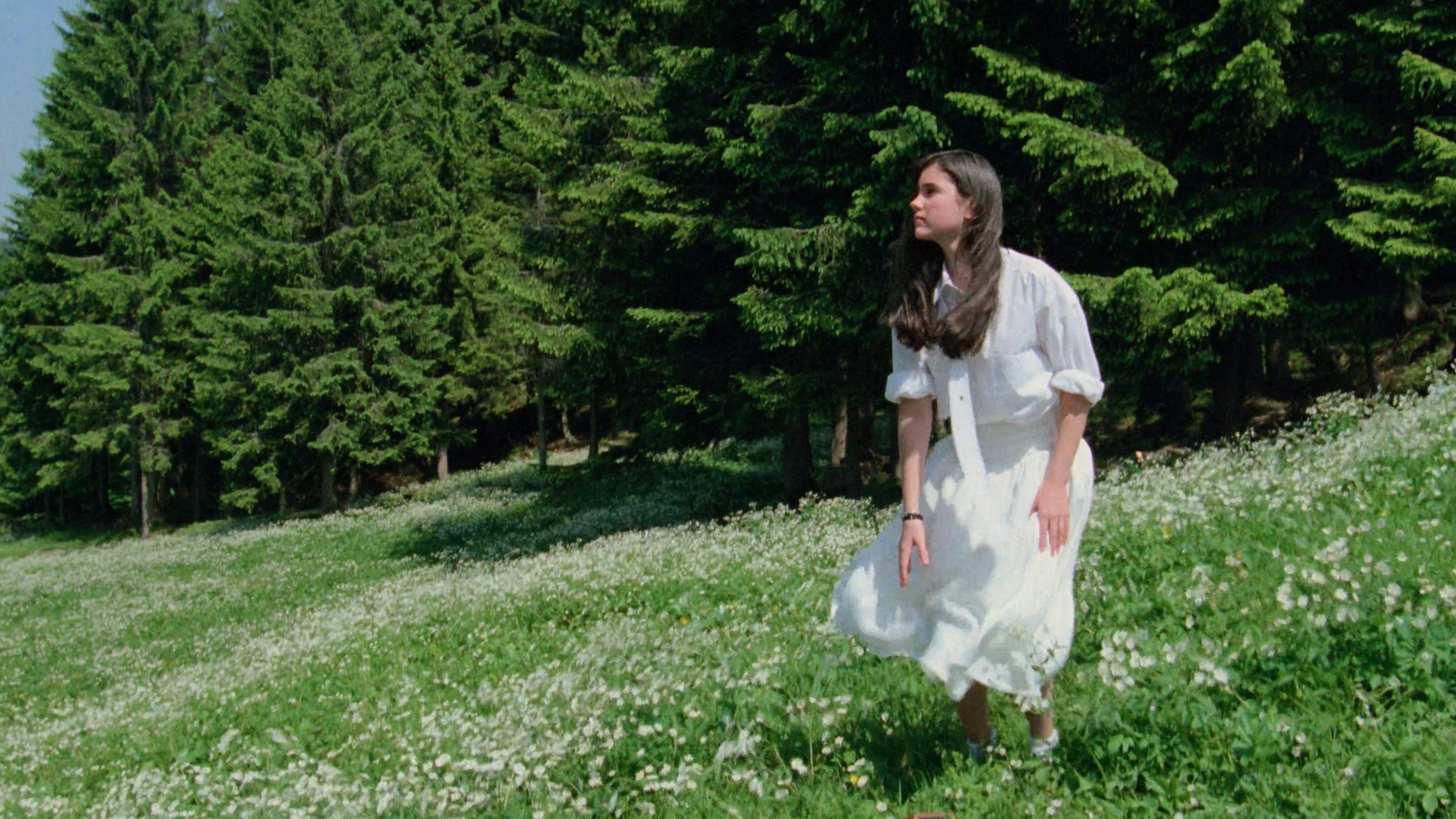
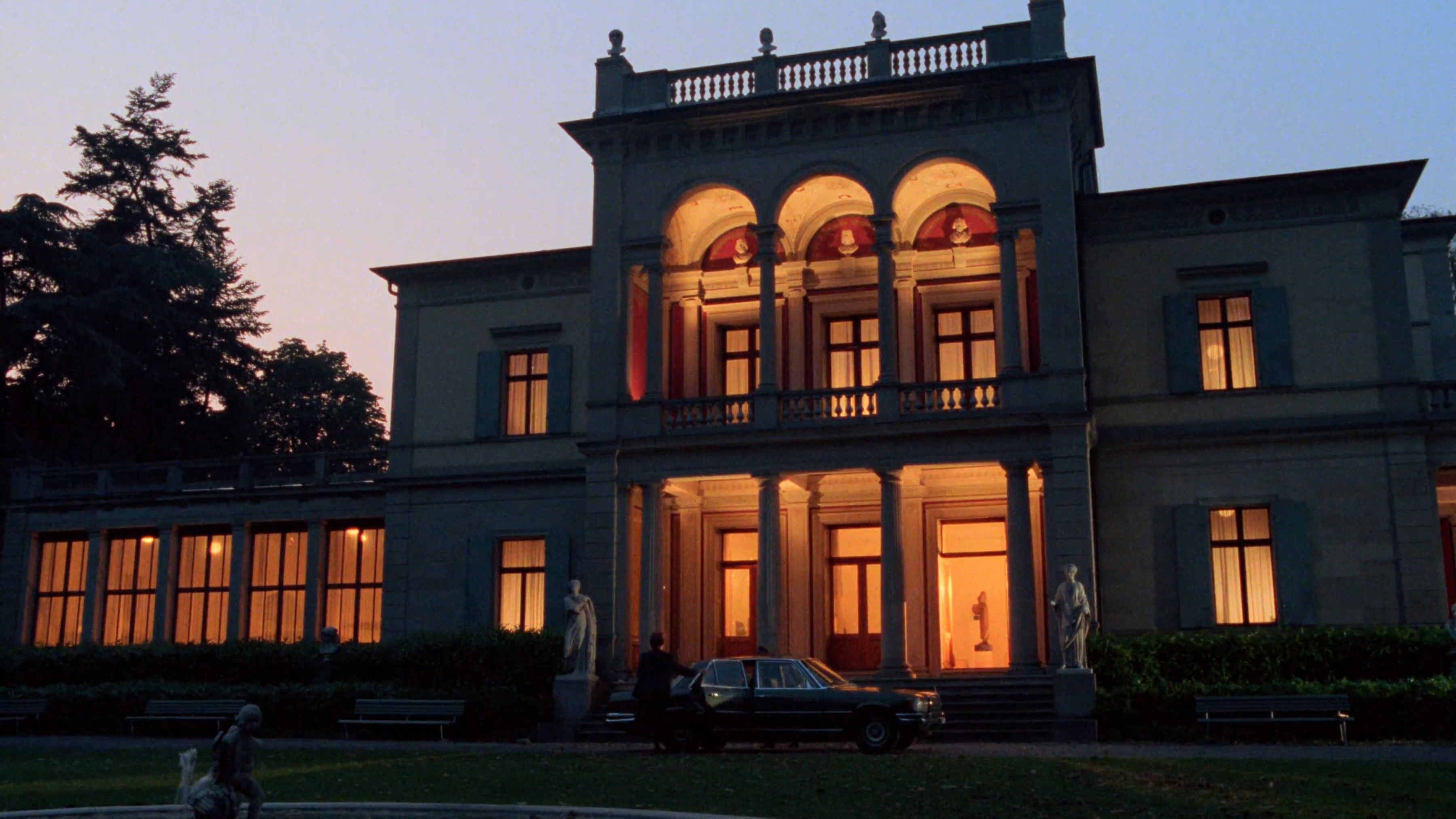
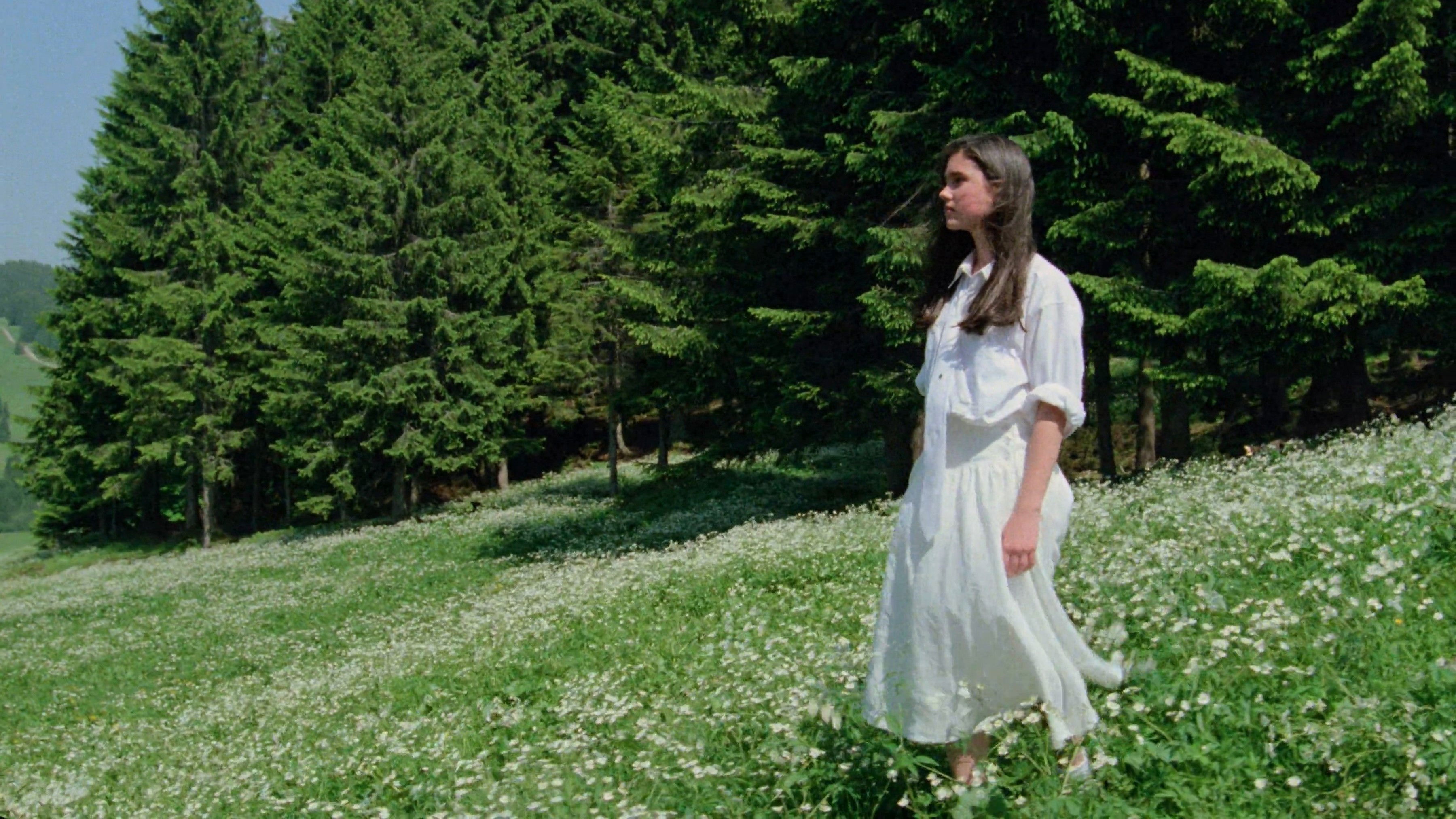
The production placed its principal characters within a fictional Swiss region described as the Swiss Transylvania. Mountain roads, forests and isolated buildings provide a setting in which the murderer can operate beyond the immediate supervision of the school. The landscape also makes Jennifer’s nocturnal wandering especially dangerous. Her movements carry her away from populated interiors into locations where she encounters evidence of violence without understanding its source. Argento uses the contrast between the school’s formal discipline and the surrounding countryside to create separate environments governed by different kinds of threat.
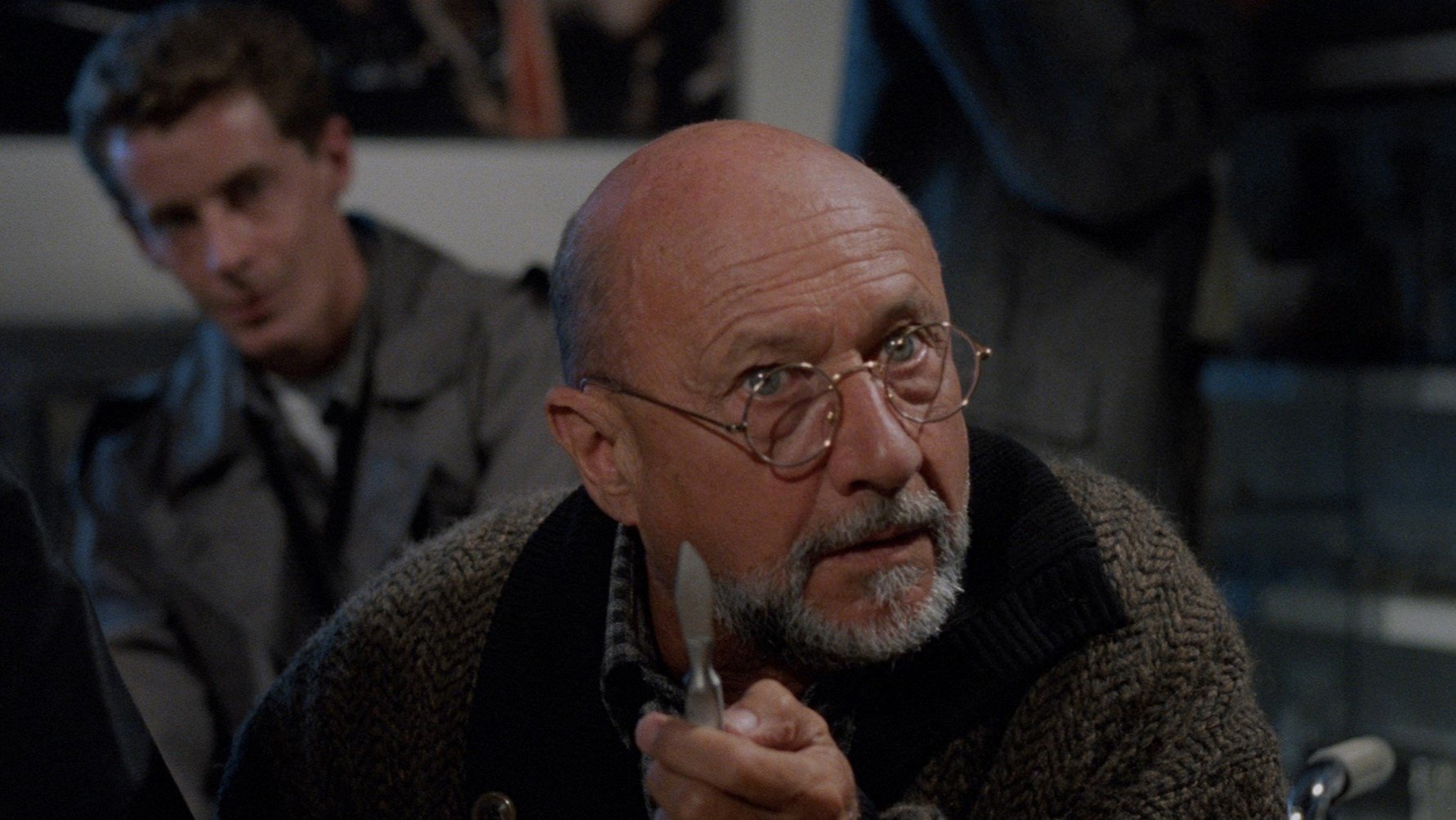
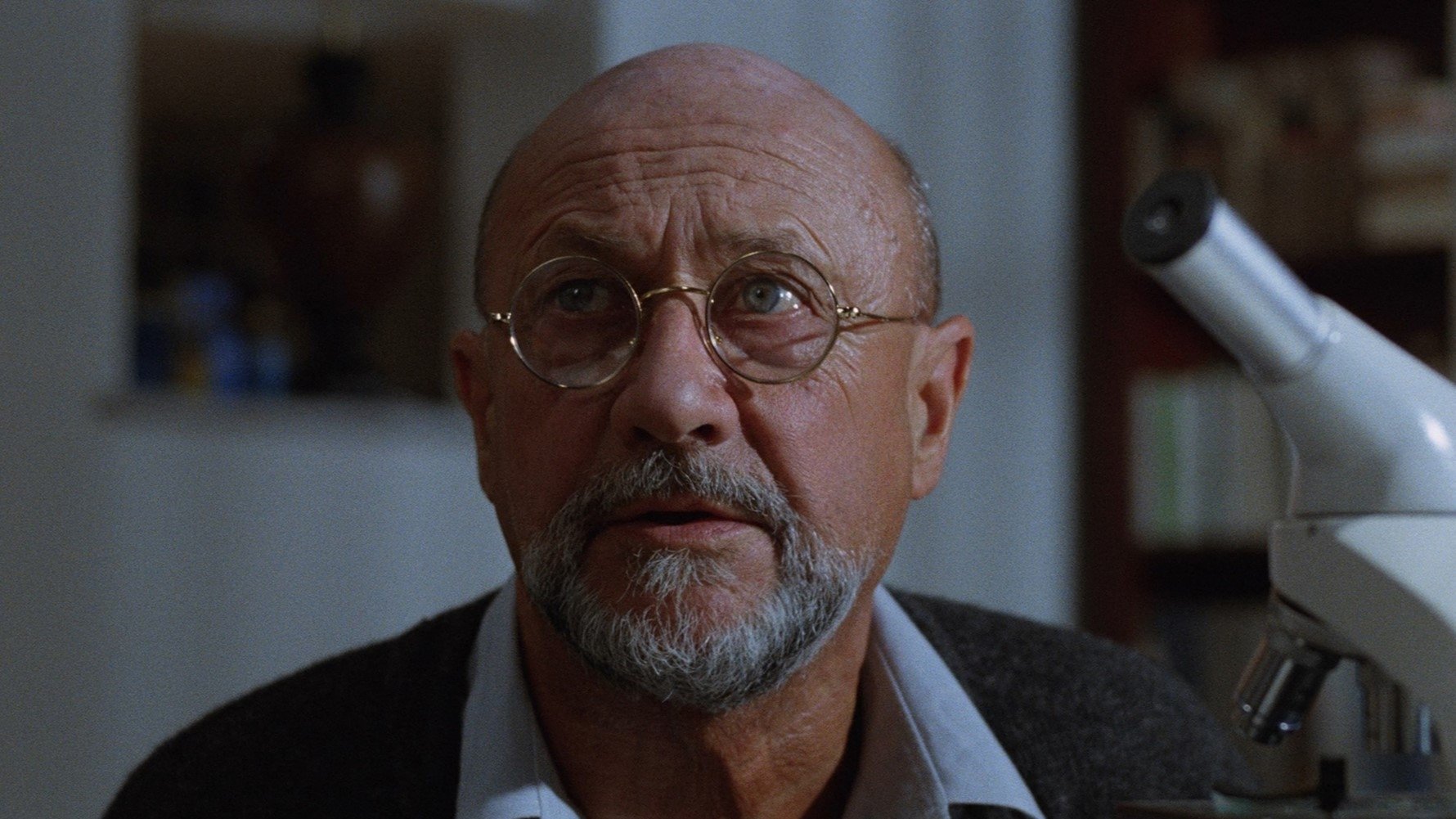
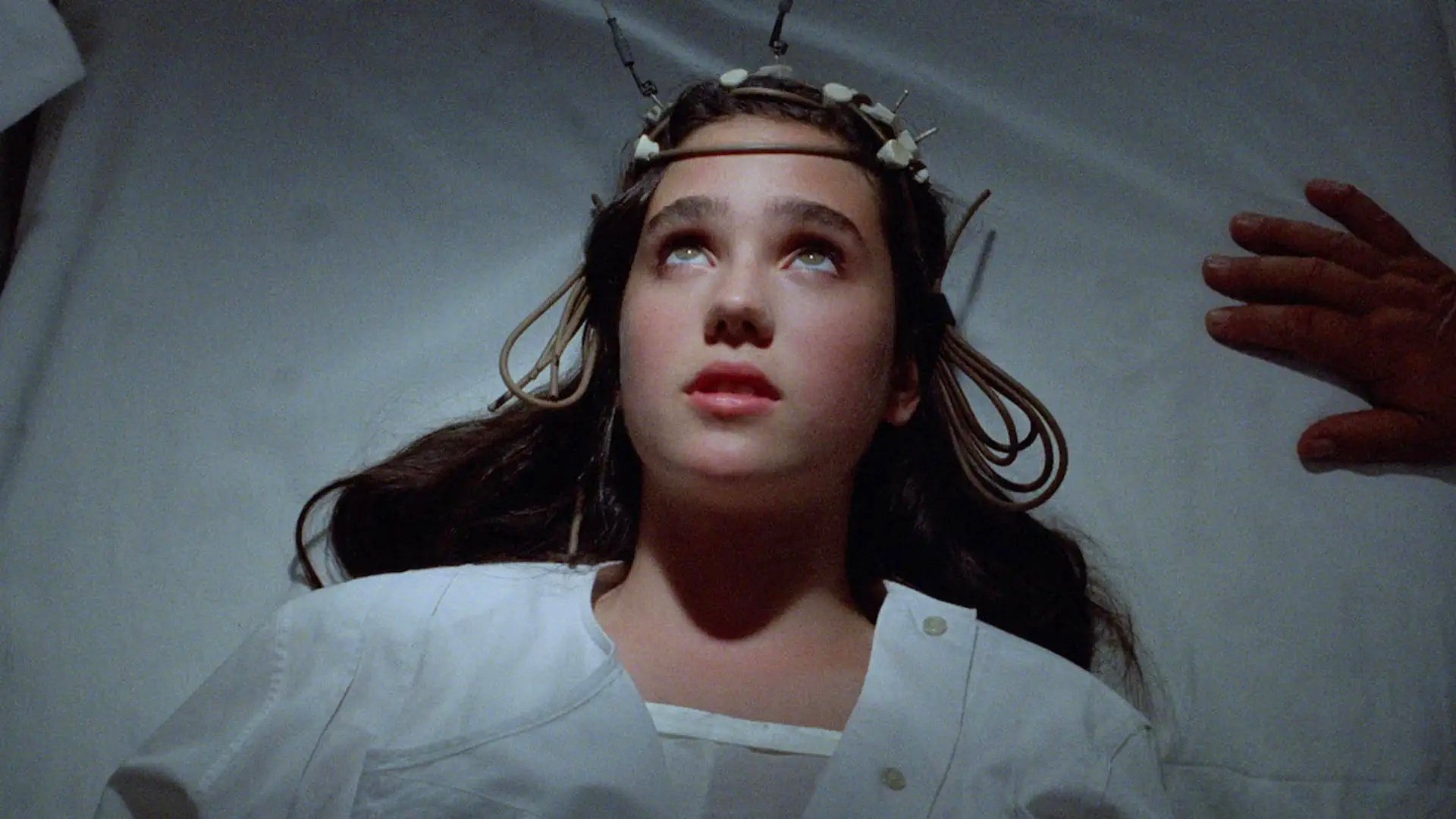
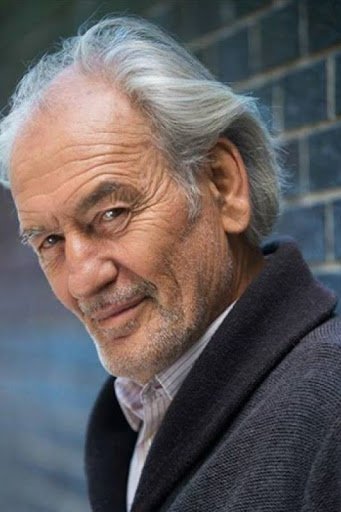
Jennifer Connelly, whose first feature appearance had been in Once Upon a Time in America (1984), undertook a role requiring extended physical performance and frequent interaction with animals and effects equipment. Jennifer Corvino moves between vulnerability and determination as her unusual perceptions become increasingly important to the investigation. Donald Pleasence provides a contrasting presence as McGregor, a wheelchair-using scientist whose expertise gives the fantastic premise a recognizable investigative framework. Their scenes establish a relationship of mutual trust within a story otherwise dominated by manipulation, suspicion and concealed motives.

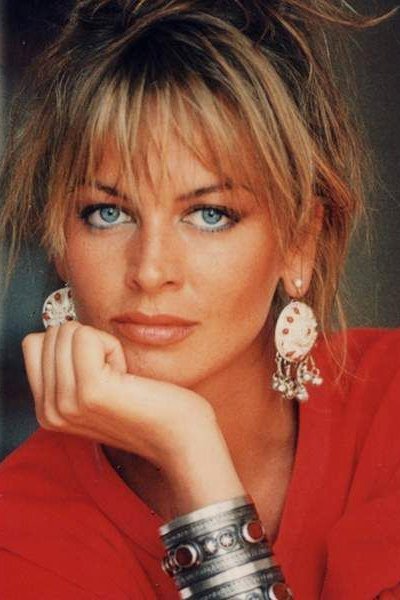
Daria Nicolodi portrays Frau Brückner, whose apparent concern for Jennifer becomes increasingly important during the final stages of the investigation. The supporting cast includes Fiore Argento as the opening victim, Dalila Di Lazzaro as the school director and Patrick Bauchau as police inspector Rudolf Geiger. Their roles serve different aspects of the mystery, from the initial demonstration of the killer’s violence to the institutional responses that Jennifer encounters. The screenplay gradually redirects attention toward characters and locations introduced earlier, preparing the final confrontation without revealing the murderer through a conventional succession of police deductions.

Cinematography and the Gothic Landscape

Cinematographer Romano Albani, who had previously worked with Argento on Inferno (1980), photographed Phenomena with an emphasis on the contrast between human figures and extensive natural environments. The Alpine exteriors create a visual world different from the urban spaces of Tenebrae. Forests, distant mountains and waterfalls surround buildings whose interiors are comparatively enclosed and controlled. Night photography frequently places Jennifer against areas of darkness that conceal the extent of the landscape around her. The setting provides both the apparent freedom of open space and the danger of isolation.
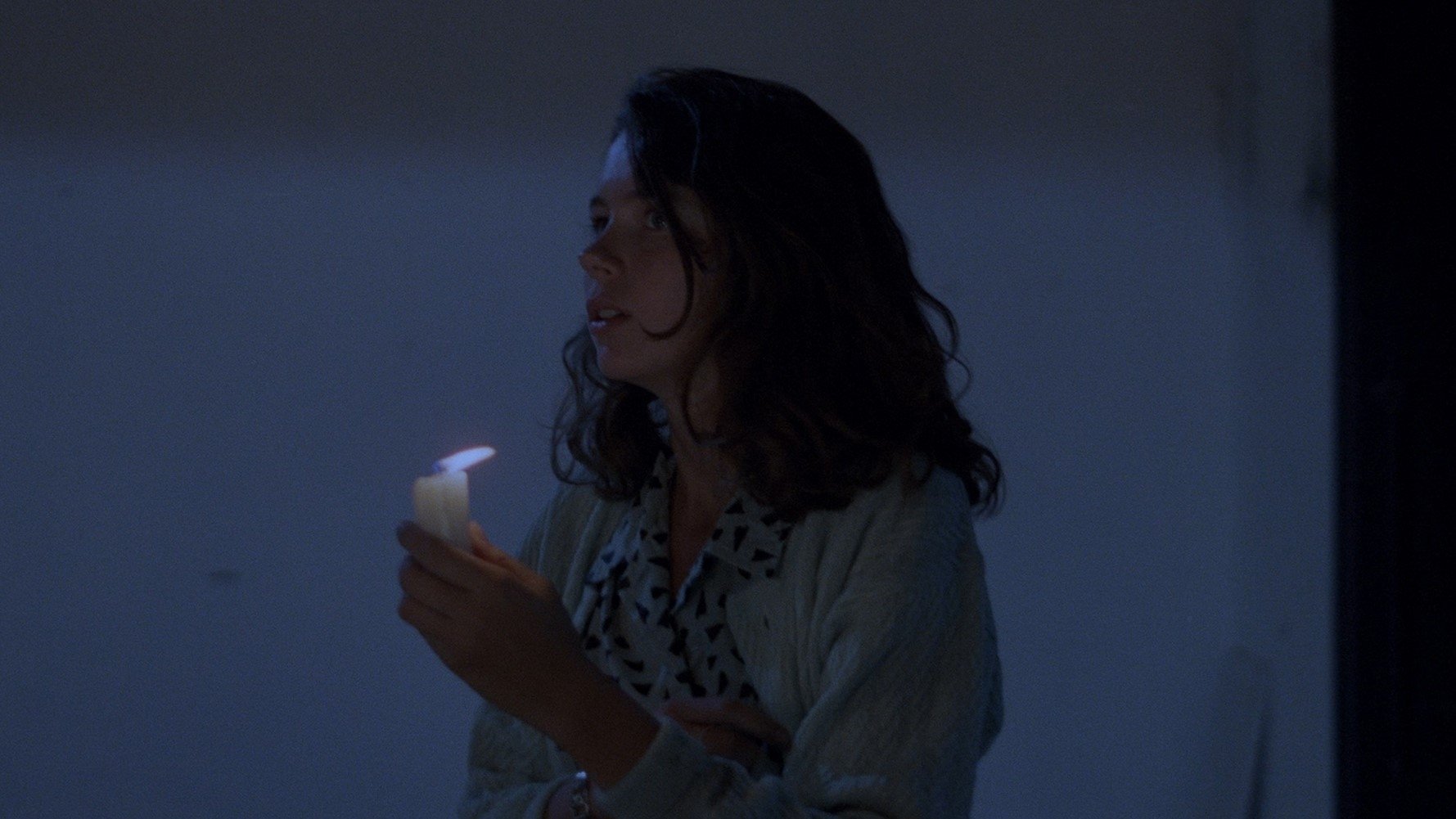
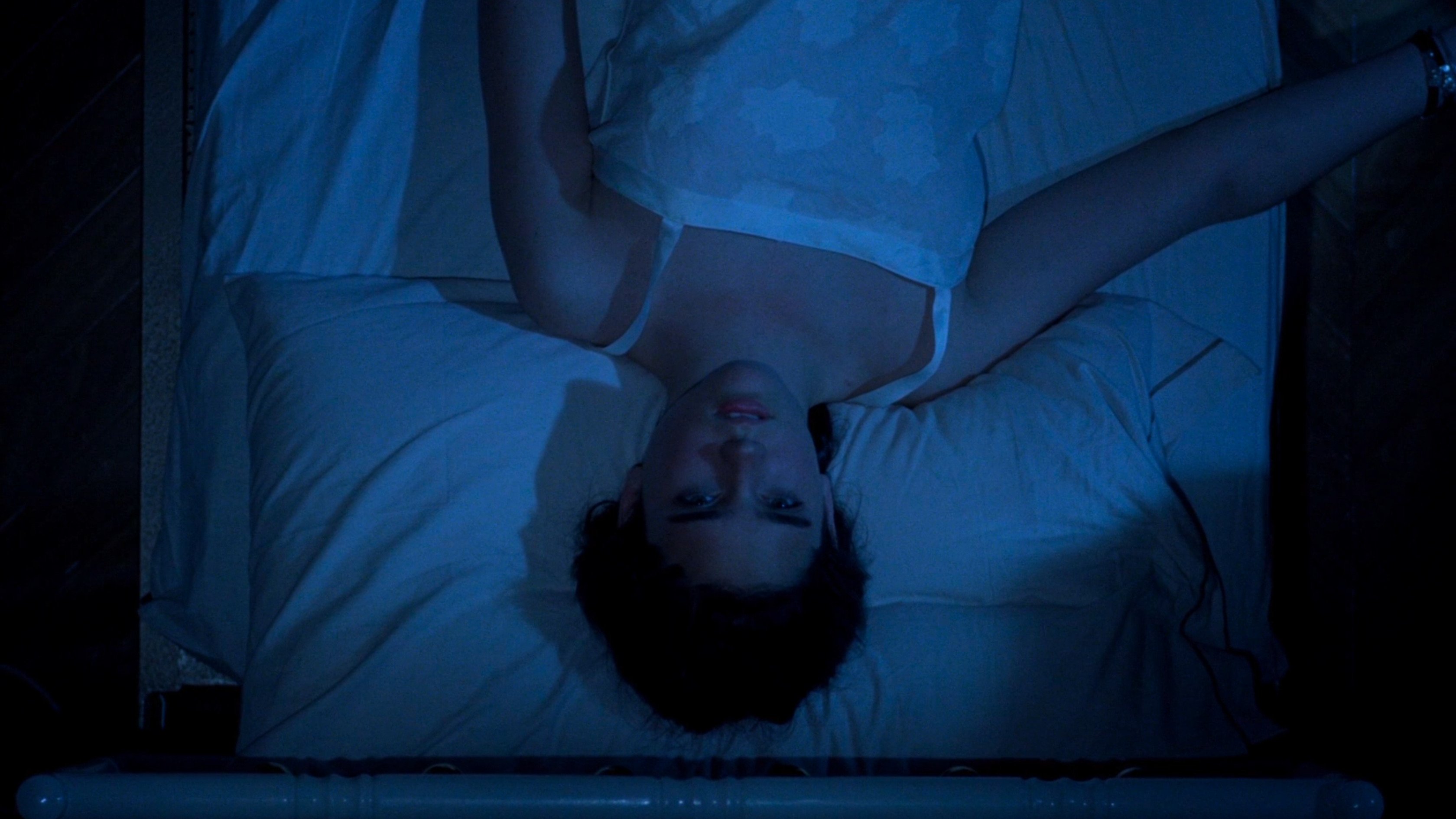
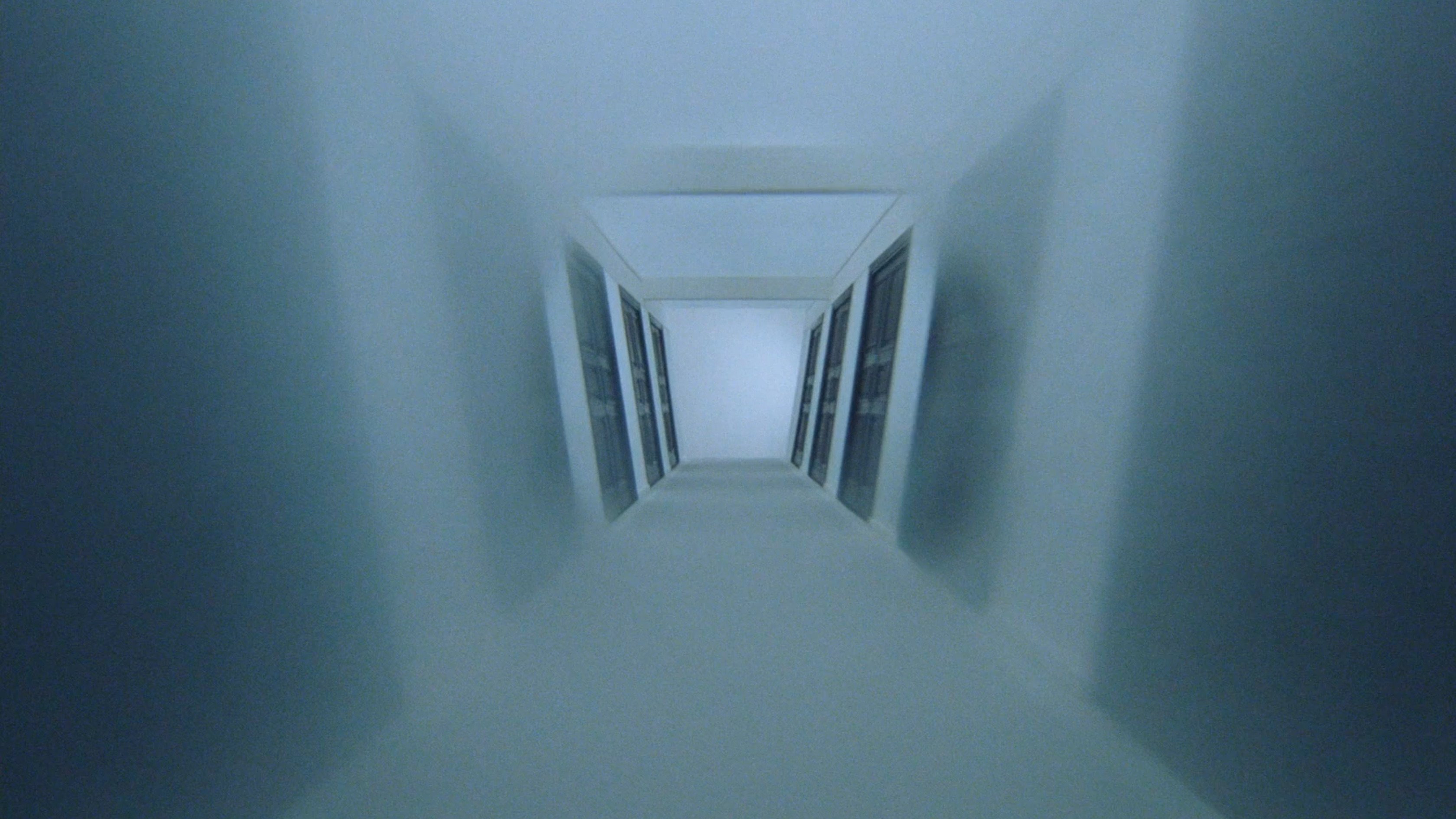
The opening murder establishes the importance of geographical movement. A young woman searches for assistance near an isolated building before an attack carries the action toward a violent fall beside a waterfall. The sequence moves between exterior scenery and the immediate physical threat of the killer, establishing a contrast repeated throughout Jennifer’s nocturnal experiences. The photographic treatment of sleepwalking introduces another visual register, using movement through unfamiliar interiors and exterior paths to make ordinary locations appear disconnected from their usual purpose. The uncertainty of the character’s perception is expressed through the relationship between her movements and the environment she encounters.

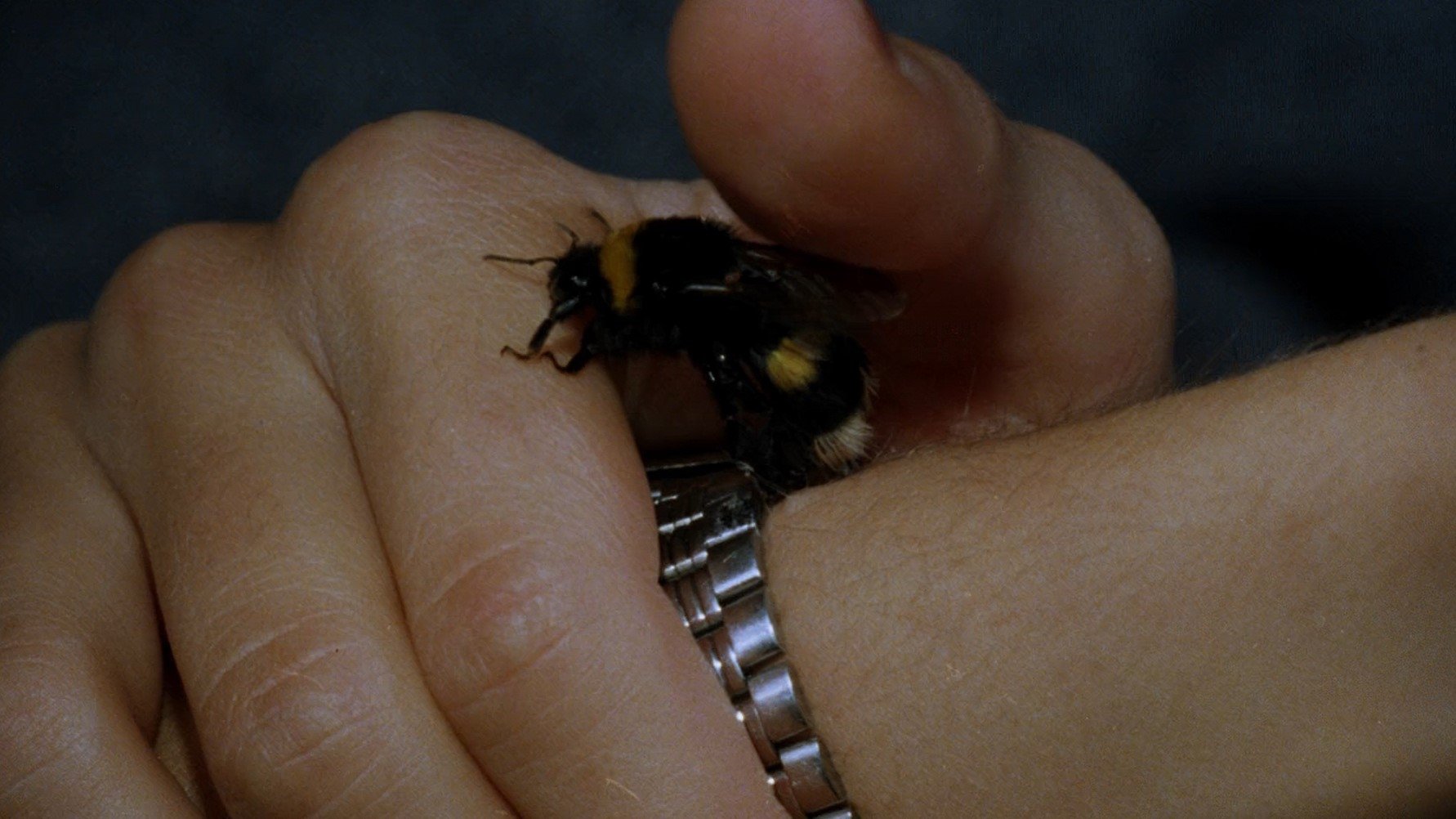
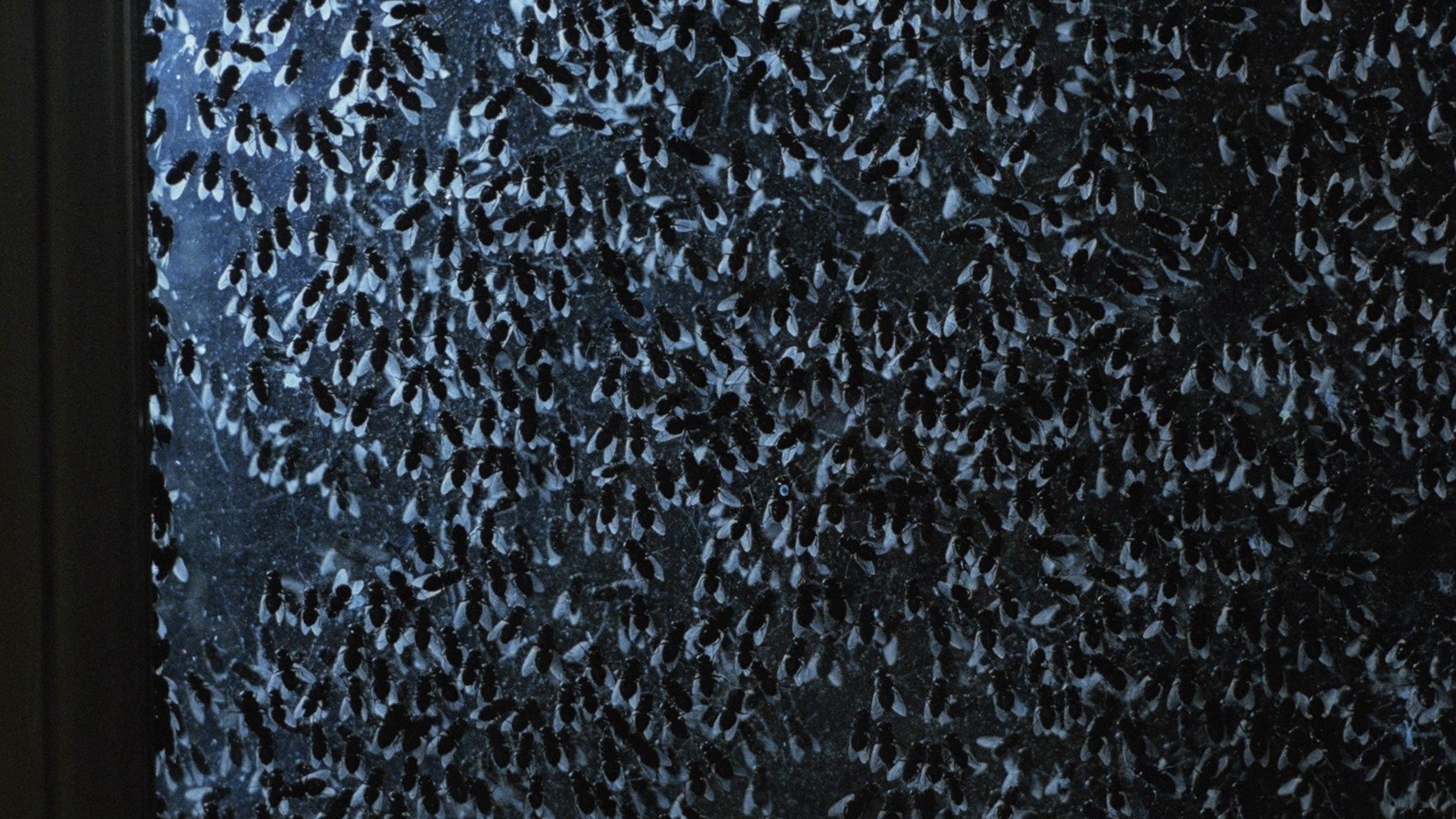
The film also incorporates specialized photography of insects, assigning unusual visual importance to organisms normally reduced to background detail. The BFI’s compiled credits identify Ferdinando Armati with special entomological photography, distinguishing his contribution from Albani’s principal cinematography. Close images of insect bodies, wings and movement connect the human investigation with a biological world operating at a different scale. These images are essential to the film’s supernatural premise because Jennifer’s relationship with insects must appear physically present even when the communication itself cannot be represented realistically. Their use also changes the visual meaning of decay, converting a source of disgust into a potential source of information.

Insects and Optical Effects

The insect sequences required the production to combine live-animal photography with manufactured visual effects. Argento recalled working with an entomologist to develop the scientific basis of the story, but emphasized that the insects themselves were not trained to follow commands. Instead, the crew attempted to photograph suitable behavior when it occurred. This method was fundamentally different from the approach used with the chimpanzee portraying Inga, which Argento described as a trained animal capable of responding to instructions. The distinction is important because the film presents both kinds of animal behavior as evidence of Jennifer’s extraordinary connection with nature.

Special-effects artist Sergio Stivaletti described the extensive use of living flies during production. In a 2017 interview with Valentina D’Amico, he recalled a soundstage prepared with dark netting where larvae were raised in substantial quantities. The production used the resulting insects for scenes requiring physical interaction with performers and objects. Stivaletti also explained that glucose was used in an attempt to attract flies toward the performer portraying the child revealed near the conclusion. These recollections document the effort required to obtain useful images from living organisms whose collective movement could not be precisely controlled.

For sequences involving large moving swarms, Stivaletti employed a separate optical technique. He placed coffee particles suspended in liquid inside thin aquariums and photographed their movement using high-contrast film. The resulting images could be manipulated through photographic compositing to resemble masses of flying insects. In a 2015 interview with Nocturno, he specifically recalled using this process for an image of insects passing across the moon. His later account to Movieplayer confirms the general method, although his recollections of its original inspiration differ. The technique demonstrates how inexpensive physical materials could create an effect difficult to stage with actual insects.

The BFI’s production credits also identify Luigi Cozzi with special optical effects and Enrico Stella with entomological consultation. Their credited responsibilities help distinguish the different forms of technical work involved. The finished insect sequences depended on animal behavior, specialist photography and photographic manipulation rather than on a single uniform method. Within the narrative, these effects allow the insects to function as a collective presence capable of protecting Jennifer or directing her toward evidence. They also sustain the film’s central contradiction: creatures ordinarily associated with contamination and death become the protagonist’s most reliable allies.

Prosthetic Makeup and Physical Horror

Phenomena was an important early project for Sergio Stivaletti, whose contribution extended beyond the effects he had originally expected to create. In his 2017 interview, he explained that he was initially hired to manufacture corpses. During preparation, he identified additional requirements for creature makeup and optical work. He subsequently showed Argento an experimental stop-motion film, demonstrating techniques that helped secure the director’s confidence. The opportunity became a significant stage in Stivaletti’s career, preceding his later work on Demons (1985) and other Italian horror productions.

The film’s most elaborate prosthetic creation is the disfigured child portrayed by Davide Marotta. Stivaletti stated that his designs were influenced by medical photographs associated with Patau syndrome, which he had encountered while studying genetics. He prepared drawings and developed a prosthetic face using techniques that required experimentation with materials then difficult to obtain in Italy. In a 2025 interview, he recalled creating his own formulation of foam latex and unexpectedly having to apply the prosthesis himself during filming. The medical references describe the origins of the visual design; they do not establish a diagnosis for the fictional character or provide a biological explanation for the violence depicted.

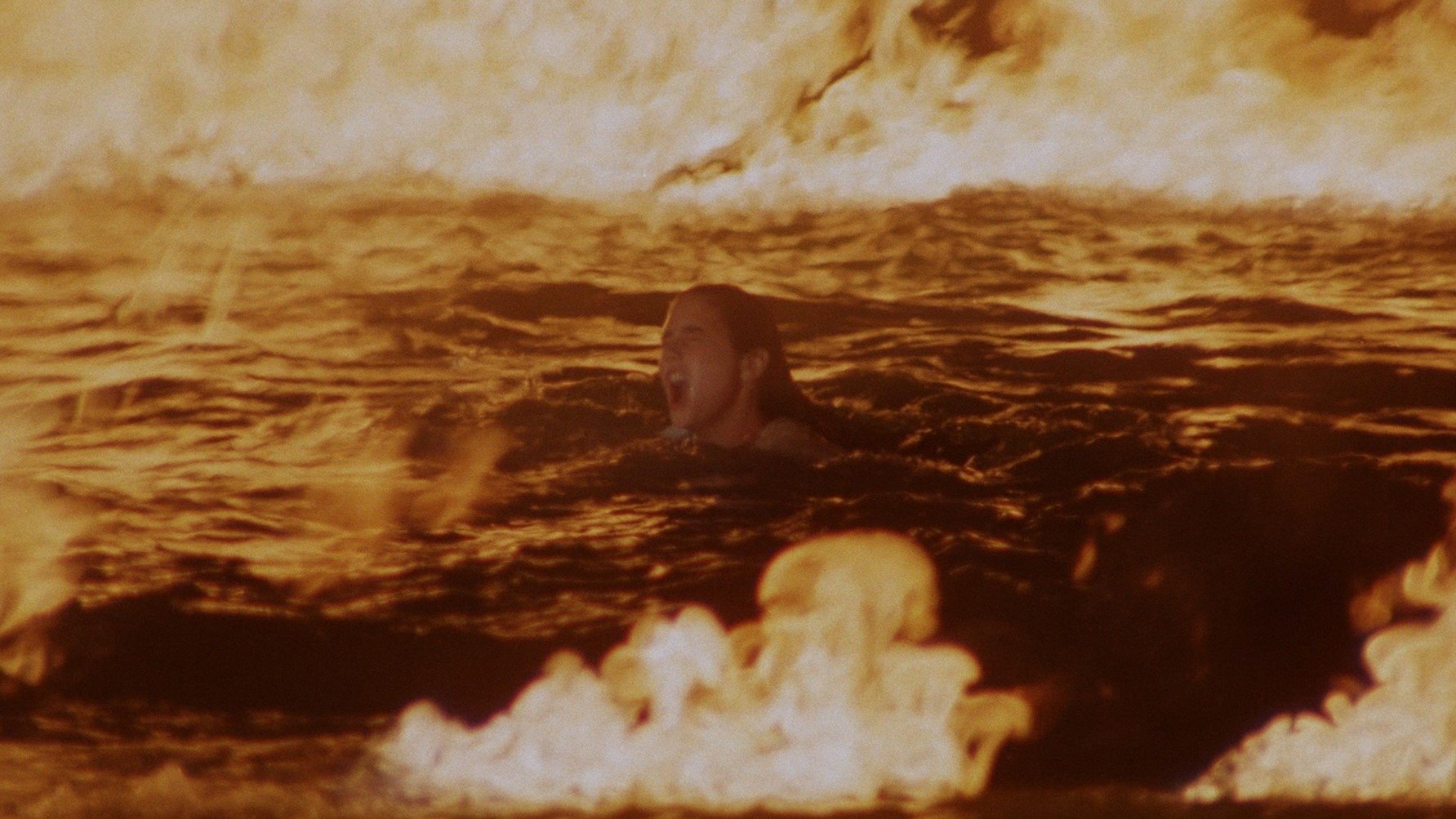
The final confrontation also employs elaborate physical horror imagery, including decomposing remains and a chamber containing human body parts. The concentrated use of practical makeup sharply changes the visual register after the comparatively restrained investigative passages. Jennifer’s discovery of the concealed environment exposes the physical consequences of the murders that have remained partially hidden throughout the film. The sequence depends on the material presence of artificial remains, prosthetic work and the performance of the actors involved. Its extremity contrasts with the earlier images of insects functioning as scientific evidence, returning the viewer to the relationship between decomposition and the murderer’s concealed activities.

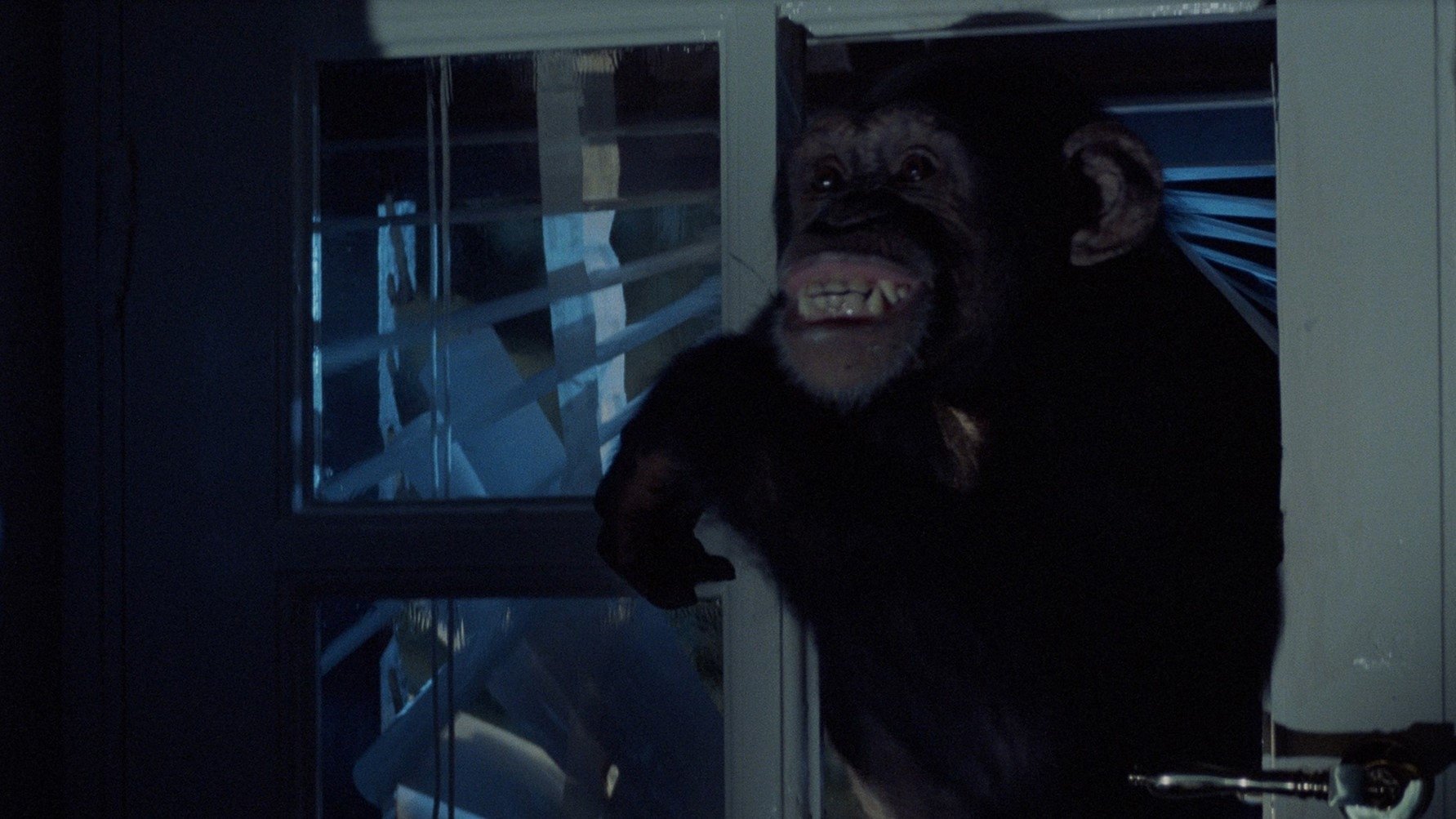
Inga, McGregor’s chimpanzee companion, performs another essential role in the climax. Argento explained that the chimpanzee was trained to execute actions required by the film, unlike the insects photographed during the investigation. The animal’s presence connects the story’s earlier scenes of scientific cooperation with the final act of violence. Its participation gives a decisive narrative function to a character initially introduced through McGregor’s domestic routine. The practical staging of these encounters remains characteristic of an era when animal performance, mechanical effects and prosthetic makeup frequently shared the same production environment.

Music and Sound Design

The soundtrack of Phenomena reflects Argento’s increasing interest in combining electronic film music with contemporary popular recordings. Claudio Simonetti contributed original compositions associated with the Goblin musical tradition, while Simon Boswell supplied additional music. The film also incorporates recordings by Iron Maiden, Motörhead and other performers. Its musical identity consequently differs from the more unified scoring approach associated with Suspiria. Individual sequences can move between melodic electronic passages and aggressive rock recordings, producing pronounced changes in rhythm and emotional intensity. The variety was a deliberate feature of Argento’s mid-1980s soundtracks rather than evidence of a single composer working across every musical style.

In an interview conducted by Jonathan Broxton in 2000, Boswell recalled meeting Argento in Rome after working as a record producer. The director had heard his band Live Wire and subsequently invited him to contribute to Phenomena because the existing music production was experiencing difficulties. Boswell had not previously composed for a feature film. He described working in a Roman studio with projected images and experimenting with unfamiliar instrumental textures. For an early assignment involving a violent pursuit and a pit containing human remains, he used violin harmonics and the scraping of a guitar plectrum against strings to create disturbing sounds. Argento approved the result, establishing a working relationship that led to further Italian horror assignments.

The original electronic material associated with Simonetti provides a different musical quality. Its melodic passages accompany Jennifer’s experiences and the film’s more fantastic environments, while the heavier recordings interrupt scenes of danger with recognizable contemporary musical energy. Simonetti later identified Phenomena among his solo film projects after the dissolution of the original Goblin lineup and recalled it as an early occasion on which he incorporated computer technology into his work. These accounts clarify the soundtrack’s divided authorship and the different working methods brought to the production.

The sound design also supports the film’s treatment of insects as an active environment. Buzzing, wing movement and other animal sounds accompany Jennifer’s unusual perceptions, making the presence of insects audible even when individual organisms are difficult to distinguish. The contrast between these natural sounds and the recorded music becomes particularly important during threatening sequences. The BFI credits identify specialized personnel responsible for sound editing and re-recording, distinguishing their work from the composition of the score. The completed soundtrack combines recorded animal sounds, effects and musical material in an arrangement whose balance and duration can vary between the different circulating edits.

Release, Versions and Censorship

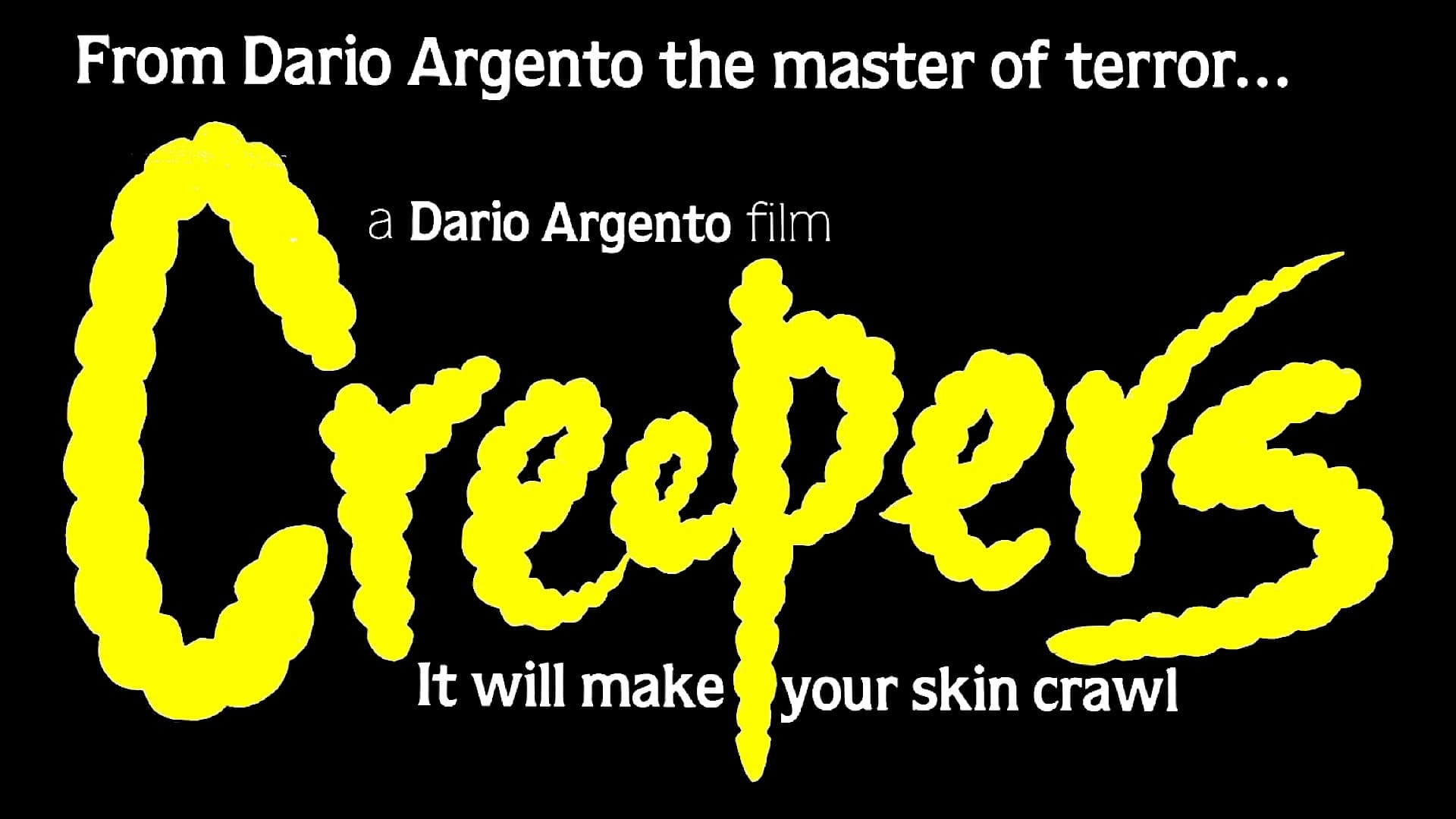
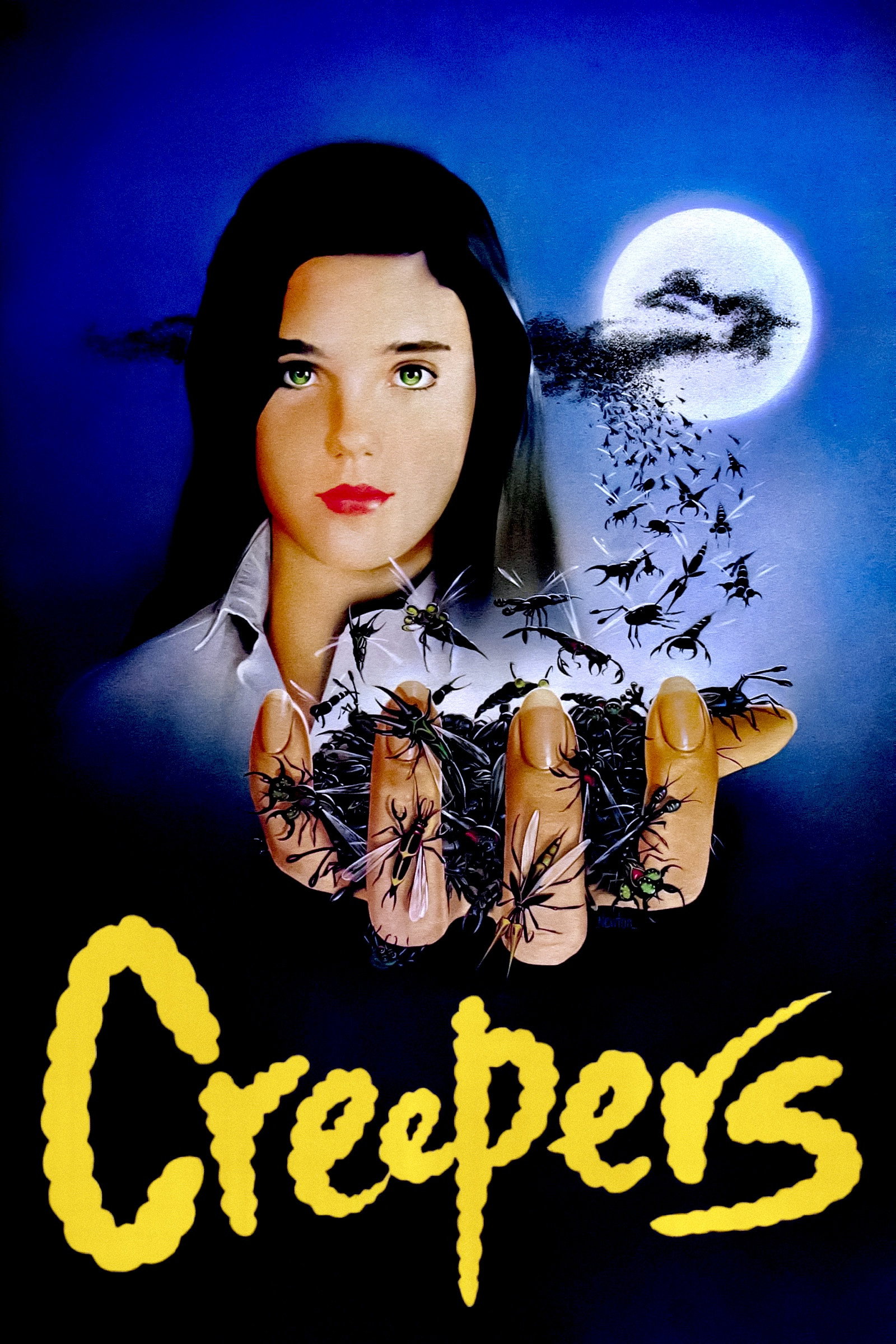
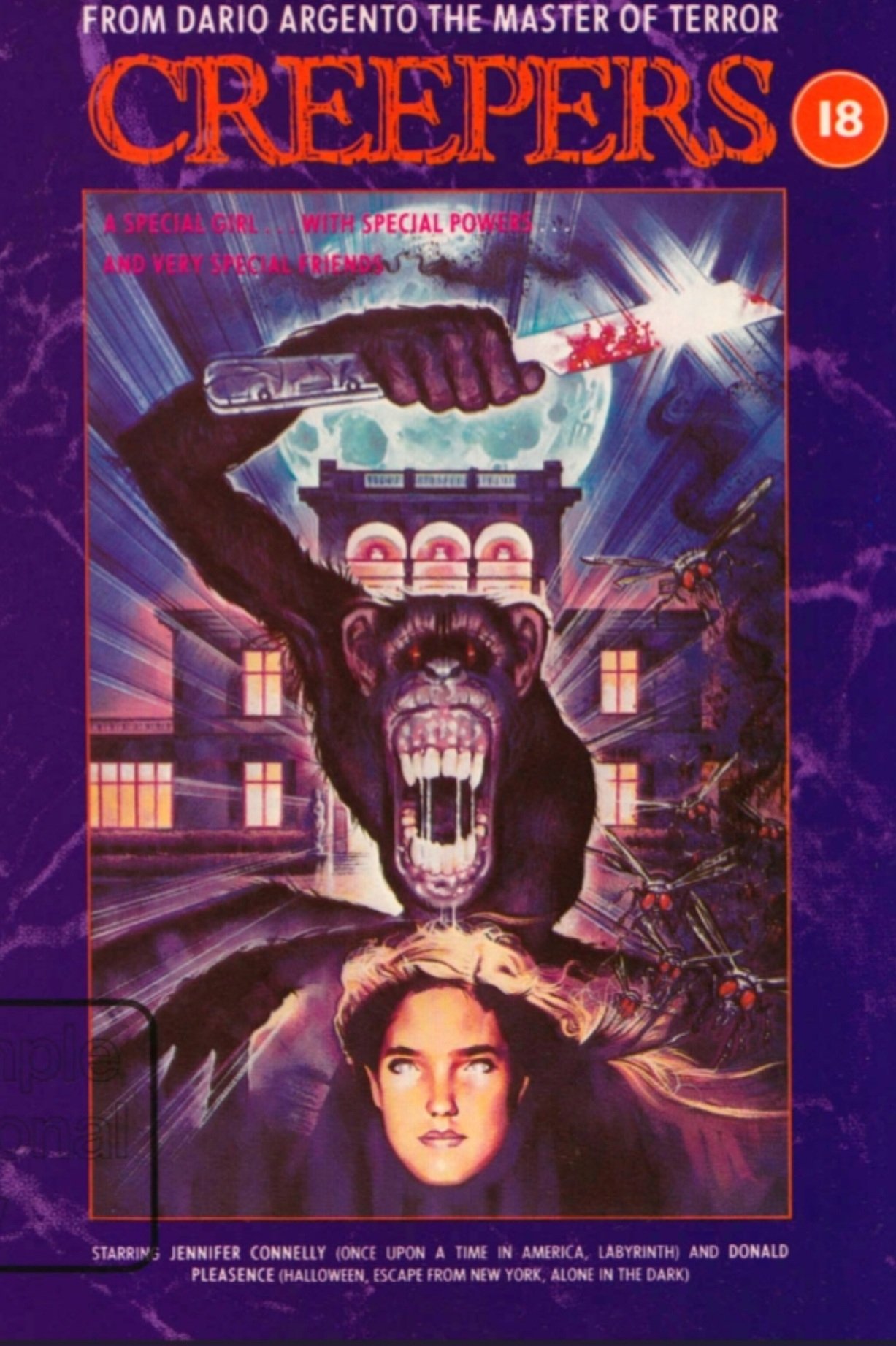
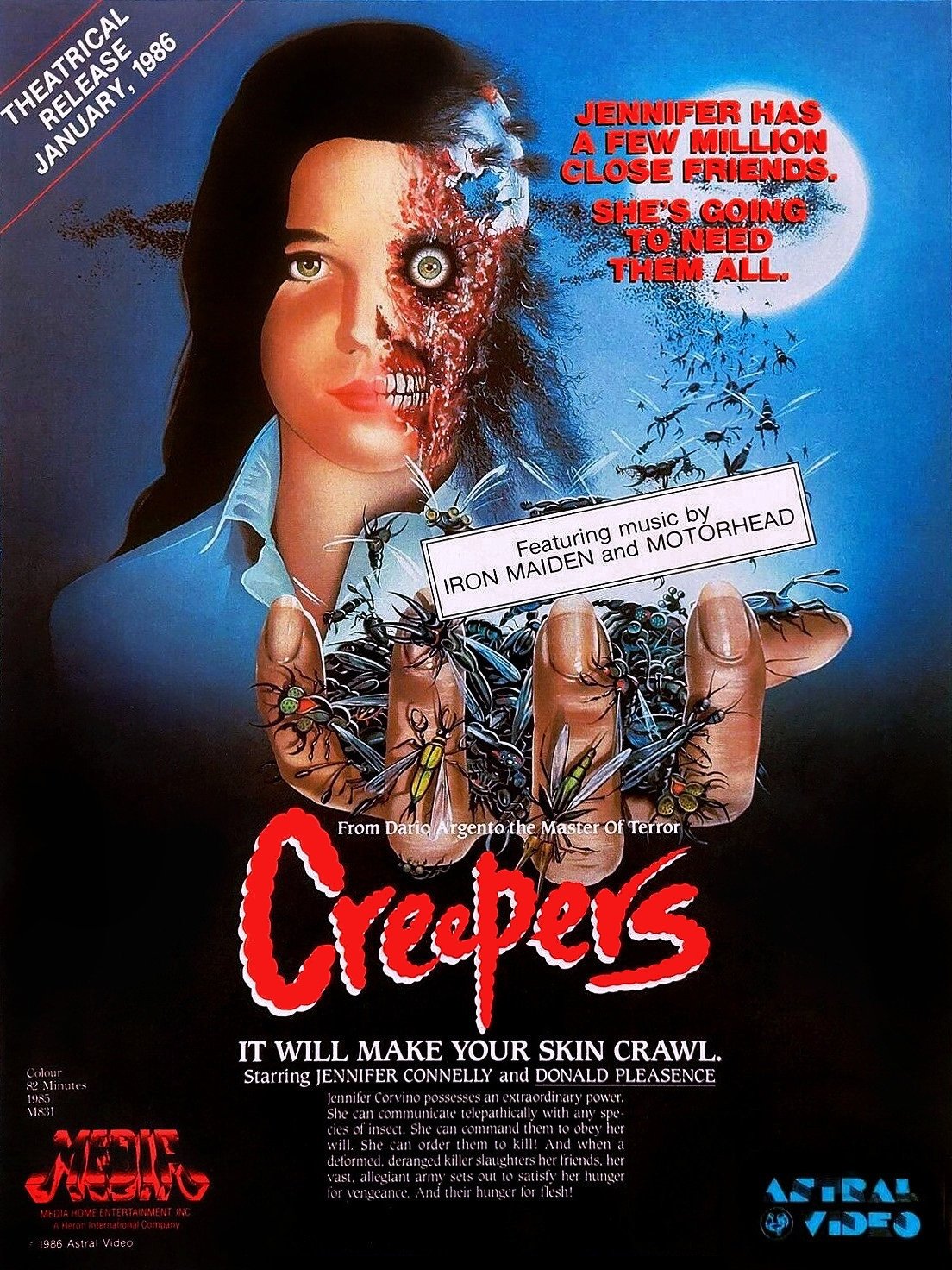
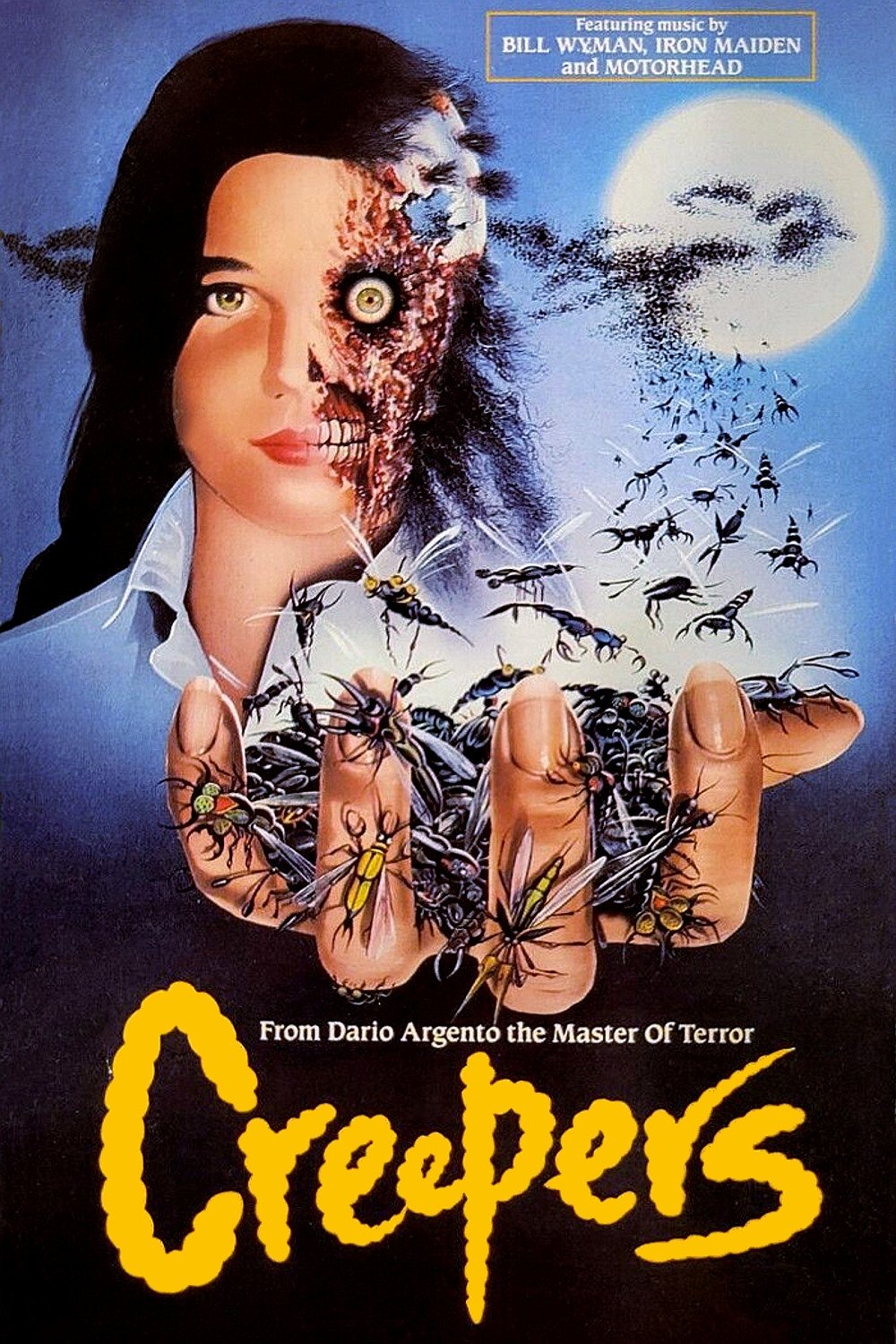
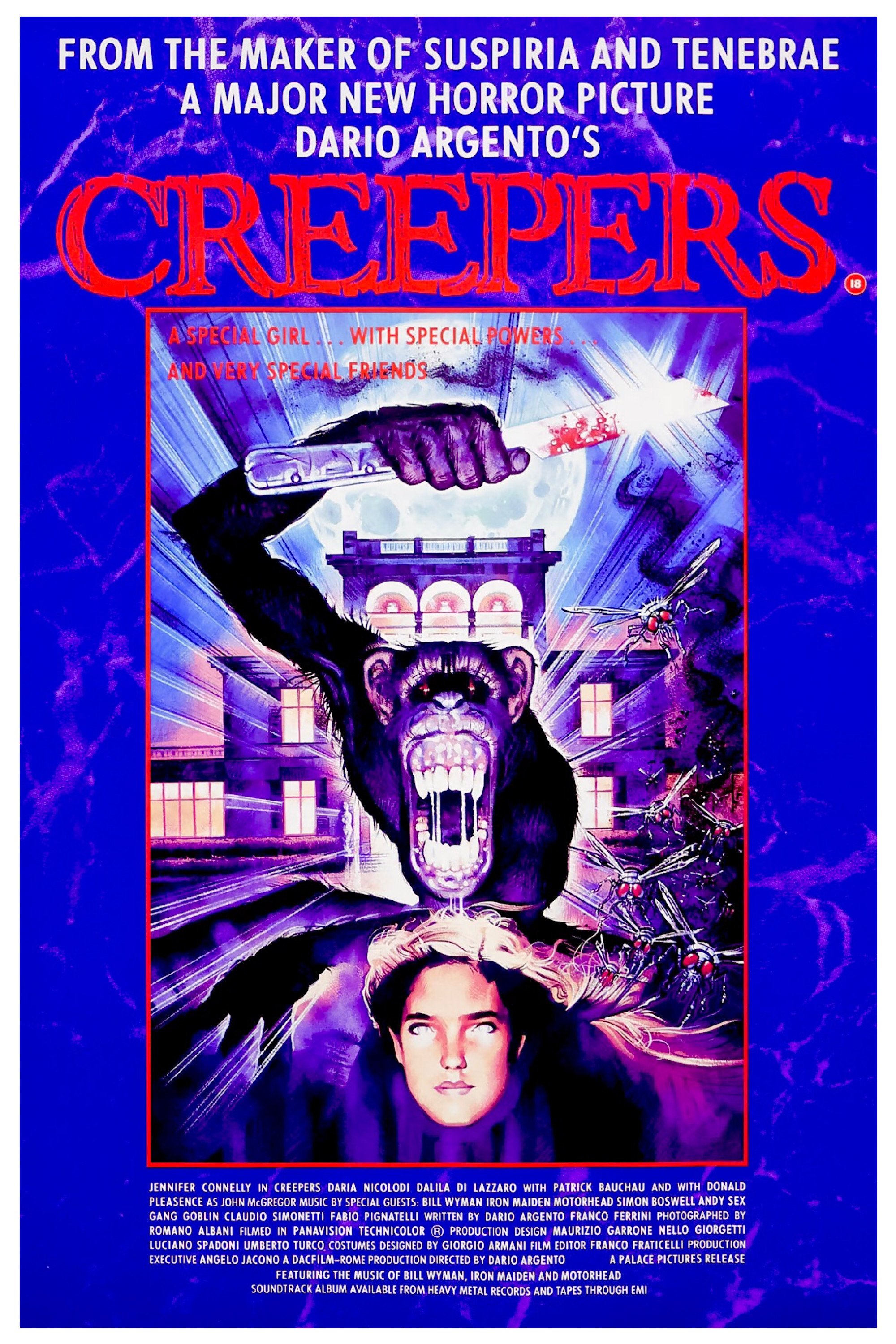
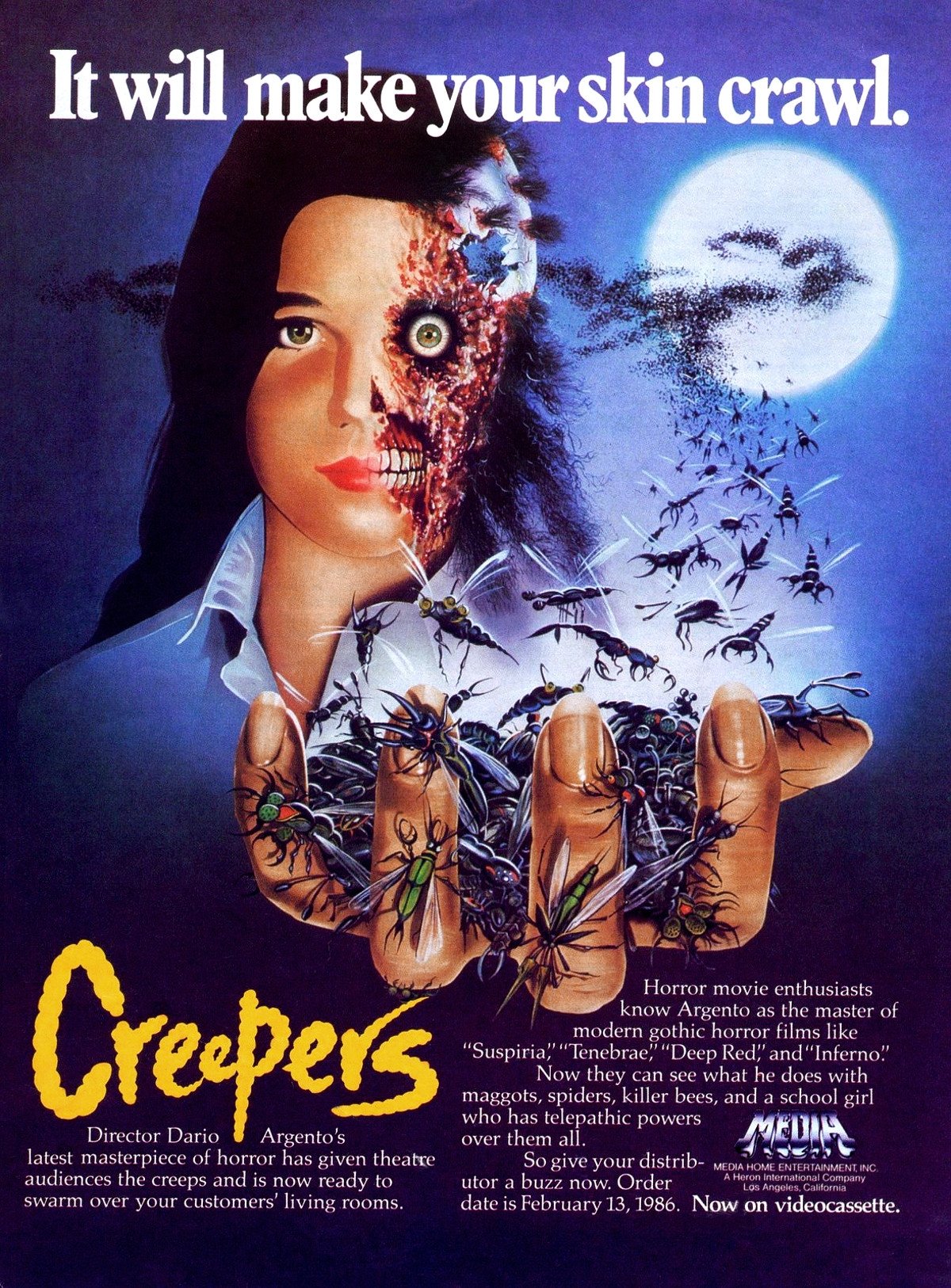
Phenomena entered Italian theatrical distribution in early 1985 through Titanus. Its original Italian presentation is commonly identified as running approximately 116 minutes. An international English-language version of approximately 110 minutes was also prepared, reducing selected passages while retaining the essential narrative structure. The most substantial alteration occurred when the film was distributed in the United States as Creepers. That version runs approximately 83 minutes and removes a considerable amount of the characterization and connective material contained in the longer editions. The different releases therefore represent distinct edits of the same production, rather than interchangeable presentations differing only in dialogue language.

The British Board of Film Classification records a theatrical submission under the title Creepers on 10 April 1986. The submitted version ran 83 minutes and 10 seconds and was distributed by Palace Pictures. The BBFC explicitly records that cuts or alterations were required during classification. Its publicly available entry does not identify all the individual changes, so the already abbreviated international edit and the subsequent British classification intervention must be treated as separate issues. The title Creepers became closely associated with the shorter version, particularly in English-language distribution. The reduced running time affected the progression of Jennifer’s experiences and the amount of investigative information available to the audience.

Later home-video releases restored substantially longer presentations under the original title. The BBFC records a British home-entertainment version of 105 minutes and 30 seconds in 2000 and another of 111 minutes and 14 seconds in 2011. These catalogue figures cannot automatically be interpreted as additional censorship cuts. Differences in playback standards and the particular versions submitted can affect recorded running times. Modern restorations have made the 116-minute Italian version, the approximately 110-minute international edit and the shortened Creepers version available for comparison. The longer Italian edition includes material for which an English-language soundtrack does not survive, requiring a mixture of Italian and English dialogue in some presentations.

The film has also received renewed theatrical and archival attention. Film at Lincoln Center screened a 116-minute presentation during its 2022 Dario Argento retrospective, identifying a 4K restoration by Cinecittà. The BFI subsequently presented Phenomena in its 2023 Argento season, using a programme running time of 113 minutes. These records confirm the film’s continuing circulation in restored form, but the reported timings do not establish that the institutions exhibited identical masters. For historical analysis, the distinction between the original Italian film, the international edit and Creepers remains essential, particularly when discussing narrative continuity, soundtrack choices and the development of the supporting characters.

Reception and Historical Position

Phenomena initially encountered criticism for its unusual combination of investigative plotting, supernatural powers and increasingly grotesque revelations. In an essay later included in the BFI’s 2023 retrospective programme, critic Kevin Lyons recalled that the film had been received unfavorably by some established Argento supporters. His assessment nevertheless found continuity between its extreme narrative developments and the director’s earlier work. The film’s apparent incompatibilities remain central to its critical reputation: the forensic procedures associated with McGregor exist beside Jennifer’s telepathic abilities, while the institutional atmosphere of the boarding school gives way to forms of bodily horror that belong to a different dramatic register.

The film occupies a distinctive position between the supernatural horror of Suspiria and Inferno and the murder investigations associated with Argento’s gialli. Jennifer’s abilities alter the traditional investigative relationship between observer, evidence and concealed criminal identity. She obtains knowledge through organisms that other characters dismiss or fear, while the adults directing the investigation repeatedly misunderstand her experiences. The hostility of the school and the circumstances of the final revelation support critical readings concerned with isolation, adolescence and the treatment of physical difference. Such interpretations should be distinguished from Argento’s documented account of the scientific inspiration behind the screenplay.

Later retrospectives have increasingly emphasized the film’s technical inventiveness and singular atmosphere. The BFI and Film at Lincoln Center have presented it within substantial Argento programmes, providing institutional evidence of its continuing significance. The work of Stivaletti also acquired additional historical interest as his career developed through Demons, Dellamorte Dellamore and later productions. The combination of live insects, optical compositing, prosthetic creatures and contrasting musical styles makes Phenomena a particularly useful example of the diverse techniques available to Italian horror filmmakers during the mid-1980s.

Its continued circulation in multiple versions has also shaped its reception. Viewers familiar only with Creepers encountered a markedly compressed narrative, while restored editions allow the original structure to be examined more fully. The film’s enduring interest lies in the relationship between its extraordinary premise and the material processes used to create it. The insects, Alpine environments, specialized visual effects and heterogeneous soundtrack collectively establish a form of horror recognizably connected to Argento’s earlier cinema while pursuing an unusually personal variation on the genre.

References

  1. British Film Institute Phenomena — Dario Argento: Doors into Darkness

    BFI Southbank programme containing Kevin Lyons’s detailed critical essay and compiled production credits for cinematography, special effects, entomology, animal training, music and sound.

  2. Total Film / GamesRadar+ Dario Argento: In Conversation with the Horror Master

    Jamie Graham’s retrospective interview with Argento, documenting the German crime report that inspired Phenomena, the use of an entomological consultant and the different methods of filming insects and the trained chimpanzee.

  3. Movieplayer Sergio Stivaletti: Il racconto dei racconti? Resta il dubbio, come sarebbe stato se lo avessi fatto io?

    Valentina D’Amico’s original interview with Stivaletti concerning his recruitment, the design of the child’s prosthetic makeup, live-fly production and coffee-based optical swarm effects.

  4. Movie Music UK Simon Boswell in Conversation, 2000

    Jonathan Broxton’s direct interview with Boswell documenting his first film-scoring assignment, the production difficulties that brought him to Phenomena, his experimental instrumental techniques and his collaboration with Argento.

  5. British Board of Film Classification Creepers — Classification and Release Records

    Official classification documentation identifying the shortened 1986 British theatrical submission, recorded cuts or alterations and later home-entertainment editions distributed under the original title.

Cast

View Full Cast & Crew →

Release & Distribution

Production Companies (1)

  • DACFILM Rome IT

Distributors (1)

  • Titanus IT

Release History (15)

Release DateTerritoryRelease TypeFormatDistributorCertificationNotes
1985-01-25 Italy Theatrical — — VM14
1985-06-12 France Theatrical — — —
1985-06-22 Japan Theatrical — — —
1985-08-02 Spain Theatrical — — —
1985-08-02 United States Theatrical — — R 82-minute version
1986-02-10 Portugal Theatrical — — —
1986-04-18 United Kingdom Theatrical — — 15
1988-02-17 Germany Theatrical — — 18
1989-08-05 South Korea Theatrical — — 18
1999-03-15 United States Physical DVD — — DVD
2003-03-20 Netherlands Physical DVD — 16 DVD
2005-03-09 Sweden Physical DVD — 15 DVD release
2010-11-03 France Physical — — —
2011-03-07 Netherlands Physical Blu-ray — 16 Blu ray
2019-04-01 Sweden Physical Blu-ray — 15 Blu-ray release (Dario Argento Collection)
Jennifer has a few million close friends. She's going to need them all!