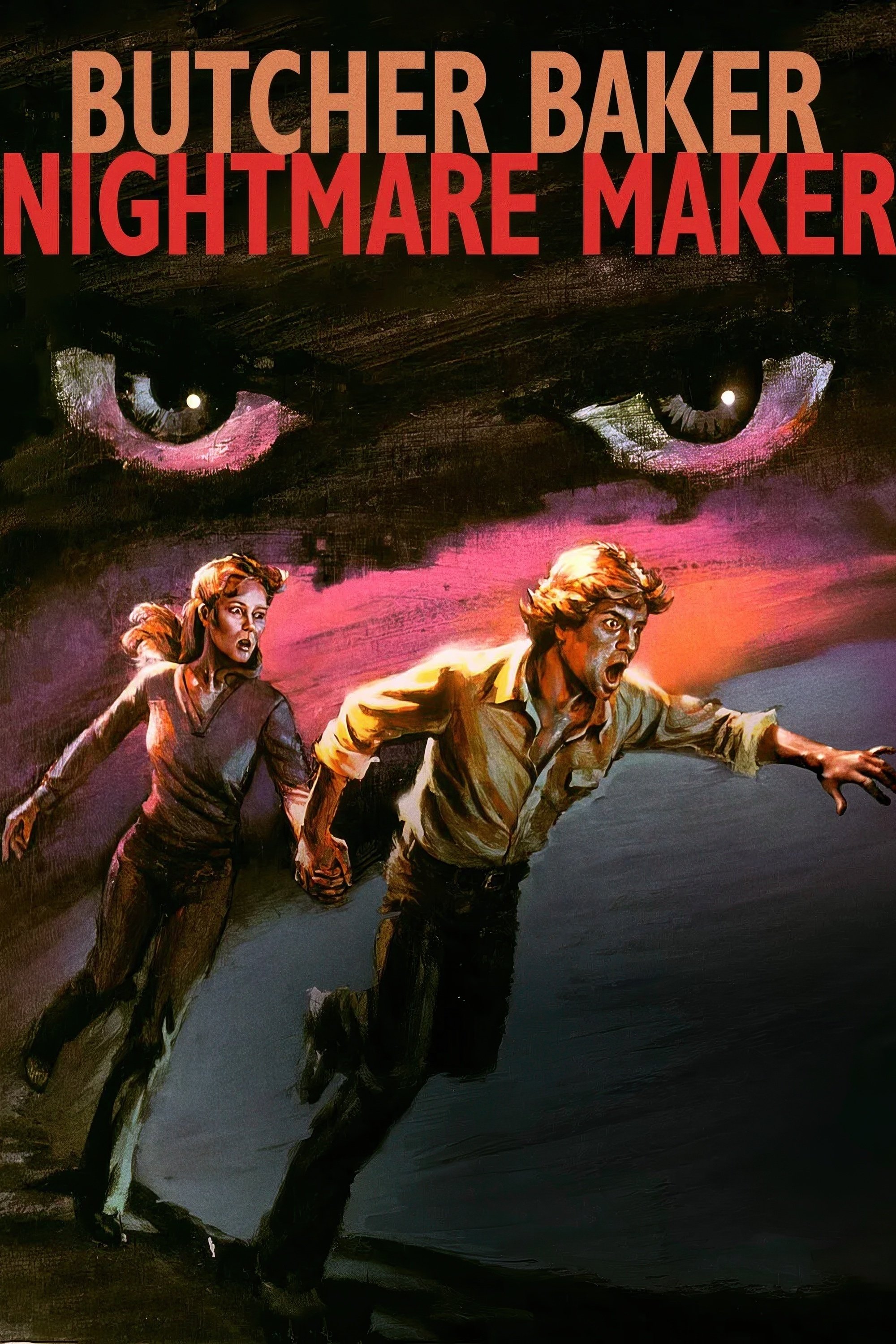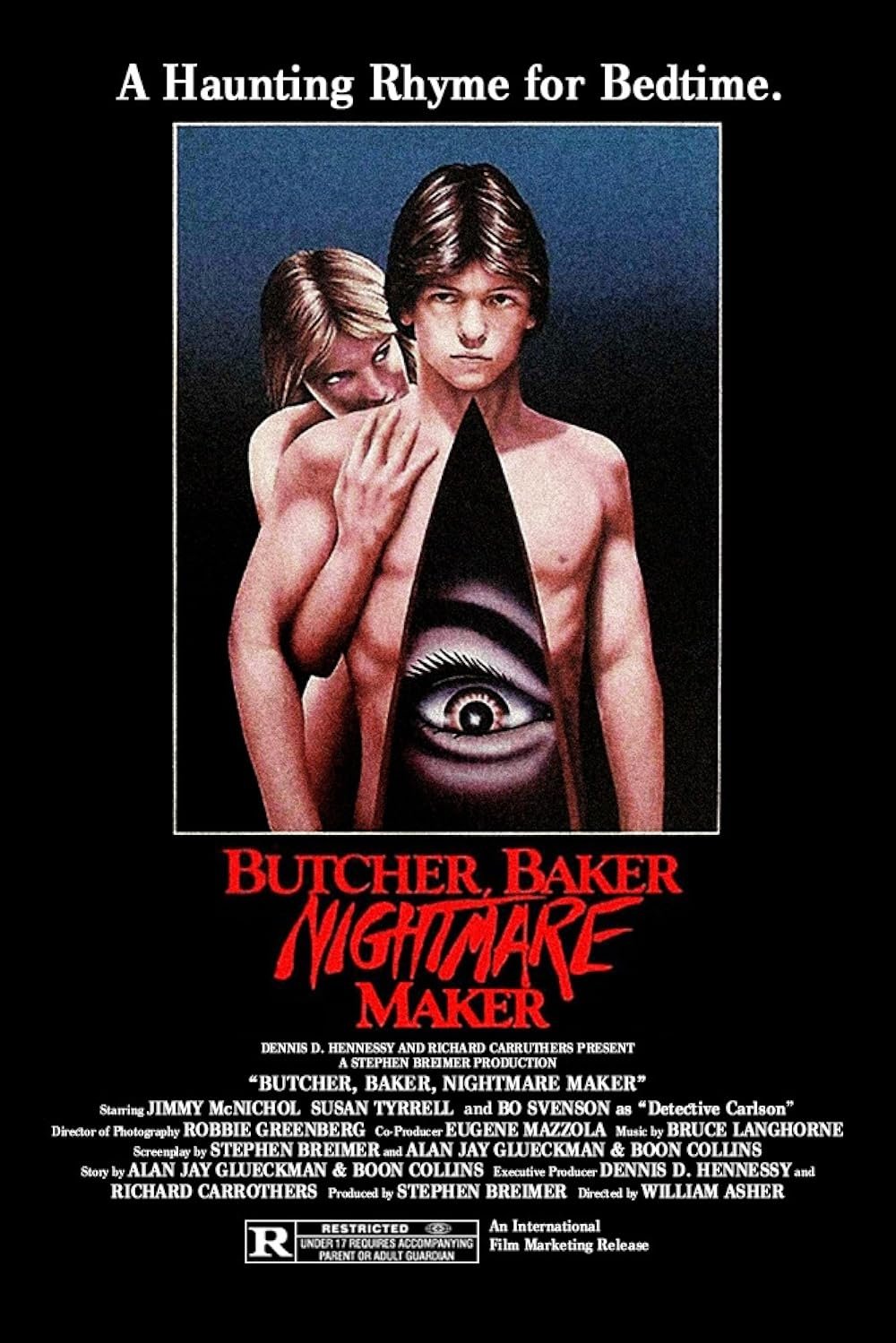
Butcher, Baker, Nightmare Maker (1981)

US
HORROR FILM Thriller
UK censorship history DPP · Withdrawn / unsuccessful
Runtime
96 min
Release
November 20, 1981
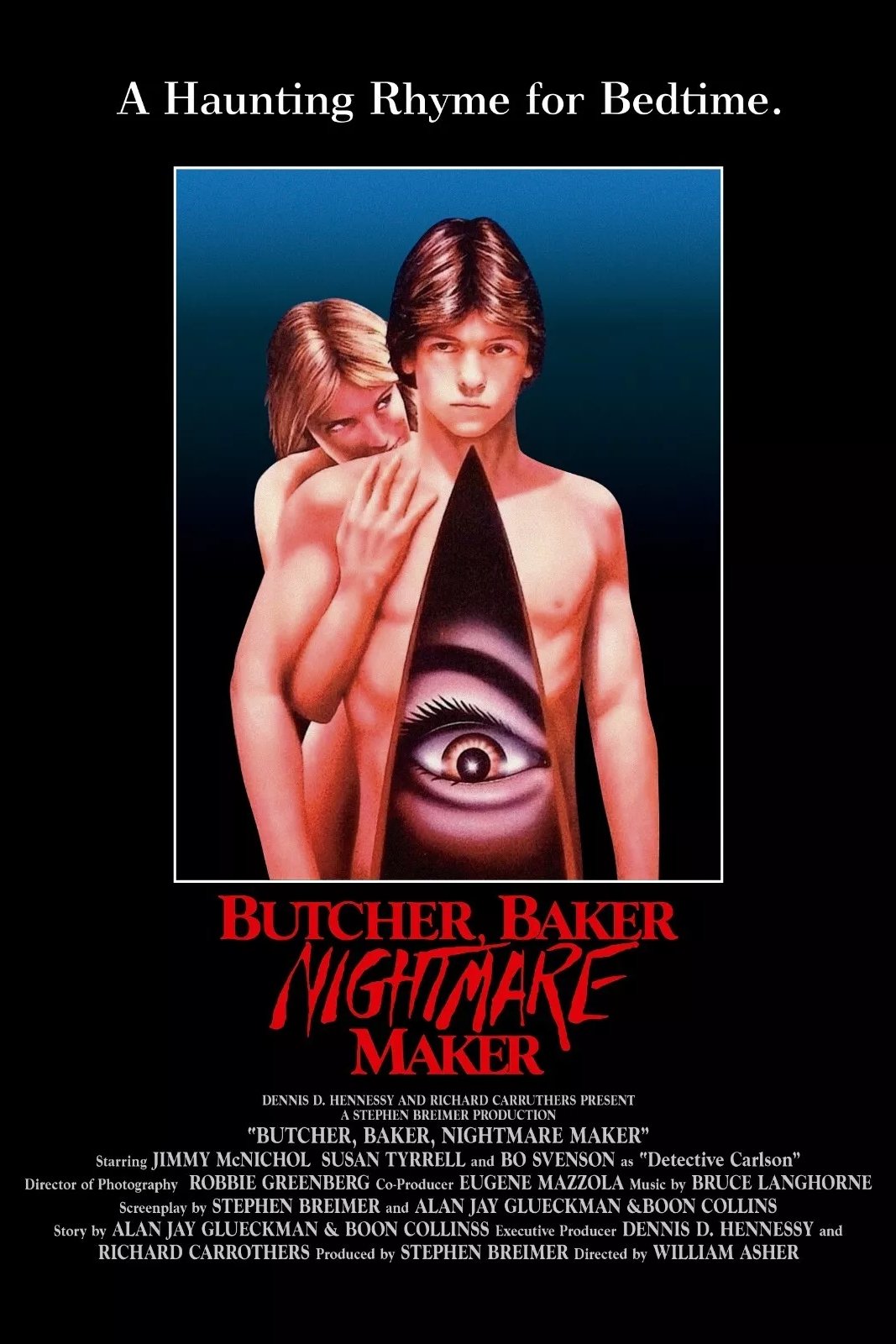
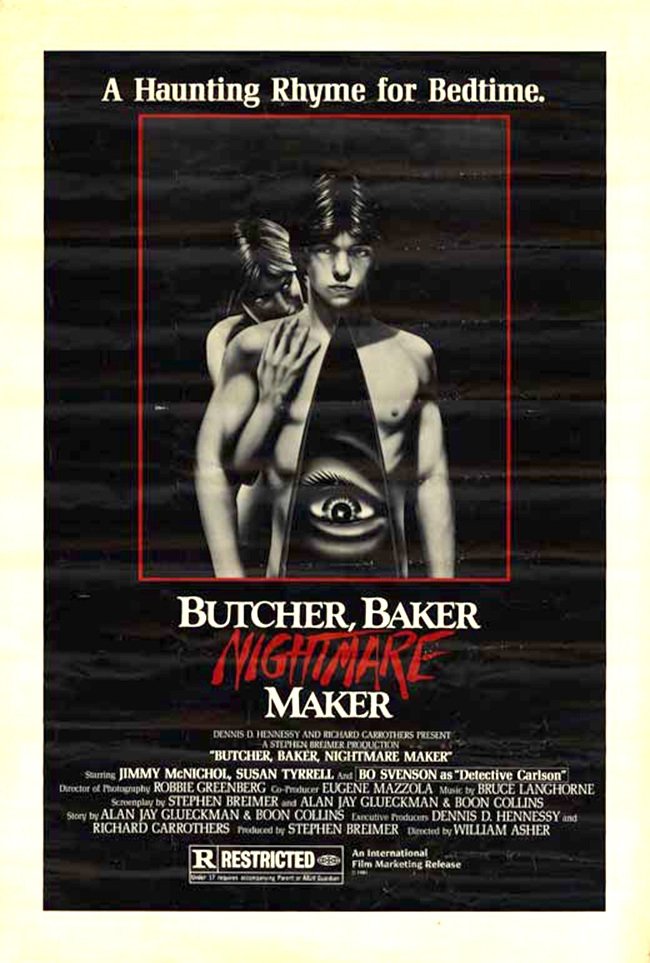
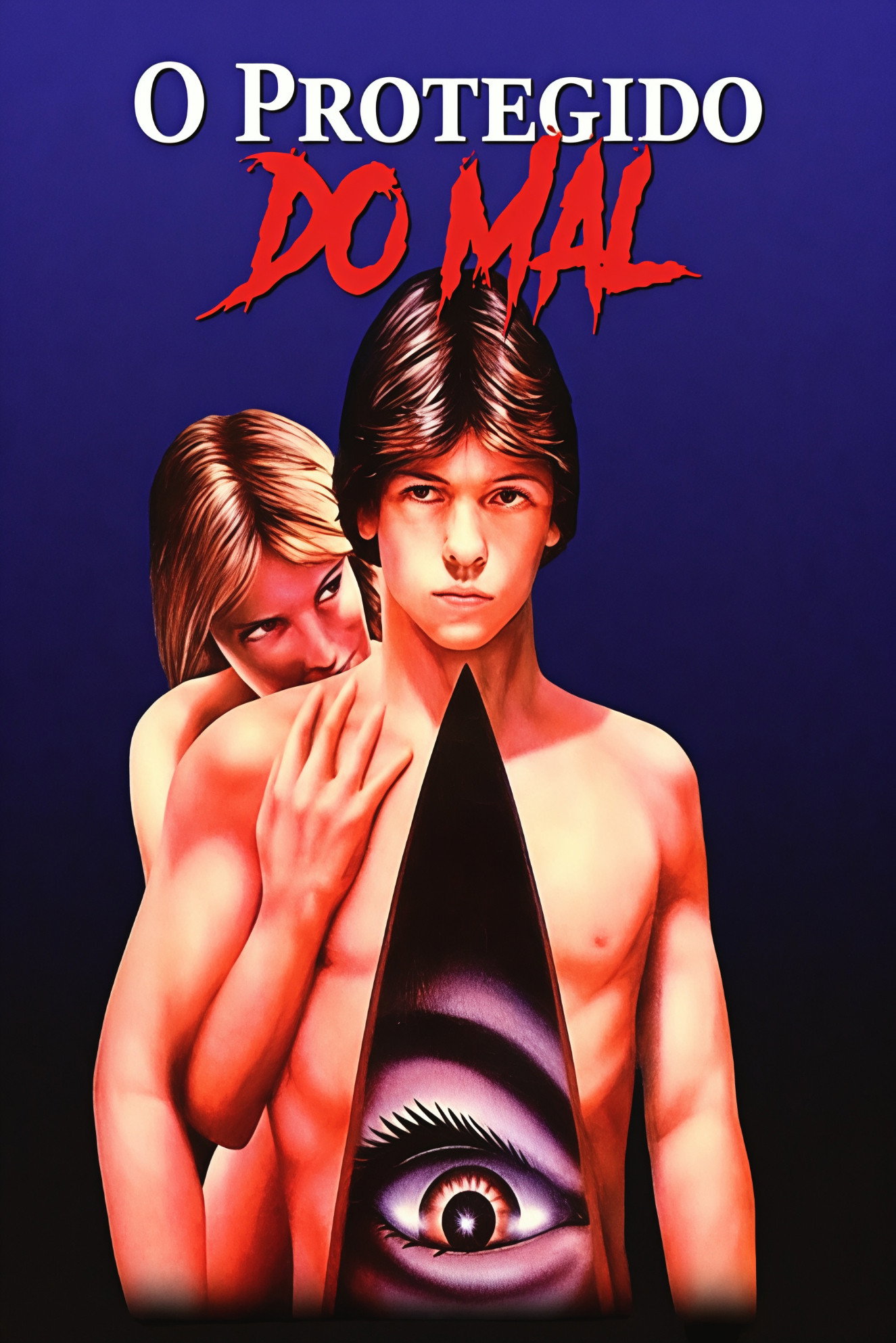
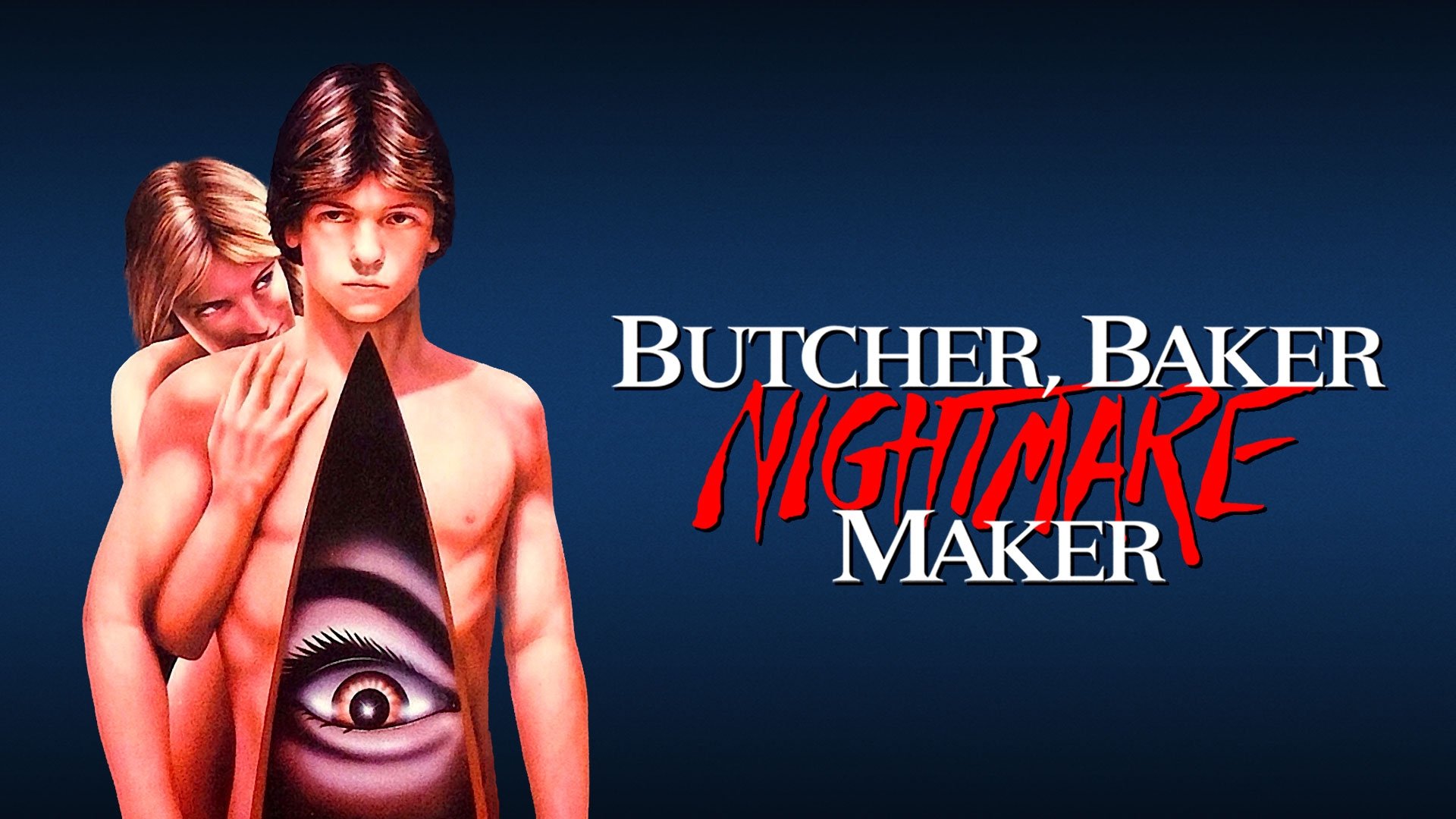
Butcher, Baker, Nightmare Maker (1981) poster
Director
Production Companies
Royal American Pictures , S2D Associates
Plot

Rejected by her lover, the only man left in Cheryl's life is the orphaned nephew she has raised as her own son. She'll stop at nothing to keep Billy with her. When her plans misfire, she is swept up into an insane frenzy that means death to anyone who comes between her and her obsession. But the investigating detective is convinced that Billy is the real killer - and determined to prove it. Madness and fanaticism work together to drag all concerned into a terrifying vortex of blood-letting that adds a nightmarish twist to the classic Oedipus story.

Alternative Titles
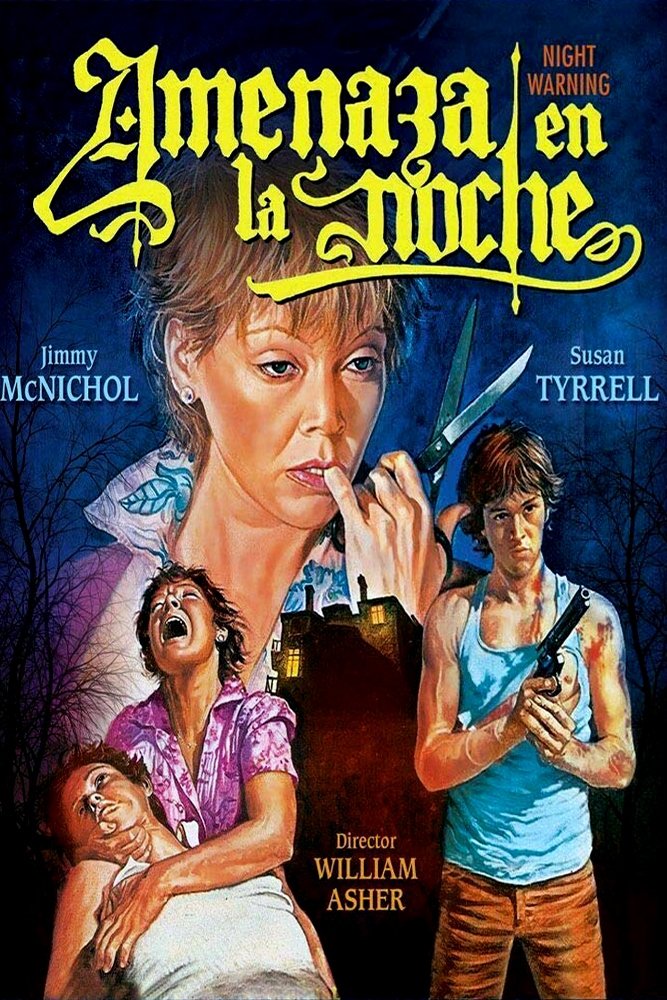
Alerta Noturno (Brazil) — Portuguese 杀手,厨娘,索命无常 (China) — Chinese Noční můry jak od maminky (Czechia) — Czech Mrs. Lynch (Germany) — VHS - Screentime Night Warning (Germany) — German Amenaza en la noche (Spain) — Spanish À la limite du cauchemar (France) The Evil Protege (United Kingdom)
Show all 16 alternative titles 殺手,廚娘,索命無常 (Hong Kong SAR China) — Chinese 나이트 워닝 (South Korea) — Korean O Protegido do Mal (Portugal) — Portuguese Ночное предупреждение (Russia) — Russian Momma's Boy (United States) Night Warning (United States) — Original Title Nightmare Maker (United States) Thrilled to Death (United States)

Trailers & Videos

2 videos

Film Guide & Analysis

William Asher explores murderous maternal control, queer prejudice and the failure of police authority in an American psychological horror thriller.

Butcher, Baker, Nightmare Maker (1981) is an American psychological horror film in which a teenager's effort to leave home provokes increasingly violent resistance from the aunt who raised him. Billy Lynch expects a basketball scholarship to provide a future beyond Cheryl Roberts's household. Her possessiveness becomes explicit after she murders a visiting television repairman and claims that he attacked her. Detective Joe Carlson then directs suspicion toward Billy, guided by prejudice that has little connection to the physical evidence. The film turns domestic protection and police authority into competing sources of danger for a young man trying to establish an independent life.

William Asher's feature brings together the shocks of early slasher cinema, the emotional excess of Gothic family melodrama and an unusually direct confrontation with homophobia. Its production passed from an initial director and cinematographer to a replacement team after the opening sequence was filmed. Susan Tyrrell's performance as Cheryl dominates the escalating violence, while the sympathetic treatment of Tom Landers, Billy's gay basketball coach complicates the period's familiar horror stereotypes. Limited theatrical distribution, changing titles and contradictory British video decisions subsequently shaped its reputation.

Development, Screenplay & Changing Directors

The screenplay grew from Alan Jay Glueckman's interest in concealed family histories and the pressures surrounding his own experience as an adopted child. In a substantial historical essay for New Beverly Cinema, Marc Edward Heuck connects that background to the original working title Mother's Dead. Glueckman's recollections also identify the denial he encountered after coming out to his parents as an influence on the script. These are reported origins of particular themes, not proof that every fictional character represents a member of the writer's family. The finished screenplay received credits for Glueckman, Boon Collins and producer Stephen Breimer.

Breimer originally engaged Michael Miller to direct the independent production. Miller and cinematographer Jan de Bont completed the prologue showing the fatal road accident that leaves Billy orphaned. According to the production history collected by Heuck and later interviews with participants, the financiers objected to the pace of the work and replaced both men. William Asher took over direction, with Robbie Greenberg photographing the remainder. The violent opening thus survives as material from an earlier stage of production. Its elaborate vehicle disaster stands apart from the confined domestic confrontations that subsequently dominate the feature.

Asher had extensive experience directing television comedy and popular beach pictures, an unusual background for a horror story about incestuous obsession and murder. Heuck reports that Asher understood how carefully measured timing could support both a joke and a fright. That experience is relevant to Cheryl's abrupt shifts between embarrassing comedy and frightening aggression. The new director did not erase the screenplay's troubling sexual implications. The contrast between a familiar, apparently respectable household and extreme behavior became central to the completed film's identity.
Cheryl and Destructive Maternal Control

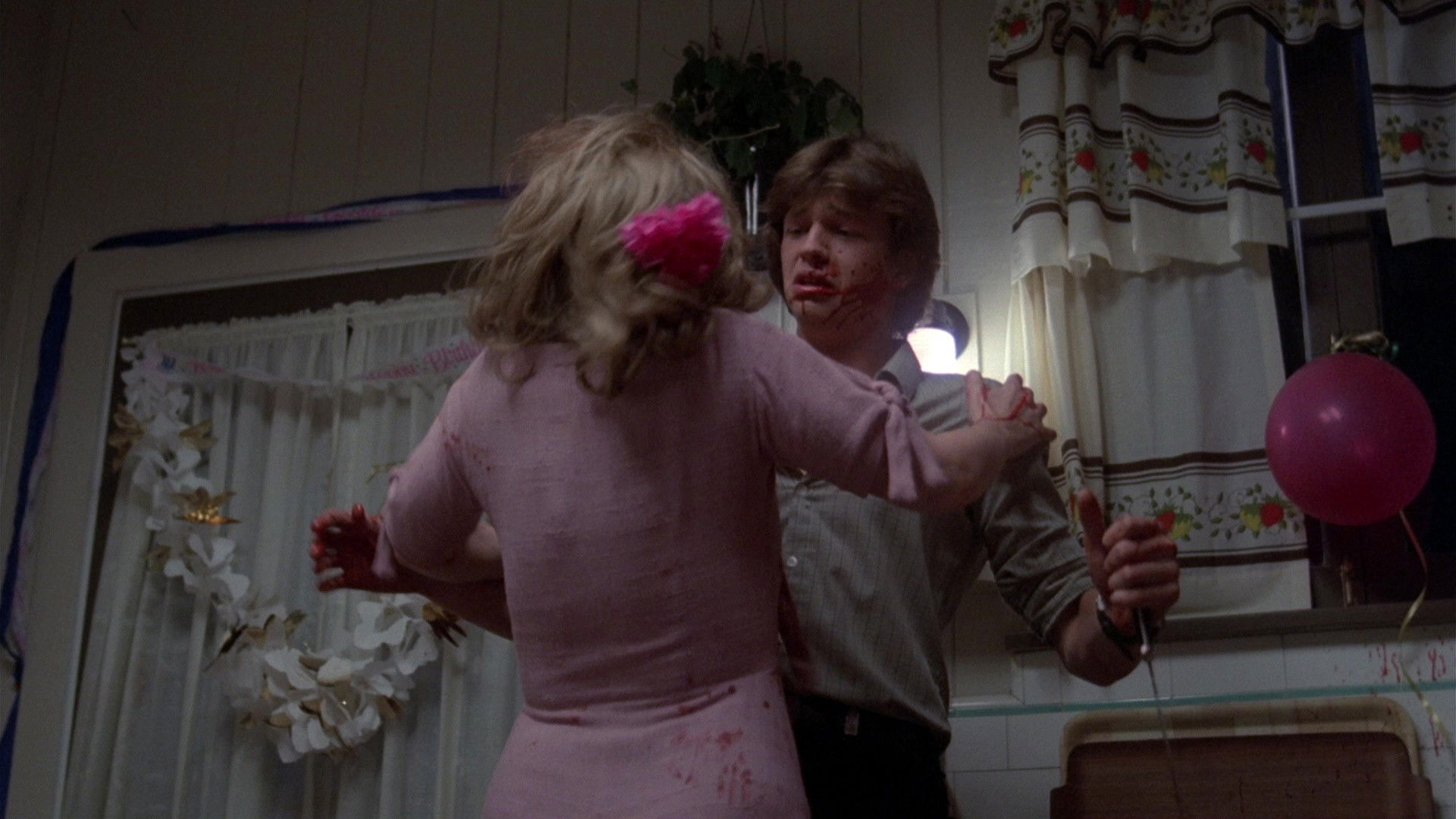
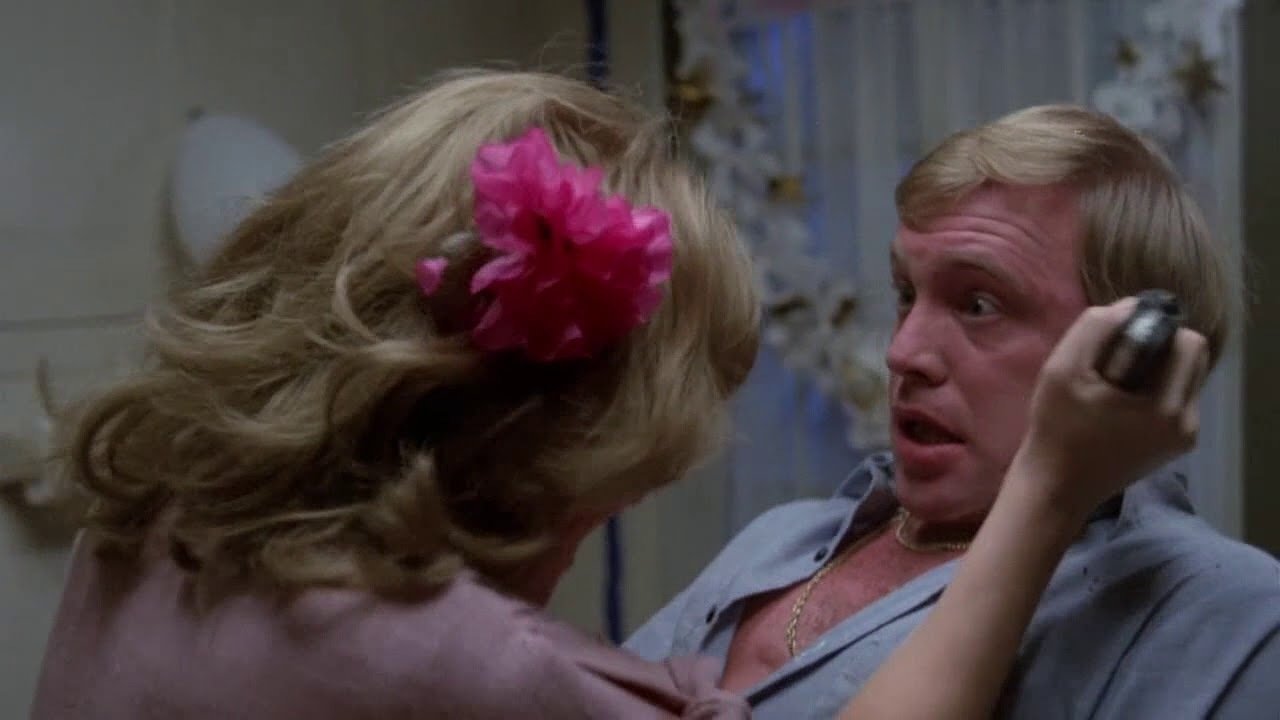
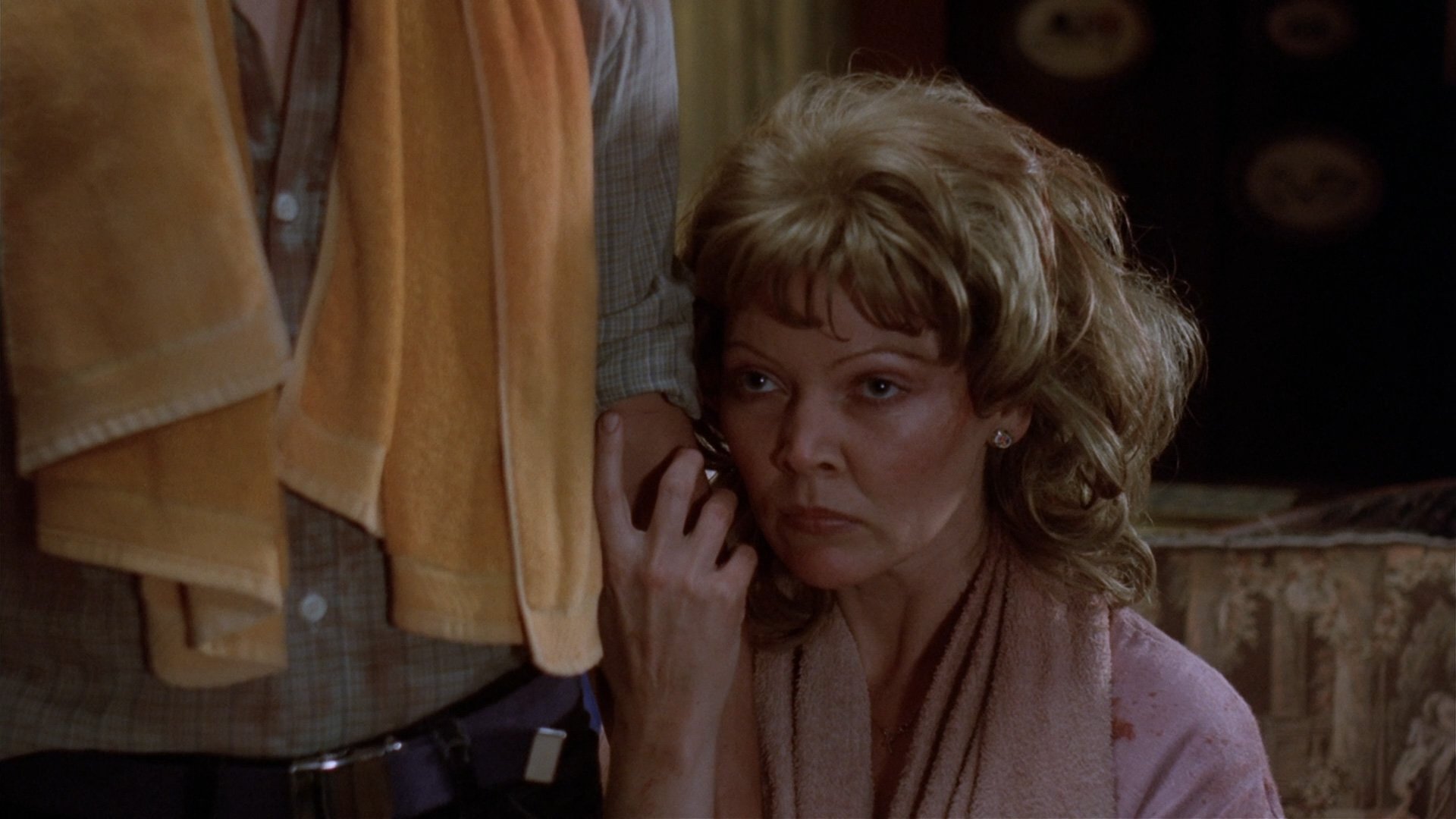
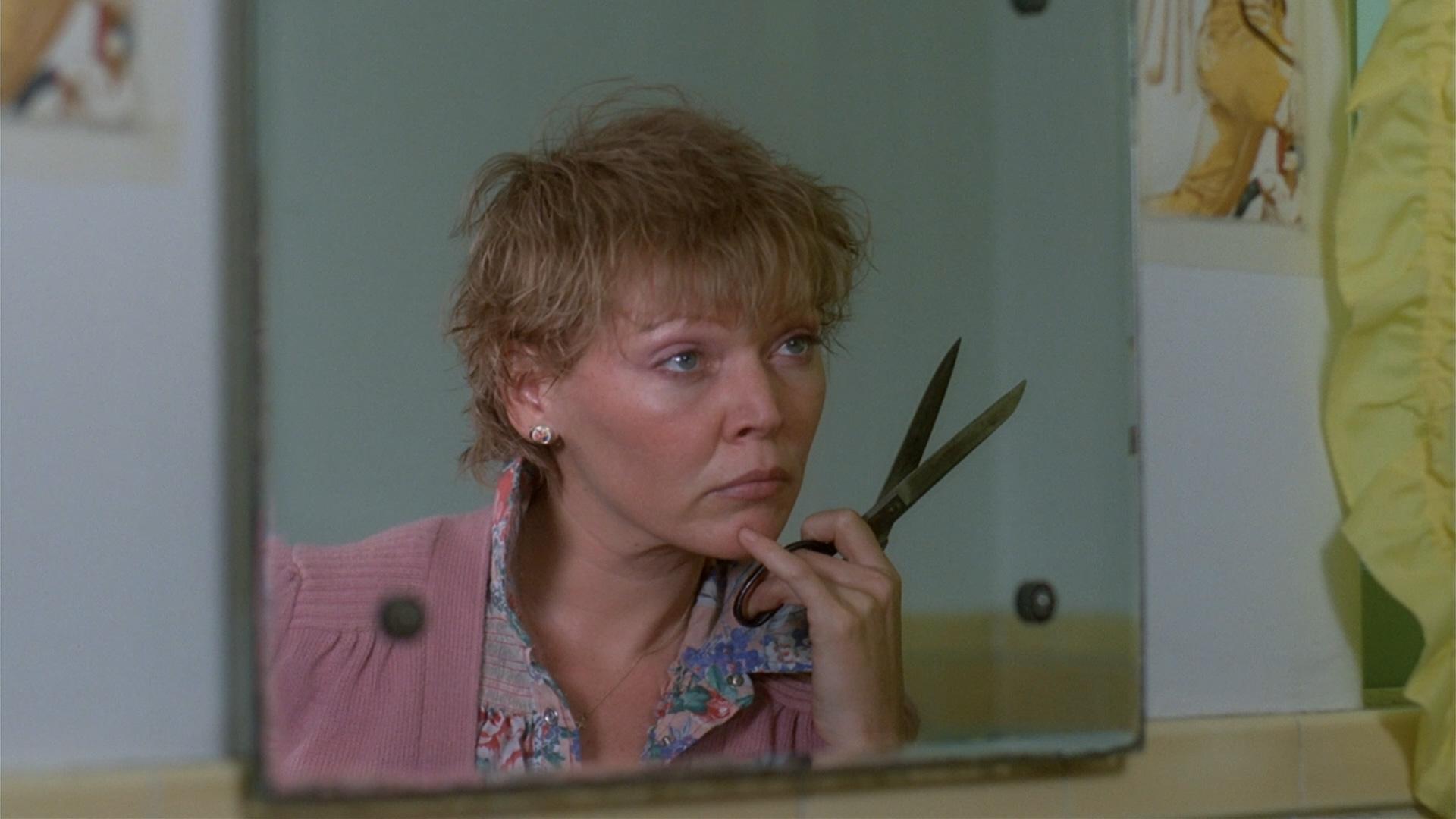
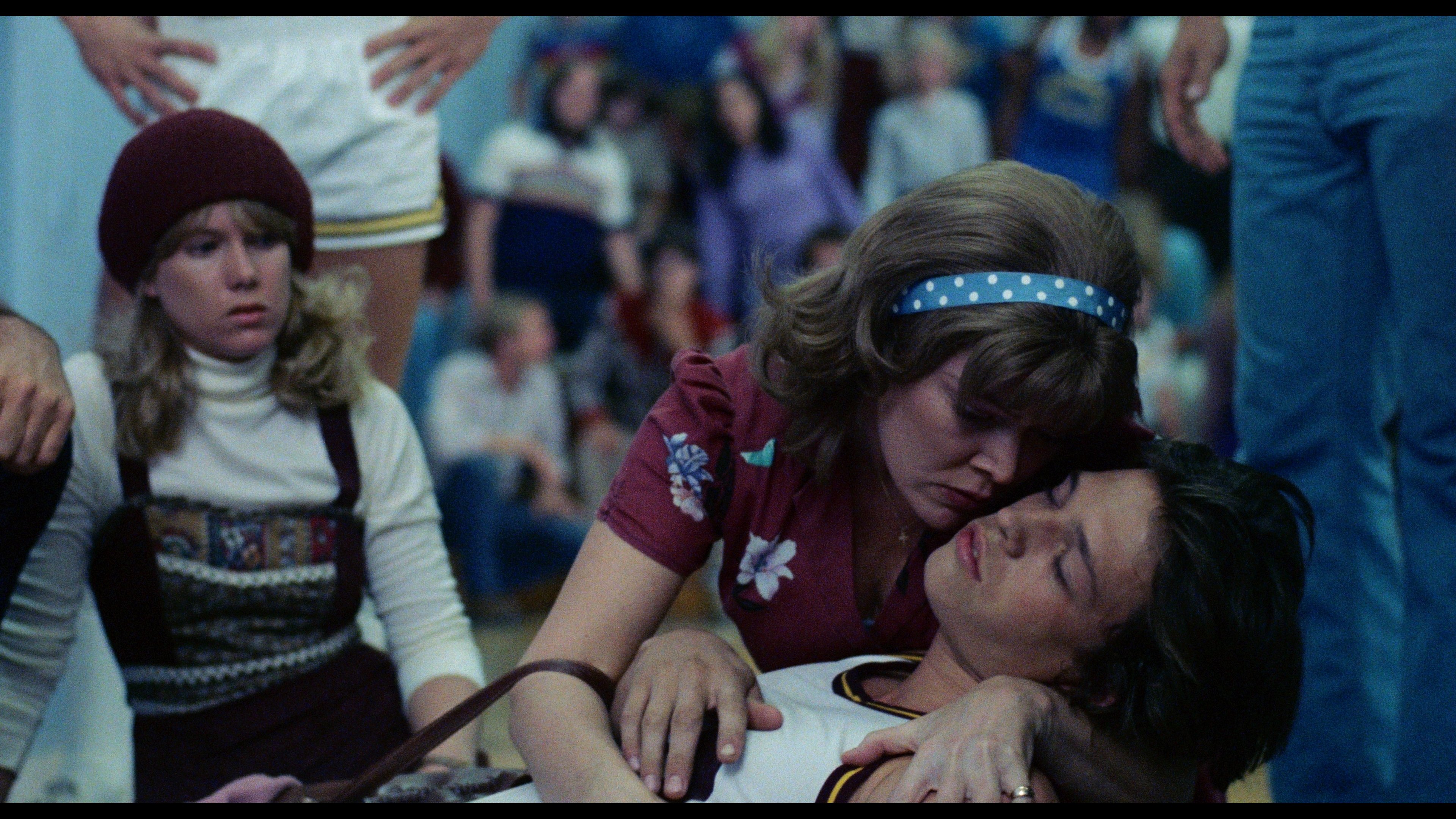
Cheryl has cared for Billy since his parents died, and her established position gives her intimate access to his money, friendships and plans. She inspects his belongings, discourages romance and treats his possible departure for college as a personal betrayal. Her attention becomes overtly sexual, moving beyond ordinary concern for an adolescent's safety. When Phil Brody rejects her advances, Cheryl kills him and attempts to transform the crime into a story of attempted rape. Billy sees evidence that contradicts her account, but his dependence on her prevents an immediate break. The household becomes a trap maintained through obligation as well as physical intimidation.
Tyrrell's performance moves between pleading, rage and a showy effort to appear injured or respectable before other people. Her behavior changes during a conversation, making even routine moments of cooking or caregiving difficult to predict. The actor's energetic delivery helps sustain an unusual kind of horror: the central killer is fully visible, and suspense comes from watching her invent explanations that allow further violence. The material recalls older films about controlling women and damaged family relationships, yet Cheryl is a middle-aged guardian whose threatened authority is tied specifically to Billy's approaching adulthood.

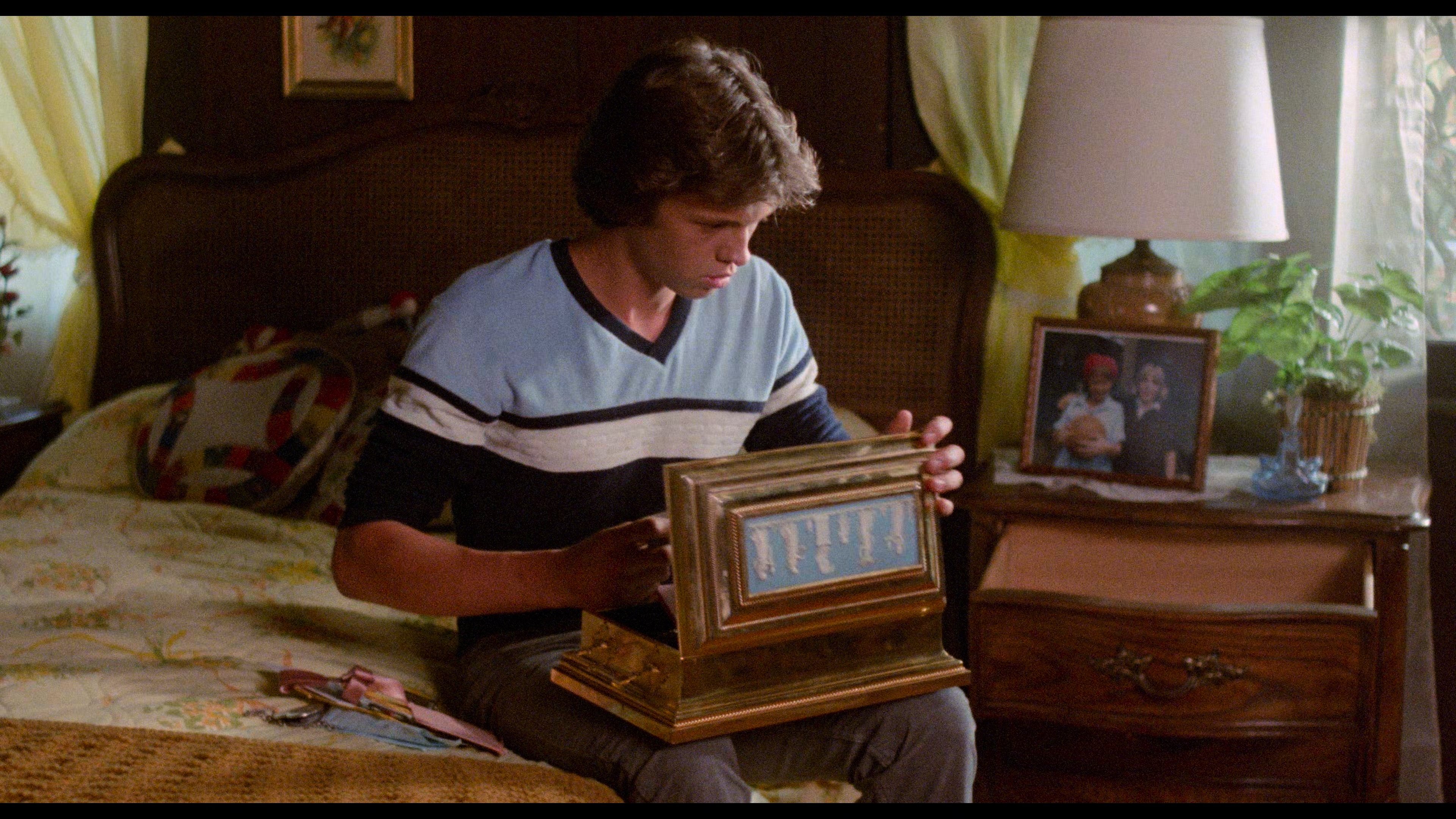
The revelation of secrets surrounding Billy's family extends the danger backward into a history he was too young to remember. The film uses hidden spaces and preserved remains to materialize Cheryl's refusal to release the past. These discoveries leave the motives of a fictional murderer open to interpretation; they demonstrate the depth of the fictional deception on which her role as guardian rests. As Billy uncovers what has been withheld, the house loses its apparent familiarity and becomes a setting full of evidence that his childhood was organized around a lie.

Billy, Vulnerability & the Family House

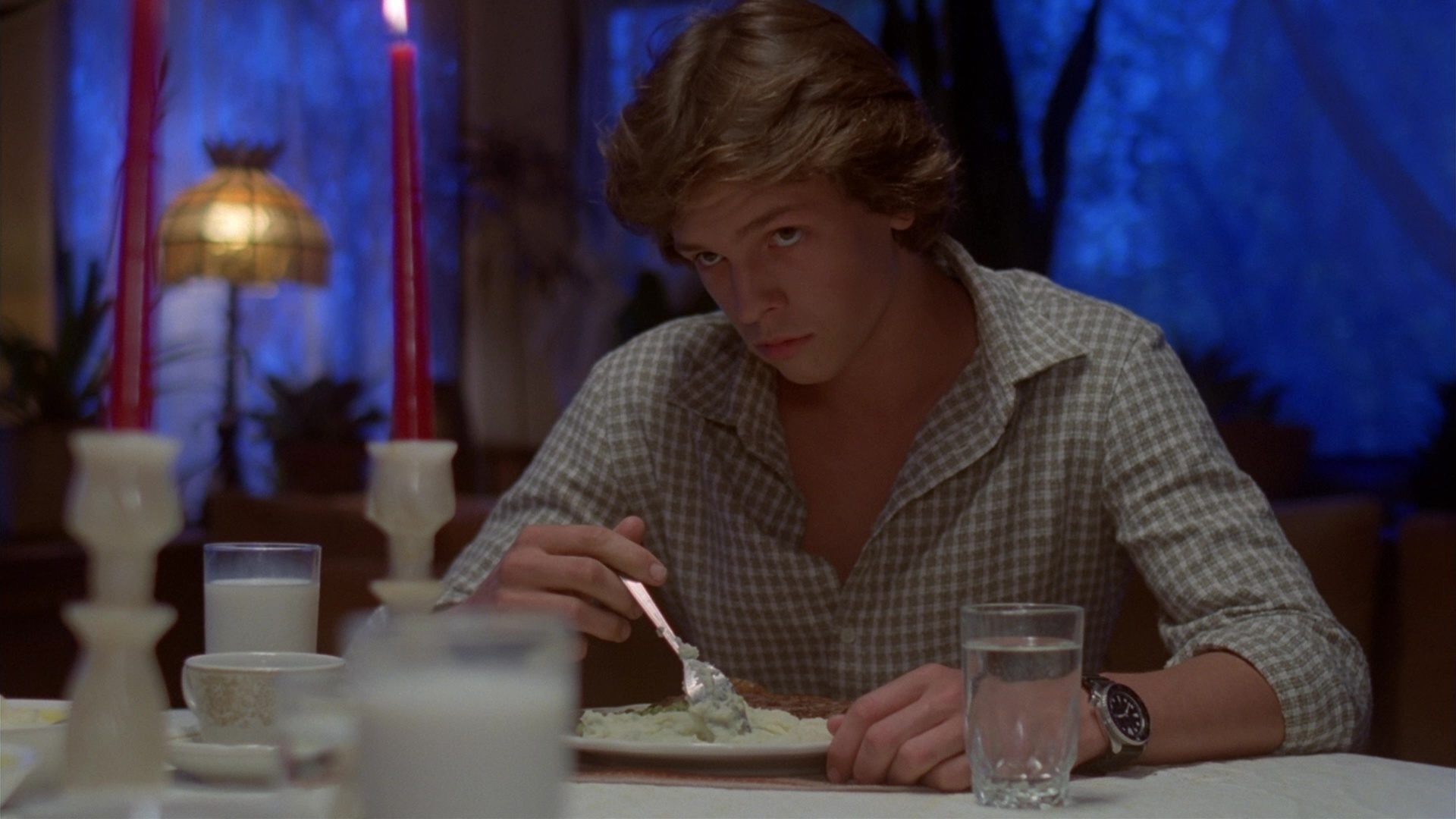
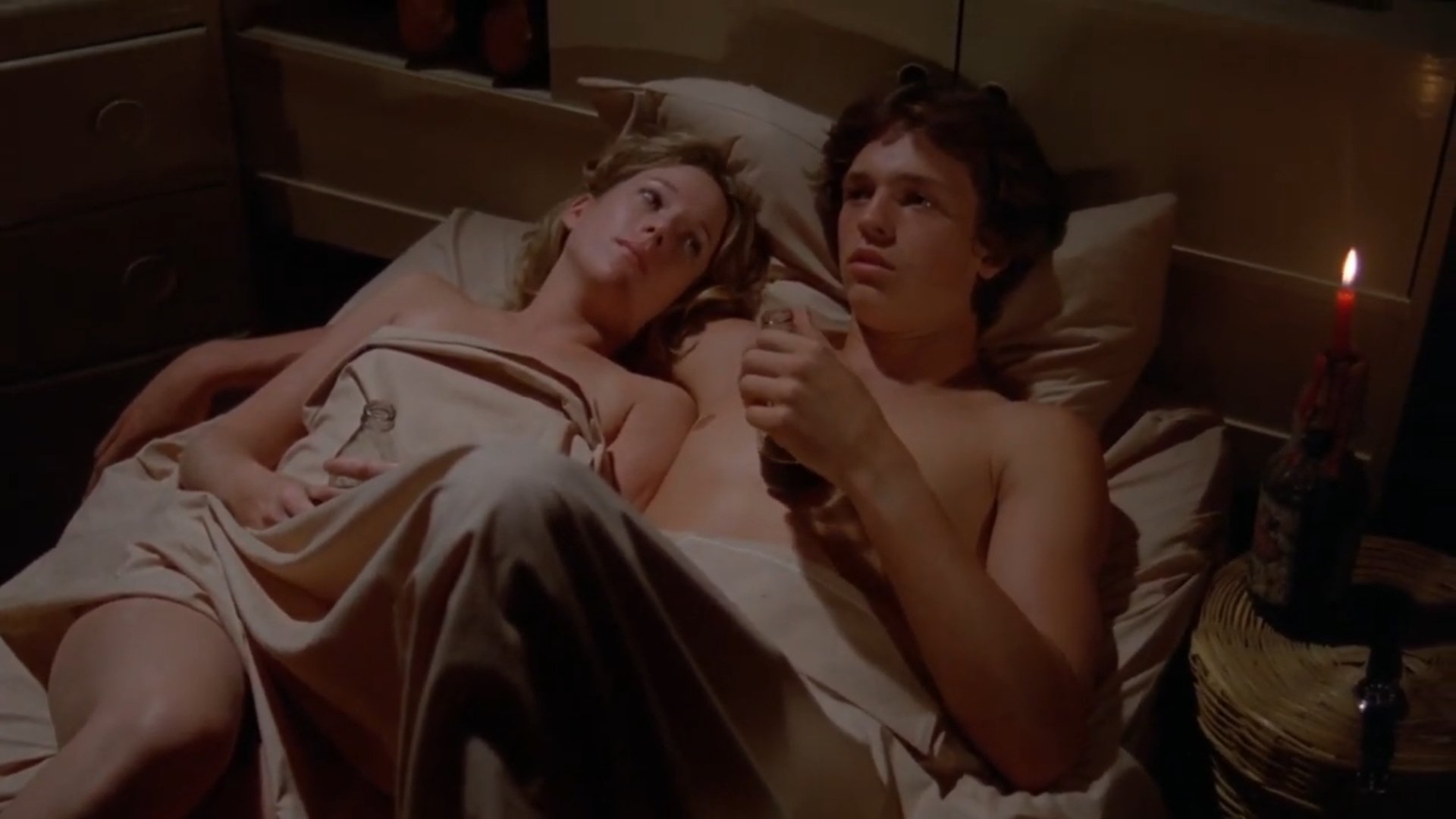
Billy initially occupies a position more commonly assigned to young women in contemporary slasher narratives. He is watched, sexually objectified and controlled by an older figure who refuses to recognize his independence. His basketball ability offers a route to a scholarship and a wider social life, while his relationship with Julia gives him support outside the family home. The story repeatedly makes those ordinary prospects triggers for Cheryl's interventions. Jimmy McNichol's recognizable screen persona as a teenage performer sharpens the disparity between Billy's public popularity and the private helplessness his aunt imposes.

The house holds the most important changes in that power relationship. Domestic rooms provide Cheryl with places to prepare food, administer drugs and conceal evidence, while the attic preserves objects associated with Billy's childhood. A hidden room gradually reveals that the familiar building has been used for purposes its resident never understood. The film turns spaces normally connected with family continuity into repositories of concealment. Its eventual violence is also spatial: Billy must move through his own home as though he has entered a hostile location, with exits and telephones becoming crucial to survival.

Julia's involvement prevents the drama from remaining exclusively between aunt and nephew. She investigates, resists intimidation and becomes a target after approaching the truth. In Marc Edward Heuck's reading, her supporting role reverses a familiar gender arrangement: the girlfriend assists a male victim who has assumed the endangered position often occupied by a slasher heroine. That interpretation rests on specific events without depending on a claim that the film has a conventional body-count structure. Its emphasis remains the corruption of family bonds and the effort to escape coercive care.

Homophobia, Police Power & the Gay Coach

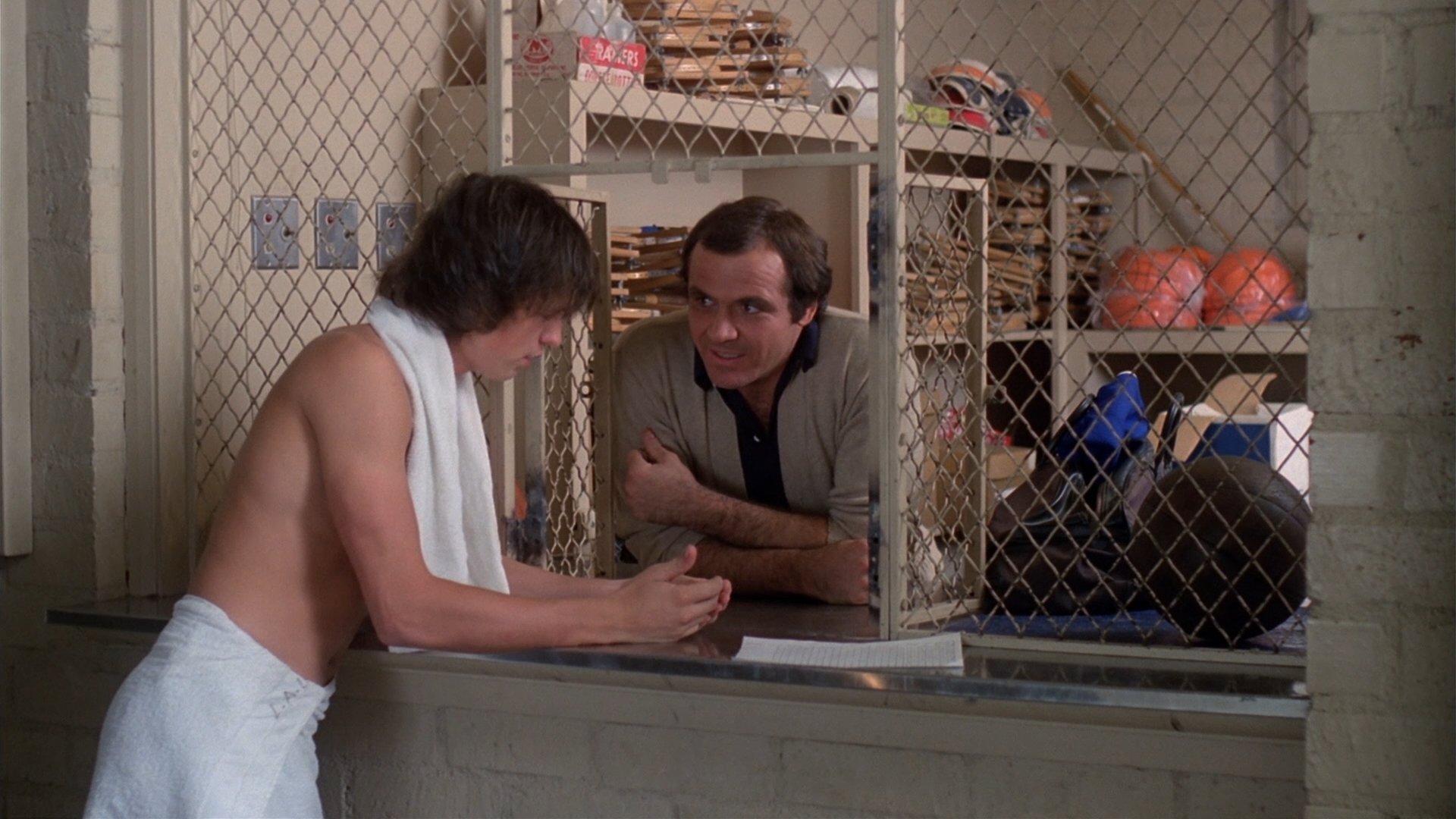
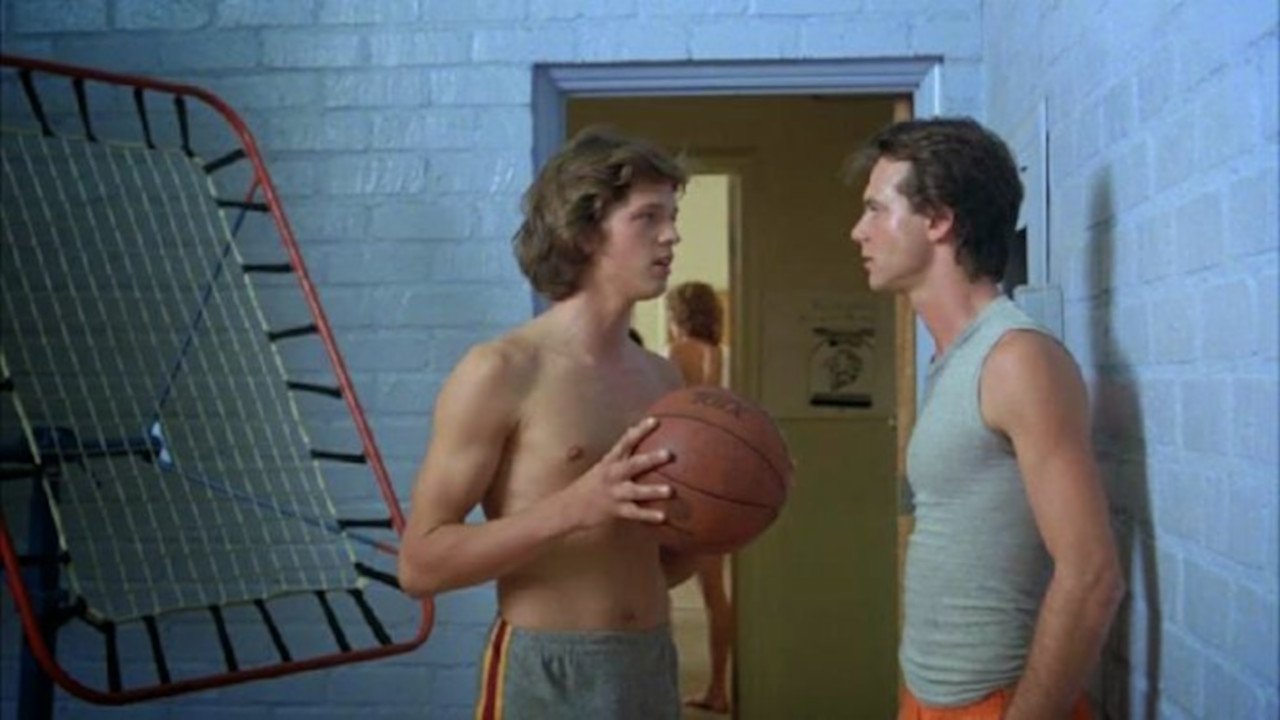
The murder investigation acquires a second antagonist in Detective Carlson. After learning that victim Phil Brody was romantically involved with basketball coach Tom Landers, Carlson constructs a theory about Billy's sexuality and an imagined homosexual rivalry. His accusations disregard the evidence that Cheryl was alone with Phil when the killing occurred. Repeated slurs and aggressive questioning make official authority a threat to the innocent teenager. Bo Svenson's performance emphasizes the detective's determination to impose a prejudiced explanation even as the crime scenes contradict him. The danger is aggravated by Carlson's legal power to pursue his theory.
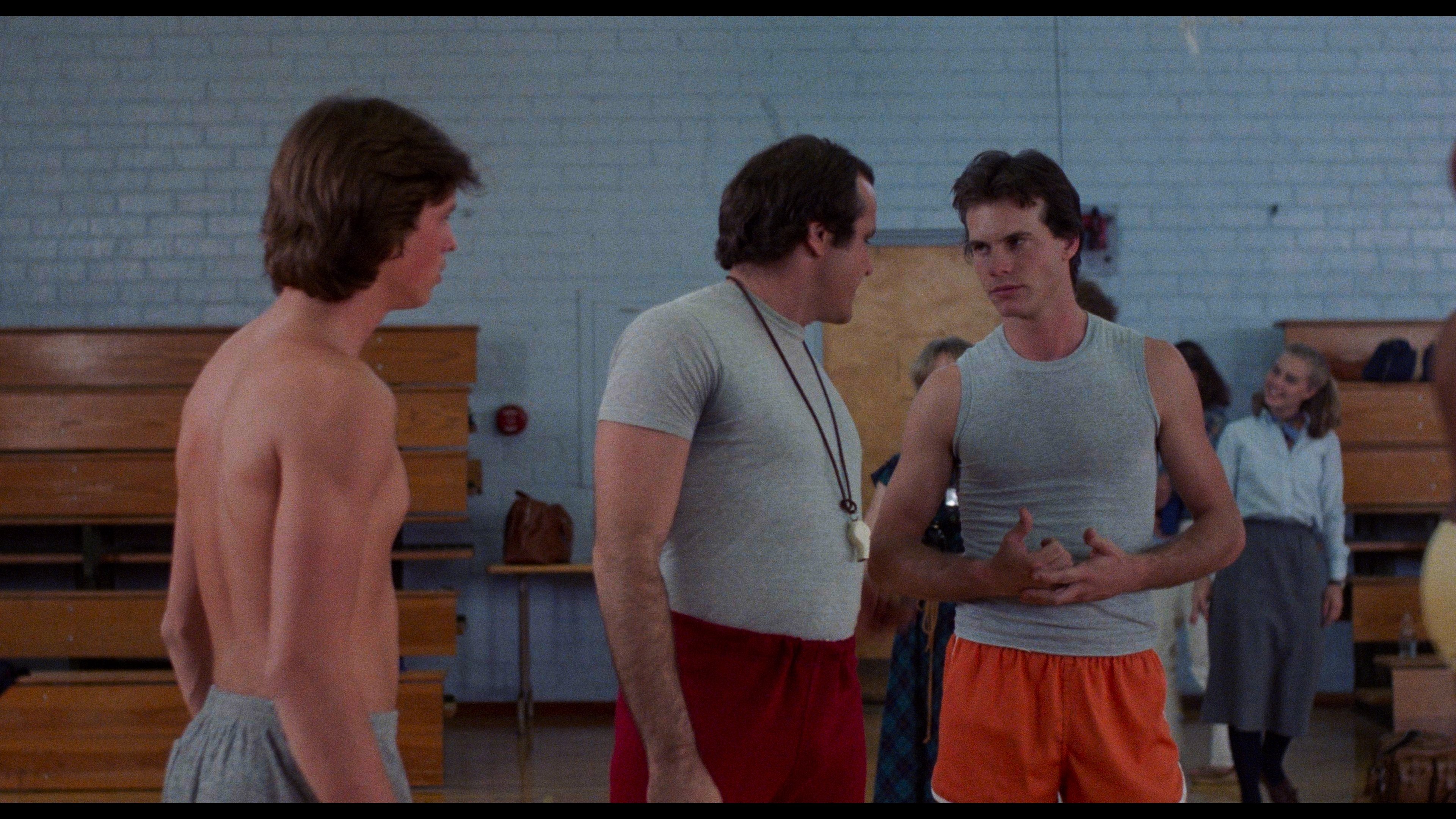
Tom Landers, played by Steve Eastin, is represented as a concerned educator and a grieving partner. The death of Phil exposes a relationship that was private, and Carlson uses that information to humiliate the coach. Tom's sexuality does not explain the murder, nor does the film treat his bond with Billy as evidence of sexual exploitation. He provides practical support when the teenager's own family and the police prove unreliable. Turner Classic Movies has noted how unusual this sympathetic characterization was within early-1980s commercial horror. His survival is an important part of the narrative's rejection of Carlson's assumptions.

The two authority figures create an instructive contrast. Cheryl invokes the language of family duty while exercising control over Billy's body; Carlson claims to defend public order while pursuing a theory built on discrimination. Tom offers help without demanding possession of the person he protects. The screenplay makes the distinction visible through actions during the final confrontation, when Carlson remains dangerous even after Cheryl's crimes have been revealed. This element makes the film significant to the history of queer representation in horror while acknowledging the distressing language and accusations through which that representation is staged.

Practical Violence, Performance & Staging

The opening car crash establishes a scale of physical spectacle that the remainder of the production rarely attempts to match. Within the household, bladed weapons, improvised restraints and the discovery of damaged remains supply the shocks. Cheryl's murder of Phil is especially important because the audience sees her attack and subsequently watches her manipulate the investigation. Makeup artist Allan A. Apone discussed the film's effects in interviews later included with restoration releases, while other participants recalled the work involved in a forceful squib effect. Those accounts establish practical production methods without assigning every blood effect to a single technician.

Editor Ted Nicolaou and cinematographer Robbie Greenberg later reflected on their work in interviews accompanying the 2024 restoration. Their testimony confirms the unusual change of production personnel and the difficulty of balancing heightened acting with violent events. The film often lets a scene continue through Cheryl's unstable speech before interrupting it with abrupt movement. That rhythm helps Tyrrell's performance determine when a domestic argument turns into an attack. Bruce Langhorne's credited score contributes to the heightened mood, although the available sources offer insufficient detail for a separate reconstruction of his composing process.

Release, British Censorship & Restoration

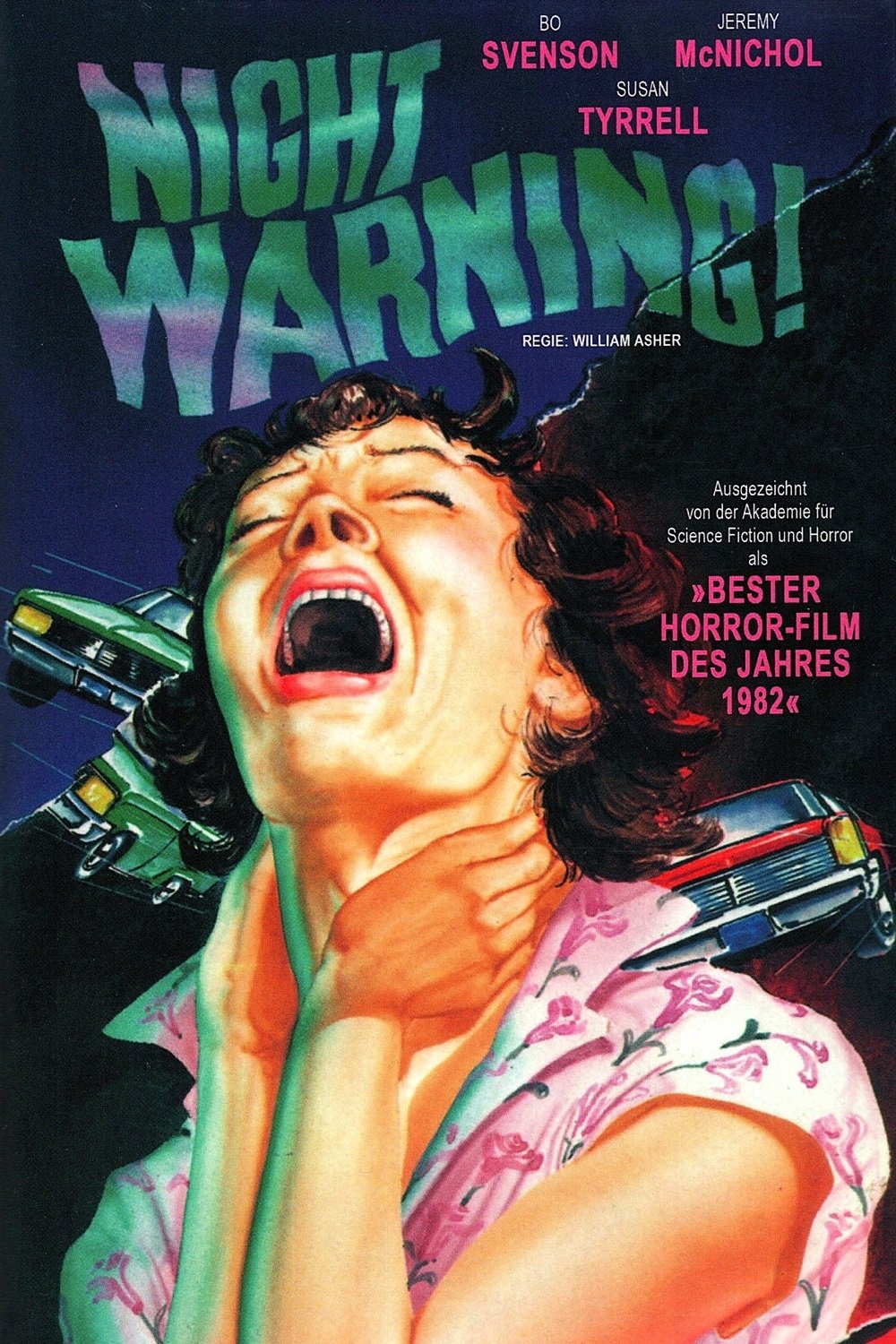
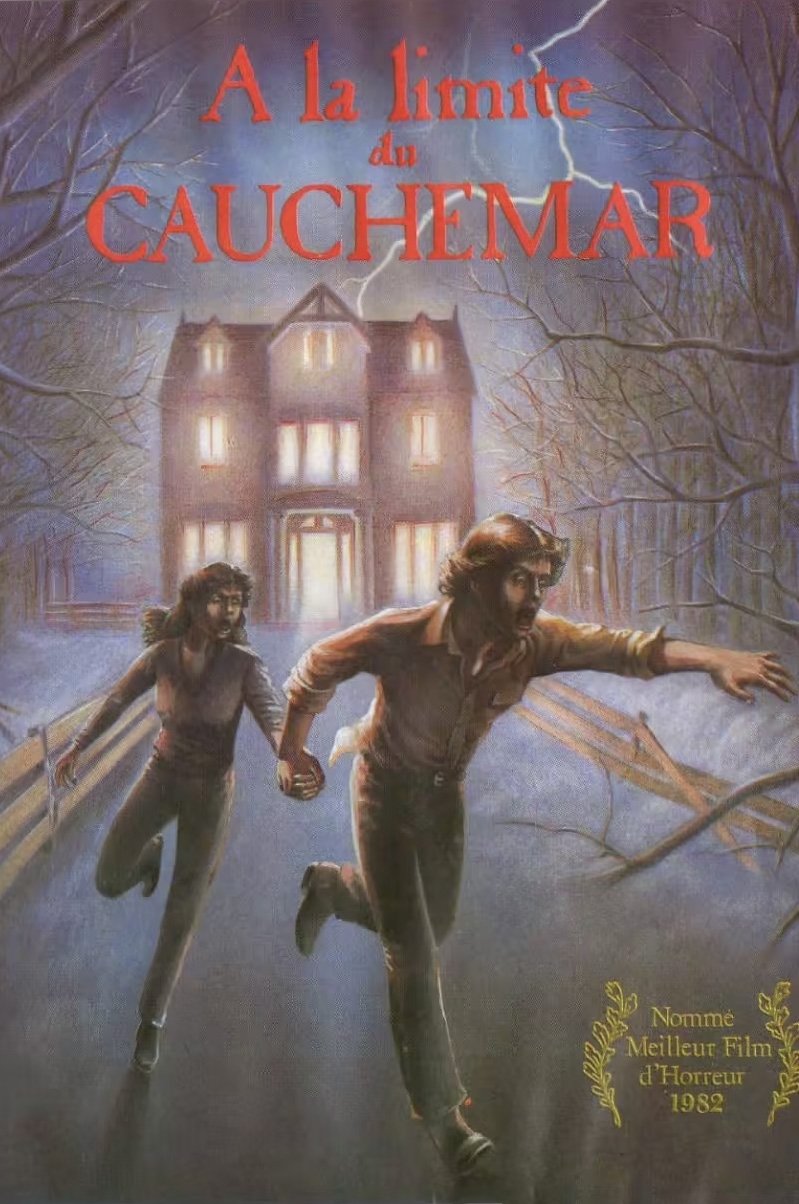
The film began limited American theatrical circulation in 1981. The documented Oregon engagements should be distinguished from the broader distribution that had been anticipated for the production. New Beverly Cinema records that an Albuquerque test audience reacted strongly, according to the producer, but a reported reaction cannot establish nationwide commercial success. Comworld's handling of the picture introduced the less distinctive title Night Warning. Turner Classic Movies notes that publicity in horror magazines and a 1981 paperback tie-in gave the production visibility beyond the comparatively few theaters showing it. Later videotape circulation helped recover an audience that its original release had failed to reach.

The British history contains separate events that are easily confused. The BBFC records a physical-media submission under the original title on 19 April 1983, with a duration of 91 minutes. A later submission called The Evil Protege was rejected for video classification on 24 April 1987; its recorded length was 83 minutes. Specialist censorship chronologies place Nightmare Maker on the changing Director of Public Prosecutions video-nasty list from November 1983 until December 1985. Inclusion on that list did not establish a successful obscenity prosecution. The 1987 refusal was a distinct classification decision made after the title had left the list.

On 26 March 2024 the BBFC classified a new physical-media and streaming version lasting 92 minutes and 33 seconds, with no cuts identified in the public record. The restored presentation was prepared from the original camera negative, according to coverage of the 2024 edition, and included interviews with Breimer, Greenberg, Nicolaou, Eastin and other participants. Such materials supply production evidence unavailable during the film's early VHS circulation. Its continuing critical interest lies in the unusually explicit treatment of abusive guardianship, the sympathetic role assigned to a gay adult and the failure of police assumptions within a horror thriller sold through sensational violence.

References

  1. New Beverly Cinema SuSu, Svenson, Sexual Tension

    Marc Edward Heuck documents the screenplay origins, change of directors, casting, family themes, gay characters and limited original distribution.

  2. Turner Classic Movies Butcher, Baker, Nightmare Maker

    Nathaniel Thompson examines contemporary horror promotion, theatrical and video circulation, the performances and the supportive portrayal of Tom Landers.

  3. British Board of Film Classification Butcher, Baker, Nightmare Maker - Classification History

    Official records document the 1983 video submission, the 1987 rejection under The Evil Protege and the 2024 classification.

  4. Blueprint: Review Butcher Baker, Nightmare Maker - Severin Films

    Detailed study of the film and production interviews with cinematographer Robbie Greenberg, editor Ted Nicolaou and cast members.

Cast

View Full Cast & Crew →

Release & Distribution

Production Companies (2)

  • Royal American Pictures
  • S2D Associates

Distributors (1)

  • Comworld Pictures

Release History (3)

Release DateTerritoryRelease TypeFormatDistributorCertificationNotes
1981-11-20 United States Limited Theatrical — — R Regional release in Oregon, US
1982-02-24 United States Theatrical — — R
1987-01-19 Germany Theatrical — — —
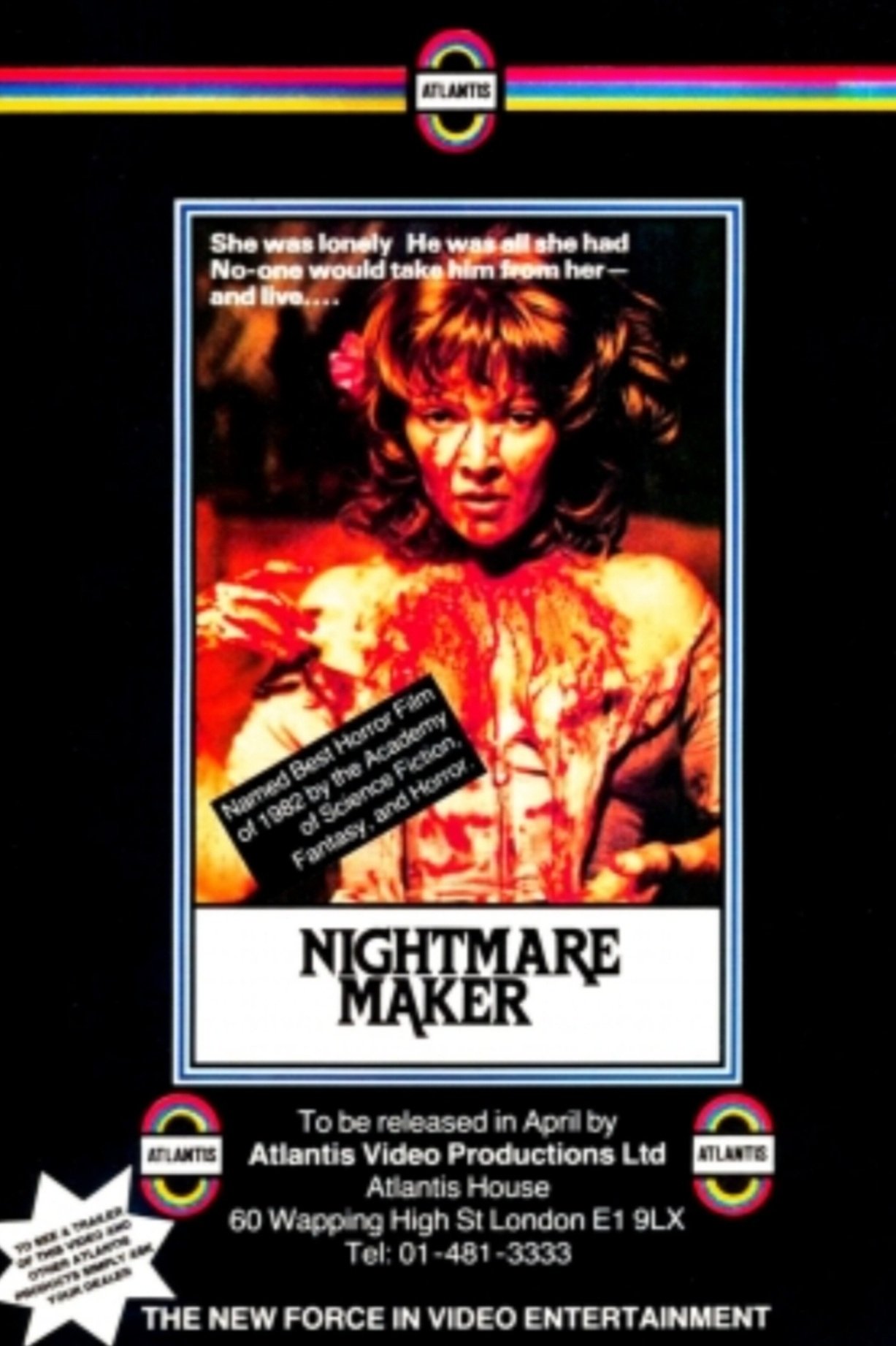
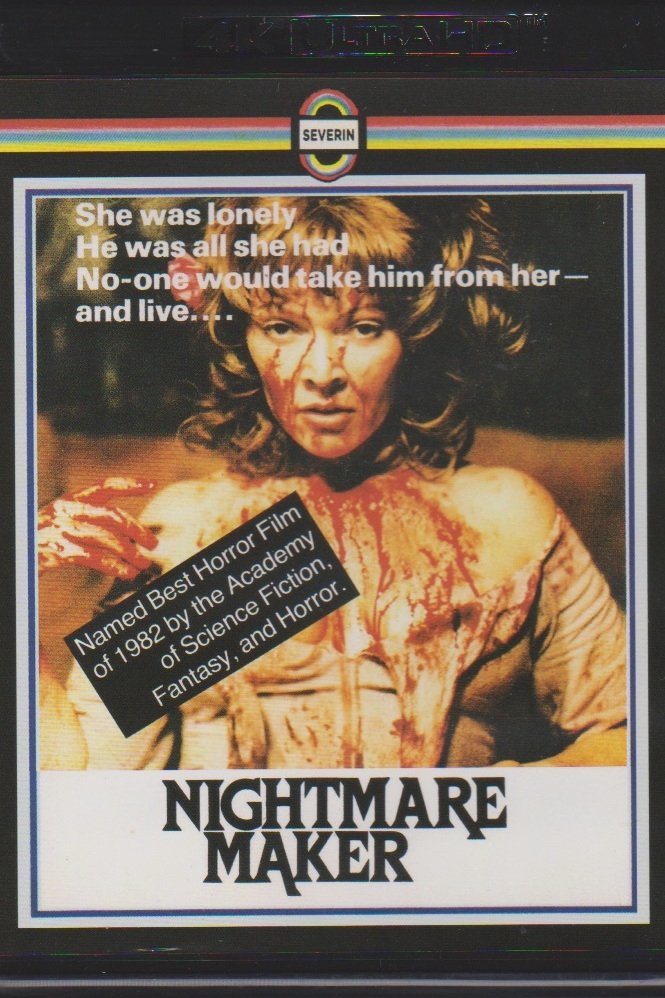
She was lonely. He was all she had. No one would take him from her…and live.