Dawn of the Mummy (1981)

US
Runtime
93 min
Release
December 11, 1981
Budget
$500,000
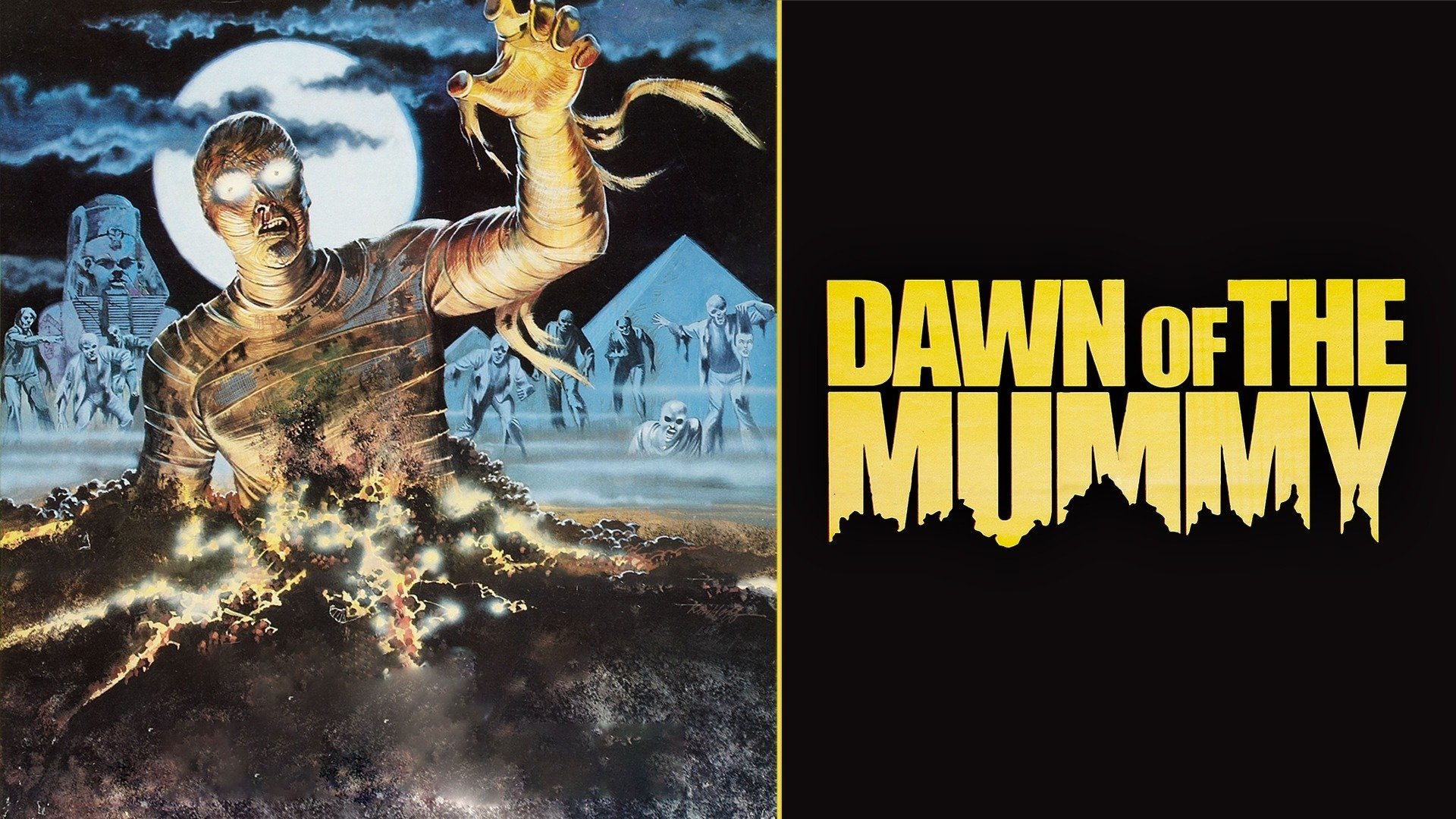
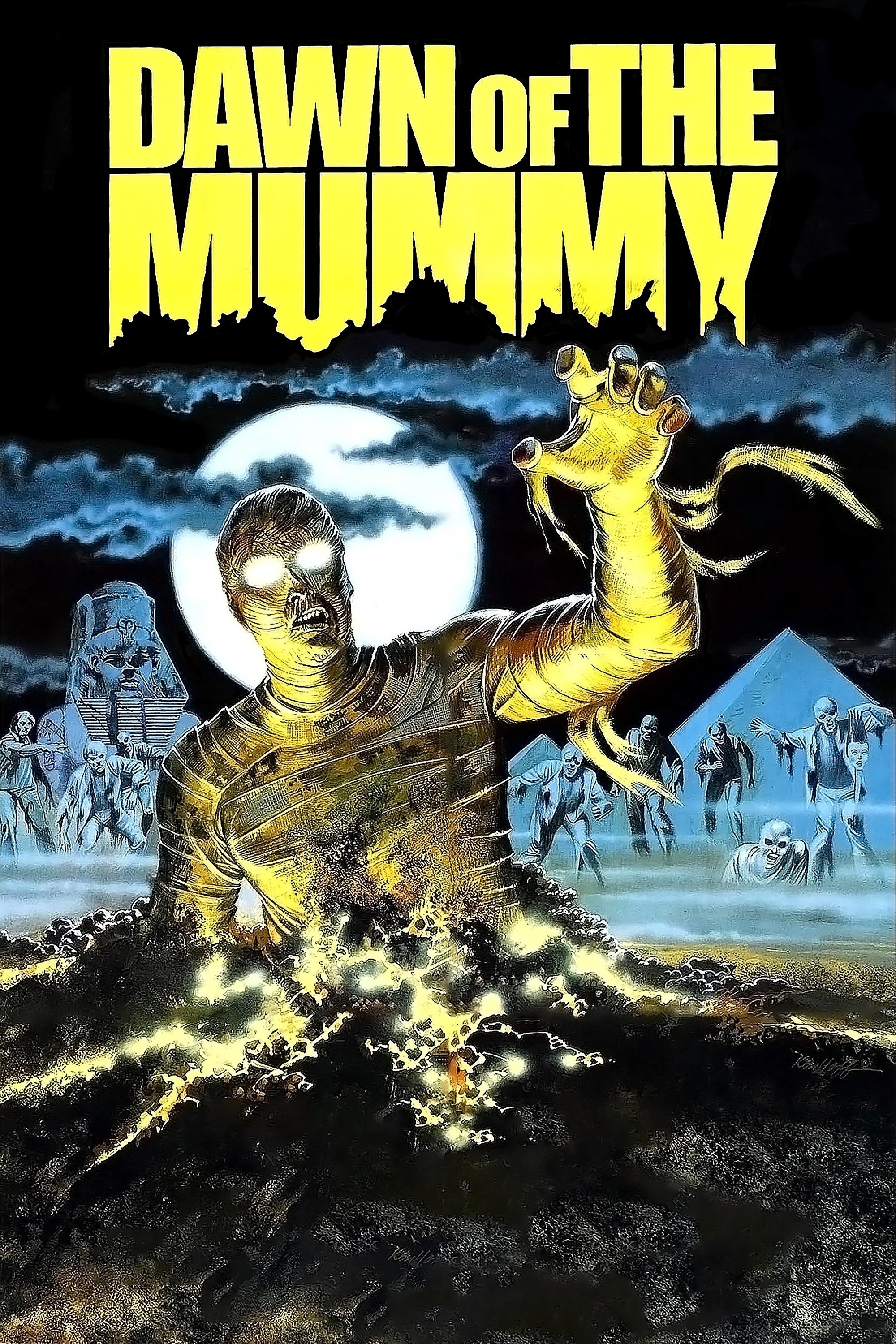
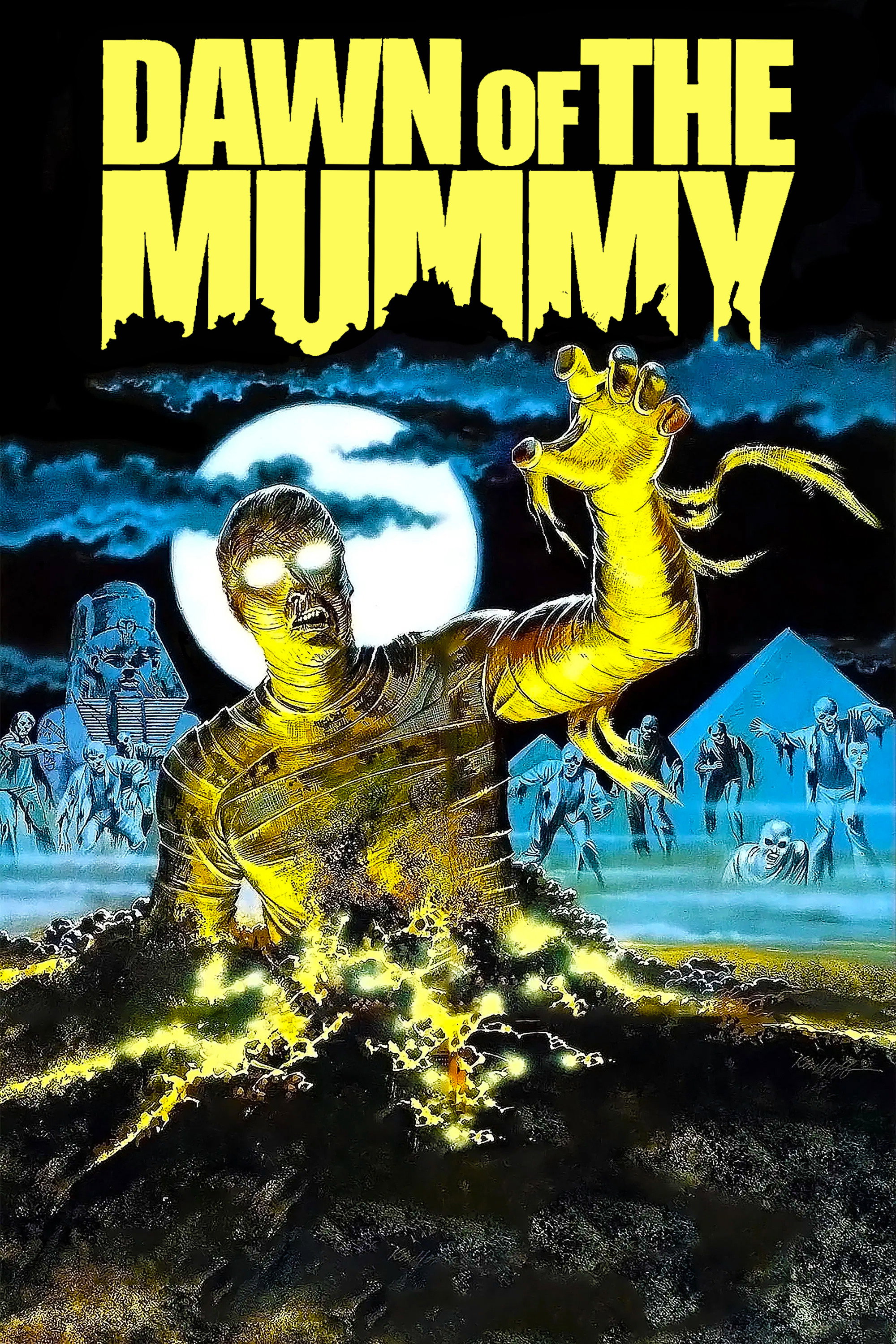
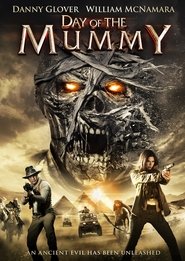
Dawn of the Mummy (1981) poster
Director
Production Company
Harmony Gold USA
Plot

A group of fashion models disturb the tomb of a mummy and revive an ancient curse. Along with the mummy rising, slaves who were buried in the desert thousands of years before, also rise, with a craving for human flesh.

Alternative Titles
Zombi VI: The Mirage (Australia) O Despertar da Mumia (Brazil) — Portuguese 木乃伊的黎明 (China) — Chinese Die Mumie des Pharao (Germany) — German Rache der Mumie (Germany) — DVD El despertar de la momia (Spain) — Spanish L'aube des zombies (France) 木乃伊的黎明 (Hong Kong SAR China) — Chinese
Show all 9 alternative titles Восстание мумии (Russia) — Russian

Trailers & Videos

1 video

Dawn of the Mummy (1981) Film Guide

Frank Agrama brings flesh-eating zombies to a mummy curse in an Egyptian-set horror production marked by gore and British censorship.

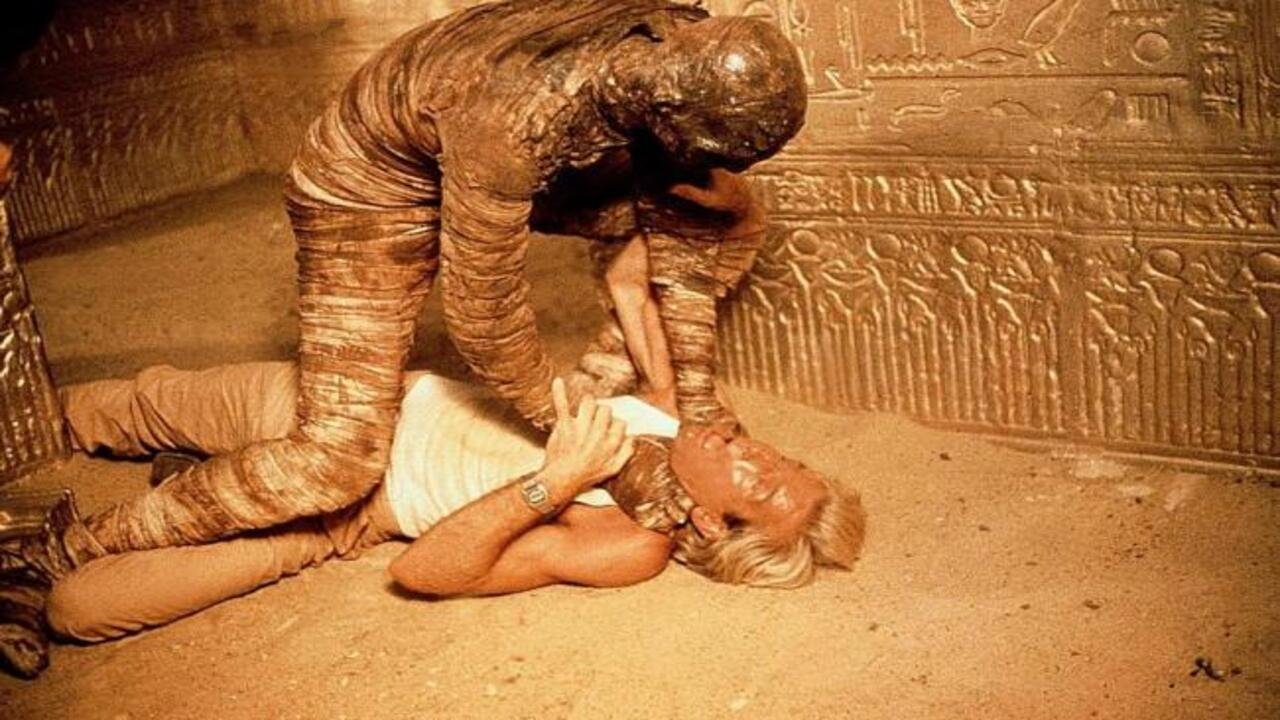
Dawn of the Mummy (1981), directed by Frank Agrama, belongs to an early-eighties cycle that refashioned familiar screen monsters through the graphic violence of zombie cinema. Its Egyptian setting invokes the burial curses and violated tombs of older mummy pictures, but the dead eventually behave as a ravenous collective. That change of emphasis places the film closer to contemporary flesh-eating horror than to the solitary, bandaged pursuers associated with Universal's earlier cycle. The crucial images are not confined to the pharaoh himself: bodies rise from the sand, advance in groups and attack living flesh.

The picture is also a revealing example of international exploitation filmmaking. An Egyptian location, English-language dialogue, a largely Italian technical crew and the involvement of Harmony Gold make simple national labels inadequate. Within the story, fortune hunters and visiting fashion models compete for space around a disturbed burial chamber, postponing the supernatural attacks while the desert setting establishes a distinctive identity. The combination produces an uneven film, yet its eventual eruption of collective violence explains why it has survived in discussions of obscure zombie and mummy hybrids.

A Production Across Borders

Agrama was born in Egypt and worked internationally before undertaking this production. The picture was filmed in Egypt and was presented under the Harmony Gold name. Its personnel included technicians associated with Italian exploitation cinema, although the presence of those workers alone cannot establish an Italian financing arrangement. Kevin Lyons, examining the film's production history for EOFFTV, notes that published descriptions of its nationality have varied considerably. The credits and surviving accounts therefore support a cross-border production context more readily than a confidently defined three-country coproduction.

The director's precise involvement in the initial shoot also deserves qualification. Lyons reports that a contemporary Variety account identified Armand Weston as the original director and said Agrama assumed the assignment during production. That report is a significant historical lead, but it does not establish which completed scenes were made under either filmmaker. The uncertainty matters because the finished film changes pace dramatically, from prolonged preparation at the tomb to concentrated physical attacks in its final stretch.

The screenplay assembles various familiar elements with immediately recognizable exploitation value: a treasure hunt, an ancient curse, visiting models and a group of decomposing killers. Egypt is more than a backdrop printed on a poster, since desert exteriors and burial imagery shape the film's visual identity. Yet its characters remain broadly functional types, and the extended conversations among the visitors frequently delay the violent material that the premise advertises.

Fashion, Tombs and Desert Space

The arriving models and photographers provide an intentionally jarring presence beside the grave robbers. Cameras, posing and contemporary clothes interrupt the apparent antiquity of the burial chamber. The collision gives the film a readily legible conflict between modern image-making and a place treated as sacred or forbidden, although the screenplay develops this tension only intermittently. The treasure seekers want to remove valuables; the fashion party wants to appropriate the setting as scenery. Both groups treat the site as an available resource, making the eventual supernatural retaliation part of the film's straightforward curse narrative.

For much of the running time, the action moves among the tomb, the visitors' camp and the nearby settlement. Nevertheless, the open terrain supplies a different visual register from the cramped interiors common to mummy films. The dead are associated with the ground itself: the desert seems capable of releasing a hidden population. Wide views of bodies emerging from sand at the edge of daylight make the threat legible as a multitude before the creatures begin attacking individual people.

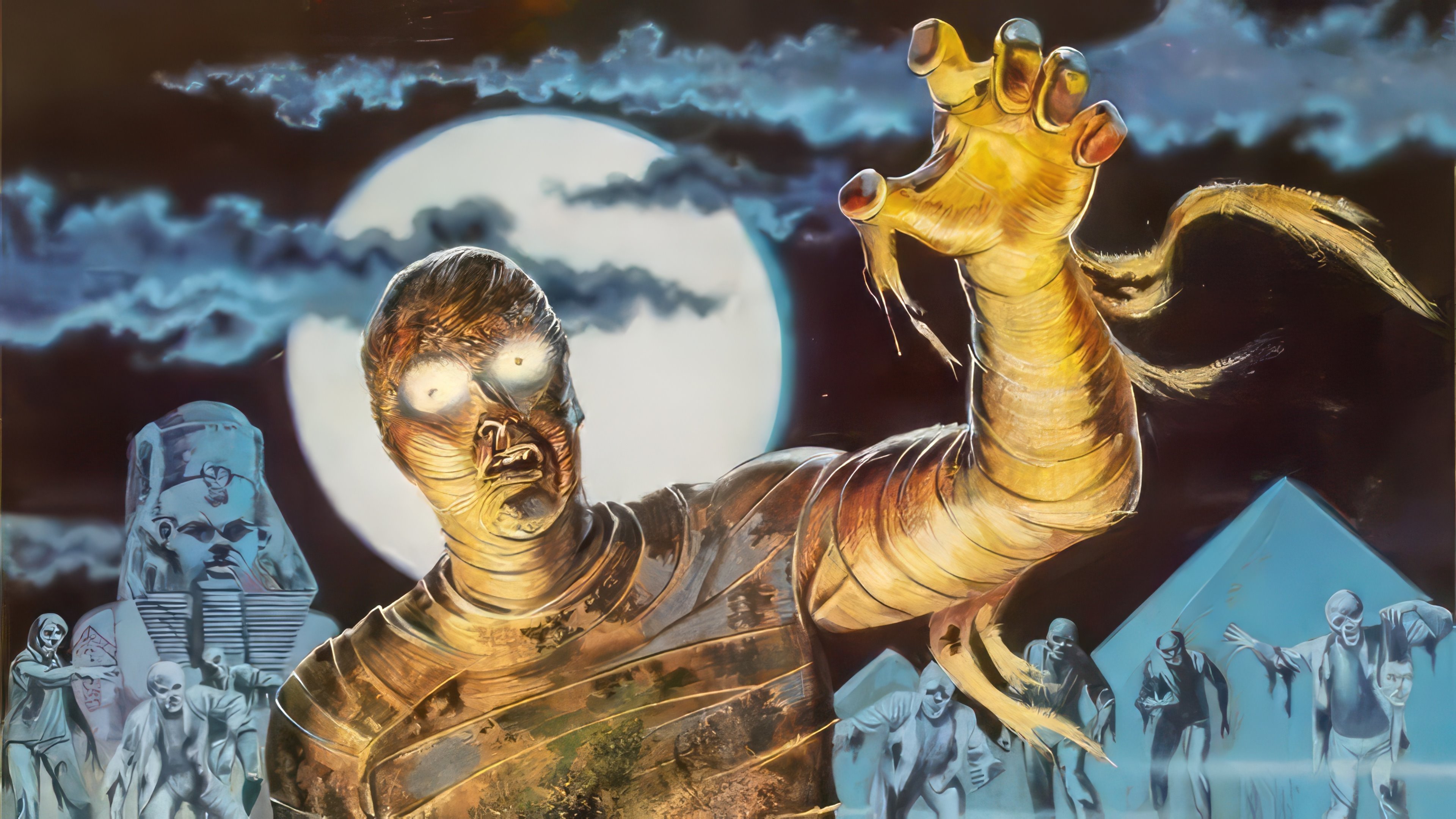
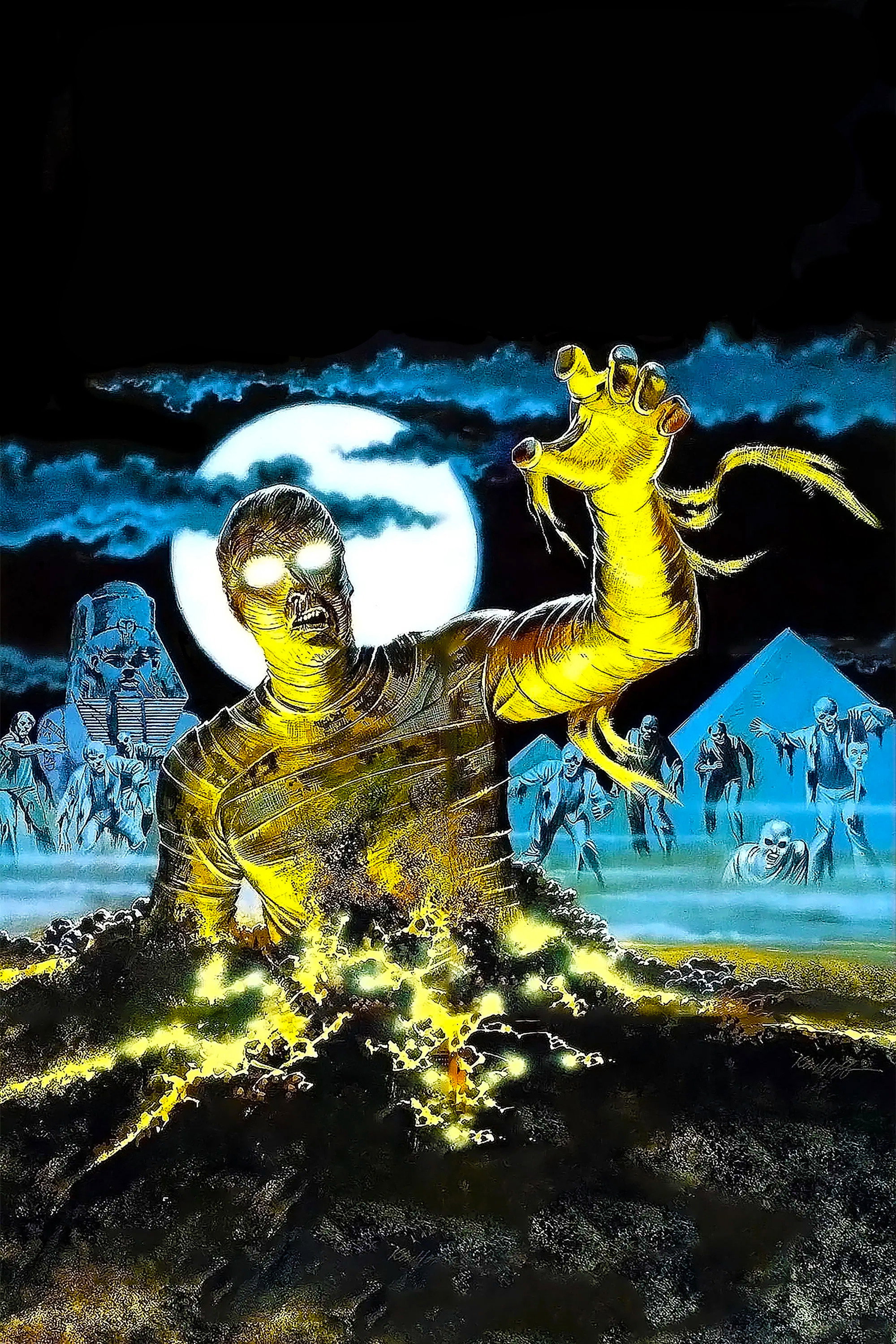
The image of the undead rising together is one of the film's clearest departures from traditional mummy staging. Older screen versions usually isolate a single cursed figure whose approach generates suspense through concealment and pursuit. The pharaoh remains the organizing supernatural force, but his followers carry much of the physical menace. This redistribution of agency connects the Egyptian burial legend to the massed attackers familiar from late-seventies zombie films, without establishing a direct remake relationship to any one production.

Zombie Gore and the Wedding Massacre

The effects work is central to the film's genre identity. Maurizio Trani, associated with makeup effects on several Italian zombie productions, is identified in retrospective criticism as responsible for the gore. Decayed faces and damaged flesh distinguish the assembled dead from the relatively controlled presence of their master. As the attacks intensify, wounds and exposed interiors of bodies replace the threat of strangulation or a slow supernatural curse. The BBFC's official content description specifically records organ removal and consumption among the strongest images, confirming how heavily the film depends on explicit bodily injury.

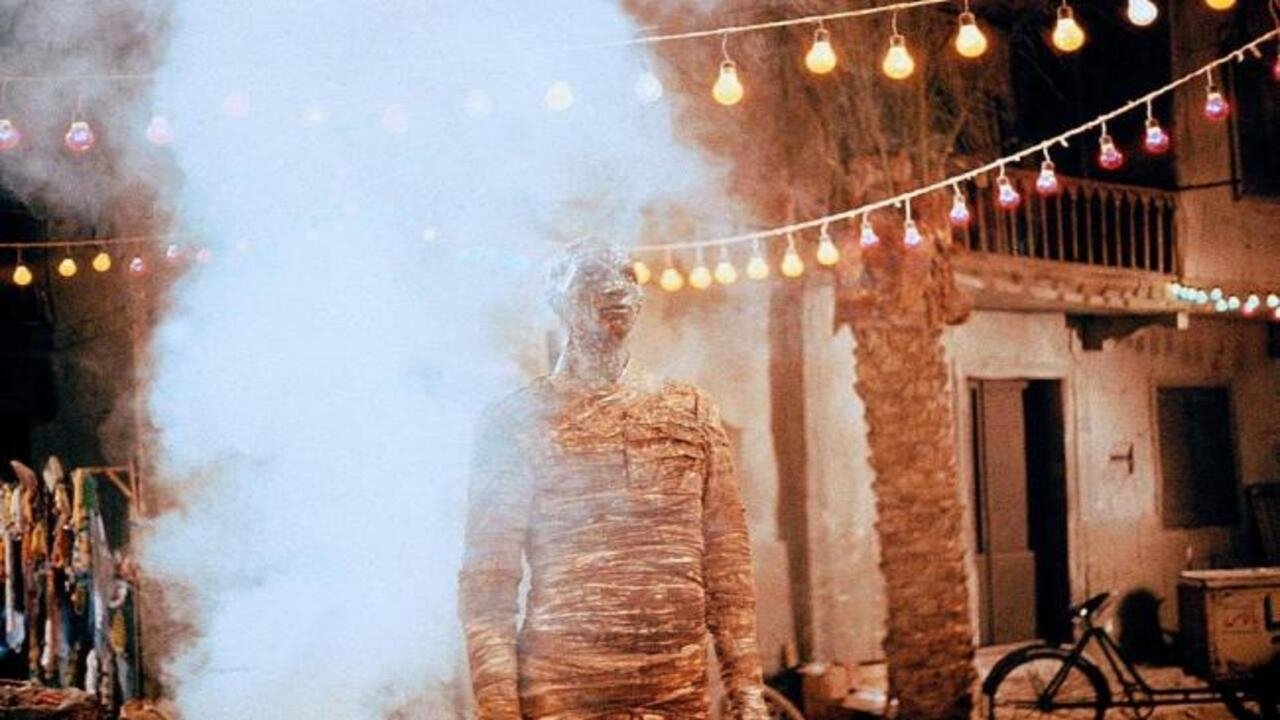
The climactic assault on a village wedding shifts the emphasis from isolated intruders to a social gathering overtaken by the undead. Festive activity supplies a sharp contrast to dismemberment and panic, while the attacking group moves through a crowded communal space. This episode gives the final portion a different tempo from the repeated negotiations around the tomb. Its assault structure owes more to zombie-film massacres than to a conventional mummy's private vengeance. Later critics have disagreed about the picture's overall success, but the wedding sequence is a recurrent point of attention because it finally brings the supernatural army into sustained action.

Shuki Levy's score accompanies the change from hesitant investigation to heightened violence. Kevin Lyons describes the wedding attack as propelled by insistent music, a marked contrast with the slow accumulation of incidents earlier in the film. The audible result can still be discussed in relation to the editing: music, screams and abrupt assaults help compress the action into an aggressive finale after a long period dominated by dialogue and movement between locations.

British Censorship and Later Reappraisal

The film's British classification history is unusually useful because the BBFC preserves separate records for theatrical and home-video submissions. A cinema version was classified on 13 March 1985 with cuts. Another cut version was recorded for physical media on 18 March 1987. Those decisions document restrictions on particular submitted editions, not a worldwide prohibition. They also show why accounts of a single definitive British running time are unreliable: distinct submissions need to be identified before differences between editions can be interpreted.

The BBFC records a further home-entertainment submission in May 2003 without marking it as cut, followed by a July 2024 classification of a 91-minute-and-46-second version for physical media and streaming. The later entry describes strong gore, violence and horror in explicit terms. Differences among listed durations must be treated cautiously because the records concern different materials and presentation formats; a numerical comparison alone does not reveal which individual shots were removed. The sequence of decisions nevertheless illustrates a clear change in the British classification treatment of this material across four decades.

Retrospective assessments have not converged on a single positive verdict. Lyons finds the early passages labored while crediting the makeup effects and energy of the climax. That combination makes the film historically interesting without elevating it to the status of a major genre landmark. Its place in horror history is more specific: This picture demonstrates how a recognizable monster could be adapted to the flesh-eating cycle, and how the imagery of that adaptation then entered the contested British video market. The survival of distinct classification records helps anchor this history in verifiable evidence.

References

  1. EOFFTV Dawn of the Mummy (1981)

    Kevin Lyons investigates the film's disputed production history, reports contemporary Variety information about direction and examines its zombie influences, effects and climax.

  2. BBFC Dawn of the Mummy - Classification History

    Official British classification records document the cut 1985 theatrical and 1987 video editions, followed by later physical-media submissions and the 2024 content classification.

Cast

View Full Cast & Crew →

Release & Distribution

Production Companies (1)

  • Harmony Gold USA US

Distributors (1)

  • Harmony Gold USA US

Release History (2)

Release DateTerritoryRelease TypeFormatDistributorCertificationNotes
1981-12-11 United States Theatrical — — —
1982-04-22 Germany Theatrical — — 18
A monstrous, chilling terror stalking the living…