Independent Production and a Delayed Release
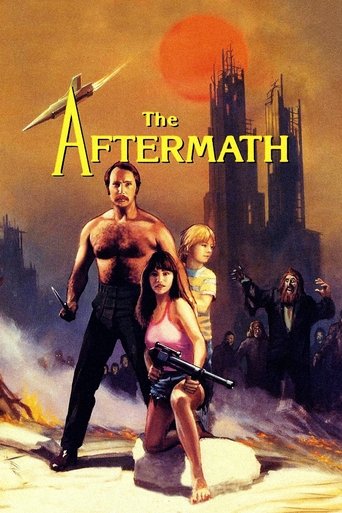
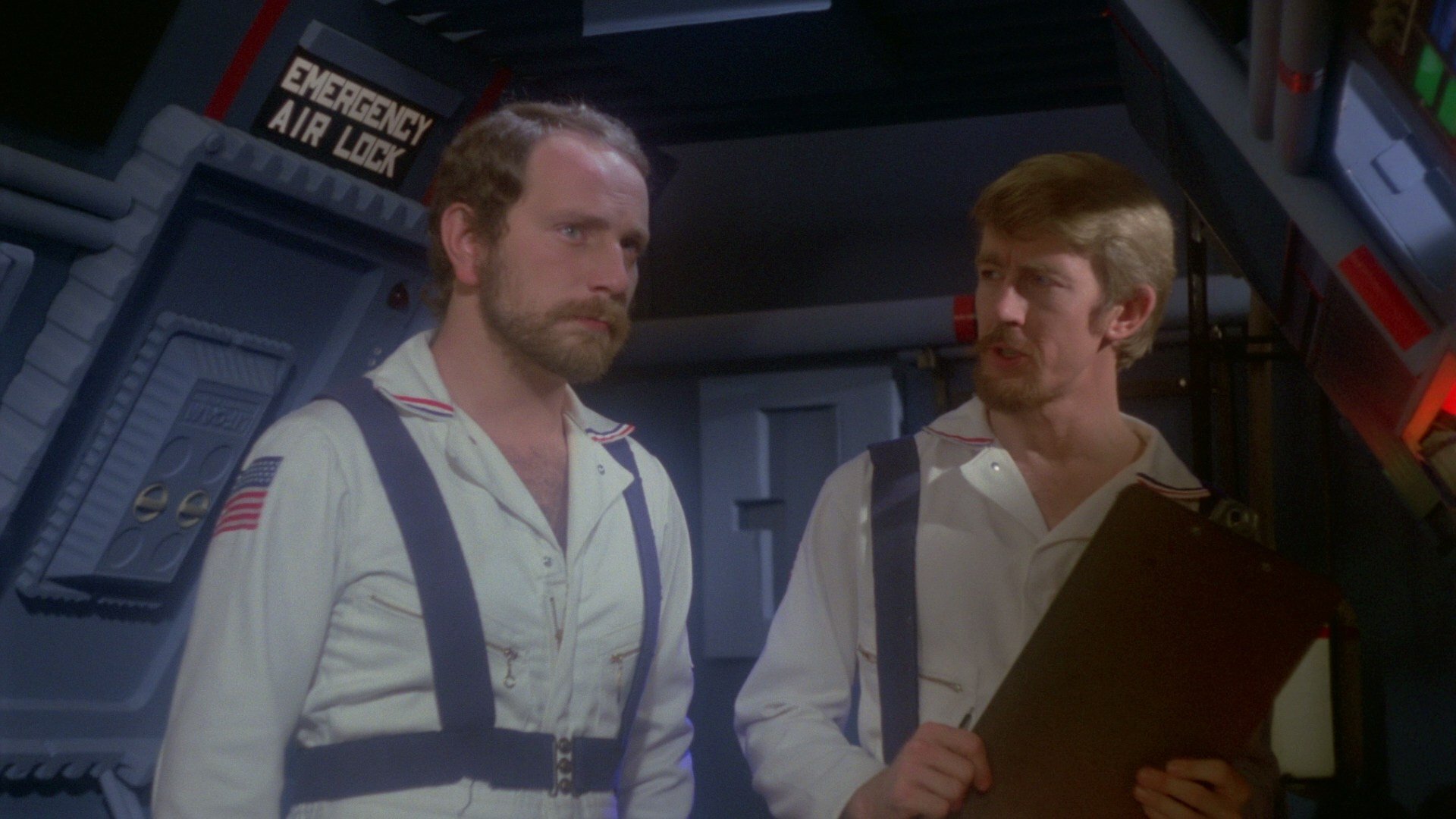
Barkett developed the project outside the studio system and financed an unusually ambitious combination of ruined urban landscapes, spacecraft scenes and desert action. His original plans involved collaborators including Stanley Livingston and effects artist Jim Danforth; Danforth eventually appeared as an astronaut and provided art intended for the poster. Shooting took place during the late 1970s, although the title is generally dated to its 1982 release. A contemporary Cinefantastique report published in 1980 found the picture still in post-production and its musical score already recorded. Treating the earlier shooting dates as the theatrical release would obscure that extended completion period.
In the same report, Barkett discussed showing a rough cut to Roger Corman. The screening brought attention to uneven pacing in the second half, prompting Barkett to remove approximately fifteen minutes and redo certain effects shots. No distribution agreement followed. These changes are unusually well documented because the filmmaker described them before the picture's eventual release. Later recollections of the modest budget vary, so an exact final expenditure is less secure than the basic circumstances of independent financing and protracted finishing work.
Mutants, Radiation and the Apocalyptic Landscape
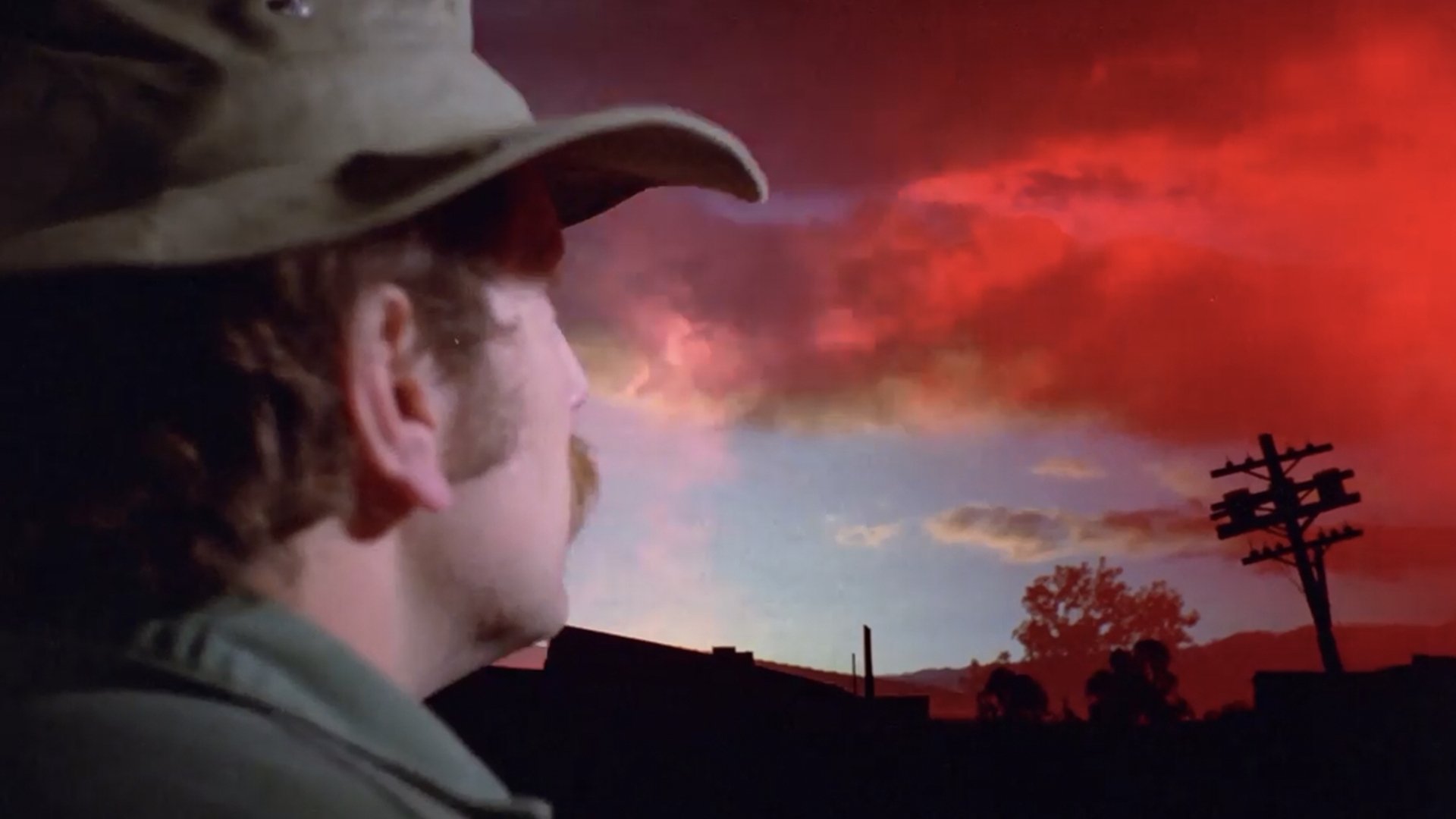
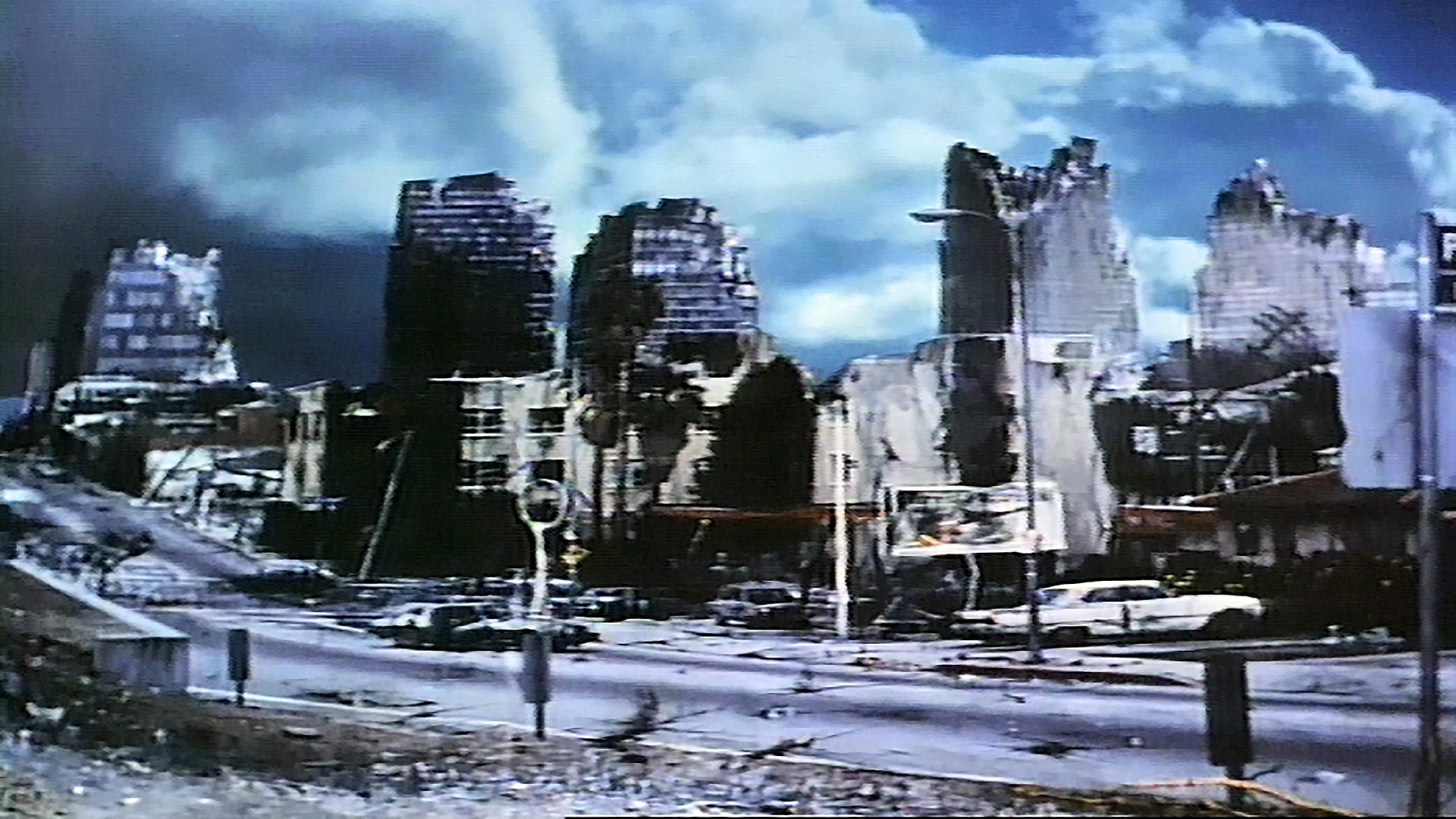
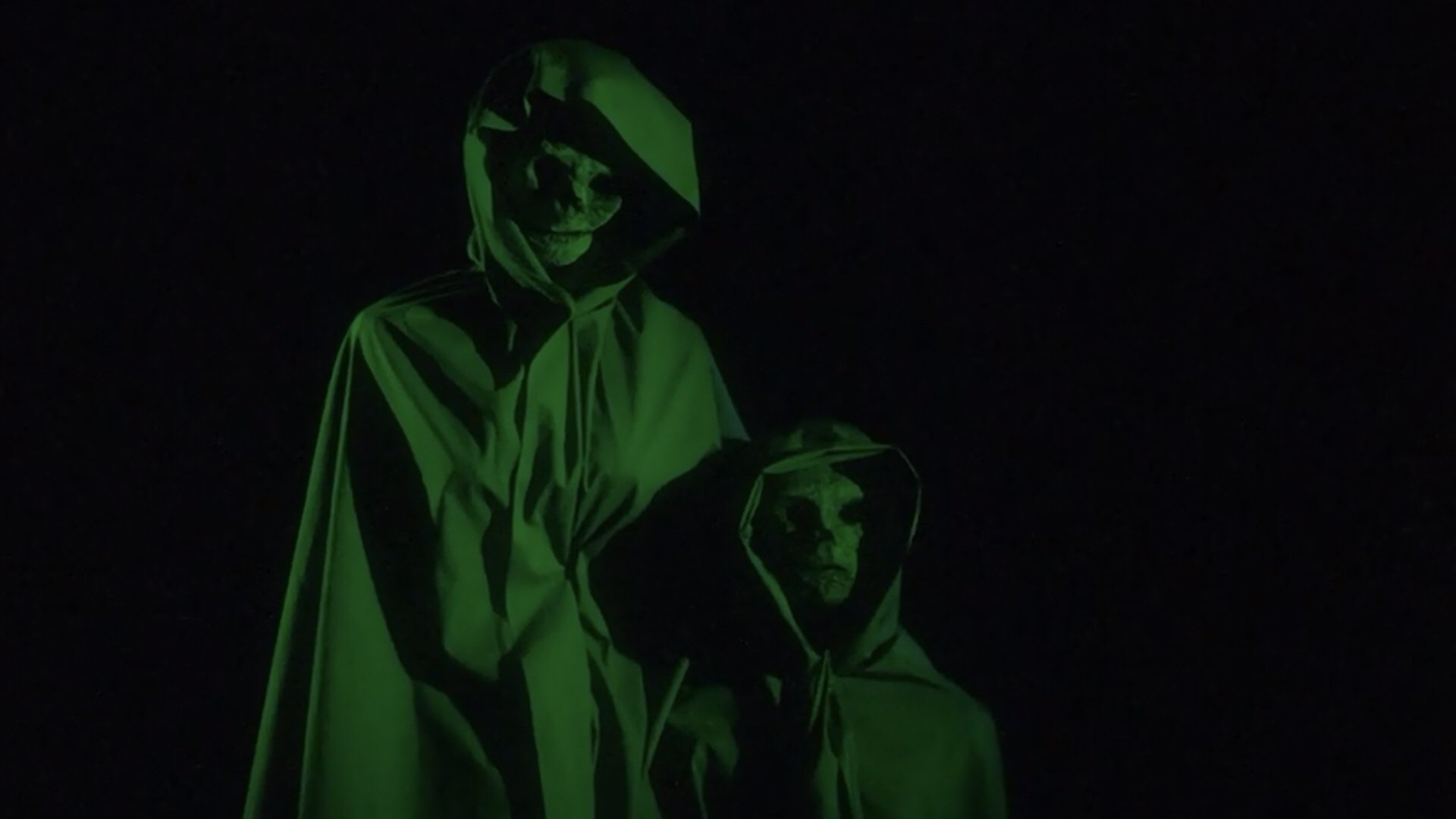
The spacecraft's return establishes a world in which humanity has inflicted irreversible damage upon itself. Ruined streets and empty buildings suggest the abrupt destruction of a once-populated Los Angeles, while surviving people have few dependable sources of shelter or food. The appearance of cannibalistic mutants brings a direct horror threat into the speculative premise. Their damaged bodies express the consequences of the catastrophe, although the film does not establish a scientifically plausible account of mutation or radiation. The creatures are living hazards within the aftermath, not conventional corpses brought back from the grave.
Their attacks force Newman and Matthews to learn the conditions of survival without reliable knowledge of the new landscape. Even apparently vacant spaces may conceal a threat. The hostility of the environment is conveyed through locations interrupted by fabricated views of devastated cities, making the scale of the destruction exceed the production's actual resources. The scarcity of intact society is central to the horror: nobody can assume that a distant group of people represents rescue. Violence arises from the simultaneous absence of institutions and persistence of human appetite.
Cutter, Sarah and the Child
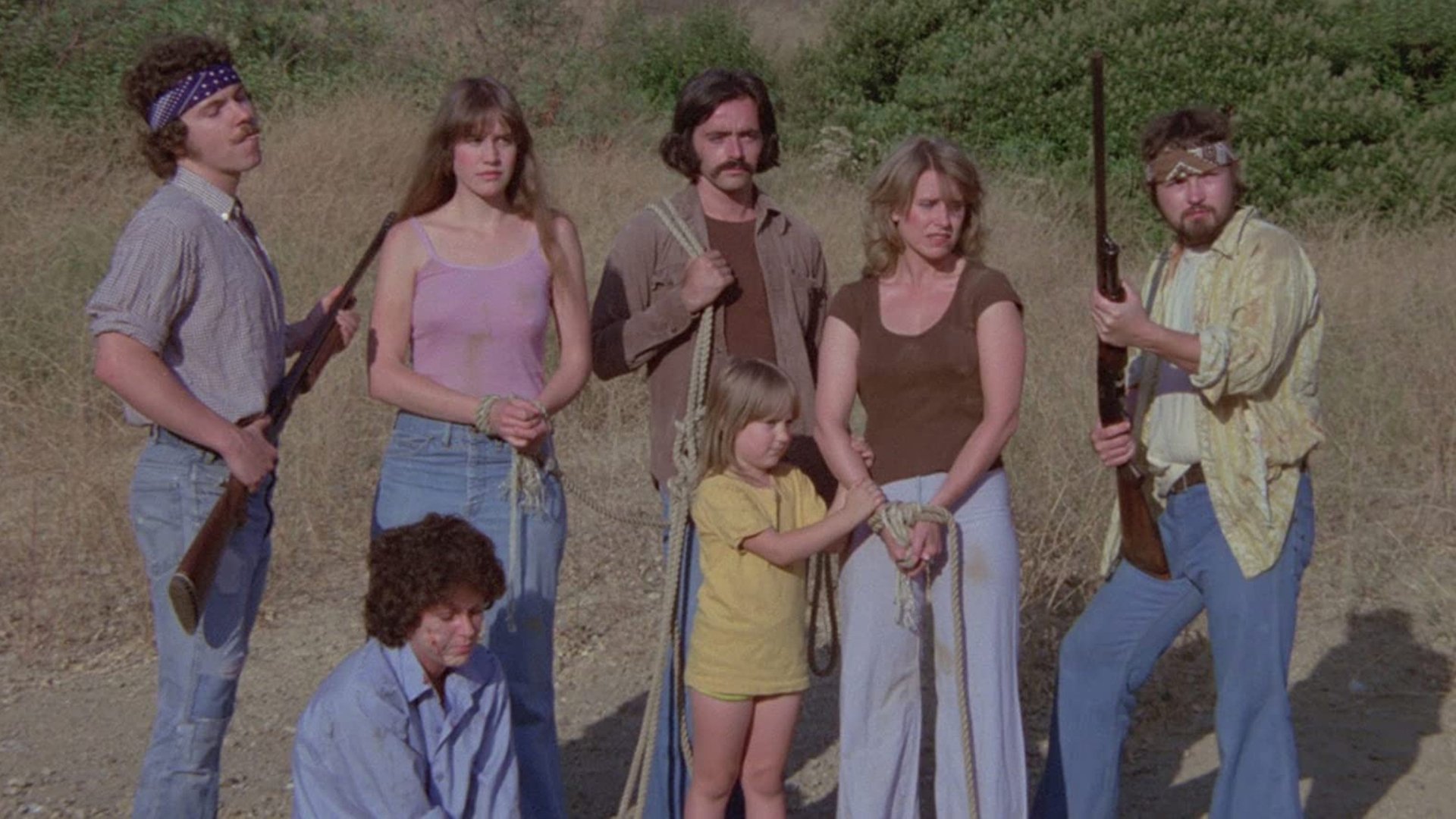
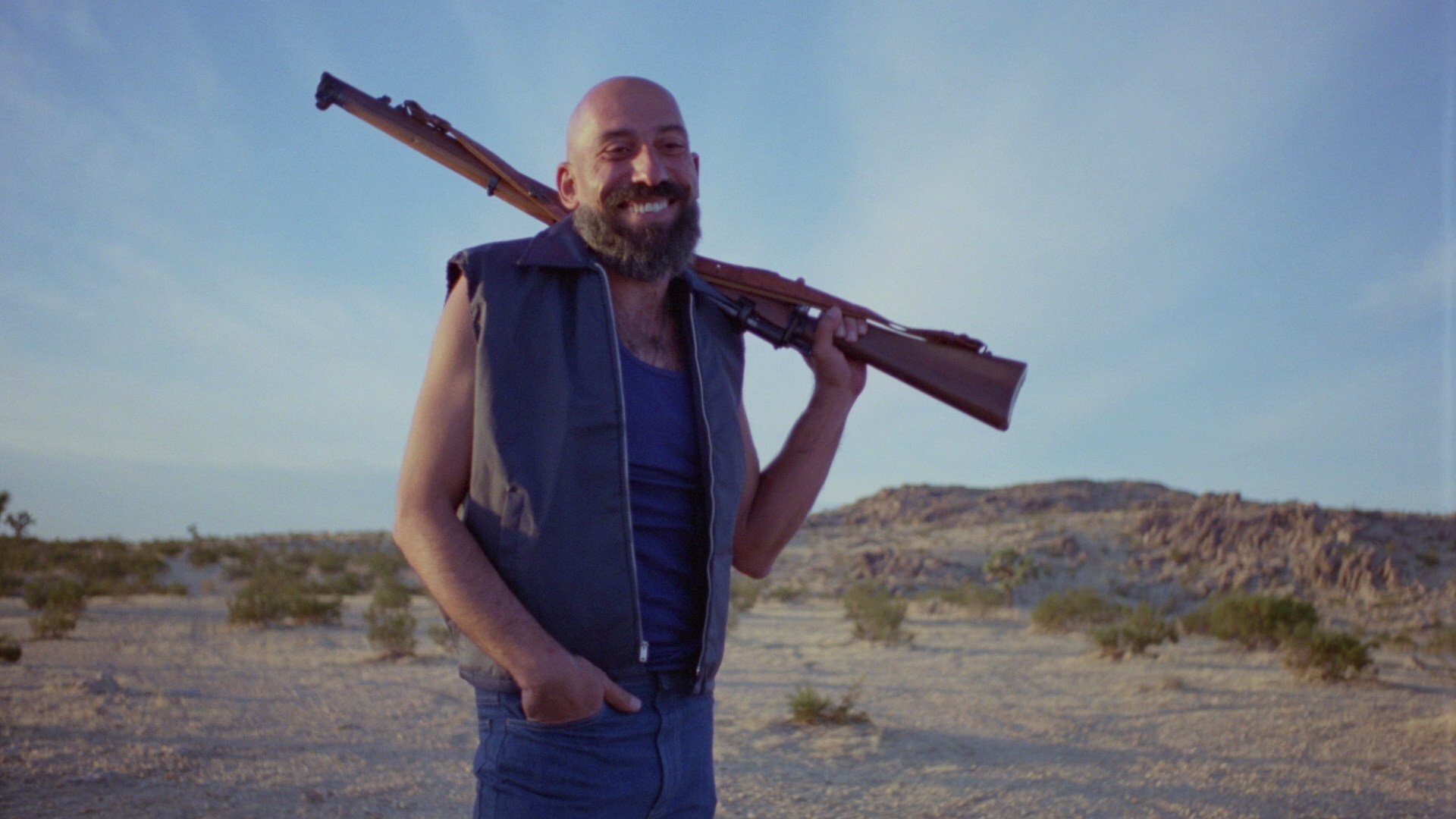
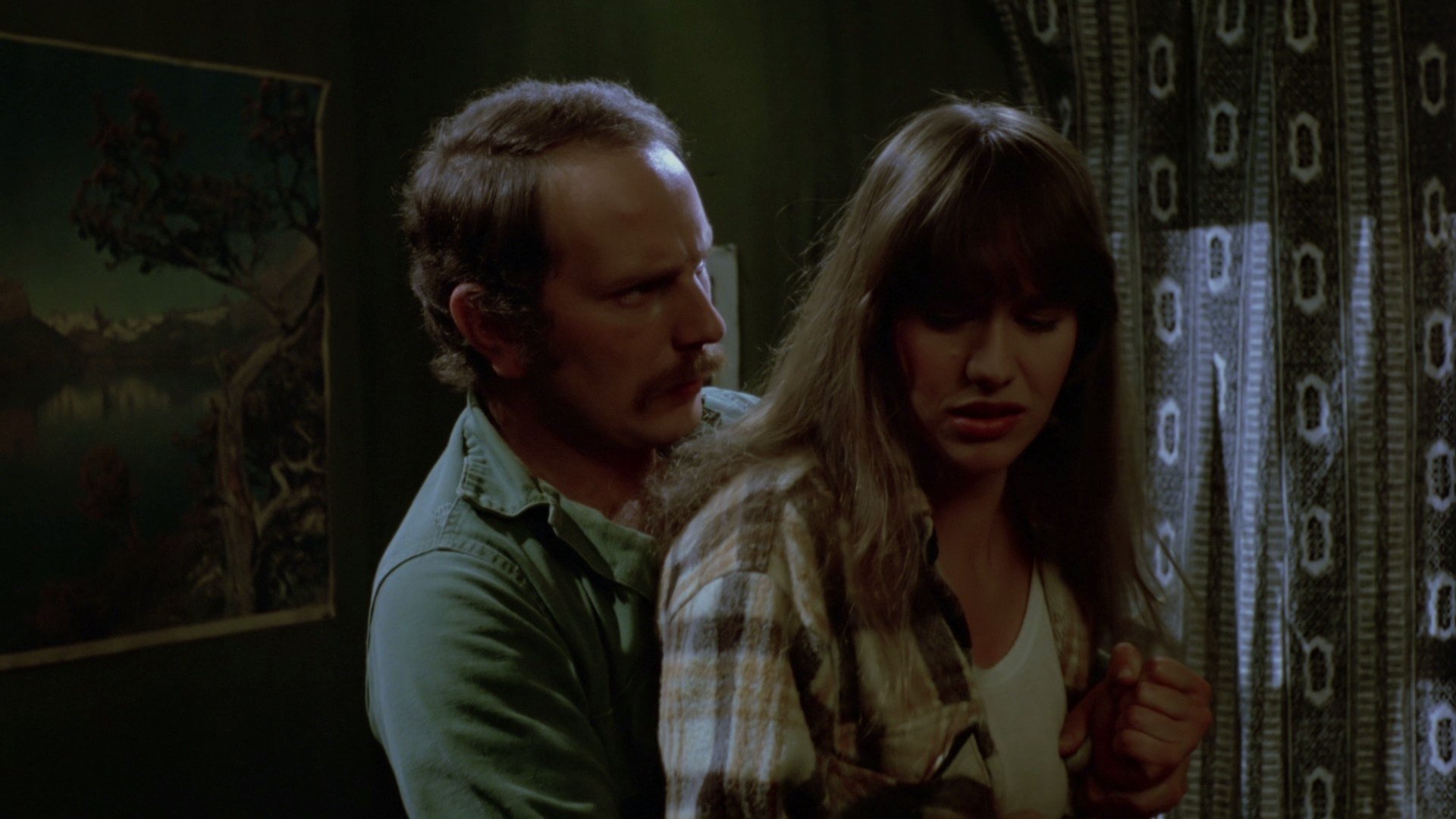
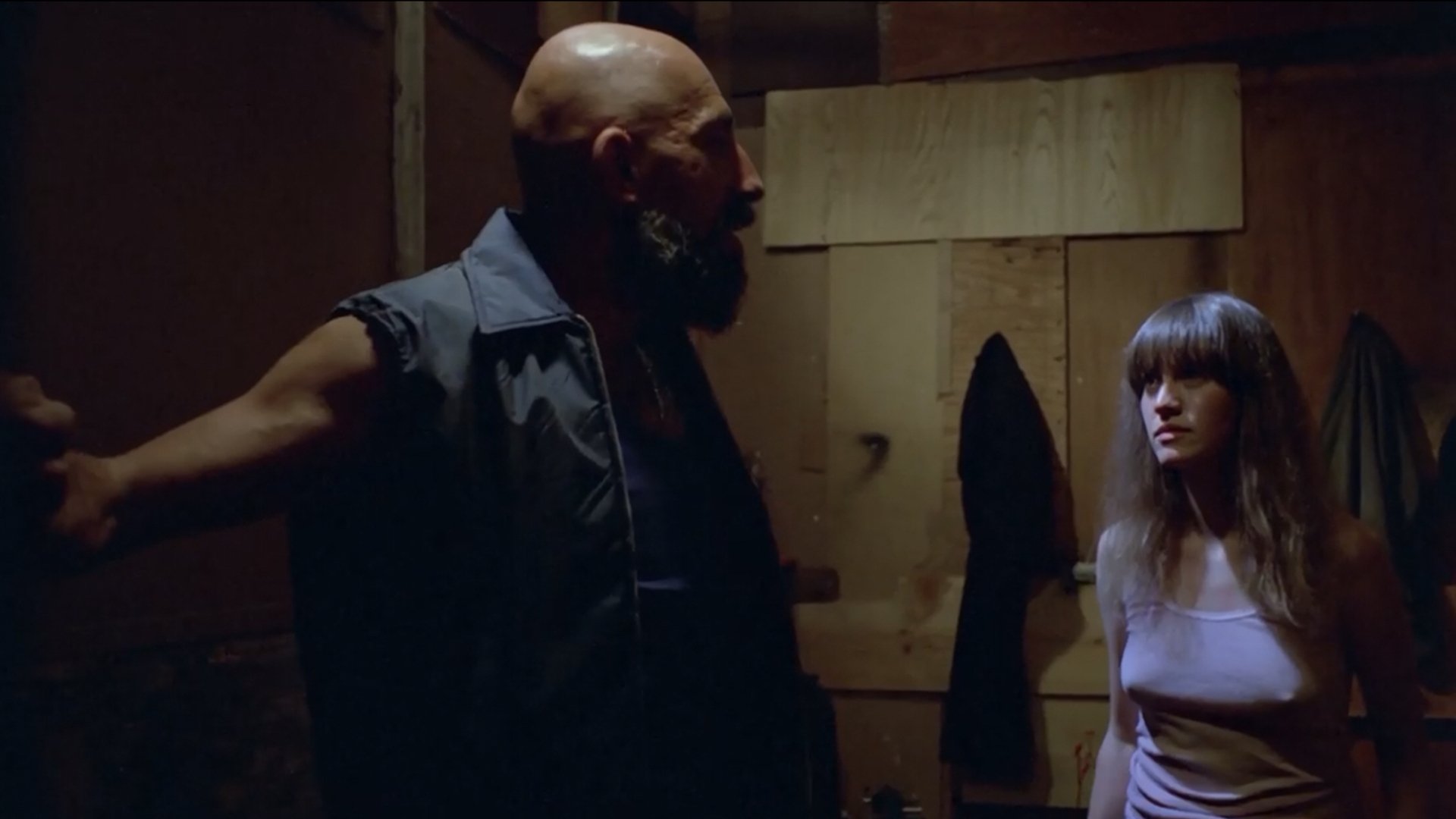
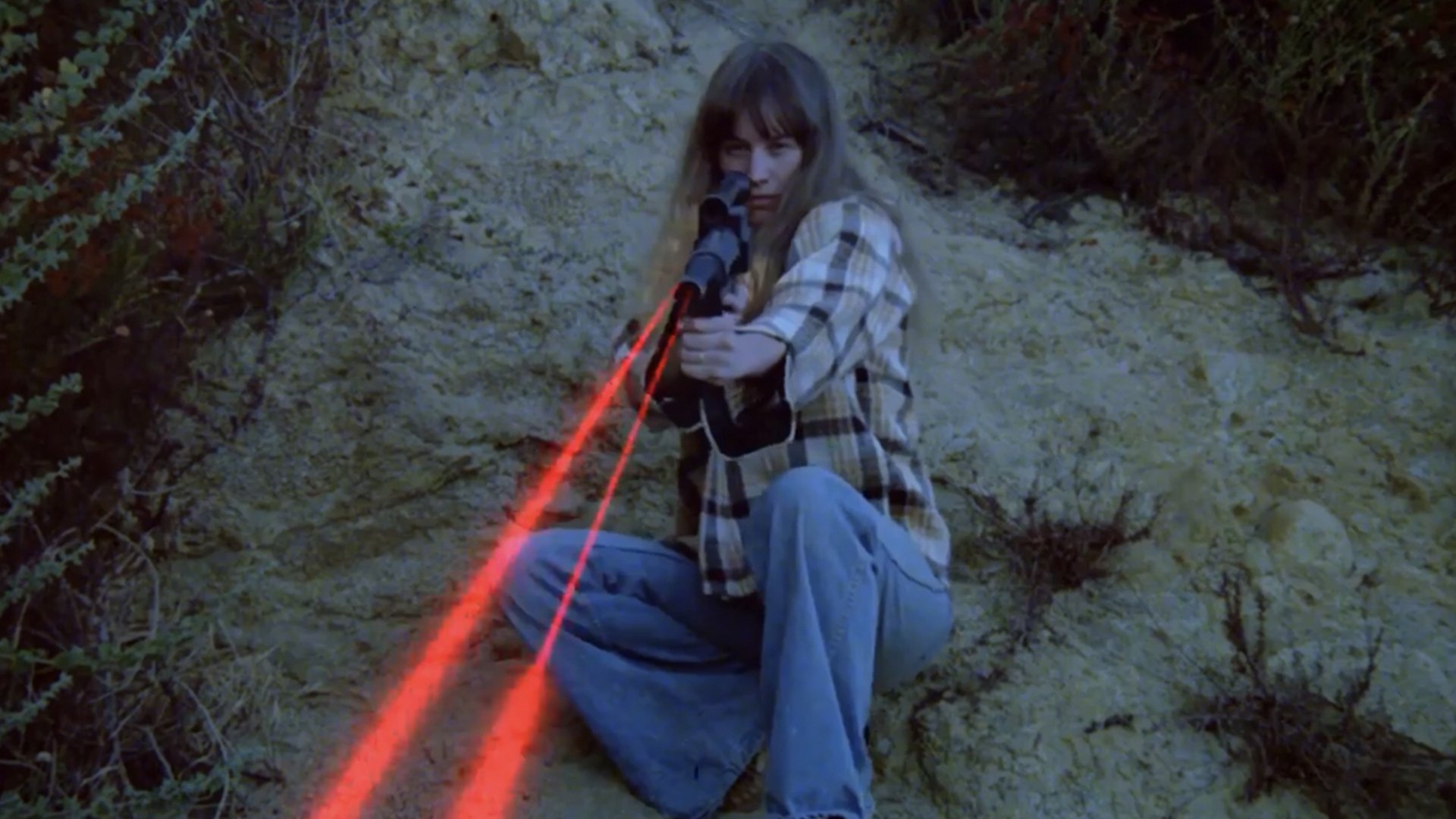
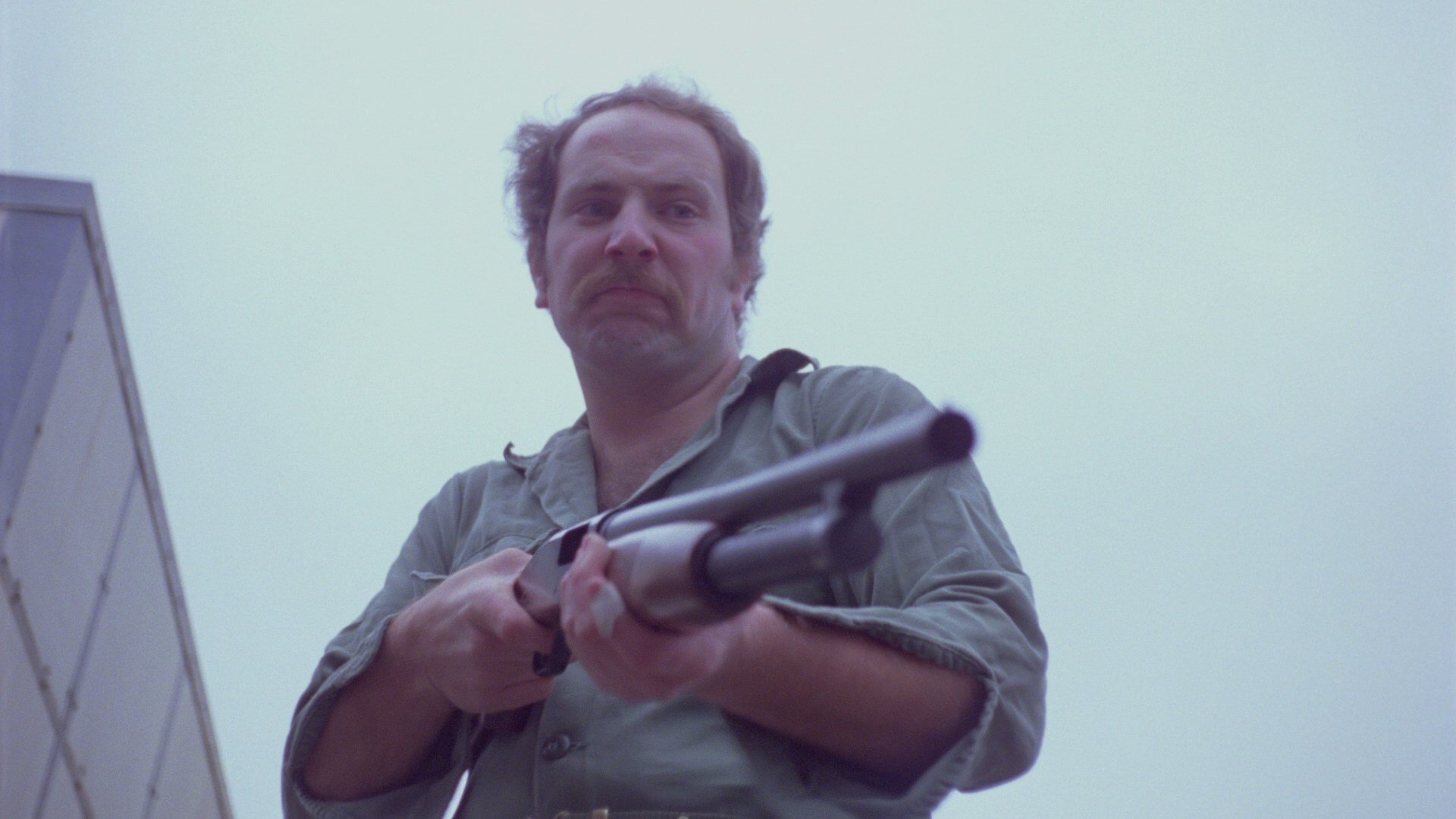
The film's most sustained human menace is Cutter, played by Sid Haig, who leads a band of armed predators. His group murders men and sexually abuses women, treating scattered survivors as possessions. Cutter's presence moves the picture from mutant encounters into a captivity and revenge narrative, with sexual violence among its deliberately disturbing elements. Haig plays the leader with overt aggression, giving the raids a recognizable source of terror. In this portion of the story, the postwar landscape matters because there is no effective authority to prevent or punish the gang's conduct.
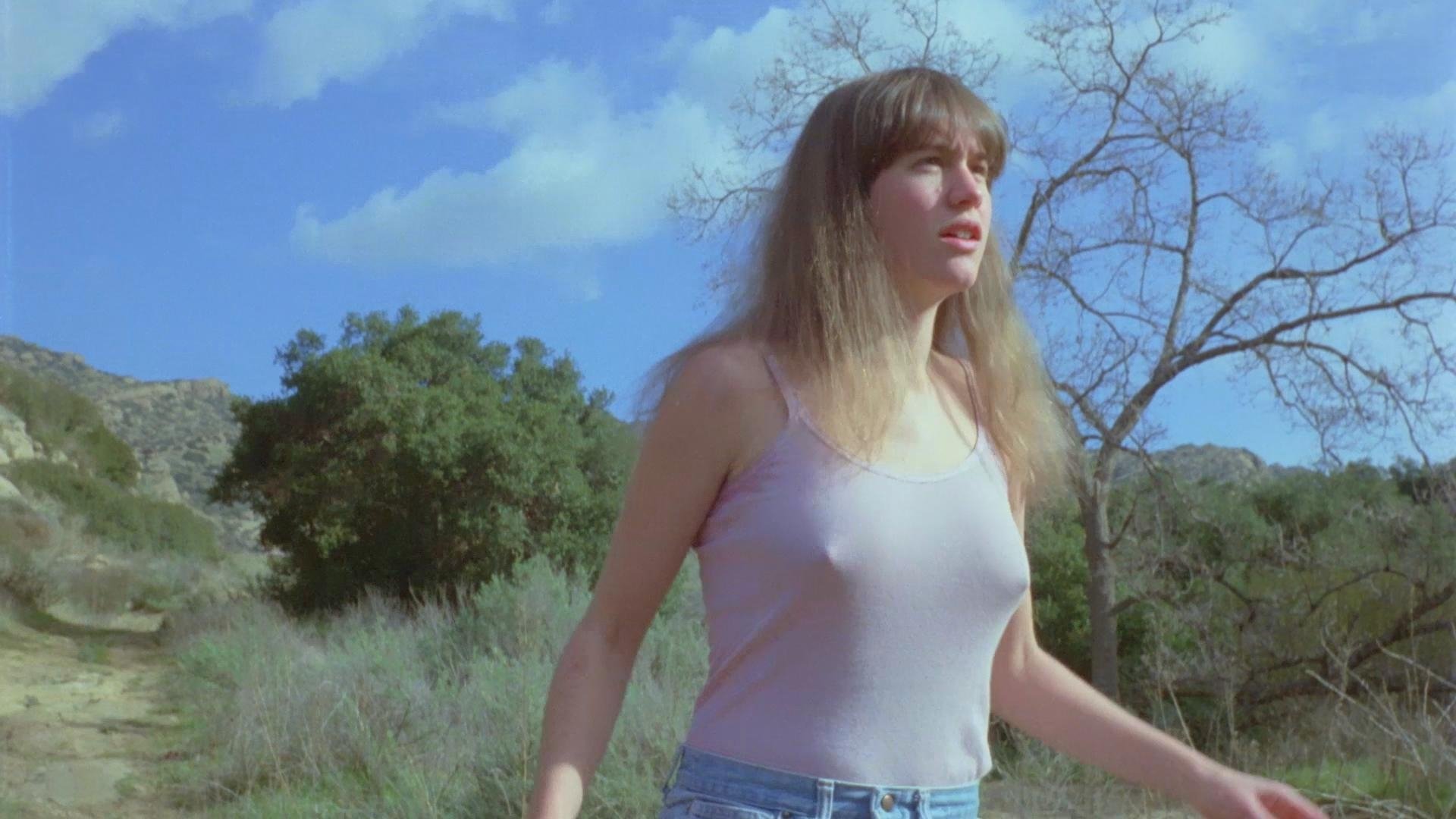
Newman encounters Chris, a boy whose protection becomes central to his remaining sense of purpose. Forrest J. Ackerman appears as a museum curator associated with the child's early survival. Newman also forms a bond with Sarah, played by Lynne Margulies, but Cutter's gang threatens the fragile household they begin to create. The ending refuses a reassuring restoration of society: acts of retaliation leave further loss and place the child in an uncertain future. The protector's vulnerability distinguishes the story from a straightforward fantasy of an invincible wasteland hero.
Robert Skotak, Composite Ruins and Mutant Makeup
The destroyed-city views were created through a mixture of photographs, miniatures and matte painting. In his 1980 interview, Barkett explained that photographs of real locations were enlarged, retouched and combined with foreground constructions. Robert Skotak supplied the matte paintings, while projection techniques helped assemble skies and distant backgrounds. Some images were achieved within the camera to save the cost of optical printing. That economy demanded considerable preparation: Barkett said that effects lasting only a few seconds could occupy several days of filming. These techniques give the apparently empty metropolis a greater scale than the available sets could provide.
Creature makeup presented a separate practical problem because a number of mutants needed to appear together in close shots. Barkett described building masks in sections so that the eyes and mouth could be made up quickly, with additional pieces and hair hiding the joins. The actors could move their jaws and perform stunts without destroying a complete facial appliance. Skotak and Margulies handled much of the special makeup, according to Cinefantastique. This method is visible in the creatures' uneven faces and active expressions, which serve the threat of cannibal attack despite the limited time available for individual applications.
John Morgan, Release and British Video History
Composer John Morgan recorded the score in November 1979, according to the contemporary production account. Barkett cited Bernard Herrmann and Max Steiner as shared influences and wanted music capable of conveying scale while sharply accenting dramatic incidents. He described a score approaching seventy-five minutes for a picture then running about ninety-four minutes. The orchestral approach lends the ruined world a gravity that the modestly mounted action could not always achieve visually. Its sustained presence also connects the astronauts' disorientation, the mutant scenes and the later violence under a common atmosphere of loss.
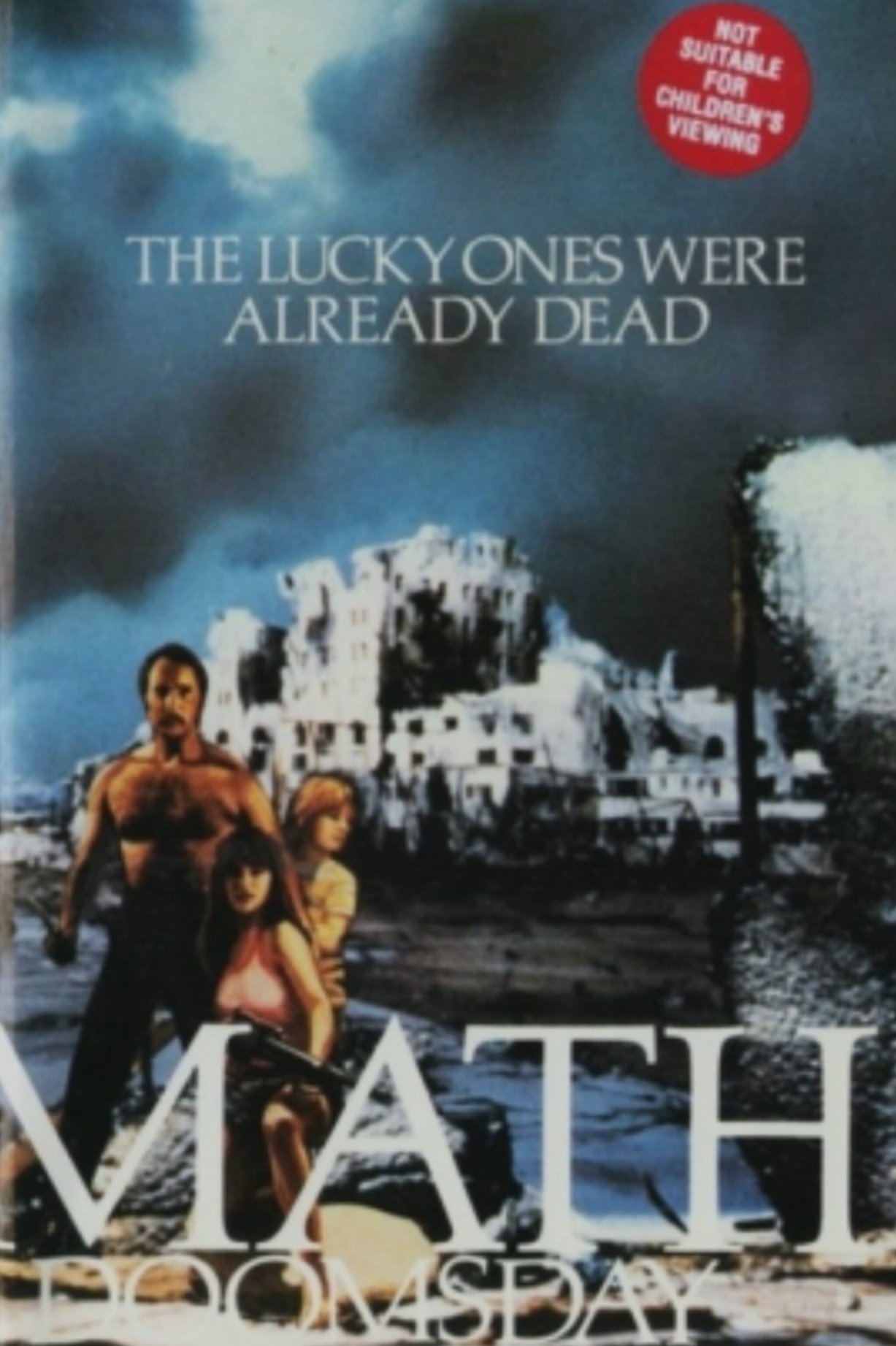
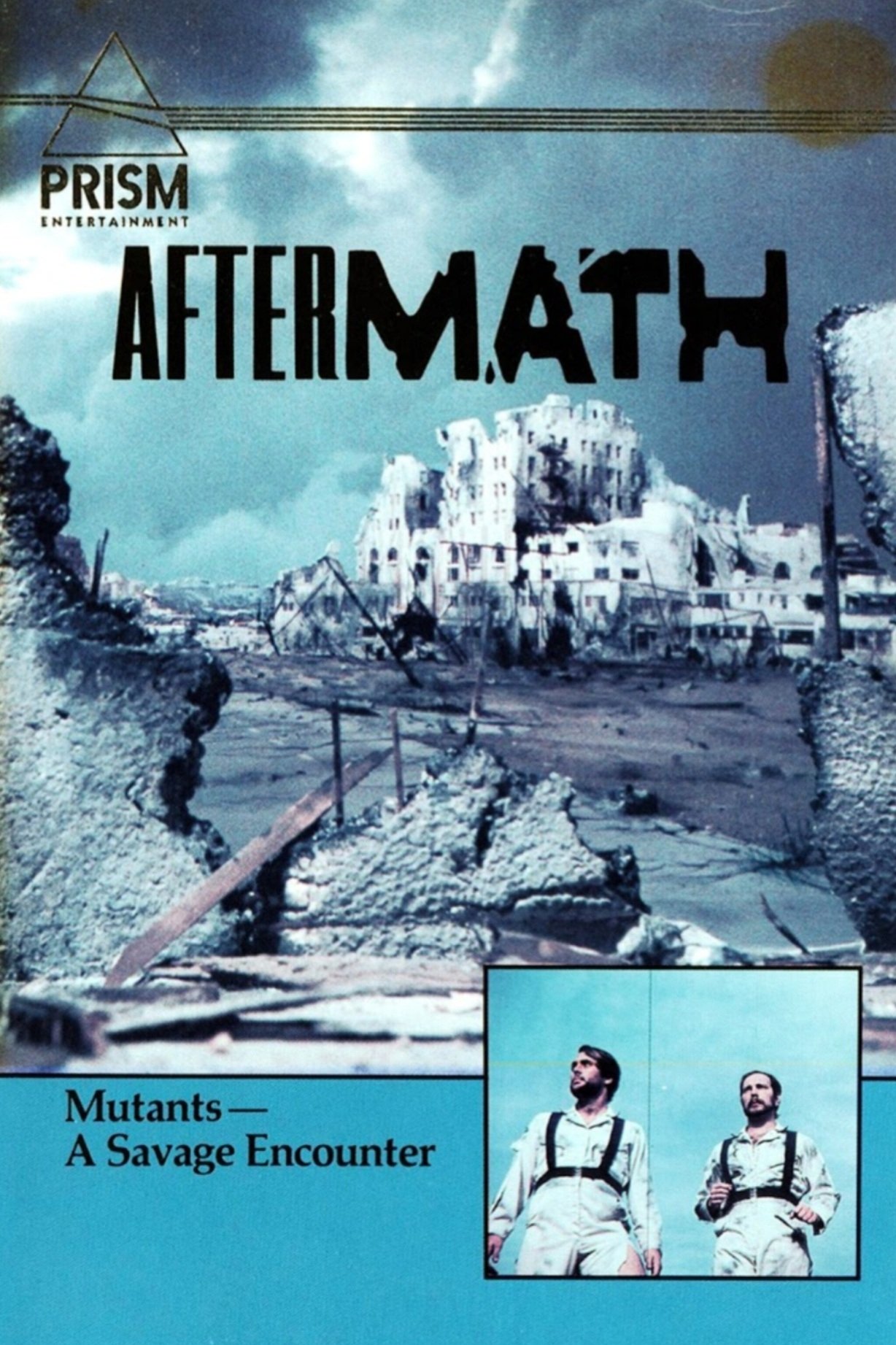
The film circulated in the United States in 1982 and subsequently reached video audiences through multiple editions. British viewers encountered it as Zombie Aftermath, a promotional name that emphasized the creatures although they are not traditional resurrected dead. Specialist histories place the cassette among the additional films associated with Section 3 seizures during the video-nasty controversy. That association should not be described as a successful obscenity prosecution or proof of a particular BBFC refusal. Later home-media presentations, including a 2018 high-definition edition, helped preserve a feature whose unusual blend of apocalyptic adventure and exploitation horror had survived through changing formats.